EP3388084A1 - Kombinationstherapie mit pd-1-signalhemmer - Google Patents
Kombinationstherapie mit pd-1-signalhemmer Download PDFInfo
- Publication number
- EP3388084A1 EP3388084A1 EP16872932.5A EP16872932A EP3388084A1 EP 3388084 A1 EP3388084 A1 EP 3388084A1 EP 16872932 A EP16872932 A EP 16872932A EP 3388084 A1 EP3388084 A1 EP 3388084A1
- Authority
- EP
- European Patent Office
- Prior art keywords
- substances
- antibody
- group
- iii
- signaling pathways
- Prior art date
- Legal status (The legal status is an assumption and is not a legal conclusion. Google has not performed a legal analysis and makes no representation as to the accuracy of the status listed.)
- Withdrawn
Links
Images





Classifications
-
- C—CHEMISTRY; METALLURGY
- C07—ORGANIC CHEMISTRY
- C07K—PEPTIDES
- C07K16/00—Immunoglobulins [IG], e.g. monoclonal or polyclonal antibodies
- C07K16/18—Immunoglobulins [IG], e.g. monoclonal or polyclonal antibodies against material from animals or humans
- C07K16/28—Immunoglobulins [IG], e.g. monoclonal or polyclonal antibodies against material from animals or humans against receptors, cell surface antigens or cell surface determinants
- C07K16/2803—Immunoglobulins [IG], e.g. monoclonal or polyclonal antibodies against material from animals or humans against receptors, cell surface antigens or cell surface determinants against the immunoglobulin superfamily
- C07K16/2818—Immunoglobulins [IG], e.g. monoclonal or polyclonal antibodies against material from animals or humans against receptors, cell surface antigens or cell surface determinants against the immunoglobulin superfamily against CD28 or CD152
-
- A—HUMAN NECESSITIES
- A61—MEDICAL OR VETERINARY SCIENCE; HYGIENE
- A61K—PREPARATIONS FOR MEDICAL, DENTAL OR TOILETRY PURPOSES
- A61K31/00—Medicinal preparations containing organic active ingredients
- A61K31/045—Hydroxy compounds, e.g. alcohols; Salts thereof, e.g. alcoholates
-
- A—HUMAN NECESSITIES
- A61—MEDICAL OR VETERINARY SCIENCE; HYGIENE
- A61K—PREPARATIONS FOR MEDICAL, DENTAL OR TOILETRY PURPOSES
- A61K31/00—Medicinal preparations containing organic active ingredients
- A61K31/045—Hydroxy compounds, e.g. alcohols; Salts thereof, e.g. alcoholates
- A61K31/05—Phenols
- A61K31/06—Phenols the aromatic ring being substituted by nitro groups
-
- A—HUMAN NECESSITIES
- A61—MEDICAL OR VETERINARY SCIENCE; HYGIENE
- A61K—PREPARATIONS FOR MEDICAL, DENTAL OR TOILETRY PURPOSES
- A61K31/00—Medicinal preparations containing organic active ingredients
- A61K31/12—Ketones
- A61K31/122—Ketones having the oxygen directly attached to a ring, e.g. quinones, vitamin K1, anthralin
-
- A—HUMAN NECESSITIES
- A61—MEDICAL OR VETERINARY SCIENCE; HYGIENE
- A61K—PREPARATIONS FOR MEDICAL, DENTAL OR TOILETRY PURPOSES
- A61K31/00—Medicinal preparations containing organic active ingredients
- A61K31/275—Nitriles; Isonitriles
-
- A—HUMAN NECESSITIES
- A61—MEDICAL OR VETERINARY SCIENCE; HYGIENE
- A61K—PREPARATIONS FOR MEDICAL, DENTAL OR TOILETRY PURPOSES
- A61K31/00—Medicinal preparations containing organic active ingredients
- A61K31/327—Peroxy compounds, e.g. hydroperoxides, peroxides, peroxyacids
-
- A—HUMAN NECESSITIES
- A61—MEDICAL OR VETERINARY SCIENCE; HYGIENE
- A61K—PREPARATIONS FOR MEDICAL, DENTAL OR TOILETRY PURPOSES
- A61K31/00—Medicinal preparations containing organic active ingredients
- A61K31/33—Heterocyclic compounds
- A61K31/395—Heterocyclic compounds having nitrogen as a ring hetero atom, e.g. guanethidine or rifamycins
- A61K31/53—Heterocyclic compounds having nitrogen as a ring hetero atom, e.g. guanethidine or rifamycins having six-membered rings with three nitrogens as the only ring hetero atoms, e.g. chlorazanil, melamine
-
- A—HUMAN NECESSITIES
- A61—MEDICAL OR VETERINARY SCIENCE; HYGIENE
- A61K—PREPARATIONS FOR MEDICAL, DENTAL OR TOILETRY PURPOSES
- A61K31/00—Medicinal preparations containing organic active ingredients
- A61K31/66—Phosphorus compounds
- A61K31/661—Phosphorus acids or esters thereof not having P—C bonds, e.g. fosfosal, dichlorvos, malathion or mevinphos
-
- A—HUMAN NECESSITIES
- A61—MEDICAL OR VETERINARY SCIENCE; HYGIENE
- A61K—PREPARATIONS FOR MEDICAL, DENTAL OR TOILETRY PURPOSES
- A61K39/00—Medicinal preparations containing antigens or antibodies
- A61K39/395—Antibodies; Immunoglobulins; Immune serum, e.g. antilymphocytic serum
-
- A—HUMAN NECESSITIES
- A61—MEDICAL OR VETERINARY SCIENCE; HYGIENE
- A61K—PREPARATIONS FOR MEDICAL, DENTAL OR TOILETRY PURPOSES
- A61K39/00—Medicinal preparations containing antigens or antibodies
- A61K39/395—Antibodies; Immunoglobulins; Immune serum, e.g. antilymphocytic serum
- A61K39/39533—Antibodies; Immunoglobulins; Immune serum, e.g. antilymphocytic serum against materials from animals
- A61K39/3955—Antibodies; Immunoglobulins; Immune serum, e.g. antilymphocytic serum against materials from animals against proteinaceous materials, e.g. enzymes, hormones, lymphokines
-
- A—HUMAN NECESSITIES
- A61—MEDICAL OR VETERINARY SCIENCE; HYGIENE
- A61K—PREPARATIONS FOR MEDICAL, DENTAL OR TOILETRY PURPOSES
- A61K45/00—Medicinal preparations containing active ingredients not provided for in groups A61K31/00 - A61K41/00
- A61K45/06—Mixtures of active ingredients without chemical characterisation, e.g. antiphlogistics and cardiaca
-
- A—HUMAN NECESSITIES
- A61—MEDICAL OR VETERINARY SCIENCE; HYGIENE
- A61P—SPECIFIC THERAPEUTIC ACTIVITY OF CHEMICAL COMPOUNDS OR MEDICINAL PREPARATIONS
- A61P29/00—Non-central analgesic, antipyretic or antiinflammatory agents, e.g. antirheumatic agents; Non-steroidal antiinflammatory drugs [NSAID]
-
- A—HUMAN NECESSITIES
- A61—MEDICAL OR VETERINARY SCIENCE; HYGIENE
- A61P—SPECIFIC THERAPEUTIC ACTIVITY OF CHEMICAL COMPOUNDS OR MEDICINAL PREPARATIONS
- A61P31/00—Antiinfectives, i.e. antibiotics, antiseptics, chemotherapeutics
-
- A—HUMAN NECESSITIES
- A61—MEDICAL OR VETERINARY SCIENCE; HYGIENE
- A61P—SPECIFIC THERAPEUTIC ACTIVITY OF CHEMICAL COMPOUNDS OR MEDICINAL PREPARATIONS
- A61P31/00—Antiinfectives, i.e. antibiotics, antiseptics, chemotherapeutics
- A61P31/04—Antibacterial agents
-
- A—HUMAN NECESSITIES
- A61—MEDICAL OR VETERINARY SCIENCE; HYGIENE
- A61P—SPECIFIC THERAPEUTIC ACTIVITY OF CHEMICAL COMPOUNDS OR MEDICINAL PREPARATIONS
- A61P35/00—Antineoplastic agents
-
- A—HUMAN NECESSITIES
- A61—MEDICAL OR VETERINARY SCIENCE; HYGIENE
- A61K—PREPARATIONS FOR MEDICAL, DENTAL OR TOILETRY PURPOSES
- A61K2300/00—Mixtures or combinations of active ingredients, wherein at least one active ingredient is fully defined in groups A61K31/00 - A61K41/00
-
- A—HUMAN NECESSITIES
- A61—MEDICAL OR VETERINARY SCIENCE; HYGIENE
- A61P—SPECIFIC THERAPEUTIC ACTIVITY OF CHEMICAL COMPOUNDS OR MEDICINAL PREPARATIONS
- A61P33/00—Antiparasitic agents
Definitions
- the present invention relates to a combination therapy using PD-1 signal inhibitors.
- Non-Patent Documents Nos. 1-3 The response rate of PD-1 antibody therapy in terminal lung cancer patients was 20-30%, showing a dramatic improvement compared to conventional anti-cancer drug therapies. However, only about one half of the patients were non-responsive. Little is known about why those patients are non-responsive to the PD-1 antibody therapy.
- anti-PD-1 antibody therapy inhibits cancer proliferation by activating antitumor immunity. It is expected that antitumor effect can be improved by a combined use of anti-PD-1 antibody and reagents which support antitumor immunity. Such a combination therapy may be applicable to non-responsive patients.
- ROS generators or mitochondrial membrane potential regulators support antitumor immunity and synergistically inhibit cancer proliferation when used in combination with PD-1 signal inhibitory antibody.
- Antitumor effect increases synergistically by using ROS generators or substances that regulate downstream signaling pathways thereof and/or substances exhibiting an uncoupling effect or substances that regulate downstream signaling pathways thereof in combination with PD-1 signal inhibitors.
- the present invention provides a pharmaceutical composition which comprises at least one substance selected from the group consisting of the following (i) to (iii) and is administered before, after or simultaneously with the administration of a PD-1 signal inhibitor:
- ROS generators include, but are not limited to, tert-butyl hydroperoxide (Luperox), carbonyl cyanide p-trifluoromethoxyphenylhydrazone (FCCP), 2,4-dinitrophenol (DNP), 2,3-dimethoxy-1, 4-naphthoquinone (DMNQ), 2-methylnaphthalene-1,4-dione (Menadione), 1,1'-dimethyl-4,4'-bipyridinium dichloride (paraquat) and analogs thereof.
- FCCP carbonyl cyanide p-trifluoromethoxyphenylhydrazone
- DNP 2,4-dinitrophenol
- DNQ 2,3-dimethoxy-1
- 2-methylnaphthalene-1,4-dione Meladione
- 1,1'-dimethyl-4,4'-bipyridinium dichloride paraquat
- the pharmaceutical composition of the present invention may comprise a substance which regulates any of these substances.
- the term "regulate” is a concept encompassing activation and inactivation.
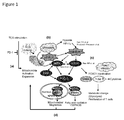
- mTOR a downstream signaling pathway of ROS, activates cellular glycolysis, causing amplification of proteins, lipids and nucleic acids necessary for cell division (promotion of anabolic action).
- T cell receptor signal enhanced by the inhibition of PD-1 signal would be further intensified.
- AMPK is activated as a downstream signaling pathway of uncouplers, mitochondrial biogenesis and oxidative phosphorylation necessary for energy production are activated in mitochondria. This would further augments the T cell receptor signal which is already enhanced by PD-1 signal inhibition.
- substances which regulate mTOR include, but are not limited to, 4,6-dimorpholino-N-(4-nitrophenyl)-1,3,5-triazin-2-amine;4,6-Di-4-morpholinyl-N-(4-nitrop henyl)-1,3,5-triazin-2-amine (MHY1485), phosphatidic acid (PA) and analogs thereof. These substances activate mTOR.
- AMPK also known as an energy sensor, is activated when energy consumption leads to a decreased ATP level and an increased AMP level.
- AMPK plays a role in controlling metabolism as the energy is not consumed but restored. For this reason, when AMPK is activated, biosynthesis is inhibited (inhibition of anabolism) and ATP is actively produced from mitochondria (promotion of catabolism) 1,2,3 .
- AMPK signaling pathway a complex of PGC-1 ⁇ and transcription factors exist, which activates mitochondrial biogenesis and oxidative phosphorylation metabolism 4 . Since activation of AMPK is accompanied by amelioration of diabetes, some AMPK activators are used as therapeutics for diabetes.
- SIRT1 is a deacetylase and activates transcription-related factors such as PGC-1 ⁇ and Foxo1. Once activated, SIRT1 forms tolerance to ROS or stress. SIRT1 is also activated by AMPK, and promotes mitochondrial biogenesis and oxidative phosphorylation via activation of PGC-1 ⁇ . Since tolerance to outer/inner stress is formed via activation of SIRT1, this enzyme is also reported to be associated with longevity 5,6 .
- PGC-1 ⁇ which is called a transcription factor coactivator, forms complexes with transcription factors related to various mitochondrial activities (transcription factor complexes comprising PGC-1 ⁇ ).
- transcription factor complexes comprising PGC-1 ⁇ .
- PGC-1 ⁇ forms complexes with transcription factors TR ⁇ 1, NRFs, ERR S , PPAR ⁇ / ⁇ /TM[MOU2], etc. and promotes activation of mitochondria, facilitation of lipid metabolism, and detoxication of reactive oxygen species.
- Drugs targeting those transcription factors that bind to PGC-1 ⁇ are used as therapeutics for diabetes and triglyceride lowering drugs 4,7,8 .
- substances which regulate PGC-1 ⁇ /transcription factor complexes include, but are not limited to, 2-(4- ⁇ 2-[(4-chlorobenzoyl)amino]ethyl ⁇ phenoxy)-2-methylpropanoic acid (bezafibrate), 9-cis,12-cis-octadecadienoic acid, 2-[4-(4-chlorobenzoyl)phenoxy]-2-methyl-propanoic acid-d6 1-methylethyl ester, (undecylthio)-acetic acid, 4-methyl-5-(2-pyrazinyl)-3-dithiolethion (oltipraz), N,N-dimethylformamide, 3-[4-(2,4-bis-trifluoromethylbenzyloxy)-3-methoxyphenyl]-2-cyano-n-(5-trifluoromethyl-1,3, 4-thiadiazol-2-yl)acrylamide and
- FCCP carbonyl cyanide p-trifluoromethoxyphenylhydrazone
- DNP 2,4-dinitrophenol
- CCCP carbonyl cyanide m-chlorophenylhydrazpne
- salicylic acid 4,4'-[pentane-1,5-diylbis(oxy)]dibenzenecarboximidamide) (Pentamidine), 2-(2-(2,6-dichlorophenylamino)phenyl)acetic acid (Diclofenac), 4-hydroxy-2-methyl-N-(2-pyridyl)-2H-1,2-benzothiazine-3-carboxamide 1,1-dioxide (Piroxicam), 2- ⁇ 1-[(4-Chlorophenyl)carbonyl]-5-methoxy-2-methyl-1H-indol-3-yl ⁇ acetic acid (Indomethacin), (N-(4-nitro-2-phenoxyphen
- the pharmaceutical composition of the present invention may comprise a substance which regulates any of these substances mentioned above.
- the term "regulate” is a concept encompassing activation and inactivation.
- PGC-1 ⁇ /transcription factor complex The substances which regulate mTOR, AMPK, SIRT1 and PGC-1 ⁇ /transcription factor complex (PGC-1 ⁇ -comprising transcription factor complex) are as described above.
- Foxo1 is a transcription factor located in the downstream of mTOR signal. When phosphorylated via activation of mTOR, Foxo1 translocates from the nucleus to the cytoplasm, and does not initiate transcription. As a result, EOMES is inhibited and expression of T-bet necessary for CTL activation is enhanced ( Staron MM et al. Immunity. 41: 802-14, 2014 ; Rao RR et al. 36: 374-87, 2012).
- Foxo1 binds to PGC-1 ⁇ to thereby activate gene expression which promotes gluconeogenesis.
- glucose is synthesized from metabolites of TCA cycle, so oxidative phosphorylation tends to be inhibited.
- inhibition of Foxo1 in type 2 diabetes model results in a recovery from mitochondrial dysfunction. This seems to be another evidence to show that inhibition of Foxo1 activates mitochondria ( Coppari R et al. Nat Clin Pract Endocrinol Metab. 3:160-6, 2009 ; Puigserver P et al. Nature. 423:550-5, 2003 ).
- amino acids tryptophan, phenylalanine, leucine, isoleucine, tyrosine, histidine, lysine, methionine, threonine, valine, alanine, arginine, asparagine, aspartic acid, cysteine, glutamic acid, glutamine, glycine, proline, serine, ornithine, citrulline and analogs thereof may be enumerated.
- Amino acids may be used either singly or in combinations of two or more kinds.
- Amino acid may be either L-amino acid, D-amino acid or DL-amino acid.
- Aminoleban When PD-1 is inhibited, anabolism (cell proliferation) undergo, resulting in the consumption of metabolites such as amino acids. If, under such circumstances, amino acids serving as the skeleton of cells, etc. are supplied, cell proliferation would be further promoted. When the supplied amino acids accelerate cell proliferation, mTOR could be activated.
- an amino acid preparation Aminoleban has been reported to activate mTOR ( Tamanna N, Mahmood N. Int Sch Res Notices. 2014:235619, 2014 ). In the examples to be described later, Aminoleban exhibited a synergistic effect when combined with PD-L1 antibody therapy, so the amino acids contained in Aminoleban would preferably be used either alone or in combinations of two or more kinds.
- salts may be pharmaceutically acceptable salts.
- examples of such salts include, but are not limited to, alkaline metal salts such as sodium salts, potassium salts or lithium salts; alkaline earth metal salts such as calcium salts or magnesium salts; metal salts such as aluminum salts, iron salts, zinc salts, copper salts, nickel salts or cobalt salts; amine salts including inorganic salts such as ammonium salts and organic salts such as t-octylamine salts, dibenzylamine salts, morpholine salts, glucosamine salts, phenylglycine alkyl ester salts, ethylenediamine salts, N-methylglucamine salts, guanidine salts, diethylamine salts, triethylamine salts, dicyclohexylamine salts, N,N'-dibenzylethylenediamine salts
- the substances described in (i) to (iii) above and salts thereof may produce solvates with solvents such as water, methanol, ethanol or acetonitrile.
- solvents such as water, methanol, ethanol or acetonitrile.
- Such solvates may be either of a single kind or a mixture of one or more kinds.
- analog refers to a substance which does not require a major structural change but involves only slight structural changes (such as addition or modification of side chains or the like) to exhibit an effect comparable to that of the original substance.
- Analog is a concept encompassing derivatives of lead compounds in pharmaceuticals, prodrugs to active metabolites, active metabolites to prodrugs, and so on.
- prodrugs include, but are not limited to, compounds in which an amino group of the active compound is acylated, alkylated or phosphorylated (e.g., an amino acid of the active compound is eicosanoylated, alanylated, pentylaminocarbonylated, (5-methyl-2-oxo-1,3-dioxolen-4-yl)methoxycarbonylated, tetrahydrofuranylated, pyrrolidyl methylated, pivaloyloxymethylated, tert-butylated, or the like); compounds in which a hydroxyl group of the active compound is acylated, alkylated, phosphorylated or borated (e.g., a hydroxyl group in the active compound is acetylated, palmitoylated, propanoylated, pivaloylated, succinylated, fumarylated, alanylated, dimethylaminomethylcarbony
- PD-1 signal refers to the signal transduction mechanism which PD-1 bears.
- PD-1 inhibits T cell activation in collaboration with its ligands PD-L1 and PD-L2.
- PD-1 (Programmed cell death-1) is a membrane protein expressed in activated T cells and B cells. Its ligands PD-L1 and PD-L2 are expressed in various cells such as antigen-presenting cells (monocytes, dendritic cells, etc.) and cancer cells.
- PD-1, PD-L1 and PD-L2 work as inhibitory factors which inhibit T cell activation. Certain types of cancer cells and virus-infected cells escape from host immune surveillance by expressing the ligands of PD-1 to thereby inhibit T cell activation.
- PD-1 signal inhibitors substances which specifically bind to PD-1, PD-L1 or PD-L2 may be given. Such substances include, but are not limited to, proteins, polypeptides, oligopeptides, nucleic acids (including natural-type and artificial nucleic acids), low molecular weight organic compounds, inorganic compounds, cell extracts, and extracts from animals, plants, soils or the like. These substances may be either natural or synthetic products.
- Preferable PD-1 signal inhibitors are antibodies. More preferably, antibodies such as anti-PD-1 antibody, anti-PD-Ll antibody and anti-PD-L2 antibody may be given. Any type of antibody may be used as long as it is capable of inhibiting the PD-1 signal.
- the antibody may be any of polyclonal antibody, monoclonal antibody, chimeric antibody, single chain antibody, humanized antibody or human-type antibody. Methods for preparing such antibodies are known.
- the antibody may be derived from any organisms such as human, mouse, rat, rabbit, goat or guinea pig.
- the term "antibody” is a concept encompassing antibodies of smaller molecular sizes such as Fab, F(ab)' 2 , ScFv, Diabody, V H , V L , Sc(Fv) 2 , Bispecific sc(Fv) 2 , Minibody, scFv-Fc monomer or scFv-Fc dimer.
- the pharmaceutical composition of the present invention may be used as an anticancer agent, an anti-infective agent or a combination thereof.
- target cancers or tumors includes, but are not limited to, leukemia, lymphoma (e.g., Hodgkin's disease, non-Hodgkin's lymphoma), multiple myeloma, brain tumors, breast cancer, endometrial cancer, cervical cancer, ovarian cancer, esophageal cancer, stomach cancer, appendix cancer, colon cancer, liver cancer, gallbladder cancer, bile duct cancer, pancreatic cancer, adrenal cancer, gastrointestinal stromal tumor, mesothelioma, head and neck cancer (such as laryngeal cancer), oral cancer (such as floor of mouth cancer), gingival cancer, tongue cancer, buccal mucosa cancer, salivary gland cancer, nasal sinus cancer (e.g., maxillary sinus cancer, frontal sinus cancer, ethmoid sinus cancer, sphenoid sinus cancer), thyroid cancer, renal cancer, lung cancer, osteosarcoma, prostate cancer, test
- lymphoma e.g., Hodgkin
- target infections include, but are not limited to, bacterial infections [various infections caused by Streptococcus (e.g., group A ⁇ hemolytic streptococcus, pneumococcus), Staphylococcus aureus (e.g., MSSA, MRSA), Staphylococcus epidermidis, Enterococcus, Listeria, Neisseria meningitis aureus, Neisseria gonorrhoeae, pathogenic Escherichia coli (e.g., 0157:H7), Klebsiella (Klebsiella pneumoniae), Proteus, Bordetella pertussis, Pseudomonas aeruginosa, Serratia, Citrobacter, Acinetobacter, Enterobacter, mycoplasma, Clostridium or the like; tuberculosis, cholera, plague, diphtheria, dysentery,
- the pharmaceutical composition of the present invention comprises at least one substance selected from the group consisting of the following (i) to (iii) and is administered before, after or simultaneously with the administration of a PD-1 signal inhibitor:
- a PD-1 signal inhibitor and at least one substance selected from the group consisting of the above-mentioned (i) to (iii) may be used in combination or may be formulated as a single dosage.
- the PD-1 signal inhibitor and the at least one substance may be administered separately.
- a combination drug containing the PD-1 signal inhibitor and the at least one substance may be prepared.
- the pharmaceutical composition of the present invention is administered to human or animal subjects systemically or locally by an oral or parenteral route.
- PD-1 signal inhibitors e.g., anti-PD-1 antibody, anti-PD-Ll antibody or anti-PD-L2 antibody
- buffers such as PBS, physiological saline or sterile water
- additives such as coloring agents, emulsifiers, suspending agents, surfactants, solubilizers, stabilizers, preservatives, antioxidants, buffers, isotonizing agents and the like may be added.
- routes of administration intravenous, intramuscular, intraperitoneal, subcutaneous or intradermal administration and the like may be selected.
- the content of the PD-1 signal inhibitor e.g., anti-PD-1 antibody, anti-PD-Ll antibody or anti-PD-L2 antibody
- a preparation varies with the type of the preparation and is usually 1-100% by weight, preferably 50-100% by weight.
- Such a preparation may be formulated into a unit dosage form.
- PD-1 signal inhibitor e.g., anti-PD-1 antibody, anti-PD-Ll antibody or anti-PD-L2 antibody
- the dose and the number of times and frequency of administration of PD-1 signal inhibitor may vary with the symptoms, age and body weight of the human or animal subject, the method of administration, dosage form and so on.
- PD-1 signal inhibitor e.g., anti-PD-1 antibody, anti-PD-Ll antibody or anti-PD-L2 antibody
- 0.1-100 mg/kg body weight preferably 1-10 mg/kg body weight, may usually be administered per adult at least once at a frequency that enables confirmation of the desired effect.
- At least one substance selected from the group consisting of the above-described (i) to (iii) may be contained in a preparation comprising a PD-1 signal inhibitor.
- the at least one substance either alone or in admixture with an excipient or carrier may be formulated into tablets, capsules, powders, granules, liquids, syrups, aerosols, suppositories, injections or the like.
- the excipient or carrier may be of any type that is routinely used in the art and pharmaceutically acceptable, with their type and composition being appropriately changed.
- a liquid carrier for example, water, plant oil or the like may be used.
- saccharides such as lactose, sucrose or glucose, starches such as potato starch or corn starch, cellulose derivatives such as microcrystalline cellulose, and the like may be used.
- Lubricants such as magnesium stearate, binders such as gelatin or hydroxypropyl cellulose, and disintegrants such as carboxymethyl cellulose, and the like may be added. What is more, antioxidants, coloring agents, flavoring agents, preservatives, and the like may also be added.
- At least one substance selected from the group consisting of the above-described (i) to (iii) may be administered via various routes such as oral, transnasal, rectal, transdermal, subcutaneous, intravenous or intramuscular route.
- the content of at least one substance selected from the group consisting of the above-described (i) to (iii) in a preparation varies with the type of the preparation and.is usually 1-100% by weight, preferably 50-100% by weight.
- the content of the at least one substance selected from the group consisting of the above-described (i) to (iii) in the preparation is preferably 1-100% by weight.
- the content of the at least one substance selected from the group consisting of the above-described (i) to (iii) in the preparation is usually 10-100% by weight, preferably 50-100% by weight, with the balance being the carrier.
- the preparation may be formulated into a unit dosage form.
- the dose and the number of times and frequency of administration of at least one substance selected from the group consisting of the above-described (i) to (iii) may vary with the symptoms, age and body weight of the human or animal subject, the method of administration, dosage form and so on.
- amount of the active ingredient 0.005 ⁇ g (or ml) to 25000 mg (or ml)/kg body weight may usually be administered per adult at least once at a frequency that enables confirmation of the desired effect.
- values of the appropriate range, preferable range and more preferable range are shown in the table below, to which the dose is not necessarily limited, though.
- the ratio (in mass) of PD-1 signal inhibitor e.g., anti-PD-1 antibody, anti-PD-Ll antibody or anti-PD-L2 antibody
- a ROS generator or a substance which regulates downstream signaling pathways thereof is appropriately from 1:0.1 to 1:100, preferably from 1:1 to 1:50.
- the ratio (in mass) of PD-1 signal inhibitor e.g., anti-PD-1 antibody, anti-PD-Ll antibody or anti-PD-L2 antibody
- PD-1 signal inhibitor e.g., anti-PD-1 antibody, anti-PD-Ll antibody or anti-PD-L2 antibody
- the ratio (in mass) of PD-1 signal inhibitor is appropriately from 1:0.01 to 1:10, preferably from 1:0.1 to 1:1.
- the ratio (in mass) of PD-1 signal inhibitor e.g., anti-PD-1 antibody, anti-PD-Ll antibody or anti-PD-L2 antibody
- PD-1 signal inhibitor e.g., anti-PD-1 antibody, anti-PD-Ll antibody or anti-PD-L2 antibody
- amino acid(s) is appropriately from 1:0.001 to 1:100, preferably from 1:0.01 to 1:10.
- the present invention also provides a method of treating cancer, infection or a combination thereof, comprising administering to a human or animal subject a pharmaceutically effective amount of at least one substance selected from the group consisting of the above-described (i) to (iii) before, after or simultaneously with the administration of a PD-1 signal inhibitor. Further, the present invention provides use of at least one substance selected from the group consisting of the above-described (i) to (iii) for treating cancer, infection or a combination thereof, wherein the at least one substance selected is administered before, after or simultaneously with the administration of a PD-1 signal inhibitor.
- the present invention provides use of at least one substance selected from the group consisting of the above-described (i) to (iii) in a method for treating cancer, infection or a combination thereof, wherein the at least one substance selected is administered before, after or simultaneously with the administration of a PD-1 signal inhibitor.
- the present invention provides a drug which enhances PD-1 signal inhibitory activity, comprising at least one substance selected from the group consisting of the above-described (i) to (iii).
- This drug of the present invention may be used in combination with a PD-1 signal inhibitor or formulated together with a PD-1 signal inhibitor into a combination drug. Combined use of a PD-1 signal inhibitor and at least one substance selected from the group consisting of the above-described (i) to (iii), as well as formulating them together as a single dosage are as described above.
- the drug of the present invention may be used as an experimental reagent in addition to its application as a pharmaceutical.
- the substance may be added to cells (e.g., mouse spleen cells) in vitro, followed by measurement of an intracellular ROS concentration.
- the substance may be added to cells (e.g., mouse spleen cells) in vitro, followed by measurement of an intracellular mitochondrial proton gradient with a flow cytometer after intracellular staining or by direct measurement of the gradient with an analyzer Seahorse.
- TR CTLs tumor-reactive cytotoxic T lymphocytes
- ROS reactive oxygen species
- mitochondria-derived ROS generated by ROS generator or uncouplers increases CD8 + CD44 + CD62L - T cells in draining lymph nodes and tumors, thus enhancing the antitumor effect of PD-1 blockade.
- reagents directly activating metabolic sensors such as mTOR, AMPK, SIRT, etc including Resveratrol enhance the therapeutic effect of PD-1 blockade and inhibit tumors for a long period of time.
- none of these substances or reagents used in combination therapy did not exhibit an antitumor effect alone.
- PD-1 which is expressed as a surface receptor in activated T cells, works as a suppressor in immune response.
- PD-1 binds to either one of its two ligands (PD-L1 and PD-L2) and phosphorylates the tyrosine residue in ITSM, resulting in the recruitment of tyrosine phosphatase SHP-2.
- Activation transmitting molecules such as Zap70 which have been phosphorylated by T cell receptor signals are dephosphorylated by SHP-2, resulting in inhibition of T cell activation 12,13 . Since PD-1 deficient mice developed autoimmune diseases in animal experiments, immunosuppressive function of PD-1 has been confirmed 14,15,16 . Thus, PD-1 has been shown to work as an immune checkpoint and induces self-tolerance.
- the present inventors have elucidated the basic role of PD-1 and revealed that immune responses to cancer or infection could be enhanced by modulating the PD-1 function 17,18 . Indeed, since the results of a clinical trial on melanoma were published in 2010 19 , clinical trials of the PD-1 blockade therapy on various cancers have been carried out and most of them have shown surprising effects.
- the PD-1 blockade therapy against melanoma, non-small-cell lung cancer and renal cell carcinoma is covered by medical insurance in Japan.
- the PD-1 blockade therapy has dramatically improved the survival rate of cancer patients, compared to not only conventional immunotherapy but also actually employed standard chemotherapy. Unfortunately, however, about 30-50% of patients are still non-responsive to the PD-1 blockade therapy.
- the PD-1 blockade therapy has been combined with other immune checkpoint factors Lag3 and Tim3, cancer vaccines, radiotherapy, low-dose chemotherapy, etc 21 .
- other immune checkpoint factors Lag3 and Tim3 cancer vaccines, radiotherapy, low-dose chemotherapy, etc 21 .
- a significant synergistic effect by combination therapies has not been reported yet.
- checkpoint blockade immunotherapy mainly targets tumor-specific mutant antigens 22,23 , but it is unknown whether effector T cells are activated at the tumor site or in draining lymph nodes. Moreover, when tumor is eradicated by PD-1 antibody therapy, it is even unknown what signal allows effector T cells to traffic to tumor site.
- TR CTLs focusing on metabolic reprogramming necessary for effector function 1,2,3,26,27 .
- TR CTLs extracted from draining lymph nodes (DLNs) under the PD-1 blockade therapy showed larger mitochondrial mass, higher membrane potential, and high mitochondrial reactive oxygen species (ROS).
- the present inventors have hypothesized that stimulation of mitochondrial function in effector T cells induces enhancement of antitumor effect in the PD-1 blockade therapy.
- activators of energy metabolic sensors AMP-activated Protein Kinase (AMPK), SIRT1 and Mechanistic Target of Rapamycin (mTOR) showed synergistic antitumor effects with the PD-1 blockade therapy.
- the present inventors have examined the PD-1 blockade induced metabolic changes of tumor-reactive CD8 + T cells in DLNs.
- One of the issuts for the mechanistic analysis of the PD-1 blockade therapy is that comprehensive identification of TR CTLs is difficult since CTLs having a diverse T cell receptor repertoire responding to various tumor antigens are generated by PD-1 blockade 30,31 .
- CellTrace-labeled CD45.1 + CD8 + T cells were transplanted into CD45.2 + CD8 KO mice.
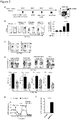
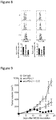
- the present inventors examined the proliferation of the labeled T cells in draining lymph nodes, assuming that tumor-reactive CD8 + T cells would proliferate selectively and vigorously ( Fig. 2a ).
- the transplanted CD45.1 + CD8 + T cells were divided into two populations: a vigorously dividing cell population (High Proliferation) and a less dividing cell population (Low Proliferation) ( Fig. 2b ).
- the absolute number and frequency of CD45.1 + CD8 + T cells of High Proliferation in MC38-bearing mice were increased in the group treated with PD-L1 antibody compared to the group treated with control antibody IgG ( Fig. 2b ).
- the present inventors examined the metabolic function of TR CTLs vigorously proliferating in DLNs. Since mitochondrial metabolism is considered to be important not only for T cell activation but also for continuous T cell proliferation or formation of memory T cells, the present inventors focused on the function of mitochondria in TR CTLs 26,32 . Compared to less dividing cells, highly proliferating CD8 + T cells had larger mitochondrial mass, higher mitochondrial membrane potential and higher production of mitochondrial reactive oxygen species (ROS) 33 . These results clearly show that mitochondria are activated in TR CTLs by PD-1 blockade ( Fig. 2d ).
- ROS mitochondrial reactive oxygen species
- ROS Is Necessary for Enhancing the Antitumor Activity By PD-1 Blockade.
- ROS increases remarkably as a result of PD-1 antibody therapy.
- ROS is generated in complexes I, II and III of the mitochondrial electron transport chain (ETC) 35 .
- mitochondrial ROS also functions as a signal transduction factor for expanding the antigenicity of T cells 26,32 .
- exogenous ROS or its generators which are known to directly damage tumor cells (27), have been considered as candidates for cancer therapeutics 36 .
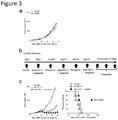
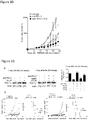
- the present inventors first tested whether a ROS generator alone would exhibit tumoricidal activity. When a ROS precursor, tert-butyl hydroperoxide solution (Luperox), was injected into MC38-bearing mice, no antitumor activity was observed ( Fig.
- FCCP carbonylcyanide-p-trifluoromethoxyphenylhydrazone
- DNP 2,4-dinitrophenol
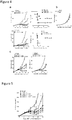
- the present inventors confirmed that the effect of combination therapy using PD-L1 antibody and uncouplers was inhibited by administration of MnTBAP (a synthetic metalloporphyrin acting as a ROS scavenger) ( Fig. 4c ). These results have revealed that the synergistic effect of the uncouplers is mediated by ROS signals. Curiously, the triple combination of PD-L1 antibody, DNP and Luperox showed a stronger antitumor activity ( Fig. 5 ), suggesting that uncouplers may have other pathways unrelated with ROS signaling to augment the effect of PD-1 blockade.
- MnTBAP synthetic metalloporphyrin acting as a ROS scavenger
- the present inventors first examined the fraction of CD8 + T cell in both draining lymph nodes and tumor sites. As shown in Fig. 6a , the present inventors found that the absolute number and proportion of effector CD8 + T cells (CD62L - CD44 + gated as P3) in DLNs significantly increased in the combination therapy group treated with PD-L1 antibody and FCCP compared with the group treated with anti-PD-Ll antibody alone.
- AMPK and mTOR are opposing energy metabolism sensors and the balance of phosphorylated AMPK and mTOR is believed to regulate the differentiation of CD8 + T cells 1, 40,41,42,43,44 . Since it is known that increase of AMP/ATP ratio by uncouplers activates AMPK 45 , the present inventors examined the state of phosphorylation of AMPK and mTOR in CD8 + T cells in DLNs of tumor-bearing mice treated by combination therapy using PD-L1 antibody and uncouplers. AMPK and its associated proteins ACC and SIRT1 were found to be activated at multiple time points after the combination therapy in CD8 + T cells harvested from mice treated with PD-L1 antibody and DNP or FCCP ( Fig.7a ). Unexpectedly, however, mTOR and its associated proteins S6K and 4EBP1 were also found to be activated after the combination therapy ( Fig. 7a ).
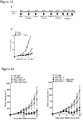
- both the mTOR activator and the AMPK activator moderately augmented the efficacy of the PD-1 blockade therapy in the early phase (before day 20), whereas the triple combination of mTOR activator, AMPK activator and PD-L1 antibody further enhanced the effect of PD-L1 antibody and improved animal survival.
- SIRT1 an NAD-dependent protein deacetylase
- PGC-1 ⁇ a transcriptional cofactor regulated by either AMPK or mTOR
- FCCP FCCP
- mTOR activator or AMPK activator together with PD-L1 antibody increased the expression levels of PGC-1 ⁇ protein and mRNA, a result in agreement with previous reports ( Fig. 11a ) 37,45,46 .
- PD-L1 antibody alone was administered, expression of PGC-1 ⁇ protein was increased but expression of PGC-1 ⁇ mRNA was reduced. This result is probably due to the involvement of multiple steps (transcription, translation, protein stabilization, etc.) in PGC-1 ⁇ regulation 46,47 .
- T-bet a critical transcription factor for cytokine secretion and activation of TR CTLs by PD-1 blockade, is known to be activated by mTOR through FOXO1 inhibition.
- the present inventors examined how combination therapy of FCCP and PD-L1 antibody affects T-bet and Eomes expression. In agreement with the above-described finding that combination therapy using PD-L1 antibody and FCCP activated mTOR, FCCP increased T-bet expression but not Eomes expression in CD8 + cells ( Fig. 15a ).
- the present inventors have demonstrated that PD-L1 antibody treatment activates mitochondria with higher ROS in TR CTLs, and that administration of ROS generators enhances the antitumor effect of PD-1 blockade.
- administration of ROS generators enhances the antitumor effect of PD-1 blockade.
- FCCP and DNP mitochondrial uncouplers
- mitochondrial uncouplers was considered to have an effect for suppressing ROS production and might be useful for treating oxidation stress-related diseases such as ischemic damage, cardiac failure, insulin resistance, obesity, aging, etc. 50 Administration of the uncouplers alone did not show any effect on the proliferation of T cells or tumor growth. Therefore, the uncouplers at the minimum dose used in the present study were found to be rather effective for supplementing the immunological events or immune reactions induced by PD-1 blockade.
- Resveratrol a natural polyphenol, is known for its cardiovascular improvement, antiaging effect and antitumor effect. It implies that Resveratrol induces mitochondrial biogenesis and functional metabolic change to protect hosts from diseases.
- the present inventors revealed that Resveratrol at lower doses enhances the efficacy of the PD-1 blockade therapy. Like uncouplers, Resveratrol itself was not involved in tumor growth or, if anything, increased tumor. However, when used in combination with PD-L1 antibody, Resveratrol exhibited a remarkable tumor inhibitory effect and improved the survival rate in animal models.
- T-bet is important for the antitumor function of CTLs as well as for the differentiation of memory precursors which potentially supply terminally differentiated effector CTLs required for tumor regression 55,56 .
- terminally differentiated CTLs which strongly express EOMES are reported to be in an immunologically tolerized state by chronic antigen recognition 56,57 .
- the combination of PD-L1 antibody therapy with FCCP or bezafibrate increased T-bet and IFN- ⁇ expression but rather decreased EOMES expression. This is a result not contradictory with our conclusion that the combination therapy expands effector-memory cell population (P3 population) with activated mitochondria.
- PGC-1 ⁇ is a molecule which regulates a series of transcription factors involved in mitochondrial biogenesis and mitochondrial oxidative phosphorylation. Activation of AMPK or mTOR augments PGC-1 ⁇ expression and activates PGC-1 ⁇ through phosphorylation.
- the present inventors have demonstrated that the PD-1 blockade combination therapy with uncouplers increases PGC-1 ⁇ expression and that PGC-1 ⁇ activators (bezafibrate and oltipraz) also synergize with PD-L1 antibody in tumor treatment models. These results clearly revealed that PGC-1 ⁇ is a key molecule that triggers mitochondrial activation and expansion and induces the feed-forward signaling cycle of mTOR and AMPK activation pathways.
- uncouplers and bezafibrate when combined with PD-L1 antibody, activated T-bet, a critical cytokine regulator located downstream of mTOR.
- the first problem is that the PD-1 blockade therapy is not effective on all patients, as already described above. Therefore, clinically applicable chemicals which could enhance the antitumor effect of the PD-1 blockade therapy have been developed. The current results would provide alternatives of new combination therapies to unresponsive patients for the PD-1 blockade therapy.
- the second problem is about adverse effects of the PD-1 blockade therapy alone or combination therapy, taking examples of toxicities peculiar to chemicals and autoimmune diseases by excessive immune responses 57 . Such therapeutic interventions to improve the immunotherapy may well accompany increased adverse effects.
- the present inventors have identified those chemicals which enhance the efficacy of the PD-1 blockade therapy by regulating mitochondrial energy metabolism checkpoints.
- mice were maintained under specific pathogen-free (SPF) conditions at the Institute of Laboratory Animals, graduate School of Medicine, Kyoto University and used under appropriate protocols.
- C57BL/6 and BALB/c mice (5 to 6 wk old) were obtained from Charles River Laboratories Japan (Yokohama).
- Murine colon adenocarcinoma MC38 cells were kindly provided by Dr. Jim Allison (Memorial Sloan-Kettering Cancer Center, New York, NY).
- Fibrosarcoma MethA cells were obtained from the Cell Resource Center for Biomedical Research (Sendai, Japan). These cell lines were cultured in DMEM (Invitrogen) with 10% heat inactivated FBS and 1% antifungal antibiotic (Invitrogen). These cell lines are not infected with mycobacteria.
- mice were intraperitoneally injected with 150 ⁇ g of PD-L1 mouse antibody (1-111A) (prepared by the laboratory of the present inventors) 5 days after the tumor inoculation. Therapy with PD-L1 antibody alone was repeated three times every 5 days.
- PD-L1 antibody and chemical agents started 7 days after tumor injection. Chemical agents were injected at a regular interval of 2 days and PD-L1 antibody at a regular interval of 5 days (shown in Fig. 3b ). Tumors were measured on every alternate day, and tumor volumes were calculated using the formula for typical ellipsoid, ⁇ ⁇ (length ⁇ breadth ⁇ height/6).
- CD8 + T cells were isolated from CD45.1 + mice using an autoMACS Pro Separator (Miltenyi Biotec). Isolated CD45.1 + CD8 + T cells were labeled with CellTrace Violet (Thermo Fisher Scientific) by incubating cells for 20 min with the CellTrace diluted in PBS. After washing, cells were injected into the tail vein of CD45.2 + CD8 -/- mice. After 5 days, MC38 (5 ⁇ 10 5 cells) were intradermally injected, and PD-L1 antibody was intraperitoneally administered 8 days after the tumor inoculation.
- CellTrace Violet Thermo Fisher Scientific
- AMPK activator A769662, 6 mg/kg (Abeam); mTOR activator: MHY1485, 3 ⁇ g/kg (Sigma-Aldrich); uncoupler: carbonylcyanide-p-trifluoromethoxyphenylhydrazone (FCCP), 1.2 mg/kg (Abeam); uncoupler: 2,4-Dinitrophenol (DNP), 1.7 mg/kg (Aldrich); SIRT1 activator: resveratrol, 0.5 mg/kg (Abeam); ROS scavenger: Mn (III) tetrakis (4-benzoic acid) porphyrin (MnTBAP), 1.25 mg/kg (Calbiochem); ROS generator: tert-butyl hydroperoxide solution (Luperox TBH70X), 200 ⁇ L/kg (Sigma-Aldrich); ATP synthase inhibitor: oligomycin, 250 ⁇ g/
- reagents were freshly prepared just before use. Each reagent was dissolved in the solvent indicated in the instructions. Note that the AMPK activator, mTOR activator, uncouplers and SIRT1 activator were prepared from fresh unused vials in each series of experiments. Dissolved reagents were diluted in PBS, and a 200 ⁇ l aliquot was injected per mouse.
- CBA Cytokine Bead Array Assay
- Concentrations of various cytokines in sera harvested from treated mice were quantitatively measured using beads coated with antibodies against the different mouse cytokines IL-17A, IL-21, MIG, TNF- ⁇ , IFN- ⁇ , IL-1 ⁇ , IL-2, IL-4, IL-6, IL-10 and IL-12. Stained samples were run on a FACS Canto II flow cytometer (BD Biosciences) following the instructions. The data were analyzed using FACS Array software v3.0 (BD Biosciences).
- MC38 was inoculated into mice and treated with PD-L1 antibody, as described for monotherapy using PD-L1 antibody alone.
- MIG levels in sera were measured quantitatively with an MIG ELISA Kit (Abcam) following the instructions in the kit.
- tumor cells from axillary, brachial, and inguinal lymph nodes on the right side of tumor-inoculated mice were harvested and mixed. Averaged cell numbers per one lymph node were used as absolute cell numbers.
- tumor tissues were minced into 2- to 3-mm pieces with scissors and digested with collagenase type IV (Thermo Fisher Scientific) using a gentle MACS Dissociator (Miltenyi Biotec). The numbers of tumor cells per mg were used as absolute numbers.
- Tumor cells were isolated from digested tumor tissues using a Tumor Cell Isolation Kit, mouse (Miltenyi Biotec). This kit purifies tumor cells by excluding lymphocytes, red blood cells, fibroblasts, endothelial cells and tumor-associated stromal cells. The resultant tumor cell population was further isolated/purified with FACS Aria (BD Biosciences).
- CD44 (1M7), CD45.2 (104), CD45.1 (A20), CD8 (53-6.7), CD62L (MEL-14), T-bet (4B/O) and IFN- ⁇ (XMG1.2), MHC class I (AF6-88.5), CD155 (Tx56) and VISTA (MIH63) from BioLegend; p-AMPK (EPR5683) from Ancam; p-mTOR (MRRBY), Eomes (Danllmag) and PD-L1 (M1H5) from eBioscience. All flow cytometry experiments were performed on a FACS Canto II (BD Biosciences) and analyzed using FlowJo software (FLOWJO, LLC).
- Oxygen consumption rates were measured using an XF96 Extracellular Flux Analyzer (Seahorse Bioscience). CD8 + T cells (4 x 10 5 ) per well were seeded in a determined XF96 plate. The four chemical modulators of mitochondrial oxidative phosphorylation, which came with an XF Cell Mito Stress Test Kit (Seahorse Bioscience), were added to the module sequentially. In brief, basal OCR measurement was performed after sequential addition of oligomycin, FCCP, and rotenone/antimycin A. ATP turnover was defined as (last rate measured before oligomycin addition) - (minimum rate measured after oligomycin addition) 34 .
- Real-time PCR for PGC-1 ⁇ was performed using the following primers: Forward ACTCGGATTGCTCCGGCCCT (SEQ ID NO: 1) and Reverse ACTGACGGCCTAACTCCACCCA (SEQ ID NO: 2).
- RT2 Profiler PCR Array Gene Expression Kit PAMM-012Z or PAMM-008Z was used. The list of genes included in this assay can be found in http://www.sabiosciences.com/Apoptosis.php
- CD8 + T cells were isolated using mouse CD8 Microbeads (Miltenyi Biotec). After washing with PBS twice, 2 ⁇ 10 6 cells were solubilized in a lysis buffer containing 30 mM Tris-HCl (pH.7.4), 150 mM NaCl, 10% glycerol, 0.1% SDS, 1% Triton-X-100, 0.05% Na-Doc, 5 mM EDTA (pH.8.0), protease inhibitor mixture (Roche Molecular Biochemicals) and phosphatase inhibitors (Nacalai Tesque).
- Phospho-mTOR (Cat#5536), Phospho-AMPKa (P-AMPK) (#2535), Phospho-p70 S6 Kinase (P-S6K) (#9205), 4E-BP1 (#9644), Phospho-Acetyl-CoA Carboxylase (P-ACC) (#3661) and SIRT1 (#9475). All the primary antibodies were obtained from Cell Signaling Technology. An antibody recognizing PGC-1 ⁇ (SC-13067) was obtained from Santa Cruz.
- Murine colon adenocarcinoma MC38 cells (5 x 10 5 ) were inoculated into C57BL/6 mice. After 7 days, anti-PD-Ll antibody (1-111A, 150 ⁇ g) and AMPK inhibitor (Compound C: 200 ⁇ g in BBS, 200 ⁇ L) were administered intraperitoneally. Anti-PD-Ll antibody was administered 3 times at a regular interval of 6 days; Compound C (C.C) was administered 7 times at a regular interval 2 days. Tumor volumes (mm 3 ) from day 0 to day 25 of MC38 inoculation are shown.
- AMPK inhibitor enhances the efficacy of anti-PD-Ll antibody therapy.
- Murine renal cell carcinoma RENCA cells (2 x 10 6 ) were inoculated into BALB/c mice. After 7 days, anti-PD-Ll antibody (1-111A, 150 ⁇ g) and AMPK inhibitor (Compound C: 200 ⁇ g in BBS, 200 ⁇ l) were administered intraperitoneally. Anti-PD-Ll antibody was administered 3 times at a regular interval of 6 days; Compound C (C.C) was administered 7 times at a regular interval 2 days. Tumor volumes (mm 3 ) from day 0 to day 25 of RENCA inoculation are shown.
- AMPK inhibitor enhances the efficacy of anti-PD-Ll antibody therapy.
- MC38 cells (5 x 10 5 ) were inoculated into C57BL/6 mice. After 7 days, anti-PD-Ll antibody (1-111A, 150 ⁇ g) and PGC-1 ⁇ /transcription factor complex activator (2-(4- ⁇ 2-[(4-chlorobenzoyl)amino]ethyl ⁇ phenoxy)-2-methylpropanoic acid (bezafibrate): 10 ug in PBS, 200 ul) were administered intraperitoneally. Anti-PD-Ll antibody was administered 3 times at a regular interval of 6 days; bezafibrate was administered 7 times at a regular interval 2 days. Tumor volumes (mm 3 ) from day 0 to day 25 of MC38 inoculation are shown.
- MethA cells (5 x 10 5 ) were inoculated into BALB/c mice. After 7 days, anti-PD-Ll antibody (1-111A, 80 ⁇ g) and Foxo1 inhibitor (5-amino-7-(cyclohexylamino)-1-ethyl-6-fluoro-4-oxo-1,4-dihydroquinoline-3-carboxylic acid, Calbiochem) (2mg/kg) were administered intraperitoneally. The administration schedule was as shown in Fig. 3 . Tumor volumes (mm 3 ) from day 0 to day 28 of MethA inoculation are shown in Fig. 16 . Foxo1 inhibitor enhances the efficacy of anti-PD-L1 antibody therapy.
- Fig. 17 shows the values for PD-1 -/- mice, with the values for wild-type mice being taken as 1. In PD-1 deficient mice, T cell division progresses and blood amino acids are metabolized, resulting in lower values thereof.
- Fibrosarcoma MethA (Cell Resource Center for Biomedical Research) cells (5 x 10 5 ) were inoculated into BALB/c mice. After 7 days, anti-PD-Ll antibody (1-111A, 60 ⁇ g) and Aminoleban (Otsuka Pharmaceutical, 400 ⁇ l/mouse) were administered. The administration schedule was as shown in Fig. 3 . The composition of Aminoleban is shown in Fig. 18 .
- the pharmaceutical composition of the present invention is applicable as an anticancer agent, a therapeutic for infections or a combination thereof.
- This sequence shows the nucleotide sequence of a forward primer.
- This sequence shows the nucleotide sequence of a reverse primer.
Landscapes
- Health & Medical Sciences (AREA)
- Chemical & Material Sciences (AREA)
- Life Sciences & Earth Sciences (AREA)
- Medicinal Chemistry (AREA)
- General Health & Medical Sciences (AREA)
- Veterinary Medicine (AREA)
- Animal Behavior & Ethology (AREA)
- Pharmacology & Pharmacy (AREA)
- Public Health (AREA)
- Epidemiology (AREA)
- Organic Chemistry (AREA)
- Chemical Kinetics & Catalysis (AREA)
- General Chemical & Material Sciences (AREA)
- Nuclear Medicine, Radiotherapy & Molecular Imaging (AREA)
- Immunology (AREA)
- Microbiology (AREA)
- Bioinformatics & Cheminformatics (AREA)
- Mycology (AREA)
- Engineering & Computer Science (AREA)
- Communicable Diseases (AREA)
- Oncology (AREA)
- Biophysics (AREA)
- Biochemistry (AREA)
- Genetics & Genomics (AREA)
- Molecular Biology (AREA)
- Proteomics, Peptides & Aminoacids (AREA)
- Rheumatology (AREA)
- Pain & Pain Management (AREA)
- Tropical Medicine & Parasitology (AREA)
- Endocrinology (AREA)
- Acyclic And Carbocyclic Compounds In Medicinal Compositions (AREA)
- Pharmaceuticals Containing Other Organic And Inorganic Compounds (AREA)
- Medicines Containing Antibodies Or Antigens For Use As Internal Diagnostic Agents (AREA)
- Measuring Or Testing Involving Enzymes Or Micro-Organisms (AREA)
- Medicines That Contain Protein Lipid Enzymes And Other Medicines (AREA)
Priority Applications (1)
| Application Number | Priority Date | Filing Date | Title |
|---|---|---|---|
| EP23158416.0A EP4218819A3 (de) | 2015-12-07 | 2016-12-05 | Kombinationstherapie auf der basis von pd-1-signalhemmern |
Applications Claiming Priority (3)
| Application Number | Priority Date | Filing Date | Title |
|---|---|---|---|
| JP2015238511 | 2015-12-07 | ||
| JP2016119695 | 2016-06-16 | ||
| PCT/JP2016/086045 WO2017099034A1 (ja) | 2015-12-07 | 2016-12-05 | Pd-1シグナル阻害剤の併用療法 |
Related Child Applications (1)
| Application Number | Title | Priority Date | Filing Date |
|---|---|---|---|
| EP23158416.0A Division EP4218819A3 (de) | 2015-12-07 | 2016-12-05 | Kombinationstherapie auf der basis von pd-1-signalhemmern |
Publications (2)
| Publication Number | Publication Date |
|---|---|
| EP3388084A1 true EP3388084A1 (de) | 2018-10-17 |
| EP3388084A4 EP3388084A4 (de) | 2019-11-13 |
Family
ID=59014100
Family Applications (2)
| Application Number | Title | Priority Date | Filing Date |
|---|---|---|---|
| EP23158416.0A Pending EP4218819A3 (de) | 2015-12-07 | 2016-12-05 | Kombinationstherapie auf der basis von pd-1-signalhemmern |
| EP16872932.5A Withdrawn EP3388084A4 (de) | 2015-12-07 | 2016-12-05 | Kombinationstherapie mit pd-1-signalhemmer |
Family Applications Before (1)
| Application Number | Title | Priority Date | Filing Date |
|---|---|---|---|
| EP23158416.0A Pending EP4218819A3 (de) | 2015-12-07 | 2016-12-05 | Kombinationstherapie auf der basis von pd-1-signalhemmern |
Country Status (13)
| Country | Link |
|---|---|
| US (3) | US20180362650A1 (de) |
| EP (2) | EP4218819A3 (de) |
| JP (1) | JP6994240B2 (de) |
| KR (1) | KR20180093990A (de) |
| CN (3) | CN108601840A (de) |
| AU (1) | AU2016366250A1 (de) |
| BR (1) | BR112018011131A2 (de) |
| CA (1) | CA3007613A1 (de) |
| IL (1) | IL259857A (de) |
| MX (1) | MX2018006518A (de) |
| SG (2) | SG11201804473RA (de) |
| TW (1) | TW201726169A (de) |
| WO (1) | WO2017099034A1 (de) |
Cited By (1)
| Publication number | Priority date | Publication date | Assignee | Title |
|---|---|---|---|---|
| WO2020169707A1 (en) * | 2019-02-21 | 2020-08-27 | INSERM (Institut National de la Santé et de la Recherche Médicale) | Foxo1 inhibitor for use in the treatment of latent virus infection |
Families Citing this family (18)
| Publication number | Priority date | Publication date | Assignee | Title |
|---|---|---|---|---|
| BR102018007822A2 (pt) | 2017-04-20 | 2018-11-06 | Gilead Sciences, Inc. | composto, métodos para inibir pd-1, pd-l1 e/ou interação de pd-1/pd-l1 e para tratamento de câncer, composição farmacêutica, e, kit para tratamento de ou prevenção de câncer ou uma doença ou condição |
| CN110914302A (zh) | 2017-06-01 | 2020-03-24 | 赛托姆克斯治疗学股份有限公司 | 可活化抗pdl1抗体及其使用方法 |
| CN110869055B (zh) * | 2017-07-20 | 2023-04-28 | 国立大学法人北海道大学 | 靶向pd-1/pd-l1的抑制剂与cox-2抑制剂的组合使用 |
| CR20200347A (es) | 2018-02-13 | 2020-09-23 | Gilead Sciences Inc | Inhibidores pd-1/pd-l1 |
| EP3778856A4 (de) * | 2018-03-29 | 2021-05-12 | Sony Corporation | Informationsverarbeitungsvorrichtung, informationsverarbeitungsverfahren und programm |
| TWI712412B (zh) | 2018-04-19 | 2020-12-11 | 美商基利科學股份有限公司 | Pd‐1/pd‐l1抑制劑 |
| SG11202012425QA (en) | 2018-07-13 | 2021-01-28 | Gilead Sciences Inc | Pd-1/pd-l1 inhibitors |
| WO2020086556A1 (en) | 2018-10-24 | 2020-04-30 | Gilead Sciences, Inc. | Pd-1/pd-l1 inhibitors |
| JP7574195B2 (ja) * | 2019-01-04 | 2024-10-28 | ジェネクスト テクノロジーズ インコーポレイテッド | 生体内ラジカル線量測定及び生体内ヒドロキシルラジカルのタンパク質フットプリント法 |
| RU2731293C1 (ru) | 2019-04-12 | 2020-09-01 | Игорь Петрович Белецкий | Способ получения генно-модифицированных линий клеток натуральных киллеров с нокаутированным геном PD-1 и повышенной экспрессией белков семейства Фактора Некроза Опухолей для иммунотерапии онкологических заболеваний |
| WO2021095599A1 (ja) * | 2019-11-13 | 2021-05-20 | 国立大学法人京都大学 | Pd-1シグナル阻害剤の併用療法 |
| WO2022043863A1 (en) | 2020-08-26 | 2022-03-03 | Citius Pharmaceuticals, Inc. | Combination for use in methods of treating cancer |
| CN112472710A (zh) * | 2020-11-05 | 2021-03-12 | 中国人民解放军海军军医大学 | 烟酰胺腺嘌呤二核苷酸前体在制备免疫检查点抑制剂抗肿瘤增敏药物中的应用 |
| WO2022197554A1 (en) * | 2021-03-16 | 2022-09-22 | University Of Massachusetts | Photocaged citrulline analogs and methods for site-specific incorporation of citrulline into proteins |
| CN113069529A (zh) * | 2021-04-16 | 2021-07-06 | 郑州大学第一附属医院 | Gsh联合pd-1/pd-l1阻断剂用于促进cd8+t细胞功能的用途 |
| WO2023076880A1 (en) * | 2021-10-25 | 2023-05-04 | Board Of Regents, The University Of Texas System | Foxo1-targeted therapy for the treatment of cancer |
| CN115414343B (zh) * | 2022-09-29 | 2023-11-21 | 中南大学湘雅医院 | α-酮戊二酸及其衍生物的应用、防治皮肤肿瘤的药物 |
| WO2024263569A1 (en) * | 2023-06-19 | 2024-12-26 | The J. David Gladstone Institutes, A Testamentary Trust Established Under The Will Of J. David Gladstone | Regulation of butyrophilin 2a1 (btn2a1) |
Family Cites Families (10)
| Publication number | Priority date | Publication date | Assignee | Title |
|---|---|---|---|---|
| WO2001021137A1 (en) * | 1999-09-21 | 2001-03-29 | Rutgers, The State University | Extracts of orange peel for prevention and treatment of cancer |
| KR20030067935A (ko) * | 2002-02-09 | 2003-08-19 | 김상건 | 올티프라즈를 포함하는 간경화(간경변증) 치료를 위한 간 조직 재생용 제약 조성물 |
| US20150329617A1 (en) * | 2001-03-14 | 2015-11-19 | Dynal Biotech Asa | Novel MHC molecule constructs, and methods of employing these constructs for diagnosis and therapy, and uses of MHC molecules |
| JP5074661B2 (ja) * | 2002-12-26 | 2012-11-14 | 味の素株式会社 | 肝癌発生・進展抑制剤 |
| JP5248747B2 (ja) * | 2006-01-19 | 2013-07-31 | キッセイ薬品工業株式会社 | アディポネクチン受容体発現賦活薬 |
| JP6041333B2 (ja) * | 2011-01-13 | 2016-12-07 | 学校法人近畿大学 | 抗腫瘍剤 |
| CN104603133B (zh) * | 2012-07-10 | 2016-11-02 | 巴斯利尔药物股份公司 | 用于治疗癌症和免疫抑制的组合疗法 |
| PL2897620T3 (pl) * | 2012-09-21 | 2020-11-02 | Intensity Therapeutics, Inc | Sposób leczenia nowotworu złośliwego |
| JP2017507900A (ja) * | 2013-12-17 | 2017-03-23 | ジェネンテック, インコーポレイテッド | Pd−1軸結合アンタゴニスト及び抗her2抗体を使用してher2陽性がんを治療する方法 |
| JP6104417B2 (ja) | 2016-02-02 | 2017-03-29 | キヤノン株式会社 | 制御装置、制御方法、及びプログラム |
-
2016
- 2016-12-05 JP JP2017555054A patent/JP6994240B2/ja active Active
- 2016-12-05 SG SG11201804473RA patent/SG11201804473RA/en unknown
- 2016-12-05 AU AU2016366250A patent/AU2016366250A1/en not_active Abandoned
- 2016-12-05 US US16/060,317 patent/US20180362650A1/en not_active Abandoned
- 2016-12-05 CN CN201680081286.8A patent/CN108601840A/zh active Pending
- 2016-12-05 EP EP23158416.0A patent/EP4218819A3/de active Pending
- 2016-12-05 SG SG10202006032VA patent/SG10202006032VA/en unknown
- 2016-12-05 EP EP16872932.5A patent/EP3388084A4/de not_active Withdrawn
- 2016-12-05 CN CN202111427571.XA patent/CN114601930A/zh active Pending
- 2016-12-05 KR KR1020187019345A patent/KR20180093990A/ko not_active Withdrawn
- 2016-12-05 CA CA3007613A patent/CA3007613A1/en not_active Abandoned
- 2016-12-05 MX MX2018006518A patent/MX2018006518A/es unknown
- 2016-12-05 WO PCT/JP2016/086045 patent/WO2017099034A1/ja not_active Ceased
- 2016-12-05 BR BR112018011131-7A patent/BR112018011131A2/pt not_active IP Right Cessation
- 2016-12-05 CN CN202111427435.0A patent/CN114404595A/zh active Pending
- 2016-12-07 TW TW105140511A patent/TW201726169A/zh unknown
-
2018
- 2018-06-06 IL IL259857A patent/IL259857A/en unknown
-
2022
- 2022-10-13 US US18/046,277 patent/US20230272077A1/en not_active Abandoned
- 2022-10-13 US US18/046,300 patent/US20230265193A1/en active Pending
Cited By (1)
| Publication number | Priority date | Publication date | Assignee | Title |
|---|---|---|---|---|
| WO2020169707A1 (en) * | 2019-02-21 | 2020-08-27 | INSERM (Institut National de la Santé et de la Recherche Médicale) | Foxo1 inhibitor for use in the treatment of latent virus infection |
Also Published As
| Publication number | Publication date |
|---|---|
| CN114601930A (zh) | 2022-06-10 |
| SG10202006032VA (en) | 2020-07-29 |
| EP4218819A3 (de) | 2023-08-23 |
| CN114404595A (zh) | 2022-04-29 |
| US20230272077A1 (en) | 2023-08-31 |
| US20230265193A1 (en) | 2023-08-24 |
| CA3007613A1 (en) | 2017-06-15 |
| JP6994240B2 (ja) | 2022-02-04 |
| US20180362650A1 (en) | 2018-12-20 |
| EP3388084A4 (de) | 2019-11-13 |
| MX2018006518A (es) | 2019-01-10 |
| TW201726169A (zh) | 2017-08-01 |
| WO2017099034A1 (ja) | 2017-06-15 |
| BR112018011131A2 (pt) | 2018-11-21 |
| KR20180093990A (ko) | 2018-08-22 |
| SG11201804473RA (en) | 2018-06-28 |
| IL259857A (en) | 2018-07-31 |
| EP4218819A2 (de) | 2023-08-02 |
| AU2016366250A1 (en) | 2018-06-14 |
| CN108601840A (zh) | 2018-09-28 |
| JPWO2017099034A1 (ja) | 2018-11-01 |
Similar Documents
| Publication | Publication Date | Title |
|---|---|---|
| US20230265193A1 (en) | Pd-1 signal inhibitor combination therapy | |
| KR102891799B1 (ko) | 암 및 감염 치료에 사용하기 위한 면역 체크포인트 조절 인자의 억제제 | |
| O'hare et al. | Pushing the limits of targeted therapy in chronic myeloid leukaemia | |
| KR102473113B1 (ko) | 암 치료를 위한 병용 요법 | |
| US20040167139A1 (en) | Methods of treating cancer | |
| EP3060204B1 (de) | Beta-catenin | |
| US20170261507A1 (en) | Methods for Predicting and Monitoring Cancer Patients' Response to Teatment by Measuring Myeloid Derived Suppressor Cells (MDSCs) | |
| EP3915585A1 (de) | Therapeutische kombinationen mit ferroptose-agonisten zur behandlung proliferativer erkrankungen | |
| CN112638375A (zh) | 通过后细胞信号传导因子的调节来增加免疫活性 | |
| US8754094B2 (en) | Methods for heat shock protein dependent cancer treatment | |
| CA3269342A1 (en) | Perk inhibitor hc-5404 in combination with anti-pd-1 antibody and/or an antiangiogenetic agent for use in the treatment of cancer | |
| Alam et al. | Immune Checkpoint Inhibitors for Cancer Therapy: Status and Future Directions. | |
| US20240307390A1 (en) | Methods and compositions for cancer treatment by targeting axl signaling | |
| Sapega | Genotoxic stress and senescence in tumour cells: impact on the tumour growth and anti-tumour immunity. | |
| Rosen et al. | Reduced CSF1R expression in myeloid cells has limited impact on chronic lymphocytic leukemia progression | |
| Bajor et al. | GPX4 and FSP1, key ferroptosis regulators, are critical for T cell functions and CAR-T antitumor activity | |
| Kujawa | Development of small molecule immunomodulators of the human immune system for cancer therapy | |
| Abd-Allah et al. | COMPREHENSIVE BIBLIOGRAPHY | |
| Zhang | Schweinfurthins And Immunogenic Cell Death | |
| Schofield | Great Adaptations: Mitochondrial Changes During Cancer Cell Stress | |
| Gui | Investigation of the role of metabolic alterations in tumorigenesis | |
| Morehead | Dietary Restriction Increases Susceptibility of Melanoma to Immune Attack | |
| Yuan et al. | Novel combination of Vincristine and COX-2 Inhibitor Nimesulide provides synergistic anti-proliferative and pro-apoptotic effects in KOSC-2 oral squamous carcinoma cells. | |
| Orlowski | TARGETING THE PROTEASOME IN CANCER |
Legal Events
| Date | Code | Title | Description |
|---|---|---|---|
| STAA | Information on the status of an ep patent application or granted ep patent |
Free format text: STATUS: THE INTERNATIONAL PUBLICATION HAS BEEN MADE |
|
| PUAI | Public reference made under article 153(3) epc to a published international application that has entered the european phase |
Free format text: ORIGINAL CODE: 0009012 |
|
| STAA | Information on the status of an ep patent application or granted ep patent |
Free format text: STATUS: REQUEST FOR EXAMINATION WAS MADE |
|
| 17P | Request for examination filed |
Effective date: 20180703 |
|
| AK | Designated contracting states |
Kind code of ref document: A1 Designated state(s): AL AT BE BG CH CY CZ DE DK EE ES FI FR GB GR HR HU IE IS IT LI LT LU LV MC MK MT NL NO PL PT RO RS SE SI SK SM TR |
|
| AX | Request for extension of the european patent |
Extension state: BA ME |
|
| DAV | Request for validation of the european patent (deleted) | ||
| DAX | Request for extension of the european patent (deleted) | ||
| RIC1 | Information provided on ipc code assigned before grant |
Ipc: A61K 31/275 20060101ALI20190705BHEP Ipc: A61P 31/10 20060101ALI20190705BHEP Ipc: A61P 31/04 20060101ALI20190705BHEP Ipc: A61P 31/12 20060101ALI20190705BHEP Ipc: A61P 31/06 20060101ALI20190705BHEP Ipc: A61P 31/22 20060101ALI20190705BHEP Ipc: A61K 31/327 20060101ALI20190705BHEP Ipc: A61K 31/53 20060101ALI20190705BHEP Ipc: A61K 45/06 20060101AFI20190705BHEP Ipc: A61P 31/08 20060101ALI20190705BHEP Ipc: A61K 31/06 20060101ALI20190705BHEP Ipc: A61P 31/20 20060101ALI20190705BHEP Ipc: A61P 31/14 20060101ALI20190705BHEP Ipc: A61K 31/045 20060101ALI20190705BHEP Ipc: A61P 35/00 20060101ALI20190705BHEP Ipc: A61K 39/395 20060101ALI20190705BHEP Ipc: A61K 31/661 20060101ALI20190705BHEP Ipc: A61P 31/18 20060101ALI20190705BHEP Ipc: A61P 31/00 20060101ALI20190705BHEP Ipc: A61P 31/16 20060101ALI20190705BHEP Ipc: A61K 31/122 20060101ALI20190705BHEP |
|
| A4 | Supplementary search report drawn up and despatched |
Effective date: 20191014 |
|
| RIC1 | Information provided on ipc code assigned before grant |
Ipc: A61K 31/275 20060101ALI20191008BHEP Ipc: A61P 31/10 20060101ALI20191008BHEP Ipc: A61K 31/122 20060101ALI20191008BHEP Ipc: A61P 31/20 20060101ALI20191008BHEP Ipc: A61K 31/045 20060101ALI20191008BHEP Ipc: A61P 31/14 20060101ALI20191008BHEP Ipc: A61K 31/661 20060101ALI20191008BHEP Ipc: A61P 31/18 20060101ALI20191008BHEP Ipc: A61P 31/16 20060101ALI20191008BHEP Ipc: A61P 31/00 20060101ALI20191008BHEP Ipc: A61K 31/06 20060101ALI20191008BHEP Ipc: A61K 31/53 20060101ALI20191008BHEP Ipc: A61K 45/06 20060101AFI20191008BHEP Ipc: A61K 31/327 20060101ALI20191008BHEP Ipc: A61P 31/22 20060101ALI20191008BHEP Ipc: A61K 39/395 20060101ALI20191008BHEP Ipc: A61P 31/08 20060101ALI20191008BHEP Ipc: A61P 31/06 20060101ALI20191008BHEP Ipc: A61P 31/04 20060101ALI20191008BHEP Ipc: A61P 35/00 20060101ALI20191008BHEP Ipc: A61P 31/12 20060101ALI20191008BHEP |
|
| STAA | Information on the status of an ep patent application or granted ep patent |
Free format text: STATUS: EXAMINATION IS IN PROGRESS |
|
| 17Q | First examination report despatched |
Effective date: 20221019 |
|
| STAA | Information on the status of an ep patent application or granted ep patent |
Free format text: STATUS: THE APPLICATION HAS BEEN WITHDRAWN |
|
| 18W | Application withdrawn |
Effective date: 20230227 |