EP3393473B1 - Inhibiteurs de lipide ii à petite molécule - Google Patents
Inhibiteurs de lipide ii à petite molécule Download PDFInfo
- Publication number
- EP3393473B1 EP3393473B1 EP16879970.8A EP16879970A EP3393473B1 EP 3393473 B1 EP3393473 B1 EP 3393473B1 EP 16879970 A EP16879970 A EP 16879970A EP 3393473 B1 EP3393473 B1 EP 3393473B1
- Authority
- EP
- European Patent Office
- Prior art keywords
- compound
- mmol
- pyrylium
- compounds
- salt
- Prior art date
- Legal status (The legal status is an assumption and is not a legal conclusion. Google has not performed a legal analysis and makes no representation as to the accuracy of the status listed.)
- Active
Links
Classifications
-
- C—CHEMISTRY; METALLURGY
- C07—ORGANIC CHEMISTRY
- C07D—HETEROCYCLIC COMPOUNDS
- C07D309/00—Heterocyclic compounds containing six-membered rings having one oxygen atom as the only ring hetero atom, not condensed with other rings
- C07D309/34—Heterocyclic compounds containing six-membered rings having one oxygen atom as the only ring hetero atom, not condensed with other rings having three or more double bonds between ring members or between ring members and non-ring members
-
- A—HUMAN NECESSITIES
- A61—MEDICAL OR VETERINARY SCIENCE; HYGIENE
- A61P—SPECIFIC THERAPEUTIC ACTIVITY OF CHEMICAL COMPOUNDS OR MEDICINAL PREPARATIONS
- A61P31/00—Antiinfectives, i.e. antibiotics, antiseptics, chemotherapeutics
- A61P31/04—Antibacterial agents
-
- C—CHEMISTRY; METALLURGY
- C07—ORGANIC CHEMISTRY
- C07D—HETEROCYCLIC COMPOUNDS
- C07D403/00—Heterocyclic compounds containing two or more hetero rings, having nitrogen atoms as the only ring hetero atoms, not provided for by group C07D401/00
- C07D403/02—Heterocyclic compounds containing two or more hetero rings, having nitrogen atoms as the only ring hetero atoms, not provided for by group C07D401/00 containing two hetero rings
- C07D403/06—Heterocyclic compounds containing two or more hetero rings, having nitrogen atoms as the only ring hetero atoms, not provided for by group C07D401/00 containing two hetero rings linked by a carbon chain containing only aliphatic carbon atoms
-
- C—CHEMISTRY; METALLURGY
- C07—ORGANIC CHEMISTRY
- C07D—HETEROCYCLIC COMPOUNDS
- C07D405/00—Heterocyclic compounds containing both one or more hetero rings having oxygen atoms as the only ring hetero atoms, and one or more rings having nitrogen as the only ring hetero atom
- C07D405/02—Heterocyclic compounds containing both one or more hetero rings having oxygen atoms as the only ring hetero atoms, and one or more rings having nitrogen as the only ring hetero atom containing two hetero rings
- C07D405/06—Heterocyclic compounds containing both one or more hetero rings having oxygen atoms as the only ring hetero atoms, and one or more rings having nitrogen as the only ring hetero atom containing two hetero rings linked by a carbon chain containing only aliphatic carbon atoms
-
- C—CHEMISTRY; METALLURGY
- C07—ORGANIC CHEMISTRY
- C07D—HETEROCYCLIC COMPOUNDS
- C07D455/00—Heterocyclic compounds containing quinolizine ring systems, e.g. emetine alkaloids, protoberberine; Alkylenedioxy derivatives of dibenzo [a, g] quinolizines, e.g. berberine
- C07D455/03—Heterocyclic compounds containing quinolizine ring systems, e.g. emetine alkaloids, protoberberine; Alkylenedioxy derivatives of dibenzo [a, g] quinolizines, e.g. berberine containing quinolizine ring systems directly condensed with at least one six-membered carbocyclic ring, e.g. protoberberine; Alkylenedioxy derivatives of dibenzo [a, g] quinolizines, e.g. berberine
- C07D455/04—Heterocyclic compounds containing quinolizine ring systems, e.g. emetine alkaloids, protoberberine; Alkylenedioxy derivatives of dibenzo [a, g] quinolizines, e.g. berberine containing quinolizine ring systems directly condensed with at least one six-membered carbocyclic ring, e.g. protoberberine; Alkylenedioxy derivatives of dibenzo [a, g] quinolizines, e.g. berberine containing a quinolizine ring system condensed with only one six-membered carbocyclic ring, e.g. julolidine
-
- C—CHEMISTRY; METALLURGY
- C07—ORGANIC CHEMISTRY
- C07D—HETEROCYCLIC COMPOUNDS
- C07D471/00—Heterocyclic compounds containing nitrogen atoms as the only ring hetero atoms in the condensed system, at least one ring being a six-membered ring with one nitrogen atom, not provided for by groups C07D451/00 - C07D463/00
- C07D471/02—Heterocyclic compounds containing nitrogen atoms as the only ring hetero atoms in the condensed system, at least one ring being a six-membered ring with one nitrogen atom, not provided for by groups C07D451/00 - C07D463/00 in which the condensed system contains two hetero rings
- C07D471/06—Peri-condensed systems
Definitions
- the present invention generally relates to the field of medicine, and specifically to Lipid II (LII) binding agents which are novel antibiotic drugs which can be used in pharmaceutical compositions to treat bacterial infections.
- LII Lipid II
- the disclosures herein relate, inter alia, to these molecules, their preparation, and their use.
- LII is an essential precursor in bacterial membrane biogenesis and an established, yet underused target for antibiotics currently in clinical use.
- This invention provides small molecule LII inhibitors, identified based on the interaction between defensins, a family of natural antimicrobial peptides, and LII. Characterization of a preferred LII inhibitor reveals that it specifically binds to II, targets bacterial cell wall synthesis, specifically acts against Enterococci and possesses in vivo efficacy in a murine model for sepsis.
- LII is an amphipathic peptidoglycan named for the bactoprenol hydrocarbon chain which anchors it into the bacterial cell membrane. LII is essential for bacterial cell wall biosynthesis, but is also present in bacteria without a cell wall, and is believed to be a crucial structural molecule in bacteria. LII translocates across the cell membrane to deliver and incorporate a disaccharide-peptide building block to the peptidoglycan mesh.
- the cell walls of both Gram-negative and Gram-positive bacteria comprise a peptidoglycan layer which is composed of a polymer of alternating amino sugars (N-acetylglucosamine (GlcNAc) and N-acetylmuramic acid (MurNAc)).
- GlcNAc N-acetylglucosamine
- MurNAc N-acetylmuramic acid
- the soluble precursor UDP-MurNAc-pentapeptide is linked to the membrane carrier bactoprenol-phosphate (C 55 P), yielding Lipid I (LI).
- GlcNac is added by the enzyme MurG to yield LII.
- LII is essential for cell wall biosynthesis, is synthesized in limited amounts, and has a high turnover rate, making it an attractive target for antibacterial compounds.
- the di-benzene-pyrylium-indolene inhibitor of Lipid II termed BAS00127538 or 6jc67 (1-methyl-2,4-diphenyl-6-((1E, 3E)-3-(1,3,3-trimethylindolin-2-ylidene)prop-1-en-1yl)pyryl-1-ium) tetrafluoroborate), is the first small molecule LII inhibitor and is structurally different from natural agents that bind LII, such as vancomycin (see US 2013/0331413 ).
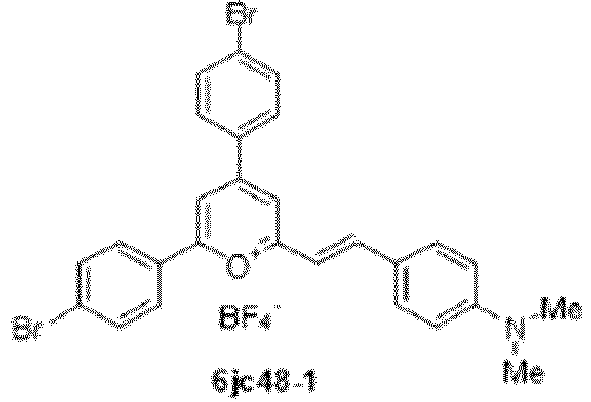
- Compound 6jc48-1 ((E)-2,4-bis(4-bromophenyl)-6-(4- (dimethylamino)styryl)pyrylium boron tetrafluoride salt) has reduced cytotoxicity, but retains specific LII binding and activity against Enterococcus spp. in vitro and in vivo.
- Compound 6jc48-1 was stable in plasma and had a markedly improved pharmacokinetic profile, with a half-life of over 13 hours upon intravenous administration.
- the disclosures herein describe an invention that includes small molecule compounds, methods of synthesis and intermediate compounds, and methods for their use in killing bacteria and treating bacterial infection.
- Specific compounds according to the invention include those selected from the group consisting of compounds 6jc39, 6jc43-1, 6jc48-1, 6jc48-2, 6jc51-1, 6jc51-2, 6jc59-1, 6jc59-2, 6jc64-1, 6jc64-2, 7jc46-1, , 7jc47-1, and 7jc47-2. More preferred compounds include those selected from the group consisting of compounds 6jc48-1, 7jc46-1, , 7jc47-1, and 7jc47-2; and most particularly compound 6jc48-1.
- the invention also relates to pharmaceutical compositions comprising a pharmaceutically acceptable vehicle and a compound as identified above.
- the invention also involves a compound as defined above, for use in a method of treating a subject in need for bacterial infection, comprising administering to the subject the compound.
- the subject suffers from infection with Enterococcus spp., such as E. faecalis and E. faecium.
- the subject suffers from infection with a bacterium selected from the group consisting of E. faecalis, E. faecium. Staphylococcus aureus, Bacillus anthracis, and Acinetobacter baumanii.
- the bacterial infection is an infection with an antibiotic-resistant bacterial strain.
- scaffold refers to the core region of a compound, or a generic chemical structure based on the compound, which contains the portion of the structure that imparts some or all of the appropriate binding and/or activity to the compound. Additional or modified moieties can be placed on the structure to optimize such binding and activity.
- subject or “subject in need” as used herein refers to animals, such as mammals, or to organs an tissues of an animal, such as for transplant.
- Animals contemplated as subjects include humans, companion and service animals, farm animals, zoo animals, and the like, including humans; primates; dogs; cats; sheep; cattle; goats; pigs; horses; poultry such as chickens, turkeys, ducks, geese, and the like; mice; rats; rabbits; guinea pigs; and the like.
- subject "patient,” and “host” are used interchangeably.
- the subject suffers from or is susceptible to a condition caused by or involving infection by bacteria.
- the subject suffers from or is subject to a condition that does lead or could lead to bacteremia of the blood (sepsis), of the urinary tract, of the intra-abdominal and pelvic region, of the heart valve (endocarditis), of the lungs, of the central nervous system, or lead to complicated or acute soft skin and tissue infections (SSTIs) and the like.
- SSTIs soft skin and tissue infections
- infections associated with medical devices and equipment such as ventilator-associated pneumonia (VAP) or central-line associated blood stream infections (CLABSIs) and the like obtained in a hospital or community setting are included.
- VAP ventilator-associated pneumonia
- CLABSIs central-line associated blood stream infections
- bacteria such as Gram-positive or Gram-negative bacteria, including, but not limited to any species of Actinobacteria, Firmicutes, Tenericutes, Aquificae, Bacteriodetes, Deinococcus, Fusobacteria, gemmatemonadetes, Nitrospirae, Planctomycetes, Verrucomicrobia, Proteobacteria, Spirochaetes, and Synergistetes.
- Preferred bacteria are Gram-positive. Most preferred are Enterococci spp., Staphylococci spp., or Streptococci spp.
- the compounds of the invention also can be used to reduce or kill bacteria in excised tissues of the animal body, such as organs and tissues for transplant, and can be used on objects that can be subject to undesirable colonization by bacteria, or used to protect food and food service items from colonization and/or infection by bacteria. Therefore, the term subject can loosely refer to the whole organism or to parts thereof.
- pharmaceutically acceptable in respect of salts, ingredients or carriers and the like in pharmaceutical products, and in compounds used in or on the living body or tissues/organs of the body, refers to any convenient compound or group of compounds that are not toxic and that do not destroy or significantly diminish the pharmacological or antibacterial activity of the agent with which it is formulated.
- pharmaceutically acceptable carriers or vehicles encompass any of the standard pharmaceutically accepted solid, liquid, or gaseous carriers known in the art, such as those discussed in the art.
- This invention involves identifying and optimizing small molecule antagonists of LII.
- a lead compound, BAS00127538 was structurally optimized to reduce cytotoxicity, increase in vivo stability and retain activity against Enterococci bacterial pathogens. In the United States, Enterococci infections in hospital settings are the second most common and vancomycin resistance is on the rise.
- the compound 6jc48-1 a preferred compound, retained activity against Enterococci spp. specifically, a result that is somewhat surprising.
- the parent scaffold of BAS00127538 is potent against S. aureus and Enterococci, yet it displays broad-range antibacterial activity, including activity against Gram-negative species.
- the indolene moiety also interacts with the aliphatic tail. Based on this interaction motif it can be hypothesized that the increased hydrophobicity of the phenyl groups would lead to more favorable interactions with the sugar moiety and aliphatic tail of lipid II. Similarly, the presence and nature of the indolene was varied as well as the pyrylium to ring linker length and composition to understand their impact the SAR. Throughout, the positively charged pyrylium was maintained given that previous results had shown that pyridinium was not active.
- the compounds discussed herein are present in the form of pharmaceutically acceptable tetrafluoroborate salt. These compounds can exist in amorphous form or in any crystalline form. Preferably, the pharmaceutical compositions comprise a therapeutically effective amount. Any pharmaceutically acceptable salt can be used, as may be convenient.
- the therapeutic agents of some embodiments are also meant to include any or all stereochemical forms of the therapeutic agents where they exist (i.e., the R and/or S configurations for each asymmetric center). Therefore, single enantiomers, racemic mixtures, and diastereomers of the therapeutic agents are within the scope of the invention. Also within the scope of the invention are steric isomers of the therapeutic agents.
- the therapeutic agents of some embodiments are also meant to include compounds which differ only in the presence of one or more isotopically enriched atoms.
- therapeutic agents in which one or more atom is replaced by, for example, deuterium, tritium, 13 C, 14 C (or any isotopic labels as commonly used in the art such as phosphorus, calcium, iodine, chlorine, bromine, or any other convenient element for isotopic labeling) are within the scope of this invention.
- the therapeutic agents of some embodiments are administered as a pharmaceutical composition that includes a pharmaceutically acceptable carrier or vehicle.
- pharmaceutically acceptable carriers or vehicles encompass any of the standard pharmaceutically accepted solid, liquid, or gaseous carriers known in the art, such as those discussed in the art.
- Suitable carriers depend on the route of administration contemplated for the pharmaceutical composition, and are well-known in the art.
- the forms which the pharmaceutical composition can take include, but are not limited to: tablets, capsules, caplets, lozenges, dragees, pills, oral solutions, powders for dilution, powders for inhalation, vapors, gases, granules, sterile solutions for injection, transdermal patches, buccal patches, inserts and implants, rectal suppositories, vaginal suppositories, creams, lotions, ointments, topical coverings (e.g., wound coverings and bandages, and the like).
- the carriers can be liquid, semi-liquid, gaseous, semi-solid, or solid, and serve to contain and deliver the active agent to the subject in a convenient form.
- Liquid or semi-liquid carriers can be in the form of a solution, suspension, emulsion, oil, gel, and the like, and include, for example aqueous solution (e.g., saline solutions, phosphate-buffered saline solutions, Ringer's, and the like), oil-in-water or water-in-oil suspensions, creams, lotions, ointments, and the like.
- Gaseous carriers can include, for example air, oxygen, fluorocarbons, dispersing agents, and the like.
- Solid carriers can include, for example, starch (e.g., corn starch, potato starch, rice starch, and the like), cellulose (e.g., microcrystalline cellulose, methylcellulose, and the like), sugars (e.g., lactose, sucrose, glucose, and the like), clays, minerals (e.g., talc, and the like), gums, and the like.
- starch e.g., corn starch, potato starch, rice starch, and the like
- cellulose e.g., microcrystalline cellulose, methylcellulose, and the like
- sugars e.g., lactose, sucrose, glucose, and the like
- clays e.g., talc, and the like
- gums e.g., talc, and the like
- Extended and sustained release compositions also are contemplated for use with and in the inventive embodiments.
- suitable carriers can include any of the known ingredients to achieve a delayed release, extended release or sustained release of the active components. These methods are well known in the art.
- a non-inclusive list of types of carriers and vehicles contemplated for use with the invention follows: fillers, diluents, adjuvants, pH adjusters, containers (e.g., ampoules, bottles, pre-filled syringes, and the like), flavorings, preservatives, colorings, taste-masking agents, sweeteners, oils, solvents, solvents, solubility enhancers, saline solutions, emulsifiers, suspending agents, wetting agents, dispersants, binders, releasing agents, lubricants, and the like.
- containers e.g., ampoules, bottles, pre-filled syringes, and the like
- flavorings preservatives
- colorings e.g., sweeteners, oils, solvents, solvents, solubility enhancers, saline solutions, emulsifiers, suspending agents, wetting agents, dispersants, binders, releasing agents, lubricants, and the like
- the compounds discussed here also can be formulated into a liquid, solid or gaseous formulation for application to the surface of objects or impregnated into objects for the purpose of curtailing bacterial growth and the potential for infection.
- Such formulations can be used to coat medical instruments for use in surgery (e.g., metal or plastic instruments or containers therefor, surgical drapes, sutures, surgical gloves, catheters, trocars, wound dressings and bandages, sponges, and the like, or any object for which protection from or reduction of biofilm or bacterial growth is desirable in a medical or veterinarian medical setting.
- the compounds can be applied to objects e.g., by coating spraying, soaking or dipping, or any convenient method prior to or during use.
- the compounds are useful in the food industry.
- the compounds of the invention can be applied to (e.g., by coating spraying, soaking or dipping) an object such as food or food containers, food processing equipment or tools and instruments used in food preparation.
- the invention also included methods of preventing or reducing bacterial growth on objects by contacting the object with the compounds of the invention or a composition containing the compounds.
- the compounds of the invention can be used to kill or reduce bacteria on an object by contacting the object with the compound.
- contacting can include soaking, dipping, spraying, and the like with a solution or dispersion/suspension of the compound, or by forming a coating on the object by application of a solution, dispersion, suspension, gel, powder or any convenient form containing the compounds of the invention.
- the coating can be temporary, semi-permanent, or permanent. Porous materials can be soaked or sprayed with the compounds to impregnate the material.
- routes of administration can include, but are not limited to: oral, intravenous injection or infusion, subcutaneous injection, intraarterial injection, intrathecal injection, intraperitoneal injection, local injection into a site of infection, potential infection or injury, injection into a tumor, rectal, vaginal, topical, nasal, buccal, transdermal, sublingual, inhalation, transmucosal, wound covering, and the like. More than one route of administration can be used in one subject or in different subjects undergoing a treatment, for example, topical and intravenous, local injection and oral, and the like.
- Appropriate dosages can be determined by the practitioner or any skilled person, based on the size of the subject, the disease condition, the severity of the infection, the bacteria responsible, and other factors.
- the compounds can be administered every week, every day, twice per day, three times per day, four times per day, six times per day, or more often, at a dose range of about 100 mg to about 4000 mg, or about 200 mg to about 3000 mg, or about 400 mg to about 2000 mg, for example at a dose of about 100 mg, 200 mg, 400 mg, 500 mg, 750 mg, 1000 mg, 1500 mg, 2000 mg, 2500 mg, 3000 mg or 4000 mg.
- a pharmaceutical product containing about 400 mg to about 2000 mg is given every 4-12 hours, or the product is administered at about 1 mg/kg to about 30 mg/kg every 4-12 hours. Therefore, a product designed to deliver or contain these amounts of compound contains a pharmaceutically effective amount of the inventive compound.
- a suitable pharmaceutical composition contains about 0.1% to about 10% of the compound in a suitable carrier.
- Preferred pharmaceutical compositions for topical use contain about 0.5% to about 5% of the compound, or about 1% to about 5% of the compound, including about 0.1%), about 0.5%, about 1%, about 2%, about 3%, about 5%, about 7.5%, or about 10% of the compound. These concentrations can be w/w or w/v. Therefore, a product designed to deliver or contain these amounts of compound contains a pharmaceutically effective amount of the inventive compound.
- the compound is contained in a suitable delivery vehicle for spray, at a concentration of about 25% to about 90% of the compound, or about 50% to about 90% of the compound, or about 60% to about 75% of the compound (w/v). Therefore, a product designed to deliver or contain these amounts of compound contains a pharmaceutically effective amount of the inventive compound.
- the compounds can be dissolved or suspended in any convenient solution such as water, sterile water, saline, alcohol, oil, and the like which is convenient for preparing a soaking or dipping solution, a spray, which later optionally can be dried.
- the compounds can be formulated as a solid, for example a powder, or in a semi-solid, such as a gel, for application to any object.
- a food container or a catheter can be soaked in the composition prior to use, or a wound dressing can be impregnated with the composition.
- the compounds can be formulated in a hand wash or hand sanitizer, for example, in order to clean and sanitize skin or other objects.
- the compounds preferably comprise about 0.01% (w/w) to about 20% (w/w) of the carrier for soaking or spraying solutions, or food products. More preferably, about 1% (w/w) to about 10% (w/w) is used, or most preferably 2% (w/w) to about 10% (w/w).
- inventive compounds can be used alone, or in combination with other antibiotic or bactericidal compositions such as are known in the art.
- the compound can be administered as a monotherapy, or in combination with another agent, either simultaneously or sequentially administered.
- the inventive compounds also can be used as part of an antibiotic cocktail. More than one of the inventive compounds can be used together as well, as a treatment for infection in a subject, or as an applied composition for treatment of an object, as well as in combination with other known antibiotics.
- the compounds and pharmaceutical compositions of the invention are contemplated for use in the treatment of disease conditions related to the presence of bacteria in a subject.
- the conditions involve an infection, as discussed above, and the like.
- Treatment of infections with a Gram positive organism is preferred, but treatment of infections with a Gram-negative organism or multiple organisms is contemplated also.
- Resistant strains of bacteria also are contemplated to be treated with the compounds and compositions of the invention.
- the bacteria are Enterococcus spp., including E. faecalis, E. faecium, S. aureus (SA), including vancomycin-resistant S. aureus (VRSA), vancomycin intermediate resistant S. aureus (VISA) and methicillin resistant S. aureus (MRSA) strains, Bacillus anthracis, and Acinetobacter baumannii, including multi-drug resistant (MDR) strains.
- the bacteria are antibiotic resistant, and most preferably vancomycin resistant.
- Conditions which can be treated with the inventive compounds, compositions and methods include, but are not limited to the following: urinary tract infections (asymptomatic bacteriuria, catheter-associated infections, urosepsis, and the like), skin and soft tissue infections (SSTIs), bacteremia, biliary tract infections (e.g., cholecystitis and cholangitis, both community acquired and hospital acquired), diverticulitis, pancreatitis, peritonitis (e.g., spontaneous bacterial peritonitis, secondary peritonitis/GI perforation, peritonitis related to peritoneal dialysis, and the like), pelvic infectious disease, prophylaxis (e.g., pre-operative and pre-procedure use, use in transplantations for donors or recipients, neutropenic patients, and the like), central line-associated blood stream infections, central line associated infections, sepsis, catheter-related blood stream infections, infective endocarditis (native valve or prosthetic valve related), infections
- the organisms to be treated with the inventive compounds can include any bacteria, but preferably are Gram-positive bacteria.
- Such organisms include, but are not limited to: Gram-positive bacteria such as any species of Staphylococcus or Enterococcus, for example Staphylococcus aureus (including methicillin-resistant S. aureus (MRSA), methicillin-sensitive S. aureus (MSSA), vancomycin-resistant S. aureus (VRSA), vancomycin-intermediate S. aureus (VISA), daptomycin-resistant S. aureus, and coagulase-positive S. aureus); coagulase-negative Staphylococci, drug-resistant Staphylococci, S . epidermidis, S .
- MRSA methicillin-resistant S. aureus
- MSSA methicillin-sensitive S. aureus
- VRSA vancomycin-resistant S. aureus
- VISA vancomycin-intermediate S. aureus
- Additional preferred organisms include, but are not limited to Bacillus anthracis and Acinetobacter baumannii, including multi-drug-resistant (MDR) A. baumannii.
- a structure-to-activity (SAR) study of the small molecule LII antagonist BAS00127538 has identified compound 6jc48-1, which displays improved drug-like properties compared to the parent scaffold.
- Compound 6jc48-1 is stable and efficacious in vivo, has low toxicity and can be administered intravenously and orally.
- Synthesized BAS00127538 (compound 6jc67) was found to have the same activity as the commercially available product.
- Compound 6jc67-A, the methyl analog of BAS00127538 also had the same activity.
- compound 6jc48-1 was produced and found to have a 50-fold reduction in cytotoxicity compared to the parent BAS00127538 compound while retaining antimicrobial activity against vancomycin-resistant (VRE) Enterococci spp.
- VRE vancomycin-resistant
- the following compounds are compounds contemplated as part of this invention, and are useful as antibiotic compounds for use in treatment: 6jc39, 6jc43-1, 6jc48-1, 6jc48-2, 6jc51-1, 6jc51-2, 6jc59-1, 6jc59-2, 6jc64-1, 6jc64-2, 7jc46-1, , 7jc47-1, and 7jc47-2.
- Preferred compounds include: 6jc48-1, 7jc46-1, , 7jc47-1, and 7jc47-2, see Table 5 (which includes the above referenced compounds, as well as others for background purposes).
- Bacterial Strains Bacterial Species Accession Number Source Staphylococcus aureus ATCC 29213 MicrobiologicsTM (St. Cloud, MN) Escherichia coli ATCC 25922 MicrobiologicsTM (St. Cloud, MN) Enterococcus faecalis ATCC 29212 MicrobiologicsTM (St. Cloud, MN) Streptococcus pneumonia ATCC 49619 MicrobiologicsTM (St. Cloud, MN) Acinetobacter baumanii ATCC 19606 MicrobiologicsTM (St.
- Short-chain water-soluble LII containing a lipid tail of three isoprene units (3-LII) was generated and purified essentially according to methods known in the art. See Breukink et al., Lipid II is an intrinsic component of the pore induced by nisin in bacterial membranes. J. Biol. Chem. 278(22):19898-19903, 2003 . Typically, M.
- flavus vesicles 120 ⁇ mol lipid-Pi
- 500 ⁇ mol UDP-GlcNAc 500 ⁇ mol UDP-MurNAC-pentapeptide
- 400 ⁇ mol farnesyl phosphate 100 mM Tris-HCl pH 8.0, 5 mM MgCl 2 .
- the incubation period was approximately two hours at room temperature for 3-LII (3-P).
- the synthesis of 3-Lipid II was followed by RP-8 reversed phase TLC (Merck TM ) developed with 75% methanol.
- the membranes were removed by centrifugation at 40,000 x g; the supernatant was collected and loaded on a C18 HPLC column and eluted with a linear gradient from 50 mM ammonium bicarbonate to 100 % methanol in 30 minutes. Farnesyl-Lipid II (3-Lipid II) eluted at approximately 60% methanol. Its identity was confirmed by mass spectroscopy.
- the test compound was prepared at 5 ⁇ M and 500 nM in three matrices: 50/50 water/methanol, 50/50 water/methanol + 0.1% formic acid and 50/50 water/methanol + 10 mM ammonium bicarbonate.
- the IDA mass spectrometric method was designed to perform a full scan (20-700Da) and obtain a product ion spectrum (MS/MS) from each of the 3 most abundant ions in the full scan. This IDA was run in both positive and negative mode.
- MS/MS data were compared to full spectrum data to determine if the most abundant peaks were due to the test compound, impurity, or in-source fragmentation of the test compound.
- a percent purity was calculated from the ratio of the known peak areas to the total peak areas in each positive and negative mode. Calculated percent purities, in positive and negative modes, were weighted according to the total observed signal in the full scans and averaged.
- Solubility of compounds in water can be determined using a NEPHELOstar plusTM laser nephelometer (BMG Labtech, Cary, NC) at a wavelength of 635 nm and bottom read optics using a 96-well plate format.
- a solution of compound 6jc48-1 was prepared at a concentration of 2.5 mg/mL in DMSO.
- the DMSO solution (10 ⁇ l) was added to wells containing water (290 ⁇ l) for a final concentration of 125 ⁇ g/ml.
- the plate was incubated at room temperature for two hours prior to reading in the nephalometer. All samples were run in triplicate. Control samples (DMSO with no analyte) were prepared and run in parallel.
- mice used in this study met or exceeded the standards set forth by the National Institutes of Health Guide for the care and use of laboratory animals and the AVMA panel on Euthanasia. All procedures in this study were approved by the Institutional Animal Care and Use Committee (IACUC) at the University of Maryland Baltimore School of Medicine.
- IACUC Institutional Animal Care and Use Committee
- Mice were obtained from the Jackson Laboratory TM (Bar Harbor, Maine, USA) and housed in the IHV SPC animal core facility. Mice were fed standard chow (Harlan Laboratories TM ) and water ad libitum.
- Binding to immobilized 3-LII on the chip surface was determined and scored "yes” in Table 5 when more than 20 Resonance Units or RUs were detected. Detection of less than 20 RUs was scored as "no", meaning no significant binding to LII.
- the sensor chip surfaces were regenerated with 50 mM NaOH for 30 seconds at a flow rate 100 ⁇ L/min, and equilibrated with the buffer prior to next injection.
- binding isotherms were analyzed with manufacturer-supplied software for BIAcore TM T100. For results, see Table 5.
- MIC Minimum inhibitory concentration
- cytotoxicity concentration of antibacterial compounds that produces half maximal decrease in viability (CC50) against mammalian cells was determined as described in Butler et al., Antibacterial activity and mechanism of action of a novel anilinouracil-fluoroquinolone hybrid compound. Antimicrob. Agents Chemother. 51(1):119-127, 2007
- the effect of compounds on HeLa cell viability was assessed in triplicate by measuring the mitochondrial activity using MTS assays according to the manufacturer's instructions (Cell Titer 96 proliferation assay, PromegaTM). The cells were incubated for 72 hours in RPMI1640 medium containing the compounds at final concentrations ranging from 64 to 0.125 ⁇ g/ml.
- CC50 was determined using a standard curve of serially diluted untreated cells in each experiment.
- antibiotics were added at 8X MIC in order to validate each assay: vancomycin (which targets cell wall synthesis), ciprofloxacin (which targets DNA synthesis), rifampin (which targets RNA synthesis), cerulenin (which targets lipid synthesis), and linezolid (which targets protein synthesis).
- Reactions were allowed to proceed at room temperature for 15-40 minutes and then stopped by adding 12 ⁇ L of cold 5% trichloroacetic acid (TCA) or 5% TCA/2% casamino acids (protein synthesis). Reactions were incubated on ice for 30 minutes and the TCA precipitated material was collected on a 25 mm GF/1.2 ⁇ m PES 96 well filter plate (Corning TM ). After washing five times with 200 ⁇ L per well of cold 5% TCA, the filters were allowed to dry, and then counted using a Packard TM Top Count TM microplate scintillation counter.
- bacterial cells in early exponential growth phase were transferred to M9 minimal medium and added to 1.5 mL Eppendorf tubes (100 ⁇ L/tube) containing various concentrations of test compound or control antibiotics (2.5 ⁇ L) at 40X the final concentration in 100% DMSO as described above.
- [ 14 C] N-acetyl-glucosamine (0.4 ⁇ Ci/reaction) was added to each tube and incubated for 45 minutes in a 37°C heating block. Reactions were stopped by addition of 100 ⁇ L of 8% sodium dodecyl(lauryl)sulfate (SDS) to each tube.
- SDS sodium dodecyl(lauryl)sulfate
- Reactions were then heated at 95°C for 30 minutes in a heating block, cooled, briefly subjected to centrifugation, and spotted onto prewetted hydroxylapatite (HA) filters (0.45 ⁇ M). After washing three times with 5 mL of 0.1% SDS, the filters were rinsed two times with 5 mL deionized water, allowed to dry, and then counted using a Beckman TM LS3801 liquid scintillation counter.
- HA hydroxylapatite
- bacterial cells were grown to early exponential growth phase in MHB and 100 ⁇ L was added to 1.5 mL Eppendorf tubes (in triplicate) containing various concentrations of test compound or control antibiotics as described above. Following a 5-minute incubation at room temperature, [ 3 H] glycerol was added at 0.5 ⁇ Ci per reaction. Reactions were allowed to proceed at room temperature for 40 minutes and then stopped by addition of 375 ⁇ L of chloroform/methanol (1:2) followed by vortexing for 20 seconds. Chloroform (125 ⁇ L) was then added to each reaction and vortexed, followed by the addition of 125 ⁇ L dH 2 O and vortexing again.
- a chromatographic ramp consisting of 0 min ⁇ 3 min: 95% mobile phase B ⁇ 95% mobile phase A, 3 min ⁇ 3.1 min: 95% mobile phase A ⁇ 95% mobile phase B, 3.1 min ⁇ 6min: 95% mobile phase B was employed.
- the chromatographic flow rate was 500 ⁇ L/min.
- the autosampler compartment was held at 10°C.
- the mass spectrometer was operated in positive, electrospray mode using multiple reaction monitoring (MRM). The following MS settings were employed: ion source temperature, 600°C; capillary voltage, +5500V; curtain gas, 30; collision assisted dissociation (CAD) gas, medium; ion source gas 1, 50; and ion source gas 2, 70; declustering potential, 45V; entrance potential, 10V.
- CAD collision assisted dissociation
- Plasma stability of compounds can be determined as follows. For the compound 6jc48-1, plasma stability was determined using heparinized, pooled human plasma (BioreclamationIVT TM , Hicksville, NY). The test compound was spiked into plasma at a final concentration of 1 ⁇ M. The test compound solution was subsequently incubated at 37°C for up to 1 hour. Aliquots were removed at 0, 5, 10, 20, 30, 40, 50 and 60 minutes incubation time and diluted 1:2 in cold acetonitrile. Samples were centrifuged at 4000 rpm for 10 minutes. Supernatant was collected and diluted 1:2 in 30% methanol in water. The diluted supernatant was analyzed by LC-MS/MS using the method described above. Stability in plasma was calculated by integrating peak areas of samples using AnalystTM software (Sciex TM , Ottawa, Ontario).
- Cytochrome P450 inhibition testing was conducted according to the method of Paradise et al. (2007) with modifications. Briefly, drug inhibition of the test compound was measured on specific cytochrome P450 enzymes using traditional substrates for CYP3A4, CYP2D6 and CYP2C19. Recombinant human CYP450 3A4, 2D6 and 2C19 enzymes (Supersome TM ) were obtained from Corning ® . Supersomes TM typically have a CYP450 content of 1000 - 2000 pmol/mL. Standard substrates (mephenytoin, dextromethorphan, testosterone) were prepared at 500 ⁇ M in acetonitrile. The final concentration of each substrate was 1 ⁇ M.
- Positive control inhibitors and test compounds were prepared 50X the final concentration in acetonitrile; 0.25 mM ketoconazole (inhibitor of 3A4), 25 ⁇ M quinidine (inhibitor of 2D6) and 5 mM tranylcypromine (inhibitor of 2C19).
- the typical IC 50 values for the standard inhibitor/substrate combinations are listed in Table 2, below. Eight concentrations of a positive control inhibitor, eight concentrations of test compound, a no inhibitor control and a background control were tested. Table 2. Cytochrome P450 Inhibitor/Substrate Combinations.
- the test compound had a final concentration range from 20 ⁇ M to single-digit nanomolar. After a 10 minute pre-incubation at 37°C, a 2X concentrated enzyme/substrate mixture was added to all samples with the exception of the background control.
- the enzyme/substrate solution contained 100 mM potassium phosphate buffer (pH 7.4), water, substrate and 50 pmol/ml of the respective enzyme. The reactions were quenched with acetonitrile at the appropriate time points.
- GraphPad Prism TM software was used to plot the calculated percent activity values versus the log concentrations of test compound.
- the IC 50 value was calculated using non-linear regression. IC 50 values for standard inhibitors, calculated in-house, are shown in Table 2, above. Although the IC 50 values may vary slightly, literature reports demonstrate similar values (see Paradise et al., Cytochrome P450 inhibition assays using traditional and fluorescent substrates. Curr. Protoc. Pharmacol., 2007. Chapter 7: p. Unit7 11 ).
- the in vitro microsome stability assay was performed using human liver microsomes and a Biomek FXP TM liquid handling workstation to deliver reagents to a deep 96-well plate on a shaking peltier with temperature controls.
- Human liver microsomes were purchased from Corning TM .
- the test compound was incubated in an aqueous reaction mixture (200 ⁇ L total volume) consisting of human liver microsomes (150 mixed donor pool) and NADPH Regenerating System Solutions A and B (Corning ® ) in the presence of 100 mM potassium phosphate buffer (pH 7.4).
- NADPH Regenerating System Solution A comprises nicotinamide adenine dinucleotide phosphate (NADP+) and glucose 6-phosphate; NADPH Regenerating System Solution B contains glucose-6-phosphate dehydrogenase. Solutions A and B were combined prior to adding to the reaction plate to generate a supply of NADPH. The NADPH was added last to initiate the reactions simultaneously. The final concentration of the test compound was 10 ⁇ M and the microsomal protein concentration was 0.5 mg/ml. After incubation at 37°C, the reaction was terminated at 0, 5, 10, 20, 30, 40, 50 and 60 minutes, respectively, by the addition of 600 ⁇ L acetonitrile. Three replicates were run for each time point.
- the quenched reaction plate was centrifuged at 4500 rpm for 10 minutes. The supernatant was diluted 1:2 in 30% methanol in water for LC/MS/MS analyses to monitor substrate depletion. Water was substituted for NADPH for the zero time-point samples. A control plate, without NADPH cofactor, was completed on the same day, using the same conditions.
- R 1 on the acetophenone can signify any desirable group or protected group for inclusion in the final product, but preferably is a halogen such as bromide or fluoride.
- the compounds described here are boron tetrafluoride salts. The reaction was heated to 135°C for 4 hours, cooled, poured into EtOAc and allowed to stand for 1 hour. The resulting solid was filtered and washed with excess EtOAc to give the title compounds as the boron tetrafluoride salts.
- the R 1 groups can be any chemical moiety for testing, but preferably are, each independently, one or more of H, halogen, -OR 2 , -NHR 2 , unsubstituted or substituted C 1 -C 6 alkyl, unsubstituted or substituted C 5 -C 7 cycloalkyl, unsubstituted or substituted C 4 -C 6 cycloheteroalkyl, unsubstituted or substituted aryl, or unsubstituted or substituted heteroaryl, and wherein the substitutions are selected from the group consisting of one or more of C 1 -C 5 alkyl, C 1 -C 5 alkenyl, C 1 -C 5 alkynyl, amino, and halo; and wherein R 2 is H, alkyl, cycloalkyl, cycloheteroalkyl, aryl or heteroaryl.
- the R 1 groups can be any suitable group or protected group which is desired to be part of the final compound, but preferably are, each independently, one or more of H, halogen, -OR 2 , -NHR 2 , unsubstituted or substituted C 1 -C 6 alkyl, unsubstituted or substituted C 5 -C 7 cycloalkyl, unsubstituted or substituted C 4 -C 6 cycloheteroalkyl, unsubstituted or substituted aryl, or unsubstituted or substituted heteroaryl, and wherein the substitutions are selected from the group consisting of one or more of C 1 -C 5 alkyl, C 1 -C 5 alkenyl, C 1 -C 5 alkynyl, amino, and halo; and wherein R 2 is H, alkyl, cycloalkyl, cycloheteroalkyl, aryl or heteroaryl.
- Example 4A Compound 6jc26, 2-methyl-4,6-diphenylpyrylium boron tetrafluoride salt. ⁇
- Example 4B Compound 6jc32-1, 2,4-bis(4-chlorphenyl)-6-methylpyrylium boron tetrafluoride salt. ⁇
- Example 4C Compound 6jc32-2, 2,4-bis(4-methoxyphenyl)-6-methylpyrylium boron tetrafluoride sal1 ⁇
- Example 4D Compound 6ic36: 2,4,6-trimethylpyrylium boron tetrafluoride salt. ⁇
- Example 4E Compound 6ic37; (E)-4-(4-(dimethylamino)styryl)-2,6-dimethylpyrylium boron tetrafluoride sal1 ⁇
- Example 4F Compound 6jc38, 4-((1E,3E)-4-(4-(dimethylamino)phenyl)buta-1,3-dien-1-yl)-2,6-dimethylpyrylium boron tetrafluoride salt. ⁇
- Example 4G Compound 6jc39, (E)-2-(4-(dimethylamino)styryl)-4,6-diphenylpyrylium boron tetrafluoride.
- Example 4H Compound 6ic41; (E)-2,4-bis(4-chlorophenyl)-6-(4-(dimethylamino)styryl) pyrylium boron tetrafluoride salt. ⁇
- Example 41 Compound 6jc43-1; 2-((1E,3E)-4-(4-(dimethylamino)phenyl)buta-1,3-dien-1-yl)-4,6-diphenylpyrylium boron tetrafluoride salt.
- Example 4J Compound 6jc43-2; 2,4-bis(4-chlorophenyl)-6-((1E,3E)-4-(4-(dimethylamino)
- Example 4K Compound 6jc48-2; 2,4-bis(4-bromophenyl)-6-((1E,3E)-4-(4-(dimethylamino) phenyl)buta-1,3-dien-1-yl)pyrylium boron tetrafluoride salt. ⁇
- Example 4L Compound 6jc49-1; (E)-2-(2-(1H-indol-3-yl)vinyl)-4,6-diphenylpyrylium boron tetrafluoride salt. ⁇
- Example 4M Compound 6ic50-2; 2-methyl-4,6-di-p-tolylpyrylium boron tetrafluoride salt. *
- Example 4N Compound 6jc51-1; (E)-2-(4-(dimethylamino)styryl)-4,6-di-p-tolylpyrylium boron tetrafluoride salt.
- Example 4O Compound 6jc51-2; 2-((1E,3E)-4-(4-(dimethylamino)phenyl)buta-1,3-dien-1-yl)-4,6-di-p-tolylpyrylium boron tetrafluoride salt.
- Example 4P Compound 6jc53-1; (E)-2-(2-(1H-indol-3-yl)vinyl)-4,6-bis(4-chlorophenyl) pyrylium boron tetrafluoride salt. ⁇
- Example 4Q Compound 6jc53-2; (E)-2-(2-(1H-indol-3-yl)vinyl)-4,6-di-p-tolylpyrylium boron tetrafluoride sal1 ⁇
- Example 4R Compound 6jc53-3; (E)-2-(2-(1H-indol-3-yl)vinyl)-4,6-bis(4-bromophenyl) pyrylium boron tetrafluoride salt. ⁇
- Example 4S Compound 6jc56; 2,4-bis(4-(tert-butyl)phenyl)-6-methylpyrylium boron tetrafluoride salt. ⁇
- Example 4T Compound 6jc57; 2,4-bis(3,4-dimethylphenyl)-6-methylpyrylium boron tetrafluoride sal1 ⁇
- Example 4U Compound 6jc58; (E)-2-(2-(1,2,3,5,6,7-hexahydropyrido[3,2,1-ij]quinolin-9-yl)vinyl)-4,6-diphenylpyrylium boron tetrafluoride salt . ⁇
- Example 4V Compound 6jc59-1; (E)-2-(4-(dimethylamino)styryl)-4,6-bis(3,4-dimethylphenyl)pyrylium boron tetrafluoride salt.
- Example 4W Compound 6jc59-2; 2-((1E,3E)-4-(4-(dimethylamino)phenyl)buta-1,3-dien-1-yl)-4,6-bis(3,4- dimethylphenyl)pyrylium boron tetrafluoride salt.
- Example 4X Compound 6jc59-3; (E)-2-(2-(1H-indol-3-yl)vinyl)-4,6-bis(3,4-dimethylphenyl)pyrylium boron tetrafluoride salt. ⁇
- Example 4Y Compound 6jc60-1; (E)-2,4-bis(4-(tert-butyl)phenyl)-6-(4-(dimethylamino)styryl)pyrylium boron tetrafluoride salt . ⁇
- Example 4Z Compound 6jc60-2; 2,4-bis(4-(tert-butyl)phenyl)-6-((1E,3E)-4-(4-(dimethylamino)phenyl)buta-1,3-dien-1-yl)pyrylium boron tetrafluoride salt . ⁇
- Example 4AA Compound 6jc60-3; (E)-2-(2-(1H-indol-3-yl)vinyl)-4,6-bis(4-(tert-butyl)phenyl)pyrylium boron tetrafluoride salt . ⁇
- Example 4BB Compound 6jc61; 2,4-bis(4-ethylphenyl)-6-methylpyrylium boron tetrafluoride sal1 ⁇
- Example 4DD Compound 6jc64-2; 2-((1E,3E)-4-(4-(dimethylamino)phenyl)buta-1,3-dien-1-yl)-4,6-bis(4-ethylphenyl)pyrylium boron tetrafluoride salt.
- Example 4EE Compound 6jc64-3; (E)-2-(2-(1H-indol-3-yl)vinyl)-4,6-bis(4-ethylphenyl)pyrylium boron tetrafluoride salt. ⁇
- Example 4FF Compound 6jc65-1; (E)-2-(2-1,2,3,5,6,7-hexahydropyrido[3,2,1-ij]quinolin-9-yl)vinyl)-4,6-di-p-tolylpyrylium boron tetrafluoride salt. ⁇
- Example 4GG Compound 6jc65-2; (E)-2-(2-(1-methyl-1H-indol-3-yl)vinyl)-4,6-di-p-tolylpyrylium boron tetrafluoride salt. ⁇
- Example 4HH Compound 6jc66-1; (E)-2-(2-(1-methyl-1H-indol-3-yl)vinyl)-4,6-diphenylpyrylium boron tetrafluoride salt. ⁇
- Example 411 Compound 6jc66-2; (E)-2,4-bis(4-ethylphenyl)-6-(2-(1-methyl-1H-indol-3-yl)vinyl)pyrylium boron tetrafluoride salt . ⁇
- Example 4JJ Compound 6jc66-3; (E)-2,4-bis(4-(tert-butyl)phenyl)-6-(2-(1-methyl-1H-indol-3-yl)vinyl)pyrylium boron tetrafluoride salt. ⁇
- Example 4KK Compound 6jc66-4; (E)-2,4-bis(3,4-dimethylphenyl)-6-(2-(1-methyl-1H-indol-3-yl)vinyl)pyrylium boron tetrafluoride salt. ⁇
- Example 4LL Compound 6jc67; 2,4-diphenyl-6-((1E,3E)-3-(1,3,3-trimethylindolin-2-ylidene)prop-1-en-1-yl)pyrylium boron tetrafluoride salt.
- Example 4MM Compound 6jc67-A; 2,4-di-p-tolyl-6-((1E,3E)-3-(1,3,3-trimethylindolin-2-ylidene)prop-1-en-1-yl)pyrylium boron tetrafluoride salt. ⁇
- Example 4NN Compound 6jc68-1; (E)-2,4-bis(4-chlorophenyl)-6-(2-(1-methyl-1H-indol-3-yl)vinyl)pyrylium boron tetrafluoride salt. ⁇
- Example 4OO Compound 6jc68-2; (E)-2,4-bis(4-bromophenyl)-6-(2-(1-methyl-1H-indol-3-yl)vinyl)pyrylium boron tetrafluoride salt. ⁇
- Example 4PP Compound 6jc69-1; (E)-2,4-bis(4-ethylphenyl)-6-(2-(1,2,3,5,6,7-hexahydropyrido[3,2,1-ij]quinolin-9- yl)vinyl)pyrylium boron tetrafluoride salt. ⁇
- Example 4QQ Compound 6jc69-2; (E)-2,4-bis(4-(tert-butyl)phenyl)-6-(2-(1,2,3,5,6,7-hexahydropyrido[3,2,1-ij]quinolin-9- yl)vinyl)pyrylium boron tetrafluoride salt . ⁇
- Example 4RR Compound 6jc69-3; (E)-2,4-bis(3,4-dimethylphenyl)-6-(2-(1,2,3,5,6,7-hexahydropyrido[3,2,1-ij]quinolin-9- yl)vinyl)pyrylium boron tetrafluoride salt. ⁇
- Example 4SS Compound 6jc69-4; (E)-2,4-bis(4-chlorophenyl)-6-(2-(1,2,3,5,6,7-hexahydropyrido[3.2.1-ij]quinolin-9- yl)vinyl)pyrylium boron tetrafluoride salt. ⁇
- Example 4TT Compound 6jc69-5; (E)-2,4-bis(4-bromophenyl)-6-(2-(1,2,3,5,6,7-hexahydropyrido[3,2,1-ij]quinolin-9- yl)vinyl)pyrylium boron tetrafluoride salt. ⁇
- Example 4UU Compound 6jc76-1; 2,4-bis(4-ethylphenyl)-6-((1E,3E)-3-(1,3,3-trimethylindolin-2-ylidene)prop-1-en-1-yl)pyrylium boron tetrafluoride salt. ⁇
- Example 4VV Compound 6jc76-2; 2,4-bis(4-tert-butyl)phenyl)-6-((1E,3E)-3-(L3,3-trimethylindolin-2-ylidene)prop-1-en-1-yl)pyrylium boron tetrafluoride salt.
- Example 4WW Compound 6jc77-1; ; 2,4-bis(4-chlorophenyl)-6-((1E,3E)-3-(1,3,3-trimethylindolin-2-ylidene)prop-1-en-1-yl)pyrylium boron tetrafluoride salt. ⁇
- Example 4XX Compound 6jc77-2; 2,4-bis(4-bromophenyl)-6-((1E,3E)-3-(1,3,3-trimethylindolin-2-ylidene)prop-1-en-1-yl)pyrylium boron tetrafluoride salt. ⁇
- Example 5 X-ray Based High Ambiguity Driven Protein-protein Docking (HADDOCK) Model of Human Defensin Peptide 1 (HNP1).
- a 3D pharmacophore fingerprinting typed atom triangles (TAT) search was performed to represent specific side-chain structures and properties. See the model pictured in FIG. 3. Approximately 100 compounds of interest were found out of 1.5 million screened. Compound BAS00127538 was tested for survival in vivo against Staphylococcus aureus and Escherichia coli (FIG. 4) and to determine binding Kd (FIG. 5).
- Compound 6jc48-1 was quantitated by LC/MS/MS using working solutions of 10, 20, 50, 100, 500, 1,000, 5,000 and 10,000 ng/mL compound 6jc48-1 prepared in blank CD1 mouse plasma as internal standards. No adverse clinical observations were observed for the duration of the experiment.
- compound 6jc48-1 (10 ⁇ g/mL) was incubated for 24 hours in the presence of serum (50%). Samples were taken after 2 minutes, 5 minutes, 15 minutes, 30 minutes, 1 hour, 2 hours and 19 hours. Stability of the compound was determined by LC/MS/MS.
- PK pharmacokinetic
- IV intravenous injection
- PO oral dose
- compound 6jc48-1 was very stable in vivo and could be readily detected after 4 hours (PO) or 24 hours (IV).
- Half-life was determined by measuring the plasma concentration of compound by LC/MS/MS at the time points indicated in the figure.
- Compound 6jc48-1 had an in vivo half-life of 13.3 hours. See FIG. 8 and FIG. 9.
- PK parameters were calculated for both compounds, and are presented in Table 4, below (T 1/2 : half-life; C max : maximum observed concentration; AUC: area under the curve; D: dose; Vss: volume of distribution; Cl: clearance; MRT: mean residence time; F last (bioavailability at last time point); F inf (inferred bioavailability)).
- the observed maximum plasma concentration was 1039 ng/mL and decreased slowly over time.
- the mean residence time (MRT) of the unchanged drug in circulation was 7.29 hours, with an area under the curve (AUCinf of 1769 h.ng.mL per hour. See FIG. 9 and Table 5-4, below.
- Vs Volume of distribution at equilibrium
- CL total plasma clearance
- compound 6jc48-1 showed markedly improved half-life (>13 hours vs. 0.22 hours), improved maximum concentration (1039 ng/mL vs. 101 ng/mL), increased volume of distribution (about 23 L/kg vs. 12.2 L/kg) and decreased clearance (23.6 mL/min/kg vs. 711 mL/min/kg).
- compound 6jc48-1 Upon oral administration, compound 6jc48-1 had a half-life of about 3 hours, with a calculated bioavailability of about 2.5%, whereas compound BAS00127538 could not be detected.
- Table 4 Table 4.
- selected compounds were further assayed for: (3) broad-range antibacterial activity and (4) cellular cytotoxicity against mammalian cells (HeLa) expressed as the concentration at which cell viability is decreased by 50% (CC 50 ).
- the medium used was cation-adjusted Mueller Hinton broth, including 10% BHI for E. foecium spp. Measured Lipid II binding was also further qualified by determining the binding constant of selected compounds. Further data from these assays are presented in Table 6, below, and represent the geomean of 2 samples. Concentrations (minimal inhibitory concentrations (MIC)) are given in ⁇ g/mL.
- the medum used was cation-adjusted Mueller-Hinton broth containing 10% BHI for E. faecium spp. ; ⁇ CC50 based on E. faecium EF1509.
- 6jc48-1 and 6jc48-2 compounds were a notable exception. These compounds revealed high affinity LII binding and markedly reduced cellular cytotoxicity, with a surprisingly specific anti -Enteroccocci activity. These compounds, and their derivatives, are preferred compounds.
- the following compounds are compounds contemplated as part of this invention, and are useful as antibiotic compounds for use in treatment: 6jc39, 6jc43-1, 6jc48-1, 6jc48-2, 6jc51-1, 6jc51-2, 26jc59-1, 6jc59-2, 6jc64-1, 6jc64-2, 7jc46-1, 7jc47-1, and 7jc47-2.
- Preferred compounds include: 6jc48-1, 7jc46-1, 7jc47-1, and 7jc47-2.
- compound 6jc48-1 was selected for further analysis.
- compound 6jc48-1 was tested for potency against a wider array of E. faecium and E. faecalis strains (see Table 6, below).
- cation-adjusted Mueller Hinton broth, containing 10% brain-heart infusion (BHI) was used. Concentrations (MIC) are given in ⁇ g/mL. The compound was effective in killing the tested drug-resistant strains, confirming its specific activity against these species.
- Compound 6jc48-1 (MIC: 4 ⁇ g/mL) most potently inhibited cell wall synthesis (IC 50 of 3.8 ⁇ g/mL), followed by inhibition of lipid and DNA synthesis (IC 50 of 7.8 and 8.3 ⁇ g/mL, respectively). See FIG. 11.
- Compound 6jc67 (MIC: 2 ⁇ g/mL), the de novo synthesized parent BAS00127538, also most potently inhibited cell wall synthesis (IC 50 of 1.1 ⁇ g/mL), followed by inhibition of DNA (IC 50 of 1.8 ⁇ g/mL) and lipid synthesis (IC 50 of 2.3 ⁇ g/mL), as previously reported for commercially available BAS00127538.
- 6jc48-1 showed a markedly reduced inhibition of protein synthesis (IC 50 of 50.4 ⁇ g/mL) compared to the 6jc67 (BAS00127538) with an IC 50 of 1.6 ⁇ g/mL.
- the methyl analog of BAS00127538 also has the same activity of BAS00127538.
- compound 6jc48-1 causes the compound to be reactive toward nucleophiles, including water, amines, and thiols. Therefore, compound 6jc48-1 was tested for drug-like properties in in vitro assays, including stability and a pharmacokinetic profile.
- Example 8 Bacterial Killing Activity in Additional Compounds.
- Example 9 In vivo efficacy of Compound 6jc48-1.
- mice were inoculated intraperitoneally with approximately 5 ⁇ 10 6 CFU/mL of Enterococcus faecalis EF1509 in 500 ⁇ L saline solution plus 4.5% (w/v) porcine gastric mucin (SigmaTM Chemical Co., St. Louis, MO).
- Infected animals subsequently were treated by intravenous injection 30 minutes, 120 minutes and 300 minutes post-infection with 5 mg/kg of the compound in 100 ⁇ L of one of (1) Tris-buffered saline solution, 50% PEG400, 10% DMSO (v/v), (2) linezolid (50 mg/kg, sterile Tris-buffered saline solution, 50% PEG400, 10% DMSO (v/v) as a positive control) or (3) vehicle (Tris-buffered saline solution, 50% PEG400, 10% DMSO (v/v) as a negative control). Animals were observed closely during a period of 7 days and mice that showed signs of severe sepsis were humanely euthanized.
- Tris-buffered saline solution 50% PEG400, 10% DMSO (v/v)
- linezolid 50 mg/kg, sterile Tris-buffered saline solution, 50% PEG400, 10% DMSO (v/v) as a positive
- mice were anesthetized by intraperitoneal injection of ketamine (80-100mg/kg) and xylazine (10-15 mg/kg). Blood samples were collected by retro-orbital puncture using lithium-heparin polystyrene tubes to prevent coagulation. Spleens were harvested aseptically, weighed and homogenized in 500 ⁇ L sterile saline solution using an IKA TM basic disperser (IKA TM , Wilmington NC). Whole blood samples and spleen homogenates were serially diluted and plated onto lysogeny broth (LB) agar plates. Bacterial counts were determined following a 24-hour incubation at 37°C and expressed as CFU per milliliter for blood and CFU per gram for spleen.
- IKA TM basic disperser
Landscapes
- Chemical & Material Sciences (AREA)
- Organic Chemistry (AREA)
- Health & Medical Sciences (AREA)
- Chemical Kinetics & Catalysis (AREA)
- Life Sciences & Earth Sciences (AREA)
- General Chemical & Material Sciences (AREA)
- Medicinal Chemistry (AREA)
- Nuclear Medicine, Radiotherapy & Molecular Imaging (AREA)
- Communicable Diseases (AREA)
- Pharmacology & Pharmacy (AREA)
- Oncology (AREA)
- Animal Behavior & Ethology (AREA)
- General Health & Medical Sciences (AREA)
- Public Health (AREA)
- Veterinary Medicine (AREA)
- Pharmaceuticals Containing Other Organic And Inorganic Compounds (AREA)
- Medicines That Contain Protein Lipid Enzymes And Other Medicines (AREA)
Claims (7)
- Composé qui est choisi dans le groupe constitué des composés :


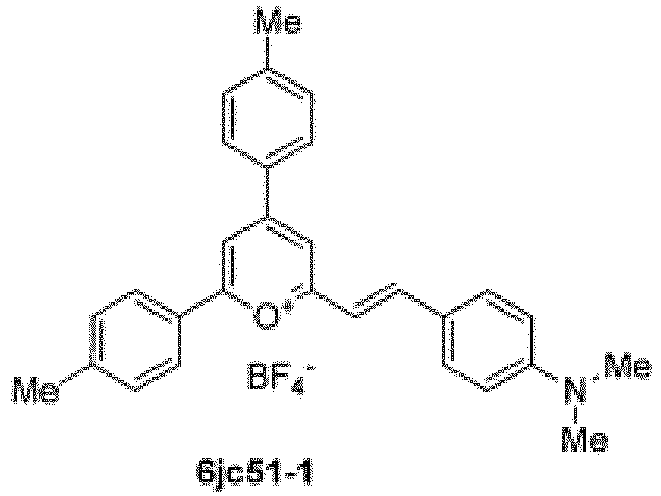


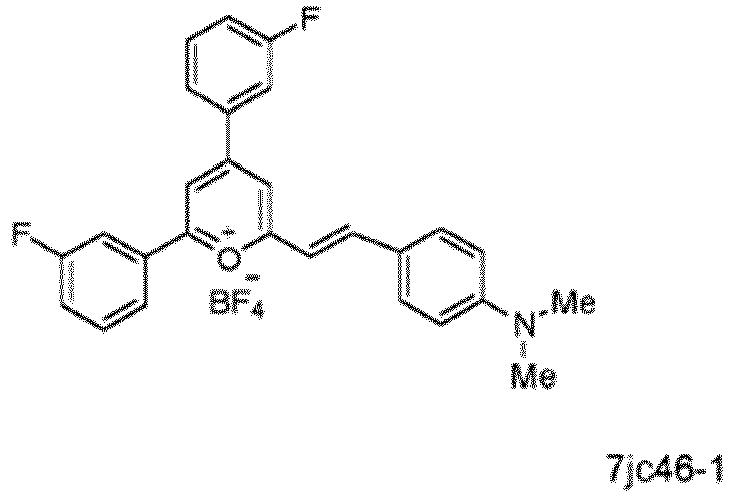
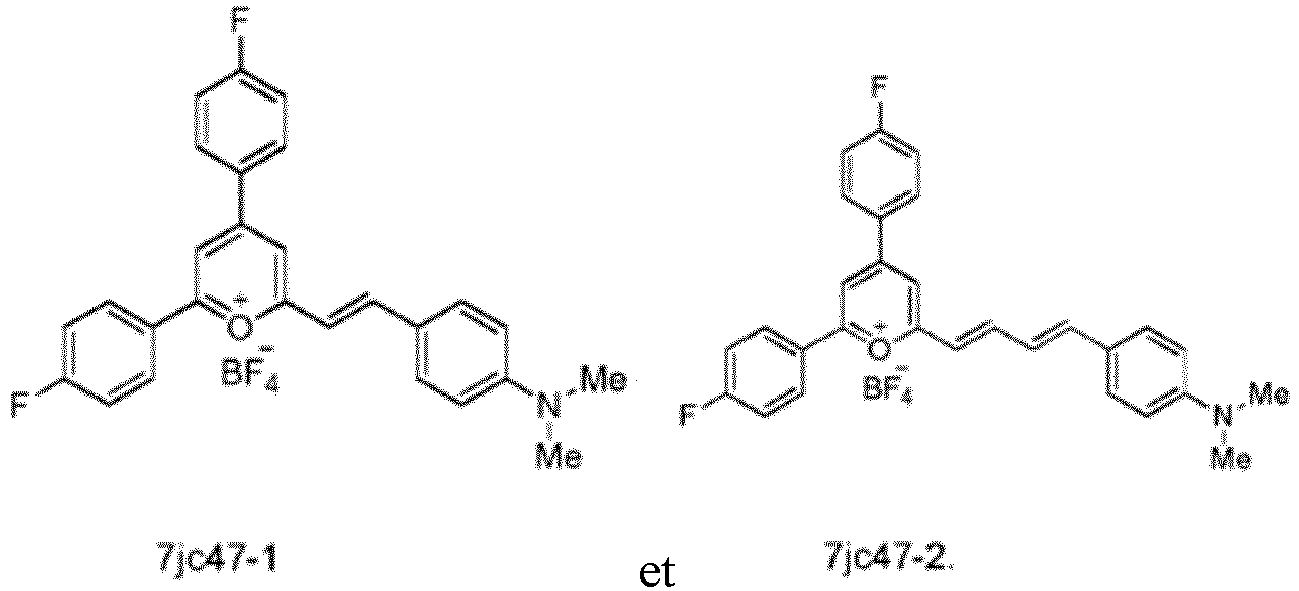
- Composé selon la revendication 1, qui est choisi dans le groupe constitué des composés :
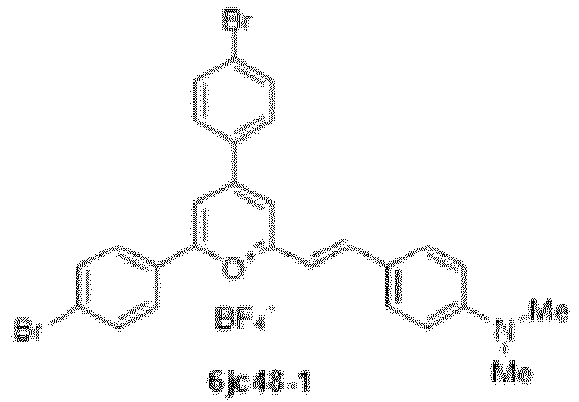


- Composé selon la revendication 1, qui est le composé :
- Composition pharmaceutique comprenant un véhicule pharmaceutiquement acceptable et un composé selon l'une quelconque des revendications précédentes.
- Composé selon l'une quelconque des revendications 1-3 pour utilisation dans un procédé de traitement d'un sujet en ayant besoin pour une infection bactérienne.
- Composé pour utilisation dans le procédé selon la revendication 5, où le sujet souffre d'une infection avec Enterococcus spp., optionnellement où les Enterococcus spp. sont choisis dans le groupe constitué de E. faecalis et E. faecium.
- Composé pour utilisation dans le procédé selon la revendication 5, où le sujet souffre d'une infection avec une bactérie choisie dans le groupe constitué de E. faecalis, E. faecium, Staphylococcus aureus, Bacillus anthracis et Acinetobacter baumannii.
Applications Claiming Priority (2)
| Application Number | Priority Date | Filing Date | Title |
|---|---|---|---|
| US201562270184P | 2015-12-21 | 2015-12-21 | |
| PCT/US2016/067774 WO2017112668A1 (fr) | 2015-12-21 | 2016-12-20 | Inhibiteurs de lipide ii à petite molécule |
Publications (3)
| Publication Number | Publication Date |
|---|---|
| EP3393473A1 EP3393473A1 (fr) | 2018-10-31 |
| EP3393473A4 EP3393473A4 (fr) | 2019-07-10 |
| EP3393473B1 true EP3393473B1 (fr) | 2022-06-22 |
Family
ID=59089915
Family Applications (1)
| Application Number | Title | Priority Date | Filing Date |
|---|---|---|---|
| EP16879970.8A Active EP3393473B1 (fr) | 2015-12-21 | 2016-12-20 | Inhibiteurs de lipide ii à petite molécule |
Country Status (3)
| Country | Link |
|---|---|
| US (1) | US10961214B2 (fr) |
| EP (1) | EP3393473B1 (fr) |
| WO (1) | WO2017112668A1 (fr) |
Families Citing this family (1)
| Publication number | Priority date | Publication date | Assignee | Title |
|---|---|---|---|---|
| US10941114B2 (en) * | 2015-12-21 | 2021-03-09 | University Of Maryland, Baltimore | Small molecule lipid II inhibitors |
Citations (1)
| Publication number | Priority date | Publication date | Assignee | Title |
|---|---|---|---|---|
| EP0659407A1 (fr) * | 1993-12-27 | 1995-06-28 | Canon Kabushiki Kaisha | Compositions pharmaceutiques contenant des composés pyrylium, des sels de pyrylium, et procédé pour la fabrication d'un médicament contenant les dits composés |
Family Cites Families (6)
| Publication number | Priority date | Publication date | Assignee | Title |
|---|---|---|---|---|
| US2461484A (en) | 1945-04-17 | 1949-02-08 | Gen Aniline & Film Corp | Pyrylium dye salts as filter and antihalation dyes in photographic materials |
| DE1252060B (fr) * | 1961-10-23 | |||
| US4322487A (en) | 1979-08-08 | 1982-03-30 | Eastman Kodak Company | Composite electrically photosensitive particles for electrophoretic migration imaging process |
| US8796323B2 (en) | 2010-11-04 | 2014-08-05 | University Of Maryland, Baltimore | Defensin-like molecules as novel antimicrobial agents |
| US9351963B2 (en) | 2010-11-04 | 2016-05-31 | University Of Maryland, Baltimore | Defensin-like molecules as novel antimicrobial agents |
| US20140308317A1 (en) * | 2012-12-10 | 2014-10-16 | Cellceutix Corporation | Polymeric Compounds And Methods Of Making And Using The Same |
-
2016
- 2016-12-20 EP EP16879970.8A patent/EP3393473B1/fr active Active
- 2016-12-20 US US16/064,276 patent/US10961214B2/en active Active
- 2016-12-20 WO PCT/US2016/067774 patent/WO2017112668A1/fr not_active Ceased
Patent Citations (1)
| Publication number | Priority date | Publication date | Assignee | Title |
|---|---|---|---|---|
| EP0659407A1 (fr) * | 1993-12-27 | 1995-06-28 | Canon Kabushiki Kaisha | Compositions pharmaceutiques contenant des composés pyrylium, des sels de pyrylium, et procédé pour la fabrication d'un médicament contenant les dits composés |
Non-Patent Citations (1)
| Title |
|---|
| JAMAL CHAUHAN ET AL: "Towards Development of Small Molecule Lipid II Inhibitors as Novel Antibiotics", PLOS ONE, vol. 11, no. 10, 24 October 2016 (2016-10-24), pages e0164515, XP055591593, DOI: 10.1371/journal.pone.0164515 * |
Also Published As
| Publication number | Publication date |
|---|---|
| US10961214B2 (en) | 2021-03-30 |
| WO2017112668A1 (fr) | 2017-06-29 |
| EP3393473A1 (fr) | 2018-10-31 |
| EP3393473A4 (fr) | 2019-07-10 |
| US20190002426A1 (en) | 2019-01-03 |
Similar Documents
| Publication | Publication Date | Title |
|---|---|---|
| EP3630779B1 (fr) | Agents de rupture de résistance aux antibiotiques | |
| Acharya et al. | Pursuit of next-generation glycopeptides: a journey with vancomycin | |
| JP2024073569A (ja) | 亜鉛イオノフォアおよびその使用 | |
| JP2012509866A (ja) | 抗菌活性を強化したランチビオティック型カルボキシアミド誘導体 | |
| Marinacci et al. | Inhibition of Pseudomonas aeruginosa carbonic anhydrases, exploring ciprofloxacin functionalization toward new antibacterial agents: an in-depth multidisciplinary study | |
| WO2001070213A2 (fr) | Procédés et compositions bactéricides destinés au traitement des infections gram positives | |
| WO2014022613A1 (fr) | Compositions antibactériennes et procédés antibactériens | |
| US9351963B2 (en) | Defensin-like molecules as novel antimicrobial agents | |
| Elsebaei et al. | Rational design and synthesis of novel phenyltriazole derivatives targeting MRSA cell wall biosynthesis | |
| JP2010013468A (ja) | ペネムプロドラッグ | |
| US10961214B2 (en) | Small molecule lipid II inhibitors | |
| US10941114B2 (en) | Small molecule lipid II inhibitors | |
| EP3719020B1 (fr) | Forme cristalline d'un inhibiteur de beta-lactamase et son procédé de préparation | |
| JP7104424B2 (ja) | 相乗的に抗菌効力及び耐久性を改善するポケット再設計バンコマイシン類似体への末梢修飾 | |
| US20230272010A1 (en) | Antibacterial synthetic-bioinformatic natural products and uses thereof | |
| JP2016510749A (ja) | キナゾリノン抗生物質 | |
| WO2011060976A1 (fr) | Composés dérivés de la tryptamine utilisés en tant qu'agents antibactériens | |
| EP2882771B1 (fr) | Combinaisons avec un peptide à squelette cyclisé | |
| Yao et al. | Designing novel nucleoside inhibitors targeting the allosteric site of PBP2a: A strategic approach to overcome resistance in MRSA | |
| Erol et al. | Synthesis, antimicrobial and in silico studies of new 2.5-disubstituted benzoxazole derivative | |
| Hergert et al. | Synthesis of N-benzenesulfonylbenzotriazole derivatives, and evaluation of their antimicrobial activity | |
| WO2017175045A1 (fr) | Pyrimidines pour le traitement d'infections bactériennes | |
| WO2012061767A2 (fr) | Molécules similaires à la défensine utilisées en tant qu'agents antimicrobiens inédits | |
| WO2013066469A2 (fr) | Inhibiteurs de kinases capables de renforcer la sensibilité d'agents pathogènes bactériens aux antibiotiques de la famille des b-lactamines | |
| Kamal | Targeting multidrug-resistant Acinetobacter baumannii with pyrazole therapeutics: The role of clinical microbiology and structure–activity relationship (SAR) insights |
Legal Events
| Date | Code | Title | Description |
|---|---|---|---|
| STAA | Information on the status of an ep patent application or granted ep patent |
Free format text: STATUS: THE INTERNATIONAL PUBLICATION HAS BEEN MADE |
|
| PUAI | Public reference made under article 153(3) epc to a published international application that has entered the european phase |
Free format text: ORIGINAL CODE: 0009012 |
|
| STAA | Information on the status of an ep patent application or granted ep patent |
Free format text: STATUS: REQUEST FOR EXAMINATION WAS MADE |
|
| 17P | Request for examination filed |
Effective date: 20180710 |
|
| AK | Designated contracting states |
Kind code of ref document: A1 Designated state(s): AL AT BE BG CH CY CZ DE DK EE ES FI FR GB GR HR HU IE IS IT LI LT LU LV MC MK MT NL NO PL PT RO RS SE SI SK SM TR |
|
| AX | Request for extension of the european patent |
Extension state: BA ME |
|
| DAV | Request for validation of the european patent (deleted) | ||
| DAX | Request for extension of the european patent (deleted) | ||
| A4 | Supplementary search report drawn up and despatched |
Effective date: 20190607 |
|
| RIC1 | Information provided on ipc code assigned before grant |
Ipc: A61K 31/09 20060101ALI20190603BHEP Ipc: C07D 309/34 20060101ALI20190603BHEP Ipc: C07D 455/04 20060101ALI20190603BHEP Ipc: A61K 31/428 20060101AFI20190603BHEP Ipc: A61K 31/351 20060101ALI20190603BHEP Ipc: C07D 405/06 20060101ALI20190603BHEP |
|
| STAA | Information on the status of an ep patent application or granted ep patent |
Free format text: STATUS: EXAMINATION IS IN PROGRESS |
|
| 17Q | First examination report despatched |
Effective date: 20200408 |
|
| REG | Reference to a national code |
Ref country code: DE Ref legal event code: R079 Ref document number: 602016073067 Country of ref document: DE Free format text: PREVIOUS MAIN CLASS: A61K0031428000 Ipc: C07D0309340000 |
|
| RIC1 | Information provided on ipc code assigned before grant |
Ipc: A61K 31/351 20060101ALI20210719BHEP Ipc: A61P 31/04 20060101ALI20210719BHEP Ipc: C07D 309/34 20060101AFI20210719BHEP |
|
| GRAP | Despatch of communication of intention to grant a patent |
Free format text: ORIGINAL CODE: EPIDOSNIGR1 |
|
| STAA | Information on the status of an ep patent application or granted ep patent |
Free format text: STATUS: GRANT OF PATENT IS INTENDED |
|
| INTG | Intention to grant announced |
Effective date: 20210917 |
|
| GRAJ | Information related to disapproval of communication of intention to grant by the applicant or resumption of examination proceedings by the epo deleted |
Free format text: ORIGINAL CODE: EPIDOSDIGR1 |
|
| STAA | Information on the status of an ep patent application or granted ep patent |
Free format text: STATUS: EXAMINATION IS IN PROGRESS |
|
| GRAP | Despatch of communication of intention to grant a patent |
Free format text: ORIGINAL CODE: EPIDOSNIGR1 |
|
| STAA | Information on the status of an ep patent application or granted ep patent |
Free format text: STATUS: GRANT OF PATENT IS INTENDED |
|
| INTC | Intention to grant announced (deleted) | ||
| INTG | Intention to grant announced |
Effective date: 20220222 |
|
| GRAS | Grant fee paid |
Free format text: ORIGINAL CODE: EPIDOSNIGR3 |
|
| GRAA | (expected) grant |
Free format text: ORIGINAL CODE: 0009210 |
|
| STAA | Information on the status of an ep patent application or granted ep patent |
Free format text: STATUS: THE PATENT HAS BEEN GRANTED |
|
| AK | Designated contracting states |
Kind code of ref document: B1 Designated state(s): AL AT BE BG CH CY CZ DE DK EE ES FI FR GB GR HR HU IE IS IT LI LT LU LV MC MK MT NL NO PL PT RO RS SE SI SK SM TR |
|
| REG | Reference to a national code |
Ref country code: GB Ref legal event code: FG4D |
|
| REG | Reference to a national code |
Ref country code: CH Ref legal event code: EP |
|
| REG | Reference to a national code |
Ref country code: DE Ref legal event code: R096 Ref document number: 602016073067 Country of ref document: DE |
|
| REG | Reference to a national code |
Ref country code: AT Ref legal event code: REF Ref document number: 1499707 Country of ref document: AT Kind code of ref document: T Effective date: 20220715 |
|
| REG | Reference to a national code |
Ref country code: IE Ref legal event code: FG4D |
|
| REG | Reference to a national code |
Ref country code: LT Ref legal event code: MG9D |
|
| REG | Reference to a national code |
Ref country code: NL Ref legal event code: MP Effective date: 20220622 |
|
| PG25 | Lapsed in a contracting state [announced via postgrant information from national office to epo] |
Ref country code: SE Free format text: LAPSE BECAUSE OF FAILURE TO SUBMIT A TRANSLATION OF THE DESCRIPTION OR TO PAY THE FEE WITHIN THE PRESCRIBED TIME-LIMIT Effective date: 20220622 Ref country code: NO Free format text: LAPSE BECAUSE OF FAILURE TO SUBMIT A TRANSLATION OF THE DESCRIPTION OR TO PAY THE FEE WITHIN THE PRESCRIBED TIME-LIMIT Effective date: 20220922 Ref country code: LT Free format text: LAPSE BECAUSE OF FAILURE TO SUBMIT A TRANSLATION OF THE DESCRIPTION OR TO PAY THE FEE WITHIN THE PRESCRIBED TIME-LIMIT Effective date: 20220622 Ref country code: HR Free format text: LAPSE BECAUSE OF FAILURE TO SUBMIT A TRANSLATION OF THE DESCRIPTION OR TO PAY THE FEE WITHIN THE PRESCRIBED TIME-LIMIT Effective date: 20220622 Ref country code: GR Free format text: LAPSE BECAUSE OF FAILURE TO SUBMIT A TRANSLATION OF THE DESCRIPTION OR TO PAY THE FEE WITHIN THE PRESCRIBED TIME-LIMIT Effective date: 20220923 Ref country code: FI Free format text: LAPSE BECAUSE OF FAILURE TO SUBMIT A TRANSLATION OF THE DESCRIPTION OR TO PAY THE FEE WITHIN THE PRESCRIBED TIME-LIMIT Effective date: 20220622 Ref country code: BG Free format text: LAPSE BECAUSE OF FAILURE TO SUBMIT A TRANSLATION OF THE DESCRIPTION OR TO PAY THE FEE WITHIN THE PRESCRIBED TIME-LIMIT Effective date: 20220922 |
|
| REG | Reference to a national code |
Ref country code: AT Ref legal event code: MK05 Ref document number: 1499707 Country of ref document: AT Kind code of ref document: T Effective date: 20220622 |
|
| PG25 | Lapsed in a contracting state [announced via postgrant information from national office to epo] |
Ref country code: RS Free format text: LAPSE BECAUSE OF FAILURE TO SUBMIT A TRANSLATION OF THE DESCRIPTION OR TO PAY THE FEE WITHIN THE PRESCRIBED TIME-LIMIT Effective date: 20220622 Ref country code: LV Free format text: LAPSE BECAUSE OF FAILURE TO SUBMIT A TRANSLATION OF THE DESCRIPTION OR TO PAY THE FEE WITHIN THE PRESCRIBED TIME-LIMIT Effective date: 20220622 |
|
| PG25 | Lapsed in a contracting state [announced via postgrant information from national office to epo] |
Ref country code: NL Free format text: LAPSE BECAUSE OF FAILURE TO SUBMIT A TRANSLATION OF THE DESCRIPTION OR TO PAY THE FEE WITHIN THE PRESCRIBED TIME-LIMIT Effective date: 20220622 |
|
| PG25 | Lapsed in a contracting state [announced via postgrant information from national office to epo] |
Ref country code: SM Free format text: LAPSE BECAUSE OF FAILURE TO SUBMIT A TRANSLATION OF THE DESCRIPTION OR TO PAY THE FEE WITHIN THE PRESCRIBED TIME-LIMIT Effective date: 20220622 Ref country code: SK Free format text: LAPSE BECAUSE OF FAILURE TO SUBMIT A TRANSLATION OF THE DESCRIPTION OR TO PAY THE FEE WITHIN THE PRESCRIBED TIME-LIMIT Effective date: 20220622 Ref country code: RO Free format text: LAPSE BECAUSE OF FAILURE TO SUBMIT A TRANSLATION OF THE DESCRIPTION OR TO PAY THE FEE WITHIN THE PRESCRIBED TIME-LIMIT Effective date: 20220622 Ref country code: PT Free format text: LAPSE BECAUSE OF FAILURE TO SUBMIT A TRANSLATION OF THE DESCRIPTION OR TO PAY THE FEE WITHIN THE PRESCRIBED TIME-LIMIT Effective date: 20221024 Ref country code: ES Free format text: LAPSE BECAUSE OF FAILURE TO SUBMIT A TRANSLATION OF THE DESCRIPTION OR TO PAY THE FEE WITHIN THE PRESCRIBED TIME-LIMIT Effective date: 20220622 Ref country code: EE Free format text: LAPSE BECAUSE OF FAILURE TO SUBMIT A TRANSLATION OF THE DESCRIPTION OR TO PAY THE FEE WITHIN THE PRESCRIBED TIME-LIMIT Effective date: 20220622 Ref country code: CZ Free format text: LAPSE BECAUSE OF FAILURE TO SUBMIT A TRANSLATION OF THE DESCRIPTION OR TO PAY THE FEE WITHIN THE PRESCRIBED TIME-LIMIT Effective date: 20220622 Ref country code: AT Free format text: LAPSE BECAUSE OF FAILURE TO SUBMIT A TRANSLATION OF THE DESCRIPTION OR TO PAY THE FEE WITHIN THE PRESCRIBED TIME-LIMIT Effective date: 20220622 |
|
| PG25 | Lapsed in a contracting state [announced via postgrant information from national office to epo] |
Ref country code: PL Free format text: LAPSE BECAUSE OF FAILURE TO SUBMIT A TRANSLATION OF THE DESCRIPTION OR TO PAY THE FEE WITHIN THE PRESCRIBED TIME-LIMIT Effective date: 20220622 Ref country code: IS Free format text: LAPSE BECAUSE OF FAILURE TO SUBMIT A TRANSLATION OF THE DESCRIPTION OR TO PAY THE FEE WITHIN THE PRESCRIBED TIME-LIMIT Effective date: 20221022 |
|
| REG | Reference to a national code |
Ref country code: DE Ref legal event code: R097 Ref document number: 602016073067 Country of ref document: DE |
|
| PG25 | Lapsed in a contracting state [announced via postgrant information from national office to epo] |
Ref country code: AL Free format text: LAPSE BECAUSE OF FAILURE TO SUBMIT A TRANSLATION OF THE DESCRIPTION OR TO PAY THE FEE WITHIN THE PRESCRIBED TIME-LIMIT Effective date: 20220622 |
|
| PG25 | Lapsed in a contracting state [announced via postgrant information from national office to epo] |
Ref country code: DK Free format text: LAPSE BECAUSE OF FAILURE TO SUBMIT A TRANSLATION OF THE DESCRIPTION OR TO PAY THE FEE WITHIN THE PRESCRIBED TIME-LIMIT Effective date: 20220622 |
|
| PLBE | No opposition filed within time limit |
Free format text: ORIGINAL CODE: 0009261 |
|
| STAA | Information on the status of an ep patent application or granted ep patent |
Free format text: STATUS: NO OPPOSITION FILED WITHIN TIME LIMIT |
|
| 26N | No opposition filed |
Effective date: 20230323 |
|
| P01 | Opt-out of the competence of the unified patent court (upc) registered |
Effective date: 20230524 |
|
| REG | Reference to a national code |
Ref country code: CH Ref legal event code: PL |
|
| REG | Reference to a national code |
Ref country code: BE Ref legal event code: MM Effective date: 20221231 |
|
| PG25 | Lapsed in a contracting state [announced via postgrant information from national office to epo] |
Ref country code: SI Free format text: LAPSE BECAUSE OF FAILURE TO SUBMIT A TRANSLATION OF THE DESCRIPTION OR TO PAY THE FEE WITHIN THE PRESCRIBED TIME-LIMIT Effective date: 20220622 Ref country code: LU Free format text: LAPSE BECAUSE OF NON-PAYMENT OF DUE FEES Effective date: 20221220 |
|
| PG25 | Lapsed in a contracting state [announced via postgrant information from national office to epo] |
Ref country code: LI Free format text: LAPSE BECAUSE OF NON-PAYMENT OF DUE FEES Effective date: 20221231 Ref country code: IE Free format text: LAPSE BECAUSE OF NON-PAYMENT OF DUE FEES Effective date: 20221220 Ref country code: CH Free format text: LAPSE BECAUSE OF NON-PAYMENT OF DUE FEES Effective date: 20221231 |
|
| PG25 | Lapsed in a contracting state [announced via postgrant information from national office to epo] |
Ref country code: BE Free format text: LAPSE BECAUSE OF NON-PAYMENT OF DUE FEES Effective date: 20221231 |
|
| PG25 | Lapsed in a contracting state [announced via postgrant information from national office to epo] |
Ref country code: IT Free format text: LAPSE BECAUSE OF FAILURE TO SUBMIT A TRANSLATION OF THE DESCRIPTION OR TO PAY THE FEE WITHIN THE PRESCRIBED TIME-LIMIT Effective date: 20220622 |
|
| PG25 | Lapsed in a contracting state [announced via postgrant information from national office to epo] |
Ref country code: HU Free format text: LAPSE BECAUSE OF FAILURE TO SUBMIT A TRANSLATION OF THE DESCRIPTION OR TO PAY THE FEE WITHIN THE PRESCRIBED TIME-LIMIT; INVALID AB INITIO Effective date: 20161220 |
|
| PG25 | Lapsed in a contracting state [announced via postgrant information from national office to epo] |
Ref country code: CY Free format text: LAPSE BECAUSE OF FAILURE TO SUBMIT A TRANSLATION OF THE DESCRIPTION OR TO PAY THE FEE WITHIN THE PRESCRIBED TIME-LIMIT Effective date: 20220622 |
|
| PG25 | Lapsed in a contracting state [announced via postgrant information from national office to epo] |
Ref country code: MK Free format text: LAPSE BECAUSE OF FAILURE TO SUBMIT A TRANSLATION OF THE DESCRIPTION OR TO PAY THE FEE WITHIN THE PRESCRIBED TIME-LIMIT Effective date: 20220622 |
|
| PG25 | Lapsed in a contracting state [announced via postgrant information from national office to epo] |
Ref country code: MC Free format text: LAPSE BECAUSE OF FAILURE TO SUBMIT A TRANSLATION OF THE DESCRIPTION OR TO PAY THE FEE WITHIN THE PRESCRIBED TIME-LIMIT Effective date: 20220622 |
|
| PG25 | Lapsed in a contracting state [announced via postgrant information from national office to epo] |
Ref country code: MC Free format text: LAPSE BECAUSE OF FAILURE TO SUBMIT A TRANSLATION OF THE DESCRIPTION OR TO PAY THE FEE WITHIN THE PRESCRIBED TIME-LIMIT Effective date: 20220622 |
|
| PG25 | Lapsed in a contracting state [announced via postgrant information from national office to epo] |
Ref country code: MT Free format text: LAPSE BECAUSE OF FAILURE TO SUBMIT A TRANSLATION OF THE DESCRIPTION OR TO PAY THE FEE WITHIN THE PRESCRIBED TIME-LIMIT Effective date: 20220622 |
|
| PG25 | Lapsed in a contracting state [announced via postgrant information from national office to epo] |
Ref country code: BG Free format text: LAPSE BECAUSE OF FAILURE TO SUBMIT A TRANSLATION OF THE DESCRIPTION OR TO PAY THE FEE WITHIN THE PRESCRIBED TIME-LIMIT Effective date: 20220622 |
|
| PG25 | Lapsed in a contracting state [announced via postgrant information from national office to epo] |
Ref country code: BG Free format text: LAPSE BECAUSE OF FAILURE TO SUBMIT A TRANSLATION OF THE DESCRIPTION OR TO PAY THE FEE WITHIN THE PRESCRIBED TIME-LIMIT Effective date: 20220622 |
|
| PGFP | Annual fee paid to national office [announced via postgrant information from national office to epo] |
Ref country code: GB Payment date: 20241227 Year of fee payment: 9 |
|
| PGFP | Annual fee paid to national office [announced via postgrant information from national office to epo] |
Ref country code: FR Payment date: 20241226 Year of fee payment: 9 |
|
| PGFP | Annual fee paid to national office [announced via postgrant information from national office to epo] |
Ref country code: DE Payment date: 20241227 Year of fee payment: 9 |
|
| PG25 | Lapsed in a contracting state [announced via postgrant information from national office to epo] |
Ref country code: TR Free format text: LAPSE BECAUSE OF FAILURE TO SUBMIT A TRANSLATION OF THE DESCRIPTION OR TO PAY THE FEE WITHIN THE PRESCRIBED TIME-LIMIT Effective date: 20220622 |