EP3395170A1 - Film d'emballage dégradable pour fruits et légumes - Google Patents
Film d'emballage dégradable pour fruits et légumes Download PDFInfo
- Publication number
- EP3395170A1 EP3395170A1 EP16877058.4A EP16877058A EP3395170A1 EP 3395170 A1 EP3395170 A1 EP 3395170A1 EP 16877058 A EP16877058 A EP 16877058A EP 3395170 A1 EP3395170 A1 EP 3395170A1
- Authority
- EP
- European Patent Office
- Prior art keywords
- oil
- film
- essential oil
- agent
- essential
- Prior art date
- Legal status (The legal status is an assumption and is not a legal conclusion. Google has not performed a legal analysis and makes no representation as to the accuracy of the status listed.)
- Withdrawn
Links
Images

Classifications
-
- A—HUMAN NECESSITIES
- A01—AGRICULTURE; FORESTRY; ANIMAL HUSBANDRY; HUNTING; TRAPPING; FISHING
- A01N—PRESERVATION OF BODIES OF HUMANS OR ANIMALS OR PLANTS OR PARTS THEREOF; BIOCIDES, e.g. AS DISINFECTANTS, AS PESTICIDES OR AS HERBICIDES; PEST REPELLANTS OR ATTRACTANTS; PLANT GROWTH REGULATORS
- A01N25/00—Biocides, pest repellants or attractants, or plant growth regulators, characterised by their forms, or by their non-active ingredients or by their methods of application, e.g. seed treatment or sequential application; Substances for reducing the noxious effect of the active ingredients to organisms other than pests
- A01N25/34—Shaped forms, e.g. sheets, not provided for in any other sub-group of this main group
-
- A—HUMAN NECESSITIES
- A01—AGRICULTURE; FORESTRY; ANIMAL HUSBANDRY; HUNTING; TRAPPING; FISHING
- A01N—PRESERVATION OF BODIES OF HUMANS OR ANIMALS OR PLANTS OR PARTS THEREOF; BIOCIDES, e.g. AS DISINFECTANTS, AS PESTICIDES OR AS HERBICIDES; PEST REPELLANTS OR ATTRACTANTS; PLANT GROWTH REGULATORS
- A01N25/00—Biocides, pest repellants or attractants, or plant growth regulators, characterised by their forms, or by their non-active ingredients or by their methods of application, e.g. seed treatment or sequential application; Substances for reducing the noxious effect of the active ingredients to organisms other than pests
- A01N25/08—Biocides, pest repellants or attractants, or plant growth regulators, characterised by their forms, or by their non-active ingredients or by their methods of application, e.g. seed treatment or sequential application; Substances for reducing the noxious effect of the active ingredients to organisms other than pests containing solids as carriers or diluents
- A01N25/10—Macromolecular compounds
-
- A—HUMAN NECESSITIES
- A01—AGRICULTURE; FORESTRY; ANIMAL HUSBANDRY; HUNTING; TRAPPING; FISHING
- A01N—PRESERVATION OF BODIES OF HUMANS OR ANIMALS OR PLANTS OR PARTS THEREOF; BIOCIDES, e.g. AS DISINFECTANTS, AS PESTICIDES OR AS HERBICIDES; PEST REPELLANTS OR ATTRACTANTS; PLANT GROWTH REGULATORS
- A01N25/00—Biocides, pest repellants or attractants, or plant growth regulators, characterised by their forms, or by their non-active ingredients or by their methods of application, e.g. seed treatment or sequential application; Substances for reducing the noxious effect of the active ingredients to organisms other than pests
- A01N25/26—Biocides, pest repellants or attractants, or plant growth regulators, characterised by their forms, or by their non-active ingredients or by their methods of application, e.g. seed treatment or sequential application; Substances for reducing the noxious effect of the active ingredients to organisms other than pests in coated particulate form
- A01N25/28—Microcapsules or nanocapsules
-
- A—HUMAN NECESSITIES
- A01—AGRICULTURE; FORESTRY; ANIMAL HUSBANDRY; HUNTING; TRAPPING; FISHING
- A01N—PRESERVATION OF BODIES OF HUMANS OR ANIMALS OR PLANTS OR PARTS THEREOF; BIOCIDES, e.g. AS DISINFECTANTS, AS PESTICIDES OR AS HERBICIDES; PEST REPELLANTS OR ATTRACTANTS; PLANT GROWTH REGULATORS
- A01N27/00—Biocides, pest repellants or attractants, or plant growth regulators containing hydrocarbons
-
- A—HUMAN NECESSITIES
- A01—AGRICULTURE; FORESTRY; ANIMAL HUSBANDRY; HUNTING; TRAPPING; FISHING
- A01N—PRESERVATION OF BODIES OF HUMANS OR ANIMALS OR PLANTS OR PARTS THEREOF; BIOCIDES, e.g. AS DISINFECTANTS, AS PESTICIDES OR AS HERBICIDES; PEST REPELLANTS OR ATTRACTANTS; PLANT GROWTH REGULATORS
- A01N31/00—Biocides, pest repellants or attractants, or plant growth regulators containing organic oxygen or sulfur compounds
- A01N31/04—Oxygen or sulfur attached to an aliphatic side-chain of a carbocyclic ring system
-
- A—HUMAN NECESSITIES
- A01—AGRICULTURE; FORESTRY; ANIMAL HUSBANDRY; HUNTING; TRAPPING; FISHING
- A01N—PRESERVATION OF BODIES OF HUMANS OR ANIMALS OR PLANTS OR PARTS THEREOF; BIOCIDES, e.g. AS DISINFECTANTS, AS PESTICIDES OR AS HERBICIDES; PEST REPELLANTS OR ATTRACTANTS; PLANT GROWTH REGULATORS
- A01N31/00—Biocides, pest repellants or attractants, or plant growth regulators containing organic oxygen or sulfur compounds
- A01N31/08—Oxygen or sulfur directly attached to an aromatic ring system
-
- A—HUMAN NECESSITIES
- A01—AGRICULTURE; FORESTRY; ANIMAL HUSBANDRY; HUNTING; TRAPPING; FISHING
- A01N—PRESERVATION OF BODIES OF HUMANS OR ANIMALS OR PLANTS OR PARTS THEREOF; BIOCIDES, e.g. AS DISINFECTANTS, AS PESTICIDES OR AS HERBICIDES; PEST REPELLANTS OR ATTRACTANTS; PLANT GROWTH REGULATORS
- A01N31/00—Biocides, pest repellants or attractants, or plant growth regulators containing organic oxygen or sulfur compounds
- A01N31/08—Oxygen or sulfur directly attached to an aromatic ring system
- A01N31/16—Oxygen or sulfur directly attached to an aromatic ring system with two or more oxygen or sulfur atoms directly attached to the same aromatic ring system
-
- A—HUMAN NECESSITIES
- A01—AGRICULTURE; FORESTRY; ANIMAL HUSBANDRY; HUNTING; TRAPPING; FISHING
- A01N—PRESERVATION OF BODIES OF HUMANS OR ANIMALS OR PLANTS OR PARTS THEREOF; BIOCIDES, e.g. AS DISINFECTANTS, AS PESTICIDES OR AS HERBICIDES; PEST REPELLANTS OR ATTRACTANTS; PLANT GROWTH REGULATORS
- A01N43/00—Biocides, pest repellants or attractants, or plant growth regulators containing heterocyclic compounds
- A01N43/90—Biocides, pest repellants or attractants, or plant growth regulators containing heterocyclic compounds having two or more relevant hetero rings, condensed among themselves or with a common carbocyclic ring system
-
- A—HUMAN NECESSITIES
- A01—AGRICULTURE; FORESTRY; ANIMAL HUSBANDRY; HUNTING; TRAPPING; FISHING
- A01N—PRESERVATION OF BODIES OF HUMANS OR ANIMALS OR PLANTS OR PARTS THEREOF; BIOCIDES, e.g. AS DISINFECTANTS, AS PESTICIDES OR AS HERBICIDES; PEST REPELLANTS OR ATTRACTANTS; PLANT GROWTH REGULATORS
- A01N65/00—Biocides, pest repellants or attractants, or plant growth regulators containing material from algae, lichens, bryophyta, multi-cellular fungi or plants, or extracts thereof
- A01N65/08—Magnoliopsida [dicotyledons]
-
- A—HUMAN NECESSITIES
- A01—AGRICULTURE; FORESTRY; ANIMAL HUSBANDRY; HUNTING; TRAPPING; FISHING
- A01N—PRESERVATION OF BODIES OF HUMANS OR ANIMALS OR PLANTS OR PARTS THEREOF; BIOCIDES, e.g. AS DISINFECTANTS, AS PESTICIDES OR AS HERBICIDES; PEST REPELLANTS OR ATTRACTANTS; PLANT GROWTH REGULATORS
- A01N65/00—Biocides, pest repellants or attractants, or plant growth regulators containing material from algae, lichens, bryophyta, multi-cellular fungi or plants, or extracts thereof
- A01N65/08—Magnoliopsida [dicotyledons]
- A01N65/22—Lamiaceae or Labiatae [Mint family], e.g. thyme, rosemary, skullcap, selfheal, lavender, perilla, pennyroyal, peppermint or spearmint
-
- A—HUMAN NECESSITIES
- A01—AGRICULTURE; FORESTRY; ANIMAL HUSBANDRY; HUNTING; TRAPPING; FISHING
- A01N—PRESERVATION OF BODIES OF HUMANS OR ANIMALS OR PLANTS OR PARTS THEREOF; BIOCIDES, e.g. AS DISINFECTANTS, AS PESTICIDES OR AS HERBICIDES; PEST REPELLANTS OR ATTRACTANTS; PLANT GROWTH REGULATORS
- A01N65/00—Biocides, pest repellants or attractants, or plant growth regulators containing material from algae, lichens, bryophyta, multi-cellular fungi or plants, or extracts thereof
- A01N65/08—Magnoliopsida [dicotyledons]
- A01N65/24—Lauraceae [Laurel family], e.g. laurel, avocado, sassafras, cinnamon or camphor
-
- A—HUMAN NECESSITIES
- A01—AGRICULTURE; FORESTRY; ANIMAL HUSBANDRY; HUNTING; TRAPPING; FISHING
- A01N—PRESERVATION OF BODIES OF HUMANS OR ANIMALS OR PLANTS OR PARTS THEREOF; BIOCIDES, e.g. AS DISINFECTANTS, AS PESTICIDES OR AS HERBICIDES; PEST REPELLANTS OR ATTRACTANTS; PLANT GROWTH REGULATORS
- A01N65/00—Biocides, pest repellants or attractants, or plant growth regulators containing material from algae, lichens, bryophyta, multi-cellular fungi or plants, or extracts thereof
- A01N65/08—Magnoliopsida [dicotyledons]
- A01N65/28—Myrtaceae [Myrtle family], e.g. teatree or clove
-
- B—PERFORMING OPERATIONS; TRANSPORTING
- B65—CONVEYING; PACKING; STORING; HANDLING THIN OR FILAMENTARY MATERIAL
- B65B—MACHINES, APPARATUS OR DEVICES FOR, OR METHODS OF, PACKAGING ARTICLES OR MATERIALS; UNPACKING
- B65B25/00—Packaging other articles presenting special problems
- B65B25/02—Packaging agricultural or horticultural products
-
- B—PERFORMING OPERATIONS; TRANSPORTING
- B65—CONVEYING; PACKING; STORING; HANDLING THIN OR FILAMENTARY MATERIAL
- B65B—MACHINES, APPARATUS OR DEVICES FOR, OR METHODS OF, PACKAGING ARTICLES OR MATERIALS; UNPACKING
- B65B25/00—Packaging other articles presenting special problems
- B65B25/02—Packaging agricultural or horticultural products
- B65B25/04—Packaging fruit or vegetables
-
- B—PERFORMING OPERATIONS; TRANSPORTING
- B65—CONVEYING; PACKING; STORING; HANDLING THIN OR FILAMENTARY MATERIAL
- B65D—CONTAINERS FOR STORAGE OR TRANSPORT OF ARTICLES OR MATERIALS, e.g. BAGS, BARRELS, BOTTLES, BOXES, CANS, CARTONS, CRATES, DRUMS, JARS, TANKS, HOPPERS, FORWARDING CONTAINERS; ACCESSORIES, CLOSURES, OR FITTINGS THEREFOR; PACKAGING ELEMENTS; PACKAGES
- B65D65/00—Wrappers or flexible covers; Packaging materials of special type or form
- B65D65/38—Packaging materials of special type or form
- B65D65/46—Applications of disintegrable, dissolvable or edible materials
-
- B—PERFORMING OPERATIONS; TRANSPORTING
- B65—CONVEYING; PACKING; STORING; HANDLING THIN OR FILAMENTARY MATERIAL
- B65D—CONTAINERS FOR STORAGE OR TRANSPORT OF ARTICLES OR MATERIALS, e.g. BAGS, BARRELS, BOTTLES, BOXES, CANS, CARTONS, CRATES, DRUMS, JARS, TANKS, HOPPERS, FORWARDING CONTAINERS; ACCESSORIES, CLOSURES, OR FITTINGS THEREFOR; PACKAGING ELEMENTS; PACKAGES
- B65D81/00—Containers, packaging elements, or packages, for contents presenting particular transport or storage problems, or adapted to be used for non-packaging purposes after removal of contents
- B65D81/24—Adaptations for preventing deterioration or decay of contents; Applications to the container or packaging material of food preservatives, fungicides, pesticides or animal repellants
- B65D81/28—Applications of food preservatives, fungicides, pesticides or animal repellants
-
- B—PERFORMING OPERATIONS; TRANSPORTING
- B65—CONVEYING; PACKING; STORING; HANDLING THIN OR FILAMENTARY MATERIAL
- B65D—CONTAINERS FOR STORAGE OR TRANSPORT OF ARTICLES OR MATERIALS, e.g. BAGS, BARRELS, BOTTLES, BOXES, CANS, CARTONS, CRATES, DRUMS, JARS, TANKS, HOPPERS, FORWARDING CONTAINERS; ACCESSORIES, CLOSURES, OR FITTINGS THEREFOR; PACKAGING ELEMENTS; PACKAGES
- B65D85/00—Containers, packaging elements or packages, specially adapted for particular articles or materials
- B65D85/30—Containers, packaging elements or packages, specially adapted for particular articles or materials for articles particularly sensitive to damage by shock or pressure
- B65D85/34—Containers, packaging elements or packages, specially adapted for particular articles or materials for articles particularly sensitive to damage by shock or pressure for fruit, e.g. apples, oranges or tomatoes
-
- C—CHEMISTRY; METALLURGY
- C08—ORGANIC MACROMOLECULAR COMPOUNDS; THEIR PREPARATION OR CHEMICAL WORKING-UP; COMPOSITIONS BASED THEREON
- C08J—WORKING-UP; GENERAL PROCESSES OF COMPOUNDING; AFTER-TREATMENT NOT COVERED BY SUBCLASSES C08B, C08C, C08F, C08G or C08H
- C08J5/00—Manufacture of articles or shaped materials containing macromolecular substances
- C08J5/18—Manufacture of films or sheets
-
- C—CHEMISTRY; METALLURGY
- C08—ORGANIC MACROMOLECULAR COMPOUNDS; THEIR PREPARATION OR CHEMICAL WORKING-UP; COMPOSITIONS BASED THEREON
- C08J—WORKING-UP; GENERAL PROCESSES OF COMPOUNDING; AFTER-TREATMENT NOT COVERED BY SUBCLASSES C08B, C08C, C08F, C08G or C08H
- C08J2323/00—Characterised by the use of homopolymers or copolymers of unsaturated aliphatic hydrocarbons having only one carbon-to-carbon double bond; Derivatives of such polymers
- C08J2323/02—Characterised by the use of homopolymers or copolymers of unsaturated aliphatic hydrocarbons having only one carbon-to-carbon double bond; Derivatives of such polymers not modified by chemical after treatment
- C08J2323/04—Homopolymers or copolymers of ethene
- C08J2323/06—Polyethene
-
- C—CHEMISTRY; METALLURGY
- C08—ORGANIC MACROMOLECULAR COMPOUNDS; THEIR PREPARATION OR CHEMICAL WORKING-UP; COMPOSITIONS BASED THEREON
- C08J—WORKING-UP; GENERAL PROCESSES OF COMPOUNDING; AFTER-TREATMENT NOT COVERED BY SUBCLASSES C08B, C08C, C08F, C08G or C08H
- C08J2405/00—Characterised by the use of polysaccharides or of their derivatives not provided for in groups C08J2401/00 or C08J2403/00
- C08J2405/16—Cyclodextrin; Derivatives thereof
-
- Y—GENERAL TAGGING OF NEW TECHNOLOGICAL DEVELOPMENTS; GENERAL TAGGING OF CROSS-SECTIONAL TECHNOLOGIES SPANNING OVER SEVERAL SECTIONS OF THE IPC; TECHNICAL SUBJECTS COVERED BY FORMER USPC CROSS-REFERENCE ART COLLECTIONS [XRACs] AND DIGESTS
- Y02—TECHNOLOGIES OR APPLICATIONS FOR MITIGATION OR ADAPTATION AGAINST CLIMATE CHANGE
- Y02W—CLIMATE CHANGE MITIGATION TECHNOLOGIES RELATED TO WASTEWATER TREATMENT OR WASTE MANAGEMENT
- Y02W90/00—Enabling technologies or technologies with a potential or indirect contribution to greenhouse gas [GHG] emissions mitigation
- Y02W90/10—Bio-packaging, e.g. packing containers made from renewable resources or bio-plastics
Definitions
- the present invention relates to a degradable film for packaging fruit and vegetables, comprising a polyolefin-based polymer matrix incorporating an antimicrobial active agent (biocide or fungicide) of an essential oil selected from the group consisting of carvacrol, cinemaildehyde, cineol, sabinene, thujapliscin or a mixture thereof or incorporates said essential oil selected from the group consisting of: cinnamon oil, oregano oil, eucalyptus oil, nutmeg oil, honokitiol or mixture thereof, and further comprising a crosslinking agent; microencapsulation process of said antifungal and antibacterial active agents or said essential oil; and process for preparing the film.
- an antimicrobial active agent biocide or fungicide
- an essential oil selected from the group consisting of carvacrol, cinemaildehyde, cineol, sabinene, thujapliscin or a mixture thereof or incorporates said essential oil selected from the
- this film is an intelligent film for packaging of fruits and vegetables, based on a polyolefin selected from polyethylene (PE), polypropylene (PE), polystyrene (PS) and ethylene vinyl acetate (EVA) and antimicrobial agents of an essential oil or said essential oil, which may be microencapsulated in an encapsulating agent selected from the group consisting of: cyclodextrin ( ⁇ - or ⁇ ⁇ ), clay or silica; and also incorporates a crosslinking agent selected from the group consisting of: nano calcium carbonate, calcium carbonate, starch, cellulose or a mixture thereof.
- Said film has antimicrobial properties (biocides or fungicides), and upon completion of their life cycle, is degradable to the environment.
- Chile is a major exporter in the agricultural area especially in fruits, ranking first worldwide in the export of grapes, and secondly in avocado [http://www.prochile.cl/nexos/antecedentes_exportaations_fruta_chilena.pdf (seen in November 2012), as well as other fruits like kiwi, apples, pears, cherries.
- avocado http://www.prochile.cl/nexos/antecedentes_exportaations_fruta_chilena.pdf (seen in November 2012), as well as other fruits like kiwi, apples, pears, cherries.
- the fruit packing industry plays an important role in economic development. Therefore, it is very important to have a good mechanism to prevent fruit ripening during transport, among the most common factors that alter the properties of the fruit are moisture, light, oxygen and bacteria, fungi and pests environment.
- SO 2 sulfur dioxide
- SO 2 is an antioxidant and preservative to products like vegetables, fruits and wine. SO 2 acts as a food preservative preventing microbial growth.
- SO 2 can cause various health problems such as chronic headache and memory disorders.
- a tolerance level of 10 ppm for SO 2 was introduced.
- Multilayer plastics containing on the outer surface of sulphyl calcium, and a release layer, sulfur dioxide, SO 2 It is known that the method used for the release of SO 2 is expensive and also may present health problems if it comprises high concentrations of SO 2 .
- a film for preservation of lettuce was prepared with polypropylene and TiO 2 nanoparticles.
- the packaging inhibited the growth of E. coli in lettuce ( Chawengkijwanich C, Y. Hayata, int.J.FoodMicrobiol. 123 (2008) 288 ).
- Materials used as antimicrobial agents in polymers are zinc oxide nanoparticles ( Li X., Y.
- prodegradants are from photostable metal oxides such as TiO 2 and ZnO ( Ammala A, Hill AJ, Meakin P, Pas SJ, Turney TW. J Nanopart Res 2002: 4: 167-74 ). It has been reported that only 2% prodegrandante relative weight is required to the polyolefin, and it does, the process is friendly by extrusion or injection, in the literature is reported the study of calcium carbonate, starch and cellulose for degradation polyolefins as polyethylene and polypropylene ( F'orsberg G., Moessner EK., Chapman GM., Packages. Pat WO2006009502 , ADD-XBIOTECH, 2006].
- Calcium carbonate as nanoparticles has also been used as reinforcing polyethylene and propylene in order to improve mechanical properties.
- This mineral also serves to promote and accelerate degradation of polyolefins under ambient conditions, which is evidenced by a reduction in their molecular weights and a significant increase in carbonyl which gives an idea of breaking the chains, formation of ketones, aldehydes and others, and thus degradation of polymer ( Pablos J. L, Abrusci C, Marin I., J.
- US2014242138 discloses formulations suitable to microencapsulated essential oils for agricultural applications, wherein at least one essential oil are into a solid core encapsulated by unfriendly outer shell consisting essentially of a multivalent salt form of at least one alkanoic acid. Also it teaches a preparation process for the formulation and its application as a preservative, disinfectant and insect repellent product for storing agricultural products or food.
- US2014154426 discloses a process for obtaining a film composed by the incorporation of antimicrobial agents naturally occurring into a polymer structure to develop packages to increase the life of chilled meat, preferably fresh salmon, wherein said process comprises the following steps: a) obtaining microcapsules of an antimicrobial agent of natural origin into wrapping means, comprising the steps of: a1) the production of an aqueous phase dissolving gum arabic (Quimatic) and Tween 20 in distilled water; a2) producing an oil phase through a solution of the antimicrobial agent of natural origin with a mixture of thymus and carvacrol; a3) preparing an emulsion incorporating the aqueous phase of the oil phase; b) the incorporation of the microcapsules into polymers, treating them previously to reduce its surface tension (crown treatment), the microcapsules of sedimentation on the film, and drying them into an oven at controlled temperature.
- CN103788494 discloses a film of fresh fruits and vegetables and a method for their preparation, wherein the film comprises polyethylene (PE), polypropylene (PP) and a high barrier ethylene/vinyl alcohol copolymer material (EVOH), which serve a basic commodities, and seed essence of rosemary oil and grape as active ingredients.
- the film is prepared by uniformly mixing the basic materials and active ingredients for preparing a modified resin through a twin screw extruder, and then extrusion and blown through a modified resin.
- the film thus prepared can inhibit microbial growth, water evaporation and breathing rate of fruits and vegetables, obtaining an effect of oxidation resistance, enzymatic browning of fruits and vegetables.
- CN103159970 relates to a method of preparing an edible film with antibacterial and antioxidant functions, and belongs to the technical field of edible packaging materials.
- the preparation method described by the invention comprises the following steps: 1) dissolving and gelatinizing corn starch; 2) dissolving gelatin; 3) chitosan solution; 4) adding glycerin and plant essential oil or essential oil components; 5) mixing, homogenizing and refining; 6) degassing; 7) casting tape; and 8) drying and removing the film.
- the preparation method shows the beneficial effects of chitosan, corn starch and gelatin shown as base materials of the edible film.
- the edible film thus prepared has advantageous mechanical properties, high barrier performance and high transparency.
- essential oils of oregano oil, carvacrol and cinamaldehyde as antibacterial agents and an antioxidant to be added in the edible film taught.
- CN101965863 describes a microencapsulated to maintain freshness of fruit and vegetables which are prepared from chitosan, propolis and beta-cyclodextrin, used as wall materials, and cassia oil, rosemary oil and lemon oil, used as core materials.
- the microencapsulated is prepared by the steps of: adding the beta-cyclodextrin and water in a bottle with three ports electric stirring and heating at 60-70 °C to dissolve the beta-cyclodextrin in water stirring continuously and cooling to 40-45 °C.
- Adding core materials: cassia oil, rosemary oil and lemon oil ensure that the mixture of essential oils is uniformly dispersed in a solution then cooled slowly to room temperature to obtain a microcapsule of essential oil in beta-cyclodextrin, adding material of a mixed wall of chitosan and propolis, and the addition of Tween-80 and glycerol, stirring continuously for 30 minutes to form the microencapsulated,
- US2008220036 teaches antimicrobial packaging material for foodstuffs containing from 0.05% to 1.5% by weight of a natural essential oil.
- the oil can be selected mainly from linalool and/or methylchavicol, but also one or more of cytral, geraniol, methyl cinnamate, methyl eugenol, 1,8-cineole, trans- - bergamotena, carvacrol and thymol mixed with one or more polymers selected from ethylene and vinyl alcohol, polyacrylates, including copolymers of ethyl acrylate, methyl ionomers, nylons and other hydrophilic polymers or polymers having functional groups capable of anchoring part.
- a binding agent such as polyethylene glycol is added to the mixture to improve retention of volatile oil in the polymer during processing. This material does not have regulatory limitations and concentrations referred to, is not detectable bad flavors.
- MX2007008879 teaches formulations containing essential oils microencapsulated and a non-volatile vehicle, which are useful as a repellent, insecticidal, pesticidal, ovicidal or larvicide.
- the film of the present invention is an intelligent film for packaging of fruits and vegetables with dual function, biocide and fungicide, and also has properties degrading in the environment.
- the incorporation of an active agent or essential oil will provide the polymer or film of biocidal and fungicidal properties (antimicrobial) in order to maintain, increase the lifetime and quality of product is to be marketed, by preventing the breakdown of the fruit.
- the aim of this film is that the fruit or vegetable, retains its intrinsic characteristics during transport to markets and can be delivered in good condition.
- the film meets the useful life presents degrading properties in the environment, over a period of 3-4 years. Which is obtained by preparing a film with addition of a degrading or relieving agent or proxidant which mitigates pollution and reduces the waste generated in the environment.
- the present invention relates to a film for packaging fruit and vegetables comprising a polyolefin-based polymer matrix incorporating an antimicrobial active agent (biocide or fungicide) of an essential oil selected from the group consisting of carvacrol, cinnemaldehyde, cineol, sabinene, thujaplicin or a mixture thereof or incorporates said essential oils selected from the group consisting of: cinnamon oil, oregano oil, eucalyptus oil, oil of nutmeg, oil honokitio ⁇ or a mixture thereof, which may be further microencapsulated, and further comprising a crosslinking agent; microencapsulation process such active antifungal or antibacterial agents biological essential oil or said essential oil; and process for preparing the film.
- an antimicrobial active agent biocide or fungicide
- an essential oil selected from the group consisting of carvacrol, cinnemaldehyde, cineol, sabinene, thujaplicin or a
- This film is an intelligent film for packaging fruit and vegetables, comprising a polyolefin-based polymer matrix incorporating said antimicrobial agent essential oil or said essential oil, which can optionally be microencapsulated, and also incorporates a crosslinking agent; and the microencapsulation procedure of said antimicrobial agent of essential oil or said essential oil, and method of making the film.
- This film is an intelligent film for packaging fruit and vegetables comprising a polyolefin-based polymeric matrix selected from polyolefin polyethylene (PE), polypropylene (PE), polystyrene (PS) and ethylene vinyl acetate (EVA), which incorporates said antimicrobial agent of essential oil or said essential oil, which can be optionally microencapsulated and wherein said eencapsulating agent is selected the group consisting of cyclodextrin ( ⁇ - or ⁇ -), clay or silica; and also incorporates a crosslinking agent selected from the group consisting of nano calcium carbonate, calcium carbonate, starch, cellulose or a mixture thereof, and further wherein the nano calcium carbonate serves as reinforcing agent.
- Said film has antimicrobial properties (biocides or fungicides), and upon completion of their life cycle, is environmentally degradable.
- antimicrobial active ingredients of essential oils are including carvacrol, cinamaldehyde, cineol, sabinene, thujaplicin or a mixture thereof. These essential oils come from oregano, cinnamon, eucalyptus, nutmeg, honokitiol, among other plants.
- the active ingredients have the advantage of having higher thermal stability than the essential oil extracts.
- the active ingredients may microencapsulate in order to avoid volatilization and/or decomposition of the antimicrobial agents because of the conditions of the extrusion process. Agents of microencapsulation to active ingredients including: cyclodextrin ( ⁇ - or ⁇ ), clay or silica.
- the agent is ⁇ -cyclodextrin microencapsulation which is a natural oligosaccharide obtained from the enzymatic degradation of starch.
- encapsulation variables ⁇ - cyclodextrin material relationship/antimicrobial essential oil (or active ingredient), encapsulation process, stirring speed, etc.
- oils oregano and cinnamon
- active ingredients carvacrol, cinnemaldehyde
- the present invention relates to a film for packaging fruit and vegetables, comprising a polyolefin-based polymer matrix incorporating an active antimicrobial agent (biocide or fungicide) of an essential oil selected from the group consisting of carvacrol, cinnemaldehyde, cineol, sabinene, thujaplicin or a mixture thereof, or incorporating said essential oil selected from the group consisting of: cinnamon oil, oregano oil, eucalyptus oil, nutmeg oil, honokitiol oil or a mixture thereof, which may be microencapsulated, and further comprising a crosslinking agent and microencapsulation process, said antimicrobial active of essential oil or said essential oil; and process for preparing the film.
- an active antimicrobial agent biocide or fungicide
- This film is an intelligent film for packaging of fruits and vegetables, a polyolefin-based polymer selected from polyethylene (PE), polypropylene (PE), polystyrene (PS) and ethylene vinyl acetate (EVA) and said antimicrobial essential oil microencapsulated or said oil essential that may optionally be microencapsulated, wherein the encapsulating agent is selected from the group consisting of: cyclodextrin ( ⁇ - or ⁇ -), clay or silica; and further comprises a crosslinking agent selected nano calcium carbonate, calcium carbonate, starch, cellulose or a mixture thereof.
- Said film has antimicrobial properties (biocides or fungicides), and upon completion of their life cycle, is environmentally degradable.
- cinnemaldehyde cinnemaldehyde
- carvacrol and essential oils including oregano oil and cinnamon oil, which were previously characterized by infrared spectroscopy analysis (FT- GO).
- FT- GO infrared spectroscopy analysis
- these encapsulated oils were characterized by various spectroscopic and instrumental techniques such as infrared spectroscopy FT-IR, UV-Vis, differential analysis (DSC), thermogravimetric analysis (TGA) and scanning electron microscopy (SE). Using the techniques mentioned, it was confirmed that the essential oil was incorporated into the beta-cyclodextrin.
- Beta-ciciodextrina allowing satisfactory encapsulation of essential oils.
- the active ingredients including carvacrol and cinnemaldehyde are thermally stable, and need not be microencapsulated having a high percentage of fungicide potency when incorporated directly into the polyethylene matrix.
- essential oils, especially oregano oil need to be microencapsulated because they are more volatile compounds and processing may be loss of these, demonstrating their lower fungicidal properties, being microencapsulated equivalent to 1% its compound, fungicidal activities of 40% is observed, microencapsulation stabilizes essential protecting them of decomposition at high processing temperatures.
- the coprecipitation method was used for the preparation of microcapsules of ⁇ -cyclodextrin/essential oil or ⁇ -cyclodextrin/active agent or antimicrobial agents of an essential oil.
- the ⁇ -cyclodextrin solubilizes a slowly active agent is added to the solution, mixing for 30 minutes 55 °C. Then, the temperature 25 °C decreases and under stirring for 4 hours.
- the final solution is left under refrigeration for 7 °C within 12 hours, finally the cold precipitate was recovered by vacuum filtration and dried in an oven for 24 hours.
- the encapsulation efficiency was quantitated by UV spectroscopy in a UV-visible spectrophotometer Weisser SPECORD100. For this a calibration curve using different concentrations previously performed.
- the encapsulation efficiency (EE), were obtained from the following equations E .
- E mass of active agent obtained / initial mass of the agent * 100
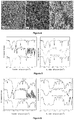
- microcapsules obtained were characterized by spectroscopic techniques such as infrared (FT-IR), UV-visible spectrophotometry and differential scanning calorimetry (DSC), thermogravimetric analysis TGA and scanning electron microscopy (SEM), see Figures 1 -4 and 6-10 .
- FT-IR infrared
- DSC differential scanning calorimetry
- SEM thermogravimetric analysis TGA
- SEM scanning electron microscopy
- Cinnamon oil A. cinnamon
- oregano oil A. oregano
- carvacrol Carv
- cinnemaldehyde Cin
- beta-cyclodextrin-cavacrol b-CD-Car
- an antimicrobial essential oil selected from the group consisting of added b-CD-Car), beta-cyclodextrin cinemaldehido (b-CD-Cin) and mixed for 2 minutes at 120 rpm until fully homogeneous.
- Mixtures were studied, varying the amount of said antimicrobial agent, and mixtures 99/1, 97/3 and 95/5% w/w were prepared.
- the mixtures were formed PE/A. Cinnamon, PE/A. Oregano, PE/Carv, PE/Cin, PE/b-CD-Car and PE/b-CD-Cin, polyethylene alone (100%).
- the films were obtained by pressing at 170 and 344 C and KPa (50 psi) pressure in a Scientific, Engineering team LabTech. Once obtained the polymer mixtures/antimicrobial agent, these were placed in a mold of 12 cm x 12 cm and 1 mm thick, then a press for 3 minutes, then the plates were cooled and removed performed.
- the films obtained were characterized by infrared spectroscopy (FT-IR), differential scanning calorimetry (DSC), thermogravimetric analysis (TGA), also the mechanical properties were studied by tensile deformation and its antimicrobial properties against the growth of Botrytis cinerea.
- FT-IR infrared spectroscopy
- DSC differential scanning calorimetry
- TGA thermogravimetric analysis
- Samples were prepared cutting probes of tests from a plate of 1 mm thickness, using a steel mold according to ASTM D638. At least 4 determinations were performed by material reporting a simple average value.
- Colony counting method This method quantifies the fungicidal activity of the studied films.
- the samples and controls were cut into squares of 2.5 x 2.5 cm and sterilized. Subsequently the same were inoculated in sterile saline (SF) from 1x10 4 and 5x10 6 spores of the fungus B. cinerea, 500 ⁇ L were taken and deposited on the surface of the films for 8 hours at room temperature. Subsequently, the films are deposited in 10 mL falcon tubes using SF 50 mL, 500 ⁇ L of the recovered suspension are taken and are diluted in 4.5 mL of SF.
- SF sterile saline
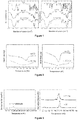
- Figure 1 it is shown the FT-IR spectra for the active ingredients (Cinnemaldehyde, carvacrol), ⁇ -cyclodextrin and micropcapsules of ⁇ -cyclodextrin/active ingredient.
- Figure 2 shows the spectrum for the active ingredients encapsulated in ⁇ -cyclodextrin. Microcapsule obtained: ⁇ -cyclodextrin7Carvacrol (b-CD-Car) and ⁇ -cyclodextrin/Cinnemaldehyde (b-CD-Cin).
- Figure 3 shows the TGA thermogram for b-CD and (b-CD-Cin).
- b-CD that has a peak near 330 °C corresponding to the thermal degradation of this.
- the TGA thermogram for pure cinnamaldehyde seen shows the beginning close to the degradation and the degradation peak is observed near the 205 °C.
- microcapsules have an irregular shape, it is present regions where the microcapsules are agglomerated, but some with good dispersion having an average size of 4 ⁇ m.
- polyethylene As the polymer matrix of low density polyethylene (LDPE) was used, polyethylene is generally characterized as a semicrystalline polymer, with good chemical resistance and processability, good electrical insulator, has some degree of flexibility. Meanwhile LDPE has a high degree of branching, which hinders the ordering of the polymer chains. It is an amorphous polymer with low density (0.92 to 0.94 g/cm 2 ), soft and flexible. It is used in various applications, from plastic bags to electrical insulation.
- LDPE low density polyethylene
- Figure 6 shows the IR spectra obtained for polyethylene (PE), cinnamaldehyde (Cin), ⁇ -cyclodextrin (b-CD), polyethylene/b-CD-Cin and polyethylene/Cin. Signals characteristics of polyethylene also bands characteristic of cinnamaldehyde and b-CD are observed.
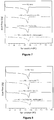
- Figures 8 and 9 show DSC thermograms for the polyethylene film alone and the films cinnamaldehyde, Carvacrol, containing 5% antimicrobial active loading and microcapsule b-CD-cinnamaldehyde, b-CD-Carvacrol (containing 1% of the agent in the load).
- signal close crystalline melting is observed at 110 °C for the case of polyethylene alone, for all films studied either with the antimicrobial active ingredient unencapsulated and incorporating microcapsule, it can be seen that there are no major differences in virgin polyethylene as to exhibit thermal behavior, crystalline melting signal for all remains in the range between 110 and 115 °C. Then, the incorporation of antimicrobial active either encapsulated or not encapsulated, does not affect the thermal properties of the material.
- Figure 10 shows the TGA thermograms for both PE, as for microcapsules b-CD-Cin and b-CD-car 5% under a nitrogen environment.
- the thermogram no differences with polyethylene without incorporating the active compound, so that the presence of active agent within the matrix not significantly affects the degradation of the film obtained.
- carvacrol a signal close to 305 °C attributed to a thermal decomposition of the ⁇ -cyclodextrin confirmed the presence of the microcapsules within the matrix can be seen.
- DSC and TGA it is confirmed that the incorporation of the microcapsules into the matrix does not affect the thermal properties of the films compared to virgin polyethylene.
- Activity films obtained by the colony counting method Tables 2 shows the results obtained for the polymer films with carvacrol and cinnamaldehyde alone and their essential oils (oregano, cinnamon), along each encapsulated in the ⁇ -cyclodextrin.
- active agent cinnemaldehyde and carvarcrol
- the yield percentage reduction up to 99.9%
- both active agents are provided when the loading was 5%
- both compounds show a fungicidal activity.
- essential oils so may be because they are less stable at high temperatures, volatizing during the process.
- the fungicidal effect is less reaching a 31,4% carvacrol when the load was 5% by weight.
Landscapes
- Life Sciences & Earth Sciences (AREA)
- Health & Medical Sciences (AREA)
- Engineering & Computer Science (AREA)
- General Health & Medical Sciences (AREA)
- Agronomy & Crop Science (AREA)
- Plant Pathology (AREA)
- Dentistry (AREA)
- Wood Science & Technology (AREA)
- Zoology (AREA)
- Environmental Sciences (AREA)
- Pest Control & Pesticides (AREA)
- Natural Medicines & Medicinal Plants (AREA)
- Mycology (AREA)
- Microbiology (AREA)
- Biotechnology (AREA)
- Mechanical Engineering (AREA)
- Toxicology (AREA)
- Chemical & Material Sciences (AREA)
- Food Science & Technology (AREA)
- Manufacturing & Machinery (AREA)
- Botany (AREA)
- Materials Engineering (AREA)
- Chemical Kinetics & Catalysis (AREA)
- Medicinal Chemistry (AREA)
- Polymers & Plastics (AREA)
- Organic Chemistry (AREA)
- Compositions Of Macromolecular Compounds (AREA)
- Agricultural Chemicals And Associated Chemicals (AREA)
- Wrappers (AREA)
- Manufacture Of Macromolecular Shaped Articles (AREA)
Applications Claiming Priority (2)
| Application Number | Priority Date | Filing Date | Title |
|---|---|---|---|
| CL2015003698A CL2015003698A1 (es) | 2015-12-22 | 2015-12-22 | Película degradable para empaque de frutas y hortalizas que comprende una matriz polimérica en base a poliolefina, la que incorpora un agente activo antimicrobiano (biocida o fungicida) de aceite esencial o dicho aceite esencial, y además incorpora agentes degradantes, y procedimiento de microencapsulación de dicho agente activo antimicrobiano de aceite esencial, y método de preparación de la película. |
| PCT/CL2016/050075 WO2017106984A1 (fr) | 2015-12-22 | 2016-12-22 | Film d'emballage dégradable pour fruits et légumes |
Publications (2)
| Publication Number | Publication Date |
|---|---|
| EP3395170A1 true EP3395170A1 (fr) | 2018-10-31 |
| EP3395170A4 EP3395170A4 (fr) | 2019-05-29 |
Family
ID=56610114
Family Applications (1)
| Application Number | Title | Priority Date | Filing Date |
|---|---|---|---|
| EP16877058.4A Withdrawn EP3395170A4 (fr) | 2015-12-22 | 2016-12-22 | Film d'emballage dégradable pour fruits et légumes |
Country Status (6)
| Country | Link |
|---|---|
| US (1) | US20190008146A1 (fr) |
| EP (1) | EP3395170A4 (fr) |
| CN (1) | CN108471740A (fr) |
| CL (1) | CL2015003698A1 (fr) |
| MX (1) | MX2018007779A (fr) |
| WO (1) | WO2017106984A1 (fr) |
Cited By (5)
| Publication number | Priority date | Publication date | Assignee | Title |
|---|---|---|---|---|
| EP3569644A1 (fr) * | 2018-05-16 | 2019-11-20 | Soremartec S.A. | Matériau d'emballage |
| WO2021224317A1 (fr) | 2020-05-08 | 2021-11-11 | Omya International Ag | Revêtements comprenant des ingrédients actifs antimicrobiens pour emballage alimentaire |
| WO2022101613A1 (fr) * | 2020-11-10 | 2022-05-19 | UPL Corporation Limited | Composition fongicide biodégradable |
| ES2930557A1 (es) * | 2022-07-15 | 2022-12-16 | Univ Cartagena Politecnica | Composición de recubrimiento activo para su aplicación en láminas de material celulósico |
| WO2024189037A1 (fr) | 2023-03-13 | 2024-09-19 | Consejo Superior De Investigaciones Científicas | Argiles fonctionnelles à libération contrôlée d'additifs naturels |
Families Citing this family (23)
| Publication number | Priority date | Publication date | Assignee | Title |
|---|---|---|---|---|
| ES2957898T3 (es) | 2016-11-22 | 2024-01-29 | Polymateria Ltd | Polímero degradable y método de producción |
| CN107858784B (zh) * | 2017-06-30 | 2021-03-19 | 浙江工业大学 | 一种负载肉桂醛精油的抗菌活性包装膜的制备方法 |
| CN109876546A (zh) * | 2019-02-14 | 2019-06-14 | 安徽宏凤空调滤网有限公司 | 一种空调用清香型抗菌过滤网及其制备方法 |
| CN111657345A (zh) * | 2019-03-07 | 2020-09-15 | 华中农业大学 | 一种猕猴桃采后软腐病的防治方法 |
| CN109757553B (zh) * | 2019-03-13 | 2022-05-31 | 大连民族大学 | 一种缓释微胶囊鲜切果蔬保鲜剂及其制作方法和应用 |
| CN109953113A (zh) * | 2019-04-30 | 2019-07-02 | 广西壮族自治区农业科学院 | 可食性被膜保鲜剂及其制备方法、应用和果蔬保鲜方法 |
| CN111410824A (zh) * | 2019-12-11 | 2020-07-14 | 凯威塑胶工业有限公司 | 一种生物抗菌水果包装膜及其制备方法 |
| CN111484660A (zh) * | 2020-04-28 | 2020-08-04 | 海南华塑新型管业有限公司 | 一种纳米抗菌塑料及其制备方法 |
| CN111990458A (zh) * | 2020-08-19 | 2020-11-27 | 阿克苏优能农业科技股份有限公司 | 糖心富士苹果绿色抑菌保脆型保鲜包装方法 |
| DE102020122216A1 (de) * | 2020-08-25 | 2022-03-03 | Schock Gmbh | Wärmeaushärtbare Gießmasse, daraus hergestellter Formkörper, und Verfahren zur Herstellung des Formkörpers |
| EP4204322A1 (fr) * | 2020-08-28 | 2023-07-05 | Société des Produits Nestlé S.A. | Concentré alimentaire emballé ayant des propriétés de barrière fournies par un emballage comestible |
| CN112592517A (zh) * | 2020-12-15 | 2021-04-02 | 合肥工业大学 | 一种食品用耐高温溶菌酶复合保鲜膜的制备方法 |
| CN112868653B (zh) * | 2021-01-19 | 2026-01-09 | 兰州大学 | 一种含有桧木醇和植物精油及其主要成分的杀菌组合物在防治植物病害和霉菌中的用途 |
| CN112956530A (zh) * | 2021-03-26 | 2021-06-15 | 四川农业大学 | 厚朴酚微胶囊喷雾保鲜剂及其制备方法 |
| CN113207954A (zh) * | 2021-03-31 | 2021-08-06 | 中国科学院华南植物园 | 一种百合保鲜方法 |
| CN113201177B (zh) * | 2021-04-09 | 2023-03-28 | 广西壮族自治区农业科学院 | 一种纳米保鲜袋材料及其制备方法和应用 |
| CN114591542B (zh) * | 2022-04-25 | 2022-11-18 | 江南大学 | 一种添加irmof-3/香芹酚的海藻酸钠基抗氧化抗菌生物活性复合膜及其制备方法 |
| CN114805873A (zh) * | 2022-05-09 | 2022-07-29 | 吉林大学 | 一种缓释型抑菌淀粉复合膜的制备方法和应用 |
| CN114600884A (zh) * | 2022-05-13 | 2022-06-10 | 广东洛斯特制药有限公司 | 一种苯扎氯铵复合灭菌消毒喷雾及其制备方法 |
| CN115260652A (zh) * | 2022-08-16 | 2022-11-01 | 江西同益高分子材料科技有限公司 | 一种高性能抗菌pp板材及其制备方法 |
| CN115785563A (zh) * | 2022-12-02 | 2023-03-14 | 会通新材料股份有限公司 | 一种抗菌避虫聚丙烯材料及其制备方法 |
| CN116574330B (zh) * | 2023-05-29 | 2025-11-25 | 江阴纳力新材料科技有限公司 | 一种改性聚丙烯膜及其制备方法和应用 |
| CN118834426B (zh) * | 2024-09-20 | 2024-12-06 | 青州市鲁冠塑料有限公司 | 一种聚乙烯除草地膜的制备方法 |
Family Cites Families (16)
| Publication number | Priority date | Publication date | Assignee | Title |
|---|---|---|---|---|
| JPH111624A (ja) * | 1997-06-12 | 1999-01-06 | Showa Denko Plast Prod Kk | 熱可塑性樹脂組成物 |
| JP2002281894A (ja) * | 2001-03-27 | 2002-10-02 | Seiwa Technics:Kk | 青果物の鮮度保持ケース |
| IL155836A0 (en) * | 2003-05-11 | 2003-12-23 | Univ Ben Gurion | Encapsulated essential oils |
| EP1773130A4 (fr) * | 2004-06-29 | 2008-09-03 | Univ Victoria | Materiau d'emballage anti-microbien |
| SE530267C3 (sv) * | 2004-07-19 | 2008-05-13 | Add X Biotech Ab | Nedbrytbar förpackning av en polyolefin |
| CN101269719B (zh) * | 2008-05-01 | 2011-09-21 | 钟楚杰 | 一种气调保鲜袋及其无菌气调保鲜法 |
| US20100229462A1 (en) * | 2010-05-26 | 2010-09-16 | Cerowa, Lp | Degradable and Compostable Plastic Films for Agriculture |
| CL2010001342A1 (es) * | 2010-12-03 | 2014-08-01 | Univ Santiago Chile | Proceso de obtencion de un film que comprende la incorporacion de agentes antimicrobianos de origen natural en una estructura polimerica, para el desarrollo de envases destinados a incrementar la vida util de carne refrigerada, preferentemente de salmon fresco refrigerado. |
| CN102585412A (zh) * | 2011-01-14 | 2012-07-18 | 邓靖 | 一种基于精油/β-环糊精包合物的活性包装膜及其制备方法 |
| ES2659955T3 (es) * | 2012-11-30 | 2018-03-20 | Kimberly-Clark Worldwide, Inc. | Composiciones de liberación controlada y métodos para su uso |
| CN103283828A (zh) * | 2013-06-24 | 2013-09-11 | 湖南工业大学 | 一种基于精油/β-环糊精包合物的抗菌果蜡制备方法 |
| US20160325911A1 (en) * | 2014-01-14 | 2016-11-10 | Instituo Technologico Del Embalaje Transporte Y Logistica (Itene) | Antimicrobial compositions for food packaging consisting of salicylaldehyde and carvacrol, thymol or their mixture |
| CN103788494A (zh) * | 2014-02-28 | 2014-05-14 | 上海海洋大学 | 一种果蔬保鲜薄膜及其制备方法 |
| CN103910911B (zh) * | 2014-03-27 | 2016-10-05 | 华侨大学 | 一种具缓释作用的长效抗菌可食膜的制备方法 |
| CN104441899B (zh) * | 2014-12-03 | 2016-08-17 | 华侨大学 | 遇水敏感性、高效抗菌复合薄膜的制备方法 |
| ES2588261B1 (es) * | 2016-04-15 | 2017-05-10 | Universidad Politécnica De Cartagena | Envase de cartón para envasado activo de frutas y hortalizas frescas, y procedimiento de fabricación del mismo |
-
2015
- 2015-12-22 CL CL2015003698A patent/CL2015003698A1/es unknown
-
2016
- 2016-12-22 WO PCT/CL2016/050075 patent/WO2017106984A1/fr not_active Ceased
- 2016-12-22 MX MX2018007779A patent/MX2018007779A/es unknown
- 2016-12-22 US US16/065,428 patent/US20190008146A1/en not_active Abandoned
- 2016-12-22 CN CN201680079428.7A patent/CN108471740A/zh active Pending
- 2016-12-22 EP EP16877058.4A patent/EP3395170A4/fr not_active Withdrawn
Cited By (6)
| Publication number | Priority date | Publication date | Assignee | Title |
|---|---|---|---|---|
| EP3569644A1 (fr) * | 2018-05-16 | 2019-11-20 | Soremartec S.A. | Matériau d'emballage |
| LU100799B1 (en) * | 2018-05-16 | 2019-11-21 | Soremartec Sa | Packaging material |
| WO2021224317A1 (fr) | 2020-05-08 | 2021-11-11 | Omya International Ag | Revêtements comprenant des ingrédients actifs antimicrobiens pour emballage alimentaire |
| WO2022101613A1 (fr) * | 2020-11-10 | 2022-05-19 | UPL Corporation Limited | Composition fongicide biodégradable |
| ES2930557A1 (es) * | 2022-07-15 | 2022-12-16 | Univ Cartagena Politecnica | Composición de recubrimiento activo para su aplicación en láminas de material celulósico |
| WO2024189037A1 (fr) | 2023-03-13 | 2024-09-19 | Consejo Superior De Investigaciones Científicas | Argiles fonctionnelles à libération contrôlée d'additifs naturels |
Also Published As
| Publication number | Publication date |
|---|---|
| MX2018007779A (es) | 2018-08-15 |
| EP3395170A4 (fr) | 2019-05-29 |
| CN108471740A (zh) | 2018-08-31 |
| US20190008146A1 (en) | 2019-01-10 |
| CL2015003698A1 (es) | 2016-06-17 |
| WO2017106984A1 (fr) | 2017-06-29 |
Similar Documents
| Publication | Publication Date | Title |
|---|---|---|
| US20190008146A1 (en) | Degradable packaging film for fruit and vegetables | |
| Ezati et al. | Cellulose nanofiber-based coating film integrated with nitrogen-functionalized carbon dots for active packaging applications of fresh fruit | |
| Zhang et al. | Antifungal electrospinning nanofiber film incorporated with Zanthoxylum bungeanum essential oil for strawberry and sweet cherry preservation | |
| Singaram et al. | Review on functionalized pectin films for active food packaging | |
| Gholami et al. | Investigating the effect of chitosan, nanopackaging, and modified atmosphere packaging on physical, chemical, and mechanical properties of button mushroom during storage | |
| Riahi et al. | Synergistic effect of iron-based metal-organic framework hybridized with carbon quantum dots in agar/gelatin films for fruit preservation | |
| Mittal et al. | Development of poly (hydroxybutyrate) film incorporated with nano silica and clove essential oil intended for active packaging of brown bread | |
| US20150072862A1 (en) | Multilayered films capable of releasing active ingredients over a limited time period | |
| Zhou et al. | Hyaluronic acid-based multifunctional bio-active coating integrated with cinnamaldehyde/hydroxypropyl-β-cyclodextrin inclusion complex for fruit preservation | |
| Phala et al. | Development of EVA and LLDPE polymer-based carvone and spearmint essential oil release systems for citrus postharvest diseases applications | |
| CN101269719A (zh) | 一种气调保鲜袋及其无菌气调保鲜法 | |
| Hosseinnia et al. | Zeolite‐based polymer composite films for vegetables and fruits packaging: A review | |
| JP2018533554A (ja) | 活性原料としてのシトラール、ヘキサナール、およびリナロールを含む抗菌組成物、および最小限に処理された果物または野菜の包装における適用 | |
| KR102354919B1 (ko) | 개질 제올라이트를 이용한 신선도 유지 및 세균성 부패 방지 식품포장용 항균 필름의 제조방법 및 이로부터 제조된 식품포장용 항균필름 | |
| da Costa et al. | Green active food packaging films based on nanocomposites of PHBV/sepiolite/essential oils | |
| Abdul Malek et al. | Tailoring synergistic polylactic acid–based nanocomposites for sustainable antimicrobial fruit packaging | |
| Mathew et al. | Silver-based nanomaterials for food packaging applications | |
| Mohlamonyane et al. | Use of Metal-Based Nanoparticles for Active Packaging Applications. Part I: Types and Methods of Incorporation into Polymer Matrices | |
| Mistry | Development of LDPE-based antimicrobial films for food packaging | |
| Luzi et al. | Polymeric composites and nanocomposites containing lignin: Structure and applications | |
| WO2023212742A1 (fr) | Matériaux d'emballage actifs et/ou intelligents contenant des ligands de piégeage de radicaux | |
| Sargin | Polymer–silver composites for food packaging | |
| JP2004208558A (ja) | 青果物の鮮度保持方法 | |
| Catalá et al. | PLA and active packaging | |
| Saravanan et al. | Fabrication of ZnO nanoparticles reinforced PHB/PEG nanocomposite film for active packaging of Indian gooseberry and bread |
Legal Events
| Date | Code | Title | Description |
|---|---|---|---|
| STAA | Information on the status of an ep patent application or granted ep patent |
Free format text: STATUS: THE INTERNATIONAL PUBLICATION HAS BEEN MADE |
|
| PUAI | Public reference made under article 153(3) epc to a published international application that has entered the european phase |
Free format text: ORIGINAL CODE: 0009012 |
|
| STAA | Information on the status of an ep patent application or granted ep patent |
Free format text: STATUS: REQUEST FOR EXAMINATION WAS MADE |
|
| 17P | Request for examination filed |
Effective date: 20180709 |
|
| AK | Designated contracting states |
Kind code of ref document: A1 Designated state(s): AL AT BE BG CH CY CZ DE DK EE ES FI FR GB GR HR HU IE IS IT LI LT LU LV MC MK MT NL NO PL PT RO RS SE SI SK SM TR |
|
| AX | Request for extension of the european patent |
Extension state: BA ME |
|
| DAV | Request for validation of the european patent (deleted) | ||
| DAX | Request for extension of the european patent (deleted) | ||
| A4 | Supplementary search report drawn up and despatched |
Effective date: 20190502 |
|
| RIC1 | Information provided on ipc code assigned before grant |
Ipc: A01N 27/00 20060101ALI20190423BHEP Ipc: A01N 31/16 20060101ALI20190423BHEP Ipc: B65B 25/02 20060101ALI20190423BHEP Ipc: A01N 25/34 20060101ALI20190423BHEP Ipc: A01N 65/28 20090101ALI20190423BHEP Ipc: A01N 25/10 20060101ALI20190423BHEP Ipc: B65D 65/46 20060101ALI20190423BHEP Ipc: A01N 43/90 20060101ALI20190423BHEP Ipc: A01N 65/22 20090101ALI20190423BHEP Ipc: A01N 31/04 20060101ALI20190423BHEP Ipc: A01N 65/08 20090101ALI20190423BHEP Ipc: A01N 31/08 20060101ALI20190423BHEP Ipc: A01N 25/28 20060101AFI20190423BHEP Ipc: A01N 65/24 20090101ALI20190423BHEP Ipc: B65B 25/04 20060101ALI20190423BHEP |
|
| STAA | Information on the status of an ep patent application or granted ep patent |
Free format text: STATUS: EXAMINATION IS IN PROGRESS |
|
| 17Q | First examination report despatched |
Effective date: 20200319 |
|
| STAA | Information on the status of an ep patent application or granted ep patent |
Free format text: STATUS: THE APPLICATION IS DEEMED TO BE WITHDRAWN |
|
| 18D | Application deemed to be withdrawn |
Effective date: 20200730 |