EP3395329A1 - Procédé de préparation de corps lipidiques et leur utilisation - Google Patents
Procédé de préparation de corps lipidiques et leur utilisation Download PDFInfo
- Publication number
- EP3395329A1 EP3395329A1 EP16877539.3A EP16877539A EP3395329A1 EP 3395329 A1 EP3395329 A1 EP 3395329A1 EP 16877539 A EP16877539 A EP 16877539A EP 3395329 A1 EP3395329 A1 EP 3395329A1
- Authority
- EP
- European Patent Office
- Prior art keywords
- proteins
- adiposomes
- liquid phase
- buffer
- drug
- Prior art date
- Legal status (The legal status is an assumption and is not a legal conclusion. Google has not performed a legal analysis and makes no representation as to the accuracy of the status listed.)
- Granted
Links
Images


Classifications
-
- A—HUMAN NECESSITIES
- A61—MEDICAL OR VETERINARY SCIENCE; HYGIENE
- A61K—PREPARATIONS FOR MEDICAL, DENTAL OR TOILETRY PURPOSES
- A61K47/00—Medicinal preparations characterised by the non-active ingredients used, e.g. carriers or inert additives; Targeting or modifying agents chemically bound to the active ingredient
- A61K47/50—Medicinal preparations characterised by the non-active ingredients used, e.g. carriers or inert additives; Targeting or modifying agents chemically bound to the active ingredient the non-active ingredient being chemically bound to the active ingredient, e.g. polymer-drug conjugates
- A61K47/69—Medicinal preparations characterised by the non-active ingredients used, e.g. carriers or inert additives; Targeting or modifying agents chemically bound to the active ingredient the non-active ingredient being chemically bound to the active ingredient, e.g. polymer-drug conjugates the conjugate being characterised by physical or galenical forms, e.g. emulsion, particle, inclusion complex, stent or kit
- A61K47/6905—Medicinal preparations characterised by the non-active ingredients used, e.g. carriers or inert additives; Targeting or modifying agents chemically bound to the active ingredient the non-active ingredient being chemically bound to the active ingredient, e.g. polymer-drug conjugates the conjugate being characterised by physical or galenical forms, e.g. emulsion, particle, inclusion complex, stent or kit the form being a colloid or an emulsion
- A61K47/6911—Medicinal preparations characterised by the non-active ingredients used, e.g. carriers or inert additives; Targeting or modifying agents chemically bound to the active ingredient the non-active ingredient being chemically bound to the active ingredient, e.g. polymer-drug conjugates the conjugate being characterised by physical or galenical forms, e.g. emulsion, particle, inclusion complex, stent or kit the form being a colloid or an emulsion the form being a liposome
-
- C—CHEMISTRY; METALLURGY
- C12—BIOCHEMISTRY; BEER; SPIRITS; WINE; VINEGAR; MICROBIOLOGY; ENZYMOLOGY; MUTATION OR GENETIC ENGINEERING
- C12N—MICROORGANISMS OR ENZYMES; COMPOSITIONS THEREOF; PROPAGATING, PRESERVING, OR MAINTAINING MICROORGANISMS; MUTATION OR GENETIC ENGINEERING; CULTURE MEDIA
- C12N5/00—Undifferentiated human, animal or plant cells, e.g. cell lines; Tissues; Cultivation or maintenance thereof; Culture media therefor
- C12N5/06—Animal cells or tissues; Human cells or tissues
- C12N5/0602—Vertebrate cells
- C12N5/0652—Cells of skeletal and connective tissues; Mesenchyme
- C12N5/0653—Adipocytes; Adipose tissue
-
- A—HUMAN NECESSITIES
- A61—MEDICAL OR VETERINARY SCIENCE; HYGIENE
- A61K—PREPARATIONS FOR MEDICAL, DENTAL OR TOILETRY PURPOSES
- A61K47/00—Medicinal preparations characterised by the non-active ingredients used, e.g. carriers or inert additives; Targeting or modifying agents chemically bound to the active ingredient
- A61K47/02—Inorganic compounds
-
- A—HUMAN NECESSITIES
- A61—MEDICAL OR VETERINARY SCIENCE; HYGIENE
- A61K—PREPARATIONS FOR MEDICAL, DENTAL OR TOILETRY PURPOSES
- A61K47/00—Medicinal preparations characterised by the non-active ingredients used, e.g. carriers or inert additives; Targeting or modifying agents chemically bound to the active ingredient
- A61K47/06—Organic compounds, e.g. natural or synthetic hydrocarbons, polyolefins, mineral oil, petrolatum or ozokerite
- A61K47/08—Organic compounds, e.g. natural or synthetic hydrocarbons, polyolefins, mineral oil, petrolatum or ozokerite containing oxygen, e.g. ethers, acetals, ketones, quinones, aldehydes, peroxides
- A61K47/14—Esters of carboxylic acids, e.g. fatty acid monoglycerides, medium-chain triglycerides, parabens or PEG fatty acid esters
-
- A—HUMAN NECESSITIES
- A61—MEDICAL OR VETERINARY SCIENCE; HYGIENE
- A61K—PREPARATIONS FOR MEDICAL, DENTAL OR TOILETRY PURPOSES
- A61K47/00—Medicinal preparations characterised by the non-active ingredients used, e.g. carriers or inert additives; Targeting or modifying agents chemically bound to the active ingredient
- A61K47/06—Organic compounds, e.g. natural or synthetic hydrocarbons, polyolefins, mineral oil, petrolatum or ozokerite
- A61K47/22—Heterocyclic compounds, e.g. ascorbic acid, tocopherol or pyrrolidones
-
- A—HUMAN NECESSITIES
- A61—MEDICAL OR VETERINARY SCIENCE; HYGIENE
- A61K—PREPARATIONS FOR MEDICAL, DENTAL OR TOILETRY PURPOSES
- A61K47/00—Medicinal preparations characterised by the non-active ingredients used, e.g. carriers or inert additives; Targeting or modifying agents chemically bound to the active ingredient
- A61K47/06—Organic compounds, e.g. natural or synthetic hydrocarbons, polyolefins, mineral oil, petrolatum or ozokerite
- A61K47/24—Organic compounds, e.g. natural or synthetic hydrocarbons, polyolefins, mineral oil, petrolatum or ozokerite containing atoms other than carbon, hydrogen, oxygen, halogen, nitrogen or sulfur, e.g. cyclomethicone or phospholipids
-
- A—HUMAN NECESSITIES
- A61—MEDICAL OR VETERINARY SCIENCE; HYGIENE
- A61K—PREPARATIONS FOR MEDICAL, DENTAL OR TOILETRY PURPOSES
- A61K47/00—Medicinal preparations characterised by the non-active ingredients used, e.g. carriers or inert additives; Targeting or modifying agents chemically bound to the active ingredient
- A61K47/30—Macromolecular organic or inorganic compounds, e.g. inorganic polyphosphates
- A61K47/42—Proteins; Polypeptides; Degradation products thereof; Derivatives thereof, e.g. albumin, gelatin or zein
-
- A—HUMAN NECESSITIES
- A61—MEDICAL OR VETERINARY SCIENCE; HYGIENE
- A61K—PREPARATIONS FOR MEDICAL, DENTAL OR TOILETRY PURPOSES
- A61K9/00—Medicinal preparations characterised by special physical form
- A61K9/10—Dispersions; Emulsions
- A61K9/127—Synthetic bilayered vehicles, e.g. liposomes or liposomes with cholesterol as the only non-phosphatidyl surfactant
-
- A—HUMAN NECESSITIES
- A61—MEDICAL OR VETERINARY SCIENCE; HYGIENE
- A61K—PREPARATIONS FOR MEDICAL, DENTAL OR TOILETRY PURPOSES
- A61K9/00—Medicinal preparations characterised by special physical form
- A61K9/10—Dispersions; Emulsions
- A61K9/127—Synthetic bilayered vehicles, e.g. liposomes or liposomes with cholesterol as the only non-phosphatidyl surfactant
- A61K9/1275—Lipoproteins or protein-free species thereof, e.g. chylomicrons; Artificial high-density lipoproteins [HDL], low-density lipoproteins [LDL] or very-low-density lipoproteins [VLDL]; Precursors thereof
-
- A—HUMAN NECESSITIES
- A61—MEDICAL OR VETERINARY SCIENCE; HYGIENE
- A61K—PREPARATIONS FOR MEDICAL, DENTAL OR TOILETRY PURPOSES
- A61K9/00—Medicinal preparations characterised by special physical form
- A61K9/10—Dispersions; Emulsions
- A61K9/127—Synthetic bilayered vehicles, e.g. liposomes or liposomes with cholesterol as the only non-phosphatidyl surfactant
- A61K9/1277—Preparation processes; Proliposomes
-
- C—CHEMISTRY; METALLURGY
- C07—ORGANIC CHEMISTRY
- C07K—PEPTIDES
- C07K14/00—Peptides having more than 20 amino acids; Gastrins; Somatostatins; Melanotropins; Derivatives thereof
- C07K14/435—Peptides having more than 20 amino acids; Gastrins; Somatostatins; Melanotropins; Derivatives thereof from animals; from humans
- C07K14/46—Peptides having more than 20 amino acids; Gastrins; Somatostatins; Melanotropins; Derivatives thereof from animals; from humans from vertebrates
- C07K14/47—Peptides having more than 20 amino acids; Gastrins; Somatostatins; Melanotropins; Derivatives thereof from animals; from humans from vertebrates from mammals
-
- C—CHEMISTRY; METALLURGY
- C07—ORGANIC CHEMISTRY
- C07K—PEPTIDES
- C07K14/00—Peptides having more than 20 amino acids; Gastrins; Somatostatins; Melanotropins; Derivatives thereof
- C07K14/435—Peptides having more than 20 amino acids; Gastrins; Somatostatins; Melanotropins; Derivatives thereof from animals; from humans
- C07K14/775—Apolipopeptides
-
- C—CHEMISTRY; METALLURGY
- C07—ORGANIC CHEMISTRY
- C07K—PEPTIDES
- C07K2319/00—Fusion polypeptide
- C07K2319/60—Fusion polypeptide containing spectroscopic/fluorescent detection, e.g. green fluorescent protein [GFP]
-
- C—CHEMISTRY; METALLURGY
- C07—ORGANIC CHEMISTRY
- C07K—PEPTIDES
- C07K2319/00—Fusion polypeptide
- C07K2319/95—Fusion polypeptide containing a motif/fusion for degradation (ubiquitin fusions, PEST sequence)
Definitions
- the present invention is related to the field of biotechnology, in particular to a preparation method of adiposomes and use thereof.
- a lipid droplet is a cellular organelle that consists of a neutral lipid core, a monolayer phospholipid membrane and associated proteins, and the functions of such cellular organelle include: 1) synthesis, storage, metabolization and transportation of lipids; 2) storage and degradation of proteins; 3) production and modification of lipid signaling molecules and hormones; and 4) interaction with other cellular organelles. Because the lipid droplets have the above-mentioned multiple functions, many human diseases, especially metabolic diseases, are closely related to the formation and dynamic changes of lipid droplets. However, the formation mechanism and dynamic changes of the lipid droplets are still difficult to study.
- lipid droplets In addition to lipid droplets, there is a type of structure in the human body that is constructed by a monolayer phospholipid membrane packaging neutral lipids and is coated with proteins on its surface, and such structure is called a lipoprotein. Although the structure of the lipoprotein is very similar to that of the lipid droplet, they are different in localization and surface proteins: lipid droplets are present in cells, but lipoproteins are present in blood; the main protein on lipid droplets is a lipid droplet resident/structural protein, but the main protein on lipoproteins is an apolipoprotein. Different lipoproteins have different apolipoproteins on their surface. The type and ratio of lipoproteins have a very important impact on human health.
- a high-density lipoprotein is a key component of cholesterol reverse transport, which can prevent the deposition of cholesterol on vascular walls, having a very important preventive effect on Cardiac and cerebral vessel diseases, such as atherosclerosis.
- Artificial lipoproteins may be used for supplements of high-density lipoproteins or other drug carriers.
- the problems to be solved by the present invention are to provide a drug carrier and a system for studying lipid droplets in vitro.
- the invention first provides a preparation method of adiposomes which consist of neutral lipids and a monolayer phospholipid membrane.
- the method for preparing adiposomes comprises the following steps: a1) vortexing phospholipids and neutral lipids in a buffer to enable a reaction between both, then performing centrifugation, collecting an upper liquid phase, and obtaining the adiposomes by isolation of the upper liquid phase.
- the "obtaining the adiposomes by isolation of the upper liquid phase” may comprise the following steps: a2) performing purification on the upper liquid phase for twice or more, wherein the process of each purification can be: uniformly mixing the upper liquid phase with the buffer, followed by layering the mixture, and collecting an upper liquid phase; and a3) uniformly mixing the upper liquid phase obtained in step a2) with the buffer, layering the mixture, and collecting a lower liquid phase in which the adiposomes are contained.
- the buffer may be buffer B.
- Solutes of the buffer B and their concentrations in the buffer may be: 15 mM ⁇ 25 mM HEPES, 80 mM ⁇ 120 mM KCl, 1.5 ⁇ 2.5 mM MgCl 2 ; and solvent may be deionized water; and pH may be 7.2 ⁇ 7.6.
- the solutes of the buffer B and their concentrations in the buffer may particularly be: 20 mM HEPES, 100 mM KCl, 2 mM MgCl 2 ; and the solvent may particularly be deionized water; and pH may particularly be 7.4.
- the parameter of the vortexing may be: a total time of 3 ⁇ 5 min.
- the parameters of the centrifugation may be: 18000 ⁇ 22000 g, 3 ⁇ 7min.
- the parameter of the vortexing may particularly be: a total time of 4 min.
- the parameters of the centrifugations may particularly be: 20000 g, 5min.
- the number of times in the step of "performing purification on the upper liquid phase for twice or more" is controlled based on that there is no precipitate after uniformly mixing and layering the upper liquid phase and buffer.
- the "layering the mixture” is achieved via centrifugation, and the parameters of the centrifugation may be: 18000 ⁇ 22000 g, 3 ⁇ 7 min.
- the "layering the mixture” is achieved via centrifugation, and the parameters of the centrifugation may particularly be: 20000 g, 5 min.
- the "layering the mixture” is achieved via centrifugation, and the parameters of the centrifugation may be: 800 ⁇ 1200 g, 3 ⁇ 7 min.
- the "layering the mixture” is achieved via centrifugation, and the parameters of the centrifugation may particularly be: 1000 g, 5 min.
- the phospholipid is b1), b2) or b3):
- the neutral lipid is c1) or c2): c1) triacylglycerol; c2) cholesteryl oleate (CO) and triacylglycerol.
- the mass ratio of 1,2-di-(9Z-octadecenoyl)-sn-glycero-3-phosphocholine and 1,2-di-(9Z-octadecenoyl)-sn-glycero-3-phosphoethanolamine may be 1:0.01 ⁇ 2;
- the mass ratio of 1,2-di-(9Z-octadecenoyl)-sn-glycero-3-phosphocholine and 1,2-di-octadecanoyl-sn-glycero-3-phosphocholine may be 1:0.01 ⁇ 2;
- the mass ratio of triacylglycerol and cholesteryl oleate may be 1 ⁇ 5:1.
- the mass ratio of 1,2-di-(9Z-octadecenoyl)-sn-glycero-3-phosphocholine and 1,2-di-(9Z-octadecenoyl)-sn-glycero-3-phosphoethanolamine may particularly be 2:1, 1:1 or 1:2; in the b3), the mass ratio of 1,2-di-(9Z-octadecenoyl)-sn-glycero-3-phosphocholine and 1,2-di-octadecanoyl-sn-glycero-3-phosphocholine may particularly be 2:1, 1:1 or 1:2; and in the c2), the mass ratio of triacylglycerol and cholesteryl oleate may particularly be 5:1, 4:1, 3:1 or 2:1.
- the triacylglycerol may be triolein (TO).
- TO triolein
- the triolein (TO) is particularly a product from Sigma, with the product item: 92860.
- the mass ratio of the phospholipid and neutral lipid may be any one of (d1) to (d6): (d1) 0.25 ⁇ 3:5; (d2) 3:5; (d3) 2:5; (d4) 1:5; (d5) 1:10; (d6) 1:20.
- adiposomes prepared by the above preparation method of adiposomes also fall into the protection scope of the present invention.
- the present invention also provides a method for preparing artificial lipid droplets.
- the method for preparing artificial lipid droplets comprises recruiting one or more resident proteins and/or functional proteins on the adiposomes prepared according to any one of the above preparation methods of adiposomes, to obtain the artificial lipid droplets.
- the resident proteins may be MLDS proteins, MDT-28 proteins or Perilipin-2 proteins.
- the functional proteins may be ATGL.
- the MLDS proteins may be the following e1) or e2): e1) proteins, the amino acid sequence of which is shown as SEQ ID NO: 2 in the Sequence Listing; e2) proteins having the same function as MLDS proteins, which are obtained by substituting and/or deleting and/or adding one to ten amino acid residues on the proteins shown in e1).
- the MDT-28 proteins may be the following f1) or f2): f1) proteins, the amino acid sequence of which is shown as SEQ ID NO: 4 in the Sequence Listing; 2) proteins having the same function as MDT-28 proteins, which are obtained by substituting and/or deleting and/or adding one to ten amino acid residues on the proteins shown in f1).
- the Perilipin-2 proteins may be the following g1) or g2): g1) proteins, the amino acid sequence of which is shown as SEQ ID NO: 6 in the Sequence Listing; g2) proteins having the same function as Perilipin-2 proteins, which are obtained by substituting and/or deleting and/or adding one to ten amino acid residues on the proteins shown in g1).
- the ATGL may be the following h1) or h2): h1) proteins, the amino acid sequence of which is shown as SEQ ID NO: 8 in the Sequence Listing; h2) proteins having the same function as ATGL, which are obtained by substituting and/or deleting and/or adding one to ten amino acid residues on the proteins shown in h1).
- the artificial lipid droplets prepared by the above method for preparing artificial lipid droplets also fall into the protection scope of the present invention.
- the present invention also provides a method for preparing artificial lipoproteins.
- the method for preparing artificial lipoproteins provided by the present invention comprises recruiting one or more apolipoproteins on the adiposomes prepared according to any one of the above preparation methods of adiposomes, to obtain artificial lipoproteins.
- the apolipoproteins may be Apo A-I.
- the Apo A-I may be obtained by specifically referring to the process recorded in the literature: Peitsch, M. C. et al., A purification method for apolipoprotein A-I and A-II. Anal Biochem 178, 301-305 (1989 ).
- the artificial lipoproteins prepared by the above method for preparing artificial lipoproteins also fall into the protection scope of the present invention.
- any one of (j1) to (j6) also falls into the protection scope of the present invention: (j1) use of adiposomes prepared by any one of the above preparation methods of adiposomes in the manufacture of artificial lipid droplets and/or artificial lipoproteins and/or drug carriers; (j2) use of artificial lipid droplets prepared by any one of the above preparation methods of artificial lipid droplets in the manufacture of drug carriers; (j3) use of artificial lipid droplets prepared by any one of the above preparation methods of artificial lipid droplets in the manufacture of drugs; (j4) use of artificial lipoproteins prepared by any one of the above preparation methods of artificial lipoproteins in the manufacture of drug carriers; (j5) use of artificial lipoproteins prepared by any one of the above preparation methods of artificial lipoproteins in the manufacture of drugs; (j6) use of adiposomes prepared by any one of the above preparation methods of adiposomes as drug carriers.
- the present invention also provides a drug.
- the active components of the drug provided by the present invention are adiposomes loaded with compounds having medicinal functions; and the adiposomes are the adiposomes prepared by any one of the above preparation method of adiposomes.
- the drug may be a fat-soluble drug.
- the fat-soluble drug may be a drug which is intersoluble with neutral lipids.
- the neutral lipids may particularly be triacylglycerol.
- the drug may particularly be a drug or a drug candidate which can treat Type II diabetes and/or metabolization disorders.
- the compound having medicinal functions may be the compound shown as formula a;
- the compound having medicinal functions may particularly be CDN 1163 produced by TOCRIS, with the product item: 5869.
- the "adiposomes loaded with a compound having medicinal functions" are the drug-loaded adiposomes in Example 3.
- the preparation method of drug-loaded adiposomes is particularly as follows: (1) taking 10 mg TAG into a micro-centrifugal tube, and adding 100 ⁇ l chloroform for sufficient dissolution to obtain a TAG solution; (2) taking 2 mg CDN 1163 into another micro-centrifugal tube, and adding 200 ⁇ l chloroform for sufficient dissolution to obtain a drug solution with a concentration of 10 ⁇ g/ ⁇ l; (3) after the steps (1) and (2) are completed, uniformly mixing the TAG solution and the drug solution, and then blow-drying the solvent with highly pure nitrogen, to obtain a mixed substance; (4) taking 80 ⁇ L DOPC solution (containing 2 mg DOPC therein) into a new micro-centrifugal tube, and blow-drying the solvent with highly pure nitrogen; (5) adding 100 ⁇ L buffer B and 6mg mixed substance obtained in the step (3) into the micro-centrifugal tube in which the step (4) has been completed, vortexing for 4 min (vortexing 10s, pausing 10s), to obtain
- the step (7) is the repeat of the step (6), and in the practical use, the number of repeating the step (6) is controlled based on that there is no precipitate in the layer under the white band.
- (8) After the step (7) is completed, taking the white band C, adding 100 ⁇ l buffer B, uniformly vortexing, and centrifuging at 1000 g for 5 min; after centrifuged, the liquid phase system presents two layers (the upper layer is white band D, and the portion below the white band D is solution D). The solution D is collected, which is the drug-loaded adiposome.
- the present invention provides a preparation method of adiposomes and use thereof.
- One preparation method of adiposomes provided by the invention makes adiposomes consisting of a neutral lipid core and a monolayer phospholipid membrane by vortexing neutral lipid and phospholipid and using a two-step process for purification.
- the artificial lipid droplets are obtained by recruiting resident proteins and/or functional proteins, such as bacterial proteins MLDS, nematoid proteins MDT-28, mammalian proteins Perilipin-2, adipose triacylglycerol lipase (ATGL) on the adiposomes; the artificial lipoproteins are obtained by recruiting apolipoproteins, such as Apo A-I (apolipoprotein A-I) on the adiposomes.
- the adiposomes, artificial lipid droplets and artificial lipoproteins prepared by the preparation method provided by the present invention can be used as drug carriers, thereby to complete various biological and medical goals.
- adiposome is defined as a class of artificially synthesized structure which takes natural or artificially synthesized neutral lipids as core and is packaged with natural or artificial synthesized polar lipid monolayer membrane.
- the lipid composition and the morphology of adiposomes are similar as those of lipid droplets, and thus adiposomes can be used as the main raw materials for preparing artificial lipid droplets.
- 1,2-di-(9Z-octadecenoyl)-sn-glycero-3-phosphocholine is a product from Avanti, in a state of DOPC solution, that is, DOPC is dissolved into chloroform.
- 1,2-di-(9Z-octadecenoyl)-sn-glycero-3-phosphoethanolamine is a product from Avanti, in a state of DOPE solution, that is, DOPE is dissolved into chloroform.
- 1,2-di-octadecanoyl-sn-glycero-3-phosphocholine is a product from Avanti, in a state of DSPC solution, that is, DSPC is dissolved into chloroform.
- Cholesteryl oleate (CO) is a product from Alfa Aesar.
- Nile red is a product from Sigma-Aldrich.
- LipidTOX red is a product from Invitrogen, with the product item: H34476.
- Anti-Perilipin-2 is a product from Abcam, with the product item: ab108323.
- Percoll is a product from GE Healthcare.
- Uranyl acetate, 25% glutaraldehyde and EMbed 812 embedding kit are all products from Electron Microscopy Sciences (Hatfield, USA).
- Osmium tetraoxide (EM grade) is a product from NAKALAI Tesque (Kyoto, Japan).
- Tannic acid is a product from Sigma.
- C57BL/6 mice are products from Beijing Vital River Laboratories.
- Dynamic light scatter (DLS, Delsa Nano C Particle Analyzer) is a product from Beckman.
- Vortexing in the following examples are all preformed using Vortex-Genie 1 Touch Mixer (Scientific Industries, Inc. USA), and "colloidal blue staining” is performed using Colloidal Blue staining Kit (a product from Invitrogen, with the product item: LC6025).
- Mitochondria is obtained by isolating brown adipose tissue of C57BL/6 mouse, and the specific isolating method refers to Yu, J. et al. Lipid droplet remodeling and interaction with mitochondria in mouse brown adipose tissue during cold treatment.Biochim Biophys Acta 1853, 918-928, doi: 10.1016/j.bbamcr.2015.01.020(2015 ).
- the method for preparing 2.5% glutaraldehyde solution comprises: dissolving 25% glutaraldehyde into 0.1M PB buffer with a pH of 7.4, such that the mass concentration of glutaraldehyde in the system is 2.5%.
- the solutes of the buffer B and their concentrations in the buffer are: 20 mM HEPES (15 mM-25 mM HEPES are all feasible in practical use), 100 mM KCl (80 mM-120 mM KCl are all feasible in practical use), 2 mM MgCl 2 (1.5-2.5 mM MgCl 2 are all feasible in practical use); the solvent is deionized water; and pH is 7.4 (7.2-7.6 are all feasible in practical use).
- Liposomes are unilamellar liposomes prepared by mixing Phosphatidylcholine and Phosphatidylethanolamine in a mass ratio of 3:7, and then using a mini-extruder set with 100 nm polycarbonate filters (Avanti), and see Nakatogawa, H., Ichimura, Y. & Ohsumi, Y. Atg8, a ubiquitin-like protein required for autophagosome formation, mediates membrane tethering and hemifusion. Cell 130, 165-178, doi:10.1016/j.cell.2007.05.021 (2007 ) for the specific preparation method.
- Adiposomes or lipid droplets are observed using a fluorescence microscope, and the specific steps are as follows: adiposomes or lipid droplets are stained with Nile red (concentration: 1 ⁇ g/ml) or LipidTOX red diluent (LipidTOX red is diluted with buffer B in a ratio of 1: 1000 to produce LipidTOX red diluent), and incubated at room-temperature for 30 min, a 6 ⁇ l of incubated adiposomes or lipid droplets is dropped to a slide and then mixed with 2 ⁇ l Antifade mounting medium (Beyotime, with the product item: P0126) and covered by a coverslip. Fluorescence images are captured using Zeiss M2 fluorescence microscope, Olympus FV1000 fluorescence confocal microscope or DeltaVision OMX V3 super-resolution microscope.
- the specific steps of positive staining in transmission electron microscope are as follows: 8 ⁇ l of adiposomes or liposomes are taken to drop onto a glow-discharged copper grid coated with a carbon film, resting for 1 min, followed by blotting with filter paper to remove extra sample; then the sample is fixed with 1% osmium tetroxide for 10 min, and rinsed with deionized water; then the sample is stained with 0.1 tannic acid for 5 min and 2% uranyl acetate for 5 min successively, and is rinsed with deionized water. Micrographs are captured using Tecnai Spirit (FEI) transmission electron microscope at 100 kV.
- FEI Tecnai Spirit
- Adiposomes or mitochondrias are observed using transmission electron microscope, and the specific steps are as follows: adiposomes or mitochondria are quickly mixed with melted 3% agarose having a low melting point, and solidified on ice and cut into blocks of approximately 1mm 3 .
- the blocks are fixed with 2.5% glutaraldehyde for 30 min, and subsequently are fixed with 1% osmium tetroxide in 0.1 M PB buffer (pH 7.4) for 1 h at room temperature, to give fixed blocks.
- the fixed blocks are washed with deionized water, dehydrated with ethanol, and then infiltrated and embedded with EMbed 812 embedding kit, and are polymerized at 60°C for 24 h.
- 70 nm of ultrathin sections are prepared using Leica EM UC6 Ultramicrotome. Micrographs are captured using Tecnai Spirit (FEI) transmission electron microscope at 100 kV.
- Adiposomes or mitochondrias are observed using cryo-electron microscope, and the specific steps are as follows: 4 ⁇ l of adiposomes or mitochondrias are dropped onto a copper grid, and blotted for 3 seconds in 100% humidity using Vitrobot Mark IV (the product of FEI) and then vitrified by quickly plunging into liquid ethane pre-cooled with liquid nitrogen. Micrographs are captured using Titan Krios cryo-electron microscope equipped with Gatan UltraScan4000 Camera (Product number: 895) (the product of FEI) at 300kV.
- Buffer T is a buffer containing 50 mM Tris-HCl and 150 mM NaCl with a pH of 7.4.
- Vector pET28a is a product of Novagen.
- Vector pGEX-6p-1 is purchased from Novagen.
- Nickel ion metal affinity chromatography column fillers are Chelating Sepharose Fast Flow chelated with nickel ions, which are products of Amersham Biosciences.
- GST affinity chromatography column fillers are products of Sangon Biotech (Shanghai) Co., Ltd.
- Modified pET28a plasmid is recorded in the following literature: Hu, W., Wu, H., Zhang, H., Gong, W. & Perrett, S. Resonance assignments for the substrate binding domain of Hsp70 chaperone Ssa1 from Saccharomyces cerevisiae. Biomol NMR Assign 9, 329-332, doi:10.1007/s12104-015-9603-5 (2015 ).
- “Modified pET28a plasmid” is referred to as hereinafter vector pET28a-SMT3.
- Adiposome a was prepared using vortexing and two-step centrifugation, and the specific steps were as follows:
- the white band 4 in the above steps was named as upper fraction.
- the precipitate fraction 1 and the precipitate fraction 2 in the above steps were mixed and named as precipitate fraction.
- the precipitate fraction and the upper fraction in the above steps were mixed and named as mixed fraction.
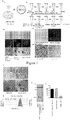
- the specific flow of preparing adiposome a using the above method refers to A in Figure 1 (in which, a was the components for preparing adiposome a, b was the flowchart of preparing adiposome a).
- the morphologies of various fractions in the process of preparing adiposome a were observed using an optical microscope and a fluorescence microscope, and were transmission electron microscope positive stained using microscope, and the results were as follows: in addition to spherical structures containing neutral lipids in original preparation fraction, precipitate fraction and upper fraction, there were also many other types of structures (B in Figure 1 ); all structures of solution 3 were almost spherical, and were Nile red positive, moreover, the sizes of structures labeled with Nile red were consistent with the sizes of spherical structures in optical microscope images, indicating that these spherical structures all contained TAG core (C in Figure 1 ); adiposome a and liposomes were transmission electron microscope positive stained using microscope, and
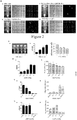
- adiposome a, RHA1 LD, Liver LD and BAT LD presented milky solution.
- the average sizes of adiposome a, RHA1 LD, Liver LD and BAT LD were measured using dynamic light scatter, and results showed the particle size of BAT LD was the biggest, the average diameter being 1848nm; the particle size of RHA1 LD was smallest, the average diameter being 493nm; the average diameter of adiposome a was 189 nm (B in Figure 2 ).
- the above results were substantially consistent with the results obtained by optical microscope (D in Figure 2 ).
- Adiposomes or lipid droplets were observed using fluorescence microscope, and all of adiposome a, RHA1 LD, Liver LD and BAT LD presented spherical structure (D in Figure 2 ), indicating that they all contained TAG core.
- step 1 To optimize conditions for preparing adiposomes, we systematically varied two major factors of vortex and two-step process in step 1, i.e., vortex time and the ratio of both raw materials (phospholipids and neutral lipids); measured optical density at 600 nm of wavelength (OD 600 ) for reflecting adiposome yield; and measured the size of adiposomes by dynamic light scattering meter.
- adiposome b, adiposome c and adiposome d were obtained except that vorting for 4 min in step (1) was replaced with vortexing for 1 min, vortexing for 2 min, and vortexing for 3 min, respectively, without other changes in other steps, and then the sizes and optical densities of adiposome a, adiposome b, adiposome c and adiposome d were measured, respectively.
- Adiposome a was prepared, in which phospholipid was specifically DOPC, neutral lipid was specifically TAG, and the ratio of DOPC: TAG was 2:5.
- Adiposome a was incubated at room temperature or 4°C for 7 days. During the incubating procedure, the size and the optical density at OD 600 of adiposome a were measured daily, and the adiposome was observed under optical microscope and fluorescence microscope.
- Example 2 Recombination of artificial lipid droplets by recruiting resident proteins and/or functional proteins and Recombination of artificial lipoproteins by recruiting apolipoproteins.
- Lipid droplets are highly dynamic and are involved in myriad physiological functions and interactions by the mediation of a plurality of lipid droplet proteins.
- the proteins on lipid droplets can be roughly divided into two categories: resident proteins and dynamic proteins.
- the resident proteins are thought to be selectively localized on lipid droplets and involved in control of lipid droplet size, and mediate localization of dynamic proteins.
- phosphorylation of PLIN1 facilitates the location of hormone-sensitive lipase (HSL) on lipid droplets. Therefore, to dissect lipid droplet functions by using adiposomes, it must load lipid droplet resident proteins on adiposomes, and then on the basis that resident proteins were successfully recruited to generate artificial lipid droplets, functional proteins are further recruited.
- HSL hormone-sensitive lipase
- lipid droplet resident proteins particularly are lipid droplet resident proteins derived from diverse organisms from bacteria to mammals, including MLDS proteins on RHA1-lipid droplets (RHA1 LD) isolated from oleaginous bacterium RHA1, MDT-28 proteins on nematode lipid droplets and Perilipin-2 proteins in non-adipose cells of mammals, and functional proteins are ATGL.
- Apolipoproteins particularly are apolipoprotein A1 (apolipoprotein A-I, Apo A-I) from human.
- the DNA molecule shown by SEQ ID NO: 1 in artificially synthesized Sequence Listing is MLDS gene, and the protein shown by SEQ ID NO: 2 encoded by DNA molecule shown by SEQ ID NO: 1 is MLDS protein, NCBI number: WP_005261062.1.
- the DNA molecule shown by SEQ ID NO: 3 in artificially synthesized Sequence Listing is MDT-28 gene, NCBI number: NM_001129054.2, and the protein shown by SEQ ID NO: 4 encoded by DNA molecule shown by SEQ ID NO: 3 is MDT-28 protein, NCBI number: NP_001122526.1.
- the DNA molecule shown by SEQ ID NO: 5 in artificially synthesized Sequence Listing is Perilipin-2 gene, and the protein shown by SEQ ID NO: 6 encoded by DNA molecule shown by SEQ ID NO: 5 is Perilipin-2 protein, NCBI number: NP_001113.2.
- the DNA molecule shown by SEQ ID NO: 7 in artificially synthesized Sequence Listing is ATGL gene, and the protein shown by SEQ ID NO: 8 encoded by DNA molecule shown by SEQ ID NO: 7 is ATGL, NCBI number: NP_065109.1.
- the DNA molecule shown by SEQ ID NO: 9 in artificially synthesized Sequence Listing is MLDS-GFP fusion gene, and the protein shown by SEQ ID NO: 10 encoded by DNA molecule shown by SEQ ID NO: 9 is MLDS-GFP fusion protein.
- the DNA molecule shown by SEQ ID NO: 11 in artificially synthesized Sequence Listing is MDT-28-GFP fusion gene, and the protein shown by SEQ ID NO: 12 encoded by DNA molecule shown by SEQ ID NO: 11 is MDT-28-GFP fusion protein.
- the DNA molecule shown by SEQ ID NO: 13 in artificially synthesized Sequence Listing is Perilipin-2-GFP fusion gene, and the protein shown by SEQ ID NO: 14 encoded by DNA molecule shown by SEQ ID NO: 13 is Perilipin-2-GFP fusion protein.
- Bovine serum albumin is purchased from Sigma, the product item: A4612.
- the bacteria in pre-induced bacterial liquid or induced bacterial liquid was harvested (4000 rpm, centrifugation for 20min), respectively, and resuspended in buffer T, and then lysed with a high-pressure cell press (JNBIO JN-3000 PLUS), to obtain whole cell lysates.
- the whole cell lysates were subjected to SDS-PAGE, and then analyzed by silver staining and Western blot.
- the results showed (A in Figure 5 , in which a was the analysis result of silver staining, b was the analysis result of Western blot, arrows indicated the band to which SMT3-Perilipin-2 proteins corresponded) that SMT3-Perilipin-2 proteins in induced bacterial liquid were expressed in large quantities.
- the DNA molecule shown by SEQ ID NO: 5 in Sequence Listing of the (1) of step 1 was replaced with the DNA molecule shown by SEQ ID NO: 1 in Sequence Listing
- vector pET28a-SMT3 was replaced with vector pGEX-6p-1
- restriction enzyme XhoI was replaced with BamHI
- nickel ion metal affinity chromatography column in the (4) of step 1 was replaced with GST affinity chromatography column
- imidazole was replaced with reduced glutathione, without other changes in other steps, and thus purified MLDS proteins were obtained.
- the DNA molecule shown by SEQ ID NO: 5 in Sequence Listing of the (1) of step 1 was replaced with the DNA molecule shown by SEQ ID NO: 3 in Sequence Listing
- vector pET28a-SMT3 was replaced with vector pGEX-6p-1
- restriction enzyme EcoRI and XhoI were replaced with restriction enzyme BamHI and NotI
- nickel ion metal affinity chromatography column in the (4) of step 1 was replaced with GST affinity chromatography column
- imidazole was replaced with reduced glutathione, without other changes in other steps, and thus purified MDT-28 proteins were obtained.
- the DNA molecule shown by SEQ ID NO: 5 in Sequence Listing of the (1) of step 1 was replaced with the DNA molecule shown by SEQ ID NO: 9 in Sequence Listing, and vector pET28a-SMT3 was replaced with vector pET28a, without other changes in other steps, and thus purified MLDS-GFP fusion proteins were obtained.
- the DNA molecule shown by SEQ ID NO: 5 in Sequence Listing of the (1) of step 1 was replaced with the DNA molecule shown by SEQ ID NO: 11 in Sequence Listing, vector pET28a-SMT3 was replaced with vector pET28a, and restriction enzyme EcoRI was replaced with restriction enzyme BamHI, without other changes in other steps, and thus purified MDT-28-GFP fusion proteins were obtained.
- the DNA molecule shown by SEQ ID NO: 5 in Sequence Listing of the (1) of step 1 was replaced with the DNA molecule shown by SEQ ID NO: 13 in Sequence Listing, and vector pET28a-SMT3 was replaced with vector pET28a, without other changes in other steps, and thus purified Perilipin-2-GFP fusion proteins were obtained.
- the DNA molecule shown by SEQ ID NO: 5 in Sequence Listing of the (1) of step 1 was replaced with the DNA molecule shown by SEQ ID NO: 7 in Sequence Listing, and Escherichia coli BL21 (DE3) in the (2) of step 1 was replaced with Escherichia coli Rosetta, without other changes in other steps, and thus purified SMT3-ATGL proteins were obtained.
- SMT3-Perilipin-2 proteins 25ng Ulp1 and 30 ⁇ l adiposome a prepared in Example 1 were mixed to obtain 50 ⁇ l mixed system, and the concentrations of SMT3-Perilipin-2 proteins in the mixed system were 0.015 ⁇ g/ ⁇ l, 0.030 ⁇ g/ ⁇ l, 0.056 ⁇ g/ ⁇ l, 0.080 ⁇ g/ ⁇ l, 0.101 ⁇ g/ ⁇ l, 0.137 ⁇ g/ ⁇ l, 0.166 ⁇ g/ ⁇ l or 0.191 ⁇ g/ ⁇ l.
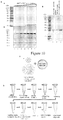
- 5 ⁇ g MLDS proteins, adiposomes obtained in the step b5 and the lower solution drawn in the step b3 were all subjected to SDS-PAGE, followed by silver staining detection.
- lane 1 was total proteins (MLDS proteins)
- lane 2 was adiposome recruited proteins (adiposomes obtained in the step b5)
- lane 3 was solution proteins (the lower solution drawn in the step b3)).
- the results showed that about 80% of MLDS proteins were recruited to adiposome a.
- the adiposomes recruited with MLDS proteins were named as artificial lipid droplet MLDS.
- the MLDS proteins in the step (2) were replaced with MDT-28 proteins, without other changes in other steps.
- the results were seen from lanes 4, 5 and 6 in Figure 6 (lane 4 was total proteins (MDT-28 proteins), lane 5 was adiposome recruited proteins, and lane 6 was solution proteins).
- the results showed that about 90% of MDT-28 proteins were recruited to adiposome a.
- the adiposomes recruited with MDT-28 proteins were named as artificial lipid droplet MDT-28.
- the MLDS proteins in the step (2) were replaced with Bovine serum albumin, without other changes in other steps.
- the results were seen from lanes 11, 12 and 13 in Figure 6 (lane 11 was total proteins (Bovine serum albumin), lane 12 was adiposome recruited proteins, and lane 13 was solution proteins). The results showed that no Bovine serum albumin was recruited to adiposome a.
- the adiposomes recruited with proteins were named as artificial lipid droplets.
- 5 ⁇ g SMT3-Perilipin-2 proteins were replaced with 10 ⁇ g purified Perilipin-2-GFP fusion proteins, without other changes in other steps, to obtained artificial lipid droplet Perilipin-2-GFP.
- 5 ⁇ g MLDS proteins in the (2) of step 1 were replaced with 10 ⁇ g purified MLDS-GFP fusion proteins, to obtain artificial lipid droplet MLDS-GFP.
- 5 ⁇ g MDT-28 proteins in the (3) of step 1 were replaced with 10 ⁇ g MDT-28-GFP fusion proteins, to obtain artificial lipid droplet MDT-28-GFP.
- SMT3-Perilipin-2 proteins in the (1) of step 1 were replaced with SMT3-ATGL proteins, and 50 ⁇ l adiposome a was replaced with 30 ⁇ l adiposome a, without other changes in other steps, to obtain adiposomes recruited with ATGL.
- SMT3-ATGL proteins, and 50 ⁇ l adiposome a prepared in Example 1 were mixed to obtain 100 ⁇ l mixed system, and the concentrations of SMT3-ATGL proteins in the mixed system were 0.091 ⁇ g/ ⁇ l, 0.132 ⁇ g/ ⁇ l, 0.171 ⁇ g/ ⁇ l, 0.209 ⁇ g/ ⁇ l, 0.244 ⁇ g/ ⁇ l, 0.278 ⁇ g/ ⁇ l or 0.310 ⁇ g/ ⁇ l.
- artificial lipid droplets were obtained according to the a2 to a5 of step 1, and were subjected to SDS-PAGE, followed by silver staining, or were subjected to Western blot detection using ATGL antibody (Cell Signaling Technology, the product item: 2138) as primary antibody.
- ATGL antibody Cell Signaling Technology, the product item: 2138
- the results were seen from A in Figure 10 (in which a was the result of silver staining, and b was the result of Western blot detection). The results showed that when the concentration of ATGL in the reaction system was 0.209 ⁇ g/ ⁇ l, the recruitment of ATGL on adiposomes reached saturation.
- adiposome a' the method was substantially same as step I of Example 1, and the difference only lies in: commercially available glyceryl trioleate was used to replace triacylglycerol in Example 1 to obtain adiposome a' in step (5).
- Adiposome a' was subjected to various experiments in Example 2, and the results were substantially same as those of adiposome a, without significant difference.
- triolein purchased from Sigma, the product item: 92860.
- the drug of this Example was compounds shown as formula a;
- the drug was a fat-soluble drug, which is intersoluble with triolein and was a drug candidate which can treat Type II diabetes and/or metabolization disorders.
- the drug was particularly the product of item: 5869 of TOCRIS, with trade name of CDN 1163.
- ZORBAX SB-C18 chromatographic column was the product of Agilent.
- CDN 1163 10mg was accurately weighed into a 100ml volumetric flask, dissolved and balanced to 100ml with anhydrous methanol (chromatographic grade), to prepare 100 ⁇ g/ml CDN 1163 stock solution. Then standard solutions with concentrations of 20 ⁇ g/mL and 4 ⁇ g/mL were obtained, respectively, by continuing to dilute with anhydrous methanol (chromatographic grade).
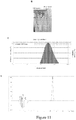
- Agilent 1260 liquid chromatograph equipped with a ZORBAX SB-C18 chromatography column (5.0 ⁇ m, 4.6 mm x 150 mm) was used to determine the peak area of CDN 1163 at different concentrations, 3 replicates.
- the mobile phase consisted of methanol and water, the volume ratio of methanol to water was 85:15, and the flow rate was 1.0 mL/min.
- the detection wavelength was 245 nm.
- Example 1 The above resuts showed that the adiposomes prepared in Example 1 can be used as drug carriers.
- adiposomes, artificial lipid droplets and artificial lipoproteins prepared by the method disclosed by the present invention can be used as drug carriers, thereby to complete various biological and medical goals, having an important application value.
Landscapes
- Health & Medical Sciences (AREA)
- Chemical & Material Sciences (AREA)
- Life Sciences & Earth Sciences (AREA)
- General Health & Medical Sciences (AREA)
- Medicinal Chemistry (AREA)
- Veterinary Medicine (AREA)
- Public Health (AREA)
- Animal Behavior & Ethology (AREA)
- Epidemiology (AREA)
- Pharmacology & Pharmacy (AREA)
- Engineering & Computer Science (AREA)
- Organic Chemistry (AREA)
- Molecular Biology (AREA)
- Biophysics (AREA)
- Proteomics, Peptides & Aminoacids (AREA)
- Oil, Petroleum & Natural Gas (AREA)
- General Chemical & Material Sciences (AREA)
- Chemical Kinetics & Catalysis (AREA)
- Genetics & Genomics (AREA)
- Zoology (AREA)
- Biochemistry (AREA)
- Dispersion Chemistry (AREA)
- Gastroenterology & Hepatology (AREA)
- Toxicology (AREA)
- Biomedical Technology (AREA)
- Bioinformatics & Cheminformatics (AREA)
- Inorganic Chemistry (AREA)
- Biotechnology (AREA)
- Wood Science & Technology (AREA)
- Rheumatology (AREA)
- Cell Biology (AREA)
- Microbiology (AREA)
- General Engineering & Computer Science (AREA)
- Medicinal Preparation (AREA)
- Peptides Or Proteins (AREA)
Applications Claiming Priority (2)
| Application Number | Priority Date | Filing Date | Title |
|---|---|---|---|
| CN201510974956.6A CN105483076B (zh) | 2015-12-23 | 2015-12-23 | 一种脂肪体的制备方法及其应用 |
| PCT/CN2016/106732 WO2017107728A1 (fr) | 2015-12-23 | 2016-11-22 | Procédé de préparation de corps lipidiques et leur utilisation |
Publications (3)
| Publication Number | Publication Date |
|---|---|
| EP3395329A1 true EP3395329A1 (fr) | 2018-10-31 |
| EP3395329A4 EP3395329A4 (fr) | 2019-08-14 |
| EP3395329B1 EP3395329B1 (fr) | 2026-04-15 |
Family
ID=55670354
Family Applications (1)
| Application Number | Title | Priority Date | Filing Date |
|---|---|---|---|
| EP16877539.3A Active EP3395329B1 (fr) | 2015-12-23 | 2016-11-22 | Procédé de préparation de corps lipidiques et leur utilisation |
Country Status (4)
| Country | Link |
|---|---|
| US (1) | US10987431B2 (fr) |
| EP (1) | EP3395329B1 (fr) |
| CN (1) | CN105483076B (fr) |
| WO (1) | WO2017107728A1 (fr) |
Cited By (1)
| Publication number | Priority date | Publication date | Assignee | Title |
|---|---|---|---|---|
| EP3395329A4 (fr) * | 2015-12-23 | 2019-08-14 | The Institute of Biophysics Chinese Academy of Sciences | Procédé de préparation de corps lipidiques et leur utilisation |
Families Citing this family (10)
| Publication number | Priority date | Publication date | Assignee | Title |
|---|---|---|---|---|
| CN109418396A (zh) * | 2017-08-22 | 2019-03-05 | 中国农业大学 | 人工脂滴及其应用 |
| CN112546201A (zh) * | 2019-09-26 | 2021-03-26 | 中国科学院生物物理研究所 | 人工脂蛋白颗粒apoA-Ⅳ脂肪体在治疗和/或预防糖尿病中的应用 |
| CN113603763B (zh) * | 2019-12-30 | 2023-09-01 | 中国科学院生物物理研究所 | 一种脂肪体及其在检测atgl酶活性中的应用 |
| CN112999351B (zh) * | 2021-03-11 | 2022-06-10 | 华中农业大学 | 一种人造脂滴及其冻干制剂的制备方法和应用 |
| CN113332455B (zh) * | 2021-06-01 | 2023-07-18 | 重庆大学 | 一种基于钙调控机制紊乱的动物模型在治疗肺血管重构或肺动脉高压药物筛选中的应用 |
| WO2025102670A1 (fr) * | 2023-11-14 | 2025-05-22 | 维康平生(北京)生物科技有限公司 | Adiposome de nanoparticules encapsulant un médicament à petites molécules hydrophobes, son procédé de préparation et son utilisation |
| WO2025102910A1 (fr) * | 2023-11-14 | 2025-05-22 | 维康平生(北京)生物科技有限公司 | Corps gras marqué à la biotine ou à l'avidine, son procédé de préparation et système de nano-vecteur |
| WO2025185024A1 (fr) * | 2024-03-05 | 2025-09-12 | 维康平生(北京)生物科技有限公司 | Formulation de liposome de docétaxel, son procédé de préparation et son utilisation |
| WO2025185023A1 (fr) * | 2024-03-05 | 2025-09-12 | 维康平生(北京)生物科技有限公司 | Corps gras d'acide néogambogique, son procédé de préparation et son utilisation |
| WO2025185022A1 (fr) * | 2024-03-05 | 2025-09-12 | 维康平生(北京)生物科技有限公司 | Procédé de préparation de liposome |
Family Cites Families (16)
| Publication number | Priority date | Publication date | Assignee | Title |
|---|---|---|---|---|
| US5651991A (en) | 1987-10-28 | 1997-07-29 | Nippon Shinyaku Co. Ltd. | Drug carriers |
| IL88076A (en) * | 1987-10-28 | 1993-01-14 | Nippon Shinyaku Co Ltd | Fat emulsions as drug carriers |
| US6673776B1 (en) * | 1989-03-21 | 2004-01-06 | Vical Incorporated | Expression of exogenous polynucleotide sequences in a vertebrate, mammal, fish, bird or human |
| GB9320668D0 (en) * | 1993-10-07 | 1993-11-24 | Secr Defence | Liposomes containing particulare materials |
| US20020051813A1 (en) * | 1999-01-15 | 2002-05-02 | Lawrence Boni | Lipomatrix preparation |
| ATE397942T1 (de) * | 1999-03-26 | 2008-07-15 | Vical Inc | Adjuvanszusammensetzungen zur erhöhung der immunantwort bezüglich polynukleotid-basierenden impfstoffen |
| JP4995423B2 (ja) | 2002-12-03 | 2012-08-08 | ブランシェット・ロックフェラー・ニューロサイエンスィズ・インスティテュート | 物質を血液−脳関門を渡って輸送するための人工低密度リポタンパク質キャリア |
| US7731947B2 (en) | 2003-11-17 | 2010-06-08 | Intarcia Therapeutics, Inc. | Composition and dosage form comprising an interferon particle formulation and suspending vehicle |
| AP2006003578A0 (en) | 2003-10-20 | 2006-04-30 | Esperion Therapeutics Inc | Pharmaceutical formulations, methods and dosing regimens for the treatment and prevention of acute coronary syndromes. |
| CN1897918A (zh) * | 2003-11-17 | 2007-01-17 | 阿尔萨公司 | 包含两亲性分子作为混悬载体的组合物和剂型 |
| JP5047783B2 (ja) * | 2004-05-13 | 2012-10-10 | サントル・ナシオナル・ドゥ・ラ・ルシェルシュ・シアンティフィーク(セーエヌエールエス) | ターゲット存在物をおとり存在物へ結合させるための装置、および該装置を使用する検出方法 |
| JP4271086B2 (ja) * | 2004-06-08 | 2009-06-03 | 株式会社東芝 | 免疫分析方法 |
| CA2649528A1 (fr) * | 2006-04-20 | 2007-11-01 | Tokai University Educational System | Agent therapeutique pour allergie contenant un liposome ayant un oligosaccharide sur sa surface |
| US20110250264A1 (en) | 2010-04-09 | 2011-10-13 | Pacira Pharmaceuticals, Inc. | Method for formulating large diameter synthetic membrane vesicles |
| CN113876945A (zh) * | 2011-10-06 | 2022-01-04 | 免疫疫苗技术有限公司 | 包括激活或增加tlr2活性的佐剂的脂质体组合物及其应用 |
| CN105483076B (zh) * | 2015-12-23 | 2019-01-25 | 中国科学院生物物理研究所 | 一种脂肪体的制备方法及其应用 |
-
2015
- 2015-12-23 CN CN201510974956.6A patent/CN105483076B/zh active Active
-
2016
- 2016-11-22 US US16/065,659 patent/US10987431B2/en active Active
- 2016-11-22 EP EP16877539.3A patent/EP3395329B1/fr active Active
- 2016-11-22 WO PCT/CN2016/106732 patent/WO2017107728A1/fr not_active Ceased
Cited By (1)
| Publication number | Priority date | Publication date | Assignee | Title |
|---|---|---|---|---|
| EP3395329A4 (fr) * | 2015-12-23 | 2019-08-14 | The Institute of Biophysics Chinese Academy of Sciences | Procédé de préparation de corps lipidiques et leur utilisation |
Also Published As
| Publication number | Publication date |
|---|---|
| CN105483076A (zh) | 2016-04-13 |
| US20190254972A1 (en) | 2019-08-22 |
| CN105483076B (zh) | 2019-01-25 |
| EP3395329A4 (fr) | 2019-08-14 |
| WO2017107728A1 (fr) | 2017-06-29 |
| EP3395329B1 (fr) | 2026-04-15 |
| US10987431B2 (en) | 2021-04-27 |
Similar Documents
| Publication | Publication Date | Title |
|---|---|---|
| EP3395329B1 (fr) | Procédé de préparation de corps lipidiques et leur utilisation | |
| Matoba et al. | Atg9 is a lipid scramblase that mediates autophagosomal membrane expansion | |
| Zhao et al. | Structure and activation mechanism of the hexameric plasma membrane H+-ATPase | |
| Du et al. | ROS-dependent S-palmitoylation activates cleaved and intact gasdermin D | |
| Votteler et al. | Designed proteins induce the formation of nanocage-containing extracellular vesicles | |
| Nishimura et al. | Osh proteins control nanoscale lipid organization necessary for PI (4, 5) P2 synthesis | |
| Greene et al. | Elevated triglyceride content diminishes the capacity of high density lipoprotein to deliver cholesteryl esters via the scavenger receptor class B type I (SR-BI) | |
| Rakotomanga et al. | Alteration of fatty acid and sterol metabolism in miltefosine-resistant Leishmania donovani promastigotes and consequences for drug-membrane interactions | |
| Li et al. | Evolocumab loaded Bio-Liposomes for efficient atherosclerosis therapy | |
| Kelly et al. | The Affinity Grid: a pre-fabricated EM grid for monolayer purification | |
| Eto et al. | Phosphorylation of aquaporin-2 regulates its water permeability | |
| Xu et al. | Structure and transport mechanism of the human cholesterol transporter ABCG1 | |
| Ikon et al. | Exogenous cardiolipin localizes to mitochondria and prevents TAZ knockdown-induced apoptosis in myeloid progenitor cells | |
| Legrand et al. | Nanodomain clustering of the plant protein Remorin by solid-state NMR | |
| Liu et al. | N-terminal mutation of apoA-I and interaction with ABCA1 reveal mechanisms of nascent HDL biogenesis | |
| CN111057136B (zh) | 一种脂肪体及其在评价待测蛋白与脂滴相互作用中的应用 | |
| Monks et al. | Perilipin-2 promotes lipid droplet-plasma membrane interactions that facilitate apocrine lipid secretion in secretory epithelial cells of the mouse mammary gland | |
| Vassiliou et al. | Role of cholesteryl ester transfer protein in selective uptake of high density lipoprotein cholesteryl esters by adipocytes | |
| Chen et al. | Omics approach to reveal the effects of obesity on the protein profiles of the exosomes derived from different adipose depots | |
| Sun et al. | PEX3 promotes regenerative repair after myocardial injury in mice through facilitating plasma membrane localization of ITGB3 | |
| Ferreira et al. | Pex30-dependent membrane contact sites maintain ER lipid homeostasis | |
| Bril’kov et al. | Bacterial extracellular vesicles: towards realistic models for bacterial membranes in molecular interaction studies by surface plasmon resonance | |
| Zhi et al. | Protocol for using artificial lipid droplets to study the binding affinity of lipid droplet-associated proteins | |
| Chen et al. | A lipid droplet-associated protein Nem1 regulates appressorium function for infection of Magnaporthe oryzae | |
| Koide et al. | Binding of liposomes composed of phosphatidylcholine to scavenger receptor class B type 1 and its modulation by phosphatidic acid in HEK293T cells |
Legal Events
| Date | Code | Title | Description |
|---|---|---|---|
| STAA | Information on the status of an ep patent application or granted ep patent |
Free format text: STATUS: THE INTERNATIONAL PUBLICATION HAS BEEN MADE |
|
| PUAI | Public reference made under article 153(3) epc to a published international application that has entered the european phase |
Free format text: ORIGINAL CODE: 0009012 |
|
| STAA | Information on the status of an ep patent application or granted ep patent |
Free format text: STATUS: REQUEST FOR EXAMINATION WAS MADE |
|
| 17P | Request for examination filed |
Effective date: 20180723 |
|
| AK | Designated contracting states |
Kind code of ref document: A1 Designated state(s): AL AT BE BG CH CY CZ DE DK EE ES FI FR GB GR HR HU IE IS IT LI LT LU LV MC MK MT NL NO PL PT RO RS SE SI SK SM TR |
|
| AX | Request for extension of the european patent |
Extension state: BA ME |
|
| DAV | Request for validation of the european patent (deleted) | ||
| DAX | Request for extension of the european patent (deleted) | ||
| A4 | Supplementary search report drawn up and despatched |
Effective date: 20190716 |
|
| RIC1 | Information provided on ipc code assigned before grant |
Ipc: C07K 14/47 20060101ALI20190710BHEP Ipc: A61K 9/127 20060101AFI20190710BHEP Ipc: A61K 47/14 20170101ALI20190710BHEP Ipc: A61K 47/42 20170101ALI20190710BHEP Ipc: A61K 47/24 20060101ALI20190710BHEP |
|
| STAA | Information on the status of an ep patent application or granted ep patent |
Free format text: STATUS: EXAMINATION IS IN PROGRESS |
|
| 17Q | First examination report despatched |
Effective date: 20200610 |
|
| RAP1 | Party data changed (applicant data changed or rights of an application transferred) |
Owner name: WECARELIFE BIOTECH CO. |
|
| GRAP | Despatch of communication of intention to grant a patent |
Free format text: ORIGINAL CODE: EPIDOSNIGR1 |
|
| STAA | Information on the status of an ep patent application or granted ep patent |
Free format text: STATUS: GRANT OF PATENT IS INTENDED |
|
| INTG | Intention to grant announced |
Effective date: 20250530 |
|
| GRAS | Grant fee paid |
Free format text: ORIGINAL CODE: EPIDOSNIGR3 |
|
| GRAJ | Information related to disapproval of communication of intention to grant by the applicant or resumption of examination proceedings by the epo deleted |
Free format text: ORIGINAL CODE: EPIDOSDIGR1 |
|
| GRAL | Information related to payment of fee for publishing/printing deleted |
Free format text: ORIGINAL CODE: EPIDOSDIGR3 |
|
| STAA | Information on the status of an ep patent application or granted ep patent |
Free format text: STATUS: EXAMINATION IS IN PROGRESS |
|
| INTC | Intention to grant announced (deleted) | ||
| GRAP | Despatch of communication of intention to grant a patent |
Free format text: ORIGINAL CODE: EPIDOSNIGR1 |
|
| STAA | Information on the status of an ep patent application or granted ep patent |
Free format text: STATUS: GRANT OF PATENT IS INTENDED |
|
| RAP3 | Party data changed (applicant data changed or rights of an application transferred) |
Owner name: WECARELIFE BIOTECH CO., LTD. |
|
| INTG | Intention to grant announced |
Effective date: 20251121 |
|
| GRAA | (expected) grant |
Free format text: ORIGINAL CODE: 0009210 |
|
| STAA | Information on the status of an ep patent application or granted ep patent |
Free format text: STATUS: THE PATENT HAS BEEN GRANTED |
|
| AK | Designated contracting states |
Kind code of ref document: B1 Designated state(s): AL AT BE BG CH CY CZ DE DK EE ES FI FR GB GR HR HU IE IS IT LI LT LU LV MC MK MT NL NO PL PT RO RS SE SI SK SM TR |
|
| REG | Reference to a national code |
Ref country code: CH Ref legal event code: F10 Free format text: ST27 STATUS EVENT CODE: U-0-0-F10-F00 (AS PROVIDED BY THE NATIONAL OFFICE) Effective date: 20260415 Ref country code: GB Ref legal event code: FG4D |