EP3397306B1 - Dispositifs, systèmes, et procédés de séparation cellulaire - Google Patents
Dispositifs, systèmes, et procédés de séparation cellulaire Download PDFInfo
- Publication number
- EP3397306B1 EP3397306B1 EP16836216.8A EP16836216A EP3397306B1 EP 3397306 B1 EP3397306 B1 EP 3397306B1 EP 16836216 A EP16836216 A EP 16836216A EP 3397306 B1 EP3397306 B1 EP 3397306B1
- Authority
- EP
- European Patent Office
- Prior art keywords
- container
- cells
- conduit
- cell separation
- separation system
- Prior art date
- Legal status (The legal status is an assumption and is not a legal conclusion. Google has not performed a legal analysis and makes no representation as to the accuracy of the status listed.)
- Active
Links
Images




Classifications
-
- A—HUMAN NECESSITIES
- A61—MEDICAL OR VETERINARY SCIENCE; HYGIENE
- A61M—DEVICES FOR INTRODUCING MEDIA INTO, OR ONTO, THE BODY; DEVICES FOR TRANSDUCING BODY MEDIA OR FOR TAKING MEDIA FROM THE BODY; DEVICES FOR PRODUCING OR ENDING SLEEP OR STUPOR
- A61M1/00—Suction or pumping devices for medical purposes; Devices for carrying-off, for treatment of, or for carrying-over, body-liquids; Drainage systems
- A61M1/36—Other treatment of blood in a by-pass of the natural circulatory system, e.g. temperature adaptation, irradiation ; Extra-corporeal blood circuits
- A61M1/362—Other treatment of blood in a by-pass of the natural circulatory system, e.g. temperature adaptation, irradiation ; Extra-corporeal blood circuits changing physical properties of target cells by binding them to added particles to facilitate their subsequent separation from other cells, e.g. immunoaffinity
-
- C—CHEMISTRY; METALLURGY
- C12—BIOCHEMISTRY; BEER; SPIRITS; WINE; VINEGAR; MICROBIOLOGY; ENZYMOLOGY; MUTATION OR GENETIC ENGINEERING
- C12M—APPARATUS FOR ENZYMOLOGY OR MICROBIOLOGY; APPARATUS FOR CULTURING MICROORGANISMS FOR PRODUCING BIOMASS, FOR GROWING CELLS OR FOR OBTAINING FERMENTATION OR METABOLIC PRODUCTS, i.e. BIOREACTORS OR FERMENTERS
- C12M47/00—Means for after-treatment of the produced biomass or of the fermentation or metabolic products, e.g. storage of biomass
- C12M47/02—Separating microorganisms from the culture medium; Concentration of biomass
-
- A—HUMAN NECESSITIES
- A61—MEDICAL OR VETERINARY SCIENCE; HYGIENE
- A61M—DEVICES FOR INTRODUCING MEDIA INTO, OR ONTO, THE BODY; DEVICES FOR TRANSDUCING BODY MEDIA OR FOR TAKING MEDIA FROM THE BODY; DEVICES FOR PRODUCING OR ENDING SLEEP OR STUPOR
- A61M1/00—Suction or pumping devices for medical purposes; Devices for carrying-off, for treatment of, or for carrying-over, body-liquids; Drainage systems
- A61M1/02—Blood transfusion apparatus
- A61M1/029—Separating blood components present in distinct layers in a container, not otherwise provided for
-
- A—HUMAN NECESSITIES
- A61—MEDICAL OR VETERINARY SCIENCE; HYGIENE
- A61M—DEVICES FOR INTRODUCING MEDIA INTO, OR ONTO, THE BODY; DEVICES FOR TRANSDUCING BODY MEDIA OR FOR TAKING MEDIA FROM THE BODY; DEVICES FOR PRODUCING OR ENDING SLEEP OR STUPOR
- A61M1/00—Suction or pumping devices for medical purposes; Devices for carrying-off, for treatment of, or for carrying-over, body-liquids; Drainage systems
- A61M1/36—Other treatment of blood in a by-pass of the natural circulatory system, e.g. temperature adaptation, irradiation ; Extra-corporeal blood circuits
- A61M1/3621—Extra-corporeal blood circuits
- A61M1/3622—Extra-corporeal blood circuits with a cassette forming partially or totally the blood circuit
- A61M1/36223—Extra-corporeal blood circuits with a cassette forming partially or totally the blood circuit the cassette being adapted for heating or cooling the blood
-
- A—HUMAN NECESSITIES
- A61—MEDICAL OR VETERINARY SCIENCE; HYGIENE
- A61M—DEVICES FOR INTRODUCING MEDIA INTO, OR ONTO, THE BODY; DEVICES FOR TRANSDUCING BODY MEDIA OR FOR TAKING MEDIA FROM THE BODY; DEVICES FOR PRODUCING OR ENDING SLEEP OR STUPOR
- A61M1/00—Suction or pumping devices for medical purposes; Devices for carrying-off, for treatment of, or for carrying-over, body-liquids; Drainage systems
- A61M1/36—Other treatment of blood in a by-pass of the natural circulatory system, e.g. temperature adaptation, irradiation ; Extra-corporeal blood circuits
- A61M1/3621—Extra-corporeal blood circuits
- A61M1/3622—Extra-corporeal blood circuits with a cassette forming partially or totally the blood circuit
- A61M1/36224—Extra-corporeal blood circuits with a cassette forming partially or totally the blood circuit with sensing means or components thereof
-
- A—HUMAN NECESSITIES
- A61—MEDICAL OR VETERINARY SCIENCE; HYGIENE
- A61M—DEVICES FOR INTRODUCING MEDIA INTO, OR ONTO, THE BODY; DEVICES FOR TRANSDUCING BODY MEDIA OR FOR TAKING MEDIA FROM THE BODY; DEVICES FOR PRODUCING OR ENDING SLEEP OR STUPOR
- A61M1/00—Suction or pumping devices for medical purposes; Devices for carrying-off, for treatment of, or for carrying-over, body-liquids; Drainage systems
- A61M1/36—Other treatment of blood in a by-pass of the natural circulatory system, e.g. temperature adaptation, irradiation ; Extra-corporeal blood circuits
- A61M1/3621—Extra-corporeal blood circuits
- A61M1/3622—Extra-corporeal blood circuits with a cassette forming partially or totally the blood circuit
- A61M1/36226—Constructional details of cassettes, e.g. specific details on material or shape
-
- A—HUMAN NECESSITIES
- A61—MEDICAL OR VETERINARY SCIENCE; HYGIENE
- A61M—DEVICES FOR INTRODUCING MEDIA INTO, OR ONTO, THE BODY; DEVICES FOR TRANSDUCING BODY MEDIA OR FOR TAKING MEDIA FROM THE BODY; DEVICES FOR PRODUCING OR ENDING SLEEP OR STUPOR
- A61M1/00—Suction or pumping devices for medical purposes; Devices for carrying-off, for treatment of, or for carrying-over, body-liquids; Drainage systems
- A61M1/36—Other treatment of blood in a by-pass of the natural circulatory system, e.g. temperature adaptation, irradiation ; Extra-corporeal blood circuits
- A61M1/3693—Other treatment of blood in a by-pass of the natural circulatory system, e.g. temperature adaptation, irradiation ; Extra-corporeal blood circuits using separation based on different densities of components, e.g. centrifuging
- A61M1/3696—Other treatment of blood in a by-pass of the natural circulatory system, e.g. temperature adaptation, irradiation ; Extra-corporeal blood circuits using separation based on different densities of components, e.g. centrifuging with means for adding or withdrawing liquid substances during the centrifugation, e.g. continuous centrifugation
-
- C—CHEMISTRY; METALLURGY
- C12—BIOCHEMISTRY; BEER; SPIRITS; WINE; VINEGAR; MICROBIOLOGY; ENZYMOLOGY; MUTATION OR GENETIC ENGINEERING
- C12M—APPARATUS FOR ENZYMOLOGY OR MICROBIOLOGY; APPARATUS FOR CULTURING MICROORGANISMS FOR PRODUCING BIOMASS, FOR GROWING CELLS OR FOR OBTAINING FERMENTATION OR METABOLIC PRODUCTS, i.e. BIOREACTORS OR FERMENTERS
- C12M23/00—Constructional details, e.g. recesses, hinges
- C12M23/44—Multiple separable units; Modules
-
- C—CHEMISTRY; METALLURGY
- C12—BIOCHEMISTRY; BEER; SPIRITS; WINE; VINEGAR; MICROBIOLOGY; ENZYMOLOGY; MUTATION OR GENETIC ENGINEERING
- C12M—APPARATUS FOR ENZYMOLOGY OR MICROBIOLOGY; APPARATUS FOR CULTURING MICROORGANISMS FOR PRODUCING BIOMASS, FOR GROWING CELLS OR FOR OBTAINING FERMENTATION OR METABOLIC PRODUCTS, i.e. BIOREACTORS OR FERMENTERS
- C12M27/00—Means for mixing, agitating or circulating fluids in the vessel
- C12M27/02—Stirrer or mobile mixing elements
-
- C—CHEMISTRY; METALLURGY
- C12—BIOCHEMISTRY; BEER; SPIRITS; WINE; VINEGAR; MICROBIOLOGY; ENZYMOLOGY; MUTATION OR GENETIC ENGINEERING
- C12M—APPARATUS FOR ENZYMOLOGY OR MICROBIOLOGY; APPARATUS FOR CULTURING MICROORGANISMS FOR PRODUCING BIOMASS, FOR GROWING CELLS OR FOR OBTAINING FERMENTATION OR METABOLIC PRODUCTS, i.e. BIOREACTORS OR FERMENTERS
- C12M29/00—Means for introduction, extraction or recirculation of materials, e.g. pumps
-
- C—CHEMISTRY; METALLURGY
- C12—BIOCHEMISTRY; BEER; SPIRITS; WINE; VINEGAR; MICROBIOLOGY; ENZYMOLOGY; MUTATION OR GENETIC ENGINEERING
- C12N—MICROORGANISMS OR ENZYMES; COMPOSITIONS THEREOF; PROPAGATING, PRESERVING, OR MAINTAINING MICROORGANISMS; MUTATION OR GENETIC ENGINEERING; CULTURE MEDIA
- C12N5/00—Undifferentiated human, animal or plant cells, e.g. cell lines; Tissues; Cultivation or maintenance thereof; Culture media therefor
- C12N5/06—Animal cells or tissues; Human cells or tissues
- C12N5/0602—Vertebrate cells
- C12N5/0634—Cells from the blood or the immune system
-
- G—PHYSICS
- G01—MEASURING; TESTING
- G01N—INVESTIGATING OR ANALYSING MATERIALS BY DETERMINING THEIR CHEMICAL OR PHYSICAL PROPERTIES
- G01N1/00—Sampling; Preparing specimens for investigation
- G01N1/28—Preparing specimens for investigation including physical details of (bio-)chemical methods covered elsewhere, e.g. G01N33/50, C12Q
- G01N1/34—Purifying; Cleaning
-
- A—HUMAN NECESSITIES
- A61—MEDICAL OR VETERINARY SCIENCE; HYGIENE
- A61M—DEVICES FOR INTRODUCING MEDIA INTO, OR ONTO, THE BODY; DEVICES FOR TRANSDUCING BODY MEDIA OR FOR TAKING MEDIA FROM THE BODY; DEVICES FOR PRODUCING OR ENDING SLEEP OR STUPOR
- A61M1/00—Suction or pumping devices for medical purposes; Devices for carrying-off, for treatment of, or for carrying-over, body-liquids; Drainage systems
- A61M1/36—Other treatment of blood in a by-pass of the natural circulatory system, e.g. temperature adaptation, irradiation ; Extra-corporeal blood circuits
- A61M1/3621—Extra-corporeal blood circuits
- A61M1/3622—Extra-corporeal blood circuits with a cassette forming partially or totally the blood circuit
- A61M1/36225—Extra-corporeal blood circuits with a cassette forming partially or totally the blood circuit with blood pumping means or components thereof
-
- A—HUMAN NECESSITIES
- A61—MEDICAL OR VETERINARY SCIENCE; HYGIENE
- A61M—DEVICES FOR INTRODUCING MEDIA INTO, OR ONTO, THE BODY; DEVICES FOR TRANSDUCING BODY MEDIA OR FOR TAKING MEDIA FROM THE BODY; DEVICES FOR PRODUCING OR ENDING SLEEP OR STUPOR
- A61M1/00—Suction or pumping devices for medical purposes; Devices for carrying-off, for treatment of, or for carrying-over, body-liquids; Drainage systems
- A61M1/36—Other treatment of blood in a by-pass of the natural circulatory system, e.g. temperature adaptation, irradiation ; Extra-corporeal blood circuits
- A61M1/3621—Extra-corporeal blood circuits
- A61M1/3622—Extra-corporeal blood circuits with a cassette forming partially or totally the blood circuit
- A61M1/36226—Constructional details of cassettes, e.g. specific details on material or shape
- A61M1/362265—Details of valves
-
- A—HUMAN NECESSITIES
- A61—MEDICAL OR VETERINARY SCIENCE; HYGIENE
- A61M—DEVICES FOR INTRODUCING MEDIA INTO, OR ONTO, THE BODY; DEVICES FOR TRANSDUCING BODY MEDIA OR FOR TAKING MEDIA FROM THE BODY; DEVICES FOR PRODUCING OR ENDING SLEEP OR STUPOR
- A61M2202/00—Special media to be introduced, removed or treated
- A61M2202/04—Liquids
- A61M2202/0413—Blood
- A61M2202/0439—White blood cells; Leucocytes
-
- A—HUMAN NECESSITIES
- A61—MEDICAL OR VETERINARY SCIENCE; HYGIENE
- A61M—DEVICES FOR INTRODUCING MEDIA INTO, OR ONTO, THE BODY; DEVICES FOR TRANSDUCING BODY MEDIA OR FOR TAKING MEDIA FROM THE BODY; DEVICES FOR PRODUCING OR ENDING SLEEP OR STUPOR
- A61M2205/00—General characteristics of the apparatus
- A61M2205/12—General characteristics of the apparatus with interchangeable cassettes forming partially or totally the fluid circuit
-
- A—HUMAN NECESSITIES
- A61—MEDICAL OR VETERINARY SCIENCE; HYGIENE
- A61M—DEVICES FOR INTRODUCING MEDIA INTO, OR ONTO, THE BODY; DEVICES FOR TRANSDUCING BODY MEDIA OR FOR TAKING MEDIA FROM THE BODY; DEVICES FOR PRODUCING OR ENDING SLEEP OR STUPOR
- A61M2209/00—Ancillary equipment
- A61M2209/08—Supports for equipment
- A61M2209/084—Supporting bases, stands for equipment
- A61M2209/086—Docking stations
-
- B—PERFORMING OPERATIONS; TRANSPORTING
- B04—CENTRIFUGAL APPARATUS OR MACHINES FOR CARRYING-OUT PHYSICAL OR CHEMICAL PROCESSES
- B04B—CENTRIFUGES
- B04B13/00—Control arrangements specially designed for centrifuges; Program control of centrifuges
- B04B2013/006—Interface detection or monitoring of separated components
Definitions
- rare target cells may be as much as five orders of magnitude (10 5 ) less numerous than the other cells in blood or bone marrow, the most numerous of which are red blood cells and platelets.
- the admixture of abundant unwanted cells with rare, clinically important target cells presents a challenge in enriching and purifying the target cells.
- the major cell populations in blood and bone marrow differ in size and density, so that stratifying cells based on their densities during centrifugation can be utilized in the selection and purification process.
- normal human blood generally comprises red blood cells ("RBCs”), the most numerous and most dense cell; platelets (“PLTs”), the smallest and least dense cell; white blood cells (“WBCs”), the largest cells, with a density between the RBCs and the PLTs, and plasma.
- RBCs red blood cells
- PLTs platelets
- WBCs white blood cells
- RBCs make up approximately 99.9% of an individual's total blood cells and approximately 45% of the total volume of blood within an individual, although this is known to vary among individuals and, over time, within the same individual.
- RBCs serve a vital function as the principal means of delivering oxygen to body tissues, but are not useful for regenerating tissue or enhancing the immune system to combat certain diseases, including cancers.
- PLTs are small, irregularly shaped anuclear cells that outnumber the WBCs by a factor of ⁇ 30 times. PLTs play a fundamental role in hemostasis and healing by stopping bleeding and releasing a multitude of growth factors that repair and regenerate damaged tissue. However, their adhesive nature interferes with the efficient enrichment and purification of the rare, clinically important target cells.
- the least prevalent blood cells are WBCs, making up only about one tenth of one percent of the total cells in a typical blood sample. WBCs are critical to the body's immune system, and participate in the defense of the body against infectious disease, foreign materials and hematologic and solid tumor cancers.
- WBCs may be further divided into subgroups.
- the largest and most dense subgroup is the granulocytes (GRNs), which make up approximately 60% of all WBCs.
- GNNs granulocytes
- MNCs mononuclear cells
- MNCs can further be broken down into lymphocytes and monocytes, but they are collectively referred to as MNCs due to the presence in each cell of a single round nucleus.
- MNCs are critical elements of the immune system, comprising T cells, B cells and NK cells that migrate to sites of infection in body tissue and then divide and differentiate into macrophages and dendritic cells to elicit an immune response.
- Many cell therapies now being explored in clinical trials utilize cells that reside within the MNC fraction.
- an initial bulk depletion step to remove substantially all of the much more numerous RBCs, GRNs and PLTs to create an enriched MNC fraction is desirable.
- this can be accomplished using centrifugation.
- Centrifugation is a method of cell processing classified by the FDA as "minimally manipulated", which provides a simpler regulatory path for FDA clearance. Performing this initial bulk depletion process alone on blood can enrich the rare cell populations residing in the MNC fraction by three orders of magnitude (10 3 ), which makes subsequent additional purification and enrichment of the target cells more efficient.
- Density gradient mediums are small particles of a precise density intermediate to, for instance, the density of granulocytes and MNCs so that when combined and centrifuged, the particles stratify and interpose their layer in between the granulocyte layer and the MNC layer making the subsequent pipette retrieval of the MNCs without the presence of granulocytes more attainable. Subsequent purification to the final target cells within the MNCs requires expensive and complex instrumentation and expensive reagents.
- WO 2015/148390 A1 discloses a cell separation system with the features of the present invention as laid out in the preamble of claim 1.
- the present invention provides an apparatus and method for enriching and/or purifying essentially any or all the desired cells residing in a host liquid, including rare desired cells such as stem, progenitor or immune cells, while maintaining viability of the cells under aseptic conditions.
- the practice of this invention on volumes of cell types exemplified by blood, bone marrow or leukapheresis, which contain clinically relevant numbers of stem, progenitor or immune cells, can provide compositions of target cells that are significantly higher in recovery, viability and purity than can be obtained by all other known devices.
- the invention provides a cell separation system, comprising:
- the transfer container may be internal to the cartridge.
- the at least one port of the transfer container further comprises a second input port.
- the cell separation system may further comprise a second medium input conduit connecting the second input port of the transfer container to at least one medium reservoir, wherein the second medium input conduit comprises at least a sixth reversible closing device, wherein the at least one medium reservoir is transiently fluidically connected to the processing container such that fluid flow only from the at least one medium reservoir to the transfer container may occur when the at least sixth reversible closing device is opened.
- the cell separation system further comprises a mixer.
- the mixer comprises a static mixer.
- the mixer comprises an impeller disposed on an internal surface of a roof of the cartridge.
- the mixer comprises an impeller spaced away from an internal surface of a roof of the cartridge.
- the mixer comprises a peristaltic pump comprising a pump conduit having a first end and a second end, wherein the first end of the pump conduit is positioned in the processing chamber, and wherein the second end of the pump conduit is positioned outside of the processing chamber and is connected to the at least one input port of the processing chamber.
- the mixer comprises a mixing module comprising a bottom portion and a top portion, wherein the cartridge is configured to be positioned in the bottom portion, and wherein the top portion is configured to be removably coupled to the bottom portion.
- the mixing module may include a rotatable component coupled to the bottom portion, such that the rotatable component is configured to rotate the cartridge on its vertical axis by 180 degrees or by 360 degrees.
- the mixing module may be configured to increase a temperature of the cartridge when the cartridge is positioned in the bottom portion of the mixing module.
- first medium input conduit and/or the second medium input conduit further comprise a filter.
- the second container comprises an exit port coupled to a first waste conduit.
- the processing container further comprises a sterile vent coupled to a second waste conduit.
- cell separation method comprising:
- the buoyant reagents may comprise manufactured buoyant reagents, wherein each manufactured buoyant reagent comprises a buoyant reagent wherein the buoyant label and a binding agent are attached to each other to form the manufactured buoyant reagent prior to contacting the target cells in the host liquid.
- the buoyant reagents may also comprise secondary buoyant reagents that assemble within the host liquid, wherein the method further comprises a preprocessing step, prior to step (a), wherein the preprocessing step comprises contacting the host liquid with buoyant labels and binding agents for a time and under conditions suitable to promote attachment of the binding agents to the buoyant labels to produce the buoyant reagents.
- cell separation methods comprising:
- the attached target cells can be generated prior to step (a) by processing steps comprising contacting target cells in the host liquid with manufactured buoyant reagents comprising the binding agent, the first linker, and the second linker, wherein the second complementary region is hybridized to the first complementary region to form the hybrid; wherein the contacting is carried out for a time and under conditions suitable to promote attachment of the cells to one or more of the manufactured buoyant reagents to generate the attached target cells.
- the attached target cells can be generated prior to step (a) by processing steps comprising: (A) contacting the host liquid with the buoyant labels and binding agents bound to the first linker for a time and under conditions suitable to promote hybridization of the first and second complementary regions to produce buoyant reagents; and (B) contacting the target cells and the buoyant reagents in the host liquid for a time and under conditions suitable to generate the attached target cells.
- the calculated Tm of the hybrid between the first complementary region and the second complementary region may be between 40°C and about 60°C.
- the binding agents may bind to a cellular epitope on the target cells.
- Each buoyant reagent may comprise one or more second linkers, wherein the one or more second linkers are bound to one or more first linkers attached to at least one binding agent, wherein the at least one binding agent is capable binding to a cellular epitope on the target cell; and wherein the contacting comprises contacting the target cells and the buoyant reagents for a time and under conditions suitable to promote attachment of the target cells to one or more of the buoyant reagents to generate the attached target cells.
- the processing may comprise (i) contacting the host liquid with primary binding agents, wherein each primary binding agent comprises (A) an agent capable of binding to at least one cellular epitope on the target cells, and (B) a first linker bound to the agent; wherein the contacting occurs under conditions suitable to promote attachment of the target cells to the primary binding agents to produce target cell-binding agent complexes; and (ii) incubating the target cell-binding agent complexes with the buoyant labels, wherein each buoyant label comprises a second linker, wherein the second linker is capable of binding to the first linker; wherein the incubating occurs under conditions suitable to promote binding of the first linker to the second linker to generate the attached target cells.
- no intermediate step of removing unbound primary binding agents occurs between steps (i) and (ii).
- the methods disclosed herein may further comprise detaching the buoyant label from the target cells within the functionally closed system to produce detached target cells.
- the target cells can be the desired cells, and the methods may comprise further steps of concentrating the desired cells after sequestration and producing the detached target cells.
- the target cells and/or the desired cells may be selected from the group consisting of tumor cells, cancer stem cells, hematopoietic stem and progenitor cells, mesenchymal stem and progenitor cells, adipose-derived stem and progenitor cells, endothelial progenitor cells found in normal blood, placental/cord blood, bone marrow, white blood cells, granulocytes, mononuclear cells, lymphocytes, monocytes, T-cells, B-cells, NK cells, the stromal vascular fraction cells resident in adipose tissue, cultured cells, genetically modified cells, and sub-populations of such target cells.
- the target cells and/or the desired cells may be selected from the group consisting of CD3+ cells, CD4+ cells, CD235a, CD14+, CD19+, CD56+, CD34+, CD117 + , KDR + , SIRPA + , ASGR1 + , OCLN + , GLUT2 + , SLC6AI + ,TRA-1-60 - , SSEA4-, AP- (alkaline phosphatase), SSEA3 - , TDGF1 - , or CD349 - cells.
- the target cells and/or the desired cells may represent less than 10%, 5%, 4%, 3%, 2%, or 1% of the cells in non-depleted host liquid.
- a recovery efficiency of the desired cells can be greater than 68%, or greater than 75%, or greater than 80%, or greater than 85%, or greater than 90%, or greater than 95%.
- Viability of the isolated desired cells can be greater than 90%, or greater than 95%, or greater than 97%, or greater than 99%.
- the target cells and/or desired cells can be present at less than 20%, 10%, 5%, 4%, 3%, 2%, or 1% of total cells in the host liquid.
- the binding agents may be selected from the group consisting of antibodies, oligonucleotides, aptamers, molecularly imprinted polymers, carbohydrates, proteins, peptides, enzymes, small molecules, lipids, fatty acids, metal atoms, metal ions or synthetic polymers.
- the binding agents may comprise antibodies.
- the first linker and second linkers may comprise biotin, avidin, streptavidin, oligonucleotides, antibody-binding proteins, and/or moieties bound by an antibody-binding protein or any second attached binding agent.
- the first linker and second linkers may comprise biotin and/or streptavidin, either alone or combined with oligonucleotides.
- the buoyant labels may be selected from the group consisting of gas-filled bubbles, hollow polymers, glass beads, microporous beads with entrained gas, droplets of an immiscible liquid, gold nanoparticles, and silver nanoparticles.
- the buoyant labels may comprise gas-filled bubbles.
- the gas-filled bubbles may comprise perfluorocarbon gas cores encompassed by lipid, phospholipid, carbohydrate or protein shells.
- the gas-filled bubbles may alternatively comprise perfluorocarbon gas cores encompassed by a phospholipid shell.
- the gas-filled bubbles may have a diameter between about 1 um and about 6.5 um.
- the host liquid may be peripheral blood, cord blood, or leukapheresis.
- the functionally closed system for use in the methods of the invention comprises a cell separation system as claimed.
- the host liquid to be processed can be a depleted host liquid, and prior to the processing or the preprocessing steps, the method disclosed herein may comprise applying a vectorial force, such as centrifugation, to non-depleted host liquid within the functionally closed system, such as within the processing container, to deplete non-desired cells, such as by passing the non-desired cells into the second container, thus producing the depleted host liquid to be processed.
- the depleted host liquid can be passed from the processing container to the transfer container and mixed with the buoyant reagents to initiate processing the host liquid.
- the target cells can be the desired cells, and the sequestering comprises passing the detached target cells to the third container.
- the target cells are not the desired cells, and the sequestering comprises concentrating the detached target cells within the functionally closed system.
- the cell separation system may further comprises a control module for controlling the activity in at least the cartridge and the first and second conduits.
- the functionally closed system may comprise the cell separation system of any embodiment or combination of embodiments of the invention.
- cell suspensions comprising
- the desired cells may be selected from the group consisting of CD3+ cells, CD4+ cells, CD235a, CD14+, CD19+, CD56+, CD34+, CD117 + , KDR + , SIRPA + , ASGR1 + , OCLN + , GLUT2 + , SLC6A1 + , TRA-1-60 - , SSEA4 - , AP - (alkaline phosphatase), SSEA3 - , TDGF1 - , or CD349 - cells.
- the functionally closed cell separation system may comprise the cell separation system of any embodiment or combination of embodiments of the invention.
- the cell suspension may be present within the transfer container, the processing container and/or the third container.
- the cell suspension can be present in a cell suspension removal stream via the transfer container of the functionally closed cell separation system.
- the number of viable desired cells can be at least 1 x 10 3 , or at least 1 x 10 4 , or at least 2 x 10 4 , or at least 5 x 10 4 , or at least 1 x 10 5 , or at least, 2 x 10 5 , or at least 5 x 10 5 , or at least 1 x 10 6 , or at least 2 x 10, or at least 5 x 10 6 , or at least 1 x 10 7 , or at least 2 x 10 7 , or at least 5 x 10 7 , or at least 1 x 10 8 , or at least 2 x 10 8 , or at least 5 x 10 8 , or at least 1 x 10 9 , or at least 2 x 10 9 , or at least 5 x 10 9 .
- the desired cells may comprise a buoyant label attached to the cells.
- compositions comprising:
- kits comprising
- compositions comprising
- the calculated Tm of the hybrid between the first complementary region and the second complementary region can be between 40°C and about 60°C.
- the primary binding agent may be selected from the group consisting of antibodies, oligonucleotides, aptamers, molecularly imprinted polymers, carbohydrates, proteins, peptides, enzymes, small molecules, lipids, fatty acids, metal atoms, metal ions or synthetic polymers.
- the primary binding agent may comprise an antibody.
- One of the first linker and the second linker may further comprise biotin (optionally linked to a first member of an oligonucleotide hybridizing pair), and the other further comprises streptavidin (optionally linked to a second member of an oligonucleotide hybridizing pair).
- the buoyant labels may be selected from the group consisting of gas-filled bubbles, hollow polymers, glass beads, microporous based with entrained gas, droplets of an immiscible liquid, gold nanoparticles, and silver nanoparticles.
- the buoyant labels may comprise gas-filled bubbles.
- the gas-filled bubbles may comprise perfluorocarbon gas cores encompassed by lipid, phospholipid, protein or carbohydrate shells.
- the gas-filled bubbles may comprise perfluorocarbon gas cores encompassed by phospholipid shells.
- the gas-filled bubbles may have a diameter between about 1 um and about 6.5 um.
- compositions comprising desired cells purified via buoyancy-activated cell sorting from a starting admixture of at least one molecular type of desired cell and at least one molecular type of non-desired cell where said starting admixture contains at least 1 times the number of non-desired cells as desired cells, or at least 5 times the number of non-desired cells as desired cells, or at least 10 times the number of non-desired cells as desired cells, or at least 50 times the number of non-desired cells as desired cells, or at least 100 times the number of non-desired cells as desired cells, or at least 500 times the number of non-desired cells as desired cells, or at least 1000 times the number of non-desired cells as desired cells wherein:
- the term 'about means +/- 5% of the recited parameter.
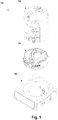
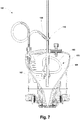
- Figure 1 illustrates an example cell separation system 100.
- the cell separation system 100 may include a cartridge 102, a control module 104, and a docking station 106.
- “cartridge” is a closed housing (having a roof) that allows the aseptic transfer of cells between containers within the closed housing and the mixing of cells, binding agents, buoyant labels, and buoyant reagents to accomplish linkage, comprising three or more mechanically joined containers which are transiently fluidically connected.
- the cartridge 102 may hold up to 250 mL of liquid, may be cylindrical, may be single-use, and may be constructed preferably of hard plastic, and more preferably optically clear polycarbonate.
- the cartridge 102 can be reusable.
- the control module 104 may be removably coupled to the cartridge 102.
- the control module 104 is an electro-mechanical device with optical and gravitational sensing.
- the control module 104 provides optical sensing of cell interfaces in the bottom of the cartridge 102, and may be configured to control one or more reversible closing devices to control activity between various containers of the cartridge 102, as discussed in additional detail below.
- the docking station 106 may be removably coupled to the control module 104, and may be used to recharge the control module 104. Further, the docking station 106 may receive one or more protocols wirelessly or through a wired connection, and may further be configured to download and process data received by the control module 104.
- the docking station 106 preferably uses a rechargeable battery system to power the control module 104 that monitors and controls gravitational and optical sensing equipment and directs activity in the cartridge 102.
- the means for determining a G force may be any commonly known in the art, such as calculating said force through a measurement of centrifuge RPM, or through direct measurement of acceleration or force.
- one or more detectors such as optical sensors or other sensors of the control module 104 may be used to detect the type of cells flowing through the cartridge 102.
- the control module 104 may also include at least one but preferably two or more optical or other emitters. According to an example, four infrared emitters/detector pairs are arranged vertically in the control module 104. Infrared sensors can be located directly across from paired infrared emitters. Transmitters that provide wavelengths that are preferentially absorbed by red cells can be located directly across from paired sensors sensitive to that frequency. Sensors can be utilized that identify cells that have absorbed fluorescent dyes.
- the sensors may assign the level of transmission a value from 0-1000. Pure plasma, which similar to water blocks none of the infrared light, will register a value of roughly 1000. As compacted RBCs pass between the sensor/emitter pairs, essentially all infrared light is blocked and the detector registers a value of 0.
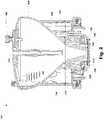
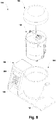
- Figure 2 illustrates a cross-section view of the cartridge 102.
- the cartridge 102 includes a processing container 108 comprising at least one input port 110, a first exit port 112, and a second exit port 114.
- the cartridge 102 also includes a second container 116 comprising an input port 118, and a third container 120 comprising an input port 122 and a first exit port 124.
- a biological fluid containing cells such as normal blood, cord blood or bone marrow, is delivered to the processing container 108 through the at least one input port 110.
- the second container 116 of the cartridge 102 comprises a large first rigid storage compartment or RBC depletion compartment
- the third container 120 comprises a smaller second rigid storage compartment or SC compartment into which the WBCs and substantially all the SPCs are transferred.
- the second container 116 is significantly larger than the third container 120, as the volume of RBCs depleted from a blood sample is always much greater that the volume of WBCs collected. All compartments are distinct from one another within the cartridge 102, but contiguous with respect to airflow.
- the second compartment 116 and the third compartment 120 may be connected by small filtered or sufficiently narrowed air vents to the processing container 108 so as to allow displacement of air as cell solutions move from the processing chamber 108 into the second and third containers 116, 120, but does not permit fluid transfer between the containers.
- the processing container 108 can be an approximately conical central container, while the second and third containers 116, 120 are smaller, circumferentially located containers.
- the containers may be of any suitable volume for a given purpose.
- the third and second containers 116, 120 each may further comprise additional, normally closed ports providing optional points of connection to any suitable receiving containers external to the cartridge 102 for gravity draining or as a result of adding air pressure through the air filter 192. Fluid in the processing container 108 may be removed through the internal input tube 110 by the application of air pressure through air filter 192 with that ceases when the level of fluid in the container drops below the lowest point on the internal rigid input tube 110.
- the cartridge 102 also includes a first conduit 126 connecting the first exit port 112 of the processing container 108 and the input port 118 of the second container 116.
- the first conduit 126 comprises a first reversible closing device 128.
- the second container 116 is transiently fluidically connected to the processing container 108 such that fluid flow only from the processing container 108 to the second container 116 may occur when the first reversible closing device 128 is opened.
- the cartridge 102 also includes a second conduit 130 connecting the second exit port 114 of the processing container 108 and the input port 122 of the third container 120.
- the second conduit 130 comprises a second reversible closing device 132.
- the third container 120 is transiently fluidically connected to the processing container 108 such that fluid flow only from the processing container 108 to the third container 120 may occur when the second reversible closing device 132 is opened.
- a "reversible closing device” is any device that can be closed (such as a by a controller) to prohibit fluid flow. Exemplary such devices include, but are not limited to valves, clamps, and stopcock.
- transiently fluidically connected means that the containers are fluidically non-continuous (that is, each functionally closed) other than when transiently connected via opening of the device's normally closed valves to achieve aseptic transfer of fluid or cell suspension from one container to another.
- the “conduits” may be any suitable device to permit fluid transfer between the containers, including but not limited to tubing.
- the conduits become "normally closed", such that the containers are not fluidically connected, as soon as the operator removes a pin installed during cartridge assembly that prevents the conduits from being closed.
- the conduits may be closed by any suitable reversible closing device, such as a valve, clamp or stopcock.
- the conduits within the cartridge may be closed by a spring loaded, tube pinching mechanism at all times except when fluids should pass, at which time the pinching mechanism may be rotated (for example, by a control module automatically controlling the reversible opening of the conduit) to allow passage of the fluids, and then may be rotated again to allow the spring loaded tube pinching mechanism to close off that passage by re-pinching the conduit.
- the reversible closing devices comprise two opposing clamps having pinching surfaces approximately 0.224 cm (0.088 inches) wide, and require approximately 0.73 kg (1.6 pounds) of pinching force to block all fluid passage through a urethane tube with an inner diameter of 0.157 cm (0.062 inches) and an exterior diameter of 0.224 cm (0.088 inches) when the hydraulic pressure in the tube is at 22.41 bar (325 PSI). Pinching forces in excess of 0.73 kg (1.6 pounds) may be required at greater pressures, and reduced pinching forces may be sufficient at lower pressures.
- a cantilever system may be used to achieve these required pinching pressures.
- the cantilever system may open and close the conduits (pinch and release the tubing) as needed.
- Springs may be provided on each cantilever, and are preferably located at the extreme end of the cantilever. The actuator overcomes the resistance of the springs to move the lever. Once the actuator stops applying force, the bias of the springs urges the lever back to its first position.
- the processing container 108 or other containers is/are interrogated by at least one detector for detecting the presence or absence of cells.
- the control module 104 controls opening and closing of the first reversible closing device 128 and/or the second reversible closing device 132 based on information relayed from the at least one detector. Any suitable detector may be used, including but not limited to optical detectors, as discussed above in relation to Figure 1 .
- the RBCs initially migrate towards the bottom of the processing container 108, moving radially outward away from the axis of rotation of the centrifuge until reaching the bottom of the processing container 108, where the first reversible closing device 128 and the second reversible closing device 132 reside.
- the pressure head of fluid above the bottom of the processing container 108 urges the fluid into one of two compartments: either the second container 116 or the third container 120. Which compartment the fluid is directed into is dependent upon the status (open, closed) of the first reversible closing device 128 and the second reversible closing device 132.
- the fluid flows generally toward the axis of rotation, urged by pressure from the of fluid (mostly plasma) remaining in the processing container 108.
- the fluid that has passed through the first reversible closing device 128 and/or the second reversible closing device 132 is then retained in either the second container 116 or the third container 120.
- unwanted cell solutions may be depleted and desired cell solutions may be harvested.
- the cell separation system 100 further includes a transfer container 134 comprising at least one port 136.
- the transfer container 134 may be mechanically coupled to the cartridge 102, or may be physically connected only via the relevant conduit connecting the transfer container 134 to containers within the cartridge 102 to maintain the system as a functionally closed system.
- the transfer container 134 can be internal to the cartridge 102; alternatively, the transfer container 134 can be external to the cartridge 102.
- the various containers may comprise any suitable material, such as a rigid structure, a bag, a bottle, or any other suitable structure.
- each container is a rigid container, such as a hard plastic container (including but not limited to polycarbonate).
- the transfer container 134 is a flexible container, including but not limited to a bag.
- the transfer container 134 can be a rigid container, because the air in the container at the start of the transfer of harvested target cells in solution can displace along the relevant conduit connecting it to the processing container.
- the transfer container 134 also can be a flexible container, which has the advantage of being foldable into a small shape to make it easier to store, for example, in the rotor compartment of a centrifuge during centrifugation.
- the cell separation system 100 further includes a third conduit 138 connecting the first exit port 124 of the third container 120 to the at least one port 136 of the transfer container 134, and the at least one port 136 of the transfer container 134 to the at least one input port 110 of the processing container 108.
- the third conduit 138 comprises at least a third reversible closing device 140, such that the third container 120 is transiently fluidically connected to the transfer container 134, and the transfer container 134 is transiently fluidically connected to the processing container 108.
- the third conduit 138 is configured such that fluid flow only from the third container 120 to the transfer container 134 may occur when the third reversible closing device 140 is opened.
- the third conduit 138 between the first exit port 124 of the third container 120 to the transfer container 134 and from the transfer container 134 to the at least one input 110 of the processing container 108 is also normally closed by any suitable reversible closing device.
- the third conduit 138 may be clamped on the exterior of the cartridge 102 by the third reversible closing device 140 (just adjacent to the first exit port 124 of the third container 120) and may be unclamped at the time of transfer of sequestered attached cells from the third container 120 to the transfer container 134 (for example, by gravity draining the sequestered attached cells from the third container 120 to the transfer container134).
- the third reversible closing device 140 on the third conduit 138 adjacent to the third container port 124 may be re-clamped.
- the sequestered attached cells may be transferred to the processing container 108 via the third conduit 138 (for example, by gravity draining the sequestered attached cells back into the processing chamber 108, for further processing-such as isolating/enriching a sub-population of the sequestered, attached cells, including but not limited to mononuclear cells to join the cell-free and platelet free plasma from the host liquid).
- the transfer container 134 therefore provides an economic advantage as the cartridge 102 may be reused. Additionally, the transfer container 134 allows for improved mixing the target cell suspension and BACS reagents.
- the cell separation system 100 further includes a control module 104, as discussed above in relation to Figure 1 .
- the control module 104 may be configured to control activity in at least the cartridge 102, and the first and second conduits 126, 130.
- the control module 104 may also control activity within the transfer container 134 and/or within the third conduit 138.
- the control module 104 may control activity within the transfer container 134 and/or within the third conduit 138 in cases in which the transfer container 134 is present within the cartridge 102.
- the control module 104 controls the reversible closing devices 128 and/or 132, based on information from the at least one detector.
- the cartridge 102 containing the target cell/ buoyant label mixture can be centrifuged so that target cells that bind to the buoyant label separate from the cells not bound to the buoyant label.
- the control module 104 may be programmed to deliver the non-buoyant pelleted cells to the second container 116 of the cartridge 102 via the first reversible closing device 128, leaving the bulk of the supernatant and substantially all of the target cells that bound to the buoyant reagent in the processing container 108 of the cartridge 102.
- the third conduit 138 may comprise a single conduit.
- the single conduit is fluidically coupled to the transfer container 134, and the conduit can be fluidically separated such that fluid flowing from the third container 120 to the transfer container 134 is separated from fluid flowing from the transfer container 134 to the processing container 108.
- Any suitable reversible closing means can be used.
- the third conduit 138 comprises a T or Y connector 144 disposed between the third container 120 and transfer container134, and between the transfer container 134 and the processing container 108, with appropriate reversible closing devices 140, 146 to regulate the desired fluid flow.
- the at least one port 136 of the transfer container comprises a first input port 148 and an exit port 150.
- the third conduit 138 connects the exit port 124 of the third container 120 to the input port 148 of the transfer container 134, wherein the third conduit 138 comprises a third reversible closing device 140, such that the third container 120 is transiently fluidically connected to the transfer container 134 such that fluid flow only from the third container 120 to the transfer container 134 may occur when the third reversible closing device 140 is opened.
- a fourth conduit 152 connects the exit port 150 of the transfer container 134 to the at least one input port 110 of the processing container 108, wherein the fourth conduit 152 comprises a fourth reversible closing device 146, such that the transfer container 134 is transiently fluidically connected to the processing container 108, such that fluid flow only from the transfer container 134 to the processing container 108 may occur when the fourth reversible closing device 146 is opened.
- the fourth conduit 152 comprises a fourth reversible closing device 146, such that the transfer container 134 is transiently fluidically connected to the processing container 108, such that fluid flow only from the transfer container 134 to the processing container 108 may occur when the fourth reversible closing device 146 is opened.
- the at least one input port 110 of the processing container 108 comprises a first input port 154 and a second input port 156, wherein the third conduit 138, or the fourth conduit 152 (when present), connects the exit port 136 of the transfer container 134 to the first input port 154 of the processing container 108.
- the cell separation system 100 may further comprise a first medium input conduit 158 connecting the second input port 156 of the processing container 108 to at least one medium reservoir 160, wherein the first medium input conduit 158 comprises at least a fifth reversible closing device 162, wherein the at least one medium reservoir 160 is transiently fluidically connected to the processing container 108 such that fluid flow only from the at least one medium reservoir 160 to the processing container 108 may occur when the at least fifth reversible closing device 162 is opened.
- the medium input reservoir(s) 160 can be used to supply host liquid, binding agents, buoyant labels, and/or buoyant reagents to the processing container 108 via the second input port 156.
- the at least one input port 110 of the processing container 108 may further comprise a third input port 157.
- the third input port 157 may be coupled to a fifth conduit 159.
- liquid can be removed from the processing chamber 108 by providing positive pressure at the filter 186.
- the at least one port of the transfer container 134 further comprises a second input port 161.
- the cell separation system 100 may further comprise a second medium input conduit 163 connecting the second input port 161 of the transfer container 134 to at least one medium reservoir (not shown), wherein the second medium input conduit 163 comprises at least a sixth reversible closing device 165, wherein the at least one medium reservoir is transiently fluidically connected to the processing container 108 such that fluid flow only from the at least one medium reservoir to the transfer container 134 may occur when the at least sixth reversible closing device 165 is opened.
- the media input reservoir(s) can be used to supply host liquid, binding agents, buoyant labels, and/or buoyant reagents to the transfer container 134 via the second input port 161.
- the media reservoir(s) may be the same reservoirs, or each container may have its own dedicated reservoir(s).
- the cell separation system 100 further comprises a mixer.
- the mixer may be used, for example, to promote/improve mixing of (a) the buoyant reagents and the host liquid, and/or (b) the buoyant labels, binding agents, and linkers (when present), and/or (c) buoyant labels, binding agents, linkers (when present), and host liquid.
- the mixer is a static mixer.
- a static mixer comprises container with an input and exit that remains stationary while providing continuous mixing of two fluids simultaneously passing through the container, in a configuration such as, but not limited to, a cylindrical tube containing mixer elements oriented throughout the interior length of the cylindrical tube.
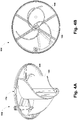
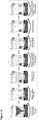
- Exemplary static mixers appropriate for mixing in the devices of the invention are shown in Figures 4A-5B .
- the medium reservoirs described above may be transiently fluidically connected to the static mixer via the fifth and sixth reversible closing devices.
- the static mixer 164 acts to rotate the cartridge 102 on its axis by including an impeller 166 affixed to the internal surface 168 of the cartridge roof 170 causing, for example, a BACS reagent and target cells in solution within the processing container to admix.
- the static mixer 164 acts to rotate the cartridge 102 on its axis by including an impeller 166 spaced away from the internal surface 168 of the cartridge roof 170 causing, for example, a BACS reagent and target cells in solution within the processing container to admix.
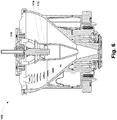
- the advantage of the design in Figures 5A-5B is that the mixing addition to the interior of the cartridge rotates on its axis, driven by a motor means, so that the cartridge remains upright and does not have to be removed from the centrifuge.
- the mixer may also act to impart circulating motion to an admixture of BACS reagent and target cells in solution within the processing container 108 of the cartridge 102 while the cartridge 102 remains motionless.
- the mixer may include an impeller 172 positioned within a cylindrical tube 174, with a motor 176 configured to drive the impeller 172 to thereby cause the mixing in the processing container 108.
- the mixer comprises a peristaltic pump 178 comprising a pump conduit 180 having a first end 182 and a second end 184, wherein the first end 182 of the pump conduit 180 is positioned in the processing chamber 108, and wherein the second end 184 of the pump conduit 180 is positioned outside of the processing chamber 108 and is connected to the at least one input port 110 of the processing chamber 108.
- the mixer comprises a mixing module 194.
- the mixing module may include a bottom portion 195 and a top portion 196.
- the cartridge 102 may be configured to be positioned in the bottom portion 195, and the top portion 196 may be configured to be removably coupled to the bottom portion 195.
- the cartridge 102 may be positioned in a chamber created by the bottom portion 195 and the top portion 196.
- the mixing module 194 may include a rotatable component 197 coupled to the bottom portion 195.
- the rotatable component 197 may be configured to rotate the cartridge 102 on its vertical axis.
- the rotatable component 197 may be coupled to a motor, which in turn causes the bottom portion 195 of the mixing module 194 to rotate.
- the rotatable component 197 is configured to rotate the cartridge 102 on its vertical axis by 180 degrees, so the bottom of the cartridge 102 is in a vertical position, and then the rotatable component 197 causes the cartridge 102 to rotate back 180 degrees to an original upright position.
- the rotatable component 197 is configured to rotate the cartridge 102 end over end continuously over 360 degrees at various rotational rates for a period of time.
- the bottom portion 195 of the mixing module 194 may be configured to vibrate to assist in mixing.
- the mixing module 194 may be configured to increase a temperature of the cartridge 102 when the cartridge is positioned 102 in the bottom portion 195 of the mixing module 194. Such an increase in temperature may occur through conduction, convection, or radiation heating in the bottom portion 195 of the mixing module 194.
- the mixing module 194 may include a mixing control module 198, which may include a control panel 199 and a display 200.
- the control panel 199 may be used to select a time period for mixing, as well as one or more mixing parameters. For example, a user could select 180 degree mixing for a period of time, 360 degree mixing for a period of time, heating at a specific temperature for a period of time, and/or vibrating for a period of time. Other examples are possible as well.
- the first medium input conduit 158 and/or the second medium input conduit further comprise a filter 186.
- Any suitable filter including but not limited to a 0.2 micron filter, or other appropriately sized filter to remove large particles
- Exemplary placement of such filters can be seen, for example, in Figure 3 .
- the second container 116 comprises an exit port 188 coupled to a first waste conduit 190.
- This embodiment permits removal of waste product from the second container 116.
- the processing container 108 further comprises a sterile vent 192 coupled to a second waste conduit (not shown). This embodiment permits removal of waste product from the processing container 108. Exemplary placement of such a sterile vent 192 can be seen, for example, in Figures 1 and 2 .
- Also disclosed are methods for cell separation comprising:
- All steps in the methods can be carried out in the functionally closed system to maintain sterility and to permit the processing of much larger volumes of host liquid for isolation of desired cells with greater efficiency and viability, and at higher concentration than was possible using previous cell separation methods. All fluid transfer and processing steps occur under aseptic conditions and the environment remains closed and sterile.
- a “functionally closed system” is a container or collection of containers which remain(s) internally aseptic while permitting intermittent fluid transfers between aseptic containers and/or gas exchange with its surrounding atmosphere.
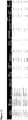
- processing of cord blood and peripheral blood enables depletion of red blood cells (RBCs) by 99.6%, granulocytes by 80% and platelets by 84%, to produce mononuclear cells (MNC) enriched fractions (referred to in the table as "BACS MNC prep," to the left of the bold vertical line running through the table).
- RBCs and platelets still predominate, such that MNCs still represent only a small fraction of the enriched cell population, and specific cells expressing an extracellular molecular target, such as CD34+ and CD3+ cells represent only a very low percentage of the enriched MNC cell preparation.
- a dramatic increase in the ability to isolate target cells harboring a molecular marker of interest can be achieved, by further depleting RBC to a final depletion of 99.999%, granulocytes 99.9999% (cord blood) or 99.96% (peripheral blood) and platelets 98.2% (referred to in the table as "BACS final” and 'BACS cell selection efficiency", to the right of the bold vertical line running through the table).
- the methods disclosed herein enable depletion of non-target MNCs to 99.993% (cord blood) or 98.788% (peripheral blood) whilst recovering target cells with a selection efficiency of 79% (cord blood) or 80% (peripheral blood).
- the methods thus provide an exponential increase in the ability to isolate target cells of interest in a cell population from volumes of starting host liquid that are necessary for clinical applications.
- the methods disclosed herein provide satisfactory target cell recovery efficiencies (greater than 70%) at cell densities ranging from just 5 x 10 6 cells per mL to at least 105 x 10 6 cells per mL - more than a 20-fold range, and the latter a suspension in which cells comprise roughly 20% of the total volume.
- This robust and consistent performance over such a wide cell density range, including at very high cell densities, is a surprising result because the buoyant labels themselves are large particles (um-scale nominal diameters, such as gas-filled bubbles)) with accordingly limited ability to translate through dense suspensions, unlike much smaller reagents such as magnetic nanoparticles (nominal diameter 50 nm).
- a "host liquid” is a raw source of desired cells (including but not limited to whole blood, placental/cord blood, bone marrow, leukapheresis, buffy coat, a suspension of cultured cells, or of genetically modified cells, or of other manufactured cells, etc.), admixed with non-desired cells, which may be diluted or undiluted (for example, diluted with buffers or any other liquid useful in isolating desired cells, such as saline, phosphate buffered saline, a cell culture medium, a protease solution, etc.).
- the host liquid is peripheral blood, cord blood, or leukapheresis, or diluted versions thereof.
- the host liquid may be a "non-depleted" host liquid, in that all cells normally present in the relevant host liquid remain present.
- the host liquid may comprise a depleted host liquid.
- a "depleted" host liquid is a host liquid from which a substantial fraction (for example, at least 50%; in other cases at least 60%, 70%, 75%, 80%, 85%, 90%, 91%, 92%, 93%, 94%, 95%, 96%, 97%, 98%, 99%, or more) of one or more types of non-desired cells have been depleted.
- a depleted host liquid may comprise desired cells in suspension after depletion of red blood cells from whole blood via density centrifugation, differential centrifugation, or lysis, or from which red blood cells and granulocytes have been depleted, or from which platelets have been depleted, or may comprise a suspension of genetically modified cells from which non-modified cells have been depleted, or may comprise a digested tissue sample from which non-stem cells have been depleted, or may comprise a digested tumor sample from which non-neoplastic cells have been depleted.
- the desired cells may be suspended in any suitable liquid, including but not limited to saline, phosphate buffered saline, a cell culture medium, diluted or undiluted original host liquid (i.e.: whole blood, etc.).
- suitable liquid including but not limited to saline, phosphate buffered saline, a cell culture medium, diluted or undiluted original host liquid (i.e.: whole blood, etc.).
- a “desired cell” (plural, “desired cells”) is the cell or cells to be enriched or isolated in an intermediate output or the final output of the methods of this invention.
- a “target cell” is a cell or cells to which buoyant reagents are attached in order to separate them from other cells by the methods disclosed herein.
- the target cells can be the desired cells (i.e.: positive selection). Alternatively, the target cells may make up all or a portion of the non-desired cells (i.e.: negative selection).
- the methods and systems disclosed herein may be used with any suitable target cell.
- the target cells may be selected from the group consisting of tumor cells, cancer stem cells, hematopoietic stem and progenitor cells, mesenchymal stem and progenitor cells, adipose-derived stem and progenitor cells, endothelial progenitor cells found in normal blood, placental/cord blood, bone marrow, white blood cells, granulocytes, mononuclear cells, lymphocytes, monocytes, T-cells, B-cells, NK cells, the stromal vascular fraction cells resident in adipose tissue, cultured cells, genetically modified cells, and sub-populations of such target cells.
- the target cells may be of CD3+ cells, CD4+ cells, CD235a, CD14+, CD19+, CD56+, CD34+, CD117 + , KDR + , SIRPA + , ASGR1 + , OCLN + , GLUT2 + , SLC6A1 + , TRA-1-60 - , SSEA4 - , AP - (alkaline phosphatase), SSEA3 - , TDGF1 - , or CD349- cells cells.
- the host liquid may comprise a dilution of an initial cell suspension of desired cells.
- the host liquid immediately before processing by the methods may be diluted up to 50X, to 40X, 30X, 20X, 10X, 4X (i.e.: 4-fold), up to 3X, up to 2X, up to 1X, up to 0.5X, up to 0.25X, up to 0.1X, or less as appropriate for a given cell separation procedure. Any suitable diluent may be used.
- the desired cells can be CD3+ cells, and the host liquid may comprise a dilution of between 2X-4X of the initial undiluted host liquid.
- buoyant label is a material that (upon cell attachment) results in a complex of cell and buoyant labels with a density substantially different from the density of target cell alone and/or the density of the host liquid.
- Suitable such buoyant labels may include, without limitation, gas-encapsulating bubbles with protein or lipid shells, hollow polymers, glass beads (either hollow or solid), microporous beads with entrained gas, droplets of an immiscible liquid, gold nanoparticles, and silver nanoparticles.
- the buoyant labels may comprise gas-encapsulating bubbles, such as those encompassed by protein, lipid, phospholipid, or carbohydrate shells.
- the gas-filled bubbles may comprise perfluorocarbon gas cores encompassed by a phospholipid shell.
- the gas-filled bubbles may have any suitable diameter; in one non-limiting example, the gas-filled bubbles have a diameter between about 1 um and about 6.5 um.
- the buoyant label may comprise at least one binding agent attached to it, either covalently or non-covalently; the attachment may optionally be via a linker.
- a "buoyant reagent” is a structure, such as a molecule, that is capable of binding with sufficiently high affinity and specificity to at least one cellular epitope on at least one target cell.
- Suitable binding agents may include, without limitation, antibodies, oligonucleotides, aptamers, molecularly imprinted polymers, carbohydrates, proteins, peptides, enzymes, small molecules, lipids, fatty acids, metal atoms, metal ions and synthetic polymers.
- the binding agent may comprise an antibody that selectively binds to a cellular epitope on the target cell.
- a "primary binding agent” is a binding agent that has no buoyant label attached to it.
- a “linker” (or, individually “a linker”) comprises a pair of chemical moieties (a first linker and a second linker) attached covalently or non-covalently one to a binding agent the other to a buoyant label, which are able to spontaneously attach (either covalently or non-covalently) to each other in a suitable medium under suitable conditions with sufficiently high affinity to achieve the indirect connection of a binding agent to a buoyant label, via the linkers, to form a buoyant reagent.
- the at least one first linker moieties can be functionally exposed avidin or streptavidin, and the second linker moieties are biotin or a biotin derivative, either alone or linked with oligonucleotide binding pairs as described herein.
- the first linker can be a first oligonucleotide and the second linker can be a second oligonucleotide complementary over at least a portion of its length (such as fully complementary) to the first oligonucleotide and capable of binding to the first oligonucleotide via base pairing.
- a combination of two or more different buoyant labels can also be employed, one or more of these having a density substantially greater than the density of the liquid medium and one or more having a density substantially less than the liquid medium.
- the one or more binding agents attached to the one or more different buoyant labels may target one or more different molecular targets or may all target the same molecular target, and the one or more molecular targets may be on the desired cells or the undesired cells.
- the quantity of the one or more binding agents added to the host liquid in binding agent-first order may be sufficient to substantially saturate the binding agent's binding sites on the target cells of the cell suspension while leaving only an amount of unbound binding agent remaining in the mixture that is insufficient to substantially interfere with the binding of buoyant label to the cell-bound binding agent, thus obviating the need to remove unbound binding agent prior to adding buoyant label.
- the quantity of the one or more binding agents to add to the host liquid can be determined by a preceding count of the number of target cells present in the host liquid, employing any suitable means known to those skilled in the art, for example, without limitation a hematology analyzer, flow cytometry, microscopy, sedimentation, enzymatic assay, ELISA, or the like.
- the quantity of the one or more binding agents to add to the host liquid can be determined by testing a range of two or more quantities of binding agents against aliquots of a host liquid.
- the quantity of the one or more binding agents used can be up to 40 times the number of binding agent binding sites present on the target cells.
- buoyant labels may be collectively referred to as "buoyancy-activated cell sorting reagents" (BACS reagents).
- the buoyant reagents may be produced by any suitable combination of the buoyant labels and binding agents/optional linkers including, but not limited to, manufactured buoyant reagents, secondary buoyant reagents, binding agent-first order buoyant reagents, buoyant-first order buoyant reagents, and simultaneous buoyant reagents.
- a "manufactured buoyant reagent” is a buoyant reagent wherein the buoyant label and the binding agent are attached to each other to form a buoyant reagent prior to contacting the host liquid.
- a "secondary buoyant reagent" is a buoyant reagent, which spontaneously assembles when host liquid is contacted with a buoyant label and a separate binding agent.
- the buoyant reagents may comprise secondary buoyant reagents that assemble within the host liquid, wherein prior to processing the host liquid to generate attached target cells, the method further comprises preprocessing steps comprising contacting the host liquid with buoyant labels and binding agents for a time and under conditions suitable to promote attachment of the binding agents to the buoyant labels to produce the buoyant reagents. Any suitable order of addition of the buoyant label and separate binding agent to the host liquid can be employed as suitable for an intended purpose.
- binding agent-first order is an order of forming a secondary buoyant reagent by contacting the host liquid first with the binding agent, and then subsequently contacting the cell suspension with the buoyant label.
- buffer-first order is an order of forming a secondary buoyant reagent by contacting the host liquid first with the buoyant label, and then subsequently contacting the host liquid with the binding agent.
- imultaneous order is an order of forming a secondary buoyant reagent by contacting the host liquid substantially simultaneously with both the buoyant label and the binding agent.
- cell separation methods comprising:
- the methods may be carried out in a functionally closed system, or may be carried out in an open system.
- the methods may be carried out in any suitable volume, e.g. in volumes of at least 1 ml, 2 ml, 5 ml, 10 ml, 25 ml, 50 ml, 100 ml, or at least 200 ml.
- the attached target cells can be generated prior to step (a) by processing steps comprising contacting target cells in the host liquid with manufactured buoyant reagents comprising the binding agent, the first linker, and the second linker, wherein the second complementary region is hybridized to the first complementary region to form the hybrid; wherein the contacting is carried out for a time and under conditions suitable to promote attachment of the cells to one or more of the manufactured buoyant reagents to generate the attached target cells.
- the attached target cells can be generated prior to step (a) by processing steps comprising:
- the first oligonucleotide comprises a first complementary region that is perfectly complementary to a second complementary region in the second oligonucleotide.
- the first and second oligonucleotides may comprise additional nucleotides as suitable for an intended purpose (for example, to bind the oligonucleotide to another component of the linker, such as biotin or streptavidin).
- the hybridized complementary oligonucleotides link binding agents (such as antibodies) to the buoyant label (such as gas filled bubbles) in a reversible fashion, enabling the release of target cells from their bound bubbles by raising the temperature of the cell suspension sufficiently to dehybridize the hybrid formed between the first and second complementary regions.
- the inventors have surprisingly discovered that hybrids with a theoretical Tm of 40° C or greater can be used in the methods of the invention, even though such high temperatures, if they were required to achieve detachment of bubbles from isolated target cells, would be expected to compromise the viability of most mammalian cell types (which prefer a maximum of 37° C).
- the inventors discovered that the hybrids with a theoretical Tm of 40° C or greater effectively releases bubbles from cells at well below the calculated Tm, i.e.: at about 37°C. While not being bound by any mechanism, the inventors believe that release well below the theoretical Tm is due to the large Brownian, centripetal, and/or frictional forces imposed on these hybrids by the micrometer-diameter cells and bubbles which they tether together, which may weaken the hybrids below their theoretical Tm. As a consequence the inventors have routinely achieved 97% to 99% target cell viability in these cases, with recovery efficiency of up to 90%.
- the hybridization step can be carried out at temperatures ranging from 4° C to about 30° C. Specifically, the hybridization step can be carried out at temperatures ranging from 10° C to about 30° C, 15° C to about 30° C, 20° C to about 30° C, 21° C to about 30° C, 22° C to about 30° C, 23° C to about 30° C, 24° C to about 30° C, 25° C to about 30° C, 10° C to about 25° C, 15° C to about 25° C, 20° C to about 25° C, 21° C to about 25° C, 22° C to about 25° C, 23° C to about 25° C, or 24° C to about 25° C.
- Tm ° C ⁇ H ° ⁇ S ° + R ln oligo ⁇ 273.15
- ⁇ H° (enthalpy) and AS° (entropy) are the melting parameters calculated from the sequence and the published nearest neighbor thermodynamic parameters under the ionic conditions used
- R is the ideal gas constant (1.987 calK -1 mole -1 )
- [oligo] is the molar concentration of an oligonucleotide
- the constant of -273.15 converts temperature from Kelvin to degrees of Celsius.
- the nearest neighbor thermodynamic parameters are those of Allawi, H., Santa Lucia, J. Jr., Biochemistry, 36, 10581 , and the monovalent cation correction is that of Owczarzy, R. et al., Biochemistry, 47, 5336
- the calculated Tm of the hybrid between the first complementary region and the second complementary region can be between 40°C and about 60°C, between 40°C and about 58°C, 40°C and about 56°C, 40°C and about 55°C, 40°C and about 54°C, 40°C and about 53°C, 40°C and about 52°C, 40°C and about 51°C, 40°C and about 50°C, 41°C and about 60°C, between 41°C and about 58°C, 41°C and about 56°C, 41°C and about 55°C, 41°C and about 54°C, 41°C and about 53°C, 41°C and about 52°C, 41°C and about 51°C, 41°C and about 50°C, 42°C and about 60°C, between 42°C and about 58°C, 42°C and about 56°C, 42°C and about 55°C, 44°C and about 54°C, 42°C and about 53°C, 42°C and about 52°C, 42°C
- the specific nucleotide sequence of the first and second complementary regions may be any that forms perfect complements over the length of the first and second complementary regions, resulting in a hybrid having a calculated Tm as recited.
- a "vectorial force” is a force having a direction as well as a magnitude, including but not limited to gravitational force, centripetal force, and centrifugal force.
- CD Cluster of Differentiation
- the methods disclosed herein can be carried out in any suitable, functionally closed cell separation system.
- the cell separation system may comprise the system described in US Patent No. 8747289 .
- the cell separation device comprises the functionally closed cell separation system of any embodiment or combination of embodiments of the systems disclosed herein.
- the functionally closed system may comprise a cell separation system comprising
- a "reversible closing device” is any device that can be closed (such as a by a controller) to prohibit fluid flow.
- exemplary such devices include, but are not limited to valves, clamps, and stopcock.
- “cartridge” is a closed housing (having a roof) that allows the aseptic transfer of cells between containers within the closed housing and the mixing of cells, binding agents, buoyant labels, and buoyant reagents to accomplish linkage, comprising three or more mechanically joined containers which are transiently fluidically connected.
- transiently fluidically connected means that the containers are fluidically non-continuous (that is, each functionally closed) other than when transiently connected via opening of the device's normally closed valves to achieve aseptic transfer of fluid or cell suspension from one container to another.
- the "transfer container” is transiently fluidically coupled to the third container via the second conduit, and transiently fluidically coupled to the processing container, but there is no requirement that the transfer container be mechanically coupled to the cartridge, except via the relevant conduit.
- the “conduits” may be any suitable device to permit fluid transfer between the containers, including but not limited to tubing. All of the conduits are "normally closed", such that the containers are not fluidically connected.
- the conduits may be closed by any suitable reversible closing device, such as a valve, clamp or stopcock.
- the conduits within the cartridge may be closed by a spring loaded, tube pinching mechanism at all times except when fluids should pass, at which time the pinching mechanism may be rotated (for example, by a control module automatically controlling the reversible opening of the conduit) to allow passage of the fluids, and then may be rotated again to close off that passage by re-pinching the conduit.
- the third conduit between the exit of the third container to the transfer container and from the transfer container to the input of the processing container is also normally closed by any suitable reversible closing device.
- the third conduit may be clamped on the exterior of the cartridge (just adjacent to the exit port of the third container) and may be unclamped at the time of transfer of sequestered attached cells from the third container to the transfer container (for example, by gravity draining the sequestered attached cells from the third container to the transfer container). Following transfer into the transfer container, the clamp on the third conduit adjacent to the third container port may be reestablished.
- the sequestered attached cells may be transferred to the processing container via the third conduit (for example, by gravity draining the sequestered attached cells back into the processing chamber, for further processing-such as isolating/enriching a sub-population of the sequestered, attached cells, including but not limited to mononuclear cells to join the cell-free and platelet free plasma from the host liquid).
- the third conduit for example, by gravity draining the sequestered attached cells back into the processing chamber, for further processing-such as isolating/enriching a sub-population of the sequestered, attached cells, including but not limited to mononuclear cells to join the cell-free and platelet free plasma from the host liquid).
- the transfer container may be mechanically coupled to the cartridge, or may be physically connected only via the relevant conduit connecting the transfer container to containers within the cartridge to maintain the system as a functionally closed system.
- the various containers may comprise any suitable material, such as a rigid structure, a bag, a bottle, or any other suitable structure.
- Each container can be a rigid container, such as a hard plastic container (including but not limited to polycarbonate).
- the transfer container is a flexible container, including but not limited to a bag.
- the transfer container can be a rigid container, because the air in the container at the start of the transfer of harvested target cells in solution can displace along the relevant conduit connecting it to the processing container.
- the transfer container also can be a flexible container, which has the advantage of being foldable into a small shape to make it easier to store, for example, in the rotor compartment of a centrifuge during centrifugation.
- the processing container may be an approximately conical central container, while the second and third containers are smaller, circumferentially located containers.
- the containers may be of any suitable volume for a given purpose.
- the third and second containers each may further comprise additional, normally closed ports providing optional points of connection to any suitable receiving containers external to the cartridge.
- the processing, second, and third containers may share a common filtered air vent to provide air displacement as fluids move in and out of all the containers and the transfer container of the cartridge. In the normal operation of the cartridge this filtered air vent does not permit fluid transfer between the containers.
- Figure 9 shows an exemplary flow chart in which the desired cells are CD3+ cells, and the methods comprise using the cell separation system described herein.
- the methods disclosed herein may comprise contacting the target cells and buoyant labels for a time and under conditions suitable to promote attachment of the target cells to one or more of the buoyant labels to generate attached target cells.
- Each buoyant reagent may comprise one or more second linkers, wherein the one or more second linkers are bound to one or more first linkers attached to at least one binding agent, wherein the at least one binding agent is capable binding to a cellular epitope on the target cell; and wherein the contacting comprises contacting the target cells and the buoyant reagents for a time and under conditions suitable to promote attachment of the target cells to one or more of the buoyant reagents to generate the attached target cells.
- the processing comprises generation of buoyant reagents within the functionally closed system; this can be done in the presence or absence of the target cells.
- Generation of buoyant reagents may be carried out by mixing:
- the methods disclosed herein may further comprise generating target cell-binding agent complexes first, as follows:
- the method may comprise no intermediate step of removing unbound primary binding agents occurs between steps (i) and (ii).
- This example may be referred to as a "no-wash" protocol.
- the no-wash protocol routinely yielded excellent target cell recoveries (from 70+% to 90+%) across a wide variety of source materials, cells concentrations, process volumes, targets, manual or automated protocols, and buoyant reagent (such as gas-filled bubble) diameters.
- the successful application of the no-wash protocol across many source materials and process conditions is a surprising result.
- a manufacturer would pre-label particles with binding agents, such as antibodies, during manufacturing. This transfers the typically requisite wash step from the end-user to the manufacturer, increasing manufacturing costs (and thus reagent prices). Manufacturers employing this strategy are also presented with the requirement of assembling and stocking a large number of different antibody-labeled microbubble products (one for each distinct target molecule of interest to customers). This leads to complex manufacturing processes and inventories of numerous distinct products, again increasing manufacturers' costs and thus product prices. Also, in the common case where the buoyant reagent component of a labeled buoyant reagent product has a shorter inherent shelf lives than does the binding agent component, this also leads to wastage of expensive binding agents as inventory expires, again increasing costs.
- a manufactured buoyant reagent capable of binding to the at least one molecular marker can be used.
- the mixing of buoyant reagents and target cells can be carried out in the transfer container, the processing container, or both.
- the buoyant reagents can be generated in the transfer container. In other cases, the buoyant reagents may be generated in the processing chamber, or in an external mixing device.
- Mixing of the BACS regents and target cells in solution can be accomplished via any suitable means that accounts for the fact that the buoyant labels rise while target cells will fall in the host liquid.
- the mixing may be carried out so that substantially every binding site on every target cell is bound with a buoyant label, to improve efficiency.
- mixing can be carried out by providing nutating motion to the BACS reagent and the solution of target cells in the processing container of the cartridge, such as by placing a device of the invention on a rotating or shaking platform.
- the mixing may comprise periodic re-orienting of the cartridge by 180 degrees to reverse the intrinsic rising motion of the buoyant label and lowering motion of the target cells to move toward the opposite interior surfaces of the processing container.
- mixing is carried out by providing nutating motion to the BACS reagent and the target cells in solution in the transfer container.
- the mixing may comprise periodic re-orienting of the transfer container by 180 degrees to cause the intrinsic rising motion of the buoyant label and falling motion of the target cells to move toward the opposite interior surfaces of the transfer container.
- the mixing can be carried out by using a cell separation system comprising an on-board mixer.
- a cell separation system comprising an on-board mixer. Examples of such on-board mixers are described below, in further disclosure relating to the cell separation system.
- the host liquid to be processed can be a depleted host liquid, and prior to the processing or the preprocessing steps, the method may comprise applying a vectorial force, such as centrifugation, to non-depleted host liquid within the functionally closed system, such as within the processing container, to deplete non-desired cells, such as by passing the non-desired cells into the second container, thus producing the depleted host liquid to be processed.
- a vectorial force such as centrifugation
- the initial step of enrichment increases the relative abundance of cells of interest versus cells not of interest, to levels sufficiently greater than that of the starting material to permit subsequent processing to proceed efficiently.
- this enrichment step is performed via differential centrifugation in any embodiment or combination of embodiments of the systems described herein.
- the output cell suspension of the initial (enrichment) step is subjected to the processing steps using the buoyant reagents to achieve recovery of as many target cells as possible, of sufficient purity for their intended application (i.e., contaminated by as few not-of-interest cells as required).
- an overall recovery metric percentage of target cells present in the starting material that are recovered in the output of the BACS step.
- the application of the vectorial force may be carried out a single time to remove non-desired cells from the host liquid, or two or more differential centrifugation steps may be carried out to sequentially remove non-desired cells.
- An example of this process can be seen in Figure 10 .
- producing the depleted host liquid may comprise application of a single round of applying vectorial force, such as centrifugation, to the non-depleted host liquid within the functionally closed system, such as within the processing container, to deplete non-desired cells.
- vectorial force such as centrifugation
- depleting the host liquid may comprise two or more rounds of applying the vectorial force (such as centrifugation) to remove different types of non-desired cells to produce the depleted host liquid to be further processed to isolate the desired target cells ( Figure 10 ).
- the vectorial force such as centrifugation
- a first round of centrifugation may be used to deplete, for example, red blood cells only, or red blood cells and granulocytes, with a second round of centrifugation to stratify mononuclear cells and platelets to form the depleted host liquid.
- the functionally closed system can receive a host liquid (such as normal blood) that comprises a source of desired cells, into the processing container and, when placed in a centrifuge, will perform an initial desired cell enrichment step during centrifugation, including transfer of non-desired cells (such as RBCs, GRNs and PLTs) to the second container within the cartridge and provide aseptic transfer of the enriched desired cell preparation (such as MNCs) including the rare desired cells from the third container and then back into the processing container for subsequent further purification via binding to the buoyant labels and isolation as described above.
- the non-desired cells such as RBCs, GRNs, PLTs and excess fluid (such as plasma) can be removed from the functionally closed system without disturbing the enriched target cells, all while the system remains functionally closed.
- the depleted host liquid can be passed from the processing container to the transfer container and mixed with the buoyant reagents to initiate processing step (a) to produce the attached target cells.
- the method may further comprise detaching the buoyant label from the target cells within the functionally closed system to produce detached target cells.
- Any suitable method to detach the buoyant label from the target cells can be used including, but not limited to, disruption of the buoyant reagents (for example, via the application of positive or negative pressure or ultrasonic energy that will not damage the cells), or by breaking the linkages between the binding agents bound to the target cells and the buoyant labels those binding agents are linked to (for example via dehybridization of oligonucleotide linkers or enzymatic cleavage of macromolecular linkers or chemical cleavage of small-molecule linkers), thus releasing the target cells to, for example, migrate down the conical processing container of the cartridge (now substantially free of non-target cells) during centrifugation, to be positioned for collection into the cartridge's third container.
- disruption of the buoyant reagents for example, via the application of positive or negative pressure or ultrasonic energy that will not damage the cells
- breaking the linkages between the binding agents bound to the target cells and the buoyant labels those binding agents are linked to for example via dehybridization of
- the device for applying said energy or pressure (such as a sonicator) is integral to the functionally closed cell separation system. In certain other cases, the device for applying said energy or pressure is integral to one of the containers of the system. In certain examples, said energy or pressure is separate from any container of the system.
- the inventors have surprisingly routinely obtained high target cell viabilities (90% to 100%), coupled with high target cell recovery efficiency, using sonication for detaching the target cells from the buoyant reagents.
- the method is employed to achieve positive selection.
- the target cells are the desired cells
- the method further comprises concentrating the detached target cells within the functionally closed system, wherein the sequestering comprises passing the concentrated detached target cells to the third container.
- the method is employed to achieve negative selection (i.e.: the target cells are not the desired cells).
- the sequestering comprises concentrating the detached target cells within the functionally closed system.
- two or more rounds of negative and/or positive selection are employed sequentially.
- employing two or more sequential rounds of selection cells are directed from either the second or third container back to the processing container, with or without mixing of the directed cells with additional BACS reagents.
- the cell separation system may further comprise a control module for controlling the activity in at least the cartridge and the first and second conduits.
- the controller may also control activity within the transfer container and/or within the third conduit.
- the controller may control activity within the transfer container and/or within the third conduit in cases in which the transfer container is present within the cartridge.
- the controller may control the reversible closing devices that direct the flow of fluid between the cartridge containers, such as during centrifugation.
- the cartridge containing the target cell/ buoyant label mixture is centrifuged so that target cells that bind to the buoyant label separate from the cells not bound to the buoyant label.
- the control module may be programmed to deliver the non-buoyant pelleted cells to the second container of the cartridge via the first reversible closing device, leaving the bulk of the supernatant and substantially all of the target cells that bound to the buoyant reagent in the processing container of the cartridge.
- the processing container or other containers may optionally be interrogated by at least one detector for detecting the presence or absence of cells.
- the control module controls opening and closing of the reversible closing devices within at least the first and/or second conduits based on information relayed from the at least one detector. Any suitable detector may be used, including but not limited to optical detectors.
- the desired cells may be any cells of interest, including but not limited to hematopoietic stem and progenitor cells, mesenchymal stem and progenitor cells, adipose-derived stem and progenitor cells, endothelial progenitor cells found in normal blood, placental/cord blood, bone marrow, white blood cells, granulocytes, mononuclear cells, lymphocytes, monocytes, T-cells, B-cells, NK cells, the stromal vascular fraction cells resident in adipose tissue, cultured cells, genetically modified cells, and sub-populations of such target cells.
- the desired cells may be CD3+ cells, CD4+ cells, CD235a, CD14+, CD19+, CD56+, CD34+, CD117 + , KDR + , SIRPA + , ASGR1 + , OCLN + , GLUT2 + , SLC6A1 + , TRA-1-60 - , SSEA4 - , AP - (alkaline phosphatase), SSEA3 - , TDGF1 - , or CD349 - cells.
- This list includes negative markers (indicated by a superscript minus sign), where the methods are used to purify cells negative for the recited marker.
- the negative markers provided in this list are pluripotency markers, and thus depleting cells having one or more of these negative markers can be used to deplete differentiated cells of residual pluripotent cells (i.e., iPSCs or ESCs).
- the host liquid may have a volume of at least 10 ml (or, alternatively, at least 25 mL, at least 50 mL, at least 75 mL, at least 100 mL, at least 200 mL, etc.).
- the desired cells may represent less than 10% (or, alternatively, less than 5%, 1%, 0.5%, 0.1%, 0.05%, etc.) of the cells in the non-depleted host liquid.
- CD3+, CD4+, CD14+, CD19+, CD56+, or CD34+ cells can be the desired cells and represent less than about 0.2% in the non-depleted host liquid (whole blood) , and represent than about 20%, 18%, 15%, 12%, 10%, 5%, 2.5%, 1%, or 0.5% of cells in depleted host liquid (such as whole blood after red blood cell and/or platelet depletion)
- a recovery efficiency of the desired cells can be greater than 68%, or greater than 75%, or greater than 80%, or greater than 85%, or greater than 90%, or greater than 95%.
- CD3+ cells, CD4+ cells, CD235a, CD14+, CD19+, CD56+, CD34+, CD117 + , KDR + , SIRPA + , ASGR1 + , OCLN + , GLUT2 + , SLC6A1 + , TRA-1-60 - , SSEA4 - , AP - (alkaline phosphatase), SSEA3 - , TDGF1 - , or CD349 - cells are the desired cells and have recoveries greater than 68%, or greater than 75%, 80%, 85%, or 90%.
- viability of the desired cells is greater than 90%, or greater than 95%, or greater than 97%, or greater than 99%.
- CD3+ cells, CD4+ cells, CD235a, CD14+, CD19+, CD56+, CD34+, CD117 + , KDR + , SIRPA + , ASGR1 + , OCLN + , GLUT2 + , SLC6A1 + , TRA-1-60 - , SSEA4 - , AP - (alkaline phosphatase), SSEA3 - , TDGF1 - , or CD349 - cells are the desired cells and have viabilities greater than 90%, or greater than 91%, 92%, 93%, 94%, 95%, 96%, 97%, 98%, or 99%.
- the desired cells can be present at between about 5 x 10 ⁇ 3 desired cells/mL and about 2.5 x 10 ⁇ 8 desired cells/mL in the unprocessed host liquid.
- the desired cells may be present at between about 5 x 10 ⁇ 3 desired cells/mL and about 2.5 x 10 ⁇ 7 desired cells/mL; 5 x 10 ⁇ 3 desired cells/mL and about 2.5 x 10 ⁇ 6 desired cells/mL, 5 x 10 ⁇ 3 desired cells/mL and about 2.5 x 10 ⁇ 5 desired cells/mL, 5 x 10 ⁇ 3 desired cells/mL and about 10 ⁇ 5 desired cells/mL, and about 5 x 10 ⁇ 3 desired cells/mL and about 5 x 10 ⁇ 4 desired cells/mL in the unprocessed host liquid.
- the desired cells when CD34+ cells are the desired cells and cord blood is the host liquid, the desired cells may be present at between about 5 x 10 ⁇ 3 desired cells/mL and about 5 x 10 ⁇ 4 desired cells/mL in the unprocessed cord blood, or at about 5 x 10 ⁇ 3 desired cells/mL in the unprocessed cord blood.
- CD3+ cells are the desired cells and a leukapheresis product is the host liquid, the desired cells may be present at between about 2.5 x 10 ⁇ 7 desired cells/mL and about 2.5 x 10 ⁇ 8 desired cells/mL.
- CD3+ cells are the desired cells and are present between about 3 x 10 ⁇ 6/mL and about 6 x 10 ⁇ 6/ml in the unprocessed host liquid (whole blood).
- the total cell processing time employing the methods disclosed herein is preferably less than one hour, less than 45 minutes, less than 30 minutes, less than 25 minutes, less than 20 minutes, less than 15 minutes, less than 10 minutes, or less than 5 minutes.
- Appropriate containers of the functionally closed system can be purged with a gas mixture containing sufficient O 2 and CO 2 to meet the metabolic needs of the cells, the balance of the gas mixture being the same perfluorocarbon gas contained in the buoyant agents (such as microbubbles).
- the host liquid in which the target cells are suspended can be equilibrated with a gas mixture containing sufficient O 2 and CO 2 to meet the metabolic needs of the cells, the balance of the gas mixture being the same perfluorocarbon gas contained in the in the buoyant agents (such as gas-filled bubbles). It is well within the level of those of skill in the art to determine suitable conditions to be employed in carrying out the methods disclosed herein based on the disclosure herein.
- cell suspensions comprising
- the cell suspensions disclosed herein can be those desired cells obtained after sequestration (and optionally after cell detachment), but still either (a) contained within functionally closed system (such as the cell separation system), or (b) obtained directly from the functionally closed system prior to any downstream processing that might be carried out.
- the liquid medium is the liquid medium in which the cells are suspended after sequestration/cell detachment, and thus may be any such liquid medium suitable for a particular intended use.
- the liquid medium may comprise saline, cell culture medium, or any other liquid medium suitable for a particular use.
- the cell suspension can be directly obtained from the closed cell separation system.
- the cell separation system comprises the cell separation system/apparatus of any embodiment or combination of embodiments of the present invention.
- the cell suspension can be present in a cell suspension removal stream via the transfer container of the closed cell separation system.
- the desired cells in the composition may comprise a buoyant label attached to the cells.
- the number of viable desired cells can be at least 1 x 10 3 , or at least 1 x 10 4 , or at least 2 x 10 4 , or at least 5 x 10 4 , or at least 1 x 10 5 , or at least, 2 x 10 5 , or at least 5 x 10 5 , or at least 1 x 10 6 , or at least 2 x 10 6 , or at least 5 x 10 6 , or at least 1 x 10 7 , or at least 2 x 10 7 , or at least 5 x 10 7 , or at least 1 x 10 8 , or at least 2 x 10 8 , or at least 5 x 10 8 , or at least 1 x 10 9 , or at least 2 x 10 9 , or at least 5 x 10 9 .
- the desired cells may comprise buoyant labels attached to the cells.
- the cell suspension can be present within a transfer container, a processing container and/or a third container of the cell separation system as recited in any embodiment or combination of embodiment
- kits comprising one or more binding agents, and/or one or more buoyant labels, and/or one or more buoyant reagents, and one or more cartridges and/or more one or more systems and/or one or more buffers.
- compositions comprising:
- the at least one buoyant label includes, but is not limited to, a gas-filled bubble, a hollow polymer, a glass bead, a microporous bead with entrained gas, a droplet of an immiscible liquid, a solid of any shape, a liquid of any shape, a gold nanoparticle or a silver nanoparticle.
- the desired cells may comprise various cell types, including but not limited to, hematopoietic stem and progenitor cells, mesenchymal stem and progenitor cells and endothelial progenitor cells found in normal blood, placental/cord blood, bone marrow or the stromal vascular fraction cells resident in adipose tissue, cultured cells or genetically modified cells.
- compositions comprise
- compositions comprise:
- kits comprising
- compositions and kits are useful, for example, in specific examples of the methods described above, where target cell detachment is carried out by dehybridization.
- the calculated Tm of a hybrid of the first and second complementary region may be between 40°C and about 60°C.
- Tm ° C ⁇ H ° ⁇ S ° + R ln oligo ⁇ 273.15
- ⁇ H° (enthalpy) and ⁇ S° (entropy) are the melting parameters calculated from the sequence and the published nearest neighbor thermodynamic parameters under the ionic conditions used
- R is the ideal gas constant (1.987 calK -1 mole -1 )
- [oligo] is the molar concentration of an oligonucleotide
- the constant of -273.15 converts temperature from Kelvin to degrees of Celsius.
- first linker and the second linker may further comprise biotin (optionally linked to a first member of an oligonucleotide hybridizing pair), and the other may further comprise streptavidin (optionally linked to a second member of an oligonucleotide hybridizing pair).
- the buoyant labels may be selected from the group consisting of gas-filled bubbles, hollow polymers, glass beads, microporous based with entrained gas, droplets of an immiscible liquid, gold nanoparticles, and silver nanoparticles. Specifically, the buoyant labels comprise gas-filled bubbles.
- the gas-filled bubbles may comprise perfluorocarbon gas cores encompassed by lipid, phospholipid, protein or carbohydrate shells, or the gas-filled bubbles comprise perfluorocarbon gas cores encompassed by phospholipid shells.
- the gas-filled bubbles may have a diameter between about 1 um and about 6.5 um.
- the at least one binding agent may include, but is not limited to, antibodies, oligonucleotides, aptamers, molecularly imprinted polymers, carbohydrates, proteins, peptides, enzymes, small molecules, lipids, fatty acids, metal atoms, metal ions or synthetic polymers.
- the at least one first linker and/or the second linker may include, but is not limited to, biotin, avidin, streptavidin, an oligonucleotide, an antibody-binding protein, a moiety bound by an antibody-binding protein, combinations thereof, or any second attached binding agent.
- the primary binding agent comprises an antibody.
- compositions comprising desired cells purified via buoyancy-activated cell sorting from a starting admixture of at least one molecular type of desired cell and at least one molecular type of non-desired cell where said starting admixture contains at least 1 times the number of non-desired cells as desired cells, or at least 5 times the number of non-desired cells as desired cells, or at least 10 times the number of non-desired cells as desired cells, or at least 50 times the number of non-desired cells as desired cells, or at least 100 times the number of non-desired cells as desired cells, or at least 500 times the number of non-desired cells as desired cells, or at least 1000 times the number of non-desired cells as desired cells wherein:
- the purified desired cells, or cells expanded from the purified desired cells can be used for cell therapy, research, or drug discovery.
- the desired cells may be enriched via centrifugation prior to purification via buoyancy-activated cell sorting.
- the buoyancy-activated cell sorting step can be performed in the same container in which the preceding desired cell enrichment was performed.
- the desired cells may be expanded prior to purification, or subsequent to purification.
- the cells can be used for cell therapy, and the cell therapy can be autologous or allogeneic.
- the desired cells may be stem or precursor cells, immune cells, differentiated from stem cells, differentiated from induced pluripotent stem cells, genetically engineered cells, and/or cells to be genetically engineered.
- the desired cells can be negatively selected via buoyancy-activated cell sorting, are positively selected via buoyancy-activated cell sorting, or a combination thereof.
- the desired cells may be selected via buoyancy-activated cell sorting via a combination of sequential negative and positive selections, wherein the sequential negative and positive selections are performed in the same container.
- a peripheral blood mononuclear cell (PBMC) preparation was prepared by processing 200 ml of fresh human peripheral blood and a collected unit of placental cord blood.
- the PBMC preparation was diluted to a WBC concentration of 1 x 10 7 /ml with PBSHE.
- the diluted PBMC preparation was enumerated using a Hematology Analyzer.
- CD3 antibody and oligonucleotide hybrid were prepared by incubating CD3 antibody at 0.3mg/mL (2 ⁇ M) concentration, previously conjugated at the 5' end to 20-Mer oligo 5'-GGA AGC GGT GCT ATC CAT CT-3' (SEQ ID NO:1) with1/10 th volume complementary oligonucleotide (A') (4 ⁇ m concentration) of either 8-Mer, 10-Mer, 12-Mer or 14-Mer previously conjugated to biotin per 1mL cell suspension.
- the complementary oligo sequence is the 3'-most bases of the 20-Mer oligo. Oligonucleotides were incubated at room temperature for one hour for hybridization to occur.
- CD3 antibody-oligo hybrid was added per mL cell suspension (previously determined experimentally to be optimal for CD3+ cell selection) and incubated on a rotating mixer at room temperature for 20 minutes.
- CD34 antibody and oligonucleotide hybrid were prepared by incubating CD34 antibody at 0.1mg/mL (2 ⁇ M) concentration, previously conjugated at the 5' end to 20-Mer oligo 5'-GGA AGC GGT GCT ATC CAT CT-3' (SEQ ID NO: 1) with1/10 th volume complementary oligonucleotide (A') (4 ⁇ m concentration) of either 8-Mer, 10-Mer, 12-Mer or 14-Mer previously conjugated to biotin per 1mL cell suspension.
- the complementary oligo sequence is the 3'-most bases of the 20-Mer oligo. Oligonucleotides were incubated at room temperature for one hour for hybridization to occur.
- CD34 antibody-oligo hybrid was added per mL cell suspension (previously determined experimentally to be optimal for CD34+ cell selection) and incubated on a rotating mixer at room temperature for 20 minutes.
- a buoyant reagent was prepared by briefly vortexing a vial of Advanced Microbubbles SIMBTM4-5 to re-suspend the microbubbles; the concentration of the microbubble suspension was determined by analyzing a 2 ⁇ l aliquot on a MultiSizerTM 4 (Beckman Coulter).
- a ratio of 10 microbubbles per WBC was used to calculate the volume of microbubbles to be added to the PBMC suspension for CD3 isolation and a ratio of 50 microbubbles per WBC was used to calculate the volume of microbubbles to be added to the PBMC suspension for CD34 isolation.
- the PBMC-antibody-oligo hybrid-microbubble suspension was incubated on a rocking table at room temperature for 40 minutes.
- the cell suspension was centrifuged at 400 x g for 5 minutes.
- the microbubbles (and microbubble-bound cells) formed a cake floating on the meniscus (positive fraction), while unbound cells formed a pellet at the bottom of a container (negative fraction), and a clear solution was observed between the cell pellet and the bubble cake.
- the positive fraction was transferred to a separate container to which a 30-fold excess of oligo A' was added and incubated in a waterbath at 37°C for 20 minutes and then to a rotating mixer in a 37°C incubator for 30 minutes to dehybridize the oligonucleotide.
- the microbubble-positive cell fraction was centrifuged at 400 x g for 5 minutes. The now unbound target cell population formed a pellet at the bottom of the container whereas microbubbles formed cake floating on the meniscus. Microbubbes were removed from the container.
- Diluted PBMC, negative fraction, positive fraction and microbubble samples were subjected to flow cytometric analysis.
- An antibody master-mix was used, containing FITC-labeled anti-human CD45, 7-aminoactinoamycin dye (7-AAD), and APC-labeled anti-human CD3 for CD3 isolation or PE-labeled anti-human CD34 for CD34 isolation.
- 50 ⁇ l aliquots of each cell suspension were added to flow tubes containing a volume of master-mix previously determined to be suitable.
- 50 ⁇ l of diluted PBMC suspension was added to both a positive control and a negative control flow tube.
- the positive control was labeled with master-mix, and the negative control tube was labeled with FITC-labeled anti-human CD45, 7-AAD, and PE or APC-labeled mouse IgG (isotype), All tubes were then vortexed and incubated for 20 minutes at room temperature in the dark. After this incubation, all tubes received 0.5 ml of Ix lysis buffer, then the tubes were vortexed and incubated at room temperature in the dark for an additional 10 minutes. Immediately preceding flow cytometric analysis each tube received 50 ⁇ l of flow count bead suspension. The tubes were then analyzed using a CD45/7-AAD/CD3 gating strategy previously determined to yield adequate results with PBMCs for CD3 isolation or ISHAGE gating strategy for CD34 isolation.
- PBMC Peripheral blood and leukapheresis mononuclear cell
- PBMCs or leukapheresis PBMCs 1mL Biotinylated CD3 antibody (stock concentration 0.5mg protein/mL) was diluted to a volume of 5mL with PBSHE and added through an integrated 0.2 ⁇ m filter and incubated with constant mixing at room temperature for 20 minutes.
- Biotinylated CD3 antibody (stock concentration 0.5mg protein/mL) was diluted to a volume of 5mL with PBSHE and added through an integrated 0.2 ⁇ m filter and incubated with constant mixing at room temperature for 20 minutes.
- Biotinylated CD3 antibody (stock concentration 0.5mg protein/mL) was diluted to a volume of 5mL with PBSHE and added through an integrated 0.2 ⁇ m filter and incubated with constant mixing at room temperature for 20 minutes.
- a buoyant reagent was prepared by briefly vortexing 2 x 1.4 mL vials of Advanced Microbubbles SIMBTM4-5 microbubbles for CD3+ or CD4+ and aseptically dispensing into a 5mL syringe with a PVC output tube. The remainder of the 5mL made up with PBSHE. Following completion of the 20 minute antibody incubation, the microbubble syringe was sterile welded to the 3rd conduit of the system and microbubbles added. The PBMC-antibody-microbubble suspension was incubated with constant mixing at room temperature for 30 minutes.
- the system was centrifuged at 400 x g for 5 minutes.
- the microbubbles (and microbubble-bound cells) formed a cake floating on the meniscus, while unbound cells formed a pellet at the bottom of a container, and a clear solution was observed between the cell pellet and the bubble cake.
- the system was then centrifuged at 50 x g for 1 minute to transfer the negative fraction to the second container, in this case serving as the depletion container. An aliquot of the negative was taken for cell enumeration
- the bubble cakes plus supernatant was transferred to the transfer container and then subjected to ultrasonic energy for 2 seconds, until bubbles were disrupted.
- the sonicated, positive cell fraction was transferred back to the processing container and centrifuged at 400 x g for 5 minutes then transferred to the third container, in this case serving as the harvest container to a defined final volume. An aliquot of the positive fraction was taken for cell enumeration.
- Diluted PBMC, negative fraction and positive fraction samples were subjected to flow cytometric analysis.
- An antibody master-mix was used, containing FITC-labeled anti-human CD45, 7-aminoactinoamycin dye (7-AAD), PE-labeled anti-human CD4 and APC-labeled anti-human CD3.
- 50 ⁇ l aliquots of each cell suspension were added to flow tubes containing a volume of master-mix previously determined to be suitable.
- 50 ⁇ l of diluted PBMC suspension was added to both a positive control and a negative control flow tube.
- the positive control was labeled with master-mix, and the negative control tube was labeled with FITC-labeled anti-human CD45, 7-AAD, and PE or APC-labeled mouse IgG (isotype), All tubes were then vortexed and incubated for 20 minutes at room temperature in the dark. After this incubation, all tubes received 0.5 ml of Ix lysis buffer, then the tubes were vortexed and incubated at room temperature in the dark for an additional 10 minutes. Immediately preceding flow cytometric analysis each tube received 50 ⁇ l of flow count bead suspension. The tubes were then analyzed using a CD45/CD4/7-AAD/CD3 gating strategy previously determined to yield adequate results with PBMCs.
- PBMC peripheral blood mononuclear cell
- CD3 antibody and oligonucleotide hybrid was prepared by incubating 540 ⁇ g CD3 antibody at 3mg/mL (2 ⁇ M) concentration, previously conjugated at the 5' end to 20-Mer oligo 5'-GGA AGC GGT GCT ATC CAT CT-3' (SEQ ID NO: 1) with1/10 th volume complementary oligonucleotide (A') (4 ⁇ m concentration) of 14-Mer previously conjugated to biotin.
- the complementary oligo sequence is the 3'-most bases of the 20-Mer oligo. Oligonucleotides were incubated at room temperature for one hour for hybridization to occur. Following hybridization antibody-oligo hybrid was added to PBMC through an integrated 0.2 ⁇ m filter and incubated with constant mixing at room temperature for 20 minutes.
- a buoyant reagent was prepared by briefly vortexing 2 x 1.4 ml vials of Advanced Microbubbles SIMBTM4-5 microbubbles and aseptically dispensing into a 5mL syringe with a PVC output tube. The remainder of the 5mL made up with PBSHE. Following completion of the 20 minute antibody incubation, the microbubble syringe was sterile welded to the 3rd conduit of the system and microbubbles added. The PBMC-antibody-microbubble suspension was incubated with constant mixing at room temperature for 30 minutes.
- the system was centrifuged at 400 x g for 5 minutes.
- the microbubbles (and microbubble-bound cells) formed a cake floating on the meniscus, while unbound cells formed a pellet at the bottom of a container, and a clear solution was observed between the cell pellet and the bubble cake.
- the system was then centrifuged at 50 x g for 1 minute to transfer the negative fraction to the second container, the depletion container. An aliquot of the negative was taken for cell enumeration.
- a 600 ⁇ M concentration of competing Oligo-A' was combined in a 5 mL syringe with PBSHE.
- the bubble cakes plus supernatant were transferred to the transfer container and the competing Oligo-A' was aseptically added.
- the PBMC-antibody-microbubble suspension was incubated with competing Oligo A' in a waterbath at 37°C with constant mixing for 40 minutes.
- the positive cell fraction was transferred back to the processing container and centrifuged at 400 x g for 5 minutes then transferred to the third container, in this case serving as the harvest container, to a defined final volume.
- the unbound microbubbles remained in the processing container.
- An aliquot of the positive and microbubble fractions was taken for cell enumeration.
- Diluted PBMC, negative fraction, positive and microbubble fraction samples were subjected to flow cytometric analysis.
- An antibody master-mix was used, containing FITC-labeled anti-human CD45, 7-aminoactinoamycin dye (7-AAD), and APC-labeled anti-human CD3. 50 ⁇ l aliquots of each cell suspension were added to flow tubes containing a volume of master-mix previously determined to be suitable. 50 ⁇ l of diluted PBMC suspension was added to both a positive control and a negative control flow tube.
- the positive control was labeled with master-mix, and the negative control tube was labeled with FITC-labeled anti-human CD45, 7-AAD, and APC-labeled mouse IgG (isotype), All tubes were then vortexed and incubated for 20 minutes at room temperature in the dark. After this incubation, all tubes received 0.5 ml of Ix lysis buffer, then the tubes were vortexed and incubated at room temperature in the dark for an additional 10 minutes. Immediately preceding flow cytometric analysis each tube received 50 ⁇ l of flow count bead suspension. The tubes were then analyzed using a CD45/7-AAD/CD3 gating strategy previously determined to yield adequate results with PBMCs.
Landscapes
- Health & Medical Sciences (AREA)
- Engineering & Computer Science (AREA)
- Life Sciences & Earth Sciences (AREA)
- Heart & Thoracic Surgery (AREA)
- Biomedical Technology (AREA)
- Vascular Medicine (AREA)
- General Health & Medical Sciences (AREA)
- Hematology (AREA)
- Chemical & Material Sciences (AREA)
- Bioinformatics & Cheminformatics (AREA)
- Wood Science & Technology (AREA)
- Zoology (AREA)
- Organic Chemistry (AREA)
- Animal Behavior & Ethology (AREA)
- Public Health (AREA)
- Anesthesiology (AREA)
- Veterinary Medicine (AREA)
- Cardiology (AREA)
- Biotechnology (AREA)
- Genetics & Genomics (AREA)
- Biochemistry (AREA)
- General Engineering & Computer Science (AREA)
- Microbiology (AREA)
- Sustainable Development (AREA)
- Immunology (AREA)
- Pathology (AREA)
- Cell Biology (AREA)
- Clinical Laboratory Science (AREA)
- General Physics & Mathematics (AREA)
- Analytical Chemistry (AREA)
- Physics & Mathematics (AREA)
- Molecular Biology (AREA)
- Micro-Organisms Or Cultivation Processes Thereof (AREA)
- Apparatus Associated With Microorganisms And Enzymes (AREA)
- Measuring Or Testing Involving Enzymes Or Micro-Organisms (AREA)
- Medicines Containing Material From Animals Or Micro-Organisms (AREA)
Claims (19)
- Système de séparation de cellules (100), comprenant :(a) une cartouche (102) comprenant :(i) un récipient de traitement (108) comprenant au moins un orifice d'entrée (110), un premier orifice de sortie (124), et un deuxième orifice de sortie (144) ;(ii) un deuxième récipient (116) comprenant un orifice d'entrée (118) ;(iii) un troisième récipient (120) comprenant un orifice d'entrée (122) et un premier orifice de sortie (124) ;(iv) un premier conduit (126) reliant le premier orifice de sortie (124) du récipient de traitement (108) et l'orifice d'entrée (118) du deuxième récipient (116), le premier conduit (126) comprenant un premier dispositif de fermeture réversible (128), le deuxième récipient (116) étant temporairement relié en communication fluidique au récipient de traitement (108) de sorte qu'un écoulement de fluide seulement depuis le récipient de traitement (108) vers le deuxième récipient (116) peut se produire lorsque le premier dispositif de fermeture réversible (128) est ouvert ; et(v) un deuxième conduit (130) reliant le deuxième orifice de sortie (144) du récipient de traitement (108) et l'orifice d'entrée (122) du troisième récipient (120), le deuxième conduit (130) comprenant un deuxième dispositif de fermeture réversible (132), le troisième récipient (120) étant temporairement relié en communication fluidique au récipient de traitement (108) de sorte qu'un écoulement de fluide seulement depuis le récipient de traitement (108) vers le troisième récipient (120) peut se produire lorsque le deuxième dispositif de fermeture réversible (132) est ouvert ;(b) au moins un détecteur configuré pour détecter la présence ou l'absence de cellules ; et(c) un module de commande (104) configuré pour commander le premier dispositif de fermeture réversible (128) et/ou le deuxième dispositif de fermeture réversible (132) sur la base d'informations provenant dudit au moins un détecteur, caractérisé en ce que le système de séparation de cellules (100) comprend en outre :(d) un récipient de transfert (134) comprenant au moins un orifice (136) et étant relié à un connecteur en T ou Y (144), le connecteur en T ou Y (144) incluant un premier orifice d'entrée (148) du récipient de transfert (134) et un orifice de sortie (150) du récipient de transfert (134), et le connecteur en T ou Y (144) étant disposé entre le troisième récipient (120) et le récipient de transfert (134) et entre le récipient de transfert (134) et le récipient de traitement (108) ;(e) un troisième conduit (138) reliant l'orifice de sortie (124) du troisième récipient (120) à l'orifice d'entrée (148) du récipient de transfert (134), le troisième conduit (138) comprenant un troisième dispositif de fermeture réversible (140), de sorte que le troisième récipient (120) est temporairement relié en communication fluidique au récipient de transfert (134), si bien qu'un écoulement de fluide seulement depuis le troisième récipient (120) vers le récipient de transfert (134) peut se produire lorsque le troisième dispositif de fermeture réversible (140) est ouvert ; et(f) un quatrième conduit (152) reliant l'orifice de sortie (150) du récipient de transfert (134) audit au moins un orifice d'entrée (110) du récipient de traitement (108), le quatrième conduit (152) comprenant un quatrième dispositif de fermeture réversible (146), de sorte que le récipient de transfert (134) est temporairement relié en communication fluidique au récipient de traitement (108), si bien qu'un écoulement de fluide seulement depuis le récipient de transfert (134) vers le récipient de traitement (108) peut se produire lorsque le quatrième dispositif de fermeture réversible (146) est ouvert.
- Système de séparation de cellules (100) selon la revendication 1, dans lequel ledit au moins un orifice d'entrée (110) du récipient de traitement (108) comprend un premier orifice d'entrée (154) et un deuxième orifice d'entrée (156), le quatrième conduit (152) reliant l'orifice de sortie (150) du récipient de transfert (134) au premier orifice d'entrée (154) du récipient de traitement (108).
- Système de séparation de cellules (100) selon la revendication 2, comprenant en outre un premier conduit d'entrée de milieu (158) reliant le deuxième orifice d'entrée (156) du récipient de traitement (108) à au moins un réservoir de milieu (160), le premier conduit d'entrée de milieu (158) comprenant au moins un cinquième dispositif de fermeture réversible (162), ledit au moins un réservoir de milieu (160) étant temporairement relié en communication fluidique au récipient de traitement (108) de sorte qu'un écoulement de fluide seulement depuis ledit au moins un réservoir de milieu (160) vers le récipient de traitement (108) peut se produire lorsque ledit au moins cinquième dispositif de fermeture réversible (162) est ouvert.
- Système de séparation de cellules (100) selon l'une quelconque des revendications 1-3, dans lequel ledit au moins un orifice (136) du récipient de transfert (134) comprend en outre un deuxième orifice d'entrée (161).
- Système de séparation de cellules (100) selon la revendication 4, comprenant en outre un deuxième conduit d'entrée de milieu (163) reliant le deuxième orifice d'entrée (161) du récipient de transfert (134) audit au moins un réservoir de milieu, le deuxième conduit d'entrée de milieu (163) comprenant au moins un sixième dispositif de fermeture réversible (165), ledit au moins un réservoir de milieu étant temporairement relié en communication fluidique au récipient de traitement (108) de sorte qu'un écoulement de fluide seulement depuis ledit au moins un réservoir de milieu vers le récipient de transfert (134) peut se produire lorsque ledit au moins sixième dispositif de fermeture réversible (165) est ouvert.
- Système de séparation de cellules (100) selon l'une quelconque des revendications 1-5, dans lequel le système de séparation de cellules (100) comprend en outre un mélangeur.
- Système de séparation de cellules (100) selon la revendication 6, dans lequel le mélangeur comprend un mélangeur statique (164).
- Système de séparation de cellules (100) selon la revendication 6 ou 7, dans lequel le mélangeur comprend un mobile d'agitation (166) disposé sur une surface interne (168) d'un dôme (170) de la cartouche (102).
- Système de séparation de cellules (100) selon l'une quelconque des revendications 6 et 7, dans lequel le mélangeur comprend un mobile d'agitation (166) éloigné d'une surface interne d'un dôme (170) de la cartouche (102).
- Système de séparation de cellules (100) selon la revendication 6, dans lequel le mélangeur comprend une pompe péristaltique (178) comprenant un conduit de pompe (180) ayant une première extrémité (182) et une seconde extrémité (184), la première extrémité (182) du conduit de pompe (180) étant positionnée dans la chambre de traitement (108), la seconde extrémité (184) du conduit de pompe (180) étant positionnée à l'extérieur de la chambre de traitement (108) et étant reliée audit au moins un orifice d'entrée (110) de la chambre de traitement (108).
- Système de séparation de cellules (100) selon la revendication 6, dans lequel le mélangeur comprend un module de mélange (194) comprenant une partie inférieure (195) et une partie supérieure (196), dans lequel la cartouche (102) est configurée pour être positionnée dans la partie inférieure (195), et dans lequel la partie supérieure (196) est configurée pour être couplée de façon amovible à la partie inférieure (195).
- Système de séparation de cellules (100) selon la revendication 11, dans lequel le module de mélange (194) inclut un composant pivotant (197) couplé à la partie inférieure (195), et dans lequel le composant pivotant (197) est configuré pour faire pivoter la cartouche (102) de 180 degrés ou de 360 degrés sur son axe vertical.
- Système de séparation de cellules (100) selon l'une quelconque des revendications 11 et 12, dans lequel le module de mélange est configuré pour élever une température de la cartouche (102) lorsque la cartouche (102) est positionnée dans la partie inférieure (195) du module de mélange (194).
- Système de séparation de cellules (100) selon l'une quelconque des revendications 3-13, dans lequel le premier conduit d'entrée de milieu (158) et/ou le deuxième conduit d'entrée de milieu (163) comprend/comprennent un filtre (186).
- Système de séparation de cellules (100) selon l'une quelconque des revendications 1-14, dans lequel le deuxième récipient (116) comprend un orifice de sortie (188) couplé à un premier conduit de résidus (190).
- Système de séparation de cellules (100) selon l'une quelconque des revendications 1-15, dans lequel le récipient de traitement (108) comprend en outre une prise d'air stérile (192) couplée à un deuxième conduit de résidus.
- Système de séparation de cellules (100) selon l'une quelconque des revendications 1-16, dans lequel le récipient de transfert (134) est un récipient rigide ou un récipient souple.
- Système de séparation de cellules (100) selon la revendication 12, comprenant en outre un moteur couplé au composant pivotant (197), une rotation du moteur se traduisant par une rotation de la partie inférieure (195) du module de mélange (194).
- Système de séparation de cellules (100) selon la revendication 11, comprenant en outre un module de commande de mélange (198) incluant un tableau de commande (199) et un afficheur (200), le tableau de commande (199) étant configuré pour recevoir une ou plusieurs entrée(s) par un utilisateur, incluant une période temporelle pour le mélange et un ou plusieurs paramètre(s) de mélange.
Priority Applications (1)
| Application Number | Priority Date | Filing Date | Title |
|---|---|---|---|
| EP21173094.0A EP3892316A3 (fr) | 2015-12-29 | 2016-12-29 | Dispositifs, systèmes et procédés de séparation cellulaire |
Applications Claiming Priority (2)
| Application Number | Priority Date | Filing Date | Title |
|---|---|---|---|
| US201562272533P | 2015-12-29 | 2015-12-29 | |
| PCT/US2016/069115 WO2017117349A2 (fr) | 2015-12-29 | 2016-12-29 | Dispositifs, systèmes, et procédés de séparation cellulaire |
Related Child Applications (1)
| Application Number | Title | Priority Date | Filing Date |
|---|---|---|---|
| EP21173094.0A Division EP3892316A3 (fr) | 2015-12-29 | 2016-12-29 | Dispositifs, systèmes et procédés de séparation cellulaire |
Publications (2)
| Publication Number | Publication Date |
|---|---|
| EP3397306A2 EP3397306A2 (fr) | 2018-11-07 |
| EP3397306B1 true EP3397306B1 (fr) | 2021-06-02 |
Family
ID=58044132
Family Applications (2)
| Application Number | Title | Priority Date | Filing Date |
|---|---|---|---|
| EP16836216.8A Active EP3397306B1 (fr) | 2015-12-29 | 2016-12-29 | Dispositifs, systèmes, et procédés de séparation cellulaire |
| EP21173094.0A Withdrawn EP3892316A3 (fr) | 2015-12-29 | 2016-12-29 | Dispositifs, systèmes et procédés de séparation cellulaire |
Family Applications After (1)
| Application Number | Title | Priority Date | Filing Date |
|---|---|---|---|
| EP21173094.0A Withdrawn EP3892316A3 (fr) | 2015-12-29 | 2016-12-29 | Dispositifs, systèmes et procédés de séparation cellulaire |
Country Status (7)
| Country | Link |
|---|---|
| US (4) | US9695394B1 (fr) |
| EP (2) | EP3397306B1 (fr) |
| JP (2) | JP6976864B2 (fr) |
| CN (2) | CN107735119B (fr) |
| AU (2) | AU2016381806B2 (fr) |
| CA (1) | CA2989898C (fr) |
| WO (1) | WO2017117349A2 (fr) |
Families Citing this family (34)
| Publication number | Priority date | Publication date | Assignee | Title |
|---|---|---|---|---|
| US11291931B2 (en) | 2014-12-15 | 2022-04-05 | Akadeum Life Sciences, Inc. | Method and system for buoyant separation |
| EP3397306B1 (fr) * | 2015-12-29 | 2021-06-02 | Thermogenesis Corp. | Dispositifs, systèmes, et procédés de séparation cellulaire |
| CN109715196A (zh) | 2016-06-13 | 2019-05-03 | 转矩医疗股份有限公司 | 用于促进免疫细胞功能的组合物和方法 |
| WO2018235102A1 (fr) * | 2017-06-21 | 2018-12-27 | Genzir Technologies Pvt. Ltd. | Dispositif d'isolation pour fraction vasculaire stromale issue du tissu adipeux |
| CA3074826A1 (fr) | 2017-09-05 | 2019-03-14 | Torque Therapeutics, Inc. | Compositions proteiques therapeutiques et procedes de preparation et d'utilisation de celles-ci |
| EP3765044A4 (fr) | 2018-03-12 | 2021-12-08 | Medeor Therapeutics, Inc. | Procédés de traitement de troubles non cancéreux à l'aide de cellules hématopoïétiques |
| US11141435B2 (en) | 2018-03-14 | 2021-10-12 | Thermogenesis Corporation | Buoyancy-activated cell sorting (BACS)-compatible activation/transduction systems and methods |
| US10881692B2 (en) | 2018-04-05 | 2021-01-05 | Medeor Therapeutics, Inc. | Compositions for establishing mixed chimerism and methods of manufacture thereof |
| US10842821B2 (en) | 2018-04-05 | 2020-11-24 | Medeor Therapeutics, Inc. | Cellular compositions derived from prior organ donors and methods of manufacture and use thereof |
| WO2019200326A1 (fr) | 2018-04-13 | 2019-10-17 | Rarecyte, Inc. | Kits pour le marquage de biomarqueurs et procédés d'utilisation de ceux-ci |
| WO2020014273A1 (fr) | 2018-07-09 | 2020-01-16 | Akadeum Life Sciences, Inc. | Système et procédé pour le traitement de particules flottantes |
| KR20210031927A (ko) * | 2018-07-17 | 2021-03-23 | 유니버시티 오브 워싱톤 | 압타머 기반 가역적 세포 선택과 관련된 조성물 및 방법 |
| WO2020047363A1 (fr) * | 2018-08-31 | 2020-03-05 | Busa William | Procédés d'isolement de cellules cibles du sang |
| US11435350B2 (en) | 2018-09-18 | 2022-09-06 | Medeor Therapeutics, Inc. | Methods of analysis of blood from deceased donors |
| US11813376B2 (en) | 2018-09-18 | 2023-11-14 | Medeor Therapeutics, Inc. | Cellular compositions derived from deceased donors to promote graft tolerance and manufacture and uses thereof |
| US11596491B2 (en) * | 2018-12-05 | 2023-03-07 | Beckman Coulter, Inc. | Magnetic tubing holder |
| KR20210092324A (ko) * | 2018-12-13 | 2021-07-23 | 콜리고 테라퓨틱스, 인코포레이티드 | 세포 분리 장치 및 사용 방법 |
| CA3120179A1 (fr) | 2018-12-21 | 2020-06-25 | Bracco Suisse Sa | Microvesicules remplies de gaz avec ligand |
| DE102019109749A1 (de) * | 2019-04-12 | 2020-10-15 | Lmb Technologie Gmbh | Blutseparationsvorrichtung |
| US11717570B2 (en) | 2019-05-15 | 2023-08-08 | Bracco Suisse Sa | Gas-filled microvesicles |
| US20200360289A1 (en) | 2019-05-15 | 2020-11-19 | Bracco Suisse Sa | Freeze-dried product and gas-filled microvesicles suspension |
| TWI760192B (zh) * | 2020-12-04 | 2022-04-01 | 笙特科技股份有限公司 | 離心裝置及鎖定模組 |
| CN113073077B (zh) * | 2021-04-07 | 2023-03-17 | 德泉生物医学技术(深圳)有限公司 | 一种使用封闭式系统培养临床级脐带血间充质干细胞的方法 |
| EP4392158B1 (fr) | 2021-08-26 | 2026-05-27 | Akadeum Life Sciences, Inc. | Système de séparation par flottabilité |
| WO2023191984A1 (fr) | 2022-04-01 | 2023-10-05 | Akadeum Life Sciences, Inc. | Procédé et système de thérapie cellulaire assistée par particules flottantes |
| CN118678975B (zh) * | 2022-06-24 | 2025-09-09 | 北京昌平实验室 | 便携式体外血液细胞基因修饰系统 |
| CN120529925A (zh) | 2022-12-21 | 2025-08-22 | 博莱科瑞士股份有限公司 | 含全氟烯烃的充气微泡 |
| JP2026511329A (ja) | 2023-02-14 | 2026-04-14 | アカデューム ライフ サイエンセズ,インコーポレイテッド | 部分的または完全に自動化された浮力補助分離方法およびシステム |
| CN121941488A (zh) | 2023-10-04 | 2026-04-28 | 博莱科瑞士股份有限公司 | 冷冻干燥方法 |
| CN117282552B (zh) * | 2023-11-22 | 2024-02-02 | 滨州市骏达再生源环保纤维有限公司 | 一种纤维素离心设备 |
| WO2025125516A1 (fr) | 2023-12-13 | 2025-06-19 | Bracco Suisse Sa | Microvésicules remplies de gaz calibrées avec ligand |
| US20250215382A1 (en) * | 2023-12-31 | 2025-07-03 | Trenchant BioSystems, Inc. | Functionally closed cell processing system |
| WO2025252942A1 (fr) | 2024-06-06 | 2025-12-11 | Bracco Suisse Sa | Microvésicules remplies de gaz anionique de taille calibrée |
| TW202607135A (zh) * | 2024-06-07 | 2026-02-16 | 美商R P 先靈爾科技公司 | 製備免疫療法細胞之方法 |
Family Cites Families (29)
| Publication number | Priority date | Publication date | Assignee | Title |
|---|---|---|---|---|
| US3211368A (en) * | 1962-11-05 | 1965-10-12 | Giovanni Raccuglia | Method and apparatus for treating liquid mixtures |
| US4636193A (en) * | 1976-05-14 | 1987-01-13 | Baxter Travenol Laboratories, Inc. | Disposable centrifugal blood processing system |
| SE416378B (sv) | 1979-03-28 | 1980-12-22 | Johansson A S | Sett vid separation av blodkomponenter ur helblod jemte blodpassystem for utforandeav settet |
| US4332351A (en) * | 1980-09-22 | 1982-06-01 | International Business Machines Corporation | Blood fraction extracting centrifuge |
| US4482342A (en) * | 1982-06-17 | 1984-11-13 | Haemonetics Corporation | Blood processing system for cell washing |
| FR2571498B1 (fr) | 1984-10-04 | 1988-04-08 | Immunotech Sa | Procede de separation de cellules utilisant des anticorps et des billes de faible densite |
| US4850995A (en) * | 1987-08-19 | 1989-07-25 | Cobe Laboratories, Inc. | Centrifugal separation of blood |
| US5641622A (en) | 1990-09-13 | 1997-06-24 | Baxter International Inc. | Continuous centrifugation process for the separation of biological components from heterogeneous cell populations |
| US7026468B2 (en) | 1996-07-19 | 2006-04-11 | Valentis, Inc. | Process and equipment for plasmid purification |
| US20070036722A1 (en) | 1996-10-28 | 2007-02-15 | Pal Rongved | Separation processes |
| WO1999055837A2 (fr) * | 1998-04-28 | 1999-11-04 | Nycomed Imaging As | Procedes de separation ameliores |
| US7211191B2 (en) * | 2004-09-30 | 2007-05-01 | Thermogenesis Corp. | Blood component separation method and apparatus |
| US20050049539A1 (en) * | 2003-09-03 | 2005-03-03 | O'hara Gerald P. | Control system for driving fluids through an extracorporeal blood circuit |
| US7468164B2 (en) * | 2004-07-28 | 2008-12-23 | Expert Services Group, Inc. | Automated fluid handling cartridge and fluid processing system |
| ES2550177T3 (es) * | 2004-11-03 | 2015-11-05 | Iris Molecular Diagnostics, Inc. | Microburbujas para concentración de afinidad |
| CN101707891A (zh) * | 2007-03-28 | 2010-05-12 | 热起源公司 | 从骨髓或脐带血回收的干细胞和祖细胞组合物;用于制备其的系统和方法 |
| US9222936B2 (en) * | 2007-04-18 | 2015-12-29 | Solulink, Inc. | Methods and/or use of oligonucleotide conjugates for suppressing background due to cross-hybridization |
| WO2009052057A1 (fr) | 2007-10-17 | 2009-04-23 | The Regents Of The University Of California | Utilisation de microbulles remplies de gaz pour la répartition sélective de populations cellulaires et de molécules in vitro et in vivo. |
| FR2943355B1 (fr) * | 2009-03-18 | 2011-04-08 | Sartorius Stedim Biotech Sa | Recipient-melangeur avec palier d'arbre en partie superieure |
| US8313954B2 (en) * | 2009-04-03 | 2012-11-20 | Biomet Biologics, Llc | All-in-one means of separating blood components |
| KR101946441B1 (ko) * | 2010-03-18 | 2019-04-22 | 세스카 쎄라퓨틱스 인코포레이티드 | 특정 세포 군집 이외의 것을 고갈시켜 혈액 또는 골수 중의 특정 세포 군집을 정제하기 위한 시스템 |
| US9260697B2 (en) * | 2010-07-09 | 2016-02-16 | The Gid Group, Inc. | Apparatus and methods relating to collecting and processing human biological material containing adipose |
| AU2013219890A1 (en) * | 2012-02-15 | 2014-10-02 | Microaire Surgical Instruments, Llc | Apparatus for centrifugation and methods therefore |
| US9574165B2 (en) * | 2012-06-11 | 2017-02-21 | Able Corporation | Cell culture apparatus and cell culture method using the same |
| ES2424272B1 (es) * | 2013-07-23 | 2014-01-29 | Riera Nadeu, S.A. | Supercentrífuga con dispositivo no intrusivo de extracción de sólido y procedimiento de extracción del mismo |
| US10336980B2 (en) * | 2013-09-05 | 2019-07-02 | The Gid Group, Inc. | Tissue processing apparatus and method for processing adipose tissue |
| WO2015198153A2 (fr) * | 2014-01-28 | 2015-12-30 | Targeson, Inc. | Isolement de cellules et de substances biologiques au moyen de microbulles flottantes |
| WO2015148390A1 (fr) * | 2014-03-23 | 2015-10-01 | Syngen, Inc. | Système de lavage de cellules automatisé et procédé associé |
| EP3397306B1 (fr) * | 2015-12-29 | 2021-06-02 | Thermogenesis Corp. | Dispositifs, systèmes, et procédés de séparation cellulaire |
-
2016
- 2016-12-29 EP EP16836216.8A patent/EP3397306B1/fr active Active
- 2016-12-29 WO PCT/US2016/069115 patent/WO2017117349A2/fr not_active Ceased
- 2016-12-29 US US15/393,628 patent/US9695394B1/en not_active Expired - Fee Related
- 2016-12-29 JP JP2017566145A patent/JP6976864B2/ja not_active Expired - Fee Related
- 2016-12-29 AU AU2016381806A patent/AU2016381806B2/en not_active Ceased
- 2016-12-29 CN CN201680037336.2A patent/CN107735119B/zh not_active Expired - Fee Related
- 2016-12-29 EP EP21173094.0A patent/EP3892316A3/fr not_active Withdrawn
- 2016-12-29 CA CA2989898A patent/CA2989898C/fr active Active
- 2016-12-29 CN CN202011471514.7A patent/CN112662517A/zh active Pending
-
2017
- 2017-04-18 US US15/489,968 patent/US9821111B2/en not_active Expired - Fee Related
- 2017-06-29 US US15/637,573 patent/US20170349875A1/en not_active Abandoned
-
2021
- 2021-03-04 US US17/192,232 patent/US20210198616A1/en not_active Abandoned
- 2021-04-19 AU AU2021202347A patent/AU2021202347B2/en not_active Ceased
- 2021-11-10 JP JP2021183597A patent/JP7313415B2/ja active Active
Non-Patent Citations (1)
| Title |
|---|
| None * |
Also Published As
| Publication number | Publication date |
|---|---|
| AU2016381806A1 (en) | 2018-01-04 |
| US20170224904A1 (en) | 2017-08-10 |
| EP3892316A3 (fr) | 2021-11-24 |
| US9821111B2 (en) | 2017-11-21 |
| CN107735119A (zh) | 2018-02-23 |
| WO2017117349A3 (fr) | 2017-08-10 |
| JP6976864B2 (ja) | 2021-12-08 |
| CN112662517A (zh) | 2021-04-16 |
| JP7313415B2 (ja) | 2023-07-24 |
| US20210198616A1 (en) | 2021-07-01 |
| US20170349875A1 (en) | 2017-12-07 |
| CA2989898A1 (fr) | 2017-07-06 |
| JP2019500002A (ja) | 2019-01-10 |
| EP3892316A2 (fr) | 2021-10-13 |
| AU2021202347A1 (en) | 2021-05-13 |
| JP2022031708A (ja) | 2022-02-22 |
| US9695394B1 (en) | 2017-07-04 |
| CN107735119B (zh) | 2021-01-01 |
| WO2017117349A2 (fr) | 2017-07-06 |
| AU2016381806B2 (en) | 2021-04-15 |
| CA2989898C (fr) | 2024-01-16 |
| AU2021202347B2 (en) | 2023-08-03 |
| US20170183619A1 (en) | 2017-06-29 |
| EP3397306A2 (fr) | 2018-11-07 |
Similar Documents
| Publication | Publication Date | Title |
|---|---|---|
| AU2021202347B2 (en) | Cell separation devices, systems, and methods | |
| AU2024201810B2 (en) | Systems and methods for closed loop, real-time modifications of patient cells | |
| US12569606B2 (en) | Closed loop, bedside cell purification systems and methods | |
| US11141435B2 (en) | Buoyancy-activated cell sorting (BACS)-compatible activation/transduction systems and methods | |
| CA2614180A1 (fr) | Dispositifs, systemes et procedes pour isoler et separer des substances biologiques | |
| HK40050748B (en) | Systems for closed loop, real-time modifications of patient cells | |
| HK40050748A (en) | Systems for closed loop, real-time modifications of patient cells |
Legal Events
| Date | Code | Title | Description |
|---|---|---|---|
| STAA | Information on the status of an ep patent application or granted ep patent |
Free format text: STATUS: UNKNOWN |
|
| STAA | Information on the status of an ep patent application or granted ep patent |
Free format text: STATUS: THE INTERNATIONAL PUBLICATION HAS BEEN MADE |
|
| PUAI | Public reference made under article 153(3) epc to a published international application that has entered the european phase |
Free format text: ORIGINAL CODE: 0009012 |
|
| STAA | Information on the status of an ep patent application or granted ep patent |
Free format text: STATUS: REQUEST FOR EXAMINATION WAS MADE |
|
| 17P | Request for examination filed |
Effective date: 20171213 |
|
| AK | Designated contracting states |
Kind code of ref document: A2 Designated state(s): AL AT BE BG CH CY CZ DE DK EE ES FI FR GB GR HR HU IE IS IT LI LT LU LV MC MK MT NL NO PL PT RO RS SE SI SK SM TR |
|
| AX | Request for extension of the european patent |
Extension state: BA ME |
|
| DAV | Request for validation of the european patent (deleted) | ||
| DAX | Request for extension of the european patent (deleted) | ||
| STAA | Information on the status of an ep patent application or granted ep patent |
Free format text: STATUS: EXAMINATION IS IN PROGRESS |
|
| 17Q | First examination report despatched |
Effective date: 20200420 |
|
| GRAP | Despatch of communication of intention to grant a patent |
Free format text: ORIGINAL CODE: EPIDOSNIGR1 |
|
| STAA | Information on the status of an ep patent application or granted ep patent |
Free format text: STATUS: GRANT OF PATENT IS INTENDED |
|
| INTG | Intention to grant announced |
Effective date: 20210318 |
|
| GRAS | Grant fee paid |
Free format text: ORIGINAL CODE: EPIDOSNIGR3 |
|
| GRAA | (expected) grant |
Free format text: ORIGINAL CODE: 0009210 |
|
| STAA | Information on the status of an ep patent application or granted ep patent |
Free format text: STATUS: THE PATENT HAS BEEN GRANTED |
|
| REG | Reference to a national code |
Ref country code: CH Ref legal event code: EP |
|
| AK | Designated contracting states |
Kind code of ref document: B1 Designated state(s): AL AT BE BG CH CY CZ DE DK EE ES FI FR GB GR HR HU IE IS IT LI LT LU LV MC MK MT NL NO PL PT RO RS SE SI SK SM TR |
|
| REG | Reference to a national code |
Ref country code: GB Ref legal event code: FG4D |
|
| REG | Reference to a national code |
Ref country code: AT Ref legal event code: REF Ref document number: 1397837 Country of ref document: AT Kind code of ref document: T Effective date: 20210615 |
|
| REG | Reference to a national code |
Ref country code: IE Ref legal event code: FG4D |
|
| REG | Reference to a national code |
Ref country code: DE Ref legal event code: R096 Ref document number: 602016058928 Country of ref document: DE |
|
| REG | Reference to a national code |
Ref country code: LT Ref legal event code: MG9D |
|
| PG25 | Lapsed in a contracting state [announced via postgrant information from national office to epo] |
Ref country code: FI Free format text: LAPSE BECAUSE OF FAILURE TO SUBMIT A TRANSLATION OF THE DESCRIPTION OR TO PAY THE FEE WITHIN THE PRESCRIBED TIME-LIMIT Effective date: 20210602 Ref country code: LT Free format text: LAPSE BECAUSE OF FAILURE TO SUBMIT A TRANSLATION OF THE DESCRIPTION OR TO PAY THE FEE WITHIN THE PRESCRIBED TIME-LIMIT Effective date: 20210602 Ref country code: BG Free format text: LAPSE BECAUSE OF FAILURE TO SUBMIT A TRANSLATION OF THE DESCRIPTION OR TO PAY THE FEE WITHIN THE PRESCRIBED TIME-LIMIT Effective date: 20210902 Ref country code: HR Free format text: LAPSE BECAUSE OF FAILURE TO SUBMIT A TRANSLATION OF THE DESCRIPTION OR TO PAY THE FEE WITHIN THE PRESCRIBED TIME-LIMIT Effective date: 20210602 |
|
| REG | Reference to a national code |
Ref country code: NL Ref legal event code: MP Effective date: 20210602 |
|
| REG | Reference to a national code |
Ref country code: AT Ref legal event code: MK05 Ref document number: 1397837 Country of ref document: AT Kind code of ref document: T Effective date: 20210602 |
|
| PG25 | Lapsed in a contracting state [announced via postgrant information from national office to epo] |
Ref country code: NO Free format text: LAPSE BECAUSE OF FAILURE TO SUBMIT A TRANSLATION OF THE DESCRIPTION OR TO PAY THE FEE WITHIN THE PRESCRIBED TIME-LIMIT Effective date: 20210902 Ref country code: PL Free format text: LAPSE BECAUSE OF FAILURE TO SUBMIT A TRANSLATION OF THE DESCRIPTION OR TO PAY THE FEE WITHIN THE PRESCRIBED TIME-LIMIT Effective date: 20210602 Ref country code: SE Free format text: LAPSE BECAUSE OF FAILURE TO SUBMIT A TRANSLATION OF THE DESCRIPTION OR TO PAY THE FEE WITHIN THE PRESCRIBED TIME-LIMIT Effective date: 20210602 Ref country code: RS Free format text: LAPSE BECAUSE OF FAILURE TO SUBMIT A TRANSLATION OF THE DESCRIPTION OR TO PAY THE FEE WITHIN THE PRESCRIBED TIME-LIMIT Effective date: 20210602 Ref country code: GR Free format text: LAPSE BECAUSE OF FAILURE TO SUBMIT A TRANSLATION OF THE DESCRIPTION OR TO PAY THE FEE WITHIN THE PRESCRIBED TIME-LIMIT Effective date: 20210903 Ref country code: LV Free format text: LAPSE BECAUSE OF FAILURE TO SUBMIT A TRANSLATION OF THE DESCRIPTION OR TO PAY THE FEE WITHIN THE PRESCRIBED TIME-LIMIT Effective date: 20210602 |
|
| PG25 | Lapsed in a contracting state [announced via postgrant information from national office to epo] |
Ref country code: ES Free format text: LAPSE BECAUSE OF FAILURE TO SUBMIT A TRANSLATION OF THE DESCRIPTION OR TO PAY THE FEE WITHIN THE PRESCRIBED TIME-LIMIT Effective date: 20210602 Ref country code: NL Free format text: LAPSE BECAUSE OF FAILURE TO SUBMIT A TRANSLATION OF THE DESCRIPTION OR TO PAY THE FEE WITHIN THE PRESCRIBED TIME-LIMIT Effective date: 20210602 Ref country code: RO Free format text: LAPSE BECAUSE OF FAILURE TO SUBMIT A TRANSLATION OF THE DESCRIPTION OR TO PAY THE FEE WITHIN THE PRESCRIBED TIME-LIMIT Effective date: 20210602 Ref country code: PT Free format text: LAPSE BECAUSE OF FAILURE TO SUBMIT A TRANSLATION OF THE DESCRIPTION OR TO PAY THE FEE WITHIN THE PRESCRIBED TIME-LIMIT Effective date: 20211004 Ref country code: CZ Free format text: LAPSE BECAUSE OF FAILURE TO SUBMIT A TRANSLATION OF THE DESCRIPTION OR TO PAY THE FEE WITHIN THE PRESCRIBED TIME-LIMIT Effective date: 20210602 Ref country code: EE Free format text: LAPSE BECAUSE OF FAILURE TO SUBMIT A TRANSLATION OF THE DESCRIPTION OR TO PAY THE FEE WITHIN THE PRESCRIBED TIME-LIMIT Effective date: 20210602 Ref country code: AT Free format text: LAPSE BECAUSE OF FAILURE TO SUBMIT A TRANSLATION OF THE DESCRIPTION OR TO PAY THE FEE WITHIN THE PRESCRIBED TIME-LIMIT Effective date: 20210602 Ref country code: SK Free format text: LAPSE BECAUSE OF FAILURE TO SUBMIT A TRANSLATION OF THE DESCRIPTION OR TO PAY THE FEE WITHIN THE PRESCRIBED TIME-LIMIT Effective date: 20210602 Ref country code: SM Free format text: LAPSE BECAUSE OF FAILURE TO SUBMIT A TRANSLATION OF THE DESCRIPTION OR TO PAY THE FEE WITHIN THE PRESCRIBED TIME-LIMIT Effective date: 20210602 |
|
| REG | Reference to a national code |
Ref country code: DE Ref legal event code: R097 Ref document number: 602016058928 Country of ref document: DE |
|
| PLBE | No opposition filed within time limit |
Free format text: ORIGINAL CODE: 0009261 |
|
| STAA | Information on the status of an ep patent application or granted ep patent |
Free format text: STATUS: NO OPPOSITION FILED WITHIN TIME LIMIT |
|
| PG25 | Lapsed in a contracting state [announced via postgrant information from national office to epo] |
Ref country code: DK Free format text: LAPSE BECAUSE OF FAILURE TO SUBMIT A TRANSLATION OF THE DESCRIPTION OR TO PAY THE FEE WITHIN THE PRESCRIBED TIME-LIMIT Effective date: 20210602 |
|
| 26N | No opposition filed |
Effective date: 20220303 |
|
| PG25 | Lapsed in a contracting state [announced via postgrant information from national office to epo] |
Ref country code: AL Free format text: LAPSE BECAUSE OF FAILURE TO SUBMIT A TRANSLATION OF THE DESCRIPTION OR TO PAY THE FEE WITHIN THE PRESCRIBED TIME-LIMIT Effective date: 20210602 |
|
| PG25 | Lapsed in a contracting state [announced via postgrant information from national office to epo] |
Ref country code: MC Free format text: LAPSE BECAUSE OF FAILURE TO SUBMIT A TRANSLATION OF THE DESCRIPTION OR TO PAY THE FEE WITHIN THE PRESCRIBED TIME-LIMIT Effective date: 20210602 Ref country code: IT Free format text: LAPSE BECAUSE OF FAILURE TO SUBMIT A TRANSLATION OF THE DESCRIPTION OR TO PAY THE FEE WITHIN THE PRESCRIBED TIME-LIMIT Effective date: 20210602 |
|
| REG | Reference to a national code |
Ref country code: CH Ref legal event code: PL |
|
| REG | Reference to a national code |
Ref country code: BE Ref legal event code: MM Effective date: 20211231 |
|
| PG25 | Lapsed in a contracting state [announced via postgrant information from national office to epo] |
Ref country code: LU Free format text: LAPSE BECAUSE OF NON-PAYMENT OF DUE FEES Effective date: 20211229 Ref country code: IE Free format text: LAPSE BECAUSE OF NON-PAYMENT OF DUE FEES Effective date: 20211229 |
|
| PG25 | Lapsed in a contracting state [announced via postgrant information from national office to epo] |
Ref country code: BE Free format text: LAPSE BECAUSE OF NON-PAYMENT OF DUE FEES Effective date: 20211231 |
|
| PG25 | Lapsed in a contracting state [announced via postgrant information from national office to epo] |
Ref country code: LI Free format text: LAPSE BECAUSE OF NON-PAYMENT OF DUE FEES Effective date: 20211231 Ref country code: CH Free format text: LAPSE BECAUSE OF NON-PAYMENT OF DUE FEES Effective date: 20211231 |
|
| P01 | Opt-out of the competence of the unified patent court (upc) registered |
Effective date: 20230516 |
|
| PG25 | Lapsed in a contracting state [announced via postgrant information from national office to epo] |
Ref country code: CY Free format text: LAPSE BECAUSE OF FAILURE TO SUBMIT A TRANSLATION OF THE DESCRIPTION OR TO PAY THE FEE WITHIN THE PRESCRIBED TIME-LIMIT Effective date: 20210602 |
|
| PG25 | Lapsed in a contracting state [announced via postgrant information from national office to epo] |
Ref country code: HU Free format text: LAPSE BECAUSE OF FAILURE TO SUBMIT A TRANSLATION OF THE DESCRIPTION OR TO PAY THE FEE WITHIN THE PRESCRIBED TIME-LIMIT; INVALID AB INITIO Effective date: 20161229 |
|
| PGFP | Annual fee paid to national office [announced via postgrant information from national office to epo] |
Ref country code: GB Payment date: 20231121 Year of fee payment: 8 |
|
| PGFP | Annual fee paid to national office [announced via postgrant information from national office to epo] |
Ref country code: FR Payment date: 20231122 Year of fee payment: 8 Ref country code: DE Payment date: 20231121 Year of fee payment: 8 |
|
| PG25 | Lapsed in a contracting state [announced via postgrant information from national office to epo] |
Ref country code: MK Free format text: LAPSE BECAUSE OF FAILURE TO SUBMIT A TRANSLATION OF THE DESCRIPTION OR TO PAY THE FEE WITHIN THE PRESCRIBED TIME-LIMIT Effective date: 20210602 |
|
| PG25 | Lapsed in a contracting state [announced via postgrant information from national office to epo] |
Ref country code: TR Free format text: LAPSE BECAUSE OF FAILURE TO SUBMIT A TRANSLATION OF THE DESCRIPTION OR TO PAY THE FEE WITHIN THE PRESCRIBED TIME-LIMIT Effective date: 20210602 |
|
| PG25 | Lapsed in a contracting state [announced via postgrant information from national office to epo] |
Ref country code: MT Free format text: LAPSE BECAUSE OF FAILURE TO SUBMIT A TRANSLATION OF THE DESCRIPTION OR TO PAY THE FEE WITHIN THE PRESCRIBED TIME-LIMIT Effective date: 20210602 |
|
| REG | Reference to a national code |
Ref country code: DE Ref legal event code: R119 Ref document number: 602016058928 Country of ref document: DE |
|
| GBPC | Gb: european patent ceased through non-payment of renewal fee |
Effective date: 20241229 |
|
| PG25 | Lapsed in a contracting state [announced via postgrant information from national office to epo] |
Ref country code: DE Free format text: LAPSE BECAUSE OF NON-PAYMENT OF DUE FEES Effective date: 20250701 |
|
| PG25 | Lapsed in a contracting state [announced via postgrant information from national office to epo] |
Ref country code: GB Free format text: LAPSE BECAUSE OF NON-PAYMENT OF DUE FEES Effective date: 20241229 |
|
| PG25 | Lapsed in a contracting state [announced via postgrant information from national office to epo] |
Ref country code: FR Free format text: LAPSE BECAUSE OF NON-PAYMENT OF DUE FEES Effective date: 20241231 |