EP3398949B1 - Utilisations de composé dans la préparation de médicaments pour le traitement du gliome cérébral - Google Patents
Utilisations de composé dans la préparation de médicaments pour le traitement du gliome cérébral Download PDFInfo
- Publication number
- EP3398949B1 EP3398949B1 EP16881038.0A EP16881038A EP3398949B1 EP 3398949 B1 EP3398949 B1 EP 3398949B1 EP 16881038 A EP16881038 A EP 16881038A EP 3398949 B1 EP3398949 B1 EP 3398949B1
- Authority
- EP
- European Patent Office
- Prior art keywords
- seq
- fusion
- amino acid
- fusion protein
- glioblastomas
- Prior art date
- Legal status (The legal status is an assumption and is not a legal conclusion. Google has not performed a legal analysis and makes no representation as to the accuracy of the status listed.)
- Active
Links
- IBAYPSUTQSHEBC-UHFFFAOYSA-N CNC(c(c(F)cc(-c(cc1)n[n]2c1nnc2C(c1cc2c[n](C)nc2cc1F)(F)F)c1)c1F)=O Chemical compound CNC(c(c(F)cc(-c(cc1)n[n]2c1nnc2C(c1cc2c[n](C)nc2cc1F)(F)F)c1)c1F)=O IBAYPSUTQSHEBC-UHFFFAOYSA-N 0.000 description 1
- XDCLAGMRIGFBCW-UHFFFAOYSA-N C[n]1nc(cc(c(C(c2nnc(cc3)[n]2cc3-c2c[n](C3CC3)nc2)(F)F)c2)F)c2c1 Chemical compound C[n]1nc(cc(c(C(c2nnc(cc3)[n]2cc3-c2c[n](C3CC3)nc2)(F)F)c2)F)c2c1 XDCLAGMRIGFBCW-UHFFFAOYSA-N 0.000 description 1
- QHXLXUIZUCJRKV-UHFFFAOYSA-N C[n]1nc(cc(c(C(c2nnc(cc3)[n]2nc3-c2c[n](C3CC3)nc2)(F)F)c2)F)c2c1 Chemical compound C[n]1nc(cc(c(C(c2nnc(cc3)[n]2nc3-c2c[n](C3CC3)nc2)(F)F)c2)F)c2c1 QHXLXUIZUCJRKV-UHFFFAOYSA-N 0.000 description 1
Images

Classifications
-
- A—HUMAN NECESSITIES
- A61—MEDICAL OR VETERINARY SCIENCE; HYGIENE
- A61K—PREPARATIONS FOR MEDICAL, DENTAL OR TOILETRY PURPOSES
- A61K31/00—Medicinal preparations containing organic active ingredients
- A61K31/33—Heterocyclic compounds
- A61K31/395—Heterocyclic compounds having nitrogen as a ring hetero atom, e.g. guanethidine or rifamycins
- A61K31/41—Heterocyclic compounds having nitrogen as a ring hetero atom, e.g. guanethidine or rifamycins having five-membered rings with two or more ring hetero atoms, at least one of which being nitrogen, e.g. tetrazole
- A61K31/433—Thidiazoles
-
- A—HUMAN NECESSITIES
- A61—MEDICAL OR VETERINARY SCIENCE; HYGIENE
- A61P—SPECIFIC THERAPEUTIC ACTIVITY OF CHEMICAL COMPOUNDS OR MEDICINAL PREPARATIONS
- A61P35/00—Antineoplastic agents
-
- A—HUMAN NECESSITIES
- A61—MEDICAL OR VETERINARY SCIENCE; HYGIENE
- A61K—PREPARATIONS FOR MEDICAL, DENTAL OR TOILETRY PURPOSES
- A61K31/00—Medicinal preparations containing organic active ingredients
- A61K31/33—Heterocyclic compounds
- A61K31/395—Heterocyclic compounds having nitrogen as a ring hetero atom, e.g. guanethidine or rifamycins
- A61K31/495—Heterocyclic compounds having nitrogen as a ring hetero atom, e.g. guanethidine or rifamycins having six-membered rings with two or more nitrogen atoms as the only ring heteroatoms, e.g. piperazine or tetrazines
- A61K31/50—Pyridazines; Hydrogenated pyridazines
- A61K31/5025—Pyridazines; Hydrogenated pyridazines ortho- or peri-condensed with heterocyclic ring systems
-
- A—HUMAN NECESSITIES
- A61—MEDICAL OR VETERINARY SCIENCE; HYGIENE
- A61K—PREPARATIONS FOR MEDICAL, DENTAL OR TOILETRY PURPOSES
- A61K31/00—Medicinal preparations containing organic active ingredients
- A61K31/33—Heterocyclic compounds
- A61K31/395—Heterocyclic compounds having nitrogen as a ring hetero atom, e.g. guanethidine or rifamycins
- A61K31/435—Heterocyclic compounds having nitrogen as a ring hetero atom, e.g. guanethidine or rifamycins having six-membered rings with one nitrogen as the only ring hetero atom
- A61K31/4353—Heterocyclic compounds having nitrogen as a ring hetero atom, e.g. guanethidine or rifamycins having six-membered rings with one nitrogen as the only ring hetero atom ortho- or peri-condensed with heterocyclic ring systems
- A61K31/437—Heterocyclic compounds having nitrogen as a ring hetero atom, e.g. guanethidine or rifamycins having six-membered rings with one nitrogen as the only ring hetero atom ortho- or peri-condensed with heterocyclic ring systems the heterocyclic ring system containing a five-membered ring having nitrogen as a ring hetero atom, e.g. indolizine, beta-carboline
-
- A—HUMAN NECESSITIES
- A61—MEDICAL OR VETERINARY SCIENCE; HYGIENE
- A61K—PREPARATIONS FOR MEDICAL, DENTAL OR TOILETRY PURPOSES
- A61K31/00—Medicinal preparations containing organic active ingredients
- A61K31/33—Heterocyclic compounds
- A61K31/395—Heterocyclic compounds having nitrogen as a ring hetero atom, e.g. guanethidine or rifamycins
- A61K31/495—Heterocyclic compounds having nitrogen as a ring hetero atom, e.g. guanethidine or rifamycins having six-membered rings with two or more nitrogen atoms as the only ring heteroatoms, e.g. piperazine or tetrazines
- A61K31/505—Pyrimidines; Hydrogenated pyrimidines, e.g. trimethoprim
- A61K31/519—Pyrimidines; Hydrogenated pyrimidines, e.g. trimethoprim ortho- or peri-condensed with heterocyclic rings
-
- A—HUMAN NECESSITIES
- A61—MEDICAL OR VETERINARY SCIENCE; HYGIENE
- A61K—PREPARATIONS FOR MEDICAL, DENTAL OR TOILETRY PURPOSES
- A61K31/00—Medicinal preparations containing organic active ingredients
- A61K31/33—Heterocyclic compounds
- A61K31/395—Heterocyclic compounds having nitrogen as a ring hetero atom, e.g. guanethidine or rifamycins
- A61K31/535—Heterocyclic compounds having nitrogen as a ring hetero atom, e.g. guanethidine or rifamycins having six-membered rings with at least one nitrogen and one oxygen as the ring hetero atoms, e.g. 1,2-oxazines
- A61K31/5375—1,4-Oxazines, e.g. morpholine
- A61K31/5377—1,4-Oxazines, e.g. morpholine not condensed and containing further heterocyclic rings, e.g. timolol
-
- C—CHEMISTRY; METALLURGY
- C07—ORGANIC CHEMISTRY
- C07D—HETEROCYCLIC COMPOUNDS
- C07D471/00—Heterocyclic compounds containing nitrogen atoms as the only ring hetero atoms in the condensed system, at least one ring being a six-membered ring with one nitrogen atom, not provided for by groups C07D451/00 - C07D463/00
- C07D471/02—Heterocyclic compounds containing nitrogen atoms as the only ring hetero atoms in the condensed system, at least one ring being a six-membered ring with one nitrogen atom, not provided for by groups C07D451/00 - C07D463/00 in which the condensed system contains two hetero rings
- C07D471/04—Ortho-condensed systems
-
- C—CHEMISTRY; METALLURGY
- C07—ORGANIC CHEMISTRY
- C07D—HETEROCYCLIC COMPOUNDS
- C07D487/00—Heterocyclic compounds containing nitrogen atoms as the only ring hetero atoms in the condensed system, not provided for by groups C07D451/00 - C07D477/00
- C07D487/02—Heterocyclic compounds containing nitrogen atoms as the only ring hetero atoms in the condensed system, not provided for by groups C07D451/00 - C07D477/00 in which the condensed system contains two hetero rings
- C07D487/04—Ortho-condensed systems
-
- C—CHEMISTRY; METALLURGY
- C07—ORGANIC CHEMISTRY
- C07D—HETEROCYCLIC COMPOUNDS
- C07D513/00—Heterocyclic compounds containing in the condensed system at least one hetero ring having nitrogen and sulfur atoms as the only ring hetero atoms, not provided for in groups C07D463/00, C07D477/00 or C07D499/00 - C07D507/00
- C07D513/02—Heterocyclic compounds containing in the condensed system at least one hetero ring having nitrogen and sulfur atoms as the only ring hetero atoms, not provided for in groups C07D463/00, C07D477/00 or C07D499/00 - C07D507/00 in which the condensed system contains two hetero rings
- C07D513/04—Ortho-condensed systems
-
- C—CHEMISTRY; METALLURGY
- C07—ORGANIC CHEMISTRY
- C07K—PEPTIDES
- C07K14/00—Peptides having more than 20 amino acids; Gastrins; Somatostatins; Melanotropins; Derivatives thereof
- C07K14/435—Peptides having more than 20 amino acids; Gastrins; Somatostatins; Melanotropins; Derivatives thereof from animals; from humans
- C07K14/705—Receptors; Cell surface antigens; Cell surface determinants
- C07K14/71—Receptors; Cell surface antigens; Cell surface determinants for growth factors; for growth regulators
-
- C—CHEMISTRY; METALLURGY
- C12—BIOCHEMISTRY; BEER; SPIRITS; WINE; VINEGAR; MICROBIOLOGY; ENZYMOLOGY; MUTATION OR GENETIC ENGINEERING
- C12N—MICROORGANISMS OR ENZYMES; COMPOSITIONS THEREOF; PROPAGATING, PRESERVING, OR MAINTAINING MICROORGANISMS; MUTATION OR GENETIC ENGINEERING; CULTURE MEDIA
- C12N5/00—Undifferentiated human, animal or plant cells, e.g. cell lines; Tissues; Cultivation or maintenance thereof; Culture media therefor
- C12N5/06—Animal cells or tissues; Human cells or tissues
- C12N5/0602—Vertebrate cells
- C12N5/0693—Tumour cells; Cancer cells
-
- C—CHEMISTRY; METALLURGY
- C12—BIOCHEMISTRY; BEER; SPIRITS; WINE; VINEGAR; MICROBIOLOGY; ENZYMOLOGY; MUTATION OR GENETIC ENGINEERING
- C12N—MICROORGANISMS OR ENZYMES; COMPOSITIONS THEREOF; PROPAGATING, PRESERVING, OR MAINTAINING MICROORGANISMS; MUTATION OR GENETIC ENGINEERING; CULTURE MEDIA
- C12N9/00—Enzymes; Proenzymes; Compositions thereof; Processes for preparing, activating, inhibiting, separating or purifying enzymes
- C12N9/14—Hydrolases (3)
- C12N9/16—Hydrolases (3) acting on ester bonds (3.1)
-
- C—CHEMISTRY; METALLURGY
- C07—ORGANIC CHEMISTRY
- C07K—PEPTIDES
- C07K2319/00—Fusion polypeptide
-
- C—CHEMISTRY; METALLURGY
- C12—BIOCHEMISTRY; BEER; SPIRITS; WINE; VINEGAR; MICROBIOLOGY; ENZYMOLOGY; MUTATION OR GENETIC ENGINEERING
- C12Y—ENZYMES
- C12Y301/00—Hydrolases acting on ester bonds (3.1)
- C12Y301/03—Phosphoric monoester hydrolases (3.1.3)
- C12Y301/03048—Protein-tyrosine-phosphatase (3.1.3.48)
Definitions
- the present invention relates to the technical field of biological medicines. Specifically, the present invention relates to a compound for use in treating brain gliomas, in particular glioblastomas.
- Glioblastomas are the most malignant gliomas among brain gliomas. Glioblastomas grow beneath the cerebral cortex, almost found all over supratentorial cerebral hemisphere. Through infiltrative growth, glioblastomas usually invade several lobes, invade deep structures, and via corpus callosum, spread to the cerebral hemisphere on the opposite side. Glioblastomas are mostly found at the frontal lobe, followed by the temporal lobe and the parietal lobe, and in few cases seen at the occipital lobe/thalamus, basal ganglia, etc.
- Glioblastomas grow fast and have short courses. 70-80% of patients experience a disease course of 3-6 months, and only 10% experience a disease course over 1 year. In rare cases, glioblastoma bleeding causes stroke-like episodes. Glioblastomas grow rapidly, resulting in evident symptoms of extensive brain edema and obvious intracranial hypertension. Almost all patients suffer from headaches, emesis, papilloedema accompanied with headache, change in mental status, limb weakness, disorder of consciousness and speech disorder.
- glioblastomas lead to infiltrative damages in brain tissues, causing a series of focal symptoms, and glioblastoma patients suffer from hemiplegia, hemidysesthesia, aphasias, hemianopsia, etc., to different degrees. Hemiplegia, cranial nerve lesions, hemidysesthesia and hemianopsia can be found through neurological examination. About 33% of patients have suffered from epileptic attack, and about 20% have psychiatric symptoms such as apathy, dementia and hypophrenia and the like.
- Glioblastomas can be classified into two types, namely secondary glioblastomas which progress from lower-grade gliomas and primary glioblastomas which do not present low-grade precancerous lesions.
- the primary glioblastomas are IV-grade glioblastomas when diagnosed at the first time, and their most obvious molecular characteristics include EGFR amplification, mutation or over-expression (40%), P53 mutation (30%), CDKN2A/B deletion (30-40%), RB1 mutation or deletion, loss of chromosome 10 (70%), PTEN mutation (30%), etc.
- the secondary glioblastomas are IV-grade gliomas which progress from lower-grade brain gliomas (II grade or III grade). Gliomas, which are found low-grade at the first clinical diagnosis, grow back after surgery or chemoradiotherapy and develop into IV-grade gliomas. Research has found that molecular markers and genetic cell pathways of the secondary glioblastomas are different from those of the primary glioblastomas. Mutation of isocitrate dehydrogenase (IDH) was found only in the secondary glioblastomas, but not all secondary glioblastomas have the IDH mutation.
- IDH isocitrate dehydrogenase
- the research on the molecular markers of the secondary glioblastomas focuses on the mutation of IDH 1 (70%), mutation of P53 (65%), over-expression of PDGFA and PDGFRA (60%), deletion of the long arm of chromosome 19 (50%), and mutation or deletion of RB1 (25%).
- the discovery of those molecular markers provides important targets for targeted treatment of the glioblastomas.
- the root cause is generally that a low specificity of target relationship results in poor treatment effects and large side effects of the medicines. Therefore, those targeted medicines are not suitable for clinical application.
- Hepatocyte growth factor receptor (HGFR, also called c-Met), is encoded by the met gene and belongs to the receptor tyrosine kinase family. After HGFR binds with its ligand hepatocyte growth factor, the intracellular domain of HGFR is automatically phosphorylated to activate downstream signaling pathway, thereby adjusting cell proliferation, morphogenesis and motility. Many c-Met abnormalities have been found, usually appearing in different tumors. In addition, research has found that phosphatase encoded by PTPRZ1 gene (belonging to receptor protein tyrosine kinase family, also called RPRPB) can remove a specific phosphorylation site from c-Met to deactivate the met signaling pathway. Thus it can be concluded that the protein may have a certain binding relationship with c-Met, and affect the role of c-Met in the occurrence and development of diseases.
- PTPRZ1 gene belonging to receptor protein tyrosine kinase family, also called RPR
- WO2014/032498 A1 discloses highly selective c-Met inhibitors as anticancer agents.
- US2012/028984 A1 relates to a c-Met inhibitor or a pharmaceutically acceptable salt thereof useful in treating cancer mediated by activity of c-Met receptors.
- WO2014/000713 A1 discloses novel fused quinazoline derivatives as c-Met inhibitors, their synthesis and uses for treating c-Met mediated disorders.
- US2015/0037280 A1 relates to novel substituted pyrazolone compounds useful in modulating the protein tyrosine kinase activity, and in modulating cellular activities such as proliferation, differentiation, apoptosis, migration, and invasion.
- the disclosure further comprises compositions of these compounds and methods of using the compositions in the treatment of hyperproliferative disorders in mammals, especially humans.
- Hui-Min Chen et al.; FEBS Letters 2015, vol. 589, no. 13, 1437-1443 deals with enhanced expression and phosphorylation of the Met oncoprotein by glioma-specific PTPRZ1-MET fusions.
- Zhao-Shi Bao et al.; Genome Research 2014, vol. 24, no.11, 1765-1773 discloses that RNA-seq of 272 gliomas revealed a novel, recurrent PTPRZ1-Met fusion transcript in secondary glioblastomas.
- the objective of the present invention is to provide a medicament which has high target specificity and can achieve personalized and precise treatment of brain gliomas, in particular glioblastomas.
- the inventors of the present invention found that compared with other c-Met inhibitors, the compound represented by formula A, as a c-Met inhibitor, has a more obvious effect of inhibiting brain gliomas, in particular glioblastomas.
- the compound has a more obvious effect of inhibiting a sub-type of glioblastoma which expresses a specific fusion protein and therefore results in poorer prognosis. Accordingly, the present invention provides the following technical solutions:
- the present invention provides the compound represented by formula A for use in the treatment of a brain glioma.
- the compound represented by formula A can be synthesized by the steps and scheme as described in Example 44 of Chinese patent application publication CN103122000A .
- the brain glioma is a glioblastoma.
- the brain glioma is a secondary glioblastoma.
- a specific fusion protein can be expressed in a secondary glioblastoma.
- the fusion protein comprises a large part of the amino acid sequence of c-Met, and a part of the amino acid sequence of PTPRZ1 fused at the N-terminal of the amino acid sequence of c-Met.
- the compound represented by formula A has a better effect of inhibiting the proliferation and tumor formation of the sub-type of glioblastoma which expresses the fusion protein.
- the present invention provides the compound represented by formula A for use in the treatment of a secondary glioblastoma, wherein the secondary glioblastoma is a sub-type of secondary glioblastoma which expresses a fusion protein, and the fusion protein (also called “ZM” herein) is formed by fusing a protein portion translated from exon 1, exons 1 to 2, exons 1 to 3 or exons 1 to 8 of PTPRZ1 to a protein portion translated from exons 2 to 24 of c-Met, in which the protein portion of PTPRZ1 is located at the N-terminal of the protein portion of c-Met.
- the fusion protein also called "ZM” herein
- the fusion protein comprises the amino acid sequence as shown by SEQ ID NO: 1.
- the fusion protein comprises the amino acid sequence as shown by SEQ ID NO: 2.
- the fusion protein comprises the amino acid sequence as shown by SEQ ID NO: 1 and an amino acid sequence as shown by SEQ ID NO: 2 at the N-terminal thereof.
- the fusion protein comprises the amino acid sequence as shown by SEQ ID NO: 3, SEQ ID NO: 4, SEQ ID NO: 5, or SEQ ID NO: 6.
- the amino acid sequence of the fusion protein is as shown by SEQ ID NO: 3, SEQ ID NO: 4, SEQ ID NO: 5, or SEQ ID NO: 6.
- the fusion protein whose amino acid sequence is as shown by SEQ ID NO: 3 is named as "ZM1-2"
- the fusion protein whose amino acid sequence is as shown by SEQ ID NO: 4 is named as "ZM2-2”
- the fusion protein whose amino acid sequence is as shown by SEQ ID NO: 5 is named as "ZM3-2”
- the fusion protein whose amino acid sequence is as shown by SEQ ID NO: 6 is named as "ZM8-2".
- the expression of the above mentioned fusion proteins in the present invention in glioblastoma cells can be detected with an antibody through immunoblotting.
- an antibody for example, a monoclonal antibody or a multi-clonal antibody
- the detection can be performed for a fragment of the fusion protein or the whole fusion protein.
- an antibody against human c-Met protein can be used to detect the expression of the above-mentioned fusion proteins.
- glioblastomas can be subtyped and then treated with the compound represented by formula A provided by the present invention.
- a secondary glioblastoma may contain a specific fusion transcript, and the fusion transcript contains a large part of c-Met-encoding RNAs and a part of PTPRZ1-encoding RNAs fused at the 5'-terminal of the part of c-Met-encoding RNAs.
- the compound represented by formula A has a better effect of inhibiting the proliferation and tumor formation of a sub-type of glioblastoma which contains the fusion transcript.
- the present invention provides the compound represented by formula A for use in the treatment of a secondary glioblastoma, wherein the secondary glioblastoma is a sub-type of secondary glioblastoma which contains a fusion transcript, and the fusion transcript is formed by connecting a RNA portion which is transcribed from exon 1, exons 1 to 2, exons 1 to 3 or exons 1 to 8 of PTPRZ1 and a RNA portion which is transcribed from exons 2 to 24 of c-Met, in which the RNA portion of PTPRZ1 is located at the 5'-terminal of the RNA portion of c-Met.
- the fusion transcript comprises a RNA sequence encoding the amino acid sequence as shown by SEQ ID NO: 1.
- the fusion transcript further comprises a RNA sequence encoding the amino acid sequence as shown by SEQ ID NO: 2.
- the fusion transcript comprises a RNA sequence encoding the amino acid sequence as shown by SEQ ID NO: 1, and a RNA sequence encoding the amino acid sequence as shown by SEQ ID NO: 2 at the 5'-terminal thereof.
- the fusion transcript comprises a RNA sequence encoding the amino acid sequence as shown by SEQ ID NO: 3, SEQ ID NO: 4, SEQ ID NO: 5, or SEQ ID NO: 6.
- the nucleotide sequence of the fusion transcript is comprised of a RNA sequence encoding the amino acid sequence as shown by SEQ ID NO: 3, SEQ ID NO: 4, SEQ ID NO: 5, or SEQ ID NO: 6.
- the expression of the above-mentioned fusion proteins in the present invention in glioblastoma cells can also be detected on the above-mentioned fusion transcripts, namely the encoding RNA sequences thereof.
- detecting the encoding RNA sequence also belongs to a conventional technique in the art, and the detection may be performed for a fragment of the fusion protein or the whole fusion protein.
- total RNA can be extracted and used as a template, or total RNA can be reversely transcribed into cDNA which is used as a template.
- Specific primers are used to perform PCR amplification.
- glioblastomas can be subtyped and then treated with the compound represented by formula A provided by the present invention.
- the present invention also provides the cDNA sequence of the fusion protein ZM1-2, ZM2-2, ZM3-2 or ZM8-2, respectively as shown by SEQ ID NO: 7, SEQ ID NO: 8, SEQ ID NO: 9 or SEQ ID NO: 10.
- the compound represented by formula A can be clinically employed to treat brain gliomas, in particular glioblastomas, including a subject in need can be administered with an effective amount of the compound represented by formula A or any pharmaceutical composition containing the compound represented by formula A.
- the dose and administration route depend on the individual health status, symptoms and severity of the disease and the like, and need to be judged by a doctor upon specific situations.
- a tumor sample such as a glioblastoma sample of a subject to the treated can be clinically detected first, for example, to detect whether or not the above-mentioned fusion protein is expressed or the above mentioned fusion transcript is contained in the glioblastoma sample, and/or to detect the content of the fusion protein or fusion transcript in the sample. If the sample of the subject to be treated contains the above-mentioned fusion protein or fusion transcript, or if the content of the fusion protein or the fusion transcript is higher than that in a normal subject or in any other relevant sample, the compound represented by formula A or a pharmaceutical composition containing the compound can be administered. In such circumstances, the presence or content of the fusion protein or the fusion transcript in the sample can be detected using a conventional technique in the art, for example, the above-mentioned immunoblotting and PCR.
- glioblastomas which express the fusion protein as mentioned in the present invention or contain the fusion transcript as mentioned in the present invention have poorer prognosis, and the survival time of those patients is obviously shorter than that of patients without the fusion protein or fusion transcript (127 days VS 248 days).
- the compound represented by formula A provided by the invention has a special treatment advantage in comparison with other similar medicaments.
- the compound represented by formula A can be used together with other therapies or therapeutic agents, simultaneously, sequentially or in a certain time interval.
- the dose and administration route depend on the individual health status, symptoms and severity of the disease and the like, and need to be judged by a doctor upon specific situations.
- the present invention has the following beneficial effects: Through experiments of the compound represented by formula A on in-vitro proliferation and in-vivo tumorigenesis of glioblastoma cell lines, the present invention proves for the first time that the compound represented by the formula A, compared with other c-Met inhibitors, can more significantly inhibit the development of glioblastomas. Specifically speaking, experiments prove that, in comparison with c-Met inhibitors with similar structures, the compound represented by formula A has a more potent inhibitory effect on cell viability and tumor formation in animals. Results of both cell experiments and in-vivo experiments prove that the inhibition effect on glioblastomas of the compound represented by formula A is close to, or even higher than, that of crizotinib.
- the molecular weight of crizotinib is greater than that of the compound represented by formula A, so that it is more difficult for crizotinib to pass through blood brain barrier, and less crizotinib can reach glioblastomas and limited role can be played.
- crizotinib is a double target medicine. Research shows that crizotinib inhibits ALK while inhibiting c-Met, and therefore has a relatively large side effect. Comparatively, the compound represented by formula A only targets to c-Met, so that the side effect is smaller.
- the compound represented by formula A has a more significant effect of inhibiting secondary glioblastomas which express specific fusion protein, and the effect is far beyond that of similar compounds or known therapeutic medicines.
- the sub-type of glioblastomas expressing the fusion protein or containing the fusion transcript can be distinguished from other glioblastomas, and then the compound represented by formula A is adopted to give effective treatment, thereby realizing personalized precision treatment on patients with glioblastomas, and radically solving the problem of poor prognosis caused by such specific type of glioblastomas.
- side effects can be avoided, and pains of patients can be relieved, making the treatment with the medicament safer and more efficient.
- cost benefits of disease treatment and prognosis are improved.
- Example 1 Obtaining RNAs and cDNAs of glioblastomas.
- glioblastoma samples were collected through operations that conformed to standards of the Medical Ethics Committee. Each sample was collected with a written consent from the patient who donated the sample and the doctor of the patient. The gender, age and disease type of the samples are shown in Table 1.
- RNA extraction kit purchased from Qiagen was used to extract total mRNA of each of the glioblastoma samples according to instructions therein. The integrity of the total mRNAs was detected using an analyzer, and it was confirmed that RIN (RNA Integrity Number) of the total mRNA from each sample was greater than 7.0.
- a reverse transcription kit (RevertAid First Strand cDNA Synthesis Kit, K1622, purchased from Invitrogen) was used to perform reverse transcription on a 20 ⁇ l reaction system according to instructions therein by taking the total mRNA from each sample as a template, thereby synthesizing a double-strand cDNA for each sample.
- Example 2 Detection of fusion proteins according to the present invention in glioblastomas
- the double-strand cDNA of each sample prepared in Example 1 was taken as a template and amplified using the following primer sequences:
- 20 ⁇ l amplification system included: 10 ⁇ M forward primer, 1 ⁇ l; 10 ⁇ M reverse primer, 1 ⁇ l; 100 ng template; 2X Phusion Master Mix (NEB, product No. M0531), 10 ⁇ l; and nuclease-free water, making up to 20 ⁇ l.
- PCR program setting included: 98°C for 30 sec; 98°C for 10 sec, 60°C for 30 sec, and 72°C for 1.5 min, 30 cycles in total; 72°C for 5 min; maintained at 12°C.
- PCR products were analyzed by 1% agarose gel electrophoresis, and generated bands were recovered with a DNA gel recovery kit (QIAquick PCR purification kit, purchased from Qiagen) and then cloned to a T vector (pGEM-T easy vector, purchased from Promega), and was sequenced with a DNA sequencer (ABI Prism 3730 ⁇ 1 DNA Sequencer, purchased from Applied Biosystems).
- QIAquick PCR purification kit purchased from Qiagen
- T vector pGEM-T easy vector, purchased from Promega
- Sequencing results showed that two different nucleotide sequences were obtained through amplification. They have 66 different nucleotides, and are respectively as shown by SEQ ID NO: 7 and SEQ ID NO: 8.
- the sequencing results of the nucleotide sequences are shown in FIG. 1 .
- the genomic DNA sequences of fusion protein ZM3-2 and fusion protein ZM8-2 were found through sequencing the whole-genome DNAs of certain samples.
- fusion protein ZM1-2 was found in No. 60 sample
- fusion protein ZM2-2 was found in both No. 64 sample and No. 78 sample
- fusion protein ZM3-2 was found in No. 77 protein
- fusion protein ZM8-2 was found in No. 80 sample. Results showed that the fusion proteins and the encoding RNAs or genomic DNAs thereof according to the present invention were specifically present in one part of glioblastomas, not in another part of glioblastomas, and nearly all were found in secondary glioblastomas.
- amino acid sequences of the fusion proteins are obtained, as shown by SEQ ID NO: 3 (fusion protein ZM1-2), SEQ ID NO: 4 (fusion protein ZM2-2), SEQ ID NO: 5 (fusion protein ZM3-2), and SEQ ID NO: 6 (fusion protein ZM8-2).
- SEQ ID NO: 3 fusion protein ZM1-2
- SEQ ID NO: 4 fusion protein ZM2-2
- SEQ ID NO: 5 fusion protein ZM3-2
- SEQ ID NO: 6 fusion protein ZM8-2
- fusion protein ZM1-2 was obtained by fusing exon 1 of PTPRZ1 to exons 2 to 24 of c-Met
- fusion protein ZM2-2 was obtained by fusing exons 1 to 2 of PTPRZ1 to exons 2 to 24 of c-Met
- fusion protein ZM3-2 was obtained by fusing exons 1 to 3 of PTPRZ1 to exons 2 to 24 of c-Met
- fusion protein ZM8-2 was obtained by fusing exons 1 to 8 of PTPRZ1 to exons 2 to 24 of c-Met; and, the four fusion proteins all did not contain portion corresponding to the promoter and exon 1 of c-Met (non-function element). Therefore, it was speculated that fusion genes were transcribed with the promoter of PTPRZ1. The structural representations of the four fusion genes are shown in FIG. 2 .
- the median survival of the glioblastoma cases with the fusion proteins as described in the present invention was 127 days, shorter than the median survival of reported glioblastoma cases (248 days).
- the sub-type of glioblastomas that expresses fusion proteins as described in the present invention have poorer prognosis.
- the antibody used in the immunoblotting verification was an antibody against human c-Met protein (rabbit antibody, purchased from Abcam, product No.: ab51067).
- the molecular weight of a non-fusion human c-Met protein was 145 kDa, while the molecular weight of a fusion protein was larger. Immunoblotting operations were performed according to instructions of the antibody and instructions of the immunoblotting kit.
- FIG. 3 shows the immunoblotting results of ZM8-2 and ZM2-2, in which the molecular weight of ZM8-2 was about 190 kDa, and the molecular weight of ZM2-2 was close to that of a non-fusion human c-Met protein, as shown by approximately overlapped immunoblotting bands.
- glioblastomas can be classified into a sub-type of glioblastomas which expresses the fusion proteins and the sub-type of glioblastomas which does not express the fusion proteins.
- Example 4 Determination of inhibitory activity of the compound represented by formula A on glioblastoma cell proliferation
- Crizotinib (CRIZOTINIB; PF-02341066): product No. S1068, purchased from Selleck, USA.
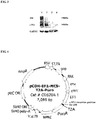
- a lentiviral vector PCDH (PCDH-EF1-MCS-T2A-Puro, SBI, product No.: CD510B-1, structure shown in FIG. 4 ) was used, and the nucleotide sequence as shown by SEQ ID NO: 7 or SEQ ID NO: 8 was cloned into the vector according to the instructions thereof, to prepare expression vectors which expressed fusion proteins respectively represented by SEQ ID NO: 3 and SEQ ID NO: 4.
- the expression vectors were respectively named and marked as "PCDH-ZM1-2" and "PCDH-ZM2-2".
- a viral packaging plasmid (SBI, product No.
- LV500A-1 was used to co-infect 293T cells with one of the vectors to prepare a lentivirus.
- the same method was performed to package the lentiviral vector PCDH and co-infect 293T cells, to prepare a lentivirus with the blank vector, which was named as "PCDH-blank”.
- a human glioma cell line U87 which did not express any one of the fusion proteins provided by the present invention, was purchased from the Cell Bank of Chinese Academy of Medical Sciences.
- the U87 cells were infected with any of the lentiviruses as prepared above and screened by applying puromycin (0.5 ⁇ g/mL for screening, and 0.2 ⁇ g/mL for maintenance) to establish cell models which stably expressed the fusion proteins.
- the cell models were verified for the expression of the fusion proteins and the transcription of the fusion genes by immunoblotting and reverse transcription PCR, and cell lines which stably expressed fusion proteins ZM1-2 and ZM2-2 respectively were obtained finally and named as "PCDH-ZM1-2 expressing cells" and "PCDH-ZM2-2 expressing cells” respectively.
- U87 cells were infected with the lentivirus PCDH-blank with the blank vector to obtain "PCDH-blank expressing cells" as a blank reference.
- the compounds to be tested were respectively dissolved in DMSO to prepare stock solutions, and then the stock solutions and the complete medium were used to prepare solutions with different concentrations of medicaments (0, 5, 10, 20, 40, 60, 80, 100 ⁇ M).
- the cells were incubated in the incubator for additional 72 hours, and then 20 ⁇ l of 3-(4,5-dimethylthiazole-2)-2,5-diphenyl tetrazolium bromide (MTT) was added into each well. After 1-3 hours in the incubator, the absorbance at 490 nm was determined using a microplate reader. The inhibition rate corresponding to each concentration was calculated, and the value of IC 50 was calculated with GraphPad software. Results are shown in Table 2.
- Example 5 Determination of inhibitory activity of the compound represented by formula A of in-vivo tumor formation of glioblastomas
- a tumor-bearing mouse model was established.
- BALB/c (nu/nu) maternal nude mice, aged 6-8 weeks, with a weight of about 16-18 g were purchased from Vital River.
- PCDH-blank expressing cells and "PCDH-ZM2-2 expressing cells” prepared in Example 4 were prepared into suspensions of 10 7 cells/ml with PBS respectively.
- Nude mice sterilized with 75% ethanol were subcutaneously injected with 100 ⁇ l of the cell suspensions at the right scapular area, in which the PCDH-blank expressing cells were injected into seven nude mice, and PCDH-ZM2-2 expressing cells were injected into 21 nude mice.
- mice (1) The tumor-bearing mice obtained by injection with the "PCDH-blank expressing cells” were named as “vector mice (1)”, and the tumor-bearing mice obtained by injection with "PCDH-ZM2-2 expressing cells” were named as "ZM2-2 mice (1)”.
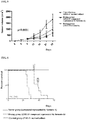
- the ZM2-2 mice (1) were divided into three groups according to mean tumor size, including a group of 7 mice which were administered with the compound represented by formula A, a group of 7 mice which were administered with crizotinib, and a control group of 7 mice.
- the former two groups were given with the compound represented by formula A in a dose of 10 mg/KG/day or crizotinib in a dose of 50 mg/KG/day by gavage.
- the two medicaments were prepared into suspensions with normal saline respectively and given once a day with continuously stirring for continuous administration.
- the control group was gavaged with normal saline.
- the tumor size and variations in mouse weight were measured twice a week.
- PCDH-blank expressing cells and “PCDH-ZM2-2 expressing cells” prepared in Example 4 were prepared into suspensions of 10 5 cells/5 ⁇ l with PBS respectively.
- Nude mice sterilized with 75% ethanol were inoculated with 100 ⁇ l of the cell suspensions.
- the cell inoculation position (2 mm away on the right side of anterior fontanel, and 2 mm backward) was determined using a brain stereotaxic apparatus for mouse; the injection depth was 3.5 mm and then elevated by 0.6 mm; and 5 ⁇ l of cell solutions respectively was injected to each mouse. After injection, the mice were kept still for 1 min, and then received a conventional skin closure.
- tumor-bearing mice obtained with the "PCDH-blank expressing cells” were named as “vector mice (2)”
- the tumor-bearing mice obtained with the "PCDH-ZM2-2 expressing cells” were named as "ZM2-2 mice (2)”.
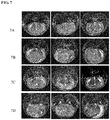
- mice The brains of the mice were detected through nuclear magnetic resonance imaging. It was found that, the intracranial tumors of the vector mice (2) were obviously smaller than the intracranial tumors of the ZM2-2 mice (2). Thus it is proved that, the expression of fusion proteins provided by the present invention resulted in obvious enhancement in the tumor formation of glioblastomas in mice. Results are shown in panel 7A and panel 7B, respectively.
- the brains of ZM2-2 mice (2) given with the compound represented by formula A were detected by nuclear magnetic resonance imaging on the 16th day after the compound represented by formula A was administered for the first time. It was found that the intracranial tumor obviously became smaller. See results in panel 7C. Similarly, it is proved that the compound represented by formula A can obviously inhibit the growth of tumors in the ZM2-2 mice.
- mice (2) were also administered with the compound represented by formula A at a dose of 50 mg/KG weight/day.
- the compound was administrated once a day by gavage. Then, the compound administration was stopped on the 16th day after the first administration, and the brains were detected through nuclear magnetic resonance imaging on the 10th day after the compound withdrawal. It was found that the tumors resumed rapid growth. Results are shown in panel 7D.
- the compound represented by formula A can significantly inhibit the growth of the glioblastomas which express the fusion proteins provided by the present invention and prolong the survival of patients, and glioblastomas were apt to recurrence after withdrawal of the compound.
- the tumor inhibition effect of the compound represented by formula A is even stronger than that of crizotinib, and so the compound can be used as a substitute for crizotinib.
- the median survival period of the cases of glioblastomas which express the fusion proteins of the present invention is shorter than that of the cases of other reported glioblastomas, which means that among glioblastomas, cases of glioblastomas which express the fusion proteins have a poorer prognosis.
- the compound represented by formula A can achieve a better therapeutic effect in comparison with other compounds capable of serving as c-Met inhibitors as well as crizotinib.
Landscapes
- Health & Medical Sciences (AREA)
- Chemical & Material Sciences (AREA)
- Organic Chemistry (AREA)
- Life Sciences & Earth Sciences (AREA)
- General Health & Medical Sciences (AREA)
- Medicinal Chemistry (AREA)
- Animal Behavior & Ethology (AREA)
- Pharmacology & Pharmacy (AREA)
- Public Health (AREA)
- Veterinary Medicine (AREA)
- Epidemiology (AREA)
- Engineering & Computer Science (AREA)
- Zoology (AREA)
- Genetics & Genomics (AREA)
- Bioinformatics & Cheminformatics (AREA)
- Wood Science & Technology (AREA)
- Biomedical Technology (AREA)
- Biochemistry (AREA)
- Biotechnology (AREA)
- Chemical Kinetics & Catalysis (AREA)
- Nuclear Medicine, Radiotherapy & Molecular Imaging (AREA)
- General Chemical & Material Sciences (AREA)
- General Engineering & Computer Science (AREA)
- Molecular Biology (AREA)
- Cell Biology (AREA)
- Microbiology (AREA)
- Oncology (AREA)
- Immunology (AREA)
- Toxicology (AREA)
- Gastroenterology & Hepatology (AREA)
- Biophysics (AREA)
- Proteomics, Peptides & Aminoacids (AREA)
- Pharmaceuticals Containing Other Organic And Inorganic Compounds (AREA)
- Peptides Or Proteins (AREA)
Claims (9)
- Composé représenté par la formule A:

- Composé à utiliser selon la revendication 1, caractérisé en ce que le gliome cérébral est un glioblastome.
- Composé à utiliser selon les revendications 1 ou 2, caractérisé en ce que le gliome cérébral est un glioblastome secondaire.
- Composé à utiliser selon la revendication 3, caractérisé en ce que le glioblastome secondaire est un sous-type de glioblastome secondaire qui exprime une protéine de fusion, et la protéine de fusion est formée en fusionnant une partie de protéine traduite de l'exon 1, des exons 1 à 2, des exons 1 à 3 ou des exons 1 à 8 de PTPRZ1 à une partie de protéine traduite des exons 2 à 24 de c-Met, dans laquelle la partie de protéine de PTPRZ1 est située à l'extrémité N-terminale de la partie de protéine de c-Met.
- Composé à utiliser selon les revendications 3 ou 4, caractérisé en ce que la protéine de fusion comprend la séquence d'acides aminés telle que montrée par SEQ ID NO: 1 ;
de préférence, la protéine de fusion comprend en outre la séquence d'acides aminés indiquée par la SEQ ID NO: 2;
plus préférablement, la protéine de fusion comprend la séquence d'acides aminés telle que représentée par la SEQ ID NO: 1 et la séquence d'acides aminés telle que représentée par la SEQ ID NO: 2 à l'extrémité N-terminale de celle-ci. - Composé à utiliser selon l'une quelconque des revendications 3 à 5, caractérisé en ce que la protéine de fusion comprend la séquence d'acides aminés telle que représentée par la SEQ ID NO: 3, la SEQ ID NO: 4, la SEQ ID NO: 5 ou la SEQ ID NO: 6;
de préférence, la séquence d'acides aminés des protéines de fusion est telle que représentée par les SEQ ID NO: 3, SEQ ID NO: 4, SEQ ID NO: 5 ou SEQ ID NO: 6. - Composé à utiliser selon la revendication 3, caractérisé en ce que le glioblastome secondaire est un sous-type de glioblastome secondaire qui contient un transcrit de fusion, et le transcrit de fusion est formé en reliant une portion d'ARN qui est transcrite à partir de l'exon 1, les exons 1 à 2, les exons 1 à 3 ou les exons 1 à 8 de PTPRZ1 et une portion d'ARN qui est transcrite des exons 2 à 24 de c-Met, dans laquelle la portion d'ARN de PTPRZ1 est située à l'extrémité 5' de la portion d'ARN de c-Met.
- Composé à utiliser selon la revendication 7, caractérisé en ce que le transcrit de fusion comprend une séquence d'ARN codant pour la séquence d'acides aminés telle que représentée par SEQ ID NO: 1 ;
de préférence, le transcrit de fusion comprend en outre une séquence d'ARN codant pour la séquence d'acides aminés comme indiqué par SEQ ID NO: 2;
plus préférablement, le transcrit de fusion comprend une séquence d'ARN codant pour la séquence d'acides aminés telle qu'indiquée par SEQ ID NO: 1, et une séquence d'ARN codant pour la séquence d'acides aminés telle qu'indiquée par SEQ ID NO: 2 à l'extrémité 5' de celle-ci. - Composé à utiliser selon les revendications 7 ou 8, caractérisé en ce que le transcrit de fusion comprend une séquence d'ARN codant pour la séquence d'acides aminés telle que représentée par SEQ ID NO: 3, SEQ ID NO: 4, SEQ ID NO: 5 ou SEQ ID NO: 6;
de préférence, la séquence de nucléotides du transcrit de fusion est constituée d'une séquence d'ARN codant pour la séquence d'acides aminés telle qu'elle est indiquée par la SEQ ID NO: 3, la SEQ ID NO: 4, la SEQ ID NO: 5 ou la SEQ ID NO: 6.
Applications Claiming Priority (2)
| Application Number | Priority Date | Filing Date | Title |
|---|---|---|---|
| CN201511022391.8A CN106924260B (zh) | 2015-12-31 | 2015-12-31 | 化合物在制备用于治疗脑胶质瘤的药物中的用途 |
| PCT/CN2016/111227 WO2017114249A1 (fr) | 2015-12-31 | 2016-12-21 | Utilisations de composé dans la préparation de médicaments pour le traitement du gliome cérébral |
Publications (3)
| Publication Number | Publication Date |
|---|---|
| EP3398949A1 EP3398949A1 (fr) | 2018-11-07 |
| EP3398949A4 EP3398949A4 (fr) | 2019-09-04 |
| EP3398949B1 true EP3398949B1 (fr) | 2021-02-03 |
Family
ID=59224503
Family Applications (1)
| Application Number | Title | Priority Date | Filing Date |
|---|---|---|---|
| EP16881038.0A Active EP3398949B1 (fr) | 2015-12-31 | 2016-12-21 | Utilisations de composé dans la préparation de médicaments pour le traitement du gliome cérébral |
Country Status (8)
| Country | Link |
|---|---|
| US (1) | US11400088B2 (fr) |
| EP (1) | EP3398949B1 (fr) |
| JP (1) | JP6920337B2 (fr) |
| KR (1) | KR102127218B1 (fr) |
| CN (2) | CN106924260B (fr) |
| ES (1) | ES2870909T3 (fr) |
| TW (1) | TWI703977B (fr) |
| WO (1) | WO2017114249A1 (fr) |
Families Citing this family (4)
| Publication number | Priority date | Publication date | Assignee | Title |
|---|---|---|---|---|
| WO2021222045A1 (fr) * | 2020-04-26 | 2021-11-04 | Apollomics Inc. | Nouvelle formulation pharmaceutique pour inhibiteur de c-met |
| CN112870362B (zh) * | 2021-02-08 | 2023-06-27 | 中山大学附属第一医院 | Circ-MET-1214和/或Circ-M50作为靶点在制备抗肿瘤药物中的用途 |
| CN116462758B (zh) * | 2023-02-03 | 2024-03-15 | 中国人民解放军陆军军医大学第一附属医院 | 抗人ptprz1单克隆抗体及其在细胞流式中的应用 |
| CN117159690B (zh) * | 2023-10-18 | 2024-08-23 | 北京市神经外科研究所 | 一种用于预防和/或治疗脑胶质瘤的药物组合物及其制药用途 |
Family Cites Families (13)
| Publication number | Priority date | Publication date | Assignee | Title |
|---|---|---|---|---|
| MXPA06000276A (es) * | 2003-07-02 | 2006-04-07 | Sugen Inc | Indolinona hidrazidas como inhibidores de c-met. |
| HRP20170103T1 (hr) * | 2005-12-21 | 2017-03-24 | Janssen Pharmaceutica N.V. | Triazolopiridazini kao modulatori tirozin kinaze |
| CA2651979A1 (fr) * | 2006-05-30 | 2007-12-06 | Pfizer Products Inc. | Derives de la triazolopyridazine |
| EP2170894A1 (fr) * | 2007-06-21 | 2010-04-07 | Janssen Pharmaceutica N.V. | Formes polymorphes et hydratées, sels et procédé de préparation de la 6-{difluoro[6-(1-méthyl-1h-pyrazol-4-yl)[1,2,4]triazolo[4,3-b]pyridazin-3-yl]méthyl}quinoléine |
| UY32049A (es) * | 2008-08-14 | 2010-03-26 | Takeda Pharmaceutical | Inhibidores de cmet |
| NZ596616A (en) * | 2009-05-28 | 2013-05-31 | Vertex Pharma | Aminopyrazole triazolothiadiazole inhibitors of c-met protien kinase |
| EP2435444A1 (fr) * | 2009-05-28 | 2012-04-04 | Vertex Pharmaceuticals Incorporated | Inhibiteurs à base de pyrazole substitué de la protéine kinase c-met |
| JP2013527195A (ja) * | 2010-05-27 | 2013-06-27 | バーテックス ファーマシューティカルズ インコーポレイテッド | c−Metプロテインキナーゼのアミノピラゾールトリアゾロチアジアゾールインヒビター |
| AR085183A1 (es) * | 2010-07-30 | 2013-09-18 | Lilly Co Eli | Compuesto 6-(1-metil-1h-pirazol-4-il)-3-(2-metil-2h-indazol-5-iltio)-[1,2,4]triazol[4,3-b]piridazina, composicion farmaceutica que lo comprende y uso para preparar un medicamento util para tratar cancer |
| TWI520962B (zh) * | 2012-06-29 | 2016-02-11 | As the c-Met tyrosine kinase inhibitors novel fused pyridine derivatives | |
| US8975282B2 (en) * | 2012-07-28 | 2015-03-10 | Sunshine Lake Pharma Co., Ltd. | Substituted pyrazolone compounds and methods of use |
| CN103122000B (zh) * | 2012-09-03 | 2013-12-25 | 中美冠科生物技术(太仓)有限公司 | 用作抗肿瘤药物的高选择性的c-Met激酶抑制剂 |
| US9778618B2 (en) * | 2014-04-18 | 2017-10-03 | Dupont Authentication Inc. | Multilayer film and authentication label |
-
2015
- 2015-12-31 CN CN201511022391.8A patent/CN106924260B/zh active Active
- 2015-12-31 CN CN201810378006.0A patent/CN108853108A/zh active Pending
-
2016
- 2016-12-21 JP JP2018553286A patent/JP6920337B2/ja active Active
- 2016-12-21 ES ES16881038T patent/ES2870909T3/es active Active
- 2016-12-21 WO PCT/CN2016/111227 patent/WO2017114249A1/fr not_active Ceased
- 2016-12-21 KR KR1020187022171A patent/KR102127218B1/ko active Active
- 2016-12-21 US US16/067,549 patent/US11400088B2/en active Active
- 2016-12-21 EP EP16881038.0A patent/EP3398949B1/fr active Active
- 2016-12-23 TW TW105142964A patent/TWI703977B/zh active
Non-Patent Citations (1)
| Title |
|---|
| None * |
Also Published As
| Publication number | Publication date |
|---|---|
| ES2870909T3 (es) | 2021-10-28 |
| US20210369711A1 (en) | 2021-12-02 |
| JP6920337B2 (ja) | 2021-08-18 |
| CN108853108A (zh) | 2018-11-23 |
| CN106924260A (zh) | 2017-07-07 |
| TWI703977B (zh) | 2020-09-11 |
| CN106924260B (zh) | 2018-05-25 |
| JP2019505581A (ja) | 2019-02-28 |
| EP3398949A4 (fr) | 2019-09-04 |
| TW201725043A (zh) | 2017-07-16 |
| KR20180095093A (ko) | 2018-08-24 |
| WO2017114249A1 (fr) | 2017-07-06 |
| EP3398949A1 (fr) | 2018-11-07 |
| US11400088B2 (en) | 2022-08-02 |
| KR102127218B1 (ko) | 2020-06-29 |
Similar Documents
| Publication | Publication Date | Title |
|---|---|---|
| US20250241931A1 (en) | Methods of treating a subject having clinically significant signs and symptoms associated with blood cell differentiation | |
| US11680106B2 (en) | Bispecific antigen-binding construct and preparation method and use thereof | |
| EP3398949B1 (fr) | Utilisations de composé dans la préparation de médicaments pour le traitement du gliome cérébral | |
| JP2020530467A (ja) | 癌転移を処置するためにキナーゼを標的とする方法 | |
| CN112543809A (zh) | 包含C/EBPα saRNA的组合疗法 | |
| CA3148827A1 (fr) | Compositions et methodes d'utilisation de petits arn activateurs alpha c/ebp | |
| CN111073979B (zh) | 阻断ccl28趋化通路的胃癌治疗方法 | |
| Xu et al. | Endothelial Foxo1 Phosphorylation Inhibition via Aptamer‐Liposome Alleviates OPN‐Induced Pathological Vascular Remodeling Following Spinal Cord Injury | |
| Tang et al. | Inflammatory regulation by restraining M2 microglial polarization: Neurodestructive effects of Kallikrein-related peptidase 8 activation in intracerebral hemorrhage | |
| JP6264685B2 (ja) | マルチキナーゼ阻害剤、抗癌剤、抗転移剤、薬剤耐性抑制剤、疼痛抑制剤及び止痒薬 | |
| US11339225B2 (en) | Bispecific antigen-binding construct and preparation method and use thereof | |
| CN104056277A (zh) | Mlh1基因或其表达产物在dkk4高表达的结直肠癌中的应用 | |
| JP2024028895A (ja) | オリゴヌクレオチド分子及び腫瘍治療におけるその応用 | |
| HK40000033B (en) | Uses of compound in preparation of drugs for treating brain glioma | |
| HK40000033A (en) | Uses of compound in preparation of drugs for treating brain glioma | |
| Li et al. | Human fibulin-3 protein variant expresses anti-cancer effects in the malignant glioma extracellular compartment in intracranial xenograft models | |
| CN113528528B (zh) | 一种促进耐伊马替尼慢性髓细胞白血病细胞K562/G01凋亡shRNA及其应用 | |
| CN111139299B (zh) | Josd2蛋白在制备治疗恶性肿瘤药物中的应用 | |
| CN111973743B (zh) | Rna结合蛋白zcchc4的靶向药物的应用 | |
| JP5597534B2 (ja) | 抗腫瘍性の薬物、医薬、組成物、およびその使用 | |
| US20250049888A1 (en) | Use of the negr1 protein and biologically active fragments thereof in the therapeutic treatment of alk-related diseases | |
| KR102473666B1 (ko) | Hoxa9 단백질 c-말단부위의 hadp 펩티드를 포함하는 폐암의 예방, 개선 또는 치료용 약학적 조성물 | |
| US7906621B2 (en) | Anti-tumor drug, medicament, composition, and use thereof | |
| Yang et al. | Overexpression of IL7R Attenuates Cerebral Ischemia–Reperfusion Injury by Inhibiting Apoptosis | |
| Li et al. | Cistanche tubulosa phenylethanol glycoside liposome ameliorates oxaliplatin-induced peripheral neuropathy by promoting RNA N6-methyladenosine modification |
Legal Events
| Date | Code | Title | Description |
|---|---|---|---|
| STAA | Information on the status of an ep patent application or granted ep patent |
Free format text: STATUS: THE INTERNATIONAL PUBLICATION HAS BEEN MADE |
|
| PUAI | Public reference made under article 153(3) epc to a published international application that has entered the european phase |
Free format text: ORIGINAL CODE: 0009012 |
|
| STAA | Information on the status of an ep patent application or granted ep patent |
Free format text: STATUS: REQUEST FOR EXAMINATION WAS MADE |
|
| 17P | Request for examination filed |
Effective date: 20180724 |
|
| AK | Designated contracting states |
Kind code of ref document: A1 Designated state(s): AL AT BE BG CH CY CZ DE DK EE ES FI FR GB GR HR HU IE IS IT LI LT LU LV MC MK MT NL NO PL PT RO RS SE SI SK SM TR |
|
| AX | Request for extension of the european patent |
Extension state: BA ME |
|
| DAV | Request for validation of the european patent (deleted) | ||
| DAX | Request for extension of the european patent (deleted) | ||
| A4 | Supplementary search report drawn up and despatched |
Effective date: 20190802 |
|
| RIC1 | Information provided on ipc code assigned before grant |
Ipc: A61P 35/00 20060101ALI20190729BHEP Ipc: C07D 513/04 20060101ALI20190729BHEP Ipc: A61K 31/5377 20060101ALI20190729BHEP Ipc: A61K 31/437 20060101ALI20190729BHEP Ipc: C07D 471/04 20060101ALI20190729BHEP Ipc: C07D 487/04 20060101AFI20190729BHEP Ipc: A61K 31/433 20060101ALI20190729BHEP Ipc: A61K 31/5025 20060101ALI20190729BHEP Ipc: A61K 31/519 20060101ALI20190729BHEP |
|
| REG | Reference to a national code |
Ref country code: HK Ref legal event code: DE Ref document number: 40000033 Country of ref document: HK |
|
| RIC1 | Information provided on ipc code assigned before grant |
Ipc: A61K 31/519 20060101ALI20200428BHEP Ipc: C07D 487/04 20060101AFI20200428BHEP Ipc: A61K 31/5025 20060101ALI20200428BHEP Ipc: C07D 513/04 20060101ALI20200428BHEP Ipc: A61P 35/00 20060101ALI20200428BHEP Ipc: A61K 31/5377 20060101ALI20200428BHEP Ipc: A61K 31/437 20060101ALI20200428BHEP Ipc: C07D 471/04 20060101ALI20200428BHEP Ipc: A61K 31/433 20060101ALI20200428BHEP |
|
| GRAP | Despatch of communication of intention to grant a patent |
Free format text: ORIGINAL CODE: EPIDOSNIGR1 |
|
| STAA | Information on the status of an ep patent application or granted ep patent |
Free format text: STATUS: GRANT OF PATENT IS INTENDED |
|
| GRAJ | Information related to disapproval of communication of intention to grant by the applicant or resumption of examination proceedings by the epo deleted |
Free format text: ORIGINAL CODE: EPIDOSDIGR1 |
|
| STAA | Information on the status of an ep patent application or granted ep patent |
Free format text: STATUS: REQUEST FOR EXAMINATION WAS MADE |
|
| GRAP | Despatch of communication of intention to grant a patent |
Free format text: ORIGINAL CODE: EPIDOSNIGR1 |
|
| STAA | Information on the status of an ep patent application or granted ep patent |
Free format text: STATUS: GRANT OF PATENT IS INTENDED |
|
| GRAJ | Information related to disapproval of communication of intention to grant by the applicant or resumption of examination proceedings by the epo deleted |
Free format text: ORIGINAL CODE: EPIDOSDIGR1 |
|
| INTG | Intention to grant announced |
Effective date: 20200605 |
|
| GRAP | Despatch of communication of intention to grant a patent |
Free format text: ORIGINAL CODE: EPIDOSNIGR1 |
|
| GRAJ | Information related to disapproval of communication of intention to grant by the applicant or resumption of examination proceedings by the epo deleted |
Free format text: ORIGINAL CODE: EPIDOSDIGR1 |
|
| INTC | Intention to grant announced (deleted) | ||
| GRAP | Despatch of communication of intention to grant a patent |
Free format text: ORIGINAL CODE: EPIDOSNIGR1 |
|
| INTG | Intention to grant announced |
Effective date: 20200626 |
|
| INTG | Intention to grant announced |
Effective date: 20200707 |
|
| INTG | Intention to grant announced |
Effective date: 20200722 |
|
| GRAS | Grant fee paid |
Free format text: ORIGINAL CODE: EPIDOSNIGR3 |
|
| RIN1 | Information on inventor provided before grant (corrected) |
Inventor name: XUE, WEIZHE Inventor name: SHI, HEPENG Inventor name: HU, HUIMIN Inventor name: JIANG, TAO Inventor name: LIU, YANWEI |
|
| RAP1 | Party data changed (applicant data changed or rights of an application transferred) |
Owner name: BEIJING NEUROSURGICAL INSTITUTE Owner name: BEIJING PEARL BIOTECHNOLOGY LIMITED LIABILITY COMPANY |
|
| GRAA | (expected) grant |
Free format text: ORIGINAL CODE: 0009210 |
|
| STAA | Information on the status of an ep patent application or granted ep patent |
Free format text: STATUS: THE PATENT HAS BEEN GRANTED |
|
| AK | Designated contracting states |
Kind code of ref document: B1 Designated state(s): AL AT BE BG CH CY CZ DE DK EE ES FI FR GB GR HR HU IE IS IT LI LT LU LV MC MK MT NL NO PL PT RO RS SE SI SK SM TR |
|
| REG | Reference to a national code |
Ref country code: GB Ref legal event code: FG4D |
|
| REG | Reference to a national code |
Ref country code: AT Ref legal event code: REF Ref document number: 1359679 Country of ref document: AT Kind code of ref document: T Effective date: 20210215 Ref country code: CH Ref legal event code: EP |
|
| REG | Reference to a national code |
Ref country code: DE Ref legal event code: R096 Ref document number: 602016052391 Country of ref document: DE |
|
| REG | Reference to a national code |
Ref country code: IE Ref legal event code: FG4D |
|
| REG | Reference to a national code |
Ref country code: NL Ref legal event code: MP Effective date: 20210203 |
|
| REG | Reference to a national code |
Ref country code: LT Ref legal event code: MG9D |
|
| REG | Reference to a national code |
Ref country code: AT Ref legal event code: MK05 Ref document number: 1359679 Country of ref document: AT Kind code of ref document: T Effective date: 20210203 |
|
| PG25 | Lapsed in a contracting state [announced via postgrant information from national office to epo] |
Ref country code: GR Free format text: LAPSE BECAUSE OF FAILURE TO SUBMIT A TRANSLATION OF THE DESCRIPTION OR TO PAY THE FEE WITHIN THE PRESCRIBED TIME-LIMIT Effective date: 20210504 Ref country code: HR Free format text: LAPSE BECAUSE OF FAILURE TO SUBMIT A TRANSLATION OF THE DESCRIPTION OR TO PAY THE FEE WITHIN THE PRESCRIBED TIME-LIMIT Effective date: 20210203 Ref country code: FI Free format text: LAPSE BECAUSE OF FAILURE TO SUBMIT A TRANSLATION OF THE DESCRIPTION OR TO PAY THE FEE WITHIN THE PRESCRIBED TIME-LIMIT Effective date: 20210203 Ref country code: NO Free format text: LAPSE BECAUSE OF FAILURE TO SUBMIT A TRANSLATION OF THE DESCRIPTION OR TO PAY THE FEE WITHIN THE PRESCRIBED TIME-LIMIT Effective date: 20210503 Ref country code: PT Free format text: LAPSE BECAUSE OF FAILURE TO SUBMIT A TRANSLATION OF THE DESCRIPTION OR TO PAY THE FEE WITHIN THE PRESCRIBED TIME-LIMIT Effective date: 20210604 Ref country code: BG Free format text: LAPSE BECAUSE OF FAILURE TO SUBMIT A TRANSLATION OF THE DESCRIPTION OR TO PAY THE FEE WITHIN THE PRESCRIBED TIME-LIMIT Effective date: 20210503 Ref country code: LT Free format text: LAPSE BECAUSE OF FAILURE TO SUBMIT A TRANSLATION OF THE DESCRIPTION OR TO PAY THE FEE WITHIN THE PRESCRIBED TIME-LIMIT Effective date: 20210203 |
|
| PG25 | Lapsed in a contracting state [announced via postgrant information from national office to epo] |
Ref country code: SE Free format text: LAPSE BECAUSE OF FAILURE TO SUBMIT A TRANSLATION OF THE DESCRIPTION OR TO PAY THE FEE WITHIN THE PRESCRIBED TIME-LIMIT Effective date: 20210203 Ref country code: AT Free format text: LAPSE BECAUSE OF FAILURE TO SUBMIT A TRANSLATION OF THE DESCRIPTION OR TO PAY THE FEE WITHIN THE PRESCRIBED TIME-LIMIT Effective date: 20210203 Ref country code: PL Free format text: LAPSE BECAUSE OF FAILURE TO SUBMIT A TRANSLATION OF THE DESCRIPTION OR TO PAY THE FEE WITHIN THE PRESCRIBED TIME-LIMIT Effective date: 20210203 Ref country code: LV Free format text: LAPSE BECAUSE OF FAILURE TO SUBMIT A TRANSLATION OF THE DESCRIPTION OR TO PAY THE FEE WITHIN THE PRESCRIBED TIME-LIMIT Effective date: 20210203 Ref country code: NL Free format text: LAPSE BECAUSE OF FAILURE TO SUBMIT A TRANSLATION OF THE DESCRIPTION OR TO PAY THE FEE WITHIN THE PRESCRIBED TIME-LIMIT Effective date: 20210203 Ref country code: RS Free format text: LAPSE BECAUSE OF FAILURE TO SUBMIT A TRANSLATION OF THE DESCRIPTION OR TO PAY THE FEE WITHIN THE PRESCRIBED TIME-LIMIT Effective date: 20210203 |
|
| PG25 | Lapsed in a contracting state [announced via postgrant information from national office to epo] |
Ref country code: IS Free format text: LAPSE BECAUSE OF FAILURE TO SUBMIT A TRANSLATION OF THE DESCRIPTION OR TO PAY THE FEE WITHIN THE PRESCRIBED TIME-LIMIT Effective date: 20210603 |
|
| REG | Reference to a national code |
Ref country code: ES Ref legal event code: FG2A Ref document number: 2870909 Country of ref document: ES Kind code of ref document: T3 Effective date: 20211028 |
|
| PG25 | Lapsed in a contracting state [announced via postgrant information from national office to epo] |
Ref country code: CZ Free format text: LAPSE BECAUSE OF FAILURE TO SUBMIT A TRANSLATION OF THE DESCRIPTION OR TO PAY THE FEE WITHIN THE PRESCRIBED TIME-LIMIT Effective date: 20210203 Ref country code: EE Free format text: LAPSE BECAUSE OF FAILURE TO SUBMIT A TRANSLATION OF THE DESCRIPTION OR TO PAY THE FEE WITHIN THE PRESCRIBED TIME-LIMIT Effective date: 20210203 Ref country code: SM Free format text: LAPSE BECAUSE OF FAILURE TO SUBMIT A TRANSLATION OF THE DESCRIPTION OR TO PAY THE FEE WITHIN THE PRESCRIBED TIME-LIMIT Effective date: 20210203 |
|
| REG | Reference to a national code |
Ref country code: DE Ref legal event code: R097 Ref document number: 602016052391 Country of ref document: DE |
|
| PG25 | Lapsed in a contracting state [announced via postgrant information from national office to epo] |
Ref country code: SK Free format text: LAPSE BECAUSE OF FAILURE TO SUBMIT A TRANSLATION OF THE DESCRIPTION OR TO PAY THE FEE WITHIN THE PRESCRIBED TIME-LIMIT Effective date: 20210203 Ref country code: RO Free format text: LAPSE BECAUSE OF FAILURE TO SUBMIT A TRANSLATION OF THE DESCRIPTION OR TO PAY THE FEE WITHIN THE PRESCRIBED TIME-LIMIT Effective date: 20210203 Ref country code: DK Free format text: LAPSE BECAUSE OF FAILURE TO SUBMIT A TRANSLATION OF THE DESCRIPTION OR TO PAY THE FEE WITHIN THE PRESCRIBED TIME-LIMIT Effective date: 20210203 |
|
| PLBE | No opposition filed within time limit |
Free format text: ORIGINAL CODE: 0009261 |
|
| STAA | Information on the status of an ep patent application or granted ep patent |
Free format text: STATUS: NO OPPOSITION FILED WITHIN TIME LIMIT |
|
| 26N | No opposition filed |
Effective date: 20211104 |
|
| PG25 | Lapsed in a contracting state [announced via postgrant information from national office to epo] |
Ref country code: AL Free format text: LAPSE BECAUSE OF FAILURE TO SUBMIT A TRANSLATION OF THE DESCRIPTION OR TO PAY THE FEE WITHIN THE PRESCRIBED TIME-LIMIT Effective date: 20210203 |
|
| PG25 | Lapsed in a contracting state [announced via postgrant information from national office to epo] |
Ref country code: SI Free format text: LAPSE BECAUSE OF FAILURE TO SUBMIT A TRANSLATION OF THE DESCRIPTION OR TO PAY THE FEE WITHIN THE PRESCRIBED TIME-LIMIT Effective date: 20210203 |
|
| PG25 | Lapsed in a contracting state [announced via postgrant information from national office to epo] |
Ref country code: IS Free format text: LAPSE BECAUSE OF FAILURE TO SUBMIT A TRANSLATION OF THE DESCRIPTION OR TO PAY THE FEE WITHIN THE PRESCRIBED TIME-LIMIT Effective date: 20210603 |
|
| PG25 | Lapsed in a contracting state [announced via postgrant information from national office to epo] |
Ref country code: MC Free format text: LAPSE BECAUSE OF FAILURE TO SUBMIT A TRANSLATION OF THE DESCRIPTION OR TO PAY THE FEE WITHIN THE PRESCRIBED TIME-LIMIT Effective date: 20210203 |
|
| REG | Reference to a national code |
Ref country code: CH Ref legal event code: PL |
|
| REG | Reference to a national code |
Ref country code: BE Ref legal event code: MM Effective date: 20211231 |
|
| PG25 | Lapsed in a contracting state [announced via postgrant information from national office to epo] |
Ref country code: LU Free format text: LAPSE BECAUSE OF NON-PAYMENT OF DUE FEES Effective date: 20211221 Ref country code: IE Free format text: LAPSE BECAUSE OF NON-PAYMENT OF DUE FEES Effective date: 20211221 |
|
| PG25 | Lapsed in a contracting state [announced via postgrant information from national office to epo] |
Ref country code: BE Free format text: LAPSE BECAUSE OF NON-PAYMENT OF DUE FEES Effective date: 20211231 |
|
| PG25 | Lapsed in a contracting state [announced via postgrant information from national office to epo] |
Ref country code: LI Free format text: LAPSE BECAUSE OF NON-PAYMENT OF DUE FEES Effective date: 20211231 Ref country code: CH Free format text: LAPSE BECAUSE OF NON-PAYMENT OF DUE FEES Effective date: 20211231 |
|
| PG25 | Lapsed in a contracting state [announced via postgrant information from national office to epo] |
Ref country code: CY Free format text: LAPSE BECAUSE OF FAILURE TO SUBMIT A TRANSLATION OF THE DESCRIPTION OR TO PAY THE FEE WITHIN THE PRESCRIBED TIME-LIMIT Effective date: 20210203 |
|
| P01 | Opt-out of the competence of the unified patent court (upc) registered |
Effective date: 20230525 |
|
| PG25 | Lapsed in a contracting state [announced via postgrant information from national office to epo] |
Ref country code: HU Free format text: LAPSE BECAUSE OF FAILURE TO SUBMIT A TRANSLATION OF THE DESCRIPTION OR TO PAY THE FEE WITHIN THE PRESCRIBED TIME-LIMIT; INVALID AB INITIO Effective date: 20161221 |
|
| PG25 | Lapsed in a contracting state [announced via postgrant information from national office to epo] |
Ref country code: MK Free format text: LAPSE BECAUSE OF FAILURE TO SUBMIT A TRANSLATION OF THE DESCRIPTION OR TO PAY THE FEE WITHIN THE PRESCRIBED TIME-LIMIT Effective date: 20210203 |
|
| PG25 | Lapsed in a contracting state [announced via postgrant information from national office to epo] |
Ref country code: MT Free format text: LAPSE BECAUSE OF FAILURE TO SUBMIT A TRANSLATION OF THE DESCRIPTION OR TO PAY THE FEE WITHIN THE PRESCRIBED TIME-LIMIT Effective date: 20210203 |
|
| PG25 | Lapsed in a contracting state [announced via postgrant information from national office to epo] |
Ref country code: TR Free format text: LAPSE BECAUSE OF FAILURE TO SUBMIT A TRANSLATION OF THE DESCRIPTION OR TO PAY THE FEE WITHIN THE PRESCRIBED TIME-LIMIT Effective date: 20210203 |
|
| PGFP | Annual fee paid to national office [announced via postgrant information from national office to epo] |
Ref country code: GB Payment date: 20251229 Year of fee payment: 10 |
|
| PGFP | Annual fee paid to national office [announced via postgrant information from national office to epo] |
Ref country code: FR Payment date: 20251223 Year of fee payment: 10 |
|
| PGFP | Annual fee paid to national office [announced via postgrant information from national office to epo] |
Ref country code: ES Payment date: 20260102 Year of fee payment: 10 |
|
| PGFP | Annual fee paid to national office [announced via postgrant information from national office to epo] |
Ref country code: DE Payment date: 20251230 Year of fee payment: 10 |
|
| PGFP | Annual fee paid to national office [announced via postgrant information from national office to epo] |
Ref country code: IT Payment date: 20251229 Year of fee payment: 10 |