EP3399702B1 - Heimsteuerung mit einer intelligenten uhr - Google Patents
Heimsteuerung mit einer intelligenten uhr Download PDFInfo
- Publication number
- EP3399702B1 EP3399702B1 EP16852880.0A EP16852880A EP3399702B1 EP 3399702 B1 EP3399702 B1 EP 3399702B1 EP 16852880 A EP16852880 A EP 16852880A EP 3399702 B1 EP3399702 B1 EP 3399702B1
- Authority
- EP
- European Patent Office
- Prior art keywords
- smart
- smart watch
- home
- current characteristic
- characteristic value
- Prior art date
- Legal status (The legal status is an assumption and is not a legal conclusion. Google has not performed a legal analysis and makes no representation as to the accuracy of the status listed.)
- Active
Links
Images

Classifications
-
- G—PHYSICS
- G05—CONTROLLING; REGULATING
- G05B—CONTROL OR REGULATING SYSTEMS IN GENERAL; FUNCTIONAL ELEMENTS OF SUCH SYSTEMS; MONITORING OR TESTING ARRANGEMENTS FOR SUCH SYSTEMS OR ELEMENTS
- G05B15/00—Systems controlled by a computer
- G05B15/02—Systems controlled by a computer electric
-
- G—PHYSICS
- G04—HOROLOGY
- G04B—MECHANICALLY-DRIVEN CLOCKS OR WATCHES; MECHANICAL PARTS OF CLOCKS OR WATCHES IN GENERAL; TIME PIECES USING THE POSITION OF THE SUN, MOON OR STARS
- G04B47/00—Time-pieces combined with other articles which do not interfere with the running or the time-keeping of the time-piece
- G04B47/06—Time-pieces combined with other articles which do not interfere with the running or the time-keeping of the time-piece with attached measuring instruments, e.g. pedometer, barometer, thermometer or compass
-
- G—PHYSICS
- G04—HOROLOGY
- G04G—ELECTRONIC TIME-PIECES
- G04G21/00—Input or output devices integrated in time-pieces
-
- G—PHYSICS
- G05—CONTROLLING; REGULATING
- G05B—CONTROL OR REGULATING SYSTEMS IN GENERAL; FUNCTIONAL ELEMENTS OF SUCH SYSTEMS; MONITORING OR TESTING ARRANGEMENTS FOR SUCH SYSTEMS OR ELEMENTS
- G05B19/00—Program-control systems
- G05B19/02—Program-control systems electric
- G05B19/418—Total factory control, i.e. centrally controlling a plurality of machines, e.g. direct or distributed numerical control [DNC], flexible manufacturing systems [FMS], integrated manufacturing systems [IMS] or computer integrated manufacturing [CIM]
-
- G—PHYSICS
- G06—COMPUTING OR CALCULATING; COUNTING
- G06F—ELECTRIC DIGITAL DATA PROCESSING
- G06F3/00—Input arrangements for transferring data to be processed into a form capable of being handled by the computer; Output arrangements for transferring data from processing unit to output unit, e.g. interface arrangements
- G06F3/01—Input arrangements or combined input and output arrangements for interaction between user and computer
- G06F3/017—Gesture based interaction, e.g. based on a set of recognized hand gestures
-
- G—PHYSICS
- G06—COMPUTING OR CALCULATING; COUNTING
- G06F—ELECTRIC DIGITAL DATA PROCESSING
- G06F3/00—Input arrangements for transferring data to be processed into a form capable of being handled by the computer; Output arrangements for transferring data from processing unit to output unit, e.g. interface arrangements
- G06F3/01—Input arrangements or combined input and output arrangements for interaction between user and computer
- G06F3/03—Arrangements for converting the position or the displacement of a member into a coded form
- G06F3/033—Pointing devices displaced or positioned by the user, e.g. mice, trackballs, pens or joysticks; Accessories therefor
- G06F3/0346—Pointing devices displaced or positioned by the user, e.g. mice, trackballs, pens or joysticks; Accessories therefor with detection of the device orientation or free movement in a three-dimensional [3D] space, e.g. 3D mice, 6-DOF [six degrees of freedom] pointers using gyroscopes, accelerometers or tilt-sensors
-
- H—ELECTRICITY
- H04—ELECTRIC COMMUNICATION TECHNIQUE
- H04L—TRANSMISSION OF DIGITAL INFORMATION, e.g. TELEGRAPHIC COMMUNICATION
- H04L12/00—Data switching networks
- H04L12/28—Data switching networks characterised by path configuration, e.g. LAN [Local Area Networks] or WAN [Wide Area Networks]
- H04L12/2803—Home automation networks
- H04L12/2807—Exchanging configuration information on appliance services in a home automation network
- H04L12/2809—Exchanging configuration information on appliance services in a home automation network indicating that an appliance service is present in a home automation network
-
- H—ELECTRICITY
- H04—ELECTRIC COMMUNICATION TECHNIQUE
- H04L—TRANSMISSION OF DIGITAL INFORMATION, e.g. TELEGRAPHIC COMMUNICATION
- H04L12/00—Data switching networks
- H04L12/28—Data switching networks characterised by path configuration, e.g. LAN [Local Area Networks] or WAN [Wide Area Networks]
- H04L12/2803—Home automation networks
- H04L12/2816—Controlling appliance services of a home automation network by calling their functionalities
- H04L12/282—Controlling appliance services of a home automation network by calling their functionalities based on user interaction within the home
-
- G—PHYSICS
- G05—CONTROLLING; REGULATING
- G05B—CONTROL OR REGULATING SYSTEMS IN GENERAL; FUNCTIONAL ELEMENTS OF SUCH SYSTEMS; MONITORING OR TESTING ARRANGEMENTS FOR SUCH SYSTEMS OR ELEMENTS
- G05B2219/00—Program-control systems
- G05B2219/20—Pc systems
- G05B2219/26—Pc applications
- G05B2219/2642—Domotique, domestic, home control, automation, smart house
-
- G—PHYSICS
- G06—COMPUTING OR CALCULATING; COUNTING
- G06F—ELECTRIC DIGITAL DATA PROCESSING
- G06F3/00—Input arrangements for transferring data to be processed into a form capable of being handled by the computer; Output arrangements for transferring data from processing unit to output unit, e.g. interface arrangements
- G06F3/01—Input arrangements or combined input and output arrangements for interaction between user and computer
- G06F3/011—Arrangements for interaction with the human body, e.g. for user immersion in virtual reality
- G06F3/014—Hand-worn input/output arrangements, e.g. data gloves
-
- H—ELECTRICITY
- H04—ELECTRIC COMMUNICATION TECHNIQUE
- H04L—TRANSMISSION OF DIGITAL INFORMATION, e.g. TELEGRAPHIC COMMUNICATION
- H04L12/00—Data switching networks
- H04L12/28—Data switching networks characterised by path configuration, e.g. LAN [Local Area Networks] or WAN [Wide Area Networks]
- H04L12/2803—Home automation networks
- H04L2012/284—Home automation networks characterised by the type of medium used
- H04L2012/2841—Wireless
-
- H—ELECTRICITY
- H04—ELECTRIC COMMUNICATION TECHNIQUE
- H04W—WIRELESS COMMUNICATION NETWORKS
- H04W76/00—Connection management
- H04W76/10—Connection setup
Definitions
- This disclosure generally relates to the field of intelligent wearable devices, and more particularly, to a method of controlling smart homes based on using smart watches and the smart watches thereof
- Korean patent application KR20150082079A discloses a method for controlling a home device, more specifically, a method of utilizing a user interface, a method of utilizing a voice, and a method of utilizing a gesture such as a wrist snap utilizing a wearable device.
- US patent application US2015312398A1 discloses an apparatus and method for automatic discovery and suggesting personalized gestures from mobile terminal to control a plurality of devices in smart home system, based on user's habit and context.
- the method includes recording, via a mobile terminal, a context of the mobile terminal, recoding, via home system, actions taken by the plurality of devices in the home system, recognizing as a gesture command from a correlation of at least a portion of the recorded context of the user's mobile terminal with the recorded actions taken by the plurality of devices in the home system, and controlling at least one of the plurality of devices based a repetition of the gesture command, the controlling repeating the actions taken by the at least one of the plurality of devices in the home system.
- the present disclosure provides techniques for controlling smart homes based on using smart watches. More specifically, after a smart watch worn by a user enters the sensing range of a smart home, the smart watch establishes a wireless connection with the smart home and turns on the smart-home-control function. Using the smart-home-control function, the smart watch is able to recognize various hand gestures of the user and control the smart home through the wireless connection to switch current working state of the smart home based on the recognized hand gestures of the user.
- the proposed techniques and devices can realize the control of smart home via recognizing hand gestures of users using smart watches worn by the users, thereby meeting the needs of the users.
- FIG. 1 is a flow diagram illustrating a method of controlling smart homes based on using smart watches according to an embodiment of the disclosure. Note that the blocks of the exemplary process shown in FIG. 1 may be performed in a different order than the order shown and/or one or more of the blocks of the exemplary process in FIG. 1 may be omitted in some embodiments. As shown in FIG. 1 , the exemplary process can include the following blocks.
- block S11 whether a smart watch has entered the sensing range of a smart home is detected, and if so, block S12 may be executed. If not, block S11 may be repeated.
- detecting whether the smart watch has entered the sensing range of the smart home may further include the following blocks: acquiring the position of the smart home and marking the acquired position as the reference position; obtaining the position of the smart watch, for example, the position of the smart watch can be obtained via the GPS positioning module integrated with the smart watch; computing a distance between the position of the smart watch and the reference position and determining whether the distance is within the sensing range of the smart home.
- block S12 whether the smart watch has established a wireless connection with the smart home may be detected, and if so, block S13 may be executed. If not, block 11 may be executed.
- the smart watch and the smart home can perform data communication.
- the wireless connection can include, but are not limited to a Wi-Fi connection, a Bluetooth® connection, and an infrared connection.
- a smart-home-control function of the smart watch may be turned on.
- the smart watch automatically turns on the smart-home-control function.
- the smart home sends a request to turn on the smart-home-control function through the wireless connection.
- the smart-home-control function is then turned on.
- the smart watch may be configured to recognize a hand gesture of the user and control the smart home through the wireless connection to switch current working state of the smart home based on the recognized hand gesture of the user.
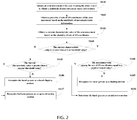
- FIG. 2 is a flow diagram illustrating a detailed embodiment for recognizing the user's hand gesture according to the embodiment as illustrated in FIG. 1 .
- the exemplary process can include the following blocks.
- an arm movement of the user wearing the smart watch maybe sampled to obtain a multitude of arm movement status information.
- the arm movement status information of the user can be obtained by using an accelerometer and a gyroscope within the smart watch, wherein the arm movement status information may include an acceleration and an angular velocity of the arm movement.
- a plurality of sets of data can be measured within a predetermined time interval to obtain the arm movement status information corresponding to a plurality of points of time within the predetermined time interval.
- a plurality of sets of three-dimensional (3D) coordinates of the arm movement may be obtained based on the multitude of movement status information.
- a corresponding 3D coordinate of the arm may be obtained based on the arm movement status information corresponding to each point of time, thus a plurality of sets of 3D coordinates of the arm movement may be obtained.
- a current characteristic value of the arm movement may be obtained based on the plurality of sets of 3D coordinates. It can be appreciated that, because the characteristic information, i.e., the current characteristic value expressed in the arm movement status information obtained by the accelerometer and the gyroscope sampling may be different for different hand gestures, it is necessary to compute the current characteristic value of the arm movement based on the multiple sets of 3D coordinates and subsequently recognize the hand gesture of the user based on the obtained current characteristic value.
- block S144 whether the current characteristic value is greater than a first threshold value may be determined. If not, block S145 may be executed. Otherwise, block S148 may be executed.
- block S145 whether the current characteristic value is greater than a second threshold value may be determined. If not, block S146 may be executed. Otherwise, the block S147 may be executed.
- the second threshold value may be smaller than the first threshold value, and the values of the first threshold value and the second threshold value can be determined based on the actual situation.
- the second threshold value may be set to be close to the first threshold value, e.g., the first threshold value is set to 10 and the second threshold value is set to 8 an upward waving motion of the hand gesture can be more accurately recognized.
- the hand gesture may be recognized as a hand-flipping motion. More specifically in block S146, when the current characteristic value is less than or equal to the second threshold value, the hand gesture may be determined to be a hand-flipping motion.
- the hand gesture may be recognized as an upward waving motion. More specifically in block S147, when the current characteristic value is greater than the second threshold value but smaller than or equal to the first threshold value, the hand gesture may be determined to be an upward waving motion.
- block S148 whether the maximum value among the multiple sets of 3D coordinates is equal to a predetermined value may be determined. If so, block S 149 may be executed. Otherwise, block S150 may be executed.
- the maximum value among the multiple sets of 3D coordinates can be the maximum value of the distances between the multiple sets of 3D coordinates and the origin of the coordinates.
- the hand gesture may be recognized as a shaking motion. More specifically, when the current characteristic value is greater than the first threshold value and the maximum value among the multiple sets of 3D coordinates is equal to the predetermined value, the hand gesture may be determined to be a shaking motion.
- the hand gesture is determined as an unknown motion. More specifically, when the current characteristic value is greater than the first threshold value and the maximum value among the multiple sets of 3D coordinates is not equal to the predetermined value, the hand gesture may be determined to be an unknown motion.
- the recognized hand gesture when the smart watch recognizes the hand gesture of the user, the recognized hand gesture may be encoded into a command for switching the current working state of the smart home and transmits the command to the smart home via the wireless connection. After receiving the command, the smart home switches the current working state according to the command.
- an upward waving motion of the hand gesture can be more accurately recognized than a hand-flipping motion or a shaking motion
- the smart watch may control the smart home to switch the current operating state based on the recognized upward waving motion.
- the smart watch may disconnect the wireless connection from the smart home and turns off the smart-home-control function, thereby achieving power-saving of the smart watch.
- the smart watch may establish a wireless connection with the smart light and subsequently turns on the smart home control function.
- the smart watch may be configured to control the smart light to switch a current working state based on the recognized upward waving motion. More specifically, when the user waves the hand upward, the smart lights may be switched on; when the user waves again, the smart lights may be switched off.
- the smart watch may be configured to turn off the wireless connection with the smart lights, and switch off the smart-home-control function.
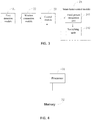
- FIG. 3 is a functional block diagram of the disclosed smart watch according to an embodiment of the disclosure.
- the smart watch may include a first detection module 21, a wireless connection module 22, a control module 23, and a smart-home-control module 24.
- the first detection module 21, which resides within the smart watch may be configured to detect whether the smart watch has entered a sensing range of the smart home.
- the wireless connection module 22, which resides within the smart watch and is coupled to first detection module 21, may be configured to establish a wireless connection between the smart watch and the smart home after the first detection module 21 detects that the smart watch has entered the sensing range of the smart home.
- the wireless connection module 22 may be further configured to disconnect the wireless connection between the smart watch and the smart home after the first detection module 21 detects that the smart watch has left the sensing range of the smart home.
- the wireless connection can include, but are not limited to a Wi-Fi connection, a Bluetooth® connection, and an infrared connection.
- control module 23 may be coupled with the wireless connection module 22 and configured to control the smart-home-control module 24 to turn on the smart-home-control function after the wireless connection module 22 has established the wireless connection between the smart watch and the smart home. Furthermore, the control module 23 may be coupled to first detection module 21 and configured to control the smart-home-control module 24 to turn off the smart-home-control function after the first detection module 21 detects that the smart watch has left the sensing range the smart home.
- the smart-home-control module 24 may further include a hand gesture recognition unit 241 and a switching unit 242.
- the hand gesture recognition unit 241 may be coupled to control module 23 for recognizing hand gestures of the user.
- the switching unit 242 may be coupled to the hand gesture recognition unit 241 for controlling the smart home through the wireless connection to switch current working state of the smart home based on the recognized hand gestures of the user.
- the hand gesture recognition unit 241 may be configured to recognize the hand gestures of the user by: sampling an arm movement of the user to obtain a multitude of movement status information by using an accelerometer and a gyroscope within the smart watch, wherein the multitude of movement status information may include an acceleration and an angular velocity of the arm movement; obtaining a plurality of sets of 3D coordinates of the arm movement based on the multitude of movement status information; obtaining a current characteristic value of the arm movement based on the plurality of sets of 3D coordinates; and recognizing the hand gesture of the user based on the current characteristic value.
- the hand gesture recognition unit 241 may recognize the hand gesture of the user based on the current characteristic value by: detecting whether the current characteristic value is greater than a first threshold value; if the current characteristic value is less than or equal to the first threshold value, further detecting whether the current characteristic value is greater than a second threshold value; if the current characteristic value is greater than the second threshold value, determining that the hand gesture may be an upward waving motion; and if the current characteristic value is less than or equal to the second threshold value, determining that the hand gesture may be a hand-flipping motion.
- the hand gesture recognition unit 241 recognizing the hand gesture of the user based on the current characteristic value may further include: when the current characteristic value is detected to be greater than the first threshold value, further detecting whether the maximum value among the sets of 3D coordinates is equal to a predetermined value; if the maximum value is equal to the predetermined value, determining that the hand gesture may be a shaking motion; and if the maximum value is not equal to the predetermined value, determining that the hand gesture may be an unknown motion.
- the switching unit 242 controlling the smart home through the wireless connection to switch current working state of the smart home based on the recognized hand gestures of the user may include: when the hand gesture recognition unit 241 recognizes the hand gesture of the user, encoding the recognized hand gesture into a command for switching the current working state of the smart home and transmits the command to the smart home via the wireless connection, thereby causing the smart home to switch the current working state according to the received command.
- the present disclosure provides techniques for controlling smart homes based on using smart watches. More specifically, after a smart watch worn by a user enters the sensing range of a smart home, the smart watch establishes a wireless connection with the smart home and turns on the smart-home-control function. Using the smart-home-control function, the smart watch is able to recognize various hand gestures of the user and control the smart home through the wireless connection to switch current working state of the smart home based on the recognized hand gestures of the user.
- the proposed techniques and devices can realize the control of smart home via recognizing hand gestures of users using smart watches worn by the users, thereby meeting the needs of the users.
- FIG. 4 is a block diagram of the disclosed smart watch or an equivalent device according to another embodiment of the disclosure.
- the smart watch or the equivalent device described in FIG. 4 can be used to perform the steps in the above-described processes, the details of which are described in the above-described processes in conjunction with FIGs. 1 and 2 .
- the disclosed device may include a processor 31 and a memory 32 coupled to the processor 31.
- the memory 32 may be used to store program instructions, the first threshold value, and the second threshold value.
- the processor 31 may be configured to execute the program instructions to achieve the following functions: detecting whether the smart watch has entered a sensing range of the smart home; after the smart watch has entered the sensing range of the smart home, detecting whether the smart watch has established a wireless connection with the smart home; after the smart watch has established the wireless connection with the smart home, turning on a smart-home-control function of the smart watch; and while controlling the smart home using the smart-home-control function, the processor 31 recognizing hand gestures of the user and controlling the smart home through the wireless connection to switch current working state of the smart home based on the recognized hand gestures of the user.
- the processor 31 may be further configured to: sample an arm movement of the user to obtain a multitude of movement status information, wherein the multitude of movement status information includes an acceleration and an angular velocity of the arm movement; obtain a plurality of sets of 3D coordinates of the arm movement based on the multitude of movement status information; obtain a current characteristic value of the arm movement based on the plurality of sets of 3D coordinates; and recognize a hand gesture of the user based on the current characteristic value.
- the processor 31 recognizing the hand gesture of the user based on the current characteristic value may include: detecting whether the current characteristic value is greater than a first threshold value; if the current characteristic value is less than or equal to the first threshold value, further detecting whether the current characteristic value is greater than a second threshold value; if the current characteristic value is greater than the second threshold value, determining that the hand gesture may be an upward waving motion; and if the current characteristic value is less than or equal to the second threshold value, determining that the hand gesture may be a hand-flipping motion.
- the processor 31 recognizing the hand gesture of the user based on the current characteristic value may further include: when the current characteristic value is determined to be greater than the first threshold value, further detecting whether the maximum value among the sets of 3D coordinates is equal to a predetermined value; and if the maximum value is equal to the predetermined value, determining that the hand gesture may be a shaking motion.
- the processor 31 may be further configured to turn off the smart-home-control function of the smart watch when the smart watch has exited the sensing range of the smart home.
- the disclosed systems, devices, and techniques may be implemented in other ways.
- the embodiments of the described systems and devices are merely for illustrative purposes.
- the disclosed partitions of the disclosed modules and units merely include logical functional partitions, and the actual implementations can include other partition schemes.
- multiple units or components may be integrated into another system, or some features may be omitted or may not be performed.
- the illustrated or discussed mutual coupling, direct coupling or communication connection as described above may be an indirect coupling or a communication connection via one or more interfaces, devices, or units, and may be in an electrical form, a mechanical form, or other forms.
- the units described as individual components may or may not be physically separated, and the components displayed as units may or may not be physical units; that is, the components displayed as units may be located in one place or may be distributed over a plurality of network units. Some or all of the units may be selected according to actual needs to achieve the purpose of the one or more embodiments of the present disclosure.
- each functional unit in each embodiment of the present disclosure may be integrated in one processing unit, or each functional unit may exist as a discrete physical unit, or two or more units may be integrated into one unit.
- the above-mentioned integrated unit can be implemented in the form of hardware or in the form of a functional software unit.
- the integrated unit as described above may be stored in a computer-readable storage medium if the integrated unit is implemented in the form of a functional software unit and sold or used as a standalone product.
- a technical solution disclosed in the present disclosure a part of the technical solution which contributes to the state of the art, or the technical solution either in part or as a whole, can be embodied in the form of a software product that can be stored in a storage medium.
- the storage medium may include one or more instructions to enable a computing device (e.g., a personal computer, a server, or a network device) or a processor to perform all or parts of the processes as described in the one or more embodiments of the present disclosure.
- the storage medium as described above may include a USB flash drive, a removable hard disk, a ROM (Read-Only Memory), a random access memory (RAM), a magnetic disk, an optical disk, and other medium which can store program codes.
Landscapes
- Engineering & Computer Science (AREA)
- Automation & Control Theory (AREA)
- General Engineering & Computer Science (AREA)
- Physics & Mathematics (AREA)
- General Physics & Mathematics (AREA)
- Theoretical Computer Science (AREA)
- Human Computer Interaction (AREA)
- Computer Networks & Wireless Communication (AREA)
- Signal Processing (AREA)
- Manufacturing & Machinery (AREA)
- Quality & Reliability (AREA)
- User Interface Of Digital Computer (AREA)
Claims (7)
- Intelligente Uhr zur Steuerung eines intelligenten Heimes, umfassend:einen Prozessor (31); undeinen Speicher (32), der mit dem Prozessor gekoppelt ist und zur Speicherung von Programmbefehle konfiguriert ist,wobei der Prozessor (31) zur Ausführung von Programmbefehlen konfiguriert ist, um:zu erfassen, ob die intelligente Uhr einen Erfassungsbereich des intelligenten Heimes eingegeben hat;zu erfassen, ob die intelligente Uhr eine drahtlose Verbindung mit dem intelligenten Heim hergestellt hat, nachdem die intelligente Uhr den Erfassungsbereich des intelligenten Heimes eingegeben hat;eine Funktion der intelligenten Uhr zur Steuerung eines intelligenten Heimes einzuschalten, nachdem die intelligente Uhr die drahtlose Verbindung mit dem intelligenten Heim hergestellt hat; undwobei die Funktion zur Steuerung eines intelligenten Heimes die Benutzung des Prozessors (31) umfasst, um:Handgesten eines Benutzers, der eine intelligente Uhr trägt, zu erkennen; und das intelligente Heim über die drahtlose Verbindung zum Schalten des Betriebszustands des intelligenten Heimes auf Grund der erkannten Handgesten des Benutzers zu steuern;wobei die Benutzung des Prozessors zur Erfassung, ob die intelligente Uhr einen Erfassungsbereich des intelligenten Heimes eingegeben hat, umfasst: die Erfassung der Position des intelligenten Heimes und die Markierung der erfassten Position als der Referenzposition; die Erzielung der Position der intelligenten Uhr; die Berechnung des Abstands zwischen der Position der intelligenten Uhr und der Referenzposition und die Bestimmung, ob der Abstand innerhalb des Erfassungsbereichs des intelligenten Heimes ist;wobei die Benutzung des Prozessors (31) zur Erkennung der Handgesten des Benutzers umfasst: das Sampling einer Armbewegung des Benutzers zur Erzielung einer Vielzahl von Bewegungsstatusinformationen, wobei die Vielzahl von Bewegungsstatusinformationen eine Beschleunigung und eine Winkelgeschwindigkeit der Armbewegung umfasst; die Erzielung einer Vielfalt von Sätzen von dreidimensionalen, 3D-Koordinaten der Armbewegung auf Grund der Vielzahl von Bewegungsstatusinformationen; die Erzielung eines gegenwärtigen Kennwertes der Armbewegung auf Grund der Vielfalt der 3D-Koordinatensätze; und die Erkennung einer Handgeste des Benutzers, die mit der Armbewegung aufgrund des gegenwärtigen Kennwertes verbunden ist, wobei die Uhr dadurch gekennzeichnet ist, dass die Benutzung des Prozessors (31) zur Erkennung der Handgeste des Benutzers aufgrund des gegenwärtigen Kennwertes umfasst: die Erfassung, ob der gegenwärtige Kennwert größer als ein erster Schwellwert ist; wenn der gegenwärtige Kennwert niedriger oder gleich als der erste Schwellwert ist, die weitere Erfassung, ob der gegenwärtige Kennwert größer als ein zweiter Schwellwert ist; wenn der gegenwärtige Kennwert größer als der zweite Schwellwert ist, die Bestimmung, dass die Handgeste eine Aufwärtswinkbewegung ist; und wenn der gegenwärtige Kennwert kleiner oder gleich als der zweiter Schwellwert ist, Bestimmung, dass die Handgeste eine Handumdrehbewegung ist.
- Intelligente Uhr nach Anspruch 1, wobei die Benutzung des Prozessors (31) zur Erkennung der Handgeste des Benutzers auf Grund der gegenwärtigen Kennwertes weiter umfasst:wenn der gegenwärtige Kennwert als größer als der ersten Schwellewert bestimmt ist weiteres Erfassen, ob der Maximalwert unter den Sätzen von 3D-Koordinaten gleich einem vorbestimmten Wert ist; undwenn der Maximalwert gleich dem vorbestimmten Wert ist, Bestimmen, dass die Handgeste eine Schüttelbewegung ist.
- Intelligente Uhr nach einer der vorhergehenden Ansprüche, wobei der Prozessor (31) weiter zur Ausschaltung der Funktion der intelligenten Uhr zur Steuerung eines intelligenten Heimes, wenn die intelligente Uhr den Erfassungsbereich des intelligenten Heimes verlassen hat.
- Verfahren zur Steuerung eines intelligenten Heimes auf Grund einer intelligenten Uhr, wobei das Verfahren umfasst:Erfassen, ob die intelligente Uhr einen Erfassungsbereich des intelligenten Heimes eingegeben hat;Erfassen, ob die intelligente Uhr eine drahtlose Verbindung mit dem intelligenten Heim hergestellt hat, nachdem die intelligente Uhr einen Erfassungsbereich des intelligenten Heimes eingegeben hat;Einschalten einer Funktion der intelligenten Uhr zur Steuerung eines intelligenten Heimes, nachdem die intelligente Uhr die drahtlose Verbindung mit dem intelligenten Heim hergestellt hat; und Steuern des intelligenten Heimes, indem die Funktion zur Steuerung eines intelligenten Heimes benutzt wird, das weiter umfasst:Erkennen von Handgesten eines Benutzers, der die intelligente Uhr trägt; undSteuern des intelligenten Heimes über die drahtlose Verbindung zum Schalten des Betriebszustands des intelligenten Heimes auf Grund der erkannten Handgesten des Benutzers; wobei die Erfassung, ob die intelligente Uhr einen Erfassungsbereich des intelligenten Heimes eingegeben hat, umfasst: die Erfassung der Position des intelligenten Heimes und die Markierung der erfassten Position als der Referenzposition; Erzielung der Position der intelligenten Uhr; die Berechnung eines Abstands zwischen der Position der intelligenten Uhr und der Referenzposition und die Bestimmung, ob der Abstand innerhalb des Erfassungsbereichs des intelligenten Heimes ist;wobei die Erkennung der Handgesten des Benutzers, der die intelligente Uhr benutzt, umfasst: die Auswahl einer Armbewegung des Benutzers zur Erzielung einer Vielzahl von Bewegungsstatusinformationen, wobei die Vielzahl von Bewegungsstatusinformationen eine Beschleunigung und eine Winkelgeschwindigkeit der Armbewegung umfasst; die Erzielung einer Vielfalt von Sätzen von dreidimensionalen, 3D-Koordinaten der Armbewegung auf Grund der Vielzahl von Bewegungsstatusinformationen; die Erzielung eines gegenwärtigen Kennwertes der Armbewegung aufgrund der Vielfalt von 3D-Koordinatensätzen; und Erkennung einer Handgeste des Benutzers, die mit der Armbewegung aufgrund des gegenwärtigen Kennwertes verbunden ist, wobei das Verfahren dadurch gekennzeichnet ist, dass die Benutzung des Prozessors (31) zur Erkennung der Handgeste des Benutzers auf Grund des gegenwärtigen Kennwertes umfasst: die Erfassung, ob der gegenwärtige Kennwert größer als ein erster Schwellewert ist; wenn der gegenwärtige Kennwert niedriger oder gleich als der erste Schwellewert ist, die weitere Erfassung, ob der gegenwärtige Kennwert größer als ein zweiter Schwellewert ist; wenn der gegenwärtige Kennwert größer als der zweite Schwellewert ist, die Bestimmung, dass die Hangeste eine Aufwärtswinbewegung ist; und wenn der gegenwärtige Kennwert kleiner oder gleich als der zweiter Schwellewert ist, Bestimmung, dass die Handgeste eine Handumdrehbewegung ist.
- Verfahren nach Anspruch 4, weiter umfassend:wenn der gegenwärtige Kennwert als größer als der ersten Schwellewert bestimmt ist weiteres Erfassen, ob der Maximalwert unter den Sätzen von 3D-Koordinaten gleich einem vorbestimmten Wert ist; undwenn der Maximalwert gleich dem vorbestimmten Wert ist, Bestimmen, dass die Handgeste eine Schüttelbewegung ist.
- Verfahren nach Anspruch 4 oder 5, weiter umfassend die Ausschaltung der Funktion der intelligenten Uhr zur Steuerung eines intelligenten Heimes, wenn die intelligente Uhr den Erfassungsbereich des intelligenten Heimes verlassen hat.
- Verfahren nach Anspruch 4, wobei die Position der intelligenten Uhr über ein GPS-Positionierungsmodul, das in der intelligenten Uhr integriert ist, erzielt wird.
Applications Claiming Priority (2)
| Application Number | Priority Date | Filing Date | Title |
|---|---|---|---|
| CN201511029251.3A CN105467852A (zh) | 2015-12-29 | 2015-12-29 | 一种基于智能手表的智能家居控制方法及智能手表 |
| PCT/CN2016/094452 WO2017113807A1 (zh) | 2015-12-29 | 2016-08-10 | 一种基于智能手表的智能家居控制方法及智能手表 |
Publications (3)
| Publication Number | Publication Date |
|---|---|
| EP3399702A4 EP3399702A4 (de) | 2018-11-07 |
| EP3399702A1 EP3399702A1 (de) | 2018-11-07 |
| EP3399702B1 true EP3399702B1 (de) | 2020-01-01 |
Family
ID=55605667
Family Applications (1)
| Application Number | Title | Priority Date | Filing Date |
|---|---|---|---|
| EP16852880.0A Active EP3399702B1 (de) | 2015-12-29 | 2016-08-10 | Heimsteuerung mit einer intelligenten uhr |
Country Status (4)
| Country | Link |
|---|---|
| US (1) | US20180011456A1 (de) |
| EP (1) | EP3399702B1 (de) |
| CN (1) | CN105467852A (de) |
| WO (1) | WO2017113807A1 (de) |
Families Citing this family (26)
| Publication number | Priority date | Publication date | Assignee | Title |
|---|---|---|---|---|
| CN105467852A (zh) * | 2015-12-29 | 2016-04-06 | 惠州Tcl移动通信有限公司 | 一种基于智能手表的智能家居控制方法及智能手表 |
| CN105549408B (zh) * | 2015-12-31 | 2018-12-18 | 歌尔股份有限公司 | 可穿戴设备、智能家居服务器及其控制方法和系统 |
| CN105975065A (zh) * | 2016-04-28 | 2016-09-28 | 上海海漾软件技术有限公司 | 智能手表的屏幕控制方法、装置以及智能手表 |
| CN108369452A (zh) * | 2016-07-08 | 2018-08-03 | 深圳市赛亿科技开发有限公司 | 一种基于智能手环的家电家居设备控制方法及智能手环 |
| CN108366650A (zh) * | 2016-07-08 | 2018-08-03 | 深圳市赛亿科技开发有限公司 | 一种智能手环 |
| WO2018014262A1 (zh) * | 2016-07-20 | 2018-01-25 | 张志慧 | 一种通信系统 |
| WO2018014265A1 (zh) * | 2016-07-20 | 2018-01-25 | 张志慧 | 一种智能加湿器控制系统 |
| WO2018014263A1 (zh) * | 2016-07-20 | 2018-01-25 | 张志慧 | 智能加湿器控制方法 |
| WO2018014255A1 (zh) * | 2016-07-20 | 2018-01-25 | 张志慧 | 基于掌纹和云的智能加湿器安全控制系统 |
| CN107885319B (zh) * | 2016-09-30 | 2021-02-26 | 漳州立达信光电子科技有限公司 | 智能辨识装置 |
| CN108089464A (zh) * | 2017-11-02 | 2018-05-29 | 捷开通讯(深圳)有限公司 | 控制智能坐便器的方法、装置及存储装置 |
| CN108170112A (zh) * | 2018-01-19 | 2018-06-15 | 昆山国显光电有限公司 | 一种智能手表及一种智能手表控制智能设备的方法 |
| WO2019205134A1 (zh) * | 2018-04-28 | 2019-10-31 | 深圳魔耳智能声学科技有限公司 | 智能家居语音控制方法、装置、设备和系统 |
| CN109085885A (zh) * | 2018-08-14 | 2018-12-25 | 李兴伟 | 智能戒指 |
| US11093041B2 (en) * | 2018-11-30 | 2021-08-17 | International Business Machines Corporation | Computer system gesture-based graphical user interface control |
| CN110597112B (zh) * | 2019-09-03 | 2023-03-24 | 珠海格力电器股份有限公司 | 一种烹饪电器的三维手势控制方法与烹饪电器 |
| CN112445145A (zh) * | 2019-09-05 | 2021-03-05 | 广东海洋大学 | 一种控制智能家居设备的智能手表及方法 |
| CN114035723A (zh) * | 2020-07-21 | 2022-02-11 | 云米互联科技(广东)有限公司 | 页面显示方法、终端及存储介质 |
| CN112217699A (zh) * | 2020-10-09 | 2021-01-12 | 珠海格力电器股份有限公司 | 智能家居设备的控制方法和装置 |
| CN112914811B (zh) * | 2021-01-22 | 2023-05-09 | 首都医科大学宣武医院 | 一种便于监测患者病情的新型颈托 |
| CN115840371A (zh) * | 2021-06-18 | 2023-03-24 | 苏州触达信息技术有限公司 | 利用指向命令实现智能设备快捷控制的方法 |
| CN115220573A (zh) * | 2021-06-22 | 2022-10-21 | 中国海洋大学 | 一种手势识别方法 |
| CN113918012A (zh) * | 2021-09-26 | 2022-01-11 | 珠海格力电器股份有限公司 | 控制界面的切换处理方法、装置、智能设备及终端 |
| CN113917848A (zh) * | 2021-11-15 | 2022-01-11 | 珠海格力电器股份有限公司 | 家居设备控制方法及装置 |
| CN115685914A (zh) * | 2022-10-21 | 2023-02-03 | 山东顺诺腾辉智能科技有限公司 | 生产线流程控制方法、系统、终端及计算机可读存储介质 |
| CN116449720A (zh) * | 2023-03-31 | 2023-07-18 | 深圳开鸿数字产业发展有限公司 | 智能家居控制方法、装置、设备及介质 |
Family Cites Families (14)
| Publication number | Priority date | Publication date | Assignee | Title |
|---|---|---|---|---|
| KR100674090B1 (ko) * | 2004-12-20 | 2007-01-24 | 한국전자통신연구원 | 착용형 범용 3차원 입력 시스템 |
| US20150145653A1 (en) * | 2013-11-25 | 2015-05-28 | Invensense, Inc. | Device control using a wearable device |
| KR102277752B1 (ko) * | 2014-01-06 | 2021-07-16 | 삼성전자주식회사 | 웨어러블 기기를 이용한 홈 디바이스 제어 장치 및 제어 방법 |
| CN203950271U (zh) * | 2014-02-18 | 2014-11-19 | 周辉祥 | 一种具有手势控制功能的智能手环 |
| KR102244856B1 (ko) * | 2014-04-22 | 2021-04-27 | 삼성전자 주식회사 | 웨어러블 장치와의 사용자 인터랙션을 제공하는 방법 및 이를 수행하는 웨어러블 장치 |
| US9521239B2 (en) * | 2014-04-24 | 2016-12-13 | Samsung Electronics Co., Ltd. | Apparatus and method for automatic discovery and suggesting personalized gesture control based on user's habit and context |
| US9979225B2 (en) * | 2014-07-28 | 2018-05-22 | Christophe & Albrecht, Inc. | Energy generation system for wearable communication device |
| CN104155897A (zh) * | 2014-08-06 | 2014-11-19 | 广东欧珀移动通信有限公司 | 一种基于可穿戴智能设备的电器控制方法和电器控制装置 |
| US20160078696A1 (en) * | 2014-09-15 | 2016-03-17 | Skr Labs, Llc | Access method and system with wearable controller |
| CN104898473A (zh) * | 2015-04-01 | 2015-09-09 | 小米科技有限责任公司 | 操控终端设备的方法及装置 |
| KR102492724B1 (ko) * | 2015-06-26 | 2023-01-27 | 인텔 코포레이션 | 착용가능 컴퓨팅 디바이스들의 마이크로모션 기반 입력 제스쳐 제어를 위한 기술들 |
| CN105135611B (zh) * | 2015-08-26 | 2017-08-29 | 广东欧珀移动通信有限公司 | 一种空调控制方法及智能手表 |
| CN105245419A (zh) * | 2015-10-15 | 2016-01-13 | 珠海格力电器股份有限公司 | 智能家居设备控制方法、装置和系统 |
| CN105467852A (zh) * | 2015-12-29 | 2016-04-06 | 惠州Tcl移动通信有限公司 | 一种基于智能手表的智能家居控制方法及智能手表 |
-
2015
- 2015-12-29 CN CN201511029251.3A patent/CN105467852A/zh active Pending
-
2016
- 2016-08-10 WO PCT/CN2016/094452 patent/WO2017113807A1/zh not_active Ceased
- 2016-08-10 EP EP16852880.0A patent/EP3399702B1/de active Active
- 2016-08-10 US US15/541,702 patent/US20180011456A1/en not_active Abandoned
Non-Patent Citations (1)
| Title |
|---|
| None * |
Also Published As
| Publication number | Publication date |
|---|---|
| WO2017113807A1 (zh) | 2017-07-06 |
| CN105467852A (zh) | 2016-04-06 |
| EP3399702A4 (de) | 2018-11-07 |
| EP3399702A1 (de) | 2018-11-07 |
| US20180011456A1 (en) | 2018-01-11 |
Similar Documents
| Publication | Publication Date | Title |
|---|---|---|
| EP3399702B1 (de) | Heimsteuerung mit einer intelligenten uhr | |
| US11150743B2 (en) | Electronic device and method for intelligent interaction thereof | |
| EP3341934B1 (de) | Elektronische vorrichtung | |
| CN106575150B (zh) | 使用运动数据识别手势的方法和可穿戴计算设备 | |
| JP2019169202A (ja) | ユーザに方向付けられた個人情報アシスタント | |
| KR20160110085A (ko) | 음성 인식 시스템 및 방법 | |
| WO2014022239A1 (en) | Anatomical gestures detection system using radio signals | |
| TW201218023A (en) | Efficient gesture processing | |
| KR20160064853A (ko) | 전자 장치들 간에 기능을 공유하는 방법 및 장치 | |
| CN108766438A (zh) | 人机交互方法、装置、存储介质及智能终端 | |
| CN105573498A (zh) | 一种基于Wi-Fi信号的手势识别方法 | |
| JP2018055167A (ja) | 自律移動装置、自律移動方法及びプログラム | |
| JP2017182531A (ja) | 情報処理装置、情報処理方法、およびプログラム | |
| WO2019149123A1 (zh) | 控制执行方法、装置、存储介质及电子装置 | |
| CN105426091A (zh) | 一种控制黑屏手势处理的方法及终端 | |
| CN103177245B (zh) | 手势识别方法及装置 | |
| KR101995799B1 (ko) | 상황 인지 서비스를 제공하기 위한 장소 인식 장치 및 방법 | |
| KR20210085696A (ko) | 전자 장치의 움직임을 결정하는 방법 및 이를 사용하는 전자 장치 | |
| CN110475023A (zh) | 情景数据处理方法、装置、电子设备及计算机可读介质 | |
| CN110309740A (zh) | 手势识别方法、可穿戴设备及手势控制系统 | |
| CN108463788B (zh) | 主动笔及基于主动笔的手势检测方法 | |
| CN106648040B (zh) | 一种终端控制方法及装置 | |
| KR101998662B1 (ko) | 동작 인식을 위한 장치 및 기록 매체 | |
| KR102216358B1 (ko) | 제스쳐를 이용하는 단말 제어 방법 | |
| CN102722239A (zh) | 移动设备的非接触式控制方法 |
Legal Events
| Date | Code | Title | Description |
|---|---|---|---|
| STAA | Information on the status of an ep patent application or granted ep patent |
Free format text: STATUS: UNKNOWN |
|
| STAA | Information on the status of an ep patent application or granted ep patent |
Free format text: STATUS: THE INTERNATIONAL PUBLICATION HAS BEEN MADE |
|
| PUAI | Public reference made under article 153(3) epc to a published international application that has entered the european phase |
Free format text: ORIGINAL CODE: 0009012 |
|
| STAA | Information on the status of an ep patent application or granted ep patent |
Free format text: STATUS: REQUEST FOR EXAMINATION WAS MADE |
|
| 17P | Request for examination filed |
Effective date: 20180604 |
|
| A4 | Supplementary search report drawn up and despatched |
Effective date: 20180910 |
|
| AK | Designated contracting states |
Kind code of ref document: A1 Designated state(s): AL AT BE BG CH CY CZ DE DK EE ES FI FR GB GR HR HU IE IS IT LI LT LU LV MC MK MT NL NO PL PT RO RS SE SI SK SM TR |
|
| AX | Request for extension of the european patent |
Extension state: BA ME |
|
| DAV | Request for validation of the european patent (deleted) | ||
| DAX | Request for extension of the european patent (deleted) | ||
| GRAP | Despatch of communication of intention to grant a patent |
Free format text: ORIGINAL CODE: EPIDOSNIGR1 |
|
| STAA | Information on the status of an ep patent application or granted ep patent |
Free format text: STATUS: GRANT OF PATENT IS INTENDED |
|
| RIC1 | Information provided on ipc code assigned before grant |
Ipc: H04W 76/10 20180101ALN20190628BHEP Ipc: H04L 12/28 20060101AFI20190628BHEP Ipc: G05B 15/02 20060101ALI20190628BHEP Ipc: G06F 3/0346 20130101ALI20190628BHEP Ipc: G06F 3/01 20060101ALI20190628BHEP |
|
| RIC1 | Information provided on ipc code assigned before grant |
Ipc: G06F 3/0346 20130101ALI20190708BHEP Ipc: G06F 3/01 20060101ALI20190708BHEP Ipc: G05B 15/02 20060101ALI20190708BHEP Ipc: H04W 76/10 20180101ALN20190708BHEP Ipc: H04L 12/28 20060101AFI20190708BHEP |
|
| INTG | Intention to grant announced |
Effective date: 20190725 |
|
| GRAS | Grant fee paid |
Free format text: ORIGINAL CODE: EPIDOSNIGR3 |
|
| GRAA | (expected) grant |
Free format text: ORIGINAL CODE: 0009210 |
|
| STAA | Information on the status of an ep patent application or granted ep patent |
Free format text: STATUS: THE PATENT HAS BEEN GRANTED |
|
| AK | Designated contracting states |
Kind code of ref document: B1 Designated state(s): AL AT BE BG CH CY CZ DE DK EE ES FI FR GB GR HR HU IE IS IT LI LT LU LV MC MK MT NL NO PL PT RO RS SE SI SK SM TR |
|
| REG | Reference to a national code |
Ref country code: GB Ref legal event code: FG4D |
|
| REG | Reference to a national code |
Ref country code: CH Ref legal event code: EP Ref country code: AT Ref legal event code: REF Ref document number: 1221191 Country of ref document: AT Kind code of ref document: T Effective date: 20200115 |
|
| REG | Reference to a national code |
Ref country code: IE Ref legal event code: FG4D |
|
| REG | Reference to a national code |
Ref country code: DE Ref legal event code: R096 Ref document number: 602016027580 Country of ref document: DE |
|
| REG | Reference to a national code |
Ref country code: NL Ref legal event code: MP Effective date: 20200101 |
|
| REG | Reference to a national code |
Ref country code: LT Ref legal event code: MG4D |
|
| PG25 | Lapsed in a contracting state [announced via postgrant information from national office to epo] |
Ref country code: LT Free format text: LAPSE BECAUSE OF FAILURE TO SUBMIT A TRANSLATION OF THE DESCRIPTION OR TO PAY THE FEE WITHIN THE PRESCRIBED TIME-LIMIT Effective date: 20200101 Ref country code: RS Free format text: LAPSE BECAUSE OF FAILURE TO SUBMIT A TRANSLATION OF THE DESCRIPTION OR TO PAY THE FEE WITHIN THE PRESCRIBED TIME-LIMIT Effective date: 20200101 Ref country code: NL Free format text: LAPSE BECAUSE OF FAILURE TO SUBMIT A TRANSLATION OF THE DESCRIPTION OR TO PAY THE FEE WITHIN THE PRESCRIBED TIME-LIMIT Effective date: 20200101 Ref country code: NO Free format text: LAPSE BECAUSE OF FAILURE TO SUBMIT A TRANSLATION OF THE DESCRIPTION OR TO PAY THE FEE WITHIN THE PRESCRIBED TIME-LIMIT Effective date: 20200401 Ref country code: PT Free format text: LAPSE BECAUSE OF FAILURE TO SUBMIT A TRANSLATION OF THE DESCRIPTION OR TO PAY THE FEE WITHIN THE PRESCRIBED TIME-LIMIT Effective date: 20200527 Ref country code: CZ Free format text: LAPSE BECAUSE OF FAILURE TO SUBMIT A TRANSLATION OF THE DESCRIPTION OR TO PAY THE FEE WITHIN THE PRESCRIBED TIME-LIMIT Effective date: 20200101 Ref country code: FI Free format text: LAPSE BECAUSE OF FAILURE TO SUBMIT A TRANSLATION OF THE DESCRIPTION OR TO PAY THE FEE WITHIN THE PRESCRIBED TIME-LIMIT Effective date: 20200101 |
|
| PG25 | Lapsed in a contracting state [announced via postgrant information from national office to epo] |
Ref country code: LV Free format text: LAPSE BECAUSE OF FAILURE TO SUBMIT A TRANSLATION OF THE DESCRIPTION OR TO PAY THE FEE WITHIN THE PRESCRIBED TIME-LIMIT Effective date: 20200101 Ref country code: SE Free format text: LAPSE BECAUSE OF FAILURE TO SUBMIT A TRANSLATION OF THE DESCRIPTION OR TO PAY THE FEE WITHIN THE PRESCRIBED TIME-LIMIT Effective date: 20200101 Ref country code: GR Free format text: LAPSE BECAUSE OF FAILURE TO SUBMIT A TRANSLATION OF THE DESCRIPTION OR TO PAY THE FEE WITHIN THE PRESCRIBED TIME-LIMIT Effective date: 20200402 Ref country code: HR Free format text: LAPSE BECAUSE OF FAILURE TO SUBMIT A TRANSLATION OF THE DESCRIPTION OR TO PAY THE FEE WITHIN THE PRESCRIBED TIME-LIMIT Effective date: 20200101 Ref country code: IS Free format text: LAPSE BECAUSE OF FAILURE TO SUBMIT A TRANSLATION OF THE DESCRIPTION OR TO PAY THE FEE WITHIN THE PRESCRIBED TIME-LIMIT Effective date: 20200501 Ref country code: BG Free format text: LAPSE BECAUSE OF FAILURE TO SUBMIT A TRANSLATION OF THE DESCRIPTION OR TO PAY THE FEE WITHIN THE PRESCRIBED TIME-LIMIT Effective date: 20200401 |
|
| REG | Reference to a national code |
Ref country code: DE Ref legal event code: R097 Ref document number: 602016027580 Country of ref document: DE |
|
| PG25 | Lapsed in a contracting state [announced via postgrant information from national office to epo] |
Ref country code: RO Free format text: LAPSE BECAUSE OF FAILURE TO SUBMIT A TRANSLATION OF THE DESCRIPTION OR TO PAY THE FEE WITHIN THE PRESCRIBED TIME-LIMIT Effective date: 20200101 Ref country code: SK Free format text: LAPSE BECAUSE OF FAILURE TO SUBMIT A TRANSLATION OF THE DESCRIPTION OR TO PAY THE FEE WITHIN THE PRESCRIBED TIME-LIMIT Effective date: 20200101 Ref country code: ES Free format text: LAPSE BECAUSE OF FAILURE TO SUBMIT A TRANSLATION OF THE DESCRIPTION OR TO PAY THE FEE WITHIN THE PRESCRIBED TIME-LIMIT Effective date: 20200101 Ref country code: DK Free format text: LAPSE BECAUSE OF FAILURE TO SUBMIT A TRANSLATION OF THE DESCRIPTION OR TO PAY THE FEE WITHIN THE PRESCRIBED TIME-LIMIT Effective date: 20200101 Ref country code: EE Free format text: LAPSE BECAUSE OF FAILURE TO SUBMIT A TRANSLATION OF THE DESCRIPTION OR TO PAY THE FEE WITHIN THE PRESCRIBED TIME-LIMIT Effective date: 20200101 Ref country code: SM Free format text: LAPSE BECAUSE OF FAILURE TO SUBMIT A TRANSLATION OF THE DESCRIPTION OR TO PAY THE FEE WITHIN THE PRESCRIBED TIME-LIMIT Effective date: 20200101 |
|
| PLBE | No opposition filed within time limit |
Free format text: ORIGINAL CODE: 0009261 |
|
| STAA | Information on the status of an ep patent application or granted ep patent |
Free format text: STATUS: NO OPPOSITION FILED WITHIN TIME LIMIT |
|
| REG | Reference to a national code |
Ref country code: AT Ref legal event code: MK05 Ref document number: 1221191 Country of ref document: AT Kind code of ref document: T Effective date: 20200101 |
|
| 26N | No opposition filed |
Effective date: 20201002 |
|
| PG25 | Lapsed in a contracting state [announced via postgrant information from national office to epo] |
Ref country code: AT Free format text: LAPSE BECAUSE OF FAILURE TO SUBMIT A TRANSLATION OF THE DESCRIPTION OR TO PAY THE FEE WITHIN THE PRESCRIBED TIME-LIMIT Effective date: 20200101 Ref country code: IT Free format text: LAPSE BECAUSE OF FAILURE TO SUBMIT A TRANSLATION OF THE DESCRIPTION OR TO PAY THE FEE WITHIN THE PRESCRIBED TIME-LIMIT Effective date: 20200101 |
|
| PG25 | Lapsed in a contracting state [announced via postgrant information from national office to epo] |
Ref country code: SI Free format text: LAPSE BECAUSE OF FAILURE TO SUBMIT A TRANSLATION OF THE DESCRIPTION OR TO PAY THE FEE WITHIN THE PRESCRIBED TIME-LIMIT Effective date: 20200101 Ref country code: PL Free format text: LAPSE BECAUSE OF FAILURE TO SUBMIT A TRANSLATION OF THE DESCRIPTION OR TO PAY THE FEE WITHIN THE PRESCRIBED TIME-LIMIT Effective date: 20200101 |
|
| PG25 | Lapsed in a contracting state [announced via postgrant information from national office to epo] |
Ref country code: MC Free format text: LAPSE BECAUSE OF FAILURE TO SUBMIT A TRANSLATION OF THE DESCRIPTION OR TO PAY THE FEE WITHIN THE PRESCRIBED TIME-LIMIT Effective date: 20200101 |
|
| REG | Reference to a national code |
Ref country code: CH Ref legal event code: PL |
|
| PG25 | Lapsed in a contracting state [announced via postgrant information from national office to epo] |
Ref country code: CH Free format text: LAPSE BECAUSE OF NON-PAYMENT OF DUE FEES Effective date: 20200831 Ref country code: LU Free format text: LAPSE BECAUSE OF NON-PAYMENT OF DUE FEES Effective date: 20200810 Ref country code: LI Free format text: LAPSE BECAUSE OF NON-PAYMENT OF DUE FEES Effective date: 20200831 |
|
| REG | Reference to a national code |
Ref country code: BE Ref legal event code: MM Effective date: 20200831 |
|
| PG25 | Lapsed in a contracting state [announced via postgrant information from national office to epo] |
Ref country code: IE Free format text: LAPSE BECAUSE OF NON-PAYMENT OF DUE FEES Effective date: 20200810 Ref country code: BE Free format text: LAPSE BECAUSE OF NON-PAYMENT OF DUE FEES Effective date: 20200831 |
|
| PG25 | Lapsed in a contracting state [announced via postgrant information from national office to epo] |
Ref country code: TR Free format text: LAPSE BECAUSE OF FAILURE TO SUBMIT A TRANSLATION OF THE DESCRIPTION OR TO PAY THE FEE WITHIN THE PRESCRIBED TIME-LIMIT Effective date: 20200101 Ref country code: MT Free format text: LAPSE BECAUSE OF FAILURE TO SUBMIT A TRANSLATION OF THE DESCRIPTION OR TO PAY THE FEE WITHIN THE PRESCRIBED TIME-LIMIT Effective date: 20200101 Ref country code: CY Free format text: LAPSE BECAUSE OF FAILURE TO SUBMIT A TRANSLATION OF THE DESCRIPTION OR TO PAY THE FEE WITHIN THE PRESCRIBED TIME-LIMIT Effective date: 20200101 |
|
| PG25 | Lapsed in a contracting state [announced via postgrant information from national office to epo] |
Ref country code: MK Free format text: LAPSE BECAUSE OF FAILURE TO SUBMIT A TRANSLATION OF THE DESCRIPTION OR TO PAY THE FEE WITHIN THE PRESCRIBED TIME-LIMIT Effective date: 20200101 Ref country code: AL Free format text: LAPSE BECAUSE OF FAILURE TO SUBMIT A TRANSLATION OF THE DESCRIPTION OR TO PAY THE FEE WITHIN THE PRESCRIBED TIME-LIMIT Effective date: 20200101 |
|
| P01 | Opt-out of the competence of the unified patent court (upc) registered |
Effective date: 20230530 |
|
| PGFP | Annual fee paid to national office [announced via postgrant information from national office to epo] |
Ref country code: DE Payment date: 20250820 Year of fee payment: 10 |
|
| PGFP | Annual fee paid to national office [announced via postgrant information from national office to epo] |
Ref country code: GB Payment date: 20250821 Year of fee payment: 10 |
|
| PGFP | Annual fee paid to national office [announced via postgrant information from national office to epo] |
Ref country code: FR Payment date: 20250828 Year of fee payment: 10 |