EP3400542B1 - Techniques for performing data reconciliation in distributed data store systems - Google Patents
Techniques for performing data reconciliation in distributed data store systems Download PDFInfo
- Publication number
- EP3400542B1 EP3400542B1 EP17701016.2A EP17701016A EP3400542B1 EP 3400542 B1 EP3400542 B1 EP 3400542B1 EP 17701016 A EP17701016 A EP 17701016A EP 3400542 B1 EP3400542 B1 EP 3400542B1
- Authority
- EP
- European Patent Office
- Prior art keywords
- data
- data store
- reconciliation
- node
- recommendation
- Prior art date
- Legal status (The legal status is an assumption and is not a legal conclusion. Google has not performed a legal analysis and makes no representation as to the accuracy of the status listed.)
- Active
Links
Images


Classifications
-
- G—PHYSICS
- G06—COMPUTING OR CALCULATING; COUNTING
- G06F—ELECTRIC DIGITAL DATA PROCESSING
- G06F16/00—Information retrieval; Database structures therefor; File system structures therefor
- G06F16/20—Information retrieval; Database structures therefor; File system structures therefor of structured data, e.g. relational data
- G06F16/23—Updating
- G06F16/2365—Ensuring data consistency and integrity
-
- G—PHYSICS
- G06—COMPUTING OR CALCULATING; COUNTING
- G06F—ELECTRIC DIGITAL DATA PROCESSING
- G06F11/00—Error detection; Error correction; Monitoring
- G06F11/07—Responding to the occurrence of a fault, e.g. fault tolerance
- G06F11/14—Error detection or correction of the data by redundancy in operations
- G06F11/1446—Point-in-time backing up or restoration of persistent data
- G06F11/1448—Management of the data involved in backup or backup restore
- G06F11/1451—Management of the data involved in backup or backup restore by selection of backup contents
-
- G—PHYSICS
- G06—COMPUTING OR CALCULATING; COUNTING
- G06F—ELECTRIC DIGITAL DATA PROCESSING
- G06F16/00—Information retrieval; Database structures therefor; File system structures therefor
- G06F16/10—File systems; File servers
- G06F16/11—File system administration, e.g. details of archiving or snapshots
- G06F16/128—Details of file system snapshots on the file-level, e.g. snapshot creation, administration, deletion
-
- G—PHYSICS
- G06—COMPUTING OR CALCULATING; COUNTING
- G06F—ELECTRIC DIGITAL DATA PROCESSING
- G06F16/00—Information retrieval; Database structures therefor; File system structures therefor
- G06F16/10—File systems; File servers
- G06F16/17—Details of further file system functions
- G06F16/174—Redundancy elimination performed by the file system
- G06F16/1744—Redundancy elimination performed by the file system using compression, e.g. sparse files
-
- G—PHYSICS
- G06—COMPUTING OR CALCULATING; COUNTING
- G06F—ELECTRIC DIGITAL DATA PROCESSING
- G06F16/00—Information retrieval; Database structures therefor; File system structures therefor
- G06F16/10—File systems; File servers
- G06F16/17—Details of further file system functions
- G06F16/178—Techniques for file synchronisation in file systems
-
- H—ELECTRICITY
- H04—ELECTRIC COMMUNICATION TECHNIQUE
- H04L—TRANSMISSION OF DIGITAL INFORMATION, e.g. TELEGRAPHIC COMMUNICATION
- H04L63/00—Network architectures or network communication protocols for network security
- H04L63/04—Network architectures or network communication protocols for network security for providing a confidential data exchange among entities communicating through data packet networks
- H04L63/0428—Network architectures or network communication protocols for network security for providing a confidential data exchange among entities communicating through data packet networks wherein the data content is protected, e.g. by encrypting or encapsulating the payload
-
- G—PHYSICS
- G06—COMPUTING OR CALCULATING; COUNTING
- G06F—ELECTRIC DIGITAL DATA PROCESSING
- G06F2201/00—Indexing scheme relating to error detection, to error correction, and to monitoring
- G06F2201/835—Timestamp
-
- G—PHYSICS
- G06—COMPUTING OR CALCULATING; COUNTING
- G06F—ELECTRIC DIGITAL DATA PROCESSING
- G06F2201/00—Indexing scheme relating to error detection, to error correction, and to monitoring
- G06F2201/84—Using snapshots, i.e. a logical point-in-time copy of the data
Definitions
- Embodiments of the present invention relate generally to computer science and, more specifically, to techniques for performing data reconciliation in distributed data store systems.
- Many distributed data store systems store data for clients in clusters of nodes that are located in multiple geographic regions.
- the nodes within a cluster are typically interconnected computers or virtual machines, where each computer manages a storage device and supply services via a client-server architecture.
- clients request services and, in response, servers provide services. More specifically, when a client submits a read or write request to the distributed data store system, a node included in a cluster that is assigned to that client receives and processes the request.
- a receiving node in a given cluster typically stores the data in an associated storage device and then broadcasts the data to the other nodes in the same given cluster as well as to nodes in other clusters.
- the receiving nodes Upon receiving the broadcast data, the receiving nodes store the data in their respective associated storage devices.
- data is stored redundantly within the distributed data store system. Consequently, if a particular node or cluster within the distributed data store system becomes unavailable, then the requests received from clients within the system may be processed by other nodes or clusters within the system without any interruption of the various services provided by the distributed data store system. For example, if a data store cluster in California were to become unavailable ( e.g. , experiences a power outage, etc.), then a data store cluster in New York could still respond to requests from clients located in California until the data store cluster in California were to become available once again.
- data store clusters and nodes In operation, data store clusters and nodes oftentimes experience interruptions in communications and/or operation. Further, the time required for broadcasted data to propagate to one node within the system may differ from the time required for broadcasted data to propagate to another node within the system. For these reasons, among others, the data stored in the distributed data store system can become inconsistent. In one approach to resolving such inconsistencies in the distributed data store system, the nodes are configured to exchange data, compare the data, and then reconcile any inconsistencies among the data. By periodically synchronizing the data via this "data reconciliation" process, the different nodes can maintain replicated data consistently across the distributed data store system.
- One drawback to the above approach to data reconciliation is that overall performance may be unacceptably low for larger volumes of data. More specifically, as the volume of data increases, the amount of node resources (e.g., memory bandwidth, memory, processing capability, etc.) required to perform data reconciliation operations also increases. Node resources that are consumed by the data reconciliation process are unavailable to process client requests. Thus, as the volume of data increases, the performance of the distributed storage system can decrease substantially, and the time required for the distributed data store system to respond to client requests can increase to unacceptable levels.
- node resources e.g., memory bandwidth, memory, processing capability, etc.
- Prior art US 2015/0261600 describes a system that can include a reconciliation engine configured to evaluate metadata in a given manifest file of a plurality of manifest files generated for redundant copies of a given media asset.
- the system can also include a manifest modification function configured to modify the given manifest file for the given chunk of media content in response to the reconciliation engine detecting that the given chunk of media content is damaged based on the evaluation of the metadata associated with the given chunk of media content in the given manifest file.
- US2007/106771 describes a reconciliation process indicating that some changes occurred.
- One embodiment of the present invention sets forth a computer-implemented method for generating recommendations when performing data reconciliation.
- the method includes comparing a first timestamp associated with a first value that is received from a first data store node to a second timestamp associated with a second value that is received from a second data store node, wherein the first timestamp corresponds to a time at which the first data store node received the first value and the second timestamp corresponds to a time at which the second data store node received the second value; determining that the second timestamp is more recent than the first timestamp; and transmitting a first recommendation that includes the second value to the first node.
- a system data reconciliation engine may be configured to identify inconsistencies in the client data stored in the data store nodes across a distributed data store system and then provide recommendations designed to resolve the identified inconsistencies. Because the data store nodes may dedicate resources to processing request from clients instead of performing such offloaded data reconciliation operations, the data store nodes may respond to client requests in an acceptable amount of time irrespective of the volume of client data.
- FIG. 1 is a conceptual illustration of a distributed data store system 100 configured to implement one or more aspects of the present invention.
- the distributed data store system 100 includes any number of regions 110. Each of the regions 110 typically represents a different geographical location that is serviced by the distributed data store system 100.
- the distributed data store system 100 includes, without limitation, client clusters 120, data store clusters 130, and a system data reconciliation engine 140. Each of the client clusters 120, the data store clusters 130, and the system data reconciliation engine 140 may be located in any of the regions 110.
- the client clusters 120 and the data store clusters 130 are configured in a client-server architecture.
- client nodes 122 included in the client clusters 120 generate data store requests and data store nodes 132 included in the data store clusters 130 respond to the data store requests.
- the client nodes 122 may include any type of client device that is capable of interacting with the data store clusters 140.
- client devices include, without limitation, desktop computers, laptops, smartphones, smart televisions, game consoles, tablets, television-connected devices, handheld devices streaming entertainment devices, and the like.
- the data store requests typically include requests to store client data and requests to read client data.
- each of the client nodes 122 included in a particular client cluster 120 is associated with one of the data store nodes 132 included in an associated data store cluster 130 that is located in the same region 110.
- the client clusters 120, the data store clusters 130, and the data store nodes 132 may be associated in any technically feasible fashion.
- each of the client nodes 122 may be associated with a different data store node 132.
- the associated data store node 132 in the associated data store cluster 130 Upon receiving a request to store client data, the associated data store node 132 in the associated data store cluster 130 stores the client data in a storage device managed by the data store node 132.
- the data store node 132 may be any type of processing device that manages client data via an associated storage device.
- the data store node 132 broadcasts the client data to any number of the data store nodes 132 included in the associated data store cluster 130 as well as any number of the data store nodes 132 included in any number of the other data store clusters 130.
- Such a process stores the client data repeatedly within the distributed data store system 100, thereby ensuring availability of the client data irrespective of the individual availability of each of the data store nodes 132 and the data store clusters 130.
- the distributed data store system 100 associates the client cluster 120 with another data store node 132 that is available.
- the data store nodes 132 may implement any distributed data store techniques as known in the art for storing client data in a redundant fashion across the data store nodes 132 and the data store clusters 130 and, subsequently, accessing the stored client data.
- the time required for the broadcasted data to propagate to one data store node 132 within the distributed data store system 100 may differ from the time required for the broadcasted data to propagate to another data store node 132 within the distributed data store system 100.
- the data store clusters 130 and the data store nodes 132 oftentimes experience interruptions in communications and/or operation, one or more of the data store nodes 132 may not receive the broadcasted data. For these reasons, among others, different data store nodes 132 may provide different values in response to comparable requests for client data at any given time.
- the data store node 132(1) could store the new value for the client data in the associated storage device and broadcast the new value to the data store node 132(M). If the data store node 132(M) were to experience a loss in connectivity, then the storage device associated with the data store node 132(M) could continue to store the older value for the client data. In response to a subsequent data store request to read the client data, the data store node 132(M) could return the older value.
- the data store nodes exchange data, compare the data, and then reconcile any inconsistencies.
- the different data store nodes can maintain replicated data consistently across the distributed data store system.
- performing data reconciliation operations in such a fashion relies on the resources (memory bandwidth, memory, processing capability) included in the data store nodes.
- the resources included in the data store nodes that are consumed by the data reconciliation process are unavailable to process data store requests received from the clients. Consequently, as the volume of client data increases, the time required for the conventional distributed storage systems to respond to data store requests received from the clients can increase to unacceptable levels.
- the distributed data store system 100 includes the system data reconciliation engine 140.
- the system data reconciliation engine 140 includes any number of processing nodes 142 that are configured to offload resource-intensive data reconciliation operations from the data store nodes 132.
- the system data reconciliation engine 140 may include any number of the processing nodes 142 and may configure the processing nodes 142 in any technically feasible fashion to efficiently perform data reconciliation operations.
- the system data reconciliation engine 140 configures the processing nodes 142 to operate concurrently to minimize the time required to perform the data reconciliation process.
- the system data reconciliation engine 140 and the processing nodes 142 may be interconnected in any technically feasible fashion and exchange data using any type of communication protocol.
- Figure 2 is a more detailed illustration of the data store cluster 130(1) and the system data reconciliation engine 140 of Figure 1 , according to various embodiments of the present invention.
- Figure 2 depicts the single data store cluster 130(1) that includes the three data store nodes 132(1), 132(2), and 133(3).
- the distributed data store system 100 may include any number of data store clusters 130 and each data store cluster 130 may include any number of data store nodes 132.
- the data store clusters 130 and the data store nodes 132 may be interconnected in any technically feasible fashion.
- each of the data store nodes 132 includes, without limitation, a processor 232 and a memory 234. Further, each of the data store nodes 132 manages a storage device 236. In alternate embodiments, each of the data store nodes 132 may be configured with any number (including zero) of processors 232 and memories 234, and the configuration of the data store nodes 132 may vary.
- the processor 232(1) is the master processor of the data store node 132(1), controlling and coordinating operations of other components included in the data store node 132(1) and the storage device 236(1).
- the memory 234(1) stores content, such as software applications and audio-visual data, for use by the processor 232(1) of the data store node 132(1).
- each of the data store nodes 132 implements a server that manages the storage device 236 in response to data store requests received from client nodes 122.
- inconsistencies may arise between the data stored in the storage devices 236 associated with different data store nodes 132.
- the processor 232 executes a data store reconciliation engine 250 that is stored in the corresponding memory 234.
- the data store reconciliation engines 250 executing on the data store nodes 132 and the system data reconciliation engine 140 work together to resolve inconsistencies between the data stored in the storage devices 236.
- the system data reconciliation engine 140 includes the processing nodes 142(1) through 142(7).
- the system data reconciliation engine 140 may include any number of processing nodes 132, and the processing nodes 132 may be interconnected in any technically feasible fashion.
- Each of the processing nodes 142 includes, without limitation, a processor 242 and a memory 244.
- each of the processing nodes 142 may be configured with any number of processors 242 and memories 244, and the configuration of the processing nodes 142 may vary.
- the processor 242(1) is the master processor of the processing node 142(1), performing computations and controlling and coordinating operations of other components included in the processing node 142(1).
- the memory 244(1) stores content, such as data, for use by the processor 242(1) of the processing node 142(1).
- the system data reconciliation engine 140 may execute any number of execution threads on any number of the processing nodes 142 in any combination. Further, the system data reconciliation engine 140 may configure the processing nodes 142 to execute any number of the threads sequentially and/or concurrently in any combination.
- Figure 3 is a more detailed illustration of the data store reconciliation engines 250 and the system data reconciliation engine 140 of Figure 2 , according to various embodiments of the present invention.
- Figure 3 depicts the data store reconciliation engine 250(1) that executes on the data store node 132(1), the data store reconciliation engine 250(2) that executes on the data store node 132(2), and the system data reconciliation engine 140 that executes on the processing nodes 142.
- any number of the data store reconciliation engines 250 may execute on any number of the data store nodes 132.
- the system data reconciliation engine 140 may launch execution threads on any number of the processing nodes 142.
- each of the data store reconciliation engines 250 includes, without limitation, a timestamper 352, a reconciliation initializer 354, and a recommendation evaluator 356.
- each of the data store reconciliation engines 250 receives data from the client nodes 122 that are associated with the data store reconciliation engine 250.
- the timestamper 352 timestamps the client data.
- the timestamper 352 may generate the timestamp in any technically feasible fashion. For example, in some embodiments the timestamper 352 may request a current time from a centralized clock service and then set the timestamp to match the current time. In other embodiments, the timestamper 352 may implement a vector clock algorithm.
- the timestamper 352 may associate the timestamp with the client data in any technically feasible fashion and at any granularity that is consistent with the data storage paradigm implemented in the distributed data storage system 100.
- the distributed data store system 100 may implement a key-value data storage paradigm in which each key-value object includes three elements: a unique key, a value, and a timestamp.
- the data store node 132 stores and retrieves timestamps and values via the keys.
- the data store nodes 132 may be configured to implement any technically feasible replication scheme across the data store clusters 130 to ensure the client data is stored in multiple locations.
- the data store node 132 typically stores the timestamps and values in the associated storage device 236 and then broadcasts the client data for redundant storage purposes.
- the data store node 132 may broadcast the client data to any number of other data store nodes 132 that are located in any number of the data store clusters 130 according to the replication scheme implemented within the distributed data store system 100.
- the reconciliation initializer 354 periodically initiates a data reconciliation process that identifies and resolves any inconsistencies.
- the reconciliation initializer 354 may determine when to start a new data reconciliation process in any technically feasible fashion.
- the reconciliation initializer 354 may be configured to start a new data reconciliation process in response to an external trigger.
- the reconciliation initializer 354 may be configured to start a new data reconciliation process based on an internal trigger that occurs a predetermined time or after a predetermined time interval.
- the reconciliation initializers 354 executing on all the data store nodes 132 are configured to begin a new data reconciliation process together.
- each of the reconciliation initializers 354 To start a new data reconciliation process, each of the reconciliation initializers 354 generates a data snapshot 380 that includes the timestamped client data that is stored in the associated storage device 236. Subsequently, each of the reconciliation initializers 354 transmits the associated data snapshot 380 to the system data reconciliation engine 140.
- the reconciliation initializers 354 may implement any number of techniques designed to decrease the size of the data snapshot 380, decrease the likelihood of communication errors, ensure the privacy of the client data, and so forth.
- the reconciliation initializer 354 compacts the timestamped client data, divides the compacted data into multiple chunks, compresses each chunk, and encrypts each compressed chunk. More specifically, the reconciliation initializer 354 performs compaction operations that remove client data that is not relevant to the reconciliation process to create compacted data. Such irrelevant client data may include historical data that is stored in the storage device 326 and the like.
- the reconciliation initializer 354 may divide the compacted data into multiple chunks. If any of the chunks are not successfully transferred to the system data reconciliation engine 140, then the reconciliation initializer 354 may retransmit only the impacted chunks, thereby minimizing the amount of communication bandwidth required to retransfer the compacted data. Further, in some embodiments, the reconciliation initializer 354 may perform chunking operations to throttle the data reconciliation process.
- the reconciliation initializer 354 may perform chunking operations to reduce the volume of traffic from the data store node 132(1) to the system data reconciliation engine 150. Such chunking may reduce the likelihood of straining the network interface of the data store node 132(1) and optimize the response time to data store requests received from the client nodes 122.
- the reconciliation initializer 354 may compress each of the chunks.
- the system data reconciliation engine 140 may compress each of the chunks in any technically feasible fashion.
- the reconciliation initializer 354 may encrypt each of the compressed chunks.
- the reconciliation initializer 354 may implement any number and type of encryption algorithms, such as cryptographic algorithms and so forth. Consequently, irrespective of the security of the communication path linking the data store nodes 132 and the system data reconciliation engine 140, the reconciliation initializer 354 maintains the privacy of the client data.
- the reconciliation initializer 354 may perform any number of preprocessing operations on the timestamped client data in any combination. For example, in some embodiments, the reconciliation initializer 354 may compress and encrypt the timestamped client data but may not perform any compaction or chunking operations. In general, the reconciliation initializer 354 may perform any preprocessing techniques that are consistent with the system data reconciliation engine 140. For example, if the reconciliation initializer 354 implements compression and encryption algorithms, then the system data reconciliation engine 140 implements corresponding decryption and decompression algorithms.
- the system data reconciliation engine 140 includes, without limitation, a freshest data selector 342 and a reconciliation recommender 344.
- the freshest data selector 342 receives the data snapshots 380 from the data store nodes 132.
- any number of the processing nodes 142 may receive any number of data snapshots 380.
- the system data reconciliation engine 140 may configure any number of threads to execute concurrently, sequentially, or in any combination thereof, on any number of the processing nodes 142 to perform any number of operations on the data snapshots 380.
- the processing nodes 142(0) receives all the data snapshots 380 and the system data reconciliation engine 140 configures all the processing nodes to perform operations on the data snapshots 380 concurrently. In this fashion, the system data reconciliation engine 140 minimizes the time required to perform the data reconciliation operations.
- the system data reconciliation engine 140 may partition and synchronize the data reconciliation operations between the processing nodes 142 in any technically feasible fashion.
- the functionality included in the freshest data selector 342 and/or the reconciliation recommender 344 may be implemented via any number of threads executing on any portion of the data snapshots 380 on any number of the processing nodes 142. Further, the system data reconciliation engine 140 may configure the threads to execute concurrently, sequentially, or any combination thereof across the processing nodes 142.
- the freshest data selector 342 Upon receiving the data snapshots 380, the freshest data selector 342 processes the data snapshots 380 to restore the timestamped client data.
- the freshest data selector 342 tailors the number and type restoration operations based on the format of the data snapshots 380. For example, if the data snapshots 380 are compressed and encrypted, then the freshest data selector 342 performs decryption and decompression operations on the data snapshots 380.
- the freshest data selector 342 then performs comparison operations between the timestamps included in the data snapshots 380 to determine the most up-to-date data.
- the freshest data selector 342 may compare the timestamps in any technically feasible fashion. Based on the comparison operations, the freshest data selector 342 generates a "most recent" data that includes the most up-to-date timestamped data. Significantly, the freshest data selector 342 may perform the comparison operations and generate the most recent data at any granularity that is supported by the data snapshot 380. For example, if the distributed data store system 100 implements a key-value storage paradigm, then the freshest data selector 342 could determine the most recent value for each key based on the timestamps.
- the reconciliation recommender 344 identifies any inconsistencies between the data snapshot 380 and the most recent data.
- the reconciliation recommender 344 may identify the inconsistencies in any technically feasible fashion. For example, the reconciliation recommender 344 may compare the timestamps included in the data snapshot 380 to the timestamps included in the data snapshot 380. For each of the data snapshots 380, if the reconciliation recommender 344 identifies any inconsistencies, then the reconciliation recommender 344 generates a corresponding recommendation 390.
- Each of the recommendations 390 includes timestamped data that is more recent than the timestamped data included in the associated data snapshot 380. If, for a particular data snapshot 380, the reconciliation recommender 344 does not identify any inconsistencies, then the reconciliation recommender does not generate an associated recommendation 390. Significantly, each of the recommendations 390 is associated with a particular data snapshot 390, and each of the data snapshots 390 is associated with a particular data store node 132. Consequently, each of the recommendations 390 is associated with a particular data store node 132.
- the reconciliation recommender 344 transmits each of the recommendations 390 to the associated data store node 132.
- the reconciliation recommender 344 may be configured to perform any number of chunking, compression, and/or encryption operations on each of the recommendations 390 prior to transmitting the recommendation 390. Further, the reconciliation recommender 344 may selectively perform such pre-transmission optimization operations based on the size of each of the recommendations 390. For example, if the size of a particular recommendation 390 exceeds a predefined threshold, then the reconciliation recommender 344 may compress and encrypt the recommendation 390. By contrast, if the size of a particular recommendation 390 does not exceed the predefined threshold, then the reconciliation recommender 344 may encrypt the recommendation 390 without compressing the recommendation 390.
- the recommendation evaluator 356 Upon receiving the recommendation 390, the recommendation evaluator 356 that executes on the data store node 132 that receives the recommendation 390 determines whether to modify the data stored in the associated storage device 236. In operation, the recommendation evaluator 356 performs any number of restoration operations to restore the recommendation 390. For example, the recommendation evaluator 356 may decrypt and/or decompress the recommendation 390. Subsequently, the recommendation evaluator 356 compares the timestamps of the timestamped data included in the recommendation 390 to the timestamps of the "stored" timestamped data included in the storage device 236 managed by the data store node 132.
- the recommendation evaluator 356 determines that any of the timestamped data included in the recommendation 390 is more recent than the corresponding stored timestamped data, then the recommendation evaluator 356 updates the storage device 236. More specifically, the recommendation evaluator 356 replaces the stale timestamped data included in the storage device 236 with the timestamped data included in the recommendation 390. By contrast, if the recommendation evaluator 356 determines that any of the timestamped data included in the recommendation 390 is not more recent than the stored timestamped data, then the recommendation evaluator 356 disregards the stale timestamped data included in the recommendation 390.
- the recommendation evaluator 356 may perform the comparison operations and determine whether to update the storage device 236 at any granularity that is consistent with the data storage paradigm implemented in the distributed data store system 100. For example, in some embodiments the recommendation evaluator 358 may operate at the granularity of keys. In such embodiments, the recommendation evaluator 358 could store portions of the timestamped data corresponding to specific keys and included in the recommendation 390 in the storage device 236. The recommendation evaluator 358 could disregard the remaining portions of timestamped data included in the recommendation 390.
- the recommendation evaluator 356 ensures that any new client data that the data store node 132 receives and stores while the system data reconciliation engine 140 performs data reconciliation operations is not overwritten. During the next data reconciliation process, the new client data is synchronized across the data store nodes 132 and, together, the data store node 132 and the system data reconciliation engine 140 resolve any inconsistencies associated with the new client data.
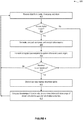
- Figure 4 is a flow diagram of method steps for performing data reconciliation for a data store node in a distributed data store system, according to various embodiments of the present invention.
- the method steps are described with reference to the systems of Figures 1-3 , persons skilled in the art will understand that any system configured to implement the method steps, in any order, falls within the scope of the present invention.
- the method 400 describes the operation of the single data store node 132(1) included in the data store cluster 130(1). However, generally, all the data store nodes 132 included in the all the data store clusters 130 implement the method steps described in the method 400.
- a method 400 begins at step 402, where the data store node 132(1) receives data from the client nodes 122.
- the data store reconciliation engine 250 that executes on the data store node 132(1) timestamps the data.
- the data store reconciliation engine 250 may timestamp the data in any technically feasible fashion. In some embodiments, to ensure consistency across the distributed data store system 100, the data store reconciliation engine 250 may generate the timestamp based on a centralized clock service.
- the data store node 132(1) then stores the timestamped data in the storage device 236(1). As part of storing the timestamped data, the data store node 132(1) may broadcast the timestamped data to other data store nodes 132 in the data store cluster 132(1) and in other data store clusters 132.
- the data store reconciliation engine 250 determines whether the data store node 132(1) has received a reconciliation trigger.
- the reconciliation trigger may be implemented in any technically feasible fashion.
- the reconciliation trigger may be an externally generated signal.
- the reconciliation trigger may be an internally generated signal that is automatically asserted at a predetermined time. If, at step 404, the data store reconciliation engine 250 determines that the data store node 132(1) has not received a reconciliation trigger, then the method 400 proceeds directly to step 410.
- the data store reconciliation engine 250 determines that the data store node 132(1) has received a reconciliation trigger, then the method 400 proceeds to step 406.
- the data store reconciliation engine 250 generates the data snapshot 380(1).
- the data snapshot 380(1) includes the timestamped data that is stored in the storage device 236(1).
- the data store reconciliation engine 250 may perform any number of preprocessing operation on the data snapshot 380(1).
- the data store reconciliation engine 250 may compact, compress, and encrypt the data snapshot 380(1).
- the data store reconciliation engine 250 transmits the data snapshot 380(1) to the system data reconciliation engine 140.
- the data store reconciliation engine 250 determines whether the data store node 132(1) has received the recommendation 390(1) from the system data reconciliation engine 140. If, at step 410, the data store reconciliation engine 250 determines that the data store node 132(1) has not received the recommendation 390(1) from the system data reconciliation engine 140, then the method 400 returns to step 402, where the data store node 132(1) receives new data from the client nodes 122.
- step 410 the data store reconciliation engine 250 determines that the data store node 132(1) has received the recommendation 390(1) from the system data reconciliation engine 140, then the method 400 proceeds to step 412.
- step 412 the data store reconciliation engine 250 decrypts and decompresses the recommendation 390(1).
- the recommendation 390(1) may not be encrypted and/or decompressed and the data store reconciliation engine 250 may not decrypt and/or decompress the recommendation 390(1).
- the data store reconciliation engine 250 compares the timestamps of the timestamped data included in the recommendation 390(1) to the timestamps of the timestamped data stored in the storage device 236(1).
- the data store reconciliation engine 250 may perform the comparisons in any technically feasible fashion and at any granularity supported by the distributed data store system 100.
- the distributed data store system 100 may implement a key-value data storage paradigm in which values are stored and retrieved via unique keys. Each key may be associated with any amount of memory and may be individually timestamped.
- the data store reconciliation engine 250 may individually compare the timestamp associated with each key in the recommendation 390(1) with the timestamp associated the corresponding key in the storage device 236(1).
- the data store reconciliation engine 250 determines that the associated timestamp in the recommendation 390(1) is not more recent than the associated timestamp in the storage device 236(1), then the data store reconciliation does not update the storage device 236(1). Notably, the data store reconciliation engine 250 discards the timestamp and value associated with the key that are included in the recommendation 390(1). Such a process ensures that client data that the data store node 132(1) stores in the storage device 236(1) while the system data reconciliation engine 140 performs data reconciliation operations is not erroneously overwritten. Any inconsistencies across the distributed data store system 100 that are introduced by such newly received data are resolved in subsequent data reconciliation operations.
- the data store reconciliation engine 250 determines that the associated timestamp in the recommendation 390(1) is more recent than the associated timestamp in the storage device 236(1), then the data store reconciliation engine 250 updates the storage device 236(1). More precisely, the data store reconciliation engine 250 stores the value and timestamp associated with the key and included in the recommendation 390(1) in the storage device 236(1). Such an operation, overwrites the value and timestamp associated with the key that were previously stored in the storage device 236(1). In this fashion, the data store nodes 132 and the system data reconciliation engine 130 ensures that data is consistently stored across the distributed data store system 100.
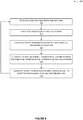
- FIG. 5 is a flow diagram of method steps for generating recommendations for data reconciliation in a distributed data store system, according to various embodiments of the present invention.
- the method steps are described with reference to the systems of Figures 1-3 , persons skilled in the art will understand that any system configured to implement the method steps, in any order, falls within the scope of the present invention.
- any number of the processing nodes 142 included in the system data reconciliation engine 140 may be configured to perform any number of the method steps in any combination. Further, each of the processing nodes 142 may perform any portion of the method steps sequentially, concurrently, or any combination thereof with respect to the other processing nodes 142.
- a method 500 begins at step 502, where the system data reconciliation engine 140 receives the data snapshots 380 from the data store nodes 132. Any number of the processing nodes 142 included in the system data reconciliation engine 140 may each receive any number of the data snapshots 380. For example, in some embodiments, a single processing node 142 may receive all the data snapshots 380 and then distribute the data snapshots 380 to the remaining processing nodes 142 for processing. In other embodiments, multiple processing nodes 142 may each receive a different subset of the data snapshots 380. At step 504, the system data reconciliation engine 140 concurrently decrypts and decompresses the data snapshots 380.
- the system data reconciliation engine 140 compares the timestamps of the timestamped data included in the data snapshots 380 to identify the most recent timestamped data.
- the system data reconciliation engine 140 may perform the comparisons in any technically feasible fashion and at any granularity that is consistent with the data snapshots 380.
- the distributed data store system 100 may implement a key-value data storage paradigm in which values are stored and retrieved via unique keys. Each key may be associated with any amount of memory and may be individually timestamped. In such a key-value implementation, the system data reconciliation engine 140 may individually compare the timestamps associated with each key across all the data snapshots 380 to determine, for each key, the most recent timestamp and corresponding value.
- the system data reconciliation engine 140 compares the timestamps of the timestamped data included in the data snapshot 380 and the timestamps of the most recent timestamped data to identify inconsistencies. In particular, for each of the data snapshots 380, if the system data reconciliation engine 140 determines that any of the most recent timestamped data is more recent than the timestamped data included in the data snapshot 380, then the system data reconciliation engine 140 generates the associated recommendation 390. To minimize the size of each of the recommendations 390, the system data reconciliation engine 140 includes only timestamped data that is more recent than the timestamped data included in the associated data snapshot 380. By contrast, if the system data reconciliation engine 140 determines that all the timestamped data included in a particular data snapshot 380 is consistent with the most recent timestamped data, then the system data reconciliation engine 140 does not generate the associated recommendation 390.
- each of the data snapshots 380 is associated with one of the data store nodes 132 and, therefore, each of the recommendations 390 is associated with one of the data store nodes 132.
- the system data reconciliation engine 140 compacts, encrypts, and transmits the recommendation 390 to the associated data store node 132.
- the system data reconciliation engine 140 may transmit the recommendation 390 without compacting the recommendation 290.
- the data store nodes 132 may then process the recommendations 390 in any technically feasible fashion that increases the consistency of the timestamped data stored across the distributed data store system 100.
- the disclosed techniques may be used to efficiently perform data reconciliation in a distributed data store system.
- the distributed data store system includes multiple data store clusters, and each data store cluster includes data store nodes that read data from and write data to associated storage devices.
- each data store node receives data from a client, the data store node timestamps the data and stores the timestamped data in the associated storage device.
- each data store node Upon receiving a data reconciliation trigger, each data store node creates a data snapshot of the timestamped data currently stored in the associated storage device.
- Each data store node compacts, compresses, and encrypts the associated data snapshot and then securely transmits the encrypted data snapshot to a system data processing engine.
- the system data reconciliation engine receives the encrypted data snapshots from all the data store nodes included in the distributed data store. Processing nodes included in the system data reconciliation engine concurrently process the encrypted data snapshots. More specifically, the processing nodes work together to decrypt, decompress, and analyze the encrypted data snapshots to determine the most recent timestamped data. After determining the most recent timestamped data, for each data snapshot, the system data reconciliation engine creates a recommendation that includes the most recent timestamped data that is not included in the data snapshot. For each recommendation, the system data processing engine compresses and encrypts the recommendation and then securely transmits the encrypted recommendation to the data store node that provided the data snapshot associated with the recommendation.
- Each data store node that receives a recommendation compares the timestamped data included in the recommendation to the timestamped data stored in the associated storage device. If the timestamp of any particular portion of data included in the recommendation is more recent than the corresponding portion of data stored in the associated storage device, then the data store node updates the portion of stored data. More specifically, the data store node replaces stale data included in the associated storage device with the up-to-date data included in the recommendation. By contrast, if the timestamp of any particular portion of data included in the recommendation is not more recent than the corresponding stored data, then the node discards the portion of data included in the recommendation. In this fashion, the data store nodes may continue respond to client requests while the system data reconciliation engine is performing reconciliation operations without jeopardizing any newly received client data.
- the distributed data store system offloads many of the data reconciliation operations from the data store clusters to the system data reconciliation engine, the overall performance of the distributed data store system is optimized. More precisely, since the portion of the data reconciliation process that consumes data store node resources (e.g., memory bandwidth, memory, processing capability associated with the data store nodes) is minimized, the amount of data store node resources available to process client requests is maximized. Consequently, the volume of data that the distributed data store system may access with acceptable response times may dramatically exceed the volume of data that a conventional distributed data store system can typically access with acceptable response times.
- data store node resources e.g., memory bandwidth, memory, processing capability associated with the data store nodes
- aspects of the present embodiments may be embodied as a system, method or computer program product. Accordingly, aspects of the present disclosure may take the form of an entirely hardware embodiment, an entirely software embodiment (including firmware, resident software, micro-code, etc.) or an embodiment combining software and hardware aspects that may all generally be referred to herein as a "circuit,” “module” or “system.” Furthermore, aspects of the present disclosure may take the form of a computer program product embodied in one or more computer readable medium(s) having computer readable program code embodied thereon.
- the computer readable medium may be a computer readable signal medium or a computer readable storage medium.
- a computer readable storage medium may be, for example, but not limited to, an electronic, magnetic, optical, electromagnetic, infrared, or semiconductor system, apparatus, or device, or any suitable combination of the foregoing.
- a computer readable storage medium may be any tangible medium that can contain, or store a program for use by or in connection with an instruction execution system, apparatus, or device.
- each block in the flowchart or block diagrams may represent a module, segment, or portion of code, which comprises one or more executable instructions for implementing the specified logical function(s).
- the functions noted in the block may occur out of the order noted in the figures. For example, two blocks shown in succession may, in fact, be executed substantially concurrently, or the blocks may sometimes be executed in the reverse order, depending upon the functionality involved.
Landscapes
- Engineering & Computer Science (AREA)
- Theoretical Computer Science (AREA)
- General Engineering & Computer Science (AREA)
- General Physics & Mathematics (AREA)
- Physics & Mathematics (AREA)
- Databases & Information Systems (AREA)
- Data Mining & Analysis (AREA)
- Computer Security & Cryptography (AREA)
- Computing Systems (AREA)
- Signal Processing (AREA)
- Computer Networks & Wireless Communication (AREA)
- Computer Hardware Design (AREA)
- Quality & Reliability (AREA)
- Information Retrieval, Db Structures And Fs Structures Therefor (AREA)
Applications Claiming Priority (2)
| Application Number | Priority Date | Filing Date | Title |
|---|---|---|---|
| US14/987,649 US11789926B2 (en) | 2016-01-04 | 2016-01-04 | Techniques for performing data reconciliation in distributed data store systems |
| PCT/US2017/012214 WO2017120257A1 (en) | 2016-01-04 | 2017-01-04 | Techniques for performing data reconciliation in distributed data store systems |
Publications (2)
| Publication Number | Publication Date |
|---|---|
| EP3400542A1 EP3400542A1 (en) | 2018-11-14 |
| EP3400542B1 true EP3400542B1 (en) | 2021-11-17 |
Family
ID=57861288
Family Applications (1)
| Application Number | Title | Priority Date | Filing Date |
|---|---|---|---|
| EP17701016.2A Active EP3400542B1 (en) | 2016-01-04 | 2017-01-04 | Techniques for performing data reconciliation in distributed data store systems |
Country Status (7)
| Country | Link |
|---|---|
| US (1) | US11789926B2 (da) |
| EP (1) | EP3400542B1 (da) |
| CN (1) | CN108701156B (da) |
| AU (2) | AU2017205975A1 (da) |
| DK (1) | DK3400542T3 (da) |
| MX (1) | MX2018008318A (da) |
| WO (1) | WO2017120257A1 (da) |
Families Citing this family (15)
| Publication number | Priority date | Publication date | Assignee | Title |
|---|---|---|---|---|
| US10033827B2 (en) * | 2016-06-08 | 2018-07-24 | Microsoft Technology Licensing, Llc | Scalable management of composite data collected with varied identifiers |
| US10165077B2 (en) * | 2016-06-08 | 2018-12-25 | Microsoft Technology Licensing, Llc | Cache management in a composite data environment |
| US10331523B2 (en) | 2017-04-04 | 2019-06-25 | International Business Machines Corporation | Recovering a failed clustered system using configuration data fragments |
| US10824612B2 (en) | 2017-08-21 | 2020-11-03 | Western Digital Technologies, Inc. | Key ticketing system with lock-free concurrency and versioning |
| US11210212B2 (en) * | 2017-08-21 | 2021-12-28 | Western Digital Technologies, Inc. | Conflict resolution and garbage collection in distributed databases |
| US11055266B2 (en) | 2017-08-21 | 2021-07-06 | Western Digital Technologies, Inc. | Efficient key data store entry traversal and result generation |
| US11210211B2 (en) | 2017-08-21 | 2021-12-28 | Western Digital Technologies, Inc. | Key data store garbage collection and multipart object management |
| US11520905B2 (en) * | 2019-11-20 | 2022-12-06 | Kyndryl, Inc. | Smart data protection |
| US11892975B1 (en) * | 2021-09-30 | 2024-02-06 | Amazon Technologies, Inc. | Asynchronous consistent snapshots in a distributed system |
| US12248445B2 (en) * | 2022-09-08 | 2025-03-11 | Jpmorgan Chase Bank, N.A. | Method and system for providing data quality capability within distributed data lakes |
| US11907205B1 (en) * | 2023-01-23 | 2024-02-20 | Intuit, Inc. | Generic parity solution for highly dynamic sources |
| US12299000B2 (en) | 2023-03-16 | 2025-05-13 | Bank Of America Corporation | Data reconciliation system and method |
| US11809915B1 (en) | 2023-04-05 | 2023-11-07 | Sas Institute Inc. | Parallel processing techniques for expediting reconciliation for a hierarchy of forecasts on a computer system |
| CN116644802A (zh) * | 2023-07-19 | 2023-08-25 | 支付宝(杭州)信息技术有限公司 | 模型训练方法及装置 |
| US20250077241A1 (en) * | 2023-09-06 | 2025-03-06 | Dell Products L.P. | Generating executable tasks from non-executable text files |
Family Cites Families (5)
| Publication number | Priority date | Publication date | Assignee | Title |
|---|---|---|---|---|
| JPH06324928A (ja) * | 1993-05-14 | 1994-11-25 | Mitsubishi Electric Corp | ログ生成装置とファイルの異なるバージョンの調停のための装置及び異なる場所にあるコンピュータファイルの異なるバージョンを調停するための装置 |
| US20070106771A1 (en) * | 2005-11-10 | 2007-05-10 | International Business Machines Corporation | Reconciliation of independently updated distributed data |
| CN102054035B (zh) | 2010-12-29 | 2013-01-02 | 北京播思软件技术有限公司 | 一种基于数据范围的数据库数据同步方法 |
| US10423481B2 (en) * | 2014-03-14 | 2019-09-24 | Cisco Technology, Inc. | Reconciling redundant copies of media content |
| CN103870602B (zh) | 2014-04-03 | 2017-05-31 | 中国科学院地理科学与资源研究所 | 数据库空间分片复制方法及系统 |
-
2016
- 2016-01-04 US US14/987,649 patent/US11789926B2/en active Active
-
2017
- 2017-01-04 MX MX2018008318A patent/MX2018008318A/es unknown
- 2017-01-04 EP EP17701016.2A patent/EP3400542B1/en active Active
- 2017-01-04 DK DK17701016.2T patent/DK3400542T3/da active
- 2017-01-04 AU AU2017205975A patent/AU2017205975A1/en not_active Abandoned
- 2017-01-04 WO PCT/US2017/012214 patent/WO2017120257A1/en not_active Ceased
- 2017-01-04 CN CN201780013678.5A patent/CN108701156B/zh active Active
-
2020
- 2020-04-17 AU AU2020202621A patent/AU2020202621B2/en active Active
Non-Patent Citations (1)
| Title |
|---|
| None * |
Also Published As
| Publication number | Publication date |
|---|---|
| WO2017120257A1 (en) | 2017-07-13 |
| CN108701156B (zh) | 2022-08-23 |
| MX2018008318A (es) | 2019-02-25 |
| DK3400542T3 (da) | 2022-01-03 |
| CN108701156A (zh) | 2018-10-23 |
| AU2020202621B2 (en) | 2021-10-28 |
| AU2017205975A1 (en) | 2018-07-19 |
| EP3400542A1 (en) | 2018-11-14 |
| US20170193031A1 (en) | 2017-07-06 |
| AU2020202621A1 (en) | 2020-05-14 |
| US11789926B2 (en) | 2023-10-17 |
Similar Documents
| Publication | Publication Date | Title |
|---|---|---|
| AU2020202621B2 (en) | Techniques for performing data reconciliation in distributed data store systems | |
| US12517661B2 (en) | Gateway for cloud-based secure storage | |
| US8838968B2 (en) | System and method for virtual machine data protection in a public cloud | |
| US10719260B2 (en) | Techniques for storing and retrieving data from a computing device | |
| US9495252B2 (en) | Continuous data backup using real time delta storage | |
| US8959054B1 (en) | Methods and apparatus for optimal journaling for continuous data replication | |
| CN112955874A (zh) | 在使用区块链的机器学习的去中心化模型构建中进行自修复的系统及方法 | |
| US20100100587A1 (en) | Systems and methods for a data management recovery in a peer-to-peer network | |
| CN111090645A (zh) | 基于云存储的数据传输方法、装置及计算机设备 | |
| CN105120003A (zh) | 一种实现云环境下数据备份的方法 | |
| US20220413968A1 (en) | Devices and methods for fast backup | |
| US10346074B2 (en) | Method of compressing parity data upon writing | |
| US10503737B1 (en) | Bloom filter partitioning | |
| JP2017538982A (ja) | 記憶システム内のデータ・バックアップのための方法および装置 | |
| US10776210B2 (en) | Restoration of content of a volume | |
| US20190215363A1 (en) | Dynamic pool-based tiering for synchronization storage | |
| CN114201339A (zh) | 边缘数据中心备份 | |
| EP3432131A1 (en) | Storage system of distributed deduplication for internet of things backup in data center and method for achieving the same | |
| CN112653539A (zh) | 一种待存储数据的存储方法、装置以及设备 | |
| CN112115495A (zh) | 可离线云端数据存储方法、系统、计算机设备及存储介质 | |
| CN116991812A (zh) | 文件压缩方法、装置、设备及存储介质 | |
| CN109240849B (zh) | 数据备份方法、装置及用于视频会议系统的多点控制单元 | |
| GB2496258A (en) | Encrypting data objects to back-up | |
| US10983717B1 (en) | Uninterrupted block-based restore using a conditional construction container | |
| US20230177011A1 (en) | Adaptively providing uncompressed and compressed data chunks |
Legal Events
| Date | Code | Title | Description |
|---|---|---|---|
| STAA | Information on the status of an ep patent application or granted ep patent |
Free format text: STATUS: UNKNOWN |
|
| STAA | Information on the status of an ep patent application or granted ep patent |
Free format text: STATUS: THE INTERNATIONAL PUBLICATION HAS BEEN MADE |
|
| PUAI | Public reference made under article 153(3) epc to a published international application that has entered the european phase |
Free format text: ORIGINAL CODE: 0009012 |
|
| STAA | Information on the status of an ep patent application or granted ep patent |
Free format text: STATUS: REQUEST FOR EXAMINATION WAS MADE |
|
| 17P | Request for examination filed |
Effective date: 20180804 |
|
| AK | Designated contracting states |
Kind code of ref document: A1 Designated state(s): AL AT BE BG CH CY CZ DE DK EE ES FI FR GB GR HR HU IE IS IT LI LT LU LV MC MK MT NL NO PL PT RO RS SE SI SK SM TR |
|
| AX | Request for extension of the european patent |
Extension state: BA ME |
|
| DAV | Request for validation of the european patent (deleted) | ||
| DAX | Request for extension of the european patent (deleted) | ||
| STAA | Information on the status of an ep patent application or granted ep patent |
Free format text: STATUS: EXAMINATION IS IN PROGRESS |
|
| 17Q | First examination report despatched |
Effective date: 20190529 |
|
| REG | Reference to a national code |
Ref country code: DE Ref legal event code: R079 Ref document number: 602017049388 Country of ref document: DE Free format text: PREVIOUS MAIN CLASS: G06F0017300000 Ipc: G06F0016178000 |
|
| GRAP | Despatch of communication of intention to grant a patent |
Free format text: ORIGINAL CODE: EPIDOSNIGR1 |
|
| STAA | Information on the status of an ep patent application or granted ep patent |
Free format text: STATUS: GRANT OF PATENT IS INTENDED |
|
| RIC1 | Information provided on ipc code assigned before grant |
Ipc: G06F 16/178 20190101AFI20210608BHEP |
|
| INTG | Intention to grant announced |
Effective date: 20210623 |
|
| GRAS | Grant fee paid |
Free format text: ORIGINAL CODE: EPIDOSNIGR3 |
|
| GRAA | (expected) grant |
Free format text: ORIGINAL CODE: 0009210 |
|
| STAA | Information on the status of an ep patent application or granted ep patent |
Free format text: STATUS: THE PATENT HAS BEEN GRANTED |
|
| AK | Designated contracting states |
Kind code of ref document: B1 Designated state(s): AL AT BE BG CH CY CZ DE DK EE ES FI FR GB GR HR HU IE IS IT LI LT LU LV MC MK MT NL NO PL PT RO RS SE SI SK SM TR |
|
| REG | Reference to a national code |
Ref country code: GB Ref legal event code: FG4D |
|
| REG | Reference to a national code |
Ref country code: IE Ref legal event code: FG4D |
|
| REG | Reference to a national code |
Ref country code: DE Ref legal event code: R096 Ref document number: 602017049388 Country of ref document: DE |
|
| REG | Reference to a national code |
Ref country code: AT Ref legal event code: REF Ref document number: 1448659 Country of ref document: AT Kind code of ref document: T Effective date: 20211215 |
|
| REG | Reference to a national code |
Ref country code: DK Ref legal event code: T3 Effective date: 20211223 |
|
| REG | Reference to a national code |
Ref country code: NL Ref legal event code: FP |
|
| REG | Reference to a national code |
Ref country code: NO Ref legal event code: T2 Effective date: 20211117 |
|
| REG | Reference to a national code |
Ref country code: SE Ref legal event code: TRGR |
|
| REG | Reference to a national code |
Ref country code: LT Ref legal event code: MG9D |
|
| REG | Reference to a national code |
Ref country code: AT Ref legal event code: MK05 Ref document number: 1448659 Country of ref document: AT Kind code of ref document: T Effective date: 20211117 |
|
| PG25 | Lapsed in a contracting state [announced via postgrant information from national office to epo] |
Ref country code: RS Free format text: LAPSE BECAUSE OF FAILURE TO SUBMIT A TRANSLATION OF THE DESCRIPTION OR TO PAY THE FEE WITHIN THE PRESCRIBED TIME-LIMIT Effective date: 20211117 Ref country code: LT Free format text: LAPSE BECAUSE OF FAILURE TO SUBMIT A TRANSLATION OF THE DESCRIPTION OR TO PAY THE FEE WITHIN THE PRESCRIBED TIME-LIMIT Effective date: 20211117 Ref country code: FI Free format text: LAPSE BECAUSE OF FAILURE TO SUBMIT A TRANSLATION OF THE DESCRIPTION OR TO PAY THE FEE WITHIN THE PRESCRIBED TIME-LIMIT Effective date: 20211117 Ref country code: BG Free format text: LAPSE BECAUSE OF FAILURE TO SUBMIT A TRANSLATION OF THE DESCRIPTION OR TO PAY THE FEE WITHIN THE PRESCRIBED TIME-LIMIT Effective date: 20220217 Ref country code: AT Free format text: LAPSE BECAUSE OF FAILURE TO SUBMIT A TRANSLATION OF THE DESCRIPTION OR TO PAY THE FEE WITHIN THE PRESCRIBED TIME-LIMIT Effective date: 20211117 |
|
| PG25 | Lapsed in a contracting state [announced via postgrant information from national office to epo] |
Ref country code: IS Free format text: LAPSE BECAUSE OF FAILURE TO SUBMIT A TRANSLATION OF THE DESCRIPTION OR TO PAY THE FEE WITHIN THE PRESCRIBED TIME-LIMIT Effective date: 20220317 Ref country code: PT Free format text: LAPSE BECAUSE OF FAILURE TO SUBMIT A TRANSLATION OF THE DESCRIPTION OR TO PAY THE FEE WITHIN THE PRESCRIBED TIME-LIMIT Effective date: 20220317 Ref country code: PL Free format text: LAPSE BECAUSE OF FAILURE TO SUBMIT A TRANSLATION OF THE DESCRIPTION OR TO PAY THE FEE WITHIN THE PRESCRIBED TIME-LIMIT Effective date: 20211117 Ref country code: LV Free format text: LAPSE BECAUSE OF FAILURE TO SUBMIT A TRANSLATION OF THE DESCRIPTION OR TO PAY THE FEE WITHIN THE PRESCRIBED TIME-LIMIT Effective date: 20211117 Ref country code: HR Free format text: LAPSE BECAUSE OF FAILURE TO SUBMIT A TRANSLATION OF THE DESCRIPTION OR TO PAY THE FEE WITHIN THE PRESCRIBED TIME-LIMIT Effective date: 20211117 Ref country code: GR Free format text: LAPSE BECAUSE OF FAILURE TO SUBMIT A TRANSLATION OF THE DESCRIPTION OR TO PAY THE FEE WITHIN THE PRESCRIBED TIME-LIMIT Effective date: 20220218 Ref country code: ES Free format text: LAPSE BECAUSE OF FAILURE TO SUBMIT A TRANSLATION OF THE DESCRIPTION OR TO PAY THE FEE WITHIN THE PRESCRIBED TIME-LIMIT Effective date: 20211117 |
|
| PG25 | Lapsed in a contracting state [announced via postgrant information from national office to epo] |
Ref country code: SM Free format text: LAPSE BECAUSE OF FAILURE TO SUBMIT A TRANSLATION OF THE DESCRIPTION OR TO PAY THE FEE WITHIN THE PRESCRIBED TIME-LIMIT Effective date: 20211117 Ref country code: SK Free format text: LAPSE BECAUSE OF FAILURE TO SUBMIT A TRANSLATION OF THE DESCRIPTION OR TO PAY THE FEE WITHIN THE PRESCRIBED TIME-LIMIT Effective date: 20211117 Ref country code: RO Free format text: LAPSE BECAUSE OF FAILURE TO SUBMIT A TRANSLATION OF THE DESCRIPTION OR TO PAY THE FEE WITHIN THE PRESCRIBED TIME-LIMIT Effective date: 20211117 Ref country code: EE Free format text: LAPSE BECAUSE OF FAILURE TO SUBMIT A TRANSLATION OF THE DESCRIPTION OR TO PAY THE FEE WITHIN THE PRESCRIBED TIME-LIMIT Effective date: 20211117 Ref country code: CZ Free format text: LAPSE BECAUSE OF FAILURE TO SUBMIT A TRANSLATION OF THE DESCRIPTION OR TO PAY THE FEE WITHIN THE PRESCRIBED TIME-LIMIT Effective date: 20211117 |
|
| REG | Reference to a national code |
Ref country code: DE Ref legal event code: R097 Ref document number: 602017049388 Country of ref document: DE |
|
| PG25 | Lapsed in a contracting state [announced via postgrant information from national office to epo] |
Ref country code: MC Free format text: LAPSE BECAUSE OF FAILURE TO SUBMIT A TRANSLATION OF THE DESCRIPTION OR TO PAY THE FEE WITHIN THE PRESCRIBED TIME-LIMIT Effective date: 20211117 |
|
| PLBE | No opposition filed within time limit |
Free format text: ORIGINAL CODE: 0009261 |
|
| STAA | Information on the status of an ep patent application or granted ep patent |
Free format text: STATUS: NO OPPOSITION FILED WITHIN TIME LIMIT |
|
| REG | Reference to a national code |
Ref country code: BE Ref legal event code: MM Effective date: 20220131 |
|
| 26N | No opposition filed |
Effective date: 20220818 |
|
| PG25 | Lapsed in a contracting state [announced via postgrant information from national office to epo] |
Ref country code: LU Free format text: LAPSE BECAUSE OF NON-PAYMENT OF DUE FEES Effective date: 20220104 Ref country code: AL Free format text: LAPSE BECAUSE OF FAILURE TO SUBMIT A TRANSLATION OF THE DESCRIPTION OR TO PAY THE FEE WITHIN THE PRESCRIBED TIME-LIMIT Effective date: 20211117 |
|
| PG25 | Lapsed in a contracting state [announced via postgrant information from national office to epo] |
Ref country code: SI Free format text: LAPSE BECAUSE OF FAILURE TO SUBMIT A TRANSLATION OF THE DESCRIPTION OR TO PAY THE FEE WITHIN THE PRESCRIBED TIME-LIMIT Effective date: 20211117 Ref country code: BE Free format text: LAPSE BECAUSE OF NON-PAYMENT OF DUE FEES Effective date: 20220131 |
|
| PG25 | Lapsed in a contracting state [announced via postgrant information from national office to epo] |
Ref country code: IT Free format text: LAPSE BECAUSE OF FAILURE TO SUBMIT A TRANSLATION OF THE DESCRIPTION OR TO PAY THE FEE WITHIN THE PRESCRIBED TIME-LIMIT Effective date: 20211117 |
|
| P01 | Opt-out of the competence of the unified patent court (upc) registered |
Effective date: 20230519 |
|
| PG25 | Lapsed in a contracting state [announced via postgrant information from national office to epo] |
Ref country code: HU Free format text: LAPSE BECAUSE OF FAILURE TO SUBMIT A TRANSLATION OF THE DESCRIPTION OR TO PAY THE FEE WITHIN THE PRESCRIBED TIME-LIMIT; INVALID AB INITIO Effective date: 20170104 |
|
| PG25 | Lapsed in a contracting state [announced via postgrant information from national office to epo] |
Ref country code: MK Free format text: LAPSE BECAUSE OF FAILURE TO SUBMIT A TRANSLATION OF THE DESCRIPTION OR TO PAY THE FEE WITHIN THE PRESCRIBED TIME-LIMIT Effective date: 20211117 Ref country code: CY Free format text: LAPSE BECAUSE OF FAILURE TO SUBMIT A TRANSLATION OF THE DESCRIPTION OR TO PAY THE FEE WITHIN THE PRESCRIBED TIME-LIMIT Effective date: 20211117 |
|
| PG25 | Lapsed in a contracting state [announced via postgrant information from national office to epo] |
Ref country code: MT Free format text: LAPSE BECAUSE OF FAILURE TO SUBMIT A TRANSLATION OF THE DESCRIPTION OR TO PAY THE FEE WITHIN THE PRESCRIBED TIME-LIMIT Effective date: 20211117 |
|
| REG | Reference to a national code |
Ref country code: CH Ref legal event code: U11 Free format text: ST27 STATUS EVENT CODE: U-0-0-U10-U11 (AS PROVIDED BY THE NATIONAL OFFICE) Effective date: 20260201 |
|
| PGFP | Annual fee paid to national office [announced via postgrant information from national office to epo] |
Ref country code: NL Payment date: 20260122 Year of fee payment: 10 |
|
| PGFP | Annual fee paid to national office [announced via postgrant information from national office to epo] |
Ref country code: SE Payment date: 20260126 Year of fee payment: 10 |
|
| PGFP | Annual fee paid to national office [announced via postgrant information from national office to epo] |
Ref country code: GB Payment date: 20260126 Year of fee payment: 10 |
|
| PGFP | Annual fee paid to national office [announced via postgrant information from national office to epo] |
Ref country code: NO Payment date: 20260120 Year of fee payment: 10 Ref country code: DE Payment date: 20260127 Year of fee payment: 10 Ref country code: DK Payment date: 20260123 Year of fee payment: 10 Ref country code: IE Payment date: 20260120 Year of fee payment: 10 |
|
| PGFP | Annual fee paid to national office [announced via postgrant information from national office to epo] |
Ref country code: FR Payment date: 20260127 Year of fee payment: 10 |
|
| PGFP | Annual fee paid to national office [announced via postgrant information from national office to epo] |
Ref country code: TR Payment date: 20260102 Year of fee payment: 10 |
|
| PGFP | Annual fee paid to national office [announced via postgrant information from national office to epo] |
Ref country code: CH Payment date: 20260201 Year of fee payment: 10 |