EP3404948B1 - Zentralisierte selektive anwendungsfreigabe für mobile vorrichtungen - Google Patents
Zentralisierte selektive anwendungsfreigabe für mobile vorrichtungen Download PDFInfo
- Publication number
- EP3404948B1 EP3404948B1 EP18181776.8A EP18181776A EP3404948B1 EP 3404948 B1 EP3404948 B1 EP 3404948B1 EP 18181776 A EP18181776 A EP 18181776A EP 3404948 B1 EP3404948 B1 EP 3404948B1
- Authority
- EP
- European Patent Office
- Prior art keywords
- application
- mobile
- newly installed
- list
- applications
- Prior art date
- Legal status (The legal status is an assumption and is not a legal conclusion. Google has not performed a legal analysis and makes no representation as to the accuracy of the status listed.)
- Active
Links
Images


Classifications
-
- H—ELECTRICITY
- H04—ELECTRIC COMMUNICATION TECHNIQUE
- H04L—TRANSMISSION OF DIGITAL INFORMATION, e.g. TELEGRAPHIC COMMUNICATION
- H04L63/00—Network architectures or network communication protocols for network security
- H04L63/10—Network architectures or network communication protocols for network security for controlling access to devices or network resources
- H04L63/101—Access control lists [ACL]
-
- G—PHYSICS
- G06—COMPUTING OR CALCULATING; COUNTING
- G06F—ELECTRIC DIGITAL DATA PROCESSING
- G06F21/00—Security arrangements for protecting computers, components thereof, programs or data against unauthorised activity
- G06F21/50—Monitoring users, programs or devices to maintain the integrity of platforms, e.g. of processors, firmware or operating systems
-
- G—PHYSICS
- G06—COMPUTING OR CALCULATING; COUNTING
- G06F—ELECTRIC DIGITAL DATA PROCESSING
- G06F21/00—Security arrangements for protecting computers, components thereof, programs or data against unauthorised activity
- G06F21/50—Monitoring users, programs or devices to maintain the integrity of platforms, e.g. of processors, firmware or operating systems
- G06F21/51—Monitoring users, programs or devices to maintain the integrity of platforms, e.g. of processors, firmware or operating systems at application loading time, e.g. accepting, rejecting, starting or inhibiting executable software based on integrity or source reliability
-
- G—PHYSICS
- G06—COMPUTING OR CALCULATING; COUNTING
- G06F—ELECTRIC DIGITAL DATA PROCESSING
- G06F21/00—Security arrangements for protecting computers, components thereof, programs or data against unauthorised activity
- G06F21/50—Monitoring users, programs or devices to maintain the integrity of platforms, e.g. of processors, firmware or operating systems
- G06F21/57—Certifying or maintaining trusted computer platforms, e.g. secure boots or power-downs, version controls, system software checks, secure updates or assessing vulnerabilities
-
- H—ELECTRICITY
- H04—ELECTRIC COMMUNICATION TECHNIQUE
- H04L—TRANSMISSION OF DIGITAL INFORMATION, e.g. TELEGRAPHIC COMMUNICATION
- H04L63/00—Network architectures or network communication protocols for network security
- H04L63/08—Network architectures or network communication protocols for network security for authentication of entities
- H04L63/0876—Network architectures or network communication protocols for network security for authentication of entities based on the identity of the terminal or configuration, e.g. MAC address, hardware or software configuration or device fingerprint
-
- H—ELECTRICITY
- H04—ELECTRIC COMMUNICATION TECHNIQUE
- H04L—TRANSMISSION OF DIGITAL INFORMATION, e.g. TELEGRAPHIC COMMUNICATION
- H04L63/00—Network architectures or network communication protocols for network security
- H04L63/12—Applying verification of the received information
-
- H—ELECTRICITY
- H04—ELECTRIC COMMUNICATION TECHNIQUE
- H04L—TRANSMISSION OF DIGITAL INFORMATION, e.g. TELEGRAPHIC COMMUNICATION
- H04L63/00—Network architectures or network communication protocols for network security
- H04L63/16—Implementing security features at a particular protocol layer
- H04L63/168—Implementing security features at a particular protocol layer above the transport layer
-
- H—ELECTRICITY
- H04—ELECTRIC COMMUNICATION TECHNIQUE
- H04L—TRANSMISSION OF DIGITAL INFORMATION, e.g. TELEGRAPHIC COMMUNICATION
- H04L63/00—Network architectures or network communication protocols for network security
- H04L63/20—Network architectures or network communication protocols for network security for managing network security; network security policies in general
-
- H—ELECTRICITY
- H04—ELECTRIC COMMUNICATION TECHNIQUE
- H04W—WIRELESS COMMUNICATION NETWORKS
- H04W12/00—Security arrangements; Authentication; Protecting privacy or anonymity
- H04W12/10—Integrity
-
- H—ELECTRICITY
- H04—ELECTRIC COMMUNICATION TECHNIQUE
- H04W—WIRELESS COMMUNICATION NETWORKS
- H04W12/00—Security arrangements; Authentication; Protecting privacy or anonymity
- H04W12/30—Security of mobile devices; Security of mobile applications
- H04W12/35—Protecting application or service provisioning, e.g. securing SIM application provisioning
-
- H—ELECTRICITY
- H04—ELECTRIC COMMUNICATION TECHNIQUE
- H04W—WIRELESS COMMUNICATION NETWORKS
- H04W4/00—Services specially adapted for wireless communication networks; Facilities therefor
Definitions
- the present invention relates to computer device security.
- Exploitation of computing devices is an ever increasing problem in today's mobile workforce environment, particularly in an environment where mobile devices are increasingly being used for both work and personal activities. Further, efficient and timely detection of exploited devices is commonly masked, due to various exploitation masking utilities and masking functionality of unauthorized applications present on the exploited device, thereby making management of application installed on mobile devices critically important for modern businesses.
- an administrator approves of applications installed on desktop computers by means of an application whitelist or blacklist.
- onboard/local memory and associated local processors of the desktop computer are involved using a copy of the blacklist and/or whitelist itself residing in the local memory of the desktop computer.
- the blacklist and/or whitelist list is stored and interrogated locally when a comparison is done against desktop installed applications to determine whether an application is approved or not.
- the application of heuristics scanning can be used on desktop computers to discover malwares.
- whitelists usage the application whitelist is distributed to desktop devices that are being administered and then stored in local memory of the desktop device. This model has worked well on desktop computers because business-dedicated desktop machines do not need extensive whitelists because the number of approved applications for the typical business enterprise can be limited and controlled. Further, business-dedicated desktop machines in an enterprise can be characterized by the lack of variations, thus there is no need to keep track of per desktop device application blacklist / whitelist. Further, desktop computers have the computation power, local storage capacity, network bandwidth and power capacity (e.g. line power) to perform application authorization by means of application whitelists / blacklists. However, in the case of mobile devices, the ability to use extensive and comprehensive application whitelist / blacklists can be limited by battery life, computational power, local storage capacity, and metered mobile network bandwidth.
- desktop computers In terms of heuristics scanning, business enterprises make use of heuristics scanning for desktop computers, as there can be many variations of malwares making heuristics scanning necessary.
- desktop computers have the computation power, network bandwidth and battery capacity to perform heuristics scanning.
- Desktop computers also usually are equipped with unmetered network bandwidth and sufficient local storage capacity to make use of long and extensive application whitelists / blacklists when necessary.
- WO2012/027588 discloses a method for preventing malware, spyware and other undesirable applications from affecting mobile communication devices.
- a mobile communication device uses a server to assist in identifying and removing undesirable applications.
- a device transmits information about the application to a server for analysis.
- the server receives the information, produces an assessment for the application, and transmits the assessment to the device.
- at least one occurrence of an application installation event may be detected on a computing device.
- an application corresponding to the at least one occurrence of the application installation event may be identified. Subsequently, it may be determined whether the identified application is approved for use on the computing device.
- WO2014/017118 a control module detects an installation request for an application program, and transmits, prior to execution of the installation, install event information including an application name to a management module.
- the management module notifies the install event information to a determination program, and transmits to the control module a determination result indicative of permission or prohibition of the installation.
- WO2014/055354 discloses receiving a first request to install an application package, receiving and/or capturing metadata related to the application package, communicating a second request to a remote server, such that the remote server can determine whether the application package can be authorized, receiving a response from the remote server, and initiating installation of the application package based on the received response.
- US7,694,296 discloses amending an uninstall instructions file to include an attribute and at least one pre-selected uninstall condition; detecting an attempt to open the uninstall instructions file; checking the uninstall instructions file for presence of the attribute; determining whether the at least one condition is satisfied; and aborting the uninstall when at least one condition is not satisfied.
- An object of the present invention is to provide a mobile device application approval method and system to obviate or mitigate at least one of the above-presented disadvantages.
- a first aspect provided is a method according to claim 1.
- a second aspect provided is a non-transitory computer-readable medium according to claim 8.
- a third aspect provided is a mobile device according to claim 9.
- the claimed invention can be implemented in numerous ways, including as a process; an apparatus; a system; a composition of matter; a computer program product embodied on a computer readable storage medium; and/or a processor, such as a processor configured to execute instructions stored on and/or provided by a memory coupled to the processor.
- these implementations, or any other form that the invention may take, may be referred to as techniques.
- the order of the steps of disclosed processes may be altered within the scope of the claimed invention.
- a component such as a processor or a memory described as being configured to perform a task may be implemented as a general component that is temporarily configured to perform the task at a given time or a specific component that is manufactured to perform the task.
- the term "processor" refers to one or more devices, circuits, and/or processing cores configured to process data, such as computer program instructions.
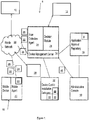
- server-side application whitelists 9 providing a list of mobile applications (e.g. selected executable programs and/or applicable software libraries (DLLs)) allowed for installation (or disallowed for removal) on mobile devices 10 (i.e. mobile device to be managed), and/or application blacklists 9 providing a list of mobile applications restricted for installation on mobile devices 10 and can also provide for required applications that should be installed/present on mobile device 10 and therefore are not authorized for removal once approved of and installed via a mobile device administrator via a device management server 14.
- Mobile devices 10 are in communication with the device management server 14 of a business enterprise 12 associated with mobile devices 10.
- device management server 14 can be a third party server in communication with business enterprise 12 or can be administered directly by business enterprise 12.
- Advantages of environment 8, as further discussed below, can include: reduced or eliminated transferring of application blacklists 9 and whitelists 9, hereafter referred to collectively as application authorization lists 9, beyond what is used by mobile devices; and/or limiting or otherwise eliminating storing individual complete application authorization lists 9 locally in onboard storage of mobile devices 10. It is recognize that a subset of application whitelist 9 is a "required" list of mobile applications, which is used to inform mobile agent 20 by decision module 28 to disallow un-installation or removal of the "required” application.
- remote memory and associated processors of device management server 14 are involved using stored application blacklist and/or whitelist 9 residing in remote memory (i.e. geographically remote from the mobile device 10 and as such any interaction between the device management server 14 and mobile device 10 occurs via network 36) of device management server 14.
- application blacklist and/or whitelist list 9 is stored remote from mobile device 10 and is interrogated locally by device management server 14 when a comparison is done against mobile device 10 application changes (e.g. installed or removed) to determine whether a mobile application installation/removal is approved or not.
- messaging 26, 30, 34 between device management server 14 and mobile device 10 can be implemented via a wired connection when mobile device 10 is tethered (via a physical tether) to device management server 14 directly or indirectly via an intermediate network device such as a desktop computer present on the wired network.
- mobile device 10 could be connected to a desktop device via a USB port of the desktop device.
- any messages 26, 30, 34 would be communicated between tethered mobile device 10 and device management server 14 via USB tether and intermediate desktop device.
- the network 36 connection used for communications 26, 30, 34 would be network connection 36 between desktop device and device management server 14 rather than between device management server 14 and mobile device 10.
- the application change confirmation event can refer to confirming (via comparison of application against the remote application list 9 by decision module 28 in communication with mobile agent 20) if a newly installed mobile application is authorized for installation (in whole or in part) on mobile device infrastructure.
- the application change confirmation event can refer to confirming (via comparison of application against the remote application list 9 by decision module 28 in communication with mobile agent 20) if a previously installed mobile application is authorized for continuing installation (in whole or in part) on mobile device infrastructure.
- the application change confirmation event can refer to confirming (via comparison of application against the remote application list 9 by decision module 28 in communication with mobile agent 20) if a mobile application is authorized for removal (in whole or in part) from mobile device infrastructure.
- the application change confirmation event can refer to confirming (via comparison of application against the remote application list 9 by decision module 28 in communication with mobile agent 20) if an about to be installed mobile application is authorized for installation (in whole or in part) on mobile device infrastructure.
- the process of application quarantining or disabling can also refer to any variation of the concept of "pending approval" of an application that the user wishes to install/update on mobile device infrastructure 23.
- mobile agent 20 simply does not allow the user (via the user interface 27) and/or device infrastructure 23 to install the application based on instructions received via the user interface 27 (or other third party agent in local memory or remote acceded over the network 36) but sends the request message to device management server 14 to get this application approved before installation as an executable application on device infrastructure.
- the application change confirmation event can refer to confirming (via comparison of application against the remote application list 9 by decision module 28 in communication with mobile agent 20) if an already installed mobile application is authorized for continuing installation (in whole or in part) on mobile device infrastructure 23. For example, in this case installation and possible execution by device infrastructure 23 is permitted (or otherwise not restricted) by mobile agent 20 but then mobile agent 20 contacts decision module 28 asking for application authorization, as discussed herein. If the return decision from decision module 28 is "not approved", then mobile agent 20 can take steps to remove (or disable) the installed application as discussed herein. Alternatively, the already installed and executed application can be disabled (e.g. as discussed herein) before, during, and/or after contacting decision module 28 by mobile agent 20.
- the application change confirmation event can be used to confirm the presence of a portion of a mobile application with respect to device infrastructure of mobile device 10 being interrogated by decision module 28 and/or mobile agent 20.
- the application change confirmation event can be used to confirm the presence of all of a mobile application with respect to device infrastructure of mobile device 10 being interrogated by decision module 28 and/or mobile agent 20.
- the application change confirmation event can be used to confirm the absence of a portion of a mobile application with respect to device infrastructure of mobile device 10 being interrogated by decision module 28 and/or mobile agent 20.
- the application change confirmation event can be used to confirm the absence of all of a mobile application with respect to device infrastructure of mobile device 10 being interrogated by decision module 28 and/or mobile agent 20.
- operation of device management server 14 in conjunction with a mobile agent 20 can provide for: identification of specific mobile program executables and/or software libraries which should be permitted to execute on a given mobile device 10 system; inhibiting any other mobile executables and/or software libraries from functioning on that mobile device 10 system; inhibiting mobile device users from being able to change which authorized files (e.g. program executable and/or software libraries) can be executed on the mobile device system; installation and un-installation or removal of entire software applications from device infrastructure of mobile device 10, such as installation of software application if the application is on the required list (e.g.
- application whitelist 9 and/or un-installation of software application if the application is on application blacklist 9; disallowing un-installation of software applications if application whitelist 9 comes with a flag indicating that the mobile application is required and should be present and installed on device infrastructure; installation or removal installation of whole or part of mobile applications, e.g. in Android an application can be split into different parts and as such individual parts can also be enabled, disabled based on a server-side application authorization list 9; and/or device management server 14 can receive real-time events as software applications (or component parts thereof) are being installed and/or removed and/or enabled and/or disabled as identified and reported by mobile agent 20.
- device management server 14 e.g. decision module 28
- device management server 14 can be configured to provide installation authorization or rejection decisions based on reporting for installation (or removal events) from mobile agent 20, as reported via network 36 as further described below.
- environment 8 can include an Administrative Console 16 configured as a frontend component that lets a mobile device administrator (not shown) alter approval status of mobile applications contained in the application authorization lists 9.
- An Application Approval Repository 18 keeps track of mobile applications and their approval status as per the application authorization lists 9.
- the application information associated with the application authorization list(s) 9 can include the identification of a software application or components, for example a software application can be identified by its native id, version, and/or a cryptographically calculated hash of (whole or part of) the application payload.
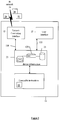
- Each mobile device 10 is configured with Mobile Agent 20 for managing content of an installed application list 22, containing identification of all mobile applications presently installed (and/or removed) on mobile device 10, for reporting to a Scan Collection Agent 24 of the server 14, and for acting on authorization results 26 communicated to mobile device 10 from a Decision Module 28 based on an initial application change (e.g. install or remove) request 30. It is also recognized that a required status can be sent to device 10 at the time of sending the authorization results 26, thereby facilitating that a required list 9 can be a sublist of the whitelist. As such, the required list 9 can be a list of applications defined as required to be present and installed on device infrastructure 23.
- Device management server 14 can be configured individually or as a combination of scan collection agent 24 and decision module 28.
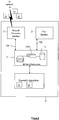
- Scan collection agent 24 is configured to collect installed application lists 22 from each mobile agent 20 of each mobile device 10 administered by device management server 14 and to keep a device-centric installation database 32 up-to-date.
- the installed (and/or removed) application list 22 for each of mobile devices 10 can be periodically collected by scan collection agent 24 in connection with mobile agent 20 as well as updated when changes are detected by the mobile agent 20.
- Decision module 28 is configured to make decisions on how to respond to application change request 30, based on the contents of device-centric installation database 32 and/or application approval repository 18.
- Device-centric installation database 32 provides to device management server 14 (e.g. via decision module 28) knowledge about what mobile applications and/or software libraries are installed (and/or are absent or removed) on the mobile devices 10 administered by device management server 14.
- Application Approval Repository 18 keeps track of mobile applications and/or software libraries and their approval status as per the application authorization lists 9, such that the content of application approval lists 9 is a combination of all application lists 22 periodically collected (e.g. received or otherwise transmitted) from each mobile agent 20 of each of mobile devices 10 of environment 8. It is recognized that device-centric installation database 32 and application approval repository 18 can be the same storage or different storages. Further, it is recognized that device-centric installation database 32 and associated application list 22 can be optional in environment 8.
- Mobile Network 36 represents one or more communication channels between mobile agents 20 and device management server 14.
- mobile agents 20 are in a client-server relationship with device management server 14.
- Mobile device 10 can be a computing device 10 employed by a device user (e.g. a personal computing device). Examples of the device 10 can include such as but not limited to: a mobile device; a smart phone, a wireless phone; a PDA; a tablet; and/or other handheld computer device that is connected to the network 36 via a wireless connection.
- the network 36 can include wired and/or wireless network segments/routes, depending on how mobile device 10 is configured to interact with device management server 14 (e.g. tethered and/or untethered).
- any or all of device management servers 14 can be enterprise servers.
- device management servers 14 can be represented by physical computer devices (e.g. a configured computer hardware system) dedicated to run one or more services (e.g. as a host of the services) to serve the needs of the users of mobile devices 10 (and application(s) - e.g. mobile agent 20 - affiliated with respective server 14) on the network 36.
- server 14 could be a database server, file server, mail server, print server, web server, gaming server, or some other kind of server.
- server 14 can be defined as a computer program running to serve the requests of other programs, the "clients".
- the "server” performs some computational task (including data access to data accessible via the server 14 - e.g. in server storage 18, 32) on behalf of "clients".
- the clients coordinating mobile device 10 access and communication with server 14
- server 14 capable of acting as a network server for device 10 can contain features (e.g. hardware, software, network connectivity) making server 14 more suitable for production environments over the features of the device 10. These features can include a faster CPU, increased high-performance RAM, and increased storage capacity in the form of a larger or multiple hard drives, as compared to such features typically had by personal devices 10. Servers 14 can also have reliability, availability and serviceability (RAS) and fault tolerance features, such as redundancy in power supplies, storage (as in RAID), and network 36 connections.
- RAS reliability, availability and serviceability
- fault tolerance features such as redundancy in power supplies, storage (as in RAID), and network 36 connections.
- the communications network 36 comprises a wide area network such as the Internet, however the network 36 may also comprise one or more local area networks 36, one or more wide area networks, or a combination thereof. Further, the network 36 need not be a land-based network, but instead may comprise a wireless network and/or a hybrid of a land-based network and a wireless network for enhanced communications flexibility.
- the communications network 36 is used to facilitate network interaction between devices 10 and server 14.
- the communications network 36 is used to facilitate network interaction between server 14 and storages 18, 32 (when configured remotely). In terms of communications (e.g. 26,30,34) on network 36, these communications can be between the computer devices (e.g. device 10 and device 14) consisting of addressable network packages following a network communication protocol (e.g.
- TCPIP Transmission Control Protocol
- the communications can include application and/or software library identification information (and authorization information thereof) communicated using appropriate predefined encryption as used between device 10 infrastructure and a secure enterprise mobile services gateway or server (e.g. remote computer device 14).
- a secure enterprise mobile services gateway or server e.g. remote computer device 14
- the application and/or software library identification information (and authorization information thereof) is representative of application installation control for applications and/or software library installed and executable on mobile device 10.
- mobile devices 10 may not be always have stable network connections, and thus may be connected to network 36 acting as an untrusted or unsecured network (e.g. WiFi hotspot, hostile 3G network).
- network 36 acting as an untrusted or unsecured network (e.g. WiFi hotspot, hostile 3G network).
- mobile agent 20 identifies via an operating system of mobile device 10 that the application was changed (e.g. installed or removed) for subsequent execution on mobile application 10 by device infrastructure 23 (see Figure 3 ).
- application change e.g. install or remove such as downloading from a file repository, for example Google TM play store or Apple TM app store
- update e.g. new application version
- mobile agent 20 identifies via an operating system of mobile device 10 that the application was changed (e.g. installed or removed) for subsequent execution on mobile application 10 by device infrastructure 23 (see Figure 3 ).
- mobile agent 20 could be operating in the background on mobile device 10 listening for an application change event as processed by the operating system of device infrastructure 23.
- mobile agent 20 first disables the newly installed application (e.g. executable application), once identified, so that the newly installed application cannot be run or visible (application is said to be quarantined) by device infrastructure 23, and sends application approval request 30 to device management server 14 containing identification information about the newly-installed application.
- the newly installed application could be disabled after installation before being run/executed for the first time by device infrastructure 23.
- mobile agent 20 first identifies the newly removed application (e.g. executable application) by device infrastructure 23, and sends application approval request 30 to device management server 14 containing identification information about the removed application. As such, application removal may already have taken place and therefore approval request 30 may be optional.
- update information 36 can be sent to server 14 by mobile device 10 for informational purposes as stored in list(s) 9, 22, as desired.
- One example means for disabling (i.e. not allowing user of the mobile device 10 to access and execute) of the newly installed application is for mobile agent to move storage of the newly installed application to a quarantine storage location (e.g. selected quarantine directory) of device infrastructure 23 that is separate from storage locations of already authorized (and thus currently executable) applications installed on the device infrastructure 23 of mobile device 10.
- Another example means for disabling is by mobile agent 20 to disable or otherwise redirect a system of function call associated with the newly installed application, such that mobile agent 20 would not allow the system of function call issued by the operating system of the device infrastructure 2 to be received by the newly installed application.
- Another example means is by mobile agent 20 to disable operation or otherwise hide (e.g.
- a user interface 27 icon (see Figure 3 ) associated with the newly installed application, such that mobile agent 20 would not allow the user of mobile device 10 to operate the icon and thus generate a system of function call for receipt by the newly installed application.
- Another example means for disabling is by mobile agent 20 to create a hook for the operating system of device infrastructure 23 into mobile agent 20 immediately before executing the installed application. The mobile agent 20 would then deny the running of the installed application by telling the operating system that it is not allowed as a return result of that hook.
- Another example means for disabling is by mobile agent 20 is to detect the immediate execution of the software component of installed application, but place a blocking screen on top so user interface 27 (see Figure 3 ) of the installed application cannot be accessed by the user via the user interface 27.
- this disabling means example is performed while at least a part of the installed application is executed by device infrastructure 23. Further, for example, this disabling means can be used for blacklisting of non-malware applications installed on device infrastructure 23.
- the identification information of application approval request 30 could contain application name, application version, and location of application install (e.g. directory) in device infrastructure 23.
- the purpose of the identification information contents is to contain enough information such that decision module 28 can uniquely identify the changed (e.g. installed or removed) application.
- One example form of the identification information is a hash value representing the newly installed application, which can be obtained (e.g. by decision module 28) by performing a binary scan of the changed (e.g. installed or removed) application.
- hashing is the transformation of a string of characters uniquely representative of the changed (e.g. installed or removed) application into a usually shorter fixed-length value or key that represents the original string. For example, only the application characters for application name, application version, and location of application install (e.g. directory) in device infrastructure 23 could be hashed.
- the changed (e.g. installed) application at this stage could appear as if it had not been installed, except that mobile agent 20 could notify the user via user interface 27 with a message saying that the newly installed application is put under quarantine until further notice.
- decision module 28 receives request 30 and interrogates application approval repository 18 to determine if the application identification information of the request 30 matches one of the applications contained in the authorization application list 9. For example, if authorization application list 9 is a whitelist and there is a match then decision module 28 sends application decision 26 back to mobile agent 20 indicating that the newly installed application is authorized. For example, if authorization application list 9 is a whitelist and there is no match then decision module 28 sends application decision 26 back to mobile agent 20 indicating that the newly installed application is not authorized. For example, if authorization application list 9 is a blacklist and there is a match then decision module 28 sends application decision 26 back to mobile agent 20 indicating that the newly installed application is not authorized.
- authorization application list 9 is a blacklist and there is no match then decision module 28 sends application decision 26 back to mobile agent 20 indicating that the newly installed application is authorized.
- the decision module 28 can send a review request 40 to administration console 16 asking for confirmation of authorization or restriction for the newly installed application.
- application decision 26 either contains an authorization instruction, a restriction or non-authorization instruction, or a pending instruction or a required instruction back to mobile agent 20.
- an alert email could be optionally sent to administrator console 16 and/or through electronic mail.
- decision module 28 receives request 30 and interrogates application approval repository 18 to determine if the application identification information of the request 30 matches one of the applications contained in the authorization application list 9. For example, if authorization application list 9 is a whitelist and there is a match then decision module 28 sends application decision 26 back to mobile agent 20 indicating that the removed application is not authorized. For example, if authorization application list 9 is a whitelist and there is no match then decision module 28 sends application decision 26 back to mobile agent 20 indicating that the newly removed application is authorized. For example, if authorization application list 9 is a blacklist and there is a match then decision module 28 sends application decision 26 back to mobile agent 20 indicating that the newly removed application is authorized.
- authorization application list 9 is a blacklist and there is no match then decision module 28 sends application decision 26 back to mobile agent 20 indicating that the newly removed application is authorized.
- the decision module 28 can send a review request 40 to administration console 16 asking for confirmation of authorization or restriction for the newly removed application.
- application decision 26 either contains an authorization instruction, a restriction or non-authorization instruction, or a pending instruction back to mobile agent 20. Also, it is recognized that as newly removed application is detected to be not in the application approval list 9, an alert email could be optionally sent to administrator console 16.
- decision module 28 receives request 30 and interrogates application approval repository 18 to determine if the application identification information of the request 30 matches one of the applications contained in the authorization application list 9. For example, if authorization application list 9 is a required list and there is a match then decision module 28 sends application decision 26 back to mobile agent 20 indicating that the removed application is not authorized. For example, if authorization application list 9 is a required list and there is no match then decision module 28 sends application decision 26 back to mobile agent 20 indicating that the newly removed application is authorized. For example, if authorization application list 9 is a blacklist and there is a match then decision module 28 sends application decision 26 back to mobile agent 20 indicating that the newly removed application is authorized.
- authorization application list 9 is a blacklist and there is no match then decision module 28 sends application decision 26 back to mobile agent 20 indicating that the newly removed application is authorized.
- the decision module 28 can send a review request 40 to administration console 16 asking for confirmation of authorization or restriction for the newly removed application.
- application decision 26 either contains an authorization instruction, a restriction or non-authorization instruction, or a pending instruction or required instruction back to mobile agent 20.
- an alert email could be optionally sent to administrator console 16 or via electronic mail.
- the required list content can contain lists of applications of which it is decided by the administrator that such required applications must be present (e.g. installed and executable) on device infrastructure 23.
- comparison of the changed application against the application authorization list(s) 9 via the decision module 28 can be done for either or both application installation or removal events for applications on device infrastructure 23 of mobile device 10.
- mobile agent receives application decision 26 and acts on the contained application decision instructions. For example, if the application instruction in question is "pending", the newly installed application will remain disabled and quarantined. If the application instruction in question is "approved”, the newly installed application will be reenabled (e.g. disabling mechanism implemented by mobile agent is reversed or otherwise deleted) and thereby executable by device infrastructure 23. In this case the newly installed application is said to be released from quarantine and thus usable by the user of mobile device 10. If the application instruction in question is "blacklisted”, the newly installed application will be uninstalled from the device infrastructure 23 as coordinated by mobile agent 20. If the application instruction in question is "required”, the newly installed application will be maintained in device infrastructure 23 as coordinated by mobile agent 20
- device management server 14 could reverse an authorized decision instruction and subsequently send a second application decision instruction 26 (e.g. unsolicited by mobile agent 20) containing a decision instruction to remove the previously approved installed application or to install an executable application a previously approved application removal by mobile agent 20 from device infrastructure 23 of mobile device 10.
- a second application decision instruction 26 e.g. unsolicited by mobile agent 20
- the list 9 contained in device centric database 32 indicates that mobile device(s) 10 contain(s) an installed application that has subsequently become blacklisted.
- the advantage for this is that if the authorization/restriction status is detected to be updated outside of the mechanism, mobile agent 20 can immediately restore. This can be of particular use for "quarantined” and “required” applications, as users should be allowed to disable (non-required) applications.
- the re-enabling of quarantined applications and disabling of required applications could be monitored via decision module 28 in conjunction with mobile agent 20 via network 36 messaging 26, 30, 34 and the application status restored.
- mobile agents 20 of mobile devices 10 also periodically send a respective full list 22 of applications installed on their respective device infrastructure 23, via update message 34, to help provide for device-centric installation database 32 is in sync with mobile devices 10 managed by device management server 14.
- Mobile agent 20 would also maintain a list of all currently disabled newly installed applications resident in device infrastructure 23 and could make that disable list available to device management server 14 (e.g. via scan collection agent 24) upon request.
- One example advantage of maintaining this disable list is that new versions of a currently disabled application could not be installed and executed while the older version is still in quarantine, as mobile agent 20 could check the currently disabled list content for older versions before removing a newer version from quarantine based on the authorization decision instruction received from decision module 28.
- scan collection agent 24 could update what applications are installed and executable (i.e. out of quarantine) on mobile devices 10, based on the content of update messages 34 received periodically from the various mobile agents 20 of the mobile devices 10 of the environment 8.
- the content of the update messages 34 could be used to update the content of lists 9 stored in device centric installation database 32 and/or application approval repository 18. Also, if the application in question (either as identified in the update message 34 and/or in the authorization request 30) has not been seen before by the device management server 14 (e.g. is not identified in the list 9 content of application approval repository 18), list 9 content of application approval repository 18 can be updated to create this new application and it's status set to be "pending".
- decision module 28 could query device-centric installation database 32 for a list of mobile devices 10 with the application installed. Then, the corresponding decision instruction (e.g. approved, restricted, required) is sent to the resulting list of devices as decision message 26 for their mobile agent 20 to act upon. Further, if the authorization/restriction status is detected to be updated outside of this mechanism, the mobile agent 20 can immediately restore the status to be in accordance with its approval/restricted status upon receiving the decision message 26.
- the authorization/restriction status is detected to be updated outside of this mechanism, the mobile agent 20 can immediately restore the status to be in accordance with its approval/restricted status upon receiving the decision message 26.
- Scan collection agent 24 and/or decision module 28 could detect a mismatch between the authorization status for an application listed in list 22 of device-centric installation database 32 and list 9 of application approval repository 18. This could be consequence whereby the authorized application content of update message 34 does not match application authorization content of application approval repository 18, as may be the case for a jail broken or rooted device 10.
- list 22 is a local list of all authorized applications installed and executable (i.e. not in quarantine) on device infrastructure 23 while list(s) 9 contain application status as maintained centrally by device management server 14 for whitelisted/blacklisted/pending applications administered globally for all mobile devices 10 in environment 8 associated with enterprise 12.
- each mobile device 10 is configured with Mobile Agent 20 for managing content of the application list 22, containing identification of all mobile applications presently installed (and/or removed) on mobile device 10, for reporting to a Scan Collection Agent 24 of the server 14, and for acting on authorization results 26 communicated to mobile device 10 from a Decision Module 28 based on an initial application change (e.g. install or remove) request 30 or scan request 34.
- the application list 22 can be configured as including a List A having all approved applications for installation on device infrastructure 23 and thus stored in persistent storage in the device 10, or created by iterating by mobile agent 20 through all apps that are allowed to run (implicit list) by the operating system of device infrastructure 23.
- Application list 22 can also have a List B with all disabled/quarantined applications and thus stored in persistent storage in the device 10, or created by iterating by mobile agent 20 through all apps that are not allowed to run (implicit list) by the operating system of device infrastructure 23.
- Mobile agent 20 can be configured to periodically update the content of application list 22, as desired.
- This application list 22 can be periodically reported to decision module 28 and/or scan collection agent 24.
- Mobile agent 20 can also periodically checks to see what applications are installed, changed, or otherwise removed and can create a List C (e.g. listing all installed apps during a scan/check when implemented).
- List C can be created by iterating through all applications in the device infrastructure 23 and stored in memory during processing. As such, by example, List C can be created during a scan by mobile agent 20 and then list C can be compared to List A.
- the difference between List C and A (e.g. C-A) can be represented by mobile agent 20 as potential non-compliance applications and this difference can be sent as authorization request 30 to the device management server 14 to request decision instruction 34.
- difference list created as List C differentiated by Lists A and B can represent all newly installed or changed applications on device infrastructure 23.
- Mobile agent 20 can quarantine/disable all applications defined by difference (C-A-B) and add to List B.
- List C can then be discarded in memory at this point.
- an "approved" response 30 is sent for an application to device management server 14
- the corresponding app entry can removed from list B and added to list A by mobile agent 20.
- a "disapproved" response 34 is sent for an application and received by mobile agent 20
- the corresponding app entry can be removed from list B after the mobile agent 20 coordinates and implements removal of the application from device infrastructure 23.
- a "pending" response 34 is sent for an app (note it's optional)
- the corresponding app entry can just stay in list B, as provided for by mobile agent 20.
- an example device infrastructure 23 including the network connection interface 15, such as a network interface card (e.g. SIM) or a modem, coupled via connection 118 to the device infrastructure 23.
- the network connection interface 15 is connectable during operation of the devices 10 to the network 36 (e.g. an intranet and/or an extranet such as the Internet), which enables the devices 10, 14 to communicate with each other as appropriate.
- the network 36 can support the communication of the messages 26, 30, 34 and the related content. It is recognized that the device infrastructure 23 can be implemented on mobile device 10 ( Figure 3 ) and server 14 ( Figure 4 ).
- the device 10, 14 can also have user interface 27, coupled to the device infrastructure 23 by connection 122, to interact with a user (not shown).
- the user interface 27 can include one or more user input devices such as but not limited to a QWERTY keyboard, a keypad, a stylus, a mouse, a microphone and the user output device such as an LCD screen display and/or a speaker. If the screen is touch sensitive, then the display can also be used as the user input device as controlled by the device infrastructure 23.
- the device infrastructure 23 includes one or more computer processors CPU and can include an associated memory 25.
- the computer processor CPU facilitates performance of the device 10,14 configured for the intended task (e.g. of the respective module(s) of applications 20,24,28) through operation of the network interface 15, the user interface 27 and other application programs/hardware of the device 10,14 by executing task related instructions.
- task related instructions can be provided by the operating system, and/or software applications 20,24,28 located in the memory 25, and/or by operability that is configured into the electronic/digital circuitry of the processor(s) CPU designed to perform the specific task(s).
- the device infrastructure 23 can include a computer readable storage medium coupled to the processor CPU for providing instructions to the processor CPU and/or to load/update the instructions.
- the computer readable medium can include hardware and/or software such as, by way of example only, flash memory, optically readable medium such as CD/DVD ROMS, and memory cards.
- the computer readable medium may take the form of a small disk, hard disk drive, solid-state memory card, or RAM provided in the memory module 25. It should be noted that the above listed example computer readable mediums can be used either alone or in combination.
- the computing device 10,14 can include the executable applications 20,24,28 comprising code or machine readable instructions for implementing predetermined functions/operations including those of an operating system and the modules, for example.
- the processor CPU as used herein is a configured device and/or set of machine-readable instructions for performing operations as described by example above, including those operations as performed by any or all of the applications 20,24,28 firmware and/or operating system.
- the processor CPU may comprise any one or combination of, hardware, firmware, and/or software.
- the processor CPU acts upon information by manipulating, analyzing, modifying, converting or transmitting information for use by an executable procedure or an information device, and/or by routing the information with respect to an output device.
- the processor CPU may use or comprise the capabilities of a controller or microprocessor, for example. Accordingly, any of the functionality of the modules may be implemented in hardware, software or a combination of both. Accordingly, the use of a processor CPU as a device and/or as a set of machine-readable instructions is referred to generically as a processor/module for sake of simplicity.
- storage 25 for the computer devices 10,14 can be configured as keeping the stored data (lists 9,22) in order and the principal (or only) operations on the stored data are the addition/amendment of, processing of, or removal of the stored data from storage 25 (e.g. FIFO, LIFO, etc.).
- storage 25 can be a linear data structure for containing and subsequent accessing of the stored data and/or can be a non-linear data structure for containing and subsequent accessing of the stored data.
- storage 25 receives various entities such as data that are stored and held to be processed later.
- storage 25 can perform the function of a buffer, which is a region of memory used to temporarily hold data while it is being moved from one place to another (i.e. between computer devices 10,14).
- the data is stored in the memory when moving the data between processes within/between one or more computers.
- storage 25 can be implemented in hardware, software, or a combination thereof.
- the storage 25 is used in the network system 8 when there is a difference between the rate/time at which data is received and the rate/time at which the data can be processed (e.g. ultimately by the devices 10, 14).
- memory/storage 25 described herein is the physical place where data can be held in an electromagnetic or optical form for access by the computer processors/modules.
- memory is frequently used to mean the devices and data connected to the computer through input/output operations such as hard disk and tape systems and other forms of storage not including computer memory and other in-computer storage such as flash memory.
- memory/ storage 25 has been divided into: (1) primary storage, which holds data in memory (sometimes called random access memory or RAM) and other "built-in" devices such as the processor's L1 cache, and (2) secondary storage, which holds data on hard disks, tapes, and other devices requiring input/output operations.
- RAM random access memory
- secondary storage which holds data on hard disks, tapes, and other devices requiring input/output operations.
- Primary storage can be faster to access than secondary storage because of the proximity of the storage to the processor or because of the nature of the storage devices. On the other hand, secondary storage can hold much more data than primary storage.
- primary storage includes read-only memory (ROM), flash memory, and L1 and L2 cache memory.
- ROM read-only memory
- flash memory flash memory
- L1 and L2 cache memory L1 and L2 cache memory
- hard disks secondary storage includes a range of device types and technologies, including diskettes, flash memory, Zip drives, redundant array of independent disks (RAID) systems, and holographic storage. Devices that hold storage are collectively known as storage media 25.
- a database is one embodiment of memory 25 as a collection of information that is organized so that it can easily be accessed, managed, and updated.
- databases can be classified according to types of content: bibliographic, full-text, numeric, and images.
- databases are sometimes classified according to their organizational approach. The most prevalent approach is the relational database, a tabular database in which data is defined so that it can be reorganized and accessed in a number of different ways.
- a distributed database is one that can be dispersed or replicated among different points in a network.
- An object-oriented programming database is one that is congruent with the data defined in object classes and subclasses.
- Computer databases typically contain aggregations of data records or files, such as transactions, catalogs and inventories, and profiles.
- a database manager provides users the capabilities of controlling read/write access, specifying report generation, and analyzing usage.
- Databases and database managers are prevalent in large mainframe systems, but are also present in smaller distributed workstation and mid-range systems such as the AS/400 and on personal computers.
- SQL Structured Query Language
- Memory/storage 25 can also be defined as a physical electronic holding place for instructions and data that the computer's microprocessor can reach quickly.
- its memory usually contains the main parts of the operating system and some or all of the application programs and related data that are being used.
- Memory is often used as a shorter synonym for random access memory (RAM) and/or flash memory. This kind of memory can be located on one or more microchips that are physically close to the microprocessor in the computer.
- the computer devices 14 can be configured as hardware, software, or typically a combination of both hardware and software to provide a network entity that operates as a socket listener. It is recognised that any computerised process that shares a resource (e.g. data) to one or more client processes can be classified as a server in the system 8.
- the term server can also be generalized to describe a host that is deployed to execute one or more such programs, such that the host can be one or more configured computers that link other computers or electronic devices together via the network 36.
- the computer devices 14 implementing functionality of the service can provide specialized services across the network 36 with applications executed on the devices 10, for example to private users inside a large organization or to public users via the Internet 36.
- the servers 14 can have dedicated functionality and/or can share functionality as described.
- Enterprise servers 14 are servers that are used in a business context and can be run on/by any capable computer hardware.
- the word server 14 typically designates computer models intended for running software applications under the heavy demand of a network 36 environment.
- one or more machines, either a computer or a computer appliance share information with each other with one acting as a host for the other.
- a dedicated server 14 can contain features making it more suitable for production environments. These features may include a faster CPU, increased high-performance RAM, and typically more than one large hard drive. More obvious distinctions include marked redundancy in power supplies, network connections, and even the servers themselves.
- quarantined applications can be all removed from device 10 (or all released from quarantine, if the administrator so chooses). Further, required applications (e.g. those on whitelist 9) can be allowed to be uninstalled from device infrastructure 23 upon unenrollment from management by management device server 14.
- firewalls which are configured to catch or otherwise identify unauthorized downloads using appropriate firewall techniques such as download filters and port traffic monitoring techniques (e.g. blacklisted traffic origination addresses).
- download filters and port traffic monitoring techniques e.g. blacklisted traffic origination addresses
- device management server 14 coordinates confirming the application change event associated with device infrastructure 23 of mobile device 10 by: storing application authorization list 9 identifying the plurality of mobile applications, application authorization list 9 being remote from mobile device 10 over communications network 36; receiving application authorization request 30 from mobile device 10 over communications network 36, application authorization request 30 including application identification information; comparing the application identification information with one or more listed mobile applications of the plurality of mobile applications identified in application authorization list 30; determining whether the application information matches any of the plurality of mobile applications to produce decision instruction 26 containing an authorization decision; and sending decision instruction 26 to mobile device 10 for subsequent processing of the decision instruction 26 by mobile agent 20 associated with device infrastructure 23; wherein processing of the decision instruction 26 provides for confirmation of the application change event.
- device management server 14 coordinates confirming the application change event with mobile agent 20 of mobile device 10 including: identifying the application change event processed by device infrastructure 23; sending application authorization request 30 from mobile device 20 over communications network 36, application authorization request 30 including application identification information, receiving decision instruction 26 for processing of the decision instruction by mobile agent 20 associated with device infrastructure 23, decision instruction 26 based on the comparison of the application identification information with one or more listed mobile applications of the plurality of mobile applications identified in application authorization list 9, the application authorization list 9 identifying the plurality of mobile applications and being remote from mobile device 10 over communications network 36; and processing the authorization decision of decision instruction 26, the authorization decision based on whether the application identification information matches any of the plurality of mobile applications in order to perform at least one of confirm or deny of the application change event.
Landscapes
- Engineering & Computer Science (AREA)
- Computer Security & Cryptography (AREA)
- Computer Hardware Design (AREA)
- General Engineering & Computer Science (AREA)
- Computer Networks & Wireless Communication (AREA)
- Signal Processing (AREA)
- Theoretical Computer Science (AREA)
- Software Systems (AREA)
- Computing Systems (AREA)
- General Physics & Mathematics (AREA)
- Physics & Mathematics (AREA)
- Power Engineering (AREA)
- Stored Programmes (AREA)
- Information Transfer Between Computers (AREA)
- Mobile Radio Communication Systems (AREA)
Claims (9)
- Verfahren zum Bestätigen eines Anwendungsinstallationsereignisses, das mit einer Geräteinfrastruktur (23) eines Mobilgeräts (10) assoziiert ist, wobei das Mobilgerät (10) einen Mobilagenten (20) umfasst, wobei das Verfahren umfasst:Identifizieren (101) einer neu installierten Anwendung auf der Geräteinfrastruktur durch den Mobilagenten (20);in Reaktion auf das Identifizieren der neu installierten Anwendung Deaktivieren (102) der neu installierten Anwendung durch den Mobilagenten (20);Senden (103) einer Anwendungsautorisierungsanfrage (30) von dem Mobilagenten (20) über ein Kommunikationsnetzwerk (36), wobei die Anwendungsautorisierungsanfrage eine Anwendungsidentifikationsinformation beinhaltet, die die neu installierte Anwendung identifiziert;Empfangen (104) einer Entscheidungsanweisung am Mobilagenten (20), wobei die Entscheidungsanweisung auf einem Vergleich der Anwendungsidentifikationsinformation mit einer oder mehreren aufgelisteten Anwendungen in einer Mehrzahl von Anwendungen basiert, die in einer Anwendungsautorisierungsliste (9) identifiziert sind, wobei die Anwendungsautorisierungsliste von dem Mobilgerät über das Kommunikationsnetzwerk remote vorhanden ist, wobei die Anwendungsautorisierungsliste eine Kombination aller Anwendungslisten umfasst, die von jedem Mobilagenten einer Mehrzahl von Mobilgeräten, darunter das Mobilgerät, gesammelt werden, wobei jede der Anwendungslisten eine Identifikation von Anwendungen umfasst, die auf einem jeweiligen der Mehrzahl von Mobilgeräten installiert sind; underneutes Aktivieren der deaktivierten neu installierten Anwendung durch den Mobilagenten (20) in Reaktion auf die empfangene Entscheidungsanweisung, die indiziert, dass die Installation der neu installierten Anwendung genehmigt wurde, oder Deinstallieren der deaktivierten neu installierten Anwendung durch den Mobilagenten (20) in Reaktion auf die empfangene Entscheidungsanweisung, die indiziert, dass die Installation der neu installierten Anwendung nicht genehmigt wurde.
- Verfahren nach Anspruch 1, das umfasst:
Halten der neu installierten Anwendung in deaktiviertem Zustand durch den Mobilagenten (20) in Reaktion auf die empfangene Entscheidung, die indiziert, dass die Genehmigung der Installation schwebend zu halten ist. - Verfahren nach Anspruch 1, das umfasst:Führen einer ersten Liste der installierten genehmigten Anwendungen auf dem Mobilgerät (10) und einer zweiten Liste der Anwendungen auf dem Mobilgerät (10), die deaktiviert wurden, durch den Mobilagenten (20);periodisches Iterieren durch alle Anwendungen in der Geräteinfrastruktur (23) durch den Mobilagenten (20), um eine dritte Liste aller auf dem Mobilgerät (10) installierten Anwendungen zu erstellen; undEntfernen der in der ersten und der zweiten Liste enthaltenen Anwendungen bei jeder periodischen Iteration durch den Mobilagenten (20) aus der dritten Liste, um neu installierte Anwendungen zu identifizieren.
- Verfahren nach Anspruch 1, das umfasst:Führen einer Liste von derzeit deaktivierten neu installierten Anwendungen, die sich in der Geräteinfrastruktur befinden, durch den Mobilagenten (20); undvor erneutem Aktivieren einer Version einer derzeit deaktivierten neu installierten Anwendung in Reaktion auf das Empfangen einer Entscheidungsanweisung, die indiziert, dass die Installation der Version genehmigt ist, Prüfen durch den Mobilagenten (20), ob sich eine ältere Version der neu installierten Anwendung auf der Liste von derzeit deaktivierten Anwendungen befindet; undin Reaktion auf das Bestimmen, dass sich die ältere Version auf der Liste von derzeit deaktivierten Anwendungen befindet, Verhindern durch den Mobilagenten (20), dass die Version der derzeit deaktivierten neu installierten Anwendung erneut aktiviert wird;in Reaktion auf das Bestimmen, dass sich die ältere Version nicht auf der Liste von derzeit deaktivierten Anwendungen befindet, Zulassen des erneuten Aktivierens der Version der derzeit deaktivierten neu installierten Anwendung durch den Mobilagenten (20).
- Verfahren nach Anspruch 1, wobei das Deaktivieren der neu installierten Anwendung das Verschieben der neu installierten Anwendung an einen Quarantänespeicherort der Geräteinfrastruktur durch den Geräteagenten (20), um das Ausführen der neu installierten Anwendung zu verhindern.
- Verfahren nach Anspruch 1, wobei das Deaktivieren der neu installierten Anwendung das Umleiten eines System- oder Funktionsaufrufs, der mit der neu installierten Anwendung assoziiert ist, durch den Mobilagenten (20) umfasst, um das Ausführen der neu installierten Anwendung zu verhindern.
- Verfahren nach Anspruch 1, wobei das Deaktivieren der neu installierten Anwendung das Deaktivieren oder Verhindern einer Benutzerinteraktion mit einem Benutzeroberflächensymbol, das mit der neu installierten Anwendung assoziiert ist, durch den Mobilagenten (20) umfasst, um das Erzeugen eines Funktionsaufrufs für einen Empfang durch die neu installierte Anwendung durch eine Nutzung des Symbols zu verhindern.
- Nicht flüchtiges computerlesbares Speichermedium, das computerausführbare Anwendungen umfasst, die, wenn sie von einem Prozessor eines Mobilgeräts (10) ausgeführt wird, das Mobilgerät (10) dazu veranlassen, ein Verfahren nach einem der Ansprüche 1 bis 7 durchzuführen.
- Mobilgerät (7), das zumindest einen Speicher, der einen Computerprogrammcode beinhaltet, und zumindest einen Prozessor in Datenverbindung mit dem zumindest einen Speicher umfasst, wobei der zumindest eine Prozessor so konfiguriert ist, dass er ein Verfahren nach einem der Ansprüche 1 bis 7 durchführt.
Applications Claiming Priority (3)
| Application Number | Priority Date | Filing Date | Title |
|---|---|---|---|
| US13/955,622 US9305162B2 (en) | 2013-07-31 | 2013-07-31 | Centralized selective application approval for mobile devices |
| EP14753374.9A EP3028489B1 (de) | 2013-07-31 | 2014-07-30 | Zentralisierte selektive anwendungsfreigabe für mobile vorrichtungen |
| PCT/US2014/048968 WO2015017581A1 (en) | 2013-07-31 | 2014-07-30 | Centralized selective application approval for mobile devices |
Related Parent Applications (2)
| Application Number | Title | Priority Date | Filing Date |
|---|---|---|---|
| EP14753374.9A Division EP3028489B1 (de) | 2013-07-31 | 2014-07-30 | Zentralisierte selektive anwendungsfreigabe für mobile vorrichtungen |
| EP14753374.9A Division-Into EP3028489B1 (de) | 2013-07-31 | 2014-07-30 | Zentralisierte selektive anwendungsfreigabe für mobile vorrichtungen |
Publications (2)
| Publication Number | Publication Date |
|---|---|
| EP3404948A1 EP3404948A1 (de) | 2018-11-21 |
| EP3404948B1 true EP3404948B1 (de) | 2020-03-04 |
Family
ID=51390184
Family Applications (2)
| Application Number | Title | Priority Date | Filing Date |
|---|---|---|---|
| EP18181776.8A Active EP3404948B1 (de) | 2013-07-31 | 2014-07-30 | Zentralisierte selektive anwendungsfreigabe für mobile vorrichtungen |
| EP14753374.9A Active EP3028489B1 (de) | 2013-07-31 | 2014-07-30 | Zentralisierte selektive anwendungsfreigabe für mobile vorrichtungen |
Family Applications After (1)
| Application Number | Title | Priority Date | Filing Date |
|---|---|---|---|
| EP14753374.9A Active EP3028489B1 (de) | 2013-07-31 | 2014-07-30 | Zentralisierte selektive anwendungsfreigabe für mobile vorrichtungen |
Country Status (4)
| Country | Link |
|---|---|
| US (2) | US9305162B2 (de) |
| EP (2) | EP3404948B1 (de) |
| CN (1) | CN105474678B (de) |
| WO (1) | WO2015017581A1 (de) |
Families Citing this family (67)
| Publication number | Priority date | Publication date | Assignee | Title |
|---|---|---|---|---|
| US9740883B2 (en) * | 2011-08-24 | 2017-08-22 | Location Labs, Inc. | System and method for enabling control of mobile device functional components |
| US9407492B2 (en) | 2011-08-24 | 2016-08-02 | Location Labs, Inc. | System and method for enabling control of mobile device functional components |
| US9819753B2 (en) | 2011-12-02 | 2017-11-14 | Location Labs, Inc. | System and method for logging and reporting mobile device activity information |
| US10455071B2 (en) | 2012-05-09 | 2019-10-22 | Sprint Communications Company L.P. | Self-identification of brand and branded firmware installation in a generic electronic device |
| US9489531B2 (en) | 2012-05-13 | 2016-11-08 | Location Labs, Inc. | System and method for controlling access to electronic devices |
| US9591452B2 (en) | 2012-11-28 | 2017-03-07 | Location Labs, Inc. | System and method for enabling mobile device applications and functional components |
| US9554190B2 (en) | 2012-12-20 | 2017-01-24 | Location Labs, Inc. | System and method for controlling communication device use |
| US10560324B2 (en) | 2013-03-15 | 2020-02-11 | Location Labs, Inc. | System and method for enabling user device control |
| US10506398B2 (en) | 2013-10-23 | 2019-12-10 | Sprint Communications Company Lp. | Implementation of remotely hosted branding content and customizations |
| US9743271B2 (en) | 2013-10-23 | 2017-08-22 | Sprint Communications Company L.P. | Delivery of branding content and customizations to a mobile communication device |
| US10269043B1 (en) * | 2014-03-12 | 2019-04-23 | Groupon, Inc. | Method and system for distribution of application program for promotion and marketing service |
| US9681251B1 (en) | 2014-03-31 | 2017-06-13 | Sprint Communications Company L.P. | Customization for preloaded applications |
| US9245123B1 (en) * | 2014-05-07 | 2016-01-26 | Symantec Corporation | Systems and methods for identifying malicious files |
| US9754090B2 (en) * | 2014-05-07 | 2017-09-05 | Vivint, Inc. | Setting up a system with a mobile device |
| US9760712B2 (en) * | 2014-05-23 | 2017-09-12 | Vmware, Inc. | Application whitelisting using user identification |
| US10148805B2 (en) | 2014-05-30 | 2018-12-04 | Location Labs, Inc. | System and method for mobile device control delegation |
| US9762657B2 (en) * | 2014-06-17 | 2017-09-12 | International Business Machines Corporation | Authentication of mobile applications |
| US9794011B2 (en) * | 2014-06-27 | 2017-10-17 | GM Global Technology Operations LLC | Activating a digital radio broadcast receiver in a vehicle |
| US9848325B2 (en) * | 2014-07-14 | 2017-12-19 | Sony Corporation | Enabling secure application distribution on a (E)UICC using short distance communication techniques |
| US10171503B1 (en) * | 2014-07-15 | 2019-01-01 | F5 Networks, Inc. | Methods for scaling infrastructure in a mobile application environment and devices thereof |
| US9749458B2 (en) | 2014-08-11 | 2017-08-29 | Location Labs, Inc. | Driving without distraction support system |
| US9992326B1 (en) | 2014-10-31 | 2018-06-05 | Sprint Communications Company L.P. | Out of the box experience (OOBE) country choice using Wi-Fi layer transmission |
| US10025952B1 (en) * | 2014-11-21 | 2018-07-17 | The Florida State University Research Foundation, Inc. | Obfuscation of sensitive human-perceptual output |
| US10482240B2 (en) * | 2015-01-29 | 2019-11-19 | Nec Corporation | Anti-malware device, anti-malware system, anti-malware method, and recording medium in which anti-malware program is stored |
| US10158622B2 (en) * | 2015-02-27 | 2018-12-18 | Samsung Electronics Co., Ltd. | System and method for a generic single sign-on function |
| US10476947B1 (en) * | 2015-03-02 | 2019-11-12 | F5 Networks, Inc | Methods for managing web applications and devices thereof |
| US9398462B1 (en) * | 2015-03-04 | 2016-07-19 | Sprint Communications Company L.P. | Network access tiered based on application launcher installation |
| US11249740B1 (en) * | 2015-04-14 | 2022-02-15 | Gamesys Ltd. | Systems and methods for facilitating more efficient downloading of third party software applications |
| US10084794B2 (en) * | 2015-06-02 | 2018-09-25 | ALTR Solutions, Inc. | Centralized access management of web-based or native applications |
| DE102015108714A1 (de) * | 2015-06-02 | 2016-12-08 | Deutsche Telekom Ag | Verfahren zum Einstellen von Einstellungen innerhalb eines mobilen elektronischen Endgeräts |
| US10142450B1 (en) * | 2015-08-27 | 2018-11-27 | Sprint Communications Company L.P. | Custom mobile telecommunication device configuration management |
| US11424931B2 (en) * | 2016-01-27 | 2022-08-23 | Blackberry Limited | Trusted execution environment |
| US10599409B2 (en) | 2016-02-02 | 2020-03-24 | Blackberry Limited | Application lifecycle operation queueing |
| US11301572B2 (en) * | 2016-02-27 | 2022-04-12 | Gryphon Online Safety, Inc. | Remotely controlling access to online content |
| US12348520B2 (en) * | 2016-02-27 | 2025-07-01 | Gryphon Online Safety, Inc | Remotely controlling access to online content |
| CN107305608A (zh) * | 2016-04-21 | 2017-10-31 | 成都鼎桥通信技术有限公司 | 终端设备的管理方法和装置 |
| US20180004936A1 (en) | 2016-07-04 | 2018-01-04 | International Business Machines Corporation | Computing device control and audit |
| US9871905B1 (en) | 2016-08-09 | 2018-01-16 | Sprint Communications Company L.P. | Systems and methods for customized delivery of virtually installed applications |
| US9913132B1 (en) | 2016-09-14 | 2018-03-06 | Sprint Communications Company L.P. | System and method of mobile phone customization based on universal manifest |
| US10021240B1 (en) | 2016-09-16 | 2018-07-10 | Sprint Communications Company L.P. | System and method of mobile phone customization based on universal manifest with feature override |
| US10698672B1 (en) * | 2016-10-07 | 2020-06-30 | Wells Fargo Bank, N.A. | Universal installer and uninstaller |
| US10757110B2 (en) * | 2016-12-21 | 2020-08-25 | Microsoft Technology Licensing, Llc | Generation of application allowed lists for machines |
| CN108280342B (zh) * | 2017-01-03 | 2022-09-30 | 北京搜狗科技发展有限公司 | 应用同步方法和装置、用于应用同步的装置 |
| US10667136B2 (en) | 2017-01-20 | 2020-05-26 | Red Hat, Inc. | Disabling applications on a client device remotely |
| WO2018140830A1 (en) * | 2017-01-27 | 2018-08-02 | Walmart Apollo, Llc | Managing smart appliances using blockchain technology |
| US10721624B2 (en) * | 2017-02-17 | 2020-07-21 | Global Tel*Link Corporation | Security system for inmate wireless devices |
| US10306433B1 (en) | 2017-05-01 | 2019-05-28 | Sprint Communications Company L.P. | Mobile phone differentiated user set-up |
| US11259235B2 (en) * | 2017-11-03 | 2022-02-22 | Blackout Technologies Group Ltd. | Blocking functionality on a smart device |
| CN107908953A (zh) * | 2017-11-21 | 2018-04-13 | 广东欧珀移动通信有限公司 | 系统通知服务控制方法、装置、终端设备及存储介质 |
| EP3528468B1 (de) | 2018-02-20 | 2021-04-07 | Nokia Technologies Oy | Profilinformationsteilung |
| US11063762B1 (en) * | 2018-02-22 | 2021-07-13 | Allscripts Software, Llc | Computing system for inter-application communication |
| JP7179482B2 (ja) * | 2018-04-19 | 2022-11-29 | キヤノン株式会社 | 情報処理装置、制御方法、およびそのプログラム |
| US10708230B2 (en) * | 2018-06-14 | 2020-07-07 | Servicenow, Inc. | Systems and methods for firewall configuration using block lists |
| US11507653B2 (en) * | 2018-08-21 | 2022-11-22 | Vmware, Inc. | Computer whitelist update service |
| US10891017B1 (en) | 2018-08-25 | 2021-01-12 | Sprint Communications Company L.P. | Rotating icon selection and interaction software development kit (SDK) |
| KR102239902B1 (ko) * | 2019-06-03 | 2021-04-13 | 김덕우 | 보조기억장치에서의 파일시스템 보호장치 및 방법 |
| US12299164B2 (en) * | 2019-06-13 | 2025-05-13 | International Business Machines Corporation | Data security compliance for mobile device applications |
| US11321481B1 (en) * | 2019-06-26 | 2022-05-03 | Norton LifeLock, Inc. | Method for determining to grant or deny a permission request based on empirical data aggregation |
| JP7321795B2 (ja) * | 2019-06-27 | 2023-08-07 | キヤノン株式会社 | 情報処理装置、情報処理方法およびプログラム |
| TWI730415B (zh) * | 2019-09-18 | 2021-06-11 | 財團法人工業技術研究院 | 偵測系統、偵測方法、及藉由使用偵測方法所執行的更新驗證方法 |
| US11520876B2 (en) * | 2020-02-03 | 2022-12-06 | Dell Products L.P. | Efficiently authenticating an application during I/O request handling |
| KR20210121349A (ko) * | 2020-03-27 | 2021-10-08 | 휴렛-팩커드 디벨롭먼트 컴퍼니, 엘.피. | 화상 형성 장치에 설치된 솔루션에 대한 과금 관리 |
| WO2021225329A1 (ko) * | 2020-05-06 | 2021-11-11 | 네이버클라우드 주식회사 | 사용자 식별자 및 서명 수집을 이용한 모바일 애플리케이션 위변조 탐지 방법 및 시스템 |
| JP7533776B2 (ja) * | 2021-04-28 | 2024-08-14 | 日産自動車株式会社 | 情報処理装置及び情報処理方法 |
| JP7605706B2 (ja) * | 2021-06-28 | 2024-12-24 | アズビル株式会社 | プロセス監視装置およびプロセス監視方法 |
| CN114510684A (zh) * | 2022-01-28 | 2022-05-17 | 统信软件技术有限公司 | 一种软件授权方法、系统、计算设备及可读存储介质 |
| CN115470480A (zh) * | 2022-09-29 | 2022-12-13 | 中国建设银行股份有限公司 | 变更操作的检测方法、装置、电子设备及计算机存储介质 |
Family Cites Families (18)
| Publication number | Priority date | Publication date | Assignee | Title |
|---|---|---|---|---|
| US7168089B2 (en) * | 2000-12-07 | 2007-01-23 | Igt | Secured virtual network in a gaming environment |
| US20040203693A1 (en) * | 2002-09-18 | 2004-10-14 | Dell Products L.P. | Over the air firmware and policy programming |
| US8555352B2 (en) * | 2003-06-20 | 2013-10-08 | Juniper Networks, Inc. | Controlling access nodes with network transport devices within wireless mobile networks |
| US20060106806A1 (en) * | 2004-11-12 | 2006-05-18 | Smith Micro Software, Inc. | Software update for a plurality of mobile devices |
| US7694296B1 (en) | 2005-05-24 | 2010-04-06 | Symantec Corporation | Preventing unauthorized installs and uninstalls of software modules |
| US8291215B2 (en) * | 2006-05-04 | 2012-10-16 | Research In Motion Limited | System and method for processing certificates located in a certificate search |
| US20080052383A1 (en) * | 2006-08-25 | 2008-02-28 | Gpxs Holding Ltd. | System and method for mobile device application management |
| US20080051076A1 (en) * | 2006-08-25 | 2008-02-28 | O'shaughnessy John | System And Method For Mobile Device Application Management |
| US8270935B2 (en) * | 2007-12-05 | 2012-09-18 | Apple Inc. | Method and system for prolonging emergency calls |
| US9043919B2 (en) * | 2008-10-21 | 2015-05-26 | Lookout, Inc. | Crawling multiple markets and correlating |
| WO2012027588A1 (en) | 2010-08-25 | 2012-03-01 | Lookout, Inc. | System and method for server-coupled malware prevention |
| US20120291102A1 (en) * | 2011-05-09 | 2012-11-15 | Google Inc. | Permission-based administrative controls |
| US9059949B2 (en) | 2011-08-23 | 2015-06-16 | Bank Of America Corporation | Monitoring of regulated associates |
| US20130097660A1 (en) | 2011-10-17 | 2013-04-18 | Mcafee, Inc. | System and method for whitelisting applications in a mobile network environment |
| JP6013061B2 (ja) | 2012-07-23 | 2016-10-25 | 株式会社東芝 | 情報処理装置および制御方法 |
| US20140096246A1 (en) | 2012-10-01 | 2014-04-03 | Google Inc. | Protecting users from undesirable content |
| US9270674B2 (en) * | 2013-03-29 | 2016-02-23 | Citrix Systems, Inc. | Validating the identity of a mobile application for mobile application management |
| US9417866B2 (en) * | 2014-12-03 | 2016-08-16 | Verizon Patent And Licensing Inc. | Identification and isolation of incompatible applications during a platform update |
-
2013
- 2013-07-31 US US13/955,622 patent/US9305162B2/en active Active
-
2014
- 2014-07-30 EP EP18181776.8A patent/EP3404948B1/de active Active
- 2014-07-30 CN CN201480043455.XA patent/CN105474678B/zh active Active
- 2014-07-30 EP EP14753374.9A patent/EP3028489B1/de active Active
- 2014-07-30 WO PCT/US2014/048968 patent/WO2015017581A1/en not_active Ceased
-
2016
- 2016-03-11 US US15/068,081 patent/US9742777B2/en active Active
Non-Patent Citations (1)
| Title |
|---|
| None * |
Also Published As
| Publication number | Publication date |
|---|---|
| US20150040246A1 (en) | 2015-02-05 |
| US9305162B2 (en) | 2016-04-05 |
| EP3404948A1 (de) | 2018-11-21 |
| US9742777B2 (en) | 2017-08-22 |
| EP3028489B1 (de) | 2018-09-05 |
| CN105474678B (zh) | 2019-03-12 |
| EP3028489A1 (de) | 2016-06-08 |
| CN105474678A (zh) | 2016-04-06 |
| US20160197930A1 (en) | 2016-07-07 |
| WO2015017581A1 (en) | 2015-02-05 |
Similar Documents
| Publication | Publication Date | Title |
|---|---|---|
| EP3404948B1 (de) | Zentralisierte selektive anwendungsfreigabe für mobile vorrichtungen | |
| US10691824B2 (en) | Behavioral-based control of access to encrypted content by a process | |
| US10657277B2 (en) | Behavioral-based control of access to encrypted content by a process | |
| US8612398B2 (en) | Clean store for operating system and software recovery | |
| CN112106047B (zh) | 在电子设备处使用沉洞的反勒索软件系统和方法 | |
| US8413130B2 (en) | System and method for self policing of authorized configuration by end points | |
| CN104246788B (zh) | 检测并防止恶意移动应用程序的安装 | |
| JP5809084B2 (ja) | ネットワーク・セキュリティ・システムおよび方法 | |
| CN101569129B (zh) | 网络安全系统和方法 | |
| US20190253399A1 (en) | Perimeter enforcement of encryption rules | |
| US9294505B2 (en) | System, method, and computer program product for preventing a modification to a domain name system setting | |
| US20140173733A1 (en) | Exploit detection and reporting of a device using server chaining | |
| US20180150636A1 (en) | Anonymized application scanning for mobile devices | |
| US9607176B2 (en) | Secure copy and paste of mobile app data | |
| CN108038380B (zh) | 用于计算机安全的接种器和抗体 | |
| US12229258B2 (en) | System, method, and apparatus for smart whitelisting/blacklisting | |
| HK40000509A (en) | Centralized selective application approval for mobile devices |
Legal Events
| Date | Code | Title | Description |
|---|---|---|---|
| PUAI | Public reference made under article 153(3) epc to a published international application that has entered the european phase |
Free format text: ORIGINAL CODE: 0009012 |
|
| STAA | Information on the status of an ep patent application or granted ep patent |
Free format text: STATUS: THE APPLICATION HAS BEEN PUBLISHED |
|
| AC | Divisional application: reference to earlier application |
Ref document number: 3028489 Country of ref document: EP Kind code of ref document: P |
|
| AK | Designated contracting states |
Kind code of ref document: A1 Designated state(s): AL AT BE BG CH CY CZ DE DK EE ES FI FR GB GR HR HU IE IS IT LI LT LU LV MC MK MT NL NO PL PT RO RS SE SI SK SM TR |
|
| STAA | Information on the status of an ep patent application or granted ep patent |
Free format text: STATUS: REQUEST FOR EXAMINATION WAS MADE |
|
| 17P | Request for examination filed |
Effective date: 20190514 |
|
| RBV | Designated contracting states (corrected) |
Designated state(s): AL AT BE BG CH CY CZ DE DK EE ES FI FR GB GR HR HU IE IS IT LI LT LU LV MC MK MT NL NO PL PT RO RS SE SI SK SM TR |
|
| REG | Reference to a national code |
Ref country code: DE Ref legal event code: R079 Ref document number: 602014062043 Country of ref document: DE Free format text: PREVIOUS MAIN CLASS: H04W0012100000 Ipc: H04W0012000000 |
|
| GRAP | Despatch of communication of intention to grant a patent |
Free format text: ORIGINAL CODE: EPIDOSNIGR1 |
|
| STAA | Information on the status of an ep patent application or granted ep patent |
Free format text: STATUS: GRANT OF PATENT IS INTENDED |
|
| RIC1 | Information provided on ipc code assigned before grant |
Ipc: H04L 29/06 20060101ALI20190816BHEP Ipc: H04W 12/00 20090101AFI20190816BHEP Ipc: G06F 21/51 20130101ALI20190816BHEP Ipc: H04W 12/10 20090101ALI20190816BHEP |
|
| INTG | Intention to grant announced |
Effective date: 20190923 |
|
| GRAS | Grant fee paid |
Free format text: ORIGINAL CODE: EPIDOSNIGR3 |
|
| GRAA | (expected) grant |
Free format text: ORIGINAL CODE: 0009210 |
|
| STAA | Information on the status of an ep patent application or granted ep patent |
Free format text: STATUS: THE PATENT HAS BEEN GRANTED |
|
| REG | Reference to a national code |
Ref country code: HK Ref legal event code: DE Ref document number: 40000509 Country of ref document: HK |
|
| AC | Divisional application: reference to earlier application |
Ref document number: 3028489 Country of ref document: EP Kind code of ref document: P |
|
| AK | Designated contracting states |
Kind code of ref document: B1 Designated state(s): AL AT BE BG CH CY CZ DE DK EE ES FI FR GB GR HR HU IE IS IT LI LT LU LV MC MK MT NL NO PL PT RO RS SE SI SK SM TR |
|
| REG | Reference to a national code |
Ref country code: GB Ref legal event code: FG4D |
|
| REG | Reference to a national code |
Ref country code: CH Ref legal event code: EP |
|
| REG | Reference to a national code |
Ref country code: AT Ref legal event code: REF Ref document number: 1241837 Country of ref document: AT Kind code of ref document: T Effective date: 20200315 |
|
| REG | Reference to a national code |
Ref country code: DE Ref legal event code: R096 Ref document number: 602014062043 Country of ref document: DE |
|
| REG | Reference to a national code |
Ref country code: IE Ref legal event code: FG4D |
|
| PG25 | Lapsed in a contracting state [announced via postgrant information from national office to epo] |
Ref country code: FI Free format text: LAPSE BECAUSE OF FAILURE TO SUBMIT A TRANSLATION OF THE DESCRIPTION OR TO PAY THE FEE WITHIN THE PRESCRIBED TIME-LIMIT Effective date: 20200304 Ref country code: RS Free format text: LAPSE BECAUSE OF FAILURE TO SUBMIT A TRANSLATION OF THE DESCRIPTION OR TO PAY THE FEE WITHIN THE PRESCRIBED TIME-LIMIT Effective date: 20200304 Ref country code: NO Free format text: LAPSE BECAUSE OF FAILURE TO SUBMIT A TRANSLATION OF THE DESCRIPTION OR TO PAY THE FEE WITHIN THE PRESCRIBED TIME-LIMIT Effective date: 20200604 |
|
| REG | Reference to a national code |
Ref country code: NL Ref legal event code: MP Effective date: 20200304 |
|
| PG25 | Lapsed in a contracting state [announced via postgrant information from national office to epo] |
Ref country code: BG Free format text: LAPSE BECAUSE OF FAILURE TO SUBMIT A TRANSLATION OF THE DESCRIPTION OR TO PAY THE FEE WITHIN THE PRESCRIBED TIME-LIMIT Effective date: 20200604 Ref country code: LV Free format text: LAPSE BECAUSE OF FAILURE TO SUBMIT A TRANSLATION OF THE DESCRIPTION OR TO PAY THE FEE WITHIN THE PRESCRIBED TIME-LIMIT Effective date: 20200304 Ref country code: SE Free format text: LAPSE BECAUSE OF FAILURE TO SUBMIT A TRANSLATION OF THE DESCRIPTION OR TO PAY THE FEE WITHIN THE PRESCRIBED TIME-LIMIT Effective date: 20200304 Ref country code: GR Free format text: LAPSE BECAUSE OF FAILURE TO SUBMIT A TRANSLATION OF THE DESCRIPTION OR TO PAY THE FEE WITHIN THE PRESCRIBED TIME-LIMIT Effective date: 20200605 Ref country code: HR Free format text: LAPSE BECAUSE OF FAILURE TO SUBMIT A TRANSLATION OF THE DESCRIPTION OR TO PAY THE FEE WITHIN THE PRESCRIBED TIME-LIMIT Effective date: 20200304 |
|
| REG | Reference to a national code |
Ref country code: LT Ref legal event code: MG4D |
|
| PG25 | Lapsed in a contracting state [announced via postgrant information from national office to epo] |
Ref country code: NL Free format text: LAPSE BECAUSE OF FAILURE TO SUBMIT A TRANSLATION OF THE DESCRIPTION OR TO PAY THE FEE WITHIN THE PRESCRIBED TIME-LIMIT Effective date: 20200304 |
|
| PG25 | Lapsed in a contracting state [announced via postgrant information from national office to epo] |
Ref country code: PT Free format text: LAPSE BECAUSE OF FAILURE TO SUBMIT A TRANSLATION OF THE DESCRIPTION OR TO PAY THE FEE WITHIN THE PRESCRIBED TIME-LIMIT Effective date: 20200729 Ref country code: IS Free format text: LAPSE BECAUSE OF FAILURE TO SUBMIT A TRANSLATION OF THE DESCRIPTION OR TO PAY THE FEE WITHIN THE PRESCRIBED TIME-LIMIT Effective date: 20200704 Ref country code: SK Free format text: LAPSE BECAUSE OF FAILURE TO SUBMIT A TRANSLATION OF THE DESCRIPTION OR TO PAY THE FEE WITHIN THE PRESCRIBED TIME-LIMIT Effective date: 20200304 Ref country code: SM Free format text: LAPSE BECAUSE OF FAILURE TO SUBMIT A TRANSLATION OF THE DESCRIPTION OR TO PAY THE FEE WITHIN THE PRESCRIBED TIME-LIMIT Effective date: 20200304 Ref country code: EE Free format text: LAPSE BECAUSE OF FAILURE TO SUBMIT A TRANSLATION OF THE DESCRIPTION OR TO PAY THE FEE WITHIN THE PRESCRIBED TIME-LIMIT Effective date: 20200304 Ref country code: LT Free format text: LAPSE BECAUSE OF FAILURE TO SUBMIT A TRANSLATION OF THE DESCRIPTION OR TO PAY THE FEE WITHIN THE PRESCRIBED TIME-LIMIT Effective date: 20200304 Ref country code: ES Free format text: LAPSE BECAUSE OF FAILURE TO SUBMIT A TRANSLATION OF THE DESCRIPTION OR TO PAY THE FEE WITHIN THE PRESCRIBED TIME-LIMIT Effective date: 20200304 Ref country code: CZ Free format text: LAPSE BECAUSE OF FAILURE TO SUBMIT A TRANSLATION OF THE DESCRIPTION OR TO PAY THE FEE WITHIN THE PRESCRIBED TIME-LIMIT Effective date: 20200304 Ref country code: RO Free format text: LAPSE BECAUSE OF FAILURE TO SUBMIT A TRANSLATION OF THE DESCRIPTION OR TO PAY THE FEE WITHIN THE PRESCRIBED TIME-LIMIT Effective date: 20200304 |
|
| REG | Reference to a national code |
Ref country code: AT Ref legal event code: MK05 Ref document number: 1241837 Country of ref document: AT Kind code of ref document: T Effective date: 20200304 |
|
| REG | Reference to a national code |
Ref country code: DE Ref legal event code: R097 Ref document number: 602014062043 Country of ref document: DE |
|
| PLBE | No opposition filed within time limit |
Free format text: ORIGINAL CODE: 0009261 |
|
| STAA | Information on the status of an ep patent application or granted ep patent |
Free format text: STATUS: NO OPPOSITION FILED WITHIN TIME LIMIT |
|
| PG25 | Lapsed in a contracting state [announced via postgrant information from national office to epo] |
Ref country code: IT Free format text: LAPSE BECAUSE OF FAILURE TO SUBMIT A TRANSLATION OF THE DESCRIPTION OR TO PAY THE FEE WITHIN THE PRESCRIBED TIME-LIMIT Effective date: 20200304 Ref country code: DK Free format text: LAPSE BECAUSE OF FAILURE TO SUBMIT A TRANSLATION OF THE DESCRIPTION OR TO PAY THE FEE WITHIN THE PRESCRIBED TIME-LIMIT Effective date: 20200304 Ref country code: AT Free format text: LAPSE BECAUSE OF FAILURE TO SUBMIT A TRANSLATION OF THE DESCRIPTION OR TO PAY THE FEE WITHIN THE PRESCRIBED TIME-LIMIT Effective date: 20200304 |
|
| 26N | No opposition filed |
Effective date: 20201207 |
|
| PG25 | Lapsed in a contracting state [announced via postgrant information from national office to epo] |
Ref country code: SI Free format text: LAPSE BECAUSE OF FAILURE TO SUBMIT A TRANSLATION OF THE DESCRIPTION OR TO PAY THE FEE WITHIN THE PRESCRIBED TIME-LIMIT Effective date: 20200304 Ref country code: PL Free format text: LAPSE BECAUSE OF FAILURE TO SUBMIT A TRANSLATION OF THE DESCRIPTION OR TO PAY THE FEE WITHIN THE PRESCRIBED TIME-LIMIT Effective date: 20200304 Ref country code: MC Free format text: LAPSE BECAUSE OF FAILURE TO SUBMIT A TRANSLATION OF THE DESCRIPTION OR TO PAY THE FEE WITHIN THE PRESCRIBED TIME-LIMIT Effective date: 20200304 |
|
| REG | Reference to a national code |
Ref country code: CH Ref legal event code: PL |
|
| REG | Reference to a national code |
Ref country code: BE Ref legal event code: MM Effective date: 20200731 |
|
| PG25 | Lapsed in a contracting state [announced via postgrant information from national office to epo] |
Ref country code: CH Free format text: LAPSE BECAUSE OF NON-PAYMENT OF DUE FEES Effective date: 20200731 Ref country code: LI Free format text: LAPSE BECAUSE OF NON-PAYMENT OF DUE FEES Effective date: 20200731 Ref country code: LU Free format text: LAPSE BECAUSE OF NON-PAYMENT OF DUE FEES Effective date: 20200730 |
|
| PG25 | Lapsed in a contracting state [announced via postgrant information from national office to epo] |
Ref country code: BE Free format text: LAPSE BECAUSE OF NON-PAYMENT OF DUE FEES Effective date: 20200731 |
|
| PG25 | Lapsed in a contracting state [announced via postgrant information from national office to epo] |
Ref country code: IE Free format text: LAPSE BECAUSE OF NON-PAYMENT OF DUE FEES Effective date: 20200730 |
|
| PG25 | Lapsed in a contracting state [announced via postgrant information from national office to epo] |
Ref country code: TR Free format text: LAPSE BECAUSE OF FAILURE TO SUBMIT A TRANSLATION OF THE DESCRIPTION OR TO PAY THE FEE WITHIN THE PRESCRIBED TIME-LIMIT Effective date: 20200304 Ref country code: MT Free format text: LAPSE BECAUSE OF FAILURE TO SUBMIT A TRANSLATION OF THE DESCRIPTION OR TO PAY THE FEE WITHIN THE PRESCRIBED TIME-LIMIT Effective date: 20200304 Ref country code: CY Free format text: LAPSE BECAUSE OF FAILURE TO SUBMIT A TRANSLATION OF THE DESCRIPTION OR TO PAY THE FEE WITHIN THE PRESCRIBED TIME-LIMIT Effective date: 20200304 |
|
| PG25 | Lapsed in a contracting state [announced via postgrant information from national office to epo] |
Ref country code: MK Free format text: LAPSE BECAUSE OF FAILURE TO SUBMIT A TRANSLATION OF THE DESCRIPTION OR TO PAY THE FEE WITHIN THE PRESCRIBED TIME-LIMIT Effective date: 20200304 Ref country code: AL Free format text: LAPSE BECAUSE OF FAILURE TO SUBMIT A TRANSLATION OF THE DESCRIPTION OR TO PAY THE FEE WITHIN THE PRESCRIBED TIME-LIMIT Effective date: 20200304 |
|
| REG | Reference to a national code |
Ref country code: DE Ref legal event code: R081 Ref document number: 602014062043 Country of ref document: DE Owner name: MALIKIE INNOVATIONS LTD., IE Free format text: FORMER OWNER: BLACKBERRY LIMITED, WATERLOO, ONTARIO, CA |
|
| REG | Reference to a national code |
Ref country code: GB Ref legal event code: 732E Free format text: REGISTERED BETWEEN 20240620 AND 20240627 |
|
| PGFP | Annual fee paid to national office [announced via postgrant information from national office to epo] |
Ref country code: DE Payment date: 20250728 Year of fee payment: 12 |
|
| PGFP | Annual fee paid to national office [announced via postgrant information from national office to epo] |
Ref country code: GB Payment date: 20250722 Year of fee payment: 12 |
|
| PGFP | Annual fee paid to national office [announced via postgrant information from national office to epo] |
Ref country code: FR Payment date: 20250725 Year of fee payment: 12 |
|
| REG | Reference to a national code |
Ref country code: HK Ref legal event code: WD Ref document number: 40000509 Country of ref document: HK |