EP3410657B1 - Procédé de transmission de paquets à partir d'un noeud, et propriétaire de contenu, dans une mise en réseau axée sur le contenu - Google Patents
Procédé de transmission de paquets à partir d'un noeud, et propriétaire de contenu, dans une mise en réseau axée sur le contenu Download PDFInfo
- Publication number
- EP3410657B1 EP3410657B1 EP18184168.5A EP18184168A EP3410657B1 EP 3410657 B1 EP3410657 B1 EP 3410657B1 EP 18184168 A EP18184168 A EP 18184168A EP 3410657 B1 EP3410657 B1 EP 3410657B1
- Authority
- EP
- European Patent Office
- Prior art keywords
- content
- node
- ccv
- request packet
- content request
- Prior art date
- Legal status (The legal status is an assumption and is not a legal conclusion. Google has not performed a legal analysis and makes no representation as to the accuracy of the status listed.)
- Active
Links
Images





Classifications
-
- H—ELECTRICITY
- H04—ELECTRIC COMMUNICATION TECHNIQUE
- H04L—TRANSMISSION OF DIGITAL INFORMATION, e.g. TELEGRAPHIC COMMUNICATION
- H04L67/00—Network arrangements or protocols for supporting network services or applications
- H04L67/50—Network services
- H04L67/56—Provisioning of proxy services
- H04L67/568—Storing data temporarily at an intermediate stage, e.g. caching
- H04L67/5682—Policies or rules for updating, deleting or replacing the stored data
-
- H—ELECTRICITY
- H04—ELECTRIC COMMUNICATION TECHNIQUE
- H04L—TRANSMISSION OF DIGITAL INFORMATION, e.g. TELEGRAPHIC COMMUNICATION
- H04L67/00—Network arrangements or protocols for supporting network services or applications
- H04L67/50—Network services
- H04L67/56—Provisioning of proxy services
- H04L67/565—Conversion or adaptation of application format or content
-
- G—PHYSICS
- G06—COMPUTING OR CALCULATING; COUNTING
- G06F—ELECTRIC DIGITAL DATA PROCESSING
- G06F11/00—Error detection; Error correction; Monitoring
- G06F11/30—Monitoring
- G06F11/3003—Monitoring arrangements specially adapted to the computing system or computing system component being monitored
- G06F11/3037—Monitoring arrangements specially adapted to the computing system or computing system component being monitored where the computing system component is a memory, e.g. virtual memory, cache
-
- H—ELECTRICITY
- H04—ELECTRIC COMMUNICATION TECHNIQUE
- H04L—TRANSMISSION OF DIGITAL INFORMATION, e.g. TELEGRAPHIC COMMUNICATION
- H04L67/00—Network arrangements or protocols for supporting network services or applications
- H04L67/01—Protocols
- H04L67/10—Protocols in which an application is distributed across nodes in the network
-
- H—ELECTRICITY
- H04—ELECTRIC COMMUNICATION TECHNIQUE
- H04L—TRANSMISSION OF DIGITAL INFORMATION, e.g. TELEGRAPHIC COMMUNICATION
- H04L67/00—Network arrangements or protocols for supporting network services or applications
- H04L67/50—Network services
- H04L67/56—Provisioning of proxy services
- H04L67/568—Storing data temporarily at an intermediate stage, e.g. caching
-
- H—ELECTRICITY
- H04—ELECTRIC COMMUNICATION TECHNIQUE
- H04L—TRANSMISSION OF DIGITAL INFORMATION, e.g. TELEGRAPHIC COMMUNICATION
- H04L67/00—Network arrangements or protocols for supporting network services or applications
- H04L67/50—Network services
- H04L67/60—Scheduling or organising the servicing of application requests, e.g. requests for application data transmissions using the analysis and optimisation of the required network resources
- H04L67/63—Routing a service request depending on the request content or context
-
- H—ELECTRICITY
- H04—ELECTRIC COMMUNICATION TECHNIQUE
- H04L—TRANSMISSION OF DIGITAL INFORMATION, e.g. TELEGRAPHIC COMMUNICATION
- H04L2101/00—Indexing scheme associated with group H04L61/00
- H04L2101/30—Types of network names
- H04L2101/375—Access point names [APN]
Definitions
- This application relates to methods of packet transmission from a node and a content owner in content-centric networking (CCN).
- CCN content-centric networking
- Content-centric networking focuses on data rather than a location from which the data is to be retrieved, and thus specifies a name of a necessary content in a header of a packet, in contrast to Internet Protocol (IP)-based networking where source and destination addresses are described in a header of a packet.
- IP Internet Protocol
- Each router sets up a routing table, and using the routing table, a packet is forwarded to a location in which a content is present by referring to a header of the packet indicating a name of the content.
- all network devices have a storage for storing contents for a short time.
- a packet is classified into a content request packet and a content reply packet.
- the content request packet includes a name of a necessary content
- the content reply packet includes the requested content and the name of the requested content.
- the network device checks its storage for a corresponding content by a name of the content included in a header of the packet, and when the corresponding content is present in the storage, sends a reply to the request by transmitting the content to a requester.
- a node in which the requested content is present in a storage may send a reply to the request even though the node is an intermediate node. Accordingly, an average transmission path length is shortened while eliminating a need for a content to be retrieved from an original content owner, resulting in a reduction of a total amount of network usage.
- a method of transmitting a content request packet for caching a content in content-centric networking (CCN) is provided according to claim 1.
- FIG. 1 is a diagram illustrating an example of content request and reply in content-centric networking (CCN) in the related art.
- CCN content-centric networking
- node may be understood to include a network device, such as, for example, a mobile terminal and a router.
- content owner may refer to a node that owns a content requested from a "content requester” originally, and the term “content requester” may refer to a node that requests a content.
- intermediate node may refer to any other node that is not the content owner and the content requester in CCN. However, in various examples, the content owner and the content requester may be used as an intermediate node.
- a content requester 110 transmits a content request packet called an "interest" over a network, and a content owner 150 receiving the content request packet transmits a content reply packet called a "content” in response to the content request packet.
- a content included in the content reply packet may be cached in intermediate nodes 120, 130, and 140 on a path, as well as in the content owner 150.
- the intermediate nodes 120, 130, and 140 forward the content reply packet to a location from which the content request packet was received, for example, a face.
- the intermediate nodes 120, 130, and 140 may cache the content included in the content reply packet in a storage, for example, a content store (CS) 210 of FIG. 2 , for a short time, as well as transmitting the content. All of the intermediate nodes 120, 130, and 140 on the transmission path may cache the same content.
- CS content store
- the intermediate nodes 120, 130, and 140 on the network path may cache a variety of the contents.
- a large amount of contents may be cached in each of the intermediate nodes 120, 130, and 140, and new content may be cached preferentially. For example, if the CS 210 of one of the intermediate nodes 120, 130, and 140 is full when the intermediate node receives a new content reply packet, the intermediate node may delete an older content cached in the CS 210 and cache the new content included in the new content reply packet in the CS 210.
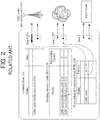
- FIG. 2 is a diagram illustrating an example of processing of the content request packet in CCN of FIG. 1 .
- CCN also known as name-based networking or named data networking
- a name of a content may perform a compass function to locate a node in which the content is cached, and may be used to identify the content. Accordingly, each content uses a unique name. Two contents having different names may be recognized to be different contents even though the contents of the two contents are identical.
- FIG. 2 an example of processing of a content request packet to retrieve a corresponding content based on a hierarchical name of the content in CCN is described.
- a networking module of the node determines whether the corresponding content is present in the CS 210 by referring to the hierarchical name of the content, "/ABC.com/charles/abc.avi/v3/s2", included in the content request packet.
- the node When the corresponding content is determined to be present in the CS 210, the node transmits the corresponding content to the face 0 201 from which the content request packet was received.
- the face may be also be referred to as an interface.
- the node determines whether an entry stored with the same content name "/ABC.com/charles/abc.avi/v3/s2" is present in a pending interest table (PIT) 230 when the corresponding content is determined to be absent in the CS 210.
- PIT pending interest table
- the node When the entry stored with the same content name is present in the PIT 230, the node adds information associated with the face from which the content request packet was received, in this case, the face 0 201, to the corresponding entry in the PIT 230.
- the node looks up the corresponding entry in a forwarding information base (FIB) 250 based on the content name.
- FIB forwarding information base
- the node may use longest prefix matching when conducting a search.
- the node determines a face to which the content request packet is to be forwarded, in this case, a face 1 205, based on information registered in the FIB 250, and forwards the content request packet to the determined face 1 205.
- the node registers, in the PIT 230, the information 0 associated with the face 0 201 from which the content request packet was received.
- the registration enables the node to forward a content reply packet including a content corresponding to the content request packet to a node requesting the corresponding content when the content reply packet is received.
- the face from which the content request packet was received in this case, the face 0 201, may be excluded when determining a face to which the content request packet is to be forwarded based on the FIB 250.
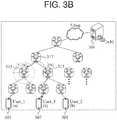
- FIGS. 3A and 3B are diagrams illustrating examples of a reply to a content request in CCN.
- a content in CCN, may be stored or cached in a node corresponding to an optimum location, rather than in all intermediate nodes on a transmission path.
- a neighboring node of the node in which the content is stored or cached may store information associated with the node corresponding to the optimum location and a list of contents stored or cached in the node corresponding to the optimum location to promote efficient content routing.
- the content may be cached in the node corresponding to an optimum location based on a state of the node including a size of a CS of the node, a frequency of a request, and a network centrality or a node connectivity of the node.
- the neighboring node may recognize the node in which the content is cached and may support the content routing based on the recognition to maximize the utility of network caching resources.
- distributed content storage and content caching node recognition may reduce an amount of network usage and may provide a quick response to a request from a user.
- the content 'a' may be cached in a node 313 determined to be optimal and the content 'b' may be cached in a node 315 determined to be optimal.
- An outbound neighboring node 317 of the node 313 and the node 315 may store locations of the nodes 313 and 315, and names of the contents 'a' and 'b' or a list of contents cached in the nodes 313 and 315.
- the neighboring node 317 may re-route the request for the content 'a' to the node 313 in which the content 'a' is also cached.
- the neighboring node 317 on the transmission path may be aware of a location of a node in which the content 'a' is cached and a name of a content cached in the node because the content 'a' is also cached in the node 313.
- the neighboring node 317 may re-route the request for the content 'a' from the user 3 307 to the node 313 so that the node 313 can transmit the content 'a' to the user 3 307.
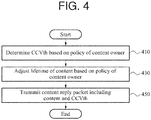
- FIG. 4 is a flowchart illustrating an example of a method of transmitting a content reply packet from a content owner in CCN.
- a caching capability value (CCV) and a caching capability value threshold (CCVth) may be defined.
- the CCV of a node may be understood to be a capability of the node to cache a content based on node-related information of the node.
- the CCV may be used to identify a candidate node for caching a content.
- the CCVth may be understood to be a lower bound for determining whether to cache a content in a node.
- a node having a CCV greater than a CCVth may cache a content.
- the CCVth may be determined by a content owner based on a policy of the content owner, or may be determined by each intermediate node using a weight value and a maximum CCV transmitted in a content reply packet from the content owner.
- FIG. 4 a description of a case in which a CCVth is determined based on a policy of a content owner is provided.
- a content owner determines a CCVth for determining a candidate node for caching a content based on a policy of the content owner.
- the policy of the content owner may be determined based on any one or any combination of a name of the content, a popularity of the content, an importance of the content, and a hit ratio of the content.
- the name of the content may be a community name, a local name, or a prefix, rather than a full name.
- the content owner may adjust the CCVth of the content based on a popularity of the content to allow the content to be cached in a larger number of nodes, and vice versa.
- the CCVth may be adjusted in response to a change in the policy of the content owner.
- the content owner adjusts a lifetime of the content included in a content reply packet based on the policy of the content owner.
- the content owner transmits the content reply packet including the content and the CCVth in response to a content request packet received from a content requester.
- the content reply packet may include any one or any combination of an original network distance value (oNDV) between a candidate node and the content owner included in the content request packet, a decreasing network distance value (dNDV) that decreases with downstream forwarding of the content reply packet, a maximum CCV included in the content request packet, a weight value, and a lifetime of the content.
- oNDV original network distance value
- dNDV decreasing network distance value
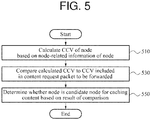
- FIG. 5 is a flowchart illustrating an example of a method of transmitting a content request packet from a node in CCN.
- a node calculates a CCV for identifying a candidate node for caching a content based on node-related information of the node.
- the node-related information may include any one or any combination of a cache size of the node, a popularity of the content requested from the node, a network centrality or a node connectivity of the node, a bandwidth of the node, and a name of the content.
- the node compares the calculated CCV to a CCV included in a content request packet to be forwarded received from another node.
- the content request packet may include the name of the content, and caching-related information including the CCV of a candidate node and a network distance value (NDV) between the candidate node and the content owner.
- NDV network distance value
- the node determines whether the node is a candidate node for caching the content based on a result of the comparison.
- the node determines the node to be a candidate node by updating the CCV included in the content request packet to the calculated CCV of the node.
- the content request packet will include a final updated CCV, that is, a maximum CCV among CCVs of each node.
- the content owner may determine a candidate node for caching the content based on a result of comparing the calculated CCVth to the CCV included in the content request packet.
- the NDV between the candidate node and the content owner in the content request packet may be used to find a node in which the content is to be cached.
- FIG. 6 is a flowchart illustrating another example of a method of transmitting a content request packet from a node in CCN.
- a node calculates a CCV for identifying a candidate node for caching a content based on node-related information of the node.
- the node-related information may include any one or any combination of a cache size of the node, a popularity of the content requested from the node, a network centrality or a node connectivity of the node, a bandwidth of the node, and a name of the content.
- the node compares the calculated CCV calculated in 605 to a CCV included in a content request packet to be forwarded received from another node.
- the content request packet may include the name of the content, and caching-related information including the CCV of the a candidate node and an NDV between the candidate node and the content owner.
- the node determines whether the calculated CCV is greater than the CCV included in the content request packet to be forwarded.
- the node updates the CCV included in the content request packet to the calculated CCV.
- the node determines that it is a candidate node for caching the content, and a final updated CCV will be a maximum CCV among CCVs of each node through which the content request packet passes as described above with respect to FIG. 5 .
- the node may initializes the NDV between the candidate node and the content owner in the content request packet to a null value '0'.
- the NDV may be used by the content owner to find a candidate node for caching the content in response to the content request packet being received by the content owner.
- the NDV between the candidate node and the content owner may be indicated by a hop count, for example.
- the node forwards the content request packet.
- the node When the calculated CCV is less than or equal to the CCV included in the content request packet to be forwarded, the node maintains the CCV included in the content request packet in 635, and increases the NDV between the candidate node and the content owner in the content request packet in 640.
- the content request packet being transmitted to the content owner will include a final updated CCV, that is, a maximum CCV among CCVs of nodes on a transmission path of the content request packet.
- FIG. 8 A further detailed description of the method of FIG. 6 is provided with reference to FIG. 8 .
- FIG. 7 is a flowchart illustrating an example of a method of transmitting a content reply packet from a node in CCN.
- each node may transmit a content reply packet in response to a content request packet, and may cache a content included in the content reply packet if the node is a candidate node.
- a node receives a content reply packet transmitted by a content owner in response to the content request packet containing a maximum CCV transmitted by the node to the content owner through the process of FIG. 6 .
- the content reply packet may include any one or any combination of the content, an oNDV between the candidate node and the content owner included in the content request packet, a dNDV that decreases with downstream forwarding of the content reply packet, a CCVth, a maximum CCV included in the content request packet, a weight value, and a lifetime of the content.
- the node forwards the content reply packet downstream based on the oNDV included in the content reply packet.
- the node decreases the dNDV included in the content reply packet.
- Results of comparing the oNDV to the dNDV and comparing a CCV of the node to the CCVth may be used to determine whether to cache the content in the node.
- the node determines whether the dNDV is '0' or the dNDV ⁇ ⁇ *oNDV, and whether the CCV of the node is greater than or equal to the CCVth.
- 'a' may be determined based on a policy of the content owner or a popularity of the content, and may have a value of 0.5, for example.
- a dNDV of '0' indicates that the content has arrived at a candidate node to which the content is to be transmitted though the content request packet.
- a dNDV ⁇ ⁇ *oNDV indicates that the node is closer to a node requesting the content than to the content owner.
- a CCV of the node that is greater than or equal to the CCVth indicates that the content may be cached in the node based on the policy of the content owner.
- the node caches the content in the node as a candidate node, for example, in a CS of the node.
- the node forwards the content reply packet downstream.
- FIG. 9 A further detailed description of the method of FIG. 7 is provided with reference to FIG. 9 .
- FIG. 8 is a diagram illustrating an example a method of determining a candidate node for caching a content using a content request packet in CCN.
- a node 1 may be a node serving a content requester
- a node 4 may be a node serving a content owner.
- the content requester may request a content, for example, a file "/naver.com/news/olympics.mp4".
- a node having a greatest CCV may be determined to be a candidate node for caching a content.
- the CCV may be calculated based on a state of a node, i.e., based on node-related information of the node.
- a CCV f may be determined based on node-related information of a node according to the following Equation 1.
- f w 1 ⁇ C size + w 2 ⁇ BW + w 3 ⁇ C + w 4 ⁇ CP + ...
- C size denotes an available cache size of the node
- BW denotes a bandwidth of the node
- C denotes a network centrality of the node or a node connectivity of the node
- CP denotes a popularity of the content requested from the corresponding node
- w 1 , w 2 , w 3 , and w 4 denote weight values.
- the content requester transmits to the node 1 a content request packet including a content name containing a content name, for example, "/naver.com/news/olympics.mp4", an NDV field to contain an NDV between a candidate node and the content owner, and a CCV field to contain a maximum CCV among CCVs of nodes on a transmission path of the content request packet.
- the content requester initializes the NDV field and the CCV field to a null value '0'.
- the node 1 forwards to the node 2 a content request packet 810 including the name of the content, for example, "/naver.com/news/olympics.mp4", the NDV between the candidate node and the content owner, and the CCV of the node 1, for example, '2'.
- the node 1 initializes the NDV between the candidate node and the content owner to a null value '0'.
- the node 2 receives the content request packet 810 from the node 1, and compares the CCV included in the content request packet 810 to the CCV of the node 2.
- a node receiving the content request packet records the CCV of the node in place of the CCV included in the content request packet 810 when the CCV of the node is greater than the CCV included in the content request packet.
- the node 2 overwrites the CCV '5' of the node 2 over the CCV '2' included in the content request packet 810 received by the node 2 in a content request packet 830. Since the node 2 has overwritten the CCV, the node 2 also initializes the NDV to a null value '0'.
- the content request packet 830 is forwarded from the node 2 to the node 3.
- the node 3 Since the CCV '3' of the node 3 is smaller than the CCV '5' included in the content request packet 830, the node 3 maintains the CCV '5' included in the content request packet 830, and increases the NDV to '1' in a content request packet forwarded to the node 4 (not shown in FIG. 8 ).
- the node 4 receives the content request packet from the node 3, and compares the CCV '5' included in the content request packet to the CCV '5' of the node 4.
- the node 4 Since the CCV '5' of the node 4 is not greater than the CCV '5' included in the content request packet received from the node 3 because the CCV '5' of the node 4 equals the CCV '5' included in the content request packet received from the node 3, the node 4 maintains the CCV '5' included in the content request packet and increases the NDV to '2' in a content request packet 850 forwarded to the content owner.
- the CCV may be determined based on a storage space of a CS of the node and a network centrality or a node connectivity of the node.
- the storage space of the CS is a variable value, the storage space of the CS may be completely filled in a short time when a large amount of content is requested. For this reason, an available cache size may be useless to determine the CCV f .
- an available cache size may be reset virtually after a predetermined period of time with the contents cached in the CS being maintained in reality.
- a predetermined value may be assigned for an available cache size.
- the CCV may be determined based on the virtual available cache size so that various nodes may be selected on the network.
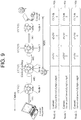
- FIG. 9 is a diagram illustrating an example of a method of determining a candidate node for caching a content using a content reply packet in CCN.
- a node serving a content owner transmits a content reply packet including a content "/naver.com/news/olympics.mp4" in response to a content request packet received from a content requester as described with reference to FIG. 8 .
- a content reply packet including a content "/naver.com/news/olympics.mp4"
- an oNDV, a dNDV, a CCVth, a maximum CCV, a weight value, and a lifetime of the content may be further included in the content reply packet (the maximum CCV, the weight value, and the lifetime of the content are not shown in FIG. 9 ).
- the maximum CCV is a CCV value included in the received content request packet, and the weight value is to be applied to the maximum CCV.
- the oNDV is an NDV between a candidate node for caching the content and the content owner, and may be copied from the NDV stored in the received content request packet.
- the dNDV is an NDV that decreases or changes with downstream forwarding of the content reply packet, and the content may be cached in a node having a dNDV of '0' or a neighboring node of the node having the dNDV of '0'.
- the lifetime of the content is a length of time the content is to be cached.
- the content owner may set the lifetime to be proportional to a popularity of the content, and may transmit, in response to the received content request packet, the cached content together with the lifetime set for the content.
- the CCVth is a lower bound for determining a node in which the content is to be cached among nodes or intermediate nodes on the transmission path.
- the content may be cached in a node having a CCV greater than a CCVth.
- a location of a candidate node and a number of candidate nodes may be determined based on the CCVth.
- nodes may cache a content.
- a first value for example, '0'
- all nodes may cache a content.
- a second value for example, '0xFFFF'
- no nodes may cache a content.
- a node having a CCV greater than the third value may cache a content.
- the CCVth may be set to be a fourth value, for example, a community name of a popular content. Taking popular music, for instance, the CCVth may be set to a community name including music information associated with a popular music. In this case, only a node corresponding to the community name may cache the content.
- an intermediate node may determine a candidate node for caching a content using a weight value in lieu of a CCVth determined based on a policy of a content owner.
- the weight value may be included in a content reply packet and transmitted to each node, along with the maximum CCV that is included in the received content request message.
- the intermediate node may calculate a CCVth using the weight value, and may determine whether the intermediate node is a candidate node for caching the content using the calculated CCVth. That is, the node may determine whether the node is to cache the content based on the CCVth calculated using the weight value.
- the weight value may be calculated based on a popularity of the content, and may be applied to the maximum CCV included in the content request message.
- the weight value may be inversely proportional to the popularity, and may have a value, for example, between '0' and '1'. In this instance, a weight value closer to '0' may be assigned to a content having a higher popularity.
- the weight value may be set to be inversely proportional to the popularity, for example, to be closer to '0', by decreasing a weight value by which a maximum CCV is to be multiplied to reduce a new CCVth.
- the node receiving the content reply packet may calculate a CCVth by multiplying the maximum CCV by the weight value.
- the node may determine whether it is a candidate node for caching the content by comparing a CCV of the node to the calculated CCVth.
- a node having a CCV greater than the calculated CCVth may be determined to be a candidate node for caching the corresponding content.
- the node may store the weight value included in the content reply packet.
- the node may transmit to a next node a maximum CCV included in the content request message along with the stored weight value for use in determining whether to cache the content in a node on a path along which the content request is transmitted.
- the node may receive the CCVth determined based on the policy of the content owner and the weight value.
- the intermediate node receiving the CCVth and the weight value may determine whether it is a candidate node for caching the content using a two-way process. That is, the node may determine whether it is a candidate node for caching the content using the CCVth immediately, and when processing a received content request message, may determine whether it is a candidate node for caching the content using the maximum CCV included in the content request packet and the weight value.
- the content owner transmits to the node 4 a content reply packet 910 including the content "/naver.com/news/olympics.mp4", an oNDV '2' equal to NDV '2' included in the content request packet 850 in FIG. 8 that was forwarded to the content owner, dNDV '2', and CCVth '5' determined based on the policy of the content owner as described with reference to FIG. 8 .
- the content owner initializes the dNDV to the value of the oNDV '2'.
- the node 4 receives the content reply packet 910, and decreases the dNDV to '1'. Accordingly, the node 3 receives a content reply packet 930 including dNDV '1'. The node 3 decreases the dNDV to '0', and accordingly the node 2 receives a content reply packet 950 including dNDV '0'.
- the node 2 After the node 2 receives the content reply packet 950 including the dNDV '0' from the node 3, the node 2 determines whether the CCV '5' of the node 2 is greater than or equal to the CCVth '5' included in the content reply packet 950. When the CCV of the node 2 is greater than or equal to the CCVth, the node 2 caches the content Since the CCV '5' of the node 2 is equal to the CCVth '5', the node 2 caches the content.
- a method of determining whether a node is a candidate node for caching the content among nodes on the transmission path may be coded as follows:
- ' ⁇ ' may be determined based on a policy of the content owner or a popularity of the content, and may have a value of 0.5, for example.
- the node 2 may delete the content cached in the node 2.
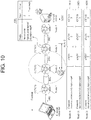
- FIG. 10 is a diagram illustrating an example of a method of recognizing a node having a cached content using an FIB table of an outbound neighboring node in CCN.
- a node 4 receives from a content owner a content reply packet 1010 including a content "/naver.com/news/olympics.mp4", an oNDV '2' equal to an NDV '2' included in a content request packet received by the content owner, a dNDV '2' equal to the oNDV '2', and a CCVth '5' determined based on a policy of the content owner.
- a node 3 receives a content reply packet 1020 including dNDV '1' from the node 4.
- the node 3 recognizes whether the node 3 or a neighboring node of the node 3 is to cache the content based on the dNDV.
- the node 3 determines whether information included in the content reply packet satisfies (dNDV ⁇ 0.5*oNDV) & (CCV ⁇ CCVth).
- the node 3 recognizes that the content is to be cached in a neighboring node of the node 3, and stores information associated with the content, for example, a name and a location of the content, in an FIB table of the node 3.
- the node 3 as an outbound neighboring node may maintain timer information in the FIB of the node 3 as well as the name of the content, for example, a prefix of the content, and the transmission path, namely, a face.
- the timer information may indicate a length of time information associated with the content is to be stored.
- the timer may contribute to efficient usage of entry resources of a routing table used for temporary caching, namely, an FIB table, and may be set based on the lifetime of the cached content.
- the node may adjust the lifetime of the content through the timer in the table pointing to the cached content in response to the content reply packet being received.
- the node 3 may adjust the lifetime of the cached content using a least recently used (LRU) algorithm or a least frequently used (LFU) algorithm.
- LRU least recently used
- LFU least frequently used
- the node 3 may decrease a lifetime of a least recently used content or may adjust the lifetime to '0' based on an LRU algorithm. Also, the node 3 may decrease a lifetime of a least frequently used content or may adjust the lifetime to '0' based on an LFU algorithm.
- the node 3 may transmit a content reply packet 1030 that is the same as the content reply packet 950 of FIG. 9 to the node 2.
- the operation of the outbound neighboring node of the node having the cached content may be coded as follows:
- the outbound neighboring node of the node having a cached content may store the name of the content rather than the content, and may point to the transmission path. Accordingly, caching resources in CCN may be saved.
- the node may compare a distance from the content owner to a distance from the node having the cached content, and may transmit a content request message to a closest location.
- a hop count or a round trip time (RTT) may be used to compare the distances. Accordingly, a node in which a content is cached may be recognized in a simple manner and may perform routing, while eliminating the need for an additional control message.
- each node may set a lifetime of a corresponding entry in an FIB table to have a small value initially, and this value may be applied to all of the nodes in which the content is cached in accordance with the policy.
- a node in which the content is cached may reset the lifetime of the content based on a popularity, a hit ratio, and a usage of the content, and may provide the reset information to a neighboring node.
- the likelihood of a false positive occurring may be reduced by updating information associated with the cached content on the network.
- the node storing the name of the content may transmit the content request message to the node having the cached content rather than the content owner to enable the content requester to receive the content from the node having the cached content rather than from the content owner.
- the node having the cached content may forward the updated lifetime of the cached content along with the cached content so that reliability of content-aware routing may be improved.
- the node may separately manage cached contents and original contents in a table. Accordingly, the node may transmit a content request message for an original content when needed, or may transmit an original content in response to a received content request message when a reply using a cached content fails.
- FIG. 11 is a block diagram illustrating an example of a content owner 1100 in CCN.
- the content owner 1100 includes a determiner 1110, a transmitter 1130, a threshold adjuster 1150, and a lifetime adjuster 1170.
- the determiner 1110 determines a CCVth for determining a candidate node for caching a content based on a policy of the content owner 1100.
- the policy of the content owner may be determined based on any one or any combination of a name of the content, a popularity of the content, an importance of the content, and a hit ratio of the content.
- the CCVth may be used to determine a location of a candidate node and a number of candidate nodes.
- nodes when the CCVth has a first value, all nodes may cache the content, when the CCVth has a second value, no nodes may cache the content, and when the CCVth has a third value, a node having a CCV greater than the third value may cache the content.
- the transmitter 1130 transmits a content reply packet including the content and the CCVth in response to a content request packet received from a content requester.
- the content reply packet may include any one or any combination of an oNDV between a candidate node and the content owner included in the content request packet, a dNDV that decreases with downstream forwarding of the content reply packet, a maximum CCV in the content request packet, a weight value, and a lifetime of the content
- the threshold adjuster 1150 adjusts the CCVth in response to a change in the policy of the content owner 1100.
- the lifetime adjuster 1170 adjusts the lifetime of the content included in the content reply packet based on the policy of the content owner 1100.
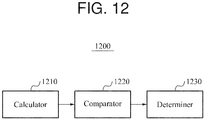
- FIG. 12 is a block diagram illustrating an example of a node 1200 in CCN.
- the node 1200 includes a calculator 1210, a comparator 1220, and a determiner 1230.
- the calculator 1210 calculates a CCV for identifying a candidate node for caching a content based on node-related information of the node 1200.
- the node-related information may include any one or any combination of a cache size of the node, a popularity of the content requested from the node, a network centrality or a node connectivity of the node, a bandwidth of the node, and a name of the content.
- the comparator 1220 compares the calculated CCV to a CCV included in a content request packet to be forwarded by the node 1200.
- the determiner 1230 determines whether the node 1200 is a candidate node for caching the content based on a result of the comparing.
- the determiner 1110, the transmitter 1130, the threshold adjuster 1150, the lifetime adjuster 1170, the calculator 1210, the comparator 1220, and the determiner 1230 illustrated in FIGS. 11 and 12 described above that perform the operations illustrated in FIGS. 3A , 3B , and 4-10 may be implemented using one or more hardware components, one or more software components, or a combination of one or more hardware components and one or more software components.
- a hardware component may be, for example, a physical device that physically performs one or more operations, but is not limited thereto.
- hardware components include resistors, capacitors, inductors, power supplies, frequency generators, operational amplifiers, power amplifiers, low-pass filters, high-pass filters, band-pass filters, analog-to-digital converters, digital-to-analog converters, and processing devices.
- a software component may be implemented, for example, by a processing device controlled by software or instructions to perform one or more operations, but is not limited thereto.
- a computer, controller, or other control device may cause the processing device to run the software or execute the instructions.
- One software component may be implemented by one processing device, or two or more software components may be implemented by one processing device, or one software component may be implemented by two or more processing devices, or two or more software components may be implemented by two or more processing devices.
- a processing device may be implemented using one or more general-purpose or special-purpose computers, such as, for example, a processor, a controller and an arithmetic logic unit, a digital signal processor, a microcomputer, a field-programmable array, a programmable logic unit, a microprocessor, or any other device capable of running software or executing instructions.
- the processing device may run an operating system (OS), and may run one or more software applications that operate under the OS.
- the processing device may access, store, manipulate, process, and create data when running the software or executing the instructions.
- OS operating system
- the singular term "processing device" may be used in the description, but one of ordinary skill in the art will appreciate that a processing device may include multiple processing elements and multiple types of processing elements.
- a processing device may include one or more processors, or one or more processors and one or more controllers.
- different processing configurations are possible, such as parallel processors or multi-core processors.
- a processing device configured to implement a software component to perform an operation A may include a processor programmed to run software or execute instructions to control the processor to perform operation A.
- a processing device configured to implement a software component to perform an operation A, an operation B, and an operation C may have various configurations, such as, for example, a processor configured to implement a software component to perform operations A, B, and C; a first processor configured to implement a software component to perform operation A, and a second processor configured to implement a software component to perform operations B and C; a first processor configured to implement a software component to perform operations A and B, and a second processor configured to implement a software component to perform operation C; a first processor configured to implement a software component to perform operation A, a second processor configured to implement a software component to perform operation B, and a third processor configured to implement a software component to perform operation C; a first processor configured to implement a software component to perform operations A, B, and C, and a second processor configured to implement a software component to perform operations A, B
- Software or instructions for controlling a processing device to implement a software component may include a computer program, a piece of code, an instruction, or some combination thereof, for independently or collectively instructing or configuring the processing device to perform one or more desired operations.
- the software or instructions may include machine code that may be directly executed by the processing device, such as machine code produced by a compiler, and/or higher-level code that may be executed by the processing device using an interpreter.
- the software or instructions and any associated data, data files, and data structures may be embodied permanently or temporarily in any type of machine, component, physical or virtual equipment, computer storage medium or device, or a propagated signal wave capable of providing instructions or data to or being interpreted by the processing device.
- the software or instructions and any associated data, data files, and data structures also may be distributed over network-coupled computer systems so that the software or instructions and any associated data, data files, and data structures are stored and executed in a distributed fashion.
- the software or instructions and any associated data, data files, and data structures may be recorded, stored, or fixed in one or more non-transitory computer-readable storage media.
- a non-transitory computer-readable storage medium may be any data storage device that is capable of storing the software or instructions and any associated data, data files, and data structures so that they can be read by a computer system or processing device.
- Examples of a non-transitory computer-readable storage medium include read-only memory (ROM), random-access memory (RAM), flash memory, CD-ROMs, CD-Rs, CD+Rs, CD-RWs, CD+RWs, DVD-ROMs, DVD-Rs, DVD+Rs, DVD-RWs, DVD+RWs, DVD-RAMs, BD-ROMs, BD-Rs, BD-R LTHs, BD-REs, magnetic tapes, floppy disks, magneto-optical data storage devices, optical data storage devices, hard disks, solid-state disks, or any other non-transitory computer-readable storage medium known to one of ordinary skill in the art.
- ROM read-only memory
- RAM random-access memory
- flash memory CD-ROMs, CD-Rs, CD+Rs, CD-RWs, CD+RWs, DVD-ROMs, DVD-Rs, DVD+Rs, DVD-RWs, DVD+RWs, DVD-RAMs, BD
Landscapes
- Engineering & Computer Science (AREA)
- Computer Networks & Wireless Communication (AREA)
- Signal Processing (AREA)
- Computing Systems (AREA)
- Physics & Mathematics (AREA)
- Theoretical Computer Science (AREA)
- Mathematical Physics (AREA)
- Quality & Reliability (AREA)
- General Engineering & Computer Science (AREA)
- General Physics & Mathematics (AREA)
- Information Transfer Between Computers (AREA)
- Data Exchanges In Wide-Area Networks (AREA)
Claims (7)
- Procédé de transmission d'un paquet de demande de contenu pour mettre en cache un contenu dans un noeud intermédiaire dans une mise en réseau axé sur le contenu, CCN, le procédé comprenant :le calcul (605), par le noeud intermédiaire, d'une valeur de capacité de mise en cache, CCV, pour identifier un noeud candidat pour la mise en cache du contenu sur la base d'une capacité du noeud intermédiaire à mettre en cache le contenu dérivé des informations du noeud, dans lequel les informations du noeud comprennent toute combinaison d'une taille de cache du noeud, d'une centralité de réseau ou d'une connectivité de noeud du noeud, et d'une largeur de bande du noeud;la comparaison (610), par le nœud intermédiaire, de la CCV calculée à une CCV incluse dans un paquet de demande de contenu à transmettre par le nœud; etle fait de déterminer, par le nœud intermédiaire, si la CCV inclus dans le paquet de demande de contenu est mis à jour sur la base d'un résultat de la comparaison;dans lequel la détermination de la mise à jour de la CCV inclus dans le paquet de demande de contenu sur la base du résultat de la comparaison comprend, en réponse à la CCV calculée, soit une valeur supérieure, soit une valeur inférieure ou égale à la CVC incluse dans le paquet de demande de contenu à transmettre par le nœud,si la CVC calculée est supérieure à la CVC incluse dans le paquet de demande de contenu à transmettre par le nœud, la performance:la mise à jour (620), par le nœud intermédiaire, de la CCV incluse dans le paquet de demande de contenu à la CCV calculée; etl'initialisation (625), par le nœud intermédiaire, d'une valeur de distance de réseau, NDV, entre un propriétaire de contenu et un nœud candidat inclus dans le paquet de demande de contenu en fixant la NDV à une valeur nulle "O"; etsi la CCV calculée est inférieure ou égale à la CCV incluse dans le paquet de demande de contenu à transmettre par le nœud, exécution des opérations suivantes:le maintien (635), à l'aide du nœud intermédiaire, de la CCV incluse dans le paquet de demande de contenu;l'augmentation (640), à l'aide du nœud intermédiaire, d'une valeur de distance de réseau, NDV, entre un propriétaire de contenu et un nœud candidat inclus dans le paquet de demande de contenu; etla transmission (630), par le nœud intermédiaire, du paquet de demande de contenu,dans lequel le paquet de demande de contenu comprend un nom du contenu, et des informations liées à la mise en cache comprenant la CCV d'un noeud candidat et la valeur de distance du réseau, NDV, entre le propriétaire du contenu et le noeud candidat.
- Procédé de la revendication 1, dans lequel un paquet de réponse de contenu est transmis en réponse au paquet de demande de contenu, le paquet de demande de contenu comprenant l'un quelconque ou une combinaison quelconque du contenu, une valeur de distance de réseau originale, dNDV, entre un propriétaire de contenu et un noeud candidat inclus dans le paquet de demande de contenu, une valeur de distance de réseau décroissante, dNDV, qui diminue avec l'envoi en aval du paquet de réponse de contenu, un seuil de valeur de capacité de mise en cache, CCVth, une CCV maximale incluse dans le paquet de demande de contenu, une valeur de poids, et une durée de vie du contenu.
- Procédé selon la revendication 2, comprenant en outre l'envoi en aval du paquet de réponse de contenu basé sur la dNDV;
la diminution de la dNDV incluse dans le paquet de réponse de contenu au fur et à mesure que le paquet de réponse de contenu est transmis en aval; et
le fait de reconnaître si le nœud ou un nœud voisin du nœud doit mettre en cache le contenu sur la base de la dNDV. - Procédé selon la revendication 2, comprenant en outre la mise en cache du contenu dans le nœud sur la base des résultats de la comparaison de la VNOD à la VNOD et de la comparaison de la CVC calculée à la CVCth;
le maintien d'une minuterie dans une table de base d'intérêt de transmission, FIB, d'un nœud voisin sortant du nœud, la minuterie étant réglée en fonction de la durée de vie du contenu mis en cache dans le nœud; et
l'ajustement de la durée de vie du contenu mis en cache en utilisant un algorithme LRU (least recently used - utilisé le moins récemment) ou un algorithme LFU (least frequently used - utilisé le mons fréquemment). - Procédé selon la revendication 4, comprenant en outre la suppression du contenu mis en cache en réponse à l'expiration de la durée de vie du contenu mis en cache ou en réponse à la réception du paquet de demande de contenu pour le contenu mis en cache par l'intermédiaire d'une face différente d'une face stockée dans la table FIB (Forwarding Interest Base - base d'intérêt de transfert) du noeud.
- Procédé selon la revendication 2, comprenant en outre le stockage de la valeur du poids dans le nœud.
- Support de stockage non transitoire lisible par ordinateur qui stocke un programme permettant de contrôler un ordinateur pour exécuter la méthode d'une des revendications 1 à 6.
Applications Claiming Priority (4)
| Application Number | Priority Date | Filing Date | Title |
|---|---|---|---|
| KR20120134452 | 2012-11-26 | ||
| KR1020130030394A KR102100710B1 (ko) | 2012-11-26 | 2013-03-21 | 컨텐츠 중심 네트워크에서 컨텐츠 소유자 및 노드의 패킷 전송 방법 |
| PCT/KR2013/010757 WO2014081264A1 (fr) | 2012-11-26 | 2013-11-26 | Procédé de transmission de paquets à partir d'un nœud, et propriétaire de contenu, dans une mise en réseau axée sur le contenu |
| EP13857507.1A EP2923468B1 (fr) | 2012-11-26 | 2013-11-26 | Transmission d'un paquet de réponse de contenu dans un réseau axé sur le contenu pour sauvegarder un contenu dans un noeud intermédiaire utilisé comme cache |
Related Parent Applications (2)
| Application Number | Title | Priority Date | Filing Date |
|---|---|---|---|
| EP13857507.1A Division-Into EP2923468B1 (fr) | 2012-11-26 | 2013-11-26 | Transmission d'un paquet de réponse de contenu dans un réseau axé sur le contenu pour sauvegarder un contenu dans un noeud intermédiaire utilisé comme cache |
| EP13857507.1A Division EP2923468B1 (fr) | 2012-11-26 | 2013-11-26 | Transmission d'un paquet de réponse de contenu dans un réseau axé sur le contenu pour sauvegarder un contenu dans un noeud intermédiaire utilisé comme cache |
Publications (2)
| Publication Number | Publication Date |
|---|---|
| EP3410657A1 EP3410657A1 (fr) | 2018-12-05 |
| EP3410657B1 true EP3410657B1 (fr) | 2021-02-17 |
Family
ID=51124018
Family Applications (2)
| Application Number | Title | Priority Date | Filing Date |
|---|---|---|---|
| EP18184168.5A Active EP3410657B1 (fr) | 2012-11-26 | 2013-11-26 | Procédé de transmission de paquets à partir d'un noeud, et propriétaire de contenu, dans une mise en réseau axée sur le contenu |
| EP13857507.1A Active EP2923468B1 (fr) | 2012-11-26 | 2013-11-26 | Transmission d'un paquet de réponse de contenu dans un réseau axé sur le contenu pour sauvegarder un contenu dans un noeud intermédiaire utilisé comme cache |
Family Applications After (1)
| Application Number | Title | Priority Date | Filing Date |
|---|---|---|---|
| EP13857507.1A Active EP2923468B1 (fr) | 2012-11-26 | 2013-11-26 | Transmission d'un paquet de réponse de contenu dans un réseau axé sur le contenu pour sauvegarder un contenu dans un noeud intermédiaire utilisé comme cache |
Country Status (6)
| Country | Link |
|---|---|
| US (1) | US9621671B2 (fr) |
| EP (2) | EP3410657B1 (fr) |
| JP (1) | JP6352290B2 (fr) |
| KR (2) | KR102100710B1 (fr) |
| CN (1) | CN104756449B (fr) |
| WO (1) | WO2014081264A1 (fr) |
Families Citing this family (31)
| Publication number | Priority date | Publication date | Assignee | Title |
|---|---|---|---|---|
| US9021537B2 (en) | 2010-12-09 | 2015-04-28 | Netflix, Inc. | Pre-buffering audio streams |
| JP6020278B2 (ja) * | 2013-03-21 | 2016-11-02 | 富士通株式会社 | 自律分散型キャッシュ配置制御システム |
| US10075741B2 (en) * | 2013-07-03 | 2018-09-11 | Avago Technologies General Ip (Singapore) Pte. Ltd. | System and control protocol of layered local caching for adaptive bit rate services |
| JP6213914B2 (ja) * | 2013-09-27 | 2017-10-18 | パナソニックIpマネジメント株式会社 | 通信端末、およびコンテンツ出版方法 |
| CN105099944B (zh) | 2014-04-22 | 2018-08-17 | 华为技术有限公司 | 一种缓存数据的方法及转发设备 |
| US9825860B2 (en) * | 2014-05-30 | 2017-11-21 | Futurewei Technologies, Inc. | Flow-driven forwarding architecture for information centric networks |
| KR102185350B1 (ko) * | 2014-06-10 | 2020-12-01 | 삼성전자주식회사 | 네트워크 노드 및 네트워크 노드의 동작 방법 |
| KR102203489B1 (ko) * | 2014-06-30 | 2021-01-14 | 에스케이텔레콤 주식회사 | Ccn 이름 구성 방법과 ccn 이름 기반 라우팅 방법 및 장치 |
| KR102147669B1 (ko) * | 2014-06-30 | 2020-10-14 | 에스케이텔레콤 주식회사 | 콘텐츠 전송 방법, 이를 위한 장치 및 시스템 |
| JP6406671B2 (ja) * | 2015-02-26 | 2018-10-17 | Kddi株式会社 | コンテンツキャッシュ方法および装置 |
| US10757213B2 (en) * | 2015-08-14 | 2020-08-25 | Futurewei Technologies, Inc. | Method and apparatus for pushing data in a content-centric networking (CCN) network |
| US10686702B2 (en) | 2015-11-06 | 2020-06-16 | Cable Television Laboratories, Inc. | Preemptive caching of content in a content-centric network |
| CN106028400A (zh) * | 2016-06-30 | 2016-10-12 | 华为技术有限公司 | 一种缓存内容的方法和基站 |
| US10122624B2 (en) * | 2016-07-25 | 2018-11-06 | Cisco Technology, Inc. | System and method for ephemeral entries in a forwarding information base in a content centric network |
| CN106254446B (zh) * | 2016-07-29 | 2019-07-02 | 北京智芯微电子科技有限公司 | 一种基于内容中心网络的缓存放置方法及装置 |
| CN106210116B (zh) * | 2016-07-29 | 2019-04-09 | 国网山西省电力公司检修分公司 | 一种基于内容中心网络的差异化存储方法及装置 |
| CN107733949B (zh) * | 2016-08-11 | 2021-03-16 | 北京邮电大学 | 一种无线接入网缓存方法及系统 |
| CN106686060B (zh) * | 2016-12-05 | 2019-11-05 | 中国科学院声学研究所 | 一种内容扩散的方法及系统 |
| US10469348B2 (en) * | 2016-12-29 | 2019-11-05 | Futurewei Technologies, Inc. | Centrality-based caching in information-centric networks |
| US10225201B2 (en) * | 2017-01-27 | 2019-03-05 | Futurewei Technologies, Inc. | Scalable multicast for notification-driven content delivery in information centric networks |
| JP6944820B2 (ja) * | 2017-06-16 | 2021-10-06 | パナソニック株式会社 | ノード装置および該ノード装置におけるキャッシュ管理方法 |
| CN108366089B (zh) * | 2018-01-08 | 2020-12-08 | 南京邮电大学 | 一种基于内容流行度和节点重要度的ccn缓存方法 |
| CN109921997B (zh) * | 2019-01-11 | 2020-09-01 | 西安电子科技大学 | 一种命名数据网络缓存方法、缓存器和存储介质 |
| CN110086857B (zh) * | 2019-04-15 | 2022-01-14 | 哈尔滨工程大学 | 基于缓存节点状态和位置的信息中心网络缓存部署方法 |
| KR102163214B1 (ko) * | 2019-05-30 | 2020-10-08 | 한국과학기술원 | CoMP 기반 스몰 셀 네트워크에서의 기계학습을 활용한 능동 캐싱 기법 |
| KR102310212B1 (ko) * | 2020-05-21 | 2021-10-06 | 홍익대학교세종캠퍼스산학협력단 | 5g 네트워크에서 정보 중심 네트워킹 기반의 엣지 컴퓨팅 활성화 방법 |
| CN111614771B (zh) * | 2020-05-25 | 2021-07-13 | 北京邮电大学 | 一种内容中心物联网络的内容缓存方法 |
| WO2022220885A1 (fr) * | 2021-04-12 | 2022-10-20 | Intel Corporation | Découverte de capacité dans un réseau centré sur l'information |
| JP7541494B2 (ja) * | 2021-07-28 | 2024-08-28 | Kddi株式会社 | 通信端末装置、通信方法及びコンピュータプログラム |
| KR102602371B1 (ko) * | 2021-12-09 | 2023-11-16 | 부산대학교 산학협력단 | 콘텐츠 중심 네트워크에서 강화학습을 기반으로 캐싱하는 장치 및 방법 |
| KR20230130461A (ko) * | 2022-03-03 | 2023-09-12 | 한국전자통신연구원 | 엔디엔 콘텐츠 스토어의 콘텐츠 제거 최적화 방법 및 시스템 |
Citations (1)
| Publication number | Priority date | Publication date | Assignee | Title |
|---|---|---|---|---|
| US20090316715A1 (en) * | 2008-06-20 | 2009-12-24 | Iraj Saniee | Methods and apparatus for self-organized caching in a content delivery network |
Family Cites Families (22)
| Publication number | Priority date | Publication date | Assignee | Title |
|---|---|---|---|---|
| US6434608B1 (en) * | 1999-02-26 | 2002-08-13 | Cisco Technology, Inc. | Methods and apparatus for caching network traffic |
| GB2382962A (en) * | 2001-12-07 | 2003-06-11 | Altio Ltd | Data routing without using an address |
| JP2003228524A (ja) * | 2002-02-01 | 2003-08-15 | Dainippon Printing Co Ltd | コンテンツ配信システム |
| TW578101B (en) * | 2002-09-11 | 2004-03-01 | Sunplus Technology Co Ltd | Method and structure for adaptively accessing command and data |
| US7236786B2 (en) * | 2004-06-22 | 2007-06-26 | Industrial Technology Research Institute | Method and system for providing fast handoff in a WLAN-like communication system using active neighboring sets |
| US20090144167A1 (en) | 2005-02-10 | 2009-06-04 | Pablo Calamera | System and method for managing data and voice connectivity for wireless devices |
| US20070136757A1 (en) | 2005-12-09 | 2007-06-14 | Intel Corporation | System and method for a content-centric electronic guide |
| JP2008035337A (ja) * | 2006-07-31 | 2008-02-14 | Brother Ind Ltd | ノード装置、配信装置、管理装置、情報処理プログラム、コンテンツ配信方法及びコンテンツ配信システム |
| EP2053831B1 (fr) * | 2007-10-26 | 2016-09-07 | Alcatel Lucent | Procédé de cache de paquets de données de contenu dans des noeuds de cache |
| US9456054B2 (en) | 2008-05-16 | 2016-09-27 | Palo Alto Research Center Incorporated | Controlling the spread of interests and content in a content centric network |
| US8386622B2 (en) * | 2008-05-16 | 2013-02-26 | Palo Alto Research Center Incorporated | Method and apparatus for facilitating communication in a content centric network |
| US8165118B2 (en) * | 2008-05-19 | 2012-04-24 | Palo Alto Research Center Incorporated | Voice over content centric networks |
| US8239482B2 (en) * | 2008-11-13 | 2012-08-07 | At&T Intellectual Property I, Lp | System and method for selectively caching hot content in a content delivery system |
| US8204060B2 (en) * | 2009-01-30 | 2012-06-19 | Palo Alto Research Center Incorporated | Method and system for facilitating forwarding a packet in a content-centric network |
| US20110040893A1 (en) * | 2009-08-14 | 2011-02-17 | Broadcom Corporation | Distributed Internet caching via multiple node caching management |
| US9264342B2 (en) * | 2009-12-24 | 2016-02-16 | Samsung Electronics Co., Ltd. | Terminal device based on content name, and method for routing based on content name |
| US8949533B2 (en) * | 2010-02-05 | 2015-02-03 | Telefonaktiebolaget L M Ericsson (Publ) | Method and node entity for enhancing content delivery network |
| KR101688857B1 (ko) * | 2010-05-13 | 2016-12-23 | 삼성전자주식회사 | 컨텐츠 중심 네트워크(ccn)에서 단말 및 허브의 통신 방법 및 컨텐츠 중심 네트워크를 위한 단말 |
| KR20120038187A (ko) | 2010-10-13 | 2012-04-23 | 삼성전자주식회사 | 컨텐츠 중심 네트워킹 환경에서 그룹 변경에 관한 정보를 이용한 컨텐츠 공유 방법 및 장치 |
| US8756297B2 (en) | 2010-12-16 | 2014-06-17 | Palo Alto Research Center Incorporated | Energy-efficient content caching with custodian-based routing in content-centric networks |
| US8751664B2 (en) * | 2010-12-16 | 2014-06-10 | Palo Alto Research Center Incorporated | Custodian-based routing in content-centric networks |
| CN102638405B (zh) * | 2012-04-12 | 2014-09-03 | 清华大学 | 内容中心网络策略层的路由方法 |
-
2013
- 2013-03-21 KR KR1020130030394A patent/KR102100710B1/ko active Active
- 2013-11-26 US US14/090,653 patent/US9621671B2/en active Active
- 2013-11-26 EP EP18184168.5A patent/EP3410657B1/fr active Active
- 2013-11-26 CN CN201380055280.XA patent/CN104756449B/zh active Active
- 2013-11-26 EP EP13857507.1A patent/EP2923468B1/fr active Active
- 2013-11-26 JP JP2015543993A patent/JP6352290B2/ja active Active
- 2013-11-26 WO PCT/KR2013/010757 patent/WO2014081264A1/fr not_active Ceased
-
2020
- 2020-04-08 KR KR1020200042560A patent/KR102301353B1/ko active Active
Patent Citations (1)
| Publication number | Priority date | Publication date | Assignee | Title |
|---|---|---|---|---|
| US20090316715A1 (en) * | 2008-06-20 | 2009-12-24 | Iraj Saniee | Methods and apparatus for self-organized caching in a content delivery network |
Also Published As
| Publication number | Publication date |
|---|---|
| EP2923468B1 (fr) | 2019-01-16 |
| KR20200040722A (ko) | 2020-04-20 |
| KR20140067881A (ko) | 2014-06-05 |
| CN104756449A (zh) | 2015-07-01 |
| CN104756449B (zh) | 2018-11-06 |
| KR102100710B1 (ko) | 2020-04-16 |
| US20140149532A1 (en) | 2014-05-29 |
| JP2016506113A (ja) | 2016-02-25 |
| EP2923468A1 (fr) | 2015-09-30 |
| EP2923468A4 (fr) | 2016-07-06 |
| EP3410657A1 (fr) | 2018-12-05 |
| KR102301353B1 (ko) | 2021-09-14 |
| WO2014081264A1 (fr) | 2014-05-30 |
| JP6352290B2 (ja) | 2018-07-04 |
| US9621671B2 (en) | 2017-04-11 |
Similar Documents
| Publication | Publication Date | Title |
|---|---|---|
| EP3410657B1 (fr) | Procédé de transmission de paquets à partir d'un noeud, et propriétaire de contenu, dans une mise en réseau axée sur le contenu | |
| US11909639B2 (en) | Request routing based on class | |
| KR101978177B1 (ko) | 컨텐츠 중심 네트워크에서 노드가 컨텐츠를 저장하는 방법 및 컨텐츠 제공자가 컨텐츠를 전송하는 방법 | |
| US10521348B2 (en) | Managing resources using resource expiration data | |
| US9208097B2 (en) | Cache optimization | |
| US9794175B2 (en) | Transmitting a data packet in a content-centric network | |
| US8468247B1 (en) | Point of presence management in request routing | |
| JP2007066161A (ja) | キャッシュシステム | |
| EP3456029B1 (fr) | Noeud de réseau et procédé de réception d'un message http | |
| JP2016059039A (ja) | Ccnにおける中間ルータにおけるインタレストキープアライブ | |
| US20090106387A1 (en) | Cidr based caching at application layer | |
| JP2016149714A (ja) | コンテンツ配信ネットワークの転送装置 | |
| JP2008293281A (ja) | キャッシュ装置、サーバ、キャッシュシステム、キャッシュ方法、及びプログラム |
Legal Events
| Date | Code | Title | Description |
|---|---|---|---|
| PUAI | Public reference made under article 153(3) epc to a published international application that has entered the european phase |
Free format text: ORIGINAL CODE: 0009012 |
|
| STAA | Information on the status of an ep patent application or granted ep patent |
Free format text: STATUS: THE APPLICATION HAS BEEN PUBLISHED |
|
| AC | Divisional application: reference to earlier application |
Ref document number: 2923468 Country of ref document: EP Kind code of ref document: P |
|
| AK | Designated contracting states |
Kind code of ref document: A1 Designated state(s): AL AT BE BG CH CY CZ DE DK EE ES FI FR GB GR HR HU IE IS IT LI LT LU LV MC MK MT NL NO PL PT RO RS SE SI SK SM TR |
|
| STAA | Information on the status of an ep patent application or granted ep patent |
Free format text: STATUS: REQUEST FOR EXAMINATION WAS MADE |
|
| 17P | Request for examination filed |
Effective date: 20190603 |
|
| RBV | Designated contracting states (corrected) |
Designated state(s): AL AT BE BG CH CY CZ DE DK EE ES FI FR GB GR HR HU IE IS IT LI LT LU LV MC MK MT NL NO PL PT RO RS SE SI SK SM TR |
|
| STAA | Information on the status of an ep patent application or granted ep patent |
Free format text: STATUS: EXAMINATION IS IN PROGRESS |
|
| 17Q | First examination report despatched |
Effective date: 20191010 |
|
| GRAP | Despatch of communication of intention to grant a patent |
Free format text: ORIGINAL CODE: EPIDOSNIGR1 |
|
| STAA | Information on the status of an ep patent application or granted ep patent |
Free format text: STATUS: GRANT OF PATENT IS INTENDED |
|
| INTG | Intention to grant announced |
Effective date: 20200923 |
|
| GRAS | Grant fee paid |
Free format text: ORIGINAL CODE: EPIDOSNIGR3 |
|
| GRAA | (expected) grant |
Free format text: ORIGINAL CODE: 0009210 |
|
| STAA | Information on the status of an ep patent application or granted ep patent |
Free format text: STATUS: THE PATENT HAS BEEN GRANTED |
|
| AC | Divisional application: reference to earlier application |
Ref document number: 2923468 Country of ref document: EP Kind code of ref document: P |
|
| AK | Designated contracting states |
Kind code of ref document: B1 Designated state(s): AL AT BE BG CH CY CZ DE DK EE ES FI FR GB GR HR HU IE IS IT LI LT LU LV MC MK MT NL NO PL PT RO RS SE SI SK SM TR |
|
| REG | Reference to a national code |
Ref country code: GB Ref legal event code: FG4D |
|
| REG | Reference to a national code |
Ref country code: CH Ref legal event code: EP |
|
| REG | Reference to a national code |
Ref country code: DE Ref legal event code: R096 Ref document number: 602013075784 Country of ref document: DE |
|
| REG | Reference to a national code |
Ref country code: AT Ref legal event code: REF Ref document number: 1362966 Country of ref document: AT Kind code of ref document: T Effective date: 20210315 |
|
| REG | Reference to a national code |
Ref country code: IE Ref legal event code: FG4D |
|
| REG | Reference to a national code |
Ref country code: LT Ref legal event code: MG9D |
|
| REG | Reference to a national code |
Ref country code: NL Ref legal event code: MP Effective date: 20210217 |
|
| PG25 | Lapsed in a contracting state [announced via postgrant information from national office to epo] |
Ref country code: FI Free format text: LAPSE BECAUSE OF FAILURE TO SUBMIT A TRANSLATION OF THE DESCRIPTION OR TO PAY THE FEE WITHIN THE PRESCRIBED TIME-LIMIT Effective date: 20210217 Ref country code: GR Free format text: LAPSE BECAUSE OF FAILURE TO SUBMIT A TRANSLATION OF THE DESCRIPTION OR TO PAY THE FEE WITHIN THE PRESCRIBED TIME-LIMIT Effective date: 20210518 Ref country code: HR Free format text: LAPSE BECAUSE OF FAILURE TO SUBMIT A TRANSLATION OF THE DESCRIPTION OR TO PAY THE FEE WITHIN THE PRESCRIBED TIME-LIMIT Effective date: 20210217 Ref country code: BG Free format text: LAPSE BECAUSE OF FAILURE TO SUBMIT A TRANSLATION OF THE DESCRIPTION OR TO PAY THE FEE WITHIN THE PRESCRIBED TIME-LIMIT Effective date: 20210517 Ref country code: NO Free format text: LAPSE BECAUSE OF FAILURE TO SUBMIT A TRANSLATION OF THE DESCRIPTION OR TO PAY THE FEE WITHIN THE PRESCRIBED TIME-LIMIT Effective date: 20210517 Ref country code: PT Free format text: LAPSE BECAUSE OF FAILURE TO SUBMIT A TRANSLATION OF THE DESCRIPTION OR TO PAY THE FEE WITHIN THE PRESCRIBED TIME-LIMIT Effective date: 20210617 Ref country code: LT Free format text: LAPSE BECAUSE OF FAILURE TO SUBMIT A TRANSLATION OF THE DESCRIPTION OR TO PAY THE FEE WITHIN THE PRESCRIBED TIME-LIMIT Effective date: 20210217 |
|
| REG | Reference to a national code |
Ref country code: AT Ref legal event code: MK05 Ref document number: 1362966 Country of ref document: AT Kind code of ref document: T Effective date: 20210217 |
|
| PG25 | Lapsed in a contracting state [announced via postgrant information from national office to epo] |
Ref country code: PL Free format text: LAPSE BECAUSE OF FAILURE TO SUBMIT A TRANSLATION OF THE DESCRIPTION OR TO PAY THE FEE WITHIN THE PRESCRIBED TIME-LIMIT Effective date: 20210217 Ref country code: NL Free format text: LAPSE BECAUSE OF FAILURE TO SUBMIT A TRANSLATION OF THE DESCRIPTION OR TO PAY THE FEE WITHIN THE PRESCRIBED TIME-LIMIT Effective date: 20210217 Ref country code: LV Free format text: LAPSE BECAUSE OF FAILURE TO SUBMIT A TRANSLATION OF THE DESCRIPTION OR TO PAY THE FEE WITHIN THE PRESCRIBED TIME-LIMIT Effective date: 20210217 Ref country code: RS Free format text: LAPSE BECAUSE OF FAILURE TO SUBMIT A TRANSLATION OF THE DESCRIPTION OR TO PAY THE FEE WITHIN THE PRESCRIBED TIME-LIMIT Effective date: 20210217 Ref country code: SE Free format text: LAPSE BECAUSE OF FAILURE TO SUBMIT A TRANSLATION OF THE DESCRIPTION OR TO PAY THE FEE WITHIN THE PRESCRIBED TIME-LIMIT Effective date: 20210217 |
|
| PG25 | Lapsed in a contracting state [announced via postgrant information from national office to epo] |
Ref country code: IS Free format text: LAPSE BECAUSE OF FAILURE TO SUBMIT A TRANSLATION OF THE DESCRIPTION OR TO PAY THE FEE WITHIN THE PRESCRIBED TIME-LIMIT Effective date: 20210617 |
|
| PG25 | Lapsed in a contracting state [announced via postgrant information from national office to epo] |
Ref country code: EE Free format text: LAPSE BECAUSE OF FAILURE TO SUBMIT A TRANSLATION OF THE DESCRIPTION OR TO PAY THE FEE WITHIN THE PRESCRIBED TIME-LIMIT Effective date: 20210217 Ref country code: CZ Free format text: LAPSE BECAUSE OF FAILURE TO SUBMIT A TRANSLATION OF THE DESCRIPTION OR TO PAY THE FEE WITHIN THE PRESCRIBED TIME-LIMIT Effective date: 20210217 Ref country code: AT Free format text: LAPSE BECAUSE OF FAILURE TO SUBMIT A TRANSLATION OF THE DESCRIPTION OR TO PAY THE FEE WITHIN THE PRESCRIBED TIME-LIMIT Effective date: 20210217 Ref country code: SM Free format text: LAPSE BECAUSE OF FAILURE TO SUBMIT A TRANSLATION OF THE DESCRIPTION OR TO PAY THE FEE WITHIN THE PRESCRIBED TIME-LIMIT Effective date: 20210217 |
|
| REG | Reference to a national code |
Ref country code: DE Ref legal event code: R097 Ref document number: 602013075784 Country of ref document: DE |
|
| REG | Reference to a national code |
Ref country code: DE Ref legal event code: R079 Ref document number: 602013075784 Country of ref document: DE Free format text: PREVIOUS MAIN CLASS: H04L0012761000 Ipc: H04L0045160000 |
|
| PG25 | Lapsed in a contracting state [announced via postgrant information from national office to epo] |
Ref country code: RO Free format text: LAPSE BECAUSE OF FAILURE TO SUBMIT A TRANSLATION OF THE DESCRIPTION OR TO PAY THE FEE WITHIN THE PRESCRIBED TIME-LIMIT Effective date: 20210217 Ref country code: DK Free format text: LAPSE BECAUSE OF FAILURE TO SUBMIT A TRANSLATION OF THE DESCRIPTION OR TO PAY THE FEE WITHIN THE PRESCRIBED TIME-LIMIT Effective date: 20210217 Ref country code: SK Free format text: LAPSE BECAUSE OF FAILURE TO SUBMIT A TRANSLATION OF THE DESCRIPTION OR TO PAY THE FEE WITHIN THE PRESCRIBED TIME-LIMIT Effective date: 20210217 |
|
| PLBE | No opposition filed within time limit |
Free format text: ORIGINAL CODE: 0009261 |
|
| STAA | Information on the status of an ep patent application or granted ep patent |
Free format text: STATUS: NO OPPOSITION FILED WITHIN TIME LIMIT |
|
| 26N | No opposition filed |
Effective date: 20211118 |
|
| PG25 | Lapsed in a contracting state [announced via postgrant information from national office to epo] |
Ref country code: AL Free format text: LAPSE BECAUSE OF FAILURE TO SUBMIT A TRANSLATION OF THE DESCRIPTION OR TO PAY THE FEE WITHIN THE PRESCRIBED TIME-LIMIT Effective date: 20210217 Ref country code: ES Free format text: LAPSE BECAUSE OF FAILURE TO SUBMIT A TRANSLATION OF THE DESCRIPTION OR TO PAY THE FEE WITHIN THE PRESCRIBED TIME-LIMIT Effective date: 20210217 |
|
| PG25 | Lapsed in a contracting state [announced via postgrant information from national office to epo] |
Ref country code: SI Free format text: LAPSE BECAUSE OF FAILURE TO SUBMIT A TRANSLATION OF THE DESCRIPTION OR TO PAY THE FEE WITHIN THE PRESCRIBED TIME-LIMIT Effective date: 20210217 |
|
| PG25 | Lapsed in a contracting state [announced via postgrant information from national office to epo] |
Ref country code: IT Free format text: LAPSE BECAUSE OF FAILURE TO SUBMIT A TRANSLATION OF THE DESCRIPTION OR TO PAY THE FEE WITHIN THE PRESCRIBED TIME-LIMIT Effective date: 20210217 |
|
| PG25 | Lapsed in a contracting state [announced via postgrant information from national office to epo] |
Ref country code: IS Free format text: LAPSE BECAUSE OF FAILURE TO SUBMIT A TRANSLATION OF THE DESCRIPTION OR TO PAY THE FEE WITHIN THE PRESCRIBED TIME-LIMIT Effective date: 20210617 |
|
| PG25 | Lapsed in a contracting state [announced via postgrant information from national office to epo] |
Ref country code: MC Free format text: LAPSE BECAUSE OF FAILURE TO SUBMIT A TRANSLATION OF THE DESCRIPTION OR TO PAY THE FEE WITHIN THE PRESCRIBED TIME-LIMIT Effective date: 20210217 |
|
| REG | Reference to a national code |
Ref country code: CH Ref legal event code: PL |
|
| PG25 | Lapsed in a contracting state [announced via postgrant information from national office to epo] |
Ref country code: LU Free format text: LAPSE BECAUSE OF NON-PAYMENT OF DUE FEES Effective date: 20211126 Ref country code: BE Free format text: LAPSE BECAUSE OF NON-PAYMENT OF DUE FEES Effective date: 20211130 |
|
| REG | Reference to a national code |
Ref country code: BE Ref legal event code: MM Effective date: 20211130 |
|
| PG25 | Lapsed in a contracting state [announced via postgrant information from national office to epo] |
Ref country code: LI Free format text: LAPSE BECAUSE OF NON-PAYMENT OF DUE FEES Effective date: 20211130 Ref country code: CH Free format text: LAPSE BECAUSE OF NON-PAYMENT OF DUE FEES Effective date: 20211130 |
|
| PG25 | Lapsed in a contracting state [announced via postgrant information from national office to epo] |
Ref country code: IE Free format text: LAPSE BECAUSE OF NON-PAYMENT OF DUE FEES Effective date: 20211126 |
|
| P01 | Opt-out of the competence of the unified patent court (upc) registered |
Effective date: 20230520 |
|
| PG25 | Lapsed in a contracting state [announced via postgrant information from national office to epo] |
Ref country code: CY Free format text: LAPSE BECAUSE OF FAILURE TO SUBMIT A TRANSLATION OF THE DESCRIPTION OR TO PAY THE FEE WITHIN THE PRESCRIBED TIME-LIMIT Effective date: 20210217 |
|
| PG25 | Lapsed in a contracting state [announced via postgrant information from national office to epo] |
Ref country code: HU Free format text: LAPSE BECAUSE OF FAILURE TO SUBMIT A TRANSLATION OF THE DESCRIPTION OR TO PAY THE FEE WITHIN THE PRESCRIBED TIME-LIMIT; INVALID AB INITIO Effective date: 20131126 |
|
| PG25 | Lapsed in a contracting state [announced via postgrant information from national office to epo] |
Ref country code: MK Free format text: LAPSE BECAUSE OF FAILURE TO SUBMIT A TRANSLATION OF THE DESCRIPTION OR TO PAY THE FEE WITHIN THE PRESCRIBED TIME-LIMIT Effective date: 20210217 |
|
| PG25 | Lapsed in a contracting state [announced via postgrant information from national office to epo] |
Ref country code: TR Free format text: LAPSE BECAUSE OF FAILURE TO SUBMIT A TRANSLATION OF THE DESCRIPTION OR TO PAY THE FEE WITHIN THE PRESCRIBED TIME-LIMIT Effective date: 20210217 |
|
| PG25 | Lapsed in a contracting state [announced via postgrant information from national office to epo] |
Ref country code: MT Free format text: LAPSE BECAUSE OF FAILURE TO SUBMIT A TRANSLATION OF THE DESCRIPTION OR TO PAY THE FEE WITHIN THE PRESCRIBED TIME-LIMIT Effective date: 20210217 |
|
| PGFP | Annual fee paid to national office [announced via postgrant information from national office to epo] |
Ref country code: DE Payment date: 20251022 Year of fee payment: 13 |
|
| PGFP | Annual fee paid to national office [announced via postgrant information from national office to epo] |
Ref country code: GB Payment date: 20251016 Year of fee payment: 13 |
|
| PGFP | Annual fee paid to national office [announced via postgrant information from national office to epo] |
Ref country code: FR Payment date: 20251023 Year of fee payment: 13 |