EP3414914B1 - Verfahren und system zur gemeinsamen verwendung eines schnappschusses aus einer videoübertragung - Google Patents
Verfahren und system zur gemeinsamen verwendung eines schnappschusses aus einer videoübertragung Download PDFInfo
- Publication number
- EP3414914B1 EP3414914B1 EP17704738.8A EP17704738A EP3414914B1 EP 3414914 B1 EP3414914 B1 EP 3414914B1 EP 17704738 A EP17704738 A EP 17704738A EP 3414914 B1 EP3414914 B1 EP 3414914B1
- Authority
- EP
- European Patent Office
- Prior art keywords
- video
- snapshot
- receiver
- video transmission
- mobile device
- Prior art date
- Legal status (The legal status is an assumption and is not a legal conclusion. Google has not performed a legal analysis and makes no representation as to the accuracy of the status listed.)
- Active
Links
Images


Classifications
-
- H—ELECTRICITY
- H04—ELECTRIC COMMUNICATION TECHNIQUE
- H04N—PICTORIAL COMMUNICATION, e.g. TELEVISION
- H04N21/00—Selective content distribution, e.g. interactive television or video on demand [VOD]
- H04N21/20—Servers specifically adapted for the distribution of content, e.g. VOD servers; Operations thereof
- H04N21/27—Server based end-user applications
- H04N21/274—Storing end-user multimedia data in response to end-user request, e.g. network recorder
- H04N21/2743—Video hosting of uploaded data from client
-
- H—ELECTRICITY
- H04—ELECTRIC COMMUNICATION TECHNIQUE
- H04L—TRANSMISSION OF DIGITAL INFORMATION, e.g. TELEGRAPHIC COMMUNICATION
- H04L67/00—Network arrangements or protocols for supporting network services or applications
- H04L67/50—Network services
- H04L67/56—Provisioning of proxy services
- H04L67/568—Storing data temporarily at an intermediate stage, e.g. caching
-
- H—ELECTRICITY
- H04—ELECTRIC COMMUNICATION TECHNIQUE
- H04N—PICTORIAL COMMUNICATION, e.g. TELEVISION
- H04N21/00—Selective content distribution, e.g. interactive television or video on demand [VOD]
- H04N21/40—Client devices specifically adapted for the reception of or interaction with content, e.g. set-top-box [STB]; Operations thereof
- H04N21/43—Processing of content or additional data, e.g. demultiplexing additional data from a digital video stream; Elementary client operations, e.g. monitoring of home network or synchronising decoder's clock; Client middleware
- H04N21/433—Content storage operation, e.g. storage operation in response to a pause request, caching operations
- H04N21/4331—Caching operations, e.g. of an advertisement for later insertion during playback
-
- H—ELECTRICITY
- H04—ELECTRIC COMMUNICATION TECHNIQUE
- H04N—PICTORIAL COMMUNICATION, e.g. TELEVISION
- H04N21/00—Selective content distribution, e.g. interactive television or video on demand [VOD]
- H04N21/40—Client devices specifically adapted for the reception of or interaction with content, e.g. set-top-box [STB]; Operations thereof
- H04N21/47—End-user applications
- H04N21/475—End-user interface for inputting end-user data, e.g. personal identification number [PIN], preference data
- H04N21/4756—End-user interface for inputting end-user data, e.g. personal identification number [PIN], preference data for rating content, e.g. scoring a recommended movie
-
- H—ELECTRICITY
- H04—ELECTRIC COMMUNICATION TECHNIQUE
- H04N—PICTORIAL COMMUNICATION, e.g. TELEVISION
- H04N21/00—Selective content distribution, e.g. interactive television or video on demand [VOD]
- H04N21/40—Client devices specifically adapted for the reception of or interaction with content, e.g. set-top-box [STB]; Operations thereof
- H04N21/47—End-user applications
- H04N21/478—Supplemental services, e.g. displaying phone caller identification, shopping application
- H04N21/4788—Supplemental services, e.g. displaying phone caller identification, shopping application communicating with other users, e.g. chatting
-
- H—ELECTRICITY
- H04—ELECTRIC COMMUNICATION TECHNIQUE
- H04N—PICTORIAL COMMUNICATION, e.g. TELEVISION
- H04N21/00—Selective content distribution, e.g. interactive television or video on demand [VOD]
- H04N21/60—Network structure or processes for video distribution between server and client or between remote clients; Control signalling between clients, server and network components; Transmission of management data between server and client, e.g. sending from server to client commands for recording incoming content stream; Communication details between server and client
- H04N21/61—Network physical structure; Signal processing
- H04N21/6106—Network physical structure; Signal processing specially adapted to the downstream path of the transmission network
- H04N21/6131—Network physical structure; Signal processing specially adapted to the downstream path of the transmission network involving transmission via a mobile phone network
-
- H—ELECTRICITY
- H04—ELECTRIC COMMUNICATION TECHNIQUE
- H04N—PICTORIAL COMMUNICATION, e.g. TELEVISION
- H04N21/00—Selective content distribution, e.g. interactive television or video on demand [VOD]
- H04N21/80—Generation or processing of content or additional data by content creator independently of the distribution process; Content per se
- H04N21/85—Assembly of content; Generation of multimedia applications
- H04N21/854—Content authoring
- H04N21/8549—Creating video summaries, e.g. movie trailer
Definitions
- the present invention refers to the field of television experience in particular the simultaneous use of the mobile device and a television to share a user's experience.
- the first step to screenshot on television program was the "freeze" function. With the arrival of digital television, it was quiet simple to freeze the current image using the remote control to send the instruction to the television. The signal being processed by the internal processor of the television, it was then easy the loop on the internal memory to have a still image displayed on the screen.
- the second step was the possibility to print the frozen image.
- conventional wireless display technology may project the contents on a display device connected with the wireless display host via a wireless display device.
- the wireless display host may comprise a computer, a tablet, a smart phone or other communication device.
- Examples of the display device may comprise a television, or other big screen monitor supporting the wireless display technology.
- a method and system to facilitate the generation of snapshot from video transmission currently transmitted to a receiver device is discussed herein.
- An image snapshot is understood to be an image of what is currently displayed on the screen at the time the snapshot was instructed or what was displayed on the screen shortly before the instruction to take the snapshot arrived.
- a snapshot can also be a video snapshot comprising a short video sequence of the images currently displayed on the screen at the time the snapshot was instructed or shortly before the instruction to take the snapshot.
- the receiver may facilitate the snapshot operations without sending the complete video transmission to the mobile device, in particular in view of the limited bandwidth between the receiver and the mobile device.
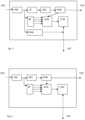
- the figure 1 illustrates the different elements taking part of the present invention.
- the receiver RD can receive the video transmission in various ways. As illustrated in figure 1 , the input NT1 for the case when the receiver is connected to a cable or an antenna.
- the receiver can receive the video transmission through Internet (NT2) via the network router RT (e.g. Over The Top (OTT) transmission).
- NT2 Internet
- OTT Over The Top
- the video transmission can also be stored in the receiver RD or played from a local source such as a DVD player.
- a local source such as a DVD player.
- the expression “receiving a video transmission” can be understood as receiving from an external source (e.g., network NT1 or NT2) or an internal source (e.g., DVD, Harddrive, etc.).
- the receiver RD is connected through a network router RT and therefore has access to the other devices of the user and to Internet (NT2).
- One of the devices is a mobile device MD such as a tablet or a smartphone.
- the receiver can be a set-top box (STB), or a module integrated into the television or a module such as USB dongle or PCMCIA card connected to the television.
- the receiving module receives a compressed video transmission selected by the host (the television) and returns a compressed video transmission to the host.
- the decompression module DEC as well as the audio/video module AVM are located into the host.
- the snapshot is created from the compressed video transmission.
- said receiving module comprises a network interface LCM to communication with the mobile device MD.
- the receiver RD From the received video transmission, the receiver RD prepares a lower-bandwidth video transmission and sends it to the mobile device MD.
- This lower-bandwidth video transmission can be produced by converting the nominal bandwidth video transmission to a lower bandwidth by downsampling the nominal video transmission so as to reduce the bandwidth.
- the resolution of the lower-bandwidth video transmission can be reduced and maintain a compatible format with the screen of the mobile device MD.
- the nominal video transmission is HD quality, i.e. with a resolution of 1920 x 1080 pixels.
- the downsampling module DSM of the receiver RD With the downsampling module DSM of the receiver RD, the resolution of the lower-bandwidth video transmission is reduced to 1 280 ⁇ 720 pixels or 1024 x 768 pixels.
- downsampling algorithms may include:
- the downsampled video presentation can be a lighter version of the nominal video transmission in terms of bandwidth and represent a lower-bandwidth video transmission.
- the term "lower" means that the bandwidth for the lower-bandwidth video transmission is lower than the bandwidth used for the nominal video transmission (also called video transmission).
- the lower-bandwidth video transmission is sent to the mobile device MD in parallel to the transmission of the nominal video transmission to the main screen attached to the receiver.
- the receiver RD can select among different target resolutions as lower-bandwidth video transmission, the selection being made during an initialization phase on the receiver.
- the mobile device can then test if the bandwidth available on the network accommodates the lower-bandwidth video transmission. In response to the available bandwidth being below a threshold, the mobile device can select another target resolution.
- the lower-bandwidth video transmission is sent from the receiver RD to the router RT connected with the receiver and from the router RT, to the mobile device MD via the network LNT.
- the network LNT may be a local network through a Wifi router.
- the mobile device can display the lower-bandwidth video transmission on its screen. It is to be noted that the receiver RD can play the role of the router (a router/receiver device), thus the lower-bandwidth video transmission is sent from the receiver RD directly to the mobile device MD.
- the mobile device MD When the user triggers a snapshot, said user enters a command to the mobile device MD.
- the mobile device then send a message, via the home network LNT, to the receiver RD.
- the message may comprise a command to execute a snapshot, and optionally can further comprise the type of snapshot (image or video).
- the receiver proceeds to produce a snapshot.
- the image snapshot is understood as a still image representing one image that is or was sent to the screen attached to (or part of) the receiver.
- the current image processed by the audio video module AVM from the video transmission is extracted and sent to the snapshot module SCM.
- This operation is transparent for the viewer watching the main screen.
- the snapshot module SCM may have access to the memory of the audio video module AVM.
- This image represents the current frame in full resolution as it is sent to the screen at the time the snapshot message is received by the receiver.
- This image can be compressed into formats (e.g., JPEG, GIF, TIFF, etc.) to produce the snapshot image.
- the receiver RD When the receiver RD receives a message from the mobile device to execute a snapshot, the receiver extracts the currently displayed image and prepares the snapshot image. Once compressed with into a suitable format, the snapshot image is sent to the mobile device MD.
- the receiver comprises a video buffer BF that stores part of the video transmission already sent (or currently being sent) to the decompression module DEC of the receiver.
- the buffer BF will then contain a predefined time of the video transmission, constantly updated in a first in, first out function.
- the video buffer BF contains the last n seconds of the video transmission (e.g. n could vary from 1 to 20 seconds) corresponding to the n seconds preceding the current display of the video transmission.
- the snapshot module SCM can either receive the current image from the audio video module AVM or receive the current image from the video buffer BF. In the latter case, the content of the video buffer being in compressed form, the snapshot module decompresses the content extracted from the video buffer to create the snapshot image.
- the video buffer BF is frozen and no new data is added to the buffer.
- the video buffer BF will contain the last n seconds preceding the reception of the snapshot instruction. The frozen status is released when the snapshot operation is completed.
- the video snapshot should be understood to be a short extract of the video transmission currently transmitted to the screen attached to the receiver.
- the snapshot module SCM accesses the video buffer BF to obtain a video extract of a first length.
- the snapshot module prepares a downsampled video extract by down-sampling the video extract in order to reduce the bandwidth necessary to transmit the extract to the mobile device.
- the receiver then sends to the mobile device MD the downsampled video extract.
- the mobile can present an interface to the user to select a starting point and an ending point of the video extract. Once selected, the mobile device sends the points to the receiver.
- the snapshot module prepares a video snapshot of a length as specified by the starting point and the ending point. This video snapshot is then sent to the mobile device.
- the snapshot module in response to receiving the message to execute a snapshot, produces multiple of image snapshots from the video extract stored in the buffer. Each image is formed from the video that is extracted from the buffer by decompressing the video.
- the snapshot module forms multiple images representing the slow motion of the video extract at different times, such that each image is spaced according to a predefined setting (e.g. each image being spaced by 500ms).
- the plurality of images is downsampled and sent to the mobile device.
- the mobile device proposes to the user the plurality of downsampled images for selection.
- the mobile device can include an interface to select the images, for example, in the form of a contact sheet (as illustrated in the figure 5 ) or a flip through interface (as illustrated in the figure 6 ).
- the snapshot module may employ the GOP structure of the compressed video extract.
- the GOP is a group of pictures starting with a I frame (Intra-coded picture), containing the full image, followed by a plurality of P frames (Predicted picture) and B frames (Bi-predictive picture). These frames can represent the differences versus the previous frame.
- the snapshot extracts the I-frames from the video extract and then prepares the downsampled version of these I frames.
- the mobile device MD can post the snapshot to a third party server TPS.
- the TPS can be a social network server (e.g. Facebook TM , Instagram TM ) or a private server.
- the mobile device receives from the server a link address representing a location where the server has stored the snapshot.
- the mobile device can add credential to the snapshot (e.g., user name, password, etc.), for example, to allow the TPS to identify and authorize the posting of the snapshot.
- credential e.g., user name, password, etc.
- the mobile device can then share a message containing the link address to a third party device TPD.
- the user of the mobile device can add comments (i.e. free text) in the message comprising the link.
- comments i.e. free text
- An editor is presented to the user to type some comments, i.e. the reason why this snapshot has some interest.
- the free text is added to the message, thus containing the link address and the free text.
- the user can select one or more recipients from a contact list to share the message to third party devices TPD.
- the mobile device can read the free text and retrieve the snapshot from the third party server TPS using the link address contained in the message.
- the message can further contain metadata related to the video transmission.
- the receiver extracts from the video transmission metadata describing the content of the video transmission. Metadata can be the title of the movie currently transmitted, for example, or a description of the content (e.g. "X factor Hong 2015”).
- the metadata can further contain the description of the channel from which the video presentation is obtained (e.g. "ITV2").
- the receiver transmits the metadata to the mobile device with the snapshot.
- the mobile device adds the metadata to the message shares the message with third party devices.
- the metadata as well as the free text is sent with the snapshot to the third party server.
- the third party device in response to receiving the message containing the link address, can retrieve the snapshot as well as the metadata and the free text.
- the receiver includes a synchronization buffer SB, located between the reception of the compressed signal and the transmission of the decompressed signal to a screen output.
- the synchronization buffer is used to synchronize the display of the lower-bandwidth video transmission received by the mobile device and the nominal video transmission displayed on the main screen.
- the preparation of the downsampled video transmission, the transmission through the network LNT as well as the processing by the mobile device takes time. Without the synchronization buffer, the image displayed on the mobile device may be delayed several 100ms. Accordingly, the length of the synchronization buffer is adjusted so that both screens (the mobile device and the main screen) are synchronized.
- the mobile device can adjust the length in accordance with a particular condition, such as taking into account the available bandwidth of the network LNT and/or the time to process the lower-bandwidth video transmission by the mobile device.
- the synchronization buffer is located prior to the decompression module DEC.
- the synchronization buffer can be located at the exit of the decompression module, thus storing decompressed frames.
- the mobile device can display the lower-bandwidth video transmission and send commands to the receiver to adjust the length of the synchronization buffer.
- the mobile device may present an interface with two arrows displayed on top of the lower-bandwidth video transmission to allow the user to adjust the delay created by the synchronization buffer. Each time that the user presses on one arrow, a command is sent to the receiver and the length of the synchronization buffer is adjusted, by step of 50ms for example, either forward or backward.
- the mobile device MD preferably comprises a dedicated application for the snapshot operation, thus being able to display the lower-bandwidth video transmission and transmits commands to the receiver.
- the dedicated application can also present to the user to set-up a default mode of operation. The user can then configure if he/she prefers to have an image or a video snapshot, configure the length of the video extract or the number of the downsampled images, etc..
- the resolution of the lower-bandwidth video transmission can also be selected in accordance with the resolution of the mobile device's screen. Once the user has selected the default mode, the mobile device transmits these setting to the receiver.
- a log record is created and transmitted to a remote server.
- the log record may contain an identification of the video transmission, preferably extracted from the metadata, and information about the particular segment of the video transmission used to create the snapshot. This information can be in the form of a time index or a frame index. In case of a video snapshot, the information is a start time and end time or start frame index and end frame index. Additional information can be added such as the current channel (for example in the form of the DVB Triplet) containing the video transmission, or identification of the receiver.
- the log record is created by the receiver and transmitted to the remote server by the receiver.
- the receiver is preferably connected to Internet and has access to the remote server.
- the log record is created in the dedicated application loaded into the mobile device, at the time of the posting of the snapshot.
- the mobile device can add its identification (user identification) to the log record and send the log record to the remote server.
- the remote server can then analyze the user's reaction and which video transmission has generated the most snapshots by the users. This feature opens the possibility of rewarding the user for posting a particular content such as an advertisement.
- the remote server comprises a database and keeps track of the activity of a user.
- the remote server stores the activity of a user and accumulates the log records for said user.
- a snapshot for a particular advertisement e.g. for a new car
- the user via the mobile device can receive an invitation for a free ride with the new car.
- the metadata of the video transmission can not only contain a description of the content but can also contain banner information.
- Banner information could be in the form of a text or an image. This banner information will be visually added on the snapshot at the time of the production of the snapshot by the receiver.
- the banner information is extracted from the video transmission and converted into an image added to the snapshot. In case of text information, the receiver generates the corresponding characters to be added into the snapshot. In case of an image, the image is added to the snapshot.
- the banner information can further comprise location indication, i.e. the location where the text or the image should be added into the snapshot.
- the operation of adding the banner can be an operation of overlaying the banner on the snapshot or replacing a section of the snapshot by the banner.
- the metadata of the video transmission can not only contain a description of the content but can also contain instruction related to the snapshot operation.
- the snapshot module SCM Before the snapshot module SCM starts the production of the snapshot, it read the snapshot status to check whether it is authorized to produce a snapshot. In case that the snapshot is disabled, the receiver returns a message to the mobile device to inform it that this function is not available yet.
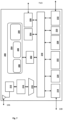
- the receiver RD and more generally a computing device 200 is illustrated in the figure 7 .
- FIG. 7 is a block diagram illustrating an example of a computing device that may implement one or more techniques of this disclosure.
- Computing device 200 is an example of a computing device that may be configured to transmit data to and receive data from a communications network, allow a user to access multimedia content, and execute one or more applications.
- Computing device 200 may include or be part of a stationary computing device (e.g., a desktop computer, a television, a set-top box, a gaming console, a dedicated multimedia streaming device, a digital video recorder, etc.), a portable computing device (e.g., a mobile phone, a laptop, a personal data assistant (PDA), a tablet device, a portable gaming device, etc.) or another type of computing device.
- PDA personal data assistant
- computing device 200 is configured to receive data via a television network, such as, for example, television network 106 or NT1 described above and send and receive data via a data network, such as, for example, a public or local network 108 or LNT. It should be noted that in other examples, computing device 200 may be configured to send and receive data through one of television network 106 or local network 108. The techniques described herein may be utilized by devices configured to communicate using any and all combinations of communications networks.
- computing device 200 includes central processing unit(s) 202, system memory 204, system interface 210, modem 212, transport module 214, audio-video demultiplexer (AVdemux) 216, network interface 218, storage device(s) 220, user interface(s) 222, audio decoder 224, audio processor 226, video decoder 228, graphics processing unit 230, and display processor 232.
- central processing unit(s) 202 system memory 204, system interface 210, modem 212, transport module 214, audio-video demultiplexer (AVdemux) 216, network interface 218, storage device(s) 220, user interface(s) 222, audio decoder 224, audio processor 226, video decoder 228, graphics processing unit 230, and display processor 232.
- AVdemux audio-video demultiplexer
- system memory 204 includes operating system 206, applications 208, and content selection application 209.
- Each of central processing units(s) 202, system memory 204, system interface 210, modem 212, transport module 214, AV demux 216, network interface 218, storage device(s) 220, user interface(s) 222, audio decoder 224, audio processor 226, video decoder 228, graphics processing unit 230, and display processor 232 may be interconnected (physically, communicatively, and/or operatively) for inter-component communications and may be implemented as any of a variety of suitable circuitry, such as one or more microprocessors, digital signal processors (DSPs), application specific integrated circuits (ASICs), field programmable gate arrays (FPGAs), discrete logic, software, hardware, firmware or any combinations thereof.
- DSPs digital signal processors
- ASICs application specific integrated circuits
- FPGAs field programmable gate arrays
- example computing device 200 is illustrated as having distinct functional blocks, such an illustration is for descriptive purposes and does not limit computing device 200 to a particular hardware architecture. Functions of computing device 200 may be realized using any combination of hardware, firmware and/or software implementations. In some examples, functionality of computing device 200 may be implemented using one or more so-called systems on a chip (SOC). For example, computing device 200 may include a set-top box including a SOC. One example of a commercially available SOC that may be included in a set-top box is the Broadcom ® BCM7252 Ultra HD SoC. Central processing unit(s) 202 may be configured to implement functionality and/or process instructions for execution in computing device 200.
- SOC systems on a chip
- Central processing unit(s) 202 may be capable of retrieving and processing instructions, code, and/or data structures for implementing one or more of the techniques described herein. Instructions may be stored on a computer readable medium, such as system memory 204 or storage device(s) 220. Central processing unit(s) 202 may include multi-core central processing units. As described in detail below, the techniques described herein may be used to optimize CPU usage. For example, one or more background processing techniques may be used to reduce the delay (or lag) experienced by a user interacting with one of the graphical user interfaces described below.
- System memory 204 may be described as a non-transitory or tangible computer-readable storage medium. In some examples, system memory 204 may provide temporary and/or long-term storage. In some examples, system memory 204 or portions thereof may be described as non-volatile memory and in other examples portions of system memory 204 may be described as volatile memory. Examples of volatile memories include random access memories (RAM), dynamic random access memories (DRAM), and static random access memories (SRAM). Examples of non-volatile memories include magnetic hard discs, optical discs, floppy discs, flash memories, or forms of electrically programmable memories (EPROM) or electrically erasable and programmable (EEPROM) memories.
- RAM random access memories
- DRAM dynamic random access memories
- SRAM static random access memories
- Examples of non-volatile memories include magnetic hard discs, optical discs, floppy discs, flash memories, or forms of electrically programmable memories (EPROM) or electrically erasable and programmable (EEPROM) memories.
- System memory 204 may be configured to store information that may be used by computing device 200 during operation.
- System memory 204 may be used to store program instructions for execution by central processing unit(s) 202 and may be used by software or applications running on computing device 200 to temporarily store information during program execution.
- system memory 204 may store instructions associated with operating system 206, applications 208, and content selection application 209.
- System memory 204 may include one or more distinct memory devices, where each memory device may include a distinct type of memory interface.
- system memory 204 may include an internal hard disk or solid state drive, a random access memory module, an embedded MultiMediaCard (eMMC) memory device, and/or one or more caches (e.g., CPU caches and/or GPU caches).
- eMMC embedded MultiMediaCard
- images associated with a graphical user interface may be loaded from a portion of system memory 204 to another portion of system memory 204 in order to reduce the time required to render the images on a display based on received user inputs. For example, a subset of images associated with a graphical user interface may be loaded into a cache based on user behavior. It should be noted that the techniques described herein may be generally applicable to any memory architecture.
- Applications 208 and content selection application 209 may include applications implemented within or executed by computing device 200 and may be implemented or contained within, operable by, executed by, and/or be operatively/communicatively coupled to components of computing device 200.
- Applications 208 and content selection application 209 may include instructions that may cause central processing unit(s) 202 of computing device 200 to perform particular functions. Applications 208 and content selection application 209 may include algorithms which are expressed in computer programming statements, such as, for-loops, while-loops, if-statements, do-loops, etc. Applications 208 and content selection application 209 may be distributed to computing device 200 through an application distribution site, for example, application distribution site 122. In one example, applications 208 and content selection application 209 may cause computing device 200 to perform functions associated with the example techniques described herein that enable a user to access items of content. Applications 208 and content selection application 209 may cause one or more graphical user interfaces to be presented that enable a user to provide data for use by an application.
- applications 208 may include one or more dedicated applications enabling a user to access a digital media service. It should be noted that as used herein a dedicated application enabling a user to access a digital media service may be high integrated with an application or operating system of a computing device.
- a set-top box supported by a cable television provider may enable a user to access items of content from a television service, an on demand media service maintained by the cable television service provider, and/or a third party media streaming service.
- each distinct graphical user interface enabling a user to select items of content to access may be referred to as a dedicated application, a source, and/or a portal.
- content selection application 209 may be provided to a computing device and cause a computing device to enable a user to select items of content according to one or more of the techniques described herein.
- content selection application 209 may operate in conjunction with an application running on a companion device, such as a mobile device.
- applications 208 and content selection application 209 may execute in conjunction with operating system 206. That is, operating system 206 may be configured to facilitate the interaction of applications 208 and content selection application 209 with central processing unit(s) 202, and other hardware components of computing device 200. It should be noted that in some examples, components of operating system 206 and components acting in conjunction with operating system 206 may be referred to as middleware. Further, in some examples, content selection application 209 may include an application programming interface (API). The techniques described herein may be utilized by devices configured to operate using any and all combinations of software architectures. Operating system 206 may be an operating system designed to be installed on laptops, desktops, smartphones, tablets, set-top boxes, digital video recorders, televisions and/or gaming devices. In one example, operating system 206 may include one or more of operating systems or middleware components developed by OpenTV ® , Windows ® operating systems, Linux operation systems, Mac OS ® , Android ® operating systems, and any and all combinations thereof.
- OpenTV ® Windows ® operating systems
- System interface 210 may be configured to enable communications between components of computing device 200.
- system interface 210 comprises structures that enable data to be transferred from one peer device to another peer device or to a storage medium.
- system interface 210 may include a chipset supporting Accelerated Graphics Port (AGP) based protocols, Peripheral Component Interconnect (PCI) bus based protocols, such as, for example, the PCI Express (PCle) bus specification, which is maintained by the Peripheral Component Interconnect Special Interest Group, or any other form of structure that may be used to interconnect peer devices.
- AGP Accelerated Graphics Port
- PCI Peripheral Component Interconnect
- PCle PCI Express
- Storage device(s) 220 represent memory of computing device 200 that may be configured to store relatively larger amounts of information for relatively longer periods of time than system memory 204.
- storage device(s) 220 may include a hard disk drive configured to store numerous video files. Similar to system memory 204, storage device(s) 220 may also include one or more non-transitory or tangible computer-readable storage media.
- Storage device(s) 220 may include internal and/or external memory devices and in some examples may include volatile and non-volatile storage elements.
- User interface(s) 222 may include devices configured to receive input from a user during operation of computing device 200.
- user interface(s) 222 may include buttons and switches, motion sensors (e.g., accelerometers), touch-sensitive sensors, a track pad, a mouse, a keyboard, a microphone, a video camera, or any other type of device configured to receive user input.
- User interface(s) 222 may be integrated into computing device 200.
- user interface(s) 222 may include push buttons located on the television.
- user interface(s) 222 may be integrated into devices external to computing device 200.
- user interface(s) 222 may be integrated into a companion device, such as, for example, companion device 300 and companion device 400 described in detail below.
- an external device including user interfaces(s) 222 may be operatively coupled to computing device 200 using a standardized communication protocol, such as for example, Universal Serial Bus protocol (USB), Bluetooth, ZigBee or a proprietary communications protocol, such as, for example, a proprietary infrared communications protocol.
- USB Universal Serial Bus protocol
- Bluetooth ZigBee
- ZigBee ZigBee
- proprietary communications protocol such as, for example, a proprietary infrared communications protocol.
- user interface(s) 222 may include a display configured to display the graphical users interfaces described herein.
- a companion device in communication with a television may include a user interface including a touch-sensitive display presenting a graphical user interface described herein. Further, as described in detail below, a user may provide commands to computing device 200 by activating portions of a touch-sensitive display.
- computing device 200 is configured to send and receive data via a local network, such as, for example, television network 106 described above and send and receive data via a public network, such as, for example, public network 108.
- This network is used also to transmit and receive data from the mobile device.
- a communications network may be described based on a model including layers that define communication properties, such as, for example, physical signaling, addressing, channel access control, packet properties, and data processing in a communications system.
- modem 212, transport module 214, and AV demux 216 may be configured to perform lower layer processing associated with television network 106 and network interface 218 may be configured to perform lower layer processing associated with public network 108.
- One example useful for understanding the invention is the use of the video buffer to select the snapshot at a time before the reception of the snapshot instruction by the receiver.
- the mobile device may not display in real time the video transmission.
- the mobile device can include an application to carry out all other operations, i.e. sending the snapshot instruction and selecting the proper snapshot (either still image or video) extracted from the video buffer.
- the concurrent transmission to the mobile device is done with the same video transmission, without reducing the bandwidth.
- the nominal video transmission is sent by the receiver to the mobile device.
- the receiver of the present disclosure may perform without the conversion module DSM.
- the mobile device receives the nominal video transmission.
- the receiver sends a snapshot according to the initial resolution (image or video snapshot) and the snapshot selection is made on the initial resolution on the mobile device.
- implementing the synchronization buffer SB is an option and motivated if the transmission of the nominal video transmission is delayed during the transmission to the mobile device.
Landscapes
- Engineering & Computer Science (AREA)
- Signal Processing (AREA)
- Multimedia (AREA)
- Computer Networks & Wireless Communication (AREA)
- Human Computer Interaction (AREA)
- General Engineering & Computer Science (AREA)
- Databases & Information Systems (AREA)
- Computer Security & Cryptography (AREA)
- Two-Way Televisions, Distribution Of Moving Picture Or The Like (AREA)
- Information Transfer Between Computers (AREA)
Claims (8)
- Verfahren zum Erzeugen eines Videoschnappschusses von einer durch einen Empfänger (RD) empfangenen Videoübertragung, wobei der Empfänger (RD) mit einem Mobilgerät (MD) verbunden ist und einen Bildschirmausgang aufweist, wobei das Verfahren folgende Schritte umfasst:Empfangen einer Videoübertragung durch den Empfänger (RD) zum Senden an den Bildschirmausgang,Umwandeln der Videoübertragung in eine Videoübertragung mit geringerer Bandbreite durch den Empfänger,Senden der Videoübertragung mit geringerer Bandbreite an das Mobilgerät (MD) durch den Empfänger (RD),Puffern der Videoübertragung in einem Videopufferspeicher (BF) durch den Empfänger (RD), wobei der Pufferspeicher (BF) die Videoübertragung, die dem Bildschirmausgang bereits während eines vordefinierten Zeitraums gesendet wurde, enthält,Empfangen eines Befehls vom Mobilgerät durch den Empfänger (RD) zum Durchführen eines Videoschnappschusses,wenn der Befehl vom Empfänger (RD) empfangen wird, Erzeugen eines heruntergetakteten Videoauszugs aus der im Pufferspeicher (BF) gespeicherten Videoübertragung,Senden des heruntergetakteten Videoauszugs durch den Empfänger (RD) an das Mobilgerät (MD),Auswählen eines Ausgangs- und eines Endpunkts des heruntergetakteten Videoauszugs durch die Mobilvorrichtung (MD),Erzeugen des Videoschnappschusses durch den Empfänger (RD) aus dem Pufferspeicher (PF) unter Verwendung des vom Mobilgerät (MD) empfangenen Ausgangs- und Endpunkts undSenden des Videoschnappschusses an das Mobilgerät (MD).
- Verfahren nach Anspruch 1, wobei der Videoschnappschuss an einen Drittteilnehmerserver (TPS) an einer durch eine Linkadresse spezifizierten Stelle gepostet wird, wobei das Posten des Videoschnappschusses an einen Drittteilnehmerserver unter Verwendung des Mobilgeräts erfolgt.
- Verfahren nach Anspruch 2, wobei die Linkadresse in einer Nachricht enthalten ist, die mit dem Drittteilnehmerserver (TPS) geteilt und für diesen bereitgestellt wird.
- Verfahren nach Anspruch 2 oder 3, wobei das Verfahren ferner folgende Schritte umfasst:Senden von Metadaten, die den Videoschnappschuss identifizieren, mit dem Videoschnappschuss durch den Empfänger an das Mobilgerät (MD) undwobei die Metadaten mit dem Videoschnappschuss enthalten sind, welcher an den Drittteilnehmerserver (TPS) gepostet wird.
- Verfahren nach einem der Ansprüche 1 bis 4, wobei das Verfahren ferner folgende Schritte umfasst:Extrahieren von Metadaten betreffend die Videoübertragung aus der Videoübertragung,Extrahieren von Bannerinformationen aus den Metadaten,visuelles Hinzufügen der Bannerinformationen zum Videoschnappschuss.
- Empfängervorrichtung (RD), die dazu ausgelegt ist, einen Videoschnappschuss aus einer Videoübertragung zu erzeugen, umfassend:einen Bildschirmausgang (TVO) zum Übertragen der Videoübertragung an einen Bildschirm,einen Eingang (NT1) zum Empfangen der an den Bildschirmausgang zu sendenden Videoübertragung,ein Umwandlungsmodul (DSM) zum Umwandeln der Videoübertragung in die Videoübertragung mit geringerer Bandbreite,ein Kommunikationsmodul (LCM) mit einem Netzwerk (LNT) zum Senden der Videoübertragung mit geringerer Bandbreite an das Netzwerk (LNT),einen Videopufferspeicher (BF) zum Enthalten der Videoübertragung, die dem Bildschirmausgang bereits während eines vordefinierten Zeitraums gesendet wurde,ein Schnappschussmodul (SCM) zum Empfangen eins Schnappschussbefehls vom Netzwerk (LNT) und umeinen heruntergetakteten Videoauszug aus der im Videopufferspeicher (BF) gespeicherten Videoübertragung zu erzeugen,den heruntergetakteten Videoauszug an das Netzwerk (LNT) zu senden,einen Ausgangs- und einen Endpunkt des heruntergetakteten Videoauszugs zu empfangen,den Videoschnappschuss aus dem Videozwischenspeicher (BF) unter Verwendung des empfangenen Ausgangs- und Endpunkts zu erzeugen, wobei der Videoschnappschuss über das Kommunikationsmodul (LCM) an das Netzwerk (LNT) gesendet wird.
- Empfängervorrichtung (RD) nach Anspruch 6, wobei die Empfängervorrichtung für Folgendes ausgelegt ist: Senden von Metadaten, die den Videoschnappschuss identifizieren, an das Netzwerk (LNT) über das Kommunikationsmodul (LCM), wobei die Metadaten mit dem Schnappschuss gesendet werden.
- Empfängervorrichtung (RD) nach Anspruch 6, wobei die Empfängervorrichtung für Folgendes ausgelegt ist:Extrahieren von Metadaten betreffend die Videoübertragung aus der Videoübertragung,Extrahieren von Bannerinformationen aus den Metadaten,visuelles Hinzufügen der Bannerinformationen zum Videoschnappschuss.
Applications Claiming Priority (2)
| Application Number | Priority Date | Filing Date | Title |
|---|---|---|---|
| EP16155390 | 2016-02-12 | ||
| PCT/EP2017/052949 WO2017137533A1 (en) | 2016-02-12 | 2017-02-10 | Method and system to share a snapshot extracted from a video transmission |
Publications (3)
| Publication Number | Publication Date |
|---|---|
| EP3414914A1 EP3414914A1 (de) | 2018-12-19 |
| EP3414914C0 EP3414914C0 (de) | 2025-05-14 |
| EP3414914B1 true EP3414914B1 (de) | 2025-05-14 |
Family
ID=55404576
Family Applications (1)
| Application Number | Title | Priority Date | Filing Date |
|---|---|---|---|
| EP17704738.8A Active EP3414914B1 (de) | 2016-02-12 | 2017-02-10 | Verfahren und system zur gemeinsamen verwendung eines schnappschusses aus einer videoübertragung |
Country Status (6)
| Country | Link |
|---|---|
| US (2) | US11070863B2 (de) |
| EP (1) | EP3414914B1 (de) |
| CN (2) | CN114567801B (de) |
| ES (1) | ES3031043T3 (de) |
| TW (1) | TWI762465B (de) |
| WO (1) | WO2017137533A1 (de) |
Families Citing this family (6)
| Publication number | Priority date | Publication date | Assignee | Title |
|---|---|---|---|---|
| TWI762465B (zh) | 2016-02-12 | 2022-05-01 | 瑞士商納格維遜股份有限公司 | 共享從視訊傳輸提取的快照之方法及系統 |
| CN106254311B (zh) * | 2016-07-15 | 2020-12-08 | 腾讯科技(深圳)有限公司 | 直播方法和装置、直播数据流展示方法和装置 |
| TWI741374B (zh) * | 2019-09-25 | 2021-10-01 | 來享享網路科技股份有限公司 | 一種資料共享系統、方法及非暫時性機器可讀媒體 |
| TWI764777B (zh) * | 2019-09-25 | 2022-05-11 | 來享享網路科技股份有限公司 | 一種資料共享系統、方法及非暫時性機器可讀媒體 |
| CN110855557A (zh) * | 2019-11-14 | 2020-02-28 | 腾讯科技(深圳)有限公司 | 视频分享方法、装置和存储介质 |
| US12058194B2 (en) * | 2020-04-21 | 2024-08-06 | Sling TV L.L.C. | Multimodal transfer between audio and video streams |
Family Cites Families (58)
| Publication number | Priority date | Publication date | Assignee | Title |
|---|---|---|---|---|
| AU2918601A (en) * | 1999-11-05 | 2001-05-14 | Donald A. Glaser | A method and system for audience participation and selective viewing of various aspects of a theatrical performance, whether opera, symphonic, drama or dance orcombinations and variations thereof |
| US7047305B1 (en) * | 1999-12-09 | 2006-05-16 | Vidiator Enterprises Inc. | Personal broadcasting system for audio and video data using a wide area network |
| US20010034788A1 (en) * | 2000-01-21 | 2001-10-25 | Mcternan Brennan J. | System and method for receiving packet data multicast in sequential looping fashion |
| JP2001283079A (ja) * | 2000-03-28 | 2001-10-12 | Sony Corp | 通信サービス方法とその装置、通信端末装置、通信システム、広告宣伝方法 |
| US7540011B2 (en) * | 2001-06-11 | 2009-05-26 | Arrowsight, Inc. | Caching graphical interface for displaying video and ancillary data from a saved video |
| GB0119591D0 (en) * | 2001-08-10 | 2001-10-03 | British Sky Broadcasting Ltd | An apparatus and method for delivering video content to subscribers |
| CA2497518A1 (en) * | 2002-09-05 | 2004-03-18 | South Land Communications Pty Ltd | A system to deliver internet media streams, data & telecommunications |
| US20050071782A1 (en) * | 2003-09-30 | 2005-03-31 | Barrett Peter T. | Miniaturized video feed generation and user-interface |
| KR20050077874A (ko) * | 2004-01-28 | 2005-08-04 | 삼성전자주식회사 | 스케일러블 비디오 스트림 송신 방법 및 이를 이용한 장치 |
| KR100739686B1 (ko) * | 2004-08-13 | 2007-07-13 | 경희대학교 산학협력단 | 영상 코딩 방법, 코딩 장치, 영상 디코딩 방법 및 디코딩장치 |
| DE102005013639A1 (de) * | 2005-03-24 | 2006-11-16 | Dynetic Solutions Gmbh | Verfahren und System zum Ausgeben von Daten |
| EP1978480A3 (de) * | 2005-07-22 | 2011-09-07 | Kangaroo Media, Inc. | System und Verfahren zur Verbesserung der Erfahrung von Zuschauern einer Live-Sportveranstaltung |
| US8026945B2 (en) * | 2005-07-22 | 2011-09-27 | Cernium Corporation | Directed attention digital video recordation |
| KR100770917B1 (ko) * | 2005-08-17 | 2007-10-26 | 삼성전자주식회사 | 디지털 방송 수신 단말기의 캡쳐 영상 전송 방법 |
| US20070064813A1 (en) * | 2005-09-16 | 2007-03-22 | Terayon Communication Systems, Inc., A Delaware Corporation | Distributed synchronous program superimposition |
| US8549442B2 (en) * | 2005-12-12 | 2013-10-01 | Sony Computer Entertainment Inc. | Voice and video control of interactive electronically simulated environment |
| US20070288970A1 (en) * | 2006-05-11 | 2007-12-13 | Mats Tedenvall | Method and apparatus for sharing tv content with a remote device |
| EP2035670A2 (de) * | 2006-06-16 | 2009-03-18 | Droplet Technology, Inc. | System, verfahren und vorrichtung für videoverarbeitung und anwendungen |
| EP2054816A4 (de) * | 2006-08-21 | 2013-06-26 | Sling Media Inc | Erfassung und gemeinsame nutzung von medieninhalten sowie verwaltung gemeinsam genutzter medieninhalte |
| JP2008067316A (ja) * | 2006-09-11 | 2008-03-21 | Olympus Corp | 画像配信システム、サーバ及びクライアント端末 |
| EP1921852A1 (de) * | 2006-11-07 | 2008-05-14 | Microsoft Corporation | Verfahren und System zum Teilen von Fernsehvideofilmausschnitten |
| CN101087406B (zh) * | 2007-06-19 | 2012-06-06 | 中兴通讯股份有限公司 | 一种监控系统即时快照的方法和系统 |
| US8407744B2 (en) * | 2007-06-19 | 2013-03-26 | Verizon Patent And Licensing Inc. | Snapshot recognition for TV |
| US8099455B2 (en) * | 2007-08-16 | 2012-01-17 | Sony Ericsson Mobile Communications Ab | Notifying remote devices of available content |
| US20140032735A1 (en) * | 2008-06-17 | 2014-01-30 | Abhinav Kapoor | Adaptive rate of screen capture in screen sharing |
| US8370520B2 (en) * | 2008-11-24 | 2013-02-05 | Juniper Networks, Inc. | Adaptive network content delivery system |
| US8891939B2 (en) * | 2009-12-22 | 2014-11-18 | Citrix Systems, Inc. | Systems and methods for video-aware screen capture and compression |
| CN101778265B (zh) * | 2010-01-13 | 2012-01-04 | 上海交通大学 | 基于异常事件检测和双流编码的视频监控方法 |
| CN101841930B (zh) * | 2010-04-23 | 2012-04-11 | 南京邮电大学 | 物联网环境下基于传感方向引导的节点协同工作方法 |
| CN103155585A (zh) * | 2010-07-12 | 2013-06-12 | 欧普斯梅迪库斯股份有限公司 | 网络式上下文关联图像的高分辨率查看系统与方法 |
| US8832751B2 (en) * | 2010-08-30 | 2014-09-09 | Deutsche Telekom Ag | Enhanced video streaming to mobile clients |
| US20120303834A1 (en) * | 2010-10-07 | 2012-11-29 | Stellatus, LLC | Seamless digital streaming over different device types |
| CA2830769A1 (en) * | 2011-03-30 | 2012-10-04 | Thomson Licensing | Method for image playback verification |
| KR101781861B1 (ko) * | 2011-04-04 | 2017-09-26 | 엘지전자 주식회사 | 영상표시장치 및 이를 이용한 텍스트 디스플레이 방법 |
| CN102790872B (zh) * | 2011-05-20 | 2016-11-16 | 南京中兴软件有限责任公司 | 一种视频会议的实现方法及系统 |
| AU2011376198B2 (en) * | 2011-09-01 | 2017-05-18 | Interdigital Ce Patent Holdings | Method for capturing video related content |
| US8803991B2 (en) * | 2011-10-12 | 2014-08-12 | Cisco Technology, Inc. | Snapshot capture in video stream |
| CN102306290B (zh) * | 2011-10-14 | 2013-10-30 | 刘伟华 | 一种基于视频的人脸跟踪识别方法 |
| KR20130125047A (ko) * | 2012-05-08 | 2013-11-18 | 삼성전자주식회사 | 디스플레이장치 및 컨텐츠 영상 제공장치 및 이들의 제어방법 |
| US9400727B2 (en) * | 2012-05-15 | 2016-07-26 | Ca, Inc. | Agentless recording for virtual machine consoles |
| US9176703B2 (en) * | 2012-06-29 | 2015-11-03 | Lg Electronics Inc. | Mobile terminal and method of controlling the same for screen capture |
| US10270261B2 (en) * | 2015-09-16 | 2019-04-23 | Energous Corporation | Systems and methods of object detection in wireless power charging systems |
| US9009261B2 (en) * | 2012-09-14 | 2015-04-14 | Comcast Cable Communications, Llc | Optical character recognition for video automation |
| US20140082208A1 (en) * | 2012-09-19 | 2014-03-20 | Nokia Corporation | Method and apparatus for multi-user content rendering |
| CN102984508A (zh) * | 2012-12-21 | 2013-03-20 | 浙江宇视科技有限公司 | 一种摄像机 |
| CN104035684A (zh) * | 2013-03-06 | 2014-09-10 | 腾讯科技(深圳)有限公司 | 一种应用于移动终端上的动态截屏方法及系统 |
| WO2014168833A1 (en) * | 2013-04-08 | 2014-10-16 | Shafron Thomas | Camera assembly, system, and method for intelligent video capture and streaming |
| US10191964B2 (en) * | 2013-05-30 | 2019-01-29 | Microsoft Technology Licensing, Llc | Automatic isolation and selection of screenshots from an electronic content repository |
| CN103347211A (zh) * | 2013-06-20 | 2013-10-09 | 张家港保税区润桐电子技术研发有限公司 | 手机电视播放过程中对画面截屏发送的方法 |
| US9894022B2 (en) * | 2013-07-19 | 2018-02-13 | Ambient Consulting, LLC | Image with audio conversation system and method |
| CN103414894A (zh) * | 2013-07-29 | 2013-11-27 | 上海凯统信息科技有限公司 | 一种无线实时传屏设备及方法 |
| US9628525B2 (en) * | 2013-10-22 | 2017-04-18 | Polytechnic Institute Of New York University | Determining user perceived delays in voice conferencing systems and video conferencing systems |
| US9232192B2 (en) * | 2013-11-08 | 2016-01-05 | Avaya, Inc. | Method and system for video conference snapshot presence |
| WO2015196122A1 (en) * | 2014-06-19 | 2015-12-23 | Contentguard Holdings, Inc. | Rendering content using obscuration techniques |
| CN104333789A (zh) * | 2014-10-30 | 2015-02-04 | 向火平 | 同屏互动系统及其控制方法 |
| CN104506916A (zh) * | 2014-12-12 | 2015-04-08 | 深圳市天威视讯股份有限公司 | 机顶盒与智能移动终端的交互方法及其装置 |
| CN105142012A (zh) * | 2015-08-19 | 2015-12-09 | 广州高清视信数码科技股份有限公司 | 智能电视直播频道列表获取、频道切换及同屏观看的方法 |
| TWI762465B (zh) | 2016-02-12 | 2022-05-01 | 瑞士商納格維遜股份有限公司 | 共享從視訊傳輸提取的快照之方法及系統 |
-
2017
- 2017-02-06 TW TW106103854A patent/TWI762465B/zh active
- 2017-02-10 ES ES17704738T patent/ES3031043T3/es active Active
- 2017-02-10 EP EP17704738.8A patent/EP3414914B1/de active Active
- 2017-02-10 CN CN202210366088.3A patent/CN114567801B/zh active Active
- 2017-02-10 US US16/076,964 patent/US11070863B2/en active Active
- 2017-02-10 CN CN201780010191.1A patent/CN108605159A/zh active Pending
- 2017-02-10 WO PCT/EP2017/052949 patent/WO2017137533A1/en not_active Ceased
-
2021
- 2021-06-17 US US17/350,226 patent/US11528523B2/en active Active
Also Published As
| Publication number | Publication date |
|---|---|
| US11528523B2 (en) | 2022-12-13 |
| EP3414914A1 (de) | 2018-12-19 |
| TWI762465B (zh) | 2022-05-01 |
| CN108605159A (zh) | 2018-09-28 |
| EP3414914C0 (de) | 2025-05-14 |
| WO2017137533A1 (en) | 2017-08-17 |
| US20190045254A1 (en) | 2019-02-07 |
| US20210385517A1 (en) | 2021-12-09 |
| ES3031043T3 (en) | 2025-07-03 |
| US11070863B2 (en) | 2021-07-20 |
| TW201742443A (zh) | 2017-12-01 |
| BR112018013354A2 (pt) | 2018-12-11 |
| CN114567801A (zh) | 2022-05-31 |
| CN114567801B (zh) | 2025-11-04 |
Similar Documents
| Publication | Publication Date | Title |
|---|---|---|
| US11528523B2 (en) | Method and system to share a snapshot extracted from a video transmission | |
| CN102771119B (zh) | 用于视频感知的屏幕捕获和压缩的系统和方法 | |
| CN111343504B (zh) | 视频处理方法、装置、计算机设备和存储介质 | |
| WO2019164753A1 (en) | Efficient streaming video for static video content | |
| JP7515546B2 (ja) | 中断可能な映像トランスコーディング | |
| KR101780782B1 (ko) | 클라우드 스트리밍 서비스 제공 방법 및 이를 위한 장치 | |
| KR20150022532A (ko) | 컨텐츠 재생 방법 및 그에 따른 단말, 그에 따른 시스템 | |
| US20180220204A1 (en) | Information processing device, content requesting method, and computer program | |
| US20200259880A1 (en) | Data processing method and apparatus | |
| KR20150026947A (ko) | 디스플레이 포워딩 기능에 대한 호환성 통지를 이용하는 컨텐트 공유 방법 및 연관 디바이스 | |
| US20240205469A1 (en) | Apparatus and method for processing cloud streaming low latency playback | |
| US11197058B2 (en) | System and method for presenting a video via transcode | |
| US12530160B2 (en) | Display apparatus, electronic device, and operating methods thereof | |
| US20210400334A1 (en) | Method and apparatus for loop-playing video content | |
| JP2012257196A (ja) | 画面の共有に基づくストリーミングメディア転送システム及びその方法 | |
| US20190028522A1 (en) | Transmission of subtitle data for wireless display | |
| CN117692681A (zh) | 视频流播放方法、装置、设备及可读存储介质 | |
| CN115278323A (zh) | 一种显示设备、智能设备和数据处理方法 | |
| US12489928B1 (en) | Systems and methods for low latency and lossless content streaming | |
| BR112018013354B1 (pt) | Método e dispositivo receptor para criar um registro instantâneo a partir de um vídeo | |
| HK40024838B (en) | Video processing method and apparatus, computer device and storage medium | |
| HK40024838A (en) | Video processing method and apparatus, computer device and storage medium | |
| KR20240057844A (ko) | 전자 장치, 서버 장치 및 그 제어 방법 | |
| CN119788902A (zh) | 一种电视屏幕共享协同控制方法、终端设备及存储介质 | |
| BR102016030687A2 (pt) | Método, e, mídia legível por computador não transitória |
Legal Events
| Date | Code | Title | Description |
|---|---|---|---|
| STAA | Information on the status of an ep patent application or granted ep patent |
Free format text: STATUS: UNKNOWN |
|
| STAA | Information on the status of an ep patent application or granted ep patent |
Free format text: STATUS: THE INTERNATIONAL PUBLICATION HAS BEEN MADE |
|
| PUAI | Public reference made under article 153(3) epc to a published international application that has entered the european phase |
Free format text: ORIGINAL CODE: 0009012 |
|
| STAA | Information on the status of an ep patent application or granted ep patent |
Free format text: STATUS: REQUEST FOR EXAMINATION WAS MADE |
|
| 17P | Request for examination filed |
Effective date: 20180831 |
|
| AK | Designated contracting states |
Kind code of ref document: A1 Designated state(s): AL AT BE BG CH CY CZ DE DK EE ES FI FR GB GR HR HU IE IS IT LI LT LU LV MC MK MT NL NO PL PT RO RS SE SI SK SM TR |
|
| AX | Request for extension of the european patent |
Extension state: BA ME |
|
| DAV | Request for validation of the european patent (deleted) | ||
| DAX | Request for extension of the european patent (deleted) | ||
| STAA | Information on the status of an ep patent application or granted ep patent |
Free format text: STATUS: EXAMINATION IS IN PROGRESS |
|
| 17Q | First examination report despatched |
Effective date: 20210223 |
|
| GRAP | Despatch of communication of intention to grant a patent |
Free format text: ORIGINAL CODE: EPIDOSNIGR1 |
|
| STAA | Information on the status of an ep patent application or granted ep patent |
Free format text: STATUS: GRANT OF PATENT IS INTENDED |
|
| RIC1 | Information provided on ipc code assigned before grant |
Ipc: H04N 21/4788 20110101ALI20241128BHEP Ipc: H04N 21/475 20110101ALI20241128BHEP Ipc: H04N 21/433 20110101AFI20241128BHEP |
|
| INTG | Intention to grant announced |
Effective date: 20241219 |
|
| GRAS | Grant fee paid |
Free format text: ORIGINAL CODE: EPIDOSNIGR3 |
|
| GRAA | (expected) grant |
Free format text: ORIGINAL CODE: 0009210 |
|
| STAA | Information on the status of an ep patent application or granted ep patent |
Free format text: STATUS: THE PATENT HAS BEEN GRANTED |
|
| AK | Designated contracting states |
Kind code of ref document: B1 Designated state(s): AL AT BE BG CH CY CZ DE DK EE ES FI FR GB GR HR HU IE IS IT LI LT LU LV MC MK MT NL NO PL PT RO RS SE SI SK SM TR |
|
| REG | Reference to a national code |
Ref country code: GB Ref legal event code: FG4D |
|
| REG | Reference to a national code |
Ref country code: CH Ref legal event code: EP |
|
| REG | Reference to a national code |
Ref country code: DE Ref legal event code: R096 Ref document number: 602017089444 Country of ref document: DE |
|
| REG | Reference to a national code |
Ref country code: IE Ref legal event code: FG4D |
|
| REG | Reference to a national code |
Ref country code: ES Ref legal event code: FG2A Ref document number: 3031043 Country of ref document: ES Kind code of ref document: T3 Effective date: 20250703 |
|
| U01 | Request for unitary effect filed |
Effective date: 20250610 |
|
| U07 | Unitary effect registered |
Designated state(s): AT BE BG DE DK EE FI FR IT LT LU LV MT NL PT RO SE SI Effective date: 20250623 |
|
| PG25 | Lapsed in a contracting state [announced via postgrant information from national office to epo] |
Ref country code: NO Free format text: LAPSE BECAUSE OF FAILURE TO SUBMIT A TRANSLATION OF THE DESCRIPTION OR TO PAY THE FEE WITHIN THE PRESCRIBED TIME-LIMIT Effective date: 20250814 Ref country code: GR Free format text: LAPSE BECAUSE OF FAILURE TO SUBMIT A TRANSLATION OF THE DESCRIPTION OR TO PAY THE FEE WITHIN THE PRESCRIBED TIME-LIMIT Effective date: 20250815 |
|
| PG25 | Lapsed in a contracting state [announced via postgrant information from national office to epo] |
Ref country code: PL Free format text: LAPSE BECAUSE OF FAILURE TO SUBMIT A TRANSLATION OF THE DESCRIPTION OR TO PAY THE FEE WITHIN THE PRESCRIBED TIME-LIMIT Effective date: 20250514 |
|
| PG25 | Lapsed in a contracting state [announced via postgrant information from national office to epo] |
Ref country code: HR Free format text: LAPSE BECAUSE OF FAILURE TO SUBMIT A TRANSLATION OF THE DESCRIPTION OR TO PAY THE FEE WITHIN THE PRESCRIBED TIME-LIMIT Effective date: 20250514 |
|
| PG25 | Lapsed in a contracting state [announced via postgrant information from national office to epo] |
Ref country code: RS Free format text: LAPSE BECAUSE OF FAILURE TO SUBMIT A TRANSLATION OF THE DESCRIPTION OR TO PAY THE FEE WITHIN THE PRESCRIBED TIME-LIMIT Effective date: 20250814 |
|
| PG25 | Lapsed in a contracting state [announced via postgrant information from national office to epo] |
Ref country code: IS Free format text: LAPSE BECAUSE OF FAILURE TO SUBMIT A TRANSLATION OF THE DESCRIPTION OR TO PAY THE FEE WITHIN THE PRESCRIBED TIME-LIMIT Effective date: 20250914 |
|
| PG25 | Lapsed in a contracting state [announced via postgrant information from national office to epo] |
Ref country code: SM Free format text: LAPSE BECAUSE OF FAILURE TO SUBMIT A TRANSLATION OF THE DESCRIPTION OR TO PAY THE FEE WITHIN THE PRESCRIBED TIME-LIMIT Effective date: 20250514 |
|
| PG25 | Lapsed in a contracting state [announced via postgrant information from national office to epo] |
Ref country code: CZ Free format text: LAPSE BECAUSE OF FAILURE TO SUBMIT A TRANSLATION OF THE DESCRIPTION OR TO PAY THE FEE WITHIN THE PRESCRIBED TIME-LIMIT Effective date: 20250514 |
|
| PG25 | Lapsed in a contracting state [announced via postgrant information from national office to epo] |
Ref country code: SK Free format text: LAPSE BECAUSE OF FAILURE TO SUBMIT A TRANSLATION OF THE DESCRIPTION OR TO PAY THE FEE WITHIN THE PRESCRIBED TIME-LIMIT Effective date: 20250514 |
|
| U20 | Renewal fee for the european patent with unitary effect paid |
Year of fee payment: 10 Effective date: 20260121 |
|
| PLBE | No opposition filed within time limit |
Free format text: ORIGINAL CODE: 0009261 |
|
| STAA | Information on the status of an ep patent application or granted ep patent |
Free format text: STATUS: NO OPPOSITION FILED WITHIN TIME LIMIT |
|
| REG | Reference to a national code |
Ref country code: CH Ref legal event code: L10 Free format text: ST27 STATUS EVENT CODE: U-0-0-L10-L00 (AS PROVIDED BY THE NATIONAL OFFICE) Effective date: 20260325 |
|
| PGFP | Annual fee paid to national office [announced via postgrant information from national office to epo] |
Ref country code: GB Payment date: 20260121 Year of fee payment: 10 |
|
| PGFP | Annual fee paid to national office [announced via postgrant information from national office to epo] |
Ref country code: ES Payment date: 20260302 Year of fee payment: 10 |
|
| 26N | No opposition filed |
Effective date: 20260217 |