EP3417878A1 - Antagonisten von il-17-isoformen und deren verwendungen - Google Patents
Antagonisten von il-17-isoformen und deren verwendungen Download PDFInfo
- Publication number
- EP3417878A1 EP3417878A1 EP18183281.7A EP18183281A EP3417878A1 EP 3417878 A1 EP3417878 A1 EP 3417878A1 EP 18183281 A EP18183281 A EP 18183281A EP 3417878 A1 EP3417878 A1 EP 3417878A1
- Authority
- EP
- European Patent Office
- Prior art keywords
- cancer
- antagonist
- composition
- cells
- cell
- Prior art date
- Legal status (The legal status is an assumption and is not a legal conclusion. Google has not performed a legal analysis and makes no representation as to the accuracy of the status listed.)
- Ceased
Links
Images






Classifications
-
- C—CHEMISTRY; METALLURGY
- C07—ORGANIC CHEMISTRY
- C07K—PEPTIDES
- C07K16/00—Immunoglobulins [IG], e.g. monoclonal or polyclonal antibodies
- C07K16/18—Immunoglobulins [IG], e.g. monoclonal or polyclonal antibodies against material from animals or humans
- C07K16/24—Immunoglobulins [IG], e.g. monoclonal or polyclonal antibodies against material from animals or humans against cytokines, lymphokines or interferons
- C07K16/244—Interleukins [IL]
-
- A—HUMAN NECESSITIES
- A61—MEDICAL OR VETERINARY SCIENCE; HYGIENE
- A61P—SPECIFIC THERAPEUTIC ACTIVITY OF CHEMICAL COMPOUNDS OR MEDICINAL PREPARATIONS
- A61P35/00—Antineoplastic agents
Definitions
- the invention relates generally to antagonists of IL-17 isoforms and their uses in diagnosis and therapy, especially for the treatment or prevention of cancers or autoimmune and chronic inflammatory diseases.
- IL-17A exists as a homodimer (IL-17A/A) or heterodimer (IL-17A/F) ( Gaffen, S. L. (2009) "Structure and signalling in the IL-17 receptor family” Nature reviews. Immunology 9(8): 556-567 ).
- IL-17A and IL-17F bind a trimeric complex of IL-17RA and IL-17RC whose expressions are ubiquitous.
- IL-17A and IL-17F are mainly produced by Th17 cells, a subset of T lymphocytes.
- the biological role of IL-17A and IL-17F is to participate to host defense against microbial or fungal infections by inducing an acute inflammatory response leading to release of pro-inflammatory cytokines, chemokines, antimicrobial peptides and matrix metalloproteinases from fibroblasts, keratinocytes, endothelial and epithelial cells ( Iwakura, Y., H. Ishigame, et al.
- IL-17A also recruits neutrophils to the inflammatory sites ( Iwakura, Y., H. Ishigame, et al. (2011) “Functional specialization of interleukin-17 family members” Immunity 34(2): 149-162 ).
- chronic or ectopic production of IL-17A and IL-17F is involved in the development of autoimmune and chronic inflammatory diseases as evidenced in mouse models of Experimental Autoimmune Encephalomyelitis, Collagen-Induced Arthritis (CIA) or SKG arthritic mice, in various models of colitis and psoriasis ( Iwakura, Y., H.
- IL-17A and/or IL-17F are for instance involved in Rheumatoid Arthritis (RA), Multiple Sclerosis, Systemic Lupus Erythematosus inflammatory bowel diseases, Crohn's diseases and psioriasis ( Iwakura, Y., H. Ishigame, et al. (2011) “Functional specialization of interleukin-17 family members” Immunity 34(2): 149-162 ).
- IL-17A triggers a positive feedback loop on IL-6 signaling, including activation of the NP ⁇ B and Stat3 in fibroblasts, leading to chronic inflammation.
- IL-17A and IL-17F are also involved in allergic diseases ( Iwakura, Y., H. Ishigame, et al. (2011) “Functional specialization of interleukin-17 family members” Immunity 34(2): 149-162 ).
- IL-17B binds IL-17RB
- IL-17C binds IL-17RE
- IL-17E binds a complex of IL-17RA and IL-17RB
- the receptor of IL-17D is unknown ( Gaffen, S. L. (2009) "Structure and signalling in the IL-17 receptor family” Nature reviews. Immunology 9(8): 556-567 ).
- IL-17B, IL-17C, IL-17D and IL-17E activate pathways and cytokines release similar to those induced by IL-17A and IL-17F such as NF ⁇ b, TNF ⁇ , IL-6, IL-8, IL-1 ⁇ ( Lee, J., W.
- IL-17E a novel proinflammatory ligand for the IL-17 receptor homolog IL-17Rh1
- J Biol Chem 276(2): 1660-1664 Starnes, T., H. E. Broxmeyer, et al. (2002) "Cutting edge: IL-17D, a novel member of the IL-17 family, stimulates cytokine production and inhibits hemopoiesis” J Immunol 169(2): 642-646 ; Stamp, L. K., A. Easson, et al.
- IL-17C is important for the defense against bacterial infections ( Ramirez-Carrozzi, V., A. Sambandam, et al. (2011) "IL-17C regulates the innate immune function of epithelial cells in an autocrine manner" Nat Immunol 12(12): 1159-1166 ).
- IL-17A and IL-17F IL-17B and IL-17C also play a role in CIA in mice ( Yamaguchi (2007) "IL-17B and IL-17C are associated with TNF- ⁇ production and contribute to the exacerbation of inflammatory arthritis" J.
- IL-17A, IL-17B, IL-17D, IL-17E have been detected in human RA nodules ( Stamp, L. K., A. Easson, et al. (2008) "Different T cell subsets in the nodule and synovial membrane: absence of interleukin-17A in rheumatoid nodules” Arthritis Rheum 58(6): 1601-1608 ).
- IL-17E originally named IL-25, is the most divergent member of the family. It has some common (NP ⁇ B, IL-6, IL-8) and unique (IL-4, IL-5, and IL-13) targets ( Wong, C. K., P. F.
- IL-17A or IL-17A producing cells have been reported in numerous solid and hematological cancers and may thus be therapeutic target in cancers ( Iwakura, Y., H. Ishigame, et al. (2011) “Functional specialization of interleukin-17 family members” Immunity 34(2): 149-162 ).
- IL-17B, IL-17C, IL-17D, IL-17E and IL-17F have not been evaluated in cancers.
- IL-17 denotes the IL-17 protein or interleukin 17, advantageously of human origin.
- IL-17 antagonist refers to an agent, substance, molecule, etc., that disrupts, prevents, inhibits, or otherwise targets and/or interferes with the activity of IL-17 or the IL-17 pathway.
- IL-17 antagonists include antibodies against IL-17 or its receptor (including, for example, neutralizing antibodies), small molecule antagonists, decoy receptors, protein antagonists (including fusion proteins and glycoproteins), and nucleic acid antagonists (e.g., gene silencers, short hairpin RNA, or "shRNA", siRNA, and antisense nucleic acid molecules).
- an antibody includes whole or “full” antibodies and any antigen binding fragment or single chains thereof.
- An “antibody” refers to a glycoprotein comprising at least two heavy (H) chains and two light (L) chains inter-connected by disulfide bonds, or an antigen binding portion thereof.
- a full heavy chain contains a heavy chain variable region (V H ) and a heavy chain constant region.
- a full heavy chain constant region has three domains, C H 1, C H 2 and C H 3.
- a full light chain contains a light chain variable region (V L ) and a light chain constant region that contains one domain, C L .
- V H and V L regions can be further subdivided into regions of hypervariability, termed complementarity determining regions (CDR), situated within the more conserved framework regions (FR).
- CDR complementarity determining regions
- FR more conserved framework regions
- Each full V H and V L contains three CDRs and four FRs, arranged from amino-terminus to carboxy-terminus in the following order: FR1, CDR1, FR2, CDR2, FR3, CDR3, FR4.
- the V H and V L form a binding domain that interacts with an antigen.
- the constant regions of the antibodies may mediate the binding of the immunoglobulin to host tissues or factors, including various cells of the immune system (e.g., effector cells) and the first component (Clq) of the classical complement system.
- antigen-binding fragment refers to one or more fragments of an antibody that retain the ability to specifically bind to an antigen (e.g., IL-17).
- an antigen e.g., IL-17
- the antigen-binding function of an antibody can be performed by fragments of a full antibody.
- antigen-binding fragments include (i) an Fab fragment, a monovalent fragment consisting of the V L , V H , C L and C H 1 domains; (ii) an F(ab) 2 fragment, a bivalent fragment comprising two Fab fragments linked by a disulfide bridge at the hinge region; (iii) an Fab' fragment, an Fab with part of the hinge region ( see, FUNDAMENTAL IMMUNOLOGY, Paul ed., 3rd ed.
- the two domains of the Fv fragment, V L and V H are encoded by separate genes, they can be joined, using recombinant methods, by a synthetic linker that enables them to be made as a single protein chain in which the V L and V H regions pair to form monovalent molecules (known as single chain Fv (scFv); see e.g., Bird et al. (1988) Science 242:423-426 ; and Huston et al. (1988) Proc. Natl. Acad. Sci. USA 85:5879-5883 ).
- single chain Fv single chain Fv
- Such single chain antibodies are also intended to be encompassed within the term "antigen-binding portion" of an antibody.
- diabodies refers to small antibody fragments with two antigen binding sites, which fragments comprise a heavy-chain variable domain (V H ) connected to a light-chain variable domain (V L ) in the same polypeptide chain (V H -V L ).
- V H heavy-chain variable domain
- V L light-chain variable domain
- purified and “isolated” it is meant, when referring to a polypeptide (e.g. an antibody) or to a nucleotide sequence, that the indicated molecule is present in the substantial absence of other biological macromolecules of the same type.
- purified as used herein preferably means at least 75% by weight, more preferably at least 85% by weight, more preferably still at least 95% by weight, and most preferably at least 98% by weight, of biological macromolecules of the same type are present.
- nucleic acid molecule which encodes a particular polypeptide refers to a nucleic acid molecule which is substantially free of other nucleic acid molecules that do not encode the polypeptide; however, the molecule may include some additional bases or moieties which do not deleteriously affect the basic characteristics of the composition.
- monoclonal antibody refers to a preparation of antibody molecules of single molecular composition.
- a monoclonal antibody composition displays a single binding specificity and affinity for a particular epitope of an antigen (i.e., IL-17).
- human antibody is intended to include antibodies having variable regions in which both the framework and CDR regions are derived from human germline immunoglobulin sequences. If the antibody contains a constant region, the constant region also is derived from human germline immunoglobulin sequences.
- Human antibodies for use in the invention may include amino acid residues not encoded by human germline immunoglobulin sequences (e.g., mutations introduced by random or site-specific mutagenesis in vitro or by somatic mutation in vivo ).
- humanized antibody refers to antibodies in which CDR sequences derived from the germline of another mammalian species, such as a mouse, rat, or rabbit, have been grafted onto human framework sequences. Additional framework region modifications may be made within the human framework sequences.
- chimeric antibody refers to antibodies in which the variable region sequences are derived from one species and the constant region sequences are derived from another species, such as an antibody in which the variable region sequences are derived from a mouse, rat, or rabbit antibody and the constant region sequences are derived from a human antibody.
- small molecule includes, but is not limited to organic or inorganic compounds (including heterorganic and organometallic compounds) having a molecular weight of less than 1000 grams per mole, more specifically less than 750 grams per mole, and even more specifically, 500 grams per mole. Salts, esters, and other pharmaceutically acceptable forms of such compounds are also encompassed.
- nucleic acid antagonist is intended to include any gene silencing molecule or tool such as shRNA ("short hairpin RNA” or “small hairpin RNA”) or interfering RNA (“RNAi” or small interfering RNA, “siRNA”).
- shRNA short hairpin RNA
- RNAi interfering RNA
- the term "subject” or “patient” refers to a mammalian animal (including but not limited to non-primates such as cows, pigs, horses, sheep, cows, dogs, cats, rats, and mice), more specifically a primate (including but not limited to monkeys, apes, and humans), and even more specifically, a human.
- treating means reversing, alleviating, inhibiting the progress of, or preventing the disorder or condition to which such term applies, or one or more symptoms of such disorder or condition.
- a “therapeutically effective amount” is intended for a minimal amount of active agent which is necessary to impart therapeutic benefit to a subject.
- a “therapeutically effective amount” to a mammal is such an amount which induces, ameliorates or otherwise causes an improvement in the pathological symptoms, disease progression or physiological conditions associated with or resistance to succumbing to a disorder.
- the amount of a therapeutic agent that is effective to alleviate any particular disease symptom or effect may vary according to factors such as the disease state, age, and weight of the patient, and the ability of the drug to elicit a desired response in the patient. Whether a disease symptom or effect has been alleviated can be assessed by any clinical measurement typically used (e.g., by healthcare providers or laboratory clinicians) to assess the severity or progression status of that symptom or effect.
- the term “prevent” or “prevention” or “prophylactic” or “prophylaxis” refers to the inhibition of the development, onset, or recurrence of a symptom, effect, disease, or disorder (e.g., a cell proliferation disorder) in a subject which has not yet been diagnosed as having it.
- a reference amount refers to an established amount or expression level of a substance or molecule, e.g., a protein, nucleic acid, enzyme, etc., to which an amount of the same substance or molecule measured from a subject sample is being compared.
- a reference amount may be an amount of a protein found in a normal tissue sample (or an average amount from a population of tissue samples) to which the amount of a protein from a diseased (e.g., cancerous) tissue sample is compared.
- RNA e.g., mRNA
- expression or “expressed” refers to the transcription of RNA (e.g., mRNA) from a nucleic acid template. “Expression” or “expressed” may also refer to translation of mRNA into a polypeptide.
- expression or “expressed” is also intended to include the production of a gene product or polypeptide that is released and/or secreted by a cell. In some instances, the term “produced” or “production” is used to indicate the expression of a gene product or polypeptide that is secreted or released by a cell (e.g., into the extracellular environment or, if the cell is in vitro, into the culture medium).
- “increased expression” is intended to include an alteration in gene expression at least at the level of increased mRNA production and/or at the level of polypeptide expression, generally resulting in an increased amount of a gene product or protein. In some instances, “increased expression” is used interchangeably with the term “overexpression” or “overexpressed”.
- the term "likely to respond" means that a subject is more likely than not to receive a therapeutic benefit from the therapeutic agent, e.g., that the therapeutic agent is more likely than not to achieve the desired effect, such as, to alleviate one or more disease symptoms or effects.
- a subject who has a cell proliferation disorder in which levels of an IL-17 isoform are increased compared to a reference amount of each factor is more likely to respond to treatment of the cell proliferation disorder with an antagonist of said IL-17 isoform.
- sample refers any biological fluid, cell, tissue, or other component from a subject.
- Samples include, without limitation, tissue fragments (diseased or non-diseased), organs, cells, cellular components, whole blood, serum, plasma, saliva, urine, synovial fluid, bone marrow, cerebrospinal fluid, vaginal mucus, cervical mucus, nasal secretions, sputum, semen, amniotic fluid, bronchoalveolar lavage fluid, cellular exudates, and tumor fragments.
- all IL-17 isoforms are upregulated in human cancers or cancer cell lines, or secreted by immune cells that infiltrate the tumors. Moreover, all IL-17 isoforms display similar oncogenic properties: they stimulate cancer cell proliferation, increase cancer cell invasion and may induce the secretion of pro-inflammatory mediators such as IL-6. Thus, all IL-17 isoforms may be therapeutic targets for cancer.
- the invention provides a method of identifying a subject with cancer or an increased likelihood of developing a cancer, said method comprising measuring the amount of at least one IL-17 isoform selected from the group consisting of IL-17B, IL-17C, IL17D, IL-17E and possibly IL-17F in a sample of said subject, wherein an increased expression or production of at least one IL-17 isoform selected from the group consisting of IL-17B, IL-17C, IL17D, IL-17E and possibly IL-17F indicates that the subject has a cancer or has an increased likelihood of developing a cancer.
- the present invention relates to a composition
- a composition comprising at least one IL-17 antagonist of at least one IL-17 isoform selected from the group consisting of IL-17B, IL-17C, IL17D, IL-17E and IL-17F for its use for the treatment or prevention of cell proliferation disorders or cancers.
- the present invention relates to a composition
- a composition comprising at least one IL-17 antagonist of at least one IL-17 isoform selected from the group consisting of IL-17B, IL-17C, IL17D, IL-17E and IL-17F for its use for the treatment or prevention of a cell proliferation disorder or a cancer in a subject having an increased amount (expression or production) of said IL-17 isoform.
- the invention provides a method of treating a cell proliferation disorder, advantageously a cancer, in a subject, said method comprising administering to said subject a composition comprising at least one IL-17 antagonist of at least one IL-17 isoform selected from the group consisting of IL-17B, IL-17C, IL17D, IL-17E and IL-17F, in an amount effective to treat said cell proliferation disorder or cancer.
- the invention also provides a method of preventing a cell proliferation disorder, advantageously a cancer, in a subject at increased risk for a cell proliferation or cancer, said method comprising administering to said subject a composition comprising at least one IL-17 antagonist of at least one IL-17 isoform selected from the group consisting of IL-17B, IL-17C, IL17D, IL-17E and IL-17F, in an amount effective to prevent said cell proliferation disorder or cancer.
- the method of the invention further comprises measuring the amount of at least one IL-17 isoform selected from the group consisting of IL-17B, IL-17C, IL17D, IL-17E and IL-17F in a sample from said subject, and comparing the measured amount to a reference amount to determine if said subject is likely to respond to the administration of said composition, wherein an amount (expression or production) of said IL-17 isoform greater than said reference amount indicates that the subject is likely to respond.
- the sample is selected from the group consisting of an organ sample, a tissue sample, a cell sample and a blood sample.
- the sample comprises cancer cells.
- the composition comprises at least one IL-17 antagonist of at least one IL-17 isoform selected from the group consisting of IL-17B, IL-17C, IL17D, and IL-17E.
- the composition comprises at least an antagonist of IL-17B or at least an antagonist of IL-17C or at least an antagonist of IL-17D or at least an antagonist of IL-17E.
- the composition comprises at least one IL-17 antagonist of at least one IL-17 isoform selected from the group consisting of IL-17B, IL-17C and IL-17D.
- the composition comprises at least an antagonist of IL-17B or at least an antagonist of IL-17C or at least an antagonist of IL-17D.
- cell proliferation disorders or cancers include, but are not limited to: Acute Childhood Lymphoblastic Leukemia, Acute Lymphoblastic Leukemia, Acute Lymphocytic Leukemia, Acute Myeloid Leukemia, Adrenocortical Carcinoma, Adult (Primary) Hepatocellular Cancer, Adult (Primary) Liver Cancer, Adult Acute Lymphocytic Leukemia, Adult Acute Myeloid Leukemia, Adult Hodgkin's Disease, Adult Hodgkin's Lymphoma, Adult Lymphocytic Leukemia, Adult Non-Hodgkin's Lymphoma, Adult Primary Liver Cancer, Adult Soft Tissue Sarcoma, AIDS-Related Lymphoma, AIDS-Related Malignancies, Anal Cancer, Astrocytoma, Bile Duct Cancer, Bladder Cancer, Bone Cancer, Brain Stem Glioma, Brain Tumors, Breast Cancer, Cancer of the Renal Pelvis and Ureter, Central Nervous System (Prior
- composition of the present invention is useful for the prevention or treatment of breast cancer, colon cancer, gastric cancer, glioma, hepatocellular carcinoma, kidney cancer, leukemia, lung cancer, lymphoma, melanoma, multiple myeloma, ovarian cancer, pancreatic cancer, prostate cancer.
- the treatment is for:
- the invention provides a method of targeting and/or killing the cancer cells or the cells at increased risk for becoming cancerous in a subject, said method comprising administering to said subject a composition comprising at least one IL-17 antagonist of at least one IL-17 isoform selected from the group consisting of IL-17B, IL-17C and IL17D, and possibly IL-17E and IL-17F, in an amount effective to target and/or kill the cancer cells or the cells at increased risk for becoming cancerous.
- the invention provides a method of increasing the effectiveness of a therapeutic agent for killing abnormally proliferating cells in a subject having a cell proliferation disorder or cancer, said method comprising administering an amount of a composition comprising at least one IL-17 antagonist of at least one IL-17 isoform selected from the group consisting of IL-17B, IL-17C and IL17D, and possibly IL-17E and IL-17F, effective to increase the effectiveness of said therapeutic agent at a time selected from the group consisting of before, during or after administration of said therapeutic agent.
- said therapeutic agent is a chemotherapeutic agent. More preferably said chemotherapeutic agent is selected from the group consisting of: doxorubicin, paclitaxel, tamoxifen, cisplatin, vincristine, and vinblastine.
- the invention also provides a method of preventing tumor metastases in a subject having a cell proliferation disorder or cancer, said method comprising administering an amount of a composition comprising at least one IL-17 antagonist of at least one IL-17 isoform selected from the group consisting of IL-17B, IL-17C and IL17D, and possibly IL-17E and IL-17F, effective to prevent tumor metastases in said subject.
- a composition as disclosed above (comprising at least one IL-17 antagonist of at least one IL-17 isoform selected from the group consisting of IL-17B, IL-17C, IL17D, IL-17E and IL-17F, advantageously comprising at least one IL-17 antagonist of at least one IL-17 isoform selected from the group consisting of IL-17B, IL-17C, IL17D and IL-17E, more advantageously comprising at least one IL-17 antagonist of at least one IL-17 isoform selected from the group consisting of IL-17B, IL-17C and IL-17D)
- autoimmune and chronic inflammatory diseases for example Rheumatoid Arthritis, Multiple Sclerosis, Systemic Lupus Erythematosus, inflammatory bowel diseases, Crohn's diseases, psoriasis, ulcerative colitis or atopic dermatitis.
- the composition further comprises one IL-17 antagonist of any IL-17 isoform, preferably of another 11-17 isoform.
- the expression "of another IL-17 isoform" means that, if the first antagonist is an antagonist of a first IL-17 isoform, then if the composition comprises at least another antagonist (a second antagonist), this second antagonist is an antagonist of a second (different) IL-17 isoform.
- an antagonist of another 11-17 isoform is preferably an antagonist of IL-17A, IL-17C, IL-17D, IL-17E or IL-17F.
- the antagonist of another 11-17 isoform is preferably not an antagonist of IL-17E.
- an antagonist of another 11-17 isoform is preferably an antagonist of IL-17A, IL-17B, IL-17D, IL-17E or IL-17F.
- an antagonist of another 11-17 isoform is preferably an antagonist of IL-17A, IL-17B, IL-17C, IL-17E or IL-17F.
- composition may comprise:
- the composition comprises one IL-17 antagonist of one IL-17 isoform selected from the group consisting of IL-17B, IL-17C and IL17D, and possibly IL-17E and IL-17F, wherein said antagonist is also an antagonist of at least another IL-17 isoform.
- the expression "of another IL-17 isoform" means that if the first antagonist is an antagonist of a first IL-17 isoform, then it is also an antagonist of a second (different) IL-17 isoform.
- the antagonist is an antagonist of IL-17B, then it is also preferably an antagonist of IL-17A, IL-17C, IL-17D, IL-17E or IL-17F. According to a particular embodiment, if the antagonist is an antagonist of IL-17B, then it is preferably not an antagonist of IL-17E.
- the antagonist is an antagonist of IL-17C, then it is also preferably an antagonist of IL-17A, IL-17B, IL-17D, IL-17E or IL-17F.
- the antagonist is an antagonist of IL-17D, then it is also preferably an antagonist of IL-17A, IL-17B, IL-17C, IL-17E or IL-17F.
- composition may comprise:
- the antagonist is an antibody that binds to at least 2 isoforms of IL-17.
- An antibody which binds to both IL-17A and IL-17F and only to these specific 2 isoforms is advantageously excluded.
- an antibody according to the invention can bind to at least:
- the composition further comprises two (2) IL-17 antagonists of any IL-17 isoform, preferably of other IL-17 isoforms.
- the composition comprises one IL-17 antagonist of one IL-17 isoform selected from the group consisting of IL-17B, IL-17C and IL17D, and possibly IL-17E and IL-17F, wherein said antagonist is also an antagonist of at least two (2) other IL-17 isoforms.
- composition further comprises three (3) IL-17 antagonists of any IL-17 isoform, preferably of other 11-17 isoforms.
- the composition comprises one IL-17 antagonist of one IL-17 isoform selected from the group consisting of IL-17B, IL-17C and IL17D, and possibly IL-17E and/or IL-17F, wherein said antagonist is also an antagonist of at least three (3) other IL-17 isoforms.
- composition further comprises four (4) IL-17 antagonists of any IL-17 isoform, preferably of other 11-17 isoforms.
- the composition comprises one IL-17 antagonist of one IL-17 isoform selected from the group consisting of IL-17B, IL-17C and IL17D, and possibly IL-17E and/or IL-17F wherein said antagonist is also an antagonist of at least four (4) other IL-17 isoforms.
- composition comprises IL-17 antagonists of all IL-17 isoforms, i.e.:
- the composition comprises an IL-17 antagonist which is an antagonist of all the IL-17 isoforms (IL-17A, IL-17B, IL-17C, IL-17D, IL-17E and IL-17F).
- the antagonist is an antibody which binds to and possibly neutralizes all the isoforms of IL-17 (to IL-17A, IL-17B, IL17-C, IL-17D, IL-17E and IL-17F), i.e. a multi-isoform IL-17 antibody.
- the antagonist is an antibody or an antigen binding antibody fragment.
- said antibody is a humanized or human antibody.
- said antibody is a monoclonal antibody.
- the present invention also concerns a novel composition which comprises:
- the present invention concerns a novel composition which comprises:
- composition does not comprise:
- the composition comprises IL-17 antagonists of all IL-17 isoforms, i.e.:
- the composition comprises one IL-17 antagonist which is an antagonist of all the IL-17 isoforms (IL-17A, IL-17B, IL-17C, IL-17D, IL-17E and IL-17F).
- the antagonist is an antibody which binds to and possibly neutralizes all the isoforms of IL-17 (to IL-17A, IL-17B, IL17-C, IL-17D, IL-17E and IL-17F), i.e. a multi-isoform IL-17 antibody.
- the antagonist is an antibody or an antigen binding antibody fragment.
- said antibody is a humanized or human antibody.
- said antibody is a monoclonal antibody.
- composition of the invention has a general interest in diagnosis and therapy.
- said composition is useful for the treatment or prevention of cell proliferation disorders or cancers.
- composition of the present invention is useful for the prevention or treatment of breast cancer, colon cancer, gastric cancer, glioma, hepatocellular carcinoma, kidney cancer, leukemia, lung cancer, lymphoma, melanoma, multiple myeloma, ovarian cancer, pancreatic cancer, prostate cancer.
- the treatment is for:
- said composition is useful for the treatment or prevention of autoimmune and chronic inflammatory diseases.
- Immune-related and inflammatory diseases include for example: systemic lupus erythematosus, arthritis, psoriatic arthritis, rheumatoid arthritis, osteoarthritis, juvenile chronic arthritis, spondyloarthropathies, systemic sclerosis, idiopathic inflammatory myopathies, Sjogren's syndrome, systemic vasculitis, sarcoidosis, autoimmune hemolytic anemia, autoimmune thrombocytopenia, thyroiditis, diabetes mellitus, immune-mediated renal disease, demyelinating diseases of the central and peripheral nervous systems such as multiple sclerosis, idiopathic demyelinating polyneuropathy or Guillain-Barre syndrome, amyotrophic lateral sclerosis and chronic inflammatory demyelinating polyneuropathy, hepatobiliary diseases such as infectious, autoimmune chronic active hepatitis, primary biliary cirrhosis, granulomatous hepatitis, sclerosing cho
- autoimmune and chronic inflammatory disease preferred diseases are: Rheumatoid Arthritis, Multiple Sclerosis, Systemic Lupus Erythematosus, inflammatory bowel diseases, Crohn's diseases, psoriasis, ulcerative colitis, atopic dermatitis.
- an IL-17-mediated disease is immune-related and inflammatory diseases, including for example, systemic lupus erythematosus, arthritis, psoriatic arthritis, rheumatoid arthritis, osteoarthritis, juvenile chronic arthritis, spondyloarthropathies, systemic sclerosis, idiopathic inflammatory myopathies, Sjogren's syndrome, systemic vasculitis, sarcoidosis, autoimmune hemolytic anemia, autoimmune thrombocytopenia, thyroiditis, diabetes mellitus, immune-mediated renal disease, demyelinating diseases of the central and peripheral nervous systems such as multiple sclerosis, idiopathic demyelinating polyneuropathy or Guillain-Barre syndrome, amyotrophic lateral sclerosis and chronic inflammatory demyelinating polyneuropathy, hepatobiliary diseases such as infectious, autoimmune chronic active hepatitis, primary biliary cirrhosis, granulomatous hepati,
- autoimmune and chronic inflammatory disease preferred diseases are: Rheumatoid Arthritis, Multiple Sclerosis, Systemic Lupus Erythematosus, inflammatory bowel diseases, Crohn's diseases, psoriasis, ulcerative colitis, atopic dermatitis.
- cell proliferation disorders or cancers include, but are not limited to: Acute Childhood Lymphoblastic Leukemia, Acute Lymphoblastic Leukemia, Acute Lymphocytic Leukemia, Acute Myeloid Leukemia, Adrenocortical Carcinoma, Adult (Primary) Hepatocellular Cancer, Adult (Primary) Liver Cancer, Adult Acute Lymphocytic Leukemia, Adult Acute Myeloid Leukemia, Adult Hodgkin's Disease, Adult Hodgkin's Lymphoma, Adult Lymphocytic Leukemia, Adult Non-Hodgkin's Lymphoma, Adult Primary Liver Cancer, Adult Soft Tissue Sarcoma, AIDS-Related Lymphoma, AIDS-Related Malignancies, Anal Cancer, Astrocytoma, Bile Duct Cancer, Bladder Cancer, Bone Cancer, Brain Stem Glioma, Brain Tumors, Breast Cancer, Cancer of the Renal Pelvis and Ureter, Central Nervous System (Prior
- composition of the present invention are useful for the prevention or treatment of breast cancer, colon cancer, gastric cancer, glioma, hepatocellular carcinoma, kidney cancer, leukemia, lung cancer, lymphoma, melanoma, multiple myeloma, ovarian cancer, pancreatic cancer, prostate cancer.
- the treatment is for:
- the invention also relates to pharmaceutical compositions comprising antagonists as defined above. Therefore, said antagonists may be combined with pharmaceutically acceptable excipients, and optionally sustained-release matrices, such as biodegradable polymers, to form therapeutic compositions.
- “Pharmaceutically” or “pharmaceutically acceptable” refers to molecular entities and compositions that do not produce an adverse, allergic or other untoward reaction when administered to a mammal, especially a human, as appropriate.
- a pharmaceutically acceptable carrier or excipient refers to a non-toxic solid, semi-solid or liquid filler, diluent, encapsulating material or formulation auxiliary of any type.
- compositions for example, the route of administration, the dosage and the regimen naturally depend upon the condition to be treated, the severity of the illness, the age, weight, and sex of the patient, etc.
- compositions of the invention can be formulated for a topical, oral, parenteral, intranasal, intravenous, intramuscular, subcutaneous or intraocular administration and the like.
- the pharmaceutical compositions contain vehicles which are pharmaceutically acceptable for a formulation capable of being injected.
- vehicles which are pharmaceutically acceptable for a formulation capable of being injected.
- These may be in particular isotonic, sterile, saline solutions (monosodium or disodium phosphate, sodium, potassium, calcium or magnesium chloride and the like or mixtures of such salts), or dry, especially freeze-dried compositions which upon addition, depending on the case, of sterilized water or physiological saline, permit the constitution of injectable solutions.
- the doses used for the administration can be adapted as a function of various parameters, and in particular as a function of the mode of administration used, of the relevant pathology, or alternatively of the desired duration of treatment.
- an effective amount of antagonists may be dissolved or dispersed in a pharmaceutically acceptable carrier or aqueous medium.
- the pharmaceutical forms suitable for injectable use include sterile aqueous solutions or dispersions; formulations including sesame oil, peanut oil or aqueous propylene glycol; and sterile powders for the extemporaneous preparation of sterile injectable solutions or dispersions.
- the form must be sterile and must be fluid to the extent that easy syringability exists. It must be stable under the conditions of manufacture and storage and must be preserved against the contaminating action of microorganisms, such as bacteria and fungi.
- Solutions of the active compounds as free base or pharmacologically acceptable salts can be prepared in water suitably mixed with a surfactant, such as hydroxypropylcellulose. Dispersions can also be prepared in glycerol, liquid polyethylene glycols, and mixtures thereof and in oils. Under ordinary conditions of storage and use, these preparations contain a preservative to prevent the growth of microorganisms.
- Antagonists of the invention can be formulated into a composition in a neutral or salt form.
- Pharmaceutically acceptable salts include the acid addition salts (formed with the free amino groups of the protein) and which are formed with inorganic acids such as, for example, hydrochloric or phosphoric acids, or such organic acids as acetic, oxalic, tartaric, mandelic, and the like. Salts formed with the free carboxyl groups can also be derived from inorganic bases such as, for example, sodium, potassium, ammonium, calcium, or ferric hydroxides, and such organic bases as isopropylamine, trimethylamine, histidine, procaine and the like.
- the carrier can also be a solvent or dispersion medium containing, for example, water, ethanol, polyol (for example, glycerol, propylene glycol, and liquid polyethylene glycol, and the like), suitable mixtures thereof, and vegetables oils.
- the proper fluidity can be maintained, for example, by the use of a coating, such as lecithin, by the maintenance of the required particle size in the case of dispersion and by the use of surfactants.
- the prevention of the action of microorganisms can be brought about by various antibacterial and antifungal agents, for example, parabens, chlorobutanol, phenol, sorbic acid, thimerosal, and the like. In many cases, it will be preferable to include isotonic agents, for example, sugars or sodium chloride.
- Prolonged absorption of the injectable compositions can be brought about by the use in the compositions of agents delaying absorption, for example, aluminium monostearate and gelatin.
- Sterile injectable solutions are prepared by incorporating the active compounds in the required amount in the appropriate solvent with various of the other ingredients enumerated above, as required, followed by filtered sterilization.
- dispersions are prepared by incorporating the various sterilized active ingredients into a sterile vehicle which contains the basic dispersion medium and the required other ingredients from those enumerated above.
- a sterile vehicle which contains the basic dispersion medium and the required other ingredients from those enumerated above.
- the preferred methods of preparation are vacuum-drying and freeze-drying techniques which yield a powder of the active ingredient plus any additional desired ingredient from a previously sterile-filtered solution thereof.
- solutions Upon formulation, solutions will be administered in a manner compatible with the dosage formulation and in such amount as is therapeutically effective.
- the formulations are easily administered in a variety of dosage forms, such as the type of injectable solutions described above, but drug release capsules and the like can also be employed.
- aqueous solutions For parenteral administration in an aqueous solution, for example, the solution should be suitably buffered if necessary and the liquid diluent first rendered isotonic with sufficient saline or glucose.
- aqueous solutions are especially suitable for intravenous, intramuscular, subcutaneous and intraperitoneal administration.
- sterile aqueous media which can be employed will be known to those of skill in the art in light of the present disclosure.
- one dosage could be dissolved in 1 ml of isotonic NaCl solution and either added to 1000 ml of hypodermoclysis fluid or injected at the proposed site of infusion, (see for example, " Remington's Pharmaceutical Sciences" 15th Edition, pages 1035-1038 and 1570-1580 ). Some variation in dosage will necessarily occur depending on the condition of the subject being treated. The person responsible for administration will, in any event, determine the appropriate dose for the individual subject.
- the antagonists of the invention may be formulated within a therapeutic mixture to comprise about 0.0001 to 1.0 milligrams, or about 0.001 to 0.1 milligrams, or about 0.1 to 1.0 or even about 10 milligrams per dose or so. Multiple doses can also be administered.
- other pharmaceutically acceptable forms include, e.g. tablets or other solids for oral administration; time release capsules; and any other form currently used.
- liposomes and/or nanoparticles are contemplated for the introduction of antibodies into host cells.
- the formation and use of liposomes and/or nanoparticles are known to those of skill in the art.
- Nanocapsules can generally entrap compounds in a stable and reproducible way.
- ultrafine particles sized around 0.1 ⁇ m
- Biodegradable polyalkyl-cyanoacrylate nanoparticles that meet these requirements are contemplated for use in the present invention, and such particles may be easily made.
- Liposomes are formed from phospholipids that are dispersed in an aqueous medium and spontaneously form multilamellar concentric bilayer vesicles (also termed multilamellar vesicles (MLVs)).
- MLVs generally have diameters of from 25 nm to 4 ⁇ m. Sonication of MLVs results in the formation of small unilamellar vesicles (SUVs) with diameters in the range of 200 to 500 ⁇ , containing an aqueous solution in the core.
- SUVs small unilamellar vesicles
- the physical characteristics of liposomes depend on pH, ionic strength and the presence of divalent cations.
- kits comprising the antagonists of the invention.
- Kits containing antagonists of the invention find use in diagnostic and therapeutic assays.
- the invention further provides a diagnostic method useful during diagnosis of IL-17-mediated diseases such as neoplastic disorders, including solid tumors, which involves measuring the expression level of IL-17 protein or transcript in tissue or other cells or body fluid from an individual and comparing the measured expression level with a standard IL-17 expression level in normal tissue or body fluid, whereby an increase in the expression level compared to the standard is indicative of a disorder.
- IL-17-mediated diseases such as neoplastic disorders, including solid tumors
- Anti-IL-17 antibodies and antigen-binding fragments, variants, and derivatives thereof can be used to assay IL-17 protein levels in a biological sample using classical immunohistological methods known to those of skill in the art (e.g., see Jalkanen, et al., J. Cell. Biol. 101:976-985 (1985 ); Jalkanen et al., J. Cell Biol. 105:3087-3096 (1987 )).
- Other antibody-based methods useful for detecting IL-17 protein expression include immunoassays, such as the enzyme linked immunosorbent assay (ELISA), immunoprecipitation, or Western blotting. Suitable assays are described in more detail elsewhere herein.
- IL-17 polypeptide expression level in a first biological sample is measured or estimated and compared to a standard IL-17 polypeptide level, the standard being taken from a second biological sample obtained from an individual not having the disorder or being determined by averaging levels from a population of individuals not having the disorder.
- a standard IL-17 polypeptide level is known, it can be used repeatedly as a standard for comparison.
- biological sample any biological sample obtained from an individual, cell line, tissue culture, or other source of cells potentially expressing IL-17.
- Methods for obtaining tissue biopsies and body fluids from mammals are well known in the art.
- anti-IL-17 antibodies for use in the diagnostic methods described above in this section are intended to include those anti-IL-17 antibodies, or fragments, variants, or derivatives that are described in detail elsewhere herein as if they were separately listed in this section.
- HCT116, HT29, and SKOV3 cell lines were cultured in McCoy5a medium (Life technologies) supplemented with 10% FCS, 2% glutamine and 1% antibiotics (Life technologies).
- MCF7, T47D, MDA-MB231 and BT20 cell lines were cultured in RPMI 1640 medium supplemented as described above.
- SKMEL5, LOVO, OAW42, MDA-MB435S, MDA-MB436, MDA-MB468 cell lines and normal human dermal fibroblasts (NHDF) were grown in DMEM/F12 medium (Life Technologies) supplemented as described above.
- MCF10A cell line was maintained in DMEM/F12 medium (Life Technologies) supplemented as described above and with 10 ⁇ g/ml insulin, 0.5 ⁇ g/ml hydrocortisone, 20ng/ml EGF and 100ng/ml cholera toxin.
- MDA-MB157 cell line was cultured in DMEM medium (Life technologies) supplemented with 10% FCS, 2% glutamine and 1% antibiotics. All cells were kept at 37°C in 5% CO2 atmosphere incubator.
- Total RNA was isolated using the GenEluteTM Mammalian Total RNA kit (Sigma-Aldrich, St. Louis, MO) following the manufacturer's instructions. Total RNA (1 ⁇ g) was treated with 1 U/ ⁇ g RNA of DNase I Amplification Grade (Invitrogen) according to the manufacturer's instructions, and in the presence of 10 U/ ⁇ g RNA of RNaseOUT (Invitrogen). After DNase inactivation, RNA was reverse transcribed using random nonamers (Promega, Madison, WI) and M-MLV Reverse Transcriptase H Minus (Promega) according to the manufacturer's instruction.
- RT-QPCR Quantitative polymerase chain reaction of reverse transcribed mRNA
- the forward and reverse primers used in the PCR reaction were designed with Primer-BLAST software (http: //www.ncbi.nlm.nih.gov/tools/primer-blast/), except for GAPDH (Mayer et al., 2002).
- Real-time polymerase chain reaction quantification was carried out with the LightCycler 480 II System (Roche Diagnostics) using the SYBR Premix Ex Taq (Tli RNaseH Plus) kit (Ozyme).
- the cycling conditions were as follows: 95 ° C for 1 min followed by 40 cycles of 95 ° C for 20 s, 60 ° C for 20 s and 72 ° C for 30 s.
- the sizes of the RT-PCR products were confirmed by agarose electrophoresis.
- 20,000 cells were seeded on the upper chamber of transwell chambers in 1% FCS adequate medium alone (medium) or supplemented with recombinant human IL-17B (100 ng/ml) for 22 hours at 37°C as indicated.
- the cells on the transwell were stained with 0.5% crystal violet prior imaging and enumeration.
- the number of cells migrated onto the transwell were counted (magnification x4).
- the graph presents data after quantification in % of cell migration compared to non-treated cells. Results are the mean +/- SEM of two independent experiments, each performed in triplicate.
- Transwell filters are then fixed and stained in Giemsa solution following which non-invading cells are removed from the upper surface of the transwell membrane using a cotton swab. Images of cells from three representative fields are captured digitally and the number of cells present on the transwell is counted.
- NHDF normal human dermal fibroblasts
- Cells were seeded in a 96 wells plate (1000 cells/well) in adequate complete medium alone (medium) or treated with recombinant human IL-17B at 1 or 10ng/ml as indicated. After 48h of culture, medium was changed to a FCS-free one supplemented with corresponding concentration of cytokines. After 24h, culture medium is then further supplemented with docetaxel at 5, 10, 20 or 40 ⁇ g/ml or doxorubicin at 20 or 30 ⁇ M as indicated. Untreated cells (control medium) and Triton X100 treated cells (100% cell death) were used as controls. Each condition was performed in duplicates.
- EXAMPLE 1 IL-17 isoforms and their receptors are expressed in human cancers
- IL-17A and IL-17A producing cells are increased in human cancers.
- the expression of other IL-17 isoforms is not known.
- IL-17B, IL17C and IL17D we therefore analyzed the expression of IL-17B, IL17C and IL17D as well as the expression of their receptors (IL-17RB, the receptor of IL-17B and IL-17RE, the receptor of IL-17C) by RT-QPCR in various human cancer biopsies and cancer cell lines.
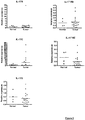
- IL-17B, IL-17C and IL-17D were upregulated in some breast cancer biopsies compared to normal breast.
- IL-17RB and IL-17RE were upregulated in some breast cancer biopsies compared to normal breast.
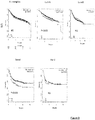
- High expression of IL-17B was significantly associated with a poorer RFS (Relapse Free Survival), especially in the basal-like subgroup ( Figure 2 ).
- IL-17B, IL-17C, IL-17D, IL-17RB and IL-17RE were expressed in some pancreatic cancer biopsies.
- IL-17C and IL-17B were upregulated compared to normal pancreas.
- IL-17C, IL-17D, IL-17RB and IL-17RE were upregulated in some colon tumors, suggesting that they may be involved in colon cancer progression.
- IL-17D upregulation in some colon cancers was further exemplified in figure 5 .
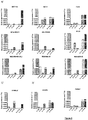
- the human cancer cell lines tested expressed one or several of the following genes: IL-17B, IL-17C, IL-17D, IL-17RB and IL-17RE.
- the non-cancerous cell line MCF10A did not express IL-17B, IL-17C, IL-17 D or IL-17RB (however, it expressed IL-17RE).
- IL-17B, IL-17C, IL-17D, IL-17RB and IL-17RE are expressed and/or upregulated in human cancers and cancer cell lines, suggesting that they may be therapeutic target for the treatment of cancer.
- FIG. 1B As exemplified in figure 1B , several breast cancer biopsies expressed two or more IL-17 isoforms. Along similar lines, as shown in figure 6 , some cancer cell lines expressed several IL-17 isoforms: MCF7 expressed IL-17C and IL-17D and MDA-MB157 express IL-17B and IL-17D. Altogether this suggests that, in some cases, targeting two or more isoforms or their receptors simultaneously may be required for the treatment of cancer.
- IL-17 isoforms and their receptors are upregulated in human cancers. Targeting one isoform or receptor or several isoforms simultaneously or several receptors simultaneously may be therapeutic options for the treatment of cancer.
- EXAMPLE 2 IL-17B and IL-17RB stimulate cancer cell proliferation
- IL-17B and IL-17RB are upregulated in human cancers (Example 1), we tested whether they may have oncogenic properties.
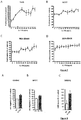
- IL-17B increased T47D, MCF7, MDA-MB436 and MDA-MB468 breast cancer cell proliferation.
- IL-17B did not stimulate the proliferation of the MDA-MB231 cells that do not express IL-17RB (data not shown). Therefore, IL-17B and IL-17RB can promote tumor growth by increasing cancer cell proliferation.
- EXAMPLE 3 IL-17B and IL-17RB increase cancer cell migration and invasion
- IL-17B may increase migration and invasion of cancer cells that express IL-17RB.
- Matrigel Invasion Chamber assays are useful to assess cancer cell invasiveness which reflects tumor cell ability to form invasive lesions and to metastasize ( Albini A et al. (1987) "A Rapid in Vitro Assay for Quantitating the Invasive Potential of Tumor Cells" Cancer Research 47: 3239-3245 ).
- IL-17B increased the migration of OAW42 ovarian cancer cells ( figure 8A ) and MCF7 breast cancer cells ( figure 8B ).
- IL-17B increased invasiveness of OAW42 ovarian cancer cells ( figure 8C ).
- IL-17B did not increase invasion of the MDA-MB231 cells that do not express IL-17RB ( figure 11 ). Therefore, IL-17B and IL-17RB can promote cancer cell migration, invasion and metastasis.
- EXAMPLE 4 IL-17B and IL-17RB promote cancer cell chemoresistance
- IL-17B may promote resistance to chemotherapeutic agents such as docetaxel and doxorubicin. As illustrated in figure 9 , IL-17B decreased doxetaxel-induced cell death in several breast cancer cell lines that express IL-17RB ( figure 9A-E ). Furthermore, IL-17B also protected MCF7 breast cancer cells from doxorubicin-induced cell death ( figure 9F ). Therefore, IL-17B and IL-17RB can promote chemoresistance.
- chemotherapeutic agents such as docetaxel and doxorubicin.
- EXAMPLE 5 IL-17C, IL-17D and IL-17RE stimulate cancer cell proliferation
- IL-17C As IL-17C, IL-17D and IL-17RE are upregulated in human cancers (Example 1), we tested whether they may have oncogenic properties. We first tested whether IL-17C would alter the proliferation of human cancer cells that express IL-17RE. As shown in figure 10A-C , IL-17C increased OAW42, T47D and MCF7 cancer cell proliferation. We then tested whether IL-17D would alter the proliferation of human cancer cells. As shown in figure 10D-F , IL-17D increased OAW42 and MCF7 cancer cell proliferation.
- IL-17B, IL-17C and IL-17RE can promote tumor growth by increasing cancer cell proliferation.
- EXAMPLE 6 IL-17C, IL-17D and IL-17RE increase cancer cell invasion
- IL-17C may increase invasion of cancer cells that expressed IL-17RE.
- Matrigel Invasion Chamber assays are useful to assess cancer cell invasiveness which reflects tumor cell ability to form invasive lesions and to metastasize ( Albini A et al. (1987) "A Rapid in Vitro Assay for Quantitating the Invasive Potential of Tumor Cells" Cancer Research 47: 3239-3245 ).
- IL-17C increased invasiveness of MDA-MB231 breast cancer cells.
- IL-17D may increase invasion of breast cancer cells.
- IL-17D increased invasiveness of MDA-MB231 breast cancer cells. Therefore, IL-17C, IL-17D and IL-17RE can promote cancer cell invasion and metastasis.
- EXAMPLE 7 IL-17 isoforms induce the secretion of pro-inflammatory IL-6 in dermal fibroblasts.
- IL-17A is a known pro-inflammatory cytokine that can induce the production of various pro-inflammatory mediators such as IL-6.
- NHDF normal human dermal fibroblasts
- NHDF normal human dermal fibroblasts
- NHDF were stimulated with recombinant human IL-17B, IL17C or IL17D.
- all the isoforms tested increased the secretion of IL-6 by NHDF. Therefore, IL-17B, IL17C, IL17D, IL-17RB and IL-17RE exhibit pro-inflammatory activity, and may thus be involved in chronic inflammatory diseases or auto-immune diseases.
Landscapes
- Chemical & Material Sciences (AREA)
- Health & Medical Sciences (AREA)
- Organic Chemistry (AREA)
- General Health & Medical Sciences (AREA)
- Life Sciences & Earth Sciences (AREA)
- Medicinal Chemistry (AREA)
- Nuclear Medicine, Radiotherapy & Molecular Imaging (AREA)
- Immunology (AREA)
- General Chemical & Material Sciences (AREA)
- Animal Behavior & Ethology (AREA)
- Chemical Kinetics & Catalysis (AREA)
- Public Health (AREA)
- Veterinary Medicine (AREA)
- Pharmacology & Pharmacy (AREA)
- Biochemistry (AREA)
- Biophysics (AREA)
- Genetics & Genomics (AREA)
- Molecular Biology (AREA)
- Proteomics, Peptides & Aminoacids (AREA)
- Medicines Containing Antibodies Or Antigens For Use As Internal Diagnostic Agents (AREA)
- Medicines That Contain Protein Lipid Enzymes And Other Medicines (AREA)
- Peptides Or Proteins (AREA)
Applications Claiming Priority (3)
| Application Number | Priority Date | Filing Date | Title |
|---|---|---|---|
| EP2012061134 | 2012-06-12 | ||
| EP13731306.0A EP2858670B8 (de) | 2012-06-12 | 2013-06-11 | Antagonisten von il-17-isoformen und deren verwendungen |
| PCT/EP2013/062070 WO2013186236A1 (en) | 2012-06-12 | 2013-06-11 | Antagonists of il-17 isoforms and their uses |
Related Parent Applications (2)
| Application Number | Title | Priority Date | Filing Date |
|---|---|---|---|
| EP13731306.0A Division-Into EP2858670B8 (de) | 2012-06-12 | 2013-06-11 | Antagonisten von il-17-isoformen und deren verwendungen |
| EP13731306.0A Division EP2858670B8 (de) | 2012-06-12 | 2013-06-11 | Antagonisten von il-17-isoformen und deren verwendungen |
Publications (1)
| Publication Number | Publication Date |
|---|---|
| EP3417878A1 true EP3417878A1 (de) | 2018-12-26 |
Family
ID=52629328
Family Applications (2)
| Application Number | Title | Priority Date | Filing Date |
|---|---|---|---|
| EP13731306.0A Active EP2858670B8 (de) | 2012-06-12 | 2013-06-11 | Antagonisten von il-17-isoformen und deren verwendungen |
| EP18183281.7A Ceased EP3417878A1 (de) | 2012-06-12 | 2013-06-11 | Antagonisten von il-17-isoformen und deren verwendungen |
Family Applications Before (1)
| Application Number | Title | Priority Date | Filing Date |
|---|---|---|---|
| EP13731306.0A Active EP2858670B8 (de) | 2012-06-12 | 2013-06-11 | Antagonisten von il-17-isoformen und deren verwendungen |
Country Status (1)
| Country | Link |
|---|---|
| EP (2) | EP2858670B8 (de) |
Cited By (2)
| Publication number | Priority date | Publication date | Assignee | Title |
|---|---|---|---|---|
| WO2020201442A1 (en) * | 2019-04-03 | 2020-10-08 | Orega Biotech | Combination therapies based on pd1 and il-17b inhibitors |
| EP4259181A4 (de) * | 2020-12-14 | 2024-12-04 | Academia Sinica | Antagonist des interleukin-17b-rezeptors (il-17rb) und verwendung davon |
Families Citing this family (1)
| Publication number | Priority date | Publication date | Assignee | Title |
|---|---|---|---|---|
| CN116024212A (zh) * | 2022-07-29 | 2023-04-28 | 硅羿科技(上海)有限公司 | 抑制IL-25基因表达的siRNA及其应用 |
Citations (6)
| Publication number | Priority date | Publication date | Assignee | Title |
|---|---|---|---|---|
| US4683195A (en) | 1986-01-30 | 1987-07-28 | Cetus Corporation | Process for amplifying, detecting, and/or-cloning nucleic acid sequences |
| WO2006094384A1 (en) * | 2005-03-08 | 2006-09-14 | Genesense Technologies Inc. | Use of interleukin 17e for the treatment of cancer |
| WO2008049070A2 (en) * | 2006-10-18 | 2008-04-24 | Zymogenetics, Inc. | Il-17c antagonists and methods of using the same |
| WO2010116123A1 (en) * | 2009-04-06 | 2010-10-14 | Medical Research Council | Antibodies against il-17br |
| WO2011044563A2 (en) * | 2009-10-10 | 2011-04-14 | The Board Of Trustees Of The Leland Stanford Junior University | Il-17 family cytokine compositions and uses |
| WO2011141823A2 (en) * | 2010-05-14 | 2011-11-17 | Orega Biotech | Methods of treating and/or preventing cell proliferation disorders with il-17 antagonists |
-
2013
- 2013-06-11 EP EP13731306.0A patent/EP2858670B8/de active Active
- 2013-06-11 EP EP18183281.7A patent/EP3417878A1/de not_active Ceased
Patent Citations (7)
| Publication number | Priority date | Publication date | Assignee | Title |
|---|---|---|---|---|
| US4683195A (en) | 1986-01-30 | 1987-07-28 | Cetus Corporation | Process for amplifying, detecting, and/or-cloning nucleic acid sequences |
| US4683195B1 (de) | 1986-01-30 | 1990-11-27 | Cetus Corp | |
| WO2006094384A1 (en) * | 2005-03-08 | 2006-09-14 | Genesense Technologies Inc. | Use of interleukin 17e for the treatment of cancer |
| WO2008049070A2 (en) * | 2006-10-18 | 2008-04-24 | Zymogenetics, Inc. | Il-17c antagonists and methods of using the same |
| WO2010116123A1 (en) * | 2009-04-06 | 2010-10-14 | Medical Research Council | Antibodies against il-17br |
| WO2011044563A2 (en) * | 2009-10-10 | 2011-04-14 | The Board Of Trustees Of The Leland Stanford Junior University | Il-17 family cytokine compositions and uses |
| WO2011141823A2 (en) * | 2010-05-14 | 2011-11-17 | Orega Biotech | Methods of treating and/or preventing cell proliferation disorders with il-17 antagonists |
Non-Patent Citations (57)
| Title |
|---|
| "Antibody Engineering", 1995, OXFORD UNIV. PRESS |
| "Basic and Clinical Immunolog", 1994, APPLETON & LANGE |
| "Current Protocols in Immunology", JOHN WILEY & SONS |
| "DNA Cloning", vol. I and II, 1985 |
| "FUNDAMENTAL IMMUNOLOGY", 1993 |
| "Gene Transfer Vectors For Mammalian Cells", 1987, COLD SPRING HARBOR LABORATORY |
| "Handbook Of Experimental Immunology", vol. I-IV, 1986 |
| "Immobilized Cells And Enzymes", 1986, IRL PRESS |
| "Immunochemical Methods In Cell And Molecular Biology", 1987, ACADEMIC PRESS |
| "Kuby Immunnology", 2000, H. FREEMAND & CO. |
| "Manipulating the Mouse Embryo", 1986, COLD SPRING HARBOR LABORATORY PRESS |
| "Methods In Enzymology", vol. 154 and |
| "Molecular Cloning A Laboratory Manual", 1989, COLD SPRING HARBOR LABORATORY PRESS |
| "Molecular Cloning: A Laboratory Manual", 1992, COLD SPRINGS HARBOR LABORATORY |
| "Monoclonal Antibodies, Hybridoma: A New Dimension in Biological Analyses", 1980, PLENUM PRESS |
| "Nucleic Acid Hybridization", 1984 |
| "Oligonucleotide Synthesis", 1984 |
| "Protein Engineering, A Practical Approach", 1995, IRL PRESS AT OXFORD UNIV. PRESS |
| "Remington's Pharmaceutical Sciences", pages: 1035 - 1038,1570-1580 |
| "Selected Methods in Cellular Immunology", 1980, W.H. FREEMAN AND CO. |
| "Transcription And Translation", 1984 |
| ABBAS ET AL.: "Cellular and Molecular Immunology", 2005, ELSEVIER HEALTH SCIENCES DIVISION |
| ALBINI A ET AL.: "A Rapid in Vitro Assay for Quantitating the Invasive Potential of Tumor Cells", CANCER RESEARCH, vol. 47, 1987, pages 3239 - 3245, XP002905123 |
| AUSUBEL ET AL.: "Current Protocols in Molecular Biology", 1989, JOHN WILEY AND SONS |
| BIRD ET AL., SCIENCE, vol. 242, 1988, pages 423 - 426 |
| CAMPBELL ET AL.: "Laboratory Techniques in Biochemistry and Molecular Biology", 1984, ELSEVERE, article "Monoclonal Antibody Technology" |
| DIEFFENBACH; DVEKSLER: "PCR Primer", 2003, COLD SPRING HARBOR PRESS |
| FRESHNEY: "Culture Of Animal Cells", 1987, ALAN R. LISS, INC. |
| GAFFEN, S. L.: "Structure and signalling in the IL-17 receptor family", NATURE REVIEWS. IMMUNOLOGY, vol. 9, no. 8, 2009, pages 556 - 567, XP055052444, DOI: doi:10.1038/nri2586 |
| GUEDJ M: "A refined molecular taxonomy of breast cancer", ONCOGENE, vol. 31, 2012, pages 1196 - 1206, XP055484676, DOI: doi:10.1038/onc.2011.301 |
| HARLOW; LANE: "Antibodies: A Laboratory Manual", 1988, COLD SPRING HARBOR PRESS |
| HUSTON ET AL., PROC. NATL. ACAD. SCI. USA, vol. 85, 1988, pages 5879 - 5883 |
| IWAKURA, Y.; H. ISHIGAME ET AL.: "Functional specialization of interleukin-17 family members", IMMUNITY, vol. 34, no. 2, 2011, pages 149 - 162, XP028176128, DOI: doi:10.1016/j.immuni.2011.02.012 |
| JALKANEN ET AL., J. CELL BIOL., vol. 105, 1987, pages 3087 - 3096 |
| JALKANEN ET AL., J. CELL. BIOL., vol. 101, 1985, pages 976 - 985 |
| KLEIN: "J., Immunology: The Science of Self-Nonself Discrimination", 1982, JOHN WILEY & SONS |
| KONTERMANN; DUBEL: "Antibody Engineering", 2001, SPRINGER VERLAN |
| LEE, J.; W. H. HO ET AL.: "IL-17E, a novel proinflammatory ligand for the IL-17 receptor homolog IL-17Rhl", J BIOL CHEM, vol. 276, no. 2, 2001, pages 1660 - 1664, XP002196319, DOI: doi:10.1074/jbc.M008289200 |
| LEWIN: "Genes VIII", 2003, PRENTICE HA11 |
| NISONOFF: "Molecular Immunology", 1984, SINAUER ASSOCIATES |
| PERBAL: "Methods In Enzymology", 1984, ACADEMIC PRESS, INC., article "A Practical Guide To Molecular Cloning; the treatise" |
| R. H. GOLDSTEIN ET AL: "Human Bone Marrow-Derived MSCs Can Home to Orthotopic Breast Cancer Tumors and Promote Bone Metastasis", CANCER RESEARCH, vol. 70, no. 24, 15 December 2010 (2010-12-15), pages 10044 - 10050, XP055043081, ISSN: 0008-5472, DOI: 10.1158/0008-5472.CAN-10-1254 * |
| RAMIREZ-CARROZZI, V.; A. SAMBANDAM ET AL.: "IL-17C regulates the innate immune function of epithelial cells in an autocrine manner", NAT IMMUNOL, vol. 12, no. 12, 2011, pages 1159 - 1166, XP002666790, DOI: doi:10.1038/NI.2156 |
| ROITT ET AL.: "Immunology", 2001, MOSBY |
| SAMBROOK ET AL.: "Molecular Cloning: A Laboratory Manual", 1989, COLD SPRING HARBOR LABORATORY PRESS |
| SAMBROOK; RUSSELL: "Molecular Cloning: A Laboratory Manual", 2001, COLD SPRING HARBOR PRESS |
| SARAH L. GAFFEN: "Structure and signalling in the IL-17 receptor family", NATURE REVIEWS IMMUNOLOGY, vol. 9, no. 8, 1 August 2009 (2009-08-01), pages 556 - 567, XP055052444, ISSN: 1474-1733, DOI: 10.1038/nri2586 * |
| STAMP, L. K.; A. EASSON ET AL.: "Different T cell subsets in the nodule and synovial membrane: absence of interleukin-17A in rheumatoid nodules", ARTHRITIS RHEUM, vol. 58, no. 6, 2008, pages 1601 - 1608 |
| STARNES, T.; H. E. BROXMEYER ET AL.: "Cutting edge: IL-17D, a novel member of the IL-17 family, stimulates cytokine production and inhibits hemopoiesis", J IMMUNOL, vol. 169, no. 2, 2002, pages 642 - 646, XP002471332 |
| STEWARD: "Antibodies, Their Structure and Function", 1984, CHAPMAN AND HALL |
| TANIA BENATAR ET AL: "IL-17E, a proinflammatory cytokine, has antitumor efficacy against several tumor types in vivo", CANCER IMMUNOLOGY, IMMUNOTHERAPY, SPRINGER, BERLIN, DE, vol. 59, no. 6, 13 December 2009 (2009-12-13), pages 805 - 817, XP019800201, ISSN: 1432-0851 * |
| TIMOTHY O'SULLIVAN,ROBERT SADDAWI-KONEFKA, AND JACK BUI: "IL-17D mediated cancer rejection", JOURNAL OF IMMUNOLOGY, vol. 188, no. 162, 26, 1 May 2012 (2012-05-01), XP009164360 * |
| WARD ET AL., NATURE, vol. 341, 1989, pages 544 - 546 |
| WONG, C. K.; P. F. CHEUNG ET AL.: "Interleukin-25-induced chemokines and interleukin-6 release from eosinophils is mediated by p38 mitogen-activated protein kinase, c-Jun N-terminal kinase, and nuclear factor-kappaB", AMERICAN JOURNAL OF RESPIRATORY CELL AND MOLECULAR BIOLOGY, vol. 33, no. 2, 2005, pages 186 - 194 |
| YAMAGUCHI YUMI ET AL: "IL-17B and IL-17C are associated with TNF-alpha production and contribute to the exacerbation of inflammatory arthritis", THE JOURNAL OF IMMUNOLOGY, THE AMERICAN ASSOCIATION OF IMMUNOLOGISTS, US, vol. 179, no. 10, 1 November 2007 (2007-11-01), pages 7128 - 7136, XP002629391, ISSN: 0022-1767 * |
| YAMAGUCHI: "IL-17B and IL-17C are associated with TNF-a production and contribute to the exacerbation of inflammatory arthritis", J. IMMUNOL, vol. 179, 2007, pages 7128 - 7136, XP002629391 |
| YOICHIRO IWAKURA ET AL: "Functional Specialization of Interleukin-17 Family Members", IMMUNITY, vol. 34, no. 2, 25 February 2011 (2011-02-25), pages 149 - 162, XP028176128, ISSN: 1074-7613, [retrieved on 20110211], DOI: 10.1016/J.IMMUNI.2011.02.012 * |
Cited By (3)
| Publication number | Priority date | Publication date | Assignee | Title |
|---|---|---|---|---|
| WO2020201442A1 (en) * | 2019-04-03 | 2020-10-08 | Orega Biotech | Combination therapies based on pd1 and il-17b inhibitors |
| EP4681778A3 (de) * | 2019-04-03 | 2026-03-25 | Orega Biotech | Kombinationstherapien auf der basis von pd1- und il-17b-inhibitoren |
| EP4259181A4 (de) * | 2020-12-14 | 2024-12-04 | Academia Sinica | Antagonist des interleukin-17b-rezeptors (il-17rb) und verwendung davon |
Also Published As
| Publication number | Publication date |
|---|---|
| EP2858670B1 (de) | 2018-08-08 |
| EP2858670A1 (de) | 2015-04-15 |
| EP2858670B8 (de) | 2018-09-12 |
Similar Documents
| Publication | Publication Date | Title |
|---|---|---|
| US10351623B2 (en) | Antagonists of IL-17 isoforms and their uses | |
| CN111213059B (zh) | 用于癌症的诊断和治疗方法 | |
| CN109196121B (zh) | 用于癌症的治疗和诊断方法 | |
| CN109526229B (zh) | 筛选疾病的预防或治疗剂的方法、及用于制造该制剂的应用 | |
| JP7410211B2 (ja) | 望ましくない細胞増殖に関係する疾患の処置のための薬剤 | |
| CN113748131A (zh) | 肾损伤的治疗 | |
| SG175032A1 (en) | Therapeutic agents for the treatment of diseases associated with undesired cell proliferation | |
| US9453050B2 (en) | Compositions for treating glioma | |
| EP2569335A2 (de) | Verfahren zur behandlung und/oder prävention von zellproliferationsstörungen mit il-17-antagonisten | |
| CN111655843A (zh) | Nk或t细胞及其用途 | |
| EP3082863B1 (de) | Alpha-enolase-spezifische antikörper und verfahren zur verwendung bei immunerkrankungen | |
| EP2858670B1 (de) | Antagonisten von il-17-isoformen und deren verwendungen | |
| WO2012074842A2 (en) | Compositions and methods for treating neoplasia | |
| WO2011107939A1 (en) | Methods of predicting efficacy of an anti-vegfa treatment for solid tumors | |
| CN115210257A (zh) | 抗il-2抗体、其抗原结合片段及其医药用途 | |
| AU2018290749A1 (en) | Compositions and methods for identifying and treating resistance to CTLA4 antagonists in leukemia | |
| HK40082498A (en) | Anti-il-2 antibody, and antigen-binding fragment thereof and medical use thereof | |
| KR20190105077A (ko) | 항-tgf-베타 항체 및 이의 용도 |
Legal Events
| Date | Code | Title | Description |
|---|---|---|---|
| PUAI | Public reference made under article 153(3) epc to a published international application that has entered the european phase |
Free format text: ORIGINAL CODE: 0009012 |
|
| STAA | Information on the status of an ep patent application or granted ep patent |
Free format text: STATUS: THE APPLICATION HAS BEEN PUBLISHED |
|
| AC | Divisional application: reference to earlier application |
Ref document number: 2858670 Country of ref document: EP Kind code of ref document: P |
|
| AK | Designated contracting states |
Kind code of ref document: A1 Designated state(s): AL AT BE BG CH CY CZ DE DK EE ES FI FR GB GR HR HU IE IS IT LI LT LU LV MC MK MT NL NO PL PT RO RS SE SI SK SM TR |
|
| STAA | Information on the status of an ep patent application or granted ep patent |
Free format text: STATUS: REQUEST FOR EXAMINATION WAS MADE |
|
| 17P | Request for examination filed |
Effective date: 20190618 |
|
| RBV | Designated contracting states (corrected) |
Designated state(s): AL AT BE BG CH CY CZ DE DK EE ES FI FR GB GR HR HU IE IS IT LI LT LU LV MC MK MT NL NO PL PT RO RS SE SI SK SM TR |
|
| STAA | Information on the status of an ep patent application or granted ep patent |
Free format text: STATUS: EXAMINATION IS IN PROGRESS |
|
| 17Q | First examination report despatched |
Effective date: 20191104 |
|
| APBK | Appeal reference recorded |
Free format text: ORIGINAL CODE: EPIDOSNREFNE |
|
| APBN | Date of receipt of notice of appeal recorded |
Free format text: ORIGINAL CODE: EPIDOSNNOA2E |
|
| APBR | Date of receipt of statement of grounds of appeal recorded |
Free format text: ORIGINAL CODE: EPIDOSNNOA3E |
|
| APAF | Appeal reference modified |
Free format text: ORIGINAL CODE: EPIDOSCREFNE |
|
| P01 | Opt-out of the competence of the unified patent court (upc) registered |
Effective date: 20230614 |
|
| APBT | Appeal procedure closed |
Free format text: ORIGINAL CODE: EPIDOSNNOA9E |
|
| STAA | Information on the status of an ep patent application or granted ep patent |
Free format text: STATUS: THE APPLICATION HAS BEEN REFUSED |
|
| 18R | Application refused |
Effective date: 20241018 |