EP3418921B1 - Gestion de scripts de migration dynamiques - Google Patents
Gestion de scripts de migration dynamiques Download PDFInfo
- Publication number
- EP3418921B1 EP3418921B1 EP18187354.8A EP18187354A EP3418921B1 EP 3418921 B1 EP3418921 B1 EP 3418921B1 EP 18187354 A EP18187354 A EP 18187354A EP 3418921 B1 EP3418921 B1 EP 3418921B1
- Authority
- EP
- European Patent Office
- Prior art keywords
- migration
- server system
- scripts
- execution
- target server
- Prior art date
- Legal status (The legal status is an assumption and is not a legal conclusion. Google has not performed a legal analysis and makes no representation as to the accuracy of the status listed.)
- Active
Links
Images



Classifications
-
- G—PHYSICS
- G06—COMPUTING OR CALCULATING; COUNTING
- G06F—ELECTRIC DIGITAL DATA PROCESSING
- G06F16/00—Information retrieval; Database structures therefor; File system structures therefor
- G06F16/20—Information retrieval; Database structures therefor; File system structures therefor of structured data, e.g. relational data
- G06F16/21—Design, administration or maintenance of databases
- G06F16/214—Database migration support
-
- G—PHYSICS
- G06—COMPUTING OR CALCULATING; COUNTING
- G06F—ELECTRIC DIGITAL DATA PROCESSING
- G06F16/00—Information retrieval; Database structures therefor; File system structures therefor
- G06F16/10—File systems; File servers
- G06F16/11—File system administration, e.g. details of archiving or snapshots
- G06F16/119—Details of migration of file systems
Definitions
- Migrating a complex database system can be a daunting task.
- Complex database systems are typically maintained by corporations, governments, and other large-scale entities (collectively referred to as customers) that have a limited ability to tolerate database systems being offline.
- customers that have a limited ability to tolerate database systems being offline.
- the customer is likely desirable of an efficient and timely migration.
- database migrations are highly personnel intensive, requiring a person (or a team of persons) to identify and use their judgment in figuring out a strategic approach to performing the migration. Oftentimes, such human judgment can be time consuming and result in the implementation of a less than temporally optimal migration scheme.
- WO 99/52047 describes a system for migrating data without writing any code (automatically).
- the system includes two major components: a data map architect that loads the data into a temporary table and allows the user to define relationships between the fields and data in this table, and the fields of the designation tables; and an update manager which implements this mapping.
- a method for managing migration between server systems may include receiving, by a scheduler computer system, indications of a plurality of migration scripts to be executed during a migration of a database system from a source server system to a target server system.
- the method may include determining, by the scheduler computer system, an execution order for the plurality of migrations scripts based upon characteristics of a plurality of database objects to be migrated using the plurality of migration scripts and characteristics of the plurality of migration scripts.
- the method may include initiating, by the scheduler computer system, execution of a first migration script of the plurality of migration scripts according to the determined execution order.
- the first migration script may cause copying of a database object of the plurality of database objects from the source server system to the target server system.
- the method may include, while the first migration script is being executed, receiving, by the scheduler computer system, an indication of a maximum number of migration scripts permitted to be executed in parallel.
- the method may include, based on the determined execution order and the maximum number of migration scripts permitted to be executed in parallel, initiating, by the scheduler computer system, execution of a second migration script of the plurality of migration scripts while the first migration script is executing.
- the method may include, while a subset of the migration scripts of the plurality of migration scripts are being executed and after the first migration script has completed, determining, by the scheduler computer system, an amount of available resources of the target server system exceeds a first threshold amount.
- the method may include, in response to determining the amount of available resources of the target server system exceeds the first threshold amount, initiating, by the scheduler computer system, an index creation for the database object copied to the target server system based on the first migration script.
- inventions of such a method may include one or more of the following features:
- the method may include, while a subset of the migration scripts of the plurality of migration scripts are being executed and after the first migration script has completed, determining, by the scheduler computer system, an amount of available resources of the target server system exceeds a first threshold amount.
- the method may include, based upon the determined execution order, execution of the first migration script being complete, and the amount of available resources of the target server system exceeding the first threshold amount, initiating, by the scheduler computer system, execution of a verification script that causes the target server system to count a number of records in a first database object copied to the target server system.
- Initiating the execution of the first migration script of the plurality of migration scripts according to the determined execution order may include causing, by the scheduler computer system, modification of a structure of the database object being copied to the target server system as compared to the structure of the database object as stored by the source server system.
- the modification of the structure may include the database object being copied to the target server system being compressed.
- Determining the execution order for the plurality of migration scripts may be based upon characteristics of the plurality of database objects to be migrated may include evaluating, by the scheduler computer system, storage sizes of individual database objects of the plurality of database objects; and, based on the evaluated storage sizes of the plurality of database objects, prioritizing, by the scheduler computer system, in the determined execution order the first migration script for the database object due to the database object having a larger storage size than one or more other database objects of the plurality of database objects.
- embodiments of such a method may include one or more of the following features: The method may include while a subset of the migration scripts of the plurality of migration scripts are being executed and after the first migration script has completed, determining, by the scheduler computer system, an amount of available resources of the target server system exceeds a first threshold amount but does not exceed a second threshold amount, wherein the second threshold amount is greater than the first threshold amount.
- the method may include in response to determining the amount of available resources of the target server system exceeds the first threshold amount but not the second threshold amount, initiating, by the scheduler computer system, index creation for the database object copied to the target server system based on the first migration script instead of index creation for a second database object copied to the target server system based on a second migration script.
- Index generation for the second database object may be more resource intensive than index generation for a first database object.
- the determined execution order may indicate index generation for the second database object is to be performed before index generation for the first database object.
- the index creation may be performed by the target server system.
- the scheduler computer system may be selected from the group consisting of: the target server system; and the source server system.
- a system for managing migration between server systems may include a source server system, a target server system, and a scheduler computer system.
- the scheduler computer system may include one or more processors and a memory communicatively coupled with and readable by the one or more processors and having stored therein processor-readable instructions.
- the processor-readable instructions may cause the one or more processors to receive indications of a plurality of migration scripts to be executed during a migration of a database system from the source server system to the target server system.
- the processor-readable instructions may cause the one or more processors to determine an execution order for the plurality of migrations scripts based upon characteristics of a plurality of database objects to be migrated using the plurality of migration scripts and characteristics of the plurality of migration scripts.
- the processor-readable instructions may cause the one or more processors to initiate execution of a first migration script of the plurality of migration scripts according to the determined execution order.
- the first migration script may cause copying of a database object of the plurality of database objects from the source server system to the target server system.
- Embodiments of such a system may include one or more of the following features:
- the processor-readable instructions may cause the one or more processors to, while the first migration script is being executed, receive an indication of a maximum number of migration scripts permitted to be executed in parallel.
- the processor-readable instructions may cause the one or more processors to, based on the determined execution order and the maximum number of migration scripts permitted to be executed in parallel, initiate execution of a second migration script of the plurality of migration scripts while the first migration script is executing.
- the processor-readable instructions when executed, further cause the one or more processors of the scheduler computer system to, while a subset of the migration scripts of the plurality of migration scripts are being executed and after the first migration script has completed, determine an amount of available resources of the target server system exceeds a first threshold amount.
- the processor-readable instructions may cause the one or more processors to, in response to determining the amount of available resources of the target server system exceeds the first threshold amount, initiate an index creation for the database object copied to the target server system based on the first migration script.
- the index creation may be performed by the target server system.
- the processor-readable instructions for determining the execution order for the plurality of migrations scripts may be based on execution dependencies of migration scripts of the plurality of migrations scripts on one or more other migration scripts of the plurality of migrations scripts.
- inventions of such a system may include one or more of the following features:
- the processor-readable instructions may cause the one or more processors to, while a subset of the migration scripts of the plurality of migration scripts are being executed and after the first migration script has completed, determine an amount of available resources of the target server system exceeds a first threshold amount.
- the processor-readable instructions may cause the one or more processors to, based upon the determined execution order, execution of the first migration script being complete, and the amount of available resources of the target server system exceeding the first threshold amount, initiate execution of a verification script that causes the target server system to count a number of records in a first database object copied to the target server system.
- the processor-readable instructions for initiating the execution of the first migration script of the plurality of migration scripts according to the determined execution order may include processor-readable instructions, when executed, cause the one or more processors of the scheduler computer system to cause modification of a structure of the database object being copied to the target server system as compared to the structure of the database object as stored by the source server system.
- inventions of such a system may include one or more of the following features:
- the processor-readable instructions for determining the execution order for the plurality of migration scripts based upon characteristics of the plurality of database objects to be migrated may include processor-readable instructions, when executed, cause the one or more processors of the scheduler computer system to evaluate storage sizes of individual database objects of the plurality of database objects; and based on the evaluated storage sizes of the plurality of database objects, prioritize in the determined execution order the first migration script for the database object due to the database object having a larger storage size than one or more other database objects of the plurality of database objects.
- the processor-readable instructions may cause the one or more processors to, while a subset of the migration scripts of the plurality of migration scripts are being executed and after the first migration script has completed, determine an amount of available resources of the target server system exceeds a first threshold amount but does not exceed a second threshold amount, wherein the second threshold amount is greater than the first threshold amount.
- the processor-readable instructions may cause the one or more processors to, in response to determining the amount of available resources of the target server system exceeds the first threshold amount but not the second threshold amount, initiate index creation for the database object copied to the target server system based on the first migration script instead of index creation for a second database object copied to the target server system based on a second migration script.
- Index generation for the second database object may be more resource intensive than index generation for a first database object.
- the determined execution order indicates index generation for the second database object may be performed before index generation for the first database object.
- the index creation may be performed by the target server system.
- the scheduler computer system may be selected from the group consisting of: the target server system; and the source server system.
- a non-transitory processor-readable storage medium for managing migration between server systems.
- the non-transitory processor-readable storage medium may include processor-readable instructions configured to cause one or more processors to receive indications of a plurality of migration scripts to be executed during a migration of a database system from a source server system to a target server system.
- the processor-readable instructions may further cause the one or more processors to determine an execution order for the plurality of migrations scripts based upon characteristics of a plurality of database objects to be migrated using the plurality of migration scripts and characteristics of the plurality of migration scripts.
- the processor-readable instructions may further cause the one or more processors to initiate execution of a first migration script of the plurality of migration scripts according to the determined execution order.
- the first migration script may cause copying of a database object of the plurality of database objects from the source server system to the target server system.
- a scheduler system that is configured to dynamically control migration of the database installation from the source computer system to the target computer system.
- a “source server system” may refer to a grouping of one or more computer systems that stores and executes a database installation.
- the source server system may fulfill retrieval, update, and other forms of database queries.
- a “migration” may refer to moving or copying the database installation to a target server system from the source server system. Therefore, prior to migration, the database installation may only be available on the source server system. Following the migration, the database installation may be present on the target server system and, possibly, still present on the source server system.
- the "target server system” may refer to a grouping of one or more computer systems that stores the database installation after the migration. The target server system may execute the database installation and fulfill retrieval, update, and other forms of database queries following the migration.
- a migration can involve multiple types of steps.
- database objects such as tables, etc.
- Such databases and associated data storage arrangements may range from small to enormous (e.g., hundreds of gigabytes, multiple terabytes, etc.).
- Copying of the database objects from the source server system to the target server system may be performed while the source application is offline (and, thus, there are no application requests to create, delete, and/or update database entries).
- copying may occur while the source server system is online (and, thus, is processing requests and/or updating database entries).
- modifications to database objects may be logged such that the databases and associated data storage arrangements copied to the target server system may be brought up-to-date.
- a customer may expect at least some level of verification to be performed on the database at the target server system to ensure the copy was performed correctly and/or fully.
- a row count of the copied database as stored by the target server system is compared with a row count of the database as stored by the source server system. If the row counts match, the customer can be at least assured that no records were lost during the migration.
- a copy function may be performed during a migration.
- a dependent object generation function may be omitted, such as the verification function.
- some functions may be performed in parallel.
- index generation for a table, coped during the migration processor, to be performed by the target server system may only be performed once the copy of the table to the target server system from the source server system has been completed.
- the copying and index generation of a first table may be performed independently of the copying and index generation of a second table.
- at least some functions to be performed during a migration may be performed in parallel.
- a scheduler system may be configured to manage migration from a source server system to a target server system.
- the scheduler system may be configured to identify an order of copying database objects.
- the execution order identified by the scheduler system may be based on factors such as the size of the database objects to be migrated, the dependencies of the database objects, the object data types, and/or the application type.
- the scheduler system may analyze available system resources of the source server system and/or the target server system to schedule functions (e.g., index generation and/or verifications functions). It must be configurable to meet the current configuration of source and target systems (e.g., the way export dump files are made available on the target system by using NFS or a copy method).
- the scheduler system may be able to take input from an administrator, who may provide various preferences before and during the migration. For example, the administrator may able to dynamically alter the number of migration functions permitted to performed in parallel by the source server system and the target server system during the migration via the scheduler system, to load the available migration resources (e.g., memory resources, processing resources, network bandwidth resources) in an efficient way).
- various types of functions may be scheduled by the scheduler system concurrently. For example, while a copy function between the source server system and the target server system is being performed, more available processing resources may be available at the target server system.
- the scheduler if it determines that a sufficient amount of processing resources is available, may schedule execution of index generation by the target server system in parallel for a table which has already been copied to the target server system.
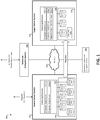
- FIG. 1 illustrates an embodiment of a system 100 configured to manage and perform a migration between server systems.
- System 100 may include source server system 110, target server system 120, scheduler computer system 130, network 140, and remote administrator computer system 150.
- Source server system 110 may represent one or more computer systems. Source server system 110 may store and execute a database installation. Source server system 110 may fulfill retrieval, update, and other forms of database queries and functions. Prior to migration, the database installation may be available on the source server system but not target server system 120.
- Source server system 110 may include processing resources 112 and storage resources 114. Processing resources 112 may include one or more processors configured to execute multiple processes simultaneously. For example, processing resources 112 are illustrated as executing two migration scripts simultaneously: migration script 113-1 and migration script 113-2. Migration scripts 113 executed by processing resources 112 may be copy scripts configured to copy a database or other storage arrangement from source server system 110 to target server system 120. Execution of migration scripts 113 may be initiated by another system accessible via network 140.
- Source server system 110 may have storage resources 114 which may represent one or more (non-transitory) computer-readable storage mediums (e.g., hard drives, solid-state drives) which store databases, indexes, and/or other forms of database objects. Some database objects may be copied to target server system 120 as part of a database migration. Typically, a database installation at a source server system 110 may include a large number (e.g., hundreds, thousands, millions) of database objects which may consume a large amount of storage resources. As such, a copy of some database objects from source server system 110 to target server system 120 may take a significant amount of time to perform.
- storage resources 114 may represent one or more (non-transitory) computer-readable storage mediums (e.g., hard drives, solid-state drives) which store databases, indexes, and/or other forms of database objects.
- Some database objects may be copied to target server system 120 as part of a database migration.
- a database installation at a source server system 110 may include a large number (
- migration scripts 113 may each result in a particular database object being copied from storage resources 114 to target server system 120. This migration of the database objects is represented by the dotted migration arrow. Migration scripts 113 performed by source server system 110 may be performed in parallel.
- Target server system 120 may represent one or more computer systems. Target server system 120 may store and execute a database installation after the migration is complete. Typically, target server system 120 may be a faster, newer group of one or more computer systems than source server system 110 (which may be why the migration is being performed). After the migration, source server system 110 may be intended to fulfill retrieval, update, and other forms of database queries. Prior to migration, the database installation may be available on the source server system but not target server system 120. Following migration, the database installation may be available on target server system 120. Target server system 120 may include processing resources 122 and storage resources 124. Processing resources 122 may include one or more processors configured to execute multiple processes simultaneously.
- processing resources 122 are illustrated as executing three migration scripts simultaneously: migration script 123-1, migration script 123-2, and migration script 123-3.
- Migration scripts 123 executed by processing resources 122 may be copy scripts configured to receive a database or other storage arrangement from source server system 110 for storage by target server system 120.
- migration script 113-1 may cause a database object to be copied from source server system 110 while migration script 123-1 serves to receive and create a corresponding database object at target server system 120.
- one or more database objects copied to the target server system may be modified as compared to the same database object as stored by the source server system.
- the created database object at the target server system may be compressed, while the corresponding database object stored by source server system 110 was uncompressed.
- one or more database objects as stored by target server system 120 may be structured differently than the corresponding database object stored by source server system 110.
- the processing resources 122 of target server system 120 may execute migration scripts that cause index generation.
- An index may allow a database stored by target server system to be accessed more efficiently (e.g., on the basis of time and/or usage of processing resources).
- An index may be created for this table.
- only database table objects may be copied from source server system 110 to target server system 120, such as databases.
- Other forms of database objects such as database indexes, primary keys, referential constraints, and/or views may be created by the target server system 120 rather than be copied from source server system 110.
- target server system 120 is executing a migration script 123-3 that is creating an index file for a table stored by storage resources 124.
- Storage resources 124 may represent one or more (non-transitory) computer-readable storage mediums of target server system 120, such as hard drives and solid state drives. Storage resources 124 may store databases and other database objects copied from storage resources 114 of source server system 110. Storage resources 124 may additionally store database objects, such as a database indexes, created by target server system 120.
- processing resources 122 may perform migration scripts that confirm that copied database objects stored by target server system 120 match the source database object stored by source server system 110. Such a verification migration script may involve a row count being performed on both database objects to determine if the counts match (individual data element comparisons may not be performed). Migration scripts 123 performed by target server system 120 may be performed in parallel.
- Network 140 may include one or more networks that can be used for communication between source server system 110 and target server system 120.
- Network 140 may include one or more public networks, such as the Internet and/or one or more private networks such as a corporate intranet.
- a direct connection may be present between source server system 110 and target server system 120 to facilitate faster data transfers.
- Network 140 may also permit communication between source server system 110, target server system 120, a scheduler computer system 130, and remote administrator computer system 150.
- Scheduler computer system 130 may represent a computer system separate from source server system 110 and target server system 120. Alternatively, functions of scheduler computer system 130 may be performed by either source server system 110 or target server system 120. For example, in some embodiments, a scheduler may be executed by target server system 120. Scheduler computer system 130 may be configured to control when migration scripts are executed by source server system 110 and target server system 120. Given a listing of migration scripts to be executed, scheduler computer system 130 may be configured to determine an order of execution to optimize the migration from source server system 110 to target server system 120. Scheduler computer system 130 may be configured to query source server system 110 and/or target server system 120 to determine the amount of processing resources available at each server system. Based on an assessment of processing resources available, the number and/or which migration scripts are executed by source server system 110 and/or target server system 120 may be varied.
- an administrator who is managing the migration may provide input directly to scheduler computer system 130. Such input may occur during the migration; therefore, the administrator may be able to modify characteristics of the migration process while the migration is in progress.
- the administrator may be permitted to define particular parameters that govern scheduler computer system 130. For instance, the administrator may define a maximum number of migration scripts which can be executed simultaneously by source server system 110 and/or target server system 120.
- the administrator may use remote administrator computer system 150 to provide input to scheduler computer system 130. Therefore, an administrator may be able to perform the migration in a cloud-based arrangement.
- the scheduler computer system 130 and/or remote administrator computer system 150 may be remotely located from source server system 110 and/or target server system 120. Therefore, an administrator, who may be hired on a contract basis, such as from the company that produced the database software, may be able to perform a cloud-based migration of the database installation from source server system 110 to target server system 120.
- FIG. 2 illustrates an embodiment of a support cloud platform 200.
- the platform may be used to implement a service, such as a migration from a customer's source server system to the customer's target server system. Services may be designed, made available for deployment, deployed to a customer, and monitored using the platform.
- the customer data center 202 may include one or more target systems 212, 214 (one of which may be the customer's source server system, the other being the customer's target server system) that may be the target of the services provided by the platform.
- the target systems may be servers, computers, rack systems, and the like that run or execute a database and/or other database software used by a customer.
- a target system may be a hardware or software entity that can have service delivered and may be a host, database, web logic service, and/or the like.
- the target systems 212, 214 may be managed by an administrator local to the customer data center 202.
- the administrator may have physical access to the target systems 212, 214.
- the support cloud platform 200 may provide for the administration and other services of the target systems via a remote interface from a remote location.
- support cloud platform 200 may serve as a platform for how remote administrator computer system 150 of FIG. 1 , interacts with the migration from source server system 110 to target server system 120.
- a gateway 210, located on the customer data center 202 provides remote access to the customer data center 202 and one or more target systems 212, 214.
- the gateway 210 may be a hardware or virtual software appliance installed at the customer data center.
- the gateway 210 connects to a production cloud 204 of a service provider via a secure connection using a communication module 206 over a network 232 (which may represent network 140 of FIG. 1 ).
- the gateway 210 may optionally have an interface module 208 allowing control of the interactions of gateway 210 to the production cloud 204 of the service provider.
- Services may be generated and developed using a common service development framework of the platform.
- the common service development framework may include a service design 230, delivery engineering 228, and engineering infrastructure 226 modules.
- the common service development framework may leverage common components that can be used throughout the delivery process (manual and/or automated), and may enable the efficient design, development, testing and release of a service.
- the common service development framework of the platform enables at least partial automation of the development of a service.
- the platform enables delivery engineers to automate the service they are developing and implementing.
- the development of services may be automated or simplified with the use of reusable components.
- many of the same deployment, execution, and error handling function used in the services may be designed as reusable components.
- the components may be reused in many services allowing the design and coding of the service to be focused on the new core functionality of the service.
- services may be designed and implemented in one or more central locations.
- a centralized service design and development platform enables a hierarchical and structured service design with reusable components and modules.
- the development of a service may be, at least in part, automated since a large portion of the components of a service may assembled from existing reusable components.
- a service may include modification replicator 116 of FIG. 1 , which may be installed at the source server system of the customer ahead of an online migration.
- the functionality of scheduler computer system 130 of FIG. 1 may be implemented as a service that is deployed from production cloud 204.
- the production cloud 204 may include a library of services 222 and a content library 224. The services and content may be deployed from the production cloud 204 to one or more target systems 212, 214 at a customer data center 202.
- the deployment, monitoring, and the like of services may be arranged with interaction from the portal 218 and commerce module 220 at the production cloud 204 and the gateway 210 and an interface module 208 at the customer data center 202 via the communication modules 206, 216.
- the design, deployment and monitoring of the service may be performed remotely from production cloud without the need of an administrator or engineer at the customer data center 202.
- the portal 218 of the platform may provide for remote control and administration of services, control of deployment, and analysis of results.
- the platform of FIG. 2 may be used to develop, deploy and manage, services for the customer data center 202 and target systems 212, 214.
- a gateway 210 has access to the target systems 212, 214.
- Services in the forms of software, scripts, functions, and the like, may be downloaded from the production cloud 204.
- the commerce module 220 and the portal for the production cloud 204 provide an interface, selection tools, monitoring tools, for selecting the services, and monitoring the services to be deployed in the customer data center 202.
- An administrator at the customer data center 202 may view, select, and monitor the services using the portal 218 and commerce module 220.
- the customer may access the portal 218 and commerce module 220 using interface module 208 at the customer data center 202.
- the interface module may have a direct or an indirect access to the portal 218 and the commerce module via the communication module 206.
- a service may be selected using the commerce module 220.
- the commerce module 220 may be accessed using the interface module 208.
- the service may be deployed from the production cloud 204 to the customer data center 202 via the gateway 210.
- the gateway may deploy the service on to the target systems.
- the gateway 210 may be used to gather data statistics, monitor services, and receive system information about the customer data center and the target systems. The data may be processed, analyzed, and transmitted to the production cloud.
- the data may be used to suggest or deploy services to the customer, present statistics or metrics of the customer's target servers using the portal 218. Therefore, without an administrator coming to the customer's site to access the source server system and target server system in person, an administrator may be able to perform a migration from the source server system to the target server system.
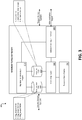
- FIG. 3 illustrates an embodiment of a scheduler computer system 300 configured to manage a migration between two (or more) server systems.
- Scheduler computer system 300 may represent scheduler computer system 130 of FIG. 1 .
- Scheduler computer system 300 may also be implemented in a system other than the arrangement of system 100 of FIG. 1 .
- Scheduler computer system 300 may be implemented using one or more instances of computer system 700 of FIG. 7 .
- Scheduler computer system 300 may include: migration script analysis engine 310, migration script storage arrangement 320, execution order storage arrangement 330, scheduling engine 340, resource query engine 350 and/or administrator input interface 360.
- Each of these components may be implemented using (non-transitory) computer-readable storage mediums and/or processors. Functions performed by these components may be implemented using hardware, firmware, and/or software executed by one or more computer systems. As such, functions of multiple components may be performed by a single processor. Alternatively, functions of a component may be executed by multiple processors.
- Migration script storage arrangement 320 may store migration scripts created for use in migrating a source server system to a target server system, such as illustrated in FIG. 1 . While FIG. 3 illustrates migration script storage arrangement 320 stored by scheduler computer system 300, in other embodiments, migration script storage arrangement 320 may be stored remotely, such as by target server system, source server system, and/or by some other computer system. At a minimum, scheduler computer system 300 may have access to migration script storage arrangement 320 (which may be located elsewhere). Execution of all of the migration scripts of migration script storage arrangement 320 may be necessary to perform the migration from the source server system to the target server system. Migration script storage arrangement 320 may contain migration scripts which perform copy functions, index generation functions, and/or verification functions. Other functions are additionally possible.
- Migration script analysis engine 310 may analyze the stored migration scripts of migration script storage arrangement 320 and/or the database objects to which the migration scripts refer. Migration script analysis engine 310 may determine a more optimal order in which to perform the migration scripts to minimize the amount of time necessary to perform the migration.
- the time needed to migrate e.g., copy and create dependent objects
- a database object that is a database table and its dependent objects (e.g. indexes, constraint definitions)
- the time needed to migrate e.g., copy and create dependent objects
- a database object that is a database table and its dependent objects (e.g. indexes, constraint definitions)
- the time needed to migrate e.g., copy and create dependent objects
- a database object that is a database table and its dependent objects (e.g. indexes, constraint definitions)
- different migration methods can be used to minimize the migration time for a particular table.
- Migration script analysis engine 310 may analyze the size of the database objects to be transferred.
- migration script analysis engine 310 may determine which databases and/or other database objects are the largest and may prioritize their migration from the source server system to the target server system such that the transfer occurs earlier during the migration.
- Migration script analysis engine 310 may also analyze dependencies among migration scripts. Migration script analysis engine 310 may ensure that migration scripts which require another migration script to be performed first are initialized in an acceptable order. For example, migration script analysis engine 310 may ensure that a copy function for a database is performed before an index generation function and/or verification function for the database is performed.
- Migration script analysis engine 310 may enforce various other rules that have been predefined in scheduler computer system 300. For instance, administrators who have performed many migrations may configure various rules that migration script analysis engine 310 follows when determining an execution order of migration scripts. For example, based on the object size and data types used by a particular table, the administrator can determine the migration method to be used for this table. Based upon the chosen migration method, the analysis software will determine the order of execution automatically. For a table, one or more of the following rules may apply: 1) Copy the table data to the target system. 2) If a datapump (or other form of server based bulk data movement infrastructure) or export function is used, dump files may be required to be made available on the target. Therefore, a copy process may be needed.
- a datapump or other form of server based bulk data movement infrastructure
- export function export function
- Execution order storage arrangement 330 may indicate an order that migration script analysis engine 310 has determined to be preferable for performing the migration quickly. Execution order storage arrangement 330 may also store data that indicates dependencies as to which migration scripts can and/or cannot be performed before other migration scripts have completed. While execution order storage arrangement 330 stores a preferable order for performance of migration scripts, the actual execution order of scripts may be dynamically modified by scheduler computer system 300 based on conditions during the migration as determined. Further, an administrator may reorder initialization of the execution of migration scripts during the migration (e.g., while migration scripts are being executed).
- Resource query engine 350 may periodically or sporadically determine the amount of processing resources available at the source server system and/or the target server system. Based on the amount of resources available, the execution order of migration scripts may be altered from the previously determined execution order. For example, if a target server system has a significant amount of available processing resources but the source server system has few available processing resources and/or the bandwidth between the source server system and the target server system is already operating near capacity, a migration script which consumes significant processing resources of the target server system (but not the source server system) may be initiated. For instance, execution of an index generation migration script for a table at the target server system may be initiated. Generation of which index may be contingent on the amount of processing resources available and/or an estimation of the amount of time the processing resources are expected to remain available.
- resource query engine 350 may periodically poll the source server system and/or the target server system. In other embodiments, the source server system and/or the target server system may be polled on request by scheduling engine 340.
- Scheduling engine 340 may be configured to determine the timing for when migration scripts from migration script storage arrangement 320 are to be initialized. When initialized, a migration script may be executed by the source server system and/or the target server system. Scheduling engine 340 may determine the timing for initialization of the execution of a migration script based on the execution order previously determined by migration script analysis engine 310, the amount of resources available at the target server system and/or source server system (as determined by resource query engine 350), and/or parameters defined by an administrator, such as the maximum number of migration scripts permitted to be executed by the source server system and/or the target server system simultaneously. Therefore, while scheduling engine 340 may use the execution order in determining the order in which to initialize migration scripts, other factors may affect the actual ordering of initialization of migration scripts.
- Administrator input interface 360 may permit an administrator to provide input to scheduler computer system 300 and/or receive feedback on the performance of the migration. Administrator input interface 360 may allow an administrator to interact locally with scheduler computer system 300 and/or interact with scheduler computer system 300 remotely, such as via a cloud-based gateway and portal. Administrator input interface 360 may permit the administrator to define parameters for scheduler computer system 300 prior to the scheduler computer system creating an execution order and scheduler computer system 300 initiating migration scripts for execution by the source server system and/or the target server system. Administrator input interface 360 may also permit an administrator to dynamically modify the scheduler computer system while scheduling engine 340 is determining which migration script should be executed by the source server system and/or the target server system.
- the administrator may modify the maximum number of migration scripts permitted to be performed in parallel by the source server system.
- scheduler computer system 300 may not schedule more than the maximum number of migration scripts to be executed simultaneously by the source server system.
- FIG. 4 illustrates an embodiment 400 of a visual representation of concurrent migration script scheduling as initiated by a scheduler computer system.
- the scheduler computer system that scheduled the migration scripts of embodiment 400 may be scheduler computer system 300 of FIG. 3 and/or scheduler computer system 130 of FIG. 1 .
- Embodiment 400 illustrates migration copy scripts 410, migration index generation scripts 420, and migration verification scripts 430 being executed during partially overlapping time periods.
- Migration copy scripts 410 may be executed by the source server system and the target server system.
- a migration copy script of migration copy scripts 410 may be executed by the source server system to retrieve and transmit a particular database object to the target server system.
- a migration copy script of migration copy scripts 410 may be executed by the target server system to receive and store the database object.
- multiple migration copy scripts 410 may be performed simultaneously by the source server system and/or the target server system.
- Migration index generation scripts 420 may be executed by the target server system to generate indexes for received tables. For example, a migration copy script 410-1 of migration copy scripts 410 may be executed to retrieve, transmit, and store a particular database object by the target server system. Since index generation may be dependent on the associated table already having been copied, migration index generation script 420-1 may be initiated at the target server system sometime after migration copy script 410-1 is complete. At a given time, multiple migration index generation scripts 420 on different tables may be performed simultaneously by the target server system. Further, migration index generation scripts 420 may be performed simultaneously to some migration copy scripts 410 being executed, such as a migration copy script directed to a different table than the migration index generation script. Generally, migration index generation scripts 420 can begin after at least one table has been migrated to the target server system.
- Migration verification scripts 430 may be executed by the source server system (to count rows in the original databases) and by the target server system (to count rows in the copied, migrated databases) for comparison.
- Migration verification scripts 430 may be dependent on the tables already having been migrated to the target server system, as such a corresponding migration copy script, such as migration copy script 410-1 for migration verification script 430-1 may need to be performed.
- Migration verification scripts 430 may be performed simultaneously to some migration copy scripts 410 and/or migration index generation scripts 420 being executed. For example, migration copy scripts directed to a different table than migration verification script 430-1 may be executed simultaneously.
- an execution order determined by a migration script analysis engine may define an optimized execution order for initializing migration scripts
- this execution order may be dynamically reordered by a scheduling engine during the migration to better utilize available resources (e.g., processing resources) and allow the migration to complete in an efficient (e.g., timely) manner.
- migration index generation script 420-2 is illustrated as being initialized for execution before migration index generation script 420-3. However, the execution order may have specified that migration index generation script 420-3 was scheduled to be performed before migration index generation script 420-2.
- the scheduler computer system may have reordered initialization of these two migration scripts due to the amount of available processing resources at the target server system, as indicated by the arrow between migration index generation script 420-2 and migration index generation script 420-3. For example, based on an amount of processing resources needed to perform the migration script as estimated by the scheduler computer system, a decision may be made as to whether enough processing resources are available. For example, to perform migration index generation script 420-3, a first threshold amount of processing resources may need to be available at the target server system. To perform migration index generation script 420-2, a second (smaller) threshold amount of processing resources may need to be available at the target server system. Therefore, if the second threshold amount of processing resources is available but not the first threshold amount of processing resources, the scheduling computer system may dynamically reorder the execution order such that migration index generation script 420-2 is performed before migration index generation script 420-3.
- FIG. 4 illustrates several specific migration scripts, it should be understood that this may be a simplification for illustration purposes. In an implemented embodiment, thousands of migration scripts may be present. Further, additional or fewer types of migration scripts may be performed.
- FIG. 5 illustrates an embodiment of a method 500 for managing a migration between server systems.
- Method 500 may be performed by system 100 of FIG. 1 or some other system configured to perform a migration between server systems.
- a scheduler computer system such as scheduler computer system 300 of FIG. 3 , which may be a separate computer system, part of the source server system, or part of the target server system, may perform the steps of method 500. Therefore, to perform the steps of method 500 on one or more computer systems, computer system 700 of FIG. 7 may be used.
- Means for performing each step of method 500 may include one or more instances of the components discussed in relation to scheduler computer system 300 of FIG. 3 and/or computer system 700 of FIG. 7 .
- indications of multiple migration scripts may be received.
- Each of these migration scripts may be intended for execution to perform a migration from a source computer system to a target computer system.
- the migration scripts may have been generated by a component other than the scheduler computer system.
- the scheduler computer system may receive an indication of each migration script.
- the scheduler computer system may be pointed to a file storage arrangement where the migration scripts are stored.
- the migration scripts themselves may be provided to the scheduler computer system or, in some embodiments, a listing (e.g., table) of the migration scripts may be provided to the scheduler computer system.
- An administrator whether local or remote to the scheduler computer system, may cause the scheduler computer system to receive the indications of the multiple migration scripts which will be executed to cause the migration of the database system from the source computer system to the target server system.
- the scheduler computer system may determine an execution order in which the migration scripts as indicated at step 510 will be initialized for execution.
- the actual execution of the migration scripts may be performed by the source server system and/or the target server system.
- the execution order determined by the scheduler computer system may be based on various factors.
- a first factor may be dependencies of the migration scripts.
- execution of one or more of the migration scripts may be initialized. This may involve one or more migration scripts being executed by the target server system and/or the source server system in parallel.
- the initialization of migrations scripts may be at least partially based on the execution order determined at step 520. Attributes defined by an administrator, who may be local or remote to the scheduler computer system, may also affect which migration scripts and how many migration scripts are initialized to execute in parallel.
- the amount of available resources available at the source server system and/or the target server system may be monitored.
- the resources monitored may include processing resources and/or communication bandwidth between the source server system and the target server system. If the source server system is online during the migration, the amount of available resources may be affected by incoming database requests. In many instances, the target server system will have more available processing resources than the source server system possibly due to the target server system being a more advanced system and/or the target server system not being online to fulfill database requests.
- the execution order for the multiple migration scripts may be modified based on the amount of available resources at the source server system and/or the target server system. For example, if the target server system has a sufficient amount of processing resources available, an additional migration script may be executed in parallel with other migration scripts. For example, migration copy scripts may involve little use of processing resources by the target server system. As such, a migration index generation script may be executed by the target server system in parallel which will use some or all of the available processing resources.
- the scheduler computer system may be configured to estimate an amount of processing resources and/or a time duration which will be needed to perform a particular migration script. This estimation may be used to determine whether (and which) migration script should be executed.
- an administrator may be permitted to define a maximum number of migration scripts permitted to be executed in parallel. As such, the administrator may increase or decrease the maximum number while the migration is being performed. As such, if the administrator decreases the number of migration scripts permitted to be executed in parallel by the source server system and/or the target server system, execution of one or more migration scripts may be paused and resumed at a later time or aborted and restarted at a later time. If the administrator increases the number of migration scripts permitted to be executed in parallel by the source server system and/or the target server system, scheduler computer system may initiate execution of one or more additional migration scripts by the source server system and/or the target server system.
- FIG. 6 illustrates another embodiment of a method for managing a migration between server systems.
- Method 600 may be performed by system 100 of FIG. 1 or some other system configured to perform a migration between server systems.
- a scheduler computer system such as scheduler computer system 300 of FIG. 3 , which may be a separate computer system, the source server system, or the target server system, may perform the steps of method 600. Therefore, to perform the steps of method 600, one or more computer systems, such as computer system 700 of FIG. 7 , may be used.
- Means for performing each step of method 600 may include one or more instances of the components discussed in relation to scheduler computer system 300 of FIG. 3 and/or computer system 700 of FIG. 7 .
- Method 600 may represent a more detailed embodiment of method 500 of FIG. 5 .
- indications of multiple migration scripts may be received.
- Each of these migration scripts may be intended for execution as part of a migration from a source computer system to a target computer system.
- the migration scripts may have been generated by a component other than the scheduler computer system.
- U.S. Patent Application No. 13/937,988 (Attorney Docket Number 88325-870382(138300US)) filed concurrent herewith by Buehne et al. and entitled "SOLUTION TO GENERATE A SCRIPTSET FOR AN AUTOMATED DATABASE MIGRATION,” details how a migration script may be generated.
- the scheduler computer system may receive an indication of each migration script.
- the scheduler computer system may be pointed to a file storage arrangement in which the migration scripts are stored.
- the migration scripts themselves may be provided to the scheduler computer system or, in some embodiments, a listing (e.g., table) of the migrations scripts may be provided to the scheduler computer system.
- An administrator whether local or remote to the scheduler computer system, may cause the scheduler computer system to receive the indications of the multiple migration scripts which will be executed to cause the migration of the database system from the source computer system to the target server system.
- a storage size of some or all database objects to be copied from the source server system to the target server system may be determined.
- the storage size may be used to estimate the amount of time the transfer of each of these database objects will take. This information may be used in determining the execution order of the migration scripts. Determining the size of each migration script may be based on the scheduler computer system providing a script to the source server system which is executed and used to determine the file size of each database object that will be transferred.
- one or more index database objects stored by the source server system may be analyzed. The size and/or other characteristics of the indexes stored by the source server system may be used to estimate an amount of time it will take for the target server system to generate corresponding indexes.
- the scheduler computer system may determine an execution order in which the migration scripts as indicated at step 605 will be initialized for execution.
- the actual execution of the migration scripts may be performed by the source server system and/or the target server system.
- the execution order determined by the scheduler computer system may be based on various factors.
- a first factor may be dependencies of migration scripts. For a particular database to be migrated, at least three migration scripts may be present, which may need to be performed in order. For example, a migration copy script may need to be performed before a migration index generation script and/or a migration verification script is performed for a same database.
- execution of one or more of the migration scripts may be initialized. This may involve one or more migration scripts being executed by the target server system and/or the source server system in parallel.
- the initialization of migrations scripts may be at least partially based on the execution order determined at step 615. Attributes defined by an administrator, who may be local or remote to the scheduler computer system, may also affect which migration scripts and how many migration scripts are initialized. Initially, at least some of the migration scripts may be directed to copying (or otherwise transferring) database objects from the source server system to the target server system.
- the transfer of a database object that is being copied from the source server system to the target server system may be configured such that the structure of the copied database object to the target server system differs from the structure of the corresponding database object at the source server system.
- the structural difference may be compression on table or index objects (to reduce storage size).
- the structural difference may involve elements within the database object being organized differently.
- the partitioning can be customized either by customer or can use a form of automatic partitioning, such as Oracle's® Automated Partitioning.
- a form of automatic partitioning such as Oracle's® Automated Partitioning.
- the indexes for this table can also be partitioned. Therefore, a former non-partitioned index can be locally partitioned.
- the changes to be implemented to database objects during the transfer process may be configured by the administrator via the scheduler computer system or may be indicated within the migration script that causes the database object to be transferred to the target server system from the source server system.
- Such changes to the structure of a database object may be performed to one or more database objects as part of the transfer to the target server system from the source server system.
- an administrator may be permitted to define a maximum number of migration scripts permitted to be executed in parallel. As such, the administrator may increase or decrease the maximum number while the migration is being performed. As such, if the administrator decreases the number of migration scripts permitted to be executed in parallel by the source server system and/or the target server system, execution of one or more migration scripts may be paused and resumed at a later time or aborted and restarted at a later time at step 635. If the administrator increases the number of migration scripts permitted to be executed in parallel by the source server system and/or the target server system, scheduler computer system may initiate execution of one or more additional migration scripts by the source server system and/or the target server system at step 635.
- Input from the administrator defining a maximum number of migration scripts which can be performed by the source server system and/or the target server system in parallel may also be received before migration scripts have begun being initialized.
- the administrator may start the migration by permitting each of the source server system and the target server system to perform a small number of migration scripts in parallel (e.g., three by the source server system, five by the target server system) and may ramp up the number permitted by one or both of the systems as the administrator monitors the systems.
- the amount of available resources available at the source server system and/or the target server system may be monitored.
- the resources monitored may include processing resources and/or communication bandwidth between the source server system and the target server system. If the source server system is online during the migration, the amount of available resources may be affected by incoming database requests. It many instances, the target server system will have more available processing resources than the source server system possibly due to the target server system being a more advanced system and/or the target server system not being online to fulfill database requests.
- the execution order for the multiple migration scripts may be modified based on the amount of available resources at the source server system and/or the target server system. Such modification may involve determining whether to take a migration script out of order (in a different order than is specified by the execution order). Such modification may alternatively involve modifying the execution order such that a table or other form of data storage arrangement which indicates the execution order is modified.
- a migration script may be executed out of the order indicated by the execution order.
- the migration script executed out of order may only need more than the first threshold of processing resources available, while the migration script indicated by the execution order to be executed next may have required at least the second threshold of processing resources be available.
- the migration script executed out of order may have been the next migration script in the execution order that was estimated to only require an amount of processing resources that were available.
- the monitoring of processing resources at step 640 may be used in determining if a migration script should be executed out of order and which migration script should then be executed.
- the execution order may be progressively parsed until a migration script is identified on which is permitted to be executed (e.g., due to dependencies) and for which it is estimated there are sufficient processing resources available by the system that is to perform the migration script.
- FIG. 7 illustrates an embodiment of a computer system.
- a computer system as illustrated in FIG. 7 may be incorporated as part of the previously described computerized devices, such as the source server system, target server system, scheduler computer system, and remote administrator computer system.
- FIG. 7 provides a schematic illustration of one embodiment of a computer system 700 that can perform various steps of the methods provided by various embodiments. It should be noted that FIG. 7 is meant only to provide a generalized illustration of various components, any or all of which may be utilized as appropriate. FIG. 7 , therefore, broadly illustrates how individual system elements may be implemented in a relatively separated or relatively more integrated manner.
- the computer system 700 is shown comprising hardware elements that can be electrically coupled via a bus 705 (or may otherwise be in communication, as appropriate).
- the hardware elements may include one or more processors 710, including without limitation one or more general-purpose processors and/or one or more special-purpose processors (such as digital signal processing chips, graphics acceleration processors, video decoders, and/or the like); one or more input devices 715, which can include without limitation a mouse, a keyboard, remote control, and/or the like; and one or more output devices 720, which can include without limitation a display device, a printer, and/or the like.
- processors 710 including without limitation one or more general-purpose processors and/or one or more special-purpose processors (such as digital signal processing chips, graphics acceleration processors, video decoders, and/or the like)
- input devices 715 which can include without limitation a mouse, a keyboard, remote control, and/or the like
- output devices 720 which can include without limitation a display device, a printer,
- the computer system 700 may further include (and/or be in communication with) one or more non-transitory storage devices 725, which can comprise, without limitation, local and/or network accessible storage, and/or can include, without limitation, a disk drive, a drive array, an optical storage device, a solid-state storage device, such as a random access memory (“RAM”), and/or a read-only memory (“ROM”), which can be programmable, flash-updateable and/or the like.
- RAM random access memory
- ROM read-only memory
- Such storage devices may be configured to implement any appropriate data stores, including without limitation, various file systems, database structures, and/or the like.
- the computer system 700 might also include a communications subsystem 730, which can include without limitation a modem, a network card (wireless or wired), an infrared communication device, a wireless communication device, and/or a chipset (such as a BluetoothTM device, an 802.11 device, a WiFi device, a WiMax device, cellular communication device, etc.), and/or the like.
- the communications subsystem 730 may permit data to be exchanged with a network (such as the network described below, to name one example), other computer systems, and/or any other devices described herein.
- the computer system 700 will further comprise a working memory 735, which can include a RAM or ROM device, as described above.
- the computer system 700 also can comprise software elements, shown as being currently located within the working memory 735, including an operating system 740, device drivers, executable libraries, and/or other code, such as one or more application programs 745, which may comprise computer programs provided by various embodiments, and/or may be designed to implement methods, and/or configure systems, provided by other embodiments, as described herein.
- an operating system 740 operating system 740
- device drivers executable libraries
- application programs 745 which may comprise computer programs provided by various embodiments, and/or may be designed to implement methods, and/or configure systems, provided by other embodiments, as described herein.
- code and/or instructions can be used to configure and/or adapt a general purpose computer (or other device) to perform one or more operations in accordance with the described methods.
- a set of these instructions and/or code might be stored on a non-transitory computer-readable storage medium, such as the non-transitory storage device(s) 725 described above.
- the storage medium might be incorporated within a computer system, such as computer system 700.
- the storage medium might be separate from a computer system (e.g., a removable medium, such as a compact disc), and/or provided in an installation package, such that the storage medium can be used to program, configure, and/or adapt a general purpose computer with the instructions/code stored thereon.
- These instructions might take the form of executable code, which is executable by the computer system 700 and/or might take the form of source and/or installable code, which, upon compilation and/or installation on the computer system 700 (e.g., using any of a variety of generally available compilers, installation programs, compression/decompression utilities, etc.), then takes the form of executable code.
- some embodiments may employ a computer system (such as the computer system 700) to perform methods in accordance with various embodiments of the invention. According to a set of embodiments, some or all of the procedures of such methods are performed by the computer system 700 in response to processor 710 executing one or more sequences of one or more instructions (which might be incorporated into the operating system 740 and/or other code, such as an application program 745) contained in the working memory 735. Such instructions may be read into the working memory 735 from another computer-readable medium, such as one or more of the non-transitory storage device(s) 725. Merely by way of example, execution of the sequences of instructions contained in the working memory 735 might cause the processor(s) 710 to perform one or more procedures of the methods described herein.
- a computer system such as the computer system 700
- machine-readable medium refers to any medium that participates in providing data that causes a machine to operate in a specific fashion. These mediums may be non-transitory.
- various computer-readable media might be involved in providing instructions/code to processor(s) 710 for execution and/or might be used to store and/or carry such instructions/code.
- a computer-readable medium is a physical and/or tangible storage medium.
- Such a medium may take the form of a non-volatile media or volatile media.
- Non-volatile media include, for example, optical and/or magnetic disks, such as the non-transitory storage device(s) 725.
- Volatile media include, without limitation, dynamic memory, such as the working memory 735.
- Common forms of physical and/or tangible computer-readable media include, for example, a floppy disk, a flexible disk, hard disk, magnetic tape, or any other magnetic medium, a CD-ROM, any other optical medium, any other physical medium with patterns of marks, a RAM, a PROM, EPROM, a FLASH-EPROM, any other memory chip or cartridge, or any other medium from which a computer can read instructions and/or code.
- Various forms of computer-readable media may be involved in carrying one or more sequences of one or more instructions to the processor(s) 710 for execution.
- the instructions may initially be carried on a magnetic disk and/or optical disc of a remote computer.
- a remote computer might load the instructions into its dynamic memory and send the instructions as signals over a transmission medium to be received and/or executed by the computer system 700.
- the communications subsystem 730 (and/or components thereof) generally will receive signals, and the bus 705 then might carry the signals (and/or the data, instructions, etc. carried by the signals) to the working memory 735, from which the processor(s) 710 retrieves and executes the instructions.
- the instructions received by the working memory 735 may optionally be stored on a non-transitory storage device 725 either before or after execution by the processor(s) 710.
- computer system 700 can be distributed across a network. For example, some processing may be performed in one location using a first processor while other processing may be performed by another processor remote from the first processor. Other components of computer system 700 may be similarly distributed. As such, computer system 700 may be interpreted as a distributed computing system that performs processing in multiple locations. In some instances, computer system 700 may be interpreted as a single computing device, such as a distinct laptop, desktop computer, or the like, depending on the context.
- configurations may be described as a process which is depicted as a flow diagram or block diagram. Although each may describe the operations as a sequential process, many of the operations can be performed in parallel or concurrently. In addition, the order of the operations may be rearranged. A process may have additional steps not included in the figure.
- examples of the methods may be implemented by hardware, software, firmware, middleware, microcode, hardware description languages, or any combination thereof. When implemented in software, firmware, middleware, or microcode, the program code or code segments to perform the necessary tasks may be stored in a non-transitory computer-readable medium such as a storage medium. Processors may perform the described tasks.
Landscapes
- Engineering & Computer Science (AREA)
- Databases & Information Systems (AREA)
- Theoretical Computer Science (AREA)
- Data Mining & Analysis (AREA)
- Physics & Mathematics (AREA)
- General Engineering & Computer Science (AREA)
- General Physics & Mathematics (AREA)
- Information Retrieval, Db Structures And Fs Structures Therefor (AREA)
Claims (12)
- Procédé consistant à :recevoir une ou plusieurs indications d'une pluralité de scripts de migration à exécuter pour migrer un système de base de données d'un système de serveur source vers un système de serveur cible ;déterminer, sur la base d'un ou plusieurs facteurs, un ordre d'exécution dans lequel la pluralité de scripts de migration doit être initialisée pour exécution ;identifier un ou plusieurs premiers scripts de migration de la pluralité de scripts de migration sur la base de l'ordre d'exécution ;lancer l'exécution du ou des premiers scripts de migration pour commencer la migration du système de base de données ;identifier un ou plusieurs deuxièmes scripts de migration de la pluralité de scripts de migration dont l'exécution est prévue après le ou les premiers scripts de migration sur la base de l'ordre d'exécution ;surveiller une ou plusieurs ressources de traitement disponibles pour le système de serveur source et/ou le système de serveur cible ;déterminer que la ou les ressources de traitement sont supérieures à un premier seuil mais inférieures à un second seuil ;en réponse à la détermination du fait que les ressources de traitement sont supérieures au premier seuil mais inférieures au second seuil, lancer l'exécution d'un ou plusieurs troisièmes scripts de migration de la pluralité de scripts de migration hors service de l'ordre d'exécution pour continuer la migration du système de base de données, le ou les troisièmes scripts de migration étant lancés pour exécution avant le ou les deuxièmes scripts de migration ;dans lequel le ou les deuxièmes scripts de migration nécessitent qu'au moins le second seuil de ressources de traitement soit disponible, et dans lequel le ou les troisièmes scripts de migrations nécessitent que plus du premier seuil de ressources de traitement soit disponible mais sous le second seuil de ressources de traitement ; etreprogrammer le ou les deuxièmes scripts de migration devant être lancés pour exécution après que le ou les troisièmes scripts de migration sont lancés pour exécution.
- Procédé selon la revendication 1, dans lequel le ou les facteurs comprennent une dépendance de chacun de la pluralité de scripts de migration.
- Procédé selon l'une quelconque des revendications 1 à 2, dans lequel la dépendance spécifie qu'un script de copie doit être mis en oeuvre avant au moins un script de génération d'index de migration et un script de vérification de migration.
- Procédé selon l'une quelconque des revendications 1 à 3, dans lequel le lancement de l'exécution du ou des premiers scripts de migration comprend l'exécution d'une partie du ou des premiers scripts de migration en parallèle.
- Procédé selon l'une quelconque des revendications 1 à 4, dans lequel le système de serveur source est configuré pour exécuter jusqu'à un premier nombre de scripts de migration en parallèle et le système de serveur cible est configuré pour exécuter jusqu'à un second nombre de scripts de migration en parallèle, le premier nombre de scripts de migration étant différent du second nombre de scripts de migration.
- Procédé selon l'une quelconque des revendications 1 à 5, dans lequel le lancement de l'exécution du ou des troisièmes scripts de migration consiste en outre à :
modifier dynamiquement l'ordre d'exécution pendant la migration du système de base de données pour générer un ordre d'exécution modifié, l'ordre d'exécution modifié comprenant un ordre différent dans lequel un ou plusieurs scripts de migration de la pluralité de scripts de migration doivent lancer l'exécution. - Procédé selon l'une quelconque des revendications 1 à 6, dans lequel la ou les ressources de traitement disponibles pour le système de serveur source et/ou le système de serveur cible comprennent au moins une quantité parmi une quantité d'une ressource de traitement de la ou des ressources de traitement et une largeur de bande de communication entre le système de serveur cible et le système de serveur source.
- Procédé selon l'une quelconque des revendications 1 à 7, dans lequel le ou les deuxièmes scripts de migration de la pluralité de scripts de migration sont les scripts suivants devant être lancés pour exécution après que le ou les troisièmes scripts de migration sont lancés pour exécution.
- Procédé selon l'une quelconque des revendications 1 à 8, dans lequel la ou les ressources de traitement disponibles sur le système de serveur cible sont supérieures à la ou aux ressources de traitement disponibles sur le système de serveur source.
- Procédé selon l'une quelconque des revendications 1 à 9, dans lequel la détermination que la ou les ressources de traitement sont supérieures à un premier seuil mais inférieures à un second seuil consiste en outre à : estimer une durée de temps qui sera nécessaire pour exécuter chaque script de migration de la pluralité de scripts de migration, chaque durée de temps étant déterminée en partie par la ou les ressources de traitement, le premier seuil indiquant une durée de temps acceptable et le second seuil indiquant une durée de temps inacceptable.
- Système comprenant :
un ou plusieurs processeurs configurés pour mettre en œuvre le procédé selon l'une quelconque des revendications 1 à 10. - Support non transitoire lisible par ordinateur comprenant des instructions qui, lorsqu'elles sont exécutées par un ou plusieurs processeurs, amènent le ou les processeurs à mettre en oeuvre le procédé selon l'une quelconque des revendications 1 à 10.
Applications Claiming Priority (3)
| Application Number | Priority Date | Filing Date | Title |
|---|---|---|---|
| US13/937,486 US9805070B2 (en) | 2013-07-09 | 2013-07-09 | Dynamic migration script management |
| EP14736122.4A EP3019976B1 (fr) | 2013-07-09 | 2014-06-03 | Gestion de script de migration dynamique |
| PCT/US2014/040692 WO2015005994A1 (fr) | 2013-07-09 | 2014-06-03 | Gestion de script de migration dynamique |
Related Parent Applications (2)
| Application Number | Title | Priority Date | Filing Date |
|---|---|---|---|
| EP14736122.4A Division EP3019976B1 (fr) | 2013-07-09 | 2014-06-03 | Gestion de script de migration dynamique |
| EP14736122.4A Division-Into EP3019976B1 (fr) | 2013-07-09 | 2014-06-03 | Gestion de script de migration dynamique |
Publications (2)
| Publication Number | Publication Date |
|---|---|
| EP3418921A1 EP3418921A1 (fr) | 2018-12-26 |
| EP3418921B1 true EP3418921B1 (fr) | 2019-10-23 |
Family
ID=51134309
Family Applications (2)
| Application Number | Title | Priority Date | Filing Date |
|---|---|---|---|
| EP18187354.8A Active EP3418921B1 (fr) | 2013-07-09 | 2014-06-03 | Gestion de scripts de migration dynamiques |
| EP14736122.4A Active EP3019976B1 (fr) | 2013-07-09 | 2014-06-03 | Gestion de script de migration dynamique |
Family Applications After (1)
| Application Number | Title | Priority Date | Filing Date |
|---|---|---|---|
| EP14736122.4A Active EP3019976B1 (fr) | 2013-07-09 | 2014-06-03 | Gestion de script de migration dynamique |
Country Status (4)
| Country | Link |
|---|---|
| US (2) | US9805070B2 (fr) |
| EP (2) | EP3418921B1 (fr) |
| CN (1) | CN105393250B (fr) |
| WO (1) | WO2015005994A1 (fr) |
Families Citing this family (55)
| Publication number | Priority date | Publication date | Assignee | Title |
|---|---|---|---|---|
| US9762461B2 (en) | 2013-07-09 | 2017-09-12 | Oracle International Corporation | Cloud services performance tuning and benchmarking |
| US9747311B2 (en) | 2013-07-09 | 2017-08-29 | Oracle International Corporation | Solution to generate a scriptset for an automated database migration |
| US9805070B2 (en) | 2013-07-09 | 2017-10-31 | Oracle International Corporation | Dynamic migration script management |
| US9098364B2 (en) | 2013-07-09 | 2015-08-04 | Oracle International Corporation | Migration services for systems |
| US10776244B2 (en) | 2013-07-09 | 2020-09-15 | Oracle International Corporation | Consolidation planning services for systems migration |
| US9996562B2 (en) | 2013-07-09 | 2018-06-12 | Oracle International Corporation | Automated database migration architecture |
| US9442983B2 (en) | 2013-07-09 | 2016-09-13 | Oracle International Corporation | Method and system for reducing instability when upgrading software |
| US9967154B2 (en) | 2013-07-09 | 2018-05-08 | Oracle International Corporation | Advanced customer support services—advanced support cloud portal |
| US9792321B2 (en) | 2013-07-09 | 2017-10-17 | Oracle International Corporation | Online database migration |
| US11157664B2 (en) | 2013-07-09 | 2021-10-26 | Oracle International Corporation | Database modeling and analysis |
| US20150032961A1 (en) * | 2013-07-23 | 2015-01-29 | Lexmark International Technologies S.A. | System and Methods of Data Migration Between Storage Devices |
| US11288346B1 (en) * | 2014-03-03 | 2022-03-29 | Charles Schwab & Co., Inc. | System and method for authenticating users using weak authentication techniques, with differences for different features |
| US9710365B2 (en) * | 2014-04-25 | 2017-07-18 | Wal-Mart Stores, Inc. | System and method for generating synthetic data for software testing purposes |
| US9733866B2 (en) | 2015-01-28 | 2017-08-15 | International Business Machines Corporation | Dynamic drive selection for migration of files based on file size for a data storage system |
| US10216744B2 (en) * | 2015-05-01 | 2019-02-26 | Microsoft Technology Licensing, Llc | Data migration to a cloud computing system |
| US20160321319A1 (en) * | 2015-05-02 | 2016-11-03 | Kcura Llc | Methods and apparatus for upgrading a plurality of databases |
| US20170034031A1 (en) * | 2015-07-31 | 2017-02-02 | Dell Products L.P. | Automatic determination of optimal time window for migration, backup or other processes |
| US9535934B1 (en) * | 2015-11-17 | 2017-01-03 | International Business Machines Corporation | Schema lifecycle manager |
| US20170288941A1 (en) * | 2016-03-29 | 2017-10-05 | Wipro Limited | Method and system for managing servers across plurality of data centres of an enterprise |
| US10268633B2 (en) * | 2016-03-29 | 2019-04-23 | Wipro Limited | System and method for database migration with target platform scalability |
| US11036696B2 (en) | 2016-06-07 | 2021-06-15 | Oracle International Corporation | Resource allocation for database provisioning |
| US10037298B2 (en) * | 2016-06-29 | 2018-07-31 | Amazon Technologies, Inc. | Network-accessible data volume modification |
| US10469405B2 (en) | 2016-06-29 | 2019-11-05 | Amazon Technologies, Inc. | Network-accessible data volume modification |
| CN106453844B (zh) * | 2016-09-14 | 2020-02-18 | 青岛海信电器股份有限公司 | 设备操控方法和装置 |
| CN107766132B (zh) * | 2017-06-25 | 2019-03-15 | 平安科技(深圳)有限公司 | 多任务调度方法、应用服务器及计算机可读存储介质 |
| US10872066B2 (en) * | 2017-06-27 | 2020-12-22 | Salesforce.Com, Inc. | Systems and methods of database tenant migration |
| CN107423436A (zh) * | 2017-08-04 | 2017-12-01 | 郑州云海信息技术有限公司 | 一种用于不同类型数据库间在线数据迁移的方法 |
| CN107515933A (zh) * | 2017-08-29 | 2017-12-26 | 平安科技(深圳)有限公司 | 修改源数据库表结构的方法、服务器、系统及存储介质 |
| US10642801B2 (en) | 2017-08-29 | 2020-05-05 | Bank Of America Corporation | System for determining the impact to databases, tables and views by batch processing |
| CN107992512A (zh) * | 2017-10-20 | 2018-05-04 | 中国建设银行股份有限公司上海市分行 | 一种数据迁移的方法、系统及计算机可读存储介质 |
| US11012297B2 (en) | 2018-04-16 | 2021-05-18 | Vmware, Inc. | Methods and apparatus to migrate physical server hosts between virtual standard switches and virtual distributed switches in a network |
| US11385792B2 (en) * | 2018-04-27 | 2022-07-12 | Pure Storage, Inc. | High availability controller pair transitioning |
| US11243777B2 (en) * | 2018-05-18 | 2022-02-08 | Nuxeo Corporation | Process stream replication for content management system synchronization |
| US11449479B2 (en) | 2018-08-06 | 2022-09-20 | Accelario Software Ltd. | Data migration methods and system |
| US11392561B2 (en) | 2018-09-28 | 2022-07-19 | Oracle International Corporation | Data migration using source classification and mapping |
| US12099483B2 (en) | 2018-09-28 | 2024-09-24 | Oracle International Corporation | Rules based scheduling and migration of databases using complexity and weight |
| US11847103B2 (en) | 2018-09-28 | 2023-12-19 | Oracle International Corporation | Data migration using customizable database consolidation rules |
| EP3648430B1 (fr) * | 2018-11-05 | 2021-06-02 | Wincor Nixdorf International GmbH | Module de sécurité de matériel |
| CN110209652B (zh) * | 2019-05-20 | 2024-02-02 | 平安科技(深圳)有限公司 | 数据表迁移方法、装置、计算机设备和存储介质 |
| US11256671B2 (en) | 2019-09-13 | 2022-02-22 | Oracle International Corporation | Integrated transition control center |
| JP2021096722A (ja) * | 2019-12-18 | 2021-06-24 | 株式会社日立製作所 | 計算機システム及びデータのアクセス制御方法 |
| US11650833B1 (en) | 2020-01-15 | 2023-05-16 | State Farm Mutual Automobile Insurance Company | Systems and methods for automatically generating guided user interfaces (GUIs) for tracking and migrating legacy networked resources within an enterprise during a technical migration |
| US12242471B1 (en) | 2020-01-15 | 2025-03-04 | State Farm Mutual Automobile Insurance Company | Systems and methods for automated discovery and tracking of a migration of legacy networked resources within an enterprise |
| US11436216B2 (en) * | 2020-01-30 | 2022-09-06 | Dell Products L.P. | Unified database transition tool |
| CN112579569B (zh) * | 2020-12-15 | 2024-10-29 | 中国建设银行股份有限公司 | 一种数据迁移方法和装置 |
| CN112699098B (zh) * | 2020-12-31 | 2024-08-02 | 中国农业银行股份有限公司 | 一种索引数据迁移方法、装置及设备 |
| CN113505116A (zh) * | 2021-07-15 | 2021-10-15 | 中国建设银行股份有限公司 | 一种数据迁移方法及装置 |
| US12050567B2 (en) * | 2021-08-10 | 2024-07-30 | Palantir Technologies Inc. | Framework for live data migration |
| US12248813B2 (en) * | 2022-02-16 | 2025-03-11 | Bank Of America Corporation | System and method for performing dynamic execution of data processes in distributed server systems |
| US11656955B1 (en) | 2022-03-23 | 2023-05-23 | Bank Of America Corporation | Database table valuation |
| US11797393B2 (en) | 2022-03-23 | 2023-10-24 | Bank Of America Corporation | Table prioritization for data copy in a multi-environment setup |
| US20240211436A1 (en) * | 2022-04-24 | 2024-06-27 | Morgan Stanley Services Group Inc. | Distributed query execution and aggregation with custom code execution |
| CN114546995B (zh) * | 2022-04-25 | 2022-07-15 | 孔智科技(徐州)有限公司 | 一种基于图数据库的动态数据迁移方法和系统 |
| CN115658650A (zh) * | 2022-10-26 | 2023-01-31 | 金篆信科有限责任公司 | 数据迁移方法、装置、设备及存储介质 |
| CN117149915B (zh) * | 2023-10-31 | 2024-03-29 | 湖南三湘银行股份有限公司 | 用于云端数据库迁移到开源数据库的方法 |
Family Cites Families (170)
| Publication number | Priority date | Publication date | Assignee | Title |
|---|---|---|---|---|
| US6185625B1 (en) * | 1996-12-20 | 2001-02-06 | Intel Corporation | Scaling proxy server sending to the client a graphical user interface for establishing object encoding preferences after receiving the client's request for the object |
| US6016394A (en) | 1997-09-17 | 2000-01-18 | Tenfold Corporation | Method and system for database application software creation requiring minimal programming |
| US6151608A (en) * | 1998-04-07 | 2000-11-21 | Crystallize, Inc. | Method and system for migrating data |
| ES1041642Y (es) | 1998-05-25 | 1999-12-01 | Pivot Publicidad S A | Soporte publicitario para microfonos. |
| US6356898B2 (en) | 1998-08-31 | 2002-03-12 | International Business Machines Corporation | Method and system for summarizing topics of documents browsed by a user |
| US7020697B1 (en) | 1999-10-01 | 2006-03-28 | Accenture Llp | Architectures for netcentric computing systems |
| US6477483B1 (en) | 2000-01-17 | 2002-11-05 | Mercury Interactive Corporation | Service for load testing a transactional server over the internet |
| US6615220B1 (en) | 2000-03-14 | 2003-09-02 | Oracle International Corporation | Method and mechanism for data consolidation |
| US6973489B1 (en) | 2000-03-21 | 2005-12-06 | Mercury Interactive Corporation | Server monitoring virtual points of presence |
| US6738811B1 (en) | 2000-03-31 | 2004-05-18 | Supermicro Computer, Inc. | Method and architecture for monitoring the health of servers across data networks |
| JP2001297026A (ja) | 2000-04-11 | 2001-10-26 | Hitachi Ltd | 複数のデータベースマネージメントシステムを有する計算機システム |
| US6898564B1 (en) | 2000-05-23 | 2005-05-24 | Microsoft Corporation | Load simulation tool for server resource capacity planning |
| JP2001337790A (ja) | 2000-05-24 | 2001-12-07 | Hitachi Ltd | 記憶システム及びその階層管理制御方法 |
| SG93868A1 (en) | 2000-06-07 | 2003-01-21 | Kent Ridge Digital Labs | Method and system for user-configurable clustering of information |
| JP2002007364A (ja) * | 2000-06-22 | 2002-01-11 | Fujitsu Ltd | 並列計算機システムのジョブスケジューリングを行うスケジューリング装置 |
| JP4451063B2 (ja) | 2001-02-02 | 2010-04-14 | オープンティブイ・インコーポレーテッド | 双方向テレビジョンでの表示のためにコンテンツを再フォーマットする方法及び装置 |
| US7548898B1 (en) | 2001-02-28 | 2009-06-16 | Teradata Us, Inc. | Parallel migration of data between systems |
| US7177866B2 (en) | 2001-03-16 | 2007-02-13 | Gravic, Inc. | Asynchronous coordinated commit replication and dual write with replication transmission and locking of target database on updates only |
| US20020194329A1 (en) | 2001-05-02 | 2002-12-19 | Shipley Company, L.L.C. | Method and system for facilitating multi-enterprise benchmarking activities and performance analysis |
| US7197559B2 (en) | 2001-05-09 | 2007-03-27 | Mercury Interactive Corporation | Transaction breakdown feature to facilitate analysis of end user performance of a server system |
| FR2824929B1 (fr) | 2001-05-18 | 2003-08-08 | Gemplus Card Int | Deploiement d'application depuis une carte a puce |
| US7134122B1 (en) | 2001-05-31 | 2006-11-07 | Oracle International Corporation | One click deployment |
| US7580862B1 (en) | 2001-05-31 | 2009-08-25 | The Servicemaster Company | Method and system to select, schedule and purchase home services |
| CA2452730A1 (fr) | 2001-07-06 | 2003-01-16 | Computer Associates Think, Inc. | Objet de politique en matiere de processus operationnel |
| US20030037034A1 (en) | 2001-08-16 | 2003-02-20 | Tim Daniels | System and method for lubricants supply chain management |
| US6978441B2 (en) | 2001-10-03 | 2005-12-20 | Sun Microsystems, Inc. | Rating apparatus and method for evaluating bugs |
| US7065541B2 (en) | 2001-10-10 | 2006-06-20 | International Business Machines Corporation | Database migration |
| US20030192028A1 (en) | 2002-04-04 | 2003-10-09 | International Business Machines Corporation | System and method for determining software object migration sequences |
| US8121978B2 (en) | 2002-11-15 | 2012-02-21 | Sybase, Inc. | Database system providing improved methods for data replication |
| US20040153358A1 (en) | 2003-01-31 | 2004-08-05 | Lienhart Deborah A. | Method and system for prioritizing user feedback |
| WO2004081758A2 (fr) | 2003-03-12 | 2004-09-23 | Digex, Inc. | Systeme et procede de maintien de conformite de logiciels installes avec des normes de versions operationnelles |
| US20060179431A1 (en) | 2003-03-19 | 2006-08-10 | Unisys Corporation | Rules-based deployment of computing components |
| US20060173875A1 (en) | 2003-03-19 | 2006-08-03 | Unisys Corporation | Server Consolidation Data Mdel |
| WO2004086184A2 (fr) | 2003-03-19 | 2004-10-07 | Unisys Corporation | Architecture de systeme et decouverte a distance |
| US7340491B2 (en) | 2003-04-24 | 2008-03-04 | Secureinfo Corporation | Methods and apparatus for data preservation and software distribution within an enterprise system |
| CA2472887A1 (fr) | 2003-06-30 | 2004-12-30 | Gravic, Inc. | Methodes pour assurer l'integrite referentielle dans les moteurs de duplication multiprocessus |
| US7552171B2 (en) | 2003-08-14 | 2009-06-23 | Oracle International Corporation | Incremental run-time session balancing in a multi-node system |
| US8655755B2 (en) * | 2003-10-22 | 2014-02-18 | Scottrade, Inc. | System and method for the automated brokerage of financial instruments |
| JP2005222108A (ja) | 2004-02-03 | 2005-08-18 | Matsushita Electric Ind Co Ltd | バグ分析方法および装置 |
| US7434099B2 (en) | 2004-06-21 | 2008-10-07 | Spirent Communications Of Rockville, Inc. | System and method for integrating multiple data sources into service-centric computer networking services diagnostic conclusions |
| US7707007B2 (en) | 2004-07-30 | 2010-04-27 | International Business Machines Corporation | Autonomic client migration system for service engagements |
| US7290003B1 (en) | 2004-08-19 | 2007-10-30 | Sun Microsystems, Inc. | Migrating data using an intermediate self-describing format |
| US7523286B2 (en) | 2004-11-19 | 2009-04-21 | Network Appliance, Inc. | System and method for real-time balancing of user workload across multiple storage systems with shared back end storage |
| JPWO2006057337A1 (ja) | 2004-11-25 | 2008-06-05 | 日本電気株式会社 | セキュリティ検証用のデータを生成する方法及びシステム |
| US7343467B2 (en) | 2004-12-20 | 2008-03-11 | Emc Corporation | Method to perform parallel data migration in a clustered storage environment |
| US20060235899A1 (en) | 2005-03-25 | 2006-10-19 | Frontline Systems, Inc. | Method of migrating legacy database systems |
| US7656810B2 (en) | 2005-03-25 | 2010-02-02 | Microsoft Corporation | System and method for monitoring and reacting to peer-to-peer network metrics |
| JP5093990B2 (ja) | 2005-03-28 | 2012-12-12 | Necエンジニアリング株式会社 | バグ管理システム |
| US7693983B1 (en) | 2005-05-27 | 2010-04-06 | Symantec Operating Corporation | System and method providing application redeployment mappings using filtered resource usage data |
| US7836452B2 (en) | 2005-06-10 | 2010-11-16 | International Business Machines Corporation | System, method and program for estimating a requisite amount of server resources |
| US8429630B2 (en) | 2005-09-15 | 2013-04-23 | Ca, Inc. | Globally distributed utility computing cloud |
| US8438643B2 (en) | 2005-09-22 | 2013-05-07 | Alcatel Lucent | Information system service-level security risk analysis |
| US7707552B2 (en) | 2005-10-17 | 2010-04-27 | International Business Machines Corporation | Method and system for autonomically prioritizing software defects |
| US20070106710A1 (en) | 2005-10-26 | 2007-05-10 | Nils Haustein | Apparatus, system, and method for data migration |
| KR100551454B1 (ko) | 2005-11-29 | 2006-02-14 | (주)그리드원 | 서버의 응용프로그램 성능을 시험하기 위한 그리드 컴퓨팅제어방법 및 그 서비스방법 |
| US7480643B2 (en) | 2005-12-22 | 2009-01-20 | International Business Machines Corporation | System and method for migrating databases |
| US7853945B2 (en) | 2006-02-22 | 2010-12-14 | Michael Kramer | Integrated computer server imaging |
| US7676492B2 (en) | 2006-04-07 | 2010-03-09 | International Business Machines Corporation | Migration of database using serialized objects |
| US8606894B1 (en) | 2006-04-27 | 2013-12-10 | Hewlett-Packard Development Company, L.P. | Server consolidation |
| JP2007328692A (ja) | 2006-06-09 | 2007-12-20 | Canon Inc | 代数演算方法及びその装置、プログラム |
| US7865584B2 (en) | 2006-06-20 | 2011-01-04 | Alcatel Lucent | Network service performance monitoring apparatus and methods |
| US8060931B2 (en) | 2006-09-08 | 2011-11-15 | Microsoft Corporation | Security authorization queries |
| CN101266606B (zh) * | 2007-03-15 | 2012-06-20 | 阿里巴巴集团控股有限公司 | 一种基于Oracle数据库的在线数据迁移方法 |
| US8239520B2 (en) | 2007-04-05 | 2012-08-07 | Alcatel Lucent | Network service operational status monitoring |
| US8271757B1 (en) * | 2007-04-17 | 2012-09-18 | American Megatrends, Inc. | Container space management in a data storage system |
| US8006223B2 (en) | 2007-06-13 | 2011-08-23 | International Business Machines Corporation | Method and system for estimating project plans for packaged software applications |
| WO2008155779A2 (fr) | 2007-06-20 | 2008-12-24 | Sanjeev Krishnan | Procédé et appareil de simulation logicielle |
| US7886028B2 (en) | 2007-07-05 | 2011-02-08 | International Business Machines Corporation | Method and system for system migration |
| US8407686B2 (en) | 2007-09-07 | 2013-03-26 | Ebay Inc. | Method and system for problem notification and processing |
| US8356287B2 (en) | 2007-10-24 | 2013-01-15 | International Business Machines Corporation | Device, system and method of debugging computer programs |
| EP2220816A1 (fr) | 2007-11-21 | 2010-08-25 | Alcatel-Lucent USA Inc. | Application et procédé de génération d'offres de service automatisées et système de gestion de service incorporant cette application |
| US20090187413A1 (en) | 2008-01-18 | 2009-07-23 | Timothy Abels | Service delivery platform for automated and remote information technology management |
| US8495564B2 (en) | 2008-02-19 | 2013-07-23 | International Business Machines Corporation | Automated merging in a software development environment |
| US7856499B2 (en) | 2008-03-20 | 2010-12-21 | Sap Ag | Autonomic provisioning of hosted applications with level of isolation terms |
| US7962458B2 (en) | 2008-06-12 | 2011-06-14 | Gravic, Inc. | Method for replicating explicit locks in a data replication engine |
| US8301593B2 (en) | 2008-06-12 | 2012-10-30 | Gravic, Inc. | Mixed mode synchronous and asynchronous replication system |
| US8433680B2 (en) | 2008-07-01 | 2013-04-30 | Oracle International Corporation | Capturing and restoring database session state |
| US8266254B2 (en) | 2008-08-19 | 2012-09-11 | International Business Machines Corporation | Allocating resources in a distributed computing environment |
| JP4923008B2 (ja) | 2008-08-22 | 2012-04-25 | 株式会社日立製作所 | ストレージ管理装置、ストレージ管理方法およびストレージ管理プログラム |
| US9367257B2 (en) | 2008-09-11 | 2016-06-14 | Microsoft Technology Licensing, Llc | Techniques for resource location and migration across data centers |
| US8275748B2 (en) * | 2008-09-30 | 2012-09-25 | Emc Corporation | Semantic data migration |
| US8320599B2 (en) | 2008-10-07 | 2012-11-27 | Research In Motion Limited | Resonator system for a speaker of an electronic device |
| US8286177B2 (en) | 2009-01-29 | 2012-10-09 | Microsoft Corporation | Technique for conserving software application resources |
| US8117613B2 (en) | 2009-04-08 | 2012-02-14 | Microsoft Corporation | Optimized virtual machine migration mechanism |
| US8495725B2 (en) | 2009-08-28 | 2013-07-23 | Great Wall Systems | Methods, systems, and computer readable media for adaptive packet filtering |
| US8161077B2 (en) | 2009-10-21 | 2012-04-17 | Delphix Corp. | Datacenter workflow automation scenarios using virtual databases |
| US8074107B2 (en) | 2009-10-26 | 2011-12-06 | Amazon Technologies, Inc. | Failover and recovery for replicated data instances |
| US8850423B2 (en) | 2009-10-29 | 2014-09-30 | International Business Machines Corporation | Assisting server migration |
| WO2011072436A1 (fr) | 2009-12-14 | 2011-06-23 | Robert Bosch Tool Corporation | Scie sauteuse |
| GB2468742B (en) * | 2009-12-22 | 2011-01-12 | Celona Technologies Ltd | Error prevention for data replication |
| US8615741B2 (en) | 2009-12-24 | 2013-12-24 | International Business Machines Corporation | Software defect tracking |
| US8589555B2 (en) | 2010-01-11 | 2013-11-19 | Nec Laboratories America, Inc. | Virtualization and consolidation analysis engine for enterprise data centers |
| WO2011126902A2 (fr) | 2010-03-30 | 2011-10-13 | Exoprise Systems Inc. | Systèmes et procédés pour sélectionner une infrastructure informatique alternative et faciliter la migration vers celle-ci et son adoption |
| US8341462B2 (en) | 2010-07-19 | 2012-12-25 | Soasta, Inc. | System and method for provisioning and running a cross-cloud test grid |
| US8356010B2 (en) | 2010-08-11 | 2013-01-15 | Sap Ag | Online data migration |
| CN103329109B (zh) | 2010-10-04 | 2016-08-03 | 阿沃森特亨茨维尔公司 | 用于结合可管理子系统来实时地监视并管理数据中心资源的系统和方法 |
| US8635624B2 (en) | 2010-10-21 | 2014-01-21 | HCL America, Inc. | Resource management using environments |
| US8626587B2 (en) | 2010-12-10 | 2014-01-07 | Verizon Patent And Licensing Inc. | Artificial intelligence-based recommender and self-provisioner |
| US8984269B2 (en) | 2011-02-28 | 2015-03-17 | Red Hat, Inc. | Migrating data among cloud-based storage networks via a data distribution service |
| US8667020B2 (en) | 2011-04-01 | 2014-03-04 | Microsoft Corporation | Placement goal-based database instance dynamic consolidation |
| US20120284360A1 (en) * | 2011-04-11 | 2012-11-08 | Ebay Inc. | Job planner and execution engine for automated, self-service data movement |
| US9430505B2 (en) * | 2011-04-18 | 2016-08-30 | Infosys Limited | Automated data warehouse migration |
| US8589336B1 (en) | 2011-04-25 | 2013-11-19 | Netapp, Inc. | Framework for automated storage processes and flexible workflow |
| US9223632B2 (en) | 2011-05-20 | 2015-12-29 | Microsoft Technology Licensing, Llc | Cross-cloud management and troubleshooting |
| US20120297059A1 (en) | 2011-05-20 | 2012-11-22 | Silverspore Llc | Automated creation of monitoring configuration templates for cloud server images |
| US9344484B2 (en) | 2011-05-27 | 2016-05-17 | Red Hat, Inc. | Determining consistencies in staged replication data to improve data migration efficiency in cloud based networks |
| US8782215B2 (en) | 2011-05-31 | 2014-07-15 | Red Hat, Inc. | Performance testing in a cloud environment |
| US8639989B1 (en) | 2011-06-30 | 2014-01-28 | Amazon Technologies, Inc. | Methods and apparatus for remote gateway monitoring and diagnostics |
| US8769340B2 (en) | 2011-09-08 | 2014-07-01 | Microsoft Corporation | Automatically allocating clients for software program testing |
| EP2759093A4 (fr) | 2011-09-19 | 2015-07-15 | Tata Consultancy Services Ltd | Plate-forme informatique pour le développement et le déploiement d'applications et de services basés sur des données de capteurs |
| EP2753044A4 (fr) | 2011-09-30 | 2015-04-08 | Huawei Tech Co Ltd | Procédé et dispositif d'appariement de ressources en migration vpc |
| US9298713B2 (en) | 2011-09-30 | 2016-03-29 | Oracle International Corporation | Executor for software configuration automation |
| US9075811B2 (en) | 2011-09-30 | 2015-07-07 | Symantec Corporation | Cloud information migration systems and methods |
| US8943032B1 (en) * | 2011-09-30 | 2015-01-27 | Emc Corporation | System and method for data migration using hybrid modes |
| US20130085742A1 (en) | 2011-10-04 | 2013-04-04 | Nec Laboratories America, Inc. | Service level agreement-aware migration for multitenant database platforms |
| US8924353B1 (en) | 2011-11-08 | 2014-12-30 | Symantec Corporation | Systems and methods for copying database files |
| US20130311968A1 (en) | 2011-11-09 | 2013-11-21 | Manoj Sharma | Methods And Apparatus For Providing Predictive Analytics For Software Development |
| US9262250B2 (en) | 2011-12-12 | 2016-02-16 | Crashlytics, Inc. | System and method for data collection and analysis of information relating to mobile applications |
| CN103176988A (zh) | 2011-12-21 | 2013-06-26 | 上海博腾信息科技有限公司 | 基于SaaS的数据迁移系统 |
| US8818949B2 (en) | 2011-12-30 | 2014-08-26 | Bmc Software, Inc. | Systems and methods for migrating database data |
| US9152659B2 (en) * | 2011-12-30 | 2015-10-06 | Bmc Software, Inc. | Systems and methods for migrating database data |
| US8909734B2 (en) | 2012-02-07 | 2014-12-09 | International Business Machines Corporation | Migrating data between networked computing environments |
| US9477936B2 (en) | 2012-02-09 | 2016-10-25 | Rockwell Automation Technologies, Inc. | Cloud-based operator interface for industrial automation |
| US9401904B1 (en) | 2012-03-15 | 2016-07-26 | Motio, Inc. | Security migration in a business intelligence environment |
| US8880934B2 (en) | 2012-04-04 | 2014-11-04 | Symantec Corporation | Method and system for co-existence of live migration protocols and cluster server failover protocols |
| US8856339B2 (en) | 2012-04-04 | 2014-10-07 | Cisco Technology, Inc. | Automatically scaled network overlay with heuristic monitoring in a hybrid cloud environment |
| US9201704B2 (en) | 2012-04-05 | 2015-12-01 | Cisco Technology, Inc. | System and method for migrating application virtual machines in a network environment |
| US9203784B2 (en) | 2012-04-24 | 2015-12-01 | Cisco Technology, Inc. | Distributed virtual switch architecture for a hybrid cloud |
| US9769085B2 (en) | 2012-05-04 | 2017-09-19 | Citrix Systems, Inc. | Systems and methods for adaptive application provisioning |
| US9626710B1 (en) | 2012-05-23 | 2017-04-18 | Amazon Technologies, Inc. | Best practice analysis, optimized resource use |
| US9342370B2 (en) | 2012-05-30 | 2016-05-17 | International Business Machines Corporation | Server migration |
| US20150058467A1 (en) | 2012-06-15 | 2015-02-26 | Digital River, Inc. | Fast provisioning of platform-as-a-service system and method |
| US9081610B2 (en) | 2012-06-18 | 2015-07-14 | Hitachi, Ltd. | Method and apparatus to maximize return on investment in hybrid cloud environment |
| CN103530290B (zh) | 2012-07-03 | 2017-12-12 | 深圳市腾讯计算机系统有限公司 | 数据库间的数据迁移方法和系统 |
| TW201404135A (zh) | 2012-07-09 | 2014-01-16 | Av Tech Corp | 網路電子裝置安裝設定系統、網路電子裝置及其安裝設定方法 |
| US9043787B2 (en) | 2012-07-13 | 2015-05-26 | Ca, Inc. | System and method for automated assignment of virtual machines and physical machines to hosts |
| US9122527B2 (en) | 2012-08-21 | 2015-09-01 | International Business Machines Corporation | Resource allocation for migration within a multi-tiered system |
| CN103109271B (zh) | 2012-08-30 | 2016-01-20 | 华为技术有限公司 | 一种平台间迁移应用的实现方法及系统 |
| US9467355B2 (en) | 2012-09-07 | 2016-10-11 | Oracle International Corporation | Service association model |
| US9792338B2 (en) | 2012-09-07 | 2017-10-17 | Oracle International Corporation | Role assignments in a cloud infrastructure |
| US9363154B2 (en) | 2012-09-26 | 2016-06-07 | International Business Machines Corporaion | Prediction-based provisioning planning for cloud environments |
| US9535818B2 (en) | 2012-10-16 | 2017-01-03 | Microsoft Technology Licensing, Llc | Identifying high impact bugs |
| CN102982085B (zh) | 2012-10-31 | 2017-05-31 | 北京奇虎科技有限公司 | 数据迁移系统和方法 |
| US9058219B2 (en) | 2012-11-02 | 2015-06-16 | Amazon Technologies, Inc. | Custom resources in a resource stack |
| US9430506B2 (en) * | 2012-12-19 | 2016-08-30 | Accenture Global Services Limited | Enterprise migration planning information repository |
| US9075529B2 (en) | 2013-01-04 | 2015-07-07 | International Business Machines Corporation | Cloud based data migration and replication |
| US9436712B2 (en) | 2013-03-14 | 2016-09-06 | Microsoft Technology Licensing, Llc | Data migration framework |
| US9438648B2 (en) | 2013-05-09 | 2016-09-06 | Rockwell Automation Technologies, Inc. | Industrial data analytics in a cloud platform |
| US9491063B2 (en) | 2013-05-15 | 2016-11-08 | Telefonaktiebolaget Lm Ericsson (Publ) | Method and apparatus for providing network services orchestration |
| US9317311B2 (en) | 2013-06-17 | 2016-04-19 | International Business Machines Corporation | Generating a deployment pattern for reuse in a networked computing environment |
| CN105308577B (zh) | 2013-07-09 | 2018-01-05 | 甲骨文国际公司 | 用于提供负载测试服务的方法、系统和计算机可读存储器 |
| US9792321B2 (en) | 2013-07-09 | 2017-10-17 | Oracle International Corporation | Online database migration |
| US9967154B2 (en) | 2013-07-09 | 2018-05-08 | Oracle International Corporation | Advanced customer support services—advanced support cloud portal |
| US9747311B2 (en) | 2013-07-09 | 2017-08-29 | Oracle International Corporation | Solution to generate a scriptset for an automated database migration |
| US11157664B2 (en) | 2013-07-09 | 2021-10-26 | Oracle International Corporation | Database modeling and analysis |
| US9996562B2 (en) | 2013-07-09 | 2018-06-12 | Oracle International Corporation | Automated database migration architecture |
| US10776244B2 (en) | 2013-07-09 | 2020-09-15 | Oracle International Corporation | Consolidation planning services for systems migration |
| US9762461B2 (en) | 2013-07-09 | 2017-09-12 | Oracle International Corporation | Cloud services performance tuning and benchmarking |
| US9442983B2 (en) | 2013-07-09 | 2016-09-13 | Oracle International Corporation | Method and system for reducing instability when upgrading software |
| US9805070B2 (en) | 2013-07-09 | 2017-10-31 | Oracle International Corporation | Dynamic migration script management |
| US9098364B2 (en) | 2013-07-09 | 2015-08-04 | Oracle International Corporation | Migration services for systems |
| US9405583B2 (en) | 2013-10-14 | 2016-08-02 | Emc Corporation | Resource provisioning based on logical profiles and piecewise objective functions |
| US9729623B2 (en) | 2014-03-15 | 2017-08-08 | International Business Machines Corporation | Specification-guided migration |
| US9386079B2 (en) | 2014-06-10 | 2016-07-05 | American Megatrends, Inc. | Method and system of virtual desktop infrastructure deployment studio |
| EP3155576B1 (fr) | 2014-06-11 | 2021-05-05 | Oracle International Corporation | Fourniture d'un abonnement pour un service à l'aide d'un abonnement existant |
| US10007701B2 (en) | 2014-07-16 | 2018-06-26 | Oracle International Corporation | Database consolidation advisor |
| US9817690B2 (en) | 2015-09-11 | 2017-11-14 | International Business Machines Corporation | Predictively provisioning cloud computing resources for virtual machines |
| US10015197B2 (en) | 2015-10-22 | 2018-07-03 | International Business Machines Corporation | Determining network security policies during data center migration and detecting security violation |
| US11074254B2 (en) | 2016-03-23 | 2021-07-27 | International Business Machines Corporation | Performance management using thresholds for queries of a service for a database as a service |
| US11036696B2 (en) | 2016-06-07 | 2021-06-15 | Oracle International Corporation | Resource allocation for database provisioning |
-
2013
- 2013-07-09 US US13/937,486 patent/US9805070B2/en active Active
-
2014
- 2014-06-03 EP EP18187354.8A patent/EP3418921B1/fr active Active
- 2014-06-03 WO PCT/US2014/040692 patent/WO2015005994A1/fr not_active Ceased
- 2014-06-03 CN CN201480039083.3A patent/CN105393250B/zh active Active
- 2014-06-03 EP EP14736122.4A patent/EP3019976B1/fr active Active
-
2017
- 2017-10-20 US US15/789,049 patent/US10248671B2/en active Active
Non-Patent Citations (1)
| Title |
|---|
| None * |
Also Published As
| Publication number | Publication date |
|---|---|
| US20150019478A1 (en) | 2015-01-15 |
| WO2015005994A1 (fr) | 2015-01-15 |
| US20180060313A1 (en) | 2018-03-01 |
| US9805070B2 (en) | 2017-10-31 |
| CN105393250A (zh) | 2016-03-09 |
| EP3019976A1 (fr) | 2016-05-18 |
| EP3418921A1 (fr) | 2018-12-26 |
| CN105393250B (zh) | 2019-07-26 |
| EP3019976B1 (fr) | 2018-09-12 |
| US10248671B2 (en) | 2019-04-02 |
Similar Documents
| Publication | Publication Date | Title |
|---|---|---|
| EP3418921B1 (fr) | Gestion de scripts de migration dynamiques | |
| CN105359147B (zh) | 在线数据库迁移 | |
| CN110046149B (zh) | 用于自动数据库迁移的方法、系统和介质 | |
| CN110222036B (zh) | 用于自动数据库迁移的方法和系统 | |
| US20220075643A1 (en) | Unified resource management for containers and virtual machines | |
| US10135749B2 (en) | Mainframe migration tools | |
| US9485151B2 (en) | Centralized system management on endpoints of a distributed data processing system | |
| US9038059B2 (en) | Automatically targeting application modules to individual machines and application framework runtimes instances | |
| US8918783B2 (en) | Managing virtual computers simultaneously with static and dynamic dependencies | |
| US20160291964A1 (en) | Enterprise wide software version recommendation | |
| US11256576B2 (en) | Intelligent scheduling of backups | |
| US20160092490A1 (en) | Storage apparatus and data management method | |
| CN112580816A (zh) | 机器学习训练资源管理 | |
| Dutra et al. | Toward automatic management of embarrassingly parallel applications | |
| US20240168916A1 (en) | Dynamic File Selection Process to Transfer Required Data File Between Different Servers in Near Real-Time |
Legal Events
| Date | Code | Title | Description |
|---|---|---|---|
| PUAI | Public reference made under article 153(3) epc to a published international application that has entered the european phase |
Free format text: ORIGINAL CODE: 0009012 |
|
| STAA | Information on the status of an ep patent application or granted ep patent |
Free format text: STATUS: THE APPLICATION HAS BEEN PUBLISHED |
|
| STAA | Information on the status of an ep patent application or granted ep patent |
Free format text: STATUS: REQUEST FOR EXAMINATION WAS MADE |
|
| AC | Divisional application: reference to earlier application |
Ref document number: 3019976 Country of ref document: EP Kind code of ref document: P |
|
| AK | Designated contracting states |
Kind code of ref document: A1 Designated state(s): AL AT BE BG CH CY CZ DE DK EE ES FI FR GB GR HR HU IE IS IT LI LT LU LV MC MK MT NL NO PL PT RO RS SE SI SK SM TR |
|
| AX | Request for extension of the european patent |
Extension state: BA ME |
|
| 17P | Request for examination filed |
Effective date: 20181129 |
|
| RBV | Designated contracting states (corrected) |
Designated state(s): AL AT BE BG CH CY CZ DE DK EE ES FI FR GB GR HR HU IE IS IT LI LT LU LV MC MK MT NL NO PL PT RO RS SE SI SK SM TR |
|
| REG | Reference to a national code |
Ref country code: DE Ref legal event code: R079 Ref document number: 602014055822 Country of ref document: DE Free format text: PREVIOUS MAIN CLASS: G06F0017300000 Ipc: G06F0016210000 |
|
| RIC1 | Information provided on ipc code assigned before grant |
Ipc: G06F 16/21 20190101AFI20190311BHEP Ipc: G06F 16/11 20190101ALI20190311BHEP |
|
| GRAP | Despatch of communication of intention to grant a patent |
Free format text: ORIGINAL CODE: EPIDOSNIGR1 |
|
| STAA | Information on the status of an ep patent application or granted ep patent |
Free format text: STATUS: GRANT OF PATENT IS INTENDED |
|
| INTG | Intention to grant announced |
Effective date: 20190426 |
|
| GRAS | Grant fee paid |
Free format text: ORIGINAL CODE: EPIDOSNIGR3 |
|
| GRAA | (expected) grant |
Free format text: ORIGINAL CODE: 0009210 |
|
| STAA | Information on the status of an ep patent application or granted ep patent |
Free format text: STATUS: THE PATENT HAS BEEN GRANTED |
|
| AC | Divisional application: reference to earlier application |
Ref document number: 3019976 Country of ref document: EP Kind code of ref document: P |
|
| AK | Designated contracting states |
Kind code of ref document: B1 Designated state(s): AL AT BE BG CH CY CZ DE DK EE ES FI FR GB GR HR HU IE IS IT LI LT LU LV MC MK MT NL NO PL PT RO RS SE SI SK SM TR |
|
| REG | Reference to a national code |
Ref country code: GB Ref legal event code: FG4D |
|
| REG | Reference to a national code |
Ref country code: CH Ref legal event code: EP |
|
| REG | Reference to a national code |
Ref country code: IE Ref legal event code: FG4D |
|
| REG | Reference to a national code |
Ref country code: DE Ref legal event code: R096 Ref document number: 602014055822 Country of ref document: DE |
|
| REG | Reference to a national code |
Ref country code: AT Ref legal event code: REF Ref document number: 1194457 Country of ref document: AT Kind code of ref document: T Effective date: 20191115 |
|
| REG | Reference to a national code |
Ref country code: NL Ref legal event code: MP Effective date: 20191023 |
|
| REG | Reference to a national code |
Ref country code: LT Ref legal event code: MG4D |
|
| PG25 | Lapsed in a contracting state [announced via postgrant information from national office to epo] |
Ref country code: PL Free format text: LAPSE BECAUSE OF FAILURE TO SUBMIT A TRANSLATION OF THE DESCRIPTION OR TO PAY THE FEE WITHIN THE PRESCRIBED TIME-LIMIT Effective date: 20191023 Ref country code: GR Free format text: LAPSE BECAUSE OF FAILURE TO SUBMIT A TRANSLATION OF THE DESCRIPTION OR TO PAY THE FEE WITHIN THE PRESCRIBED TIME-LIMIT Effective date: 20200124 Ref country code: NO Free format text: LAPSE BECAUSE OF FAILURE TO SUBMIT A TRANSLATION OF THE DESCRIPTION OR TO PAY THE FEE WITHIN THE PRESCRIBED TIME-LIMIT Effective date: 20200123 Ref country code: LV Free format text: LAPSE BECAUSE OF FAILURE TO SUBMIT A TRANSLATION OF THE DESCRIPTION OR TO PAY THE FEE WITHIN THE PRESCRIBED TIME-LIMIT Effective date: 20191023 Ref country code: SE Free format text: LAPSE BECAUSE OF FAILURE TO SUBMIT A TRANSLATION OF THE DESCRIPTION OR TO PAY THE FEE WITHIN THE PRESCRIBED TIME-LIMIT Effective date: 20191023 Ref country code: FI Free format text: LAPSE BECAUSE OF FAILURE TO SUBMIT A TRANSLATION OF THE DESCRIPTION OR TO PAY THE FEE WITHIN THE PRESCRIBED TIME-LIMIT Effective date: 20191023 Ref country code: BG Free format text: LAPSE BECAUSE OF FAILURE TO SUBMIT A TRANSLATION OF THE DESCRIPTION OR TO PAY THE FEE WITHIN THE PRESCRIBED TIME-LIMIT Effective date: 20200123 Ref country code: PT Free format text: LAPSE BECAUSE OF FAILURE TO SUBMIT A TRANSLATION OF THE DESCRIPTION OR TO PAY THE FEE WITHIN THE PRESCRIBED TIME-LIMIT Effective date: 20200224 Ref country code: NL Free format text: LAPSE BECAUSE OF FAILURE TO SUBMIT A TRANSLATION OF THE DESCRIPTION OR TO PAY THE FEE WITHIN THE PRESCRIBED TIME-LIMIT Effective date: 20191023 Ref country code: LT Free format text: LAPSE BECAUSE OF FAILURE TO SUBMIT A TRANSLATION OF THE DESCRIPTION OR TO PAY THE FEE WITHIN THE PRESCRIBED TIME-LIMIT Effective date: 20191023 |
|
| PG25 | Lapsed in a contracting state [announced via postgrant information from national office to epo] |
Ref country code: HR Free format text: LAPSE BECAUSE OF FAILURE TO SUBMIT A TRANSLATION OF THE DESCRIPTION OR TO PAY THE FEE WITHIN THE PRESCRIBED TIME-LIMIT Effective date: 20191023 Ref country code: RS Free format text: LAPSE BECAUSE OF FAILURE TO SUBMIT A TRANSLATION OF THE DESCRIPTION OR TO PAY THE FEE WITHIN THE PRESCRIBED TIME-LIMIT Effective date: 20191023 Ref country code: IS Free format text: LAPSE BECAUSE OF FAILURE TO SUBMIT A TRANSLATION OF THE DESCRIPTION OR TO PAY THE FEE WITHIN THE PRESCRIBED TIME-LIMIT Effective date: 20200224 |
|
| PG25 | Lapsed in a contracting state [announced via postgrant information from national office to epo] |
Ref country code: AL Free format text: LAPSE BECAUSE OF FAILURE TO SUBMIT A TRANSLATION OF THE DESCRIPTION OR TO PAY THE FEE WITHIN THE PRESCRIBED TIME-LIMIT Effective date: 20191023 |
|
| REG | Reference to a national code |
Ref country code: DE Ref legal event code: R097 Ref document number: 602014055822 Country of ref document: DE |
|
| PG2D | Information on lapse in contracting state deleted |
Ref country code: IS |
|
| PG25 | Lapsed in a contracting state [announced via postgrant information from national office to epo] |
Ref country code: ES Free format text: LAPSE BECAUSE OF FAILURE TO SUBMIT A TRANSLATION OF THE DESCRIPTION OR TO PAY THE FEE WITHIN THE PRESCRIBED TIME-LIMIT Effective date: 20191023 Ref country code: RO Free format text: LAPSE BECAUSE OF FAILURE TO SUBMIT A TRANSLATION OF THE DESCRIPTION OR TO PAY THE FEE WITHIN THE PRESCRIBED TIME-LIMIT Effective date: 20191023 Ref country code: CZ Free format text: LAPSE BECAUSE OF FAILURE TO SUBMIT A TRANSLATION OF THE DESCRIPTION OR TO PAY THE FEE WITHIN THE PRESCRIBED TIME-LIMIT Effective date: 20191023 Ref country code: EE Free format text: LAPSE BECAUSE OF FAILURE TO SUBMIT A TRANSLATION OF THE DESCRIPTION OR TO PAY THE FEE WITHIN THE PRESCRIBED TIME-LIMIT Effective date: 20191023 Ref country code: DK Free format text: LAPSE BECAUSE OF FAILURE TO SUBMIT A TRANSLATION OF THE DESCRIPTION OR TO PAY THE FEE WITHIN THE PRESCRIBED TIME-LIMIT Effective date: 20191023 Ref country code: IS Free format text: LAPSE BECAUSE OF FAILURE TO SUBMIT A TRANSLATION OF THE DESCRIPTION OR TO PAY THE FEE WITHIN THE PRESCRIBED TIME-LIMIT Effective date: 20200223 |
|
| REG | Reference to a national code |
Ref country code: AT Ref legal event code: MK05 Ref document number: 1194457 Country of ref document: AT Kind code of ref document: T Effective date: 20191023 |
|
| PLBE | No opposition filed within time limit |
Free format text: ORIGINAL CODE: 0009261 |
|
| STAA | Information on the status of an ep patent application or granted ep patent |
Free format text: STATUS: NO OPPOSITION FILED WITHIN TIME LIMIT |
|
| PG25 | Lapsed in a contracting state [announced via postgrant information from national office to epo] |
Ref country code: IT Free format text: LAPSE BECAUSE OF FAILURE TO SUBMIT A TRANSLATION OF THE DESCRIPTION OR TO PAY THE FEE WITHIN THE PRESCRIBED TIME-LIMIT Effective date: 20191023 Ref country code: SM Free format text: LAPSE BECAUSE OF FAILURE TO SUBMIT A TRANSLATION OF THE DESCRIPTION OR TO PAY THE FEE WITHIN THE PRESCRIBED TIME-LIMIT Effective date: 20191023 Ref country code: SK Free format text: LAPSE BECAUSE OF FAILURE TO SUBMIT A TRANSLATION OF THE DESCRIPTION OR TO PAY THE FEE WITHIN THE PRESCRIBED TIME-LIMIT Effective date: 20191023 |
|
| 26N | No opposition filed |
Effective date: 20200724 |
|
| PG25 | Lapsed in a contracting state [announced via postgrant information from national office to epo] |
Ref country code: AT Free format text: LAPSE BECAUSE OF FAILURE TO SUBMIT A TRANSLATION OF THE DESCRIPTION OR TO PAY THE FEE WITHIN THE PRESCRIBED TIME-LIMIT Effective date: 20191023 Ref country code: SI Free format text: LAPSE BECAUSE OF FAILURE TO SUBMIT A TRANSLATION OF THE DESCRIPTION OR TO PAY THE FEE WITHIN THE PRESCRIBED TIME-LIMIT Effective date: 20191023 |
|
| PG25 | Lapsed in a contracting state [announced via postgrant information from national office to epo] |
Ref country code: MC Free format text: LAPSE BECAUSE OF FAILURE TO SUBMIT A TRANSLATION OF THE DESCRIPTION OR TO PAY THE FEE WITHIN THE PRESCRIBED TIME-LIMIT Effective date: 20191023 |
|
| REG | Reference to a national code |
Ref country code: CH Ref legal event code: PL |
|
| PG25 | Lapsed in a contracting state [announced via postgrant information from national office to epo] |
Ref country code: LU Free format text: LAPSE BECAUSE OF NON-PAYMENT OF DUE FEES Effective date: 20200603 |
|
| REG | Reference to a national code |
Ref country code: BE Ref legal event code: MM Effective date: 20200630 |
|
| PG25 | Lapsed in a contracting state [announced via postgrant information from national office to epo] |
Ref country code: CH Free format text: LAPSE BECAUSE OF NON-PAYMENT OF DUE FEES Effective date: 20200630 Ref country code: FR Free format text: LAPSE BECAUSE OF NON-PAYMENT OF DUE FEES Effective date: 20200630 Ref country code: IE Free format text: LAPSE BECAUSE OF NON-PAYMENT OF DUE FEES Effective date: 20200603 Ref country code: LI Free format text: LAPSE BECAUSE OF NON-PAYMENT OF DUE FEES Effective date: 20200630 |
|
| PG25 | Lapsed in a contracting state [announced via postgrant information from national office to epo] |
Ref country code: BE Free format text: LAPSE BECAUSE OF NON-PAYMENT OF DUE FEES Effective date: 20200630 |
|
| PG25 | Lapsed in a contracting state [announced via postgrant information from national office to epo] |
Ref country code: TR Free format text: LAPSE BECAUSE OF FAILURE TO SUBMIT A TRANSLATION OF THE DESCRIPTION OR TO PAY THE FEE WITHIN THE PRESCRIBED TIME-LIMIT Effective date: 20191023 Ref country code: MT Free format text: LAPSE BECAUSE OF FAILURE TO SUBMIT A TRANSLATION OF THE DESCRIPTION OR TO PAY THE FEE WITHIN THE PRESCRIBED TIME-LIMIT Effective date: 20191023 Ref country code: CY Free format text: LAPSE BECAUSE OF FAILURE TO SUBMIT A TRANSLATION OF THE DESCRIPTION OR TO PAY THE FEE WITHIN THE PRESCRIBED TIME-LIMIT Effective date: 20191023 |
|
| PG25 | Lapsed in a contracting state [announced via postgrant information from national office to epo] |
Ref country code: MK Free format text: LAPSE BECAUSE OF FAILURE TO SUBMIT A TRANSLATION OF THE DESCRIPTION OR TO PAY THE FEE WITHIN THE PRESCRIBED TIME-LIMIT Effective date: 20191023 |
|
| P01 | Opt-out of the competence of the unified patent court (upc) registered |
Effective date: 20230523 |
|
| PGFP | Annual fee paid to national office [announced via postgrant information from national office to epo] |
Ref country code: DE Payment date: 20250429 Year of fee payment: 12 |
|
| PGFP | Annual fee paid to national office [announced via postgrant information from national office to epo] |
Ref country code: GB Payment date: 20250501 Year of fee payment: 12 |