EP3419323B1 - Procédé et dispositif de différentiation de réseau - Google Patents
Procédé et dispositif de différentiation de réseau Download PDFInfo
- Publication number
- EP3419323B1 EP3419323B1 EP17752699.3A EP17752699A EP3419323B1 EP 3419323 B1 EP3419323 B1 EP 3419323B1 EP 17752699 A EP17752699 A EP 17752699A EP 3419323 B1 EP3419323 B1 EP 3419323B1
- Authority
- EP
- European Patent Office
- Prior art keywords
- network
- radio access
- identity
- service location
- accordance
- Prior art date
- Legal status (The legal status is an assumption and is not a legal conclusion. Google has not performed a legal analysis and makes no representation as to the accuracy of the status listed.)
- Active
Links
Images





Classifications
-
- H—ELECTRICITY
- H04—ELECTRIC COMMUNICATION TECHNIQUE
- H04W—WIRELESS COMMUNICATION NETWORKS
- H04W16/00—Network planning, e.g. coverage or traffic planning tools; Network deployment, e.g. resource partitioning or cells structures
- H04W16/14—Spectrum sharing arrangements between different networks
-
- H—ELECTRICITY
- H04—ELECTRIC COMMUNICATION TECHNIQUE
- H04W—WIRELESS COMMUNICATION NETWORKS
- H04W24/00—Supervisory, monitoring or testing arrangements
- H04W24/02—Arrangements for optimising operational condition
-
- H—ELECTRICITY
- H04—ELECTRIC COMMUNICATION TECHNIQUE
- H04L—TRANSMISSION OF DIGITAL INFORMATION, e.g. TELEGRAPHIC COMMUNICATION
- H04L41/00—Arrangements for maintenance, administration or management of data switching networks, e.g. of packet switching networks
- H04L41/08—Configuration management of networks or network elements
- H04L41/0803—Configuration setting
-
- H—ELECTRICITY
- H04—ELECTRIC COMMUNICATION TECHNIQUE
- H04L—TRANSMISSION OF DIGITAL INFORMATION, e.g. TELEGRAPHIC COMMUNICATION
- H04L41/00—Arrangements for maintenance, administration or management of data switching networks, e.g. of packet switching networks
- H04L41/50—Network service management, e.g. ensuring proper service fulfilment according to agreements
- H04L41/5003—Managing SLA; Interaction between SLA and QoS
-
- H—ELECTRICITY
- H04—ELECTRIC COMMUNICATION TECHNIQUE
- H04W—WIRELESS COMMUNICATION NETWORKS
- H04W48/00—Access restriction; Network selection; Access point selection
- H04W48/18—Selecting a network or a communication service
-
- H—ELECTRICITY
- H04—ELECTRIC COMMUNICATION TECHNIQUE
- H04W—WIRELESS COMMUNICATION NETWORKS
- H04W8/00—Network data management
- H04W8/18—Processing of user or subscriber data, e.g. subscribed services, user preferences or user profiles; Transfer of user or subscriber data
-
- H—ELECTRICITY
- H04—ELECTRIC COMMUNICATION TECHNIQUE
- H04W—WIRELESS COMMUNICATION NETWORKS
- H04W88/00—Devices specially adapted for wireless communication networks, e.g. terminals, base stations or access point devices
- H04W88/02—Terminal devices
Definitions
- the present disclosure relates to the field of communication technology, in particular to a network differentiation method, a network differentiation device, and a User Equipment (UE).
- UE User Equipment
- MulteFire as a new Long Term Evolution (LTE)-based radio access technology, is capable of being used individually in an unlicensed spectrum without the aid of carriers at a licensed frequency band.
- LTE Long Term Evolution
- MF MulteFire
- an LTE system is extended to the unlicensed spectrum, and a Listen Before Table (LBT) mechanism, similar to a Wireless Fidelity (WiFi) carrier monitoring technology, has been introduced into a physical layer, so as to enable an MulteFire device to achieve fair competition for an air-interface source with a device operated at the unlicensed spectrum.
- LBT Listen Before Table
- WiFi Wireless Fidelity
- the MF technology may be adopted by existing 3 rd Generation Partnership Project (3GPP) network architecture for an existing 3GPP core network, so as to provide capacity, coverage and data offload caused by the unlicensed spectrum for conventional mobile network operators, thereby to improve the service quality of the conventional mobile network operators through the supplement of the licensed spectrum or a hot spot.
- 3GPP 3 rd Generation Partnership Project
- NH Neutral Host
- Any service provider, device provider or user may participate in the network deployment, and any network may be used to provide services to various service providers, including Internet service providers, cable television operators, mobile network operators, enterprises, and public service providers.
- authentication and network access may also be provided for a UE without any Subscriber Identification Module (SIM).
- SIM Subscriber Identification Module
- the LTE system is adopted by both an access layer and a physical layer of the MF network and the LTE network, and it is also adopted by both the access layer and the physical layer of the MF network in an NH mode and the MF network in an Evolved Packet Core Network (EPC) mode.
- EPC Evolved Packet Core Network
- the 3GPP core network It is impossible for the 3GPP core network to differentiate the MF network from an existing LTE network, nor to differentiate the MF network in the NH mode and the MF network in the EPC mode, so it is impossible for the 3GPP core network to perform access restriction, handover, Quality of Service (QoS) control and/or charging control on the UE.
- QoS Quality of Service
- US20100099412A1 discloses a method for system selection in a multimode wireless device which supports multiple standards.
- An object of the present disclosure is to provide a network differentiation method and a network differentiation device, so as to differentiate the MF network from the LTE network.
- a network differentiation method comprising:
- a network differentiation device comprising:
- the present disclosure provides in some embodiments a network differentiation method, including: acquiring configuration information about a plurality of networks, the configuration information including at least one piece of first network attribute information about a first network and at least one piece of second network attribute information about a second network; and differentiating the first network from the second network in accordance with attribute information of a same type and different values in the at least one piece of first network attribute information and the at least one piece of second network attribute information in the configuration information.
- the at least one piece of first network attribute information includes a first network identity, a first radio access type, and a first service location area
- the at least one piece of second network attribute information includes a second network identity, a second radio access type, and a second service location area.
- the present disclosure provides in some embodiments a network differentiation device, including: an acquisition module configured to acquire configuration information about a plurality of networks, the configuration information including at least one piece of first network attribute information about a first network and at least one piece of second network attribute information about a second network; and a differentiation module configured to differentiate the first network from the second network in accordance with attribute information of a same type and different values in the at least one piece of first network attribute information and the at least one piece of second network attribute information in the configuration information.
- the at least one piece of first network attribute information includes a first network identity, a first radio access type, and a first service location area
- the at least one piece of second network attribute information includes a second network identity, a second radio access type, and a second service location area.
- the present disclosure provides in some embodiments a network differentiation device, including: a receiver configured to receive configuration information about a plurality of networks, the configuration information including at least one piece of first network attribute information about a first network and at least one piece of second network attribute information about a second network; and a processor connected to the receiver and configured to differentiate the first network from the second network in accordance with attribute information of a same type and different values in the at least one piece of first network attribute information and the at least one piece of second network attribute information in the configuration information.
- the at least one piece of first network attribute information includes a first network identity, a first radio access type, and a first service location area
- the at least one piece of second network attribute information includes a second network identity, a second radio access type, and a second service location area.
- the first network is differentiated from the second network in accordance with the attribute information of a same type and different values in the at least one piece of first network attribute information and the at least one piece of second network attribute information in the configuration information.
- the at least one piece of first network attribute information includes the first network identity, the first radio access type, and the first service location area
- the at least one piece of second network attribute information includes the second network identity, the second radio access type, and the second service location area.
- PLMN Public Land Mobile Network
- IDs Identities
- RAT Radio Access Technique
- service location areas e.g., Tracking Area Codes (TACs)
- MF network the first network
- LTE network the second network
- An object of the present disclosure is to provide a network differentiation method and a network differentiation device, so as to differentiate the MF network from the LTE network through configuring different PLMN IDs and location areas for the MF network and the LTE network, thereby to enable the core network to perform access restriction, handover, QoS control and/or charging control on the UE in accordance with the network types.
- FIG. 1 shows an MF network in an NH mode, in which an MF Radio Access Network (RAN) is connected to an MF Core Network (CN).
- RAN Radio Access Network
- CN MF Core Network
- the MF network in the NH mode is not connected to a RAN of the LTE network.
- the MF network in the NH mode and the LTE network are completely independent of each other, and they have different network identities, i.e., different PLMN IDs.
- the MF CN of the MF network in the NH mode may communicate with a 3GPP Authentication, Authorization and Accounting (AAA) server and a PSP AAA server, so as to achieve corresponding functions.
- AAA 3GPP Authentication, Authorization and Accounting
- FIG. 3 shows the MF network in another network mode, i.e., an EPC mode, in which the MF RAN is connected to the existing 3GPP core network.
- a UE may perform S 1 handover and X2 handover between the MF RAN and the 3GPP RAN.
- the UE May perform the handover between the MF RAN and the LTE RAN, so the MF network in the EPC mode may have a same PLMN ID as the LTE network. Of course, they may also have different PLMN IDs.
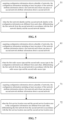
- the present disclosure provides in some embodiments a network differentiation method which, as shown in FIG. 4 , includes the following steps.
- Step 41 acquiring configuration information about a plurality of networks, the configuration information including at least one piece of first network attribute information about a first network and at least one piece of second network attribute information about a second network.
- the at least one piece of first network attribute information includes a first network identity, a first radio access type, and a first service location area.
- the first network identity may be a PLMN ID of the first network
- the first radio access type may be a RAT type of the first network
- the first service location area may be a TAC, a Location Area Code (LAC) or a Routing Area Code (RAC) of the first network.
- LAC Location Area Code
- RAC Routing Area Code
- the at least one piece of second network attribute information includes a second network identity, a second radio access type, and a second service location area.
- the second network identity may be a PLMN ID of the second network
- the second radio access type may be a RAT type of the second network
- the second service location area may be a TAC, an LAC or a RAC of the second network.
- the plurality of networks may include, but not limited to, an MF network and an LTE network.
- the MF network may be in an NH mode or an EPC mode.
- configuration information about the MF network and configuration information about the LTE network may be acquired.
- the configuration information about the MF network includes a network identity, a radio access type and a service location area of the MF network
- the configuration information about the LTE network includes a network identity, a radio access type and a service location area of the LTE network.
- Step 42 differentiating the first network from the second network in accordance with attribute information of a same type and different values in the at least one piece of first network attribute information and the at least one piece of second network attribute information in the configuration information.
- the MF network may be differentiated from the LTE network in accordance with the configuration information about the MF network and the configuration information about the LTE network.
- the first network and the second network may be differentiated from each other in accordance with the attribute information of a same type and different values in the at least one piece of first network attribute information and the at least one piece of second network attribute information in the configuration information (e.g., the first network identity and the second network identity, or the first radio access type and the second radio access type, or the first service location area and the second service location area).
- the configuration information e.g., the first network identity and the second network identity, or the first radio access type and the second radio access type, or the first service location area and the second service location area.
- the first network and the second network may be differentiated from each other in accordance with the first network identity and the second network identity, or the first radio access type and the second radio access type, or the first service location area and the second service location area in the configuration information.
- the first network may be the MF network
- the second network may be the conventional LTE network.
- the MF network and the LTE network may be configured with different PLMN IDs, RAT types and service location areas, so as to be differentiated from each other.
- the first network may be completely independent of the second network, or an evolved network of the second network.
- the first network and the second network may be any two networks different from each other.
- the above examples are for illustrative purposes only, but shall not be used to limit the network types in the embodiments of the present disclosure.
- the present disclosure further provides in some embodiments a network differentiation method which, as shown in FIG. 5 , includes the following steps.
- Step 51 which is the same as the above Step 41.
- Step 52 when the first network identity and the second network identity in the configuration information are different from each other, differentiating the first network from the second network in accordance with the first network identity and the second network identity.
- the first radio access type of the first network may be the same as, or different from, the second radio access type of the second network
- the first service location area of the first network may be the same as, or different from, the second service location area of the second network.
- the first network when the first radio access type is the same as the second radio access type but the first network identity is different from the second network identity, the first network may be differentiated from the second network in accordance with the first network identity and the second network identity.
- the MF network when the MF network belongs to a PLMN different from the LTE network, the MF network may be identified through the PLMN ID.
- the MF network in the NH mode may be independent of the LTE network in the core network, so the PLMN ID of the MF network in the NH mode may be different from that of the LTE network.
- An MF RAN in the EPC mode may be connected to the LTE network, and the UE may perform S 1 handover and X2 handover between the MF RAN and a 3GPP RAN, so the MF network in the EPC mode may share a same PLMN with the LTE network.
- the network deployment may be performed by a mobile operator at a licensed spectrum and an unlicensed spectrum using a same PLMN, and the coverage and capacity at the licensed spectrum may be supplemented through the unlicensed spectrum.
- the MF network in the EPC mode has a PLMN ID different from the LTE network, the MF network may be differentiated from the LTE network in accordance with the PLMN IDs.
- the RAT type of all the networks is an Evolved Universal Terrestrial Radio Access Network (E-UTRAN), i.e., the radio access type of the MF network is the same as that of the LTE network.
- network #4 has a PLMN ID different from network #6, but the radio access type thereof is the same. At this time, depending on the PLMN IDs, network #4 may be determined as the conventional LTE network, while network #6 may be determined as the MF network in the EPC mode.
- the service location areas of network #4 and network #6 will not be particularly defined.
- the TAC of network #4 may be the same as, or different from, that of network #6 (in Table 1, the TAC of network #4 is different from that of network #6).
- network #4 and network #6 may be differentiated from each other in accordance with the PLMN IDs or the TACs, preferably in accordance with the PLMN IDs.
- Two or more of the other networks having different PLMN IDs and the same radio access type in Table 1 may be differentiated from each other in a same manner as that for differentiating network #4 from network #6.
- different PLMN IDs are adopted to indicate different networks.
- it is able to differentiate the networks from each other without introducing any new network type identity.
- the present disclosure further provides in some embodiments a network differentiation method which, as shown in FIG. 6 , includes the following steps.
- Step 61 which is the same as the above Step 41.
- Step 62 when the first radio access type and the second radio access type in the configuration information are different from each other, differentiating the first network from the second network in accordance with the first radio access type and the second radio access type.
- the first network identity of the first network may be the same as, or different from, the second network identity of the second network
- the first service location area of the first network may be the same as, or different from, the second service location area of the second network.
- the first network when the first network identity is the same as the second network identity but the first radio access type is different from the second radio access type, the first network may be differentiated from the second network in accordance with the first radio access type and the second radio access type.
- the MF network in the NH mode may be independent of the LTE network in the core network, so the PLMN ID of the MF network in the NH mode may be different from that of the LTE network.
- the MF RAN in the EPC mode may be connected to the LTE network, and the UE may perform S 1 handover and X2 handover between the MF RAN and the 3GPP RAN, so the MF network in the EPC mode may share a same PLMN with the LTE network.
- the network deployment may be performed by the mobile operator at the licensed spectrum and the unlicensed spectrum using the same PLMN, and the coverage and capacity at the licensed spectrum may be supplemented through the unlicensed spectrum.
- the MF network in the EPC mode has a PLMN ID different from the LTE network
- the MF network may be differentiated from the LTE network in accordance with the PLMN IDs, as shown in Table 2. Table 2 No.
- PLMN ID RAT type Service location area 1 LTE network PLMN 1 E-UTRAN ⁇ TAC(3n) ⁇ 2 GSM network PLMN 1 Global System For Mobile Communication (GSM) ERAN (GERAN) ⁇ LAC(3n+1) ⁇ 4 LTE network PLMN 2 E-UTRAN ⁇ TAC(2n) ⁇ 5 WCDMA network PLMN 2 UTRAN ⁇ LAC(2n+1) ⁇ 6 MF network in EPC mode PLMN 3 E-UTRAN ⁇ TAC0 , TAC1,...,TACm ⁇ 7 MF network in NH mode PLMN 4 E-UTRAN ⁇ TAC0,TAC1,...,TACk ⁇
- network #1 has a same PLMN ID as network #2, but the radio access types thereof are different from each other. At this time, depending on the radio access types, network #1 may be determined as the conventional LTE network, while network #2 may be determined as a GSM network.
- the service location areas of network #1 and network #2 will not be particularly defined.
- the service location area of network #1 may be the same as, or different from, that of network #2 (in Table 2, the service location area of network #1 is different from that of network #2).
- network #1 and network #2 may be differentiated from each other in accordance with the radio access types or the service location areas, preferably in accordance with the radio access types.
- Two or more of the other networks having the same PLMN ID and different radio access types in Table 2 may be differentiated from each other in a same manner as that for differentiating network #1 from network #2.
- different RAT types are adopted to indicate different networks.
- it is able to differentiate the networks from each other without introducing any new network type identity.
- the present disclosure further provides in some embodiments a network differentiation method which, as shown in FIG. 7 , includes the following steps.
- Step 71 which is the same as the above Step 41.
- Step 72 when the first service location area and the second service location area in the configuration information are different from each other, differentiating the first network from the second network in accordance with the first service location area and the second service location area.
- the first network identity of the first network may be the same as, or different from, the second network identity of the second network
- the first radio access type of the first network may be the same as, or different from, the second radio access type of the second network.
- the first network when the first network identity is the same as the second network identity, the first radio access type is the same as the second radio access type but the first service location area is different from the second service location area, the first network may be differentiated from the second network in accordance with the first service location area and the second service location area.
- the MF network in the NH mode may be independent of the LTE network in the core network, so the PLMN ID of the MF network in the NH mode may be different from that of the LTE network.
- the MF RAN in the EPC mode may be connected to the LTE network, and the UE may perform S1 handover and X2 handover between the MF RAN and the 3GPP RAN, so the MF network in the EPC mode may share a same PLMN with the LTE network.
- the network deployment may be performed by the mobile operator at the licensed spectrum and the unlicensed spectrum using the same PLMN, and the coverage and capacity at the licensed spectrum may be supplemented through the unlicensed spectrum.
- the MF network in the EPC mode has a PLMN ID different from the LTE network
- the MF network may be differentiated from the LTE network in accordance with the PLMN IDs, as shown in Table 3. Table 3 No.
- network #1 has a same PLMN ID and a same radio access type as network #3. At this time, depending on the service location areas, network #1 may be determined as the conventional LTE network, while network #3 may be determined as the MF network in the EPC mode.
- Two or more of the other networks having the same PLMN ID and the same radio access type in Table 3 may be differentiated from each other in a same manner as that for differentiating network #1 from network #3.
- different service location areas are adopted to indicate different networks having the same PLMN ID and the same RAT type.
- it is able to differentiate the networks from each other without introducing any new network type identity.
- the present disclosure further provides in some embodiments a network differentiation method which, as shown in FIG. 8 , includes the following steps.
- Step 81 which is the same as the above Step 41.
- Step 82 which is the same as the above Step 42.
- Step 83 configuring subscriber server storage information about a UE in accordance with whether the UE is allowed to access to the first network or the second network, the first network attribute information and the second network attribute information.
- the subscriber server storage information includes a network identity list of networks to which the UE is allowed to access, an access restriction list of radio access types to which the UE is restricted to access and a regionally restricted service list of service location areas to which the UE is restricted to access, and the network identity list of networks to which the UE is allowed to access includes a network identity list of equivalent PLMNs (EPLMNs) of a Home PLMN (HPLMN) in registration information about the UE.
- EPLMNs equivalent PLMNs
- HPLMN Home PLMN
- the network identity list of networks to which the UE is allowed to access may be configured as including the first network identity or the second network identity
- the access restriction list of radio access types to which the UE is restricted to access may be configured as not including the first radio access type or the second radio access type
- the regionally restricted service list of service location areas to which the UE is restricted to access may be configured as including the first service location area or the second service location area.
- the UE may be restricted to access to any network in Table 1 in accordance with "EPLMN of HPLMN", "Access Restriction” and “Regionally Restricted Service” in UE registration information.
- the networks When the UE is restricted to access to network #6 or #7, the networks have the same RAT type of E-UTRAN but have PLMN IDs different from the other networks. At this time, the "Access Restriction” may not include “E-UTRAN not allowed", and the "EPLMN” may not include the PLMN ID of network #6 or network #7.
- the regionally restricted service list may be configured as including a TAC corresponding to network #1.
- the regionally restricted service list may be configured as including a TAC corresponding to network #2.
- the regionally restricted service list may be configured as including a TAC corresponding to network #3.
- the network differentiation method may further include: Step 84 of acquiring the subscriber server storage information about the UE; and Step 85 of, when the UE is to access to the first network or the second network, controlling the UE in an idle state to access to the first network or the second network in accordance with the subscriber server storage information.
- Step 85 may include Step 851 of, when the first network identity or the second network identity is contained in the network identity list of networks to which the UE is allowed to access but the first radio access type or the second radio access type is not contained in the access restriction list of radio access types to which the UE is restricted to access, allowing the UE in the idle state to access to the first network or the second network.
- the first network identity is different from the second network identity, or the first radio access type is different from the second radio access type.
- Step 85 may also include Step 852 of, when the first network identity or the second network identity is contained in the network identity list of networks to which the UE is allowed to access, the first radio access type or the second radio access type is not contained in the access restriction list of radio access types to which the UE is restricted to access, and the first service location area or the second service location area is not contained in the regionally restricted service list of service location areas to which the UE is restricted to access, allowing the UE in the idle state to access to the first network or the second network, and otherwise, not allowing the UE in the idle state to access to the first network or the second network.
- the first network identity is different from the second network identity, or the first radio access type is different from the second radio access type, or the first service location area is different from the second service location area.
- Step 852 differs from Step 851 in that the PLMN IDs and the radio access types are taken into consideration in Step 851, while the PLMN IDs, the radio access types and the service location areas are all taken into consideration in Step 852.
- an evolved Node B may report a Tracking Area Identity (TAI) of a cell to which the UE accesses to a Mobile Management Entity (MME) through an initial UE message including the PLMN selected by the UE and a TAC of the cell.
- TAI Tracking Area Identity
- MME Mobile Management Entity
- the MME may determine whether the UE is allowed to access to the network in accordance with the PLMN selected by the UE, the TAC of the cell, and a regionally restricted service list of service location areas to which the UE is restricted to access in the registration information acquired from a Home Subscriber Server (HSS).
- HSS Home Subscriber Server
- the UE When the PLMN selected by the UE belongs to the EPLMN of the HPLMN, the radio access type adopted by the UE is not contained in the access restriction list of radio access types to which the UE is restricted to access, and the TAI is not contained in the regionally restricted service list, the UE may be allowed to access to the network. At this time, such procedures as Attachment, Tracking Area Update (TAU) and Service Request may be performed continuously. Otherwise, the UE may not be allowed to access to the network, and an attachment rejection message, a TAU rejection message or a service request rejection message may be transmitted to the UE.
- TAU Tracking Area Update
- the UE in the idle state is restricted to access to the network in accordance with the PLMN ID to which the UE is allowed to access in the UE registration information stored in the HSS, the RAT type to which the UE is restricted to access and the service location area to which the UE is restricted to access.
- the present disclosure further provides in some embodiments a network differentiation method which, as shown in FIG. 10 , includes the following steps.
- Step 101 which is the same as the above Step 41.
- Step 102 which is the same as the above Step 42.
- Step 103 which is the same as the above Step 83 (i.e., configuring the subscriber server storage information about the UE in accordance with whether the UE is allowed to access to the first network or the second network, the first network attribute information and the second network attribute information).
- Step 104 which is the same as the above Step 84 (i.e., acquiring the subscriber server storage information).
- Step 105 generating and acquiring a handover restriction list in accordance with the subscriber server storage information.
- the handover restriction list includes a network identity list of target networks to which the UE is allowed to be switched, an access restriction list of radio access types of the target networks to which the UE is restricted to be switched, and a regionally restricted service list of service location areas of the target networks to which the UE is restricted to be switched.
- the network identity list of target networks to which the UE is allowed to be switched includes the EPLMNs of the HPLMN in the registration information about the UE.
- Step 106 controlling the UE in a connected state to be switched to the first network or the second network in accordance with the handover restriction list.
- Step 106 may include Step 1061 of, when the first network identity or the second network identity is contained in the network identity list of networks to which the UE is allowed to access, the first radio access type or the second radio access type is not contained in the access restriction list of radio access types to which the UE is restricted to access, and the first service location area or the second service location area is not contained in the regionally restricted service list of service location areas to which the UE is restricted to access, allowing the UE in the connected state to be switched to the first network or the second network, and otherwise, not allowing the UE in the connected state to be switched to the first network or the second network.
- the first network identity is different from the second network identity, or the first radio access type is different from the second radio access type, or the first service location area is different from the second service location area.
- the list of EPLMNs, Forbidden inter RATs and Forbidden TAs in the handover restriction list are generated by the MME in accordance with the list of EPLMNs, the access restriction list and the regionally restricted service list in the UE registration information acquired from the HSS respectively.
- the eNB may acquire the target network(s) to which the UE is allowed to be switched and the target network(s) to which the UE is not allowed to be switched from the handover restriction list transmitted by the MME in a context establishment request or transmitted by a previous eNB in a handover request.
- the handover restriction list is generated by the MME in accordance with the list of EPLMNs of the PLMN currently registered by the UE, the regionally restricted service list and the access restriction list stored in the HSS, and it includes the following contents.
- This list corresponds to the list of "equivalent PLMNs" as defined in TS 24.301 [24] >PLMN identity M 9.2.3.8 Forbidden TAs 0.. ⁇ max noofEP LMNsPl usOne> intra LTE roaming restrictions >PLMN Identity M 9.2.3.8
- the PLMN of forbidden TACs >Forbidde n TACs 1.. ⁇ max noofFor bTACs> >>TAC M 9.2.3.7 The TAC of the forbidden TAI Forbidden LAs 0.. ⁇ max
- Serving PLMN refers to a PLMN which is currently serving the UE.
- Equivalent PLMNs refer to a list of EPLMNs of the PLMN currently registered, and represents the target PLMNs where the UE is allowed to roam. The UE is not allowed to access to the PLMNs other than the serving PLMN and the equivalent PLMNs.
- Forbidden TAs refer to E-UTRAN areas to which the UE is restricted to access in a specified EPLMN.
- Forbidden LAs refer to GEARAN or UTRAN areas to which the UE is restricted to access in the specified EPLMN.
- Forbidden inter RATs refer to 3GPP and non-3GPP access techniques to which the UE is not allowed to access.
- the eNB may select the target network for the UE in accordance with the EPLMN list and the parameter Forbidden inter RATs in the handover restriction list.
- the eNB may determine that the UE is capable of being switched to the target network.
- the eNB may restrict a service location area to which the UE is allowed to be switched through Forbidden TAs, because the UE is incapable of being switched to the service location area set by the Forbidden TAs under the EPLMN.
- the target networks for the UE are restricted through the EPLMN, the Forbidden inter RATs and the Forbidden TAs in the handover restriction list, i.e., the target networks having different PLMN IDs or different RAT types are restricted through the EPLMN and the Forbidden inter RATs, and the target networks having the same PLMN ID and the same RAT type are restricted through the Forbidden TAs.
- the service location area set by the Forbidden TAs is just the service location area corresponding to the target network to which the UE is restricted to be switched.
- a measurement result received by the eNB from the UE may include a network identity, a radio access type and a service location area of a neighboring cell.
- the network identity of the neighboring cell is a network currently serving the UE or a network to which the UE is allowed to be switched
- the radio access type of the neighboring cell does not belong to the RAT types to which the UE is restricted to access
- the service location area of the neighboring cell does not belong to the service location areas to which the UE is restricted to access
- the eNB may determine that the neighboring cell belongs to the target networks to which the UE is allowed to be switched and the neighboring cell is a candidate handover cell for the UE.
- the network differentiation method further includes: when the UE in the connected state is allowed to be switched to both the first network and the second network, switching, in accordance with a handover priority level of the first network and a handover priority level of the second network, the UE in the connected state to one of the first network and the second network having a higher handover priority level.
- the base station may acquire such configuration information as the network identity, the radio access type and the service location area, and configure different handover priority levels for different networks.
- the eNB may determine the network to which the neighboring cell belongs in accordance with the network identity, the radio access type and the service location area of the neighboring cell included in the measurement result.
- the eNB may select perform the handover in accordance with the target network having the highest priority level.
- the eNB may acquire the configuration information as shown in Table 1 from a network operation and maintenance center.
- the eNB may receive the measurement results of two cells from the UE.
- the measurement result of cell A indicates that a network identity of cell A is PLMN1 and a service location area thereof is TA1.
- the measurement result of cell B indicates that a network identity of cell B is PLMN1 and a service location area thereof is TA6.
- the eNB may acquire, through a table look-up operation, that cell A is an LTE cell and cell B is an MF cell. When the MF cell has a handover priority level higher than the LTE cell, the eNB may take cell B as a target cell for the handover.
- the target networks for the UE in the connected state are restricted.
- the eNB may restrict the target networks for the UE in the connected state through the PLMNs to which the UE is allowed to be switched, the RAT types to which the UE is restricted to be switched and the service location areas to which the UE is restricted to access in the handover restriction list.
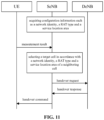
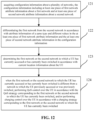
- the present disclosure further provides in some embodiments a network differentiation method which, as shown in FIG. 12 , includes the following steps.
- Step 121 which is the same as the above Step 41.
- Step 122 which is the same as the above Step 42.
- the network differentiation method may further include: Step 123 of determining the first network or the second network to which the UE has currently been switched in accordance with current location information about the UE; and Step 124 of performing QoS control over the UE in accordance with the QoS strategy corresponding to the first network or the second network to which the UE has currently been accessed, and/or performing charging control over the UE in accordance with a charging strategy corresponding to the first network or the second network to which the UE has currently been accessed.
- the MME may acquire such configuration information as the network identity, the radio access type and the service location area, and determine the network type currently adopted by the UE in accordance with the configuration information and the initial UE message reported by the eNB.
- the MME may transmit the location information about the UE to a Signaling Gate Way (SGW).
- SGW Signaling Gate Way
- PGW Packet Gate Way
- the eNB may report a TAI of a cell to which the UE has currently accessed to the MME through the initial UE message, and the initial UE message may include the selected PLMN and a TAC that represents a unique tracking area under the PLMN.
- the MME may determine whether the network adopted by the UE is the MF network or the conventional LTE network in accordance with the PLMN and the TAC.
- the MME may transmit a Create Session Request message containing User Location Information to the SGW.
- the SGW may acquire the network currently adopted by the UE in accordance with the location of the UE indicated by the TAI in the User Location Information.
- the SGW may transmit the Create Session Request message containing the User Location Information to the PGW, so that the PGW may acquire the network currently adopted by the UE in accordance with the TAI.
- the PGW may, in accordance with the network currently adopted by the UE, provide a charging strategy and a QoS strategy different from those for the previous network.
- the MME may transmit a Modify Bear Request message containing the User Location Information to the SGW.
- the SGW may acquire the network currently adopted by the UE in accordance with the location of the UE indicated by the TAI in the User Location Information.
- the SGW may transmit the Modify Bear Request message containing the User Location Information to the PGW, so that the PGW may acquire the network currently adopted by the UE in accordance with the TAI.
- the PGW may, in accordance with the network currently adopted by the UE, provide a charging strategy and a QoS strategy different from those for the previous network.
- the core network when the UE is switched between different networks or accesses to a specific network, it is able for the core network to provide different QoS strategies or charging strategies without introducing any new network type identity.
- the UE in the embodiments of the present disclosure may be a mobile phone or any other device capable of transmitting or receiving a radio signal, including a terminal, a Personal Digital Assistant (PDA), a wireless modem, a wireless communication device, a handheld device, a laptop computer, a cordless telephone, a Wireless Local Loop (WLL) station, Customer Premise Equipment (CPE) or an Mifi capable of converting a mobile signal into a WiFi signal, an intelligent household electrical appliance, or any other device capable of spontaneously communicating with a mobile communication network.
- PDA Personal Digital Assistant
- WLL Wireless Local Loop
- CPE Customer Premise Equipment
- Mifi capable of converting a mobile signal into a WiFi signal
- an intelligent household electrical appliance or any other device capable of spontaneously communicating with a mobile communication network.
- the form of the base station will not be particularly defined herein, and it may be a macro base station, a pico base station, a NodeB, an evolved NodeB (eNB), a femto eNB (or Home eNB (HeNB)), a relay, an access point, a Remote Radio Unit (RRU), or a Remote Radio Head (RRH).
- a macro base station a pico base station
- NodeB an evolved NodeB (eNB)
- eNB evolved NodeB
- femto eNB or Home eNB (HeNB)
- RRU Remote Radio Unit
- RRH Remote Radio Head
- the mobile network type is indicated through the PLMN ID, the RAT type and the service location area, without introducing any new network type.
- it is able to restrict the UE in the idle state to access to or be switched to the target network without introducing any new network type identity.
- the core network when the UE is switched between different networks, it is able for the core network to provide different QoS strategies or charging strategies without introducing any new network type identity.
- the present disclosure further provides in some embodiments a network differentiation device 140 which, as shown in FIG. 14 , includes: an acquisition module 141 configured to acquire configuration information about a plurality of networks, the configuration information including at least one piece of first network attribute information about a first network and at least one piece of second network attribute information about a second network; and a differentiation module 142 configured to differentiate the first network from the second network in accordance with attribute information of a same type and different values in the at least one piece of first network attribute information and the at least one piece of second network attribute information in the configuration information.
- an acquisition module 141 configured to acquire configuration information about a plurality of networks, the configuration information including at least one piece of first network attribute information about a first network and at least one piece of second network attribute information about a second network
- a differentiation module 142 configured to differentiate the first network from the second network in accordance with attribute information of a same type and different values in the at least one piece of first network attribute information and the at least one piece of second network attribute information in the configuration information.
- the at least one piece of first network attribute information includes a first network identity, a first radio access type, and a first service location area
- the at least one piece of second network attribute information includes a second network identity, a second radio access type, and a second service location area.
- the differentiation module 142 includes a first differentiation sub-module configured to, when the first network identity is different from the second network identity, differentiate the first network from the second network in accordance with the first network identity and the second network identity.
- the first differentiation sub-module is further configured to, when the first radio access type is the same as the second radio access type but the first network identity is different from the second network identity, differentiate the first network from the second network in accordance with the first network identity and the second network identity.
- the differentiation module 142 includes a second differentiation sub-module configured to, when the first radio access type is different from the second radio access type, differentiate the first network from the second network in accordance with the first radio access type and the second radio access type.
- the second differentiation sub-module is further configured to, when the first network identity is the same as the second network identity but the first radio access type is different from the radio access type, differentiate the first network from the second network in accordance with the first radio access type and the second radio access type.
- the differentiation module 142 includes a third differentiation sub-module configured to, when the first service location area is different from the second service location area, differentiating the first network from the second network in accordance with the first service location area and the second service location area.
- the third differentiation sub-module is further configured to, when the first network identity is the same as the second network identity, the first radio access type is the same as the radio access type and the first service location area is different from the second service location area, differentiate the first network from the second network in accordance with the first service location area and the second service location area.
- the network differentiation device may further include a first control module configured to, after the first network has been differentiated from the second network, configure subscriber server storage information about a UE in accordance with whether the UE is allowed to access to the first network or the second network, the first network attribute information and the second network attribute information.
- the subscriber server storage information includes a network identity list of networks to which the UE is allowed to access, an access restriction list of radio access types to which the UE is restricted to access and a regionally restricted service list of service location areas to which the UE is restricted to access.
- the network identity list of networks to which the UE is allowed to access includes a network identity list of EPLMNs of an HPLMN in registration information about the UE.
- the first control module is further configured to configure that the network identity list of networks to which the UE is allowed to access includes the first network identity or the second network identity, configure that the access restriction list of radio access types to which the UE is restricted to access does not include the first radio access type or the second radio access type, and configure that the regionally restricted service list of service location areas to which the UE is restricted to access includes the first service location area or the second service location area.
- the first control module is further configured to allow the UE in the idle state to access to the first network or the second network.
- the first network identity is different from the second network identity
- the first radio access type is different from the second radio access type.
- the first control module is further configured to allow the UE in the idle state to access to the first network or the second network, and otherwise, not allow the UE in the idle state to access to the first network or the second network.
- the first network identity is different from the second network identity, or the first radio access type is different from the second radio access type, or the first service location area is different from the second service location area.
- the network differentiation device may further include a second control module configured to: generate and acquire a handover restriction list in accordance with the subscriber server storage information, the handover restriction list including a network identity list of target networks to which the UE is allowed to be switched, an access restriction list of radio access types of the target networks to which the UE is restricted to be switched, and a regionally restricted service list of service location areas of the target networks to which the UE is restricted to be switched, the network identity list of target networks to which the UE is allowed to be switched including the EPLMNs of the HPLMN in the registration information about the UE; and control the UE in a connected state to be switched to the first network or the second network in accordance with the handover restriction list.
- the handover restriction list including a network identity list of target networks to which the UE is allowed to be switched, an access restriction list of radio access types of the target networks to which the UE is restricted to be switched, and a regionally restricted service list of service location areas of the target networks to which the UE is restricted to be switched
- the second control module is further configured to allow the UE in the connected state to be switched to the first network or the second network, and otherwise, not allow the UE in the connected state to be switched to the first network or the second network.
- the first network identity is different from the second network identity, or the first radio access type is different from the second radio access type, or the first service location area is different from the second service location area.
- the second control module when the UE in the connected state is allowed to access to both the first network and the second network, is further configured to switch, in accordance with a handover priority level of the first network and a handover priority level of the second network, the UE in the connected state to one of the first network and the second network having a higher handover priority level.
- the network differentiation device may further include a third control module configured to, determine the first network or the second network to which the UE has currently been switched in accordance with current location information about the UE; and perform QoS control over the UE in accordance with the QoS strategy corresponding to the first network or the second network to which the UE has currently been switched, and/or perform charging control over the UE in accordance with a charging strategy corresponding to the first network or the second network to which the UE has currently been switched.
- a third control module configured to, determine the first network or the second network to which the UE has currently been switched in accordance with current location information about the UE; and perform QoS control over the UE in accordance with the QoS strategy corresponding to the first network or the second network to which the UE has currently been switched, and/or perform charging control over the UE in accordance with a charging strategy corresponding to the first network or the second network to which the UE has currently been switched.
- the implementation of the network differentiation device in the embodiments of the present disclosure may refer to that of the network differentiation method mentioned above, with the same technical effect.
- the present disclosure further provides in some embodiments a network differentiation device which, as shown in FIG. 15 , includes: a receiver 151 configured to receive configuration information about a plurality of networks, the configuration information including at least one piece of first network attribute information about a first network and at least one piece of second network attribute information about a second network; and a processor 152 connected to the receiver and configured to differentiate the first network from the second network in accordance with attribute information of a same type and different values in the at least one piece of first network attribute information and the at least one piece of second network attribute information in the configuration information.
- the at least one piece of first network attribute information includes a first network identity, a first radio access type, and a first service location area
- the at least one piece of second network attribute information includes a second network identity, a second radio access type, and a second service location area.
- the processor 152 may be further configured to achieve the functions of all the modules of the network differentiation device mentioned above, with the same technical effect.
- the purposes of the present disclosure may also be implemented by one program or a set of programs running on any computing device, e.g., a known general-purpose computer, or implemented merely by a program product including programs codes capable of implementing the method or device.
- this program product and a storage medium storing therein the program product also constitute a part of the present disclosure.
Landscapes
- Engineering & Computer Science (AREA)
- Computer Networks & Wireless Communication (AREA)
- Signal Processing (AREA)
- Databases & Information Systems (AREA)
- Computer Security & Cryptography (AREA)
- Mobile Radio Communication Systems (AREA)
Claims (13)
- Méthode de différenciation de réseau comprenant les étapes de :acquérir (41, 51, 61, 71, 81, 101) des premières informations d'attributs de réseau concernant un premier réseau et des secondes informations d'attributs de réseau concernant un second réseau ; etdifférencier (42, 82, 102) le premier réseau du second réseau en fonction d'informations d'attribut d'un même type et de valeurs différentes dans les premières informations d'attributs de réseau et les secondes informations d'attributs de réseau ; etdans lequel les premières informations d'attributs de réseau comprennent au moins l'un parmi une première identité de réseau, un premier type d'accès radio ou une première zone de localisation de service, etles secondes informations d'attributs de réseau comprennent au moins l'un parmi une seconde identité de réseau, un second type d'accès radio ou une seconde zone de localisation de service,caractérisé en ce qu'après avoir différencié (82, 102) le premier réseau du second réseau, la méthode de différenciation de réseau comprend en outre une étape de configurer (83, 103) des informations de stockage de serveur d'abonnés concernant un Equipement d'Utilisateur, UE, selon que l'UE est autorisé à accéder au premier réseau ou au second réseau, les premières information d'attributs de réseau et les secondes informations d'attribut de réseau,dans lequel les informations de stockage de serveur d'abonnés comprennent une liste d'identités de réseaux auxquels l'UE est autorisé à accéder, une liste de restrictions d'accès de types d'accès radio auxquels l'UE est limité et une liste de services restreints au niveau régional de zones de localisation de service auxquelles l'US est limité, et la liste d'identités de réseaux de réseaux auxquels l'UE est autorisé à accéder comprend une liste d'identités de réseaux de Réseaux Mobiles Terrestres Publics équivalents, EPLMNs, d'un PLMN domestique, HPLMN, dans des informations d'enregistrement concernant l'UE,dans lequel, après avoir différencié (82, 102) le premier réseau du second réseau, la méthode de différenciation de réseau comprend en outre les étape de :acquérir (84, 104) des informations de stockage de serveur d'abonnés concernant l'UE ; etlorsque l'UE doit accéder au premier réseau ou au second réseau, commander (85) l'UE dans un état d'inactivité pour accéder au premier réseau ou au second réseau en fonction des informations de stockage de serveur d'abonnés.
- Méthode de différenciation de réseau selon la revendication 1, dans laquelle, lorsque la première identité de réseau est différente de la seconde identité de réseau, l'étape de différencier (52) le premier réseau du second réseau en fonction de la première identité de réseau et de la seconde identité de réseau comprend l'étape de, lorsque le premier type d'accès radio est le même que le second type d'accès radio mais que la première identité de réseau est différente de la seconde identité de réseau, différencier (52) le premier du second réseau en fonction de la première identité de réseau et de la seconde identité de réseau.
- Méthode de différenciation de réseau selon la revendication 1, dans laquelle lorsque le premier type d'accès radio est différent du second type d'accès radio, l'étape de différencier (62) le premier réseau du second réseau en fonction du premier type d'accès radio et du second type d'accès radio comprend l'étape de, lorsque la première identité de réseau est la même que la second identité de réseau mais que le premier type d'accès radio est différent du deuxième type d'accès radio. type d'accès radio est différent du second type d'accès radio, différencier (62) le premier réseau du second réseau en fonction du premier type d'accès radio et du second type d'accès radio.
- Méthode de différenciation de réseau selon la revendication 1, dans laquelle, lorsque la première zone de localisation de service est différente de la seconde zone de localisation de service, l'étape de différencier (72) le premier réseau du second réseau en fonction de la première zone de localisation de service et de la seconde zone de localisation de service comprend l'étape de, lorsque la première identité de réseau est la même que la seconde identité de réseau, le premier type d'accès radio est le même que le second type d'accès radio, mais la première zone de localisation de service est différente de la seconde zone de localisation de service, différencier (72) le premier réseau du second réseau en fonction de la première zone de localisation de service et de la seconde zone de localisation de service.
- Méthode de différenciation de réseau selon la revendication 1, dans laquelle l'étape de configurer des informations de stockage de serveur d'abonnés concernant un UE en fonction de si l'UE est autorisé à accéder au premier réseau ou au second réseau, les informations d'attributs du premier réseau et les informations d'attributs du second réseau comprennent : lorsque la première identité de réseau est la même que la second identité de réseau, le premier type d'accès radio est le même que le second type d'accès radio, et l'UE n'est pas autorisé à accéder au premier réseau ou au second réseau, configurer de sorte que la liste d'identités de réseau de réseaux auxquels l'UE est autorisé à accéder comprend la première identité de réseau ou la seconde identité de réseau, configurer de sorte que la liste de restriction d'accès de types d'accès radio auxquels l'UE est limité ne comprend pas le premier type d'accès radio ou le second type d'accès radio, et configurer de sorte que la liste de services restreints au niveau régional de zones de localisation de services auxquelles l'UE est limité comprend la première zone de localisation de service ou la deuxième zone de localisation de service.
- Méthode de différenciation de réseau selon la revendication 1, dans laquelle l'étape de commander l'UE dans un état d'inactivité pour accéder au premier réseau ou au second réseau en fonction des informations de stockage de serveur d'abonnés comprend : lorsque la première identité de réseau ou la seconde identité de réseau est contenue dans la liste d'identités de réseaux auxquels l'UE est autorisé à accéder, le premier type d'accès radio ou le second type d'accès radio ne figure pas dans la liste de restrictions d'accès de types d'accès radio auxquels l'UE est limité, et la première zone de localisation de service ou la seconde zone de localisation de service ne figure pas dans la liste de services restreints au niveau régional auxquels l'UE est limité, autoriser (85) l'UE dans l'état d'inactivité à accéder au premier réseau ou au second réseau et, autrement, de ne pas autoriser l'UE à accéder au premier réseau ou au second réseau,
dans laquelle la première identité de réseau est différente de la seconde identité de réseau, le premier type d'accès radio est différent du second type d'accès radio, ou la première zone de localisation de service est différente de la seconde zone de localisation de service. - Méthode de différenciation de réseau selon la revendication 1, dans laquelle après l'étape d' acquérir (104) les informations de stockage de serveur d'abonnés concernant l'UE, la méthode de différenciation de réseau comprend en outre les étapes de :générer et acquérir (105) une liste de restriction de transfert en fonction des informations de stockage de serveur d'abonnés, la liste de restriction de transfert comprenant une liste d'identité de réseau de réseaux cibles vers lesquels l'UE est limité à être commuté, une liste de restrictions d'accès de types d'accès radio vers lesquels l'UE est limité à être commuté, et une liste de services restreints au niveau régional de zones de localisation de service vers lesquels l'UE est limité à être commuté, la liste d'identité de réseau de réseaux cibles vers lesquels l'UE est limité à être commuté, comprenant les EPLMNs du HPLMN dans informations d'enregistrement concernant l'UE ; etcommander (106) l'UE dans un état connecté pour commutation vers le premier serveur ou le second réseau conformément à la liste de restriction de transfert.
- Méthode de différenciation de réseau selon la revendication 7, dans laquelle le contrôle de l'UE dans l'état connecté pour commutation vers le premier réseau ou le second réseau conformément à la liste de restriction de transfert comprend : lorsque l'identité du premier réseau ou l'identité du deuxième réseau figure dans la dans la liste des réseaux auxquels l'UE est autorisé à accéder, le premier type d'accès type d'accès radio ou le second type d'accès radio ne figure pas dans la liste de restriction d'accès des types d'accès radio auxquels l'UE est limité, et la première zone de localisation de service de service ou la seconde zone de localisation de service ne figure pas dans la liste de zones de localisation de service à accès restreint au niveau régional auxquelles l'UE est limité, autoriser (106) la commutation de l'UE dans un l'état connecté vers le premier réseau ou le second réseau, et autrement, ne pas autoriser la commutation de l'UE dans l'état connecté vers le premier réseau ou le second réseau,
dans lequel la première identité de réseau est différente de la deuxième identité de réseau, le premier type d'accès radio est différent du second type d'accès radio, ou la première zone de localisation de service est différente de la seconde zone de localisation de service. - Méthode de différenciation de réseau selon la revendication 8, dans laquelle, après l'étape d'autoriser l'UE dans l'état connecté à être commuté vers le premier réseau ou au second réseau, la méthode de différenciation de réseau comprend en outre : lorsque l'UE dans l'état connecté est autorisé à accéder au premier et au second réseau, commuter, conformément à un niveau de priorité de transfert du premier réseau et à un niveau de priorité de transfert du second réseau, l'UE dans l'état connecté vers l'un du premier réseau et du second réseau ayant un niveau de niveau de priorité de transfert plus élevé.
- Méthode de différenciation de réseau selon la revendication 7, dans laquelle, après l'étape de commuter l'UE dans l'état connecté au premier réseau ou au second réseau, la méthode de différenciation de réseau comprend en outre :déterminer (123) le premier réseau ou le second réseau vers lequel l'UE a été commuté en fonction d'une information de position actuelle concernant l'UE ; eteffectuer (124) un contrôle de la Qualité de Service, QoS, sur l'UE conformément à la stratégie de QoS correspondant au premier réseau ou au second réseau vers lequel l'UE est actuellement commuté, et/ou contrôler la tarification de l'UE conformément à une stratégie de tarification correspondant au premier réseau ou au second réseau vers lequel l'UE est actuellement commuté.
- Méthode de différenciation de réseau selon la revendication 1, dans laquelle
après avoir commandé l'accès l'UE dans un état d'inactivité au premier réseau ou au second réseau à, la méthode de différenciation de réseau comprend en outre les étapes de :déterminer (123) le premier réseau ou le second réseau auquel l'UE accède actuellement en fonction d'une information de localisation actuelle concernant l'UE ; eteffectuer (124) un QoS sur l'UE conformément à la stratégie de QoS correspondant au premier réseau ou au second réseau auquel l'UE accède actuellement, et/ou en effectuant un contrôle de la tarification sur l'UE conformément à une stratégie de tarification correspondant au premier réseau ou au second réseau auquel l'UE accède actuellement. - Méthode de différenciation de réseau selon la revendication 1, dans laquelle l'étape de différenciation (42, 82, 102) du premier réseau du second réseau en fonction des informations d'attributs de même type et des valeurs différentes dans les premières informations d'attributs de réseau et des secondes informations d'attributs de réseau comprend les étapes de :lorsque la première identité de réseau est différente de la seconde identité de réseau, différencier (52) le premier réseau du second réseau en fonction de la première identité de réseau et de la seconde identité de réseau ; oulorsque le premier type d'accès radio est différent du second type d'accès radio, différencier (62) le premier réseau du second réseau en fonction du premier type d'accès radio et du second type d'accès radio ; oulorsque la première zone de localisation de service est différente de la seconde zone de localisation de service, différencier (72) le premier réseau du second réseau en fonction de la première zone de localisation de service et de la seconde zone de localisation de service.
- Dispositif de différenciation de réseau, comprenant :un module d'acquisition (141) configuré pour acquérir (41, 51, 61, 71, 81, 101) des premières informations d'attributs de réseau concernant un premier réseau et des secondes informations d'attributs de réseau concernant un second réseau,un module de différenciation (142) configuré pour différencier (42, 82, 102) le premier réseau du second réseau en fonction d'informations d'attribut d'un même type et de valeurs différentes dans les premières informations d'attributs de réseau et les secondes informations d'attributs de réseaudans lequel les premières informations d'attributs de réseau comprennent au l'un parmi une première identité de réseau, un premier type d'accès radio ou une première zone de localisation de service, etles secondes informations d'attributs de réseau comprennent au moins l'un parmi une seconde identité de réseau, un second type d'accès radio ou une seconde zone de localisation de service,caractérisé en ce que le dispositif de différenciation de réseau est configuré pour, après avoir différencié (82, 102) le premier réseau du second réseau au moyen du module de différenciation (142), configurer (83, 103) des informations de stockage de serveur d'abonnés concernant un Equipement d'Utilisateur, UE, selon que l'UE est autorisé à accéder au premier réseau ou au second réseau, les premières information d'attributs de réseau et les secondes informations d'attribut de réseau,dans lequel les informations de stockage de serveur d'abonnés comprennent une liste d'identités de réseaux auxquels l'UE est autorisé à accéder, une liste de restrictions d'accès de types d'accès radio auxquels l'UE est limité et une liste de services restreints au niveau régional de zones de localisation de service auxquelles l'UE est limité, et la liste d'identités de réseaux de réseaux auxquels l'UE est autorisé à accéder comprend une liste d'identités de réseaux de Réseaux Mobiles Terrestres Publics équivalents, EPLMNs, d'un PLMN domestique, HPLMN, dans des informations d'enregistrement concernant l'UE,dans lequel le dispositif de différenciation de réseau est en outre configuré pour, après avoir différencié (82, 102) le premier réseau du second réseau au moyen du module de différenciation (142) :acquérir (84, 104) des informations de stockage de serveur d'abonnés concernant l'UE ; etlorsque l'UE doit accéder au premier réseau ou au second réseau, commander (85) l'UE dans un état d'inactivité pour accéder au premier réseau ou au second réseau en fonction des informations de stockage de serveur d'abonnés.
Applications Claiming Priority (2)
| Application Number | Priority Date | Filing Date | Title |
|---|---|---|---|
| CN201610094848.4A CN107105441B (zh) | 2016-02-19 | 2016-02-19 | 区分网络类型的方法、装置及设备 |
| PCT/CN2017/073961 WO2017140267A1 (fr) | 2016-02-19 | 2017-02-17 | Procédé, appareil et dispositif de différentiation de réseau, puce et terminal |
Publications (3)
| Publication Number | Publication Date |
|---|---|
| EP3419323A1 EP3419323A1 (fr) | 2018-12-26 |
| EP3419323A4 EP3419323A4 (fr) | 2019-08-28 |
| EP3419323B1 true EP3419323B1 (fr) | 2023-07-12 |
Family
ID=59625605
Family Applications (1)
| Application Number | Title | Priority Date | Filing Date |
|---|---|---|---|
| EP17752699.3A Active EP3419323B1 (fr) | 2016-02-19 | 2017-02-17 | Procédé et dispositif de différentiation de réseau |
Country Status (5)
| Country | Link |
|---|---|
| US (1) | US10993116B2 (fr) |
| EP (1) | EP3419323B1 (fr) |
| JP (1) | JP6620249B2 (fr) |
| CN (1) | CN107105441B (fr) |
| WO (1) | WO2017140267A1 (fr) |
Families Citing this family (7)
| Publication number | Priority date | Publication date | Assignee | Title |
|---|---|---|---|---|
| WO2018030859A1 (fr) | 2016-08-11 | 2018-02-15 | Samsung Electronics Co., Ltd. | Procédé et appareil de commande ou de radiomessagerie d'un équipement d'utilisateur |
| KR102458658B1 (ko) * | 2016-08-11 | 2022-10-25 | 삼성전자 주식회사 | 사용자 장치를 제어 또는 페이징하는 방법 및 장치 |
| CN108040367B (zh) * | 2016-11-04 | 2019-09-17 | 电信科学技术研究院 | 一种ue位置区域更新方法、接入网实体、ue及核心网实体 |
| CN111034301B (zh) | 2017-08-11 | 2023-12-01 | 三星电子株式会社 | 用于支持补充上行链路频率的方法和装置 |
| US10945200B2 (en) * | 2018-05-11 | 2021-03-09 | Mediatek Inc. | User equipment and method for handling network feature capabilities |
| AU2018436803A1 (en) * | 2018-08-14 | 2021-03-18 | Guangdong Oppo Mobile Telecommunications Corp., Ltd. | Wireless communication method and terminal device |
| CN116760805B (zh) * | 2023-05-17 | 2025-09-16 | 中国电信股份有限公司广东研究院 | 多媒体通讯方法、通信设备、存储介质 |
Family Cites Families (18)
| Publication number | Priority date | Publication date | Assignee | Title |
|---|---|---|---|---|
| CN101106508B (zh) * | 2006-07-14 | 2012-06-20 | 华为技术有限公司 | 一种在异构系统中获取用户规格的方法 |
| US8948758B2 (en) * | 2008-01-25 | 2015-02-03 | Telefonaktiebolaget Lm Ericsson (Publ) | Method and apparatus for frequency access restriction in cellular communications |
| US8855636B2 (en) * | 2008-10-22 | 2014-10-07 | Qualcomm Incorporated | Methods and apparatus for system selection in a multimode wireless device |
| JP2011199390A (ja) * | 2010-03-17 | 2011-10-06 | Ntt Docomo Inc | 移動機、サーバ及び方法 |
| EP3474588B1 (fr) | 2010-10-01 | 2021-06-02 | Nokia Solutions and Networks Oy | Établissement et entretien d'une relation de voisinage entre des noeuds d'accès dans un réseau de communication sans fil |
| EP2745607A1 (fr) | 2011-08-19 | 2014-06-25 | Interdigital Patent Holdings, Inc. | Procédé et appareil pour utiliser des procédures de strate non d'accès dans une station mobile afin d'accéder à des ressources de porteuses composantes appartenant à différentes technologies d'accès radio |
| CN102984788A (zh) * | 2011-09-02 | 2013-03-20 | 联发科技(新加坡)私人有限公司 | 无线存取技术rat模块选网方法 |
| US9094987B2 (en) * | 2011-09-26 | 2015-07-28 | Electronics And Telecommunications Research Institute | Method for generating random access signal of machine type communication device using narrow bandwidth |
| US8995989B2 (en) | 2012-05-22 | 2015-03-31 | Mediatek Inc. | UE enhancement for service recovery in mobile communications network |
| US8886230B2 (en) * | 2012-08-08 | 2014-11-11 | Intel Corporation | Systems and methods for service set identifier-based location detection |
| WO2014071548A1 (fr) * | 2012-11-06 | 2014-05-15 | Spreadtrum Communications(Shanghai) Co., Ltd. | Sélection de réseau de communication auto-adaptative |
| US10757632B2 (en) * | 2013-09-30 | 2020-08-25 | Qualcomm Incorporated | Public land mobile network identifier for non-mobile network operator networks |
| WO2015050301A1 (fr) * | 2013-10-03 | 2015-04-09 | Samsung Electronics Co., Ltd. | Procédé et système pour un comportement d'équipement utilisateur en mode de sélection de groupe d'abonnés fermé (csg) manuel |
| US9232387B2 (en) * | 2013-10-22 | 2016-01-05 | At&T Intellectual Property I, L.P. | Architecture for radio access network virtualization |
| US20150119029A1 (en) * | 2013-10-30 | 2015-04-30 | Motorola Solutions, Inc. | Method and apparatus for searching for radio frequency signals by a subscriber unit in a wireless communication system |
| TWI687109B (zh) * | 2014-04-03 | 2020-03-01 | 南韓商三星電子股份有限公司 | 用於在行動通訊網路中處置公眾陸地行動網路選擇的方法、使用者設備以及非暫時性電腦可讀媒體 |
| US20170078926A1 (en) * | 2014-06-25 | 2017-03-16 | Telefonaktiebolaget Lm Ericsson (Publ) | Radio access network fallback |
| US9871828B2 (en) * | 2014-07-18 | 2018-01-16 | T-Mobile Usa, Inc. | Enhanced IMS services restriction and selection control for mobile devices roaming in foreign networks |
-
2016
- 2016-02-19 CN CN201610094848.4A patent/CN107105441B/zh active Active
-
2017
- 2017-02-17 US US15/999,481 patent/US10993116B2/en active Active
- 2017-02-17 EP EP17752699.3A patent/EP3419323B1/fr active Active
- 2017-02-17 WO PCT/CN2017/073961 patent/WO2017140267A1/fr not_active Ceased
- 2017-02-17 JP JP2018543687A patent/JP6620249B2/ja active Active
Also Published As
| Publication number | Publication date |
|---|---|
| EP3419323A4 (fr) | 2019-08-28 |
| EP3419323A1 (fr) | 2018-12-26 |
| JP2019506099A (ja) | 2019-02-28 |
| WO2017140267A1 (fr) | 2017-08-24 |
| CN107105441B (zh) | 2020-04-10 |
| CN107105441A (zh) | 2017-08-29 |
| US10993116B2 (en) | 2021-04-27 |
| US20190045368A1 (en) | 2019-02-07 |
| JP6620249B2 (ja) | 2019-12-11 |
Similar Documents
| Publication | Publication Date | Title |
|---|---|---|
| EP3419323B1 (fr) | Procédé et dispositif de différentiation de réseau | |
| US11457349B2 (en) | Method and apparatus for managing user equipment history information in wireless communication network | |
| EP2995131B1 (fr) | Réselection de cellule en fonction de priorité avec des priorités spécifiques des cellules | |
| US20160142960A1 (en) | Wireless communication method and device | |
| US11089522B2 (en) | Method and device for accessing a network, and user equipment | |
| CA2947607C (fr) | Gestion d'etablissement d'abonnement d'ue | |
| KR101787708B1 (ko) | 네트워크 간 핸드오버 방법 및 장치 | |
| WO2013057536A1 (fr) | Mécanisme pour le contrôle de la mobilité dans un environnement de partage de réseau | |
| US20180270742A1 (en) | Terminal and Method for Inter RAT Access Selection in a Communications Network | |
| US11166205B2 (en) | Neighbor lists for use in multi-operator core network based neutral host networks | |
| CN103404183A (zh) | 移动通信终端和用于在通信网络中注册移动通信终端的方法 | |
| US12225625B2 (en) | Method and apparatus for radio access network based notification area update | |
| CN115516917B (zh) | 用于网络中网络发起的移动性的方法和装置 | |
| US20240357483A1 (en) | Communication method and apparatus | |
| CN102696261A (zh) | 用户设备的接入控制方法及装置 | |
| CN119487915A (zh) | 对公共陆地移动网络的漫游无线电接入 | |
| KR101444433B1 (ko) | Cs 폴백 서비스 제공 방법 및 이를 수행하는 기지국 장치 | |
| CN101754317A (zh) | 小区切换消息的路由方法、装置和系统 | |
| WO2011150524A1 (fr) | Système et procédé de signalement de cellules voisines dans un transfert à partir d'un réseau gan | |
| US10362474B1 (en) | Method and apparatus for network procedures by mobile hotspot for client devices | |
| TW202304247A (zh) | 用於處理無線網路中的切換的通訊裝置和方法 |
Legal Events
| Date | Code | Title | Description |
|---|---|---|---|
| STAA | Information on the status of an ep patent application or granted ep patent |
Free format text: STATUS: THE INTERNATIONAL PUBLICATION HAS BEEN MADE |
|
| PUAI | Public reference made under article 153(3) epc to a published international application that has entered the european phase |
Free format text: ORIGINAL CODE: 0009012 |
|
| STAA | Information on the status of an ep patent application or granted ep patent |
Free format text: STATUS: REQUEST FOR EXAMINATION WAS MADE |
|
| 17P | Request for examination filed |
Effective date: 20180828 |
|
| AK | Designated contracting states |
Kind code of ref document: A1 Designated state(s): AL AT BE BG CH CY CZ DE DK EE ES FI FR GB GR HR HU IE IS IT LI LT LU LV MC MK MT NL NO PL PT RO RS SE SI SK SM TR |
|
| AX | Request for extension of the european patent |
Extension state: BA ME |
|
| DAV | Request for validation of the european patent (deleted) | ||
| DAX | Request for extension of the european patent (deleted) | ||
| A4 | Supplementary search report drawn up and despatched |
Effective date: 20190725 |
|
| RIC1 | Information provided on ipc code assigned before grant |
Ipc: H04W 16/14 20090101ALI20190719BHEP Ipc: H04W 24/02 20090101AFI20190719BHEP |
|
| STAA | Information on the status of an ep patent application or granted ep patent |
Free format text: STATUS: EXAMINATION IS IN PROGRESS |
|
| 17Q | First examination report despatched |
Effective date: 20201211 |
|
| REG | Reference to a national code |
Ref country code: DE Ref legal event code: R079 Free format text: PREVIOUS MAIN CLASS: H04W0024020000 Ipc: H04W0048180000 Ref document number: 602017071201 Country of ref document: DE |
|
| GRAP | Despatch of communication of intention to grant a patent |
Free format text: ORIGINAL CODE: EPIDOSNIGR1 |
|
| STAA | Information on the status of an ep patent application or granted ep patent |
Free format text: STATUS: GRANT OF PATENT IS INTENDED |
|
| RIC1 | Information provided on ipc code assigned before grant |
Ipc: H04W 16/14 20090101ALI20221213BHEP Ipc: H04W 48/18 20090101AFI20221213BHEP |
|
| INTG | Intention to grant announced |
Effective date: 20230112 |
|
| GRAS | Grant fee paid |
Free format text: ORIGINAL CODE: EPIDOSNIGR3 |
|
| RAP3 | Party data changed (applicant data changed or rights of an application transferred) |
Owner name: BAICELLS TECHNOLOGIES CO. LTD. |
|
| GRAA | (expected) grant |
Free format text: ORIGINAL CODE: 0009210 |
|
| STAA | Information on the status of an ep patent application or granted ep patent |
Free format text: STATUS: THE PATENT HAS BEEN GRANTED |
|
| AK | Designated contracting states |
Kind code of ref document: B1 Designated state(s): AL AT BE BG CH CY CZ DE DK EE ES FI FR GB GR HR HU IE IS IT LI LT LU LV MC MK MT NL NO PL PT RO RS SE SI SK SM TR |
|
| REG | Reference to a national code |
Ref country code: CH Ref legal event code: EP |
|
| REG | Reference to a national code |
Ref country code: IE Ref legal event code: FG4D |
|
| REG | Reference to a national code |
Ref country code: DE Ref legal event code: R096 Ref document number: 602017071201 Country of ref document: DE |
|
| REG | Reference to a national code |
Ref country code: LT Ref legal event code: MG9D |
|
| REG | Reference to a national code |
Ref country code: NL Ref legal event code: MP Effective date: 20230712 |
|
| REG | Reference to a national code |
Ref country code: AT Ref legal event code: MK05 Ref document number: 1588389 Country of ref document: AT Kind code of ref document: T Effective date: 20230712 |
|
| PG25 | Lapsed in a contracting state [announced via postgrant information from national office to epo] |
Ref country code: NL Free format text: LAPSE BECAUSE OF FAILURE TO SUBMIT A TRANSLATION OF THE DESCRIPTION OR TO PAY THE FEE WITHIN THE PRESCRIBED TIME-LIMIT Effective date: 20230712 |
|
| PG25 | Lapsed in a contracting state [announced via postgrant information from national office to epo] |
Ref country code: GR Free format text: LAPSE BECAUSE OF FAILURE TO SUBMIT A TRANSLATION OF THE DESCRIPTION OR TO PAY THE FEE WITHIN THE PRESCRIBED TIME-LIMIT Effective date: 20231013 |
|
| PG25 | Lapsed in a contracting state [announced via postgrant information from national office to epo] |
Ref country code: ES Free format text: LAPSE BECAUSE OF FAILURE TO SUBMIT A TRANSLATION OF THE DESCRIPTION OR TO PAY THE FEE WITHIN THE PRESCRIBED TIME-LIMIT Effective date: 20230712 |
|
| PG25 | Lapsed in a contracting state [announced via postgrant information from national office to epo] |
Ref country code: IS Free format text: LAPSE BECAUSE OF FAILURE TO SUBMIT A TRANSLATION OF THE DESCRIPTION OR TO PAY THE FEE WITHIN THE PRESCRIBED TIME-LIMIT Effective date: 20231112 |
|
| PG25 | Lapsed in a contracting state [announced via postgrant information from national office to epo] |
Ref country code: SE Free format text: LAPSE BECAUSE OF FAILURE TO SUBMIT A TRANSLATION OF THE DESCRIPTION OR TO PAY THE FEE WITHIN THE PRESCRIBED TIME-LIMIT Effective date: 20230712 Ref country code: RS Free format text: LAPSE BECAUSE OF FAILURE TO SUBMIT A TRANSLATION OF THE DESCRIPTION OR TO PAY THE FEE WITHIN THE PRESCRIBED TIME-LIMIT Effective date: 20230712 Ref country code: PT Free format text: LAPSE BECAUSE OF FAILURE TO SUBMIT A TRANSLATION OF THE DESCRIPTION OR TO PAY THE FEE WITHIN THE PRESCRIBED TIME-LIMIT Effective date: 20231113 Ref country code: NO Free format text: LAPSE BECAUSE OF FAILURE TO SUBMIT A TRANSLATION OF THE DESCRIPTION OR TO PAY THE FEE WITHIN THE PRESCRIBED TIME-LIMIT Effective date: 20231012 Ref country code: LV Free format text: LAPSE BECAUSE OF FAILURE TO SUBMIT A TRANSLATION OF THE DESCRIPTION OR TO PAY THE FEE WITHIN THE PRESCRIBED TIME-LIMIT Effective date: 20230712 Ref country code: LT Free format text: LAPSE BECAUSE OF FAILURE TO SUBMIT A TRANSLATION OF THE DESCRIPTION OR TO PAY THE FEE WITHIN THE PRESCRIBED TIME-LIMIT Effective date: 20230712 Ref country code: IS Free format text: LAPSE BECAUSE OF FAILURE TO SUBMIT A TRANSLATION OF THE DESCRIPTION OR TO PAY THE FEE WITHIN THE PRESCRIBED TIME-LIMIT Effective date: 20231112 Ref country code: HR Free format text: LAPSE BECAUSE OF FAILURE TO SUBMIT A TRANSLATION OF THE DESCRIPTION OR TO PAY THE FEE WITHIN THE PRESCRIBED TIME-LIMIT Effective date: 20230712 Ref country code: GR Free format text: LAPSE BECAUSE OF FAILURE TO SUBMIT A TRANSLATION OF THE DESCRIPTION OR TO PAY THE FEE WITHIN THE PRESCRIBED TIME-LIMIT Effective date: 20231013 Ref country code: FI Free format text: LAPSE BECAUSE OF FAILURE TO SUBMIT A TRANSLATION OF THE DESCRIPTION OR TO PAY THE FEE WITHIN THE PRESCRIBED TIME-LIMIT Effective date: 20230712 Ref country code: ES Free format text: LAPSE BECAUSE OF FAILURE TO SUBMIT A TRANSLATION OF THE DESCRIPTION OR TO PAY THE FEE WITHIN THE PRESCRIBED TIME-LIMIT Effective date: 20230712 Ref country code: AT Free format text: LAPSE BECAUSE OF FAILURE TO SUBMIT A TRANSLATION OF THE DESCRIPTION OR TO PAY THE FEE WITHIN THE PRESCRIBED TIME-LIMIT Effective date: 20230712 |
|
| PG25 | Lapsed in a contracting state [announced via postgrant information from national office to epo] |
Ref country code: PL Free format text: LAPSE BECAUSE OF FAILURE TO SUBMIT A TRANSLATION OF THE DESCRIPTION OR TO PAY THE FEE WITHIN THE PRESCRIBED TIME-LIMIT Effective date: 20230712 |
|
| REG | Reference to a national code |
Ref country code: DE Ref legal event code: R097 Ref document number: 602017071201 Country of ref document: DE |
|
| PG25 | Lapsed in a contracting state [announced via postgrant information from national office to epo] |
Ref country code: SM Free format text: LAPSE BECAUSE OF FAILURE TO SUBMIT A TRANSLATION OF THE DESCRIPTION OR TO PAY THE FEE WITHIN THE PRESCRIBED TIME-LIMIT Effective date: 20230712 Ref country code: RO Free format text: LAPSE BECAUSE OF FAILURE TO SUBMIT A TRANSLATION OF THE DESCRIPTION OR TO PAY THE FEE WITHIN THE PRESCRIBED TIME-LIMIT Effective date: 20230712 Ref country code: EE Free format text: LAPSE BECAUSE OF FAILURE TO SUBMIT A TRANSLATION OF THE DESCRIPTION OR TO PAY THE FEE WITHIN THE PRESCRIBED TIME-LIMIT Effective date: 20230712 Ref country code: DK Free format text: LAPSE BECAUSE OF FAILURE TO SUBMIT A TRANSLATION OF THE DESCRIPTION OR TO PAY THE FEE WITHIN THE PRESCRIBED TIME-LIMIT Effective date: 20230712 Ref country code: CZ Free format text: LAPSE BECAUSE OF FAILURE TO SUBMIT A TRANSLATION OF THE DESCRIPTION OR TO PAY THE FEE WITHIN THE PRESCRIBED TIME-LIMIT Effective date: 20230712 Ref country code: SK Free format text: LAPSE BECAUSE OF FAILURE TO SUBMIT A TRANSLATION OF THE DESCRIPTION OR TO PAY THE FEE WITHIN THE PRESCRIBED TIME-LIMIT Effective date: 20230712 |
|
| PLBE | No opposition filed within time limit |
Free format text: ORIGINAL CODE: 0009261 |
|
| STAA | Information on the status of an ep patent application or granted ep patent |
Free format text: STATUS: NO OPPOSITION FILED WITHIN TIME LIMIT |
|
| PG25 | Lapsed in a contracting state [announced via postgrant information from national office to epo] |
Ref country code: IT Free format text: LAPSE BECAUSE OF FAILURE TO SUBMIT A TRANSLATION OF THE DESCRIPTION OR TO PAY THE FEE WITHIN THE PRESCRIBED TIME-LIMIT Effective date: 20230712 |
|
| 26N | No opposition filed |
Effective date: 20240415 |
|
| PG25 | Lapsed in a contracting state [announced via postgrant information from national office to epo] |
Ref country code: SI Free format text: LAPSE BECAUSE OF FAILURE TO SUBMIT A TRANSLATION OF THE DESCRIPTION OR TO PAY THE FEE WITHIN THE PRESCRIBED TIME-LIMIT Effective date: 20230712 |
|
| PG25 | Lapsed in a contracting state [announced via postgrant information from national office to epo] |
Ref country code: MC Free format text: LAPSE BECAUSE OF FAILURE TO SUBMIT A TRANSLATION OF THE DESCRIPTION OR TO PAY THE FEE WITHIN THE PRESCRIBED TIME-LIMIT Effective date: 20230712 |
|
| REG | Reference to a national code |
Ref country code: CH Ref legal event code: PL |
|
| PG25 | Lapsed in a contracting state [announced via postgrant information from national office to epo] |
Ref country code: LU Free format text: LAPSE BECAUSE OF NON-PAYMENT OF DUE FEES Effective date: 20240217 |
|
| PG25 | Lapsed in a contracting state [announced via postgrant information from national office to epo] |
Ref country code: CH Free format text: LAPSE BECAUSE OF NON-PAYMENT OF DUE FEES Effective date: 20240229 |
|
| PG25 | Lapsed in a contracting state [announced via postgrant information from national office to epo] |
Ref country code: LU Free format text: LAPSE BECAUSE OF NON-PAYMENT OF DUE FEES Effective date: 20240217 Ref country code: CH Free format text: LAPSE BECAUSE OF NON-PAYMENT OF DUE FEES Effective date: 20240229 |
|
| PG25 | Lapsed in a contracting state [announced via postgrant information from national office to epo] |
Ref country code: BG Free format text: LAPSE BECAUSE OF FAILURE TO SUBMIT A TRANSLATION OF THE DESCRIPTION OR TO PAY THE FEE WITHIN THE PRESCRIBED TIME-LIMIT Effective date: 20230712 |
|
| PG25 | Lapsed in a contracting state [announced via postgrant information from national office to epo] |
Ref country code: BG Free format text: LAPSE BECAUSE OF FAILURE TO SUBMIT A TRANSLATION OF THE DESCRIPTION OR TO PAY THE FEE WITHIN THE PRESCRIBED TIME-LIMIT Effective date: 20230712 |
|
| REG | Reference to a national code |
Ref country code: BE Ref legal event code: MM Effective date: 20240229 |
|
| PG25 | Lapsed in a contracting state [announced via postgrant information from national office to epo] |
Ref country code: BE Free format text: LAPSE BECAUSE OF NON-PAYMENT OF DUE FEES Effective date: 20240229 |
|
| PG25 | Lapsed in a contracting state [announced via postgrant information from national office to epo] |
Ref country code: FR Free format text: LAPSE BECAUSE OF NON-PAYMENT OF DUE FEES Effective date: 20240229 |
|
| PG25 | Lapsed in a contracting state [announced via postgrant information from national office to epo] |
Ref country code: IE Free format text: LAPSE BECAUSE OF NON-PAYMENT OF DUE FEES Effective date: 20240217 |
|
| PG25 | Lapsed in a contracting state [announced via postgrant information from national office to epo] |
Ref country code: IE Free format text: LAPSE BECAUSE OF NON-PAYMENT OF DUE FEES Effective date: 20240217 Ref country code: FR Free format text: LAPSE BECAUSE OF NON-PAYMENT OF DUE FEES Effective date: 20240229 Ref country code: BE Free format text: LAPSE BECAUSE OF NON-PAYMENT OF DUE FEES Effective date: 20240229 |
|
| PG25 | Lapsed in a contracting state [announced via postgrant information from national office to epo] |
Ref country code: CY Free format text: LAPSE BECAUSE OF FAILURE TO SUBMIT A TRANSLATION OF THE DESCRIPTION OR TO PAY THE FEE WITHIN THE PRESCRIBED TIME-LIMIT; INVALID AB INITIO Effective date: 20170217 |
|
| PG25 | Lapsed in a contracting state [announced via postgrant information from national office to epo] |
Ref country code: HU Free format text: LAPSE BECAUSE OF FAILURE TO SUBMIT A TRANSLATION OF THE DESCRIPTION OR TO PAY THE FEE WITHIN THE PRESCRIBED TIME-LIMIT; INVALID AB INITIO Effective date: 20170217 |
|
| PG25 | Lapsed in a contracting state [announced via postgrant information from national office to epo] |
Ref country code: TR Free format text: LAPSE BECAUSE OF FAILURE TO SUBMIT A TRANSLATION OF THE DESCRIPTION OR TO PAY THE FEE WITHIN THE PRESCRIBED TIME-LIMIT Effective date: 20230712 |
|
| PGFP | Annual fee paid to national office [announced via postgrant information from national office to epo] |
Ref country code: GB Payment date: 20260219 Year of fee payment: 10 |
|
| PGFP | Annual fee paid to national office [announced via postgrant information from national office to epo] |
Ref country code: DE Payment date: 20260218 Year of fee payment: 10 |