EP3419980B1 - Pi-kinase-inhibitoren mit anti-infektiver aktivität - Google Patents
Pi-kinase-inhibitoren mit anti-infektiver aktivität Download PDFInfo
- Publication number
- EP3419980B1 EP3419980B1 EP17757378.9A EP17757378A EP3419980B1 EP 3419980 B1 EP3419980 B1 EP 3419980B1 EP 17757378 A EP17757378 A EP 17757378A EP 3419980 B1 EP3419980 B1 EP 3419980B1
- Authority
- EP
- European Patent Office
- Prior art keywords
- methyl
- substituted
- thiazol
- alkyl
- methoxy
- Prior art date
- Legal status (The legal status is an assumption and is not a legal conclusion. Google has not performed a legal analysis and makes no representation as to the accuracy of the status listed.)
- Active
Links
Classifications
-
- C—CHEMISTRY; METALLURGY
- C07—ORGANIC CHEMISTRY
- C07D—HETEROCYCLIC COMPOUNDS
- C07D417/00—Heterocyclic compounds containing two or more hetero rings, at least one ring having nitrogen and sulfur atoms as the only ring hetero atoms, not provided for by group C07D415/00
- C07D417/02—Heterocyclic compounds containing two or more hetero rings, at least one ring having nitrogen and sulfur atoms as the only ring hetero atoms, not provided for by group C07D415/00 containing two hetero rings
- C07D417/12—Heterocyclic compounds containing two or more hetero rings, at least one ring having nitrogen and sulfur atoms as the only ring hetero atoms, not provided for by group C07D415/00 containing two hetero rings linked by a chain containing hetero atoms as chain links
-
- A—HUMAN NECESSITIES
- A61—MEDICAL OR VETERINARY SCIENCE; HYGIENE
- A61P—SPECIFIC THERAPEUTIC ACTIVITY OF CHEMICAL COMPOUNDS OR MEDICINAL PREPARATIONS
- A61P31/00—Antiinfectives, i.e. antibiotics, antiseptics, chemotherapeutics
- A61P31/12—Antivirals
- A61P31/14—Antivirals for RNA viruses
-
- C—CHEMISTRY; METALLURGY
- C07—ORGANIC CHEMISTRY
- C07D—HETEROCYCLIC COMPOUNDS
- C07D277/00—Heterocyclic compounds containing 1,3-thiazole or hydrogenated 1,3-thiazole rings
- C07D277/02—Heterocyclic compounds containing 1,3-thiazole or hydrogenated 1,3-thiazole rings not condensed with other rings
- C07D277/20—Heterocyclic compounds containing 1,3-thiazole or hydrogenated 1,3-thiazole rings not condensed with other rings having two or three double bonds between ring members or between ring members and non-ring members
- C07D277/32—Heterocyclic compounds containing 1,3-thiazole or hydrogenated 1,3-thiazole rings not condensed with other rings having two or three double bonds between ring members or between ring members and non-ring members with hetero atoms or with carbon atoms having three bonds to hetero atoms with at the most one bond to halogen, e.g. ester or nitrile radicals, directly attached to ring carbon atoms
- C07D277/38—Nitrogen atoms
- C07D277/42—Amino or imino radicals substituted by hydrocarbon or substituted hydrocarbon radicals
-
- C—CHEMISTRY; METALLURGY
- C07—ORGANIC CHEMISTRY
- C07D—HETEROCYCLIC COMPOUNDS
- C07D277/00—Heterocyclic compounds containing 1,3-thiazole or hydrogenated 1,3-thiazole rings
- C07D277/02—Heterocyclic compounds containing 1,3-thiazole or hydrogenated 1,3-thiazole rings not condensed with other rings
- C07D277/20—Heterocyclic compounds containing 1,3-thiazole or hydrogenated 1,3-thiazole rings not condensed with other rings having two or three double bonds between ring members or between ring members and non-ring members
- C07D277/32—Heterocyclic compounds containing 1,3-thiazole or hydrogenated 1,3-thiazole rings not condensed with other rings having two or three double bonds between ring members or between ring members and non-ring members with hetero atoms or with carbon atoms having three bonds to hetero atoms with at the most one bond to halogen, e.g. ester or nitrile radicals, directly attached to ring carbon atoms
- C07D277/38—Nitrogen atoms
- C07D277/44—Acylated amino or imino radicals
-
- C—CHEMISTRY; METALLURGY
- C07—ORGANIC CHEMISTRY
- C07D—HETEROCYCLIC COMPOUNDS
- C07D277/00—Heterocyclic compounds containing 1,3-thiazole or hydrogenated 1,3-thiazole rings
- C07D277/02—Heterocyclic compounds containing 1,3-thiazole or hydrogenated 1,3-thiazole rings not condensed with other rings
- C07D277/20—Heterocyclic compounds containing 1,3-thiazole or hydrogenated 1,3-thiazole rings not condensed with other rings having two or three double bonds between ring members or between ring members and non-ring members
- C07D277/32—Heterocyclic compounds containing 1,3-thiazole or hydrogenated 1,3-thiazole rings not condensed with other rings having two or three double bonds between ring members or between ring members and non-ring members with hetero atoms or with carbon atoms having three bonds to hetero atoms with at the most one bond to halogen, e.g. ester or nitrile radicals, directly attached to ring carbon atoms
- C07D277/38—Nitrogen atoms
- C07D277/44—Acylated amino or imino radicals
- C07D277/46—Acylated amino or imino radicals by carboxylic acids, or sulfur or nitrogen analogues thereof
-
- C—CHEMISTRY; METALLURGY
- C07—ORGANIC CHEMISTRY
- C07D—HETEROCYCLIC COMPOUNDS
- C07D417/00—Heterocyclic compounds containing two or more hetero rings, at least one ring having nitrogen and sulfur atoms as the only ring hetero atoms, not provided for by group C07D415/00
- C07D417/02—Heterocyclic compounds containing two or more hetero rings, at least one ring having nitrogen and sulfur atoms as the only ring hetero atoms, not provided for by group C07D415/00 containing two hetero rings
- C07D417/04—Heterocyclic compounds containing two or more hetero rings, at least one ring having nitrogen and sulfur atoms as the only ring hetero atoms, not provided for by group C07D415/00 containing two hetero rings directly linked by a ring-member-to-ring-member bond
-
- C—CHEMISTRY; METALLURGY
- C07—ORGANIC CHEMISTRY
- C07D—HETEROCYCLIC COMPOUNDS
- C07D417/00—Heterocyclic compounds containing two or more hetero rings, at least one ring having nitrogen and sulfur atoms as the only ring hetero atoms, not provided for by group C07D415/00
- C07D417/14—Heterocyclic compounds containing two or more hetero rings, at least one ring having nitrogen and sulfur atoms as the only ring hetero atoms, not provided for by group C07D415/00 containing three or more hetero rings
Definitions
- the present invention relates to compounds as defined in the appended claims and said compounds for use in treating infective diseases caused by infection of a pathogen susceptible to PI4-kinase inhibition.
- HCV Hepatitis C Virus
- Anti-infective agents for use in treating various infective diseases are of interest. Also of interest are anti-infective agents for specifically treating one or more pathogen-caused infective diseases, such as hepatitis C.
- US 2015/0051193 describes compounds and methods for the treatment of pathogen infections.
- the compound may be a PI4-kinase inhibiting compound.
- pathogen infections include, without limitation, viruses and other pathogens that utilize intracellular replication mechanisms, e.g. hepatitis C virus (HCV), Plasmodium falciparum, rhinovirus, and the like.
- HCV hepatitis C virus
- the anti-infective compounds have broad spectrum activity against a variety of infective diseases, where the diseases are caused by pathogens containing a basic amino acid PIP2 pincer (BAAPP) domain that interacts with phosphatidylinositol 4,5-bisphosphate (PI(4,5)P 2 ) to mediate replication.
- BAAPP basic amino acid PIP2 pincer
- PI4-kinase inhibiting compounds that are 5-aryl or heteroaryl-thiazole, are described herein. Also described is a 2-amino-5-phenylthiazole compound. Also described is a 2-amino-5-pyridylthiazole compound.
- the subject compounds may be formulated or provided to a subject in combination with one or more additional anti-infective agents, e.g. interferon, ribavirin, and the like.
- the subject compounds find use in the treatment of a variety of viruses such as a virus from the Picornaviridae, Flaviviridae, Caliciviridae, Filoviridae, Hepeviridae or Coronavirinae families.
- viruses such as HCV
- the compounds may be formulated to specifically target the liver, e.g. by conjugation with polyarginine or a bile acid, or as pro-drugs designed to be activated by enzymes resident in the liver.
- the Basic Amino Acid PIP2 Pincer (BAAPP) domain provides a mechanism by which a protein or peptide recognizes (including but not limited to binding, as well as activation or suppression of activity) PIP2 (phosphatidylinositol 4,5-bisphosphate [PtdIns(4,5)P2], PI(4,5)P2). Alterations or variations of the BAAPP domain may result in recognition of other phosphatidylinositol variants.
- Phosphoinositides such as phosphatidylinositol (PI)-4-phosphate (PI(4)P) and PI-4,5-bisphosphate (PI(4,5)P 2 , or "PIP2"), are enriched in various specific plasma membrane and intracellular locations.
- PI phosphatidylinositol
- P(4)P phosphatidylinositol
- P(4,5)P 2 PI-4,5-bisphosphate
- PI4-kinases There are least 4 human PI4-kinases, with family members PI4KIII ⁇ and PI4KIII ⁇ being primarily localized to ER and Golgi-derived membranes where they contribute to the PI(4)P and PI(4,5)P 2 pools associated with these membranes, and with family members PI4KIIa and PI4KII ⁇ contributing primarily to other pools.
- the BAAPP domain mediates specific interaction with PIP2, resulting in a conformational change in the BAAPP domain that affects a key pathogen regulator.
- replication complexes are established at intracellular PIP2-enriched sites, and point mutations in the BAAPP domain abrogate PIP2 binding and HCV RNA replication.
- Such critical dependence on PIP2 is widespread among pathogens.
- inhibitors that inhibit the enzymatic pathways responsible for production of PIP-2 are of interest for use in the methods of the disclosure.
- Such inhibitors include, without limitation, inhibitors of phosphatidylinositol 4-kinase III alpha (see, for example Berger et al. (2009) PNAS 106:7577-7582 ) and inhibitors of phosphatidylinositol 4-kinase III beta.
- BAAPP domains have been identified in multiple organisms, including but not limited to pathogens such as viruses, bacteria, fungi and parasites, as well as hosts, such as the human.
- pathogens such as viruses, bacteria, fungi and parasites
- proteins having a BAAPP domain include, without limitation, the 2C protein of Picornaviridae, Rhinovirus 14, Rhinovirus B, Rhinovirus C, PolioVirus, Enterovirus A, Enterovirus B, Enterovirus C, Enterovirus D, Enterovirus 71, and Coxsackie A virus 18.
- the core protein of Japanese Encephalitis Virus, West Nile Virus, Dengue Virus 1, Dengue Virus 2, Dengue Virus 3, and Dengue Virus 4 have BAAPP domains, as does the P. falciparum PfNDH2 protein.
- the NS4B AH 1 of HCV the NS5A protein of HCV which has a BAAPP domain that comprises the conserved lysine residues at residue 20 and 26 of the processed protein, for example a peptide with the amino acid sequence SGSWLRDVWDWICTVLTDFKTWLQSKLL (SEQ ID NO:1) that includes the lysine residues K20 and K26.
- BAAPP-domain harboring pathogens include HAV, Vaccinia, Ebola virus, F. Tularensis, influenza virus polymerase protein, Variola major (smallpox), Sin Nombre virus (hantavirus), Pseudomonas aeruginosa, CMV.
- NS5 encoding viruses include without limitation flaviviruses, pestiviruses and hepatitis C viruses, e.g. yellow fever virus (YFV); Dengue virus, including Dengue types 1-4; Japanese Encephalitis virus; Murray Valley Encephalitis virus; St. Louis Encephalitis virus; West Nile virus; tick-borne encephalitis virus; Hepatitis C virus; Kunjin virus; Central European encephalitis virus; Russian spring-summer encephalitis virus; Powassan virus; Kyasanur Forest disease virus; and Omsk hemorrhagic fever virus.
- flaviviruses pestiviruses and hepatitis C viruses
- hepatitis C viruses e.g. yellow fever virus (YFV); Dengue virus, including Dengue types 1-4; Japanese Encephalitis virus; Murray Valley Encephalitis virus; St. Louis Encephalitis virus; West Nile virus; tick-borne encephalitis virus; Hepatitis C virus; Kunjin virus;
- Flaviviridae virus any virus of the Flaviviridae family, including those viruses that infect humans and non-human animals.
- the polynucleotide and polypeptide sequences encoding these viruses are well known in the art, and may be found at NCBI's GenBank database, e.g., as Genbank Accession numbers NC_004102, AB031663, D11355, D11168, AJ238800, NC_001809, NC_001437, NC_004355 NC_004119, NC_003996, NC_003690, NC_003687, NC_003675, NC_003676, NC_003218, NC_001563, NC_000943, NC_003679, NC_003678, NC_003677, NC_002657, NC_002032, and NC_001461.
- Picornaviridae virus any virus of the Picornaviridae family, including those viruses that infect humans and non-human animals, including, but not limited to, enteroviruses.
- the polynucleotide and polypeptide sequences encoding these viruses are well known in the art, and may be found at NCBI's GenBank database.
- Caliciviridae virus any virus of the Caliciviridae family, including those viruses that infect humans and non-human animals, such as norovirus.
- the polynucleotide and polypeptide sequences encoding these viruses are well known in the art, and may be found at NCBI's GenBank database.
- Filoviridae virus any virus of the Filoviridae family, including those viruses that infect humans and non-human animals, such as ebolavirus.
- the polynucleotide and polypeptide sequences encoding these viruses are well known in the art, and may be found at NCBI's GenBank database.
- Hepeviridae virus any virus of the Hepeviridae family, including those viruses that infect humans and non-human animals, such as hepevirus (e.g., HEV).
- hepevirus e.g., HEV
- the polynucleotide and polypeptide sequences encoding these viruses are well known in the art, and may be found at NCBI's GenBank database.
- Coronavirinae virus any virus of the Coronavirinae family, including those viruses that infect humans and non-human animals, such as betacoronovirus (e.g., SARS and MERS).
- betacoronovirus e.g., SARS and MERS.
- the polynucleotide and polypeptide sequences encoding these viruses are well known in the art, and may be found at NCBI's GenBank database.
- active agent refers to a chemical material or compound which, when administered to an organism (human or animal) induces a desired pharmacologic and/or physiologic effect by local and/or systemic action.
- treatment refers to obtaining a desired pharmacologic and/or physiologic effect, such as reduction of viral titer.
- the effect may be prophylactic in terms of completely or partially preventing a disease or symptom thereof and/or may be therapeutic in terms of a partial or complete cure for a disease and/or adverse affect attributable to the disease.
- Treatment covers any treatment of a disease in a mammal, particularly in a human, and includes: (a) preventing the disease or a symptom of a disease from occurring in a subject which may be predisposed to the disease but has not yet been diagnosed as having it (e.g., including diseases that may be associated with or caused by a primary disease (as in liver fibrosis that can result in the context of chronic HCV infection); (b) inhibiting the disease, i.e., arresting its development; and (c) relieving the disease, i.e., causing regression of the disease (e.g., reduction in viral titers).
- pharmaceutically acceptable salt means a salt which is acceptable for administration to a patient, such as a mammal (salts with counterions having acceptable mammalian safety for a given dosage regime). Such salts can be derived from pharmaceutically acceptable inorganic or organic bases and from pharmaceutically acceptable inorganic or organic acids.
- “Pharmaceutically acceptable salt” refers to pharmaceutically acceptable salts of a compound, which salts are derived from a variety of organic and inorganic counter ions well known in the art and include, by way of example only, sodium, potassium, calcium, magnesium, ammonium, tetraalkylammonium, and the like; and when the molecule contains a basic functionality, salts of organic or inorganic acids, such as hydrochloride, hydrobromide, formate, tartrate, besylate, mesylate, acetate, maleate, oxalate, and the like.
- the terms "individual,” “host,” “subject,” and “patient” are used interchangeably herein, and refer to an animal, including, but not limited to, human and non-human primates, including simians and humans; rodents, including rats and mice; bovines; equines; ovines; felines; canines; and the like.
- "Mammal” means a member or members of any mammalian species, and includes, by way of example, canines; felines; equines; bovines; ovines; rodentia, etc. and primates, e.g., non-human primates, and humans.
- Non-human animal models e.g., mammals, e.g. non-human primates, murines, lagomorpha, etc. may be used for experimental investigations.
- determining As used herein, the terms “determining,” “measuring,” “assessing,” and “assaying” are used interchangeably and include both quantitative and qualitative determinations.
- polypeptide and protein refer to a polymeric form of amino acids of any length, which can include coded and non-coded amino acids, chemically or biochemically modified or derivatized amino acids, and polypeptides having modified peptide backbones.
- the term includes fusion proteins, including, but not limited to, fusion proteins with a heterologous amino acid sequence, fusions with heterologous and native leader sequences, with or without N-terminal methionine residues; immunologically tagged proteins; fusion proteins with detectable fusion partners, e.g., fusion proteins including as a fusion partner a fluorescent protein, ⁇ -galactosidase, luciferase, etc.; and the like.
- nucleic acid molecule and “polynucleotide” are used interchangeably and refer to a polymeric form of nucleotides of any length, either deoxyribonucleotides or ribonucleotides, or analogs thereof. Polynucleotides may have any three-dimensional structure, and may perform any function, known or unknown.
- Non-limiting examples of polynucleotides include a gene, a gene fragment, exons, introns, messenger RNA (mRNA), transfer RNA, ribosomal RNA, ribozymes, cDNA, recombinant polynucleotides, branched polynucleotides, plasmids, vectors, isolated DNA of any sequence, control regions, isolated RNA of any sequence, nucleic acid probes, and primers.
- the nucleic acid molecule may be linear or circular.
- a “therapeutically effective amount” or “efficacious amount” means the amount of a compound that, when administered to a mammal or other subject for treating a disease, condition, or disorder, is sufficient to effect such treatment for the disease, condition, or disorder.
- the “therapeutically effective amount” will vary depending on the compound, the disease and its severity and the age, weight, etc., of the subject to be treated.
- unit dosage form refers to physically discrete units suitable as unitary dosages for human and animal subjects, each unit containing a predetermined quantity of a compound (e.g., an aminopyrimidine compound, as described herein) calculated in an amount sufficient to produce the desired effect in association with a pharmaceutically acceptable diluent, carrier or vehicle.
- a compound e.g., an aminopyrimidine compound, as described herein
- the specifications for unit dosage forms depend on the particular compound employed and the effect to be achieved, and the pharmacodynamics associated with each compound in the host.
- a “pharmaceutically acceptable excipient,” “pharmaceutically acceptable diluent,” “pharmaceutically acceptable carrier,” and “pharmaceutically acceptable adjuvant” means an excipient, diluent, carrier, and adjuvant that are useful in preparing a pharmaceutical composition that are generally safe, non-toxic and neither biologically nor otherwise undesirable, and include an excipient, diluent, carrier, and adjuvant that are acceptable for veterinary use as well as human pharmaceutical use.
- “A pharmaceutically acceptable excipient, diluent, carrier and adjuvant” as used in the specification and claims includes both one and more than one such excipient, diluent, carrier, and adjuvant.
- a "pharmaceutical composition” is meant to encompass a composition suitable for administration to a subject, such as a mammal, especially a human.
- a “pharmaceutical composition” is sterile, and preferably free of contaminants that are capable of eliciting an undesirable response within the subject (e.g., the compound(s) in the pharmaceutical composition is pharmaceutical grade).
- Pharmaceutical compositions can be designed for administration to subjects or patients in need thereof via a number of different routes of administration including oral, buccal, rectal, parenteral, intraperitoneal, intradermal, intracheal, intramuscular, subcutaneous, and the like.
- the terms “may,” “optional,” “optionally,” or “may optionally” mean that the subsequently described circumstance may or may not occur, so that the description includes instances where the circumstance occurs and instances where it does not.
- the phrase “optionally substituted” means that a non-hydrogen substituent may or may not be present on a given atom, and, thus, the description includes structures wherein a non-hydrogen substituent is present and structures wherein a non-hydrogen substituent is not present.
- Acyl refers to the groups H-C(O)-, alkyl-C(O)-, substituted alkyl-C(O)-, alkenyl-C(O)-, substituted alkenyl-C(O)-, alkynyl-C(O)-, substituted alkynyl-C(O)-, cycloalkyl-C(O)-, substituted cycloalkyl-C(O)-, cycloalkenyl-C(O)-, substituted cycloalkenyl-C(O)-, aryl-C(O)-, substituted aryl-C(O)-, heteroaryl-C(O)-, substituted heteroaryl-C(O)-, heterocyclyl-C(O)-, and substituted heterocyclyl-C(O)-, wherein alkyl, substituted alkyl, alkenyl, substituted alkenyl, alkynyl, substituted alkynyl, substitute
- alkyl refers to a branched or unbranched saturated hydrocarbon group (i.e., a mono-radical) typically although not necessarily containing 1 to about 24 carbon atoms, such as methyl, ethyl, n-propyl, isopropyl, n-butyl, isobutyl, t-butyl, octyl, decyl, and the like, as well as cycloalkyl groups such as cyclopentyl, cyclohexyl and the like.
- alkyl groups herein may contain 1 to about 18 carbon atoms, and such groups may contain 1 to about 12 carbon atoms.
- lower alkyl intends an alkyl group of 1 to 6 carbon atoms.
- heteroatom-containing alkyl and “heteroalkyl” refer to an alkyl substituent in which at least one carbon atom is replaced with a heteroatom, as described in further detail infra. If not otherwise indicated, the terms “alkyl” and “lower alkyl” include linear, branched, cyclic, unsubstituted, substituted, and/or heteroatom-containing alkyl or lower alkyl, respectively.
- substituted alkyl is meant to include an alkyl group as defined herein wherein one or more carbon atoms in the alkyl chain have been optionally replaced with a heteroatom such as -O-, -N-, -S-, -S(O) n - (where n is 0 to 2), -NR- (where R is hydrogen or alkyl) and having from 1 to 5 substituents selected from the group consisting of alkoxy, substituted alkoxy, cycloalkyl, substituted cycloalkyl, cycloalkenyl, substituted cycloalkenyl, acyl, acylamino, acyloxy, amino, aminoacyl, aminoacyloxy, oxyaminoacyl, azido, cyano, halogen, hydroxyl, oxo, thioketo, carboxyl, carboxylalkyl, thioaryloxy, thioheteroaryloxy, thioheter
- alkenyl refers to a linear, branched or cyclic hydrocarbon group of 2 to about 24 carbon atoms containing at least one double bond, such as ethenyl, n-propenyl, isopropenyl, n-butenyl, isobutenyl, octenyl, decenyl, tetradecenyl, hexadecenyl, eicosenyl, tetracosenyl, and the like.
- alkenyl groups herein may contain 2 to about 18 carbon atoms, and for example may contain 2 to 12 carbon atoms.
- lower alkenyl intends an alkenyl group of 2 to 6 carbon atoms.
- substituted alkenyl refers to alkenyl substituted with one or more substituent groups
- heteroatom-containing alkenyl and “heteroalkenyl” refer to alkenyl in which at least one carbon atom is replaced with a heteroatom.
- alkenyl and “lower alkenyl” include linear, branched, cyclic, unsubstituted, substituted, and/or heteroatom-containing alkenyl and lower alkenyl, respectively.
- alkynyl refers to a linear or branched hydrocarbon group of 2 to 24 carbon atoms containing at least one triple bond, such as ethynyl, n-propynyl, and the like. Generally, although again not necessarily, alkynyl groups herein may contain 2 to about 18 carbon atoms, and such groups may further contain 2 to 12 carbon atoms. The term “lower alkynyl” intends an alkynyl group of 2 to 6 carbon atoms.
- substituted alkynyl refers to alkynyl substituted with one or more substituent groups
- heteroatom-containing alkynyl and “heteroalkynyl” refer to alkynyl in which at least one carbon atom is replaced with a heteroatom.
- alkynyl and “lower alkynyl” include linear, branched, unsubstituted, substituted, and/or heteroatom-containing alkynyl and lower alkynyl, respectively.
- alkoxy intends an alkyl group bound through a single, terminal ether linkage; that is, an "alkoxy” group may be represented as -O-alkyl where alkyl is as defined above.
- a "lower alkoxy” group intends an alkoxy group containing 1 to 6 carbon atoms, and includes, for example, methoxy, ethoxy, n-propoxy, isopropoxy, t-butyloxy, etc.
- Substituents identified as "C1-C6 alkoxy” or “lower alkoxy” herein may, for example, may contain 1 to 3 carbon atoms, and as a further example, such substituents may contain 1 or 2 carbon atoms (i.e., methoxy and ethoxy).
- substituted alkoxy refers to the groups substituted alkyl-O-, substituted alkenyl-O-, substituted cycloalkyl-O-, substituted cycloalkenyl-O-, and substituted alkynyl-O- where substituted alkyl, substituted alkenyl, substituted cycloalkyl, substituted cycloalkenyl and substituted alkynyl are as defined herein.
- aryl refers to an aromatic substituent generally, although not necessarily, containing 5 to 30 carbon atoms and containing a single aromatic ring or multiple aromatic rings that are fused together, directly linked, or indirectly linked (such that the different aromatic rings are bound to a common group such as a methylene or ethylene moiety).
- Aryl groups may, for example, contain 5 to 20 carbon atoms, and as a further example, aryl groups may contain 5 to 12 carbon atoms.
- aryl groups may contain one aromatic ring or two or more fused or linked aromatic rings (i.e., biaryl, aryl-substituted aryl, etc.).
- substituted aryl refers to an aryl moiety substituted with one or more substituent groups
- heteroatom-containing aryl and “heteroaryl” refer to aryl substituent, in which at least one carbon atom is replaced with a heteroatom, as will be described in further detail infra.
- Aryl is intended to include stable cyclic, heterocyclic, polycyclic, and polyheterocyclic unsaturated C 3 -C 14 moieties, exemplified but not limited to phenyl, biphenyl, naphthyl, pyridyl, furyl, thiophenyl, imidazoyl, pyrimidinyl, and oxazoyl; which may further be substituted with one to five members selected from the group consisting of hydroxy, C 1 -C 8 alkoxy, C 1 -C 8 branched or straight-chain alkyl, acyloxy, carbamoyl, amino, N-acylamino, nitro, halogen, trifluoromethyl, cyano, and carboxyl (see e.g. Katritzky, Handbook of Heterocyclic Chemistry). If not otherwise indicated, the term "aryl" includes unsubstituted, substituted, and/or heteroatom-containing aromatic substituents.
- aralkyl refers to an alkyl group with an aryl substituent
- alkaryl refers to an aryl group with an alkyl substituent, wherein “alkyl” and “aryl” are as defined above.
- aralkyl and alkaryl groups herein contain 6 to 30 carbon atoms.
- Aralkyl and alkaryl groups may, for example, contain 6 to 20 carbon atoms, and as a further example, such groups may contain 6 to 12 carbon atoms.
- alkylene refers to a di-radical alkyl group. Unless otherwise indicated, such groups include saturated hydrocarbon chains containing from 1 to 24 carbon atoms, which may be substituted or unsubstituted, may contain one or more alicyclic groups, and may be heteroatom-containing. "Lower alkylene” refers to alkylene linkages containing from 1 to 6 carbon atoms. Examples include, methylene (--CH 2 --), ethylene (--CH 2 CH 2 --), propylene (--CH 2 CH 2 CH 2 --), 2-methylpropylene (--CH 2 --CH(CH 3 )--CH 2 --), hexylene (--(CH 2 ) 6 --) and the like.
- alkenylene alkynylene
- arylene aralkylene
- alkarylene alkarylene
- amino is used herein to refer to the group -NRR' wherein R and R' are independently hydrogen or nonhydrogen substituents, with nonhydrogen substituents including, for example, alkyl, aryl, alkenyl, aralkyl, and substituted and/or heteroatom-containing variants thereof.
- halo and halogen are used in the conventional sense to refer to a chloro, bromo, fluoro or iodo substituent.
- Carboxyl refers to -CO 2 H or salts thereof.
- Cycloalkyl refers to cyclic alkyl groups of from 3 to 10 carbon atoms having single or multiple cyclic rings including fused, bridged, and spiro ring systems.
- suitable cycloalkyl groups include, for instance, adamantyl, cyclopropyl, cyclobutyl, cyclopentyl, cyclooctyl and the like.
- Such cycloalkyl groups include, by way of example, single ring structures such as cyclopropyl, cyclobutyl, cyclopentyl, cyclooctyl, and the like, or multiple ring structures such as adamantanyl, and the like.
- substituted cycloalkyl refers to cycloalkyl groups having from 1 to 5 substituents, or from 1 to 3 substituents, selected from alkyl, substituted alkyl, alkoxy, substituted alkoxy, cycloalkyl, substituted cycloalkyl, cycloalkenyl, substituted cycloalkenyl, acyl, acylamino, acyloxy, amino, substituted amino, aminoacyl, aminoacyloxy, oxyaminoacyl, azido, cyano, halogen, hydroxyl, oxo, thioketo, carboxyl, carboxylalkyl, thioaryloxy, thioheteroaryloxy, thioheterocyclooxy, thiol, thioalkoxy, substituted thioalkoxy, aryl, aryloxy, heteroaryl, heteroaryloxy, heterocyclyl, heterocyclooxy, hydroxyamin
- heteroatom-containing refers to a molecule, linkage or substituent in which one or more carbon atoms are replaced with an atom other than carbon, e.g., nitrogen, oxygen, sulfur, phosphorus or silicon, typically nitrogen, oxygen or sulfur.
- heteroalkyl refers to an alkyl substituent that is heteroatom-containing
- heterocyclic or “heterocycle” refer to a cyclic substituent that is heteroatom-containing
- heteroaryl and “heteroaromatic” respectively refer to “aryl” and “aromatic” substituents that are heteroatom-containing, and the like.
- heteroalkyl groups include alkoxyaryl, alkylsulfanyl-substituted alkyl, N-alkylated amino alkyl, and the like.
- heteroaryl substituents include pyrrolyl, pyrrolidinyl, pyridinyl, quinolinyl, indolyl, furyl, pyrimidinyl, imidazolyl, 1,2,4-triazolyl, tetrazolyl, etc., and examples of heteroatom-containing alicyclic groups are pyrrolidino, morpholino, piperazino, piperidino, tetrahydrofuranyl, etc.
- Heteroaryl refers to an aromatic group of from 1 to 15 carbon atoms, such as from 1 to 10 carbon atoms and 1 to 10 heteroatoms selected from the group consisting of oxygen, nitrogen, and sulfur within the ring.
- heteroaryl groups can have a single ring (such as, pyridinyl, imidazolyl or furyl) or multiple condensed rings in a ring system (for example as in groups such as, indolizinyl, quinolinyl, benzofuran, benzimidazolyl or benzothienyl), wherein at least one ring within the ring system is aromatic and at least one ring within the ring system is aromatic , provided that the point of attachment is through an atom of an aromatic ring.
- a single ring such as, pyridinyl, imidazolyl or furyl
- multiple condensed rings in a ring system for example as in groups such as, indolizinyl, quinolinyl, benzofuran, benzimidazolyl or benzothienyl
- the nitrogen and/or sulfur ring atom(s) of the heteroaryl group are optionally oxidized to provide for the N-oxide (N->O), sulfinyl, or sulfonyl moieties.
- N->O N-oxide
- sulfinyl N-oxide
- sulfonyl moieties N-oxide (N->O)
- This term includes, by way of example, pyridinyl, pyrrolyl, indolyl, thiophenyl, and furanyl.
- heteroaryl groups can be optionally substituted with 1 to 5 substituents, or from 1 to 3 substituents, selected from acyloxy, hydroxy, thiol, acyl, alkyl, alkoxy, alkenyl, alkynyl, cycloalkyl, cycloalkenyl, substituted alkyl, substituted alkoxy, substituted alkenyl, substituted alkynyl, substituted cycloalkyl, substituted cycloalkenyl, amino, substituted amino, aminoacyl, acylamino, alkaryl, aryl, aryloxy, azido, carboxyl, carboxylalkyl, cyano, halogen, nitro, heteroaryl, heteroaryloxy, heterocyclyl, heterocyclooxy, aminoacyloxy, oxyacylamino, thioalkoxy, substituted thioalkoxy, thioaryloxy, thio
- Heterocycle refers to a saturated or unsaturated group having a single ring or multiple condensed rings, including fused bridged and spiro ring systems, and having from 3 to 15 ring atoms, including 1 to 4 hetero atoms.
- These ring atoms are selected from the group consisting of nitrogen, sulfur, or oxygen, wherein, in fused ring systems, one or more of the rings can be cycloalkyl, aryl, or heteroaryl, provided that the point of attachment is through the non-aromatic ring.
- the nitrogen and/or sulfur atom(s) of the heterocyclic group are optionally oxidized to provide for the N-oxide, -S(O)-, or -SO 2 - moieties.
- heterocycle and heteroaryls include, but are not limited to, azetidine, pyrrole, imidazole, pyrazole, pyridine, pyrazine, pyrimidine, pyridazine, indolizine, isoindole, indole, dihydroindole, indazole, purine, quinolizine, isoquinoline, quinoline, phthalazine, naphthylpyridine, quinoxaline, quinazoline, cinnoline, pteridine, carbazole, carboline, phenanthridine, acridine, phenanthroline, isothiazole, phenazine, isoxazole, phenoxazine, phenothiazine, imidazolidine, imidazoline, piperidine, piperazine, indoline, phthalimide, 1,2,3,4-tetrahydroisoquinoline, 4,5,6,7
- heterocyclic groups can be optionally substituted with 1 to 5, or from 1 to 3 substituents, selected from alkoxy, substituted alkoxy, cycloalkyl, substituted cycloalkyl, cycloalkenyl, substituted cycloalkenyl, acyl, acylamino, acyloxy, amino, substituted amino, aminoacyl, aminoacyloxy, oxyaminoacyl, azido, cyano, halogen, hydroxyl, oxo, thioketo, carboxyl, carboxylalkyl, thioaryloxy, thioheteroaryloxy, thioheterocyclooxy, thiol, thioalkoxy, substituted thioalkoxy, aryl, aryloxy, heteroaryl, heteroaryloxy, heterocyclyl, heterocyclooxy, hydroxyamino, alkoxyamino, nitro,
- Hydrocarbyl refers to univalent hydrocarbyl radicals containing 1 to about 30 carbon atoms, including 1 to about 24 carbon atoms, further including 1 to about 18 carbon atoms, and further including about 1 to 12 carbon atoms, including linear, branched, cyclic, saturated and unsaturated species, such as alkyl groups, alkenyl groups, aryl groups, and the like.
- a hydrocarbyl may be substituted with one or more substituent groups.
- heteroatom-containing hydrocarbyl refers to hydrocarbyl in which at least one carbon atom is replaced with a heteroatom. Unless otherwise indicated, the term “hydrocarbyl” is to be interpreted as including substituted and/or heteroatom-containing hydrocarbyl moieties.
- substituted as in “substituted hydrocarbyl,” “substituted alkyl,” “substituted aryl,” and the like, as alluded to in some of the aforementioned definitions, is meant that in the hydrocarbyl, alkyl, aryl, or other moiety, at least one hydrogen atom bound to a carbon (or other) atom is replaced with one or more non-hydrogen substituents.
- substituents include, without limitation, functional groups, and the hydrocarbyl moieties C1-C24 alkyl (including C1-C18 alkyl, further including C1-C12 alkyl, and further including C1-C6 alkyl), C2-C24 alkenyl (including C2-C18 alkenyl, further including C2-C12 alkenyl, and further including C2-C6 alkenyl), C2-C24 alkynyl (including C2-C18 alkynyl, further including C2-C12 alkynyl, and further including C2-C6 alkynyl), C5-C30 aryl (including C5-C20 aryl, and further including C5-C12 aryl), and C6-C30 aralkyl (including C6-C20 aralkyl, and further including C6-C12 aralkyl).
- C1-C24 alkyl including C1-C18 alkyl, further including C1-C12 alkyl, and further including C
- hydrocarbyl moieties may be further substituted with one or more functional groups or additional hydrocarbyl moieties such as those specifically enumerated. Unless otherwise indicated, any of the groups described herein are to be interpreted as including substituted and/or heteroatom-containing moieties, in addition to unsubstituted groups.
- “Sulfonyl” refers to the group SO 2 -alkyl, SO 2 -substituted alkyl, SO 2 -alkenyl, SO 2 -substituted alkenyl, SO 2 -cycloalkyl, SO 2 -substituted cylcoalkyl, SO 2 -cycloalkenyl, SO 2 -substituted cylcoalkenyl, SO 2 -aryl, SO 2 -substituted aryl, SO 2 -heteroaryl, SO 2 -substituted heteroaryl, SO 2 -heterocyclic, and SO 2 -substituted heterocyclic, wherein alkyl, substituted alkyl, alkenyl, substituted alkenyl, alkynyl, substituted alkynyl, cycloalkyl, substituted cycloalkyl, cycloalkenyl, substituted cycloalkenyl,
- Suitable groups chemical groups such as halo, hydroxyl, sulfhydryl, C1-C24 alkoxy, C2-C24 alkenyloxy, C2-C24 alkynyloxy, C5-C20 aryloxy, acyl (including C2-C24 alkylcarbonyl (-CO-alkyl) and C6-C20 arylcarbonyl (-CO-aryl)), acyloxy (-O-acyl), C2-C24 alkoxycarbonyl (-(CO)-O-alkyl), C6-C20 aryloxycarbonyl (-(CO)-O-aryl), halocarbonyl (-CO)-X where X is halo), C2-C24 alkylcarbonato (-O-(CO)-O-alkyl), C6-C20 arylcarbonato (-O-(CO)-O-aryl), carboxy (-COOH), carboxylate (-COO- ), carbam
- linking or “linker” as in “linking group,” “linker moiety,” etc., is meant a bivalent radical moiety that connects two groups via covalent bonds.
- linking groups include alkylene, alkenylene, alkynylene, arylene, alkarylene, aralkylene, and linking moieties containing functional groups including, without limitation: amido (-NH-CO-), ureylene (-NH-CO-NH-), imide (-CO-NH-CO-) , epoxy (-O-), epithio (-S-), epidioxy (-O-O-), carbonyldioxy (-O-CO-O-), alkyldioxy (-O-(CH2)n-O-), epoxyimino (-O-NH-), epimino (-NH-), carbonyl (-CO-), etc. Any convenient orientation and/or connections of the linkers to the linked groups may be used.
- substituted When the term "substituted" appears prior to a list of possible substituted groups, it is intended that the term apply to every member of that group. For example, the phrase “substituted alkyl and aryl” is to be interpreted as “substituted alkyl and substituted aryl.”
- substituted when used to modify a specified group or radical, can also mean that one or more hydrogen atoms of the specified group or radical are each, independently of one another, replaced with the same or different substituent groups as defined below.
- substituent groups for hydrogens on unsaturated carbon atoms in "substituted" alkene, alkyne, aryl and heteroaryl groups are, unless otherwise specified, -R 60 , halo, -O - M + , -OR 70 , -SR 70 , -S - M + , -NR 80 R 80 ,
- substituent groups for hydrogens on nitrogen atoms in "substituted" heteroalkyl and cycloheteroalkyl groups are, unless otherwise specified, -R 60 , -O - M + , -OR 70 , -SR 70 , -S - M + , -NR 80 R 80 , trihalomethyl, -CF 3 , -CN, -NO, -NO 2 , -S(O) 2 R 70 , -S(O) 2 O - M + , -S(O) 2 OR 70 , -OS(O) 2 R 70 , -OS(O) 2 O - M + , -OS(O) 2 OR 70 , -P(O)(O - ) 2 (M + ) 2 , -P(O)(OR 70 )O - M + , -P(O)(OR 70 )(OR 70 ), -C
- a group that is substituted has 1, 2, 3, or 4 substituents, 1, 2, or 3 substituents, 1 or 2 substituents, or 1 substituent.
- arylalkyloxycarbonyl refers to the group (aryl)-(alkyl)-O-C(O)-.
- any of the groups disclosed herein which contain one or more substituents it is understood, of course, that such groups do not contain any substitution or substitution patterns which are sterically impractical and/or synthetically non-feasible.
- the subject compounds include all stereochemical isomers arising from the substitution of these compounds.
- a substituent may contribute to optical isomerism and/or stereo isomerism of a compound.
- Salts, solvates and hydrates of a compound are also of interest. All such forms are embraced by the present disclosure.
- the compounds described herein include salts, solvates, hydrates and isomer forms thereof, including the pharmaceutically acceptable salts, solvates, hydrates and isomers thereof.
- reference to an atom is meant to include isotopes of that atom.
- reference to H is meant to include 1 H, 2 H (i.e., D) and 3 H (i.e., T)
- reference to C is meant to include 12 C and all isotopes of carbon (such as 13 C).
- the anti-infective compounds have broad spectrum activity against a variety of infective diseases, where the diseases are caused by pathogens containing a basic amino acid PIP-2 pincer (BAAPP) domain that interacts with phosphatidylinositol 4,5-bisphosphate (PIP-2) to mediate replication.
- the compounds have activity against one or more viruses selected from the Picornaviridae, Flaviviridae, Caliciviridae, Filoviridae, Hepeviridae and Coronavirinae families.
- an anti-infective compound that is a PI4-kinase inhibiting compound is contacted with a pathogen, in a dose and for a period of time sufficient to inhibit replication. Contacting may be performed in vitro or in vivo. Such PI4-kinase inhibiting compounds may inhibit pathogen replication by inhibiting the production of PIP-2.
- a method of inhibiting a PI4-kinase in a sample including but not limited to a class III PI4-kinase, is provided, where a compound of the invention is brought into contact with a PI4-kinase in a dose and for a period of time sufficient to inhibit activity of the enzyme.
- compositions that include the subject compounds, where a compound of the present disclosure can be formulated with a pharmaceutically acceptable excipient.
- Formulations may be provided in a unit dose, where the dose provides an amount of the compound effective to achieve a desired result, including without limitation inhibition of pathogen replication.
- the compounds include a 5-aryl-thiazole or a 5-heteroaryl-thiazole core structure.
- the 5-aryl or 5-heteroaryl ring may be a 6-membered heteroaryl (e.g., pyridyl) or phenyl ring that includes at least a further substituent meta to the thiazole ring substituent.
- the thiazole ring of the core structure may include further substituents at the 2- and/or 4-positions of the ring.
- the PI4-kinase inhibitor compounds may be 2-amino-5-phenylthiazole compounds that include a thiazole ring having an amino substituent at the 2-position of the ring, and a phenyl substituent at the 5-position of the ring.
- the PI4-kinase inhibitor compounds may be 2-amino-5-pyridyl-thiazole compounds that include a thiazole ring having an amino substituent at the 2-position of the ring, and a pyridyl substituent at the 5-position of the ring.
- the compound may include further substituents, such as a substituent at the 4-position of the thiazole ring.
- the aryl ring of the core structure may be further substituted as defined in claim 1.
- exemplary 5-aryl-thiazole compounds are set forth in the following structures and formulae (XLIVa)-(XLIVd), (XLVa)-(XLVd), (XLVIa)-(XLVId) and (XLVIIa)-(XLVIId) .
- the compound may have one of the formulae (XLIVa)-(XLIVh) and (XLVa)-(XLVh): wherein: R 31 -R 35 are independently selected from hydrogen, halogen (e.g., fluoro), alkyl, substituted alkyl, hydroxy, alkoxy, substituted alkoxy, acyl, substituted acyl and -CO 2 R, wherein R is H, alkyl or substituted alkyl, R 41 is H, alkyl or substituted alkyl, and R 43 is alkyl or substituted alkyl.
- R 2 is selected from hydrogen, a halogen and an alkoxy.
- R 2 is selected from hydrogen, a halogen, an alkyl, a substituted alkyl and an alkoxy. In certain instances, R 2 is selected from a lower alkyl, a halogen, a substituted lower alkyl, and a lower alkoxy. In certain instances, R 2 is selected from Me, Cl, Br, CHF 2 , CF 3 , CH 2 F and OMe. In certain instances, R 41 and R 43 are each independently alkyl or substituted alkyl. In certain instances, R 41 and R 43 are each methyl. R 42 is selected from 4-tetrahydropyran and substituted 4-tetrahydropyran.
- R 41 is alkyl or substituted alkyl and R 42 is selected from 4-tetrahydropyran and substituted 4-tetrahydropyran .
- R 41 -R 43 are independently alkyl or substituted alkyl.
- R 41 and R 43 are each lower alkyl.
- R 41 -R 43 are independently alkyl or substituted alkyl.
- R 41 and R 43 are each lower alkyl.
- the compound has one of the formulae (XLVIa)-(XLVId) and (XLVIIa)-(XLVIId): wherein: (R) n is one or more optional substituents (i.e., n is 0, 1, 2, 3, 4 or 5) each independently selected from alkyl, substituted alkyl, hydroxyl, alkoxy, substituted alkoxy, halogen (e.g., fluoro or chloro) and CO 2 R" where R" is hydrogen, alkyl or substituted alkyl; Y 4 is O; and R 41 is H, an alkyl group of 1 to 6 carbon atoms or a substituted alkyl group of 1 to 6 carbon atoms.
- R is one or more optional substituents (i.e., n is 0, 1, 2, 3, 4 or 5) each independently selected from alkyl, substituted alkyl, hydroxyl, alkoxy, substituted alkoxy, halogen (e.g., fluoro or chloro) and CO 2
- R 31 -R 35 are independently selected from hydrogen, methyl, halogen (e.g., fluoro or chloro) and hydroxy. In certain embodiments, R 31 -R 35 are selected as described in one of the compounds of Tables 1-2.
- R 41 is an alkyl group of 1 to 6 carbon atoms or a substituted alkyl group of 1 to 6 carbon atoms. In certain embodiments, R 41 is H.
- R 31 -R 35 are independently selected from hydrogen, methyl, halogen and hydroxy, R 41 is lower alkyl (e.g., methyl) and Y 4 is O.
- Table 1 Comparative compounds Cmpd Structure Cmpd Structure S-1 2-cyclopentyl-N-[5-[3-[(4-hydroxyphenyl)sulfamoyl]-4-methoxyphenyl]-4-methyl-thiazol-2-yl]acetamide S-2 N-[5-[4-methoxy-3-[(4-methoxyphenyl)sulfamoyl]phenyl]-4-methyl-thiazol-2-yl]cyclopentanecarboxamide S-3 [4-[[5-[2-(cyclopentanecarbonylamino)-4-methyl-thiazol-5-yl]-2-methoxyphenyl]sulfonylamino]phenyl] acetate S-4 N-[5-[3-[(4-hydroxyphenyl)sulfamoyl]-4-methoxy-phenyl]-4-methyl-thiazol
- the compounds of the present invention may have one of the structures shown in Table 2.
- Table 2 Compounds (of the invention) Compounds Compounds Compounds Compounds Compounds Cmpd # Structure Cmpd # Structure S-315 S-316 S-317 S-318 S-319 S-320 S-321 S-322 S-323 S-324 S-325 S-326 S-327 S-328 S-329 S-330 S-331 S-332 S-333 S-334 S-335 S-336 S-337 S-338 S-339 S-340 S-341 S-342 S-343 S-344 S-345 S-346 S-347 S-348 S-349 S-350 S-351 S-352 S-353 S-354 S-355 S-356 S-357 S-358 S-359 S-360 S-361 S-362 S-363 S-367 S-371 S-375 S-275
- Table 2a Comparative compounds Compounds Compounds Compounds Cmpd # Structure Cmpd # Structure S-364 S-365 S-366 S-368 S-369 S-370 S-372 S-373 S-374
- the compound is described by the structure of one of the compounds of Table 2. It is understood that any of the compounds shown in Table 2 may be present in a salt form, such as a trifluoroacetate salt (e.g., CF 3 COOH salt). In some cases, the salt form of the compound is a pharmaceutically acceptable salt.
- a salt form such as a trifluoroacetate salt (e.g., CF 3 COOH salt).
- the salt form of the compound is a pharmaceutically acceptable salt.
- aspects of the present disclosure include PI-kinase inhibiting compounds, salts thereof (e.g., pharmaceutically acceptable salts), and/or solvate, hydrate thereof.
- each center may independently be of R-configuration or S-configuration or a mixture thereof. It will be appreciated that all permutations of salts, solvates, hydrates and stereoisomers are meant to be encompassed by the present disclosure.
- the subject compounds are provided in the form of pharmaceutically acceptable salts.
- Compounds containing an amine or nitrogen containing heteraryl group may be basic in nature and accordingly may react with any number of inorganic and organic acids to form pharmaceutically acceptable acid addition salts.
- Acids commonly employed to form such salts include inorganic acids such as hydrochloric, hydrobromic, hydriodic, sulfuric and phosphoric acid, as well as organic acids such as para-toluenesulfonic, methane sulfonic, oxalic, parabromophenylsulfonic, carbonic, succinic, citric, benzoic and acetic acid, and related inorganic and organic acids.
- Such pharmaceutically acceptable salts thus include sulfate, pyrosulfate, bisulfate, sulfite, bisulfite, phosphate, monohydrogenphosphate, dihydrogenphosphate, metaphosphate, pyrophosphate, chloride, bromide, iodide, acetate, propionate, decanoate, caprylate, acrylate, formate, isobutyrate, caprate, heptanoate, propiolate, oxalate, malonate, succinate, suberate, sebacate, fumarate, maleate, butyne-1,4-dioate, hexyne-1,6-dioate, benzoate, chlorobenzoate, methylbenzoate, dinitrobenzoate, hydroxybenzoate, methoxybenzoate, phthalate, terephathalate, sulfonate, xylenesulfonate, phenylacetate, phenylpropionate
- solvate refers to a complex or aggregate formed by one or more molecules of a solute, e.g. a pharmaceutically-acceptable salt thereof, and one or more molecules of a solvent.
- solvates are typically crystalline solids having a substantially fixed molar ratio of solute and solvent.
- Representative solvents include by way of example, water, methanol, ethanol, isopropanol, acetic acid, and the like. When the solvent is water, the solvate formed is a hydrate.
- the subject compounds are provided by oral dosing and absorbed into the bloodstream.
- the oral bioavailability of the subject compounds is 30% or more. Modifications may be made to the subject compounds or their formulations using any convenient methods to increase absorption across the gut lumen or their bioavailability.
- the subject compounds are metabolically stable (e.g., remain substantially intact in vivo during the half-life of the compound).
- the compounds have a half-life (e.g., an in vivo half-life) of 5 minutes or more, such as 10 minutes or more, 12 minutes or more, 15 minutes or more, 20 minutes or more, 30 minutes or more, 60 minutes or more, 2 hours or more, 6 hours or more, 12 hours or more, 24 hours or more, or even more.
- aspects of the invention include PI4-kinase inhibiting compounds, and methods of inhibition using the same.
- the PI4-kinase inhibiting compounds are compounds that inhibit the activity of a PI4-kinase in a cell, upon contact with a cell or components thereof.
- the types of cells in which the compounds of the invention exhibit activity are ones that have been infected with a pathogen, as described herein.
- inhibiting a PI-kinase it is meant that the activity of the enzyme is decreased by a factor of 2 or more, such as 3 or more, 5 or more, 10 or more, 100 or more, or 1000 or more, relative to its normal activity (e.g., relative to a positive control).
- the subject compounds are inhibitors of a PI3-kinase.
- the subject compounds are inhibitors of a PI4-kinase, such as a PI4-III-kinase (e.g., PI4-III ⁇ or PI4-III ⁇ ).
- the subject compounds have a PI-kinase inhibition profile that reflects activity against two or more PI-kinases.
- the subject compounds specifically inhibit both a type II PI3-kinase, such as PI3-kinase II ⁇ , and a type III PI4-kinase, such as PI4K-III ⁇ and/or PI4K-III ⁇ ).
- the subject compounds specifically inhibit a PI4-kinase without undesired inhibition of protein kinases. In some embodiments, the subject compounds specifically inhibit a PI4-kinase without undesired inhibition of PI3-kinase. In some embodiments, the subject compounds specifically inhibit a PI4-kinase and/or a specific PI3-kinase subclass without undesired inhibition of other PI3-kinase subclasses or protein kinases.
- the compounds of the disclosure interfere with the interaction of a BAAPP domain with PIP2 in a pathogen (e.g., HCV).
- a pathogen e.g., HCV
- the subject compounds may act by decreasing the levels of PIP2 either directly or indirectly that bind specifically to the BAAPP domain of the pathogen.
- pathogens that include a BAAPP domain are susceptible to inhibition by the subject compounds.
- the subject compounds inhibit a PI4-kinase, as determined by an inhibition assay, e.g., by an assay that determines the level of activity of the enzyme either in a cell-free system or in a cell after treatment with a subject compound, relative to a control, by measuring the IC 50 or EC 50 value, respectively.
- the subject compounds have an IC 50 value (or EC 50 value) of 10 ⁇ M or less, such as 3 ⁇ M or less, 1 ⁇ M or less, 500 nM or less, 300 nM or less, 200nM or less, 100 nM or less, 50 nM or less, 30 nM or less, 10 nM or less, 5 nM or less, 3 nM or less, 1 nM or less, or even lower.
- the subject compounds inhibit a PI4-kinase, as determined by a kinase activity assay, e.g., by an assay that determines the level of incorporation of radiolabeled phosphate from [ ⁇ - 32 P]-ATP into a substrate molecule after treatment with a subject compound, relative to a control, by measuring the beta-particle emission rate using a scintillation counter or phosphorimaging.
- the subject compounds have an IC 50 value for PI4K-III ⁇ of less than about 1 ⁇ M, less than about 0.2 ⁇ M, less than about 0.1 ⁇ M, less than about 10 nM, less than about 1 nM, or even less, such as described in Tables 3-4.
- the subject compounds have an ICso value for PI4K-III ⁇ of less than about 50 ⁇ M, less than about 10 ⁇ M, less than about 1 ⁇ M, less than about 0.1 ⁇ M, less than about 10 nM, less than about 1 nM, or even less, such as described in Tables 3-4.
- the subject compounds have an IC50 value for PI4K-III ⁇ of 50 ⁇ M or less, [etc., etc.], 10 nM or less, 6 nM or less, or even less, such as described in Tables 3-4.
- the subject compounds have an IC50 value for the PI3-kinase p110 ⁇ -p85 complex of between about 8 and about 10 nM, between about 8 ⁇ M and about 10 ⁇ M, or even more. In certain further embodiments, the subject compounds have an IC50 value for the PI3-kinase p110 ⁇ -p85 complex of from about 2 to about 4 nM, of from about 4 ⁇ M to 5 ⁇ M, or even more, such as described herein. In certain further embodiments, the subject compounds have an IC50 value for the type II PI3-kinase beta of less than about 1 ⁇ M, less than about 150 nM, less than about 30 nM, or even less, such as described herein. In certain embodiments, the subject compounds have an IC50 value for type II PI3-kinase alpha of less than 10 ⁇ M. In certain further embodiments, more than one of the above criteria is independently satisfied by a particular compound.
- the potency of the PI4-kinase inhibiting compounds track with anti-infective (e.g., antiviral) activity. In some cases, the enzymatic and anti-infective activities of the subject compounds diverge. In some embodiments, the anti-infective activity of the subject compounds depends on a combination of inhibition of both PI4KIII ⁇ and PI4KIII ⁇ , or a combination of inhibition of class III PI4-kinases and class II PI3-kinases (especially class II PI3-kinase beta). The subject compound may have increased specificity for one isoform of these PI-kinase family members.
- the subject compounds have no significant effect on the viability of a mammalian cell, as determined by a cell cytotoxicity assay, e.g., as determined by administering a subject compound to a HeLa cell and determining the number of viable cells present.
- the subject compounds may exhibit a % cell viability, as compared to a control (e.g., a DMSO control), of 15% or more, such as 20% or more, 30% or more, 40% or more, 50% or more, 60% or more, 70% or more, 80% or more, 90% or more, 100% or more, 120% or more, or even higher.
- a control e.g., a DMSO control
- the subject compounds may exhibit a CC 50 value of 1 nM or higher, such as 100 nM or higher, 300 nM or higher, 1 ⁇ M or higher, 3 ⁇ M or higher, 5 ⁇ M or higher, 10 ⁇ M or higher, 20 ⁇ M or higher, 30 ⁇ M or higher, 50 ⁇ M or higher, or even higher.
- the compounds have a therapeutic index (e.g., the ratio of a compound's cytotoxicity (e.g., cell cytotoxicity, CC50) to bioactivity (e.g., antiviral activity, EC50)) that is 20 or more, such as 50 or more, 100 or more, 200 or more, 300 or more, 400 or more, 500 or more, or even more.
- a therapeutic index e.g., the ratio of a compound's cytotoxicity (e.g., cell cytotoxicity, CC50) to bioactivity (e.g., antiviral activity, EC50)
- a therapeutic index e.g., the ratio of a compound's cytotoxicity (e.g., cell cytotoxicity, CC50) to bioactivity (e.g., antiviral activity, EC50)
- a therapeutic index e.g., the ratio of a compound's cytotoxicity (e.g., cell cytotoxicity, CC50) to bioactivity (e.g., anti
- aspects of the disclosure include methods of inhibiting a PI-kinase (e.g., a PI3, a PI4-III ⁇ , or a PI4-III ⁇ kinase).
- a subject compound e.g., as described herein may inhibit at least one activity of the PI-kinase in the range of 10% to 100%, e.g., by 10% or more, 20% or more, 30% or more, 40% or more, 50% or more, 60% or more, 70% or more, 80% or more, or 90% or more.
- a subject compound may inhibit its target with an IC 50 of 1 ⁇ 10 -6 M or less (e.g., 1 ⁇ 10 -6 M or less, 1 ⁇ 10 -7 M or less, 1 ⁇ 10 -8 M or less, 1 ⁇ 10 -9 M or less, 1 ⁇ 10 -10 M or less, or 1 ⁇ 10 -11 M or less).
- the protocols that may be employed in determining PI-kinase activity are numerous, and include but are not limited to cell-free assays, e.g., binding assays; assays using purified enzymes, cellular assays in which a cellular phenotype is measured, e.g., gene expression assays; and in vivo assays that involve a particular animal (which, in certain embodiments may be an animal model for a condition related to the target pathogen).
- the subject method is an in vitro method that includes contacting a sample with a subject compound that specifically inhibits a target PI-kinase.
- the sample is suspected of containing the PI-kinase and the subject method further comprises evaluating whether the compound inhibits the PI-kinase.
- the PI-kinase is a PI4-kinase or a PI-3 kinase.
- the compound is modified with a support or with affinity groups that bind to a support (e.g. biotin), such that any sample that does not bind to the compound may be removed (e.g., by washing).
- a support e.g. biotin
- the specifically bound target PI-kinase may then be detected using any convenient means, such as, using the binding of a labeled target specific probe, or using a fluorescent protein reactive reagent.
- the sample is known to contain the target PI-kinase.
- the present disclosure provides compounds for use in methods of treating pathogen infection by targeting a host function and/or molecule upon which the pathogen is dependent, thereby decreasing the ability of the pathogen to avoid the therapeutic agent by mutation.
- the methods of the disclosure allow combination therapies in which multiple targets are addressed, thereby increasing the ability to eliminate the infectious agent.
- the methods also provide a broad platform for anti-infective therapies by targeting a host function.
- the present disclosure provides compounds for use in methods of treating pathogen infection by targeting the pathogen PI-kinase.
- Pathogens of interest include those described in Glenn et al., "PIP-2 Inhibition-Based Antiviral and Anti-Hyperlipidemic Therapies" WO2009/148541 .
- Pathogens of interest include, but are not limited to, pathogens of the viral families Picomaviridae, Flaviviridae, Filoviridae, Caliciviridae, Coronavirinae, Hepeviridae, Bunyaviridae, Poxviridae and Orthomyxoviridae.
- the pathogen is selected from hepacivirus (e.g., HCV), norovirus, hepevirus (e.g., HEV), betacoronvirus (e.g., SARS or MERS), rhinovirus (e.g., B or C), P.
- hepacivirus e.g., HCV
- norovirus e.g., HEV
- betacoronvirus e.g., SARS or MERS
- rhinovirus e.g., B or C
- P hepacivirus
- falciparum Ebola virus, Francisella tularensis, hantavirus, vaccinia, smallpox, Japanese encephalitis virus, hepatitis A virus, and influenza virus, PolioVirus, Enterovirus (e.g., A-D), EV71, EV68, human rhinovirus, human poliovirus, hepatovirus (e.g., HAV), West Nile Virus, and Dengue Virus (e.g., 1-4).
- PolioVirus Enterovirus
- EV71, EV68 human rhinovirus
- human poliovirus hepatovirus
- HAV West Nile Virus
- Dengue Virus e.g., 1-4
- useful compounds include those having a high first-pass effect and consequent low systemic bioavailability, which are targeted to the liver, and which are typically discarded in early drug development.
- the compound, or formulation is modified for liver-specific targeting.
- the method is a method of inhibiting a PI4-kinase in a sample.
- aspects of the method include contacting a sample with a subject compound (e.g., as described above) under conditions by which the compound inhibits the PI4-kinase.
- a subject compound e.g., as described above
- Any convenient protocol for contacting the compound with the sample may be employed. The particular protocol that is employed may vary, e.g., depending on whether the sample is in vitro or in vivo. For in vitro protocols, contact of the sample with the compound may be achieved using any convenient protocol. In some instances, the sample includes cells that are maintained in a suitable culture medium, and the complex is introduced into the culture medium. For in vivo protocols, any convenient administration protocol may be employed. Depending upon the potency of the compound, the cells of interest, the manner of administration, the number of cells present, various protocols may be employed.
- sample as used herein relates to a material or mixture of materials, typically, although not necessarily, in fluid form, containing one or more components of interest.
- the subject method is a method of treating a subject for an infective disease, using the compounds defined herein.
- the method includes administering to the subject an effective amount of a subject compound (e.g., as described herein) or a pharmaceutically acceptable salt thereof.
- the subject compound may be administered as part of a pharmaceutical composition (e.g., as described herein).
- the compound that is administered is a compound of one of formulae (XLIVa)-(XLIVd), (XLVa)-(XLVd), (XLVIa)-(XLVId) and (XLVIIa)-(XLVIId).
- the compound that is administered is described by one of the compounds of Table 2.
- an "effective amount” is an amount of a subject compound that, when administered to an individual in one or more doses, in monotherapy or in combination therapy, is effective to reduce viral load in the individual by at least about 20% (20% suppression), at least about 30% (30% suppression), at least about 40% (40% suppression), at least about 50% (50% suppression), at least about 60% (60% suppression), at least about 70% (70% suppression), at least about 80% (80% suppression), or at least about 90% (90% suppression), compared to the load in the individual in the absence of treatment with the compound, or alternatively, compared to the bacterial load in the individual before or after treatment with the compound.
- an "effective amount" of a compound is an amount that, when administered in one or more doses to an individual having a viral infection, is effective to achieve a 1.5-log, a 2-log, a 2.5-log, a 3-log, a 3.5-log, a 4-log, a 4.5-log, or a 5-log reduction in virus in the serum of the individual.
- an effective amount of a compound is an amount that ranges from about 50 ng/ml to about 50 ⁇ g/ml (e.g., from about 50 ng/ml to about 40 ⁇ g/ml, from about 30 ng/ml to about 20 ⁇ g/ml, from about 50 ng/ml to about 10 ⁇ g/ml, from about 50 ng/ml to about 1 ⁇ g/ml, from about 50 ng/ml to about 800 ng/ml, from about 50 ng/ml to about 700 ng/ml, from about 50 ng/ml to about 600 ng/ml, from about 50 ng/ml to about 500 ng/ml, from about 50 ng/ml to about 400 ng/ml, from about 60 ng/ml to about 400 ng/ml, from about 70 ng/ml to about 300 ng/ml, from about 60 ng/ml to about 100 ng/ml, from about 65 ng/
- an effective amount of a compound is an amount that ranges from about 10 pg to about 100 mg, e.g., from about 10 pg to about 50 pg, from about 50 pg to about 150 pg, from about 150 pg to about 250 pg, from about 250 pg to about 500 pg, from about 500 pg to about 750 pg, from about 750 pg to about 1 ng, from about 1 ng to about 10 ng, from about 10 ng to about 50 ng, from about 50 ng to about 150 ng, from about 150 ng to about 250 ng, from about 250 ng to about 500 ng, from about 500 ng to about 750 ng, from about 750 ng to about 1 ⁇ g, from about 1 ⁇ g to about 10 ⁇ g, from about 10 ⁇ g to about 50 ⁇ g, from about 50 ⁇ g to about 150 ⁇ g, from about 150 ⁇ g to about 250 ⁇ g, from about 250 ⁇ g to about 500 ng, from
- a single dose of a compound is administered.
- multiple doses are administered.
- the compound can be administered twice daily (qid), daily (qd), every other day (qod), every third day, three times per week (tiw), or twice per week (biw) over a period of time.
- a compound is administered qid, qd, qod, tiw, or biw over a period of from one day to about 2 years or more.
- a compound is administered at any of the aforementioned frequencies for one week, two weeks, one month, two months, six months, one year, or two years, or more, depending on various factors.
- Administration of an effective amount of a subject compound to an individual in need thereof can result in one or more of: 1) a reduction in viral load; 2) a reduction in viral load in a target biological sample; 3) a reduction in the spread of a virus from one cell to another cell in an individual; 4) a reduction in viral entry into (e.g., reduction of internalization of a virus into) a cell; 5) a reduction in time to seroconversion; 6) an increase in the rate of sustained response to therapy; 7) a reduction of morbidity or mortality in clinical outcomes; 8) shortening the total length of treatment when combined with other anti-viral agents; and 9) an improvement in an indicator of disease response (e.g., a reduction in one or more symptoms of a viral infection, such as fever, etc.).
- Any of a variety of methods can be used to determine whether a treatment method is effective. For example, a biological sample obtained from an individual who has been treated with a subject method can be assayed.
- the infective disease condition results from infection with a positive-stranded RNA virus, negative stranded RNA virus, or a DNA virus.
- the infective disease condition results from infection with a pathogen selected from the group of viral families consisting of Picornaviridae, Flaviviridae, Filoviridae, Caliciviridae, Coronavirinae, Hepeviridae, Bunyaviridae, Poxviridae, and Orthomyxoviridae.
- the infective disease condition results from infection with a pathogen selected from the phylum Apicomplexa or from the order Kinetoplastida.
- the infective disease condition results from infection with a bacterium.
- the infective disease condition results from infection with a pathogen selected from HCV, rhinovirus (e.g., A, B or C, as well as unclassified), P. falciparum, Ebola virus, Francisella tularensis, hantavirus, SARS virus, MERS virus, vaccinia, smallpox, Japanese encephalitis virus, hepatitis A virus, and influenza virus, Norovirus, PolioVirus, Enterovirus (e.g., A-D), HEV, EV71, EV68, West Nile Virus, and Dengue Virus (e.g., 1-4).
- HCV rhinovirus
- rhinovirus e.g., A, B or C, as well as unclassified
- P. falciparum e.g., Ebola virus, Francisella tularensis, hantavirus, SARS virus, MERS virus, vaccinia, smallpox,
- the pathogen is HCV. In some embodiments, the pathogen is rhinovirus or P. falciparum. In some embodiments, the pathogen is hepatitis A virus. In certain embodiments of the method of treatment, the pathogen is a virus selected from EV71, EV68, human rhinoviruses, HAV, HCV, norovirus and ebola virus. In some embodiments, the pathogen is hepatitis A virus. In certain cases, the virus is EV71 or EV68. In certain cases, the virus is a human rhinovirus. In certain cases, the virus is HAV. In certain cases, the virus is a norovirus. In certain cases, the virus is ebola virus.
- the compound is of one of formulae I-XLIX. In certain cases, the compound is one of the compounds of Table 2. In some cases, the compound that is utilized in the subject methods has broad spectrum activity against several of the pathogens (e.g., viruses) described herein. In certain instances, the compound has anti-viral activity against particular viruses, including one or more of the viruses described above.
- the pathogens e.g., viruses
- the compound has anti-viral activity against particular viruses, including one or more of the viruses described above.
- the pathogen is characterized by having a BAAPP domain that interacts with PIP-2, or a protein that binds PI(4,5)P 2 or PI(4)P. In some embodiments, the pathogen is characterized by having a protein that interacts with one or more PI-4 kinases or PI phosphatases.
- the BAAPP domain is derived from NS5A or NS4B protein.
- the infective disease condition is caused by infection of a pathogen susceptible to PI4-kinase inhibition.
- the compound specifically inhibits the PI4-kinase.
- the compound has broad spectrum activity against two or more pathogens.
- the compound modulates the activity of PIP-2.
- the compound interferes with the interaction of a BAAPP domain and PIP-2 of the pathogen.
- the compound blocks pathogen replication.
- the compounds are for use in a method of treating a subject for an elevated level of VLDL or LDL cholesterol.
- the subject method includes administering to the subject an effective amount of a 2-aminophenylthiazole compound (e.g., as described above), alone or in combination with other drugs known to affect LDL or VLDL levels (e.g., 3-hydroxy-3-methylglutaryl-coenzyme A reductase inhibitors such as lovastatin, fluvastatin, atorvastatin, pravastatin, simvastatin, rosuvastatin, etc.; microsomal triglyceride transfer protein inhibitors such as lomitapide; inhibitors of intestinal cholesterol absorption such as ezetimibe; peroxisome proliferator-activated receptor type alpha activators such as fenofibrate).
- a 2-aminophenylthiazole compound e.g., as described above
- other drugs known to affect LDL or VLDL levels e.g.
- the subject is human.
- the subject may be in need of treatment for a viral infection, or may be at risk of a viral infection.
- the subject methods include diagnosing a viral infection, including any one of the viruses described herein.
- the compound is administered as a pharmaceutical preparation.
- the compounds are for use in a method of inhibiting viral infection, the method including contacting virus-infected cells with an effective dose of a 2-aminophenylthiazole compound (e.g., as described above) to inhibit viral replication. In some embodiments, the method further includes contacting the cells with a second antiviral agent.
- the compound is formulated to be targeted to the liver.
- the compounds and methods of the invention find use in a variety of applications. Applications of interest include, but are not limited to: research applications and therapeutic applications. Methods of the invention find use in a variety of different applications including any convenient application where inhibition of a PI4-kinase in a sample is desired.
- the subject compounds and methods find use in a variety of research applications.
- the subject compounds may be used in the optimization of the bioavailability and metabolic stability of compounds.
- the subject compounds find use in a variety of therapeutic applications.
- Therapeutic applications of interest include those applications in which pathogen infection is the cause or a compounding factor in disease progression.
- the subject compounds find use in the treatment of a variety of different conditions in which the inhibition and/or treatment of viral infection in the host is desired.
- the subject compounds may find use in treating a pathogen caused infective disease (e.g., as described herein), such as HCV.
- the subject compound find use in therapeutic applications in which an enterovirus infection is implicated.
- Enteroviruses are among the most frequent infectious agents in humans worldwide and represent the leading cause of upper respiratory tract infections. EV infection with pulmonary exacerbations is implicated in cystic fibrosis (CF) patients.
- the subject compounds e.g., as described herein find use in treating a cystic fibrosis (CF) patient, e.g., to reduce a symptom or condition associated with EV infection.
- the subject compounds can be used to target the F508del-cystic fibrosis transmembrane conductance regulator (CFTR) folding defect.
- CFTR F508del-cystic fibrosis transmembrane conductance regulator
- compositions are provided in formulation with a pharmaceutically acceptable excipient(s).
- pharmaceutically acceptable excipients are known in the art and need not be discussed in detail herein.
- Pharmaceutically acceptable excipients have been amply described in a variety of publications, including, for example, A. Gennaro (2000) "Remington: The Science and Practice of Pharmacy," 20th edition, Lippincott, Williams, & Wilkins ; Pharmaceutical Dosage Forms and Drug Delivery Systems (1999) H.C.
- the pharmaceutically acceptable excipients such as vehicles, adjuvants, carriers or diluents, are readily available to the public.
- pharmaceutically acceptable auxiliary substances such as pH adjusting and buffering agents, tonicity adjusting agents, stabilizers, wetting agents and the like, are readily available to the public.
- the subject compound is formulated in an aqueous buffer.
- Suitable aqueous buffers include, but are not limited to, acetate, succinate, citrate, and phosphate buffers varying in strengths from 5mM to 100mM.
- the aqueous buffer includes reagents that provide for an isotonic solution. Such reagents include, but are not limited to, sodium chloride; and sugars e.g., mannitol, dextrose, sucrose, and the like.
- the aqueous buffer further includes a non-ionic surfactant such as polysorbate 20 or 80.
- the formulations may further include a preservative.
- Suitable preservatives include, but are not limited to, a benzyl alcohol, phenol, chlorobutanol, benzalkonium chloride, and the like. In many cases, the formulation is stored at about 4°C. Formulations may also be lyophilized, in which case they generally include cryoprotectants such as sucrose, trehalose, lactose, maltose, mannitol, and the like. Lyophilized formulations can be stored over extended periods of time, even at ambient temperatures. In some embodiments, the subject compound is formulated for sustained release.
- the subject compound and an antiviral agent e.g. interferon, ribavirin, Enfuvirtide; RFI-641 (4,4"-bis- ⁇ 4,6-bis-[3-(bis-carbamoylmethyl-sulfamoyl)-phenylamino]-(1,3,5) triazin-2-ylamino ⁇ -biphenyl-2,2"-disulfonic acid); BMS-433771 (2H-Imidazo(4,5-c)pyridin-2-one, 1-cyclopropyl-1,3-dihydro-3-((1-(3-hydroxypropyl)-1H-benzimidazol-2-yl)methyl)); arildone; Pleconaril (3-(3,5-Dimethyl-4-(3-(3-methyl-5-isoxazolyl)propoxy)phenyl)-5-(trifluoromethyl)-1,2,4-oxadiazole); Amantadine (tricyclo
- a pharmaceutical composition comprising, or consisting essentially of, a compound of the present invention, or a pharmaceutically acceptable salt, isomer or tautomer thereof, and further comprising one or more additional anti-viral agents of interest.
- Any convenient anti-viral agents can be utilized in the subject methods in conjunction with the subject compounds.
- the additional agent is an anti-HCV therapeutic agent selected from: an HCV NS3 protease inhibitor, an HCV NS5B RNA-dependent RNA polymerase inhibitor, a thiazolide, a sustained release thiazolide, a nucleoside analog, an interferon-alpha or lambda, a pegylated interferon, ribavirin, levovirin, viramidine, a TLR7 agonist, a TLR9 agonist, a cyclophilin inhibitor, an alpha-glucosidase inhibitor, an NS5A inhibitor, an NS3 helicase inhibitor, clemizole or clemizole analog (such as the benzimidizole and indazole analogs described in U.S.
- an anti-HCV therapeutic agent selected from: an HCV NS3 protease inhibitor, an HCV NS5B RNA-dependent RNA polymerase inhibitor, a thiazolide, a sustained release thiazol
- the subject compound and second antiviral agent, as well as additional therapeutic agents as described herein for combination therapies, can be administered orally, subcutaneously, intramuscularly, intranasally, parenterally, or other route.
- the subject compound and second antiviral agent may be administered by the same route of administration or by different routes of administration.
- the therapeutic agents can be administered by any suitable means including, but not limited to, for example, oral, rectal, nasal, topical (including transdermal, aerosol, buccal and sublingual), vaginal, parenteral (including subcutaneous, intramuscular, intravenous and intradermal), intravesical or injection into an affected organ. In certain cases, the therapeutic agents can be administered intranasally.
- the subject compound and an antimalarial agent e.g., chloroquine, primaquine, mefloquine, doxycycline, atovaquone-proguanil, quinine, quinidine, artesunate, artemether, lumefantrine; etc. are administered to individuals in a formulation (e.g., in the same or in separate formulations) with a pharmaceutically acceptable excipient(s).
- the subject compound and second antimalarial agent, as well as additional therapeutic agents as described herein for combination therapies can be administered orally, subcutaneously, intramuscularly, parenterally, or other route.
- the subject compound and second antimalarial agent may be administered by the same route of administration or by different routes of administration.
- the therapeutic agents can be administered by any suitable means including, but not limited to, for example, oral, rectal, nasal, topical (including transdermal, aerosol, buccal and sublingual), vaginal, parenteral (including subcutaneous, intramuscular, intravenous and intradermal), intravesical or injection into an affected organ.
- suitable means including, but not limited to, for example, oral, rectal, nasal, topical (including transdermal, aerosol, buccal and sublingual), vaginal, parenteral (including subcutaneous, intramuscular, intravenous and intradermal), intravesical or injection into an affected organ.
- the subject compounds may be administered in a unit dosage form and may be prepared by any methods well known in the art. Such methods include combining the subject compound with a pharmaceutically acceptable carrier or diluent which constitutes one or more accessory ingredients.
- a pharmaceutically acceptable carrier is selected on the basis of the chosen route of administration and standard pharmaceutical practice. Each carrier must be "pharmaceutically acceptable” in the sense of being compatible with the other ingredients of the formulation and not injurious to the subject. This carrier can be a solid or liquid and the type is generally chosen based on the type of administration being used.
- suitable solid carriers include lactose, sucrose, gelatin, agar and bulk powders.
- suitable liquid carriers include water, pharmaceutically acceptable fats and oils, alcohols or other organic solvents, including esters, emulsions, syrups or elixirs, suspensions, solutions and/or suspensions, and solution and or suspensions reconstituted from non-effervescent granules and effervescent preparations reconstituted from effervescent granules.
- Such liquid carriers may contain, for example, suitable solvents, preservatives, emulsifying agents, suspending agents, diluents, sweeteners, thickeners, and melting agents.
- Preferred carriers are edible oils, for example, corn or canola oils. Polyethylene glycols, e.g. PEG, are also good carriers.
- Any drug delivery device or system that provides for the dosing regimen of the instant disclosure can be used.
- a wide variety of delivery devices and systems are known to those skilled in the art.
- liver targeting compounds include, but are not limited to, asialoglycopeptides; basic polyamino acids conjugated with galactose or lactose residues; galactosylated albumin; asialoglycoprotein-poly-L-lysine) conjugates; lactosaminated albumin; lactosylated albumin-poly-L-lysine conjugates; galactosylated poly-L-lysine; galactose-PEG-poly-L-lysine conjugates; lactose-PEG-poly-L-lysine conjugates; asialofetuin; and lactosylated albumin.
- targeting to the liver and "hepatocyte targeted” refer to targeting of a compound to a hepatocyte, particularly a virally infected hepatocyte, such that at least about 25%, at least about 30%, at least about 35%, at least about 40%, at least about 45%, at least about 50%, at least about 55%, at least about 60%, at least about 65%, at least about 70%, at least about 75%, at least about 80%, at least about 85%, or at least about 90%, or more, of the compound administered to the subject enters the liver via the hepatic portal and becomes associated with (e.g., is taken up by) a hepatocyte.
- HCV infection is associated with liver fibrosis and in certain embodiments the inhibitors may be useful in treating liver fibrosis (particularly preventing, slowing of progression, etc.).
- the methods involve administering an compound of the disclosure as described above, in an amount effective to reduce viral load, thereby treating liver fibrosis in the subject. Treating liver fibrosis includes reducing the risk that liver fibrosis will occur; reducing a symptom associated with liver fibrosis; and increasing liver function.
- Whether treatment with a compound as described herein is effective in reducing liver fibrosis is determined by any of a number of well-established techniques for measuring liver fibrosis and liver function.
- the benefit of anti-fibrotic therapy can be measured and assessed by using the Child-Pugh scoring system which comprises a multi-component point system based upon abnormalities in serum bilirubin level, serum albumin level, prothrombin time, the presence and severity of ascites, and the presence and severity of encephalopathy. Based upon the presence and severity of abnormality of these parameters, patients may be placed in one of three categories of increasing severity of clinical disease: A, B, or C.
- Treatment of liver fibrosis can also be determined by analyzing a liver biopsy sample.
- An analysis of a liver biopsy comprises assessments of two major components: necroinflammation assessed by "grade” as a measure of the severity and ongoing disease activity, and the lesions of fibrosis and parenchymal or vascular remodeling as assessed by "stage” as being reflective of long-term disease progression. See, e.g., Brunt (2000) Hepatol. 31:241-246 ; and METAVIR (1994) Hepatology 20:15-20 . Based on analysis of the liver biopsy, a score is assigned. A number of standardized scoring systems exist which provide a quantitative assessment of the degree and severity of fibrosis. These include the METAVIR, Knodell, Scheuer, Ludwig, and Ishak scoring systems.
- the METAVIR scoring system is based on an analysis of various features of a liver biopsy, including fibrosis (portal fibrosis, centrilobular fibrosis, and cirrhosis); necrosis (piecemeal and lobular necrosis, acidophilic retraction, and ballooning degeneration); inflammation (portal tract inflammation, portal lymphoid aggregates, and distribution of portal inflammation); bile duct changes; and the Knodell index (scores of periportal necrosis, lobular necrosis, portal inflammation, fibrosis, and overall disease activity).
- each stage in the METAVIR system is as follows: score: 0, no fibrosis; score: 1, stellate enlargement of portal tract but without septa formation; score: 2, enlargement of portal tract with rare septa formation; score: 3, numerous septa without cirrhosis; and score: 4, cirrhosis.
- Knodell's scoring system also called the Hepatitis Activity Index, classifies specimens based on scores in four categories of histologic features: I. Periportal and/or bridging necrosis; II. Intralobular degeneration and focal necrosis; III. Portal inflammation; and IV. Fibrosis.
- scores are as follows: score: 0, no fibrosis; score: 1, mild fibrosis (fibrous portal expansion); score: 2, moderate fibrosis; score: 3, severe fibrosis (bridging fibrosis); and score: 4, cirrhosis. The higher the score, the more severe the liver tissue damage.
- the Ishak scoring system is described in Ishak (1995) J. Hepatol. 22:696-699 .
- a therapeutically effective amount of a compound of the disclosure is an amount of compound that effects a change of one unit or more in the fibrosis stage based on preand post-therapy measures of liver function (e.g, as determined by biopsies).
- a therapeutically effective amount of the subject compound reduces liver fibrosis by at least one unit in the Child-Pugh, METAVIR, the Knodell, the Scheuer, the Ludwig, or the Ishak scoring system.
- indices of liver function can also be used to evaluate the efficacy of treatment. Morphometric computerized semi-automated assessment of the quantitative degree of liver fibrosis based upon specific staining of collagen and/or serum markers of liver fibrosis can also be measured as an indication of the efficacy of a subject treatment method. Secondary indices of liver function include, but are not limited to, serum transaminase levels, prothrombin time, bilirubin, platelet count, portal pressure, albumin level, and assessment of the Child-Pugh score.
- An effective amount of the subject compound is an amount that is effective to increase an index of liver function by at least about 10%, at least about 20%, at least about 25%, at least about 30%, at least about 35%, at least about 40%, at least about 45%, at least about 50%, at least about 55%, at least about 60%, at least about 65%, at least about 70%, at least about 75%, or at least about 80%, or more, compared to the index of liver function in an untreated individual, or to a placebo-treated individual.
- Those skilled in the art can readily measure such indices of liver function, using standard assay methods, many of which are commercially available, and are used routinely in clinical settings.
- Serum markers of liver fibrosis can also be measured as an indication of the efficacy of a subject treatment method.
- Serum markers of liver fibrosis include, but are not limited to, hyaluronate, N-terminal procollagen III peptide, 7S domain of type IV collagen, C-terminal procollagen I peptide, and laminin.
- Additional biochemical markers of liver fibrosis include ⁇ -2-macroglobulin, haptoglobin, gamma globulin, apolipoprotein A, and gamma glutamyl transpeptidase.
- a therapeutically effective amount of the subject compound is an amount that is effective to reduce a serum level of a marker of liver fibrosis by at least about 10%, at least about 20%, at least about 25%, at least about 30%, at least about 35%, at least about 40%, at least about 45%, at least about 50%, at least about 55%, at least about 60%, at least about 65%, at least about 70%, at least about 75%, or at least about 80%, or more, compared to the level of the marker in an untreated individual, or to a placebo-treated individual.
- Those skilled in the art can readily measure such serum markers of liver fibrosis, using standard assay methods, many of which are commercially available, and are used routinely in clinical settings. Methods of measuring serum markers include immunological-based methods, e.g., enzyme-linked immunosorbent assays (ELISA), radioimmunoassays, and the like, using antibody specific for a given serum marker.
- ELISA enzyme-linked immunosorbent assays
- ICG indocyanine green clearance
- GOC galactose elimination capacity
- ABT aminopyrine breath test
- antipyrine clearance monoethylglycinexylidide (MEG-X) clearance
- caffeine clearance a compound that can be used to assess the efficacy of treatment with an agent.
- a "complication associated with cirrhosis of the liver” refers to a disorder that is a sequellae of decompensated liver disease, i.e., or occurs subsequently to and as a result of development of liver fibrosis, and includes, but it not limited to, development of ascites, variceal bleeding, portal hypertension, jaundice, progressive liver insufficiency, encephalopathy, hepatocellular carcinoma, liver failure requiring liver transplantation, and liver-related mortality.
- a therapeutically effective amount of a compound in this context can be regarded as an amount that is effective in reducing the incidence (e.g., the likelihood that an individual will develop) of a disorder associated with cirrhosis of the liver by at least about 10%, at least about 20%, at least about 25%, at least about 30%, at least about 35%, at least about 40%, at least about 45%, at least about 50%, at least about 55%, at least about 60%, at least about 65%, at least about 70%, at least about 75%, or at least about 80%, or more, compared to an untreated individual, or to a placebo-treated individual.
- Whether treatment with the subject compound is effective in reducing the incidence of a disorder associated with cirrhosis of the liver can readily be determined by those skilled in the art.
- Liver functions include, but are not limited to, synthesis of proteins such as serum proteins (e.g., albumin, clotting factors, alkaline phosphatase, aminotransferases (e.g., alanine transaminase, aspartate transaminase), 5'-nucleosidase, ⁇ -glutaminyltranspeptidase, etc.), synthesis of bilirubin, synthesis of cholesterol, and synthesis of bile acids; a liver metabolic function, including, but not limited to, carbohydrate metabolism, amino acid and ammonia metabolism, hormone metabolism, and lipid metabolism; detoxification of exogenous drugs; a hemodynamic function, including splanchnic and portal hemodynamics; and the like.
- proteins such as serum proteins (e.g., albumin, clotting factors, alkaline phosphatase, aminotransferases (e.g., alanine transaminase, aspartate transaminase), 5'
- liver function is increased is readily ascertainable by those skilled in the art, using well-established tests of liver function.
- markers of liver function such as albumin, alkaline phosphatase, alanine transaminase, aspartate transaminase, bilirubin, and the like, can be assessed by measuring the level of these markers in the serum, using standard immunological and enzymatic assays.
- Splanchnic circulation and portal hemodynamics can be measured by portal wedge pressure and/or resistance using standard methods.
- Metabolic functions can be measured by measuring the level of ammonia in the serum.
- serum proteins normally secreted by the liver are in the normal range can be determined by measuring the levels of such proteins, using standard immunological and enzymatic assays. Those skilled in the art know the normal ranges for such serum proteins. The following are non-limiting examples.
- the normal range of alanine transaminase is from about 7 to about 56 units per liter of serum.
- the normal range of aspartate transaminase is from about 5 to about 40 units per liter of serum.
- Bilirubin is measured using standard assays. Normal bilirubin levels are usually less than about 1.2 mg/dL.
- Serum albumin levels are measured using standard assays. Normal levels of serum albumin are in the range of from about 35 to about 55 g/L.
- Prolongation of prothrombin time is measured using standard assays. Normal prothrombin time is less than about 4 seconds longer than control.
- a therapeutically effective amount of a compound in this context is one that is effective to increase liver function by at least about 10%, at least about 20%, at least about 30%, at least about 40%, at least about 50%, at least about 60%, at least about 70%, at least about 80%, or more.
- a therapeutically effective amount of a compound is an amount effective to reduce an elevated level of a serum marker of liver function by at least about 10%, at least about 20%, at least about 30%, at least about 40%, at least about 50%, at least about 60%, at least about 70%, at least about 80%, or more, or to reduce the level of the serum marker of liver function to within a normal range.
- a therapeutically effective amount of a compound is also an amount effective to increase a reduced level of a serum marker of liver function by at least about 10%, at least about 20%, at least about 30%, at least about 40%, at least about 50%, at least about 60%, at least about 70%, at least about 80%, or more, or to increase the level of the serum marker of liver function to within a normal range.
- HCV infection is associated with hepatic cancer and in certain embodiments the present disclosure provides compositions and methods of reducing the risk that an individual will develop hepatic cancer.
- the methods involve administering the subject compound, as described above, wherein viral load is reduced in the individual, and wherein the risk that the individual will develop hepatic cancer is reduced.
- An effective amount of a compound is one that reduces the risk of hepatic cancer by at least about 10%, at least about 20%, at least about 25%, at least about 30%, at least about 35%, at least about 40%, at least about 45%, at least about 50%, at least about 55%, at least about 60%, at least about 65%, at least about 70%, or more.
- Whether the risk of hepatic cancer is reduced can be determined in, e.g., study groups, where individuals treated according to the subject methods have reduced incidence of hepatic cancer.
- individuals of interest for treatment according to the disclosure have detectable pathogen titer indicating active replication, for example an HCV titer of at least about 10 4 , at least about 10 5 , at least about 5 x 10 5 , or at least about 10 6 , or greater than 2 million genome copies of HCV per milliliter of serum. Similar methods may be used to determine whether subjects infected with another pathogen are suitable for treatment using the subject methods.
- the effectiveness of the anti-infective treatment may be determined using any convenient method. For example, whether a subject method is effective in treating a virus infection can be determined by measuring viral load, or by measuring a parameter associated with infection.
- Viral load can be measured by measuring the titer or level of virus in serum.
- PCR quantitative polymerase chain reaction
- bDNA branched DNA
- Many such assays are available commercially, including a quantitative reverse transcription PCR (RT-PCR) (Amplicor HCV Monitor TM , Roche Molecular Systems, New Jersey); and a branched DNA (deoxyribonucleic acid) signal amplification assay (Quantiplex TM HCV RNA Assay (bDNA), Chiron Corp., Emeryville, California). See, e.g., Gretch et al. (1995) Ann. Intern. Med. 123:321-329 .
- p110 ⁇ -p85 complex and p110 ⁇ were acquired from Millipore. Assays were performed with L ⁇ -phosphatidylinositol (Avanti) as described in Knight et al. Nat Protoc. 2007;2 (10):2459-66 . Inhibitor series were prepared 10% DMSO as 5x stocks for the assay. Assays of HsVps34 were performed as described in Knight et al, except that the final assay buffer composition used was changed to 20mM HEPES 7.5, 100 mM NaCl, 3 mM MgCl, 1mg/mL PI and 44nM hvps34 was used in the assay.
- COS-7 cells were cultured in 10 cm dishes and transfected at 70 % confluence with 10 ⁇ g of plasmid DNA (HA-tagged bovine PI4KIII ⁇ , HA-tagged human PI4KIII ⁇ ) using Lipofectamine 2000 and 5 ml Opti-MEM following the manufacturer's instructions. After 5 hours the transfection medium was replaced with 10 ml complete DMEM. 36 hrs post transfection, cells were washed once with 5 ml PBS (pH 7.4) and lysed in 1 ml of lysis buffer (1) on ice.
- Lysates were collected by scraping and after 15 min they were centrifuged at 13,000 rpm for 10 min. To the lysates was added 200 ⁇ l of protein G Sepharose 4 fast flow beads that were prewashed with PBS and lysis buffer and 2 ⁇ g of anti-HA antibody. The tubes were then incubated overnight at 4 degrees C in a tube rotator.
- Sepharose beads in the lysate were washed twice with 150 mM NaCl in RIPA buffer, twice with RIPA buffer and once with kinase buffer (50 mM Tris/HCl, pH 7.5, 20 mM MgCl2, 1 mM EGTA, 1 mM PtdIns, 0.4% Triton X-100, 0.5 mg/mL BSA) and finally the beads were resuspended in 200 ⁇ L kinase buffer.
- kinase buffer 50 mM Tris/HCl, pH 7.5, 20 mM MgCl2, 1 mM EGTA, 1 mM PtdIns, 0.4% Triton X-100, 0.5 mg/mL BSA
- kinase reactions were run in a mixture of 45 ⁇ L of PI buffer (1 mM PI in kinase buffer), 10 ⁇ L of immunoprecipitated beads, 2 ⁇ L of inhibitors (dissolved and diluted inDMSO) or DMSO and 5 ⁇ L of [ ⁇ - 32 P]-ATP (1mM and 2 ⁇ Ci/tube).
- the immunoprecipitates in PI buffer were pre-incubated with the drugs for 20 min prior the initiation of kinase reaction by adding ATP and the reactions were carried out for 30 min in 15 ml polypropolyne tubes.
- Synthesis Compounds may be synthesized using any convenient method. For example, by similar methods to those described by Shokat et al. "A pharmacological map of the PI3-K family defines a role for p110alpha in insulin signaling.” Cell. 2006;125(4):733-47 . Starting materials are obtained from Aldrich or Alfa Aesar. Reactions are monitored by LC/MS and reaction products characterized by LC/MS and 1H NMR. Intermediates and final products are purified by silica gel chromatography or by reverse phase HPLC.
- Pl-kinase assay Compounds are tested in C.1.1. PI kinase assays as described by Shokat et al., "A membrane capture assay for lipid kinase activity.” Nat. Protoc. 2007;2(10):2459-66 .
- Anti-HCV assays are performed as described by Cho et al. "Identification of a class of HCV inhibitors directed against the nonstructural protein NS4B.” Sci. Transl. Med. 2011;2(15):15ra6 .
- Broad-spectrum anti-infective assays Compounds are tested for activity against selected agents harboring proteins with BAAPP domains, or other PI-4 or PIP2 binding motifs, (i.e. Vaccinia virus, Japanese encephalitis virus, hepatitis A virus, and influenza virus) in clinical studies. Activity against multiple NIAID Category A, B, and C pathogens is assayed.
- Vaccinia virus assay Standard plaque assays are performed on CV-1 cells, using methods described by Glenn et al., "Amphipathic helix-dependent localization of NS5A mediates hepatitis C virus RNA replication.” J. Virol. 2003;77(10):6055-61 , in the presence of vehicle or vehicle plus various concentrations of compound.
- HAV assay Huh7 cells harboring HAV replicons encoding a blasticidin resistance gene ( Yang et al., "Disruption of innate immunity due to mitochondrial targeting of a picornaviral protease precursor.” Proc Natl Acad Sci USA 2007;104(17):7253-8 ) is grown in media containing blasticidin, with or without various concentrations of compound. Anti-HAV activity is assessed by both cell plating efficiency and HAV RNA levels using quantitative RT-PCR assays. A luciferase-linked HAV replicon for tranisient replication assays is used to evaluate the effects of HAV BAAPP domain mutants.
- JEV assays are performed using both infectious virus in cell culture, as well as in an in vivo animal model, using similar methods to those described by Shah et al. "Molecular characterization of attenuated Japanese encephalitis live vaccine strain ML-17.” Vaccine. 2006; 24(4):402-11 .
- Influenza virus assays are performed using infectious virus in cell culture, using similar methods to those described by Hossain et al. "Establishment and characterization of a Madin-Darby canine kidney reporter cell line for influenza A virus assays.” J. Clin. Microbiol. 48(7):2515-23 .
- Plasmodium falciparum assays are performed using an erythrocyte-fed culture of P. falciparum ring forms, using similar methods to those described by Deu et al. "Functional Studies of Plasmodium falciparum Dipeptidyl Aminopeptidase I Using Small Molecule Inhibitors and Active Site Probes.” Chemistry & Biology 17, 808-819 .
- Rhinovirus assays are performed by determining to what extent the compound protects HeLa S3 cells from the cytopathic effect of an inoculum of human rhinovirus 14, using similar methods to those described by Buckwold et al., "Synergistic In Vitro Interactions between Alpha Interferon and Ribavirin against Bovine Viral Diarrhea Virus and Yellow Fever Virus as Surrogate Models of Hepatitis C Virus Replication," Antimicrobial Agents and Chemotherapy 47(7), 2293-2298 .
- HAV assays are performed by co-culturing Huh7-derived cells harboring the blasticidin-selectable HAV replicon (HAV-Bla, described by Yang et al, "Disruption of innate immunity due to mitochondrial targeting of a picornaviral protease precursor", PNAS 104(17), 7253-7258 ) for over two weeks in DMEM with 10% FBS, 1% Pen-Strep, 1% L-Glutamine, 1% nonessential amino acids, and 4 ⁇ g/mL blasticidin, with various concentrations of compound or vehicle control in 6-well plates at a density of 1000 HAV-Bla cells per well and 1/72 confluent plate worth of Huh7 feeder cells per well. At the end of this culture, large colonies in each well are counted and an effective concentration at which plating efficiency is decreased by 50% (EC50) is calculated.
- HAV-Bla blasticidin-selectable HAV replicon
- EC50, EC90, and CC50 values are determined, and experiments are performed starting drug treatments at various times post initiation of infection to help localize the most sensitive aspects of each pathogen's life cycle to PI4-kinase inhibition.
- Resistance assays The capacity for emergence of resistance and its nature is determined using any convenient methods, for example methods that involve sequencing of any resistant isolates that are able to be propagated. Co-treatments with other drugs are also performed. Experiments are conducted under BL2+ conditions where appropriate.
- Humanized mouse model The performance characteristics of the compounds are assessed by dosing the compounds in a mouse model with a humanized liver to determine their in vivo pharmacokinetic (PK) and pharmacodynamic properties.
- This model consists of immunodeficient NOG mice (NOD/shi SCID Il2rg -/-) harboring a Herpes virus-derived thymidine kinase (TK) transgene under the control of an albumin promoter ( Hasegawa et al., "The reconstituted 'humanized liver' in TK-NOG mice is mature and functional.” Biochem Biophys Res Commun. 2011;405(3):405-10 ).
- TK Herpes virus-derived thymidine kinase
- a brief exposure to ganciclovir targets destruction of the endogenous mouse liver, which is followed by the transplantation of human liver cells. High level engraftment of human hepatocytes can be achieved and efficient HCV infection established. A quantitative analysis of in vivo PK parameters and efficacy of the compounds and metabolites in the plasma of the humanized mice is performed.
- PK and PD Cohorts of humanized TK-NOG mice (e.g. 5 mice per treatment group) are gavaged with one dose of compound. Doses are chosen so as to maintain a concentration above the respective EC50s. Serial aliquots of plasma are obtained at baseline, 15 minutes, 30 minutes, 1 hr and 2 hr post dosing. Similarly treated groups of mice are sacrificed to analyze levels of the drugs and key metabolites in the liver. Concentrations of compounds and their metabolites are measured. PK parameters, such as Cmax, T1/2, AUC, and oral clearance are determined.
- cohorts of humanized TK-NOG mice (5 mice per treatment group) infected with HCV inoculums consisting of the infectious 2a clone (25) or de-identified patient-derived sera are gavaged ( Glenn et al., "In vivo antiviral efficacy of prenylation inhibitors against hepatitis delta virus (HDV)." Journal of Clinical Investigation. 2003;112(3):407-14 ) for multiple doses and serial serum aliquots are obtained and antiviral efficacy determined by measuring HCV titers by quantitative real-time PCR.
- HCV inoculums consisting of the infectious 2a clone (25) or de-identified patient-derived sera are gavaged ( Glenn et al., "In vivo antiviral efficacy of prenylation inhibitors against hepatitis delta virus (HDV)." Journal of Clinical Investigation. 2003;112(3):407-14 ) for multiple doses and serial serum aliquots are obtained and antivir
- mice can also serve as their own control wherein the HCV titers before, during, and after treatment can be used to assess antiviral efficacy wherein an antiviral effect in indicated by a drop in titer during the treatment phase compared to the pretreatment phase, with (in the case where the virus has not been completely eliminated during the treatment period) or without (in the case where the virus has been completely eliminated during the treatment period) an increase in titer following cessation of treatment.
- In vivo Inoculums consist of the infectious 2a clone and de-identified patient-derived sera. Once establishment of infection has been confirmed, humanized mice are treated by oral gavage with a resistance-promoting regimen of compounds involving progressive dose escalation from a low dose (0.1 mg/kg/day), with drug holidays. Serum samples for analysis are taken at time 0, and serially thereafter on a weekly basis. The focus is first on any samples that display a rebound in titer of greater than 1 log after a previous nadir. Standard DNA sequencing of individual clones isolated from RT-PCR cloning is performed. Ultradeep pyrosequencing is reserved to determine earliest evidence of any observed resistance. As a control, similar experiments with an HCV NS3 protease inhibitor (e.g. Boceprevir) are perfomed.
- an HCV NS3 protease inhibitor e.g. Boceprevir
- Comparative compound 1 shown above exhibits activity against both PI4KIII ⁇ (IC50 1.75 micromolar) and PI4KIII ⁇ (IC50 7 nanomolar) in in vitro enzyme assays.
- the effect of (1) on PI-4 levels was determined in cells using immunofluorescence to monitor the intracellular localized pools of PI-4.
- the effect of (1) on intracellular pools of PIP2 was tested, which were predicted to be similarly sensitive to inhibition using (1). Indeed, a dose-dependent decrease in PI-4 and PIP2 was observed upon treatment with (1).
- the latter were also co-stained with an antibody to ER-localized calnexin, which revealed that the effect on PI-4 and PIP2 occurred in the absence of any detectable effects on the ER.
- Tables 4-6 show the results of testing selected comparative compounds for anti-viral (EC 50 ) activity in various assays, such as a HCV genotype 2a in Huh7.5 cells by luciferase reporter assay, for cell toxicity (CC 50 ) and metabolic halflife (t1/2), according to the methods described above. Table 4. Comparison of antiviral activity of select comparative PI4K inhibitors.
Landscapes
- Organic Chemistry (AREA)
- Chemical & Material Sciences (AREA)
- Health & Medical Sciences (AREA)
- Life Sciences & Earth Sciences (AREA)
- Virology (AREA)
- Chemical Kinetics & Catalysis (AREA)
- Communicable Diseases (AREA)
- Oncology (AREA)
- Molecular Biology (AREA)
- General Chemical & Material Sciences (AREA)
- Medicinal Chemistry (AREA)
- Nuclear Medicine, Radiotherapy & Molecular Imaging (AREA)
- Pharmacology & Pharmacy (AREA)
- Animal Behavior & Ethology (AREA)
- General Health & Medical Sciences (AREA)
- Public Health (AREA)
- Veterinary Medicine (AREA)
- Pharmaceuticals Containing Other Organic And Inorganic Compounds (AREA)
Claims (11)
- Verbindung der Formel
(XXXIX): R2 für Alkoxy oder substituiertes Alkoxy steht,R3 für Wasserstoff, eine Alkylgruppe mit 1 bis 6 Kohlenstoffatomen oder eine substituierte Alkylgruppe mit 1 bis 6 Kohlenstoffatomen steht,Y3 für CH oder N steht,R1 für Aryl, substituiertes Aryl, Heteroaryl, substituiertes Heteroaryl, Alkyl, substituiertes Alkyl, Cycloalkyl, substituiertes Cycloalkyl, Heterocyclyl oder substituiertes Heterocyclyl steht,R41 und R43 unabhängig voneinander für Wasserstoff, eine Alkylgruppe mit 1 bis 6 Kohlenstoffatomen oder eine substituierte Alkylgruppe mit 1 bis 6 Kohlenstoffatomen stehen undR42 aus 4-Tetrahydropyran und substituiertem 4-Tetrahydropyran ausgewählt ist,wobei, wenn einer der Reste R1-R4 und/oder R41-R43 für eine substituierte Gruppe steht, ein oder mehrere Wasserstoffatome an einem gesättigten Kohlenstoffatom substituiert sind durch einen Substituenten ausgewählt aus -R60, Halogen,=O, -OR70, -SR70, -NR80R80, Trihalogenmethyl, -CN, -OCN,-SCN, -NO, -NO2, =N2, -N3, -SO2R70, -SO2O-M+, -SO2OR70, -OSO2R70, -OSO2O-M+, -OSO2OR70, -P(O)(O-)2(M+)2, -P(O)(OR70)O-M+, -P(O) (OR70)2, -C(O)R70, -C(S)R70, -C(NR70)R70, -C(O)O-M+, -C(O)OR70, -C(S)OR70, -C(O)NR80R80, -C(NR70) NR80R80,-OC(O)R70, -OC(S)R70, -OC(O)O-M+, -OC(O)OR70, -OC(S)OR70,-NR70C(O)R70, -NR70C(S)R70, -NR70CO2 -M+, -NR70CO2R70, -NR70C(S)OR70, -NR70C(O)NR80R80,-NR70C(NR70)R70 und -NR70C(NR70)NR80R80,oder ein Wasserstoffatom an einem ungesättigten Kohlenstoffatom substituiert ist durch einen Substituenten ausgewählt aus -R60, Halogen, -O-M+, -OR70, -SR70, -S-M+, -NR80R80,Trihalogenmethyl, -CF3, -CN, -OCN, -SCN, -NO, -NO2, -N3, -SO2R70, -SO3 -M+, -SO3R70, -OSO2R70, -OSO3 -M, -OSO3R70, -PO3 -2(M+)2,-P(O)(OR70)O-M+, -P(O)(OR70)2, -C(O)R70, -C(S)R70, -C(NR70)R70, -CO2 -M+, -CO2R70, -C(S)OR70, -C(O)NR80R80, -C(NR70)NR80R80,-OC(O)R70, -OC(S)R70, -OCO2 -M+, -OCO2R70, -OC(S)OR70, -NR70C(O)R70, -NR70C(S)R70,-NR70CO2 -M+, -NR70CO2R70, -NR70C(S)OR70, -NR70C(O)NR80R80,-NR70C(NR70) R70 und -NR70C(NR70) NR80R80,wobei R60 aus der aus Alkyl, Cycloalkyl, Heteroalkyl, Heterocycloalkylalkyl, Cycloalkylalkyl, Aryl, Arylalkyl, Heteroaryl und Heteroarylalkyl bestehenden Gruppe ausgewählt ist,R70 jeweils unabhängig für Wasserstoff oder R60 steht,R80 jeweils unabhängig für R70 steht oder zwei R80-Gruppen zusammen mit dem Stickstoffatom, an das sie gebunden sind, ein 5-, 6- oder 7-gliedriges Heterocycloalkyl bilden, das gegebenenfalls 1 bis 4 gleiche oder verschiedene, aus der aus O, N und S bestehenden Gruppe ausgewählte zusätzliche Heteroatome einschließt, von denen N durch -H oder C1-C3-Alkyl substituiert ist, undM+ jeweils für ein Gegenion mit einer einfachen positiven Nettoladung steht.
 - Verbindung nach Anspruch 1 mit einer der Formeln (XLIVa)-(XLIVd) und (XLVa)-(XLVd):

 R31-R35 unabhängig voneinander aus Wasserstoff, Halogen, Alkyl, substituiertem Alkyl, Hydroxy, Alkoxy, substituiertem Alkoxy, Acyl, substituiertem Acyl und - CO2R ausgewählt sind, wobei R für H, Alkyl oder substituiertes Alkyl steht,wobei, wenn einer der Reste R31-R35 oder R für eine substituierte Gruppe steht, ein oder mehrere Wasserstoffatome an einem gesättigten Kohlenstoffatom substituiert sind durch einen Substituenten ausgewählt aus -R60, Halogen, =O, -OR70, -SR70, -NR80R80, Trihalogenmethyl, -CN, -OCN, -SCN, -NO, -NO2, =N2, -N3,-SO2R70, -SO2O-M+, -SO2OR70, -OSO2R70, -OSO2O-M+, -OSO2OR70, -P(O)(O-)2(M+)2, -P(O)(OR70)O-M+, -P(O)(OR70)2, -C(O)R70, -C(S)R70, -C(NR70)R70, -C(O)O-M+, -C(O)OR70, -C(S)OR70, -C(O)NR80R80, -C(NR70) NR80R80,-OC(O)R70, -OC(S)R70, -OC(O)O-M+, -OC(O)OR70, -OC(S)OR70,-NR70C(O)R70, -NR70C(S)R70, -NR70CO2 -M+, -NR70CO2R70, -NR70C(S)OR70, -NR70C(O)NR80R80,-NR70C(NR70)R70 und -NR70C(NR70)NR80R80,wobei R60 aus der aus Alkyl, Cycloalkyl, Heteroalkyl, Heterocycloalkylalkyl, Cycloalkylalkyl, Aryl, Arylalkyl, Heteroaryl und Heteroarylalkyl bestehenden Gruppe ausgewählt ist,R70 jeweils unabhängig für Wasserstoff oder R60 steht,R80 jeweils unabhängig für R70 steht oder zwei R80-Gruppen zusammen mit dem Stickstoffatom, an das sie gebunden sind, ein 5-, 6- oder 7-gliedriges Heterocycloalkyl bilden, das gegebenenfalls 1 bis 4 gleiche oder verschiedene, aus der aus O, N und S bestehenden Gruppe ausgewählte zusätzliche Heteroatome einschließt, von denen N durch -H oder C1-C3-Alkyl substituiert ist, undM+ jeweils für ein Gegenion mit einer einfachen positiven Nettoladung steht.
 - Verbindung nach Anspruch 2 mit einer der Formeln (XLVIa)-(XLVId) und (XLVIIa)-(XLVIId):

 (R)n für einen oder mehrere fakultative, jeweils unabhängig voneinander aus Alkyl, substituiertem Alkyl, Hydroxyl, Alkoxy, substituiertem Alkoxy, Halogen und CO2R'' ausgewählte Substituenten steht, wobei R" für Wasserstoff, Alkyl oder substituiertes Alkyl steht,Y4 für O steht undR41 für H, eine Alkylgruppe mit 1 bis 6 Kohlenstoffatomen oder eine substituierte Alkylgruppe mit 1 bis 6 Kohlenstoffatomen steht,wobei, wenn R, R" oder R41 für eine substituierte Gruppe steht, ein oder mehrere Wasserstoffatome an einem gesättigten Kohlenstoffatom substituiert sind durch einen Substituenten ausgewählt aus -R60, Halogen, =O,-OR70, -SR70, -NR80R80,Trihalogenmethyl, -CN, -OCN, -SCN, -NO, -NO2, =N2, -N3,-SO2R70, -SO2O-M+, -SO2OR70, -OSO2R70, -OSO2O-M+, -OSO2OR70, -P(O)(O-)2(M+)2, -P(O)(OR70)O-M+, -P(O)(OR70)2, -C(O)R70, -C(S)R70, -C(NR70)R70, -C(O)O-M+, -C(O)OR70, -C(S)OR70, -C(O)NR80R80, -C(NR70) NR80R80,-OC(O)R70, -OC(S)R70, -OC(O)O-M+, -OC(O)OR70, -OC(S)OR70,-NR70C(O)R70, -NR70C(S)R70, -NR70CO2 -M+, -NR70CO2R70, -NR70C(S)OR70, -NR70C(O)NR80R80,-NR70C(NR70)R70 und -NR70C(NR70) NR80R80,wobei R60 aus der aus Alkyl, Cycloalkyl, Heteroalkyl, Heterocycloalkylalkyl, Cycloalkylalkyl, Aryl, Arylalkyl, Heteroaryl und Heteroarylalkyl bestehenden Gruppe ausgewählt ist,R70 jeweils unabhängig für Wasserstoff oder R60 steht,R80 jeweils unabhängig für R70 steht oder zwei R80-Gruppen zusammen mit dem Stickstoffatom, an das sie gebunden sind, ein 5-, 6- oder 7-gliedriges Heterocycloalkyl bilden, das gegebenenfalls 1 bis 4 gleiche oder verschiedene, aus der aus O, N und S bestehenden Gruppe ausgewählte zusätzliche Heteroatome einschließt, von denen N durch -H oder C1-C3-Alkyl substituiert ist, undM+ jeweils für ein Gegenion mit einer einfachen positiven Nettoladung steht.
 - Antiinfektive pharmazeutische Zusammensetzung, umfassend:die Verbindung nach Anspruch 1 undeinen pharmazeutisch unbedenklichen Exzipienten.
- Verfahren zum Hemmen einer PI4-Kinase, wobei das Verfahren das Inkontaktbringen einer die PI4-Kinase umfassenden Probe mit der Verbindung nach Anspruch 1 umfasst.
- Verfahren nach Anspruch 5, wobei es sich bei der PI4-Kinase um eine PI4-III-Kinase handelt, wobei es sich bei der PI4-III-Kinase gegebenenfalls um eine PI4KIIIα- oder PI4KIIß-Kinase handelt.
- Pharmazeutische Zusammensetzung, umfassend eine wirksame Menge der Verbindung nach Anspruch 1 oder eines pharmazeutisch unbedenklichen Salzes davon, zur Verwendung bei der Behandlung eines Subjekts mit einer Infektionskrankheit, umfassend die Verabreichung der pharmazeutischen Zusammensetzung oder des pharmazeutisch unbedenkliches Salzes davon an das Subjekt, wobei die Infektionskrankheit durch eine Infektion mit einem gegenüber einer Hemmung von PI4-Kinase empfindlichen Pathogen verursacht wird.
- Pharmazeutische Zusammensetzung zur Verwendung nach Anspruch 7, wobei:die Infektionskrankheit aus einer Infektion mit einem aus den Picomaviridae-, Flaviviridae-, Caliciviridae-, Filoviridae-, Hepeviridae- und Coronavirinae-Familien ausgewählten Virus herrührt oderdie Verbindung gegen zwei oder mehr Pathogene wirkt.
- Pharmazeutische Zusammensetzung zur Verwendung nach Anspruch 7, wobei die Infektionskrankheit aus einer Infektion mit einem aus HCV, Rhinovirus, P. falciparum, Ebolavirus, Francisella tularensis, Hantavirus, SARS-Virus, MERS-Virus, Vaccinia, Pocken, Japanische-Enzephalitis-Virus, Hepatitis-A-Virus und Influenzavirus, Norovirus, Poliovirus, Enterovirus, HEV, EV71, EV68, West-Nil-Virus, Cytomegalovirus, P. aeruginosa und Denguevirus ausgewählten Pathogen herrührt.
- Pharmazeutische Zusammensetzung zur Verwendung nach Anspruch 9, wobei das Pathogen aus EV71, EV68, humanen Rhinoviren, Hepatitis-A-Virus, HCV, Norovirus und Ebolavirus ausgewählt ist.
- Verbindung nach Anspruch 1 mit einer der folgenden Strukturen:


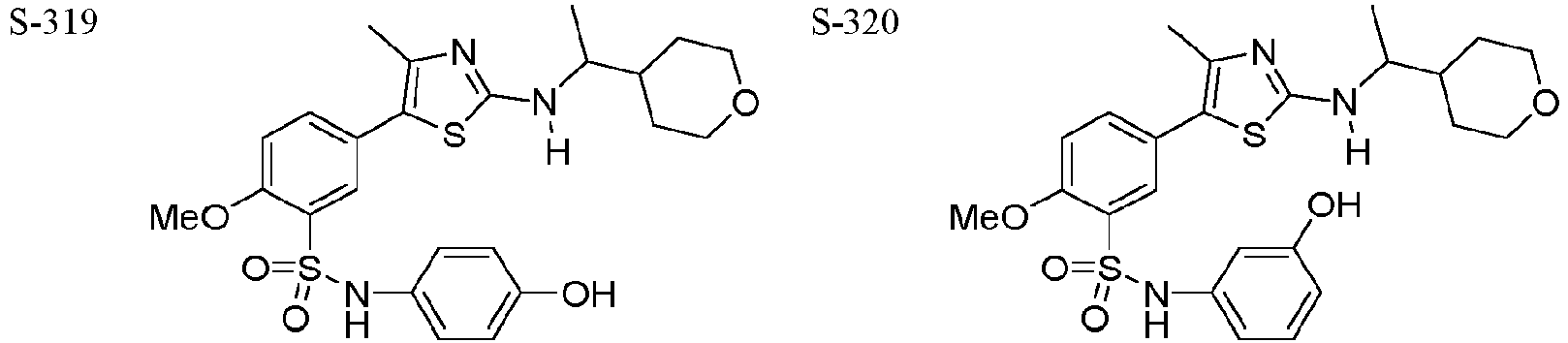


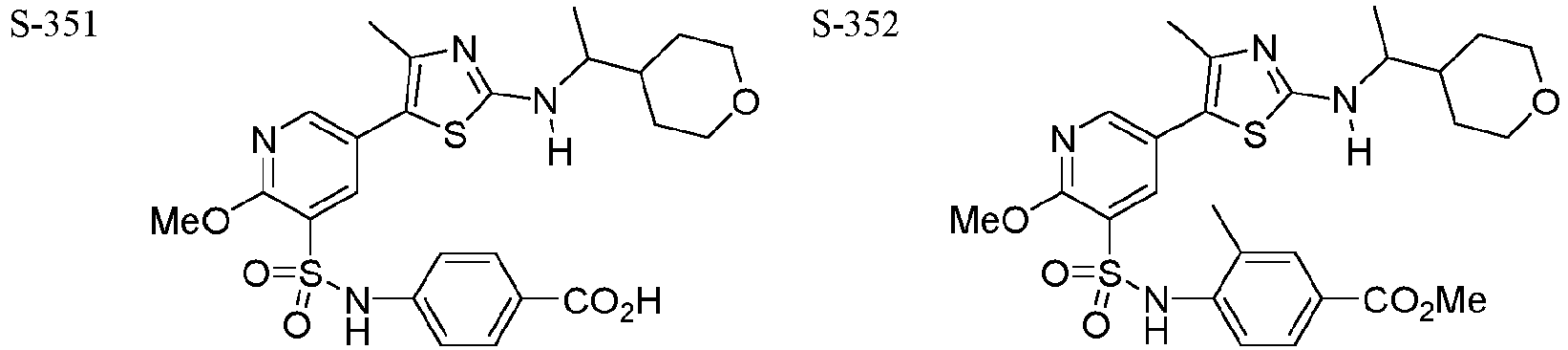


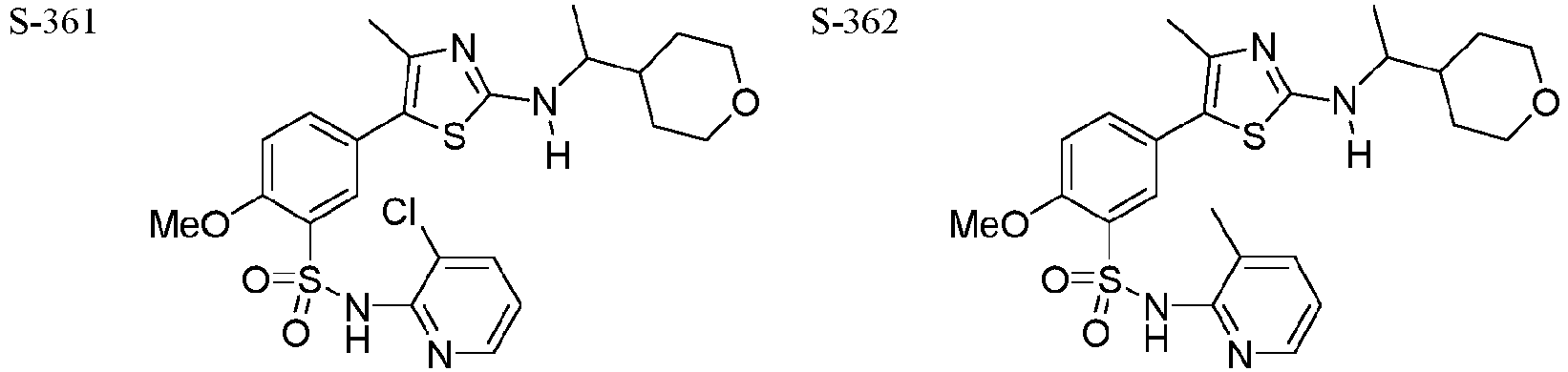


Applications Claiming Priority (2)
| Application Number | Priority Date | Filing Date | Title |
|---|---|---|---|
| US201662300647P | 2016-02-26 | 2016-02-26 | |
| PCT/US2017/019509 WO2017147526A1 (en) | 2016-02-26 | 2017-02-24 | Pi-kinase inhibitors with anti-infective activity |
Publications (3)
| Publication Number | Publication Date |
|---|---|
| EP3419980A1 EP3419980A1 (de) | 2019-01-02 |
| EP3419980A4 EP3419980A4 (de) | 2019-07-03 |
| EP3419980B1 true EP3419980B1 (de) | 2025-01-01 |
Family
ID=59685752
Family Applications (1)
| Application Number | Title | Priority Date | Filing Date |
|---|---|---|---|
| EP17757378.9A Active EP3419980B1 (de) | 2016-02-26 | 2017-02-24 | Pi-kinase-inhibitoren mit anti-infektiver aktivität |
Country Status (4)
| Country | Link |
|---|---|
| US (2) | US11091472B2 (de) |
| EP (1) | EP3419980B1 (de) |
| ES (1) | ES3010661T3 (de) |
| WO (1) | WO2017147526A1 (de) |
Families Citing this family (9)
| Publication number | Priority date | Publication date | Assignee | Title |
|---|---|---|---|---|
| WO2017147526A1 (en) * | 2016-02-26 | 2017-08-31 | The Board Of Trustees Of The Leland Stanford Junior University | Pi-kinase inhibitors with anti-infective activity |
| BR112021002515A2 (pt) | 2018-08-21 | 2021-07-27 | Kyorin Pharmaceutical Co., Ltd. | derivado de anel heteroaromático bicíclico |
| US12599591B2 (en) | 2018-10-03 | 2026-04-14 | Jyväskylän Yliopisto | Vemurafenib and salts thereof for use in the treatment of enteroviral infections |
| CA3126143A1 (en) * | 2019-01-11 | 2020-07-16 | The Board Of Trustees Of The Leland Stanford Junior University | Pi4-kinase inhibitors with anti-cancer activity |
| US12415788B2 (en) * | 2019-03-21 | 2025-09-16 | The Board Of Trustees Of The Leland Stanford Junior University | PI4-kinase inhibitors and methods of using the same |
| KR20230022150A (ko) * | 2020-03-13 | 2023-02-14 | 누오-베타 파마슈티컬 테크놀로지 (상하이) 씨오., 엘티디. | Pi4k 억제제의 항-코로나바이러스 효과 및 적용 |
| KR102906013B1 (ko) * | 2023-03-15 | 2025-12-30 | 한국화학연구원 | 2-아미도티아졸 화합물 또는 이의 약학적으로 허용가능한 염 및 이를 유효성분으로 포함하는 바이러스성 질환의 예방 또는 치료용 약학적 조성물 |
| CN117534631B (zh) * | 2024-01-09 | 2024-04-05 | 南京市鸿舜医药科技有限公司 | 一种苯基噻唑胺类PI4KIIIβ抑制剂、制法及其药物组合物和应用 |
| CN118221610B (zh) * | 2024-05-27 | 2025-06-20 | 南京市鸿舜医药科技有限公司 | 一种苯基噻唑胺类PI4KIIIβ/HDAC双靶抑制剂、制备方法及其药物组合物和应用 |
Family Cites Families (43)
| Publication number | Priority date | Publication date | Assignee | Title |
|---|---|---|---|---|
| DK0808312T3 (da) | 1995-02-02 | 2001-02-12 | Smithkline Beecham Plc | Indolderivater som 5-HT-receptorantagonist |
| CA2407088A1 (en) | 2000-05-19 | 2001-11-22 | Takeda Chemical Industries, Ltd. | Beta-secretase inhibitors |
| AUPR738301A0 (en) | 2001-08-30 | 2001-09-20 | Starpharma Limited | Chemotherapeutic agents |
| AR038703A1 (es) | 2002-02-28 | 2005-01-26 | Novartis Ag | Derivados de 5-feniltiazol y uso como inhibidor de quinasa p i 3 |
| AU2003300099A1 (en) | 2003-01-02 | 2004-07-29 | Millennium Pharmaceuticals, Inc. | COMPOSITIONS AND METHODS FOR INHIBITING TGF-Beta |
| GB0305152D0 (en) * | 2003-03-06 | 2003-04-09 | Novartis Ag | Organic compounds |
| EP1603858A2 (de) | 2003-03-11 | 2005-12-14 | NeuroSearch A/S | Kncq-kanal-modulatoren und ihre pharmazeutische verwendung |
| TW200505902A (en) | 2003-03-20 | 2005-02-16 | Schering Corp | Cannabinoid receptor ligands |
| AR044519A1 (es) | 2003-05-02 | 2005-09-14 | Novartis Ag | Derivados de piridin-tiazol amina y de pirimidin-tiazol amina |
| GB0320197D0 (en) | 2003-08-28 | 2003-10-01 | Novartis Ag | Organic compounds |
| GB0325956D0 (en) | 2003-11-06 | 2003-12-10 | Addex Pharmaceuticals Sa | Novel compounds |
| CA2575466A1 (en) | 2004-08-13 | 2006-02-23 | Genentech, Inc. | Thiazole based inhibitors of atp-utilizing enzymes |
| SE0402735D0 (sv) | 2004-11-09 | 2004-11-09 | Astrazeneca Ab | Novel compounds |
| UA92746C2 (en) | 2005-05-09 | 2010-12-10 | Акилайон Фармасьютикалз, Инк. | Thiazole compounds and methods of use |
| RU2008128453A (ru) | 2005-12-12 | 2010-01-20 | Дженелабс Текнолоджис, Инк. (Us) | Соединение n-(5-членных арил)-амидов, фармацевтическая композиция с противовирусной активностью на их основе, способ лечения или профилактики вирусной инфекции с их помощью и способ их получения |
| CA2634147A1 (en) | 2005-12-22 | 2007-06-28 | Icagen, Inc. | Calcium channel antagonists |
| US20090029997A1 (en) * | 2006-01-23 | 2009-01-29 | Laboratoires Serono Sa | Thiazole Derivatives and Use Thereof |
| US20070212717A1 (en) | 2006-02-24 | 2007-09-13 | George Kukolj | Method for Inhibiting Hepatitis C Virus Replication |
| JP2009535386A (ja) | 2006-05-03 | 2009-10-01 | アストラゼネカ アクチボラグ | チアゾール誘導体および抗腫瘍剤としてのその使用 |
| GB0608823D0 (en) | 2006-05-04 | 2006-06-14 | Chroma Therapeutics Ltd | Inhibitors of P13 kinase |
| WO2008020227A2 (en) | 2006-08-17 | 2008-02-21 | Astrazeneca Ab | Antibacterial pyrrolecarboxamides |
| US20090317360A1 (en) | 2007-06-12 | 2009-12-24 | Genelabs Technologies, Inc. | Anti-viral inhibitors and methods of use |
| JP5703466B2 (ja) | 2007-08-07 | 2015-04-22 | パーデュー・リサーチ・ファウンデーションPurdue Research Foundation | キナーゼ阻害薬およびその使用 |
| EP2240475B1 (de) | 2007-12-20 | 2013-09-25 | Novartis AG | Als pi-3-kinase-inhibitoren verwendete thiazolderivate |
| US20110262565A1 (en) | 2008-05-29 | 2011-10-27 | Glenn Jeffrey S | PIP-2 Inhibition-Based Antiviral and Anti-Hyperlipidemic Therapies |
| US8106209B2 (en) | 2008-06-06 | 2012-01-31 | Achillion Pharmaceuticals, Inc. | Substituted aminothiazole prodrugs of compounds with anti-HCV activity |
| CA2727174A1 (en) | 2008-06-20 | 2010-01-21 | Jiangao Song | Aryl gpr119 agonists and uses thereof |
| US8269069B1 (en) | 2008-07-30 | 2012-09-18 | Dow Agrosciences, Llc | Modified Bacillus thuringiensis cry proteins that inhibit coleopterans |
| DE102008061214A1 (de) | 2008-12-09 | 2010-06-10 | Merck Patent Gmbh | Chinazolinamidderivate |
| US20120135997A1 (en) | 2009-07-17 | 2012-05-31 | Shionogi & Co., Ltd. | Pharmaceutical composition comprising a lactam or benzenesulfonamide compound |
| US9926309B2 (en) | 2011-10-05 | 2018-03-27 | The Board Of Trustees Of The Leland Stanford Junior University | Pi-kinase inhibitors with anti-infective activity |
| WO2013052845A1 (en) * | 2011-10-05 | 2013-04-11 | The Board Of Trustees Of The Leland Stanford Junior University | Pi-kinase inhibitors with broad spectrum anti-infective activity |
| SG11201407919WA (en) | 2012-05-31 | 2014-12-30 | Phenex Pharmaceuticals Ag | Carboxamide or sulfonamide substituted thiazoles and related derivatives as modulators for the orphan nuclear receptor ror[gamma] |
| GB201410816D0 (en) | 2014-06-17 | 2014-07-30 | Ucb Biopharma Sprl And Katholieke Universiteit Leuven | Therapeutic agents |
| GB201410817D0 (en) | 2014-06-17 | 2014-07-30 | Ucb Biopharma Sprl And Katholieke Universiteit Leuven K U Leuven R & D | Therapeutic agents |
| WO2016123054A2 (en) | 2015-01-26 | 2016-08-04 | The University Of North Carolina At Chapel Hill | Kinase drug combinations and methods of use thereof |
| AU2016284638B2 (en) | 2015-06-24 | 2020-01-23 | Curovir Ab | Pyrazolo[1,5-a]triazin-4-amine derivatives useful in therapy |
| CN105326831B (zh) | 2015-11-25 | 2021-01-29 | 中国科学院生物物理研究所 | 肌醇磷脂4位激酶二型α亚型特异抑制剂PI-273的应用 |
| WO2017147526A1 (en) * | 2016-02-26 | 2017-08-31 | The Board Of Trustees Of The Leland Stanford Junior University | Pi-kinase inhibitors with anti-infective activity |
| US20190358196A1 (en) | 2016-07-27 | 2019-11-28 | Henry C. Lowe | Pi 4-kinase inhibitor as a therapeutic for viral hepatitis, cancer, malaria. autoimmune disorders and inflammation, and a radiosensitizer and immunosuppressant |
| AU2018248581B2 (en) | 2017-04-05 | 2022-05-26 | Curovir Ab | Heteroaromatic compounds useful in therapy |
| CA3126143A1 (en) | 2019-01-11 | 2020-07-16 | The Board Of Trustees Of The Leland Stanford Junior University | Pi4-kinase inhibitors with anti-cancer activity |
| US12415788B2 (en) | 2019-03-21 | 2025-09-16 | The Board Of Trustees Of The Leland Stanford Junior University | PI4-kinase inhibitors and methods of using the same |
-
2017
- 2017-02-24 WO PCT/US2017/019509 patent/WO2017147526A1/en not_active Ceased
- 2017-02-24 ES ES17757378T patent/ES3010661T3/es active Active
- 2017-02-24 EP EP17757378.9A patent/EP3419980B1/de active Active
- 2017-02-24 US US16/079,025 patent/US11091472B2/en active Active
-
2021
- 2021-07-09 US US17/371,653 patent/US11884657B2/en active Active
Also Published As
| Publication number | Publication date |
|---|---|
| US20220017507A1 (en) | 2022-01-20 |
| EP3419980A4 (de) | 2019-07-03 |
| WO2017147526A1 (en) | 2017-08-31 |
| US11091472B2 (en) | 2021-08-17 |
| EP3419980A1 (de) | 2019-01-02 |
| ES3010661T3 (en) | 2025-04-04 |
| US20190062323A1 (en) | 2019-02-28 |
| US11884657B2 (en) | 2024-01-30 |
Similar Documents
| Publication | Publication Date | Title |
|---|---|---|
| EP3419980B1 (de) | Pi-kinase-inhibitoren mit anti-infektiver aktivität | |
| EP2763532B1 (de) | Pi-kinaseinhibitoren mit anti-infektiver breitspektrumaktivität | |
| US10428060B2 (en) | PI-kinase inhibitors with anti-infective activity | |
| US20250326725A1 (en) | PI4-Kinase Inhibitors and Methods of Using the Same | |
| US20230192660A1 (en) | Protease Inhibitors for Treatment or Prevention of Coronavirus Disease | |
| US8895598B2 (en) | Methods of treating a flaviviridae family viral infection, compositions for treating a flaviviridae family viral infection, and screening assays for identifying compositions for treating a flaviviridae family viral infection | |
| US20170275288A1 (en) | Pteridines useful as hcv inhibitors and methods for the preparation thereof | |
| TW201116540A (en) | Therapeutic antiviral peptides | |
| TW201124136A (en) | Novel macrocyclic inhibitors of hepatitis C virus replication | |
| US20220062243A1 (en) | P14-Kinase Inhibitors with Anti-Cancer Activity | |
| US20110217265A1 (en) | Screening for Inhibitors of HCV Amphipathic Helix (AH) Function | |
| TWI918600B (zh) | Pi4激酶抑制劑及其使用方法 | |
| Huang et al. | Search, identification, and design of effective antiviral drugs against pandemic human coronaviruses | |
| Rai et al. | The changing face of hepatitis C: recent advances on HCV inhibitors targeting NS5A | |
| WO2023084459A1 (en) | Methods of treating sars-cov-2 | |
| HK40110857A (zh) | 使用ns5a、ns5b或ns3抑制剂治疗乙型肝炎病毒感染的方法 |
Legal Events
| Date | Code | Title | Description |
|---|---|---|---|
| STAA | Information on the status of an ep patent application or granted ep patent |
Free format text: STATUS: THE INTERNATIONAL PUBLICATION HAS BEEN MADE |
|
| PUAI | Public reference made under article 153(3) epc to a published international application that has entered the european phase |
Free format text: ORIGINAL CODE: 0009012 |
|
| STAA | Information on the status of an ep patent application or granted ep patent |
Free format text: STATUS: REQUEST FOR EXAMINATION WAS MADE |
|
| 17P | Request for examination filed |
Effective date: 20180823 |
|
| AK | Designated contracting states |
Kind code of ref document: A1 Designated state(s): AL AT BE BG CH CY CZ DE DK EE ES FI FR GB GR HR HU IE IS IT LI LT LU LV MC MK MT NL NO PL PT RO RS SE SI SK SM TR |
|
| AX | Request for extension of the european patent |
Extension state: BA ME |
|
| DAV | Request for validation of the european patent (deleted) | ||
| DAX | Request for extension of the european patent (deleted) | ||
| A4 | Supplementary search report drawn up and despatched |
Effective date: 20190603 |
|
| RIC1 | Information provided on ipc code assigned before grant |
Ipc: C07D 498/04 20060101AFI20190527BHEP Ipc: C07D 419/04 20060101ALI20190527BHEP |
|
| RAP1 | Party data changed (applicant data changed or rights of an application transferred) |
Owner name: THE REGENTS OF THE UNIVERSITY OF CALIFORNIA Owner name: THE BOARD OF TRUSTEES OF THE LELAND STANFORD JUNIO |
|
| STAA | Information on the status of an ep patent application or granted ep patent |
Free format text: STATUS: EXAMINATION IS IN PROGRESS |
|
| 17Q | First examination report despatched |
Effective date: 20200430 |
|
| REG | Reference to a national code |
Ref country code: DE Free format text: PREVIOUS MAIN CLASS: C07D0498040000 Ref country code: DE Ref legal event code: R079 Ref document number: 602017087086 Country of ref document: DE Free format text: PREVIOUS MAIN CLASS: C07D0498040000 Ipc: C07D0417040000 |
|
| GRAP | Despatch of communication of intention to grant a patent |
Free format text: ORIGINAL CODE: EPIDOSNIGR1 |
|
| STAA | Information on the status of an ep patent application or granted ep patent |
Free format text: STATUS: GRANT OF PATENT IS INTENDED |
|
| RIC1 | Information provided on ipc code assigned before grant |
Ipc: C07D 277/46 20060101ALI20240213BHEP Ipc: C07D 417/14 20060101ALI20240213BHEP Ipc: A61P 31/14 20060101ALI20240213BHEP Ipc: C07D 277/44 20060101ALI20240213BHEP Ipc: C07D 277/42 20060101ALI20240213BHEP Ipc: C07D 417/12 20060101ALI20240213BHEP Ipc: C07D 419/04 20060101ALI20240213BHEP Ipc: C07D 498/04 20060101ALI20240213BHEP Ipc: C07D 417/04 20060101AFI20240213BHEP |
|
| INTG | Intention to grant announced |
Effective date: 20240312 |
|
| GRAJ | Information related to disapproval of communication of intention to grant by the applicant or resumption of examination proceedings by the epo deleted |
Free format text: ORIGINAL CODE: EPIDOSDIGR1 |
|
| STAA | Information on the status of an ep patent application or granted ep patent |
Free format text: STATUS: EXAMINATION IS IN PROGRESS |
|
| GRAP | Despatch of communication of intention to grant a patent |
Free format text: ORIGINAL CODE: EPIDOSNIGR1 |
|
| STAA | Information on the status of an ep patent application or granted ep patent |
Free format text: STATUS: GRANT OF PATENT IS INTENDED |
|
| INTC | Intention to grant announced (deleted) | ||
| INTG | Intention to grant announced |
Effective date: 20240812 |
|
| GRAS | Grant fee paid |
Free format text: ORIGINAL CODE: EPIDOSNIGR3 |
|
| GRAA | (expected) grant |
Free format text: ORIGINAL CODE: 0009210 |
|
| STAA | Information on the status of an ep patent application or granted ep patent |
Free format text: STATUS: THE PATENT HAS BEEN GRANTED |
|
| AK | Designated contracting states |
Kind code of ref document: B1 Designated state(s): AL AT BE BG CH CY CZ DE DK EE ES FI FR GB GR HR HU IE IS IT LI LT LU LV MC MK MT NL NO PL PT RO RS SE SI SK SM TR |
|
| REG | Reference to a national code |
Ref country code: GB Ref legal event code: FG4D |
|
| REG | Reference to a national code |
Ref country code: CH Ref legal event code: EP |
|
| REG | Reference to a national code |
Ref country code: DE Ref legal event code: R096 Ref document number: 602017087086 Country of ref document: DE |
|
| REG | Reference to a national code |
Ref country code: IE Ref legal event code: FG4D |
|
| REG | Reference to a national code |
Ref country code: ES Ref legal event code: FG2A Ref document number: 3010661 Country of ref document: ES Kind code of ref document: T3 Effective date: 20250404 |
|
| REG | Reference to a national code |
Ref country code: LT Ref legal event code: MG9D |
|
| REG | Reference to a national code |
Ref country code: NL Ref legal event code: MP Effective date: 20250101 |
|
| REG | Reference to a national code |
Ref country code: AT Ref legal event code: MK05 Ref document number: 1756144 Country of ref document: AT Kind code of ref document: T Effective date: 20250101 |
|
| PG25 | Lapsed in a contracting state [announced via postgrant information from national office to epo] |
Ref country code: NL Free format text: LAPSE BECAUSE OF FAILURE TO SUBMIT A TRANSLATION OF THE DESCRIPTION OR TO PAY THE FEE WITHIN THE PRESCRIBED TIME-LIMIT Effective date: 20250101 |
|
| PG25 | Lapsed in a contracting state [announced via postgrant information from national office to epo] |
Ref country code: FI Free format text: LAPSE BECAUSE OF FAILURE TO SUBMIT A TRANSLATION OF THE DESCRIPTION OR TO PAY THE FEE WITHIN THE PRESCRIBED TIME-LIMIT Effective date: 20250101 |
|
| PG25 | Lapsed in a contracting state [announced via postgrant information from national office to epo] |
Ref country code: PL Free format text: LAPSE BECAUSE OF FAILURE TO SUBMIT A TRANSLATION OF THE DESCRIPTION OR TO PAY THE FEE WITHIN THE PRESCRIBED TIME-LIMIT Effective date: 20250101 |
|
| PGFP | Annual fee paid to national office [announced via postgrant information from national office to epo] |
Ref country code: DE Payment date: 20250403 Year of fee payment: 9 |
|
| PG25 | Lapsed in a contracting state [announced via postgrant information from national office to epo] |
Ref country code: NO Free format text: LAPSE BECAUSE OF FAILURE TO SUBMIT A TRANSLATION OF THE DESCRIPTION OR TO PAY THE FEE WITHIN THE PRESCRIBED TIME-LIMIT Effective date: 20250401 Ref country code: IS Free format text: LAPSE BECAUSE OF FAILURE TO SUBMIT A TRANSLATION OF THE DESCRIPTION OR TO PAY THE FEE WITHIN THE PRESCRIBED TIME-LIMIT Effective date: 20250501 |
|
| PG25 | Lapsed in a contracting state [announced via postgrant information from national office to epo] |
Ref country code: HR Free format text: LAPSE BECAUSE OF FAILURE TO SUBMIT A TRANSLATION OF THE DESCRIPTION OR TO PAY THE FEE WITHIN THE PRESCRIBED TIME-LIMIT Effective date: 20250101 |
|
| PG25 | Lapsed in a contracting state [announced via postgrant information from national office to epo] |
Ref country code: LV Free format text: LAPSE BECAUSE OF FAILURE TO SUBMIT A TRANSLATION OF THE DESCRIPTION OR TO PAY THE FEE WITHIN THE PRESCRIBED TIME-LIMIT Effective date: 20250101 Ref country code: PT Free format text: LAPSE BECAUSE OF FAILURE TO SUBMIT A TRANSLATION OF THE DESCRIPTION OR TO PAY THE FEE WITHIN THE PRESCRIBED TIME-LIMIT Effective date: 20250502 |
|
| PG25 | Lapsed in a contracting state [announced via postgrant information from national office to epo] |
Ref country code: BG Free format text: LAPSE BECAUSE OF FAILURE TO SUBMIT A TRANSLATION OF THE DESCRIPTION OR TO PAY THE FEE WITHIN THE PRESCRIBED TIME-LIMIT Effective date: 20250101 Ref country code: GR Free format text: LAPSE BECAUSE OF FAILURE TO SUBMIT A TRANSLATION OF THE DESCRIPTION OR TO PAY THE FEE WITHIN THE PRESCRIBED TIME-LIMIT Effective date: 20250402 |
|
| PG25 | Lapsed in a contracting state [announced via postgrant information from national office to epo] |
Ref country code: AT Free format text: LAPSE BECAUSE OF FAILURE TO SUBMIT A TRANSLATION OF THE DESCRIPTION OR TO PAY THE FEE WITHIN THE PRESCRIBED TIME-LIMIT Effective date: 20250101 |
|
| PG25 | Lapsed in a contracting state [announced via postgrant information from national office to epo] |
Ref country code: CZ Free format text: LAPSE BECAUSE OF FAILURE TO SUBMIT A TRANSLATION OF THE DESCRIPTION OR TO PAY THE FEE WITHIN THE PRESCRIBED TIME-LIMIT Effective date: 20250101 |
|
| PG25 | Lapsed in a contracting state [announced via postgrant information from national office to epo] |
Ref country code: SE Free format text: LAPSE BECAUSE OF FAILURE TO SUBMIT A TRANSLATION OF THE DESCRIPTION OR TO PAY THE FEE WITHIN THE PRESCRIBED TIME-LIMIT Effective date: 20250101 |
|
| REG | Reference to a national code |
Ref country code: DE Ref legal event code: R097 Ref document number: 602017087086 Country of ref document: DE |
|
| PG25 | Lapsed in a contracting state [announced via postgrant information from national office to epo] |
Ref country code: SM Free format text: LAPSE BECAUSE OF FAILURE TO SUBMIT A TRANSLATION OF THE DESCRIPTION OR TO PAY THE FEE WITHIN THE PRESCRIBED TIME-LIMIT Effective date: 20250101 |
|
| PG25 | Lapsed in a contracting state [announced via postgrant information from national office to epo] |
Ref country code: DK Free format text: LAPSE BECAUSE OF FAILURE TO SUBMIT A TRANSLATION OF THE DESCRIPTION OR TO PAY THE FEE WITHIN THE PRESCRIBED TIME-LIMIT Effective date: 20250101 |
|
| PG25 | Lapsed in a contracting state [announced via postgrant information from national office to epo] |
Ref country code: MC Free format text: LAPSE BECAUSE OF FAILURE TO SUBMIT A TRANSLATION OF THE DESCRIPTION OR TO PAY THE FEE WITHIN THE PRESCRIBED TIME-LIMIT Effective date: 20250101 |
|
| PG25 | Lapsed in a contracting state [announced via postgrant information from national office to epo] |
Ref country code: LU Free format text: LAPSE BECAUSE OF NON-PAYMENT OF DUE FEES Effective date: 20250224 |
|
| PG25 | Lapsed in a contracting state [announced via postgrant information from national office to epo] |
Ref country code: EE Free format text: LAPSE BECAUSE OF FAILURE TO SUBMIT A TRANSLATION OF THE DESCRIPTION OR TO PAY THE FEE WITHIN THE PRESCRIBED TIME-LIMIT Effective date: 20250101 |
|
| PG25 | Lapsed in a contracting state [announced via postgrant information from national office to epo] |
Ref country code: RO Free format text: LAPSE BECAUSE OF FAILURE TO SUBMIT A TRANSLATION OF THE DESCRIPTION OR TO PAY THE FEE WITHIN THE PRESCRIBED TIME-LIMIT Effective date: 20250101 |
|
| PG25 | Lapsed in a contracting state [announced via postgrant information from national office to epo] |
Ref country code: SK Free format text: LAPSE BECAUSE OF FAILURE TO SUBMIT A TRANSLATION OF THE DESCRIPTION OR TO PAY THE FEE WITHIN THE PRESCRIBED TIME-LIMIT Effective date: 20250101 |
|
| PLBE | No opposition filed within time limit |
Free format text: ORIGINAL CODE: 0009261 |
|
| STAA | Information on the status of an ep patent application or granted ep patent |
Free format text: STATUS: NO OPPOSITION FILED WITHIN TIME LIMIT |
|
| REG | Reference to a national code |
Ref country code: CH Ref legal event code: L10 Free format text: ST27 STATUS EVENT CODE: U-0-0-L10-L00 (AS PROVIDED BY THE NATIONAL OFFICE) Effective date: 20251112 |
|
| REG | Reference to a national code |
Ref country code: BE Ref legal event code: MM Effective date: 20250228 |
|
| 26N | No opposition filed |
Effective date: 20251002 |
|
| PG25 | Lapsed in a contracting state [announced via postgrant information from national office to epo] |
Ref country code: BE Free format text: LAPSE BECAUSE OF NON-PAYMENT OF DUE FEES Effective date: 20250228 |
|
| PG25 | Lapsed in a contracting state [announced via postgrant information from national office to epo] |
Ref country code: IE Free format text: LAPSE BECAUSE OF NON-PAYMENT OF DUE FEES Effective date: 20250224 |
|
| REG | Reference to a national code |
Ref country code: CH Ref legal event code: U11 Free format text: ST27 STATUS EVENT CODE: U-0-0-U10-U11 (AS PROVIDED BY THE NATIONAL OFFICE) Effective date: 20260301 |
|
| PGFP | Annual fee paid to national office [announced via postgrant information from national office to epo] |
Ref country code: GB Payment date: 20260209 Year of fee payment: 10 |
|
| PGFP | Annual fee paid to national office [announced via postgrant information from national office to epo] |
Ref country code: ES Payment date: 20260302 Year of fee payment: 10 |
|
| PGFP | Annual fee paid to national office [announced via postgrant information from national office to epo] |
Ref country code: IT Payment date: 20260223 Year of fee payment: 10 |
|
| PGFP | Annual fee paid to national office [announced via postgrant information from national office to epo] |
Ref country code: FR Payment date: 20260226 Year of fee payment: 10 |
|
| PGFP | Annual fee paid to national office [announced via postgrant information from national office to epo] |
Ref country code: CH Payment date: 20260301 Year of fee payment: 10 |