EP3420890A1 - Vorhersage von stimmung und zugehörigen ergebnissen auf grundlage der korrelation von autonomen und endokrinen parametern - Google Patents
Vorhersage von stimmung und zugehörigen ergebnissen auf grundlage der korrelation von autonomen und endokrinen parametern Download PDFInfo
- Publication number
- EP3420890A1 EP3420890A1 EP17179115.5A EP17179115A EP3420890A1 EP 3420890 A1 EP3420890 A1 EP 3420890A1 EP 17179115 A EP17179115 A EP 17179115A EP 3420890 A1 EP3420890 A1 EP 3420890A1
- Authority
- EP
- European Patent Office
- Prior art keywords
- stress
- parameter
- parameters
- rest
- parasympathetic
- Prior art date
- Legal status (The legal status is an assumption and is not a legal conclusion. Google has not performed a legal analysis and makes no representation as to the accuracy of the status listed.)
- Withdrawn
Links
- 230000036651 mood Effects 0.000 title description 12
- 230000002124 endocrine Effects 0.000 title description 11
- 238000000034 method Methods 0.000 claims abstract description 57
- 238000005259 measurement Methods 0.000 claims abstract description 52
- 230000001734 parasympathetic effect Effects 0.000 claims abstract description 46
- 230000003054 hormonal effect Effects 0.000 claims abstract description 44
- 230000002889 sympathetic effect Effects 0.000 claims abstract description 43
- 230000003938 response to stress Effects 0.000 claims abstract description 29
- 208000019022 Mood disease Diseases 0.000 claims abstract description 18
- 208000011580 syndromic disease Diseases 0.000 claims abstract description 13
- 208000019901 Anxiety disease Diseases 0.000 claims description 31
- JYGXADMDTFJGBT-VWUMJDOOSA-N hydrocortisone Chemical compound O=C1CC[C@]2(C)[C@H]3[C@@H](O)C[C@](C)([C@@](CC4)(O)C(=O)CO)[C@@H]4[C@@H]3CCC2=C1 JYGXADMDTFJGBT-VWUMJDOOSA-N 0.000 claims description 20
- 230000036506 anxiety Effects 0.000 claims description 19
- 230000029058 respiratory gaseous exchange Effects 0.000 claims description 12
- UCTWMZQNUQWSLP-VIFPVBQESA-N (R)-adrenaline Chemical compound CNC[C@H](O)C1=CC=C(O)C(O)=C1 UCTWMZQNUQWSLP-VIFPVBQESA-N 0.000 claims description 11
- 210000005036 nerve Anatomy 0.000 claims description 11
- 229960000890 hydrocortisone Drugs 0.000 claims description 10
- 239000000055 Corticotropin-Releasing Hormone Substances 0.000 claims description 9
- 238000004422 calculation algorithm Methods 0.000 claims description 9
- IDLFZVILOHSSID-OVLDLUHVSA-N corticotropin Chemical compound C([C@@H](C(=O)N[C@@H](CO)C(=O)N[C@@H](CCSC)C(=O)N[C@@H](CCC(O)=O)C(=O)N[C@@H](CC=1NC=NC=1)C(=O)N[C@@H](CC=1C=CC=CC=1)C(=O)N[C@@H](CCCNC(N)=N)C(=O)N[C@@H](CC=1C2=CC=CC=C2NC=1)C(=O)NCC(=O)N[C@@H](CCCCN)C(=O)N1[C@@H](CCC1)C(=O)N[C@@H](C(C)C)C(=O)NCC(=O)N[C@@H](CCCCN)C(=O)N[C@@H](CCCCN)C(=O)N[C@@H](CCCNC(N)=N)C(=O)N[C@@H](CCCNC(N)=N)C(=O)N1[C@@H](CCC1)C(=O)N[C@@H](C(C)C)C(=O)N[C@@H](CCCCN)C(=O)N[C@@H](C(C)C)C(=O)N[C@@H](CC=1C=CC(O)=CC=1)C(=O)N1[C@@H](CCC1)C(=O)N[C@@H](CC(N)=O)C(=O)NCC(=O)N[C@@H](C)C(=O)N[C@@H](CCC(O)=O)C(=O)N[C@@H](CC(O)=O)C(=O)N[C@@H](CCC(O)=O)C(=O)N[C@@H](CO)C(=O)N[C@@H](C)C(=O)N[C@@H](CCC(O)=O)C(=O)N[C@@H](C)C(=O)N[C@@H](CC=1C=CC=CC=1)C(=O)N1[C@@H](CCC1)C(=O)N[C@@H](CC(C)C)C(=O)N[C@@H](CCC(O)=O)C(=O)N[C@@H](CC=1C=CC=CC=1)C(O)=O)NC(=O)[C@@H](N)CO)C1=CC=C(O)C=C1 IDLFZVILOHSSID-OVLDLUHVSA-N 0.000 claims description 9
- 229960000258 corticotropin Drugs 0.000 claims description 9
- 206010062767 Hypophysitis Diseases 0.000 claims description 7
- 239000008280 blood Substances 0.000 claims description 7
- 210000004369 blood Anatomy 0.000 claims description 7
- 230000036772 blood pressure Effects 0.000 claims description 6
- 210000003296 saliva Anatomy 0.000 claims description 6
- UCTWMZQNUQWSLP-UHFFFAOYSA-N Adrenaline Natural products CNCC(O)C1=CC=C(O)C(O)=C1 UCTWMZQNUQWSLP-UHFFFAOYSA-N 0.000 claims description 5
- 206010008874 Chronic Fatigue Syndrome Diseases 0.000 claims description 5
- GXBMIBRIOWHPDT-UHFFFAOYSA-N Vasopressin Natural products N1C(=O)C(CC=2C=C(O)C=CC=2)NC(=O)C(N)CSSCC(C(=O)N2C(CCC2)C(=O)NC(CCCN=C(N)N)C(=O)NCC(N)=O)NC(=O)C(CC(N)=O)NC(=O)C(CCC(N)=O)NC(=O)C1CC1=CC=CC=C1 GXBMIBRIOWHPDT-UHFFFAOYSA-N 0.000 claims description 5
- 102000002852 Vasopressins Human genes 0.000 claims description 5
- 108010004977 Vasopressins Proteins 0.000 claims description 5
- KBZOIRJILGZLEJ-LGYYRGKSSA-N argipressin Chemical compound C([C@H]1C(=O)N[C@@H](CCC(N)=O)C(=O)N[C@@H](CC(N)=O)C(=O)N[C@@H](CSSC[C@@H](C(N[C@@H](CC=2C=CC(O)=CC=2)C(=O)N1)=O)N)C(=O)N1[C@@H](CCC1)C(=O)N[C@@H](CCCN=C(N)N)C(=O)NCC(N)=O)C1=CC=CC=C1 KBZOIRJILGZLEJ-LGYYRGKSSA-N 0.000 claims description 5
- 208000029766 myalgic encephalomeyelitis/chronic fatigue syndrome Diseases 0.000 claims description 5
- 208000028173 post-traumatic stress disease Diseases 0.000 claims description 5
- 229960003726 vasopressin Drugs 0.000 claims description 5
- 208000021384 Obsessive-Compulsive disease Diseases 0.000 claims description 4
- 230000001919 adrenal effect Effects 0.000 claims description 4
- 229940102884 adrenalin Drugs 0.000 claims description 4
- 230000000694 effects Effects 0.000 claims description 4
- 230000008569 process Effects 0.000 claims description 4
- 238000012545 processing Methods 0.000 claims description 4
- 238000001228 spectrum Methods 0.000 claims description 4
- 208000020925 Bipolar disease Diseases 0.000 claims description 3
- 208000001640 Fibromyalgia Diseases 0.000 claims description 3
- 208000013738 Sleep Initiation and Maintenance disease Diseases 0.000 claims description 3
- 206010022437 insomnia Diseases 0.000 claims description 3
- 208000002551 irritable bowel syndrome Diseases 0.000 claims description 3
- 208000024714 major depressive disease Diseases 0.000 claims description 3
- 230000003287 optical effect Effects 0.000 claims description 3
- 210000001747 pupil Anatomy 0.000 claims description 3
- 208000011117 substance-related disease Diseases 0.000 claims description 3
- 230000035488 systolic blood pressure Effects 0.000 claims description 3
- 230000033764 rhythmic process Effects 0.000 claims description 2
- 210000002700 urine Anatomy 0.000 claims description 2
- 230000035882 stress Effects 0.000 description 128
- 230000004044 response Effects 0.000 description 30
- 208000037265 diseases, disorders, signs and symptoms Diseases 0.000 description 20
- 229940088597 hormone Drugs 0.000 description 14
- 208000035475 disorder Diseases 0.000 description 13
- 239000005556 hormone Substances 0.000 description 13
- 238000004364 calculation method Methods 0.000 description 11
- 238000012360 testing method Methods 0.000 description 11
- 230000007423 decrease Effects 0.000 description 10
- 230000004179 hypothalamic–pituitary–adrenal axis Effects 0.000 description 9
- 238000011161 development Methods 0.000 description 8
- 230000018109 developmental process Effects 0.000 description 8
- 239000000275 Adrenocorticotropic Hormone Substances 0.000 description 7
- 101800000414 Corticotropin Proteins 0.000 description 7
- 201000010099 disease Diseases 0.000 description 7
- 230000000284 resting effect Effects 0.000 description 7
- 102400000739 Corticotropin Human genes 0.000 description 6
- 230000003340 mental effect Effects 0.000 description 6
- 102100021752 Corticoliberin Human genes 0.000 description 5
- 230000003826 endocrine responses Effects 0.000 description 5
- 230000006870 function Effects 0.000 description 5
- 230000009257 reactivity Effects 0.000 description 5
- 230000004043 responsiveness Effects 0.000 description 5
- 230000035945 sensitivity Effects 0.000 description 5
- 230000002567 autonomic effect Effects 0.000 description 4
- 230000008859 change Effects 0.000 description 4
- 230000002996 emotional effect Effects 0.000 description 4
- 210000000750 endocrine system Anatomy 0.000 description 4
- 210000003016 hypothalamus Anatomy 0.000 description 4
- 230000002045 lasting effect Effects 0.000 description 4
- 238000007726 management method Methods 0.000 description 4
- 210000000653 nervous system Anatomy 0.000 description 4
- 210000002820 sympathetic nervous system Anatomy 0.000 description 4
- 229930182837 (R)-adrenaline Natural products 0.000 description 3
- 230000004913 activation Effects 0.000 description 3
- 210000000038 chest Anatomy 0.000 description 3
- 238000013500 data storage Methods 0.000 description 3
- 238000005516 engineering process Methods 0.000 description 3
- 229960005139 epinephrine Drugs 0.000 description 3
- 230000036541 health Effects 0.000 description 3
- 230000001965 increasing effect Effects 0.000 description 3
- 238000004519 manufacturing process Methods 0.000 description 3
- 238000012544 monitoring process Methods 0.000 description 3
- 208000019906 panic disease Diseases 0.000 description 3
- 210000001002 parasympathetic nervous system Anatomy 0.000 description 3
- 210000003635 pituitary gland Anatomy 0.000 description 3
- 238000011002 quantification Methods 0.000 description 3
- 238000011084 recovery Methods 0.000 description 3
- 238000012935 Averaging Methods 0.000 description 2
- 108010022152 Corticotropin-Releasing Hormone Proteins 0.000 description 2
- 208000020401 Depressive disease Diseases 0.000 description 2
- 210000004100 adrenal gland Anatomy 0.000 description 2
- 210000004727 amygdala Anatomy 0.000 description 2
- 210000003403 autonomic nervous system Anatomy 0.000 description 2
- 230000017531 blood circulation Effects 0.000 description 2
- 238000006243 chemical reaction Methods 0.000 description 2
- 230000001149 cognitive effect Effects 0.000 description 2
- 230000036992 cognitive tasks Effects 0.000 description 2
- 239000003246 corticosteroid Substances 0.000 description 2
- 230000001186 cumulative effect Effects 0.000 description 2
- 238000003745 diagnosis Methods 0.000 description 2
- 230000005764 inhibitory process Effects 0.000 description 2
- 230000007774 longterm Effects 0.000 description 2
- 239000003550 marker Substances 0.000 description 2
- 230000001575 pathological effect Effects 0.000 description 2
- 230000002123 temporal effect Effects 0.000 description 2
- 210000000115 thoracic cavity Anatomy 0.000 description 2
- 208000008811 Agoraphobia Diseases 0.000 description 1
- 208000007848 Alcoholism Diseases 0.000 description 1
- 101710113174 Corticoliberin Proteins 0.000 description 1
- 206010052804 Drug tolerance Diseases 0.000 description 1
- 208000011688 Generalised anxiety disease Diseases 0.000 description 1
- 208000034826 Genetic Predisposition to Disease Diseases 0.000 description 1
- 102400000050 Oxytocin Human genes 0.000 description 1
- 101800000989 Oxytocin Proteins 0.000 description 1
- XNOPRXBHLZRZKH-UHFFFAOYSA-N Oxytocin Natural products N1C(=O)C(N)CSSCC(C(=O)N2C(CCC2)C(=O)NC(CC(C)C)C(=O)NCC(N)=O)NC(=O)C(CC(N)=O)NC(=O)C(CCC(N)=O)NC(=O)C(C(C)CC)NC(=O)C1CC1=CC=C(O)C=C1 XNOPRXBHLZRZKH-UHFFFAOYSA-N 0.000 description 1
- 206010033664 Panic attack Diseases 0.000 description 1
- 206010034912 Phobia Diseases 0.000 description 1
- 208000000810 Separation Anxiety Diseases 0.000 description 1
- 208000004301 Sinus Arrhythmia Diseases 0.000 description 1
- 206010041250 Social phobia Diseases 0.000 description 1
- 206010042209 Stress Diseases 0.000 description 1
- 206010044565 Tremor Diseases 0.000 description 1
- 201000007930 alcohol dependence Diseases 0.000 description 1
- 230000036626 alertness Effects 0.000 description 1
- 235000019789 appetite Nutrition 0.000 description 1
- 230000036528 appetite Effects 0.000 description 1
- 238000003556 assay Methods 0.000 description 1
- 230000015572 biosynthetic process Effects 0.000 description 1
- 238000009530 blood pressure measurement Methods 0.000 description 1
- 210000004204 blood vessel Anatomy 0.000 description 1
- 210000004556 brain Anatomy 0.000 description 1
- 230000035565 breathing frequency Effects 0.000 description 1
- 210000000621 bronchi Anatomy 0.000 description 1
- 230000000747 cardiac effect Effects 0.000 description 1
- 230000001684 chronic effect Effects 0.000 description 1
- 230000027288 circadian rhythm Effects 0.000 description 1
- 239000003086 colorant Substances 0.000 description 1
- 238000004891 communication Methods 0.000 description 1
- 229960001334 corticosteroids Drugs 0.000 description 1
- 125000004122 cyclic group Chemical group 0.000 description 1
- 230000003247 decreasing effect Effects 0.000 description 1
- FMGSKLZLMKYGDP-USOAJAOKSA-N dehydroepiandrosterone Chemical compound C1[C@@H](O)CC[C@]2(C)[C@H]3CC[C@](C)(C(CC4)=O)[C@@H]4[C@@H]3CC=C21 FMGSKLZLMKYGDP-USOAJAOKSA-N 0.000 description 1
- 230000001419 dependent effect Effects 0.000 description 1
- 235000020785 dietary preference Nutrition 0.000 description 1
- 230000029087 digestion Effects 0.000 description 1
- 230000001079 digestive effect Effects 0.000 description 1
- 238000010790 dilution Methods 0.000 description 1
- 239000012895 dilution Substances 0.000 description 1
- 230000003292 diminished effect Effects 0.000 description 1
- 235000006694 eating habits Nutrition 0.000 description 1
- 239000012636 effector Substances 0.000 description 1
- 230000008451 emotion Effects 0.000 description 1
- 206010016256 fatigue Diseases 0.000 description 1
- 230000014061 fear response Effects 0.000 description 1
- 208000029364 generalized anxiety disease Diseases 0.000 description 1
- 230000004153 glucose metabolism Effects 0.000 description 1
- 230000026781 habituation Effects 0.000 description 1
- 230000003284 homeostatic effect Effects 0.000 description 1
- 230000013632 homeostatic process Effects 0.000 description 1
- 230000001939 inductive effect Effects 0.000 description 1
- 230000002401 inhibitory effect Effects 0.000 description 1
- 208000014674 injury Diseases 0.000 description 1
- 230000003993 interaction Effects 0.000 description 1
- 230000002452 interceptive effect Effects 0.000 description 1
- 230000009191 jumping Effects 0.000 description 1
- 235000020094 liqueur Nutrition 0.000 description 1
- 230000008376 long-term health Effects 0.000 description 1
- 210000004072 lung Anatomy 0.000 description 1
- 230000002503 metabolic effect Effects 0.000 description 1
- 210000003205 muscle Anatomy 0.000 description 1
- 230000001537 neural effect Effects 0.000 description 1
- 230000036403 neuro physiology Effects 0.000 description 1
- 230000000926 neurological effect Effects 0.000 description 1
- 239000002858 neurotransmitter agent Substances 0.000 description 1
- 235000006180 nutrition needs Nutrition 0.000 description 1
- XNOPRXBHLZRZKH-DSZYJQQASA-N oxytocin Chemical compound C([C@H]1C(=O)N[C@H](C(N[C@@H](CCC(N)=O)C(=O)N[C@@H](CC(N)=O)C(=O)N[C@@H](CSSC[C@H](N)C(=O)N1)C(=O)N1[C@@H](CCC1)C(=O)N[C@@H](CC(C)C)C(=O)NCC(N)=O)=O)[C@@H](C)CC)C1=CC=C(O)C=C1 XNOPRXBHLZRZKH-DSZYJQQASA-N 0.000 description 1
- 229960001723 oxytocin Drugs 0.000 description 1
- 230000007170 pathology Effects 0.000 description 1
- 230000002093 peripheral effect Effects 0.000 description 1
- 230000037081 physical activity Effects 0.000 description 1
- 230000035479 physiological effects, processes and functions Effects 0.000 description 1
- 230000006461 physiological response Effects 0.000 description 1
- 230000006343 physiological stress response Effects 0.000 description 1
- 230000002360 prefrontal effect Effects 0.000 description 1
- 230000003449 preventive effect Effects 0.000 description 1
- 208000020016 psychiatric disease Diseases 0.000 description 1
- 230000000306 recurrent effect Effects 0.000 description 1
- 230000009467 reduction Effects 0.000 description 1
- 230000002829 reductive effect Effects 0.000 description 1
- 239000003488 releasing hormone Substances 0.000 description 1
- 238000009877 rendering Methods 0.000 description 1
- 238000011160 research Methods 0.000 description 1
- 230000000241 respiratory effect Effects 0.000 description 1
- 230000000630 rising effect Effects 0.000 description 1
- 238000012502 risk assessment Methods 0.000 description 1
- -1 samples of saliva Substances 0.000 description 1
- 238000012216 screening Methods 0.000 description 1
- 208000025874 separation anxiety disease Diseases 0.000 description 1
- 238000012883 sequential measurement Methods 0.000 description 1
- 230000000392 somatic effect Effects 0.000 description 1
- 201000001716 specific phobia Diseases 0.000 description 1
- 235000020354 squash Nutrition 0.000 description 1
- 230000024188 startle response Effects 0.000 description 1
- 238000007619 statistical method Methods 0.000 description 1
- 210000002784 stomach Anatomy 0.000 description 1
- 239000000126 substance Substances 0.000 description 1
- 210000004243 sweat Anatomy 0.000 description 1
- 238000003786 synthesis reaction Methods 0.000 description 1
- 230000009885 systemic effect Effects 0.000 description 1
- 238000002560 therapeutic procedure Methods 0.000 description 1
- 230000008733 trauma Effects 0.000 description 1
- 230000003144 traumatizing effect Effects 0.000 description 1
- 230000001960 triggered effect Effects 0.000 description 1
- 238000010200 validation analysis Methods 0.000 description 1
- 210000000707 wrist Anatomy 0.000 description 1
Images

Classifications
-
- A—HUMAN NECESSITIES
- A61—MEDICAL OR VETERINARY SCIENCE; HYGIENE
- A61B—DIAGNOSIS; SURGERY; IDENTIFICATION
- A61B5/00—Measuring for diagnostic purposes; Identification of persons
- A61B5/48—Other medical applications
- A61B5/4884—Other medical applications inducing physiological or psychological stress, e.g. applications for stress testing
-
- A—HUMAN NECESSITIES
- A61—MEDICAL OR VETERINARY SCIENCE; HYGIENE
- A61B—DIAGNOSIS; SURGERY; IDENTIFICATION
- A61B3/00—Apparatus for testing the eyes; Instruments for examining the eyes
- A61B3/10—Objective types, i.e. instruments for examining the eyes independent of the patients' perceptions or reactions
- A61B3/11—Objective types, i.e. instruments for examining the eyes independent of the patients' perceptions or reactions for measuring interpupillary distance or diameter of pupils
- A61B3/112—Objective types, i.e. instruments for examining the eyes independent of the patients' perceptions or reactions for measuring interpupillary distance or diameter of pupils for measuring diameter of pupils
-
- A—HUMAN NECESSITIES
- A61—MEDICAL OR VETERINARY SCIENCE; HYGIENE
- A61B—DIAGNOSIS; SURGERY; IDENTIFICATION
- A61B5/00—Measuring for diagnostic purposes; Identification of persons
- A61B5/02—Detecting, measuring or recording for evaluating the cardiovascular system, e.g. pulse, heart rate, blood pressure or blood flow
- A61B5/0205—Simultaneously evaluating both cardiovascular conditions and different types of body conditions, e.g. heart and respiratory condition
- A61B5/02055—Simultaneously evaluating both cardiovascular condition and temperature
-
- A—HUMAN NECESSITIES
- A61—MEDICAL OR VETERINARY SCIENCE; HYGIENE
- A61B—DIAGNOSIS; SURGERY; IDENTIFICATION
- A61B5/00—Measuring for diagnostic purposes; Identification of persons
- A61B5/145—Measuring characteristics of blood in vivo, e.g. gas concentration or pH-value ; Measuring characteristics of body fluids or tissues, e.g. interstitial fluid or cerebral tissue
- A61B5/1455—Measuring characteristics of blood in vivo, e.g. gas concentration or pH-value ; Measuring characteristics of body fluids or tissues, e.g. interstitial fluid or cerebral tissue using optical sensors, e.g. spectral photometrical oximeters
-
- A—HUMAN NECESSITIES
- A61—MEDICAL OR VETERINARY SCIENCE; HYGIENE
- A61B—DIAGNOSIS; SURGERY; IDENTIFICATION
- A61B5/00—Measuring for diagnostic purposes; Identification of persons
- A61B5/16—Devices for psychotechnics; Testing reaction times ; Devices for evaluating the psychological state
- A61B5/165—Evaluating the state of mind, e.g. depression, anxiety
-
- A—HUMAN NECESSITIES
- A61—MEDICAL OR VETERINARY SCIENCE; HYGIENE
- A61B—DIAGNOSIS; SURGERY; IDENTIFICATION
- A61B5/00—Measuring for diagnostic purposes; Identification of persons
- A61B5/68—Arrangements of detecting, measuring or recording means, e.g. sensors, in relation to patient
- A61B5/6801—Arrangements of detecting, measuring or recording means, e.g. sensors, in relation to patient specially adapted to be attached to or worn on the body surface
- A61B5/6802—Sensor mounted on worn items
- A61B5/681—Wristwatch-type devices
-
- A—HUMAN NECESSITIES
- A61—MEDICAL OR VETERINARY SCIENCE; HYGIENE
- A61B—DIAGNOSIS; SURGERY; IDENTIFICATION
- A61B5/00—Measuring for diagnostic purposes; Identification of persons
- A61B5/72—Signal processing specially adapted for physiological signals or for diagnostic purposes
- A61B5/7235—Details of waveform analysis
- A61B5/7246—Details of waveform analysis using correlation, e.g. template matching or determination of similarity
-
- A—HUMAN NECESSITIES
- A61—MEDICAL OR VETERINARY SCIENCE; HYGIENE
- A61B—DIAGNOSIS; SURGERY; IDENTIFICATION
- A61B5/00—Measuring for diagnostic purposes; Identification of persons
- A61B5/72—Signal processing specially adapted for physiological signals or for diagnostic purposes
- A61B5/7271—Specific aspects of physiological measurement analysis
- A61B5/7275—Determining trends in physiological measurement data; Predicting development of a medical condition based on physiological measurements, e.g. determining a risk factor
-
- A—HUMAN NECESSITIES
- A61—MEDICAL OR VETERINARY SCIENCE; HYGIENE
- A61B—DIAGNOSIS; SURGERY; IDENTIFICATION
- A61B5/00—Measuring for diagnostic purposes; Identification of persons
- A61B5/74—Details of notification to user or communication with user or patient; User input means
- A61B5/742—Details of notification to user or communication with user or patient; User input means using visual displays
-
- G—PHYSICS
- G16—INFORMATION AND COMMUNICATION TECHNOLOGY [ICT] SPECIALLY ADAPTED FOR SPECIFIC APPLICATION FIELDS
- G16H—HEALTHCARE INFORMATICS, i.e. INFORMATION AND COMMUNICATION TECHNOLOGY [ICT] SPECIALLY ADAPTED FOR THE HANDLING OR PROCESSING OF MEDICAL OR HEALTHCARE DATA
- G16H50/00—ICT specially adapted for medical diagnosis, medical simulation or medical data mining; ICT specially adapted for detecting, monitoring or modelling epidemics or pandemics
- G16H50/30—ICT specially adapted for medical diagnosis, medical simulation or medical data mining; ICT specially adapted for detecting, monitoring or modelling epidemics or pandemics for calculating health indices; for individual health risk assessment
-
- A—HUMAN NECESSITIES
- A61—MEDICAL OR VETERINARY SCIENCE; HYGIENE
- A61B—DIAGNOSIS; SURGERY; IDENTIFICATION
- A61B2560/00—Constructional details of operational features of apparatus; Accessories for medical measuring apparatus
- A61B2560/02—Operational features
- A61B2560/0204—Operational features of power management
- A61B2560/0214—Operational features of power management of power generation or supply
-
- A—HUMAN NECESSITIES
- A61—MEDICAL OR VETERINARY SCIENCE; HYGIENE
- A61B—DIAGNOSIS; SURGERY; IDENTIFICATION
- A61B2562/00—Details of sensors; Constructional details of sensor housings or probes; Accessories for sensors
- A61B2562/02—Details of sensors specially adapted for in-vivo measurements
- A61B2562/0209—Special features of electrodes classified in A61B5/24, A61B5/25, A61B5/283, A61B5/291, A61B5/296, A61B5/053
- A61B2562/0215—Silver or silver chloride containing
-
- A—HUMAN NECESSITIES
- A61—MEDICAL OR VETERINARY SCIENCE; HYGIENE
- A61B—DIAGNOSIS; SURGERY; IDENTIFICATION
- A61B2562/00—Details of sensors; Constructional details of sensor housings or probes; Accessories for sensors
- A61B2562/02—Details of sensors specially adapted for in-vivo measurements
- A61B2562/0219—Inertial sensors, e.g. accelerometers, gyroscopes, tilt switches
-
- A—HUMAN NECESSITIES
- A61—MEDICAL OR VETERINARY SCIENCE; HYGIENE
- A61B—DIAGNOSIS; SURGERY; IDENTIFICATION
- A61B5/00—Measuring for diagnostic purposes; Identification of persons
- A61B5/02—Detecting, measuring or recording for evaluating the cardiovascular system, e.g. pulse, heart rate, blood pressure or blood flow
- A61B5/021—Measuring pressure in heart or blood vessels
-
- A—HUMAN NECESSITIES
- A61—MEDICAL OR VETERINARY SCIENCE; HYGIENE
- A61B—DIAGNOSIS; SURGERY; IDENTIFICATION
- A61B5/00—Measuring for diagnostic purposes; Identification of persons
- A61B5/02—Detecting, measuring or recording for evaluating the cardiovascular system, e.g. pulse, heart rate, blood pressure or blood flow
- A61B5/024—Measuring pulse rate or heart rate
- A61B5/02405—Determining heart rate variability
-
- A—HUMAN NECESSITIES
- A61—MEDICAL OR VETERINARY SCIENCE; HYGIENE
- A61B—DIAGNOSIS; SURGERY; IDENTIFICATION
- A61B5/00—Measuring for diagnostic purposes; Identification of persons
- A61B5/05—Detecting, measuring or recording for diagnosis by means of electric currents or magnetic fields; Measuring using microwaves or radio waves
- A61B5/053—Measuring electrical impedance or conductance of a portion of the body
-
- A—HUMAN NECESSITIES
- A61—MEDICAL OR VETERINARY SCIENCE; HYGIENE
- A61B—DIAGNOSIS; SURGERY; IDENTIFICATION
- A61B5/00—Measuring for diagnostic purposes; Identification of persons
- A61B5/05—Detecting, measuring or recording for diagnosis by means of electric currents or magnetic fields; Measuring using microwaves or radio waves
- A61B5/053—Measuring electrical impedance or conductance of a portion of the body
- A61B5/0531—Measuring skin impedance
- A61B5/0533—Measuring galvanic skin response
-
- A—HUMAN NECESSITIES
- A61—MEDICAL OR VETERINARY SCIENCE; HYGIENE
- A61B—DIAGNOSIS; SURGERY; IDENTIFICATION
- A61B5/00—Measuring for diagnostic purposes; Identification of persons
- A61B5/145—Measuring characteristics of blood in vivo, e.g. gas concentration or pH-value ; Measuring characteristics of body fluids or tissues, e.g. interstitial fluid or cerebral tissue
- A61B5/14546—Measuring characteristics of blood in vivo, e.g. gas concentration or pH-value ; Measuring characteristics of body fluids or tissues, e.g. interstitial fluid or cerebral tissue for measuring analytes not otherwise provided for, e.g. ions, cytochromes
Definitions
- the invention relates to the prediction of mood, more in particular responsiveness to stress, more in particular stress related anxiety, on basis of a correlation between simple measurements of autonomous and endocrine parameters.
- the (human) body has a built-in automatic emergency response that uses the Autonomous Nervous System (ANS) and endocrine systems, most prominently the Hypothalamus - Pituitary Gland - Adrenal gland (HPA) - axis, to enhance the body's performance when danger is perceived.
- ANS Autonomous Nervous System
- HPA Hypothalamus - Pituitary Gland - Adrenal gland
- responses of both systems are aligned for a short/necessary period of time, and when the stress is relieved, they return to their original heterostatic ('independently operating') state.
- both the ANS and hormonal systems automatically change the body's balance by producing a "stress response” (also called the “emergency response,” the “fear response,” or the “fight or flight response.”).
- Stress response also called the "emergency response,” the "fear response,” or the “fight or flight response.”
- This change of balance - focusing attention and emergency readiness - is initiated via an ANS response, immediately followed by the production of hormones - chemical messengers that are secreted into the bloodstream (like, though not exclusively, (nor)epinephrine or corticotrophin releasing hormone (CRH)).
- the ANS is activated (generally causing activation of the sympathetic nervous system and inhibition of the parasympathetic nervous system) and neurotransmitters and hormones ( (nor)epinephrine, cortisol, others) are secreted, e.g. into the bloodstream to bring about specific physiological, psychological, and emotional changes that enhance the body's ability to deal with the threat.
- neurotransmitters and hormones (nor)epinephrine, cortisol, others) are secreted, e.g. into the bloodstream to bring about specific physiological, psychological, and emotional changes that enhance the body's ability to deal with the threat.
- the stress response causes many physiological, psychological, and emotional changes, such as it:
- heightened stress sensitivity and proneness for mid-to long term stress related health outcomes can thus be established by assessing whether and/or to what extent particular and well defined combinations of stress responses in the ANS and endocrine systems are present in any given individual. This is a significant step forward, as normally the degree of stress response, within either the ANS and/or the endocrine systems (independently), is considered to be directly proportional to the degree of perceived danger, an assumption widely (though not necessarily always 'accurately') applied as presumed (valid) quantification of 'stress'.
- Diagnosis of anxiety disorders and associated syndromes hitherto has been typically achieved by standardized and validated clinical questionnaires such as the Taylor Manifest Anxiety Scale, The Beck Depression Inventory (BDI) the Social Anxiety Scale for Adolescents, and/or The State and Trait Anxiety Inventory (STAI) .
- BDI Beck Depression Inventory
- STAI State and Trait Anxiety Inventory
- the present inventors now have found that it is possible to predict the risk of obtaining a stress related mood disorder or syndrome by a person, by a method comprising
- the measurement during a stress response in step a) is performed according to a method comprising the steps of
- step b) is achieved by a method comprising the steps of
- the normal control group is chosen to be representative for the person tested, preferably wherein the person and/or the control group are not adolescents.
- the at least one parameter relating to the sympathetic autonomous nerve system is chosen from the group consisting of Skin Conductance (SC), pupil dilatation, and specified derivatives of blood pressure, such as low/mid frequency power, reflecting changes over time in frequencies between 0.7 and 0.15 Hz, of Systolic Blood Pressure.
- SC Skin Conductance
- pupil dilatation and specified derivatives of blood pressure, such as low/mid frequency power, reflecting changes over time in frequencies between 0.7 and 0.15 Hz, of Systolic Blood Pressure.
- the at least one parameter relating to the parasympathetic autonomous nerve system is chosen from the group consisting of heart rate derivatives, such as Inter Beat Interval derived Heart Rate Variability (HRV), quantifiable as the root Mean Square of Successive interbeat-interval Differences (RMSSD), or the High Frequency power of the Heart Rate power spectrum.
- HRV Inter Beat Interval derived Heart Rate Variability
- RMSSD root Mean Square of Successive interbeat-interval Differences
- High Frequency power of the Heart Rate power spectrum such as Inter Beat Interval derived Heart Rate Variability (HRV), quantifiable as the root Mean Square of Successive interbeat-interval Differences (RMSSD), or the High Frequency power of the Heart Rate power spectrum.
- the at least one hormonal parameter is chosen from the group consisting of the concentration of said person of cortisol, ACTH, CRF, vasopressin or adrenalin in a saliva, blood or urine sample, or via the skin or optical methods.
- Also part of the invention is a method for continuously assessing the stress level of a person, comprising:
- said method is used to detect stressful events and/or said method is used to predict if said person is suffering from a stress related mood disorder or syndrome.
- said method is used to monitor the effect of a treatment for a person suffering from a stress related mood disorder or syndrome.
- the stress related mood disorder or syndrome is anxiety, depression, more specifically bipolar disorder or major depressive disorder, insomnia, posttraumatic stress disorder, obsessive-compulsive disorder, chronic fatigue syndrome, burn-out, chronic fatigue syndrome, fibromyalgia, irritable bowel syndrome or substance use disorders, preferably anxiety.
- the invention further comprises a system comprising one or more devices for measurement of at least two parameters selected from at least one sympathetic parameter, at least one parasympathetic parameter and one hormonal parameter, further comprising a unit able to process an algorithm for performing a method as defined above.
- said device(s) are able to measure at least one of heart rate, blood pressure, breathing rhythm, concentration of cortisol, ACTH, CRF, adrenalin or vasopressin.
- said system is a portable system, preferably a wristwatch.
- said system has an output means, preferably a screen.
- said system comprises a storage means for storing of the measured data. It is also possible that said measurement devices and said unit are remote from each other and these are able to communicate data or instructions.
- the unit for processing the algorithm and at least one measuring device are housed in the same housing.
- a “physiological parameter” as used in the present invention is a sympathetic, parasympathetic, or combined ('autonomic balance') parameter.
- a sympathetic parameter as used in the present invention is a physiologic parameter that relates to the sympathetic part of the autonomous nervous system.
- sympathetic parameters are Skin Conductance (SC), pupil dilution, and specified derivatives of blood pressure (e.g. low / mid frequency power, reflecting changes over time in frequencies between 0.7 and 0.15 Hz, of Systolic Blood Pressure e.g. in response to a stressor).
- SC Skin Conductance
- PIN pupil dilution
- specified derivatives of blood pressure e.g. low / mid frequency power, reflecting changes over time in frequencies between 0.7 and 0.15 Hz, of Systolic Blood Pressure e.g. in response to a stressor.
- SDNN Heart Rate Variability components
- RMSSD Heart Rate Variability components
- SDNN reflects all the cyclic components responsible for variability in the period of recording, therefore it represents total variability. It can be regarded as sympathetic parameter by dividing it with the parasympathetic parameter RMSSD, the square root of the mean of the squares of the successive differences between adjacent NNs). It must be noted that, although sometimes preferred for pragmatic reasons (e.g. only on type of sensor and signal processing procedures necessary to calculate), such estimated parameters are by default less accurate then straightforward sympathetic parameters like mentioned above. The latter should be regarded as the preferred option(s) for the present invention.
- a parasympathetic parameter as used in the present invention is a physiologic parameter that relates to the parasympathetic autonomous nervous system, which is generally intervened by activation of the nervus vagus.
- parasympathetic parameters are heart rate derivatives like Inter Beat Interval derived Heart Rate Variability (HRV). High frequency (beat-to-beat) changes in heart rate are generally considered to be a reliable marker of parasympathetic activity (preferably corrected for breathing (Respiratory Sinus Arrhythmia, RSA) influences).
- Means to quantify these are many (either time or frequency domain) though generally accepted parameters are for example the Root Mean Square of Successive interbeat-interval Differences (RMSSD: time domain), or the High Frequency power of the Heart Rate power spectrum (frequency domain: beat-to-beat changes with a temporal dynamics of > 0.15 Hz), preferably though not necessarily corrected for respiration disturbances (RSA, via mechanical pressure on the thorax/heart).
- RMSSD Root Mean Square of Successive interbeat-interval Differences
- RSA respiration disturbances
- the most straightforward method to circumvent such breathing disturbances during the assessment of HRV is paced breathing (rhythmically in- and exhaling), if reasonably possible in slow wave, mid frequency (0.07 - 0.15 Hz) ranges ('yoga breathing'). Applying such strategies makes the assessment of parasympathetic activity considerably more reliable.
- HR Heart Rate
- An endocrine or hormonal or HPA parameter is a measure for the concentration of a specified hormone, most prominently of the hypothalamic-pituitary-adrenal (HPA) axis.
- HPA hypothalamic-pituitary-adrenal
- examples of such hormones are cortisol, adrenocorticotropic hormone (ACTH), corticotropin releasing factor or hormone (CRF or CRH), and vasopressin, among others.
- Other hormones such as epinephrine and oxytocin, may also be used in the present invention.
- a resting condition as used in the present invention is the situation of the body in rest, i.e. only providing basal physiologic functions. An appropriate measurement of a 'baseline' or resting condition as used herein may be obtained by sitting or lying for 5 or more minutes without performing a physical or mental task.
- a stressing condition is the condition after sufficient exposure to a stress stimulus.
- a stress stimulus may be a physical exercise (such as running, jogging, exercising on a fitness apparatus, etc.), or a mentally challenging task (like a presentation for an audience, heated discussions, mental arithmetic tasks or other- professional - cognitive challenges).
- a stress stimulus is of significant severity or duration, or a given individual is sensitive for stress (for example in case of an anxiety disorder like a panic disorder) a (stress) response is initiated, which is defined a significant and simultaneous increase in sympathetic activity and decrease in parasympathetic tonus immediately following the stress stimulus.
- a stress response can for example be quantified by a net change of at least 10%, preferably at least 15%, more preferably at least 20%, more preferably at least 25%, more preferably at least 30% in a physiologic parameter, such as heart rate and/or inter beat intervals (IBI's). Further, a significant increase of sympathetic activity be quantified by using multiple different parameters, for example by an increase in skin conductance, preferably more than 25% increase, more preferably more than 30%.
- a physiologic parameter such as heart rate and/or inter beat intervals (IBI's).
- IBI's inter beat intervals
- a significant decrease in parasympathetic tonus can be quantified using diverse parameters, though for example by a reduction of any component of heart rate variability, possible to assess by various means, such as the root mean square successive difference (RMSSD) of consecutive inter beat intervals (IBI's) over a defined period of number of heart beats; or the high frequency power of the IBI derivate power spectrum in comparison to the rest condition.
- RMSSD root mean square successive difference
- the exogenous source can be identified as a significant 'stressor' and/or the tested individual is over-sensitive for the applied stressor.
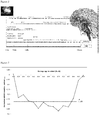
- the stress response and/or state can typically be measured if an exogenous stressor causes a stress condition lasting at least 5 and less than 45 minutes. Shorter lasting stressors generally only cause 'startle responses' (short during ANS response as described previously); producing the hormones of the HPA-axis generally takes 5 to 15 minutes; with exhaustion gradually developing as from 20 minutes onwards (sSee figure 2 ).
- a “stress related mood disorder”, “stress related mood syndrome” or “stress related disease” as used in the present invention is any mood disorder or functional illness that is known to be related to activation of the HPA axis.
- These include anxiety or anxiety disorder, depression, more specifically bipolar disorder or major depressive disorder, insomnia, posttraumatic stress syndromes like for example Post Traumatic Stress Disorders (PTSD), obsessive-compulsive disorder (OCD), burnout, chronic fatigue syndrome, fibromyalgia, irritable bowel syndrome and substance use disorders, such as alcoholism.
- Anxiety or “anxiety disorder” is a mood disorder, defined as a feeling of fear that is out of proportion to the nature of the threat.
- anxiety disorders including generalized anxiety disorder, specific phobia, social anxiety disorder, separation anxiety disorder, agoraphobia, and panic disorder.
- “Susceptibility for a stress related disease” is the status of a person having a high risk, what can be quantified in the proportion of changes in hormonal concentrations that are associated with dynamic responses of the ANS to an exogenous stressor: lower reciprocity being typically associated with lower risk for the (upcoming) development of stress related diseases. (like mood or anxiety disorders) later in life.
- stress can be defined and even quantified by the extent of the hormonal response of the hypothalamus-pituitary gland - adrenal (HPA) axis following and proportionally related to the response of the Autonomic Nervous System to a stressor or (exogenous) challenge.
- stress can be defined as the proportion of variance in endocrine responsiveness that is explained by the variance in ANS responsiveness. In the absence of a stressor and/or in normal, control persons , this proportion is low (or even absent, both systems respond 100% independently), when the amount of stress increases or when persons suffer from a stress related disease, this proportion will rise considerable (to statistical significance: both systems reacted homeostatically reciprocal).
- the stress response can be quantified (for example) by an increase of approximately or exceeding 25% in cortisol concentrations in a sample (such as blood, saliva or sensors) within 15 minutes following the stress stimulus.
- a sample such as blood, saliva or sensors
- the hormonal response in combination with the response of the autonomous nerve system (both sympathetic and parasympathetic) is strongly related to the risk of obtaining a stress response based mood disorder, this finding opens a perspective for new risk assessment methods and/or stress monitoring technology.
- the combined measurement of sympathetic, parasympathetic and endocrine parameters provides for a reliable measure of the severity of (mood) changes on basis of a stress stimulus.
- the measurement as claimed may be used to predict the risk of the development of a stress response related outcomes, diseases, especially anxiety disorder.
- the invention thus comprises a method to predict the risk of obtaining a stress related mood disorder or syndrome by a person, comprising
- step a) is performed according to a method comprising the steps of
- step d) is preferably made on the ratio between the values since this is independent of the absolute values.
- the measurement itself is simple and may be performed in any clinical or even non-clinical setting.
- a typical assessment starts with measuring at least three parameters during a resting or baseline condition. These at least three parameters are at least one sympathetic parameter, at least one parasympathetic parameter (together capturing 'autonomic balance') and at least one hormonal parameter
- the resting condition is obtained by positioning the test person is a sitting or lying condition without performing any physical or mental activity for a sufficiently long time (5 minutes or more) to ensure that the physiologic parameters to be measured have become stable. It should be indicated that applying paced breathing(slow, deep, diaphragmatic breathing) significantly increases the quality of the acquired data using such protocols..
- a stress stimulus is applied.
- This may be any stimulus that is capable of generating a stress response.
- the stimulus may be a psychological/emotion inducing stimulus, but it may also be a physical stimulus.
- Physical stimuli can for instance be the performing of a physical exercise, such as running, jogging, gymnastics (e.g. push-ups), rope jumping, etc.
- Psychological stimuli may be tasks that are perceived as being stressful, such as an interview, a lecture before an audience, mental arithmetic (either or not under (time) pressure), writing an exam, cognitive challenges, etc.
- the stress stimulus if applied for a sufficient severity and sufficient amount of time will lead to a stress condition.
- This stress condition is defined relative to the rest condition, since the characteristics (and the values of the parameters) of the rest condition and the stress condition will vary from person to person. In general the stress condition will lead to a change in the physiology of respiration, blood circulation and hormonal balance (to enable the 'flight or fight' response) that will peak sometime after the stress condition has been achieved.
- the intention is that a sequential measurement (after the initial baseline, resting state, measurement) is made on the rising slope or even preferably the maximum of the post stressor increase (or decrease in case of parasympathetic inhibition).
- the sympathetic and parasympathetic parameters will respond relatively immediately, though the endocrine response will meet with some delay (typically 'minutes'), which is due to the sequential synthesis of relevant molecules (see Fig. 2 ).
- AUC cumulative 'Area under the Curve'
- the stress response will never cause the individual parameters to reach a stable level, but instead the continuous measurements of the parameters will show a response that initially will lead to a peak level (either positive, or negative), which then will slowly return to normal (rest) levels, either because the stress trigger is gone or because habituation to the stress trigger would occur.
- These recovery values are described as: S rec , P rec , and H rec .
- the stress reactivity measurement is taken at (more or less) the moment of the peak level of the response, but any elevated level (or, when the effect would be a decrease, any diminished level) of the parameter could already bring the desired result.
- all parameters have more or less defined recovery times, typically in the minutes range for the autonomic parameters (S, P), while hormonal parameters need more time to return to rest or baseline values.
- the session could be closed by returning again to the rest situation and repeating the first (rest) measurements, but this is entirely optional and not per se required for a reliable quantification for the risk to obtain stress related (pathological) disorders like mood disorders, fatigue, or burnout.
- the hormone measurements should be repeated (e.g. multiple times in an period of 10 to 15 minutes) and / or estimated using valid methodology (e.g. derived on other assessments), and compared with the measurements from the resting period before the stressor was presented.
- first comparison data should be obtained from a number of control subjects. Ideally, these subjects should match the test subjects with respect to age, gender, ethnical characteristics, etc. The more similar to the test subjects and the larger the control group, the more reliable results can be obtained from the method of the present invention.
- a standardized stress stimulus such as a standard physical exercise or psychological stimulus (e.g. specific standardized cognitive tasks, or (simulated) inter-personal challenges, like public performance or argumentation).
- a standardize stress stimulus decreases the variability in the correlation between the three parameters and enables a more reliable prediction.
- the estimated value of the third parameter will reflect a state of no disorder or not at risk of a disorder. If the control group consists of persons that are already suffering from a mood related disorder, the estimated value of the third parameter will reflect a state of mood disorder.
- the calculation of the estimation of the third parameters is performed on basis of the other two parameters.
- a formula can be derived from the control data that defines the relation between the parameters.
- the stress response of each parameter is obtained by taking the ratio or difference between the values measured in step a) and the values measured in step c):
- R s 1..n S 1 stress /S 1 rest ... S n stress /S n rest ,
- R p 1..n P 1 stress /P 1 rest ... P n stress /P n rest ,
- R h 1..n H 1 stress /H 1 rest ... H n stress /H n rest .
- the stress score R for hormonal parameters may also be obtained by taking the value of the area under the curve (AUC) of the hormonal response during a period of 20 minute following the stress response.
- AUC area under the curve
- the algorithm or formula to calculate the risk of obtaining a stress related mood disorder is relatively simple, but accuracy will depend on the (reliability of the) parameters(s) that has (have) been measured.
- the formula may be given as:
- a third step in the prediction of the risk on a mood related disorder will then be to compare the estimated value of the third parameter with the actually measured third parameter. If these are nearly identical (or lying within the confidence range that has been established for the control group), the conclusion should be drawn that the tested person should fall within the same category as the control group. If the value falls outside this confidentiality interval and/or if the actually measured value differs very from the estimated value, the conclusion should be drawn that the tested person is very unlike the control group.
- any of the three parameters may act as the estimated parameter, as long as the other two parameters are measured.
- a preferred choice for the parameter to be estimated is the hormonal parameter.
- the presence of a stressor can be retrospectively concluded within 10 to 15 minutes after an 'incident'. If the sympathetic or parasympathetic response is indeed followed by a significant hormonal response, a significant stressor must have been present.
- the found correlation between the parasympathetic, sympathetic and hormonal parameter of the present invention can also be used for continuously assessing the stress level of a person.
- a method would be especially suited to detect stressful events, which can be useful in methods for assessing norm data for work load or work pressure or to investigate the level of stress that occurs during specific tasks (such as driving a car, sport playing or sitting exams).
- Such a method can be used in relation to established norm-data for specific populations, e.g. to monitor specifically defined populations with an established higher risk (e.g. recurrent depressive episodes, sequential absences due to unknown/unclear causes, panic attacks, and the like): -
- the whole series of measurements can be performed in a controlled environment, such as a hospital or at a doctor's office.
- a standardized way of measuring the parameters with professionalized equipment can be accomplished.
- the data of the measurements are fed directly into a system that can be used not only to store these data, but also to perform the necessary calculations and to provide the desired prediction.
- IT infrastructures e.g. blue tooth, wifi
- interfaces smartphones, app's, ambulatory e.g. laptop or tablet based applications, others
- the necessary parameters can be assessed ever more reliably in a more ambulatory environment, rendering the present invention applicable in the more preventive arena's like employability, coaching, lifestyle support, etc.
- a standardized stressor can be applied in these contexts as well (e.g. cognitive tasks, mental arithmetic, public performance, others). Further, with continuous monitoring it can be established retrospectively or in real time if the person using this method encountered stressors, e.g. during a working day, in traffic, in school, or otherwise. By simply continuously monitoring and comparing with the data for the representative population (e.g. employees, truck drivers, students, others) and calculating what score comes out the stress level of the test person can be monitored continuously. When sufficient connectivity and data storage may be available this can advantageously be done real time..
- This last application based on the present invention can easily be combined with feedback to the test person to warn for critical levels of stress and/or excitement, e.g. by means of a sound, tremor (e.g. via smartwatch), alert, changing colors on a display, or otherwise.
- the present invention is also directed to a system comprising one or more devices for measurement of at least two parameters selected from at least one sympathetic parameter, at least one parasympathetic parameter and one hormonal parameter, further comprising a unit able to process an algorithm for performing a method according to the invention.
- the present invention also comprises a system for controlling and assisting the screening for, prediction or diagnosis of stress and related disorders.
- Central in this system would be a calculation unit for performing the actual calculations as discussed above.
- the calculation unit would receive input from a storage device for obtaining stored parameter values or directly from measuring devices that on- or offline will provide these parameter values.
- a management module may be provided for input-output of the system, for calibration and set-up of the system and/or for entering further relevant data, such as the nature (name, age / day of birth, etc.) of the test subject, the date and time of the test (could be done automatically) and the individual measurements, the parameters measured and any further data that would be advantageous to store or use with the results of the measurements.
- the storage device will not only have an output to the calculation unit, but also an input for receiving data and parameter values to be stored.
- Such a data storage facility may be in any form of digital storage of data, such as a disk, a cd-rom, a USB-stick, a memory card and the like, or a connection to an online data storage facility (e.g. cloud- or server based).
- the memory will be accessible by and may be part of the processor or controller.
- module or "unit” as in management module or calculation unit is used to indicate the modular character of the units that make up the system.
- functionality of the system may be broken up into units, which either represent a function or a (hard- or software) embodiment and which functions may be combined if needed.
- the system will have a management module that would comprise a user interface.
- the term "user interface" may comprise one or more hardware elements configured to perform operational acts in accordance with the present system and method, such as to provide for input of additional data, to control the flow and timeliness of the parameter measurements, and the like.
- the user interface, the calculation unit, the management module and other components of the system may be connected to and/or controlled by a processor, which processor may be a dedicated processor for the current system or may be a general-purpose processor which may only be partly dedicated for serving in the system described herein.
- the processor may use a program portion, multiple program segments or may be a hardware device using a dedicated multi-purpose integrated circuit. Any type of processor may be used, such as a dedicated one or a shared one.
- the processor may include micro-controllers, central processing units (CPUs), digital signal processors (DSPs), ASICs or any other device that is capable of performing the same functions.
- the system will comprise a processor connected to or having access to a network, to which system one or more clinical measuring devices are added, which can be operated by the user (either the test person or a person that is conducting an assessment).
- Said processor will contain software to analyze the measurements (check for correctness of data, possibly including calibration), an algorithm to process these data and further communication means, such as one or more screens.
- the system will be able to retrieve earlier values for each test subject that can act as control for the measurements and or can be used to visualize a trend over time, calculate or present trend analytics and/or measure or monitor the development of stress state, associated disease, intervention, or therapy.
- the system will preferably comprise a screen for the output of the measurements or, preferably, for the output of an indication about the stress status of the subject.
- This may be accompanied by an alarm setting that becomes active (e.g. sounding a buzzer or bell, or highlighting the status in a different color) when the stress situation changes and passes a pre-set condition.
- the alarm signal will only be used as a signal to be stored. If the system is used to monitor the stress situation over time of an individual it will be easy to just add the total 'alarm time' or the number of occurrences that the alarm signal has been triggered.
- one or more clinical (or more commercially available) measuring devices can be present and normally a first choice will consist of one or more devices selected from the group of a device for reliably measuring heart rate and parameters derived from heart rate and/or ECG, a device for measuring blood pressure, a device for measuring respiration, technology (electrodes or others) to assess skin conductance levels (being a dominantly sympathetic parameter); devices to either estimate or assess changes in hormonal concentration etc.
- Such devices or means may comprise electrodes in pre-cordial/thoracic lead, classical methods of blood-pressure measurement, thoracic bands containing one or more electrodes, stick on electrodes and the like.
- the device is a smartwatch in which measurements of the sympathetic and parasympathetic parameters are performed by e.g. measurement of heart rate variables, skin conductance, etc, at the site of the watch, i.e. at the wrist.
- saliva samples can for example be collected every 5 or 10 minutes during a standardized protocol, being sent to an analytical facility and values being input manually to perform the necessary calculations.
- PoC Point of Care
- the devices may be relatively simple, like a digital watch that can measure heart rate to very sophisticated ECG recording apparatuses.
- a blood sample can be taken by the subject (e.g. by puncturing one of the fingers and applying a drop of blood on a test plate); or saliva samples can be used (e.g. by means of so called 'salivettes'); while new technologies are being developed to make such analytics Point of Care (e.g. by antibodies on a test-strip, via optical means, or other), what can reasonably be expected to provide more comfortable, well timed (e.g. in relation to ANS reactivity) and nevertheless reliable & valid measurements. Any assay that would reveal a quantitative measure of the blood hormones may be used.
- a central database provides for the possibility that the data that are comprised in there can be used for demographic studies or other statistical analyses. This may result in upgrades of the used algorithms.
- One use for such a central database in the current invention is the collection of data from control subjects to use these as control data for later individual measurements. It shall be easily understandable that demographic studies with these data could then again be used to improve the performance of the methods and system of the invention, e.g. by optimizing the measuring frequency, or by adjusting thresholds for alarm.
- the central database provides a source of data on the progress of stress related disorders and further prediction algorithms can be derived from such data.
Landscapes
- Health & Medical Sciences (AREA)
- Life Sciences & Earth Sciences (AREA)
- Engineering & Computer Science (AREA)
- Public Health (AREA)
- Medical Informatics (AREA)
- Physics & Mathematics (AREA)
- General Health & Medical Sciences (AREA)
- Biomedical Technology (AREA)
- Pathology (AREA)
- Biophysics (AREA)
- Veterinary Medicine (AREA)
- Heart & Thoracic Surgery (AREA)
- Molecular Biology (AREA)
- Surgery (AREA)
- Animal Behavior & Ethology (AREA)
- Psychiatry (AREA)
- Physiology (AREA)
- Artificial Intelligence (AREA)
- Computer Vision & Pattern Recognition (AREA)
- Child & Adolescent Psychology (AREA)
- Developmental Disabilities (AREA)
- Signal Processing (AREA)
- Hospice & Palliative Care (AREA)
- Psychology (AREA)
- Social Psychology (AREA)
- Cardiology (AREA)
- Optics & Photonics (AREA)
- Educational Technology (AREA)
- Epidemiology (AREA)
- Primary Health Care (AREA)
- Databases & Information Systems (AREA)
- Data Mining & Analysis (AREA)
- Pulmonology (AREA)
- Spectroscopy & Molecular Physics (AREA)
- Ophthalmology & Optometry (AREA)
- Measurement Of The Respiration, Hearing Ability, Form, And Blood Characteristics Of Living Organisms (AREA)
Priority Applications (4)
| Application Number | Priority Date | Filing Date | Title |
|---|---|---|---|
| EP17179115.5A EP3420890A1 (de) | 2017-06-30 | 2017-06-30 | Vorhersage von stimmung und zugehörigen ergebnissen auf grundlage der korrelation von autonomen und endokrinen parametern |
| US16/625,911 US11589788B2 (en) | 2017-06-30 | 2018-06-29 | Prediction of mood and associated outcomes based on correlation of autonomous and endocrine parameters |
| EP18740349.8A EP3644836A1 (de) | 2017-06-30 | 2018-06-29 | Vorhersage von stimmung und zugehörigen ergebnissen auf grundlage der korrelation von autonomen und endokrinen parametern |
| PCT/NL2018/050423 WO2019004833A1 (en) | 2017-06-30 | 2018-06-29 | PREDICTION OF MOOD AND ASSOCIATED STATES BASED ON A CORRELATION BETWEEN SELF-CONTAINED AND ENDOCRINARY PARAMETERS |
Applications Claiming Priority (1)
| Application Number | Priority Date | Filing Date | Title |
|---|---|---|---|
| EP17179115.5A EP3420890A1 (de) | 2017-06-30 | 2017-06-30 | Vorhersage von stimmung und zugehörigen ergebnissen auf grundlage der korrelation von autonomen und endokrinen parametern |
Publications (1)
| Publication Number | Publication Date |
|---|---|
| EP3420890A1 true EP3420890A1 (de) | 2019-01-02 |
Family
ID=59294928
Family Applications (2)
| Application Number | Title | Priority Date | Filing Date |
|---|---|---|---|
| EP17179115.5A Withdrawn EP3420890A1 (de) | 2017-06-30 | 2017-06-30 | Vorhersage von stimmung und zugehörigen ergebnissen auf grundlage der korrelation von autonomen und endokrinen parametern |
| EP18740349.8A Pending EP3644836A1 (de) | 2017-06-30 | 2018-06-29 | Vorhersage von stimmung und zugehörigen ergebnissen auf grundlage der korrelation von autonomen und endokrinen parametern |
Family Applications After (1)
| Application Number | Title | Priority Date | Filing Date |
|---|---|---|---|
| EP18740349.8A Pending EP3644836A1 (de) | 2017-06-30 | 2018-06-29 | Vorhersage von stimmung und zugehörigen ergebnissen auf grundlage der korrelation von autonomen und endokrinen parametern |
Country Status (3)
| Country | Link |
|---|---|
| US (1) | US11589788B2 (de) |
| EP (2) | EP3420890A1 (de) |
| WO (1) | WO2019004833A1 (de) |
Cited By (2)
| Publication number | Priority date | Publication date | Assignee | Title |
|---|---|---|---|---|
| CN113133752A (zh) * | 2020-02-25 | 2021-07-20 | 上海鼎博医疗科技有限公司 | 基于心率变异分析的心理评估方法、系统、设备和介质 |
| EP3918996A4 (de) * | 2019-03-20 | 2022-04-20 | Huawei Technologies Co., Ltd. | Verfahren und vorrichtung zur bewertung von psychischem stress |
Families Citing this family (8)
| Publication number | Priority date | Publication date | Assignee | Title |
|---|---|---|---|---|
| EP3409205A1 (de) * | 2017-05-30 | 2018-12-05 | Koninklijke Philips N.V. | Vorrichtung, system und verfahren zur bestimmung eines emotionalen zustands eines benutzers |
| EP3534373B1 (de) * | 2019-06-04 | 2026-03-11 | Polar Electro Oy | System zur messung des stressniveaus |
| US20230284948A1 (en) * | 2019-07-07 | 2023-09-14 | Pangea Labs Ltd. | Test protocol for detecting significant psychophysiological response |
| JP7634868B2 (ja) * | 2021-03-04 | 2025-02-25 | 国立大学法人大阪大学 | レジリエンスの程度を検出する方法 |
| CN113288143A (zh) * | 2021-05-12 | 2021-08-24 | 中实医疗科技江苏有限公司 | 一种基于生化指标的心理压力状态评估系统 |
| CN113616192B (zh) * | 2021-07-01 | 2022-12-13 | 中南大学 | 列车乘员碰撞应激行为测试系统及方法 |
| JP7848163B2 (ja) * | 2023-07-25 | 2026-04-20 | 株式会社東芝 | ストレス検出装置、ストレス検出方法及びストレス検出プログラム |
| CN117898685B (zh) * | 2023-12-29 | 2024-06-18 | 中南民族大学 | 一种基于不同情绪状态的压力检测方法及装置 |
Citations (2)
| Publication number | Priority date | Publication date | Assignee | Title |
|---|---|---|---|---|
| US20110306845A1 (en) * | 2010-06-15 | 2011-12-15 | Ivan Osorio | Systems approach to comorbidity assessment |
| US20160029939A1 (en) * | 2013-03-12 | 2016-02-04 | Koninklijke Philips N.V. | Visit duration control system and method |
Family Cites Families (1)
| Publication number | Priority date | Publication date | Assignee | Title |
|---|---|---|---|---|
| IN2014CN03726A (de) * | 2011-11-22 | 2015-07-03 | Koninkl Philips Nv |
-
2017
- 2017-06-30 EP EP17179115.5A patent/EP3420890A1/de not_active Withdrawn
-
2018
- 2018-06-29 WO PCT/NL2018/050423 patent/WO2019004833A1/en not_active Ceased
- 2018-06-29 US US16/625,911 patent/US11589788B2/en active Active
- 2018-06-29 EP EP18740349.8A patent/EP3644836A1/de active Pending
Patent Citations (2)
| Publication number | Priority date | Publication date | Assignee | Title |
|---|---|---|---|---|
| US20110306845A1 (en) * | 2010-06-15 | 2011-12-15 | Ivan Osorio | Systems approach to comorbidity assessment |
| US20160029939A1 (en) * | 2013-03-12 | 2016-02-04 | Koninklijke Philips N.V. | Visit duration control system and method |
Non-Patent Citations (2)
| Title |
|---|
| PREUSSNER, J.C.; KIRSCHBAUM, C.; MEINLSCHMID, G.; HELLHAMMER, D.H.., PSYCHONEUROENDOCRINOLOGY, vol. 28, 2003, pages 916 - 931 |
| ZINBARG, R.E. ET AL., CLIN. PSYCHOL. SCI., 2016 |
Cited By (2)
| Publication number | Priority date | Publication date | Assignee | Title |
|---|---|---|---|---|
| EP3918996A4 (de) * | 2019-03-20 | 2022-04-20 | Huawei Technologies Co., Ltd. | Verfahren und vorrichtung zur bewertung von psychischem stress |
| CN113133752A (zh) * | 2020-02-25 | 2021-07-20 | 上海鼎博医疗科技有限公司 | 基于心率变异分析的心理评估方法、系统、设备和介质 |
Also Published As
| Publication number | Publication date |
|---|---|
| EP3644836A1 (de) | 2020-05-06 |
| WO2019004833A1 (en) | 2019-01-03 |
| US11589788B2 (en) | 2023-02-28 |
| US20200163606A1 (en) | 2020-05-28 |
Similar Documents
| Publication | Publication Date | Title |
|---|---|---|
| US11589788B2 (en) | Prediction of mood and associated outcomes based on correlation of autonomous and endocrine parameters | |
| Arza et al. | Measuring acute stress response through physiological signals: towards a quantitative assessment of stress | |
| Smith et al. | Sympathetic neural mechanisms in white-coat hypertension | |
| Michels et al. | Children's heart rate variability as stress indicator: Association with reported stress and cortisol | |
| Het et al. | Blunted neuroendocrine stress reactivity in young women with eating disorders | |
| Hilbert et al. | Psychophysiological responses to idiosyncratic stress in bulimia nervosa and binge eating disorder | |
| Ó Súilleabháin et al. | Openness to experience and adapting to change: Cardiovascular stress habituation to change in acute stress exposure | |
| Tracy et al. | Intranasal oxytocin reduces heart rate variability during a mental arithmetic task: A randomised, double-blind, placebo-controlled cross-over study | |
| Clauss et al. | Exposure to a sex-specific stressor mitigates sex differences in stress-induced eating | |
| García Pagès et al. | Psychosomatic response to acute emotional stress in healthy students | |
| Papadakis et al. | Effects of high-intensity interval exercise and acute partial sleep deprivation on cardiac autonomic modulation | |
| Paradiso et al. | Wearable monitoring systems for psychological and physiological state assessment in a naturalistic environment | |
| Kelsey et al. | Psychophysiological correlates of narcissistic traits in women during active coping | |
| Nataraj et al. | Correlation between physical activity, cardiorespiratory fitness and heart rate variability among young overweight adults | |
| da Fonseca et al. | Post-exercise heart rate recovery and its speed are associated with resting-reactivity cardiovagal modulation in healthy women | |
| Lizamore et al. | Does intermittent hypoxic exposure enhance the cardioprotective effect of exercise in an inactive population? | |
| Harm et al. | Predicting motion sickness during parabolic flight | |
| Muralikrishnan et al. | Heart rate variability in normotensive subjects with family history of hypertension | |
| Metelka et al. | Heart rate variability evaluation in the assessment of cardiac autonomic neuropathy in patients with type 2 diabetes | |
| Obi et al. | Assessment of stress level of young undergraduates before and after a degree examination using heart rate variability analysis | |
| Gonzaga et al. | Autonomic responses to facial expression tasks in children with autism spectrum disorders: Cross-section study | |
| Borges et al. | Short-term test-retest reliability of respiratory sinus arrhythmia (RSA) in young adults | |
| Wundersitz et al. | Sympathovagal balance is a strong predictor of post high-volume endurance exercise cardiac arrhythmia | |
| Larson et al. | Reproducibility of measurements obtained during cardiopulmonary exercise testing in individuals with fatiguing health conditions: a case series | |
| Muscatello et al. | Diagnostic and physical effects in parasympathetic response to social evaluation in youth with and without autism spectrum disorder |
Legal Events
| Date | Code | Title | Description |
|---|---|---|---|
| PUAI | Public reference made under article 153(3) epc to a published international application that has entered the european phase |
Free format text: ORIGINAL CODE: 0009012 |
|
| AK | Designated contracting states |
Kind code of ref document: A1 Designated state(s): AL AT BE BG CH CY CZ DE DK EE ES FI FR GB GR HR HU IE IS IT LI LT LU LV MC MK MT NL NO PL PT RO RS SE SI SK SM TR |
|
| AX | Request for extension of the european patent |
Extension state: BA ME |
|
| STAA | Information on the status of an ep patent application or granted ep patent |
Free format text: STATUS: THE APPLICATION IS DEEMED TO BE WITHDRAWN |
|
| 18D | Application deemed to be withdrawn |
Effective date: 20190703 |