EP3422255A1 - Verfahren und system zum trainieren eines neuronalen netzes zur klassifizierung von objekten oder ereignissen - Google Patents
Verfahren und system zum trainieren eines neuronalen netzes zur klassifizierung von objekten oder ereignissen Download PDFInfo
- Publication number
- EP3422255A1 EP3422255A1 EP17178915.9A EP17178915A EP3422255A1 EP 3422255 A1 EP3422255 A1 EP 3422255A1 EP 17178915 A EP17178915 A EP 17178915A EP 3422255 A1 EP3422255 A1 EP 3422255A1
- Authority
- EP
- European Patent Office
- Prior art keywords
- sensor
- classifier
- data
- sensor data
- apprentice
- Prior art date
- Legal status (The legal status is an assumption and is not a legal conclusion. Google has not performed a legal analysis and makes no representation as to the accuracy of the status listed.)
- Granted
Links
Images



Classifications
-
- G—PHYSICS
- G06—COMPUTING OR CALCULATING; COUNTING
- G06V—IMAGE OR VIDEO RECOGNITION OR UNDERSTANDING
- G06V40/00—Recognition of biometric, human-related or animal-related patterns in image or video data
- G06V40/10—Human or animal bodies, e.g. vehicle occupants or pedestrians; Body parts, e.g. hands
-
- G—PHYSICS
- G06—COMPUTING OR CALCULATING; COUNTING
- G06V—IMAGE OR VIDEO RECOGNITION OR UNDERSTANDING
- G06V10/00—Arrangements for image or video recognition or understanding
- G06V10/70—Arrangements for image or video recognition or understanding using pattern recognition or machine learning
- G06V10/82—Arrangements for image or video recognition or understanding using pattern recognition or machine learning using neural networks
-
- G—PHYSICS
- G06—COMPUTING OR CALCULATING; COUNTING
- G06F—ELECTRIC DIGITAL DATA PROCESSING
- G06F18/00—Pattern recognition
- G06F18/20—Analysing
- G06F18/21—Design or setup of recognition systems or techniques; Extraction of features in feature space; Blind source separation
- G06F18/214—Generating training patterns; Bootstrap methods, e.g. bagging or boosting
-
- G—PHYSICS
- G06—COMPUTING OR CALCULATING; COUNTING
- G06F—ELECTRIC DIGITAL DATA PROCESSING
- G06F18/00—Pattern recognition
- G06F18/20—Analysing
- G06F18/21—Design or setup of recognition systems or techniques; Extraction of features in feature space; Blind source separation
- G06F18/217—Validation; Performance evaluation; Active pattern learning techniques
- G06F18/2178—Validation; Performance evaluation; Active pattern learning techniques based on feedback of a supervisor
-
- G—PHYSICS
- G06—COMPUTING OR CALCULATING; COUNTING
- G06F—ELECTRIC DIGITAL DATA PROCESSING
- G06F18/00—Pattern recognition
- G06F18/20—Analysing
- G06F18/24—Classification techniques
-
- G—PHYSICS
- G06—COMPUTING OR CALCULATING; COUNTING
- G06F—ELECTRIC DIGITAL DATA PROCESSING
- G06F18/00—Pattern recognition
- G06F18/20—Analysing
- G06F18/24—Classification techniques
- G06F18/241—Classification techniques relating to the classification model, e.g. parametric or non-parametric approaches
- G06F18/2411—Classification techniques relating to the classification model, e.g. parametric or non-parametric approaches based on the proximity to a decision surface, e.g. support vector machines
-
- G—PHYSICS
- G06—COMPUTING OR CALCULATING; COUNTING
- G06F—ELECTRIC DIGITAL DATA PROCESSING
- G06F18/00—Pattern recognition
- G06F18/20—Analysing
- G06F18/24—Classification techniques
- G06F18/241—Classification techniques relating to the classification model, e.g. parametric or non-parametric approaches
- G06F18/2413—Classification techniques relating to the classification model, e.g. parametric or non-parametric approaches based on distances to training or reference patterns
-
- G—PHYSICS
- G06—COMPUTING OR CALCULATING; COUNTING
- G06F—ELECTRIC DIGITAL DATA PROCESSING
- G06F18/00—Pattern recognition
- G06F18/20—Analysing
- G06F18/25—Fusion techniques
-
- G—PHYSICS
- G06—COMPUTING OR CALCULATING; COUNTING
- G06F—ELECTRIC DIGITAL DATA PROCESSING
- G06F18/00—Pattern recognition
- G06F18/20—Analysing
- G06F18/285—Selection of pattern recognition techniques, e.g. of classifiers in a multi-classifier system
-
- G—PHYSICS
- G06—COMPUTING OR CALCULATING; COUNTING
- G06N—COMPUTING ARRANGEMENTS BASED ON SPECIFIC COMPUTATIONAL MODELS
- G06N3/00—Computing arrangements based on biological models
- G06N3/02—Neural networks
- G06N3/04—Architecture, e.g. interconnection topology
- G06N3/0464—Convolutional networks [CNN, ConvNet]
-
- G—PHYSICS
- G06—COMPUTING OR CALCULATING; COUNTING
- G06N—COMPUTING ARRANGEMENTS BASED ON SPECIFIC COMPUTATIONAL MODELS
- G06N3/00—Computing arrangements based on biological models
- G06N3/02—Neural networks
- G06N3/08—Learning methods
- G06N3/0895—Weakly supervised learning, e.g. semi-supervised or self-supervised learning
-
- G—PHYSICS
- G06—COMPUTING OR CALCULATING; COUNTING
- G06N—COMPUTING ARRANGEMENTS BASED ON SPECIFIC COMPUTATIONAL MODELS
- G06N3/00—Computing arrangements based on biological models
- G06N3/02—Neural networks
- G06N3/08—Learning methods
- G06N3/09—Supervised learning
-
- G—PHYSICS
- G06—COMPUTING OR CALCULATING; COUNTING
- G06N—COMPUTING ARRANGEMENTS BASED ON SPECIFIC COMPUTATIONAL MODELS
- G06N3/00—Computing arrangements based on biological models
- G06N3/02—Neural networks
- G06N3/08—Learning methods
- G06N3/096—Transfer learning
-
- G—PHYSICS
- G06—COMPUTING OR CALCULATING; COUNTING
- G06V—IMAGE OR VIDEO RECOGNITION OR UNDERSTANDING
- G06V10/00—Arrangements for image or video recognition or understanding
- G06V10/20—Image preprocessing
- G06V10/22—Image preprocessing by selection of a specific region containing or referencing a pattern; Locating or processing of specific regions to guide the detection or recognition
-
- G—PHYSICS
- G06—COMPUTING OR CALCULATING; COUNTING
- G06V—IMAGE OR VIDEO RECOGNITION OR UNDERSTANDING
- G06V10/00—Arrangements for image or video recognition or understanding
- G06V10/20—Image preprocessing
- G06V10/25—Determination of region of interest [ROI] or a volume of interest [VOI]
-
- G—PHYSICS
- G06—COMPUTING OR CALCULATING; COUNTING
- G06V—IMAGE OR VIDEO RECOGNITION OR UNDERSTANDING
- G06V10/00—Arrangements for image or video recognition or understanding
- G06V10/70—Arrangements for image or video recognition or understanding using pattern recognition or machine learning
- G06V10/764—Arrangements for image or video recognition or understanding using pattern recognition or machine learning using classification, e.g. of video objects
-
- G—PHYSICS
- G06—COMPUTING OR CALCULATING; COUNTING
- G06V—IMAGE OR VIDEO RECOGNITION OR UNDERSTANDING
- G06V10/00—Arrangements for image or video recognition or understanding
- G06V10/70—Arrangements for image or video recognition or understanding using pattern recognition or machine learning
- G06V10/77—Processing image or video features in feature spaces; using data integration or data reduction, e.g. principal component analysis [PCA] or independent component analysis [ICA] or self-organising maps [SOM]; Blind source separation
- G06V10/778—Active pattern-learning, e.g. online learning of image or video features
- G06V10/7784—Active pattern-learning, e.g. online learning of image or video features based on feedback from supervisors
-
- G—PHYSICS
- G06—COMPUTING OR CALCULATING; COUNTING
- G06V—IMAGE OR VIDEO RECOGNITION OR UNDERSTANDING
- G06V20/00—Scenes; Scene-specific elements
- G06V20/50—Context or environment of the image
- G06V20/52—Surveillance or monitoring of activities, e.g. for recognising suspicious objects
-
- G—PHYSICS
- G06—COMPUTING OR CALCULATING; COUNTING
- G06N—COMPUTING ARRANGEMENTS BASED ON SPECIFIC COMPUTATIONAL MODELS
- G06N3/00—Computing arrangements based on biological models
- G06N3/02—Neural networks
- G06N3/04—Architecture, e.g. interconnection topology
- G06N3/044—Recurrent networks, e.g. Hopfield networks
Definitions
- the present invention relates to a method and system for training a neural network to classify objects or events.
- Classification of objects and/or of events may be achieved by means of a neural network, sometimes also referred to as artificial intelligence Al.
- a neural network sometimes also referred to as artificial intelligence Al.
- the trend right now is of an increased use of these technologies for classifying objects or events from captured still images or video.
- These classifying neural networks are often used in applications like character recognition, monitoring, surveillance, image analysis, natural language processing etc.
- neural network algorithms/technologies that may be used for classifying objects, e.g. Convolutional Neural Networks, Recurrent Neural Networks, etc.
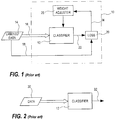
- a general training setup 10 for training a general neural network 12 for classification is shown in Fig. 1 a.
- the neural network 12 is fed labeled data 14.
- the labeled data 14 is for example an image of an object to be classified, wherein the image is labeled with the correct class, i.e. the labeled data 14 includes the ground truth 18 of the image data 16 and the image data 16 itself.
- the image data 16 is inputted to the classifier and the ground truth 18 is sent to a loss function calculator 20.
- the classifier 12 processes the data representing an object to be classified and generates a classification identifier 22.
- the processing in the classifier includes applying weights to values as the data is fed through the classifier 12.
- the classification identifier 22 may be a feature vector, a classification vector, or a single value identifying a class.
- the loss function the classification identifier 22 is compared to the ground truth 18 using, e.g. a loss function.
- the result from the loss function 24 is then transferred to a weight adjustment function 26 that is configured to adjust the weights used in the classifier 12.
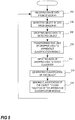
- the classifier 12 when the classifier 12 is fully trained it may be used as depicted in Fig. 2 , wherein a classification is performed by loading the data 30 to be classified into the classifier 12.
- the data 30 to be classified is in the same form as the labeled data used during training, but without the label.
- the classifier 12 then output data 32 identifying the class determined for the data inputted.
- the classifier may be any type of neural network, artificial intelligence, or machine learning scheme.
- an artificial intelligence includes a neural network, hence when we describes neural networks it also applies to any artificial intelligences including such neural networks.
- a neural network to be used as a classifier may be implemented in a lot of different ways known to the skilled person. Neural networks sometimes are referred to as artificial neural networks.
- One object of the present invention is to make training of a classifier less labour intensive.
- a method for training a classifier comprises:
- One advantage of the above method is that it enables training a classifier for a new set of sensor data using an already trained classifier operating on a first set of sensor data, wherein the data of the second set of sensor data represent the same object or event as the first set of sensor data and during a corresponding time period.
- the first set of sensor data sent to the tutor classifier is a subset of the first set of sensor data including the object or the event, wherein the subset of the first set of sensor data represents sensor data relating to a spatial position of the object or the event in a monitored environment, and wherein the second set of sensor data sent to the apprentice neural network represents a subset of the second sensor data, wherein the subset of the second sensor data represents data relating to the corresponding spatial position in the monitored environment as the subset of the first set of sensor data.
- the advantage of using the spatial position from the first set of sensor data of the object to classify may be that the identification of the corresponding object is facilitated in situations where multiple objects are present at least in the second data set. Further, the use of the spatial position may facilitate and/or speed up finding the object from the first set of sensor data in the second set of sensor data.
- the first set of sensor data and the second set of sensor data are generated by the same sensor.
- an image sensor may provide still image data and video data, i.e. in cases wherein the sensor is an image sensor the first set of sensor data may be a still image and the second set of sensor data may be a sequence of video frames.
- the first set of sensor data is generated by a first sensor and the second set of sensor data is generated by a second sensor. This is advantageous in cases when it is desired facilitating training classification of another type of sensor data than the available classifier is capable of classifying. By using such an embodiment, there is no need to go through the process of manually creating training data, hence the training process is facilitated.
- the first sensor and the second sensor are arranged to generate data from different types of sensor inputs. To train a classifier to classify data of a different type than an already trained classifier is trained on also facilitate the training process as there is no need to manually create a labelled training set of data for the type of data represented by the second set of data.
- the first sensor is an image sensor and wherein the second sensor is any sensor type from the group of radar sensor, audio sensor, sound field sensor, LIDAR sensor, sensor for laser absorption spectroscopy, sonar sensor, radiation sensor, X-ray sensor, ultra sound.
- the image sensor is a sensor registering visible light.
- the first sensor is a sensor registering visible light and the second sensor is a sensor registering infra-red light.
- the tutor classifier is based on a neural network and according to some embodiments the apprentice classifier is based on a neural network.
- a system arranged to train a classifier comprising a tutor classifier arranged to receive a first set of sensor data including data representing an object or an event in a monitored environment and to generate a classification of the object or event, an apprentice classifier arranged to be trained wherein the training includes receiving a second set of sensor data representing a corresponding time period as a time period represented by the first set of sensor data, a loss value calculator arranged to receive an output classification from the tutor classifier, to receive an output classification from the apprentice classifier, and to calculate a loss value identifying a difference between the two received classifications, and a weight adjuster arranged to adjust weights in the apprentice classifier in response to the loss value calculated by the loss value calculator.
- One advantage of the above system is that it enables training a classifier for a new set of sensor data using an already trained classifier operating on a first set of sensor data, wherein the data of the second set of sensor data represent the same object or event as the first set of sensor data and during a corresponding time period.
- the system further comprises a sensor generating both the first set of sensor data and the second set of sensor data.
- a sensor generating both the first set of sensor data and the second set of sensor data.
- system further comprises a first sensor generating the first set of sensor data and a second sensor generating the second set of sensor data. This is advantageous in cases when it is desired facilitating training classification of another type of sensor data than the available classifier is capable of classifying. By using such an embodiment, there is no need to go through the process of manually creating training data, hence the training process is facilitated.
- a sensor is an image sensor.
- the present invention relates to classifiers that are being configured to classify objects and/or events by means of processing data from a sensor.
- the invention relates to having a first classifier already configured to classify objects and/or events from a first set of data provided by a sensor to assist in configuring a second classifier to classify objects and/or events from a second set of data provided by the same or a different sensor.
- the first classifier may be seen as teaching the second classifier and therefore the first classifier will be referred to as tutor classifier and the second classifier will be referred to as apprentice classifier.
- the tutor classifier is configured to classify data from an image sensor, e.g. a sensor for capturing images from visible light or infra-red light.
- an image sensor e.g. a sensor for capturing images from visible light or infra-red light.
- One advantage of having the tutor classifier configured to classify objects and/or events based on data from a visible light image sensor is that there are a lot of labelled data sets already prepared for this type of data and, thus, this will facilitate the training of such a classifier. There may even be pre-configured classifiers that may be used.
- the apprentice classifier may be configured to be trained to classify data from any type of sensor for which it is possible to correlate a classification made by the tutor classifier.
- the apprentice classifier may be trained to classify data from the same sensor or same type of sensor as the tutor classifier is trained to classify, but in a different form.
- the apprentice classifier is to be trained to classify data from a second sensor.
- the second sensor may for example be a visible light image sensor, an infra-red light image sensor, a radar sensor, a microphone, a microphone matrix, a sound field sensor, ultra sound, a Lidar sensor, a sensor for laser absorption spectroscopy, a sonar sensor, a radiation sensor, an X-ray sensor, etc.
- Fig. 3 depicting an example of a system arranged for making one classifier configure or train another classifier to classify.
- the system includes a configured and/or trained tutor classification module 102 and an apprentice classification module 104 to be configured and/or trained.
- the tutor classification module 102 is arranged to receive sensor data from a first sensor 106 and the apprentice classification module 104 is arranged to receive data from a second sensor 108.
- the first sensor 106 is, in this example, an image sensor delivering two dimensional image of a scene.
- the tutor classification module includes an object detector 110, a cropping module 112, and a tutor classifier 114.
- the object detector 110 may be any kind of object detector arranged to detect objects in a two dimensional image that is known to the skilled person.
- the object detector 110 is arranged to detect objects appearing in the image of the scene captured in data received from the first sensor 106.
- the cropping module 112 is arranged to extract a subset of the data from the first sensor 106 and transmit the extracted subset of data to the tutor classifier 114.
- the subset to be extracted is determined by the position and size of the object detected in the object detector 110.
- the cropping area may be of rectangular shape and be somewhat larger than the object.
- the cropping module 112 In addition to cropping the data by extracting said subset of data and sending the subset of data to the tutor classifier the cropping module 112 transfer information of the position of the detected object to the apprentice classification module 104. Moreover, in addition to transferring the position of the detected object to the apprentice classification module the cropping module may be arranged to transfer any one of the following features: area of the cropped area, width of the cropped area, height of the cropped area, direction to the cropped area.
- the tutor classifier 114 processes the cropped image data and generates an indicator that indicates the class of the detected object.
- the indicator may be a feature vector, a classification vector, a single value or it may be a data set indicating the class and the likelihood of the object being correctly classified, i.e. the confidence value for the indicated class.
- the class indicator or a filtered version of the class indicator is then transferred to the apprentice classification module 104.
- the filtered version may be a class indicator in which a limited number or a single one class indicator having the best confidence value/s are transferred to the apprentice classification module.
- a class indicator may be stopped from being transferred if the confidence value is below a predetermined threshold.
- the apprentice classification module 104 includes a crop translator 116, a cropping module 118, an apprentice classifier 120, a loss function calculator 122, and a weight adjuster 124.
- the crop translator 116 is arranged to translate the information relating to the cropping performed in the cropping module 112 in the tutor classification module102 into a corresponding position represented in the data from the second sensor 108.
- FIG. 4a depicts an image 150 captured by an image sensor, e.g. visible light image sensor or infra-red image sensor and Fig. 4b depicts a representation 152 of sensor data from a radar sensor at a corresponding time period as the capturing of the image in Fig. 4a .
- the image in Fig. 4a shows two persons 154,156 in the captured scene.
- An object detector, such as the one 110 in the tutor classification module 102 will probably detect both persons 154,156, however, the system should only classify one object at a time.
- the classifying module is in the stage to process the person 156 to the right and the hatched area 158 indicates that this is the detected object and the cropping module 112 has determined the area to crop, indicated by the hatched area 158.
- the information relating to the cropping determined in the cropping module 112 is then transferred to the crop translator 116 of the apprentice classification module 104, as previously mentioned.
- the crop translator 116 will in this case translate the position to a corresponding direction in the data of the radar sensor, indicated by the hatched sector 160 in Fig. 4b .
- the angle ⁇ may be determined from the width of the cropping area 158 in Fig. 4a or may be determined on an independent object detection for the radar data in the determined direction.
- the cropping module 118 is arranged to extract a subset of data from the second sensor 108.
- the selection of the subset of data to be extracted is at least partially determined using data from the crop translator.
- the apprentice classifier 120 is arranged to receive the cropped data from the cropping module 118 and generate a value or a vector of values indicating an estimated class for the corresponding object in the data from the second sensor 108.
- the loss function calculator 122 is arranged to evaluate the result from the apprentice classifier 120 in comparison to the ground truth provided from the tutor classifier 114. In machine learning the ground truth is, for the example of classifiers, the class of the object which is provided as the correct class for the particular image, i.e.
- This evaluation results in an output that is used for adjustment of the processing in the apprentice classifier 120, e.g. by adjusting weights in various process steps.
- the weight adjuster 124 is arranged to use this evaluation result from the loss function 122 and generate the appropriate weight adjustments for the apprentice classifier 120 in order to get closer to a correct classification.
- FIG. 5 shows a portion of the training process relating to the processing of the data from the first sensor 106 and generating of data for use in training the classification of the data from the second sensor 108.
- Fig. 6 shows a portion of the training process relating to the processing of the data from the second sensor 108 and the adjustment of weights in the apprentice classifier using inputs from the processing of data from the first sensor 106.
- a training loop starts with the input of two data sets from the two sensors 106, 108. Accordingly the process receives data from the first sensor 106, step 202 in Fig. 5 , and from the second sensor 108, step 252 in Fig. 6 .
- the first sensor 106 being an image sensor as described above.
- the data registered by the two sensors 106, 108, are registered by each sensor 106, 108, at corresponding points in time, i.e. the data is captured at the two sensors, respectively, at a short temporal distance or for overlapping time periods in order to make it likely that the two sensors capture data relating to the same object, or event.
- step 202 the process continues by detecting an object in the data from the first sensor 106, step 206.
- the detected object is then analysed for cropping and a subset of data representing the detected object is selected, i.e. cropped, step 208.
- data relating to one of or any combination of the following features relating to the detected object is determined and transferred, step 210, for use in a cropping operation to be performed on the data from the second sensor 108 in the apprentice classification module104.
- the features are: a position of the detected object, an indication of the area occupied by the object, the width of the cropped area, the height of the cropped area.
- the cropped data from the first sensor is then inputted to the tutor classifier 114, step 212, and a classification identifier is generated, step 214, by the tutor classifier 114.
- the classification identifier relating to the detected object is then sent to the loss function 122 in the apprentice classification module 104, step 216.
- the process then returns to step 202 for receipt of new image data.
- the repetition of a training loop may be performed as fast as possible.
- the training may be limited to the classifications having good enough confidence values.
- the training is performed on live data and in some embodiments it is performed on recorded data that registered or captured at points in time that suggest that the data represents the same event or object.
- the sensor data from the second sensor is received, step 252, as previously mentioned.
- the features relating to the cropping and object detection described in connection with the description of Fig. 5 , is received from the tutor classification module 102, step 254.
- the features are translated to values that are relevant for the type of data delivered by the sensor in order to enable correlation between positions in the data sets from the two sensors 106, 108, step 256.
- Cropping parameters are then determined using at least some translated values from the tutor classification module 102, step 258.
- the data from the second sensor 108 is then cropped using these cropping parameters, step 260, and the cropped data is inputted into the apprentice classifier 120, step 262.
- the apprentice classifier 120 then generates a classification identifier of the object in the processed cropped data, step 264.
- the classification identifier generated by the apprentice classifier 120 is then received at the loss function calculator 122, where the loss function is calculated from the classification identifier received from the apprentice classifier 120 and the classification identifier received from the tutor classifier 114, step 266.
- the calculated loss function is then used for generating weight adjustments for the apprentice classifier, step 268.
- the weight adjustments are then introduced in the apprentice classifier in order to improve the classification accuracy, step 270.
- the process then returns to step 252 for receipt of new image data.
- the image data captured by the first sensor 106 and the data captured by the second sensor 108 should both include data representing the same object at the same moment in time, e.g. the data should be captured at essentially the same point in time or covering overlapping time periods.
- the apprentice classification module may be arranged to process a sequence of sensor data sets, i.e. a plurality of sensor data sets captured sequentially at different time points. Examples of this type of sequential data are, motion video, audio, radar, sequences of still images, etc.
- the apprentice classification module 704 includes a crop translator 116 similar to the one described in Fig. 3 and a cropping module 706.
- the cropping module may be arranged to initially find the object or the event in the sensor data by using the translated crop data from the tutor classification module and then track the object or the event initially found in order to crop relevant data.
- the cropped data could be a subset of data representing a tighter rectangle surrounding the object of interest. For some sensor data cropping of data makes no sense and will in those cases be skipped, e.g.
- the apprentice classification module further includes a buffer 708, a feature extractor 710, the apprentice classifier 120, the loss function 122, and the weight adjuster.
- the buffer 708 is arranged to buffer the sequence of cropped data from the sensor, or the sequence of data if no cropping is performed.
- the feature extractor 710 operates on the data in the buffer to find and extract features from the sequence, e.g. angular movement, change in distance, object speed, changes in shape of the object, movement characteristics, etc.
- the apprentice classifier 120, the loss function 122, and the weight adjuster are very much the same devices and/or modules as described in connection with Fig. 3 .
- the sensor data has been described as originating from different sensors.
- the sensor data received by the tutor classification module 102 and the sensor data received by the apprentice classification module 104; 704 may originate from the same sensor but delivering different sensor data.
- the tutor classification module 102 may receive image data representing a still picture and the apprentice classification module 104; 704 may receive motion video data, i.e. a sequence of video frames, from the same sensor.
- the advantages of training classification of objects in the video data based on a classification of an object in the still image may be the same as for the corresponding training using data from different sensors.
- An additional advantage may be that the training of classifying an object using motion video data is that motion patterns of the object may be added to a final classification system and that the likelihood of making a correct classification will be increased.
- Motion patterns may for instance be the gait of a human or an animal.
- the sensor data received by the tutor classification module 104; 704 may originate from the same sensor which is delivering both image data based on visible light and image data based on infrared light.
- Such a sensor may be an RGB-IR sensor.
Landscapes
- Engineering & Computer Science (AREA)
- Theoretical Computer Science (AREA)
- Physics & Mathematics (AREA)
- General Physics & Mathematics (AREA)
- Data Mining & Analysis (AREA)
- Evolutionary Computation (AREA)
- Artificial Intelligence (AREA)
- Life Sciences & Earth Sciences (AREA)
- General Engineering & Computer Science (AREA)
- Computer Vision & Pattern Recognition (AREA)
- Health & Medical Sciences (AREA)
- General Health & Medical Sciences (AREA)
- Software Systems (AREA)
- Computing Systems (AREA)
- Multimedia (AREA)
- Bioinformatics & Cheminformatics (AREA)
- Evolutionary Biology (AREA)
- Bioinformatics & Computational Biology (AREA)
- Biomedical Technology (AREA)
- Biophysics (AREA)
- Mathematical Physics (AREA)
- Computational Linguistics (AREA)
- Molecular Biology (AREA)
- Databases & Information Systems (AREA)
- Medical Informatics (AREA)
- Human Computer Interaction (AREA)
- Image Analysis (AREA)
- Information Retrieval, Db Structures And Fs Structures Therefor (AREA)
Priority Applications (4)
| Application Number | Priority Date | Filing Date | Title |
|---|---|---|---|
| EP17178915.9A EP3422255B1 (de) | 2017-06-30 | 2017-06-30 | Verfahren und system zum trainieren eines neuronalen netzes zur klassifizierung von objekten oder ereignissen |
| EP22213941.2A EP4181085B1 (de) | 2017-06-30 | 2017-06-30 | Verfahren und system zum trainieren eines neuronalen netzes zur klassifizierung von objekten oder ereignissen |
| US16/011,688 US10635936B2 (en) | 2017-06-30 | 2018-06-19 | Method and system for training a neural network to classify objects or events |
| CN201810685772.1A CN109214261B (zh) | 2017-06-30 | 2018-06-28 | 用于训练神经网络以分类对象或事件的方法和系统 |
Applications Claiming Priority (1)
| Application Number | Priority Date | Filing Date | Title |
|---|---|---|---|
| EP17178915.9A EP3422255B1 (de) | 2017-06-30 | 2017-06-30 | Verfahren und system zum trainieren eines neuronalen netzes zur klassifizierung von objekten oder ereignissen |
Related Child Applications (2)
| Application Number | Title | Priority Date | Filing Date |
|---|---|---|---|
| EP22213941.2A Division EP4181085B1 (de) | 2017-06-30 | 2017-06-30 | Verfahren und system zum trainieren eines neuronalen netzes zur klassifizierung von objekten oder ereignissen |
| EP22213941.2A Division-Into EP4181085B1 (de) | 2017-06-30 | 2017-06-30 | Verfahren und system zum trainieren eines neuronalen netzes zur klassifizierung von objekten oder ereignissen |
Publications (2)
| Publication Number | Publication Date |
|---|---|
| EP3422255A1 true EP3422255A1 (de) | 2019-01-02 |
| EP3422255B1 EP3422255B1 (de) | 2023-03-15 |
Family
ID=59296703
Family Applications (2)
| Application Number | Title | Priority Date | Filing Date |
|---|---|---|---|
| EP17178915.9A Active EP3422255B1 (de) | 2017-06-30 | 2017-06-30 | Verfahren und system zum trainieren eines neuronalen netzes zur klassifizierung von objekten oder ereignissen |
| EP22213941.2A Active EP4181085B1 (de) | 2017-06-30 | 2017-06-30 | Verfahren und system zum trainieren eines neuronalen netzes zur klassifizierung von objekten oder ereignissen |
Family Applications After (1)
| Application Number | Title | Priority Date | Filing Date |
|---|---|---|---|
| EP22213941.2A Active EP4181085B1 (de) | 2017-06-30 | 2017-06-30 | Verfahren und system zum trainieren eines neuronalen netzes zur klassifizierung von objekten oder ereignissen |
Country Status (3)
| Country | Link |
|---|---|
| US (1) | US10635936B2 (de) |
| EP (2) | EP3422255B1 (de) |
| CN (1) | CN109214261B (de) |
Cited By (3)
| Publication number | Priority date | Publication date | Assignee | Title |
|---|---|---|---|---|
| EP3920082A1 (de) * | 2020-06-04 | 2021-12-08 | TOMRA Sorting GmbH | Verfahren und system zum trainieren eines neuronalen netzwerkimplementierten sensorsystems zur klassifizierung von objekten in einem massenstrom |
| US11455503B2 (en) | 2019-10-03 | 2022-09-27 | Axis Ab | Method and sensor apparatus for generating an object classification for an object |
| CN116204642A (zh) * | 2023-03-06 | 2023-06-02 | 上海阅文信息技术有限公司 | 数字阅读中角色隐式属性智能识别分析方法、系统和应用 |
Families Citing this family (10)
| Publication number | Priority date | Publication date | Assignee | Title |
|---|---|---|---|---|
| EP3667557B1 (de) * | 2018-12-13 | 2021-06-16 | Axis AB | Verfahren und vorrichtung zur verfolgung eines objekts |
| JP7156511B2 (ja) * | 2019-04-22 | 2022-10-19 | 日本電気株式会社 | 物体検出装置、物体検出システム、物体検出方法及びプログラム |
| US20220277552A1 (en) * | 2019-07-11 | 2022-09-01 | Nec Corporation | Object sensing device, learning method, and recording medium |
| FR3100358B1 (fr) * | 2019-08-27 | 2021-09-03 | Thales Sa | Procédé d'aide à la detection d'éléments, dispositif et plateforme associés |
| DE102019218613B4 (de) * | 2019-11-29 | 2021-11-11 | Volkswagen Aktiengesellschaft | Objektklassifizierungsverfahren, Objektklassifizierungsschaltung, Kraftfahrzeug |
| US20210209144A1 (en) * | 2020-01-03 | 2021-07-08 | International Business Machines Corporation | Internet of things sensor equivalence ontology |
| CN112054967A (zh) * | 2020-08-07 | 2020-12-08 | 北京邮电大学 | 网络流量分类方法、装置、电子设备及存储介质 |
| US12488250B2 (en) | 2020-11-02 | 2025-12-02 | International Business Machines Corporation | Weight repetition on RPU crossbar arrays |
| CN112598050A (zh) * | 2020-12-18 | 2021-04-02 | 四川省成都生态环境监测中心站 | 生态环境数据质量控制方法 |
| US12125081B2 (en) * | 2021-11-05 | 2024-10-22 | Target Brands, Inc. | Shopping cart with sound-based validation |
Family Cites Families (9)
| Publication number | Priority date | Publication date | Assignee | Title |
|---|---|---|---|---|
| US6968294B2 (en) * | 2001-03-15 | 2005-11-22 | Koninklijke Philips Electronics N.V. | Automatic system for monitoring person requiring care and his/her caretaker |
| US20100210975A1 (en) * | 2009-01-21 | 2010-08-19 | SwimSense, LLC | Multi-state performance monitoring system |
| US9838635B2 (en) * | 2014-09-30 | 2017-12-05 | Qualcomm Incorporated | Feature computation in a sensor element array |
| US9940533B2 (en) * | 2014-09-30 | 2018-04-10 | Qualcomm Incorporated | Scanning window for isolating pixel values in hardware for computer vision operations |
| DE102015212953B4 (de) * | 2015-07-10 | 2024-08-22 | Siemens Healthineers Ag | Künstliche neuronale Netze zur Klassifizierung von medizinischen Bilddatensätzen |
| EP3136289A1 (de) * | 2015-08-28 | 2017-03-01 | Thomson Licensing | Verfahren und vorrichtung zum klassifizieren eines objekts eines bildes und zugehöriges computerprogramm-produkt und computerlesbares medium |
| US10289925B2 (en) * | 2016-11-29 | 2019-05-14 | Sap Se | Object classification in image data using machine learning models |
| US10282639B2 (en) * | 2016-11-29 | 2019-05-07 | Sap Se | Object detection in image data using depth segmentation |
| US10884409B2 (en) * | 2017-05-01 | 2021-01-05 | Mentor Graphics (Deutschland) Gmbh | Training of machine learning sensor data classification system |
-
2017
- 2017-06-30 EP EP17178915.9A patent/EP3422255B1/de active Active
- 2017-06-30 EP EP22213941.2A patent/EP4181085B1/de active Active
-
2018
- 2018-06-19 US US16/011,688 patent/US10635936B2/en active Active
- 2018-06-28 CN CN201810685772.1A patent/CN109214261B/zh active Active
Non-Patent Citations (3)
| Title |
|---|
| "Network and Parallel Computing", vol. 8681, 1 January 2014, SPRINGER INTERNATIONAL PUBLISHING, Cham, ISBN: 978-3-642-24784-2, ISSN: 0302-9743, article CHETAK KANDASWAMY ET AL: "Improving Deep Neural Network Performance by Reusing Features Trained with Transductive Transference", pages: 265 - 272, XP055425704, 032548, DOI: 10.1007/978-3-319-11179-7_34 * |
| LU JIE ET AL: "Transfer learning using computational intelligence: A survey", KNOWLEDGE-BASED SYSTEMS, ELSEVIER, AMSTERDAM, NL, vol. 80, 22 January 2015 (2015-01-22), pages 14 - 23, XP029583969, ISSN: 0950-7051, DOI: 10.1016/J.KNOSYS.2015.01.010 * |
| SINNO JIALIN PAN ET AL: "A Survey on Transfer Learning", IEEE TRANSACTIONS ON KNOWLEDGE AND DATA ENGINEERING, IEEE SERVICE CENTER, LOS ALAMITOS, CA, US, vol. 22, no. 10, 1 October 2010 (2010-10-01), pages 1345 - 1359, XP011296423, ISSN: 1041-4347 * |
Cited By (6)
| Publication number | Priority date | Publication date | Assignee | Title |
|---|---|---|---|---|
| US11455503B2 (en) | 2019-10-03 | 2022-09-27 | Axis Ab | Method and sensor apparatus for generating an object classification for an object |
| EP3920082A1 (de) * | 2020-06-04 | 2021-12-08 | TOMRA Sorting GmbH | Verfahren und system zum trainieren eines neuronalen netzwerkimplementierten sensorsystems zur klassifizierung von objekten in einem massenstrom |
| WO2021245118A1 (en) * | 2020-06-04 | 2021-12-09 | Tomra Sorting Gmbh | Method and system for training a neural network-implemented sensor system to classify objects in a bulk flow |
| US12511878B2 (en) | 2020-06-04 | 2025-12-30 | Tomra Sorting Gmbh | Method and system for training a neural network-implemented sensor system to classify objects in a bulk flow |
| CN116204642A (zh) * | 2023-03-06 | 2023-06-02 | 上海阅文信息技术有限公司 | 数字阅读中角色隐式属性智能识别分析方法、系统和应用 |
| CN116204642B (zh) * | 2023-03-06 | 2023-10-27 | 上海阅文信息技术有限公司 | 数字阅读中角色隐式属性智能识别分析方法、系统和应用 |
Also Published As
| Publication number | Publication date |
|---|---|
| EP4181085A1 (de) | 2023-05-17 |
| EP4181085B1 (de) | 2025-05-28 |
| EP4181085C0 (de) | 2025-05-28 |
| CN109214261B (zh) | 2020-12-01 |
| EP3422255B1 (de) | 2023-03-15 |
| US10635936B2 (en) | 2020-04-28 |
| US20190005353A1 (en) | 2019-01-03 |
| CN109214261A (zh) | 2019-01-15 |
Similar Documents
| Publication | Publication Date | Title |
|---|---|---|
| US10635936B2 (en) | Method and system for training a neural network to classify objects or events | |
| US11195038B2 (en) | Device and a method for extracting dynamic information on a scene using a convolutional neural network | |
| US10614310B2 (en) | Behavior recognition | |
| TWI749113B (zh) | 在視訊監控系統中產生警示之方法、系統及電腦程式產品 | |
| US9560323B2 (en) | Method and system for metadata extraction from master-slave cameras tracking system | |
| US10140508B2 (en) | Method and apparatus for annotating a video stream comprising a sequence of frames | |
| US20150262068A1 (en) | Event detection apparatus and event detection method | |
| US20070116364A1 (en) | Apparatus and method for feature recognition | |
| US20120328153A1 (en) | Device and method for monitoring video objects | |
| CN110443824A (zh) | 用于生成信息的方法和装置 | |
| CN113052091A (zh) | 一种基于卷积神经网络的动作识别方法 | |
| KR20200009530A (ko) | 이상 개체 검출 시스템 및 방법 | |
| CN110991385A (zh) | 一种识别船只行驶轨迹的方法、装置及电子设备 | |
| Gonzalez-Trejo et al. | Dense crowds detection and surveillance with drones using density maps | |
| Kabir et al. | Deep learning inspired vision based frameworks for drone detection | |
| KR20200123324A (ko) | 연결 요소 분석 기법과 yolo 알고리즘을 이용한 돼지 겹침 객체 분리 방법 | |
| KR20220019377A (ko) | 딥러닝을 이용한 드론 검출 장치 및 방법 | |
| US12340306B2 (en) | Method for training neural network for drone based object detection | |
| KR20230056832A (ko) | Cnn 기반 인공지능 분류 모델을 위한 데이터셋 구축 방법 | |
| CN111291597A (zh) | 一种基于图像的人群态势分析方法、装置、设备及系统 | |
| CN113837087A (zh) | 一种基于YOLOv3的动物目标检测系统和方法 | |
| Srinivas et al. | Intelligent surveillance with real time object detection coupled with distance estimation and voice alerts | |
| US20240273908A1 (en) | Video monitoring device, and method, computer program and storage medium for retraining a video monitoring device | |
| KR20200123323A (ko) | Yolo 기반 경계 상자의 회전을 통한 겹침 돼지 분리 방법 | |
| Tran-Anh et al. | License plate recognition based on multi-angle view model |
Legal Events
| Date | Code | Title | Description |
|---|---|---|---|
| PUAI | Public reference made under article 153(3) epc to a published international application that has entered the european phase |
Free format text: ORIGINAL CODE: 0009012 |
|
| STAA | Information on the status of an ep patent application or granted ep patent |
Free format text: STATUS: REQUEST FOR EXAMINATION WAS MADE |
|
| 17P | Request for examination filed |
Effective date: 20180427 |
|
| AK | Designated contracting states |
Kind code of ref document: A1 Designated state(s): AL AT BE BG CH CY CZ DE DK EE ES FI FR GB GR HR HU IE IS IT LI LT LU LV MC MK MT NL NO PL PT RO RS SE SI SK SM TR |
|
| AX | Request for extension of the european patent |
Extension state: BA ME |
|
| STAA | Information on the status of an ep patent application or granted ep patent |
Free format text: STATUS: EXAMINATION IS IN PROGRESS |
|
| 17Q | First examination report despatched |
Effective date: 20201015 |
|
| RAP1 | Party data changed (applicant data changed or rights of an application transferred) |
Owner name: AXIS AB |
|
| REG | Reference to a national code |
Ref country code: DE Free format text: PREVIOUS MAIN CLASS: G06K0009620000 Ref country code: DE Ref legal event code: R079 Ref document number: 602017066786 Country of ref document: DE Free format text: PREVIOUS MAIN CLASS: G06K0009620000 Ipc: G06V0020520000 |
|
| GRAP | Despatch of communication of intention to grant a patent |
Free format text: ORIGINAL CODE: EPIDOSNIGR1 |
|
| STAA | Information on the status of an ep patent application or granted ep patent |
Free format text: STATUS: GRANT OF PATENT IS INTENDED |
|
| RIC1 | Information provided on ipc code assigned before grant |
Ipc: G06V 10/778 20220101ALI20221103BHEP Ipc: G06V 10/82 20220101ALI20221103BHEP Ipc: G06V 10/764 20220101ALI20221103BHEP Ipc: G06V 20/56 20220101ALI20221103BHEP Ipc: G06V 20/52 20220101AFI20221103BHEP |
|
| INTG | Intention to grant announced |
Effective date: 20221128 |
|
| GRAJ | Information related to disapproval of communication of intention to grant by the applicant or resumption of examination proceedings by the epo deleted |
Free format text: ORIGINAL CODE: EPIDOSDIGR1 |
|
| STAA | Information on the status of an ep patent application or granted ep patent |
Free format text: STATUS: EXAMINATION IS IN PROGRESS |
|
| GRAP | Despatch of communication of intention to grant a patent |
Free format text: ORIGINAL CODE: EPIDOSNIGR1 |
|
| STAA | Information on the status of an ep patent application or granted ep patent |
Free format text: STATUS: GRANT OF PATENT IS INTENDED |
|
| GRAS | Grant fee paid |
Free format text: ORIGINAL CODE: EPIDOSNIGR3 |
|
| GRAA | (expected) grant |
Free format text: ORIGINAL CODE: 0009210 |
|
| STAA | Information on the status of an ep patent application or granted ep patent |
Free format text: STATUS: THE PATENT HAS BEEN GRANTED |
|
| INTC | Intention to grant announced (deleted) | ||
| INTG | Intention to grant announced |
Effective date: 20230131 |
|
| AK | Designated contracting states |
Kind code of ref document: B1 Designated state(s): AL AT BE BG CH CY CZ DE DK EE ES FI FR GB GR HR HU IE IS IT LI LT LU LV MC MK MT NL NO PL PT RO RS SE SI SK SM TR |
|
| REG | Reference to a national code |
Ref country code: CH Ref legal event code: EP Ref country code: GB Ref legal event code: FG4D |
|
| REG | Reference to a national code |
Ref country code: SE Ref legal event code: TRGR |
|
| REG | Reference to a national code |
Ref country code: DE Ref legal event code: R096 Ref document number: 602017066786 Country of ref document: DE |
|
| REG | Reference to a national code |
Ref country code: IE Ref legal event code: FG4D |
|
| REG | Reference to a national code |
Ref country code: AT Ref legal event code: REF Ref document number: 1554441 Country of ref document: AT Kind code of ref document: T Effective date: 20230415 |
|
| P01 | Opt-out of the competence of the unified patent court (upc) registered |
Effective date: 20230505 |
|
| REG | Reference to a national code |
Ref country code: LT Ref legal event code: MG9D |
|
| REG | Reference to a national code |
Ref country code: NL Ref legal event code: MP Effective date: 20230315 |
|
| PG25 | Lapsed in a contracting state [announced via postgrant information from national office to epo] |
Ref country code: RS Free format text: LAPSE BECAUSE OF FAILURE TO SUBMIT A TRANSLATION OF THE DESCRIPTION OR TO PAY THE FEE WITHIN THE PRESCRIBED TIME-LIMIT Effective date: 20230315 Ref country code: NO Free format text: LAPSE BECAUSE OF FAILURE TO SUBMIT A TRANSLATION OF THE DESCRIPTION OR TO PAY THE FEE WITHIN THE PRESCRIBED TIME-LIMIT Effective date: 20230615 Ref country code: LV Free format text: LAPSE BECAUSE OF FAILURE TO SUBMIT A TRANSLATION OF THE DESCRIPTION OR TO PAY THE FEE WITHIN THE PRESCRIBED TIME-LIMIT Effective date: 20230315 Ref country code: LT Free format text: LAPSE BECAUSE OF FAILURE TO SUBMIT A TRANSLATION OF THE DESCRIPTION OR TO PAY THE FEE WITHIN THE PRESCRIBED TIME-LIMIT Effective date: 20230315 Ref country code: HR Free format text: LAPSE BECAUSE OF FAILURE TO SUBMIT A TRANSLATION OF THE DESCRIPTION OR TO PAY THE FEE WITHIN THE PRESCRIBED TIME-LIMIT Effective date: 20230315 |
|
| REG | Reference to a national code |
Ref country code: AT Ref legal event code: MK05 Ref document number: 1554441 Country of ref document: AT Kind code of ref document: T Effective date: 20230315 |
|
| PG25 | Lapsed in a contracting state [announced via postgrant information from national office to epo] |
Ref country code: NL Free format text: LAPSE BECAUSE OF FAILURE TO SUBMIT A TRANSLATION OF THE DESCRIPTION OR TO PAY THE FEE WITHIN THE PRESCRIBED TIME-LIMIT Effective date: 20230315 Ref country code: GR Free format text: LAPSE BECAUSE OF FAILURE TO SUBMIT A TRANSLATION OF THE DESCRIPTION OR TO PAY THE FEE WITHIN THE PRESCRIBED TIME-LIMIT Effective date: 20230616 Ref country code: FI Free format text: LAPSE BECAUSE OF FAILURE TO SUBMIT A TRANSLATION OF THE DESCRIPTION OR TO PAY THE FEE WITHIN THE PRESCRIBED TIME-LIMIT Effective date: 20230315 |
|
| PG25 | Lapsed in a contracting state [announced via postgrant information from national office to epo] |
Ref country code: SM Free format text: LAPSE BECAUSE OF FAILURE TO SUBMIT A TRANSLATION OF THE DESCRIPTION OR TO PAY THE FEE WITHIN THE PRESCRIBED TIME-LIMIT Effective date: 20230315 Ref country code: RO Free format text: LAPSE BECAUSE OF FAILURE TO SUBMIT A TRANSLATION OF THE DESCRIPTION OR TO PAY THE FEE WITHIN THE PRESCRIBED TIME-LIMIT Effective date: 20230315 Ref country code: PT Free format text: LAPSE BECAUSE OF FAILURE TO SUBMIT A TRANSLATION OF THE DESCRIPTION OR TO PAY THE FEE WITHIN THE PRESCRIBED TIME-LIMIT Effective date: 20230717 Ref country code: ES Free format text: LAPSE BECAUSE OF FAILURE TO SUBMIT A TRANSLATION OF THE DESCRIPTION OR TO PAY THE FEE WITHIN THE PRESCRIBED TIME-LIMIT Effective date: 20230315 Ref country code: EE Free format text: LAPSE BECAUSE OF FAILURE TO SUBMIT A TRANSLATION OF THE DESCRIPTION OR TO PAY THE FEE WITHIN THE PRESCRIBED TIME-LIMIT Effective date: 20230315 Ref country code: CZ Free format text: LAPSE BECAUSE OF FAILURE TO SUBMIT A TRANSLATION OF THE DESCRIPTION OR TO PAY THE FEE WITHIN THE PRESCRIBED TIME-LIMIT Effective date: 20230315 Ref country code: AT Free format text: LAPSE BECAUSE OF FAILURE TO SUBMIT A TRANSLATION OF THE DESCRIPTION OR TO PAY THE FEE WITHIN THE PRESCRIBED TIME-LIMIT Effective date: 20230315 |
|
| PG25 | Lapsed in a contracting state [announced via postgrant information from national office to epo] |
Ref country code: SK Free format text: LAPSE BECAUSE OF FAILURE TO SUBMIT A TRANSLATION OF THE DESCRIPTION OR TO PAY THE FEE WITHIN THE PRESCRIBED TIME-LIMIT Effective date: 20230315 Ref country code: PL Free format text: LAPSE BECAUSE OF FAILURE TO SUBMIT A TRANSLATION OF THE DESCRIPTION OR TO PAY THE FEE WITHIN THE PRESCRIBED TIME-LIMIT Effective date: 20230315 Ref country code: IS Free format text: LAPSE BECAUSE OF FAILURE TO SUBMIT A TRANSLATION OF THE DESCRIPTION OR TO PAY THE FEE WITHIN THE PRESCRIBED TIME-LIMIT Effective date: 20230715 |
|
| REG | Reference to a national code |
Ref country code: DE Ref legal event code: R097 Ref document number: 602017066786 Country of ref document: DE |
|
| PG25 | Lapsed in a contracting state [announced via postgrant information from national office to epo] |
Ref country code: MC Free format text: LAPSE BECAUSE OF FAILURE TO SUBMIT A TRANSLATION OF THE DESCRIPTION OR TO PAY THE FEE WITHIN THE PRESCRIBED TIME-LIMIT Effective date: 20230315 |
|
| PLBE | No opposition filed within time limit |
Free format text: ORIGINAL CODE: 0009261 |
|
| STAA | Information on the status of an ep patent application or granted ep patent |
Free format text: STATUS: NO OPPOSITION FILED WITHIN TIME LIMIT |
|
| PG25 | Lapsed in a contracting state [announced via postgrant information from national office to epo] |
Ref country code: SI Free format text: LAPSE BECAUSE OF FAILURE TO SUBMIT A TRANSLATION OF THE DESCRIPTION OR TO PAY THE FEE WITHIN THE PRESCRIBED TIME-LIMIT Effective date: 20230315 Ref country code: MC Free format text: LAPSE BECAUSE OF FAILURE TO SUBMIT A TRANSLATION OF THE DESCRIPTION OR TO PAY THE FEE WITHIN THE PRESCRIBED TIME-LIMIT Effective date: 20230315 Ref country code: DK Free format text: LAPSE BECAUSE OF FAILURE TO SUBMIT A TRANSLATION OF THE DESCRIPTION OR TO PAY THE FEE WITHIN THE PRESCRIBED TIME-LIMIT Effective date: 20230315 |
|
| REG | Reference to a national code |
Ref country code: CH Ref legal event code: PL |
|
| 26N | No opposition filed |
Effective date: 20231218 |
|
| REG | Reference to a national code |
Ref country code: BE Ref legal event code: MM Effective date: 20230630 |
|
| PG25 | Lapsed in a contracting state [announced via postgrant information from national office to epo] |
Ref country code: LU Free format text: LAPSE BECAUSE OF NON-PAYMENT OF DUE FEES Effective date: 20230630 |
|
| REG | Reference to a national code |
Ref country code: IE Ref legal event code: MM4A |
|
| PG25 | Lapsed in a contracting state [announced via postgrant information from national office to epo] |
Ref country code: LU Free format text: LAPSE BECAUSE OF NON-PAYMENT OF DUE FEES Effective date: 20230630 |
|
| PG25 | Lapsed in a contracting state [announced via postgrant information from national office to epo] |
Ref country code: IE Free format text: LAPSE BECAUSE OF NON-PAYMENT OF DUE FEES Effective date: 20230630 |
|
| PG25 | Lapsed in a contracting state [announced via postgrant information from national office to epo] |
Ref country code: IE Free format text: LAPSE BECAUSE OF NON-PAYMENT OF DUE FEES Effective date: 20230630 Ref country code: CH Free format text: LAPSE BECAUSE OF NON-PAYMENT OF DUE FEES Effective date: 20230630 |
|
| PG25 | Lapsed in a contracting state [announced via postgrant information from national office to epo] |
Ref country code: IT Free format text: LAPSE BECAUSE OF FAILURE TO SUBMIT A TRANSLATION OF THE DESCRIPTION OR TO PAY THE FEE WITHIN THE PRESCRIBED TIME-LIMIT Effective date: 20230315 Ref country code: BE Free format text: LAPSE BECAUSE OF NON-PAYMENT OF DUE FEES Effective date: 20230630 |
|
| PG25 | Lapsed in a contracting state [announced via postgrant information from national office to epo] |
Ref country code: BG Free format text: LAPSE BECAUSE OF FAILURE TO SUBMIT A TRANSLATION OF THE DESCRIPTION OR TO PAY THE FEE WITHIN THE PRESCRIBED TIME-LIMIT Effective date: 20230315 |
|
| PG25 | Lapsed in a contracting state [announced via postgrant information from national office to epo] |
Ref country code: BG Free format text: LAPSE BECAUSE OF FAILURE TO SUBMIT A TRANSLATION OF THE DESCRIPTION OR TO PAY THE FEE WITHIN THE PRESCRIBED TIME-LIMIT Effective date: 20230315 |
|
| PGFP | Annual fee paid to national office [announced via postgrant information from national office to epo] |
Ref country code: DE Payment date: 20250520 Year of fee payment: 9 |
|
| PGFP | Annual fee paid to national office [announced via postgrant information from national office to epo] |
Ref country code: GB Payment date: 20250520 Year of fee payment: 9 |
|
| PGFP | Annual fee paid to national office [announced via postgrant information from national office to epo] |
Ref country code: FR Payment date: 20250520 Year of fee payment: 9 |
|
| PG25 | Lapsed in a contracting state [announced via postgrant information from national office to epo] |
Ref country code: CY Free format text: LAPSE BECAUSE OF FAILURE TO SUBMIT A TRANSLATION OF THE DESCRIPTION OR TO PAY THE FEE WITHIN THE PRESCRIBED TIME-LIMIT; INVALID AB INITIO Effective date: 20170630 |
|
| PGFP | Annual fee paid to national office [announced via postgrant information from national office to epo] |
Ref country code: SE Payment date: 20250520 Year of fee payment: 9 |
|
| PG25 | Lapsed in a contracting state [announced via postgrant information from national office to epo] |
Ref country code: HU Free format text: LAPSE BECAUSE OF FAILURE TO SUBMIT A TRANSLATION OF THE DESCRIPTION OR TO PAY THE FEE WITHIN THE PRESCRIBED TIME-LIMIT; INVALID AB INITIO Effective date: 20170630 |
|
| PG25 | Lapsed in a contracting state [announced via postgrant information from national office to epo] |
Ref country code: TR Free format text: LAPSE BECAUSE OF FAILURE TO SUBMIT A TRANSLATION OF THE DESCRIPTION OR TO PAY THE FEE WITHIN THE PRESCRIBED TIME-LIMIT Effective date: 20230315 |