EP3422663B1 - Beabsichtigungsbasierte änderung einer netzwerksicherheitsrichtlinie - Google Patents
Beabsichtigungsbasierte änderung einer netzwerksicherheitsrichtlinie Download PDFInfo
- Publication number
- EP3422663B1 EP3422663B1 EP18175124.9A EP18175124A EP3422663B1 EP 3422663 B1 EP3422663 B1 EP 3422663B1 EP 18175124 A EP18175124 A EP 18175124A EP 3422663 B1 EP3422663 B1 EP 3422663B1
- Authority
- EP
- European Patent Office
- Prior art keywords
- security rules
- security
- network
- information
- rules
- Prior art date
- Legal status (The legal status is an assumption and is not a legal conclusion. Google has not performed a legal analysis and makes no representation as to the accuracy of the status listed.)
- Active
Links
Images


Classifications
-
- H—ELECTRICITY
- H04—ELECTRIC COMMUNICATION TECHNIQUE
- H04L—TRANSMISSION OF DIGITAL INFORMATION, e.g. TELEGRAPHIC COMMUNICATION
- H04L63/00—Network architectures or network communication protocols for network security
- H04L63/20—Network architectures or network communication protocols for network security for managing network security; network security policies in general
-
- G—PHYSICS
- G06—COMPUTING OR CALCULATING; COUNTING
- G06F—ELECTRIC DIGITAL DATA PROCESSING
- G06F21/00—Security arrangements for protecting computers, components thereof, programs or data against unauthorised activity
- G06F21/60—Protecting data
- G06F21/604—Tools and structures for managing or administering access control systems
-
- G—PHYSICS
- G06—COMPUTING OR CALCULATING; COUNTING
- G06N—COMPUTING ARRANGEMENTS BASED ON SPECIFIC COMPUTATIONAL MODELS
- G06N5/00—Computing arrangements using knowledge-based models
- G06N5/02—Knowledge representation; Symbolic representation
- G06N5/022—Knowledge engineering; Knowledge acquisition
- G06N5/025—Extracting rules from data
-
- H—ELECTRICITY
- H04—ELECTRIC COMMUNICATION TECHNIQUE
- H04L—TRANSMISSION OF DIGITAL INFORMATION, e.g. TELEGRAPHIC COMMUNICATION
- H04L47/00—Traffic control in data switching networks
- H04L47/10—Flow control; Congestion control
- H04L47/20—Traffic policing
-
- H—ELECTRICITY
- H04—ELECTRIC COMMUNICATION TECHNIQUE
- H04L—TRANSMISSION OF DIGITAL INFORMATION, e.g. TELEGRAPHIC COMMUNICATION
- H04L47/00—Traffic control in data switching networks
- H04L47/10—Flow control; Congestion control
- H04L47/24—Traffic characterised by specific attributes, e.g. priority or QoS
- H04L47/2441—Traffic characterised by specific attributes, e.g. priority or QoS relying on flow classification, e.g. using integrated services [IntServ]
Definitions
- a network security policy may include a document that outlines rules for computer network access, network traffic, and/or the like.
- the rules may govern data access, web-browsing habits, use of passwords and encryption, email attachments, and/or the like.
- the network security policy may specify the rules for individuals or for groups of individuals throughout a company.
- US 8 429 255 B1 discloses techniques for determining reorder commands for updating policy rules in a managed network device based on a longest common subsequence between two lists of policy rules.
- a network security policy may include a set of rules related to network access, traffic permitted via a network, and/or the like.
- a network security policy may be modified over time as rules, various exceptions, and/or the like are added to and/or removed from the network security policy. Modifications to the network security policy may be made in an unorganized manner, thereby preventing a network administrator from determining an original intent of the network security policy, a manner in which the original intent of the network security policy was modified, and/or the like, thereby decreasing network security of a network associated with the network security policy (e.g., via increased difficulty of managing a network security policy).
- a network administrator may lack a computer-based technique for managing a network security policy based on an intent of the network security policy.
- Some implementations, described herein, provide a network device that is capable of determining an intent of a network security policy and/or a manner in which various security rules associated with the network security policy are to apply and mapping the various security rules, such that, for example, security rule exceptions are mapped to corresponding security rules, a first security rule is mapped to a second security rule that is related to the first security rule, and/or the like.
- This facilitates improved management of the network security policy via tracking of changes to an intent of the network security policy, thereby improving security of a network associated with the network security policy. In addition, this conserves processing resources that would otherwise be consumed due to reduced network security and/or use of a network in an unintended manner.
- this increases an efficiency of analyzing a network security policy to determine a manner in which an intent of a network security policy has changed, when a network is under attack (e.g., to permit a network device or a network administrator to quickly identify and modify a security rule during an attack), and/or the like.
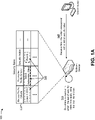
- Figs. 1A and 1B are diagrams of an overview of an example implementation 100 described herein.
- example implementation 100 may include a network device and a client device.
- Figs. 1A and 1B show an example of determining an intent of a network security policy and/or a manner in which a security rule is to apply (e.g., a new security rule to be added to a network security policy) and mapping the security rule to an existing security rule based on the intent of the network security policy, a manner in which the security rule is to apply, and/or a manner in which the existing security rule is to apply.
- a security rule e.g., a new security rule to be added to a network security policy
- the network device may receive, from the client device, first information associated with a set of security rules.
- a security rule may include a rule related to network access, traffic permitted via a network, and/or the like.
- a set of security rules may form a network security policy that is applied to network traffic, network access, and/or the like (e.g., of an organization).
- a security rule may include first information that indicates a manner in which the security rule is to apply to traffic.
- the first information may identify source traffic criteria (e.g., a source of traffic to which the security rule applies), destination traffic criteria (e.g., a destination of traffic to which the security rule applies), information that identifies a security action (e.g., an action the network device is to perform when the network device determines that the security rule is to apply to traffic), and/or the like.
- the network device may determine a manner in which the set of security rules is to apply using the first information. For example, the network device may parse (e.g., analyze) first information related to the set of security rules to determine the manner in which the set of security rules is to apply. In this case, the network device may use a natural language processing technique to parse first information related to the set of rules to identify a term, a phrase, and/or the like that identifies a manner in which the set of security rules is to apply.
- a natural language processing technique to parse first information related to the set of rules to identify a term, a phrase, and/or the like that identifies a manner in which the set of security rules is to apply.
- the network device may parse the first information associated with a particular security rule to identify the manner in which the set of security rules is to apply. For example, the network device may determine that the security rule applies to a particular employee based on the first information identifying that the security rule applies to a chief financial officer (CFO) rather than all employees. As another example, the network device may determine that the security rule applies to traffic destined for social networking sites (e.g., rather than other types of websites, such as news websites, company websites, etc.). As yet another example, the network device may determine that the network device is to permit traffic when the security rule applies (e.g., when the traffic is from the CFO and is destined for a social networking site). The network device may determine that the security rule is intended to be a new security rule or an exception to an existing security rule based on the security rule applying to a subset of employees.
- CFO chief financial officer
- the network device may store a set of previously defined security rules that form a network security policy. For example, the network device may use the network security policy to manage traffic via a network associated with the network device. As further shown in Fig. 1B , and by reference number 130, the network device may determine an intent of a network security policy and/or a manner in which a previously defined security rule is to apply, in a manner similar to that described above (e.g., by parsing second information related to the network security policy and/or the previously defined security rule).
- the network device may determine whether the manner in which the set of security rules, received from the client device, is to apply and an intent of a network security policy and/or a manner in which a set of previously defined security rules is to apply match (e.g., to determine whether the set of security rules conflicts with an intent of the network security policy, is related to the set of previously defined security rules, etc.).
- the network device may determine whether the manner in which the set of security rules is to apply and an intent of a network security policy and/or a manner in which a set of previously defined security rules is to apply match by comparing a manner in which a set of received security rules is to apply and an intent of a network security policy and/or a manner in which a set of previously defined security rules is to apply.
- the network device may determine that the set of previously defined security rules and the set of received security rules both apply to traffic destined for the same destination and/or the same type of destination (e.g., both apply to traffic destined for social networking sites). In this case, the network device may determine that the set of security rules and the set of previously defined security rules are related based on determining that the set of previously defined security rules and the set of received security rules both apply to traffic destined for the same destination and/or the same type of destination. Additionally, or alternatively, and as another example, the network device may determine that the set of security rules conflicts with an intent of a network security policy to deny traffic to social networking sites (e.g., based on the set of security rules permitting traffic to social networking sites).
- the network device may determine that the set of security rules and the set of previously defined security rules are related based on the set of previously defined security rules and the set of received security rules being associated with the same source of traffic and/or the same type of source of traffic. For example, the network device may determine that the set of previously defined security rules and the set of received security rules are related based on determining that the set of previously defined security rules applies to all employees, and the set of received security rules applies to a subset of the employees (e.g., a CFO).
- a subset of the employees e.g., a CFO
- the network device may determine that the set of received security rules and the set of previously defined security rules are associated with different security actions. In some implementations, while the rules are related based on being associated with the same destination of traffic and/or the same type of source of traffic (e.g., employees), the network device may determine that the set of received security rules is to be an exception to the set of previously defined security rules based on the set of received security rules being associated with a subset of the same source of traffic as the set of previously defined security rules and/or being associated with a different security action. Additionally, or alternatively, the network device may determine that the set of security rules is to be added to the network security policy as an exception to the network security policy based on the set of security rules conflicting with the intent of the network security policy.
- the rules are related based on being associated with the same destination of traffic and/or the same type of source of traffic (e.g., employees)
- the network device may determine that the set of received security rules is to be an exception to the set of previously defined security rules based on the set of
- the network device may perform an action based on determining whether the manner in which the set of security rules is to apply and the intent of the network security policy and/or the manner in which the set of previously defined security rules is to apply match. For example, the network device may perform an action to implement the set of received security rules, to include the set of received security rules in a network security policy, to identify conflicting security rules, to replace a security rule, to update a security rule, and/or the like.
- the network device may include a particular security rule of the set of received security rules in a network security policy as an exception to a particular previously defined security rule of the set of previously defined security rules.
- the network device may include information in the network security policy that indicates that the particular received security rule is an exception to the particular previously defined security rule, an exception to an intent of a network security policy, and/or the like.
- the information may permit a network administrator to quickly and easily determine that the particular received security rule is an exception, or related, to the particular previously defined security rule (e.g., by generating a rule number that indicates that the particular received security rule is an exception to the particular previously defined security rule, shown as "1.1” where "1.1” indicates that the particular received security rule is an exception, or related, to previously defined security rule "1").
- the network device may provide information for display indicating that the network security policy was modified with the set of received security rules, that the particular received security rule of the set of received security rules is an exception to the particular previously defined security rule, and/or the like.
- Some implementations, described herein, provide a network device that is capable of determining an intent of a network security policy and/or a manner in which various security rules associated with the network policy are to apply and mapping the various security rules, such that security rule exceptions are mapped to corresponding security rules, a first security rule is mapped to a second security rule that is related to the first security rule, and/or the like.
- This facilitates improved management of the network security policy via tracking of changes to an intent of the network security policy, thereby improving security of a network associated with the network security policy.
- this conserves processing resources that would otherwise be consumed due to reduced network security and/or use of a network in an unintended manner.
- this increases an efficiency of analyzing a network security policy, such as to determine a manner in which an intent of a security policy has changed, when a network is under attack (e.g., to permit a network device or a network administrator to quickly identify and modify a security rule during an attack), and/or the like. Further, this permits processing of security rules efficiently without human subjectivity, thereby conserving processing resources with fewer errors relative to processing by a human actor.
- FIGS. 1A and 1B are provided merely as an example. Other examples are possible and may differ from what was described with regard to Figs. 1A and 1B .
- Figs. 1A and 1B show a single network device and a single client device, in practice, there may be hundreds, thousands, millions, etc. of network devices and/or client devices. As another example, in practice, there may be thousands, millions, billions, etc. of security rules that the network device may process. In this way, the network device may process a set of security rules that cannot be processed manually or objectively by a human actor.
- FIG. 2 is a diagram of an example environment 200 in which systems and/or methods, described herein, may be implemented.
- environment 200 may include a network device 210, a client device 220, and a network 230.
- Devices of environment 200 may interconnect via wired connections, wireless connections, or a combination of wired and wireless connections.
- Network device 210 includes one or more devices (e.g., one or more traffic transfer dcviccs) capable of receiving, storing, processing, generating, and/or providing information related to a security rule and/or a network security policy.
- network device 210 may include a firewall, a router, a gateway, a switch, a hub, a bridge, a reverse proxy, a server (e.g., a proxy server), a security device, an intrusion detection device, a load balancer, or a similar device.
- network device 210 may receive, from client device 220, information related to a security rule to be added to a network security policy, as described elsewhere herein.
- network device 210 may determine a manner in which the security rule and/or another security rule included in the network security policy are to apply and/or may add the security rule to the network security policy based on determining the manner in which the security rule and/or the other security rule are to apply, as described elsewhere herein.
- network device 210 may be a physical device implemented with a housing, such as a chassis.
- network device 210 may be a virtual device implemented by one or more computer devices of a cloud computing environment or a data center.
- Fig. 2 shows a single network device 210, in practice, there may be hundreds, thousands, millions, etc. of network devices 210.
- Client device 220 includes one or more devices capable of receiving, generating, storing, processing, and/or providing information related to a security rule and/or a network security policy.
- client device 220 may include a mobile phone (e.g., a smart phone, a radiotelephone, etc.), a laptop computer, a tablet computer, a handheld computer, a gaming device, a wearable communication device (e.g., a smart wristwatch, a pair of smart eyeglasses, etc.), or a similar device.
- client device 220 may provide, to network device 210, information identifying a security rule input by a user of client device 220, as described elsewhere herein.
- client device 220 may receive, from network device 210, information that identifies a result of adding the security rule to a network security policy, as described elsewhere herein.
- Fig. 2 shows a single client device 220, in practice, there may be hundreds, thousands, millions, etc. of client devices 220.
- Network 230 includes one or more wired and/or wireless networks.
- network 230 may include a cellular network (e.g., a long-term evolution (LTE) network, a code division multiple access (CDMA) network, a 3G network, a 4G network, a 5G network, or another type cellular network), a public land mobile network (PLMN), a local area network (LAN), a wide area network (WAN), a metropolitan area network (MAN), a telephone network (e.g., the Public Switched Telephone Network (PSTN)), a private network, an ad hoc network, an intranet, the Internet, a fiber optic-based network, a cloud computing network, or the like, and/or a combination of these or other types of networks.
- LTE long-term evolution
- CDMA code division multiple access
- 3G Third Generation
- 4G fourth generation
- 5G Fifth Generation
- PLMN public land mobile network
- PLMN public land mobile network
- LAN local area network
- WAN
- the number and arrangement of devices and networks shown in Fig. 2 are provided as an example. In practice, there may be additional devices and/or networks, fewer devices and/or networks, different devices and/or networks, or differently arranged devices and/or networks than those shown in Fig. 2 . Furthermore, two or more devices shown in Fig. 2 may be implemented within a single device, or a single device shown in Fig. 2 may be implemented as multiple, distributed devices. Additionally, or alternatively, a set of devices (e.g., one or more devices) of environment 200 may perform one or more functions described as being performed by another set of devices of environment 200.
- Fig. 3 is a diagram of example components of a device 300.
- Device 300 may correspond to network device 210 and/or client device 220.
- network device 210 and/or client device 220 may include one or more devices 300 and/or one or more components of device 300.
- device 300 may include one or more input components 305-1 through 305-B (B ⁇ 1) (hereinafter referred to collectively as “input components 305,” and individually as “input component 305"), a switching component 310, one or more output components 315-1 through 315-C (C ⁇ 1) (hereinafter referred to collectively as “output components 315,” and individually as “output component 315"), and a controller 320.
- Input component 305 may be points of attachment for physical links and may be points of entry for incoming traffic, such as packets. Input component 305 may process incoming traffic, such as by performing data link layer encapsulation or decapsulation. In some implementations, input component 305 may send and/or receive packets. In some implementations, input component 305 may include an input line card that includes one or more packet processing components (e.g., in the form of integrated circuits), such as one or more interface cards (IFCs), packet forwarding components, line card controller components, input ports, processors, memories, and/or input queues. In some implementations, device 300 may include one or more input components 305.
- packet processing components e.g., in the form of integrated circuits
- IFCs interface cards
- packet forwarding components line card controller components
- input ports e.g., processors, memories, and/or input queues.
- device 300 may include one or more input components 305.
- Switching component 310 may interconnect input components 305 with output components 315.
- switching component 310 may be implemented via one or more crossbars, via busses, and/or with shared memories.
- the shared memories may act as temporary buffers to store packets from input components 305 before the packets are eventually scheduled for delivery to output components 315.
- switching component 310 may enable input components 305, output components 315, and/or controller 320 to communicate.
- Output component 315 may store packets and may schedule packets for transmission on output physical links. Output component 315 may support data link layer encapsulation or decapsulation, and/or a variety of higher-level protocols. In some implementations, output component 315 may send packets and/or receive packets. In some implementations, output component 315 may include an output line card that includes one or more packet processing components (e.g., in the form of integrated circuits), such as one or more IFCs, packet forwarding components, line card controller components, output ports, processors, memories, and/or output queues. In some implementations, device 300 may include one or more output components 315. In some implementations, input component 305 and output component 315 may be implemented by the same set of components (e.g., an input/output component may be a combination of input component 305 and output component 315).
- Controller 320 includes a processor in the form of, for example, a central processing unit (CPU), a graphics processing unit (GPU), an accelerated processing unit (APU), a microprocessor, a microcontroller, a digital signal processor (DSP), a field-programmable gate array (FPGA), an application-specific integrated circuit (ASIC), and/or another type of processor.
- the processor is implemented in hardware, firmware, or a combination of hardware and software.
- controller 320 may include one or more processors that can be programmed to perform a function.
- controller 320 may include a random access memory (RAM), a read only memory (ROM), and/or another type of dynamic or static storage device (e.g., a flash memory, a magnetic memory, an optical memory, etc.) that stores information and/or instructions for use by controller 320.
- RAM random access memory
- ROM read only memory
- static storage device e.g., a flash memory, a magnetic memory, an optical memory, etc.
- controller 320 may communicate with other devices, networks, and/or systems connected to device 300 to exchange information regarding network topology. Controller 320 may create routing tables based on the network topology information, create forwarding tables based on the routing tables, and forward the forwarding tables to input components 305 and/or output components 315. Input components 305 and/or output components 315 may use the forwarding tables to perform route lookups for incoming and/or outgoing packets.
- Controller 320 may perform one or more processes described herein. Controller 320 may perform these processes in response to executing software instructions stored or carried by a computer-readable medium.
- a computer readable medium may include non-transitory type media such as physical storage media including storage discs and solid state devices.
- a computer readable medium may also or alternatively include transient media such as carrier signals and transmission media.
- a computer-readable storage medium is defined herein as a non-transitory memory device.
- a memory device includes memory space within a single physical storage device or memory space spread across multiple physical storage devices.
- Software instructions may be read into a memory and/or storage component associated with controller 320 from another computer-readable medium or from another device via a communication interface. When executed, software instructions stored in a memory and/or storage component associated with controller 320 may cause controller 320 to perform one or more processes described herein. Additionally, or alternatively, hardwired circuitry may be used in place of or in combination with software instructions to perform one or more processes described herein. Thus, implementations described herein are not limited to any specific combination of hardware circuitry and software.
- device 300 may include additional components, fewer components, different components, or differently arranged components than those shown in Fig. 3 . Additionally, or alternatively, a set of components (e.g., one or more components) of device 300 may perform one or more functions described as being performed by another set of components of device 300.
- a set of components e.g., one or more components
- Fig. 4 is a flow chart of an example process 400 for an intent-based network security policy modification.
- one or more process blocks of Fig. 4 may be performed by network device 210.
- one or more process blocks of Fig. 4 may be performed by another device or a group of devices separate from or including network device 210, such as client device 220.
- FIG. 4 shows an example process related to receiving information related to a security rule to be added to a network security policy and determining a manner in which the security rule is to apply, an intent of the network security policy, and/or a manner in which another security rule included in the network security policy is to apply to determine a manner in which the security rule is to be added to the network security policy, similar to that described above with regard to Figs. 1A and 1B .
- process 400 may include receiving first information associated with a set of security rules (block 410).
- network device 210 may receive first information associated with a set of security rules to be added to a network security policy.
- network device 210 may receive the first information periodically, according to a schedule, based on a user of client device 220 inputting the first information, based on requesting the first information (e.g., from client device 220), and/or the like.
- the first information may include information related to application of a security rule, such as information that identifies a source of traffic to which the security rule is to apply (e.g., a user, an application, an application category, a website, a geographic location, a computer device, a source network address, etc.), information that identifies a destination of traffic to which the security rule is to apply (e.g., an application, an application category, a website, a geographic location, a user, a server device, a destination network address, etc.), a security action that network device 210 is to perform when the security rule applies to traffic (e.g., permit the traffic, deny the traffic, log the traffic, reroute the traffic, quarantine the traffic, etc.), and/or the like.
- a security rule such as information that identifies a source of traffic to which the security rule is to apply (e.g., a user, an application, an application category, a website, a geographic location, a computer device, a source network address,
- the first information may include several items of information regarding a security rule, such as five or more items of information, ten or more items of information, twenty or more items of information, and/or the like.
- a security rule such as five or more items of information, ten or more items of information, twenty or more items of information, and/or the like.
- the first information may be much more granular (and, thus, more focused) than using a source and a destination alone.
- the first information may include information regarding a port associated with the source or the destination, a channel used for communicating traffic to and/or from the sourcc or the destination, a protocol used for communicating traffic to and/or from the source or the destination, a flow associated with traffic to and/or from the source or the destination, a data center associated with the source or the destination, an edge device associated with the source or the destination, a network device to which the source or the destination communicates, an entity associated with the source or the destination, and/or the like.
- a security rule may include a rule related to access to network 230, traffic that is permitted via network 230, and/or the like.
- a security rule may be associated with a network security policy.
- a set of security rules may form a network security policy.
- a network security policy may include thousands, millions, billions, trillions, etc. of security rules.
- a network security policy may have, or be associated with, an intent.
- a network security policy may have an intent to permit all traffic associated with a source and/or destination, to deny traffic associated with a source and/or destination, to permit or deny traffic on a case-by-case basis, to permit a portion of traffic and deny another portion of traffic associated with a source and/or destination, and/or the like.
- an intent of a network security policy may be based on a set of security rules included in the network security policy.
- an intent of a network security policy may be independent of the set of security rules included in the network security policy (e.g., based on an absence of security rules from a network security policy, information identifying a manner in which a user experience is impacted by the network security policy, input from a user of client device 220, documentation, information identifying an objective of a network security policy, etc.).
- network device 210 may store a network security policy to be used with regard to traffic exchanged via network device 210.
- traffic may refer to a set of packets.
- a packet may refer to a communication structure for communicating information, such as a protocol data unit (PDU), a network packet, a datagram, a segment, a message, a block, a cell, a frame, a subframe, a slot, a symbol, a portion of any of the above, and/or another type of formatted or unformatted unit of data capable of being transmitted via network 230.
- PDU protocol data unit
- network device 210 may receive first information associated with a set of security rules, thereby permitting network device 210 to determine a manner in which the set of security rules is to apply.
- process 400 may include determining a manner in which the set of security rules is to apply using the first information (block 420).
- network device 210 may determine a manner in which the set of security rules is to apply using the first information (e.g., to permit network device 210 to determine whether the set of security rules is related to a set of previously defined security rules, whether the set of security rules conflicts with an intent of a network security policy, and/or the like, as described elsewhere herein).
- network device 210 may determine the manner based on receiving the security rule, based on receiving an indication to determine the manner (e.g., from client device 220), after receiving first information for a threshold quantity of security rules, and/or the like. In some implementations, network device 210 may determine a manner based on input from a user of client device 220 (e.g., based on a selection from a set of predefined manners).
- network device 210 may determine a manner using the first information associated with a security rule (e.g., where the manner is indicated by a security action, by information that identifies a source and/or destination of traffic to which the security rule is to apply, etc.). In some implementations, network device 210 may determine a manner in which a security rule is to apply by parsing first information associated with the security rule. For example, network device 210 may identify identifiers included in the first information that identify a security action network device 210 is to perform when the security rule applies to traffic, a source of traffic to which a security rule is to apply, a destination of traffic to which a security rule is to apply, and/or the like.
- network device 210 may determine a manner by using natural language processing, text analysis, computational linguistics, and/or the like (e.g., to identify a term, a phrase, and/or the like that identifies a manner in which the security rule is to apply). For example, network device 210 may determine that a security rule is to apply to employees, or a subset of employees, based on a term and/or phrase included in the first information indicating that the security rule is to apply to employees or a subset of employees.
- network device 210 may determine a manner by using machine learning. For example, network device 210 may determine a manner in which a security rule is to apply based on determining that the security rule is similar to a set of security rules on which network device 210 was trained (e.g., where network device 210 was trained on a data set that identifies various security rules and corresponding manners in which the various security rules are to apply).
- network device 210 may train a model to determine a manner in which a security rule is to apply. For example, network device 210 may train a model to determine a manner based on a destination of traffic to which a security rule is to apply, a source of traffic to which a security rule is to apply, a security action performed when a security rule applies, and/or the like.
- a device external to network device 210 may perform the machine learning. For example, the external device may perform machine learning for multiple network devices 210 and may provide information related to a result of the machine learning to the multiple network devices 210 to permit the network devices 210 to determine a manner.
- the multiple network devices 210 may provide information to the external device related to a result of identifying a manner in which a security rule is to apply, such as to improve the machine learning by the external device.
- use of machine learning may permit network device 210 to identify information related to a security rule that is indicative of a manner in which a security rule is to apply. For example, network device 210 may determine that information identifying a source of traffic to which the security rule is to apply is more indicative of a manner in which the security rule is to apply than information identifying a destination of traffic to which the security rule applies. This conserves processing resources of network device 210 by permitting network device 210 to quickly and efficiently determine a manner in which a security rule is to apply.
- network device 210 may weight different information related to a security rule and may determine a manner in which the security rule is to apply using a weighted score for the security rule, an average of weights associated with different information related to the security rule, and/or the like.
- network device 210 may determine a manner in which the set of security rules is to apply using the first information, so as to determine whether the set of security rules is to be added to a network security policy as a set of new security rules, as a set of exceptions to a set of previously defined security rules and/or the network security policy, and/or the like.
- process 400 may include determining whether the manner in which the set of security rules is to apply and an intent of a network security policy and/or a manner in which a set of previously defined security rules is to apply match using the first information and second information associated with the set of previously defined security rules and/or the network security policy (block 430).
- network device 210 may determine whether the manner in which the set of security rules is to apply and an intent of a network security policy match using the first information and second information associated with the network security policy.
- network device 210 may determine whether the manner in which the set of security rules is to apply and a manner in which a set of previously defined security rules is to apply match using the first information and second information associated with the set of previously defined security rules.
- network device 210 may determine whether a manner associated with a set of security rules and an intent of a network security policy and/or a manner associated with a set of previously defined security rules match to determine whether the set of security rules is related to the set of previously defined security rules, conflicts with the network security policy, and/or the like.
- this may permit network device 210 to determine whether a set of security rules is a set of new security rules to be added to a network security policy, whether a set of security rules is an exception to a set of previously defined security rules, whether a set of previously defined security rules is to be a set of exceptions to a set of security rules received from client device 220, whether a set of security rules is to be updated, whether a first set of security rules contradicts a second set of security rules, whether a received set of security rules does not need to be added to a network security policy (e.g., based on the received set of security rules not conflicting with an intent of a network security policy), and/or the like.
- a set of previously defined security rules may form a network security policy (e.g., stored by network device 210).
- the second information may include information similar to that described above with regard to the first information. Additionally, or alternatively, the second information may include information that identifies an intent of a network security policy (e.g., information that identifies an experience of a user that may be independent of security rules included in the network security policy).
- network device 210 may determine an intent of a network security policy and/or a manner in which a set of previously defined security rules is to apply in a manner similar to that described above with regard to block 420.
- network device 210 may determine an intent of a network security policy by analyzing the network security policy. For example, network device 210 may determine a manner in which a user experience is affected by the network security policy by analyzing security rules included in the network security policy, identifying types of security rules that are not included in the network security policy, and/or the like.
- network device 210 may determine that an intent of a network security policy includes permitting all employees to access social networking sites (e.g., based on the network security policy including a security rule that permits all employees to access social networking sites, based on the network security policy lacking a security rule that restricts access to social networking sites, based on input from client device 220 that identifies that all employees are permitted to access social networking sites, etc.).
- network device 210 may determine whether the first information and the second information, or portions thereof, match. For example, network device 210 may determine whether a set of security rules is associated with the same source, the same destination, etc. as a set of previously defined security rules, is to permit or deny traffic in a manner similar to the network security policy, and/or the like.
- network device 210 may determine that a manner associated with a set of security rules and an intent of a network security policy and/or a manner associated with a set of previously defined security rules match when the set of security rules and the set of previously defined security rules apply to the same source, the same destination, when a manner associated with a set of security rules docs not conflict with an intent associated with a network security policy (e.g., does not deny traffic that the network security policy permits), etc.
- network device 210 may perform a weighted match of information related to a set of security rules and a network security policy and/or a set of previously defined security rules (e.g., where information identifying a source of traffic is weighted more than information identifying a destination of traffic) and may determine a match when information associated with a threshold weight matches. Additionally, or alternatively, network device 210 may determine a measure of similarity for information related to the set of security rules and the network security policy and/or the set of previously defined security rules.
- a measure of similarity may be based on similar terms and/or phrases included in the information, the set of security rules and the network security policy and/or the set of previously defined security rules applying to similar types of sources or destinations (e.g., applications, devices, geographic locations, etc.), and/or the like.
- network device 210 may determine a score based on an amount of information that matches between the set of security rules and the network security policy and/or the set of previously defined security rules and may determine a match when the score satisfies a threshold.
- network device 210 may determine that a manner associated with a set of security rules and an intent of a network security policy and/or a manner associated with a set of previously defined security rules do not match when the first information and the second information do not match. For example, network device 210 may determine that a manner associated with a set of security rules and an intent of a network security policy and/or a manner associated with a set of previously defined security rules do not match when the set of security rules and the network security policy and/or the set of previously defined security rules apply to different sources of traffic, different destinations of traffic, cause different security actions to be implemented, when the set of security rules conflicts with an intent of a network security policy (e.g., by denying traffic that the network security policy is intended to permit), and/or the like.
- an intent of a network security policy e.g., by denying traffic that the network security policy is intended to permit
- network device 210 may determine whether a set of security rules and a set of previously defined security rules are related (e.g., where a set of security rules may be a set of exceptions to a set of previously defined security rules, or vice versa) and/or whether the set of security rules conflicts with a network security policy (e.g., where the set of security rules are to be added to the network security policy as an exception to the network security policy). For example, network device 210 may determine that a set of security rules and a set of previously defined security rules are related when a threshold amount of the first information and the second information match.
- network device 210 may determine that a set of security rules conflicts with a network security policy when the set of security rules permits or denies traffic in a manner different than the network security policy, modifies a user experience associated with the network security policy, and/or the like.
- network device 210 may determine that a set of security rules and a set of previously defined security rules are related and/or that a set of security rules and a network security policy do not conflict when a set of security rules and a set of previously defined security rules and/or a network security policy apply to the same type of destination of traffic, the same type of source of traffic, are associated with a similar security action, would not modify a user experience, and/or the like.
- network device 210 may determine that a set of security rules and a set of previously defined security rules are related and/or that a set of security rules and a network security policy do not conflict when the set of security rules and the set of previously defined security rules and/or the network security policy apply to employees, even if those apply to different employees, different types of employees, one applies to employees generally and another applies to a subset of employees, ctc. (e.g., when the first information and the second information partially match).
- network device 210 may determine that a set of security rules and a set of previously defined security rules are related and/or that a set of security rules and a network security policy do not conflict when the set of security rules and the set of previously defined security rules both apply to traffic to/from applications, even if both apply to different applications, different types of applications, one applies to applications generally and the other applies to a subset of applications, etc., and/or the like (e.g., when the first information and the second information partially match). In this way, network device 210 may determine that a set of security rules and a set of previously defined security rules are related and/or that a set of security rules and a network security policy do not conflict when the first information and the second information partially match. This improves an accuracy of analyzing a set of security rules and a related set of previously defined security rules and/or a network security policy.
- network device 210 may determine whether a set of security rules is to be added to a network security policy as a set of new security rules (e.g., by determining whether to modify information associated with a network security policy to include information identifying the set of security rules as a set of new security rules).
- network device 210 may determine that a set of security rules is to be added to a network security policy as a set of new security rules when network device 210 determines that a manner in which the set of security rules is to apply does not match a manner in which a set of previously defined security rules is to apply, that the set of security rules is not related to a set of previously defined security rules (e.g., when a threshold amount of the first information and the second information do not match), that the set of security rules conflicts with an intent of the network security policy, and/or the like.
- network device 210 may determine whether a set of security rules is to bc included in a network security policy as a set of exceptions to a set of previously defined security rules (e.g., may determine whether to modify information related to the network security policy such that the information identifies the set of security rules as a set of exceptions to the set of previously defined security rules) and/or as an exception to a network security policy.
- network device 210 may determine that a set of security rules is to be included in a network security policy as a set of exceptions to the set of previously defined security rules when network device 210 determines that the set of security rules and the set of previously defined security rules are related but that the set of security rules applies to a subset of the traffic to which the set of previously defined security rules applies.
- network device 210 may determine that a set of security rules is a set of exceptions to a set of previously defined security rules when the set of previously defined security rules applies to traffic to/from a set of applications and the set of security rules applies to traffic to/from a subset of applications. Additionally, or alternatively, and as another example, network device 210 may determine that a set of security rules is to be added to a network security policy as an exception to the network security policy based on determining that the manner in which the set of security rules is to apply conflicts with an intent of the network security policy.
- network device 210 may determine that the set of security rules is not to be added to the network security policy when the set of security rules does not conflict with an intent of a network security policy (e.g., would not modify a user experience defined by the network security policy). In some implementations, network device 210 may determine that a set of previously defined security rules is a set of exceptions to a set of received security rules in a similar manner.
- network device 210 may determine whether the manner in which the set of security rules is to apply and an intent of a network security policy and/or a manner in which a set of previously defined security rules is to apply match prior to performing an action related to the network security policy, the set of security rules, and/or the set of previously defined security rules.
- process 400 may include performing an action based on determining whether the manner in which the set of security rules is to apply and the intent of the network security policy and/or the manner in which the set of previously defined security rules is to apply match (block 440).
- network device 210 may perform an action based on determining whether the manner in which the set of security rules is to apply and the intent of the network security policy and/or the manner in which the set of previously defined security rules is to apply match.
- network device 210 may perform the action after determining whether the manner associated with the set of security rules and the intent of the network security policy and/or the manner associated with the set of previously defined security rules match, based on receiving an indication to perform the action (e.g., from client device 220), and/or the like.
- network device 210 may include the set of security rules in a network security policy with the set of previously defined security rules. For example, network device 210 may include the set of security rules in such a manner that a relationship between the set of security rules and the set of previously defined security rules can be determined (e.g., by modifying information associated with the network security policy to identify the relationship). Continuing with the previous example, network device 210 may generate a rule identifier and/or a sub-rule identifier like "1" for a previously defined security rule and "1.1" for a security rule being added to the network security policy, where "1.1" indicates that the security rule is related to (e.g., an exception of) the previously defined security rule associated with the identifier "1.”
- network device 210 may request confirmation to include the set of security rules in a network security policy, and/or the manner in which to include the set of security rules, from a user of client device 220 (e.g., by providing information for display via client device 220). Additionally, or alternatively, when performing the action, network device 210 may use the set of security rules to filter traffic. For example, network device 210 may use a network security policy to which the set of security rules were added to filter traffic (e.g., deny traffic, permit traffic, log traffic, reroute traffic, quarantine traffic, etc.).
- a network security policy to which the set of security rules were added to filter traffic (e.g., deny traffic, permit traffic, log traffic, reroute traffic, quarantine traffic, etc.).
- network device 210 may generate a report related to the set of security rules, a determined intent of a set of security rules, a manner in which the set of security rules modifies an intent of a set of previously defined security rules, and/or the like. Additionally, or alternatively, when performing the action, network device 210 may provide a generated report for display (e.g., via client device 220). Additionally, or alternatively, when performing the action, network device 210 may configure one or more other network devices, update a server, and/or the like based on the set of security rules.
- network device 210 may perform an action based on determining whether the manner in which the set of security rules is to apply and the intent of the network security policy and/or the manner in which the set of previously defined security rules is to apply match.
- process 400 may include additional blocks, fewer blocks, different blocks, or differently arranged blocks than those depicted in Fig. 4 . Additionally, or alternatively, two or more of the blocks of process 400 may be performed in parallel.
- Fig. 5 is a flow chart of an example process 500 for an intent-based network security policy modification.
- one or more process blocks of Fig. 5 may be performed by network device 210.
- one or more process blocks of Fig. 5 may be performed by another device or a group of devices separate from or including network device 210, such as client device 220.
- Fig. 5 shows an example process related to receiving a modification to a set of security rules and determining an additional set of security rules that may need to be modified based on the modification to the set of security rules.
- process 500 may include receiving information indicating a modification to a set of security rules included in a network security policy (block 510).
- network device 210 may receive information indicating a modification to a set of security rules included in a network security policy.
- network device 210 may receive the information periodically, according to a schedule, based on input from a user of client device 220, based on requesting the information, and/or the like.
- a modification may include a modification to information associated with a set of security rules such as to a manner in which a set of security rules is to apply, to remove of a set of security rules from a network security policy, to modify an intent of a network security policy, and/or the like.
- a modification may include a modification to a destination and/or a source to which a set of security rules applies, an action to be performed when a set of security rules applies to traffic, and/or the like.
- network device 210 may receive modifications to thousands, millions, billions, etc. of security rules, thereby receiving an indication to modify a set of security rules that cannot be processed manually or objectively by a human actor.
- network device 210 may receive information indicating a modification to a set of security rules included in a network security policy, prior to identifying a set of corresponding security rules related to the set of security rules being modified.
- process 500 may include identifying a set of corresponding security rules related to the set of security rules being modified using the information indicating the modification and/or other information related to the set of corresponding security rules and/or the set of security rules (block 520).
- network device 210 may identify a set of corresponding security rules related to the set of security rules being modified using the information identifying the modification and/or other information related to the set of corresponding security rules and/or the set of security rules (e.g., so that network device 210 can modify the set of corresponding security rules based on the modification to the set of security rules).
- network device 210 may identify thousands, millions, billions, etc. of security rules that correspond to thousands, millions, billions, etc. of other security rules. In this way, network device 210 may process a quantity of security rules that cannot be processed manually or objectively by human actors.
- network device 210 may identify a set of corresponding security rules using one or more techniques. For example, network device 210 may identify a set of corresponding security rules based on an identifier that indicates a first security rule and a second security rule are related (e.g., that indicates the first security rule is an exception to the second security rule similar to the identifiers "1" and "1.1" described above).
- network device 210 may identify a set of corresponding security rules based on a manner in which the set of corresponding security rules is to apply and/or a manner in which a set of security rules is to apply. For example, network device 210 may determine a manner in which a set of security rules being modified is to apply and may identify a set of corresponding security rules where the manner in which the set of security rules being modified is to apply and a manner in which another set of security rules is to apply match. The various ways in which network device 210 may determine whether a manner in which a set of security rules is to apply matches a manner in which another set of security rules is to apply are described in Fig. 4 . In some implementations, network device 210 may determine a manner in which a set of security rules and/or another set of security rules is to apply in a manner similar to that described elsewhere herein.
- network device 210 may identify a set of corresponding security rules based on input from a user of client device 220 that identifies a set of corresponding security rules. For example, when network device 210 receives information identifying a modification to a set of security rules, network device 210 may receive information identifying a set of corresponding security rules (e.g., a set of exceptions related to the set of security rules being modified, a set of security rules to which the set of security rules being modified is an exception, etc.).
- a set of corresponding security rules e.g., a set of exceptions related to the set of security rules being modified, a set of security rules to which the set of security rules being modified is an exception, etc.
- network device 210 may provide information that identifies a set of security rules and/or a set of corresponding security rules for display via client device 220 (e.g., after network device 210 identifies the set of corresponding security rules). For example, network device 210 may provide information for display to request confirmation from a user of client device 220 that network device 210 accurately identified a set of corresponding security rules. In some implementations, network device 210 may store information related to a set of security rules being modified and a set of corresponding security rules that network device 210 identified, such as to improve future identifications of a set of corresponding security rules (e.g., by network device 210 and/or another network device 210).
- network device 210 may identify a set of corresponding security rules related to the set of security rules being modified using the information identifying the modification and/or other information related to the set of corresponding security rules and/or the set of security rules, to permit network device 210 to determine to modify the set of security rules and/or the set of corresponding security rules.
- process 500 may include determining to modify the set of security rules and/or the set of corresponding security rules (block 530).
- network device 210 may determine to modify the set of security rules and/or the set of corresponding security rules (e.g., so that the set of corresponding security rules and the set of security rules being modified are consistent).
- network device 210 may determine to modify thousands, millions, billions, etc. of security rules and/or corresponding security rules, thereby determining to process a set of security rules and/or corresponding security rules that cannot be processed manually or objectively by a human actor.
- network device 210 may determine to modify the set of security rules and/or the set of corresponding security rules based on a manner in which the set of corresponding security rules is to apply relative to the modification. For example, network device 210 may determine that a set of corresponding security rules is no longer needed based on a modification to a set of security rules. Continuing with the previously example, if a modification changes a set of security rules from denying social media traffic to permitting social media traffic, then network device 210 may determine that a set of corresponding security rules that permits social media traffic for a particular employee is no longer needed (e.g., due to a manner in which the set of security rules is to apply being changed from denying social media traffic to permitting social media traffic). In this case, network device 210 may determine that the set of corresponding security rules is to be modified or removed from a network security policy.
- network device 210 may determine that a set of corresponding security rules conflicts with a modification to a set of security rules. Continuing with the previous example, if a modification to a set of security rules permits social media traffic for a particular employee, then network device 210 may determine that a set of corresponding security rules that denies social media traffic for the particular employee conflicts with the modification to the set of security rules and is to be modified or removed from a network security policy.
- network device 210 may determine to modify a set of security rules and/or a set of corresponding security rules based on a modification to a set of security rules. For example, network device 210 may determine to modify a set of corresponding security rules to include the same modification as was made to a set of security rules, may determine to modify a set of corresponding security rules such that the set of corresponding security rules no longer conflicts with the set of security rules after the modification, and/or the like.
- network device 210 may modify information included in a network security policy (e.g., information in a data structure that stores information related to a set of security rules that form the network security policy), as described elsewhere herein.
- a network security policy e.g., information in a data structure that stores information related to a set of security rules that form the network security policy
- network device 210 may determine to modify the set of security rules and/or the set of corresponding security rules based on requesting and/or receiving an indication from a user of client device 220 to modify the set of security rules and/or the set of corresponding security rules. For example, network device 210 may request and/or receive an indication, from a user of client device 220, related to which sets of security rules and/or sets of corresponding security rules to modify. Additionally, or alternatively, and as another example, network device 210 may provide information for display that indicates a modification to a set of security rules and/or a set of corresponding security rules that are to be modified and may request confirmation of the modification from a user of network device 210.
- network device 210 may determine to remove a set of security rules. For example, network device 210 may determine to remove a set of corresponding security rules if the set of corresponding security rules is no longer needed and/or conflicts with a set of modified security rules. This conservers memory resources of network device 210 by reducing a quantity of security rules that network device 210 stores. In addition, this conserves processing resources of network device 210 by reducing a quantity of security rules that network device 210 has to process when using a network security policy to process traffic.
- network device 210 may determine to modify the set of security rules and/or the set of corresponding security rules, prior to performing an action related to the set of security rules and/or the set of corresponding security rules.
- process 500 may include performing an action related to the set of security rules and/or the set of corresponding security rules (block 540).
- network device 210 may perform an action related to the set of security rules and/or the set of corresponding security rules.
- network device 210 may perform an action related to thousands, millions, billions, etc. of security rules and/or corresponding security rules, thereby processing a set of security rules that cannot be processed manually or objectively by a human actor.
- network device 210 may modify a set of security rules and/or a set of corresponding security rules (e.g., a set of exceptions to a set of security rules), such as by modifying information related to the set of security rules and/or the set of corresponding security rules. Additionally, or alternatively, and as another example, network device 210 may generate a report indicating a manner in which a set of security rules and/or a set of corresponding security rules were modified. Additionally, or alternatively, and as another example, network device 210 may provide the report for display via client device 220.
- a set of corresponding security rules e.g., a set of exceptions to a set of security rules
- network device 210 may store information related to a modification (e.g., to permit network device 210 to reverse a modification, to recommend a modification to another set of security rules and/or another set of corresponding security rules, to permit another network device 210 to recommend a modification to a set of security rules and/or a set of corresponding security rules, etc.).
- a modification e.g., to permit network device 210 to reverse a modification, to recommend a modification to another set of security rules and/or another set of corresponding security rules, to permit another network device 210 to recommend a modification to a set of security rules and/or a set of corresponding security rules, etc.
- network device 210 may perform an action related to the set of security rules and/or the set of corresponding security rules.
- process 500 may include additional blocks, fewer blocks, different blocks, or differently arranged blocks than those depicted in Fig. 5 . Additionally, or alternatively, two or more of the blocks of process 500 may be performed in parallel.
- Fig. 6 is a flow chart of an example process 600 for intent-based network security policy modification.
- one or more process blocks of Fig. 6 may be performed by network device 210.
- one or more process blocks of Fig. 6 may be performed by another device or a group of devices separate from or including network device 210, such as client device 220.
- Fig. 6 shows an example process related to mapping security rules of a network security policy (e.g., organizing a network security policy such that security rules and corresponding exceptions are mapped).
- process 600 may include receiving an indication to map a set of security rules and a set of corresponding security rules related to the set of security rules (block 610).
- network device 210 may receive an indication to map a set of security rules and a set of corresponding security rules related to the set of security rules.
- network device 210 may receive the indication periodically, according to a schedule, based on input from a user of client device 220, based on requesting input from a user of client device 220, and/or the like.
- the indication may include an indication to map a set of security rules included in a network security policy.
- the indication may include an indication to map security rule exceptions to corresponding security rules.
- network device 210 may receive an indication to map thousands, millions, billions, etc. of security rules. In this way, network device 210 may receive an indication to map a set of security rules that cannot be mapped manually or objectively by a human actor.
- network device 210 may receive an indication to map a set of security rules and a set of corresponding security rules related to the set of security rules, prior to determining a manner in which the set of security rules is to apply and a manner in which a set of corresponding security rules is to apply.
- process 600 may include determining a manner in which the set of security rules is to apply and/or a manner in which the set of corresponding security rules is to apply using information related to the set of security rules and/or the set of corresponding security rules (block 620).
- network device 210 may determine a manner in which the set of security rules is to apply and a manner in which the set of corresponding security rules is to apply using information related to the set of security rules and/or the set of corresponding security rules.
- network device 210 may determine a manner in which the set of security rules is to apply and/or a manner in which the set of corresponding security rules is to apply in a manner similar to that described above with respect to Fig. 4 .
- network device 210 may determine a manner in which a set of security rules is to apply and/or a manner in which a set of corresponding security rules is to apply to permit network device 210 to identify a set of corresponding security rules that are related to a set of security rules.
- network device 210 may determine a manner associated with thousands, millions, billions, etc. of security rules. In this way, network device 210 may determine a manner associated with a set of security rules that cannot be processed manually or objectively by a human actor.
- network device 210 may determine a manner in which the set of security rules is to apply and/or a manner in which the set of corresponding security rules is to apply using information related to the set of security rules and/or the set of corresponding security rules.
- process 600 may include mapping the set of security rules and the set of corresponding security rules based on the manner in which the set of security rules is to apply and/or the manner in which the set of corresponding security rules is to apply (block 630).
- network device 210 may map the set of security rules and the set of corresponding security rules based on the manner in which the set of security rules is to apply and/or the manner in which the set of corresponding security rules is to apply.
- network device 210 may map thousands, millions, billions, etc. of security rules. In this way, network device 210 may map a set of security rules that cannot be mapped manually or objectively by a human actor.
- network device 210 may determine whether two or more security rules are related. For example, network device 210 may determine that two or more security rules are related based on the two or more security rules applying to the same source of traffic, the same destination of traffic, based on a security rule applying to a subset of traffic of another security rule, and/or the like, as described elsewhere herein.
- network device 210 may map related security rules. For example, network device 210 may map a first security rule and a second security rule when the first security rule and the second security rule are related, such as when the first security rule applies to a subset of the same traffic as the second security rule (e.g., the first security rule may be an exception to the second security rule).
- network device 210 may map the set of security rules and the set of corresponding security rules based on the manner in which the set of security rules is to apply and/or the manner in which the set of corresponding security rules is to apply, prior to performing an action related to the set of security rules and/or the set of corresponding security rules.
- process 600 may include performing an action related to the set of security rules and/or the set of corresponding security rules based on mapping the set of security rules and the set of corresponding security rules (block 640).
- network device 210 may perform an action related to the set of security rules and/or the set of corresponding security rules based on mapping the set of security rules and the set of corresponding security rules.
- network device 210 may perform an action related to thousands, millions, billions, etc. of security rules and/or corresponding security rules. In this way, network device 210 may perform an action related to a set of security rules that cannot be processed manually or objectively by a human actor.
- network device 210 may modify a network security policy to include information that identifies the set of security rules and/or the set of corresponding security rules related to the set of security rules. For example, network device 210 may modify a network security policy to include information that identifies that a first security rule is an exception to a second security rule (e.g., similar to the rule identifier and sub-rule identifier described above).
- network device 210 may generate a report indicating a mapping of a set of security rules and a set of corresponding security rules. In this case, network device 210 may provide the report to client device 220 for display via client device 220. Additionally, or alternatively, and as another example, network device 210 may store information related to mapping a set of security rules and/or a set of corresponding security rules (e.g., to permit network device 210 to reverse a mapping, to improve future mappings, to improve future mappings of another network device 210, etc.).
- network device 210 may perform an action related to the set of security rules and/or the set of corresponding security rules based on mapping the set of security rules and the set of corresponding security rules.
- process 600 may include additional blocks, fewer blocks, different blocks, or differently arranged blocks than those depicted in Fig. 6 . Additionally, or alternatively, two or more of the blocks of process 600 may be performed in parallel. In addition, although described separately, Figs. 4 , 5 , and 6 may be performed concurrently, sequentially, at different times, at the same time, in order, out of order, etc.
- Some implementations, described herein, provide a network device that is capable of determining an intent of various security rules associated with a network security policy and mapping the various security rules, such that security rule exceptions are mapped to corresponding security rules, a first security rule is mapped to a second security rule that is related to the first security rule, and/or the like.
- This facilitates improved management of the network security policy via tracking of changes to an intent of the network security policy, thereby improving security of a network associated with the network security policy.
- this conserves processing resources that would otherwise be consumed due to reduced network security and/or use of a network in an unintended manner.
- this increases an efficiency of analyzing a network security policy, such as to determine a manner in which an intent of a network security policy has changed, when a network is under attack (e.g., to permit a network device or a network administrator to quickly identify and modify a security rule during an attack), and/or the like.
- a device may receive first information associated with a set of security rules.
- the first information may identify a set of security actions a device is to implement when the set of security rules applies to traffic.
- the device may determine a manner in which the set of security rules is to apply using the first information.
- the device may determine whether the manner in which the set of security rules is to apply and an intent of a network security policy or a manner in which a set of previously defined security rules is to apply match to determine whether the set of security rules conflicts with the network security policy or whether the set of security rules and the set of previously defined security rules are related.
- the device may perform an action.
- the term component is intended to be broadly construed as hardware, firmware, and/or a combination of hardware and software.
- satisfying a threshold may refer to a value being greater than the threshold, more than the threshold, higher than the threshold, greater than or equal to the threshold, less than the threshold, fewer than the threshold, lower than the threshold, less than or equal to the threshold, equal to the threshold, etc.
Landscapes
- Engineering & Computer Science (AREA)
- Computer Security & Cryptography (AREA)
- General Engineering & Computer Science (AREA)
- Theoretical Computer Science (AREA)
- Signal Processing (AREA)
- Computer Networks & Wireless Communication (AREA)
- Computer Hardware Design (AREA)
- Computing Systems (AREA)
- Physics & Mathematics (AREA)
- General Physics & Mathematics (AREA)
- Software Systems (AREA)
- General Health & Medical Sciences (AREA)
- Automation & Control Theory (AREA)
- Health & Medical Sciences (AREA)
- Bioethics (AREA)
- Mathematical Physics (AREA)
- Evolutionary Computation (AREA)
- Data Mining & Analysis (AREA)
- Computational Linguistics (AREA)
- Artificial Intelligence (AREA)
- Data Exchanges In Wide-Area Networks (AREA)
- Telephonic Communication Services (AREA)
Claims (11)
- Vorrichtung (300), die Folgendes umfasst:
einen oder mehrere Prozessoren zum:Empfangen erster Informationen, die mehreren Sicherheitsregeln (105) zugeordnet sind,wobei die ersten Informationen von einer weiteren Vorrichtung empfangen werden und zu verwenden sind, um eine Netzsicherheitsstrategie zu modifizieren,die Netzsicherheitsstrategie eine Gruppe früher definierter Sicherheitsregeln enthält,Bestimmen einer Art und Weise, wie die mehreren Sicherheitsregeln anzuwenden sind, unter Verwendung der ersten Informationen (115),
wobei die Art und Weise, wie die mehreren Sicherheitsregeln anzuwenden sind, zu verwenden ist, um zu bestimmen, ob sich die mehreren Sicherheitsregeln auf die Gruppe von früher definierten Sicherheitsregeln beziehen;Bestimmen, ob eine Schwellenwertgröße der ersten Informationen und der zweiten Informationen übereinstimmen;
wobei die zweiten Informationen der Gruppe von früher definierten Sicherheitsregeln zugeordnet sind;Bestimmen, ob die Art und Weise, wie die mehreren Sicherheitsregeln anzuwenden sind, und eine Art und Weise, wie die Gruppe der früher definierten Sicherheitsregeln anzuwenden sind, übereinstimmen (135), unter Verwendung der ersten Information und der zweiten Informationen basierend auf dem Bestimmen, ob die Schwellenwertgröße der ersten Information und der zweiten Informationen übereinstimmen, undAusführen einer Aktion basierend auf dem Bestimmen, ob die Art und Weise, wie die mehreren Sicherheitsregeln anzuwenden sind, und die Art und Weise, wie die Gruppe von früher definierten Sicherheitsregeln anzuwenden sind, übereinstimmt (140),
wobei sich die Aktion auf das Modifizieren der Netzsicherheitsstrategie basierend auf den mehreren Sicherheitsregeln bezieht. - Vorrichtung nach Anspruch 1, wobei der eine oder die mehreren Prozessoren ferner dienen zum:Empfangen dritter Informationen, die eine Modifikation einer Teilmenge der in der Netzsicherheitsstrategie enthaltenen Sicherheitsregeln angeben;Identifizieren einer Gruppe entsprechender Sicherheitsregeln, die sich auf die Teilmenge der Sicherheitsregeln beziehen, unter Verwendung der ersten Informationen, der zweiten Informationen oder der dritten Informationen,
wobei die Gruppe entsprechender Sicherheitsregeln eine oder mehrere der mehreren Sicherheitsregeln oder eine oder mehrere aus der Gruppe von früher definierten Sicherheitsregeln enthält; undBestimmen, die Teilmenge der Sicherheitsregeln oder die Gruppe entsprechender Sicherheitsregeln zu modifizieren. - Vorrichtung nach einem der vorhergehenden Ansprüche, wobei der eine oder die mehreren Prozessoren, wenn die Art und Weise, wie die mehreren Sicherheitsregeln anzuwenden sind, bestimmt wird, dienen zum:
Bestimmen der Art und Weise, wie die mehreren Sicherheitsregeln anzuwenden sind, unter Verwendung einer Eingabe von einem Anwender der anderen Vorrichtung. - Vorrichtung nach einem der vorhergehenden Ansprüche, wobei der eine oder die mehreren Prozessoren ferner dienen zum:
Bestimmen, ob die mehreren Sicherheitsregeln und die Gruppe von früher definierten Sicherheitsregeln in Beziehung stehen oder ob die mehreren Sicherheitsregeln mit der Netzsicherheitsstrategie in Konflikt stehen, basierend auf dem Bestimmen, ob die Art und Weise, wie die mehreren Sicherheitsregeln anzuwenden sind, und die Art und Weise, wie die Gruppe der früher definierten Sicherheitsregeln anzuwenden ist, übereinstimmen. - Die Vorrichtung nach einem der vorhergehenden Ansprüche, wobei der eine oder die mehreren Prozessoren, wenn sie die Aktion ausführen, ferner dienen zum:
Modifizieren der Netzsicherheitsstrategie, um Informationen, die die mehreren Sicherheitsregeln identifizieren, aufzunehmen. - Verfahren, das Folgendes umfasst:Empfangen durch eine Vorrichtung von ersten Informationen, die mehreren Sicherheitsregeln (105) zugeordnet sind,
wobei die ersten Informationen die Identifizierung erlauben von:Verkehr, für den die mehreren Sicherheitsregeln gelten, odereiner Gruppe von Sicherheitsaktionen, die die Vorrichtung in Bezug auf den Verkehr ausführen soll;Bestimmen durch die Vorrichtung einer Art und Weise, wie die mehreren Sicherheitsregeln anzuwenden sind, unter Verwendung der ersten Informationen (115);Bestimmen durch die Vorrichtung, ob eine Schwellenwertgröße der ersten Informationen und der zweiten Informationen, die der Gruppe von früher definierten Sicherheitsregeln zugeordnet sind, übereinstimmen;Bestimmen durch die Vorrichtung, ob die Art und Weise, wie die mehreren Sicherheitsregeln anzuwenden sind, und eine Art und Weise, wie eine Gruppe von früher definierten Sicherheitsregeln anzuwenden ist, übereinstimmen (135), basierend auf dem Bestimmen, ob die Schwellenwertgröße der ersten Information und der zweiten Informationen übereinstimmen,
wobei die Art und Weise, wie die Gruppe der früher definierten Sicherheitsregeln anzuwenden ist, unter Verwendung der zweiten Information bestimmt wird; undAusführen durch die Vorrichtung einer Aktion basierend auf dem Bestimmen, ob die Art und Weise, wie die mehreren Sicherheitsregeln anzuwenden sind, und die Art und Weise, wie die Gruppe von früher definierten Sicherheitsregeln anzuwenden ist, übereinstimmt (140),wobei sich die Aktion auf das Modifizieren der Netzsicherheitsstrategie basierend auf den mehreren Sicherheitsregeln bezieht. - Verfahren nach Anspruch 6, das ferner Folgendes umfasst:
Bestimmen, ob die mehreren Sicherheitsregeln und die Gruppe von früher definierten Sicherheitsregeln in Beziehung stehen, basierend auf dem Bestimmen, ob die Art und Weise, wie die mehreren Sicherheitsregeln anzuwenden sind, und die Art und Weise, wie die Gruppe der früher definierten Sicherheitsregeln anzuwenden ist, übereinstimmen. - Verfahren nach Anspruch 6 oder 7, wobei das Bestimmen der Art und Weise, wie die mehreren Sicherheitsregeln anzuwenden sind, Folgendes umfasst:
Bestimmen der Art und Weise, wie die mehreren Sicherheitsregeln anzuwenden sind, unter Verwendung einer Technik zur Verarbeitung natürlicher Sprache, um einen Begriff oder einen Ausdruck, der in den ersten Informationen enthalten ist, zu identifizieren. - Verfahren nach einem der Ansprüche 6-8, wobei das Ausführen der Aktion Folgendes umfasst:
Modifizieren von Informationen, die sich auf die Netzwerksicherheitspolitik beziehen, um eine Beziehung zwischen den mehreren Sicherheitsregeln und der Gruppe der früher definierten Sicherheitsregeln zu identifizieren. - Verfahren nach einem der Ansprüche 6-9, das ferner Folgendes umfasst:
Identifizieren einer Gruppe entsprechender Sicherheitsregeln, die mit einer Teilmenge von Sicherheitsregeln in Beziehung stehen, unter Verwendung der ersten Informationen oder der zweiten Informationen. - Computerprogrammprodukt, das durch eine Maschine ausführbare Befehle umfasst, die sich auf computerlesbaren Medien befinden und die dann, wenn sie geladen und durch einen Prozessor ausgeführt werden, den Prozessor veranlassen, Operationen gemäß dem Verfahren nach einem der Ansprüche 6-10 auszuführen.
Applications Claiming Priority (1)
| Application Number | Priority Date | Filing Date | Title |
|---|---|---|---|
| US15/637,789 US10944793B2 (en) | 2017-06-29 | 2017-06-29 | Rules-based network security policy modification |
Publications (2)
| Publication Number | Publication Date |
|---|---|
| EP3422663A1 EP3422663A1 (de) | 2019-01-02 |
| EP3422663B1 true EP3422663B1 (de) | 2022-07-13 |
Family
ID=62495592
Family Applications (1)
| Application Number | Title | Priority Date | Filing Date |
|---|---|---|---|
| EP18175124.9A Active EP3422663B1 (de) | 2017-06-29 | 2018-05-30 | Beabsichtigungsbasierte änderung einer netzwerksicherheitsrichtlinie |
Country Status (3)
| Country | Link |
|---|---|
| US (1) | US10944793B2 (de) |
| EP (1) | EP3422663B1 (de) |
| CN (1) | CN109218281B (de) |
Families Citing this family (18)
| Publication number | Priority date | Publication date | Assignee | Title |
|---|---|---|---|---|
| US10616280B2 (en) * | 2017-10-25 | 2020-04-07 | Bank Of America Corporation | Network security system with cognitive engine for dynamic automation |
| US10503627B2 (en) | 2017-10-30 | 2019-12-10 | Bank Of America Corporation | Robotic process automation enabled file dissection for error diagnosis and correction |
| US10575231B2 (en) | 2017-11-03 | 2020-02-25 | Bank Of America Corporation | System for connection channel adaption using robotic automation |
| US10606687B2 (en) | 2017-12-04 | 2020-03-31 | Bank Of America Corporation | Process automation action repository and assembler |
| US11038770B2 (en) | 2018-02-01 | 2021-06-15 | Keysight Technologies, Inc. | Methods, systems, and computer readable media for managing deployment and maintenance of network tools |
| US10771342B2 (en) | 2018-10-31 | 2020-09-08 | Hewlett Packard Enterprises Development LP | Encoding and verifying network intents for stateful networks |
| US10938667B2 (en) * | 2018-12-20 | 2021-03-02 | Hewlett Packard Enterprise Development Lp | Incremental intent checking for stateful networks |
| US11451514B2 (en) * | 2019-01-03 | 2022-09-20 | Illumio, Inc. | Optimizing rules for configuring a firewall in a segmented computer network |
| CN111191110A (zh) * | 2019-05-17 | 2020-05-22 | 延安大学 | 一种用户意图估计方法 |
| US10951509B1 (en) | 2019-06-07 | 2021-03-16 | Keysight Technologies, Inc. | Methods, systems, and computer readable media for providing intent-driven microapps for execution on communications network testing devices |
| CN112448919B (zh) * | 2019-08-30 | 2023-04-07 | 中国电信股份有限公司 | 网络异常检测方法、装置和系统、计算机可读存储介质 |
| CN112583629B (zh) * | 2019-09-30 | 2022-06-10 | 华为技术有限公司 | 一种信息处理方法、相关设备及计算机存储介质 |
| US11489745B2 (en) | 2019-10-15 | 2022-11-01 | Keysight Technologies, Inc. | Methods, systems and computer readable media for providing a declarative network monitoring environment |
| US11792228B2 (en) | 2020-01-22 | 2023-10-17 | Sophos Limited | Systems and methods for network security |
| CN111709014B (zh) * | 2020-05-27 | 2022-06-07 | 浪潮电子信息产业股份有限公司 | 一种应用隔离方法、系统、设备及计算机可读存储介质 |
| US11539592B2 (en) * | 2020-12-22 | 2022-12-27 | Nokia Solutions And Networks Oy | Intent-based networking using network change validation |
| US11792230B2 (en) * | 2021-09-13 | 2023-10-17 | Cisco Technology, Inc. | Resolving access policies between intent-based network architectures and cloud native architectures |
| CN117353958A (zh) * | 2022-06-29 | 2024-01-05 | 华为技术有限公司 | 一种安全策略的处理方法及相关装置 |
Family Cites Families (10)
| Publication number | Priority date | Publication date | Assignee | Title |
|---|---|---|---|---|
| US20040177139A1 (en) * | 2003-03-03 | 2004-09-09 | Schuba Christoph L. | Method and apparatus for computing priorities between conflicting rules for network services |
| US7505463B2 (en) * | 2004-06-15 | 2009-03-17 | Sun Microsystems, Inc. | Rule set conflict resolution |
| US7739720B2 (en) | 2004-10-14 | 2010-06-15 | Microsoft Corporation | Method and system for merging security policies |
| US20070174106A1 (en) | 2006-01-26 | 2007-07-26 | Chris Aniszczyk | Method for reducing implementation time for policy based systems management tools |
| US7882539B2 (en) | 2006-06-02 | 2011-02-01 | Microsoft Corporation | Abstracting security policy from, and transforming to, native representations of access check mechanisms |
| CN101505302A (zh) | 2009-02-26 | 2009-08-12 | 中国联合网络通信集团有限公司 | 安全策略的动态调整方法和系统 |
| US8429255B1 (en) | 2010-01-27 | 2013-04-23 | Juniper Networks, Inc. | Determining reorder commands for remote reordering of policy rules |
| CN104883347A (zh) | 2014-09-28 | 2015-09-02 | 北京匡恩网络科技有限责任公司 | 一种网络安全规则冲突分析与简化方法 |
| CN107534568B (zh) | 2015-05-15 | 2021-06-29 | 慧与发展有限责任合伙企业 | 用于网络策略的合成约束 |
| CN114625077B (zh) * | 2016-05-09 | 2024-12-17 | 强力物联网投资组合2016有限公司 | 用于工业物联网的方法和系统 |
-
2017
- 2017-06-29 US US15/637,789 patent/US10944793B2/en active Active
-
2018
- 2018-05-30 EP EP18175124.9A patent/EP3422663B1/de active Active
- 2018-05-31 CN CN201810555782.3A patent/CN109218281B/zh active Active
Also Published As
| Publication number | Publication date |
|---|---|
| EP3422663A1 (de) | 2019-01-02 |
| US20190007453A1 (en) | 2019-01-03 |
| CN109218281B (zh) | 2021-06-25 |
| US10944793B2 (en) | 2021-03-09 |
| CN109218281A (zh) | 2019-01-15 |
Similar Documents
| Publication | Publication Date | Title |
|---|---|---|
| EP3422663B1 (de) | Beabsichtigungsbasierte änderung einer netzwerksicherheitsrichtlinie | |
| CN109218278B (zh) | 安全规则的动态实现 | |
| US12388869B2 (en) | Message management platform for performing impersonation analysis and detection | |
| Clincy et al. | Web application firewall: Network security models and configuration | |
| EP3057282B1 (de) | Netzwerkflusssteuerungsvorrichtung und sicherheitsstrategiekonfigurationsverfahren sowie vorrichtung dafür | |
| Borge-Holthoefer et al. | Absence of influential spreaders in rumor dynamics | |
| US11997069B2 (en) | Intelligent firewall access rules | |
| US20170063795A1 (en) | Conditional declarative policies | |
| CN106998297B (zh) | 一种虚拟机迁移方法和装置 | |
| Demirel et al. | Dynamics of epidemic diseases on a growing adaptive network | |
| US11528329B2 (en) | Dynamic path steering utilizing automatic generation of user threshold profiles | |
| EP3399723A1 (de) | Durchführung der oberschichtinspektion einer strömung basierend auf einer abtastrate | |
| WO2017019717A1 (en) | Dynamic attachment delivery in emails for advanced malicious content filtering | |
| US9544281B2 (en) | Selective password synchronization | |
| CN115242788A (zh) | 一种流量数据控制方法、装置、介质 | |
| US10389757B2 (en) | Rule placement in network devices | |
| US20210306276A1 (en) | Network traffic control based on application feature | |
| US11245668B1 (en) | Critical firewall functionality management | |
| US10645121B1 (en) | Network traffic management based on network entity attributes | |
| CN107347051A (zh) | 一种业务报文处理方法及系统 | |
| US12401611B1 (en) | Email deluge solution | |
| JP2021039645A (ja) | 情報処理装置、データ処理方法及びデータ処理プログラム | |
| CN120602109A (zh) | 一种数据处理方法、装置、设备、存储介质及产品 | |
| WO2015183704A1 (en) | Object tagging |
Legal Events
| Date | Code | Title | Description |
|---|---|---|---|
| PUAI | Public reference made under article 153(3) epc to a published international application that has entered the european phase |
Free format text: ORIGINAL CODE: 0009012 |
|
| STAA | Information on the status of an ep patent application or granted ep patent |
Free format text: STATUS: THE APPLICATION HAS BEEN PUBLISHED |
|
| AK | Designated contracting states |
Kind code of ref document: A1 Designated state(s): AL AT BE BG CH CY CZ DE DK EE ES FI FR GB GR HR HU IE IS IT LI LT LU LV MC MK MT NL NO PL PT RO RS SE SI SK SM TR |
|
| AX | Request for extension of the european patent |
Extension state: BA ME |
|
| STAA | Information on the status of an ep patent application or granted ep patent |
Free format text: STATUS: REQUEST FOR EXAMINATION WAS MADE |
|
| 17P | Request for examination filed |
Effective date: 20190702 |
|
| RBV | Designated contracting states (corrected) |
Designated state(s): AL AT BE BG CH CY CZ DE DK EE ES FI FR GB GR HR HU IE IS IT LI LT LU LV MC MK MT NL NO PL PT RO RS SE SI SK SM TR |
|
| STAA | Information on the status of an ep patent application or granted ep patent |
Free format text: STATUS: EXAMINATION IS IN PROGRESS |
|
| 17Q | First examination report despatched |
Effective date: 20191205 |
|
| REG | Reference to a national code |
Ref country code: DE Ref legal event code: R079 Ref document number: 602018037818 Country of ref document: DE Free format text: PREVIOUS MAIN CLASS: H04L0029060000 Ipc: G06F0021600000 |
|
| GRAP | Despatch of communication of intention to grant a patent |
Free format text: ORIGINAL CODE: EPIDOSNIGR1 |
|
| STAA | Information on the status of an ep patent application or granted ep patent |
Free format text: STATUS: GRANT OF PATENT IS INTENDED |
|
| RIC1 | Information provided on ipc code assigned before grant |
Ipc: G06F 21/60 20130101AFI20220127BHEP |
|
| INTG | Intention to grant announced |
Effective date: 20220210 |
|
| GRAS | Grant fee paid |
Free format text: ORIGINAL CODE: EPIDOSNIGR3 |
|
| GRAA | (expected) grant |
Free format text: ORIGINAL CODE: 0009210 |
|
| STAA | Information on the status of an ep patent application or granted ep patent |
Free format text: STATUS: THE PATENT HAS BEEN GRANTED |
|
| AK | Designated contracting states |
Kind code of ref document: B1 Designated state(s): AL AT BE BG CH CY CZ DE DK EE ES FI FR GB GR HR HU IE IS IT LI LT LU LV MC MK MT NL NO PL PT RO RS SE SI SK SM TR |
|
| REG | Reference to a national code |
Ref country code: CH Ref legal event code: EP |
|
| REG | Reference to a national code |
Ref country code: DE Ref legal event code: R096 Ref document number: 602018037818 Country of ref document: DE |
|
| REG | Reference to a national code |
Ref country code: AT Ref legal event code: REF Ref document number: 1504639 Country of ref document: AT Kind code of ref document: T Effective date: 20220815 |
|
| REG | Reference to a national code |
Ref country code: IE Ref legal event code: FG4D |
|
| REG | Reference to a national code |
Ref country code: LT Ref legal event code: MG9D |
|
| REG | Reference to a national code |
Ref country code: NL Ref legal event code: MP Effective date: 20220713 |
|
| PG25 | Lapsed in a contracting state [announced via postgrant information from national office to epo] |
Ref country code: SE Free format text: LAPSE BECAUSE OF FAILURE TO SUBMIT A TRANSLATION OF THE DESCRIPTION OR TO PAY THE FEE WITHIN THE PRESCRIBED TIME-LIMIT Effective date: 20220713 Ref country code: RS Free format text: LAPSE BECAUSE OF FAILURE TO SUBMIT A TRANSLATION OF THE DESCRIPTION OR TO PAY THE FEE WITHIN THE PRESCRIBED TIME-LIMIT Effective date: 20220713 Ref country code: PT Free format text: LAPSE BECAUSE OF FAILURE TO SUBMIT A TRANSLATION OF THE DESCRIPTION OR TO PAY THE FEE WITHIN THE PRESCRIBED TIME-LIMIT Effective date: 20221114 Ref country code: NO Free format text: LAPSE BECAUSE OF FAILURE TO SUBMIT A TRANSLATION OF THE DESCRIPTION OR TO PAY THE FEE WITHIN THE PRESCRIBED TIME-LIMIT Effective date: 20221013 Ref country code: NL Free format text: LAPSE BECAUSE OF FAILURE TO SUBMIT A TRANSLATION OF THE DESCRIPTION OR TO PAY THE FEE WITHIN THE PRESCRIBED TIME-LIMIT Effective date: 20220713 Ref country code: LV Free format text: LAPSE BECAUSE OF FAILURE TO SUBMIT A TRANSLATION OF THE DESCRIPTION OR TO PAY THE FEE WITHIN THE PRESCRIBED TIME-LIMIT Effective date: 20220713 Ref country code: LT Free format text: LAPSE BECAUSE OF FAILURE TO SUBMIT A TRANSLATION OF THE DESCRIPTION OR TO PAY THE FEE WITHIN THE PRESCRIBED TIME-LIMIT Effective date: 20220713 Ref country code: FI Free format text: LAPSE BECAUSE OF FAILURE TO SUBMIT A TRANSLATION OF THE DESCRIPTION OR TO PAY THE FEE WITHIN THE PRESCRIBED TIME-LIMIT Effective date: 20220713 Ref country code: ES Free format text: LAPSE BECAUSE OF FAILURE TO SUBMIT A TRANSLATION OF THE DESCRIPTION OR TO PAY THE FEE WITHIN THE PRESCRIBED TIME-LIMIT Effective date: 20220713 |
|
| REG | Reference to a national code |
Ref country code: AT Ref legal event code: MK05 Ref document number: 1504639 Country of ref document: AT Kind code of ref document: T Effective date: 20220713 |
|
| PG25 | Lapsed in a contracting state [announced via postgrant information from national office to epo] |
Ref country code: PL Free format text: LAPSE BECAUSE OF FAILURE TO SUBMIT A TRANSLATION OF THE DESCRIPTION OR TO PAY THE FEE WITHIN THE PRESCRIBED TIME-LIMIT Effective date: 20220713 Ref country code: IS Free format text: LAPSE BECAUSE OF FAILURE TO SUBMIT A TRANSLATION OF THE DESCRIPTION OR TO PAY THE FEE WITHIN THE PRESCRIBED TIME-LIMIT Effective date: 20221113 Ref country code: HR Free format text: LAPSE BECAUSE OF FAILURE TO SUBMIT A TRANSLATION OF THE DESCRIPTION OR TO PAY THE FEE WITHIN THE PRESCRIBED TIME-LIMIT Effective date: 20220713 Ref country code: GR Free format text: LAPSE BECAUSE OF FAILURE TO SUBMIT A TRANSLATION OF THE DESCRIPTION OR TO PAY THE FEE WITHIN THE PRESCRIBED TIME-LIMIT Effective date: 20221014 |
|
| REG | Reference to a national code |
Ref country code: DE Ref legal event code: R097 Ref document number: 602018037818 Country of ref document: DE |
|
| PG25 | Lapsed in a contracting state [announced via postgrant information from national office to epo] |
Ref country code: SM Free format text: LAPSE BECAUSE OF FAILURE TO SUBMIT A TRANSLATION OF THE DESCRIPTION OR TO PAY THE FEE WITHIN THE PRESCRIBED TIME-LIMIT Effective date: 20220713 Ref country code: RO Free format text: LAPSE BECAUSE OF FAILURE TO SUBMIT A TRANSLATION OF THE DESCRIPTION OR TO PAY THE FEE WITHIN THE PRESCRIBED TIME-LIMIT Effective date: 20220713 Ref country code: DK Free format text: LAPSE BECAUSE OF FAILURE TO SUBMIT A TRANSLATION OF THE DESCRIPTION OR TO PAY THE FEE WITHIN THE PRESCRIBED TIME-LIMIT Effective date: 20220713 Ref country code: CZ Free format text: LAPSE BECAUSE OF FAILURE TO SUBMIT A TRANSLATION OF THE DESCRIPTION OR TO PAY THE FEE WITHIN THE PRESCRIBED TIME-LIMIT Effective date: 20220713 Ref country code: AT Free format text: LAPSE BECAUSE OF FAILURE TO SUBMIT A TRANSLATION OF THE DESCRIPTION OR TO PAY THE FEE WITHIN THE PRESCRIBED TIME-LIMIT Effective date: 20220713 |
|
| PLBE | No opposition filed within time limit |
Free format text: ORIGINAL CODE: 0009261 |
|
| STAA | Information on the status of an ep patent application or granted ep patent |
Free format text: STATUS: NO OPPOSITION FILED WITHIN TIME LIMIT |
|
| PG25 | Lapsed in a contracting state [announced via postgrant information from national office to epo] |
Ref country code: SK Free format text: LAPSE BECAUSE OF FAILURE TO SUBMIT A TRANSLATION OF THE DESCRIPTION OR TO PAY THE FEE WITHIN THE PRESCRIBED TIME-LIMIT Effective date: 20220713 Ref country code: EE Free format text: LAPSE BECAUSE OF FAILURE TO SUBMIT A TRANSLATION OF THE DESCRIPTION OR TO PAY THE FEE WITHIN THE PRESCRIBED TIME-LIMIT Effective date: 20220713 |
|
| 26N | No opposition filed |
Effective date: 20230414 |
|
| P01 | Opt-out of the competence of the unified patent court (upc) registered |
Effective date: 20230520 |
|
| PG25 | Lapsed in a contracting state [announced via postgrant information from national office to epo] |
Ref country code: AL Free format text: LAPSE BECAUSE OF FAILURE TO SUBMIT A TRANSLATION OF THE DESCRIPTION OR TO PAY THE FEE WITHIN THE PRESCRIBED TIME-LIMIT Effective date: 20220713 |
|
| PG25 | Lapsed in a contracting state [announced via postgrant information from national office to epo] |
Ref country code: SI Free format text: LAPSE BECAUSE OF FAILURE TO SUBMIT A TRANSLATION OF THE DESCRIPTION OR TO PAY THE FEE WITHIN THE PRESCRIBED TIME-LIMIT Effective date: 20220713 |
|
| REG | Reference to a national code |
Ref country code: CH Ref legal event code: PL |
|
| PG25 | Lapsed in a contracting state [announced via postgrant information from national office to epo] |
Ref country code: MC Free format text: LAPSE BECAUSE OF FAILURE TO SUBMIT A TRANSLATION OF THE DESCRIPTION OR TO PAY THE FEE WITHIN THE PRESCRIBED TIME-LIMIT Effective date: 20220713 |
|
| REG | Reference to a national code |
Ref country code: BE Ref legal event code: MM Effective date: 20230531 |
|
| PG25 | Lapsed in a contracting state [announced via postgrant information from national office to epo] |
Ref country code: MC Free format text: LAPSE BECAUSE OF FAILURE TO SUBMIT A TRANSLATION OF THE DESCRIPTION OR TO PAY THE FEE WITHIN THE PRESCRIBED TIME-LIMIT Effective date: 20220713 Ref country code: LU Free format text: LAPSE BECAUSE OF NON-PAYMENT OF DUE FEES Effective date: 20230530 Ref country code: LI Free format text: LAPSE BECAUSE OF NON-PAYMENT OF DUE FEES Effective date: 20230531 Ref country code: IT Free format text: LAPSE BECAUSE OF FAILURE TO SUBMIT A TRANSLATION OF THE DESCRIPTION OR TO PAY THE FEE WITHIN THE PRESCRIBED TIME-LIMIT Effective date: 20220713 Ref country code: CH Free format text: LAPSE BECAUSE OF NON-PAYMENT OF DUE FEES Effective date: 20230531 |
|
| REG | Reference to a national code |
Ref country code: IE Ref legal event code: MM4A |
|
| PG25 | Lapsed in a contracting state [announced via postgrant information from national office to epo] |
Ref country code: IE Free format text: LAPSE BECAUSE OF NON-PAYMENT OF DUE FEES Effective date: 20230530 |
|
| PG25 | Lapsed in a contracting state [announced via postgrant information from national office to epo] |
Ref country code: IE Free format text: LAPSE BECAUSE OF NON-PAYMENT OF DUE FEES Effective date: 20230530 |
|
| PG25 | Lapsed in a contracting state [announced via postgrant information from national office to epo] |
Ref country code: BE Free format text: LAPSE BECAUSE OF NON-PAYMENT OF DUE FEES Effective date: 20230531 |
|
| PG25 | Lapsed in a contracting state [announced via postgrant information from national office to epo] |
Ref country code: BG Free format text: LAPSE BECAUSE OF FAILURE TO SUBMIT A TRANSLATION OF THE DESCRIPTION OR TO PAY THE FEE WITHIN THE PRESCRIBED TIME-LIMIT Effective date: 20220713 |
|
| PG25 | Lapsed in a contracting state [announced via postgrant information from national office to epo] |
Ref country code: BG Free format text: LAPSE BECAUSE OF FAILURE TO SUBMIT A TRANSLATION OF THE DESCRIPTION OR TO PAY THE FEE WITHIN THE PRESCRIBED TIME-LIMIT Effective date: 20220713 |
|
| PGFP | Annual fee paid to national office [announced via postgrant information from national office to epo] |
Ref country code: DE Payment date: 20250423 Year of fee payment: 8 |
|
| PG25 | Lapsed in a contracting state [announced via postgrant information from national office to epo] |
Ref country code: CY Free format text: LAPSE BECAUSE OF FAILURE TO SUBMIT A TRANSLATION OF THE DESCRIPTION OR TO PAY THE FEE WITHIN THE PRESCRIBED TIME-LIMIT; INVALID AB INITIO Effective date: 20180530 |
|
| PG25 | Lapsed in a contracting state [announced via postgrant information from national office to epo] |
Ref country code: HU Free format text: LAPSE BECAUSE OF FAILURE TO SUBMIT A TRANSLATION OF THE DESCRIPTION OR TO PAY THE FEE WITHIN THE PRESCRIBED TIME-LIMIT; INVALID AB INITIO Effective date: 20180530 |
|
| PG25 | Lapsed in a contracting state [announced via postgrant information from national office to epo] |
Ref country code: TR Free format text: LAPSE BECAUSE OF FAILURE TO SUBMIT A TRANSLATION OF THE DESCRIPTION OR TO PAY THE FEE WITHIN THE PRESCRIBED TIME-LIMIT Effective date: 20220713 |
|
| PGFP | Annual fee paid to national office [announced via postgrant information from national office to epo] |
Ref country code: GB Payment date: 20260325 Year of fee payment: 9 |
|
| PGFP | Annual fee paid to national office [announced via postgrant information from national office to epo] |
Ref country code: FR Payment date: 20260325 Year of fee payment: 9 |