EP3431901A1 - Werkzeug zur flutungsverhinderung eines kühlsystems - Google Patents
Werkzeug zur flutungsverhinderung eines kühlsystems Download PDFInfo
- Publication number
- EP3431901A1 EP3431901A1 EP18182327.9A EP18182327A EP3431901A1 EP 3431901 A1 EP3431901 A1 EP 3431901A1 EP 18182327 A EP18182327 A EP 18182327A EP 3431901 A1 EP3431901 A1 EP 3431901A1
- Authority
- EP
- European Patent Office
- Prior art keywords
- load
- refrigerant
- temperature
- compressor
- duration
- Prior art date
- Legal status (The legal status is an assumption and is not a legal conclusion. Google has not performed a legal analysis and makes no representation as to the accuracy of the status listed.)
- Granted
Links
Images

Classifications
-
- F—MECHANICAL ENGINEERING; LIGHTING; HEATING; WEAPONS; BLASTING
- F25—REFRIGERATION OR COOLING; COMBINED HEATING AND REFRIGERATION SYSTEMS; HEAT PUMP SYSTEMS; MANUFACTURE OR STORAGE OF ICE; LIQUEFACTION SOLIDIFICATION OF GASES
- F25B—REFRIGERATION MACHINES, PLANTS OR SYSTEMS; COMBINED HEATING AND REFRIGERATION SYSTEMS; HEAT PUMP SYSTEMS
- F25B1/00—Compression machines, plants or systems with non-reversible cycle
- F25B1/10—Compression machines, plants or systems with non-reversible cycle with multi-stage compression
-
- F—MECHANICAL ENGINEERING; LIGHTING; HEATING; WEAPONS; BLASTING
- F25—REFRIGERATION OR COOLING; COMBINED HEATING AND REFRIGERATION SYSTEMS; HEAT PUMP SYSTEMS; MANUFACTURE OR STORAGE OF ICE; LIQUEFACTION SOLIDIFICATION OF GASES
- F25B—REFRIGERATION MACHINES, PLANTS OR SYSTEMS; COMBINED HEATING AND REFRIGERATION SYSTEMS; HEAT PUMP SYSTEMS
- F25B49/00—Arrangement or mounting of control or safety devices
- F25B49/005—Arrangement or mounting of control or safety devices of safety devices
-
- G—PHYSICS
- G05—CONTROLLING; REGULATING
- G05D—SYSTEMS FOR CONTROLLING OR REGULATING NON-ELECTRIC VARIABLES
- G05D7/00—Control of flow
- G05D7/06—Control of flow characterised by the use of electric means
- G05D7/0617—Control of flow characterised by the use of electric means specially adapted for fluid materials
- G05D7/0623—Control of flow characterised by the use of electric means specially adapted for fluid materials characterised by the set value given to the control element
-
- F—MECHANICAL ENGINEERING; LIGHTING; HEATING; WEAPONS; BLASTING
- F25—REFRIGERATION OR COOLING; COMBINED HEATING AND REFRIGERATION SYSTEMS; HEAT PUMP SYSTEMS; MANUFACTURE OR STORAGE OF ICE; LIQUEFACTION SOLIDIFICATION OF GASES
- F25B—REFRIGERATION MACHINES, PLANTS OR SYSTEMS; COMBINED HEATING AND REFRIGERATION SYSTEMS; HEAT PUMP SYSTEMS
- F25B5/00—Compression machines, plants or systems, with several evaporator circuits, e.g. for varying refrigerating capacity
- F25B5/02—Compression machines, plants or systems, with several evaporator circuits, e.g. for varying refrigerating capacity arranged in parallel
-
- F—MECHANICAL ENGINEERING; LIGHTING; HEATING; WEAPONS; BLASTING
- F25—REFRIGERATION OR COOLING; COMBINED HEATING AND REFRIGERATION SYSTEMS; HEAT PUMP SYSTEMS; MANUFACTURE OR STORAGE OF ICE; LIQUEFACTION SOLIDIFICATION OF GASES
- F25B—REFRIGERATION MACHINES, PLANTS OR SYSTEMS; COMBINED HEATING AND REFRIGERATION SYSTEMS; HEAT PUMP SYSTEMS
- F25B9/00—Compression machines, plants or systems, in which the refrigerant is air or other gas of low boiling point
- F25B9/002—Compression machines, plants or systems, in which the refrigerant is air or other gas of low boiling point characterised by the refrigerant
- F25B9/008—Compression machines, plants or systems, in which the refrigerant is air or other gas of low boiling point characterised by the refrigerant the refrigerant being carbon dioxide
-
- G—PHYSICS
- G01—MEASURING; TESTING
- G01L—MEASURING FORCE, STRESS, TORQUE, WORK, MECHANICAL POWER, MECHANICAL EFFICIENCY, OR FLUID PRESSURE
- G01L27/00—Testing or calibrating of apparatus for measuring fluid pressure
- G01L27/007—Malfunction diagnosis, i.e. diagnosing a sensor defect
-
- G—PHYSICS
- G01—MEASURING; TESTING
- G01M—TESTING STATIC OR DYNAMIC BALANCE OF MACHINES OR STRUCTURES; TESTING OF STRUCTURES OR APPARATUS, NOT OTHERWISE PROVIDED FOR
- G01M3/00—Investigating fluid-tightness of structures
- G01M3/02—Investigating fluid-tightness of structures by using fluid or vacuum
- G01M3/04—Investigating fluid-tightness of structures by using fluid or vacuum by detecting the presence of fluid at the leakage point
- G01M3/16—Investigating fluid-tightness of structures by using fluid or vacuum by detecting the presence of fluid at the leakage point using electric detection means
- G01M3/18—Investigating fluid-tightness of structures by using fluid or vacuum by detecting the presence of fluid at the leakage point using electric detection means for pipes, cables or tubes; for pipe joints or seals; for valves; for welds; for containers, e.g. radiators
- G01M3/184—Investigating fluid-tightness of structures by using fluid or vacuum by detecting the presence of fluid at the leakage point using electric detection means for pipes, cables or tubes; for pipe joints or seals; for valves; for welds; for containers, e.g. radiators for valves
-
- G—PHYSICS
- G05—CONTROLLING; REGULATING
- G05B—CONTROL OR REGULATING SYSTEMS IN GENERAL; FUNCTIONAL ELEMENTS OF SUCH SYSTEMS; MONITORING OR TESTING ARRANGEMENTS FOR SUCH SYSTEMS OR ELEMENTS
- G05B23/00—Testing or monitoring of control systems or parts thereof
- G05B23/02—Electric testing or monitoring
- G05B23/0205—Electric testing or monitoring by means of a monitoring system capable of detecting and responding to faults
- G05B23/0259—Electric testing or monitoring by means of a monitoring system capable of detecting and responding to faults characterized by the response to fault detection
- G05B23/0267—Fault communication, e.g. human machine interface [HMI]
- G05B23/027—Alarm generation, e.g. communication protocol; Forms of alarm
-
- F—MECHANICAL ENGINEERING; LIGHTING; HEATING; WEAPONS; BLASTING
- F25—REFRIGERATION OR COOLING; COMBINED HEATING AND REFRIGERATION SYSTEMS; HEAT PUMP SYSTEMS; MANUFACTURE OR STORAGE OF ICE; LIQUEFACTION SOLIDIFICATION OF GASES
- F25B—REFRIGERATION MACHINES, PLANTS OR SYSTEMS; COMBINED HEATING AND REFRIGERATION SYSTEMS; HEAT PUMP SYSTEMS
- F25B2400/00—Component parts or details not otherwise provided for in this subclass
- F25B2400/07—Details of compressors or related parts
- F25B2400/075—Details of compressors or related parts with parallel compressors
-
- F—MECHANICAL ENGINEERING; LIGHTING; HEATING; WEAPONS; BLASTING
- F25—REFRIGERATION OR COOLING; COMBINED HEATING AND REFRIGERATION SYSTEMS; HEAT PUMP SYSTEMS; MANUFACTURE OR STORAGE OF ICE; LIQUEFACTION SOLIDIFICATION OF GASES
- F25B—REFRIGERATION MACHINES, PLANTS OR SYSTEMS; COMBINED HEATING AND REFRIGERATION SYSTEMS; HEAT PUMP SYSTEMS
- F25B2400/00—Component parts or details not otherwise provided for in this subclass
- F25B2400/13—Economisers
-
- F—MECHANICAL ENGINEERING; LIGHTING; HEATING; WEAPONS; BLASTING
- F25—REFRIGERATION OR COOLING; COMBINED HEATING AND REFRIGERATION SYSTEMS; HEAT PUMP SYSTEMS; MANUFACTURE OR STORAGE OF ICE; LIQUEFACTION SOLIDIFICATION OF GASES
- F25B—REFRIGERATION MACHINES, PLANTS OR SYSTEMS; COMBINED HEATING AND REFRIGERATION SYSTEMS; HEAT PUMP SYSTEMS
- F25B2400/00—Component parts or details not otherwise provided for in this subclass
- F25B2400/22—Refrigeration systems for supermarkets
-
- F—MECHANICAL ENGINEERING; LIGHTING; HEATING; WEAPONS; BLASTING
- F25—REFRIGERATION OR COOLING; COMBINED HEATING AND REFRIGERATION SYSTEMS; HEAT PUMP SYSTEMS; MANUFACTURE OR STORAGE OF ICE; LIQUEFACTION SOLIDIFICATION OF GASES
- F25B—REFRIGERATION MACHINES, PLANTS OR SYSTEMS; COMBINED HEATING AND REFRIGERATION SYSTEMS; HEAT PUMP SYSTEMS
- F25B2400/00—Component parts or details not otherwise provided for in this subclass
- F25B2400/23—Separators
-
- F—MECHANICAL ENGINEERING; LIGHTING; HEATING; WEAPONS; BLASTING
- F25—REFRIGERATION OR COOLING; COMBINED HEATING AND REFRIGERATION SYSTEMS; HEAT PUMP SYSTEMS; MANUFACTURE OR STORAGE OF ICE; LIQUEFACTION SOLIDIFICATION OF GASES
- F25B—REFRIGERATION MACHINES, PLANTS OR SYSTEMS; COMBINED HEATING AND REFRIGERATION SYSTEMS; HEAT PUMP SYSTEMS
- F25B2500/00—Problems to be solved
- F25B2500/28—Means for preventing liquid refrigerant entering into the compressor
-
- F—MECHANICAL ENGINEERING; LIGHTING; HEATING; WEAPONS; BLASTING
- F25—REFRIGERATION OR COOLING; COMBINED HEATING AND REFRIGERATION SYSTEMS; HEAT PUMP SYSTEMS; MANUFACTURE OR STORAGE OF ICE; LIQUEFACTION SOLIDIFICATION OF GASES
- F25B—REFRIGERATION MACHINES, PLANTS OR SYSTEMS; COMBINED HEATING AND REFRIGERATION SYSTEMS; HEAT PUMP SYSTEMS
- F25B2600/00—Control issues
- F25B2600/21—Refrigerant outlet evaporator temperature
-
- F—MECHANICAL ENGINEERING; LIGHTING; HEATING; WEAPONS; BLASTING
- F25—REFRIGERATION OR COOLING; COMBINED HEATING AND REFRIGERATION SYSTEMS; HEAT PUMP SYSTEMS; MANUFACTURE OR STORAGE OF ICE; LIQUEFACTION SOLIDIFICATION OF GASES
- F25B—REFRIGERATION MACHINES, PLANTS OR SYSTEMS; COMBINED HEATING AND REFRIGERATION SYSTEMS; HEAT PUMP SYSTEMS
- F25B2700/00—Sensing or detecting of parameters; Sensors therefor
- F25B2700/21—Temperatures
- F25B2700/2115—Temperatures of a compressor or the drive means therefor
- F25B2700/21151—Temperatures of a compressor or the drive means therefor at the suction side of the compressor
-
- F—MECHANICAL ENGINEERING; LIGHTING; HEATING; WEAPONS; BLASTING
- F25—REFRIGERATION OR COOLING; COMBINED HEATING AND REFRIGERATION SYSTEMS; HEAT PUMP SYSTEMS; MANUFACTURE OR STORAGE OF ICE; LIQUEFACTION SOLIDIFICATION OF GASES
- F25B—REFRIGERATION MACHINES, PLANTS OR SYSTEMS; COMBINED HEATING AND REFRIGERATION SYSTEMS; HEAT PUMP SYSTEMS
- F25B2700/00—Sensing or detecting of parameters; Sensors therefor
- F25B2700/21—Temperatures
- F25B2700/2117—Temperatures of an evaporator
- F25B2700/21175—Temperatures of an evaporator of the refrigerant at the outlet of the evaporator
-
- G—PHYSICS
- G05—CONTROLLING; REGULATING
- G05B—CONTROL OR REGULATING SYSTEMS IN GENERAL; FUNCTIONAL ELEMENTS OF SUCH SYSTEMS; MONITORING OR TESTING ARRANGEMENTS FOR SUCH SYSTEMS OR ELEMENTS
- G05B11/00—Automatic controllers
- G05B11/44—Automatic controllers pneumatic only
- G05B11/48—Automatic controllers pneumatic only with auxiliary power
- G05B11/52—Automatic controllers pneumatic only with auxiliary power in which the output signal represents a discontinuous function of the deviation from the desired value, i.e. discontinuous controllers
- G05B11/56—Multi-step controllers
-
- G—PHYSICS
- G05—CONTROLLING; REGULATING
- G05D—SYSTEMS FOR CONTROLLING OR REGULATING NON-ELECTRIC VARIABLES
- G05D23/00—Control of temperature
- G05D23/01—Control of temperature without auxiliary power
- G05D23/13—Control of temperature without auxiliary power by varying the mixing ratio of two fluids having different temperatures
- G05D23/1306—Control of temperature without auxiliary power by varying the mixing ratio of two fluids having different temperatures for liquids
- G05D23/132—Control of temperature without auxiliary power by varying the mixing ratio of two fluids having different temperatures for liquids with temperature sensing element
- G05D23/1333—Control of temperature without auxiliary power by varying the mixing ratio of two fluids having different temperatures for liquids with temperature sensing element measuring the temperature of incoming fluid
Definitions
- This disclosure relates generally to a cooling system.
- Cooling systems cycle a refrigerant to cool various spaces.
- a refrigeration system may cycle refrigerant to cool spaces near or around a refrigeration unit.
- an air conditioning system may cycle refrigerant to cool a room.
- a flood prevention system includes a first load, a second load, a third load, a fourth load, a first compressor, a first temperature sensor, a second temperature sensor, and a controller.
- the first load is configured to use a refrigerant to remove heat from a first space proximate to the first load.
- the second load is configured to use the refrigerant to remove heat from a second space proximate to the second load.
- the third load is configured to use the refrigerant to remove heat from a third space proximate to the third load.
- the fourth load is configured to use the refrigerant to remove heat from a fourth space proximate to the fourth load.
- the first compressor is configured to compress the refrigerant from the fourth load.
- the first temperature sensor is configured to detect a first temperature of the refrigerant from the first load, the second load, and the third load.
- the second temperature sensor is configured to detect a second temperature of the refrigerant from the first load, the second load, the third load, and the compressor.
- the controller is configured to trigger an alarm if a difference between the first temperature and a saturation temperature of the refrigerant is below a first threshold for a first duration of time.
- the controller is also configured to trigger the alarm if a difference between the second temperature and the saturation temperature is below a second threshold for a second duration of time.
- a method to prevent flooding includes removing heat from a first space proximate to a first load using a refrigerant.
- the method also includes removing heat from a second space proximate to a second load using the refrigerant.
- the method further includes removing heat from a third space proximate to a third load using the refrigerant.
- the method also includes removing heat from a fourth space using a fourth load using the refrigerant.
- the method further includes compressing the refrigerant from the fourth load using a compressor.
- the method also includes detecting a first temperature of the refrigerant from the first load, the second load, and a third load using a first temperature sensor.
- the method further includes detecting a second temperature of the refrigerant from the first load, the second load, the third load, and the compressor using a second temperature sensor.
- the method also includes triggering an alarm if a difference between the first temperature and a saturation temperature of the refrigerant is below a first threshold for a first duration of time.
- the method further includes triggering an alarm if a difference between the second temperature and the saturation temperature is below a second threshold for a second duration of time.
- a flood prevention system includes a high side heat exchanger, a flash tank, a first load, a second load, a third load, a fourth load, a first compressor, a first temperature sensor, a second temperature sensor, and a controller.
- the high side heat exchanger is configured to remove heat from a refrigerant.
- the flash tank is configured to store the refrigerant from the high side heat exchanger.
- the first load is configured to use the refrigerant from the flash tank to remove heat from a first space proximate to the first load.
- the second load is configured to use the refrigerant from the flash tank to remove heat from a second space proximate to the second load.
- the third load is configured to use the refrigerant from the flash tank to remove heat from a third space proximate to the third load.
- the fourth load is configured to use the refrigerant from the flash tank to remove heat from a fourth space proximate to the fourth load.
- the first compressor is configured to compress the refrigerant from the fourth load.
- the first temperature sensor is configured to detect a first temperature of the refrigerant from the first load, the second load, and the third load.
- the second temperature sensor is configured to detect a second temperature of the refrigerant from the first load, the second load, the third load, and the first compressor.
- the controller is configured to trigger an alarm if a difference between the first temperature and a saturation temperature of the refrigerant is below a first threshold for a first duration of time.
- the controller is also configured to trigger the alarm if a difference between the second temperature and the saturation temperature is below a second threshold for a second duration of time.
- Certain embodiments may provide one or more technical advantages. For example, an embodiment prevents flooding of liquid refrigerant back into the compressor. Certain embodiments may prevent flooding of liquid refrigerant back into the compressor without the need for installing additional or expensive hardware to the cooling system. Certain embodiments may include none, some, or all of the above technical advantages. One or more other technical advantages may be readily apparent to one skilled in the art from the figures, descriptions, and claims included herein.
- FIGURES 1 through 3 of the drawings like numerals being used for like and corresponding parts of the various drawings.
- Cooling systems may cycle a refrigerant to cool various spaces.
- a refrigeration system may cycle refrigerant to cool spaces near or around refrigeration loads.
- a refrigeration system may include different types of loads.
- a grocery store may use medium temperature loads and low temperature loads.
- the medium temperature loads may be used for produce and the low temperature loads may be used for frozen foods.
- the compressors for these loads may be chained together.
- the discharge of the low temperature compressor for the low temperature load may be fed into the medium temperature compressor that also compresses the refrigerant from the medium temperature loads.
- the discharge of the medium temperature compressor is then fed to a high side heat exchanger that removes heat from the compressed refrigerant.
- This disclosure contemplates an alternative or additional flood prevention tool.
- This disclosure contemplates controlling ratios between refrigeration loads to prevent flooding back to the compressor.
- the system uses a tiered approach to the ratios of refrigeration loads to prevent flooding.
- when certain temperatures are detected the system deactivates certain refrigeration loads most likely to flood.
- the present disclosure contemplates decreasing the portions of cooler refrigeration loads in the system, which have the potential to flood back to the compressor, and thereby increase the ratio of warmer refrigeration loads in the system, which have a lower potential to flood.
- Advantages of the present disclosure include preventing compressor flooding without the need for installing additional hardware into the refrigeration system.
- FIGURE 1 will describe an existing refrigeration system.
- FIGURES 2 and 3 will describe the refrigeration system including a flood prevention system.
- FIGURE 1 illustrates an example cooling system 100.
- system 100 includes a high side heat exchanger 105, a flash tank 110, a medium temperature load 115, a low temperature load 120, a medium temperature compressor 130, and a low temperature compressor 135.
- High side heat exchanger 105 may remove heat from a refrigerant. When heat is removed from the refrigerant, the refrigerant is cooled. This disclosure contemplates high side heat exchanger 105 being operated as a condenser, a fluid cooler, and/or a gas cooler. When operating as a condenser, high side heat exchanger 105 cools the refrigerant such that the state of the refrigerant changes from a gas to a liquid. When operating as a fluid cooler, high side heat exchanger 105 cools liquid refrigerant and the refrigerant remains a liquid. When operating as a gas cooler, high side heat exchanger 105 cools gaseous refrigerant and the refrigerant remains a gas.
- high side heat exchanger 105 is positioned such that heat removed from the refrigerant may be discharged into the air.
- high side heat exchanger 105 may be positioned on a rooftop so that heat removed from the refrigerant may be discharged into the air.
- high side heat exchanger 105 may be positioned external to a building and/or on the side of a building.
- Flash tank 110 may store refrigerant received from high side heat exchanger 105. This disclosure contemplates flash tank 110 storing refrigerant in any state such as, for example, a liquid state and/or a gaseous state. Refrigerant leaving flash tank 110 is fed to low temperature load 120 and medium temperature load 115. In some embodiments, a flash gas and/or a gaseous refrigerant is released from flash tank 110. By releasing flash gas, the pressure within flash tank 110 may be reduced.
- System 100 may include a low temperature portion and a medium temperature portion.
- the low temperature portion may operate at a lower temperature than the medium temperature portion.
- the low temperature portion may be a freezer system and the medium temperature system may be a regular refrigeration system.
- the low temperature portion may include freezers used to hold frozen foods
- the medium temperature portion may include refrigerated shelves used to hold produce.
- Refrigerant may flow from flash tank 110 to both the low temperature and medium temperature portions of the refrigeration system.
- the refrigerant may flow to low temperature load 120 and medium temperature load 115. When the refrigerant reaches low temperature load 120 or medium temperature load 115, the refrigerant removes heat from the air around low temperature load 120 or medium temperature load 115.
- the air is cooled.
- the cooled air may then be circulated such as, for example, by a fan to cool a space such as, for example, a freezer and/or a refrigerated shelf.
- a space such as, for example, a freezer and/or a refrigerated shelf.
- refrigerant may change from a liquid state to a gaseous state as it absorbs heat.
- Refrigerant may flow from low temperature load 120 and medium temperature load 115 to compressors 130 and 135.
- This disclosure contemplates system 100 including any number of low temperature compressors 135 and medium temperature compressors 130.
- the low temperature compressor 135 and medium temperature compressor 130 may be configured to increase the pressure of the refrigerant. As a result, the heat in the refrigerant may become concentrated and the refrigerant may become a high pressure gas.
- Low temperature compressor 135 may compress refrigerant from low temperature load 120 and send the compressed refrigerant to medium temperature compressor 130.
- Medium temperature compressor 130 may compress refrigerant from low temperature compressor 135 and medium temperature load 115. Medium temperature compressor 130 may then send the compressed refrigerant to high side heat exchanger 105.
- low temperature compressor 135 As shown in FIGURE 1 , the discharge of low temperature compressor 135 is fed to medium temperature compressor 130. Medium temperature compressor 130 then compresses the refrigerant from medium temperature load 115 and low temperature compressor 135. As additional low temperature loads and/or low temperature compressors are added to system 100, the temperature of the refrigerant entering medium temperature compressor 130 increases and the strain on medium temperature compressor 130 increases.
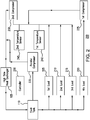
- FIGURE 2 illustrates an example cooling system 200.
- system 200 includes high side heat exchanger 105, a first load 205, a second load 210, a third load 215, a fourth load 220, a first compressor 225, a second compressor 230, a first temperature sensor 240, a second temperature sensor 245, a controller 250, a parallel compressor 235, and a flash tank 110.
- System 200 includes several components that are also in system 100. These components may operate similarly as they did in system 100. However, the components of system 200 may be configured differently than the components of system 100 to integrate flood protection. In particular embodiments, system 200 protects second compressor 230 from flooding of liquid refrigerant. Flooding of liquid refrigerant back to second compressor 230 may damage second compressor 230.
- high side heat exchanger 105 may receive refrigerant from second compressor 230. In certain embodiments, high side heat exchanger 105 may also receive refrigerant from parallel compressor 235. As in system 100, high side heat exchanger 105 may remove heat from a refrigerant. When heat is removed from the refrigerant, the refrigerant is cooled. In system 200, high side heat exchanger 105 may direct the refrigerant to flash tank 110.
- flash tank 110 may store refrigerant received from high side heat exchanger 105.
- This disclosure contemplates flash tank 110 storing refrigerant in any state such as, for example, a liquid state and/or a gaseous state.
- refrigerant leaving flash tank 110 is fed to first load 205, second load 210, third load 215, and fourth load 220.
- a flash gas and/or a gaseous refrigerant is released from flash tank 110. By releasing flash gas, the pressure within flash tank 110 may be reduced.
- flash tank 110 releases a flash gas to parallel compressor 235. Parallel compressor 235 may compress the flash gas from flash tank 110.
- Refrigerant may flow from first load 205, second load 210, third load 215, and fourth load 220 to compressors of system 200.
- This disclosure contemplates system 200 including any number of compressors.
- refrigerant from fourth load 220 flows to first compressor 225.
- refrigerant from first load 205, second load 210, and third load 215 flows to second compressor 230.
- First compressor 225 and second compressor 230 may increase the pressure of the refrigerant. As a result, the heat in the refrigerant may become concentrated and the refrigerant may become high pressure gas.
- First compressor 225 may compress refrigerant from fourth load 220 and send the compressed refrigerant to second compressor 230.
- Second compressor 230 may compress refrigerant from first compressor 225 and first load 205, second load 210, and third load 215. Second compressor 230 may then send the compressed refrigerant to high side heat exchanger 105.
- Temperature sensors of system 200 may detect the temperature of a refrigerant. This disclosure contemplates system 200 including any number of temperature sensors. This disclosure further contemplates temperature sensors 240 and/or 245 detecting any number of temperatures of the refrigerants.
- a first temperature sensor 240 may detect a first temperature of a mixture of the refrigerant coming from first load 205, second load 210, and third load 215.
- Second temperature sensor 245 may detect a second temperature of a mixture of the refrigerant coming from first compressor 225, first load 205, second load 210, and third load 215.
- second temperature sensor 245 detects a third temperature of flash gas from flash tank 110 mixed with the refrigerant from first load 205, second load 210, third load 215, and first compressor 225.
- Controller 250 may trigger an alarm or deactivate loads of refrigerant in response to temperatures sensed by first temperature sensor 240 and/or a second temperature sensor 245. Controller 250 may trigger an alarm if a temperature of the mixture of the refrigerant in first load 205, second load 210, and third load 215 is within a first threshold of the temperature in which the refrigerant changes from a liquid to a gas (or saturation temperature) for a first duration of time. For example, controller 250 may trigger an alarm if the difference between the first temperature and the saturation temperature of the refrigerant is less than 10 Rankin for at least thirty seconds.
- Controller 250 may further trigger the alarm if the temperature of the refrigerant from first compressor 225, first load 205, second load 210, and third load 215 is within a second threshold of the saturation temperature of the refrigerant for a second duration of time. For example, controller 250 may trigger an alarm if the difference between the second temperature and the saturation temperature of the refrigerant is less than 15 Rankin for at least thirty seconds.
- controller 250 deactivates third load 215 if the temperature of the mixture of the refrigerant from first compressor 225, first load 205, second load 210, and third load 215 is within a third threshold of the saturation temperature of the refrigerant for a third duration of time.
- controller 250 may deactivate third load 215 if the difference between the second temperature and the saturation temperature of the refrigerant less than 10 Rankin for at least thirty seconds.
- controller 250 deactivates second load 210 and third load 215 if the temperature of the mixture of the refrigerant from the first compressor 225, first load 205, second load 210, and third load 215 is within a third threshold of the saturation temperature for a third duration of time.
- controller 250 may deactivate second load 210 and third load 215 if the difference between the second temperature and the saturation temperature of the refrigerant is less than 5 Rankin at least fifteen seconds.
- controller 250 deactivates first load 205, second load 210, and third load 215 if the temperature of the refrigerant from first compressor 225, first load 205, second load 210, and third load 215 is within a third threshold of the saturation temperature of the refrigerant for a third duration of time.
- controller 250 may deactivate first load 205, second load 210, and third load 215 if the difference between the second temperature and the saturation temperature of the refrigerant is less than 3 Rankin for at least ten seconds.
- the first threshold, second threshold, and third threshold may be any range of temperature differences between a temperature measured by a temperature sensor and the saturation temperature of the refrigerant. This disclosure contemplates the first threshold, second threshold, and third threshold being the same or different thresholds.
- the first duration of time, second duration of time, and third duration of time may be any range of time durations suitable to prevent flooding of liquid refrigerant back to a compressor of the system. This disclosure contemplates the first duration of time, second duration of time, and third duration of time being the same or different durations of time.
- system 200 implements a tiered approach to the ratios of refrigeration loads to prevent flooding.
- controller 250 deactivates certain refrigeration loads most likely to flood.
- controller 250 may decrease the portion of cooler refrigeration loads in system 200 that have the potential to flood back to compressor 230 and/or compressor 235, and thereby increase the ratio of warmer refrigeration loads in system 200, that have a lower potential to flood.
- system 200 includes parallel compressor 235.
- Parallel compressor 235 may increase the pressure of the refrigerant. As a result, the heat in the refrigerant may become concentrated and the refrigerant may become a high pressure gas.
- Parallel compressor 235 may receive flash gas discharged from flash tank 110 and compress the flash gas.
- Parallel compressor 235 may compress the flash gas and send the compressed flash gas to high side heat exchanger 105.
- system 200 may include any number of components.
- system 200 may include any number of loads 105, 210, 215, and/or 220.
- system 200 may include any number of compressors 225, 230, and/or 235.
- system 200 may include any number of temperature sensors 240 and/or 245.
- system 200 may include any number of high side heat exchangers 105 and flash tanks 115.
- This disclosure also contemplates cooling system 200 using any appropriate refrigerant.
- cooling system 200 may use a carbon dioxide refrigerant.
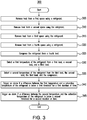
- FIGURE 3 is a flowchart illustrating a method 300 of operating the example cooling system 200 of FIGURE 2 .
- Various components of system 200 perform the steps of method 300.
- performing method 300 may prevent flooding of liquid refrigerant to compressors of system 200.
- High side heat exchanger 105 may begin by removing heat from a refrigerant in step 305.
- first load 205 may remove heat from a first space proximate to first load 205.
- second load 210 may remove heat from a second space proximate to second load 210.
- third load 215 may remove heat from a third space proximate to third load 215.
- fourth load 220 may remove heat from a fourth space proximate to fourth load 220.
- first compressor 225 may compress the refrigerant from fourth load 220.
- first temperature sensor 240 may detect a first temperature of the refrigerant from first load 205, second load 210, and third load 215.
- second temperature sensor 245 may detect a second temperature of the refrigerant from first load 205, second load 210, third load 215, and first compressor 225.
- controller 250 may trigger an alarm if a difference between the first temperature and a saturation temperature of the refrigerant is below a first threshold for a first duration of time.
- controller 250 may trigger an alarm if a difference between the second temperature and the saturation temperature of the refrigerant is below a second threshold for a second duration of time.
- Method 300 may include more, fewer, or other steps. For example, steps may be performed in parallel or in any suitable order. While discussed as various components of cooling system 200 performing the steps, any suitable component or combination of components of system 200 may perform one or more steps of the method.
Landscapes
- Engineering & Computer Science (AREA)
- Physics & Mathematics (AREA)
- Mechanical Engineering (AREA)
- Thermal Sciences (AREA)
- General Engineering & Computer Science (AREA)
- General Physics & Mathematics (AREA)
- Chemical & Material Sciences (AREA)
- Automation & Control Theory (AREA)
- Chemical Kinetics & Catalysis (AREA)
- Health & Medical Sciences (AREA)
- Analytical Chemistry (AREA)
- Biomedical Technology (AREA)
- Human Computer Interaction (AREA)
- Devices That Are Associated With Refrigeration Equipment (AREA)
- Air Conditioning Control Device (AREA)
Applications Claiming Priority (1)
| Application Number | Priority Date | Filing Date | Title |
|---|---|---|---|
| US15/654,385 US10496108B2 (en) | 2017-07-19 | 2017-07-19 | Cooling system flood prevention tool |
Publications (2)
| Publication Number | Publication Date |
|---|---|
| EP3431901A1 true EP3431901A1 (de) | 2019-01-23 |
| EP3431901B1 EP3431901B1 (de) | 2023-01-04 |
Family
ID=62904292
Family Applications (1)
| Application Number | Title | Priority Date | Filing Date |
|---|---|---|---|
| EP18182327.9A Active EP3431901B1 (de) | 2017-07-19 | 2018-07-07 | Werkzeug zur flutungsverhinderung eines kühlsystems |
Country Status (4)
| Country | Link |
|---|---|
| US (1) | US10496108B2 (de) |
| EP (1) | EP3431901B1 (de) |
| CN (1) | CN109282543A (de) |
| CA (1) | CA3009687C (de) |
Families Citing this family (5)
| Publication number | Priority date | Publication date | Assignee | Title |
|---|---|---|---|---|
| EP3023712A1 (de) * | 2014-11-19 | 2016-05-25 | Danfoss A/S | Verfahren zur Steuerung eines Dampfkompressionssystems mit einem Empfänger |
| US10746447B2 (en) * | 2017-11-29 | 2020-08-18 | Lennox Industries Inc. | Cooling system |
| EP3628942B1 (de) | 2018-09-25 | 2021-01-27 | Danfoss A/S | Verfahren zur steuerung eines dampfkompressionssystems bei reduziertem saugdruck |
| EP3628940B1 (de) | 2018-09-25 | 2022-04-20 | Danfoss A/S | Verfahren zum steuern eines dampfkompressionssystems basierend auf geschätzten durchfluss |
| US12352472B2 (en) * | 2019-07-02 | 2025-07-08 | Heatcraft Refrigeration Products Llc | Cooling system |
Citations (4)
| Publication number | Priority date | Publication date | Assignee | Title |
|---|---|---|---|---|
| WO2011054396A1 (en) * | 2009-11-06 | 2011-05-12 | Carrier Corporation | Refrigerating system and method of operating a refrigerating system |
| CN104613662A (zh) * | 2013-11-04 | 2015-05-13 | Lg电子株式会社 | 冰箱 |
| US20160102901A1 (en) * | 2013-05-03 | 2016-04-14 | Hill Phoenix, Inc. | Systems and methods for pressure control in a co2 refrigeration system |
| AU2016101310A4 (en) * | 2016-05-16 | 2016-08-25 | Epta S.P.A. | Refrigeration plant with multiple evaporation levels and method of managing such a plant |
Family Cites Families (5)
| Publication number | Priority date | Publication date | Assignee | Title |
|---|---|---|---|---|
| JP2909190B2 (ja) * | 1990-11-02 | 1999-06-23 | 株式会社東芝 | 空気調和機 |
| US5502970A (en) * | 1995-05-05 | 1996-04-02 | Copeland Corporation | Refrigeration control using fluctuating superheat |
| WO2003084022A1 (en) * | 2002-03-28 | 2003-10-09 | Robertshaw Controls Company | Energy management system and method |
| US20080041077A1 (en) * | 2006-08-15 | 2008-02-21 | American Power Conversion Corporation | Method and apparatus for cooling |
| US9945587B2 (en) * | 2014-09-02 | 2018-04-17 | Rheem Manufacturing Company | Apparatus and method for hybrid water heating and air cooling and control thereof |
-
2017
- 2017-07-19 US US15/654,385 patent/US10496108B2/en active Active
-
2018
- 2018-06-27 CA CA3009687A patent/CA3009687C/en active Active
- 2018-07-07 EP EP18182327.9A patent/EP3431901B1/de active Active
- 2018-07-19 CN CN201810793223.6A patent/CN109282543A/zh active Pending
Patent Citations (4)
| Publication number | Priority date | Publication date | Assignee | Title |
|---|---|---|---|---|
| WO2011054396A1 (en) * | 2009-11-06 | 2011-05-12 | Carrier Corporation | Refrigerating system and method of operating a refrigerating system |
| US20160102901A1 (en) * | 2013-05-03 | 2016-04-14 | Hill Phoenix, Inc. | Systems and methods for pressure control in a co2 refrigeration system |
| CN104613662A (zh) * | 2013-11-04 | 2015-05-13 | Lg电子株式会社 | 冰箱 |
| AU2016101310A4 (en) * | 2016-05-16 | 2016-08-25 | Epta S.P.A. | Refrigeration plant with multiple evaporation levels and method of managing such a plant |
Also Published As
| Publication number | Publication date |
|---|---|
| EP3431901B1 (de) | 2023-01-04 |
| CN109282543A (zh) | 2019-01-29 |
| US20190025859A1 (en) | 2019-01-24 |
| CA3009687C (en) | 2024-01-02 |
| CA3009687A1 (en) | 2019-01-19 |
| US10496108B2 (en) | 2019-12-03 |
Similar Documents
| Publication | Publication Date | Title |
|---|---|---|
| CA3009687C (en) | Cooling system flood prevention tool | |
| US9869499B2 (en) | Method for detection of loss of refrigerant | |
| US11428443B2 (en) | Thermal storage of carbon dioxide system for power outage | |
| EP3575712B1 (de) | Kühlsystem | |
| CA2995951A1 (en) | Integrated refrigeration and air conditioning system | |
| EP3225936A1 (de) | Kühlsystem mit integrierter unterkühlung | |
| US10767911B2 (en) | Cooling system | |
| CA3044010C (en) | COOLING SYSTEM | |
| EP3370016B1 (de) | Kühlsystem mit parallelen kompressoren | |
| JP6206787B2 (ja) | 冷凍装置 | |
| US10712052B2 (en) | Cooling system with improved compressor stability | |
| JPWO2021240615A5 (de) | ||
| US20190154323A1 (en) | Systems and methods for low load compressor operations |
Legal Events
| Date | Code | Title | Description |
|---|---|---|---|
| PUAI | Public reference made under article 153(3) epc to a published international application that has entered the european phase |
Free format text: ORIGINAL CODE: 0009012 |
|
| STAA | Information on the status of an ep patent application or granted ep patent |
Free format text: STATUS: THE APPLICATION HAS BEEN PUBLISHED |
|
| AK | Designated contracting states |
Kind code of ref document: A1 Designated state(s): AL AT BE BG CH CY CZ DE DK EE ES FI FR GB GR HR HU IE IS IT LI LT LU LV MC MK MT NL NO PL PT RO RS SE SI SK SM TR |
|
| AX | Request for extension of the european patent |
Extension state: BA ME |
|
| STAA | Information on the status of an ep patent application or granted ep patent |
Free format text: STATUS: REQUEST FOR EXAMINATION WAS MADE |
|
| 17P | Request for examination filed |
Effective date: 20190723 |
|
| RBV | Designated contracting states (corrected) |
Designated state(s): AL AT BE BG CH CY CZ DE DK EE ES FI FR GB GR HR HU IE IS IT LI LT LU LV MC MK MT NL NO PL PT RO RS SE SI SK SM TR |
|
| GRAP | Despatch of communication of intention to grant a patent |
Free format text: ORIGINAL CODE: EPIDOSNIGR1 |
|
| STAA | Information on the status of an ep patent application or granted ep patent |
Free format text: STATUS: GRANT OF PATENT IS INTENDED |
|
| RIC1 | Information provided on ipc code assigned before grant |
Ipc: F25B 9/00 20060101ALI20220630BHEP Ipc: F25B 5/02 20060101ALI20220630BHEP Ipc: F25B 1/10 20060101AFI20220630BHEP |
|
| INTG | Intention to grant announced |
Effective date: 20220801 |
|
| GRAS | Grant fee paid |
Free format text: ORIGINAL CODE: EPIDOSNIGR3 |
|
| GRAA | (expected) grant |
Free format text: ORIGINAL CODE: 0009210 |
|
| STAA | Information on the status of an ep patent application or granted ep patent |
Free format text: STATUS: THE PATENT HAS BEEN GRANTED |
|
| AK | Designated contracting states |
Kind code of ref document: B1 Designated state(s): AL AT BE BG CH CY CZ DE DK EE ES FI FR GB GR HR HU IE IS IT LI LT LU LV MC MK MT NL NO PL PT RO RS SE SI SK SM TR |
|
| REG | Reference to a national code |
Ref country code: GB Ref legal event code: FG4D |
|
| REG | Reference to a national code |
Ref country code: CH Ref legal event code: EP |
|
| REG | Reference to a national code |
Ref country code: AT Ref legal event code: REF Ref document number: 1542194 Country of ref document: AT Kind code of ref document: T Effective date: 20230115 |
|
| REG | Reference to a national code |
Ref country code: DE Ref legal event code: R096 Ref document number: 602018044933 Country of ref document: DE |
|
| REG | Reference to a national code |
Ref country code: IE Ref legal event code: FG4D |
|
| REG | Reference to a national code |
Ref country code: LT Ref legal event code: MG9D |
|
| REG | Reference to a national code |
Ref country code: NL Ref legal event code: MP Effective date: 20230104 |
|
| REG | Reference to a national code |
Ref country code: AT Ref legal event code: MK05 Ref document number: 1542194 Country of ref document: AT Kind code of ref document: T Effective date: 20230104 |
|
| P01 | Opt-out of the competence of the unified patent court (upc) registered |
Effective date: 20230514 |
|
| PG25 | Lapsed in a contracting state [announced via postgrant information from national office to epo] |
Ref country code: NL Free format text: LAPSE BECAUSE OF FAILURE TO SUBMIT A TRANSLATION OF THE DESCRIPTION OR TO PAY THE FEE WITHIN THE PRESCRIBED TIME-LIMIT Effective date: 20230104 |
|
| PG25 | Lapsed in a contracting state [announced via postgrant information from national office to epo] |
Ref country code: RS Free format text: LAPSE BECAUSE OF FAILURE TO SUBMIT A TRANSLATION OF THE DESCRIPTION OR TO PAY THE FEE WITHIN THE PRESCRIBED TIME-LIMIT Effective date: 20230104 Ref country code: PT Free format text: LAPSE BECAUSE OF FAILURE TO SUBMIT A TRANSLATION OF THE DESCRIPTION OR TO PAY THE FEE WITHIN THE PRESCRIBED TIME-LIMIT Effective date: 20230504 Ref country code: NO Free format text: LAPSE BECAUSE OF FAILURE TO SUBMIT A TRANSLATION OF THE DESCRIPTION OR TO PAY THE FEE WITHIN THE PRESCRIBED TIME-LIMIT Effective date: 20230404 Ref country code: LV Free format text: LAPSE BECAUSE OF FAILURE TO SUBMIT A TRANSLATION OF THE DESCRIPTION OR TO PAY THE FEE WITHIN THE PRESCRIBED TIME-LIMIT Effective date: 20230104 Ref country code: LT Free format text: LAPSE BECAUSE OF FAILURE TO SUBMIT A TRANSLATION OF THE DESCRIPTION OR TO PAY THE FEE WITHIN THE PRESCRIBED TIME-LIMIT Effective date: 20230104 Ref country code: HR Free format text: LAPSE BECAUSE OF FAILURE TO SUBMIT A TRANSLATION OF THE DESCRIPTION OR TO PAY THE FEE WITHIN THE PRESCRIBED TIME-LIMIT Effective date: 20230104 Ref country code: ES Free format text: LAPSE BECAUSE OF FAILURE TO SUBMIT A TRANSLATION OF THE DESCRIPTION OR TO PAY THE FEE WITHIN THE PRESCRIBED TIME-LIMIT Effective date: 20230104 Ref country code: AT Free format text: LAPSE BECAUSE OF FAILURE TO SUBMIT A TRANSLATION OF THE DESCRIPTION OR TO PAY THE FEE WITHIN THE PRESCRIBED TIME-LIMIT Effective date: 20230104 |
|
| PG25 | Lapsed in a contracting state [announced via postgrant information from national office to epo] |
Ref country code: SE Free format text: LAPSE BECAUSE OF FAILURE TO SUBMIT A TRANSLATION OF THE DESCRIPTION OR TO PAY THE FEE WITHIN THE PRESCRIBED TIME-LIMIT Effective date: 20230104 Ref country code: PL Free format text: LAPSE BECAUSE OF FAILURE TO SUBMIT A TRANSLATION OF THE DESCRIPTION OR TO PAY THE FEE WITHIN THE PRESCRIBED TIME-LIMIT Effective date: 20230104 Ref country code: IS Free format text: LAPSE BECAUSE OF FAILURE TO SUBMIT A TRANSLATION OF THE DESCRIPTION OR TO PAY THE FEE WITHIN THE PRESCRIBED TIME-LIMIT Effective date: 20230504 Ref country code: GR Free format text: LAPSE BECAUSE OF FAILURE TO SUBMIT A TRANSLATION OF THE DESCRIPTION OR TO PAY THE FEE WITHIN THE PRESCRIBED TIME-LIMIT Effective date: 20230405 Ref country code: FI Free format text: LAPSE BECAUSE OF FAILURE TO SUBMIT A TRANSLATION OF THE DESCRIPTION OR TO PAY THE FEE WITHIN THE PRESCRIBED TIME-LIMIT Effective date: 20230104 |
|
| REG | Reference to a national code |
Ref country code: DE Ref legal event code: R097 Ref document number: 602018044933 Country of ref document: DE |
|
| PG25 | Lapsed in a contracting state [announced via postgrant information from national office to epo] |
Ref country code: SM Free format text: LAPSE BECAUSE OF FAILURE TO SUBMIT A TRANSLATION OF THE DESCRIPTION OR TO PAY THE FEE WITHIN THE PRESCRIBED TIME-LIMIT Effective date: 20230104 Ref country code: RO Free format text: LAPSE BECAUSE OF FAILURE TO SUBMIT A TRANSLATION OF THE DESCRIPTION OR TO PAY THE FEE WITHIN THE PRESCRIBED TIME-LIMIT Effective date: 20230104 Ref country code: EE Free format text: LAPSE BECAUSE OF FAILURE TO SUBMIT A TRANSLATION OF THE DESCRIPTION OR TO PAY THE FEE WITHIN THE PRESCRIBED TIME-LIMIT Effective date: 20230104 Ref country code: DK Free format text: LAPSE BECAUSE OF FAILURE TO SUBMIT A TRANSLATION OF THE DESCRIPTION OR TO PAY THE FEE WITHIN THE PRESCRIBED TIME-LIMIT Effective date: 20230104 Ref country code: CZ Free format text: LAPSE BECAUSE OF FAILURE TO SUBMIT A TRANSLATION OF THE DESCRIPTION OR TO PAY THE FEE WITHIN THE PRESCRIBED TIME-LIMIT Effective date: 20230104 |
|
| PLBE | No opposition filed within time limit |
Free format text: ORIGINAL CODE: 0009261 |
|
| STAA | Information on the status of an ep patent application or granted ep patent |
Free format text: STATUS: NO OPPOSITION FILED WITHIN TIME LIMIT |
|
| PG25 | Lapsed in a contracting state [announced via postgrant information from national office to epo] |
Ref country code: SK Free format text: LAPSE BECAUSE OF FAILURE TO SUBMIT A TRANSLATION OF THE DESCRIPTION OR TO PAY THE FEE WITHIN THE PRESCRIBED TIME-LIMIT Effective date: 20230104 |
|
| 26N | No opposition filed |
Effective date: 20231005 |
|
| PG25 | Lapsed in a contracting state [announced via postgrant information from national office to epo] |
Ref country code: SI Free format text: LAPSE BECAUSE OF FAILURE TO SUBMIT A TRANSLATION OF THE DESCRIPTION OR TO PAY THE FEE WITHIN THE PRESCRIBED TIME-LIMIT Effective date: 20230104 |
|
| PG25 | Lapsed in a contracting state [announced via postgrant information from national office to epo] |
Ref country code: MC Free format text: LAPSE BECAUSE OF FAILURE TO SUBMIT A TRANSLATION OF THE DESCRIPTION OR TO PAY THE FEE WITHIN THE PRESCRIBED TIME-LIMIT Effective date: 20230104 |
|
| PG25 | Lapsed in a contracting state [announced via postgrant information from national office to epo] |
Ref country code: MC Free format text: LAPSE BECAUSE OF FAILURE TO SUBMIT A TRANSLATION OF THE DESCRIPTION OR TO PAY THE FEE WITHIN THE PRESCRIBED TIME-LIMIT Effective date: 20230104 |
|
| REG | Reference to a national code |
Ref country code: CH Ref legal event code: PL |
|
| REG | Reference to a national code |
Ref country code: BE Ref legal event code: MM Effective date: 20230731 |
|
| PG25 | Lapsed in a contracting state [announced via postgrant information from national office to epo] |
Ref country code: LU Free format text: LAPSE BECAUSE OF NON-PAYMENT OF DUE FEES Effective date: 20230707 |
|
| PG25 | Lapsed in a contracting state [announced via postgrant information from national office to epo] |
Ref country code: LU Free format text: LAPSE BECAUSE OF NON-PAYMENT OF DUE FEES Effective date: 20230707 |
|
| REG | Reference to a national code |
Ref country code: IE Ref legal event code: MM4A |
|
| PG25 | Lapsed in a contracting state [announced via postgrant information from national office to epo] |
Ref country code: CH Free format text: LAPSE BECAUSE OF NON-PAYMENT OF DUE FEES Effective date: 20230731 |
|
| PG25 | Lapsed in a contracting state [announced via postgrant information from national office to epo] |
Ref country code: IT Free format text: LAPSE BECAUSE OF FAILURE TO SUBMIT A TRANSLATION OF THE DESCRIPTION OR TO PAY THE FEE WITHIN THE PRESCRIBED TIME-LIMIT Effective date: 20230104 Ref country code: BE Free format text: LAPSE BECAUSE OF NON-PAYMENT OF DUE FEES Effective date: 20230731 |
|
| PG25 | Lapsed in a contracting state [announced via postgrant information from national office to epo] |
Ref country code: IE Free format text: LAPSE BECAUSE OF NON-PAYMENT OF DUE FEES Effective date: 20230707 |
|
| PG25 | Lapsed in a contracting state [announced via postgrant information from national office to epo] |
Ref country code: IE Free format text: LAPSE BECAUSE OF NON-PAYMENT OF DUE FEES Effective date: 20230707 |
|
| PG25 | Lapsed in a contracting state [announced via postgrant information from national office to epo] |
Ref country code: BG Free format text: LAPSE BECAUSE OF FAILURE TO SUBMIT A TRANSLATION OF THE DESCRIPTION OR TO PAY THE FEE WITHIN THE PRESCRIBED TIME-LIMIT Effective date: 20230104 |
|
| PG25 | Lapsed in a contracting state [announced via postgrant information from national office to epo] |
Ref country code: BG Free format text: LAPSE BECAUSE OF FAILURE TO SUBMIT A TRANSLATION OF THE DESCRIPTION OR TO PAY THE FEE WITHIN THE PRESCRIBED TIME-LIMIT Effective date: 20230104 |
|
| PG25 | Lapsed in a contracting state [announced via postgrant information from national office to epo] |
Ref country code: CY Free format text: LAPSE BECAUSE OF FAILURE TO SUBMIT A TRANSLATION OF THE DESCRIPTION OR TO PAY THE FEE WITHIN THE PRESCRIBED TIME-LIMIT; INVALID AB INITIO Effective date: 20180707 |
|
| PG25 | Lapsed in a contracting state [announced via postgrant information from national office to epo] |
Ref country code: HU Free format text: LAPSE BECAUSE OF FAILURE TO SUBMIT A TRANSLATION OF THE DESCRIPTION OR TO PAY THE FEE WITHIN THE PRESCRIBED TIME-LIMIT; INVALID AB INITIO Effective date: 20180707 |
|
| PGFP | Annual fee paid to national office [announced via postgrant information from national office to epo] |
Ref country code: DE Payment date: 20250729 Year of fee payment: 8 |
|
| PGFP | Annual fee paid to national office [announced via postgrant information from national office to epo] |
Ref country code: GB Payment date: 20250728 Year of fee payment: 8 |
|
| PGFP | Annual fee paid to national office [announced via postgrant information from national office to epo] |
Ref country code: FR Payment date: 20250725 Year of fee payment: 8 |
|
| PG25 | Lapsed in a contracting state [announced via postgrant information from national office to epo] |
Ref country code: TR Free format text: LAPSE BECAUSE OF FAILURE TO SUBMIT A TRANSLATION OF THE DESCRIPTION OR TO PAY THE FEE WITHIN THE PRESCRIBED TIME-LIMIT Effective date: 20230104 |