EP3435577A1 - Procédé et dispositif pour transmettre des informations de rétroaction - Google Patents
Procédé et dispositif pour transmettre des informations de rétroaction Download PDFInfo
- Publication number
- EP3435577A1 EP3435577A1 EP17769248.0A EP17769248A EP3435577A1 EP 3435577 A1 EP3435577 A1 EP 3435577A1 EP 17769248 A EP17769248 A EP 17769248A EP 3435577 A1 EP3435577 A1 EP 3435577A1
- Authority
- EP
- European Patent Office
- Prior art keywords
- downlink transmission
- tti
- length
- ack
- feedback information
- Prior art date
- Legal status (The legal status is an assumption and is not a legal conclusion. Google has not performed a legal analysis and makes no representation as to the accuracy of the status listed.)
- Granted
Links
Images


Classifications
-
- H—ELECTRICITY
- H04—ELECTRIC COMMUNICATION TECHNIQUE
- H04L—TRANSMISSION OF DIGITAL INFORMATION, e.g. TELEGRAPHIC COMMUNICATION
- H04L1/00—Arrangements for detecting or preventing errors in the information received
- H04L1/12—Arrangements for detecting or preventing errors in the information received by using return channel
- H04L1/16—Arrangements for detecting or preventing errors in the information received by using return channel in which the return channel carries supervisory signals, e.g. repetition request signals
- H04L1/1607—Details of the supervisory signal
- H04L1/1671—Details of the supervisory signal the supervisory signal being transmitted together with control information
- H04L1/1678—Details of the supervisory signal the supervisory signal being transmitted together with control information where the control information is for timing, e.g. time stamps
-
- H—ELECTRICITY
- H04—ELECTRIC COMMUNICATION TECHNIQUE
- H04L—TRANSMISSION OF DIGITAL INFORMATION, e.g. TELEGRAPHIC COMMUNICATION
- H04L1/00—Arrangements for detecting or preventing errors in the information received
- H04L1/12—Arrangements for detecting or preventing errors in the information received by using return channel
- H04L1/16—Arrangements for detecting or preventing errors in the information received by using return channel in which the return channel carries supervisory signals, e.g. repetition request signals
- H04L1/18—Automatic repetition systems, e.g. Van Duuren systems
- H04L1/1829—Arrangements specially adapted for the receiver end
- H04L1/1854—Scheduling and prioritising arrangements
-
- H—ELECTRICITY
- H04—ELECTRIC COMMUNICATION TECHNIQUE
- H04L—TRANSMISSION OF DIGITAL INFORMATION, e.g. TELEGRAPHIC COMMUNICATION
- H04L5/00—Arrangements affording multiple use of the transmission path
- H04L5/003—Arrangements for allocating sub-channels of the transmission path
- H04L5/0053—Allocation of signalling, i.e. of overhead other than pilot signals
- H04L5/0055—Physical resource allocation for ACK/NACK
-
- H—ELECTRICITY
- H04—ELECTRIC COMMUNICATION TECHNIQUE
- H04L—TRANSMISSION OF DIGITAL INFORMATION, e.g. TELEGRAPHIC COMMUNICATION
- H04L1/00—Arrangements for detecting or preventing errors in the information received
- H04L1/12—Arrangements for detecting or preventing errors in the information received by using return channel
- H04L1/16—Arrangements for detecting or preventing errors in the information received by using return channel in which the return channel carries supervisory signals, e.g. repetition request signals
- H04L1/18—Automatic repetition systems, e.g. Van Duuren systems
- H04L1/1829—Arrangements specially adapted for the receiver end
- H04L1/1864—ARQ related signaling
-
- H—ELECTRICITY
- H04—ELECTRIC COMMUNICATION TECHNIQUE
- H04L—TRANSMISSION OF DIGITAL INFORMATION, e.g. TELEGRAPHIC COMMUNICATION
- H04L27/00—Modulated-carrier systems
- H04L27/26—Systems using multi-frequency codes
- H04L27/2601—Multicarrier modulation systems
- H04L27/2602—Signal structure
- H04L27/2605—Symbol extensions, e.g. Zero Tail, Unique Word [UW]
-
- H—ELECTRICITY
- H04—ELECTRIC COMMUNICATION TECHNIQUE
- H04L—TRANSMISSION OF DIGITAL INFORMATION, e.g. TELEGRAPHIC COMMUNICATION
- H04L5/00—Arrangements affording multiple use of the transmission path
- H04L5/003—Arrangements for allocating sub-channels of the transmission path
- H04L5/0078—Timing of allocation
-
- H—ELECTRICITY
- H04—ELECTRIC COMMUNICATION TECHNIQUE
- H04L—TRANSMISSION OF DIGITAL INFORMATION, e.g. TELEGRAPHIC COMMUNICATION
- H04L5/00—Arrangements affording multiple use of the transmission path
- H04L5/14—Two-way operation using the same type of signal, i.e. duplex
- H04L5/1469—Two-way operation using the same type of signal, i.e. duplex using time-sharing
-
- H—ELECTRICITY
- H04—ELECTRIC COMMUNICATION TECHNIQUE
- H04W—WIRELESS COMMUNICATION NETWORKS
- H04W72/00—Local resource management
- H04W72/04—Wireless resource allocation
- H04W72/044—Wireless resource allocation based on the type of the allocated resource
- H04W72/0446—Resources in time domain, e.g. slots or frames
-
- H—ELECTRICITY
- H04—ELECTRIC COMMUNICATION TECHNIQUE
- H04W—WIRELESS COMMUNICATION NETWORKS
- H04W72/00—Local resource management
- H04W72/04—Wireless resource allocation
- H04W72/044—Wireless resource allocation based on the type of the allocated resource
- H04W72/0453—Resources in frequency domain, e.g. a carrier in FDMA
-
- H—ELECTRICITY
- H04—ELECTRIC COMMUNICATION TECHNIQUE
- H04W—WIRELESS COMMUNICATION NETWORKS
- H04W72/00—Local resource management
- H04W72/20—Control channels or signalling for resource management
- H04W72/23—Control channels or signalling for resource management in the downlink direction of a wireless link, i.e. towards a terminal
- H04W72/232—Control channels or signalling for resource management in the downlink direction of a wireless link, i.e. towards a terminal the control data signalling from the physical layer, e.g. DCI signalling
Definitions
- the present application relates to the field of communications, and particularly to a method and device for transmitting feedback information.
- TTI Transmission Time Interval
- a Frame Structure Type 1 (FS1) of an existing LTE FDD system
- carrier frequencies for uplink and downlink transmission
- frame structure for both uplink and downlink transmission.
- a radio frame with a length of 10ms over each carrier includes ten 1ms sub-frames and each sub-frame includes two slots with a length of 0.5ms.
- a length of time of a TTI for uplink and downlink data is 1ms.
- each radio frame with a length of 10ms includes two half-frames with a length of 5ms, and each half-frame includes five sub-frames with a length of 1ms.
- the sub-frames in the FS2 are categorized into downlink sub-frames, uplink sub-frames, and special sub-frames, where each special sub-frame includes three components of a Downlink Pilot Time Slot (DwPTS), a Guard Period (GP), and an Uplink Pilot Time Slot (UpPTS).
- DwPTS Downlink Pilot Time Slot
- GP Guard Period
- UpPTS Uplink Pilot Time Slot
- Each half-frame includes at least one downlink sub-frame, at least one uplink sub-frame, and at most one special sub-frame.
- Table 1 depicts seven uplink-downlink sub-frame configurations supported in the FS2. Table 1: Uplink-downlink configurations.
- Uplink-downlink Configuration Downlink-to-Uplink Switch-point periodicity Sub-frame number 0 1 2 3 4 5 6 7 8 9 0 5 ms D S U U U D S U U U 1 5 ms D S U U D D S U U D 2 5 ms D S U D D D S U D D 3 10 ms D S U U U D D D D D D 4 10 ms D S U U D D D D D D 5 10 ms D S U D D D D D D D D D 6 5 ms D S U U U U D S U U D S U U D
- each sub-frame has an uplink time domain resource, and ACK/NACK feedback information of a downlink sub-frame with the number n is transmitted in an uplink sub-frame with the number n+4.
- downlink sub-frames for which ACK/NACK is to be fed back in an uplink sub-frame with the number n (i.e., a downlink sub-frame with the number n-k, including a special sub-frame) can be determined according to respective elements in a set K: ⁇ k 0 , k 1 , ⁇ k M- 1 ⁇ corresponding to the uplink sub-frame, so ACK/NACK feedback information of M downlink sub-frames shall be fed back in the same uplink sub-frame, where M is the quantity of elements in the set K, and may take different values for different uplink sub-frames and different TDD uplink-downlink configurations.
- a terminal When carriers are aggregated, a terminal can operate concurrently over a plurality of carriers, but can only transmit ACK/NACK feedback information in a Physical Uplink Control Channel (PUCCH) over a part of the carriers, e.g., over a Primary Component Carrier (PCC). Accordingly the terminal further needs to feed back ACK/NACK feedback information corresponding to the plurality of carriers, in an uplink sub-frame.
- PUCCH Physical Uplink Control Channel
- PCC Primary Component Carrier
- ACK/NACK feedback timing over each carrier is determined as per n+4; and when all the carriers aggregated for the terminal are TDD carriers, if the same TDD uplink-downlink configuration is applied to all the TDD carriers, then ACK/NACK feedback timing over each carrier will be determined according to the feedback timing corresponding to the TDD uplink-downlink configuration in Table 2.
- a reference TDD uplink-downlink configuration will be defined for a Secondary Component Carrier (SCC) under a specific rule, and ACK/NACK feedback will be made according to the feedback timing corresponding to the reference TDD uplink-downlink configuration in Table 2; and when the carriers aggregated for the terminal include both the FDD carrier(s) and the TDD carrier(s), if one of the FDD carrier(s) is a PCC, then ACK/NACK feedback timing over each carrier will be determined as per n+4, and if one of the TDD carrier(s) is a PCC, then a reference TDD uplink-downlink configuration will be defined for an SCC under a specific rule, and ACK/NACK feedback will be made according to the feedback timing corresponding to the reference TDD uplink-downlink configuration in Table 2.
- SCC Secondary Component Carrier
- aggregated carriers can be further grouped into a plurality of carrier groups, and ACK/NACK feedback can be made in a PUCCH over one of the carriers in each carrier group; and at this time, feedback timing of an SCC in each carrier group can be determined according to one of the above instances that correspond to the aggregated carriers in the carrier group.
- Embodiments of the application provide a method and device for transmitting feedback information so as to define new feedback timing for downlink data with a dynamically varying length of TTI to thereby determine that ACK/NACK feedback information of the downlink data to be transmitted over the earliest uplink transmission resource satisfying a processing delay, thus shortening a system delay.
- the embodiments of the application provide a method for transmitting feedback information, the method including: receiving downlink transmission; and determining an uplink time domain resource position for transmitting ACK/NACK feedback information of the downlink transmission, according to at least a length of TTI of the downlink transmission and/or a second length of TTI, and transmitting the ACK/NACK feedback information of the downlink transmission at the uplink time domain resource position; wherein the second length of TTI is a length of TTI, configured by configuration signaling or predefined, for determining an uplink time domain resource position for transmitting ACK/NACK feedback information.
- an uplink time domain resource position for transmitting ACK/NACK feedback information of the downlink transmission is determined according to at least a length of TTI of the downlink transmission and/or a second length of TTI, and the ACK/NACK feedback information of the downlink transmission is transmitted at the uplink time domain resource position, so as to define new feedback timing to thereby determine ACK/NACK feedback information of the downlink data to be transmitted over the earliest uplink transmission resource satisfying a processing delay, thus shortening a system delay.
- determining the uplink time domain resource position for transmitting the ACK/NACK feedback information of the downlink transmission, according to the length of TTI of the downlink transmission, and transmitting the ACK/NACK feedback information of the downlink transmission at the uplink time domain resource position includes: determining to transmit the ACK/NACK feedback information of the downlink transmission over a first uplink time domain resource that can be used to transmit ACK/NACK and satisfies a time length L1*k or L2*k symbols, after an end time position or an end symbol position of the downlink transmission; or determining to transmit the ACK/NACK feedback information of the downlink transmission over a first uplink time domain resource that can be used to transmit ACK/NACK and is no earlier than a time length L1*k or L2*k symbols, after an end time position or an end symbol position of the downlink transmission; or determining to transmit the ACK/NACK feedback information of the downlink transmission over a first uplink time domain resource that can be used to transmit ACK/NACK after
- determining the uplink time domain resource position for transmitting the ACK/NACK feedback information of the downlink transmission, according to the length of TTI of the downlink transmission and/or the second length of TTI, and transmitting the ACK/NACK feedback information of the downlink transmission at the uplink time domain resource position includes: determining to transmit the ACK/NACK feedback information of the downlink transmission over a first uplink time domain resource that can be used to transmit ACK/NACK and satisfies a time length L3*k or L4*k symbols, after an end time position or an end symbol position of the downlink transmission, wherein the end time position or the end symbol position of the downlink transmission is determined according to a first length of TTI; or determining to transmit the ACK/NACK feedback information of the downlink transmission over a first uplink time domain resource that can be used to transmit ACK/NACK and is no earlier than a time length L3*k or L4*k symbols, after an end time position or an end symbol position of the downlink transmission, wherein the
- determining the uplink time domain resource position for transmitting the ACK/NACK feedback information of the downlink transmission, according to at least the length of TTI of the downlink transmission and/or the second length of TTI includes: determining the uplink time domain resource position for transmitting the ACK/NACK feedback information of the downlink transmission, according to the length of TTI of the downlink transmission and/or the second length of TTI, and a feedback delay configured by the configuration signaling.
- determining the uplink time domain resource position for transmitting the ACK/NACK feedback information of the downlink transmission, according to the length of TTI of the downlink transmission and/or the second length of TTI, and the feedback delay configured by the configuration signaling includes: determining preliminarily an uplink time domain resource position for transmitting the ACK/NACK feedback information of the downlink transmission according to the length of TTI of the downlink transmission and/or the second length of TTI; and delaying the preliminarily determined uplink time domain resource position for transmitting the ACK/NACK feedback information of the downlink transmission, according to the feedback delay configured by the configuration signaling, and determining the delayed uplink time domain resource position as a final uplink time domain resource position for transmitting the ACK/NACK feedback information of the downlink transmission.
- the configuration signaling is higher-layer signaling, or the configuration signaling is carried in a first physical downlink control channel corresponding to the downlink transmission; and/or the configuration signaling configures the same second length of TTI or different second lengths of TTI for downlink transmission with different lengths of TTI.
- the configuration signaling configures the second length of TTI as follows: the configuration signaling indicates one of lengths of TTI in a predefined or preconfigured set of lengths of TTI for determining an uplink time domain resource position for transmitting ACK/NACK feedback information of the downlink transmission as the second length of TTI; or the configuration signaling indicates an offset between the second length of TTI and the length of TTI of the downlink transmission.
- the uplink time domain resource that can be used to transmit ACK/NACK includes: a part or all of uplink sub-frames; or a part or all of sub-frames including at least one symbol for uplink transmission; or a part or all of sub-frames including such a quantity of consecutive symbols for uplink transmission that is no less than a preset number; or a part or all of symbols or TTIs for uplink transmission; or a part or all of symbols or TTIs in a part or all of uplink sub-frames; or A symbols or B TTIs in a part or all of uplink sub-frames, wherein A is the quantity of symbols to be occupied for transmitting the ACK/NACK feedback information, and A is a positive integer; and B is the quantity of TTIs to be occupied for transmitting the ACK/NACK feedback information, and B is a positive integer; or a part or all of symbols or TTIs for uplink transmission in a part or all of sub-frames for uplink transmission including at least one symbol
- the method includes: concatenating ACK/NACK feedback information corresponding respectively to the plurality of instances of the downlink transmission, according to DAI indication fields in DCI of first physical downlink control channels corresponding respectively to the plurality of instances of the downlink transmission, and transmitting the concatenated ACK/NACK feedback information at the uplink time domain resource position.
- the downlink transmission is a first physical downlink control channel indicating a downlink SPS resource release, or a first physical downlink shared channel with a corresponding first physical downlink control channel, or a first physical downlink shared channel without a corresponding first physical downlink control channel.
- the second length of TTI is an elementary short length of TTI, and the elementary short length of TTI is an elementary transmission unit in the time domain; or the second length of TTI is one of a plurality of system supported lengths of TTI.
- the embodiments of the application provide a method for receiving feedback information, the method including: transmitting downlink transmission; and determining an uplink time domain resource position for transmitting ACK/NACK feedback information of the downlink transmission, according to at least a length of TTI of the downlink transmission and/or a second length of TTI, and receiving the ACK/NACK feedback information of the downlink transmission at the uplink time domain resource position; wherein the second length of TTI is a length of TTI, configured by configuration signaling or predefined, for determining an uplink time domain resource position for transmitting ACK/NACK feedback information.
- determining the uplink time domain resource position for transmitting the ACK/NACK feedback information of the downlink transmission, according to the length of TTI of the downlink transmission, and receiving the ACK/NACK feedback information of the downlink transmission at the uplink time domain resource position includes: determining to receive the ACK/NACK feedback information of the downlink transmission over a first uplink time domain resource that can be used to transmit ACK/NACK and satisfies a time length L1*k or L2*k symbols, after an end time position or an end symbol position of the downlink transmission; or determining to receive the ACK/NACK feedback information of the downlink transmission over a first uplink time domain resource that can be used to transmit ACK/NACK and is no earlier than a time length L1*k or L2*k symbols, after an end time position or an end symbol position of the downlink transmission; or determining to receive the ACK/NACK feedback information of the downlink transmission over a first uplink time domain resource that can be used to transmit ACK/NACK after a
- determining the uplink time domain resource position for transmitting the ACK/NACK feedback information of the downlink transmission, according to the length of TTI of the downlink transmission and/or the second length of TTI, and receiving the ACK/NACK feedback information of the downlink transmission at the uplink time domain resource position includes: determining to receive the ACK/NACK feedback information of the downlink transmission over a first uplink time domain resource that can be used to transmit ACK/NACK and satisfies a time length L3*k or L4*k symbols, after an end time position or an end symbol position of the downlink transmission, wherein the end time position or the end symbol position of the downlink transmission is determined according to a first length of TTI; or determining to receive the ACK/NACK feedback information of the downlink transmission over a first uplink time domain resource that can be used to transmit ACK/NACK and is no earlier than a time length L3*k or L4*k symbols, after an end time position or an end symbol position of the downlink transmission, wherein the end
- determining the uplink time domain resource position for transmitting the ACK/NACK feedback information of the downlink transmission, according to at least the length of TTI of the downlink transmission and/or the second length of TTI includes: determining the uplink time domain resource position for receiving the ACK/NACK feedback information of the downlink transmission, according to the length of TTI of the downlink transmission and/or the second length of TTI, and a feedback delay configured by the configuration signaling.
- determining the uplink time domain resource position for transmitting the ACK/NACK feedback information of the downlink transmission, according to the length of TTI of the downlink transmission and/or the second length of TTI, and the feedback delay configured by the configuration signaling includes: determining preliminarily an uplink time domain resource position for transmitting the ACK/NACK feedback information of the downlink transmission according to the length of TTI of the downlink transmission and/or the second length of TTI; and delaying the preliminarily determined uplink time domain resource position for transmitting the ACK/NACK feedback information of the downlink transmission, according to the feedback delay configured by the configuration signaling, and determining the delayed uplink time domain resource position as a final uplink time domain resource position for transmitting the ACK/NACK feedback information of the downlink transmission.
- the configuration signaling is higher-layer signaling, or the configuration signaling is carried in a first physical downlink control channel corresponding to the downlink transmission; and/or the configuration signaling configures the same second length of TTI or different second lengths of TTI for downlink transmission with different lengths of TTI.
- the configuration signaling configures the second length of TTI as follows: the configuration signaling indicates one of lengths of TTI in a predefined or preconfigured set of lengths of TTI for determining an uplink time domain resource position for transmitting ACK/NACK feedback information of the downlink transmission as the second length of TTI; or the configuration signaling indicates an offset between the second length of TTI and the length of TTI of the downlink transmission.
- the uplink time domain resource that can be used to transmit ACK/NACK includes: a part or all of uplink sub-frames; or a part or all of sub-frames including at least one symbol for uplink transmission; or a part or all of sub-frames including such a quantity of consecutive symbols for uplink transmission that is no less than a preset number; or a part or all of symbols or TTIs for uplink transmission; or a part or all of symbols or TTIs in a part or all of uplink sub-frames; or A symbols or B TTIs in a part or all of uplink sub-frames, wherein A is the quantity of symbols to be occupied for transmitting the ACK/NACK feedback information, and A is a positive integer; and B is the quantity of TTIs to be occupied for transmitting the ACK/NACK feedback information, and B is a positive integer; or a part or all of symbols or TTIs for uplink transmission in a part or all of sub-frames for uplink transmission including at least one symbol
- the method includes: determining that the ACK/NACK feedback information is obtained by concatenating ACK/NACK feedback information corresponding respectively to the plurality of instances of the downlink transmission according to DAI indication fields in DCI of first physical downlink control channels corresponding respectively to the plurality of instances of the downlink transmission.
- the downlink transmission is a first physical downlink control channel indicating a downlink SPS resource release, or a first physical downlink shared channel with a corresponding first physical downlink control channel, or a first physical downlink shared channel without a corresponding first physical downlink control channel.
- the second length of TTI is an elementary short length of TTI, and the elementary short length of TTI is an elementary transmission unit in the time domain; or the second length of TTI is one of a plurality of system supported lengths of TTI.
- the embodiments of the application provide a device for transmitting feedback information, the device including: a receiving unit configured to receive downlink transmission; and a transmitting unit configured to determine an uplink time domain resource position for transmitting ACK/NACK feedback information of the downlink transmission, according to at least a length of TTI of the downlink transmission and/or a second length of TTI, and to transmit the ACK/NACK feedback information of the downlink transmission at the uplink time domain resource position; wherein the second length of TTI is a length of TTI, configured by configuration signaling or predefined, for determining an uplink time domain resource position for transmitting ACK/NACK feedback information.
- the transmitting unit is configured to determine the uplink time domain resource position for transmitting the ACK/NACK feedback information of the downlink transmission, according to the length of TTI of the downlink transmission, and to transmit the ACK/NACK feedback information of the downlink transmission at the uplink time domain resource position as follows: determine to transmit the ACK/NACK feedback information of the downlink transmission over a first uplink time domain resource that can be used to transmit ACK/NACK and satisfies a time length L1*k or L2*k symbols, after an end time position or an end symbol position of the downlink transmission; or determine to transmit the ACK/NACK feedback information of the downlink transmission over a first uplink time domain resource that can be used to transmit ACK/NACK and is no earlier than a time length L1*k or L2*k symbols, after an end time position or an end symbol position of the downlink transmission; or determine to transmit the ACK/NACK feedback information of the downlink transmission over a first uplink time domain resource that can be used to transmit ACK/
- the transmitting unit is configured to determine the uplink time domain resource position for transmitting the ACK/NACK feedback information of the downlink transmission, according to the length of TTI of the downlink transmission and/or the second length of TTI, and to transmit the ACK/NACK feedback information of the downlink transmission at the uplink time domain resource position as follows: determine to transmit the ACK/NACK feedback information of the downlink transmission over a first uplink time domain resource that can be used to transmit ACK/NACK and satisfies a time length L3*k or L4*k symbols, after an end time position or an end symbol position of the downlink transmission, wherein the end time position or the end symbol position of the downlink transmission is determined according to a first length of TTI; or determine to transmit the ACK/NACK feedback information of the downlink transmission over a first uplink time domain resource that can be used to transmit ACK/NACK and is no earlier than a time length L3*k or L4*k symbols, after an end time position or an end symbol position of the downlink
- the transmitting unit is configured to determine the uplink time domain resource position for transmitting the ACK/NACK feedback information of the downlink transmission, according to at least the length of TTI of the downlink transmission and/or the second length of TTI as follows: determine the uplink time domain resource position for transmitting the ACK/NACK feedback information of the downlink transmission, according to the length of TTI of the downlink transmission and/or the second length of TTI, and a feedback delay configured by the configuration signaling.
- the transmitting unit is configured to determine the uplink time domain resource position for transmitting the ACK/NACK feedback information of the downlink transmission, according to the length of TTI of the downlink transmission and/or the second length of TTI, and the feedback delay configured by the configuration signaling as follows: determine preliminarily an uplink time domain resource position for transmitting the ACK/NACK feedback information of the downlink transmission according to the length of TTI of the downlink transmission and/or the second length of TTI; and delay the preliminarily determined uplink time domain resource position for transmitting the ACK/NACK feedback information of the downlink transmission, according to the feedback delay configured by the configuration signaling, and determine the delayed uplink time domain resource position as a final uplink time domain resource position for transmitting the ACK/NACK feedback information of the downlink transmission.
- the configuration signaling is higher-layer signaling, or the configuration signaling is carried in a first physical downlink control channel corresponding to the downlink transmission; and/or the configuration signaling configures the same second length of TTI or different second lengths of TTI for downlink transmission with different lengths of TTI.
- the configuration signaling configures the second length of TTI as follows: the configuration signaling indicates one of lengths of TTI in a predefined or preconfigured set of lengths of TTI for determining an uplink time domain resource position for transmitting ACK/NACK feedback information of the downlink transmission as the second length of TTI; or the configuration signaling indicates an offset between the second length of TTI and the length of TTI of the downlink transmission.
- the uplink time domain resource that can be used to transmit ACK/NACK includes: a part or all of uplink sub-frames; or a part or all of sub-frames including at least one symbol for uplink transmission; or a part or all of sub-frames including such a quantity of consecutive symbols for uplink transmission that is no less than a preset number; or a part or all of symbols or TTIs for uplink transmission; or a part or all of symbols or TTIs in a part or all of uplink sub-frames; or A symbols or B TTIs in a part or all of uplink sub-frames, wherein A is the quantity of symbols to be occupied for transmitting the ACK/NACK feedback information, and A is a positive integer; and B is the quantity of TTIs to be occupied for transmitting the ACK/NACK feedback information, and B is a positive integer; or a part or all of symbols or TTIs for uplink transmission in a part or all of sub-frames for uplink transmission including at least one symbol
- the transmitting unit determines to transmit ACK/NACK feedback information of a plurality of instances of the downlink transmission at the same uplink time domain resource
- the transmitting unit is configured to: concatenate ACK/NACK feedback information corresponding respectively to the plurality of instances of the downlink transmission, according to DAI indication fields in DCI of first physical downlink control channels corresponding respectively to the plurality of instances of the downlink transmission, and transmit the concatenated ACK/NACK feedback information at the uplink time domain resource position.
- the downlink transmission is a first physical downlink control channel indicating a downlink SPS resource release, or a first physical downlink shared channel with a corresponding first physical downlink control channel, or a first physical downlink shared channel without a corresponding first physical downlink control channel.
- the second length of TTI is an elementary short length of TTI, and the elementary short length of TTI is an elementary transmission unit in the time domain; or the second length of TTI is one of a plurality of system supported lengths of TTI.
- the embodiments of the application provide a device for receiving feedback information, the device including: a transmitting unit configured to transmit downlink transmission; and a receiving unit configured to determine an uplink time domain resource position for transmitting ACK/NACK feedback information of the downlink transmission, according to at least a length of TTI of the downlink transmission and/or a second length of TTI, and to receive the ACK/NACK feedback information of the downlink transmission at the uplink time domain resource position; wherein the second length of TTI is a length of TTI, configured by configuration signaling or predefined, for determining an uplink time domain resource position for transmitting ACK/NACK feedback information.
- the receiving unit is configured to determine the uplink time domain resource position for transmitting the ACK/NACK feedback information of the downlink transmission, according to the length of TTI of the downlink transmission, and to receive the ACK/NACK feedback information of the downlink transmission at the uplink time domain resource position as follows: determine to receive the ACK/NACK feedback information of the downlink transmission over a first uplink time domain resource that can be used to transmit ACK/NACK and satisfies a time length L1*k or L2*k symbols, after an end time position or an end symbol position of the downlink transmission; or determine to receive the ACK/NACK feedback information of the downlink transmission over a first uplink time domain resource that can be used to transmit ACK/NACK and is no earlier than a time length L1*k or L2*k symbols, after an end time position or an end symbol position of the downlink transmission; or determine to receive the ACK/NACK feedback information of the downlink transmission over a first uplink time domain resource that can be used to transmit ACK/N
- the receiving unit is configured to determine the uplink time domain resource position for transmitting the ACK/NACK feedback information of the downlink transmission, according to the length of TTI of the downlink transmission and/or the second length of TTI, and to receive the ACK/NACK feedback information of the downlink transmission at the uplink time domain resource position as follows: determine to receive the ACK/NACK feedback information of the downlink transmission over a first uplink time domain resource that can be used to transmit ACK/NACK and satisfies a time length L3*k or L4*k symbols, after an end time position or an end symbol position of the downlink transmission wherein the end time position or the end symbol position of the downlink transmission is determined according to a first length of TTI; or determine to receive the ACK/NACK feedback information of the downlink transmission over a first uplink time domain resource that can be used to transmit ACK/NACK and is no earlier than a time length L3*k or L4*k symbols, after an end time position or an end symbol position of the downlink transmission where
- the receiving unit is configured to determine the uplink time domain resource position for transmitting the ACK/NACK feedback information of the downlink transmission, according to at least the length of TTI of the downlink transmission and/or the second length of TTI as follows: determine the uplink time domain resource position for transmitting the ACK/NACK feedback information of the downlink transmission, according to the length of TTI of the downlink transmission and/or the second length of TTI, and a feedback delay configured by the configuration signaling.
- the receiving unit is configured to determine the uplink time domain resource position for transmitting the ACK/NACK feedback information of the downlink transmission, according to the length of TTI of the downlink transmission and/or the second length of TTI, and the feedback delay configured by the configuration signaling as follows: determine preliminarily an uplink time domain resource position for transmitting the ACK/NACK feedback information of the downlink transmission according to the length of TTI of the downlink transmission and/or the second length of TTI; and delay the preliminarily determined uplink time domain resource position for transmitting the ACK/NACK feedback information of the downlink transmission, according to the feedback delay configured by the configuration signaling, and determine the delayed uplink time domain resource position as a final uplink time domain resource position for transmitting the ACK/NACK feedback information of the downlink transmission.
- the configuration signaling is higher-layer signaling, or the configuration signaling is carried in a first physical downlink control channel corresponding to the downlink transmission; and/or the configuration signaling configures the same second length of TTI or different second lengths of TTI for downlink transmission with different lengths of TTI.
- the configuration signaling configures the second length of TTI as follows: the configuration signaling indicates one of lengths of TTI in a predefined or preconfigured set of lengths of TTI for determining an uplink time domain resource position for transmitting ACK/NACK feedback information of the downlink transmission as the second length of TTI; or the configuration signaling indicates an offset between the second length of TTI and the length of TTI of the downlink transmission.
- the uplink time domain resource that can be used to transmit ACK/NACK includes: a part or all of uplink sub-frames; or a part or all of sub-frames including at least one symbol for uplink transmission; or a part or all of sub-frames including such a quantity of consecutive symbols for uplink transmission that is no less than a preset number; or a part or all of symbols or TTIs for uplink transmission; or a part or all of symbols or TTIs in a part or all of uplink sub-frames; or A symbols or B TTIs in a part or all of uplink sub-frames, wherein A is the quantity of symbols to be occupied for transmitting the ACK/NACK feedback information, and A is a positive integer; and B is the quantity of TTIs to be occupied for transmitting the ACK/NACK feedback information, and B is a positive integer; or a part or all of symbols or TTIs for uplink transmission in a part or all of sub-frames for uplink transmission including at least one symbol
- the receiving unit determines that ACK/NACK feedback information of a plurality of instances of the downlink transmission is transmitted at the same uplink time domain resource
- the receiving unit is configured to: determine that the ACK/NACK feedback information is obtained by concatenating ACK/NACK feedback information corresponding respectively to the plurality of instances of the downlink transmission, according to DAI indication fields in DCI of first physical downlink control channels corresponding respectively to the plurality of instances of the downlink transmission.
- the downlink transmission is a first physical downlink control channel indicating a downlink SPS resource release, or a first physical downlink shared channel with a corresponding first physical downlink control channel, or a first physical downlink shared channel without a corresponding first physical downlink control channel.
- the second length of TTI is an elementary short length of TTI, and the elementary short length of TTI is an elementary transmission unit in the time domain; or the second length of TTI is one of a plurality of system supported lengths of TTI.
- the embodiments of the application provide a device including a processor, a transceiver, and a memory, wherein the processor is configured to read programs in the memory to perform the method according to any one of the embodiments in the first aspect.
- the embodiments of the application further provide a device including a processor, a transceiver, and a memory, wherein the processor is configured to read programs in the memory to perform the method according to any one of the embodiments in the second aspect.
- Embodiments of the application provide a method and device for transmitting feedback information so as to define new feedback timing for downlink data with a dynamically varying length of TTI, to thereby feed back ACK/NACK feedback information of the downlink data over the earliest uplink transmission resource that satisfies a processing delay, thus shortening a system delay.
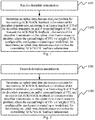
- the embodiments of the application provide a method for transmitting feedback information, and the method is performed at the User Equipment (UE) side, and includes following operations.
- UE User Equipment
- the operation S101 is to receive downlink transmission.
- the operation S102 is to determine an uplink time domain resource position for transmitting ACK/NACK feedback information of the downlink transmission, according to at least a length of TTI of the downlink transmission and/or a second length of TTI, and to transmit the ACK/NACK feedback information of the downlink transmission at the uplink time domain resource position; where the second length of TTI is a length of TTI, configured by configuration signaling or predefined, for determining an uplink time domain resource position for transmitting ACK/NACK feedback information.
- the configuration signaling is higher-layer signaling, or the configuration signaling is carried in a first physical downlink control channel corresponding to the downlink transmission; and/or the configuration signaling configures the same length of TTI or different lengths of TTI for determining an uplink time domain resource position for transmitting ACK/NACK feedback information, for downlink transmission with different lengths of TTI.
- the configuration signaling configures a length of TTI for determining an uplink time domain resource position for transmitting ACK/NACK feedback information as follows: the configuration signaling indicates one of lengths of TTI in a predefined or preconfigured set of lengths of TTI for determining the uplink time domain resource position for transmitting the ACK/NACK feedback information of the downlink transmission as the second length of TTI; or the configuration signaling indicates an offset between the second length of TTI and the length of TTI of the downlink transmission.
- the downlink transmission is a first physical downlink control channel indicating a downlink SPS resource release, or a first physical downlink shared channel with a corresponding first physical downlink control channel (i.e., a dynamically scheduled first physical downlink shared channel), or a first physical downlink shared channel without a corresponding first physical downlink control channel (i.e., a first physical downlink shared channel of SPS); where a length of TTI of the first physical downlink control channel and/or a length of TTI of the first physical downlink shared channel is equal to or less than 1ms.
- the length(s) of TTI thereof may alternatively be greater than 1ms.
- the UE can determine a time domain position (i.e., a time domain resource) of its ACK/NACK feedback dynamically according to a length of DL TTI, for example, the ACK/NACK feedback is transmitted in the earliest UL TTI that starts with an end position of a DL TTI and satisfies three lengths of DL TTI after the end position of the DL TTI.
- a time domain position i.e., a time domain resource
- the length of TTI of the downlink transmission is L1 milliseconds (ms) or L2 symbols; where L1 is 1ms or a decimal fraction less than 1ms, and L2 is 14 or less than 14 in the case of a normal CP, and 12 or less than 12 in the case of an extended CP.
- L1 can alternatively be a decimal fraction or an integer greater than 1ms
- L2 can alternatively be greater than 14 in the case of the normal CP, and greater than 12 in the case of the extended CP.
- the uplink time domain resource position for transmitting the ACK/NACK feedback information of the downlink transmission is determined according to at least the length of TTI of the downlink transmission (i.e., a length of TTI at which the downlink transmission is scheduled, which will apply hereinafter) and/or the second length of TTI as follows.
- the uplink time domain resource position for transmitting the ACK/NACK feedback information of the downlink transmission is determined according to the length of TTI of the downlink transmission as follows.
- a time length L1*k or L2*k symbols that is, precluding the ACK/NACK transmission position and the last symbol of the downlink transmission, and for example, the third symbol is spaced from the first symbol by one symbol
- L1 is the length of TTI of the downlink transmission in a unit of time
- L2 is the length of TTI of the downlink transmission in a unit of symbol
- k is a predefined or preconfigured positive integer or decimal fraction.
- the uplink time domain resource position for transmitting the ACK/NACK feedback information of the downlink transmission is determined according to the second length of TTI; or in a third scheme, the uplink time domain resource position for transmitting the ACK/NACK feedback information of the downlink transmission is determined according to the length of TTI of the downlink transmission and the second length of TTI as follows.
- a first uplink time domain resource that can be used to transmit ACK/NACK and is spaced from an end time position or an end symbol position of the downlink transmission by no less than a time length L3*k or L4*k symbols, wherein the end time position or the end symbol position of the downlink transmission is determined according to a first length of TTI (that is, the space precludes the ACK/NACK transmission position and the last symbol of the downlink transmission, and for example, the third symbol is spaced from the first symbol by one symbol).
- first length of TTI is the second length of TTI (in the second scheme), or the first length of TTI is the larger one (in the third scheme) or the smaller one or the average of the second length of TTI and the length of TTI of the downlink transmission.
- the length of TTI configured in the configuration signaling is L3 milliseconds (ms) or L4 symbols; where L3 is 1ms or a decimal fraction less than 1ms, and L4 is the quantity of symbols configured in the configuration signaling; and L4 is 14 or less than 14 in the case of a normal CP, and 12 or less than 12 in the case of an extended CP.
- L3 can alternatively be a decimal fraction or an integer greater than 1ms
- L4 can alternatively be greater than 14 in the case of a normal CP, and greater than 12 in the case of an extended CP.
- the configuration signaling is higher-layer signaling, e.g., Radio Resource Control (RRC) signaling, Media Access Control (MAC) signaling, Master Information Block (MIB) signaling, System Information Block (SIB) signaling, etc.; or the configuration signaling is carried in a first physical downlink control channel corresponding to the downlink transmission, i.e., a specific bit field in DCI of the first physical downlink control channel indicates the second length of TTI.
- RRC Radio Resource Control
- MAC Media Access Control
- MIB Master Information Block
- SIB System Information Block
- the configuration signaling may configure the same second length of TTI or different second lengths of TTI for the downlink data to be transmitted using different lengths of TTI; and for example, the second length of TTI is configured as b1 for data to be transmitted using a length of TTI which is al, and as b2 for data to be transmitted using a length of TTI which is a2, where a1 and a2 can be a length of TTI or a set of lengths of TTI, that is, when al includes two or more lengths of TTI, an uplink time domain resource position for transmitting ACK/NACK feedback information of data with each length of TTI in al is determined according to the length of TTI which is b1.
- the configuration signaling can indicate the second length of TTI directly; where the length of TTI is one of lengths of TTI in a predefined set and a correspondence relationship between the second length of TTI and the state of the indication field in the configuration signaling is predefined or preconfigured.
- the configuration signaling indicates an offset between the second length of TTI and the length of TTI of the downlink transmission, where a correspondence relationship between the offset and the state of the indication field in the configuration signaling is predefined or preconfigured.
- the offset When the offset is 0, it indicates that the uplink time domain resource position for transmitting the ACK/NACK feedback information of the downlink transmission is determined according to the length of TTI of the downlink transmission, and when the offset is not 0, a length of TTI for actually determining the ACK/NACK time domain position is determined according to the length of TTI of the downlink transmission and the offset. For example, the sum or product of the length of TTI of the downlink transmission and the offset is determined as a length of TTI for actually determining the ACK/NACK time domain position.
- another state of the configuration signaling can alternatively be predefined to indicate that the uplink time domain resource position for transmitting the ACK/NACK feedback information of the downlink transmission is determined according to the length of TTI of the downlink transmission, and the remaining states or a part thereof can indicate an actual offset.
- a processing delay is assumed to be a period of time for the operations of processing downlink transmission, generating ACK/NACK, etc.
- the processing delay does not include a period of time for receiving downlink transmission, for example, but of course, if the processing delay includes a period of time for receiving downlink transmission, then the operations above will apply thereto except that the start point of the delay in the description above shall be a start time position or a start symbol position, instead of an end time position or an end symbol position, of each downlink transmission, thus a repeated description thereof will be omitted here.
- the uplink time domain resource position for transmitting the ACK/NACK feedback information of the downlink transmission is determined according to the length of TTI of the downlink transmission, and/or the second length of TTI, and a feedback delay indication field configured in the configuration signaling.
- the uplink time domain resource position for transmitting the ACK/NACK feedback information of the downlink transmission is preliminarily determined according to the length of TTI of the downlink transmission and/or the second length of TTI (this operation can be performed as in the first, second, and third schemes above).
- the preliminarily determined uplink time domain resource position for transmitting the ACK/NACK feedback information of the downlink transmission is delayed according to the feedback delay configured by the configuration signaling, and the delayed uplink time domain resource position is determined as the uplink time domain resource position for transmitting the ACK/NACK feedback information of the downlink transmission.
- a state of the feedback delay indication field indicates that "the uplink time domain resource position for transmitting the ACK/NACK feedback information of the downlink transmission is determined according to the length of TTI of the downlink transmission or the second length of TTI", and the remaining states of the feedback delay indication field, or a part thereof indicate respectively that "the uplink time domain resource position for transmitting the ACK/NACK feedback information of the downlink transmission, determined according to the length of TTI of the downlink transmission and/or the second length of TTI is delayed by different lengths of delay to determine the uplink time domain resource position for transmitting the ACK/NACK feedback information of the downlink transmission".
- a granularity of the delay can be a unit of the length of a time domain resource for transmitting a piece of ACK/NACK, and for example, if ACK/NACK is transmitted in S1 symbols or S2 TTIs each time, then the delay indication field may indicate no delay, or a delay of S1 symbols or an integer multiple thereof, or can indicate a delay of S2 TTIs or an integer multiple thereof; or the granularity can be a unit of each time domain resource over which ACK/NACK can be transmitted defined in the system, and for example, if five ACK/NACK time resource positions are defined in a radio frame, then the delay indication field may indicate no delay, or a delay of 1, 2, 3, or 4 ACK/NACK time domain resources.
- uplink time domain resource(s) that can be used to transmit ACK/NACK is (or are) as follows.
- the time domain resource(s) is (or are) the symbol(s)/TTI(s) for uplink transmission in a sub-frame in which a part or all of symbols are used for uplink transmission.
- the symbol(s) for any one symbol for uplink transmission in a sub-frame, for example, if the symbol satisfies the condition above, then ACK/NACK will be transmitted starting with the symbol, where the ACK/NACK may be transmitted in only the symbol or in A consecutive symbols starting with the symbol. And if there are no A consecutive symbols starting with the symbol in the sub-frame including the symbol, then the ACK/NACK will be transmitted in an actual quantity of consecutive symbols starting with the symbol, or transmitted in only the symbol as predefined.
- the time resource(s) is (or are) the symbol(s)/TTI(s) for uplink transmission (where there may be no limitations of sub-frame boundaries).
- the symbol(s) for any one symbol for uplink transmission, for example, if the symbol satisfies the condition above, then ACK/NACK will be transmitted starting with the symbol, where the ACK/NACK may be transmitted in only the symbol or in A consecutive symbols starting with the symbol; and if there are no A consecutive symbols starting with the symbol, then the ACK/NACK will be transmitted in an actual quantity of consecutive symbols starting with the symbol, or transmitted in only the symbol as predefined.
- the ACK/NACK will be fed back as early as possible to thereby shorten a delay. If the symbol satisfying the condition is located at the tail of a sub-frame, and there are no A consecutive symbols in the sub-frame, but at least a first part of symbols in the next sub-frame are also uplink symbols, then the ACK/NACK may be transmitted in A consecutive symbols starting with the symbol and across the two sub-frames. The same description will apply to the TTI(s), thus a repeated description thereof will be omitted here.
- the time resource(s) is (or are) a part of the symbol(s)/TTI(s) for uplink transmission in a sub-frame in which a part or all of symbols are used for uplink transmission.
- the time resource(s) is (or are) the first B symbols or the last B symbols among the symbol(s) for uplink transmission in the sub-frame, where B is a predefined or preconfigured positive integer greater than 0.
- ACK/NACK will be transmitted starting with the symbol, where the ACK/NACK may be transmitted in only the symbol or in B consecutive symbols starting with the symbol.
- ACK/NACK will be transmitted in the symbol, where the ACK/NACK may be transmitted in only the symbol.
- the time resource(s) is (or are) a part or all of symbols/TTIs for uplink transmission in a sub-frame in which the quantity of symbols for uplink transmission is no less than A consecutive symbols.
- symbols for example, for the first A symbols among N consecutive symbols for uplink transmission in the sub-frame (that is, if the first symbol satisfies the condition above, then all of the first A symbols will satisfy it), if they satisfy the condition above, then ACK/NACK will be transmitted starting with the first one of the N consecutive symbols, where the ACK/NACK is transmitted in A consecutive symbols; in another example, for the last A symbols among N consecutive symbols for uplink transmission in the sub-frame (that is, if the counted-down A-th symbol among the N consecutive symbols satisfies the condition above, then all of the last A symbols will satisfy it), if they satisfy the condition above, then ACK/NACK will be transmitted starting with the counted-down A-th symbol among the N consecutive symbols, where the ACK/N
- the uplink time domain resource position for transmitting the ACK/NACK feedback information of the downlink transmission is determined, if it is determined to transmit ACK/NACK feedback information of a plurality of instances of the downlink transmission, at the same uplink time domain resource position, then the ACK/NACK feedback information corresponding respectively to the plurality of instances of the downlink transmission will be concatenated together according to DAI indication fields in DCI of the first physical downlink control channels corresponding respectively to the plurality of instances of the downlink transmission, encoded jointly, and then being transmitted; where a DAI is a counter which can indicate the total quantity of instances of the downlink transmission, for which ACK/NACK is to be fed back at the same time domain position, scheduled over the same carrier until the current downlink transmission, or the total quantity of instances of the downlink transmission, for which ACK/NACK is to be fed back at the same time domain position, scheduled over
- the DAI With the continuity of the value of the DAI, it can be determined whether there is intermediate downlink transmission lost, and for example, the DAI indicates 1 when the first downlink transmission is received, and 3 when the second downlink transmission is received, which indicates that there is downlink transmission lost between the received first and second downlink transmission, so NACK can be generated as feedback information for this lost downlink transmission, and the DAI value thereof can be determined as 2, so that ACK/NACK of the three downlink transmission can be sorted and concatenated together according to the DAI values, and for example, can be sorted and concatenated in an ascending order of the DAI values.
- the total quantity indicated in the DAI may not include any first physical downlink shared channel of SPS, or the total quantity may only accumulate the quantity of first physical downlink control channels indicating a downlink SPS resource release, and first physical downlink shared channels with corresponding first physical downlink control channels.
- a time domain position for feeding back ACK/NACK of the first physical downlink shared channel of SPS will be determined according to related information configured in an indication field in a first physical downlink control channel activating the first physical downlink shared channel of SPS.
- the ACK/NACK of the first physical downlink shared channel of SPS may be predefined to be concatenated at the first or last position in a sequence.
- the ACK/NACK feedback information is transmitted via a PUCCH or PUSCH structure in the uplink time domain resource.
- the PUCCH structure can reuse the mapping and spreading patterns of the PUCCH format 4/5 by only changing the time domain transmission length and the frequency domain resource size; or of course, the structure of another PUCCH format can be used alternatively by the PUCCH structure.
- the second length of TTI is an elementary short length of TTI, and the elementary short length of TTI is an elementary transmission unit in the time domain; or the second length of TTI is one of a plurality of system supported lengths of TTI.
- a method for receiving feedback information includes following operations.
- the operation S201 is to transmit downlink transmission.
- the operation S202 is to determine an uplink time domain resource position for transmitting ACK/NACK feedback information of the downlink transmission, according to at least a length of TTI of the downlink transmission and/or a second length of TTI, and to receive the ACK/NACK feedback information of the downlink transmission at the uplink time domain resource position; where the second length of TTI is a length of TTI, configured by configuration signaling or predefined, for determining an uplink time domain resource position for transmitting ACK/NACK feedback information.
- the configuration signaling is higher-layer signaling, or the configuration signaling is carried in a first physical downlink control channel corresponding to the downlink transmission; and/or the configuration signaling configures the same length of TTI or different lengths of TTI for downlink transmission with different lengths of TTI.
- the configuration signaling configures the second length of TTI as follows: the configuration signaling indicates one of lengths of TTI in a predefined or preconfigured set of lengths of TTI for determining the uplink time domain resource position for transmitting the ACK/NACK feedback information of the downlink transmission as the second length of TTI; or the configuration signaling indicates an offset between the second length of TTI and the length of TTI of the downlink transmission.
- the downlink transmission is a first physical downlink control channel indicating a downlink SPS resource release, or a first physical downlink shared channel with a corresponding first physical downlink control channel, or a first physical downlink shared channel without a corresponding first physical downlink control channel; where a length of TTI of the first physical downlink control channel and/or a length of TTI of the first physical downlink shared channel is equal to or less than 1ms.
- the length(s) of TTI thereof may alternatively be greater than 1ms.
- the second length of TTI is an elementary short length of TTI, and the elementary short length of TTI is an elementary transmission unit in the time domain; or the second length of TTI is one of a plurality of system supported lengths of TTI.
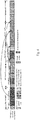
- the length of TTI of the first downlink data transmission is one symbol, and the first downlink data transmission is transmitted in the third symbol in the sub-frame #i, so ACK/NACK can be fed back at earliest in the fourth symbol after said symbol (or a symbol spaced from said symbol by no less than three symbols), i.e., the seventh symbol (uplink) in the sub-frame, as per the required delay of 1*3.
- the length of TTI of the second downlink data transmission is one symbol, and the second downlink data transmission is transmitted in the four symbol in the sub-frame #i, so ACK/NACK can be fed back at earliest in the fourth symbol after said symbol (or a symbol spaced from said symbol by no less than three symbols), i.e., the eighth symbol (uplink) in the sub-frame, as per the required delay of 1*3.
- the length of TTI of the third downlink data transmission is two symbols, and the third downlink data transmission is transmitted in the fifth and sixth symbols in the sub-frame #i, so ACK/NACK can be fed back at earliest in the seventh symbol after the last symbol occupied by the third downlink data transmission (or a symbol spaced from the last symbol by no less than six symbols), i.e., the thirteenth symbol (uplink) in the sub-frame, as per the required delay of 2*3.
- the length of TTI of the fourth downlink data transmission is four symbols, and the fourth downlink data transmission is transmitted in the seventh to tenth symbols in the sub-frame #i, so ACK/NACK can be fed back at earliest in the thirteenth symbol after the last symbol occupied by the fourth downlink data transmission (or a symbol spaced from the last symbol by no less than twelve symbols), i.e., the ninth symbol (uplink) in the sub-frame #i+1, as per the required delay of 4*3.
- the length of TTI of the fifth downlink data transmission is four symbols, and the fifth downlink data transmission is transmitted in the eleventh to fourteenth symbols in the sub-frame #i, so ACK/NACK can be fed back at earliest in the thirteenth symbol after the last symbol occupied by the fifth downlink data transmission (or a symbol spaced from the last symbol by no less than twelve symbols), i.e., the thirteenth symbol (uplink) in the sub-frame #i+1, as per the required delay of 4*3.
- the length of TTI of the sixth downlink data transmission is five symbols, and the sixth downlink data transmission is transmitted in the second to sixth symbols in the sub-frame #i+1, so ACK/NACK can be fed back at earliest in the sixteenth symbol after the last symbol occupied by the sixth downlink data transmission (or a symbol spaced from the last symbol by no less than fifteen symbols), i.e., the ninth symbol (uplink) in the sub-frame #i+2, as per the required delay of 5*3.
- the length of TTI of the seventh downlink data transmission is seven symbols, and the seventh downlink data transmission is transmitted in the seventh to fourteenth symbols in the sub-frame #i+1, so ACK/NACK can be fed back at earliest in the 22 nd symbol after the last symbol occupied by the seventh downlink data transmission (or a symbol spaced from the last symbol by no less than 21 symbols), i.e., the eighth symbol (uplink) in the sub-frame #i+3, as per the required delay of 7*3.
- ACK/NACK can be transmitted in each symbol of each uplink sub-frame in the FDD system, and if ACK/NACK can only be transmitted in a part of symbols, e.g., the last symbol, of each uplink sub-frame, then for the first, second, and third downlink transmission, no ACK/NACK can be transmitted at the ACK/NACK feedback positions determined as described above, so the ACK/NACK shall be delayed to and fed back in the last symbol of the sub-frame #i; for the fourth and fifth downlink transmission, alike the ACK/NACK shall be delayed to and fed back in the last symbol of the sub-frame #i+1; for the sixth downlink transmission, alike the ACK/NACK shall be delayed to and fed back in the last symbol of the sub-frame #i+2; and for the seventh downlink transmission, alike the ACK/NACK shall be delayed to and fed back in the last symbol of the sub-frame #i+3.
- an overhead of transmitting the ACK/NACK in the uplink is lowered by feeding back the ACK/NACK of a plurality of instances of the downlink transmission in the same uplink transmission, at the cost of a longer delay in feedback of the ACK/NACK of a part of the downlink transmission, without departing from the claimed scope of the application.
- the ACK/NACK can alternatively be transmitted in only a part of the sub-frames, or at a part of symbol positions in a part of the sub-frames, although a repeated description thereof will be omitted here.
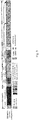
- the length of TTI of the first downlink data transmission is twelve symbols, and the first downlink data transmission is transmitted in the third to fourteenth symbols in the sub-frame #9, so ACK/NACK can be fed back at earliest in the 37th symbol, which is an uplink symbol, after the last symbol occupied by the first downlink data transmission (or a symbol spaced from the last symbol by no less than 36 symbols), i.e., the ninth symbol in the sub-frame #2 in the next radio frame, as per the required delay of 12*3.
- the length of TTI of the second downlink data transmission is four symbols, and the second downlink data transmission is transmitted in the third to sixth symbols in the sub-frame #0, so ACK/NACK can be fed back at earliest in the thirteenth symbol, which is not an uplink symbol, after the last symbol occupied by the second downlink data transmission (or a symbol spaced from the last symbol by no less than twelve symbols), as per the required delay of 4*3, so the ACK/NACK is delayed to and transmitted at a recent uplink symbol position, i.e., in the thirteenth symbol in the sub-frame #1.
- the length of TTI of the third downlink data transmission is four symbols, and the third downlink data transmission is transmitted in the seventh to tenth symbols in the sub-frame #0, so ACK/NACK can be fed back at earliest in the thirteenth symbol, which is not an uplink symbol, after the last symbol occupied by the third downlink data transmission (or a symbol spaced from the last symbol by no less than twelve symbols), as per the required delay of 4*3, so the ACK/NACK is delayed to and transmitted at a recent uplink symbol position, i.e., in the thirteenth symbol in the sub-frame #1.
- the length of TTI of the fourth downlink data transmission is four symbols, and the fourth downlink data transmission is transmitted in the eleventh to fourteenth symbols in the sub-frame #0, so ACK/NACK can be fed back at earliest in the thirteenth symbol, which is an uplink symbol, after the last symbol occupied by the fourth downlink data transmission (or a symbol spaced from the last symbol by no less than twelve symbols), i.e., the thirteenth symbol in the sub-frame #1, as per the required delay of 4*3.
- the length of TTI of the fifth downlink data transmission is one symbol, and the fifth downlink data transmission is transmitted in the third symbol in the sub-frame #1, so ACK/NACK can be fed back at earliest in the fourth symbol, which is not an uplink symbol, after said symbol (or a symbol spaced from said symbol by no less than three symbols), as per the required delay of 1*3, so the ACK/NACK is delayed to and transmitted at a recent uplink symbol position, i.e., in the thirteenth symbol in the sub-frame #1.
- the length of TTI of the sixth downlink data transmission is one symbol, and the sixth downlink data transmission is transmitted in the fourth symbol in the sub-frame #1, so ACK/NACK can be fed back at earliest in the fourth symbol, which is not an uplink symbol, after said symbol (or a symbol spaced from said symbol by no less than three symbols), as per the required delay of 1*3, so the ACK/NACK is delayed to and transmitted at a recent uplink symbol position, i.e., in the thirteenth symbol in the sub-frame #1.
- the length of TTI of the seventh downlink data transmission is six symbols, and the seventh downlink data transmission is transmitted in the fifth to tenth symbols in the sub-frame #1, so ACK/NACK can be fed back at earliest in the nineteenth symbol, which is an uplink symbol, after the last symbol occupied by the seventh downlink data transmission (or a symbol spaced from the last symbol by no less than eighteen symbols), i.e., the first symbol in the sub-frame #3, as per the required delay of 6*3.
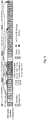
- the length of TTI of the first downlink data transmission is twelve symbols, and the first downlink data transmission is transmitted in the third to fourteenth symbols in the sub-frame #9, so ACK/NACK can be fed back at earliest in the 37th symbol, which is an uplink symbol but is not a specified symbol in which ACK/NACK can be transmitted, after the last symbol occupied by the first downlink data transmission (or a symbol spaced from the last symbol by no less than 36 symbols), as per the required delay of 12*3, so the ACK/NACK is delayed to and transmitted at a recent uplink symbol position at which ACK/NACK can be fed back, i.e., in the last symbol in the sub-frame #2 in the next radio frame.
- the length of TTI of the second downlink data transmission is four symbols, and the second downlink data transmission is transmitted in the third to sixth symbols in the sub-frame #0, so ACK/NACK can be fed back at earliest in the thirteenth symbol, which is not an uplink symbol, after the last symbol occupied by the second downlink data transmission (or a symbol spaced from the last symbol by no less than twelve symbols), as per the required delay of 4*3, so the ACK/NACK is delayed to and transmitted at a recent uplink symbol position at which ACK/NACK can be fed back, i.e., in the last symbol in the sub-frame #2.
- the length of TTI of the third downlink data transmission is four symbols, and the third downlink data transmission is transmitted in the seventh to tenth symbols in the sub-frame #0, so ACK/NACK can be fed back at earliest in the thirteenth symbol, which is not an uplink symbol, after the last symbol occupied by the third downlink data transmission (or a symbol spaced from the last symbol by no less than twelve symbols), as per the required delay of 4*3, so the ACK/NACK is delayed to and transmitted at a recent uplink symbol position at which ACK/NACK can be fed back, i.e., in the last symbol in the sub-frame #2.
- the length of TTI of the fourth downlink data transmission is four symbols, and the fourth downlink data transmission is transmitted in the eleventh to fourteenth symbols in the sub-frame #0, so ACK/NACK can be fed back at earliest in the thirteenth symbol, which is an uplink symbol but is not a specified symbol in which ACK/NACK can be transmitted, after the last symbol occupied by the fourth downlink data transmission (or a symbol spaced from the last symbol by no less than twelve symbols), as per the required delay of 4*3, so the ACK/NACK is delayed to and transmitted at a recent uplink symbol position at which ACK/NACK can be fed back, i.e., in the last symbol in the sub-frame #2.
- the length of TTI of the fifth downlink data transmission is one symbol, and the fifth downlink data transmission is transmitted in the third symbol in the sub-frame #1, so ACK/NACK can be fed back at earliest in the fourth symbol, which is not an uplink symbol, after said symbol (or a symbol spaced from said symbol by no less than three symbols), as per the required delay of 1*3, so the ACK/NACK is delayed to and transmitted at a recent uplink symbol position, i.e., in the last symbol in the sub-frame #2.
- the length of TTI of the sixth downlink data transmission is one symbol, and the sixth downlink data transmission is transmitted in the fourth symbol in the sub-frame #1, so ACK/NACK can be fed back at earliest in the fourth symbol, which is not an uplink symbol, after said symbol (or a symbol spaced from said symbol by no less than three symbols), as per the required delay of 1*3, so the ACK/NACK is delayed to and transmitted at a recent uplink symbol position, i.e., in the last symbol in the sub-frame #2.
- the length of TTI of the seventh downlink data transmission is six symbols, and the seventh downlink data transmission is transmitted in the fifth to tenth symbols in the sub-frame #1, so ACK/NACK can be fed back at earliest in the nineteenth symbol, which is an uplink symbol but is not a specified symbol in which ACK/NACK can be transmitted, after the last symbol occupied by the seventh downlink data transmission (or a symbol spaced from the last symbol by no less than eighteen symbols), as per the required delay of 6*3, so the ACK/NACK is delayed to and transmitted at a recent uplink symbol position at which ACK/NACK can be fed back, i.e., in the last symbol in the sub-frame #3.
- this embodiment can alternatively be implemented for another purpose of, for example, avoiding ACK/NACK resources of different terminals from conflicting with each other, etc.
- it can be RRC-configured that a time domain position for feeding back ACK/NACK of each downlink transmission is determined according to a length of TTI, which is 8 (where a correspondence relationship between an RRC-configured indication field, and a configured length of TTI can be as depicted in Table 3 or the like; or furthermore it can also be configured in RRC signaling that the length of TTI for determining a time domain position for feeding back ACK/NACK is determined according to an offset relative to a length of TTI at which downlink transmission is scheduled, as depicted in Table 4 below or the like); and in another implementation, a first bit field in DCI of a control channel corresponding to each downlink transmission indicates a length of TTI for determining a time domain position for feeding back ACK/NACK of the downlink transmission.
- the length of TTI of the first downlink data transmission is eight symbols, and the first downlink data transmission is transmitted in the third to tenth symbols in the sub-frame #0, if a feedback position is determined according to an RRC-configured length of TTI, which is eight symbols, then ACK/NACK may be fed back at earliest in the 25th symbol, which is an uplink symbol but is not a specified symbol in which ACK/NACK can be transmitted, after the last symbol occupied by the first downlink data transmission (or a symbol spaced from the last symbol by no less than 24 symbols), as per the required delay of 8*3, so the ACK/NACK is delayed to and transmitted at a recent uplink symbol position at which ACK/NACK can be fed back, i.e., in the last symbol in the sub-frame 2 in the current radio frame;.
- the first indication field will be obtained, and at this time, for example, the relationship indicated in the first indication field may be as depicted in Table 3. For example, if the first indication field in the DCI corresponding to the first downlink data transmission is "110", which indicates that a feedback position is determined according to a length of TTI, which is eight symbols, then ACK/NACK will be fed back as per the required delay of 8*3 as described above.
- the relationship indicated in the first indication field may be as depicted in Table 4, and for example, if the first indication field in the DCI corresponding to the first downlink data transmission is "00", which indicates that a feedback position is determined according to a length of TTI, which is eight symbols, at which downlink transmission is really scheduled, then ACK/NACK will be fed back as per the required delay of 8*3 as described above (for Table 3 and Table 4, there may be other correspondence patterns, and for example, the values indicated in the tables may be changed, the units of the values indicated in the tables may be changed, the quantity of bits in the first indication field in the tables may be changed, the correspondence relationships between the respective states of the first indication field, and the indicated values in the tables may be swapped, etc., without departing from the claimed scope of the application).
- Table 3 A correspondence relationship between the first indication field in DCI, and a length of TTI for determining a feedback position of ACK/NACK.
- the state of the first indication field A length of TTI 000 1 001 2 010 3 Oil 4 100 6 101 7 110 8 111 14
- Table 4 A correspondence relationship between the first indication field in DCI, and an offset between a length of TTI for determining a feedback position of ACK/NACK and a length of TTI of downlink transmission.
- the state of the first indication field Offset of a length of TTI (in symbols) 00 0 01 2 10 4 11 6
- the length of TTI of the second downlink data transmission is four symbols, and the second downlink data transmission is transmitted in the eleventh to fourteenth symbols in the sub-frame #0, if a feedback position is determined according to an RRC-configured length of TTI, which is eight symbols, then ACK/NACK may be fed back at earliest in the 25th symbol, which is an uplink symbol but is not a specified symbol in which ACK/NACK can be transmitted, after the last symbol occupied by the second downlink data transmission (or a symbol spaced from the last symbol by no less than 24 symbols), as per the required delay of 8*3, so the ACK/NACK is delayed to and transmitted at a recent uplink symbol position at which ACK/NACK can be fed back, i.e., in the last symbol in the sub-frame 2 in the current radio frame.
- the first indication field will be obtained. For example, if the first indication field is "110", which indicates in the correspondence relationship in Table 3 that a feedback position is determined according to a length of TTI, which is eight symbols, and in another example, if the first indication field is "10", which indicates in the correspondence relationship in Table 4 that a feedback position is determined according to a length of TTI, which is eight symbols, determined by offsetting or increasing the length of TTI of the downlink transmission by four symbols, then ACK/NACK will be fed back as per the required delay of 8*3 as described above.
- the length of TTI of the third downlink data transmission is two symbols, and the third downlink data transmission is transmitted in the third and fourth symbols in the sub-frame #1, if a feedback position is determined according to an RRC-configured length of TTI, which is eight symbols, then ACK/NACK may be fed back at earliest in the 25th symbol, which is an uplink symbol but is not a specified symbol in which ACK/NACK can be transmitted, after the last symbol occupied by the third downlink data transmission (or a symbol spaced from the last symbol by no less than 24 symbols), as per the required delay of 8*3, so the ACK/NACK is delayed to and transmitted at a recent uplink symbol position at which ACK/NACK can be fed back, i.e., in the last symbol in the sub-frame #3 in the current radio frame.
- the first indication field will be obtained. For example, if the first indication field is "100", which indicates in the correspondence relationship in Table 3 that a feedback position is determined according to a length of TTI, which is six symbols, and in another example, if the first indication field is "10", which indicates in the correspondence relationship in Table 4 that a feedback position is determined according to a length of TTI, which is six symbols, determined by offsetting or increasing the length of TTI of the downlink transmission by four symbols, then ACK/NACK may be fed back at earliest in the nineteenth symbol, which is an uplink symbol but is not a specified symbol in which ACK/NACK can be transmitted, after the last symbol occupied by the third downlink data transmission (or a symbol spaced from the last symbol by no less than eighteen symbols), as per the required delay of 6*3, so the ACK/NACK is delayed to and transmitted at a recent uplink symbol position at which ACK/NACK
- the length of TTI of the fourth downlink data transmission is six symbols, and the fourth downlink data transmission is transmitted in the fifth to tenth symbols in the sub-frame #1, if a feedback position is determined according to an RRC-configured length of TTI, which is eight symbols, then ACK/NACK may be fed back at earliest in the 25th symbol, which is an uplink symbol but is not a specified symbol in which ACK/NACK can be transmitted, after the last symbol occupied by the fourth downlink data transmission (or a symbol spaced from the last symbol by no less than 24 symbols), as per the required delay of 8*3, so the ACK/NACK is delayed to and transmitted at a recent uplink symbol position at which ACK/NACK can be fed back, i.e., in the last symbol in the sub-frame #3 in the current radio frame.
- the first indication field will be obtained. For example, if the first indication field is "100", which indicates in the correspondence relationship in Table 3 that a feedback position is determined according to a length of TTI, which is six symbols, and in another example, if the first indication field is "00", which indicates in the correspondence relationship in Table 4 that a feedback position is determined according to a length of TTI, which is six symbols, at which downlink transmission is really scheduled, then ACK/NACK may be fed back at earliest in the nineteenth symbol, which is an uplink symbol but is not a specified symbol in which ACK/NACK can be transmitted, after the last symbol occupied by the fourth downlink data transmission (or a symbol spaced from the last symbol by no less than eighteen symbols), as per the required delay of 6*3, so the ACK/NACK is delayed to and transmitted at a recent uplink symbol position at which ACK/NACK can be fed back, i.e.,
- the operations in the third scheme are substantially the same as the second scheme in the fourth embodiment except that before the time domain position for feeding back the ACK/NACK is determined, the length of TTI for determining the time domain position for feeding back the ACK/NACK is determined according to the length of TTI at which downlink transmission is really scheduled, and the configured length of TTI, e.g., the larger one of them, and then the time domain position for feeding back the ACK/NACK is determined as in the operations above, thus a repeated description thereof will be omitted here.
- Table 5 A correspondence relationship between a feedback delay indication field and what it indicates.
- the state of the feedback delay indication field Delay (in ACK/NACK resources)
- the length of TTI of the first downlink data transmission is two symbols, and the first downlink data transmission is transmitted in the third and fourth symbols in the sub-frame #i, so ACK/NACK may be fed back at earliest in the seventh symbol after the last symbol occupied by the first downlink data transmission (or a symbol spaced from the last symbol by no less than six symbols), that is, the ACK/NACK may be transmitted in the eleventh symbol (uplink) in the sub-frame, as per the required delay of 2*3, but the feedback delay indication field in the DCI is "10", which indicates a delay of two ACK/NACK feedback resources, so it is determined to transmit the ACK/NACK in the thirteenth symbol (uplink) in the sub-frame.
- the length of TTI of the second downlink data transmission is two symbols, and the second downlink data transmission is transmitted in the fifth and sixth symbols in the sub-frame #i, so ACK/NACK may be fed back at earliest in the seventh symbol after the last symbol occupied by the second downlink data transmission (or a symbol spaced from the last symbol by no less than six symbols), that is, the ACK/NACK may be transmitted in the thirteenth symbol (uplink) in the sub-frame, as per the required delay of 2*3, and the feedback delay indication field in the DCI is "00", which indicates no delay, so it is determined to transmit the ACK/NACK in the thirteenth symbol (uplink) in the sub-frame.
- the length of TTI of the third downlink data transmission is four symbols, and the third downlink data transmission is transmitted in the seventh to tenth symbols in the sub-frame #i, so ACK/NACK may be fed back at earliest in the thirteenth symbol after the last symbol occupied by the third downlink data transmission (or a symbol spaced from the last symbol by no less than twelve symbols), that is, the ACK/NACK may be transmitted in the ninth symbol (uplink) in the sub-frame #i+1, as per the required delay of 4*3, but the feedback delay indication field in the DCI is "11", which indicates a delay of four ACK/NACK feedback resources, so it is determined to transmit the ACK/NACK in the thirteenth symbol (uplink) in the sub-frame #i+1.
- the length of TTI of the fourth downlink data transmission is four symbols, and the fourth downlink data transmission is transmitted in the eleventh to fourteenth symbols in the sub-frame #i, so ACK/NACK may be fed back at earliest in the thirteenth symbol after the last symbol occupied by the fourth downlink data transmission (or a symbol spaced from the last symbol by no less than twelve symbols), that is, the ACK/NACK may be transmitted in the thirteenth symbol (uplink) in the sub-frame #i+1, as per the required delay of 4*3, and the feedback delay indication field in the DCI is "00", which indicates no delay, so it is determined to transmit the ACK/NACK in the thirteenth symbol (uplink) in the sub-frame #i+1.
- the ACK/NACK feedback is transmitted in only one symbol as described in the embodiments above by way of an example, but the ACK/NACK can alternatively be transmitted in more than one symbol, e.g., 2, 3, 4, 5, 7, etc., symbols, or in 1ms (12 or 14 symbols), and at this time, the position of a start symbol in which the ACK/NACK is transmitted can be determined as described above except that a candidate start symbol position is a specific symbol position, satisfying A consecutive uplink symbols, determined according to the quantity A of symbols for transmitting the ACK/NACK, and the ACK/NACK is transmitted in a plurality of consecutive symbols starting with the symbol position.
- the configured length of TTI is replaced with a predefined length of TTI, e.g., the length of an elementary short TTI, e.g., a short TTI of one symbol, or a short TTI of two symbols; and the time domain position for transmitting the ACK/NACK feedback information is determined as described above, thus a repeated description thereof will be omitted here.
- a predefined length of TTI e.g., the length of an elementary short TTI, e.g., a short TTI of one symbol, or a short TTI of two symbols
- a device for transmitting feedback information includes: a receiving unit 11 configured to receive downlink transmission; and a transmitting unit 12 configured to determine an uplink time domain resource position for transmitting ACK/NACK feedback information of the downlink transmission, according to at least a length of TTI of the downlink transmission and/or a second length of TTI, and to transmit the ACK/NACK feedback information of the downlink transmission at the uplink time domain resource position, where the second length of TTI is a length of TTI, configured by configuration signaling or predefined, for determining an uplink time domain resource position for transmitting ACK/NACK feedback information.
- the transmitting unit is configured to determine the uplink time domain resource position for transmitting the ACK/NACK feedback information of the downlink transmission, according to the length of TTI of the downlink transmission, and to transmit the ACK/NACK feedback information of the downlink transmission at the uplink time domain resource position as follows.
- L1 is the length of TTI of the downlink transmission in a unit of time
- L2 is the length of TTI of the downlink transmission in a unit of symbol
- k is a predefined or preconfigured positive integer or decimal fraction.
- the transmitting unit is configured to determine the uplink time domain resource position for transmitting the ACK/NACK feedback information of the downlink transmission, according to the length of TTI of the downlink transmission and/or the second length of TTI, and to transmit the ACK/NACK feedback information of the downlink transmission at the uplink time domain resource position as follows.
- L3 is the first length of TTI in a unit of time
- L4 is the first length of TTI in a unit of symbol
- k is a predefined or preconfigured positive integer or decimal fraction
- the first length of TTI is the second length of TTI, or the larger one or the smaller one or the average of the second length of TTI and the length of TTI of the downlink transmission.
- the transmitting unit is configured to determine the uplink time domain resource position for transmitting the ACK/NACK feedback information of the downlink transmission, according to at least the length of TTI of the downlink transmission and/or the second length of TTI as follows.
- the transmitting unit is configured to determine the uplink time domain resource position for transmitting the ACK/NACK feedback information of the downlink transmission, according to the length of TTI of the downlink transmission and/or the second length of TTI, and the feedback delay configured by the configuration signaling as follows.
- the configuration signaling is higher-layer signaling, or the configuration signaling is carried in a first physical downlink control channel corresponding to the downlink transmission; and/or the configuration signaling configures the same second length of TTI or different second lengths of TTI for downlink transmission with different lengths of TTI.
- the configuration signaling configures the second length of TTI as follows.
- the configuration signaling indicates one of lengths of TTI in a predefined or preconfigured set of lengths of TTI for determining the uplink time domain resource position for transmitting the ACK/NACK feedback information of the downlink transmission as the second length of TTI; or the configuration signaling indicates an offset between the second length of TTI and the length of TTI of the downlink transmission.
- the uplink time domain resource that can be used to transmit ACK/NACK includes following resources.
- sub-frames including at least one symbol for uplink transmission.
- a part or all of sub-frames including such a quantity of consecutive symbols for uplink transmission that is no less than a preset number.
- a symbols or B TTIs in a part or all of uplink sub-frames where A is the quantity of symbols to be occupied for transmitting the ACK/NACK feedback information, and A is a positive integer; and B is the quantity of TTIs to be occupied for transmitting the ACK/NACK feedback information, and B is a positive integer.
- a part or all of symbols or TTIs for uplink transmission in a part or all of sub-frames for uplink transmission including at least one symbol for uplink transmission.
- a part or all of symbols or TTIs for uplink transmission in a part or all of sub-frames including such a quantity of consecutive symbols for uplink transmission that is no less than a preset number.
- the transmitting unit determines to transmit ACK/NACK feedback information of a plurality of instances of the downlink transmission at the same uplink time domain resource
- the transmitting unit is configured: to concatenate the ACK/NACK feedback information corresponding respectively to the plurality of instances of the downlink transmission according to DAI indication fields in DCI of first physical downlink control channels corresponding respectively to the plurality of instances of the downlink transmission, and to transmit the concatenated ACK/NACK feedback information at the uplink time domain resource position.
- the downlink transmission is a first physical downlink control channel indicating a downlink SPS resource release, or a first physical downlink shared channel with a corresponding first physical downlink control channel, or a first physical downlink shared channel without a corresponding first physical downlink control channel.
- the second length of TTI is an elementary short length of TTI, and the elementary short length of TTI is an elementary transmission unit in the time domain; or the second length of TTI is one of a plurality of system supported lengths of TTI.
- a device for receiving feedback information includes: a transmitting unit 21 configured to transmit downlink transmission; and a receiving unit 22 configured to determine an uplink time domain resource position for transmitting ACK/NACK feedback information of the downlink transmission, according to at least a length of TTI of the downlink transmission and/or a second length of TTI, and to receive the ACK/NACK feedback information of the downlink transmission at the uplink time domain resource position, where the second length of TTI is a length of TTI, configured by configuration signaling or predefined, for determining an uplink time domain resource position for transmitting ACK/NACK feedback information.
- the receiving unit is configured to determine the uplink time domain resource position for transmitting the ACK/NACK feedback information of the downlink transmission, according to the length of TTI of the downlink transmission, and to receive the ACK/NACK feedback information of the downlink transmission at the uplink time domain resource position as follows.
- L1 is the length of TTI of the downlink transmission in a unit of time
- L2 is the length of TTI of the downlink transmission in a unit of symbol
- k is a predefined or preconfigured positive integer or decimal fraction.
- the receiving unit is configured to determine the uplink time domain resource position for transmitting the ACK/NACK feedback information of the downlink transmission, according to the length of TTI of the downlink transmission and/or the second length of TTI, and to receive the ACK/NACK feedback information of the downlink transmission at the uplink time domain resource position as follows.
- L3 is the first length of TTI in a unit of time
- L4 is the first length of TTI in a unit of symbol
- k is a predefined or preconfigured positive integer or decimal fraction
- the first length of TTI is the second length of TTI, or the first length of TTI is the larger or smaller one or the average of the second length of TTI and the length of TTI of the downlink transmission.
- the receiving unit is configured to determine the uplink time domain resource position for transmitting the ACK/NACK feedback information of the downlink transmission, according to at least the length of TTI of the downlink transmission and/or the second length of TTI as follows.
- the receiving unit is configured to determine the uplink time domain resource position for transmitting the ACK/NACK feedback information of the downlink transmission, according to the length of TTI of the downlink transmission and/or the second length of TTI, and the feedback delay configured by the configuration signaling as follows.
- the configuration signaling is higher-layer signaling, or the configuration signaling is carried in a first physical downlink control channel corresponding to the downlink transmission; and/or the configuration signaling configures the same second length of TTI or different second lengths of TTI for downlink transmission with different lengths of TTI.
- the configuration signaling configures the second length of TTI as follows.
- the configuration signaling indicates one of lengths of TTI in a predefined or preconfigured set of lengths of TTI for determining the uplink time domain resource position for transmitting the ACK/NACK feedback information of the downlink transmission as the second length of TTI; or the configuration signaling indicates an offset between the second length of TTI and the length of TTI of the downlink transmission.
- the uplink time domain resource over which ACK/NACK can be transmitted includes following resources.
- sub-frames including at least one symbol for uplink transmission.
- a part or all of sub-frames including such a quantity of consecutive symbols for uplink transmission that is no less than a preset number.
- a symbols or B TTIs in a part or all of uplink sub-frames where A is the quantity of symbols to be occupied for transmitting the ACK/NACK feedback information, and A is a positive integer; and B is the quantity of TTIs to be occupied for transmitting the ACK/NACK feedback information, and B is a positive integer.
- a part or all of symbols or TTIs for uplink transmission in a part or all of sub-frames for uplink transmission including at least one symbol for uplink transmission.
- a part or all of symbols or TTIs for uplink transmission in a part or all of sub-frames including such a quantity of consecutive symbols for uplink transmission that is no less than a preset number.
- the receiving unit determines that ACK/NACK feedback information of a plurality of instances of the downlink transmission is transmitted at the same uplink time domain resource
- the receiving unit is configured to determine that the ACK/NACK feedback information is obtained by concatenating the ACK/NACK feedback information corresponding respectively to the plurality of instances of the downlink transmission according to DAI indication fields in DCI of first physical downlink control channels corresponding respectively to the plurality of instances of the downlink transmission.
- the downlink transmission is a first physical downlink control channel indicating a downlink SPS resource release, or a first physical downlink shared channel with a corresponding first physical downlink control channel, or a first physical downlink shared channel without a corresponding first physical downlink control channel.
- the second length of TTI is an elementary short length of TTI, and the elementary short length of TTI is an elementary transmission unit in the time domain; or the second length of TTI is one of a plurality of system supported lengths of TTI.
- another device for transmitting feedback information includes a processor 301 configured to read and execute programs in a memory 304 to: receive downlink transmission through a transceiver 302; and determine an uplink time domain resource position for transmitting ACK/NACK feedback information of the downlink transmission, according to at least a length of TTI of the downlink transmission and/or a second length of TTI, and transmit the ACK/NACK feedback information of the downlink transmission at the uplink time domain resource position through the transceiver 302, where the second length of TTI is a length of TTI, configured by configuration signaling or predefined, for determining an uplink time domain resource position for transmitting ACK/NACK feedback information.
- the processor 301 is configured to determine the uplink time domain resource position for transmitting the ACK/NACK feedback information of the downlink transmission, according to the length of TTI of the downlink transmission, and to transmit the ACK/NACK feedback information of the downlink transmission at the uplink time domain resource position as follows.
- L1 is the length of TTI of the downlink transmission in a unit of time
- L2 is the length of TTI of the downlink transmission in a unit of symbol
- k is a predefined or preconfigured positive integer or decimal fraction.
- the processor 301 is configured to determine the uplink time domain resource position for transmitting the ACK/NACK feedback information of the downlink transmission, according to the length of TTI of the downlink transmission and/or the second length of TTI, and to transmit the ACK/NACK feedback information of the downlink transmission at the uplink time domain resource position as follows.
- L3 is the first length of TTI in a unit of time
- L4 is the first length of TTI in a unit of symbol
- k is a predefined or preconfigured positive integer or decimal fraction
- the first length of TTI is the second length of TTI, or the larger or smaller one or the average of the second length of TTI and the length of TTI of the downlink transmission.
- the processor 301 is configured to determine the uplink time domain resource position for transmitting the ACK/NACK feedback information of the downlink transmission, according to at least the length of TTI of the downlink transmission and/or the second length of TTI as follows.
- the processor 301 is configured to determine the uplink time domain resource position for transmitting the ACK/NACK feedback information of the downlink transmission, according to the length of TTI of the downlink transmission and/or the second length of TTI, and the feedback delay configured by the configuration signaling as follows.
- the configuration signaling is higher-layer signaling, or the configuration signaling is carried in a first physical downlink control channel corresponding to the downlink transmission; and/or the configuration signaling configures the same second length of TTI or different second lengths of TTI for downlink transmission with different lengths of TTI.
- the configuration signaling configures the second length of TTI as follows.
- the configuration signaling indicates one of lengths of TTI in a predefined or preconfigured set of lengths of TTI for determining an uplink time domain resource position for transmitting ACK/NACK feedback information of the downlink transmission as the second length of TTI; or the configuration signaling indicates an offset between the second length of TTI and the length of TTI of the downlink transmission.
- the uplink time domain resource over which ACK/NACK can be transmitted includes following resources.
- sub-frames including at least one symbol for uplink transmission.
- a part or all of sub-frames including such a quantity of consecutive symbols for uplink transmission that is no less than a preset number.
- a symbols or B TTIs in a part or all of uplink sub-frames where A is the quantity of symbols to be occupied for transmitting the ACK/NACK feedback information, and A is a positive integer; and B is the quantity of TTIs to be occupied for transmitting the ACK/NACK feedback information, and B is a positive integer.
- a part or all of symbols or TTIs for uplink transmission in a part or all of sub-frames for uplink transmission including at least one symbol for uplink transmission.
- a part or all of symbols or TTIs for uplink transmission in a part or all of sub-frames including such a quantity of consecutive symbols for uplink transmission that is no less than a preset number.
- the processor 301 determines to transmit ACK/NACK feedback information of a plurality of instances of the downlink transmission at the same uplink time domain resource
- the processor is configured: to concatenate the ACK/NACK feedback information corresponding respectively to the plurality of instances of the downlink transmission according to DAI indication fields in DCI of first physical downlink control channels corresponding respectively to the plurality of instances of the downlink transmission, and to transmit the concatenated ACK/NACK feedback information at the uplink time domain resource position.
- the downlink transmission is a first physical downlink control channel indicating a downlink SPS resource release, or a first physical downlink shared channel with a corresponding first physical downlink control channel, or a first physical downlink shared channel without a corresponding first physical downlink control channel.
- the second length of TTI is an elementary short length of TTI, and the elementary short length of TTI is an elementary transmission unit in the time domain; or the second length of TTI is one of a plurality of system supported lengths of TTI.
- the transceiver 302 is configured to receive and transmit data under the control of the processor 301.
- the bus 300 can include any quantity of interconnecting buses and bridges to particularly link together various circuits including one or more processors represented by the processor 301, and one or more memories represented by the memory 304.
- the bus 300 can further link together various other circuits, e.g., a peripheral device, a manostat, a power management circuit, etc., all of which are well known in the art, so a further description thereof will be omitted in this context.
- a bus interface 303 serves as an interface between the bus 300 and the transceiver 302.
- the transceiver 302 can be an element, or a plurality of elements, e.g., a plurality of receivers and transmitters, which are units for communication with various other devices over a transmission medium.
- the transceiver 302 receives external data from another device.
- the transceiver 302 is configured to transmit data processed by the processor 301 to the other device.
- a user interface 305 e.g., a keypad, a display, a loudspeaker, a microphone, a joystick, etc., can be further provided dependent upon the nature of a computing system.
- the processor 301 is responsible for managing the bus 300 and performing normal processes, e.g., running a general operating system.
- the memory 304 can be configured to store data for use by the processor 301 in performing operations.
- the processor 301 can be a Central Processing Unit (CPU), an Application Specific Integrated Circuit (ASIC), a Field-Programmable Gate Array (FPGA), or a Complex Programmable Logic Device (CPLD).
- CPU Central Processing Unit
- ASIC Application Specific Integrated Circuit
- FPGA Field-Programmable Gate Array
- CPLD Complex Programmable Logic Device
- another device for receiving feedback information includes a processor 504 configured to read and execute programs in a memory 505 to: transmit downlink transmission through a transceiver 501; and determine an uplink time domain resource position for transmitting ACK/NACK feedback information of the downlink transmission, according to at least a length of TTI of the downlink transmission and/or a second length of TTI, and receive the ACK/NACK feedback information of the downlink transmission at the uplink time domain resource position through the transceiver 501, where the second length of TTI is a length of TTI, configured by configuration signaling or predefined, for determining an uplink time domain resource position for transmitting ACK/NACK feedback information.
- the processor 504 is configured to determine the uplink time domain resource position for transmitting the ACK/NACK feedback information of the downlink transmission, according to the length of TTI of the downlink transmission, and to receive the ACK/NACK feedback information of the downlink transmission at the uplink time domain resource position through the transceiver 501 as follows.
- L1 is the length of TTI of the downlink transmission in a unit of time
- L2 is the length of TTI of the downlink transmission in a unit of symbol
- k is a predefined or preconfigured positive integer or decimal fraction.
- the processor 504 is configured to determine the uplink time domain resource position for transmitting the ACK/NACK feedback information of the downlink transmission, according to the length of TTI of the downlink transmission and/or the second length of TTI, and to receive the ACK/NACK feedback information of the downlink transmission at the uplink time domain resource position through the transceiver 501 as follows.
- L3 is the first length of TTI in a unit of time
- L4 is the first length of TTI in a unit of symbol
- k is a predefined or preconfigured positive integer or decimal fraction
- the first length of TTI is the second length of TTI, or the larger or smaller one or the average of the second length of TTI and the length of TTI of the downlink transmission.
- the processor 504 is configured to determine the uplink time domain resource position for transmitting the ACK/NACK feedback information of the downlink transmission, according to at least the length of TTI of the downlink transmission and/or the second length of TTI as follows.
- the processor 504 is configured to determine the uplink time domain resource position for transmitting the ACK/NACK feedback information of the downlink transmission, according to the length of TTI of the downlink transmission and/or the second length of TTI, and the feedback delay configured by the configuration signaling as follows.
- the configuration signaling is higher-layer signaling, or the configuration signaling is carried in a first physical downlink control channel corresponding to the downlink transmission; and/or the configuration signaling configures the same second length of TTI or different second lengths of TTI for downlink transmission with different lengths of TTI.
- the configuration signaling configures the second length of TTI as follows.
- the configuration signaling indicates one of lengths of TTI in a predefined or preconfigured set of lengths of TTI for determining an uplink time domain resource position for transmitting ACK/NACK feedback information of the downlink transmission as the second length of TTI; or the configuration signaling indicates an offset between the second length of TTI and the length of TTI of the downlink transmission.
- the uplink time domain resource over which ACK/NACK can be transmitted includes following resources.
- sub-frames including at least one symbol for uplink transmission.
- a part or all of sub-frames including such a quantity of consecutive symbols for uplink transmission that is no less than a preset number.
- a symbols or B TTIs in a part or all of uplink sub-frames where A is the quantity of symbols to be occupied for transmitting the ACK/NACK feedback information, and A is a positive integer; and B is the quantity of TTIs to be occupied for transmitting the ACK/NACK feedback information, and B is a positive integer.
- a part or all of symbols or TTIs for uplink transmission in a part or all of sub-frames for uplink transmission including at least one symbol for uplink transmission.
- a part or all of symbols or TTIs for uplink transmission in a part or all of sub-frames including such a quantity of consecutive symbols for uplink transmission that is no less than a preset number.
- the processor 504 determines that ACK/NACK feedback information of a plurality of instances of the downlink transmission is transmitted at the same uplink time domain resource
- the processor is configured to determine that the ACK/NACK feedback information is obtained by concatenating the ACK/NACK feedback information corresponding respectively to the plurality of instances of the downlink transmission according to DAI indication fields in DCI of first physical downlink control channels corresponding respectively to the plurality of instances of the downlink transmission.
- the downlink transmission is a first physical downlink control channel indicating a downlink SPS resource release, or a first physical downlink shared channel with a corresponding first physical downlink control channel, or a first physical downlink shared channel without a corresponding first physical downlink control channel.
- the second length of TTI is an elementary short length of TTI, and the elementary short length of TTI is an elementary transmission unit in the time domain; or the second length of TTI is one of a plurality of system supported lengths of TTI.
- the transceiver 501 is configured to receive and transmit data over the control of the processor 504.
- the bus architecture (represented as a bus 500), the bus 500 can include any quantity of interconnecting buses and bridges to particularly link together various circuits including one or more processors represented by the processor 504, and one or more memories represented by the memory 505.
- the bus 500 can further link together various other circuits, e.g., a peripheral device, a manostat, a power management circuit, etc., all of which are well known in the art, so a further description thereof will be omitted in this context.
- a bus interface 503 serves as an interface between the bus 500 and the transceiver 501.
- the transceiver 501 can be an element, or a plurality of elements, e.g., a plurality of receivers and transmitters, which are units for communication with various other devices over a transmission medium.
- Data processed by the processor 504 are transmitted a wireless medium through an antenna 502, and furthermore the antenna 502 receives and transports data to the processor 504.
- the processor 504 is responsible for managing the bus 500 and performing normal processes, and can further provide various functions, e.g., timing, a peripheral interface, voltage regulation, power source management, and other control functions.
- the memory 505 can be configured to store data for use by the processor 504 in performing operations.
- the processor 504 can be a Central Processing Unit (CPU), an Application Specific Integrated Circuit (ASIC), a Field-Programmable Gate Array (FPGA), or a Complex Programmable Logic Device (CPLD).
- CPU Central Processing Unit
- ASIC Application Specific Integrated Circuit
- FPGA Field-Programmable Gate Array
- CPLD Complex Programmable Logic Device
- the embodiments of the application can be embodied as a method, a system or a computer program product. Therefore the application can be embodied in the form of an all-hardware embodiment, an all-software embodiment or an embodiment of software and hardware in combination. Furthermore the application can be embodied in the form of a computer program product embodied in one or more computer useable storage mediums (including but not limited to a disk memory, an optical memory, etc.) in which computer useable program codes are contained.
- These computer program instructions can also be stored into a computer readable memory capable of directing the computer or the other programmable data processing device to operate in a specific manner so that the instructions stored in the computer readable memory create an article of manufacture including instruction means which perform the functions specified in the flow(s) of the flow chart and/or the block(s) of the block diagram.
- These computer program instructions can also be loaded onto the computer or the other programmable data processing device so that a series of operational operations are performed on the computer or the other programmable data processing device to create a computer implemented process so that the instructions executed on the computer or the other programmable device provide operations for performing the functions specified in the flow(s) of the flow chart and/or the block(s) of the block diagram.
Landscapes
- Engineering & Computer Science (AREA)
- Signal Processing (AREA)
- Computer Networks & Wireless Communication (AREA)
- Mobile Radio Communication Systems (AREA)
- Detection And Prevention Of Errors In Transmission (AREA)
Applications Claiming Priority (3)
| Application Number | Priority Date | Filing Date | Title |
|---|---|---|---|
| CN201610180061 | 2016-03-25 | ||
| CN201610320236.2A CN107231217B (zh) | 2016-03-25 | 2016-05-13 | 一种反馈信息的传输方法及装置 |
| PCT/CN2017/073101 WO2017161971A1 (fr) | 2016-03-25 | 2017-02-08 | Procédé et dispositif pour transmettre des informations de rétroaction |
Publications (3)
| Publication Number | Publication Date |
|---|---|
| EP3435577A1 true EP3435577A1 (fr) | 2019-01-30 |
| EP3435577A4 EP3435577A4 (fr) | 2019-03-20 |
| EP3435577B1 EP3435577B1 (fr) | 2022-11-09 |
Family
ID=59932935
Family Applications (1)
| Application Number | Title | Priority Date | Filing Date |
|---|---|---|---|
| EP17769248.0A Active EP3435577B1 (fr) | 2016-03-25 | 2017-02-08 | Procédé et dispositif pour transmettre des informations de rétroaction ack/nack |
Country Status (5)
| Country | Link |
|---|---|
| US (1) | US10771224B2 (fr) |
| EP (1) | EP3435577B1 (fr) |
| JP (2) | JP7195144B2 (fr) |
| KR (1) | KR102249740B1 (fr) |
| CN (1) | CN107231217B (fr) |
Cited By (1)
| Publication number | Priority date | Publication date | Assignee | Title |
|---|---|---|---|---|
| WO2019099670A1 (fr) * | 2017-11-15 | 2019-05-23 | Idac Holdings, Inc. | Procédé et appareil de détermination de taille de livre de codes harq-ack et sélection de ressources dans nr |
Families Citing this family (15)
| Publication number | Priority date | Publication date | Assignee | Title |
|---|---|---|---|---|
| CN107733579B (zh) * | 2016-08-12 | 2020-03-03 | 电信科学技术研究院 | 一种ack/nack反馈方法、装置及系统 |
| CN109088702B (zh) | 2017-06-14 | 2023-04-18 | 华为技术有限公司 | 通信方法、网络设备和终端 |
| US12107782B2 (en) * | 2017-10-31 | 2024-10-01 | Zte Corporation | Method and device for determining reference signal, method and device for determining control channel unit, and storage medium |
| US20190150140A1 (en) * | 2017-11-15 | 2019-05-16 | Qualcomm Incorporated | Repetition-based transmissions and hybrid automatic repeat request retransmissions |
| EP4072061A1 (fr) * | 2018-01-12 | 2022-10-12 | Guangdong Oppo Mobile Telecommunications Corp., Ltd. | Procédé et dispositif de transmission d'informations |
| CN110139368B (zh) * | 2018-02-09 | 2025-02-18 | 中兴通讯股份有限公司 | 信号的发送方法及装置 |
| CN110351879B (zh) | 2018-04-04 | 2021-11-19 | 华为技术有限公司 | 一种通信方法及装置 |
| CN110392392B (zh) * | 2018-04-16 | 2021-07-09 | 华为技术有限公司 | 通信方法、通信装置及可读存储介质 |
| CN110831167B (zh) * | 2018-08-08 | 2022-09-16 | 华为技术有限公司 | 一种信息指示方法及装置 |
| CN111247759A (zh) * | 2018-08-29 | 2020-06-05 | Oppo广东移动通信有限公司 | 无线通信方法和通信设备 |
| CN111200801B (zh) * | 2018-11-16 | 2021-09-14 | 华为技术有限公司 | 使用资源的方法和通信设备 |
| CN112152760B (zh) * | 2019-06-27 | 2022-03-29 | 华为技术有限公司 | 一种psfch的发送方法及装置 |
| CN115211061B (zh) * | 2020-04-02 | 2024-03-05 | Oppo广东移动通信有限公司 | 信息传输的方法、终端设备和网络设备 |
| ES3067149T3 (en) * | 2021-03-16 | 2026-05-20 | Guangdong Oppo Mobile Telecommunications Corp Ltd | Information transmission method and apparatus, device, and storage medium |
| US12683882B2 (en) | 2023-05-26 | 2026-07-14 | Apple Inc. | Device-based system to estimate cellular wireless access network latency |
Family Cites Families (24)
| Publication number | Priority date | Publication date | Assignee | Title |
|---|---|---|---|---|
| KR100606008B1 (ko) * | 2003-01-04 | 2006-07-26 | 삼성전자주식회사 | 부호 분할 다중 접속 통신 시스템에서 역방향 데이터재전송 요청 송수신 장치 및 방법 |
| KR101042813B1 (ko) * | 2004-02-17 | 2011-06-20 | 삼성전자주식회사 | 시분할 듀플렉싱 이동 통신 시스템에서 상향 방향 전송증대를 위한 데이터 수신 여부 정보를 전송하는 방법 |
| US20100027495A1 (en) * | 2007-02-05 | 2010-02-04 | Nokia Corporation | Method and Apparatus for Providing Acknowledgment Signaling |
| KR100900289B1 (ko) * | 2007-06-21 | 2009-05-29 | 엘지전자 주식회사 | 직교 주파수 분할 다중화 시스템에서 제어 채널을 송수신하는 방법 |
| CN101414900B (zh) | 2007-10-15 | 2011-08-31 | 电信科学技术研究院 | 时分双工系统混合自动重传方法及装置 |
| CN101997663B (zh) * | 2009-08-28 | 2014-07-02 | 中兴通讯股份有限公司 | Harq的定时方法和装置 |
| CN102098145B (zh) * | 2011-01-27 | 2017-02-01 | 中兴通讯股份有限公司 | 一种上行确认信息的发送方法和装置 |
| CN103036657B (zh) | 2011-09-30 | 2015-06-17 | 华为技术有限公司 | 一种数据传输方法和装置 |
| WO2013077633A1 (fr) | 2011-11-21 | 2013-05-30 | 엘지전자 주식회사 | Procédé et appareil de transmission d'un signal ack/nack dans un système de communication sans fil |
| KR102191142B1 (ko) | 2012-10-16 | 2020-12-15 | 삼성전자주식회사 | 비대칭형 멀티 캐리어 통신 네트워크 환경에서 하이브리드 자동 반복 요구 동작을 수행하는 방법 및 장치 |
| US9692578B2 (en) * | 2013-09-27 | 2017-06-27 | Htc Corporation | Method for controlling HARQ timing in LTE telecommunication system |
| US20150200751A1 (en) * | 2014-01-10 | 2015-07-16 | Sharp Laboratories Of America, Inc. | Enhanced pucch reporting for carrier aggregation |
| CN105099631A (zh) * | 2014-04-17 | 2015-11-25 | 北京三星通信技术研究有限公司 | 一种处理灵活双工的方法和设备 |
| US12069623B2 (en) | 2014-09-08 | 2024-08-20 | Interdigital Patent Holdings, Inc. | Systems and methods of operating with different transmission time interval (TTI) durations |
| US9888465B2 (en) * | 2015-04-06 | 2018-02-06 | Samsung Electronics Co., Ltd. | Codeword determination for acknowledgement information |
| ES3001516T3 (en) | 2015-07-17 | 2025-03-05 | Ntt Docomo Inc | User terminal, radio base station, and radio communication method |
| US10085255B2 (en) * | 2015-09-02 | 2018-09-25 | Qualcomm Incorporated | Physical uplink control channel for low latency downlink communications |
| US11218253B2 (en) * | 2015-11-04 | 2022-01-04 | Interdigital Patent Holdings, Inc. | Methods and procedures for narrowband LTE operation |
| WO2017099521A1 (fr) * | 2015-12-10 | 2017-06-15 | 엘지전자(주) | Procédé d'émission de signaux montants dans un système de communication sans fil pour prise en charge d'un intervalle de temps d'émission court, et dispositif prenant en charge celui-ci |
| US10397904B2 (en) * | 2016-02-20 | 2019-08-27 | Qualcomm Incorporated | Communication of uplink control information |
| JP6435007B2 (ja) * | 2016-04-01 | 2018-12-05 | 華碩電腦股▲ふん▼有限公司 | ワイヤレス通信システムにおける設定されたリソースを使用して送信を改善する方法及び装置 |
| JP2019125816A (ja) * | 2016-05-12 | 2019-07-25 | シャープ株式会社 | 端末装置および方法 |
| CN107666454B (zh) * | 2016-07-28 | 2022-04-29 | 中兴通讯股份有限公司 | 上下行数据处理方法及装置 |
| CN107734650B (zh) * | 2016-08-10 | 2020-03-06 | 电信科学技术研究院 | 一种上行传输方法、网络侧设备及终端 |
-
2016
- 2016-05-13 CN CN201610320236.2A patent/CN107231217B/zh active Active
-
2017
- 2017-02-08 US US16/088,434 patent/US10771224B2/en active Active
- 2017-02-08 KR KR1020187030747A patent/KR102249740B1/ko active Active
- 2017-02-08 EP EP17769248.0A patent/EP3435577B1/fr active Active
- 2017-02-08 JP JP2018550439A patent/JP7195144B2/ja active Active
-
2022
- 2022-09-20 JP JP2022149478A patent/JP7498234B2/ja active Active
Cited By (1)
| Publication number | Priority date | Publication date | Assignee | Title |
|---|---|---|---|---|
| WO2019099670A1 (fr) * | 2017-11-15 | 2019-05-23 | Idac Holdings, Inc. | Procédé et appareil de détermination de taille de livre de codes harq-ack et sélection de ressources dans nr |
Also Published As
| Publication number | Publication date |
|---|---|
| CN107231217A (zh) | 2017-10-03 |
| JP7498234B2 (ja) | 2024-06-11 |
| JP2022177195A (ja) | 2022-11-30 |
| JP2019514259A (ja) | 2019-05-30 |
| CN107231217B (zh) | 2020-08-07 |
| JP7195144B2 (ja) | 2022-12-23 |
| EP3435577B1 (fr) | 2022-11-09 |
| KR20180126547A (ko) | 2018-11-27 |
| US10771224B2 (en) | 2020-09-08 |
| EP3435577A4 (fr) | 2019-03-20 |
| US20190123878A1 (en) | 2019-04-25 |
| KR102249740B1 (ko) | 2021-05-07 |
Similar Documents
| Publication | Publication Date | Title |
|---|---|---|
| EP3435577B1 (fr) | Procédé et dispositif pour transmettre des informations de rétroaction ack/nack | |
| EP3435579A1 (fr) | Procédé de rétroaction ack/nack et appareil associé | |
| EP3668153B1 (fr) | Procédé de soumission et de traitement d'informations, terminal, et dispositif de réseau | |
| EP4152852A1 (fr) | Procédé de détermination d'emplacement de transmission d'informations de retour et dispositif | |
| EP4161198A1 (fr) | Procédé et appareil de transmission d'informations | |
| EP3518604B1 (fr) | Procédé et dispositif de transmission de données | |
| EP3700112B1 (fr) | Procédé et appareil de rapport ack/nack, dispositif et support de stockage | |
| EP3522633B1 (fr) | Procédé et appareil de distribution de puissance | |
| EP3537774A1 (fr) | Procédé et appareil de commande de surveillance et de surveillance avec un intervalle de temps de transmission court | |
| EP3518451A1 (fr) | Procédé de transmission de données, et dispositif | |
| EP3522634B1 (fr) | Procédé et appareil de transmission d'informations de commande de liaison montante (uci) | |
| EP3902175B1 (fr) | Livre de codes harq-ack, procédé et appareil de détermination d'informations | |
| EP3413667A1 (fr) | Procédé et dispositif d'attribution de ressource de transmission en liaison montante et en liaison descendante | |
| EP3468085B1 (fr) | Procédés et dispositif de notification et de détermination de type de sous-trame | |
| EP3544216B1 (fr) | Procédé et dispositif de transmission d'informations | |
| EP3376701A1 (fr) | Procédé et dispositif d'envoi et de réception d'informations | |
| EP3499774B1 (fr) | Procédé et appareil de détermination de ressources de canal, et mappage de ressources | |
| CN107231222B (zh) | 一种反馈信息的传输方法和装置 | |
| HK40029241A (en) | Ack/nack reporting method and apparatus, device and storage medium | |
| HK40029241B (en) | Ack/nack reporting method and apparatus, device and storage medium | |
| WO2018059040A1 (fr) | Procédé et appareil de distribution de puissance |
Legal Events
| Date | Code | Title | Description |
|---|---|---|---|
| STAA | Information on the status of an ep patent application or granted ep patent |
Free format text: STATUS: THE INTERNATIONAL PUBLICATION HAS BEEN MADE |
|
| PUAI | Public reference made under article 153(3) epc to a published international application that has entered the european phase |
Free format text: ORIGINAL CODE: 0009012 |
|
| STAA | Information on the status of an ep patent application or granted ep patent |
Free format text: STATUS: REQUEST FOR EXAMINATION WAS MADE |
|
| 17P | Request for examination filed |
Effective date: 20181017 |
|
| AK | Designated contracting states |
Kind code of ref document: A1 Designated state(s): AL AT BE BG CH CY CZ DE DK EE ES FI FR GB GR HR HU IE IS IT LI LT LU LV MC MK MT NL NO PL PT RO RS SE SI SK SM TR |
|
| AX | Request for extension of the european patent |
Extension state: BA ME |
|
| A4 | Supplementary search report drawn up and despatched |
Effective date: 20190214 |
|
| RIC1 | Information provided on ipc code assigned before grant |
Ipc: H04L 1/18 20060101AFI20190208BHEP |
|
| DAV | Request for validation of the european patent (deleted) | ||
| DAX | Request for extension of the european patent (deleted) | ||
| STAA | Information on the status of an ep patent application or granted ep patent |
Free format text: STATUS: EXAMINATION IS IN PROGRESS |
|
| 17Q | First examination report despatched |
Effective date: 20191219 |
|
| RAP1 | Party data changed (applicant data changed or rights of an application transferred) |
Owner name: DATANG MOBILE COMMUNICATIONS EQUIPMENT CO., LTD. |
|
| GRAP | Despatch of communication of intention to grant a patent |
Free format text: ORIGINAL CODE: EPIDOSNIGR1 |
|
| STAA | Information on the status of an ep patent application or granted ep patent |
Free format text: STATUS: GRANT OF PATENT IS INTENDED |
|
| INTG | Intention to grant announced |
Effective date: 20220609 |
|
| GRAS | Grant fee paid |
Free format text: ORIGINAL CODE: EPIDOSNIGR3 |
|
| GRAA | (expected) grant |
Free format text: ORIGINAL CODE: 0009210 |
|
| STAA | Information on the status of an ep patent application or granted ep patent |
Free format text: STATUS: THE PATENT HAS BEEN GRANTED |
|
| AK | Designated contracting states |
Kind code of ref document: B1 Designated state(s): AL AT BE BG CH CY CZ DE DK EE ES FI FR GB GR HR HU IE IS IT LI LT LU LV MC MK MT NL NO PL PT RO RS SE SI SK SM TR |
|
| REG | Reference to a national code |
Ref country code: GB Ref legal event code: FG4D |
|
| REG | Reference to a national code |
Ref country code: CH Ref legal event code: EP Ref country code: AT Ref legal event code: REF Ref document number: 1531044 Country of ref document: AT Kind code of ref document: T Effective date: 20221115 |
|
| REG | Reference to a national code |
Ref country code: DE Ref legal event code: R096 Ref document number: 602017063556 Country of ref document: DE |
|
| REG | Reference to a national code |
Ref country code: IE Ref legal event code: FG4D |
|
| REG | Reference to a national code |
Ref country code: LT Ref legal event code: MG9D |
|
| REG | Reference to a national code |
Ref country code: NL Ref legal event code: MP Effective date: 20221109 |
|
| REG | Reference to a national code |
Ref country code: AT Ref legal event code: MK05 Ref document number: 1531044 Country of ref document: AT Kind code of ref document: T Effective date: 20221109 |
|
| PG25 | Lapsed in a contracting state [announced via postgrant information from national office to epo] |
Ref country code: SE Free format text: LAPSE BECAUSE OF FAILURE TO SUBMIT A TRANSLATION OF THE DESCRIPTION OR TO PAY THE FEE WITHIN THE PRESCRIBED TIME-LIMIT Effective date: 20221109 Ref country code: PT Free format text: LAPSE BECAUSE OF FAILURE TO SUBMIT A TRANSLATION OF THE DESCRIPTION OR TO PAY THE FEE WITHIN THE PRESCRIBED TIME-LIMIT Effective date: 20230309 Ref country code: NO Free format text: LAPSE BECAUSE OF FAILURE TO SUBMIT A TRANSLATION OF THE DESCRIPTION OR TO PAY THE FEE WITHIN THE PRESCRIBED TIME-LIMIT Effective date: 20230209 Ref country code: LT Free format text: LAPSE BECAUSE OF FAILURE TO SUBMIT A TRANSLATION OF THE DESCRIPTION OR TO PAY THE FEE WITHIN THE PRESCRIBED TIME-LIMIT Effective date: 20221109 Ref country code: FI Free format text: LAPSE BECAUSE OF FAILURE TO SUBMIT A TRANSLATION OF THE DESCRIPTION OR TO PAY THE FEE WITHIN THE PRESCRIBED TIME-LIMIT Effective date: 20221109 Ref country code: ES Free format text: LAPSE BECAUSE OF FAILURE TO SUBMIT A TRANSLATION OF THE DESCRIPTION OR TO PAY THE FEE WITHIN THE PRESCRIBED TIME-LIMIT Effective date: 20221109 Ref country code: AT Free format text: LAPSE BECAUSE OF FAILURE TO SUBMIT A TRANSLATION OF THE DESCRIPTION OR TO PAY THE FEE WITHIN THE PRESCRIBED TIME-LIMIT Effective date: 20221109 |
|
| PG25 | Lapsed in a contracting state [announced via postgrant information from national office to epo] |
Ref country code: RS Free format text: LAPSE BECAUSE OF FAILURE TO SUBMIT A TRANSLATION OF THE DESCRIPTION OR TO PAY THE FEE WITHIN THE PRESCRIBED TIME-LIMIT Effective date: 20221109 Ref country code: PL Free format text: LAPSE BECAUSE OF FAILURE TO SUBMIT A TRANSLATION OF THE DESCRIPTION OR TO PAY THE FEE WITHIN THE PRESCRIBED TIME-LIMIT Effective date: 20221109 Ref country code: LV Free format text: LAPSE BECAUSE OF FAILURE TO SUBMIT A TRANSLATION OF THE DESCRIPTION OR TO PAY THE FEE WITHIN THE PRESCRIBED TIME-LIMIT Effective date: 20221109 Ref country code: IS Free format text: LAPSE BECAUSE OF FAILURE TO SUBMIT A TRANSLATION OF THE DESCRIPTION OR TO PAY THE FEE WITHIN THE PRESCRIBED TIME-LIMIT Effective date: 20230309 Ref country code: HR Free format text: LAPSE BECAUSE OF FAILURE TO SUBMIT A TRANSLATION OF THE DESCRIPTION OR TO PAY THE FEE WITHIN THE PRESCRIBED TIME-LIMIT Effective date: 20221109 Ref country code: GR Free format text: LAPSE BECAUSE OF FAILURE TO SUBMIT A TRANSLATION OF THE DESCRIPTION OR TO PAY THE FEE WITHIN THE PRESCRIBED TIME-LIMIT Effective date: 20230210 |
|
| P01 | Opt-out of the competence of the unified patent court (upc) registered |
Effective date: 20230512 |
|
| PG25 | Lapsed in a contracting state [announced via postgrant information from national office to epo] |
Ref country code: NL Free format text: LAPSE BECAUSE OF FAILURE TO SUBMIT A TRANSLATION OF THE DESCRIPTION OR TO PAY THE FEE WITHIN THE PRESCRIBED TIME-LIMIT Effective date: 20221109 |
|
| PG25 | Lapsed in a contracting state [announced via postgrant information from national office to epo] |
Ref country code: SM Free format text: LAPSE BECAUSE OF FAILURE TO SUBMIT A TRANSLATION OF THE DESCRIPTION OR TO PAY THE FEE WITHIN THE PRESCRIBED TIME-LIMIT Effective date: 20221109 Ref country code: RO Free format text: LAPSE BECAUSE OF FAILURE TO SUBMIT A TRANSLATION OF THE DESCRIPTION OR TO PAY THE FEE WITHIN THE PRESCRIBED TIME-LIMIT Effective date: 20221109 Ref country code: EE Free format text: LAPSE BECAUSE OF FAILURE TO SUBMIT A TRANSLATION OF THE DESCRIPTION OR TO PAY THE FEE WITHIN THE PRESCRIBED TIME-LIMIT Effective date: 20221109 Ref country code: DK Free format text: LAPSE BECAUSE OF FAILURE TO SUBMIT A TRANSLATION OF THE DESCRIPTION OR TO PAY THE FEE WITHIN THE PRESCRIBED TIME-LIMIT Effective date: 20221109 Ref country code: CZ Free format text: LAPSE BECAUSE OF FAILURE TO SUBMIT A TRANSLATION OF THE DESCRIPTION OR TO PAY THE FEE WITHIN THE PRESCRIBED TIME-LIMIT Effective date: 20221109 |
|
| REG | Reference to a national code |
Ref country code: DE Ref legal event code: R097 Ref document number: 602017063556 Country of ref document: DE |
|
| PG25 | Lapsed in a contracting state [announced via postgrant information from national office to epo] |
Ref country code: SK Free format text: LAPSE BECAUSE OF FAILURE TO SUBMIT A TRANSLATION OF THE DESCRIPTION OR TO PAY THE FEE WITHIN THE PRESCRIBED TIME-LIMIT Effective date: 20221109 Ref country code: AL Free format text: LAPSE BECAUSE OF FAILURE TO SUBMIT A TRANSLATION OF THE DESCRIPTION OR TO PAY THE FEE WITHIN THE PRESCRIBED TIME-LIMIT Effective date: 20221109 |
|
| PLBE | No opposition filed within time limit |
Free format text: ORIGINAL CODE: 0009261 |
|
| STAA | Information on the status of an ep patent application or granted ep patent |
Free format text: STATUS: NO OPPOSITION FILED WITHIN TIME LIMIT |
|
| PG25 | Lapsed in a contracting state [announced via postgrant information from national office to epo] |
Ref country code: MC Free format text: LAPSE BECAUSE OF FAILURE TO SUBMIT A TRANSLATION OF THE DESCRIPTION OR TO PAY THE FEE WITHIN THE PRESCRIBED TIME-LIMIT Effective date: 20221109 |
|
| REG | Reference to a national code |
Ref country code: CH Ref legal event code: PL |
|
| 26N | No opposition filed |
Effective date: 20230810 |
|
| REG | Reference to a national code |
Ref country code: BE Ref legal event code: MM Effective date: 20230228 |
|
| PG25 | Lapsed in a contracting state [announced via postgrant information from national office to epo] |
Ref country code: LU Free format text: LAPSE BECAUSE OF NON-PAYMENT OF DUE FEES Effective date: 20230208 Ref country code: LI Free format text: LAPSE BECAUSE OF NON-PAYMENT OF DUE FEES Effective date: 20230228 Ref country code: CH Free format text: LAPSE BECAUSE OF NON-PAYMENT OF DUE FEES Effective date: 20230228 |
|
| PG25 | Lapsed in a contracting state [announced via postgrant information from national office to epo] |
Ref country code: SI Free format text: LAPSE BECAUSE OF FAILURE TO SUBMIT A TRANSLATION OF THE DESCRIPTION OR TO PAY THE FEE WITHIN THE PRESCRIBED TIME-LIMIT Effective date: 20221109 |
|
| REG | Reference to a national code |
Ref country code: IE Ref legal event code: MM4A |
|
| PG25 | Lapsed in a contracting state [announced via postgrant information from national office to epo] |
Ref country code: IE Free format text: LAPSE BECAUSE OF NON-PAYMENT OF DUE FEES Effective date: 20230208 |
|
| PG25 | Lapsed in a contracting state [announced via postgrant information from national office to epo] |
Ref country code: BE Free format text: LAPSE BECAUSE OF NON-PAYMENT OF DUE FEES Effective date: 20230228 |
|
| PG25 | Lapsed in a contracting state [announced via postgrant information from national office to epo] |
Ref country code: IT Free format text: LAPSE BECAUSE OF FAILURE TO SUBMIT A TRANSLATION OF THE DESCRIPTION OR TO PAY THE FEE WITHIN THE PRESCRIBED TIME-LIMIT Effective date: 20221109 |
|
| PG25 | Lapsed in a contracting state [announced via postgrant information from national office to epo] |
Ref country code: BG Free format text: LAPSE BECAUSE OF FAILURE TO SUBMIT A TRANSLATION OF THE DESCRIPTION OR TO PAY THE FEE WITHIN THE PRESCRIBED TIME-LIMIT Effective date: 20221109 |
|
| PG25 | Lapsed in a contracting state [announced via postgrant information from national office to epo] |
Ref country code: BG Free format text: LAPSE BECAUSE OF FAILURE TO SUBMIT A TRANSLATION OF THE DESCRIPTION OR TO PAY THE FEE WITHIN THE PRESCRIBED TIME-LIMIT Effective date: 20221109 |
|
| PG25 | Lapsed in a contracting state [announced via postgrant information from national office to epo] |
Ref country code: CY Free format text: LAPSE BECAUSE OF FAILURE TO SUBMIT A TRANSLATION OF THE DESCRIPTION OR TO PAY THE FEE WITHIN THE PRESCRIBED TIME-LIMIT; INVALID AB INITIO Effective date: 20170208 |
|
| PG25 | Lapsed in a contracting state [announced via postgrant information from national office to epo] |
Ref country code: HU Free format text: LAPSE BECAUSE OF FAILURE TO SUBMIT A TRANSLATION OF THE DESCRIPTION OR TO PAY THE FEE WITHIN THE PRESCRIBED TIME-LIMIT; INVALID AB INITIO Effective date: 20170208 |
|
| PG25 | Lapsed in a contracting state [announced via postgrant information from national office to epo] |
Ref country code: TR Free format text: LAPSE BECAUSE OF FAILURE TO SUBMIT A TRANSLATION OF THE DESCRIPTION OR TO PAY THE FEE WITHIN THE PRESCRIBED TIME-LIMIT Effective date: 20221109 |
|
| PGFP | Annual fee paid to national office [announced via postgrant information from national office to epo] |
Ref country code: GB Payment date: 20260219 Year of fee payment: 10 |
|
| PGFP | Annual fee paid to national office [announced via postgrant information from national office to epo] |
Ref country code: DE Payment date: 20260218 Year of fee payment: 10 |
|
| PGFP | Annual fee paid to national office [announced via postgrant information from national office to epo] |
Ref country code: FR Payment date: 20260218 Year of fee payment: 10 |