EP3442955B1 - Selektive d3-dopamin-rezeptor-agonisten und verfahren zu deren verwendung - Google Patents
Selektive d3-dopamin-rezeptor-agonisten und verfahren zu deren verwendung Download PDFInfo
- Publication number
- EP3442955B1 EP3442955B1 EP17733098.2A EP17733098A EP3442955B1 EP 3442955 B1 EP3442955 B1 EP 3442955B1 EP 17733098 A EP17733098 A EP 17733098A EP 3442955 B1 EP3442955 B1 EP 3442955B1
- Authority
- EP
- European Patent Office
- Prior art keywords
- compound
- alkyl
- independently chosen
- salt
- halogen
- Prior art date
- Legal status (The legal status is an assumption and is not a legal conclusion. Google has not performed a legal analysis and makes no representation as to the accuracy of the status listed.)
- Active
Links
- 0 C=*(C(I)=C1)c2c1cccc2 Chemical compound C=*(C(I)=C1)c2c1cccc2 0.000 description 23
- UMJSCPRVCHMLSP-UHFFFAOYSA-N COc1cnccc1 Chemical compound COc1cnccc1 UMJSCPRVCHMLSP-UHFFFAOYSA-N 0.000 description 16
- OHBQPCCCRFSCAX-UHFFFAOYSA-N COc(cc1)ccc1OC Chemical compound COc(cc1)ccc1OC OHBQPCCCRFSCAX-UHFFFAOYSA-N 0.000 description 2
- DPZNOMCNRMUKPS-UHFFFAOYSA-N COc1cc(OC)ccc1 Chemical compound COc1cc(OC)ccc1 DPZNOMCNRMUKPS-UHFFFAOYSA-N 0.000 description 2
- DWAQDRSOVMLGRQ-UHFFFAOYSA-N COc1ccc2[nH]ccc2c1 Chemical compound COc1ccc2[nH]ccc2c1 DWAQDRSOVMLGRQ-UHFFFAOYSA-N 0.000 description 2
- YIJQQOHTYWFLQH-UHFFFAOYSA-N Cc1cc2cccc(Cl)c2[nH]1 Chemical compound Cc1cc2cccc(Cl)c2[nH]1 YIJQQOHTYWFLQH-UHFFFAOYSA-N 0.000 description 2
- WRUCNLFRRNUTSR-UHFFFAOYSA-N C1Oc(cc(cc2)OC3N=C3)c2O1 Chemical compound C1Oc(cc(cc2)OC3N=C3)c2O1 WRUCNLFRRNUTSR-UHFFFAOYSA-N 0.000 description 1
- KKKUFKDKLVOPHP-UHFFFAOYSA-N CC(C)c(cc1)c(C)cc1OC Chemical compound CC(C)c(cc1)c(C)cc1OC KKKUFKDKLVOPHP-UHFFFAOYSA-N 0.000 description 1
- YVEBIHRSAGYHFR-UHFFFAOYSA-N CC(CN(CC1)CCN1C(c1cc(cccc2)c2[nH]1)=O)Oc(cc1)ccc1OC Chemical compound CC(CN(CC1)CCN1C(c1cc(cccc2)c2[nH]1)=O)Oc(cc1)ccc1OC YVEBIHRSAGYHFR-UHFFFAOYSA-N 0.000 description 1
- UMPWRVCLGQNGPK-YVMONPNESA-N CCC/C=C\N=C1\NC(C)=CC1 Chemical compound CCC/C=C\N=C1\NC(C)=CC1 UMPWRVCLGQNGPK-YVMONPNESA-N 0.000 description 1
- AFHKFTNYWWGHCB-UHFFFAOYSA-N COc(cc1)ccc1C(N(CC1)CCN1c(cc1)ccc1OC)=O Chemical compound COc(cc1)ccc1C(N(CC1)CCN1c(cc1)ccc1OC)=O AFHKFTNYWWGHCB-UHFFFAOYSA-N 0.000 description 1
- VIPWUFMFHBIKQI-UHFFFAOYSA-N COc(cc1)ccc1F Chemical compound COc(cc1)ccc1F VIPWUFMFHBIKQI-UHFFFAOYSA-N 0.000 description 1
- BNUHAJGCKIQFGE-UHFFFAOYSA-N COc(cc1)ccc1[N+]([O-])=O Chemical compound COc(cc1)ccc1[N+]([O-])=O BNUHAJGCKIQFGE-UHFFFAOYSA-N 0.000 description 1
- VMVHSWHWHYOIGE-UHFFFAOYSA-N COc1ccc2[nH]c(CCS(C)=C)cc2c1 Chemical compound COc1ccc2[nH]c(CCS(C)=C)cc2c1 VMVHSWHWHYOIGE-UHFFFAOYSA-N 0.000 description 1
- NNJZGKJLPCDYQB-UHFFFAOYSA-N Cc([nH]c1c2)cc1ccc2Cl Chemical compound Cc([nH]c1c2)cc1ccc2Cl NNJZGKJLPCDYQB-UHFFFAOYSA-N 0.000 description 1
- PAFKJCJIJXBWED-UHFFFAOYSA-N Cc([nH]c1ccc2)cc1c2Cl Chemical compound Cc([nH]c1ccc2)cc1c2Cl PAFKJCJIJXBWED-UHFFFAOYSA-N 0.000 description 1
- YBUMNVFXMLIKDZ-UHFFFAOYSA-N Cc1cc(c(C)ccc2)c2[nH]1 Chemical compound Cc1cc(c(C)ccc2)c2[nH]1 YBUMNVFXMLIKDZ-UHFFFAOYSA-N 0.000 description 1
- QYAVCKAPGJSSRS-UHFFFAOYSA-N Cc1cc(cccc2C)c2[nH]1 Chemical compound Cc1cc(cccc2C)c2[nH]1 QYAVCKAPGJSSRS-UHFFFAOYSA-N 0.000 description 1
- UVVMDRQBWSQEKC-UHFFFAOYSA-N Cc1cc(ccnc2)c2[nH]1 Chemical compound Cc1cc(ccnc2)c2[nH]1 UVVMDRQBWSQEKC-UHFFFAOYSA-N 0.000 description 1
- ZFLFWZRPMDXJCW-UHFFFAOYSA-N Cc1cc2cc(C)ccc2[nH]1 Chemical compound Cc1cc2cc(C)ccc2[nH]1 ZFLFWZRPMDXJCW-UHFFFAOYSA-N 0.000 description 1
- BJMUOUXGBFNLSN-UHFFFAOYSA-N Cc1cc2ccccc2[n]1C Chemical compound Cc1cc2ccccc2[n]1C BJMUOUXGBFNLSN-UHFFFAOYSA-N 0.000 description 1
- PSEAZIPYGNUYPC-UHFFFAOYSA-N Cc1cc2cnccc2[nH]1 Chemical compound Cc1cc2cnccc2[nH]1 PSEAZIPYGNUYPC-UHFFFAOYSA-N 0.000 description 1
- JFQGNMASLYLEOY-UHFFFAOYSA-N Nc(cc1)ccc1OI Chemical compound Nc(cc1)ccc1OI JFQGNMASLYLEOY-UHFFFAOYSA-N 0.000 description 1
- GURZNNLQTOCSFL-UHFFFAOYSA-N OC1=CCC2OCOC2=C1 Chemical compound OC1=CCC2OCOC2=C1 GURZNNLQTOCSFL-UHFFFAOYSA-N 0.000 description 1
- LUSZGTFNYDARNI-UHFFFAOYSA-N Oc1ccc2OCOc2c1 Chemical compound Oc1ccc2OCOc2c1 LUSZGTFNYDARNI-UHFFFAOYSA-N 0.000 description 1
- GRFNBEZIAWKNCO-UHFFFAOYSA-N Oc1cccnc1 Chemical compound Oc1cccnc1 GRFNBEZIAWKNCO-UHFFFAOYSA-N 0.000 description 1
Images






Classifications
-
- C—CHEMISTRY; METALLURGY
- C07—ORGANIC CHEMISTRY
- C07D—HETEROCYCLIC COMPOUNDS
- C07D401/00—Heterocyclic compounds containing two or more hetero rings, having nitrogen atoms as the only ring hetero atoms, at least one ring being a six-membered ring with only one nitrogen atom
- C07D401/02—Heterocyclic compounds containing two or more hetero rings, having nitrogen atoms as the only ring hetero atoms, at least one ring being a six-membered ring with only one nitrogen atom containing two hetero rings
- C07D401/12—Heterocyclic compounds containing two or more hetero rings, having nitrogen atoms as the only ring hetero atoms, at least one ring being a six-membered ring with only one nitrogen atom containing two hetero rings linked by a chain containing hetero atoms as chain links
-
- A—HUMAN NECESSITIES
- A61—MEDICAL OR VETERINARY SCIENCE; HYGIENE
- A61P—SPECIFIC THERAPEUTIC ACTIVITY OF CHEMICAL COMPOUNDS OR MEDICINAL PREPARATIONS
- A61P25/00—Drugs for disorders of the nervous system
- A61P25/14—Drugs for disorders of the nervous system for treating abnormal movements, e.g. chorea, dyskinesia
-
- A—HUMAN NECESSITIES
- A61—MEDICAL OR VETERINARY SCIENCE; HYGIENE
- A61P—SPECIFIC THERAPEUTIC ACTIVITY OF CHEMICAL COMPOUNDS OR MEDICINAL PREPARATIONS
- A61P25/00—Drugs for disorders of the nervous system
- A61P25/14—Drugs for disorders of the nervous system for treating abnormal movements, e.g. chorea, dyskinesia
- A61P25/16—Anti-Parkinson drugs
-
- A—HUMAN NECESSITIES
- A61—MEDICAL OR VETERINARY SCIENCE; HYGIENE
- A61P—SPECIFIC THERAPEUTIC ACTIVITY OF CHEMICAL COMPOUNDS OR MEDICINAL PREPARATIONS
- A61P25/00—Drugs for disorders of the nervous system
- A61P25/28—Drugs for disorders of the nervous system for treating neurodegenerative disorders of the central nervous system, e.g. nootropic agents, cognition enhancers, drugs for treating Alzheimer's disease or other forms of dementia
-
- C—CHEMISTRY; METALLURGY
- C07—ORGANIC CHEMISTRY
- C07D—HETEROCYCLIC COMPOUNDS
- C07D209/00—Heterocyclic compounds containing five-membered rings, condensed with other rings, with one nitrogen atom as the only ring hetero atom
- C07D209/02—Heterocyclic compounds containing five-membered rings, condensed with other rings, with one nitrogen atom as the only ring hetero atom condensed with one carbocyclic ring
- C07D209/04—Indoles; Hydrogenated indoles
- C07D209/30—Indoles; Hydrogenated indoles with hetero atoms or with carbon atoms having three bonds to hetero atoms with at the most one bond to halogen, directly attached to carbon atoms of the hetero ring
- C07D209/42—Carbon atoms having three bonds to hetero atoms with at the most one bond to halogen, e.g. ester or nitrile radicals
-
- C—CHEMISTRY; METALLURGY
- C07—ORGANIC CHEMISTRY
- C07D—HETEROCYCLIC COMPOUNDS
- C07D213/00—Heterocyclic compounds containing six-membered rings, not condensed with other rings, with one nitrogen atom as the only ring hetero atom and three or more double bonds between ring members or between ring members and non-ring members
- C07D213/02—Heterocyclic compounds containing six-membered rings, not condensed with other rings, with one nitrogen atom as the only ring hetero atom and three or more double bonds between ring members or between ring members and non-ring members having three double bonds between ring members or between ring members and non-ring members
- C07D213/04—Heterocyclic compounds containing six-membered rings, not condensed with other rings, with one nitrogen atom as the only ring hetero atom and three or more double bonds between ring members or between ring members and non-ring members having three double bonds between ring members or between ring members and non-ring members having no bond between the ring nitrogen atom and a non-ring member or having only hydrogen or carbon atoms directly attached to the ring nitrogen atom
- C07D213/60—Heterocyclic compounds containing six-membered rings, not condensed with other rings, with one nitrogen atom as the only ring hetero atom and three or more double bonds between ring members or between ring members and non-ring members having three double bonds between ring members or between ring members and non-ring members having no bond between the ring nitrogen atom and a non-ring member or having only hydrogen or carbon atoms directly attached to the ring nitrogen atom with hetero atoms or with carbon atoms having three bonds to hetero atoms with at the most one bond to halogen, e.g. ester or nitrile radicals, directly attached to ring carbon atoms
- C07D213/62—Oxygen or sulfur atoms
- C07D213/63—One oxygen atom
- C07D213/65—One oxygen atom attached in position 3 or 5
-
- C—CHEMISTRY; METALLURGY
- C07—ORGANIC CHEMISTRY
- C07D—HETEROCYCLIC COMPOUNDS
- C07D213/00—Heterocyclic compounds containing six-membered rings, not condensed with other rings, with one nitrogen atom as the only ring hetero atom and three or more double bonds between ring members or between ring members and non-ring members
- C07D213/02—Heterocyclic compounds containing six-membered rings, not condensed with other rings, with one nitrogen atom as the only ring hetero atom and three or more double bonds between ring members or between ring members and non-ring members having three double bonds between ring members or between ring members and non-ring members
- C07D213/04—Heterocyclic compounds containing six-membered rings, not condensed with other rings, with one nitrogen atom as the only ring hetero atom and three or more double bonds between ring members or between ring members and non-ring members having three double bonds between ring members or between ring members and non-ring members having no bond between the ring nitrogen atom and a non-ring member or having only hydrogen or carbon atoms directly attached to the ring nitrogen atom
- C07D213/60—Heterocyclic compounds containing six-membered rings, not condensed with other rings, with one nitrogen atom as the only ring hetero atom and three or more double bonds between ring members or between ring members and non-ring members having three double bonds between ring members or between ring members and non-ring members having no bond between the ring nitrogen atom and a non-ring member or having only hydrogen or carbon atoms directly attached to the ring nitrogen atom with hetero atoms or with carbon atoms having three bonds to hetero atoms with at the most one bond to halogen, e.g. ester or nitrile radicals, directly attached to ring carbon atoms
- C07D213/78—Carbon atoms having three bonds to hetero atoms, with at the most one bond to halogen, e.g. ester or nitrile radicals
- C07D213/81—Amides; Imides
-
- C—CHEMISTRY; METALLURGY
- C07—ORGANIC CHEMISTRY
- C07D—HETEROCYCLIC COMPOUNDS
- C07D235/00—Heterocyclic compounds containing 1,3-diazole or hydrogenated 1,3-diazole rings, condensed with other rings
- C07D235/02—Heterocyclic compounds containing 1,3-diazole or hydrogenated 1,3-diazole rings, condensed with other rings condensed with carbocyclic rings or ring systems
- C07D235/04—Benzimidazoles; Hydrogenated benzimidazoles
- C07D235/24—Benzimidazoles; Hydrogenated benzimidazoles with hetero atoms or with carbon atoms having three bonds to hetero atoms with at the most one bond to halogen, e.g. ester or nitrile radicals, directly attached in position 2
-
- C—CHEMISTRY; METALLURGY
- C07—ORGANIC CHEMISTRY
- C07D—HETEROCYCLIC COMPOUNDS
- C07D295/00—Heterocyclic compounds containing polymethylene-imine rings with at least five ring members, 3-azabicyclo [3.2.2] nonane, piperazine, morpholine or thiomorpholine rings, having only hydrogen atoms directly attached to the ring carbon atoms
- C07D295/16—Heterocyclic compounds containing polymethylene-imine rings with at least five ring members, 3-azabicyclo [3.2.2] nonane, piperazine, morpholine or thiomorpholine rings, having only hydrogen atoms directly attached to the ring carbon atoms acylated on ring nitrogen atoms
- C07D295/18—Heterocyclic compounds containing polymethylene-imine rings with at least five ring members, 3-azabicyclo [3.2.2] nonane, piperazine, morpholine or thiomorpholine rings, having only hydrogen atoms directly attached to the ring carbon atoms acylated on ring nitrogen atoms by radicals derived from carboxylic acids, or sulfur or nitrogen analogues thereof
- C07D295/182—Radicals derived from carboxylic acids
- C07D295/185—Radicals derived from carboxylic acids from aliphatic carboxylic acids
-
- C—CHEMISTRY; METALLURGY
- C07—ORGANIC CHEMISTRY
- C07D—HETEROCYCLIC COMPOUNDS
- C07D295/00—Heterocyclic compounds containing polymethylene-imine rings with at least five ring members, 3-azabicyclo [3.2.2] nonane, piperazine, morpholine or thiomorpholine rings, having only hydrogen atoms directly attached to the ring carbon atoms
- C07D295/16—Heterocyclic compounds containing polymethylene-imine rings with at least five ring members, 3-azabicyclo [3.2.2] nonane, piperazine, morpholine or thiomorpholine rings, having only hydrogen atoms directly attached to the ring carbon atoms acylated on ring nitrogen atoms
- C07D295/18—Heterocyclic compounds containing polymethylene-imine rings with at least five ring members, 3-azabicyclo [3.2.2] nonane, piperazine, morpholine or thiomorpholine rings, having only hydrogen atoms directly attached to the ring carbon atoms acylated on ring nitrogen atoms by radicals derived from carboxylic acids, or sulfur or nitrogen analogues thereof
- C07D295/182—Radicals derived from carboxylic acids
- C07D295/192—Radicals derived from carboxylic acids from aromatic carboxylic acids
-
- C—CHEMISTRY; METALLURGY
- C07—ORGANIC CHEMISTRY
- C07D—HETEROCYCLIC COMPOUNDS
- C07D307/00—Heterocyclic compounds containing five-membered rings having one oxygen atom as the only ring hetero atom
- C07D307/77—Heterocyclic compounds containing five-membered rings having one oxygen atom as the only ring hetero atom ortho- or peri-condensed with carbocyclic rings or ring systems
- C07D307/78—Benzo [b] furans; Hydrogenated benzo [b] furans
- C07D307/82—Benzo [b] furans; Hydrogenated benzo [b] furans with hetero atoms or with carbon atoms having three bonds to hetero atoms with at the most one bond to halogen, e.g. ester or nitrile radicals, directly attached to carbon atoms of the hetero ring
- C07D307/84—Carbon atoms having three bonds to hetero atoms with at the most one bond to halogen
- C07D307/85—Carbon atoms having three bonds to hetero atoms with at the most one bond to halogen attached in position 2
-
- C—CHEMISTRY; METALLURGY
- C07—ORGANIC CHEMISTRY
- C07D—HETEROCYCLIC COMPOUNDS
- C07D317/00—Heterocyclic compounds containing five-membered rings having two oxygen atoms as the only ring hetero atoms
- C07D317/08—Heterocyclic compounds containing five-membered rings having two oxygen atoms as the only ring hetero atoms having the hetero atoms in positions 1 and 3
- C07D317/44—Heterocyclic compounds containing five-membered rings having two oxygen atoms as the only ring hetero atoms having the hetero atoms in positions 1 and 3 ortho- or peri-condensed with carbocyclic rings or ring systems
- C07D317/46—Heterocyclic compounds containing five-membered rings having two oxygen atoms as the only ring hetero atoms having the hetero atoms in positions 1 and 3 ortho- or peri-condensed with carbocyclic rings or ring systems condensed with one six-membered ring
- C07D317/48—Methylenedioxybenzenes or hydrogenated methylenedioxybenzenes, unsubstituted on the hetero ring
- C07D317/62—Methylenedioxybenzenes or hydrogenated methylenedioxybenzenes, unsubstituted on the hetero ring with hetero atoms or with carbon atoms having three bonds to hetero atoms with at the most one bond to halogen, e.g. ester or nitrile radicals, directly attached to atoms of the carbocyclic ring
- C07D317/64—Oxygen atoms
-
- C—CHEMISTRY; METALLURGY
- C07—ORGANIC CHEMISTRY
- C07D—HETEROCYCLIC COMPOUNDS
- C07D333/00—Heterocyclic compounds containing five-membered rings having one sulfur atom as the only ring hetero atom
- C07D333/50—Heterocyclic compounds containing five-membered rings having one sulfur atom as the only ring hetero atom condensed with carbocyclic rings or ring systems
- C07D333/52—Benzo[b]thiophenes; Hydrogenated benzo[b]thiophenes
- C07D333/62—Benzo[b]thiophenes; Hydrogenated benzo[b]thiophenes with hetero atoms or with carbon atoms having three bonds to hetero atoms with at the most one bond to halogen, e.g. ester or nitrile radicals, directly attached to carbon atoms of the hetero ring
- C07D333/68—Carbon atoms having three bonds to hetero atoms with at the most one bond to halogen
- C07D333/70—Carbon atoms having three bonds to hetero atoms with at the most one bond to halogen attached in position 2
-
- C—CHEMISTRY; METALLURGY
- C07—ORGANIC CHEMISTRY
- C07D—HETEROCYCLIC COMPOUNDS
- C07D339/00—Heterocyclic compounds containing rings having two sulfur atoms as the only ring hetero atoms
- C07D339/02—Five-membered rings
- C07D339/06—Five-membered rings having the hetero atoms in positions 1 and 3, e.g. cyclic dithiocarbonates
-
- C—CHEMISTRY; METALLURGY
- C07—ORGANIC CHEMISTRY
- C07D—HETEROCYCLIC COMPOUNDS
- C07D405/00—Heterocyclic compounds containing both one or more hetero rings having oxygen atoms as the only ring hetero atoms, and one or more rings having nitrogen as the only ring hetero atom
- C07D405/02—Heterocyclic compounds containing both one or more hetero rings having oxygen atoms as the only ring hetero atoms, and one or more rings having nitrogen as the only ring hetero atom containing two hetero rings
- C07D405/12—Heterocyclic compounds containing both one or more hetero rings having oxygen atoms as the only ring hetero atoms, and one or more rings having nitrogen as the only ring hetero atom containing two hetero rings linked by a chain containing hetero atoms as chain links
-
- C—CHEMISTRY; METALLURGY
- C07—ORGANIC CHEMISTRY
- C07D—HETEROCYCLIC COMPOUNDS
- C07D409/00—Heterocyclic compounds containing two or more hetero rings, at least one ring having sulfur atoms as the only ring hetero atoms
- C07D409/02—Heterocyclic compounds containing two or more hetero rings, at least one ring having sulfur atoms as the only ring hetero atoms containing two hetero rings
- C07D409/12—Heterocyclic compounds containing two or more hetero rings, at least one ring having sulfur atoms as the only ring hetero atoms containing two hetero rings linked by a chain containing hetero atoms as chain links
-
- C—CHEMISTRY; METALLURGY
- C07—ORGANIC CHEMISTRY
- C07D—HETEROCYCLIC COMPOUNDS
- C07D471/00—Heterocyclic compounds containing nitrogen atoms as the only ring hetero atoms in the condensed system, at least one ring being a six-membered ring with one nitrogen atom, not provided for by groups C07D451/00 - C07D463/00
- C07D471/02—Heterocyclic compounds containing nitrogen atoms as the only ring hetero atoms in the condensed system, at least one ring being a six-membered ring with one nitrogen atom, not provided for by groups C07D451/00 - C07D463/00 in which the condensed system contains two hetero rings
- C07D471/04—Ortho-condensed systems
Definitions
- GPCRs G-protein coupled receptors
- DARs Dopamine receptors
- GPCRs G-protein coupled receptors
- Five functionally active DARs have been identified in the mammalian genome.
- the DAR subtypes have profoundly diverse physiological effects.
- Studies investigating compounds that semi-selectively activate the D 3 DAR suggest that D 3 activation may elicit important neuroprotection actions.
- current FDA-approved drugs display relatively poor selectivity between the closely related D 2 and D 3 DARs.
- D 2 and D 3 receptors share 74% homology in their transmembrane spanning domains, and the putative orthosteric binding sites, where the endogenous agonist dopamine (DA) binds, are 94% identical. Therefore, most currently available dopaminergic drugs, including antipsychotics and anti-Parkinson's disease medications, and research tool compounds that modulate either the D 2 or D 3 DARs modulate the other subtype to varying degrees.
- dopaminergic drugs including antipsychotics and anti-Parkinson's disease medications, and research tool compounds that modulate either the D 2 or D 3 DARs modulate the other subtype to varying degrees.
- D 3 DAR activation may have important therapeutic potential.
- Compounds that stimulate both the D 2 DAR and D 3 DAR, but have somewhat higher affinity for the D 3 DAR, such as the FDA-approved drugs pramipexole and ropinirole, are effective in the treatment of Parkinson's disease and restless legs syndrome (RLS). These compounds are not only clinically active in relieving motor deficits, but also slow the loss of dopaminergic terminals upon long-term administration to patients with Parkinson's disease.
- RLS restless legs syndrome
- D 3 DAR-preferring agonists are potent neuroprotective agents.
- D 3 DAR-preferring agonists Treatment with D 3 DAR-preferring agonists has been shown to decrease the loss of dopaminergic neurons in animals treated with selective toxins that target these cells, and studies with D 3 DAR knockout mice support that the neuroprotective effects are mediated directly by the D 3 DAR.
- Pramipexole has also been shown to prevent neurotoxicity induced by oligomers of beta-amyloid and to restore nigrostriatal dopamine in lesioned mice. Although it is difficult to assess neuroprotection in living human subjects, clinical trials assessing the neuroprotective effects of pramipexole in Parkinson's disease have suggested positive effects.
- D 3 -preferring ligands have clinical potential in treating Parkinson's disease and related syndromes, dyskinesia, especially dyskinesias secondary to treating Parkinson's disease with L-DOPA, neurodegenerative disorders such as Alzheimer's disease and dementia, restless legs syndrome, depression, schizophrenia, cognitive dysfunction, or substance use disorders, including addiction to alcohol, nicotine, cocaine, methamphetamine and opioids.
- conventional D 3 -preferring D 2 /D 3 DAR agonists can induce impulse control disorders, suggesting that D 2 DAR stimulation may be involved in this significant side effect.
- This disclosure fulfills this need and provides additional advantages.
- EP1484330 discloses triazole compouds suitable for treating disorders that respond to modulation of the dopamine D3 receptor
- WO2008/016973 discloses 2,4-diaminoquinazoline compounds for treating spinal muscular atrophy
- WO03/002543 discloses pyrimidinoxyalkylpiperazines and their theraputic use
- US6,444,675 discloses 4-Alkyl and 4-cycloalkyl derivatives of dihydropyridine NPY antagonists
- WO2010/123995 discloses bifunctional/polyfunctional dopamine D2/D3 agonist as neuroprotective agents for treatment of neurodegenerative diseases
- US5,932,734 discloses various N-aminoalkylfluorenecarboxamides
- US2009/0054449 discloses substituted N-heterocyclic compounds and their use as Dopamine D3 receptor ligands.
- W is O or S.
- R 1 is aryl or heteroaryl.
- R 2 is a a phenyl, a 5 or 6-membered heteroaryl, having 1, 2, 3, or 4 heteroatoms independently chosen from N, O, and S or a 6,5-bicyclic heteroaryl group, having 1, 2, 3, 4, 5, or 6 heteroatoms independently chosen from N, O, and S, wherein the point of attachment in Formula I is in the 5-membered ring, and the 5-membered ring contains at least one heteroatom.
- R 1 and R 2 are each substituted with 0 or 1 or more substituents independently chosen from halogen, hydroxyl, cyano, nitro, oxo, -CONH 2 , amino, mono- and di-C 1 -C 4 alkylcarboxamide, (C 3 -C 6 cycloalkyl)C 0 -C 2 alkyl, and C 1 -C 6 hydrocarbyl, which C 1 -C 6 hydrocarbyl group is a hydrocarbon chain in which the carbon atoms are joined by single, double or triple bonds, and any one carbon atom can be replaced by O, NH, or N(C 1 -C 4 alkyl) and which hydrocarbyl group is optionally substituted with one or more substituents independently chosen from hydroxyl, oxo, halogen, and amino.
- R 3 and R 4 are independently hydrogen or methyl.
- compositions comprising a compound of Formula I or salt thereof together with a pharmaceutically acceptable carrier.
- the disclosure also describes methods of treating Parkinson's disease and related syndromes, dyskinesia, especially dyskinesias secondary to treating Parkinson's disease with L-DOPA, neurodegenerative disorders such as Alzheimer's disease and dementia, Huntington's disease, restless legs syndrome, bipolar disorder and depression, schizophrenia, cognitive dysfunction, or substance use disorders, comprising administering a therapeutically effective amount of a compound or salt of Formula I and at least one pharmaceutically acceptable carrier to a patient in need of such treatment.
- the compound of Formula I may be the only active compound administered to the patient or may be administered together with one or more additional active agents.
- the claimed invention provides, as set out in the appended claims, a compound as described above, but where R 1 is phenyl which is fused to a 5-membered heterocyclic ring, or pyridyl.
- a pharmaceutical comprising said compound or salt, together with a pharmaceutically acceptable carrier.
- said compound or salt for use in treating a patient suffering from Parkinson's disease, dyskinesia, preferably dyskinesias secondary to treating Parkinson's disease with L-DOPA, neurodegenerative disorders, preferably Alzheimer's disease or dementia, Huntington's disease, restless legs syndrome, bipolar disorder and depression, schizophrenia, cognitive dysfunction, or substance use disorders.
- R 1 is phenyl or pyridyl, each of which is optionally substituted, or R 1 is optionally substituted indole
- R 2 is a phenyl or a 6,5-bicyclic heteroaryl group, having 1, 2, 3, 4, 5, or 6 heteroatoms independently chosen from N, O, and S, wherein the point of attachment in Formula I is in the 5-membered ring, and the 5-membered ring contains at least one heteroatom, for use in treating a patient suffering from Parkinson's disease, dyskinesia, preferably dyskinesias secondary to treating Parkinson's disease with L-DOPA, neurodegenerative disorders, preferably Alzheimer's disease or dementia, Huntington's disease, restless legs syndrome, bipolar disorder and depression, schizophrenia, cognitive dysfunction, or substance use disorders.
- Forma I includes compounds and salts of certain subformulae.
- the compounds of Formula I may contain one or more asymmetric elements such as stereogenic centers, stereogenic axes e.g. asymmetric carbon atoms, so that the compounds can exist in different stereoisomeric forms.
- Formula I includes all stereoisomeric forms, including racemates, optically enriched, and optically pure forms.
- compounds with carbon-carbon double bonds may occur in Z- and E-forms, with all isomeric forms of the compounds being included in the present disclosure.
- the single enantiomers, i.e., optically active forms can be obtained by asymmetric synthesis, synthesis from optically pure precursors, or by resolution of the racemates. Resolution of the racemates can also be accomplished, for example, by conventional methods such as crystallization in the presence of a resolving agent, or chromatography, using, for example a chiral HPLC column.
- isotopes include those atoms having the same atomic number but different mass numbers.
- isotopes of hydrogen include tritium and deuterium and isotopes of carbon include 11 C, 13 C, and 14 C and isotopes of fluorine including 19 F.
- substituted means that any one or more hydrogen atoms bound to the designated atom or group is replaced with a selection from the indicated group, provided that the designated atom's normal valence is not exceeded.
- substituents are named into the core structure. For example, it is to be understood that when (cycloalkyl)alkyl is listed as a possible substituent the point of attachment of this substituent to the core structure is in the alkyl portion.
- an “active agent” means a compound (including a compound disclosed herein), element, or mixture that when administered to a patient, alone or in combination with another compound, element, or mixture, confers, directly or indirectly, a physiological effect on the subject.
- the indirect physiological effect may occur via a metabolite or other indirect mechanism.
- the “active agent” may also potentiate, or make more active another active agent.
- the compounds of Formula I potentiate the activity of other active agents when given in combination with another active agent, for example by lowering the effective dose of the other active agent.
- aliphatic group is a non-aromatic hydrocarbon group having the indicated number of carbon atoms. Aliphatic groups may be saturated, unsaturated, or cyclic.
- Alkyl includes both branched and straight-chain saturated aliphatic hydrocarbon groups, having the specified number of carbon atoms.
- C 1 -C 6 alkyl includes alkyl groups having from 1 to about 6 carbon atoms.
- C 0 -C n alkyl is used herein in conjunction with another group, for example, (cycloalkyl)C 0 -C 2 alkyl, the indicated group, in this case cycloalkyl, is either directly bound by a single covalent bond (C 0 ), or attached by an alkyl chain having the specified number of carbon atoms, in this case from 1 to about 2 carbon atoms.
- alkyl examples include, but are not limited to, methyl, ethyl, n-propyl, isopropyl, n-butyl, t-butyl, n-pentyl, and sec-pentyl.
- C 1 -C 6 alkyl includes alkyl groups having 1, 2, 3, 4, 5, or 6 carbon atoms.
- Alkoxy is an alkyl group as defined above with the indicated number of carbon atoms attached through an oxygen bridge.
- alkoxy include, but are not limited to, methoxy, ethoxy, n-propoxy, i-propoxy, n-butoxy, 2-butoxy, t-butoxy, n-pentoxy, 2-pentoxy, 3-pentoxy, isopentoxy, neopentoxy, n-hexoxy, 2-hexoxy, 3-hexoxy, and 3-methylpentoxy.
- Alkylester is an alkyl group as defined herein covalently bound to the group it substitutes by an ester linkage.
- Aryl indicates aromatic groups containing only carbon in the aromatic ring or rings. Typical aryl groups contain 1 to 3 separate, fused, or pendant rings and from 6 to about 18 ring atoms, without heteroatoms as ring members. When indicated, such aryl groups may be further substituted with carbon or non-carbon atoms or groups. Aryl groups include, for example, phenyl, naphthyl, including 1- naphthyl, 2-naphthyl, and bi-phenyl.
- “Mono- and/ or di-alkylamino” are secondary or tertiary alkyl amino groups, wherein the alkyl groups are as defined above and have the indicated number of carbon atoms. The point of attachment of the alkylamino group is on the nitrogen. Examples of mono- and di-alkylamino groups include ethylamino, dimethylamino, and methyl-propyl-amino.
- a "(mono- and/or di-alkylamino)C 0 -C 2 alkyl group is a mono and/or dialkylamino group as defined that is directly bound to the group it substitutes (C 0 alkyl) or attached to the group it substitutes via a 1 to 2 carbon alkyl group linker.
- Cycloalkyl is a saturated hydrocarbon ring groups, having the specified number of carbon atoms, usually from 3 to 7 carbon atoms.
- Examples of cycloalkyl groups include cyclopropyl, cyclobutyl, cyclopentyl, or cyclohexyl as well as bridged or caged saturated ring groups such as norborane or adamantane.
- (cycloalkyl)alkyl cycloalkyl and alkyl are as defined above, and the point of attachment in on the alkyl group.
- Halo or "halogen” as used herein refers to fluoro, chloro, bromo, or iodo.
- Heteroaryl is a stable monocyclic aromatic ring having the indicated number of ring atoms which contains from 1 to 3, or in some embodiments from 1 to 2, heteroatoms chosen from N, O, and S, with remaining ring atoms being carbon, or a stable bicyclic or tricyclic system containing at least one 5- to 7-membered aromatic ring which contains from 1 to 3, or in some embodiments from 1 to 2, heteroatoms chosen from N, O, and S, with remaining ring atoms being carbon.
- Monocyclic heteroaryl groups typically have from 5 to 7 ring atoms.
- bicyclic heteroaryl groups are 9- to 10-membered heteroaryl groups, that is, groups containing 9 or 10 ring atoms in which one 5- to 7-member aromatic ring is fused to a second aromatic or non-aromatic ring.
- the total number of S and O atoms in the heteroaryl group exceeds 1, these heteroatoms are not adjacent to one another. It is preferred that the total number of S and O atoms in the heteroaryl group is not more than 2. It is particularly preferred that the total number of S and O atoms in the aromatic heterocycle is not more than 1.
- heteroaryl groups include, but are not limited to, oxazolyl, pyranyl, pyrazinyl, pyrazolopyrimidinyl, pyrazolyl, pyridizinyl, pyridyl, pyrimidinyl, pyrrolyl, quinolinyl, tetrazolyl, thiazolyl, thienylpyrazolyl, thiophenyl, triazolyl, benzo[ d ]oxazolyl, benzofuranyl, benzothiazolyl, benzothiophenyl, benzoxadiazolyl, dihydrobenzodioxynyl, furanyl, imidazolyl, indolyl, and isoxazolyl.
- hydrocarbyl group is a hydrocarbon chain having the specified number of carbon atoms in which carbon atoms are joined by single, double or triple bonds, and any one carbon atom can be replaced by O, NH, or N(C 1 -C 4 alkyl).
- compositions are compositions comprising at least one active agent, such as a compound or salt of Formula I and at least one other excipient.
- Carriers are any inactive materials, including excipients and diluents, which may be added to the pharmaceutical compositions including carriers and diluents.
- Pharmaceutical compositions meet the U.S. FDA's GMP (good manufacturing practice) standards for human or non-human drugs.
- “Pharmaceutically acceptable salts” includes derivatives of the disclosed compounds wherein the parent compound is modified by making non-toxic acid or base salts thereof, and further refers to pharmaceutically acceptable hydrates or solvates of such compounds and such salts.
- pharmaceutically acceptable salts include, but are not limited to, mineral or organic acid salts of basic residues such as amines; alkali or organic salts of acidic residues such as carboxylic acids; and the like.
- the pharmaceutically acceptable salts include the conventional non-toxic salts and the quaternary ammonium salts of the parent compound formed, for example, from non-toxic inorganic or organic acids.
- conventional non-toxic acid salts include those derived from inorganic acids such as hydrochloric, hydrobromic, sulfuric, sulfamic, phosphoric, nitric and the like; and the salts prepared from organic acids such as acetic, propionic, succinic, glycolic, stearic, lactic, malic, tartaric, citric, ascorbic, pamoic, maleic, hydroxylmaleic, phenylacetic, glutamic, benzoic, salicylic, mesylic, esylic, besylic, sulfanilic, 2-acetoxybenzoic, fumaric, toluenesulfonic, methanesulfonic, ethane disulfonic, oxalic, isethionic, HOOC-(CH 2 ) n -COOH where n is 0-4, and the like.
- inorganic acids such as hydrochloric, hydrobromic, sulfuric, sulfamic,
- carrier applied to pharmaceutical compositions/ combinations of the invention refers to a diluent, excipient, or vehicle with which an active compound is provided.
- a "patient” is a human or non-human animal in need of medical treatment.
- the patient is a human patient.
- a therapeutically effective amount of a compound of Formula I, or a related formula means an amount effective, when administered to a patient, to provide a therapeutic benefit such as an amelioration of symptoms, e.g., an amount effective to decrease the symptoms of a central nervous system disorder, and including an amount sufficient to reduce the symptoms of Parkinson's disease, restless legs syndrome, bipolar disorder, hyperprolactinemia, depression, Huntington's chorea, Alzheimer's disease, or the cravings associated with substance abuse.
- a therapeutically effective amount of a compound is also an amount sufficient to significantly reduce the indicia of the disease or condition being treated.
- a significant reduction is any detectable negative change that is statistically significant in a standard parametric test of statistical significance, such as Student's t-test, in which p ⁇ 0.05.
- This disclosure describes compounds of Formula I, certain of which exhibit high selectivity for functionally activating the D 3 DAR.
- Certain compounds of Formula I promote ⁇ -arrestin translocation to the D 3 DAR with an EC 50 of less than 200 nM (e.g. less than 50 nM) and can have an efficacy equal to that of dopamine.
- Certain compounds of Formula I that promote ⁇ -arrestin translocation to the D 3 DAR with an EC 50 of less than 200 nM also exhibit minimal effects on D 2 DAR-mediated ⁇ -arrestin translocation.
- Certain compounds of Formula I also lack agonist activity at the D 2 DAR as assessed using a [ 35 S]GTP ⁇ S binding assay.
- Certain compounds of Formula I also exhibit potent agonist activity in D 3 DAR G protein-mediated signaling responses as demonstrated using a Go-BRET assay and ERK1/2 phosphorylation assay. Certain compounds of Formula I have no functional activity at other DAR subtypes except for minimal D 2 DAR inhibition at concentrations over 10 ⁇ M.
- GPCRs G protein-coupled receptors
- certain compounds of Formula I exhibit extreme selectivity for activating the D 3 DAR with minimal to no activation of other receptors.
- Certain compounds of Formula I also exhibit extreme selectivity for the D 3 DAR as assessed in a panel of radioligand binding assays.
- Certain compounds of Formula I do not compete for orthosteric radioligand binding to the D 3 DAR at concentrations that produce maximal functional stimulation. Without wishing to be bound to any particular theory, these radioligand binding assays suggest that compounds of Formula I exhibit high selectivity and efficacy due to their interaction with the D 3 DAR in a highly unique fashion. Molecular modeling studies and site-directed mutagenesis suggest certain compounds of Formula I bind to the D 3 DAR in a manner distict from the D 2 DAR. Using a neuronal cell culture assay to assess neuroprotective properties against a toxin of monoaminergic neurons, compounds of Formula I exhibit neuroprotection with an efficacy greater than that of pramipexole, a much less selective agonist of the D 3 DAR.
- compositions comprising a compound or pharmaceutically acceptable salt of Formula I, together with at least one pharmaceutically acceptable carrier.
- the pharmaceutical composition/ combination may contain a compound or salt of Formula I as the only active agent or may be combined with one or more additional active agents.
- the pharmaceutical composition can be in a dosage form that contains from about 0.1 mg to about 2000 mg, from about 10 mg to about 1000 mg, from about 100 mg to about 800 mg, or from about 200 mg to about 600 mg of a compound of Formula I.
- Compounds disclosed herein may be administered orally, topically, parenterally, by inhalation or spray, sublingually, transdermally, via buccal administration, or by other means routine in the art for administering pharmaceutical compositions.
- the pharmaceutical composition may be formulated as any pharmaceutically useful form, e.g., as an aerosol, a cream, a gel, a pill, a capsule, a tablet, a syrup, a transdermal patch, or an ophthalmic solution.
- Some dosage forms, such as tablets and capsules are subdivided into suitably sized unit doses containing appropriate quantities of the active components, e.g., an effective amount to achieve the desired purpose.
- Carriers include excipients and diluents and must be of sufficiently high purity and sufficiently low toxicity to render them suitable for administration to the patient being treated.
- the carrier can be inert or it can possess pharmaceutical benefits of its own.
- the amount of carrier employed in conjunction with the compound is sufficient to provide a practical quantity of material for administration per unit dose of the compound.
- Classes of carriers include, but are not limited to binders, buffering agents, coloring agents, diluents, disintegrants, emulsifiers, flavorants, glidants, lubricants, preservatives, stabilizers, surfactants, tableting agents, and wetting agents.
- Some carriers may be listed in more than one class, for example vegetable oil may be used as a lubricant in some formulations and a diluent in others.
- Exemplary pharmaceutically acceptable carriers include sugars, starches, celluloses, powdered tragacanth, malt, gelatin; talc, and vegetable oils.
- Optional active agents may be included in a pharmaceutical composition, which do not substantially interfere with the activity of the compound of the present invention.
- compositions/combinations can be formulated for oral administration. These compositions contain between 0.1 and 99 weight % (wt.%) of a compound of Formula I and usually at least about 5 wt.% of a compound of Formula I. Some embodiments contain from about 25 wt.% to about 50 wt. % or from about 5 wt.% to about 75 wt.% of the compound of Formula I.
- the disclosure describes methods of treating central nervous system disorders, including Parkinson's disease and related syndromes, dyskinesia, especially dyskinesias secondary to treating Parkinson's disease with L-DOPA, neurodegenerative disorders such as Alzheimer's disease and dementia, Huntington's disease, restless legs syndrome, bipolar disorder and depression, schizophrenia, cognitive dysfunction, or substance use disorders comprising administering an effective amount of a compound of Formula I to a patient having one of these disorders.
- a compound of Formula I may be the only active agent administered (monotherapy) or may be combined with one or more other active agents (combination, adjunct, or augmentation therapy).
- Also described is a method of treating depression comprising (i) diagnosing a patient as having depression and (ii) providing an effective amount of compound of Formula I to the patient, wherein the compound of Formula I is provided as the only active agent or is provided together with one or more additional active agents.
- Psychosocial intervention may play an important role in treatment of any central nervous system disorder.
- Psychosocial intervention includes cognitive-behavior therapy, dialectical-behavior therapy, interpersonal therapy, psychodynamic therapy, and group therapy.
- a method of treating a central nervous system disorder in a patient including administration of an effective amount of a compound of Formula I to the patient, the method further including providing psychosocial intervention to the patient.
- an effective amount of a compound of Formula I is an amount sufficient to decrease depression symptoms or Parkinson's disease symptoms.
- the decrease in depression symptoms or Parkinson's disease symptoms is a 50% or greater reduction of symptoms identified on symptom rating scale for these disorders.
- an effective amount may be an amount sufficient to decrease the patient's score on a psychiatric symptoms rating scale such as the Brief Psychiatric Rating Scale, the Clinical Global Impression, or the Positive and Negative Syndrome Scale or the Movement Disorder Society Unified Parkinson's Disease Rating Scale (MDS-UPDRS).
- a psychiatric symptoms rating scale such as the Brief Psychiatric Rating Scale, the Clinical Global Impression, or the Positive and Negative Syndrome Scale or the Movement Disorder Society Unified Parkinson's Disease Rating Scale (MDS-UPDRS).
- IR infrared
- Flash column chromatography separations were performed using the Teledyne Isco CombiFlash R F using RediSep R F silica gel columns.
- TLC was performed on Analtech UNIPLATE silica gel GHLF plates (gypsum inorganic hard layer with fluorescence). TLC plates were visualized under a long wave/short wave UV lamp.
- the preparative chromatography conditions included a Waters X-Bridge C 18 column (19 ⁇ 150 mm, 5 ⁇ m, with 19 ⁇ 10-mm guard column), elution with a water and acetonitrile gradient, which increases 20% in acetonitrile content over 4 min at a flow rate of 20 mL/min (modified to pH 9.8 through addition of NH 4 OH by auxiliary pump), and sample dilution in DMSO.
- the preparative gradient, triggering thresholds, and UV wavelength were selected according to the analytical RP HPLC analysis of each crude sample.
- the analytical method used an Agilent 1200 RRLC system with UV detection (Agilent 1200 DAD SL) and mass detection (Agilent 6224 TOF).
- the analytical method conditions included a Waters Aquity BEH C 18 column (2.1 ⁇ 50 mm, 1.7 ⁇ m) and elution with a linear gradient of 5% acetonitrile in pH 9.8 buffered aqueous ammonium formate to 100% acetonitrile at 0.4 mL/min flow rate.
- Step 1 Synthesis of tert -Butyl 4-(2-(4-methoxyphenoxy)ethyl)piperazine-1-carboxylate (Reaction a).
- a mixture of tert- butyl piperazine-1-carboxylate (490 mg, 2.63 mmol), 1-(2-bromoethoxy)-4-methoxybenzene (608 mg, 2.63 mmol), potassium carbonate (727 mg, 5.26 mmol) and potassium iodide (44 mg, 0.263 mmol) in acetonitrile (35 mL) was heated at 70 °C for 16 h.
- the reaction was cooled to rt, filtered and the solids washed with acetonitrile (2 x 15 mL).
- Step 3 (1 H -Indol-2-yl)(4-(2-(4-methoxyphenoxy)ethyl)piperazin-1-yl)methanone (Compound 1).
- 1-(2-(4-methoxyphenoxy)ethyl)piperazine 146 mg, 0.618 mmol
- indole-2-carboxylic acid 119 mg, 0.741 mmol
- DMAP 8 mg, 0.062 mmol
- THF 10 mL
- diisopropylcarbodiimide (0.29 mL, 234 mg, 1.85 mmol
- a D 3 DAR ⁇ -arrestin cell line from DiscoverX (Fremont, CA) was used as described in the protocol below (Table 2) for the screen.
- a CHO cell line engineered to overexpress the D 3 DAR fused with a small 42-amino acid fragment of ⁇ -galactosidase called ProLinkTM and a fusion protein consisting of ⁇ -arrestin and a larger N-terminal deletion mutant of ⁇ -galactosidase was used (DiscoverX catalogue number 93-0579C2).
- the D 3 DAR When the D 3 DAR is activated by dopamine, it stimulates binding of ⁇ -arrestin to ProLink-tagged D 3 DARs, and the two complementary parts of ⁇ -galactosidase form a functional enzyme.
- DAR PathHunter® ⁇ -arrestin GPCR cell lines from DiscoverX (Fremont, CA) were used.
- the D 2 DAR is overexpressed and fused with a small 42-amino acid fragment of ⁇ -galactosidase called ProLinkTM on a CHO cellular background expressing a fusion protein of ⁇ -arrestin and a larger N -terminal deletion mutant of ⁇ -galactosidase ("enzyme acceptor").
- DAR When DAR is activated by dopamine, it stimulates binding of ⁇ -arrestin to the ProLink-tagged DAR and the two complementary parts of ⁇ -galactosidase form a functional enzyme. When substrate (PathHunterTM Detection reagent) is added, ⁇ -galactosidase hydrolyzes it and generates a chemiluminescent signal. Table 3 summarizes the protocol for the D 2 DAR ⁇ -arrestin recruitment assay. Table 3.
- Protocol for the D 2 DAR ⁇ -arrestin recruitment assay Sequence Parameter Value Description 1 Cells 3 ⁇ L 2,100 cells/well 2 Time 16-20 hr Incubate at 37 °C and 5% CO 2 3 Reagent 23 nL Compound library, dopamine as control (in DMSO) 4 Time 90 min Incubate at 37 °C and 5% CO 2 5 Detection Reagent 1.5 ⁇ L 1:5:19 Galacton Star Substrate: Emerald II solution: PathHunter buffer 6 Time 60 min Room temperature incubation 7 Detector 30 sec Luminescent settings, ViewLux plate reader
- Table 4 shows the D 3 agonist, D 2 agonist, and D 2 antagonist activity of compounds 1-32 in the beta-arrestin recruitment assays of Examples 3-4. Table 4.
- EBSS calcium-free Earle's balanced salt solution
- Intact cells were collected by centrifugation and then lysed with 5 mM Tris-HCl and 5 mM MgCl 2 at pH 7.4. Homogenates were centrifuged at 30,000 x g for 30 minutes. The membranes were re-suspended in EBSS (US Biological, catalogue no. E0249-05) pH 7.4 to a concentration of 16 ⁇ g/mL.
- EBSS US Biological, catalogue no. E0249-05
- membrane preparations were incubated for 90 minutes at room temperature with various concentrations of compound and a single concentration of [ 3 H]methylspiperone (Perkin Elmer, NET856) in a reaction volume of 250 ⁇ L.
- Non-specific binding was determined in the presence of 4 ⁇ M (+)-butaclamol (Sigma-Aldrich, catalogue no. D033). Bound ligand was separated from unbound by filtration through GF/C filters using a PerkinElmer cell harvester and quantified on a Top-count (PerkinElmer). Ki values were determined using Cheng-Prusoff equation from observed IC 50 values and ligand Kd values from separate saturation experiments. Table 5.
- HEK293T cells transiently expressing D2-Rluc8, Arrestin3-mvenus and GRK2, or D3-Rluc8, Arrestin3-mvenus, and GRK3 were harvested with EBSS, plated in 96-well plates in Dulbecco's phosphate-buffered saline (DPBS) and incubated at rt for 45 min.
- DPBS Dulbecco's phosphate-buffered saline
- BRET signal was determined by quantifying and calculating the ratio of the light emitted by mVenus (525 nm) over that emitted by RLuc8 (485 nm) using a PHERAstar FSX Microplate Reader (BMG Labtech).
- G o BRET activation assay To determine if a test compound of Formula I displays functional selectivity (the ability to selectively activate one signaling pathway versus another), a G o BRET activation assay was utilized as described in the protocol below (Table 6). Briefly,HEK293T cells transiently expressing either the D2R or D3R and G ⁇ oA -Rluc8, untagged- ⁇ 1 , and mVenus- ⁇ 2 were harvested with EBSS-, plated in 96-well white plates at 20,000 cells/well in DPBS and incubated at RT for 45 min.
- BRET signal was determined by quantifying and calculating the ratio of the light emitted by mVenus (525 nm) over that emitted by RLuc8 (485 nm) using a PHERAstar FSX Microplate Reader (BMG Labtech). Table 6.
- ERK1/2 Phosphorylation assay ERK1/2 Phosphorylation assay. ERK1/2 phosphorylation was measured using the Alphascreen SureFire Ultra ERK kit (PerkinElmer, Waltham, USA).
- CHO-K1 DiscoverX cells stably expressing either the D2R or D3R were seeded into 384-well small volume white plates at a density of 40,000 cells/well in serum-free Ham's F12 media overnight. Cells were stimulated with the indicated concentration of test compound for 15 min, followed by cell lysis as specified by manufacture's protocol. The plate was shaken for 10 min at RT, followed by the addition of Surefire activation buffer, Surefire reaction buffer, Alphascreen acceptor beads, and Alphascreen donor beads in ratios specified by the manufacturer. The plate was incubated in the dark for 2 h, then read using a PHERAstar FSX Microplate Reader (BMG Labtech).
- the membranes were re-suspended in 20 mM HEPES, 10 mM MgCl 2 , 100 mM NaCl, 3 mM EGTA, 0.2 mM sodium metabisulfite, pH 8.0 containing 50 ⁇ M GDP and incubated with dopamine or Compound 1 and [ 35 S]GTP ⁇ S for 1 hour at 30 °C. Basal binding was determined in the presence of 10 ⁇ M unlabeled GTP ⁇ S and non-specific binding was determined in the presence of 4 ⁇ M (+)-butaclamol (Sigma-Aldrich D033).
- Bound ligand was separated from unbound by filtration through GF/C filters using a PerkinElmer cell harvester and quantified on a Top-count (PerkinElmer). Data are expressed as % maximum dopamine response. Compound 1 was found not to activate the D 2 DAR in this assay. Table 7.
- test compound 1 displayed selectivity for the D 3 DAR compared to a large panel of GPCRs
- Compound 1 was screened in the DiscoverX gpcrMAX SM GPCR Assay Panel of ⁇ -arrestin recruitment as an agonist at a single high dose of 10 ⁇ M.
- Methods employed in this study performed at DiscoverX have been adapted from the scientific literature to maximize reliability and reproducibility.
- Compound 1 displays limited liability for off-target effects as shown by its inhibition binding profiles.
- FIG. 4A provides the legend of GPCRs tested in this panel. Full numerical results of the panel are shown in FIG. 4B .
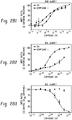
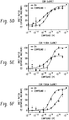
- the histogram of FIG. 4C of the initial screen results show that Compound 1 displays affinity for only the D3R, 5-HT1A, 5-HT2B, and Sigma1 receptor. Since the PDSP binding panel showed affinity of Compound 1 at the potentially clinically problematic 5HT2B receptor, and the DiscoverX functional screen lacked the 5HT2B, we tested Compound 1 as both an agonist and antagonist in an HTRF IP1 accumulation assay using a single high concentration of 10 ⁇ M using the Eurofins Cerep service.
- terminally differentiated SHSY5Y cells were pretreated with Compound 1 for 24 h followed by 10 ⁇ M treatment with 6-hydroxydopamine, and protection against total neurite length decrease was measured 24h later.
- FIG. 6A and FIG. 6B The results are shown in FIG. 6A and FIG. 6B .
- FIG. 6A Compound 1 demonstrates neuroprotection superior to pramipexole under the assay conditions.
- FIG. 6B the neuroprotection provided by Compound 1 shows clear concentration dependent effect.
- the mutagenicity potential of Compound 1 was tested using the Ames reverse mutation assay. Briefly, 10 million bacteria were exposed in triplicate to Compound 1 for 90 min in medium containing a low concentration of histidine. The cultures were then diluted into an indicator medium lacking histidine, dispensed into a 384-well plate, and incubated for 48 h at 37 °C. Cells that have undergone a reversion will grow, resulting in a color change. The number of wells showing growth were counted and compared to the vehicle control. An increase in the number of colonies of at least 2-fold over baseline and a dose response indicated a positive response. Data were analyzed using an unpaired, one-sided Student's T-test.
- HepG2 cells were plated on 384-well tissue culture treated black walled clear bottomed polystyrene plates. The cells were dosed with test compound at a range of concentrations. At the end of the incubation period, the cells were loaded with the relevant dye/antibody for each cell health marker. The plates were then scanned using an automated fluorescent cellular imager, ArrayScan® (Thermo Scientific Cellomics). Cytotoxicity was assessed using a multi-parametric approach using High Content Screening (HCS). The following parameters were screened.
- HCS High Content Screening
- Nuclear size An increase in nuclear area can indicate necrosis or G2 cell cycle arrest and a decrease can indicate apoptosis.
- DNA structure An increase in DNA structure can indicate chromosomal instability and DNA fragmentation.
- Cell membrane permeability An increase in cell membrane permeability is a general indicator of cell death.
- Mitochondrial mass A decrease in mitochondrial mass indicates loss of total mitochondria and an increase implies mitochondrial swelling or an adaptive response to cellular energy demands.
- Mitochondrial membrane potential A decrease indicates a loss of mitochondrial membrane potential and mitochondrial toxicity, as well as a potential role in apoptosis signaling, an increase in mitochondrial membrane potential indicates an adaptive response to cellular energy demands.
- Cytochrome c An increase in cytochrome c release is one of the hallmarks of the apoptosis cascade.
- Compound 1 in mouse plasma and brain tissue samples were assessed as follows.
- a single IP dose (20 mg/kg) of Compound 1 was administered to C57BL/6 mice.
- the formulation consisted of 10% dimethylacetamide (DMA) and 60% PEG400, balanced with 30% saline. Plasma and brain samples were collected across 8 time points (5, 15, 30, 60, 120, 240, 480, and 1440 minutes). Brain samples were homogenized in two volumes (1:2 w/v dilution) of phosphate buffer solution (PBS). Once homogenized, the samples were crashed with three volumes of acetonitrile containing an analytical internal standard (bucetin). Samples were then centrifuged to remove precipitated protein, and the supernatant was analyzed by LC-MS/MS. All brain samples were compared to a calibration curve prepared in mouse blank brain.
- DMA dimethylacetamide
- PEG400 phosphate buffer solution
- Plasma samples (5, 15, 30, 60 and 120 min time points) were diluted ten-fold with blank plasma. No dilutions were made for 240, 480 and 1440 min time points plasma samples. All plasma samples were crashed with three volumes of acetonitrile containing an analytical internal standard (bucetin). Samples were then centrifuged to remove precipitated protein, and the supernatant was analyzed by LC-MS/MS. All plasma samples were compared to a calibration curve prepared in mouse blank plasma. Samples were analyzed by LC-MS/MS using Waters Xevo TQ mass spectrometer coupled with an Acquity UPLC and a CTC PAL chilled autosampler, all controlled by MassLynx software (Waters).
Landscapes
- Organic Chemistry (AREA)
- Chemical & Material Sciences (AREA)
- Health & Medical Sciences (AREA)
- Neurosurgery (AREA)
- Engineering & Computer Science (AREA)
- Bioinformatics & Cheminformatics (AREA)
- Biomedical Technology (AREA)
- Neurology (AREA)
- Chemical Kinetics & Catalysis (AREA)
- Life Sciences & Earth Sciences (AREA)
- Veterinary Medicine (AREA)
- General Chemical & Material Sciences (AREA)
- Medicinal Chemistry (AREA)
- Nuclear Medicine, Radiotherapy & Molecular Imaging (AREA)
- Pharmacology & Pharmacy (AREA)
- Public Health (AREA)
- Animal Behavior & Ethology (AREA)
- General Health & Medical Sciences (AREA)
- Psychiatry (AREA)
- Hospice & Palliative Care (AREA)
- Psychology (AREA)
- Pharmaceuticals Containing Other Organic And Inorganic Compounds (AREA)
Claims (16)
- Verbindung der Formel I:
 W ist O oder S;R1 ein Phenyl, das mit einem 5-gliedrigen heterozyklischen Ring fusioniert ist, oder Pyridyl ist, undR2 ein Phenyl, ein 5- oder 6-gliedriges Heteroaryl mit 1, 2, 3 oder 4 Heteroatomen, unabhängig ausgewählt aus N, O und S, oder eine 6,5-bizyklische Heteroarylgruppe mit 1, 2, 3, 4, 5 oder 6 Heteroatomen, unabhängig ausgewählt aus N, O und S, ist, wobei sich der Befestigungspunkt in Formel I im 5-gliedrigen Ring befindet und der 5-gliedrige Ring mindestens ein Heteroatom enthält; wobei:R1 und R2 jeweils optional mit einem oder mehreren Substituenten substituiert sind, die unabhängig ausgewählt sind aus Halogen, Hydroxyl, Cyano, Nitro, Oxo, -CONH2, Amino, Mono- und Di-C1-C4Alkylcarboxamid, (C3-C6Cycloalkyl) C0-C2Alkyl und C1-C6Hydrocarbyl, wobei die C1-C6Hydrocarbylgruppe eine Kohlenwasserstoffkette ist, in der die Kohlenstoffatome durch Einfach-, Doppel- oder Dreifachbindungen verbunden sind und jedes Kohlenstoffatom durch O, NH oder N(C1-C4Alkyl) ersetzt sein kann und wobei die Hydrocarbylgruppe optional mit einem oder mehreren Substituenten substituiert ist, die unabhängig ausgewählt sind aus Hydroxyl, Oxo, Halogen und Amino; undR3 und R4 unabhängig Wasserstoff oder Methyl sind.
 - Verbindung oder Salz nach Anspruch 1, wobei R3 und R4 beide Wasserstoff sind.
- Verbindung nach Anspruch 1 mit der Formel I-A

R2 eine 6,5-bizyklische Heteroarylgruppe mit 1, 2, 3, 4, 5 oder 6 Heteroatomen ist, die unabhängig aus N, O und S ausgewählt sind, wobei sich der Befestigungspunkt in Formel I-A im 5-gliedrigen Ring befindet und der 5-gliedrige Ring mindestens ein Heteroatom enthält; wobei sie mit 0 oder 1 oder mehreren Substituenten substituiert ist, die unabhängig ausgewählt sind aus Halogen, Hydroxyl, Cyano, Nitro, Oxo, - CONH2, Amino, Mono- und Di-C1-C4alkylcarboxamid, (C3-C6Cycloalkyl) C0-C2Alkyl und C1-C6Hydrocarbyl, wobei die C1-C6Hydrocarbylgruppe eine Kohlenwasserstoffkette ist, in der die Kohlenstoffatome durch Einfach-, Doppel- oder Dreifachbindungen verbunden sind und jedes Kohlenstoffatom durch O, NH oder N(C1-C4Alkyl) ersetzt sein kann und wobei die Hydrocarbylgruppe optional mit einem oder mehreren Substituenten substituiert ist, die unabhängig ausgewählt sind aus Hydroxyl, Oxo, Halogen und Amino. - Verbindung oder Salz nach Anspruch 1, wobei:R2 eine 6,5-bizyklische Heteroarylgruppe ist, ausgewählt aus den folgenden optional substituierten 6,5-bizyklischen Heteroarylgruppen

 R2 eine Phenyl-, 2-Pyridyl-, 3-Pyridyl-, 4-Pyridyl- oder Pyrrolylgruppe ist, von denen jede optional substituiert ist.
 - Verbindung oder Salz nach einem der Ansprüche 1 bis 4, wobei:
R2 eine 6,5-bizyklische Heteroarylgruppe ist, die mit 0 oder 1 oder mehreren Substituenten substituiert ist, die unabhängig ausgewählt sind aus Halogen, Hydroxyl, Cyano, Nitro, -CONH2, Amino, C1-C6Alkyl, C1-C5Alkoxy, C2-C4Alkanoyl, C1-C4Alkylester Mono- und Di-C1-C4Alkylamino, Mono- und Di-C1-C4Alkylcarboxamid, (C3-C6Cycloalkyl) C0-C2Alkyl, und ein beliebiges Kohlenstoffatom in einem C1-C6Alkyl oder C1-C5-Alkoxy durch O, NH oder N(C1-C4Alkyl) ersetzt sein kann und das C1-C6Alkyl oder C1-C5Alkoxy optional mit einem oder mehreren Substituenten substituiert ist, die unabhängig ausgewählt sind aus Hydroxyl, Halogen und Amino. - Verbindung oder Salz nach einem der Ansprüche 1 bis 4, wobei:
R2 eine 6,5-bizyklische Heteroarylgruppe ist, die mit 0 oder 1 bis 3 Substituenten substituiert ist, die unabhängig ausgewählt sind aus Halogen, C1-C2Alkyl und C1-C2Alkoxy. - Verbindung oder Salz nach einem der Ansprüche 1 bis 6, wobei:
R1 optional substituiertes Indol ist. - Verbindung oder Salz nach einem der Ansprüche 1 bis 7, wobei:
R1 mit 0 oder 1 oder mehreren Substituenten substituiert ist, die unabhängig ausgewählt sind aus Halogen, Hydroxyl, Cyano, Nitro, -CONH2, Amino, C1-C6Alkyl, C1-C5Alkoxy, C2-C4Alkanoyl, C1-C4Alkylester Mono- und Di-C1-C4Alkylamino, Mono- und Di-C1-C4Alkylcarboxamid, (C3-C6Cycloalkyl) C0-C2Alkyl, und ein beliebiges Kohlenstoffatom in einem C1-C6Alkyl oder C1-C5Alkoxy durch O, NH oder N(C1-C4Alkyl) ersetzt sein kann und das C1-C6Alkyl oder C1-C5Alkoxy optional mit einem oder mehreren Substituenten substituiert ist, die unabhängig ausgewählt sind aus Hydroxyl, Oxo, Halogen und Amino. - Verbindung oder Salz nach Anspruch 8, wobei:
R1 mit 0 oder 1 bis 3 Substituenten substituiert ist, die unabhängig ausgewählt sind aus Halogen, C1-C2Alkyl und C1-C2Alkoxy. - Verbindung oder Salz nach einem der Ansprüche 1 bis 6, wobei:
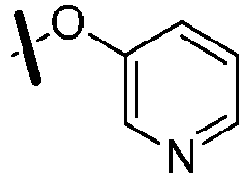
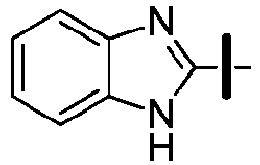
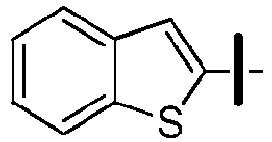
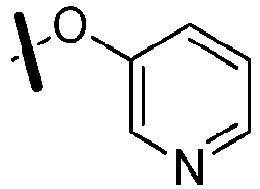
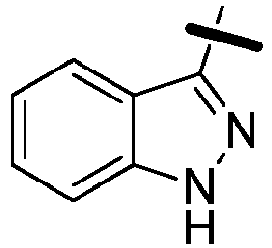
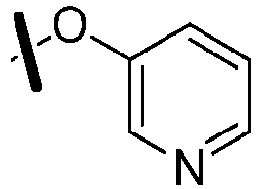
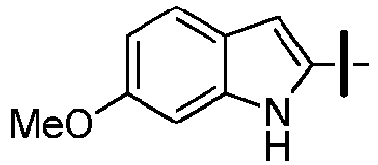
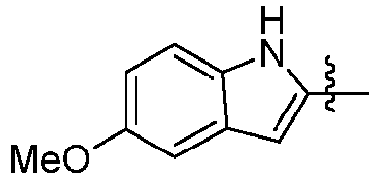
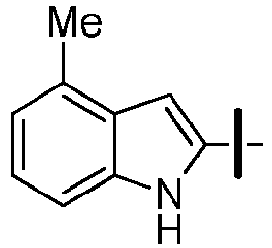
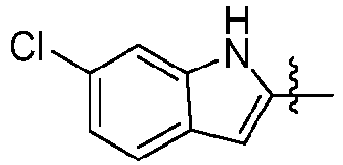
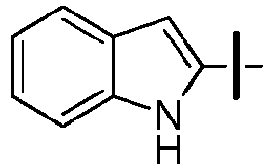
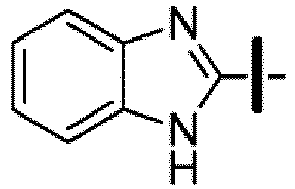
R1 3-Pyridyl ist. - Verbindung oder Salz nach Anspruch 3, wobei die Verbindung der Formel (I-A) eine Verbindung ist, in der -W-R1 und R2 die folgenden Werte haben:
-W-R1 R2 















- Pharmazeutikum umfassend eine Verbindung oder ein Salz nach einem der Ansprüche 1 bis 11, zusammen mit einem pharmazeutisch akzeptablen Träger.
- Pharmazeutische Zusammensetzung nach Anspruch 12, wobei die Zusammensetzung in einer oralen Darreichungsform vorliegt.
- Verbindung oder Salz nach einem der Ansprüche 1 bis 11 zur Verwendung bei der Behandlung eines Patienten, der an der Parkinson-Krankheit, Dyskinesien, vorzugsweise Dyskinesien als Folge der Behandlung der Parkinson-Krankheit mit L-DOPA, neurodegenerativen Störungen, vorzugsweise Alzheimer-Krankheit oder Demenz, Huntington-Krankheit, Restless-Legs-Syndrom, bipolarer Störung und Depression, Schizophrenie, kognitiver Dysfunktion oder Substanzgebrauchsstörungen leidet.
- Verbindung oder pharmazeutisch akzeptables Salz davon zur Verwendung bei der Behandlung eines Patienten, der an der Parkinson-Krankheit, Dyskinesien, vorzugsweise Dyskinesien als Folge der Behandlung der Parkinson-Krankheit mit L-DOPA, neurodegenerativen Störungen, vorzugsweise Alzheimer-Krankheit oder Demenz, Huntington-Krankheit, Restless-Legs-Syndrom, bipolarer Störung und Depression, Schizophrenie, kognitiver Dysfunktion oder Substanzgebrauchsstörungen leidet; wobei die Verbindung die Struktur aufweist:
 W O oder S ist;R1 Phenyl oder Pyridyl ist, die jeweils optional substituiert sind, oder R1 optional substituiertes Indol ist;R2 eine Phenyl- oder eine 6,5-bizyklische Heteroarylgruppe ist, die 1, 2, 3, 4, 5 oder 6 Heteroatome aufweist, die unabhängig aus N, O und S ausgewählt sind, wobei sich der Befestigungspunkt in Formel I im 5-gliedrigen Ring befindet und der 5-gliedrige Ring mindestens ein Heteroatom enthält;R1 und R2 jeweils mit 0 oder 1 oder mehreren Substituenten substituiert sind, die unabhängig ausgewählt sind aus Halogen, Hydroxyl, Cyano, Nitro, Oxo, -CONH2, Amino, Mono- und Di-C1-C4Alkylcarboxamid, (C3-C6Cycloalkyl) C0-C2Alkyl und C1-C6Hydrocarbyl, wobei die C1-C6Hydrocarbylgruppe eine Kohlenwasserstoffkette ist, in der die Kohlenstoffatome durch Einfach-, Doppel- oder Dreifachbindungen verbunden sind und jedes Kohlenstoffatom durch O, NH oder N(C1-C4Alkyl) ersetzt sein kann und die Hydrocarbylgruppe optional mit einem oder mehreren Substituenten substituiert ist, die unabhängig ausgewählt sind aus Hydroxyl, Oxo, Halogen und Amino; undR3 und R4 unabhängig Wasserstoff oder Methyl sind.
 - Verbindung oder Salz davon zur Verwendung gemäß Anspruch 15, wobei die Verbindung ausgewählt ist aus:
Verbdg. Nr. -W-R1 R2 1 

2 

3 

4 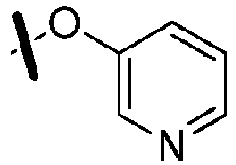

5 

6 

7 

8 

9 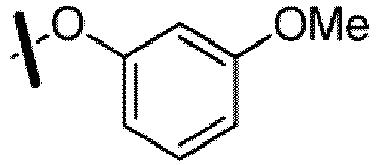
10 

11 

12 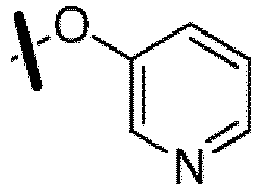

13 

14 

15 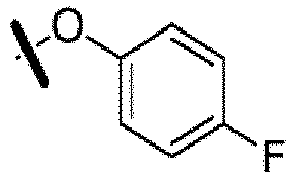

16 

17 

18 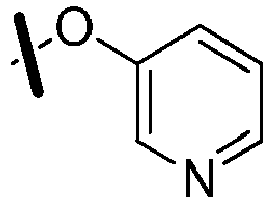

19 

20 

21 
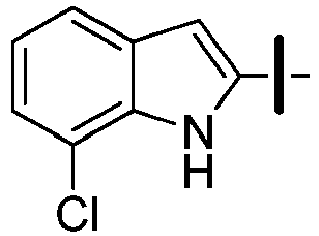
22 

23 

24 

25 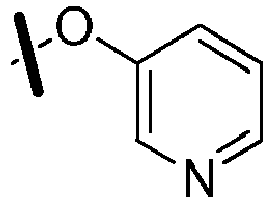
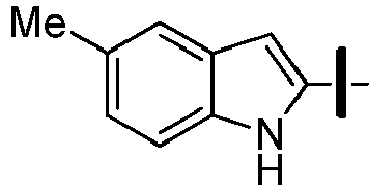
26 

27 
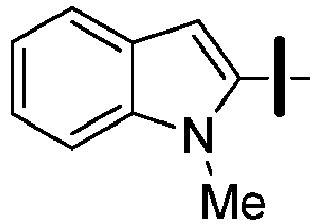
28 

29 
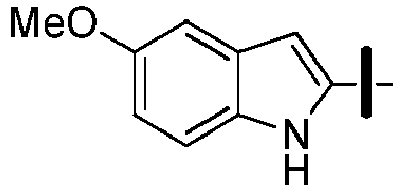
30 
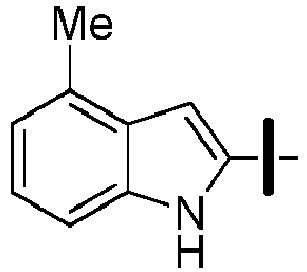
31 

32 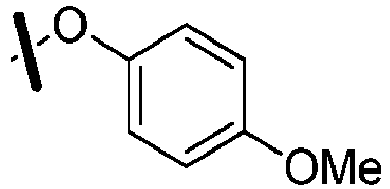

34 

39 

40 

47 

48 
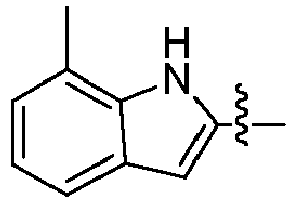
50 

52 

54 

56 

60 
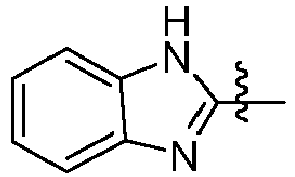
62 

66 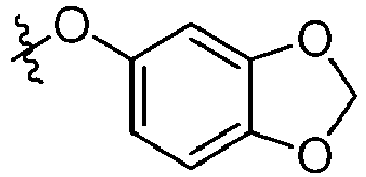

67 

68 

70 

71 

72 

73 

74 

75 

76 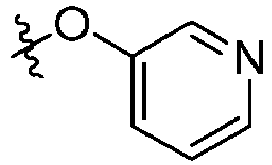

77 

78 

79 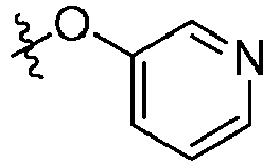

80 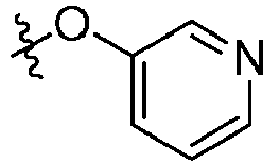

81 

82 

83 

85 
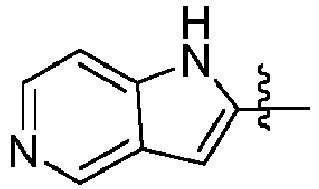
88 
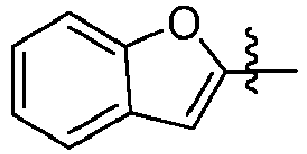
90 

94 

97 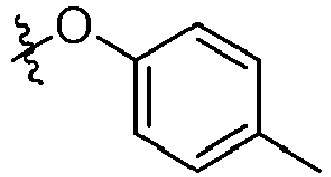

100 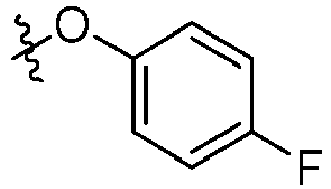

101 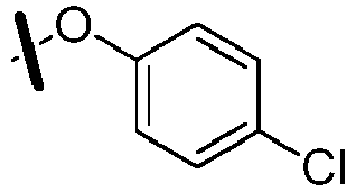

102 

105 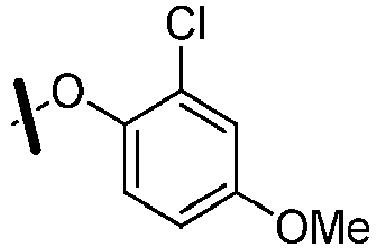
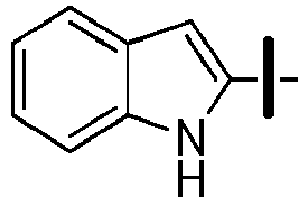
106 

107 

108 

109 

Applications Claiming Priority (2)
| Application Number | Priority Date | Filing Date | Title |
|---|---|---|---|
| US201662322361P | 2016-04-14 | 2016-04-14 | |
| PCT/US2017/027618 WO2017181004A1 (en) | 2016-04-14 | 2017-04-14 | Selective d3 dopamine receptor agonists and methods of their use |
Publications (2)
| Publication Number | Publication Date |
|---|---|
| EP3442955A1 EP3442955A1 (de) | 2019-02-20 |
| EP3442955B1 true EP3442955B1 (de) | 2021-09-29 |
Family
ID=59215881
Family Applications (1)
| Application Number | Title | Priority Date | Filing Date |
|---|---|---|---|
| EP17733098.2A Active EP3442955B1 (de) | 2016-04-14 | 2017-04-14 | Selektive d3-dopamin-rezeptor-agonisten und verfahren zu deren verwendung |
Country Status (3)
| Country | Link |
|---|---|
| US (2) | US11634404B2 (de) |
| EP (1) | EP3442955B1 (de) |
| WO (1) | WO2017181004A1 (de) |
Families Citing this family (4)
| Publication number | Priority date | Publication date | Assignee | Title |
|---|---|---|---|---|
| WO2017181004A1 (en) | 2016-04-14 | 2017-10-19 | The United States Of America, As Represented By The Secretary, Department Of Health And Human Services | Selective d3 dopamine receptor agonists and methods of their use |
| EP4067368A1 (de) | 2016-06-01 | 2022-10-05 | Athira Pharma, Inc. | Verbindungen |
| AR133293A1 (es) * | 2023-07-18 | 2025-09-17 | Muna Therapeutics Aps | Antagonistas del canal de potasio kv1.3 |
| AR133292A1 (es) * | 2023-07-18 | 2025-09-17 | Muna Therapeutics Aps | Antagonistas del canal de potasio kv1.3 |
Family Cites Families (9)
| Publication number | Priority date | Publication date | Assignee | Title |
|---|---|---|---|---|
| DE4425143A1 (de) | 1994-07-15 | 1996-01-18 | Basf Ag | Substituierte Pyrimidinverbindungen und deren Verwendung |
| US5659033A (en) | 1995-09-13 | 1997-08-19 | Neurogen Corporation | N-aminoalkylfluorenecarboxamides; a new class of dopamine receptor subtype specific ligands |
| DE10131543A1 (de) | 2001-06-29 | 2003-01-16 | Abbott Lab | Pyrimidinoxyalkylpiperazine und ihre therapeutische Verwendung |
| TW200510395A (en) | 2003-06-05 | 2005-03-16 | Abbott Gmbh & Co Kg | Triazole compounds suitable for treating disorders that respond to modulation of the dopamine D3 receptor |
| DE102004061593A1 (de) | 2004-12-21 | 2006-06-22 | Abbott Gmbh & Co. Kg | Substituierte N-heterocyclische Verbindungen und ihre therapeutische Verwendung |
| CA2659376C (en) | 2006-08-01 | 2014-10-14 | Jasbir Singh | 2,4-diaminoquinazolines for spinal muscular atrophy |
| WO2010123995A1 (en) | 2009-04-21 | 2010-10-28 | Wayne State University | Bifunctional/polyfunctional dopamine d2/d3 agonist as neuroprotective agents for treatment of neurodegenerative diseases |
| CN102285962B (zh) | 2011-06-23 | 2013-04-10 | 中国药科大学 | 苯氧烷基哌嗪类化合物、其制备方法及其医药用途 |
| WO2017181004A1 (en) | 2016-04-14 | 2017-10-19 | The United States Of America, As Represented By The Secretary, Department Of Health And Human Services | Selective d3 dopamine receptor agonists and methods of their use |
-
2017
- 2017-04-14 WO PCT/US2017/027618 patent/WO2017181004A1/en not_active Ceased
- 2017-04-14 EP EP17733098.2A patent/EP3442955B1/de active Active
- 2017-04-14 US US16/093,365 patent/US11634404B2/en active Active
-
2023
- 2023-02-17 US US18/111,241 patent/US12145922B2/en active Active
Also Published As
| Publication number | Publication date |
|---|---|
| US11634404B2 (en) | 2023-04-25 |
| US12145922B2 (en) | 2024-11-19 |
| US20210323941A1 (en) | 2021-10-21 |
| EP3442955A1 (de) | 2019-02-20 |
| US20230312511A1 (en) | 2023-10-05 |
| WO2017181004A1 (en) | 2017-10-19 |
Similar Documents
| Publication | Publication Date | Title |
|---|---|---|
| US12145922B2 (en) | Selective D3 dopamine receptor agonists and methods of their use | |
| EP3947375B1 (de) | Imidazolonylchinolinverbindungen und therapeutische verwendungen davon | |
| EP2734522B1 (de) | 4-imidazopyridazin-1-yl-benzamide und 4-imidazotriazin-1-yl-benzamide als btk-inhibitoren | |
| CN107074854B (zh) | 咪唑并[4,5-c]吡啶衍生的SSAO抑制剂 | |
| TW201348233A (zh) | Raf抑制劑化合物 | |
| US10294230B2 (en) | 3,3-difluoropiperidine carbamate heterocyclic compounds as NR2B NMDA receptor antagonists | |
| EP2488177B1 (de) | Filamin-a-bindender entzündungshemmer und schmerzhemmer | |
| JP2021513530A (ja) | テトラヒドロイソキノリン化合物、その調製方法、そのような化合物を含む医薬組成物およびその使用 | |
| EP3194389B1 (de) | Vom imidazo[4,5-c]pyridin abgeleitete ssao inhibitoren | |
| US20240294492A1 (en) | Methods of treating neurological disorders | |
| EP2918587B1 (de) | Filamin-A-bindende Verbindungen und ihre Verwendung als Entzündungshemmende und Schmerzhemmede Mittel | |
| EP4380921B1 (de) | D3-dopaminrezeptorselektive negative allosterische modulatoren | |
| US20110054013A1 (en) | Tetrahydropyranochromene gamma secretase inhibitors | |
| US20260116867A1 (en) | Proteolysis targeting chimeras for human pregnane x receptor and for degradation of gspt1 | |
| EP3765447A1 (de) | Auf triazacyclododecansulfonamid (»tcd ) basierende proteinsekretionsinhibitoren | |
| Bridges | Discovery, Optimization, and Characterization of Novel Subtype-Selective Muscarinic Acetylcholine Receptor M4 and M5 Positive Allosteric Modulators | |
| HK1234037A1 (en) | Imidazo[4,5-c]pyridine derived ssao inhibitors | |
| HK1234037B (en) | Imidazo[4,5-c]pyridine derived ssao inhibitors | |
| HK1192752A (en) | 4 - imidazopyridazin- 1 -yl-benzamides and 4 - imidazotriazin- 1 - yl - benzamides as btk- inhibitors |
Legal Events
| Date | Code | Title | Description |
|---|---|---|---|
| STAA | Information on the status of an ep patent application or granted ep patent |
Free format text: STATUS: UNKNOWN |
|
| STAA | Information on the status of an ep patent application or granted ep patent |
Free format text: STATUS: THE INTERNATIONAL PUBLICATION HAS BEEN MADE |
|
| PUAI | Public reference made under article 153(3) epc to a published international application that has entered the european phase |
Free format text: ORIGINAL CODE: 0009012 |
|
| STAA | Information on the status of an ep patent application or granted ep patent |
Free format text: STATUS: REQUEST FOR EXAMINATION WAS MADE |
|
| 17P | Request for examination filed |
Effective date: 20181023 |
|
| AK | Designated contracting states |
Kind code of ref document: A1 Designated state(s): AL AT BE BG CH CY CZ DE DK EE ES FI FR GB GR HR HU IE IS IT LI LT LU LV MC MK MT NL NO PL PT RO RS SE SI SK SM TR |
|
| AX | Request for extension of the european patent |
Extension state: BA ME |
|
| DAV | Request for validation of the european patent (deleted) | ||
| DAX | Request for extension of the european patent (deleted) | ||
| STAA | Information on the status of an ep patent application or granted ep patent |
Free format text: STATUS: EXAMINATION IS IN PROGRESS |
|
| 17Q | First examination report despatched |
Effective date: 20191031 |
|
| RAP1 | Party data changed (applicant data changed or rights of an application transferred) |
Owner name: THE UNIVERSITY OF KANSAS Owner name: THE UNITED STATES OF AMERICA, AS REPRESENTED BY THE SECRETARY, DEPARTMENT OF HEALTH AND HUMAN SERVICES Owner name: THE UNIVERSITY OF NORTH CAROLINA AT CHAPEL HILL |
|
| GRAP | Despatch of communication of intention to grant a patent |
Free format text: ORIGINAL CODE: EPIDOSNIGR1 |
|
| STAA | Information on the status of an ep patent application or granted ep patent |
Free format text: STATUS: GRANT OF PATENT IS INTENDED |
|
| INTG | Intention to grant announced |
Effective date: 20210413 |
|
| GRAS | Grant fee paid |
Free format text: ORIGINAL CODE: EPIDOSNIGR3 |
|
| GRAA | (expected) grant |
Free format text: ORIGINAL CODE: 0009210 |
|
| STAA | Information on the status of an ep patent application or granted ep patent |
Free format text: STATUS: THE PATENT HAS BEEN GRANTED |
|
| AK | Designated contracting states |
Kind code of ref document: B1 Designated state(s): AL AT BE BG CH CY CZ DE DK EE ES FI FR GB GR HR HU IE IS IT LI LT LU LV MC MK MT NL NO PL PT RO RS SE SI SK SM TR |
|
| REG | Reference to a national code |
Ref country code: GB Ref legal event code: FG4D |
|
| REG | Reference to a national code |
Ref country code: CH Ref legal event code: EP Ref country code: AT Ref legal event code: REF Ref document number: 1434108 Country of ref document: AT Kind code of ref document: T Effective date: 20211015 |
|
| REG | Reference to a national code |
Ref country code: DE Ref legal event code: R096 Ref document number: 602017046758 Country of ref document: DE |
|
| REG | Reference to a national code |
Ref country code: IE Ref legal event code: FG4D |
|
| REG | Reference to a national code |
Ref country code: CH Ref legal event code: PK Free format text: BERICHTIGUNGEN |
|
| REG | Reference to a national code |
Ref country code: LT Ref legal event code: MG9D |
|
| PG25 | Lapsed in a contracting state [announced via postgrant information from national office to epo] |
Ref country code: LT Free format text: LAPSE BECAUSE OF FAILURE TO SUBMIT A TRANSLATION OF THE DESCRIPTION OR TO PAY THE FEE WITHIN THE PRESCRIBED TIME-LIMIT Effective date: 20210929 Ref country code: BG Free format text: LAPSE BECAUSE OF FAILURE TO SUBMIT A TRANSLATION OF THE DESCRIPTION OR TO PAY THE FEE WITHIN THE PRESCRIBED TIME-LIMIT Effective date: 20211229 Ref country code: FI Free format text: LAPSE BECAUSE OF FAILURE TO SUBMIT A TRANSLATION OF THE DESCRIPTION OR TO PAY THE FEE WITHIN THE PRESCRIBED TIME-LIMIT Effective date: 20210929 Ref country code: NO Free format text: LAPSE BECAUSE OF FAILURE TO SUBMIT A TRANSLATION OF THE DESCRIPTION OR TO PAY THE FEE WITHIN THE PRESCRIBED TIME-LIMIT Effective date: 20211229 Ref country code: RS Free format text: LAPSE BECAUSE OF FAILURE TO SUBMIT A TRANSLATION OF THE DESCRIPTION OR TO PAY THE FEE WITHIN THE PRESCRIBED TIME-LIMIT Effective date: 20210929 Ref country code: SE Free format text: LAPSE BECAUSE OF FAILURE TO SUBMIT A TRANSLATION OF THE DESCRIPTION OR TO PAY THE FEE WITHIN THE PRESCRIBED TIME-LIMIT Effective date: 20210929 Ref country code: HR Free format text: LAPSE BECAUSE OF FAILURE TO SUBMIT A TRANSLATION OF THE DESCRIPTION OR TO PAY THE FEE WITHIN THE PRESCRIBED TIME-LIMIT Effective date: 20210929 |
|
| REG | Reference to a national code |
Ref country code: NL Ref legal event code: MP Effective date: 20210929 |
|
| REG | Reference to a national code |
Ref country code: AT Ref legal event code: MK05 Ref document number: 1434108 Country of ref document: AT Kind code of ref document: T Effective date: 20210929 |
|
| PG25 | Lapsed in a contracting state [announced via postgrant information from national office to epo] |
Ref country code: LV Free format text: LAPSE BECAUSE OF FAILURE TO SUBMIT A TRANSLATION OF THE DESCRIPTION OR TO PAY THE FEE WITHIN THE PRESCRIBED TIME-LIMIT Effective date: 20210929 Ref country code: GR Free format text: LAPSE BECAUSE OF FAILURE TO SUBMIT A TRANSLATION OF THE DESCRIPTION OR TO PAY THE FEE WITHIN THE PRESCRIBED TIME-LIMIT Effective date: 20211230 |
|
| PG25 | Lapsed in a contracting state [announced via postgrant information from national office to epo] |
Ref country code: AT Free format text: LAPSE BECAUSE OF FAILURE TO SUBMIT A TRANSLATION OF THE DESCRIPTION OR TO PAY THE FEE WITHIN THE PRESCRIBED TIME-LIMIT Effective date: 20210929 |
|
| PG25 | Lapsed in a contracting state [announced via postgrant information from national office to epo] |
Ref country code: IS Free format text: LAPSE BECAUSE OF FAILURE TO SUBMIT A TRANSLATION OF THE DESCRIPTION OR TO PAY THE FEE WITHIN THE PRESCRIBED TIME-LIMIT Effective date: 20220129 Ref country code: SK Free format text: LAPSE BECAUSE OF FAILURE TO SUBMIT A TRANSLATION OF THE DESCRIPTION OR TO PAY THE FEE WITHIN THE PRESCRIBED TIME-LIMIT Effective date: 20210929 Ref country code: RO Free format text: LAPSE BECAUSE OF FAILURE TO SUBMIT A TRANSLATION OF THE DESCRIPTION OR TO PAY THE FEE WITHIN THE PRESCRIBED TIME-LIMIT Effective date: 20210929 Ref country code: PT Free format text: LAPSE BECAUSE OF FAILURE TO SUBMIT A TRANSLATION OF THE DESCRIPTION OR TO PAY THE FEE WITHIN THE PRESCRIBED TIME-LIMIT Effective date: 20220131 Ref country code: PL Free format text: LAPSE BECAUSE OF FAILURE TO SUBMIT A TRANSLATION OF THE DESCRIPTION OR TO PAY THE FEE WITHIN THE PRESCRIBED TIME-LIMIT Effective date: 20210929 Ref country code: NL Free format text: LAPSE BECAUSE OF FAILURE TO SUBMIT A TRANSLATION OF THE DESCRIPTION OR TO PAY THE FEE WITHIN THE PRESCRIBED TIME-LIMIT Effective date: 20210929 Ref country code: ES Free format text: LAPSE BECAUSE OF FAILURE TO SUBMIT A TRANSLATION OF THE DESCRIPTION OR TO PAY THE FEE WITHIN THE PRESCRIBED TIME-LIMIT Effective date: 20210929 Ref country code: EE Free format text: LAPSE BECAUSE OF FAILURE TO SUBMIT A TRANSLATION OF THE DESCRIPTION OR TO PAY THE FEE WITHIN THE PRESCRIBED TIME-LIMIT Effective date: 20210929 Ref country code: CZ Free format text: LAPSE BECAUSE OF FAILURE TO SUBMIT A TRANSLATION OF THE DESCRIPTION OR TO PAY THE FEE WITHIN THE PRESCRIBED TIME-LIMIT Effective date: 20210929 Ref country code: AL Free format text: LAPSE BECAUSE OF FAILURE TO SUBMIT A TRANSLATION OF THE DESCRIPTION OR TO PAY THE FEE WITHIN THE PRESCRIBED TIME-LIMIT Effective date: 20210929 |
|
| REG | Reference to a national code |
Ref country code: DE Ref legal event code: R097 Ref document number: 602017046758 Country of ref document: DE |
|
| PG25 | Lapsed in a contracting state [announced via postgrant information from national office to epo] |
Ref country code: DK Free format text: LAPSE BECAUSE OF FAILURE TO SUBMIT A TRANSLATION OF THE DESCRIPTION OR TO PAY THE FEE WITHIN THE PRESCRIBED TIME-LIMIT Effective date: 20210929 |
|
| PLBE | No opposition filed within time limit |
Free format text: ORIGINAL CODE: 0009261 |
|
| STAA | Information on the status of an ep patent application or granted ep patent |
Free format text: STATUS: NO OPPOSITION FILED WITHIN TIME LIMIT |
|
| 26N | No opposition filed |
Effective date: 20220630 |
|
| PG25 | Lapsed in a contracting state [announced via postgrant information from national office to epo] |
Ref country code: SI Free format text: LAPSE BECAUSE OF FAILURE TO SUBMIT A TRANSLATION OF THE DESCRIPTION OR TO PAY THE FEE WITHIN THE PRESCRIBED TIME-LIMIT Effective date: 20210929 |
|
| PG25 | Lapsed in a contracting state [announced via postgrant information from national office to epo] |
Ref country code: MC Free format text: LAPSE BECAUSE OF FAILURE TO SUBMIT A TRANSLATION OF THE DESCRIPTION OR TO PAY THE FEE WITHIN THE PRESCRIBED TIME-LIMIT Effective date: 20210929 Ref country code: LU Free format text: LAPSE BECAUSE OF NON-PAYMENT OF DUE FEES Effective date: 20220414 Ref country code: IT Free format text: LAPSE BECAUSE OF FAILURE TO SUBMIT A TRANSLATION OF THE DESCRIPTION OR TO PAY THE FEE WITHIN THE PRESCRIBED TIME-LIMIT Effective date: 20210929 |
|
| P01 | Opt-out of the competence of the unified patent court (upc) registered |
Effective date: 20230601 |
|
| PG25 | Lapsed in a contracting state [announced via postgrant information from national office to epo] |
Ref country code: HU Free format text: LAPSE BECAUSE OF FAILURE TO SUBMIT A TRANSLATION OF THE DESCRIPTION OR TO PAY THE FEE WITHIN THE PRESCRIBED TIME-LIMIT; INVALID AB INITIO Effective date: 20170414 |
|
| PG25 | Lapsed in a contracting state [announced via postgrant information from national office to epo] |
Ref country code: SM Free format text: LAPSE BECAUSE OF FAILURE TO SUBMIT A TRANSLATION OF THE DESCRIPTION OR TO PAY THE FEE WITHIN THE PRESCRIBED TIME-LIMIT Effective date: 20210929 Ref country code: MK Free format text: LAPSE BECAUSE OF FAILURE TO SUBMIT A TRANSLATION OF THE DESCRIPTION OR TO PAY THE FEE WITHIN THE PRESCRIBED TIME-LIMIT Effective date: 20210929 Ref country code: CY Free format text: LAPSE BECAUSE OF FAILURE TO SUBMIT A TRANSLATION OF THE DESCRIPTION OR TO PAY THE FEE WITHIN THE PRESCRIBED TIME-LIMIT Effective date: 20210929 |
|
| PG25 | Lapsed in a contracting state [announced via postgrant information from national office to epo] |
Ref country code: TR Free format text: LAPSE BECAUSE OF FAILURE TO SUBMIT A TRANSLATION OF THE DESCRIPTION OR TO PAY THE FEE WITHIN THE PRESCRIBED TIME-LIMIT Effective date: 20210929 |
|
| PG25 | Lapsed in a contracting state [announced via postgrant information from national office to epo] |
Ref country code: MT Free format text: LAPSE BECAUSE OF FAILURE TO SUBMIT A TRANSLATION OF THE DESCRIPTION OR TO PAY THE FEE WITHIN THE PRESCRIBED TIME-LIMIT Effective date: 20210929 |
|
| PGFP | Annual fee paid to national office [announced via postgrant information from national office to epo] |
Ref country code: DE Payment date: 20250429 Year of fee payment: 9 |
|
| PGFP | Annual fee paid to national office [announced via postgrant information from national office to epo] |
Ref country code: GB Payment date: 20250428 Year of fee payment: 9 |
|
| PGFP | Annual fee paid to national office [announced via postgrant information from national office to epo] |
Ref country code: BE Payment date: 20250428 Year of fee payment: 9 |
|
| PGFP | Annual fee paid to national office [announced via postgrant information from national office to epo] |
Ref country code: FR Payment date: 20250425 Year of fee payment: 9 |
|
| PGFP | Annual fee paid to national office [announced via postgrant information from national office to epo] |
Ref country code: CH Payment date: 20250501 Year of fee payment: 9 |
|
| PGFP | Annual fee paid to national office [announced via postgrant information from national office to epo] |
Ref country code: IE Payment date: 20250428 Year of fee payment: 9 |