EP3443779B1 - Transmission et réception d'informations système, en parties - Google Patents
Transmission et réception d'informations système, en parties Download PDFInfo
- Publication number
- EP3443779B1 EP3443779B1 EP16719546.0A EP16719546A EP3443779B1 EP 3443779 B1 EP3443779 B1 EP 3443779B1 EP 16719546 A EP16719546 A EP 16719546A EP 3443779 B1 EP3443779 B1 EP 3443779B1
- Authority
- EP
- European Patent Office
- Prior art keywords
- system information
- broadcasted
- information
- explicit signaling
- channel
- Prior art date
- Legal status (The legal status is an assumption and is not a legal conclusion. Google has not performed a legal analysis and makes no representation as to the accuracy of the status listed.)
- Active
Links
Images



Classifications
-
- H—ELECTRICITY
- H04—ELECTRIC COMMUNICATION TECHNIQUE
- H04L—TRANSMISSION OF DIGITAL INFORMATION, e.g. TELEGRAPHIC COMMUNICATION
- H04L25/00—Baseband systems
- H04L25/02—Details ; arrangements for supplying electrical power along data transmission lines
- H04L25/03—Shaping networks in transmitter or receiver, e.g. adaptive shaping networks
- H04L25/03828—Arrangements for spectral shaping; Arrangements for providing signals with specified spectral properties
- H04L25/03866—Arrangements for spectral shaping; Arrangements for providing signals with specified spectral properties using scrambling
-
- H—ELECTRICITY
- H04—ELECTRIC COMMUNICATION TECHNIQUE
- H04W—WIRELESS COMMUNICATION NETWORKS
- H04W48/00—Access restriction; Network selection; Access point selection
- H04W48/08—Access restriction or access information delivery, e.g. discovery data delivery
-
- H—ELECTRICITY
- H04—ELECTRIC COMMUNICATION TECHNIQUE
- H04W—WIRELESS COMMUNICATION NETWORKS
- H04W48/00—Access restriction; Network selection; Access point selection
- H04W48/08—Access restriction or access information delivery, e.g. discovery data delivery
- H04W48/10—Access restriction or access information delivery, e.g. discovery data delivery using broadcasted information
-
- H—ELECTRICITY
- H04—ELECTRIC COMMUNICATION TECHNIQUE
- H04W—WIRELESS COMMUNICATION NETWORKS
- H04W48/00—Access restriction; Network selection; Access point selection
- H04W48/08—Access restriction or access information delivery, e.g. discovery data delivery
- H04W48/12—Access restriction or access information delivery, e.g. discovery data delivery using downlink control channel
-
- H—ELECTRICITY
- H04—ELECTRIC COMMUNICATION TECHNIQUE
- H04W—WIRELESS COMMUNICATION NETWORKS
- H04W48/00—Access restriction; Network selection; Access point selection
- H04W48/16—Discovering, processing access restriction or access information
-
- H—ELECTRICITY
- H04—ELECTRIC COMMUNICATION TECHNIQUE
- H04W—WIRELESS COMMUNICATION NETWORKS
- H04W48/00—Access restriction; Network selection; Access point selection
- H04W48/18—Selecting a network or a communication service
-
- H—ELECTRICITY
- H04—ELECTRIC COMMUNICATION TECHNIQUE
- H04W—WIRELESS COMMUNICATION NETWORKS
- H04W72/00—Local resource management
- H04W72/04—Wireless resource allocation
-
- H—ELECTRICITY
- H04—ELECTRIC COMMUNICATION TECHNIQUE
- H04W—WIRELESS COMMUNICATION NETWORKS
- H04W72/00—Local resource management
- H04W72/20—Control channels or signalling for resource management
- H04W72/23—Control channels or signalling for resource management in the downlink direction of a wireless link, i.e. towards a terminal
-
- H—ELECTRICITY
- H04—ELECTRIC COMMUNICATION TECHNIQUE
- H04W—WIRELESS COMMUNICATION NETWORKS
- H04W4/00—Services specially adapted for wireless communication networks; Facilities therefor
- H04W4/70—Services for machine-to-machine communication [M2M] or machine type communication [MTC]
Definitions
- the present application relates generally to system information for a wireless communication system, and particularly to transmission and reception of that system information in parts.
- a wireless communication system transmits system information to wireless communication devices within the system's coverage area.
- This system information includes for example access information indicating how wireless communication devices may access the system, e.g., initially via random access.
- the access information may specify for instance parameters that indicate control the timing, frequency, transmission formats, and/or power used by a device for initial access.
- a wireless communication system broadcasts cell-specific system information from each of the system's cells. This allows different system information to be broadcast from different cells, e.g., to be able to distinguish between accesses made in different cells, or to adjust initial transmission power levels on a cell-specific basis.
- US 2014/295836 A1 discloses a system for indicating a set of system information to a UE by broadcasting only a system signature (broadcasted first part), wherein the UE stores a mapping between the signature and broadcasted system information (broadcasted second part), thereby requiring less data exchange for setting up a communication.
- US 2015/085717 A1 discloses to provide a minimum amount of system information by means of MIB and the rest of system information by means of one or more SIBs. Further, discloses that a UE receives from a base station a demodulation reference signal, DMRS, to demodulate PDSCH or PDCCH. In these and other approaches challenges still exist in efficiently distributing system information to wireless communication devices.
- Embodiments disclosed herein relates to a wireless communication device and a radio node configured for use in a wireless communication system.
- Embodiments herein also include corresponding methods, computer programs, and computer program products.
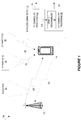
- FIG. 1 illustrates a wireless communication system 10.
- the system 10 includes one or more radio nodes (e.g., base station(s)) such as radio node 12.
- the system 10 also includes one or more wireless communication devices (e.g., user equipment) such as wireless communication device 14.
- the system 10 is configured to transmit system information to the wireless communication device 14.
- System information as used herein may refer to any information transmitted to a wireless communication device to facilitate the wireless communication device operating in or accessing the system 10.
- System information may include for example information describing configuration(s) for random access to the system 10, tracking and paging related information, neighbor cell information, a list of public land mobile network (PLMN) identifiers, access barring information, or the like.
- PLMN public land mobile network
- the system information for the system 10 is transmitted in parts.
- the system 10 via one or more radio nodes transmits a first part 16 of the system information over a first channel 18.
- the system 10 also transmits a second part 20 of the system information over a second channel 22.
- the first part 16 may indicate one portion of the system information
- the second part 18 may indicate another portion of the system information.
- a radio node 12 herein transmits explicit signaling that is associated with the first part (16) and that indicates a sequence 24 with which the wireless communication device 14 is to demodulate or descramble the second part 20 of system information 20.
- the explicit signaling facilitates the wireless communication device 14 receiving system information; namely, the system information in the second part 20.
- the signaling is explicit in the sense that it comprises one or more bits, symbols, or other information elements that encode or represent the sequence 24 (e.g., as a sequence index).
- the sequence 24 may be a demodulation reference signal (DMRS) sequence, a scrambling code sequence, or a synchronization signal sequence.
- DMRS demodulation reference signal
- the radio node 12 transmits this explicit signaling over a signaling channel 25. Having received this explicit signaling, the wireless communication device 14 receives the second part 20 of system information over the second channel 22, by demodulating or descrambling the second part 20 uses the indicated sequence 24.
- the explicit signaling may be associated with the first part 16 in any number of ways.
- the explicit signaling is included or otherwise embedded in the first part 16 along with system information, so as to effectively accompany the system information indicated by the first part 16.
- the radio node 12 transmits both the first part 16 of system information and the explicit signaling included in that first part 16 over the same channel, i.e., the first channel 18 and the signaling channel 25 are one and the same.
- the explicit signaling is associated with the first part 16 even where the explicit signaling is not actually included in or embedded in the first part 15.
- the explicit signaling includes an identifier of the first part 16.
- the explicit signaling may be receivable using the same reference signal as that with which the first part 16 is receivable.
- the same sequence index e.g., system signature index, SSI, as described more fully below
- SSI system signature index
- the explicit signaling may be associated with that first part 16 in the sense that the explicit signaling is configured to be demodulated based on the same sequence with which the first part 16 of system information is configured to be demodulated.
- Figure 1 shows example device processing where the explicit signaling is included in the first part 16.
- the wireless communication device 14 may perform receiver processing 26 on the first channel 18 in order to recover the first part 16 of system information.
- the wireless communication device 14 may then extract the sequence 24 embedded in the first part 16 of system information and use that sequence 24 to perform receiver processing 28 on the second channel 22.
- the device 14 may use the extracted sequence 24 to perform demodulation or descrambling 30 of the second part 20 of system information 20.
- the wireless communication device 14 then accesses 12 the wireless communication system 10 using both the first and second parts 16, 20 of system information.
- the sequence 24 distinguishes the second part 20 of system information from one or more other second parts of system information that are receivable using one or more other respective sequences for demodulating or descrambling.
- these different sequences are orthogonal such that demodulating or descrambling a second part of system information using a sequence other than that with which the second part was configured prevents recovery of that second part, e.g., the second part just appears as noise.
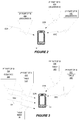
- Figure 2 shows one example.
- different second parts 20A-C of system information are transmitted in the system 10.
- These second parts 20A-20C may comprise system information of the same type, may be received over channels 22A-22C of the same type, and may complement respective first parts of system information.
- the second parts 20A-20C may indicate different values for the system information of that type.
- each second part 20A-20C may indicate that the wireless communication device 14 is to access the system 10 using different random access preambles or different random access powers.
- the second parts 20A-20C are configured to be receivable by the wireless communication device 14 using different sequences for demodulating or descrambling. As shown, for instance, second part 20A is receivable using sequence A, whereas second parts 20B and 20C are receivable using sequences B and C, respectively.
- the second parts 20A-20C are effectively paired with and only recoverable in conjunction with the respective first parts that are associated with explicit signaling that indicates the corresponding sequences A-C.
- multiple different possible second parts 20A-20C of system information include respective tables 34A-34C of the same type, as shown in Figure 3 .
- the tables 34A-34C are each accessible using an index 36 obtained by the device 14, e.g., based on reception of a signal 38 such as a synchronization signal.
- the index 36 in this regard may be a valid index into each of the tables 34A-34C, but may map to entries in the different tables 34A-34C that contain different system information (e.g., different random access preambles). Because of this, ambiguity would otherwise exist regarding which of the tables 34A-34C is targeted by the index 36, i.e., which of the tables 34A-34C the index 36 was actually intended to index into.
- This ambiguity is resolved by a sequence 24A indicated by explicit signaling that as shown here is included in a first part 16A of system information associated with the obtained index 36.
- the associated sequence 24A distinguishes the second part 20A of system information as including the table 34A targeted by the index 36, e.g., as opposed to other second parts 20B and 20C that are candidates for being targeted by the index 36.
- the tables 34A-34C are each of the same type in the sense that they are each an access information table.
- Figure 4 shows an example of table 34A in such examples.
- the table 34A contains multiple configurations 1, 2,... N for accessing the wireless communication system 10. Different configurations may configure a wireless communication device 14 to access the system 10 in different ways, e.g., using different values for a certain access parameter.
- the multiple configurations 1, 2,... N in the table 34A are respectively indexed by different indices 1, 2,... N.
- Tables 34B and 34C may be formed in a similar way, but with different configurations for accessing the system 10, or at least different mappings between indices and configurations.
- any given index 1, 2,... N validly maps to a configuration in each of the tables 34A-34C, but the configuration mapped to may vary depending on which of the tables 34A-34C is index into. Again, this ambiguity is resolved by a sequence 24 indicated by explicit signaling that is included in or otherwise associated with the first part 16 of system information.
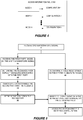
- Figure 5 illustrates processing performed by a wireless communication device 14 in this regard, in examples where the device 14 obtains the index based on a so-called system signature (SS) signal.
- the device 14 receives a SS signal (Block 40).
- the SS signal may be a synchronization signal in some examples.
- the SS signal indicates one of multiple different possible system signatures for the system 10.
- the device 14 may search for an SS signal.
- the device 14 may perform this processing on individual ones of the detected SS signals, as needed, in order of signal strength, quality, or other signal characteristic (e.g., the device 14 may initially select the strongest one).
- the device 14 determines a table index (Block 42).
- the SS signal may for example encode or map to the table index.
- the table index is an index into an access information table. But multiple access information tables are transmitted in the system 10.
- the device 14 receives a first part 16 of system information also based on the SS signal (Block 44).
- the device 14 may for example derive or otherwise determine a sequence (e.g., a DMRS sequence, descrambling sequence, or synchronization signal sequence) from the SS signal, e.g., using a one-to-one mapping between SS signals and sequences, as for example preconfigured through standardization, the device's universal subscriber identity module (USIM), etc.
- the device 14 may then receive the first part 16 using that sequence.
- this sequence used for receiving the first part 16 is different than the sequence used for receiving the second part 20 of system information.
- the table index and the first part 16 are (uniquely) associated with one another through having been determined based on the same signal, i.e., the same SS signal.
- the device 14 determines a sequence 24 from explicit signaling included in or otherwise associated with the first part 16 of system information (Block 46).
- the device 14 demodulates or descrambles the second part 20 of system information using this determined sequence 24 (block 48), and retrieves or recovers an access information table from the second part 20 (Block 50).
- the sequence 24 effectively identifies the access information table included in this second part 20 as being the table into which the table index is intended to index into. That is, the sequence 24 distinguishes the particular access information table included in the second part 20 as being the target of the index associated with the SS signal (and thereby the first part 16 of system information, given the association between the first part 16 and the system signature signal).
- the device 14 identifies the configuration in the retrieved access information table that is indexed by the table index (Block 52). The device 14 may do so by selecting from the different configurations in the table the configuration to which the table index maps. The device 14 then accesses the system 10 using the identified configuration (Block 54).
- the configurations 1, 2,... N in each table34A-34C concern initial access to the system 10, e.g., via random access.
- different configurations 1, 2,... N may configure the device 14 to initially access the system 10 by performing random access with different random access configurations (e.g., with different random access preambles, timing, transmit power, and/or other random access parameters).
- different configurations 1, 2,... N may configure the device 14 to initially access the system 10 by using different public land mobile network (PLMN) identifiers.
- PLMN public land mobile network
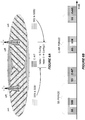
- FIG. 6A illustrates one example in a context where a second part of system information constitutes common access information that is commonly transmitted in multiple areas 56A-B, whereas different first parts of system information are respectively transmitted in those multiple areas 56A-B.
- Radio nodes 12A and 12B may for example jointly broadcast the second part of system information, e.g., simultaneously using a single frequency network (SFN) transmission, but the radio nodes 12A, 12B each individually broadcast different first parts of system information.
- radio nodes 12A-12B may be lower power radio nodes that broadcasts different first parts of system information over a relatively smaller coverage area, whereas a higher power radio node (not shown) broadcasts the second part of system information over a relatively larger, overlapping coverage area.
- the different first parts of system information in this regard may indicate different system information of the same type, such that this different system information is respectively transmitted in different areas 56A-B.
- the access information table included in that second part is appropriately referred to as a common access information table (C-AIT).
- C-AIT and any other common access information included in the second part may be transmitted (e.g., broadcasted) over a common access information channel (here referred to as a physical anchor channel, PACH).
- PACH physical anchor channel
- the second part may therefore be referred to for convenience as the PACH system information.
- a first part of system information transmitted in an individual area 56A or 56B is referred to here as a system signature block (SSB), with SSB1 transmitted in area 56A and SSB2 transmitted in area 56B.
- SSB system signature block
- SS1 transmitted in area 56A
- SS2 transmitted in area 56B
- SS1 first SS signal
- SS2 second SS signal
- SSB2 second SSB
- the first SS signal (SS1) is associated with a first C-AIT index (Index 1) which is mapped to a first access information configuration (Config 1) in the C-AIT.
- the second SS signal is associated with a second C-AIT index (Index 2) which is mapped to a second access information configuration (Config 2) in the same C-AIT.
- Both the first SS block (SSB1) and the second SS block (SSB2) therefore contain or are otherwise associated with explicit signaling that indicates the same sequence for demodulating or descrambling the PACH system information.
- the sequence indicated by this explicit signaling may distinguish the PACH as conveying the C-AIT targeted by the first and second C-AIT indices, as opposed to any other C-AIT conveyed by another PACH whose transmission may leak into areas 56A and/or 56B.
- Figure 6B indicates the transmission timing of the SS, SSB, and C-AIT according to some examples where the first part of system information (in the form of an SS signal) is transmitted more frequently than the second part of system information (in the form of the C-AIT).
- an SS signal has a transmission period that is shorter than the transmission period of the C-AIT.
- the SS transmission period and the C-AIT transmission period may be a tradeoff between system energy performance, device energy performance, and access latency in cases where the SS needs to be read before access.
- the C-AIT period may be the same as the SS period (e.g., in small indoor networks).
- the C-AIT period may be very large (e.g., 10 seconds), in order to support extremely power limited scenarios (e.g., off-grid solar powered base stations).
- the SS transmission period may be between 5-100ms and the C-AIT transmission period may be between 5-2000ms.
- the SS period may depend on a detected level of communication activity to or from the radio node transmitting that SS.
- SS With the SS being smaller in size than the C-AIT (e.g., since the SS conveys an index into the C-AIT rather than the C-AIT itself), a shorter SS period than the C-AIT period facilitates system information changes with reduced signaling load. Indeed, system information changes may be accomplished by sending a smaller-sized SS without an accompanying larger-sized C-AIT.
- An SSB may be transmitted in order to convey system information that cannot be conveyed via an SS signal (e.g., via a synchronization signal sequence), or need not be conveyed with the same transmit period as an SS signal or C-AIT.
- the transmission period of the SSB depends on the timing needs for the system information that it conveys.
- An SSB in this regard conveys system information and includes or is otherwise associated with explicit signaling that indicates a sequence for demodulating or descrambling the PACH system information.
- the explicit signaling (e.g., including in the SSB) may indicate one or more sequences towards this end.
- the signaling for example indicate one or both of a DMRS sequence and a scrambling code sequence.
- a device 14 may therefore demodulate the PACH using the indicated DMRS sequence and/or descramble the PACH using the indicated scrambling code sequence.
- the explicit signaling associated with an SSB alternatively or additionally indicates a synchronization signal sequence that may be used as a timing reference for demodulating the PACH, i.e., a PACH-SS where SS as used in this way is defined to denote a synchronization signal.
- the PACH-SS may be indicated or actually used by a device 14 for fine-tuned time synchronization if for example the PACH is transmitted by a radio node different than the radio node(s) transmitting the corresponding SS signal and the SSB, without tight time synchronization between those nodes (e.g., within a cyclic prefix).
- the PACH-SS may be indicated or used by a device 14 also if the PACH is transmitted on a different frequency band than the band on which the corresponding SS signal and SSB are transmitted. Otherwise, if the PACH is transmitted on the same frequency band as the SS signal and the SSB, if the PACH is transmitted the same radio node as the SS signal and SSB, or if the PACH is transmitted by a different radio node that is tightly time synchronized with the radio node transmitting the SS signal and SSB, the PACH-SS may not be indicated by the SSB or even if it is not used by the device 14.
- a device 14 may at least partly derive the timing of the SSB and the PACH from the same or different synchronization signals.
- the transmit format of the SSB may be at least partly derived from an index associated with its corresponding synchronization signal, whereas the transmit format of the PACH may be at least partly derived from system information embedded or otherwise included in the SSB.
- the explicit signaling associated with the SSB generally indicates a transmission format describing how the C-AIT is transmitted (e.g., via a "PACH format information" field).
- the explicit signaling in this regard may include information describing radio resources on which the C-AIT transmission occurs (e.g., in the form of a "C-AIT pointer").
- the information may for example indicate the time and/or frequency resources on which the C-AIT transmission occurs, e.g., by indicating a resource location and/or size of the channel over which the C-AIT is transmitted (i.e., the PACH).
- the information may indicate the PACH time and/or frequency resources in terms of a number of sub-subcarriers, a number of OFDM symbols for the PACH, a frequency band for the PACH, a radio access technology (RAT) used for the PACH, or the like.
- RAT radio access technology
- the explicit signaling associated with an SSB may include information indicating a modulation and coding scheme (MCS) used on the PACH.
- MCS modulation and coding scheme
- the information may indicate this in terms of a number of information bits, a number of channel bits, a modulation index, channeling coding information (e.g., redundancy version), or the like.
- the explicit signaling associated with an SSB may indicate an antenna configuration of the PACH. The signaling may indicate this in terms of a precoder used for the PACH, a number of antennas used to transmit on the PACH, a diversity encoding scheme, or the like.
- the explicit signaling associated with an SSB may indicate an identifier for the PACH.
- the explicit signaling associated with an SSB may indicate a system frame number (SFN), a system information value tag or hash code, one or more PLMN IDs (e.g., as a compressed list), tracking area information, timing information for device waking up after long sleep periods, etc.
- SFN system frame number
- PLMN IDs e.g., as a compressed list
- the PACH in some examples conveys other common access information in addition to the C-AIT.
- Other common access information in this regard may include a global time, a PLMN ID list, common access barring information, tracking area information, or the like.
- the PACH also conveys earthquake and tsunami warning system (ETWS) information and/or commercial mobile alert system (CMAS) information indicating how to access the ETWS and/or CMAS.
- EWS earthquake and tsunami warning system
- CMAS commercial mobile alert system
- the PACH may have a dynamic size in order to flexibly include all or some of this information on a dynamic basis.
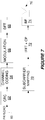
- Figure 7 illustrates additional details concerning transmit processing for the PACH according to some examples.
- a cyclic redundancy check CRC
- CRC cyclic redundancy check
- padding may be used to match the payload size including the CRC to one of multiple different payload sizes predefined as possible for the PACH (e.g., 200, 300, or 400 bits).
- the payload, CRC, and any possible padding is then channel coded (Block 64).
- the encoded data is then modulated (Block 66) so as to map the encoded data to modulation symbols (e.g., Quadrature Phase Shift Keying (QPSK) symbols).
- modulation symbols e.g., Quadrature Phase Shift Keying (QPSK) symbols.
- the resulting modulation symbols are Discrete Fourier Transform (DFT) precoded (Block 68), e.g., to achieve a low peak to average power ratio (PAPR) waveform.
- DFT Discrete Fourier Transform
- the precoded signal is next mapped to a predefined group of subcarriers (Block 70), and then passed through Block 72, which performs inverse fast fourier transform (IFFT) processing and adds a cyclic prefix (CP).
- IFFT inverse fast fourier transform
- CP cyclic prefix
- the resulting signal is beamformed (BF) at Block 74 before being transmitted (e.g., broadcasted) via one or more antennas 76.
- Figures 6A-6B illustrated the examples using one example deployment scenario, other deployment scenarios for system information are also possible.
- Figures 8A-8B illustrates a couple of other examples.
- common access information e.g., in the form of the C-AIT
- an overlaid node e.g., via LTE
- the common access information is delivered by each node, including an overlaid node as well as multiple nodes that serve different parts of the overlaid node's coverage area.
- all nodes may individually transmit an SS signal, SSB, and C-AIT, whereby each C-AIT may contain only a single entry related to the SS signal transmitted by the same node or each C-CAIT may contain multiple entries related to the SS signals transmitted by multiple nodes.
- each C-AIT may contain only a single entry related to the SS signal transmitted by the same node or each C-CAIT may contain multiple entries related to the SS signals transmitted by multiple nodes.
- C-AITs transmitted by different nodes could be time-shifted relative to one another.
- radio nodes with significantly different transmission power may need to have different system information.
- These different types of radio nodes in some examples have different system signatures.
- radio nodes may be partitioned into different power classes, each power class having its own system signature. Radio nodes having the same power class may have the same signature, unless different system signatures are needed for other reasons, e.g., backhaul capabilities, processing capabilities, or the like.
- the different types may also be classified based on activity level, e.g., radio nodes being in an active mode or sleep mode.
- system information associated with multiple system signatures may be broadcast by one or more of the radio nodes, e.g., in the form of a C-AIT, according to any of the deployment options herein.
- the system information may for instance be broadcast by only a few high-power radio nodes.
- a system signature may be compared to a traditional cell-specific reference signal (CRS) but with notable differences. Similar to a CRS, a system signature may be associated with system information, and controls the initial device transmissions. However, some radio nodes, even adjacent, may have the same system signature, e.g., as long as they have similar transmission power or activity. In fact, all radio nodes of the same type may have the same system signature. This contrasts with traditional systems in which a physical cell identity (PCI) conflict would occur in case two neighboring radio nodes would have the same PCI and hence transmit the same CRS. Indeed, transmission of the same system signature by adjacent radio nodes may add in a constructive manner rather than in an interfering manner. Another difference is that the actual system information may not be transmitted from the same radio node that transmits the system signature.
- PCI physical cell identity
- comparing with CRS it is enabled to either transmit the system signature with less power, which reduces network energy consumption, or larger cells in the macro layer deployment may be used. Larger cells in the macro layer also increase the support for radio network node sleep mode in the underlying network layers. For each active node there may be a larger number of in-active nodes if the macro layer is sparse. If two adjacent nodes are transmitting the same CRS in current systems then per definition they will form a joint cell. Since for a joint cell they must also transmit exactly the same synchronization signals and system broadcast signals. Also all CRS-based control and data channels must be transmitted in identical manner from both nodes.
- the device may be assigned a serving node/cell after the initial access has been performed. In the access procedure the device will receive information that enable it to access a node/cell (e.g., random access may not be node or cell specific). In fact, the node/cell might not have been there prior to the initial access of the device, e.g., it was in a non-active or dormant state.
- a device uses the initial access information in the C-AIT corresponding to a certain SS signal to request initial access to the system, and then thereafter uses other system information received after that initial access.
- the device may for instance receive some system information (e.g., multi-RAT lists) referred to as common system information after initial system access, and then receive other system information (e.g., transmission mode support or CRS configuration) referred to as non-specific system information after initial node access.
- some system information e.g., multi-RAT lists
- other system information e.g., transmission mode support or CRS configuration
- all or some of this other system information may already be known (e.g., preconfigured) at the device.
- a device stores an access information table (AIT) in its memory.
- the AIT may be updated based on a C-AIT received over common control plane signaling before initial system access and/or a dedicated AIT received over dedicated control plane signaling after initial system access.
- the AIT may therefore contain the same information as the C-AIT, the same information as the D-AIT, or some combination of the C-AIT and D-AIT.
- the D-AIT may contain some parameters (i.e., not entries) that are not included in the C-AIT, e.g., because they are not essential for initial system access. Such parameters may complement each entry in the table or be added to a common part separate from the entries. These parameters would thus also be included in the AIT, provided that the system 10 has transmitted the D-AIT to the device.
- the D-AIT may use the same SS signal to point to different configurations for different devices. For example, in the case of system congestion, this would allow the system 10 to have different access persistency values for different devices.
- system information in some examples is effectively decoupled from the traditional cell.
- This decoupling may be done in order to efficiently support increasingly important use cases and deployments such as higher order sectorization, Cloud radio access network (RAN), coordinated multipoint (CoMP), high frequency band operation, extreme area coverage, etc.
- RAN Cloud radio access network
- CoMP coordinated multipoint
- high frequency band operation extreme area coverage, etc.
- a new logical network entity may be effectively defined above the traditional cell or node.
- This new logical network entity may be referred to as a logical "anchor cell", “anchor area”, or “anchor node” (although other names may be a "super-cell", “hyper-cell”, etc.).
- the term anchor cell will be used hereinafter, with examples extending equally to anchor area, anchor node, etc.
- An anchor cell contains one or more cells, sectors, access node coverage areas, and/or beams. Some examples are shown in Figure 9 . In the examples in Figure 9 , one part of system information (e.g. SSB) may be sent from the different sectors (beams, etc.) and another part of the system information (e.g.
- C-AIT may be jointly transmitted over several sectors (beams, etc.).
- system information is transmitted from both individual cells (or sectors, beams, node coverage areas, etc.) as well as from logical anchor cells.
- some system information may be transmitted using a single node transmission format (e.g., cell broadcast) whereas other system information may be transmitted using a multi-node transmission format (e.g., OFDM SFN).
- the "SS+SSB" signals may be transmitted from a different set of nodes than the PACH.
- the number of combinations is likely to be large. Attempting to blindly decode the SS, SSB, and PACH in the face of all these combinations would cause additional access delay and consume device battery. Worse, even if the device were to succeed in blindly decoding the PACH, the device may have decoded a PACH that was not the correct one, but which is intended for another area, e.g. a neighboring anchor cell.
- the SS signals are only locally unique and different PACH transmissions may contain different information relating to different SSs.
- the PACH transmission (i.e. the C-AIT) may contain information that is associated with SSs that are used in the device's current anchor cell (including the (strongest) SS the device can currently receive), but which information is not valid in the device's current anchor cell (but e.g. in a neighboring anchor cell).
- the device can receive more than one PACH, then it may not know which one that is the intended one.
- the PACH is transmitted on a different frequency band (e.g. a lower frequency) with different distance dependent path loss it may be (in practice) impossible to exactly match the coverage area of the PACH with the union of the coverage areas of the constituent SS and SSB transmissions.
- the device will often receive more than one PACH in such a scenario.
- a C-AIT communicated inside a PACH transmission may contain information about (reused or different) SS signals that are not part of the same anchor cell. If the device cannot know from which PACH it has received the access information, then it would be unpredictable how the device would behave when it performs a system access. Depending on if the device has received the access information from another anchor cell or from this anchor cell, the access procedure could differ.
- the SSB may contain e.g. "PACH-DMRS-information" and/or "PACH-scrambling-code-information" and possibly a separate synchronization signal associated with the PACH (e.g. PACH-SS).
- the PACH may include the C-AIT.
- the PACH may also include an anchor cell global identity (ACGI) and/or a tracking RAN access code or tracking area code at the anchor cell level.
- ACGI anchor cell global identity
- various examples herein transmit explicit signaling that is associated with a first part 16 of system information and that identifies a second part 20 of system information as complementing that first part 16.
- the explicit signaling distinguishes the second part 20 from any other second part of system information in the system 10, e.g., so as to reduce ambiguity regarding which second part corresponds to the first part 16.
- This identification of the second part 20 may be accomplished through explicit signaling of a sequence used for demodulating or descrambling the second part 20.
- the identification may be accomplished through explicit signaling of a second part identifier or a second channel identifier (e.g., a PACH identifier).
- any examples described in terms of SSB and C-AIT/PACH may be generalized or extended to apply to any first part of system information and second part of system information. This may be further generalized to an arbitrary number (N) of system information parts.
- each system information part includes or is associated with information of the above described type(s) (e.g., format and demodulation-assisting information such as DMRS, scrambling sequence, associated synchronization signal sequence/index) related to the next system information part (i.e. a "sequential chain" of system information parts).
- the first system information part includes or is associated with format/demodulation-assisting information related to each of the other system information parts.
- any of the system information parts in a sequential chain of system information parts could include or be associated with format and demodulation-assisting information related to more than one other system information part (i.e. essentially turning the sequential chain into a "tree" of system information parts).
- first and second system information parts have been used herein, the terms first and second do not necessarily imply an ordering of the system information parts, e.g., whether in time, frequency, or otherwise.
- the wireless communication system 10 in some embodiments is an LTE system.
- the first part of system information may comprise a master information block (MIB) and the second part of system information may comprise a system information block (SIB).
- MIB master information block
- SIB system information block
- a radio node 12 herein is any type of node (e.g., a base station) capable of communicating with another node over radio signals.
- a wireless communication device 14 is any type device capable of communicating with a radio node 12 over radio signals.
- a wireless communication device 14 may therefore refer to a user equipment (UE), a mobile station, a laptop, a smartphone, a machine-to-machine (M2M) device, a machine-type communications (MTC) device, a narrowband Internet of Things (loT) device, etc. That said, although the wireless communication device 14 may be referred to as a UE, it should be noted that the wireless communication device 14 does not necessarily have a "user" in the sense of an individual person owning and/or operating the device.
- M2M machine-to-machine
- MTC machine-type communications
- LoT narrowband Internet of Things
- a wireless communication device 14 may also be referred to as a radio device, a radio communication device, a wireless terminal, or simply a terminal - unless the context indicates otherwise, the use of any of these terms is intended to include device-to-device UEs or devices, machine-type devices or devices capable of machine-to-machine communication, sensors equipped with a wireless device, wireless-enabled table computers, mobile terminals, smart phones, laptop-embedded equipped (LEE), laptop-mounted equipment (LME), USB dongles, wireless customer-premises equipment (CPE), etc.
- M2M machine-to-machine
- MTC machine-type communication
- wireless sensor and sensor may also be used. It should be understood that these devices may be UEs, but may be generally configured to transmit and/or receive data without direct human interaction.
- a wireless communication device as described herein may be, or may be comprised in, a machine or device that performs monitoring or measurements, and transmits the results of such monitoring measurements to another device or a network.
- machines are power meters, industrial machinery, or home or personal appliances, e.g. refrigerators, televisions, personal wearables such as watches etc.
- a wireless communication device as described herein may be comprised in a vehicle and may perform monitoring and/or reporting of the vehicle's operational status or other functions associated with the vehicle.
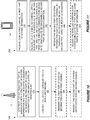
- a radio node 12 herein generally performs the method 100 shown in Figure 10 .
- the method 100 comprises generating explicit signaling that is associated with a first part 16 of system information and that indicates a sequence 24 with which a second part 20 of system information is to be demodulated or descrambled (Block 110).
- the method 100 also comprises transmitting the explicit signaling over a signaling channel 25 (Block 120).
- the method 100 in some examples comprises transmitting the first part 16 of system information over the first channel 18 (Block 130), whereas in other examples a different radio node transmits this first part 16.
- the method 100 in some examples comprises transmitting the second part 20 of system information over the second channel 22 (Block 140), whereas in other examples a different radio node transmits this second part 20.
- a wireless communication device 14 herein correspondingly performs the method 200 shown in Figure 11 for receiving system information for a wireless communication system in parts.
- the method 200 comprises receiving, over a first channel 18, a first part 16 of system information (Block 210).
- the method 200 also comprises receiving, over a signaling channel, explicit signaling that is associated with the first part 15 and that indicates a sequence 24 with which the wireless communication device 14 is to demodulate or descramble a second part 20 of system information (Block 220).
- the method 200 also comprises receiving the second part 20 of system information over a second channel 22, by demodulating or descrambling the second part 20 using the indicated sequence 24 (Block 230).
- the method 200 also comprises accessing the wireless communication system 10 using both the first and second parts 16, 20 of system information (Block 240).
- the radio node 12 as described above may perform any of the processing herein by implementing any functional means or units.
- the radio node 12 comprises respective circuits or circuitry configured to perform the steps shown in Figure 10 .
- the circuits or circuitry in this regard may comprise circuits dedicated to performing certain functional processing and/or one or more microprocessors in conjunction with memory.
- memory which may comprise one or several types of memory such as read-only memory (ROM), random-access memory, cache memory, flash memory devices, optical storage devices, etc.
- the memory stores program code that, when executed by the one or more processors, carries out the techniques described herein.
- FIG. 12 illustrates a radio node 12 implemented in the form of a radio node 12A in accordance with one or more examples.
- the radio node 12A includes processing circuitry 300 and communication circuitry 310.
- the communication circuitry 310 is configured to transmit and/or receive information to and/or from one or more other nodes, e.g., via any communication technology.
- the processing circuitry 300 is configured to perform processing described above, e.g., in Figure 10 , such as by executing instructions stored in memory 320.
- the processing circuitry 300 in this regard may implement certain functional means, units, or modules.
- FIG 13 illustrates a radio node 12 implemented in the form of a radio node 12B in accordance with one or more other examples.
- the radio node 12B implements various functional means, units, or modules, e.g., via the processing circuitry 300 in Figure 12 and/or via software code.
- These functional means, units, or modules, e.g., for implementing the method in Figure 10 include for instance a generating unit or module 400 for generating explicit signaling that is associated with a first part 16 of system information and that indicates a sequence 24 with which a second part 20 of system information is to be demodulated or descrambled.
- a transmitting unit or module 410 for transmitting the explicit signaling over a signaling channel 25.
- a wireless communication device 14 as described above may perform any of the processing herein by implementing any functional means or units.
- the wireless communication device 14 comprises respective circuits or circuitry configured to perform the steps shown in Figure 11 .
- the circuits or circuitry in this regard may comprise circuits dedicated to performing certain functional processing and/or one or more microprocessors in conjunction with memory.
- memory which may comprise one or several types of memory such as read-only memory (ROM), random-access memory, cache memory, flash memory devices, optical storage devices, etc.
- the memory stores program code that, when executed by the one or more processors, carries out the techniques described herein.
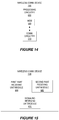
- Figure 14 illustrates a wireless communication device 14 implemented in the form of a wireless communication device 14A
- the wireless communication device 14A includes processing circuitry 500 and communication circuitry 510.
- the communication circuitry 510 is configured to transmit and/or receive information to and/or from one or more other nodes, e.g., via any communication technology.
- the processing circuitry 500 is configured to perform processing described above, e.g., in Figure 11 , such as by executing instructions stored in memory 520.
- the processing circuitry 500 in this regard may implement certain functional means, units, or modules.
- Figure 15 illustrates a wireless communication device 14 implemented in the form of a wireless communication device 14B.
- the wireless communication device 14B implements various functional means, units, or modules, e.g., via the processing circuitry 500 in Figure 14 and/or via software code.
- These functional means, units, or modules, e.g., for implementing the method in Figure 11 include for instance a first part receiving unit or module 600 for receiving, over a first channel 18, a first part 16 of system information.
- a signaling unit or module 610 for receiving, over a signaling channel 25, explicit signaling that is associated with the first part 16 and that indicates a sequence 24 with which the wireless communication device 14 is to demodulate or descramble a second part 20 of system information.
- a second part receiving unit or module 620 for receiving the second part 20 of system information over a second channel 22, by demodulating or descrambling the second part 20 using the indicated sequence 24.
Landscapes
- Engineering & Computer Science (AREA)
- Computer Networks & Wireless Communication (AREA)
- Signal Processing (AREA)
- Computer Security & Cryptography (AREA)
- Physics & Mathematics (AREA)
- Spectroscopy & Molecular Physics (AREA)
- Power Engineering (AREA)
- Mobile Radio Communication Systems (AREA)
Claims (17)
- Procédé mis en œuvre par un équipement utilisateur (14) pour recevoir des informations système diffusées pour un système de communication sans fil (10), le procédé étant caractérisé par :la réception (210), sur un premier canal (18), d'une première partie diffusée (16) d'informations système, ladite première partie diffusée d'informations système incluant une signalisation explicite qui indique une séquence de signal de référence de démodulation (24) avec laquelle l'équipement utilisateur (14) doit démoduler une seconde partie diffusée (20) d'informations système, dans lequel la signalisation explicite comprend un ou plusieurs bits, symboles ou autres éléments d'information qui codent ou représentent la séquence (24) ; etla réception (220) de la seconde partie diffusée (20) d'informations système sur un second canal (22), en démodulant la seconde partie (20) en utilisant la séquence indiquée (24) ;dans lequel la séquence utilisée pour démoduler la seconde partie d'informations système est différente d'une séquence de signal de référence de démodulation utilisée pour démoduler la première partie d'informations système.
- Procédé selon la revendication 1, comprenant en outre l'accès (230) au système de communication sans fil (10) en utilisant à la fois les première et seconde parties (16, 20) d'informations système.
- Procédé mis en œuvre par une station de base (12) configurée pour l'utilisation dans un système de communication sans fil (10) dans lequel des informations système diffusées sont diffusées en parties, le procédé étant caractérisé par :la génération (110) d'une signalisation explicite incluse dans une première partie diffusée (16) d'informations système, ladite signalisation explicite indique une séquence de signal de référence de démodulation (24) avec laquelle une seconde partie diffusée (20) d'informations système doit être démodulée, dans lequel la signalisation explicite comprend un ou plusieurs bits, symboles ou autres éléments d'information qui codent ou représentent la séquence (24) ; etla diffusion de la première partie d'informations système incluant ladite signalisation explicite sur premier canal (18)dans lequel la séquence utilisée pour démoduler la seconde partie d'informations système est différente d'une séquence de signal de référence de démodulation utilisée pour démoduler la première partie d'informations système.
- Procédé selon la revendication 3, comprenant en outre la diffusion (120) de la première partie (16) d'informations système sur un premier canal (18) différent d'un second canal (22) sur lequel la seconde partie (20) d'informations système est diffusée.
- Procédé selon l'une quelconque des revendications 1-4, dans lequel la séquence (24) indiquée par la signalisation explicite différencie la seconde partie (20) d'informations système d'une ou plusieurs autres secondes parties d'informations système qui sont reçues en utilisant une ou plusieurs autres séquences respectives pour la démodulation ou le désembrouillage.
- Procédé selon l'une quelconque des revendications 1-5, dans lequel la signalisation explicite indique en outre un ou plusieurs parmi :des informations concernant une taille de ressource dans le domaine temporel et/ou le domaine fréquentiel d'un second canal (22) sur lequel la seconde partie (20) d'informations système est diffusée ;un schéma de modulation et de codage d'un second canal (22) sur lequel la seconde partie (20) d'informations système est diffusée ; etune configuration d'antenne pour un second canal (22) sur lequel la seconde partie (20) d'informations système est diffusée.
- Procédé selon l'une quelconque des revendications 1-6, dans lequel la première partie (16) d'informations système inclut un premier type d'informations système, dans lequel des premières parties différentes d'informations système qui indiquent des informations système différentes du premier type sont diffusées respectivement dans des zones différentes, et dans lequel la seconde partie (20) d'informations système est des informations communes diffusées conjointement dans les zones différentes dans lesquelles les premières parties différentes d'informations système sont respectivement diffusées.
- Procédé selon l'une quelconque des revendications 1-7, dans lequel la première partie (16) d'informations système est diffusée pour fréquemment que la seconde partie (20) d'informations système.
- Procédé selon l'une quelconque des revendications 1-8, dans lequel la seconde partie (20) d'informations système inclut des informations d'accès initial nécessaires à un équipement utilisateur (14) pour accéder initialement au système de communication sans fil (10).
- Équipement utilisateur (14) pour recevoir des informations système diffusées pour un système de communication sans fil (10), l'équipement utilisateur (14) étant caractérisé en ce qu'il est configuré pour :recevoir, sur un premier canal (18), d'une première partie diffusée (16) d'informations système, ladite première partie diffusée d'informations système incluant une signalisation explicite qui indique une séquence de signal de référence de démodulation (24) avec laquelle l'équipement utilisateur (14) doit démoduler une seconde partie diffusée (20) d'informations système, dans lequel la signalisation explicite comprend un ou plusieurs bits, symboles ou autres éléments d'information qui codent ou représentent la séquence (24) ; etrecevoir la seconde partie diffusée (20) d'informations système sur un second canal (22), en démodulant la seconde partie (20) en utilisant la séquence indiquée (24)dans lequel la séquence utilisée pour démoduler la seconde partie d'informations système est différente d'une séquence de signal de référence de démodulation utilisée pour démoduler la première partie d'informations système.
- Équipement utilisateur (14) selon la revendication 10, configuré pour effectuer le procédé selon l'une quelconque des revendications 2 et 5 à 9 ne dépendant pas des revendications 3 et 4.
- Station de base (12) pour l'utilisation dans un système de communication sans fil (10) dans lequel des informations système diffusées sont diffusées en parties, la station de base (12) étant caractérisée en ce qu'elle est configurée pour :générer une signalisation explicite incluse dans une première partie diffusée (16) d'informations système, ladite signalisation explicite indique une séquence de signal de référence de démodulation (24) avec laquelle une seconde partie diffusée (20) d'informations système doit être démodulée, dans lequel la signalisation explicite comprend un ou plusieurs bits, symboles ou autres éléments d'information qui codent ou représentent la séquence (24) ; etdiffuser la première partie (16) d'informations système incluant ladite signalisation explicite sur un premier canal (18)dans laquelle la séquence utilisée pour démoduler la seconde partie d'informations système est différente d'une séquence de signal de référence de démodulation utilisée pour démoduler la première partie d'informations système.
- Station de base (12) selon la revendication 12, configurée pour effectuer le procédé selon l'une quelconque des revendications 4 et 5 à 9 ne dépendant pas des revendications 1 et 2.
- Programme informatique, comprenant des instructions qui, quand elles sont exécutées sur une circuiterie de traitement d'un UE, amènent la circuiterie de traitement de l'UE à réaliser le procédé selon l'une quelconque des revendications 1, 2 et 5 à 9, ou comprenant des instructions qui, quand elles sont exécutées sur une circuiterie de traitement d'une BS, amènent la circuiterie de traitement de la BS à réaliser le procédé selon l'une quelconque des revendications 3 à 9.
- Support contenant le programme informatique selon la revendication 14, dans lequel le support est un parmi un signal électronique, un signal optique, un signal radio ou un support de stockage lisible par ordinateur.
- Procédé dans un système de communication sans fil comprenant au moins un équipement utilisateur (14) configuré pour recevoir des informations système diffusées et au moins une station de base (12) configurée pour diffuser des informations système en parties, le procédé étant caractérisé par les étapes suivantes
la diffusion par la station de base (12), sur un premier canal (18), d'une première partie (16) d'informations système incluant une signalisation explicite indiquant une séquence de signal de référence de démodulation (24) avec laquelle une seconde partie diffusée (20) d'informations système doit être démodulée ;
la diffusion par la station de base (12), sur un second canal (22), de la seconde partie d'informations système, ledit second canal étant différent dudit premier canal, moyennant quoi la première partie d'informations système est diffusée sur une zone de couverture relativement plus petite, alors que la seconde partie d'informations système est diffusée sur une zone de couverture chevauchante relativement plus grande ;
dans lequel ladite seconde partie diffusée d'informations système est reçue par l'au moins un équipement utilisateur en utilisant la séquence de signal de référence de démodulation (24) qui est indiquée par la signalisation explicite comprise dans la première partie (16) d'informations système, dans lequel la signalisation explicite comprend un ou plusieurs bits, symboles ou autres éléments d'information qui codent ou représentent la séquence de signal de référence de démodulation (24), et
dans lequel la séquence utilisée pour démoduler la seconde partie d'informations système est différente d'une séquence de signal de référence de démodulation utilisée pour démoduler la première partie d'informations système. - Procédé selon la revendication 16, comprenant l'accès, par l'équipement utilisateur, au système de communication sans fil en utilisant à la fois les première et seconde parties d'informations système.
Priority Applications (3)
| Application Number | Priority Date | Filing Date | Title |
|---|---|---|---|
| PL16719546T PL3443779T3 (pl) | 2016-04-12 | 2016-04-12 | Przesył i odbiór informacji systemowych w częściach |
| EP23203255.7A EP4319412A3 (fr) | 2016-04-12 | 2016-04-12 | Transmission et réception d'informations système dans des parties |
| EP21155081.9A EP3836631B1 (fr) | 2016-04-12 | 2016-04-12 | Transmission et réception d'informations système, en parties |
Applications Claiming Priority (1)
| Application Number | Priority Date | Filing Date | Title |
|---|---|---|---|
| PCT/SE2016/050310 WO2017180030A1 (fr) | 2016-04-12 | 2016-04-12 | Transmission et réception d'informations système, en parties |
Related Child Applications (2)
| Application Number | Title | Priority Date | Filing Date |
|---|---|---|---|
| EP21155081.9A Division EP3836631B1 (fr) | 2016-04-12 | 2016-04-12 | Transmission et réception d'informations système, en parties |
| EP23203255.7A Division EP4319412A3 (fr) | 2016-04-12 | 2016-04-12 | Transmission et réception d'informations système dans des parties |
Publications (2)
| Publication Number | Publication Date |
|---|---|
| EP3443779A1 EP3443779A1 (fr) | 2019-02-20 |
| EP3443779B1 true EP3443779B1 (fr) | 2021-02-17 |
Family
ID=55861115
Family Applications (3)
| Application Number | Title | Priority Date | Filing Date |
|---|---|---|---|
| EP21155081.9A Active EP3836631B1 (fr) | 2016-04-12 | 2016-04-12 | Transmission et réception d'informations système, en parties |
| EP23203255.7A Pending EP4319412A3 (fr) | 2016-04-12 | 2016-04-12 | Transmission et réception d'informations système dans des parties |
| EP16719546.0A Active EP3443779B1 (fr) | 2016-04-12 | 2016-04-12 | Transmission et réception d'informations système, en parties |
Family Applications Before (2)
| Application Number | Title | Priority Date | Filing Date |
|---|---|---|---|
| EP21155081.9A Active EP3836631B1 (fr) | 2016-04-12 | 2016-04-12 | Transmission et réception d'informations système, en parties |
| EP23203255.7A Pending EP4319412A3 (fr) | 2016-04-12 | 2016-04-12 | Transmission et réception d'informations système dans des parties |
Country Status (10)
| Country | Link |
|---|---|
| US (2) | US11317342B2 (fr) |
| EP (3) | EP3836631B1 (fr) |
| JP (1) | JP6788030B2 (fr) |
| CN (1) | CN109328474B (fr) |
| AR (1) | AR108125A1 (fr) |
| ES (2) | ES2968017T3 (fr) |
| MX (1) | MX394522B (fr) |
| PL (2) | PL3443779T3 (fr) |
| RU (1) | RU2714374C1 (fr) |
| WO (1) | WO2017180030A1 (fr) |
Families Citing this family (16)
| Publication number | Priority date | Publication date | Assignee | Title |
|---|---|---|---|---|
| MX394522B (es) * | 2016-04-12 | 2025-03-24 | Ericsson Telefon Ab L M | Transmision y recepcion de informacion de sistema en partes. |
| EP3479497A1 (fr) | 2016-06-30 | 2019-05-08 | Sony Corporation | Station de base, et équipement d'utilisateur |
| WO2018034603A1 (fr) * | 2016-08-17 | 2018-02-22 | Telefonaktiebolaget Lm Ericsson (Publ) | Évaluation de validité sensible au risque d'informations de système |
| US10405353B2 (en) * | 2016-09-23 | 2019-09-03 | Samsung Electronics Co., Ltd. | Method and apparatus for random access in wireless systems |
| JP6841906B2 (ja) * | 2017-05-02 | 2021-03-10 | 株式会社Nttドコモ | 端末、基地局装置及び通信方法 |
| CN108810059B (zh) * | 2017-05-05 | 2024-04-16 | 华为技术有限公司 | 广播信号的发送方法、接收方法、网络设备和终端设备 |
| MX2020001549A (es) * | 2017-08-10 | 2020-03-20 | Zte Corp | Comunicacion de bloques de control comunes. |
| WO2019084879A1 (fr) | 2017-11-02 | 2019-05-09 | 北京小米移动软件有限公司 | Procédé et dispositif de recherche d'un ensemble de ressources communes d'informations de système essentiel à la mission restante |
| SG11202004452YA (en) | 2017-11-14 | 2020-06-29 | Guangdong Oppo Mobile Telecommunications Corp Ltd | Wireless communication method and device |
| WO2019104672A1 (fr) | 2017-11-30 | 2019-06-06 | 北京小米移动软件有限公司 | Procédé et appareil d'indication d'informations, station de base et équipement utilisateur |
| BR112020014813A2 (pt) | 2018-01-26 | 2020-12-08 | Beijing Xiaomi Mobile Software Co., Ltd. | Método e meio de armazenamento para configurar informação, equipamento de usuário, método e meio de armazenamento para determinar posição de tempo e frequência, e estação base |
| CN110351740B (zh) * | 2018-04-04 | 2024-06-11 | 中兴通讯股份有限公司 | 信号信道的发送方法、基站、存储介质、电子装置 |
| WO2020031263A1 (fr) * | 2018-08-07 | 2020-02-13 | 株式会社Nttドコモ | Nœud radio et procédé de radiocommunication |
| CN112839339B (zh) * | 2019-11-22 | 2023-10-20 | 中兴通讯股份有限公司 | 一种系统信息发送方法、网络设备、基站及存储介质 |
| CN111611552B (zh) * | 2020-05-21 | 2023-04-07 | 浩云科技股份有限公司 | 一种软硬结合的license授权方法及装置 |
| CN119893626A (zh) | 2020-06-08 | 2025-04-25 | 中兴通讯股份有限公司 | 一种资源维护方法、装置、设备和存储介质 |
Citations (6)
| Publication number | Priority date | Publication date | Assignee | Title |
|---|---|---|---|---|
| US20120327895A1 (en) * | 2011-06-27 | 2012-12-27 | Telefonaktiebolaget L M Ericsson (Publ) | Cellular Communication System Support for Limited Bandwidth Communication Devices |
| US20130301524A1 (en) * | 2012-05-11 | 2013-11-14 | Qualcomm Incorporated | Methods and apparatus for managing machine-type communications |
| US20140307621A1 (en) * | 2013-04-15 | 2014-10-16 | Telefonaktiebolaget L M Ericsson (Publ) | Signaling of system information to mtc-devices |
| US20140321421A1 (en) * | 2012-01-13 | 2014-10-30 | Huawei Technologies Co., Ltd. | Generating and transmitting demodulation reference signals |
| US20150085717A1 (en) * | 2013-09-20 | 2015-03-26 | Samsung Electronics Co., Ltd. | System and method for coverage enhancements of broadcast channels |
| US20150304080A1 (en) * | 2012-11-01 | 2015-10-22 | Lg Electronics Inc. | Method and apparatus for transceiving reference signal in wireless communication system |
Family Cites Families (25)
| Publication number | Priority date | Publication date | Assignee | Title |
|---|---|---|---|---|
| US295836A (en) | 1884-03-25 | Double-carbon arc-lamp | ||
| CN101480085B (zh) * | 2006-05-01 | 2012-03-14 | 株式会社Ntt都科摩 | 基站以及通信方法 |
| GB2461845B (en) | 2008-06-27 | 2012-05-16 | Ubiquisys Ltd | Scrambling code selection |
| AR073832A1 (es) | 2008-10-20 | 2010-12-01 | Interdigital Patent Holdings | Senalizacion y adquisicion de canal de control para agregar onda portadora |
| KR20100113435A (ko) | 2009-04-13 | 2010-10-21 | 삼성전자주식회사 | 광대역 무선통신 시스템에서 시스템 정보 블록 송신 장치 및 방법 |
| US20110243075A1 (en) * | 2009-06-16 | 2011-10-06 | Qualcomm Incorporated | Method and apparatus for access procedure in a wireless communication system |
| CN101827444B (zh) | 2010-03-31 | 2015-03-25 | 中兴通讯股份有限公司 | 一种测量参考信号的信令配置系统及方法 |
| US20130083746A1 (en) * | 2011-09-30 | 2013-04-04 | Interdigital Patent Holdings, Inc. | Method and apparatus for allocating resources for an enhanced physical hybrid automatic repeat request indicator channel |
| WO2013068364A1 (fr) * | 2011-11-08 | 2013-05-16 | Koninklijke Kpn N.V. | Distribution d'informations systèmes dans un système de télécommunications à accès sans fil |
| KR101953216B1 (ko) * | 2011-11-11 | 2019-02-28 | 삼성전자주식회사 | 이동 통신 시스템에서 시스템 정보 전송 방법 및 장치 |
| HUE036939T2 (hu) * | 2011-11-21 | 2018-08-28 | Ericsson Telefon Ab L M | Rádióhálózati csomópont, felhasználói berendezés és eljárások rádióhálózathoz való hozzáférés engedélyezésére |
| WO2013140437A1 (fr) | 2012-03-19 | 2013-09-26 | 富士通株式会社 | Procédé de communication sans fil, système de communication sans fil, station sans fil et terminal sans fil |
| ES2761836T3 (es) * | 2012-04-27 | 2020-05-21 | Nec Corp | Terminal de radio, estación de radio y métodos |
| CN105122700B (zh) * | 2012-12-10 | 2018-05-11 | Lg电子株式会社 | 在支持超高频的无线接入系统中发送系统信息的方法及支持该方法的装置 |
| US9143291B2 (en) | 2012-12-27 | 2015-09-22 | Google Technology Holdings LLC | Method and apparatus for device-to-device communication |
| CN104041165B (zh) * | 2013-01-04 | 2018-05-04 | 华为技术有限公司 | 一种数据传输方法、装置、网络设备及用户设备 |
| CN104079392B (zh) * | 2013-03-29 | 2019-01-04 | 中兴通讯股份有限公司 | 一种传输系统帧序号信息的方法、设备及系统 |
| CN104105138B (zh) | 2013-04-03 | 2019-04-05 | 中兴通讯股份有限公司 | 数据信道的传输、接收处理方法及装置 |
| US9918305B2 (en) * | 2013-10-04 | 2018-03-13 | Qualcomm Incorporated | Enhanced system information decoding |
| CN104885496B (zh) | 2013-12-18 | 2019-08-27 | 华为技术有限公司 | 一种信息的检测方法和用户设备 |
| US20160050667A1 (en) * | 2014-08-18 | 2016-02-18 | Samsung Electronics Co., Ltd. | Communication on licensed and unlicensed bands |
| EP3193550B1 (fr) * | 2014-09-10 | 2021-11-17 | Sharp Kabushiki Kaisha | Terminal, station de base et procédé de communication |
| US10098055B2 (en) | 2014-10-02 | 2018-10-09 | Telefonaktiebolaget Lm Ericsson (Publ) | System information distribution in multi-operator scenarios |
| CN106209331A (zh) | 2015-05-08 | 2016-12-07 | 中兴通讯股份有限公司 | 消息传输方法、解调方法、传输装置及解调装置 |
| MX394522B (es) * | 2016-04-12 | 2025-03-24 | Ericsson Telefon Ab L M | Transmision y recepcion de informacion de sistema en partes. |
-
2016
- 2016-04-12 MX MX2018012348A patent/MX394522B/es unknown
- 2016-04-12 EP EP21155081.9A patent/EP3836631B1/fr active Active
- 2016-04-12 EP EP23203255.7A patent/EP4319412A3/fr active Pending
- 2016-04-12 US US15/036,283 patent/US11317342B2/en active Active
- 2016-04-12 EP EP16719546.0A patent/EP3443779B1/fr active Active
- 2016-04-12 RU RU2018139500A patent/RU2714374C1/ru active
- 2016-04-12 ES ES21155081T patent/ES2968017T3/es active Active
- 2016-04-12 JP JP2018553381A patent/JP6788030B2/ja active Active
- 2016-04-12 PL PL16719546T patent/PL3443779T3/pl unknown
- 2016-04-12 WO PCT/SE2016/050310 patent/WO2017180030A1/fr not_active Ceased
- 2016-04-12 PL PL21155081.9T patent/PL3836631T3/pl unknown
- 2016-04-12 CN CN201680086681.5A patent/CN109328474B/zh active Active
- 2016-04-12 ES ES16719546T patent/ES2866031T3/es active Active
-
2017
- 2017-04-11 AR ARP170100932A patent/AR108125A1/es active IP Right Grant
-
2022
- 2022-04-14 US US17/720,788 patent/US20220240169A1/en active Pending
Patent Citations (6)
| Publication number | Priority date | Publication date | Assignee | Title |
|---|---|---|---|---|
| US20120327895A1 (en) * | 2011-06-27 | 2012-12-27 | Telefonaktiebolaget L M Ericsson (Publ) | Cellular Communication System Support for Limited Bandwidth Communication Devices |
| US20140321421A1 (en) * | 2012-01-13 | 2014-10-30 | Huawei Technologies Co., Ltd. | Generating and transmitting demodulation reference signals |
| US20130301524A1 (en) * | 2012-05-11 | 2013-11-14 | Qualcomm Incorporated | Methods and apparatus for managing machine-type communications |
| US20150304080A1 (en) * | 2012-11-01 | 2015-10-22 | Lg Electronics Inc. | Method and apparatus for transceiving reference signal in wireless communication system |
| US20140307621A1 (en) * | 2013-04-15 | 2014-10-16 | Telefonaktiebolaget L M Ericsson (Publ) | Signaling of system information to mtc-devices |
| US20150085717A1 (en) * | 2013-09-20 | 2015-03-26 | Samsung Electronics Co., Ltd. | System and method for coverage enhancements of broadcast channels |
Also Published As
| Publication number | Publication date |
|---|---|
| EP3836631C0 (fr) | 2023-11-22 |
| PL3443779T3 (pl) | 2021-08-02 |
| US11317342B2 (en) | 2022-04-26 |
| MX394522B (es) | 2025-03-24 |
| US20220240169A1 (en) | 2022-07-28 |
| EP4319412A2 (fr) | 2024-02-07 |
| CN109328474B (zh) | 2021-09-07 |
| RU2714374C1 (ru) | 2020-02-14 |
| CN109328474A (zh) | 2019-02-12 |
| EP3836631B1 (fr) | 2023-11-22 |
| WO2017180030A1 (fr) | 2017-10-19 |
| PL3836631T3 (pl) | 2024-04-15 |
| ES2866031T3 (es) | 2021-10-19 |
| EP3836631A1 (fr) | 2021-06-16 |
| EP4319412A3 (fr) | 2024-04-17 |
| MX2018012348A (es) | 2019-02-11 |
| AR108125A1 (es) | 2018-07-18 |
| JP6788030B2 (ja) | 2020-11-18 |
| EP3443779A1 (fr) | 2019-02-20 |
| ES2968017T3 (es) | 2024-05-06 |
| JP2019516302A (ja) | 2019-06-13 |
| US20180124689A1 (en) | 2018-05-03 |
Similar Documents
| Publication | Publication Date | Title |
|---|---|---|
| US20220240169A1 (en) | Transmission and Reception of System Information in Parts | |
| EP3700119B1 (fr) | Concept de signal de référence de démodulation (dm-rs) pour communication de véhicule à véhicule | |
| CN114642044B (zh) | 同步信号块指示方法及通信装置 | |
| KR102321890B1 (ko) | 시간-주파수 자원의 송신 방향을 구성하는 방법, 및 장치 | |
| US10243764B2 (en) | Method and device for D2D communication within a cellular radio network | |
| US9559824B2 (en) | Method and apparatus for extending control signalling in an LTE network | |
| US11711194B2 (en) | Multi-branch NOMA wireless communication | |
| WO2015188848A1 (fr) | Multiplexage de communications dans des systèmes sans fil | |
| EP3466034A1 (fr) | Identification et/ou profilage d'utilisateurs fixes et d'utilisateurs mobiles | |
| US20190356449A1 (en) | Terminal apparatus, base station apparatus, and communication method | |
| CN108063655B (zh) | 控制信息处理方法及终端、传输点 | |
| EP2984764A1 (fr) | Procédé permettant de supprimer une interférence sur la base d'un équipement utilisateur (ue) en facilitant la signalisation par l'intermédiaire d'une liaison de dispositif à dispositif (d2d) | |
| EP2859669B1 (fr) | Procédé et appareil d'émission et de réception de signal dans un système de communication sans fil | |
| CN115150035B (zh) | 信息传输方法和系统以及基站 | |
| CN114095142B (zh) | 信号处理方法及相关装置 | |
| CA3030485C (fr) | Concept de signal de reference de demodulation (dm-rs) pour communication de vehicule a vehicule | |
| CN121511647A (zh) | 信息传输方法、装置、设备及存储介质 | |
| US20220321263A1 (en) | Method and apparatus for random access | |
| OA19663A (en) | Transmission of control information using more than one beam pair link. |
Legal Events
| Date | Code | Title | Description |
|---|---|---|---|
| STAA | Information on the status of an ep patent application or granted ep patent |
Free format text: STATUS: THE INTERNATIONAL PUBLICATION HAS BEEN MADE |
|
| PUAI | Public reference made under article 153(3) epc to a published international application that has entered the european phase |
Free format text: ORIGINAL CODE: 0009012 |
|
| STAA | Information on the status of an ep patent application or granted ep patent |
Free format text: STATUS: REQUEST FOR EXAMINATION WAS MADE |
|
| 17P | Request for examination filed |
Effective date: 20181112 |
|
| AK | Designated contracting states |
Kind code of ref document: A1 Designated state(s): AL AT BE BG CH CY CZ DE DK EE ES FI FR GB GR HR HU IE IS IT LI LT LU LV MC MK MT NL NO PL PT RO RS SE SI SK SM TR |
|
| AX | Request for extension of the european patent |
Extension state: BA ME |
|
| DAV | Request for validation of the european patent (deleted) | ||
| DAX | Request for extension of the european patent (deleted) | ||
| STAA | Information on the status of an ep patent application or granted ep patent |
Free format text: STATUS: EXAMINATION IS IN PROGRESS |
|
| 17Q | First examination report despatched |
Effective date: 20190729 |
|
| GRAP | Despatch of communication of intention to grant a patent |
Free format text: ORIGINAL CODE: EPIDOSNIGR1 |
|
| STAA | Information on the status of an ep patent application or granted ep patent |
Free format text: STATUS: GRANT OF PATENT IS INTENDED |
|
| INTG | Intention to grant announced |
Effective date: 20201126 |
|
| GRAS | Grant fee paid |
Free format text: ORIGINAL CODE: EPIDOSNIGR3 |
|
| GRAA | (expected) grant |
Free format text: ORIGINAL CODE: 0009210 |
|
| STAA | Information on the status of an ep patent application or granted ep patent |
Free format text: STATUS: THE PATENT HAS BEEN GRANTED |
|
| AK | Designated contracting states |
Kind code of ref document: B1 Designated state(s): AL AT BE BG CH CY CZ DE DK EE ES FI FR GB GR HR HU IE IS IT LI LT LU LV MC MK MT NL NO PL PT RO RS SE SI SK SM TR |
|
| REG | Reference to a national code |
Ref country code: GB Ref legal event code: FG4D |
|
| REG | Reference to a national code |
Ref country code: CH Ref legal event code: EP |
|
| REG | Reference to a national code |
Ref country code: DE Ref legal event code: R096 Ref document number: 602016052532 Country of ref document: DE |
|
| REG | Reference to a national code |
Ref country code: AT Ref legal event code: REF Ref document number: 1363189 Country of ref document: AT Kind code of ref document: T Effective date: 20210315 |
|
| REG | Reference to a national code |
Ref country code: IE Ref legal event code: FG4D |
|
| REG | Reference to a national code |
Ref country code: NL Ref legal event code: FP |
|
| REG | Reference to a national code |
Ref country code: LT Ref legal event code: MG9D |
|
| PG25 | Lapsed in a contracting state [announced via postgrant information from national office to epo] |
Ref country code: FI Free format text: LAPSE BECAUSE OF FAILURE TO SUBMIT A TRANSLATION OF THE DESCRIPTION OR TO PAY THE FEE WITHIN THE PRESCRIBED TIME-LIMIT Effective date: 20210217 Ref country code: GR Free format text: LAPSE BECAUSE OF FAILURE TO SUBMIT A TRANSLATION OF THE DESCRIPTION OR TO PAY THE FEE WITHIN THE PRESCRIBED TIME-LIMIT Effective date: 20210518 Ref country code: HR Free format text: LAPSE BECAUSE OF FAILURE TO SUBMIT A TRANSLATION OF THE DESCRIPTION OR TO PAY THE FEE WITHIN THE PRESCRIBED TIME-LIMIT Effective date: 20210217 Ref country code: PT Free format text: LAPSE BECAUSE OF FAILURE TO SUBMIT A TRANSLATION OF THE DESCRIPTION OR TO PAY THE FEE WITHIN THE PRESCRIBED TIME-LIMIT Effective date: 20210617 Ref country code: NO Free format text: LAPSE BECAUSE OF FAILURE TO SUBMIT A TRANSLATION OF THE DESCRIPTION OR TO PAY THE FEE WITHIN THE PRESCRIBED TIME-LIMIT Effective date: 20210517 Ref country code: LT Free format text: LAPSE BECAUSE OF FAILURE TO SUBMIT A TRANSLATION OF THE DESCRIPTION OR TO PAY THE FEE WITHIN THE PRESCRIBED TIME-LIMIT Effective date: 20210217 Ref country code: BG Free format text: LAPSE BECAUSE OF FAILURE TO SUBMIT A TRANSLATION OF THE DESCRIPTION OR TO PAY THE FEE WITHIN THE PRESCRIBED TIME-LIMIT Effective date: 20210517 |
|
| REG | Reference to a national code |
Ref country code: AT Ref legal event code: MK05 Ref document number: 1363189 Country of ref document: AT Kind code of ref document: T Effective date: 20210217 |
|
| PG25 | Lapsed in a contracting state [announced via postgrant information from national office to epo] |
Ref country code: SE Free format text: LAPSE BECAUSE OF FAILURE TO SUBMIT A TRANSLATION OF THE DESCRIPTION OR TO PAY THE FEE WITHIN THE PRESCRIBED TIME-LIMIT Effective date: 20210217 Ref country code: RS Free format text: LAPSE BECAUSE OF FAILURE TO SUBMIT A TRANSLATION OF THE DESCRIPTION OR TO PAY THE FEE WITHIN THE PRESCRIBED TIME-LIMIT Effective date: 20210217 Ref country code: LV Free format text: LAPSE BECAUSE OF FAILURE TO SUBMIT A TRANSLATION OF THE DESCRIPTION OR TO PAY THE FEE WITHIN THE PRESCRIBED TIME-LIMIT Effective date: 20210217 |
|
| PG25 | Lapsed in a contracting state [announced via postgrant information from national office to epo] |
Ref country code: IS Free format text: LAPSE BECAUSE OF FAILURE TO SUBMIT A TRANSLATION OF THE DESCRIPTION OR TO PAY THE FEE WITHIN THE PRESCRIBED TIME-LIMIT Effective date: 20210617 |
|
| REG | Reference to a national code |
Ref country code: ES Ref legal event code: FG2A Ref document number: 2866031 Country of ref document: ES Kind code of ref document: T3 Effective date: 20211019 |
|
| PG25 | Lapsed in a contracting state [announced via postgrant information from national office to epo] |
Ref country code: CZ Free format text: LAPSE BECAUSE OF FAILURE TO SUBMIT A TRANSLATION OF THE DESCRIPTION OR TO PAY THE FEE WITHIN THE PRESCRIBED TIME-LIMIT Effective date: 20210217 Ref country code: EE Free format text: LAPSE BECAUSE OF FAILURE TO SUBMIT A TRANSLATION OF THE DESCRIPTION OR TO PAY THE FEE WITHIN THE PRESCRIBED TIME-LIMIT Effective date: 20210217 Ref country code: AT Free format text: LAPSE BECAUSE OF FAILURE TO SUBMIT A TRANSLATION OF THE DESCRIPTION OR TO PAY THE FEE WITHIN THE PRESCRIBED TIME-LIMIT Effective date: 20210217 Ref country code: SM Free format text: LAPSE BECAUSE OF FAILURE TO SUBMIT A TRANSLATION OF THE DESCRIPTION OR TO PAY THE FEE WITHIN THE PRESCRIBED TIME-LIMIT Effective date: 20210217 |
|
| REG | Reference to a national code |
Ref country code: DE Ref legal event code: R097 Ref document number: 602016052532 Country of ref document: DE |
|
| PG25 | Lapsed in a contracting state [announced via postgrant information from national office to epo] |
Ref country code: SK Free format text: LAPSE BECAUSE OF FAILURE TO SUBMIT A TRANSLATION OF THE DESCRIPTION OR TO PAY THE FEE WITHIN THE PRESCRIBED TIME-LIMIT Effective date: 20210217 Ref country code: RO Free format text: LAPSE BECAUSE OF FAILURE TO SUBMIT A TRANSLATION OF THE DESCRIPTION OR TO PAY THE FEE WITHIN THE PRESCRIBED TIME-LIMIT Effective date: 20210217 Ref country code: DK Free format text: LAPSE BECAUSE OF FAILURE TO SUBMIT A TRANSLATION OF THE DESCRIPTION OR TO PAY THE FEE WITHIN THE PRESCRIBED TIME-LIMIT Effective date: 20210217 Ref country code: MC Free format text: LAPSE BECAUSE OF FAILURE TO SUBMIT A TRANSLATION OF THE DESCRIPTION OR TO PAY THE FEE WITHIN THE PRESCRIBED TIME-LIMIT Effective date: 20210217 |
|
| PLBE | No opposition filed within time limit |
Free format text: ORIGINAL CODE: 0009261 |
|
| STAA | Information on the status of an ep patent application or granted ep patent |
Free format text: STATUS: NO OPPOSITION FILED WITHIN TIME LIMIT |
|
| PG25 | Lapsed in a contracting state [announced via postgrant information from national office to epo] |
Ref country code: LU Free format text: LAPSE BECAUSE OF NON-PAYMENT OF DUE FEES Effective date: 20210412 |
|
| REG | Reference to a national code |
Ref country code: BE Ref legal event code: MM Effective date: 20210430 |
|
| 26N | No opposition filed |
Effective date: 20211118 |
|
| PG25 | Lapsed in a contracting state [announced via postgrant information from national office to epo] |
Ref country code: AL Free format text: LAPSE BECAUSE OF FAILURE TO SUBMIT A TRANSLATION OF THE DESCRIPTION OR TO PAY THE FEE WITHIN THE PRESCRIBED TIME-LIMIT Effective date: 20210217 Ref country code: CH Free format text: LAPSE BECAUSE OF NON-PAYMENT OF DUE FEES Effective date: 20210430 Ref country code: LI Free format text: LAPSE BECAUSE OF NON-PAYMENT OF DUE FEES Effective date: 20210430 |
|
| PG25 | Lapsed in a contracting state [announced via postgrant information from national office to epo] |
Ref country code: SI Free format text: LAPSE BECAUSE OF FAILURE TO SUBMIT A TRANSLATION OF THE DESCRIPTION OR TO PAY THE FEE WITHIN THE PRESCRIBED TIME-LIMIT Effective date: 20210217 |
|
| PG25 | Lapsed in a contracting state [announced via postgrant information from national office to epo] |
Ref country code: IT Free format text: LAPSE BECAUSE OF FAILURE TO SUBMIT A TRANSLATION OF THE DESCRIPTION OR TO PAY THE FEE WITHIN THE PRESCRIBED TIME-LIMIT Effective date: 20210217 Ref country code: IE Free format text: LAPSE BECAUSE OF NON-PAYMENT OF DUE FEES Effective date: 20210412 |
|
| PG25 | Lapsed in a contracting state [announced via postgrant information from national office to epo] |
Ref country code: IS Free format text: LAPSE BECAUSE OF FAILURE TO SUBMIT A TRANSLATION OF THE DESCRIPTION OR TO PAY THE FEE WITHIN THE PRESCRIBED TIME-LIMIT Effective date: 20210617 |
|
| PG25 | Lapsed in a contracting state [announced via postgrant information from national office to epo] |
Ref country code: BE Free format text: LAPSE BECAUSE OF NON-PAYMENT OF DUE FEES Effective date: 20210430 |
|
| P01 | Opt-out of the competence of the unified patent court (upc) registered |
Effective date: 20230517 |
|
| PG25 | Lapsed in a contracting state [announced via postgrant information from national office to epo] |
Ref country code: CY Free format text: LAPSE BECAUSE OF FAILURE TO SUBMIT A TRANSLATION OF THE DESCRIPTION OR TO PAY THE FEE WITHIN THE PRESCRIBED TIME-LIMIT Effective date: 20210217 |
|
| PG25 | Lapsed in a contracting state [announced via postgrant information from national office to epo] |
Ref country code: HU Free format text: LAPSE BECAUSE OF FAILURE TO SUBMIT A TRANSLATION OF THE DESCRIPTION OR TO PAY THE FEE WITHIN THE PRESCRIBED TIME-LIMIT; INVALID AB INITIO Effective date: 20160412 |
|
| PG25 | Lapsed in a contracting state [announced via postgrant information from national office to epo] |
Ref country code: MK Free format text: LAPSE BECAUSE OF FAILURE TO SUBMIT A TRANSLATION OF THE DESCRIPTION OR TO PAY THE FEE WITHIN THE PRESCRIBED TIME-LIMIT Effective date: 20210217 |
|
| PG25 | Lapsed in a contracting state [announced via postgrant information from national office to epo] |
Ref country code: MT Free format text: LAPSE BECAUSE OF FAILURE TO SUBMIT A TRANSLATION OF THE DESCRIPTION OR TO PAY THE FEE WITHIN THE PRESCRIBED TIME-LIMIT Effective date: 20210217 |
|
| PGFP | Annual fee paid to national office [announced via postgrant information from national office to epo] |
Ref country code: NL Payment date: 20250427 Year of fee payment: 10 |
|
| PGFP | Annual fee paid to national office [announced via postgrant information from national office to epo] |
Ref country code: DE Payment date: 20250429 Year of fee payment: 10 |
|
| PGFP | Annual fee paid to national office [announced via postgrant information from national office to epo] |
Ref country code: GB Payment date: 20250428 Year of fee payment: 10 Ref country code: ES Payment date: 20250505 Year of fee payment: 10 |
|
| PGFP | Annual fee paid to national office [announced via postgrant information from national office to epo] |
Ref country code: FR Payment date: 20250425 Year of fee payment: 10 |
|
| PGFP | Annual fee paid to national office [announced via postgrant information from national office to epo] |
Ref country code: TR Payment date: 20260325 Year of fee payment: 11 |
|
| PGFP | Annual fee paid to national office [announced via postgrant information from national office to epo] |
Ref country code: PL Payment date: 20260325 Year of fee payment: 11 |