EP3443977A1 - Procédés pour effectuer une procédure de greffe de pontage coronarien - Google Patents
Procédés pour effectuer une procédure de greffe de pontage coronarien Download PDFInfo
- Publication number
- EP3443977A1 EP3443977A1 EP18182135.6A EP18182135A EP3443977A1 EP 3443977 A1 EP3443977 A1 EP 3443977A1 EP 18182135 A EP18182135 A EP 18182135A EP 3443977 A1 EP3443977 A1 EP 3443977A1
- Authority
- EP
- European Patent Office
- Prior art keywords
- cabg
- peptide
- arg
- procedure
- coronary artery
- Prior art date
- Legal status (The legal status is an assumption and is not a legal conclusion. Google has not performed a legal analysis and makes no representation as to the accuracy of the status listed.)
- Withdrawn
Links
Images


Classifications
-
- A—HUMAN NECESSITIES
- A61—MEDICAL OR VETERINARY SCIENCE; HYGIENE
- A61K—PREPARATIONS FOR MEDICAL, DENTAL OR TOILETRY PURPOSES
- A61K38/00—Medicinal preparations containing peptides
- A61K38/04—Peptides having up to 20 amino acids in a fully defined sequence; Derivatives thereof
- A61K38/07—Tetrapeptides
-
- A—HUMAN NECESSITIES
- A61—MEDICAL OR VETERINARY SCIENCE; HYGIENE
- A61F—FILTERS IMPLANTABLE INTO BLOOD VESSELS; PROSTHESES; DEVICES PROVIDING PATENCY TO, OR PREVENTING COLLAPSING OF, TUBULAR STRUCTURES OF THE BODY, e.g. STENTS; ORTHOPAEDIC, NURSING OR CONTRACEPTIVE DEVICES; FOMENTATION; TREATMENT OR PROTECTION OF EYES OR EARS; BANDAGES, DRESSINGS OR ABSORBENT PADS; FIRST-AID KITS
- A61F2/00—Filters implantable into blood vessels; Prostheses, i.e. artificial substitutes or replacements for parts of the body; Appliances for connecting them with the body; Devices providing patency to, or preventing collapsing of, tubular structures of the body, e.g. stents
- A61F2/02—Prostheses implantable into the body
- A61F2/04—Hollow or tubular parts of organs, e.g. bladders, tracheae, bronchi or bile ducts
- A61F2/06—Blood vessels
-
- A—HUMAN NECESSITIES
- A61—MEDICAL OR VETERINARY SCIENCE; HYGIENE
- A61K—PREPARATIONS FOR MEDICAL, DENTAL OR TOILETRY PURPOSES
- A61K38/00—Medicinal preparations containing peptides
- A61K38/04—Peptides having up to 20 amino acids in a fully defined sequence; Derivatives thereof
- A61K38/06—Tripeptides
-
- A—HUMAN NECESSITIES
- A61—MEDICAL OR VETERINARY SCIENCE; HYGIENE
- A61K—PREPARATIONS FOR MEDICAL, DENTAL OR TOILETRY PURPOSES
- A61K9/00—Medicinal preparations characterised by special physical form
- A61K9/0012—Galenical forms characterised by the site of application
- A61K9/0019—Injectable compositions; Intramuscular, intravenous, arterial, subcutaneous administration; Compositions to be administered through the skin in an invasive manner
-
- A—HUMAN NECESSITIES
- A61—MEDICAL OR VETERINARY SCIENCE; HYGIENE
- A61M—DEVICES FOR INTRODUCING MEDIA INTO, OR ONTO, THE BODY; DEVICES FOR TRANSDUCING BODY MEDIA OR FOR TAKING MEDIA FROM THE BODY; DEVICES FOR PRODUCING OR ENDING SLEEP OR STUPOR
- A61M39/00—Tubes, tube connectors, tube couplings, valves, access sites or the like, specially adapted for medical use
- A61M39/08—Tubes; Storage means specially adapted therefor
-
- A—HUMAN NECESSITIES
- A61—MEDICAL OR VETERINARY SCIENCE; HYGIENE
- A61M—DEVICES FOR INTRODUCING MEDIA INTO, OR ONTO, THE BODY; DEVICES FOR TRANSDUCING BODY MEDIA OR FOR TAKING MEDIA FROM THE BODY; DEVICES FOR PRODUCING OR ENDING SLEEP OR STUPOR
- A61M5/00—Devices for bringing media into the body in a subcutaneous, intra-vascular or intramuscular way; Accessories therefor, e.g. filling or cleaning devices, arm-rests
- A61M5/14—Infusion devices, e.g. infusing by gravity; Blood infusion; Accessories therefor
-
- A—HUMAN NECESSITIES
- A61—MEDICAL OR VETERINARY SCIENCE; HYGIENE
- A61P—SPECIFIC THERAPEUTIC ACTIVITY OF CHEMICAL COMPOUNDS OR MEDICINAL PREPARATIONS
- A61P13/00—Drugs for disorders of the urinary system
- A61P13/12—Drugs for disorders of the urinary system of the kidneys
-
- A—HUMAN NECESSITIES
- A61—MEDICAL OR VETERINARY SCIENCE; HYGIENE
- A61P—SPECIFIC THERAPEUTIC ACTIVITY OF CHEMICAL COMPOUNDS OR MEDICINAL PREPARATIONS
- A61P25/00—Drugs for disorders of the nervous system
-
- A—HUMAN NECESSITIES
- A61—MEDICAL OR VETERINARY SCIENCE; HYGIENE
- A61P—SPECIFIC THERAPEUTIC ACTIVITY OF CHEMICAL COMPOUNDS OR MEDICINAL PREPARATIONS
- A61P41/00—Drugs used in surgical methods, e.g. surgery adjuvants for preventing adhesion or for vitreum substitution
-
- A—HUMAN NECESSITIES
- A61—MEDICAL OR VETERINARY SCIENCE; HYGIENE
- A61P—SPECIFIC THERAPEUTIC ACTIVITY OF CHEMICAL COMPOUNDS OR MEDICINAL PREPARATIONS
- A61P43/00—Drugs for specific purposes, not provided for in groups A61P1/00-A61P41/00
-
- A—HUMAN NECESSITIES
- A61—MEDICAL OR VETERINARY SCIENCE; HYGIENE
- A61P—SPECIFIC THERAPEUTIC ACTIVITY OF CHEMICAL COMPOUNDS OR MEDICINAL PREPARATIONS
- A61P9/00—Drugs for disorders of the cardiovascular system
- A61P9/10—Drugs for disorders of the cardiovascular system for treating ischaemic or atherosclerotic diseases, e.g. antianginal drugs, coronary vasodilators, drugs for myocardial infarction, retinopathy, cerebrovascula insufficiency, renal arteriosclerosis
-
- A—HUMAN NECESSITIES
- A61—MEDICAL OR VETERINARY SCIENCE; HYGIENE
- A61M—DEVICES FOR INTRODUCING MEDIA INTO, OR ONTO, THE BODY; DEVICES FOR TRANSDUCING BODY MEDIA OR FOR TAKING MEDIA FROM THE BODY; DEVICES FOR PRODUCING OR ENDING SLEEP OR STUPOR
- A61M2210/00—Anatomical parts of the body
- A61M2210/12—Blood circulatory system
- A61M2210/125—Heart
Definitions
- the present technology relates generally to compositions and methods for treating obstructive coronary artery disease using a coronary artery bypass graft (CABG) procedure.
- the methods relate to administering aromatic-cationic peptides in effective amounts prior to, during, and/or after a CABG procedure.
- LV function is an important predictor of early and late mortality after coronary artery surgery. It is associated with an increased risk of peri-operative and long-term mortality in patients undergoing coronary bypass surgery compared with patients with normal LV function. Both low ejection fraction (EF) and clinical heart failure are predictive of higher operative mortality rates with CABG surgery. Recently, it has been reported that postoperative NT-proBNP levels are associated with higher in-hospital mortality and prolonged ICU stay (>4 days) after CABG surgery.
- CK-MB creatinine kinase-MB fraction
- a recent consensus document recommended a definition of myocardial infarction following CABG surgery based on a CK-MB elevation of at least 5 times the upper limit of normal during the first 72 hours following CABG surgery associated with the appearance of new pathological Q waves or left bundle-branch block, angiographically documented new graft or native coronary artery occlusion, or imaging evidence of new loss of viable myocardium.
- the present technology relates generally to the treatment of obstructive coronary artery disease in mammals through administration of therapeutically effective amounts of aromatic-cationic peptides to subjects in need thereof.
- the present disclosure provides a method of treating obstructive coronary artery disease comprising: (a) administering to a mammalian subject in need thereof a therapeutically effective amount of the peptide D-Arg-2'6'-Dmt-Lys-Phe-NH 2 or a pharmaceutically acceptable salt thereof; and (b) performing a coronary artery bypass graft procedure on the subject.
- the aromatic-cationic peptide is a peptide having:
- the peptide comprises one or more non-naturally occurring amino acids, for example, one or more D-amino acids.
- the C-terminal carboxyl group of the amino acid at the C-terminus is amidated.
- the peptide has a minimum of four amino acids. The peptide may have a maximum of about 6, a maximum of about 9, or a maximum of about 12 amino acids.
- the peptide comprises a tyrosine or a 2',6'-dimethyltyrosine (Dmt) residue at the N-terminus.
- the peptide may have the formula Tyr-D-Arg-Phe-Lys-NH 2 or 2',6'-Dmt-D-Arg-Phe-Lys-NH 2 .
- the peptide comprises a phenylalanine or a 2',6'-dimethylphenylalanine residue at the N-terminus.
- the peptide may have the formula Phe-D-Arg-Phe-Lys-NH 2 or 2',6'-Dmp-D-Arg-Phe-Lys-NH 2 .
- the aromatic-cationic peptide has the formula D-Arg-2',6'-Dmt-Lys-Phe-NH 2 (also known as SS-31).
- R 1 and R 2 are hydrogen; R 3 and R 4 are methyl; R 5 , R 6 , R 7 , R 8 , and R 9 are all hydrogen; and n is 4.
- the peptide is defined by formula II:
- R 1 , R 2 , R 3 , R 4 , R 5 , R 6 , R 7 , R 8 , R 9 , R 10 , R 11 , and R 12 are all hydrogen; and n is 4.
- R 1 , R 2 , R 3 , R 4 , R 5 , R 6 , R 7 , R 8 , R 9 , R 10 , R 11 , and R 12 are all hydrogen; R 8 and R 12 are methyl; R 10 is hydroxyl; and n is 4.
- the aromatic-cationic peptides may be administered in a variety of ways.
- the peptides may be administered orally, topically, intranasally, intraperitoneally, intravenously, subcutaneously, or transdermally ( e . g ., by iontophoresis).
- the subject is administered the peptide prior to ischemia. In one embodiment, the subject is administered the peptide prior to the reperfusion of ischemic tissue. In one embodiment, the subject is administered the peptide at about the time of reperfusion of ischemic tissue. In one embodiment, the subject is administered the peptide after reperfusion of ischemic tissue.
- the subject is administered the peptide starting at least 5 minutes, at least 10 min, at least 30 min, at least 1 hour, at least 3 hours, at least 5 hours, at least 8 hours, at least 12 hours, or at least 24 hours prior to CABG.
- the subject is administered the peptide starting at about 5-30 min, from about 10-60 minutes, from about 10-90 min, or from about 10-120 min prior to the CABG procedure.
- the subject is administered the peptide until about 5-30 min, until about 10-60 min, until about 10-90 min, until about 10-120 min, or until about 10-180 min after the CABG procedure.
- the peptide is administered by a systemic intravenous infusion commencing about 5-60, about 10-45, or about 30 minutes before the induction of anesthesia. In one embodiment, the peptide is administered in conjunction with a cardioplegia solution. In one embodiment, the peptide is administered as part of the priming solution in a heart lung machine during cardiopulmonary bypass.
- the "administration" of an agent, drug, or peptide to a subject includes any route of introducing or delivering to a subject a compound to perform its intended function. Administration can be carried out by any suitable route, including orally, intranasally, parenterally (intravenously, intramuscularly, intraperitoneally, or subcutaneously), or topically. Administration includes self-administration and the administration by another.
- Amino acid mimetics refers to chemical compounds that have a structure that is different from the general chemical structure of an amino acid, but that functions in a manner similar to a naturally-occurring amino acid. Amino acids can be referred to herein by either their commonly known three letter symbols or by the one-letter symbols recommended by the IUPAC-IUB Biochemical Nomenclature Commission.
- the aromatic-cationic peptides may be administered to a subject having one or more signs or symptoms of vessel occlusion.
- the mammal has one or more signs or symptoms of myocardial infarction, such as chest pain described as a pressure sensation, fullness, or squeezing in the mid portion of the thorax; radiation of chest pain into the jaw or teeth, shoulder, arm, and/or back; dyspnea or shortness of breath; epigastric discomfort with or without nausea and vomiting; and diaphoresis or sweating.
- a "therapeutically effective amount" of the aromatic-cationic peptides is meant levels in which the physiological effects of a cardiac ischemia-reperfusion injury during a CABG procedure are, at a minimum, ameliorated.
- an "isolated” or “purified” polypeptide or peptide is substantially free of cellular material or other contaminating polypeptides from the cell or tissue source from which the agent is derived, or substantially free from chemical precursors or other chemicals when chemically synthesized.
- an isolated aromatic-cationic peptide would be free of materials that would interfere with diagnostic or therapeutic uses of the agent.
- Such interfering materials may include enzymes, hormones and other proteinaceous and nonproteinaceous solutes.
- polypeptide As used herein, the terms “polypeptide,” “peptide,” and “protein” are used interchangeably herein to mean a polymer comprising two or more amino acids joined to each other by peptide bonds or modified peptide bonds, i.e., peptide isosteres.
- Polypeptide refers to both short chains, commonly referred to as peptides, glycopeptides or oligomers, and to longer chains, generally referred to as proteins.
- Polypeptides may contain amino acids other than the 20 gene-encoded amino acids.
- Polypeptides include amino acid sequences modified either by natural processes, such as post-translational processing, or by chemical modification techniques that are well known in the art.
- the term "separate" therapeutic use refers to an administration of at least two active ingredients at the same time or at substantially the same time by different routes.
- sequential therapeutic use refers to administration of at least two active ingredients at different times, the administration route being identical or different. More particularly, sequential use refers to the whole administration of one of the active ingredients before administration of the other or others commences. It is thus possible to administer one of the active ingredients over several minutes, hours, or days before administering the other active ingredient or ingredients. There is no simultaneous treatment in this case.
- the terms “treating” or “treatment” or “alleviation” refers to both therapeutic treatment and prophylactic or preventative measures, wherein the object is to prevent or slow down (lessen) the targeted pathologic condition or disorder.
- a subject is successfully “treated” for vessel occlusion injury if, after receiving a therapeutic amount of the aromatic-cationic peptides according to the methods described herein, the subject shows observable and/or measurable reduction in or absence of one or more signs and symptoms of vessel occlusion injury, such as, e . g ., reduced infarct size.
- the various modes of treatment or prevention of medical conditions as described are intended to mean “substantial,” which includes total but also less than total treatment or prevention, and wherein some biologically or medically relevant result is achieved.
- prevention or “preventing” of a disorder or condition refers to a compound that reduces the occurrence of the disorder or condition in the treated sample relative to an untreated control sample, or delays the onset or reduces the severity of one or more symptoms of the disorder or condition relative to the untreated control sample.
- preventing renal or cerebral complications of CABG includes preventing or ameliorating damage to the brain or kidneys in a statistical sample in a patient undergoing CABG. Preventing does not mean that a subject never develops the condition later in life - only that the probability of occurrence is reduced.
- the present technology relates to the treatment or prevention of obstructive coronary artery disease by administration of certain aromatic-cationic peptides in conjunction with a CABG procedure. Also provided is a method for the treatment or prevention of cardiac ischemia-reperfusion injury. In one aspect, the present technology relates to a method of coronary revascularization comprising administering to a mammalian subject a therapeutically effective amount of the aromatic cationic peptide and performing a coronary artery bypass graft (CABG) procedure on the subject.
- CABG coronary artery bypass graft
- Certain aromatic cationic peptides including D-Arg-2',6'-Dmt-Lys-Phe-NH 2 , have been shown to be beneficial in a wide variety of in vivo animal models of myocardial ischemia reperfusion (IR) injury.
- IR myocardial ischemia reperfusion
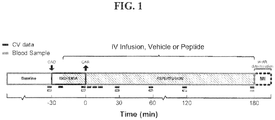
- rabbits were subjected to 30 minutes of ischemia followed by 180 minutes of reperfusion.
- Infusion of D-Arg-2',6'-Dmt-Lys-Phe-NH2 or vehicle was started 20 minutes prior to reperfusion and continued through the experiment.
- Such a broad-based approach towards myocardial salvage at the cellular level in CABG surgery must include therapies that prevent ischemia-reperfusion injury while maintaining blood flow throughout the myocardial microcirculation. In theory, this is best accomplished by integrating technically well-performed CABG surgery and therapeutic agents that can accomplish the dual goal of time-critical opening of large conduit arteries and maintenance of open microvasculature.
- effective therapies to reduce or prevent CABG associated myocardial ischemia-reperfusion injury have proven elusive.
- this peptide has been shown to have multiple unique characteristics including: scavenging reactive oxygen species (ROS); facilitating electron transfer within the mitochondrial electron transport chain; maintaining mitochondrial respiration (oxygen consumption); maintaining adenosine triphosphate (ATP) levels; preventing loss of mitochondrial membrane potential; preventing release of cytochrome c; and preventing mitochondrial swelling consistent with inhibition of the mitochondrial permeability transition pore (mPTP) opening.
- ROS reactive oxygen species
- ATP adenosine triphosphate
- caspases cyste aspartate-specific proteinases
- CABG associated AKI is a complex interplay among ischemia, endothelial dysfunction, and tubular injury has led to the search for alternative renal protective approaches.
- cerebral ischemia itself induces a complex series of molecular pathways involving signaling mechanisms, gene transcription, and protein formation.
- the ischemic cascade is initiated leading to a series of biochemical events that eventually result in disintegration of cell membranes and neuronal death at the center/core of the infarction.
- pathogenic effectors including oxidative stress, ATP depletion, excitotoxicity, inflammation, apoptosis, microvascular obstruction and disruption of the brain's blood-brain barrier.
- Oxidative stress leads to ischemic cell death that involves the formation of ROS/reactive nitrogen species through multiple injury mechanisms including mitochondrial inhibition, Ca 2+ overload, and ischemia-reperfusion injury.
- Ischemic injury induced local inflammation is caused by activated microglia and infiltrated inflammatory cells that further release pro-inflammatory cytokines and ROS within the injured site. Since brain tissue is not well equipped with antioxidant and anti-inflammatory defenses, these processes threaten the viability of ischemic cerebral tissue. Cerebral ischemia-reperfusion induces a significant shift toward a pro-oxidative status in the brain. For this reason, the peptide D-Arg-2',6'-Dmt-Lys-Phe-NH 2 may be used as a neuro protectant during a CABG procedure.
- the subject is administered the peptide during and after the CABG procedure. In another embodiment, the subject is administered the peptide continuously before, during, and the CABG procedure. In one embodiment, the subject is administered the peptide starting at least 10 min, at least 30 min, at least 1 hour, at least 3 hours, at least 5 hours, at least 8 hours, at least 12 hours, or at least 24 hours prior to the CABG procedure. In one embodiment, the subject is administered the peptide for at least 3 hours, at least 5 hours, at least 8 hours, at least 12 hours, or at least 24 hours after the CABG procedure. In one embodiment, the subject is administered the peptide starting at least 8 hours, at least 4 hours, at least 2 hours, at least 1 hour, or at least 30 minutes prior to the CABG procedure. In one embodiment, the subject is administered for at least one week, at least one month or at least one year after the CABG procedure.
- Aromatic-cationic peptides are water-soluble and highly polar. Despite these properties, the peptides can readily penetrate cell membranes.
- the aromatic-cationic peptides typically include a minimum of three amino acids or a minimum of four amino acids, covalently joined by peptide bonds.
- the maximum number of amino acids present in the aromatic-cationic peptides is about twenty amino acids covalently joined by peptide bonds.
- the maximum number of amino acids is about twelve, more preferably about nine, and most preferably about six.
- amino acids of the aromatic-cationic peptides can be any amino acid.
- amino acid is used to refer to any organic molecule that contains at least one amino group and at least one carboxyl group. Typically, at least one amino group is at the ⁇ position relative to a carboxyl group.
- the amino acids may be naturally occurring.
- Naturally occurring amino acids include, for example, the twenty most common levorotatory (L) amino acids normally found in mammalian proteins, i.e., alanine (Ala), arginine (Arg), asparagine (Asn), aspartic acid (Asp), cysteine (Cys), glutamine (Gln), glutamic acid (Glu), glycine (Gly), histidine (His), isoleucine (Ile), leucine (Leu), lysine (Lys), methionine (Met), phenylalanine (Phe), proline (Pro), serine (Ser), threonine (Thr), tryptophan, (Trp), tyrosine (Tyr), and valine (Val).
- L levorotatory
- the non-natural amino acids may, for example, comprise alkyl, aryl, or alkylaryl groups not found in natural amino acids.
- Some examples of non-natural alkyl amino acids include ⁇ -aminobutyric acid, ⁇ -aminobutyric acid, ⁇ -aminobutyric acid, ⁇ -aminovaleric acid, and ⁇ -aminocaproic acid.
- Some examples of non-natural aryl amino acids include ortho-, meta, and para-aminobenzoic acid.
- Some examples of non-natural alkylaryl amino acids include ortho-, meta-, and para-aminophenylacetic acid, and ⁇ -phenyl- ⁇ -aminobutyric acid.
- Non-naturally occurring amino acids include derivatives of naturally occurring amino acids.
- the derivatives of naturally occurring amino acids may, for example, include the addition of one or more chemical groups to the naturally occurring amino acid.
- one or more chemical groups can be added to one or more of the 2', 3', 4', 5', or 6' position of the aromatic ring of a phenylalanine or tyrosine residue, or the 4', 5', 6', or 7' position of the benzo ring of a tryptophan residue.
- the group can be any chemical group that can be added to an aromatic ring.
- Some examples of such groups include branched or unbranched C 1 -C 4 alkyl, such as methyl, ethyl, n-propyl, isopropyl, butyl, isobutyl, or t-butyl, C 1 -C 4 alkyloxy ( i.e ., alkoxy), amino, C 1 -C 4 alkylamino and C 1 -C 4 dialkylamino ( e.g., methylamino, dimethylamino), nitro, hydroxyl, halo ( i.e., fluoro, chloro, bromo, or iodo).
- Some specific examples of non-naturally occurring derivatives of naturally occurring amino acids include norvaline (Nva) and norleucine (Nle).
- Another example of a modification of an amino acid in a peptide is the derivatization of a carboxyl group of an aspartic acid or a glutamic acid residue of the peptide.
- derivatization is amidation with ammonia or with a primary or secondary amine, e . g . methylamine, ethylamine, dimethylamine or diethylamine.
- Another example of derivatization includes esterification with, for example, methyl or ethyl alcohol.
- Another such modification includes derivatization of an amino group of a lysine, arginine, or histidine residue.
- such amino groups can be acylated.
- Some suitable acyl groups include, for example, a benzoyl group or an alkanoyl group comprising any of the C 1 -C 4 alkyl groups mentioned above, such as an acetyl or propionyl group.
- the non-naturally occurring amino acids are suitably resistant, and/or insensitive to common proteases.
- non-naturally occurring amino acids that are resistant or insensitive to proteases include the dextrorotatory (D-) form of any of the above-mentioned naturally occurring L-amino acids, as well as L- and/or D- non-naturally occurring amino acids.
- D-amino acids do not normally occur in proteins, although they are found in certain peptide antibiotics that are synthesized by means other than the normal ribosomal protein synthetic machinery of the cell.
- the D-amino acids are considered to be non-naturally occurring amino acids.
- the peptides should have less than five, less than four, less than three, or less than two contiguous L-amino acids recognized by common proteases, irrespective of whether the amino acids are naturally or non-naturally occurring.
- the peptide has only D-amino acids, and no L-amino acids. If the peptide contains protease sensitive sequences of amino acids, at least one of the amino acids is preferably a non-naturally-occurring D-amino acid, thereby conferring protease resistance.
- Net charge refers to the balance of the number of positive charges and the number of negative charges carried by the amino acids present in the peptide. In this specification, it is understood that net charges are measured at physiological pH.
- the naturally occurring amino acids that are positively charged at physiological pH include L-lysine, L-arginine, and L-histidine.
- the naturally occurring amino acids that are negatively charged at physiological pH include L-aspartic acid and L-glutamic acid.
- a peptide typically has a positively charged N-terminal amino group and a negatively charged C-terminal carboxyl group. The charges cancel each other out at physiological pH.
- the peptide Tyr-Arg-Phe-Lys-Glu-His-Trp-D-Arg has one negatively charged amino acid (i.e ., Glu) and four positively charged amino acids (i.e., two Arg residues, one Lys, and one His). Therefore, the above peptide has a net positive charge of three.
- the aromatic-cationic peptides have a relationship between the minimum number of net positive charges at physiological pH (p m ) and the total number of amino acid residues (r) wherein 3p m is the largest number that is less than or equal to r + 1.
- the relationship between the minimum number of net positive charges (p m ) and the total number of amino acid residues (r) is as follows: TABLE 1. Amino acid number and net positive charges (3p m ⁇ p+1) (r) 3 4 5 6 7 8 9 10 11 12 13 14 15 16 17 18 19 20 (p m ) 1 1 2 2 2 3 3 3 4 4 4 5 5 5 6 6 6 7
- aromatic-cationic peptides have a minimum number of aromatic groups in comparison to the total number of net positive charges (p t ).
- the minimum number of aromatic groups will be referred to below as (a).
- Naturally occurring amino acids that have an aromatic group include the amino acids histidine, tryptophan, tyrosine, and phenylalanine.
- the hexapeptide Lys-Gln-Tyr-D-Arg-Phe-Trp has a net positive charge of two (contributed by the lysine and arginine residues) and three aromatic groups (contributed by tyrosine, phenylalanine and tryptophan residues).
- Carboxyl groups are suitably amidated with, for example, ammonia to form the C-terminal amide.
- the terminal carboxyl group of the C-terminal amino acid may be amidated with any primary or secondary amine.
- the primary or secondary amine may, for example, be an alkyl, especially a branched or unbranched C 1 -C 4 alkyl, or an aryl amine.
- the aromatic-cationic peptide is a tripeptide having two net positive charges and at least one aromatic amino acid. In a particular embodiment, the aromatic-cationic peptide is a tripeptide having two net positive charges and two aromatic amino acids.
- Aromatic-cationic peptides include, but are not limited to, the following peptide examples:
- an aromatic-cationic peptide that activates the mu-opioid receptor For example, during short-term treatment, such as in an acute disease or condition, it may be beneficial to use an aromatic-cationic peptide that activates the mu-opioid receptor. Such acute diseases and conditions are often associated with moderate or severe pain. In these instances, the analgesic effect of the aromatic-cationic peptide may be beneficial in the treatment regimen of the human patient or other mammal. An aromatic-cationic peptide which does not activate the mu-opioid receptor, however, may also be used with or without an analgesic, according to clinical requirements.
- Peptides which have mu-opioid receptor agonist activity are typically those peptides which have a tyrosine residue or a tyrosine derivative at the N-terminus (i.e ., the first amino acid position).
- Suitable derivatives of tyrosine include 2'-methyltyrosine (Mmt); 2',6'-dimethyltyrosine (2'6'-Dmt); 3',5'-dimethyltyrosine (3'5'Dmt); N,2',6'-trimethyltyrosine (Tmt); and 2'-hydroxy-6'-methyltryosine (Hmt).
- Peptides that do not have mu-opioid receptor agonist activity generally do not have a tyrosine residue or a derivative of tyrosine at the N-terminus ( i . e ., amino acid position 1).
- the amino acid at the N-terminus can be any naturally occurring or non-naturally occurring amino acid other than tyrosine.
- the amino acid at the N-terminus is phenylalanine or its derivative.
- exemplary derivatives of phenylalanine include 2'-methylphenylalanine (Mmp), 2',6'-dimethylphenylalanine (2',6'-Dmp), N,2',6'-trimethylphenylalanine (Tmp), and 2'-hydroxy-6'-methylphenylalanine (Hmp).
- an aromatic-cationic peptide that does not have mu-opioid receptor agonist activity has the formula Phe-D-Arg-Phe-Lys-NH 2 .
- the N-terminal phenylalanine can be a derivative of phenylalanine such as 2',6'-dimethylphenylalanine (2'6'-Dmp).
- a peptide with 2',6'-dimethylphenylalanine at amino acid position 1 has the formula 2',6'-Dmp-D-Arg-Phe-Lys-NH 2 .
- the amino acid sequence is rearranged such that Dmt is not at the N-terminus.
- An example of such an aromatic-cationic peptide that does not have mu-opioid receptor agonist activity has the formula D-Arg-2'6'-Dmt-Lys-Phe-NH 2 .
- the peptides mentioned herein and their derivatives can further include functional analogs.
- a peptide is considered a functional analog if the analog has the same function as the stated peptide.
- the analog may, for example, be a substitution variant of a peptide, wherein one or more amino acids are substituted by another amino acid. Suitable substitution variants of the peptides include conservative amino acid substitutions.
- Amino acids may be grouped according to their physicochemical characteristics as follows:
- substitutions of an amino acid in a peptide by another amino acid in the same group is referred to as a conservative substitution and may preserve the physicochemical characteristics of the original peptide.
- substitutions of an amino acid in a peptide by another amino acid in a different group is generally more likely to alter the characteristics of the original peptide.
- one or more naturally occurring amino acids in the aromatic-cationic peptides are substituted with amino acid analogs.
- analogs that activate mu-opioid receptors include, but are not limited to, the aromatic-cationic peptides shown in Table 5. TABLE 5.
- amino acids of the peptides shown in Table 5 and 6 may be in either the L- or the D- configuration.
- the peptides may be synthesized by any of the methods well known in the art. Suitable methods for chemically synthesizing the protein include, for example, those described by Stuart and Young in Solid Phase Peptide Synthesis, Second Edition, Pierce Chemical Company (1984 ), and in Methods Enzymol., 289, Academic Press, Inc, New York (1997 ).
- the aromatic-cationic peptides described herein are useful to prevent or treat disease.
- the disclosure provides for both prophylactic and therapeutic methods of treating a subject at risk of (or susceptible to) vessel occlusion injury or cardiac ischemia-reperfusion injury.
- the present methods provide for the prevention and/or treatment of vessel occlusion injury or cardiac ischemia-reperfusion injury in a subject by administering an effective amount of an aromatic-cationic peptide to a subject in need thereof, and performing a CABG procedure.
- suitable in vitro or in vivo assays are performed to determine the effect of a specific aromatic-cationic peptide-based therapeutic and whether its administration is indicated for treatment.
- in vitro assays can be performed with representative animal models, to determine if a given aromatic-cationic peptide-based therapeutic exerts the desired effect in preventing or treating ischemia-reperfusion injury.
- Compounds for use in therapy can be tested in suitable animal model systems including, but not limited to rats, mice, chicken, pigs, cows, monkeys, rabbits, and the like, prior to testing in human subjects. Similarly, for in vivo testing, any of the animal model systems known in the art can be used prior to administration to human subjects.
- the invention provides a method for preventing, in a subject, vessel occlusion injury by administering to the subject an aromatic-cationic peptide that prevents the initiation or progression of the condition.
- Subjects at risk for vessel occlusion injury can be identified by, e.g ., any or a combination of diagnostic or prognostic assays as described herein.
- compositions or medicaments of aromatic-cationic peptides are administered to a subject susceptible to, or otherwise at risk of a disease or condition in an amount sufficient to eliminate or reduce the risk, lessen the severity, or delay the outset of the disease, including biochemical, histologic and/or behavioral symptoms of the disease, its complications and intermediate pathological phenotypes presenting during development of the disease.
- Administration of a prophylactic aromatic-cationic can occur prior to the manifestation of symptoms characteristic of the aberrancy, such that a disease or disorder is prevented or, alternatively, delayed in its progression.
- the appropriate compound can be determined based on screening assays described above.
- the peptides are administered in sufficient amounts to prevent renal or celebral complications from CABG.
- compositions or medicaments are administered to a subject suspected of, or already suffering from such a disease in an amount sufficient to cure, or at least partially arrest, the symptoms of the disease, including its complications and intermediate pathological phenotypes in development of the disease.
- the invention provides methods of treating an individual afflicted with cardiac ischemia-reperfusion injury by administering an effective amount of an aromatic-cationic peptide and performing a CABG procedure.
- the peptide may be formulated as a pharmaceutically acceptable salt.
- pharmaceutically acceptable salt means a salt prepared from a base or an acid which is acceptable for administration to a patient, such as a mammal (e.g ., salts having acceptable mammalian safety for a given dosage regime). However, it is understood that the salts are not required to be pharmaceutically acceptable salts, such as salts of intermediate compounds that are not intended for administration to a patient.
- Pharmaceutically acceptable salts can be derived from pharmaceutically acceptable inorganic or organic bases and from pharmaceutically acceptable inorganic or organic acids.
- salts derived from pharmaceutically acceptable inorganic bases include ammonium, calcium, copper, ferric, ferrous, lithium, magnesium, manganic, manganous, potassium, sodium, and zinc salts, and the like.
- Salts derived from pharmaceutically acceptable organic bases include salts of primary, secondary and tertiary amines, including substituted amines, cyclic amines, naturally-occurring amines and the like, such as arginine, betaine, caffeine, choline, N,N'-dibenzylethylenediamine, diethylamine, 2-diethylaminoethanol, 2-dimethylaminoethanol, ethanolamine, ethylenediamine, N-ethylmorpholine, N-ethylpiperidine, glucamine, glucosamine, histidine, hydrabamine, isopropylamine, lysine, methylglucamine, morpholine, piperazine, piperadine, polyamine resins, procaine, purines, theobromine, triethylamine, trimethylamine, tripropylamine, tromethamine and the like.
- arginine betaine
- caffeine choline
- the parenteral preparation can be enclosed in ampoules, disposable syringes or multiple dose vials made of glass or plastic.
- the dosing formulation can be provided in a kit containing all necessary equipment (e.g ., vials of drug, vials of diluent, syringes and needles) for a treatment course (e.g ., 7 days of treatment).
- compositions suitable for injectable use can include sterile aqueous solutions (where water soluble) or dispersions and sterile powders for the extemporaneous preparation of sterile injectable solutions or dispersion.
- suitable carriers include physiological saline, bacteriostatic water, Cremophor ELTM (BASF, Parsippany, N.J.) or phosphate buffered saline (PBS).
- a composition for parenteral administration must be sterile and should be fluid to the extent that easy syringability exists. It should be stable under the conditions of manufacture and storage and must be preserved against the contaminating action of microorganisms such as bacteria and fungi.
- Oral compositions generally include an inert diluent or an edible carrier.
- the active compound can be incorporated with excipients and used in the form of tablets, troches, or capsules, e . g ., gelatin capsules.
- Oral compositions can also be prepared using a fluid carrier for use as a mouthwash.
- Pharmaceutically compatible binding agents, and/or adjuvant materials can be included as part of the composition.
- the tablets, pills, capsules, troches and the like can contain any of the following ingredients, or compounds of a similar nature: a binder such as microcrystalline cellulose, gum tragacanth or gelatin; an excipient such as starch or lactose, a disintegrating agent such as alginic acid, Primogel, or corn starch; a lubricant such as magnesium stearate or Sterotes; a glidant such as colloidal silicon dioxide; a sweetening agent such as sucrose or saccharin; or a flavoring agent such as peppermint, methyl salicylate, or orange flavoring.
- a binder such as microcrystalline cellulose, gum tragacanth or gelatin
- an excipient such as starch or lactose, a disintegrating agent such as alginic acid, Primogel, or corn starch
- a lubricant such as magnesium stearate or Sterotes
- a glidant such as colloidal silicon dioxide
- a therapeutic protein or peptide can be formulated in a carrier system.
- the carrier can be a colloidal system.
- the colloidal system can be a liposome, a phospholipid bilayer vehicle.
- the therapeutic peptide is encapsulated in a liposome while maintaining peptide integrity.
- there are a variety of methods to prepare liposomes See Lichtenberg et al., Methods Biochem. Anal., 33:337-462 (1988 ); Anselem et al., Liposome Technology, CRC Press (1993 )).
- Liposomal formulations can delay clearance and increase cellular uptake ( See Reddy, Ann. Pharmacother., 34(7-8):915-923 (2000 )).
- the therapeutic compounds are prepared with carriers that will protect the therapeutic compounds against rapid elimination from the body, such as a controlled release formulation, including implants and microencapsulated delivery systems.
- a controlled release formulation including implants and microencapsulated delivery systems.
- Biodegradable, biocompatible polymers can be used, such as ethylene vinyl acetate, polyanhydrides, polyglycolic acid, collagen, polyorthoesters, and polylacetic acid.
- Such formulations can be prepared using known techniques.
- the materials can also be obtained commercially, e.g., from Alza Corporation and Nova Pharmaceuticals, Inc.
- Liposomal suspensions (including liposomes targeted to specific cells with monoclonal antibodies to cell-specific antigens) can also be used as pharmaceutically acceptable carriers. These can be prepared according to methods known to those skilled in the art, for example, as described in U.S. Pat. No. 4,522,811 .
- the data obtained from the cell culture assays and animal studies can be used in formulating a range of dosage for use in humans.
- the dosage of such compounds lies preferably within a range of circulating concentrations that include the ED50 with little or no toxicity.
- the dosage may vary within this range depending upon the dosage form employed and the route of administration utilized.
- the therapeutically effective dose can be estimated initially from cell culture assays.
- a dose can be formulated in animal models to achieve a circulating plasma concentration range that includes the IC50 (i.e ., the concentration of the test compound which achieves a half-maximal inhibition of symptoms) as determined in cell culture.
- IC50 i.e ., the concentration of the test compound which achieves a half-maximal inhibition of symptoms
- levels in plasma may be measured, for example, by high performance liquid chromatography.
- a therapeutically effective amount of an aromatic-cationic peptide may be defined as a concentration of peptide at the target tissue of 10 -12 to 10 -6 molar, e.g., approximately 10 -7 molar. This concentration may be delivered by systemic doses of 0.001 to 100 mg/kg or equivalent dose by body surface area. The schedule of doses would be optimized to maintain the therapeutic concentration at the target tissue, most preferably by single daily or weekly administration, but also including continuous administration ( e.g ., parenteral infusion or transdermal application).
- treatment of a subject with a therapeutically effective amount of the therapeutic compositions described herein can include a single treatment or a series of treatments.
- the peptide D-Arg-2'6'-Dmt-Lys-Phe-NH 2 (sterile lyophilized powder) was used as the test article. Dosing solutions were formulated at no more than 1 mg/ml, and were delivered via continuous infusion (IV) at a constant rate (e.g ., 50 ⁇ L/kg/min). Normal saline (0.9% NaCl) was used as a control.
- a cuffed tracheal tube was placed via a tracheotomy (ventral midline incision) and used to mechanically ventilate the lungs with a 95% O 2 /5% CO 2 mixture via a volume-cycled animal ventilator ( ⁇ 40 breaths/minute with a tidal volume of ⁇ 12.5 ml/kg) in order to sustain PaCO 2 values broadly within the physiological range.
- the animals were placed in right-lateral recumbence and the heart was exposed via a midline thoracotomy and a pericardiotomy.
- the heart was suspended on a pericardial cradle in order to expose the left circumflex (LCX) and the left-anterior descending (LAD) coronary arteries.
- Silk ligatures were loosely placed (using a taper-point needle) around the proximal LAD and if necessary, depending on each animal's coronary anatomy, around one or more branches of the LCX marginal coronary arteries. Tightening of these snares ( via small pieces of polyethylene tubing) allowed rendering a portion of the left ventricular myocardium temporarily ischemic.
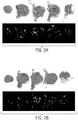
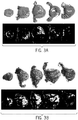
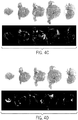
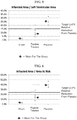
- FIGs. 2-6 Infarct size from hearts exposed to 30 min ischemia and 3 h reperfusion is shown in FIGs. 2-6 .
- FIGs. 2A and 2B present data showing infarct size for rabbits with a sham for surgery (ligature applied, but not tightened), with placebo or with peptide. The LV was sectioned perpendicular to its long axis (from apex to base) into 3 mm thick slices.
- FIG. 2A is a photograph of heart slices and a computer-generated image highlighting infarct size of a sham rabbit treated with a placebo.
- FIG. 2B is a photograph of heart slices and a computer-generated image highlighting infarct size of a sham rabbit treated with peptide.
- This Example will determine whether the administration of D-Arg-2'6'-Dmt-Lys-Phe-NH 2 at the time of revascularization would limit the size of the infarct during acute myocardial infarction.
- Angiography and Revascularization Left ventricular and coronary angiography is performed with the use of standard techniques, just before revascularization. Revascularization is performed by PCI with the use of direct stenting. Alternative revascularization procedures include, but are not limited to, balloon angioplasty; percutaneous transluminal coronary angioplasty; and directional coronary atherectomy
- the primary end point is the size of the infarct as assessed by measurements of cardiac biomarkers. Blood samples are obtained at admission and repeatedly over the next 3 days. Coronary biomarkers are measured in each patient. For example, the area under the curve (AUC) (expressed in arbitrary units) for creatine kinase and troponin I release (Beckman kit) may be measured in each patient by computerized planimetry.
- AUC area under the curve
- the principal secondary end point is the size of the infarct as measured by the area of delayed hyperenhancement that is seen on cardiac magnetic resonance imaging (MRI), assessed on day 5 after infarction.
- MRI cardiac magnetic resonance imaging
- 0.2 mmol of gadolinium-tetrazacyclododecanetetraacetic acid (DOTA) per kilogram is injected at a rate of 4 ml per second and was flushed with 15 ml of saline. Delayed hyperenhancement is evaluated 10 min after the injection of gadolinium-DOTA with the use of a three-dimensional inversion-recovery gradient-echo sequence. The images are analyzed in shortaxis slices covering the entire left ventricle.
- DOTA gadolinium-tetrazacyclododecanetetraacetic acid
- Myocardial infarction is identified by delayed hyperenhancement within the myocardium, defined quantitatively by an intensity of the myocardial postcontrast signal that is more than 2 SD above that in a reference region of remote, noninfarcted myocardium within the same slice.
- infarct mass in grams of tissue
- ⁇ hyperenhanced area [in square centimeters]
- slice thickness in centimeters
- myocardial specific density (1.05 g per cubic centimeter).
- Biomarkers to Established Risk Factors Levels of N-terminal pro-brain natriuretic peptide (NT-proBNP) and glucose, as well as estimated glomerular filtration rate (eGFR) are measured. These biomarkers all significantly predict all-cause mortality through a median follow-up of about two-and-a-half years. Calculating a risk score based on these three biomarkers can identify patients at high risk of dying during follow-up. It is predicted that the peptide will reduce the risk score of these biomarkers in patients undergoing PCI compared to patients undergoing PCI that do not receive the peptide. Blood samples may be taken for determination of the CK-MB and troponin I. The area under the curve (AUC) (expressed in arbitrary units) for CK-MB and troponin I release can be measured in each patient by computerized planimetry
- the whole-blood concentration of peptide is immediately prior to PCI as well as at 1, 2, 4, 8 and 12 hours post PCI.
- Blood pressure and serum concentrations of creatinine and potassium are measured on admission and 24, 48, and 72 hours after PCI.
- Serum concentrations of bilirubin, ⁇ -glutamyltransferase, and alkaline phosphatase, as well as white-cell counts, are measured on admission and 24 hours after PCI.
- the cumulative incidence of major adverse events that occur within the first 48 hours after reperfusion are recorded, including death, heart failure, acute myocardial infarction, stroke, recurrent ischemia, the need for repeat revascularization, renal or hepatic insufficiency, vascular complications, and bleeding.
- the infarct-related adverse events are assessed, including heart failure and ventricular fibrillation.
- 3 months after acute myocardial infarction, cardiac events are recorded, and global left ventricular function is assessed by echocardiography (Vivid 7 systems; GE Vingmed).
- This Example will determine whether the administration of the aromatic-cationic peptide D-Arg-2'6'-Dmt-Lys-Phe-NH 2 (“the peptide”) would limit the size of the injured myocardium in moderate to high-risk patients undergoing non-emergent CABG surgery with planned cardiopulmonary bypass (CPB) and cardioplegia.
- the effects of the peptide as a cardioprotective agent are evaluated using the relative size of injured myocardium as measured by peak CK-MB enzyme, toponin, or lactate dehydrogenase levels.
- the effects of administration of the peptide on renal and cardiac complications are also evaluated.
- the peptide is superior to placebo for the reduction of the incidence of cardiac, renal, and/or cerebral complications of elective CABG surgery with planned cardiopulmonary bypass and cardioplegia.
- the effects of the peptide as a cardioprotective agent as measured by the relative size of infarcted myocardium in moderate to high-risk patients undergoing elective CABG surgery with planned cardiopulmonary bypass and cardioplegia are measured by cardiac enzyme levels through post-operative day (POD) 4.
- Renal Complications This study has the following objectives: (1) To evaluate the effects of the peptide as a renal protective agent as measured by serial measurement of renal function for acute kidney injury (AKI) through POD 4 in moderate to high-risk patients undergoing elective CABG surgery with planned cardiopulmonary bypass and cardioplegia as measured by CK-MB levels through post-operative day (POD) 4; and (2) To evaluate the effects of the peptide on renal function from randomization (post-operative day zero) through post-operative day (POD) 30 and 90 in moderate to high-risk patients undergoing elective CABG surgery with planned cardiopulmonary bypass and cardioplegia.
- AKI acute kidney injury
- POD 4 post-operative day
- POD post-operative day
- This study is a pilot phase II, prospective, randomized, double-blinded, placebo-controlled, multicenter dose-ranging study designed to test the hypothesis that the peptide in conjunction with a background of standard-of-care therapy is superior to placebo for the reduction of the incidence of cardiac, renal, and cerebral complications in moderate to high risk patients undergoing non-emergency CABG surgery with planned cardiopulmonary bypass (CPB) and cardioplegia.
- Surgical procedures include isolated coronary artery bypass graft (CABG) surgery with or without mitral valve repair for mild to moderate valvular dysfunction. Patients are considered moderate to high risk for subsequent end-organ complications associated with their CABG surgery.
- CABG isolated coronary artery bypass graft
- Major exclusion criteria include acute myocardial infarction occurring ⁇ 48 hours prior to randomization, CABG surgery using intermittent aortic cross clamping without cardioplegia, minimally invasive surgery (i.e ., without use of CPB), clinically important renal and/or liver disease, uncontrolled diabetes, or history of a previous stroke, transient ischemic attack, or carotid endarterectomy as well as history of head trauma or seizures within the past six months.
- Prior to the planned CABG surgery patients will be screened for all inclusion/exclusion criteria. Qualified patients will be randomly assigned to receive one of two peptide dosing regimens or matching placebo in addition to standard treatment including anticoagulation.
- the peptide or matching placebo will be administered via three different routes. All patients will receive study article in the same blinded manner using all three drug delivery modes: (1) as a systemic intravenous (IV) infusion commencing within approximately 30 minutes before induction of anesthesia and continuing for a total duration of approximately 6 hours, (2) in conjunction with the cardioplegia solution, and (3) as part of the priming solution in the heart lung machine during CPB.
- IV systemic intravenous
- the study will be conducted in a blinded manner at the study site (patients and site personnel will be blinded).
- the randomization code will be created by an independent statistician. Patients will be equally randomized into any of the following treatment arms (0, 0.001, 0.005, 0.01, 0.025, 0.05, 0.10, 0.25, 0.50, or 1 mg/kg/hour).
- the reconstituted, diluted study drug will be infused at 60 mL/hr using an infusion pump and started at least 10 minutes prior to the anticipated reperfusion time and continuing for 3 hours after the CABG procedure. Start and completion times will be recorded for intravenously administered study medication.
- the volume of study solution left in the infusion bag will be recorded (estimation by eye is sufficient) and provide a check that the proper amount of diluted study material was infused.
- the plasma level of the peptide will be measured and will provide the most accurate measure of treatment compliance.
- the primary analysis for efficacy will be a comparison of the left ventricular infarct size estimated by the area under the curve (AUC) for the creatine kinase-MB curve through 72 hours among the placebo and each of the peptide dose groups.
- Biomarkers to Established Risk Factors Levels of N-terminal pro-brain natriuretic peptide (NT-proBNP) and glucose, as well as estimated glomerular filtration rate (eGFR) are measured. These biomarkers all significantly predict all-cause mortality through a median follow-up of about two-and-a-half years. Calculating a risk score based on these three biomarkers can identify patients at high risk of dying during follow-up. It is predicted that the peptide will reduce the risk score of these biomarkers in patients undergoing CABG compared to patients undergoing CABG that do not receive the peptide.
- the peptide will reduce infarct size and reduce the incidence of renal AKI and cerebral complications relative to subjects undergoing CABG, but who do not receive the peptide.
- the primary analysis for efficacy will be a comparison of the LV infarct size estimated by the area under the curve (AUC) for the creatine kinase-MB curve through 72 hours among the placebo and each of the two peptide dose groups using an ANOVA model (or the non-parametric equivalent, the Kruskal-Wallis analysis of ranks, if the distribution is judged to be non-Gaussian). It is also predicted that the peptide will act as a multi-organ protectant when administered prior to, during, and immediately post-surgery in patients who are undergoing a CABG procedure with planned cardiopulmonary bypass and cardioplegia.
Landscapes
- Health & Medical Sciences (AREA)
- Life Sciences & Earth Sciences (AREA)
- General Health & Medical Sciences (AREA)
- Animal Behavior & Ethology (AREA)
- Public Health (AREA)
- Veterinary Medicine (AREA)
- Engineering & Computer Science (AREA)
- Chemical & Material Sciences (AREA)
- Medicinal Chemistry (AREA)
- Pharmacology & Pharmacy (AREA)
- Bioinformatics & Cheminformatics (AREA)
- Heart & Thoracic Surgery (AREA)
- Epidemiology (AREA)
- Gastroenterology & Hepatology (AREA)
- Nuclear Medicine, Radiotherapy & Molecular Imaging (AREA)
- Chemical Kinetics & Catalysis (AREA)
- General Chemical & Material Sciences (AREA)
- Organic Chemistry (AREA)
- Biomedical Technology (AREA)
- Proteomics, Peptides & Aminoacids (AREA)
- Immunology (AREA)
- Vascular Medicine (AREA)
- Pulmonology (AREA)
- Hematology (AREA)
- Anesthesiology (AREA)
- Cardiology (AREA)
- Urology & Nephrology (AREA)
- Dermatology (AREA)
- Oral & Maxillofacial Surgery (AREA)
- Transplantation (AREA)
- Surgery (AREA)
- Neurosurgery (AREA)
- Neurology (AREA)
- Medicines That Contain Protein Lipid Enzymes And Other Medicines (AREA)
- Peptides Or Proteins (AREA)
Applications Claiming Priority (8)
| Application Number | Priority Date | Filing Date | Title |
|---|---|---|---|
| US29169909P | 2009-12-31 | 2009-12-31 | |
| US36313810P | 2010-07-09 | 2010-07-09 | |
| US40671310P | 2010-10-26 | 2010-10-26 | |
| PCT/US2010/062544 WO2011082328A1 (fr) | 2009-12-31 | 2010-12-30 | Procédés de réalisation d'un pontage aorto-coronarien |
| EP17174308.1A EP3266462A1 (fr) | 2009-12-31 | 2010-12-30 | Procédés pour effectuer une procédure de greffe de pontage coronarien |
| EP10841734.6A EP2519249A4 (fr) | 2009-12-31 | 2010-12-30 | Procédés de réalisation d'un pontage aorto-coronarien |
| EP14197465.9A EP2915540A1 (fr) | 2009-12-31 | 2010-12-30 | Procédés pour effectuer une procédure de greffe de pontage coronarien |
| EP16158581.5A EP3100739A1 (fr) | 2009-12-31 | 2010-12-30 | Procédés pour effectuer une procédure de greffe de pontage coronarien |
Related Parent Applications (4)
| Application Number | Title | Priority Date | Filing Date |
|---|---|---|---|
| EP10841734.6A Division EP2519249A4 (fr) | 2009-12-31 | 2010-12-30 | Procédés de réalisation d'un pontage aorto-coronarien |
| EP17174308.1A Division EP3266462A1 (fr) | 2009-12-31 | 2010-12-30 | Procédés pour effectuer une procédure de greffe de pontage coronarien |
| EP14197465.9A Division EP2915540A1 (fr) | 2009-12-31 | 2010-12-30 | Procédés pour effectuer une procédure de greffe de pontage coronarien |
| EP16158581.5A Division EP3100739A1 (fr) | 2009-12-31 | 2010-12-30 | Procédés pour effectuer une procédure de greffe de pontage coronarien |
Publications (1)
| Publication Number | Publication Date |
|---|---|
| EP3443977A1 true EP3443977A1 (fr) | 2019-02-20 |
Family
ID=44226817
Family Applications (5)
| Application Number | Title | Priority Date | Filing Date |
|---|---|---|---|
| EP17174308.1A Withdrawn EP3266462A1 (fr) | 2009-12-31 | 2010-12-30 | Procédés pour effectuer une procédure de greffe de pontage coronarien |
| EP18182135.6A Withdrawn EP3443977A1 (fr) | 2009-12-31 | 2010-12-30 | Procédés pour effectuer une procédure de greffe de pontage coronarien |
| EP16158581.5A Withdrawn EP3100739A1 (fr) | 2009-12-31 | 2010-12-30 | Procédés pour effectuer une procédure de greffe de pontage coronarien |
| EP10841734.6A Withdrawn EP2519249A4 (fr) | 2009-12-31 | 2010-12-30 | Procédés de réalisation d'un pontage aorto-coronarien |
| EP14197465.9A Withdrawn EP2915540A1 (fr) | 2009-12-31 | 2010-12-30 | Procédés pour effectuer une procédure de greffe de pontage coronarien |
Family Applications Before (1)
| Application Number | Title | Priority Date | Filing Date |
|---|---|---|---|
| EP17174308.1A Withdrawn EP3266462A1 (fr) | 2009-12-31 | 2010-12-30 | Procédés pour effectuer une procédure de greffe de pontage coronarien |
Family Applications After (3)
| Application Number | Title | Priority Date | Filing Date |
|---|---|---|---|
| EP16158581.5A Withdrawn EP3100739A1 (fr) | 2009-12-31 | 2010-12-30 | Procédés pour effectuer une procédure de greffe de pontage coronarien |
| EP10841734.6A Withdrawn EP2519249A4 (fr) | 2009-12-31 | 2010-12-30 | Procédés de réalisation d'un pontage aorto-coronarien |
| EP14197465.9A Withdrawn EP2915540A1 (fr) | 2009-12-31 | 2010-12-30 | Procédés pour effectuer une procédure de greffe de pontage coronarien |
Country Status (7)
| Country | Link |
|---|---|
| US (8) | US20130190244A1 (fr) |
| EP (5) | EP3266462A1 (fr) |
| JP (4) | JP2013516426A (fr) |
| CN (2) | CN102791279A (fr) |
| AU (1) | AU2010339414A1 (fr) |
| CA (1) | CA2786066A1 (fr) |
| WO (1) | WO2011082328A1 (fr) |
Cited By (1)
| Publication number | Priority date | Publication date | Assignee | Title |
|---|---|---|---|---|
| RU2711414C1 (ru) * | 2019-03-27 | 2020-01-17 | Федеральное государственное бюджетное научное учреждение "Научный центр неврологии" (ФГБНУ НЦН) | Способ прогнозирования асимптомного повреждения вещества головного мозга при ангиореконструктивных операциях на сонных артериях |
Families Citing this family (39)
| Publication number | Priority date | Publication date | Assignee | Title |
|---|---|---|---|---|
| WO2003080149A2 (fr) | 2002-03-20 | 2003-10-02 | Mannkind Corporation | Appareil d'inhalation |
| PL1786784T3 (pl) | 2004-08-20 | 2011-04-29 | Mannkind Corp | Kataliza syntezy diketopiperazyn |
| KR101644250B1 (ko) | 2004-08-23 | 2016-07-29 | 맨카인드 코포레이션 | 약물 전달용 디케토피페라진염, 디케토모르포린염 또는 디케토디옥산염 |
| CN104324362B (zh) | 2005-09-14 | 2018-04-24 | 曼金德公司 | 以提高活性试剂对结晶微粒表面的亲和力为基础的药物配制方法 |
| IN2015DN00888A (fr) | 2006-02-22 | 2015-07-10 | Mannkind Corp | |
| ES2929343T3 (es) | 2008-06-13 | 2022-11-28 | Mannkind Corp | Inhalador de polvo seco accionado por aspiración para la administración de fármacos |
| US8485180B2 (en) | 2008-06-13 | 2013-07-16 | Mannkind Corporation | Dry powder drug delivery system |
| KR101628410B1 (ko) | 2008-06-20 | 2016-06-08 | 맨카인드 코포레이션 | 흡입 활동에 관한 실시간 프로파일링을 위한 대화형 장치 및 방법 |
| TWI614024B (zh) | 2008-08-11 | 2018-02-11 | 曼凱公司 | 超快起作用胰島素之用途 |
| WO2010072228A1 (fr) | 2008-12-22 | 2010-07-01 | Xigen S.A. | Nouvelles constructions transporteuses et molécules conjuguées cargo/transporteuses |
| US8314106B2 (en) | 2008-12-29 | 2012-11-20 | Mannkind Corporation | Substituted diketopiperazine analogs for use as drug delivery agents |
| EP3375449A1 (fr) | 2010-03-15 | 2018-09-19 | Stealth Peptides International, Inc. | Thérapies combinées à l'aide de cyclosporine et de peptides cationiques aromatiques |
| IL223742A (en) | 2010-06-21 | 2016-06-30 | Mannkind Corp | A dry powder inhaler and preparation for it |
| EP2590664B1 (fr) * | 2010-07-09 | 2019-03-27 | Stealth Peptides International, Inc. | Méthodes de prévention ou de traitement d'une non-reperfusion à la suite d'une ischémie/lésion de reperfusion |
| WO2012048721A1 (fr) | 2010-10-14 | 2012-04-19 | Xigen S.A. | Utilisation d'inhibiteurs peptidiques, aptes à pénétrer dans les cellules, de la voie de transduction du signal jnk pour le traitement de maladies oculaires inflammatoires chroniques ou non-chroniques |
| AU2012236150B2 (en) | 2011-04-01 | 2016-03-31 | Mannkind Corporation | Blister package for pharmaceutical cartridges |
| WO2012174472A1 (fr) | 2011-06-17 | 2012-12-20 | Mannkind Corporation | Microparticules de dicétopipérazine de capacité élevée |
| WO2013043580A2 (fr) | 2011-09-19 | 2013-03-28 | Gencia Corporation | Composés de créatine modifiés |
| CN106913860A (zh) | 2011-09-29 | 2017-07-04 | 梅约医学教育与研究基金会 | 芳族阳离子肽和使用它们的方法 |
| BR112014009686A2 (pt) | 2011-10-24 | 2018-08-07 | Mannkind Corp | composição analgésica inalável, pó seco e método para tratar dor |
| EP2788013A4 (fr) * | 2011-12-09 | 2015-08-19 | Stealth Peptides Int Inc | Peptides aromatiques-cationiques et leurs utilisations |
| WO2013091670A1 (fr) * | 2011-12-21 | 2013-06-27 | Xigen S.A. | Nouvelles molécules inhibitrices de jnk pour le traitement de diverses maladies |
| CN104271146A (zh) * | 2012-03-30 | 2015-01-07 | 康肽德生物医药技术有限公司 | 用于预防和治疗神经病的方法和组合物 |
| CN104619369B (zh) | 2012-07-12 | 2018-01-30 | 曼金德公司 | 干粉药物输送系统和方法 |
| AU2013334788A1 (en) * | 2012-10-22 | 2015-06-04 | Henry Ford Health Systems | Methods for reducing risks associated with heart failure and factors associated therewith |
| EP3586864A1 (fr) * | 2013-05-14 | 2020-01-01 | Stealth Biotherapeutics Corp | Procédés de prévention ou de traitement du remodelage ventriculaire gauche |
| WO2015197097A1 (fr) | 2014-06-26 | 2015-12-30 | Xigen Inflammation Ltd. | Nouvelle utilisation pour des molécules inhibitrices de la jnk, pour le traitement de diverses maladies |
| KR20160023669A (ko) | 2013-06-26 | 2016-03-03 | 자이겐 인플라메이션 리미티드 | 다양한 질병의 치료를 위한 jnk 신호 전달 경로의 세포 투과성 펩타이드 억제자의 새로운 용도 |
| WO2014206427A1 (fr) | 2013-06-26 | 2014-12-31 | Xigen Inflammation Ltd. | Nouvelle utilisation d'inhibiteurs de peptides à perméabilité cellulaire dans la voie de transduction du signal jnk pour le traitement de diverses maladies |
| WO2014210062A1 (fr) * | 2013-06-26 | 2014-12-31 | Stealth Peptides International, Inc. | Procédés pour la régulation de l'expression de la métalloprotéinase matricielle |
| MX375448B (es) | 2013-07-18 | 2025-03-06 | Mannkind Corp | Composiciones farmacéuticas en polvo seco estables al calor y métodos. |
| CA2920735A1 (fr) * | 2013-08-12 | 2015-02-19 | Stealth Biotherapeutics Corp | Polytherapie pour le traitement d'une lesion d'ischemie-reperfusion |
| US10307464B2 (en) | 2014-03-28 | 2019-06-04 | Mannkind Corporation | Use of ultrarapid acting insulin |
| US20160030728A1 (en) * | 2014-07-31 | 2016-02-04 | Tekni-Plex, Inc. | Extrudable tubing and solvent bonded fitting for delivery of medicinal fluids |
| EP3265109B1 (fr) | 2015-03-06 | 2020-10-21 | Stealth BioTherapeutics Corp | Méthodes de préparation de peptides pertinents sur le plan pharmaceutique |
| WO2017180535A1 (fr) | 2016-04-11 | 2017-10-19 | Carnot, Llc | Peptides chiraux |
| CN107041946A (zh) * | 2017-03-24 | 2017-08-15 | 南京大学 | 化合物ss‑31在制备治疗动脉粥样硬化及相关疾病药物或制剂上的应用 |
| US11034724B2 (en) | 2017-04-05 | 2021-06-15 | Stealth Biotherapeutics Corp. | Crystalline salt forms of Boc-D-Arg-DMT-Lys-(Boc)-Phe-NH2 |
| US10676506B2 (en) | 2018-01-26 | 2020-06-09 | Stealth Biotherapeutics Corp. | Crystalline bis- and tris-hydrochloride salt of elamipretide |
Citations (14)
| Publication number | Priority date | Publication date | Assignee | Title |
|---|---|---|---|---|
| US4522811A (en) | 1982-07-08 | 1985-06-11 | Syntex (U.S.A.) Inc. | Serial injection of muramyldipeptides and liposomes enhances the anti-infective activity of muramyldipeptides |
| WO1996040073A2 (fr) | 1995-06-07 | 1996-12-19 | Alkermes Controlled Therapeutics, Inc. | Composition permettant la liberation prolongee d'erythropoietine sans agregation |
| US5674534A (en) | 1992-06-11 | 1997-10-07 | Alkermes, Inc. | Composition for sustained release of non-aggregated erythropoietin |
| WO1999015154A1 (fr) | 1997-09-24 | 1999-04-01 | Alkermes Controlled Therapeutics, Inc. | Procedes de fabrication de preparations de liberation controlee a base de polymere |
| WO2000038651A1 (fr) | 1998-12-23 | 2000-07-06 | Amgen Inc. | HYDROGELS BIODEGRADABLES THERMOSENSIBLES/SENSIBLES AU pH SERVANT A L'APPORT PROLONGE D'AGENTS BIOLOGIQUEMENT ACTIFS |
| US6468798B1 (en) | 1991-12-17 | 2002-10-22 | The Regents Of The University Of California | Expression of cloned genes in the lung by aerosol and liposome-based delivery |
| WO2004070054A2 (fr) * | 2003-02-04 | 2004-08-19 | Cornell Research Foundation, Inc. | Methodes de prevention de la transition de la permeabilite mitochondriale |
| WO2005072295A2 (fr) * | 2004-01-23 | 2005-08-11 | Cornell Research Foundation, Inc. | Methodes de reduction de lesions par oxydation |
| WO2007035640A2 (fr) * | 2005-09-16 | 2007-03-29 | Cornell Research Foundation, Inc. | Methodes permettant de reduire l'expression de cd36 |
| WO2009100363A2 (fr) * | 2008-02-07 | 2009-08-13 | Cornell University | Procédé de prévention ou de traitement de la résistance à l'insuline |
| WO2009108695A2 (fr) * | 2008-02-26 | 2009-09-03 | Cornell University | Méthodes de prévention et de traitement des lésions rénales aiguës |
| WO2011019809A1 (fr) * | 2009-08-12 | 2011-02-17 | Cornell University | Procédés de prévention ou de traitement du syndrome métabolique |
| WO2011044044A1 (fr) * | 2009-10-05 | 2011-04-14 | Cornell University | Procédés de prévention ou de traitement de l'insuffisance cardiaque |
| WO2011116007A1 (fr) * | 2010-03-15 | 2011-09-22 | Stealth Peptides International, Inc. | Thérapies de combinaison utilisant de la cyclosporine et des peptides cationiques aromatiques |
Family Cites Families (1)
| Publication number | Priority date | Publication date | Assignee | Title |
|---|---|---|---|---|
| CA2916977A1 (fr) * | 2013-06-26 | 2014-12-31 | Stealth Biotherapeutics Corp | Methodes et compositions destinees a detecter et a diagnostiquer des maladies et des affections |
-
2010
- 2010-12-30 EP EP17174308.1A patent/EP3266462A1/fr not_active Withdrawn
- 2010-12-30 EP EP18182135.6A patent/EP3443977A1/fr not_active Withdrawn
- 2010-12-30 CA CA2786066A patent/CA2786066A1/fr not_active Abandoned
- 2010-12-30 CN CN2010800650175A patent/CN102791279A/zh active Pending
- 2010-12-30 EP EP16158581.5A patent/EP3100739A1/fr not_active Withdrawn
- 2010-12-30 EP EP10841734.6A patent/EP2519249A4/fr not_active Withdrawn
- 2010-12-30 CN CN201410010809.2A patent/CN103830719A/zh active Pending
- 2010-12-30 AU AU2010339414A patent/AU2010339414A1/en not_active Abandoned
- 2010-12-30 US US13/519,795 patent/US20130190244A1/en not_active Abandoned
- 2010-12-30 EP EP14197465.9A patent/EP2915540A1/fr not_active Withdrawn
- 2010-12-30 JP JP2012547308A patent/JP2013516426A/ja active Pending
- 2010-12-30 WO PCT/US2010/062544 patent/WO2011082328A1/fr not_active Ceased
-
2014
- 2014-04-04 US US14/245,663 patent/US20150320824A1/en not_active Abandoned
-
2015
- 2015-05-22 JP JP2015104448A patent/JP2015147811A/ja active Pending
-
2016
- 2016-02-11 US US15/041,816 patent/US20170028015A1/en not_active Abandoned
- 2016-10-20 JP JP2016205765A patent/JP2017025094A/ja active Pending
-
2017
- 2017-06-14 US US15/622,446 patent/US20180117112A1/en not_active Abandoned
-
2018
- 2018-02-16 JP JP2018025915A patent/JP2018087226A/ja active Pending
- 2018-10-23 US US16/168,777 patent/US20190365845A1/en not_active Abandoned
-
2020
- 2020-03-24 US US16/828,039 patent/US20210046146A1/en not_active Abandoned
-
2021
- 2021-10-29 US US17/514,469 patent/US20220280593A1/en not_active Abandoned
-
2024
- 2024-10-01 US US18/903,751 patent/US20250262269A1/en active Pending
Patent Citations (18)
| Publication number | Priority date | Publication date | Assignee | Title |
|---|---|---|---|---|
| US4522811A (en) | 1982-07-08 | 1985-06-11 | Syntex (U.S.A.) Inc. | Serial injection of muramyldipeptides and liposomes enhances the anti-infective activity of muramyldipeptides |
| US6468798B1 (en) | 1991-12-17 | 2002-10-22 | The Regents Of The University Of California | Expression of cloned genes in the lung by aerosol and liposome-based delivery |
| US5674534A (en) | 1992-06-11 | 1997-10-07 | Alkermes, Inc. | Composition for sustained release of non-aggregated erythropoietin |
| US5716644A (en) | 1992-06-11 | 1998-02-10 | Alkermes, Inc. | Composition for sustained release of non-aggregated erythropoietin |
| WO1996040073A2 (fr) | 1995-06-07 | 1996-12-19 | Alkermes Controlled Therapeutics, Inc. | Composition permettant la liberation prolongee d'erythropoietine sans agregation |
| WO1999015154A1 (fr) | 1997-09-24 | 1999-04-01 | Alkermes Controlled Therapeutics, Inc. | Procedes de fabrication de preparations de liberation controlee a base de polymere |
| WO2000038651A1 (fr) | 1998-12-23 | 2000-07-06 | Amgen Inc. | HYDROGELS BIODEGRADABLES THERMOSENSIBLES/SENSIBLES AU pH SERVANT A L'APPORT PROLONGE D'AGENTS BIOLOGIQUEMENT ACTIFS |
| US20040248808A1 (en) * | 2003-02-04 | 2004-12-09 | Szeto Hazel H. | Methods for preventing mitochondrial permeability transition |
| WO2004070054A2 (fr) * | 2003-02-04 | 2004-08-19 | Cornell Research Foundation, Inc. | Methodes de prevention de la transition de la permeabilite mitochondriale |
| WO2005072295A2 (fr) * | 2004-01-23 | 2005-08-11 | Cornell Research Foundation, Inc. | Methodes de reduction de lesions par oxydation |
| WO2007035640A2 (fr) * | 2005-09-16 | 2007-03-29 | Cornell Research Foundation, Inc. | Methodes permettant de reduire l'expression de cd36 |
| US20070129306A1 (en) | 2005-09-16 | 2007-06-07 | Szeto Hazel H | Methods for Reducing CD36 Expression |
| WO2009100363A2 (fr) * | 2008-02-07 | 2009-08-13 | Cornell University | Procédé de prévention ou de traitement de la résistance à l'insuline |
| WO2009108695A2 (fr) * | 2008-02-26 | 2009-09-03 | Cornell University | Méthodes de prévention et de traitement des lésions rénales aiguës |
| US20090221514A1 (en) | 2008-02-26 | 2009-09-03 | Szeto Hazel H | Methods for prevention and treatment of acute renal injury |
| WO2011019809A1 (fr) * | 2009-08-12 | 2011-02-17 | Cornell University | Procédés de prévention ou de traitement du syndrome métabolique |
| WO2011044044A1 (fr) * | 2009-10-05 | 2011-04-14 | Cornell University | Procédés de prévention ou de traitement de l'insuffisance cardiaque |
| WO2011116007A1 (fr) * | 2010-03-15 | 2011-09-22 | Stealth Peptides International, Inc. | Thérapies de combinaison utilisant de la cyclosporine et des peptides cationiques aromatiques |
Non-Patent Citations (112)
| Title |
|---|
| "ACC/AHA 2004 Guideline Update for Coronary Artery Bypass Graft", SURGERY CIRCULATION, vol. 10, 2004, pages e340 - e437 |
| "Heart Disease and Stroke Statistics: 2010 Update At-A-Glance", AMERICAN HEART ASSOCIATION, 2010 |
| "Methods Enzymol.", vol. 289, 1997, ACADEMIC PRESS, INC |
| "Study (ARTS", CIRCULATION, vol. 104, no. 22, 2001, pages 2689 - 2693 |
| ABE T; SHIMAMURA M; JACKMAN K: "Key Role of CD36 in Toll-Like Receptor 2 Signaling in Cerebral Ischemia", STROKE, vol. 41, 2010, pages 898 - 904 |
| ABUELO JG: "Normotensive ischemic acute renal failure", N ENGL J MED, vol. 357, 2007, pages 797 - 805 |
| AKAR, F.G. ET AL.: "The mitochondrial origin of postischemic arrhythmias", J CLIN INVEST, vol. 115, 2005, pages 3527 - 35 |
| ANDERSON RJ; O'BRIEN M; MAWHINNEY S ET AL.: "Renal failure predisposes patients to adverse outcome after coronary artery bypass surgery", KIDNEY INT, vol. 55, 1999, pages 1057 - 1062 |
| ANSELEM ET AL.: "Liposome Technology", 1993, CRC PRESS |
| BELLOMO R; RONCO C; KELLUM JA ET AL.: "ADQI Workgroup: Acute renal failure -Definition, outcome measures, animal models, fluid therapy and information technology needs", THE SECOND INTERNATIONAL CONSENSUS CONFERENCE OF THE ACUTE DIALYSIS QUALITY INITIATIVE (ADQI) GROUP, Retrieved from the Internet <URL:http://ccforum.com/content/8/4/R204> |
| BOLLI R; BECKER L; GROSS G: "Myocardial protection at a crossroads: The need for translation into clinincal therapy", CIRC RES., vol. 95, 2004, pages 125 - 34 |
| BONVENTRE JV; ZUK A: "Ischemic acute renal failure: An inflammatory disease?", KIDNEY INT, vol. 66, 2004, pages 480 - 5 |
| BROWN JR; COCHRAN RP; MACKENZIE TA ET AL.: "Long-term survival after cardiac surgery is predicted by estimated glomerular filtration rate", ANN THORAC SURG, vol. 86, 2008, pages 4 - 11, XP022762176, DOI: doi:10.1016/j.athoracsur.2008.03.006 |
| BUTTERWORTH J; WAGENKNECHT LE; LEGAULT C ET AL.: "Attempted control of hyperglycemia during cardiopulmonary bypass fails to improve neurologic or neurobehavioral outcomes in patients without diabetes mellitus undergoing coronary artery bypass grafting", J THORAC CARDIOVASC SURG, vol. 130, 2005, pages 1319, XP005127269, DOI: doi:10.1016/j.jtcvs.2005.02.049 |
| CARRIER M; MENASCHE P; LEVY JH ET AL.: "Inhibition of complement activation by pexelizmnab reduces death in patients undergoing combined aortic valve replacement and coronary artery bypass surgery", ANN THORAC SURG, vol. 1, no. 31, 2006, pages 352 - 6 |
| CASTANEDA MP; SWIATECKA-URBAN A; MITSNEFES MM ET AL.: "Activation of mitochondrial apoptotic pathways in human renal allografts after ischemia-reperfusion injury", TRANSPLANTION, vol. 76, 2003, pages 500 - 4 |
| CHARM; CULLIS: "Recent Advances in Liposome Drug Delivery Systems", CURRENT OPINION IN BIOTECHNOLOGY, vol. 6, 1995, pages 698 - 708 |
| CHEMICAL ABSTRACTS, Columbus, Ohio, US; abstract no. 736992-21-5 |
| CHO S; KIM E: "CD36: A multi-modal target for acute stroke therapy", J NEUROCHEM, vol. 109, no. 1, 2009, pages 126 - 32, XP055020732, DOI: doi:10.1111/j.1471-4159.2009.05801.x |
| CHO S; PARK M; FEBBRAIO M: "The Class B Scavenger Receptor CD36 Mediates Free Radical Production and Tissue Injury in Cerebral Ischemia", J NERUROSCIENCE, vol. 25, 2005, pages 2504 - 12, XP055417299, DOI: doi:10.1523/JNEUROSCI.0035-05.2005 |
| CHO S; SZETO HH; KIM E: "A Novel Cell-permeable Antioxidant Peptide, SS31, Attenuates Ischemic Brain Injury by Down-regulating CD36", J BIOLOGICAL CHEM, vol. 282, 2007, pages 4634 - 42, XP002638723, DOI: doi:10.1074/JBC.M609388200 |
| CHO, J. ET AL.: "Potent mitochondria-targeted peptides reduce myocardial infarction in rats", CORON ARTERY DIS, vol. 18, no. 3, 2007, pages 215 - 20, XP008155427, DOI: doi:10.1097/01.mca.0000236285.71683.b6 |
| COOK DJ; HUSTON J; TRENERRY MR ET AL.: "Postcardiac Surgical Cognitive Impairment in the Aged Using Diffusion-Weighted Magnetic Resonance Imaging", ANN THORAC SURG., vol. 83, 2007, pages 1389 - 1395, XP022011959, DOI: doi:10.1016/j.athoracsur.2006.11.089 |
| COSTA MA; CARERE RG; LICHTENSTEIN SV ET AL., INCIDENCE, PREDICTORS, AND SIGNIFICANCE OF ABNORMAL CARDIAC ENZYME RISE IN PATIENTS TREATED WITH BYPASS SURGERY IN THE ARTERIAL REVASCULARIZATION THERAPIES |
| CRESCENZI G; LANDONI G; BIGNAMI E: "N-Terminal B-Natriuretic Peptide After Coronary Artery Bypass Graft Surgery", J CARDIOTHOR VASE ANESTH, vol. 23, 2009, pages 147 - 150, XP026032792, DOI: doi:10.1053/j.jvca.2008.10.002 |
| DAGHER PC: "Apoptosis in ischemic renal injury: Roles of GTP depletion and p53", KIDNEY INT, vol. 66, 2004, pages 5006 - 9 |
| DEVBHANDARI MP; DUNCAN AJ; GRAYSON AD ET AL.: "Effect of risk-adjusted, non-dialysis-dependent renal dysfunction on mortality and morbidity following coronary artery bypass surgery: A multi-centre study", EUR J CARDIOTHORAC SURG, vol. 29, 2006, pages 964 - 970, XP028056124, DOI: doi:10.1016/j.ejcts.2006.03.038 |
| DURMAZ I; YAGDI T; CLKAVUR T: "Prophylactic dialysis in patients with reanl dysfunction undergoing on-pump coroanary bypass surery", ANN THORAC SURG, vol. 75, 2003, pages 859 - 64 |
| DURMAZ L; BUKET S; ATAY Y ET AL.: "Cardiac surgery with cardiopulmonary bypass in patients with chronic renal failure", J THORAC CARDIOVASC SURG, vol. 118, 1999, pages 306 - 315, XP005693853, DOI: doi:10.1016/S0022-5223(99)70221-7 |
| FONTAINE D; PRADIER O; HACQUEBARD M ET AL.: "Oxidative stress produced by circulating microparticles in on-pump but not off pump coronary surgery", ACTA CARDIOL, vol. 64, 2009, pages 715 - 22 |
| FRIEDEWALD JJ; RABB H: "Inflammatory cells in ischemic acute renal failure", KIDNEY INT, vol. 66, 2004, pages 486 - 91, XP002429254, DOI: doi:10.1111/j.1523-1755.2004.761_3.x |
| GARWOOD S: "Cardiac surgery-associated acute renal injury: new paradigms and innovative therapies", JOURNAL OF CARDIOTHORACIC AND VASCULAR ANESTHESIA, 2010 |
| GERRITSEN WB; VAN BOVEN WJ; DRIESSEN AH ET AL.: "Off-pump versus on-pump coronary artery bypass grafting: Oxidative stress and renal function", EUR J CARDIOTHORAC SURG, vol. 20, 2001, pages 923 - 9 |
| GRANVILLE DJ; SHAW JR; LEONG S ET AL.: "Release of cytochrome-c, Bax migration, Bid cleavage, and activation of caspases 2,3,6,7,8, and 9 during endothelial apoptosis", AM J PATHOL, vol. 155, 1999, pages 1021 - 5 |
| GREGORIADIS: "Engineering Liposomes for Drug Delivery: Progress and Problems", TRENDS BIOTECHNOL., vol. 13, no. 12, 1995, pages 527 - 37, XP004207237, DOI: doi:10.1016/S0167-7799(00)89017-4 |
| GRIGORE AM; MATHEW J; GROCOTT HP ET AL.: "Prospective randomized trial of normothermic versus hypothermic cardiopulmonary bypass on cognitive function after coronary artery bypass graft surgery", ANESTHESIOLOGY, vol. 95, 2001, pages 1110 - 9 |
| H H SZETO: "Mitochondria-Targeted Peptide Antioxidants: Novel Neuroprotective Agents", THE AAPS JOURNAL, vol. 8, no. 3, 18 August 2006 (2006-08-18), pages E521 - E531, XP055020617 * |
| HAASE M; BELLOMO R; MATALANIS G ET AL.: "A comparison of the RIFLE and Acute Kidney Injury Network classifications for cardiac surgery-associated acute kidney injury: A prospective cohort study", J THORAC CARDIOVASC SURG, vol. 138, 2009, pages 1370 - 1376, XP026763603, DOI: doi:10.1016/j.jtcvs.2009.07.007 |
| HAMMOND B; HESS ML: "The oxygen free radical system: Potential mediator of myocardial injury", J AM COLL CARDIOL, vol. 6, 1985, pages 215 - 220 |
| HARRISON MJ: "Neurologic complications of coronary artery bypass grafting: diffuse or focal ischemia?", ANN THORAC SURG, vol. 59, 1995, pages 1356 - 8, XP022231475, DOI: doi:10.1016/0003-4975(95)00056-Q |
| HAUSENLOY, D.J.; D.M. YELLON: "Preconditioning and postconditioning: united at reperfusion", PHARMACAL THER, vol. 116, 2007, pages 173 - 91, XP022272067, DOI: doi:10.1016/j.pharmthera.2007.06.005 |
| HAUSENLOY, D.J.; D.M. YELLON: "Time to take myocardial reperfusion injury seriously", N ENGL J MED, vol. 359, 2008, pages 518 - 20 |
| HAUSENLOY, D.J.; M.R. DUCHEN; D.M. YELLON: "Inhibiting mitochondrial permeability transition pore opening at reperfusion protects against ischaemia-reperfusion injury", CARDIOVASC RES, vol. 60, 2003, pages 617 - 25 |
| HORNICK P; SMITH PL; TAYLOR KM: "Cerebral complications after coronary bypass grafting", CURR OPIN CAR IOL, vol. 9, 1994, pages 670 - 9 |
| HUDETZ JA; PAGEL PS: "Neuroprotection by Ketamine: A Review of the Experimental and Clinical Evidence", J CARDIOTHORAC VASE ANESTH., vol. 24, 2010, pages 131 - 142 |
| JANGHYUN CHOA ET AL: "Potent mitochondria-targeted peptides reduce myocardial infarction in rats", CORONARY ARTERY DISEASE, CURRENT SCIENCE LTD, GB, vol. 18, no. 3, 1 May 2007 (2007-05-01), pages 215 - 220, XP008155427, ISSN: 0954-6928 * |
| JENSEN BO; HUGHES P; RASMUSSEN LS ET AL.: "Cognitive outcomes in elderly high-risk patients after off-pump versus conventional coronary artery bypass grafting. A randomized trial", CIRCULATION, vol. 113, 2006, pages 2790 - 5 |
| KARKOUTI K; WIJEYSUNDERA DN; YAU TM: "Acute kidney injury after cardiac surgery - Focus on modifiable risk factors", CIRCULATION, vol. 119, 2009, pages 495 - 502 |
| KAUSHAL GP; BASNAKIAN AG; SHAH SV: "Apoptotic pathways in ischemic acute renal failure", KIDNEY INT, vol. 66, 2004, pages 500 - 6 |
| KELLY KJ; PLOTKIN Z; VULGAMOTT SL ET AL.: "P53 mediates theapoptotic responses to GTp depletion after renal ischemia-reperfusion Protective role of a p53 inhibitor", JAM SOCI NEPHOL, vol. 14, pages 128 - 38 |
| KLATTE K; CHAITMAN BR; THEROUX P ET AL.: "Increased mortality after coronary artery bypass graft surgery is associated with increased levels of post-operative creatine kinase-myocardial band isoenzyme release: results from the GUARDIAN trial", J AM COLL CARDIOL., vol. 38, no. 4, 2001, pages 1070 - 1077 |
| KNIPP SC; MATATKO N; WILHELM H: "Cognitive Outcomes Three Years After Coronary Artery Bypass Surgery: Relation to Diffusion-Weighted Magnetic Resonance Imaging", ANN THORAC SURG, vol. 85, 2008, pages 872 - 879, XP022488861, DOI: doi:10.1016/j.athoracsur.2007.10.083 |
| KONG RS; BUTTERWORTH J; AVELING W ET AL.: "Clinical trial of the neuroprotectant clomethiazole in coronary artery bypass graft surgery: a randomized controlled trial", ANESTHESIOLOGY, vol. 97, 2002, pages 585 - 91 |
| KOZARICH; RICH, CHEMICAL BIOLOGY, vol. 2, 1998, pages 548 - 552 |
| KUITUNEN A; VENTO A; SUOJARANTA-YLINEN R ET AL.: "Acute renal failure after cardiac surgery: Evaluation of the RIFLE classification", ANN THORAC SURG, vol. 81, 2006, pages 542 - 546, XP025049799, DOI: doi:10.1016/j.athoracsur.2005.07.047 |
| LAFFEY JG; BOYLAN JF; CHENG DCH: "The systemic inflammaory response to cardiac surgery", ANESTHESIOLOGY, vol. 97, 2002, pages 215 - 252 |
| LAKHAN SE; KIRCHGESSNER A; HOFER M: "Inflammatory mechanisms in ischemic stroke: therapeutic approaches", J TRANSLATIONAL MED, vol. 7, 2009, pages 97 - 104 |
| LASSNIGG A; SCHMID ER; HIESMAYR M ET AL.: "Impact of minimal increases in serum creatinine on outcome in patients after cardiothoracic surgery: Do we have to revise current definitions of acute renal failure?", CRIT CARE MED, vol. 36, 2008, pages 1129 - 1137 |
| LASSNIGG A; SCHMIDLIN D; MOUHIEDDINE M ET AL.: "Minimal changes of serum creatinine predict prognosis in patients after cardiothoracic surgery: A prospective cohort study", J AM SOC NEPHROL, vol. 15, 2004, pages 1597 - 1605 |
| LESHNOVVER BG; KANEMOTO S; MATSUBARA M: "Cyclosporine preserves mitochondria! morphology after myocardial ischemia/reperfusion independent of calcineurin inhibition", ANN THORAC SURG., vol. 86, 2008, pages 1286 - 92, XP025432990, DOI: doi:10.1016/j.athoracsur.2008.06.033 |
| LICHTENBERG ET AL., METHODS BIOCHEM. ANAL., vol. 33, 1988, pages 337 - 462 |
| MAEKAWA K; GOTO T; BABA T: "Abnormalities in the Brain Before Elective Cardiac Surgery Detected by Diffusion-Weighted Magnetic Resonance Imaging", ANN THORAC SURG, vol. 86, 2008, pages 1563 - 9, XP025560441, DOI: doi:10.1016/j.athoracsur.2008.07.021 |
| MAKHIJA N; SENDASGUPTA C; KIRAN U: "The role of oral coenzyme Q10 in patients undergoing coronary artery bypass graft surgery", J CARDIOTHOR VASC ANESTH, vol. 22, 2008, pages 832 - 9 |
| MANGANO DT; TUDOR IC; DIETZEL C: "for the Multicenter Study of Peri-operative Ischemia Research Group and the Ischemia Research and Education Foundation: The risk associated with aprotinin in cardiac surgery", N ENGL J MED, vol. 354, 2006, pages 353 - 365 |
| MARASCO SF; SHARWOOD LN; ABRAMSON MJ: "No improvement in neurocognitive outcomes after off-pump versus on-pump coronary revascularisation: a meta-analysis", EUR J CARDIOTHORAC SURG, vol. 33, 2008, pages 961 - 970, XP022659243, DOI: doi:10.1016/j.ejcts.2008.03.022 |
| MASLOW AD; CHAUDREY A; BERT A; SCHWARTZ C; SINGH A: "Peri-operative renal outcome in cardiac surgical patients with preoperative renal dysfunction: Aprotinin versus epsilon aminocaproic acid", J CARDIOTHOR AND VASE ANESTH, vol. 22, 2008, pages 6 - 15 |
| MEHTA RL; KELLUM JA; SHAH SV ET AL.: "Acute Kidney InjuryNetwork: Report of an initiative to improve outcomes in acute kidney injury", CRIT CARE, vol. 1 1, 2007, pages R31 |
| MENASCHE P; GROUSSET C; GAUDUEL Y ET AL.: "A comparative study of free radical scavengers in cardioplegic solutions. Improved protection with peroxidase", J THORAC CARDIOVASC SURG, vol. 92, 1986, pages 264 - 271 |
| MEWTON N; CROISILLE P; GAHIDE G: "Effect of cyclosporine on left ventricular remodeling after reperfused myocardial infarction", J AM COLL CARDIOL, vol. 55, 2010, pages 1200 - 5, XP026969292 |
| MIZGUCHI ET AL., CANCER LETT, vol. 100, 1996, pages 63 - 69 |
| MOLITORIS BA; SUTTON TA: "Endothelial injury and dysfunction: Role in the extension phase of acute renal failure", KIDNEY INT, vol. 66, 2004, pages 496 - 9 |
| MORIN D; ASSALY R; PARADIS S; BORDEAUX A: "Inhibition of mitochondrial membrane permeability as a putative pharmacological target for cardioprotection", CUR MED CHEMISTRY, vol. 16, 2009, pages 4382 - 98, XP002758446, DOI: doi:10.2174/092986709789712871 |
| MULLINS ME; SCHAEFER PW; SORENSEN AG ET AL.: "CT and conventional and diffusion-weighted MR imaging in acute stroke: study in 691 patients at presentation to the emergency department", RADIOLOGY, vol. 224, 2002, pages 353 60 |
| NAKAMURA H; YAMADA K; KIZU O ET AL.: "Effect of thin-section diffusion-weighted MR imaging on stroke diagnosis", AJNR AM J NEURORADIOL, vol. 26, 2005, pages 560 - 5 |
| NAKAYAMA Y; SAKATA R; URA M ET AL.: "Long-term results of coronary artery bypass grafting in patients with renal insufficiency", ANN THORAC SURG, vol. 75, 2003, pages 496 - 500 |
| OCHOA JJ; VILCHEZ MJ; IBANEZ S ET AL.: "Oxidative stress is evident in erythrocytes as well as plasma in patients undergoing heart surgery involving cardiopulmonary bypass", FREE RADIC RES, vol. 37, 2003, pages 11 - 17 |
| PECHAN I; OLEJAROVA J; DANOVA K ET AL.: "Antioxidant status of patients after on-pump and off-pump coronary artery bypass grafting", BRATISL LEK LIS Y, vol. 105, 2004, pages 45 - 50 |
| PENTA DE PEPPO A; NARDI P; DE PAULIS R ET AL.: "Cardiac surgery in moderate-to-end-stage renal failure: Analysis of risk factors", ANN THORAC SURG, vol. 74, 2002, pages 378 - 383 |
| PIOT, C. ET AL.: "Effect of cyclosporine on reperfusion injury in acute myocardial infarction", N ENGL J MED, vol. 359, 2008, pages 473 - 81 |
| RASMUSSEN LS; JOHNSON T; KUIPERS HM ET AL.: "Does anaesthesia cause postoperative cognitive dyfunction? A randomized study of regional versus general anaesthesia in 438 elderly patients", ACTA ANAESTHESIOL SCAND, vol. 47, 2003, pages 260 - 6 |
| REDDY, ANN. PHARMACOTHER., vol. 34, no. 7-8, 2000, pages 915 - 923 |
| RUIZ-MEANA, M.; D. GARCIA-DORADO: "Translational cardiovascular medicine (II). Pathophysiology of ischemia-reperfusion injury: new therapeutic options for acute myocardial infarction", REV ESP CARDIOL, vol. 62, 2009, pages 199 - 209 |
| SAIKUMAR P: "Venkatachalam MA: Role of apoptosis in hypoxic/ischemic damage to the kidney", SEMIN NEPHROL, vol. 23, 2003, pages 511 - 21, XP008148205, DOI: doi:10.1053/S0270-9295(03)00130-X |
| SCHILLER ET AL., EUR J MED CHEM, vol. 35, 2000, pages 895 - 901 |
| SEINES OA; ZEGER SL: "Optional Coronary Artery Bypass Grafting Baseline Cognitive Assessment: Essential not optional", ANN THORAC SURG, vol. 83, 2007, pages 374 - 6, XP005857820, DOI: doi:10.1016/j.athoracsur.2006.07.005 |
| SELLKE FW; DIMAIO JM; CAPLAN LR: "Comparing On-Pump and Off-Pump Coronary Artery Bypass Grafting: A Scientific Statement From the American Heart Association Council on Cardiovascular Surgery and Anesthesia in Collaboration With the Interdisciplinary Working Group on Quality of Care and Outcomes Research", CIRCULATION, vol. 111, 2005, pages 2858 - 2864 |
| SHERNAN SK; FITCH JC; NUSSMEIER NA ET AL.: "Impact of pexelizumab, an anti-C5 complement antibody, on total mortality and adverse cardiovascular outcomes in cardiac surgical patients undergoing cardiopulmonary bypass", ANN THORAC SURG., vol. 77, no. 3, 2004, pages 942 - 950, XP002405124, DOI: doi:10.1016/j.athoracsur.2003.08.054 |
| SHLAFER M; KANE PF; KIRSH M: "Superoxide dismutase plus catalase enhances the efficacy of hypothermic cardioplegia to protect the globally ischemic, reperfused heart", J THORAC CARDIOVASC SURG, vol. 83, 1982, pages 830 - 839 |
| SHROYER AL; GROVER FL; HARDER B: "On-Pump versus Off-Pump Coronary-Artery Bypass Surgery", N ENGL J MED, vol. 361, 2009, pages 1827 - 37 |
| SMITH PK; CARRIER M; CHEN JC ET AL.: "Effect of pexelizumab in coronary artery bypass graft surgery with extended aortic cross-clamp time", ANN THORAC SURG, vol. 82, 2006, pages 781 - 9, XP025049133, DOI: doi:10.1016/j.athoracsur.2006.02.024 |
| STUART; YOUNG: "Solid Phase Peptide Synthesis", 1984, PIERCE CHEMICAL COMPANY |
| SUNGHEE CHO ET AL: "A novel cell-permeable antioxidant peptide, SS31, attenuates ischemic brain injury by down-regulating CD36", JOURNAL OF BIOLOGICAL CHEMISTRY, AMERICAN SOCIETY FOR BIOCHEMISTRY AND MOLECULAR BIOLOGY, US, vol. 282, no. 7, 16 February 2007 (2007-02-16), pages 4634 - 4642, XP002638723, ISSN: 0021-9258, [retrieved on 20061218], DOI: 10.1074/JBC.M609388200 * |
| SZETO H.: "Mitochondria-targeted cytoprotective peptides for ischemia-reperfusion injury", ANTIOXIDANTS & REDOX SIGNALING, vol. 10, 2008, pages 601 - 19, XP002594482, DOI: doi:10.1089/ARS.2007.1892 |
| SZETO HAZEL H: "Mitochondria-targeted cytoprotective peptides for ischemia-reperfusion injury", ANTIOXIDANTS AND REDOX SIGNALING, MARY ANN LIEBERT, LARCHMONT, NY, US, vol. 10, no. 3, 1 March 2008 (2008-03-01), pages 601 - 619, XP002594482, ISSN: 1523-0864, [retrieved on 20071113], DOI: 10.1089/ARS.2007.1892 * |
| TERRANDO: "Tumor necrosiss factor-a triggers a cytokine cascade yielding postoperative cognitive decline", PROC NATL ACAD SCI USA, vol. 107, no. 47, 2010, pages 20518 - 20522 |
| THYGESEN K; ALPERT JS; WHITE HD: "Universal definition of myocardial infarction", EUR HEART J, vol. 28, no. 20, 2007, pages 2525 - 2538, XP055061143, DOI: doi:10.1093/eurheartj/ehm355 |
| VAN DIJK D; JANSEN EW; HIJMAN R ET AL.: "Cognitive outcome after off-pump and on-pump coronary artery bypass graft surgery: a randomized trial", JAMA, vol. 287, 2002, pages 1405 - 12 |
| VAN EVERDINGEN KJ; VAN DER GROND J; KAPPELLE LJ: "Diffusion-weighted magnetic resonance imaging in acute stroke", STROKE, vol. 29, 1998, pages 1783 - 90 |
| VERMA, S. ET AL.: "Fundamentals of reperfusion injury for the clinical cardiologist", CIRCULATION, vol. 105, 2002, pages 2332 - 6 |
| VERRIER ED; SHERMAN SK; TAYLOR KM ET AL.: "Terminal complement blockade with pexelizumab during coronary artery bypass graft surgery requiring cardiopulmonary bypass", JAMA, vol. 291, no. 19, 2004, pages 2319 - 2327, XP009074051, DOI: doi:10.1001/jama.291.19.2319 |
| WAHRBORG P; BOOTH JE; CLAYTON T ET AL.: "Neuropsychological outcome after percutaneous coronary inetrvention or coronary artery bypass grafting: results from the Stent or Surgery (SoS) trial", CIRCULATION, vol. 110, 2004, pages 341 1 - 7 |
| WEERASINGHE A; HOMICK P; SMITH P ET AL.: "Coronary artery bypass grafting in non-dialysis-dependent mild-to-moderate renal dysfunction", J THORAC CARDIOVASC SURG, vol. 121, 2001, pages 1083 - 1089, XP029481489, DOI: doi:10.1067/mtc.2001.113022 |
| WEINER: "Liposomes for Protein Delivery: Selecting Manufacture and Development Processes", IMMUNOMETHODS, vol. 4, no. 3, 1994, pages 201 - 9 |
| WHITEMAN, M. ET AL.: "Do mitochondriotropic antioxidants prevent chlorinative stress-induced mitochondrial and cellular injury?", ANTIOXID REDOX SIGNAL, vol. 10, 2008, pages 641 - 50, XP055120471, DOI: doi:10.1089/ars.2007.1879 |
| WIJEYSUNDERA DN; KARKOUTI K; DUPUIS JY: "Derivation and validation of a simplified predictive index for renal replacement therapy after cardiac surgery", JAMA, vol. 297, 2007, pages 1801 - 9 |
| YANG, L. ET AL.: "Mitochondria targeted peptides protect against 1-methyl-4-phenyl-1,2,3,6-tetrahydropyridine neurotoxicity", ANTIOXID REDOX SIGNAL, vol. 11, 2009, pages 2095 - 104, XP009167548, DOI: doi:10.1089/ars.2009.2445 |
| YELLON DM; HAUSENLOY DJ: "Myocardial reperfusion injury", N ENGL J MED., vol. 357, no. 11, 2007, pages 1121 - 1135 |
| ZAKERI R; FREEMANTLE N; BARNETT V ET AL.: "Relation between mild renal dysfunction and outcomes after coronary artery bypass grafting", CIRCULATION, vol. 112, 2005, pages 1270 - 1275 |
| ZHAO ET AL., J PHARMACOL EXP THER, vol. 307, 2003, pages 947 - 954 |
| ZHAO ET AL., J. PHARMACOL EXP THER., vol. 304, 2003, pages 425 - 432 |
| ZHAO, K. ET AL.: "Cell-permeable peptide antioxidants targeted to inner mitochondrial membrane inhibit mitochondrial swelling, oxidative cell death, and reperfusion injury", J BIOL CHEM, vol. 279, 2004, pages 34682 - 90, XP002594478, DOI: doi:10.1074/JBC.M402999200 |
| ZHAO, K. ET AL.: "Mitochondria-targeted peptide prevents mitochondrial depolarization and apoptosis induced by tert-butyl hydroperoxide in neuronal cell lines", BIOCHEM PHARMACOL, vol. 70, 2005, pages 1796 - 806, XP005160969, DOI: doi:10.1016/j.bcp.2005.08.022 |
Cited By (1)
| Publication number | Priority date | Publication date | Assignee | Title |
|---|---|---|---|---|
| RU2711414C1 (ru) * | 2019-03-27 | 2020-01-17 | Федеральное государственное бюджетное научное учреждение "Научный центр неврологии" (ФГБНУ НЦН) | Способ прогнозирования асимптомного повреждения вещества головного мозга при ангиореконструктивных операциях на сонных артериях |
Also Published As
| Publication number | Publication date |
|---|---|
| US20190365845A1 (en) | 2019-12-05 |
| EP2915540A1 (fr) | 2015-09-09 |
| US20130190244A1 (en) | 2013-07-25 |
| EP2519249A1 (fr) | 2012-11-07 |
| JP2015147811A (ja) | 2015-08-20 |
| EP3266462A1 (fr) | 2018-01-10 |
| US20150320824A1 (en) | 2015-11-12 |
| WO2011082328A1 (fr) | 2011-07-07 |
| US20220280593A1 (en) | 2022-09-08 |
| JP2017025094A (ja) | 2017-02-02 |
| US20210046146A1 (en) | 2021-02-18 |
| CN103830719A (zh) | 2014-06-04 |
| CN102791279A (zh) | 2012-11-21 |
| JP2013516426A (ja) | 2013-05-13 |
| EP3100739A1 (fr) | 2016-12-07 |
| EP2519249A4 (fr) | 2013-06-26 |
| US20250262269A1 (en) | 2025-08-21 |
| CA2786066A1 (fr) | 2011-07-07 |
| AU2010339414A1 (en) | 2012-07-19 |
| US20180117112A1 (en) | 2018-05-03 |
| JP2018087226A (ja) | 2018-06-07 |
| US20170028015A1 (en) | 2017-02-02 |
Similar Documents
| Publication | Publication Date | Title |
|---|---|---|
| US20250262269A1 (en) | Methods for performing a coronary artery bypass graft procedure | |
| US20190336566A1 (en) | Methods for the prevention or treatment of vessel occlusion injury | |
| US10322159B2 (en) | Methods for the prevention or treatment of no-reflow following ischemia/reperfusion injury | |
| AU2019203050A1 (en) | Methods for performing a coronary artery bypass graft procedure | |
| WO2016004441A1 (fr) | Méthodes de prévention ou de traitement d'une lésion d'infarctus aigu du myocarde | |
| US20160151444A1 (en) | Methods for the prevention or treatment of vessel occlusion injury | |
| HK1178087A (en) | Methods for performing a coronary artery bypass graft procedure | |
| HK1178086A (en) | Methods for the prevention or treatment of vessel occlusion injury |
Legal Events
| Date | Code | Title | Description |
|---|---|---|---|
| PUAI | Public reference made under article 153(3) epc to a published international application that has entered the european phase |
Free format text: ORIGINAL CODE: 0009012 |
|
| AC | Divisional application: reference to earlier application |
Ref document number: 3266462 Country of ref document: EP Kind code of ref document: P Ref document number: 3100739 Country of ref document: EP Kind code of ref document: P Ref document number: 2519249 Country of ref document: EP Kind code of ref document: P Ref document number: 2915540 Country of ref document: EP Kind code of ref document: P |
|
| AK | Designated contracting states |
Kind code of ref document: A1 Designated state(s): AL AT BE BG CH CY CZ DE DK EE ES FI FR GB GR HR HU IE IS IT LI LT LU LV MC MK MT NL NO PL PT RO RS SE SI SK SM TR |
|
| STAA | Information on the status of an ep patent application or granted ep patent |
Free format text: STATUS: THE APPLICATION IS DEEMED TO BE WITHDRAWN |
|
| 18D | Application deemed to be withdrawn |
Effective date: 20190821 |