EP3444010B1 - Pklr inhibition in the treatment of nafld and hcc - Google Patents
Pklr inhibition in the treatment of nafld and hcc Download PDFInfo
- Publication number
- EP3444010B1 EP3444010B1 EP17186181.8A EP17186181A EP3444010B1 EP 3444010 B1 EP3444010 B1 EP 3444010B1 EP 17186181 A EP17186181 A EP 17186181A EP 3444010 B1 EP3444010 B1 EP 3444010B1
- Authority
- EP
- European Patent Office
- Prior art keywords
- seq
- liver
- expression
- medical agent
- genes
- Prior art date
- Legal status (The legal status is an assumption and is not a legal conclusion. Google has not performed a legal analysis and makes no representation as to the accuracy of the status listed.)
- Active
Links
Images



Classifications
-
- A—HUMAN NECESSITIES
- A61—MEDICAL OR VETERINARY SCIENCE; HYGIENE
- A61P—SPECIFIC THERAPEUTIC ACTIVITY OF CHEMICAL COMPOUNDS OR MEDICINAL PREPARATIONS
- A61P1/00—Drugs for disorders of the alimentary tract or the digestive system
- A61P1/16—Drugs for disorders of the alimentary tract or the digestive system for liver or gallbladder disorders, e.g. hepatoprotective agents, cholagogues, litholytics
-
- A—HUMAN NECESSITIES
- A61—MEDICAL OR VETERINARY SCIENCE; HYGIENE
- A61K—PREPARATIONS FOR MEDICAL, DENTAL OR TOILETRY PURPOSES
- A61K31/00—Medicinal preparations containing organic active ingredients
- A61K31/70—Carbohydrates; Sugars; Derivatives thereof
- A61K31/7088—Compounds having three or more nucleosides or nucleotides
- A61K31/7105—Natural ribonucleic acids, i.e. containing only riboses attached to adenine, guanine, cytosine or uracil and having 3'-5' phosphodiester links
-
- A—HUMAN NECESSITIES
- A61—MEDICAL OR VETERINARY SCIENCE; HYGIENE
- A61K—PREPARATIONS FOR MEDICAL, DENTAL OR TOILETRY PURPOSES
- A61K31/00—Medicinal preparations containing organic active ingredients
- A61K31/70—Carbohydrates; Sugars; Derivatives thereof
- A61K31/7088—Compounds having three or more nucleosides or nucleotides
- A61K31/713—Double-stranded nucleic acids or oligonucleotides
-
- A—HUMAN NECESSITIES
- A61—MEDICAL OR VETERINARY SCIENCE; HYGIENE
- A61P—SPECIFIC THERAPEUTIC ACTIVITY OF CHEMICAL COMPOUNDS OR MEDICINAL PREPARATIONS
- A61P35/00—Antineoplastic agents
-
- C—CHEMISTRY; METALLURGY
- C12—BIOCHEMISTRY; BEER; SPIRITS; WINE; VINEGAR; MICROBIOLOGY; ENZYMOLOGY; MUTATION OR GENETIC ENGINEERING
- C12N—MICROORGANISMS OR ENZYMES; COMPOSITIONS THEREOF; PROPAGATING, PRESERVING, OR MAINTAINING MICROORGANISMS; MUTATION OR GENETIC ENGINEERING; CULTURE MEDIA
- C12N15/00—Mutation or genetic engineering; DNA or RNA concerning genetic engineering, vectors, e.g. plasmids, or their isolation, preparation or purification; Use of hosts therefor
- C12N15/09—Recombinant DNA-technology
- C12N15/11—DNA or RNA fragments; Modified forms thereof; Non-coding nucleic acids having a biological activity
- C12N15/113—Non-coding nucleic acids modulating the expression of genes, e.g. antisense oligonucleotides; Antisense DNA or RNA; Triplex- forming oligonucleotides; Catalytic nucleic acids, e.g. ribozymes; Nucleic acids used in co-suppression or gene silencing
- C12N15/1137—Non-coding nucleic acids modulating the expression of genes, e.g. antisense oligonucleotides; Antisense DNA or RNA; Triplex- forming oligonucleotides; Catalytic nucleic acids, e.g. ribozymes; Nucleic acids used in co-suppression or gene silencing against enzymes
-
- C—CHEMISTRY; METALLURGY
- C12—BIOCHEMISTRY; BEER; SPIRITS; WINE; VINEGAR; MICROBIOLOGY; ENZYMOLOGY; MUTATION OR GENETIC ENGINEERING
- C12N—MICROORGANISMS OR ENZYMES; COMPOSITIONS THEREOF; PROPAGATING, PRESERVING, OR MAINTAINING MICROORGANISMS; MUTATION OR GENETIC ENGINEERING; CULTURE MEDIA
- C12N9/00—Enzymes; Proenzymes; Compositions thereof; Processes for preparing, activating, inhibiting, separating or purifying enzymes
- C12N9/10—Transferases (2.)
- C12N9/12—Transferases (2.) transferring phosphorus containing groups, e.g. kinases (2.7)
- C12N9/1205—Phosphotransferases with an alcohol group as acceptor (2.7.1), e.g. protein kinases
-
- C—CHEMISTRY; METALLURGY
- C12—BIOCHEMISTRY; BEER; SPIRITS; WINE; VINEGAR; MICROBIOLOGY; ENZYMOLOGY; MUTATION OR GENETIC ENGINEERING
- C12N—MICROORGANISMS OR ENZYMES; COMPOSITIONS THEREOF; PROPAGATING, PRESERVING, OR MAINTAINING MICROORGANISMS; MUTATION OR GENETIC ENGINEERING; CULTURE MEDIA
- C12N2310/00—Structure or type of the nucleic acid
- C12N2310/10—Type of nucleic acid
- C12N2310/11—Antisense
-
- C—CHEMISTRY; METALLURGY
- C12—BIOCHEMISTRY; BEER; SPIRITS; WINE; VINEGAR; MICROBIOLOGY; ENZYMOLOGY; MUTATION OR GENETIC ENGINEERING
- C12N—MICROORGANISMS OR ENZYMES; COMPOSITIONS THEREOF; PROPAGATING, PRESERVING, OR MAINTAINING MICROORGANISMS; MUTATION OR GENETIC ENGINEERING; CULTURE MEDIA
- C12N2310/00—Structure or type of the nucleic acid
- C12N2310/10—Type of nucleic acid
- C12N2310/14—Type of nucleic acid interfering nucleic acids [NA]
-
- C—CHEMISTRY; METALLURGY
- C12—BIOCHEMISTRY; BEER; SPIRITS; WINE; VINEGAR; MICROBIOLOGY; ENZYMOLOGY; MUTATION OR GENETIC ENGINEERING
- C12N—MICROORGANISMS OR ENZYMES; COMPOSITIONS THEREOF; PROPAGATING, PRESERVING, OR MAINTAINING MICROORGANISMS; MUTATION OR GENETIC ENGINEERING; CULTURE MEDIA
- C12N2310/00—Structure or type of the nucleic acid
- C12N2310/10—Type of nucleic acid
- C12N2310/14—Type of nucleic acid interfering nucleic acids [NA]
- C12N2310/141—MicroRNAs, miRNAs
-
- C—CHEMISTRY; METALLURGY
- C12—BIOCHEMISTRY; BEER; SPIRITS; WINE; VINEGAR; MICROBIOLOGY; ENZYMOLOGY; MUTATION OR GENETIC ENGINEERING
- C12N—MICROORGANISMS OR ENZYMES; COMPOSITIONS THEREOF; PROPAGATING, PRESERVING, OR MAINTAINING MICROORGANISMS; MUTATION OR GENETIC ENGINEERING; CULTURE MEDIA
- C12N2310/00—Structure or type of the nucleic acid
- C12N2310/30—Chemical structure
- C12N2310/31—Chemical structure of the backbone
- C12N2310/312—Phosphonates
-
- C—CHEMISTRY; METALLURGY
- C12—BIOCHEMISTRY; BEER; SPIRITS; WINE; VINEGAR; MICROBIOLOGY; ENZYMOLOGY; MUTATION OR GENETIC ENGINEERING
- C12N—MICROORGANISMS OR ENZYMES; COMPOSITIONS THEREOF; PROPAGATING, PRESERVING, OR MAINTAINING MICROORGANISMS; MUTATION OR GENETIC ENGINEERING; CULTURE MEDIA
- C12N2310/00—Structure or type of the nucleic acid
- C12N2310/30—Chemical structure
- C12N2310/31—Chemical structure of the backbone
- C12N2310/315—Phosphorothioates
-
- C—CHEMISTRY; METALLURGY
- C12—BIOCHEMISTRY; BEER; SPIRITS; WINE; VINEGAR; MICROBIOLOGY; ENZYMOLOGY; MUTATION OR GENETIC ENGINEERING
- C12N—MICROORGANISMS OR ENZYMES; COMPOSITIONS THEREOF; PROPAGATING, PRESERVING, OR MAINTAINING MICROORGANISMS; MUTATION OR GENETIC ENGINEERING; CULTURE MEDIA
- C12N2310/00—Structure or type of the nucleic acid
- C12N2310/30—Chemical structure
- C12N2310/35—Nature of the modification
- C12N2310/351—Conjugate
-
- C—CHEMISTRY; METALLURGY
- C12—BIOCHEMISTRY; BEER; SPIRITS; WINE; VINEGAR; MICROBIOLOGY; ENZYMOLOGY; MUTATION OR GENETIC ENGINEERING
- C12Y—ENZYMES
- C12Y207/00—Transferases transferring phosphorus-containing groups (2.7)
- C12Y207/01—Phosphotransferases with an alcohol group as acceptor (2.7.1)
- C12Y207/0104—Pyruvate kinase (2.7.1.40)
Definitions
- the invention relates to treatment of non-alcoholic fatty liver disease (NAFLD) and hepatocellular carcinoma (HCC).
- NAFLD non-alcoholic fatty liver disease
- HCC hepatocellular carcinoma
- Non-alcoholic fatty liver disease is characterized by the accumulation of excess fat in the liver and is associated with obesity, insulin resistance (IR) and type 2 diabetes (T2D).
- NAFLD includes a spectrum of diseases ranging from simple steatosis to nonalcoholic steatohepatitis (NASH) and plays a major role in the progression of cirrhosis and hepatocellular carcinoma (HCC), a cancer with one of the highest mortality rates worldwide (Kew, 2010).
- NAFLD is the most common cause of chronic liver disease in developed countries, and its worldwide prevalence continues to increase along with the growing obesity epidemic, there is no approved pharmacological treatment for NAFLD.
- NAFLD is projected to become the most common indication leading to liver transplantation in the United States by 2030 (Shaker et al, 2014).
- HCC has also increased significantly in the United States over the past few decades, in parallel with the epidemic of NAFLD (Petrick et al, 2016).
- NAFLD Pulprick et al, 2016.
- Biological networks can be used to uncover complex systems-level properties.
- Systems biology combining experimental and computational biology to decipher the complexity of biological systems can be used for the development of effective treatment strategies for NAFLD, HCC and other complex diseases (Mardinoglu et al, 2017b; Mardinoglu & Nielsen, 2015; Nielsen, 2017; Yizhak et al, 2015).
- hepatocytes2322 Mardinoglu et al, 2014a
- myocytes iMyocytes2419
- adipocytes iAdipocytes1850
- TRNs transcriptional regulatory networks
- PPINs protein-protein interaction networks
- the INs allows comprehensive exploration of the tissue biological processes altered in the liver and adipose tissues of obese subjects, thus accounting for the effects of transcriptional regulators and their interacting proteins and enzymes.
- INs provides physical interactions between pairs or groups of enzymes, transcription factors (TFs) and other proteins, these physical interactions may not necessarily have close functional connections.
- Co-expression connections are enriched for functionally related genes, and co-expression networks (CNs) allow the simultaneous investigation of multiple gene co-expression patterns across a wide range of clinical and environmental conditions.
- CNs co-expression networks
- CNs were constructed for 46 major human tissues including liver, muscle and adipose tissues and the overlap between functional connections and physical interactions defined by CNs and INs, respectively, was studied.
- CNs for HCC were constructed to investigate the functional relationship between genes.
- these comprehensive biological networks were used to explore the altered biological processes in NAFLD and HCC, and a liver-specific gene target that can be silenced for treatment of NAFLD and HCC (with likely minimal negative side effects) was identified.
- liver tissue Compared to other tissues, it is relatively easy to target liver tissue with a polynucleotide drug, such as a drug comprising siRNA or an antisense oligonucleotide; hepatocytes are highly receptive to uptake of such drugs (Dowdy (2017)). This is due to several factors, including the blood flow to the liver, rapid endocytosis, discontinuous endothelium and high receptor expression level (Khvorova et al. (2017); Dowdy (2017)). Further, there are multiple designs that enhance the targeting of the liver (see e.g. Khvorova et al. (2017).
- the present disclosure thus provides, in a first aspect, a medical agent for use in a method of treatment of nonalcoholic fatty liver disease (NAFLD) or hepatocellular carcinoma (HCC), wherein the medical agent comprises a polynucleotide and is capable of silencing or knocking out the PKLR gene.
- NAFLD nonalcoholic fatty liver disease
- HCC hepatocellular carcinoma
- PKLR-201 Transcript ID ENST00000342741.4
- PKLR-202 Transcript ID ENST00000392414.7
- SEQ ID NO:1 The coding sequence of PKLR-201 is referred to herein as SEQ ID NO:2.
- SEQ ID NO:3 The coding sequence of PKLR-202 is referred to herein as SEQ ID NO:4.
- a "polynucleotide” refers to a molecular chain of nucleotides chemically bonded by a series of ester linkages between the phosphoryl group of one nucleotide and the hydroxyl group of the sugar in the adjacent nucleotide.
- the term “polynucleotide” thus encompass “oligonucleotide”.
- the polynucleotide of the present disclosure comprises at least six nucleotides, such as at least ten or twelve nucleotides.
- Oligonucleotide therapeutics comprise a diverse class of drugs, including small interfering RNAs (siRNAs), antisense oligonucleotides (ASOs), microRNAs (miRNAs) and aptamers (see e.g. Khvorova et al. (2017)).
- siRNAs small interfering RNAs
- ASOs antisense oligonucleotides
- miRNAs microRNAs
- aptamers see e.g. Khvorova et al. (2017).
- the polynucleotide of the first aspect may be an RNA molecule, such as a small interfering RNA (siRNA) molecule, microRNA (miRNA) molecule, a guide RNA molecule (gRNA) or an aptamer.
- siRNA small interfering RNA
- miRNA microRNA
- gRNA guide RNA molecule
- the medical agent may be a CRISPR/Cas9 agent or a RNA-targeting Cas9 (RCas9) agent (see e.g. Batra et al. (2017).
- the polynucleotide of the first aspect may be an antisense polynucleotide, such as an antisense oligonucleotide (ASO).
- ASO may be a DNA sequence, a RNA sequence or a chemical analogue.
- the polynucleotide is preferably capable of selective interaction with PKLR DNA or PKLR RNA.
- the polynucleotide may thus be capable of selective interaction with a sequence selected from SEQ ID NO: 1, 2, 3 and 4 or with a RNA sequence that can be transcribed from SEQ ID NO: 1, 2, 3 or 4, preferably from SEQ ID NO: 2 or 4.
- the polynucleotide is an antisense siRNA or AON strand that is capable of selective interaction with PKLR mRNA that can be transcribed from SEQ ID NO: 1, 2, 3 or 4, preferably from SEQ ID NO: 2 or 4.
- siRNA 53 the sense sequence is SEQ ID NO:5 and the antisense sequence is SEQ ID NO:6.
- siRNA 54 the sense sequence is SEQ ID NO:7 and the antisense sequence is SEQ ID NO:8.
- the polynucleotide of the medical agent may thus comprise a sequence that is at least 75 % identical to SEQ ID NO:5, SEQ ID NO:6, SEQ ID NO:7 or SEQ ID NO:8, preferably at least 75 % identical to the antisense sequence SEQ ID NO: 6.
- the polynucleotide of the medical agent may thus comprise a sequence that is at least 85 % identical to SEQ ID NO:5, SEQ ID NO:6, SEQ ID NO:7 or SEQ ID NO:8, preferably at least 85 % identical to one of the antisense sequences SEQ ID NO: 6 and SEQ ID NO:8.
- the polynucleotide of the medical agent may thus comprise a sequence that is at least 95 % identical to SEQ ID NO:5, SEQ ID NO:6, SEQ ID NO:7 or SEQ ID NO:8, preferably at least 95 % identical to one of the antisense sequences SEQ ID NO: 6 and SEQ ID NO:8.
- % identical is calculated as follows.
- the query sequence is aligned to the target sequence according to the CLUSTAL W algorithm ( Thompson, J.D., Higgins, D.G. and Gibson, T.J., Nucleic Acids Research, 22: 4673-4680 (1994 )).
- the nucleotides at each position are compared, and the percentage of positions in the query sequence that have identical correspondences in the target sequence is reported as % identical.
- the target sequence determines the number of positions that are compared. Consequently, in the context of the present disclosure, a query sequence that is shorter than the target sequence can never be 100 % identical to the target sequence. For example, a query sequence of 85 amino acids may at the most be 85 % identical to a target sequence of 100 amino acids.
- the polynucleotide comprises a sequence selected from SEQ ID NO:5, SEQ ID NO:6, SEQ ID NO:7 and SEQ ID NO:8.
- the medical agent of the first agent may benefit from a delivery agent, in particular when the polynucleotide is a siRNA (Dowdy (2017)).
- delivery agents are lipid nanoparticles (LNPs) and synthetic nanoparticles that were originally designed for DNA-mediated gene therapy. These LNPs were retooled and optimized for siRNA delivery using ionizable lipids that effectively lowered the dose 100-fold from ⁇ 1 mg/kg to 0.01 mg/kg for liver target genes ((Dowdy (2017); (Akinc et al. (2008); Semple, et al. (2010); Love et al. (2010)).
- An example of a LNP siRNA formulation for delivery to the liver is a drug tested by Alnylam in phase 3 clinical trial that targets liver transthyretin amyloidosis (TTR) (Dowdy (2017)).
- TTR liver transthyretin amyloidosis
- a single LNP can potentially deliver a hundred siRNAs.
- a LNP 100 nm in diameter is ⁇ 100 megaDa in size or some 5,000 ⁇ larger than a approximately 14 kDa siRNA drug being delivered (Dowdy (2017)).
- the LNP size may result in a poor diffusion coefficient and poor pharmacokinetics that, due to the hepatocyte's space of Disse architecture, predominantly targets liver.
- the medical agent of the first aspect may thus be formulated in a lipid nanoparticle (LNP).
- LNP lipid nanoparticle
- the diameter of the LNP maybe 10-500 nm, such as 40-250 nm.
- Conjugate-mediated delivery is an alternative to lipids in the delivery toolbox (Khvorova et al. (2017); Juliano (2016)).
- GalNAc conjugates can be applied to all types of polynucleotide/oligonucleotide therapeutics to treat liver diseases (Khvorova et al. (2017)).
- GalNAc clusters for drug delivery to hepatocytes, which are the cells of the main parenchymal tissue of the liver, was first shown in 1987 (Juliano (2016)), and for oligonucleotide delivery in 1995, but the GalNAc-conjugated oligonucleotides reached clinical acceptance more recently (Khvorova et al. (2017); Nair et al. (2014)).
- GalNAc siRNA (Nair (2014); Matsuda et al. (2015); Rajeev et al. (2015); Sehgal, A. et al. (2015)) and ASO (Prakash et al. (2014); Yu et al. (2016a); Yu et al. (2016b)) are thus options for silencing in hepatocytes using therapeutic polynucleotides/oligonucleotides. Blood flow to the liver, discontinuous endothelium, and high receptor expression level all work together to achieve sufficient uptake and support multi-month efficacy with a single injection (Khvorova et al. (2017)).
- Trivalent GalNAc conjugates may be of particular interest for hepatocytes, given the wide therapeutic index and excellent safety profile of these compounds (Khvorova et al. (2017)). It has been reported that more than three GalNAc molecules per ASO drives preferential delivery to liver (Khvorova et al. (2017); Gurkilä et al. (2014)). Oral administration, e.g. daily, or subcutaneous injections, e.g. monthly or quarterly, are two possible ways of administration (Khvorova et al. (2017)).
- GalNAc N-acetyl galactosamine
- the oligonucleotide is conjugated to GalNAc, such as a GalNAc cluster.
- GalNAc such as a GalNAc cluster.
- the oligonucleotide-GalNAc conjugate may be a trivalent GalNAc conjugate. Further, the oligonucleotide-GalNAc conjugate may comprise more than three GalNAc molecules per oligonucleotide.
- the polynucleotide may be modified to improve metabolic stability. Such a modification is of particular interest is case of administration by subcutaneous injection, e.g. monthly, quarterly or semiannually.
- the 5'-phosphate of the polynucleotide of the first aspect may be modified, e.g. to 5'-vinylphosphonate (see e.g. Prakash et al. (2016)).
- polynucleotide of the first aspect may be phosphorothioate modified (see e.g. Prakash et al. (2016)). Interestingly, the presence of phosphorothioate bonds enhances the potency of GalNAc-delivered siRNAs (Prakash (2016)).
- Such modified polynucleotides have show exception stability and duration of effect, particularly if they are also GalNAc-conjugated (Khvorova et al. (2017); Prakash et al. (2016)).
- the medical agent is administered orally or by subcutaneous injection.
- tissue-specific CNs were compared with the recently generated INs and it was found that physical interactions revealed meaningful functional relationships between genes.
- the emergent properties and behaviors of the affected genes in response to NAFLD and HCC were investigated at the system level rather than focusing on their individual functions and clinical utilities.
- the use of CNs also provided detailed information about the systems-level properties of such complex liver diseases.
- Correlation analysis is used to identify co-expressions between different genes based on mRNA expression data. Although co-expression does not necessarily indicate a relationship among transcript levels, functional relationships between encoded protein coding genes are shown in the study behind the present disclosure. Co-expression analysis was applied to identify important alterations related to lipid metabolism, and promotion of cell survival and cell growth. In order to avoid possible false positives from co-expressed genes, a strict cut-off of Pearson's correlation coefficients was applied, but an advanced method to identify co-expressed genes for smaller number of false positives was developed. Here, correlations of gene expressions using normal tissue samples obtained from general population (i.e. GTEx) were calculated without selection bias. It was thus expected to identify general functional relationships, not only associated with a specific clinical indication. However, it is noteworthy that RNA-seq data generated for large and extensively-phenotyped cohorts improved the understanding of functional relationships between genes in a specific clinical indication.
- liver tissue gene expression data were analyzed, correlation analysis was performed and ultimately co-expression networks for FASN were generated.
- the predictions were validated by demonstrating the functional relationships among the expression of these genes and FASN, liver fat and cell growth, by using human cancer cell lines, mouse liver samples (4 different mouse studies) and human hepatocytes.
- ACACA ACACA
- FASN fatty liver disease
- the present disclosure demonstrates a strategy whereby tissue-specific CNs are used to identify deregulations of biological functions in response to disease and reveals the effects on relevant expression of genes in liver.
- tissue-specific CNs are used to identify deregulations of biological functions in response to disease and reveals the effects on relevant expression of genes in liver.
- a liver-specific drug target that can be silenced for treatment of liver diseases including NAFLD and HCC has been identified.
- RNA-seq data from human tissues were downloaded from the GTEx database, and their reads per kilobase per million (RPKM) values were transformed into transcripts per kilobase per million (TPM) values. From each RNA-seq dataset, one-third of the genes with the lowest expression levels were excluded from calculating Pearson's correlation coefficients of gene expression and the highest correlated gene pairs were combined into a respective tissue CN.
- co-expressed genes were clustered by using the modularity-based random walk method from the cluster walktrap function of the igraph package in R (Pons & Latapy, 2005). Among those gene groups, the half of the highest connected groups were selected as key co-expression clusters on the basis of their clustering coefficients.
- a liver CN was produced with those co-expression clusters as nodes and their significant connections by edges. For example, the edges of two co-expression clusters, A and B, were identified if their observed connections (O AB ) were twice as high as the expected connections (E AB ).
- RNs and PPINs of liver, skeletal muscle and adipose tissues from prior published data were used as sources of physical interaction network data.
- Co-regulated gene pairs from the physical interactions were identified by selecting genes sharing TF binding (from RNs) or genes sharing protein interactions (from PPINs). On the basis of the number of co-bound TFs or co-interacting proteins, called co-regulators, the highest co-regulated gene pairs (i.e., gene pairs with the highest numbers of co-bound TFs or co-interacting proteins (top 0.1%)) and gene pairs with no co-regulation were selected.
- Pearson's correlation coefficients of the gene expression level of each tissue from GTEx were calculated.
- the edges of physical networks or their co-regulatory networks were randomly permutated among genes in respective actual networks by 1000x, and their mean correlation coefficients were compared with those from original networks.
- TFs or proteins highly co-expressed with respective bound genes were also identified by comparing the co-expression levels of given gene pairs to overall levels. TFs or proteins were selected if co-expression levels of given linked gene pairs were higher than the overall levels by using Kolmogorov-Smirnov (KS) tests (P-value ⁇ 0.05) and absolute values of mean Pearson's correlation coefficients (> 0.1).
- KS Kolmogorov-Smirnov
- mean co-expression levels of co-regulated gene pairs were examined according to their number of co-regulators. Co-regulated gene pairs exceeding the cut-off were selected and mean Pearson's correlation coefficients of the corresponding gene pairs were calculated.
- a feature matrix between the most highly co-expressed gene pairs (top 1%) and their co-bound TFs was constructed. In this matrix, a value of one was assigned for given co-expressed gene pairs that were co-bound by TFs and a value of zero was otherwise assigned. For each co-expressed gene pair, co-bound TFs were considered as predictor variables and the co-expression value as the response variable and they were fitted to the Random Forest model. From the model, variable importance scores of all TFs were calculated and used as a metric to show the most influential TFs for co-expression.
- liver-specific reaction clusters on the basis of tissue co-expression of enzymes
- liver RN TFs highly bound at genes encoding enzymes in given liver reaction clusters were examined and TFs whose binding was significantly enriched in given clusters were identified by hypergeometric tests. From those enriched TFs, reaction clusters in which the enriched TFs had higher variable importance scores than overall scores according to KS tests (P ⁇ 0.25) were selected and denoted as highly regulated reaction clusters in liver tissue.
- K562 and HepG2 human immortalized myelogenous leukemia and hepatic cell lines, respectively. Both cell lines were cultured in RPMI-1640 medium (R2405, Sigma-Aldrich) supplemented with 10% fetal bovine serum (FBS, F2442, Sigma Aldrich) and incubated in 5% CO 2 humidity at 37 °C.
- RNAi RNA interference
- C75 C5490, Sigma-Aldrich
- FOS fatty acid synthase
- the experimental protocol was as follows: (1) C75 (C5490, Sigma-Aldrich), as a well-known fatty acid synthase [FAS] inhibitor, was added to cells at 80% confluence with a final concentration of 20, 40, 60, or 80 ⁇ M (taking cells without C75 interference as the control); (2) cells at 80% confluence were separately transfected with three pairs of Silencer® pre-designed PKLR-targeted siRNAs (clone ID: 53 (SEQ ID NO:2 and SEQ ID NO:3), 54 (SEQ ID NO:2 and SEQ ID NO:5), Life Technologies) at 15 nM by using Lipofectamine® RNAiMAX (13778075, Life Technologies). Cells incubated in medium with non-target negative control siRNA at 15
- the expression profiles of key genes (FASN, PKLR in K562/HepG2, and PNPLA3, PCSK9 only in HepG2 cells) in the co-expression network were measured and analyzed via quantitative real-time PCR with iTaq Universal SYBR Green One-Step Kit (1725151, Bio-Rad), using anchored oligo (dT) primer based on CFX96TM detection system (Bio-Rad).
- GAPDH was set as the internal control for normalization.
- the primer sequences were SEQ ID NO:9 (FASN forward), SEQ ID NO:10 (FASN reverse), SEQ ID NO:11 (PKLR forward), SEQ ID NO:12 (PKLR reverse), SEQ ID NO:13 (PNPLA3 forward), SEQ ID NO:14 (PNPLA3 reverse), SEQ ID NO:15 (PCSK9 forward), SEQ ID NO:16 (PCSK9 reverse), SEQ ID NO:17 (GAPDH forward) and SEQ ID NO:18 (GAPDH reverse).
- Variation in cell proliferation was detected with a Cell Counting Kit-8 (CCK-8, CK04, Dojindo) after interference by C75/siRNA for 72 hours. All experiments were performed strictly according to the manufacturer's instructions and were repeated at least in triplicate for three samples and yielded similar results.
- mice Twenty male C57BL/6N mice were fed a standard mouse chow diet (Purina 7012, Harlan Teklad) and housed under a 12-h light-dark cycle. From 8 weeks of age, the mice were fed either a HSD diet (TD.88137, Harlan Laboratories, WI, USA) or CD for two weeks. The mice were housed at the University of Gothenburg animal facility (Lab of Exp Biomed) and supervised by university veterinarians and professional staff. The health status of the mice was constantly monitored according rules established by the Federation of European Laboratory Animal Science Associations. The experiments were approved by the Gothenburg Ethical Committee on Animal Experiments.
- Human primary hepatocytes were purchased from Biopredic International. Twenty-four hours after arrival (48 hours after isolation), human hepatocytes were treated with 40 ⁇ g/ml of C75 or dimethyl sulfoxide (DMSO) for 4, 6, 8 or 24 hours.
- DMSO dimethyl sulfoxide
- RNA-seq data comprising 51 tissues, including liver, muscle, subcutaneous and omental adipose, along with other major human tissue samples were retrieved from the Genotype-Tissue Expression (GTEx) database (GTEx, 2013).
- GTEx Genotype-Tissue Expression
- the resulting CNs were as follows: liver tissue contained 11,580 co-expressed genes, muscle tissue contained 10,728 co-expressed genes and subcutaneous and omental adipose tissue contained 12,120 and 11,117 co-expressed genes.
- HPA Human Protein Atlas
- gene ontology (GO) enrichment analysis was performed by using the GO biological processes (BP) terms in MSigDB (Subramanian et al, 2005) (hypergeometric test P ⁇ 1.0 ⁇ 10 -4 ).
- BP GO biological processes
- INs for metabolic tissues including liver, muscle and adipose tissues have previously been presented, and the physical links between TFs and target proteins and enzymes (Lee et al, 2016) have been identified.
- the overlap between the INs and CNs was investigated and the potential deregulation of metabolism in metabolically active human tissues was analyzed by using the topology on the basis of the regulatory interactions and protein-protein interactions of INs by comparing the mean co-expression of actual networks with that of networks randomly permutated by 1,000 repetitions. It was found that most of the actual tissue regulatory networks (RNs) and PPINs showed higher co-expression than randomly permutated networks in liver and other metabolic tissues. It was also observed that regulatory interactions built from in vitro differentiated adipocytes (Lee et al, 2016) had less specificity than co-expression calculated by using subcutaneous adipose tissue RNA-seq data demonstrating higher tissue specificity.
- Target proteins regulated by the same TFs or interacting with the same proteins may have similar gene expression patterns (Zhang et al, 2016).
- the co-expression of co-regulated gene pairs in RNs were examined and it was found that their mean co-expression was higher in actual RNs than in randomly permutated RNs in the liver and other metabolic tissues.
- the co-expression of gene pairs that were not regulated by the same TFs were examined and it was found that their mean co-expression was lower in actual liver RNs than in randomly permutated RNs in liver tissue and other metabolic tissues.
- Target proteins may be regulated by more than one TF in RNs, thus potentially affecting their expression patterns.
- the co-expression of two target proteins regulated by the same TFs was determined and it was found that an increased number of co-bound TFs were likely to be associated with increased mean co-expression levels in liver, skeletal muscle and adipose tissue.
- a similar analysis in PPINs on the basis of the two target proteins that co-interacted with the same proteins was repeated and it was found that the increased number of co-interacting proteins was not directly proportional to increased mean co-expression although the mean co-expression levels were high in the liver and other tissues analyzed. Analysis indicates that protein interactions provide evidence for increased co-expression by RNs compared with PPINs in metabolic tissues.
- > 0.1 and Kolmogorov-Smirnov (KS) two-sided test, P ⁇ 0.05) were also identified.
- the biological functions associated with these TFs and proteins using DAVID (Huang et al, 2009) were investigated and it was found that the TFs in liver RN were enriched in the regulation of transcription and cell differentiation (false discovery rate [FDR] ⁇ 0.01) and that the proteins in liver PPIN were enriched in RNA splicing (FDR ⁇ 0.01), which is involved in post-transcriptional regulation.
- the most influential TFs in the co-expression of gene pairs were used, the co-binding matrix of bound TFs was established on the basis of RNs and the variable importance score was calculated by using the Random Forest model in the liver.
- the top 1% most influential TFs e.g., YY1, CTCF, RAD21, SREBF1 and SREBF2
- TFs enriched in liver development, interphase of the mitotic cell cycle and response to lipids FDR ⁇ 0.001 were found, thus suggesting that many influential TFs are involved in liver-specific functions.
- liver tissue On the basis of physical and functional links provided by the networks, it was examined which metabolic pathways are regulated specifically in the liver.
- the group of metabolic reactions catalyzed by highly co-expressed enzymes in liver tissue were first identified by using the Human Metabolic Reaction database (HMR2) (Mardinoglu et al, 2014a ). Taking the maximal co-expression of enzymes between two metabolic reactions, a reaction co-expression matrix among all reactions was established. From this matrix, hundreds of clusters of reactions with highly co-expressed enzymes by using hierarchical clustering were identified. By comparing their co-expression in liver tissue with the co-expression in adipose subcutaneous and skeletal muscle tissues, metabolic reaction clusters that were co-expressed only in liver tissue were identified. On the basis of Fisher Z-transformed differences in tissue co-expression, ten reaction clusters of the most differential co-expression levels between liver and muscle tissue or between liver and adipose tissue were identified; four reaction clusters overlapped in both cases.
- HMR2 Human Metabolic Re
- the TFs that were highly co-bound with enzymes of those reaction clusters were determined by using the hypergeometric test (P ⁇ 0.05) and it was found that each reaction cluster was governed by different sets of TFs.
- metabolic nuclear receptors such as the farnesoid X receptor (FXR or NR1H4), pregnane X receptor (PXR or NR1I2) and RXRB, were highly co-bound with enzymes catalyzing the reaction in cluster 14, whereas SREBF2, a regulator of lipid homeostasis, was highly co-bound with enzymes catalyzing reactions in cluster 9.
- reaction clusters were enriched in influential TFs that had been identified.
- variable importance scores of TFs it was determined whether highly co-bound TFs of reaction clusters had variable importance scores higher than the overall scores (KS one-sided test, P ⁇ 0.25). It was found that reaction clusters including 9, 14, 40 and 58 had significantly enriched TFs with highly variable importance scores, thus providing strong evidence of liver-specific regulation from physical and co-expression links.
- reaction cluster 9 was enriched in mitochondrial transport, pyruvate metabolism and lipid metabolism, cluster 14 was enriched in fatty acid synthesis, cluster 40 was enriched in cholesterol metabolism, and cluster 58 was enriched in amino acid metabolism (hypergeometric test P ⁇ 0.01); these results indicated reactions involved in pathways that are regulated in only the liver and are primarily associated with lipid metabolism.
- liver reaction clusters were deregulated in HCC, on the basis of co-expression of those clusters in HCC tumor tissue from The Cancer Genome Atlas (TCGA).
- TCGA Cancer Genome Atlas
- FASN fatty acid synthase
- DNL may be targeted for the development of effective treatment strategies for NAFLD and other chronic liver diseases, e.g., HCC.
- PKLR pyruvate kinase liver and red blood cell
- HCC CN it was found that the top 100 genes co-expressed with FASN were significantly enriched in GO BP terms, including animal organ development, carboxylic acid, oxoacid, cholesterol, secondary alcohol, sterol and fatty acid metabolic processes, along with steroid, sterol and alcohol biosynthetic processes.
- ELOVL6, ACACA and SCD involved in fatty acid biosynthesis, were found to be the top genes co-expressed with FASN in HCC CN.
- Pearson's correlations from log-transformed gene expressions in HCC were calculated in order to check for robustly co-expressed genes. It was found that 40 of the genes in top-100 co-expressed genes were significantly co-expressed with FASN before and after log-transformation.
- liver-specific genes Those robustly co-expressed genes with FASN in HCC CN were compared with the top 100 co-expressed genes in CNs of 46 human tissues and PKLR, patatin-like phospholipase domain containing 3 (PNPLA3) and proprotein convertase subtilisin/kexin type 9 (PCSK9), referred as liver-specific genes, were found to be the only genes co-expressed with FASN in less than three human tissues.
- PNPLA3 patatin-like phospholipase domain containing 3
- PCSK9 proprotein convertase subtilisin/kexin type 9
- liver-specific gene PKLR is a candidate target for the treatment of HCC and NAFLD.
- liver-specific genes PNPLA3 and PCSK9 may potentially be targeted for the treatment of HCC. Due to the direct involvement of PKLR, PNPLA3 and PCSK9 in lipid metabolism, the relationship between FASN and these three liver-specific genes was the focus of the rest of the studies.
- siRNA was used to decrease PKLR expression in the K562 cell line and it was observed that FASN expression ( Figure 2E ) and cell growth ( Figure 2F ) were significantly decreased, similarly to observations after treating the cells with C75. Moreover, PKLR expression was inhibited in the HepG2 cell line and it was found that FASN expression ( Figure 2G ) and cell growth ( Figure 2H ) were significantly decreased, as expected.
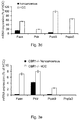
- mice C57Bl/6N were fed a zero-fat high sucrose diet (HSD) for two weeks that induced the development of fatty livers ( Figure 3A ).
- HSD zero-fat high sucrose diet
- CD chow diet
- Endocannabinoids acting on hepatic the cannabinoid-1 receptor (CB 1 R) promote DNL by increasing the expression of genes involved in lipid metabolism including FASN, SREBF1 and acetyl-CoA carboxylase-i (ACACA) (Osei-Hyiaman et al, 2005).
- CB 1 R has been implicated in the pathology of different liver diseases with various etiologies including NAFLD (Osei-Hyiaman et al, 2008), AFLD (Jeong et al, 2008), viral hepatitis (Hezode et al, 2005), liver fibrosis (Teixeira-Clerc et al, 2006), cirrhosis (Giannone et al, 2012) and liver cancer (Mukhopadhyay et al, 2015).
- Activation of the endocannabinoid/CB 1 R system inhibits fatty acid ⁇ -oxidation in the liver (Osei-Hyiaman et al, 2008), interrupts hepatic carbohydrate and cholesterol metabolism (Jourdan et al, 2012) and contributes to diet-induced obesity and NAFLD. It has been observed that activation of hepatic CB 1 R promoted the initiation and progression of chemically induced HCC in mice (Mukhopadhyay et al, 2015). Considering the associations between CB 1 R, liver fibrosis and HCC even in the absence of obesity, the expression of Fasn as well as liver-specific gene targets in was analyzed animal models of liver cancer.
Landscapes
- Health & Medical Sciences (AREA)
- Life Sciences & Earth Sciences (AREA)
- Chemical & Material Sciences (AREA)
- Engineering & Computer Science (AREA)
- Genetics & Genomics (AREA)
- Organic Chemistry (AREA)
- Molecular Biology (AREA)
- Biomedical Technology (AREA)
- Bioinformatics & Cheminformatics (AREA)
- General Health & Medical Sciences (AREA)
- Wood Science & Technology (AREA)
- Zoology (AREA)
- Biotechnology (AREA)
- General Engineering & Computer Science (AREA)
- Biochemistry (AREA)
- Medicinal Chemistry (AREA)
- Public Health (AREA)
- Veterinary Medicine (AREA)
- Animal Behavior & Ethology (AREA)
- Pharmacology & Pharmacy (AREA)
- Microbiology (AREA)
- Biophysics (AREA)
- Physics & Mathematics (AREA)
- Plant Pathology (AREA)
- Virology (AREA)
- Nuclear Medicine, Radiotherapy & Molecular Imaging (AREA)
- Chemical Kinetics & Catalysis (AREA)
- General Chemical & Material Sciences (AREA)
- Epidemiology (AREA)
- Gastroenterology & Hepatology (AREA)
- Pharmaceuticals Containing Other Organic And Inorganic Compounds (AREA)
- Measuring Or Testing Involving Enzymes Or Micro-Organisms (AREA)
- Medicines That Contain Protein Lipid Enzymes And Other Medicines (AREA)
Priority Applications (8)
| Application Number | Priority Date | Filing Date | Title |
|---|---|---|---|
| EP17186181.8A EP3444010B1 (en) | 2017-08-14 | 2017-08-14 | Pklr inhibition in the treatment of nafld and hcc |
| DK17186181.8T DK3444010T3 (da) | 2017-08-14 | 2017-08-14 | Pklr-inhibering i behandlingen af nafld og hcc |
| CN201880060114.1A CN111093677A (zh) | 2017-08-14 | 2018-08-14 | Nafld和hcc的治疗中的pklr抑制 |
| CA3071350A CA3071350A1 (en) | 2017-08-14 | 2018-08-14 | Pklr inhibition in the treatment of nafld and hcc |
| PCT/EP2018/072036 WO2019034657A1 (en) | 2017-08-14 | 2018-08-14 | INHIBITION OF PKLR IN THE TREATMENT OF NAFLD AND HCC |
| US16/638,927 US11034960B2 (en) | 2017-08-14 | 2018-08-14 | PKLR inhibition in the treatment of NAFLD and HCC |
| EP18752777.5A EP3668523B1 (en) | 2017-08-14 | 2018-08-14 | Pklr inhibition in the treatment of nafld and hcc |
| AU2018317785A AU2018317785B2 (en) | 2017-08-14 | 2018-08-14 | PKLR inhibition in the treatment of NAFLD and HCC |
Applications Claiming Priority (1)
| Application Number | Priority Date | Filing Date | Title |
|---|---|---|---|
| EP17186181.8A EP3444010B1 (en) | 2017-08-14 | 2017-08-14 | Pklr inhibition in the treatment of nafld and hcc |
Publications (2)
| Publication Number | Publication Date |
|---|---|
| EP3444010A1 EP3444010A1 (en) | 2019-02-20 |
| EP3444010B1 true EP3444010B1 (en) | 2020-12-09 |
Family
ID=59683407
Family Applications (2)
| Application Number | Title | Priority Date | Filing Date |
|---|---|---|---|
| EP17186181.8A Active EP3444010B1 (en) | 2017-08-14 | 2017-08-14 | Pklr inhibition in the treatment of nafld and hcc |
| EP18752777.5A Active EP3668523B1 (en) | 2017-08-14 | 2018-08-14 | Pklr inhibition in the treatment of nafld and hcc |
Family Applications After (1)
| Application Number | Title | Priority Date | Filing Date |
|---|---|---|---|
| EP18752777.5A Active EP3668523B1 (en) | 2017-08-14 | 2018-08-14 | Pklr inhibition in the treatment of nafld and hcc |
Country Status (7)
| Country | Link |
|---|---|
| US (1) | US11034960B2 (da) |
| EP (2) | EP3444010B1 (da) |
| CN (1) | CN111093677A (da) |
| AU (1) | AU2018317785B2 (da) |
| CA (1) | CA3071350A1 (da) |
| DK (1) | DK3444010T3 (da) |
| WO (1) | WO2019034657A1 (da) |
Families Citing this family (8)
| Publication number | Priority date | Publication date | Assignee | Title |
|---|---|---|---|---|
| JP2019513371A (ja) | 2016-04-01 | 2019-05-30 | アビディティー バイオサイエンシーズ エルエルシー | 核酸ポリペプチド組成物とその使用 |
| US20200157541A1 (en) * | 2018-11-19 | 2020-05-21 | Exosome Therapeutics, Inc. | Exosome loaded therapeutics for the treatment of non-alcoholic steatohepatitis, diabetes mellitus type 1 and type 2, atherosclerotic cardiovascular disease, and alpha 1 antitrypsin deficiency |
| US12312584B2 (en) | 2018-10-02 | 2025-05-27 | Exosome Therapeutics, Inc. | cGMP exosome loaded therapeutics for treating sickle cell disease |
| WO2021188390A1 (en) * | 2020-03-19 | 2021-09-23 | Avidity Biosciences, Inc. | Compositions and methods of treating facioscapulohumeral muscular dystrophy |
| WO2022010917A1 (en) * | 2020-07-06 | 2022-01-13 | Laboratory Corporation Of America Holdings | Methods, compositions, and systems for detecting pnpla3 allelic variants |
| EP4134077A1 (en) * | 2021-08-13 | 2023-02-15 | ScandiEdge Therapeutics AB | Small molecule treatment of fatty liver disease and hcc |
| CN118265544A (zh) | 2021-09-16 | 2024-06-28 | 艾维迪提生物科学公司 | 治疗面肩肱型肌营养不良的组合物和方法 |
| WO2025199466A1 (en) | 2024-03-22 | 2025-09-25 | Purdue Research Foundation | Liver-specific asialoglycoprotein receptor targeting ligands, conjugates comprising same, and related compositions and methods of use |
Family Cites Families (2)
| Publication number | Priority date | Publication date | Assignee | Title |
|---|---|---|---|---|
| WO2009149379A2 (en) * | 2008-06-05 | 2009-12-10 | Regents Of The University Of Michigan | Use of leptin for the treatment of fatty liver diseases and conditions |
| WO2011115810A2 (en) * | 2010-03-16 | 2011-09-22 | Massachusetts Institute Of Technology | Isoform-specific rnai based on codon redundancy/degeneracy |
-
2017
- 2017-08-14 EP EP17186181.8A patent/EP3444010B1/en active Active
- 2017-08-14 DK DK17186181.8T patent/DK3444010T3/da active
-
2018
- 2018-08-14 WO PCT/EP2018/072036 patent/WO2019034657A1/en not_active Ceased
- 2018-08-14 CA CA3071350A patent/CA3071350A1/en active Pending
- 2018-08-14 EP EP18752777.5A patent/EP3668523B1/en active Active
- 2018-08-14 US US16/638,927 patent/US11034960B2/en active Active
- 2018-08-14 CN CN201880060114.1A patent/CN111093677A/zh active Pending
- 2018-08-14 AU AU2018317785A patent/AU2018317785B2/en active Active
Non-Patent Citations (1)
| Title |
|---|
| None * |
Also Published As
| Publication number | Publication date |
|---|---|
| AU2018317785B2 (en) | 2024-05-30 |
| DK3444010T3 (da) | 2021-03-15 |
| EP3668523A1 (en) | 2020-06-24 |
| WO2019034657A1 (en) | 2019-02-21 |
| US20200190523A1 (en) | 2020-06-18 |
| CN111093677A (zh) | 2020-05-01 |
| US11034960B2 (en) | 2021-06-15 |
| CA3071350A1 (en) | 2019-02-21 |
| AU2018317785A1 (en) | 2020-02-20 |
| EP3444010A1 (en) | 2019-02-20 |
| EP3668523B1 (en) | 2023-01-11 |
Similar Documents
| Publication | Publication Date | Title |
|---|---|---|
| EP3444010B1 (en) | Pklr inhibition in the treatment of nafld and hcc | |
| Lee et al. | Network analyses identify liver‐specific targets for treating liver diseases | |
| Drayton et al. | Reduced expression of miRNA-27a modulates cisplatin resistance in bladder cancer by targeting the cystine/glutamate exchanger SLC7A11 | |
| Hu et al. | Progress and prospects of circular RNAs in Hepatocellular carcinoma: Novel insights into their function | |
| Liao et al. | Long noncoding RNA SNHG14 promotes hepatocellular carcinoma progression by regulating miR-876-5p/SSR2 axis | |
| Liu et al. | Acetyl-CoA carboxylase 1 depletion suppresses de novo fatty acid synthesis and mitochondrial β-oxidation in castration-resistant prostate cancer cells | |
| Hao et al. | Attenuation of deregulated miR-369-3p expression sensitizes non-small cell lung cancer cells to cisplatin via modulation of the nucleotide sugar transporter SLC35F5 | |
| Li et al. | METTL3-mediated m6A mRNA modification was involved in cadmium-induced liver injury | |
| Mo et al. | Circular RNA hsa_circ_0000467 Promotes the development of gastric cancer by competitively binding to MicroRNA miR‐326‐3p | |
| Sone et al. | MicroRNA-mediated attenuation of branched-chain amino acid catabolism promotes ferroptosis in chronic kidney disease | |
| Wangyang et al. | NcRNAs and cholangiocarcinoma | |
| Du et al. | Biological function and clinical application prospect of tsRNAs in digestive system biology and pathology | |
| Dempsey et al. | Regulation of hepatic long noncoding RNAs by pregnane X receptor and constitutive androstane receptor agonists in mouse liver | |
| Li et al. | Circular RNA hsa_circ_0004396 acts as a sponge of miR‐615‐5p to promote non‐small cell lung cancer progression and radioresistance through the upregulation of P21‐Activated Kinase 1 | |
| Ding et al. | Deficiency of SDHC promotes metastasis by reprogramming fatty acid metabolism in colorectal cancer | |
| Kontaki et al. | Targeting Smyd3 by next-generation antisense oligonucleotides suppresses liver tumor growth | |
| Hackl et al. | Alternative splicing impacts microRNA regulation within coding regions | |
| Liao et al. | Integrating network pharmacology, quantitative transcriptomic analysis, and experimental validation revealed the mechanism of cordycepin in the treatment of obesity | |
| Wang et al. | MKL-1-induced PINK1-AS overexpression contributes to the malignant progression of hepatocellular carcinoma via ALDOA-mediated glycolysis | |
| Shi et al. | Hepatitis B virus X protein promotes tumor glycolysis by downregulating lncRNA OIP5-AS1/HKDC1 in HCC | |
| Nicolaidou et al. | MicroRNA responses to environmental liver carcinogens: Biological and clinical significance | |
| Ke et al. | Regulatory mechanisms of connexin26 | |
| Zhang et al. | Liver-specific inactivation of Cideb improves metabolic profiles and ameliorates steatohepatitis and fibrosis in animal models for MASH | |
| Chen et al. | SNORD9 promotes ovarian cancer tumorigenesis via METTL3/IGF2BP2-mediated NFYA m6A modification and is a potential target for antisense oligonucleotide therapy | |
| Katsouda et al. | Cth/Mpst double ablation results in early onset fatty liver disease in lean mice |
Legal Events
| Date | Code | Title | Description |
|---|---|---|---|
| PUAI | Public reference made under article 153(3) epc to a published international application that has entered the european phase |
Free format text: ORIGINAL CODE: 0009012 |
|
| STAA | Information on the status of an ep patent application or granted ep patent |
Free format text: STATUS: THE APPLICATION HAS BEEN PUBLISHED |
|
| AK | Designated contracting states |
Kind code of ref document: A1 Designated state(s): AL AT BE BG CH CY CZ DE DK EE ES FI FR GB GR HR HU IE IS IT LI LT LU LV MC MK MT NL NO PL PT RO RS SE SI SK SM TR |
|
| AX | Request for extension of the european patent |
Extension state: BA ME |
|
| STAA | Information on the status of an ep patent application or granted ep patent |
Free format text: STATUS: REQUEST FOR EXAMINATION WAS MADE |
|
| 17P | Request for examination filed |
Effective date: 20190814 |
|
| RBV | Designated contracting states (corrected) |
Designated state(s): AL AT BE BG CH CY CZ DE DK EE ES FI FR GB GR HR HU IE IS IT LI LT LU LV MC MK MT NL NO PL PT RO RS SE SI SK SM TR |
|
| REG | Reference to a national code |
Ref country code: DE Ref legal event code: R079 Ref document number: 602017029130 Country of ref document: DE Free format text: PREVIOUS MAIN CLASS: A61P0001160000 Ipc: A61K0031710500 |
|
| GRAP | Despatch of communication of intention to grant a patent |
Free format text: ORIGINAL CODE: EPIDOSNIGR1 |
|
| STAA | Information on the status of an ep patent application or granted ep patent |
Free format text: STATUS: GRANT OF PATENT IS INTENDED |
|
| RIC1 | Information provided on ipc code assigned before grant |
Ipc: A61K 31/7105 20060101AFI20200416BHEP Ipc: A61K 31/713 20060101ALI20200416BHEP Ipc: C12N 9/12 20060101ALI20200416BHEP Ipc: A61P 1/16 20060101ALI20200416BHEP Ipc: C12N 15/113 20100101ALI20200416BHEP Ipc: A61P 35/00 20060101ALI20200416BHEP |
|
| GRAJ | Information related to disapproval of communication of intention to grant by the applicant or resumption of examination proceedings by the epo deleted |
Free format text: ORIGINAL CODE: EPIDOSDIGR1 |
|
| STAA | Information on the status of an ep patent application or granted ep patent |
Free format text: STATUS: REQUEST FOR EXAMINATION WAS MADE |
|
| INTG | Intention to grant announced |
Effective date: 20200514 |
|
| INTC | Intention to grant announced (deleted) | ||
| GRAP | Despatch of communication of intention to grant a patent |
Free format text: ORIGINAL CODE: EPIDOSNIGR1 |
|
| STAA | Information on the status of an ep patent application or granted ep patent |
Free format text: STATUS: GRANT OF PATENT IS INTENDED |
|
| INTG | Intention to grant announced |
Effective date: 20200708 |
|
| GRAS | Grant fee paid |
Free format text: ORIGINAL CODE: EPIDOSNIGR3 |
|
| GRAA | (expected) grant |
Free format text: ORIGINAL CODE: 0009210 |
|
| STAA | Information on the status of an ep patent application or granted ep patent |
Free format text: STATUS: THE PATENT HAS BEEN GRANTED |
|
| RIN1 | Information on inventor provided before grant (corrected) |
Inventor name: MARDINOGLU, ADIL Inventor name: UHLEN, MATHIAS Inventor name: BOREN, JAN |
|
| AK | Designated contracting states |
Kind code of ref document: B1 Designated state(s): AL AT BE BG CH CY CZ DE DK EE ES FI FR GB GR HR HU IE IS IT LI LT LU LV MC MK MT NL NO PL PT RO RS SE SI SK SM TR |
|
| REG | Reference to a national code |
Ref country code: GB Ref legal event code: FG4D |
|
| REG | Reference to a national code |
Ref country code: AT Ref legal event code: REF Ref document number: 1342682 Country of ref document: AT Kind code of ref document: T Effective date: 20201215 Ref country code: CH Ref legal event code: EP |
|
| REG | Reference to a national code |
Ref country code: DE Ref legal event code: R096 Ref document number: 602017029130 Country of ref document: DE |
|
| REG | Reference to a national code |
Ref country code: IE Ref legal event code: FG4D |
|
| REG | Reference to a national code |
Ref country code: DK Ref legal event code: T3 Effective date: 20210310 |
|
| REG | Reference to a national code |
Ref country code: SE Ref legal event code: TRGR |
|
| REG | Reference to a national code |
Ref country code: NL Ref legal event code: FP |
|
| PG25 | Lapsed in a contracting state [announced via postgrant information from national office to epo] |
Ref country code: RS Free format text: LAPSE BECAUSE OF FAILURE TO SUBMIT A TRANSLATION OF THE DESCRIPTION OR TO PAY THE FEE WITHIN THE PRESCRIBED TIME-LIMIT Effective date: 20201209 Ref country code: NO Free format text: LAPSE BECAUSE OF FAILURE TO SUBMIT A TRANSLATION OF THE DESCRIPTION OR TO PAY THE FEE WITHIN THE PRESCRIBED TIME-LIMIT Effective date: 20210309 Ref country code: FI Free format text: LAPSE BECAUSE OF FAILURE TO SUBMIT A TRANSLATION OF THE DESCRIPTION OR TO PAY THE FEE WITHIN THE PRESCRIBED TIME-LIMIT Effective date: 20201209 Ref country code: GR Free format text: LAPSE BECAUSE OF FAILURE TO SUBMIT A TRANSLATION OF THE DESCRIPTION OR TO PAY THE FEE WITHIN THE PRESCRIBED TIME-LIMIT Effective date: 20210310 |
|
| REG | Reference to a national code |
Ref country code: AT Ref legal event code: MK05 Ref document number: 1342682 Country of ref document: AT Kind code of ref document: T Effective date: 20201209 |
|
| PG25 | Lapsed in a contracting state [announced via postgrant information from national office to epo] |
Ref country code: LV Free format text: LAPSE BECAUSE OF FAILURE TO SUBMIT A TRANSLATION OF THE DESCRIPTION OR TO PAY THE FEE WITHIN THE PRESCRIBED TIME-LIMIT Effective date: 20201209 Ref country code: BG Free format text: LAPSE BECAUSE OF FAILURE TO SUBMIT A TRANSLATION OF THE DESCRIPTION OR TO PAY THE FEE WITHIN THE PRESCRIBED TIME-LIMIT Effective date: 20210309 |
|
| PG25 | Lapsed in a contracting state [announced via postgrant information from national office to epo] |
Ref country code: HR Free format text: LAPSE BECAUSE OF FAILURE TO SUBMIT A TRANSLATION OF THE DESCRIPTION OR TO PAY THE FEE WITHIN THE PRESCRIBED TIME-LIMIT Effective date: 20201209 |
|
| REG | Reference to a national code |
Ref country code: LT Ref legal event code: MG9D |
|
| PG25 | Lapsed in a contracting state [announced via postgrant information from national office to epo] |
Ref country code: EE Free format text: LAPSE BECAUSE OF FAILURE TO SUBMIT A TRANSLATION OF THE DESCRIPTION OR TO PAY THE FEE WITHIN THE PRESCRIBED TIME-LIMIT Effective date: 20201209 Ref country code: CZ Free format text: LAPSE BECAUSE OF FAILURE TO SUBMIT A TRANSLATION OF THE DESCRIPTION OR TO PAY THE FEE WITHIN THE PRESCRIBED TIME-LIMIT Effective date: 20201209 Ref country code: SM Free format text: LAPSE BECAUSE OF FAILURE TO SUBMIT A TRANSLATION OF THE DESCRIPTION OR TO PAY THE FEE WITHIN THE PRESCRIBED TIME-LIMIT Effective date: 20201209 Ref country code: LT Free format text: LAPSE BECAUSE OF FAILURE TO SUBMIT A TRANSLATION OF THE DESCRIPTION OR TO PAY THE FEE WITHIN THE PRESCRIBED TIME-LIMIT Effective date: 20201209 Ref country code: PT Free format text: LAPSE BECAUSE OF FAILURE TO SUBMIT A TRANSLATION OF THE DESCRIPTION OR TO PAY THE FEE WITHIN THE PRESCRIBED TIME-LIMIT Effective date: 20210409 Ref country code: RO Free format text: LAPSE BECAUSE OF FAILURE TO SUBMIT A TRANSLATION OF THE DESCRIPTION OR TO PAY THE FEE WITHIN THE PRESCRIBED TIME-LIMIT Effective date: 20201209 Ref country code: SK Free format text: LAPSE BECAUSE OF FAILURE TO SUBMIT A TRANSLATION OF THE DESCRIPTION OR TO PAY THE FEE WITHIN THE PRESCRIBED TIME-LIMIT Effective date: 20201209 |
|
| PG25 | Lapsed in a contracting state [announced via postgrant information from national office to epo] |
Ref country code: AT Free format text: LAPSE BECAUSE OF FAILURE TO SUBMIT A TRANSLATION OF THE DESCRIPTION OR TO PAY THE FEE WITHIN THE PRESCRIBED TIME-LIMIT Effective date: 20201209 Ref country code: PL Free format text: LAPSE BECAUSE OF FAILURE TO SUBMIT A TRANSLATION OF THE DESCRIPTION OR TO PAY THE FEE WITHIN THE PRESCRIBED TIME-LIMIT Effective date: 20201209 |
|
| REG | Reference to a national code |
Ref country code: DE Ref legal event code: R097 Ref document number: 602017029130 Country of ref document: DE |
|
| PG25 | Lapsed in a contracting state [announced via postgrant information from national office to epo] |
Ref country code: IS Free format text: LAPSE BECAUSE OF FAILURE TO SUBMIT A TRANSLATION OF THE DESCRIPTION OR TO PAY THE FEE WITHIN THE PRESCRIBED TIME-LIMIT Effective date: 20210409 |
|
| PLBE | No opposition filed within time limit |
Free format text: ORIGINAL CODE: 0009261 |
|
| STAA | Information on the status of an ep patent application or granted ep patent |
Free format text: STATUS: NO OPPOSITION FILED WITHIN TIME LIMIT |
|
| PG25 | Lapsed in a contracting state [announced via postgrant information from national office to epo] |
Ref country code: IT Free format text: LAPSE BECAUSE OF FAILURE TO SUBMIT A TRANSLATION OF THE DESCRIPTION OR TO PAY THE FEE WITHIN THE PRESCRIBED TIME-LIMIT Effective date: 20201209 Ref country code: AL Free format text: LAPSE BECAUSE OF FAILURE TO SUBMIT A TRANSLATION OF THE DESCRIPTION OR TO PAY THE FEE WITHIN THE PRESCRIBED TIME-LIMIT Effective date: 20201209 |
|
| 26N | No opposition filed |
Effective date: 20210910 |
|
| PG25 | Lapsed in a contracting state [announced via postgrant information from national office to epo] |
Ref country code: SI Free format text: LAPSE BECAUSE OF FAILURE TO SUBMIT A TRANSLATION OF THE DESCRIPTION OR TO PAY THE FEE WITHIN THE PRESCRIBED TIME-LIMIT Effective date: 20201209 |
|
| PG25 | Lapsed in a contracting state [announced via postgrant information from national office to epo] |
Ref country code: ES Free format text: LAPSE BECAUSE OF FAILURE TO SUBMIT A TRANSLATION OF THE DESCRIPTION OR TO PAY THE FEE WITHIN THE PRESCRIBED TIME-LIMIT Effective date: 20201209 |
|
| PG25 | Lapsed in a contracting state [announced via postgrant information from national office to epo] |
Ref country code: MC Free format text: LAPSE BECAUSE OF FAILURE TO SUBMIT A TRANSLATION OF THE DESCRIPTION OR TO PAY THE FEE WITHIN THE PRESCRIBED TIME-LIMIT Effective date: 20201209 |
|
| REG | Reference to a national code |
Ref country code: BE Ref legal event code: MM Effective date: 20210831 |
|
| PG25 | Lapsed in a contracting state [announced via postgrant information from national office to epo] |
Ref country code: IS Free format text: LAPSE BECAUSE OF FAILURE TO SUBMIT A TRANSLATION OF THE DESCRIPTION OR TO PAY THE FEE WITHIN THE PRESCRIBED TIME-LIMIT Effective date: 20210409 Ref country code: LU Free format text: LAPSE BECAUSE OF NON-PAYMENT OF DUE FEES Effective date: 20210814 |
|
| PG25 | Lapsed in a contracting state [announced via postgrant information from national office to epo] |
Ref country code: BE Free format text: LAPSE BECAUSE OF NON-PAYMENT OF DUE FEES Effective date: 20210831 |
|
| P01 | Opt-out of the competence of the unified patent court (upc) registered |
Effective date: 20230517 |
|
| PG25 | Lapsed in a contracting state [announced via postgrant information from national office to epo] |
Ref country code: CY Free format text: LAPSE BECAUSE OF FAILURE TO SUBMIT A TRANSLATION OF THE DESCRIPTION OR TO PAY THE FEE WITHIN THE PRESCRIBED TIME-LIMIT Effective date: 20201209 |
|
| PG25 | Lapsed in a contracting state [announced via postgrant information from national office to epo] |
Ref country code: HU Free format text: LAPSE BECAUSE OF FAILURE TO SUBMIT A TRANSLATION OF THE DESCRIPTION OR TO PAY THE FEE WITHIN THE PRESCRIBED TIME-LIMIT; INVALID AB INITIO Effective date: 20170814 |
|
| PG25 | Lapsed in a contracting state [announced via postgrant information from national office to epo] |
Ref country code: MK Free format text: LAPSE BECAUSE OF FAILURE TO SUBMIT A TRANSLATION OF THE DESCRIPTION OR TO PAY THE FEE WITHIN THE PRESCRIBED TIME-LIMIT Effective date: 20201209 |
|
| PG25 | Lapsed in a contracting state [announced via postgrant information from national office to epo] |
Ref country code: MT Free format text: LAPSE BECAUSE OF FAILURE TO SUBMIT A TRANSLATION OF THE DESCRIPTION OR TO PAY THE FEE WITHIN THE PRESCRIBED TIME-LIMIT Effective date: 20201209 |
|
| PGFP | Annual fee paid to national office [announced via postgrant information from national office to epo] |
Ref country code: NL Payment date: 20250818 Year of fee payment: 9 |
|
| PGFP | Annual fee paid to national office [announced via postgrant information from national office to epo] |
Ref country code: DK Payment date: 20250826 Year of fee payment: 9 Ref country code: DE Payment date: 20250819 Year of fee payment: 9 |
|
| PGFP | Annual fee paid to national office [announced via postgrant information from national office to epo] |
Ref country code: TR Payment date: 20250728 Year of fee payment: 9 |
|
| PGFP | Annual fee paid to national office [announced via postgrant information from national office to epo] |
Ref country code: GB Payment date: 20250819 Year of fee payment: 9 |
|
| PGFP | Annual fee paid to national office [announced via postgrant information from national office to epo] |
Ref country code: FR Payment date: 20250818 Year of fee payment: 9 |
|
| PGFP | Annual fee paid to national office [announced via postgrant information from national office to epo] |
Ref country code: CH Payment date: 20250901 Year of fee payment: 9 Ref country code: SE Payment date: 20250819 Year of fee payment: 9 |
|
| PGFP | Annual fee paid to national office [announced via postgrant information from national office to epo] |
Ref country code: IE Payment date: 20250818 Year of fee payment: 9 |