EP3444276A1 - Verbesserte krebsbehandlung mit nk-zellen - Google Patents
Verbesserte krebsbehandlung mit nk-zellen Download PDFInfo
- Publication number
- EP3444276A1 EP3444276A1 EP17186683.3A EP17186683A EP3444276A1 EP 3444276 A1 EP3444276 A1 EP 3444276A1 EP 17186683 A EP17186683 A EP 17186683A EP 3444276 A1 EP3444276 A1 EP 3444276A1
- Authority
- EP
- European Patent Office
- Prior art keywords
- cells
- antibody
- cell
- cancer
- combination
- Prior art date
- Legal status (The legal status is an assumption and is not a legal conclusion. Google has not performed a legal analysis and makes no representation as to the accuracy of the status listed.)
- Withdrawn
Links
Images



Classifications
-
- C—CHEMISTRY; METALLURGY
- C07—ORGANIC CHEMISTRY
- C07K—PEPTIDES
- C07K16/00—Immunoglobulins [IG], e.g. monoclonal or polyclonal antibodies
- C07K16/18—Immunoglobulins [IG], e.g. monoclonal or polyclonal antibodies against material from animals or humans
- C07K16/28—Immunoglobulins [IG], e.g. monoclonal or polyclonal antibodies against material from animals or humans against receptors, cell surface antigens or cell surface determinants
- C07K16/2803—Immunoglobulins [IG], e.g. monoclonal or polyclonal antibodies against material from animals or humans against receptors, cell surface antigens or cell surface determinants against the immunoglobulin superfamily
-
- A—HUMAN NECESSITIES
- A61—MEDICAL OR VETERINARY SCIENCE; HYGIENE
- A61K—PREPARATIONS FOR MEDICAL, DENTAL OR TOILETRY PURPOSES
- A61K31/00—Medicinal preparations containing organic active ingredients
- A61K31/33—Heterocyclic compounds
- A61K31/395—Heterocyclic compounds having nitrogen as a ring hetero atom, e.g. guanethidine or rifamycins
- A61K31/435—Heterocyclic compounds having nitrogen as a ring hetero atom, e.g. guanethidine or rifamycins having six-membered rings with one nitrogen as the only ring hetero atom
- A61K31/44—Non condensed pyridines; Hydrogenated derivatives thereof
- A61K31/445—Non condensed piperidines, e.g. piperocaine
- A61K31/4523—Non condensed piperidines, e.g. piperocaine containing further heterocyclic ring systems
- A61K31/454—Non condensed piperidines, e.g. piperocaine containing further heterocyclic ring systems containing a five-membered ring with nitrogen as a ring hetero atom, e.g. pimozide, domperidone
-
- A—HUMAN NECESSITIES
- A61—MEDICAL OR VETERINARY SCIENCE; HYGIENE
- A61K—PREPARATIONS FOR MEDICAL, DENTAL OR TOILETRY PURPOSES
- A61K31/00—Medicinal preparations containing organic active ingredients
- A61K31/66—Phosphorus compounds
- A61K31/675—Phosphorus compounds having nitrogen as a ring hetero atom, e.g. pyridoxal phosphate
-
- A—HUMAN NECESSITIES
- A61—MEDICAL OR VETERINARY SCIENCE; HYGIENE
- A61K—PREPARATIONS FOR MEDICAL, DENTAL OR TOILETRY PURPOSES
- A61K39/00—Medicinal preparations containing antigens or antibodies
- A61K39/395—Antibodies; Immunoglobulins; Immune serum, e.g. antilymphocytic serum
- A61K39/39533—Antibodies; Immunoglobulins; Immune serum, e.g. antilymphocytic serum against materials from animals
- A61K39/39541—Antibodies; Immunoglobulins; Immune serum, e.g. antilymphocytic serum against materials from animals against normal tissues, cells
-
- A—HUMAN NECESSITIES
- A61—MEDICAL OR VETERINARY SCIENCE; HYGIENE
- A61K—PREPARATIONS FOR MEDICAL, DENTAL OR TOILETRY PURPOSES
- A61K40/00—Cellular immunotherapy
- A61K40/10—Cellular immunotherapy characterised by the cell type used
- A61K40/15—Natural-killer [NK] cells; Natural-killer T [NKT] cells
-
- A—HUMAN NECESSITIES
- A61—MEDICAL OR VETERINARY SCIENCE; HYGIENE
- A61K—PREPARATIONS FOR MEDICAL, DENTAL OR TOILETRY PURPOSES
- A61K40/00—Cellular immunotherapy
- A61K40/40—Cellular immunotherapy characterised by antigens that are targeted or presented by cells of the immune system
- A61K40/41—Vertebrate antigens
- A61K40/42—Cancer antigens
- A61K40/4202—Receptors, cell surface antigens or cell surface determinants
- A61K40/421—Immunoglobulin superfamily
-
- A—HUMAN NECESSITIES
- A61—MEDICAL OR VETERINARY SCIENCE; HYGIENE
- A61K—PREPARATIONS FOR MEDICAL, DENTAL OR TOILETRY PURPOSES
- A61K45/00—Medicinal preparations containing active ingredients not provided for in groups A61K31/00 - A61K41/00
- A61K45/06—Mixtures of active ingredients without chemical characterisation, e.g. antiphlogistics and cardiaca
-
- A—HUMAN NECESSITIES
- A61—MEDICAL OR VETERINARY SCIENCE; HYGIENE
- A61K—PREPARATIONS FOR MEDICAL, DENTAL OR TOILETRY PURPOSES
- A61K2239/00—Indexing codes associated with cellular immunotherapy of group A61K40/00
- A61K2239/31—Indexing codes associated with cellular immunotherapy of group A61K40/00 characterized by the route of administration
-
- A—HUMAN NECESSITIES
- A61—MEDICAL OR VETERINARY SCIENCE; HYGIENE
- A61K—PREPARATIONS FOR MEDICAL, DENTAL OR TOILETRY PURPOSES
- A61K2239/00—Indexing codes associated with cellular immunotherapy of group A61K40/00
- A61K2239/46—Indexing codes associated with cellular immunotherapy of group A61K40/00 characterised by the cancer treated
- A61K2239/48—Blood cells, e.g. leukemia or lymphoma
-
- C—CHEMISTRY; METALLURGY
- C07—ORGANIC CHEMISTRY
- C07K—PEPTIDES
- C07K2317/00—Immunoglobulins specific features
- C07K2317/70—Immunoglobulins specific features characterized by effect upon binding to a cell or to an antigen
- C07K2317/73—Inducing cell death, e.g. apoptosis, necrosis or inhibition of cell proliferation
- C07K2317/732—Antibody-dependent cellular cytotoxicity [ADCC]
Definitions
- the present invention relates to NK cells, antibodies and to related methods, uses and compositions for treatment of cancers.
- AML Acute myeloid leukemia
- MRD minimal residual disease
- Natural killer (NK) cells are cytotoxic lymphocytes, with distinct phenotypes and effector functions that differ from e.g. natural killer T (NK-T) cells.
- NK-T cells express both CD3 and T cell antigen receptors (TCRs), NK cells do not.
- TCRs T cell antigen receptors
- NK cells are often found to express the markers CD16 and CD56, wherein CD16 functions as an Fc receptor and mediates antibody dependent cell-mediated cytotoxicity (ADCC) which is discussed below.
- NK cells and NK cell precursors can be activated using specific agents that increase their proliferation, differentiation, migration and/or cytotoxicity.
- IL-2 is known to increase NK cell proliferation and cytotoxicity
- IL-12 is known to increase NK cell migration by upregulating expression of adhesion protein L-selectin (Lehmann et al, 2012).
- NK cell activating agents such as the Thalidomide derivative Lenalidomide
- Thalidomide derivative Lenalidomide are known to directly and indirectly increase NK cell cytotoxicity against certain cancers.
- the Lenalidomide-induced indirect activation of NK cells is thought to be IL-2 dependent, since it is known that thalidomide derivatives stimulate release of IL-2 and IFNy from other immune cells by downregulating SOCS1 (Reddy et al, 2008).
- 'deletion 5q' a previous study has shown that one 55 year old female patient responded positively to treatment with lenalidomide (Lancet, JE. et al. 2007).
- lenalidomide has been shown to enhance the ADCC effect of elotuzumab against multiple myeloma in vitro and in a mouse xenograft model (Balasa, B. et al. 2015).
- NK-92 and KHYG-1 represent two cell lines that have been researched extensively and show promise in cancer therapeutics (Swift et al. 2011; Swift et al. 2012).
- KHYG-1 cells are known to be pre-activated. Unlike endogenous NK cells, KHYG-1 cells are polarized at all times, increasing their cytotoxicity and making them quicker to respond to external stimuli. NK-92 cells have a higher baseline cytotoxicity than KHYG-1 cells.
- NK cells express both activating and inhibitory receptors on their surface.
- NKp30-mediated NK activation has been shown to increase IFN ⁇ production (De Maria, A. et al. 2011) and result in increased killing of blood cancer cells (Muller et al. 2014).
- WO 2005/009465 describes co-administration of NK cells with antibodies, specific for activating receptors on the NK cell surface, as a treatment for viral infections via ADCC.
- haplotype transplantation the graft-versus-leukemia (GVL) effect is believed to be mediated by NK cells when there is a KIR receptor-ligand mismatch, which can lead to improved survival in the treatment of AML (Ruggeri, Capanni et al. 2002; Ruggeri, Mancusi et al. 2005). Further, rapid NK recovery is associated with better outcome and a stronger GVL effect in patients undergoing haplotype T-depleted hematopoietic cell transplantation (HCT) in AML (Savani, Mielke et al. 2007). Other trials have used haploidentical NK cells expanded ex vivo to treat AML in adults (Miller, Soignier et al. 2005) and children (Rubnitz, Inaba et al. 2010).
- haploidentical NK cells expanded ex vivo to treat AML in adults (Miller, Soignier et al. 2005) and children (Rubnitz, Inaba et al. 2010).
- NK-92 (mentioned above), derived from a patient with non-Hodgkin's lymphoma expressing typical NK cell markers except for CD16 (Fc gamma receptor).
- NK-92 has undergone extensive preclinical testing and exhibits superior lysis against a broad range of tumours compared with activated NK cells and lymphokine-activated killer (LAK) cells (Gong, Maki et al. 1994). Cytotoxicity of NK-92 cells against primary AML has been established (Yan, Steinherz et al. 1998).
- KHYG-1 Another NK cell line, KHYG-1, derived from a patient with an aggressive NK cell leukemia, has been identified as a potential contender for clinical use (Suck et al. 2005) and retains its cytotoxicity when irradiated (Suck et al. 2006) but nevertheless has reduced cytotoxicity so has received less attention than NK-92.
- ADCC is a well-known phenomenon in which NK cells recognize the Fc region of antibodies bound to target cells and promote target cell killing (Grier et al. 2012; Deng et al. 2014; Kobayashi et al. 2014). In order for this to occur, the NK cells must express Fc receptors (FcRs). Following binding of the NK FcRs to the Fc region of the antibodies, a more cytotoxic NK phenotype prevails. This often leads to increased killing of the target cells to which the antibody specifically binds.
- FcRs Fc receptors
- lymphokine activated killer (LAK) cells with anti-CD3 antibodies could enhance killing of autologous AML blasts.
- LAK lymphokine activated killer
- a combination of IL-2, IFN- ⁇ and anti-CD3 monoclonal antibody was proposed as a potential treatment for AML.
- T cells targeted to tumors is proposed as a therapy option, e.g. via chimeric antigen receptor (CAR) modifications, but this requires genetic manipulation of T cells.
- CAR chimeric antigen receptor
- R-ADCC reverse antibody-dependent cell-mediated cytotoxicity
- An object of the invention is to provide alternative methods, uses and compositions for treatment of tumours, especially cancers, especially in humans.
- Embodiments have as object the provision of improved methods, uses and compositions.
- More particular embodiments aim to provide treatments for identified cancers, e.g. blood cancers such as leukemias.
- Specific embodiments aim to take advantage of combinations of antibodies and effector cells in cancer therapies.
- NK cells can have anti-tumourigenic properties that are antibody dependent, operating via antibody dependent cell-mediated cytotoxicity (ADCC).
- ADCC antibody dependent cell-mediated cytotoxicity
- antibodies contribute to the NK cell-mediated killing of target cells, they do so via a different mechanism.
- the invention provides cancer treatment comprising upregulating Fc receptor expression with an agent, wherein the agent is administered prior to, simultaneously with or subsequent to administering the antibody.
- the antibody binds the Fc receptor and also binds the NK cell and induces killing of cancer cells via R-ADCC.
- tumours e.g. cancer
- methods of treating tumours using a combination of the antibodies and agents capable of upregulating Fc receptor expression.
- compositions comprising (a) an agent capable of upregulating Fc receptor expression, and (b) an antibody that binds to a particular antigen on NK cells. These are suitable for use in treatment of tumours and cancers via R-ADCC.
- the NK cells are suitably activated ex vivo.
- NK cells are the patient's own (i.e. endogenous or autologous) NK cells.
- antibodies for use in such combined R-ADCC and ADCC methods are also provided herein.
- Diseases particularly treatable according to the invention include cancers, blood cancers, leukemias, specifically acute myeloid leukemia and multiple myeloma. Tumours and cancers in humans in particular can be treated. References to tumours herein include references to neoplasms.
- tumour cells As described in detail below in examples, treatment of tumour cells, specifically cancer cells, has been achieved using antibodies and agents capable of upregulating Fc receptor expression in combination, optionally also with NK cell activating agents.
- the inventors have shown utility of embodiments of the invention based on R-ADCC in vitro and using in vivo models of human cancer therapy.
- a method of treating a tumour in a patient comprising administering an effective amount of an antibody to the patient, wherein the antibody binds an antigen on the surface of an endogenous natural killer (NK) cell and the antibody binds to an Fc receptor on a cell of the tumour.
- NK endogenous natural killer
- the antibody may suitably bind an Fc receptor on the surface of the tumour cell, e.g. selected from CD16 (Fc ⁇ RIII), CD32 (Fc ⁇ II) or CD64 (Fc ⁇ I).
- the antibody comprises an Fc region or otherwise a portion that is capable of binding an Fc receptor on a tumour cell.
- Ball et al. conducted a study of the expression of Fc ⁇ receptors on primary AML and noted the following frequencies: Fc ⁇ RI (58%); Fc ⁇ II, (67%); and Fc ⁇ III, (26%).
- Fc ⁇ I and II receptor expression was highly correlated with FAB M4 and M5 morphology.
- treatments of the invention are suitable for tumours / cancers identified to express one or more Fc receptor.
- a humanized or fully human anti-NK cell antibody is administered in combination with an effective amount of a chemotherapy agent.
- the chemotherapy agent upregulates expression of one or more Fc receptors on the cancer.
- an agent capable of activating NK cells is also administered.
- this antibody is specific for an NK activating receptor, e.g. anti-NKp30, anti-NKp44 or SLAMF7 (CS-1).
- the chemotherapy agent is preferably an alkylating agent and it may be administered separately from the antibody.
- the activating agent is preferably not an antibody and it may be administered separately from the antibody.
- the anti-NK cell antibody is Elotuzumab
- the alkylating agent is cyclophosphamide
- the activating agent is lenalidomide; dependent on the cancer being treated, this combination can be optionally supplemented with dexamethasone.
- antibodies are specific for NK inhibitory receptors e.g. KIR or CD137, wherein binding blocks receptor-ligand interaction and hence inhibitory signals.
- Active agents of the invention for human use are produced in accordance with various regulations, e.g. under cGMP-compliant conditions. Conveniently, all of the active agents mentioned immediately above are FDA-approved.
- Administration of the chemotherapy agent and/or activating agent can occur prior to, simultaneously with or subsequent to administration of the antibody.
- Activation of an endogenous NK cell or an autologous NK cell occurs upon administration of the activating agent, wherein activation may comprise increasing one or more or all of NK proliferation, differentiation, migration and/or cytotoxicity.
- the chemotherapy agent is an alkylating agent selected from a nitrogen mustard, a nitrosourea, an alkyl sulfonate, a triazine or an ethylenimine.
- nitrogen mustard Preferably, the alkylating agent is a nitrogen mustard selected from bendamustine, chlorambucil, cyclophosphamide, ifosfamide, mechlorethamine and melphalan.
- the chemotherapy agent is capable of upregulating Fc receptor expression on the cancer.
- the chemotherapy agent is cyclophosphamide.
- a chemotherapy agent can be administered to a patient in need thereof at a low dose, in order to increase Fc receptor expression on cancer cells. This has the advantage that a number of side-effects associated with high dose chemotherapy are avoided, while retaining the beneficial effects of the invention.
- the activating agent is selected from IL-2, IL-12, IL-15, a thalidomide derivative e.g. lenalidomide, pomalidomide or CC-122, a proteasome inhibitor, a histone deacetylase inhibitor, a selenium derivative and an activating antibody.
- the activating agent(s) is/are lenalidomide and/or IL-2.
- Lenalidomide has previously been shown to increase both the proportion of NK cells producing IFN ⁇ and the amount of IFN ⁇ produced per cell (Lagrue et al, 2015). Furthermore, Lagrue et al were able to show that lenalidomide lowers the activation dose of Rituximab (an anti-CD20 monoclonal antibody used for treating B cell malignancies via ADCC).
- the activating agent is an activating antibody specific for an antigen on the cancer cell surface and wherein binding of the antibody to its antigen indirectly activates endogenous NK cells, e.g. by blocking NK inhibitory receptor ligands on the surface of the cancer cell from binding inhibitory receptors (e.g. KIR or CD137) on the surface of the NK cell.
- NK inhibitory receptor ligands e.g. KIR or CD137
- the activating antibody is specific for an endogenous NK antigen.
- the antibodies comprise an Fc region (which by definition binds Fc receptors).
- suitable antibodies may comprise portions that are not strictly speaking Fc regions (for whatever reason) but which nevertheless in use bind the Fc receptors on the tumour cells rather than NK cells. It is thus a feature of particular embodiments of the invention that the NK cell does not express an Fc receptor.
- Antibodies may be used as a set or plurality of antibodies having substantially all the same binding properties. Alternatively, mixtures may be used of antibodies that bind to different NK cell surface markers or proteins or of antibodies containing different Fc regions, or in fact different antibodies may differ in both respects within a plurality of antibodies to be used in the treatment.
- R-ADCC reverse antibody dependent cell-mediated cytotoxicity
- Methods, uses and compositions herein described, above and below, are suitable for treatment of cancer, in particular cancer in humans, e.g. for treatment of cancers of blood cells or solid cancers.
- killing of cancer cells comprises killing cancer stem cells, offering improved cancer therapy.
- Specific examples of the invention demonstrate killing of clonogenic leukemia cancer cells. It is known that CD32-expressing quiescent leukemic stem cells (LSCs) are a major cause of relapse in AML following chemotherapy (Saito et al, 2010; Goff and Jamieson, 2010).
- LSCs quiescent leukemic stem cells
- the present invention provides a therapy capable of targeting quiescent cancer stem cells, e.g. LSCs, and hence is capable of lowering the chance of relapse in AML.
- Embodiments of the invention are especially suitable for treatment of hematologic cancers, being cancers of the blood, bone marrow and/or lymph nodes. These include leukemias, lymphomas and myelomas. Specific cancers treatable are selected from acute lymphocytic leukemia (ALL), acute myeloid leukemia (AML), chronic lymphocytic leukemia (CLL) and chronic myeloid leukemia (CML), Hodgkin's lymphoma, non-Hodgkin's lymphomas, including T-cell lymphomas and B-cell lymphomas, asymptomatic myeloma, smoldering multiple myeloma (SMM), active myeloma and light chain myeloma .
- ALL acute lymphocytic leukemia
- AML acute myeloid leukemia
- CLL chronic lymphocytic leukemia
- CML chronic myeloid leukemia
- Hodgkin's lymphoma non
- tumours treatable by the invention are selected from bladder carcinoma, chondrosarcoma, colorectal cancer, gastrointestinal cancer, glioma, head and neck cancer, kidney cancer, liver cancer, ovarian cancer, pancreatic cancer, soft tissue/muscle tissue cancer, prostate cancer, breast (mammary gland) cancer, germ cell cancer, multiple myeloma, histiocytic sarcoma, melanoma, skin cancer, uterine cancer and colon cancer.
- Embodiments of the invention are for blood cancer treatment.
- Administration of the antibody, or NK cells or combination thereof can be systemic or localized, such as for example via the intraperitoneal route
- Activation of endogenous or autologous NK cells may suitably achieve homing of the NK cells to the tumour cells.
- NK cells may not be found in large numbers in advanced tumours. This can be a result of tumours interfering with cytokine/chemokine signalling.
- Intratumoral cytokine/chemokine therapy can be used to target NK cells to cancers, e.g. IL-2, IL-12, IL-15 and IL-21 are all capable of activating endogenous NK cells at the tumour site and increasing lysis of the cancer cells (Zamai et al, 2007).
- Increased homing of NK effector cells to tumour sites may also be made possible by disruption of the tumour vasculature, e.g. by metronomic chemotherapy, or by using drugs targeting angiogenesis (Melero et al, 2014) to normalize NK cell infiltration via cancer blood vessels.
- an activating agent is administered more directly.
- administration can be directly intratumoural, suitable especially for solid tumours.
- Administration can alternatively be intraperitoneal, such as in the case of metastatic ovarian cancer
- Antibodies for use in the invention preferably bind to cell surface antigens, proteins or markers on the NK cells. Binding can attach the antibody leaving exposed, and separately available for binding, a portion that binds in turn to the tumour cells, via an Fc receptor. In examples, carried out and described herein, the antibody binds to an antigen/receptor on the NK surface. Suitable receptors are known NK cell activating receptors, e.g. natural cytotoxicity receptors. In use below, the antibodies activated or otherwise turned on (were agonists for) these activating receptors. As individual examples are NKp30, NKp44, NKp46, CS-1 and NKG2D.
- activated NK cells are used in combination with an antibody specific for SLAMF7 (CS-1), e.g. to treat multiple myeloma (MM).
- CS-1 SLAMF7
- the antigen is present on the NK cells, and hence treatment includes killing of target cells via R-ADCC.
- SLAMF7 antibodies are commercially available (e.g. Elotuzumab and others).
- Suitable antibodies for use in the invention include lirilumab (anti-KIR), urelumab (anti-CD137), ipilimumab (anti-CTLA-4) and nivolumab (anti-PD-1), subject to presence of the target antigen on the NK cell (or for particular embodiments described below both on NK cell and cancer).
- activated NK cells are used in combination with an antibody to treat AML.
- Known AML cells lack expression of SLAMF7 but do express CD32 (an Fc receptor). Therefore, ADCC using a SLAMF7-binding antibody is not possible, and treatment of AML occurs via R-ADCC.
- agents capable of increasing Fc receptor expression on cancer cells may be used.
- Suitable agents include a number of chemotherapy agents and all-trans retinoic acid (ATRA).
- ATRA all-trans retinoic acid
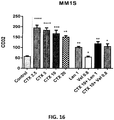
- cyclophosphamide has been shown to increase expression of CD32 on myeloma cells, making the cells more sensitive to killing via R-ADCC therapy.
- blocking antibodies are used, wherein the antibody binds and neutralizes an inhibitory receptor on the NK surface.
- Suitable antigens/receptors for the blocking antibodies include CD85d (LIR-2), CD85J (LIR-1), CD96 (TACTILE), CD152 (CTLA4), CD159a (NKG2A), CD223 (LAG-3), CD279 (PD-1), CD328 (SIGLEC7), SIGLEC9, TIGIT and TIM-3.
- the antibody is specific for an antigen expressed only on the surface of NK cells - the antigen is preferably not expressed on the cancer and preferably not expressed to a significant extent on any other cell. Nevertheless, if the activated autologous NK cells are pre-coated with antibody, prior to administration, this level of specificity is less important.
- the invention provides a combination therapy, hence a method is provided herein for treating a tumour (especially a cancer) in a patient comprising administering to the patient an effective amount of the antibody in combination with an effective amount of a chemotherapy agent capable of upregulating Fc receptor expression on the tumour, wherein:
- the method further provides administering an agent capable of activating NK cells prior to, simultaneously with or subsequently to administering the antibody.
- the invention provides a combination therapy for treating a tumour (especially a cancer) in a patient comprising administering to the patient an effective amount of an antibody, an effective amount of a chemotherapy agent capable of upregulating Fc receptor expression on the cancer and an effective amount of NK cells, wherein
- NK cells are in combination with the antibody, so an effect of the two together is realized, and can occur prior to, simultaneously with or subsequent to administering the antibody.
- activated autologous NK cells are administered in combination with a humanized anti-NK activating receptor antibody, preferably anti-NKp30.
- NK cells are pre-treated with a humanized anti-NK activating receptor antibody, preferably anti-NKp30, before administration, the NK cells having had their proliferation capacity diminished, e.g. by irradiation.
- a humanized anti-NK activating receptor antibody preferably anti-NKp30
- NK cells A patient's own NK cells in general are believed to be suitable for the methods, uses and compositions of the invention.
- Activated autologous NK cells are preferably used.
- Antibodies are utilized that bind the NK cell to be used, and it is believed that for all proposes NK cells, antibodies that bind cell surface molecules, preferably as described herein, can be identified.
- the activated NK cells administered to the patient are in the form of an NK cell line.
- These NK cell lines are optionally modified to have increased cytotoxicity against cancer cells.
- the method of treating a tumour in a patient can comprise administering an effective amount of an activated autologous NK cell to the patient, wherein an antibody previously administered to the patient binds an antigen on the surface of the NK cell and the antibody further binds to an Fc receptor on a cell of the tumour.
- an antibody previously administered to the patient binds an antigen on the surface of the NK cell and the antibody further binds to an Fc receptor on a cell of the tumour.
- the invention provides the described antibodies, NK cells and combinations thereof for uses described herein.
- the invention provides an antibody for use in treating a tumour in a patient, wherein the antibody binds an antigen on the surface of an endogenous NK cell and the antibody binds to an Fc receptor on a cell of the tumour.
- the invention provides an antibody and a chemotherapy agent for use in combination for treating a tumour in a patient, wherein the antibody binds an antigen on the surface of the NK cell and the antibody binds to an Fc receptor on a cell of the tumour.
- the invention also provides an activated autologous NK cell or NK cell line for use in treating a tumour in a patient, wherein an antibody administered to the patient binds an antigen on the surface of the NK cell and the antibody binds to an Fc receptor on a cell of the tumour.
- the invention provides a composition
- a composition comprising (a) a chemotherapy agent capable of increasing Fc receptor expression on a cancer, and (b) an antibody that binds NK cells.
- the antibody activates NK cells.
- the composition is for use as described elsewhere herein, and thus is suitable, for treatment of tumours, e.g. tumours of blood cells or solid tumours.
- the composition is for treatment of acute myeloid leukemia and/or multiple myeloma.
- the invention provides a composition
- a composition comprising (a) an activated autologous NK cell or NK cell line, (b) an antibody that binds to the NK cell, and (c) a chemotherapy agent capable of increasing Fc receptor expression on a cancer.
- the composition is for use as described elsewhere herein, and thus is suitable, for treatment of tumours, e.g. tumours of blood cells or solid tumours, suitable for treatment of cancers.
- the composition is for treatment of leukemia, including acute myeloid leukemia, and myeloma, including multiple myeloma.
- Antibodies in the compositions are typically as elsewhere described, and hence may bind an Fc receptor selected from CD16, CD32 or CD64, and may bind a NK cell cytotoxicity receptor, e.g. NKp30 and NKp44. Other features of the antibodies are as described in relation to methods and uses of the invention, and are not repeated here.
- the invention still further provides methods and uses for treating cancer that combine ADCC-based approaches and R-ADCC approaches in the same therapy.
- an antibody is chosen that is capable of binding to antigen found both on an NK cell and also on the cancer.
- these embodiments of the invention may comprise identifying an antigen found both on the cancer and also on NK cells of the patient (or on NK cells introduced as part of the therapy), and then selecting an antibody that binds to that common antigen.
- the cancer is chosen as one that expresses one or more Fc receptors.
- the NK cells are endogenous / autologous and express one or more Fc receptors, or are exogenous and chosen so as to express one or more Fc receptors - noting that some NK cell lines identified as useful in cancer therapy do not express Fc receptors; such would not be suitable for these particular embodiments.
- Treatment of cancer in a patient then comprises administering to the patient an antibody, wherein the antibody binds an antigen found both on NK cells used in the therapy and also on the cancer, and wherein the antibody Fc region binds during the therapy to an Fc receptor on a cell on an NK cell or alternatively an Fc receptor on the cancer.
- Any individual antibody has these binding capabilities but does not perform all simultaneously. Instead, during therapy, some antibodies bind antigen on the cancer and have their Fc portion bound to Fc receptors on NK cells (ADCC) while some antibodies bind antigen on NK cells and have their Fc portion bound to Fc receptors on the cancer (R-ADCC).
- Anticancer activity is via resultant killing action of the NK cell on the cancer cell, via both antibody-dependent cell-mediated cytotoxicity (ADCC) effected by some antibodies and reverse antibody-dependent cell-mediated cytotoxicity (R-ADCC) effected by others.
- ADCC antibody-dependent cell-mediated cytotoxicity
- R-ADCC reverse antibody-dependent cell-mediated cytotoxicity
- the invention provides an antibody for use in treating a cancer in a patient via a combination of both antibody-dependent cell-mediated cytotoxicity (ADCC) and reverse antibody-dependent cell-mediated cytotoxicity (R-ADCC), wherein
- binding of antibodies to Fc receptors on NK cells is a known phenomenon.
- Fc receptors on cancers may be targeted for an anti-cancer therapy is a feature of other embodiments of the invention.
- an antigen common to the cancer and the NK cell - which may be endogenous / autologous or exogenous.
- the antibody may be combined with an agent that is capable of activating endogenous or autologous NK cells.
- the agent may be other than an antibody, e.g. can be a small molecule as described above such as a thalidomide derivative, e.g. lenalidomide.
- Fc receptor expression on the cancer may be upregulated, e.g. by administration of all-trans retinoic acid.
- the treating may comprise administering the antibody alone or bound to a therapeutic NK cell.
- the antibody binds to SLAMF7, e.g. is elotuzumab, as SLAMF7 has been identified as present both on certain NK cells and certain cancers.
- the antibody binds to SLAMF3, aka CD229, as SLAMF3 has been identified as present both on certain NK cells and certain cancers.
- Other antibodies specified herein form other preferred embodiments where the antigen they target is found both on cancer and NK cells.
- the invention provides a combination of elotuzumab, lenalidomide and cyclophosphamide for use in treating acute myeloid leukemia (AML) in a patient via R-ADCC, wherein
- the invention provides a combination of elotuzumab and cyclophosphamide for use in treating multiple myeloma (MM) in a patient via R-ADCC, wherein
- a method of treating cancer comprising administering an antibody to a patient, wherein
- the NK cell may be an endogenous or autologous NK cell.
- the NK cell may also be an NK cell line.
- the treating may comprise administering the antibody bound to the NK cell.
- Other optional and preferred features of the invention as described above apply to these methods.
- a method of establishing whether a cancer in a patient is treatable using the invention comprises screening one or a plurality of cancer cells isolated from the patient for Fc receptor expression. Typically, the method comprises comparing the Fc receptor expression against a predetermined threshold, wherein an expression level at or above the threshold indicates the patient is treatable.
- a sample of cancer cells is isolated from the patient and screened for Fc receptor (e.g. CD16, CD32 and CD64) expression using an in vitro assay, in order to determine the level of Fc receptor expression on the cancer cells and hence establish whether the cancer is treatable via R-ADCC.
- Fc receptor e.g. CD16, CD32 and CD64
- Expression levels can be indicated as % positive, whether expression is bright, intermediate or dim, or a combination of these.
- Threshold expressions levels for effective therapy are generally determined empirically, though it is believed that cancers wherein 20% or more, preferably 30% or more, cells assayed are positive for FcR expression are suitable for treatment according to the invention.
- the cancer cells assayed may be a sub-population of a larger population comprising cancer cells; cancer-propagating cells are a suitable sub-population though these make up a fraction, only e.g. 10% or less, of the total cancer cell population. Nevertheless, expression levels of Fc receptors on cancer cells can be increased using chemotherapy agents according the invention.
- the in vitro assay utilizes labelled monoclonal antibodies, specific to Fc receptors, and Fc receptor expression is detected using flow cytometry.
- the threshold level of Fc receptor expression is suitably then determined by establishing a cut-off point at which the potential benefits of treatment via R-ADCC outweigh the risks associated with treatment.
- the Fc receptor expression level of a given cancer may be upregulated, in order for treatment according to the invention to be possible or improved.
- all-trans retinoic acid (ATRA) is used to upregulate Fc receptor expression on the cancer.
- ATRA is an FDA-approved chemotherapeutic agent for the treatment of acute promyelocytic leukemia. Methods and uses of the invention may thus comprise administration/use of an agent to upregulate Fc receptor expression.
- the agent is a chemotherapy agent.
- the chemotherapy agent is cyclophosphamide.
- a further method of diagnosis comprising analyzing a sample from a patient having or suspected of having cancer to determine presence on one or more cancer cells of an antigen, and determining whether NK cells of the patient also express the same antigen.
- a preferred next step is then to determine if the cancer cells also express Fc receptors.
- results can suitably be used to identify patients who may benefit from the combined approach.
- presence of the same antigen on both cancer cells and NK cells may be used to indicate the patient is suitable for treatment by a therapy that combines ADCC and R-ADCC.
- a therapy that combines ADCC and R-ADCC.
- a cancer is noted to express SLAMF7 and Fc receptors, and patient's NK cells express SLAMF7 then treatment using antibodies to SLAMF7 is indicated as a potential therapy.
- NK cells of the composition are as described elsewhere in relation to other methods and uses of the invention.
- NK cell lines pretreatment of NK cell lines with monoclonal antibodies to activating receptors is demonstrated to cause several-fold enhancement of cytotoxicity against leukemic cell lines and primary AML blasts. This effect was most prominent with anti-NKp30 and anti-NKp44 pretreatment of KHYG-1 against CD32-expressing targets. Further specific work to eliminate other (otherwise credible) explanations showed R-ADCC as the mechanism of enhancement.
- K562 was obtained from the ATCC and maintained in IMDM + 20% FBS and 10% fetal bovine serum (FBS), respectively.
- KG1 and KG1 a was obtained from the ATCC and maintained in IMDM + 20% FBS and 10% FBS, respectively.
- OCI/AML 2, 3 and 5 were derived at the Ontario Cancer Institute (OCI).
- OCI/AML 2 and 3 were cultured in MEM alpha + 10% FBS and OCI/AML5 was cultured in MEM alpha + 10% FBS and 10% 5637 bladder carcinoma condition medium.
- KHGY-1 was purchased from The Human Science Research Resources Bank (JCRB0156; Tokyo, Japan) and cultured in GM1 (Ex Vivo medium with 450 U/ml and human A/B serum).
- NK-92 was obtained from Dr.
- KHYG-1 was irradiated (iKHYG-1) with 1000 cGy prior to use in in vivo experiments.
- Five primary AML samples were obtained from the Princess Margaret Hospital Leukemia Tissue Bank as per institutional protocol (5890, 080179, 080078, 080008, 0909).
- NKp30 clone P30-15; 325204
- NKp44 clone P44-8; 325104
- NKp46 clone 9E2; 331904
- DNAM-1 clone DX-11; 316802
- NKG2D clone 1D11; 320810
- CD7 CD7-6B7; 343102
- Isotype controls specific to trinitrol phenol + KLH were utilized: MG1-45 (clone MG1-45; 401404) and MG2a-52 (clone MG2a-53, 401502).
- NK cells NK-92 or KHYG-1
- AIM-V serum free medium for 1 hour
- Concentration of antibodies ranged from 10 ⁇ g/ml to 0.01 ⁇ g/ml.
- 0.1 ⁇ l (10 5 cells) of NK cell suspension was added to 10 000 tumour targets also in AIM-V medium in 96 well U bottom plates to yield a 10:1 E:T ratio.
- Immunophenotyping of BM was done using an FC500.
- FACS buffer was made with PBS +2mM EGTA + 2% FBS.
- Fc ⁇ receptors were utilized: CD16 APC (clone 3G8, 302011), CD32 PE (clone FUN-2, 303205), CD64 FITC (clone 10.1; 305005).
- Antibody concentrations were utilized at ⁇ 1 ⁇ g/ml in a 50 ⁇ l reaction volume with 200 000 to 1,000,000 cells.
- FITC, PE or APC conjugated antibodies (374) to cell surface markers (BD Pharmingen, eBioscience, Abcam, AbD Serotech, BioLegend, Lifespan Biosciences, Miltenyi, R&D Systems, Beckman-Coulter, and Imgenex) were aliquotted into individual wells of 96-well plates in Hanks Balanced Salt Solution supplemented with 1% bovine serum albumin and 2 mM EDTA (FACS buffer) at a dilution of 1:25 (Supplemental Table 1, 2).
- NK-92 or KHYG-1 cells (30x10e6) were prepared in 10 ml of PBS, spun down and resuspended in HBSS + 1% BSA, 2mM EDTA and volume adjusted to 1x10⁶/ml. 50 ⁇ l of cell suspension (50 000 cells) suspension was added to each well to yield a final antibody dilution of 1:50. Cells were stained for 30 minutes on ice at a concentration of 0.25-1.0x10⁶/mL, washed once with cold FACS buffer, and resuspended in FACS buffer with 0.1 ⁇ g/mL DAPI to allow for dead cell exclusion.
- Flow cytometry was performed using a High Throughput Sampler-equipped Becton-Dickinson LSRII flow cytometer. Plates were placed into an automated flow cytometry plate reader. Data was acquired and analyzed on FlowJo 9. Gating strategy utilized both a FS and SS plot and subsequent DAPI staining to exclude non-viable cells, followed by FSC-H and FSC-W to exclude doublets. Final gate was contoured around viable, unstained cells. Percentage positive cells and mean fluorescence intensity were quantitated for each marker.
- NOD/SCID gamma null (NSG) mice from The Jackson Laboratory were bred and maintained in the Ontario Cancer Institute animal facility according to protocols approved by the Animal Care Committee. Mice were fed irradiated food and Baytril containing water ad libitum during experimental periods. Prior to infusion with AML NSG mice were irradiated with 200 cGy to facilitate engraftment. We developed ip and iv injection route OCI/AML5 NSG xenograft models utilizing a dose of 2x10 6 cells. To determine impact of in vitro incubation with iKHYG-1 on proliferative capacity of OCI/AML5 the ip route of injection was utilized with sacrifice at humane endpoints.
- OCI/AML5 cells were incubated in 15 ml conical tubes with or without iKHYG-1 (+/- 1 ⁇ g/ml anti-NKp30 pretreatment x 1 hour) at a 10:1 E:T ratio, spun at 1200 rpm to pellet and incubated for four hours at 37°C. Cell mixtures were then washed and resuspended in PBS and 2x10e6 OCI/AML5 cells with or without 20x10 6 iKHYG-1 or NKp30 iKHYG-1 cells in 200 ⁇ l of PBS were injected ip into three cohorts of five NSG mice.
- OCI/AML5 or primary AML were injected iv on day 0 with and without iKHYG-1 or anti-NKp30 pretreated iKHYG-1 treatment started on day 3 (10x10 6 x 6 doses; days 3, 5, 7, 10, 12, 14).
- the primary AML sample (080179) was derived from an M4 leukemia with aggressive engraftment features and passaged through NSG mice prior to use in these experiments.
- OCI/AML5 cells were knocked down for CD32 using three siRNA products targeting CD32 a, b and c. Subsequently, OCI/AML5 CD32 knocked down cells were sorted on a cell sorter to acquire the CD32 low fraction, setting acquisition gates to the bottom 10% population. NK cell cytotoxicity against OCI/AML5 and CD32 low OCI/AML5 cells lines was determined using the calcein cytotoxicity assay. Target cells were labeled with 10 ⁇ M of calcein-AM for 30 minutes, before 2 washes in serum free RPMI media.
- NK-92 and CD16+IL-2+NK-92 cells were used as effector cells at a 10:1 Effector:Target (E:T) ratio. After effector cell addition to targets, plates were spun at 500 g for 1 min. Triton X (2%) was used to determine the maximum calcein release. Plates were incubated at 37°C for 2 hours before 75 ⁇ l of the supernatant was transferred to a new plate for reading at 480/530 nm.
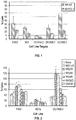
- NK-92 and KHYG-1 were tested against a panel of leukemic cell lines (K562, KG1, OCI/AML2, 3 and 5) at a 10:1 E:T ratio using the chromium release assay. Both cell lines demonstrated cytotoxicity against these targets, with NK-92 showing overall better cytotoxicity than KHYG-1 ( Fig. 1 ). OCI/AML5 was particularly sensitive to NK-92 killing with percentage lysis of 68%, exceeding that for K562. OCI/AML2 was relatively resistant to killing by both cell lines with minimal cytotoxicity demonstrated.
- NK-92 cytotoxicity against K562 was completely abrogated by calcium chelation at all effector targets ratios, indicating that granule exocytosis was the primary means of cytotoxicity.
- NK-92 and KHYG-1 We attempted to address the role of common activating receptors in NK cell line-mediated recognition of leukemic targets by pretreating NK-92 and KHYG-1 with antibodies specific to NKp30, NKp44, NKp46, DNAM-1, NKG2D, and CD7 (10 ⁇ g/ml), prior to co-incubation with the target cells K562, KG1 a and OCI/AML5. An off-target antibody was used as an isotype control.
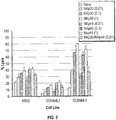
- KHYG-1 Treatment of KHYG-1 with antibodies to NKp30, NKp44 and NKp46 increased killing of K562 above isotype control [1.4X (p ⁇ 0.001), 1.5X (p ⁇ 0.01), 1.2X (p ⁇ 0.05)], while anti-NKp30 treatment increased killing of KG1 a [2.6X (p ⁇ 0.01)] and anti-NKp30, anti-NKp44 and anti-NKp46 treatment increased killing of OCI/AML5 [3.4X (p ⁇ 0.00001), 3.2X (p ⁇ 0.0001), 1.8X (p ⁇ 0.0001)] ( Fig. 2 ). Pretreating NK cell lines with antibodies to DNAM-1 and NKG2D had minimal effects on cytotoxicity.
- NK-92 and KHYG-1 were pre-treated with antibodies specific to NKp30, NKp44, NKp46, DNAM-1, NKG2D and CD7 (10 ⁇ g/ml) prior to co-incubation with the leukemic target cells K562, and the primary AML specimens 080078 and 0909.
- NK-92 cytotoxicity against primary AML samples demonstrated prominent increases above isotype control when pretreated with anti-NKp30 [7.1X (p ⁇ 0.001) and 3.0X (p ⁇ 0.0001)].
- pretreatment of NK cell lines was done with a range of doses of anti-NKp30 and anti-NKp44 (1, 5 and 10 ⁇ g/ml) against K562, OCI/AML3 and OCI/AML5 and primary AML 080078.
- a dose response was seen with anti-NKp30 pretreatment of NK-92 against OCI/AML3 and primary AML sample 080078 however the EC50% was less than the lowest dose used (1 ⁇ g/ml) (data not shown).
- KHYG-1 had a similar degree of enhancement seen at all dose ranges of both anti-NKp30 and anti-NKp44 antibody pretreatments (data not shown).
- NK cell lines pretreated with isotype control, anti-NKp30 and anti-NKp44 at 0.1, 0.5 and 1 ⁇ g/ml had minimal effects on cytotoxicity against K562, OCI/AML3, OCI/AML5 and KG1, with no dose response.
- Anti-NKp30 pretreatment enhanced NK-92 cytotoxicity against OCI/AML3 (EC50% ⁇ 0.1 ⁇ g/ml) and KG1 (EC50% ⁇ 0.1 ⁇ g/ml) only.
- Combined anti-NKp30 and anti-NKp44 pretreatment (0.1 ⁇ g/ml) of NK-92 did not have additive or synergistic effects on cytotoxicity against any targets.
- Anti-NKp30 pretreatment enhanced KHYG-1 cytotoxicity against all targets with a dose response seen for K562 (EC50% ⁇ 0.1 ⁇ g/ml), OCI/AML3 (EC50% ⁇ 0.1 ⁇ g/ml), and KG1 (EC50% ⁇ 0.1 ⁇ g/ml), while OCI/AML5 showed a plateau from the lowest dose (EC50% ⁇ 0.1 ⁇ g/ml).
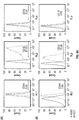
- Anti-NKp44 pretreatment enhanced KHYG-1 cytotoxicity against all targets, with a dose response seen for K562 only (EC50% ⁇ 0.1 ⁇ g/ml), while OCI/AML3, KG1 and OCI/AML5 showed a plateau from the lowest dose (EC50% ⁇ 0.1 ⁇ g/ml) ( Fig. 4 ).
- % lysis values for untreated, isotype control, anti-NKp30, anti-NKp40 and combined anti-NKp30 and anti-NKp44 groups (0.1 ⁇ g/ml) and anti-NKp30 and anti-NKp44 (1 ⁇ g/ml) for the cell line targets treated with KHYG-1 are tabulated for comparison (Table 1).
- Table 1 Comparison of antibody pretreatment effects on KHYG-1 cytotoxicity and synergy assessment at 0.1 ⁇ g/ml Cell line % Lysis (mean +/- SD) Pretreatment 0.1 ⁇ g/ml 1.0 ⁇ g/ml None MG2a-53 Anti-NKp30 Anti-NKp44 Anti-NKp44/ NKp30 Anti-NKp30 Anti-NKp44 K562 26 +/- 3.2 37 +/- 2.9 41 +/-6.0 46 +/-11.1 *61 +/- 5.9 54 +/-16.7 59 +/-2.6 OCI/AML3 0 +/- 0.8 9 +/-7.8 20 +/- 2.0 25 +/- 1.5 *39 +/-1.7 34 +/-1.3 26 +/-4.8 OCI/AML5 11 +/- 0.5 19 +/- 3.1 68 +/- 2.7 62 +/- 3.5 69 +/- 3.8 74 +/-42 67 +/- 7.0 KG1 1 +/- 0.4 9 +/-
- Anti-NKp30 and anti-NKp44 pretreatment enhanced KHYG-1 cytotoxicity against all targets with a dose response seen for K562, OCI/AML3 and OCI/AML5 (EC50% 0.01-0.1 ⁇ g/ml).
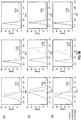
- the leukemia cell lines showed relatively high expression of Fc ⁇ receptor II (CD32), but very low expression of Fc ⁇ receptor I (CD64) or Fc ⁇ receptor III (CD16) on leukemia lines K562, KG1, KG1a, OCI/AML3, and OCI/AML5.
- the histogram shape for K562 suggested the presence of both intermediate and high CD32 expressing subpopulations.
- KG1 a appeared to have a dual population of negative and low CD32 expressing subpopulations.
- OCI/AML3 had a clear dual peak representing two high CD32 expressing subpopulations.
- Fc ⁇ receptors on esophageal cancer lines OE-33, FLO-1, KYAE-1 and SKGT-4).
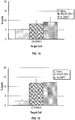
- the percent positivity of each leukemic and esophageal cancer cell line was determined from flow cytometry plots. Data from prior cytotoxicity assays measuring the enhancement of cytotoxicity of NK-92 and KHYG-1 when pretreated with 10 ⁇ g/ml of either anti-NKp30 or anti-NKp44 antibody were compared to isotype controls and delta cytotoxicity calculated. The delta cytotoxicity relative to isotype control was correlated with the degree of CD32 expression using regression analysis to create best fit lines, calculate co-efficient of determination (R 2 ) and statistical significance.
- KHYG-1 proliferation was prevented by irradiation with 1000 cGy prior to use.
- OCI/AML5 cells were co-incubated with irradiated KHYG-1 (iKHYG-1) +/-1 ⁇ g/ml anti-NKp30 pretreatment for one hour prior to a 4 hour co-incubation at a 10:1 E:T with OCI/AML5 cells.
- iKHYG-1 iKHYG-1 +/-1 ⁇ g/ml anti-NKp30 pretreatment for one hour prior to a 4 hour co-incubation at a 10:1 E:T with OCI/AML5 cells.
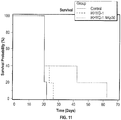
- cell mixtures were injected ip into three cohorts of NSG mice with survival as an endpoint.
- mice were injected with 2x10 6 OCI/AML5 cells +/- 20x10 6 viable effector cells (iKHYG-1 or anti-NKp30 pretreated iKHYG-1). At 9 weeks, control mice developed progressive malignant ascites with minimal splenomegaly and imbedded vascular tumours in the omentum.
- OCI/AML5-xenografted mice were then treated without and with iKHYG-1 or anti-NKp30 pretreated iKHYG-1 (10x10 6 x 6 doses ip ). There was significant improvement in survival of mice treated with either iKHYG-1 (+35 days median survival; p ⁇ 0.05) or anti-NKp30 pretreated iKHYG-1 (+37 day median survival p ⁇ 0.05) above control.
- a primary AML sample (080179) known to engraft and cause leukemia in NSG mice as a model to test the efficacy of irradiated NK-92 and KHYG-1 pretreated with and without anti-NKp30 (1 ⁇ g/ml) prior to injection into NSG mice inoculated with primary AML.
- Fab fragments of the anti-NKp30 (P30-15) clone and isotype control were generated.
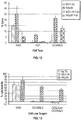
- KHYG-1 was precoated with 0.1 ⁇ g/ml of anti-NKp30 and isotype control whole antibody or Fab fragments for 1 hour and then washed in AIM-V medium.
- Precoated KHYG-1 was then used in a four hour chromium release assay against K562, KG1 and OCI/AML5 targets ( Fig. 12 ).
- the mechanism of enhancement was determined to be R-ADCC and not co-activation, co-stimulation or any other effect. Progress in developing therapies based on the totality of the work herein was thus made possible.
- Fc receptor expression on cancers can be identified and quantitated using flow cytometry, using methods known to the person skilled in the art.
- a biopsy of the cancerous tissue is acquired from the patient and cultured in the appropriate growth medium. Cancer cells are isolated from the tissue and analysed as follows.
- FACS buffer 50 ⁇ L of cell suspension (containing approximately 2x10 6 cells) in FACS buffer is added to each FACS tube.
- the fluorochrome-conjugated mAb to the Fc receptor or cancer marker of interest is then added at the manufacturer's recommended volume and the total volume made up to 100 ⁇ L with FACS buffer. This mixture is vortexed and left to incubate at room temperature in the dark for approximately 15 minutes. Following incubation, the cells must be washed by adding 3mL FACS buffer to each tube and pelleting the cells via centrifugation. This wash step must be repeated twice.
- the cells are then re-suspended in an appropriate volume of FACS buffer for data acquisition via flow cytometry.
- Therapeutic antibody doses may be calculated based on the Fc receptor expression level of a given cancer, i.e. more antibody might be required for cancer expressing lower levels of Fc receptors and vice versa.
- a suitable culture medium e.g. RPMI 1640 + 10% FBS + 2mM L-Glutamine + 1mM PenStrep
- the NK cells are briefly expanded before being treated with activating agent(s) such as lenalidomide and/or IL-2.
- NK cells are then re-suspended in a suitable carrier (e.g. saline) for intravenous injection back into the bloodstream of the patient and/or intratumoural injection.
- a suitable carrier e.g. saline
- the therapeutic (R-ADCC) antibody is injected prior to, simultaneously with or subsequently to the NK cells.
- the therapeutic (R-ADCC) antibody can be used to treat the NK cells in culture. This results in a requirement for only one injection, as the antibody is attached to the cells upon administration. Furthermore, it limits the extent to which non-activated endogenous NK cells are targeted by the antibody.
- the activating agent(s) can be mixed with the therapeutic (R-ADCC) antibody in a single suspension and administered to the patient in unison.
- Anti-SLAMF7 (R&D Prod# MAB1906, clone 235614) and anti-NKp30 (clone P30-15; 325204) were used separately to treat NK-92 cells co-cultured with target cells.
- a final concentration of 10 ⁇ g/mL anti-SLAMF7 or 10 ⁇ g/mL anti-NKp30 was used, with a final concentration of 1% DMSO as the vehicle control.
- the effector:target (E:T) ratios used for NK-92 effector cells vs. K562 target cells or OCI/AML5 target cells was 10:1.
- the co-cultures were treated for 4 hours prior to measuring the % lysis via chromium release assay, as discussed above.
- NK-92 cells Treatment of NK-92 cells with either the anti-SLAMF7 antibody or the anti-NKp30 antibody resulted in a significant increase in the cytotoxicity of NK-92 cells against K562 cells.
- Anti-SLAMF7 (R&D Prod# MAB1906, clone 235614) and anti-NKp30 (clone P30-15; 325204) were used separately to treat primary NK cells (isolated from healthy human donors the same day) co-cultured with target cells.
- a final concentration of 10 ⁇ g/mL anti-SLAMF7 or 10 ⁇ g/mL anti-NKp30 was used, with a final concentration of 1% DMSO as the vehicle control.
- the effector:target (E:T) ratios used for primary NK effector cells vs. OCI/AML5 target cells was 10:1.
- the co-cultures were treated for 4 hours prior to measuring the % lysis via chromium release assay, as discussed above.
- Treatment of primary NK cells with either the anti-SLAMF7 antibody or the anti-NKp30 antibody resulted in a significant increase in the cytotoxicity of primary NK cells against OCI.AML5 cells.
- Lenalidomide BOC Sciences CAS 191732-72-6, Batch No. B16YC05152
- anti-SLAMF7 R&D Prod# MAB1906, clone 235614
- a final concentration of 10 ⁇ M lenalidomide and 10 ⁇ g/mL anti-SLAMF7 was used, with a final concentration of 1% DMSO as the vehicle control.
- the effector:target (E:T) ratios used for KHYG-1 effector cells vs. K562 target cells or OCI/AML5 target cells was 10:1.
- the co-cultures were treated for 4 hours prior to measuring the % lysis via chromium release assay, as discussed above.
- Lenalidomide treatment alone was found to increase the cytotoxicity of KHYG-1 cells against both K562 cells and OCI/AML5 cells.
- Lenalidomide BOC Sciences CAS 191732-72-6, Batch No. B16YC05152
- anti-NKp30 clone P30-15; 325204
- anti-SLAMF7 R&D Prod# MAB1906, clone 235614
- the antibodies were used individually alone or in combination with lenalidomide, in order to test whether lenalidomide could enhance the R-ADCC effect using primary NK cells at a physiological effector:target (E:T) ratio.
- a final concentration of 10 ⁇ M lenalidomide and 10 ⁇ g/mL anti-NKp30 or anti-SLAMF7 was used, with a final concentration of 1% DMSO as the vehicle control.
- the effector:target (E:T) ratios used for primary NK effector cells vs. OCI/AML5 target cells was 1:1.
- the co-cultures were treated for 4 hours prior to measuring the % lysis via chromium release assay, as discussed above.
- Cancer cells that express Fc receptors, in particular CD32, may at times express these receptors at level too low to make use of treatment according to the invention. In such circumstances, and when an enhanced effect of the treatment is desired, it is possible to upregulate expression of Fc receptors on the cancer in the patient.
- ATRA all-trans retinoic acid
- ATRA is an FDA-approved chemotherapeutic agent and has been shown to increase expression of CD32 by 30-fold (Barber et al, 2008).
- ATRA is to be administered to the patient at a dose of 45mg/m 2 daily and in two divided doses for a duration not exceeding 90 days. Dosing may vary, however, depending on the baseline Fc receptor expression of a given cancer.
- Upregulation of Fc receptors on the cancer can also be used to decrease the therapeutic antibody dose (required for R-ADCC) which, in some cases, may be calculated based on the Fc receptor expression level of the cancer.
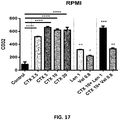
- MM1S and RPMI8226 cells were plated in RPMI1640 medium supplemented with 10% FBS and 1% pen/strep at a density of 8 x 10 5 /ml and 5 x 10 5 /ml, respectively, in flat-bottom 6 well plates (2ml/well).
- the expression of the Fc receptor CD32 on the cells with and without treatment was detected using an anti-human monoclonal antibody to anti-CD32-PE (clone FLI8.26) by flow cytometry.
- KHYG-1 a clinical grade medium (GM1) that lacks fetal bovine serum and may be suitable for future clinical application.
- KHYG-1 cytotoxicity against primary AML has not been previously reported.
- KHYG-1, without antibody, was less effective than NK-92 at killing both leukemia cell lines and primary AML samples.
- HTS flow cytometry demonstrated higher expression of NKp30, NKp44 and NKp46 on KHYG-1 compared with NK-92.
- Treatment of KHYG-1 with antibodies to all the natural cytotoxicity receptors increased killing of K562 and OCI/AML5 to a greater degree than NK-92.
- KHYG-1 cytotoxicity against primary AML was enhanced to a greater degree than NK-92 with pretreatment with anti-NKp30 or anti-NKp44.
- Pretreatment of NK cell lines with antibodies against DNAM-1, NKG2D both commonly involved in NK cell recognition
- anti-DNAM-1 and anti-NKG2D were not able to facilitate reverse ADCC despite high expression of DNAM-1 and NKG2D on both cell lines.
- the antibodies we used were reported as blocking antibodies, based on studies of endogenous NK cell cytotoxicity (Markel, Seidman et al. 2009) - inconsistent with the results observed.
- Fab fragments of the anti-NKp30 (P30-15) clone and isotype control (MG1-45) were generated.
- KHYG-1 was precoated with anti-NKp30 and isotype control whole antibody or Fab fragments of each, before co-incubating with K562, KG1 and OCI/AML5 targets. Only anti-NKp30 antibody was able to significantly enhance cytotoxicity against the three cell lines.
- a population of OCI/AML5 target cells were selected for low expression of CD32, before being co-cultured with KHYG-1 cells, pre-coated with anti-NKp30 antibody.
- the ability of the anti-NKp30--coated KHYG-1 cells to kill the CD32 low OCI/AML5 target cells was significantly reduced, when compared to a group of unsorted OCI/AML5 cells expressing higher levels of CD32.
- the R-ADCC mechanism responsible for the increased cytotoxicity observed was further confirmed via the finding that four esophageal cell lines, known to express no or low levels of Fc receptors, were not responsive to treatment with KHYG-1 cells, pre-coated with either anti-NKp30 antibody or anti-NKp44 antibody.
- the invention uses R-ADCC as a means of enhancing NK cell line cytotoxicity - in examples against leukemic cell lines and, more importantly, primary AML cells, but also of wider application.
- NK-92 was relatively effective at inhibiting OCI/AML5 colony formation, but this could not be enhanced by pretreatment with anti-NKp30 over isotype control.
- KHYG-1 was less effective at inhibiting OCI/AML5 colony formation alone, but this could be enhanced three-fold by pretreatment with anti-NKp30 antibody.
- the inhibition of colonies indicates a cytotoxic or cytostatic effect on clonogenic cells within the cell line populations that represent leukemic stem and progenitor cells. Therefore, this provided evidence that reverse ADCC facilitated cytotoxicity against leukemic stem cells.
- OCI/AML5 xenograft model was established in NSG mice.
- OCI/AML5 was derived from a patient with M4 leukemia, and highly expresses CD33, which is useful for tracking in vivo (Wang, Koistinen et al. 1991).
- ip injection tended to cause progressive malignant ascites over a longer timeframe, rather than classic leukemia.
- NK-92 and KHYG-1 have cytotoxicity against a broad range of leukemic targets that can be enhanced several-fold by anti-NKp30 and anti-NKp44 antibodies.
- cancer cell killing was achieved via R-ADCC via interaction of antibody coated effectors with Fc ⁇ RII (CD32) on the target cells.
- antibodies to NK cell surface markers enhanced cytotoxicity of KHYG-1 against clonogenic leukemic cells (cancer stem cells) and reduced in vivo proliferation of leukemia.
- the invention hence provides methods, uses and compositions for treatment for tumours using antibodies, and the patient's own NK cells or both in combination via R-ADCC.
Landscapes
- Health & Medical Sciences (AREA)
- Life Sciences & Earth Sciences (AREA)
- General Health & Medical Sciences (AREA)
- Chemical & Material Sciences (AREA)
- Epidemiology (AREA)
- Animal Behavior & Ethology (AREA)
- Public Health (AREA)
- Veterinary Medicine (AREA)
- Medicinal Chemistry (AREA)
- Pharmacology & Pharmacy (AREA)
- Immunology (AREA)
- Organic Chemistry (AREA)
- Engineering & Computer Science (AREA)
- Molecular Biology (AREA)
- Proteomics, Peptides & Aminoacids (AREA)
- Biochemistry (AREA)
- Genetics & Genomics (AREA)
- Biomedical Technology (AREA)
- Bioinformatics & Cheminformatics (AREA)
- Microbiology (AREA)
- Mycology (AREA)
- Biophysics (AREA)
- Medicines Containing Antibodies Or Antigens For Use As Internal Diagnostic Agents (AREA)
- Medicines That Contain Protein Lipid Enzymes And Other Medicines (AREA)
- Pharmaceuticals Containing Other Organic And Inorganic Compounds (AREA)
Priority Applications (1)
| Application Number | Priority Date | Filing Date | Title |
|---|---|---|---|
| EP17186683.3A EP3444276A1 (de) | 2017-08-17 | 2017-08-17 | Verbesserte krebsbehandlung mit nk-zellen |
Applications Claiming Priority (1)
| Application Number | Priority Date | Filing Date | Title |
|---|---|---|---|
| EP17186683.3A EP3444276A1 (de) | 2017-08-17 | 2017-08-17 | Verbesserte krebsbehandlung mit nk-zellen |
Publications (1)
| Publication Number | Publication Date |
|---|---|
| EP3444276A1 true EP3444276A1 (de) | 2019-02-20 |
Family
ID=59677088
Family Applications (1)
| Application Number | Title | Priority Date | Filing Date |
|---|---|---|---|
| EP17186683.3A Withdrawn EP3444276A1 (de) | 2017-08-17 | 2017-08-17 | Verbesserte krebsbehandlung mit nk-zellen |
Country Status (1)
| Country | Link |
|---|---|
| EP (1) | EP3444276A1 (de) |
Citations (4)
| Publication number | Priority date | Publication date | Assignee | Title |
|---|---|---|---|---|
| WO2005009465A1 (en) | 2003-07-24 | 2005-02-03 | Innate Pharma | Methods and compositions for increasing the efficiency of therapeutic antibodies using nk cell potentiating compounds |
| WO2015153820A1 (en) * | 2014-04-02 | 2015-10-08 | Felder Mitchell S | Ctla-4 blockade with metronomic chemotherapy for the treatment of cancer |
| WO2016176756A1 (en) | 2015-05-05 | 2016-11-10 | University Health Network | Nk cells and antibodies for cancer treatment |
| WO2017137595A2 (en) * | 2016-02-11 | 2017-08-17 | Onkocellular Limited | Improved cancer treatment using nk cells |
-
2017
- 2017-08-17 EP EP17186683.3A patent/EP3444276A1/de not_active Withdrawn
Patent Citations (4)
| Publication number | Priority date | Publication date | Assignee | Title |
|---|---|---|---|---|
| WO2005009465A1 (en) | 2003-07-24 | 2005-02-03 | Innate Pharma | Methods and compositions for increasing the efficiency of therapeutic antibodies using nk cell potentiating compounds |
| WO2015153820A1 (en) * | 2014-04-02 | 2015-10-08 | Felder Mitchell S | Ctla-4 blockade with metronomic chemotherapy for the treatment of cancer |
| WO2016176756A1 (en) | 2015-05-05 | 2016-11-10 | University Health Network | Nk cells and antibodies for cancer treatment |
| WO2017137595A2 (en) * | 2016-02-11 | 2017-08-17 | Onkocellular Limited | Improved cancer treatment using nk cells |
Non-Patent Citations (24)
| Title |
|---|
| ARNON, T.I. ET AL.: "Harnessing soluble NK cell killer receptors for the generation of novel cancer immune therapy", PLOS ONE, vol. 3, no. 5, 2008, pages e2150, XP055218653, DOI: doi:10.1371/journal.pone.0002150 |
| BALASA BALAJI ET AL: "Elotuzumab enhances natural killer cell activation and myeloma cell killing through interleukin-2 and TNF-[alpha] path", CANCER IMMUNOLOGY, IMMUNOTHERAPY, SPRINGER, BERLIN/HEIDELBERG, vol. 64, no. 1, 7 October 2014 (2014-10-07), pages 61 - 73, XP035417401, ISSN: 0340-7004, [retrieved on 20141007], DOI: 10.1007/S00262-014-1610-3 * |
| BARBER, N. ET AL.: "All-trans retinoic acid induces different immunophenotypic changes on human HL60 and NB4 myeloid leukaemias", LEUKEMIA RESEARCH, vol. 32, no. 2, 2008, pages 315 - 322, XP022477412, DOI: doi:10.1016/j.leukres.2007.04.013 |
| DENG, X.: "Ex vivo-expanded natural killer cells kill cancer cells more effectively than ex vivo-expanded [gamma] [delta] T cells", INTERNATIONAL IMMUNOPHARMACOLOGY, vol. 22, no. 2, 2014, pages 486 - 491, XP029060398, DOI: doi:10.1016/j.intimp.2014.07.036 |
| FABRIZIO ANTONANGELI ET AL: "Natural killer cell recognition of in vivo drug-induced senescent multiple myeloma cells", ONCOIMMUNOLOGY, vol. 5, no. 10, 5 August 2016 (2016-08-05), pages e1218105, XP055442929, DOI: 10.1080/2162402X.2016.1218105 * |
| FERLAZZO, G. ET AL., HUMAN DENDRITIC CELLS ACTIVATE RESTING NATURAL KILLER (NK) CELLS AND ARE RECOGNIZED VIA THE NKP30 RECEPTOR BY ANCTIVATED NK CELLS, vol. 195, no. 3, 2002, pages 343 - 351 |
| GRIER, J.T. ET AL.: "Human immunodeficiency-causing mutation defines CD16 in spontaneous NK cell cytotoxicity", JOURNAL OF CLINICAL INVESTIGATION, vol. 122, no. 10, 2012, pages 3769 - 3780, XP055218451, DOI: doi:10.1172/JCI64837 |
| JING, Y. ET AL.: "Identification of an ADAM17 cleavage region in human CD16 (Fc[gamma]RIII) and the engineering of a non-cleavable version of the receptor in NK cells", PLOS ONE, vol. 10, no. 3, 2015, pages e0121788 |
| KOBAYASHI, E. ET AL.: "Antibody-dependent cellular cytotoxicity and cytokine/chemokine secretion by KHYG-1 cells stably expressing Fc[gamma]RIIIA", IMMUNOLOGY LETTERS, vol. 161, no. 1, 2014, pages 59 - 64, XP055218302, DOI: doi:10.1016/j.imlet.2014.05.004 |
| LAGRUE, K. ET AL.: "Lenalidomide augments actin remodeling and lowers NK-cell activation thresholds", BLOOD, vol. 126, no. 1, 2015, pages 50 - 60 |
| LEE, H. W. ET AL.: "Evaluation of therapeutic effects of natural killer (NK) cell-based immunotherapy in mice using in vivo apoptosis bioimaging with a caspace-3 sensor", THE FASEB JOURNAL, vol. 28, no. 7, 2014, pages 2932 - 2941, XP055218682, DOI: doi:10.1096/fj.13-243014 |
| LIU, Y-C. ET AL.: "Profile of elotuzumab and its potential in the treatment of multiple myeloma", JOURNAL OF BLOOD AND LYMPHATIC CANCER, no. 4, 2014, pages 15 - 27 |
| MOHAMED L SALEM ET AL: "Kinetics of rebounding of lymphoid and myeloid cells in mouse peripheral blood, spleen and bone marrow after treatment with cyclophosphamide", CELLULAR IMMUNOLOGY, ACADEMIC PRESS, SAN DIEGO, CA, US, vol. 276, no. 1, 21 March 2012 (2012-03-21), pages 67 - 74, XP028427464, ISSN: 0008-8749, [retrieved on 20120411], DOI: 10.1016/J.CELLIMM.2012.03.010 * |
| MULLER, T. ET AL.: "Allogeneic and xenogeneic anti-tumor effect of callithrix jacchus natural killer cells is dependent on KNp30 and B7-H6 interaction", JOURNAL OF BIOLOGICAL REGULATORS AND HOMEOSTATIC AGENTS, vol. 28, no. 2, 2014, pages 183 - 193 |
| NOTTER, M.; W. D. LUDWIG ET AL.: "Selective targeting of human lymphokine-activated killer cells by CD3 monoclonal antibody against the interferon-inducible high-affinity Fc gamma RI receptor (CD64) on autologous acute myeloid leukemic blast cells", BLOOD, vol. 82, no. 10, 1993, pages 3113 - 3124 |
| PAUL G RICHARDSON ET AL: "Elotuzumab in combination with lenalidomide and dexamethasone in patients with relapsed multiple myeloma: final phase 2 results from the randomised, open-label, phase 1b-2 dose-escalation study", THE LANCET HAEMATOLOGY, vol. 2, no. 12, 16 November 2015 (2015-11-16), pages e516 - e527, XP055409465, ISSN: 2352-3026, DOI: 10.1016/S2352-3026(15)00197-0 * |
| PENDE, D.; S. PAROLINI ET AL.: "Identification and molecular characterization of NKp30, a novel triggering receptor involved in natural cytotoxicity mediated by human natural killer cells", JOURNAL OF EXPERIMENTAL MEDICINE, vol. 190, no. 10, 1999, pages 1505 - 1516, XP002167575, DOI: doi:10.1084/jem.190.10.1505 |
| SAXENA, R. K.; Q. B. SAXENA ET AL.: "Identity of effector cells participating in the reverse antibody-dependent cell-mediated cytotoxicity", IMMUNOLOGY, vol. 46, no. 2, 1982, pages 459 - 464 |
| SUCK, G. ET AL.: "Irradiated KHYG-1 retains cytotoxicity: potential for adoptive immunotherapy with a natural killer cell line", INTERNATIONAL JOURNAL OF RADIATION BIOLOGY, vol. 82, no. 5, 2006, pages 355 - 361 |
| SUNG-HOON LEE ET AL: "Immunotherapy for the treatment of multiple myeloma", CRITICAL REVIEWS IN ONCOLOGY/HEMATOLOGY, vol. 111, 1 March 2017 (2017-03-01), pages 87 - 93, XP055442902, DOI: 10.1016/j.critrevonc.2017.01.011 * |
| SWIFT, B. ET AL.: "Efficacy of NK-92 against human multiple myeloma in a NOD/SCID gamma null mouse model", BLOOD, vol. 118, no. 21, 2011, pages 807, XP008177688 |
| SWIFT, B. ET AL.: "Natural killer cell lines preferentially kill clonogenic multiple myeloma cells and decrease myeloma engraftment in a bioluminescent xenograft mouse model", HAEMATOLOGICA-THE HEMATOLOGY JOURNAL, vol. 97, no. 7, 2012, pages 1020 - 1028, XP008177686, DOI: doi:10.3324/haematol.2011.054254 |
| WILLIAMS, B.: "NK-92 preferentially targets acute myeloid leukemia stem cells", BLOOD, vol. 116, no. 21, 2010, pages 1745, XP008177687 |
| WILLIAMS, B.A.: "Clonogenic assays measure leukemia stem cell killing not dectectable by chromium release and flow cytometric cytotoxicity assays", CYTOTHERAPY, vol. 12, no. 7, 2010, pages 951 - 960, XP055218266, DOI: doi:10.3109/14653241003628167 |
Similar Documents
| Publication | Publication Date | Title |
|---|---|---|
| US20210161957A1 (en) | Nk cells and antibodies for cancer treatment | |
| Li et al. | Tumor immunotherapy: new aspects of natural killer cells | |
| Fehniger et al. | A phase 1 trial of CNDO-109–activated natural killer cells in patients with high-risk acute myeloid leukemia | |
| Kohrt et al. | Targeting CD137 enhances the efficacy of cetuximab | |
| Laurent et al. | The engagement of CTLA-4 on primary melanoma cell lines induces antibody-dependent cellular cytotoxicity and TNF-α production | |
| Cappuzzello et al. | Cytokines for the induction of antitumor effectors: The paradigm of Cytokine-Induced Killer (CIK) cells | |
| Gao et al. | Blocking CD38-driven fratricide among T cells enables effective antitumor activity by CD38-specific chimeric antigen receptor T cells | |
| KR20220068228A (ko) | 면역 세포의 확장을 위한 cbl 억제제 및 조성물 | |
| JP5525689B2 (ja) | 過剰増殖性障害を処置するための組成物および方法 | |
| Kiaei et al. | Advances in natural killer cell therapies for breast cancer | |
| US12053490B2 (en) | Methods and compositions for treating CD33+ cancers and improving in vivo persistence of chimeric antigen receptor T cells | |
| US20180344768A1 (en) | Nk cell-based therapy | |
| Zhang et al. | Immune evasion and therapeutic opportunities based on natural killer cells | |
| US20220144944A1 (en) | Lilrb4-binding antibody and methods of use thereof | |
| Dalla Pietà et al. | Innovative therapeutic strategy for B-cell malignancies that combines obinutuzumab and cytokine-induced killer cells | |
| US20230019381A1 (en) | Nk cell-based therapy | |
| Shi et al. | CD123: a novel biomarker for diagnosis and treatment of leukemia | |
| Lake et al. | Directing B7-H3 chimeric antigen receptor T cell homing through IL-8 induces potent antitumor activity against pediatric sarcoma | |
| EP4051710A1 (de) | Anti-tumor-kombinationstherapie mit anti-cd19-antikörpern und gamma-delta-t-zellen | |
| WO2017137595A2 (en) | Improved cancer treatment using nk cells | |
| Rimailho et al. | γδ T cells in immunotherapies for B-cell malignancies | |
| WO2017040374A1 (en) | Compositions and methods of enhancing anti-tumor response using hybrid neutrophils | |
| Chen et al. | Programmed cell death protein-1/programmed death-ligand 1 blockade enhances the antitumor efficacy of adoptive cell therapy against non-small cell lung cancer | |
| Acharya et al. | Recent advances in immunotherapy for the treatment of cancer | |
| Tin | Elucidating Cytotoxic Mechanisms of Allogeneic Double-Negative T cells Against Acute Myeloid Leukemia |
Legal Events
| Date | Code | Title | Description |
|---|---|---|---|
| PUAI | Public reference made under article 153(3) epc to a published international application that has entered the european phase |
Free format text: ORIGINAL CODE: 0009012 |
|
| STAA | Information on the status of an ep patent application or granted ep patent |
Free format text: STATUS: THE APPLICATION HAS BEEN PUBLISHED |
|
| AK | Designated contracting states |
Kind code of ref document: A1 Designated state(s): AL AT BE BG CH CY CZ DE DK EE ES FI FR GB GR HR HU IE IS IT LI LT LU LV MC MK MT NL NO PL PT RO RS SE SI SK SM TR |
|
| AX | Request for extension of the european patent |
Extension state: BA ME |
|
| RIN1 | Information on inventor provided before grant (corrected) |
Inventor name: O'DWYER, MICHAEL EAMON PETER |
|
| STAA | Information on the status of an ep patent application or granted ep patent |
Free format text: STATUS: THE APPLICATION IS DEEMED TO BE WITHDRAWN |
|
| 18D | Application deemed to be withdrawn |
Effective date: 20190821 |