EP3449918A1 - Bmp-mimetik - Google Patents
Bmp-mimetik Download PDFInfo
- Publication number
- EP3449918A1 EP3449918A1 EP17189054.4A EP17189054A EP3449918A1 EP 3449918 A1 EP3449918 A1 EP 3449918A1 EP 17189054 A EP17189054 A EP 17189054A EP 3449918 A1 EP3449918 A1 EP 3449918A1
- Authority
- EP
- European Patent Office
- Prior art keywords
- substituted
- unsubstituted
- linear
- cell
- branched
- Prior art date
- Legal status (The legal status is an assumption and is not a legal conclusion. Google has not performed a legal analysis and makes no representation as to the accuracy of the status listed.)
- Withdrawn
Links
- 0 *C1*C(*)c2c(*)c(*)c(*)c(*)c2C1 Chemical compound *C1*C(*)c2c(*)c(*)c(*)c(*)c2C1 0.000 description 10
- XJGVXQDUIWGIRW-UHFFFAOYSA-N CN(CC1)CCN1C1=Nc(cccc2)c2Oc(cc2)c1cc2Cl Chemical compound CN(CC1)CCN1C1=Nc(cccc2)c2Oc(cc2)c1cc2Cl XJGVXQDUIWGIRW-UHFFFAOYSA-N 0.000 description 1
- FVRYPYDPKSZGNS-UHFFFAOYSA-N COc(cc1)ccc1-c1c[n]2ncc(-c3cccc4ncccc34)c2nc1 Chemical compound COc(cc1)ccc1-c1c[n]2ncc(-c3cccc4ncccc34)c2nc1 FVRYPYDPKSZGNS-UHFFFAOYSA-N 0.000 description 1
- NSGYIQQRKSSFLP-PQWWAKGFSA-N NC[C@@H](c(c(C1)c2O)ccc2O)O[C@@H]1C1(C2)CC(C3)C[C@]2(C2)[C@]32C1 Chemical compound NC[C@@H](c(c(C1)c2O)ccc2O)O[C@@H]1C1(C2)CC(C3)C[C@]2(C2)[C@]32C1 NSGYIQQRKSSFLP-PQWWAKGFSA-N 0.000 description 1
- PXBANLGLCOALET-FPYGCLRLSA-N OC(C(C=C1)C(/C=C/c(cc2)ccc2O)=O)C=C1O Chemical compound OC(C(C=C1)C(/C=C/c(cc2)ccc2O)=O)C=C1O PXBANLGLCOALET-FPYGCLRLSA-N 0.000 description 1
Images



Classifications
-
- A—HUMAN NECESSITIES
- A61—MEDICAL OR VETERINARY SCIENCE; HYGIENE
- A61K—PREPARATIONS FOR MEDICAL, DENTAL OR TOILETRY PURPOSES
- A61K31/00—Medicinal preparations containing organic active ingredients
- A61K31/33—Heterocyclic compounds
- A61K31/395—Heterocyclic compounds having nitrogen as a ring hetero atom, e.g. guanethidine or rifamycins
- A61K31/495—Heterocyclic compounds having nitrogen as a ring hetero atom, e.g. guanethidine or rifamycins having six-membered rings with two or more nitrogen atoms as the only ring heteroatoms, e.g. piperazine or tetrazines
- A61K31/505—Pyrimidines; Hydrogenated pyrimidines, e.g. trimethoprim
- A61K31/519—Pyrimidines; Hydrogenated pyrimidines, e.g. trimethoprim ortho- or peri-condensed with heterocyclic rings
-
- A—HUMAN NECESSITIES
- A61—MEDICAL OR VETERINARY SCIENCE; HYGIENE
- A61K—PREPARATIONS FOR MEDICAL, DENTAL OR TOILETRY PURPOSES
- A61K31/00—Medicinal preparations containing organic active ingredients
- A61K31/33—Heterocyclic compounds
- A61K31/335—Heterocyclic compounds having oxygen as the only ring hetero atom, e.g. fungichromin
- A61K31/35—Heterocyclic compounds having oxygen as the only ring hetero atom, e.g. fungichromin having six-membered rings with one oxygen as the only ring hetero atom
- A61K31/352—Heterocyclic compounds having oxygen as the only ring hetero atom, e.g. fungichromin having six-membered rings with one oxygen as the only ring hetero atom condensed with carbocyclic rings, e.g. methantheline
-
- A—HUMAN NECESSITIES
- A61—MEDICAL OR VETERINARY SCIENCE; HYGIENE
- A61K—PREPARATIONS FOR MEDICAL, DENTAL OR TOILETRY PURPOSES
- A61K31/00—Medicinal preparations containing organic active ingredients
- A61K31/13—Amines
- A61K31/14—Quaternary ammonium compounds, e.g. edrophonium, choline
-
- A—HUMAN NECESSITIES
- A61—MEDICAL OR VETERINARY SCIENCE; HYGIENE
- A61K—PREPARATIONS FOR MEDICAL, DENTAL OR TOILETRY PURPOSES
- A61K31/00—Medicinal preparations containing organic active ingredients
- A61K31/13—Amines
- A61K31/155—Amidines (), e.g. guanidine (H2N—C(=NH)—NH2), isourea (N=C(OH)—NH2), isothiourea (—N=C(SH)—NH2)
-
- A—HUMAN NECESSITIES
- A61—MEDICAL OR VETERINARY SCIENCE; HYGIENE
- A61K—PREPARATIONS FOR MEDICAL, DENTAL OR TOILETRY PURPOSES
- A61K31/00—Medicinal preparations containing organic active ingredients
- A61K31/33—Heterocyclic compounds
- A61K31/395—Heterocyclic compounds having nitrogen as a ring hetero atom, e.g. guanethidine or rifamycins
- A61K31/40—Heterocyclic compounds having nitrogen as a ring hetero atom, e.g. guanethidine or rifamycins having five-membered rings with one nitrogen as the only ring hetero atom, e.g. sulpiride, succinimide, tolmetin, buflomedil
- A61K31/403—Heterocyclic compounds having nitrogen as a ring hetero atom, e.g. guanethidine or rifamycins having five-membered rings with one nitrogen as the only ring hetero atom, e.g. sulpiride, succinimide, tolmetin, buflomedil condensed with carbocyclic rings, e.g. carbazole
- A61K31/404—Indoles, e.g. pindolol
-
- A—HUMAN NECESSITIES
- A61—MEDICAL OR VETERINARY SCIENCE; HYGIENE
- A61K—PREPARATIONS FOR MEDICAL, DENTAL OR TOILETRY PURPOSES
- A61K31/00—Medicinal preparations containing organic active ingredients
- A61K31/33—Heterocyclic compounds
- A61K31/395—Heterocyclic compounds having nitrogen as a ring hetero atom, e.g. guanethidine or rifamycins
- A61K31/435—Heterocyclic compounds having nitrogen as a ring hetero atom, e.g. guanethidine or rifamycins having six-membered rings with one nitrogen as the only ring hetero atom
- A61K31/44—Non condensed pyridines; Hydrogenated derivatives thereof
- A61K31/445—Non condensed piperidines, e.g. piperocaine
-
- A—HUMAN NECESSITIES
- A61—MEDICAL OR VETERINARY SCIENCE; HYGIENE
- A61K—PREPARATIONS FOR MEDICAL, DENTAL OR TOILETRY PURPOSES
- A61K31/00—Medicinal preparations containing organic active ingredients
- A61K31/33—Heterocyclic compounds
- A61K31/395—Heterocyclic compounds having nitrogen as a ring hetero atom, e.g. guanethidine or rifamycins
- A61K31/435—Heterocyclic compounds having nitrogen as a ring hetero atom, e.g. guanethidine or rifamycins having six-membered rings with one nitrogen as the only ring hetero atom
- A61K31/44—Non condensed pyridines; Hydrogenated derivatives thereof
- A61K31/445—Non condensed piperidines, e.g. piperocaine
- A61K31/4523—Non condensed piperidines, e.g. piperocaine containing further heterocyclic ring systems
- A61K31/454—Non condensed piperidines, e.g. piperocaine containing further heterocyclic ring systems containing a five-membered ring with nitrogen as a ring hetero atom, e.g. pimozide, domperidone
-
- A—HUMAN NECESSITIES
- A61—MEDICAL OR VETERINARY SCIENCE; HYGIENE
- A61K—PREPARATIONS FOR MEDICAL, DENTAL OR TOILETRY PURPOSES
- A61K31/00—Medicinal preparations containing organic active ingredients
- A61K31/33—Heterocyclic compounds
- A61K31/395—Heterocyclic compounds having nitrogen as a ring hetero atom, e.g. guanethidine or rifamycins
- A61K31/495—Heterocyclic compounds having nitrogen as a ring hetero atom, e.g. guanethidine or rifamycins having six-membered rings with two or more nitrogen atoms as the only ring heteroatoms, e.g. piperazine or tetrazines
-
- A—HUMAN NECESSITIES
- A61—MEDICAL OR VETERINARY SCIENCE; HYGIENE
- A61K—PREPARATIONS FOR MEDICAL, DENTAL OR TOILETRY PURPOSES
- A61K31/00—Medicinal preparations containing organic active ingredients
- A61K31/33—Heterocyclic compounds
- A61K31/395—Heterocyclic compounds having nitrogen as a ring hetero atom, e.g. guanethidine or rifamycins
- A61K31/54—Heterocyclic compounds having nitrogen as a ring hetero atom, e.g. guanethidine or rifamycins having six-membered rings with at least one nitrogen and one sulfur as the ring hetero atoms, e.g. sulthiame
- A61K31/5415—Heterocyclic compounds having nitrogen as a ring hetero atom, e.g. guanethidine or rifamycins having six-membered rings with at least one nitrogen and one sulfur as the ring hetero atoms, e.g. sulthiame ortho- or peri-condensed with carbocyclic ring systems, e.g. phenothiazine, chlorpromazine, piroxicam
-
- A—HUMAN NECESSITIES
- A61—MEDICAL OR VETERINARY SCIENCE; HYGIENE
- A61K—PREPARATIONS FOR MEDICAL, DENTAL OR TOILETRY PURPOSES
- A61K31/00—Medicinal preparations containing organic active ingredients
- A61K31/33—Heterocyclic compounds
- A61K31/395—Heterocyclic compounds having nitrogen as a ring hetero atom, e.g. guanethidine or rifamycins
- A61K31/55—Heterocyclic compounds having nitrogen as a ring hetero atom, e.g. guanethidine or rifamycins having seven-membered rings, e.g. azelastine, pentylenetetrazole
- A61K31/553—Heterocyclic compounds having nitrogen as a ring hetero atom, e.g. guanethidine or rifamycins having seven-membered rings, e.g. azelastine, pentylenetetrazole having at least one nitrogen and one oxygen as ring hetero atoms, e.g. loxapine, staurosporine
Definitions
- the present invention lies in the field of medicinal chemistry and chemical biology and relates to a method for differentiating, transdifferentiating or reprogramming a cell by contacting a cell with a compound as defined in the present invention.
- the invention further relates to said compounds as defined in the present invention for use in the treatment of osteoporosis, bone fracture, osteonecrosis, osteoarthritis, rheumatoid arthritis, spondylosis, anterior lumbar fusion or long bone fracture and to a method for determining bone morphogenetic protein (BMP) mimetic activity of a compound of interest.
- BMP bone morphogenetic protein
- Bone morphogenetic proteins are cytokines with diverse functions belonging to the ligands of the TGF ⁇ superfamily. They were originally named after their ability to promote the formation of bones in vivo (Chen et al., 2004, Reddi et al., 2009). Based on their sequence homology, BMPs are divided into four groups: BMP2/4, BMP5/6/7 /8a /8b, BMP9/10, and BMP12/13/14 (Bragdon et al., 201 1, Begam et al., 2017).
- stem cells Their influence on the differentiation of stem cells is not limited to the stimulation of osteogenesis, but is also found in the development and homeostasis of a large number of human organ systems (Wagner et al., 2010, Lowery et al., 2016) and their activity is associated with several pathologies (Salazar et al., 2016, Morrell et al., 2016, Lowery et al., 2010).
- BMP mimetic compounds may have a huge potential, particularly as drugs with therapeutic purposes and as molecules that can be used in biotechnological applications.
- Osteopenic diseases such as osteoporosis, bone fractures, inflammation-related bone destruction, osteoarthritis or rheumatoid arthritis are an enormous challenge for the health and economic system as well as society.
- Compounds having BMP mimetic activity are a promising tool for the treatment of the above-mentioned diseases.
- BMP signaling pathway is a major regulator of developmental biology
- various BMPs are important for the use of stem cell-based technologies. They can be used specifically to influence the fate of stem and precursor cells. On the one hand, this is the so-called “directed differentiation” of embryonic and/or inductive pluripotent stem cells into desired specialized target cells and tissues.
- BMPs are used in the induction of mesoderm and are thus used for the generation of all cell/tissue types which are derived from the mesoderm: a) cardiovascular precursor cells and myoblasts, which later form the cells of the blood vessels, the heart muscle and the skeletal muscle; b) hematopoietic stem cells, which form all cells of the blood; c) mesenchymal stem cells (MSCs), which are the starting point for cells of adipose tissue, bone and cartilage.
- MSCs mesenchymal stem cells
- BMP4 is particularly well-suited for the targeted generation of cardiac precursor cells and myocardial cells from human stem cells (Burridge et al., 2014, Zhang et al., 2015, Rao et al., 2016).
- BMPs In addition to the directed differentiation from pluripotent stem cells, BMPs (especially BMP4) can be used in the so-called "transdifferentiation" of fibroblasts to form cardiac muscle cells.
- transdifferentiation is a process in which not necessarily requires a pluripotent stem cell, but rather terminally differentiated cells (such as fibroblasts) are intermediately transformed into a multipotent state (de-differentiation), in order to subsequently differentiate into the desired target cell.
- BMP bone morphogenetic protein
- the present invention provides compounds as defined herein for use in the treatment of osteoporosis, bone fracture, osteonecrosis, osteoarthritis, rheumatoid arthritis, spondylosis, anterior lumbar fusion or long bone fracture and a method for determining bone morphogenetic protein (BMP) mimetic activity of a compound of interest.
- BMP bone morphogenetic protein
- the tested cells show expression of cardiac muscle cell specific genes after at least eight days of treatment. This expression (or the lack of expression) can be used as readout for BMP activity.
- Compounds that should be tested for BMP mimetic activity are applied to the cells in parallel with the BMP inhibitor. When no expression of cardiac muscle cell specific genes is observed after all steps of the differentiation protocol have been applied to the cells, the compound is believed to exhibit cardiomyogenesis blocking and BMP mimetic activity.
- the present inventors identified ten compounds that have BMP mimetic activity.
- Such compounds can be used for biotechnological applications, such as differentiation, transdifferentiation or reprogramming applications, or for the treatment of diseases, such as osteoporosis, bone fracture, osteonecrosis, osteoarthritis, rheumatoid arthritis, spondylosis, anterior lumbar fusion or long bone fracture.
- the present invention relates to a method for differentiating, transdifferentiating or reprogramming a cell, said method comprising:
- A-B-C, A-B or B-C are selected from the group consisting of and wherein
- the compound is selected from the group consisting of wherein
- X is H.
- the at least one compound is selected from the group consisting of
- the present invention is directed to a compound as described above for use in the treatment of osteoporosis, bone fracture, osteonecrosis, osteoarthritis, rheumatoid arthritis, spondylosis, anterior lumbar fusion or long bone fracture.
- the present invention relates to a method for determining bone morphogenetic protein (BMP) mimetic activity of a compound of interest, said method comprising:
- the inducible mesoderm or cardiac reporter molecule is a nucleic acid molecule comprising a promoter of a cardiac muscle indicator gene and a reporter molecule, wherein the promoter and the reporter molecule are operatively coupled.
- the compound having BMP mimetic activity and applied to the control cell is a compound selected from the group consisting of
- the pluripotent stem cells is cultured in step (a) and/or in step (c) with differentiation medium that does not comprise the leukemia inhibitory factor (LIF).
- LIF leukemia inhibitory factor
- the method is directed to methods wherein (a) the pluripotent stem cell is a murine embryonic stem cell, preferably a CGR8 cell; and/or (b) said method comprises an additional step of replacing the medium eight days after the culturing step (a); and/or (c) the compound of interest is further tested for BMP mimetic activity using a reporter construct comprising a BMP-responsive element.
- the promoter of the cardiac muscle indicator gene is the promoter of one of the following genes: NPPB (natriuretic peptide B), MYL7 (myosin, light chain 7), NPPA (natriuretic peptide A), MYBPC3 (myosin binding protein C, cardiac), TNNT2 (troponin T type 2 (cardiac)), BMP10 (bone morphogenetic protein 10), TNNI3 (troponin I type 3 (cardiac)), MYH6 (myosin, heavy chain 6, cardiac muscle, alpha), ANKRD1 (ankyrin repeat domain 1 (cardiac muscle)), RD3L (retinal degeneration 3-like), SBK2 (SH3 domain binding kinase family, member 2), and MYL4 (myosin, light chain 4, alkali; atrial, embryonic), Nkx2.5, Mef2c, Isl-1, cKit, Sea1, preferably MYH6.
- NPPB na
- the reporter molecule is a fluorescence reporter molecule, preferably green fluorescent protein (GFP).
- GFP green fluorescent protein
- the contacting step (b) is done at least two days, preferably three days after the culturing step (a) and/or the time frame of the contacting step (b) is three days, preferably one day.
- the comparing step (d) is done eleven days after the culturing step (a).
- the present inventors surprisingly found a time frame during differentiation of stem cells in which BMP activity alone can block the further differentiation of the stem cell (cardiomyogenesis blocking activity). This time frame can be used to screen for compounds with BMP mimetic activity. Based on their observation, the present inventors have established a high content screening assay to screen for BMP mimetics. By using their screening assay and a compound library of 1408 compounds, the present inventors found ten compounds that exhibit BMP mimetic activity.
- the present invention relates to a method for differentiating, transdifferentiating or reprogramming a cell, said method comprising:
- ring fusion angle refers to an angle which is formed by two lines, namely L A and L B .
- L A refers to a line which is perpendicular to a between the ring atoms commonly shared by A and B.
- L B refers to a line which is perpendicular to a between the ring atoms commonly shared by B and C.
- the ring fusion angle is between 115°-125°. In various embodiments, the ring fusion angle is between 116°-124°, 117°-123°, 118°-122°, 119°-121° or 119.5°-120.5°. In preferred embodiments, the ring fusion angle is 120°.
- A-B-C, A-B or B-C are selected from the group consisting of and wherein
- the compound is selected from the group consisting of wherein
- differentiation refers to a process of converting pluripotent or multipotent cell to a desired terminally differentiated cell (for example a somatic cell).
- differentiation refers to a process by which precursor or progenitor cells differentiate into specific cell types such as osteocytes, cardiac cells and chondrocytes.
- inducing differentiation is taken to mean causing a stem cell to develop into a specific differentiated cell type as a result of a direct or intentional influence on the stem cell.
- Influencing factors can include cellular parameters such as ion influx, a pH change and/or extracellular factors, such as secreted proteins or small molecule compounds (such as the compounds described herein), growth factors and cytokines that regulate and trigger differentiation. It may include culturing the cell to confluence and may be influenced by cell density.
- transdifferentiation refers to the process that starts with de-differentiation of terminally differentiated cell (somatic cell A, unipotent) to a multipotent state, followed by differentiation to a different terminally differentiated cell type (somatic cell B). Said process does not comprise a pluripotent state.
- transdifferentiation describes the conversion of a non-stem cell into a different type of cell.
- Transdifferentiation is a type of metaplasia, which is the replacement of one differentiated cell type with another differentiated cell type. It is generally caused by some sort of abnormal stimulus such as a dramatic change in the cell's environment.
- Cell types are distinct morphological or functional forms of cells.
- reprogramming is a process involving the re-differentiation or de-differentiation of a cell having the morphological and functional characteristics representative of a certain class of cells, into a cell having known morphological and functional characteristics of a different class of cells.
- fibroblasts may be reprogrammed to pluripotent stem cells.
- dedifferentiate or “dedifferentiation”, as used herein, refers to the process by which lineage committed cells (e.g. myoblasts or osteoblasts) reverse their lineage commitment and become precursor or progenitor cells (i.e. multipotent or pluripotent stem cells).
- lineage committed cells e.g. myoblasts or osteoblasts
- precursor or progenitor cells i.e. multipotent or pluripotent stem cells
- Redifferentiation refers to a process by which a group of once differentiated cells return to their original specialized form.
- the term "cell”, as used herein, can refer to a single and/or isolated cell or to a cell that is part of a multicellular entity such as a tissue, an organism or a cell culture. In other words the methods can be performed in vivo, ex vivo or in vitro.
- the cell is a eukaryotic cell.
- a eukaryotic cell refers to any cell of a multi-cellular eukaryotic organism, including cells from animals like vertebrates.
- the cell is a mammalian cell.
- mammalian cell is well known in the art and refers to any cell belonging to or derived from an animal that is grouped into the class of mammalia.
- Cells of different mammalian subclasses such as prototheria or theria may be used.
- preferably cells of animals of the infraclass eutheria more preferably of the order primates, artiodactyla, perissodactyla, rodentia and lagomorpha are used in the methods of the invention.
- a cell to be used in the methods of the invention based on the tissue type and/or capacity to differentiate equally depending on the goal to be achieved by modifying the genome via transducing a target cell according to the method of the invention.
- germ cells germ cells
- somatic cells stem cells.
- a germ cell is a cell that gives rise to gametes and thus is continuous through the generations.
- Stem cells can divide and differentiate into diverse specialized cell types as well as self-renew to produce more stem cells.
- stem cells there are two main types of stem cells: embryonic stem cells and adult stem cells.
- Somatic cells include all cells that are not a gametes, gametocytes or undifferentiated stem cells.
- the cells of a mammal can also be grouped by their ability to differentiate.
- a totipotent (also known as omnipotent) cell is a cell that is able to differentiate into all cell types of an adult organism including placental tissue such as a zygote (fertilized oocyte) and subsequent blastomeres, whereas pluripotent cells, such as embryonic stem cells, cannot contribute to extraembryonic tissue such as the placenta, but have the potential to differentiate into any of the three germ layers endoderm, mesoderm and ectoderm.
- Multipotent progenitor cells have the potential to give rise to cells from multiple, but limited number of cell lineages.
- oligopotent cells that can develop into only a few cell types and unipotent cells (also sometimes termed a precursor cell) that can develop into only one cell type.
- tissues muscle tissue, nervous tissue, connective tissue and epithelial tissue that a cell can be derived from, such as for example hematopoietic stem cells or neuronal stem cells.
- human cells are envisaged for use in the methods of the invention, it is preferred that such human cell is not obtained from a human embryo, in particular not via methods entailing destruction of a human embryo.
- human embryonic stem cells are at the skilled person's disposal such as taken from existent embryonic stem cell lines commercially available.
- the present invention may be worked with human embryonic stem cells without any need to use or destroy a human embryo.
- pluripotent cells that resemble embryonic stem cells such induced pluripotent stem (iPS) cells may be used, the generation of which is state of the art ( Hargus G et al., 2010, Proc Natl Acad Sci U S A, 107:15921-15926 ; Jaenisch R. and Young R., 2008, Cell 132:567-582 ; Saha K, and Jaenisch R., 2009, Cell Stem Cell 5:584-595 ).
- iPS induced pluripotent stem
- alkyl by itself or as part of another substituent, means, unless otherwise stated, a straight (i.e. unbranched) or branched chain, or combination thereof, which is be fully saturated and can include di- and multivalent radicals, having the number of carbon atoms designated (i.e. C 1 -C 10 means one to ten carbons).
- saturated hydrocarbon radicals include, but are not limited to, groups such as methyl, ethyl, n-propyl, isopropyl, n-butyl, t-butyl, isobutyl, sec-butyl, cyclohexyl, (cyclohexyl)methyl, cyclopropylmethyl, homologs and isomers of, for example, n-pentyl, n-hexyl, n-heptyl, n-octyl, and the like.
- alkylene by itself or as part of another substituent means a divalent radical derived from an alkyl, as exemplified, but not limited, by -CH 2 CH 2 CH 2 CH 2 -.
- an alkyl (or alkylene) group will have from 1 to 24 carbon atoms, with those groups having 10 or fewer carbon atoms being preferred in the present invention.
- a “lower alkyl” or “lower alkylene” is a shorter chain alkyl or alkylene group, generally having eight or fewer carbon atoms.
- heteroalkyl by itself or in combination with another term, means, unless otherwise stated, a stable straight or branched chain, or cyclic hydrocarbon radical, or combinations thereof, consisting of at least one carbon atoms and at least one heteroatom selected from the group consisting of O, N, P, Si and S, and wherein the nitrogen and sulfur atoms may optionally be oxidized and the nitrogen heteroatom may optionally be quaternized.
- the heteroatom(s) O, N, P and S and Si may be placed at any interior position of the heteroalkyl group or at the position at which the alkyl group is attached to the remainder of the molecule.
- heteroalkylene by itself or as part of another substituent means a divalent radical derived from heteroalkyl, as exemplified, but not limited by, -CH 2 -CH 2 -S-CH 2 -CH 2 - and -CH 2 -S-CH 2 -CH 2 -NH-CH 2 -.
- heteroatoms can also occupy either or both of the chain termini (e.g., alkyleneoxy, alkylenedioxy, alkyleneamino, alkylenediamino, and the like). Still further, for alkylene and heteroalkylene linking groups, no orientation of the linking group is implied by the direction in which the formula of the linking group is written. For example, the formula -C(O) 2 R'- represents both -C(O) 2 R'- and -R'C(O) 2 -.
- heteroalkyl groups include those groups that are attached to the remainder of the molecule through a heteroatom, such as -C(O)R', -C(O)NR', -NR'R", -OR', -SR', and/or -SO 2 R'.
- heteroalkyl is recited, followed by recitations of specific heteroalkyl groups, such as -NR'R” or the like, it will be understood that the terms heteroalkyl and -NR'R" are not redundant or mutually exclusive. Rather, the specific heteroalkyl groups are recited to add clarity. Thus, the term “heteroalkyl” should not be interpreted herein as excluding specific heteroalkyl groups, such as-NR'R” or the like.
- cycloalkyl By themselves or in combination with other terms, represent, unless otherwise stated, cyclic versions of “alkyl” and “heteroalkyl”, respectively. Additionally, for heterocycloalkyl, a heteroatom can occupy the position at which the heterocycle is attached to the remainder of the molecule. Examples of cycloalkyl include, but are not limited to, cyclopentyl, cyclohexyl, 1-cyclohexenyl, 3-cyclohexenyl, cycloheptyl, and the like.
- heterocycloalkyl examples include, but are not limited to, 1-(1,2,5,6-tetrahydropyridyl), 1-piperidinyl, 2-piperidinyl, 3-piperidinyl, 4-morpholinyl, 3-morpholinyl, tetrahydrofuran-2-yl, tetrahydrofuran-3-yl, tetrahydrothien-2-yl, tetrahydrothien-3-yl, 1-piperazinyl, 2-piperazinyl, and the like.
- a “cycloalkylene” and “heterocycloalkylene” refer to a divalent radical derived from cycloalkyl and heterocycloalkyl, respectively.
- halo or halogen, by themselves or as part of another substituent, mean, unless otherwise stated, a fluorine, chlorine, bromine, or iodine atom.
- the halogen is chlorine.
- aryl means, unless otherwise stated, a polyunsaturated, aromatic, hydrocarbon substituent which can be a single ring or multiple rings (preferably from 1 to 3 rings) which are fused together or linked covalently.
- heteroaryl refers to aryl groups (or rings) that contain from one to four heteroatoms selected from N, O, and S, wherein the nitrogen and sulfur atoms are optionally oxidized, and the nitrogen atom(s) are optionally quaternized.
- a heteroaryl group can be attached to the remainder of the molecule through a carbon or heteroatom.
- Non-limiting examples of aryl and heteroaryl groups include phenyl, 1-naphthyl, 2-naphthyl, 4-biphenyl, 1-pyrrolyl, 2-pyrrolyl, 3-pyrrolyl, 3-pyrazolyl, 2-imidazolyl, 4-imidazolyl, pyrazinyl, 2-oxazolyl, 4-oxazolyl, 2-phenyl-4-oxazolyl, 5-oxazolyl, 3-isoxazolyl, 4-isoxazolyl, 5-isoxazolyl, 2-thiazolyl, 4-thiazolyl, 5-thiazolyl, 2-furyl, 3-furyl, 2-thienyl, 3-thienyl, 2-pyridyl, 3-pyridyl, 4-pyridyl, 2-pyrimidyl, 4-pyrimidyl, 5-benzothiazolyl, purinyl, 2-benzimidazolyl, 5-indolyl, 1-isoquinoly
- aryl and heteroaryl ring systems are selected from the group of acceptable substituents described below.
- “Arylene” and “heteroarylene” refers to a divalent radical derived from a aryl and heteroaryl, respectively.
- arylalkyl is meant to include those radicals in which an aryl group is attached to an alkyl group (e.g., benzyl, phenethyl, pyridylmethyl and the like).
- alkyl group e.g., benzyl, phenethyl, pyridylmethyl and the like.
- heteroarylalkyl includes the above described groups wherein one or more carbon atoms of the alkyl or aryl portion (e.g., a methylene group) are replaced by, for example, an oxygen atom (e.g., phenoxymethyl, 2-pyridyloxymethyl, 3-(1-naphthyloxy)propyl, and the like).
- heteroalkyl where a heteroalkyl, heterocycloalkyl, or heteroaryl includes a specific number of members (e.g. "3 to 7 membered"), the term “member” refers to a carbon or heteroatom.
- oxo as used herein means an oxygen that is double bonded to a carbon atom.
- R', R", R''' and R''' each preferably independently refer to hydrogen, substituted or unsubstituted heteroalkyl, substituted or unsubstituted cycloalkyl, substituted or unsubstituted heterocycloalkyl, substituted or unsubstituted aryl (e.g., aryl substituted with 1-3 halogens), substituted or unsubstituted alkyl, alkoxy or thioalkoxy groups, or arylalkyl groups.
- each of the R groups is independently selected as are each R', R", R'" and R'''' groups when more than one of these groups is present.
- R' and R" When R' and R" are attached to the same nitrogen atom, they can be combined with the nitrogen atom to form a 4-, 5-, 6-, or 7-membered ring.
- -NR'R is meant to include, but not be limited to, 1-pyrrolidinyl and 4-morpholinyl.
- alkyl is meant to include groups including carbon atoms bound to groups other than hydrogen groups, such as haloalkyl (e.g., -CF 3 and -CH 2 CF 3 ) and acyl (e.g., -C(O)CH 3 , -C(O)CF 3 , -C(O)CH 2 OCH 3 , and the like).
- haloalkyl e.g., -CF 3 and -CH 2 CF 3
- acyl e.g., -C(O)CH 3 , -C(O)CF 3 , -C(O)CH 2 OCH 3 , and the like.
- two substituents on adjacent ring atoms can be combined to form a cyclic group that may be saturated, unsaturated or aromatic and selected from aryl, heteroaryl, cycloalkyl, cycloheteroalkyl, all of which may be substituted as defined for the respective groups above.
- heteroatom or "ring heteroatom” is meant to include oxygen (O), nitrogen (N), sulfur (S), phosphorus (P), and silicon (Si).
- alkenyl as used herein is a hydrocarbon group of from 2 to 20 carbon atoms with a structural formula containing at least one carbon-carbon double bond.
- the alkenyl group can be substituted with one or more groups including, but not limited to, alkyl, cycloalkyl, alkoxy, alkenyl, cycloalkenyl, alkynyl, aryl, heteroaryl, aldehyde, amino, carboxylic acid, ester, ether, halide, hydroxy, ketone, azide, nitro, silyl, sulfo-oxo, or thiol, as described herein.
- Examples of cycloalkenyl groups include, but are not limited to, cyclopropenyl, cyclobutenyl, cyclopentenyl, cyclopentadienyl, cyclohexenyl, cyclohexadienyl, norbornenyl, and the like.
- the cycloalkenyl group can be substituted or unsubstituted.
- the cycloalkenyl group can be substituted with one or more groups including, but not limited to, alkyl, cycloalkyl, alkoxy, alkenyl, cycloalkenyl, alkynyl, aryl, heteroaryl, aldehyde, amino, carboxylic acid, ester, ether, halide, hydroxy, ketone, azide, nitro, silyl, sulfo-oxo, or thiol as described herein.
- alkynyl as used herein is a hydrocarbon group of 2 to 20 carbon atoms with a structural formula containing at least one carbon-carbon triple bond.
- the alkynyl group can be unsubstituted or substituted with one or more groups including, but not limited to, alkyl, cycloalkyl, alkoxy, alkenyl, cycloalkenyl, alkynyl, aryl, heteroaryl, aldehyde, amino, carboxylic acid, ester, ether, halide, hydroxy, ketone, azide, nitro, silyl, sulfo-oxo, or thiol, as described herein.
- hydroxyl group is meant to include the -OH groups such as are contained in alcohols, phenols, and carboxylic acids.
- the preferred types of hydroxyl groups are linear alcohols.
- the linear alcohols comprise one, two or three -OH groups (more preferably one -OH group) and comprise 1-10, 2-8, 3-6 carbon atoms.
- X is H.
- the at least one compound is selected from the group consisting of
- said method is a method to differentiate a cell and wherein (a) the cell is a pluripotent stem cell; and/or (b) the cell differentiates into a cardiac progenitor cell, myoblast, hematopoietic stem cell or mesenchymal stem cell; and/or (c) the differentiation further comprises contacting the cell with at least one compound supporting differentiation.
- BMP4 to generate cardiac progenitor cells or cardiac muscle cells from human stem cells
- BMPs and BMP mimetic compounds can be used specifically to influence the fate of stem and precursor cells.
- This "directed differentiation" of embryonic and/or inductive pluripotent stem cells into desired specialized target cells and tissues can involve BMPs or BMP mimetic compounds which are used for the induction of mesoderm.
- the method to differentiate a cell comprises converting a cell, preferably a stem cell, into a mesodermal cell, preferably a cardiac progenitor, cardiomyocyte, or hemangioblast.
- the method to differentiate a cell comprises converting a cell, preferably a stem cell, into an ectodermal cell, preferably a epithelial stem cell.
- the method to differentiate a cell comprises converting a cell, preferably a stem cell, into an endodermal cell, preferably a hepatocyte progenitor or immature lung cell.
- Stem cells are cells in multicellular organisms that can divide and differentiate into diverse specialized cell types and can self-renew to produce more stem cells that have the same property.
- a "pluripotent stem cell”, as used herein, is a stem cell that has the potential to differentiate into any of the three germ layers: endoderm (e.g., interior stomach lining, gastrointestinal tract, the lungs), mesoderm (e.g., muscle, bone, blood, urogenital system), and ectoderm (e.g., epidermal tissues and nervous system).
- Pluripotent stem cells can give rise to any fetal or adult cell type.
- a "pluripotent stem cell” may include a totipotent stem cell, which is a cell that can construct a complete, viable organism. These cells are produced from the fusion of an egg and sperm cell. Cells produced by the first few divisions of the fertilized egg are also totipotent. Pluripotent stem cells include but are not limited to embryonic stem (ES) cells, induced pluripotent stem cells (iPSC), and cells produced by somatic cell nuclear transfer (SCNT).
- ES embryonic stem
- iPSC induced pluripotent stem cells
- SCNT somatic cell nuclear transfer
- ES cells are totipotent stem cells derived from the inner cell mass of the blastocyst of an early-stage mammalian embryo. Methods of deriving mammalian ES cells (including whose that are not destroying an embryo) are well known in the art as are numerous established ES cell lines that may be used in conjunction with certain embodiments of this disclosure.
- (human) cardiac progenitor cell refers to a (human) progenitor cell that is committed to the cardiac lineage and that has the capacity to differentiate into all three cardiac lineage cells (cardiac muscle cells, endothelial cells and smooth muscle cells).
- (human) cardiomyogenic progenitor cell refers to a human progenitor cell that is committed to the cardiac lineage and that predominantly differentiates into cardiac muscle cells (i.e., more than 10% of the differentiated cells, preferably more than 20%, 30%, 40%, 50%, 60%, 70%, 80% or 90% of the differentiated cells, derived from the progenitor cells are cardiac muscle cells).
- cardiomyocyte refers to a muscle cell of the heart (e.g. a cardiac muscle cell).
- a cardiomyocyte will generally express on its cell surface and/or in the cytoplasm one or more cardiac-specific marker.
- Suitable cardiomyocyte-specific markers include, but are not limited to, cardiac troponin I, cardiac troponin-C, tropomyosin, caveolin-3, GATA-4, myosin heavy chain, myosin light chain-2a, myosin light chain-2v, ryanodine receptor, and atrial natriuretic factor.
- myoblast refers to an embryonic cell in the mesoderm that differentiates to give rise to a muscle cell or myocyte.
- the term includes cells in vivo and cells cultured ex vivo regardless of whether such cells are primary or passaged.
- Hematopoietic stem cell refers to a cell, e.g., a bone marrow cell, or a fetal liver or spleen cell, which is capable of developing into all myeloid and lymphoid lineages and by virtue of being able to self-renew can provide long term hematopoietic reconstitution.
- Purified preparations of hematopoietic cells or preparations, such as bone marrow, which include other cell types can be used in methods of the invention.
- the hematopoietic stem cells home to a site in the recipient.
- Hematopoietic stem cells can be from fetal, neonatal, immature or mature animals. Stem cells derived from the cord blood of the recipient or the donor can be used in methods of the invention (see U.S. Patent 5,192,553 , hereby incorporated by reference, and U.S. Patent 5,004,681 , hereby incorporated by reference).
- mesenchymal stem cell refers to a stem cell of mesenchymal origin.
- Mesenchymal stem cells are multipotent stromal cells that can differentiate into a variety of cell types, including osteoblasts, chondrocytes and adipocytes.
- said method is a method to transdifferentiate a cell and wherein (a) the cell is a fibroblast; and/or (b) the cell transdifferentiates into a cardiac muscle cell; and/or (c) the transdifferentiation further comprises contacting the cell with at least one compound supporting transdifferentiation.
- compounds supporting differentiation and/or transdifferentiation comprise signaling pathway modulators, epigenetic modulators, small molecules with diverse modes of action and growth factors.
- signaling pathway modulators comprise
- epigenetic modulators comprise
- miscellaneous small molecules with different and diverse modes of action comprise Cardiogenol C (and analogs), VUT-MK142, Shz-1, Icariin, CW209E, CZ-27, 8Br-cADPR, triiodo-L-thyronin (T3), 1-EBIO, AG1478, Lithium chloride, Ascorbic acid, Isx-1, Isx2 (and derivatives), Forskolin (Adenynyl cyclase inhibitor, cAMP activator), OAC2 (Oct4 enhancer), Lysophosphatidic acid (LPA), PS48, AlCAR, SMER28, R428 (Axl inhibitor), Ca-channel inhibitors (nifedipine, verapamil), BAY-K8644, PGE2, dm-PGE2, PGD2, AM1241, AhR antagonist (SRI), UM171, P7C3, Metformin, AMD3100 (plerixafor), BIO5192, Sphingos
- growth factors comprise
- fibroblasts are transdifferentiated to cardiac muscle cells. Such methods and protocols are described in the art by Wang et al 2014, Cao et al 2016, Zhang et al., 2016.
- fibroblast refers to a type of cell that synthesizes the extracellular matrix and collagen, the structural framework (stroma) for animal tissues, and that plays a critical role in wound healing. Fibroblasts are the most common cells of connective tissue in animals.
- cardiac muscle cell refers to are the muscle cells (myocytes) that make up the cardiac muscle (heart muscle).
- Typical marker protein for cardiac muscle cells include but are not restricted to NPPB (natriuretic peptide B), MYL7 (myosin, light chain 7), NPPA (natriuretic peptide A), MYBPC3 (myosin binding protein C, cardiac), TNNT2 (troponin T type 2 (cardiac)), BMP10 (bone morphogenetic protein 10), TNNI3 (troponin I type 3 (cardiac)), MYH6 (myosin, heavy chain 6, cardiac muscle, alpha), ANKRD1 (ankyrin repeat domain 1 (cardiac muscle)), RD3L (retinal degeneration 3-like), SBK2 (SH3 domain binding kinase family, member 2), and MYL4 (myosin, light chain 4, alkali; atrial, embryonic).
- NPPB natriuretic peptide B
- said method is a method to reprogram a cell and wherein (a) the cell is a fibroblast; and/or (b) the cell reprograms into a pluripotent stem cell; and/or (c) the reprogramming further comprises contacting the cell with at least one compound selected from the group of Oct-4, Sox-2, Klf-4 or c-Myc.
- Reprogramming includes the transformation of an initially cell, for example a fibroblast, to different type of cell, such as a pluripotent stem cell.
- Protocols for the reprogramming of fibroblasts to pluripotent stem cells using BMPs or BMP mimetic compounds are disclosed in the art, for example by Chen et al., Cell Res. 2011 Jan; 21(1): 205-212 .
- the reprogramming of fibroblasts to pluripotent stem cells using a BMP mimetic compound as described herein can be done using all Yamanaka factors (Oct-4, Sox-2, Klf-4 and c-Myc).
- the BMP mimetic compound is only used in combination with Oct-4 and Sox-2 or in combination with Oct-4.
- Additional references describing BMP mimetics in reprogramming of somatic cells to pluripotent cells include in the context of a) murine cells Chen et al. ( Chen et al., Cell Res. 2011 Jan; 21(1): 205-212 ) and Samavarchi-Tehrani et al. ( Samavarchi-Tehrani et al., Cell Stem Cell. 2010 Jul 2;7(1):64-77 ) and b) human cells Hayashi et al. ( Hayashi, Y. et al., Proc Natl Acad Sci U S A. 2016 Nov 15;113(46):13057-13062 ), which are all herein incorporated by reference.
- the present invention is directed to a compound of the invention as described above for use in the treatment of osteoporosis, bone fracture, osteonecrosis, osteoarthritis, rheumatoid arthritis, spondylosis, anterior lumbar fusion or long bone fracture.
- the compound for use is thus defined as described above for the compounds used in the context of the methods for differentiating, transdifferentiating or reprogramming a cell.
- osteoporosis is defined as a systemic skeletal disease characterized by low bone mass and micro-architectural deterioration of bone tissue, with a consequent increase in bone fragility and susceptibility to fracture.
- the clinical definition of osteoporosis is a condition in which the bone mineral density (BMD) or bone mineral concentration (BMC) is greater than about 2.5 standard deviations (SD) below the mean of young healthy women.
- BMD bone mineral density
- BMC bone mineral concentration
- Severe osteoporosis is defined as having a BMD or BMC greater than about 2.5 SD below the mean of young healthy women and the presence of one or more fragility fractures.
- osteoporosis can manifest itself in various ways including alveolar, femoral, radial, vertebral or wrist bone loss or fracture incidence, postmenopausal bone loss, severely reduced bone mass, fracture incidence or rate of bone loss.
- bone fracture means one of various physical injuries of a bone, based on a complete or incomplete disruption of the continuity of a bone, which are classified according to anatomical location (epiphyseal, metaphyseal, diaphyseal, intra-articular, proximal, midshaft, distal, etc.), degree of fracture (complete, incomplete), direction of fracture (transverse, oblique, spiral, longitudinal), presence of open wound (open, closed), number of fractures (simple, linear, segmental, comminuted, etc.), stability of fracture (stable, unstable), displacement of fracture, etc.
- anatomical location epiphyseal, metaphyseal, diaphyseal, intra-articular, proximal, midshaft, distal, etc.
- degree of fracture complete, incomplete
- direction of fracture transverse, oblique, spiral, longitudinal
- presence of open wound open, closed
- number of fractures simple, linear, segmental, comminuted, etc.
- Ostonecrosis is cellular death (necrosis) of bone components due to interruption of the blood supply. Without blood, the bone tissue dies and the bone collapses. If osteonecrosis/avascular necrosis involves the bones of a joint, it often leads to destruction of the joint articular surfaces.
- osteoarthritis is a type of joint disease that results from breakdown of joint cartilage and underlying bone. The most common symptoms are joint pain and stiffness. Other symptoms may include joint swelling, decreased range of motion, and when the back is affected weakness or numbness of the arms and legs. Unlike other types of arthritis, only the joints are typically affected. Causes include previous joint injury, abnormal joint or limb development, and inherited factors.
- Rheumatoid arthritis is a long-term autoimmune disorder that primarily affects joints. It typically results in warm, swollen, and painful joints. Most commonly, the wrist and hands are involved, with the same joints typically involved on both sides of the body. Rheumatoid arthritis may also result in a low red blood cell count, inflammation around the lungs, and inflammation around the heart.
- spondylosis refers to a broad term meaning degeneration of the spinal column from any cause. In the more narrow sense it refers to spinal osteoarthrosis, the age-related wear and tear of the spinal column, which is the most common cause of spondylosis.
- the degenerative process in osteoarthritis chiefly affects the vertebral bodies, the neural foramina and the facet joints (facet syndrome). If severe, it may cause pressure on nerve roots with subsequent sensory or motor disturbances, such as pain, paresthesia, and muscle weakness in the limbs.
- anterior lumbar fusion or "anterior lumbar interbody fusion (ALIF)", as used interchangeably herein, is similar to the posterior lumbar interbody fusion (PLIF), except that in the ALIF, the disc space is fused by approaching the spine through the abdomen instead of through the lower back. This surgery treatment is well-known in the art.
- the present invention relates to a method for determining bone morphogenetic protein (BMP) mimetic activity of a compound of interest, said method comprising:
- the inducible mesoderm or cardiac reporter molecule is a nucleic acid molecule comprising a promoter of a cardiac muscle indicator gene and a reporter molecule, wherein the promoter and the reporter molecule are operatively coupled.
- Noggin refers to a protein that is involved in the development of many body tissues, including nerve tissue, muscles, and bones.
- the protein is a mammalian protein, more preferred a mouse or human protein.
- the reference sequence number (RefSeq) of the protein is NP_005441 (human) and NP_032737 (mouse).
- the according reference sequence numbers (RefSeq) of the mRNAs are NM_005450 (human) and NM_008711 (mouse).
- Chordin refers to a protein that is a bone morphogenetic protein antagonist composed of four small cysteine-rich domains.
- the protein is a mammalian protein, more preferred a mouse or human protein.
- Chordin There are several isoforms of Chordin.
- the reference sequence number (RefSeq) of the human isoform 1 is NP_003732.2 (the corresponding mRNA RefSeq is NM_003741.3)
- the reference sequence number (RefSeq) of the human isoform 2 is NP_001291401.1 (the corresponding mRNA RefSeq is NM_001304472.1)
- the reference sequence number (RefSeq) of the human isoform 3 is NP_001291402.1 (the corresponding mRNA RefSeq is NM_001304473.1).
- the reference sequence number (RefSeq) of the mouse isoform 1 is NP_034023.1 (the corresponding mRNA RefSeq is NM_009893.2) and the reference sequence number (RefSeq) of the human isoform 2 is NP_001264970.1 (the corresponding mRNA RefSeq is NM_001278041.1).
- BMP bone morphogenetic protein
- the mimetic effect of the compound of interest may be comparable to the molecular effects derived from the exposure of one or more of the following BMPs: BMP2/4, BMP5/6/7 /8a /8b, BMP9/10, and BMP12/13/14.
- BMP4 bone morphogenetic protein
- BMP7 BMP9
- the term "BMP mimetic activity” means that the exposure of the mimetic compound results in at least 50%, at least 60%, at least 65%, at least 70%, at least 75%, at least 80%, at least 85%, at least 90%, at least 95% or at least 99% of the phosphorylation of Smad1/5 compared to the exposure of one or more BMPs as mentioned-above.
- the mimetic compound and the BMP are applied to the same cellular system (e.g. cell culture, animal, patient) in the same amount/concentration and for the same time period.
- the exposure of the mimetic compound to the cellular system results in at least 50%, at least 60%, at least 65%, at least 70%, at least 75%, at least 80%, at least 85%, at least 90%, at least 95% or at least 99% of Smad1/5 dimerization, Smad1/5 interaction to Smad4 or Smad1/5-Smad4 nuclear localization compared to the exposure of one or more BMPs as mentioned-above.
- the mimetic compound and the BMP are applied to the same cellular system in the same amount/concentration and for the same time period.
- the BMP mimetic activity may be determined by measuring the expression of BMP genes, such as BMP2/4/5/6/7 /8a /8b/9/10/12/13 or /14, or BMP targeted genes, such as Id-, Id-2, Osteocalcin, Osteopontin, or Collagen 1.
- BMP genes such as BMP2/4/5/6/7 /8a /8b/9/10/12/13 or /14
- BMP targeted genes such as Id-, Id-2, Osteocalcin, Osteopontin, or Collagen 1.
- the exposure of the mimetic compound to the cellular system results in at least 50%, at least 60%, at least 65%, at least 70%, at least 75%, at least 80%, at least 85%, at least 90%, at least 95% or at least 99% of Id-1 and/or Id-2 expression compared to the exposure of one or more BMPs as mentioned-above.
- all parameters are comparable or identical with the exception of exposure to the mimetic compound and BMP
- culturing or “cell culturing”, as used herein, refers to maintenance or growth of a mammalian cell in a (liquid) culture medium under a controlled set of physical conditions.
- nucleic acid molecule is meant a molecule having nucleotides.
- the nucleic acid can be single, double, or multiple stranded and may comprise modified or unmodified nucleotides or non-nucleotides or various mixtures and combinations thereof.
- Nucleic acid molecule also refers to all species of DNA and RNA.
- RNA or "ribonucleic acid”, as interchangeably used herein, relates to a chain of nucleotides wherein the nucleotides contain the sugar ribose and bases selected from the group of adenine (A), cytosine (C), guanine (G), or uracil (U).
- DNA or "deoxyribonucleic acid”, as interchangeably used herein, relates to a chain of nucleotides wherein the nucleotides contain the sugar 2' -deoxyribose and bases selected from adenine (A), guanine (G), cytosine (C) and thymine (T).
- mRNA refers to messenger RNA.
- base or “nucleobase”, as interchangeably used herein, relates to nitrogen-containing biological compounds (nitrogenous bases) found linked to a sugar within nucleosides - the basic building blocks of deoxyribonucleic acid (DNA) and ribonucleic acid (RNA). Their ability to form base pairs and to stack upon one another lead directly to the helical structure of DNA and RNA.
- the primary, or canonical, nucleobases are cytosine (DNA and RNA), guanine (DNA and RNA), adenine (DNA and RNA), thymine (DNA) and uracil (RNA), abbreviated as C, G, A, T, and U, respectively.
- A, G, C, and T appear in the DNA, these molecules are called DNA-bases; A, G, C, and U are called RNA-bases.
- Uracil and thymine are identical except that uracil lacks the 5' methyl group.
- Adenine and guanine belong to the double-ringed class of molecules called purines (abbreviated as R). Cytosine, thymine, and uracil are all pyrimidines (abbreviated as Y).
- R purines
- Y pyrimidines
- Other bases that do not function as normal parts of the genetic code are termed non-canonical.
- Nucleobases that can be used to be coupled to the organic molecule to form a compound of the library of the present invention are thymine, cytosine, uracil, 4-acetylcytidine, 5-(carboxyhydroxymethyl)uridine, 2'-O-methylcytidine, 5-carboxymethylaminomethyl-2-thiouridine, 5-carboxymethylaminomethyluridine, dihydrouridine, 2'-O-methylpseudouridine, 1-methylpseudouridine, 3-methylcytidine, 5-methylcytidine, 5-methylaminomethyluridine, 5-methoxyaminomethyl-2-thiouridine, 5-methoxycarbonylmethyl-2-thiouridine, 5-methoxycarbonylmethyluridine, 5-methoxyuridine, uridine-5-oxyacetic acid-methylester, uridine-5-oxyacetic acid, pseudouridine, 2-thiocytidine, 5-methyl-2-thiouridine, 2-thiouridine, 4-thiour
- promoter refers to a region of DNA upstream from the transcription start that is typically involved in binding RNA polymerase and other proteins in order to initiate transcription.
- Reference herein to a "promoter” is to be taken in its broadest context and includes the transcriptional regulatory sequences derived from a classical eukaryotic genomic gene, including the TATA box which is required for accurate transcription initiation, with or without a CCAAT box sequence and additional regulatory elements (i.e. upstream activating sequences, enhancers and silencers) which alter gene expression in response to developmental and/or external stimuli, or in a tissue- specific manner. Consequently, a repressible promoter's rate of transcription decreases in response to a repressing agent.
- promoter increases in response to an inducing agent.
- a constitutive promoter's rate of transcription is not specifically regulated, though it can vary under the influence of general metabolic conditions.
- promoter also includes the transcriptional regulatory sequences of a classical prokaryotic gene, in which case it may include a -35 box sequence and/or a -10 box transcriptional regulatory sequences.
- promoter is also used to describe a synthetic or fusion molecule, or derivative which confers, activates or enhances expression of a nucleic acid molecule in a cell, tissue or organ.
- the promoter is capable of being transcribed by a RNA polymerase I, RNA polymerase II, RNA polymerase III, RNA polymerase IV and/or RNA polymerase V. In some embodiments, the promoter is capable of being transcribed by a RNA polymerase III. In some embodiments, the promoter is capable of being transcribed by a RNA polymerase III only.
- the promoter sequence comprises a nucleotide of 100-1000 nucleotides, preferably 200-700 nucleotides, more preferably 300-500 nucleotides located at the 5'-end of one of the following genes: NPPB (natriuretic peptide B), MYL7 (myosin, light chain 7), NPPA (natriuretic peptide A), MYBPC3 (myosin binding protein C, cardiac), TNNT2 (troponin T type 2 (cardiac)), BMP10 (bone morphogenetic protein 10), TNNI3 (troponin I type 3 (cardiac)), MYH6 (myosin, heavy chain 6, cardiac muscle, alpha), ANKRD1 (ankyrin repeat domain 1 (cardiac muscle)), RD3L (retinal degeneration 3-like), SBK2 (SH3 domain binding kinase family, member 2), and MYL4 (myosin, light chain 4, alkali; at
- operatively linked refers to the ability of the promoter to directly or indirectly promote transcription of the DNA oligonucleotide sequence of the reporter molecule into an RNA oligonucleotide molecule.
- cardiac muscle indicator gene refers to a gene whose expression is specific for cardiac muscle cells or whose expression is significantly up or down regulated in cardiac muscle cells.
- the cardiac muscle indicator gene is one or more genes selected from the following group: NPPB (natriuretic peptide B), MYL7 (myosin, light chain 7), NPPA (natriuretic peptide A), MYBPC3 (myosin binding protein C, cardiac), TNNT2 (troponin T type 2 (cardiac)), BMP10 (bone morphogenetic protein 10), TNNI3 (troponin I type 3 (cardiac)), MYH6 (myosin, heavy chain 6, cardiac muscle, alpha), ANKRD1 (ankyrin repeat domain 1 (cardiac muscle)), RD3L (retinal degeneration 3-like), SBK2 (SH3 domain binding kinase family, member 2), and MYL4 (myosin, light chain 4, al
- reporter molecule refers to molecules useful for detecting the conversion of a cell.
- the reporter molecule may detect the qualitative or quantitative expression of a promoter of a mesodermal or cardiac muscle indicator gene. These molecules are often called detectable molecules and such phrases are used interchangeably herein.
- Molecules detectable by spectroscopic, photochemical, biochemical, immunochemical, electrical, radiographic and optical means are known.
- Optically detectable molecules include fluorescent labels, such as fluorescein and Texas Red.
- Detectable molecules useful in the present invention include any biologically detectable molecules, such as enzymes.
- These also include molecules which interact with other molecules as a means of creating a reportable event for example as some reporter molecules used in the known BRET and FRET assays which include fragmented molecular systems. Particularly preferred are those detectable molecules which are inherently fluorescent in vivo.
- medium refers to a solution containing nutrients that nourish growing animal, e.g., mammalian, cells. Typically, these solutions provide essential and nonessential amino acids, vitamins, energy sources, lipids, and trace elements required by the cell for minimal growth and/or survival.
- the solution may also contain components that enhance growth and/or survival above the minimal rate, including hormones and growth factors.
- the solution is preferably formulated to a pH and salt concentration optimal for cell survival and proliferation.
- the medium is a defined medium. Defined media are media in which all components have a known chemical structure.
- the medium may contain an amino acid(s) derived from any source or method known in the art, including, but not limited to, an amino acid(s) derived either from single amino acid addition(s) or from peptone or protein hydrolysate (including animal or plant source(s)) addition(s).
- comparing the presence of the reporter molecule in the stem cell with the presence of the same reporter molecule in a control cell refers to the comparison of the presence/signals caused by the reporter molecule.
- the signals may be compared qualitatively or quantitatively.
- the presence of the reporter molecule may be detected directly or indirectly.
- the presence/signals of the reporter molecules are quantitatively detected.
- the presence/signal of the reporter molecule of the control cell is set 100% and the presence/signal of the reporter molecule of the cell contacted with the BMP mimetic compound is adapted to the value of the control experiment.
- the term "significant”, as used herein, relates to a specific value determined for a BMP mimetic compound of the invention in relation to a comparable value determined for a corresponding control.
- the determined values may be used to determine the BMP mimetic activity properties as defined herein.
- the reference/control value may be considered to be 100%.
- the significant value of the BMP mimetic compound of the invention may be at least 110%, at least 120%, at least 130%, at least 140%, at least 150% or at least 200% of the reference value.
- the significant value of the BMP mimetic compound of the invention may be not more than 90%, not more than 80%, not more than 70%, not more than 50%, not more than 30% or not more than 10% of the control/reference value.
- the control is a positive control (a cell treated with DHM1 [compound (21)] and a compound having BMP mimetic activity)
- the value determined for the mimetic compound of interest does not significantly differ from the control/reference value.
- the value determined for the BMP mimetic compound of interest is not more than 25%, not more than 20%, not more 15%, not more than 10%, not more than 5% or not more than 2% of the value determined for the control.
- the compound having BMP mimetic activity and applied to the control cell is a compound selected from the group consisting of
- the pluripotent stem cells is cultured in step (a) and/or in step (c) with differentiation medium that does not comprise the leukemia inhibitory factor (LIF).
- LIF leukemia inhibitory factor
- the term "differentiation medium”, as used herein, refers to a cell culture medium that can be used for the differentiation of (stem) cells.
- the differentiation medium does not contain the leukemia inhibitory factor (LIF).
- the differentiation medium comprises DMEM, FBS, GlutaMAX, NEAA, Pen Strep and 2-Mercaptoethanol.
- LIF Leukemia Inhibitory Factor
- “Leukemia Inhibitory Factor (LIF)” refers to a mammalian protein, originally cloned and sequenced by Gearing et al. (1987) EMBO J. 6, 3995- 4002 which enables the derivation, growth and maintenance of undifferentiated embryonic stem cells derived from the inner cell mass of blastocysts.
- variant LIF refers also to splice variants of LIF and to variants of LIF wherein one or more amino acids are mutated, inserted or deleted with the restriction that the variant LIF is at least 95% identical to wild type LIF and that it enables the derivation, growth and maintenance of undifferentiated embryonic stem cells derived from the inner cell mass of blastocysts.
- the method is directed to methods wherein (a) the pluripotent stem cell is a murine embryonic stem cell, preferably a CGR8 cell; and/or (b) said method comprises an additional step of replacing the medium eight days after the culturing step (a); and/or (c) the compound of interest is further tested for BMP mimetic activity using a reporter construct comprising a BMP-responsive element.
- the cell line CGR8 is commercially available and well-known in the art. Said cell line may be purchased from the European Collection of Authenticated Cell Cultures (ECACC) under the catalogue number ECACC 07032901.
- reporter construct refers to a nucleic acid construct that can be transformed into a cell of interest, and generally comprises one or more reporter genes encoding a reporter molecule as defined herein under transcriptional control of a promoter.
- the one or more reporter genes of a reporter construct serve to provide a "detectable signal" upon expression.
- the detectable signal is any measurable parameter which evidences, in a qualitative or quantitative way, the expression of the reporter gene product (reporter molecule) in the host.
- detectable signals of reporter genes suitable for use in the presently disclosed embodiments include protein fluorescence (e.g., the fluorescence emission of green fluorescent protein (GFP), red fluorescent protein (REP), or yellow fluorescent protein (YFP) and enzyme activity (e.g., [3-galactosidase activity), which are well known in the art.
- detectable signals include, but are not limited to, the turbidity, light scattering, or optical density of a cell suspension (indicative of cell growth resulting from reporter activity).
- BMP-responsive element refers to a nucleic sequence that can bind BMP, preferably BMP4, and subsequently increases the expression of a gene of interest.
- BMP-responsive elements can be found, for example, in the promoter sequence of Id-1 and are well-known in the art.
- Katagiri et al. Katagiri, T. et al. Genes Cells. 2002 Sep;7(9):949-60
- Korchynskyi et al. Korchynskyi O, ten Dijke P. J Biol Chem. 2002 Feb 15;277(7):4883-91 . Epub 2001 Nov 29. 10.1074/jbc.M111023200
- the promoter of the cardiac muscle indicator gene is the promoter of one of the following genes: NPPB (natriuretic peptide B), MYL7 (myosin, light chain 7), NPPA (natriuretic peptide A), MYBPC3 (myosin binding protein C, cardiac), TNNT2 (troponin T type 2 (cardiac)), BMP10 (bone morphogenetic protein 10), TNNI3 (troponin I type 3 (cardiac)), MYH6 (myosin, heavy chain 6, cardiac muscle, alpha), ANKRD1 (ankyrin repeat domain 1 (cardiac muscle)), RD3L (retinal degeneration 3-like), SBK2 (SH3 domain binding kinase family, member 2), and MYL4 (myosin, light chain 4, alkali; atrial, embryonic), preferably MYH6.
- NPPB natriuretic peptide B
- MYL7 myosin, light chain 7
- the reporter molecule is a fluorescence reporter molecule, preferably green fluorescent protein (GFP).
- GFP green fluorescent protein
- fluorescence reporter molecule generally refers to any kind of molecule which can be visualized by means of fluorescence detection.
- the fluorescence reporter molecule is a fluorescence reporter protein.
- the fluorescence reporter protein of the present invention may be a green fluorescence protein (GFP) from Aequorea victoria including any known functional analogues thereof in which the amino acid sequence of wild type GFP has been altered by amino acid deletion, addition, or substitution.
- GFP green fluorescence protein
- Suitable GFP analogues for use in the present invention include, but are not limited to, EGFP (enhanced green fluorescence protein), EYFP (enhanced yellow fluorescence protein), and ECFP (enhanced cyan fluorescence protein).
- EGFP enhanced green fluorescence protein
- EYFP enhanced yellow fluorescence protein
- ECFP enhanced cyan fluorescence protein
- fluorescence reporter proteins are well known in the art, and their nucleotide sequence can, e.g., be commercially purchased from ClontechTM, USA.
- fluorescence reporter proteins of the present invention include, but are not limited to, Aequorea coerulescence jellyfish fluorescent protein (AcGPF1), DsRed, HcRed, AsRed, ZsGreen, ZsYellow, AmCyan fluorescent protein (BD Clontech, USA), Renilla GFP (Stratagene, USA), monomeric Kusabira-Orange (mKO1 and mKO2) and monomeric Azami-Green (mAG) (MBL Medical & Biological Laboratories Co., Ltd.), and any functional fragment or derivative thereof.
- AcGPF1 Aequorea coerulescence jellyfish fluorescent protein
- DsRed DsRed
- HcRed AsRed
- ZsGreen ZsYellow
- AmCyan fluorescent protein BD Clontech, USA
- Renilla GFP Renilla GFP
- monomeric Kusabira-Orange mKO1 and mKO2
- monomeric Azami-Green mAG
- the contacting step (b) is done at least two days, preferably three days after the culturing step (a) and/or the time frame of the contacting step (b) is five days, four days, three days, two days, or, preferably, one day.
- the comparing step (d) is done eleven days after the culturing step (a).
- the library of the present invention comprises at least ten molecules, preferably at least 50 different molecules, more preferably at least 100 different molecules.
- At least one relates to one or more, in particular 1, 2, 3, 4, 5, 6, 7, 8, 9, 10 or more.
- polypeptide refers to a polymeric compound comprised of covalently linked amino acid residues.
- the amino acids are preferably the 20 naturally occurring amino acids glycine, alanine, valine, leucine, isoleucine, phenylalanine, cysteine, methionine, proline, serine, threonine, glutamine, asparagine, aspartic acid, glutamic acid, histidine, lysine, arginine, tyrosine and tryptophan.
- contacting refers generally to providing access of one component, reagent, analyte or sample to the cell.
- contacting can involve mixing a solution comprising a BMP mimetic compound and a cell.
- the solution comprising the mimetic compound may also comprise another component or reagent, such as dimethyl sulfoxide (DMSO) or a detergent, which facilitates mixing, interaction, uptake, or other physical or chemical phenomenon advantageous to the contact between components, reagents, analytes and/or samples.
- DMSO dimethyl sulfoxide
- sequence relates to the primary nucleotide sequence of nucleic acid molecules or the primary amino acid sequence of a protein.
- pluripotent stem cells were performed under aseptic conditions in a sterile bench. All materials that came into contact with the cells were previously autoclaved or disinfected. The cells were cultured in an incubator at 37 ° C and 5% CO 2 .
- the cells which were cryopreserved at -150 ° C were carefully transferred to cultivation medium after rapid thawing in a water bath and then centrifuged (25 ° C, 3 min, 1200 rpm). The supernatant was then removed and the cells were plated out at a concentration of 20,000 cells per mL.
- the cells were passed every two to three days to a confluence of about 60-80%.
- the surface on which the cells were to be further cultivated was first coated with 0.1% gelatin solution and incubated at RT. After the cultivation medium was removed from the cells, the cells were first washed with buffer solution before they were incubated with trypsin-EDTA solution for 5 min at 37 ° C. The cells were then singulated and incubated at 37 ° C for 2 min. The reaction was then stopped by addition of cultivation medium. The cell trypsin suspension was transferred to a centrifuge tube and centrifuged (25 ° C, 3 min, 1200 rpm). The supernatant was removed and the cell pellet was resuspended in cultivation medium. The cell count was determined and a cell suspension of the desired cell concentration was prepared in a centrifuge tube. After the gelatin solution was removed, the cells were plated on the new culture surface and further cultured in the incubator (37 ° C, 5% CO 2 ).
- the cell pellet was resuspended in the freezing medium during the respective cell passage.
- the cell concentration was adjusted to 1 ⁇ 10 6 cells/mL and the freezing tubes were first cooled step by step (1 ° C/min) in a freezing container to -80 ° C before they were stored the next day at -150 ° C.
- the cell count was determined either with an automatic cell counter or with the aid of the Neubauer counting chamber. For this purpose, 10 ⁇ l of cell suspension was mixed with 10 ⁇ l of trypan blue solution and 10 ⁇ l of this suspension was added to a counting chamber and counted.
- a stem cell-based high-content assay was developed using murine embryonic stem cells of the CGR8 cell line which had been stably transfected with the promoter-reporter construct ⁇ -MHC-GFP.
- 500 pluripotent stem cells were seeded in a 25 ⁇ L serum-containing medium (10% FBS) on a previously gelatin-coated 384-well cultivation plate and cultured for eleven days (37 ° C, 5% CO 2 ).
- Example 1 Establishing a high content screening assay to screen for BMP mimetic compounds
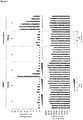
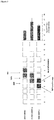
- FIGs 1-3 summarize the finding of the present inventors that a BMP-dependent time window during mESC differentiation can be identified.
- the differentiation profile of the pro-cardiogenic effect of the unselective BMP inhibitor dorsomorphine (DM) versus the selective analogue DMH1 during the mESC differentiation provided important information to identify a highly BMP-dependent time window ( Fig. 1 ).
- DM and DMH1 are cardiogenic, whereas between day 4-6, only DM is cardiogenic, which may be explained by its pronounced inhibition of TGF ⁇
- the selective cardiomyogenesis induced by DMH1 can be antagonized by BMP4 in a dose-dependent manner ( Fig. 2 ).
- the low molecular weight compound isoliquiritigenin (Vrijens et al. 2013), which is a BMP4 mimetic compound in the absence of BMPs, also shows a dose-dependent effect.
- isoliquiritigenin is weak and said agent is a chalcone and thus pleiotropic in its biological activity.
- Figure 3 summarizes the observed profile of the three most important signal pathways, which can be observed in a time-dependent manner and independent of each other during the differentiation of mESCs.
- a screening for low-molecular-weight BMP mimetics was carried out at a time frame of days 3-4 after the start of stem cell cultivation/differentiation.
- cardiomyogenesis was stimulated with DMH1 (0.5 ⁇ M) in the same time frame (days 3-4) and the cardiomyogenesis inhibitory effect was quantified using high-content imaging in the 384-well format. Since the present screening assay uses a "negative readout", the probability of identifying false-positive hits that only affect the viability of the cells (or are toxic) is significant.
- the primary readout on cardiomyogenesis was combined with a cell count (DAPI staining). Subsequently, false positive hits and artefacts were eliminated by means of a visual control.
Landscapes
- Health & Medical Sciences (AREA)
- Animal Behavior & Ethology (AREA)
- Medicinal Chemistry (AREA)
- Pharmacology & Pharmacy (AREA)
- Epidemiology (AREA)
- Life Sciences & Earth Sciences (AREA)
- Chemical & Material Sciences (AREA)
- General Health & Medical Sciences (AREA)
- Public Health (AREA)
- Veterinary Medicine (AREA)
- Pharmaceuticals Containing Other Organic And Inorganic Compounds (AREA)
- Measuring Or Testing Involving Enzymes Or Micro-Organisms (AREA)
- Investigating Or Analysing Biological Materials (AREA)
Priority Applications (5)
| Application Number | Priority Date | Filing Date | Title |
|---|---|---|---|
| EP17189054.4A EP3449918A1 (de) | 2017-09-01 | 2017-09-01 | Bmp-mimetik |
| DK18758625.0T DK3675844T3 (da) | 2017-09-01 | 2018-08-24 | Bmp-mimetik |
| EP23152770.6A EP4218748A3 (de) | 2017-09-01 | 2018-08-24 | Bmp-mimetika |
| EP18758625.0A EP3675844B1 (de) | 2017-09-01 | 2018-08-24 | Bmp-mimetik |
| PCT/EP2018/072884 WO2019042889A1 (en) | 2017-09-01 | 2018-08-24 | MIMETICS OF BMP |
Applications Claiming Priority (1)
| Application Number | Priority Date | Filing Date | Title |
|---|---|---|---|
| EP17189054.4A EP3449918A1 (de) | 2017-09-01 | 2017-09-01 | Bmp-mimetik |
Publications (1)
| Publication Number | Publication Date |
|---|---|
| EP3449918A1 true EP3449918A1 (de) | 2019-03-06 |
Family
ID=59761853
Family Applications (3)
| Application Number | Title | Priority Date | Filing Date |
|---|---|---|---|
| EP17189054.4A Withdrawn EP3449918A1 (de) | 2017-09-01 | 2017-09-01 | Bmp-mimetik |
| EP18758625.0A Active EP3675844B1 (de) | 2017-09-01 | 2018-08-24 | Bmp-mimetik |
| EP23152770.6A Pending EP4218748A3 (de) | 2017-09-01 | 2018-08-24 | Bmp-mimetika |
Family Applications After (2)
| Application Number | Title | Priority Date | Filing Date |
|---|---|---|---|
| EP18758625.0A Active EP3675844B1 (de) | 2017-09-01 | 2018-08-24 | Bmp-mimetik |
| EP23152770.6A Pending EP4218748A3 (de) | 2017-09-01 | 2018-08-24 | Bmp-mimetika |
Country Status (3)
| Country | Link |
|---|---|
| EP (3) | EP3449918A1 (de) |
| DK (1) | DK3675844T3 (de) |
| WO (1) | WO2019042889A1 (de) |
Families Citing this family (2)
| Publication number | Priority date | Publication date | Assignee | Title |
|---|---|---|---|---|
| JP6832430B2 (ja) | 2016-08-31 | 2021-02-24 | アジオス ファーマシューティカルズ, インコーポレイテッド | 細胞代謝過程の阻害剤 |
| JP7696354B2 (ja) | 2019-10-21 | 2025-06-20 | アライリオン インコーポレイテッド | 睡眠障害の治療のためのH1および5-HT2A受容体調節物質としての3-(4-(11H-ジベンゾ[b,e][1,4]アゼピン-6-イル)ピペラジン-1-イル)-プロパン酸誘導体および3-(4-(ジベンゾ[b,f][1,4]オキサゼピン/チアゼピン/ジアゼピン-11-イル)ピペラジン-1-イル)-プロパン酸誘導体 |
Citations (4)
| Publication number | Priority date | Publication date | Assignee | Title |
|---|---|---|---|---|
| US5004681A (en) | 1987-11-12 | 1991-04-02 | Biocyte Corporation | Preservation of fetal and neonatal hematopoietic stem and progenitor cells of the blood |
| US5192553A (en) | 1987-11-12 | 1993-03-09 | Biocyte Corporation | Isolation and preservation of fetal and neonatal hematopoietic stem and progenitor cells of the blood and methods of therapeutic use |
| WO2005079250A2 (en) * | 2004-02-13 | 2005-09-01 | Cornell Research Foundation, Inc. | Purines are self-renewal signals for neural stem cells, and purine receptor antagonists promote neuronal and glial differentiation therefrom |
| WO2007095161A2 (en) * | 2006-02-14 | 2007-08-23 | New York University | Methods and compositions for treating disorders associated with increased bone turnover and osteopenia |
-
2017
- 2017-09-01 EP EP17189054.4A patent/EP3449918A1/de not_active Withdrawn
-
2018
- 2018-08-24 DK DK18758625.0T patent/DK3675844T3/da active
- 2018-08-24 EP EP18758625.0A patent/EP3675844B1/de active Active
- 2018-08-24 EP EP23152770.6A patent/EP4218748A3/de active Pending
- 2018-08-24 WO PCT/EP2018/072884 patent/WO2019042889A1/en not_active Ceased
Patent Citations (5)
| Publication number | Priority date | Publication date | Assignee | Title |
|---|---|---|---|---|
| US5004681A (en) | 1987-11-12 | 1991-04-02 | Biocyte Corporation | Preservation of fetal and neonatal hematopoietic stem and progenitor cells of the blood |
| US5192553A (en) | 1987-11-12 | 1993-03-09 | Biocyte Corporation | Isolation and preservation of fetal and neonatal hematopoietic stem and progenitor cells of the blood and methods of therapeutic use |
| US5004681B1 (en) | 1987-11-12 | 2000-04-11 | Biocyte Corp | Preservation of fetal and neonatal hematopoietic stem and progenitor cells of the blood |
| WO2005079250A2 (en) * | 2004-02-13 | 2005-09-01 | Cornell Research Foundation, Inc. | Purines are self-renewal signals for neural stem cells, and purine receptor antagonists promote neuronal and glial differentiation therefrom |
| WO2007095161A2 (en) * | 2006-02-14 | 2007-08-23 | New York University | Methods and compositions for treating disorders associated with increased bone turnover and osteopenia |
Non-Patent Citations (19)
| Title |
|---|
| A.M. TESCH ET AL: "Endogenously produced adenosine regulates articular cartilage matrix homeostasis: enzymatic depletion of adenosine stimulates matrix degradation", OSTEOARTHRITIS AND CARTILAGE., vol. 12, no. 5, 1 May 2004 (2004-05-01), GB, pages 349 - 359, XP055453306, ISSN: 1063-4584, DOI: 10.1016/j.joca.2004.01.002 * |
| ARÁNZAZU MEDIERO ET AL: "Direct or indirect stimulation of adenosine A 2A receptors enhances bone regeneration as well as bone morphogenetic protein-2", THE FASEB JOURNAL, vol. 29, no. 4, 1 April 2015 (2015-04-01), US, pages 1577 - 1590, XP055453310, ISSN: 0892-6638, DOI: 10.1096/fj.14-265066 * |
| BILODEAU M L ET AL: "Adenosine signaling promotes neuronal, catecholaminergic differentiation of primary neural crest cells and CNS-derived CAD cells", MOLECULAR AND CELLULAR NEUROSCIEN, SAN DIEGO, US, vol. 29, no. 3, 1 July 2005 (2005-07-01), pages 394 - 404, XP004930780, ISSN: 1044-7431, DOI: 10.1016/J.MCN.2005.03.006 * |
| CHEN ET AL., CELL RES., vol. 21, no. 1, January 2011 (2011-01-01), pages 205 - 212 |
| GEARING ET AL., EMBO J., vol. 6, 1987, pages 3995 - 4002 |
| HARGUS G ET AL., PROC NATL ACAD SCI USA, vol. 107, 2010, pages 15921 - 15926 |
| HAYASHI, Y. ET AL., PROC NATL ACAD SCI U S A., vol. 113, no. 46, 15 November 2016 (2016-11-15), pages 13057 - 13062 |
| JAENISCH R.; YOUNG R., CELL, vol. 132, 2008, pages 567 - 582 |
| JAMIE R. GENTHE ET AL: "Ventromorphins: A New Class of Small Molecule Activators of the Canonical BMP Signaling Pathway", ACS CHEMICAL BIOLOGY, vol. 12, no. 9, 29 August 2017 (2017-08-29), US, pages 2436 - 2447, XP055452348, ISSN: 1554-8929, DOI: 10.1021/acschembio.7b00527 * |
| KATAGIRI, T. ET AL., GENES CELLS., vol. 7, no. 9, September 2002 (2002-09-01), pages 949 - 60 |
| KORCHYNSKYI O; TEN DIJKE P, J BIOL CHEM., vol. 277, no. 7, 15 February 2002 (2002-02-15), pages 4883 - 91 |
| OHBA ET AL: "A novel osteogenic helioxanthin-derivative acts in a BMP-dependent manner", BIOCHEMICAL AND BIOPHYSICAL RESEARCH COMMUNICATIONS, ELSEVIER, AMSTERDAM, NL, vol. 357, no. 4, 10 May 2007 (2007-05-10), pages 854 - 860, XP022106933, ISSN: 0006-291X, DOI: 10.1016/J.BBRC.2007.03.173 * |
| SAHA K; JAENISCH R., CELL STEM CELL, vol. 5, 2009, pages 584 - 595 |
| SAMAVARCHI-TEHRANI ET AL., CELL STEM CELL, vol. 7, no. l, 2 July 2010 (2010-07-02), pages 64 - 77 |
| STEFANO MORO ET AL: "Combined Target-Based and Ligand-Based Drug Design Approach as a Tool To Define a Novel 3D-Pharmacophore Model of Human A 3 Adenosine Receptor Antagonists: Pyrazolo[4,3- e ]1,2,4-triazolo[1,5- c ]pyrimidine Derivatives as a Key Study", JOURNAL OF MEDICINAL CHEMISTRY, vol. 48, no. 1, 1 January 2005 (2005-01-01), pages 152 - 162, XP055453211, ISSN: 0022-2623, DOI: 10.1021/jm049662f * |
| TAKAYUKI YONEZAWA ET AL: "Harmine promotes osteoblast differentiation through bone morphogenetic protein signaling", BIOCHEMICAL AND BIOPHYSICAL RESEARCH COMMUNICATIONS, vol. 409, no. 2, 2011, pages 260 - 265, XP028375635, ISSN: 0006-291X, [retrieved on 20110506], DOI: 10.1016/J.BBRC.2011.05.001 * |
| VRIJENS: "Identification of Small Molecule Activators of BMP Signaling", PLOS ONE 8(3): E59045, 19 March 2013 (2013-03-19), XP055452356, Retrieved from the Internet <URL:http://journals.plos.org/plosone/article/file?id=10.1371/journal.pone.0059045&type=printable> [retrieved on 20180219] * |
| WU XU ET AL: "A small molecule with osteogenesis-inducing activity in multipotent mesenchymal progenitor cells", JOURNAL OF THE AMERICAN CHEMICAL SOCIETY, AMERICAN CHEMICAL SOCIETY, US, vol. 124, no. 49, 1 January 2002 (2002-01-01), pages 14520 - 14521, XP003005264, ISSN: 0002-7863, DOI: 10.1021/JA0283908 * |
| XIE, M. ET AL., ACC CHEM RES., vol. 50, no. 5, 2017, pages 1202 - 1211 |
Also Published As
| Publication number | Publication date |
|---|---|
| WO2019042889A1 (en) | 2019-03-07 |
| EP3675844A1 (de) | 2020-07-08 |
| EP4218748A2 (de) | 2023-08-02 |
| EP4218748A3 (de) | 2023-08-16 |
| DK3675844T3 (da) | 2023-06-19 |
| EP3675844B1 (de) | 2023-03-08 |
Similar Documents
| Publication | Publication Date | Title |
|---|---|---|
| Mendjan et al. | NANOG and CDX2 pattern distinct subtypes of human mesoderm during exit from pluripotency | |
| Hutchins et al. | Transcriptomic analysis of tail regeneration in the lizard Anolis carolinensis reveals activation of conserved vertebrate developmental and repair mechanisms | |
| Jonason et al. | Post-translational regulation of Runx2 in bone and cartilage | |
| Sun et al. | Role of bone morphogenetic protein-2 in osteogenic differentiation of mesenchymal stem cells | |
| Costantini et al. | Patterning a complex organ: branching morphogenesis and nephron segmentation in kidney development | |
| Wang et al. | MicroRNA-193 pro-proliferation effects for bone mesenchymal stem cells after low-level laser irradiation treatment through inhibitor of growth family, member 5 | |
| Jiang et al. | CRISPR activation of endogenous genes reprograms fibroblasts into cardiovascular progenitor cells for myocardial infarction therapy | |
| Elagib et al. | Neonatal expression of RNA-binding protein IGF2BP3 regulates the human fetal-adult megakaryocyte transition | |
| Igarashi et al. | VEGF-C and TGF-β reciprocally regulate mesenchymal stem cell commitment to differentiation into lymphatic endothelial or osteoblastic phenotypes | |
| Humphreys et al. | Optogenetic control of the BMP signaling pathway | |
| Quarto et al. | TWIST1 silencing enhances in vitro and in vivo osteogenic differentiation of human adipose-derived stem cells by triggering activation of BMP-ERK/FGF signaling and TAZ upregulation | |
| Den Hartogh et al. | Concise review: fluorescent reporters in human pluripotent stem cells: contributions to cardiac differentiation and their applications in cardiac disease and toxicity | |
| Ratnayake et al. | Human chondrocytes respond discordantly to the protein encoded by the osteoarthritis susceptibility gene GDF5 | |
| Sagner et al. | Temporal patterning of the central nervous system by a shared transcription factor code | |
| Maioli et al. | Hyaluronan esters drive Smad gene expression and signaling enhancing cardiogenesis in mouse embryonic and human mesenchymal stem cells | |
| JP7541700B2 (ja) | 腎間質細胞の製造方法 | |
| EP3449918A1 (de) | Bmp-mimetik | |
| Liu et al. | The management of bone defect using long non-coding RNA as a potential biomarker for regulating the osteogenic differentiation process | |
| US20250270507A1 (en) | Methods for producing cartilage and bones | |
| Mara et al. | Regulation of chondrogenesis by transforming growth factor-ss3 and insulin-like growth factor-1 from human mesenchymal umbilical cord blood cells | |
| Eisenberg et al. | G9a and G9a-like histone methyltransferases and their effect on cell phenotype, embryonic development, and human disease | |
| Gather et al. | A specific, non-immune system-related isoform of the human inducible nitric oxide synthase is expressed during differentiation of human stem cells into various cell types | |
| Schneider et al. | Hopx and the cardiomyocyte parentage | |
| Inomata et al. | Lgr6-expressing functional nail stem-like cells differentiated from human-induced pluripotent stem cells | |
| JP2021502091A (ja) | 幹細胞からの成長ホルモン産生細胞の誘導およびその使用 |
Legal Events
| Date | Code | Title | Description |
|---|---|---|---|
| PUAI | Public reference made under article 153(3) epc to a published international application that has entered the european phase |
Free format text: ORIGINAL CODE: 0009012 |
|
| AK | Designated contracting states |
Kind code of ref document: A1 Designated state(s): AL AT BE BG CH CY CZ DE DK EE ES FI FR GB GR HR HU IE IS IT LI LT LU LV MC MK MT NL NO PL PT RO RS SE SI SK SM TR |
|
| AX | Request for extension of the european patent |
Extension state: BA ME |
|
| STAA | Information on the status of an ep patent application or granted ep patent |
Free format text: STATUS: THE APPLICATION IS DEEMED TO BE WITHDRAWN |
|
| 18D | Application deemed to be withdrawn |
Effective date: 20190907 |