EP3453392A1 - Agent thérapeutique pour le cancer bronchique ayant acquis une résistance à egfr-tki - Google Patents
Agent thérapeutique pour le cancer bronchique ayant acquis une résistance à egfr-tki Download PDFInfo
- Publication number
- EP3453392A1 EP3453392A1 EP17799440.7A EP17799440A EP3453392A1 EP 3453392 A1 EP3453392 A1 EP 3453392A1 EP 17799440 A EP17799440 A EP 17799440A EP 3453392 A1 EP3453392 A1 EP 3453392A1
- Authority
- EP
- European Patent Office
- Prior art keywords
- egfr
- brigatinib
- mutation
- cell
- effect
- Prior art date
- Legal status (The legal status is an assumption and is not a legal conclusion. Google has not performed a legal analysis and makes no representation as to the accuracy of the status listed.)
- Granted
Links
Images







Classifications
-
- A—HUMAN NECESSITIES
- A61—MEDICAL OR VETERINARY SCIENCE; HYGIENE
- A61K—PREPARATIONS FOR MEDICAL, DENTAL OR TOILETRY PURPOSES
- A61K31/00—Medicinal preparations containing organic active ingredients
- A61K31/33—Heterocyclic compounds
- A61K31/395—Heterocyclic compounds having nitrogen as a ring hetero atom, e.g. guanethidine or rifamycins
- A61K31/495—Heterocyclic compounds having nitrogen as a ring hetero atom, e.g. guanethidine or rifamycins having six-membered rings with two or more nitrogen atoms as the only ring heteroatoms, e.g. piperazine or tetrazines
- A61K31/505—Pyrimidines; Hydrogenated pyrimidines, e.g. trimethoprim
- A61K31/506—Pyrimidines; Hydrogenated pyrimidines, e.g. trimethoprim not condensed and containing further heterocyclic rings
-
- A—HUMAN NECESSITIES
- A61—MEDICAL OR VETERINARY SCIENCE; HYGIENE
- A61K—PREPARATIONS FOR MEDICAL, DENTAL OR TOILETRY PURPOSES
- A61K31/00—Medicinal preparations containing organic active ingredients
- A61K31/66—Phosphorus compounds
- A61K31/662—Phosphorus acids or esters thereof having P—C bonds, e.g. foscarnet, trichlorfon
-
- A—HUMAN NECESSITIES
- A61—MEDICAL OR VETERINARY SCIENCE; HYGIENE
- A61P—SPECIFIC THERAPEUTIC ACTIVITY OF CHEMICAL COMPOUNDS OR MEDICINAL PREPARATIONS
- A61P35/00—Antineoplastic agents
-
- C—CHEMISTRY; METALLURGY
- C12—BIOCHEMISTRY; BEER; SPIRITS; WINE; VINEGAR; MICROBIOLOGY; ENZYMOLOGY; MUTATION OR GENETIC ENGINEERING
- C12Q—MEASURING OR TESTING PROCESSES INVOLVING ENZYMES, NUCLEIC ACIDS OR MICROORGANISMS; COMPOSITIONS OR TEST PAPERS THEREFOR; PROCESSES OF PREPARING SUCH COMPOSITIONS; CONDITION-RESPONSIVE CONTROL IN MICROBIOLOGICAL OR ENZYMOLOGICAL PROCESSES
- C12Q1/00—Measuring or testing processes involving enzymes, nucleic acids or microorganisms; Compositions therefor; Processes of preparing such compositions
- C12Q1/68—Measuring or testing processes involving enzymes, nucleic acids or microorganisms; Compositions therefor; Processes of preparing such compositions involving nucleic acids
-
- G—PHYSICS
- G01—MEASURING; TESTING
- G01N—INVESTIGATING OR ANALYSING MATERIALS BY DETERMINING THEIR CHEMICAL OR PHYSICAL PROPERTIES
- G01N33/00—Investigating or analysing materials by specific methods not covered by groups G01N1/00 - G01N31/00
- G01N33/48—Biological material, e.g. blood, urine; Haemocytometers
- G01N33/50—Chemical analysis of biological material, e.g. blood, urine; Testing involving biospecific ligand binding methods; Immunological testing
- G01N33/53—Immunoassay; Biospecific binding assay; Materials therefor
- G01N33/575—Immunoassay; Biospecific binding assay; Materials therefor for cancer
-
- A—HUMAN NECESSITIES
- A61—MEDICAL OR VETERINARY SCIENCE; HYGIENE
- A61K—PREPARATIONS FOR MEDICAL, DENTAL OR TOILETRY PURPOSES
- A61K45/00—Medicinal preparations containing active ingredients not provided for in groups A61K31/00 - A61K41/00
- A61K45/06—Mixtures of active ingredients without chemical characterisation, e.g. antiphlogistics and cardiaca
Definitions
- the present invention relates to, in a therapy for a lung cancer which has an EGFR (Epidermal Growth Factor Receptor) gene mutation, a therapy for a cancer which has acquired the resistance to EGFR-TKI (EGFR tyrosine kinase inhibitor).
- EGFR-TKI EGFR tyrosine kinase inhibitor
- the present invention relates to a therapeutic agent that is effective against a cancer having acquired the resistance to gefitinib, erlotinib, or afatinib which is selected as the first therapeutic agent for an EGFR gene mutation-positive non-small cell lung cancer and subsequently also has acquired the resistance to osimertinib.
- the mortality from lung cancers in Japan was 7.9 for male and 3.2 for female per population of 100,000 in 1960 but has been steadily increasing in recent years. According to the announcement by National Cancer Center Japan, the estimated number of deaths from lung cancers for 2015 is 77,200 which ranked first in the site-specific cancer deaths. The number of the deaths for males is 55,300 which ranked first and for women is 21,900 which ranked second.
- Lung cancers are roughly classified into non-small cell lung cancers and small cell lung cancers, and the non-small cell lung cancers account for about 80 to 85% in the total lung cancers and the small cell lung cancers account for about 10 to 15%.
- chemoradiotherapy is standard in the case where full dose irradiation is tolerable, whereas the standard therapy for the non-small cell lung cancers at the full dose irradiation intolerable stage IIIB and stage IV is chemotherapy.
- EGFR-TKI is an agent that binds to the ATP binding site of EGFR tyrosine kinase and inhibits the autophosphorylation of EGFR to thereby inhibit the signal transductions of EGFR.
- Gefitinib product name: Iressa (registered trademark)
- erlotinib product name: Tarceva (registered trademark)
- afatinib product name: Giotrif (registered trademark)
- exon 19 deletion mutation accounts for 48%, L858R (substitution of leucine at the 858th with arginine.
- point mutations are described by the position of an amino acid and the sequences before and after a substitution) accounts for 43%, and others such as G719X and rare mutations account for about 15%.
- the exon 19 deletion mutation is most commonly the simple deletion mutation at the site around ELREA 5 amino acids of 746 to 750 but includes an extremely large variety of mutations such as those involving the number of deleted amino acids and those involving an amino acid substitution (Non Patent Literature 8).
- Gefitinib i.e., EGFR-TKI
- the development of which advanced first demonstrated a tumor regression effect after the secondary therapy via some clinical tests.
- gefitinib was known to have cases where impressive effects were often recognized but the true predictive factor of effectiveness was not clear at first. Additionally, a significant life-extension effect was not demonstrated in the phase III trial on study cases for which patients were not selected.
- NEJ002 trial which is the comparative phase III trial on gefitinib and CBDCA + PTX carried out in Japan (Non Patent Literature 10)
- WJTOG3405 trial which is the comparative phase III trial on gefitinib and the combination therapy of CDDP + docetaxel (DTX)
- the median overall survival demonstrated were 34.8 months in WJTOG3405 and 27.7 months in NEJ002 in the subsequent reports, whereby the importance of administering EGFR-TKI to EGFR gene mutation-positive patients is widely demonstrated.
- proto-oncogenes to be therapeutic targets such as EML4-ALK translocation fusion, RET translocation fusion, ROS1 translocation fusion, HER2 mutation, and BRAF mutation were discovered one after another in lung adenocarcinoma, and the development of corresponding therapeutic agents provides great advantages for patients with respective diseases.
- the benefits of precise detection of existence of a proto-oncogene and providing a therapy with a suitable corresponding molecular target drug were reported by Kris et al. in 2014, which are now the essential for the lung cancer therapy (Non Patent Literature 12).
- Non Patent Literature 13 it is revealed that about 60% is the mutation called the gatekeeper mutation which occurs at a binding site of an inhibitor, wherein threonine at position 790 present in the ATP binding site of the EGFR protein is replaced with methionine to thereby reduce the ATP binding inhibitory potency of the inhibitor.
- the gatekeeper mutation which occurs at a binding site of an inhibitor, wherein threonine at position 790 present in the ATP binding site of the EGFR protein is replaced with methionine to thereby reduce the ATP binding inhibitory potency of the inhibitor.
- Non Patent Literatures 18 and 19 are also apparently verified by reports based on the findings obtained by the clinical trials on CO-1686, which is another third generation EGFR-TKI.
- EAI045 is effective as an allosteric inhibitor on the EGFR mutant having mutations of L858R, T790M, and C797S.
- EAI045 has been confirmed to demonstrate a notable inhibitory effect on the tumor growth in mouse models when administered in combination with cetuximab, which is an anti-EGFR antibody drug (Non Patent Literature 21).
- cetuximab which is an anti-EGFR antibody drug
- EAI045 is a compound in the development stage and cannot be used immediately in actual clinical practice.
- EAI045 is not effective on the exon 19 deletion mutation which accounts for about half the number of the EGFR mutation-positive lung cancers.
- the present circumstance where a therapeutic agent effective on the EGFR mutant having the C797S mutation is needed, remains unchanged.
- the present invention relates to a therapeutic agent, a method for testing efficacy of a therapeutic agent and a kit.
- the compound described in the present specification enables the therapy for a cancer which has become resistant to the third generation EGFR-TKI represented by osimertinib and has caused a mutation at position 797 in EGFR. More specifically, an EGFR gene mutation-positive non-small cell lung cancer is first treated by gefitinib, erlotinib, or afatinib. When unresponsiveness is caused by the T790M mutation in EGFR due to the therapy using these drugs, a therapy is carried out using a third generation EGFR-TKI such as osimertinib.
- the use of the therapeutic agent of the present invention has enabled the attainment of an excellent therapeutic effect on a non-small cell lung cancer expressing EGFR triple-mutant.
- the EGFR triple-mutant has acquired the C797S mutation as the third mutation, in addition to cancer causative mutation, the EGFR exon 19 deletion or the L858R mutation, and T790M, i.e., the second mutation.
- the therapeutic agent is used in combination with an anti-EGFR antibody, stronger effects can be obtained.
- the combination use with an anti-EGFR antibody is confirmed, in vivo tests, to have a cancer regression effect and expected to provide a therapeutic effect on a lung cancer which has acquired the resistance to a therapeutic agent.
- the compound providing an effect on a cancer which is a non-small cell lung cancer having a C797S point mutation and has acquired the resistance to a first generation EGFR-TKI represented by gefitinib and a third generation EGFR-TKI represented by osimertinib (AZD9291), a method for testing the efficacy of such a compound, and a method for treatment are described in reference to data.
- the present inventors have found that an ALK inhibitor brigatinib induces the growth suppression on the cell having a point mutation of C797S which appears after the therapy with osimertinib. Focusing on that the cell which has acquired the resistance to osimertinib has the C797S mutation, the present inventors have screened a number of compounds using cell lines having both C797S and T790M mutations. As a result, the present inventors have found that ALK inhibitors represented by the following general formula suppress the cell growth. wherein R 1 is a group represented by the following formula (II) or (III) R 2 is -N(CH 3 ) 2 , -NH 2 , or a group represented by the following formula (IV).
- the inhibitor can be a drug effective against a lung cancer having the resistance to the third generation EGFR-TKI. Additionally, it is conceivable that the drug containing the above compound as an active ingredient provides the same effect not only on the EGFR gene mutation-positive non-small cell lung cancers studied herein but also on a tumor having the same mutation C797S in EGFR.
- any anti-EGFR antibody may be used as long as it inhibits the EGFR activity.
- the antibody include necitumumab approved by U.S. Food and Drug Administration (FDA) as a non-small cell lung cancer (squamous cell lung cancer) therapeutic agent, and cetuximab and panitumumab currently used in the therapy for colorectal cancers, but are not limited thereto and any antibody may be used as long as it inhibits the EGFR activity.
- the currently used antibodies are conceived to bind to the extracellular domain of EGFR and inhibit the binding of the ligand, EGF (Non Patent Literatures 22 to 24).
- the antibody to be used for the therapy may be any antibodies such as those having an overlapping epitope with these antibodies or those recognizing a different epitope as long as they inhibit the EGFR activity.
- the cases where the therapeutic agent containing the above compound as an active ingredient is effective are those with a point mutation of cysteine to serine at position 797 in EGFR.
- the test for confirming the efficacy of these drugs may be any method as long as it can detect the C797S mutation in EGFR.
- the method for detecting mutations of the gene may be any methods as long as they can confirm the sequence at position 797 in EGFR such as PCR-based test methods and direct sequence methods. Additionally, when detecting mutations in EGFR proteins, mutations may be detected by methods such as tissue staining and ELISA using an antibody which specifically recognizes the C797S mutation. For the test subject, any of those may be used as long as they contain tumor cells such as, in addition to tumor tissues, cavity fluids including pleural fluid to begin with, sputum, aspiration phlegm, and blood.
- Wild type EGFR was obtained from cDNA of an A549 cell line.
- the EGFR mutants, exon 19 deletion mutant, is amplified by PCR using an HCC827 cell line, and the L858R mutant is amplified by PCR using a specimen of lung cancer, and these mutants are cloned respectively into pENTR vector (Thermo Fisher Scientific) so as to include an activated full length EGFR.
- T790M and C797S were introduced to each EGFR using the following primers respectively in the form of a single mutation or double mutations by QuikChange Site-Directed Mutagenesis Kit (Agilent).
- the obtained EGFR mutants were inserted to a lentiviral vector, pLenti6.3/V5-DEST (Life Technologies), to construct each EGFR mutant.
- the EGFR mutant was introduced to a mouse pro B cell Ba/F3 using Vira-Power Lentiviral Directional TOPO Expression System (Life Technologies).
- the screening for agents that inhibit the growth of the cell lines having the C797S mutation was carried out by using, in a Ba/F3 cell, a cell line which has the EGFR exon 19 deletion mutation as in a lung cancer, a cell line wherein the C797S mutation is further introduced (BaF3 C797S/del19), a mutant line wherein T790M, which is the point mutation of threonine to methionine at position 790 appeared as the resistance to a first generation drug, is introduced (BaF3 T790M/del19), and a mutation line wherein the C797S mutation, which is the point mutation of cysteine to serine at position 797 appeared as the resistance to a third generation drug, is further introduced (BaF3 C797S/T790M/del19).
- tyrosine kinase inhibitors were added so as to be a concentration of 100 nM and the effects thereof were analyzed. After 72 hours, the cell viabilities were analyzed using CellTiter-Glo assay (registered trademark, Promega Corporation). The tyrosine kinase inhibitors used and the sources thereof are shown in Table 1.
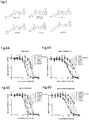
- Relative viabilities with those to which DMSO was added as a control, are shown in Figure 1 .
- Table 1 Relative viabilities, with those to which DMSO was added as a control, are shown in Figure 1 .
- brigatinib and ponatinib demonstrated an about 50% inhibitory effect at a concentration of 100 nM on C797S/T790M/exon 19 deletion mutant.
- ponatinib also had about the same IC 50 on the parental line Ba/F3 and is thus presumed not to have the growth inhibitory effect specifically on the EGFR mutant having the C797S mutation.
- brigatinib was revealed to have the growth suppression effect on the C797S mutant expressing cells.
- the cell viabilities were determined by carrying out treatments at different concentrations of gefitinib, afatinib, osimertinib, and were also determined brigatinib which was found to have been effective on the C797S mutation by the present inventors.
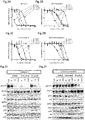
- Figures 2A to D show the cell viability of each mutant cell line by the agent treatment, and Table 2 shows the IC 50 .
- Afatinib, osimertinib, and gefitinib demonstrated the cell growth suppression effect on the EGFR exon 19 deletion mutation (del19) ( Figure 2A ).
- the Ba/F3 having the T790M mutation in addition to the exon 19 mutation demonstrated a high sensitivity with an IC 50 of 6.7 nM to osimertinib but demonstrated a high resistance with an IC 50 of 5603 nM to gefitinib (Table 2).
- Gefitinib and afatinib demonstrated the cell growth suppression on the cell line (C797S/del19) having the point mutation of C797S in addition to the exon 19 deletion mutation in EGFR ( Figure 2C ).
- Each protein was detected using anti-phospho-EGFR antibody (Tyr1068, Abcam, ab5644), anti-EGFR antibody (Cell Signaling Technology, #4267), anti-phospho-Akt antibody (Ser473, Cell Signaling Technology, #4060), anti-Akt antibody (Cell Signaling Technology, #4691), anti-phospho-ERK antibody (Thr202/Tyr204, Cell Signaling Technology, #9101), anti-ERK1/2 antibody (Cell Signaling Technology, #9102), anti-phospho-S6 antibody (Ser240/244, Cell Signaling Technology, #5364), anti-S6 antibody (Cell Signaling Technology, #2217), and anti- ⁇ -actin antibody (Sigma-Aldrich, A5228).
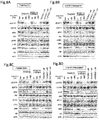
- afatinib when treated at 100 nM, was confirmed to have suppressed the phosphorylation of EGFR in the T790M/del19 Ba/F3 cells but was not confirmed at all to have suppressed the phosphorylation in the C797S/T790M/del19 Ba/F3 cells.
- brigatinib suppressed the phosphorylation of EGFR and the downstream signal in both cells.
- the decrease in the phosphorylation of EGFR and the downstream signal transductions Akt, ERK, and S6 were confirmed only with brigatinib.
- gefitinib while not shown here, demonstrated the same effect as afatinib on the phosphorylation of the EGFR signal transductions.
- the point mutation L858R wherein leucine, the amino acid at position 858 in EGFR, is substituted with arginine is found equivalently the amino acid deletion mutation in the EGFR exon 19.
- the effect of each agent on the L858R mutation was analyzed.
- Ba/F3 wherein leucine at position 858 is mutated to arginine (BaF3 L858R), Ba/F3 having duplicated mutations of the T790M mutation and the L858R mutation (BaF3 T790M/L858R), Ba/F3 having duplicated mutations of C797S and L858R (BaF3 C797S/L858R), and Ba/F3 having the above three mutations (BaF3 C797S/T790M/L858R).
- Ba/F3 mutation lines were prepared in the same manner as above to determine the cell viabilities by CellTiter-Glo assay. The results are shown in Figure 3 and Table 3.
- Afatinib, gefitinib, and osimertinib inhibit the growth of the cells having the point mutation of L858R. Particularly, afatinib was found to have an extremely strong cell growth suppression effect on the L858R mutant lines. On the other hand, brigatinib had a low cell growth suppression effect on the cells having the point mutation of L858R ( Figure 3A ).
- osimertinib provides a strong cell growth suppression effect on the cell having duplicated mutations of T790M/L858R (IC 50 5.8 nM), whereas afatinib has an IC 50 of 39.2 nM and gefitinib has an IC 50 of 5922 nM demonstrating substantially no effect.
- Brigatinib demonstrates a significant cell growth suppression effect compared to gefitinib, but the effect thereof is much weaker compared to osimertinib ( Figure 3B ).
- afatinib IC 50 7.7 nM
- gefitinib IC 50 15.5 nM
- osimertinib demonstrates substantially no cell growth suppression effect
- brigatinib demonstrates a significant cell growth suppression effect compared to osimertinib but the effect thereof is weaker compared to afatinib and gefitinib ( Figure 3C ).
- brigatinib has a notable cell growth suppression effect (IC 50 161.5 nM) on Ba/F3 cell having three mutations of C797S/T790M/L858R, whereas osimertinib (IC 50 1171 nM), afatinib (IC 50 804.2 nM), and gefitinib (IC 50 >10000 nM) demonstrate substantially no effects ( Figure 3D ).
- Osimertinib is confirmed to have a suppression effect, despite being weaker than afatinib, on the phosphorylation of the signal transductions in the L858R mutant expressing cells and have the strongest suppression effect in the T790M/L858R mutant expressing cells.
- osimertinib was not substantially confirmed to have the phosphorylation suppression effect in the C797S/L858R mutant expressing cells or the C797S/T790M/L858R mutant expressing cells.
- brigatinib was the only compound confirmed to have the effect of suppressing the phosphorylation of the EGFR signal transductions in the C797S/T790M/L858R mutant expressing cells. This result is well consistent with the results of the cell viabilities shown in Figures 3 , whereby brigatinib is conceived to suppress the cell growth via the EGFR signal transductions.
- brigatinib is conceived to have the cell growth suppression effect on the activated EGFR having duplicated point mutations of C797S/T790M. Additionally, brigatinib has the same effect of suppressing the cell growth whether the mutation of EGFR for activation, which is responsible for cancer, is the exon 19 deletion mutation or the point mutation L858R. Note that gefitinib, while not shown here, demonstrated the same effect, despite being weaker than afatinib, on the phosphorylation of the EGFR signal transductions.
- ALK inhibitor is an ALK inhibitor, and hence other ALK inhibitors were analyzed to see if they have the same effect as brigatinib.
- the analyzed ALK inhibitors are 6 compounds which are, in addition to brigatinib, AP26113-analog which is an analog thereof, AZD3463, TAE684, LDK378 (ceritinib), and ASP3026 ( Figure 5 ).
- AP26113-analog, and AZD3463 demonstrated strong cell growth suppression effects on the Ba/F3 to which the EGFR mutant having any of the mutations is introduced.
- brigatinib and AP26113-analog demonstrated extremely strong growth suppression effects on the C797S/T790M/del19 mutants, respectively with IC 50 67.2 nM and IC 50 59.1 nM.
- EGFR mutant expressing cells having the L858R along with the C797S mutation and the T790M mutation in combination ( Figure 7D ).
- the EGFR mutant expressing cells having the exon 19 deletion mutation had a slightly reduced cell growth suppression effect in the case with only the T790M mutation but had a strong cell growth suppression effect in the case with the C797S mutation alone or with both C797S and T790M (triple mutations).
- TAE684, ceritinib, and ASP3026 did not substantially demonstrate the cell growth suppression effect on the EGFR mutant expressing cells despite being the same ALK inhibitors.
- the six compounds beginning with brigatinib shown in Figure 5 have the same basic skeletons and are extremely analogous compounds. However, the effects on the EGFR mutants were revealed to have been different.
- R 1 is a group represented by the following formula (II) or (III)
- R 2 is -N(CH 3 ) 2 , -NH 2 , or a group represented by the following formula (IV)
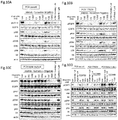
- each of the compounds was analyzed for the suppression effect on the phosphorylation of EGFR and the downstream signal transductions of EGFR ( Figures 8A to D ).
- the analysis was carried out using the EGFR mutants expressing cells whose parental cell line is Ba/F3, having the exon 19 deletion as a basal mutation ( Figures 8A and 8B ) and the EGFR mutants expressing cells having the L858R as a basal mutation ( Figures 8C and 8D ).
- brigatinib and AP26113-analog which is an analog thereof, demonstrated the inhibitory activity against the EGFR signal transductions.
- TAE684, ceritinib, and ASP3026 did not substantially demonstrate the inhibitory effect on the EGFR signal transductions even when treated at a high concentration of 1 ⁇ M.
- the Ba/F3 cells used in the analysis so far are the mouse pro B cell-derived line, and thus the analysis was carried out using PC9 which is a human lung cancer-derived cell line, to see if the same effects can be obtained.
- the cell line PC9 is a human non-small cell lung cancer-derived cell line having the EGFR exon 19 deletion mutation. Using PC9, EGFR mutants expressing cells were prepared in the same manner, then analyze the effects of these compounds ( Figure 9 ).
- Cells expressing EGFR having, in addition to the exon 19 deletion, further mutations T790M and C797S/T790M were prepared in PC9 (del19), which was the parental line, and gefitinib, osimertinib, and brigatinib were added in different concentrations from 0.3 nM to 10000 nM to thereby determine the cell viabilities after 72 hours in the same manner by CellTiter-Glo assay.
- gefitinib and osimertinib demonstrated the cell growth suppression effects on the parent line PC9 (exon 19 deletion mutation), whereas brigatinib only demonstrated an extremely weak cell growth suppression effect ( Figure 9A ).
- Osimertinib demonstrated an extremely strong cell growth suppression effect in the cell line wherein the T790M mutation was introduced to PC9 (T790M/del19), whereas brigatinib demonstrated a weak cell growth suppression effect and gefitinib did not substantially demonstrate the cell growth suppression effect ( Figure 9B ).
- brigatinib demonstrated the cell growth suppression effect on the triple mutants having the C797S mutation (C797S/T790M/del19), whereas gefitinib and osimertinib did not substantially demonstrate the cell growth suppression effect even when treated at high concentrations ( Figure 9C ).
- PC9 and the cell lines having PC9 as the parental line are treated with various tyrosine kinase inhibitors to analyze the phosphorylation of EGFR and the downstream signal transductions by western blotting, and the results of which are shown ( Figure 10 ).
- Afatinib very strongly, and osimertinib and gefitinib also very strongly suppressed the phosphorylation of EGFR and the downstream signal transductions thereof in the parental line PC9.
- brigatinib and AP26113-analog demonstrated the suppressing effect on the activation of the EGFR signal transductions but the effect was weaker compared to afatinib ( Figure 10A ).
- AZD3463 was also analyzed for the effect on these mutants ( Figure 10D ).
- AZD3463 as in the case with brigatinib and AP26113-analog, had the effect of suppressing the phosphorylation of the EGFR signal transductions in the triple-mutant expressing cells in PC9 with C797S mutation.
- AZD3463 was also confirmed to have the effect of suppressing the phosphorylation of EGFR and the downstream signal transductions thereof in the parental line PC9 and in the EGFR mutant expressing cells which T790M was further introduced to PC9.
- brigatinib, AP26113-analog, and AZD3463 also provide the same effects as the results obtained in the Ba/F3 even in PC9, which is a human lung cancer cell.
- A431 wherein EGFR is amplified and A549 and H460 which have a mutation at K-ras.
- A431 is a cell line derived from a human epithelioid cell cancer and A549 and H460 are cell lines derived from human lung cancers. Note that, EGFR has no mutations despite A431 being amplified, and EGFR also has no mutations in A549 and H460.
- Afatinib and osimertinib suppress the cell growth against A431 wherein EGFR is amplified. Further, in the cell line having a mutation at K-ras, afatinib demonstrates a weak cell growth suppression effect on A549 but others did not substantially demonstrate the suppression effect on the cell growth. On the other hand, brigatinib did not demonstrate the cell growth suppression effect on any of the cell lines. This suggests that brigatinib does not suppress the cell growth against the wild type EGFR, more specifically, brigatinib targets only cancer cells and does not suppress the growth of normal cells.
- Ba/F3 cells in a density of 2 x 10 6 expressing the C797S/T790M/del19 mutant or the T790M/del19 mutant were suspended in 50 ⁇ l of HBSS and subcutaneously transplanted into SCID mice.
- the growth of tumor cells was measured for the tumor width and length using a caliper twice weekly to determine the volume by calculation (0.5 x length x width x width (mm 3 )). After the tumor reached the size of 100 mm 3 , the mice were randomly divided into 3 groups of solvent only, 50 mg/kg osimertinib, and 75 mg/kg brigatinib, and forced oral administration was carried out once daily.
- Figure 12A shows the results of transplantation of the C797S/T790M/del19 mutant expressing cells and Figure 12B shows the results of transplantation of the T790M/del19 mutant expressing cells.
- brigatinib had a strong growth suppression effect on C797S/T790M/del19, which has the C797S and T790M mutations in combination ( Figure 12A ). Further, the growth suppression effect on T790M/del19 was also confirmed ( Figure 12B ). Osimertinib had the effect on T790M/del19 but did not substantially demonstrate the suppression effect on C797S/T790M/del19.
- brigatinib has the effect not only on the cultured cells but also on the EGFR mutations having the C797S and T790M mutations in combination in vivo.
- EGFR T790M/exon19 deletion mutant expressing PC9 cells were subcutaneously transplanted into Balb-c nu/nu mice, after the tumor volume reached an average of 200 mm 3 , the mice were randomly divided into 3 groups of 5 mice each of solvent only, 50 mg/kg osimertinib, and 75 mg/kg brigatinib, and forced oral administration was carried out once daily.
- the tumor volume was measured in the same manner as above. Osimertinib demonstrated a notable effect on the tumor growth.
- Brigatinib did not demonstrate the effect as notable as osimertinib but an apparent tumor growth suppression effect was found compared to the group to which only the solvent was administered ( Figure 13A ).
- brigatinib demonstrated an apparent suppression effect on the phosphorylation of EGFR and the downstream signal transductions, whereas the phosphorylation suppression effect was not substantially found in the osimertinib administered group ( Figure 14B ).
- Anti-EGFR antibodies suppress the EGFR phosphorylation and are thus known to be effective against a constantly activated tumor having an EGFR mutation.
- the effect of brigatinib was analyzed on the synergistic effect with an anti-EGFR antibody.
- brigatinib demonstrates the growth suppression effect on the cell growth in low concentrations against PC9 wherein EGFR having the C797S/T790M/del19 mutations was expressed, whereas osimertinib did not demonstrate the effect on the cell growth unless treated in a high concentration (see Figure 9C ).
- Treatment was carried out with cetuximab in combination with brigatinib or osimertinib to study the effect on the cell growth ( Figure 15A ).
- brigatinib when treated in a concentration of 300 nM, demonstrated the suppression effect on the cell growth even used singly but provided a suppression effect as strong as about 50% in the cell viability when added in combination with cetuximab.
- osimertinib did not provide the effect on the cell growth even when used in combination with cetuximab.
- PC9 wherein EGFR having the C797S/T790M/del19 mutations was expressed was treated with brigatinib in a concentration range of 0 to 1000 nM in the presence or absence of cetuximab and the phosphorylation of EGFR and the downstream signal transductions was analyzed by Western blotting ( Figure 15B ).
- Figure 15B Western blotting
- the protein phosphorylation of EGFR and the downstream signal transductions was suppressed more strongly than brigatinib used singly. Particularly, a much stronger signal suppression effect was found in the downstream signal transductions of EGFR.
- PC9 expressing EGFR having triple mutations was transplanted into mice in the same manner as above, and the solvent only, brigatinib singly, osimertinib singly, cetuximab singly, and brigatinib and cetuximab in combination were administered to study the growth of tumor cells by the tumor volume ( Figure 15C ).
- Forced oral administration was carried out once daily with brigatinib at a dose of 75 mg/kg and osimertinib at a dose of 50 mg/kg, and cetuximab was administered at a dose of 1 mg/mouse 3 times weekly.
- the cells expressing C797S/T790M/del19 mutations in Ba/F3 were treated with brigatinib in a concentration range of 0 to 1000 nM in the presence or absence of cetuximab and the phosphorylation of EGFR and the downstream signal transductions was analyzed by Western blotting ( Figure 16B ).
- the cells treated with cetuximab and brigatinib in combination demonstrated a stronger signal suppression effect than brigatinib used singly. Particularly, a much stronger signal suppression effect was found in the EGFR downstream signal transductions.
- panitumumab used singly in a concentration of 20 ⁇ g/ml does not provide the effect on the cell viability but when used in combination with brigatinib or AP26113-analog, notable decrease in the cell viability was found. Further, the combination effect with panitumumab was not found on osimertinib ( Figure 17A ).
- a concentration of 300 nM of brigatinib or 300 nM of osimertinib was added to the culture medium, in which the cell was cultured in the presence or absence of 20 ⁇ g/ml panitumumab, and the cell viability was evaluated in the same manner after 72 hours.
- the combination effect with panitumumab was found on brigatinib but the combination effect was not found on osimertinib ( Figure 17B ).
- panitumumab and brigatinib were analyzed by Western blotting.
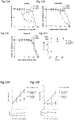
- PC9 expressing EGFR triple-mutant was transplanted into the mice, forced oral administration was carried out with 75 mg/kg of brigatinib once daily and intraperitoneal administration was carried out with panitumumab at a dose of 0.5 mg/mouse twice weekly, and 8 days later the tumors were removed from 2 mice per group and analyzed by Western blotting.
- mice transplanted with PC9 expressing EGFR triple-mutant The combination effect of brigatinib and an anti-EGFR antibody was studied in mice transplanted with PC9 expressing EGFR triple-mutant.
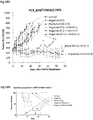
- PC9 expressing EGFR triple mutations was transplanted, after the tumor volume reached 200 to 300 mm 3 , 5 mice each was administered with the solvent only, brigatinib singly, panitumumab singly, the combination of brigatinib and cetuximab, and the combination of brigatinib and panitumumab, and the tumor volumes and the viabilities were analyzed.
- brigatinib Forced oral administration was carried out once daily with brigatinib at a dose of 75 mg/kg or 37.5 mg/kg, and intraperitoneal administration was carried out with panitumumab at a dose of 0.5 mg/mouse and cetuximab at a dose of 1 mg/mouse twice weekly, and the tumor volumes and the cell viabilities were analyzed over time ( Figure 18 ). Note that 37.5 mg/kg of the brigatinib administration in a mouse corresponds to a dose slightly lower than the dosage in human.
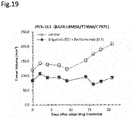
- JFCR-163 Cell line is the cell line established in Japanese Foundation for Cancer Research from the pleural fluid of a patient unresponsive to osimertinib and has EGFR triple mutations (L858R/T790M/C797S). JFCR-163 Cell were transplanted into 2 each of Balb-c nu/nu mice in the same manner as above, after the tumor volume reached about 100 mm 3 , the mice were randomly divided into 2 groups, with one of which being the treated group and the other being the control group to which only the solvent was administered.
- the compounds represented by the general formula (I) represented by brigatinib, AP26113-analog, and AZD3463 have the growth suppression effect on the EGFR mutant having the mutation at C797S of the tumors which have become EGFR-TKI resistant. Further, when the compound is used in combination with an anti-EGFR antibody such as cetuximab or panitumumab, a stronger effect can be obtained. Thus, in EGFR gene mutation-positive non-small lung cancers, the compound has a potential to be an effective therapeutic agent against the third generation EGFR-TKI resistant tumor, for which there is no effective therapeutic method available at present.
Landscapes
- Health & Medical Sciences (AREA)
- Life Sciences & Earth Sciences (AREA)
- Chemical & Material Sciences (AREA)
- General Health & Medical Sciences (AREA)
- Engineering & Computer Science (AREA)
- Organic Chemistry (AREA)
- Medicinal Chemistry (AREA)
- Immunology (AREA)
- Veterinary Medicine (AREA)
- Pharmacology & Pharmacy (AREA)
- Public Health (AREA)
- Animal Behavior & Ethology (AREA)
- Molecular Biology (AREA)
- Epidemiology (AREA)
- Proteomics, Peptides & Aminoacids (AREA)
- Wood Science & Technology (AREA)
- Zoology (AREA)
- Biotechnology (AREA)
- Biochemistry (AREA)
- Analytical Chemistry (AREA)
- Physics & Mathematics (AREA)
- Microbiology (AREA)
- Urology & Nephrology (AREA)
- Biomedical Technology (AREA)
- Hematology (AREA)
- General Chemical & Material Sciences (AREA)
- Chemical Kinetics & Catalysis (AREA)
- Nuclear Medicine, Radiotherapy & Molecular Imaging (AREA)
- Bioinformatics & Cheminformatics (AREA)
- Biophysics (AREA)
- Genetics & Genomics (AREA)
- General Engineering & Computer Science (AREA)
- General Physics & Mathematics (AREA)
- Cell Biology (AREA)
- Food Science & Technology (AREA)
- Pathology (AREA)
- Pharmaceuticals Containing Other Organic And Inorganic Compounds (AREA)
- Hospice & Palliative Care (AREA)
- Oncology (AREA)
- Measuring Or Testing Involving Enzymes Or Micro-Organisms (AREA)
Applications Claiming Priority (3)
| Application Number | Priority Date | Filing Date | Title |
|---|---|---|---|
| JP2016098947 | 2016-05-17 | ||
| JP2016239889 | 2016-12-09 | ||
| PCT/JP2017/018573 WO2017200016A1 (fr) | 2016-05-17 | 2017-05-17 | Agent thérapeutique pour le cancer bronchique ayant acquis une résistance à egfr-tki |
Publications (3)
| Publication Number | Publication Date |
|---|---|
| EP3453392A1 true EP3453392A1 (fr) | 2019-03-13 |
| EP3453392A4 EP3453392A4 (fr) | 2020-03-04 |
| EP3453392B1 EP3453392B1 (fr) | 2025-10-22 |
Family
ID=60325230
Family Applications (1)
| Application Number | Title | Priority Date | Filing Date |
|---|---|---|---|
| EP17799440.7A Active EP3453392B1 (fr) | 2016-05-17 | 2017-05-17 | Agent thérapeutique pour le cancer bronchique ayant acquis une résistance à egfr-tki |
Country Status (4)
| Country | Link |
|---|---|
| US (2) | US10813933B2 (fr) |
| EP (1) | EP3453392B1 (fr) |
| JP (1) | JP6911019B2 (fr) |
| WO (1) | WO2017200016A1 (fr) |
Cited By (1)
| Publication number | Priority date | Publication date | Assignee | Title |
|---|---|---|---|---|
| WO2020201097A1 (fr) * | 2019-03-29 | 2020-10-08 | Astrazeneca Ab | Osimertinib destiné à être utilisé dans le traitement du cancer du poumon non à petites cellules |
Families Citing this family (14)
| Publication number | Priority date | Publication date | Assignee | Title |
|---|---|---|---|---|
| JP6911019B2 (ja) * | 2016-05-17 | 2021-07-28 | 公益財団法人がん研究会 | Egfr−tki耐性を獲得した肺癌の治療薬 |
| US11395821B2 (en) | 2017-01-30 | 2022-07-26 | G1 Therapeutics, Inc. | Treatment of EGFR-driven cancer with fewer side effects |
| EP3725771B1 (fr) * | 2017-12-13 | 2026-02-04 | Shanghaitech University | Agent de dégradation de protéine alk et son application antitumorale |
| BR112020015507A2 (pt) * | 2018-02-12 | 2021-01-26 | Astrazeneca Ab | osimertinib para uso no tratamento do câncer de pulmão de células não pequenas |
| AU2019253706A1 (en) * | 2018-04-09 | 2020-11-26 | G1 Therapeutics, Inc. | Treatment of cancers having driving oncogenic mutations |
| CN113166110B (zh) * | 2018-12-12 | 2023-08-11 | 暨南大学 | 2-氨基嘧啶类化合物及其应用 |
| SG11202108311RA (en) | 2019-02-26 | 2021-09-29 | Janssen Biotech Inc | Combination therapies and patient stratification with bispecific anti-egfr/c-met antibodies |
| PH12021552798A1 (en) | 2019-05-14 | 2022-09-19 | Janssen Biotech Inc | Combination therapies with bispecific anti-egfr/c-met antibodies and 3rd generation egfr tyrosine kinase inhibitors |
| US11850248B2 (en) | 2019-05-14 | 2023-12-26 | Yuhan Corporation | Therapies with 3rd generation EGFR tyrosine kinase inhibitors |
| US20220402948A1 (en) * | 2019-09-26 | 2022-12-22 | Betta Pharmaceuticals Co., Ltd. | Egfr inhibitor, composition and preparation method therefor |
| KR20220140534A (ko) * | 2020-01-30 | 2022-10-18 | 온크터널 테라퓨틱스 인코포레이티드 | 암 치료를 위한 egfr 억제제와 ror1 억제제의 조합 |
| JP7783182B2 (ja) | 2020-02-12 | 2025-12-09 | ヤンセン バイオテツク,インコーポレーテツド | c-METエクソン14スキッピング変異を有する患者の治療 |
| AU2022212123A1 (en) * | 2021-01-29 | 2023-09-07 | Board Of Regents, The University Of Texas System | Methods of treating cancer with kinase inhibitors |
| US20240228458A1 (en) * | 2021-04-01 | 2024-07-11 | Therapex Co., Ltd. | Pyrimidine derivative having protein kinase inhibitory activity, and therapeutic pharmaceutical composition comprising same |
Family Cites Families (7)
| Publication number | Priority date | Publication date | Assignee | Title |
|---|---|---|---|---|
| US7678373B2 (en) * | 2006-02-10 | 2010-03-16 | Genentech, Inc. | Anti-FGF19 antibodies and methods using same |
| EP2300013B2 (fr) * | 2008-05-21 | 2024-11-13 | Takeda Pharmaceutical Company Limited | Dérivés phosphorés servant d'inhibiteurs de kinase |
| US20140024620A1 (en) * | 2010-10-14 | 2014-01-23 | Ariad Pharmaceuticals, Inc. | Methods for Inhibiting Cell Proliferation in EGFR-Driven Cancers |
| SG11201506531WA (en) * | 2013-03-14 | 2015-09-29 | Pfizer | Combination of an egfr t790m inhibitor and an egfr inhibitor for the treatment of non-small cell lung cancer |
| KR20160100975A (ko) * | 2013-12-23 | 2016-08-24 | 노파르티스 아게 | 제약 조합물 |
| CA2987914C (fr) * | 2015-06-30 | 2022-09-13 | Dana-Farber Cancer Institute, Inc. | Inhibiteurs d'egfr et methodes d'utilisation de ceux-ci |
| JP6911019B2 (ja) * | 2016-05-17 | 2021-07-28 | 公益財団法人がん研究会 | Egfr−tki耐性を獲得した肺癌の治療薬 |
-
2017
- 2017-05-17 JP JP2018518334A patent/JP6911019B2/ja active Active
- 2017-05-17 WO PCT/JP2017/018573 patent/WO2017200016A1/fr not_active Ceased
- 2017-05-17 US US16/302,207 patent/US10813933B2/en active Active
- 2017-05-17 EP EP17799440.7A patent/EP3453392B1/fr active Active
-
2020
- 2020-09-08 US US17/014,011 patent/US11419871B2/en active Active
Cited By (3)
| Publication number | Priority date | Publication date | Assignee | Title |
|---|---|---|---|---|
| WO2020201097A1 (fr) * | 2019-03-29 | 2020-10-08 | Astrazeneca Ab | Osimertinib destiné à être utilisé dans le traitement du cancer du poumon non à petites cellules |
| AU2023233122B2 (en) * | 2019-03-29 | 2025-07-24 | Astrazeneca Ab | Osimertinib for use in the treatment of non-small cell lung cancer |
| US12465608B2 (en) | 2019-03-29 | 2025-11-11 | Astrazeneca Ab | Osimertinib for use in the treatment of non-small cell lung cancer |
Also Published As
| Publication number | Publication date |
|---|---|
| US20200397786A1 (en) | 2020-12-24 |
| WO2017200016A1 (fr) | 2017-11-23 |
| JP6911019B2 (ja) | 2021-07-28 |
| JPWO2017200016A1 (ja) | 2019-04-04 |
| EP3453392B1 (fr) | 2025-10-22 |
| US11419871B2 (en) | 2022-08-23 |
| US10813933B2 (en) | 2020-10-27 |
| EP3453392A4 (fr) | 2020-03-04 |
| US20190160066A1 (en) | 2019-05-30 |
Similar Documents
| Publication | Publication Date | Title |
|---|---|---|
| US11419871B2 (en) | Therapeutic agent for lung cancer that has acquired EGFR-TKI resistance | |
| US20250381191A1 (en) | Methods for Treating Metastatic Pancreatic Cancer Using Combination Therapies Comprising Liposomal Irinotecan and Oxaliplatin | |
| Santarpia et al. | Osimertinib in the treatment of non-small-cell lung cancer: design, development and place in therapy | |
| Krytska et al. | Crizotinib synergizes with chemotherapy in preclinical models of neuroblastoma | |
| Foran et al. | A phase I and pharmacodynamic study of AT9283, a small-molecule inhibitor of aurora kinases in patients with relapsed/refractory leukemia or myelofibrosis | |
| JP7490635B2 (ja) | Egfr変異がんの処置 | |
| WO2018083470A1 (fr) | Traitement du cancer gastrique au moyen de polythérapies comprenant de l'oxaliplatine, du 5-fluoruracile (et de la leucovorine) et de l'irinotécan sous forme liposomale | |
| TW202019421A (zh) | Bcl-2/Bcl-xL抑制劑與化療藥物的組合及其應用 | |
| KR20230008719A (ko) | Tno155 및 나자르티닙을 포함하는 약제학적 조합물 | |
| CA3100394A1 (fr) | Compositions comprenant des composes de bisfluoroalkyl-1,4-benzodiazepinone pour traiter le carcinome adenoide kystique | |
| TW202337469A (zh) | 治療小細胞肺癌之方法 | |
| JP2021063014A (ja) | 白血病治療薬 | |
| CA2993451C (fr) | Methodes permettant de traiter le cancer du pancreas metastatique au moyen de traitements d'association comprenant de l'irinotecan liposomal et de l'oxaliplatine | |
| HK40045473A (en) | Methods for treating metastatic pancreatic cancer using combination therapies comprising liposomal irinotecan and oxaliplatin | |
| EP2654754B1 (fr) | Combinaison pour traiter ostéosarcoma, rhabdomyosarcoma et neuroblastoma | |
| Jabbour et al. | and Hagop Kantarjian, MD | |
| HK1257250B (en) | Drug combination comprising liposomal irinotecan, oxaliplatin, 5-fluorouracil and leucovorin for treating metastatic pancreatic cancer |
Legal Events
| Date | Code | Title | Description |
|---|---|---|---|
| STAA | Information on the status of an ep patent application or granted ep patent |
Free format text: STATUS: THE INTERNATIONAL PUBLICATION HAS BEEN MADE |
|
| PUAI | Public reference made under article 153(3) epc to a published international application that has entered the european phase |
Free format text: ORIGINAL CODE: 0009012 |
|
| STAA | Information on the status of an ep patent application or granted ep patent |
Free format text: STATUS: REQUEST FOR EXAMINATION WAS MADE |
|
| 17P | Request for examination filed |
Effective date: 20181203 |
|
| AK | Designated contracting states |
Kind code of ref document: A1 Designated state(s): AL AT BE BG CH CY CZ DE DK EE ES FI FR GB GR HR HU IE IS IT LI LT LU LV MC MK MT NL NO PL PT RO RS SE SI SK SM TR |
|
| AX | Request for extension of the european patent |
Extension state: BA ME |
|
| DAV | Request for validation of the european patent (deleted) | ||
| DAX | Request for extension of the european patent (deleted) | ||
| A4 | Supplementary search report drawn up and despatched |
Effective date: 20200131 |
|
| RIC1 | Information provided on ipc code assigned before grant |
Ipc: G01N 33/574 20060101ALI20200127BHEP Ipc: C12Q 1/68 20180101ALI20200127BHEP Ipc: A61P 11/00 20060101ALI20200127BHEP Ipc: A61K 31/662 20060101ALI20200127BHEP Ipc: A61K 31/506 20060101AFI20200127BHEP Ipc: A61P 35/00 20060101ALI20200127BHEP |
|
| STAA | Information on the status of an ep patent application or granted ep patent |
Free format text: STATUS: EXAMINATION IS IN PROGRESS |
|
| 17Q | First examination report despatched |
Effective date: 20231017 |
|
| GRAP | Despatch of communication of intention to grant a patent |
Free format text: ORIGINAL CODE: EPIDOSNIGR1 |
|
| STAA | Information on the status of an ep patent application or granted ep patent |
Free format text: STATUS: GRANT OF PATENT IS INTENDED |
|
| INTG | Intention to grant announced |
Effective date: 20250701 |
|
| GRAS | Grant fee paid |
Free format text: ORIGINAL CODE: EPIDOSNIGR3 |
|
| GRAA | (expected) grant |
Free format text: ORIGINAL CODE: 0009210 |
|
| STAA | Information on the status of an ep patent application or granted ep patent |
Free format text: STATUS: THE PATENT HAS BEEN GRANTED |
|
| AK | Designated contracting states |
Kind code of ref document: B1 Designated state(s): AL AT BE BG CH CY CZ DE DK EE ES FI FR GB GR HR HU IE IS IT LI LT LU LV MC MK MT NL NO PL PT RO RS SE SI SK SM TR |
|
| REG | Reference to a national code |
Ref country code: CH Ref legal event code: F10 Free format text: ST27 STATUS EVENT CODE: U-0-0-F10-F00 (AS PROVIDED BY THE NATIONAL OFFICE) Effective date: 20251022 Ref country code: GB Ref legal event code: FG4D |
|
| P01 | Opt-out of the competence of the unified patent court (upc) registered |
Free format text: CASE NUMBER: UPC_APP_8294_3453392/2025 Effective date: 20250929 |
|
| REG | Reference to a national code |
Ref country code: DE Ref legal event code: R096 Ref document number: 602017092320 Country of ref document: DE |
|
| REG | Reference to a national code |
Ref country code: IE Ref legal event code: FG4D |
|
| REG | Reference to a national code |
Ref country code: NL Ref legal event code: MP Effective date: 20251022 |
|
| PG25 | Lapsed in a contracting state [announced via postgrant information from national office to epo] |
Ref country code: NL Free format text: LAPSE BECAUSE OF FAILURE TO SUBMIT A TRANSLATION OF THE DESCRIPTION OR TO PAY THE FEE WITHIN THE PRESCRIBED TIME-LIMIT Effective date: 20251022 |
|
| PG25 | Lapsed in a contracting state [announced via postgrant information from national office to epo] |
Ref country code: ES Free format text: LAPSE BECAUSE OF FAILURE TO SUBMIT A TRANSLATION OF THE DESCRIPTION OR TO PAY THE FEE WITHIN THE PRESCRIBED TIME-LIMIT Effective date: 20251022 |
|
| REG | Reference to a national code |
Ref country code: LT Ref legal event code: MG9D |
|
| PG25 | Lapsed in a contracting state [announced via postgrant information from national office to epo] |
Ref country code: NO Free format text: LAPSE BECAUSE OF FAILURE TO SUBMIT A TRANSLATION OF THE DESCRIPTION OR TO PAY THE FEE WITHIN THE PRESCRIBED TIME-LIMIT Effective date: 20260122 |
|
| PG25 | Lapsed in a contracting state [announced via postgrant information from national office to epo] |
Ref country code: HR Free format text: LAPSE BECAUSE OF FAILURE TO SUBMIT A TRANSLATION OF THE DESCRIPTION OR TO PAY THE FEE WITHIN THE PRESCRIBED TIME-LIMIT Effective date: 20251022 Ref country code: AT Free format text: LAPSE BECAUSE OF FAILURE TO SUBMIT A TRANSLATION OF THE DESCRIPTION OR TO PAY THE FEE WITHIN THE PRESCRIBED TIME-LIMIT Effective date: 20251022 Ref country code: FI Free format text: LAPSE BECAUSE OF FAILURE TO SUBMIT A TRANSLATION OF THE DESCRIPTION OR TO PAY THE FEE WITHIN THE PRESCRIBED TIME-LIMIT Effective date: 20251022 |
|
| REG | Reference to a national code |
Ref country code: AT Ref legal event code: MK05 Ref document number: 1848583 Country of ref document: AT Kind code of ref document: T Effective date: 20251022 |
|
| PG25 | Lapsed in a contracting state [announced via postgrant information from national office to epo] |
Ref country code: RS Free format text: LAPSE BECAUSE OF FAILURE TO SUBMIT A TRANSLATION OF THE DESCRIPTION OR TO PAY THE FEE WITHIN THE PRESCRIBED TIME-LIMIT Effective date: 20260122 |
|
| PG25 | Lapsed in a contracting state [announced via postgrant information from national office to epo] |
Ref country code: IS Free format text: LAPSE BECAUSE OF FAILURE TO SUBMIT A TRANSLATION OF THE DESCRIPTION OR TO PAY THE FEE WITHIN THE PRESCRIBED TIME-LIMIT Effective date: 20260222 |
|
| PG25 | Lapsed in a contracting state [announced via postgrant information from national office to epo] |
Ref country code: PT Free format text: LAPSE BECAUSE OF FAILURE TO SUBMIT A TRANSLATION OF THE DESCRIPTION OR TO PAY THE FEE WITHIN THE PRESCRIBED TIME-LIMIT Effective date: 20260223 |
|
| PG25 | Lapsed in a contracting state [announced via postgrant information from national office to epo] |
Ref country code: PL Free format text: LAPSE BECAUSE OF FAILURE TO SUBMIT A TRANSLATION OF THE DESCRIPTION OR TO PAY THE FEE WITHIN THE PRESCRIBED TIME-LIMIT Effective date: 20251022 |
|
| PG25 | Lapsed in a contracting state [announced via postgrant information from national office to epo] |
Ref country code: LV Free format text: LAPSE BECAUSE OF FAILURE TO SUBMIT A TRANSLATION OF THE DESCRIPTION OR TO PAY THE FEE WITHIN THE PRESCRIBED TIME-LIMIT Effective date: 20251022 |
|
| PG25 | Lapsed in a contracting state [announced via postgrant information from national office to epo] |
Ref country code: BG Free format text: LAPSE BECAUSE OF FAILURE TO SUBMIT A TRANSLATION OF THE DESCRIPTION OR TO PAY THE FEE WITHIN THE PRESCRIBED TIME-LIMIT Effective date: 20251022 |