EP3462780B1 - Frequenzbandverarbeitungsverfahren und -vorrichtung - Google Patents
Frequenzbandverarbeitungsverfahren und -vorrichtung Download PDFInfo
- Publication number
- EP3462780B1 EP3462780B1 EP16906778.2A EP16906778A EP3462780B1 EP 3462780 B1 EP3462780 B1 EP 3462780B1 EP 16906778 A EP16906778 A EP 16906778A EP 3462780 B1 EP3462780 B1 EP 3462780B1
- Authority
- EP
- European Patent Office
- Prior art keywords
- frequency band
- terminal
- primary
- base station
- network
- Prior art date
- Legal status (The legal status is an assumption and is not a legal conclusion. Google has not performed a legal analysis and makes no representation as to the accuracy of the status listed.)
- Active
Links
Images



Classifications
-
- H—ELECTRICITY
- H04—ELECTRIC COMMUNICATION TECHNIQUE
- H04W—WIRELESS COMMUNICATION NETWORKS
- H04W72/00—Local resource management
- H04W72/04—Wireless resource allocation
- H04W72/044—Wireless resource allocation based on the type of the allocated resource
- H04W72/0453—Resources in frequency domain, e.g. a carrier in FDMA
-
- H—ELECTRICITY
- H04—ELECTRIC COMMUNICATION TECHNIQUE
- H04L—TRANSMISSION OF DIGITAL INFORMATION, e.g. TELEGRAPHIC COMMUNICATION
- H04L5/00—Arrangements affording multiple use of the transmission path
- H04L5/0001—Arrangements for dividing the transmission path
- H04L5/0003—Two-dimensional division
- H04L5/0005—Time-frequency
- H04L5/0007—Time-frequency the frequencies being orthogonal, e.g. OFDM(A) or DMT
- H04L5/001—Time-frequency the frequencies being orthogonal, e.g. OFDM(A) or DMT the frequencies being arranged in component carriers
-
- H—ELECTRICITY
- H04—ELECTRIC COMMUNICATION TECHNIQUE
- H04L—TRANSMISSION OF DIGITAL INFORMATION, e.g. TELEGRAPHIC COMMUNICATION
- H04L5/00—Arrangements affording multiple use of the transmission path
- H04L5/0091—Signalling for the administration of the divided path, e.g. signalling of configuration information
- H04L5/0096—Indication of changes in allocation
- H04L5/0098—Signalling of the activation or deactivation of component carriers, subcarriers or frequency bands
-
- H—ELECTRICITY
- H04—ELECTRIC COMMUNICATION TECHNIQUE
- H04W—WIRELESS COMMUNICATION NETWORKS
- H04W48/00—Access restriction; Network selection; Access point selection
- H04W48/08—Access restriction or access information delivery, e.g. discovery data delivery
Definitions
- the present invention relates to wireless communications technologies, and in particular, to a frequency band processing method and apparatus.
- CA Carrier Aggregation
- CA contiguous or non-contiguous component carriers
- the CA technology allows a terminal with a CA capability to use a plurality of aggregated carriers to transmit data.
- the plurality of aggregated CCs include a primary component carrier (Primary Component Carrier, PCC) and at least one secondary component carrier (Secondary Component Carrier, SCC).
- PCC Primary Component Carrier
- SCC Secondary Component Carrier
- the CA capability of the terminal is usually subject to a limitation, and it is probable that CA or an optimal CA combination cannot be implemented.
- US 2015/098425 A1 discloses systems and methods relating to configuring a Secondary Component Carrier (SCC) for a wireless device in a cellular communications network.
- the method comprises obtaining capabilities of the wireless device, where the capabilities indicate a frequency band combination supported by the wireless device.
- the frequency band combination supported by the wireless device includes a first frequency band supported by a base station and the wireless device used for a Primary Cell (PCell) of the wireless device and a second frequency band supported by the wireless device but not supported by the base station.
- the method further comprises identifying an overlap between the second frequency band supported by the wireless device but not supported by the base station and a third frequency band supported by the base station but not supported by the wireless device and configuring the SCC for the wireless device in the overlap.
- PCell Primary Cell
- US 2013/021902 A1 describes a method for determining downlink time reference, including: a terminal taking a downlink primary component carrier as a time reference and determining an absolute time to send uplink data according to a time advance based on the time reference. Also disclosed is a method for determining downlink time reference, including: a terminal taking a downlink component carrier which performs random access, or a downlink component carrier corresponding to an uplink component carrier, or another downlink component carrier within a same frequency band as the downlink component carrier corresponding to the uplink component carrier as a time reference, and determining an absolute time to send uplink data according to a time advance based on the time reference.
- US2015/222410 A1 discloses an apparatus and methods for frequency hopping among a set of frequency channels used for secondary cells by wireless devices operating with carrier aggregation across a combination of licensed and unlicensed radio frequency (RF) bands.
- a wireless device establishes a connection with an eNodeB using a primary component carrier (PCC) of a primary cell in a licensed radio frequency band.
- PCC primary component carrier
- the wireless device obtains a configuration for a secondary cell operating in the unlicensed radio frequency band from the eNodeB, the configuration including a set of RF channels and a frequency-hopping pattern for communicating via a secondary component carrier in the secondary cell.
- the wireless device transmits to or receives from the eNodeB, via the SCC during a first hop of the frequency-hopping pattern using a first frequency channel in the set of frequency channels, and using a second frequency channel during a second hop.
- Embodiments of the present invention provide two frequency band processing methods as disclosed in independent claims 1 and 2, two corresponding apparatuses as disclosed in independent claims 3 and 4 as well as a corresponding computer readable storage medium as disclosed in independent claim 5, so as to achieve a better CA effect.
- a first aspect of the embodiments of the present invention provides a frequency band processing method, where the method is applied to a communications system with frequency band overlapping; in the communications system, a primary frequency band and a secondary frequency band are configured for a serving cell of a terminal, and the terminal initially accesses a network from the primary frequency band; and the method includes:
- the method further includes: sending, by the base station, configuration information to the terminal, where the configuration information is used to instruct the terminal to first access the network from the secondary frequency band.
- the configuration information includes information and a priority of a frequency of the serving cell in the primary frequency band and information and a priority of a frequency of the serving cell in the secondary frequency band, where the priority of the frequency of the serving cell in the secondary frequency band is higher than the priority of the frequency of the serving cell in the primary frequency band.
- the determining, by the base station based on the CA capability information, that an access frequency band of the terminal is to be switched from the primary frequency band to the secondary frequency band includes:
- the determining, by the base station based on the aggregatable frequency band combination corresponding to the primary frequency band and the aggregatable frequency band combination corresponding to the secondary frequency band, that the access frequency band of the terminal is to be switched from the primary frequency band to the secondary frequency band may be: when the aggregatable frequency band combination corresponding to the secondary frequency band is superior to the aggregatable frequency band combination corresponding to the primary frequency band, determining, by the base station, that the access frequency band of the terminal is to be switched from the primary frequency band to the secondary frequency band.
- a second aspect of the embodiments of the present invention provides a frequency band processing method, where the method is applied to a communications system with frequency band overlapping; in the communications system, a primary frequency band and a secondary frequency band are configured for a serving cell of a terminal, and the terminal initially accesses a network from the primary frequency band; and the method includes:
- the method further includes:
- the configuration information includes information and a priority of a frequency of the serving cell in the primary frequency band and information and a priority of a frequency of the serving cell in the secondary frequency band, where the priority of the frequency of the serving cell in the secondary frequency band is higher than the priority of the frequency of the serving cell in the primary frequency band.
- a third aspect of the embodiments of the present invention provides a frequency band processing method, where the method is applied to a communications system with frequency band overlapping; in the communications system, a primary frequency band and a secondary frequency band are configured for a serving cell of a terminal, and the terminal initially accesses a network from the primary frequency band; and the method includes:
- the configuration information includes information and a priority of a frequency of the serving cell in the primary frequency band and information and a priority of a frequency of the serving cell in the secondary frequency band, where the priority of the frequency of the serving cell in the secondary frequency band is higher than the priority of the frequency of the serving cell in the primary frequency band.
- a fourth aspect of the embodiments of the present invention provides a frequency band processing method, where the method is applied to a communications system with frequency band overlapping; in the communications system, a primary frequency band and a secondary frequency band are configured for a serving cell of a terminal, and the terminal initially accesses a network from the primary frequency band; and the method includes:
- the configuration information includes information and a priority of a frequency of the serving cell in the primary frequency band and information and a priority of a frequency of the serving cell in the secondary frequency band, where the priority of the frequency of the serving cell in the secondary frequency band is higher than the priority of the frequency of the serving cell in the primary frequency band.
- a fifth aspect of the embodiments of the present invention provides a frequency band processing apparatus, where the apparatus includes modules or means (means) that are configured to perform the foregoing method provided in any one of the first aspect and the implementations of the first aspect.
- a sixth aspect of the embodiments of the present invention provides a frequency band processing apparatus, where the apparatus includes modules or means (means) that are configured to perform the foregoing method provided in the second aspect and the implementations of the second aspect.
- a seventh aspect of the embodiments of the present invention provides a frequency band processing apparatus, where the apparatus includes modules or means (means) that are configured to perform the foregoing method provided in the third aspect and the implementations of the third aspect.
- An eighth aspect of the embodiments of the present invention provides a frequency band processing apparatus, where the apparatus includes modules or means (means) that are configured to perform the foregoing method provided in the fourth aspect and the implementations of the fourth aspect.
- a ninth aspect of the embodiments of the present invention provides a frequency band processing apparatus, where the apparatus includes a processor and a memory, the memory is configured to store a program, and the processor invokes the program stored in the memory, to perform the method provided in the first aspect of this application.
- a tenth aspect of the embodiments of the present invention provides a frequency band processing apparatus, where the apparatus includes a processor and a memory, the memory is configured to store a program, and the processor invokes the program stored in the memory, to perform the method provided in the second aspect of this application.
- An eleventh aspect of the embodiments of the present invention provides a frequency band processing apparatus, where the apparatus includes a processor and a memory, the memory is configured to store a program, and the processor invokes the program stored in the memory, to perform the method provided in the third aspect of this application.
- a twelfth aspect of the embodiments of the present invention provides a frequency band processing apparatus, where the apparatus includes a processor and a memory, the memory is configured to store a program, and the processor invokes the program stored in the memory, to perform the method provided in the fourth aspect of this application.
- a thirteenth aspect of the embodiments of the present invention provides a frequency band processing apparatus, including at least one processing element (or chip) configured to perform the foregoing method according to the first aspect.
- a fourteenth aspect of the embodiments of the present invention provides a frequency band processing apparatus, including at least one processing element (or chip) configured to perform the foregoing method according to the second aspect.
- a fifteenth aspect of the embodiments of the present invention provides a frequency band processing apparatus, including at least one processing element (or chip) configured to perform the foregoing method according to the third aspect.
- a sixteenth aspect of the embodiments of the present invention provides a frequency band processing apparatus, including at least one processing element (or chip) configured to perform the foregoing method according to the fourth aspect.
- a seventeenth aspect of the embodiments of the present invention provides a program, where when executed by a processor, the program is used to perform the foregoing method according to the first aspect.
- An eighteenth aspect of the embodiments of the present invention provides a program product, such as a computer-readable storage medium, where the program product includes the program according to the seventeenth aspect.
- a nineteenth aspect of the embodiments of the present invention provides a program, where when executed by a processor, the program is used to perform the foregoing method according to the second aspect.
- a twentieth aspect of the embodiments of the present invention provides a program product, such as a computer-readable storage medium, where the program product includes the program according to the nineteenth aspect.
- a twenty-first aspect of the embodiments of the present invention provides a program, where when executed by a processor, the program is used to perform the foregoing method according to the third aspect.
- a twenty-second aspect of the embodiments of the present invention provides a program product, such as a computer-readable storage medium, where the program product includes the program according to the twenty-first aspect.
- a twenty-third aspect of the embodiments of the present invention provides a program, where when executed by a processor, the program is used to perform the foregoing method according to the fourth aspect.
- a twenty-fourth aspect of the embodiments of the present invention provides a program product, such as a computer-readable storage medium, where the program product includes the program according to the twenty-third aspect.
- the base station determines, based on the CA capability information of the terminal, that the access frequency band of the terminal is to be switched from the primary frequency band to the secondary frequency band, and sends the switching instruction to the terminal, so that the terminal switches the access frequency band from the primary frequency band to the secondary frequency band according to the switching instruction.
- the terminal can obtain a better frequency band combination and achieve a better CA effect, so that larger bandwidth can be obtained and user experience is improved.
- Abase station also referred to as a radio access network (Radio Access Network, RAN) device, is a device that connects a terminal to a wireless network.
- the base station may be a base transceiver station (Base Transceiver Station, BTS for short) in the Global System for Mobile communications (Global System for Mobile Communications, GSM for short) or the Code Division Multiple Access (Code Division Multiple Access, CDMA for short) system, or may be a NodeB (NodeB, NB for short) in the Wideband Code Division Multiple Access (Wideband Code Division Multiple Access, WCDMA for short) system, or may be an evolved NodeB (Evolved Node B, eNB or eNodeB for short) in the Long Term Evolution (Long Term Evolution, LTE for short) system, a relay node, an access point, a base station in a future 5G network, or the like. This is not limited herein.
- a terminal may be a wireless terminal or a wired terminal.
- the wireless terminal may be a device that provides a user with voice and/or other service data connectivity, a handheld device with a wireless connection function, or another processing device connected to a wireless modem.
- the wireless terminal may communicate with one or more core networks through a radio access network (Radio Access Network, RAN for short).
- the wireless terminal may be a mobile terminal, such as a mobile phone (also referred to as a "cellular" phone) and a computer with a mobile terminal, for example, may be a portable, pocket-sized, handheld, computer built-in, or in-vehicle mobile apparatus, which exchanges voice and/or data with the radio access network.
- the wireless terminal may be a device such as a personal communication service (Personal Communication Service, PCS for short) phone, a cordless telephone set, a Session Initiation Protocol (Session Initiation Protocol, SIP for short) phone, a wireless local loop (Wireless Local Loop, WLL for short) station, or a personal digital assistant (Personal Digital Assistant, PDA for short).
- PCS Personal Communication Service
- SIP Session Initiation Protocol
- WLL Wireless Local Loop
- PDA Personal Digital Assistant
- the wireless terminal may also be referred to as a system, a subscriber unit (Subscriber Unit), a subscriber station (Subscriber Station), a mobile station (Mobile Station), a mobile console (Mobile), a remote station (Remote Station), a remote terminal (Remote Terminal), an access terminal (Access Terminal), a user terminal (User Terminal), a user agent (User Agent), or a user device (User Device or User Equipment). This is not limited herein.
- "a plurality of' means two or more than two.
- "And/or" describes an association relationship of associated objects and represents that three relationships may exist. For example, A and/or B may represent the following three cases: Only A exists, both A and B exist, and only B exists.
- the character "/" generally indicates an "or” relationship between the associated objects before and after the character.
- FIG. 1 is a framework diagram of a communications system.
- the communications system includes a core network (Core network, CN) and a radio access network (Radio Access Network, RAN), and the CN may communicate with the RAN through a bearer network (also referred to as a transport network).
- the bearer network includes devices such as an optical fiber and a router.
- a terminal accesses the RAN through a base station, and communicates with an external network through a CN device.
- FIG. 2 is a schematic diagram of a CA scenario.
- a terminal accesses a wireless network in a cell 1 (cell 1), and the terminal is a terminal that supports CA and may report a CA capability to a base station serving the cell 1.
- the base station serving the cell 1 may configure a cell 2 as a secondary cell for the terminal based on the CA capability reported by the terminal.
- the cell 1 and the cell 2 transmit data for the terminal together.
- the cell 1 is a primary cell and corresponds to a PCC; the cell 2 is a secondary cell and corresponds to an SCC.
- This is a CA scenario in which two CCs are used as an example for description. Actually, more CCs may be aggregated to serve the terminal.
- CA may be classified into intra-band aggregation (Intra-band CA) and inter-band aggregation (Inter-band CA).
- the intra-band CA is classified into contiguous CA and non-contiguous CA.
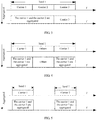
- FIG. 3 is a schematic diagram of intra-band contiguous CA.
- contiguous carriers, a carrier 1 and a carrier 2, in a same frequency band, a band 1 may be aggregated to provide larger transmission bandwidth for a terminal.
- FIG. 4 is a schematic diagram of intra-band non-contiguous CA.
- non-contiguous carriers, a carrier 1 and a carrier 3, in a same frequency band, a band 1 may be aggregated to provide larger transmission bandwidth for a terminal.
- FIG. 5 is a schematic diagram of inter-band CA.
- carriers, a carrier 1 and a carrier 2 in different frequency bands, a band 1 and a band 2 may be aggregated to provide larger transmission bandwidth for a terminal.
- "f" represents frequency.
- a frequency band Ba and a frequency band Bb have an overlapping region in frequency.
- a plurality of frequency bands may be configured for a cell whose frequency is in this region.
- the frequency band Ba and the frequency band Bb are configured.
- One frequency band is a primary frequency band
- the other frequency band is the secondary frequency band
- a frequency of the cell in the primary frequency band is different from a frequency of the cell in the secondary frequency band.
- the frequency band Ba is the primary frequency band
- the frequency band Bb is the secondary frequency band.
- "f' represents frequency.
- CA capabilities of the terminal in the primary frequency band and the secondary frequency band may be different. For example, there are the following scenarios:
- the difference or asymmetry in the CA capabilities of the terminal in the primary frequency band and the secondary frequency band may affect a CA effect.
- the primary frequency band Ba does not support the CA but the secondary frequency band Bb supports the CA
- the terminal first accesses the network from the primary frequency band Ba the CA cannot be performed, and user experience is affected.
- the primary frequency band Ba supports 2CC and the secondary frequency band Bb supports 3CC
- the terminal first accesses the network from the primary frequency band Ba only 2CC can be performed, and a CA capability is not fully utilized to achieve a desirable effect.
- the primary frequency band Ba does not support UL 2CC, but the secondary frequency band Bb supports UL 2CC, if the terminal first accesses the network from the primary frequency band Ba, UL 2CC cannot be performed, and a CA capability is not fully utilized to achieve a desirable effect.
- the primary frequency band Ba does not support inter-system aggregation but the secondary frequency band Bb supports inter-system aggregation, if the terminal first accesses the network from the primary frequency band Ba, inter-system aggregation cannot be performed, and user experience is affected.
- an embodiment of the present invention provides a frequency band processing method, to allow a terminal to access a network from a more suitable frequency band, thereby improving user experience.
- the frequency band processing method is mainly applied to a communications system with frequency band overlapping.
- a primary frequency band and a secondary frequency band are configured for a serving cell of the terminal, and the terminal initially accesses a network from the primary frequency band.
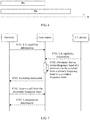
- FIG. 7 is a schematic flowchart of a frequency band processing method according to an embodiment of the present invention. As shown in FIG. 7 , the method includes the following steps.
- a base station obtains CA capability information of a terminal.
- the base station may obtain the CA capability information of the terminal from the terminal, or may obtain the CA capability information of the terminal from a CN.
- the terminal may proactively report the CA capability information of the terminal to the base station, or when the base station needs the CA capability information of the terminal, the base station may query the terminal, and the terminal then reports the CA capability information of the terminal to the base station.
- the terminal may report the CA capability information of the terminal to the base station by using an information element "supported BandCombination (supportedBandCombination)".
- supported BandCombination supportedBandCombination
- the base station determines, based on the CA capability information, that an access frequency band of the terminal is to be switched from a primary frequency band to a secondary frequency band.
- the base station may learn of a CA frequency band combination supported by the terminal.
- CA configurations and bandwidth combination sets (CA configurations and bandwidth combination sets) are stored in the base station.
- the base station may determine, based on the CA configurations and bandwidth combination sets, a CA frequency band combination that can be supported by the terminal in the primary frequency band and a CA frequency band combination that can be supported by the terminal in the secondary frequency band.
- the CA frequency band combination that can be supported by the terminal in the primary frequency band is compared with the CA frequency band combination that can be supported by the terminal in the secondary frequency band, to determine which frequency band can achieve a better CA effect.
- the primary frequency band can achieve the better CA effect, no switching needs to be performed; if the secondary frequency band can achieve the better CA effect, it is determined that the access frequency band of the terminal is to be switched from the primary frequency band to the secondary frequency band.
- the access frequency band of the terminal is to be switched from the primary frequency band to the secondary frequency band.
- the base station sends a switching instruction to the terminal, where the switching instruction is used to instruct the terminal to switch the access frequency band from the primary frequency band to the secondary frequency band.
- the terminal receives the switching instruction sent by the base station, and accesses a cell from the secondary frequency band according to the switching instruction.
- the switching instruction may be a radio resource control connection reconfiguration (radio resource control, RRC, connection reconfiguration) message
- RRC connection reconfiguration message carries a frequency of the cell in the secondary frequency band, so that the terminal re-accesses the cell in the frequency in the secondary frequency band.
- the RRC connection reconfiguration message may further carry information about an SCC, so as to notify the terminal of an aggregated SCC.
- the base station may perform CA based on an aggregatable frequency band combination corresponding to the secondary frequency band, so as to obtain larger bandwidth.
- the base station determines, based on the CA capability information of the terminal, that the access frequency band of the terminal is to be switched from the primary frequency band to the secondary frequency band, and sends the switching instruction to the terminal, so that the terminal switches the access frequency band from the primary frequency band to the secondary frequency band according to the switching instruction.
- the terminal can obtain a better frequency band combination and achieve a better CA effect, so that larger bandwidth can be obtained and user experience is improved.
- the base station may first determine a current access frequency band of the terminal. If the current access frequency band is the primary frequency band, steps S702 and S703 are performed; if the current access frequency band of the terminal is the secondary frequency band, steps S702 and S703 do not need to be performed.
- the determining, by the base station based on the CA capability information, that an access frequency band of the terminal is to be switched from a primary frequency band to a secondary frequency band may be: obtaining, by the base station based on the CA capability information, an aggregatable frequency band combination corresponding to the primary frequency band and an aggregatable frequency band combination corresponding to the secondary frequency band; and determining, by the base station based on the aggregatable frequency band combination corresponding to the primary frequency band and the aggregatable frequency band combination corresponding to the secondary frequency band, that the access frequency band of the terminal is to be switched from the primary frequency band to the secondary frequency band.
- the determining, by the base station based on the aggregatable frequency band combination corresponding to the primary frequency band and the aggregatable frequency band combination corresponding to the secondary frequency band, that the access frequency band of the terminal is to be switched from the primary frequency band to the secondary frequency band may be: when the aggregatable frequency band combination corresponding to the secondary frequency band is superior to the aggregatable frequency band combination corresponding to the primary frequency band, determining, by the base station, that the access frequency band of the terminal is to be switched from the primary frequency band to the secondary frequency band.
- the aggregatable frequency band combination corresponding to the primary frequency band is the CA frequency band combination that can be supported by the terminal in the primary frequency band
- the aggregatable frequency band combination corresponding to the secondary frequency band is the CA frequency band combination that can be supported by the terminal in the secondary frequency band.
- the CA frequency band combination that can be supported by the terminal in the primary frequency band is compared with the CA frequency band combination that can be supported by the terminal in the secondary frequency band.
- a frequency band combination that is superior to the aggregatable frequency band combination corresponding to the primary frequency band may exist in the aggregatable frequency band combination corresponding to the secondary frequency band.
- which frequency band combination is superior may be determined according to a quantity of frequency bands, a quantity of multiple-input multiple-output (multiple-input multiple-output, MIMO for short) layers, a quantity of uplink carriers, or the like in the aggregatable frequency band combination.
- MIMO multiple-input multiple-output
- the aggregatable frequency band combinations corresponding to the primary frequency band and the secondary frequency band are different, and the base station analyzes, based on the CA capability information reported by the terminal, the frequency band combination corresponding to the primary frequency band and the frequency band combination corresponding to the secondary frequency band, to learn of which frequency band combination is superior, so as to determine whether the terminal needs to perform switching. For example:
- An operator supports CA to be performed in a primary frequency band and a secondary frequency band, but multi-carrier aggregation capabilities supported by a terminal in the primary frequency band and the secondary frequency band (reference may be made to the foregoing four application scenarios) are different.
- a primary frequency band configured by a base station is denoted as Ba
- a secondary frequency band configured by the base station is denoted as Bb
- aggregatable frequency band combinations supported by the terminal include: Ba+Bc, Bb+Bc, and Bb+Bc+Bd.
- Bc and Bd are frequency bands other than the primary frequency band and the secondary frequency band.
- the base station may learn, based on CA capability information reported by the terminal, that if the terminal accesses a network from the primary frequency band Ba, aggregation of a maximum of only two frequency bands "Ba+Bc" can be performed, but if the terminal accesses the network from the secondary frequency band Bb, aggregation of a maximum of three frequency bands "Bb+Bc+Bd” can be performed, so that larger bandwidth can be provided and user experience are better. After switching, the aggregation of three frequency bands "Bb+Bc+Bd" can be performed.
- Uplink and downlink capabilities supported by a terminal in a primary frequency band and a secondary frequency band are inconsistent.
- a primary frequency band configured for a cell is denoted as Ba
- a secondary frequency band configured for the cell is denoted as Bb
- aggregatable frequency band combinations supported by the terminal include: Ba+Bc and Bb+Bc, but "Ba+Bc" can only support Ba single uplink aggregation, and "Bb+Bc" supports Bb and Bc dual uplink aggregation. If the terminal accesses a network from the primary frequency band Ba, the dual uplink aggregation cannot be performed.
- the Bb and Bc dual uplink aggregation can be performed.
- the base station may alternatively determine, based on an aggregatable frequency band combination corresponding to each secondary frequency band, which secondary frequency band the access frequency band of the terminal is to be switched to. Specifically, a secondary frequency band including an optimal aggregatable frequency band combination is selected for the terminal to access the network. Similarly, which aggregatable frequency band combination is superior may be determined according to a quantity of frequency bands, a quantity of MIMO layers, a quantity of uplink carriers, or the like in the aggregatable frequency band combination.
- a frequency band combination with more frequency bands is superior to a frequency band combination with fewer frequency bands
- a frequency band combination with more MIMO layers is superior to a frequency band combination with fewer MIMO layers
- a frequency band combination with more uplink carriers is superior to a frequency band combination with fewer uplink carriers, or the like. This is not limited herein.
- the base station may further send a frequency band combination indication to the terminal.
- the frequency band combination indication may carry an identifier of at least one frequency band.
- the base station may perform frequency band aggregation based on the frequency band combination indication. That is, the base station may notify the terminal of a preferred frequency band combination, and the terminal performs frequency band aggregation based on the combination. For example, if the base station indicates "Bb+Bc+Bd" in the frequency band combination indication, the terminal may perform aggregation of three frequency bands "Bb+Bc+Bd".
- frequency band combination indication and the foregoing switching instruction may be carried in a same message, or may be carried in different messages. This is not limited herein.
- the base station may further send configuration information to the terminal (S705), to instruct the terminal to first access a cell (or a network) from the secondary frequency band.
- the configuration information may be sent when the terminal is released, for example, the configuration information may be sent by using Idle Mode Mobility Controlnfo (Idle Mode Mobility ControlInfo, IMMCI for short).
- a high-priority secondary frequency band is configured in an IMMCI information element, so that when accessing the network next time , the UE does not need to perform intra-cell switching, but selects carrier aggregation that is consistent with a currently-selected policy.
- the configuration information can be used to instruct the terminal to first access a cell from the secondary frequency band.
- the configuration information may include information and a priority of a frequency of the cell in the primary frequency band and information and a priority of a frequency of the cell in the secondary frequency band.
- the priority of the frequency of the cell in the secondary frequency band is higher than the priority of the frequency of the cell in the primary frequency band.
- the information of the frequency may be a frequency identifier.
- the configuration information may further include another frequency, and the another frequency may be a frequency of the cell in another frequency band, or may be a frequency of another cell. This is not limited herein.
- FIG. 8 is a schematic flowchart of another frequency band processing method according to an embodiment of the present invention. As shown in FIG. 8 , the method includes the following steps.
- a base station sends configuration information to a terminal, where the configuration information is used to instruct the terminal to first access a network from a secondary frequency band.
- the terminal receives the configuration information sent by the base station.
- the terminal accesses the network from the secondary frequency band based on the configuration information when accessing the network next time.
- the base station notifies the terminal of a preferred frequency band, and the terminal may store the preferred frequency band, so that when accessing the network next time, the terminal directly accesses the network based on the stored optimized frequency band, instead of performing switching after accessing the network.
- the base station may add the configuration information to a release indication message to send to the terminal.
- a high-priority secondary frequency band is configured in an IMMCI information element, so that when accessing the network next time, the UE does not need to perform intra-cell switching, but selects carrier aggregation that is consistent with a currently-selected policy.
- the configuration information can be used to instruct the terminal to first access a cell from the secondary frequency band.
- the configuration information may include information and a priority of a frequency of the cell in the primary frequency band and information and a priority of a frequency of the cell in the secondary frequency band.
- the priority of the frequency of the cell in the secondary frequency band is higher than the priority of the frequency of the cell in the primary frequency band.
- the information of the frequency may be a frequency identifier.
- the configuration information may further include another frequency, and the another frequency may be a frequency of the cell in another frequency band, or may be a frequency of another cell. This is not limited herein.
- the terminal After receiving the configuration information, the terminal stores the information and priority of the frequency of the cell in the primary frequency band and the information and priority of the frequency of the cell in the secondary frequency band.
- the terminal determines a highest-priority frequency based on priority information corresponding to each frequency, and accesses the network from the highest-priority frequency.
- the embodiment shown in FIG. 8 may alternatively be an independent embodiment. That is, the base station generates the configuration information and sends the configuration information to the terminal.
- the terminal After receiving the configuration information, the terminal accesses the network from the secondary frequency band based on the configuration information.
- the terminal may store the configuration information. If the terminal has already accessed the network currently, the terminal may access the network from the secondary frequency band when accessing the network next time; if the terminal does not access the network, the terminal may directly access the network from the secondary frequency band when the terminal needs to access the network.
- the base station sends the configuration information to the terminal, to instruct the terminal to first access the network from the secondary frequency band.
- the terminal may directly access the network from the secondary frequency band based on the configuration information.
- An aggregatable frequency band combination corresponding to the secondary frequency band is superior to an aggregatable frequency band combination corresponding to the primary frequency band; therefore, better frequency band aggregation can be obtained when the terminal accesses the network from the secondary frequency band, thereby improving user experience.
- the aggregatable frequency band combination corresponding to the primary frequency band may be superior.
- the base station may not send the configuration information to the terminal, and the terminal accesses the network from the primary frequency band.
- FIG. 9 is a schematic structural diagram of a frequency band processing apparatus according to an embodiment of the present invention.
- the apparatus may be located in a base station and is applied to a communications system with frequency band overlapping.
- a primary frequency band and a secondary frequency band are configured for a serving cell of a terminal, and the terminal initially accesses a network from the primary frequency band.
- the apparatus includes an obtaining module 901, a determining module 902, and a sending module 903.
- the obtaining module 901 is configured to obtain CA capability information of the terminal.
- the determining module 902 is configured to determine, based on the CA capability information, that an access frequency band of the terminal is to be switched from the primary frequency band to the secondary frequency band.
- the sending module 903 is configured to send a switching instruction to the terminal, where the switching instruction is used to instruct the terminal to switch the access frequency band from the primary frequency band to the secondary frequency band.
- the base station determines, based on the CA capability information of the terminal, that the access frequency band of the terminal is to be switched from the primary frequency band to the secondary frequency band, and sends the switching instruction to the terminal, so that the terminal switches the access frequency band from the primary frequency band to the secondary frequency band according to the switching instruction.
- the terminal can obtain a better frequency band combination and achieve a better CA effect, so that larger bandwidth can be obtained and user experience is improved.
- the sending module 903 is further configured to send configuration information to the terminal, where the configuration information is used to instruct the terminal to first access the network from the secondary frequency band.
- the configuration information includes information and a priority of a frequency of the serving cell in the primary frequency band and information and a priority of a frequency of the serving cell in the secondary frequency band, where the priority of the frequency of the serving cell in the secondary frequency band is higher than the priority of the frequency of the serving cell in the primary frequency band.
- the determining module 902 is specifically configured to: obtain, based on the CA capability information, an aggregatable frequency band combination corresponding to the primary frequency band and an aggregatable frequency band combination corresponding to the secondary frequency band; and determine, based on the aggregatable frequency band combination corresponding to the primary frequency band and the aggregatable frequency band combination corresponding to the secondary frequency band, that the access frequency band of the terminal is to be switched from the primary frequency band to the secondary frequency band.
- the foregoing apparatus may be configured to perform the method provided in the foregoing method embodiment. Specific implementations and technical effects are similar to those of the method provided in the foregoing method embodiment, and details are not described herein again.
- FIG. 10 is a schematic structural diagram of another frequency band processing apparatus according to an embodiment of the present invention.
- the apparatus may be located in a terminal and is applied to a communications system with frequency band overlapping.
- a primary frequency band and a secondary frequency band are configured for a serving cell of the terminal, and the terminal initially accesses a network from the primary frequency band.
- the apparatus includes a receiving module 110 and an access module 111.
- the receiving module 110 is configured to receive a switching instruction sent by a base station, where the switching instruction is used to instruct the terminal to switch an access frequency band from the primary frequency band to the secondary frequency band.
- the access module 111 is configured to switch the access frequency band from the primary frequency band to the secondary frequency band according to the switching instruction.
- the foregoing receiving module 110 is further configured to receive configuration information sent by the base station, where the configuration information is used to instruct the terminal to first access the network from the secondary frequency band.
- the access module 111 accesses the network from the secondary frequency band based on the configuration information when accessing the network next time.
- the configuration information includes information and a priority of a frequency of the serving cell in the primary frequency band and information and a priority of a frequency of the serving cell in the secondary frequency band, where the priority of the frequency of the serving cell in the secondary frequency band is higher than the priority of the frequency of the serving cell in the primary frequency band.
- the foregoing apparatus may be configured to perform the method provided in the foregoing method embodiment. Specific implementations and technical effects are similar to those of the method provided in the foregoing method embodiment, and details are not described herein again.
- FIG. 11 is a schematic structural diagram of another frequency band processing apparatus according to an embodiment of the present invention.
- the apparatus may be located in a base station and is applied to a communications system with frequency band overlapping.
- a primary frequency band and a secondary frequency band are configured for a serving cell of a terminal, and the terminal initially accesses a network from the primary frequency band.
- the apparatus includes a generation module 112 and a sending module 113.
- the generation module 112 is configured to generate configuration information, where the configuration information is used to instruct the terminal to first access the network from the secondary frequency band.
- the sending module 113 is configured to send the configuration information to the terminal.
- the base station sends the configuration information to the terminal, to instruct the terminal to first access the network from the secondary frequency band.
- the terminal may directly access the network from the secondary frequency band based on the configuration information.
- An aggregatable frequency band combination corresponding to the secondary frequency band is superior to an aggregatable frequency band combination corresponding to the primary frequency band; therefore, better frequency band aggregation can be obtained when the terminal accesses the network from the secondary frequency band, thereby improving user experience.
- the configuration information includes information and a priority of a frequency of the serving cell in the primary frequency band and information and a priority of a frequency of the serving cell in the secondary frequency band, where the priority of the frequency of the serving cell in the secondary frequency band is higher than the priority of the frequency of the serving cell in the primary frequency band.
- the foregoing apparatus may be configured to perform the method provided in the foregoing method embodiment. Specific implementations and technical effects are similar to those of the method provided in the foregoing method embodiment, and details are not described herein again.
- FIG. 12 is a schematic structural diagram of another frequency band processing apparatus according to an embodiment of the present invention.
- the apparatus may be located in a terminal and is applied to a communications system with frequency band overlapping.
- a primary frequency band and a secondary frequency band are configured for a serving cell of the terminal, and the terminal initially accesses a network from the primary frequency band.
- the apparatus includes a receiving module 121 and an access module 122.
- the receiving module 121 is configured to receive configuration information sent by a base station, where the configuration information is used to instruct the terminal to first access the network from the secondary frequency band.
- the access module 122 is configured to access the network from the secondary frequency band based on the configuration information.
- the configuration information includes information and a priority of a frequency of the serving cell in the primary frequency band and information and a priority of a frequency of the serving cell in the secondary frequency band, where the priority of the frequency of the serving cell in the secondary frequency band is higher than the priority of the frequency of the serving cell in the primary frequency band.
- the foregoing apparatus may be configured to perform the method provided in the foregoing method embodiment. Specific implementations and technical effects are similar to those of the method provided in the foregoing method embodiment, and details are not described herein again.
- modules of the base station is merely logical function division, and during actual implementation, some or all modules may be integrated into one physical entity, or the modules may be physically separated.
- all the modules may be implemented by invoking software by a processing element; or all the modules may be implemented by hardware; or some modules may be implemented by invoking software by a processing element, and some modules may be implemented by hardware.
- the determining module may be an independently disposed processing element, or may be integrated into a chip of the foregoing apparatus for implementation.
- the determining module may alternatively be stored in a memory of the foregoing apparatus in a form of program code, and is invoked by a processing element of the foregoing apparatus, to execute the foregoing functions of the determining module.
- Implementation of other modules is similar to that of the determining module.
- all or some of the modules may be integrated, or may be implemented independently.
- the processing element may be an integrated circuit with a signal processing capability.
- the steps of the foregoing methods or the foregoing modules may be implemented by using an integrated logic circuit of hardware in the processor element, or by using a software instruction.
- the foregoing modules may be configured as one or more integrated circuits that implement the foregoing methods, such as one or more application-specific integrated circuits (Application-Specific Integrated Circuit, ASIC), one or more microprocessors (digital signal processor, DSP), or one or more field programmable gate arrays (Field Programmable Gate Array, FPGA).
- ASIC Application-Specific Integrated Circuit
- DSP digital signal processor
- FPGA Field Programmable Gate Array
- the processing element may be a general purpose processor, such as a central processing unit (Central Processing Unit, CPU), or another processor that can invoke program code.
- the modules may be integrated together and implemented in a system-on-a-chip (system-on-a-chip, SOC for short) form.
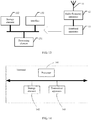
- FIG. 13 is a schematic structural diagram of a base station according to an embodiment of the present invention.
- the base station is applied to a communications system with frequency band overlapping.
- a primary frequency band and a secondary frequency band are configured for a serving cell of a terminal, and the terminal initially accesses a network from the primary frequency band.
- the apparatus includes an antenna 11, a radio frequency apparatus 12, and a baseband apparatus 13.
- the antenna 11 is connected to the radio frequency apparatus 12.
- the radio frequency apparatus 12 receives information through the antenna 11, and sends the received information to the baseband apparatus 13 for processing.
- the baseband apparatus 13 processes to-be-sent information, and sends processed information to the radio frequency apparatus 12. After processing the received information, the radio frequency apparatus 12 sends processed information through the antenna 11.
- the foregoing frequency band processing apparatus may be located in the baseband apparatus 13, and the method provided in the foregoing embodiments may be implemented in the baseband apparatus 13.
- the baseband apparatus 13 includes a processing element 131 and a storage element 132.
- the baseband apparatus 13 may include at least one baseband processing board.
- a plurality of chips are disposed on the baseband processing board. As shown in FIG. 13 , for example, one of the chips is the processing element 131 and is connected to the storage element 132, to invoke a program in the storage element 132, so as to execute an operation shown in the foregoing method embodiments.
- the baseband apparatus 13 may further include an interface 133, configured to exchange information with the radio frequency apparatus 12.
- the interface is a common public radio interface (common public radio interface, CPRI for short).
- the processing element may be one processor, or may be a collective name for a plurality of processing elements.
- the processing element may be a CPU or an ASIC, or may be configured as one or more integrated circuits that implement the foregoing method, such as one or more microprocessors DSPs, or one or more field programmable gate arrays FPGAs.
- the storage element may be one memory or may be a collective name for a plurality of storage elements.
- FIG. 14 is a schematic structural diagram of a terminal according to an embodiment of the present invention.
- the terminal is applied to a communications system with frequency band overlapping.
- a primary frequency band and a secondary frequency band are configured for a serving cell of the terminal, and the terminal initially accesses a network from the primary frequency band.
- the terminal includes a processor 141, a storage element 142, and a transceiver apparatus 143.
- the transceiver apparatus 143 may be connected to an antenna. In a downlink direction, the transceiver apparatus 143 receives, through the antenna, information sent by a base station, and sends the information to the processor 141 for processing. In an uplink direction, the processor 141 processes data of the terminal, and sends processed data to the base station through the transceiver apparatus 143.
- the storage element 142 is configured to store program code that implements the foregoing method embodiments or the modules in the embodiments shown in FIG. 10 and FIG. 12 .
- the processor 141 invokes the program code, to execute an operation of the foregoing method embodiments, so as to implement the modules in the embodiments shown in FIG. 10 and FIG. 12 .
- some or all of the foregoing units may be implemented in a form of a field programmable gate array (Field Programmable Gate Array, FPGA for short) built in a chip of the terminal.
- the units may be implemented alone, or may be integrated together.
- the processing element herein is similar to that described above, and may be a general purpose processor, such as a CPU, or may be configured as one or more integrated circuits that implement the foregoing methods, such as one or more application-specific integrated circuits (Application-Specific Integrated Circuit, ASIC for short), one or more microprocessors (digital signal processor, DSP for short), or one or more field programmable gate arrays (Field Programmable Gate Array, FPGA for short).
- the storage element may be one storage apparatus or may be a collective name for a plurality of storage elements.
- a plurality of interfaces may be provided on the processor, and are configured to be connected to a peripheral device or an interface circuit that is connected to a peripheral device.
- the interfaces are configured to be connected to an interface of a display, an interface of a camera, an interface of an audio processing element, and the like.
Landscapes
- Engineering & Computer Science (AREA)
- Signal Processing (AREA)
- Computer Networks & Wireless Communication (AREA)
- Computer Security & Cryptography (AREA)
- Mobile Radio Communication Systems (AREA)
Claims (5)
- Frequenzband-Verarbeitungsverfahren, wobei das Verfahren auf ein Kommunikationssystem mit Frequenzbandüberschneidung angewandt wird, wobei in dem Kommunikationssystem ein primäres Frequenzband und ein sekundäres Frequenzband für eine versorgende Zelle eines Endgeräts konfiguriert sind, wobei das primäre Frequenzband und das sekundäre Frequenzband sich überschneidende Frequenzbänder sind und das Endgerät anfänglich von dem primären Frequenzband aus auf ein Netzwerk zugreift, und wobei das Verfahren Folgendes umfasst:Gewinnen (s701) von Trägeraggregations-, CA-, Fähigkeitsinformationen von dem Endgerät durch eine Basisstation,Bestimmen (s702) durch die Basisstation, basierend auf den CA-Fähigkeitsinformationen, dass ein Zugriffsfrequenzband des Endgeräts von dem primären Frequenzband auf das sekundäre Frequenzband umzuschalten ist, undSenden (s703) einer Umschaltanweisung an das Endgerät durch die Basisstation, wobei die Umschaltanweisung verwendet wird, um das Endgerät anzuweisen, das Zugriffsfrequenzband von dem primären Frequenzband auf das sekundäre Frequenzband umzuschalten,wobei das Bestimmen durch die Basisstation, basierend auf den CA-Fähigkeitsinformationen, dass das Zugriffsfrequenzband des Endgeräts von dem primären Frequenzband auf das sekundäre Frequenzband umzuschalten ist,Folgendes umfasst:Gewinnen einer aggregierbaren Frequenzbandkombination, die dem primären Frequenzband entspricht, und einer aggregierbaren Frequenzbandkombination, die dem sekundären Frequenzband entspricht, durch die Basisstation, basierend auf den CA-Fähigkeitsinformationen, undBestimmen, durch die Basisstation, basierend auf der aggregierbaren Frequenzbandkombination, die dem primären Frequenzband entspricht, und der aggregierbaren Frequenzbandkombination, die dem sekundären Frequenzband entspricht, dass das Zugriffsfrequenzband des Endgeräts von dem primären Frequenzband auf das sekundäre Frequenzband umzuschalten ist,dadurch gekennzeichnet, dass das Verfahren ferner Folgendes umfasst:Senden (s705) von Konfigurationsinformationen an das Endgerät durch die Basisstation, wobei die Konfigurationsinformationen verwendet werden, um das Endgerät anzuweisen, zuerst von dem sekundären Frequenzband aus auf das Netzwerk zuzugreifen,wobei die Konfigurationsinformationen Informationen und eine Priorität einer Frequenz der versorgenden Zelle in dem primären Frequenzband und Informationen und eine Priorität einer Frequenz der versorgenden Zelle in dem sekundären Frequenzband umfassen, wobei die Priorität der Frequenz der versorgenden Zelle in dem sekundären Frequenzband höher als die Priorität der Frequenz der versorgenden Zelle in dem primären Frequenzband ist.
- Frequenzband-Verarbeitungsverfahren, wobei das Verfahren auf ein Kommunikationssystem mit Frequenzbandüberschneidung angewandt wird, wobei in dem Kommunikationssystem ein primäres Frequenzband und ein sekundäres Frequenzband für eine versorgende Zelle eines Endgeräts konfiguriert sind, wobei das primäre Frequenzband und das sekundäre Frequenzband sich überschneidende Frequenzbänder sind und das Endgerät anfänglich von dem primären Frequenzband aus auf ein Netzwerk zugreift, und wobei das Verfahren Folgendes umfasst:Melden (s701) von Trägeraggregations-, CA-, Fähigkeitsinformationen des Endgeräts an eine Basisstation durch das Endgerät,Empfangen (s703) einer Umschaltanweisung von der Basisstation durch das Endgerät, wobei die Umschaltanweisung verwendet wird, um das Endgerät anzuweisen, das Zugriffsfrequenzband von dem primären Frequenzband auf das sekundäre Frequenzband umzuschalten,Zugreifen (s704) auf das Netzwerk von dem sekundären Frequenzband aus durch das Endgerät gemäß der Umschaltanweisung,dadurch gekennzeichnet, dass das Verfahren ferner Folgendes umfasst:Empfangen (s705) von Konfigurationsinformationen von der Basisstation durch das Endgerät, wobei die Konfigurationsinformationen verwendet werden, um das Endgerät anzuweisen, zuerst von dem sekundären Frequenzband aus auf das Netzwerk zuzugreifen, unddas nächste Mal Zugreifen auf das Netzwerk von dem sekundären Frequenzband aus durch das Endgerät, basierend auf den Konfigurationsinformationen,wobei die Konfigurationsinformationen Informationen und eine Priorität einer Frequenz der versorgenden Zelle in dem primären Frequenzband und Informationen und eine Priorität einer Frequenz der versorgenden Zelle in dem sekundären Frequenzband umfassen, wobei die Priorität der Frequenz der versorgenden Zelle in dem sekundären Frequenzband höher als die Priorität der Frequenz der versorgenden Zelle in dem primären Frequenzband ist.
- Frequenzband-Verarbeitungsvorrichtung, wobei die Vorrichtung auf eine Basisstation in einem Kommunikationssystem mit Frequenzbandüberschneidung angewandt wird, wobei in dem Kommunikationssystem ein primäres Frequenzband und ein sekundäres Frequenzband für eine versorgende Zelle eines Endgeräts konfiguriert sind, wobei das primäre Frequenzband und das sekundäre Frequenzband sich überschneidende Frequenzbänder sind und das Endgerät anfänglich von dem primären Frequenzband aus auf ein Netzwerk zugreift, und wobei die Vorrichtung Mittel (901, 902, 903) umfasst, die dafür konfiguriert sind, das Verfahren nach Anspruch 1 auszuführen.
- Frequenzband-Verarbeitungsvorrichtung, wobei die Vorrichtung auf ein Endgerät in einem Kommunikationssystem mit Frequenzbandüberschneidung angewandt wird, wobei in dem Kommunikationssystem ein primäres Frequenzband und ein sekundäres Frequenzband für eine versorgende Zelle des Endgeräts konfiguriert sind, wobei das primäre Frequenzband und das sekundäre Frequenzband sich überschneidende Frequenzbänder sind und das Endgerät anfänglich von dem primären Frequenzband aus auf ein Netzwerk zugreift, und wobei die Vorrichtung Mittel (110, 111) umfasst, die dafür konfiguriert sind, das Verfahren nach Anspruch 2 auszuführen.
- Computerlesbares Speichermedium, das dafür konfiguriert ist, ein Programm zu speichern, wobei das Programm bei Aufruf durch einen Prozessor verwendet wird, um das Verfahren nach Anspruch 1 oder das Verfahren nach Anspruch 2 auszuführen.
Applications Claiming Priority (1)
| Application Number | Priority Date | Filing Date | Title |
|---|---|---|---|
| PCT/CN2016/088007 WO2018000378A1 (zh) | 2016-06-30 | 2016-06-30 | 频带处理方法及装置 |
Publications (3)
| Publication Number | Publication Date |
|---|---|
| EP3462780A4 EP3462780A4 (de) | 2019-04-03 |
| EP3462780A1 EP3462780A1 (de) | 2019-04-03 |
| EP3462780B1 true EP3462780B1 (de) | 2020-11-04 |
Family
ID=60785773
Family Applications (1)
| Application Number | Title | Priority Date | Filing Date |
|---|---|---|---|
| EP16906778.2A Active EP3462780B1 (de) | 2016-06-30 | 2016-06-30 | Frequenzbandverarbeitungsverfahren und -vorrichtung |
Country Status (5)
| Country | Link |
|---|---|
| US (1) | US20190132846A1 (de) |
| EP (1) | EP3462780B1 (de) |
| JP (1) | JP6733939B2 (de) |
| CN (1) | CN109196915B (de) |
| WO (1) | WO2018000378A1 (de) |
Families Citing this family (11)
| Publication number | Priority date | Publication date | Assignee | Title |
|---|---|---|---|---|
| JP7385648B2 (ja) * | 2018-08-09 | 2023-11-22 | オッポ広東移動通信有限公司 | 能力報告の方法及びデバイス |
| CN111342946B (zh) * | 2020-02-27 | 2022-05-27 | 深圳市广和通无线股份有限公司 | 频带组合上报方法、装置、计算机设备和存储介质 |
| US12452841B2 (en) * | 2020-08-05 | 2025-10-21 | Ntt Docomo, Inc. | Base station, terminal and communication method for performing dual connectivity (DC) in multiple radio access technologies (RAT) |
| WO2022067688A1 (zh) * | 2020-09-30 | 2022-04-07 | Oppo广东移动通信有限公司 | 信令发送方法、接收方法、装置、设备及存储介质 |
| WO2022214032A1 (zh) * | 2021-04-09 | 2022-10-13 | 华为技术有限公司 | 一种信息发送、接收的方法和通信装置 |
| CN115804232B (zh) * | 2021-07-07 | 2026-04-28 | 北京小米移动软件有限公司 | 频带分组方法及装置 |
| US11711862B1 (en) | 2021-07-15 | 2023-07-25 | T-Mobile Usa, Inc. | Dual connectivity and carrier aggregation band selection |
| CN118542024A (zh) * | 2022-07-22 | 2024-08-23 | 中兴通讯股份有限公司 | 用于无线通信的发射器切换配置 |
| WO2024021125A1 (zh) * | 2022-07-29 | 2024-02-01 | 北京小米移动软件有限公司 | 上行传输切换、控制方法及装置、通信装置和存储介质 |
| CN117835338A (zh) * | 2022-09-27 | 2024-04-05 | 大唐移动通信设备有限公司 | 波段切换处理方法及装置 |
| CN116095737A (zh) * | 2023-02-20 | 2023-05-09 | 中国联合网络通信集团有限公司 | 基站信号质量的确定方法、装置、电子设备及存储介质 |
Family Cites Families (16)
| Publication number | Priority date | Publication date | Assignee | Title |
|---|---|---|---|---|
| KR100973433B1 (ko) * | 2007-01-13 | 2010-08-03 | 삼성전자주식회사 | 무선 통신 시스템에서 다중 주파수 밴드를 이용한 신호송수신 방법 및 그 시스템 |
| JP5283748B2 (ja) * | 2009-02-26 | 2013-09-04 | 株式会社エヌ・ティ・ティ・ドコモ | 制御装置、無線ネットワーク制御装置及び基地局装置並びに通信制御方法 |
| CN102215599B (zh) * | 2010-04-05 | 2015-03-18 | 中兴通讯股份有限公司 | 一种确定下行时间参考的方法 |
| US20110267948A1 (en) * | 2010-05-03 | 2011-11-03 | Koc Ali T | Techniques for communicating and managing congestion in a wireless network |
| KR20130126980A (ko) * | 2011-02-07 | 2013-11-21 | 인터디지탈 패튼 홀딩스, 인크 | 면허 면제 스펙트럼에서 보충 셀을 동작시키는 방법 및 장치 |
| US8929311B2 (en) * | 2011-02-08 | 2015-01-06 | Telefonaktiebolaget L M Ericsson (Publ) | Signaling for legacy terminal operation in harmonized bands |
| EP3046383B1 (de) * | 2011-08-16 | 2019-05-01 | Telefonaktiebolaget LM Ericsson (publ) | Fähigkeitserweiterungen für multimedia-rundfunk-multicast-dienste |
| JP5981172B2 (ja) * | 2012-03-12 | 2016-08-31 | シャープ株式会社 | 無線通信システム、通信方法、基地局装置、および通信端末 |
| BR112015027255A2 (pt) * | 2013-05-08 | 2017-07-25 | Ericsson Telefon Ab L M | reseleção de célula baseada em prioridade com prioridades específicas de célula |
| US9722761B2 (en) * | 2013-10-09 | 2017-08-01 | Telefonaktiebolaget L M Ericsson (Publ) | Secondary cells in overlapping bands |
| US9537612B2 (en) * | 2013-12-09 | 2017-01-03 | Apple Inc. | Restrictions on transmissions of control plane data with carrier aggregation |
| US9603074B2 (en) * | 2013-12-16 | 2017-03-21 | Apple Inc. | Systems and methods for carrier channel selection in carrier aggregation enabled networks |
| US9853797B2 (en) * | 2014-02-03 | 2017-12-26 | Apple Inc. | Method and apparatus for time division coexistence in unlicensed radio frequency bands for mobile devices |
| CN105101342B (zh) * | 2014-05-21 | 2019-05-21 | 中兴通讯股份有限公司 | 一种将不同通信终端接入同一小区的方法、基站和终端 |
| JP6257463B2 (ja) * | 2014-06-30 | 2018-01-10 | 株式会社Nttドコモ | 基地局および移動通信制御方法 |
| US10425873B2 (en) * | 2015-04-09 | 2019-09-24 | Lg Electronics Inc. | Method and apparatus for performing cell reselection procedures for load distribution |
-
2016
- 2016-06-30 EP EP16906778.2A patent/EP3462780B1/de active Active
- 2016-06-30 WO PCT/CN2016/088007 patent/WO2018000378A1/zh not_active Ceased
- 2016-06-30 JP JP2018567901A patent/JP6733939B2/ja active Active
- 2016-06-30 CN CN201680086372.8A patent/CN109196915B/zh active Active
-
2018
- 2018-12-26 US US16/232,951 patent/US20190132846A1/en not_active Abandoned
Non-Patent Citations (1)
| Title |
|---|
| None * |
Also Published As
| Publication number | Publication date |
|---|---|
| EP3462780A4 (de) | 2019-04-03 |
| EP3462780A1 (de) | 2019-04-03 |
| JP6733939B2 (ja) | 2020-08-05 |
| WO2018000378A1 (zh) | 2018-01-04 |
| CN109196915B (zh) | 2021-01-29 |
| BR112018077043A2 (pt) | 2019-04-02 |
| CN109196915A (zh) | 2019-01-11 |
| JP2019525545A (ja) | 2019-09-05 |
| US20190132846A1 (en) | 2019-05-02 |
Similar Documents
| Publication | Publication Date | Title |
|---|---|---|
| US20190132846A1 (en) | Frequency band processing method and apparatus | |
| US20250015954A1 (en) | Communication method and communication apparatus | |
| US11647556B2 (en) | Negotiation on bearer type configurations | |
| US12213013B2 (en) | Cell configuration method and apparatus, terminal device, and network device | |
| US20200100099A1 (en) | Carrier and Frequency Specific Capability Restrictions | |
| US11751278B2 (en) | Cell state management method and apparatus, terminal device, and network device | |
| US20210337517A1 (en) | Communications method and apparatus | |
| JP2022511174A (ja) | デフォルトのpucch及びsrsビームの判定 | |
| CN119316954A (zh) | 上行资源的授权方法、装置及系统 | |
| US20230269754A1 (en) | Feedback for Multi-Carrier Sidelink Communication | |
| US20220022103A1 (en) | PDU Session Handover | |
| CN115866767B (zh) | 用于一组ue的联合带宽部分切换 | |
| US20150098425A1 (en) | Secondary cells in overlapping bands | |
| US20210051748A1 (en) | Intra-UE Coexistence between Non-Stand-alone and Stand-alone Mode | |
| CN115412213B (zh) | 一种下行调度方法及装置 | |
| WO2019096232A1 (zh) | 通信方法和通信装置 | |
| CN117460007A (zh) | 一种小区状态切换方法及装置 | |
| EP3941116A1 (de) | Handover einer pdu-sitzung | |
| WO2020015715A1 (zh) | 一种数据发送的方法和装置 | |
| KR20210076070A (ko) | 데이터 복제 전송 구성 방법 및 장치 | |
| US10306550B2 (en) | Apparatus, system and method of wireless local area network (WLAN) setting of a user equipment (UE) | |
| CN113950098B (zh) | Ap设备组网方法、ap设备及系统 | |
| CN106060850B (zh) | 一种语音调度方法及装置 | |
| KR20210079344A (ko) | 복제 데이터를 기반으로 하는 전송 방법 및 장치 | |
| CN111034242B (zh) | 一种发送小区配置信息的方法及装置 |
Legal Events
| Date | Code | Title | Description |
|---|---|---|---|
| STAA | Information on the status of an ep patent application or granted ep patent |
Free format text: STATUS: THE INTERNATIONAL PUBLICATION HAS BEEN MADE |
|
| PUAI | Public reference made under article 153(3) epc to a published international application that has entered the european phase |
Free format text: ORIGINAL CODE: 0009012 |
|
| STAA | Information on the status of an ep patent application or granted ep patent |
Free format text: STATUS: REQUEST FOR EXAMINATION WAS MADE |
|
| 17P | Request for examination filed |
Effective date: 20181231 |
|
| A4 | Supplementary search report drawn up and despatched |
Effective date: 20190301 |
|
| AK | Designated contracting states |
Kind code of ref document: A1 Designated state(s): AL AT BE BG CH CY CZ DE DK EE ES FI FR GB GR HR HU IE IS IT LI LT LU LV MC MK MT NL NO PL PT RO RS SE SI SK SM TR |
|
| AX | Request for extension of the european patent |
Extension state: BA ME |
|
| DAV | Request for validation of the european patent (deleted) | ||
| DAX | Request for extension of the european patent (deleted) | ||
| STAA | Information on the status of an ep patent application or granted ep patent |
Free format text: STATUS: EXAMINATION IS IN PROGRESS |
|
| 17Q | First examination report despatched |
Effective date: 20200302 |
|
| GRAP | Despatch of communication of intention to grant a patent |
Free format text: ORIGINAL CODE: EPIDOSNIGR1 |
|
| STAA | Information on the status of an ep patent application or granted ep patent |
Free format text: STATUS: GRANT OF PATENT IS INTENDED |
|
| INTG | Intention to grant announced |
Effective date: 20200624 |
|
| GRAS | Grant fee paid |
Free format text: ORIGINAL CODE: EPIDOSNIGR3 |
|
| GRAA | (expected) grant |
Free format text: ORIGINAL CODE: 0009210 |
|
| STAA | Information on the status of an ep patent application or granted ep patent |
Free format text: STATUS: THE PATENT HAS BEEN GRANTED |
|
| AK | Designated contracting states |
Kind code of ref document: B1 Designated state(s): AL AT BE BG CH CY CZ DE DK EE ES FI FR GB GR HR HU IE IS IT LI LT LU LV MC MK MT NL NO PL PT RO RS SE SI SK SM TR |
|
| REG | Reference to a national code |
Ref country code: GB Ref legal event code: FG4D |
|
| REG | Reference to a national code |
Ref country code: CH Ref legal event code: EP |
|
| REG | Reference to a national code |
Ref country code: AT Ref legal event code: REF Ref document number: 1332449 Country of ref document: AT Kind code of ref document: T Effective date: 20201115 |
|
| REG | Reference to a national code |
Ref country code: IE Ref legal event code: FG4D |
|
| REG | Reference to a national code |
Ref country code: DE Ref legal event code: R096 Ref document number: 602016047503 Country of ref document: DE |
|
| REG | Reference to a national code |
Ref country code: NL Ref legal event code: MP Effective date: 20201104 |
|
| REG | Reference to a national code |
Ref country code: AT Ref legal event code: MK05 Ref document number: 1332449 Country of ref document: AT Kind code of ref document: T Effective date: 20201104 |
|
| PG25 | Lapsed in a contracting state [announced via postgrant information from national office to epo] |
Ref country code: NO Free format text: LAPSE BECAUSE OF FAILURE TO SUBMIT A TRANSLATION OF THE DESCRIPTION OR TO PAY THE FEE WITHIN THE PRESCRIBED TIME-LIMIT Effective date: 20210204 Ref country code: RS Free format text: LAPSE BECAUSE OF FAILURE TO SUBMIT A TRANSLATION OF THE DESCRIPTION OR TO PAY THE FEE WITHIN THE PRESCRIBED TIME-LIMIT Effective date: 20201104 Ref country code: PT Free format text: LAPSE BECAUSE OF FAILURE TO SUBMIT A TRANSLATION OF THE DESCRIPTION OR TO PAY THE FEE WITHIN THE PRESCRIBED TIME-LIMIT Effective date: 20210304 Ref country code: FI Free format text: LAPSE BECAUSE OF FAILURE TO SUBMIT A TRANSLATION OF THE DESCRIPTION OR TO PAY THE FEE WITHIN THE PRESCRIBED TIME-LIMIT Effective date: 20201104 Ref country code: GR Free format text: LAPSE BECAUSE OF FAILURE TO SUBMIT A TRANSLATION OF THE DESCRIPTION OR TO PAY THE FEE WITHIN THE PRESCRIBED TIME-LIMIT Effective date: 20210205 |
|
| PG25 | Lapsed in a contracting state [announced via postgrant information from national office to epo] |
Ref country code: SE Free format text: LAPSE BECAUSE OF FAILURE TO SUBMIT A TRANSLATION OF THE DESCRIPTION OR TO PAY THE FEE WITHIN THE PRESCRIBED TIME-LIMIT Effective date: 20201104 Ref country code: PL Free format text: LAPSE BECAUSE OF FAILURE TO SUBMIT A TRANSLATION OF THE DESCRIPTION OR TO PAY THE FEE WITHIN THE PRESCRIBED TIME-LIMIT Effective date: 20201104 Ref country code: LV Free format text: LAPSE BECAUSE OF FAILURE TO SUBMIT A TRANSLATION OF THE DESCRIPTION OR TO PAY THE FEE WITHIN THE PRESCRIBED TIME-LIMIT Effective date: 20201104 Ref country code: IS Free format text: LAPSE BECAUSE OF FAILURE TO SUBMIT A TRANSLATION OF THE DESCRIPTION OR TO PAY THE FEE WITHIN THE PRESCRIBED TIME-LIMIT Effective date: 20210304 Ref country code: BG Free format text: LAPSE BECAUSE OF FAILURE TO SUBMIT A TRANSLATION OF THE DESCRIPTION OR TO PAY THE FEE WITHIN THE PRESCRIBED TIME-LIMIT Effective date: 20210204 Ref country code: ES Free format text: LAPSE BECAUSE OF FAILURE TO SUBMIT A TRANSLATION OF THE DESCRIPTION OR TO PAY THE FEE WITHIN THE PRESCRIBED TIME-LIMIT Effective date: 20201104 Ref country code: AT Free format text: LAPSE BECAUSE OF FAILURE TO SUBMIT A TRANSLATION OF THE DESCRIPTION OR TO PAY THE FEE WITHIN THE PRESCRIBED TIME-LIMIT Effective date: 20201104 |
|
| REG | Reference to a national code |
Ref country code: LT Ref legal event code: MG9D |
|
| PG25 | Lapsed in a contracting state [announced via postgrant information from national office to epo] |
Ref country code: HR Free format text: LAPSE BECAUSE OF FAILURE TO SUBMIT A TRANSLATION OF THE DESCRIPTION OR TO PAY THE FEE WITHIN THE PRESCRIBED TIME-LIMIT Effective date: 20201104 |
|
| PG25 | Lapsed in a contracting state [announced via postgrant information from national office to epo] |
Ref country code: SM Free format text: LAPSE BECAUSE OF FAILURE TO SUBMIT A TRANSLATION OF THE DESCRIPTION OR TO PAY THE FEE WITHIN THE PRESCRIBED TIME-LIMIT Effective date: 20201104 Ref country code: LT Free format text: LAPSE BECAUSE OF FAILURE TO SUBMIT A TRANSLATION OF THE DESCRIPTION OR TO PAY THE FEE WITHIN THE PRESCRIBED TIME-LIMIT Effective date: 20201104 Ref country code: EE Free format text: LAPSE BECAUSE OF FAILURE TO SUBMIT A TRANSLATION OF THE DESCRIPTION OR TO PAY THE FEE WITHIN THE PRESCRIBED TIME-LIMIT Effective date: 20201104 Ref country code: CZ Free format text: LAPSE BECAUSE OF FAILURE TO SUBMIT A TRANSLATION OF THE DESCRIPTION OR TO PAY THE FEE WITHIN THE PRESCRIBED TIME-LIMIT Effective date: 20201104 Ref country code: SK Free format text: LAPSE BECAUSE OF FAILURE TO SUBMIT A TRANSLATION OF THE DESCRIPTION OR TO PAY THE FEE WITHIN THE PRESCRIBED TIME-LIMIT Effective date: 20201104 Ref country code: RO Free format text: LAPSE BECAUSE OF FAILURE TO SUBMIT A TRANSLATION OF THE DESCRIPTION OR TO PAY THE FEE WITHIN THE PRESCRIBED TIME-LIMIT Effective date: 20201104 |
|
| REG | Reference to a national code |
Ref country code: DE Ref legal event code: R097 Ref document number: 602016047503 Country of ref document: DE |
|
| PG25 | Lapsed in a contracting state [announced via postgrant information from national office to epo] |
Ref country code: DK Free format text: LAPSE BECAUSE OF FAILURE TO SUBMIT A TRANSLATION OF THE DESCRIPTION OR TO PAY THE FEE WITHIN THE PRESCRIBED TIME-LIMIT Effective date: 20201104 |
|
| PLBE | No opposition filed within time limit |
Free format text: ORIGINAL CODE: 0009261 |
|
| STAA | Information on the status of an ep patent application or granted ep patent |
Free format text: STATUS: NO OPPOSITION FILED WITHIN TIME LIMIT |
|
| 26N | No opposition filed |
Effective date: 20210805 |
|
| PG25 | Lapsed in a contracting state [announced via postgrant information from national office to epo] |
Ref country code: IT Free format text: LAPSE BECAUSE OF FAILURE TO SUBMIT A TRANSLATION OF THE DESCRIPTION OR TO PAY THE FEE WITHIN THE PRESCRIBED TIME-LIMIT Effective date: 20201104 Ref country code: AL Free format text: LAPSE BECAUSE OF FAILURE TO SUBMIT A TRANSLATION OF THE DESCRIPTION OR TO PAY THE FEE WITHIN THE PRESCRIBED TIME-LIMIT Effective date: 20201104 Ref country code: NL Free format text: LAPSE BECAUSE OF FAILURE TO SUBMIT A TRANSLATION OF THE DESCRIPTION OR TO PAY THE FEE WITHIN THE PRESCRIBED TIME-LIMIT Effective date: 20201104 |
|
| PG25 | Lapsed in a contracting state [announced via postgrant information from national office to epo] |
Ref country code: SI Free format text: LAPSE BECAUSE OF FAILURE TO SUBMIT A TRANSLATION OF THE DESCRIPTION OR TO PAY THE FEE WITHIN THE PRESCRIBED TIME-LIMIT Effective date: 20201104 |
|
| PG25 | Lapsed in a contracting state [announced via postgrant information from national office to epo] |
Ref country code: MC Free format text: LAPSE BECAUSE OF FAILURE TO SUBMIT A TRANSLATION OF THE DESCRIPTION OR TO PAY THE FEE WITHIN THE PRESCRIBED TIME-LIMIT Effective date: 20201104 |
|
| REG | Reference to a national code |
Ref country code: CH Ref legal event code: PL |
|
| REG | Reference to a national code |
Ref country code: BE Ref legal event code: MM Effective date: 20210630 |
|
| PG25 | Lapsed in a contracting state [announced via postgrant information from national office to epo] |
Ref country code: LU Free format text: LAPSE BECAUSE OF NON-PAYMENT OF DUE FEES Effective date: 20210630 |
|
| PG25 | Lapsed in a contracting state [announced via postgrant information from national office to epo] |
Ref country code: LI Free format text: LAPSE BECAUSE OF NON-PAYMENT OF DUE FEES Effective date: 20210630 Ref country code: IE Free format text: LAPSE BECAUSE OF NON-PAYMENT OF DUE FEES Effective date: 20210630 Ref country code: CH Free format text: LAPSE BECAUSE OF NON-PAYMENT OF DUE FEES Effective date: 20210630 |
|
| PG25 | Lapsed in a contracting state [announced via postgrant information from national office to epo] |
Ref country code: IS Free format text: LAPSE BECAUSE OF FAILURE TO SUBMIT A TRANSLATION OF THE DESCRIPTION OR TO PAY THE FEE WITHIN THE PRESCRIBED TIME-LIMIT Effective date: 20210304 Ref country code: FR Free format text: LAPSE BECAUSE OF NON-PAYMENT OF DUE FEES Effective date: 20210630 |
|
| PG25 | Lapsed in a contracting state [announced via postgrant information from national office to epo] |
Ref country code: BE Free format text: LAPSE BECAUSE OF NON-PAYMENT OF DUE FEES Effective date: 20210630 |
|
| PG25 | Lapsed in a contracting state [announced via postgrant information from national office to epo] |
Ref country code: CY Free format text: LAPSE BECAUSE OF FAILURE TO SUBMIT A TRANSLATION OF THE DESCRIPTION OR TO PAY THE FEE WITHIN THE PRESCRIBED TIME-LIMIT Effective date: 20201104 |
|
| PG25 | Lapsed in a contracting state [announced via postgrant information from national office to epo] |
Ref country code: HU Free format text: LAPSE BECAUSE OF FAILURE TO SUBMIT A TRANSLATION OF THE DESCRIPTION OR TO PAY THE FEE WITHIN THE PRESCRIBED TIME-LIMIT; INVALID AB INITIO Effective date: 20160630 |
|
| PG25 | Lapsed in a contracting state [announced via postgrant information from national office to epo] |
Ref country code: MK Free format text: LAPSE BECAUSE OF FAILURE TO SUBMIT A TRANSLATION OF THE DESCRIPTION OR TO PAY THE FEE WITHIN THE PRESCRIBED TIME-LIMIT Effective date: 20201104 |
|
| PG25 | Lapsed in a contracting state [announced via postgrant information from national office to epo] |
Ref country code: TR Free format text: LAPSE BECAUSE OF FAILURE TO SUBMIT A TRANSLATION OF THE DESCRIPTION OR TO PAY THE FEE WITHIN THE PRESCRIBED TIME-LIMIT Effective date: 20201104 |
|
| PG25 | Lapsed in a contracting state [announced via postgrant information from national office to epo] |
Ref country code: MT Free format text: LAPSE BECAUSE OF FAILURE TO SUBMIT A TRANSLATION OF THE DESCRIPTION OR TO PAY THE FEE WITHIN THE PRESCRIBED TIME-LIMIT Effective date: 20201104 |
|
| PGFP | Annual fee paid to national office [announced via postgrant information from national office to epo] |
Ref country code: DE Payment date: 20250507 Year of fee payment: 10 |
|
| PGFP | Annual fee paid to national office [announced via postgrant information from national office to epo] |
Ref country code: GB Payment date: 20250508 Year of fee payment: 10 |