EP3473262A1 - Régulateur de liaison de la plexine - Google Patents
Régulateur de liaison de la plexine Download PDFInfo
- Publication number
- EP3473262A1 EP3473262A1 EP17813438.3A EP17813438A EP3473262A1 EP 3473262 A1 EP3473262 A1 EP 3473262A1 EP 17813438 A EP17813438 A EP 17813438A EP 3473262 A1 EP3473262 A1 EP 3473262A1
- Authority
- EP
- European Patent Office
- Prior art keywords
- plexin
- binding
- cyclic peptide
- regulating agent
- amino acid
- Prior art date
- Legal status (The legal status is an assumption and is not a legal conclusion. Google has not performed a legal analysis and makes no representation as to the accuracy of the status listed.)
- Withdrawn
Links
Images



Classifications
-
- A—HUMAN NECESSITIES
- A61—MEDICAL OR VETERINARY SCIENCE; HYGIENE
- A61K—PREPARATIONS FOR MEDICAL, DENTAL OR TOILETRY PURPOSES
- A61K38/00—Medicinal preparations containing peptides
- A61K38/02—Peptides of undefined number of amino acids; Derivatives thereof
-
- A—HUMAN NECESSITIES
- A61—MEDICAL OR VETERINARY SCIENCE; HYGIENE
- A61K—PREPARATIONS FOR MEDICAL, DENTAL OR TOILETRY PURPOSES
- A61K38/00—Medicinal preparations containing peptides
- A61K38/04—Peptides having up to 20 amino acids in a fully defined sequence; Derivatives thereof
-
- A—HUMAN NECESSITIES
- A61—MEDICAL OR VETERINARY SCIENCE; HYGIENE
- A61K—PREPARATIONS FOR MEDICAL, DENTAL OR TOILETRY PURPOSES
- A61K9/00—Medicinal preparations characterised by special physical form
- A61K9/0012—Galenical forms characterised by the site of application
- A61K9/0019—Injectable compositions; Intramuscular, intravenous, arterial, subcutaneous administration; Compositions to be administered through the skin in an invasive manner
-
- A—HUMAN NECESSITIES
- A61—MEDICAL OR VETERINARY SCIENCE; HYGIENE
- A61K—PREPARATIONS FOR MEDICAL, DENTAL OR TOILETRY PURPOSES
- A61K9/00—Medicinal preparations characterised by special physical form
- A61K9/0012—Galenical forms characterised by the site of application
- A61K9/0053—Mouth and digestive tract, i.e. intraoral and peroral administration
-
- A—HUMAN NECESSITIES
- A61—MEDICAL OR VETERINARY SCIENCE; HYGIENE
- A61P—SPECIFIC THERAPEUTIC ACTIVITY OF CHEMICAL COMPOUNDS OR MEDICINAL PREPARATIONS
- A61P19/00—Drugs for skeletal disorders
-
- A—HUMAN NECESSITIES
- A61—MEDICAL OR VETERINARY SCIENCE; HYGIENE
- A61P—SPECIFIC THERAPEUTIC ACTIVITY OF CHEMICAL COMPOUNDS OR MEDICINAL PREPARATIONS
- A61P19/00—Drugs for skeletal disorders
- A61P19/08—Drugs for skeletal disorders for bone diseases, e.g. rachitism, Paget's disease
-
- A—HUMAN NECESSITIES
- A61—MEDICAL OR VETERINARY SCIENCE; HYGIENE
- A61P—SPECIFIC THERAPEUTIC ACTIVITY OF CHEMICAL COMPOUNDS OR MEDICINAL PREPARATIONS
- A61P25/00—Drugs for disorders of the nervous system
- A61P25/28—Drugs for disorders of the nervous system for treating neurodegenerative disorders of the central nervous system, e.g. nootropic agents, cognition enhancers, drugs for treating Alzheimer's disease or other forms of dementia
-
- A—HUMAN NECESSITIES
- A61—MEDICAL OR VETERINARY SCIENCE; HYGIENE
- A61P—SPECIFIC THERAPEUTIC ACTIVITY OF CHEMICAL COMPOUNDS OR MEDICINAL PREPARATIONS
- A61P35/00—Antineoplastic agents
-
- A—HUMAN NECESSITIES
- A61—MEDICAL OR VETERINARY SCIENCE; HYGIENE
- A61P—SPECIFIC THERAPEUTIC ACTIVITY OF CHEMICAL COMPOUNDS OR MEDICINAL PREPARATIONS
- A61P43/00—Drugs for specific purposes, not provided for in groups A61P1/00-A61P41/00
-
- C—CHEMISTRY; METALLURGY
- C07—ORGANIC CHEMISTRY
- C07K—PEPTIDES
- C07K7/00—Peptides having 5 to 20 amino acids in a fully defined sequence; Derivatives thereof
- C07K7/50—Cyclic peptides containing at least one abnormal peptide link
Definitions
- the present invention relates to a Plexin-binding regulating agent.
- Semaphorin known as a nerve axon guidance factor is a highly functional protein having an important role in growth of neuronal cells, immunoresponse, bone metabolism, differentiation of cancer cells, organogenesis, and the like.
- Semaphorin 3A to 3G, 4A to 4G, 5A, 5B, 6A to 6D, and 7A are known.
- Non-patent Documents 1 to 4 Semaphorin and Plexin acting as a signal receptor therefor are important as a drug target of various diseases.
- Plexin which is a single-pass transmembrane protein having a molecular weight of 300 kDa or more is classified into nine groups A1 to A4, B1 to B3, C1, and D1 in mammals. Of these, Plexin A1 and Plexin B1 are known to be homologues to each other.
- Plexin A1 interacts with Semaphorin 3A and Plexin B1 interacts with Semaphorin 4D and they have a regulatory role in various scenes of a biological process such as metabolism in bone tissues and growth of neuronal cells (Non-Patent Documents 4 and 5).
- Plexin is expressed on the surface of osteoblasts involved in osteogenesis and Semaphorin is expressed on the surface of osteoclasts involved in bone resorption.
- Non-Patent Document 6 discloses an increase in bone quantity due to genetic knockout of Plexin in mice. The interaction between Plexin and Semaphorin is therefore considered to inhibit osteogenesis.
- the interaction between Semaphorin and Plexin on the surface of neuronal cells is understood as a repulsive signal leading to cytoskeletal reorganization inducing collapse of a growth cone.
- Non-Patent Document 7 Similar to Semaphorin, Plexin is expressed in various cells in neuroinflammation and it enhances differentiation of B cells.
- Non-Patent Document 10 It is reported that Plexin is also involved in cell functions such as cell migration and differentiation of cells and it is described in many documents that expression of Plexin is accelerated in various cancers (for example, Non-Patent Document 10). It is also described that the interaction between Plexin and Semaphorin is involved in angiogenesis, cell migration, or cell invasion in cancer (Non-Patent Documents 11 to 16).
- Plexin can be a therapeutic target for the increase of a bone quantity in osteoporosis or the treatment of multiple sclerosis or the like or as a cancer metastasis inhibitor.
- Semaphorin and Plexin are regulatory factors of, for example, differentiation of cancer cells, bone metabolism, neurodegeneration or neuroinflammation so that a Plexin-binding regulating agent is presumed to be usable for, for example, cancer therapy, therapy of diseases associated with bone metabolism, and therapy of neurodegenerative diseases or neuroinflammatory diseases.
- the contact surface in the interaction between Semaphorin and Plexin is a wide and flat bonding surface so that it has been difficult to use it as a target of a conventional low-molecular drug.
- the technical problem of the present invention is to provide a novel Plexin-binding regulating agent using a cyclic peptide.
- the present inventors have carried out extensive research with a view to overcoming the above-described problem. As a result, it has been found that a cyclic peptide having a specific structure regulates binding of Plexin, leading to completion of the invention.
- the present invention is as follows.
- the present invention makes it possible to provide a novel Plexin-binding regulating agent using a cyclic peptide.
- the Plexin-binding regulating agent of the present invention contains a cyclic peptide having an Arg-Trp-Thr structure or a Leu-Ser-Trp structure or a pharmaceutically acceptable salt of the cyclic peptide.
- the cyclic peptide having an Arg-Trp-Thr structure or a Leu-Ser-Trp structure is presumed to bind to Plexin via the Arg-Trp-Thr structure to allosterically regulate the signal transmission between Semaphorin and Plexin.
- the binding regulating agent of the present invention preferably functions as a binding regulating agent of Plexin B1 and Plexin A1 which is a homologue thereof.
- cyclic peptide means a cyclic peptide at least having, in the molecule thereof, a cyclic structure composed of four or more amino acids.
- the cyclic peptide may have, as a molecular structure other than the cyclic structure, a linear structure in which amino acids are linked by peptide bonding or it may have a structure other than a peptide structure.
- cyclic structure means, in a linear peptide, a closed-ring structure which is formed in the molecule by bonding, directly or via a linker or the like, of two amino acids separated by two or more amino acid residues.
- the term "separated by two or more amino acid residues" means that the two amino acids have at least two amino acid residues therebetween.
- the closed-ring structure in the cyclic structure is not particularly limited but it is formed by covalent bonding of two amino acids.
- a closed-ring structure is formed by peptide bonding when two amino acids bond to each other in the main chain of the amino acids, but a covalent bond between these two amino acids may be formed by bonding of the respective side chains of the two amino acids or bonding of the side chain and the main chain of them.
- the cyclic structure is not limited to that formed by bonding of the N-terminal amino acid and the C-terminal amino acid of a linear peptide, but it may be formed by bonding of a terminal amino acid and a non-terminal amino acid or bonding of non-terminal amino acids.
- one of the amino acids bonded for the formation of the cyclic structure is a terminal amino acid and the other one is a non-terminal amino acid
- the resulting cyclic peptide has a cyclic structure having a linear peptide attached thereto like a tail.
- the amino acid that forms a cyclic structure may be a naturally occurring amino acid and also an artificial amino acid variant or derivative.
- Examples include naturally occurring proteinogenic L-amino acids, non-naturally occurring amino acids, and chemically synthesized compounds having properties which are known in the art and characteristic of an amino acid.
- the proteinogenic amino acids are, when represented by three-letter code known in the art, Arg, His, Lys, Asp, Glu, Ser, Thr, Asn, Gin, Cys, Gly, Pro, Ala, Ile, Leu, Met, Phe, Trp, Tyr, and Val.
- non-proteinogenic amino acids means naturally occurring or non-naturally occurring amino acids other than proteinogenic amino acids.
- non-naturally occurring amino acids examples include ⁇ , ⁇ -disubstituted amino acids (such as ⁇ -methylalanine), N-alkyl- ⁇ -amino acids, D-amino acids, ⁇ -amino acids, and ⁇ -hydroxy acids, each having a main chain structure different from that of naturally occurring amino acids; amino acids (such as norleucine and homohistidine) having a side-chain structure different from that of naturally occurring amino acids; amino acids (such as "homo" amino acids, homophenylalanine, and homohistidine) having extra methylene in the side chain thereof; and amino acids (such as cysteic acid) obtained by substituting a carboxylic acid functional group in the side chain by a sulfonic acid group.
- Specific examples of the non-naturally occurring amino acids include amino acids described in WO2015/030014 .
- the number of amino acids constituting the cyclic structure is not particularly limited insofar as it is 4 or more. It may be, for example, 5 or more, 8 or more, or 10 or more and may be 30 or less, 25 or less, 20 or less, or 15 or less.
- the number of amino acids constituting the cyclic structure is preferably 4 or more to 30 or less. Within a range of 4 or more to 30 or less, the number of amino acids constituting the cyclic structure may be set at 5 or more, 8 or more, or 10 or more and set at 30 or less, 25 or less, 20 or less, or 15 or less.
- the number of amino acids constituting the cyclic structure may be set at 8 or more to 20 or less, 10 or more to 20 or less, or 10 or more to 15 or less.
- the cyclic peptide may be a modified one such as phosphorylated, methylated, acetylated, adenylylated, ADP-ribosylated, or glycosylated one. It may also be a cyclic peptide fused with another peptide or protein. It may also be a biotinylated one via an appropriate linker.
- the cyclic peptide may be a dimer obtained by bonding two cyclic peptides each having one cyclic structure to each other via a linker structure and thereby having two cyclic structures in the molecule; or it may have an intramolecular lactam bridge structure obtained by intramolecularly forming a lactam structure.
- linker structure for linking two cyclic peptides to each other and as a structure capable of linking peptides to each other, a linker having a structure known in the peptide synthesis field can be used.
- the intramolecular lactam bridge structure may be formed by binding the respective side chains of the amino acids constituting the cyclic peptide.
- an intramolecular lactam structure is formed by binding the side-chain amino group of Lys to the side-chain carboxyl group of Asp or Glu to form a peptide bond.
- the cyclic peptide has, in the molecule thereof, another cyclic structure as a bridge structure.
- Lys for example, DAP, DAB, and Orn may be bound to Asp or Glu.
- the Plexin-binding regulating agent is not particularly limited insofar as it regulates binding between Semaphorin and Plexin and causes a change in cascade present downstream thereafter
- the Plexin-binding regulating agent is preferably a Plexin A1 and/or Plexin B1 binding regulating agent and it is preferably a binding regulating agent between Semaphorin 3A and Plexin A1 or Semaphorin 4D and Plexin B1.
- the Plexin-binding regulating agent of the present invention may also be a binding inhibitor of Plexin by Semaphorin, more specifically, a binding inhibitor between Semaphorin 4D and Plexin B1. It may also be a Plexin activator, more specifically, a Plexin B1 activator.
- the Plexin-binding regulating agent of the present invention may inhibit or accelerate activation of Plexin by Semaphorin, more specifically, may inhibit or accelerate activation of Plexin B1 by Semaphorin 4D.
- Semaphorin 4D binds to Plexin B1 on osteoblasts, it activates small G protein RhoA that inhibits differentiation of osteoblasts, reduces signals (IRS signals) that accelerate differentiation of osteoblasts, suppresses differentiation of osteoblasts, and thereby inhibits osteogenesis ( WO2012/157237 ).
- the Plexin-binding regulating agent of the present invention is expected to accelerate osteogenesis by inhibiting binding between Semaphorin 4D and Plexin B1 and it can be used for the treatment or prevention of diseases associated with bone metabolism.
- Examples of the diseases associated with bone metabolism include bone fractures, bone deficiency, osteoporosis, osteomalacia, osteopenia, lumbar pain, Paget's disease of bone, tonic myelitis, articular rheumatism, and osteoarthrosis.
- the Plexin-binding regulating agent of the present invention regulates binding between Semaphorin and Plexin, particularly, binding between Semaphorin 4D and Plexin B1 so that it can be used for the treatment or prevention of cancer.
- Cancer diseases are not particularly limited and examples include various tumors such as pulmonary cancer, breast cancer, mesothelioma, carcinoma, glioma, and abnormal angiogenesis.
- the Plexin-binding regulating agent of the present invention can be used for the treatment or prevention of cancer as a cancer metastasis inhibitor.
- the Plexin-binding regulating agent of the present invention regulates binding between Semaphorin and Plexin, particularly, binding between Semaphorin 4D and Plexin B1 so that it can be used for the treatment or prevention of neurodegenerative diseases such as Alzheimer disease, Parkinson's disease, central nervous system lesions, and demyelination due to lesions.
- the Plexin-binding regulating agent of the present invention regulates binding between Semaphorin and Plexin, particularly, binding between Semaphorin 4D and Plexin B1 so that it can also be used for the treatment or prevention of neuroinflammatory diseases such as multiple sclerosis, amyotrophic lateral sclerosis, epilepsy, Alzheimer's disease, Parkinson's disease, meningitis, cerebral edema, brain damage, and cerebral stroke.
- neuroinflammatory diseases such as multiple sclerosis, amyotrophic lateral sclerosis, epilepsy, Alzheimer's disease, Parkinson's disease, meningitis, cerebral edema, brain damage, and cerebral stroke.
- the Plexin-binding regulating agent of the present invention shows agonist activity in binding between Semaphorin and Plexin so that it can be used for treatment or prevention such as treatment of atopic dermatitis, inhibition of cancer metastasis, or inhibition of excessive immunoreaction in autoimmune diseases.
- the Plexin-binding regulating agent of the present invention can be used not only as a therapeutic agent or preventive of diseases but also as a research tool for studying various roles of the interaction between Semaphorin and Plexin and it may be, for example, a research reagent.
- the Plexin-binding regulating agent of the present invention can also be used as a diagnostic tool for determining an expression amount of Plexin in patient samples.
- the cyclic peptide may be used as a pharmaceutically acceptable salt.
- the pharmaceutically acceptable salt of the cyclic peptide include salts of a pharmaceutically acceptable base or acid.
- the pharmaceutically acceptable salt include addition salts of an inorganic acid (such as hydrochloric acid, hydrobromic acid, hydroiodic acid, sulfuric acid, or phosphoric acid), addition salts of an organic acid (such as p-toluenesulfonic acid, methanesulfonic acid, oxalic acid, p-bromophenylsulfonic acid, carboxylic acid, succinic acid, citric acid, benzoic acid, or acetic acid), inorganic bases (such as ammonium hydroxide, hydroxides of an alkali or alkaline earth metal, carbonates, or bicarbonates), and addition salts of an amino acid.
- an inorganic acid such as hydrochloric acid, hydrobromic acid, hydroiodic acid, sulfuric acid, or phosphoric acid
- addition salts of an organic acid such as p-toluenesulfonic acid, methanesulfonic acid, oxalic acid, p-bromophen
- the cyclic peptide as the Plexin-binding regulating agent of the present invention is presumed to allosterically regulate the signal transmission particularly between Semaphorin 4D and Plexin B1 via its Arg-Trp-Thr structure so that it is not particularly limited insofar as it has the Arg-Trp-Thr structure. It has an amino acid sequence represented by the following formula: (Xaa4) m -Arg-Trp-Thr-(Xaa5) n .
- Xaa4 and Xaa5 each independently represent an arbitrary amino acid and at least one of m and n stands for an integer of 1 or more.
- Xaa4 and Xaa5 constitute a cyclic structure and therefore, the cyclic peptide is obtained.
- the cyclic structure may be formed by binding of an N-terminal Xaa4 to a C-terminal Xaa5, binding of the N terminal Xaa4 to a non-C-terminal Xaa5, binding of a non-N-terminal Xaa4 to the C-terminal Xaa5, or binding of the non-N-terminal Xaa4 to the non-C-terminal Xaa5.
- Xaa4 and Xaa5 may constitute a cyclic structure with a linker.
- Arg binds to Xaa5 and when n is 0, Xaa4 binds to Thr.
- amino acid represented by Xaa when an amino acid represented by Xaa is 0, it means absence of an amino acid represented by Xaa. In the present specification, when amino acids represented by Xaa are two or more, it means that Xaa(s) are each independently selected from arbitrary amino acids. When the cyclic peptide has, for example, a structure represented by (Xaa) 2 , two Xaa(s) may be the same amino acid or different amino acids.
- m nor “n” is particularly limited insofar as “m+n” becomes 1 or more.
- “m” and “n” are each independently an integer selected so that “m+n” becomes 1 or more to 27 or less and within a range of 1 or more to 27 or less, “m” and “n” are selected as needed within a range of the number of amino acids constituting the cyclic structure.
- the cyclic peptide may have a Val/Ile-Xaa1-Arg-Trp-Thr structure (Xaa1 is an arbitrary amino acid) or may have an Arg-Trp-Thr-Xaa2-Xaa3-Ile/Val/Leu structure (Xaa2 and Xaa3 each independently represent an arbitrary amino acid).
- the cyclic peptide may have a Val/Ile-Xaa1-Arg-Trp-Thr-Xaa2-Xaa3-Ile/Val/Leu structure (Xaa1, Xaa2, and Xaa3 each independently represent an arbitrary amino acid).
- Xaa2 preferably represents Gly.
- val/Ile in the cyclic peptide structure means Val or Ile.
- Ile/Val/Leu in the cyclic peptide structure means Ile, Val, or Leu, with Ile being preferred.
- the cyclic peptide as the Plexin-binding regulating agent of the present invention is presumed to allosterically regulate the signal transmission particularly between Semaphorin 4D and Plexin B1 via its Leu-Ser-Trp structure so that the cyclic peptide is not particularly limited insofar as it is a cyclic peptide having a Leu-Ser-Trp structure. It has an amino acid sequence represented by the following formula: (Xaa4) m -Leu-Ser-Trp-(Xaa5) n .
- Xaa4 and Xaa5 each independently represent any an arbitrary amino acid and at least one of m and n stands for an integer of 1 or more.
- Xaa4 and Xaa5 constitute a cyclic structure and therefore, the cyclic peptide is obtained.
- the cyclic structure may be formed by binding of an N-terminal Xaa4 to a C-terminal Xaa5, binding of the N terminal Xaa4 to a non-C-terminal Xaa5, binding of a non-N-terminal Xaa4 to the C-terminal Xaa5, or binding of the non-N-terminal Xaa4 to the non-C-terminal Xaa5.
- Xaa4 and Xaa5 may constitute a cyclic structure via a linker.
- m nor “n” is particularly limited insofar as “m+n” becomes 1 or more.
- “m” and “n” are each independently an integer selected so that “m+n” becomes 1 or more to 27 or less and within a range of 1 or more to 27 or less, “m” and “n” are selected as needed within a range of the number of amino acids constituting the cyclic structure.
- the cyclic peptide may have a Leu-Ser-Trp-Gln-Thr-Tyr-Ser structure.
- the cyclic structure of the cyclic peptide may be formed by an N-CO-CH 2 -S structure and this structure is preferably formed by binding of an acetyl group such as a chloroacetyl group obtained by substituting H of the acetyl group with a leaving group and a thiol group of cysteine of the C-terminal Xaa5 to the amino group of the N-terminal Xaa4.
- an acetyl group such as a chloroacetyl group obtained by substituting H of the acetyl group with a leaving group and a thiol group of cysteine of the C-terminal Xaa5 to the amino group of the N-terminal Xaa4.
- Xaa6 to Xaa9 each independently represent an arbitrary amino acid and p+q preferably falls within a range of 0 or more to 25 or less and is selected as needed within a range of the number of amino acids constituting the cyclic structure.
- Xaa6 is preferably Trp and the C-terminal Xaa9 is preferably Gly or Ser.
- r is not particularly limited insofar as it stands for an integer of 0 or more, it may be 20 or less or may be 10 or less. It is preferably 0 or 1.
- the cyclic peptide when “r” is 0, the cyclic peptide does not have Xaa9, while when “r” is an integer of 2 or more, (Xaa9) r in the cyclic peptide corresponds to a linear structure in which amino acids are linked by peptide bonding.
- the cyclic peptide having a Val/Ile-Xaa1-Arg-Trp-Thr-Xaa2-Xaa3-Ile/Val/Leu structure is represented preferably by the following formula: XCH 2 CO-(Xaa6)-(Xaa10) s -Val/Ile-Xaa1-Arg-Trp-Thr-Xaa2-Xaa3-Ile/Val/Leu-(Xaa11 ) t -Cys-(Xaa9) r , more preferably by the following formula: XCH 2 CO-Trp-(Xaa10) s -Val/Ile-Xaa1-Arg-Trp-Thr-Xaa2-Xaa3-Ile/Val/Leu-(Xaa11) t -C ys-(Xaa9) r .
- the cyclic structure of it is formed by an N-CO-CH 2 -SN structure obtained by binding between the -CO-CH 2 -X group that binds to the N-terminal Xaa6 or the amino group of Trp and the thiol group of Cys.
- Xaa1 to Xaa3, Xaa6, and Xaa9 to Xaa11 are each independently an arbitrary amino acid and "s+t" is preferably falls within a range of 0 or more to 20 or less and is selected as needed within a range of the number of amino acids constituting the cyclic structure.
- Xaa6 is preferably Trp and the C-terminal Xaa9 is preferably Gys or Ser.
- r is not particularly limited insofar as it is an integer of 0 or more, it may be 20 or less or it may be 10 or less. It is preferably 0 or 1.
- the cyclic peptide having a Leu-Ser-Trp-Gln-Thr-Tyr-Ser structure is preferably represented by the formula: XCH 2 CO-(Xaa6)-(Xaa10) s -Leu-Ser-Trp-Gln-Thr-Tyr-Ser-(Xaa12) u -Cys-(Xaa9) r , more preferably the formula: XCH 2 CO-Trp-(Xaa10) s -Leu-Ser-Trp-Gln-Thr-Tyr-Ser-(Xaa12) u -Cys-(Xaa9) r .
- the cyclic structure is formed by an N-CO-CH 2 -S structure obtained by binding between the -CO-CH 2 -X group that binds to the N-terminal Xaa6 or the amino group of Trp and the thiol group of Cys.
- Xaa6, Xaa9, Xaa10, and Xaa12 each independently represent an arbitrary amino acid and "s+u" is preferably within a range of 0 or more to 21 or less and is selected as needed within a range of the number of amino acids constituting the cyclic structure.
- Xaa6 is preferably Trp and the C-terminal Xaa9 is preferably Gly or Ser.
- r is not particularly limited insofar as it is an integer of 0 or more, it may be 20 or less or may be 10 or less. It is preferably 0 or 1.
- D Trp means the D form of Trp and S means the thiol group of Cys.
- Xaa9 and "r" have the same meanings as described above.
- Variable region in the above formula examples include:
- the cyclic peptide may have an amino acid sequence obtained by adding, substituting or deleting one or several, preferably 1 to 6, 1 to 5, 1 to 4, 1 to 3, or 1 or 2 amino acids to, with, or from the above-described amino acid sequences and have a binding regulating effect between Semaphorin and Plexin, preferably Semaphorin 4D and Plexin B1 insofar as it has an Arg-Trp-Thr structure or a Leu-Ser-Trp structure, preferably has a Val/Ile-Xaa1-Arg-Trp-Thr structure, more preferably has an Arg-Trp-Thr-Xaa2-Xaa3-Ile/Val/Leu structure, still more preferably has a Val/Ile-Xaa1-Arg-Trp-Thr-Xaa2-Xaa3-Ile/Val/Leu structure; or preferably has a Leu-Ser-Trp-Gln-Thr-Tyr-Ser structure
- the cyclic peptide may have an amino acid sequence having 70% or more, 80% or more, 90% or more, 95% or more, or 98% or more sequence identity to these amino acid sequences and have a binding regulating effect between Semaphorin and Plexin, preferably between Semaphorin 4D and Plexin B1 insofar as it has an Arg-Trp-Thr structure or a Leu-Ser-Trp structure, preferably has a Val/Ile-Xaa1-Arg-Trp-Thr structure, more preferably has an Arg-Trp-Thr-Xaa2-Xaa3-Ile/Val/Leu structure, more preferably a Val/Ile-Xaa1-Arg-Trp-Thr-Xaa2-Xaa3-Ile/Val/Leu structure; or preferably has a Leu-Ser-Trp-Gln-Thr-Tyr-Ser structure.
- a method of producing the cyclic peptide of the present invention is not particularly limited and the cyclic peptide of the present invention can be produced using a known peptide synthesis technology.
- Examples of the method of producing a cyclic peptide include a chemical synthesis method such as liquid-phase method, solid-phase method, or hybrid method using a liquid-phase method and a solid-phase method in combination; a gene recombination method, and a translation synthesis method in a cell-free translation system.
- the cyclic peptide of the present invention can be produced suitably by a translation synthesis method in a cell-free translation system.
- nucleic acid encoding the cyclic peptide and then translating the resulting nucleic acid in a cell-free translation system.
- the nucleic acid encoding a macrocyclic peptide can be designed as needed by those skilled in the art by using a genetic code used in an in vivo translation system, a reprogrammed genetic code, or a combination of them.
- the nucleic acid may be either DNA or RNA.
- tRNA aminoacylated with the non-naturally occurring amino acid can be introduced efficiently into a peptide by using tRNA aminoacylated with the non-naturally occurring amino acid.
- tRNA having an arbitrary anticodon can be aminoacylated with an arbitrary naturally occurring or non-naturally occurring amino acid by using artificial aminoacyl tRNA synthetase flexizyme developed by the present inventors.
- an initiator codon AUG encodes formylmethionine and methionine in prokaryotic cells and eukaryotic cells, respectively.
- tRNA corresponding to an initiator codon can be aminoacylated with another amino acid so that peptide synthesis can be initiated by an arbitrary amino acid.
- tRNA corresponding to a codon other than the initiator codon can be aminoacylated with an arbitrary amino acid so that an arbitrary amino acid can be introduced into an arbitrary position of a peptide by using a cell-free translation system.
- flexizyme enables binding of a hydroxy acid or carboxylic acid other than amino acid to tRNA so that an arbitrary hydroxy acid or carboxylic acid can be introduced into any position of a peptide by using a cell-free translation system.
- the cyclic peptide of the present invention may contain a hydroxy acid or carboxylic acid instead of an amino acid.
- flexizyme As flexizyme, original flexizyme (Fx) and altered ones thereof such as dinitrobenzyl flexizyme (dFx), enhanced flexizyme (eFx), and aminoflexizyme (aFx) are also known.
- dFx dinitrobenzyl flexizyme
- eFx enhanced flexizyme
- aminoflexizyme as flexizyme
- the aminoacylation method of an arbitrary tRNA with an arbitrary amino acid is not limited to a method using flexizyme and another method can also be applied to the present invention.
- the cyclic peptide of the present invention having, at a desired position thereof, an amino acid necessary for the formation of a cycle or an amino acid constituting a cyclic structure and another structure can be obtained by making use of a technology using a cell-free translation system.
- a codon encoding two amino acids necessary for forming a cycle (which may hereinafter be called "cycle-forming amino acids”) and a codon encoding three amino acids corresponding to the Arg-Trp-Thr structure are introduced into a nucleic acid encoding the cyclic peptide.
- a nucleic acid sequence may be determined so that it has, from the 5'-end, a codon encoding the cycle-forming amino acids, a codon encoding three amino acids corresponding to the Arg-Trp-Thr structure, and a codon encoding the cycle-forming amino acids arranged in order of mention and has an appropriate number of amino acids between these codons.
- a method of cyclizing a peptide is not particularly limited, a cyclic peptide can be obtained, for example, by incorporating an amino acid having a functional group 1 shown below in Table 1 and an amino acid having a functional group 2 corresponding thereto in the peptide and cyclizing a translationally synthesized peptide by a spontaneous reaction.
- Either the functional group 1 or 2 may be placed on the N-terminal side; they may be placed at the N-terminal and C-terminal, respectively; one of them may be a terminal amino acid and the other one may be a non-terminal amino acid; or both may be a non-terminal amino acid.
- X 1 represents a leaving group, for example, a halogen atom such as Cl, Br, or I and Ar represents a substituted or unsubstituted aromatic ring.
- a chloroacetylated amino acid can be used as the amino acid having a functional group of (A-1).
- the chloroacetylated amino acid include N-chloroacetyl-L-alanine, N-chloroacetyl-L-phenylalanine, N-chloroacetyl-L-tyrosine, N-chloroacetyl-L-tryptophan, N-3-(2-chloroacetamido)benzoyl-L-phenylalanine, N-3-(2-chloroacetamido)benzoyl-L-tyrosine, N-3-(2-chloroacetamido)benzoyl-L-tryptophan, ⁇ -N-chloroacetyl-L-diaminopropanoic acid, ⁇ -N-chloroacetyl-L-diaminobutyric acid, ⁇ -N-chloroacetyl
- N-chloroacetyl-L-tryptophan is preferably used, with D-form of it being more preferred.
- the amino acid is L-form but it may be either L-form or D-form. Alternatively, it may be a mixture of L-form and D-form at any ratio. Even when it is described without clearly showing that the amino acid is L-form or D-form, it may be either L-form or D-form, or a mixture of L-form and D-form at any ratio.
- amino acid having a functional group examples include cysteine, homocysteine, mercaptonorvaline, mercaptonorleucine, 2-amino-7-mercaptoheptanoic acid, and 2-amino-8- mercaptooctanoic acid.
- cysteine is preferably used as the amino acid having a functional group (A-1).
- the cyclization method using the amino acid having a functional group (A-1) and the amino acid having a functional group (A-2) may be carried out according to the method described, for example, in Kawakami, T. et al., Nature Chemical Biology 5, 888-890 (2009 ); Yamagishi, Y. et al., ChemBioChem 10, 1469-1472 (2009 ); Sako, Y. et al., Journal of American Chemical Society 130, 7932-7934 (2008 ); Goto, Y. et al., ACS Chemical Biology 3, 120-129 (2008 ); and Kawakami T. et al, Chemistry & Biology 15, 32-42 (2008 ), and WO2008/117833 .
- amino acid having a functional group (B-1) for example, propargylglycine, homopropargylglycine, 2-amino-6-heptynoic acid, 2-amino-7-octynoic acid, and 2-amino-8-nonynoic acid can be used.
- propargylglycine, homopropargylglycine, 2-amino-6-heptynoic acid, 2-amino-7-octynoic acid, and 2-amino-8-nonynoic acid can be used.
- 4-pentynoylated or 5-hexynoylated amino acids may also be used.
- 4-pentynoylated amino acid examples include N-(4-pentenoyl)-L-alanine, N-(4-pentenoyl)-L-phenylalanine, N-(4-pentenoyl)-L-tyrosine, N-(4-pentenoyl)-L-tryptophan, N-3-(4-pentynoylamido)benzoyl-L-phenylalanine, N-3-(4-pentynoylamido)benzoyl-L-tyrosine, N-3-(4-pentynoylamido)benzoyl-L-tryptophane, ⁇ -N-(4-pentenoyl)-L-diaminopropanoic acid, ⁇ -N-(4-pentenoyl)-L-diaminobutyric acid, ⁇ -N-(4-pentenoyl)-L-ornithine,
- Examples of the 5-hexynoylated amino acid include amino acids obtained by substituting the 4-pentynoyl group of the compounds exemplified as the 4-pentynoylated amino acid by a 5-hexynoyl group.
- amino acid having a functional group (B-2) for example, azidoalanine, 2-amino-4-azidobutanoic acid, azidoptonorvaline, azidonorleucine, 2-amino-7-azidoheptanoic acid, and 2-amino-8- azidooctanoic acid can be used.
- azidoacetylated or 3-azidopentanoylated amino acid can also be used.
- azidoacetylated amino acid examples include N-azidoacetyl-L-alanine, N-azidoacetyl-L-phenylalanine, N-azidoacetyl-L-tyrosine, N-azidoacetyl-L-tryptophan, N-3-(4-pentynoylamido)benzoyl-L-phenylalanine, N-3-(4-pentynoylamido)benzoyl-L-tyrosine, N-3-(4-pentynoylamido)benzoyl-L-tryptophane, ⁇ -N-azidoacetyl-L-diaminopropanoic acid, ⁇ -N-azidoacetyl-L-diaminobutyric acid, ⁇ -N-azidoacetyl-L-ornithine, and ⁇ -N-azid
- 3-azidopentanoylated amino acid examples include amino acids obtained by substituting the azidoacetyl group of the compounds exemplified as the azidoacetylated amino acid by a 3-azidopentanoyl group.
- the cyclization method of the amino acid having a functional group (B-1) and the amino acid having a functional group (B-2) can be performed according to the method described, for example, in Sako, Y. et al., Journal of American Chemical Society 130, 7932-7934 (2008 ) or WO2008/117833 .
- Examples of the amino acid having a functional group (C-1) include N-(4-aminomethyl-benzoyl)-phenylalanine (AMBF) and 3-aminomethyltyrosine.
- Examples of the amino acid having a functional group (C-2) include 5-hydroxytryptophan (WOH).
- Examples of the cyclization method using the amino acid having a functional group (C-1) and the amino acid having a functional group (C-2) include the method described in Yamagishi, Y. et al., ChemBioChem 10, 1469-1472 (2009 ) or WO2008/117833 .
- Examples of the amino acid having a functional group (D-1) include 2-amino-6-chloro-hexynoic acid, 2-amino-7-chloro-heptynoic acid, and 2-amino-8-chloro-octynoic acid.
- Examples of the amino acid having a functional group (D-2) include cysteine, homocysteine, mercaptonorvaline, mercaptonorleucine, 2-amino-7-mercaptoheptanoic acid, and 2-amino-8- mercaptooctanoic acid.
- Examples of the cyclization method using the amino acid having a functional group (D-1) and the amino acid having a functional group (D-2) include the method described in WO2012/074129 .
- amino acid (E-1) examples include N-3-chloromethylbenzoyl-L-phenylalanine, N-3-chloromethylbenzoyl-L-tyrosine, and N-3-chloromethylbenzoyl-L-tryptophane and D-amino acid derivatives corresponding thereto.
- Examples of an amino acid (E-2) include cysteine, homocysteine, mercaptonorvaline, mercaptonorleucine, 2-amino-7-mercaptoheptanoic acid, and 2-amino-8- mercaptooctanoic acid.
- the cyclization method of the amino acid having the functional group (E-1) and the amino acid having the functional group (E-2) can be carried out referring to, for example, the cyclization method of (A-1) and (A-2) or the cyclization method of (D-1) and (D-2).
- the ring-forming amino acid is preferably combination of the amino acid having a functional group (A-1) and the amino acid having a functional group (A-2), more preferably combination of N-acetyltryptophan having a leaving group as a substituent of H, still more preferably combination of an N-haloroacetyl-D-tryptophan, preferably, N-chloroacetyl-D-tryptophan and cystein.
- the cyclic peptide of the present invention can be produced also by a solid-phase synthesis method.
- an esterification reaction is performed between the hydroxyl group of a hydroxyl-containing resin and the carboxyl group of a first amino acid (usually, C-terminal amino acid of a target peptide) having an ⁇ -amino group protected with a protecting group.
- a dehydration condensation agent such as 1-mesitylenesulfonyl-3-nitro-1,2,4-triazole (MSNT), dicyclohexylcarbodiimide (DCC), or diisopropylcarbodiimide (DIPCDI).
- the protecting group of the ⁇ -amino group of the first amino acid is eliminated and a second amino acid having all the functional groups protected except the main chain carboxyl group is added to activate the carboxyl group and bind the first and second amino acids to each other.
- the protecting group of the ⁇ -amino group of the second amino acid is eliminated and a third amino acid having all the functional groups protected except the main chain carboxyl group is added to activate the carboxyl group and bind the second and third amino acids to each other.
- the method has been described in the case where the amino group of the amino acid is an ⁇ -amino group, but the method can also be performed in the case where the amino group of the amino acid is other than the ⁇ -amino group.
- Examples of the resin for solid-phase synthesis include Merrifield resin, MBHA resin, Cl-Trt resin, SASRIN resin, Wang resin, Rink amide resin, HMFS resin, Amino-PEGA resin (Merck), and HMPA-PEGA resin (Merck).
- Examples of the protecting group of the amino acid include a benzyloxycarbonyl (Cbz or Z) group, a tert-butoxycarbonyl (Boc) group, a fluorenylmethoxycarbonyl (Fmoc) group, a benzyl group, an allyl group, and an allyloxycarbonyl (Alloc) group.
- Examples of the protecting group of the carboxyl group include methyl group, ethyl group, benzyl group, tert-butyl group, and cyclohexyl group.
- examples of the hydroxy-protecting group of serine or threonine include benzyl group and tert-butyl group and examples of the hydroxy-protecting group of tyrosine include 2-bromobenzyloxycarbonyl group and tert-butyl group.
- Protection and deprotection of the protecting group can be performed by the method described in Protective Groups In Organic Synthesis Second Edition by T. W. Greene and P. G. M. Wuts, John Wiley & Sons , Inc or based on this method.
- the carboxyl group in the condensation reaction for forming amide bonds can be activated using a condensing agent.
- the condensing agent include dicyclohexylcarbodiimide (DCC), diisopropylcarbodiimide (DIPCDI), 1-ethyl-3-(3-dimethylaminopropyl)carbodiimide (EDC or WSC), (1H-benzotriazol-1-yloxy)tris(dimethylamino)phosphonium hexafluorophosphate (BOP), and 1-[bis(dimethylamino)methyl]-1H-benzotriazolium-3-oxide hexafluorophosphate (HBTU).
- DCC dicyclohexylcarbodiimide
- DIPCDI diisopropylcarbodiimide
- EDC or WSC 1-ethyl-3-(3-dimethylaminopropyl)carbodiimide
- BOP (1H-
- a peptide chain can be cleaved from the solid-phase resin by treating it with an acid such as TFA or hydrogen fluoride (HF).
- an acid such as TFA or hydrogen fluoride (HF).
- the Plexin-binding regulating agent of the present invention can be used as a pharmaceutical composition.
- the administration route of the pharmaceutical composition is not particularly limited and it may be administered either orally or parenterally.
- parenteral administration include administration by injection such as intramuscular, intravenous, or subcutaneous injection, transdermal administration, and transmucosal administration.
- transmucosal administration route examples include nasal, buccal, ocular, pulmonary, vaginal, and rectal administration routes.
- the cyclic peptide in the pharmaceutical composition can be subjected to various modifications.
- the cyclic peptide can have a longer residence time in blood and reduced antigenicity by adding thereto polyethylene glycol (PEG) or sugar chain.
- PEG polyethylene glycol
- the cyclic peptide may be encapsulated using a sustained-release base such as an emulsion, nanoparticles, nanospheres, or the like prepared from a biodegradable polymer compound such as polylactic acid glycol (PLGA), porous hydroxyapatite, liposome, surface-modified liposome, or unsaturated fatty acid.
- a sustained-release base such as an emulsion, nanoparticles, nanospheres, or the like prepared from a biodegradable polymer compound such as polylactic acid glycol (PLGA), porous hydroxyapatite, liposome, surface-modified liposome, or unsaturated fatty acid.
- PLGA polylactic acid glycol
- the pharmaceutical composition can be penetrated through the stratum corneum by passing a weak electrical current through the skin surface (iontophoresis).
- the cyclic peptide may be used as is as the active ingredient or its preparation may be obtained by adding thereto a pharmaceutically acceptable additive or the like.
- Examples of the dosage form of the pharmaceutical preparation include liquids and solutions (for example, injections), dispersions, suspensions, tablets, pills, powders, suppositories, powders, fine granules, granules, capsules, syrups, troches, inhalants, ointments, ophthalmic preparations, nasal preparations, ear preparations, and cataplasms.
- the preparation can be obtained in a conventional manner by using, for example, an excipient, a binder, a disintegrant, a lubricant, a dissolving agent, a solubilizing agent, a colorant, a taste/odor corrigent, a stabilizer, an emulsifier, an absorption promoter, a surfactant, a pH regulator, an antiseptic, a humectant, a dispersant, or an antioxidant as needed.
- an excipient for example, an excipient, a binder, a disintegrant, a lubricant, a dissolving agent, a solubilizing agent, a colorant, a taste/odor corrigent, a stabilizer, an emulsifier, an absorption promoter, a surfactant, a pH regulator, an antiseptic, a humectant, a dispersant, or an antioxidant as needed.
- Examples of the additive to be used for obtaining the preparation include, but not limited to, purified water, saline, phosphate buffer, pharmaceutically acceptable organic solvents such as dextrose, glycerol, and ethanol, animal or vegetable oils, lactose, mannitol, glucose, sorbitol, crystalline cellulose, hydroxypropyl cellulose, starch, corn starch, silicic anhydride, magnesium aluminum silicate, collagen, polyvinyl alcohol, polyvinylpyrrolidine, carboxyvinyl polymer, carboxymethylcellulose sodium, sodium polyacrylate, sodium alginate, water-soluble dextran, carboxymethyl starch sodium, pectin, methyl cellulose, ethyl cellulose, xanthan gum, gum arabic, tragacanth, casein, agar, polyethylene glycol, diglycerin, glycerin, polypropylene glycol, petrolatum, paraffin, octyl dodecyl myristate, is
- Examples of the absorption promoter in transmucosal absorption include surfactants such as polyoxyethylene lauryl ethers, sodium lauryl sulfate, and saponin; salts of a bile acid such as glycocholate, deoxycholate, and taurocholate; chelating agents such as EDTA and salicylic acid; fatty acids such as caproic acid, capric acid, lauric acid, oleic acid, linoleic acid, and mixed micelle; enamine derivatives, N-acylcollagen peptides, N-acylaminoic acids, cyclodextrines, chitosans, and nitric oxide donors.
- surfactants such as polyoxyethylene lauryl ethers, sodium lauryl sulfate, and saponin
- salts of a bile acid such as glycocholate, deoxycholate, and taurocholate
- chelating agents such as EDTA and salicylic acid
- fatty acids such
- Pills or tablets may be tablets coated with sugar, gastric-soluble substance, enteric substance, or the like.
- Liquids and solutions may contain distilled water for injection, physiological saline, propylene glycol, polyethylene glycol, a vegetable oil, an alcohol, or the like. It may further contain a humectant, an emulsifier, a dispersant, a stabilizer, a dissolving agent, a solubilizing agent, an antiseptic, or the like.
- the present invention also provides a method of administering the Plexin-binding regulating agent, preferably, a binding regulating agent between Semaphorin 4D and Plexin B1 to a patient requiring the regulating agent and thereby treating or preventing the disease of the patient.
- the Plexin-binding regulating agent preferably, a binding regulating agent between Semaphorin 4D and Plexin B1
- the dose of the Plexin-binding regulating agent of the present invention preferably, a binding regulating agent between Semaphorin 4D and Plexin B1 can be determined as needed by those skilled in the art, depending on the symptom, age, sex, weight, or sensitivity difference of a patient requiring the regulating agent, an administration method, an administration interval, a kind of the preparation, or the like.
- the patient is a mammal, preferably a human being.
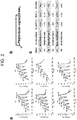
- Cyclic peptides to be bound to Plexin B1 were obtained by performing a RaPID system for the N-terminal head piece of human Plexin B1. Cyclic peptides categorized into four families were obtained by the selection using the RaPID system repeated five times or more.
- the cyclic peptides shown in FIG. 1c were obtained by chemical synthesis and binding affinity to Plexin B1 was analyzed by surface resonance plasmon (SPR).
- cyclic peptides shown below in Table 2 were analyzed similarly.
- the cyclic peptides shown in Table 2 also indicate a dissociation constant (KD) of nM order in mouse Plexin B1.
- KD dissociation constant
- w means D W in the cyclic peptide shown in FIG. 2b .
- Ser binds to C, which is Cys
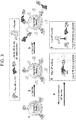
- High AP activity relates to high interaction (5) between Semaphorin and Plexin and low AP activity relates to high interaction (6) between Semaphorin and Plexin.
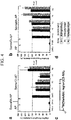
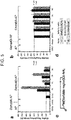
- FIGS. 4 and 5 The results are shown in FIGS. 4 and 5 .
- the cyclic peptides shown in FIGS. 4c and d inhibit the interaction between Plexin B1 and Semaphorin 4D and the cyclic peptides shown in FIGS. 5c and d enhance the interaction between Plexin B1 and Semaphorin 4D.
- the cyclic peptide mp6-9 showed the interaction inhibiting activity between human Plexin B1 and Semaphorin 4D equivalent to that of the cyclic peptide P6.
- the cyclic peptide mp6-2 showed the interaction inhibiting activity between mouse Plexin B1 and Semaphorin 4D equivalent to that of the cyclic peptide P6.
- the cyclic peptides mp6-9 and mp6-3 showed stronger inhibiting activity than the cyclic peptide P6.
- the Plexin PPI inhibiting activity of the cyclic peptide P6 was measured at each concentration. The results are shown in FIG. 6 .
- the cyclic peptide P6 was biotinylated by the conventional method.
- the structure of the biotinylated cyclic peptide P6 is shown in FIG. 8a .
- the biotinylated P6 thus synthesized was added to mock cells not expressing Plexin B1 and HEK239 cells exogenously expressing Plexin B1 and then, streptoavidin-PE was added to determine its binding amount by FACS (fluorescence activated cell sorting). The results are shown in FIG. 8b .
- a cyclic peptide having an intramolecular lactam bridge structure as shown in FIG. 10 was chemically synthesized and its binding affinity to Plexin B1 was analyzed by surface resonance plasmon (SPR) ( FIG. 11a ).
- FIG. 11c A stability test, with serum protease, of the cyclic peptide P6 and the cyclic peptide having an intramolecular lactam bridge structure was performed ( FIG. 11c ).
- P6 showed a half-life of from 3 to 6 hours, while the cyclic peptide BC8 having an intramolecular lactam bridge structure was not decomposed even after 29 hours.
- the cyclic peptide P6 was dimerized by the conventional method.
- the respective structures of the dimerized cyclic peptides P6 (P6dPEG5 and P6dPEG11) are shown in FIG. 12 .
- An inhibition test of each peptide against cell detachment by the stimulation of Semaphorin 4D was performed using the dimerized peptide shown in FIG. 12 and exogenously Plexin-B1 expressing cells HEK293. The results are shown in FIG. 13 .
- P-7 PEG dimers obtained by dimerizing a cyclic peptide P7 in a manner similar to that of the dimerized cyclic peptide P6 having a structure shown in FIG. 12 specifically cause a Sema-4D-like collapse effect on the Plexin-B1 expressing cells, in other words, they are effective for accelerating activation of Plexin B1.
Landscapes
- Health & Medical Sciences (AREA)
- Life Sciences & Earth Sciences (AREA)
- Chemical & Material Sciences (AREA)
- Medicinal Chemistry (AREA)
- General Health & Medical Sciences (AREA)
- Pharmacology & Pharmacy (AREA)
- Animal Behavior & Ethology (AREA)
- Public Health (AREA)
- Veterinary Medicine (AREA)
- Bioinformatics & Cheminformatics (AREA)
- Engineering & Computer Science (AREA)
- Organic Chemistry (AREA)
- General Chemical & Material Sciences (AREA)
- Chemical Kinetics & Catalysis (AREA)
- Nuclear Medicine, Radiotherapy & Molecular Imaging (AREA)
- Epidemiology (AREA)
- Physical Education & Sports Medicine (AREA)
- Proteomics, Peptides & Aminoacids (AREA)
- Biomedical Technology (AREA)
- Neurosurgery (AREA)
- Neurology (AREA)
- Immunology (AREA)
- Psychiatry (AREA)
- Hospice & Palliative Care (AREA)
- Gastroenterology & Hepatology (AREA)
- Biochemistry (AREA)
- Biophysics (AREA)
- Genetics & Genomics (AREA)
- Molecular Biology (AREA)
- Orthopedic Medicine & Surgery (AREA)
- Rheumatology (AREA)
- Dermatology (AREA)
- Nutrition Science (AREA)
- Physiology (AREA)
- Medicines That Contain Protein Lipid Enzymes And Other Medicines (AREA)
- Peptides Or Proteins (AREA)
Applications Claiming Priority (2)
| Application Number | Priority Date | Filing Date | Title |
|---|---|---|---|
| JP2016120226 | 2016-06-16 | ||
| PCT/JP2017/022387 WO2017217545A1 (fr) | 2016-06-16 | 2017-06-16 | Régulateur de liaison de la plexine |
Publications (2)
| Publication Number | Publication Date |
|---|---|
| EP3473262A1 true EP3473262A1 (fr) | 2019-04-24 |
| EP3473262A4 EP3473262A4 (fr) | 2020-03-18 |
Family
ID=60663296
Family Applications (1)
| Application Number | Title | Priority Date | Filing Date |
|---|---|---|---|
| EP17813438.3A Withdrawn EP3473262A4 (fr) | 2016-06-16 | 2017-06-16 | Régulateur de liaison de la plexine |
Country Status (4)
| Country | Link |
|---|---|
| US (1) | US11975040B2 (fr) |
| EP (1) | EP3473262A4 (fr) |
| JP (1) | JP6656661B2 (fr) |
| WO (1) | WO2017217545A1 (fr) |
Families Citing this family (4)
| Publication number | Priority date | Publication date | Assignee | Title |
|---|---|---|---|---|
| AU2019266042B2 (en) * | 2018-05-10 | 2025-08-07 | Mirabiologics Inc. | Artificial protein containing an antibody antigen-binding region, fused with bioactive peptides |
| US12565517B2 (en) | 2019-10-08 | 2026-03-03 | Genefrontier Corporation | Cyclic peptide having CTLA-4 inhibitory activity and use thereof |
| JPWO2022137964A1 (fr) * | 2020-12-23 | 2022-06-30 | ||
| CN119735633B (zh) * | 2024-12-03 | 2025-09-16 | 宁波大学 | 一种抗氧化、抗炎及降糖乳铁蛋白肽制备及其应用 |
Family Cites Families (6)
| Publication number | Priority date | Publication date | Assignee | Title |
|---|---|---|---|---|
| MX343640B (es) | 2011-05-13 | 2016-11-15 | Nat Univ Corp Tokyo Medical & Dental Univ | Promotor de osteogenesis. |
| WO2013019445A2 (fr) | 2011-07-29 | 2013-02-07 | Health Research, Inc. | Peptides anti-angiogènes et leurs utilisations |
| JP6785651B2 (ja) * | 2013-03-30 | 2020-11-18 | ポリフォー・アクチェンゲゼルシャフトPolyphor Ag | ベータ−ヘアピンペプチド模倣体 |
| SMT201800589T1 (it) * | 2013-06-12 | 2019-01-11 | Pharis Biotec Gmbh | Peptidi con attivita' antagoniste contro cxcr4 naturale |
| BR112015032690B1 (pt) | 2013-06-25 | 2020-03-10 | Vaccinex, Inc. | Uso de moléculas inibidoras de semaforina-4d em combinação com uma terapia imunomoduladora para inibir o crescimento tumoral e metástase |
| WO2016054411A1 (fr) | 2014-10-01 | 2016-04-07 | Protagonist Therapeutics, Inc. | NOUVEAUX ANTAGONISTES PEPTIDIQUES MONOMÈRES ET DIMÈRES DE α4β7 |
-
2017
- 2017-06-16 WO PCT/JP2017/022387 patent/WO2017217545A1/fr not_active Ceased
- 2017-06-16 JP JP2018524047A patent/JP6656661B2/ja active Active
- 2017-06-16 EP EP17813438.3A patent/EP3473262A4/fr not_active Withdrawn
- 2017-06-16 US US16/309,957 patent/US11975040B2/en active Active
Also Published As
| Publication number | Publication date |
|---|---|
| JPWO2017217545A1 (ja) | 2019-03-28 |
| WO2017217545A1 (fr) | 2017-12-21 |
| EP3473262A4 (fr) | 2020-03-18 |
| US20190247457A1 (en) | 2019-08-15 |
| JP6656661B2 (ja) | 2020-03-04 |
| US11975040B2 (en) | 2024-05-07 |
Similar Documents
| Publication | Publication Date | Title |
|---|---|---|
| JP7248247B2 (ja) | Wt1抗原ペプチドコンジュゲートワクチン | |
| CN114521197B (zh) | 异串联双环肽复合物 | |
| JP6676589B2 (ja) | 薬物動態特性の改善されたコンプスタチンアナログ | |
| CN111183147B (zh) | Cd137特异性的双环肽配体 | |
| US10234460B2 (en) | Macrocyclic peptide, method for producing same, and screening method using macrocyclic peptide library | |
| EP3059244B1 (fr) | Agoniste de la protéine c-met | |
| CA2852468A1 (fr) | Macrocycles peptidomimetiques | |
| WO2017023933A2 (fr) | Macrocycles peptidomimétiques | |
| US11975040B2 (en) | Plexin binding regulator | |
| KR20220066287A (ko) | 콤프스타틴 유사체 및 이의 의약 용도 | |
| WO2016047797A1 (fr) | Composition pharmaceutique pour injection | |
| EP3970801A1 (fr) | Peptide inhibiteur de ras | |
| US20250179119A1 (en) | Cyclic peptide or salt thereof, and mdmx inhibitor | |
| CA3229962A1 (fr) | Conjugue anticorps-peptide se liant au recepteur de la transferrine humaine | |
| EP4180446A1 (fr) | Peptide cyclique, complexe peptidique et composition médicamenteuse contenant ledit peptide cyclique et/ou ledit complexe peptidique | |
| EP4541891A1 (fr) | Nouveau peptide de liaison à lrp1 | |
| EP2894161B1 (fr) | Peptide destiné à inhiber le récepteur du facteur de croissance de l'endothélium vasculaire | |
| EP3269727B1 (fr) | Agent pharmaceutique à base de polypeptide de protéine x du virus de l'hépatite b | |
| EP4667483A1 (fr) | Peptide de liaison au récepteur de la transferrine humaine | |
| EA049126B1 (ru) | Аналоги компстатина и пути их медицинского применения | |
| CA3125383A1 (fr) | Analogues peptidiques de conotoxine et leurs utilisations pour le traitement de la douleur et d'affections inflammatoires |
Legal Events
| Date | Code | Title | Description |
|---|---|---|---|
| STAA | Information on the status of an ep patent application or granted ep patent |
Free format text: STATUS: THE INTERNATIONAL PUBLICATION HAS BEEN MADE |
|
| PUAI | Public reference made under article 153(3) epc to a published international application that has entered the european phase |
Free format text: ORIGINAL CODE: 0009012 |
|
| STAA | Information on the status of an ep patent application or granted ep patent |
Free format text: STATUS: REQUEST FOR EXAMINATION WAS MADE |
|
| 17P | Request for examination filed |
Effective date: 20190116 |
|
| AK | Designated contracting states |
Kind code of ref document: A1 Designated state(s): AL AT BE BG CH CY CZ DE DK EE ES FI FR GB GR HR HU IE IS IT LI LT LU LV MC MK MT NL NO PL PT RO RS SE SI SK SM TR |
|
| AX | Request for extension of the european patent |
Extension state: BA ME |
|
| DAV | Request for validation of the european patent (deleted) | ||
| DAX | Request for extension of the european patent (deleted) | ||
| A4 | Supplementary search report drawn up and despatched |
Effective date: 20200219 |
|
| RIC1 | Information provided on ipc code assigned before grant |
Ipc: A61P 43/00 20060101ALI20200213BHEP Ipc: A61P 19/08 20060101ALI20200213BHEP Ipc: A61P 25/28 20060101ALI20200213BHEP Ipc: A61P 35/00 20060101ALI20200213BHEP Ipc: A61K 38/04 20060101ALI20200213BHEP Ipc: A61K 38/02 20060101AFI20200213BHEP Ipc: C07K 7/50 20060101ALI20200213BHEP Ipc: A61P 19/00 20060101ALI20200213BHEP |
|
| STAA | Information on the status of an ep patent application or granted ep patent |
Free format text: STATUS: EXAMINATION IS IN PROGRESS |
|
| 17Q | First examination report despatched |
Effective date: 20220823 |
|
| STAA | Information on the status of an ep patent application or granted ep patent |
Free format text: STATUS: THE APPLICATION IS DEEMED TO BE WITHDRAWN |
|
| 18D | Application deemed to be withdrawn |
Effective date: 20250226 |