EP3473705A1 - Verfahren zur herstellung von künstlicher haut mit haarfollikeln, talgdrüsen und poren - Google Patents
Verfahren zur herstellung von künstlicher haut mit haarfollikeln, talgdrüsen und poren Download PDFInfo
- Publication number
- EP3473705A1 EP3473705A1 EP17815338.3A EP17815338A EP3473705A1 EP 3473705 A1 EP3473705 A1 EP 3473705A1 EP 17815338 A EP17815338 A EP 17815338A EP 3473705 A1 EP3473705 A1 EP 3473705A1
- Authority
- EP
- European Patent Office
- Prior art keywords
- hair
- artificial skin
- cells
- layer
- hair follicle
- Prior art date
- Legal status (The legal status is an assumption and is not a legal conclusion. Google has not performed a legal analysis and makes no representation as to the accuracy of the status listed.)
- Withdrawn
Links
Images






Classifications
-
- A—HUMAN NECESSITIES
- A61—MEDICAL OR VETERINARY SCIENCE; HYGIENE
- A61L—METHODS OR APPARATUS FOR STERILISING MATERIALS OR OBJECTS IN GENERAL; DISINFECTION, STERILISATION OR DEODORISATION OF AIR; CHEMICAL ASPECTS OF BANDAGES, DRESSINGS, ABSORBENT PADS OR SURGICAL ARTICLES; MATERIALS FOR BANDAGES, DRESSINGS, ABSORBENT PADS OR SURGICAL ARTICLES
- A61L27/00—Materials for grafts or prostheses or for coating grafts or prostheses
- A61L27/36—Materials for grafts or prostheses or for coating grafts or prostheses containing ingredients of undetermined constitution or reaction products thereof, e.g. transplant tissue, natural bone, extracellular matrix
- A61L27/3604—Materials for grafts or prostheses or for coating grafts or prostheses containing ingredients of undetermined constitution or reaction products thereof, e.g. transplant tissue, natural bone, extracellular matrix characterised by the human or animal origin of the biological material, e.g. hair, fascia, fish scales, silk, shellac, pericardium, pleura, renal tissue, amniotic membrane, parenchymal tissue, fetal tissue, muscle tissue, fat tissue, enamel
- A61L27/362—Skin, e.g. dermal papillae
-
- A—HUMAN NECESSITIES
- A61—MEDICAL OR VETERINARY SCIENCE; HYGIENE
- A61F—FILTERS IMPLANTABLE INTO BLOOD VESSELS; PROSTHESES; DEVICES PROVIDING PATENCY TO, OR PREVENTING COLLAPSING OF, TUBULAR STRUCTURES OF THE BODY, e.g. STENTS; ORTHOPAEDIC, NURSING OR CONTRACEPTIVE DEVICES; FOMENTATION; TREATMENT OR PROTECTION OF EYES OR EARS; BANDAGES, DRESSINGS OR ABSORBENT PADS; FIRST-AID KITS
- A61F2/00—Filters implantable into blood vessels; Prostheses, i.e. artificial substitutes or replacements for parts of the body; Appliances for connecting them with the body; Devices providing patency to, or preventing collapsing of, tubular structures of the body, e.g. stents
- A61F2/02—Prostheses implantable into the body
- A61F2/10—Hair or skin implants
- A61F2/105—Skin implants, e.g. artificial skin
-
- A—HUMAN NECESSITIES
- A61—MEDICAL OR VETERINARY SCIENCE; HYGIENE
- A61L—METHODS OR APPARATUS FOR STERILISING MATERIALS OR OBJECTS IN GENERAL; DISINFECTION, STERILISATION OR DEODORISATION OF AIR; CHEMICAL ASPECTS OF BANDAGES, DRESSINGS, ABSORBENT PADS OR SURGICAL ARTICLES; MATERIALS FOR BANDAGES, DRESSINGS, ABSORBENT PADS OR SURGICAL ARTICLES
- A61L27/00—Materials for grafts or prostheses or for coating grafts or prostheses
- A61L27/14—Macromolecular materials
- A61L27/22—Polypeptides or derivatives thereof, e.g. degradation products
- A61L27/24—Collagen
-
- A—HUMAN NECESSITIES
- A61—MEDICAL OR VETERINARY SCIENCE; HYGIENE
- A61L—METHODS OR APPARATUS FOR STERILISING MATERIALS OR OBJECTS IN GENERAL; DISINFECTION, STERILISATION OR DEODORISATION OF AIR; CHEMICAL ASPECTS OF BANDAGES, DRESSINGS, ABSORBENT PADS OR SURGICAL ARTICLES; MATERIALS FOR BANDAGES, DRESSINGS, ABSORBENT PADS OR SURGICAL ARTICLES
- A61L27/00—Materials for grafts or prostheses or for coating grafts or prostheses
- A61L27/36—Materials for grafts or prostheses or for coating grafts or prostheses containing ingredients of undetermined constitution or reaction products thereof, e.g. transplant tissue, natural bone, extracellular matrix
-
- A—HUMAN NECESSITIES
- A61—MEDICAL OR VETERINARY SCIENCE; HYGIENE
- A61L—METHODS OR APPARATUS FOR STERILISING MATERIALS OR OBJECTS IN GENERAL; DISINFECTION, STERILISATION OR DEODORISATION OF AIR; CHEMICAL ASPECTS OF BANDAGES, DRESSINGS, ABSORBENT PADS OR SURGICAL ARTICLES; MATERIALS FOR BANDAGES, DRESSINGS, ABSORBENT PADS OR SURGICAL ARTICLES
- A61L27/00—Materials for grafts or prostheses or for coating grafts or prostheses
- A61L27/36—Materials for grafts or prostheses or for coating grafts or prostheses containing ingredients of undetermined constitution or reaction products thereof, e.g. transplant tissue, natural bone, extracellular matrix
- A61L27/3604—Materials for grafts or prostheses or for coating grafts or prostheses containing ingredients of undetermined constitution or reaction products thereof, e.g. transplant tissue, natural bone, extracellular matrix characterised by the human or animal origin of the biological material, e.g. hair, fascia, fish scales, silk, shellac, pericardium, pleura, renal tissue, amniotic membrane, parenchymal tissue, fetal tissue, muscle tissue, fat tissue, enamel
-
- A—HUMAN NECESSITIES
- A61—MEDICAL OR VETERINARY SCIENCE; HYGIENE
- A61L—METHODS OR APPARATUS FOR STERILISING MATERIALS OR OBJECTS IN GENERAL; DISINFECTION, STERILISATION OR DEODORISATION OF AIR; CHEMICAL ASPECTS OF BANDAGES, DRESSINGS, ABSORBENT PADS OR SURGICAL ARTICLES; MATERIALS FOR BANDAGES, DRESSINGS, ABSORBENT PADS OR SURGICAL ARTICLES
- A61L27/00—Materials for grafts or prostheses or for coating grafts or prostheses
- A61L27/36—Materials for grafts or prostheses or for coating grafts or prostheses containing ingredients of undetermined constitution or reaction products thereof, e.g. transplant tissue, natural bone, extracellular matrix
- A61L27/38—Materials for grafts or prostheses or for coating grafts or prostheses containing ingredients of undetermined constitution or reaction products thereof, e.g. transplant tissue, natural bone, extracellular matrix containing added animal cells
- A61L27/3804—Materials for grafts or prostheses or for coating grafts or prostheses containing ingredients of undetermined constitution or reaction products thereof, e.g. transplant tissue, natural bone, extracellular matrix containing added animal cells characterised by specific cells or progenitors thereof, e.g. fibroblasts, connective tissue cells, kidney cells
-
- A—HUMAN NECESSITIES
- A61—MEDICAL OR VETERINARY SCIENCE; HYGIENE
- A61L—METHODS OR APPARATUS FOR STERILISING MATERIALS OR OBJECTS IN GENERAL; DISINFECTION, STERILISATION OR DEODORISATION OF AIR; CHEMICAL ASPECTS OF BANDAGES, DRESSINGS, ABSORBENT PADS OR SURGICAL ARTICLES; MATERIALS FOR BANDAGES, DRESSINGS, ABSORBENT PADS OR SURGICAL ARTICLES
- A61L27/00—Materials for grafts or prostheses or for coating grafts or prostheses
- A61L27/36—Materials for grafts or prostheses or for coating grafts or prostheses containing ingredients of undetermined constitution or reaction products thereof, e.g. transplant tissue, natural bone, extracellular matrix
- A61L27/38—Materials for grafts or prostheses or for coating grafts or prostheses containing ingredients of undetermined constitution or reaction products thereof, e.g. transplant tissue, natural bone, extracellular matrix containing added animal cells
- A61L27/3804—Materials for grafts or prostheses or for coating grafts or prostheses containing ingredients of undetermined constitution or reaction products thereof, e.g. transplant tissue, natural bone, extracellular matrix containing added animal cells characterised by specific cells or progenitors thereof, e.g. fibroblasts, connective tissue cells, kidney cells
- A61L27/3813—Epithelial cells, e.g. keratinocytes, urothelial cells
-
- A—HUMAN NECESSITIES
- A61—MEDICAL OR VETERINARY SCIENCE; HYGIENE
- A61L—METHODS OR APPARATUS FOR STERILISING MATERIALS OR OBJECTS IN GENERAL; DISINFECTION, STERILISATION OR DEODORISATION OF AIR; CHEMICAL ASPECTS OF BANDAGES, DRESSINGS, ABSORBENT PADS OR SURGICAL ARTICLES; MATERIALS FOR BANDAGES, DRESSINGS, ABSORBENT PADS OR SURGICAL ARTICLES
- A61L27/00—Materials for grafts or prostheses or for coating grafts or prostheses
- A61L27/50—Materials characterised by their function or physical properties, e.g. injectable or lubricating compositions, shape-memory materials, surface modified materials
- A61L27/60—Materials for use in artificial skin
-
- C—CHEMISTRY; METALLURGY
- C12—BIOCHEMISTRY; BEER; SPIRITS; WINE; VINEGAR; MICROBIOLOGY; ENZYMOLOGY; MUTATION OR GENETIC ENGINEERING
- C12N—MICROORGANISMS OR ENZYMES; COMPOSITIONS THEREOF; PROPAGATING, PRESERVING, OR MAINTAINING MICROORGANISMS; MUTATION OR GENETIC ENGINEERING; CULTURE MEDIA
- C12N5/00—Undifferentiated human, animal or plant cells, e.g. cell lines; Tissues; Cultivation or maintenance thereof; Culture media therefor
- C12N5/06—Animal cells or tissues; Human cells or tissues
- C12N5/0602—Vertebrate cells
- C12N5/0625—Epidermal cells, skin cells; Cells of the oral mucosa
- C12N5/0627—Hair cells
-
- C—CHEMISTRY; METALLURGY
- C12—BIOCHEMISTRY; BEER; SPIRITS; WINE; VINEGAR; MICROBIOLOGY; ENZYMOLOGY; MUTATION OR GENETIC ENGINEERING
- C12N—MICROORGANISMS OR ENZYMES; COMPOSITIONS THEREOF; PROPAGATING, PRESERVING, OR MAINTAINING MICROORGANISMS; MUTATION OR GENETIC ENGINEERING; CULTURE MEDIA
- C12N5/00—Undifferentiated human, animal or plant cells, e.g. cell lines; Tissues; Cultivation or maintenance thereof; Culture media therefor
- C12N5/06—Animal cells or tissues; Human cells or tissues
- C12N5/0602—Vertebrate cells
- C12N5/0625—Epidermal cells, skin cells; Cells of the oral mucosa
- C12N5/0629—Keratinocytes; Whole skin
-
- C—CHEMISTRY; METALLURGY
- C12—BIOCHEMISTRY; BEER; SPIRITS; WINE; VINEGAR; MICROBIOLOGY; ENZYMOLOGY; MUTATION OR GENETIC ENGINEERING
- C12N—MICROORGANISMS OR ENZYMES; COMPOSITIONS THEREOF; PROPAGATING, PRESERVING, OR MAINTAINING MICROORGANISMS; MUTATION OR GENETIC ENGINEERING; CULTURE MEDIA
- C12N5/00—Undifferentiated human, animal or plant cells, e.g. cell lines; Tissues; Cultivation or maintenance thereof; Culture media therefor
- C12N5/06—Animal cells or tissues; Human cells or tissues
- C12N5/0602—Vertebrate cells
- C12N5/0625—Epidermal cells, skin cells; Cells of the oral mucosa
- C12N5/0633—Cells of secretory glands, e.g. parotid gland, salivary glands, sweat glands, lacrymal glands
-
- C—CHEMISTRY; METALLURGY
- C12—BIOCHEMISTRY; BEER; SPIRITS; WINE; VINEGAR; MICROBIOLOGY; ENZYMOLOGY; MUTATION OR GENETIC ENGINEERING
- C12N—MICROORGANISMS OR ENZYMES; COMPOSITIONS THEREOF; PROPAGATING, PRESERVING, OR MAINTAINING MICROORGANISMS; MUTATION OR GENETIC ENGINEERING; CULTURE MEDIA
- C12N5/00—Undifferentiated human, animal or plant cells, e.g. cell lines; Tissues; Cultivation or maintenance thereof; Culture media therefor
- C12N5/06—Animal cells or tissues; Human cells or tissues
- C12N5/0602—Vertebrate cells
- C12N5/0652—Cells of skeletal and connective tissues; Mesenchyme
- C12N5/0653—Adipocytes; Adipose tissue
-
- C—CHEMISTRY; METALLURGY
- C12—BIOCHEMISTRY; BEER; SPIRITS; WINE; VINEGAR; MICROBIOLOGY; ENZYMOLOGY; MUTATION OR GENETIC ENGINEERING
- C12N—MICROORGANISMS OR ENZYMES; COMPOSITIONS THEREOF; PROPAGATING, PRESERVING, OR MAINTAINING MICROORGANISMS; MUTATION OR GENETIC ENGINEERING; CULTURE MEDIA
- C12N5/00—Undifferentiated human, animal or plant cells, e.g. cell lines; Tissues; Cultivation or maintenance thereof; Culture media therefor
- C12N5/06—Animal cells or tissues; Human cells or tissues
- C12N5/0602—Vertebrate cells
- C12N5/0652—Cells of skeletal and connective tissues; Mesenchyme
- C12N5/0656—Adult fibroblasts
-
- C—CHEMISTRY; METALLURGY
- C12—BIOCHEMISTRY; BEER; SPIRITS; WINE; VINEGAR; MICROBIOLOGY; ENZYMOLOGY; MUTATION OR GENETIC ENGINEERING
- C12N—MICROORGANISMS OR ENZYMES; COMPOSITIONS THEREOF; PROPAGATING, PRESERVING, OR MAINTAINING MICROORGANISMS; MUTATION OR GENETIC ENGINEERING; CULTURE MEDIA
- C12N5/00—Undifferentiated human, animal or plant cells, e.g. cell lines; Tissues; Cultivation or maintenance thereof; Culture media therefor
- C12N5/06—Animal cells or tissues; Human cells or tissues
- C12N5/0602—Vertebrate cells
- C12N5/0652—Cells of skeletal and connective tissues; Mesenchyme
- C12N5/0662—Stem cells
- C12N5/0666—Mesenchymal stem cells from hair follicles
-
- C—CHEMISTRY; METALLURGY
- C12—BIOCHEMISTRY; BEER; SPIRITS; WINE; VINEGAR; MICROBIOLOGY; ENZYMOLOGY; MUTATION OR GENETIC ENGINEERING
- C12N—MICROORGANISMS OR ENZYMES; COMPOSITIONS THEREOF; PROPAGATING, PRESERVING, OR MAINTAINING MICROORGANISMS; MUTATION OR GENETIC ENGINEERING; CULTURE MEDIA
- C12N5/00—Undifferentiated human, animal or plant cells, e.g. cell lines; Tissues; Cultivation or maintenance thereof; Culture media therefor
- C12N5/06—Animal cells or tissues; Human cells or tissues
- C12N5/0697—Artificial constructs associating cells of different lineages, e.g. tissue equivalents
- C12N5/0698—Skin equivalents
-
- C—CHEMISTRY; METALLURGY
- C12—BIOCHEMISTRY; BEER; SPIRITS; WINE; VINEGAR; MICROBIOLOGY; ENZYMOLOGY; MUTATION OR GENETIC ENGINEERING
- C12N—MICROORGANISMS OR ENZYMES; COMPOSITIONS THEREOF; PROPAGATING, PRESERVING, OR MAINTAINING MICROORGANISMS; MUTATION OR GENETIC ENGINEERING; CULTURE MEDIA
- C12N2533/00—Supports or coatings for cell culture, characterised by material
- C12N2533/50—Proteins
- C12N2533/54—Collagen; Gelatin
Definitions
- the present invention relates to a method for manufacturing artificial skin, as well as an artificial skin manufactured by said method.
- the skin configured by epidermal and dermal tissues and subcutaneous tissue is a massive organ that thoroughly covers the body surface and separates the inside of the body from the external world.
- the skin is distributed with various ectodermal organs such as hair follicles, sebaceous glands, and sweat glands, and the integumentary system (skin organ system) is configured by structural and functional cooperation of these.
- the integumentary system defends the body surface from various external invasions by growing out hair, adjusts body surface environment or excretes waste product by secreting sebum and sweat, and further assumes assorted physiological functions such as thermoregulation and sensory reception by cooperating also with other organ systems such as the circulatory system and the nervous system.
- artificial skin thus far simply comprises only the epidermal and dermal layers without skin appendage, or did not reproduce normal skin structure and functions even if it comprised skin appendage-like structures (such as a hair follicle-like structure). Because skin barrier function by sebum etc. does not exist in artificial skin without functional skin appendage, its use as an alternative to a laboratory animal is limited.
- Patent Literature 1 shows that by overlaying and culturing a collagen matrix layer that comprises constrictor cells (such as fibroblasts) and a collagen matrix layer that comprises cells that constitute tissue appendage (such as hair papilla cells), hair follicle-like structures may be produced in the culture.
- constrictor cells such as fibroblasts
- tissue appendage such as hair papilla cells
- Patent Literature 1 merely shows that a structure that has similar external form of a hair follicle was produced, and artificial skin that reproduces normal structure and function of skin appendage is not shown.
- Patent Literature 1 Japanese Published Unexamined Patent Application Publication No. H10-136977
- the object of the present invention is to provide an artificial skin having hair follicles, sebaceous glands, and hair pores.
- the present invention relates to a method for manufacturing artificial skin having hair follicles, sebaceous glands, and hair pores, characterized in that it comprises each of the following steps:
- the method of the present invention is characterized in that artificial skin having only a dermal layer is used in said step (A), and the method comprises the following step after said step (B) : (C) : a step of forming an epidermal layer on said dermal layer of said artificial skin.
- the method of the present invention is characterized in that the dermal layer of the artificial skin in said step (A) is formed by gelling a mixed solution comprising fibroblasts, collagen, and culture medium.
- the method of the present invention is characterized in that the dermal layer of the artificial skin in said step (A) is formed by gelling a mixed solution comprising fibroblasts, collagen, and culture medium, and then further adding a mixed solution comprising collagen and culture medium, and allowing it to gel and repeating this at least once or more times.
- the method of the present invention is characterized in that the epidermal layer of the "artificial skin having dermal and epidermal layers" in said step (A) is formed by applying a mixed solution comprising keratinized cells and culture medium to the surface of said dermal layer, and subjecting them to culture.
- the method of the present invention is characterized in that said step (C) is a step of forming said epidermal layer by applying a mixed solution comprising keratinized cells and culture medium to the surface of said dermal layer of said artificial skin, and subjecting them to culture.
- step (A) is:
- the method of the present invention is characterized in that it comprises the following step after said step (A) and before said step (B): (A'): a step of embedding fat progenitor cells at the site of artificial skin that isolated hair follicles are transplanted in step (B).
- the method of the present invention is characterized in that said isolated hair follicle is a hair follicle isolated from animal skin.
- the method of the present invention is characterized in that said isolated hair follicle is a hair follicle isolated from human skin.
- the method of the present invention is characterized in that said isolated hair follicle is an artificially induced regenerated hair follicle.
- the method of the present invention is characterized in that said regenerated hair follicle is a regenerated hair follicle manufactured by putting a first cell aggregate composed substantially of mesenchymal lineage cells and a second cell aggregate composed substantially of epithelial cells in close contact and subjecting them to culture inside a support.
- the method of the present invention is characterized in that at least either one of said mesenchymal lineage cells or said epithelial cells is obtained by inducing undifferentiated cells.
- the method of the present invention is characterized in that at least either one of said mesenchymal lineage cells or said epithelial cells is singled cells derived from animal hair follicles.
- the present invention relates to an artificial skin having hair follicles and sebaceous glands, characterized in that it further has hair pores.
- the present invention relates to an artificial skin comprising:
- the artificial skin of the present invention is characterized in that it further has a fat tissue layer in the lower part of said dermal layer.
- the artificial skin of the present invention is characterized in that said hair follicle is covered with fat progenitor cells in said dermal layer.
- the present invention is characterized in that it is an artificial skin manufactured by the method of the present invention for manufacturing artificial skin described above.
- an artificial skin that has functional hair follicles, sebaceous glands, and hair pores, and reproduces normal skin barrier function can be manufactured. Accordingly, artificial skin useful for drug effect and safety evaluation of pharmaceuticals and cosmetics (in particular, drug effect and safety evaluation of pharmaceuticals and cosmetics related to hair) can be provided.
- the present invention relates to an artificial skin having hair follicles, sebaceous glands, and hair pores, as well as a manufacturing method thereof.
- the artificial skin manufactured by the method of the present invention is characterized in that it has a hair follicle having a sebaceous gland, said hair follicle penetrates the epidermal layer and is buried into the dermal layer, and the hair pore portion of said hair follicle is connected to said epidermal layer.
- a hair follicle In a living subject, a hair follicle means skin appendage that produces a hair having structures such as hair papilla, hair matrix, root sheath, hair fiber, hair bulge, arrector pili muscle, sebaceous gland, and hair follicle infundibular part (so-called hair pore).
- a "hair follicle” as used herein is not limited to those comprising all of these structures, but broadly comprises those that comprise at least a part of these structures and maintain structures that have the function to produce hair.
- an “artificial skin” as used herein refers to an artificial dermatoid structure that has at least a dermal layer, preferably to those that further has an epidermal layer.
- a “dermal layer” as used herein means a structure composed mainly of collagen or fibroblasts, and an “epidermal layer” means a structure composed mainly of keratinized cells (keratinocytes).
- the artificial skin employed in the present invention (artificial skin before transplantation of isolated hair follicles) may be prepared before transplantation of hair follicles, or a commercially available artificial skin that has epidermal and dermal layers may be employed.
- the method for manufacturing the artificial skin employed in the present invention is not limited, and the dermal layer can be produced by for example gelling a mixed solution comprising fibroblasts, collagen, and culture medium.
- a mixed solution comprising collagen and culture medium is further added and allowed to gel, and this may be repeated at least once or more times to form a dermal layer.
- the origin of the fibroblasts employed for producing the dermal layer of the artificial skin is not limited, and for example, fibroblasts derived from human, monkey, pig, cow, horse, dog, cat, mouse, rat can be employed.
- the fibroblasts employed for producing the dermal layer of the artificial skin may be derived from any site of a living subject, and for example, fibroblasts derived from neonatal, fetal, or adult buttock, scalp, palm, sole, and preputium can be employed.
- the epidermal layer of the artificial skin of the present invention can be formed by for example applying a mixed solution comprising keratinized cells and culture medium to the surface of the dermal layer produced by the method described above and subjecting them to culture.
- the origin of the keratinized cells employed for producing the epidermal layer of the artificial skin is not limited, and for example, keratinized cells derived from human, monkey, pig, cow, horse, dog, cat, mouse, rat can be employed.
- the keratinized cells employed for producing the epidermal layer of the artificial skin may be derived from any site of a living subject, and for example, keratinized cells derived from neonatal, fetal, or adult buttock, scalp, palm, sole, and preputium can be employed.
- the artificial skin of the present invention may further have a fat tissue layer under the dermal layer.
- a "fat tissue layer” as used herein is not particularly limited as long as is comprises fat cells and is a structure have a composition that allows cell culture, and for example may be a collagen gel comprising fat tissue.
- hair follicles penetrate the epidermal layer and be buried in the dermal layer in the artificial skin of the present invention, it may be configured so that said hair follicles are covered with fat progenitor cells in said dermal layer.
- the method for producing artificial skin having such a configuration is not limited, and the desired configuration can be obtained by for example embedding fat progenitor cells at the hair follicle transplantation site before transplanting the hair follicles to artificial skin consisting of epidermal and dermal layers, and then transplanting the hair follicles. Further, the desired configuration can also be obtained for example by adhering fat progenitor cells around the hair follicles for transplantation, and then transplanting the hair follicles to artificial skin consisting of epidermal and dermal layers.
- the origin of the fat progenitor cells employed in the present invention is not particularly limited, and it may be commercially available fat progenitor cells, may be fat progenitor cells induced by a well-known method from mesenchymal lineage stem cells that are commercially available or isolated from a living subject, or may be fat progenitor cells directly isolated from a tissue of a living subject.
- the isolated hair follicles employed in the present invention may be isolated hair follicles harvested from animal skin.
- the type of animal for harvesting the hair follicles is not limited, and for example, isolated hair follicles derived from human, monkey, pig, cow, horse, dog, cat, mouse, rat can be employed.
- the method for trimming the hair follicles harvested from animal skin is not limited, and for example, the isolated hair follicles employed for the present invention can be obtained by isolating hair follicles from harvested skin so as not to damage the sebaceous gland.
- artificially induced hair follicles can also be employed as the isolated hair follicles employed in the present invention.
- the method for manufacturing the artificially induced hair follicles is not limited, and for example, artificially induced hair follicles can be employed using the methods described in WO2012/108069 or WO2012/115079 .
- regenerated hair follicle primordium-derived hair follicles manufactured by putting a first cell aggregate composed substantially of mesenchymal lineage cells and a second cell aggregate composed substantially of epithelial cells in close contact and culturing them inside a support can be employed in the present invention.
- At least either one of said mesenchymal lineage cells or said epithelial cells may be mesenchymal lineage cells or epithelial cells obtained by inducing undifferentiated cells (such as iPS cells, ES cells, various tissue stem cells, or various progenitor cells).
- at least either one of said mesenchymal lineage cells or said epithelial cells may be mesenchymal lineage cells or epithelial cells obtained from singled cells derived from animal hair follicles.
- regenerated hair follicle primordiums obtained by the above method may be transplanted to the skin of a living subject, reharvested once the hair follicles have grown to some extent, and employed for the present invention.
- artificially induced hair follicles can be employed for the present invention by using the method described in WO2016/039279 .
- pluripotent stem cell-derived embryoids are stimulated with a biologically active substance that may activate the Wnt pathway, and then said embryoids are bound to a scaffolding, and said bound object is transplanted to a living animal body.
- a teratoma that contains skin appendage such as hair follicle or sebaceous gland at high frequency is then formed at said transplantation site, and hair follicles harvested from said teratoma can be employed for the present invention.
- isolated hair follicles are transplanted to artificial skin so that the surface of the dermal layer of the artificial skin and the position of the hair pore portion of said isolated hair follicle are substantially in alignment.
- the hair pore portion of the hair follicle and the epidermal layer of the artificial skin are connected after hair follicle transplantation, and the hair follicles and sebaceous glands will become functional as skin appendages.
- the hair pore portion of the hair follicle and the epidermal layer of the artificial skin are "connected" (or the hair pore portion of the hair follicle and the epidermal layer of the artificial skin are "continuous") as used herein means that the hair pore portion of the hair follicle and the epidermal layer of the artificial skin are at least partially histologically bound.
- Example 1 Manufacture of artificial skin having hair follicles, sebaceous glands, and hair pores
- FIG. 1 The schematic diagram of the artificial skin manufactured by the method of the present invention is shown in Figure 1 . Moreover, the procedures for the two embodiments of the method of the present invention for manufacturing artificial skin carried out in this Example are shown in Figure 2 .
- mice were purchased from Shimizu Laboratory Supplies, Co., Ltd. (Tokyo, Japan). Management and operation of the mice was in accordance with NIH's Laboratory Animal Guideline. All experiments were reviewed by RIKEN's animal experiment committee and carried out with its approval.
- Human materials were harvested and donated at a joint research medical institution in line with the gist of the "Declaration of Helsinki” (amended in 1975, Tokyo), after consult and approval from the research ethics review committee at RIKEN and the donor medical institution, in compliance with " Ethical Guidelines for Medical and Health Research Involving Human Subjects” (Public Notice of the Ministry of Education, Culture, Sports, Science and Technology and Ministry of Health, Labour and Welfare No. 3 of 2014 ) and related regulations, and with informed consent from the donors, and used at a predetermined facility at RIKEN Center for Developmental Biology.
- Human materials in this research refer to scalp tissue donated at medical institutions in Japan, as well as hair follicles and surrounding tissue separated therefrom, and do not comprise purchased cultured human-derived cells.
- HDFn and HEKn normal human neonatal preputium epidermal keratinized cells
- DMEM 10 10% fetal bovine serum and Dulbecco modified Eagle's medium
- Passage culture was according to conventional means, digested with a solution of D-PBS (-) (Nacalai Tesque) supplemented with 0.25% Trypsin-1 mM EDTA (Invitrogen), dispersed, and then the cell density was adjusted and subcultured under medium conditions set for each cell.
- Normal human cells were subcultured to the third passage and subjected to artificial skin production, or set as frozen stocks and employed for artificial skin production after thawing as fourth passage cells. When used as frozen stocks, both were maintained in culture until 60 - 80% confluent, and used at a state of 80% or higher confluency for artificial skin production.
- HDFn cells subcultured in (3) were single-celled by digestion by trypsin EDTA solution. Subsequently, a neutral collagen solution comprising final concentrations of 3.8 mg/ml collagen (I-AC 5 mg/mL, KOKEN), 1 x DMEM (SIGMA), 10 mM NaHCO3 (Wako Pure Chemical Corporation), 10 mM HEPES buffer (titered and adjusted to pH 7.4, Wako Pure Chemical Corporation), and 5% fetal bovine serum was produced, and HDFn cells pelleted by centrifugation was dispersed while gently stirring at ice temperature condition.
- a neutral collagen solution comprising final concentrations of 3.8 mg/ml collagen (I-AC 5 mg/mL, KOKEN), 1 x DMEM (SIGMA), 10 mM NaHCO3 (Wako Pure Chemical Corporation), 10 mM HEPES buffer (titered and adjusted to pH 7.4, Wako Pure Chemical Corporation), and 5% fetal bovine serum was produced, and HD
- the cell culture insert having formed an artificial dermal layer by gelling of the cell-containing collagen solution was set in a 12-well culture plate filled with DMEM 10 medium comprising 10 ng/ml of FGF2 (Wako Pure Chemical Corporation) and cultured overnight.
- the following culture conditions were all 37°C, 5% CO2, and 100% humidity condition.
- the specific method is as follows. First, on Day 1 after the formation of fibroblast-containing collagen gel, an incision for hair follicle incorporation was made to said collagen gel. With an ophthalmic microscalpel (straight knife Straight 22.5°, MANI), a slit about 1.2 times the width of the hair follicle was formed onto the gel surface. The slit was made with a depth to the limit of not damaging the filter surface at the bottom of the cell culture insert, with an inclination of about 30 degrees. Into this slit, a whisker hair follicle, a body hair follicle of trunk dorsal skin, or a human head hair follicle (all of which are isolated hair follicles) was inserted from the surface side.
- ophthalmic microscalpel straight knife Straight 22.5°, MANI
- the epidermal layer was formed on the surface of the fibroblast-containing collagen gel by a method similar to "3. Production of artificial skin by incorporating hair follicles after formation of dermal and epidermal layers" described below, and air culture was performed.
- whiskers and body hair of trunk dorsal skin from B57/B6 mice at 5 - 7 days old after birth, as well as human head hair follicles in anagen VI phase that are growing hair shafts of which the hair type can be identified from the body surface were employed.
- mouse whiskers and dorsal skin body hair as well as human scalp hair follicles in which club hair still remains were separated and processed with a stereomicroscope based on skin transplantation technology of hair follicle organs described in each prior literature ( Toyoshima et al.
- Body hair was cut up from the skin and separated as hair groups consisting of 10 - 15 complete hair follicles so as to comprise the skin epidermal layer, the dermal layer, and the subcutaneous fat layer, and be horizontal to the hair follicles.
- Human hair follicles were separated to obtain a state of hair groups consisting of one or two hair follicles, and the dermal tissue above the hair follicle and the skin epidermal layer were trimmed similarly to whisker.
- HEKn cells proliferated to 60% - 80% confluency were single-celled by trypsin digestion, and suspended in HuMedia-KG2 medium to 2 x 10 6 cells/ml.
- Five hundred microliters of cell suspension per well was seeded overlaid on the fibroblast-containing collagen gel produced in (4) and cultured to form a keratinized epidermal layer on the fibroblast-containing collagen gel.
- the overlaid HEKn cells were cultured in HuMedia-KG2 medium or DMEM 10 medium until Day 4 after seeding, and total medium exchange was performed on Days 1, 2, and 3 after HEKn cell seeding with the same medium condition as the overlaid seeding.
- the operation described above was performed after replenishing the collagen gel following the shrinking of the fibroblast-containing collagen gel.
- the amount of DMEM 10 medium comprising 10 ng/ml of FGF2 in the well was adjusted so as to be the same with the liquid surface of the HuMedia-KG2 medium in the cell culture insert.
- air culture which is a culture condition in which the epidermal layer is directly exposed to atmospheric oxygen partial pressure condition, was initiated.
- hair follicle incorporation was performed on the fibroblast-containing collagen gel having an epidermal layer formed.
- HEKn cells were overlaid on the HDFn cell-containing collagen gel, hair follicle incorporation was performed on Day 3, and air culture was initiated on Day 4.
- isolated mouse whiskers prepared in the method described in "2. Production of artificial skin by forming epidermis after incorporating hair follicles into dermal layer" were employed. Incorporation of hair follicles in the artificial skin was performed similarly to the method described in "2. Production of artificial skin by forming epidermis after incorporating hair follicles into dermal layer” by forming slits that penetrate both the epidermal layer and the cell-containing collagen gel layer.
- first incisions in the epidermal layer were formed by making shallow movements with an ophthalmic microscalpel in the horizontal direction, and then incisions in the dermal layer were made.
- Ectodermal organs such as hair follicles or sweat glands function as skin organ systems (integumentary systems) by linking with the skin epidermal layer via openings such as hair pores and ducts.
- skin organ systems integumentary systems
- the sebaceous glands incorporated together with the hair follicles into the artificial skin it is essential that the hair pore portion of the incorporated hair follicle and the epidermal layer of the artificial skin are continuous.
- the medium was removed on Day 4 and Day 7 after incorporating hair follicles, and formalin fixative (SuperFix, KURABO) was added into the cell culture insert and the plate well at 1 ml and 2 ml, respectively, to allow tissue fixation.
- Tissue fixation was performed at room temperature environment for 6-12 hours, transferred to PBS (-) at room temperature at the end of fixation, and transverse section vertical to the epidermal layer comprising the midline of the artificial skin that incorporated hair follicles and the hair pores and the hair growth direction was cut out to produce paraffin-embedded blocks.
- Serial sections at a thickness of 10 ⁇ m were then created according to a conventional method, H&E staining was performed, the positions of continuity between the hair follicles and the epidermal layer as well as the hair bulb portion connected thereto were tracked.
- the hair follicle outer root sheath and the epidermal layer of the artificial skin are also linked in the upper hair pore region of the hair follicles incorporated in the artificial skin in artificial skin having incorporated hair follicles after formation of dermal and epidermal layers.
- the hair follicles in the artificial skin produced by the method of the present invention are linked with the artificial skin epidermal layer via hair pores and has functional skin appendage.
- the artificial skin obtained by the method of the present invention has functional skin appendage.
- Example 2 Production of artificial skin further having fat tissue layer
- Production of 6-well format artificial skin was performed by the following procedures.
- HDFn and HEKn normal human neonatal preputium epidermal keratinized cells
- DMEM 10 10% fetal bovine serum and Dulbecco modified Eagle's medium
- Passage culture was according to conventional means, digested with a solution of D-PBS (-) (Nacalai Tesque) supplemented with 0.25% Trypsin-1 mM EDTA (Invitrogen), dispersed, and then the cell density was adjusted and subcultured under medium conditions set for each cell.
- Normal human cells were subcultured to the second passage and subjected to artificial skin production, or set as frozen stocks and employed for artificial skin production after thawing as third passage cells. When used as frozen stocks, both were maintained in culture until 60 - 80% confluent, and used at a state of 80% or higher confluency for artificial skin production.
- Subcultured HDFn cells were single-celled by digestion by trypsin EDTA solution. Subsequently, a neutral collagen solution comprising final concentrations of 3.8 mg/ml collagen (I-AC 5 mg/mL, KOKEN), 1 x DMEM (SIGMA), 10 mM NaHCO3 (Wako Pure Chemical Corporation), 10 mM HEPES buffer (titered and adjusted to pH 7.4, Wako Pure Chemical Corporation), and 5% fetal bovine serum was produced, and HDFn cells pelleted by centrifugation was dispersed while gently stirring at ice temperature condition.
- a neutral collagen solution comprising final concentrations of 3.8 mg/ml collagen (I-AC 5 mg/mL, KOKEN), 1 x DMEM (SIGMA), 10 mM NaHCO3 (Wako Pure Chemical Corporation), 10 mM HEPES buffer (titered and adjusted to pH 7.4, Wako Pure Chemical Corporation), and 5% fetal bovine serum was produced, and HDFn
- the cell culture insert having formed an artificial dermal layer by gelling of the cell-containing collagen solution was set in a 6-well culture plate filled with DMEM 10 medium comprising 10 ng/ml of FGF2 (Wako Pure Chemical Corporation), and maintained in culture until epidermal layer formation.
- the following culture conditions were all 37°C, 5% CO2, and 100% humidity condition.
- the epidermal layer was formed on the surface of the fibroblast-containing collagen gel produced by the above method to produce artificial skin.
- HEKn cells proliferated to 60% - 80% confluency were single-celled by trypsin digestion, and suspended in HuMedia-KG2 medium to 3.7 x 10 6 cells/ml.
- HuMedia-KG2 medium was seeded overlaid on the fibroblast-containing collagen gel produced in (4) in Example 1 and cultured to form a keratinized epidermal layer on the fibroblast-containing collagen gel.
- the overlaid HEKn cells were cultured in HuMedia-KG2 medium or DMEM 10 medium until Day 4 after seeding, and total medium exchange was performed on Days 1, 2, and 3 after HEKn cell seeding with the same medium condition as the overlaid seeding.
- the operation described above was performed after replenishing the collagen gel following the shrinking of the fibroblast-containing collagen gel.
- the amount of DMEM 10 medium comprising 10 ng/ml of FGF2 in the well was adjusted so as to be the same with the liquid surface of the HuMedia-KG2 medium in the cell culture insert.
- air culture which is a culture condition in which the epidermal layer is exposed to low oxygen partial pressure condition (under 37°C, 5% CO 2 , 12.5% O 2 , and 100% humidity condition) was initiated.
- Skin tissue having undesired regions such as connective tissue trimmed from mouse dorsal skin tissue was cut into ribbons, and then fat tissue was harvested with tweezers.
- the stripped fat tissue was dispersed in the neutral collagen solution prepared with the method according to (4) in Example 1, left standing to gel under 37°C, 5% CO 2 , and 100% humidity condition for 30 minutes and further cut into 3 mm cubes, placed in a neutral collagen gel solution, and allowed to gel with a method similar to the above to have a subcutaneous fat layer.
- a collagen gel without fat tissue was also produced as control.
- the hair follicles employed in this Example were mouse whiskers prepared by the method described in "2. Production of artificial skin by forming epidermis after incorporating hair follicles into dermal layer" in Example 1 with the collagen sheath removed.
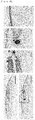
- Stereomicroscopic follow-up was performed daily from the start of culture (Day 0).
- the arrows show hair shaft tips, and the arrowheads show the positions of the hair bulb portion.
- the right column shows magnified images of the hair bulb portion on culture Day 3.
- the dotted line shows the mesenchymal tissue boundary of the outermost layer of hair follicle.
- the hair bulb portion moves to the upper portion of the hair follicle to form a structure called a secondary hair bud. For this reason, the rising of the position of the hair bulb portion and the off-position of the mesenchymal tissue boundary of the hair follicle indicate that it is catagen or telogen.
- mouse whisker hair follicles are inside a living subject in a state wrapped in collagen sheath, and when an anagen hair follicle is subjected to ex vivo culture in a state attached to collagen sheath, hair shaft is elongated and anagen is maintained (e.g. Biochemical and Biophysical Research Communications 367 (2008) 299-304 ).
- hair transplant medical care site it is well-known in the hair transplant medical care site that a hair follicle subjected to e.g. single hair follicle transplantation technology goes through catagen to enter telogen.
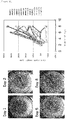
- Figure 8b shows tissue images of transplanted hair follicles on organ culture Day 3. It was shown that hair follicles incorporated in artificial skin without fat tissue layer ( Figure 8b left) had a linear hair follicle mesenchyme image (arrows) indicating catagen, whereas hair follicles incorporated in artificial skin with fat tissue layer ( Figure 8b right) was anagen hair bulb portion. The dotted line in the right photograph shows the boundary between the dermis (Der) and fat tissue (Adp).
- fat tissue has the effect of promoting hair follicle growth.
- the artificial skin of the present invention could be evaluated for hair follicle growth by interaction between hair follicle and subcutaneous fat tissue.
- Example 3 Manufacture of artificial skin employing regenerated hair follicle primordiums
- Fat progenitor cells were REC (Rapidly Expanding Cell, purchased from Bay bioscience Inc.) which is a commercially available mesenchymal lineage stem cell and induced according to prior literature ( Mabuchi Y. et al., Stem Cell Reports, 1, 152-165, 2013 ).
- REC was rapidly thawed in a warm bath at 37°C, and then washed with Adipogenic Maintenance Medium (Lonza), seeded in a culture plastic dish filled with the same medium at a cell density of 21,000 cells/cm 2 , and cultured for three days. Next, in order to induce differentiation into fat cells, Adipogenic Maintenance Medium was removed and then substituted to Adipogenic Induction Medium (Lonza), and further cultured for 2 days. Collection of cells followed conventional means using a solution of D-PBS (-) (Nacalai Tesque) supplemented with 0.25% Trypsin-1 mM EDTA (Invitrogen). Expression of fat progenitor cell marker PPAR ⁇ gene in the cells obtained was confirmed, and these were employed as REC-derived fat progenitor cells.
- Adipogenic Maintenance Medium (Lonza)
- the regenerated hair follicle primordiums were transferred to a cell culture insert, and subjected to seven days of organ culture with CMEM/F12 (1:1) medium comprising 10% FBS while adjusting the gas partial pressure with a multi-gas chamber. After seven days, emergence of hair follicles was confirmed under a stereomicroscope ( Figure 9a , center left). These were divided according to each hair group ( Figure 9a , center right) and subjected to incorporation in artificial skin.
- the prepared regenerated hair follicles were incorporated in the following three types of artificial skin, subjected to three days of organ culture (DMEM/F12 (1:1) medium comprising 10% FBS, 5% CO2 environment), and then histological analysis was performed.
- organ culture DMEM/F12 (1:1) medium comprising 10% FBS, 5% CO2 environment
- a 25 G injection needle was employed to form a transplantation pore that reaches the lower layer of the artificial skin, and incorporation was performed so that the depth will match between the artificial skin surface and the position to be the hair pore portion of the divided hair follicle.
- the top row shows the result of the "epidermis + dermis model”
- the middle row shows the “epidermis + dermis + fat tissue model”
- the bottom row shows the "epidermis + dermis + REC-derived fat progenitor cell model.”
- Magnification of the rectangular area shown in the left column of Figure 9b is shown in the right column.
- the epithelium tissue of the transplanted hair follicles is connected to the artificial skin epidermal layer.
- mesenchymal cells were incorporated by the epithelium with a strong differentiation tendency into hair matrix ( Figure 9b , bottom row, white arrow). Further, a hair shaft-like structure (HS) with a strong keratinization tendency was confirmed in the center of the epithelium of the transplanted hair follicles. REC-derived fat progenitor cells were distributed around the hair follicles (arrowheads) . As structures in artificial skin, Epi indicates the epidermal layer, Der indicates the dermal layer, and Adp indicates the subcutaneous fat tissue.
- Mouse whiskers in anagen were harvested to produce hair follicles with collagen sheath in the variable region removed. Said hair follicles were incorporated into the artificial skin of the "epidermis + dermis model (no fat tissue)," the “epidermis + dermis + fat tissue model,” or the “epidermis + dermis + REC-derived fat progenitor cell (two or seven days of induction period) model” of Example 3, and subjected to organ culture for three days.
- the organ culture condition was DMEM/F12 (1:1) comprising 10% FBS, under 5% CO2, 02 atmospheric partial pressure environment, and carried out by semi-gas phase culture.
- Hair shaft growth on culture Day 3 was macrophotographed with a stereomicroscope (Stemi2000, Zeiss), and the change in hair shaft length was measured with image analysis software (AxioVision, Zeiss and Image J, NIH).
- image analysis software AxioVision, Zeiss and Image J, NIH.
- hair follicle and hair shaft lengths before transplantation, as well as hair follicle and hair shaft lengths from hair follicles harvested over time from artificial skin that incorporated hair follicles were similarly measured by image analysis, and hair shaft growth was quantitatively functionally evaluated.
- the hair follicles in the artificial skin manufactured by the method of the present invention showed similar behaviors to the hair follicles in the skin of a living subject.
- the artificial skin manufactured by the method of the present invention reproduced structures and functions similar to the skin of a living subject closer than a conventional artificial skin.
Landscapes
- Health & Medical Sciences (AREA)
- Engineering & Computer Science (AREA)
- Life Sciences & Earth Sciences (AREA)
- Biomedical Technology (AREA)
- Chemical & Material Sciences (AREA)
- Zoology (AREA)
- General Health & Medical Sciences (AREA)
- Biotechnology (AREA)
- Bioinformatics & Cheminformatics (AREA)
- Genetics & Genomics (AREA)
- Organic Chemistry (AREA)
- Wood Science & Technology (AREA)
- Dermatology (AREA)
- Cell Biology (AREA)
- Transplantation (AREA)
- Public Health (AREA)
- Veterinary Medicine (AREA)
- Oral & Maxillofacial Surgery (AREA)
- Animal Behavior & Ethology (AREA)
- General Engineering & Computer Science (AREA)
- Biochemistry (AREA)
- Microbiology (AREA)
- Medicinal Chemistry (AREA)
- Epidemiology (AREA)
- Chemical Kinetics & Catalysis (AREA)
- Botany (AREA)
- Rheumatology (AREA)
- Urology & Nephrology (AREA)
- Biophysics (AREA)
- Molecular Biology (AREA)
- Developmental Biology & Embryology (AREA)
- Cardiology (AREA)
- Heart & Thoracic Surgery (AREA)
- Vascular Medicine (AREA)
- Materials For Medical Uses (AREA)
- Prostheses (AREA)
- Micro-Organisms Or Cultivation Processes Thereof (AREA)
Applications Claiming Priority (2)
| Application Number | Priority Date | Filing Date | Title |
|---|---|---|---|
| JP2016122719 | 2016-06-21 | ||
| PCT/JP2017/022479 WO2017221870A1 (ja) | 2016-06-21 | 2017-06-19 | 毛包、皮脂腺、および毛穴を有する人工皮膚の製造方法 |
Publications (2)
| Publication Number | Publication Date |
|---|---|
| EP3473705A1 true EP3473705A1 (de) | 2019-04-24 |
| EP3473705A4 EP3473705A4 (de) | 2019-12-04 |
Family
ID=60784585
Family Applications (1)
| Application Number | Title | Priority Date | Filing Date |
|---|---|---|---|
| EP17815338.3A Withdrawn EP3473705A4 (de) | 2016-06-21 | 2017-06-19 | Verfahren zur herstellung von künstlicher haut mit haarfollikeln, talgdrüsen und poren |
Country Status (9)
| Country | Link |
|---|---|
| US (1) | US20190201579A1 (de) |
| EP (1) | EP3473705A4 (de) |
| JP (1) | JPWO2017221870A1 (de) |
| KR (1) | KR20190020736A (de) |
| CN (1) | CN109415691A (de) |
| AU (1) | AU2017282306A1 (de) |
| CA (1) | CA3028357A1 (de) |
| SG (1) | SG11201811102XA (de) |
| WO (1) | WO2017221870A1 (de) |
Cited By (1)
| Publication number | Priority date | Publication date | Assignee | Title |
|---|---|---|---|---|
| US11377559B2 (en) | 2016-04-21 | 2022-07-05 | Vitrolabs Inc | Engineered skin equivalent, method of manufacture thereof and products derived therefrom |
Families Citing this family (6)
| Publication number | Priority date | Publication date | Assignee | Title |
|---|---|---|---|---|
| WO2020079981A1 (ja) * | 2018-10-17 | 2020-04-23 | 株式会社マンダム | 皮脂腺の観察方法およびその利用 |
| FR3091821B1 (fr) | 2019-01-23 | 2021-01-22 | Microfactory | Substitut de tissu corporel |
| KR102494035B1 (ko) * | 2019-10-18 | 2023-01-31 | 고려대학교 산학협력단 | 연속 혈당 측정기의 센서 삽입능 평가용 인공 피부 팬텀 및 그의 제조방법 |
| CN111202750A (zh) * | 2020-03-06 | 2020-05-29 | 刘景卫 | 毛囊干细胞移植术治疗疤痕过程中离体毛囊的制备方法 |
| CN113983839B (zh) * | 2021-09-13 | 2023-01-17 | 江苏大学 | 一种仿生汗腺及仿生皮肤 |
| CN114183677B (zh) * | 2021-11-23 | 2023-01-17 | 江苏大学 | 一种仿生皮脂腺及人工皮肤 |
Family Cites Families (12)
| Publication number | Priority date | Publication date | Assignee | Title |
|---|---|---|---|---|
| JPH10136977A (ja) | 1996-11-11 | 1998-05-26 | Toyobo Co Ltd | 組織付属器官様構造体を含む人工組織およびその製造方法 |
| DE10162814B4 (de) * | 2001-12-19 | 2005-06-23 | Henkel Kgaa | Rekonstruiertes Haarfollikelmodell |
| JP5340564B2 (ja) * | 2007-07-05 | 2013-11-13 | ライオン株式会社 | 人工皮膚およびその製造方法 |
| CN101264344B (zh) * | 2008-04-03 | 2011-05-25 | 浙江大学医学院附属第二医院 | 含毛囊人工皮肤的制备方法及由其制备的人工皮肤 |
| US9982238B2 (en) * | 2011-02-09 | 2018-05-29 | Organ Technologies, Inc. | Method for producing regenerative organ primordium provided with guide for transplantation, composition containing regenerative organ primordium provided with guide for transplantation produced thereby, and method for transplanting regenerative organ primordium provided with guide for transplantation |
| EP2679674B1 (de) | 2011-02-24 | 2019-04-24 | Organ Technologies, Inc. | Verfahren zur herstellung regenerierter haarfollikelkeime zur transplantation mit gesteuerter haarfarbe |
| JP2012205516A (ja) * | 2011-03-29 | 2012-10-25 | Osaka Univ | 人工皮膚モデルの製造方法、及び人工皮膚モデル |
| EP2991692B1 (de) * | 2013-05-03 | 2019-08-21 | The Henry M. Jackson Foundation for the Advancement of Military Medicine, Inc. | Hautersatzstoffe und verfahren zur neubildung von haarfollikeln |
| JP6218238B2 (ja) * | 2014-07-10 | 2017-10-25 | 国立大学法人大阪大学 | 人工皮膚及びその製造方法 |
| US20180355315A1 (en) * | 2014-09-08 | 2018-12-13 | Organ Technologies, Inc. | Method of producing full thickness skin having skin accessory organs |
| JP5920749B2 (ja) * | 2015-05-22 | 2016-05-18 | 国立大学法人大阪大学 | 人工皮膚モデルの製造方法、及び人工皮膚モデル |
| SG11201803043VA (en) * | 2015-10-21 | 2018-05-30 | Univ Indiana Res & Tech Corp | Derivation of human skin organoids from pluripotent stem cells |
-
2017
- 2017-06-19 JP JP2018524069A patent/JPWO2017221870A1/ja active Pending
- 2017-06-19 US US16/312,180 patent/US20190201579A1/en not_active Abandoned
- 2017-06-19 WO PCT/JP2017/022479 patent/WO2017221870A1/ja not_active Ceased
- 2017-06-19 KR KR1020197000741A patent/KR20190020736A/ko not_active Withdrawn
- 2017-06-19 SG SG11201811102XA patent/SG11201811102XA/en unknown
- 2017-06-19 CN CN201780037189.3A patent/CN109415691A/zh active Pending
- 2017-06-19 CA CA3028357A patent/CA3028357A1/en not_active Abandoned
- 2017-06-19 AU AU2017282306A patent/AU2017282306A1/en not_active Abandoned
- 2017-06-19 EP EP17815338.3A patent/EP3473705A4/de not_active Withdrawn
Cited By (6)
| Publication number | Priority date | Publication date | Assignee | Title |
|---|---|---|---|---|
| US11377559B2 (en) | 2016-04-21 | 2022-07-05 | Vitrolabs Inc | Engineered skin equivalent, method of manufacture thereof and products derived therefrom |
| GB2555149B (en) * | 2016-04-21 | 2022-10-05 | King S College London | Engineered skin equivalent, method of manufacture thereof and products derived therefrom |
| US11591471B2 (en) | 2016-04-21 | 2023-02-28 | Vitrolabs Inc | Engineered skin equivalent, method of manufacture thereof and products derived therefrom |
| US11739217B2 (en) | 2016-04-21 | 2023-08-29 | Vitrolabs Inc | Engineered skin equivalent, method of manufacture thereof and products derived therefrom |
| US11999853B2 (en) | 2016-04-21 | 2024-06-04 | Vitrolabs Inc | Engineered skin equivalent, method of manufacture thereof and products derived therefrom |
| US12410317B2 (en) | 2016-04-21 | 2025-09-09 | Faircraft | Engineered skin equivalent, method of manufacture thereof and products derived therefrom |
Also Published As
| Publication number | Publication date |
|---|---|
| US20190201579A1 (en) | 2019-07-04 |
| EP3473705A4 (de) | 2019-12-04 |
| KR20190020736A (ko) | 2019-03-04 |
| CN109415691A (zh) | 2019-03-01 |
| SG11201811102XA (en) | 2019-01-30 |
| CA3028357A1 (en) | 2017-12-28 |
| WO2017221870A1 (ja) | 2017-12-28 |
| JPWO2017221870A1 (ja) | 2019-04-11 |
| AU2017282306A1 (en) | 2019-10-17 |
Similar Documents
| Publication | Publication Date | Title |
|---|---|---|
| EP3473705A1 (de) | Verfahren zur herstellung von künstlicher haut mit haarfollikeln, talgdrüsen und poren | |
| Medina | The mammary gland: a unique organ for the study of development and tumorigenesis | |
| HUT56393A (en) | Three dimensional cell and tissue culturing systems | |
| US7419661B2 (en) | Dermal sheath tissue in wound healing | |
| US10398735B2 (en) | Compositions and methods for producing reconstituted skin | |
| Arase et al. | Co‐culture of human hair follicles and dermal papillae in a collagen matrix | |
| JP5340564B2 (ja) | 人工皮膚およびその製造方法 | |
| WO2003022043A1 (en) | Hair follicle-reconstitution system and animal carrying the same | |
| Yoo et al. | Hair follicular cell/organ culture in tissue engineering and regenerative medicine | |
| Uktamovich et al. | Effects of cellular cord blood on skin pathology in laboratory animals | |
| JP2002507132A (ja) | 創傷治癒における真皮鞘組織 | |
| Asakawa et al. | Functional hair follicle regeneration by the rearrangement of stem cells | |
| KR20080071656A (ko) | 배양된 모낭구성세포를 이용한 생인공피부 제조방법 | |
| CN103764816B (zh) | 重建头皮模型和筛选活性分子的方法 | |
| AU2016357986A1 (en) | Method for the production of hair follicles and de novo papillae, and use thereof for in vitro test and in vivo implants | |
| HK40004535A (en) | Method for producing artificial skin having hair follicles, sebaceous glands, and pores | |
| BR112020008348A2 (pt) | processo para a preparação in vitro de um equivalente de papila dérmica, equivalente de papila dérmica in vitro, processo para a preparação in vitro de equivalente de folículo piloso, equivalente de folículo piloso in vitro, uso de equivalente de folículo piloso in vitro e processo para triagem de pelo menos um composto que modula o crescimento de pelo corporal e/ou cabelo | |
| JPH09140377A (ja) | ヒト毛乳頭細胞由来の毛包誘導 | |
| JP4373652B2 (ja) | 毛包再構成系およびその担持動物 | |
| US9737570B2 (en) | Method and composition of inducing hair follicle neogenesis | |
| HK40000664A (en) | Method for producing artificial skin having hair follicles, sebaceous glands, and pores | |
| JP2003238421A (ja) | ヒト毛のinvivo発毛誘導方法と、ヒト毛を有する非ヒト動物 | |
| KR20240041595A (ko) | 에스신을 이용한 오르간 및 오가노이드 배양조성물과 이를 이용한 오르간 및 오가노이드의 배양방법 | |
| US20120022433A1 (en) | Methods for increasing trichogenicity of dermal cells | |
| JPH11164684A (ja) | 動物臓器の再構築方法 |
Legal Events
| Date | Code | Title | Description |
|---|---|---|---|
| STAA | Information on the status of an ep patent application or granted ep patent |
Free format text: STATUS: THE INTERNATIONAL PUBLICATION HAS BEEN MADE |
|
| PUAI | Public reference made under article 153(3) epc to a published international application that has entered the european phase |
Free format text: ORIGINAL CODE: 0009012 |
|
| STAA | Information on the status of an ep patent application or granted ep patent |
Free format text: STATUS: REQUEST FOR EXAMINATION WAS MADE |
|
| 17P | Request for examination filed |
Effective date: 20181218 |
|
| AK | Designated contracting states |
Kind code of ref document: A1 Designated state(s): AL AT BE BG CH CY CZ DE DK EE ES FI FR GB GR HR HU IE IS IT LI LT LU LV MC MK MT NL NO PL PT RO RS SE SI SK SM TR |
|
| AX | Request for extension of the european patent |
Extension state: BA ME |
|
| DAV | Request for validation of the european patent (deleted) | ||
| DAX | Request for extension of the european patent (deleted) | ||
| A4 | Supplementary search report drawn up and despatched |
Effective date: 20191107 |
|
| RIC1 | Information provided on ipc code assigned before grant |
Ipc: C12N 5/077 20100101ALI20191031BHEP Ipc: C12N 5/071 20100101AFI20191031BHEP Ipc: A61L 27/36 20060101ALI20191031BHEP Ipc: A61L 27/60 20060101ALI20191031BHEP Ipc: C12N 5/0775 20100101ALI20191031BHEP |
|
| REG | Reference to a national code |
Ref country code: HK Ref legal event code: DE Ref document number: 40004535 Country of ref document: HK |
|
| STAA | Information on the status of an ep patent application or granted ep patent |
Free format text: STATUS: EXAMINATION IS IN PROGRESS |
|
| 17Q | First examination report despatched |
Effective date: 20210326 |
|
| STAA | Information on the status of an ep patent application or granted ep patent |
Free format text: STATUS: THE APPLICATION IS DEEMED TO BE WITHDRAWN |
|
| 18D | Application deemed to be withdrawn |
Effective date: 20210806 |
|
| REG | Reference to a national code |
Ref country code: HK Ref legal event code: WD Ref document number: 40004535 Country of ref document: HK |