EP3476396A1 - Compositions bactériennes et cellulaires pour le traitement du cancer colorectal et procédés d'évaluation d'un pronostic pour des patients qui en souffrent - Google Patents
Compositions bactériennes et cellulaires pour le traitement du cancer colorectal et procédés d'évaluation d'un pronostic pour des patients qui en souffrent Download PDFInfo
- Publication number
- EP3476396A1 EP3476396A1 EP17306509.5A EP17306509A EP3476396A1 EP 3476396 A1 EP3476396 A1 EP 3476396A1 EP 17306509 A EP17306509 A EP 17306509A EP 3476396 A1 EP3476396 A1 EP 3476396A1
- Authority
- EP
- European Patent Office
- Prior art keywords
- crc
- ileal
- patient
- bacteria
- composition
- Prior art date
- Legal status (The legal status is an assumption and is not a legal conclusion. Google has not performed a legal analysis and makes no representation as to the accuracy of the status listed.)
- Withdrawn
Links
Images





Classifications
-
- A—HUMAN NECESSITIES
- A61—MEDICAL OR VETERINARY SCIENCE; HYGIENE
- A61K—PREPARATIONS FOR MEDICAL, DENTAL OR TOILETRY PURPOSES
- A61K35/00—Medicinal preparations containing materials or reaction products thereof with undetermined constitution
- A61K35/66—Microorganisms or materials therefrom
- A61K35/74—Bacteria
- A61K35/741—Probiotics
-
- A—HUMAN NECESSITIES
- A61—MEDICAL OR VETERINARY SCIENCE; HYGIENE
- A61K—PREPARATIONS FOR MEDICAL, DENTAL OR TOILETRY PURPOSES
- A61K31/00—Medicinal preparations containing organic active ingredients
- A61K31/28—Compounds containing heavy metals
- A61K31/282—Platinum compounds
-
- A—HUMAN NECESSITIES
- A61—MEDICAL OR VETERINARY SCIENCE; HYGIENE
- A61K—PREPARATIONS FOR MEDICAL, DENTAL OR TOILETRY PURPOSES
- A61K35/00—Medicinal preparations containing materials or reaction products thereof with undetermined constitution
- A61K35/12—Materials from mammals; Compositions comprising non-specified tissues or cells; Compositions comprising non-embryonic stem cells; Genetically modified cells
- A61K35/14—Blood; Artificial blood
- A61K35/17—Lymphocytes; B-cells; T-cells; Natural killer cells; Interferon-activated or cytokine-activated lymphocytes
-
- A—HUMAN NECESSITIES
- A61—MEDICAL OR VETERINARY SCIENCE; HYGIENE
- A61K—PREPARATIONS FOR MEDICAL, DENTAL OR TOILETRY PURPOSES
- A61K35/00—Medicinal preparations containing materials or reaction products thereof with undetermined constitution
- A61K35/12—Materials from mammals; Compositions comprising non-specified tissues or cells; Compositions comprising non-embryonic stem cells; Genetically modified cells
- A61K35/37—Digestive system
- A61K35/38—Stomach; Intestine; Goblet cells; Oral mucosa; Saliva
-
- A—HUMAN NECESSITIES
- A61—MEDICAL OR VETERINARY SCIENCE; HYGIENE
- A61K—PREPARATIONS FOR MEDICAL, DENTAL OR TOILETRY PURPOSES
- A61K35/00—Medicinal preparations containing materials or reaction products thereof with undetermined constitution
- A61K35/66—Microorganisms or materials therefrom
- A61K35/74—Bacteria
-
- A—HUMAN NECESSITIES
- A61—MEDICAL OR VETERINARY SCIENCE; HYGIENE
- A61K—PREPARATIONS FOR MEDICAL, DENTAL OR TOILETRY PURPOSES
- A61K40/00—Cellular immunotherapy
- A61K40/10—Cellular immunotherapy characterised by the cell type used
- A61K40/11—T-cells, e.g. tumour infiltrating lymphocytes [TIL] or regulatory T [Treg] cells; Lymphokine-activated killer [LAK] cells
-
- A—HUMAN NECESSITIES
- A61—MEDICAL OR VETERINARY SCIENCE; HYGIENE
- A61K—PREPARATIONS FOR MEDICAL, DENTAL OR TOILETRY PURPOSES
- A61K40/00—Cellular immunotherapy
- A61K40/40—Cellular immunotherapy characterised by antigens that are targeted or presented by cells of the immune system
- A61K40/41—Vertebrate antigens
- A61K40/42—Cancer antigens
-
- A—HUMAN NECESSITIES
- A61—MEDICAL OR VETERINARY SCIENCE; HYGIENE
- A61P—SPECIFIC THERAPEUTIC ACTIVITY OF CHEMICAL COMPOUNDS OR MEDICINAL PREPARATIONS
- A61P35/00—Antineoplastic agents
-
- C—CHEMISTRY; METALLURGY
- C12—BIOCHEMISTRY; BEER; SPIRITS; WINE; VINEGAR; MICROBIOLOGY; ENZYMOLOGY; MUTATION OR GENETIC ENGINEERING
- C12N—MICROORGANISMS OR ENZYMES; COMPOSITIONS THEREOF; PROPAGATING, PRESERVING, OR MAINTAINING MICROORGANISMS; MUTATION OR GENETIC ENGINEERING; CULTURE MEDIA
- C12N1/00—Microorganisms; Compositions thereof; Processes of propagating, maintaining or preserving microorganisms or compositions thereof; Processes of preparing or isolating a composition containing a microorganism; Culture media therefor
- C12N1/20—Bacteria; Culture media therefor
-
- C—CHEMISTRY; METALLURGY
- C12—BIOCHEMISTRY; BEER; SPIRITS; WINE; VINEGAR; MICROBIOLOGY; ENZYMOLOGY; MUTATION OR GENETIC ENGINEERING
- C12Q—MEASURING OR TESTING PROCESSES INVOLVING ENZYMES, NUCLEIC ACIDS OR MICROORGANISMS; COMPOSITIONS OR TEST PAPERS THEREFOR; PROCESSES OF PREPARING SUCH COMPOSITIONS; CONDITION-RESPONSIVE CONTROL IN MICROBIOLOGICAL OR ENZYMOLOGICAL PROCESSES
- C12Q1/00—Measuring or testing processes involving enzymes, nucleic acids or microorganisms; Compositions therefor; Processes of preparing such compositions
- C12Q1/68—Measuring or testing processes involving enzymes, nucleic acids or microorganisms; Compositions therefor; Processes of preparing such compositions involving nucleic acids
- C12Q1/6876—Nucleic acid products used in the analysis of nucleic acids, e.g. primers or probes
- C12Q1/6883—Nucleic acid products used in the analysis of nucleic acids, e.g. primers or probes for diseases caused by alterations of genetic material
- C12Q1/6886—Nucleic acid products used in the analysis of nucleic acids, e.g. primers or probes for diseases caused by alterations of genetic material for cancer
-
- C—CHEMISTRY; METALLURGY
- C12—BIOCHEMISTRY; BEER; SPIRITS; WINE; VINEGAR; MICROBIOLOGY; ENZYMOLOGY; MUTATION OR GENETIC ENGINEERING
- C12Q—MEASURING OR TESTING PROCESSES INVOLVING ENZYMES, NUCLEIC ACIDS OR MICROORGANISMS; COMPOSITIONS OR TEST PAPERS THEREFOR; PROCESSES OF PREPARING SUCH COMPOSITIONS; CONDITION-RESPONSIVE CONTROL IN MICROBIOLOGICAL OR ENZYMOLOGICAL PROCESSES
- C12Q1/00—Measuring or testing processes involving enzymes, nucleic acids or microorganisms; Compositions therefor; Processes of preparing such compositions
- C12Q1/68—Measuring or testing processes involving enzymes, nucleic acids or microorganisms; Compositions therefor; Processes of preparing such compositions involving nucleic acids
- C12Q1/6876—Nucleic acid products used in the analysis of nucleic acids, e.g. primers or probes
- C12Q1/6888—Nucleic acid products used in the analysis of nucleic acids, e.g. primers or probes for detection or identification of organisms
- C12Q1/689—Nucleic acid products used in the analysis of nucleic acids, e.g. primers or probes for detection or identification of organisms for bacteria
-
- G—PHYSICS
- G01—MEASURING; TESTING
- G01N—INVESTIGATING OR ANALYSING MATERIALS BY DETERMINING THEIR CHEMICAL OR PHYSICAL PROPERTIES
- G01N33/00—Investigating or analysing materials by specific methods not covered by groups G01N1/00 - G01N31/00
- G01N33/48—Biological material, e.g. blood, urine; Haemocytometers
- G01N33/50—Chemical analysis of biological material, e.g. blood, urine; Testing involving biospecific ligand binding methods; Immunological testing
- G01N33/5005—Chemical analysis of biological material, e.g. blood, urine; Testing involving biospecific ligand binding methods; Immunological testing involving human or animal cells
- G01N33/5091—Chemical analysis of biological material, e.g. blood, urine; Testing involving biospecific ligand binding methods; Immunological testing involving human or animal cells for testing the pathological state of an organism
-
- A—HUMAN NECESSITIES
- A61—MEDICAL OR VETERINARY SCIENCE; HYGIENE
- A61K—PREPARATIONS FOR MEDICAL, DENTAL OR TOILETRY PURPOSES
- A61K2239/00—Indexing codes associated with cellular immunotherapy of group A61K40/00
- A61K2239/46—Indexing codes associated with cellular immunotherapy of group A61K40/00 characterised by the cancer treated
- A61K2239/50—Colon
-
- C—CHEMISTRY; METALLURGY
- C12—BIOCHEMISTRY; BEER; SPIRITS; WINE; VINEGAR; MICROBIOLOGY; ENZYMOLOGY; MUTATION OR GENETIC ENGINEERING
- C12Q—MEASURING OR TESTING PROCESSES INVOLVING ENZYMES, NUCLEIC ACIDS OR MICROORGANISMS; COMPOSITIONS OR TEST PAPERS THEREFOR; PROCESSES OF PREPARING SUCH COMPOSITIONS; CONDITION-RESPONSIVE CONTROL IN MICROBIOLOGICAL OR ENZYMOLOGICAL PROCESSES
- C12Q2600/00—Oligonucleotides characterized by their use
- C12Q2600/118—Prognosis of disease development
-
- G—PHYSICS
- G01—MEASURING; TESTING
- G01N—INVESTIGATING OR ANALYSING MATERIALS BY DETERMINING THEIR CHEMICAL OR PHYSICAL PROPERTIES
- G01N2800/00—Detection or diagnosis of diseases
- G01N2800/06—Gastro-intestinal diseases
-
- G—PHYSICS
- G01—MEASURING; TESTING
- G01N—INVESTIGATING OR ANALYSING MATERIALS BY DETERMINING THEIR CHEMICAL OR PHYSICAL PROPERTIES
- G01N2800/00—Detection or diagnosis of diseases
- G01N2800/52—Predicting or monitoring the response to treatment, e.g. for selection of therapy based on assay results in personalised medicine; Prognosis
-
- G—PHYSICS
- G01—MEASURING; TESTING
- G01N—INVESTIGATING OR ANALYSING MATERIALS BY DETERMINING THEIR CHEMICAL OR PHYSICAL PROPERTIES
- G01N2800/00—Detection or diagnosis of diseases
- G01N2800/70—Mechanisms involved in disease identification
- G01N2800/7023—(Hyper)proliferation
- G01N2800/7028—Cancer
Definitions
- the present invention relates to the prognosis and treatment of colon cancer.
- the present invention concerns the role of intestinal microbiota in the anticancer immune response elicited by ileal enterocytes succumbing to apoptosis, and provides immunogenic compositions for treating colorectal cancer (CRC), as well as signatures for prognosing CRC evolution.
- CRC colorectal cancer
- the intestinal mucosa is a dynamic interface between intestinal epithelial cells (IEC), local immunity and the microbial ecosystem (1).
- IEC intestinal epithelial cells
- Sustained gut dysbiosis may be a risk factor for the exacerbation of colorectal inflammatory lesions leading to overt carcinogenesis (2, 3).
- Variations in the taxonomic footprints of microbial communities across major stages of the development of colorectal cancer (CRC) suggest a role for distinct communities of the gut ecosystem in carcinogenesis (4-6).
- CRC is the outcome of a multifactorial process arising from somatic molecular alterations influenced by diet, environmental and microbial exposure, as well as by host immunity (7).
- TIL tumor-infiltrating T lymphocytes
- Oxaliplatin is routinely used for CRC and induces immunogenic cell death (ICD) releasing damage-associated molecular patterns (DAMPs) (such as calreticulin, HMGB1, ATP, annexin A1, and CXCL10 (13-16)), thus inducing adaptive immune responses.
- ICD immunogenic cell death
- DAMPs damage-associated molecular patterns
- the tumor, host, or environmental cues resulting in the accumulation of TIL in CRC remain to be elucidated.
- lymphocyte infiltration is associated with microsatellite instability (MSI) resulting in the generation of truncated peptides produced by frameshift mutations (17-20).
- MSI microsatellite instability
- neoantigens might predispose patients with MSI high CRC to responses with immne checkpoint inhibitors (21).
- the mechanisms accounting for the relative immunogenicity of the vast majority of MSI-negative CRC patients remain an open conundrum.
- the inventors observed that broad spectrum antibiotics, which sterilize the intestine, reduce the efficacy of OXA against a colon cancer mouse model and prevented the release of anti-microbial peptides into feces, suggesting that OXA concomitantly affected both the gut and the tumor compartments. They thus decided to analyze whether the microbial composition of the intestine would influence the efficacy of OXA in treating CRC.
- the present invention pertains to a composition
- a composition comprising live bacteria selected from the group consisting of bacteria of the family Erysipelotrichaceae except those of the genus Solobacterium, bacteria of the family Rikenellaceae and mixtures thereof, for use in the treatment of colorectal cancer (CRC).
- live bacteria selected from the group consisting of bacteria of the family Erysipelotrichaceae except those of the genus Solobacterium, bacteria of the family Rikenellaceae and mixtures thereof, for use in the treatment of colorectal cancer (CRC).
- CRC colorectal cancer
- the invention pertains to a method of obtaining immunogenic enteroids useful for treating a CRC, comprising the steps of (i) incubating ileal enteroids with a composition comprising commensals as above described, and (ii) incubating these ileal enteroids with a cell death inducer.
- An anticancer vaccine for treating a patient having a CRC or at risk of developing a CRC is also part of the present invention; such a vaccine comprises immunogenic enteroids obtained by the above method.
- the present invention also relates to a method of obtaining T follicular helper cells useful for treating CRC in a patient, comprising incubating autologous T helper cells with dendritic cells charged with autologous or allogeneic immunogenic enteroids obtained by the above method or with autologous or allogeneic primary intestinal epithelial cells.
- T follicular helper cells obtained by this method are also part of the present invention, as well as their use for treating CRC, by adoptive transfer of said T follicular helper cells in the patient.
- the present invention pertains to a method for generating a prognostic and/or subtype signature for a patient with CRC, comprising:
- the invention also pertains to a method for generating a prognostic and/or subtype signature for a patient with CRC, comprising:
- Colorectal cancer also known as colon cancer or bowel cancer, herein designates any kind and any stage of cancer from the colon or rectum (parts of the large intestine).
- Proximal colon cancer or proximal colon adenocarcinoma (PCAC) is a particular form of CRC defined by its anatomical localization.
- PCAC proximal colon adenocarcinoma
- the right sided colon (proximal) cancers harbor a worse prognosis with so far unknown reasons. This proposal postulates that the main cause of this dismal prognosis relies on the surgical removal of the terminal ileum (as part of the right colectomy procedure) -which is endowed with intrinsic immunogenicity- as shown below.
- the terms “treat”, “treatment” and “treating” refer to any delay of the progression, reduction of severity, and/or duration of cancer; for example, in CRC, amelioration of quality of life and/or an increase in survival that results from the administration of one or more therapies.
- This term also designates herein a prophylactic treatment administered to an individual who does not have a CRC but who is at risk of developing this pathology (MSI high individuals).
- the main treatment relies on surgery, 5FU/oxaliplatinum /irinotecan or EGFR inhibitors.
- anti-PD1/PDL-1 Ab are administered.
- an “anticancer vaccine” herein designates an immunogenic composition which can be administered either to a patient having a CRC to trigger an immune response against the cancer (therapeutic vaccine), possibly in association with other treatments such as a treatment with Oxaliplatin or PD1/PDL-1 blockade, or to an individual who does not have a CRC but who is at risk of developing this pathology (prophylactic vaccine) such as Lynch syndroma.
- the present invention pertains to the use of a composition comprising live bacteria selected from the group consisting of:
- the composition comprises live bacteria from the genuses Erysipelatoclostridium, Erysipelothrix and/or Turicibacter.
- the composition comprises live bacteria selected from the group consisting of Erysipelothrix tonsillarum, Erysipelatoclostridium ramosum, Alistipes onderdonkii and mixtures thereof.
- the composition can also comprise bacteria selected from the group consisting of Prevotella copri, Bacteroides, Faecalibacterium and mixtures thereof.
- Other bacteria which can advantageously be included in the composition include Propionibacterium acnes, Eggerthella lenta and Streptococcus anginosus.
- the composition is preferably administered to a patient who also receives anticancer chemotherapy such as, for example, an Oxaliplatin-based therapy.
- anticancer chemotherapy such as, for example, an Oxaliplatin-based therapy.
- the patient receives a neoadjuvant chemotherapy (to benefit from the immunogenicity of his/her ileum), for example a neoadjuvant Oxaliplatin-based therapy.
- the patient can receive an adjuvant Oxaliplatin-based therapy.
- the composition is preferably formulated and/or administered in a way that enables the delivery of live bacteria to the ileum.
- encapsulated lyophilized bacteria can be administered per os.
- the present invention pertains to a method of obtaining immunogenic enteroids useful for treating a CRC, comprising the steps of
- the above method can be performed with autologous or heterologous ileal enteroids.
- enteroids can be derived from intestinal stem cells, for example as described by Sato et al. (Nature 2009 ), starting from fresh (best) or frozen ileal biopses at the terminal ileum.
- Examples of CDI that can be used in this method are Oxaliplatin, Doxorubicin, Mitoxantrone, Crizotinib, Digoxin, low dosing of ionizing radiation or any other immunogenic cell death inducer or combinations well known by the skilled in the art, such as FOLFIRI, FOLFOX and the like.
- the above method can be performed by first incubating autologous or allogeneic ileal enteroids with live commensals (present in the compositions described above) for 1 hour prior to addition of Oxaliplatin or of another ICD inducer for 3 hours; antibiotics are then added for 1 hour to kill live bacteria and allow subcutaneous or intradermal inoculation of the vaccine.
- immunogenic enteroids useful for treating a CRC can also be obtained by a method comprising the following steps:
- step (i) When performing the above method, the skilled in the art will choose the compound(s) used in step (i) so that it(they) increases the IL-1 and/or ATP release by the enteroids.
- the present invention also pertains to an anticancer vaccine for treating a patient having a CRC or at risk of developing a CRC, which comprises immunogenic enteroids obtained by any of the above methods.
- an anticancer vaccine is preferably formulated for subcutaneous or intradermal administration and can comprise autologous or allogeneic immunogenic enteroids.
- the vaccine comprises enteroids harbouring mutations in DNA repair mechanisms. Indeed, such enteroids (used either autologously or heterologously) have advantageous immunogenic properties.
- an individual is considered as "at risk of developing a CRC" if a clinical examination showed early signs of suspected CRC and/or if his/her genetic background or familial history suggests that this individual has a microsatellite instability (MSI).
- MSI microsatellite instability
- prophylactic anticancer vaccination can indeed be advantageously proposed to MSI high individuals, individuals with Lynch or hereditary non polyposis colorectal cancer (HNPCC) syndrome (3-5%), mutations in DNA mismatch repair genes (MLH1, MSH2, MSH6, PMS2, EPCAM, etc .), familial adenomatous polyposis (APC or MYH gene mutations) such as Gardner or Turcot syndrome (1%) and sporadic CRC with hMLH1 MMR gene methylation.
- HNPCC hereditary non polyposis colorectal cancer
- the invention also pertains to a method of ex vivo differenciating naive T cells into T follicular helper cells, which are useful for treating CRC in a patient.
- the method comprises incubating autologous T helper cells with dendritic cells charged with autologous or allogeneic immunogenic enteroids such as those obtained through one of the methods described above, or with autologous or allogeneic primary intestinal epithelial cells.
- the T follicular helper cells obtained by the above method can advantageously be used for treating or preventing CRC.
- these T follicular helper cells are adoptively transferred to the patient.
- This aspect of the invention is particularly useful for treating or preventing CRC in MSI high individuals, individuals with Lynch or hereditary non polyposis colorectal cancer (HPNPCC) syndrome (3-5%), mutations in DNA mismatch repair genes (MLH1, MSH2, MSH6, PMS2, EPCAM, etc .), familial adenomatous polyposis (APC or MYH gene mutations) such as Gardner or Turcot syndrome (1%) and sporadic CRC with hMLH1 MMR gene methylation.
- HPNPCC hereditary non polyposis colorectal cancer
- the present invention pertains to a method (based on the "ileoimmunoscore") for generating a prognostic and/or subtype signature for a patient with CRC, comprising:
- This method is particularly helpful for generating a prognostic in cases of tumor immunoscore IS2 (Galon/Pagès), when the tumor infiltration by CD3, CD8 T lymphocytes in the invasive margin or tumor core is intermediate.
- expression level(s) of CD3E, AHR, GATA3, T8X21 and/or BCL6 above the control expression level(s) is indicative of a dismal prognosis (shorter time to progression).
- the above method is performed by assessing the expression levels of at least one of the recited genes in a sample that has been collected after a neoadjuvant oxaliplatin-based treatment.
- the present invention pertains to a method (based on a microbial ileal fingerprint or "ileomicrobioscore”) for generating a prognostic and/or subtype signature for a patient with CRC, comprising:
- proximal colon cancer In the case of a proximal colon cancer, the presence of bacteria recited in (i) is indicative of a TIL enriched proximal colon cancer (IS 2-3-4) and the presence of bacteria recited in (ii) is indicative of a TIL negative proximal colon cancer (IS 0-1).
- samples which can be used for performing the above methods are a biopsy of ileum mucosae, ileal fresh mucoase-associated bacterial biofilm biopsy or the ileal mucus.
- Casp3 FL/FL ; Casp7 FL/FL ; Villin-Cre Tg (Caspase3/Caspase7 IEC double KO) and RIPK3 -/- ; NntMut/Mut (Rip3k KO) were obtained by Dr. Peter Vandenabeele and some experiments were conducted in the animal facility of VIB-UGent Center for Inflammation Research, Ghent, Belgium.
- Caspase-3 FL/FL and Caspase-7 FL/FL mice were generated using respectively ES clone HEPDO716_4_G05 and EPD0398_5_E02 (C57BL/6N) from the International Mouse Phenotyping Consortium (IMPC). The neomycin selection cassette was removed using FLPe deleter mice (22). Intestinal specific targeting was achieved by crossing to Villin Cre mice (23).
- mice were treated with an antibiotic solution (ATB) containing ampicillin (1 mg/ml), streptomycin (5 mg/ml), and colistin (1 mg/ml) (Sigma-Aldrich), with or without the addition vancomycin (0.25 mg/ml) added in the sterile drinking water of mice. Solutions and bottles were changed 3 times and once weekly respectively. Antibiotic activity was confirmed by cultivating fecal pellets resuspended in BHI+15% glycerol at 0.1 g/ml on COS ( Columbia Agar with 5% Sheep Blood ) plates for 48 h at 37°C in aerobic and anaerobic conditions weekly. Duration of ATB treatments were slightly different based on the experimental settings. In brief, to compromise the efficacy of oxaliplatinum with ATB, mice were treated for 2 weeks prior to tumor implantation and continuously throughout the experiment. ATB treatment was discontinued 48 h before oxaliplatin injection in compensation experiments.
- ATB antibiotic solution
- Syngeneic C57BL/6 mice were implanted with 1 ⁇ 10 6 MC38 WT cells subcutaneously and treated intraperitoneally ( i.p. ) when tumors were 20 to 30 mm 2 in size with 10mg/kg oxaliplatin or vehicule (PBS).
- the composition of the commensal gut microbiota in the treated and non-treated groups was maintained synchronized by cohousing. Tumor size was routinely monitored every 3 days by means of a caliper.
- T cell depletion was performed by i.p. treatment with anti-CD4 and anti-CD8 mAbs (GK1.5 and 53-6.72; 200 ⁇ g/mouse) or respective isotype controls (LTF-2 and 2A3) (all antibodies from Bioxcell). Depletion treatment started 4 days before OXA and repeated at the same dose every 7 days.
- Ileum and/or colon were collected and fat tissue, Peyer's patches and feces were removed. Intestines were cut longitudinally and then cut transversally into small pieces into a tube. Pieces were transferred into a new 50ml tube with 20 ml of IECs medium (PBS, 5% FCS, 5mM EDTA and 1mM DTT), vortexed and shaken at 37°C for 15 min. Cell suspensions were collected in a new tube, filtered with a cell strainer (100 ⁇ m), centrifuged, resuspended in PBS, and stored on ice until use.
- IECs medium PBS, 5% FCS, 5mM EDTA and 1mM DTT
- Crypts were isolated and enriched from the ileum of 8-12 week old C57BL/6J mice as previously described (24) with the following modifications. Briefly, washed pieces of ileum were incubated in crypt chelating buffer (2mM EDTA in PBS) for 30 minutes on ice. Following the removal of crypt chelating buffer, fragments were vigorously rinsed 3 times with PBS containing 10% FCS and filtered through a 70- ⁇ m cell strainer (BD Bioscience).
- Crypts were overlayed with ADF containing the following: 100 U/mL penicillin G sodium, 100 ⁇ g/mL streptomycin sulphate, 2 mM L-glutamine, 10 mM HEPES, 1x N2 supplement, 1x B27 supplement, 50 ng/mL mEGF, 100 ng/mL mNoggin (Peprotech, Hamburg, Germany), N-acetylcysteine (Sigma) (reagents from Invitrogen unless otherwise indicated) and 10% conditioned medium of R-Spondin-1 transfected HEK 293T cells.
- ADF containing the following: 100 U/mL penicillin G sodium, 100 ⁇ g/mL streptomycin sulphate, 2 mM L-glutamine, 10 mM HEPES, 1x N2 supplement, 1x B27 supplement, 50 ng/mL mEGF, 100 ng/mL mNoggin (Peprotech, Hamburg, Germany), N
- mice were treated with oxaliplatin (10mg/kg) i.p. for 6h to induce gut cell death.
- Control animals were treated with vehicle (PBS) alone.
- the composition of the commensal gut microbiota in the treated and non-treated groups was maintained synchronized by cohousing.
- mice were euthanized and the ileum was collected to isolate IEC.
- IECs were then injected s.c. into the left flank of the recipient mice. The procedure was repeated once, 7 days later.
- Tumor challenge was performed on the right flank 7 days after the last immunization, with doses which obtain 100% of tumor incidence in na ⁇ ve mice, MC38 (1 ⁇ 10 6 cells), MCA205 (0.8 ⁇ 10 6 cells), CT26 (1 ⁇ 10 6 cells) and 4T1 (0.3 ⁇ 10 6 cells).
- IEC In indicated experiments, IEC were pretreated with 100mM Pyridoxal phosphate-6-azo(benzene-2,4-disulfonic acid) tetrasodium salt hydrate (PPADS, Sigma), 200 ⁇ M 2,4-Dinitrophenol (DNP, Sigma), or vehicle for 20 min at 4°C. Treated cells were washed 3 times with cold PBS before injection, or IEC were co-injected with neutralizing anti-HMGB1 Ab (ab18256,Abcam), anti-Calreticulin Ab (NB600-101, Novus Biologicals) or Rabbit IgG Isotype Control (NBP2-24891, Novus Biologicals) at 10 ⁇ g per injection.
- PPADS Pyridoxal phosphate-6-azo(benzene-2,4-disulfonic acid) tetrasodium salt hydrate
- DNP 2,4-Dinitrophenol
- Treated cells were washed 3 times with cold PBS before injection, or IEC were co-injected with
- Enteroids were treated with 10 ⁇ g/ml oxaliplatin for 3h. IECs were mixed with pasteurized ileal mucus harvested from patient samples as adjuvant, were then injected s.c. (10 6 cells) into the left flank of the recipient mice. The procedure was repeated once, 7 days later. Tumor challenge was performed on the right flank 7 days after the last immunization.
- Alistipes onderdonkii, Erysipelatoclostridium ramosum isolates were isolated in our laboratory from ileal mucus from patients used in vaccination experiments. Enteroids were treated with 10 ⁇ g/ml oxaliplatin for 3h in the presence of 10 6 bacteria/ml. Bacteria were killed by 1h gentamicin treatment and immunization performed as described above.
- Frozen fecal samples were thawed and thoroughly vortexed. Large particulate material was allowed to settle by gravity. 200 ⁇ l of supernatant was administered in a single dose by oral gavage. Additionally, an extra 100 ⁇ l was topically applied onto the fur of each animal. The resulting gnotobiotic mice were maintained in positive pressurized isolators with irradiated food and autoclaved water. Two weeks after FMT, tumor cells were injected subcutaneously and mice were treated with oxaliplatin or vehicule (PBS) as described above.
- PBS oxaliplatin or vehicule
- Erysipelothrix tonsillarum and Solobacterium moorei were provided by Prof. Ivo Gomperts Boneca, Institut Pasteur, France. Species were grown on COS plates in aerobic or an anaerobic atmosphere created using anaerobic generators (Biomerieux) at 37°C for 24 - 72 hrs. Colonization of ATB pre-treated or GF C57BL/6J mice was performed by oral gavage with 100 ⁇ l of suspension containing 1 ⁇ 10 9 bacteria in PBS. For bacterial gavage, suspensions of 10 9 CFU/ml were obtained using a fluorescence spectrophotometer (Eppendorf) at an optical density of 1 measured at a wavelength of 600 nm. Three bacterial gavages were performed for each mouse, the first, 24 h before the treatment with oxaliplatin and then 24 h and 72 after the treatment. The efficacy of colonization was confirmed by culturing the feces
- the colony was identified by sequencing the 16S rRNA.
- RNA from gut biopsies was extracted with RNeasy Mini Kit (Qiagen) and then reverse transcribed into cDNA with the SuperScript III Reverse Transcriptase and the RNaseOUTTM Recombinant Ribonuclease Inhibitor (Life Technologies, Saint Aubin, France), in the presence of random primers (Promega, Charbonnieres, France) and the Deoxynucleoside Triphosphate Set, PCR grade (Roche Diagnostics, Meylan, France).
- cDNA was analyzed by real-time quantitative PCR (RT-qPCR) with the TaqMan method with TaqMan® Gene Expression Assays using the Universal Master Mix II (Invitrogen) according to the manufacturer's instructions using the 7500 Fast Real Time PCR system (Applied Biosystems). Expression was normalized to the expression of the housekeeping gene of Beta 2 Microglobulin by means of the 2 - ⁇ Ct method.
- Mouse primers B2m (Mm00437762_m1), Muc2 (Mm00458299_m1), Cd3e (Mm01179194_m1), Cd4 (Mm00442754_m1), Tbx21 (Mm00450960_m1), Ifng (Mm01168134_m1), Rorc (Mm01261022_m1), Il17a (Mm00439618_m1), Foxp3 (Mm00475162_m1), il10 (Mm01288386_m1), Gata3 (Mm00484683_m1), Il27 (Mm00461162_m1), Il23a (Mm00518984_m1), Bcl6 (Mm00477633_m1), Ahr (Mm00478932_m1), Fos (Mm00487425_m1), Jun (Mm00495062_
- B2M primers B2M Forward: 5'-GATGAGTATGCCTGCCGTGT-3' (SEQ ID No: 1); B2M Reverse 5'-AATTCATCCAATCCAAATGCG-3' (SEQ ID No: 2); B2M Probe 5'-(6FAM)AACCATGTGACTTTGTCACAGCCCAA(TAM)-3' (SEQ ID No: 3), CD3E (Hs01062241_m1), CD4 (Hs01058407_m1), TBX21 (Hs00894392_m1), IFNG (Hs00989291_m1), RORC (Hs01076112_m1), IL17A (Hs00174383_m1), FOXP3 (Hs01085834_m1), IL10 (Hs00961622_m1), GATA3 (Hs00231122_m1), IL27 (Hs00377366_m1), IL23A (Hs0037
- Tumor draining lymph nodes tdLN
- spleens were harvested at the end of the experiment for the FMT model.
- Mesenteric lymph nodes mLN
- Lymph nodes and spleen were crushed in RPMI medium and subsequently filtered through a 100 ⁇ m cell strainer.
- IEC suspensions were obtained from enteroids by means of 3 wash dissociation method, as described above.
- the Foxp3 staining kit (eBioscience) was used. Dead cells were excluded using the Live/Dead Fixable Yellow dead cell stain kit (Life Technologies).
- Anti-mouse antibodies (and clones) used for phenotyping were: CD3e (145-2C11), CD4 (GK1.5), CD8a (53-6.7), CD45 (30-F11), FOXP3 (FJK-16s), CXCR3 (FAB1685P), CCR6 (140706), CCR9 (W-1.2), PD-1 (29F.1A12), ICOS (11-9942-82), CXCR5 (2G8), CD19 (1D3), iA/iE (2G9), CD11c (N418), CD103 (2E7), CD86 (GL1) (from BD Pharmingen, BioLegend, R&D and eBioscience). Streptavidin PE, Annexin V-APC and Propidium Iodide (PI) were from BD Pharmingen.
- FFPE gut sections were deparaffinised and rehydrated through a series of graded alcohols and distilled water.
- Antigen retrieval was performed by pre-treating sections with 0.01 M sodium citrate buffer (pH 6.0, Diapath) for 30 min in a 98°C water bath. Endogenous peroxidase activity was inhibited by treating sections with 3% hydrogen peroxidase (#S202386, DAKO) for 10 min. Sections were blocked with IHC/ISH Super Blocking (#PV6122, LeicaBiosystem) for 10 min.
- DAKO Di Amino Benzidine-peroxidase substrate kit
- WSI Whole slide images
- Zeiss Axio Scan.Z1 objective Plan-Apochromat 20x/0.8, 3CCD camera Hitachi HV-F202SCL
- VIS Visiopharm Integrator System
- Sequencing Characterization of metagenomic communities was performed through amplification and sequencing of hyper-variable regions. gDNA extraction, library preparation and sequencing were conducted at GATC Biotech AG (Konstanz, Germany) for cohort 1 and at Genoscreen (Lille, France) for cohort 2. Amplification was performed using region-specific primers that target conserved regions flanking the variable regions, V3-V5 and V3-V4 for cohort 1 and 2, respectively. Sequencing was performed with Illumina MiSeq technology.
- the statistical language R version 3.1.3 was used for data visualization and to perform abundance-based principal component analysis (PCA) and inter-class PCA associated with Monte-Carlo rank testing on the bacterial genera (ade4 library).
- PCA principal component analysis
- inter-class PCA inter-class PCA associated with Monte-Carlo rank testing on the bacterial genera (ade4 library).
- principal component analyses with the different clinical factors as instrumental variables were computed based on the abundance of the different bacterial taxa for each individual.
- These inter-class PCA are appropriate to represent a typology displaying the diversity between individual's microbiota and allow highlighting combinations of variables (bacterial phylotypes, or genera, etc) that maximize variations observed between qualitative variables (e.g. clinical parameters).
- statistical p-values of the link between the different clinical factors with microbiota profiles was assessed using a Monte-Carlo rank test (1000 replicates).
- a mean frequency was calculated in two groups defined according to a given variable (the response to the vaccination experiment, immunoscore, AhR levels).
- a relative frequency difference was calculated for each species in order to determine which species were enriched or depleted. Statistical significance of the relative frequency difference was determined using uncorrected chi-square test, comparing the proportion of each taxon in the different groups.
- Contrasts were transformed to be interpreted as % improvement of the tumor size per day of treatment. All reported tests are two-tailed and were considered significant at p-values ⁇ 0.05. Survival curves were estimated using the Kaplan-Meier product limit method. Univariate or multivariate analyses were performed with the Cox regression model, p-values ⁇ 0.05 were considered significant.
- Example 1 importance of the immune and microbial states of the ileal mucosae in the prognosis of advanced PCAC patients
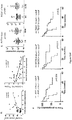
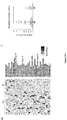
- aR in response to OXA, aR exhibited a decrease of the ileal TH1/TFH immune tone, defined by low expression of Tbx21, Bcl6, Il27, Gata3, and Ahr ( Fig. 1C ) but not Il17, Rorc, Il10 and Foxp3 mRNAs, compared to aNR (data not shown). Conversely, there was no significant difference in the expression patterns of these immune genes in colonic mucosae between aR and aNR (data not shown).
- TH17 cells defined as CD4 + CCR6 + CXCR3 -
- activated TFH cells defined as CD4 + CXCR5 hi PD1 hi
- tdLN tumor draining lymph nodes
- tdLN TH17 cells were positively correlated with ileal Ahr gene expression (and not with any other of the ileal immune markers) while tdLN TFH were negatively correlated with ileal Bcl6 gene expression post-OXA ( Figure 1 D) .
- ileal mucosae may represent the intestinal compartment that most closely determines the prognosis of advanced PCAC patients (both its immune and microbial states being of major importance).
- Example 2 Protective role of intestinal caspases -3 and -7 in the immunogenic cell death of ileal enterocytes against colon cancer-vaccination with ileal IEC
- C57BL/6J or BALB/c mice using a vaccine composed of normal (non-malignant) ileal IEC harvested from OXA- (or PBS-) treated syngeneic littermates.
- a vaccine composed of normal (non-malignant) ileal IEC harvested from OXA- (or PBS-) treated syngeneic littermates.
- C57BL/6J mice were challenged on the contralateral flank with a lethal dose of syngeneic MC38 colon cancer cells (or irrelevant MCA205 sarcoma that are antigenically different from colon cancers), while BALB/c mice were injected with syngeneic CT26 colon cancer cells (or syngeneic 4T1 breast tumors) on the contralateral flank.
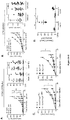
- ileal (but not colonic) IEC conferred partial protection against tumor challenge with colon carcinoma but not with sarcoma or breast cancer cells ( Fig. 2A-B ).
- IEC from mice pretreated in vivo with OXA were more efficient in protecting against colon cancer growth than were untreated IEC ( Fig. 2A-B ).
- colonic IEC tended to exhibit a reduced proliferation post-OXA (while ileal IEC maintained high Ki67 expression) despite a comparable loss of mucin-producing goblet cells and Muc2 mRNA expression, which stimulated the entry into the cell cycle (data not shown).
- the immunogenicity of wt ileal IEC was significantly impaired when TLR2/4 or IL-1R signaling pathways were suppressed or when ATP release was inhibited or purinergic P2 receptors were blocked ( Fig. 2E-F ), yet did not depend on calreticulin or HMGB1.
- the mitotically active Lgr5 + intestinal stem cells were dispensable for the immunogenicity of IEC (data not shown).
- intestinal caspases-3 and -7 resulted in reduced CD3 + T cells in the tdLN, culminating in the acceleration of the natural tumor progression (data not shown).
- Intestinal caspases-3 and -7 were required for the OXA-induced trafficking of dendritic cells (data not shown) and activated TFH in the mesenteric lymph nodes (mLN) post-OXA ( Fig. 2G ).
- Example 3 The adjuvant role of ileal microbiota in the immunogenic cell death of ileal enterocytes against colon cancer
- MAMPs microbe-associated molecular patterns
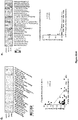
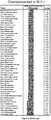
- Faecalibacterium were associated with low AHR mRNA expression ( FIG. 3G and data not shown).
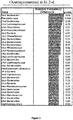
- the common bacteria species recovered using both criteria, high AHR expression levels and low immunoscore, associated with tolerogenic ileal mucosae were Bacteroides uniformis, Ruminococcus gnavus and unclass. Pharscolarctobacterium ( Fig 3I ); these commensals are negatively correlated with a good prognosis.
- Example 4 Administration of Alistipes sp. and Erysipelotrichaceae restores oxaliplatin anticancer efficacy in conditions of gut dysbiosis
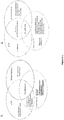
- Erysipelothrix tonsillarum (but not Solobacterium moorei, another bacterium from the Erysipelotrichaceae family) improved OXA-mediated anticancer effects against established MC38 cancers in a T-cell dependent manner in the context of ATB- ( Fig. 4A-C ) or FMT-induced dysbiosis ( Fig. 4D-E ).
- Alistipes onderdonkii (belonging to Rikenellaceae family) and Erysipelatoclostridium ramosum, which were cultivated from immunogenic ileal mucosae ( Fig.
- the intestinal apoptosis that is required to induce anticancer immune responses is mechanistically distinct from immunogenic cell death (ICD) (which occurs within the tumor) because it does not require CALR and HMGB1.
- ICD immunogenic cell death
- CD103 - CD11c + MHC class II+ DC are mobilized to expand activated TFH in mesenteric and tumor draining LN.
- TFH activated in the mLN post-chemotherapy have been derived from the inflamed gut, favoring their migration towards the tumor microenvironment.
- neoadjuvant chemotherapy of right sided colon cancers may be more beneficial than the one administered in an adjuvant setting because self reactivity and/or molecular mimicry with colon tumor stem cells will allow the elicitation of a long term protective immunity.
- ilei from patients harbouring genetic defects in DNA mismatched repair may have a higher propensity to undergo apoptosis (at least with certain compounds) (34-35) and therefore elicit a stronger protective immune response against IEC-derived-self antigens.
- bacteria from the ileal mucosa-associated which also harbor prokaryotic DNA mismatch repair mechanisms may play a role in regulating the immunogenicity of ileal IEC.
Landscapes
- Health & Medical Sciences (AREA)
- Life Sciences & Earth Sciences (AREA)
- Chemical & Material Sciences (AREA)
- General Health & Medical Sciences (AREA)
- Animal Behavior & Ethology (AREA)
- Public Health (AREA)
- Veterinary Medicine (AREA)
- Epidemiology (AREA)
- Engineering & Computer Science (AREA)
- Medicinal Chemistry (AREA)
- Microbiology (AREA)
- Organic Chemistry (AREA)
- Pharmacology & Pharmacy (AREA)
- Immunology (AREA)
- Zoology (AREA)
- Molecular Biology (AREA)
- Proteomics, Peptides & Aminoacids (AREA)
- Biotechnology (AREA)
- Mycology (AREA)
- Analytical Chemistry (AREA)
- Wood Science & Technology (AREA)
- Genetics & Genomics (AREA)
- Cell Biology (AREA)
- Biomedical Technology (AREA)
- Pathology (AREA)
- Biochemistry (AREA)
- Bioinformatics & Cheminformatics (AREA)
- Virology (AREA)
- General Engineering & Computer Science (AREA)
- Physics & Mathematics (AREA)
- Developmental Biology & Embryology (AREA)
- Biophysics (AREA)
- Hematology (AREA)
- Oncology (AREA)
- Chemical Kinetics & Catalysis (AREA)
- Physiology (AREA)
- General Chemical & Material Sciences (AREA)
- Nuclear Medicine, Radiotherapy & Molecular Imaging (AREA)
- Hospice & Palliative Care (AREA)
- Tropical Medicine & Parasitology (AREA)
Priority Applications (11)
| Application Number | Priority Date | Filing Date | Title |
|---|---|---|---|
| EP17306509.5A EP3476396A1 (fr) | 2017-10-31 | 2017-10-31 | Compositions bactériennes et cellulaires pour le traitement du cancer colorectal et procédés d'évaluation d'un pronostic pour des patients qui en souffrent |
| US16/760,021 US12246044B2 (en) | 2017-10-31 | 2018-10-31 | Bacterial and cell compositions for the treatment of colorectal cancer and methods for assessing a prognosis for patients having the same |
| CA3078187A CA3078187A1 (fr) | 2017-10-31 | 2018-10-31 | Compositions bacteriennes et cellulaires pour le traitement du cancer colorectal et methodes d'evaluation d'un pronostic pour les patients atteints de cancer colorectal |
| AU2018357989A AU2018357989B2 (en) | 2017-10-31 | 2018-10-31 | Bacterial and cell compositions for the treatment of colorectal cancer and methods for assessing a prognosis for patients having the same |
| KR1020207015163A KR102711178B1 (ko) | 2017-10-31 | 2018-10-31 | 결장직장암의 치료를 위한 박테리아 및 세포 조성물, 및 이를 갖는 환자의 예후를 평가하는 방법 |
| IL273782A IL273782B2 (en) | 2017-10-31 | 2018-10-31 | Bacterial and cell compositions for the treatment of colorectal cancer and methods for assessing a prognosis for patients having the same |
| PCT/EP2018/079878 WO2019086540A1 (fr) | 2017-10-31 | 2018-10-31 | Compositions bactériennes et cellulaires pour le traitement du cancer colorectal et méthodes d'évaluation d'un pronostic pour les patients atteints de cancer colorectal |
| SG11202002952VA SG11202002952VA (en) | 2017-10-31 | 2018-10-31 | Bacterial and cell compositions for the treatment of colorectal cancer and methods for assessing a prognosis for patients having the same |
| JP2020524013A JP7441167B2 (ja) | 2017-10-31 | 2018-10-31 | 結腸直腸癌の治療のための細菌及び細胞組成物並びにそれを有する患者の予後を評価するための方法 |
| EP18799695.4A EP3703717A1 (fr) | 2017-10-31 | 2018-10-31 | Compositions bactériennes et cellulaires pour le traitement du cancer colorectal et méthodes d'évaluation d'un pronostic pour les patients atteints de cancer colorectal |
| CN201880070629.XA CN111295195B (zh) | 2017-10-31 | 2018-10-31 | 用于治疗结直肠癌的细菌和细胞组合物以及用于评估结直肠癌患者预后的方法 |
Applications Claiming Priority (1)
| Application Number | Priority Date | Filing Date | Title |
|---|---|---|---|
| EP17306509.5A EP3476396A1 (fr) | 2017-10-31 | 2017-10-31 | Compositions bactériennes et cellulaires pour le traitement du cancer colorectal et procédés d'évaluation d'un pronostic pour des patients qui en souffrent |
Publications (1)
| Publication Number | Publication Date |
|---|---|
| EP3476396A1 true EP3476396A1 (fr) | 2019-05-01 |
Family
ID=60320805
Family Applications (2)
| Application Number | Title | Priority Date | Filing Date |
|---|---|---|---|
| EP17306509.5A Withdrawn EP3476396A1 (fr) | 2017-10-31 | 2017-10-31 | Compositions bactériennes et cellulaires pour le traitement du cancer colorectal et procédés d'évaluation d'un pronostic pour des patients qui en souffrent |
| EP18799695.4A Pending EP3703717A1 (fr) | 2017-10-31 | 2018-10-31 | Compositions bactériennes et cellulaires pour le traitement du cancer colorectal et méthodes d'évaluation d'un pronostic pour les patients atteints de cancer colorectal |
Family Applications After (1)
| Application Number | Title | Priority Date | Filing Date |
|---|---|---|---|
| EP18799695.4A Pending EP3703717A1 (fr) | 2017-10-31 | 2018-10-31 | Compositions bactériennes et cellulaires pour le traitement du cancer colorectal et méthodes d'évaluation d'un pronostic pour les patients atteints de cancer colorectal |
Country Status (10)
| Country | Link |
|---|---|
| US (1) | US12246044B2 (fr) |
| EP (2) | EP3476396A1 (fr) |
| JP (1) | JP7441167B2 (fr) |
| KR (1) | KR102711178B1 (fr) |
| CN (1) | CN111295195B (fr) |
| AU (1) | AU2018357989B2 (fr) |
| CA (1) | CA3078187A1 (fr) |
| IL (1) | IL273782B2 (fr) |
| SG (1) | SG11202002952VA (fr) |
| WO (1) | WO2019086540A1 (fr) |
Cited By (2)
| Publication number | Priority date | Publication date | Assignee | Title |
|---|---|---|---|---|
| CN111991427A (zh) * | 2019-05-07 | 2020-11-27 | 瑞微(深圳)生物科技有限公司 | 肠道细菌在制备用于促进TCR γδ+T细胞增殖的药物中的应用 |
| CN115433700A (zh) * | 2022-11-04 | 2022-12-06 | 中国疾病预防控制中心传染病预防控制所 | 一株沙氏别样杆菌及其在制备防治炎症性肠病药物中的应用 |
Families Citing this family (14)
| Publication number | Priority date | Publication date | Assignee | Title |
|---|---|---|---|---|
| KR102351601B1 (ko) * | 2020-07-06 | 2022-01-13 | 연세대학교 산학협력단 | 장내 미생물 기반 면역 항암 요법의 치료 반응 예측과 향상 방법 및 후보 프리바이오틱스 스크리닝 방법 |
| CN112029882B (zh) * | 2020-09-17 | 2022-09-09 | 中国农业科学院植物保护研究所 | 一种从环境中分离有益微生物的方法 |
| EP4310095A4 (fr) * | 2021-03-16 | 2025-07-23 | Univ Osaka | Cellules t auxiliaires folliculaires (tfh) spécifiques du virus sars-cov-2 |
| CN115161378A (zh) * | 2021-04-02 | 2022-10-11 | 深圳华大基因股份有限公司 | 一种用于结直肠癌手术切除治疗后预后监测的粪便微生物检测方法 |
| CN115702908A (zh) * | 2021-08-05 | 2023-02-17 | 香港中文大学 | 用于治疗和预防结肠直肠癌的益生菌组合物 |
| CN113885767A (zh) * | 2021-10-09 | 2022-01-04 | 中元汇吉生物技术股份有限公司 | 微生物培养系统数据显示方法、触摸屏显示器及介质 |
| WO2023068857A1 (fr) * | 2021-10-20 | 2023-04-27 | 주식회사 고바이오랩 | Nouvelle souche bactérienne possédant une activité anticancéreuse et composition permettant de soulager, de prévenir ou de traiter le cancer l'utilisant |
| WO2023158204A1 (fr) * | 2022-02-15 | 2023-08-24 | Enterobiome Inc. | Composition pharmaceutique pour la prévention ou le traitement d'un cancer |
| KR102911776B1 (ko) * | 2022-04-14 | 2026-01-14 | 연세대학교 산학협력단 | 면역항암치료 병용요법용 분변 미생물군 이식용 조성물 선별을 위한 메타게놈 바이옴마커 염기서열정보 |
| KR20240084503A (ko) * | 2022-12-06 | 2024-06-13 | 국립암센터 | 분변 미생물총 기반 대장암의 진단 |
| CN116377070B (zh) * | 2023-03-06 | 2024-11-15 | 臻傲生物科技检测(深圳)有限公司 | 预测结直肠癌或结直肠腺瘤风险的新型微生物标志物 |
| KR102860177B1 (ko) * | 2023-03-21 | 2025-09-18 | 재단법인 아산사회복지재단 | 신규한 프레보텔라 멀대 이뮤노액티스 균주 및 이의 용도 |
| WO2025149085A1 (fr) * | 2024-01-12 | 2025-07-17 | Shenzhen Xbiome Biotech Co., Ltd. | Transplantation de microbiote fécal surmontant la résistance à l'immunothérapie chez des patients atteints d'un cancer gastro-intestinal |
| CN121041427A (zh) * | 2024-12-25 | 2025-12-02 | 广州俊才济方生物科技有限公司 | 肠道菌群或其代谢物、抗体或其衍生物在制备结直肠癌免疫治疗药物中的应用 |
Citations (2)
| Publication number | Priority date | Publication date | Assignee | Title |
|---|---|---|---|---|
| WO2012142605A1 (fr) * | 2011-04-15 | 2012-10-18 | Samaritan Health Services | Agent de déploiement de recolonisation rapide |
| US20170143775A1 (en) * | 2015-11-23 | 2017-05-25 | 4D Pharma Research Limited | Compositions comprising bacterial strains |
Family Cites Families (12)
| Publication number | Priority date | Publication date | Assignee | Title |
|---|---|---|---|---|
| DE68928665T2 (de) * | 1988-08-02 | 1998-11-12 | Gastro Services Pty Ltd | Behandlung von gastro-intestinalen krankheiten |
| CA2892588A1 (fr) * | 2011-12-01 | 2013-06-06 | School Corporation, Azabu Veterinary Medicine Educational Institution | Bacteries d'origine humaine qui induisent la proliferation ou l'accumulation de lymphocytes t regulateurs |
| EP2793916A1 (fr) * | 2011-12-20 | 2014-10-29 | North Carolina State University | Procédé de réduction de polypose et de cancer colorectal |
| CN102743420A (zh) * | 2012-06-06 | 2012-10-24 | 上海交通大学 | 改善肠道菌群结构的方法及应用 |
| CN103142656A (zh) | 2013-03-18 | 2013-06-12 | 广州知光生物科技有限公司 | 脆弱拟杆菌在制备防治结肠癌组合物中的应用 |
| WO2014182966A1 (fr) | 2013-05-10 | 2014-11-13 | California Institute Of Technology | Prévention et traitement probiotiques du cancer du côlon |
| EP2876167A1 (fr) * | 2013-11-21 | 2015-05-27 | Institut Gustave Roussy | Composition de la flore microbienne, comme marqueur de la réceptivité à la chimiothérapie et utilisation de modulateurs microbiens (pré-, pro- ou synbiotiques) pour améliorer l'efficacité d'un traitement du cancer |
| IL251844B2 (en) * | 2014-10-23 | 2024-04-01 | Roussy Inst Gustave | Methods and products for modulating microbiota composition for improving the efficacy of a cancer treatment with an immune checkpoint blocker |
| MA41020A (fr) * | 2014-11-25 | 2017-10-03 | Evelo Biosciences Inc | Compositions probiotiques et prébiotiques, et leurs procédés d'utilisation pour la modulation du microbiome |
| MA41010B1 (fr) * | 2015-06-15 | 2020-01-31 | 4D Pharma Res Ltd | Compositions comprenant des souches bactériennes |
| CN106611094B (zh) * | 2015-10-15 | 2021-08-06 | 北京寻因生物科技有限公司 | 基于肠道微生物菌群预测及干预化疗药物毒副反应的系统 |
| EP3559257A1 (fr) * | 2016-12-22 | 2019-10-30 | Institut Gustave Roussy (IGR) | Composition de microbiote, à titre de marqueur de réactivité à des anticorps anti-pd1/pd-l1/pd-l2 et utilisation de modulateurs microbiens pour améliorer l'efficacité d'un traitement à base d'anticorps anti-pd1/pd-l1/pd-l2 |
-
2017
- 2017-10-31 EP EP17306509.5A patent/EP3476396A1/fr not_active Withdrawn
-
2018
- 2018-10-31 IL IL273782A patent/IL273782B2/en unknown
- 2018-10-31 EP EP18799695.4A patent/EP3703717A1/fr active Pending
- 2018-10-31 AU AU2018357989A patent/AU2018357989B2/en active Active
- 2018-10-31 CN CN201880070629.XA patent/CN111295195B/zh active Active
- 2018-10-31 SG SG11202002952VA patent/SG11202002952VA/en unknown
- 2018-10-31 WO PCT/EP2018/079878 patent/WO2019086540A1/fr not_active Ceased
- 2018-10-31 CA CA3078187A patent/CA3078187A1/fr active Pending
- 2018-10-31 KR KR1020207015163A patent/KR102711178B1/ko active Active
- 2018-10-31 JP JP2020524013A patent/JP7441167B2/ja active Active
- 2018-10-31 US US16/760,021 patent/US12246044B2/en active Active
Patent Citations (2)
| Publication number | Priority date | Publication date | Assignee | Title |
|---|---|---|---|---|
| WO2012142605A1 (fr) * | 2011-04-15 | 2012-10-18 | Samaritan Health Services | Agent de déploiement de recolonisation rapide |
| US20170143775A1 (en) * | 2015-11-23 | 2017-05-25 | 4D Pharma Research Limited | Compositions comprising bacterial strains |
Non-Patent Citations (46)
| Title |
|---|
| A. BELCHEVA; A. MARTIN: "Gut microbiota and colon cancer: the carbohydrate link", MOL. CELL. ONCOL., vol. 2, 2015, pages e969630 |
| A. SISTIGU ET AL.: "Cancer cell-autonomous contribution of type I interferon signaling to the efficacy of chemotherapy", NAT. MED., vol. 20, 2014, pages 1301 - 1309, XP055157348, DOI: doi:10.1038/nm.3708 |
| ALBERT ABAD ESTEVE: "Oxaliplatin, colorectal cancer and predictive factors", CLINICAL AND TRANSLATIONAL ONCOLOGY, SPRINGER MILAN, MILAN, vol. 13, no. 6, 29 June 2011 (2011-06-29), pages 353 - 354, XP019921098, ISSN: 1699-3055, DOI: 10.1007/S12094-011-0666-1 * |
| AZCÁRATE-PERIL M ANDREA ET AL: "The intestinal microbiota, gastrointestinal environment and colorectal cancer: a putative role for probiotics in prevention of colorectal cancer?", AMERICAN JOURNAL OF PHYSIOLOGY. GASTROINTESTINAL AND LIVER PHYSIOLOGY SEP 2011, vol. 301, no. 3, September 2011 (2011-09-01), pages G401 - G424, XP002786398, ISSN: 1522-1547 * |
| B. B. MADISON ET AL.: "Cis elements of the villin gene control expression in restricted domains of the vertical (crypt) and horizontal (duodenum, cecum) axes of the intestine", J. BIOL. CHEM., vol. 277, 2002, pages 33275 - 33283 |
| C. I. RODRIGUEZ ET AL.: "High-efficiency deleter mice show that FLPe is an alternative to Cre-loxP", NAT. GENET., vol. 25, 2000, pages 139 - 140, XP003034016, DOI: doi:10.1038/75973 |
| C. L. SEARS; W. S. GARRETT: "Microbes, microbiota, and colon cancer", CELL HOST MICROBE, vol. 15, 2014, pages 317 - 328, XP028629971, DOI: doi:10.1016/j.chom.2014.02.007 |
| D. T. LE ET AL.: "PD-1 Blockade in Tumors with Mismatch-Repair Deficiency", N. ENGL. J. MED., vol. 372, 2015, pages 2509 - 2520, XP055390373, DOI: doi:10.1056/NEJMoa1500596 |
| D. TOUGERON ET AL.: "Mod. Pathol. Off. J. U. S.", vol. 22, 2009, CAN. ACAD. PATHOL. INC., article "Tumor-infiltrating lymphocytes in colorectal cancers with microsatellite instability are correlated with the number and spectrum of frameshift mutations", pages: 1186 - 1195 |
| D. Y. AKSOY ET AL.: "Diarrhea in neutropenic patients: a prospective cohort study with emphasis on neutropenic enterocolitis", ANN. ONCOL. OFF. J. EUR. SOC. MED. ONCOL., vol. 18, 2007, pages 183 - 189 |
| ERICSSON AARON C ET AL: "Differential susceptibility to colorectal cancer due to naturally occurring gut microbiota.", ONCOTARGET 20 OCT 2015, vol. 6, no. 32, 20 October 2015 (2015-10-20), pages 33689 - 33704, XP002779125, ISSN: 1949-2553 * |
| F. A. SINICROPE: "DNA mismatch repair and adjuvant chemotherapy in sporadic colon cancer", NAT. REV. CLIN. ONCOL., vol. 7, 2010, pages 174 - 177 |
| F. GHIRINGHELLI ET AL.: "Activation of the NLRP3 inflammasome in dendritic cells induces IL-1 beta-dependent adaptive immunity against tumors", NAT. MED., vol. 15, 2009, pages 1170 - 1178 |
| F. PAGES ET AL.: "Effector memory T cells, early metastasis, and survival in colorectal cancer", N. ENGL. J. MED., vol. 353, 2005, pages 2654 - 2666, XP002390433, DOI: doi:10.1056/NEJMoa051424 |
| G. BINDEA ET AL.: "Spatiotemporal dynamics of intratumoral immune cells reveal the immune landscape in human cancer", IMMUNITY, vol. 39, 2013, pages 782 - 795, XP055262117, DOI: doi:10.1016/j.immuni.2013.10.003 |
| G. NAKATSU ET AL.: "Gut mucosal microbiome across stages of colorectal carcinogenesis", NAT. COMMUN., vol. 6, 2015, pages 8727 |
| H. TJALSMA; A. BOLEIJ; J. R. MARCHESI; B. E. DUTILH: "A bacterial driver-passenger model for colorectal cancer: beyond the usual suspects", NAT. REV. MICROBIOL., vol. 10, 2012, pages 575 - 582 |
| J. ALEXANDER ET AL.: "Histopathological identification of colon cancer with microsatellite instability", AM. J. PATHOL., vol. 158, 2001, pages 527 - 535 |
| J. ANDREYEV ET AL.: "Guidance on the management of diarrhoea during cancer chemotherapy", LANCET ONCOL., vol. 15, 2014, pages e447 - 460 |
| J. GALON; W.-H. FRIDMAN; F. PAGES: "The adaptive immunologic microenvironment in colorectal cancer: a novel perspective", CANCER RES., vol. 67, 2007, pages 1883 - 1886 |
| J. GENG; H. FAN; X. TANG; H. ZHAI; Z. ZHANG: "Diversified pattern of the human colorectal cancer microbiome", GUT PATHOG, vol. 5, 2013, pages 2, XP021143095, DOI: doi:10.1186/1757-4749-5-2 |
| J. M. BLANDER; R. MEDZHITOV: "Toll-dependent selection of microbial antigens for presentation by dendritic cells", NATURE, vol. 440, 2006, pages 808 - 812, XP009128045, DOI: doi:10.1038/nature04596 |
| J. M. PARK; S. HUANG; D. TOUGERON; F. A. SINICROPE: "MSH3 Mismatch Repair Protein Regulates Sensitivity to Cytotoxic Drugs and a Histone Deacetylase Inhibitor in Human Colon Carcinoma Cells", PLOS ONE, vol. 8, 2013 |
| J. M. PITT ET AL: "Fine-Tuning Cancer Immunotherapy: Optimizing the Gut Microbiome", CANCER RESEARCH, vol. 76, no. 16, 29 July 2016 (2016-07-29), & 102ND ANNUAL MEETING OF THE AMERICAN-ASSOCIATION-FOR-CANCER-RESEARCH (AACR); ORLANDO, FL, USA; APRIL 02 -06, 2011, pages 4602 - 4607, XP055522231, ISSN: 0008-5472, DOI: 10.1158/0008-5472.CAN-16-0448 * |
| J. SHIA ET AL.: "Value of histopathology in predicting microsatellite instability in hereditary nonpolyposis colorectal cancer and sporadic colorectal cancer", AM. J. SURG. PATHOL., vol. 27, 2003, pages 1407 - 1417 |
| J.-C. LAGIER ET AL.: "Culture of previously uncultured members of the human gut microbiota by culturomics", NAT. MICROBIOL., vol. 1, 2016, pages 16203 |
| J.-C. LAGIER ET AL.: "Current and past strategies for bacterial culture in clinical microbiology", CLIN. MICROBIOL. REV., vol. 28, 2015, pages 208 - 236, XP008176967, DOI: doi:10.1128/CMR.00110-14 |
| JONATHAN M. PITT ET AL: "Enhancing the clinical coverage and anticancer efficacy of immune checkpoint blockade through manipulation of the gut microbiota", ONCOIMMUNOLOGY, vol. 6, no. 1, 2 January 2017 (2017-01-02), US, pages e1132137, XP055522229, ISSN: 2162-4011, DOI: 10.1080/2162402X.2015.1132137 * |
| K. NOSHO ET AL.: "Tumour-infiltrating T-cell subsets, molecular changes in colorectal cancer, and prognosis: cohort study and literature review", J. PATHOL., vol. 222, 2010, pages 350 - 366 |
| L. APETOH ET AL.: "Toll-like receptor 4-dependent contribution of the immune system to anticancer chemotherapy and radiotherapy", NAT. MED., vol. 13, 2007, pages 1050 - 1059 |
| L. GALLUZZI; L. ZITVOGEL; G. KROEMER: "Immunological Mechanisms Underneath the Efficacy of Cancer Therapy", CANCER IMMUNOL. RES., vol. 4, 2016, pages 895 - 902 |
| L. NESHER; K. V. I. ROLSTON: "Neutropenic enterocolitis, a growing concern in the era of widespread use of aggressive chemotherapy", CLIN. INFECT. DIS. OFF. PUBL. INFECT. DIS. SOC. AM., vol. 56, 2013, pages 711 - 717 |
| M. BANASIK; P. SACHADYN: "Conserved motifs of MutL proteins", MUTAT. RES. MOL. MECH. MUTAGEN., vol. 769, 2014, pages 69 - 79 |
| M. OBEID ET AL.: "Calreticulin exposure dictates the immunogenicity of cancer cell death", NAT. MED., vol. 13, 2007, pages 54 - 61, XP002440487, DOI: doi:10.1038/nm1523 |
| M. VETIZOU ET AL: "Anticancer immunotherapy by CTLA-4 blockade relies on the gut microbiota", SCIENCE, vol. 350, no. 6264, 27 November 2015 (2015-11-27), pages 1079 - 1084, XP055310374, ISSN: 0036-8075, DOI: 10.1126/science.aad1329 * |
| M. VETIZOU ET AL: "Anticancer immunotherapy by CTLA-4 blockade relies on the gut microbiota", SCIENCE, vol. 350, no. 6264, 27 November 2015 (2015-11-27), US, pages 1079 - 1084, XP055310374, ISSN: 0036-8075, DOI: 10.1126/science.aad1329 * |
| MARIE VÉTIZOU ET AL: "Rôle du microbiote intestinal dans la réponse aux thérapies anti-tumorales", BIOLOGIE AUJOURD'HUI, vol. 211, no. 1, 6 July 2017 (2017-07-06), FR, pages 51 - 67, XP055522228, ISSN: 2105-0678, DOI: 10.1051/jbio/2017009 * |
| N. LIDA ET AL.: "Commensal bacteria control cancer response to therapy by modulating the tumor microenvironment", SCIENCE, vol. 342, 2013, pages 967 - 970, XP055110345, DOI: doi:10.1126/science.1240527 |
| P. SALAMA ET AL.: "Tumor-infiltrating FOXP3+ T regulatory cells show strong prognostic significance in colorectal cancer", J. CLIN. ONCOL. OFF. J. AM. SOC. CLIN. ONCOL., vol. 27, 2009, pages 186 - 192 |
| P. SENG ET AL.: "Ongoing revolution in bacteriology: routine identification of bacteria by matrix-assisted laser desorption ionization time-of-flight mass spectrometry", CLIN. INFECT. DIS. OFF. PUBL. INFECT. DIS. SOC. AM., vol. 49, 2009, pages 543 - 551, XP002601280, DOI: doi:10.1086/600885 |
| PERSPECTIVE LAURENCE ZITVOGEL: "Cancer and the gut microbiota: An unexpected link", SCIENCE TRANSLATION MEDICINE., vol. 21, no. 271, 20 January 2015 (2015-01-20), pages 271 - 1, XP055333413, DOI: 10.1126/scitranslmed.3010473 * |
| S. OGINO ET AL.: "Lymphocytic reaction to colorectal cancer is associated with longer survival, independent of lymph node count, microsatellite instability, and CpG island methylator phenotype", CLIN. CANCER RES. OFF. J. AM. ASSOC. CANCER RES., vol. 15, 2009, pages 6412 - 6420 |
| SATO ET AL., NATURE, 2009 |
| T. IRRAZABAL; A. BELCHEVA; S. E. GIRARDIN; A. MARTIN; D. J. PHILPOTT: "The multifaceted role of the intestinal microbiota in colon cancer", MOL. CELL., vol. 54, 2014, pages 309 - 320 |
| T. SATO ET AL.: "Single Lgr5 stem cells build crypt-villus structures in vitro without a mesenchymal niche", NATURE, vol. 459, 2009, pages 262 - 265 |
| W. CHEN; F. LIU; Z. LING; X. TONG; C. XIANG: "Human intestinal lumen and mucosa-associated microbiota in patients with colorectal cancer", PLOS ONE, vol. 7, 2012, pages e39743 |
Cited By (2)
| Publication number | Priority date | Publication date | Assignee | Title |
|---|---|---|---|---|
| CN111991427A (zh) * | 2019-05-07 | 2020-11-27 | 瑞微(深圳)生物科技有限公司 | 肠道细菌在制备用于促进TCR γδ+T细胞增殖的药物中的应用 |
| CN115433700A (zh) * | 2022-11-04 | 2022-12-06 | 中国疾病预防控制中心传染病预防控制所 | 一株沙氏别样杆菌及其在制备防治炎症性肠病药物中的应用 |
Also Published As
| Publication number | Publication date |
|---|---|
| KR102711178B1 (ko) | 2024-09-26 |
| US20200261513A1 (en) | 2020-08-20 |
| EP3703717A1 (fr) | 2020-09-09 |
| CN111295195A (zh) | 2020-06-16 |
| KR20200081425A (ko) | 2020-07-07 |
| IL273782B2 (en) | 2024-05-01 |
| AU2018357989A1 (en) | 2020-05-07 |
| CA3078187A1 (fr) | 2019-05-09 |
| IL273782B1 (en) | 2024-01-01 |
| JP2021501167A (ja) | 2021-01-14 |
| JP7441167B2 (ja) | 2024-02-29 |
| AU2018357989B2 (en) | 2025-09-11 |
| WO2019086540A1 (fr) | 2019-05-09 |
| US12246044B2 (en) | 2025-03-11 |
| WO2019086540A4 (fr) | 2019-08-01 |
| SG11202002952VA (en) | 2020-05-28 |
| CN111295195B (zh) | 2024-05-28 |
| IL273782A (en) | 2020-05-31 |
Similar Documents
| Publication | Publication Date | Title |
|---|---|---|
| AU2018357989B2 (en) | Bacterial and cell compositions for the treatment of colorectal cancer and methods for assessing a prognosis for patients having the same | |
| Roberti et al. | Chemotherapy-induced ileal crypt apoptosis and the ileal microbiome shape immunosurveillance and prognosis of proximal colon cancer | |
| US11344586B2 (en) | Microbiota composition, as a marker of responsiveness to chemotherapy, and use of microbial modulators (pre-, pro- or synbiotics) for improving the efficacy of a cancer treatment | |
| US20230263843A1 (en) | Microbiota composition, as a marker of responsiveness to anti-pd1/pd-l1/pd-l2 antibodies and use of microbial modulators for improving the efficacy of an anti-pd1/pd-l1/pd-l2 ab-based treatment | |
| EP3209692B1 (fr) | Procédés et produits permettant de moduler la composition du microbiote afin d'améliorer l'efficacité d'un traitement anticancéreux impliquant un inhibiteur des points de contrôle du système immunitaire | |
| Pushalkar et al. | The pancreatic cancer microbiome promotes oncogenesis by induction of innate and adaptive immune suppression | |
| US20240398876A1 (en) | Biological marker of intestinal dysbiosis, useful for predicting the response of a cancer patient to an anti-pdi drug | |
| EP3378949A1 (fr) | Procédé pour déterminer l'efficacité potentielle d'un traitement anticancéreux | |
| JP2024529254A (ja) | がん誘導性又は抗生物質誘導性のディスバイオシスを診断するための方法及び免疫療法によるがん治療を改善するためのそれらの使用 | |
| Burrello | Gut microbiota crosstalk with conventional and non-conventional T cells: a game of many players. | |
| Everman | Disease Models and Infectious Phenotypes of Mycobacterium avium subspecies paratuberculosis |
Legal Events
| Date | Code | Title | Description |
|---|---|---|---|
| PUAI | Public reference made under article 153(3) epc to a published international application that has entered the european phase |
Free format text: ORIGINAL CODE: 0009012 |
|
| STAA | Information on the status of an ep patent application or granted ep patent |
Free format text: STATUS: THE APPLICATION HAS BEEN PUBLISHED |
|
| AK | Designated contracting states |
Kind code of ref document: A1 Designated state(s): AL AT BE BG CH CY CZ DE DK EE ES FI FR GB GR HR HU IE IS IT LI LT LU LV MC MK MT NL NO PL PT RO RS SE SI SK SM TR |
|
| AX | Request for extension of the european patent |
Extension state: BA ME |
|
| STAA | Information on the status of an ep patent application or granted ep patent |
Free format text: STATUS: THE APPLICATION IS DEEMED TO BE WITHDRAWN |
|
| 18D | Application deemed to be withdrawn |
Effective date: 20191105 |