EP3480225A2 - Härtbares petroleumharz, herstellungsverfahren dafür und verwendung davon - Google Patents
Härtbares petroleumharz, herstellungsverfahren dafür und verwendung davon Download PDFInfo
- Publication number
- EP3480225A2 EP3480225A2 EP17820563.9A EP17820563A EP3480225A2 EP 3480225 A2 EP3480225 A2 EP 3480225A2 EP 17820563 A EP17820563 A EP 17820563A EP 3480225 A2 EP3480225 A2 EP 3480225A2
- Authority
- EP
- European Patent Office
- Prior art keywords
- petroleum resin
- weight
- group
- monomer
- repeating unit
- Prior art date
- Legal status (The legal status is an assumption and is not a legal conclusion. Google has not performed a legal analysis and makes no representation as to the accuracy of the status listed.)
- Granted
Links
- CQHADWBXOMARTO-NSCUHMNNSA-N C/C=C/C(CC(O1)=O)C1=O Chemical compound C/C=C/C(CC(O1)=O)C1=O CQHADWBXOMARTO-NSCUHMNNSA-N 0.000 description 1
- SYIUWAVTBADRJG-UHFFFAOYSA-N O=C(CC=C1)OC1=O Chemical compound O=C(CC=C1)OC1=O SYIUWAVTBADRJG-UHFFFAOYSA-N 0.000 description 1
Images
Classifications
-
- C—CHEMISTRY; METALLURGY
- C09—DYES; PAINTS; POLISHES; NATURAL RESINS; ADHESIVES; COMPOSITIONS NOT OTHERWISE PROVIDED FOR; APPLICATIONS OF MATERIALS NOT OTHERWISE PROVIDED FOR
- C09J—ADHESIVES; NON-MECHANICAL ASPECTS OF ADHESIVE PROCESSES IN GENERAL; ADHESIVE PROCESSES NOT PROVIDED FOR ELSEWHERE; USE OF MATERIALS AS ADHESIVES
- C09J11/00—Features of adhesives not provided for in group C09J9/00, e.g. additives
- C09J11/08—Macromolecular additives
-
- C—CHEMISTRY; METALLURGY
- C08—ORGANIC MACROMOLECULAR COMPOUNDS; THEIR PREPARATION OR CHEMICAL WORKING-UP; COMPOSITIONS BASED THEREON
- C08F—MACROMOLECULAR COMPOUNDS OBTAINED BY REACTIONS ONLY INVOLVING CARBON-TO-CARBON UNSATURATED BONDS
- C08F220/00—Copolymers of compounds having one or more unsaturated aliphatic radicals, each having only one carbon-to-carbon double bond, and only one being terminated by only one carboxyl radical or a salt, anhydride ester, amide, imide or nitrile thereof
- C08F220/02—Monocarboxylic acids having less than ten carbon atoms; Derivatives thereof
- C08F220/04—Acids; Metal salts or ammonium salts thereof
-
- C—CHEMISTRY; METALLURGY
- C08—ORGANIC MACROMOLECULAR COMPOUNDS; THEIR PREPARATION OR CHEMICAL WORKING-UP; COMPOSITIONS BASED THEREON
- C08F—MACROMOLECULAR COMPOUNDS OBTAINED BY REACTIONS ONLY INVOLVING CARBON-TO-CARBON UNSATURATED BONDS
- C08F222/00—Copolymers of compounds having one or more unsaturated aliphatic radicals, each having only one carbon-to-carbon double bond, and at least one being terminated by a carboxyl radical and containing at least one other carboxyl radical in the molecule; Salts, anhydrides, esters, amides, imides, or nitriles thereof
- C08F222/04—Anhydrides, e.g. cyclic anhydrides
-
- C—CHEMISTRY; METALLURGY
- C08—ORGANIC MACROMOLECULAR COMPOUNDS; THEIR PREPARATION OR CHEMICAL WORKING-UP; COMPOSITIONS BASED THEREON
- C08F—MACROMOLECULAR COMPOUNDS OBTAINED BY REACTIONS ONLY INVOLVING CARBON-TO-CARBON UNSATURATED BONDS
- C08F232/00—Copolymers of cyclic compounds containing no unsaturated aliphatic radicals in a side chain, and having one or more carbon-to-carbon double bonds in a carbocyclic ring system
- C08F232/08—Copolymers of cyclic compounds containing no unsaturated aliphatic radicals in a side chain, and having one or more carbon-to-carbon double bonds in a carbocyclic ring system having condensed rings
-
- C—CHEMISTRY; METALLURGY
- C08—ORGANIC MACROMOLECULAR COMPOUNDS; THEIR PREPARATION OR CHEMICAL WORKING-UP; COMPOSITIONS BASED THEREON
- C08F—MACROMOLECULAR COMPOUNDS OBTAINED BY REACTIONS ONLY INVOLVING CARBON-TO-CARBON UNSATURATED BONDS
- C08F240/00—Copolymers of hydrocarbons and mineral oils, e.g. petroleum resins
-
- C—CHEMISTRY; METALLURGY
- C08—ORGANIC MACROMOLECULAR COMPOUNDS; THEIR PREPARATION OR CHEMICAL WORKING-UP; COMPOSITIONS BASED THEREON
- C08F—MACROMOLECULAR COMPOUNDS OBTAINED BY REACTIONS ONLY INVOLVING CARBON-TO-CARBON UNSATURATED BONDS
- C08F289/00—Macromolecular compounds obtained by polymerising monomers on to macromolecular compounds not provided for in groups C08F251/00 - C08F287/00
-
- C—CHEMISTRY; METALLURGY
- C08—ORGANIC MACROMOLECULAR COMPOUNDS; THEIR PREPARATION OR CHEMICAL WORKING-UP; COMPOSITIONS BASED THEREON
- C08F—MACROMOLECULAR COMPOUNDS OBTAINED BY REACTIONS ONLY INVOLVING CARBON-TO-CARBON UNSATURATED BONDS
- C08F36/00—Homopolymers and copolymers of compounds having one or more unsaturated aliphatic radicals, at least one having two or more carbon-to-carbon double bonds
- C08F36/02—Homopolymers and copolymers of compounds having one or more unsaturated aliphatic radicals, at least one having two or more carbon-to-carbon double bonds the radical having only two carbon-to-carbon double bonds
- C08F36/04—Homopolymers and copolymers of compounds having one or more unsaturated aliphatic radicals, at least one having two or more carbon-to-carbon double bonds the radical having only two carbon-to-carbon double bonds conjugated
- C08F36/045—Homopolymers and copolymers of compounds having one or more unsaturated aliphatic radicals, at least one having two or more carbon-to-carbon double bonds the radical having only two carbon-to-carbon double bonds conjugated conjugated hydrocarbons other than butadiene or isoprene
-
- C—CHEMISTRY; METALLURGY
- C08—ORGANIC MACROMOLECULAR COMPOUNDS; THEIR PREPARATION OR CHEMICAL WORKING-UP; COMPOSITIONS BASED THEREON
- C08G—MACROMOLECULAR COMPOUNDS OBTAINED OTHERWISE THAN BY REACTIONS ONLY INVOLVING UNSATURATED CARBON-TO-CARBON BONDS
- C08G77/00—Macromolecular compounds obtained by reactions forming a linkage containing silicon with or without sulfur, nitrogen, oxygen or carbon in the main chain of the macromolecule
- C08G77/42—Block-or graft-polymers containing polysiloxane sequences
-
- C—CHEMISTRY; METALLURGY
- C08—ORGANIC MACROMOLECULAR COMPOUNDS; THEIR PREPARATION OR CHEMICAL WORKING-UP; COMPOSITIONS BASED THEREON
- C08G—MACROMOLECULAR COMPOUNDS OBTAINED OTHERWISE THAN BY REACTIONS ONLY INVOLVING UNSATURATED CARBON-TO-CARBON BONDS
- C08G77/00—Macromolecular compounds obtained by reactions forming a linkage containing silicon with or without sulfur, nitrogen, oxygen or carbon in the main chain of the macromolecule
- C08G77/42—Block-or graft-polymers containing polysiloxane sequences
- C08G77/442—Block-or graft-polymers containing polysiloxane sequences containing vinyl polymer sequences
-
- C—CHEMISTRY; METALLURGY
- C08—ORGANIC MACROMOLECULAR COMPOUNDS; THEIR PREPARATION OR CHEMICAL WORKING-UP; COMPOSITIONS BASED THEREON
- C08L—COMPOSITIONS OF MACROMOLECULAR COMPOUNDS
- C08L91/00—Compositions of oils, fats or waxes; Compositions of derivatives thereof
-
- C—CHEMISTRY; METALLURGY
- C09—DYES; PAINTS; POLISHES; NATURAL RESINS; ADHESIVES; COMPOSITIONS NOT OTHERWISE PROVIDED FOR; APPLICATIONS OF MATERIALS NOT OTHERWISE PROVIDED FOR
- C09J—ADHESIVES; NON-MECHANICAL ASPECTS OF ADHESIVE PROCESSES IN GENERAL; ADHESIVE PROCESSES NOT PROVIDED FOR ELSEWHERE; USE OF MATERIALS AS ADHESIVES
- C09J123/00—Adhesives based on homopolymers or copolymers of unsaturated aliphatic hydrocarbons having only one carbon-to-carbon double bond; Adhesives based on derivatives of such polymers
- C09J123/02—Adhesives based on homopolymers or copolymers of unsaturated aliphatic hydrocarbons having only one carbon-to-carbon double bond; Adhesives based on derivatives of such polymers not modified by chemical after-treatment
-
- C—CHEMISTRY; METALLURGY
- C09—DYES; PAINTS; POLISHES; NATURAL RESINS; ADHESIVES; COMPOSITIONS NOT OTHERWISE PROVIDED FOR; APPLICATIONS OF MATERIALS NOT OTHERWISE PROVIDED FOR
- C09J—ADHESIVES; NON-MECHANICAL ASPECTS OF ADHESIVE PROCESSES IN GENERAL; ADHESIVE PROCESSES NOT PROVIDED FOR ELSEWHERE; USE OF MATERIALS AS ADHESIVES
- C09J123/00—Adhesives based on homopolymers or copolymers of unsaturated aliphatic hydrocarbons having only one carbon-to-carbon double bond; Adhesives based on derivatives of such polymers
- C09J123/02—Adhesives based on homopolymers or copolymers of unsaturated aliphatic hydrocarbons having only one carbon-to-carbon double bond; Adhesives based on derivatives of such polymers not modified by chemical after-treatment
- C09J123/025—Copolymer of an unspecified olefine with a monomer other than an olefine
-
- C—CHEMISTRY; METALLURGY
- C09—DYES; PAINTS; POLISHES; NATURAL RESINS; ADHESIVES; COMPOSITIONS NOT OTHERWISE PROVIDED FOR; APPLICATIONS OF MATERIALS NOT OTHERWISE PROVIDED FOR
- C09J—ADHESIVES; NON-MECHANICAL ASPECTS OF ADHESIVE PROCESSES IN GENERAL; ADHESIVE PROCESSES NOT PROVIDED FOR ELSEWHERE; USE OF MATERIALS AS ADHESIVES
- C09J123/00—Adhesives based on homopolymers or copolymers of unsaturated aliphatic hydrocarbons having only one carbon-to-carbon double bond; Adhesives based on derivatives of such polymers
- C09J123/02—Adhesives based on homopolymers or copolymers of unsaturated aliphatic hydrocarbons having only one carbon-to-carbon double bond; Adhesives based on derivatives of such polymers not modified by chemical after-treatment
- C09J123/10—Homopolymers or copolymers of propene
- C09J123/14—Copolymers of propene
- C09J123/147—Copolymers of propene with monomers containing other atoms than carbon or hydrogen atoms
-
- C—CHEMISTRY; METALLURGY
- C09—DYES; PAINTS; POLISHES; NATURAL RESINS; ADHESIVES; COMPOSITIONS NOT OTHERWISE PROVIDED FOR; APPLICATIONS OF MATERIALS NOT OTHERWISE PROVIDED FOR
- C09J—ADHESIVES; NON-MECHANICAL ASPECTS OF ADHESIVE PROCESSES IN GENERAL; ADHESIVE PROCESSES NOT PROVIDED FOR ELSEWHERE; USE OF MATERIALS AS ADHESIVES
- C09J145/00—Adhesives based on homopolymers or copolymers of compounds having no unsaturated aliphatic radicals in a side chain, and having one or more carbon-to-carbon double bonds in a carbocyclic or in a heterocyclic system; Adhesives based on derivatives of such polymers
-
- C—CHEMISTRY; METALLURGY
- C09—DYES; PAINTS; POLISHES; NATURAL RESINS; ADHESIVES; COMPOSITIONS NOT OTHERWISE PROVIDED FOR; APPLICATIONS OF MATERIALS NOT OTHERWISE PROVIDED FOR
- C09J—ADHESIVES; NON-MECHANICAL ASPECTS OF ADHESIVE PROCESSES IN GENERAL; ADHESIVE PROCESSES NOT PROVIDED FOR ELSEWHERE; USE OF MATERIALS AS ADHESIVES
- C09J151/00—Adhesives based on graft polymers in which the grafted component is obtained by reactions only involving carbon-to-carbon unsaturated bonds; Adhesives based on derivatives of such polymers
- C09J151/06—Adhesives based on graft polymers in which the grafted component is obtained by reactions only involving carbon-to-carbon unsaturated bonds; Adhesives based on derivatives of such polymers grafted on to homopolymers or copolymers of aliphatic hydrocarbons containing only one carbon-to-carbon double bond
-
- C—CHEMISTRY; METALLURGY
- C09—DYES; PAINTS; POLISHES; NATURAL RESINS; ADHESIVES; COMPOSITIONS NOT OTHERWISE PROVIDED FOR; APPLICATIONS OF MATERIALS NOT OTHERWISE PROVIDED FOR
- C09J—ADHESIVES; NON-MECHANICAL ASPECTS OF ADHESIVE PROCESSES IN GENERAL; ADHESIVE PROCESSES NOT PROVIDED FOR ELSEWHERE; USE OF MATERIALS AS ADHESIVES
- C09J191/00—Adhesives based on oils, fats or waxes; Adhesives based on derivatives thereof
-
- C—CHEMISTRY; METALLURGY
- C08—ORGANIC MACROMOLECULAR COMPOUNDS; THEIR PREPARATION OR CHEMICAL WORKING-UP; COMPOSITIONS BASED THEREON
- C08L—COMPOSITIONS OF MACROMOLECULAR COMPOUNDS
- C08L45/00—Compositions of homopolymers or copolymers of compounds having no unsaturated aliphatic radicals in side chain, and having one or more carbon-to-carbon double bonds in a carbocyclic or in a heterocyclic ring system; Compositions of derivatives of such polymers
Definitions
- the present invention relates to a curable petroleum resin, a method for preparing the same, and use thereof.
- non-ferrous metals such as aluminum, rubber, or polymer materials such as plastics are used as well as steel.
- plastics engineering plastics, rubber, thermoplastic elastomers and the like in automotive materials, and among these, polyolefin-based general-purpose plastics such as polypropylene are most widely used.
- polystyrene-based general-purpose plastics have advantages of being light, inexpensive, and having excellent chemical resistance and formability, and are used as large components such as bumpers and instrument panels, or interior materials such as door trims and dash boards in automobiles.
- polypropylene has received most attention as an automotive interior material.
- the reactive adhesive has an advantage in that curing occurs by heat, light or curing agents, the curing reaction is readily controlled, and strong adhesive strength is obtained.
- reactive polyurethane-based adhesives polyurethane reactive adhesive, PUR
- PUR polyurethane reactive adhesive
- the reactive polyurethane-based adhesive is coated on a substrate and adheres through a crosslinking reaction (or curing reaction) by reacting with the moisture included in the air, and has an advantage of forming a flexible adhesion film.
- a high-priced isocyanate-based compound is included as a main raw material, and a harmful substance such as tin is included as a catalyst, and market demands for safe and environmental-friendly adhesives for replacing these materials has been increasing.
- the reactive polyolefin-based adhesive is low-priced and has excellent adhesive strength, and uses a low density/high density polyethylene resin or a crystalline/non-crystalline polypropylene resin as a main component of a base polymer, and is mixed with a petroleum resin in order to increase adhesive strength with a catalyst for a curing reaction.
- Korean Patent Application No. 10-1174019 discloses an aliphatic petroleum resin as a resin providing gluing properties to an adhesive composition including amorphous polyolefin.
- Korean Patent Application No. 10-1305438 discloses an adhesive including an alkoxysilane compound for adhering polyurethane and an aluminum material used as automotive interior materials.
- Such a silane-based compound may be simply added through simple mixing, or used as a form modified to a base polymer, and specifically, US Patent Application Publication No. 2005-0043455 , European Patent Application No. EP 0 944 670 , International Patent Application Publication No. WO 2005/100501 , and US Patent No. 5,824,718 also disclose compositions introducing various silane-based compounds. However, such a method of simply introducing the silane-based compound has not been able to secure effects of enhancing a curing rate and improving adhesive strength at a target level due to a low grafting rate of the silane-based compound.
- US Patent Application No. 8,101,697 discloses a polymer composition including alpha-olefin including a silane functional group and polymerizable olefin such as dicyclopentadiene or norbornene dicarboxylic anhydride usable as an adhesive
- Japanese Patent Application Publication No. 1999-080698 discloses an adhesive composition including strained cycloolefin and silane.
- these patents are not sufficient to be used as a reactive adhesive since an olefin-including cyclic compound is introduced to a side chain through a ring opening metathesis polymerization reaction leading to a branched structure, and reactivity is low.
- the applicant of the present application has proposed a curable petroleum resin in which a silane-based compound is introduced to a petroleum resin instead of a base polymer through Korean Patent Application Publication No. 2016-0016677 .
- the proposed petroleum resin may be used as a reactive adhesive by having a double bond in the molecular structure and being curable.
- a certain level of adhesive strength was able to be secured when using a silane-based compound-introduced petroleum resin as an adhesive for a polyolefin-based substrate, however, a higher level of adhesive strength is required.
- a polyolefin-based substrate used as an automotive interior material generally goes through pretreatment such as corona treatment, plasma treatment or primer treatment prior to adhesive treatment in order to increase adhesive strength.
- pretreatment results in a longer automobile manufacturing process, and total manufacturing costs increase.
- a most common cause of defects in the adhesion area is improper adherent preparation and inappropriate adhesive selection rather than adhesive strength, and therefore, securing an adhesive suitable for polyolefin-based materials used as automotive interior materials is pressing.
- a polyolefin-based substrate is a typical nonpolar type, and is generally made to be temporarily polar through pretreatment such as corona in order to increase adhesive strength, however, such a pretreatment process has problems of complicating the process and raising the overall costs.
- the inventors of the present invention have identified that, in preparing a petroleum resin used in a reactive polyolefin-based adhesive composition for enhancing adhesive strength with a polyolefin-based substrate without a pretreatment process, excellent adhesive strength for the polyolefin-based substrate may be secured after a curing process when using a copolymer comprising a repeating unit derived from a petroleum resin monomer, a repeating unit derived from a silane monomer and a repeating unit derived from a cyclic anhydride monomer as the petroleum resin.
- an aspect of the present invention provides a curable petroleum resin comprising a repeating unit derived from a cyclic anhydride monomer.
- Another aspect of the present invention provides a method for preparing the curable petroleum resin.
- Still another aspect of the present invention provides a reactive polyolefin-based adhesive composition comprising the curable petroleum resin.
- a curable petroleum resin comprising a repeating unit derived from a petroleum resin monomer, a repeating unit derived from a silane monomer and a repeating unit derived from a cyclic anhydride monomer.
- the cyclic anhydride monomer may comprise one selected from the group consisting of maleic anhydride, itaconic anhydride, citraconic anhydride, propenyl succinic anhydride, 2-pentenedioic anhydride and mixtures thereof.
- the petroleum resin monomer may comprise one selected from the group consisting of mixed C5 fractions, mixed C9 fractions, dicyclopentadiene and mixtures thereof obtained from naphtha cracking.
- the silane monomer may comprise one selected from the group consisting of vinyltrimethylsilane, vinyltrimethoxysilane, vinyltriethoxysilane, triacetoxyvinylsilane, triphenylvinylsilane, tris(2-methoxyethoxy)vinylsilane, 3-(trimethoxysilyl)propyl methacrylate, ⁇ -(meth)acryloxypropyltrimethoxysilane and mixtures thereof.
- a method for preparing a curable petroleum resin including preparing by copolymerizing a repeating unit derived from a petroleum resin monomer, a repeating unit derived from a silane monomer and a repeating unit derived from a cyclic anhydride monomer.
- a curable petroleum resin according to the present invention can be cured by a double bond present in the molecular structure, and can be preferably used as a composition of a reactive adhesive, especially a reactive polyolefin-based adhesive.
- Such a reactive polyolefin-based adhesive has a cyclic anhydride repeating unit present in the curable petroleum resin resulting in secondary bonding with a polyolefin-based substrate through polar-nonpolar organic force, and is capable of securing high adhesive strength and attaching strength for a polyolefin-based substrate such as polyethylene or polypropylene among substrates.
- adhesive strength and attaching strength can be secured for a polyolefin substrate that does not go through a pretreatment process for enhancing adhesive strength such as corona or plasma, and, by excluding the pretreatment process, production costs of various products using polyolefin as a substrate may be significantly reduced, and the process may be more simplified.
- the reactive polyolefin-based adhesive can be applied in various fields such as packaging, bookbinding, paper processing fields, construction and civil engineering fields, textile and leather fields, electric and electronic fields or automotive vehicle fields.
- a polyolefin-based substrate is a typical nonpolar type, and is generally made to be temporarily polar through pretreatment such as corona in order to increase adhesive strength, however, the present invention provides an adhesive usable in a nonpolar polyolefin-based substrate as it is without such expensive pretreatment.
- Adhesion refers to a state in which two surfaces are attached by the attraction of molecules atoms and ions, and for an adhesive, wetting and adhesive strength are required as a material capable of attaching two materials by interfacial attraction.
- wetting for a substrate is more advantageous, a relatively wider initial adhesion area is obtained and higher adhesive strength is obtained, and therefore, the present invention uses a reactive adhesive composition employing a polyolefin-based having a similar chemical structure to a polyolefin-based substrate as a base polymer.
- a petroleum resin is mixed with a polyolefin-based base polymer in order to increase adhesive strength with a catalyst for a curing reaction.
- the present invention provides a petroleum resin having a new composition as the petroleum resin so that curing is achieved while having excellent adhesive strength with a polyolefin-based substrate.
- the petroleum resin according to the present invention has a form of a copolymer having three types of monomers copolymerized as represented in the following Chemical Formula 1.
- the form of the copolymer is expressed as above for convenience, but is not particularly limited in the present invention, and various forms such as a random copolymer, an alternative copolymer, a block copolymer, a graft copolymer and a starblock copolymer may be included.
- a random copolymer may be included.
- a first repeating unit forming the curable petroleum resin according to the present invention is a repeating unit (A) derived from a petroleum resin monomer obtained from naphtha cracking, and includes one or more an ethylenically unsaturated functional group, a polymerizable functional group in the molecular structure.
- the petroleum resin monomer may comprise commercializable liquid mixed C5 to C12 fractions or diolefin and may preferably include mixed C5 fractions, mixed C9 fractions or diolefin.
- the mixed C5 fraction may include 1-pentene, 2-methyl-2-butene n-pentane, propadiene, dicyclopentadiene, piperylene, isoprene, cyclopentene, 1,3-pentadiene and the like
- the mixed C9 fraction may include styrene, vinyl toluene, indene, alpha methylstyrene and benzene/toluene/xylene (BTX) and the like
- the diolefin may include propadiene, dicyclopentadiene, piperylene, isoprene, cyclopentene, 1,3-pentadiene and the like.
- diolefin, and more preferably dicyclopentadiene may be included as the petroleum resin monomer.
- a second repeating unit forming the curable petroleum resin according to the present invention together with the repeating unit (A) is a repeating unit (B) derived from a silane monomer, and provides a reaction site for crosslinking and curing.
- the petroleum resin may be cured through the crosslinking and the curing, and when added to a reactive adhesive, adhesive strength may be further enhanced by the curing rather than simply enhancing gluing strength.
- R 1 is hydrogen or a methyl group
- R 2 to R 4 are the same as or different from each other, and a C1 to C6 alkyl group or a C1 to C6 alkoxy group
- n is an integer of 1 to 6 and x and y are 0 or 1.
- alkyl mentioned in the present specification means a linear or branched saturated monovalent hydrocarbon site of 1 to 20, preferably 1 to 10 and more preferably 1 to 6 carbon atoms.
- the alkyl group may be unsubstituted or may be further substituted by certain substituents to describe later.
- alkyl group may include methyl, ethyl, propyl, 2-propyl, n-butyl, iso-butyl, tert-butyl, pentyl, hexyl, dodecyl and the like, and when further substituted with halogen, may include fluoromethyl, difluoromethyl, trifluoromethyl, chloromethyl, dichloromethyl, trichloromethyl, iodomethyl, bromomethyl and the like.
- cycloalkyl mentioned in the present specification means a saturated or unsaturated non-aromatic monovalent monocyclic, bicyclic or tricyclic hydrocarbon site of 3 to 12 cyclic carbons.
- Examples thereof may include cyclopropyl, cyclobutyl, cyclopentyl, cyclopentenyl, cyclohexyl, cyclohexenyl, cycloheptyl, cyclooctyl, decahydronaphthalenyl, adamantyl, norbornyl (that is, bicyclo[2,2,1]hept-5-enyl) and the like.
- alkoxy means a linear or branched saturated monovalent hydrocarbon site of 1 to 12, preferably 1 to 10 and more preferably 1 to 6 carbon atoms.
- the alkoxy group may be unsubstituted or may be further substituted by certain substituents to describe later.
- Examples of the alkoxy group may include methoxy, ethoxy, propoxy, isopropoxy, butoxy, pentoxy, heptoxy, dodexy and the like, and when further substituted with halogen, fluoromethoxy, difluoromethoxy, trifluoromethoxy, chloromethoxy, dichloromethoxy, trichloromethoxy, iodomethoxy, bromomethoxy and the like.
- acyloxy mentioned in the present specification is linear or branched hydrocarbon of 1 to 12 and preferably 1 to 10 carbon atoms, and examples thereof may include acetoxy, ethanoloxy, propanoloxy, butanoloxy, pentanoloxy, hexanoloxy, 2,2-dimethylpropanoloxy, 3,3-dimethylbutanoloxy and the like. These may be further substituted with certain substituents.
- aryloxy mentioned in the present specification includes cases including oxygen in a monocyclic aryl group or a polycyclic aryl group.
- the aryl group means an aromatic ring.
- Specific examples of the aryloxy group may include phenoxy, p-tolyloxy, m-tolyloxy, 3,5-dimethyl-phenoxy, 2,4,6-trimethylphenoxy, p-tert-butylphenoxy, 3-biphenyloxy, 4-biphenyloxy, 1-naphthyloxy, 2-naphthyloxy, 4-methyl-1-naphthyloxy, 5-methyl-2-naphthyloxy, 1-anthryloxy, 2-anthryloxy, 9-anthryloxy, 1-phenanthryloxy, 3-phenanthryloxy, 9-phenanthryloxy and the like, but are not limited thereto.
- the number of carbon atoms of the "amine group” mentioned in the present specification is not particularly limited, but is preferably from 1 to 30.
- Specific examples of the amine group may include a methylamine group, a dimethylamine group, an ethylamine group, a diethylamine group, a phenylamine group, a naphthylamine group, a biphenylamine group, an anthracenylamine group, a 9-methyl-anthracenylamine group, a diphenylamine group, a phenylnaphthylamine group, a ditolylamine group, a phenyltolylamine group, a triphenylamine group and the like, but are not limited thereto.
- the substituted means hydrogen being replaced by any one selected from the group consisting of a halogen atom, a hydroxyl group, a carboxyl group, a cyano group, a nitro group, an amino group, a thio group, a methylthio group, an alkoxy group, a nitrile group, an aldehyde group, an epoxy group, an ether group, an ester group, a carbonyl group, an acetal group, a ketone group, an alkyl group, a perfluoroalkyl group, a cycloalkyl group, a heterocycloalkyl group, an allyl group, a benzyl group, an aryl group, a heteroaryl group, derivatives thereof and combinations thereof.
- the silane monomer of Chemical Formula 2 may include one selected from the group consisting of vinyltrimethylsilane, vinyltrimethoxysilane, vinyltriethoxysilane, triacetoxyvinylsilane, triphenylvinylsilane, tris(2-methoxyethoxy)vinylsilane, 3-(trimethoxysilyl)propyl methacrylate, ⁇ -(meth)acryloxypropyltrimethoxysilane and mixtures thereof, and preferably may include vinyltrimethoxysilane.
- a cyclic anhydride monomer is used for the copolymerization in order to increase compatibility with the polyolefin-based substrate.
- a repeating unit (C), a third repeating unit forming the petroleum resin according to the present invention is a repeating unit derived from a cyclic anhydride monomer, and contributes to increasing adhesive strength with the polyolefin substrate.
- Adhesion is adhering force between two materials on a surface where the two materials are in contact, and varies depending on the chemical structure and the like of an adhesive or adherent molecule, and includes primary bonding that is chemical bonding, secondary bonding that is Van der Waals force, and tertiary bonding that is hydrogen bonding. In the adhesion, secondary bonding is generally most important bonding.
- Van der Waals force that is secondary bonding refers to attraction or repulsion between molecules or between parts in the molecule
- Van der Waals force (V) is represented as force of the sum of V1+V2+V3.
- V1 is adhesion obtained by force by polar groups such as -OH, -COOH or -NH 2 in adhesive and adherent molecules, and is also referred to as orientation force (polarity force).
- V2 is, when any one of an adhesive and an adherent is polar, attracting each other through polarization as the nonpolar molecule becomes closer to the polar molecule, is defined by force obtained between the nonpolar molecule and the polar molecule, and is referred to as organic force.
- V3 is, when both an adhesive and an adherent are nonpolar, attracting force acting by temporary generation of a dipole as each of the molecules become closer, and is referred to as dispersion force, force obtained by nonpolar molecules.
- adhesion is obtained by V2 in the present invention.
- the repeating unit (C) forming the petroleum resin in the present invention is a cyclic anhydride monomer-polymerized repeating unit.
- the cyclic anhydride is a 5-membered or 6-membered cyclic compound and has one double bond in the molecular structure, and, by the double bond being broken when copolymerized with the petroleum resin monomer and the silane monomer, a polymerization reaction occurs by an addition reaction, continuous bonding between neighboring molecules in the same state.
- a carboxyl group exhibiting polarity within the petroleum resin is present, and adhesion occurs by the action of organic force with nonpolarity of the polyolefin-based substrate.
- the usable cyclic anhydride monomer may comprise, as represented in the following chemical formulae, maleic anhydride, itaconic anhydride, citraconic anhydride, propenyl succinic anhydride, 2-pentenedioic anhydride and the like, and preferably, maleic anhydride may be used.
- the curable petroleum resin according to the present invention having the repeating units described above is required to limit the content of each of the repeating units in order to provide proper gluing strength for a reactive adhesive composition, to be cured, and to enhance adhesive strength.
- Such content ranges are ranges to maximize effects to obtain through introducing the silane monomer and the cyclic anhydride monomer, that is, enhancement of curing ability and adhesive strength, while maintaining basic properties of the petroleum resin itself.
- the content of the silane-based monomer or the cyclic anhydride monomer increases, the petroleum resin has different softening point and degree of polymerization, and the above-described effects may not be sufficiently secured.
- the repeating unit (A) may be included in amount of from 30% by weight to 70% by weight and preferably from 40% by weight to 60% by weight
- the repeating unit (B) may be included in amount of from 10% by weight to 40% by weight and preferably from 15% by weight to 35% by weight
- the repeating unit (C) may be included in amount of from 10% by weight to 40% by weight and preferably from 15% by weight to 35% by weight.
- the content of the repeating unit (A) is less than the above-mentioned range, a target level of adhesive strength may not be obtained, and when the content is greater than the above-mentioned range on the contrary, the content of the other repeating units is relatively insufficient making it difficult to expect enhancement in the curing ability and the adhesive strength.
- the content of the repeating unit (B) is less than the above-mentioned range, a curing ability declines causing a problem of increasing a curing time, and when the content is greater than the above-mentioned range on the contrary, excessive curing occurs or a curing time is difficult to control.
- the content of the repeating unit (C) is less than the above-mentioned range, enhancement in the adhesive strength for the polyolefin-based substrate may not be expected, and when the content is greater than the above-mentioned range on the contrary, the content of the other repeating units is relatively insufficient making it difficult to expect enhancement in the curing ability and the adhesive strength.
- the petroleum resin according to the present invention may have a softening point of from 70°C to 150°C, and a weight average molecular weight (Mn) of from 500 g/mol to 800 g/mol.
- the curable petroleum resin according to the present invention is prepared by copolymerizing the petroleum resin monomer, the silane monomer and the cyclic anhydride monomer described above.
- the copolymerization is progressed by an addition reaction between double bonds present in each of the monomers.
- the petroleum resin according to the present invention forms a copolymer-structured resin including the above-described monomers having excellent adhesive strength on the main chain through chain polymerization, and may exhibit excellent adhesion properties when used in a reactive adhesive composition due to excellent reactivity.
- copolymerization is not particularly limited in the present invention.
- methods of thermal polymerization, photopolymerization, ion polymerization and radiation polymerization may be used, and a thermal polymerization method may be preferably used.
- the thermal polymerization may be performed by introducing the petroleum resin monomer, the silane monomer and the cyclic anhydride monomer to a reactor, and then reacting the result for 0.5 hours to 10 hours and preferably for 1 hour to 3 hours after applying heat of 150°C to 300°C, and when necessary, a pressure may be applied.
- a separate pressure applying apparatus may be installed, or the thermal polymerization may be performed in an autoclave.
- the pressure may be in a range of from 20 bar to 25 bar.
- Such ranges of reaction temperature, time and pressure during the thermal polymerization are an optimal parameter for obtaining a petroleum resin capable of satisfying copolymer properties (molar ratio, composition) provided above.
- the ranges of reaction temperature, time and pressure being outside the above-mentioned ranges has problems such that unreacted materials are present in a final product, or a molecular weight of the petroleum resin decreases.
- the thermal polymerization being performed under an excessive condition has problems such as a decrease in the adhesive strength due to side reactions, an excessive increase in the molecular weight or the like.
- the preparation of the petroleum resin may exclude the use of a thermal polymerization initiator during the thermal polymerization due to high reactivity of each of the monomers, and when necessary, a reaction solvent may be used.
- non-polymerizable solvents non-polymerizable solvents may be used.
- Propane, butane, pentane, hexane, octane, decane, dodecane, cyclopentane, methylcyclopentane, cyclohexane, methylcyclohexane, benzene, toluene, xylene, dichloromethane, chloroethane, dichloroethane, chlorobenzene and the like may be used, and benzene, xylene, toluene, cyclohexane or mixed solvents thereof may be preferably used.
- the reaction solvent may be diluted so that the final concentration of the reactant becomes from 30% by weight to 70% by weight.
- the petroleum resin obtained after the thermal polymerization may goes through a common post-treatment process such as a degassing and a concentration process to remove unreacted materials, side reaction products and the like, and a curable petroleum resin to prepare in the present invention may be obtained.
- the degassing process is a process for separating the solid curable petroleum resin from unreacted materials and side reaction products (for example, oligomers), and may be performed at a high temperature, and when necessary, may be performed under a high pressure.
- the degassing process is directly related to a yield and a softening point of the petroleum resin, and as the degassing temperature increases, the yield and the softening point tend to decrease.
- the degassing temperature is too low, unreacted materials and side reaction products are difficult to remove, and purity of the curable petroleum resin greatly decreases. Accordingly, the degassing process needs to be performed under the condition without decreases in the yield and the softening point.
- the degassing process may be performed for from 1 minute to 15 minutes in a temperature range of from 200°C to 280°C and preferably 230°C to 270°C.
- a temperature range of from 200°C to 280°C and preferably 230°C to 270°C.
- the curable petroleum resin described above may be used in various applications, and may be preferably used in a reactive adhesive composition since curing is achieved by a double bond in the molecular structure.
- the reactive adhesive composition may include a polyolefin-based base polymer, a petroleum resin and a catalyst, and particularly, high adhesive strength for various substrates may be secured by using the above-described curable petroleum resin as a petroleum resin of the reactive polyolefin-based adhesive composition in the present invention.
- the reactive polyolefin-based adhesive composition of the present invention may exclude a pretreatment process (for example, plasma treatment, corona treatment, primer treatment or the like) of a base having been performed for securing adhesive strength in the prior art.
- the substrate is not particularly limited in the present invention, and various plastics, films, paper, non-woven fabrics, glass or metals may be used.
- plastics polyolefin-based resins used as automotive interior materials may be used.
- the reactive polyolefin-based adhesive composition according to the present invention may include, based on the total weight of the composition, the polyolefin-based base polymer in 70% by weight to 94% by weight and preferably in 75% by weight to 90% by weight, the curable petroleum resin in 5% by weight to 30% by weight and preferably in 10% by weight to 25% by weight, and the catalyst in 0.1% by weight to 10% by weight and preferably in 0.5% by weight to 5% by weight.
- the content of the curable petroleum resin is less than the above-mentioned range, an effect of enhancing adhesion performance may not be expected, and when the content is greater than the above-mentioned range on the contrary, the content of the other compositions relatively decreases, and functions as the reactive adhesive composition may not be satisfied.
- the content of the polyolefin-based base polymer and the content of the catalyst are limited so that the function of each composition is sufficiently obtained.
- the polyolefin-based base polymer forming the reactive polyolefin-based adhesive composition is not particularly limited in the present invention, and polymers commonly used in the art may be used.
- the polyolefin-based base polymer may be polyalphaolefin, polyolefin alone, a copolymer thereof, or a blend thereof.
- the polyalphaolefin may be obtained by copolymerizing linear alpha-olefin such as 1-butene, 1-pentene, 1-hexene, 1-heptene, 1-octene, 1-decene, 1-undecene, 1-dodecene, 1-tetradecene, 1-hexadecene and 1-eicosene, and the polyolefin may be polyethylene or polypropylene alone, or a copolymer thereof.
- the polyalphaolefin and the polyolefin may be used as they are, or may be silane modified to be used.
- the polyolefin-based base polymer may be directly prepared, or commercially-available products may be purchased, and as one example of the silane-modified polyalphaolefin, VESTOPLAST (for example, VESTOPLAST 206V, VESTOPLAST 2412) and the like, products of Evonik Degussa GmbH, may be used.
- VESTOPLAST for example, VESTOPLAST 206V, VESTOPLAST 2412
- silane-modified polyolefin LICOCENE PE SI 3361 TP, LICOCENE PP and the like, products of Clariant AG, may be used, and as the ethylene alphaolefin, VISTAMAXX 6102 (propylene-based elastomers), EXACT 500 8(ethylene-butene copolymer), EXACT 3031 (ethylene-hexene copolymer) and the like, products of ExxonMobil Chemical Co., may be used, and ENGAGE (for example, ENGAGE 8200) and the like, products of Dow Chemical Co., may be used.
- VISTAMAXX 6102 propylene-based elastomers
- EXACT 3031 ethylene-hexene copolymer
- ENGAGE for example, ENGAGE 8200
- the curing catalyst may be added for adjusting a curing rate.
- phosphine-based, boron-based, imidazole-based or a mixed catalyst thereof may be used.
- triphenylphosphine tri-o-tolylphosphine, tri-m-tolylphosphine, tri-p-tolylphosphine, tri-2,4-xylylphosphine, tri-2,5-xylylphosphine, tri-3,5-xylylphosphine, tribenzylphosphine, tris(p-methoxyphenyl)phosphine, tris(p-tert-butoxyphenyl)phosphine, diphenylcyclohexylphosphine, tricyclohexylphosphine, tributylphosphine, tri-tertbutylphosphine, tri-noctylphosphine, diphenylphosphinostyrene, diphenylphosphinous chloride, tri-noctylphosphine oxide, diphenylphosphinyl hydroquinone,
- phenylboronic acid 4-methylphenylboronic acid, 4-methoxyphenylboronic acid, 4-trifluoromethoxyphenylboronic acid, 4-tert-butoxyphenylboronic acid, 3-fluoro-4-methoxyphenylboronic acid, pyridine-triphenylborane, 2-ethyl-4-methylimidazolium tetraphenylborate, 1,8-diazabicyclo[5.4.0]undecene-7-tetraphenylborate and the like may be used, however, the boron-based curing catalyst is not limited thereto. These may be used either alone or as a mixture of two or more types.
- the reactive polyolefin-based adhesive composition according to the present invention may suitably include at least one additive selected from the group consisting of a silane coupling agent, a filler, a flame retardant, a pigment, an antioxidant, an ultraviolet stabilizer, a dispersant, a defoamer, a viscosity agent, a plasticizer, a gluing property-providing resin and combinations thereof.
- at least one additive selected from the group consisting of a silane coupling agent, a filler, a flame retardant, a pigment, an antioxidant, an ultraviolet stabilizer, a dispersant, a defoamer, a viscosity agent, a plasticizer, a gluing property-providing resin and combinations thereof.
- epoxy-containing silane or mercapto-containing silane may be used as the silane coupling agent.
- the epoxy-containing silane coupling agent may include 2-(3,4-epoxycyclohexyl)-ethyltrimethoxysilane, 3-glycidoxytrimethoxysilane, 3-glycidoxypropyltriethoxysilane and 3-glycidoxypropyltriethoxysilane
- examples of the amine group-containing may include N-2(aminoethyl)3-aminopropylmethyldimethoxysilane, N-2(aminoethyl)3-aminopropyltrimethoxysilane, N-2(aminoethyl)3-aminopropyltriethoxysilane, 3-aminopropyltrimethoxysilane, 3-aminopropyltriethoxysilane, 3-triethoxysilyl-N-(1,3-dimethyl)
- mercapto-containing, 3-mercaptopropylmethyldimethoxysilane, 3-mercaptopropyltriethoxysilane, and isocyanate-containing 3-isocyanatepropyltriethoxysilane, and the like may be included, however, the mercapto-containing and the isocyanate-containing are not limited thereto. These may be used either alone or as a mixture of two or more types.
- inorganic or organic fillers may be used as necessary.
- the inorganic filler gold powder, silver powder, copper powder or nickel, a metal component, may be used, and alumina, aluminum hydroxide, magnesium hydroxide, calcium carbonate, magnesium carbonate, calcium silicate, magnesium silicate, calcium oxide, magnesium oxide, aluminum oxide, aluminum nitride, silica, boron nitride, titanium dioxide, glass, iron oxide, ceramic or the like, a non-metal component, may be used, however, the inorganic filler is not limited thereto. These may be used either alone or as a mixture of two or more types.
- organic filler carbon, rubber-based fillers, polymer-based and the like may be used, however, the organic filler is not limited thereto. These may be used either alone or as a mixture of two or more types.
- a particle size of the filler may be from approximately 10 nm to approximately 10 ⁇ m, and preferably from approximately 100 nm to approximately 7 ⁇ m. Collision with a semiconductor circuit does not occur in the above-mentioned range, and the circuit is not damaged.
- the reactive polyolefin-based adhesive composition including the compositions described above may be prepared by kneading each of the components using, for example, a kneader such as a plastomill, a banbury mixer, a roll or an internal mixer.
- a kneader such as a plastomill, a banbury mixer, a roll or an internal mixer.
- the reactive polyolefin-based adhesive composition provided in the present invention may be cured by thermal curing.
- the curing may be performed at approximately from 20°C to approximately 100°C, and for from 30 seconds to 72 hours depending on the condition.
- the reactive polyolefin-based adhesive composition may be used in any field requiring an adhesive ability without limiting the materials and the forms.
- the reactive polyolefin-based adhesive composition may be used in various materials such as nonferrous metals, rubber, plastics, fibers, woods, leather, ceramics, paper and glass, and may be particularly preferably used when the material is a plastic, especially a polyolefin-based and preferably a polyethylene or polypropylene material.
- the reactive polyolefin-based adhesive composition of the present invention may be used in automotive interior materials using polyolefin-based materials such as polyethylene or polypropylene.
- the reaction temperature was raised up to 275°C, and when reaching the reaction temperature, the reaction time started to be measured, and the reaction was progressed for 1 hour.
- the pressure was adjusted to 10 bar while purging inside the reactor with nitrogen, and the stirring was performed at 300 rpm.
- the reaction was completed, the result was cooled after setting the temperature to room temperature.
- the cooling is completed to 30°C or lower, the internal pressure was depressurized, and the reactor was opened to obtain a polymer.
- the polymer In the polymer, unreacted materials and a solvent were included other than the polymerized material, and therefore, these were removed. Specifically, the total amount of the polymer was introduced to a 1 L glass 4-neck kettle, and vacuumed at room temperature. The degree of vacuum was maintained at 1 bar, and when the vacuum was obtained, the temperature was raised up to 235°C while stirring. When reaching 235°C, the concentration time started to be measured, and maintained for 10 minutes. When the concentration was completed, the vacuum was released in that state, and the melted resin content inside was recovered.
- Petroleum Resin B was prepared in the same manner as in Preparation Example 1 except that the content of each of the monomers was employed as in the following Table 1.
- Petroleum Resin C was prepared in the same manner as in Preparation Example 1 except that DCPD, a petroleum resin monomer, was used alone.
- Petroleum Resin D was prepared in the same manner as in Preparation Example 1 except that DCPD, a petroleum resin monomer, and TMVS, a silane monomer, were used.
- Preparation Example 1 Preparation Example 2
- Preparation Example 3 Preparation Example 4 Monomer Amount of Introduction (g) C5-DCPD 1166.70 970.53 1944.59 1556.22 TMVS 300.00 300.65 0 299.65 MAH 300.00 450.66 0 0 Solvent 1233.30 1278.15 1055.41 1144.13 Monomer Concentration (% by Weight) 50.00 50.00 50.00 50.00 50.00 Ratio of Introduction (% by Weight) C5-DCPD 60.00 50.00 100.00 80.00 TMVS 20.00 20.00 0 20.00 MAH 20.00 30.00 0 0 Copolymer [DCPD]-[TMVS]-[MAH] [DCPD]-[TMVS]-[MAH] [DCPD] [DCPD]-[TMVS]
- a reactive adhesive composition was prepared using each of the petroleum resins prepared in Preparation Examples 1 to 4.
- the quantified reactive adhesive composition was coated (coated area: 1 inchx1 inch) between two cut polypropylene specimens (1 inchx6 inches), and the result was cured.
- the curing was performed for 2 weeks at room temperature (25°C) and under humidity (60% to 70%), and maximum stress (strength) was measured using an Instron tester. A total of 5 tests were performed and an average value was taken.
- a shear adhesion failure tester (SAFT) was used for the measurements. This test measures an ability to withstand depending on time and temperature under sheer stress, and after coating an adhesive to a size of 1 inchx1 inch between polypropylene specimens (3 inchesx2 inches), a polypropylene specimen (3 inchesx1 inch) was attached thereto. After curing the result, a 1 kg weight was applied to the substrate (3 inchesx1 inch) on one side, and a critical temperature of enduring was measured while slowly raising the temperature at a rate of 0.4°C per minute starting from 40°C. Herein, a higher holding temperature means excellent heat resistance.
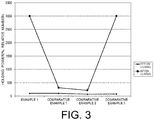
- This holding power test is a test that tests holding power of the adhesive composition, and after coating an adhesive between substrates, the result was cured (specific method of specimen preparation is the same as the SAFT), and after applying a 1 kg weight to the substrate on one side, a critical time of enduring at 80°C was measured.
- a higher holding power longer time means excellent cohesive strength.
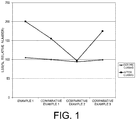
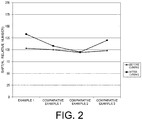
- the LSS, the SAFT and the holding power maximally increased after curing by approximately 106%, approximately 40% and approximately 1295%, respectively, compared to Comparative Examples 1 to 3 when using cyclic anhydride as a comonomer according to the present invention.
- Comparative Example 3 including the petroleum resin according to Preparation Example 4 including a petroleum resin monomer and a silane monomer had similar holding power compared to Example 1, however, the LSS and the SAFT were significantly superior in Example 1 according to the present invention.
- the curable petroleum resin according to the present invention may be preferably used as a composition added to a reactive adhesive composition.
Landscapes
- Chemical & Material Sciences (AREA)
- Organic Chemistry (AREA)
- Chemical Kinetics & Catalysis (AREA)
- Health & Medical Sciences (AREA)
- Medicinal Chemistry (AREA)
- Polymers & Plastics (AREA)
- Oil, Petroleum & Natural Gas (AREA)
- Engineering & Computer Science (AREA)
- General Chemical & Material Sciences (AREA)
- Adhesives Or Adhesive Processes (AREA)
- Addition Polymer Or Copolymer, Post-Treatments, Or Chemical Modifications (AREA)
Applications Claiming Priority (3)
| Application Number | Priority Date | Filing Date | Title |
|---|---|---|---|
| KR20160082297 | 2016-06-30 | ||
| KR1020170082798A KR102003451B1 (ko) | 2016-06-30 | 2017-06-29 | 경화 가능한 석유수지, 이의 제조방법 및 이의 용도 |
| PCT/KR2017/006933 WO2018004287A2 (ko) | 2016-06-30 | 2017-06-30 | 경화 가능한 석유수지, 이의 제조방법 및 이의 용도 |
Publications (3)
| Publication Number | Publication Date |
|---|---|
| EP3480225A2 true EP3480225A2 (de) | 2019-05-08 |
| EP3480225A4 EP3480225A4 (de) | 2020-01-15 |
| EP3480225B1 EP3480225B1 (de) | 2021-02-17 |
Family
ID=61000407
Family Applications (1)
| Application Number | Title | Priority Date | Filing Date |
|---|---|---|---|
| EP17820563.9A Active EP3480225B1 (de) | 2016-06-30 | 2017-06-30 | Härtbares petroleumharz, herstellungsverfahren dafür und verwendung davon |
Country Status (6)
| Country | Link |
|---|---|
| US (1) | US11655398B2 (de) |
| EP (1) | EP3480225B1 (de) |
| JP (1) | JP7085495B2 (de) |
| KR (1) | KR102003451B1 (de) |
| CN (1) | CN109641996A (de) |
| TW (2) | TWI792340B (de) |
Cited By (1)
| Publication number | Priority date | Publication date | Assignee | Title |
|---|---|---|---|---|
| EP4198100A1 (de) | 2021-12-20 | 2023-06-21 | Bostik SA | Durch wärme vernetzbare klebstoffzusammensetzung, die eine temperaturstabile klebverbindung bildet |
Families Citing this family (1)
| Publication number | Priority date | Publication date | Assignee | Title |
|---|---|---|---|---|
| KR102614617B1 (ko) * | 2020-11-20 | 2023-12-19 | 코오롱인더스트리 주식회사 | 수지 조성물, 이의 제조방법, 및 이를 포함하는 도료 조성물 |
Family Cites Families (29)
| Publication number | Priority date | Publication date | Assignee | Title |
|---|---|---|---|---|
| US3005800A (en) * | 1958-04-01 | 1961-10-24 | Paul O Powers | Method of maleinizing petroleum resin |
| DE2655109C2 (de) * | 1976-12-04 | 1985-07-11 | Basf Ag, 6700 Ludwigshafen | Einheitliche Copolymerisate cyclischer Diene und deren Verwendung |
| JPS56110705A (en) * | 1980-02-06 | 1981-09-02 | Nippon Zeon Co Ltd | Production of novel modified resin |
| JPS60101125A (ja) * | 1983-11-08 | 1985-06-05 | Toyo Soda Mfg Co Ltd | ポリプロピレン系成形品被覆用組成物 |
| US5824718A (en) | 1995-04-20 | 1998-10-20 | The Dow Chemical Company | Silane-crosslinkable, substantially linear ethylene polymers and their uses |
| JP2002514244A (ja) | 1996-12-13 | 2002-05-14 | デュポン ダウ エラストマーズ エルエルシー | 耐摩耗性シラン−架橋性ポリマーおよびポリマーブレンド組成物 |
| EP0889107A3 (de) | 1997-07-03 | 1999-03-24 | Ciba SC Holding AG | Klebstoff aus Basis von Cycloolefin |
| JPH11335446A (ja) * | 1998-05-28 | 1999-12-07 | Nippon Petrochem Co Ltd | 水素添加石油樹脂 |
| JP3379448B2 (ja) | 1998-09-30 | 2003-02-24 | 荒川化学工業株式会社 | 水素化c9系石油樹脂の製造方法および当該製造方法により得られた水素化c9系石油樹脂 |
| US7700707B2 (en) | 2002-10-15 | 2010-04-20 | Exxonmobil Chemical Patents Inc. | Polyolefin adhesive compositions and articles made therefrom |
| WO2005012427A1 (ja) | 2003-08-04 | 2005-02-10 | Zeon Corporation | 重合性組成物及びそれを用いてなる成形体 |
| DE10338344A1 (de) | 2003-08-21 | 2005-03-24 | Clariant Gmbh | Modifizierte Polyolefinwachse |
| CN1325526C (zh) | 2004-08-20 | 2007-07-11 | 中国石油天然气集团公司 | 一种c9固体石油树脂的制备方法 |
| US8101697B2 (en) | 2005-02-01 | 2012-01-24 | Bridgestone Corporation | Multi-functionalized high-trans elastomeric polymers |
| CN1298802C (zh) | 2005-11-07 | 2007-02-07 | 陕西科技大学 | 一种热熔型石油树脂粘结剂的制备方法 |
| KR100674593B1 (ko) | 2006-01-26 | 2007-01-25 | 체릉 타이 테크놀러지 코포레이션 리미티드 | 반응성 폴리올레핀계 핫멜트 접착제 |
| JP5476055B2 (ja) | 2009-06-30 | 2014-04-23 | 東レエンジニアリング株式会社 | 切断装置および切断方法 |
| KR101174019B1 (ko) | 2010-03-17 | 2012-08-16 | 주식회사 오공 | 핫멜트 접착제 조성물 |
| EP3312204A1 (de) * | 2010-10-13 | 2018-04-25 | ExxonMobil Chemical Patents Inc. | Silanfunktionalisierte kohlenwasserstoffpolymermodifikatoren für elastomere zusammensetzungen |
| DE102010043866A1 (de) * | 2010-11-12 | 2012-05-16 | Tesa Se | Klebmasse und Verfahren zur Kapselung einer elektronischen Anordnung |
| KR101305438B1 (ko) | 2011-05-13 | 2013-09-06 | 현대자동차주식회사 | 폴리우레탄과 알루미늄의 접착을 위한 접착제 |
| JP5800674B2 (ja) | 2011-10-25 | 2015-10-28 | 日本特殊陶業株式会社 | 配線基板及びその製造方法 |
| CN104694058A (zh) | 2013-12-05 | 2015-06-10 | 青岛惠城石化科技有限公司 | 一种热熔型石油树脂粘结剂的制备方法 |
| WO2015125546A1 (ja) * | 2014-02-21 | 2015-08-27 | 株式会社Moresco | ホットメルト接着剤 |
| WO2016018131A1 (ko) | 2014-08-01 | 2016-02-04 | 코오롱인더스트리 주식회사 | 경화 가능한 석유수지 및 이의 제조방법 |
| KR101758060B1 (ko) | 2014-08-01 | 2017-07-14 | 코오롱인더스트리 주식회사 | 경화 가능한 석유수지 및 이의 제조방법 |
| US9633965B2 (en) | 2014-08-08 | 2017-04-25 | Taiwan Semiconductor Manufacturing Company Ltd. | Semiconductor structure and manufacturing method of the same |
| KR20160082297A (ko) | 2014-12-30 | 2016-07-08 | 태효식 | 서버랙 냉방장치를 이용한 서버랙 냉방 방법 |
| KR20170082798A (ko) | 2016-01-07 | 2017-07-17 | 에스케이하이닉스 주식회사 | 메모리 모듈 |
-
2017
- 2017-06-29 KR KR1020170082798A patent/KR102003451B1/ko active Active
- 2017-06-30 US US16/314,351 patent/US11655398B2/en active Active
- 2017-06-30 CN CN201780049572.0A patent/CN109641996A/zh active Pending
- 2017-06-30 JP JP2018568387A patent/JP7085495B2/ja active Active
- 2017-06-30 EP EP17820563.9A patent/EP3480225B1/de active Active
- 2017-06-30 TW TW110120763A patent/TWI792340B/zh active
- 2017-06-30 TW TW106121922A patent/TWI778966B/zh active
Cited By (2)
| Publication number | Priority date | Publication date | Assignee | Title |
|---|---|---|---|---|
| EP4198100A1 (de) | 2021-12-20 | 2023-06-21 | Bostik SA | Durch wärme vernetzbare klebstoffzusammensetzung, die eine temperaturstabile klebverbindung bildet |
| FR3130822A1 (fr) | 2021-12-20 | 2023-06-23 | Bostik Sa | Composition adhesive reticulable par chauffage formant un joint adhesif stable en temperature |
Also Published As
| Publication number | Publication date |
|---|---|
| EP3480225B1 (de) | 2021-02-17 |
| EP3480225A4 (de) | 2020-01-15 |
| JP2019525978A (ja) | 2019-09-12 |
| TW202136466A (zh) | 2021-10-01 |
| TW201821579A (zh) | 2018-06-16 |
| CN109641996A (zh) | 2019-04-16 |
| KR102003451B1 (ko) | 2019-07-24 |
| TWI792340B (zh) | 2023-02-11 |
| US20190203083A1 (en) | 2019-07-04 |
| US11655398B2 (en) | 2023-05-23 |
| TWI778966B (zh) | 2022-10-01 |
| JP7085495B2 (ja) | 2022-06-16 |
| KR20180003467A (ko) | 2018-01-09 |
Similar Documents
| Publication | Publication Date | Title |
|---|---|---|
| CN109790357B (zh) | 可固化的改性石油树脂、其制备方法及用途 | |
| EP3647333B1 (de) | Härtbares petroleumharz, herstellungsverfahren dafür und verwendung davon | |
| KR101758060B1 (ko) | 경화 가능한 석유수지 및 이의 제조방법 | |
| CA3078383A1 (en) | Modified liquid diene rubbers | |
| CN118613461A (zh) | 包含可通过加成或缩聚反应聚合的树脂组合物的杂化烯烃组合物 | |
| EP3480225B1 (de) | Härtbares petroleumharz, herstellungsverfahren dafür und verwendung davon | |
| KR102051843B1 (ko) | 변성 폴리올레핀계 수지의 제조방법 | |
| KR102343367B1 (ko) | 경화 가능한 석유수지, 이의 제조방법 및 이의 용도 | |
| CN109804032B (zh) | 用于将聚烯烃膜粘结到玻璃纤维上的粘合剂 | |
| WO2018004287A2 (ko) | 경화 가능한 석유수지, 이의 제조방법 및 이의 용도 | |
| JP7360249B2 (ja) | ポリマー被覆無機フィラー、及び、これを含む樹脂組成物、ドライフィルム、硬化物、電子部品 | |
| KR20230170491A (ko) | 경화성 석유 수지 및 이를 포함하는 접착제 조성물 | |
| KR20230164467A (ko) | 경화성 석유 수지, 이의 제조 방법 |
Legal Events
| Date | Code | Title | Description |
|---|---|---|---|
| STAA | Information on the status of an ep patent application or granted ep patent |
Free format text: STATUS: THE INTERNATIONAL PUBLICATION HAS BEEN MADE |
|
| PUAI | Public reference made under article 153(3) epc to a published international application that has entered the european phase |
Free format text: ORIGINAL CODE: 0009012 |
|
| STAA | Information on the status of an ep patent application or granted ep patent |
Free format text: STATUS: REQUEST FOR EXAMINATION WAS MADE |
|
| 17P | Request for examination filed |
Effective date: 20190124 |
|
| AK | Designated contracting states |
Kind code of ref document: A2 Designated state(s): AL AT BE BG CH CY CZ DE DK EE ES FI FR GB GR HR HU IE IS IT LI LT LU LV MC MK MT NL NO PL PT RO RS SE SI SK SM TR |
|
| AX | Request for extension of the european patent |
Extension state: BA ME |
|
| RAP1 | Party data changed (applicant data changed or rights of an application transferred) |
Owner name: KOLON INDUSTRIES, INC. |
|
| DAV | Request for validation of the european patent (deleted) | ||
| DAX | Request for extension of the european patent (deleted) | ||
| A4 | Supplementary search report drawn up and despatched |
Effective date: 20191213 |
|
| RIC1 | Information provided on ipc code assigned before grant |
Ipc: C08F 232/08 20060101ALI20191209BHEP Ipc: C08L 45/00 20060101ALN20191209BHEP Ipc: C09J 151/06 20060101ALI20191209BHEP Ipc: C09J 123/02 20060101AFI20191209BHEP Ipc: C08F 240/00 20060101ALN20191209BHEP |
|
| REG | Reference to a national code |
Ref country code: DE Ref legal event code: R079 Ref document number: 602017032903 Country of ref document: DE Free format text: PREVIOUS MAIN CLASS: C08F0240000000 Ipc: C09J0123140000 |
|
| GRAP | Despatch of communication of intention to grant a patent |
Free format text: ORIGINAL CODE: EPIDOSNIGR1 |
|
| STAA | Information on the status of an ep patent application or granted ep patent |
Free format text: STATUS: GRANT OF PATENT IS INTENDED |
|
| RIC1 | Information provided on ipc code assigned before grant |
Ipc: C08L 45/00 20060101ALN20200909BHEP Ipc: C08F 240/00 20060101ALN20200909BHEP Ipc: C08F 232/08 20060101ALI20200909BHEP Ipc: C09J 123/14 20060101AFI20200909BHEP Ipc: C09J 151/06 20060101ALI20200909BHEP |
|
| INTG | Intention to grant announced |
Effective date: 20200925 |
|
| GRAS | Grant fee paid |
Free format text: ORIGINAL CODE: EPIDOSNIGR3 |
|
| GRAA | (expected) grant |
Free format text: ORIGINAL CODE: 0009210 |
|
| STAA | Information on the status of an ep patent application or granted ep patent |
Free format text: STATUS: THE PATENT HAS BEEN GRANTED |
|
| AK | Designated contracting states |
Kind code of ref document: B1 Designated state(s): AL AT BE BG CH CY CZ DE DK EE ES FI FR GB GR HR HU IE IS IT LI LT LU LV MC MK MT NL NO PL PT RO RS SE SI SK SM TR |
|
| REG | Reference to a national code |
Ref country code: GB Ref legal event code: FG4D |
|
| REG | Reference to a national code |
Ref country code: CH Ref legal event code: EP |
|
| REG | Reference to a national code |
Ref country code: DE Ref legal event code: R096 Ref document number: 602017032903 Country of ref document: DE |
|
| REG | Reference to a national code |
Ref country code: AT Ref legal event code: REF Ref document number: 1361438 Country of ref document: AT Kind code of ref document: T Effective date: 20210315 |
|
| REG | Reference to a national code |
Ref country code: IE Ref legal event code: FG4D |
|
| REG | Reference to a national code |
Ref country code: LT Ref legal event code: MG9D |
|
| REG | Reference to a national code |
Ref country code: NL Ref legal event code: MP Effective date: 20210217 |
|
| PG25 | Lapsed in a contracting state [announced via postgrant information from national office to epo] |
Ref country code: NO Free format text: LAPSE BECAUSE OF FAILURE TO SUBMIT A TRANSLATION OF THE DESCRIPTION OR TO PAY THE FEE WITHIN THE PRESCRIBED TIME-LIMIT Effective date: 20210517 Ref country code: PT Free format text: LAPSE BECAUSE OF FAILURE TO SUBMIT A TRANSLATION OF THE DESCRIPTION OR TO PAY THE FEE WITHIN THE PRESCRIBED TIME-LIMIT Effective date: 20210617 Ref country code: GR Free format text: LAPSE BECAUSE OF FAILURE TO SUBMIT A TRANSLATION OF THE DESCRIPTION OR TO PAY THE FEE WITHIN THE PRESCRIBED TIME-LIMIT Effective date: 20210518 Ref country code: HR Free format text: LAPSE BECAUSE OF FAILURE TO SUBMIT A TRANSLATION OF THE DESCRIPTION OR TO PAY THE FEE WITHIN THE PRESCRIBED TIME-LIMIT Effective date: 20210217 Ref country code: FI Free format text: LAPSE BECAUSE OF FAILURE TO SUBMIT A TRANSLATION OF THE DESCRIPTION OR TO PAY THE FEE WITHIN THE PRESCRIBED TIME-LIMIT Effective date: 20210217 Ref country code: BG Free format text: LAPSE BECAUSE OF FAILURE TO SUBMIT A TRANSLATION OF THE DESCRIPTION OR TO PAY THE FEE WITHIN THE PRESCRIBED TIME-LIMIT Effective date: 20210517 Ref country code: LT Free format text: LAPSE BECAUSE OF FAILURE TO SUBMIT A TRANSLATION OF THE DESCRIPTION OR TO PAY THE FEE WITHIN THE PRESCRIBED TIME-LIMIT Effective date: 20210217 |
|
| REG | Reference to a national code |
Ref country code: AT Ref legal event code: MK05 Ref document number: 1361438 Country of ref document: AT Kind code of ref document: T Effective date: 20210217 |
|
| PG25 | Lapsed in a contracting state [announced via postgrant information from national office to epo] |
Ref country code: NL Free format text: LAPSE BECAUSE OF FAILURE TO SUBMIT A TRANSLATION OF THE DESCRIPTION OR TO PAY THE FEE WITHIN THE PRESCRIBED TIME-LIMIT Effective date: 20210217 Ref country code: RS Free format text: LAPSE BECAUSE OF FAILURE TO SUBMIT A TRANSLATION OF THE DESCRIPTION OR TO PAY THE FEE WITHIN THE PRESCRIBED TIME-LIMIT Effective date: 20210217 Ref country code: PL Free format text: LAPSE BECAUSE OF FAILURE TO SUBMIT A TRANSLATION OF THE DESCRIPTION OR TO PAY THE FEE WITHIN THE PRESCRIBED TIME-LIMIT Effective date: 20210217 Ref country code: LV Free format text: LAPSE BECAUSE OF FAILURE TO SUBMIT A TRANSLATION OF THE DESCRIPTION OR TO PAY THE FEE WITHIN THE PRESCRIBED TIME-LIMIT Effective date: 20210217 Ref country code: SE Free format text: LAPSE BECAUSE OF FAILURE TO SUBMIT A TRANSLATION OF THE DESCRIPTION OR TO PAY THE FEE WITHIN THE PRESCRIBED TIME-LIMIT Effective date: 20210217 |
|
| PG25 | Lapsed in a contracting state [announced via postgrant information from national office to epo] |
Ref country code: IS Free format text: LAPSE BECAUSE OF FAILURE TO SUBMIT A TRANSLATION OF THE DESCRIPTION OR TO PAY THE FEE WITHIN THE PRESCRIBED TIME-LIMIT Effective date: 20210617 |
|
| PG25 | Lapsed in a contracting state [announced via postgrant information from national office to epo] |
Ref country code: SM Free format text: LAPSE BECAUSE OF FAILURE TO SUBMIT A TRANSLATION OF THE DESCRIPTION OR TO PAY THE FEE WITHIN THE PRESCRIBED TIME-LIMIT Effective date: 20210217 Ref country code: AT Free format text: LAPSE BECAUSE OF FAILURE TO SUBMIT A TRANSLATION OF THE DESCRIPTION OR TO PAY THE FEE WITHIN THE PRESCRIBED TIME-LIMIT Effective date: 20210217 Ref country code: CZ Free format text: LAPSE BECAUSE OF FAILURE TO SUBMIT A TRANSLATION OF THE DESCRIPTION OR TO PAY THE FEE WITHIN THE PRESCRIBED TIME-LIMIT Effective date: 20210217 Ref country code: EE Free format text: LAPSE BECAUSE OF FAILURE TO SUBMIT A TRANSLATION OF THE DESCRIPTION OR TO PAY THE FEE WITHIN THE PRESCRIBED TIME-LIMIT Effective date: 20210217 |
|
| REG | Reference to a national code |
Ref country code: DE Ref legal event code: R097 Ref document number: 602017032903 Country of ref document: DE |
|
| PG25 | Lapsed in a contracting state [announced via postgrant information from national office to epo] |
Ref country code: DK Free format text: LAPSE BECAUSE OF FAILURE TO SUBMIT A TRANSLATION OF THE DESCRIPTION OR TO PAY THE FEE WITHIN THE PRESCRIBED TIME-LIMIT Effective date: 20210217 Ref country code: SK Free format text: LAPSE BECAUSE OF FAILURE TO SUBMIT A TRANSLATION OF THE DESCRIPTION OR TO PAY THE FEE WITHIN THE PRESCRIBED TIME-LIMIT Effective date: 20210217 Ref country code: RO Free format text: LAPSE BECAUSE OF FAILURE TO SUBMIT A TRANSLATION OF THE DESCRIPTION OR TO PAY THE FEE WITHIN THE PRESCRIBED TIME-LIMIT Effective date: 20210217 |
|
| PLBE | No opposition filed within time limit |
Free format text: ORIGINAL CODE: 0009261 |
|
| STAA | Information on the status of an ep patent application or granted ep patent |
Free format text: STATUS: NO OPPOSITION FILED WITHIN TIME LIMIT |
|
| 26N | No opposition filed |
Effective date: 20211118 |
|
| PG25 | Lapsed in a contracting state [announced via postgrant information from national office to epo] |
Ref country code: MC Free format text: LAPSE BECAUSE OF FAILURE TO SUBMIT A TRANSLATION OF THE DESCRIPTION OR TO PAY THE FEE WITHIN THE PRESCRIBED TIME-LIMIT Effective date: 20210217 Ref country code: AL Free format text: LAPSE BECAUSE OF FAILURE TO SUBMIT A TRANSLATION OF THE DESCRIPTION OR TO PAY THE FEE WITHIN THE PRESCRIBED TIME-LIMIT Effective date: 20210217 Ref country code: ES Free format text: LAPSE BECAUSE OF FAILURE TO SUBMIT A TRANSLATION OF THE DESCRIPTION OR TO PAY THE FEE WITHIN THE PRESCRIBED TIME-LIMIT Effective date: 20210217 |
|
| REG | Reference to a national code |
Ref country code: CH Ref legal event code: PL |
|
| PG25 | Lapsed in a contracting state [announced via postgrant information from national office to epo] |
Ref country code: SI Free format text: LAPSE BECAUSE OF FAILURE TO SUBMIT A TRANSLATION OF THE DESCRIPTION OR TO PAY THE FEE WITHIN THE PRESCRIBED TIME-LIMIT Effective date: 20210217 |
|
| REG | Reference to a national code |
Ref country code: BE Ref legal event code: MM Effective date: 20210630 |
|
| PG25 | Lapsed in a contracting state [announced via postgrant information from national office to epo] |
Ref country code: LU Free format text: LAPSE BECAUSE OF NON-PAYMENT OF DUE FEES Effective date: 20210630 |
|
| PG25 | Lapsed in a contracting state [announced via postgrant information from national office to epo] |
Ref country code: LI Free format text: LAPSE BECAUSE OF NON-PAYMENT OF DUE FEES Effective date: 20210630 Ref country code: IT Free format text: LAPSE BECAUSE OF FAILURE TO SUBMIT A TRANSLATION OF THE DESCRIPTION OR TO PAY THE FEE WITHIN THE PRESCRIBED TIME-LIMIT Effective date: 20210217 Ref country code: IE Free format text: LAPSE BECAUSE OF NON-PAYMENT OF DUE FEES Effective date: 20210630 Ref country code: CH Free format text: LAPSE BECAUSE OF NON-PAYMENT OF DUE FEES Effective date: 20210630 |
|
| PG25 | Lapsed in a contracting state [announced via postgrant information from national office to epo] |
Ref country code: IS Free format text: LAPSE BECAUSE OF FAILURE TO SUBMIT A TRANSLATION OF THE DESCRIPTION OR TO PAY THE FEE WITHIN THE PRESCRIBED TIME-LIMIT Effective date: 20210617 |
|
| PG25 | Lapsed in a contracting state [announced via postgrant information from national office to epo] |
Ref country code: BE Free format text: LAPSE BECAUSE OF NON-PAYMENT OF DUE FEES Effective date: 20210630 |
|
| PG25 | Lapsed in a contracting state [announced via postgrant information from national office to epo] |
Ref country code: CY Free format text: LAPSE BECAUSE OF FAILURE TO SUBMIT A TRANSLATION OF THE DESCRIPTION OR TO PAY THE FEE WITHIN THE PRESCRIBED TIME-LIMIT Effective date: 20210217 |
|
| PG25 | Lapsed in a contracting state [announced via postgrant information from national office to epo] |
Ref country code: HU Free format text: LAPSE BECAUSE OF FAILURE TO SUBMIT A TRANSLATION OF THE DESCRIPTION OR TO PAY THE FEE WITHIN THE PRESCRIBED TIME-LIMIT; INVALID AB INITIO Effective date: 20170630 |
|
| PG25 | Lapsed in a contracting state [announced via postgrant information from national office to epo] |
Ref country code: MK Free format text: LAPSE BECAUSE OF FAILURE TO SUBMIT A TRANSLATION OF THE DESCRIPTION OR TO PAY THE FEE WITHIN THE PRESCRIBED TIME-LIMIT Effective date: 20210217 |
|
| PG25 | Lapsed in a contracting state [announced via postgrant information from national office to epo] |
Ref country code: TR Free format text: LAPSE BECAUSE OF FAILURE TO SUBMIT A TRANSLATION OF THE DESCRIPTION OR TO PAY THE FEE WITHIN THE PRESCRIBED TIME-LIMIT Effective date: 20210217 |
|
| PG25 | Lapsed in a contracting state [announced via postgrant information from national office to epo] |
Ref country code: MT Free format text: LAPSE BECAUSE OF FAILURE TO SUBMIT A TRANSLATION OF THE DESCRIPTION OR TO PAY THE FEE WITHIN THE PRESCRIBED TIME-LIMIT Effective date: 20210217 |
|
| PGFP | Annual fee paid to national office [announced via postgrant information from national office to epo] |
Ref country code: DE Payment date: 20250508 Year of fee payment: 9 |
|
| PGFP | Annual fee paid to national office [announced via postgrant information from national office to epo] |
Ref country code: GB Payment date: 20250508 Year of fee payment: 9 |
|
| PGFP | Annual fee paid to national office [announced via postgrant information from national office to epo] |
Ref country code: FR Payment date: 20250513 Year of fee payment: 9 |