EP3481861B1 - Sequenzielle geneditierung in primären immunzellen - Google Patents
Sequenzielle geneditierung in primären immunzellen Download PDFInfo
- Publication number
- EP3481861B1 EP3481861B1 EP17740642.8A EP17740642A EP3481861B1 EP 3481861 B1 EP3481861 B1 EP 3481861B1 EP 17740642 A EP17740642 A EP 17740642A EP 3481861 B1 EP3481861 B1 EP 3481861B1
- Authority
- EP
- European Patent Office
- Prior art keywords
- cells
- cell
- tcr
- sequence
- neg
- Prior art date
- Legal status (The legal status is an assumption and is not a legal conclusion. Google has not performed a legal analysis and makes no representation as to the accuracy of the status listed.)
- Active
Links
Images






Classifications
-
- C—CHEMISTRY; METALLURGY
- C12—BIOCHEMISTRY; BEER; SPIRITS; WINE; VINEGAR; MICROBIOLOGY; ENZYMOLOGY; MUTATION OR GENETIC ENGINEERING
- C12N—MICROORGANISMS OR ENZYMES; COMPOSITIONS THEREOF; PROPAGATING, PRESERVING, OR MAINTAINING MICROORGANISMS; MUTATION OR GENETIC ENGINEERING; CULTURE MEDIA
- C12N15/00—Mutation or genetic engineering; DNA or RNA concerning genetic engineering, vectors, e.g. plasmids, or their isolation, preparation or purification; Use of hosts therefor
- C12N15/09—Recombinant DNA-technology
- C12N15/63—Introduction of foreign genetic material using vectors; Vectors; Use of hosts therefor; Regulation of expression
- C12N15/79—Vectors or expression systems specially adapted for eukaryotic hosts
- C12N15/85—Vectors or expression systems specially adapted for eukaryotic hosts for animal cells
- C12N15/86—Viral vectors
-
- A—HUMAN NECESSITIES
- A61—MEDICAL OR VETERINARY SCIENCE; HYGIENE
- A61P—SPECIFIC THERAPEUTIC ACTIVITY OF CHEMICAL COMPOUNDS OR MEDICINAL PREPARATIONS
- A61P35/00—Antineoplastic agents
-
- A—HUMAN NECESSITIES
- A61—MEDICAL OR VETERINARY SCIENCE; HYGIENE
- A61K—PREPARATIONS FOR MEDICAL, DENTAL OR TOILETRY PURPOSES
- A61K40/00—Cellular immunotherapy
- A61K40/10—Cellular immunotherapy characterised by the cell type used
- A61K40/11—T-cells, e.g. tumour infiltrating lymphocytes [TIL] or regulatory T [Treg] cells; Lymphokine-activated killer [LAK] cells
-
- A—HUMAN NECESSITIES
- A61—MEDICAL OR VETERINARY SCIENCE; HYGIENE
- A61K—PREPARATIONS FOR MEDICAL, DENTAL OR TOILETRY PURPOSES
- A61K40/00—Cellular immunotherapy
- A61K40/30—Cellular immunotherapy characterised by the recombinant expression of specific molecules in the cells of the immune system
- A61K40/31—Chimeric antigen receptors [CAR]
-
- A—HUMAN NECESSITIES
- A61—MEDICAL OR VETERINARY SCIENCE; HYGIENE
- A61K—PREPARATIONS FOR MEDICAL, DENTAL OR TOILETRY PURPOSES
- A61K40/00—Cellular immunotherapy
- A61K40/30—Cellular immunotherapy characterised by the recombinant expression of specific molecules in the cells of the immune system
- A61K40/32—T-cell receptors [TCR]
-
- A—HUMAN NECESSITIES
- A61—MEDICAL OR VETERINARY SCIENCE; HYGIENE
- A61K—PREPARATIONS FOR MEDICAL, DENTAL OR TOILETRY PURPOSES
- A61K40/00—Cellular immunotherapy
- A61K40/40—Cellular immunotherapy characterised by antigens that are targeted or presented by cells of the immune system
- A61K40/41—Vertebrate antigens
- A61K40/42—Cancer antigens
- A61K40/4202—Receptors, cell surface antigens or cell surface determinants
- A61K40/421—Immunoglobulin superfamily
-
- A—HUMAN NECESSITIES
- A61—MEDICAL OR VETERINARY SCIENCE; HYGIENE
- A61K—PREPARATIONS FOR MEDICAL, DENTAL OR TOILETRY PURPOSES
- A61K40/00—Cellular immunotherapy
- A61K40/40—Cellular immunotherapy characterised by antigens that are targeted or presented by cells of the immune system
- A61K40/41—Vertebrate antigens
- A61K40/42—Cancer antigens
- A61K40/4202—Receptors, cell surface antigens or cell surface determinants
- A61K40/421—Immunoglobulin superfamily
- A61K40/4212—CD22, BL-CAM, siglec-2 or sialic acid binding Ig-related lectin 2
-
- A—HUMAN NECESSITIES
- A61—MEDICAL OR VETERINARY SCIENCE; HYGIENE
- A61P—SPECIFIC THERAPEUTIC ACTIVITY OF CHEMICAL COMPOUNDS OR MEDICINAL PREPARATIONS
- A61P35/00—Antineoplastic agents
- A61P35/02—Antineoplastic agents specific for leukemia
-
- A—HUMAN NECESSITIES
- A61—MEDICAL OR VETERINARY SCIENCE; HYGIENE
- A61P—SPECIFIC THERAPEUTIC ACTIVITY OF CHEMICAL COMPOUNDS OR MEDICINAL PREPARATIONS
- A61P37/00—Drugs for immunological or allergic disorders
- A61P37/02—Immunomodulators
- A61P37/04—Immunostimulants
-
- C—CHEMISTRY; METALLURGY
- C12—BIOCHEMISTRY; BEER; SPIRITS; WINE; VINEGAR; MICROBIOLOGY; ENZYMOLOGY; MUTATION OR GENETIC ENGINEERING
- C12N—MICROORGANISMS OR ENZYMES; COMPOSITIONS THEREOF; PROPAGATING, PRESERVING, OR MAINTAINING MICROORGANISMS; MUTATION OR GENETIC ENGINEERING; CULTURE MEDIA
- C12N13/00—Treatment of microorganisms or enzymes with electrical or wave energy, e.g. magnetism, sonic waves
-
- C—CHEMISTRY; METALLURGY
- C12—BIOCHEMISTRY; BEER; SPIRITS; WINE; VINEGAR; MICROBIOLOGY; ENZYMOLOGY; MUTATION OR GENETIC ENGINEERING
- C12N—MICROORGANISMS OR ENZYMES; COMPOSITIONS THEREOF; PROPAGATING, PRESERVING, OR MAINTAINING MICROORGANISMS; MUTATION OR GENETIC ENGINEERING; CULTURE MEDIA
- C12N15/00—Mutation or genetic engineering; DNA or RNA concerning genetic engineering, vectors, e.g. plasmids, or their isolation, preparation or purification; Use of hosts therefor
- C12N15/09—Recombinant DNA-technology
- C12N15/10—Processes for the isolation, preparation or purification of DNA or RNA
- C12N15/102—Mutagenizing nucleic acids
-
- C—CHEMISTRY; METALLURGY
- C12—BIOCHEMISTRY; BEER; SPIRITS; WINE; VINEGAR; MICROBIOLOGY; ENZYMOLOGY; MUTATION OR GENETIC ENGINEERING
- C12N—MICROORGANISMS OR ENZYMES; COMPOSITIONS THEREOF; PROPAGATING, PRESERVING, OR MAINTAINING MICROORGANISMS; MUTATION OR GENETIC ENGINEERING; CULTURE MEDIA
- C12N15/00—Mutation or genetic engineering; DNA or RNA concerning genetic engineering, vectors, e.g. plasmids, or their isolation, preparation or purification; Use of hosts therefor
- C12N15/09—Recombinant DNA-technology
- C12N15/11—DNA or RNA fragments; Modified forms thereof; Non-coding nucleic acids having a biological activity
- C12N15/113—Non-coding nucleic acids modulating the expression of genes, e.g. antisense oligonucleotides; Antisense DNA or RNA; Triplex- forming oligonucleotides; Catalytic nucleic acids, e.g. ribozymes; Nucleic acids used in co-suppression or gene silencing
-
- C—CHEMISTRY; METALLURGY
- C12—BIOCHEMISTRY; BEER; SPIRITS; WINE; VINEGAR; MICROBIOLOGY; ENZYMOLOGY; MUTATION OR GENETIC ENGINEERING
- C12N—MICROORGANISMS OR ENZYMES; COMPOSITIONS THEREOF; PROPAGATING, PRESERVING, OR MAINTAINING MICROORGANISMS; MUTATION OR GENETIC ENGINEERING; CULTURE MEDIA
- C12N15/00—Mutation or genetic engineering; DNA or RNA concerning genetic engineering, vectors, e.g. plasmids, or their isolation, preparation or purification; Use of hosts therefor
- C12N15/09—Recombinant DNA-technology
- C12N15/63—Introduction of foreign genetic material using vectors; Vectors; Use of hosts therefor; Regulation of expression
-
- C—CHEMISTRY; METALLURGY
- C12—BIOCHEMISTRY; BEER; SPIRITS; WINE; VINEGAR; MICROBIOLOGY; ENZYMOLOGY; MUTATION OR GENETIC ENGINEERING
- C12N—MICROORGANISMS OR ENZYMES; COMPOSITIONS THEREOF; PROPAGATING, PRESERVING, OR MAINTAINING MICROORGANISMS; MUTATION OR GENETIC ENGINEERING; CULTURE MEDIA
- C12N15/00—Mutation or genetic engineering; DNA or RNA concerning genetic engineering, vectors, e.g. plasmids, or their isolation, preparation or purification; Use of hosts therefor
- C12N15/09—Recombinant DNA-technology
- C12N15/87—Introduction of foreign genetic material using processes not otherwise provided for, e.g. co-transformation
- C12N15/90—Stable introduction of foreign DNA into chromosome
- C12N15/902—Stable introduction of foreign DNA into chromosome using homologous recombination
-
- C—CHEMISTRY; METALLURGY
- C12—BIOCHEMISTRY; BEER; SPIRITS; WINE; VINEGAR; MICROBIOLOGY; ENZYMOLOGY; MUTATION OR GENETIC ENGINEERING
- C12N—MICROORGANISMS OR ENZYMES; COMPOSITIONS THEREOF; PROPAGATING, PRESERVING, OR MAINTAINING MICROORGANISMS; MUTATION OR GENETIC ENGINEERING; CULTURE MEDIA
- C12N5/00—Undifferentiated human, animal or plant cells, e.g. cell lines; Tissues; Cultivation or maintenance thereof; Culture media therefor
- C12N5/06—Animal cells or tissues; Human cells or tissues
- C12N5/0602—Vertebrate cells
- C12N5/0634—Cells from the blood or the immune system
- C12N5/0636—T lymphocytes
-
- C—CHEMISTRY; METALLURGY
- C12—BIOCHEMISTRY; BEER; SPIRITS; WINE; VINEGAR; MICROBIOLOGY; ENZYMOLOGY; MUTATION OR GENETIC ENGINEERING
- C12N—MICROORGANISMS OR ENZYMES; COMPOSITIONS THEREOF; PROPAGATING, PRESERVING, OR MAINTAINING MICROORGANISMS; MUTATION OR GENETIC ENGINEERING; CULTURE MEDIA
- C12N9/00—Enzymes; Proenzymes; Compositions thereof; Processes for preparing, activating, inhibiting, separating or purifying enzymes
- C12N9/14—Hydrolases (3)
- C12N9/16—Hydrolases (3) acting on ester bonds (3.1)
- C12N9/22—Ribonucleases [RNase]; Deoxyribonucleases [DNase]
-
- C—CHEMISTRY; METALLURGY
- C07—ORGANIC CHEMISTRY
- C07K—PEPTIDES
- C07K14/00—Peptides having more than 20 amino acids; Gastrins; Somatostatins; Melanotropins; Derivatives thereof
- C07K14/435—Peptides having more than 20 amino acids; Gastrins; Somatostatins; Melanotropins; Derivatives thereof from animals; from humans
- C07K14/705—Receptors; Cell surface antigens; Cell surface determinants
- C07K14/70503—Immunoglobulin superfamily
- C07K14/7051—T-cell receptor (TcR)-CD3 complex
-
- C—CHEMISTRY; METALLURGY
- C07—ORGANIC CHEMISTRY
- C07K—PEPTIDES
- C07K2319/00—Fusion polypeptide
- C07K2319/01—Fusion polypeptide containing a localisation/targetting motif
- C07K2319/03—Fusion polypeptide containing a localisation/targetting motif containing a transmembrane segment
-
- C—CHEMISTRY; METALLURGY
- C12—BIOCHEMISTRY; BEER; SPIRITS; WINE; VINEGAR; MICROBIOLOGY; ENZYMOLOGY; MUTATION OR GENETIC ENGINEERING
- C12N—MICROORGANISMS OR ENZYMES; COMPOSITIONS THEREOF; PROPAGATING, PRESERVING, OR MAINTAINING MICROORGANISMS; MUTATION OR GENETIC ENGINEERING; CULTURE MEDIA
- C12N2310/00—Structure or type of the nucleic acid
- C12N2310/10—Type of nucleic acid
- C12N2310/20—Type of nucleic acid involving clustered regularly interspaced short palindromic repeats [CRISPR]
-
- C—CHEMISTRY; METALLURGY
- C12—BIOCHEMISTRY; BEER; SPIRITS; WINE; VINEGAR; MICROBIOLOGY; ENZYMOLOGY; MUTATION OR GENETIC ENGINEERING
- C12N—MICROORGANISMS OR ENZYMES; COMPOSITIONS THEREOF; PROPAGATING, PRESERVING, OR MAINTAINING MICROORGANISMS; MUTATION OR GENETIC ENGINEERING; CULTURE MEDIA
- C12N2501/00—Active agents used in cell culture processes, e.g. differentation
- C12N2501/50—Cell markers; Cell surface determinants
- C12N2501/599—Cell markers; Cell surface determinants with CD designations not provided for elsewhere
-
- C—CHEMISTRY; METALLURGY
- C12—BIOCHEMISTRY; BEER; SPIRITS; WINE; VINEGAR; MICROBIOLOGY; ENZYMOLOGY; MUTATION OR GENETIC ENGINEERING
- C12N—MICROORGANISMS OR ENZYMES; COMPOSITIONS THEREOF; PROPAGATING, PRESERVING, OR MAINTAINING MICROORGANISMS; MUTATION OR GENETIC ENGINEERING; CULTURE MEDIA
- C12N2510/00—Genetically modified cells
-
- C—CHEMISTRY; METALLURGY
- C12—BIOCHEMISTRY; BEER; SPIRITS; WINE; VINEGAR; MICROBIOLOGY; ENZYMOLOGY; MUTATION OR GENETIC ENGINEERING
- C12N—MICROORGANISMS OR ENZYMES; COMPOSITIONS THEREOF; PROPAGATING, PRESERVING, OR MAINTAINING MICROORGANISMS; MUTATION OR GENETIC ENGINEERING; CULTURE MEDIA
- C12N2800/00—Nucleic acids vectors
- C12N2800/80—Vectors containing sites for inducing double-stranded breaks, e.g. meganuclease restriction sites
Definitions
- the invention pertains to the field of adaptive cell immunotherapy. It aims at reducing the occurrence of translocations and cell deaths when several specific endonuclease reagents are used altogether to genetically modify primary immune T-cells at different genetic loci.
- the method of the invention allows to yield safer immune primary T-cells harboring several genetic modifications, such as triple or quadruple gene inactivated cells, from populations or sub-populations of cells originating from a single donor or patient, for their subsequent use in therapeutic treatments.
- TALE-nucleases which are fusions of a TALE binding domain with a cleavage catalytic domain have been successfully applied to primary immune cells, in particular T-cells from peripheral blood mononuclear cells (PBMC).
- TALE-nucleases are currently used to simultaneously inactivate gene sequences in T-cells originating from donors, in particular to produce allogeneic therapeutic T-Cells, in which the genes encoding TCR (T-cell receptor) and CD52 are disrupted. These cells can be endowed with chimeric antigen receptors (CAR) or recombinant TCR for treating cancer patients ( US2013/0315884 ).
- TALE-nucleases are very specific reagents because they need to bind DNA by pairs under obligatory heterodimeric form to obtain dimerization of the cleavage domain Fok-1. Left and right heterodimer members each recognizes a different nucleic sequences of about 14 to 20 bp, together spanning target sequences of 30 to 50 bp overall specificity.
- RNA-guided nuclease system RNA-guided nuclease system [ Gasiunas, Barrangou et al. (2012) Cas9-crRNA ribonucleoprotein complex mediates specific DNA cleavage for adaptive immunity in bacteria; PNAS 109(39):E2579-E2586 ]; Doudna, J. Charpentier E.
- CRISPR-Cas9 is a single RNA-guided endonuclease that provides immunity in bacteria and can be adapted for genome editing in mammalian cells.
- Cell 163:759-771 endonuclease families coupled with a guide RNA molecules that have the ability to drive said nuclease to some specific genome sequences.
- Such programmable RNA-guided endonucleases are easy to produce because the cleavage specificity is determined by the sequence of the RNA guide, which can be easily designed and cheaply produced.
- the specificity of CRISPR/Cas9 although stands on shorter sequences than TAL-nucleases of about 10 pb, which must be located near a particular motif (PAM) in the targeted genetic sequence.
- PAM motif
- endonuclease systems derived from homing endonucleases (ex: I-Onul, or I-Crel), combined or not with TAL-nuclease (ex: MegaTAL) or zing-finger nucleases have also proven specificity, but with less efficiency so far.
- CARs transgenic T-cell receptors or so-called chimeric antigen receptors (CARs) ( Jena et al. (2010) Redirecting T-cell specificity by introducing a tumor-specific chimeric antigen receptor. Blood. 116:1035-1044 ).
- CARs are recombinant receptors comprising a targeting moiety that is associated with one or more signaling domains in a single fusion molecule.
- the binding moiety of a CAR consists of an antigen-binding domain of a single-chain antibody (scFv), comprising the light and heavy variable fragments of a monoclonal antibody joined by a flexible linker.
- scFv single-chain antibody
- Binding moieties based on receptor or ligand domains have also been used successfully.
- the signaling domains for first generation CARs are derived from the cytoplasmic region of the CD3zeta or the Fc receptor gamma chains.
- First generation CARs have been shown to successfully redirect T cell cytotoxicity, however, they failed to provide prolonged expansion and anti-tumor activity in vivo.
- Signaling domains from co-stimulatory molecules including CD28, OX-40 (CD134), ICOS and 4-1BB (CD137) have been added alone (second generation) or in combination (third generation) to enhance survival and increase proliferation of CAR modified T cells.
- CARs, as well as the expression of recombinant TCRs have successfully allowed T cells to be redirected against antigens expressed by tumor cells from various malignancies including lymphomas and solid tumors.
- TCR T-cell receptor
- CAR chimeric antigen receptor
- UCART19 CD19 malignant antigen
- the TALE-nuclease was transiently expressed into the cells upon electroporation of capped mRNA to operate TCR gene disruption, whereas a cassette encoding the chimeric antigen receptor (CAR CD19) was introduced randomly into the genome using a retroviral vector.
- engineering primary immune cells is not without any consequences on the growth/physiology of such cells.
- one major challenge is to avoid cells exhaustion/anergy that significantly reduces their immune reaction and life span. This is more likely to happen when the cells are artificially activated ahead of their infusion into the patient. It is also the case when a cell is endowed with a CAR that is too reactive.
- the inventors have explored safer means for ex-vivo delivery of endonucleases reagents into primary cells with the requirements that said cells (1) are modified at different genetic loci, (2) not bearing too many translocations, (3) produced in sufficient number to enable treating at least a hundred patients, and (4) produced in a limited time frame of less than 30 days to avoid exhaustion of the cells. They came up with the invention as described herein, where sequential gene editing is performed instead of multiplexing gene editing. Surprisingly, this occurred to be less destructive to the cells, resulting into higher quality primary immune cells.
- This invention paves the way to standard and affordable adoptive immune cell therapy treatments.
- the present invention is drawn to a method of sequential gene editing aiming to improve the genetic modification of primary human T-cells, especially immune T-cells originating from individual donors or patients.
- T-cells or NK cells have a limited life span, and although they can be expanded and activated ex-vivo by methods known in the art [ Rasmussen A.M. et al. (2010) Ex-vivo expansion protocol for human tumor specific T cells for adoptive T cell therapy. Journal of Immunological Methods 355:52-60 ], their immune reactivity tends to reduce over time. They can also get exhausted from the moment they are collected from a donor to the moment they are reintroduced in-vivo to track down and eliminate malignant or infected cells into the patient.
- nucleotide sequence-specific reagents such as rare-cutting endonucleases
- endonucleases are used to cleave target sequences simultaneously at different loci, the risk of inter- or intra-chromosomal translocations increases significantly, which concur to a higher risk of unwanted genetic recombination or off-site mutations.
- the present invention thus primarily concerns a method for introducing genetic modifications at different loci of a primary T-cell, comprising the sequential steps of:
- the invention concerns the preceding method, further comprising at least one further step of subjecting said primary T-cell to a third electroporation step to introduce at least a third sequence-specific reagent into said cell.
- the first electroporation step can be performed in view of editing or modifying a gene, in such a way that the primary T-cell will better expand or get more permissive to the subsequent modification steps.
- the first step of gene editing can be performed on a receptor or surface protein, such as TCR.
- the TCR negative cells obtained by this first step can be purified by removal of the cells remaining TCR positive, such that said TCR negative cells can be cultivated and then subjected to a second step of gene editing, for instance to make them resistant to a chemotherapy drug.
- the resulting population of cells in which the second gene editing has been achieved can then be enriched in TCR negative drug resistant cells by culture in a medium containing said chemotherapy drug.
- Table 1 List of genes involved into immune cells inhibitory pathways
- Table 2 gene editing efficiency of various sequential gene editing strategies according to the invention as presented in Example 3 (percentage of gene edited cells based on numbers of CD38, TCR and/or CD52 negative cells; D4, D5 and D6 are the number of days after thawing frozen primary cells).
- Table 3 Sequence of TALEN ® used in the examples.
- Table 4 Selection of antigen markers of various cancers found to be expressed on the surface of T-cells. The inactivation of the genes encoding these antigen markers is proposed as part of one of one of the gene editing steps according to the invention, especially when the engineered immune cells are endowed with chimeric antigen receptors targeting these very antigens.
- the present invention relates to methods to perform genome modification in multiple loci in primary T-cells through sequential electroporation steps, spaced by cell culture, sorting and/or expansion phase(s).
- primary cell or “primary cells” are intended cells taken directly from living tissue (e.g. biopsy material) and established for growth in vitro for a limited amount of time, meaning that they can undergo a limited number of population doublings. Primary cells are opposed to continuous tumorigenic or artificially immortalized cell lines.
- Non-limiting examples of such cell lines are CHO-K1 cells; HEK293 cells; Caco2 cells; U2-OS cells; NIH 3T3 cells; NSO cells; SP2 cells; CHO-S cells; DG44 cells; K-562 cells, U-937 cells; MRC5 cells; IMR90 cells; Jurkat cells; HepG2 cells; HeLa cells; HT-1080 cells; HCT-116 cells; Hu-h7 cells; Huvec cells; Molt 4 cells.
- Primary cells are generally used in cell therapy as they are deemed more functional and less tumorigenic.
- primary immune cells are provided from donors or patients through a variety of methods known in the art, as for instance by leukapheresis techniques as reviewed by Schwartz J.et al. (Guidelines on the use of therapeutic apheresis in clinical practice-evidence-based approach from the Writing Committee of the American Society for Apheresis: the sixth special issue (2013) J Clin Apher. 28(3): 145-284 ).
- the primary immune cells according to the present disclosure can also be differentiated from stem cells, such as cord blood stem cells, progenitor cells, bone marrow stem cells, hematopoietic stem cells (HSC) and induced pluripotent stem cells (iPS).
- stem cells such as cord blood stem cells, progenitor cells, bone marrow stem cells, hematopoietic stem cells (HSC) and induced pluripotent stem cells (iPS).
- immune cell is meant a cell of hematopoietic origin functionally involved in the initiation and/or execution of innate and/or adaptative immune response, such as typically CD3 or CD4 positive cells.
- the immune cell according to the present invention is a T-cell selected from the group consisting of inflammatory T-lymphocytes, cytotoxic T-lymphocytes, regulatory T-lymphocytes or helper T-lymphocytes.
- T-cells can be obtained from a number of non-limiting sources, including peripheral blood mononuclear cells, bone marrow, lymph node tissue, cord blood, thymus tissue, tissue from a site of infection, ascites, pleural effusion, spleen tissue, and from tumors, such as tumor infiltrating lymphocytes.
- said T-cell can be derived from a healthy donor, from a patient diagnosed with cancer or from a patient diagnosed with an infection.
- said T-cell is part of a mixed population of immune cells which present different phenotypic characteristics, such as comprising CD4, CD8 and CD56 positive cells.
- nucleic acid reagent is meant a nucleic acid molecule that contributes to an endonuclease catalytic reaction in the target cell, itself or as a subunit of a complex, preferably leading to the cleavage of a nucleic acid sequence target.
- the endonuclease reagents of the invention are generally sequence-specific reagents, meaning that they can induce DNA cleavage in the cells at predetermined loci, referred to by extension as "gene targets”.
- the nucleic acid sequence which is recognized by the sequence specific reagents is referred to as "target sequence”. Said target sequence is usually selected to be rare or unique in the cell's genome, and more extensively in the human genome, as can be determined using software and data available from human genome databases, such as http://www.ensembl.org/index.html.
- Random endonucleases are sequence-specific endonuclease reagents of choice, insofar as their recognition sequences generally range from 10 to 50 successive base pairs, preferably from 12 to 30 bp, and more preferably from 14 to 20 bp.
- the endonuclease reagent is transiently expressed into the cells, meaning that said reagent is not supposed to integrate into the genome or persist over a long period of time, such as be the case of RNA, more particularly mRNA, proteins or complexes mixing proteins and nucleic acids (eg: Ribonucleoproteins).
- RNA more particularly mRNA
- proteins or complexes mixing proteins and nucleic acids eg: Ribonucleoproteins.
- 80% of the endonuclease reagent is degraded by 30 hours, preferably by 24, more preferably by 20 hours after transfection.
- said endonuclease reagent is a nucleic acid encoding an "engineered” or "programmable" rare-cutting endonuclease, such as a homing endonuclease as described for instance by Arnould S., et al. (WO2004067736 ), a zing finger nuclease (ZFN) as described, for instance, by Urnov F., et al. (Highly efficient endogenous human gene correction using designed zinc-finger nucleases (2005) Nature 435:646-651 ), a TALE-Nuclease as described, for instance, by Mussolino et al.
- an "engineered” or "programmable" rare-cutting endonuclease such as a homing endonuclease as described for instance by Arnould S., et al. (WO2004067736 ), a zing finger nuclease (ZFN) as described, for instance, by
- the endonuclease reagent is preferentially under RNA form to allow transient endonuclease activity of said reagent into the target cell and make the entire capsule biodegradable in-vivo.
- the endonuclease reagent is under the form of a mRNA for the expression of the rare cutting endonuclease into the cells.
- the endonuclease under mRNA form is preferably synthetized with a cap to enhance its stability according to techniques well known in the art, as described, for instance, by Kore A.L., et al. (Locked nucleic acid (LNA)-modified dinucleotide mRNA cap analogue: synthesis, enzymatic incorporation, and utilization (2009) JAm Chem Soc. 131(18):6364-5 ).
- TALE-nuclease Due to their higher specificity, TALE-nuclease have proven to be particularly appropriate for therapeutic applications, especially under heterodimeric forms - i.e. working by pairs with a "right” monomer (also referred to as “5"' or “forward") and 'left” monomer (also referred to as “3”” or “reverse”) as reported for instance by Mussolino et al. (TALEN® facilitate targeted genome editing in human cells with high specificity and low cytotoxicity (2014) Nucl. Acids Res. 42(10): 6762-6773 ).
- the endonuclease reagent is a RNA-guide to be used in conjunction with a RNA guided endonuclease, such as Cas9 or Cpf1, as per, inter alia, the teaching by Doudna, J., and Chapentier, E., (The new frontier of genome engineering with CRISPR-Cas9 (2014) Science 346 (6213):1077 ).
- a RNA guided endonuclease such as Cas9 or Cpf1
- engineered rare-cutting endonucleases are sequence specific unique reagents, it cannot be excluded that, in some instances, they can promote or induce some chromosomal rearrangements, especially when several gene loci need to be cleaved in the same cell.
- the inventors have more particularly sought for lowering this risk without reducing the yield of the engineered cells when treated with any of the above endonuclease reagents (i.e. maintaining high gene KO efficacy and high cellular viability).
- the present invention thus provides a method allowing stacking gene editing in mammalian primary T-cells, while preventing undesirable genome deletions or translocations.
- genomic editing is meant, throughout the present specification, any methods by which a genomic sequence is modified by insertion, deletion or replacement at a selected locus by using at least an enzyme that cleaves phosphodiester bond within a polynucleotide chain.
- the method of the present invention can be associated with other methods involving physical or genetic transformations, such as a viral transduction or transfection using nanoparticles, in particular for transient expression of exogenous genetic sequences.
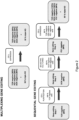
- the invention can be applied to human immune cells, in particular activated T-cells by alternating transfection (preferably by electroporation) and culture steps. Examples of such cycles as delineated below as examples:
- the above cycle may be combined with each other depending on the number of the different endonuclease reagents to be used sequentially.
- each gene editing step targets one locus at a time.
- sequence-specific endonuclease reagents can be combined with other types of cell transformation not involving sequence specific endonuclease reagents, such as a retroviral transduction.
- a retroviral transduction This is of particular interest, for instance, for the production of primary immune cells expressing a recombinant receptors, such as a chimeric antigen receptor (CAR) or a recombinant TCR.
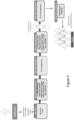
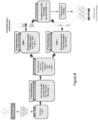
- chimeric antigen receptors are generally encoded by exogenous sequences which are introduced into cells by means of viral vectors, in particular lentiviral vectors. It is therefore advantageous to combine the sequential gene editing steps of the present invention with viral transduction steps, such as illustrated in figures 3 , 5 , 6 and 7 .
- the transduction step may also take place prior to a gene editing step, when, for instance, vector introduces a template DNA into the primary cell to be integrated at a locus during the subsequent gene editing step.
- the sequence-specific endonuclease reagent is then introduced into the cell to promote the integration of said exogenous DNA at said locus.
- One preferred aspect is a method of the present invention comprising a first gene editing step, followed by a transduction step involving an AAV vector comprising an exogenous sequence to be integrated at a predetermined locus, prior to a second gene editing step wherein the exogenous DNA comprised in the AAV vector is integrated at said predetermined locus.
- the sequential gene editing method may combine single gene editing steps (TNx) with multiplexing gene editing steps (TNx/TNx).
- TNx single gene editing steps
- TNx/TNx multiplexing gene editing steps
- different endonuclease reagents may be used at different/multiple loci together.
- Endonucleases have different types of cleavage signatures: some of them can create "blunt ends", such as CRISPR, 5' "cohesive ends” such as zing Finger nucleases or TALE-nucleases or 3' "cohesive ends” by using homing endonucleases.
- Combinations of endonuclease reagents can be made based on the type of cleavage sought. For instance, cohesive ends are better suited for integration of exogenous DNA than blunt ends.
- One aspect of the present disclosure which is not explicitly mentioned in the claims but still not inconsistent with the claimed subject-matter, is the combined use of endonuclease reagents creating different types of cleavage signatures to reduce the deletions or translocations occurring at/or between the different gene-edited loci.
- the primary immune T-cells are cultivated in step b) for an interval of time (h) as referred to above from 48 hours to 72 hours.
- the primary immune T-cells are cultivated in step b) for an interval of time (h) as referred to above during 72 hours.
- the primary immune T-cells are cultivated in step b) for an interval of time (h) as referred to above during 48 hours.
- a purification step can be performed between steps b) and c), as also illustrated in figures 4 , 7 and 13 .
- the purification step can be performed for the sake of purity by any standard method known in the art.
- the purification step can help to select the cells which have undergone the gene editing achieved in step a).
- the purification can thus rely on the product resulting from the first gene editing reaction, such as a product resulting from the modification or insertion of a genetic sequence at said first locus, or the absence of a gene product in case of a deletion of such genetic sequence.
- the first gene editing step may help the expression of receptors or membrane proteins, which make the immune cells more receptive to the second gene editing step.
- the cells can also become more receptive to viral vectors transduction if genes involved into viral transformation are modified prior to the second gene editing.
- the genes that can be targeted as part of the first gene editing step can be genes the modification of which will facilitate viral transduction or the realization of the second gene editing step or of any subsequent transduction or transfection step.
- genes can be, for instance, genes encoding cell restriction factors, such as TRIM5a (Uniprot Q9C035), APOBEC protein family (apolipoprotein B mRNA editing enzyme), and SAMHD1 (Uniprot Q9Y3Z3).
- TRIM5a is a protein known to mediate/inhibit lentiviral, such as HIV, entry into immune cells ( Stremlau M, et al. "Specific recognition and accelerated uncoating of retroviral capsids by the TRIM5alpha restriction factor” (2006) PNAS 103(14): 5514-9 ).
- the inactivation of TRIM5a, SAMHD1 or proteins of APOBEC family as part of one of the gene editing steps of the present invention can increase the infectivity of primary cells to viral vectors during subsequent transduction steps.
- the invention provides that steps a) to d) of the method are performed within 240 hours, preferably within 120 hours, more preferably within 96 hours. This limited period of time allows better recovery of the primary immune cells and limits their exhaustion. Limited exhaustion can be controlled at different steps during the process by one skilled in the art by using specific exhaustion markers such as reviewed by Wherry, J.A. (T cell exhaustion (2011) Nature Immunology 12:492-499 ).
- the transfection step T such as steps a) and c) in the method previously described, as well as any further steps TN (where N is the number of gene editing steps) are performed by electroporation.
- the method according to the present invention can comprise at least one further step of submitting the primary immune T-cells to a third electroporation to introduce at least a third sequence-specific reagent into said cell.
- Such electroporation steps are typically performed in closed chambers comprising parallel plate electrodes producing a pulse electric field between said parallel plate electrodes greater than 100 volts/cm and less than 5,000 volts/cm, substantially uniform throughout the treatment volume such as described in WO/2004/083379 , especially from page 23, line 25 to page 29, line 11.
- One such electroporation chamber preferably has a geometric factor (cm -1 ) defined by the quotient of the electrode gap squared (cm 2 ) divided by the chamber volume (cm 3 ), wherein the geometric factor is less than or equal to 0.1 cm -1 , wherein the suspension of the cells and the sequence-specific reagent is in a medium which is adjusted such that the medium has conductivity in a range spanning 0.01 to 1.0 milliSiemens.
- the suspension of cells undergoes one or more pulsed electric fields.
- the treatment volume of the suspension is scalable, and the time of treatment of the cells in the chamber is substantially uniform.
- the sequence specific reagent is under the form of nucleic acids, more preferably under DNA or RNA form.
- the nucleic acids can either code for a polypeptide, typically a rare cutting endonuclease or a subunit thereof, or a conjugate of both a polynucleotide and a polypeptide.
- the reagents can also be under the form of RNA or DNA guides directing guided endonucleases such as Cas9 or Cpf1 (RNA-guided endonucleases) or Argonaute (DNA-guided endonucleases) as recently respectively described by Zetsche, B. et al.
- the sequence-specific reagent is under mRNA form and encodes a rare-cutting endonuclease, selected from programmable RNA or DNA guided endonuclease, TALE-nuclease, Zing-finger nuclease (ZFN), a megaTAL or a homing endonuclease.
- said first and/or second sequence-specific reagent is an interference RNA (RNAi) or a polynucleotide encoding same.
- RNAi interference RNA
- a transduction step can be introduced between steps b) and c) of the method of the invention.
- the transduction step between steps b) and c) is performed with an integrative lentiviral or retroviral vector for stable expression of a transgene.
- This is particularly adapted to express chimeric antigen receptors (CAR) at the surface of the primary immune cells modified as the present invention.
- CAR chimeric antigen receptors
- Such methods for CAR expression in allogeneic primary cells are described for instance in WO2013176915 .
- Non-integrative viral vectors can also be used, as also described by the applicant in WO2015028683 .
- Non integrative viral vector can be used, inter alia, as a template or donor DNA for homologous recombination or NHEJ integration of transgene into the immune cell's genome as part of the second gene editing step as per the present invention.
- the steps of the present method are generally performed at mammalian cells physiological temperature (37°C for human cells), but certain steps of the method may be performed at non-physiological temperatures, between 30 and 37°C, or even lower between 25 and 35°C, during a limited period of time, from 30 minutes to 12 hours, preferably from 1 to 10 hours, more preferably from 1 to 5, and even more preferably from 30 minutes to 2 hours.
- steps of the method may be performed at non-physiological temperatures, between 30 and 37°C, or even lower between 25 and 35°C, during a limited period of time, from 30 minutes to 12 hours, preferably from 1 to 10 hours, more preferably from 1 to 5, and even more preferably from 30 minutes to 2 hours.
- lower temperature e.g. below about 35°C, such as at about 30°C, favors transfection efficiency.
- the present method aims particularly at producing primary immune T-cells, genetically modified at multiple loci by gene editing, for their subsequent use in cell therapy.
- Such immune cells are generally endowed with recombinant receptors, such as CAR or recombinant TCR, which confer them higher specificity toward malignant or infected cells.
- recombinant receptors are generally encoded by exogenous polynucleotides which are introduced into the cell using viral vectors as per one of the transduction steps referred to previously.
- the CARs expressed by these cells specifically target antigen markers at the surface of malignant or infected cells, which further help said immune cells to destroy these cells in-vivo as reviewed by Sadelain M. et al. ["The basic principles of chimeric antigen receptor design” (2013) CancerDiscov. 3(4):388-98 ].
- CAR polypeptides comprise an antigen binding domain, a transmembrane domain, and an intracellular domain comprising a costimulatory domain and/or a primary signaling domain, wherein said antigen binding domain binds to the tumor antigen associated with the disease.
- CARs have been described in the art, which can be used to carry out the present method, which can bind tumor antigen as diverse as one selected from: CD19 molecule (CD19); membrane spanning 4-domains A1 (MS4A1 also known as CD20); CD22 molecule (CD22); CD24 molecule (CD24); CD248 molecule (CD248); CD276 molecule (CD276 or B7H3); CD33 molecule (CD33); CD38 molecule (CD38); CD44v6; CD70 molecule (CD70); CD72; CD79a; CD79b; interleukin 3 receptor subunit alpha (IL3RA also known as CD123); TNF receptor superfamily member 8 (TNFRSF8 also known as CD30); KIT proto-oncogene receptor tyrosine kinase (CD117); V-set pre-B cell surrogate light chain 1 (VPREB1 or CD179a); adhesion G protein-coupled receptor E5 (ADGRE5 or CD97); TNF receptor superfamily member 17
- CARs are those described in the examples, which more preferably comprise an extracellular binding domain directed against one antigen selected from CD19, CD22, CD33, 5T4, ROR1, CD38, CD52, CD123, CS1, BCMA, Flt3, CD70, EGFRvlll, WT1, HSP-70 and CCL1. Even more preferred are CARs directed against CD22, CD38, 5T4, CD123, CS1, HSP-70 and CCL1. Such CARs have preferably one structure as described in WO2016120216 .
- Immune cells can also express recombinant T-Cell receptors.
- T cells recognise MHC-peptide conjugates on target cells through the paired ⁇ and ⁇ chains of the TCR. This pairing confers the antigen specificity of the immune cell.
- One gene therapy approach has involved the molecular cloning of the TCR genes known to be specific for an antigen of choice. These chains are then introduced into T cells usually by means of a retroviral vector in a similar way as with CAR. Consequently, expression of the cloned TCR ⁇ and TCR ⁇ genes endows the transduced immune cells with a functional specificity determined by the pairing of these new genes.
- TCRs recognize processed peptides presented on MHC
- targeted antigens can be derived from the entire protein composition of the tumor cells, including intracellular proteins
- CARs are generally designed to recognize molecules expressed on the surface of target cells.
- This quality also allows TCRs to target a large number of non-surface antigens of virally infected cells and tumors associated with viral infection, such as hepatitis-associated hepatocellular carcinoma, papilloma virus-associated cervical cancer, and Epstein-Barr virus-related malignancies ( Spear, T. et al. (2016). Strategies to genetically engineer T cells for cancer immunotherapy. Cancer Immunology Immunotherapy: 65(6):631-649 ).
- Preferred recombinant TCR to be used in the present invention are those directed against antigen specific of cancer cells, such as MART-1, MAGE-1, MAGE-2, MAGE-3, MAGE-12, BAGE, GAGE, NY-ESO-1, or overexpressed in cancer cells, such as a-Fetoprotein, Telomerase catalytic protein, G-250, MUC-1, CarcinoEmbryonic antigen (CEA), p53, Her-2/Neu and WT1 [ Rosenberg S.A., (2001) Progress in human tumour immunology and immunotherapy Nature. 411(6835):380-4 ].
- exogenous polynucleotide sequence encoding the recombinant receptors are generally introduced by a transduction step, which can be performed in the course of the present invention as shown for instance in Figures 4 , 7 and 13 by using a viral vector.
- a lentiviral vector is used.
- AAV vectors can be used as a DNA template for gene targeted insertion of said polyncleotide sequence encoding a recombinant receptor at a desired locus by NHEJ or homologous recombination.
- the insertion locus may be selected to disrupt an endogenous gene present at this locus, such as gene encoding a component of TCR or ⁇ 2m.
- exogenous polynucleotide sequence can be integrated at a locus preferably encoding TCR, HLA, ⁇ 2m, HLA, PD1 or CTLA4, as part of the editing steps of the present invention. This aspect is not claimed as such but is still not inconsistent with the claimed subject-matter.
- the inventors have significantly improved the rate of gene targeted insertion into human cells by using AAV vectors from the AAV6 family.
- the method of the diclosure can therefore comprise a step consisting in:
- exogenous nucleic acid sequence may then result into the introduction of genetic material, correction or replacement of the endogenous sequence.
- said exogenous nucleic acid sequence is "in frame" with respect to the endogenous gene sequences at that locus.
- the method according to the invention is particularly adapted to prepare primary immune T-cells for allogeneic therapeutic use.
- allogeneic therapeutic use is meant that the cells originate from a donor in view of being infused into patients having a different haplotype.
- the present invention provides with an efficient method for obtaining primary T-cells, which can be gene edited in various gene loci involved into host-graft interaction and recognition. Other loci may also be edited in view of improving the activity, the survival or the life-time of the engineered primary cells.
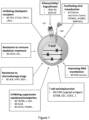
- Figure 1 maps the main cell functions that can be modified by gene editing according to the present invention to improve the efficiency of the engineered immune cells. Any gene inactivation listed under each function can be combined with another to obtain a synergistic effect on the overall therapeutic potency of the immune cells.
- the present method is particularly useful for developing engineered non-alloreactive T-cells for immunotherapy and more specifically to methods for increasing the persistence and/or the engraftment of allogeneic immune cells by proceeding with at least one step of inactivation, preferably permanently, of a gene implicated in the self/non-self recognition, using preferably specific rare-cutting endonuclease.
- one of the gene editing steps aims to reduce host versus graft disease (GVHD) reaction or immune rejection upon introduction of the allogeneic cells into the recipient patient.
- the first sequence-specific reagent used in the method can reduce or prevent the expression of TCR in primary T-cells, such as the genes encoding TCR-alpha or TCR-beta.
- one gene editing step is to reduce or prevent the expression of the ⁇ 2m protein and/or another protein involved in its regulation such as C2TA (Uniprot P33076) or in MHC recognition, such as HLA proteins. This permits the engineered immune cells to be less alloreactive when infused into patients.
- TCR and ⁇ 2m are genes editing of both TCR and ⁇ 2m as part of the sequential gene editing method of the present invention into T-cells or precursor cells thereof, which method can comprise the steps of introducing an exogenous polynucleotide encoding recombinant receptors, such as CARs or recombinant TCR previously mentioned, and more preferably at the TCRalpha or TCRbeta locus.
- one of the gene editing steps aims to disrupt the expression of a protein involved in immune cells inhibitory pathways, in particular those referred to in the literature as "immune checkpoint” ( Pardoll, D.M. (2012) The blockade of immune checkpoints in cancer immunotherapy, Nature Reviews Cancer, 12:252-264 ).
- immune checkpoint a protein involved in immune cells inhibitory pathways
- “immune cells inhibitory pathways” means any gene expression in immune cells that leads to a reduction of the cytotoxic activity of the lymphocytes towards malignant or infected cells. This can be for instance a gene involved into the expression of FOXP3, which is known to drive the activity of Tregs upon T cells (moderating T-cell activity).
- immune checkpoints are molecules in the immune system that either turn up a signal (co-stimulatory molecules) or turn down a signal of activation of an immune cell.
- immune checkpoints more particularly designate surface proteins involved in the ligand-receptor interactions between T cells and antigen-presenting cells (APCs) that regulate the T cell response to antigen (which is mediated by peptide-major histocompatibility complex (MHC) molecule complexes that are recognized by the T cell receptor (TCR)).
- APCs antigen-presenting cells
- MHC peptide-major histocompatibility complex
- TCR T cell receptor
- TNF tumor necrosis factor
- activated T cells upregulate ligands, such as CD40L, that engage cognate receptors on APCs.
- A2aR adenosine A2a receptor
- B7RP1 B7-related protein 1
- BTLA B and T lymphocyte attenuator
- GAL9 galectin 9
- HVEM herpesvirus entry mediator
- ICOS inducible T cell co-stimulator
- IL interleukin
- KIR killer cell immunoglobulin-like receptor
- TGF ⁇ transforming growth factor- ⁇
- TIM3 T cell membrane protein 3.
- the second sequence-specific reagents used in the method reduces or prevents the expression by the immune T-cell of one protein selected from PD1 (Uniprot Q15116), CTLA4 (Uniprot P16410), PPP2CA (Uniprot P67775), PPP2CB (Uniprot P62714), PTPN6 (Uniprot P29350), PTPN22 (Uniprot Q9Y2R2), LAG3 (Uniprot P18627), HAVCR2 (Uniprot Q8TDQ0), BTLA (Uniprot Q7Z6A9), CD160 (Uniprot 095971), TIGIT (Uniprot Q495A1), CD96 (Uniprot P40200), CRTAM (Uniprot O95727), LAIR1 (Uniprot Q6GTX8), SIGLEC7 (Uniprot Q9Y286), SIGLEC9 (Uniprot Q9Y336), CD244 (Uni
- the steps of the present method using sequence-specific endonuclease reagents can be followed by a step of contacting said engineered immune cells with at least one non-endogenous immunosuppressive polypeptide, such as a PD-L1 ligand and/or CTLA-4 Ig.
- at least one non-endogenous immunosuppressive polypeptide such as a PD-L1 ligand and/or CTLA-4 Ig.
- Table 1 List of genes involved into immune cells inhibitory pathways Pathway Genes that can be inactivated In the pathway Co-inhibitory receptors CTLA4 (CD152) CTLA4, PPP2CA, PPP2CB, PTPN6, PTPN22 PDCD1 (PD-1, CD279) PDCD1 CD223 (lag3) LAG3 HAVCR2 (tim3) HAVCR2 BTLA(cd272) BTLA CD160(by55) CD160 IgSF family TIGIT CD96 CRTAM LAIR1(cd305) LAIR1 SIGLECs SIGLEC7 SIGLEC9 CD244(2b4) CD244 Death receptors TRAIL TNFRSF10B, TNFRSF10A, CASP8, CASP10, CASP3, CASP6, CASP7 FAS FADD, FAS Cytokine signalling TGF-beta signaling TGFBRII, TGFBRI, SMAD2, SMAD3, SMAD4, SMAD10, SKI, SKIL, TG
- the gene editing step concerns genes encoding or positively regulating suppressive cytokines or metabolites or receptors thereof, in particular TGFbeta (Uniprot P01137), IL10R (Uniprot Q13651 and/or Q08334), A2aR (Uniprot P29274), GCN2 (Uniprot P15442) and PRDM1 (Uniprot O75626).
- TGFbeta Uniprot P01137
- IL10R Uniprot Q13651 and/or Q08334
- A2aR Uniprot P29274
- GCN2 Uniprot P15442
- PRDM1 Uniprot O75626
- one gene editing step is performed into a locus responsible for the sensitivity of the immune cells to compounds used in standard of care treatments for cancer or infection, such as drugs purine nucleotide analogs (PNA) or 6-Mercaptopurine (6MP) and 6 thio-guanine (6TG) commonly used in chemotherapy. Reducing or inactivating the genes involved into the mode of action of such compounds (referred to as “drug sensitizing genes”) improves the resistance of the immune cells to same.
- PNA drugs purine nucleotide analogs
- 6MP 6-Mercaptopurine
- 6TG 6 thio-guanine
- Drug sensitizing genes that are targeted by the present method are those encoding DCK (Uniprot P27707) with respect to the activity of PNA, such a clorofarabine et fludarabine, HPRT (Uniprot P00492) with respect to the activity of purine antimetabolites such as 6MP and 6TG, and GGH (Uniprot Q92820) with respect to the activity of antifolate drugs, in particular methotrexate.
- DCK Uniprot P27707
- HPRT Uniprot P00492
- purine antimetabolites such as 6MP and 6TG
- GGH Uniprot Q92820
- DHFR dihydrofolate reductase
- IMPDH2 inosine monophosphate dehydrogenase 2
- calcineurin Uniprot Q96LZ3, P63098 P48454, P16298 and Q08209
- MGMT methylguanine transferase
- the engineering immune cells are made resistant to drugs purine nucleotide analogs (PNA) chemotherapy drugs, such a clorofarabine et fludarabine, as part of the gene editing step.
- PNA purine nucleotide analogs
- the first gene editing step can be performed on a locus encoding or regulating a surface antigen, so that sorting of the engineered cells can be carried out based on the presence/absence of said surface antigen
- the second or ultimate gene editing step can be one conferring resistance of the primary T-cells to a compound, preferably a chemotherapy drug or an immune suppressive agent.
- the double or triple gene edited cells can be selected and enriched by a culture step that takes place after the second or ultimate gene editing step.
- the present method provides a first gene editing step into at least one gene encoding a T-Cell Receptor (TCR) component, in particular TCRalpha (Uniprot P01848) and TCRbeta (Uniprot P01850) and sequentially a second gene editing step into a gene expressing DCK, HPRT or GGH, to confer respectively resistance to PNA compounds, purine antimetabolites and antifolate compounds.
- TCR T-Cell Receptor
- triple gene edited cells can be obtained for therapeutic treatments, said cells having loci modified to reduce or inactivate the expression of:
- the engineering immune cells are made resistant to immune-depletion treatments, such as those involving glucocorticoids.
- the engineering immune cells are made resistant to antibodies directed against immune cells surface proteins.
- the antibody Alemtuzumab is used to deplete CD52 positive immune cells as in many pre-cancer treatments.
- the method of the invention can comprise a gene editing step with respect to the genes encoding or regulating the expression of GR (Glucocorticoids receptor also referred to as NR3C1 - Uniprot P04150), optionally in combination with a gene editing step leading to a reduction of the inactivation of the TCR.
- the method of the invention can comprise a gene editing step with respect to the genes encoding or regulating the expression of CD52 (Uniprot P31358), optionally in combination with a gene editing step leading to a reduction of the inactivation of the TCR.
- This approach was previosuly described by Poirot, L. et al. (Multiplex Genome-Edited T-cell Manufacturing Platform for "Off-the-Shelf" Adoptive T-cell Immunotherapies (2013) Cancer. Res. 75:3853 ), but as part of a method where the different loci were simultaneously gene edited.
- Preferred engineered immune T-cells are those triple or quadruple gene edited cells detailed herein, in which CD52 and or GR are additionally inactivated.
- the present method allows introducing successive gene editing modifications into immune primary cells in a time frame that limits the impact of the gene editing steps on the subsequent expansion of these cells i.e. without reducing significantly production yields.
- the present invention solves the problem of producing immune cells that express recombinant receptors, such as chimeric antigen receptors (CAR), which are triply gene edited.
- CAR chimeric antigen receptors
- Representative examples of such cells obtainable according to the invention display the following phenotypes:
- [TCR] neg designate cells in which the expression of a component of the T-Cell receptor, such as TCRbeta or TCRalpha, has been reduced or impaired.
- One preferred aspect of the present disclosure further concerns the problem of immune cells that express chimeric antigen receptors (CAR), which target surface molecules that are also present at the surface of said very immune cells.
- CAR chimeric antigen receptors
- Negative impact has been observed, for instance with respect to T-cells expressing antigens CS1, CD38 or CD22 endowed with CARs targeting same: [anti-CS1 CAR] pos , [CS1] pos , [anti-CD38 CAR] pos [CD38] pos or [anti-CD70 CAR] pos [CD70] pos .
- the CAR positive primary immune cells can attack each other resulting into immune cell depletion. This is observed even when such cells were TCR negative [TCR] neg
- the present disclosure provides with a technical solution to this problem by providing a method, wherein gene editing steps are sequentially performed as outlined below:
- engineered immune primary cells are triple gene edited cells, such as the following ones:
- the immune cells according to the present disclosure can be activated or expanded, even if they can activate or proliferate independently of antigen binding mechanisms.
- T-cells in particular, can be activated and expanded using methods as described, for example, in U.S. Patents 6,352,694 ; 6,534,055 ; 6,905,680 ; 6,692,964 ; 5,858,358 ; 6,887,466 ; 6,905,681 ; 7,144,575 ; 7,067,318 ; 7,172,869 ; 7,232,566 ; 7,175,843 ; 5,883,223 ; 6,905,874 ; 6,797,514 ; 6,867,041 ; and U.S.
- T cells can be expanded in vitro or in vivo. T cells are generally expanded by contact with an agent that stimulates a CD3 TCR complex and a co-stimulatory molecule on the surface of the T cells to create an activation signal for the T-cell.
- an agent that stimulates a CD3 TCR complex and a co-stimulatory molecule on the surface of the T cells to create an activation signal for the T-cell.
- chemicals such as calcium ionophore A23187, phorbol 12-myristate 13-acetate (PMA), or mitogenic lectins like phytohemagglutinin (PHA) can be used to create an activation signal for the T-cell.
- T cell populations may be stimulated in vitro such as by contact with an anti-CD3 antibody, or antigen-binding fragment thereof, or an anti-CD2 antibody immobilized on a surface, or by contact with a protein kinase C activator (e.g., bryostatin) in conjunction with a calcium ionophore.
- a protein kinase C activator e.g., bryostatin
- a ligand that binds the accessory molecule is used for co-stimulation of an accessory molecule on the surface of the T cells.
- a population of T cells can be contacted with an anti-CD3 antibody and an anti-CD28 antibody, under conditions appropriate for stimulating proliferation of the T cells.
- Conditions appropriate for T cell culture include an appropriate media (e.g., Minimal Essential Media or RPMI Media 1640 or, X-vivo 5, (Lonza)) that may contain factors necessary for proliferation and viability, including serum (e.g., fetal bovine or human serum), interleukin-2 (IL-2), insulin, IFN-g , IL-4, IL-7, GM-CSF, IL-10, IL-12, IL-15, TGFp, and TNF- or any other additives for the growth of cells known to the skilled artisan.
- Other additives for the growth of cells include, but are not limited to, surfactant, plasmanate, and reducing agents such as N-acetyl-cysteine and 2-mercaptoethanoi.
- Media can include RPMI 1640, A1M-V, DMEM, MEM, a-MEM, F-12, X-Vivo 1, and X-Vivo 20, Optimizer, with added amino acids, sodium pyruvate, and vitamins, either serum-free or supplemented with an appropriate amount of serum (or plasma) or a defined set of hormones, and/or an amount of cytokine(s) sufficient for the growth and expansion of T cells.
- Antibiotics e.g., penicillin and streptomycin, are included only in experimental cultures, not in cultures of cells that are to be infused into a subject.
- the target cells are maintained under conditions necessary to support growth, for example, an appropriate temperature (e.g., 37° C) and atmosphere (e.g., air plus 5% C02).
- T-cells that have been exposed to varied stimulation times may exhibit different characteristics
- said cells can be expanded by co-culturing with tissue or cells.
- references to the methods of treatment of this description are to be interpreted as references to compounds, pharmaceutical compositions and medicaments of the present disclosure for use in those methods.
- the method of the present invention described above allows producing engineered primary immune T-cells within a limited time frame of about 15 to 30 days, preferably between 15 and 20 days, and most preferably between 18 and 20 days so that they keep their full immune therapeutic potential, especially with respect to their cytotoxic activity.
- These cells can form or be members of populations of cells, which preferably originate from a single donor or patient. These populations of cells can be expanded under closed culture recipients to comply with highest manufacturing practices requirements and can be frozen prior to infusion into a patient, thereby providing "off the shelf” or “ready to use” therapeutic compositions.
- PBMC comprises several types of cells: granulocytes, monocytes and lymphocytes, among which from 30 to 60 % of T-cells, which generally represents between 10 8 to 10 9 of primary T-cells from one donor.
- the method of the present invention generally ends up with a population of engineered cells that reaches generally more than about 10 8 T-cells , more generally more than about 10 9 T-cells, even more generally more than about 10 10 T-cells, and usually more than 10 11 T-cells.
- the T-cells are gene edited at least at two different loci.
- compositions or populations of cells can therefore be used as a medicament; especially for treating cancer, particularly for the treatment of lymphoma, but also for solid tumors such as melanomas, neuroblastomas, gliomas or carcinomas such as lung, breast, colon, prostate or ovary tumors in a patient in need thereof.
- solid tumors such as melanomas, neuroblastomas, gliomas or carcinomas such as lung, breast, colon, prostate or ovary tumors in a patient in need thereof.
- the present disclosure is more particularly drawn to populations of primary TCR negative T-cells originating from a single donor, wherein at least 20 %, preferably 30 %, more preferably 50 % of the cells in said population have been modified using sequence-specific reagents in at least two, preferably three different loci.
- said populations of cells mainly comprises CD4 and CD8 positive immune cells, such as T-cells, which can undergo robust in vivo T cell expansion and can persist for an extended amount of time in-vitro and in-vivo.
- the treatments involving the primary immune T-cells engineered according to the present invention can be ameliorating, curative or prophylactic. It may be either part of an autologous immunotherapy or part of an allogenic immunotherapy treatment.
- autologous it is meant that cells, cell line or population of cells used for treating patients are originating from said patient or from a Human Leucocyte Antigen (HLA) compatible donor.
- HLA Human Leucocyte Antigen
- allogeneic is meant that the cells or population of cells used for treating patients are not originating from said patient but from a donor.
- the isolated T-cell provided according to the invention or cell line derived from said isolated T-cell can be used for the treatment of liquid tumors, and preferably of T-cell acute lymphoblastic leukemia.
- the treatment with the engineered immune cells provided according to the invention may be in combination with one or more therapies against cancer selected from the group of antibodies therapy, chemotherapy, cytokines therapy, dendritic cell therapy, gene therapy, hormone therapy, laser light therapy and radiation therapy.
- Said treatment can be administrated into patients undergoing an immunosuppressive treatment.
- the present invention preferably relies on cells or population of cells, which have been made resistant to at least one immunosuppressive agent due to the inactivation of a gene encoding a receptor for such immunosuppressive agent.
- the immunosuppressive treatment should help the selection and expansion of the T-cells according to the invention within the patient.
- the administration of the cells or population of cells provided according to the present invention may be carried out in any convenient manner, including by aerosol inhalation, injection, ingestion, transfusion, implantation or transplantation.
- the compositions described herein may be administered to a patient subcutaneously, intradermally, intratumorally, intranodally, intramedullary, intramuscularly, by intravenous or intralymphatic injection, or intraperitoneally.
- the cell compositions of the present invention are preferably administered by intravenous injection.
- the administration of the cells or population of cells can consist of the administration of 10 4 -10 9 cells per kg body weight, preferably 10 5 to 10 6 cells/kg body weight including all integer values of cell numbers within those ranges.
- the present invention thus can provide more than 10, generally more than 50, more generally more than 100 and usually more than 1000 doses comprising between 10 6 to 10 8 gene edited cells originating from a single donor's or patient's sampling.
- the cells or population of cells can be administrated in one or more doses.
- said effective amount of cells are administered as a single dose.
- said effective amount of cells are administered as more than one dose over a period time. Timing of administration is within the judgment of managing physician and depends on the clinical condition of the patient.
- the cells or population of cells may be obtained from any source, such as a blood bank or a donor. While individual needs vary, determination of optimal ranges of effective amounts of a given cell type for a particular disease or conditions within the skill of the art.
- An effective amount means an amount which provides a therapeutic or prophylactic benefit.
- the dosage administrated will be dependent upon the age, health and weight of the recipient, kind of concurrent treatment, if any, frequency of treatment and the nature of the effect desired.
- said effective amount of cells or composition comprising those cells are administrated parenterally.
- Said administration can be an intravenous administration.
- Said administration can be directly done by injection within a tumor.
- cells are administered to a patient in conjunction with (e.g., before, simultaneously or following) any number of relevant treatment modalities, including but not limited to treatment with agents such as antiviral therapy, cidofovir and interleukin-2, Cytarabine (also known as ARA-C) or nataliziimab treatment for MS patients or efaliztimab treatment for psoriasis patients or other treatments for PML patients.
- agents such as antiviral therapy, cidofovir and interleukin-2, Cytarabine (also known as ARA-C) or nataliziimab treatment for MS patients or efaliztimab treatment for psoriasis patients or other treatments for PML patients.
- the primary T cells provided according to the invention may be used in combination with chemotherapy, radiation, immunosuppressive agents, such as cyclosporin, azathioprine, methotrexate, mycophenolate, and FK506, antibodies, or other immunoablative agents such as CAMPATH, anti-CD3 antibodies or other antibody therapies, cytoxin, fludaribine, cyclosporin, FK506, rapamycin, mycoplienolic acid, steroids, FR901228, cytokines, and irradiation.
- immunosuppressive agents such as cyclosporin, azathioprine, methotrexate, mycophenolate, and FK506, antibodies
- immunoablative agents such as CAMPATH, anti-CD3 antibodies or other antibody therapies
- cytoxin fludaribine
- cyclosporin FK506, rapamycin
- mycoplienolic acid steroids
- steroids FR901228
- cytokines irradiation
- the cell compositions of the present disclosure are administered to a patient in conjunction with (e.g., before, simultaneously or following) bone marrow transplantation, T cell ablative therapy using either chemotherapy agents such as, fludarabine, external-beam radiation therapy (XRT), cyclophosphamide, or antibodies such as OKT3 or CAMPATH,
- the cell compositions of the present disclosure are administered following B-cell ablative therapy such as agents that react with CD20, e.g., Rituxan.
- subjects may undergo standard treatment with high dose chemotherapy followed by peripheral blood stem cell transplantation.
- subjects receive an infusion of the expanded primary immune T-cells of the present invention.
- expanded primary T-cells are administered before or following surgery.
- Combination therapy involving at least two sub-populations of primary T cells.
- the present disclosure encompasses a whole range of double, triple or quadruple gene edited primary T-cells now available for therapeutic use, including any of those illustrated herein, which could not be obtained by the prior art methods. Especially, those cells are engineered with a reduced risk of unwanted recombination or translocation at the different gene edited loci, making them safer for therapeutic use.
- the primary immune T-cells from the donor or patient can be made less-alloreactive by performing a first gene editing step into a TCR gene or any gene implicated in the self/non-selfrecognition, and then after an expansion step, the population can be split into two subpopulations, which respectively undergo a second gene editing step that will target distinct loci in said subpopulations.
- CD4+ positive and CD8+ positive immune cells can be (see figure 8 ) treated separately before being pooled together at a desired ratio to increase potency of the therapeutic compositions. This method will result into subpopulations of engineered primary immune cells that will not display exactly the same properties.
- compositions of populations of primary TCR negative T-cells resulting from a single donor comprising at least two subpopulations of T-cells, said subpopulations comprising, for instance, different gene edited immune checkpoint genes.
- Such sub-populations of cells can be selected, for instance, from:
- the resulting cells can be optionally transformed to express chimeric antigen receptor to provide allogeneic CAR T Cells with various specificities, in particular as part of sub-populations expressing chimeric receptors respectively directed to different surface molecules.
- Such sub-populations can be used separately or in combination with each other into compositions for therapeutic treatments, in the same way as previously described with a single population of cells.
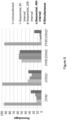
- Example 1 Simultaneous vs. sequential electroporation of TRAC and CD52 TALE-nucleases into T cells.
- TALE-nuclease reagents In order to analyze the impact of sequential electroporation of TALE-nuclease reagents on the overall survival of T-cells and gene knock-out efficiency, we have submitted activated primary human T cells from a single donor sample to electroporation by using TALEN ® reagents (Cellectis, Paris, France) specific for TRAC gene (TCR alpha chain) according to the following experimental procedure.
- the amino acid sequences of the various TALEN ® heterodimers used in this experiment are given in Table 3): Briefly, frozen human PBMCs (AllCells) were thawed and activated using anti CD3 and anti CD28 antibodies-coated beads (Dynabeads, Life Technologies, Carlsbad, California, United States) for 3 days. After magnetic beads removal (Day 4), 5x10⁶ activated T cells were transfected with 10 ⁇ g of both mRNA encoding TALEN either simultaneously or sequentially with a 6 hour, 20 hour or 40 hour intervals by using AgilePulse electroporator (BTX Instrument Division, Harvard Apparatus, Inc., Holliston, MA 01746-1388) protocols.
- AgilePulse electroporator BTX Instrument Division, Harvard Apparatus, Inc., Holliston, MA 01746-1388
- Electroporated T cells were platted back in tissue culture vessels in Xvivo hematopoietic medium (Lonza, CH-4002 Basel, Switzerland) supplemented with 5% human AB serum and rlL2 (100 Ul/ml) for a total of 12 days. Cells were passaged every 2 or 3 days for numeration and media renewal.
- TCR and CD52 protein were measured by cytometry using specific monoclonal antibodies and a Macsquant cytometer (Miltenyi) at D10 post activation. Furthermore, T cells growth was monitored from D4 to D12, by Trypan blue exclusion cell numeration.
- Example 2 Simultaneous or sequential electroporation of mRNA encoding TRAC and PD1 TALE-nucleases into T cells.
- Frequency of off-site cleavage is defined by the frequency of mutated sequences (either nucleotide deletion or addition) that are generated after endonucleases cleavage and unfaithful religation of broken ends.
- the amino acid sequences used in this experiment encoding the various TALEN ® heterodimers for TRAC (SEQ ID NO.1 and 2) and PD1 (SEQ ID NO. 5 and 6) are given in Table 3)
- Potential off-site hits can be identified in silico with an algorithm according to several parameters including mainly TALE-nuclease DNA binding sequences, number of mismatches and position of those, length of the spacer between the 2 binding domains.
- TALE-nuclease DNA binding sequences numerous potential off-site targets have been identified in the human genome for TRAC and PD1 TALEN ® combination.
- the 15 first target sequences with the highest score have been verified experimentally by PCR and Deep Sequencing.
- One out of the 15, "Off-Site 3” has been found to be a true off-site target since about 1% of mutagenesis events (or Insertion/deletion, InDels events) was observed when T cell were transfected simultaneously with TRAC and PD1 TALEN ® .
- PBMCs frozen human PBMCs (AllCells) were thawed and activated using anti CD3 and anti CD28 antibodies-coated beads (Dynabeads, LifeTech) for 3 days.
- 5 ⁇ 10 6 activated T cells were transfected with 10 ⁇ g of both TALEN mRNA either simultaneously or sequentially with a 6 hour, 20 hour or 40 hour intervals by using AgilePulse electroporator (BTX Instrument Division, Harvard Apparatus, Inc., Holliston, MA 01746-1388) protocols.
- AgilePulse electroporator BTX Instrument Division, Harvard Apparatus, Inc., Holliston, MA 01746-1388
- Electroporated T cells were platted back in tissue culture vessels in Xvivo (Lonza) media supplemented with 5% human AB serum and rlL2 (100 UI/ml) for a total of 6 days. Cells were passaged every 2 or 3 days for numeration and media renewal. At the end of the 6 day period, genomic DNA was extracted from transfected T cells and subjected to PCR amplification using specific primers allowing the amplification of TRAC and PD1 "On-Site" genomic targets and 5 "Off-Site” targets including "Off-Site 3". PCR products are then purified and modified for subsequent deep sequencing analysis using the Illumina technology. About 80,000 reads for each samples were computed.
- Example 3 Simultaneous or sequential electroporation of CD38, TRAC and CD52 TALEN into T cells.
- transfected activated human T cells with TALENs specific for TRAC gene (TCR alpha chain), CD52 and CD38 (Amino acid sequences are given in Table 3) according to the following experimental procedure: Briefly, frozen human PBMCs (AllCells) are thawed and activated using anti CD3 and anti CD28 antibodies-coated beads (TransAct, Miltenyi) for 3 days.
- 10x106 activated T cells are transfected with 10 ⁇ g of both TALEN mRNA either simultaneously or sequentially with a 24 hour (Day 5) or 48 hour (Day 6) intervals using Cellectis proprietary AgilPulse electroporator and protocols. The following conditions have been tested and compared in terms of KO efficiency and cell growth.
- Electroporated T cells are platted back in tissue culture vessels in Xvivo (Lonza) media supplemented with 5% human AB serum and rIL2 (100 Ul/ml) for a total of 15 days. Cells are passaged every 2 or 3 days for numeration and media renewal.
- TCR, CD38 and CD52 protein are measured by cytometry using specific antibodies and a Canto10 cytometer (Becton-Dickinson) at D13 post thawing. Furthermore, T cells growth is monitored from Day 5 to Day15 by Trypan blue exclusion cell numeration.
- Table 2 presents the percentage of single negative T cells (CD38-, TCR- and CD52-) and the percentage of triple negative T cells (CD38-TCR-CD52-), according to the electroporation scheduling. These data show that 65 to 74% of TCR KO, 57 to 70% of CD52 KO, thus comparable among conditions.
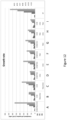
- the best results is obtained when CD38 and TRAC TALEN are transfected 48h prior to CD52 TALEN transfection (Table 2, row E and figure 12 , row E).
- the best results are obtained when CD38 and TRAC TALEN are transfected 48h prior to CD52 TALEN transfection, as for TCR and CD52 (Table 4, row E and Figure 12 , row E).
- all tested conditions show little variation in the % of triple negative T cells ranging from 27% to 40%.
- the best percentage of triple knock out efficiency is obtained with sequential electroporation of CD38 and TRAC TALEN 48h prior to CD52 TALEN.
- T cell growth curves for all sequential electroporation conditions are comparable with best results for conditions where a 48 h interval is performed between the two electroporation shocks (conditions C, E and G of Table 2 and Figure 12 ).
- Example 4 Generation of triple KO (TCR/PD-1/B2M) CAR CD22 T cells.
- T-cells were cultured from PBMC and activated as described in Example 1, in order to produce [TCR] neg [PD1] neg [B2M] neg therapeutic immune cells endowed with a CAR directed against CD22 antigen.
- the cells were edited either simultaneously or sequentialy with TALEN specific for TRAC gene (SEQ ID NO. 1 and 2), PD-1 (SEQ ID NO. 9 and 6) and B2M (beta-2-microglobulin, SEQ ID NO. 10 and 11).
- the sequential protocol is illustrated in Figure 13 .
- T-cells were transduced with lentiviral particles for the expression of CAR targeting the antigen CD22 (SEQ ID NO. 12).
- TALEN mRNA were generated from linearized plasmid DNA encoding each TALEN arm of interest.
- An in vitro RNA synthesis kit for RNA generation was used (Invitrogen #AMB1345-5). RNA was purified using the Qiagen RNAeasy Kit (#74106) and eluted into T solution from BTX (47-0002).
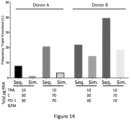
- T cells were electroporated with a dose response of mRNAs encoding TRAC TALEN (10 ⁇ g), PD-1 TALEN (from 30 ⁇ g to 70 ⁇ g) and B2M TALEN (from 30 ⁇ g to 70 ⁇ g) either simultaneously or sequentially with a 48 hour intervals using Cellectis proprietary AgilPulse electroporator and protocols. After each electroporation step cells were incubated for 15minutes at 30°C and then incubated at 37°C. Thirteen days post thawing positive T-cells were analyzed for triple KO efficacy by first re-stimulating a portion of T cells with TransACT to induce PD-1 expression.
- Triple KO T-cells were then enriched using a biotin and column based negative purification system for TCR and B2M dKO cells (Miltenyi; biotin-TCR #130-098-219, bitoin-HLA-ABC#130-101-463, Biotin beads #130-090-485, MS columns#130-042-201). Under this purification scheme, only TCR and B2M positive cells bind the MS column, and the TCR/B2M dKO cells of interest are enriched in the flowthrough fraction with 97% or greater purity. Triple KO CAR-T cells enriched for TCR/B2M dKO were further incubated for an additional two days before assessing CAR-T cells activity.
- T cells were analyzed for CD22 CAR cytotoxicity by co-culturing T cells with CD22 expressing Raji-Luciferase+ targets at effector to target ratios of 30:1, 15:1, 5:1, and 1:1 for 5 hours before luminescence was quantified using the ONE Glo luminescence kit (Promega).
- Figure 15 demonstrates that triple KO CD22 CAR T were as active as their wild type counter part (non gene edited T-cells endowed with the same CAR CD22)
- Table 3 Sequence of TALEN ® used in experiments. Sequence name Ref.
Landscapes
- Health & Medical Sciences (AREA)
- Life Sciences & Earth Sciences (AREA)
- Engineering & Computer Science (AREA)
- Genetics & Genomics (AREA)
- Chemical & Material Sciences (AREA)
- Organic Chemistry (AREA)
- Bioinformatics & Cheminformatics (AREA)
- General Health & Medical Sciences (AREA)
- Wood Science & Technology (AREA)
- Biomedical Technology (AREA)
- Zoology (AREA)
- Biotechnology (AREA)
- General Engineering & Computer Science (AREA)
- Molecular Biology (AREA)
- Animal Behavior & Ethology (AREA)
- Public Health (AREA)
- Veterinary Medicine (AREA)
- Microbiology (AREA)
- Biochemistry (AREA)
- Epidemiology (AREA)
- Immunology (AREA)
- Plant Pathology (AREA)
- Physics & Mathematics (AREA)
- Biophysics (AREA)
- Medicinal Chemistry (AREA)
- Hematology (AREA)
- Chemical Kinetics & Catalysis (AREA)
- General Chemical & Material Sciences (AREA)
- Nuclear Medicine, Radiotherapy & Molecular Imaging (AREA)
- Pharmacology & Pharmacy (AREA)
- Cell Biology (AREA)
- Mycology (AREA)
- Virology (AREA)
- Crystallography & Structural Chemistry (AREA)
- Oncology (AREA)
- Micro-Organisms Or Cultivation Processes Thereof (AREA)
- Medicines Containing Material From Animals Or Micro-Organisms (AREA)
- Medicines That Contain Protein Lipid Enzymes And Other Medicines (AREA)
Claims (14)
- Verfahren zum Einführen genetischer Modifikationen an verschiedenen Loci einer primären T-Zelle, umfassend die folgenden aufeinanderfolgenden Schritte:a) Unterziehen der primären T-Zelle einem ersten Elektroporationsschritt, um mindestens ein erstes sequenzspezifisches Reagens in die T-Zelle einzuführen;b) Kultivieren der primären T-Zelle, wodurch ermöglicht wird, dass das erste sequenzspezifische Reagens sein Genom an einem ersten Locus modifiziert, wobei der erste Locus für ein Rezeptorprotein oder ein Zelloberflächenantigen kodiert,c) Unterziehen der modifizierten primären T-Zelle mindestens einem zweiten Elektroporationsschritt, um mindestens ein zweites sequenzspezifisches Reagens in die Zelle einzuführen,d) Kultivieren und Erweitern der primären T-Zelle, wodurch ermöglicht wird, dass das zweite sequenzspezifische Reagens die Expression des am zweiten Locus kodierten Proteins dauerhaft reduziert oder verhindert, wobei der zweite Locus ein Protein kodiert, das ausgewählt ist aus PD1, CTLA4, PPP2CA, PPP2CB, PTPN6, PTPN22, LAG3, HAVCR2, BTLA, CD160, TIGIT, CD96, CRTAM, LAIR1, SIGLEC7, SIGLEC9, CD244, TNFRSF10B , TNFRSF10A, CASP8, CASP10, CASP3, CASP6, CASP7, FADD, FAS, TGFBRII, TGFRBRI, SMAD2, SMAD3, SMAD4, SMAD10, SKI, SKIL, TGIF1, IL10RA, IL10RB, HMOX2, IL6R, IL6ST, EIF2AK4, CSK, PAG1, SIT1, FOXP3, PRDM1, BATF, GUCY1A2, GUCY1A3, GUCY1B2, GUCY1B3, dCK, GR, GGH und HPRT,wobei die primäre T-Zelle in Schritt b) zwischen 48 Stunden und 72 Stunden kultiviert wird.
- Verfahren nach Anspruch 1, wobei die primäre T-Zelle in Schritt b) 72 Stunden lang kultiviert wird.
- Verfahren nach Anspruch 1, wobei die primäre T-Zelle in Schritt b) 48 Stunden lang kultiviert wird.
- Verfahren nach einem der Ansprüche 1 bis 3, wobei die Schritte a) bis d) innerhalb von 240 Stunden, vorzugsweise innerhalb von 120 Stunden, stärker bevorzugt innerhalb von 96 Stunden, durchgeführt werden.
- Verfahren nach einem der Ansprüche 1 bis 4, wobei das erste und/oder das zweite sequenzspezifische Reagens ein Polynukleotid oder Polypeptid ist, das eine selten schneidende Endonuklease, eine Untereinheit davon oder ein Konjugat sowohl eines Polynukleotids als auch eines Polypeptids kodiert.
- Verfahren nach einem der Ansprüche 1 bis 5, wobei zwischen Schritt b) und c) ein Transduktionsschritt mit einem AVV-Vektor durchgeführt wird, wobei der AAV-Vektor eine exogene Sequenz umfasst, die an einem vorbestimmten Locus integriert ist.
- Verfahren nach Anspruch 6, wobei die im AAV-Vektor enthaltene exogene Sequenz für einen chimären Antigenrezeptor (CAR) oder einen rekombinanten TCR kodiert.
- Verfahren nach Anspruch 7, wobei der AAV-Vektor als DNA-Matrize für die gengesteuerte Insertion der exogenen Sequenz an dem vorgegebenen Locus durch homologe Rekombination oder NHEJ-Integration verwendet wird.
- Verfahren nach Anspruch 7 oder 8, wobei der AAV-Vektor aus der AAV6-Familie stammt.
- Verfahren nach einem der Ansprüche 1 bis 9, wobei das erste sequenzspezifische Reagens eine selten schneidende Endonuklease ist, die aus programmierbarer RNA-oder DNA-gesteuerter Endonuklease, TALEN, ZFN, megaTAL oder einer Homing-Endonuklease ausgewählt ist.
- Verfahren nach einem der Ansprüche 1 bis 10, wobei das zweite sequenzspezifische Reagens eine selten schneidende Endonuklease ist, die aus programmierbarer RNA-oder DNA-gesteuerter Endonuklease, TALEN, ZFN, MegaTAL oder einer Homing-Endonuklease ausgewählt ist.
- Verfahren nach einem der Ansprüche 1 bis 11, wobei das erste sequenzspezifische Reagens die Expression von TCR durch die primäre T-Zelle dauerhaft reduziert oder verhindert.
- Verfahren nach einem der Ansprüche 1 bis 11, wobei das erste sequenzspezifische Reagens die Expression von β2m-Protein dauerhaft reduziert oder verhindert.
- Verfahren nach einem der Ansprüche 1 bis 13, wobei das Verfahren mindestens einen weiteren Schritt des Unterziehens der primären T-Zelle einem dritten Elektroporationsschritt umfasst, um mindestens ein drittes sequenzspezifisches Reagens in die Zelle einzuführen.
Applications Claiming Priority (2)
| Application Number | Priority Date | Filing Date | Title |
|---|---|---|---|
| DKPA201670503 | 2016-07-06 | ||
| PCT/EP2017/066355 WO2018007263A1 (en) | 2016-07-06 | 2017-06-30 | Sequential gene editing in primary immune cells |
Publications (2)
| Publication Number | Publication Date |
|---|---|
| EP3481861A1 EP3481861A1 (de) | 2019-05-15 |
| EP3481861B1 true EP3481861B1 (de) | 2024-07-31 |
Family
ID=56411352
Family Applications (1)
| Application Number | Title | Priority Date | Filing Date |
|---|---|---|---|
| EP17740642.8A Active EP3481861B1 (de) | 2016-07-06 | 2017-06-30 | Sequenzielle geneditierung in primären immunzellen |
Country Status (5)
| Country | Link |
|---|---|
| US (3) | US11466291B2 (de) |
| EP (1) | EP3481861B1 (de) |
| JP (2) | JP7195154B2 (de) |
| AU (1) | AU2017291851B2 (de) |
| WO (1) | WO2018007263A1 (de) |
Families Citing this family (25)
| Publication number | Priority date | Publication date | Assignee | Title |
|---|---|---|---|---|
| JP7195154B2 (ja) * | 2016-07-06 | 2022-12-23 | セレクティス | 初代免疫細胞における逐次遺伝子編集 |
| NZ750256A (en) | 2016-08-03 | 2026-02-27 | Dipersio John F | Gene editing of car-t cells for the treatment of t cell malignancies with chimeric antigen receptors |
| SG11201907870VA (en) | 2017-02-28 | 2019-09-27 | Vor Biopharma Inc | Compositions and methods for inhibition of lineage specific proteins |
| EP4414380A3 (de) | 2017-03-31 | 2024-12-04 | Cellectis SA | Durch den universellen chimären anti-cd22-antigenrezeptor manipulierte immunzellen |
| CA3083779A1 (en) | 2017-12-22 | 2019-06-27 | Fate Therapeutics, Inc. | Enhanced immune effector cells and use thereof |
| CA3110837A1 (en) | 2018-08-28 | 2020-03-05 | Vor Biopharma Inc. | Genetically engineered hematopoietic stem cells and uses thereof |
| WO2020102701A1 (en) * | 2018-11-16 | 2020-05-22 | Rapa Therapeutics, Llc | Methods for the manufacture of th1/tc1 phenotype t cells |
| US12344656B2 (en) | 2019-09-06 | 2025-07-01 | Crispr Therapeutics Ag | Genetically engineered T cells having improved persistence in culture |
| IL292467A (en) * | 2019-11-13 | 2022-06-01 | Crispr Therapeutics Ag | Treatment of hematopoietic cell cancers using genetically engineered t cells targeting cd70 |
| BR112022009204A2 (pt) * | 2019-11-13 | 2022-07-26 | Crispr Therapeutics Ag | Terapia de carcinoma de células renais (rcc) usando células t geneticamente manipuladas visando cd70 |
| EP4058054A1 (de) * | 2019-11-13 | 2022-09-21 | CRISPR Therapeutics AG | Therapie von cd70+ soliden tumoren mit gentechnisch veränderten t-zellen, die auf cd70 abzielen |
| US20230212613A1 (en) * | 2020-05-06 | 2023-07-06 | Cellectis S.A. | Methods for targeted insertion of exogenous sequences in cellular genomes |
| WO2021231549A2 (en) * | 2020-05-12 | 2021-11-18 | Factor Bioscience Inc. | Engineered gene-editing proteins |
| CN116333995A (zh) * | 2020-07-14 | 2023-06-27 | 广州泛恩生物科技有限公司 | 基于cxcr6阳性t细胞的用于杀伤肿瘤的tcr-t细胞及其制备方法和应用 |
| WO2022020860A2 (en) * | 2020-07-24 | 2022-01-27 | Board Of Regents, The University Of Texas System | Engineered t cells and tumor-infiltrating lymphocytes to increase tumor killing |
| AR125199A1 (es) | 2021-03-23 | 2023-06-21 | Iovance Biotherapeutics Inc | Edición génica cish de linfocitos infiltrantes de tumores y usos de los mismos en inmunoterapia |
| CA3217996A1 (en) * | 2021-04-29 | 2022-11-03 | Maxcyte, Inc. | Sequential electroporation methods |
| AU2022324093A1 (en) * | 2021-08-02 | 2024-02-08 | Vor Biopharma Inc. | Compositions and methods for gene modification |
| AU2022366987A1 (en) | 2021-10-14 | 2024-05-16 | Arsenal Biosciences, Inc. | Immune cells having co-expressed shrnas and logic gate systems |
| EP4583890A1 (de) | 2022-09-09 | 2025-07-16 | Iovance Biotherapeutics, Inc. | Verfahren zur erzeugung von til-produkten mit pd-1/tigit talen-doppelknockdown |
| EP4583889A1 (de) | 2022-09-09 | 2025-07-16 | Iovance Biotherapeutics, Inc. | Verfahren zur erzeugung von til-produkten mit pd-1/tigit talen-doppelknockdown |
| KR20250158048A (ko) | 2023-03-03 | 2025-11-05 | 아스널 바이오사이언시스, 인크. | Psma 및 ca9을 표적으로 하는 시스템 |
| WO2024238938A1 (en) * | 2023-05-18 | 2024-11-21 | The Trustees Of The University Of Pennsylvania | Modulation of the btla-hvem axis to enhance adoptive cell transfer immunotherapy |
| WO2025054540A1 (en) * | 2023-09-08 | 2025-03-13 | Iovance Biotherapeutics, Inc. | Methods of gene-editing using programmable nucleases |
| WO2025171182A1 (en) | 2024-02-08 | 2025-08-14 | Iovance Biotherapeutics, Inc. | Treatment of cancer patients with tumor infiltrating lymphocyte therapies in combination with cancer vaccine |
Family Cites Families (25)
| Publication number | Priority date | Publication date | Assignee | Title |
|---|---|---|---|---|
| US4683195A (en) | 1986-01-30 | 1987-07-28 | Cetus Corporation | Process for amplifying, detecting, and/or-cloning nucleic acid sequences |
| US6352694B1 (en) | 1994-06-03 | 2002-03-05 | Genetics Institute, Inc. | Methods for inducing a population of T cells to proliferate using agents which recognize TCR/CD3 and ligands which stimulate an accessory molecule on the surface of the T cells |
| US6534055B1 (en) | 1988-11-23 | 2003-03-18 | Genetics Institute, Inc. | Methods for selectively stimulating proliferation of T cells |
| US6905680B2 (en) | 1988-11-23 | 2005-06-14 | Genetics Institute, Inc. | Methods of treating HIV infected subjects |
| US5858358A (en) | 1992-04-07 | 1999-01-12 | The United States Of America As Represented By The Secretary Of The Navy | Methods for selectively stimulating proliferation of T cells |
| US7175843B2 (en) | 1994-06-03 | 2007-02-13 | Genetics Institute, Llc | Methods for selectively stimulating proliferation of T cells |
| US6692964B1 (en) | 1995-05-04 | 2004-02-17 | The United States Of America As Represented By The Secretary Of The Navy | Methods for transfecting T cells |
| US7067318B2 (en) | 1995-06-07 | 2006-06-27 | The Regents Of The University Of Michigan | Methods for transfecting T cells |
| WO2000046386A2 (en) | 1999-02-03 | 2000-08-10 | The Children's Medical Center Corporation | Gene repair involving the induction of double-stranded dna cleavage at a chromosomal target site |
| US7572631B2 (en) | 2000-02-24 | 2009-08-11 | Invitrogen Corporation | Activation and expansion of T cells |
| US6867041B2 (en) | 2000-02-24 | 2005-03-15 | Xcyte Therapies, Inc. | Simultaneous stimulation and concentration of cells |
| CA2406864A1 (en) | 2000-02-24 | 2001-08-30 | Life Technologies Corporation | Simultaneous stimulation and concentration of cells |
| US6797514B2 (en) | 2000-02-24 | 2004-09-28 | Xcyte Therapies, Inc. | Simultaneous stimulation and concentration of cells |
| US20060153826A1 (en) | 2003-01-28 | 2006-07-13 | Sylvain Arnould | Use of meganucleases for inducing homologous recombination ex vivo and in toto in vertebrate somatic tissues and application thereof |
| US9982251B2 (en) | 2003-03-14 | 2018-05-29 | Cellectis S.A. | Large volume ex vivo electroporation method |
| HUE041436T2 (hu) | 2009-12-10 | 2019-05-28 | Univ Minnesota | Tal-effektor-közvetített DNS-módosítás |
| WO2013074916A1 (en) * | 2011-11-18 | 2013-05-23 | Board Of Regents, The University Of Texas System | Car+ t cells genetically modified to eliminate expression of t- cell receptor and/or hla |
| KR102437522B1 (ko) * | 2012-05-25 | 2022-08-26 | 셀렉티스 | 면역요법을 위한 동종이형 및 면역억제제 저항성인 t 세포의 조작 방법 |
| CN104769103B (zh) | 2012-09-04 | 2018-06-08 | 塞勒克提斯公司 | 多链嵌合抗原受体和其用途 |
| WO2014191128A1 (en) * | 2013-05-29 | 2014-12-04 | Cellectis | Methods for engineering t cells for immunotherapy by using rna-guided cas nuclease system |
| US10378026B2 (en) | 2013-09-02 | 2019-08-13 | Cellectis | RNA based method to obtain stably integrated retroviral vectors |
| KR102348577B1 (ko) * | 2013-11-22 | 2022-01-06 | 셀렉티스 | 면역요법을 위한 화학요법 약물 저항성 t―세포들의 조작 방법 |
| ES2869972T3 (es) | 2015-01-26 | 2021-10-26 | Cellectis | Sistemas de receptores de antígenos quiméricos dirigidos por mAb para clasificar/agotar células inmunitarias genomanipuladas |
| EP4043556B1 (de) * | 2015-06-30 | 2024-02-07 | Cellectis | Verfahren zur verbesserung der funktionalität in einer nk-zelle durch geninaktivierung mit spezifischer endonuklease |
| JP7195154B2 (ja) * | 2016-07-06 | 2022-12-23 | セレクティス | 初代免疫細胞における逐次遺伝子編集 |
-
2017
- 2017-06-30 JP JP2018568746A patent/JP7195154B2/ja active Active
- 2017-06-30 EP EP17740642.8A patent/EP3481861B1/de active Active
- 2017-06-30 AU AU2017291851A patent/AU2017291851B2/en active Active
- 2017-06-30 WO PCT/EP2017/066355 patent/WO2018007263A1/en not_active Ceased
- 2017-06-30 US US16/314,697 patent/US11466291B2/en active Active
-
2022
- 2022-08-05 US US17/817,877 patent/US11674155B2/en active Active
- 2022-08-25 JP JP2022133783A patent/JP2022169705A/ja active Pending
-
2023
- 2023-04-19 US US18/303,080 patent/US20230287454A1/en active Pending
Non-Patent Citations (2)
| Title |
|---|
| AARON SHAW ET AL: "Design and Potential of Non-Integrating Lentiviral Vectors", BIOMEDICINES, vol. 2, no. 1, 27 January 2014 (2014-01-27), pages 14 - 35, XP055683355, DOI: 10.3390/biomedicines2010014 * |
| YUKA OKADA ET AL: "Targeted gene modification in mouse ES cells using integrase-defective lentiviral vectors", GENESIS, vol. 47, no. 4, 1 April 2009 (2009-04-01), pages 217 - 223, XP055683363, ISSN: 1526-954X, DOI: 10.1002/dvg.20469 * |
Also Published As
| Publication number | Publication date |
|---|---|
| JP2022169705A (ja) | 2022-11-09 |
| JP2019520076A (ja) | 2019-07-18 |
| AU2017291851A1 (en) | 2019-02-07 |
| AU2017291851B2 (en) | 2022-10-13 |
| US20200208174A1 (en) | 2020-07-02 |
| JP7195154B2 (ja) | 2022-12-23 |
| CA3029761A1 (en) | 2018-01-11 |
| US11466291B2 (en) | 2022-10-11 |
| US20230287454A1 (en) | 2023-09-14 |
| US11674155B2 (en) | 2023-06-13 |
| WO2018007263A1 (en) | 2018-01-11 |
| EP3481861A1 (de) | 2019-05-15 |
| US20230087122A1 (en) | 2023-03-23 |
Similar Documents
| Publication | Publication Date | Title |
|---|---|---|
| US11674155B2 (en) | Sequential gene editing in primary immune cells | |
| JP7520062B2 (ja) | 特異的エンドヌクレアーゼを使用した遺伝子不活化によってnk細胞の機能性を改善する方法 | |
| JP6998917B2 (ja) | 免疫療法のために同種異系かつ高活性のt細胞を操作するための方法 | |
| JP6854307B2 (ja) | Cd19特異的キメラ抗原受容体およびその使用 | |
| EP3126390B2 (de) | Cd33-spezifische chimäre antigenrezeptoren für krebsimmuntherapie | |
| JP6681837B2 (ja) | 同種移植に適合するt細胞を作製するための方法 | |
| EP2997133B1 (de) | Verfahren zur züchtung hochaktiver t-zellen zur immuntherapie | |
| US20230248825A1 (en) | T-cells expressing immune cell engagers in allogenic settings | |
| EP3704251A2 (de) | Verfahren, zusammensetzungen und komponenten zur crispr-cas9-editierung von tgfbr2 in t-zellen für die immuntherapie | |
| EP3129473A1 (de) | Verfahren zur erzeugung von immunzellen, die gegen eine arginin- und/oder tryptophanverarmte mikroumgebung resistent sind | |
| JP2017527289A (ja) | 癌免疫療法のための栄養膜糖タンパク質(5t4、tpbg)特異的キメラ抗原受容体 | |
| WO2019016360A1 (en) | MODIFIED IMMUNE CELLS RESISTANT TO TUMOR MICRO-ENVIRONMENT | |
| US11903968B2 (en) | Engineered immune cells resistant to tumor microenvironment | |
| CA3029761C (en) | Sequential gene editing in primary immune cells |
Legal Events
| Date | Code | Title | Description |
|---|---|---|---|
| STAA | Information on the status of an ep patent application or granted ep patent |
Free format text: STATUS: UNKNOWN |
|
| STAA | Information on the status of an ep patent application or granted ep patent |
Free format text: STATUS: THE INTERNATIONAL PUBLICATION HAS BEEN MADE |
|
| PUAI | Public reference made under article 153(3) epc to a published international application that has entered the european phase |
Free format text: ORIGINAL CODE: 0009012 |
|
| STAA | Information on the status of an ep patent application or granted ep patent |
Free format text: STATUS: REQUEST FOR EXAMINATION WAS MADE |
|
| 17P | Request for examination filed |
Effective date: 20190201 |
|
| AK | Designated contracting states |
Kind code of ref document: A1 Designated state(s): AL AT BE BG CH CY CZ DE DK EE ES FI FR GB GR HR HU IE IS IT LI LT LU LV MC MK MT NL NO PL PT RO RS SE SI SK SM TR |
|
| AX | Request for extension of the european patent |
Extension state: BA ME |
|
| STAA | Information on the status of an ep patent application or granted ep patent |
Free format text: STATUS: EXAMINATION IS IN PROGRESS |
|
| DAV | Request for validation of the european patent (deleted) | ||
| DAX | Request for extension of the european patent (deleted) | ||
| 17Q | First examination report despatched |
Effective date: 20191016 |
|
| RIN1 | Information on inventor provided before grant (corrected) |
Inventor name: CABANIOLS, JEAN-PIERRE Inventor name: DUCHATEAU, PHILIPPE Inventor name: EPINAT, JEAN-CHARLES |
|
| P01 | Opt-out of the competence of the unified patent court (upc) registered |
Effective date: 20230527 |
|
| GRAP | Despatch of communication of intention to grant a patent |
Free format text: ORIGINAL CODE: EPIDOSNIGR1 |
|
| STAA | Information on the status of an ep patent application or granted ep patent |
Free format text: STATUS: GRANT OF PATENT IS INTENDED |
|
| INTG | Intention to grant announced |
Effective date: 20240223 |
|
| GRAS | Grant fee paid |
Free format text: ORIGINAL CODE: EPIDOSNIGR3 |
|
| GRAA | (expected) grant |
Free format text: ORIGINAL CODE: 0009210 |
|
| STAA | Information on the status of an ep patent application or granted ep patent |
Free format text: STATUS: THE PATENT HAS BEEN GRANTED |
|
| AK | Designated contracting states |
Kind code of ref document: B1 Designated state(s): AL AT BE BG CH CY CZ DE DK EE ES FI FR GB GR HR HU IE IS IT LI LT LU LV MC MK MT NL NO PL PT RO RS SE SI SK SM TR |
|
| REG | Reference to a national code |
Ref country code: CH Ref legal event code: EP Ref country code: GB Ref legal event code: FG4D |
|
| REG | Reference to a national code |
Ref country code: DE Ref legal event code: R096 Ref document number: 602017083689 Country of ref document: DE |
|
| REG | Reference to a national code |
Ref country code: NL Ref legal event code: FP Ref country code: IE Ref legal event code: FG4D |
|
| REG | Reference to a national code |
Ref country code: LT Ref legal event code: MG9D |
|
| PG25 | Lapsed in a contracting state [announced via postgrant information from national office to epo] |
Ref country code: PT Free format text: LAPSE BECAUSE OF FAILURE TO SUBMIT A TRANSLATION OF THE DESCRIPTION OR TO PAY THE FEE WITHIN THE PRESCRIBED TIME-LIMIT Effective date: 20241202 |
|
| REG | Reference to a national code |
Ref country code: AT Ref legal event code: MK05 Ref document number: 1708407 Country of ref document: AT Kind code of ref document: T Effective date: 20240731 |
|
| PG25 | Lapsed in a contracting state [announced via postgrant information from national office to epo] |
Ref country code: PT Free format text: LAPSE BECAUSE OF FAILURE TO SUBMIT A TRANSLATION OF THE DESCRIPTION OR TO PAY THE FEE WITHIN THE PRESCRIBED TIME-LIMIT Effective date: 20241202 |
|
| PG25 | Lapsed in a contracting state [announced via postgrant information from national office to epo] |
Ref country code: NO Free format text: LAPSE BECAUSE OF FAILURE TO SUBMIT A TRANSLATION OF THE DESCRIPTION OR TO PAY THE FEE WITHIN THE PRESCRIBED TIME-LIMIT Effective date: 20241031 |
|
| PG25 | Lapsed in a contracting state [announced via postgrant information from national office to epo] |
Ref country code: FI Free format text: LAPSE BECAUSE OF FAILURE TO SUBMIT A TRANSLATION OF THE DESCRIPTION OR TO PAY THE FEE WITHIN THE PRESCRIBED TIME-LIMIT Effective date: 20240731 Ref country code: GR Free format text: LAPSE BECAUSE OF FAILURE TO SUBMIT A TRANSLATION OF THE DESCRIPTION OR TO PAY THE FEE WITHIN THE PRESCRIBED TIME-LIMIT Effective date: 20241101 Ref country code: PL Free format text: LAPSE BECAUSE OF FAILURE TO SUBMIT A TRANSLATION OF THE DESCRIPTION OR TO PAY THE FEE WITHIN THE PRESCRIBED TIME-LIMIT Effective date: 20240731 |
|
| PG25 | Lapsed in a contracting state [announced via postgrant information from national office to epo] |
Ref country code: BG Free format text: LAPSE BECAUSE OF FAILURE TO SUBMIT A TRANSLATION OF THE DESCRIPTION OR TO PAY THE FEE WITHIN THE PRESCRIBED TIME-LIMIT Effective date: 20240731 |
|
| PG25 | Lapsed in a contracting state [announced via postgrant information from national office to epo] |
Ref country code: LV Free format text: LAPSE BECAUSE OF FAILURE TO SUBMIT A TRANSLATION OF THE DESCRIPTION OR TO PAY THE FEE WITHIN THE PRESCRIBED TIME-LIMIT Effective date: 20240731 |
|
| PG25 | Lapsed in a contracting state [announced via postgrant information from national office to epo] |
Ref country code: IS Free format text: LAPSE BECAUSE OF FAILURE TO SUBMIT A TRANSLATION OF THE DESCRIPTION OR TO PAY THE FEE WITHIN THE PRESCRIBED TIME-LIMIT Effective date: 20241130 Ref country code: AT Free format text: LAPSE BECAUSE OF FAILURE TO SUBMIT A TRANSLATION OF THE DESCRIPTION OR TO PAY THE FEE WITHIN THE PRESCRIBED TIME-LIMIT Effective date: 20240731 |
|
| PG25 | Lapsed in a contracting state [announced via postgrant information from national office to epo] |
Ref country code: HR Free format text: LAPSE BECAUSE OF FAILURE TO SUBMIT A TRANSLATION OF THE DESCRIPTION OR TO PAY THE FEE WITHIN THE PRESCRIBED TIME-LIMIT Effective date: 20240731 |
|
| PG25 | Lapsed in a contracting state [announced via postgrant information from national office to epo] |
Ref country code: ES Free format text: LAPSE BECAUSE OF FAILURE TO SUBMIT A TRANSLATION OF THE DESCRIPTION OR TO PAY THE FEE WITHIN THE PRESCRIBED TIME-LIMIT Effective date: 20240731 Ref country code: RS Free format text: LAPSE BECAUSE OF FAILURE TO SUBMIT A TRANSLATION OF THE DESCRIPTION OR TO PAY THE FEE WITHIN THE PRESCRIBED TIME-LIMIT Effective date: 20241031 |
|
| PG25 | Lapsed in a contracting state [announced via postgrant information from national office to epo] |
Ref country code: RS Free format text: LAPSE BECAUSE OF FAILURE TO SUBMIT A TRANSLATION OF THE DESCRIPTION OR TO PAY THE FEE WITHIN THE PRESCRIBED TIME-LIMIT Effective date: 20241031 Ref country code: PL Free format text: LAPSE BECAUSE OF FAILURE TO SUBMIT A TRANSLATION OF THE DESCRIPTION OR TO PAY THE FEE WITHIN THE PRESCRIBED TIME-LIMIT Effective date: 20240731 Ref country code: NO Free format text: LAPSE BECAUSE OF FAILURE TO SUBMIT A TRANSLATION OF THE DESCRIPTION OR TO PAY THE FEE WITHIN THE PRESCRIBED TIME-LIMIT Effective date: 20241031 Ref country code: LV Free format text: LAPSE BECAUSE OF FAILURE TO SUBMIT A TRANSLATION OF THE DESCRIPTION OR TO PAY THE FEE WITHIN THE PRESCRIBED TIME-LIMIT Effective date: 20240731 Ref country code: IS Free format text: LAPSE BECAUSE OF FAILURE TO SUBMIT A TRANSLATION OF THE DESCRIPTION OR TO PAY THE FEE WITHIN THE PRESCRIBED TIME-LIMIT Effective date: 20241130 Ref country code: HR Free format text: LAPSE BECAUSE OF FAILURE TO SUBMIT A TRANSLATION OF THE DESCRIPTION OR TO PAY THE FEE WITHIN THE PRESCRIBED TIME-LIMIT Effective date: 20240731 Ref country code: GR Free format text: LAPSE BECAUSE OF FAILURE TO SUBMIT A TRANSLATION OF THE DESCRIPTION OR TO PAY THE FEE WITHIN THE PRESCRIBED TIME-LIMIT Effective date: 20241101 Ref country code: FI Free format text: LAPSE BECAUSE OF FAILURE TO SUBMIT A TRANSLATION OF THE DESCRIPTION OR TO PAY THE FEE WITHIN THE PRESCRIBED TIME-LIMIT Effective date: 20240731 Ref country code: ES Free format text: LAPSE BECAUSE OF FAILURE TO SUBMIT A TRANSLATION OF THE DESCRIPTION OR TO PAY THE FEE WITHIN THE PRESCRIBED TIME-LIMIT Effective date: 20240731 Ref country code: BG Free format text: LAPSE BECAUSE OF FAILURE TO SUBMIT A TRANSLATION OF THE DESCRIPTION OR TO PAY THE FEE WITHIN THE PRESCRIBED TIME-LIMIT Effective date: 20240731 Ref country code: AT Free format text: LAPSE BECAUSE OF FAILURE TO SUBMIT A TRANSLATION OF THE DESCRIPTION OR TO PAY THE FEE WITHIN THE PRESCRIBED TIME-LIMIT Effective date: 20240731 |
|
| PG25 | Lapsed in a contracting state [announced via postgrant information from national office to epo] |
Ref country code: RO Free format text: LAPSE BECAUSE OF FAILURE TO SUBMIT A TRANSLATION OF THE DESCRIPTION OR TO PAY THE FEE WITHIN THE PRESCRIBED TIME-LIMIT Effective date: 20240731 Ref country code: SM Free format text: LAPSE BECAUSE OF FAILURE TO SUBMIT A TRANSLATION OF THE DESCRIPTION OR TO PAY THE FEE WITHIN THE PRESCRIBED TIME-LIMIT Effective date: 20240731 Ref country code: DK Free format text: LAPSE BECAUSE OF FAILURE TO SUBMIT A TRANSLATION OF THE DESCRIPTION OR TO PAY THE FEE WITHIN THE PRESCRIBED TIME-LIMIT Effective date: 20240731 |
|
| PG25 | Lapsed in a contracting state [announced via postgrant information from national office to epo] |
Ref country code: EE Free format text: LAPSE BECAUSE OF FAILURE TO SUBMIT A TRANSLATION OF THE DESCRIPTION OR TO PAY THE FEE WITHIN THE PRESCRIBED TIME-LIMIT Effective date: 20240731 |
|
| PG25 | Lapsed in a contracting state [announced via postgrant information from national office to epo] |
Ref country code: CZ Free format text: LAPSE BECAUSE OF FAILURE TO SUBMIT A TRANSLATION OF THE DESCRIPTION OR TO PAY THE FEE WITHIN THE PRESCRIBED TIME-LIMIT Effective date: 20240731 |
|
| PG25 | Lapsed in a contracting state [announced via postgrant information from national office to epo] |
Ref country code: SK Free format text: LAPSE BECAUSE OF FAILURE TO SUBMIT A TRANSLATION OF THE DESCRIPTION OR TO PAY THE FEE WITHIN THE PRESCRIBED TIME-LIMIT Effective date: 20240731 |
|
| REG | Reference to a national code |
Ref country code: DE Ref legal event code: R097 Ref document number: 602017083689 Country of ref document: DE |
|
| PLBE | No opposition filed within time limit |
Free format text: ORIGINAL CODE: 0009261 |
|
| STAA | Information on the status of an ep patent application or granted ep patent |
Free format text: STATUS: NO OPPOSITION FILED WITHIN TIME LIMIT |
|
| PGFP | Annual fee paid to national office [announced via postgrant information from national office to epo] |
Ref country code: NL Payment date: 20250528 Year of fee payment: 9 |
|
| 26N | No opposition filed |
Effective date: 20250501 |
|
| PGFP | Annual fee paid to national office [announced via postgrant information from national office to epo] |
Ref country code: DE Payment date: 20250617 Year of fee payment: 9 |
|
| PGFP | Annual fee paid to national office [announced via postgrant information from national office to epo] |
Ref country code: GB Payment date: 20250625 Year of fee payment: 9 |
|
| PGFP | Annual fee paid to national office [announced via postgrant information from national office to epo] |
Ref country code: BE Payment date: 20250625 Year of fee payment: 9 |
|
| PGFP | Annual fee paid to national office [announced via postgrant information from national office to epo] |
Ref country code: FR Payment date: 20250630 Year of fee payment: 9 |
|
| PGFP | Annual fee paid to national office [announced via postgrant information from national office to epo] |
Ref country code: IE Payment date: 20250521 Year of fee payment: 9 |
|
| PG25 | Lapsed in a contracting state [announced via postgrant information from national office to epo] |
Ref country code: SE Free format text: LAPSE BECAUSE OF FAILURE TO SUBMIT A TRANSLATION OF THE DESCRIPTION OR TO PAY THE FEE WITHIN THE PRESCRIBED TIME-LIMIT Effective date: 20240731 |
|
| PGFP | Annual fee paid to national office [announced via postgrant information from national office to epo] |
Ref country code: IT Payment date: 20250606 Year of fee payment: 9 |
|
| PGFP | Annual fee paid to national office [announced via postgrant information from national office to epo] |
Ref country code: CH Payment date: 20250701 Year of fee payment: 9 |
|
| PG25 | Lapsed in a contracting state [announced via postgrant information from national office to epo] |
Ref country code: MC Free format text: LAPSE BECAUSE OF FAILURE TO SUBMIT A TRANSLATION OF THE DESCRIPTION OR TO PAY THE FEE WITHIN THE PRESCRIBED TIME-LIMIT Effective date: 20240731 |
|
| PG25 | Lapsed in a contracting state [announced via postgrant information from national office to epo] |
Ref country code: LU Free format text: LAPSE BECAUSE OF NON-PAYMENT OF DUE FEES Effective date: 20250630 |