EP3499774B1 - Verfahren und vorrichtung zur kanalressourcenbestimmung und ressourcenabbildung - Google Patents
Verfahren und vorrichtung zur kanalressourcenbestimmung und ressourcenabbildung Download PDFInfo
- Publication number
- EP3499774B1 EP3499774B1 EP17838515.9A EP17838515A EP3499774B1 EP 3499774 B1 EP3499774 B1 EP 3499774B1 EP 17838515 A EP17838515 A EP 17838515A EP 3499774 B1 EP3499774 B1 EP 3499774B1
- Authority
- EP
- European Patent Office
- Prior art keywords
- control region
- user equipment
- resource set
- time interval
- transmission time
- Prior art date
- Legal status (The legal status is an assumption and is not a legal conclusion. Google has not performed a legal analysis and makes no representation as to the accuracy of the status listed.)
- Active
Links
Images


Classifications
-
- H—ELECTRICITY
- H04—ELECTRIC COMMUNICATION TECHNIQUE
- H04L—TRANSMISSION OF DIGITAL INFORMATION, e.g. TELEGRAPHIC COMMUNICATION
- H04L5/00—Arrangements affording multiple use of the transmission path
- H04L5/003—Arrangements for allocating sub-channels of the transmission path
- H04L5/0044—Allocation of payload; Allocation of data channels, e.g. PDSCH or PUSCH
-
- H—ELECTRICITY
- H04—ELECTRIC COMMUNICATION TECHNIQUE
- H04L—TRANSMISSION OF DIGITAL INFORMATION, e.g. TELEGRAPHIC COMMUNICATION
- H04L5/00—Arrangements affording multiple use of the transmission path
- H04L5/003—Arrangements for allocating sub-channels of the transmission path
- H04L5/0053—Allocation of signalling, i.e. of overhead other than pilot signals
-
- H—ELECTRICITY
- H04—ELECTRIC COMMUNICATION TECHNIQUE
- H04L—TRANSMISSION OF DIGITAL INFORMATION, e.g. TELEGRAPHIC COMMUNICATION
- H04L5/00—Arrangements affording multiple use of the transmission path
- H04L5/003—Arrangements for allocating sub-channels of the transmission path
- H04L5/0037—Inter-user or inter-terminal allocation
-
- H—ELECTRICITY
- H04—ELECTRIC COMMUNICATION TECHNIQUE
- H04W—WIRELESS COMMUNICATION NETWORKS
- H04W72/00—Local resource management
- H04W72/12—Wireless traffic scheduling
- H04W72/1263—Mapping of traffic onto schedule, e.g. scheduled allocation or multiplexing of flows
- H04W72/1273—Mapping of traffic onto schedule, e.g. scheduled allocation or multiplexing of flows of downlink data flows
-
- H—ELECTRICITY
- H04—ELECTRIC COMMUNICATION TECHNIQUE
- H04L—TRANSMISSION OF DIGITAL INFORMATION, e.g. TELEGRAPHIC COMMUNICATION
- H04L5/00—Arrangements affording multiple use of the transmission path
- H04L5/003—Arrangements for allocating sub-channels of the transmission path
- H04L5/0078—Timing of allocation
- H04L5/0082—Timing of allocation at predetermined intervals
-
- H—ELECTRICITY
- H04—ELECTRIC COMMUNICATION TECHNIQUE
- H04L—TRANSMISSION OF DIGITAL INFORMATION, e.g. TELEGRAPHIC COMMUNICATION
- H04L5/00—Arrangements affording multiple use of the transmission path
- H04L5/0091—Signalling for the administration of the divided path, e.g. signalling of configuration information
-
- H—ELECTRICITY
- H04—ELECTRIC COMMUNICATION TECHNIQUE
- H04W—WIRELESS COMMUNICATION NETWORKS
- H04W72/00—Local resource management
- H04W72/04—Wireless resource allocation
- H04W72/044—Wireless resource allocation based on the type of the allocated resource
- H04W72/0446—Resources in time domain, e.g. slots or frames
-
- H—ELECTRICITY
- H04—ELECTRIC COMMUNICATION TECHNIQUE
- H04W—WIRELESS COMMUNICATION NETWORKS
- H04W72/00—Local resource management
- H04W72/04—Wireless resource allocation
- H04W72/044—Wireless resource allocation based on the type of the allocated resource
- H04W72/0453—Resources in frequency domain, e.g. a carrier in FDMA
-
- H—ELECTRICITY
- H04—ELECTRIC COMMUNICATION TECHNIQUE
- H04L—TRANSMISSION OF DIGITAL INFORMATION, e.g. TELEGRAPHIC COMMUNICATION
- H04L5/00—Arrangements affording multiple use of the transmission path
- H04L5/0001—Arrangements for dividing the transmission path
- H04L5/0003—Two-dimensional division
- H04L5/0005—Time-frequency
- H04L5/0007—Time-frequency the frequencies being orthogonal, e.g. OFDM(A) or DMT
Definitions
- the present invention relates to the field of communications, and particularly to a method and apparatus for determining a channel resource, and a method and apparatus for mapping to a resource.
- a short Transmission Time Interval tends not to occupy the entire system bandwidth in the frequency domain, so a control region thereof can only be limited to some sub-band in the system bandwidth.
- the short TTI refers to a transmission time interval of less than 1ms.
- the mobile Internet is toppling over the legacy mobile communication service mode, providing its subscribers with an unprecedented user experience, and profoundly affecting numerous aspects of our working and living.
- the mobile Internet will promote further upgrading of information exchanging modes in our society, and provide the subscribers with a more diversity of service experiences including augmented reality, virtual reality, ultra-high-definition (3D) videos, a mobile cloud, etc. Further development of the mobile Internet will bring future mobile traffic expected to grow by a factor of more than a thousand, and promote a new revolution of the mobile communication technologies and industries.
- the Internet of Things extends a service range of mobile communication from human-to-human communication to intelligent human-to-thing and thing-to-thing interconnectivity so that the mobile communication technologies are pervading more industries and fields.
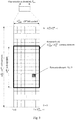
- the resource set for a control region of a short TTI includes N Resource Block (RB) groups or P Resource Blocks (RBs) in the frequency domain in the short TTI, and each resource block group includes M resource blocks, where N, P, and M are positive integers.
- Fig.6(a) and Fig.6(b) illustrate a possible position example that the resource set for the control region of the short TTI is located in the frequency domain in the short TTI, but the control region can alternatively be located in other position in the frequency domain in the short TTI, or can occupy more than one OFDM symbol.
- the resource set for the control region of the short TTI may alternatively be notified through the higher-layer signaling as per RB group.
- the length of a short TTI in the time domain is two OFDM symbols, and a legacy control region in an LTE system occupies two OFDM symbols, so there are six short TTIs in a sub-frame, which are sTTI0, sTTI1, sTTI2, sTTI3, sTTI4, and sTTI5 respectively.
- a control region of each short TTI is located in the first OFDM symbol.
- Information about resource set for control region of each short TTI in the sub-frame is configured separately via higher-layer signaling, and the position, in the frequency domain, of the control region of each short TTI in a resource set for the short TTIs may or may not be the same.
- the high-layer signaling indicates N RBs, in a system resource set, occupied by a control region of each short TTI, where N is a positive integer more than or equal to 1.
- N RBs can be N consecutive RBs as illustrated in Fig. 8(a) , or the N RBs can be N discrete RBs as illustrated in Fig.8(b) ; and the positions, in the frequency domain, of the control regions of the respective short TTIs, in the resource set for the short TTIs may or may not be the same as illustrated in Fig.8(a) and Fig.8(b) .
- the sCCE includes 9 sREGs, so the sREGs in the sCCE can be mapped in the control region of the short TTI as illustrated in Fig.7(b) ; or the sPDCCHs can be mapped in the resource set in the control region in the same way as EPDCCHs, and in this way, the sCCE includes a plurality of sREGs as illustrated in Fig.7(a) ; or the resource is mapped in the unit of RB, downlink control information is mapped to the RBs occupied by the control channel in a firstly frequency-domain and then time-domain or firstly time-domain and then frequency-domain (only frequency-domain when the control region of the short TTI occupies only one OFDM) order as illustrated in Fig.7(a) and Fig.7(c) .
- the UE detects blindly its sPDCCH in a search space allocated for the UE in the resource set for the control region.
- the UE obtains its scheduling information as a result of de-interleaving, demodulation, and other operations upon reception of the sPDCCH of the UE using an RNTI.
- Fig.6(a) and Fig.6(b) illustrate a possible position example that the resource set for the control region of the short TTI is located in the frequency domain in the short TTI, but the control region can alternatively be located in other position in the frequency domain, or can occupy more than one OFDM symbol.
- the resource set for the control region of the short TTI may alternatively be notified via the higher-layer signaling as per RB group.
- the length of a short TTI in the time domain is two or seven OFDM symbols
- a legacy control region in an LTE system occupies two OFDM symbols.
- a control region of a short TTI with the length of two OFDM symbols is located in the first OFDM symbol
- a control region of a short TTI with the length of seven OFDM symbols is located in the first and second OFDM symbols.
- the base station determines available resources in an allocated sPDCCH resource set, and maps control information for scheduling data transmission in the short TTI onto a specific resource in the sPDCCH resource set. For example, there are three RBs in a downlink control region in the short TTI, so a control channel of a short TTI can be mapped to a resource in the downlink control region as illustrated in Fig.7(a) , Fig.7(b) , and Fig.7(c) .
- bit information to be carried in the sPDCCHs is concatenated, scrambled, modulated, layer-mapped, and pre-coded into information symbols, the information symbols are divided into quadruples, and the quadruples are interleaved.
- the interleaved quadruples are mapped onto the resources in the control region of the short TTI.
- the UE detects blindly its sPDCCH in a search space allocated for the UE in the resource set for the control region.
- the UE obtains its scheduling information as a result of de-interleaving, demodulation, and other operations upon reception of the sPDCCH of the UE using an RNTI.
- this embodiment illustrates a possible position example that the resource set for the control region of the short TTI is located in the frequency domain in the short TTI, but the control region of short TTI can alternatively be located in other position in the frequency domain in the short TTI, or can occupy other number OFDM symbols.
- the resource set for the control region of the short TTI may alternatively be notified via the higher-layer signaling as per RB group.
- the length of a short TTI in the time domain is two OFDM symbols
- a legacy control region in an LTE system occupies two OFDM symbols, so there are six short TTIs in a sub-frame, which are sTTI0, sTTI1, sTTI2, sTTI3, sTTI4, and sTTI5 respectively.
- a control region of each short TTI is located in the first OFDM symbol.
- a base station carries some number of information bits in a common search space of the legacy control region in the LTE system to indicate the position, occupied by the control regions of all the short TTIs in the sub-frame, in the frequency domain in the short TTIs.
- bit information to be carried in the sPDCCHs is concatenated, scrambled, modulated, layer-mapped, and pre-coded into information symbols, the information symbols are divided into quadruples, and the quadruples are interleaved.
- the interleaved quadruples are mapped onto the resources in the control region of the short TTI.
- the sCCE includes 9 sREGs, so the sREGs in the sCCE can be mapped in the control region of the short TTI as illustrated in Fig.7(b) ; or the sPDCCHs can be mapped in the resource set in the control region in the same way as EPDCCHs, and in this way, the sCCE includes a plurality of sREGs as illustrated in Fig.7(a) ; or the resource s mapped in the unit of RB, the downlink control information is mapped to the RBs occupied by the control channel in a firstly frequency-domain and then time-domain or firstly time-domain and then frequency-domain (only frequency-domain when the control region of the short TTI occupies only one OFDM) order as illustrated in Fig.7(a) and Fig.7(c) .
- the UE detects blindly its sPDCCH in a search space allocated for the UE in the resource set for the control region.
- the UE obtains its scheduling information as a result of de-interleaving, demodulation, and other operations upon reception of the sPDCCH of the UE using an RNTI.
- Fig.6 illustrates a possible position example that the resource set for the control region of the short TTI is located in the frequency domain in the short TTI, but the control region of the short TTI can alternatively be located in other position in the frequency domain in the short TTI, or can occupy more than one OFDM symbol.
- the resource set for the control region of the short TTI may alternatively be notified via the higher-layer signaling as per RB group.
- the length of a short TTI in the time domain is two OFDM symbols
- a legacy control region in an LTE system occupies two OFDM symbols, so there are six short TTIs in a sub-frame, which are sTTI0, sTTI1, sTTI2, sTTI3, sTTI4, and sTTI5 respectively.
- a control region of each short TTI is located in the first OFDM symbol.
- a base station carries some number of information bits in a common search space of the legacy control region in the LTE system to indicate the positions, occupied by the control regions of all the short TTIs in the sub-frame, in a resource set for the short TTIs.
- RBs, occupied by the control regions of the short TTIs in the sub-frame, in the frequency domain in the short TTIs are indicated.
- the information is sub-frame-specific, that is, frequency information of the control channel of each short TTI in the sub-frame is notified via the information.
- the positions of the frequency resources, occupied by the control regions in the different short TTIs may or may not be the same as illustrated in Fig.7(a) , Fig.7(b) , and Fig.7(c) .
- the base station determines available resources in an allocated sPDCCH resource set, and maps control information for scheduling data transmission in the short TTI onto a specific resource in the sPDCCH resource set. For example, there are three RBs in a downlink control region of the short TTI, so a control channel of a short TTI can be mapped to a resource in the downlink control region as illustrated in Fig.7(a) , Fig.7(b) , and Fig.7(c) .
- bit information to be carried in the sPDCCHs is concatenated, scrambled, modulated, layer-mapped, and pre-coded into information symbols, the information symbols are divided into quadruples, and the quadruples are interleaved.
- the interleaved quadruples are mapped onto the resources in the control region of the short TTI.
- Fig.6(b) illustrate a possible position example that the resource set for the control region of the short TTI is located in the frequency domain in the short TTI, but the control region of the short TTI can alternatively be located in other position in the frequency domain in the short TTI, or can occupy more than one OFDM symbol.
- the resource set for the control region of the short TTI may alternatively be notified via the higher-layer signaling as per RB group.
- a first determining unit 11 is configured to determine a resource set for a control region of a short Transmission Time Interval (TTI).
- TTI Transmission Time Interval
- a second determining unit 12 is configured to determine a set of resources for a control channel of the user equipment in the resource set.
- the second determining unit is further configured: to detect blindly the control channel of the user equipment in the set of resources for the control channel of the user equipment.
- a first apparatus for mapping to a resource at the base station side includes the following units.
- a first unit 21 is configured to determine a resource set for a control region of a short Transmission Time Interval (TTI) of a user equipment.
- TTI Transmission Time Interval
- a second unit 22 is configured to map a control channel of the short TTI of the user equipment to a set of resources within the resource set.
- the resource set is a resource set agreed on in advance with the user equipment.
- the first unit is further configured to notify the user equipment of the resource set.
- the first unit is configured to notify the user equipment of the resource set for the control region of the short TTI of the user equipment in a sub-frame through the information carried in the legacy control region in the same sub-frame, the resource set for control regions across all the short TTIs in the sub-frame is uniform and notified by the information; or the first unit is configured to notify the resource set for the control region of each short TTI in the sub-frame respectively through the information in the legacy control region in the same sub-frame.
- the resource set for the control region of the short TTI includes N resource block groups or P resource blocks in the frequency domain in the short TTI, and each resource block group includes M resource blocks, where N, P, and M are positive integers.
- the N resource block groups are consecutive or discrete, or the P resource blocks are consecutive or discrete.
- a second apparatus for determining a channel resource at the UE side includes the followings.
- a processor 600 is configured to read and execute program in a memory 620: to determine a resource set for a control region in a short Transmission Time Interval (TTI); and to determine a set of resources for a control channel of the user equipment in the resource set.
- TTI Transmission Time Interval
- a transceiver 610 is configured to receive and transmit data under the control of the processor 600.
- the bus architecture can include any number of interconnecting buses and bridges to particularly link together various circuits including one or more processors represented by the processor 600, and one or more memories represented by the memory 620.
- the bus architecture can further link together various other circuits, e.g., a peripheral device, a manostat, a power management circuit, etc., all of which are well known in the art, so a further description thereof will be omitted in this context.
- the bus interface serves as an interface.
- the transceiver 610 can be a number of elements, e.g., a transmitter and a receiver, which are units for communication with various other devices over a transmission medium.
- the user interface 630 can also be an interface via which devices are connected internally and externally as needed, and the connected devices include but will not be limited to a keypad, a display, a speaker, a microphone, a joystick, etc.
- the processor 600 is responsible for managing the bus architecture and performing normal processes, and the memory 620 can store data for use by the processor 600 in performing the operations.
- a second apparatus for mapping to a resource at the base station side includes the followings.
- a processor 500 is configured to read and execute program in a memory 520: to determine a resource set for a control region of a short Transmission Time Interval (TTI) of a user equipment; and to map a control channel of the short TTI of the user equipment to a set of resources within the resource set.
- TTI Transmission Time Interval
- the transceiver 510 is configured to receive and transmit data under the control of the processor 500.
- the processor 500 is configured: to control the transceiver 510 to notify the user equipment of the resource set for the control region of the short TTI of the user equipment through higher-layer signaling; or to control the transceiver 510 to notify the user equipment of the resource set for the control region of the short TTI of the user equipment in a sub-frame through information carried in the legacy control region in the same sub-frame.
- the processor 500 configured to control the transceiver 510 to notify the user equipment of the resource set for the control region of the short TTI of the user equipment through the higher-layer signaling
- the processor is configured to notify the same resource set for control regions of all the short TTIs in a sub-frame through the high-layer signaling; or the processor is configured to notify the resource set for the control region of each short TTI in a sub-frame through the higher-layer signaling separately.
- the processor 500 is configured to control the transceiver 510 to notify the user equipment of the resource set for the control region of the short TTI of the user equipment in a sub-frame through the information carried in the legacy control region in the same sub-frame, the resource set for control regions across all the short TTIs in the sub-frame is uniform and notified by the information; or to notify the resource set for control region of each short TTI in the sub-frame respectively through the information in the legacy control region in the same-subframe.
- the N resource block groups are consecutive or discrete, or the P resource blocks are consecutive or discrete.
- the bus architecture can include any number of interconnecting buses and bridges to particularly link together various circuits including one or more processors represented by the processor 500, and one or more memories represented by the memory 520.
- the bus architecture can further link together various other circuits, e.g., a peripheral device, a manostat, a power management circuit, etc., all of which are well known in the art, so a further description thereof will be omitted in this context.
- the bus interface serves as an interface.
- the transceiver 510 can be a number of elements, e.g., a transmitter and a receiver, which are units for communication with various other devices over a transmission medium.
- the processor 500 is responsible for managing the bus architecture and performing normal processes, and the memory 520 can store data for use by the processor 500 in performing the operations.
- the processor 500 can be a CPU, an ASIC, an FPGA, or a CPLD.
- the UE is notified of frequency resources occupied by a control region of a short TTI of the UE via higher-layer signaling, the UE is notified of frequency resources occupied by a control region of a short TTI of the UE by information bits transmitted in a legacy control region, or a control region of a short TTI is distributed over fixed frequency resources, and determined in a predefined manner, so that the user equipment can determine the resource set for a control region of a short TTI, determine the the resource position for a control channel of the user equipment in the resource set, and subsequently detects the control channel of the user equipment in the resource position for the control channel of the user equipment in the resource set.
- the embodiments of the invention can be embodied as a method, a system or a computer program product. Therefore the invention can be embodied in the form of an all-hardware embodiment, an all-software embodiment or an embodiment of software and hardware in combination. Furthermore the invention can be embodied in the form of a computer program product embodied in one or more computer useable storage mediums (including but not limited to a disk memory, an optical memory, etc.) in which computer useable program codes are contained.
- These computer program instructions can also be stored into a computer readable memory capable of directing the computer or the other programmable data processing device to operate in a specific manner so that the instructions stored in the computer readable memory create an article of manufacture including instruction means which perform the functions specified in the flow(s) of the flow chart and/or the block(s) of the block diagram.
- These computer program instructions can also be loaded onto the computer or the other programmable data processing device so that a series of operational steps are performed on the computer or the other programmable data processing device to create a computer implemented process so that the instructions executed on the computer or the other programmable device provide steps for performing the functions specified in the flow(s) of the flow chart and/or the block(s) of the block diagram.
Landscapes
- Engineering & Computer Science (AREA)
- Signal Processing (AREA)
- Computer Networks & Wireless Communication (AREA)
- Mobile Radio Communication Systems (AREA)
Claims (7)
- Verfahren zum Bestimmen einer Kanalressource unter Anwendung auf ein Long Term Evolution-, LTE-, System, wobei das Verfahren umfasst:Bestimmen (S101) einer Ressourcenmenge für einen Steuerbereich eines kurzen Übertragungszeitintervalls durch ein Benutzergerät; undBestimmen (S102) einer Menge von Ressourcen durch das Benutzergerät für einen Steuerkanal des Benutzergeräts in der Ressourcenmenge;dadurch gekennzeichnet, dass das Bestimmen der Ressourcenmenge für den Steuerbereich des kurzen Übertragungszeitintervalls durch das Benutzergerät umfasst:Erhalten der Ressourcenmenge für den Steuerbereich des kurzen Übertragungszeitintervalls des Benutzergeräts durch das Benutzergerät mittels Signalisieren auf einer höheren Schicht, wobei die Ressourcenmenge für den Steuerbereich jedes kurzen Übertragungszeitintervalls in einem Teilrahmen durch Signalisieren auf einer hohen Schicht getrennt erhalten wird und die Position des Steuerbereichs jedes kurzen Übertragungszeitintervalls in der Frequenzdomäne im Teilrahmen unterschiedlich ist;
oderErhalten der Ressourcenmenge für den Steuerbereich des kurzen Übertragungszeitintervalls gemäß Bit-Informationen, die in einem Alt-Steuerbereich übertragen werden, durch das Benutzergerät, wobei die Ressourcenmenge für den Steuerbereich jedes kurzen Übertragungszeitintervalls in einem Teilrahmen mittels Bit-Informationen, die in dem Alt-Steuerbereich übertragen werden, der sich in dem Teilrahmen befindet, getrennt erhalten wird und die Position des Steuerbereichs jedes kurzen Übertragungszeitintervalls im Teilrahmen in der Frequenzdomäne unterschiedlich ist. - Verfahren gemäß Anspruch 1, ferner umfassend:
blindes Erkennen des Steuerkanals des Benutzergeräts durch das Benutzergerät in der Menge von Ressourcen für den Steuerkanal des Benutzergeräts. - Verfahren zum Abbilden auf eine Ressource unter Anwendung auf ein Long Term Evolution-, LTE-, System, wobei das Verfahren umfasst:Bestimmen (S201) einer Ressourcenmenge für einen Steuerbereich eines kurzen Übertragungszeitintervalls eines Benutzergeräts durch eine Basisstation;Abbilden (S202) eines Steuerkanals des kurzen Übertragungszeitintervalls des Benutzergeräts durch die Basisstation auf eine Menge von Ressourcen innerhalb der Ressourcenmenge; undInformieren des Benutzergeräts durch die Basisstation über die Ressourcenmenge;dadurch gekennzeichnet, dass das Informieren des Benutzergeräts durch die Basisstation über die Ressourcenmenge umfasst:Informieren des Benutzergeräts durch die Basisstation über die Ressourcenmenge für den Steuerbereich des kurzen Übertragungszeitintervalls des Benutzergeräts Mittels Signalisieren auf einer höheren Schicht, wobei die Ressourcenmenge für den Steuerbereich jedes kurzen Übertragungszeitintervalls in einem Teilrahmen mittels Signalisieren auf einer hohen Schicht getrennt mitgeteilt wird und die Position des Steuerbereichs jedes kurzen Übertragungszeitintervalls in der Frequenzdomäne im Teilrahmen unterschiedlich ist;
oderInformieren des Benutzergeräts über die Ressourcenmenge für den Steuerbereich des kurzen Übertragungszeitintervalls des Benutzergeräts durch die Basisstation über Bit-Informationen, die im Alt-Steuerbereich übertragen werden, wobei die Ressourcenmenge für den Steuerbereich jedes kurzen Übertragungszeitintervalls in einem Teilrahmen mittels Bit-Informationen, die in dem im Teilrahmen befindlichen Alt-Steuerbereich übertragen werden, getrennt mitgeteilt wird und die Position des Steuerbereichs jedes kurzen Übertragungszeitintervalls in der Frequenzdomäne im Teilrahmen unterschiedlich ist. - Verfahren gemäß Anspruch 3, wobei die Ressourcenmenge für den Steuerbereich des kurzen Übertragungszeitintervalls N Ressourcenblockgruppen oder P Ressourcenblöcke in einer Frequenzdomäne in dem kurzen Übertragungszeitintervall umfasst, die N Ressourcenblockgruppen in der Frequenzdomäne aufeinanderfolgend oder diskret sind oder die P Ressourcenblöcke in der Frequenzdomäne aufeinanderfolgend oder diskret sind, und jede Ressourcenblockgruppe M Ressourcenblöcke umfasst, wobei N, P und M positive ganze Zahlen sind.
- Vorrichtung zum Bestimmen einer Kanalressource unter Anwendung auf ein Long Term Evolution-, LTE-, System, wobei die Vorrichtung umfasst:eine erste Bestimmungseinheit (11), die dazu ausgelegt ist, eine Ressourcenmenge für einen Steuerbereich eines kurzen Übertragungszeitintervalls zu bestimmen; undeine zweite Bestimmungseinheit (12), die dazu ausgelegt ist, eine Menge von Ressourcen für einen Steuerkanal eines Benutzergeräts in der Ressourcenmenge zu bestimmen;dadurch gekennzeichnet, dass die erste Bestimmungseinheit dazu ausgelegt ist:die Ressourcenmenge für den Steuerbereich des kurzen Übertragungszeitintervalls des Benutzergeräts mittels Signalisieren auf einer höheren Schicht zu erhalten, wobei die Ressourcenmenge für den Steuerbereich jedes kurzen Übertragungsintervalls in einem Teilrahmen mittels Signalisieren auf einer hohen Schicht getrennt erhalten wird und die Position des Steuerbereichs jedes kurzen Übertragungszeitintervalls in der Frequenzdomäne im Teilrahmen unterschiedlich ist;
oderdie Ressourcenmenge für den Steuerbereich des kurzen Übertragungszeitintervalls gemäß Bit-Informationen, die in einem Alt-Steuerbereich übertragen werden, zu erhalten, wobei die Ressourcenmenge für den Steuerbereich jedes kurzen Übertragungszeitintervalls in einem Teilrahmen mittels Bit-Informationen, die in dem Alt-Steuerbereich übertragen werden, der sich in dem Teilrahmen befindet, getrennt erhalten wird und die Position des Steuerbereichs jedes kurzen Übertragungszeitintervalls in der Frequenzdomäne im Teilrahmen unterschiedlich ist. - Vorrichtung gemäß Anspruch 5, wobei die zweite Bestimmungseinheit ferner dazu ausgelegt ist, den Steuerkanal des Benutzergeräts in der Menge von Ressourcen für den Steuerkanal des Benutzergeräts blind zu erkennen.
- Vorrichtung zum Abbilden auf eine Ressource unter Anwendung auf ein Long Term Evolution-, LTE-, System, wobei die Vorrichtung umfasst:eine erste Einheit (21), die dazu ausgelegt ist, eine Ressourcenmenge für einen Steuerbereich eines kurzen Übertragungszeitintervalls eines Benutzergeräts zu bestimmen; undeine zweite Einheit (22), die dazu ausgelegt ist, einen Steuerkanal des kurzen Übertragungszeitintervalls des Benutzergeräts auf eine Menge von Ressourcen innerhalb der Ressourcenmenge abzubilden;dadurch gekennzeichnet, dass die erste Einheit ferner dazu ausgelegt ist, das Benutzergerät über die Ressourcenmenge zu informieren;wobei die erste Einheit dazu ausgelegt ist:das Benutzergerät über die Ressourcenmenge für den Steuerbereich des kurzen Übertragungszeitintervalls des Benutzergeräts durch Signalisieren auf einer höheren Schicht zu informieren, wobei die Ressourcenmenge für den Steuerbereich jedes kurzen Übertragungszeitintervalls in einem Teilrahmen mittels Signalisieren auf einer hohen Schicht getrennt mitgeteilt wird und die Position des Steuerbereichs jedes kurzen Übertragungszeitintervalls in der Frequenzdomäne im Teilrahmen unterschiedlich ist;
oderdas Benutzergerät über die Ressourcenmenge für den Steuerbereich des kurzen Übertragungszeitintervalls des Benutzergeräts durch Bit-Informationen, die im Alt-Steuerbereich übertragen werden, zu informieren, wobei die Ressourcenmenge für den Steuerbereich jedes kurzen Übertragungszeitintervalls in einem Teilrahmen mittels Bit-Informationen, die im Alt-Steuerbereich im Teilrahmen übertragen werden, getrennt mitgeteilt wird und die Position des Steuerbereichs jedes kurzen Übertragungszeitintervalls in der Frequenzdomäne im Teilrahmen unterschiedlich ist.
Applications Claiming Priority (2)
| Application Number | Priority Date | Filing Date | Title |
|---|---|---|---|
| CN201610649138.3A CN107707340B (zh) | 2016-08-09 | 2016-08-09 | 信道资源确定、资源映射方法及装置 |
| PCT/CN2017/093182 WO2018028385A1 (zh) | 2016-08-09 | 2017-07-17 | 信道资源确定、资源映射方法及装置 |
Publications (3)
| Publication Number | Publication Date |
|---|---|
| EP3499774A1 EP3499774A1 (de) | 2019-06-19 |
| EP3499774A4 EP3499774A4 (de) | 2019-07-31 |
| EP3499774B1 true EP3499774B1 (de) | 2020-10-14 |
Family
ID=61162769
Family Applications (1)
| Application Number | Title | Priority Date | Filing Date |
|---|---|---|---|
| EP17838515.9A Active EP3499774B1 (de) | 2016-08-09 | 2017-07-17 | Verfahren und vorrichtung zur kanalressourcenbestimmung und ressourcenabbildung |
Country Status (6)
| Country | Link |
|---|---|
| US (1) | US20210360663A1 (de) |
| EP (1) | EP3499774B1 (de) |
| JP (1) | JP7094284B2 (de) |
| KR (2) | KR102253517B1 (de) |
| CN (1) | CN107707340B (de) |
| WO (1) | WO2018028385A1 (de) |
Families Citing this family (1)
| Publication number | Priority date | Publication date | Assignee | Title |
|---|---|---|---|---|
| EP3491770B1 (de) | 2016-11-04 | 2020-01-08 | Telefonaktiebolaget LM Ericsson (publ) | Zuordnungsdesign für kurzen physikalischen downlink-steuerkanal (spdcch) |
Family Cites Families (6)
| Publication number | Priority date | Publication date | Assignee | Title |
|---|---|---|---|---|
| US8879515B2 (en) * | 2008-02-15 | 2014-11-04 | Blackberry Limited | Systems and methods for assignment and allocation of mixed-type combinations of slots |
| CN102149049B (zh) * | 2010-02-08 | 2013-06-19 | 普天信息技术研究院有限公司 | 数字集群通信系统中的集群业务实现方法和集群用户终端 |
| CN102740407B (zh) * | 2011-04-11 | 2017-08-29 | 中兴通讯股份有限公司 | 上行调度方法及系统、终端及基站 |
| CN103477695B (zh) * | 2011-04-15 | 2016-10-19 | 意大利电信股份公司 | 电信网络中的数据分组调度的方法、无线电设备及电信网络 |
| US20140328260A1 (en) * | 2013-02-26 | 2014-11-06 | Samsung Electronics Co., Ltd. | Scheduling over multiple transmission time intervals |
| JP2016072843A (ja) * | 2014-09-30 | 2016-05-09 | Kddi株式会社 | 基地局装置、通信方法、および通信システム |
-
2016
- 2016-08-09 CN CN201610649138.3A patent/CN107707340B/zh active Active
-
2017
- 2017-07-17 JP JP2019527939A patent/JP7094284B2/ja active Active
- 2017-07-17 KR KR1020217004398A patent/KR102253517B1/ko active Active
- 2017-07-17 KR KR1020197007023A patent/KR20190038899A/ko not_active Ceased
- 2017-07-17 WO PCT/CN2017/093182 patent/WO2018028385A1/zh not_active Ceased
- 2017-07-17 EP EP17838515.9A patent/EP3499774B1/de active Active
- 2017-07-17 US US16/324,124 patent/US20210360663A1/en not_active Abandoned
Non-Patent Citations (1)
| Title |
|---|
| None * |
Also Published As
| Publication number | Publication date |
|---|---|
| US20210360663A1 (en) | 2021-11-18 |
| EP3499774A4 (de) | 2019-07-31 |
| CN107707340B (zh) | 2021-03-09 |
| KR20210019606A (ko) | 2021-02-22 |
| KR102253517B1 (ko) | 2021-05-17 |
| KR20190038899A (ko) | 2019-04-09 |
| WO2018028385A1 (zh) | 2018-02-15 |
| JP2019530377A (ja) | 2019-10-17 |
| EP3499774A1 (de) | 2019-06-19 |
| JP7094284B2 (ja) | 2022-07-01 |
| CN107707340A (zh) | 2018-02-16 |
Similar Documents
| Publication | Publication Date | Title |
|---|---|---|
| EP4122270B1 (de) | Übertragungsverfahren und -vorrichtung | |
| JP2023145456A (ja) | ワイヤレス通信システムにおけるアップリンク制御情報を送信するための方法、およびそれを使用する装置 | |
| US10833833B2 (en) | Monitoring instructing and monitoring method and apparatus with short transmission time interval | |
| EP3404979A1 (de) | Verfahren und vorrichtung zur übertragung von downlink-steuerinformationen | |
| US9398581B2 (en) | Method and device for transmitting downlink control information | |
| CN113225751B (zh) | 搜索空间的监听方法和设备 | |
| US11968690B2 (en) | Method and device for transmitting/receiving control information in wireless communication system | |
| KR102322471B1 (ko) | 다운링크 데이터 송신에 사용되는 자원을 결정 및 구성하는 방법, 단말 및 기지국 | |
| US20130301561A1 (en) | System and Method for Antenna Port Association | |
| US11412496B2 (en) | Method and device for transmitting/receiving control information in wireless communication system | |
| EP4161198A1 (de) | Informationsübertragungsverfahren und -vorrichtung | |
| EP3413667B1 (de) | Verfahren und vorrichtung zur zuweisung von uplink- und downlinkübertragungsressourcen | |
| EP3410796B1 (de) | Verfahren und vorrichtung zur übertragung und detektion von downlink-steuerinformationen | |
| EP2870811B1 (de) | Verfahren und netzwerkknoten zur zuweisung von ressourcen eines uplink-subframes | |
| CN107295656B (zh) | 一种信息传输方法、终端及基站 | |
| EP3468085B1 (de) | Verfahren und vorrichtung zur meldung und bestimmung von subframetypen | |
| EP3499774B1 (de) | Verfahren und vorrichtung zur kanalressourcenbestimmung und ressourcenabbildung | |
| CN103313392B (zh) | 处理控制信道的方法及其通讯装置 | |
| EP2787679A2 (de) | Verfahren und Vorrichtung zur Ressourcenelementabbildung | |
| EP3739988B1 (de) | Verfahren zur ressourceneinstellpositionsanzeige und ratenanpassung |
Legal Events
| Date | Code | Title | Description |
|---|---|---|---|
| STAA | Information on the status of an ep patent application or granted ep patent |
Free format text: STATUS: THE INTERNATIONAL PUBLICATION HAS BEEN MADE |
|
| PUAI | Public reference made under article 153(3) epc to a published international application that has entered the european phase |
Free format text: ORIGINAL CODE: 0009012 |
|
| STAA | Information on the status of an ep patent application or granted ep patent |
Free format text: STATUS: REQUEST FOR EXAMINATION WAS MADE |
|
| 17P | Request for examination filed |
Effective date: 20190208 |
|
| AK | Designated contracting states |
Kind code of ref document: A1 Designated state(s): AL AT BE BG CH CY CZ DE DK EE ES FI FR GB GR HR HU IE IS IT LI LT LU LV MC MK MT NL NO PL PT RO RS SE SI SK SM TR |
|
| AX | Request for extension of the european patent |
Extension state: BA ME |
|
| A4 | Supplementary search report drawn up and despatched |
Effective date: 20190628 |
|
| RIC1 | Information provided on ipc code assigned before grant |
Ipc: H04L 5/00 20060101AFI20190624BHEP |
|
| DAV | Request for validation of the european patent (deleted) | ||
| DAX | Request for extension of the european patent (deleted) | ||
| STAA | Information on the status of an ep patent application or granted ep patent |
Free format text: STATUS: EXAMINATION IS IN PROGRESS |
|
| 17Q | First examination report despatched |
Effective date: 20200306 |
|
| GRAP | Despatch of communication of intention to grant a patent |
Free format text: ORIGINAL CODE: EPIDOSNIGR1 |
|
| STAA | Information on the status of an ep patent application or granted ep patent |
Free format text: STATUS: GRANT OF PATENT IS INTENDED |
|
| INTG | Intention to grant announced |
Effective date: 20200610 |
|
| GRAS | Grant fee paid |
Free format text: ORIGINAL CODE: EPIDOSNIGR3 |
|
| GRAA | (expected) grant |
Free format text: ORIGINAL CODE: 0009210 |
|
| STAA | Information on the status of an ep patent application or granted ep patent |
Free format text: STATUS: THE PATENT HAS BEEN GRANTED |
|
| AK | Designated contracting states |
Kind code of ref document: B1 Designated state(s): AL AT BE BG CH CY CZ DE DK EE ES FI FR GB GR HR HU IE IS IT LI LT LU LV MC MK MT NL NO PL PT RO RS SE SI SK SM TR |
|
| REG | Reference to a national code |
Ref country code: GB Ref legal event code: FG4D |
|
| REG | Reference to a national code |
Ref country code: AT Ref legal event code: REF Ref document number: 1324614 Country of ref document: AT Kind code of ref document: T Effective date: 20201015 Ref country code: CH Ref legal event code: EP |
|
| REG | Reference to a national code |
Ref country code: DE Ref legal event code: R096 Ref document number: 602017025656 Country of ref document: DE |
|
| REG | Reference to a national code |
Ref country code: IE Ref legal event code: FG4D |
|
| REG | Reference to a national code |
Ref country code: AT Ref legal event code: MK05 Ref document number: 1324614 Country of ref document: AT Kind code of ref document: T Effective date: 20201014 |
|
| REG | Reference to a national code |
Ref country code: NL Ref legal event code: MP Effective date: 20201014 |
|
| PG25 | Lapsed in a contracting state [announced via postgrant information from national office to epo] |
Ref country code: NO Free format text: LAPSE BECAUSE OF FAILURE TO SUBMIT A TRANSLATION OF THE DESCRIPTION OR TO PAY THE FEE WITHIN THE PRESCRIBED TIME-LIMIT Effective date: 20210114 Ref country code: GR Free format text: LAPSE BECAUSE OF FAILURE TO SUBMIT A TRANSLATION OF THE DESCRIPTION OR TO PAY THE FEE WITHIN THE PRESCRIBED TIME-LIMIT Effective date: 20210115 Ref country code: PT Free format text: LAPSE BECAUSE OF FAILURE TO SUBMIT A TRANSLATION OF THE DESCRIPTION OR TO PAY THE FEE WITHIN THE PRESCRIBED TIME-LIMIT Effective date: 20210215 Ref country code: RS Free format text: LAPSE BECAUSE OF FAILURE TO SUBMIT A TRANSLATION OF THE DESCRIPTION OR TO PAY THE FEE WITHIN THE PRESCRIBED TIME-LIMIT Effective date: 20201014 Ref country code: FI Free format text: LAPSE BECAUSE OF FAILURE TO SUBMIT A TRANSLATION OF THE DESCRIPTION OR TO PAY THE FEE WITHIN THE PRESCRIBED TIME-LIMIT Effective date: 20201014 |
|
| REG | Reference to a national code |
Ref country code: LT Ref legal event code: MG4D |
|
| PG25 | Lapsed in a contracting state [announced via postgrant information from national office to epo] |
Ref country code: ES Free format text: LAPSE BECAUSE OF FAILURE TO SUBMIT A TRANSLATION OF THE DESCRIPTION OR TO PAY THE FEE WITHIN THE PRESCRIBED TIME-LIMIT Effective date: 20201014 Ref country code: AT Free format text: LAPSE BECAUSE OF FAILURE TO SUBMIT A TRANSLATION OF THE DESCRIPTION OR TO PAY THE FEE WITHIN THE PRESCRIBED TIME-LIMIT Effective date: 20201014 Ref country code: SE Free format text: LAPSE BECAUSE OF FAILURE TO SUBMIT A TRANSLATION OF THE DESCRIPTION OR TO PAY THE FEE WITHIN THE PRESCRIBED TIME-LIMIT Effective date: 20201014 Ref country code: IS Free format text: LAPSE BECAUSE OF FAILURE TO SUBMIT A TRANSLATION OF THE DESCRIPTION OR TO PAY THE FEE WITHIN THE PRESCRIBED TIME-LIMIT Effective date: 20210214 Ref country code: LV Free format text: LAPSE BECAUSE OF FAILURE TO SUBMIT A TRANSLATION OF THE DESCRIPTION OR TO PAY THE FEE WITHIN THE PRESCRIBED TIME-LIMIT Effective date: 20201014 Ref country code: PL Free format text: LAPSE BECAUSE OF FAILURE TO SUBMIT A TRANSLATION OF THE DESCRIPTION OR TO PAY THE FEE WITHIN THE PRESCRIBED TIME-LIMIT Effective date: 20201014 Ref country code: BG Free format text: LAPSE BECAUSE OF FAILURE TO SUBMIT A TRANSLATION OF THE DESCRIPTION OR TO PAY THE FEE WITHIN THE PRESCRIBED TIME-LIMIT Effective date: 20210114 |
|
| PG25 | Lapsed in a contracting state [announced via postgrant information from national office to epo] |
Ref country code: HR Free format text: LAPSE BECAUSE OF FAILURE TO SUBMIT A TRANSLATION OF THE DESCRIPTION OR TO PAY THE FEE WITHIN THE PRESCRIBED TIME-LIMIT Effective date: 20201014 Ref country code: NL Free format text: LAPSE BECAUSE OF FAILURE TO SUBMIT A TRANSLATION OF THE DESCRIPTION OR TO PAY THE FEE WITHIN THE PRESCRIBED TIME-LIMIT Effective date: 20201014 |
|
| REG | Reference to a national code |
Ref country code: DE Ref legal event code: R097 Ref document number: 602017025656 Country of ref document: DE |
|
| PG25 | Lapsed in a contracting state [announced via postgrant information from national office to epo] |
Ref country code: EE Free format text: LAPSE BECAUSE OF FAILURE TO SUBMIT A TRANSLATION OF THE DESCRIPTION OR TO PAY THE FEE WITHIN THE PRESCRIBED TIME-LIMIT Effective date: 20201014 Ref country code: CZ Free format text: LAPSE BECAUSE OF FAILURE TO SUBMIT A TRANSLATION OF THE DESCRIPTION OR TO PAY THE FEE WITHIN THE PRESCRIBED TIME-LIMIT Effective date: 20201014 Ref country code: LT Free format text: LAPSE BECAUSE OF FAILURE TO SUBMIT A TRANSLATION OF THE DESCRIPTION OR TO PAY THE FEE WITHIN THE PRESCRIBED TIME-LIMIT Effective date: 20201014 Ref country code: SM Free format text: LAPSE BECAUSE OF FAILURE TO SUBMIT A TRANSLATION OF THE DESCRIPTION OR TO PAY THE FEE WITHIN THE PRESCRIBED TIME-LIMIT Effective date: 20201014 Ref country code: SK Free format text: LAPSE BECAUSE OF FAILURE TO SUBMIT A TRANSLATION OF THE DESCRIPTION OR TO PAY THE FEE WITHIN THE PRESCRIBED TIME-LIMIT Effective date: 20201014 Ref country code: RO Free format text: LAPSE BECAUSE OF FAILURE TO SUBMIT A TRANSLATION OF THE DESCRIPTION OR TO PAY THE FEE WITHIN THE PRESCRIBED TIME-LIMIT Effective date: 20201014 |
|
| PLBE | No opposition filed within time limit |
Free format text: ORIGINAL CODE: 0009261 |
|
| REG | Reference to a national code |
Ref country code: DE Ref legal event code: R081 Ref document number: 602017025656 Country of ref document: DE Owner name: DATANG MOBILE COMMUNICATIONS EQUIPMENT CO., LT, CN Free format text: FORMER OWNER: CHINA ACADEMY OF TELECOMMUNICATIONS TECHNOLOGY, BEIJING, CN |
|
| STAA | Information on the status of an ep patent application or granted ep patent |
Free format text: STATUS: NO OPPOSITION FILED WITHIN TIME LIMIT |
|
| PG25 | Lapsed in a contracting state [announced via postgrant information from national office to epo] |
Ref country code: DK Free format text: LAPSE BECAUSE OF FAILURE TO SUBMIT A TRANSLATION OF THE DESCRIPTION OR TO PAY THE FEE WITHIN THE PRESCRIBED TIME-LIMIT Effective date: 20201014 |
|
| 26N | No opposition filed |
Effective date: 20210715 |
|
| PG25 | Lapsed in a contracting state [announced via postgrant information from national office to epo] |
Ref country code: IT Free format text: LAPSE BECAUSE OF FAILURE TO SUBMIT A TRANSLATION OF THE DESCRIPTION OR TO PAY THE FEE WITHIN THE PRESCRIBED TIME-LIMIT Effective date: 20201014 Ref country code: AL Free format text: LAPSE BECAUSE OF FAILURE TO SUBMIT A TRANSLATION OF THE DESCRIPTION OR TO PAY THE FEE WITHIN THE PRESCRIBED TIME-LIMIT Effective date: 20201014 |
|
| REG | Reference to a national code |
Ref country code: GB Ref legal event code: 732E Free format text: REGISTERED BETWEEN 20211007 AND 20211013 |
|
| PG25 | Lapsed in a contracting state [announced via postgrant information from national office to epo] |
Ref country code: SI Free format text: LAPSE BECAUSE OF FAILURE TO SUBMIT A TRANSLATION OF THE DESCRIPTION OR TO PAY THE FEE WITHIN THE PRESCRIBED TIME-LIMIT Effective date: 20201014 |
|
| REG | Reference to a national code |
Ref country code: CH Ref legal event code: PL |
|
| PG25 | Lapsed in a contracting state [announced via postgrant information from national office to epo] |
Ref country code: MC Free format text: LAPSE BECAUSE OF FAILURE TO SUBMIT A TRANSLATION OF THE DESCRIPTION OR TO PAY THE FEE WITHIN THE PRESCRIBED TIME-LIMIT Effective date: 20201014 |
|
| REG | Reference to a national code |
Ref country code: BE Ref legal event code: MM Effective date: 20210731 |
|
| PG25 | Lapsed in a contracting state [announced via postgrant information from national office to epo] |
Ref country code: LI Free format text: LAPSE BECAUSE OF NON-PAYMENT OF DUE FEES Effective date: 20210731 Ref country code: CH Free format text: LAPSE BECAUSE OF NON-PAYMENT OF DUE FEES Effective date: 20210731 |
|
| PG25 | Lapsed in a contracting state [announced via postgrant information from national office to epo] |
Ref country code: IS Free format text: LAPSE BECAUSE OF FAILURE TO SUBMIT A TRANSLATION OF THE DESCRIPTION OR TO PAY THE FEE WITHIN THE PRESCRIBED TIME-LIMIT Effective date: 20210214 Ref country code: LU Free format text: LAPSE BECAUSE OF NON-PAYMENT OF DUE FEES Effective date: 20210717 |
|
| PG25 | Lapsed in a contracting state [announced via postgrant information from national office to epo] |
Ref country code: IE Free format text: LAPSE BECAUSE OF NON-PAYMENT OF DUE FEES Effective date: 20210717 Ref country code: BE Free format text: LAPSE BECAUSE OF NON-PAYMENT OF DUE FEES Effective date: 20210731 |
|
| P01 | Opt-out of the competence of the unified patent court (upc) registered |
Effective date: 20230512 |
|
| PG25 | Lapsed in a contracting state [announced via postgrant information from national office to epo] |
Ref country code: CY Free format text: LAPSE BECAUSE OF FAILURE TO SUBMIT A TRANSLATION OF THE DESCRIPTION OR TO PAY THE FEE WITHIN THE PRESCRIBED TIME-LIMIT Effective date: 20201014 |
|
| PG25 | Lapsed in a contracting state [announced via postgrant information from national office to epo] |
Ref country code: HU Free format text: LAPSE BECAUSE OF FAILURE TO SUBMIT A TRANSLATION OF THE DESCRIPTION OR TO PAY THE FEE WITHIN THE PRESCRIBED TIME-LIMIT; INVALID AB INITIO Effective date: 20170717 |
|
| PG25 | Lapsed in a contracting state [announced via postgrant information from national office to epo] |
Ref country code: MK Free format text: LAPSE BECAUSE OF FAILURE TO SUBMIT A TRANSLATION OF THE DESCRIPTION OR TO PAY THE FEE WITHIN THE PRESCRIBED TIME-LIMIT Effective date: 20201014 |
|
| PG25 | Lapsed in a contracting state [announced via postgrant information from national office to epo] |
Ref country code: MT Free format text: LAPSE BECAUSE OF FAILURE TO SUBMIT A TRANSLATION OF THE DESCRIPTION OR TO PAY THE FEE WITHIN THE PRESCRIBED TIME-LIMIT Effective date: 20201014 |
|
| PGFP | Annual fee paid to national office [announced via postgrant information from national office to epo] |
Ref country code: DE Payment date: 20250722 Year of fee payment: 9 |
|
| PGFP | Annual fee paid to national office [announced via postgrant information from national office to epo] |
Ref country code: GB Payment date: 20250722 Year of fee payment: 9 |
|
| PGFP | Annual fee paid to national office [announced via postgrant information from national office to epo] |
Ref country code: FR Payment date: 20250725 Year of fee payment: 9 |
|
| PG25 | Lapsed in a contracting state [announced via postgrant information from national office to epo] |
Ref country code: TR Free format text: LAPSE BECAUSE OF FAILURE TO SUBMIT A TRANSLATION OF THE DESCRIPTION OR TO PAY THE FEE WITHIN THE PRESCRIBED TIME-LIMIT Effective date: 20201014 |