EP3500263B1 - Procédé d'exploitation de létalité synthétique basée sur la surexpression d'oncogène myc - Google Patents
Procédé d'exploitation de létalité synthétique basée sur la surexpression d'oncogène myc Download PDFInfo
- Publication number
- EP3500263B1 EP3500263B1 EP18813239.3A EP18813239A EP3500263B1 EP 3500263 B1 EP3500263 B1 EP 3500263B1 EP 18813239 A EP18813239 A EP 18813239A EP 3500263 B1 EP3500263 B1 EP 3500263B1
- Authority
- EP
- European Patent Office
- Prior art keywords
- myc
- cells
- dimethylfasudil
- cancer
- gene
- Prior art date
- Legal status (The legal status is an assumption and is not a legal conclusion. Google has not performed a legal analysis and makes no representation as to the accuracy of the status listed.)
- Active
Links
Images




Classifications
-
- C—CHEMISTRY; METALLURGY
- C12—BIOCHEMISTRY; BEER; SPIRITS; WINE; VINEGAR; MICROBIOLOGY; ENZYMOLOGY; MUTATION OR GENETIC ENGINEERING
- C12Q—MEASURING OR TESTING PROCESSES INVOLVING ENZYMES, NUCLEIC ACIDS OR MICROORGANISMS; COMPOSITIONS OR TEST PAPERS THEREFOR; PROCESSES OF PREPARING SUCH COMPOSITIONS; CONDITION-RESPONSIVE CONTROL IN MICROBIOLOGICAL OR ENZYMOLOGICAL PROCESSES
- C12Q1/00—Measuring or testing processes involving enzymes, nucleic acids or microorganisms; Compositions therefor; Processes of preparing such compositions
- C12Q1/68—Measuring or testing processes involving enzymes, nucleic acids or microorganisms; Compositions therefor; Processes of preparing such compositions involving nucleic acids
- C12Q1/6876—Nucleic acid products used in the analysis of nucleic acids, e.g. primers or probes
- C12Q1/6883—Nucleic acid products used in the analysis of nucleic acids, e.g. primers or probes for diseases caused by alterations of genetic material
- C12Q1/6886—Nucleic acid products used in the analysis of nucleic acids, e.g. primers or probes for diseases caused by alterations of genetic material for cancer
-
- A—HUMAN NECESSITIES
- A61—MEDICAL OR VETERINARY SCIENCE; HYGIENE
- A61K—PREPARATIONS FOR MEDICAL, DENTAL OR TOILETRY PURPOSES
- A61K31/00—Medicinal preparations containing organic active ingredients
- A61K31/33—Heterocyclic compounds
- A61K31/395—Heterocyclic compounds having nitrogen as a ring hetero atom, e.g. guanethidine or rifamycins
- A61K31/55—Heterocyclic compounds having nitrogen as a ring hetero atom, e.g. guanethidine or rifamycins having seven-membered rings, e.g. azelastine, pentylenetetrazole
- A61K31/551—Heterocyclic compounds having nitrogen as a ring hetero atom, e.g. guanethidine or rifamycins having seven-membered rings, e.g. azelastine, pentylenetetrazole having two nitrogen atoms, e.g. dilazep
-
- A—HUMAN NECESSITIES
- A61—MEDICAL OR VETERINARY SCIENCE; HYGIENE
- A61P—SPECIFIC THERAPEUTIC ACTIVITY OF CHEMICAL COMPOUNDS OR MEDICINAL PREPARATIONS
- A61P35/00—Antineoplastic agents
-
- C—CHEMISTRY; METALLURGY
- C07—ORGANIC CHEMISTRY
- C07K—PEPTIDES
- C07K14/00—Peptides having more than 20 amino acids; Gastrins; Somatostatins; Melanotropins; Derivatives thereof
- C07K14/435—Peptides having more than 20 amino acids; Gastrins; Somatostatins; Melanotropins; Derivatives thereof from animals; from humans
- C07K14/46—Peptides having more than 20 amino acids; Gastrins; Somatostatins; Melanotropins; Derivatives thereof from animals; from humans from vertebrates
- C07K14/47—Peptides having more than 20 amino acids; Gastrins; Somatostatins; Melanotropins; Derivatives thereof from animals; from humans from vertebrates from mammals
- C07K14/4701—Peptides having more than 20 amino acids; Gastrins; Somatostatins; Melanotropins; Derivatives thereof from animals; from humans from vertebrates from mammals not used
- C07K14/4702—Regulators; Modulating activity
-
- C—CHEMISTRY; METALLURGY
- C07—ORGANIC CHEMISTRY
- C07K—PEPTIDES
- C07K14/00—Peptides having more than 20 amino acids; Gastrins; Somatostatins; Melanotropins; Derivatives thereof
- C07K14/82—Translation products from oncogenes
-
- C—CHEMISTRY; METALLURGY
- C12—BIOCHEMISTRY; BEER; SPIRITS; WINE; VINEGAR; MICROBIOLOGY; ENZYMOLOGY; MUTATION OR GENETIC ENGINEERING
- C12N—MICROORGANISMS OR ENZYMES; COMPOSITIONS THEREOF; PROPAGATING, PRESERVING, OR MAINTAINING MICROORGANISMS; MUTATION OR GENETIC ENGINEERING; CULTURE MEDIA
- C12N9/00—Enzymes; Proenzymes; Compositions thereof; Processes for preparing, activating, inhibiting, separating or purifying enzymes
- C12N9/10—Transferases (2.)
- C12N9/12—Transferases (2.) transferring phosphorus containing groups, e.g. kinases (2.7)
-
- C—CHEMISTRY; METALLURGY
- C12—BIOCHEMISTRY; BEER; SPIRITS; WINE; VINEGAR; MICROBIOLOGY; ENZYMOLOGY; MUTATION OR GENETIC ENGINEERING
- C12Y—ENZYMES
- C12Y207/00—Transferases transferring phosphorus-containing groups (2.7)
- C12Y207/11—Protein-serine/threonine kinases (2.7.11)
- C12Y207/11001—Non-specific serine/threonine protein kinase (2.7.11.1), i.e. casein kinase or checkpoint kinase
-
- C—CHEMISTRY; METALLURGY
- C12—BIOCHEMISTRY; BEER; SPIRITS; WINE; VINEGAR; MICROBIOLOGY; ENZYMOLOGY; MUTATION OR GENETIC ENGINEERING
- C12Q—MEASURING OR TESTING PROCESSES INVOLVING ENZYMES, NUCLEIC ACIDS OR MICROORGANISMS; COMPOSITIONS OR TEST PAPERS THEREFOR; PROCESSES OF PREPARING SUCH COMPOSITIONS; CONDITION-RESPONSIVE CONTROL IN MICROBIOLOGICAL OR ENZYMOLOGICAL PROCESSES
- C12Q2600/00—Oligonucleotides characterized by their use
- C12Q2600/106—Pharmacogenomics, i.e. genetic variability in individual responses to drugs and drug metabolism
-
- C—CHEMISTRY; METALLURGY
- C12—BIOCHEMISTRY; BEER; SPIRITS; WINE; VINEGAR; MICROBIOLOGY; ENZYMOLOGY; MUTATION OR GENETIC ENGINEERING
- C12Q—MEASURING OR TESTING PROCESSES INVOLVING ENZYMES, NUCLEIC ACIDS OR MICROORGANISMS; COMPOSITIONS OR TEST PAPERS THEREFOR; PROCESSES OF PREPARING SUCH COMPOSITIONS; CONDITION-RESPONSIVE CONTROL IN MICROBIOLOGICAL OR ENZYMOLOGICAL PROCESSES
- C12Q2600/00—Oligonucleotides characterized by their use
- C12Q2600/156—Polymorphic or mutational markers
-
- C—CHEMISTRY; METALLURGY
- C12—BIOCHEMISTRY; BEER; SPIRITS; WINE; VINEGAR; MICROBIOLOGY; ENZYMOLOGY; MUTATION OR GENETIC ENGINEERING
- C12Q—MEASURING OR TESTING PROCESSES INVOLVING ENZYMES, NUCLEIC ACIDS OR MICROORGANISMS; COMPOSITIONS OR TEST PAPERS THEREFOR; PROCESSES OF PREPARING SUCH COMPOSITIONS; CONDITION-RESPONSIVE CONTROL IN MICROBIOLOGICAL OR ENZYMOLOGICAL PROCESSES
- C12Q2600/00—Oligonucleotides characterized by their use
- C12Q2600/158—Expression markers
Definitions
- the present invention generally relates generally to a method for identifying a sub-type of cancer sensitive to dimethylfasudil and the use of dimethylfasudil for treating a sub-class of cancerous cells demonstrating high levels of MYC protein expression.
- the MYC family's propensity to be mutated and overexpressed contributes to the genesis of many types of human cancers.
- the oncogenic MYC family has been found to be deregulated in over 50% of human cancers.
- the MYC family of oncogenes includes three members, namely C-MYC, MYCN, and MYCL. Collectively, this family of "super-transcription factors" is thought to regulate at least 15% of the entire human genome (and similarly in other animals). Hence many cell processes such as ribosome biogenesis, protein translation, cell-cycle progression, and metabolism are dependent upon proper regulation of the MYC class of genes.
- the MYC gene (also known as MYCC or C-MYC) is a proto-oncogene that plays a role in cell cycle progression, apoptosis, and cellular transformation. Many types of cancer cells demonstrate an amplification of the MYC gene. Human colon carcinoma resulting from defects in the Wnt-APC pathway has been found to enhance TCF-mediated transcriptional activation of MYC. In T-cell leukemia, the deregulation of Notch signaling has been associated with inducing the expression of MYC. However, tumorigenesis can also result from the translocation of this gene. For example, Burkitt lymphoma and multiple myeloma are both marked by the translocation of the MYC gene.
- MYC is a nuclear protein and so developing specific monoclonal antibodies is technically impractical.
- transcription factors lack specific active sites for small molecules to interact with and inhibit transcribing activities.
- Kang et al. BMC Cancer 2014, 14:32 shows that targeting cyclin-dependent kinase 1 (CDK1) but not CDK4/6 or CDK2 is selectively lethal to MYC-dependent human breast cancer cells.
- Liu et al. Cancer Res 2009; 69: (22 ) shows that inhibition of Rho-associated kinase signaling prevents breast cancer metastasis to human bone.
- WO 2017/079442 A1 relates to methods of treating a tumor or treating cancer in a subject having a p53 DNA contact mutation that involve administering, to the subject, a ROCK inhibitor. Also disclosed is a method of identifying a subject as a candidate for such treatment. Zhang et al.
- the present invention is as defined in the claims herein.
- the current invention is directed to a method for identifying a sub-type of cancer that responds to inhibition of tumor cell proliferation by means of treatment with dimethylfasudil, comprising the steps of (i) receiving a cancer sample from the subject, (ii) testing for an abnormality of the MYC gene in the sample from the subject, wherein the abnormality of the MYC gene causes higher expression of MYC; and (iii) identifying the type of cancer classification afflicting the subject based on the abnormality found.
- the types of abnormality include, but are not limited to, gene overexpression, detected by comparing the level of MYC gene expression in suspected cancerous cells from the subject to normal cells from the adjoining area, and mutations in a DNA sequence of said MYC gene.
- the treatment is administered as a pharmaceutical composition comprising dimethylfasudil.
- the invention provides dimethylfasudil for use in treating dimethylfasudil-responsive cancer by: administering an effective dosage amount of dimethylfasudil to cancer cells with an abnormality in MYC gene which cells have been identified as being dimethylfasudil-responsive whereby the dosage amount is sufficient to kill said dimethylfasudil-responsive cancer cells, wherein the abnormality of MYC gene comprises gene overexpression, detected by comparing the level of MYC gene expression in suspected cancerous cells from the subject to normal cells from the adjoining area.
- the subject is a mammal, for example a human.
- the cancer is Burkitt Lymphoma, Leukemia, or a solid tumor.
- the MYC gene is N-MYC.
- the abnormality of MYC gene is amplification of MYC by gene duplication.
- the abnormality of MYC gene comprises mutations in a DNA sequence of said MYC gene.
- the effective amount of dimethylfasudil is the amount sufficient to inhibit proliferation of cancer cells.
- the effective amount of dimethylfasudil is the amount which kills the cancerous cells.
- the effective amount of dimethylfasudil is the amount that slows the rate of proliferation.
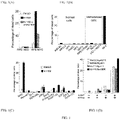
- FIG. 1 demonstrates that H-1152 elicits potent cytotoxicity when MYC is overexpressed.
- FIG 1(A) demonstrates synthetic lethal targeting by H-1152 of human cells overexpressing MYC.
- Human cells that did overexpress MYC (RPE-MYC) or did not (RPE-NEO) were treated for 72 hours with 0.1% DMSO, 6 ⁇ M H-1152, or 6 ⁇ M H-1152 + 100 ⁇ M z-VAD-fmk. Cell viability was determined by the trypan blue exclusion assay. Each column represents the average of 3 independent experiments, and each experiment was done in triplicate. Error bars represent one standard deviation.
- FIG 1(B) illustrates the cytotoxicity of H-1152 for normal cells and a MYC-overexpressing human cancer cell line IM-9. H-1152 was applied to the indicated cells at 6 ⁇ M for 3 days. Cell viability, was determined by the trypan blue exclusion assay. A representative experiment is shown.
- FIG 1(C) shows the toxicity of H-1152 preferentially in rat cells overexpressing Myc. Rat1A cells harboring either an empty vector or various indicated oncogenes were treated with either 0.1% DMSO or 6 ⁇ M H-1152 for 3 days. Cell viability was determined by the trypan blue exclusion assay. Each column represents the average of 3 independent experiments, and each experiment was done in triplicate. Error bars represent one standard deviation.
- FIG 1(D) shows synergistic induction of cell death by H-1152 in combination with acute activation of either Myc or MycN.
- Rat (Rat1A) or human (HA1E and IMR-90) cells expressing either MycER or MycNER were incubated with or without 6 ⁇ M H-1152 and/or 200 nM 4-OHT for 3 days. Cell viability was determined by the trypan blue exclusion assay. A representative experiment is shown.
- FIG. 2 demonstrates that H-1152 elicits mitochondria-dependent apoptosis in cells overexpressing MYC.
- FIG 2(A) shows the effect of H-1152 on the mitochondrial membrane potential ⁇ m .
- RPE-MYC cells were exposed to 6 ⁇ M H-1152 for 48 hours and then incubated for 30 minutes with 40 nM MITOTRACKER Red (Molecular Probes) and fixed. Fixed cells were stained for DNA with DAPI (in blue) and then analyzed with a confocal laser microscope. Arrowheads indicate apoptotic nuclei. Scale bar, 10 ⁇ m. See Appendix A - for Immunofluorescence Microscopy method.
- FIG 2(B) shows the percentage of cells positive for indicated assays.
- RPE-MYC and RPE-NEO cells were treated with 0.1% DMSO or 6 ⁇ M H-1152 for 3 days and then subjected to the indicated assays. Each column represents the average of 3 independent experiments, and each experiment was done in triplicate. Error bars represent one standard deviation.
- FIG 3 demonstrates how H-1152 elicits selective killing of MYC-expressing cells independent of its inhibition of ROCK kinase activity.
- FIG 3(A) shows the chemical structure of H-1152 and its three analogs.
- FIG 3(B) illustrates how H-1152, but not other inhibitors of ROCK kinases, preferentially kills RPE-MYC cells.
- RPE-MYC and RPE-NEO cells were treated for 72 hours with a variety of inhibitors of ROCK kinases at the indicated concentrations. Cell viability was determined by the trypan blue exclusion assay. Each column represents the average of 3 independent experiments, and each experiment was done in triplicate. Error bars represent one standard deviation.
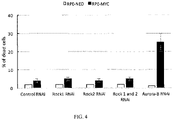
- FIG 4 illustrates how the combined depletion of ROCK 1 and ROCK II fails to kill RPE-MYC cells.
- RPE-NEO and RPE-MYC cells were treated with esiRNA against ROCK1 and ROCK2 either individually or in combination for four days.
- Aurora-B esiRNA was transfected as a positive control to elicit selectively killing of RPE-MYC as opposed to RPE-NEO cells.
- Cell viability was then determined by the trypan blue exclusion assay. Cell viability was determined by the trypan blue exclusion assay.
- Each column represents the average of 3 independent experiments, and each experiment was done in triplicate. Error bars represent one standard deviation.
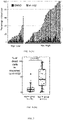
- FIG 5 illustrates that MYC abundance is a univariate predicator of the response of human tumor cell lines to H-1152 by showing the cytotoxicity of H-1152 for 75 human cancer cell lines.
- Cell lines in the Myc high group and the Myc low group were treated for four days with either 0.1% DMSO or 6 ⁇ M H-1152. Cell viability was then determined by the trypan blue exclusion assay.
- FIG 5(A) is a histogram representing the average of two independent experiments.
- FIG 5(B) shows a box plot with data swarm displaying the distribution of H-1152 sensitivity in 75 human cancer cell lines. Results are presented as the percentage of dead cells in the presence of H-1152 minus that in the presence of DMSO. Red, yellow and green dots represent cell lines with abundant Myc, MycN and L-Myc respectively. Comparison of the two data sets with two-sided Mann-Whitney test indicates p ⁇ 0.0001.
- FIG 6 illustrates that MYC abundance in cancer cell lines sensitizes the cells to killing of H-1152.
- FIG 6(A) shows the depletion of MYC in human cancer cell lines by its cognate RNAi. See Appendix B for RNA Interference Method. Human cancer cell lines, including Hela (lanes 1 and 2), Calu-6 (lanes 3 and 4), NCI-H841 (lanes 5 and 6), C-33-A (lanes 7 and 8) and DU-145 (lanes 9 and 10), were transfected with either control luciferase esiRNA (lanes 1, 3, 5, 7 and 9) or MYC esiRNA (lanes 2, 4, 6, 8 and 10).
- FIG 6(B) shows the suppression of H-1152 toxicity by depletion of MYC.
- the indicated cancer cell lines were transfected with either control luciferase esiRNA or MYC esiRNA twice with a 2- day interval and then exposed to 6 ⁇ M H-1152 12 hour after the second transfection of siRNA. Cell viability was determined by the trypan blue exclusion assay 4 days after administration of H-1152. Each column represents the average of 3 independent experiments, and each experiment was done in triplicate. Error bars represent standard deviation. Single stars indicate p ⁇ 0.001 when compared with cells treated with control RNAi and H-1152. See Appendix C for more Information on Statistical Analysis.
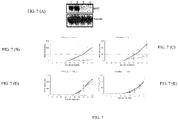
- FIG 7 illustrates how H-1152 elicits therapeutic efficacy against tumorigenesis of cancer cells that overexpress MYC.
- FIG 7(A) shows MYC expression in cancer cell lines. Extracts from four human cancer cell lines (1. NCI-H524, 2. NCI-H841, 3. NCI- H211, 4. NCI-H2199) were blotted for MYC and tubulin by Western blotting.
- FIG 7(B) - (E) demonstrate the therapeutic efficacy of H-1152 in vivo. See Appendix D for Method of Mouse In Vivo Assay. Two Myc high cell lines and two Myc low cell lines were implanted subcutaneously into athymic mice (One to ten millions of cells per injection).
- FIG 7(B) shows results for NCI-H524
- FIG 7(C) shows results for NCI-H841
- FIG 7(D) shows results for NCI-H2199
- FIG 7(E) shows results for NCI-H211.
- FIG 8 is a table summarizing MYC abundance and responses of human cancer cell lines.
- the invention relates to the use of an inhibitor of Rho-associated protein kinase (hereinafter " ROCK ”) in methods for treatment of cancer cells.
- ROCK Rho-associated protein kinase
- the method is directed at treatment of cancer cells, especially those cells that exhibit high expression levels of the MYC oncogene using dimethylfasudil.
- the contemplated method herein can be used alone or in tandem with traditional cancer treatments such as chemotherapy and/or radiation therapy.
- ROCK is a family of kinases comprising of the homologues ROCK 1 and ROCK 2 that belong to the AGC (PKA/PKG/PKC) family of serine-threonine kinases.
- AGC AGC
- ROCK is major regulator of the cytoskeleton. Based on its roles in actin depolymerization, contraction of actin fibers, and filament stabilization, ROCK activity is crucial for proper cell migration.
- ROCK 1 and ROCK 2 demonstrate significant homology between themselves, sharing over 65% identity in their amino acid sequences. Significantly, ROCK1 and ROCK2 have the highest amino acid homology between their kinase domain (92%), resulting in similar kinase activity in vitro.
- the PH-C1 domains of ROCK1 and ROCK2 have differential binding preferences for membrane lipids: the PH-C1 domain of ROCK2 was demonstrated to bind strongly to phosphatidylinositol (3,4,5)-trisphosphate and phosphatidylinositol (4,5)-bisphosphate, whereas the one of ROCK1 did not. This difference in binding potential may suggest why ROCK 1 and ROCK 2 have distinct subcellular distributions, which vary depending on the cell type and method, and why they have overlapping but diverging functions as well.
- H-1152 the ROCK 1 and ROCK 2 inhibitor dimethylfasudil
- H-1152 is a potent, selective, and reversible inhibitor of ROCK 1 and ROCK 2 that was developed to treat neurological disorders and cardiovascular diseases. Nonetheless, a screening of various small molecules that induce lethal interactions in cells overexpressing MYC has revealed that H-1152 is effective in eliciting cell death in MYC overexpressing cell lines such as IM-9 but fails to have similar lethal effects in normal and immortalized cells.
- An aspect of the present invention is directed to H-1152 for use in a method of treating H-1152-responsive cancer (and consequently inducing cell toxicity, inhibiting cell proliferation and/or survival) in an effective amount.
- this method involves administering H-1152 to a population of cancer cells.
- the population of cancer cells targeted for treatment by H-1152 are haematopoietic lymphoid tissues. Hematological malignancies account for 9.5% of new cancer diagnoses in the United States. Tumors of hematopoietic and lymphoid tissues affect members of the circulatory and immune system, namely the blood, bone morrow, lymph, and lymphatic system. A common cause of cancer in such systems is chromosomal translocations.
- One embodiment of the present invention is directed to Burkitt's lymphoma. This type of cancer targets the lymphatic system generally but especially B lymphocytes. Though there are various types of Burkitt lymphoma, all are characterized by the dysregulation of the MYC gene due to chromosomal translocations.
- the typical translocation of MYC into the immunoglobulin heavy chain locus is observed in about 80% of Burkitt's lymphomas.
- Other variant translocations of MYC involve either the ⁇ or ⁇ light chain locus, with type each type of translocation occurring at a frequency of about 10% of all Burkitt's lymphoma cases.
- Another embodiment of the present invention is directed to leukemia, including but not limited to acute T-cell leukemia, where the MYC gene is observed to be translocated into one of the T cell receptor loci.
- Other embodiments of the current invention are directed to acute myeloid leukemia, acute lymphoblastic leukemia, chronic myeloid leukemia, acute lymphoblastic leukemia, neuroblastoma, and ductal carcinoma.
- the population of cancer cells are derived from a solid tumor, such as sarcomas (e.g. osteosarcoma), carcinomas (e.g. adenocarcinoma from the prostrate; small cell carcinoma of the lung carcinoma of the breast), Wilms' tumor, squamous cell carcinoma, and lymphomas.
- Overexpression can be defined in multiple ways, but at its most essence, it is defined as the level of gene expression above normal. It has been known that the gene expression patterns are complexly different between normal and cancerous cells. Accordingly normal expression of gene is defined as the level of protein that does not induce a noticeable change whereas overexpression of a gene is defined as such level that contributes to phenotypic variability.
- the measurement of gene overexpression is accomplished by many different methods and techniques.
- One method is to compare the mRNA levels of genes in normal human tissue (preferably of identical age, sex, and ethnicity to minimize differing factors) with those of the patient.
- the mRNA levels can be quantified and compared using northern blotting or RT-qPCR.
- Another method is to measure the level of protein quantification using techniques such as Western blotting.
- the foregoing methods are only presented for the purpose of illustration.
- One of ordinary skill in the art can utilize any or more of the multiple qualitative and quantitative techniques to determine whether the MYC gene is being overexpressed in a patient. The following is one example (with select alternatives) for determining MYC expression by cell isolation in the patient.
- a biopsy is performed to extract cancerous primary tissue samples from the patient.
- the tissue sample is treated with proteolytic enzymes (e.g. trypsin and collagenase) to disrupt the extracellular matrix holding the tissue sample together.
- the tissue samples are further treated with agents such as ethylenediaminetetraacetic acid ("EDTA") to chelate calcium ions in order to disrupt the cell-cell adhesion.
- EDTA ethylenediaminetetraacetic acid
- the tissue is then dissociated into single living cells by gentle agitation.
- the cell suspension is further refined by exploiting the specific binding properties of antibodies.
- Antibodies that bind specifically to surface proteins are coupled to matrices such as collage, polysaccharide beads, plastic, and fluorescent dye that are further exploited to isolate the cells. Using fluorescent dye as a label, the cells are sorted from unlabeled cells via an electronic fluorescence-activated cell sorter.
- Another method for isolating cells is to perform laser microdissection. This method entails the careful dissection of thin tissues slices prepared for microscopy. In one approach the cancerous tissue section is coated with a thin plastic film. The area containing the selected cells is irradiated with a focused infrared laser beam pulse. Consequently, the area is melted, causing cell binding underneath. The captured cells are then removed for additional analysis.
- a quantitative analysis of the abundance of MYC protein is performed to determine whether the cancer cells are suitable for the claimed treatment.
- One method to perform such analysis is to compare MYC expression in the tissue cells with cell lines stably introduced with MYC selection marker in combination with hTERT in human retinal pigment epithelial cells. See Appendix E for Preparation of MYC stabilized cells.
- Another method to measure MYC expression is to isolate the tumor cells from the adjoining normal cells and measure. There are significant phenotypic differences in the appearance of normal cells and cancer cells. Unlike normal cells, cancer cells have abnormal shape due to their inability to stop growing. Accordingly, the cancerous cells keep doubling, forming a tumor. Since cancer cells are apparent against a backdrop of normal cells, each type of cells - tumor cells and normal cells, can be isolated for quantifying gene expression and. As an example, if a patient has a liver cancer, the level of MYC expression in the tumor liver cells is compared with the level of MYC expression of the adjoining but normal cells. Similarly, if a patient suffers from breast cancer in one breast, the level of MYC expression from the breast tumor on breast 1 can be measured against normal MYC expression from the unaffected breast 2.
- MYC Upon harvesting suspected cancerous cells along with a control group (e.g. normal cells from cell line or normal cells from adjoining area) for analysis, expression of MYC can be determined by Western blotting analysis. See Appendix F for Western Blot Protocol. Cancer cells that express comparable levels of MYC are selected as candidates for the claimed invention.
- a control group e.g. normal cells from cell line or normal cells from adjoining area
- H-1152 may be treated with H-1152.
- the H-1152 may be freshly dissolved into vehicle (10% DMSO, 90% polyethylene glycol 300) and administered by oral gavage twice every day.
- the compound for use in the invention can be formulated for a variety of modes of administration, including systemic and topical or localized administration. Techniques and formulations generally may be found in Remington: The Science and Practice of Pharmacy (20th ed.) Lippincott, Williams & Wilkins (2000 ).
- H-1152 is effective over a wide dosage range.
- dosage can range from 0.01 mg to 1000 mg.
- a preferable dose is 10 mg to 30 mg of H-1152 per day.
- the exact dosage will depend upon the route of administration, the form in which the compound is administered, the subject to be treated, the body weight of the subject to be treated, and the preference and experience of the attending physician.
- a method of treating cancer cells involves targeting the MYC gene with H-1152 in an amount.
- Certain cancer types are marked by identifiable mutations. For example, mutations in Thr-58 and Ser-62 of MYC are present in a prevalent type of Burkitt lymphoma. These mutations are associated with stabilized mutant proteins that can perturb transgenic mammary tumorigenesis. In such case when the mutations in the MYC gene are identified, treatment can be effected by H-1152.
- an alternate embodiment of the current invention claims a method for identifying a cancer sub-type that responds to H-1152 by receiving a cancer sample from a subject, testing for an abnormality of the MYC gene, wherein the abnormality of the MYC gene causes higher expression of MYC, and then using the results of the test to decipher the type of cancer sub-type afflicting the subject.
- a cancer patient may be treated with H-1152 and it is noticed that the tumor has either stopped progressing or has regressed.
- the tumor cells can be harvested and assayed for MYC analysis since they show a response to H-1152. Once assayed, it can be determined whether the MYC gene is altered, whether by mutation or translocation (or both). Such information can be used for diagnostic purposes or to refine treatment.
- H-1152 elicits cytotoxicity in cells overexpressing MYC
- human retinal pigment epithelial cells were stably transfected with either MYC or a Neomycin selection marker gene ("NEO") in combination with hTERT.
- NEO Neomycin selection marker gene
- H-1152 Since the aforementioned effects of H-1152 were observed in artificially induced MYC expressing gene, the effects of H-1152 were evaluated in a variety of normal cells and immortalized cells. The result after 3-days treatment were similar. In detail, of the cell lines evaluated, H-1152 has negligible effect on cell toxicity regardless of whether the cells lines are normal cells or immortalized cells. The one observed exception is the IM-9 cells that overexpress MYC. Cell lethality in the IM-9 cell line was approximately 30% after H-1152 treatment for 3 days. FIG 1B .
- rat 1A cells expressing MYC as well as other active cellular oncogenes were evaluated for lethality. Among the different cells with various active oncogenes, only MYC expressing cells demonstrated cell death upon treatment by H-1152.
- FIG 1C shows that
- MYCN shares high sequence similarity and crucial biochemical and genetic activities with MYC.
- activation of the MYCNestrogen receptor chimera with 4-OHT resulted in high cell lethality upon H-1152 application.
- H-1152 elicits MYC-dependent cell lethality irrespective of whether MYC is constitutively expressed or acutely activated.
- this sensitivity holds true for both fibroblasts cells and epithelial cells.
- FIG. 2A To determine the mechanism by which cell death is induced in MYC expressing cells treated with H-1152, the treated cells were observed for apoptotic features. Symptoms of classical apoptosis were recorded, such as nuclear condensation, activation of caspase 3, and cleavage caspase 3's downstream target, poly (ADP-ribose) polymerase ("PARP").
- PARP poly (ADP-ribose) polymerase
- FIG 2B Furthermore, observations of events such as the dissipation of the mitochondrial membrane potential, release of cytochrome C from mitochondria into the cytosol, and the activation of caspase 9 all indicate cell death via activation of the mitochondria-dependent apoptosis pathway.
- FIB 2A To determine the mechanism by which cell death is induced in MYC expressing cells treated with H-1152, the treated cells were observed for apoptotic features. Symptoms of classical apoptosis were recorded, such as nuclear condensation, activation of caspase
- H-1152 promotes mitochondria-dependent apoptosis pathway
- overexpressing MYC cells were treated with both H-1152 and pancaspase inhibitor z-VAD-fmk. While H-1152 alone elicited approximately 30% lethality in treated cells, the addition of the pancaspase inhibitor reduced cell lethality by approximately half, resulting in 15% cell lethality. Since apoptosis was effectively inhibited, the level of cell death was also reduced. Accordingly, H-1152 promotes cell death by activation of the mitochondria-dependent apoptosis pathway.
- fasudil has an IC 50 of 330 nM for ROCKII
- hydroxylfasudil has a IC 50 of 720 nM and 730 nM for ROCKI and ROCKII
- Rapasudil has a IC 50 of 51 nM and 19 nM for ROCKI and ROCK II.
- Y-27634 has an IC 50 of 140 nM and 300 nM for ROCKI and ROCKII respectively.
- GSK429286A/RHO-15 has an IC 50 for ROCKI and ROCK II 14 nM and 63 nM respectively.
- FIG. 3B A measurement of lethality in cells transfected with RPE-MYC demonstrates that despite all five agents being ROCK inhibitors, only treatment with H-1152 showed significant cell death.
- FIG. 3B In fact even a 15-fold increase of these inhibitors to 100 ⁇ M failed to kill the RPE-MYC transfected cells.
- FIG 3B Such data leads to the finding that MYC-dependent lethality elicited by H-1152 is not mediated by the inhibition of Rho kinases.
- methyl groups are essential for H-1152 to elicit MYC-dependent cytotoxicity. Accordingly, other embodiments of the present invention include treatment of MYC-expressing tumor cells with H-1152 with modifications in one or both of the methyl groups.
- Cells are cultured on coverslips in a 6-well plate, fixed with 4% paraformaldehyde or 4% paraformaldehyde followed with methanol treatment, and then permeabilized with 0.3% Triton X-100.
- Rabbit polyclonal antibodies for active caspase 3, active caspase 9 and cleaved PARP from Cell Signaling Technology can be used. Primary antibodies are detected with Texas red-conjugated or fluorescein isothiocyanate- conjugated secondary antibodies that may be purchased from Jackson ImmunoResearch. After immunostaining, cells are mounted on microscope slides with 4',6'-diamidino-2- phenylindole (DAPI)-containing Vectashield mounting solution (Vector Laboratories).
- DAPI 4',6'-diamidino-2- phenylindole
- CMXRos Molecular Probes
- CMXRos Molecular Probes
- MYC Firefly Luciferase
- ROCK1 and ROCK2 esiRNA is generated by digestion of the double-stranded RNA corresponding to the full-length coding sequence of the cognate genes with E. coli RNase III.
- EsiRNAs smaller than 30 bp is purified with DEAE columns and is transfected into cells with reagents such as LIPOFECTAMINE 2000 (INVITROGEN) according to the manufacturer's instructions.
- mice are housed and treated according to the protocol approved by the Institutional Animal Care and Use Committee of MBICR.
- PBS phosphate buffered saline
- tumor-bearing mice are randomized to receive either vehicle or H-1152 in a double- blinded manner.
- a cohort of ten mice are used for each group.
- H-1152 was freshly dissolved into vehicle (10% DMSO, 90% polyethylene glycol 300) and administered by oral gavage twice every day (60 mg/kg body weight per treatment).
- Human primary cells and tumor cell lines can be obtained from the AMERICAN TYPE CULTURE COLLECTION.
- RPE-NEO and RPE-MYC cells are generated by transfecting human primary retinal pigment epithelial cells with hTERT in combination with either Neomycin resistant gene or the MYC oncogene and then selected with 1 ug/ml Puromycin.
- Whole cell extracts are prepared by incubating cells for 15 min at 4 °C in a lysis buffer [50 mM Tris (pH 7.5), 200 mM NaCL, 0.1% SDS, 1% Triton X-100, 0.1 mM DTT, and 0.5 mM EGTA] supplemented with protease inhibitor mixture.
- the extracts are centrifuged at 8,000 ⁇ g for 10 min to clear insoluble material. The protein concentration in the supernatant is determined using a protein assay. Lysate containing 50-100 ⁇ g of proteins are resolved on NuPAGE (4-12%) Bis-Tris gels and transferred to nitrocellulose membranes.
- the membranes are blocked with 5% nonfat milk in PBS buffer for 1 h and then incubated overnight at 4 °C with primary antibodies diluted 1:1,000 in the blocking buffer.
- Rabbit polyclonal antibodies are used for MYC, MYCN and Tubulin.
Landscapes
- Health & Medical Sciences (AREA)
- Chemical & Material Sciences (AREA)
- Life Sciences & Earth Sciences (AREA)
- Organic Chemistry (AREA)
- General Health & Medical Sciences (AREA)
- Genetics & Genomics (AREA)
- Proteomics, Peptides & Aminoacids (AREA)
- Zoology (AREA)
- Wood Science & Technology (AREA)
- Engineering & Computer Science (AREA)
- Biochemistry (AREA)
- Molecular Biology (AREA)
- Medicinal Chemistry (AREA)
- Bioinformatics & Cheminformatics (AREA)
- Analytical Chemistry (AREA)
- Immunology (AREA)
- Pathology (AREA)
- Biophysics (AREA)
- General Engineering & Computer Science (AREA)
- Oncology (AREA)
- Biotechnology (AREA)
- Veterinary Medicine (AREA)
- Public Health (AREA)
- Animal Behavior & Ethology (AREA)
- Pharmacology & Pharmacy (AREA)
- Microbiology (AREA)
- Physics & Mathematics (AREA)
- Hospice & Palliative Care (AREA)
- Epidemiology (AREA)
- Gastroenterology & Hepatology (AREA)
- Nuclear Medicine, Radiotherapy & Molecular Imaging (AREA)
- General Chemical & Material Sciences (AREA)
- Biomedical Technology (AREA)
- Chemical Kinetics & Catalysis (AREA)
- Toxicology (AREA)
- Measuring Or Testing Involving Enzymes Or Micro-Organisms (AREA)
- Medicines That Contain Protein Lipid Enzymes And Other Medicines (AREA)
Claims (13)
- Procédé pour l'identification d'un sous-type de cancer répondant par inhibition de la survie de cellules tumorales à un traitement par le diméthylfasudil chez un sujet qui en a besoin, comprenant les étapes de :(a) réception d'un échantillon cancéreux provenant du sujet ;(b) test d'une anomalie du gène MYC dans l'échantillon provenant du sujet ; l'anomalie du gène MYC causant une expression plus élevée de MYC ; et(c) identification chez le sujet d'un sous-type de cancer sensible à un traitement par le diméthylfasudil selon la détection de l'anomalie MYC dans l'échantillon mis à disposition par le sujet.
- Procédé selon la revendication 1, l'anomalie du gène MYC comprenant une surexpression génique, détectée en comparant le niveau d'expression du gène MYC dans des cellules suspectées d'être cancéreuses provenant du sujet à des cellules normales provenant de la zone adjacente.
- Procédé selon la revendication 1, l'anomalie du gène MYC comprenant des mutations dans une séquence d'ADN ou dudit gène MYC.
- Procédé selon la revendication 1, le traitement étant administré comme une composition pharmaceutique comprenant du diméthylfasudil.
- Diméthylfasudil pour une utilisation dans le traitement d'un cancer sensible au diméthylfasudil par :
administration d'une quantité de dosage efficace de diméthylfasudil à des cellules cancéreuses comportant une anomalie du gène MYC, lesquelles cellules ont été identifiées comme étant sensibles au diméthylfasudil, moyennant quoi la quantité de dosage est suffisante pour détruire lesdites cellules cancéreuses sensibles au diméthylfasudil, l'anomalie du gène MYC comprenant une surexpression génique, détectée en comparant le niveau d'expression du gène MYC dans des cellules suspectées d'être cancéreuse provenant du sujet à des cellules normales provenant de la zone adjacente. - Diméthylfasudil pour une utilisation selon la revendication 5, le sujet étant un mammifère.
- Diméthylfasudil pour une utilisation selon la revendication 5, le sujet étant un être humain.
- Diméthylfasudil pour une utilisation selon la revendication 7, le cancer étant un lymphome de Burkitt.
- Diméthylfasudil pour une utilisation selon la revendication 7, le cancer étant une leucémie.
- Diméthylfasudil pour une utilisation selon la revendication 7, le cancer étant une tumeur solide.
- Diméthylfasudil pour une utilisation selon la revendication 5, le gène MYC étant N-MYC.
- Diméthylfasudil pour une utilisation selon la revendication 5, l'anomalie du gène MYC étant une amplification de MYC par duplication génique.
- Procédé selon la revendication 1, l'anomalie du gène MYC comprenant des mutations dans une séquence d'ADN dudit gène MYC.
Applications Claiming Priority (2)
| Application Number | Priority Date | Filing Date | Title |
|---|---|---|---|
| US201762514861P | 2017-06-04 | 2017-06-04 | |
| PCT/US2018/035907 WO2018226603A1 (fr) | 2017-06-04 | 2018-06-04 | Procédé d'exploitation de létalité synthétique basée sur la surexpression d'oncogène myc |
Publications (3)
| Publication Number | Publication Date |
|---|---|
| EP3500263A1 EP3500263A1 (fr) | 2019-06-26 |
| EP3500263A4 EP3500263A4 (fr) | 2020-03-18 |
| EP3500263B1 true EP3500263B1 (fr) | 2022-09-21 |
Family
ID=64459249
Family Applications (1)
| Application Number | Title | Priority Date | Filing Date |
|---|---|---|---|
| EP18813239.3A Active EP3500263B1 (fr) | 2017-06-04 | 2018-06-04 | Procédé d'exploitation de létalité synthétique basée sur la surexpression d'oncogène myc |
Country Status (5)
| Country | Link |
|---|---|
| US (1) | US20180346995A1 (fr) |
| EP (1) | EP3500263B1 (fr) |
| CN (1) | CN110121345B (fr) |
| CA (1) | CA3037564C (fr) |
| WO (1) | WO2018226603A1 (fr) |
Families Citing this family (2)
| Publication number | Priority date | Publication date | Assignee | Title |
|---|---|---|---|---|
| CN113436729A (zh) * | 2021-07-08 | 2021-09-24 | 湖南大学 | 一种基于异构图卷积神经网络的合成致死相互作用预测方法 |
| CN115998887B (zh) * | 2022-08-26 | 2025-04-25 | 南京邮电大学 | 一种结直肠癌合成致死基因对的应用 |
Family Cites Families (8)
| Publication number | Priority date | Publication date | Assignee | Title |
|---|---|---|---|---|
| WO2001059090A2 (fr) * | 2000-02-11 | 2001-08-16 | The Johns Hopkins University | Cdk4 en tant que cible de c-myc |
| RU2008148962A (ru) * | 2006-05-12 | 2010-06-20 | Вертекс Фармасьютикалз Инкорпорейтед (Us) | Избирательно действующие ингибиторы rоск протеинкиназы и их применение |
| IT1405078B1 (it) * | 2010-06-23 | 2013-12-16 | Quattrone | Composti per il trattamento di tumori che portano oncoproteine myc deregolate |
| EP2628482A1 (fr) * | 2012-02-17 | 2013-08-21 | Academisch Medisch Centrum | Inhibiteurs du rho kinase pour l'utilisation dans le traitement du neuroblastome |
| EP2825175B1 (fr) * | 2012-03-12 | 2017-07-26 | Georg-August-Universität Göttingen Stiftung Öffentlichen Rechts, Universitätsmedizin | Inhibiteurs de la rho kinase pour utilisation dans le traitement de la sclérose latérale amyotrophique |
| CN106536718B (zh) * | 2014-05-21 | 2021-04-27 | 国立大学法人京都大学 | 胰芽细胞的制造方法及含有胰芽细胞的胰疾病治疗剂 |
| EP3371211B1 (fr) * | 2015-11-04 | 2025-01-01 | Icahn School of Medicine at Mount Sinai | Inhibiteur de protéine kinase associée à rho dans le traitement de tumeurs et du cancer, et identification de sujets candidats à ce traitement |
| US20190070183A1 (en) * | 2015-11-04 | 2019-03-07 | The Trustees Of Columbia University In The City Of New York | Targeting Casein Kinase-1 and PI3K/AKT/mTOR Pathways for Treatment of c-Myc-Overexpressing Cancers, Organ Transplant Associated Complications and Autoimmune Diseases |
-
2018
- 2018-06-04 WO PCT/US2018/035907 patent/WO2018226603A1/fr not_active Ceased
- 2018-06-04 CN CN201880005258.7A patent/CN110121345B/zh active Active
- 2018-06-04 EP EP18813239.3A patent/EP3500263B1/fr active Active
- 2018-06-04 US US15/996,697 patent/US20180346995A1/en not_active Abandoned
- 2018-06-04 CA CA3037564A patent/CA3037564C/fr active Active
Also Published As
| Publication number | Publication date |
|---|---|
| CN110121345A (zh) | 2019-08-13 |
| WO2018226603A1 (fr) | 2018-12-13 |
| EP3500263A1 (fr) | 2019-06-26 |
| US20180346995A1 (en) | 2018-12-06 |
| CA3037564A1 (fr) | 2018-12-13 |
| EP3500263A4 (fr) | 2020-03-18 |
| CA3037564C (fr) | 2022-10-11 |
| CN110121345B (zh) | 2023-05-09 |
Similar Documents
| Publication | Publication Date | Title |
|---|---|---|
| Xu et al. | The gluconeogenic enzyme PCK1 phosphorylates INSIG1/2 for lipogenesis | |
| Martin et al. | Assembly and activation of the Hippo signalome by FAT1 tumor suppressor | |
| Gruosso et al. | Chronic oxidative stress promotes H2AX protein degradation and enhances chemosensitivity in breast cancer patients | |
| Weaver et al. | DNA double strand break repair defect and sensitivity to poly ADP-ribose polymerase (PARP) inhibition in human papillomavirus 16-positive head and neck squamous cell carcinoma | |
| Gonfloni et al. | Inhibition of the c-Abl–TAp63 pathway protects mouse oocytes from chemotherapy-induced death | |
| Baumann et al. | Disruption of the PRKCD–FBXO25–HAX-1 axis attenuates the apoptotic response and drives lymphomagenesis | |
| Wang et al. | Survivin and escaping in therapy‐induced cellular senescence | |
| US5821072A (en) | Combinations of PKC inhibitors and therapaeutic agents for treating cancers | |
| Chen et al. | Deregulated PP1α phosphatase activity towards MAPK activation is antagonized by a tumor suppressive failsafe mechanism | |
| Zhao et al. | Study of the mechanism by which dinaciclib induces apoptosis and cell cycle arrest of lymphoma Raji cells through a CDK1‐involved pathway | |
| Vlachos et al. | The cell cycle inhibitor p57Kip2 promotes cell death via the mitochondrial apoptotic pathway | |
| Yoshida et al. | CDC6 interaction with ATR regulates activation of a replication checkpoint in higher eukaryotic cells | |
| Schuler et al. | Checkpoint kinase 1 is essential for normal B cell development and lymphomagenesis | |
| Yuan et al. | TIPE3 is a regulator of cell apoptosis in glioblastoma | |
| Shu et al. | SCFβ-TrCP-mediated degradation of TOP2β promotes cancer cell survival in response to chemotherapeutic drugs targeting topoisomerase II | |
| Hong et al. | Stabilization of AURKA by the E3 ubiquitin ligase CBLC in lung adenocarcinoma | |
| Roy et al. | Protein kinase D2 modulates cell cycle by stabilizing aurora A kinase at centrosomes | |
| Wang et al. | Cancer‐derived IgG involved in cisplatin resistance through PTP‐BAS/Src/PDK1/AKT signaling pathway | |
| Baek et al. | Kinesin light chain-4 depletion induces apoptosis of radioresistant cancer cells by mitochondrial dysfunction via calcium ion influx | |
| Deng et al. | Crocin inhibits proliferation and induces apoptosis through suppressing MYCN expression in retinoblastoma | |
| Becker et al. | Destruction of a microtubule-bound MYC reservoir during mitosis contributes to vincristine's anticancer activity | |
| Tripathi et al. | The pro-oncogenic noncanonical activity of a RAS• GTP: RanGAP1 complex facilitates nuclear protein export | |
| Partscht et al. | The HIPK2/CDC14B-MeCP2 axis enhances the spindle assembly checkpoint block by promoting cyclin B translation | |
| CA3037564C (fr) | Procede d'exploitation de letalite synthetique basee sur la surexpression d'oncogene myc | |
| Sun et al. | Overexpression of WDR 79 in non‐small cell lung cancer is linked to tumour progression |
Legal Events
| Date | Code | Title | Description |
|---|---|---|---|
| STAA | Information on the status of an ep patent application or granted ep patent |
Free format text: STATUS: THE INTERNATIONAL PUBLICATION HAS BEEN MADE |
|
| PUAI | Public reference made under article 153(3) epc to a published international application that has entered the european phase |
Free format text: ORIGINAL CODE: 0009012 |
|
| STAA | Information on the status of an ep patent application or granted ep patent |
Free format text: STATUS: REQUEST FOR EXAMINATION WAS MADE |
|
| 17P | Request for examination filed |
Effective date: 20190322 |
|
| AK | Designated contracting states |
Kind code of ref document: A1 Designated state(s): AL AT BE BG CH CY CZ DE DK EE ES FI FR GB GR HR HU IE IS IT LI LT LU LV MC MK MT NL NO PL PT RO RS SE SI SK SM TR |
|
| AX | Request for extension of the european patent |
Extension state: BA ME |
|
| RIN1 | Information on inventor provided before grant (corrected) |
Inventor name: YANG, DUN Inventor name: ZHANG, JING Inventor name: ZHANG, SHENQIU |
|
| RAP1 | Party data changed (applicant data changed or rights of an application transferred) |
Owner name: CHENGDU ANTICANCER BIOSCIENCE LTD. |
|
| A4 | Supplementary search report drawn up and despatched |
Effective date: 20200214 |
|
| RIC1 | Information provided on ipc code assigned before grant |
Ipc: C12N 9/12 20060101ALI20200210BHEP Ipc: A61K 31/551 20060101ALI20200210BHEP Ipc: C07K 14/47 20060101ALI20200210BHEP Ipc: C07K 14/82 20060101ALI20200210BHEP Ipc: A61K 31/505 20060101AFI20200210BHEP |
|
| DAV | Request for validation of the european patent (deleted) | ||
| DAX | Request for extension of the european patent (deleted) | ||
| STAA | Information on the status of an ep patent application or granted ep patent |
Free format text: STATUS: EXAMINATION IS IN PROGRESS |
|
| 17Q | First examination report despatched |
Effective date: 20210210 |
|
| REG | Reference to a national code |
Ref country code: DE Ref legal event code: R079 Ref document number: 602018040951 Country of ref document: DE Free format text: PREVIOUS MAIN CLASS: A61K0031505000 Ipc: C07K0014470000 |
|
| RIC1 | Information provided on ipc code assigned before grant |
Ipc: A61P 35/00 20060101ALI20220106BHEP Ipc: A61K 31/551 20060101ALI20220106BHEP Ipc: A61K 31/505 20060101ALI20220106BHEP Ipc: C12N 9/12 20060101ALI20220106BHEP Ipc: C07K 14/82 20060101ALI20220106BHEP Ipc: C07K 14/47 20060101AFI20220106BHEP |
|
| GRAP | Despatch of communication of intention to grant a patent |
Free format text: ORIGINAL CODE: EPIDOSNIGR1 |
|
| STAA | Information on the status of an ep patent application or granted ep patent |
Free format text: STATUS: GRANT OF PATENT IS INTENDED |
|
| INTG | Intention to grant announced |
Effective date: 20220413 |
|
| GRAS | Grant fee paid |
Free format text: ORIGINAL CODE: EPIDOSNIGR3 |
|
| GRAA | (expected) grant |
Free format text: ORIGINAL CODE: 0009210 |
|
| STAA | Information on the status of an ep patent application or granted ep patent |
Free format text: STATUS: THE PATENT HAS BEEN GRANTED |
|
| AK | Designated contracting states |
Kind code of ref document: B1 Designated state(s): AL AT BE BG CH CY CZ DE DK EE ES FI FR GB GR HR HU IE IS IT LI LT LU LV MC MK MT NL NO PL PT RO RS SE SI SK SM TR |
|
| REG | Reference to a national code |
Ref country code: GB Ref legal event code: FG4D |
|
| REG | Reference to a national code |
Ref country code: CH Ref legal event code: EP |
|
| REG | Reference to a national code |
Ref country code: IE Ref legal event code: FG4D |
|
| REG | Reference to a national code |
Ref country code: DE Ref legal event code: R096 Ref document number: 602018040951 Country of ref document: DE |
|
| REG | Reference to a national code |
Ref country code: AT Ref legal event code: REF Ref document number: 1519925 Country of ref document: AT Kind code of ref document: T Effective date: 20221015 |
|
| REG | Reference to a national code |
Ref country code: LT Ref legal event code: MG9D |
|
| REG | Reference to a national code |
Ref country code: NL Ref legal event code: MP Effective date: 20220921 |
|
| PG25 | Lapsed in a contracting state [announced via postgrant information from national office to epo] |
Ref country code: SE Free format text: LAPSE BECAUSE OF FAILURE TO SUBMIT A TRANSLATION OF THE DESCRIPTION OR TO PAY THE FEE WITHIN THE PRESCRIBED TIME-LIMIT Effective date: 20220921 Ref country code: RS Free format text: LAPSE BECAUSE OF FAILURE TO SUBMIT A TRANSLATION OF THE DESCRIPTION OR TO PAY THE FEE WITHIN THE PRESCRIBED TIME-LIMIT Effective date: 20220921 Ref country code: NO Free format text: LAPSE BECAUSE OF FAILURE TO SUBMIT A TRANSLATION OF THE DESCRIPTION OR TO PAY THE FEE WITHIN THE PRESCRIBED TIME-LIMIT Effective date: 20221221 Ref country code: LV Free format text: LAPSE BECAUSE OF FAILURE TO SUBMIT A TRANSLATION OF THE DESCRIPTION OR TO PAY THE FEE WITHIN THE PRESCRIBED TIME-LIMIT Effective date: 20220921 Ref country code: LT Free format text: LAPSE BECAUSE OF FAILURE TO SUBMIT A TRANSLATION OF THE DESCRIPTION OR TO PAY THE FEE WITHIN THE PRESCRIBED TIME-LIMIT Effective date: 20220921 Ref country code: FI Free format text: LAPSE BECAUSE OF FAILURE TO SUBMIT A TRANSLATION OF THE DESCRIPTION OR TO PAY THE FEE WITHIN THE PRESCRIBED TIME-LIMIT Effective date: 20220921 |
|
| REG | Reference to a national code |
Ref country code: AT Ref legal event code: MK05 Ref document number: 1519925 Country of ref document: AT Kind code of ref document: T Effective date: 20220921 |
|
| PG25 | Lapsed in a contracting state [announced via postgrant information from national office to epo] |
Ref country code: HR Free format text: LAPSE BECAUSE OF FAILURE TO SUBMIT A TRANSLATION OF THE DESCRIPTION OR TO PAY THE FEE WITHIN THE PRESCRIBED TIME-LIMIT Effective date: 20220921 Ref country code: GR Free format text: LAPSE BECAUSE OF FAILURE TO SUBMIT A TRANSLATION OF THE DESCRIPTION OR TO PAY THE FEE WITHIN THE PRESCRIBED TIME-LIMIT Effective date: 20221222 |
|
| PG25 | Lapsed in a contracting state [announced via postgrant information from national office to epo] |
Ref country code: SM Free format text: LAPSE BECAUSE OF FAILURE TO SUBMIT A TRANSLATION OF THE DESCRIPTION OR TO PAY THE FEE WITHIN THE PRESCRIBED TIME-LIMIT Effective date: 20220921 Ref country code: RO Free format text: LAPSE BECAUSE OF FAILURE TO SUBMIT A TRANSLATION OF THE DESCRIPTION OR TO PAY THE FEE WITHIN THE PRESCRIBED TIME-LIMIT Effective date: 20220921 Ref country code: PT Free format text: LAPSE BECAUSE OF FAILURE TO SUBMIT A TRANSLATION OF THE DESCRIPTION OR TO PAY THE FEE WITHIN THE PRESCRIBED TIME-LIMIT Effective date: 20230123 Ref country code: ES Free format text: LAPSE BECAUSE OF FAILURE TO SUBMIT A TRANSLATION OF THE DESCRIPTION OR TO PAY THE FEE WITHIN THE PRESCRIBED TIME-LIMIT Effective date: 20220921 Ref country code: CZ Free format text: LAPSE BECAUSE OF FAILURE TO SUBMIT A TRANSLATION OF THE DESCRIPTION OR TO PAY THE FEE WITHIN THE PRESCRIBED TIME-LIMIT Effective date: 20220921 Ref country code: AT Free format text: LAPSE BECAUSE OF FAILURE TO SUBMIT A TRANSLATION OF THE DESCRIPTION OR TO PAY THE FEE WITHIN THE PRESCRIBED TIME-LIMIT Effective date: 20220921 |
|
| RAP4 | Party data changed (patent owner data changed or rights of a patent transferred) |
Owner name: CHENGDU ANTICANCER BIOSCIENCE, LTD. |
|
| PG25 | Lapsed in a contracting state [announced via postgrant information from national office to epo] |
Ref country code: SK Free format text: LAPSE BECAUSE OF FAILURE TO SUBMIT A TRANSLATION OF THE DESCRIPTION OR TO PAY THE FEE WITHIN THE PRESCRIBED TIME-LIMIT Effective date: 20220921 Ref country code: PL Free format text: LAPSE BECAUSE OF FAILURE TO SUBMIT A TRANSLATION OF THE DESCRIPTION OR TO PAY THE FEE WITHIN THE PRESCRIBED TIME-LIMIT Effective date: 20220921 Ref country code: IS Free format text: LAPSE BECAUSE OF FAILURE TO SUBMIT A TRANSLATION OF THE DESCRIPTION OR TO PAY THE FEE WITHIN THE PRESCRIBED TIME-LIMIT Effective date: 20230121 Ref country code: EE Free format text: LAPSE BECAUSE OF FAILURE TO SUBMIT A TRANSLATION OF THE DESCRIPTION OR TO PAY THE FEE WITHIN THE PRESCRIBED TIME-LIMIT Effective date: 20220921 |
|
| P01 | Opt-out of the competence of the unified patent court (upc) registered |
Effective date: 20230329 |
|
| REG | Reference to a national code |
Ref country code: DE Ref legal event code: R097 Ref document number: 602018040951 Country of ref document: DE |
|
| PG25 | Lapsed in a contracting state [announced via postgrant information from national office to epo] |
Ref country code: NL Free format text: LAPSE BECAUSE OF FAILURE TO SUBMIT A TRANSLATION OF THE DESCRIPTION OR TO PAY THE FEE WITHIN THE PRESCRIBED TIME-LIMIT Effective date: 20220921 Ref country code: AL Free format text: LAPSE BECAUSE OF FAILURE TO SUBMIT A TRANSLATION OF THE DESCRIPTION OR TO PAY THE FEE WITHIN THE PRESCRIBED TIME-LIMIT Effective date: 20220921 |
|
| REG | Reference to a national code |
Ref country code: DE Ref legal event code: R081 Ref document number: 602018040951 Country of ref document: DE Owner name: CHENGDU ANTICANCER BIOSCIENCE, LTD., CHENGDU, CN Free format text: FORMER OWNER: CHENGDU ANTICANCER BIOSCIENCE, LTD., CHENGDU, CN |
|
| PLBE | No opposition filed within time limit |
Free format text: ORIGINAL CODE: 0009261 |
|
| STAA | Information on the status of an ep patent application or granted ep patent |
Free format text: STATUS: NO OPPOSITION FILED WITHIN TIME LIMIT |
|
| PG25 | Lapsed in a contracting state [announced via postgrant information from national office to epo] |
Ref country code: DK Free format text: LAPSE BECAUSE OF FAILURE TO SUBMIT A TRANSLATION OF THE DESCRIPTION OR TO PAY THE FEE WITHIN THE PRESCRIBED TIME-LIMIT Effective date: 20220921 |
|
| 26N | No opposition filed |
Effective date: 20230622 |
|
| PG25 | Lapsed in a contracting state [announced via postgrant information from national office to epo] |
Ref country code: SI Free format text: LAPSE BECAUSE OF FAILURE TO SUBMIT A TRANSLATION OF THE DESCRIPTION OR TO PAY THE FEE WITHIN THE PRESCRIBED TIME-LIMIT Effective date: 20220921 |
|
| PG25 | Lapsed in a contracting state [announced via postgrant information from national office to epo] |
Ref country code: MC Free format text: LAPSE BECAUSE OF FAILURE TO SUBMIT A TRANSLATION OF THE DESCRIPTION OR TO PAY THE FEE WITHIN THE PRESCRIBED TIME-LIMIT Effective date: 20220921 |
|
| PG25 | Lapsed in a contracting state [announced via postgrant information from national office to epo] |
Ref country code: MC Free format text: LAPSE BECAUSE OF FAILURE TO SUBMIT A TRANSLATION OF THE DESCRIPTION OR TO PAY THE FEE WITHIN THE PRESCRIBED TIME-LIMIT Effective date: 20220921 |
|
| REG | Reference to a national code |
Ref country code: CH Ref legal event code: PL |
|
| REG | Reference to a national code |
Ref country code: BE Ref legal event code: MM Effective date: 20230630 |
|
| PG25 | Lapsed in a contracting state [announced via postgrant information from national office to epo] |
Ref country code: LU Free format text: LAPSE BECAUSE OF NON-PAYMENT OF DUE FEES Effective date: 20230604 |
|
| REG | Reference to a national code |
Ref country code: IE Ref legal event code: MM4A |
|
| PG25 | Lapsed in a contracting state [announced via postgrant information from national office to epo] |
Ref country code: LU Free format text: LAPSE BECAUSE OF NON-PAYMENT OF DUE FEES Effective date: 20230604 |
|
| PG25 | Lapsed in a contracting state [announced via postgrant information from national office to epo] |
Ref country code: IE Free format text: LAPSE BECAUSE OF NON-PAYMENT OF DUE FEES Effective date: 20230604 |
|
| PG25 | Lapsed in a contracting state [announced via postgrant information from national office to epo] |
Ref country code: IE Free format text: LAPSE BECAUSE OF NON-PAYMENT OF DUE FEES Effective date: 20230604 Ref country code: CH Free format text: LAPSE BECAUSE OF NON-PAYMENT OF DUE FEES Effective date: 20230630 |
|
| PG25 | Lapsed in a contracting state [announced via postgrant information from national office to epo] |
Ref country code: IT Free format text: LAPSE BECAUSE OF FAILURE TO SUBMIT A TRANSLATION OF THE DESCRIPTION OR TO PAY THE FEE WITHIN THE PRESCRIBED TIME-LIMIT Effective date: 20220921 Ref country code: BE Free format text: LAPSE BECAUSE OF NON-PAYMENT OF DUE FEES Effective date: 20230630 |
|
| PG25 | Lapsed in a contracting state [announced via postgrant information from national office to epo] |
Ref country code: BG Free format text: LAPSE BECAUSE OF FAILURE TO SUBMIT A TRANSLATION OF THE DESCRIPTION OR TO PAY THE FEE WITHIN THE PRESCRIBED TIME-LIMIT Effective date: 20220921 |
|
| PG25 | Lapsed in a contracting state [announced via postgrant information from national office to epo] |
Ref country code: BG Free format text: LAPSE BECAUSE OF FAILURE TO SUBMIT A TRANSLATION OF THE DESCRIPTION OR TO PAY THE FEE WITHIN THE PRESCRIBED TIME-LIMIT Effective date: 20220921 |
|
| PGFP | Annual fee paid to national office [announced via postgrant information from national office to epo] |
Ref country code: DE Payment date: 20250627 Year of fee payment: 8 |
|
| PGFP | Annual fee paid to national office [announced via postgrant information from national office to epo] |
Ref country code: GB Payment date: 20250627 Year of fee payment: 8 |
|
| PGFP | Annual fee paid to national office [announced via postgrant information from national office to epo] |
Ref country code: FR Payment date: 20250625 Year of fee payment: 8 |
|
| PG25 | Lapsed in a contracting state [announced via postgrant information from national office to epo] |
Ref country code: CY Free format text: LAPSE BECAUSE OF FAILURE TO SUBMIT A TRANSLATION OF THE DESCRIPTION OR TO PAY THE FEE WITHIN THE PRESCRIBED TIME-LIMIT; INVALID AB INITIO Effective date: 20180604 |
|
| PG25 | Lapsed in a contracting state [announced via postgrant information from national office to epo] |
Ref country code: HU Free format text: LAPSE BECAUSE OF FAILURE TO SUBMIT A TRANSLATION OF THE DESCRIPTION OR TO PAY THE FEE WITHIN THE PRESCRIBED TIME-LIMIT; INVALID AB INITIO Effective date: 20180604 |
|
| PG25 | Lapsed in a contracting state [announced via postgrant information from national office to epo] |
Ref country code: TR Free format text: LAPSE BECAUSE OF FAILURE TO SUBMIT A TRANSLATION OF THE DESCRIPTION OR TO PAY THE FEE WITHIN THE PRESCRIBED TIME-LIMIT Effective date: 20220921 |