EP3501553A1 - Hydrogel comprenant du manganèse, ses procédés et utilisations - Google Patents
Hydrogel comprenant du manganèse, ses procédés et utilisations Download PDFInfo
- Publication number
- EP3501553A1 EP3501553A1 EP17209876.6A EP17209876A EP3501553A1 EP 3501553 A1 EP3501553 A1 EP 3501553A1 EP 17209876 A EP17209876 A EP 17209876A EP 3501553 A1 EP3501553 A1 EP 3501553A1
- Authority
- EP
- European Patent Office
- Prior art keywords
- previous
- ionically crosslinked
- crosslinked hydrogel
- hydrogels
- manganese
- Prior art date
- Legal status (The legal status is an assumption and is not a legal conclusion. Google has not performed a legal analysis and makes no representation as to the accuracy of the status listed.)
- Withdrawn
Links
- 239000000017 hydrogel Substances 0.000 title claims abstract description 154
- 238000000034 method Methods 0.000 title description 18
- WPBNNNQJVZRUHP-UHFFFAOYSA-L manganese(2+);methyl n-[[2-(methoxycarbonylcarbamothioylamino)phenyl]carbamothioyl]carbamate;n-[2-(sulfidocarbothioylamino)ethyl]carbamodithioate Chemical compound [Mn+2].[S-]C(=S)NCCNC([S-])=S.COC(=O)NC(=S)NC1=CC=CC=C1NC(=S)NC(=O)OC WPBNNNQJVZRUHP-UHFFFAOYSA-L 0.000 title description 2
- 229920002674 hyaluronan Polymers 0.000 claims abstract description 36
- 229920002148 Gellan gum Polymers 0.000 claims abstract description 32
- 239000000216 gellan gum Substances 0.000 claims abstract description 32
- 235000010492 gellan gum Nutrition 0.000 claims abstract description 32
- 235000010443 alginic acid Nutrition 0.000 claims abstract description 26
- 229920000615 alginic acid Polymers 0.000 claims abstract description 26
- FHVDTGUDJYJELY-UHFFFAOYSA-N 6-{[2-carboxy-4,5-dihydroxy-6-(phosphanyloxy)oxan-3-yl]oxy}-4,5-dihydroxy-3-phosphanyloxane-2-carboxylic acid Chemical compound O1C(C(O)=O)C(P)C(O)C(O)C1OC1C(C(O)=O)OC(OP)C(O)C1O FHVDTGUDJYJELY-UHFFFAOYSA-N 0.000 claims abstract description 21
- 229940072056 alginate Drugs 0.000 claims abstract description 19
- 150000004676 glycans Chemical class 0.000 claims abstract description 15
- 229920001282 polysaccharide Polymers 0.000 claims abstract description 15
- 239000005017 polysaccharide Substances 0.000 claims abstract description 15
- 239000003814 drug Substances 0.000 claims abstract description 12
- 230000001225 therapeutic effect Effects 0.000 claims abstract description 6
- 239000000203 mixture Substances 0.000 claims description 53
- 239000011572 manganese Substances 0.000 claims description 30
- PWHULOQIROXLJO-UHFFFAOYSA-N Manganese Chemical compound [Mn] PWHULOQIROXLJO-UHFFFAOYSA-N 0.000 claims description 26
- 229910052748 manganese Inorganic materials 0.000 claims description 26
- 238000002595 magnetic resonance imaging Methods 0.000 claims description 19
- 239000011859 microparticle Substances 0.000 claims description 11
- KIUKXJAPPMFGSW-MNSSHETKSA-N hyaluronan Chemical compound CC(=O)N[C@H]1[C@H](O)O[C@H](CO)[C@@H](O)C1O[C@H]1[C@H](O)[C@@H](O)[C@H](O[C@H]2[C@@H](C(O[C@H]3[C@@H]([C@@H](O)[C@H](O)[C@H](O3)C(O)=O)O)[C@H](O)[C@@H](CO)O2)NC(C)=O)[C@@H](C(O)=O)O1 KIUKXJAPPMFGSW-MNSSHETKSA-N 0.000 claims description 7
- 229940099552 hyaluronan Drugs 0.000 claims description 7
- 238000001356 surgical procedure Methods 0.000 claims description 6
- 238000012377 drug delivery Methods 0.000 claims description 5
- 206010028980 Neoplasm Diseases 0.000 claims description 4
- 239000003431 cross linking reagent Substances 0.000 claims description 4
- 229940124447 delivery agent Drugs 0.000 claims description 4
- 201000010099 disease Diseases 0.000 claims description 4
- 208000037265 diseases, disorders, signs and symptoms Diseases 0.000 claims description 4
- 239000012216 imaging agent Substances 0.000 claims description 4
- OYPRJOBELJOOCE-UHFFFAOYSA-N Calcium Chemical compound [Ca] OYPRJOBELJOOCE-UHFFFAOYSA-N 0.000 claims description 2
- 239000013543 active substance Substances 0.000 claims description 2
- 206010002026 amyotrophic lateral sclerosis Diseases 0.000 claims description 2
- 229910052788 barium Inorganic materials 0.000 claims description 2
- DSAJWYNOEDNPEQ-UHFFFAOYSA-N barium atom Chemical compound [Ba] DSAJWYNOEDNPEQ-UHFFFAOYSA-N 0.000 claims description 2
- 239000011575 calcium Substances 0.000 claims description 2
- 229910052791 calcium Inorganic materials 0.000 claims description 2
- 201000011510 cancer Diseases 0.000 claims description 2
- 239000007972 injectable composition Substances 0.000 claims description 2
- 238000007918 intramuscular administration Methods 0.000 claims description 2
- 230000009826 neoplastic cell growth Effects 0.000 claims description 2
- 230000004770 neurodegeneration Effects 0.000 claims description 2
- 208000015122 neurodegenerative disease Diseases 0.000 claims description 2
- 239000008194 pharmaceutical composition Substances 0.000 claims description 2
- 239000000546 pharmaceutical excipient Substances 0.000 claims description 2
- 229940124597 therapeutic agent Drugs 0.000 claims description 2
- KIUKXJAPPMFGSW-DNGZLQJQSA-N (2S,3S,4S,5R,6R)-6-[(2S,3R,4R,5S,6R)-3-Acetamido-2-[(2S,3S,4R,5R,6R)-6-[(2R,3R,4R,5S,6R)-3-acetamido-2,5-dihydroxy-6-(hydroxymethyl)oxan-4-yl]oxy-2-carboxy-4,5-dihydroxyoxan-3-yl]oxy-5-hydroxy-6-(hydroxymethyl)oxan-4-yl]oxy-3,4,5-trihydroxyoxane-2-carboxylic acid Chemical compound CC(=O)N[C@H]1[C@H](O)O[C@H](CO)[C@@H](O)[C@@H]1O[C@H]1[C@H](O)[C@@H](O)[C@H](O[C@H]2[C@@H]([C@@H](O[C@H]3[C@@H]([C@@H](O)[C@H](O)[C@H](O3)C(O)=O)O)[C@H](O)[C@@H](CO)O2)NC(C)=O)[C@@H](C(O)=O)O1 KIUKXJAPPMFGSW-DNGZLQJQSA-N 0.000 abstract description 29
- 229960003160 hyaluronic acid Drugs 0.000 abstract description 29
- 238000003384 imaging method Methods 0.000 abstract description 15
- 229920000642 polymer Polymers 0.000 abstract description 8
- 229940079593 drug Drugs 0.000 abstract description 4
- 229910001437 manganese ion Inorganic materials 0.000 abstract description 2
- 239000000243 solution Substances 0.000 description 58
- 210000004027 cell Anatomy 0.000 description 40
- WAEMQWOKJMHJLA-UHFFFAOYSA-N Manganese(2+) Chemical compound [Mn+2] WAEMQWOKJMHJLA-UHFFFAOYSA-N 0.000 description 34
- 229910021380 Manganese Chloride Inorganic materials 0.000 description 32
- GLFNIEUTAYBVOC-UHFFFAOYSA-L Manganese chloride Chemical compound Cl[Mn]Cl GLFNIEUTAYBVOC-UHFFFAOYSA-L 0.000 description 32
- 239000011565 manganese chloride Substances 0.000 description 32
- 239000000499 gel Substances 0.000 description 26
- 239000000835 fiber Substances 0.000 description 16
- 238000009472 formulation Methods 0.000 description 16
- KPKZJLCSROULON-QKGLWVMZSA-N Phalloidin Chemical compound N1C(=O)[C@@H]([C@@H](O)C)NC(=O)[C@H](C)NC(=O)[C@H](C[C@@](C)(O)CO)NC(=O)[C@H](C2)NC(=O)[C@H](C)NC(=O)[C@@H]3C[C@H](O)CN3C(=O)[C@@H]1CSC1=C2C2=CC=CC=C2N1 KPKZJLCSROULON-QKGLWVMZSA-N 0.000 description 14
- FAPWRFPIFSIZLT-UHFFFAOYSA-M Sodium chloride Chemical compound [Na+].[Cl-] FAPWRFPIFSIZLT-UHFFFAOYSA-M 0.000 description 13
- 238000004132 cross linking Methods 0.000 description 12
- 238000002474 experimental method Methods 0.000 description 12
- 238000005259 measurement Methods 0.000 description 12
- 230000015556 catabolic process Effects 0.000 description 11
- 238000006731 degradation reaction Methods 0.000 description 11
- 239000000463 material Substances 0.000 description 11
- 238000011534 incubation Methods 0.000 description 10
- XLYOFNOQVPJJNP-UHFFFAOYSA-N water Substances O XLYOFNOQVPJJNP-UHFFFAOYSA-N 0.000 description 10
- 238000004458 analytical method Methods 0.000 description 9
- 230000008961 swelling Effects 0.000 description 9
- 108020004414 DNA Proteins 0.000 description 8
- FWBHETKCLVMNFS-UHFFFAOYSA-N 4',6-Diamino-2-phenylindol Chemical compound C1=CC(C(=N)N)=CC=C1C1=CC2=CC=C(C(N)=N)C=C2N1 FWBHETKCLVMNFS-UHFFFAOYSA-N 0.000 description 7
- 108010009711 Phalloidine Proteins 0.000 description 7
- 235000002867 manganese chloride Nutrition 0.000 description 7
- 230000008569 process Effects 0.000 description 7
- 239000011780 sodium chloride Substances 0.000 description 7
- 239000006228 supernatant Substances 0.000 description 7
- 229920002307 Dextran Polymers 0.000 description 6
- 108010003272 Hyaluronate lyase Proteins 0.000 description 6
- 102000001974 Hyaluronidases Human genes 0.000 description 6
- 238000003556 assay Methods 0.000 description 6
- 238000005538 encapsulation Methods 0.000 description 6
- 238000005516 engineering process Methods 0.000 description 6
- 229960002773 hyaluronidase Drugs 0.000 description 6
- 238000007654 immersion Methods 0.000 description 6
- 238000000338 in vitro Methods 0.000 description 6
- 238000004626 scanning electron microscopy Methods 0.000 description 6
- 102000007469 Actins Human genes 0.000 description 5
- 108010085238 Actins Proteins 0.000 description 5
- 150000001768 cations Chemical class 0.000 description 5
- 239000006143 cell culture medium Substances 0.000 description 5
- 230000003833 cell viability Effects 0.000 description 5
- 210000001175 cerebrospinal fluid Anatomy 0.000 description 5
- 230000005284 excitation Effects 0.000 description 5
- 238000001125 extrusion Methods 0.000 description 5
- 150000002500 ions Chemical class 0.000 description 5
- 239000002245 particle Substances 0.000 description 5
- 238000010186 staining Methods 0.000 description 5
- UXVMQQNJUSDDNG-UHFFFAOYSA-L Calcium chloride Chemical compound [Cl-].[Cl-].[Ca+2] UXVMQQNJUSDDNG-UHFFFAOYSA-L 0.000 description 4
- WSFSSNUMVMOOMR-UHFFFAOYSA-N Formaldehyde Chemical compound O=C WSFSSNUMVMOOMR-UHFFFAOYSA-N 0.000 description 4
- -1 Mn2+ ions Chemical class 0.000 description 4
- 125000002252 acyl group Chemical group 0.000 description 4
- 239000012298 atmosphere Substances 0.000 description 4
- BQRGNLJZBFXNCZ-UHFFFAOYSA-N calcein am Chemical compound O1C(=O)C2=CC=CC=C2C21C1=CC(CN(CC(=O)OCOC(C)=O)CC(=O)OCOC(C)=O)=C(OC(C)=O)C=C1OC1=C2C=C(CN(CC(=O)OCOC(C)=O)CC(=O)OCOC(=O)C)C(OC(C)=O)=C1 BQRGNLJZBFXNCZ-UHFFFAOYSA-N 0.000 description 4
- 239000001110 calcium chloride Substances 0.000 description 4
- 229910001628 calcium chloride Inorganic materials 0.000 description 4
- 230000001419 dependent effect Effects 0.000 description 4
- 239000004205 dimethyl polysiloxane Substances 0.000 description 4
- 235000013870 dimethyl polysiloxane Nutrition 0.000 description 4
- 238000002149 energy-dispersive X-ray emission spectroscopy Methods 0.000 description 4
- 238000001879 gelation Methods 0.000 description 4
- 238000002347 injection Methods 0.000 description 4
- 239000007924 injection Substances 0.000 description 4
- 239000007788 liquid Substances 0.000 description 4
- 239000011159 matrix material Substances 0.000 description 4
- 210000004940 nucleus Anatomy 0.000 description 4
- CXQXSVUQTKDNFP-UHFFFAOYSA-N octamethyltrisiloxane Chemical compound C[Si](C)(C)O[Si](C)(C)O[Si](C)(C)C CXQXSVUQTKDNFP-UHFFFAOYSA-N 0.000 description 4
- 230000035699 permeability Effects 0.000 description 4
- 238000004987 plasma desorption mass spectroscopy Methods 0.000 description 4
- 229920000435 poly(dimethylsiloxane) Polymers 0.000 description 4
- 238000002360 preparation method Methods 0.000 description 4
- 210000000130 stem cell Anatomy 0.000 description 4
- 238000003860 storage Methods 0.000 description 4
- 210000001519 tissue Anatomy 0.000 description 4
- 102000053602 DNA Human genes 0.000 description 3
- 241001465754 Metazoa Species 0.000 description 3
- XUIMIQQOPSSXEZ-UHFFFAOYSA-N Silicon Chemical compound [Si] XUIMIQQOPSSXEZ-UHFFFAOYSA-N 0.000 description 3
- 229920002385 Sodium hyaluronate Polymers 0.000 description 3
- 241000282887 Suidae Species 0.000 description 3
- 239000012620 biological material Substances 0.000 description 3
- 239000012153 distilled water Substances 0.000 description 3
- 239000000975 dye Substances 0.000 description 3
- 238000001727 in vivo Methods 0.000 description 3
- 230000003993 interaction Effects 0.000 description 3
- 238000007913 intrathecal administration Methods 0.000 description 3
- 230000002503 metabolic effect Effects 0.000 description 3
- 238000002156 mixing Methods 0.000 description 3
- 230000003534 oscillatory effect Effects 0.000 description 3
- 239000011148 porous material Substances 0.000 description 3
- 239000000047 product Substances 0.000 description 3
- 229910052710 silicon Inorganic materials 0.000 description 3
- 239000010703 silicon Substances 0.000 description 3
- 229940010747 sodium hyaluronate Drugs 0.000 description 3
- YWIVKILSMZOHHF-QJZPQSOGSA-N sodium;(2s,3s,4s,5r,6r)-6-[(2s,3r,4r,5s,6r)-3-acetamido-2-[(2s,3s,4r,5r,6r)-6-[(2r,3r,4r,5s,6r)-3-acetamido-2,5-dihydroxy-6-(hydroxymethyl)oxan-4-yl]oxy-2-carboxy-4,5-dihydroxyoxan-3-yl]oxy-5-hydroxy-6-(hydroxymethyl)oxan-4-yl]oxy-3,4,5-trihydroxyoxane-2- Chemical compound [Na+].CC(=O)N[C@H]1[C@H](O)O[C@H](CO)[C@@H](O)[C@@H]1O[C@H]1[C@H](O)[C@@H](O)[C@H](O[C@H]2[C@@H]([C@@H](O[C@H]3[C@@H]([C@@H](O)[C@H](O)[C@H](O3)C(O)=O)O)[C@H](O)[C@@H](CO)O2)NC(C)=O)[C@@H](C(O)=O)O1 YWIVKILSMZOHHF-QJZPQSOGSA-N 0.000 description 3
- WEEMDRWIKYCTQM-UHFFFAOYSA-N 2,6-dimethoxybenzenecarbothioamide Chemical compound COC1=CC=CC(OC)=C1C(N)=S WEEMDRWIKYCTQM-UHFFFAOYSA-N 0.000 description 2
- APKFDSVGJQXUKY-KKGHZKTASA-N Amphotericin-B Natural products O[C@H]1[C@@H](N)[C@H](O)[C@@H](C)O[C@H]1O[C@H]1C=CC=CC=CC=CC=CC=CC=C[C@H](C)[C@@H](O)[C@@H](C)[C@H](C)OC(=O)C[C@H](O)C[C@H](O)CC[C@@H](O)[C@H](O)C[C@H](O)C[C@](O)(C[C@H](O)[C@H]2C(O)=O)O[C@H]2C1 APKFDSVGJQXUKY-KKGHZKTASA-N 0.000 description 2
- 108091003079 Bovine Serum Albumin Proteins 0.000 description 2
- AEMOLEFTQBMNLQ-VANFPWTGSA-N D-mannopyranuronic acid Chemical compound OC1O[C@H](C(O)=O)[C@@H](O)[C@H](O)[C@@H]1O AEMOLEFTQBMNLQ-VANFPWTGSA-N 0.000 description 2
- 238000013382 DNA quantification Methods 0.000 description 2
- 108090000790 Enzymes Proteins 0.000 description 2
- 102000004190 Enzymes Human genes 0.000 description 2
- IAJILQKETJEXLJ-UHFFFAOYSA-N Galacturonsaeure Natural products O=CC(O)C(O)C(O)C(O)C(O)=O IAJILQKETJEXLJ-UHFFFAOYSA-N 0.000 description 2
- JGSARLDLIJGVTE-MBNYWOFBSA-N Penicillin G Natural products N([C@H]1[C@H]2SC([C@@H](N2C1=O)C(O)=O)(C)C)C(=O)CC1=CC=CC=C1 JGSARLDLIJGVTE-MBNYWOFBSA-N 0.000 description 2
- 239000004107 Penicillin G sodium Substances 0.000 description 2
- BELBBZDIHDAJOR-UHFFFAOYSA-N Phenolsulfonephthalein Chemical compound C1=CC(O)=CC=C1C1(C=2C=CC(O)=CC=2)C2=CC=CC=C2S(=O)(=O)O1 BELBBZDIHDAJOR-UHFFFAOYSA-N 0.000 description 2
- ZYFVNVRFVHJEIU-UHFFFAOYSA-N PicoGreen Chemical compound CN(C)CCCN(CCCN(C)C)C1=CC(=CC2=[N+](C3=CC=CC=C3S2)C)C2=CC=CC=C2N1C1=CC=CC=C1 ZYFVNVRFVHJEIU-UHFFFAOYSA-N 0.000 description 2
- PLXBWHJQWKZRKG-UHFFFAOYSA-N Resazurin Chemical compound C1=CC(=O)C=C2OC3=CC(O)=CC=C3[N+]([O-])=C21 PLXBWHJQWKZRKG-UHFFFAOYSA-N 0.000 description 2
- 239000004480 active ingredient Substances 0.000 description 2
- 210000000577 adipose tissue Anatomy 0.000 description 2
- APKFDSVGJQXUKY-INPOYWNPSA-N amphotericin B Chemical compound O[C@H]1[C@@H](N)[C@H](O)[C@@H](C)O[C@H]1O[C@H]1/C=C/C=C/C=C/C=C/C=C/C=C/C=C/[C@H](C)[C@@H](O)[C@@H](C)[C@H](C)OC(=O)C[C@H](O)C[C@H](O)CC[C@@H](O)[C@H](O)C[C@H](O)C[C@](O)(C[C@H](O)[C@H]2C(O)=O)O[C@H]2C1 APKFDSVGJQXUKY-INPOYWNPSA-N 0.000 description 2
- 229960003942 amphotericin b Drugs 0.000 description 2
- 125000000129 anionic group Chemical group 0.000 description 2
- 239000002543 antimycotic Substances 0.000 description 2
- 239000005667 attractant Substances 0.000 description 2
- FCPVYOBCFFNJFS-LQDWTQKMSA-M benzylpenicillin sodium Chemical compound [Na+].N([C@H]1[C@H]2SC([C@@H](N2C1=O)C([O-])=O)(C)C)C(=O)CC1=CC=CC=C1 FCPVYOBCFFNJFS-LQDWTQKMSA-M 0.000 description 2
- 239000000872 buffer Substances 0.000 description 2
- 239000002775 capsule Substances 0.000 description 2
- 230000004663 cell proliferation Effects 0.000 description 2
- 230000001413 cellular effect Effects 0.000 description 2
- 238000005119 centrifugation Methods 0.000 description 2
- 230000031902 chemoattractant activity Effects 0.000 description 2
- 238000002591 computed tomography Methods 0.000 description 2
- 210000000805 cytoplasm Anatomy 0.000 description 2
- 238000013016 damping Methods 0.000 description 2
- 238000004090 dissolution Methods 0.000 description 2
- 238000009826 distribution Methods 0.000 description 2
- 230000000694 effects Effects 0.000 description 2
- 229940088598 enzyme Drugs 0.000 description 2
- 239000012091 fetal bovine serum Substances 0.000 description 2
- 238000004108 freeze drying Methods 0.000 description 2
- PCHJSUWPFVWCPO-UHFFFAOYSA-N gold Chemical compound [Au] PCHJSUWPFVWCPO-UHFFFAOYSA-N 0.000 description 2
- 239000001963 growth medium Substances 0.000 description 2
- 238000013152 interventional procedure Methods 0.000 description 2
- 238000004519 manufacturing process Methods 0.000 description 2
- 239000002609 medium Substances 0.000 description 2
- 238000012986 modification Methods 0.000 description 2
- 230000004048 modification Effects 0.000 description 2
- 239000000178 monomer Substances 0.000 description 2
- 239000002105 nanoparticle Substances 0.000 description 2
- 230000007935 neutral effect Effects 0.000 description 2
- NJPPVKZQTLUDBO-UHFFFAOYSA-N novaluron Chemical compound C1=C(Cl)C(OC(F)(F)C(OC(F)(F)F)F)=CC=C1NC(=O)NC(=O)C1=C(F)C=CC=C1F NJPPVKZQTLUDBO-UHFFFAOYSA-N 0.000 description 2
- 239000008188 pellet Substances 0.000 description 2
- 230000035515 penetration Effects 0.000 description 2
- 235000019369 penicillin G sodium Nutrition 0.000 description 2
- 229940056360 penicillin g Drugs 0.000 description 2
- 229960003531 phenolsulfonphthalein Drugs 0.000 description 2
- 239000008363 phosphate buffer Substances 0.000 description 2
- 230000036470 plasma concentration Effects 0.000 description 2
- 239000000843 powder Substances 0.000 description 2
- 238000001556 precipitation Methods 0.000 description 2
- 230000009467 reduction Effects 0.000 description 2
- 150000003839 salts Chemical class 0.000 description 2
- 239000012890 simulated body fluid Substances 0.000 description 2
- 150000003384 small molecules Chemical class 0.000 description 2
- 239000007787 solid Substances 0.000 description 2
- 229910001220 stainless steel Inorganic materials 0.000 description 2
- 239000010935 stainless steel Substances 0.000 description 2
- 229960002385 streptomycin sulfate Drugs 0.000 description 2
- 238000005406 washing Methods 0.000 description 2
- AEMOLEFTQBMNLQ-AZLKCVHYSA-N (2r,3s,4s,5s,6r)-3,4,5,6-tetrahydroxyoxane-2-carboxylic acid Chemical compound O[C@@H]1O[C@@H](C(O)=O)[C@@H](O)[C@H](O)[C@@H]1O AEMOLEFTQBMNLQ-AZLKCVHYSA-N 0.000 description 1
- 241000589151 Azotobacter Species 0.000 description 1
- NOLVNUOQUJETRB-NCZNAIGRSA-N C[C@H](O)[C@H](O)[C@@H](O)[C@@H](O)C=O.OC[C@@H](O)[C@@H](O)[C@H](O)[C@@H](O)C=O.OC[C@@H](O)[C@@H](O)[C@H](O)[C@@H](O)C=O.O=C[C@H](O)[C@@H](O)[C@H](O)[C@H](O)C(O)=O Chemical compound C[C@H](O)[C@H](O)[C@@H](O)[C@@H](O)C=O.OC[C@@H](O)[C@@H](O)[C@H](O)[C@@H](O)C=O.OC[C@@H](O)[C@@H](O)[C@H](O)[C@@H](O)C=O.O=C[C@H](O)[C@@H](O)[C@H](O)[C@H](O)C(O)=O NOLVNUOQUJETRB-NCZNAIGRSA-N 0.000 description 1
- BHPQYMZQTOCNFJ-UHFFFAOYSA-N Calcium cation Chemical compound [Ca+2] BHPQYMZQTOCNFJ-UHFFFAOYSA-N 0.000 description 1
- 206010053567 Coagulopathies Diseases 0.000 description 1
- 239000004971 Cross linker Substances 0.000 description 1
- 108090000371 Esterases Proteins 0.000 description 1
- 102000010834 Extracellular Matrix Proteins Human genes 0.000 description 1
- 108010037362 Extracellular Matrix Proteins Proteins 0.000 description 1
- 229920002683 Glycosaminoglycan Polymers 0.000 description 1
- 108010043121 Green Fluorescent Proteins Proteins 0.000 description 1
- 102000018997 Growth Hormone Human genes 0.000 description 1
- 108010051696 Growth Hormone Proteins 0.000 description 1
- 241000282412 Homo Species 0.000 description 1
- PIWKPBJCKXDKJR-UHFFFAOYSA-N Isoflurane Chemical compound FC(F)OC(Cl)C(F)(F)F PIWKPBJCKXDKJR-UHFFFAOYSA-N 0.000 description 1
- 238000005481 NMR spectroscopy Methods 0.000 description 1
- 241000199919 Phaeophyceae Species 0.000 description 1
- 241000255969 Pieris brassicae Species 0.000 description 1
- 241000589516 Pseudomonas Species 0.000 description 1
- 241000790234 Sphingomonas elodea Species 0.000 description 1
- 238000000692 Student's t-test Methods 0.000 description 1
- 239000007984 Tris EDTA buffer Substances 0.000 description 1
- 125000002777 acetyl group Chemical group [H]C([H])([H])C(*)=O 0.000 description 1
- 239000002253 acid Substances 0.000 description 1
- 239000002390 adhesive tape Substances 0.000 description 1
- 238000005904 alkaline hydrolysis reaction Methods 0.000 description 1
- 230000000202 analgesic effect Effects 0.000 description 1
- 238000002583 angiography Methods 0.000 description 1
- 239000003242 anti bacterial agent Substances 0.000 description 1
- 229940121363 anti-inflammatory agent Drugs 0.000 description 1
- 239000002260 anti-inflammatory agent Substances 0.000 description 1
- 230000000840 anti-viral effect Effects 0.000 description 1
- 238000013459 approach Methods 0.000 description 1
- 238000003149 assay kit Methods 0.000 description 1
- XDFCIPNJCBUZJN-UHFFFAOYSA-N barium(2+) Chemical compound [Ba+2] XDFCIPNJCBUZJN-UHFFFAOYSA-N 0.000 description 1
- 125000002619 bicyclic group Chemical group 0.000 description 1
- 239000011230 binding agent Substances 0.000 description 1
- 230000003115 biocidal effect Effects 0.000 description 1
- 230000015572 biosynthetic process Effects 0.000 description 1
- 239000007853 buffer solution Substances 0.000 description 1
- DEGAKNSWVGKMLS-UHFFFAOYSA-N calcein Chemical compound O1C(=O)C2=CC=CC=C2C21C1=CC(CN(CC(O)=O)CC(O)=O)=C(O)C=C1OC1=C2C=C(CN(CC(O)=O)CC(=O)O)C(O)=C1 DEGAKNSWVGKMLS-UHFFFAOYSA-N 0.000 description 1
- 235000010410 calcium alginate Nutrition 0.000 description 1
- 239000000648 calcium alginate Substances 0.000 description 1
- 229960002681 calcium alginate Drugs 0.000 description 1
- 235000011148 calcium chloride Nutrition 0.000 description 1
- OKHHGHGGPDJQHR-YMOPUZKJSA-L calcium;(2s,3s,4s,5s,6r)-6-[(2r,3s,4r,5s,6r)-2-carboxy-6-[(2r,3s,4r,5s,6r)-2-carboxylato-4,5,6-trihydroxyoxan-3-yl]oxy-4,5-dihydroxyoxan-3-yl]oxy-3,4,5-trihydroxyoxane-2-carboxylate Chemical compound [Ca+2].O[C@@H]1[C@H](O)[C@H](O)O[C@@H](C([O-])=O)[C@H]1O[C@H]1[C@@H](O)[C@@H](O)[C@H](O[C@H]2[C@H]([C@@H](O)[C@H](O)[C@H](O2)C([O-])=O)O)[C@H](C(O)=O)O1 OKHHGHGGPDJQHR-YMOPUZKJSA-L 0.000 description 1
- 239000002771 cell marker Substances 0.000 description 1
- 210000003855 cell nucleus Anatomy 0.000 description 1
- 238000003570 cell viability assay Methods 0.000 description 1
- 230000008859 change Effects 0.000 description 1
- 238000007385 chemical modification Methods 0.000 description 1
- 238000006243 chemical reaction Methods 0.000 description 1
- 239000003795 chemical substances by application Substances 0.000 description 1
- 239000012829 chemotherapy agent Substances 0.000 description 1
- 230000035602 clotting Effects 0.000 description 1
- 239000011248 coating agent Substances 0.000 description 1
- 238000000576 coating method Methods 0.000 description 1
- 238000003271 compound fluorescence assay Methods 0.000 description 1
- 238000004624 confocal microscopy Methods 0.000 description 1
- 239000002872 contrast media Substances 0.000 description 1
- 238000012937 correction Methods 0.000 description 1
- 239000002537 cosmetic Substances 0.000 description 1
- 238000012258 culturing Methods 0.000 description 1
- 230000003247 decreasing effect Effects 0.000 description 1
- 230000002939 deleterious effect Effects 0.000 description 1
- 238000003745 diagnosis Methods 0.000 description 1
- 238000009792 diffusion process Methods 0.000 description 1
- 150000002016 disaccharides Chemical class 0.000 description 1
- 239000007884 disintegrant Substances 0.000 description 1
- 239000002934 diuretic Substances 0.000 description 1
- 230000001882 diuretic effect Effects 0.000 description 1
- 239000000839 emulsion Substances 0.000 description 1
- 230000007515 enzymatic degradation Effects 0.000 description 1
- 210000002744 extracellular matrix Anatomy 0.000 description 1
- 239000000945 filler Substances 0.000 description 1
- GNBHRKFJIUUOQI-UHFFFAOYSA-N fluorescein Chemical compound O1C(=O)C2=CC=CC=C2C21C1=CC=C(O)C=C1OC1=CC(O)=CC=C21 GNBHRKFJIUUOQI-UHFFFAOYSA-N 0.000 description 1
- 238000000799 fluorescence microscopy Methods 0.000 description 1
- 238000007710 freezing Methods 0.000 description 1
- 230000008014 freezing Effects 0.000 description 1
- 239000010931 gold Substances 0.000 description 1
- 229910052737 gold Inorganic materials 0.000 description 1
- 239000003102 growth factor Substances 0.000 description 1
- 239000000122 growth hormone Substances 0.000 description 1
- 239000007952 growth promoter Substances 0.000 description 1
- 230000002519 immonomodulatory effect Effects 0.000 description 1
- 230000028709 inflammatory response Effects 0.000 description 1
- 238000001802 infusion Methods 0.000 description 1
- 230000003834 intracellular effect Effects 0.000 description 1
- 229960002725 isoflurane Drugs 0.000 description 1
- 230000000366 juvenile effect Effects 0.000 description 1
- 150000002605 large molecules Chemical class 0.000 description 1
- 229920005684 linear copolymer Polymers 0.000 description 1
- 230000007774 longterm Effects 0.000 description 1
- 239000000314 lubricant Substances 0.000 description 1
- 238000009593 lumbar puncture Methods 0.000 description 1
- 229920002521 macromolecule Polymers 0.000 description 1
- 239000012528 membrane Substances 0.000 description 1
- 150000001455 metallic ions Chemical class 0.000 description 1
- 239000011325 microbead Substances 0.000 description 1
- 210000003632 microfilament Anatomy 0.000 description 1
- 239000004005 microsphere Substances 0.000 description 1
- 238000012544 monitoring process Methods 0.000 description 1
- 229950006780 n-acetylglucosamine Drugs 0.000 description 1
- 239000013642 negative control Substances 0.000 description 1
- 238000010899 nucleation Methods 0.000 description 1
- 229920002113 octoxynol Polymers 0.000 description 1
- 229960002378 oftasceine Drugs 0.000 description 1
- 230000005298 paramagnetic effect Effects 0.000 description 1
- 238000002428 photodynamic therapy Methods 0.000 description 1
- 230000000704 physical effect Effects 0.000 description 1
- 229920003023 plastic Polymers 0.000 description 1
- 239000004033 plastic Substances 0.000 description 1
- 229920000867 polyelectrolyte Polymers 0.000 description 1
- 238000002600 positron emission tomography Methods 0.000 description 1
- 108090000765 processed proteins & peptides Proteins 0.000 description 1
- 230000002062 proliferating effect Effects 0.000 description 1
- XJMOSONTPMZWPB-UHFFFAOYSA-M propidium iodide Chemical compound [I-].[I-].C12=CC(N)=CC=C2C2=CC=C(N)C=C2[N+](CCC[N+](C)(CC)CC)=C1C1=CC=CC=C1 XJMOSONTPMZWPB-UHFFFAOYSA-M 0.000 description 1
- 238000001959 radiotherapy Methods 0.000 description 1
- 238000011084 recovery Methods 0.000 description 1
- 230000001172 regenerating effect Effects 0.000 description 1
- 230000008929 regeneration Effects 0.000 description 1
- 238000011069 regeneration method Methods 0.000 description 1
- 230000008439 repair process Effects 0.000 description 1
- 230000000717 retained effect Effects 0.000 description 1
- PYWVYCXTNDRMGF-UHFFFAOYSA-N rhodamine B Chemical compound [Cl-].C=12C=CC(=[N+](CC)CC)C=C2OC2=CC(N(CC)CC)=CC=C2C=1C1=CC=CC=C1C(O)=O PYWVYCXTNDRMGF-UHFFFAOYSA-N 0.000 description 1
- 238000013207 serial dilution Methods 0.000 description 1
- 230000035939 shock Effects 0.000 description 1
- 238000002603 single-photon emission computed tomography Methods 0.000 description 1
- 238000000264 spin echo pulse sequence Methods 0.000 description 1
- 210000000278 spinal cord Anatomy 0.000 description 1
- 239000008223 sterile water Substances 0.000 description 1
- 239000000126 substance Substances 0.000 description 1
- 238000012353 t test Methods 0.000 description 1
- 230000002123 temporal effect Effects 0.000 description 1
- 238000012360 testing method Methods 0.000 description 1
- 210000000115 thoracic cavity Anatomy 0.000 description 1
- 230000008467 tissue growth Effects 0.000 description 1
- 238000002054 transplantation Methods 0.000 description 1
- 238000007492 two-way ANOVA Methods 0.000 description 1
- 238000002604 ultrasonography Methods 0.000 description 1
- 238000012800 visualization Methods 0.000 description 1
- 239000012224 working solution Substances 0.000 description 1
Images




Classifications
-
- A—HUMAN NECESSITIES
- A61—MEDICAL OR VETERINARY SCIENCE; HYGIENE
- A61K—PREPARATIONS FOR MEDICAL, DENTAL OR TOILETRY PURPOSES
- A61K49/00—Preparations for testing in vivo
- A61K49/06—Nuclear magnetic resonance [NMR] contrast preparations; Magnetic resonance imaging [MRI] contrast preparations
- A61K49/18—Nuclear magnetic resonance [NMR] contrast preparations; Magnetic resonance imaging [MRI] contrast preparations characterised by a special physical form, e.g. emulsions, microcapsules, liposomes
- A61K49/1803—Semi-solid preparations, e.g. ointments, gels, hydrogels
-
- A—HUMAN NECESSITIES
- A61—MEDICAL OR VETERINARY SCIENCE; HYGIENE
- A61K—PREPARATIONS FOR MEDICAL, DENTAL OR TOILETRY PURPOSES
- A61K47/00—Medicinal preparations characterised by the non-active ingredients used, e.g. carriers or inert additives; Targeting or modifying agents chemically bound to the active ingredient
- A61K47/02—Inorganic compounds
-
- A—HUMAN NECESSITIES
- A61—MEDICAL OR VETERINARY SCIENCE; HYGIENE
- A61K—PREPARATIONS FOR MEDICAL, DENTAL OR TOILETRY PURPOSES
- A61K47/00—Medicinal preparations characterised by the non-active ingredients used, e.g. carriers or inert additives; Targeting or modifying agents chemically bound to the active ingredient
- A61K47/30—Macromolecular organic or inorganic compounds, e.g. inorganic polyphosphates
- A61K47/36—Polysaccharides; Derivatives thereof, e.g. gums, starch, alginate, dextrin, hyaluronic acid, chitosan, inulin, agar or pectin
-
- A—HUMAN NECESSITIES
- A61—MEDICAL OR VETERINARY SCIENCE; HYGIENE
- A61K—PREPARATIONS FOR MEDICAL, DENTAL OR TOILETRY PURPOSES
- A61K47/00—Medicinal preparations characterised by the non-active ingredients used, e.g. carriers or inert additives; Targeting or modifying agents chemically bound to the active ingredient
- A61K47/50—Medicinal preparations characterised by the non-active ingredients used, e.g. carriers or inert additives; Targeting or modifying agents chemically bound to the active ingredient the non-active ingredient being chemically bound to the active ingredient, e.g. polymer-drug conjugates
- A61K47/69—Medicinal preparations characterised by the non-active ingredients used, e.g. carriers or inert additives; Targeting or modifying agents chemically bound to the active ingredient the non-active ingredient being chemically bound to the active ingredient, e.g. polymer-drug conjugates the conjugate being characterised by physical or galenical forms, e.g. emulsion, particle, inclusion complex, stent or kit
- A61K47/6903—Medicinal preparations characterised by the non-active ingredients used, e.g. carriers or inert additives; Targeting or modifying agents chemically bound to the active ingredient the non-active ingredient being chemically bound to the active ingredient, e.g. polymer-drug conjugates the conjugate being characterised by physical or galenical forms, e.g. emulsion, particle, inclusion complex, stent or kit the form being semi-solid, e.g. an ointment, a gel, a hydrogel or a solidifying gel
-
- A—HUMAN NECESSITIES
- A61—MEDICAL OR VETERINARY SCIENCE; HYGIENE
- A61K—PREPARATIONS FOR MEDICAL, DENTAL OR TOILETRY PURPOSES
- A61K9/00—Medicinal preparations characterised by special physical form
- A61K9/0012—Galenical forms characterised by the site of application
- A61K9/0085—Brain, e.g. brain implants; Spinal cord
-
- A—HUMAN NECESSITIES
- A61—MEDICAL OR VETERINARY SCIENCE; HYGIENE
- A61K—PREPARATIONS FOR MEDICAL, DENTAL OR TOILETRY PURPOSES
- A61K9/00—Medicinal preparations characterised by special physical form
- A61K9/06—Ointments; Bases therefor; Other semi-solid forms, e.g. creams, sticks, gels
-
- A—HUMAN NECESSITIES
- A61—MEDICAL OR VETERINARY SCIENCE; HYGIENE
- A61K—PREPARATIONS FOR MEDICAL, DENTAL OR TOILETRY PURPOSES
- A61K9/00—Medicinal preparations characterised by special physical form
- A61K9/14—Particulate form, e.g. powders, Processes for size reducing of pure drugs or the resulting products, Pure drug nanoparticles
- A61K9/16—Agglomerates; Granulates; Microbeadlets ; Microspheres; Pellets; Solid products obtained by spray drying, spray freeze drying, spray congealing,(multiple) emulsion solvent evaporation or extraction
- A61K9/1605—Excipients; Inactive ingredients
- A61K9/1629—Organic macromolecular compounds
- A61K9/1652—Polysaccharides, e.g. alginate, cellulose derivatives; Cyclodextrin
-
- A—HUMAN NECESSITIES
- A61—MEDICAL OR VETERINARY SCIENCE; HYGIENE
- A61K—PREPARATIONS FOR MEDICAL, DENTAL OR TOILETRY PURPOSES
- A61K9/00—Medicinal preparations characterised by special physical form
- A61K9/70—Web, sheet or filament bases ; Films; Fibres of the matrix type containing drug
-
- A—HUMAN NECESSITIES
- A61—MEDICAL OR VETERINARY SCIENCE; HYGIENE
- A61K—PREPARATIONS FOR MEDICAL, DENTAL OR TOILETRY PURPOSES
- A61K45/00—Medicinal preparations containing active ingredients not provided for in groups A61K31/00 - A61K41/00
- A61K45/06—Mixtures of active ingredients without chemical characterisation, e.g. antiphlogistics and cardiaca
Definitions
- the present disclosure relates to a hydrogel comprising manganese, methods and use thereof.
- the hydrogel described in the present disclosure is suitable for use in medicine, in particular as an imaging agent.
- Hydrogels are becoming very attractive biomaterial scaffolds to facilitate local cell and drug delivery.
- the imaging of hydrogel placement both in real-time as well as long-term enables more precise administration of them as well as to follow their fate.
- Gellan gum is a linear anionic heteropolysaccharide secreted by the bacteria Sphingomonas elodea. Its molecular structure is based in one repeating unit consisting of glucose-glucuronic acid-glucose-rhamnose. In the native form, or high acyl form, two types of acyl substituents are present: acetyl and L-glyceryl. Low acyl gellan gum is obtained through alkaline hydrolysis of native gellan gum, which removes both acyl residues. Methacrylated Gellan Gum (GG-MA) is obtained through chemical modification of the native low acyl GG.
- GG-MA Methacrylated Gellan Gum
- Alginate is a polysaccharide typically extracted from the brown seaweed, or from the bacteria Azotobacter or Pseudomonas, and contains a linear copolymer block consisting of ⁇ -D-mannuronic (M) and ⁇ -L-guluronic acid (G) monomers. The percentage of these monomers varies depending on the source of alginate and will influence the mechanical/physical properties of the produced materials owed to their involvement in the crosslinking reaction.
- Alginate hydrogels for example, are produced through ionic crosslinking (e.g.
- Alginates can be produced in the form of hydrogels, macroporous fibres [8] and microbeads [9] (e.g. for cell encapsulation), nanoparticles [10] (e.g. for drug delivery) and microspheres and/or hydrogels for imaging purposes [11].
- Numerous ions can be used for imaging studies, but few studies focused on Manganese (Mn 2+ ) for crosslinking purposes because the formed gels are unstable, however the slow release of Mn 2+ can be useful for Manganese-enhanced magnetic resonance imaging (MEMRI).
- Mn2+ can be used as an intracellular contrast agent in T1-weighted imaging to image cells, tissues and their in vivo activity, and its paramagnetic properties and short T1 relaxation time allows to obtain high contrast T1-weighted MRI [12].
- Hyaluronic acid is a non-sulphated anionic glycosaminoglycan, found in the extracellular matrix of many body parts, composed by alternate units of the disaccharide ⁇ -1,4-D-glucuronic acid- ⁇ -1,3-N-acetyl-D-glucosamine.
- HA is a material of increasing significance to bioengineering and biomaterials science and is finding applications in wide ranging areas from cosmetics to immunomodulation. Its properties, both physical and chemical are extremely attractive for various technologies related to body repair.
- a diversity of imaging techniques are available to allow the medic specialist to diagnose disease or monitor therapeutic/surgical interventional procedures. Namely, ultrasound, scintigraphy, positron emission tomography (PET), single photon emission computed tomography (SPECT), X-ray, computed tomography (CT).
- PET positron emission tomography
- SPECT single photon emission computed tomography
- CT computed tomography
- An aspect of the present disclosure relates to the use of biocompatible hydrogels, obtained by ionic crosslinking of different polymers including polysaccharides such as alginate, hyaluronan, gellan gum, mixtures thereof and its derivatives in the presence of manganese ions.
- the hydrogels of the present disclosure can be use in medicine, namely for use in photodynamic therapy or imaging techniques.
- these Mn-based hydrogels allow spatio-temporal control of cells/drugs delivery in a wide range of therapeutic applications.
- Imaging moieties allow for monitoring of biomaterial administration to animals and humans in real-time during interventional procedure and to follow fate of hydrogels in vivo, using manganese enhanced-MRI (MEMRI) technique.
- MEMRI manganese enhanced-MRI
- An aspect of the present disclosure relates to ionically crosslinked hydrogel comprising a biocompatible polysaccharide and manganese as the ionic crosslinking agent, wherein the concentration of manganese varies between 0.001-9 mM.
- the concentration of manganese may vary between 0.01-5 mM, preferably 0.05-1 mM, more preferably 0.1 mM.
- the ionically crosslinked hydrogel of the present disclosure may further comprise a second ionic crosslinking agent selected calcium, barium or mixtures thereof.
- the concentration of biocompatible polysaccharide may vary between 0.25-10% (wt/V hydrogel ), preferably between 0.5-2 % (wt/V hydrogel ), preferably between 0.75-1 % (wt/V hydrogel ).
- the biocompatible polysaccharide is may be selected from a list consisting of: alginate, hyaluronan, gellan gum, or mixtures thereof.
- the polysaccharide is a mixture of hyaluronan and gellan gum.
- the mass ratio of gellan gum: hyaluronan varies between 100:0 to 75:25, in particular substantially 50:50.
- the gellan gum is a methacrylated gellan gum, preferably wherein the methacrylation degree varies from 0.01 up to 70%, preferably from 0.01 up to 50%.
- the measurement of the methacrylation degree may be carried out in various ways, in this disclosure the measurement of the methacrylation degree was carried out by Nuclear Magnetic Resonance (NMR) spectroscopy.
- the hydrogel complex viscosity at 37°C varies from 0.08 to 630 Pa.s, preferably from 2 to 100 Pa.s..
- the measurement of the viscosity may be carried out in various ways, in this disclosure the measurement of the viscosity was carried out by rheological analysis, using a rheometer.
- Another aspect of the present disclosure relates to the use of the ionically crosslinked hydrogel of the present subject matter for use in medicine or veterinary.
- the ionically crosslinked hydrogel of the present subject matter may be use as a drug delivery agent or as a photodynamic therapeutic agent, preferably as a magnetic resonance imaging agent, more as a magnetic resonance imaging agent.
- the ionically crosslinked hydrogel of the present subject matter may be use in the treatment, surgery or diagnostic of a diseases by magnetic resonance imaging, in particular in the diagnosis of diseases by manganese enhanced-MRI.
- the ionically crosslinked hydrogel of the present subject matter may be use in the treatment, surgery or diagnostic of a neoplasia or a neurodegenerative disease, in particular cancer or amyotrophic lateral sclerosis.
- Another aspect of the present disclosure relates to a pharmaceutical composition
- a pharmaceutical composition comprising the ionically crosslinked hydrogel of the present subject matter and a pharmaceutical acceptable excipient and/or an active substance in a therapeutic amount.
- the active ingredient or biomolecule is: a drug; an active ingredient, a growth hormone, a cell attractant, a drug molecule, a cell, a tissue growth promoter, a cell attractant, or combinations thereof.
- the composition may comprise a plurality of hydrogels.
- the composition may be administrated by oral, parenteral, intramuscular, intranasal, sublingual or intratracheal route.
- the composition may be an injectable composition.
- the composition may further comprise an anti-viral, an analgesic, an anti-inflammatory agent, a chemotherapy agent, a radiotherapy agent, an antibiotic, a diuretic, or mixtures thereof.
- the composition may further comprise a filler, a binder, a disintegrant, a lubricant, or mixture thereof.
- Another aspect of the present disclosure relates to a disc, fibers or microparticles comprising the ionically crosslinked hydrogel or the composition of the present subject matter.
- kits comprising the ionically crosslinked hydrogel or the composition of the present subject matter.
- Hydrogels using different polysaccharides can be prepared using different morphologies including discs, fibers or microparticles ( Figure 1 ).
- discs can be prepared using hydrogels solution can be prepared by mixing 1% GG-MA with MnCl 2 solutions to obtain hydrogels with different concentration of Mn 2+ (0, 0.1, 1 mM of Mn 2+ ). These solutions were then mixed with 1% sodium hyaluronate in ratio 75:25 and 50:50 and poured into silicon molds.
- the disc shape is obtained after contact with ionic solutions/buffers such as artificial cerebrospinal fluid (aCSF), Phosphate buffer saline (PBS), simulated body fluid (SBF) among others.
- aCSF artificial cerebrospinal fluid
- PBS Phosphate buffer saline
- SBF simulated body fluid
- fibers can be prepared using the abovementioned mixture extruded directly into aCSF or another buffer.
- the ions present in this solution can further crosslink the GG present in gel solutions, giving a fiber shape to the injected gel.
- microparticles can be prepared using alginate, gellan gum and gellan gum with hyaluronic acid at desired concentration and then extruded into a solution of CaCl 2 and MnCl 2 .
- manganese-based GG-MA hydrogels of the present disclosure can be prepared using methacrylated gellan gum (GG-MA) produced in house was crosslinked with different divalent ions to obtain a hydrogel. Briefly, GG-MA powder was dissolved in distilled water under constant mixing, upon complete dissolution, with a final concentration of 1% w/v. Then, 100 ⁇ L of GG-MA solution were dispensed into cylindrical PDMS molds and crosslinked with 50 ⁇ L of MnCl 2 (40, 80 and 120 mM), for 10 min at room temperature. The obtained hydrogels were then detached from the PDMS mold and washed with PBS.
- GG-MA methacrylated gellan gum
- rheological analyses were performed using a Kinexus Pro+ rheometer (Malvern Instruments, UK), using the acquisition software rSpace.
- the measuring system was equipped with stainless steel (316 grade) parallel plates: the upper measurement geometry plate, with 8 mm of diameter, and the 20 mm lower pedestal with roughened finish (to prevent sample slippage and resulting errors on the experiments).
- the effect of the contact time between the polymeric solution and the crosslinker was also analysed. For that, hydrogels were crosslinked for 5 or 10 min and then frequency sweep curves were obtained from 0.01 -1 to 100 s -1 , being acquired 5 samples per decade, at 37°C. All plots are the average of at least 3 experiments.
- human adipose-derived stem cells were isolated from Infrapatellar Fat Pad (human Hoffa's Body (HHB)) obtained from a male, and approved by the Ethics Committee of University of Minho. All samples were processed within 24 hrs after the surgical procedure.
- the undifferentiated cells were cultured and expanded under basal condition, using Minimum Essential alpha Medium (alpha-MEM, Sigma, USA), supplemented with 10% (v/v) fetal bovine serum (ThermoFisher Scientific, reference 10270106, EU approved) and 1% Antibiotic-Antimycotic liquid prepared with 10,000 U.mL -1 penicillin G sodium, 10,000 mg mL -1 streptomycin sulfate, and 25 mg.mL -1 amphotericin B as FungizoneVR in 0.85% saline (Life Technologies, Carlsbad, CA), until passages 1. The cells were used in passages 2.
- manganese-based hASC-laden GGMA hydrogels of the present disclosure can be prepared using sub-confluent cultures (90% confluence) were detached from the culture flask by using TrypLE Express (1x) with phenol red (Life Technologies, Carlsbad, CA), followed by centrifugation at 1,200 rpm for 5 min (5810R, Eppendorf, Hamburg, Germany). Then, the supernatants were discarded and the pellet mixed with 1% (w/v) GGMA solution to a final cellular density of 1x10 6 cells/mL.
- the fluorescence intensity of the samples was recorded in a microplate reader (Synergy HT; Bio-Tek, VT), with the excitation wavelength at 485/20 nm and the emission wavelength at 528/20 nm. Standard curve was prepared by using standard dsDNA solutions with different concentrations, to quantify of the DNA content in the samples. Three independent experiments were performed. Scaffolds without cell seeding were used as a negative control for fluorescent intensity correction.
- live-dead and DAPI-phalloidin fluorescence assays were performed at each time culture period.
- Calcein-AM and propidium iodide dyes were used to perform a live-dead assay.
- Calcein-AM is hydrolyzed by endogenous esterase into the negatively charged green fluorescent cell marker calcein, retained in the cytoplasm.
- PI is a membrane impermeant and only binds to DNA of dead cells. Briefly, at each time point, culture medium was removed and 500 ⁇ L of PBS containing 1 ⁇ L of calcein-AM and 0.5 ⁇ L of PI was added to each well. Samples were then incubated at 37°C for 10 min protected from light.
- DAPI stains preferentially double-stranded DNA by delineating cells nuclei in blue.
- Phalloidin is a bicyclic peptide with selectivity to label F-actin, revealing the distribution of actin filaments in fixed cells.
- culture medium Prior to staining, at each time point, culture medium was removed and 10% formalin was added to each well. After 1 h at RT, formalin was removed and replaced by PBS and placed at 4oC until using. For staining, 0.1% Triton X was first added for 5 min to permeabilize cells. Upon PBS washing, 1 mL of PBS containing 1 ⁇ L of DAPI and 5 ⁇ L of phalloidin was added to each well.
- Hydrogels of the present disclosure were successfully obtained for all the conditions/formulations tested. To better understand the time desired to obtain a hydrogel a rheological analysis was performed. From LVR determination, at 1Hz of frequency, a shear strain of 0.01% was defined to be correctly used on the continuing oscillatory experiments of manganese-based GG-MA gels. Frequency sweep curves obtained from oscillatory shear measurements are shown in Error! Reference source not found.-A and B, showing the dependence of storage modulus (G') upon the frequency, for gels of GG-MA in contact with the solutions by 5 min (A) and 10 min (B). Loss modulus (G”) is not shown in the charts, but it was always smaller than storage modulus. G' measures the deformation energy stored during shear stress, i.e. the material stiffness.
- the values of G' obtained at 1 Hz were plotted together (Error! Reference source not found.- C).
- the hydrogel crosslinked with 120 mM of MnCl 2 showed higher gel character, while the one crosslinked with 40 mM MnCl 2 showed the lowest one.
- the hydrogel obtained with 40 mM MnCl 2 was the one with higher gel character, with the other two conditions resulting in weaker hydrogels, like the one crosslinked for 5 min with the lowest concentration of MnCl 2 .
- the interaction strength of internal structure in a viscoelastic emulsion is measured by the magnitude of the ratio G"/G', known as the damping factor (or as loss factor).
- This factor, tan ⁇ is determined by G"/G'.
- the damping factor is higher than 1 for viscous liquids and lower than 1 for elastic solids. This could also be measured by the correspondent phase angle ( ⁇ ), which is near 90o for viscous liquids (higher loss modulus - G") and near 0o for elastic solids (higher storage modulus - G').
- ⁇ phase angle
- the G" was always smaller than G', resulting in small values of phase angle, showing the gel character of all samples ( Error! Reference source not found. -D).
- the hydrogel in contact for 10 min with 40 mM MnCl 2 appears to have the lower phase angle, thence the higher storage modulus, no significant difference was found between different conditions.
- the results were also statistically not significant ( Figure 3-B ). Additionally, the variations were relatively small, meaning that scaffolds remained stable after the 21 days of immersion. Interestingly, the weight increased after this incubation period for samples crosslinked with the lowest concentration of manganese. This can be due to the remaining salt inside the hydrogel network after the freeze-drying process. As the sample crosslinked with 120 mM MnCl 2 displayed a lower swelling capacity, meaning less inflow of salt into the hydrogel, the final weight was not affected.
- the first in vitro studies were performed using GG-MA hydrogels crosslinked with 40mM MnCl 2 .
- hASC-laden GG-MA were crosslinked with a solution of 40 mM MnCl 2 for 10 min at 37oC (Mn-GG-MA).
- Cell-laden GG-MA hydrogels crosslinked with 100 mM CaCl 2 were used as control since it is considered a gold standard for GG-MA gelation (Ca-GG-MA).
- Encapsulated cells were then maintained in culture up to 7 days at 37oC in a humidified atmosphere of 5% CO 2 in air.
- cell proliferation was studied by accessing the amount of DNA present in individually hydrogels at each time-point. As represented in Figure 4-B , DNA amount did not change significantly along the 7 days of experiment showing that cells are in a non-proliferative state inside both Ca- and Mn-based hydrogels.
- hASCs acquired a round morphology, as shown by confocal images from samples stained with DAPI (nuclei, blue) and Phalloidin (actin, red). As depicted in Figure 4-D , the round morphology was preserved through the 7 days of experiment but cytoplasm degradation may occur, as some debris were noticed from 3 days afterwards.
- Manganese-based hydrogels of the present disclosure were successfully obtained in all the conditions tested. These hydrogels have a high swelling capacity and non-degradable nature, as shown by the swelling and degradation studies. Cell-laden hydrogels were successfully obtained after GG-MA crosslinking with manganese.
- GG-MA/HA blends crosslinked with MnCl2 can be prepare_using manganese-based GG-MA hydrogels of the present disclosure can be prepared Methacrylated gellan gum (GG-MA) produced in house was crosslinked with different divalent ions to obtain a hydrogel. Briefly, GG-MA powder was dissolved in distilled water under constant mixing, upon complete dissolution, with a final concentration of 1% w/v. Then, MnCl 2 solutions were added to obtain 0.75% (w/v) GG-MA hydrogels with different concentration of Mn 2+ (0, 0.1, 1 mM of Mn 2+ ). These solutions were then mixed with 1% sodium hyaluronate in ratio 75:25 and 50:50 and poured into silicon molds. The final shape was obtained after contact with artificial cerebrospinal fluid (aCSF).
- aCSF cerebrospinal fluid
- rheological analyses of an hydrogel of GG-MA/HA blends crosslinked with MnCl2 were performed using a Kinexus Pro+ rheometer (Malvern Instruments, UK), using the acquisition software rSpace.
- the measuring system was equipped with stainless steel (316 grade) parallel plates: the upper measurement geometry plate, with 8 mm of diameter, and the 20 mm lower pedestal with roughened finish (to prevent sample slippage and resulting errors on the experiments). All data was collected at 37oC and plots are the average of at least 3 experiments.
- surface morphology of the different hydrogels was characterized by scanning electron microscopy (SEM). For that, gels were frozen at - 80oC and then freeze-dried (LyoAlfa 10/15, Telstar). Prior to SEM visualization, samples were fixed with mutual conductive adhesive tape and coated with a thin layer of gold using a sputter coater (EM ACE600, Leica, Germany). At last, capsules were visualized using a FEI Nova NanoSEM 200 operating at 15 kV accelerating voltage.
- SEM scanning electron microscopy
- GG-MA blended solutions from a 31 G needle was investigated by means of using an injectability equipment (Paralab). The measurements were performed using a 10 ⁇ L Hamilton syringe coupled with a 31 G needle. The syringe was filled with the GG-MA blends as well as distilled water. Then, each solution was injected through the needle by applying a force on the syringe piston, using a constant rate. The load applied to the piston for injecting the material through the 31 G needle was measured and recorded using an appropriate software.
- the permeability of different GG-MA blend discs was assessed using fluorescence-labelled molecules with different molecular weight.
- Fluorescein isothiocyanate-dextran (Dextran-FITC, Sigma) with different molecular weights (4, 20 and 70 kDa), were mixed with GG-MA solutions and gels were prepared as stated before. Then, each gel was incubated 7 days (168 hours) in aCSF, using a shaking waterbath at 37oC. At different timepoints, a small amount of the supernatant was retrieved and the same amount of fresh aCSF was added to each sample. At 168 hours, gels were mechanically destroyed in 1 mL of aCSF and centrifuged.
- the resulting supernatant was used to calculate the concentration of FITC-labelled molecules that have remained inside the capsules.
- the fluorescence emission of the retrieved supernatant was measured at an excitation wavelength of 485/20 nm and at an emission wavelength of 528/20 nm, in a microplate reader (Gen 5 2.01, Synergy HT, BioTek).
- the final concentration of released fluorescent-labelled molecules was obtained using a standard curve with defined concentrations.
- hASCs Human adipose-derived stem cells
- the undifferentiated cells were cultured and expanded under basal condition, using Minimum Essential alpha Medium (alpha-MEM, Sigma, USA), supplemented with 10% (v/v) fetal bovine serum (ThermoFisher Scientific, reference 10270106, EU approved) and 1% Antibiotic-Antimycotic liquid prepared with 10,000 U.mL-1 penicillin G sodium, 10,000 mg mL-1 streptomycin sulfate, and 25 mg.mL-1 amphotericin B as FungizoneVR in 0.85% saline (Life Technologies, Carlsbad, CA), until passages 1. The cells were used in passage 2.
- sub-confluent cultures (90% confluence) were detached from the culture flask by using TrypLE Express (1x) with phenol red (Life Technologies, Carlsbad, CA), followed by centrifugation at 1200 rpm for 5 min (5810R, Eppendorf, Hamburg, Germany). Then, the supernatants were discarded and the pellet mixed with the different blends of Mn-crosslinked GG-MA and HA, to a final cellular density of 1x10 6 cells/mL.
- cell viability was assessed using AlamarBlue® assay (Bio-Rad Laboratories), following manufacturer instructions with slight modifications. Briefly, after 24 h of incubation cell culture media was changed and new media supplemented with 20% (v/v) AlamarBlue was added. Plates were then incubated in the dark at 37oC, in a humidified atmosphere of 5% CO 2 in air for 4 hrs. Afterwards, fluorescence was measured at an excitation wavelength of 528/20 nm and at an emission wavelength of 590/20 nm, in a microplate reader (Gen 5 2.01, Synergy HT, BioTek).
- hydrogels were characterized regarding their rheological properties along time, using a single frequency of 0.1 Hz and a shear strain of 0.01 % was defined to be correctly used on the continuing oscillatory experiments.
- hydrogels prepared without or with the lowest concentration of Mn 2+ (0.1 mM) have lower G' (material stiffness) are considerably weaker as compared to the ones prepared using 1 mM of Mn 2+ .
- G' material stiffness
- the rheological properties after incubation in aCSF were also studied ( Figure 6 ). For that, all hydrogels were incubated at 37oC for 24h in aCSF. As expected, the G' moduli increased upon immersion in this solution, due to the presence of different cations that further crosslink the GG-MA matrix. It was also possible to conclude that the addition of HA to the network decreased the stiffness of the resulting hydrogels, as this polymer is not crosslinked ionically as GG-MA.
- morphology of gels was assessed using scanning electron microscopy (SEM). As showed in Figure 7 , surface morphology is highly dependent of formulation. While GG-MA only hydrogels have a honeycomb-like structure, when HA is added to the mixture hydrogels show a network-like structure, that results from HA, mixed with more porous regions, resulting from GG-MA. However, for high concentrations of Mn 2+ , the porous structure is predominant which can be a result of poor entrapment of HA as some of the GG-MA network is already formed and do not allow HA penetration.
- SEM scanning electron microscopy
- hydrogel stability was assessed by measuring the weight variation of hydrogels along 7 days of incubation in aCSF solution and aCSF with hyluronidase (2.6 U, plasma concentration).
- gels were prepared in aCSF in silicon molds and then kept in aCSF or aCSF/hyaluronidase solution in water bath with shaking at 37°C for 7 days, to assess the degradation rate.
- samples were retrieved from aCSF solutions, weighted and placed again in solution.
- FIG 8 after 7 days of incubation it was possible to observe that hydrogels without HA had an 80% decrease on their initial mass, independently of Mn 2+ content and presence of hyaluronidase.
- injectability of hydrogels was investigated by material extrusion with Hamilton syringe coupled with a 31 G needle, into aCSF. All formulations of hydrogels are injectable, with force needed to inject gel solution being similar to the force needed to inject water, although four conditions had a significant different on maximum force used to inject the material into solution ( Figure 9 ). No needle clotting was observed during this experiment. Moreover, maximal force used to inject the hydrogel in each experiment was similar for all formulations, with no significant difference observed. Surprisingly, GG-MA 0 mM Mn 2+ reached 0.8 N, which was higher value compared to the values obtained for other conditions.
- permeability was studied using FITC-labelled dextran molecules with three sizes: 4 kDa, 20 kDa and 70 kDa mixed with gels solutions. Gels were prepared with the addition of aCSF to form defined discs and then incubated at 37°C, with shaking, up to 7 days. At each time point, a sample of supernatant was retrieved and the same volume of fresh aCSF was added.
- Mn 2+ concentration does not affect the release profile, as hydrogels with the same GG-MA/HA ratio but different Mn 2+ concentration showed similar release trends. The only exception is the condition 75:25, where Mn 2+ appears to decrease the release of dextran from the hydrogels. However, a stronger trend is noticed when the ratio between polymers is changed. Surprisingly, hydrogels with a 75:25 ratio crosslinked with Mn 2+ did not release all their cargo, reaching a plateau at near 70%. For 100:0 and 50:50 ratios all Dextran was released but with different profiles.
- hydrogels prepared with only GG-MA had a fast release for all Mn 2+ concentrations
- the 50:50 blend showed a slower release profile when Mn 2+ ions were present.
- All hydrogels are permeable for all the molecules tested, i.e. small molecules with 4 kDa size and big molecules up to 70 kDa, which is of outmost importance where cells are intended to be used as delivery agents of growth factors.
- biocompatibility studies were performed for all hydrogels formulations, human adipose stem cells (hASC). For that, cells were finely mixed with gels solutions making up a concentration of 1x10 6 cell/mL. Then, 100 ⁇ L of cell-laden gel solutions were dispensed in 24-wells plate followed by the addition of 50 ⁇ L of cell culture media for further crosslink. Cell viability was measured by quantifying the metabolic activity using the Alamar Blue® assay.
- blends of manganese-based hydrogels were successfully obtained for all the conditions and ratios tested.
- the obtained hydrogel solutions are easily injectable into aCSF and can be used as delivery agents of therapeutic molecules, as they have a fast release profile for small and large molecules.
- Cell viability assays showed that gels prepared using a concentration of 0.1 mM of MnCl 2 appear to be the less deleterious for cells upon cell encapsulation.
- GG-MA based hydrogels with different contents of Mn 2+ can be prepared as fibers by simple extrusion of the material into an ionic solution.
- GG-MA based hydrogels, containing HA and MnCl 2 in different ratios were prepared and extruded from a 1 mL plastic syringe coupled with a 21G needle into aCSF, an ionic solution that mimics in vitro the cerebrospinal fluid present in human body.
- gels were successfully extruded without needle clothing and fibers are formed, being stable after their extrusion.
- fibers can be formed using different needles their diameter will be highly dependent on needle inner diameter.
- fibers formed with a 31 G needle origins fibers with an average diameter of 633.58 ⁇ 33.80 ⁇ m.
- These fibers were used to encapsulate human adipose-derived stem cells (hASCs) up to 7 days.
- hASCs human adipose-derived stem cells
- FIG. 13 cells were found inside fibers after 7 days of culture. Contrarily to cells present outside the fiber, which have spindle-like shape, encapsulated cell showed a round morphology, typical of encapsulated cells.
- microparticles can be formed by gravitational dripping into Mn-containing bath solutions.
- alginates with different G/M ratios LVG, MVG, VLVG, LVM, MVM and VLVM
- LVG, MVG, VLVG, LVM, MVM and VLVM alginates with different G/M ratios
- they were dissolved into NaCl (0.9%), to obtained alginates at the final concentration of 1% (w/v).
- calcium Alginate (CaM>75) at 1% (w/v) in NaCl 0.9%, mixed with 20 nM of manganese (MnCl 2 ) was used as precipitation solution.
- each solution of different alginates was passed into a syringe with a 27G needle and extruded drop-wise into the precipitation solution, to obtain the different MnCl 2 microparticles.
- each microparticle batch was passed into an Eppendorf and frozen at -80oC for freeze-drying preparation, for further analysis with scanning electron microscope (SEM) and Energy Dispersive Spectroscopy (EDS). As shown in Figure 1 microparticles were successfully produced for all the alginate types used. EDS analysis confirmed the presence of Mn 2+ ions on the surface of the microparticles, paving the way for their application into MEMRI based approaches.
- in vitro phantoms and imaging at clinical 3T scanner (Magnetom Trio 3T, Siemens).
- Manganese (MnCl 2 ) was dissolved in water at concentrations ranging from 0.0001 - 80 mM.
- Serial dilutions of manganese were placed in 1.5 mL Eppendorf tubes with 1 mL volume of the solution in each tube and imaged using T1 weighted sequence.
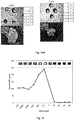
- MRI analysis with signal intensity measurements revealed clear dependence on Mn2+ concentration ( Figure 15 ) at concentrations at 0.001 mM and below signal was at the level of water. At higher concentrations there was clear enhancement of signal that peaked at 0.1 mM concentration. Further increase of the concentration resulted in reduction of signal intensity. Based on these experiments we established Mn2+ concentration of 0.1 mM as optimal for subsequent imaging studies.
- the Stability of MnCl2 in alginate hydrogels in vitro was analyzed.
- Low viscosity mannuronic acid based alginate (LVM) and CaM (>75 ⁇ m) particles were diluted in 0.9% NaCl to obtain 1% formulations.
- MnCl2 solution (NaCl) was added to LVM in order to obtain 0.1 mM concentration of Mn2+. Then the LVM/ MnCl2 solution was crosslinked with CaM solution particles to obtain a hydrogel.
- hydrogel was loaded into the semi permeable insert (0.47 cm 2 area; 0.4 ⁇ m pore size) and the insert was immersed in artificial cerebrospinal fluid for washing on a rocker for 1, 2 and 3 days.
- hydrogels were scanned in Magnetom Trio 3T scanner, which revealed gradual reduction of signal intensity over time ( Figure 16 ).
- Mn 2+ labeled hydrogel was prepared for injection.
- Low viscosity mannuronic acid-based alginate (LVM) and CaM (>75 ⁇ m) particles were diluted in 0.9% NaCl to obtain 1% formulations.
- MnCl 2 solution (NaCl) was added to LVM to obtain 0.1 mM concentration of Mn 2+ .
- the LVM/MnCl 2 solution was crosslinked with CaM solution particles to obtain a hydrogel.
- hydrogel was slowly injected intrathecally via catheter with continues real-time T1 MRI.
- dynamic imaging during hydrogel infusion revealed hyperintense area corresponding to the injected Mn 2+ labeled hydrogel.
- the hyperintensity was first visible at the catheter tip and expanded rostrally and caudally throughout the injection procedure.
- the area covered by hydrogel formulation ranged between 10-15 cm in tested pigs ( Figure 17 ).
- follow-up scans 24h after injection did not reveal any inflammatory responses or evidence for obstructing CSF circulation.
- Manganese enhancement was at that time not detectable.
- a polysaccharide or “the polysaccharide” also includes the plural forms “polysaccharides” or “the polysaccharides,” and vice versa.
- articles such as “a,” “an,” and “the” may mean one or more than one unless indicated to the contrary or otherwise evident from the context. Claims or descriptions that include “or” between one or more members of a group are considered satisfied if one, more than one, or all of the group members are present in, employed in, or otherwise relevant to a given product or process unless indicated to the contrary or otherwise evident from the context.
- the invention includes embodiments in which exactly one member of the group is present in, employed in, or otherwise relevant to a given product or process.
- the invention also includes embodiments in which more than one, or all of the group members are present in, employed in, or otherwise relevant to a given product or process.
Landscapes
- Health & Medical Sciences (AREA)
- Chemical & Material Sciences (AREA)
- Veterinary Medicine (AREA)
- Epidemiology (AREA)
- Life Sciences & Earth Sciences (AREA)
- Animal Behavior & Ethology (AREA)
- General Health & Medical Sciences (AREA)
- Public Health (AREA)
- Pharmacology & Pharmacy (AREA)
- Medicinal Chemistry (AREA)
- Engineering & Computer Science (AREA)
- Bioinformatics & Cheminformatics (AREA)
- Inorganic Chemistry (AREA)
- Radiology & Medical Imaging (AREA)
- Nuclear Medicine, Radiotherapy & Molecular Imaging (AREA)
- Biomedical Technology (AREA)
- Neurology (AREA)
- Neurosurgery (AREA)
- Orthopedic Medicine & Surgery (AREA)
- Psychology (AREA)
- Medicinal Preparation (AREA)
- Materials For Medical Uses (AREA)
- Medicines That Contain Protein Lipid Enzymes And Other Medicines (AREA)
- Medicines Containing Antibodies Or Antigens For Use As Internal Diagnostic Agents (AREA)
Priority Applications (5)
| Application Number | Priority Date | Filing Date | Title |
|---|---|---|---|
| EP17209876.6A EP3501553A1 (fr) | 2017-12-21 | 2017-12-21 | Hydrogel comprenant du manganèse, ses procédés et utilisations |
| EP18840074.1A EP3727472A1 (fr) | 2017-12-21 | 2018-12-21 | Hydrogel comprenant du manganèse, procédés et utilisations de ce dernier |
| PCT/IB2018/060532 WO2019123423A1 (fr) | 2017-12-21 | 2018-12-21 | Hydrogel comprenant du manganèse, procédés et utilisations de ce dernier |
| JP2020554601A JP2021507946A (ja) | 2017-12-21 | 2018-12-21 | マンガンを含むヒドロゲル、その方法および使用 |
| US16/956,916 US20210000982A1 (en) | 2017-12-21 | 2018-12-21 | Hydrogel comprising manganese, methods and uses thereof |
Applications Claiming Priority (1)
| Application Number | Priority Date | Filing Date | Title |
|---|---|---|---|
| EP17209876.6A EP3501553A1 (fr) | 2017-12-21 | 2017-12-21 | Hydrogel comprenant du manganèse, ses procédés et utilisations |
Publications (1)
| Publication Number | Publication Date |
|---|---|
| EP3501553A1 true EP3501553A1 (fr) | 2019-06-26 |
Family
ID=60954784
Family Applications (2)
| Application Number | Title | Priority Date | Filing Date |
|---|---|---|---|
| EP17209876.6A Withdrawn EP3501553A1 (fr) | 2017-12-21 | 2017-12-21 | Hydrogel comprenant du manganèse, ses procédés et utilisations |
| EP18840074.1A Withdrawn EP3727472A1 (fr) | 2017-12-21 | 2018-12-21 | Hydrogel comprenant du manganèse, procédés et utilisations de ce dernier |
Family Applications After (1)
| Application Number | Title | Priority Date | Filing Date |
|---|---|---|---|
| EP18840074.1A Withdrawn EP3727472A1 (fr) | 2017-12-21 | 2018-12-21 | Hydrogel comprenant du manganèse, procédés et utilisations de ce dernier |
Country Status (4)
| Country | Link |
|---|---|
| US (1) | US20210000982A1 (fr) |
| EP (2) | EP3501553A1 (fr) |
| JP (1) | JP2021507946A (fr) |
| WO (1) | WO2019123423A1 (fr) |
Cited By (2)
| Publication number | Priority date | Publication date | Assignee | Title |
|---|---|---|---|---|
| WO2022006685A1 (fr) * | 2020-07-10 | 2022-01-13 | Nuecology Biomedical Inc. | Gels nanocomposites injectables à charge de médicament élevée et leur procédé de fabrication |
| WO2024148431A1 (fr) * | 2023-01-10 | 2024-07-18 | Nuecology Biomedical Inc. | Composition pharmaceutique sous la forme d'un gel nanocomposite injectable pour la co-administration de médicaments ou de médicaments multiples |
Families Citing this family (4)
| Publication number | Priority date | Publication date | Assignee | Title |
|---|---|---|---|---|
| EP3634511B1 (fr) * | 2017-06-09 | 2023-01-04 | Association for the Advancement of Tissue Engineering and Cell Based Technologies & Therapies (A4TEC) - Associacão | Encres pour impression 3d, leurs procédés de production et leurs utilisations |
| AU2018290810C1 (en) | 2017-06-26 | 2024-09-12 | Evolved By Nature, Inc. | Silk-hyaluronic acid based tissue fillers and methods of using the same |
| US20250295691A1 (en) * | 2020-06-19 | 2025-09-25 | Evolved By Nature, Inc. | Silk-Hyaluronic Acid Compositions For Tissue Filling, Tissue Spacing, and Tissue Bulking |
| JP2024089309A (ja) * | 2022-12-21 | 2024-07-03 | 日清紡ホールディングス株式会社 | 海洋生分解性ポリマー粒子群及びその製造方法 |
Citations (2)
| Publication number | Priority date | Publication date | Assignee | Title |
|---|---|---|---|---|
| EP1355566B1 (fr) * | 2000-12-18 | 2012-11-28 | Board Of Regents, The University Of Texas System | Chimiothérapie et radiothérapie regionales locales au moyen d'un hydrogel in situ |
| WO2013112491A1 (fr) * | 2012-01-23 | 2013-08-01 | The Board Of Trustees Of The Leland Stanford Junior University | Hydrogels ajustables et procédés de préparation associés |
Family Cites Families (5)
| Publication number | Priority date | Publication date | Assignee | Title |
|---|---|---|---|---|
| US6432449B1 (en) * | 1998-05-18 | 2002-08-13 | Amgen Inc. | Biodegradable sustained-release alginate gels |
| EP1799232B1 (fr) * | 2004-10-12 | 2015-10-07 | FMC Biopolymer AS | Systemes d'alginate auto-gelifiants et utilisations associees |
| WO2014167513A1 (fr) * | 2013-04-09 | 2014-10-16 | Association For The Advancement Of Tissue Engineering And Cell Based Technologies And Therapies - A4Tec | Hydrogel de type spongieux de gomme de gellane, sa préparation et ses applications biomédicales |
| WO2017109755A1 (fr) * | 2015-12-22 | 2017-06-29 | Stemmatters, Biotecnologia E Medicina Regenerativa, S.A | Hydrogels à base de gomme gellane, procédés et utilisations associées |
| JP7042749B2 (ja) * | 2016-03-24 | 2022-03-28 | ステマッターズ バイオテクノロジア エ メディシナ レジェネラティヴァ エスアー | ジェランガムヒドロゲル、調製物、方法、およびそれらの使用 |
-
2017
- 2017-12-21 EP EP17209876.6A patent/EP3501553A1/fr not_active Withdrawn
-
2018
- 2018-12-21 JP JP2020554601A patent/JP2021507946A/ja active Pending
- 2018-12-21 EP EP18840074.1A patent/EP3727472A1/fr not_active Withdrawn
- 2018-12-21 WO PCT/IB2018/060532 patent/WO2019123423A1/fr not_active Ceased
- 2018-12-21 US US16/956,916 patent/US20210000982A1/en not_active Abandoned
Patent Citations (2)
| Publication number | Priority date | Publication date | Assignee | Title |
|---|---|---|---|---|
| EP1355566B1 (fr) * | 2000-12-18 | 2012-11-28 | Board Of Regents, The University Of Texas System | Chimiothérapie et radiothérapie regionales locales au moyen d'un hydrogel in situ |
| WO2013112491A1 (fr) * | 2012-01-23 | 2013-08-01 | The Board Of Trustees Of The Leland Stanford Junior University | Hydrogels ajustables et procédés de préparation associés |
Non-Patent Citations (16)
| Title |
|---|
| ADRIEL BORTOLIN ET AL: "Investigação do processo de absorção de água de hidrogéis de polissacarídeo: efeito da carga iônica, presença de sais, concentrações de monômero e polissacarídeo", POLIMEROS: CIENCIA Y TECNOLOGIA, vol. 22, no. 4, 7 August 2012 (2012-08-07), pages 311 - 317, XP055479319, ISSN: 0104-1428, DOI: 10.1590/S0104-14282012005000046 * |
| AKIHIRO TSUTSUMI ET AL: "ESR studies of Mn(II) binding to gellan and carrageenan gels", FOOD HYDROCOLLOIDS, vol. 7, no. 5, 1 December 1993 (1993-12-01), pages 427 - 434, XP055478840, ISSN: 0268-005X, DOI: 10.1016/S0268-005X(09)80238-5 * |
| E. KOH; Y. C. JUNG; H.-M. WOO; B.-J. KANG: "Injectable alginate-microencapsulated canine adipose tissue-derived mesenchymal stem cells for enhanced viable cell retention", J. VET. MED. SCI., vol. 79, no. 3, 2017, pages 492 - 501 |
| H. DAEMI; M. BARIKANI: "Synthesis and characterization of calcium alginate nanoparticles, sodium homopolymannuronate salt and its calcium nanoparticles", SCI. IRAN., vol. 19, no. 6, 2012, pages 2023 - 2028 |
| J. SILVA-CORREIA; J. M. OLIVEIRA; S. G. CARIDADE; J. T. OLIVEIRA; R. A. SOUSA; J. F. MANO ET AL.: "Gellan gum-based hydrogels for intervertebral disc tissue-engineering applications", JOURNAL OF TISSUE ENGINEERING AND REGENERATIVE MEDICINE, vol. 5, 2011, pages e97 - 107 |
| KAWAHARA S ET AL: "Interactions of paramagnetic metal ions with gellan gum studied by ESR and NMR methods", CARBOHYDRATE POLYMERS, vol. 30, no. 2, 1 January 1996 (1996-01-01), pages 129 - 133, XP004062696, ISSN: 0144-8617, DOI: 10.1016/S0144-8617(96)00064-1 * |
| L. R. STEVENS; K. J. GILMORE; G. G. WALLACE; M. IN HET PANHUIS: "Tissue engineering with gellan gum", BIOMATER SCI, vol. 4, 16 August 2016 (2016-08-16), pages 1276 - 90 |
| MØRCH YRR A ET AL: "Mn-alginate gels as a novel system for controlled release of Mn2+ in manganese-enhanced MRI.", CONTRAST MEDIA & MOLECULAR IMAGING, vol. 7, no. 2, March 2012 (2012-03-01), pages 265 - 275, XP002781510, ISSN: 1555-4317 * |
| Q. WANG; S. LIU; F. YANG; L. GAN; X. YANG; Y. YANG: "Magnetic alginate microspheres detected by MRI fabricated using microfluidic technique and release behavior of encapsulated dual drugs", INT. J. NANOMEDICINE, vol. 12, 2017, pages 4335 - 4347 |
| R. LOZANO; L. STEVENS; B. C. THOMPSON; K. J. GILMORE; R. GORKIN; E. M. STEWART ET AL.: "3D printing of layered brain-like structures using peptide modified gellan gum substrates", BIOMATERIALS, vol. 67, 2015, pages 264 - 273 |
| S. C. Y. LIN; Y. WANG; D. F. WERTHEIM; A. G. A. COOMBES: "Production and in vitro evaluation of macroporous, cell-encapsulating alginate fibres for nerve repair", MATER. SCI. ENG. C, vol. 73, 2017, pages 653 - 664, XP029911418, DOI: doi:10.1016/j.msec.2016.12.016 |
| S. PINA; J. M. OLIVEIRA; R. L. REIS: "Natural-Based Nanocomposites for Bone Tissue Engineering and Regenerative Medicine: A Review", ADV. MATER., vol. 27, no. 7, February 2015 (2015-02-01), pages 1143 - 1169 |
| S. VIEIRA; A. DA SILVA MORAIS; J. SILVA-CORREIA; J. M. OLIVEIRA; R. L. REIS: "Encyclopedia of Polymer Science and Technology", 2017, JOHN WILEY & SONS, INC., article "Natural-Based Hydrogels: From Processing to Applications", pages: 1 - 27 |
| S. VIEIRA; S. VIAL; F. R. MAIA; M. CARVALHO; R. L. REIS; P. L. GRANJA ET AL.: "Gellan gum-coated gold nanorods: an intracellular nanosystem for bone tissue engineering", RSCADV., vol. 5, 2015, pages 77996 - 78005 |
| Y. A. MØRCH; I. SANDVIG; 0. OLSEN; I. DONATI; M. THUEN; G. SKJAK-BRAEK; O. HARALDSETH; C. BREKKEN: "Mn-alginate gels as a novel system for controlled release of Mn 2+ in manganese-enhanced MRI", CONTRAST MEDIA MOL. IMAGING, vol. 7, no. 2, 2012, pages 265 - 275 |
| Y. A. MORCH; I. SANDVIG; O. OLSEN; I. DONATI; M. THUEN; G. SKJAK-BRAEK ET AL.: "Mn-alginate gels as a novel system for controlled release of Mn2+ in manganese-enhanced MRI", CONTRAST MEDIA MOL IMAGING, vol. 7, March 2012 (2012-03-01), pages 265 - 75 |
Cited By (2)
| Publication number | Priority date | Publication date | Assignee | Title |
|---|---|---|---|---|
| WO2022006685A1 (fr) * | 2020-07-10 | 2022-01-13 | Nuecology Biomedical Inc. | Gels nanocomposites injectables à charge de médicament élevée et leur procédé de fabrication |
| WO2024148431A1 (fr) * | 2023-01-10 | 2024-07-18 | Nuecology Biomedical Inc. | Composition pharmaceutique sous la forme d'un gel nanocomposite injectable pour la co-administration de médicaments ou de médicaments multiples |
Also Published As
| Publication number | Publication date |
|---|---|
| WO2019123423A1 (fr) | 2019-06-27 |
| EP3727472A1 (fr) | 2020-10-28 |
| US20210000982A1 (en) | 2021-01-07 |
| JP2021507946A (ja) | 2021-02-25 |
Similar Documents
| Publication | Publication Date | Title |
|---|---|---|
| US20210000982A1 (en) | Hydrogel comprising manganese, methods and uses thereof | |
| US11590259B2 (en) | Composition and kits for pseudoplastic microgel matrices | |
| Lai et al. | Alginate‐based complex fibers with the Janus morphology for controlled release of co‐delivered drugs | |
| Wasupalli et al. | Injectable and thermosensitive nanofibrous hydrogel for bone tissue engineering | |
| Ren et al. | Injectable polysaccharide hydrogel embedded with hydroxyapatite and calcium carbonate for drug delivery and bone tissue engineering | |
| CN110603268B (zh) | 将利用棓酚基改性的透明质酸衍生物用作底物的水凝胶及其用途 | |
| Fan et al. | Covalent and injectable chitosan-chondroitin sulfate hydrogels embedded with chitosan microspheres for drug delivery and tissue engineering | |
| Lambricht et al. | The type and composition of alginate and hyaluronic-based hydrogels influence the viability of stem cells of the apical papilla | |
| Kim et al. | Stimuli-responsive injectable in situ-forming hydrogels for regenerative medicines | |
| Zhao et al. | Ultra-tough injectable cytocompatible hydrogel for 3D cell culture and cartilage repair | |
| CA2636050C (fr) | Methodes de regulation de la gelification de solutions de polysaccharides et leurs utilisations | |
| Alheib et al. | Injectable laminin-biofunctionalized gellan gum hydrogels loaded with myoblasts for skeletal muscle regeneration | |
| López-Cebral et al. | Spermidine-cross-linked hydrogels as novel potential platforms for pharmaceutical applications | |
| JP2018511622A5 (fr) | ||
| KR20180075646A (ko) | 졸-겔 폴리머 복합체 및 이의 용도 | |
| Payne et al. | A methylcellulose and collagen based temperature responsive hydrogel promotes encapsulated stem cell viability and proliferation in vitro | |
| JP7836798B2 (ja) | バイオ適合性の注射用及びインサイチューゲル化用ハイドロゲル並びに組織及び器官修復のための、セルロースナノフィブリルに基づくバイオ適合性の注射用及びインサイチューゲル化用ハイドロゲルの調製及び適用 | |
| US20120020932A1 (en) | Thermosensitive hydrogel composition and method | |
| US20230021329A1 (en) | Nanostructured binary gel composition and use thereof | |
| Parès et al. | Macroporous chitosan/alginate hydrogels crosslinked with genipin accumulate and retain glioblastoma cancer cells | |
| Thi-Hiep et al. | Injectable in situ crosslinkable hyaluronan-polyvinyl phosphonic acid hydrogels for bone engineering | |
| JP6892387B2 (ja) | 特に高濃度コラーゲンマトリックスの形成のための、注入可能なコラーゲン懸濁液、その調製方法、及びその使用 | |
| JP7809907B2 (ja) | 膨潤性ゼラチン組成物 | |
| CN114129770A (zh) | 一种载生物活性因子的神经导管及其制备方法 | |
| WO2026079021A1 (fr) | Composition de gel |
Legal Events
| Date | Code | Title | Description |
|---|---|---|---|
| PUAI | Public reference made under article 153(3) epc to a published international application that has entered the european phase |
Free format text: ORIGINAL CODE: 0009012 |
|
| AK | Designated contracting states |
Kind code of ref document: A1 Designated state(s): AL AT BE BG CH CY CZ DE DK EE ES FI FR GB GR HR HU IE IS IT LI LT LU LV MC MK MT NL NO PL PT RO RS SE SI SK SM TR |
|
| AX | Request for extension of the european patent |
Extension state: BA ME |
|
| STAA | Information on the status of an ep patent application or granted ep patent |
Free format text: STATUS: THE APPLICATION IS DEEMED TO BE WITHDRAWN |
|
| 18D | Application deemed to be withdrawn |
Effective date: 20200103 |