EP3502123B1 - Zusammensetzung mit freien n-glykanen oder deglykosylierten proteinen - Google Patents
Zusammensetzung mit freien n-glykanen oder deglykosylierten proteinen Download PDFInfo
- Publication number
- EP3502123B1 EP3502123B1 EP19151657.4A EP19151657A EP3502123B1 EP 3502123 B1 EP3502123 B1 EP 3502123B1 EP 19151657 A EP19151657 A EP 19151657A EP 3502123 B1 EP3502123 B1 EP 3502123B1
- Authority
- EP
- European Patent Office
- Prior art keywords
- glycans
- composition
- glycoprotein
- moieties
- infantis
- Prior art date
- Legal status (The legal status is an assumption and is not a legal conclusion. Google has not performed a legal analysis and makes no representation as to the accuracy of the status listed.)
- Not-in-force
Links
Images






Classifications
-
- A—HUMAN NECESSITIES
- A61—MEDICAL OR VETERINARY SCIENCE; HYGIENE
- A61K—PREPARATIONS FOR MEDICAL, DENTAL OR TOILETRY PURPOSES
- A61K38/00—Medicinal preparations containing peptides
- A61K38/16—Peptides having more than 20 amino acids; Gastrins; Somatostatins; Melanotropins; Derivatives thereof
- A61K38/43—Enzymes; Proenzymes; Derivatives thereof
- A61K38/46—Hydrolases (3)
- A61K38/47—Hydrolases (3) acting on glycosyl compounds (3.2), e.g. cellulases, lactases
-
- A—HUMAN NECESSITIES
- A23—FOODS OR FOODSTUFFS; TREATMENT THEREOF, NOT COVERED BY OTHER CLASSES
- A23C—DAIRY PRODUCTS, e.g. MILK, BUTTER OR CHEESE; MILK OR CHEESE SUBSTITUTES; PREPARATION THEREOF
- A23C9/00—Milk preparations; Milk powder or milk powder preparations
- A23C9/12—Fermented milk preparations; Treatment using microorganisms or enzymes
- A23C9/1203—Addition of, or treatment with, enzymes or microorganisms other than lactobacteriaceae
- A23C9/1216—Other enzymes
-
- A—HUMAN NECESSITIES
- A23—FOODS OR FOODSTUFFS; TREATMENT THEREOF, NOT COVERED BY OTHER CLASSES
- A23L—FOODS, FOODSTUFFS OR NON-ALCOHOLIC BEVERAGES, NOT OTHERWISE PROVIDED FOR; PREPARATION OR TREATMENT THEREOF
- A23L2/00—Non-alcoholic beverages; Dry compositions or concentrates therefor; Preparation or treatment thereof
- A23L2/52—Adding ingredients
-
- A—HUMAN NECESSITIES
- A23—FOODS OR FOODSTUFFS; TREATMENT THEREOF, NOT COVERED BY OTHER CLASSES
- A23L—FOODS, FOODSTUFFS OR NON-ALCOHOLIC BEVERAGES, NOT OTHERWISE PROVIDED FOR; PREPARATION OR TREATMENT THEREOF
- A23L33/00—Modifying nutritive qualities of foods; Dietetic products; Preparation or treatment thereof
- A23L33/10—Modifying nutritive qualities of foods; Dietetic products; Preparation or treatment thereof using additives
- A23L33/17—Amino acids, peptides or proteins
- A23L33/195—Proteins from microorganisms
-
- A—HUMAN NECESSITIES
- A61—MEDICAL OR VETERINARY SCIENCE; HYGIENE
- A61K—PREPARATIONS FOR MEDICAL, DENTAL OR TOILETRY PURPOSES
- A61K31/00—Medicinal preparations containing organic active ingredients
- A61K31/70—Carbohydrates; Sugars; Derivatives thereof
- A61K31/715—Polysaccharides, i.e. having more than five saccharide radicals attached to each other by glycosidic linkages; Derivatives thereof, e.g. ethers, esters
-
- A—HUMAN NECESSITIES
- A61—MEDICAL OR VETERINARY SCIENCE; HYGIENE
- A61K—PREPARATIONS FOR MEDICAL, DENTAL OR TOILETRY PURPOSES
- A61K35/00—Medicinal preparations containing materials or reaction products thereof with undetermined constitution
- A61K35/66—Microorganisms or materials therefrom
- A61K35/74—Bacteria
- A61K35/741—Probiotics
-
- A—HUMAN NECESSITIES
- A61—MEDICAL OR VETERINARY SCIENCE; HYGIENE
- A61K—PREPARATIONS FOR MEDICAL, DENTAL OR TOILETRY PURPOSES
- A61K38/00—Medicinal preparations containing peptides
- A61K38/16—Peptides having more than 20 amino acids; Gastrins; Somatostatins; Melanotropins; Derivatives thereof
- A61K38/17—Peptides having more than 20 amino acids; Gastrins; Somatostatins; Melanotropins; Derivatives thereof from animals; from humans
- A61K38/40—Transferrins, e.g. lactoferrins, ovotransferrins
-
- A—HUMAN NECESSITIES
- A61—MEDICAL OR VETERINARY SCIENCE; HYGIENE
- A61P—SPECIFIC THERAPEUTIC ACTIVITY OF CHEMICAL COMPOUNDS OR MEDICINAL PREPARATIONS
- A61P37/00—Drugs for immunological or allergic disorders
-
- C—CHEMISTRY; METALLURGY
- C07—ORGANIC CHEMISTRY
- C07K—PEPTIDES
- C07K14/00—Peptides having more than 20 amino acids; Gastrins; Somatostatins; Melanotropins; Derivatives thereof
- C07K14/435—Peptides having more than 20 amino acids; Gastrins; Somatostatins; Melanotropins; Derivatives thereof from animals; from humans
- C07K14/79—Transferrins, e.g. lactoferrins, ovotransferrins
-
- C—CHEMISTRY; METALLURGY
- C12—BIOCHEMISTRY; BEER; SPIRITS; WINE; VINEGAR; MICROBIOLOGY; ENZYMOLOGY; MUTATION OR GENETIC ENGINEERING
- C12N—MICROORGANISMS OR ENZYMES; COMPOSITIONS THEREOF; PROPAGATING, PRESERVING, OR MAINTAINING MICROORGANISMS; MUTATION OR GENETIC ENGINEERING; CULTURE MEDIA
- C12N9/00—Enzymes; Proenzymes; Compositions thereof; Processes for preparing, activating, inhibiting, separating or purifying enzymes
- C12N9/14—Hydrolases (3)
- C12N9/24—Hydrolases (3) acting on glycosyl compounds (3.2)
- C12N9/2402—Hydrolases (3) acting on glycosyl compounds (3.2) hydrolysing O- and S- glycosyl compounds (3.2.1)
-
- C—CHEMISTRY; METALLURGY
- C12—BIOCHEMISTRY; BEER; SPIRITS; WINE; VINEGAR; MICROBIOLOGY; ENZYMOLOGY; MUTATION OR GENETIC ENGINEERING
- C12N—MICROORGANISMS OR ENZYMES; COMPOSITIONS THEREOF; PROPAGATING, PRESERVING, OR MAINTAINING MICROORGANISMS; MUTATION OR GENETIC ENGINEERING; CULTURE MEDIA
- C12N9/00—Enzymes; Proenzymes; Compositions thereof; Processes for preparing, activating, inhibiting, separating or purifying enzymes
- C12N9/14—Hydrolases (3)
- C12N9/24—Hydrolases (3) acting on glycosyl compounds (3.2)
- C12N9/2497—Hydrolases (3) acting on glycosyl compounds (3.2) hydrolysing N- glycosyl compounds (3.2.2)
-
- C—CHEMISTRY; METALLURGY
- C12—BIOCHEMISTRY; BEER; SPIRITS; WINE; VINEGAR; MICROBIOLOGY; ENZYMOLOGY; MUTATION OR GENETIC ENGINEERING
- C12P—FERMENTATION OR ENZYME-USING PROCESSES TO SYNTHESISE A DESIRED CHEMICAL COMPOUND OR COMPOSITION OR TO SEPARATE OPTICAL ISOMERS FROM A RACEMIC MIXTURE
- C12P19/00—Preparation of compounds containing saccharide radicals
- C12P19/04—Polysaccharides, i.e. compounds containing more than five saccharide radicals attached to each other by glycosidic bonds
-
- C—CHEMISTRY; METALLURGY
- C12—BIOCHEMISTRY; BEER; SPIRITS; WINE; VINEGAR; MICROBIOLOGY; ENZYMOLOGY; MUTATION OR GENETIC ENGINEERING
- C12P—FERMENTATION OR ENZYME-USING PROCESSES TO SYNTHESISE A DESIRED CHEMICAL COMPOUND OR COMPOSITION OR TO SEPARATE OPTICAL ISOMERS FROM A RACEMIC MIXTURE
- C12P21/00—Preparation of peptides or proteins
- C12P21/005—Glycopeptides, glycoproteins
-
- A—HUMAN NECESSITIES
- A61—MEDICAL OR VETERINARY SCIENCE; HYGIENE
- A61K—PREPARATIONS FOR MEDICAL, DENTAL OR TOILETRY PURPOSES
- A61K38/00—Medicinal preparations containing peptides
-
- C—CHEMISTRY; METALLURGY
- C12—BIOCHEMISTRY; BEER; SPIRITS; WINE; VINEGAR; MICROBIOLOGY; ENZYMOLOGY; MUTATION OR GENETIC ENGINEERING
- C12Y—ENZYMES
- C12Y302/00—Hydrolases acting on glycosyl compounds, i.e. glycosylases (3.2)
- C12Y302/01—Glycosidases, i.e. enzymes hydrolysing O- and S-glycosyl compounds (3.2.1)
- C12Y302/01096—Mannosyl-glycoprotein endo-beta-N-acetylglucosaminidase (3.2.1.96)
-
- Y—GENERAL TAGGING OF NEW TECHNOLOGICAL DEVELOPMENTS; GENERAL TAGGING OF CROSS-SECTIONAL TECHNOLOGIES SPANNING OVER SEVERAL SECTIONS OF THE IPC; TECHNICAL SUBJECTS COVERED BY FORMER USPC CROSS-REFERENCE ART COLLECTIONS [XRACs] AND DIGESTS
- Y02—TECHNOLOGIES OR APPLICATIONS FOR MITIGATION OR ADAPTATION AGAINST CLIMATE CHANGE
- Y02A—TECHNOLOGIES FOR ADAPTATION TO CLIMATE CHANGE
- Y02A50/00—TECHNOLOGIES FOR ADAPTATION TO CLIMATE CHANGE in human health protection, e.g. against extreme weather
- Y02A50/30—Against vector-borne diseases, e.g. mosquito-borne, fly-borne, tick-borne or waterborne diseases whose impact is exacerbated by climate change
-
- Y—GENERAL TAGGING OF NEW TECHNOLOGICAL DEVELOPMENTS; GENERAL TAGGING OF CROSS-SECTIONAL TECHNOLOGIES SPANNING OVER SEVERAL SECTIONS OF THE IPC; TECHNICAL SUBJECTS COVERED BY FORMER USPC CROSS-REFERENCE ART COLLECTIONS [XRACs] AND DIGESTS
- Y02—TECHNOLOGIES OR APPLICATIONS FOR MITIGATION OR ADAPTATION AGAINST CLIMATE CHANGE
- Y02P—CLIMATE CHANGE MITIGATION TECHNOLOGIES IN THE PRODUCTION OR PROCESSING OF GOODS
- Y02P20/00—Technologies relating to chemical industry
- Y02P20/50—Improvements relating to the production of bulk chemicals
- Y02P20/52—Improvements relating to the production of bulk chemicals using catalysts, e.g. selective catalysts
Definitions
- HMO human milk oligosaccharides
- ATCC 15697 has been studied for its ability to consume HMO in vitro and in vivo ( LoCascio et al., J Agric Food Chem 55:8914-8919 (2007 ); Marcobal et al., Cell Host Microbe 10:507-514 (2011 ); Sela et al., Proc Natl Acad Sci USA 105:18964-18969 (2008 ); Sela et al., J BioI Chem 286:11909-11918 (2011 ); Garrido et al., PLoS One 6:e17315 (2011 ); Sela et al., Applied and Environmental Microbiology (2011 )).
- N-linked glycosylation plays a role in folding, secretion, and resistance to proteolysis ( Weber et al., J BioI Chem 279:34589-34594 (2004 ); Roth et al., Mol Cells 30:497-506 (2010 )), protein function, such as bacterial recognition ( Mathias & Corthesy, J Biol Chem 286:17239-17247 (2011 )), intracellular signaling ( Sun et al., J BioI Chem 281:11144-11151 (2006 )) and antigen binding and presentation ( Ryan et al., J Exp Med 208:1041-1053 (2011 )).
- Certain microorganisms mostly pathogens, have also acquired the ability to release N-glycans from glycoproteins, e.g., for use as a carbon source ( Renzi et al., PLoS Pathog 7:e1002118 (2011 )) or to alter the biological function of certain glycoproteins such as immunoglobulins ( Collin et al., Proc Natl Acad Sci USA 105:4265-4270 (2008 )).
- Bacterial Endo- ⁇ -N-acetylglucosaminidases (EC 3.2.1.96; endoglycosidases) are enzymes that cleave the N - N' -diacetyl chitobiose of the core pentasaccharide Man 3 GlcNAc 2 found in all N-glycans ( Varki, Essentials of glycobiology (Cold Spring Harbor Laboratory Press, Cold Spring Harbor, N.Y.) 2nd Ed pp xxix, 784 p. (2009 )). These enzymes belong to glycosyl hydrolase families GH18 or GH85.
- Prominent examples are EndoH from Streptomyces plicatus ( Trimble & Maley, Biochem Biophys Res Commun 78:935-944 (1977 )), EndoE from Enterococcus faecalis ( Collin & Fischetti, J Biol Chem 279:22558-22570 (2004 )) and EndoS from Streptococcus pyogenes ( Allhorn et al., PLoS One 3:e1413 (2008 )), while EndoD from Streptococcus pneumoniae ( Muramatsu et al., J Biochem 129:923-928 (2001 )) is a member of GH85.
- Previously characterized GH18 and GH85 endoglycosidases are of limited substrate specificity, to either high mannose or complex N-glycans and some require additional exoglycosidases for complete cleavage of the N-glycan.
- deglycosylating enzymes that cleave N-glycans from glycoproteins, but with a broad substrate range, able to cleave high mannose, hybrid and complex N-glycans from N-glycoproteins.
- the deglycosylating enzymes are active on N-glycans with terminal fucosylation and/or sialylation, and/or core fucosylation, and in a broad range of conditions.
- the present invention provides a composition comprising free N-glycans, wherein the free N-glycans are generated by contacting a glycoprotein comprising a high mannose, complex, or hybrid N-glycan with a GH18 endoglycosidase from B. longum bv infantis, wherein the glycoprotein is a milk, plant, or egg glycoprotein.
- the present invention further provides a food product comprising said composition, wherein the composition is a powder.
- the present invention further provides a composition comprising a deglycosylated protein made by the method of contacting a glycoprotein comprising a high mannose, complex, or hybrid N-glycan with a GH18 endoglycosidase from B.
- the present invention further provides a food product comprising said composition, wherein the composition is a powder.
- deglycosylating enzymes with broad substrate range for N-glycans ( see, e.g., Section III below). Further described are free N-glycans released by the enzymes, and deglycosylated proteins produced by the enzymes. Also described are methods for generating and using the presently described deglycosylating enzymes, free N-glycans, and deglycosylated proteins.
- a recombinant polypeptide e.g., a deglycosylating enzyme as disclosed in Section III, wherein the polypeptide can cleave high mannose, complex, and hybrid N-glycans from a glycoprotein.
- the polypeptide may lack a transmembrane domain that spans a cell membrane.
- the polypeptide may comprise a sequence of GLDIDME (SEQ ID NO:1).
- the polypeptide may comprise a sequence having at least 90% identity to any one of SEQ ID NOs:4, 5, and 7-20 (e.g., 94, 95, 96, 97, 98, 99, or 100% identity).
- the N-glycan may include core fucosylation, terminal fucosylation, or terminal sialylation.
- the polypeptide may be active (detectably cleaves N-glycan from a glycoprotein) at a pH of about 4-8, e.g., 4.5-7.5, or 5-7.
- the polypeptide may be active after 5 minute treatment at 95C.
- polypeptide e.g., a deglycosylating enzyme as disclosed in Section III, wherein the polypeptide can cleave high mannose, complex, and hybrid N-glycans from a glycoprotein, and wherein the polypeptide is expressed in a cell, e.g., as a transmembrane protein at the cell surface.
- the polypeptide may comprise a sequence of GLDIDME (SEQ ID NO: 1).
- the polypeptide may comprise a sequence having at least 90% identity (e.g., 94, 95, 96, 97, 98, 99, or 100% identity) to the full length mature sequence of EndoBI-1 or EndoBI-2.
- cells e.g. , recombinant cells, that express the polypeptide (deglycosylating enzyme) comprising a sequence of GLDIDME (SEQ ID NO:1), wherein the polypeptide can cleave high mannose, complex, and hybrid N-glycans from a glycoprotein.
- the cells may be bacterial cells, .e.g., food grade bacteria.
- the polypeptide or deglycosylating enzyme-expressing cell may be included in a pharmaceutical composition further comprising a pharmaceutically acceptable excipient, e.g. , for oral administration.
- the polypeptide may be included in a food product, beverage, or consumer product ( e.g., a lotion or ointment for dermal administration).
- the food product or beverage may be used to increase efficiency of protein digestion and/or induce satiety and/or reduce allergenic response to a glycoprotein in an individual.
- Also described are methods of deglycosylating a glycoprotein comprising a high mannose, complex, or hybrid N-glycan the method comprising contacting the glycoprotein with a polypeptide (e.g., a deglycosylating enzyme as disclosed in Section III), thereby deglycosylating the glycoprotein and generating deglycosylated protein and free glycan.
- the contacting may be in vitro, e.g., in a laboratory or otherwise not in the body of a host organism.
- the method may further comprise separating the deglycosylated protein, e.g. , from the free glycan and polypeptide (deglycosylating enzyme).
- the method may further comprise separating the free glycan, e.g. , from the deglycosylated protein and the polypeptide (deglycosylating enzyme).
- a glycoprotein comprising a high mannose, complex, or hybrid N-glycan with a polypeptide as described herein (e.g., a deglycosylating enzyme as disclosed in Section III), thereby deglycosylating the glycoprotein and generating deglycosylated protein and free glycan, and separating the free glycan from the deglycosylated protein and polypeptide.
- the contacting may be in vitro.
- the glycoprotein may be a milk glycoprotein( e.g. , from a human, bovine, or goat), an egg glycoprotein, or a plant glycoprotein.
- the polypeptide may lack a transmembrane domain that spans a cell membrane.
- the polypeptide may be a transmembrane protein in a cell.
- the method may further comprise characterizing the free glycan (e.g. , using mass spectrometry, determining size, determining saccharide composition, etc.).
- Described is a composition comprising free glycans (N-glycans) produced by contacting a glycoprotein comprising a high mannose, complex, or hybrid N-glycan with a polypeptide comprising a sequence of GLDIDME (SEQ ID NO: 1), wherein the polypeptide can cleave high mannose, complex, and hybrid N-glycans from a glycoprotein.
- the composition may comprise at least two or three types of N-glycan.
- the free N-glycan may have a core structure of Man 3 GlcNAc ( i.e., one core GlcNAc instead of two).
- the free N-glycan may include core fucosylation, terminal fucosylation, or terminal sialylation.
- the free glycan may be included in a food product, beverage, pharmaceutical composition or consumer product.
- the food product or beverage may be used to stimulate growth of beneficial bacteria (e.g., Bifidobacteria ) in a human or animal, or improve the immune response of an individual to a given glycoprotein or free glycan.
- beneficial bacteria e.g., Bifidobacteria
- Described are methods of producing deglycosylated protein comprising contacting a glycoprotein comprising a high mannose complex, or hybrid N-glycan with a polypeptide as described herein (e.g., a deglycosylating enzyme as disclosed in Section III), thereby deglycosylating the glycoprotein and generating deglycosylated protein and free glycan, and separating the deglycosylated protein from the free glycan and polypeptide.
- the contacting may be in vitro.
- the polypeptide may lack a transmembrane domain that spans a cell membrane.
- the polypeptide may be a transmembrane protein in a cell.
- the glycoprotein may be a milk glycoprotein(e.g., from a human, bovine, or goat), an egg glycoprotein, or a plant glycoprotein.
- the method may further comprise characterizing the deglycosylated protein (e.g., determining size, sequence, charge, etc.). Described is a composition comprising deglycosylated protein produced by contacting a glycoprotein comprising a high mannose complex, or hybrid N-glycan with a polypeptide comprising a sequence of GLDIDME (SEQ ID NO: 1), wherein the polypeptide can cleave high mannose, complex, and hybrid N-glycans from a glycoprotein.
- the deglycosylated protein may retain a GlcNAc group at a previously glycosylated site.
- the deglycosylated protein may be included in a food product, beverage, or consumer product.
- the food product or beverage may be used to increase efficiency of protein digestion and/or induce satiety and/or reduce allergenic response to a glycoprotein in an individual.
- polypeptide e.g., a deglycosylating enzyme as disclosed in Section III
- said polypeptide comprises a sequence of: GLDIDME (SEQ ID NO:1) and can cleave high mannose, complex, and hybrid N-glycans from a glycoprotein, comprising culturing a cell comprising a recombinant polynucleotide encoding the polypeptide under conditions appropriate for expression of the polypeptide, thereby recombinantly producing the polypeptide.
- the polypeptide may lack a transmembrane domain spanning a cell membrane.
- the method may further comprise isolating the polypeptide (e.g., separating the protein from other cellular components).
- the polypeptide may be a transmembrane protein in a cell.
- composition comprising (i) a recombinant polypeptide comprising a sequence of: GLDIDME (SEQ ID NO:1), wherein said polypeptide can cleave high mannose, complex, and hybrid N-glycans from a glycoprotein (e.g., a deglycosylating enzyme as disclosed in Section III); and (ii) a glycoprotein, wherein the glycoprotein comprises a high mannose, complex, or hybrid N-glycan.
- the glycoprotein may be a milk glycoprotein (e.g., from a human, bovine, or goat), an egg glycoprotein, or a plant glycoprotein.
- the polypeptide may lack a transmembrane domain spanning a cell membrane.
- the polypeptide may be a transmembrane protein in a cell.
- recombinant polypeptides derived from the presently disclosed deglycosylating enzymes with manipulated properties can include less than all of the activities of the presently disclosed deglycosylating enzymes, or that add an activity (e.g., binding to a separation moiety, etc.).
- manipulated function recombinant polypeptides with fewer activities include polypeptides manipulated to have the same of similar ability to bind glycans and glycoprotein as a deglycosylating enzyme described herein, but lacking significant deglycosylation activity.
- polypeptides act as "lectins," i.e., proteins that bind glycans and carbohydrate moieties, but do not cleave.
- Such polypeptides can be designed by manipulating the active site conserved residues, e.g. , within SEQ ID NOs:1 and 2.
- the example of EndoBI-1 D184N protein is shown, e.g., in Example 4.
- Such lectin-like, manipulated-function recombinant polypeptides can be used for separating glycoproteins, e.g. , for subsequent characterization or deglycosylation.
- the presently disclosed deglycosylating enzymes have a number of useful properties. In contrast to known deglycosylating enzymes, the present deglycosylating enzymes have at least the following benefits:
- N-glycan refers to an oligosaccharide comprising a core pentasaccharide Man 3 GlcNAc 2 .
- the N-glycan can be attached to a protein (glycoprotein) via the nitrogen of an asparagine (or occasionally arginine) residue, or free in solution.
- glycan refers to an N-glycan unless otherwise specified.
- free glycan refers to a glycan that is not covalently bound to a protein.
- a useful reference for glycan, glycoprotein, and oligosaccharide nomenclature can be found at the website chem.qmul.ac.uk/iupac/misc/glycp.html.
- deglycosylating enzyme refers to the presently disclosed endoglycosidases with broad substrate range, as well as enzymes with more limited substrate specificities.
- deglycosylating generally refers to removing N-glycans from a protein.
- deglycosylated protein or “deglycosylated polypeptide” refers to a polypeptide that was at one point glycosylated (N-glycosylated), but has been exposed to a deglycosylating enzyme under appropriate conditions to reduce the number of or completely eliminate attached glycans.
- the protein may include a domain with the characteristics of a transmembrane domain (e.g., hydrophobic residues).
- isolation isolating the free glycans
- isolating the free glycans would entail separating the free glycans from the deglycosylated protein and the deglycosylating enzyme, e.g. , using size or affinity based methods, or other methods familiar in the art.
- characterizing can refer to determination of any characteristic of a polynucleotide, protein, glycan, cell, or other component.
- characterizing a protein could entail determining the sequence, size, or function of the protein.
- Characterizing a glycan could entail determining, e.g. , size or saccharide composition of the glycan using known methods, e.g. , mass spectrometry.
- Bifidobacteria and its synonyms refer to a genus of anaerobic bacteria having beneficial properties for humans. Bifidobacteria is one of the major strains of bacteria that make up the gut flora, the bacteria that reside in the gastrointestinal tract and have health benefits for their hosts. See, e.g., Guarner F and Malagelada JR. Lancet (2003) 361, 512-519 , for a further description of Bifidobacteria in the normal gut flora.
- prebiotic or “prebiotic nutrient” is generally a non-digestible food ingredient that beneficially affects a host when ingested by selectively stimulating the growth and/or the activity of one or a limited number of bacteria in the gastrointestinal tract.
- prebiotic refers to the above described non-digestible food ingredients in their non-naturally occurring states, e.g., after purification, chemical or enzymatic synthesis as opposed to, for instance, in whole human milk.
- a “probiotic” refers to live microorganisms that when administered in adequate amounts confer a health benefit on the host.
- a polynucleotide or polypeptide sequence is "heterologous to" an organism or a second sequence if it originates from a different species, or, if from the same species, it is modified from its original form.
- a promoter operably linked to a heterologous coding sequence refers to a coding sequence from a species different from that from which the promoter was derived, or, if from the same species, a coding sequence which is not naturally associated with the promoter (e.g. a genetically engineered coding sequence or an allele from a different ecotype or variety).
- a heterologous expression cassette includes sequence(s) that are from a different species than the cell into which the expression cassette is introduced, or if from the same species, is genetically modified.
- Recombinant refers to a genetically modified polynucleotide, polypeptide, cell, tissue, or organism.
- the term indicates that the cell, nucleic acid, protein or vector has been modified by the introduction of a heterologous nucleic acid or protein or the alteration of a native nucleic acid or protein, or that the cell is derived from a cell so modified.
- recombinant cells express genes that are not found within the native (non-recombinant) form of the cell or express native genes that are otherwise abnormally expressed, under expressed or not expressed at all.
- a recombinant polynucleotide (or a copy or complement of a recombinant polynucleotide) is one that has been manipulated to be different from its natural form.
- a recombinant expression cassette comprising a promoter operably linked to a second polynucleotide can include a promoter that is heterologous to the second polynucleotide as the result of human manipulation (e.g., by methods described in Sambrook et al., Molecular Cloning - A Laboratory Manual, Cold Spring Harbor Laboratory, Cold Spring Harbor, New York, (1989 ) or Current Protocols in Molecular Biology Volumes 1-3, John Wiley & Sons, Inc.
- a recombinant expression cassette typically comprises polynucleotides combinations that are not found in nature. For instance, human manipulated restriction sites or plasmid vector sequences can flank or separate the promoter from other sequences.
- a recombinant protein is one that is expressed from a recombinant polynucleotide, and recombinant cells, tissues, and organisms are those that comprise recombinant sequences (polynucleotide and/or polypeptide).
- nucleic acid typically refers to polymers of deoxyribonucleotides or ribonucleotides in either single- or double-stranded form, and complements thereof.
- nucleotide typically refers to a monomer.
- the terms encompass nucleic acids containing known nucleotide analogs or modified backbone residues or linkages, which are synthetic, naturally occurring, and non-naturally occurring, which have similar binding properties as the reference nucleic acid, and which are metabolized in a manner similar to the reference nucleotides.
- Examples of such analogs include, without limitation, phosphorothioates, phosphoramidates, methyl phosphonates, chiral-methyl phosphonates, 2-O-methyl ribonucleotides, peptide-nucleic acids (PNAs).
- nucleic acid sequence also implicitly encompasses conservatively modified variants thereof (e.g., degenerate codon substitutions) and complementary sequences, as well as the sequence explicitly indicated.
- degenerate codon substitutions may be achieved by generating sequences in which the third position of one or more selected (or all) codons is substituted with mixed-base and/or deoxyinosine residues ( Batzer et al., Nucleic Acid Res. 19:5081 (1991 ); Ohtsuka et al., J Biol. Chem. 260:2605-2608 (1985 ); Rossolini et al., Mol. Cell. Probes 8:91-98 (1994 )).
- nucleic acid is used interchangeably with gene, cDNA, mRNA, oligonucleotide, and polynucleotide.
- gene refers to a segment of DNA involved in producing a protein; it includes regions preceding and following the coding region (leader and trailer) as well as intervening sequences (introns) between individual coding segments (exons).
- the leader, the trailer as well as the introns include regulatory elements that are necessary during the transcription and the translation of a gene (e.g., promoters, enhancers, etc.).
- a “gene product” can refer to either the mRNA or protein expressed from a particular gene.
- complementarity refers to the ability of a nucleic acid in a polynucleotide to form a base pair with another nucleic acid in a second polynucleotide.
- sequence A-G-T is complementary to the sequence T-C-A.
- Complementarity may be partial, in which only some of the nucleic acids match according to base pairing, or complete, where all the nucleic acids match according to base pairing.
- transfection refers to introduction of a nucleic acid into a cell by non-viral or viral-based methods.
- the nucleic acid molecules may be gene sequences encoding complete proteins or functional portions thereof. See, e.g., Sambrook et al., 1989, Molecular Cloning: A Laboratory Manual, 18.1-18.88 .
- the word "expression” or “expressed” as used herein in reference to a gene means the transcriptional and/or translational product of that gene.
- the level of expression of a DNA molecule in a cell may be determined on the basis of either the amount of corresponding mRNA that is present within the cell or the amount of protein encoded by that DNA produced by the cell.
- transfected gene expression of a transfected gene can occur transiently or stably in a cell.
- transient expression the transfected gene is not transferred to the daughter cell during cell division. Since its expression is restricted to the transfected cell, expression of the gene is lost over time.
- stable expression of a transfected gene can occur when the gene is co-transfected with another gene that confers a selection advantage to the transfected cell.
- selection advantage may be a resistance towards a certain toxin that is presented to the cell.
- An expression vector refers to a nucleic acid that includes a coding sequence and sequences necessary for expression of the coding sequence.
- the expression vector can be viral or non-viral.
- a "plasmid” is a non-viral expression vector, e.g., a nucleic acid molecule that encodes for genes and/or regulatory elements necessary for the expression of genes.
- a "viral vector” is a viral-derived nucleic acid that is capable of transporting another nucleic acid into a cell.
- a viral vector is capable of directing expression of a protein or proteins encoded by one or more genes carried by the vector when it is present in the appropriate environment. Examples for viral vectors include, but are not limited to retroviral, adenoviral, lentiviral and adeno-associated viral vectors.
- protein protein
- peptide and “polypeptide” are used interchangeably to denote an amino acid polymer or a set of two or more interacting or bound amino acid polymers.
- the terms apply to amino acid polymers in which one or more amino acid residue is an artificial chemical mimetic of a corresponding naturally occurring amino acid, as well as to naturally occurring amino acid polymers and non-naturally occurring amino acid polymer.
- amino acid refers to naturally occurring and synthetic amino acids, as well as amino acid analogs and amino acid mimetics that function in a manner similar to the naturally occurring amino acids.
- Naturally occurring amino acids are those encoded by the genetic code, as well as those amino acids that are later modified, e.g. , hydroxyproline, ⁇ -carboxyglutamate, and O-phosphoserine.
- Amino acid analogs refers to compounds that have the same basic chemical structure as a naturally occurring amino acid, i.e., an ⁇ carbon that is bound to a hydrogen, a carboxyl group, an amino group, and an R group, e.g., homoserine, norleucine, methionine sulfoxide, methionine methyl sulfonium. Such analogs have modified R groups (e.g., norleucine) or modified peptide backbones, but retain the same basic chemical structure as a naturally occurring amino acid.
- Amino acid mimetics refers to chemical compounds that have a structure that is different from the general chemical structure of an amino acid, but that functions in a manner similar to a naturally occurring amino acid.
- the terms "non-naturally occurring amino acid” and "unnatural amino acid” refer to amino acid analogs, synthetic amino acids, and amino acid mimetics which are not found in nature.
- Amino acids may be referred to herein by either their commonly known three letter symbols or by the one-letter symbols recommended by the IUPAC-IUB Biochemical Nomenclature Commission. Nucleotides, likewise, may be referred to by their commonly accepted single-letter codes.
- Constantly modified variants applies to both amino acid and nucleic acid sequences. With respect to particular nucleic acid sequences, conservatively modified variants refers to those nucleic acids which encode identical or essentially identical amino acid sequences, or where the nucleic acid does not encode an amino acid sequence, to essentially identical sequences. Because of the degeneracy of the genetic code, a large number of functionally identical nucleic acids encode any given protein. For instance, the codons GCA, GCC, GCG and GCU all encode the amino acid alanine. Thus, at every position where an alanine is specified by a codon, the codon can be altered to any of the corresponding codons described without altering the encoded polypeptide.
- nucleic acid variations are "silent variations," which are one species of conservatively modified variations. Every nucleic acid sequence herein which encodes a polypeptide also describes every possible silent variation of the nucleic acid.
- each codon in a nucleic acid except AUG, which is ordinarily the only codon for methionine, and TGG, which is ordinarily the only codon for tryptophan
- TGG which is ordinarily the only codon for tryptophan
- amino acid sequences one of skill will recognize that individual substitutions, deletions or additions to a nucleic acid, peptide, polypeptide, or protein sequence which alters, adds or deletes a single amino acid or a small percentage of amino acids in the encoded sequence is a "conservatively modified variant" where the alteration results in the substitution of an amino acid with a chemically similar amino acid.
- Conservative substitution tables providing functionally similar amino acids are well known in the art.
- Conservatively modified variants can include polymorphic variants, interspecies homologs (orthologs), intraspecies homologs (paralogs), and allelic variants.
- Percentage of sequence identity is determined by comparing two optimally aligned sequences over a comparison window, wherein the portion of the polynucleotide sequence in the comparison window may comprise additions or deletions (i.e., gaps) as compared to the reference sequence (which does not comprise additions or deletions) for optimal alignment of the two sequences. The percentage is calculated by determining the number of positions at which the identical nucleic acid base or amino acid residue occurs in both sequences to yield the number of matched positions, dividing the number of matched positions by the total number of positions in the window of comparison and multiplying the result by 100 to yield the percentage of sequence identity.
- nucleic acids or proteins refer to two or more sequences or subsequences that are the same or have a specified percentage of nucleotides or amino acids that are the same (i.e., about 60% identity, preferably 65%, 70%, 75%, 80%, 85%, 90%, 91%, 92%, 93%, 94%, 95%, 96%, 97%, 98%, 99%, or higher identity over a specified region, when compared and aligned for maximum correspondence over a comparison window or designated region) as measured using a BLAST or BLAST 2.0 sequence comparison algorithms with default parameters, or by manual alignment and visual inspection.
- a "control" sample or value refers to a sample that serves as a reference, usually a known reference, for comparison to a test sample.
- a test sample can include a solution comprising glycoprotein exposed to a polypeptide with an endoglycosidase domain (e.g., SEQ ID NO: 1 or SEQ ID NO:2), while the control sample does not include the polypeptide, or includes a different, known glycan-cleaving domain.
- a test sample can be taken from a patient sensitive to a particular glycoprotein, and compared to samples from a known normal (non-sensitive) individual.
- a control can also represent an average value gathered from a population of similar individuals, e.g.
- control value can also be obtained from the same individual, e.g. , from an earlier-obtained sample, prior to onset of the targeted condition or symptom, or prior to treatment.
- controls can be designed for assessment of any number of parameters.
- Controls are valuable in a given situation and be able to analyze data based on comparisons to control values. Controls are also valuable for determining the significance of data. For example, if values for a given parameter are widely variant in controls, variation in test samples will not be considered as significant.
- composition is used synonymously with physiologically acceptable and pharmacologically acceptable.
- a pharmaceutical composition will generally comprise agents for buffering and preservation in storage, and can include buffers and carriers for appropriate delivery, depending on the route of administration.
- a dose refers to the amount of active ingredient given to an individual at each administration.
- the dose will generally refer to the amount of antibiotic or anti-inflammatory agent, though dosage can also be expressed in terms of bacterial concentration.
- the dose will vary depending on a number of factors, including frequency of administration; size and tolerance of the individual; severity of the condition; risk of side effects; and the route of administration.
- dose form refers to the particular format of the pharmaceutical, and depends on the route of administration.
- a dosage form can be in a liquid form for nebulization, e.g., for inhalants, in a tablet or liquid, e.g., for oral delivery, or a saline solution, e.g., for injection.
- the terms “treat,” “therapeutic,” “prevent,” and “prophylactic” are not intended to be absolute terms.
- the terms can refer to any delay in onset, reduction in the frequency or severity of adverse symptoms, improvement in patient comfort, etc.
- the effect of treatment can be compared to an individual or pool of individuals not receiving a given treatment, or to the same patient prior to, or after cessation of, treatment.
- a therapeutically effective amount refers to that amount of the therapeutic agent sufficient to ameliorate the targeted condition or symptoms.
- a therapeutically effective amount will show an increase or decrease of at least 5%, 10%, 15%, 20%, 25%, 40%, 50%, 60%, 75%, 80%, 90%, or at least 100%.
- Therapeutic efficacy can also be expressed as "-fold" increase or decrease.
- a therapeutically effective amount can have at least a 1.2-fold, 1.5-fold, 2-fold, 5-fold, or more effect over a control.
- the presently disclosed deglycosylating enzyme is a GH18 endoglycosidase from B. longum bv infantis. This enzyme is capable of cleaving a much broader range of N-glycans from N-glycosylated proteins than previously characterized deglycosylating enzymes.
- N-glycosylation of proteins is common in eukaryotes, but also observed in bacteria. N-glycosylation is involved in protein folding, targeting of the glycoprotein to the membrane or for secretion, resistance to proteolysis, cell adhesion, intracellular signaling, and antigen presentation.
- N-glycoproteins include milk proteins (e.g., lactoferrin, IgA, and whey), immunoglobulins, and plant proteins (e.g., soy protein).
- N-glycans are divided into three classes: high (or oligo) mannose, complex, and hybrid. All three share a core molecule of two N-acetylglucosamines and three mannose residues (Man 3 GlcNAc 2 ), which form two branches. High mannose N-glycans comprise mannose saccharides in both branches. Complex N-glycans include additional types of saccharides, e.g.
- Hybrid N-glycans have a mannose branch and a complex branch.
- the presently disclosed deglycosylating enzymes are unique in that they remove all three types of N-glycans.
- the present deglycosylating enzymes may cleave N-glycans with terminal fucosylation and/or sialylation, and/or core fucosylation.
- deglycosylating enzymes with a broad N-glycan substrate range, i.e. , capable of cleaving high mannose, complex, and hybrid N-glycans from a protein.
- the deglycosylating enzyme may be a GH18 endoglycosidase polypeptide comprising a sequence of GLDIDME (SEQ ID NO:1).
- the polypeptide may lack a transmembrane domain that spans a cell membrane (i.e., the polypeptide is not present in its natural form spanning a membrane of a cell).
- the polypeptide may comprise a sequence having greater than 85% identity, e.g., 90, 91, 92, 93, 94, 95, 96, 97, 98, 99, or 100%, to a sequence selected from the group consisting of SEQ ID NO:7-20.
- the polypeptide may comprise a sequence having greater than 85% identity to SEQ ID NO:7 or SEQ ID NO:15.
- the polypeptide may comprise SEQ ID NO:7.
- the polypeptide may comprise SEQ ID NO:15.
- the polypeptide may comprise a sequence having greater than 85% identity, e.g., 90, 91, 92, 93, 94, 95, 96, 97, 98, 99, or 100%, to SEQ ID NO:4 or SEQ ID NO:5.
- the polypeptide may comprise SEQ ID NO:4.
- the polypeptide may comprise SEQ ID NO:5.
- the polypeptide may be in an in vitro solution with an N-glycoprotein, wherein the N-glycoprotein comprises a high mannose, complex, and/or hybrid N-glycan.
- N-glycoprotein comprises a high mannose, complex, and/or hybrid N-glycan.
- a GH18 endoglycosidase as described herein can be used in a laboratory or industrial setting to cleave N-glycans from N-glycoproteins, creating over time a solution of endoglycosidase, a decreasing amount of N-glycoproteins, and increasing amounts of free glycans and deglycosylated proteins.
- the N-glycan may comprise core fucosylation, terminal fucosylation, or terminal sialylation.
- the polypeptide while not spanning a cell membrane in its natural form, can include a transmembrane domain.
- the polypeptide can be linked to a substrate, e.g. a be
- the deglycosylating enzyme with a broad N-glycan substrate range may be a GH18 endoglycosidase polypeptide comprising a sequence of GLDIDME (SEQ ID NO:1) and is recombinantly expressed in a cell.
- the polypeptide may span the membrane of the cell.
- the polypeptide may comprise a sequence having substantial identity (e.g., greater than 85% identity, e.g., 90, 91, 92, 93, 94, 95, 96, 97, 98, 99, or 100%) to a sequence selected from the group consisting of SEQ ID NO:7-20.
- the polypeptide may comprise a sequence having greater than 85% identity to SEQ ID NO:7 or SEQ ID NO: 15.
- the polypeptide may comprise SEQ ID NO:7.
- the polypeptide may comprise SEQ ID NO:15.
- the polypeptide may comprise a sequence having greater than substantial identity (e.g., greater than 85% identity, e.g., 90, 91, 92, 93, 94, 95, 96, 97, 98, 99, or 100%) to SEQ ID NO:4 or SEQ ID NO:5.
- the polypeptide may comprise SEQ ID NO:4.
- the polypeptide may comprise SEQ ID NO:5.
- the polypeptide may comprise a sequence having substantial identity (e.g., greater than 85% identity, e.g., 90, 91, 92, 93, 94, 95, 96, 97, 98, 99, or 100%) to the full length mature polypeptide sequence of EndoBI-1 or EndoBI-2.
- substantial identity e.g., greater than 85% identity, e.g., 90, 91, 92, 93, 94, 95, 96, 97, 98, 99, or 100%
- the polypeptide recombinantly expressed in a cell may be in an in vitro solution with an N-glycoprotein, wherein the N-glycoprotein comprises a high mannose, complex, and/or hybrid N-glycan.
- N-glycoprotein comprises a high mannose, complex, and/or hybrid N-glycan.
- recombinant cells expressing a GH18 endoglycosidase as described herein can be used in a laboratory or industrial setting to cleave N-glycans from N-glycoproteins, creating over time a solution of cells, a decreasing amount of N-glycoproteins, and increasing amounts of free glycans and deglycosylated proteins.
- the N-glycan may comprise core fucosylation, terminal fucosylation, or terminal sialylation.
- the deglycosylating enzymes described herein can be used for generating free glycans, generating deglycosylated polypeptides for use in nutritional, prophylactic, or therapeutic applications.
- the deglycosylating enzymes can also be used for proteomic or glycoproteomic studies, providing a one-step deglycosylation that facilitates characterization of proteins or glycans that are normally inaccessible or that normally require multiple enzymatic or chemical treatments before study.
- the deglycosylating enzymes described herein can be recombinantly expressed and produced using methods well known in the art. Routine techniques in the field of recombinant protein expression and production can be found, e.g., in Sambrook & Russell, Molecular Cloning, A Laboratory Manual (3rd Ed, 2001 ); Kriegler, Gene Transfer and Expression: A Laboratory Manual (1990 ); and Current Protocols in Molecular Biology (Ausubel et al., eds., 1994-1999 ).
- Bifidobacteria are designated GRAS, and thus can be used for recombinant expression of the presently described deglycosylating enzymes.
- Exemplary Bifidobacteria e.g., Bifidobacteria recombinantly expressing a deglycosylating enzyme
- B. longum bv infantis B. longum bv longum
- B. breve B. adolescentis.
- eukaryotic and prokaryotic cells can be used for routine cloning, expression, and production of the deglycosylating enzymes disclosed herein. These include animal cells, insect cells, bacteria, fungi, and yeasts, many of which are commercially available. For example, common laboratory strains of E. coli, yeast, or mammalian cells can be used to produce the recombinant deglycosylating enzymes. Methods for introduction and expression of isolated or heterologous nucleic acids in a cell are well-known, and can be found, for example, in the general reference, supra. Accordingly, also described herein are host cells and expression vectors comprising the nucleic acid sequences described herein.
- Nucleic acids encoding the presently described deglycosylating enzymes can be made using standard recombinant or synthetic techniques. Nucleic acids may be RNA, DNA, or hybrids thereof. One of skill can construct a variety of clones containing functionally equivalent nucleic acids, such as nucleic acids that encode the same polypeptide. Cloning methodologies to accomplish these ends, and sequencing methods to verify the sequence of nucleic acids are well known in the art.
- the nucleic acids may be synthesized in vitro.
- Deoxynucleotides may be synthesized chemically according to the solid phase phosphoramidite triester method described by Beaucage & Caruthers, Tetrahedron Letts. 22(20): 1859-1862 (1981 ), using an automated synthesizer, e.g., as described in Needham-VanDevanter, et al., Nucleic Acids Res. 12:6159-6168 (1984 ).
- the desired nucleic acid sequence may be obtained by an amplification reaction, e.g., PCR.
- an expression vector is constructed that includes such elements as a promoter to direct transcription, a transcription/translation terminator, a ribosome binding site for translational initiation, and the like.
- a promoter to direct transcription e.g., a sequence that results in ablation of PGCs
- Suitable bacterial promoters are well known in the art and described, e.g. , in the references providing expression cloning methods and protocols cited hereinabove. Kits for such expression systems are commercially available.
- Eukaryotic expression systems for mammalian cells, yeast, and insect cells are well known in the art and are also commercially available.
- the expression vector typically contains a transcription unit or expression cassette that contains all the additional elements required for expression of the nucleic acid in host cells.
- a typical expression cassette thus contains a promoter operably linked to the nucleic acid sequence encoding the protein or inhibitory polynucleotide, and signals required for efficient polyadenylation of the transcript, ribosome binding sites, and translation termination.
- the expression cassette can contain a transcription termination region downstream of the structural gene to provide for efficient termination.
- the termination region may be obtained from the same gene as the promoter sequence or may be obtained from different genes.
- the particular expression vector used to transport the genetic information into the cell is not particularly critical. Any of the conventional vectors used for expression in eukaryotic or prokaryotic cells may be used. Standard bacterial expression vectors include plasmids such as pBR322 based plasmids, pSKF, pET15b, pET23D, pET-22b(+), and fusion expression systems such as GST and LacZ. Epitope tags can also be added to recombinant proteins to provide convenient methods of isolation, e.g. , 6-his. These vectors comprise, in addition to the expression cassette containing the coding sequence, the T7 promoter, transcription initiator and terminator, the pBR322 ori site, a bla coding sequence and a lac1 operator.
- the expression vectors or plasmids can be transferred into the chosen host cell by well-known methods such as calcium chloride transformation for E. coli and calcium phosphate treatment, liposomal fusion or electroporation for mammalian cells.
- Cells transformed by the plasmids can be selected by resistance to antibiotics conferred by genes contained on the plasmids, such as the amp, gpt, neo and hyg genes.
- the expression level of a gene can be determined by detecting mRNA, protein, or activity according to techniques known in the art. For example, mRNA levels can be detected using Northern blots, reverse transcription PCR (RTPCR), or quantitative RTPCR (sometimes called real time PCR). Such techniques are reviewed, e.g., in VanGuilder et al. (2008) Biotechniques 44:619 and Real-Time PCR: Current Technology and Applications, Caister Academic Press (2009 ). Protein levels can be detected using antibody-based assays, e.g. , Western blots or ELISAs. Protein expression can be detected by detecting an operably-linked protein label, e.g., GFP, 6-histine, or biotin.
- an operably-linked protein label e.g., GFP, 6-histine, or biotin.
- the recombinantly produced deglycosylating enzyme can be purified from the cell, e.g. , separated from other cellular components, using known techniques. For example, where the deglycosylating enzyme lacks a transmembrane domain, the enzyme is typically isolated and used separately from the recombinant cell.
- the recombinantly produced deglycosylating enzyme may include a transmembrane domain, and the deglycosylating enzyme-expressing cell may be used.
- the presently described free glycans and/or deglycosylated proteins released by the enzymes can be used for nutritional, prophylactic and therapeutic purposes.
- the deglycosylating enzymes described herein can be involved in modulating protein stability and immune recognition of N-glycosylated proteins, e.g. , in a host organism.
- recognition of Gram-positive bacteria by IgA is dependent on its glycosylation ( Mathias & Corthesy, J Biol Chem 286:17239-17247 (2011 )).
- Intracellular signaling and NF-kB activation of the toll-like receptor 3 ( Sun et al., J Biol Chem 281:11144-11151 (2006 )) is modulated by N-glycans.
- C-type lectins, galectins and sialic-acid-binding Ig-like lectins are immune and cell response mediators that specifically recognize different epitopes in N-glycans ( Varki, Essentials of glycobiology (Cold Spring Harbor Laboratory Press, Cold Spring Harbor, N.Y.) 2nd Ed pp xxix, 784 p. (2009 )).
- compositions described herein may be administered to those in need stimulation of the immune system and/or for promotion of resistance to bacterial or yeast infections, e.g. , Candidiasis or diseases induced by sulfate reducing bacteria.
- Glycans produced by the presently described deglycosylating enzymes can be administered as a prebiotic formulation (i.e., without bacteria) or as a probiotic formulation (i.e., with desirable bacteria such as Bifidobacteria or other food grade bacteria).
- a probiotic formulation can include recombinant cells (e.g., Bifidobacteria or other food grade bacteria) expressing a deglycosylating enzyme as described herein.
- Glycans (or oligosaccharides) produced by the presently described deglycosylating enzymes can be isolated and used separately or individually.
- N-glycans come in a wide variety of structures and sizes, and can include complex oligosaccharide structures.
- Deglycosylating enzymes isolated from beneficial gut bacteria, such as Bifidobacteria typically produce N-glycans that stimulate growth of the beneficial bacteria, as well as deglycosylated proteins that can be more readily digested by the host.
- Examples of free N-glycans that can be used individually or in any combination are those listed in the Tables in Example 8, which describes the composition of N-glycans freed from bovine milk glycoproteins by the EndoBI-1 enzyme. Additional examples of free N-glycans that can be used individually or in any combination are those shown in Figures 4 and 5 .
- the milk oligosaccharides described in US Patent No. 8,197,872 and WO2012/009315 provide additional examples.
- prebiotic or probiotic compositions comprising at least one of the free N-glycans generated by the presently described deglycosylating enzymes, e.g. ,
- the prebiotic or probiotic composition may comprise at least 2, 3, 4, 5, 6, 7, 8, 9, or 10 of the free N-glycans generated by the presently described deglycosylating enzymes. Described herein is a composition comprising free N-glycans, wherein said free N-glycans are produced by contacting a deglycosylating enzyme claimed with milk.
- the composition may comprise the free N-glycans separated from the remaining milk components.
- the composition may comprise free N-glycans and deglycosylated milk proteins.
- any food or beverage that can be consumed by human infants or adults or animals can be used to make formulations containing such prebiotic and probiotic compositions.
- Exemplary foods include those with a semi-liquid consistency to allow easy and uniform dispersal of the prebiotic and probiotic compositions.
- other consistencies e.g., powders, liquids, etc.
- such food items include, without limitation, dairy-based products such as cheese, cottage cheese, yogurt, and ice cream, nut-containing formulations such as peanut butter, plant-based products such as tofu or other soy products, and egg-containing formulations, e.g. , custards and processed egg products.
- Processed fruits and vegetables including those targeted for infants/toddlers, such as apple sauce or strained peas and carrots, are also suitable for use in combination with the prebiotic and probiotic formulations.
- animal feeds may also be supplemented with the prebiotic and probiotic compositions.
- the prebiotic and probiotic compositions can also be used to supplement a beverage.
- beverages include, without limitation, infant formula, follow-on formula, toddler's beverage, milk, soy milk, fermented milk, fruit juice, fruit-based drinks, and sports drinks.
- infant and toddler formulas are known in the art and are commercially available, including, for example, Carnation Good Start (Nestle Nutrition Division; Glendale, Calif.) and Nutrish A/B produced by Mayfield Dairy Farms (Athens, Tenn.).
- Other examples of infant or baby formula include those disclosed in U.S. Patent No. 5,902,617 .
- Other beneficial formulations of the compositions include the supplementation of animal milks, such as cow's milk.
- the prebiotic and probiotic compositions can be formulated into pills or tablets or encapsulated in capsules, such as gelatin capsules.
- Tablet forms can optionally include, for example, one or more of lactose, sucrose, mannitol, sorbitol, calcium phosphates, corn starch, potato starch, microcrystalline cellulose, gelatin, colloidal silicon dioxide, talc, magnesium stearate, stearic acid, and other excipients, colorants, fillers, binders, diluents, buffering agents, moistening agents, preservatives, flavoring agents, dyes, disintegrating agents, and pharmaceutically compatible carriers.
- Lozenge or candy forms can comprise the compositions in a flavor, e.g.
- sucrose as well as pastilles comprising the compositions in an inert base, such as gelatin and glycerin or sucrose and acacia emulsions, gels, and the like containing, in addition to the active ingredient, carriers known in the art.
- inventive prebiotic or probiotic formulations can also contain conventional food supplement fillers and extenders such as, for example, rice flour. Suitable formulations can be found, e.g., in Remington's Pharmaceutical Sciences, Mack Publishing Company, Philadelphia, Pa., 17th Ed. (1985 ).
- the dosages of the prebiotic and probiotic compositions described herein will be varied depending upon the requirements of the individual and will take into account factors such as age (infant versus adult), weight, and reasons for loss of beneficial gut bacteria (e.g., antibiotic therapy, chemotherapy, disease, or age).
- the amount administered to an individual should be sufficient to establish colonization of the gut with beneficial bacteria over time.
- the size of the dose also will be determined by the existence, nature, and extent of any adverse side-effects that may accompany the administration of a prebiotic or probiotic composition described herein.
- the dosage range may be effective as a food supplement and for reestablishing beneficial bacteria in the intestinal tract.
- the dose of free N-glycans can range from about 1 micrograms/L to about 25 grams/L of galacto-oligosaccharides.
- the dose of free N-glycans may be about 100 micrograms/L to about 15 grams/L.
- the dose of free N-glycans may be 1 gram/L to 10 grams/L.
- Exemplary dosages of recombinant cells (e.g., Bifidobacteria ) expressing the deglycosylating enzymes described herein include, but are not limited to, 10 4 to 10 12 colony forming units (CFU) per dose, e.g., 10 6 to 10 10 CFU per dose.
- Examples of N-glycans are milk oligosaccharides, e.g., from a human (HMO), bovine, or ovine.
- the prebiotic or probiotic formulations can be administered to any individual in need thereof.
- the individual may be an infant or toddler.
- the individual may be less than, e.g., 3 months, 6 months, 9 months, one year, two years or three years old.
- the individual may be an adult.
- the individual may be over 50, 55, 60, 65, 70, or 75 years old.
- the individual may be immuno-deficient (e.g., the individual has AIDS or is taking chemotherapy).
- Exemplary Bifidobacteria that can be included in the probiotic compositions include, but are not limited to, B. longum bv infantis, B. longum bv longum, B. breve, and B. adolescentis.
- the Bifidobacterium used can depend in part on the target consumer.
- a B. longum bv infantis probiotic is typically administered to an infant or young child ( e.g., under 5 years old).
- B. longum bv infantis may be included in, or in conjunction with, an infant formula or follow-on formula.
- the probiotic composition may be administered to an adult or an elderly person.
- the person may be at least 50, 60, 70, or 80 years old.
- One of skill will recognize that the bacterial strain is not crucial as long as it expresses a deglycosylating enzyme as described herein.
- Such additional components may include, but are not limited to, fructoligosaccharides such as Raftilose (Rhone-Poulenc, Cranbury, N.J.), inulin (Imperial Holly Corp., Sugar Land, Tex.), and Nutraflora (Golden Technologies, Westminister, Colo.), as well as lactose, xylooligosaccharides, soyoligosaccharides, lactulose/lactitol, among others.
- fructoligosaccharides such as Raftilose (Rhone-Poulenc, Cranbury, N.J.), inulin (Imperial Holly Corp., Sugar Land, Tex.), and Nutraflora (Golden Technologies, Westminister, Colo.)
- lactose xylooligosaccharides
- soyoligosaccharides soyoligosaccharides
- lactulose/lactitol among others.
- compositions may be administered to a human or animal in need thereof.
- the compositions may be administered to a person or animal having at least one condition selected from the group consisting of inflammatory bowel syndrome, constipation, diarrhea, colitis, Crohn's disease, colon cancer, functional bowel disorder (FBD), irritable bowel syndrome (IBS), excess sulfate reducing bacteria, inflammatory bowel disease (IBD), and ulcerative colitis.
- Irritable bowel syndrome (IBS) is characterized by abdominal pain and discomfort, bloating, and altered bowel function, constipation and/or diarrhea.
- IBS Constipation predominant IBS
- A-IBS Alternating IBS
- D-IBS Diarrhea predominant IBS
- Example 1 Infant isolates of bifidobacteria display endo-N-acetylglucosaminidase activity
- RNAseB Bovine ribonuclease B
- RNAseB Bovine ribonuclease B
- RNAseB Bovine ribonuclease B
- RNAseB Bovine ribonuclease B
- Cleavage by endoglycosidases results in a molecule of 14 kDa.
- Overnight incubations of bifidobacterial isolates with RNAseB suggested that endoglycosidase activity is present in only some isolates. None of the B. bifidum strains examined displayed this phenotype, and B. infantis strains degraded RNAseB weakly. Incubation of B.
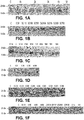
- RNAseB infantis ATCC 15697 with 5 mg/ml of RNAseB led to a gradual deglycosylation of this glycoprotein over time ( Figure 1A ).
- Certain isolates of B. breve such as KA179 and JCM7019, completely deglycosylated RNAseB ( Figure 1B-D ).
- a phylogenetic tree classified these protein sequences in three types.
- One group was exclusively found in B. infantis strains including the sequence found in strain ATCC 15697 (termed GH18a), which are related to EndoE.
- Another group of sequences contained in strains of B. infantis, B. breve and B. longum also belong to family GH18, but with only 60% similarity to GH18a, was termed GH18b.
- Sequences belonging to GH85 were almost exclusively found in B. breve isolates.
- Multiple alignments revealed a high degree of conservation of the proposed active site for each glycosidase family (Table 1).
- the genomic landscape for these genes also supports their linkage to glycan consumption.
- infantis ATCC 15697, Blon_2468 is in a gene cluster that also contains a phosphotransferase (PTS) system specific for N-acetylglucosamine ( Figure 2 ).
- PTS phosphotransferase
- BLIF_1310 in B. infantis 157F (GH18b), and BLD_0197 in B. longum DJO10A (GH85) are located near ABC transporters predicted to import oligosaccharides and two or three ⁇ -mannosidases ( Figure 2 ).
- hLF Human lactoferrin
- bLF Bovine lactoferrin
- bLF represents a minor fraction of bovine milk, and it contains high mannose and hybrid N-linked glycans at five glycosites ( Nwosu et al., J Proteome Res 10:2612-2624 (2011 )).
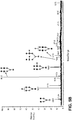
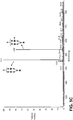
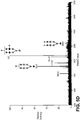
- Figures 4 and 5 show mass spectrometry (MALDI) data of N-glycans released from various N-glycoproteins by EndoBI-1.
- Figure 4 shows results from (A) bLF, (B) hLF, and (C) IgA
- Figure 5 shows results from (A) RNAseB, (B) IgG, (C) hLF in negative mode, and (D) IgA in negative mode.
- the conserved active site in GH18 enzymes includes a D-X-E motif, where D and E have been reported to be necessary for activity.
- Asp184 in EndoBI-1 was mutated by site-directed mutagenesis to Asn184 (EndoBI-1 mut or EndoBI-1 D184N).
- the mutant enzyme specifically bound to the core of N-glycans, Man 3 GlcNAc 2 on a mammalian glycan array ( Figure 6A ).
- EndoBI-1 D184N also showed significant binding to the ⁇ 1-6 fucosylated pentasaccharide, characteristic of human N-linked glycoproteins.
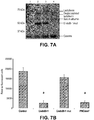
- Breast milk is a complex fluid, characterized by diverse types and high amounts of N-linked, O-linked and non-glycosylated proteins. Overnight incubation of a fresh human milk sample with EndoBI-1 or PNGaseF produced a shift in the molecular weight of primarily lactoferrin ( Figure 7A ). No change was observed when the milk sample was incubated with EndoBI-1 D184N. In a parallel experiment, the total amount of N-linked glycans, estimated as the amount of ⁇ -mannose detected by Concavalin A conjugated to FITC (ConA-FITC), was determined in digested milk samples. EndoBI-1 and PNGaseF, but not EndoBI D184N, significantly decreased the amount of ⁇ -mannose in breast milk ( Figure 7B ), indicating extensive removal of N-linked glycans.
- ConA-FITC Concavalin A conjugated to FITC
- B. infantis ATCC 15697 in the presence of bLF or hLF revealed increased expression of Blon_2468 (EndoBI-1), compared to cells cultured with glucose.
- the level of expression was, however, similar to that from cells grown on lactose ( Figure 8 ).
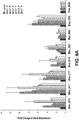
- bLF and hLF each resulted in higher expression of other genes adjacent to Blon_2468 (EndoBI-1 ⁇ see Figure 2 ) including Blon_2470 and Blon_2471, encoding part of a PTS system specific for GlcNAc, ( Figure 9A ).
- a similar trend was observed for Blon_0177 and Blon_0178, genes also associated to PTS systems in B. infantis.
- Blon_0881 and to a lesser extent Blon_0882 Other genes induced by these glycoproteins were Blon_0881 and to a lesser extent Blon_0882, key enzymes that participate in metabolism of GlcNAc and sialic acid. Putative genes in B. infantis associated to mannose metabolism (Blon_2380, solute binding protein for manno-oligosaccharides, and Blon_0868 and Blon_0869, ⁇ -mannosidases) were not affected by the presence of bLF or hLF. Conversely, several genes associated to the import and consumption of human milk oligosaccharides in B. infantis were significantly induced by hLF, and to a lesser extent bLF ( Figure 9B ). In general the highest induction was observed after 1 hour.
- Blon_2344 genes included Blon_2344, Blon_2347, Blon_0883 and Blon_2177, solute-binding proteins that bind different classes of HMO associated to ABC transporters, as well as Blon_2335 and Blon_2336, two key fucosidases in the B. infantis genome.
- GH18 enzyme-expressing bacteria such as E. faecalis, S. pyogenes, and Capnocytophaga canimorsus can use various glycoproteins as a carbon source.
- EndoS from S. pyogenes specifically deglycosylates IgG, severely impairing immune reaction to the bacteria and increasing its survival in blood.
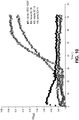
- Bifidobacterium isolates can grow well on N-linked glycans as a main carbon source. As shown in Figure 10 , B. breve KA179 and B. breve JCM7019 showed a minimal growth using 10 mg/ml of RNAseB.
- EndoBI-1 the GH18 enzyme expressed by B. infantis ATCC 15697 (Blon_2468), was tested for its activity on bovine milk glycoproteins using samples from a local dairy.
- the composition of released N-glycans was determined by Nano-LC (liquid chromatography) Q-TOF (quadrupole time-of-flight), and is shown in the tables below. N-glycans were characterized as follows:
- the primary N-glycan produced in samples 1 and 2 comprises 5 Hex moieties, 3 HexNac moieties, and 1 NeuAc moiety (compounds 17 and 14, respectively).
- each of the free glycans produced by the deglycosylating enzyme can be used alone or in combination for prebiotic or probiotic compositions, e.g., to improve gut health or increase growth of bifidobacteria.
- the deglycosylation reaction results in a wealth of free glycans, as well as deglycosylated milk proteins that can be more easily digested.
- the results show that an enzyme produced by B. infantis can act on milk from multiple organisms to produce free glycans.
- EndoBI-1 and EndoBI-2 are representatives of two clades of GH18 sequences found in bifidobacteria ( Figure ID). While their amino acid sequences are only 60% identical and possessed different gene contexts ( Figure 2 ), they shared a conserved active site, and acted on bovine and human lactoferrin.
- EndoH high mannose glycans
- EndoS acts solely on IgG.
- Endoglycosidases F1, F2 and F3 show a preference for either high mannose or complex oligosaccharides, but not both.
- EndoBI-1 showed broad substrate specificity, releasing N-glycans from human IgA, IgG, RNase B and bovine fetuin, as well as human milk ( Figures 4 , 5 , and 7 ).
- EndoBI-1 can cleave high mannose, hybrid or complex N-glycans containing core ⁇ 1-6 fucosylation, polylactosamine ⁇ 1-3 fucosylation, and terminal sialylation.
- the presently disclosed deglycosylating enzymes retained activity after incubation at 95° C for 5 minutes. This property allows for the denaturing of glycoprotein substrate for greater access to glycosylated sites, and higher activity.
- Bifidobacteria are already designated GRAS by the FDA, so the enzymes can be recombinantly expressed in these bacteria for probiotic applications.
- EndoBI-1 leaves a residual GlcNAc attached to the asparagine of the protein, which can be useful for glycosite determination in glycoproteomic applications.
- EndoBB (BLD_0197) from B. longum DJO10A cleaved high mannose glycans, cleaving RNAseB and bLF, but not hLF.
- the function of GH85 endoglycosidases in these B. breve isolates may be associated to ⁇ -galactosidases, ⁇ -hexosaminidases and ⁇ -sialidases.
- the presence of a-mannosidases and an ABC importer for oligosaccharides near these genes indicate related function, and that these clusters may be active on plant-derived oligosaccharides.
- Endoglycosidase EndoBI-1 in B. infantis ATCC 15697 was constitutively expressed during coincubation with bovine and human lactoferrin. Strains of B. infantis can use HMO as a sole carbon source ( Locascio et al., Microb Biotechnol 2:333-342 (2009 )). Genes induced by HMO in B.
- infantis such as solute binding proteins and ⁇ -fucosidases ( Garrido et al., PLoS One 6:e17315 (2011 ); Sela et al., Applied and Environmental Microbiology (2011 )), were also up-regulated by hLF and bLF ( Figure 9 ), suggesting that bacterial responses to these milk components are in part coregulated.
- Bifidobacterium strains used in this study are listed in Table 4.
- bifidobacteria were grown on de Mann-Rogose-Sharp broth with no carbon source (mMRS), supplemented with 0.05 % w/v L-cysteine (Sigma-Aldrich, St. Louis, MO) and 2% lactose.
- Zhang-Mills-Block (ZMB-1) media was used for evaluation of bacterial growth on glycoproteins or transcriptional analyses. Cells were anaerobically grown in a vinyl chamber (Coy Laboratory Products, Grass Lake, MI) at 37° C for 24 h.
- Competent Escherichia coli BL21 Star and Top10 cells were from Invitrogen (Carlsbad, CA).
- Transformant E. coli cells were grown in Luria Broth with 50 ⁇ g/ml Carbenicillin (Teknova, Hollister CA) when necessary at 37°C.
- Endoglycosidase sequence determinations Protein coding sequences belonging to GH18 found in the genomes in B. infantis ATCC 15697 (Blon_2468), B. infantis 157F (BLIF_1310, and Enterococcus faecalis OG1RF (EndoE ⁇ ) were aligned using MUSCLE. conserveed regions were selected and converted to DNA to design degenerate primers (Table S2). A similar approach was used with sequences encoding GH85 enzymes, found in the published genome sequences of B. longum DJO10A (BLD_0197), B. longum NCC2703 (BL1335) and B. breve UCC2003.
- Genomic DNA was prepared from overnight cultures on MRS for each strain used in this study using the DNeasy Blood & Tissue Kit (Qiagen, Valencia CA). 50 ⁇ 1 PCR reactions contained 1 U of Phusion DNA polymerase (Finnzymes, Vantaa, Finland), 1 ng of DNA, 0.2 mM of dNTPs and 0.5 ⁇ M of each degenerate primers (Table S2), and were run in a PTC200 Thermo Cycler (MJ Research, Ramsey, MN).
- the PCR program included an initial denaturation at 98° C for 2 min, 30 cycles of denaturation at 98° C 30 s, annealing at 55° C for 90 s, extension at 72° C 2 min, and a final extension at 72° C for 7 min.
- PCR products were purified using the Qiaquick PCR product purification kit (Qiagen), and sequenced at the UC Davis DNA sequencing facility.
- GH18 sequences were analyzed using BioEdit 7.1.3, and later expanded and fully determined using the DNA Walking SpeedUp Premix Kit (Seegene, Rockville MD), and the TSP142 primers listed in Table 3.
- GH85 sequences were directly determined using primers GH85cF and GH85cR.
- Genomic DNA from B. infantis ATCC 15697, B. infantis SC142 and B. longum DJO10A was amplified with the cloning primers indicated in Table 3, targeting GH18 or GH85 sequences. Signal peptides and transmembrane domains were omitted in this amplification to facilitate protein expression in, and purification from, E. coli.
- PCR reactions contained 0.5 ⁇ M of each primer, 1 ng DNA, 0.2 mM dNTPs (Fermentas, Glen Burnie, MD), and 2 U of Phusion DNA Polymerase (Finnzymes, Vantaa, Finland) in a 150 ⁇ l final volume.
- PCR was performed in a PTC200 Thermo Cycler, using the following program: initial denaturation at 98° C for 2 min, 35 cycles of denaturation at 98° C 30 s, annealing at 58° C for 90 s, extension at 72° C 2 min, and a final extension at 72° C for 7 min.
- PCR products were gel-purified (Qiaquick Gel Extraction Kit, Qiagen).
- Induction was performed with 0.5 mM IPTG at 28° C (EndoBI-1, EndoBI-2 and EndoBI-lmut), or with 1 mM IPTG at 37° C (EndoBB). Proteins were concentrated using Amicon Ultra 30 kDa 4 ml columns, and buffer was exchanged for saline sodium citrate IX using Bio-Gel P-30 in SSC Buffer columns.
- RNAseB RNAseB Reactions were performed in a 10 ⁇ l volume and included 4 ⁇ g of RNAse B, 1 ⁇ g of each enzyme and 4 ⁇ l of 0.2 M Na 2 HPO 4 with pH values between 5.0 and 7.0 at 37° C. Reactions were run for 1 h, stopped with 1 M Na 2 CO 3 , treated with the denaturing buffer as above and loaded into 4-15% precast polyacrylamide SDS gels.
- Optimum temperature reaction was determined at each respective optimum pH, and reactions were performed at 4°, 30°, 37°, 45°, 55° and 65° C for 1 h. Heat resistance was evaluated by incubating each glycosidase at 95° C for 1, 5 and 30 min, and enzyme reactions were then carried out under optimal conditions. Digestions of human and bovine lactoferrin (Sigma) were performed under optimal conditions using 4 ⁇ g of each glycoprotein and incubated for 18 h with 1 ⁇ g of each endoglycosidase, or 1 ⁇ l of glycerol-free peptide:N-glycosidase F (PNGaseF 500U/ ⁇ l; New England Biolabs, Ipswich, MA).
- B. infantis gene expression B. infantis cells were grown on ZMB-1 media with 2% lactose as describe above. Six ml of an exponential culture (OD 405 0.8-1) were centrifuged for 1 min at 12000 x g , and immediately resuspended in 5 ml of prewarmed ZMB-1 supplemented with either human lactoferrin or bovine lactoferrin (5 mg/ml). Cultures were rapidly returned to anaerobic conditions, and 1 ml of each culture was taken anaerobically every hour.
- RNAlater Ambion, Austin, TX. The experiment was done in duplicate. Cell suspensions were stored overnight at 4° C and then at -80° C until use. RNA extraction, quality check and cDNA conversion were performed as in Garrido et al. (2011) PLoS One e17315 .
- infantis ATCC 15702 150 TESEATEADYDAYAKQVIDKYMISVGLDGLDIDMEAHPNDADVKISDNVI 199 B.
- infantis ATCC 17930 150 TESEATEADYDAYAKQVIDKYMISVGLDGLDIDMEAHPNDADVKISDNVI 199 B.
- infantis JCM11346 150 TESEATEADYDAYAKQVIDKYMISVGLDGLDIDMEAHPNDADVKISDNVI 199 B.
- infantis JCM7007 150 TESEATEADYDAYAKQVIDKYMISVGLDGLDIDMEAHPNDADVKISDNVI 199 B.
- infantis JCM7009 150 TESEATEADYDAYAKQVIDKYMISVGLDGLDIDMEAHPNDADVKISDNVI 199 B.
- infantis JCM7011 150 TESEATEADYDAYAKQVIDKYMISVGLDGLDIDMEAHPNDADVKISDNVI 199 B.
- infantis 157F 120 NVDSATESDYDAYADHVIETYMTSVGLDGLDIDMETFPDAAQVAISDQVI 169 B.
- infantis SC142 120 NVDSATESDYDAYADHVIETYMTSVGLDGLDIDMETFPDAAQVAISDQVI (EndoBI-2) 169 B.
- infantis SC143 120 120 NVDSATESDYDAYADHVIETYMTSVGLDGLDIDMETFPDAAQVAISDQVI 169 B. longum SC116 120 NVDSATESDYDAYADHVIETYMTSVGLDGLDIDMETFPDAAQVAISDQVI 169 B.
- longum SC630 120 NVDSATESDYDAYADHVIETYMTSVGLDGLDIDMETFPDAAQVAISDQVI 169 B.
- longum SC706 120 NVDSATESDYDAYADHVIETYMTSVGLDGLDIDMETFPDAAQVAISDQVI 169 EndoE 152 AGTTPTEAEFDAYAKELLTKFVDDLGID GLDIDME TRPSEKDIVLSNGVI 201
- Table 2 Alignment of extracellular domain subsequences for GH85 enzymes (SEQ ID NOs:21-31) B. breve SC95 150 SDGSFPVADKLIEVATTYGFDGWFINQETEGENETSLGADYATKMQAFIAYLKK 199 B.
- JCM1273 150 SDGSFPVADKLIEVATTYGFDGWFINQETEGENETSLGADYATKMQAFIAYLKK 199 B.
- JCM7019 150 SDGSFPVADKLIEVATTYGFDGWFINQETEGENETSLGADYATKMQAFIAYLKK 199 B.
- JCM7020 150 SDGSFPVADKLIEVATTYGFDGWFINQETEGENETSLGADYATKMQAFIAYLKK 199 B.
- KA179 150 SDGSFPVADKLIEVATTYGFDGWFINQETEGENETSLGADYATKMQAFIAYLKK 199 B.
- breve SC139 150 SDGSFPVADKLIEVATTYGFDGWFINQETEGENETSLGADYATKMQAFIAYLKK 199 B.
- SC506 150 SDGSFPVADKLIEVATTYGFDGWFINQETEGENETSLGADYATKMQAFIAYLKK 199 B.
- SC568 120 SDGSFPVADKLIEVATTYGFDGWFINQETEGENETSLGADYATKMQAFIAYLKK 169 B. longum DJO10A 120 SDGSFPVADKLIEVATTYGFDGWFINQETEGENETSLGADYATKMQAFIAYLKK (EndoBB) 169 B.
- infantis Isolates Infant feces GH18b Yes SC145 B. longum subsp. infantis Isolates Infant feces - ND SC268 B. longum subsp. infantis Isolates Infant feces - ND SC417 B. longum subsp. infantis Isolates Infant feces - ND SC523 B. longum subsp. infantis Isolates Infant feces - ND SC569 B. longum subsp. infantis Isolates Infant feces - ND SC600 B. longum subsp. infantis Isolates Infant feces - ND SC605 B. longum subsp.
- infantis Isolates Infant feces - ND SC638 B. longum subsp. infantis Isolates Infant feces - ND SC638 B. longum subsp. infantis Isolates Infant feces - ND DJO10A B. longum subsp. longum Isolates Infant feces GH85 Yes SC91 B. longum subsp. longum Isolates Infant feces - No SC116 B. longum subsp. longum Isolates Infant feces GH18b Yes SC156 B. longum subsp. longum Isolates Infant feces - No SC215 B. longum subsp. longum Isolates Infant feces - ND SC249 B.
Landscapes
- Life Sciences & Earth Sciences (AREA)
- Health & Medical Sciences (AREA)
- Chemical & Material Sciences (AREA)
- Engineering & Computer Science (AREA)
- Organic Chemistry (AREA)
- Zoology (AREA)
- General Health & Medical Sciences (AREA)
- Bioinformatics & Cheminformatics (AREA)
- Microbiology (AREA)
- Wood Science & Technology (AREA)
- Medicinal Chemistry (AREA)
- Genetics & Genomics (AREA)
- Molecular Biology (AREA)
- Animal Behavior & Ethology (AREA)
- Public Health (AREA)
- Veterinary Medicine (AREA)
- Pharmacology & Pharmacy (AREA)
- Biochemistry (AREA)
- Epidemiology (AREA)
- General Engineering & Computer Science (AREA)
- Biotechnology (AREA)
- Proteomics, Peptides & Aminoacids (AREA)
- Polymers & Plastics (AREA)
- Food Science & Technology (AREA)
- Mycology (AREA)
- Gastroenterology & Hepatology (AREA)
- Immunology (AREA)
- Chemical Kinetics & Catalysis (AREA)
- General Chemical & Material Sciences (AREA)
- Nutrition Science (AREA)
- Biomedical Technology (AREA)
- Toxicology (AREA)
- Biophysics (AREA)
- Nuclear Medicine, Radiotherapy & Molecular Imaging (AREA)
- Peptides Or Proteins (AREA)
- Preparation Of Compounds By Using Micro-Organisms (AREA)
- Medicines That Contain Protein Lipid Enzymes And Other Medicines (AREA)
- Micro-Organisms Or Cultivation Processes Thereof (AREA)
Claims (16)
- Zusammensetzung, umfassend freie N-Glycane, wobei die freien N-Glycane durch Inberührungbringen eines Glykoproteins, das ein mannosereiches, komplexes oder hybrides N-Glycan umfasst, mit einer GH18-Endoglycosidase aus B. longum bv infantis erzeugt werden, wobei das Glykoprotein ein Milch-, Pflanzen- oder Eiglykoprotein ist.
- Zusammensetzung nach Anspruch 1, wobei die freien N-Glycane von dem Protein und der GH18-Endoglycosidase getrennt werden.
- Zusammensetzung nach Anspruch 1, wobei die GH18-Endoglykosidase ein Polypeptid umfasst, das zu wenigstens 90 % mit SEQ ID NO: 4 oder SEQ ID NO: 5 identisch ist.
- Zusammensetzung nach Anspruch 1, wobei die GH18-Endoglycosidase SEQ ID NO: 4 oder SEQ ID NO: 5 umfasst.
- Zusammensetzung nach Anspruch 1, wobei das N-Glycan eine terminale Fucosylierung oder terminale Sialylierung umfasst und die GH18-Endoglycosidase das N-Glycan, das terminale Fucosylierung oder terminale Sialylierung umfasst, von dem Glykoprotein abspaltet.
- Zusammensetzung nach Anspruch 1, wobei das pflanzliche Glykoprotein ein Sojaglykoprotein ist.
- Zusammensetzung nach Anspruch 1, wobei die freien N-Glycane eines oder mehrere umfassen von:a. einem Oligosaccharid, bestehend aus 3 Hex- (Glucose, Galactose oder Mannose) Teilen und 5 HexNAc- (GlcNac oder GalNAc) Teilen;b. einem Oligosaccharid, bestehend aus 4 Hex-Teilen und 4 HexNAc-Teilen;c. einem Oligosaccharid, bestehend aus 4 Hex-Teilen, 4 HexNAc-Teilen und 1 NeuAc- (N-Acetylneuraminsäure) Teil;d. einem Oligosaccharid, bestehend aus 5 Hex-Teilen, 3 HexNAc-Teilen und 1 NeuAc-Teil;e. einem Oligosaccharid, bestehend aus 4 Hex-Teilen, 3 HexNAc-Teilen und 1 NeuAc-Teil;f. einem Oligosaccharid, bestehend aus 3 Hex-Teilen, 5 HexNAc-Teilen und 1 NeuAc-Teil;g. einem Oligosaccharid, bestehend aus 5 Hex-Teilen, 1 Fuc- (Fucose) Teil, 3 HexNAc-Teilen und 1 NeuGc- (N-Glycoylneuraminsäure) Teil; undh. einem Oligosaccharid, bestehend aus 5 Hex-Teilen, 3 HexNAc-Teilen und 2 NeuAc-Teilen.
- Lebensmittelprodukt, umfassend die Zusammensetzung nach Anspruch 1, wobei die Zusammensetzung ein Pulver ist.
- Zusammensetzung nach Anspruch 1, die ferner ein Fructoligosaccharid, Lactose, Xylooligosaccharid, Sojaoligosaccharid, Lactulose oder Lactitol umfasst.
- Zusammensetzung nach Anspruch 1, die ferner ein Bifidobacterium umfasst, ausgewählt aus der Gruppe B. longum bv. infantis, B. longum bv. longum, B. adolescentis, oder B. breve.
- Zusammensetzung, umfassend ein deglycosyliertes Protein, hergestellt durch das Verfahren des Inberührungbringens eines Glykoproteins, das ein mannosereiches, komplexes oder hybrides N-Glycan umfasst, mit einer GH18-Endoglycosidase aus B. longum bv infantis umfasst, wobei mannosereiche Glycane, komplexe Glycane, hybride N-Glycane oder eine Kombination davon aus dem Glykoprotein entfernt werden, wobei dadurch das deglycosylierte Protein erzeugt wird, wobei das Glykoprotein ein Milch-, Pflanzen- oder Eiglykoprotein ist.
- Zusammensetzung nach Anspruch 11, wobei das deglycosylierte Protein von der GH18-Endoglycosidase getrennt oder gereinigt wird.
- Zusammensetzung nach Anspruch 11, wobei das deglycosylierte Protein eine geringere Allergenität als das Glykoprotein aufweist.
- Lebensmittelprodukt, umfassend die Zusammensetzung nach Anspruch 11, wobei die Zusammensetzung ein Pulver ist.
- Zusammensetzung nach Anspruch 11, wobei die GH18-Endoglycosidase ein Polypeptid umfasst, das zu wenigstens 90 % identisch mit SEQ ID NO: 4 oder SEQ ID NO: 5 ist.
- Zusammensetzung nach Anspruch 11, wobei das N-Glycan eine terminale Fucosylierung oder terminale Sialylierung umfasst und die GH18-Endoglycosidase das N-Glycan, das terminale Fucosylierung oder terminale Sialylierung umfasst, von dem Glykoprotein abspaltet.
Applications Claiming Priority (3)
| Application Number | Priority Date | Filing Date | Title |
|---|---|---|---|
| US201261598593P | 2012-02-14 | 2012-02-14 | |
| PCT/US2013/026183 WO2013123223A1 (en) | 2012-02-14 | 2013-02-14 | Enzymes and methods for cleaving n-glycans from glycoproteins |
| EP13748609.8A EP2814835B1 (de) | 2012-02-14 | 2013-02-14 | Enzyme und verfahren zur spaltung von n-glycanen aus glycoproteinen |
Related Parent Applications (2)
| Application Number | Title | Priority Date | Filing Date |
|---|---|---|---|
| EP13748609.8A Division EP2814835B1 (de) | 2012-02-14 | 2013-02-14 | Enzyme und verfahren zur spaltung von n-glycanen aus glycoproteinen |
| EP13748609.8A Division-Into EP2814835B1 (de) | 2012-02-14 | 2013-02-14 | Enzyme und verfahren zur spaltung von n-glycanen aus glycoproteinen |
Publications (2)
| Publication Number | Publication Date |
|---|---|
| EP3502123A1 EP3502123A1 (de) | 2019-06-26 |
| EP3502123B1 true EP3502123B1 (de) | 2021-10-13 |
Family
ID=48984707
Family Applications (2)
| Application Number | Title | Priority Date | Filing Date |
|---|---|---|---|
| EP19151657.4A Not-in-force EP3502123B1 (de) | 2012-02-14 | 2013-02-14 | Zusammensetzung mit freien n-glykanen oder deglykosylierten proteinen |
| EP13748609.8A Active EP2814835B1 (de) | 2012-02-14 | 2013-02-14 | Enzyme und verfahren zur spaltung von n-glycanen aus glycoproteinen |
Family Applications After (1)
| Application Number | Title | Priority Date | Filing Date |
|---|---|---|---|
| EP13748609.8A Active EP2814835B1 (de) | 2012-02-14 | 2013-02-14 | Enzyme und verfahren zur spaltung von n-glycanen aus glycoproteinen |
Country Status (6)
| Country | Link |
|---|---|
| US (7) | US9327016B2 (de) |
| EP (2) | EP3502123B1 (de) |
| DK (1) | DK2814835T3 (de) |
| ES (1) | ES2728453T3 (de) |
| IN (1) | IN2014DN07601A (de) |
| WO (1) | WO2013123223A1 (de) |
Families Citing this family (10)
| Publication number | Priority date | Publication date | Assignee | Title |
|---|---|---|---|---|
| JP6129821B2 (ja) | 2011-05-13 | 2017-05-17 | グリコシン リミテッド ライアビリティー カンパニー | プレバイオティクスとしての、精製された2’−フコシルラクトース、3−フコシルラクトース、およびラクトジフコテトラオースの使用 |
| EP3502123B1 (de) | 2012-02-14 | 2021-10-13 | The Regents Of The University Of California | Zusammensetzung mit freien n-glykanen oder deglykosylierten proteinen |
| EP3209308B1 (de) * | 2014-10-24 | 2022-08-03 | Evolve Biosystems Inc. | Aktivierte bifidobakterien und verfahren zur verwendung davon |
| JPWO2016080448A1 (ja) * | 2014-11-19 | 2017-08-24 | 株式会社ヤクルト本社 | セリアック病予防治療剤 |
| EP3500842B1 (de) * | 2016-08-17 | 2024-04-10 | Agilent Technologies, Inc. | Verwendung von milden elektrophilen zur reduzierung von artefakten in der analyse von aus glycoproteinen oder glycopeptiden freigesetzten glycanen |
| CN108576233A (zh) * | 2018-03-26 | 2018-09-28 | 南昌大学 | 一种低致敏蛋奶粉的加工方法 |
| CN113164532A (zh) * | 2018-05-30 | 2021-07-23 | 进化生物系统股份有限公司 | H5功能性长双歧杆菌婴儿亚种的组合物和使用方法 |
| US20220273733A1 (en) * | 2019-07-26 | 2022-09-01 | Evolve Biosystems, Inc. | Nutritive compositions with bioactive proteins |
| US20250312388A1 (en) * | 2022-01-12 | 2025-10-09 | Tahmeed Ahmed | Bifidobacterium infantis formulations |
| CN117165643B (zh) * | 2023-08-17 | 2025-10-28 | 山东大学 | 一种糖苷内切酶在水解高甘露糖型n-糖蛋白中的应用 |
Family Cites Families (11)
| Publication number | Priority date | Publication date | Assignee | Title |
|---|---|---|---|---|
| NO137743C (no) * | 1973-02-19 | 1978-04-19 | Procter & Gamble | Fremgangsmaate ved fremstilling av et stabilt, konsentrert, smaksrikt og aromatisk produkt |
| US5902617A (en) | 1992-05-19 | 1999-05-11 | Pabst; Patrea L. | Enzyme supplemented baby formula |
| JP4160652B2 (ja) | 1998-05-22 | 2008-10-01 | キリンファーマ株式会社 | エンド−β−N−アセチルグルコサミニダーゼ遺伝子 |
| US20060057638A1 (en) | 2004-04-15 | 2006-03-16 | Massachusetts Institute Of Technology | Methods and products related to the improved analysis of carbohydrates |
| US8197872B2 (en) | 2007-05-17 | 2012-06-12 | The Regents Of The University Of California | Human milk oligosaccharides to promote growth of beneficial gut bacteria |
| WO2009099580A2 (en) * | 2008-02-05 | 2009-08-13 | Monsanto Technology, Llc | Isolated novel nucleic acid and protein molecules from soy and methods of using those molecules to generate transgenic plants with enhanced agronomic traits |
| EP2281036B1 (de) | 2008-04-18 | 2013-02-27 | New England Biolabs, Inc. | O-verknüpfte glykane spaltende endoglykosidasen |
| BR112012025645A2 (pt) | 2010-04-07 | 2017-12-12 | Momenta Pharmaceuticals Inc | glicanos de alta manose. |
| US8962345B2 (en) | 2010-05-21 | 2015-02-24 | The United States Of America As Represented By The Secretary Of Commerce | Method of characterizing glycans attached to glycoproteins |
| WO2012009315A2 (en) | 2010-07-12 | 2012-01-19 | The Regents Of The University Of California | Bovine milk oligosaccharides |
| EP3502123B1 (de) | 2012-02-14 | 2021-10-13 | The Regents Of The University Of California | Zusammensetzung mit freien n-glykanen oder deglykosylierten proteinen |
-
2013
- 2013-02-14 EP EP19151657.4A patent/EP3502123B1/de not_active Not-in-force
- 2013-02-14 EP EP13748609.8A patent/EP2814835B1/de active Active
- 2013-02-14 DK DK13748609.8T patent/DK2814835T3/da active
- 2013-02-14 US US14/378,190 patent/US9327016B2/en active Active
- 2013-02-14 WO PCT/US2013/026183 patent/WO2013123223A1/en not_active Ceased
- 2013-02-14 ES ES13748609T patent/ES2728453T3/es active Active
- 2013-02-14 IN IN7601DEN2014 patent/IN2014DN07601A/en unknown
-
2016
- 2016-03-24 US US15/079,949 patent/US10071142B2/en active Active
-
2018
- 2018-08-08 US US16/058,898 patent/US10471134B2/en active Active
-
2019
- 2019-09-03 US US16/559,382 patent/US10639357B2/en active Active
- 2019-09-03 US US16/559,333 patent/US10688160B2/en active Active
-
2020
- 2020-05-11 US US16/871,811 patent/US11000576B2/en active Active
-
2021
- 2021-04-16 US US17/232,509 patent/US11633461B2/en active Active
Non-Patent Citations (1)
| Title |
|---|
| None * |
Also Published As
| Publication number | Publication date |
|---|---|
| US20190381150A1 (en) | 2019-12-19 |
| US9327016B2 (en) | 2016-05-03 |
| US11633461B2 (en) | 2023-04-25 |
| US10071142B2 (en) | 2018-09-11 |
| US20150110771A1 (en) | 2015-04-23 |
| US10639357B2 (en) | 2020-05-05 |
| US20160287680A1 (en) | 2016-10-06 |
| EP3502123A1 (de) | 2019-06-26 |
| DK2814835T3 (da) | 2019-06-11 |
| ES2728453T3 (es) | 2019-10-24 |
| EP2814835B1 (de) | 2019-04-10 |
| US10471134B2 (en) | 2019-11-12 |
| US20200030418A1 (en) | 2020-01-30 |
| WO2013123223A1 (en) | 2013-08-22 |
| US20200345818A1 (en) | 2020-11-05 |
| HK1205518A1 (en) | 2015-12-18 |
| US11000576B2 (en) | 2021-05-11 |
| EP2814835A1 (de) | 2014-12-24 |
| US10688160B2 (en) | 2020-06-23 |
| IN2014DN07601A (de) | 2015-05-15 |
| US20210308235A1 (en) | 2021-10-07 |
| US20190054155A1 (en) | 2019-02-21 |
| EP2814835A4 (de) | 2015-09-16 |
Similar Documents
| Publication | Publication Date | Title |
|---|---|---|
| US11633461B2 (en) | Enzymes and methods for cleaving n-glycans from glycoproteins | |
| US20240271083A1 (en) | Compositions and method of use for h5 competent bifidobacterium longum subsp. infantis | |
| EP3209308B1 (de) | Aktivierte bifidobakterien und verfahren zur verwendung davon | |
| US20150010670A1 (en) | Methods and Compositions for Improved Digestion of Milk Oligosaccharides | |
| KR20130086155A (ko) | 박테로이데스로부터의 세포 성분, 그의 조성물, 및 박테로이데스 또는 그의 세포 성분을 이용하는 치료 방법 | |
| KR20190116248A (ko) | 신규한 프로바이오틱스 비피도박테리움 균주 | |
| JP7240327B2 (ja) | 新規ビフィドバクテリウム属細菌及び当該細菌を含む組成物 | |
| WO2019102018A2 (en) | A composition comprising a cohort of bacteria | |
| EP3305895B1 (de) | Beta-galaktosidase-variante mit hoher transglykolysierungsaktivität und verwendung davon | |
| HK40010820B (en) | A composition comprising free n-glycans or deglycosylated proteins | |
| HK40010820A (en) | Enzymes and methods for cleaving n-glycans from glycoproteins | |
| HK1205518B (en) | Enzymes and methods for cleaving n-glycans from glycoproteins | |
| SCHOLASTIC | COLLEGE OF NATURAL SCIENCE SCHOOL OF BIOSCIENCES DEPARTMENT OF PLANT SCIENCE, MICROBIOLOGY AND BIOTECHNOLOGY | |
| JP2024513429A (ja) | ビフィズス菌を刺激するための栄養組成物 | |
| Mazzola | The role of bifidobacteria in newborn health and the intestinal microbial balance | |
| Quinn et al. | A Low Molecular Weight Fraction of Camel Milk; Characterization and Bioactivity | |
| HK1241706B (en) | Activated bifidobacteria and methods of use thereof | |
| HK1241706A1 (en) | Activated bifidobacteria and methods of use thereof |
Legal Events
| Date | Code | Title | Description |
|---|---|---|---|
| PUAI | Public reference made under article 153(3) epc to a published international application that has entered the european phase |
Free format text: ORIGINAL CODE: 0009012 |
|
| STAA | Information on the status of an ep patent application or granted ep patent |
Free format text: STATUS: THE APPLICATION HAS BEEN PUBLISHED |
|
| AC | Divisional application: reference to earlier application |
Ref document number: 2814835 Country of ref document: EP Kind code of ref document: P |
|
| AK | Designated contracting states |
Kind code of ref document: A1 Designated state(s): AL AT BE BG CH CY CZ DE DK EE ES FI FR GB GR HR HU IE IS IT LI LT LU LV MC MK MT NL NO PL PT RO RS SE SI SK SM TR |
|
| STAA | Information on the status of an ep patent application or granted ep patent |
Free format text: STATUS: REQUEST FOR EXAMINATION WAS MADE |
|
| 17P | Request for examination filed |
Effective date: 20191224 |
|
| RBV | Designated contracting states (corrected) |
Designated state(s): AL AT BE BG CH CY CZ DE DK EE ES FI FR GB GR HR HU IE IS IT LI LT LU LV MC MK MT NL NO PL PT RO RS SE SI SK SM TR |
|
| REG | Reference to a national code |
Ref country code: HK Ref legal event code: DE Ref document number: 40010820 Country of ref document: HK |
|
| STAA | Information on the status of an ep patent application or granted ep patent |
Free format text: STATUS: EXAMINATION IS IN PROGRESS |
|
| 17Q | First examination report despatched |
Effective date: 20201105 |
|
| REG | Reference to a national code |
Ref country code: DE Ref legal event code: R079 Ref document number: 602013079682 Country of ref document: DE Free format text: PREVIOUS MAIN CLASS: C07K0007060000 Ipc: A23L0033000000 |
|
| GRAP | Despatch of communication of intention to grant a patent |
Free format text: ORIGINAL CODE: EPIDOSNIGR1 |
|
| STAA | Information on the status of an ep patent application or granted ep patent |
Free format text: STATUS: GRANT OF PATENT IS INTENDED |
|
| RIC1 | Information provided on ipc code assigned before grant |
Ipc: C12N 9/24 20060101ALI20210413BHEP Ipc: A23C 9/12 20060101ALI20210413BHEP Ipc: A23L 33/18 20160101ALI20210413BHEP Ipc: A23L 33/00 20160101AFI20210413BHEP |
|
| INTG | Intention to grant announced |
Effective date: 20210507 |
|
| GRAS | Grant fee paid |
Free format text: ORIGINAL CODE: EPIDOSNIGR3 |
|
| GRAA | (expected) grant |
Free format text: ORIGINAL CODE: 0009210 |
|
| STAA | Information on the status of an ep patent application or granted ep patent |
Free format text: STATUS: THE PATENT HAS BEEN GRANTED |
|
| AC | Divisional application: reference to earlier application |
Ref document number: 2814835 Country of ref document: EP Kind code of ref document: P |
|
| AK | Designated contracting states |
Kind code of ref document: B1 Designated state(s): AL AT BE BG CH CY CZ DE DK EE ES FI FR GB GR HR HU IE IS IT LI LT LU LV MC MK MT NL NO PL PT RO RS SE SI SK SM TR |
|
| REG | Reference to a national code |
Ref country code: GB Ref legal event code: FG4D |
|
| REG | Reference to a national code |
Ref country code: CH Ref legal event code: EP |
|
| REG | Reference to a national code |
Ref country code: DE Ref legal event code: R096 Ref document number: 602013079682 Country of ref document: DE |
|
| REG | Reference to a national code |
Ref country code: IE Ref legal event code: FG4D |
|
| REG | Reference to a national code |
Ref country code: AT Ref legal event code: REF Ref document number: 1437463 Country of ref document: AT Kind code of ref document: T Effective date: 20211115 |
|
| REG | Reference to a national code |
Ref country code: DK Ref legal event code: T3 Effective date: 20211123 |
|
| REG | Reference to a national code |
Ref country code: NL Ref legal event code: FP |
|
| REG | Reference to a national code |
Ref country code: LT Ref legal event code: MG9D |
|
| REG | Reference to a national code |
Ref country code: AT Ref legal event code: MK05 Ref document number: 1437463 Country of ref document: AT Kind code of ref document: T Effective date: 20211013 |
|
| PG25 | Lapsed in a contracting state [announced via postgrant information from national office to epo] |
Ref country code: RS Free format text: LAPSE BECAUSE OF FAILURE TO SUBMIT A TRANSLATION OF THE DESCRIPTION OR TO PAY THE FEE WITHIN THE PRESCRIBED TIME-LIMIT Effective date: 20211013 Ref country code: LT Free format text: LAPSE BECAUSE OF FAILURE TO SUBMIT A TRANSLATION OF THE DESCRIPTION OR TO PAY THE FEE WITHIN THE PRESCRIBED TIME-LIMIT Effective date: 20211013 Ref country code: FI Free format text: LAPSE BECAUSE OF FAILURE TO SUBMIT A TRANSLATION OF THE DESCRIPTION OR TO PAY THE FEE WITHIN THE PRESCRIBED TIME-LIMIT Effective date: 20211013 Ref country code: BG Free format text: LAPSE BECAUSE OF FAILURE TO SUBMIT A TRANSLATION OF THE DESCRIPTION OR TO PAY THE FEE WITHIN THE PRESCRIBED TIME-LIMIT Effective date: 20220113 Ref country code: AT Free format text: LAPSE BECAUSE OF FAILURE TO SUBMIT A TRANSLATION OF THE DESCRIPTION OR TO PAY THE FEE WITHIN THE PRESCRIBED TIME-LIMIT Effective date: 20211013 |
|
| PG25 | Lapsed in a contracting state [announced via postgrant information from national office to epo] |
Ref country code: IS Free format text: LAPSE BECAUSE OF FAILURE TO SUBMIT A TRANSLATION OF THE DESCRIPTION OR TO PAY THE FEE WITHIN THE PRESCRIBED TIME-LIMIT Effective date: 20220213 Ref country code: SE Free format text: LAPSE BECAUSE OF FAILURE TO SUBMIT A TRANSLATION OF THE DESCRIPTION OR TO PAY THE FEE WITHIN THE PRESCRIBED TIME-LIMIT Effective date: 20211013 Ref country code: PT Free format text: LAPSE BECAUSE OF FAILURE TO SUBMIT A TRANSLATION OF THE DESCRIPTION OR TO PAY THE FEE WITHIN THE PRESCRIBED TIME-LIMIT Effective date: 20220214 Ref country code: PL Free format text: LAPSE BECAUSE OF FAILURE TO SUBMIT A TRANSLATION OF THE DESCRIPTION OR TO PAY THE FEE WITHIN THE PRESCRIBED TIME-LIMIT Effective date: 20211013 Ref country code: NO Free format text: LAPSE BECAUSE OF FAILURE TO SUBMIT A TRANSLATION OF THE DESCRIPTION OR TO PAY THE FEE WITHIN THE PRESCRIBED TIME-LIMIT Effective date: 20220113 Ref country code: LV Free format text: LAPSE BECAUSE OF FAILURE TO SUBMIT A TRANSLATION OF THE DESCRIPTION OR TO PAY THE FEE WITHIN THE PRESCRIBED TIME-LIMIT Effective date: 20211013 Ref country code: HR Free format text: LAPSE BECAUSE OF FAILURE TO SUBMIT A TRANSLATION OF THE DESCRIPTION OR TO PAY THE FEE WITHIN THE PRESCRIBED TIME-LIMIT Effective date: 20211013 Ref country code: GR Free format text: LAPSE BECAUSE OF FAILURE TO SUBMIT A TRANSLATION OF THE DESCRIPTION OR TO PAY THE FEE WITHIN THE PRESCRIBED TIME-LIMIT Effective date: 20220114 Ref country code: ES Free format text: LAPSE BECAUSE OF FAILURE TO SUBMIT A TRANSLATION OF THE DESCRIPTION OR TO PAY THE FEE WITHIN THE PRESCRIBED TIME-LIMIT Effective date: 20211013 |
|
| REG | Reference to a national code |
Ref country code: DE Ref legal event code: R097 Ref document number: 602013079682 Country of ref document: DE |
|
| PG25 | Lapsed in a contracting state [announced via postgrant information from national office to epo] |
Ref country code: SM Free format text: LAPSE BECAUSE OF FAILURE TO SUBMIT A TRANSLATION OF THE DESCRIPTION OR TO PAY THE FEE WITHIN THE PRESCRIBED TIME-LIMIT Effective date: 20211013 Ref country code: SK Free format text: LAPSE BECAUSE OF FAILURE TO SUBMIT A TRANSLATION OF THE DESCRIPTION OR TO PAY THE FEE WITHIN THE PRESCRIBED TIME-LIMIT Effective date: 20211013 Ref country code: RO Free format text: LAPSE BECAUSE OF FAILURE TO SUBMIT A TRANSLATION OF THE DESCRIPTION OR TO PAY THE FEE WITHIN THE PRESCRIBED TIME-LIMIT Effective date: 20211013 Ref country code: EE Free format text: LAPSE BECAUSE OF FAILURE TO SUBMIT A TRANSLATION OF THE DESCRIPTION OR TO PAY THE FEE WITHIN THE PRESCRIBED TIME-LIMIT Effective date: 20211013 Ref country code: CZ Free format text: LAPSE BECAUSE OF FAILURE TO SUBMIT A TRANSLATION OF THE DESCRIPTION OR TO PAY THE FEE WITHIN THE PRESCRIBED TIME-LIMIT Effective date: 20211013 |
|
| PLBE | No opposition filed within time limit |
Free format text: ORIGINAL CODE: 0009261 |
|
| STAA | Information on the status of an ep patent application or granted ep patent |
Free format text: STATUS: NO OPPOSITION FILED WITHIN TIME LIMIT |
|
| 26N | No opposition filed |
Effective date: 20220714 |
|
| PG25 | Lapsed in a contracting state [announced via postgrant information from national office to epo] |
Ref country code: MC Free format text: LAPSE BECAUSE OF FAILURE TO SUBMIT A TRANSLATION OF THE DESCRIPTION OR TO PAY THE FEE WITHIN THE PRESCRIBED TIME-LIMIT Effective date: 20211013 |
|
| REG | Reference to a national code |
Ref country code: CH Ref legal event code: PL |
|
| REG | Reference to a national code |
Ref country code: BE Ref legal event code: MM Effective date: 20220228 |
|
| PG25 | Lapsed in a contracting state [announced via postgrant information from national office to epo] |
Ref country code: LU Free format text: LAPSE BECAUSE OF NON-PAYMENT OF DUE FEES Effective date: 20220214 Ref country code: AL Free format text: LAPSE BECAUSE OF FAILURE TO SUBMIT A TRANSLATION OF THE DESCRIPTION OR TO PAY THE FEE WITHIN THE PRESCRIBED TIME-LIMIT Effective date: 20211013 |
|
| PG25 | Lapsed in a contracting state [announced via postgrant information from national office to epo] |
Ref country code: SI Free format text: LAPSE BECAUSE OF FAILURE TO SUBMIT A TRANSLATION OF THE DESCRIPTION OR TO PAY THE FEE WITHIN THE PRESCRIBED TIME-LIMIT Effective date: 20211013 |
|
| PG25 | Lapsed in a contracting state [announced via postgrant information from national office to epo] |
Ref country code: LI Free format text: LAPSE BECAUSE OF NON-PAYMENT OF DUE FEES Effective date: 20220228 Ref country code: CH Free format text: LAPSE BECAUSE OF NON-PAYMENT OF DUE FEES Effective date: 20220228 |
|
| PG25 | Lapsed in a contracting state [announced via postgrant information from national office to epo] |
Ref country code: BE Free format text: LAPSE BECAUSE OF NON-PAYMENT OF DUE FEES Effective date: 20220228 |
|
| PG25 | Lapsed in a contracting state [announced via postgrant information from national office to epo] |
Ref country code: IT Free format text: LAPSE BECAUSE OF FAILURE TO SUBMIT A TRANSLATION OF THE DESCRIPTION OR TO PAY THE FEE WITHIN THE PRESCRIBED TIME-LIMIT Effective date: 20211013 |
|
| P01 | Opt-out of the competence of the unified patent court (upc) registered |
Effective date: 20230404 |
|
| PG25 | Lapsed in a contracting state [announced via postgrant information from national office to epo] |
Ref country code: HU Free format text: LAPSE BECAUSE OF FAILURE TO SUBMIT A TRANSLATION OF THE DESCRIPTION OR TO PAY THE FEE WITHIN THE PRESCRIBED TIME-LIMIT; INVALID AB INITIO Effective date: 20130214 |
|
| PGFP | Annual fee paid to national office [announced via postgrant information from national office to epo] |
Ref country code: NL Payment date: 20240226 Year of fee payment: 12 Ref country code: IE Payment date: 20240227 Year of fee payment: 12 |
|
| PG25 | Lapsed in a contracting state [announced via postgrant information from national office to epo] |
Ref country code: MK Free format text: LAPSE BECAUSE OF FAILURE TO SUBMIT A TRANSLATION OF THE DESCRIPTION OR TO PAY THE FEE WITHIN THE PRESCRIBED TIME-LIMIT Effective date: 20211013 Ref country code: CY Free format text: LAPSE BECAUSE OF FAILURE TO SUBMIT A TRANSLATION OF THE DESCRIPTION OR TO PAY THE FEE WITHIN THE PRESCRIBED TIME-LIMIT Effective date: 20211013 |
|
| PGFP | Annual fee paid to national office [announced via postgrant information from national office to epo] |
Ref country code: DE Payment date: 20240228 Year of fee payment: 12 Ref country code: GB Payment date: 20240227 Year of fee payment: 12 |
|
| PGFP | Annual fee paid to national office [announced via postgrant information from national office to epo] |
Ref country code: FR Payment date: 20240226 Year of fee payment: 12 Ref country code: DK Payment date: 20240226 Year of fee payment: 12 |
|
| PG25 | Lapsed in a contracting state [announced via postgrant information from national office to epo] |
Ref country code: TR Free format text: LAPSE BECAUSE OF FAILURE TO SUBMIT A TRANSLATION OF THE DESCRIPTION OR TO PAY THE FEE WITHIN THE PRESCRIBED TIME-LIMIT Effective date: 20211013 |
|
| PG25 | Lapsed in a contracting state [announced via postgrant information from national office to epo] |
Ref country code: MT Free format text: LAPSE BECAUSE OF FAILURE TO SUBMIT A TRANSLATION OF THE DESCRIPTION OR TO PAY THE FEE WITHIN THE PRESCRIBED TIME-LIMIT Effective date: 20211013 |
|
| REG | Reference to a national code |
Ref country code: DE Ref legal event code: R119 Ref document number: 602013079682 Country of ref document: DE |
|
| REG | Reference to a national code |
Ref country code: DK Ref legal event code: EBP Effective date: 20250228 |
|
| REG | Reference to a national code |
Ref country code: NL Ref legal event code: MM Effective date: 20250301 |
|
| GBPC | Gb: european patent ceased through non-payment of renewal fee |
Effective date: 20250214 |
|
| PG25 | Lapsed in a contracting state [announced via postgrant information from national office to epo] |
Ref country code: NL Free format text: LAPSE BECAUSE OF NON-PAYMENT OF DUE FEES Effective date: 20250301 |
|
| PG25 | Lapsed in a contracting state [announced via postgrant information from national office to epo] |
Ref country code: DE Free format text: LAPSE BECAUSE OF NON-PAYMENT OF DUE FEES Effective date: 20250902 |
|
| PG25 | Lapsed in a contracting state [announced via postgrant information from national office to epo] |
Ref country code: GB Free format text: LAPSE BECAUSE OF NON-PAYMENT OF DUE FEES Effective date: 20250214 |
|
| PG25 | Lapsed in a contracting state [announced via postgrant information from national office to epo] |
Ref country code: DK Free format text: LAPSE BECAUSE OF NON-PAYMENT OF DUE FEES Effective date: 20250228 |
|
| PG25 | Lapsed in a contracting state [announced via postgrant information from national office to epo] |
Ref country code: FR Free format text: LAPSE BECAUSE OF NON-PAYMENT OF DUE FEES Effective date: 20250228 |
|
| PG25 | Lapsed in a contracting state [announced via postgrant information from national office to epo] |
Ref country code: IE Free format text: LAPSE BECAUSE OF NON-PAYMENT OF DUE FEES Effective date: 20250214 |