EP3502265A1 - Procédé de production de mogrol ou de mogrol glycoside - Google Patents
Procédé de production de mogrol ou de mogrol glycoside Download PDFInfo
- Publication number
- EP3502265A1 EP3502265A1 EP17830999.3A EP17830999A EP3502265A1 EP 3502265 A1 EP3502265 A1 EP 3502265A1 EP 17830999 A EP17830999 A EP 17830999A EP 3502265 A1 EP3502265 A1 EP 3502265A1
- Authority
- EP
- European Patent Office
- Prior art keywords
- mogrol
- mogroside
- glucoside bond
- glycoside
- added
- Prior art date
- Legal status (The legal status is an assumption and is not a legal conclusion. Google has not performed a legal analysis and makes no representation as to the accuracy of the status listed.)
- Granted
Links
Images



Classifications
-
- C—CHEMISTRY; METALLURGY
- C12—BIOCHEMISTRY; BEER; SPIRITS; WINE; VINEGAR; MICROBIOLOGY; ENZYMOLOGY; MUTATION OR GENETIC ENGINEERING
- C12Y—ENZYMES
- C12Y302/00—Hydrolases acting on glycosyl compounds, i.e. glycosylases (3.2)
- C12Y302/01—Glycosidases, i.e. enzymes hydrolysing O- and S-glycosyl compounds (3.2.1)
- C12Y302/01021—Beta-glucosidase (3.2.1.21)
-
- C—CHEMISTRY; METALLURGY
- C12—BIOCHEMISTRY; BEER; SPIRITS; WINE; VINEGAR; MICROBIOLOGY; ENZYMOLOGY; MUTATION OR GENETIC ENGINEERING
- C12N—MICROORGANISMS OR ENZYMES; COMPOSITIONS THEREOF; PROPAGATING, PRESERVING, OR MAINTAINING MICROORGANISMS; MUTATION OR GENETIC ENGINEERING; CULTURE MEDIA
- C12N5/00—Undifferentiated human, animal or plant cells, e.g. cell lines; Tissues; Cultivation or maintenance thereof; Culture media therefor
- C12N5/10—Cells modified by introduction of foreign genetic material
-
- C—CHEMISTRY; METALLURGY
- C12—BIOCHEMISTRY; BEER; SPIRITS; WINE; VINEGAR; MICROBIOLOGY; ENZYMOLOGY; MUTATION OR GENETIC ENGINEERING
- C12N—MICROORGANISMS OR ENZYMES; COMPOSITIONS THEREOF; PROPAGATING, PRESERVING, OR MAINTAINING MICROORGANISMS; MUTATION OR GENETIC ENGINEERING; CULTURE MEDIA
- C12N15/00—Mutation or genetic engineering; DNA or RNA concerning genetic engineering, vectors, e.g. plasmids, or their isolation, preparation or purification; Use of hosts therefor
- C12N15/09—Recombinant DNA-technology
-
- C—CHEMISTRY; METALLURGY
- C12—BIOCHEMISTRY; BEER; SPIRITS; WINE; VINEGAR; MICROBIOLOGY; ENZYMOLOGY; MUTATION OR GENETIC ENGINEERING
- C12P—FERMENTATION OR ENZYME-USING PROCESSES TO SYNTHESISE A DESIRED CHEMICAL COMPOUND OR COMPOSITION OR TO SEPARATE OPTICAL ISOMERS FROM A RACEMIC MIXTURE
- C12P19/00—Preparation of compounds containing saccharide radicals
- C12P19/14—Preparation of compounds containing saccharide radicals produced by the action of a carbohydrase (EC 3.2.x), e.g. by alpha-amylase, e.g. by cellulase, hemicellulase
-
- C—CHEMISTRY; METALLURGY
- C12—BIOCHEMISTRY; BEER; SPIRITS; WINE; VINEGAR; MICROBIOLOGY; ENZYMOLOGY; MUTATION OR GENETIC ENGINEERING
- C12P—FERMENTATION OR ENZYME-USING PROCESSES TO SYNTHESISE A DESIRED CHEMICAL COMPOUND OR COMPOSITION OR TO SEPARATE OPTICAL ISOMERS FROM A RACEMIC MIXTURE
- C12P19/00—Preparation of compounds containing saccharide radicals
- C12P19/44—Preparation of O-glycosides, e.g. glucosides
-
- C—CHEMISTRY; METALLURGY
- C12—BIOCHEMISTRY; BEER; SPIRITS; WINE; VINEGAR; MICROBIOLOGY; ENZYMOLOGY; MUTATION OR GENETIC ENGINEERING
- C12P—FERMENTATION OR ENZYME-USING PROCESSES TO SYNTHESISE A DESIRED CHEMICAL COMPOUND OR COMPOSITION OR TO SEPARATE OPTICAL ISOMERS FROM A RACEMIC MIXTURE
- C12P19/00—Preparation of compounds containing saccharide radicals
- C12P19/44—Preparation of O-glycosides, e.g. glucosides
- C12P19/56—Preparation of O-glycosides, e.g. glucosides having an oxygen atom of the saccharide radical directly bound to a condensed ring system having three or more carbocyclic rings, e.g. daunomycin, adriamycin
-
- C—CHEMISTRY; METALLURGY
- C12—BIOCHEMISTRY; BEER; SPIRITS; WINE; VINEGAR; MICROBIOLOGY; ENZYMOLOGY; MUTATION OR GENETIC ENGINEERING
- C12P—FERMENTATION OR ENZYME-USING PROCESSES TO SYNTHESISE A DESIRED CHEMICAL COMPOUND OR COMPOSITION OR TO SEPARATE OPTICAL ISOMERS FROM A RACEMIC MIXTURE
- C12P7/00—Preparation of oxygen-containing organic compounds
- C12P7/02—Preparation of oxygen-containing organic compounds containing a hydroxy group
-
- C—CHEMISTRY; METALLURGY
- C12—BIOCHEMISTRY; BEER; SPIRITS; WINE; VINEGAR; MICROBIOLOGY; ENZYMOLOGY; MUTATION OR GENETIC ENGINEERING
- C12N—MICROORGANISMS OR ENZYMES; COMPOSITIONS THEREOF; PROPAGATING, PRESERVING, OR MAINTAINING MICROORGANISMS; MUTATION OR GENETIC ENGINEERING; CULTURE MEDIA
- C12N9/00—Enzymes; Proenzymes; Compositions thereof; Processes for preparing, activating, inhibiting, separating or purifying enzymes
- C12N9/14—Hydrolases (3)
- C12N9/24—Hydrolases (3) acting on glycosyl compounds (3.2)
Definitions
- the present invention relates to a method for producing mogrol or a mogrol glycoside.
- Siraitia grosvenorii is a plant of the Cucurbitaceae family, native to Zhuang Autonomous Region of Guangxi, China.
- Fruits of Siraitia grosvenorii have a very sweet taste, and extracts from the fruits are used as natural sweeteners.
- dried fruits of Siraitia grosvenorii are used as Chinese herbal medicines.
- Mogrol glycosides are glycosides wherein glucose is linked to the aglycone, mogrol. Mogrol glycosides are classified into various types of mogrol glycosides according to the linkage position of glucose or the number of glucose units. Mogroside V, mogroside IV, siamenoside I, and 11-oxomogroside are contained as the mogrol glycosides in fruits of Siraitia grosvenorii.
- mogrol glycosides are also known, such as mogroside I, mogroside IVA, mogroside III, mogroside IIIA 1 , mogroside IIIA 2 , mogroside IIIE, mogroside IIA, mogroside IIA 1 , mogroside IIA 2 , mogroside IIB, mogroside IIE, mogroside IA 1 , and mogroside IE 1 .
- Non Patent Literature 1 The aglycone, mogrol is known to have an anticancer effect as a bioactive effect.
- Non Patent Literature 1 Some methods of preparing mogrol from a mogrol glycoside are known, and, for example, a method comprising heating a mogrol glycoside at 95 to 100°C for 10 hours in 0.5 N HCl for acid hydrolysis has been disclosed (Non Patent Literature 1).
- Patent Literature 1 a method comprising hydrolysing a mogrol glycoside with an enzyme is known (Patent Literature 1).
- pectinase derived from Aspergillus niger is added and reacted at 50°C for 48 hours.
- the enzyme protein responsible for this activity nor a gene encoding it has been revealed.
- yeast Saccharomyces cerevisiae
- EXG1 GH family 5, ⁇ -1,3-glucanase
- Patent Literature 1 WO2013/076577
- the present inventors conducted extensive research to solve the aforementioned problem, and found that the koji mold-derived glycoside hydrolase AOBGLllp has, for example, an activity to hydrolyse mogroside V into mogrol and a mogrol glycoside, thus completing the present invention.
- Various mogrol glycosides can be produced by selecting reaction conditions.
- the amount of mogrol and/or mogrol glycoside produced can be increased by selecting reaction conditions such as enzyme concentrations.
- the production amount of a mogrol tetrasaccharide glycoside such as siamenoside I, a mogrol trisaccharide glycoside such as mogroside IIIE, a mogrol disaccharide glycoside, etc. can be selectively increased.
- a mogrol glycoside as a substrate is also referred to as a "substrate mogrol glycoside”
- a mogrol glycoside as a product is also referred to as a “produced mogrol glycoside”.
- Both the mogrol glycosides are also collectively referred to as a "mogrol glycoside”.
- AOBGL11p designates a koji mold-derived ⁇ -glucosidase; the cDNA sequence, the amino acid sequence, and the genomic DNA sequence thereof are shown in SEQ ID NO: 1, SEQ ID NO: 2, and SEQ ID NO: 3, respectively.
- the present invention provides a method of producing mogrol and/or a mogrol glycoside comprising reacting a protein selected from the group consisting of proteins (a) to (c) shown below (hereinafter referred to as "the protein of the present invention") with a mogrol glycoside, thereby hydrolysing at least one glucoside bond.
- the present invention provides a method of producing mogrol comprising cleaving all glucoside bonds of a mogrol glycoside.
- the present invention provides a method of producing mogrol and/or a mogrol glycoside comprising preferentially cleaving a specific bond of a mogrol glycoside, for example, a ⁇ -1,6-glucoside bond of gentiobiose added to position 3 of mogrol, and/or a ⁇ -1,6-glucoside bond of a branched trisaccharide added to position 24 of mogrol.
- the method may comprise cleaving a ⁇ -1,2-glucoside bond of the branched trisaccharide, in addition to the ⁇ -1,6-glucoside bond.
- proteins shown in (b) or (c) above is typically a variant of a protein consisting of the amino acid sequence of SEQ ID NO: 2, these proteins also include proteins that can be artificially obtained using site-directed mutagenesis as described in, for example, “ Sambrook & Russell, Molecular Cloning: A Laboratory Manual Vol. 4, Cold Spring Harbor Laboratory Press 2012 ", “ Ausubel, Current Protocols in Molecular Biology, John Wiley & Sons 1987-1997 “, “ Nuc. Acids. Res., 10, 6487 (1982 )”, “ Proc. Natl. Acad. Sci. USA, 79, 6409 (1982 )", “ Gene, 34, 315 (1985 )", “ Nuc. Acids. Res., 13, 4431 (1985 )", and “ Proc. Natl. Acad. Sci. USA, 82, 488 (1985 )”.
- Examples of the "protein consisting of an amino acid sequence wherein 1 to 83 amino acids have been deleted, substituted, inserted, and/or added in the amino acid sequence of SEQ ID NO: 2, and having an activity to hydrolyse at least one glucoside bond of the mogrol glycoside" include a protein consisting of an amino acid sequence wherein, for example, 1 to 83, 1 to 80, 1 to 75, 1 to 70, 1 to 65, 1 to 60, 1 to 55, 1 to 50, 1 to 49, 1 to 48, 1 to 47, 1 to 46, 1 to 45, 1 to 44, 1 to 43, 1 to 42, 1 to 41, 1 to 40, 1 to 39, 1 to 38, 1 to 37, 1 to 36, 1 to 35, 1 to 34, 1 to 33, 1 to 32, 1 to 31, 1 to 30, 1 to 29, 1 to 28, 1 to 27, 1 to 26, 1 to 25, 1 to 24, 1 to 23, 1 to 22, 1 to 21, 1 to 20, 1 to 19, 1 to 18, 1 to 17, 1 to 16, 1 to 15, 1 to 14, 1 to 13, 1 to 12, 1
- proteins include a protein having an amino acid sequence sharing a sequence identity of 90% or more, 91% or more, 92% or more, 93% or more, 94% or more, 95% or more, 96% or more, 97% or more, 98% or more, 99% or more, 99.1% or more, 99.2% or more, 99.3% or more, 99.4% or more, 99.5% or more, 99.6% or more, 99.7% or more, 99.8% or more, or 99.9% or more with the amino acid sequence of SEQ ID NO: 2, and having an activity to hydrolyse at least one glucoside bond of a mogrol glycoside.
- sequence identity is preferably greater.
- the phrase "at least one glucoside bond of the mogrol glycoside” refers to a glucoside bond between aglycone, mogrol and a side chain in a mogrol glycoside, which is a glycoside wherein sugars are linked to mogrol, and a glucoside bond within the side chain.
- the phrase "activity to hydrolyse at least one glucoside bond of the mogrol glycoside” refers to the activity to cleave (hydrolyse) at least one of a glucoside bond between aglycone, mogrol and a side chain in a mogrol glycoside, which is a glycoside wherein sugars are linked to mogrol, and a glucoside bond within the side chain.
- Examples of the glucoside bond within the side chain include a ⁇ -1,6-glucoside bond of gentiobiose added to position 3 of mogrol, a ⁇ -1,6-glucoside bond of a branched trisaccharide at position 24 of mogrol, a ⁇ -1,2-glucoside bond of the branched trisaccharide at position 24 of mogrol, a ⁇ -1,6-glucoside bond of gentiobiose added to position 24 of mogrol, and/or a ⁇ -1,2-glucoside bond of sophorose added to position 24 of mogrol.
- all glucoside bonds are hydrolysed to form mogrol from the mogrol glycoside.
- a ⁇ -1,6-glucoside bond of gentiobiose added to position 3 of mogrol, and/or a ⁇ -1,6-glucoside bond of a branched trisaccharide at position 24 of mogrol is preferentially hydrolysed. In this way, a mogrol glycoside wherein only some of sugars have been cleaved is formed.
- the activity to hydrolyse at least one glucoside bond of the mogrol glycoside can be confirmed by reacting the protein of the present invention with at least one mogrol glycoside selected from the group consisting of, for example, mogroside V, mogroside IV, siamenoside I, 11-oxomogroside, mogroside I, mogroside IVA, mogroside III, mogroside IIIA 1 , mogroside IIIA 2 , mogroside IIIE, mogroside IIA, mogroside IIA 1 , mogroside IIA 2 , mogroside IIB, mogroside IIE, mogroside IA 1 , and mogroside IE 1 , purifying the resulting reaction product (mogrol and/or a mogrol glycoside), and analysing the purified product using a known technique such as liquid chromatography (LC).
- LC liquid chromatography
- an amino acid sequence wherein 1 to 83 amino acid residues have been deleted, substituted, inserted, and/or added in the amino acid sequence of SEQ ID NO: 2 means that 1 to 83 amino acid residues have been deleted, substituted, inserted, and/or added at any 1 to 83 positions in the same sequence, wherein two or more of deletion, substitution, insertion, and addition may occur simultaneously.
- amino acid residues that are interchangeable are shown below.
- the amino acid residues included in the same group are interchangeable.
- the protein of the present invention can be obtained by, for example, expressing a polynucleotide encoding this protein (see "the polynucleotide of the present invention” described below) in appropriate host cells, although it can also be produced by a chemical synthesis method such as the Fmoc method (fluorenylmethyloxycarbonyl method) or the tBoc method (t-butyloxycarbonyl method).
- the protein of the present invention can also be chemically synthesized using a peptide synthesizer from AAPPTec LLC, Perkin Elmer Inc., Protein Technologies Inc., PerSeptive Biosystems, Applied Biosystems, or SHIMADZU CORPORATION, for example.
- mogrol glycoside refers to glycoside wherein sugars are linked to mogrol.
- Examples of mogrol and mogrol glycosides are represented by the following formula (I). Position 3 and position 24 of mogrol are shown in the formula.
- branched trisaccharide refers to sugars constituting a trisaccharide among those added to the moiety R 2 in the following formula (I).
- mogrol glycosides examples include mogroside V, mogroside IV, siamenoside I, 11-oxomogroside, mogroside I, mogroside IVA, mogroside III, mogroside IIIA 1 , mogroside IIIA 2 , mogroside IIIE, mogroside IIA, mogroside IIA 1 , mogroside IIA 2 , mogroside IIB, mogroside IIE, mogroside IA 1 , and mogroside IE 1 , although not limited thereto.
- a protein consisting of the amino acid sequence of SEQ ID NO: 2 and/or a protein consisting of a variant thereof is used as the enzyme of the present invention.
- a mogrol glycoside is available as a substrate.
- examples of mogrol glycosides are as mentioned above.
- a rare mogrol glycoside such as mogroside IIIE or mogroside II (mogroside IIA, mogroside IIA 1 , mogroside IIA 2 , mogroside IIB, mogroside IIE) may be produced with mogroside V, which is a mogrol glycoside most abundantly contained in fruits of Siraitia grosvenorii, as a substrate by using the enzyme of the present invention and adjusting the amount of the enzyme added to the reaction, adding an organic solvent into a reaction mixture, or adjusting a reaction temperature, thereby adjusting reaction conditions.
- a person skilled in the art will be able to adjust the amount of the enzyme, the substrate/enzyme ratio, the temperature, the pH, the presence or absence of a solvent, the reaction time, etc. of the reaction with a mogrol glycoside as a substrate, as appropriate and able to control the degree of decomposition as to the extent to which sugars linked to the mogrol glycoside are cleaved, by adjusting these factors.
- the method of producing mogrol and/or a mogrol glycoside according to the present invention hydrolyses at least one glucoside bond of the mogrol glycoside.
- the mogrol glycoside for use as the starting material can be obtained by extraction from Siraitia grosvenorii followed by purification using known methods including extraction with an appropriate solvent (an aqueous solvent such as water, or an organic solvent such as an alcohol, ether, or acetone), a gradient between water and ethyl acetate or other organic solvent, high performance liquid chromatography (HPLC), and ultra (high) performance liquid chromatography (UPLC).
- an appropriate solvent an aqueous solvent such as water, or an organic solvent such as an alcohol, ether, or acetone
- HPLC high performance liquid chromatography
- UPLC ultra (high) performance liquid chromatography
- a commercially-available product may be used as the mogrol glycoside for use as the starting material.
- the mogrol glycoside for use as the starting material of the present invention includes mogroside V, mogroside IV, siamenoside I, 11-oxomogroside, mogroside I, mogroside IVA, mogroside III, mogroside IIIA 1 , mogroside IIIA 2 , mogroside IIIE, mogroside IIA, mogroside IIA 1 , mogroside IIA 2 , mogroside IIB, mogroside IIE, mogroside IA 1 , and mogroside IE 1 as well as a material that can yield various mogrol glycosides, for example, siamenoside I, mogroside IIIE, and a mogrol disaccharide glycoside, by the cleavage of a ⁇ -1,6-glucoside bond or a ⁇ -1,2-glucoside bond.
- the method of producing mogrol and/or a glycoside mogrol according to the present invention comprises reacting the protein of the present invention with a mogrol glycoside, thereby hydrolysing said at least one glucoside bond of the mogrol glycoside.
- the method of the present invention may further comprise purifying the mogrol and/or mogrol glycoside of the present invention which is produced in the above step.
- Mogrol and/or the mogrol glycoside according to the present invention can be purified using known methods including extraction with an appropriate solvent (an aqueous solvent such as water, or an organic solvent such as an alcohol, ether, or acetone), a gradient between water and ethyl acetate or other organic solvent, high performance liquid chromatography (HPLC), and ultra (high) performance liquid chromatography (UPLC).
- an appropriate solvent an aqueous solvent such as water, or an organic solvent such as an alcohol, ether, or acetone
- HPLC high performance liquid chromatography
- UPLC ultra (high) performance liquid chromatography
- the method of producing a mogrol glycoside and/or mogrol according to the present invention can be performed under conditions where a reaction mixture containing a substrate is supplemented with an organic solvent.
- the amount of the organic solvent can be in the range of 1% to 20% with respect to the total amount of the reaction mixture and is preferably 5% to 15% or 6 to 12%, more preferably 8%.
- the organic solvent can be a generally available organic solvent and is preferably an organic solvent for use as a mixture with water at any ratio. Acetonitrile, for example, can be used.
- the organic solvent may be added to a reaction mixture in advance or may be added during the course of the reaction.
- polynucleotide refers to DNA or RNA.
- Examples of the polynucleotide encoding the protein consisting of the amino acid sequence of SEQ ID NO: 2 include a polynucleotide consisting of the nucleotide sequence of SEQ ID NO: 1.
- proteins consisting of an amino acid sequence wherein 1 to 83 amino acids have been deleted, substituted, inserted, and/or added in the amino acid sequence of SEQ ID NO: 2, and having an activity to hydrolyse at least one glucoside bond of a mogrol glycoside" are as described above.
- proteins having an amino acid sequence having a sequence identity of 90% or more to the amino acid sequence of SEQ ID NO: 2, and having an activity to hydrolyse at least one glucoside bond of a mogrol glycoside are as described above.
- a polynucleotide which hybridizes under highly stringent conditions refers to a polynucleotide obtained by means of a hybridization method such as colony hybridization, plaque hybridization, or Southern hybridization, using, as a probe, all of or a portion of a polynucleotide consisting of a nucleotide sequence complementary to the nucleotide sequence of SEQ ID NO: 1 or a polynucleotide consisting of a nucleotide sequence complementary to a nucleotide sequence encoding the amino acid sequence of SEQ ID NO: 2.
- a hybridization method such as colony hybridization, plaque hybridization, or Southern hybridization
- highly stringent conditions refers to, for example, the following conditions: 5 x SSC, 5 x Denhardt's solution, 0.5% SDS, 50% formamide, 50°C; 0.2 x SSC, 0.1% SDS, 60°C; 0.2 x SSC, 0.1% SDS, 62°C; or 0.2 x SSC, 0.1% SDS, 65°C; although not limited thereto. Under these conditions, it is expected that DNA having a higher sequence identity will be efficiently obtained at a higher temperature.
- hybridization is accomplished in accordance with the protocol attached to the kit, i.e., a membrane may be incubated overnight with a labelled probe and then washed with a primary washing buffer containing 0.1% (w/v) SDS at 55 to 60°C to detect the hybridized DNA.
- DIG digoxigenin
- examples of other hybridisable polynucleotides include DNA sharing 60% or more, 61% or more, 62% or more, 63% or more, 64% or more, 65% or more, 66% or more, 67% or more, 68% or more, 69% or more, 70% or more, 71% or more, 72% or more, 73% or more, 74% or more, 75% or more, 76% or more, 77% or more, 78% or more, 79% or more, 80% or more, 81% or more, 82% or more, 83% or more, 84% or more, 85% or more, 86% or more, 87% or more, 88% or more, 89% or more, 90% or more, 91% or more, 92% or more, 93% or more, 94% or more, 95% or more, 96% or more, 97% or more, 98% or more, 99% or more, 99.1% or more, 99.2% or more, 99.3% or more, 99.4% or more, 99.5% or more, 99.6% or more, 99% or more,
- sequence identity of amino acid sequences or nucleotide sequences can be determined using the BLAST algorithm developed by Karlin and Altschul (Basic Local Alignment Search Tool) (Proc. Natl. Acad. Sci. USA 872264-2268, 1990 ; Proc Natl Acad Sci USA 90: 5873, 1993 ). When BLAST is used, default parameters in each program are used.
- the above-described polynucleotide of the present invention can be obtained using a known genetic engineering technique or a known synthesis technique.
- the polynucleotide of the present invention may further contain a polynucleotide consisting of a nucleotide sequence encoding a secretory signal peptide.
- the polynucleotide of the present invention contains, at its 5' end, the polynucleotide consisting of a nucleotide sequence encoding a secretory signal peptide.
- the secretory signal peptide and the polynucleotide consisting of a nucleotide sequence encoding the secretory signal peptide are the same as described above.
- the polynucleotide of the present invention is preferably inserted into an appropriate expression vector for introduction into a host.
- An appropriate expression vector is typically configured to include:
- Examples of methods for preparing such an expression vector include, although not particularly limited to, using plasmids, phages, cosmids, or the like.
- the specific type of the vector is not particularly limited, and any vector expressible in host cells may be selected as appropriate.
- an appropriate promoter sequence may be selected in accordance with the type of the host cells to ensure the expression of the polynucleotide of the present invention, and this promoter sequence and the polynucleotide of the present invention may then be integrated into any of various plasmids, for example, for use as an expression vector.
- the expression vector of the present invention contains an expression control region (e.g., a promoter, a terminator, and/or a replication origin), depending on the type of the host into which the expression vector is to be introduced.
- an expression control region e.g., a promoter, a terminator, and/or a replication origin
- commonly used promoters e.g., trc promoter, tac promoter, and lac promoter
- yeast promoters include glyceraldehyde-3-phosphate dehydrogenase promoter and PH05 promoter.
- filamentous fungi promoters include amylase and trpC.
- promoters for expression of a target gene in plant cells include cauliflower mosaic virus 35S RNA promoter, rd29A gene promoter, rbcS promoter, and mac-1 promoter configured to have the enhancer sequence of the above-mentioned cauliflower mosaic virus 35S RNA promoter at the 5'-side of Agrobacterium-derived mannopine synthase promoter sequence.
- promoters for animal cell hosts include viral promoters (e.g., SV40 early promoter and SV40 late promoter).
- promoters inducibly activated by external stimulation include mouse mammary tumor virus (MMTV) promoter, tetracycline-responsive promoter, metallothionein promoter, and heat-shock protein promoter.
- MMTV mouse mammary tumor virus
- the expression vector preferably contains at least one selection marker.
- auxotrophic markers ura5, niaD
- drug resistance markers hygromycin, zeocin
- geneticin resistance gene G418r
- copper resistance gene CUP1
- cerulenin resistance genes fas2m, PDR4
- the transformant of the present invention may be prepared by, for example, introducing an expression vector containing the polynucleotide of the present invention into a host to transform the host.
- Any of conventionally known various types of cells or organisms can be suitably used as the cells or organism to be transformed.
- the cells to be transformed include bacteria such as Escherichia coli, yeast (budding yeast Saccharomyces cerevisiae, fission yeast Schizosaccharomyces pombe ), filamentous fungi (koji mold Aspergillus oryzae , Aspergillus sojae ), plant cells, and non-human animal cells.
- the organism to be transformed is not particularly limited, and examples include various microorganisms, plants, and non-human animals described above as examples of host cells.
- the transformant is preferably a filamentous fungus, yeast, or a plant.
- the host to be used in transformation can be a host producing any mogrol glycoside.
- the host that can be used may include not only a plant such as Siraitia grosvenorii that originally produces at least one mogrol glycoside, but also a host in which a gene required for the production of at least one mogrol glycoside into cells or an organism that does not originally produce a mogrol glycoside, is introduced.
- Examples of the "gene required for the production of a mogrol glycoside” include genes having mogrol glycoside synthesis activity such as those described in WO 2016/050890 .
- transformation can be accomplished using electroporation ( Mackenxie, D. A. et al., Appl. Environ. Microbiol., vol. 66, p. 4655-4661, 2000 ), the particle delivery method (described in JP 2005-287403 A entitled " Breeding Method of Lipid Producing Fungi"), the spheroplast method (Proc. Natl. Acad. Sci. USA, vol. 75, p. 1929, 1978 ), the lithium acetate method ( J. Bacteriology, vol. 153, p.
- the yeast or koji mold transformed with the polynucleotide of the present invention expresses a higher level of the protein of the present invention than in the wild-type counterpart.
- the expressed protein of the present invention reacts with the mogrol glycoside produced in the yeast or koji mold, the mogrol and/or mogrol glycoside is produced in the cells or culture medium of the yeast or koji mold, preferably in the culture medium.
- the plant to be transformed in the present invention refers to any of whole plants, plant organs (e.g., leaves, petals, stems, roots, and seeds), plant tissues (e.g., epidermis, phloem, parenchyma, xylem, vascular bundles, palisade tissue, and spongy parenchyma) or plant cultured cells, or various forms of plant cells (e.g., suspension cultured cells), protoplasts, leaf sections, calli, and the like.
- the plant used for transformation may be a plant in the class of either monocotyledons or dicotyledons.
- the introduction of the polynucleotide of the present invention into the plant can be confirmed by using PCR, Southern hybridization, or Northern hybridization, for example.
- progeny plants can be produced by sexual or asexual reproduction of the plant.
- seeds, fruits, cuttings, tubers, root tubers, rootstocks, calli, protoplasts or the like can be obtained from this plant or progeny plants thereof, or clones thereof, and used to achieve mass production of the plant.
- the plant transformed with the polynucleotide of the present invention (hereinafter, "the plant of the present invention") contains a greater amount of the protein of the present invention than in the wild-type counterpart.
- the protein of the present invention reacts with the mogrol glycoside produced in the plant of the present invention.
- the mogrol is produced in the plant.
- hydrolysis reaction of glucoside bonds of the mogrol glycoside is suppressed.
- a mogrol glycoside wherein the glucoside bonds are maintained without being cleaved, or a mogrol glycoside wherein only some of glucoside bonds have been cleaved is produced.
- the present invention provides a method of producing mogrol and/or a mogrol glycoside comprising culturing a non-human transformant in which the polynucleotide of the present invention is introduced.
- the transformant or the culture medium thereof has a content of the mogrol and/or the mogrol glycoside of the present invention higher than that in the wild-type counterpart, and an extract or the culture medium of the transformant contains a high concentration of the mogrol and/or the mogrol glycoside of the present invention.
- An extract of the transformant of the present invention can be obtained by homogenating the transformant with glass beads, a homogenizer, or a sonicator, for example, centrifuging the homogenate, and collecting the supernatant.
- the transformant and the culture supernatant may be separated using a standard method (e.g., centrifugation or filtration) after the completion of culture, thereby obtaining the culture supernatant containing the mogrol and/or the mogrol glycoside of the present invention.
- a standard method e.g., centrifugation or filtration
- the extract or culture supernatant thus obtained may be further subjected to a purification step.
- the mogrol and/or the mogro glycoside of the present invention may be purified in accordance with a standard separation and purification method. Specific methods for purification are the same as described above.
- the protein of the present invention can be obtained by expressing the protein of the present invention in host cells and homogenating the cells.
- the mogrol glycoside and/or mogrol of the present invention can also be produced by the action of the protein of the present invention.
- the mogrol can be produced by contacting an enzyme agent from the transformed cells of the present invention with a mogrol glycoside having at least one glucoside bond.
- the protein of the present invention has been confirmed in Examples to exhibit equivalent activity both when expressed in yeast and when expressed in koji mold.
- the "enzyme agent from transformed cells” is not limited as long as it is prepared using transformed cells, and contains the protein of the present invention. Examples of the enzyme agent include transformed cells themselves, a transformed cell homogenate itself, a transformed cell culture supernatant itself, and a purified product thereof.
- the present invention provides a method of producing mogrol and/or a mogrol glycoside comprising contacting an enzyme agent from a non-human transformed cell obtained by introducing, into a host cell, a polynucleotide selected from the group consisting of polynucleotides (a) to (e) shown below, with a mogrol glycoside having at least one glucoside bond, thereby hydrolysing said at least one glucoside bond:
- polynucleotide selected from the group consisting of polynucleotides (a) to (e) shown above is the polynucleotide of the present invention, which is the same as described above.
- contact refers to causing the enzyme agent from the transformed cells of the present invention and the mogrol glycoside having at least one glucoside bond to exist in the same reaction or culture system.
- contact includes, for example, adding the mogrol glycoside having at least one glucoside bond to a container containing the enzyme agent from the transformed cells of the present invention, mixing the enzyme agent from the transformed cells of the present invention and the mogrol glycoside having at least one glycoside bond, or adding the enzyme agent from the transformed cells of the present invention to a container containing the mogrol glycoside having at least one glucoside bond.
- mogrol glycoside "mogrol glycoside having at least one glucoside bond”, and “activity to hydrolyse at least one glucoside bond of the mogrol glycoside” are the same as described above.
- the mogrol and/or the mogrol glycoside of the present invention thus obtained can be used for such purposes as the production of foods, sweeteners, flavours, pharmaceutical products, and industrial raw materials (raw materials for cosmetics, soaps, and the like), for example, in accordance with conventional methods.
- foods examples include nutritional supplements, health foods, functional foods, foods for children, and foods for the elderly.
- the foods refer collectively to edible materials in the form of solids, fluids, liquids, and mixtures thereof.
- the koji mold genome data (PRJNA28175) was searched for P-glucosidase homologs, and an intracellular ⁇ -glucosidase homolog, AO090701000244 (CDS sequence: SEQ ID NO: 1, estimated amino acid sequence: SEQ ID NO: 2, ORF sequence: SEQ ID NO: 3, genomic DNA sequence: SEQ ID NO: 4), is found.
- This homolog was cloned as AOBGL11.
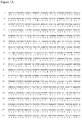
- the cDNA sequence and the amino acid sequence of AOBGL11 are shown in Figure 1 .
- Conidia of koji mold Aspergillus oryzae var. Brunneus (IFO30102) were inoculated to 10 mL of a liquid culture medium (containing, per liter, 20 g of glucose, 1 g of Bacto-tryptone, 5 g of yeast extract, 1 g of NaNO 3 , 0.5 g of K 2 HPO 4 , 0.5 g of MgSO 4 -7H 2 O, and 0.01 g of FeSO 4 ⁇ 7H 2 O) and cultured at 30°C for 1 day. The cells were collected by filtration and ground in liquid nitrogen. Genomic DNA was then prepared using DNeasy Plant Mini Kit (QIAGEN).
- PCR was performed with the primers AOBGL11-F and AOBGL11-R, using KOD-Plus (Toyobo). About 2.57 kbp of the resulting DNA fragment was cloned using the Zero Blunt TOPO PCR cloning Kit (Invitrogen), thus obtaining a plasmid pCR-AOBGL11g.
- Koji mold was transformed as follows.
- Aspergillus oryzae niaD300 strain (National Research Institute of Brewing) was used as a host. The host strain was inoculated to a PDA plate and cultured at 30°C for about 1 week. In order to obtain a conidial suspension, conidia were suspended by adding 0.1% tween 80 and 0.8% NaCl. The suspension was filtered through Miracloth and then centrifuged to collect the conidia. The conidia were then washed with 0.1% tween 80 and 0.8% NaCl and suspended in sterilized water.
- the conidia were applied to a CD plate (containing, per liter, 6 g of NaNO 3 , 0.52 g of KCl, 1.52 g of KH 2 PO 4 , 10 g of glucose, 2 mL of 1M MgSO 4 , 1 mL of a trace element solution (containing, per liter, 1 g of FeSO 4 ⁇ 7H 2 O, 8.8 g of ZnSO 4 ⁇ 7H 2 O, 0.4 g of CuSO 4 ⁇ 5H 2 O, 0.1 g of NaB 4 O 7 ⁇ 10H 2 O, and 0.05 g of (NH 4 ) 6Mo 7 O 24 ⁇ 4H 2 O), and 20 g of agar (pH 6.5)), and DNA was introduced into the conidia by the particle delivery method.
- a CD plate containing, per liter, 6 g of NaNO 3 , 0.52 g of KCl, 1.52 g of KH 2 PO 4 , 10 g of glucose, 2 mL of 1M M
- BGL11-1 stain or C-1 strain was inoculated to a CD plate and cultured at 30°C for 7 days to form conidia.
- the conidia were suspended by adding 0.1% tween 80 and 0.8% NaCl. The suspension was filtered through Miracloth® and then centrifuged to collect the conidia.
- the conidia were then washed with 0.1% tween 80 and 0.8% NaCl and suspended in sterilized water to prepare a conidial suspension and this conidia suspension was inoculated to a liquid culture medium for enzyme production (containing, per liter, 100 g of maltose, 1 g of Bacto-tryptone, 5 g of yeast extract, 1 g of NaNO 3 , 0.5 g of K 2 HPO 4 , 0.5 g of MgSO 4 ⁇ 7H 2 O, and 0.01 g of FeSO 4 ⁇ 7H 2 O) and cultured with shaking at 30°C for 2 days.
- the medium was filtered through Miracloth® to collect the cells.
- the resulting wet cells was frozen in liquid nitrogen and ground in a mortar.
- the ground cells were suspended in 50 mM sodium phosphate buffer (pH 7.0), well mixed, and then centrifuged.
- the resulting supernatant was concentrated by ultrafiltration through Amicon® Ultra-15 50k (Merck), and the buffer was replaced with 50 mM sodium phosphate buffer (pH 7.0) containing 0.1% CHAPS (buffer A) to obtain about 1 mL of a crude enzyme solution.
- the protein concentration of the crude enzyme solution was determined using Protein Assay CBB Solution (concentrated 5-fold) (Nacalai Tesque). As a result, the protein concentration was 6.46 mg/mL for BGL11-1 crude enzyme solution and 4 mg/mL for C-1 crude enzyme solution.
- pNP- ⁇ -Glc degrading activity was studied. 10 ⁇ L of the crude enzyme solution, 50 ⁇ L of a 0.2 M sodium phosphate buffer (pH 7.0), 50 ⁇ L of a 20 mM aqueous pNP- ⁇ -Glc solution, and water were mixed to a total volume of 200 ⁇ L, and the mixture was reacted at 37°C. Since BGL11-1 crude enzyme solution had high activity, the crude enzyme solution was diluted 100-fold with 50 mM sodium phosphate buffer (pH 7.0) containing 0.1% CHAPS and used.
- BGL11-1 crude enzyme solution was diluted 5000-fold with buffer A and used (protein concentration: 1.3 ⁇ g/mL).
- the reaction mixture contained 20 ⁇ L of the crude enzyme solution (1.3 ⁇ g/mL), 100 ⁇ L of a 0.2 M sodium phosphate buffer (pH 6.5), 20 mM pNP- ⁇ -Glc, and water mixed to a total volume of 400 ⁇ L. 15 minutes, 30 minutes, and 45 minutes after the start of reaction, 100 ⁇ L was sampled and mixed with 100 ⁇ L of a 0.2 M sodium carbonate solution. Then, absorbance at 405 nm was measured, and ⁇ 405 was determined. The ratio of ⁇ 405 from the reaction at each temperature is shown in Figure 2A , where 45°C at which the largest value of ⁇ 405 was obtained was defined as 1. These results indicated that 45 to 50°C is the optimum reaction temperature.
- the reaction mixture contained 20 ⁇ L of the crude enzyme solution (1.3 ⁇ g/mL), 100 ⁇ L of a 0.2 M buffer, 20 mM pNP- ⁇ -Glc, and water mixed to a total volume of 400 ⁇ L.
- the buffer used was a sodium acetate buffer for pH 4.0 to 6.0 and a sodium phosphate buffer for pH 6.0 to 8.0. Sampling and measurement were performed in the same manner as above.
- the ratio of ⁇ 405 from the reaction at each pH to the largest value of ⁇ 405 is shown in Figure 2B . These results indicated that pH 6.0 to 7.0 is the optimum reaction pH.
- the crude enzyme solution diluted 5000-fold (1.3 ⁇ g/mL) was kept at 30°C, 37°C, 45°C, and 50°C each for 10 minutes and then cooled in ice.
- the reaction mixture contained 5 ⁇ L of the crude enzyme solution (1.3 ⁇ g/mL), 100 ⁇ L of a 0.2 M sodium phosphate buffer (pH 6.5), 20 mM pNP- ⁇ -Glc, and water mixed to a total volume of 100 ⁇ L, and was reacted at 37°C for 45 minutes. Then, 100 ⁇ L of a 0.2 M sodium carbonate solution was added to the reaction mixture, and absorbance at 405 nm was measured.
- the crude enzyme solution was diluted 5000-fold with each buffer of pH 4.5, 5.0, 5.5, or 6.0 (0.2 M acetate buffer) or pH 6.0, 6.5, 7.0, 7.5, or 8.0 (0.2 M sodium phosphate buffer), kept at 37°C for 1 hour, and then cooled in ice.
- the reaction mixture contained 5 ⁇ L of the crude enzyme solution (1.3 ⁇ g/mL), 100 ⁇ L of a 0.2 M sodium phosphate buffer (pH 6.5), 20 mM pNP- ⁇ -Glc, and water mixed to a total volume of 100 ⁇ L, and was reacted at 37°C for 45 minutes.
- BGL11-1 strain was cultured in 10 mL of a culture medium for enzyme production, and the cells were collected by filtration. The cells were frozen in liquid nitrogen and ground in a mortar, and total RNA was then extracted using RNeasy (QIAGEN). cDNA was synthesized using the SuperScript Double-Stranded cDNA Synthesis Kit (Life Technologies). Using this cDNA as a template, PCR was performed with the primers AOBGL11-F and AOBGL11-R, using KOD-Plus (Toyobo).
- AOBGL11 cDNA About 2.52 kbp of the resulting DNA fragment was cloned as AOBGL11 cDNA using the Zero Blunt TOPO PCR cloning Kit (Invitrogen), thus obtaining a plasmid pCR-AOBGL11 cDNA.
- the nucleotide sequence was confirmed, and was as shown in SEQ ID NO: 1.
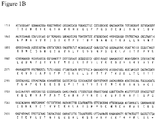
- the comparison between the genomic DNA sequence and the cDNA sequence of AOBGL11 is shown in Figure 3 .
- DNA fragment of about 2.52 kbp obtained by digesting the plasmid pCR-AOBGL11 cDNA with EcoRI was inserted into the EcoRI site of a yeast expression vector pYE22m ( Biosci. Biotech. Biochem., 59, 1221-1228, 1995 ).
- Expression vector wherein AOBGL11 was inserted in an orientation so as to be expressed under the control of the GAPDH promoter of the vector pYE22m was selected and designated as pYE-AOBGL3c.
- S . cerevisiae strain EH13-15 (trp1, MAT ⁇ ) Appl. Microbiol. Biotechnol., 30, 515-520, 1989 ) was used as the parental strain for transformation.
- Each of the plasmids pYE22m (control) and pYE-AOBGL11 (for expression of AOBGL11) was used to transform strain EH13-15 in accordance with the lithium acetate method.
- a strain that grew on SC-Trp (containing, per liter, 6.7 g of Yeast nitrogen base w/o amino acids (DIFCO), 20 g of glucose, and 1.3 g of amino acid powder (a mixture of 1.25 g of adenine sulfate, 0.6 g of arginine, 3 g of aspartic acid, 3 g of glutamic acid, 0.6 g of histidine, 1.8 g of leucine, 0.9 g of lysine, 0.6 g of methionine, 1.5 g of phenylalanine, 11.25 g of serine, 0.9 g of tyrosine, 4.5 g of valine, 6 g of threonine, and 0.6 g of urac
- the strain transformed with the plasmid pYE22m was designated as C-Y strain, and the strain transformed with the plasmid pYE-AOBGL11 was designated as AOBGL11-Y strain.
- One platinum loop of the selected C-Y strain and AOBGL11-Y strain was inoculated to 10 mL of SC-Trp liquid medium supplemented with 1/10 volume of 1 M potassium phosphate buffer, and cultured with shaking at 30°C and 125 rpm for 2 days.
- the resulting culture was separated into the culture supernatant and cells by centrifugation.
- the culture supernatant was concentrated by ultrafiltration through Amicon® Ultra-15 50k (Merck), and the buffer was replaced with 50 mM sodium phosphate buffer (pH 7.0) containing 0.1% CHAPS to obtain about 1 mL of a culture supernatant concentrate.
- the cells were suspended in 50 mM sodium phosphate buffer (pH 7.0) containing 0.1% CHAPS solution 1mL and then homogenated with glass beads, and the supernatant obtained by centrifugation was used as the cell homogenate.
- pNP- ⁇ -Glc degrading activity was studied. 10 ⁇ L of the crude enzyme solution, 50 ⁇ L of a 0.2 M sodium phosphate buffer (pH 7.0), 50 ⁇ L of a 20 mM aqueous pNP- ⁇ -Glc solution, and water were mixed to a total volume of 200 ⁇ L, and the mixture was reacted at 37°C. Since BGL11-1 crude enzyme solution had high activity, the crude enzyme solution was diluted 100-fold with 50 mM sodium phosphate buffer (pH 7.0) containing 0.1% CHAPS and used.
- Mogroside V was used as a substrate. 50 ⁇ g/mL mogroside V, 50 mM sodium phosphate buffer (pH 7.0), and 20 ⁇ L of the BGL11-1 crude enzyme solution or a diluted solution thereof were mixed to a total volume of 100 ⁇ L, and the mixture was reacted at 37°C for 1 hour. The C-1 crude enzyme solution was also reacted as described above as a control. The reaction mixture was passed through SepPak C18 500 mg (Waters) washed with methanol and equilibrated with water. The reaction product was washed with 40% methanol and then eluted with 80% methanol. The eluate was evaporated to dryness with SpeedVac. The resulting product was dissolved in 100 ⁇ L of water, and the solution was subjected to HPLC.
- SepPak C18 500 mg Waters
- the reaction product washed with 40% methanol and then eluted with 80% methanol.
- the eluate was evaporated to dryness with
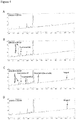
- the hydrolysis In the reaction with the enzyme solution diluted 10-fold, the hydrolysis further proceeded, thereby producing mogrol glycosides in the forms of a tetrasaccharide, a trisaccharide (mogroside IIIE from the retention time), and a disaccharide.
- reaction mixture 50 ⁇ g/mL of a substrate, 20 ⁇ L of the enzyme solution, and 50 mM sodium phosphate buffer (pH 6.0) were mixed to a total volume of 100 ⁇ L, and the mixture was reacted at 370°C for 1 hour.
- the reaction mixture was purified and then subjected to HPLC.
- the method for purifying the reaction mixture and the conditions for HPLC are as mentioned above.
- the present invention provides a method of producing mogrol and/or a mogrol glycoside by hydrolysing mogroside V using koji mold-derived glucoside hydrolase, AOBGL11p.
Landscapes
- Chemical & Material Sciences (AREA)
- Organic Chemistry (AREA)
- Life Sciences & Earth Sciences (AREA)
- Engineering & Computer Science (AREA)
- Wood Science & Technology (AREA)
- Zoology (AREA)
- Health & Medical Sciences (AREA)
- Genetics & Genomics (AREA)
- Bioinformatics & Cheminformatics (AREA)
- Biotechnology (AREA)
- General Engineering & Computer Science (AREA)
- General Health & Medical Sciences (AREA)
- Biochemistry (AREA)
- Microbiology (AREA)
- Biomedical Technology (AREA)
- General Chemical & Material Sciences (AREA)
- Chemical Kinetics & Catalysis (AREA)
- Molecular Biology (AREA)
- Plant Pathology (AREA)
- Cell Biology (AREA)
- Physics & Mathematics (AREA)
- Biophysics (AREA)
- Medicinal Chemistry (AREA)
- Preparation Of Compounds By Using Micro-Organisms (AREA)
- Enzymes And Modification Thereof (AREA)
- Steroid Compounds (AREA)
- Coloring Foods And Improving Nutritive Qualities (AREA)
- Micro-Organisms Or Cultivation Processes Thereof (AREA)
- Saccharide Compounds (AREA)
Applications Claiming Priority (2)
| Application Number | Priority Date | Filing Date | Title |
|---|---|---|---|
| JP2016141685 | 2016-07-19 | ||
| PCT/JP2017/025963 WO2018016483A1 (fr) | 2016-07-19 | 2017-07-18 | Procédé de production de mogrol ou de mogrol glycoside |
Publications (3)
| Publication Number | Publication Date |
|---|---|
| EP3502265A1 true EP3502265A1 (fr) | 2019-06-26 |
| EP3502265A4 EP3502265A4 (fr) | 2020-03-25 |
| EP3502265B1 EP3502265B1 (fr) | 2020-12-02 |
Family
ID=60992562
Family Applications (1)
| Application Number | Title | Priority Date | Filing Date |
|---|---|---|---|
| EP17830999.3A Active EP3502265B1 (fr) | 2016-07-19 | 2017-07-18 | Procédé de production de mogrol ou de mogrol glycoside |
Country Status (6)
| Country | Link |
|---|---|
| US (1) | US11008600B2 (fr) |
| EP (1) | EP3502265B1 (fr) |
| JP (1) | JP6845244B2 (fr) |
| CN (1) | CN109477126B (fr) |
| ES (1) | ES2844427T3 (fr) |
| WO (1) | WO2018016483A1 (fr) |
Families Citing this family (10)
| Publication number | Priority date | Publication date | Assignee | Title |
|---|---|---|---|---|
| CA3003163A1 (fr) | 2015-10-29 | 2017-05-04 | Senomyx, Inc. | Edulcorants a intensite elevee |
| BR112019023104A2 (pt) | 2017-05-03 | 2020-11-03 | Firmenich Incorporated | métodos para fazer adoçante de alta intensidade |
| EP3784051A4 (fr) * | 2018-04-23 | 2022-03-23 | The Coca-Cola Company | Nouveaux mogrosides, procédés d'obtention et utilisations associés |
| US12338476B2 (en) | 2018-11-07 | 2025-06-24 | Firmenich Incorporated | Methods for making high intensity sweeteners |
| MX2021005219A (es) | 2018-11-07 | 2021-06-18 | Firmenich Incorporated | Metodos para hacer edulcorantes de alta intensidad. |
| CN110669094B (zh) * | 2019-10-14 | 2021-12-21 | 上海交通大学 | 罗汉果新苷及其制备方法 |
| CN113584110B (zh) * | 2021-08-11 | 2025-03-07 | 河北维达康生物科技有限公司 | 一种以罗汉果醇为底物生物合成罗汉果糖苷v的工程菌株的构建及其应用 |
| CN114854722B (zh) * | 2022-05-11 | 2024-01-09 | 成都普睿法药物研发有限公司 | 一种季也蒙念珠菌外切β-1,3-葡聚糖酶及其突变体及应用 |
| CN116064712B (zh) * | 2022-10-08 | 2025-05-06 | 中国药科大学 | 一种罗汉果醇的生物合成方法 |
| CN121646414A (zh) * | 2023-08-10 | 2026-03-10 | 莎罗雅株式会社 | 含有罗汉果醇的口服组合物及抑制血糖值上升用组合物 |
Family Cites Families (8)
| Publication number | Priority date | Publication date | Assignee | Title |
|---|---|---|---|---|
| US20120232166A1 (en) * | 2009-10-12 | 2012-09-13 | Finley John W | Masking Bitter Flavors |
| CA2907905A1 (fr) * | 2010-02-01 | 2011-08-04 | Suntory Holdings Limited | Polynucleotide codant pour un homologue d'acyl-coa synthetase et son utilisation |
| CN102477455B (zh) * | 2010-11-26 | 2014-03-26 | 成都普瑞法科技开发有限公司 | 制备罗汉果苷ⅳ的方法 |
| MY170686A (en) | 2011-11-23 | 2019-08-26 | Evolva Sa | Methods and meterials for enzymatic synthesis of mogroside compounds |
| CA2892021A1 (fr) * | 2012-11-20 | 2014-05-30 | Pronutria, Inc. | Proteines secretees modifiees et procedes |
| GB201310060D0 (en) * | 2013-03-15 | 2013-07-17 | Tate & Lyle Americas Llc | Redistribution of mogrol glyoside contact |
| AU2015324813B2 (en) | 2014-09-30 | 2019-04-18 | Rna Inc. | Method for preparing microbial preparation and microbial preparation produced by the same |
| US10626430B2 (en) | 2015-01-20 | 2020-04-21 | Suntory Holdings Limited | Method for preparing mogroside having no β-1,6-glucoside bond |
-
2017
- 2017-07-18 JP JP2018528551A patent/JP6845244B2/ja active Active
- 2017-07-18 ES ES17830999T patent/ES2844427T3/es active Active
- 2017-07-18 EP EP17830999.3A patent/EP3502265B1/fr active Active
- 2017-07-18 CN CN201780044407.6A patent/CN109477126B/zh active Active
- 2017-07-18 WO PCT/JP2017/025963 patent/WO2018016483A1/fr not_active Ceased
- 2017-07-18 US US16/318,268 patent/US11008600B2/en active Active
Also Published As
| Publication number | Publication date |
|---|---|
| EP3502265A4 (fr) | 2020-03-25 |
| US11008600B2 (en) | 2021-05-18 |
| EP3502265B1 (fr) | 2020-12-02 |
| US20190284598A1 (en) | 2019-09-19 |
| CN109477126A (zh) | 2019-03-15 |
| WO2018016483A1 (fr) | 2018-01-25 |
| ES2844427T3 (es) | 2021-07-22 |
| CN109477126B (zh) | 2023-06-20 |
| JP6845244B2 (ja) | 2021-03-17 |
| JPWO2018016483A1 (ja) | 2019-06-20 |
Similar Documents
| Publication | Publication Date | Title |
|---|---|---|
| EP3502265B1 (fr) | Procédé de production de mogrol ou de mogrol glycoside | |
| US10988790B2 (en) | Method for producing steviol and steviol glycoside by using AOBGL11 homolog | |
| US10626430B2 (en) | Method for preparing mogroside having no β-1,6-glucoside bond | |
| US11268118B2 (en) | Method for producing steviol and steviol glycoside using AOBGL1 homolog | |
| US10415071B2 (en) | Method for producing steviol and steviol glycoside using AOBGL3 homolog | |
| CN109790553B (zh) | 芝麻素酚或芝麻素酚糖苷的生产方法 | |
| CA2974185C (fr) | Procede de preparation de mogroside | |
| HK40003005A (en) | Method for producing sesaminol or sesaminol glycoside | |
| CN114854722A (zh) | 一种季也蒙念珠菌外切β-1,3-葡聚糖酶及其突变体及应用 | |
| HK40003005B (en) | Method for producing sesaminol or sesaminol glycoside |
Legal Events
| Date | Code | Title | Description |
|---|---|---|---|
| STAA | Information on the status of an ep patent application or granted ep patent |
Free format text: STATUS: THE INTERNATIONAL PUBLICATION HAS BEEN MADE |
|
| PUAI | Public reference made under article 153(3) epc to a published international application that has entered the european phase |
Free format text: ORIGINAL CODE: 0009012 |
|
| STAA | Information on the status of an ep patent application or granted ep patent |
Free format text: STATUS: REQUEST FOR EXAMINATION WAS MADE |
|
| 17P | Request for examination filed |
Effective date: 20190125 |
|
| AK | Designated contracting states |
Kind code of ref document: A1 Designated state(s): AL AT BE BG CH CY CZ DE DK EE ES FI FR GB GR HR HU IE IS IT LI LT LU LV MC MK MT NL NO PL PT RO RS SE SI SK SM TR |
|
| AX | Request for extension of the european patent |
Extension state: BA ME |
|
| DAV | Request for validation of the european patent (deleted) | ||
| DAX | Request for extension of the european patent (deleted) | ||
| A4 | Supplementary search report drawn up and despatched |
Effective date: 20200221 |
|
| RIC1 | Information provided on ipc code assigned before grant |
Ipc: C12P 19/44 20060101ALI20200217BHEP Ipc: C12N 1/15 20060101ALI20200217BHEP Ipc: C12P 19/14 20060101AFI20200217BHEP Ipc: C12N 9/24 20060101ALI20200217BHEP Ipc: C12N 1/19 20060101ALI20200217BHEP Ipc: C12N 15/09 20060101ALI20200217BHEP Ipc: C12P 19/56 20060101ALI20200217BHEP Ipc: C12N 1/21 20060101ALI20200217BHEP Ipc: C12N 5/10 20060101ALI20200217BHEP |
|
| GRAP | Despatch of communication of intention to grant a patent |
Free format text: ORIGINAL CODE: EPIDOSNIGR1 |
|
| STAA | Information on the status of an ep patent application or granted ep patent |
Free format text: STATUS: GRANT OF PATENT IS INTENDED |
|
| INTG | Intention to grant announced |
Effective date: 20200703 |
|
| GRAS | Grant fee paid |
Free format text: ORIGINAL CODE: EPIDOSNIGR3 |
|
| GRAA | (expected) grant |
Free format text: ORIGINAL CODE: 0009210 |
|
| STAA | Information on the status of an ep patent application or granted ep patent |
Free format text: STATUS: THE PATENT HAS BEEN GRANTED |
|
| AK | Designated contracting states |
Kind code of ref document: B1 Designated state(s): AL AT BE BG CH CY CZ DE DK EE ES FI FR GB GR HR HU IE IS IT LI LT LU LV MC MK MT NL NO PL PT RO RS SE SI SK SM TR |
|
| REG | Reference to a national code |
Ref country code: GB Ref legal event code: FG4D |
|
| REG | Reference to a national code |
Ref country code: AT Ref legal event code: REF Ref document number: 1340992 Country of ref document: AT Kind code of ref document: T Effective date: 20201215 Ref country code: CH Ref legal event code: EP |
|
| REG | Reference to a national code |
Ref country code: DE Ref legal event code: R096 Ref document number: 602017029008 Country of ref document: DE |
|
| REG | Reference to a national code |
Ref country code: IE Ref legal event code: FG4D |
|
| PG25 | Lapsed in a contracting state [announced via postgrant information from national office to epo] |
Ref country code: GR Free format text: LAPSE BECAUSE OF FAILURE TO SUBMIT A TRANSLATION OF THE DESCRIPTION OR TO PAY THE FEE WITHIN THE PRESCRIBED TIME-LIMIT Effective date: 20210303 Ref country code: NO Free format text: LAPSE BECAUSE OF FAILURE TO SUBMIT A TRANSLATION OF THE DESCRIPTION OR TO PAY THE FEE WITHIN THE PRESCRIBED TIME-LIMIT Effective date: 20210302 Ref country code: RS Free format text: LAPSE BECAUSE OF FAILURE TO SUBMIT A TRANSLATION OF THE DESCRIPTION OR TO PAY THE FEE WITHIN THE PRESCRIBED TIME-LIMIT Effective date: 20201202 Ref country code: FI Free format text: LAPSE BECAUSE OF FAILURE TO SUBMIT A TRANSLATION OF THE DESCRIPTION OR TO PAY THE FEE WITHIN THE PRESCRIBED TIME-LIMIT Effective date: 20201202 |
|
| REG | Reference to a national code |
Ref country code: NL Ref legal event code: MP Effective date: 20201202 |
|
| REG | Reference to a national code |
Ref country code: AT Ref legal event code: MK05 Ref document number: 1340992 Country of ref document: AT Kind code of ref document: T Effective date: 20201202 |
|
| PG25 | Lapsed in a contracting state [announced via postgrant information from national office to epo] |
Ref country code: BG Free format text: LAPSE BECAUSE OF FAILURE TO SUBMIT A TRANSLATION OF THE DESCRIPTION OR TO PAY THE FEE WITHIN THE PRESCRIBED TIME-LIMIT Effective date: 20210302 Ref country code: SE Free format text: LAPSE BECAUSE OF FAILURE TO SUBMIT A TRANSLATION OF THE DESCRIPTION OR TO PAY THE FEE WITHIN THE PRESCRIBED TIME-LIMIT Effective date: 20201202 Ref country code: PL Free format text: LAPSE BECAUSE OF FAILURE TO SUBMIT A TRANSLATION OF THE DESCRIPTION OR TO PAY THE FEE WITHIN THE PRESCRIBED TIME-LIMIT Effective date: 20201202 Ref country code: LV Free format text: LAPSE BECAUSE OF FAILURE TO SUBMIT A TRANSLATION OF THE DESCRIPTION OR TO PAY THE FEE WITHIN THE PRESCRIBED TIME-LIMIT Effective date: 20201202 |
|
| PG25 | Lapsed in a contracting state [announced via postgrant information from national office to epo] |
Ref country code: HR Free format text: LAPSE BECAUSE OF FAILURE TO SUBMIT A TRANSLATION OF THE DESCRIPTION OR TO PAY THE FEE WITHIN THE PRESCRIBED TIME-LIMIT Effective date: 20201202 Ref country code: NL Free format text: LAPSE BECAUSE OF FAILURE TO SUBMIT A TRANSLATION OF THE DESCRIPTION OR TO PAY THE FEE WITHIN THE PRESCRIBED TIME-LIMIT Effective date: 20201202 |
|
| REG | Reference to a national code |
Ref country code: LT Ref legal event code: MG9D |
|
| REG | Reference to a national code |
Ref country code: ES Ref legal event code: FG2A Ref document number: 2844427 Country of ref document: ES Kind code of ref document: T3 Effective date: 20210722 |
|
| PG25 | Lapsed in a contracting state [announced via postgrant information from national office to epo] |
Ref country code: SM Free format text: LAPSE BECAUSE OF FAILURE TO SUBMIT A TRANSLATION OF THE DESCRIPTION OR TO PAY THE FEE WITHIN THE PRESCRIBED TIME-LIMIT Effective date: 20201202 Ref country code: EE Free format text: LAPSE BECAUSE OF FAILURE TO SUBMIT A TRANSLATION OF THE DESCRIPTION OR TO PAY THE FEE WITHIN THE PRESCRIBED TIME-LIMIT Effective date: 20201202 Ref country code: CZ Free format text: LAPSE BECAUSE OF FAILURE TO SUBMIT A TRANSLATION OF THE DESCRIPTION OR TO PAY THE FEE WITHIN THE PRESCRIBED TIME-LIMIT Effective date: 20201202 Ref country code: LT Free format text: LAPSE BECAUSE OF FAILURE TO SUBMIT A TRANSLATION OF THE DESCRIPTION OR TO PAY THE FEE WITHIN THE PRESCRIBED TIME-LIMIT Effective date: 20201202 Ref country code: SK Free format text: LAPSE BECAUSE OF FAILURE TO SUBMIT A TRANSLATION OF THE DESCRIPTION OR TO PAY THE FEE WITHIN THE PRESCRIBED TIME-LIMIT Effective date: 20201202 Ref country code: RO Free format text: LAPSE BECAUSE OF FAILURE TO SUBMIT A TRANSLATION OF THE DESCRIPTION OR TO PAY THE FEE WITHIN THE PRESCRIBED TIME-LIMIT Effective date: 20201202 Ref country code: PT Free format text: LAPSE BECAUSE OF FAILURE TO SUBMIT A TRANSLATION OF THE DESCRIPTION OR TO PAY THE FEE WITHIN THE PRESCRIBED TIME-LIMIT Effective date: 20210405 |
|
| PG25 | Lapsed in a contracting state [announced via postgrant information from national office to epo] |
Ref country code: AT Free format text: LAPSE BECAUSE OF FAILURE TO SUBMIT A TRANSLATION OF THE DESCRIPTION OR TO PAY THE FEE WITHIN THE PRESCRIBED TIME-LIMIT Effective date: 20201202 |
|
| REG | Reference to a national code |
Ref country code: DE Ref legal event code: R097 Ref document number: 602017029008 Country of ref document: DE |
|
| PG25 | Lapsed in a contracting state [announced via postgrant information from national office to epo] |
Ref country code: IS Free format text: LAPSE BECAUSE OF FAILURE TO SUBMIT A TRANSLATION OF THE DESCRIPTION OR TO PAY THE FEE WITHIN THE PRESCRIBED TIME-LIMIT Effective date: 20210402 |
|
| PLBE | No opposition filed within time limit |
Free format text: ORIGINAL CODE: 0009261 |
|
| STAA | Information on the status of an ep patent application or granted ep patent |
Free format text: STATUS: NO OPPOSITION FILED WITHIN TIME LIMIT |
|
| PG25 | Lapsed in a contracting state [announced via postgrant information from national office to epo] |
Ref country code: AL Free format text: LAPSE BECAUSE OF FAILURE TO SUBMIT A TRANSLATION OF THE DESCRIPTION OR TO PAY THE FEE WITHIN THE PRESCRIBED TIME-LIMIT Effective date: 20201202 Ref country code: IT Free format text: LAPSE BECAUSE OF FAILURE TO SUBMIT A TRANSLATION OF THE DESCRIPTION OR TO PAY THE FEE WITHIN THE PRESCRIBED TIME-LIMIT Effective date: 20201202 |
|
| 26N | No opposition filed |
Effective date: 20210903 |
|
| PG25 | Lapsed in a contracting state [announced via postgrant information from national office to epo] |
Ref country code: DK Free format text: LAPSE BECAUSE OF FAILURE TO SUBMIT A TRANSLATION OF THE DESCRIPTION OR TO PAY THE FEE WITHIN THE PRESCRIBED TIME-LIMIT Effective date: 20201202 Ref country code: SI Free format text: LAPSE BECAUSE OF FAILURE TO SUBMIT A TRANSLATION OF THE DESCRIPTION OR TO PAY THE FEE WITHIN THE PRESCRIBED TIME-LIMIT Effective date: 20201202 |
|
| REG | Reference to a national code |
Ref country code: DE Ref legal event code: R119 Ref document number: 602017029008 Country of ref document: DE |
|
| REG | Reference to a national code |
Ref country code: CH Ref legal event code: PL |
|
| PG25 | Lapsed in a contracting state [announced via postgrant information from national office to epo] |
Ref country code: MC Free format text: LAPSE BECAUSE OF FAILURE TO SUBMIT A TRANSLATION OF THE DESCRIPTION OR TO PAY THE FEE WITHIN THE PRESCRIBED TIME-LIMIT Effective date: 20201202 |
|
| REG | Reference to a national code |
Ref country code: BE Ref legal event code: MM Effective date: 20210731 |
|
| PG25 | Lapsed in a contracting state [announced via postgrant information from national office to epo] |
Ref country code: LI Free format text: LAPSE BECAUSE OF NON-PAYMENT OF DUE FEES Effective date: 20210731 Ref country code: DE Free format text: LAPSE BECAUSE OF NON-PAYMENT OF DUE FEES Effective date: 20220201 Ref country code: CH Free format text: LAPSE BECAUSE OF NON-PAYMENT OF DUE FEES Effective date: 20210731 |
|
| PG25 | Lapsed in a contracting state [announced via postgrant information from national office to epo] |
Ref country code: IS Free format text: LAPSE BECAUSE OF FAILURE TO SUBMIT A TRANSLATION OF THE DESCRIPTION OR TO PAY THE FEE WITHIN THE PRESCRIBED TIME-LIMIT Effective date: 20210402 Ref country code: LU Free format text: LAPSE BECAUSE OF NON-PAYMENT OF DUE FEES Effective date: 20210718 |
|
| PG25 | Lapsed in a contracting state [announced via postgrant information from national office to epo] |
Ref country code: IE Free format text: LAPSE BECAUSE OF NON-PAYMENT OF DUE FEES Effective date: 20210718 Ref country code: BE Free format text: LAPSE BECAUSE OF NON-PAYMENT OF DUE FEES Effective date: 20210731 |
|
| P01 | Opt-out of the competence of the unified patent court (upc) registered |
Effective date: 20230509 |
|
| PG25 | Lapsed in a contracting state [announced via postgrant information from national office to epo] |
Ref country code: CY Free format text: LAPSE BECAUSE OF FAILURE TO SUBMIT A TRANSLATION OF THE DESCRIPTION OR TO PAY THE FEE WITHIN THE PRESCRIBED TIME-LIMIT Effective date: 20201202 |
|
| PG25 | Lapsed in a contracting state [announced via postgrant information from national office to epo] |
Ref country code: HU Free format text: LAPSE BECAUSE OF FAILURE TO SUBMIT A TRANSLATION OF THE DESCRIPTION OR TO PAY THE FEE WITHIN THE PRESCRIBED TIME-LIMIT; INVALID AB INITIO Effective date: 20170718 |
|
| PG25 | Lapsed in a contracting state [announced via postgrant information from national office to epo] |
Ref country code: MK Free format text: LAPSE BECAUSE OF FAILURE TO SUBMIT A TRANSLATION OF THE DESCRIPTION OR TO PAY THE FEE WITHIN THE PRESCRIBED TIME-LIMIT Effective date: 20201202 |
|
| PG25 | Lapsed in a contracting state [announced via postgrant information from national office to epo] |
Ref country code: TR Free format text: LAPSE BECAUSE OF FAILURE TO SUBMIT A TRANSLATION OF THE DESCRIPTION OR TO PAY THE FEE WITHIN THE PRESCRIBED TIME-LIMIT Effective date: 20201202 |
|
| PGFP | Annual fee paid to national office [announced via postgrant information from national office to epo] |
Ref country code: GB Payment date: 20240530 Year of fee payment: 8 |
|
| PGFP | Annual fee paid to national office [announced via postgrant information from national office to epo] |
Ref country code: FR Payment date: 20240611 Year of fee payment: 8 |
|
| PG25 | Lapsed in a contracting state [announced via postgrant information from national office to epo] |
Ref country code: MT Free format text: LAPSE BECAUSE OF FAILURE TO SUBMIT A TRANSLATION OF THE DESCRIPTION OR TO PAY THE FEE WITHIN THE PRESCRIBED TIME-LIMIT Effective date: 20201202 |
|
| PGFP | Annual fee paid to national office [announced via postgrant information from national office to epo] |
Ref country code: ES Payment date: 20240801 Year of fee payment: 8 |
|
| GBPC | Gb: european patent ceased through non-payment of renewal fee |
Effective date: 20250718 |
|
| PG25 | Lapsed in a contracting state [announced via postgrant information from national office to epo] |
Ref country code: GB Free format text: LAPSE BECAUSE OF NON-PAYMENT OF DUE FEES Effective date: 20250718 |
|
| PG25 | Lapsed in a contracting state [announced via postgrant information from national office to epo] |
Ref country code: FR Free format text: LAPSE BECAUSE OF NON-PAYMENT OF DUE FEES Effective date: 20250731 |