EP3512876B1 - Glycoformes du facteur viia - Google Patents
Glycoformes du facteur viia Download PDFInfo
- Publication number
- EP3512876B1 EP3512876B1 EP17851361.0A EP17851361A EP3512876B1 EP 3512876 B1 EP3512876 B1 EP 3512876B1 EP 17851361 A EP17851361 A EP 17851361A EP 3512876 B1 EP3512876 B1 EP 3512876B1
- Authority
- EP
- European Patent Office
- Prior art keywords
- glycoprotein
- glycan
- factor
- factor viia
- factor vii
- Prior art date
- Legal status (The legal status is an assumption and is not a legal conclusion. Google has not performed a legal analysis and makes no representation as to the accuracy of the status listed.)
- Not-in-force
Links
Images






Classifications
-
- C—CHEMISTRY; METALLURGY
- C12—BIOCHEMISTRY; BEER; SPIRITS; WINE; VINEGAR; MICROBIOLOGY; ENZYMOLOGY; MUTATION OR GENETIC ENGINEERING
- C12N—MICROORGANISMS OR ENZYMES; COMPOSITIONS THEREOF; PROPAGATING, PRESERVING, OR MAINTAINING MICROORGANISMS; MUTATION OR GENETIC ENGINEERING; CULTURE MEDIA
- C12N9/00—Enzymes; Proenzymes; Compositions thereof; Processes for preparing, activating, inhibiting, separating or purifying enzymes
- C12N9/14—Hydrolases (3)
- C12N9/48—Hydrolases (3) acting on peptide bonds (3.4)
- C12N9/50—Proteinases, e.g. Endopeptidases (3.4.21-3.4.25)
- C12N9/64—Proteinases, e.g. Endopeptidases (3.4.21-3.4.25) derived from animal tissue
- C12N9/6421—Proteinases, e.g. Endopeptidases (3.4.21-3.4.25) derived from animal tissue from mammals
- C12N9/6424—Serine endopeptidases (3.4.21)
- C12N9/6437—Coagulation factor VIIa (3.4.21.21)
-
- A—HUMAN NECESSITIES
- A61—MEDICAL OR VETERINARY SCIENCE; HYGIENE
- A61P—SPECIFIC THERAPEUTIC ACTIVITY OF CHEMICAL COMPOUNDS OR MEDICINAL PREPARATIONS
- A61P7/00—Drugs for disorders of the blood or the extracellular fluid
- A61P7/04—Antihaemorrhagics; Procoagulants; Haemostatic agents; Antifibrinolytic agents
-
- C—CHEMISTRY; METALLURGY
- C12—BIOCHEMISTRY; BEER; SPIRITS; WINE; VINEGAR; MICROBIOLOGY; ENZYMOLOGY; MUTATION OR GENETIC ENGINEERING
- C12Y—ENZYMES
- C12Y304/00—Hydrolases acting on peptide bonds, i.e. peptidases (3.4)
- C12Y304/21—Serine endopeptidases (3.4.21)
- C12Y304/21021—Coagulation factor VIIa (3.4.21.21)
-
- A—HUMAN NECESSITIES
- A61—MEDICAL OR VETERINARY SCIENCE; HYGIENE
- A61K—PREPARATIONS FOR MEDICAL, DENTAL OR TOILETRY PURPOSES
- A61K38/00—Medicinal preparations containing peptides
Definitions
- This disclosure is in the field of biotechnology and concerns the human coagulation protein Factor VII. More particularly, it concerns Factor VII and Factor VIIa glycoforms that have high clearance from a mammalian body
- Blood coagulation is a process consisting of a complex interaction of various blood components (or factors) that eventually gives rise to a fibrin clot.
- the blood components which participate in what has been referred to as the coagulation "cascade,” are enzymatically inactive proteins (proenzymes or zymogens) that are converted to proteolytic enzymes by the action of an activator (which itself is an activated clotting factor).
- Coagulation factors that have undergone such a conversion are generally referred to as "active factors” and are designated by the addition of the letter "a" to the name of the coagulation factor (e.g., Factor VIIa).
- Initiation of the haemostatic process is mediated by the formation of a complex between tissue factor, which is exposed to the circulating blood following injury to the vessel wall, and Factor VIIa, which is present in the circulation in an amount corresponding to about 1% of the total Factor VII protein mass.
- This complex is anchored to the tissue factor-bearing cell and converts Factors IX and X to their active forms Factor IXa and Factor Xa on the cell surface.
- Factor Xa converts prothrombin to thrombin on the tissue factor-bearing cell, which activates Factor VIII, Factor V, Factor XI, and Factor XIII.
- the limited amount of thrombin formed in this initial step of haemostasis also activates the platelets.
- the platelets change shape and expose charged phospholipids on their surface.
- This activated platelet surface forms the template for further Factor X activation and the full thrombin generation.
- the further Factor X activation on the activated platelet surface occurs via a Factor IXa and Factor VIIIa complex formed on the surface of the activated platelet, and Factor Xa then converts prothrombin into thrombin while still on the surface.
- Thrombin then converts fibrinogen into fibrin, which is insoluble and which stabilizes the initial platelet plug. This process is localized to the site of the tissue factor exposure thereby minimizing the risk of a systemic activation of the coagulation system.
- Factor VII and tissue factor have been found to be the main initiators of blood coagulation.
- Factor VIIa is also known to activate Factor X directly, without Factor VIIIa or IXa, if given at sufficiently high levels where it acts independent of tissue factor. Therefore, Factor VIIa is used therapeutically, at higher than physiologic levels, to promote coagulation in patients with hemophilia A and B, particularly for patients having inhibitory antibodies to recombinant Factor VIII or Factor IX that limits the effectiveness of replacement therapy with these factors.
- Factor VIIa is produced from its precursor, Factor VII, which is synthesized in the liver and secreted into the blood where it circulates as a single-chain glycoprotein (molecular weight of about 50,000 Da).
- Wild-type human Factor VII as used herein has the nucleotide sequence and amino acid sequence disclosed in FIGs. 1 and 2 (SEQ ID NOs. 1 and 2, respectively). Wild type Factor VII is cleaved typically between residues 152 and 153 to produce Factor VIIa.
- a recombinantly produced Factor VIIa polypeptide is commercially sold in the US under the trade name NOVOSEVEN by Novo Nordisk.
- Fractor VII means a Factor VII polypeptide in its uncleaved form (the zymogen form).
- Factor VIIa means a Factor VIIa polypeptide in its activated two-chain form.
- Wild type Factor VII is a glycoprotein with N-linked glycosylation sites where sugar residues, called glycans, are attached. Wild type human Factor VII has two N-linked glycans, one at N145 and the other at N322.
- the glycans of glycoproteins contribute to the folding of nascent polypeptide chains, e.g. in the endoplasmatic reticulum, and serve to protect the protein moieties from the action of proteases, and serve to modulate biologic activities of a glycoprotein.
- the oligosaccharide units or glycans are attached and processed by a series of enzyme reactions.
- a glycoprotein thus generally appears as a mixture of different glycoforms resulting from varying enzymatic activity.
- the oligosaccharide component of the N-glycan structures of glycoproteins can influence therapeutic efficacy, physical stability, resistance to protease attack, pharmacokinetics, interaction with the immune system, and specific biological activity. See, for example, Jenkins et al. (1996) Nature Biotechnol. 14:975-981 .
- U.S. Patent App. Pub. No. 20140363419 discloses short acting Factor VII polypeptides useful for treatment of acute bleeding and similar disorders.
- Bauzon et al. discloses Factor VII variants in which the terminal sialic acid molecules found on the oligosaccharides of wild type or mutant Factor VII are missing, which is referred to as desialylated Factor VII.
- Bauzon et al. discloses that such desialylated variants have enhanced clearance from the blood and a decrease in the duration of efficacy.
- Bauzon discloses that desialylated wildtype Factor VIIa is efficacious in coagulation assays but shows no observable systemic coagulation. Due to the great medical need for treatment of hemorrhage, particularly acute hemorrhage, improvements and alternative short-acting Factor VIIa glycoproteins is desired.
- U.S. Patent App. Pub. No. 20080058255 discloses glycosylation-disrupted Factor VII variants, such as those having a glycosylation-disrupting substitution at either N145 or N322, or at both N145 and N322.
- Appa et al, Thrombosis and Haemostasis 104.2/2010, pp. 243-251 reports investigations into clearance mechanisms for recombinant Factor VIIa in which asialo-rFactor VIIa is prepared via enzymatic hydrolysis of recombinant Factor VIIa using neuraminidase agarose.
- Toso et. al. Blood (abstract), Nov 16, 2000 discloses Factor VIIa having mutations leading to altered glycosylation including desialylation as compared to wild type human Factor VIIa.
- Desialylation of glycoproteins is known.
- U.S. Patent App. No. 20080226681 (Glycotope GmbH ) relates to using mutant cells (with a mutation in synthesis of sialic acid) to cause desialylation of proteins.
- the medium is supplemented with sialic acid precursor.
- a user may determine the proper degree of sialylation of specific protein to cause the highest activity of the specific protein.
- Therapeutic uses for recombinant Factor VIIa are known.
- a fast acting treatment for acute bleeding conditions such as postpartum bleed.
- a fast acting, efficacious Factor VIIa that clears the body rapidly and has few negative coagulation effects on areas outside of the area of trauma is desirable.
- a fast-acting procoagulant therapeutic with little or no systemic coagulation effects.
- Improved Factor VIIa glycoforms with Factor VIIa procoagulation activity and rapid and/or high clearance rates are desirable for treatment of acute bleeds.
- Bohm, et al., (BMC Biotechnol. 2015 Sep 18;15:87. doi: 10.1186/s12896-015-0205-1. PMID: 26382581; PMCID: PMC4574471 ) describes differences in N-glycosylation of recombinant human coagulation Factor VII derived from BHK, CHO and HEK293 cells.
- Factor VIIa glycoforms and compositions thereof that display pharmacokinetic properties favorable to use for acute bleeding in respect to coagulation activity, half-life, and clearance rate, and have low or no observable systemic coagulation activity.
- This disclosure concerns a Factor VII or Factor FVIIa glycoprotein having an N-linked glycosylation pattern comprising glycans; wherein the glycosylation pattern comprises:
- the description comprises the above Factor VII or Factor VIIa glycoproteins that further comprise (1) a glycan of formula IV: (GlcNAc) 5 (Man) 3 (Gal) 3 (Fuc).
- the Factor VII or Factor VIIa glycoprotein described herein has trace amounts or less of the glycan of formula II.
- the Factor VII or Factor VIIa glycoprotein described herein has trace amounts or less of the glycan of formula III.
- the Factor VII or Factor VIIa glycoprotein described herein comprises an amino acid sequence having three or less mutations relative to SEQ ID NO: 2.
- the Factor VII or Factor VIIa is a Factor VIIa glycoprotein and comprises a heavy chain; wherein the heavy chain has an N-linked glycosylation pattern comprising glycans; and further wherein the glycosylation pattern comprises: (1) substantially no glycans with terminal N-acetylneuraminic acid and (2) a substantial glycan that is a glycan of formula I: (GlcNAc) 4 (Man) 3 (Gal) 2 (Fuc); (3) trace amounts or less of one or more glycans selected from the group consisting of a glycan of formula II: (GlcNAc) 5 (Man) 3 (Gal)(Fuc) and a glycan of formula III: (GlcNAc) 6 (Man) 3 (Fuc); in a further embodiment having trace amounts or less of the glycan of formula III and the glycan of formula I.
- the glycosylation pattern comprises: (1) substantially no glycans with terminal N
- the Factor VII or Factor VIIa glycoprotein as described above and further herein has trace amounts or less of the glycan of formula II and/or the glycan of formula III.
- the present disclosure also includes methods of making the Factor VII or Factor VIIa glycoproteins described herein, methods for treating a mammal having a disease or a disorder wherein blood clot formation is desirable by administering therapeutically effective amounts of the Factor VII or Factor VIIa glycoproteins described herein, and pharmaceutical formulations of the Factor VII and Factor VIIa glycoproteins described herein in combination with a pharmaceutically acceptable excipient.
- Factor VII and Factor VIIa glycoproteins having specific N-linked glycosylation patterns are described herein.
- the Factor VII and Factor VIIa glycoproteins have reduced sialic acid content with reference to wild type human Factor VII, and rapid clearance.
- glycoproteins that are rapidly cleared from the human body and whose pharmacokinetic properties make them suitable for therapeutic use in acute bleeding disorders.
- the glycoproteins' rapid clearing reduces unnecessary exposure to a pro-thrombotic molecule after the bleeding is resolved.
- the glycoprotein of the present disclosure has a distinct glycosylation profile when compared to NOVOSEVEN recombinant Factor VIIa (Novo Nordisk) and when compared to NOVOSEVEN recombinant Factor VIIa that has been desialylated by contact with sialidase according to prior teachings.
- sialic acid or "sialyl” refers to any member of a family of nine-carbon carboxylated sugars. The most common member of the sialic acid family is N-acetyl-neuraminic acid (2-keto-5-acetamido-3,5-dideoxy-D-glycero-D-galactononulopyranos-1-onic acid (often abbreviated as Neu5Ac, NeuAc, or NANA)).
- polypeptide and protein are used interchangeably herein and refer to a polymer in which the monomers are amino acids and are joined together through amide bonds.
- polypeptide and protein refer to both glycosylated and unglycosylated polypeptides and proteins, respectively.
- glycoprotein refers to a protein having at least one glycan attached. It is understood that glycans are created and formed through enzymatic processes in the cell.
- glycoform refers to a glycoprotein containing a particular carbohydrate structure or structures.
- a glycoprotein having more than one glycosylation site can have the same glycan species attached to each glycosylation site, or can have different glycan species attached to different glycosylation sites. In this manner, different patterns of glycan attachment yield different glycoforms of a glycoprotein.
- glycosylation pattern and “glycosylation profile” are used interchangeably herein and mean the characteristic "fingerprint” of the representative N-glycan species that have been released from a glycoprotein composition or glycoprotein product, either enzymatically or chemically, and then analyzed for their carbohydrate structure, for example, using LC-HPLC, or MALDI-TOF MS, and the like. See, for example, the review in Current Analytical Chemistry, Vol. 1, No. 1 (2005), pp. 28-57 .
- trace amount of a glycan means that very low levels of that glycan are present in comparison with the amount of other glycans in the glycoprotein.
- a "trace amount or less" of a glycan means that a MALDI-TOF MS, LC-HPLC or similar analytical test shows a glycosylation profile in which the glycan is present at less than 10%, preferably less than 5%, preferably less than 4%, less than 3%, less than 2%, less than 1%, and less than 0.5% or less than 0.1% of the total amount of N-glycan species appearing in the profile, or that is not detectable in the analytical test.
- significant glycan or “substantial glycan” refers to a glycan that is observed under MALDI-TOF MS, LC-HPLC or similar analytical tests to be present in the glycosylation profile as being more than 10%, more than 20%, more than 25%, or more than 30% of the total amount of N-glycan species appearing in the profile.
- a quantitative determination of glycans may be made, for example, by LC-MS analysis in which the area under the curve (AUC) of the peaks is compared to determine the relative quantity of each glycan in a protein batch.
- the "significant glycan” or “substantial glycan” may be present in the glycosylation profile as 10%, 11%, 12%, 13%, 14%, 15%, 16%, 17%, 18%, 19%, 20%, 21%, 22%, 23%, 24%, 25%, 26%, 27%, 28%, 29%, 30%; 31%, 32%, 33%, 34%, 35% or more of the total amount of N-glycan species appearing in the glycosylation profile for the product.
- N-glycan N-linked glycan
- glycan N-linked oligosaccharide, e.g., one that is or was attached by an N-acetylglucosamine (GlcNAc) residue linked to the amide nitrogen of an asparagine residue in a protein.
- GlcNAc N-acetylglucosamine
- the predominant sugars found on glycoproteins are glucose, galactose (Gal), mannose (Man), fucose (Fuc), N-acetylgalactosamine (GalNAc), N-acetylglucosamine (GlcNAc), and sialic acid (e.g., N-acetyl-neuraminic acid (NeuAc)).
- a "*" at the end of a glycan represents the reducing end of the sugar chain that binds to asparagine.
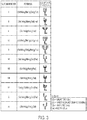
- An N-linked glycan can be shown by symbolic depiction such as those in Figure 3 . The symbols disclosed in Figure 3 are used in other figures and have the same meaning throughout their use herein.
- oligomannosidic core structure or "trimannose core structure” of a complex N-glycan is intended the core structure that comprises three mannose (Man) and two N-acetylglucosamine (GlcNAc) monosaccharide residues that are attached to the asparagine residue of the glycoprotein. Subsequent glycosylation steps yield the final complex N-glycan structure.
- Man mannose
- GlcNAc N-acetylglucosamine
- N-glycans attached to glycoproteins differ with respect to the number of branches (antennae) comprising peripheral sugars (e.g., GlcNAc, galactose, fucose, and sialic acid) that are added to the trimannose core structure.
- branches e.g., antigenae
- peripheral sugars e.g., GlcNAc, galactose, fucose, and sialic acid
- a "complex" type N-glycan typically has at least one GlcNAc attached to the 1,3 mannose arm and at least one GlcNAc attached to the 1,6 mannose arm of a "trimannose" core.
- GlcNAc 2 Man 3 GlcNAc 2 the species of N-linked glycan is denoted as "GlcNAc 2 Man 3 GlcNAc 2 .”
- GlcNAciMan 3 GlcNAc 2 the N-glycan species is denoted as "GlcNAciMan 3 GlcNAc 2 ", wherein the GlcNac is attached to either the 1,3 mannose arm (denoted "MGn") or the 1,6 mannose arm (denoted "GnM”).
- Complex N-glycans may also have galactose (“Gal”) or N-acetylgalactosamine (“GalNAc”) sugar residues that are optionally modified with sialic acid or derivatives (e.g., "NeuAc,” where “Neu” refers to neuraminic acid and “Ac” refers to acetyl).
- Gal galactose
- GalNAc N-acetylgalactosamine
- GalNAc N-acetylgalactosamine
- GalNAc N-acetylgalactosamine
- a galactose sugar residue is attached to each GlcNAc on each mannose arm
- the species of N-linked glycan is denoted as "Gal 2 GlcNAc 2 Man 3 GlcNAc 2 .”
- Complex N-glycans may also have intrachain substitutions comprising "bisecting" GlcNAc and core fucose ("Fuc").
- Complex N-glycans may also have multiple antennae on the "trimannose core,” often referred to as “multiple antennary glycans.”
- a "high mannose” type N-glycan has five or more mannose residues.
- a “hybrid” N-glycan has at least one GlcNAc on the terminal of the 1,3 mannose arm of the trimannose core and zero or more mannoses on the 1,6 mannose arm of the trimannose core.
- the clearance may be measured by means known to those of ordinary skill in the art, such as by measuring the terminal half-life, which is measured after any initial distribution of the molecule occurs.
- Half-life can be determined in test animals, for example, by administering a dose of about 25-250 microgram/kg of the preparation; obtaining plasma samples at predetermined times after administration; and determining the content of the Factor VIIa polypeptide in the samples using one or more of a clotting assay (or any bioassay), an immunoassay, or an equivalent.
- a clotting assay or any bioassay
- an immunoassay or an equivalent.
- the data can be displayed graphically and then the bioavailability will be determined as the area under the curve.
- rat or murine models are used for half-life measurements.
- Relative bioavailability of a Factor VIIa polypeptide or composition thereof refers to the ratio of the area under the curve of the short-acting Factor VIIa polypeptide to that of wild-type Factor VIIa or another appropriate comparator polypeptide or protein.
- the glycoproteins of the present disclosure may be produced in host cells.
- a cell may be "derived from” a host cell when it is obtained from the host cell by any of the normal growth and culture techniques known to those of ordinary skill in the art, such as normal mitotic cell division, cloning such as single cell dilution cloning, etc. "Derived from” a host cell also includes recombinant modifications made to the host cell that do not affect the primary function of expressing Factor VII and sialidase.
- a heterologous protein is a protein that a cell has been engineered to produce.
- the Factor VII or VIIa glycoprotein comprises one or two, preferably two, N-linked glycans and has a glycosylation pattern characterized by reduced sialylation compared to wild type human Factor VII or VIIa.
- the moles of conjugated sialic acid per mole of N-linked glycan in the glycoprotein is less than 0.05, less than 0.1, less than 1.0, less than 2.0, less than 3.0, less than 4.0, less than 5.0 or less than 6.0, or the ratio of moles of conjugated sialic acid per mole of N-linked glycan is within a range selected from the group consisting of (1) from 0 to 8; (2) from 0 to 7; (3) from 0 to 6; (4) from 0 to 5; (5) from 0 to 4; (6) from 0 to 3; (7) from 0 to 2; (8) from 0 to 1 and (9) from 0 to 0.5, or ratios of from 1 to 8, 1 to 7, 1 to 6, 1 to 5, 1 to 4, 1
- the ratio is a measurement of the moles of sialic acid bound to a glycoprotein relative to the number of glycans on the glycoprotein.
- the glycoprotein has one or two N-linked glycans and trace amounts or less of sialic acid covalently attached to these glycans.
- the glycoprotein has substantially no glycans with terminal N-acetylneuraminic acid, and has two N-linked glycans.
- the number of glycans refers to the number of sugar moieties attached to an N-linked glycan in the glycoprotein, where one N-linked glycosylation site can support only one glycan as defined herein for purposes of this ratio.
- the ratio is determined using a sialic acid fluorescence labeling kit such as that sold by Takara Bio Inc. (cat. #4400).
- a sialic acid fluorescence labeling kit includes a step for the release of sialic acid from the bound glycoprotein, such as by partial acid hydrolysis or by use of sialidase, such as Arthrobacter ureafaciens sialidase.
- the free sialic acids are then labeled with a fluorophore such as 1,2-diamino-4,5-methyleneoxybenzene ("DMB").
- DMB 1,2-diamino-4,5-methyleneoxybenzene
- the labeled sialic acids are then quantitatively measured using HPLC and comparing peak heights to a calibration curve.
- the ratio measured is a ratio of moles of sialic acid per mole of glycan released from all the Factor VII or Factor VIIa glycoproteins of the composition.
- the Factor VII and VIIa glycoproteins have a shorter terminal half-life than wild type Factor VII or VIIa.
- compositions of Factor VII or Factor VIIa glycoproteins or the isolated polypeptides themselves have a terminal half-life as measured in human or mammalian plasma, for example murine or rat plasma, of less than 2 hours, less than 1.5 hours, less than 1 hour, less than 0.75 hour, less than 0.5 hour, less than 0.25 hour, less than 0.1 hour, or so short that it cannot reasonably be measured.
- the Factor VII or Factor VIIa glycoform preferably has an N-linked glycosylation pattern that has substantially reduced sialylation as disclosed above, such as substantially no glycans with a terminal N-acetylneuraminic acid, and has a substantial glycan that is a glycan of formula I and trace amounts or less of the glycan of formula II and/or of the glycan of formula III.
- the Factor VII or Factor VIIa glycoform has trace amounts or less of glycans of formula III, in another embodiment has trace amounts or less of glycans of formulae II and III, and in another embodiment has glycans of formula I and trace amounts or less of glycans of formulae II and III.
- the Factor VII or Factor VIIa glycoform has an N-linked glycosylation pattern that has substantially reduced sialylation as disclosed above, such as substantially no glycans with a terminal N-acetylneuraminic acid, and has glycans of formula IV, in another embodiment has glycans of formula IV and formula V, in another embodiment has glycans of formulae IV, V and XI, and in another embodiment has glycans of formulae IV, V, XI, and I.
- the Factor VII or Factor VIIa glycoform has an N-linked glycosylation pattern that has substantially reduced sialylation as disclosed above, such as substantially no glycans with a terminal N-acetylneuraminic acid, and has trace amounts or less of glycans of formula II and/or of formula III.
- the glycan patterns as described herein are described by mass-derived formulae that may be generic to encompass more than one structure having the same mass but different linkages between the glycan.
- the "Exemplary Structure” column in Figure 3 shows possible glycan linkages for the structures of each of formulae I-XI.
- one embodiment of the invention is a Factor VII or Factor VIIa glycoprotein having an N-linked glycosylation pattern comprising glycans; wherein the glycosylation pattern comprises:
- the Factor VII or Factor VIIa glycoprotein described immediately above has a glycosylation pattern that further comprises:
- the Factor VII or Factor VIIa glycoprotein described above may have trace amounts or less of the glycan of formula IIa and/or the glycan of formula IIIa.
- the Factor VIIa glycoprotein comprises a heavy chain; wherein the heavy chain has an N-linked glycosylation pattern comprising glycans; and further wherein the glycosylation pattern comprises:
- the amino acid sequence of the Factor VII or Factor VIIa glycoprotein comprises, contains, consists essentially of or consists of the amino acid sequence of wild type human Factor VII or Factor VIIa (SEQ ID NO: 2).
- the glycoprotein has an amino acid sequence with 1, 2, 3, 4, 5, 6, 7, 8, 9 or 10 amino acid differences from the amino acid sequence of SEQ ID NO: 2, and preferably has conservative amino acid substitutions when substitutions are present.
- the amino acid sequence of the Factor VII or Factor VIIa glycoprotein comprises, contains, consists essentially of or consists of the amino acid sequence of SEQ ID NO: 2 and has an amino acid sequence with 1, 2, 3, 4, 5, 6, 7, 8, 9 or 10 amino acid differences from the amino acid sequence of SEQ ID NO: 2, provided that the amino acid sequence does not comprise or consist of the amino acid sequence of SEQ ID NO: 2 having the mutations P10Q, K32E, A34E, R36E, T106N, and V253.
- the glycoprotein has an amino acid sequence with 1, 2, 3, 4, 5, 6, 7, 8, 9 or 10 amino acid differences from the amino acid sequence of SEQ ID NO: 2 and the amino acid sequence does not comprise or consist of the amino acid sequence of SEQ ID NO: 2 having only the mutations P10Q, K32E, T106N and V253N, or only the mutations P10Q, K32E, A34E, R36E, T106N, and V253N. It is to be understood that “having only the mutations” means that amino acid sequences with additional mutations as well as the listed mutations are outside the scope of the disclaimer.
- the glycoprotein has an amino acid sequence that has 99, 98, 97, 96, 95, 94, 93, 92, 91, 90, 89, 88, 87, 86, 85, 84, 83, 82, 81, 80, 75, or 70% homology with the amino acid sequence of SEQ ID NO: 2 and has Factor VII or Factor VIIa activity.
- the glycoprotein has an amino acid sequence that has 99, 98, 97, 96, 95, 94, 93, 92, 91, 90, 89, 88, 87, 86, 85, 84, 83, 82, 81, 80, 75, or 70% homology with the amino acid sequence of SEQ ID NO: 2 and has factor VII or Factor VIIa activity, provided that the amino acid sequence does not comprise or consist of SEQ ID NO: 2 having only mutations P10Q, K32E, A34E, R36E, T106N, and V253.
- the glycoprotein has an amino acid sequence that has 99, 98, 97, 96, 95, 94, 93, 92, 91, 90, 89, 88, 87, 86, 85, 84, 83, 82, 81, 80, 75, or 70% homology with the amino acid sequence of SEQ ID NO: 2 and the amino acid sequence does not comprise or consist of the amino acid sequence of SEQ ID NO: 2 having mutations at only P10Q, K32E, T106N and V253N, or at only P10Q, K32E, A34E, R36E, T106N, and V253N.
- the Factor VII or Factor VIIa glycoprotein is encoded by a nucleic acid sequence that encodes the amino acid sequence of SEQ ID NO: 2, or encodes a polypeptide having an amino acid sequence having 99, 98, 97, 96, 95, 94, 93, 92, 91, 90, 89, 88, 87, 86, 85, 84, 83, 82, 81, 80, 75, or 70% homology with the amino acid sequence of SEQ ID NO: 2 and having Factor VII or Factor VIIa activity.
- the Factor VII or Factor VIIa glycoprotein is encoded by a nucleic acid sequence that encodes the amino acid sequence of SEQ ID NO: 2, or encodes a polypeptide having an amino acid sequence having 99, 98, 97, 96, 95, 94, 93, 92, 91, 90, 89, 88, 87, 86, 85, 84, 83, 82, 81, 80, 75, or 70% homology with the amino acid sequence of SEQ ID NO: 2 and having Factor VII or Factor VIIa activity, and the amino acid sequence does not comprise or consist of the amino acid sequence of SEQ ID NO: 2 having the mutations P10Q, K32E, T106N and V253N, or having the mutations P10Q, K32E, T106N and V253N and P10Q, K32E, A34E, R36E, T106N, and V253N.
- the Factor VII or Factor VIIa glycoprotein is encoded by a nucleic acid that comprises, contains, consists essentially of, or consists of the nucleotide sequence encoding wild type human Factor VII (SEQ ID NO: 1).
- the nucleotide sequence encoding the glycoprotein has 1, 2, 3, 4, 5, 6, 7, 8, 9 or 10 nucleic acid differences from the nucleotide sequence of SEQ ID NO: 1 and encodes a polypeptide that has Factor VII or Factor VIIa activity, in one embodiment provided that the amino acid sequence of the polypeptide does not consist of SEQ ID NO: 2 having only mutations P10Q, K32E, A34E, R36E, T106N, and V253; and in another embodiment provided that the amino acid sequence of the polypeptide does not have only the mutations P10Q, K32E, T106N and V253N.
- the nucleotide sequence encoding the glycoprotein has a nucleotide sequence that has 99, 98, 97, 96, 95, 94, 93, 92, 91, 90, 89, 88, 87, 86, 85, 84, 83, 82, 81, 80, 75, or 70% homology with the nucleotide sequence of SEQ ID NO: 1 and encodes a protein having Factor VII or Factor VIIa activity, in one embodiment provided that the amino acid sequence of the protein does not consist of SEQ ID NO: 2 having only mutations P10Q, K32E, A34E, R36E, T106N, and V253N; and in another embodiment provided that the amino acid sequence does not only having mutations P10Q, K32E, T106N and V253N.
- the Factor VII glycoprotein is encoded by a nucleic acid that encodes wild type human Factor VII and whose sequence is determined by codon optimization for the host cell.
- the nucleic acid encoding the Factor VII glycoprotein of the present disclosure comprises, contains, or consists of the nucleic acid sequence of SEQ ID NO: 3 or a nucleic acid sequence that comprises, contains, or consists of a nucleotide sequence that has 99, 98, 97, 96, 95, 94, 93, 92, 91, 90, 89, 88, 87, 86, 85, 84, 83, 82, 81, 80, 75, or 70% homology with the nucleotide sequence of SEQ ID NO: 3 and encodes a protein having Factor VII or Factor VIIa activity, in one embodiment provided that the amino acid sequence of the protein does not consist of SEQ ID NO: 2 having only mutations P10Q, K32E, A34E, R36E, T106N, and V
- the glycoproteins of the present disclosure may be recombinantly produced in a Chinese Hamster Ovary (CHO) cell line that is a CHO K-1 or CHO-S cell line under conditions such as those in the examples or under other culture conditions that allow for suitable cell productivity for recombinant protein expression and recovery.
- CHO Chinese Hamster Ovary
- Other suitable CHO cell lines may be identified by one of ordinary skill in the art by routine testing in view of the knowledge of various CHO cell lines. See, e.g., Wurm, Florian, "CHO Quasispecies - Implications for Manufacturing Processes," Processes (2013), 1, 296-311; doi: 10.3390/pr1030296 .
- the CHO host cell is recombinantly transfected with a nucleic acid encoding Factor VII and a nucleic acid encoding sialidase.
- the sialidase nucleic acid is from the species Artherobacter urefaciens or derived therefrom, such as by codon optimization, for example, having the nucleic acid sequence of SEQ ID NO: 4, in either case expressing a sialidase comprising the amino acid sequence of SEQ ID NO: 5 as shown in Figure 5 with or without the secretion signal sequence.
- the host cell is transfected with a nucleic acid encoding sialidase having at least 99%, 98%, 97%, 96%, 95%, 94%, 93%, 92%, 91%, 90%, 89%, 88%, 87%, 86%, 85%, or 80% identity to the amino acid sequence of SEQ ID NO: 5 with or without the secretion signal sequence.
- the transfected host cell may be cultured under the following conditions: CD-Fusion medium (Sigma-Aldrich) with 6 mM GlutaMAX ® media (Gibco), which contains L-glutamine, and 30 ng/mL vitamin K.
- glycoproteins of the present disclosure may be produced from CHO host cells cultured in ActiCHO cell culture media (GE Healthcare) supplemented with glutamine and vitamin K as appropriate for the CHO cell line.
- ActiCHO cell culture media GE Healthcare
- Other media in which CHO cells can grow may potentially also be suitable (e.g., CD-CHO medium from ThermoFisher Scientific).
- compositions of the Factor VII or Factor VIIa glycoproteins and compositions thereof comprising the Factor VII or Factor VIIa polypeptide and a pharmaceutically acceptable excipient or carrier are also useful.
- the pharmaceutical formulations are for parenteral administration, such as by intravenous, subcutaneous or intramuscular administration, and dosing may be as a single bolus dose, intermittent dosing, or as a continuous intravenous infusion.
- Topical formulations are also useful.
- One embodiment comprises a pharmaceutical formulation comprising a Factor VII or Factor VIIa glycoprotein as described herein in a lyophilized preparation that is reconstituted at the time of use.
- the pharmaceutical formulation can be a stable liquid ready-to-use formulation not requiring reconstitution.
- the pharmaceutical formulation can be a lyophilized powder in single-use vials of 1, 2, 5, or 8 mg of Factor VII polypeptide.
- the final solution can contain any suitable amount of Factor VII or Factor VIIa glycoprotein that produces a therapeutic effect, such as, without limitation, 0.2 mg/mL, 0.5 mg/mL, 1 mg/mL (1000 micrograms/mL), 2 mg/mL, 3 mg/mL, 4 mg/mL, 5 mg/mL, 1-2 mg/mL, 1-3 mg/mL, 1-5 mg/mL, 1-10 mg/mL, 0.2-1.0 mg/mL, 0.5-1 mg/mL, 0.5-2 mg/mL, 0.5-5 mg/mL, 0.5-4 mg/mL, or 0.5-10 mg/mL of Factor VIIa or Factor VII glycoprotein.
- Proper dosage for administration to a patient can be readily determined by persons skilled in the art based upon, for example, the weight of the patient, the type of bleeding disorder or episode being treated, and the activity of the particular Factor VIIa or Factor VII polypeptide being employed.
- dosing can be in the range of 70-110 micrograms/kg, 70-90 micrograms/kg, or 80-100 micrograms/kg and can be 90 micrograms/kg.
- the lyophilized powder may be reconstituted with an aqueous carrier, such as water, buffered water, 0.4% saline, 0.3% glycine, etc.
- Topical application such as can be advisable in the case of trauma, can be carried out by means of a spray, perfusion, catheters, stent, vascular graft or stent, ointment, or other preparation known in the art.
- topical administration can be by way of a sold or semi-solid matrix, such as a surgical sponge or collagen matrix, which has been treated with, infused with, coated with, or soaked in a composition comprising the Factor VIIa variant.
- kits comprising the Factor VII or Factor VIIa glycoprotein.
- the kit contains a vial containing ready-to-use liquid containing the glycoprotein in a suitable pharmaceutical composition.
- the kit contains a vial containing lyophilized Factor VII or Factor VIIa glycoprotein, or a lyophilized formulation comprising the glycoprotein, and also a diluent for reconstitution.
- the kit contains a topical formulation of the Factor VII or Factor VIIa glycoprotein, for example, an ointment, spray, or liquid, and a matrix such as a sponge or other medical matrix to which the topical formulation may be applied before administration to the patient.
- Factor VII or Factor VIIa glycoproteins and compositions described herein are useful for use in the treatment of blood clotting disorders, and those disorders that benefit from blood coagulation, particularly for coagulation with a drug having a shorter half-life than wild type Factor VII, and are useful in making medicaments to treat these disorders.
- the Factor VII or Factor VIIa glycoproteins and compositions herein are useful for hemorrhage, penetrating traumatic injury; blunt traumatic injury; bleeding in elective surgery; bleeding in cardiac surgery; bleeding in spinal surgery; orthopedic surgery; neurosurgery; oncology surgery; postpartum surgery; postpartum hemorrhage; menorrhagia; bleeding in stem cell transplantation; bleeding in liver transplantation; gastrointestinal bleeding; active variceal bleeding in cirrhosis; non variceal bleeding in cirrhosis; diffuse alveolar hemorrhage; aortic aneurysm; intracerebral hemorrhage; traumatic brain injury; brain contusion; reversal of warfarin; reversal of heparin; reversal of anticoagulants; reversal of anti-thrombotics; Factor VII deficiency; burns; prophylaxis in hemophilia patients with inhibitors; partial hepatectomy for non-cirrhotic and cirrh
- the Factor VII glycoforms of the present disclosure are useful for treating hemorrhage, gastrointestinal bleeding, uncontrolled bleeding, bleeding in a mammal undergoing transplantation or resection or surgery, variceal bleeding, thrombocytopenia, hemophilia, intracranial hemorrhage, aortic aneurysm, and over administration of an anticoagulant.
- Postpartum hemorrhage is a leading cause of maternal mortality. Thus, there is a need for effective treatment that can be met by the Factor VII glycoforms of the present disclosure.
- Postpartum hemorrhage has been defined as a blood loss of more than 500 mL following vaginal delivery or more than 1000 mL following cesarean delivery.
- a woman with pre-existing anemia or certain other disorders may have less ability to cope with such a blood loss and so may suffer from postpartum hemorrhage with lower amounts of blood loss than those identified above.
- postpartum hemorrhage should be defined to include any amount of blood loss that threatens the hemodynamic stability of the woman. Rapid recognition and diagnosis of postpartum hemorrhage followed by rapid initiation of appropriate management is essential to successful management of the disorder.
- CHO-K1 Chinese Hamster Ovary (CHO-K1) cell line acquired from SAFC (Sigma-Aldrich) was used as the parent cell line for transfection.
- a cryopreserved cell bank of this CHO-K1 cell line was prepared in CD-Fusion medium and sterility, mycoplasma and non-endogenous virus (adventitious virus and minute mouse virus) were tested before its being used for cell line construction.
- the CHO-K1 cells were transfected with linearized pMB246 plasmid DNA using an Amaxa Nucleofector II device with an Amaxa Cell Line Nucleofector Kit V (Lonza Biologics, Slough, UK) using the U-023 program.
- the pMB246 plasmid contained a nucleic acid sequence encoding human wild type Factor VII of SEQ ID NO: 2. The nucleic acid was codon optimized.
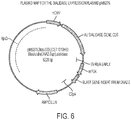
- transfectants Twenty-four hours after transfection the transfectants were directly plated out in 96-well plates with CD-Fusion selection medium containing 10 ug/ml puromycin (Invitrogen). Following drug selection and screening cells from the best-producing, drug-resistant, single foci wells were selected for expansion. After further characterization of the top clones based on specific chromogenic activity the final candidate cell line was selected and a Research Cell Bank (RCB) was produced. These cells were super-transfected with linearized pMB279 plasmid DNA (see Figure 6 ) using a similar method as described above.
- RBC Research Cell Bank
- Factor VII expressed in mammalian cells has a number of post-translational modifications, including modification of up to 10 glutamate residues within its N-terminal Gla domain by vitamin K-dependent carboxylation to form ⁇ -carboxyglutamate (Gla) residues. Since Factor VII can be expressed with a variable number of Gla residues, a key goal of the purification is to isolate desialylated Factor VII with a high content of Gla modifications (mostly 9 to 10 for wild type).
- the harvest media was changed into a buffer solution, concentrated and frozen for later processing.
- the second step capture of the product by anion exchange chromatography (AIEC), allows for further concentration of the product and preparation for the third step, hydroxyapatite chromatography (HAC).
- HAC hydroxyapatite chromatography
- This later step provides a substantial purification of the product, and can also remove forms of FVII present with a low content of Gla modifications.
- a fourth step is a second AIEC, which prepares the protein product for the in-solution activation step such as by altering protein concentration and changing the buffer.
- an activation step is needed to activate the protein by cleavage between the R and the I (residue 153 of the mature protein).
- An "in solution activation step” was used that involves an incubation of the protein at room temperature under conditions that promote the auto proteolytic cleavage of Factor VII to Factor VIIa.
- the activation step was followed with a polishing step (third AIEC) and dialysis of the final product into formulation buffer.
- the final protein is stored at -70 deg C.
- N-linked glycans were removed by enzyme treatment, and the glycans were analyzed using MALDI mass spectrometry. The results are shown in Figure 7 .
- the legend for the Roman numerals used in Figure 7 is found in Figure 3 .
- the N-linked glycans from desialylated clones are mostly fucosylated bi-antennary (see, e.g., formula I peak) and tri- and tetra-antennary structures (see, e.g., formula IV and V peaks).
- the mass and the intensity of the peak can be used to determine the glycan composition, and the relative abundance of detectable glycan structures.
- FIGs 7 and 8 The data in Figures 7 and 8 is for CHO-K1 cell line subclones 9, 11, and (for Figure 8 ) 9 DS, which is subclone 9 purified to a greater extent than the sample marked subclone 9, compared to desialylated NOVOSEVEN.
- Subclone 9 and subclone 11 were purified and auto-activated.
- Subclone 9 DS was further purified using tangential flow filtration. Thus all the samples were activated (i.e., desialylated wild type FVIIa).
- N-glycosylation pattern of the heavy chain of recombinant Factor VIIa was analyzed using LC-mass spectrometry for structural characterization, resolved by HPLC after reduction of the activated Factor VIIa molecule. These data therefore, show only those N-linked glycans on the HC, which are a subset of the total pool of N-linked glycans present on the intact HC and HL heterodimer.
- Figure 9 reports the glycosylation profile for the desialylated heavy chain ("HC") of the reference product, NOVOSEVEN recombinant Factor VIIa and that of a Factor VIIa glycoprotein of the present disclosure.
- Desialylated NOVOSEVEN recombinant Factor VIIa may be produced by gentle mixing of a slurry of neuraminidase-agarose beads (Sigma N5254) and a buffer solution of rFVIIa at room temperature for about 16-24 hours.
- neuraminidase-agarose beads Sigma N5254
- rFVIIa buffer solution of rFVIIa
- One of ordinary skill can envision additional methods to generate such an enzymatic desialylation.
- the N-linked glycosylation on the heavy chain of the reference desialylated NOVOSEVEN Factor VIIa product is mostly bi-antennary structure with bisecting and different sialylation (terminal sialic acid content: 0, 1, or 2). Very small amounts of tri-antennary structure were observed.
- FIG. 9 shows the N-glycan distribution for the HC on a desialylated Factor VIIa according to the present invention produced in a research cell line using a CHO-S cell transfected with nucleotides encoding recombinant wild type human Factor VII and sialidase active domain of A urefaciens.
- the downward arrows show two glycans present in desialylated NOVOSEVEN but substantially or completely absent from the Factor VII glycoforms of the present invention.
- the glycoprotein of the present invention when analyzed by LC-MS, shows no glycoforms corresponding to formula II and formula III.
- the HC of the reference product shows significant amounts of each of these glycoforms.
- Subclone 9 DS retained activity in vitro as measured by phospholipid-Factor Xa (PL-Xa) activation. Activity of Factor VIIa may also be assessed using standard thrombin generation assay conditions in normal pooled human plasma. 1 pM tissue factor is the activator and the sample is run under 4 micromolar lipid concentration. Clearance may be measured in an in vitro hepatocyte clearance assay. Increased clearance may be measured in vivo in rat and in a HemA PK study.
- PL-Xa phospholipid-Factor Xa
- the Factor VII and Factor VIIa glycoproteins of the present disclosure have glycans that can serve as ligands for clearance receptors, such as the asialoglycoprotein receptor (ASGPR) in the liver.
- ASGPR asialoglycoprotein receptor
- This receptor binds to glycans having terminal galactose residues.
- ASGPR binds glycans with multiple arms terminating with man-GlcNAc-Gal.
- the presently disclosed glycoproteins have reduced levels of glycans found on other recombinant Factor VII and Factor VIIa molecules such as NOVOSEVEN recombinant Factor VIIa, or glycans ending in GlcNAc.
- glycans have the potential for interaction with other cell receptors, such as Man/GlcNAc receptors that facilitate uptake into macrophages and other cells, such as dendritic cells.
- Man/GlcNAc receptors that facilitate uptake into macrophages and other cells, such as dendritic cells.
- the rate of uptake into macrophages can be different than uptake by the ASGPR, resulting in different duration of actions and bio-distributions.
- uptake into dendritic cells via Man/GlcNAc receptors has been associated with higher rates of immunogenicity.
- the role of different glycan structures may be particularly important for clearance of molecules further altered to remove sialic acid, such as those of the present invention.
Landscapes
- Health & Medical Sciences (AREA)
- Chemical & Material Sciences (AREA)
- Life Sciences & Earth Sciences (AREA)
- Engineering & Computer Science (AREA)
- Organic Chemistry (AREA)
- Bioinformatics & Cheminformatics (AREA)
- General Health & Medical Sciences (AREA)
- Wood Science & Technology (AREA)
- Zoology (AREA)
- Genetics & Genomics (AREA)
- Medicinal Chemistry (AREA)
- Biomedical Technology (AREA)
- Biochemistry (AREA)
- General Engineering & Computer Science (AREA)
- Veterinary Medicine (AREA)
- Pharmacology & Pharmacy (AREA)
- Public Health (AREA)
- Animal Behavior & Ethology (AREA)
- Molecular Biology (AREA)
- Microbiology (AREA)
- Chemical Kinetics & Catalysis (AREA)
- Hematology (AREA)
- Diabetes (AREA)
- General Chemical & Material Sciences (AREA)
- Biotechnology (AREA)
- Nuclear Medicine, Radiotherapy & Molecular Imaging (AREA)
- Peptides Or Proteins (AREA)
- Medicines That Contain Protein Lipid Enzymes And Other Medicines (AREA)
- Preparation Of Compounds By Using Micro-Organisms (AREA)
- Immunology (AREA)
- Proteomics, Peptides & Aminoacids (AREA)
- Epidemiology (AREA)
Claims (14)
- Une glycoprotéine du facteur VII ou du facteur FVIIa comprenant un motif de glycosylation N-lié comprenant des glycanes ; dans laquelle le motif de glycosylation comprend :(1) substantiellement aucun glycane avec acide N-acétylneuraminique terminal et(2) un glycane substantiel qui est un glycane de formule I : (GlcNAc)4(Man)3(Gal)2(Fuc) et(3) des quantités à l'état de traces ou moins d'un ou plusieurs glycanes choisis dans le groupe constitué par un glycane de formule II : (GlcNAc)5(Man)3(Gal)(Fuc) et un glycanes de formule III : (GlcNAc)6(Man)3(Fuc) et(4) un glycane de formule V: (GlcNAc)6(Gal)4(Man)3(Fuc).
- La glycoprotéine du facteur VII ou du facteur VIIa selon la revendication 1, dans laquelle le motif de glycosylation comprend en outre : un glycane de formule IV : (GlcNAc)5(Man)3(Gal)3(Fuc).
- La glycoprotéine du facteur VII ou du facteur VIIa selon la revendication 1 ou 2, dans laquelle le schéma de glycosylation comprend des quantités à l'état de traces ou moins le glycane de formule II.
- La glycoprotéine du Facteur VII ou du Facteur VIIa selon la revendication 1 ou 2, dans laquelle le schéma de glycosylation a des quantités à l'état de traces ou moins leu glycane de formule III.
- La glycoprotéine du facteur VII ou du facteur VIIa selon l'une quelconque des revendications 1 à 4, dans laquelle la glycoprotéine comprend une séquence d'acides aminés présentant trois mutations ou moins par rapport à la SEQ ID NO : 2.
- La glycoprotéine du Facteur VII ou du Facteur VIIa selon la revendication 1, dans laquelle la glycoprotéine est une glycoprotéine du Facteur VIIa et comprend une chaîne lourde ; dans laquelle la chaîne lourde comprend un motif de glycosylation N-liée comprenant des glycanes ; et en outre dans laquelle le motif de glycosylation comprend :(1) substantiellement aucun glycane avec acide N-acétylneuraminique et(2) un glycane substantiel qui est un glycane de formule I : (GlcNAc)4(Man)3(Gal)2(Fuc) ;
et(3) des quantités à l'état de traces ou moins d'un ou plusieurs glycanes choisis dans le groupe constitué par un glycanes de formule II : (GlcNAc)5(Man)3(Gal)(Fuc)et un glycanes de formule III : (GlcNAc)6(Man)3(Fuc). - La glycoprotéine de facteur VIIa selon la revendication 6, dans laquelle le schéma de glycosylation contient des quantités à l'état de traces ou moins du glycane de formule II.
- La glycoprotéine du facteur VIIa selon la revendication 5 ou 6, dans laquelle le schéma de glycosylation contient des quantités à l'état de traces ou moins du glycane de formule III.
- La glycoprotéine du facteur VIIa de l'une quelconque des revendications 5 à 8, dans laquelle la glycoprotéine comprend une séquence d'acides aminés ayant trois mutations ou moins par rapport à la SEQ ID NO : 2.
- Un procédé de fabrication de la glycoprotéine du facteur VII ou du facteur VIIa selon l'une des revendications 2 à 9, comprenant les étapes suivantes :expression d'un acide nucléique recombinant codant pour la séquence d'acides aminés de la glycoprotéine du facteur VII ou du facteur VIIa dans une cellule hôte CHO K-1 qui a été modifiée par recombinaison pour exprimer la sialidase ; etisolation de la glycoprotéine du facteur VII ou du facteur VIIa ainsi produite.
- Le procédé selon la revendication 10, dans lequel la sialidase comprend une séquence d'acides aminés de SEQ ID NO : 5.
- La glycoprotéine du facteur VII de l'une quelconque des revendications 1 à 9 pour une utilisation dans une méthode de traitement d'un mammifère atteint d'une maladie ou d'un trouble dans la ou lequel la formation de caillots sanguins est souhaitable, dans laquelle la maladie ou le trouble est choisi(e) dans le groupe constitué par une hémorragie, une hémorragie gastro-intestinale, une hémorragie non contrôlée, une hémorragie chez un mammifère subissant une transplantation ou une résection ou une chirurgie, une hémorragie variqueuse, une thrombocytopénie, une hémophilie, une hémorragie intracrânienne, un anévrisme aortique et une administration excessive d'un anticoagulant, une blessure traumatique avec pénétration, une blessure traumatique contondante, une hémorragie lors d'une chirurgie élective, une hémorragie lors d'une chirurgie cardiaque, une hémorragie lors d'une chirurgie de la colonne vertébrale, une chirurgie orthopédique, une neurochirurgie, une chirurgie oncologique, une chirurgie post-partum, une ménorragie, une hémorragie lors d'une transplantation de cellules souches, hémorragie lors d'une transplantation hépatique, une hémorragie gastro-intestinale, une hémorragie variqueuse active lors d'une cirrhose, une hémorragie non variqueuse lors d'une cirrhose, une hémorragie alvéolaire diffuse, un anévrisme aortique, une hémorragie intracérébrale, une lésion cérébrale traumatique, une contusion cérébrale, une inversion de warfarine, une inversion d'héparine, une inversion d'anticoagulants, une inversion d'anti-thrombotiques, un déficit en facteur VII, des brûlures, une prophylaxie chez les patients hémophiles avec inhibiteurs, une hépatectomie partielle pour les patients non cirrhotiques et cirrhotiques, une hémophilie acquise, un purpura thrombocytopénique idiopathique, une thrombasthénie de Glanzmann, une thrombasthénie de Glanzmann réfractaire à la transfusion de plaquettes et un syndrome de Bernard-Soulier.
- La glycoprotéine du facteur VII à utiliser selon la revendication 12, dans laquelle la maladie ou le trouble est une hémorragie qui est une hémorragie post-partum.
- Une composition pharmaceutique comprenant la glycoprotéine du facteur VII ou du facteur VIIa selon l'une quelconque des revendications 1 à 9 et un excipient pharmaceutiquement acceptable.
Priority Applications (1)
| Application Number | Priority Date | Filing Date | Title |
|---|---|---|---|
| PL17851361T PL3512876T3 (pl) | 2016-09-13 | 2017-09-11 | Glikoformy czynnika viia |
Applications Claiming Priority (2)
| Application Number | Priority Date | Filing Date | Title |
|---|---|---|---|
| US201662393930P | 2016-09-13 | 2016-09-13 | |
| PCT/US2017/050887 WO2018052827A1 (fr) | 2016-09-13 | 2017-09-11 | Glycoformes du facteur viia |
Publications (3)
| Publication Number | Publication Date |
|---|---|
| EP3512876A1 EP3512876A1 (fr) | 2019-07-24 |
| EP3512876A4 EP3512876A4 (fr) | 2020-04-22 |
| EP3512876B1 true EP3512876B1 (fr) | 2021-10-27 |
Family
ID=61620165
Family Applications (1)
| Application Number | Title | Priority Date | Filing Date |
|---|---|---|---|
| EP17851361.0A Not-in-force EP3512876B1 (fr) | 2016-09-13 | 2017-09-11 | Glycoformes du facteur viia |
Country Status (12)
| Country | Link |
|---|---|
| US (1) | US20190211319A1 (fr) |
| EP (1) | EP3512876B1 (fr) |
| JP (1) | JP2019530672A (fr) |
| KR (1) | KR20190045350A (fr) |
| CN (1) | CN109963866A (fr) |
| CA (1) | CA3036527A1 (fr) |
| DK (1) | DK3512876T3 (fr) |
| ES (1) | ES2902645T3 (fr) |
| MX (1) | MX2019002734A (fr) |
| PL (1) | PL3512876T3 (fr) |
| SG (2) | SG11201901989VA (fr) |
| WO (1) | WO2018052827A1 (fr) |
Families Citing this family (1)
| Publication number | Priority date | Publication date | Assignee | Title |
|---|---|---|---|---|
| CN118995880A (zh) * | 2024-09-05 | 2024-11-22 | 北京国科星联科技有限公司 | 一种检测唾液酸的方法 |
Family Cites Families (10)
| Publication number | Priority date | Publication date | Assignee | Title |
|---|---|---|---|---|
| DE10022092A1 (de) * | 2000-05-08 | 2001-11-15 | Aventis Behring Gmbh | Stabilisiertes Protein-Präparat und Verfahren zu seiner Herstellung |
| CN103627670B (zh) | 2004-02-13 | 2016-12-21 | 格莱克托普有限公司 | 高活性糖蛋白加工条件及其有效生产方法 |
| EP1761630A2 (fr) | 2004-06-21 | 2007-03-14 | Novo Nordisk Health Care AG | Variants du facteur vii a site de glycosylation dissocie |
| PT1841863E (pt) | 2005-01-14 | 2010-10-25 | Bayer Healthcare Llc | Método para a purificação de factor vii |
| EP1816201A1 (fr) * | 2006-02-06 | 2007-08-08 | CSL Behring GmbH | Facteur de coagulation VIIa modifié ayant une stabilité 'half-life' améliorée |
| MX2009007139A (es) * | 2006-12-28 | 2009-10-08 | Centocor Ortho Biotech Inc | Metodos y vectores para generar inmunoglobulinas no sialiladas. |
| UA110323C2 (en) * | 2009-06-04 | 2015-12-25 | Promedior Inc | Derivative of serum amyloid p and their receipt and application |
| US20130243744A1 (en) * | 2011-01-06 | 2013-09-19 | Michael J. Betenbaugh | Method of production of recombinant glycoproteins with increased circulatory half-life in mammalian cells |
| WO2013017555A1 (fr) * | 2011-08-01 | 2013-02-07 | Lfb-Biotechnologies | Compositions de facteur vii ayant une glycosylation spécifique pour une demi-vie régulée |
| BR112015015182B1 (pt) * | 2012-12-24 | 2023-12-26 | Coagulant Therapeutics Corporation | Variante polipeptídica isolada do fator vii, seu método de preparação e seu uso, e composições farmacêuticas e seus usos |
-
2017
- 2017-09-11 SG SG11201901989VA patent/SG11201901989VA/en unknown
- 2017-09-11 CN CN201780069817.6A patent/CN109963866A/zh active Pending
- 2017-09-11 WO PCT/US2017/050887 patent/WO2018052827A1/fr not_active Ceased
- 2017-09-11 EP EP17851361.0A patent/EP3512876B1/fr not_active Not-in-force
- 2017-09-11 ES ES17851361T patent/ES2902645T3/es active Active
- 2017-09-11 CA CA3036527A patent/CA3036527A1/fr not_active Abandoned
- 2017-09-11 US US16/332,289 patent/US20190211319A1/en not_active Abandoned
- 2017-09-11 PL PL17851361T patent/PL3512876T3/pl unknown
- 2017-09-11 DK DK17851361.0T patent/DK3512876T3/da active
- 2017-09-11 KR KR1020197010418A patent/KR20190045350A/ko not_active Abandoned
- 2017-09-11 SG SG10202112746PA patent/SG10202112746PA/en unknown
- 2017-09-11 MX MX2019002734A patent/MX2019002734A/es unknown
- 2017-09-11 JP JP2019513825A patent/JP2019530672A/ja active Pending
Non-Patent Citations (1)
| Title |
|---|
| None * |
Also Published As
| Publication number | Publication date |
|---|---|
| PL3512876T3 (pl) | 2022-02-14 |
| DK3512876T3 (da) | 2021-11-15 |
| MX2019002734A (es) | 2019-05-27 |
| CA3036527A1 (fr) | 2018-03-22 |
| ES2902645T3 (es) | 2022-03-29 |
| JP2019530672A (ja) | 2019-10-24 |
| WO2018052827A1 (fr) | 2018-03-22 |
| KR20190045350A (ko) | 2019-05-02 |
| SG11201901989VA (en) | 2019-04-29 |
| EP3512876A4 (fr) | 2020-04-22 |
| EP3512876A1 (fr) | 2019-07-24 |
| SG10202112746PA (en) | 2021-12-30 |
| CN109963866A (zh) | 2019-07-02 |
| US20190211319A1 (en) | 2019-07-11 |
Similar Documents
| Publication | Publication Date | Title |
|---|---|---|
| ES2344887T3 (es) | Glicoformas de factor vii. | |
| TWI391400B (zh) | 多數顯示雙觸、雙唾液酸化及無海藻糖化聚醣形式之基因轉殖第vii因子之組成物 | |
| AU2001291652A1 (en) | Factor VII glycoforms | |
| EA020818B1 (ru) | Модифицированные полипептиды фактора vii и их применение | |
| AU2019202663B2 (en) | Short-acting Factor VII polypeptides | |
| WO2014140103A2 (fr) | Molécules de facteur de coagulation x sensible à la thrombine | |
| EP3512876B1 (fr) | Glycoformes du facteur viia | |
| EP1952822A1 (fr) | Polypeptides de facteur VII avec une affinité améliorée pour les plaquettes | |
| EP2988758B1 (fr) | Variants polypeptidiques du facteur viii et leurs procédés de production et d'utilisation | |
| HK40011221A (en) | Factor viia glycoforms | |
| WO2017025566A1 (fr) | Facteur vii de recombinaison amélioré |
Legal Events
| Date | Code | Title | Description |
|---|---|---|---|
| STAA | Information on the status of an ep patent application or granted ep patent |
Free format text: STATUS: THE INTERNATIONAL PUBLICATION HAS BEEN MADE |
|
| PUAI | Public reference made under article 153(3) epc to a published international application that has entered the european phase |
Free format text: ORIGINAL CODE: 0009012 |
|
| STAA | Information on the status of an ep patent application or granted ep patent |
Free format text: STATUS: REQUEST FOR EXAMINATION WAS MADE |
|
| 17P | Request for examination filed |
Effective date: 20190411 |
|
| AK | Designated contracting states |
Kind code of ref document: A1 Designated state(s): AL AT BE BG CH CY CZ DE DK EE ES FI FR GB GR HR HU IE IS IT LI LT LU LV MC MK MT NL NO PL PT RO RS SE SI SK SM TR |
|
| AX | Request for extension of the european patent |
Extension state: BA ME |
|
| RAP1 | Party data changed (applicant data changed or rights of an application transferred) |
Owner name: COAGULANT THERAPEUTICS CORPORATION |
|
| DAV | Request for validation of the european patent (deleted) | ||
| DAX | Request for extension of the european patent (deleted) | ||
| A4 | Supplementary search report drawn up and despatched |
Effective date: 20200323 |
|
| RIC1 | Information provided on ipc code assigned before grant |
Ipc: A61P 7/04 20060101ALI20200317BHEP Ipc: A61K 38/48 20060101ALI20200317BHEP Ipc: C12N 5/10 20060101ALI20200317BHEP Ipc: C12N 9/64 20060101ALI20200317BHEP Ipc: A61K 38/17 20060101ALI20200317BHEP Ipc: A61K 38/36 20060101ALI20200317BHEP Ipc: C07K 14/745 20060101AFI20200317BHEP Ipc: C07K 14/435 20060101ALI20200317BHEP |
|
| STAA | Information on the status of an ep patent application or granted ep patent |
Free format text: STATUS: EXAMINATION IS IN PROGRESS |
|
| 17Q | First examination report despatched |
Effective date: 20200804 |
|
| GRAP | Despatch of communication of intention to grant a patent |
Free format text: ORIGINAL CODE: EPIDOSNIGR1 |
|
| STAA | Information on the status of an ep patent application or granted ep patent |
Free format text: STATUS: GRANT OF PATENT IS INTENDED |
|
| INTG | Intention to grant announced |
Effective date: 20210514 |
|
| GRAS | Grant fee paid |
Free format text: ORIGINAL CODE: EPIDOSNIGR3 |
|
| GRAA | (expected) grant |
Free format text: ORIGINAL CODE: 0009210 |
|
| STAA | Information on the status of an ep patent application or granted ep patent |
Free format text: STATUS: THE PATENT HAS BEEN GRANTED |
|
| AK | Designated contracting states |
Kind code of ref document: B1 Designated state(s): AL AT BE BG CH CY CZ DE DK EE ES FI FR GB GR HR HU IE IS IT LI LT LU LV MC MK MT NL NO PL PT RO RS SE SI SK SM TR |
|
| REG | Reference to a national code |
Ref country code: GB Ref legal event code: FG4D |
|
| REG | Reference to a national code |
Ref country code: CH Ref legal event code: EP |
|
| REG | Reference to a national code |
Ref country code: DK Ref legal event code: T3 Effective date: 20211111 Ref country code: AT Ref legal event code: REF Ref document number: 1441742 Country of ref document: AT Kind code of ref document: T Effective date: 20211115 |
|
| REG | Reference to a national code |
Ref country code: DE Ref legal event code: R096 Ref document number: 602017048453 Country of ref document: DE |
|
| REG | Reference to a national code |
Ref country code: IE Ref legal event code: FG4D |
|
| REG | Reference to a national code |
Ref country code: NL Ref legal event code: FP |
|
| REG | Reference to a national code |
Ref country code: LT Ref legal event code: MG9D |
|
| REG | Reference to a national code |
Ref country code: ES Ref legal event code: FG2A Ref document number: 2902645 Country of ref document: ES Kind code of ref document: T3 Effective date: 20220329 |
|
| PG25 | Lapsed in a contracting state [announced via postgrant information from national office to epo] |
Ref country code: RS Free format text: LAPSE BECAUSE OF FAILURE TO SUBMIT A TRANSLATION OF THE DESCRIPTION OR TO PAY THE FEE WITHIN THE PRESCRIBED TIME-LIMIT Effective date: 20211027 Ref country code: LT Free format text: LAPSE BECAUSE OF FAILURE TO SUBMIT A TRANSLATION OF THE DESCRIPTION OR TO PAY THE FEE WITHIN THE PRESCRIBED TIME-LIMIT Effective date: 20211027 Ref country code: FI Free format text: LAPSE BECAUSE OF FAILURE TO SUBMIT A TRANSLATION OF THE DESCRIPTION OR TO PAY THE FEE WITHIN THE PRESCRIBED TIME-LIMIT Effective date: 20211027 Ref country code: BG Free format text: LAPSE BECAUSE OF FAILURE TO SUBMIT A TRANSLATION OF THE DESCRIPTION OR TO PAY THE FEE WITHIN THE PRESCRIBED TIME-LIMIT Effective date: 20220127 |
|
| PG25 | Lapsed in a contracting state [announced via postgrant information from national office to epo] |
Ref country code: IS Free format text: LAPSE BECAUSE OF FAILURE TO SUBMIT A TRANSLATION OF THE DESCRIPTION OR TO PAY THE FEE WITHIN THE PRESCRIBED TIME-LIMIT Effective date: 20220227 Ref country code: SE Free format text: LAPSE BECAUSE OF FAILURE TO SUBMIT A TRANSLATION OF THE DESCRIPTION OR TO PAY THE FEE WITHIN THE PRESCRIBED TIME-LIMIT Effective date: 20211027 Ref country code: PT Free format text: LAPSE BECAUSE OF FAILURE TO SUBMIT A TRANSLATION OF THE DESCRIPTION OR TO PAY THE FEE WITHIN THE PRESCRIBED TIME-LIMIT Effective date: 20220228 Ref country code: NO Free format text: LAPSE BECAUSE OF FAILURE TO SUBMIT A TRANSLATION OF THE DESCRIPTION OR TO PAY THE FEE WITHIN THE PRESCRIBED TIME-LIMIT Effective date: 20220127 Ref country code: LV Free format text: LAPSE BECAUSE OF FAILURE TO SUBMIT A TRANSLATION OF THE DESCRIPTION OR TO PAY THE FEE WITHIN THE PRESCRIBED TIME-LIMIT Effective date: 20211027 Ref country code: HR Free format text: LAPSE BECAUSE OF FAILURE TO SUBMIT A TRANSLATION OF THE DESCRIPTION OR TO PAY THE FEE WITHIN THE PRESCRIBED TIME-LIMIT Effective date: 20211027 Ref country code: GR Free format text: LAPSE BECAUSE OF FAILURE TO SUBMIT A TRANSLATION OF THE DESCRIPTION OR TO PAY THE FEE WITHIN THE PRESCRIBED TIME-LIMIT Effective date: 20220128 |
|
| REG | Reference to a national code |
Ref country code: DE Ref legal event code: R097 Ref document number: 602017048453 Country of ref document: DE |
|
| PG25 | Lapsed in a contracting state [announced via postgrant information from national office to epo] |
Ref country code: SM Free format text: LAPSE BECAUSE OF FAILURE TO SUBMIT A TRANSLATION OF THE DESCRIPTION OR TO PAY THE FEE WITHIN THE PRESCRIBED TIME-LIMIT Effective date: 20211027 Ref country code: SK Free format text: LAPSE BECAUSE OF FAILURE TO SUBMIT A TRANSLATION OF THE DESCRIPTION OR TO PAY THE FEE WITHIN THE PRESCRIBED TIME-LIMIT Effective date: 20211027 Ref country code: RO Free format text: LAPSE BECAUSE OF FAILURE TO SUBMIT A TRANSLATION OF THE DESCRIPTION OR TO PAY THE FEE WITHIN THE PRESCRIBED TIME-LIMIT Effective date: 20211027 Ref country code: EE Free format text: LAPSE BECAUSE OF FAILURE TO SUBMIT A TRANSLATION OF THE DESCRIPTION OR TO PAY THE FEE WITHIN THE PRESCRIBED TIME-LIMIT Effective date: 20211027 Ref country code: CZ Free format text: LAPSE BECAUSE OF FAILURE TO SUBMIT A TRANSLATION OF THE DESCRIPTION OR TO PAY THE FEE WITHIN THE PRESCRIBED TIME-LIMIT Effective date: 20211027 |
|
| PLBE | No opposition filed within time limit |
Free format text: ORIGINAL CODE: 0009261 |
|
| STAA | Information on the status of an ep patent application or granted ep patent |
Free format text: STATUS: NO OPPOSITION FILED WITHIN TIME LIMIT |
|
| 26N | No opposition filed |
Effective date: 20220728 |
|
| PG25 | Lapsed in a contracting state [announced via postgrant information from national office to epo] |
Ref country code: AL Free format text: LAPSE BECAUSE OF FAILURE TO SUBMIT A TRANSLATION OF THE DESCRIPTION OR TO PAY THE FEE WITHIN THE PRESCRIBED TIME-LIMIT Effective date: 20211027 |
|
| PGFP | Annual fee paid to national office [announced via postgrant information from national office to epo] |
Ref country code: DE Payment date: 20220620 Year of fee payment: 6 |
|
| PG25 | Lapsed in a contracting state [announced via postgrant information from national office to epo] |
Ref country code: SI Free format text: LAPSE BECAUSE OF FAILURE TO SUBMIT A TRANSLATION OF THE DESCRIPTION OR TO PAY THE FEE WITHIN THE PRESCRIBED TIME-LIMIT Effective date: 20211027 |
|
| REG | Reference to a national code |
Ref country code: AT Ref legal event code: UEP Ref document number: 1441742 Country of ref document: AT Kind code of ref document: T Effective date: 20211027 |
|
| PG25 | Lapsed in a contracting state [announced via postgrant information from national office to epo] |
Ref country code: MC Free format text: LAPSE BECAUSE OF FAILURE TO SUBMIT A TRANSLATION OF THE DESCRIPTION OR TO PAY THE FEE WITHIN THE PRESCRIBED TIME-LIMIT Effective date: 20211027 |
|
| REG | Reference to a national code |
Ref country code: CH Ref legal event code: PL |
|
| REG | Reference to a national code |
Ref country code: DK Ref legal event code: EBP Effective date: 20220930 |
|
| REG | Reference to a national code |
Ref country code: NL Ref legal event code: MM Effective date: 20221001 |
|
| GBPC | Gb: european patent ceased through non-payment of renewal fee |
Effective date: 20220911 |
|
| REG | Reference to a national code |
Ref country code: BE Ref legal event code: MM Effective date: 20220930 |
|
| PG25 | Lapsed in a contracting state [announced via postgrant information from national office to epo] |
Ref country code: IT Free format text: LAPSE BECAUSE OF FAILURE TO SUBMIT A TRANSLATION OF THE DESCRIPTION OR TO PAY THE FEE WITHIN THE PRESCRIBED TIME-LIMIT Effective date: 20211027 |
|
| P01 | Opt-out of the competence of the unified patent court (upc) registered |
Effective date: 20230517 |
|
| PG25 | Lapsed in a contracting state [announced via postgrant information from national office to epo] |
Ref country code: NL Free format text: LAPSE BECAUSE OF NON-PAYMENT OF DUE FEES Effective date: 20221001 Ref country code: LU Free format text: LAPSE BECAUSE OF NON-PAYMENT OF DUE FEES Effective date: 20220911 |
|
| PG25 | Lapsed in a contracting state [announced via postgrant information from national office to epo] |
Ref country code: LI Free format text: LAPSE BECAUSE OF NON-PAYMENT OF DUE FEES Effective date: 20220930 Ref country code: IE Free format text: LAPSE BECAUSE OF NON-PAYMENT OF DUE FEES Effective date: 20220911 Ref country code: FR Free format text: LAPSE BECAUSE OF NON-PAYMENT OF DUE FEES Effective date: 20220930 Ref country code: CH Free format text: LAPSE BECAUSE OF NON-PAYMENT OF DUE FEES Effective date: 20220930 |
|
| PG25 | Lapsed in a contracting state [announced via postgrant information from national office to epo] |
Ref country code: BE Free format text: LAPSE BECAUSE OF NON-PAYMENT OF DUE FEES Effective date: 20220930 |
|
| REG | Reference to a national code |
Ref country code: DE Ref legal event code: R082 Ref document number: 602017048453 Country of ref document: DE Representative=s name: MAIWALD GMBH, DE |
|
| REG | Reference to a national code |
Ref country code: ES Ref legal event code: FD2A Effective date: 20231027 |
|
| PG25 | Lapsed in a contracting state [announced via postgrant information from national office to epo] |
Ref country code: GB Free format text: LAPSE BECAUSE OF NON-PAYMENT OF DUE FEES Effective date: 20220911 Ref country code: DK Free format text: LAPSE BECAUSE OF NON-PAYMENT OF DUE FEES Effective date: 20220930 |
|
| REG | Reference to a national code |
Ref country code: AT Ref legal event code: MM01 Ref document number: 1441742 Country of ref document: AT Kind code of ref document: T Effective date: 20220911 |
|
| PG25 | Lapsed in a contracting state [announced via postgrant information from national office to epo] |
Ref country code: ES Free format text: LAPSE BECAUSE OF NON-PAYMENT OF DUE FEES Effective date: 20220912 |
|
| PG25 | Lapsed in a contracting state [announced via postgrant information from national office to epo] |
Ref country code: ES Free format text: LAPSE BECAUSE OF NON-PAYMENT OF DUE FEES Effective date: 20220912 Ref country code: AT Free format text: LAPSE BECAUSE OF NON-PAYMENT OF DUE FEES Effective date: 20220911 |
|
| PG25 | Lapsed in a contracting state [announced via postgrant information from national office to epo] |
Ref country code: HU Free format text: LAPSE BECAUSE OF FAILURE TO SUBMIT A TRANSLATION OF THE DESCRIPTION OR TO PAY THE FEE WITHIN THE PRESCRIBED TIME-LIMIT; INVALID AB INITIO Effective date: 20170911 |
|
| REG | Reference to a national code |
Ref country code: DE Ref legal event code: R119 Ref document number: 602017048453 Country of ref document: DE |
|
| PG25 | Lapsed in a contracting state [announced via postgrant information from national office to epo] |
Ref country code: CY Free format text: LAPSE BECAUSE OF FAILURE TO SUBMIT A TRANSLATION OF THE DESCRIPTION OR TO PAY THE FEE WITHIN THE PRESCRIBED TIME-LIMIT Effective date: 20211027 |
|
| PG25 | Lapsed in a contracting state [announced via postgrant information from national office to epo] |
Ref country code: PL Free format text: LAPSE BECAUSE OF NON-PAYMENT OF DUE FEES Effective date: 20220911 Ref country code: MK Free format text: LAPSE BECAUSE OF FAILURE TO SUBMIT A TRANSLATION OF THE DESCRIPTION OR TO PAY THE FEE WITHIN THE PRESCRIBED TIME-LIMIT Effective date: 20211027 |
|
| PG25 | Lapsed in a contracting state [announced via postgrant information from national office to epo] |
Ref country code: DE Free format text: LAPSE BECAUSE OF NON-PAYMENT OF DUE FEES Effective date: 20240403 |
|
| PG25 | Lapsed in a contracting state [announced via postgrant information from national office to epo] |
Ref country code: MT Free format text: LAPSE BECAUSE OF FAILURE TO SUBMIT A TRANSLATION OF THE DESCRIPTION OR TO PAY THE FEE WITHIN THE PRESCRIBED TIME-LIMIT Effective date: 20211027 |
|
| PG25 | Lapsed in a contracting state [announced via postgrant information from national office to epo] |
Ref country code: TR Free format text: LAPSE BECAUSE OF FAILURE TO SUBMIT A TRANSLATION OF THE DESCRIPTION OR TO PAY THE FEE WITHIN THE PRESCRIBED TIME-LIMIT Effective date: 20211027 |