EP3522018B1 - Identifizierung eines weichen fehlers an einem element - Google Patents
Identifizierung eines weichen fehlers an einem element Download PDFInfo
- Publication number
- EP3522018B1 EP3522018B1 EP19151089.0A EP19151089A EP3522018B1 EP 3522018 B1 EP3522018 B1 EP 3522018B1 EP 19151089 A EP19151089 A EP 19151089A EP 3522018 B1 EP3522018 B1 EP 3522018B1
- Authority
- EP
- European Patent Office
- Prior art keywords
- cluster
- members
- multiple members
- statistical evaluation
- action
- Prior art date
- Legal status (The legal status is an assumption and is not a legal conclusion. Google has not performed a legal analysis and makes no representation as to the accuracy of the status listed.)
- Active
Links
Images




Classifications
-
- H—ELECTRICITY
- H04—ELECTRIC COMMUNICATION TECHNIQUE
- H04L—TRANSMISSION OF DIGITAL INFORMATION, e.g. TELEGRAPHIC COMMUNICATION
- H04L41/00—Arrangements for maintenance, administration or management of data switching networks, e.g. of packet switching networks
- H04L41/06—Management of faults, events, alarms or notifications
- H04L41/0677—Localisation of faults
-
- G—PHYSICS
- G06—COMPUTING OR CALCULATING; COUNTING
- G06F—ELECTRIC DIGITAL DATA PROCESSING
- G06F11/00—Error detection; Error correction; Monitoring
- G06F11/07—Responding to the occurrence of a fault, e.g. fault tolerance
- G06F11/0703—Error or fault processing not based on redundancy, i.e. by taking additional measures to deal with the error or fault not making use of redundancy in operation, in hardware, or in data representation
- G06F11/0706—Error or fault processing not based on redundancy, i.e. by taking additional measures to deal with the error or fault not making use of redundancy in operation, in hardware, or in data representation the processing taking place on a specific hardware platform or in a specific software environment
- G06F11/0709—Error or fault processing not based on redundancy, i.e. by taking additional measures to deal with the error or fault not making use of redundancy in operation, in hardware, or in data representation the processing taking place on a specific hardware platform or in a specific software environment in a distributed system consisting of a plurality of standalone computer nodes, e.g. clusters, client-server systems
-
- G—PHYSICS
- G06—COMPUTING OR CALCULATING; COUNTING
- G06F—ELECTRIC DIGITAL DATA PROCESSING
- G06F11/00—Error detection; Error correction; Monitoring
- G06F11/07—Responding to the occurrence of a fault, e.g. fault tolerance
- G06F11/0703—Error or fault processing not based on redundancy, i.e. by taking additional measures to deal with the error or fault not making use of redundancy in operation, in hardware, or in data representation
- G06F11/0751—Error or fault detection not based on redundancy
-
- G—PHYSICS
- G06—COMPUTING OR CALCULATING; COUNTING
- G06F—ELECTRIC DIGITAL DATA PROCESSING
- G06F11/00—Error detection; Error correction; Monitoring
- G06F11/07—Responding to the occurrence of a fault, e.g. fault tolerance
- G06F11/14—Error detection or correction of the data by redundancy in operations
- G06F11/1402—Saving, restoring, recovering or retrying
- G06F11/1415—Saving, restoring, recovering or retrying at system level
- G06F11/142—Reconfiguring to eliminate the error
- G06F11/1425—Reconfiguring to eliminate the error by reconfiguration of node membership
-
- G—PHYSICS
- G06—COMPUTING OR CALCULATING; COUNTING
- G06F—ELECTRIC DIGITAL DATA PROCESSING
- G06F11/00—Error detection; Error correction; Monitoring
- G06F11/30—Monitoring
- G06F11/3003—Monitoring arrangements specially adapted to the computing system or computing system component being monitored
- G06F11/3006—Monitoring arrangements specially adapted to the computing system or computing system component being monitored where the computing system is distributed, e.g. networked systems, clusters, multiprocessor systems
-
- G—PHYSICS
- G06—COMPUTING OR CALCULATING; COUNTING
- G06F—ELECTRIC DIGITAL DATA PROCESSING
- G06F11/00—Error detection; Error correction; Monitoring
- G06F11/30—Monitoring
- G06F11/3003—Monitoring arrangements specially adapted to the computing system or computing system component being monitored
- G06F11/302—Monitoring arrangements specially adapted to the computing system or computing system component being monitored where the computing system component is a software system
-
- G—PHYSICS
- G06—COMPUTING OR CALCULATING; COUNTING
- G06F—ELECTRIC DIGITAL DATA PROCESSING
- G06F8/00—Arrangements for software engineering
- G06F8/60—Software deployment
- G06F8/65—Updates
-
- H—ELECTRICITY
- H04—ELECTRIC COMMUNICATION TECHNIQUE
- H04L—TRANSMISSION OF DIGITAL INFORMATION, e.g. TELEGRAPHIC COMMUNICATION
- H04L41/00—Arrangements for maintenance, administration or management of data switching networks, e.g. of packet switching networks
- H04L41/06—Management of faults, events, alarms or notifications
- H04L41/0654—Management of faults, events, alarms or notifications using network fault recovery
-
- H—ELECTRICITY
- H04—ELECTRIC COMMUNICATION TECHNIQUE
- H04L—TRANSMISSION OF DIGITAL INFORMATION, e.g. TELEGRAPHIC COMMUNICATION
- H04L67/00—Network arrangements or protocols for supporting network services or applications
- H04L67/01—Protocols
- H04L67/10—Protocols in which an application is distributed across nodes in the network
Definitions
- Hard failures are those failures at which a component catastrophically fails.
- Soft failures are an insidious type of failure at which a node degrades such that the performance of the system may be affected.
- US2016/380855 discloses a system and method for efficiently replacing clients running a large scale application which uses a pool of clients, which includes a group of active clients running the large scale application and at least one standby client.
- a particular active client is identified to be replaced, one of the at least one standby client is selected as a replacement client for the particular active client.
- the particular active client is replaced with the selected replacement client with respect to the running of the large scale application such that the particular client is removed from the group of active clients and the selected replacement client is added to the group of active clients.
- US2014/195860 discloses a computer management system may track services on multiple computers executing the same workload. Various performance counters may be retrieved from the computers and analyzed to identify those with low deviations and low mean deviations. Statistical tests may then be used to compare the values of a particular computer to the deviation of the group of computers to identify outliers, which may indicate degraded performance and imminent failure of the computer.
- the management system may analyze any collectable performance related parameter to identify outlying systems.
- Microservices include a collection of these similar functional tasks which run on members (e.g., nodes) within the cluster. Running similar functional tasks on a group of members within the cluster, allows more efficient processing power capability.
- component failure also referred to as a hard failure.
- Cluster management techniques are used to recover from these hard failure scenarios.
- hard failure scenarios when a hardware component fails, the cluster manager detects and recovers the cluster via creation of a new component member on the infrastructure foundation.
- the cluster manager and the infrastructure may be designed with redundancy to safeguard against the hard failures.
- Soft failures in a clustered architecture are more insidious as the system suffers degradation until a hard failure occurs.
- many programs are written in many layers such as firmware, operating system, language runtime, application framework, application code, etc. Over time, the chances increase that a soft failure occurs in one of the layers.
- the present disclosure identifies a soft failure at a member within a cluster that is dedicated to a microservice.
- the disclosure calculates a statistical value for each member based on collected metrics. Based on the statistical value, the disclosure detects a failure among one of the members within the cluster. In response to the detection of the failure, an action is performed so that the cluster continues execution of the microservice.
- an action is selected for performance may be performed at the identified member suffering the soft failure.
- the list of example actions include a recycle of the member (e.g., destroy and restart), scale out the cluster by adding in an additional member, and scale in the cluster by removing the member.
- Each of these examples are actions that allow the cluster to continue execution of the microservice with minimal disruption. This allows the other members to continue execution of the microservice without bringing down the full cluster in response to an identified member experiencing the soft failure.
- a computing device instructs each of the members within the cluster dedicated to the microservice to perform the recycle in a reporting cycle.
- the recycles are completed in a randomized fashion so that each member includes a staggering start time. This means the recycle for one member may be performed prior or after a recycle of another member is complete. Instructing each member to perform the recycle in the randomized fashion provides diversity of the data. Diversity of the data provides security against the situation in which all the members in the cluster may be experiencing soft failure together.
- microservice is understand to include functionally similar tasks that are executed on members dedicated to that execution within a computing system.
- given member and “identified” member is understood to mean the member under analysis and as such may be used interchangeably throughout.
- the foregoing disclosure describes a number of example implementations for identify a member, among multiple members within a cluster dedicated to a microservice, that may be experiencing a soft failure.
- the disclosed examples may include systems, devices, computer-readable storage media, and methods for detecting the member suffering the soft failure.
- certain examples are described with reference to the components illustrated in FIGS. 1-6 .
- the functionality of the illustrated components may overlap, however, and may be present in a fewer or greater number of elements and components. Further, all or part of the functionality of illustrated elements may co-exist or be distributed among several geographically dispersed locations.
- the disclosed examples may be implemented in various environments and are not limited to the illustrated examples.
- FIG. 1 illustrates an example system 102 including cluster 104 and members 106a-106c dedicated to execution of a microservice.
- System 102 includes coordinator 108 which obtains metric data over each member 106a-106c.
- Coordinator 108 obtains metric data and in turn, determines a statistical evaluation for each member 106a-106c. Determining the statistical evaluation, coordinator 108 can identify which member 106a, 106b, or 106c is experiencing a soft failure. In response to identifying which member 106a, 106b, or 106c is experiencing the soft failure, coordinator 108 proceeds to determine an action to perform at that member and relays instructions, accordingly.
- System 102 represents a computing system capable of that enables communications between cluster 104 and coordinator 108 such that coordinator 108 identifies which member 106a-106c is experiencing the soft failure.
- implementations include service-oriented architectural system, server, containerized computing system, operating system level virtualization, or other type of computing (virtual or non-virtual) architecture capable of hosting cluster 104 that is dedicated to a specific microservice.
- system 102 illustrates a single system including cluster 104 and coordinator 108, implementations should not be so limited as this was done for illustration purposes.
- cluster 104 may be hosted on one computing system while coordinator hosted on another computing system.
- Cluster 104 includes members 106a-106c and represents a computing system that runs the microservice. As such, cluster 104 is dedicated to a specific microservice from which members 106a-106c execute that specific microservice. In this implementation, members 106a-106 each perform functionally similar tasks. In a more specific implementation, members 106a-106c each perform the same task to achieve completion of the specific microservice. In implementations, cluster 104 includes a container, partition, virtualization engine, jail (e.g., FreeBSD jail, chroot jail) that may look like a computer from that specific microservice. For example, the microservice running on a physical computer, can see the resources such as connected devices, memory, files, folder, network shares, CPU power, hardware capabilities of that physical computer. In the present instance, microservice(s) running on cluster(s) 104 are limited to view the cluster's 104 contents and members 106a-106c assigned to cluster 104.
- jail e.g., FreeBSD jail, chroot jail
- Members 106a-106a represent nodes within system 102 that execute functionally similar tasks such that cluster 104 is considered dedicated to the overall task (e.g., microservice). Members 106a-106c may experience a reduced level of performance which is referred to as the soft failure.
- the soft failure includes a degradation to members 106a-106c that occur over time. As such, members 106a-106c report metric data to coordinator 108 such that the metric data includes health information over how each member 106a-106c performs over one or more cycles.
- Metric data includes, by way of example, a rate of flow of messages, data collection, processing power, archival rates, risk of failure, how quickly the given member 106a, 106b, 106c is executing the task for the overall microservice, communications from the member 106a, 106b, 106c, the number of cycles each member 106a, 106b, 106c is performing within a period of time, total number of processing threads available, number of occupied processing threads, a total number of messages processed by the member, among others.
- Members 106a-106c represent those nodes that either each perform the specific microservice or each perform the functionally similar task that contributes to the overall microservice.
- Implementations of members 106a-106c include a circuit node, hardware that implements the microservice such as a physical circuit, programmable circuit, processing resource, chipset, controller, semiconductor, or other type of hardware capable of executing functionally similar tasks in cluster 104 to complete the specific microservice.
- members 106a-106c may include a virtualized node or virtualized member.
- instructions are executed by a hardware device (e.g., processor, controller) that members 106a-106c are hosted by a computing system's resources.
- member 106a-106c may be hosted by one computing system's resources, while members 106b-106c may be hosted by a different computing system's resources. This allows members 106a-106c to group together based on executing on functionally similar tasks and not constrained by physical location.
- Coordinator 108 receives metric data over members 106a-106c within the cluster 104 that execute the specific microservice.
- Coordinator 108 utilizes the metric data to obtain the statistical evaluation as at module 110.
- the statistical evaluation provides an analysis to compare the given member 106a, 106b, or 106c to the other members within cluster 104.
- the statistical evaluation is a mechanism used to infer the proportion of an individual member 106a, 106b, or 106c to the collective members 106a-106c.
- coordinator 108 can diagnose which member 106a, 106b, or 106c is suffering from the soft failure.
- coordinator 108 deploys the action to be performed at the identified member.
- Implementations of coordinator 108 include, electronic circuitry (i.e., hardware) such an integrated circuit, programmable circuit, application integrated circuit (ASIC), controller, processor, semiconductor, processing resource, chipset, or other type of hardware component capable of the obtaining the statistical evaluation, identifying the member from the statistical evaluation, and deploying the action for performance that the member.
- coordinator 108 may include instructions (e.g., stored on a machine-readable medium) that, when executed by a hardware component (e.g., controller and/or processor) determines which action to deploy for performance at the member, accordingly.
- Modules 110-114 identify which member 106a, 106b, or 106c is suffering the soft failure based on the statistical evaluation and in turn, determines which action to perform at the identified member.
- the statistical evaluation may be calculated by coordinator 108 from metric data. From the statistical evaluation, coordinator 108 can identify which member is experiencing the soft failure. In response, coordinator 108 In one implementation, coordinator 108 applies a policy. The policy indicates which action to perform among multiple actions.
- a recycle wherein the identified member is destroyed and recreated within cluster 104 or a different cluster (not illustrated); cluster 104 may be scaled in wherein the identified member is removed from cluster 104; cluster 104 may be scaled out wherein another member (not illustrated) is built into cluster 104; and restart of the identified member.
- the selection of the actions may be determined by the policy.
- the policy is a set of rules that tells coordinator 108 which action to deploy to the identified member.
- the action may include performing the scale in of cluster 104 and/or restart; if the statistical evaluation is below the threshold, then coordinator 108 may deploy the recycle and/or scaling out cluster 104 with the additional member.
- Modules 110-114 may include, by way of example, instructions (e.g., stored on a machine-readable medium) that, when executed (e.g., by coordinator 108), implements the functionality of modules 110-114.
- modules 110-114 may include electronic circuitry (i.e., hardware) that implements the corresponding functionality.
- FIG. 2 illustrates an example system 202 including various clusters 204a-204d, each including a different set of members 206a-206c.
- Each cluster 204a-204d is dedicated to a different microservice such that the grouping of members 206a-206c for each cluster 204a-204d execute functionally similar tasks that correspond to a specific microservice.
- cluster 204a includes members 206a-206c dedicated to one microservice
- cluster 204b includes different member (not illustrated) and dedicated to execution of a different microservice.
- Members 106a-106c within respective cluster 204 perform a reporting cycle in which metric data is collected and stored by data store 216.
- Data store 216 collects and stores metric data and other information that identifies members 206a-206c and respective clusters 204a-204d.
- Data store 216 may initiate a request (e.g., Get Snapshot ID) to various clusters 204a-204d.
- Clusters 204a-204d which are each dedicated to a different microservice in turn completes a reporting cycle.
- members 206a-206c that are dedicated to cluster 204a respective performs a reporting cycle during which cluster 204a and/or members 206a-206c transmits the identification of that cluster, identification of each member 206a-206c, and metric data to data store 216.
- the reporting cycle may include a recycle at each member 206a-206c on a random basis at staggering times so that the metric data creates data diversity. This implementation is explained in detail in a later figure.
- Coordinator 208 collects the metric data from data store 216 and proceeds to calculate the statistical evaluation from the metrics at module 210.
- Coordinator 208 collects metric data and identifying information so that coordinator 208 can identify which member 206a-206c and/or cluster 204a-204d is under analysis. As such, coordinator 208 performs an analysis cycle per member and/or per cluster. Initially, coordinator 208 may transmit a notification to data store 216 specifying the metric data from which cluster and which member (e.g., Set Snapshot ID). In turn, data store 216 transmits the requested data to coordinator 208. Coordinator 208, in turn performs the analysis cycle to calculate the statistical evaluation.
- coordinator 208 compares to a policy that includes a set of rule(s) to determine which action to perform as at module 212.
- Modules 210-214 may include, by way of example, instructions (e.g., stored on a machine-readable medium) that, when executed (e.g., by coordinator 208), implements the functionality of modules 210-214.
- modules 210-214 may include electronic circuitry (i.e., hardware) that implements the corresponding functionality.
- Cluster controller 218 manages each cluster 204a-204d dedicated to the various microservices. In response to coordinator 208 identifying the action to perform, coordinator 208 sets the policy action for deployment at the identified member. Cluster controller 218 receives the policy action and in turn, deploys that action at the identified member within one of clusters 204a-204d.
- FIGS. 3 and 4 flow diagrams are illustrated in accordance with various examples of the present disclosure.
- the flow diagrams represent processes that may be utilized in conjunction with various systems and devices as discussed with reference to the preceding figures. While illustrated in a particular order, the flow diagrams are not intended to be so limited. Rather, it is expressly contemplated that various processes may occur in different orders and/or simultaneously with other processes than those illustrated. As such, the sequence of operations described in connection with FIGS. 3-4 are examples and are not intended to be limiting. Additional or fewer operations or combinations of operations may be used or may vary without departing from the scope of the disclosed examples. Thus, the present disclosure merely sets forth possible examples of implementations, and many variations and modifications may be made to the described examples.
- FIG. 3 is a flow diagram, executable by a computing device, to perform an action at a member of a cluster that is experiencing a soft failure.
- coordinator 108 and 206 as in FIGS. 1-2 executes operations 302-308 to perform the action at the member suffering the soft failure.
- coordinator 104 and cluster 108 operate in conjunction to execute operations 302-308.
- FIG. 3 is described as implemented by the computing device, it may be executable on other suitable hardware components.
- FIG. 3 may be implemented in the form of executable instructions on a machine-readable storage medium 504 and 604 as in FIGS. 5-6 .
- the computing device identifies the statistical evaluation for a given member among multiple members dedicated to the microservice.
- the computing device calculates the statistical evaluation. This implementation includes calculating the statistical evaluation for each of the multiple members within the cluster and calculating the average statistical evaluation for the group of multiple members.
- the average statistical evaluation provides a baseline measurement for the computing device to compare against for the given member.
- the computing device may proceed to identify the difference between the statistical evaluation for the given member and the average statistical evaluation for the group of the multiple members. The difference allows the computing device to apply a policy that controls which action to perform at the given member. For example, if the difference is high, that would indicate to scale in the cluster and remove that member from the cluster.
- Calculating the statistical evaluation may include obtaining metric data from each member and calculating the average metric for that given member. As such implementations include using a mathematical formula, probability, analyzing numerical data for inferring proportions for that member compared to those members operating in the full cluster.
- the computing device detects if the given member is suffering the soft failure. In keeping with the previous example, operation 304 identifies the difference for the average statistical evaluation for the group of members and for the given member. This difference indicates whether the member is experiencing the soft failure. In response to the detection that the given member is experiencing the soft failure, the computing device performs an action at that given member as at operation 308. In response to the computing device determining that the given member is not experiencing the soft failure, the computing device does not perform the action at the given member as at operation 306.
- the computing device does not perform the action. In keeping with the previous implementation, assuming the difference between statistical evaluations is negligent, this may indicates that the given member is not experiencing the soft failure. In this operation, the given member continues execution of the microservice with the other multiple members without interference from the computing device.
- the computing device performs the action so that the other members within that cluster continues execution of the microservice.
- the action to perform at that given member include performing a recycle (e.g., destroyed and recreated), scaling the cluster out by adding in an additional member, and scaling in the cluster by removing the given member.
- a policy is applied. The policy indicates which of the actions to perform at the given member. For example, the policy may give a threshold so that if the amount of the difference is higher than the threshold, this may indicate to remove the member from the cluster. In another example of the policy, if the amount of the difference is lower than the threshold, the recycle may be performed at the given member. In this manner, the policy controls which of the actions should be performed at the given member. This implementation is explained in details in a later figure.
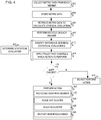
- FIG. 4 is a flow diagram illustrating a method, executable by a computing device, to select an action among multiple actions to perform at a member experiencing a soft failure.
- coordinator 108 and 208 as in FIGS. 1-2 executes operations 402-428 to perform the action at the member suffering the soft failure.
- coordinator 104 and cluster 108 operate in conjunction to execute operations 402-428.
- FIG. 4 is described as implemented by the computing device, it may be executable on other suitable hardware components.
- FIG. 4 may be implemented in the form of executable instructions on a machine-readable storage medium 504 and 604 as in FIGS. 5-6 .
- the computing device collects metric data from each member within the cluster dedicated to the microservice.
- the metric data is health information for each of the members and how each member is performing over time.
- the metric data indicates the execution performance of each member over time that may indicate a slow degradation of the member.
- the metric data may include a rate of flow of messages, data collection, processing power, archival rates, risk of failure, how quickly the given member is executing the task for the overall microservice, communications from the member, the number of cycles each member is performing within a period of time, total number of processing threads available, number of occupied processing threads, a total number of messages processed by the member, among others.
- the metric data is collected based on a random recycle such that each member is restarted at staggering times as at operation 408.
- one member may perform a recycle and based on completion, another member performs the recycle. This provides diversity in the data so that the computing device is able to observe how each member performs over time as compared to the overall health of the cluster.
- the computing devices stores the metric data in a storage area in a computing system.
- the metric data is collected over time from each of the members within the cluster.
- metric data may be collected and stored until retrieval to calculate the statistical evaluations. Storing the metric data allows the data to accumulate over time to observe how each member is changing relative to one another.
- the computing device retrieves the metric data from storage.
- the computing devices uses the metric data to calculate the statistical evaluation for any given member. As such, the computing may proceed to also calculate the average statistical evaluation for the group of members within the cluster as at operation 410.
- the computing device instructs each of the members within the cluster dedicated to the microservice to perform a recycle.
- the computing device instructs each of the members in a randomized order, so that recycles can be performed in staggering manner. This means the recycle for one member may be performed prior or after a recycle of another member is complete.
- instructing each member to perform the recycle in the randomized fashion provides diversity of the data. Diversity of the data provides security against the situation in which all the members in the cluster may be experiencing soft failure together.
- the computing device determines the statistical evaluation for each member within the cluster. Determining the statistical evaluation includes calculating a value for each member such that inferences can be made about that member as compared to the overall group of members within the cluster.
- the computing device may collect information and calculate an average and deviation across the instances of the members executing that microservice.
- the calculated evaluation is compared to the average statistical evaluation to detect the degrading member of the cluster. In this manner, statistical analysis is used across members within the cluster executing similar tasks and therefore, similar workloads.
- statistical analysis is performed for each member dedicated to that microservice in the cluster. In a further implementation, this may include identifying a difference between the statistical evaluation and the average evaluation of the group.
- each member is compared to the group of members as a whole as at operation 412. Based on the difference, the computing device may apply a policy that includes rule(s) that indicate which action to perform as at operation 414.
- the computing device determines if that given member is experiencing the soft failure. In response to determination that the given member is suffering the soft failure, the computing device proceeds to perform one or more of the actions listed in operation 422-428. In response to the determination that the given member is not experiencing the soft failure, the computing device proceeds to operation 418 and does not interfere with the execution of the microservice at that given member. Operation 416 may be similar in functionality to operation 304 as in FIG. 3 .
- the computing device may not perform an action. Alternatively, the computing device may continue monitoring that given member to ensure there is no soft failure. As such, the computing device does not interfere with the functional task(s) that given member is executing. Operation 418 may be similar in functionality to operation 306 as in FIG. 3 .
- the computing device identifies which of the list of actions at 422-428 to perform.
- the computing device applies the policy as at operation 414 that controls which of the actions at operations 422-428 to perform.
- the policy may use either the statistical evaluation of the individual given member of the difference between the average statistical evaluation for the cluster and the individual member. Operation 420 may be similar in functionality to operation 308 as in FIG. 3 .
- Operations 422-428 in response to the determination that the given member has experienced the soft failure the computing device provides an instruction to perform one the listed actions.
- the listed actions to perform at the given member include: performing a recycle during which the given member is destroyed and then recreated through instructions; scaling out the cluster by adding an additional member dedicated also dedicated to execution of the microservice along with the other members; scaling in the cluster by removing the given member; and destroying the given member from which the member may not be able to be recreated to other clusters.
- FIGS. 5-6 example block diagrams of networking devices 500 and 600 with processing resources 502 and 602 are illustrated to execute machine-readable instructions in accordance with various examples of the present disclosure.
- the machine-readable instructions represent instructions that may be fetched, decoded, and/or executed by respective processing resources 502 and 602. While illustrated in a particular order, these instructions are not intended to be so limited. Rather, it is expressly contemplated that various instructions may occur in different orders and/or simultaneously with other instructions than those illustrated in FIGS. 5-6 .
- FIG. 5 is a block diagram of computing device 500 with processing resource 502 to execute instructions 506-510 within machine-readable storage medium 504.
- networking device 500 includes processing resource 502 and machine-readable storage medium 504, it may also include other components that would be suitable to one skilled in the art.
- computing device 500 may include a controller, memory storage, or other suitable type of component.
- the computing device 500 is an electronic device with processing resource 502 capable of executing instructions 506-510 and as such embodiments of the computing device 500 include a networking device such as a server, switch, router, wireless access point (WAP), or other type of networking device.
- WAP wireless access point
- Other embodiments of the computing device 500 include an electronic device such as a laptop, personal computer, mobile device, or other type of electronic device capable of executing instructions 506-510.
- the instructions 506-510 may be implemented as methods, functions, operations, and other processes implemented as machine-readable instructions stored on the storage medium 504, which may be non-transitory, such as hardware storage devices (e.g., random access memory (RAM), read only memory (ROM), erasable programmable ROM, electrically erasable ROM, hard drives, and flash memory).
- RAM random access memory
- ROM read only memory
- erasable programmable ROM electrically erasable ROM
- hard drives e.g., hard drives, and flash memory
- the processing resource 502 may fetch, decode, and execute instructions 506-510 detect one of the members within the cluster experiencing the soft failure. Specifically, the processing resource 502 executes instructions 506-510 to: detect a statistical evaluation for each of multiple members within the cluster dedicated to executing the microservice; based on the statistical evaluation, detect which of the multiple members within the cluster that is experiencing the soft failure; and determine which action among multiple actions to perform at the member experiencing the soft failure.
- the machine-readable storage medium 504 includes instructions 506-510 for the processing resource 502 to fetch, decode, and execute.
- the machine-readable storage medium 504 may be an electronic, magnetic, optical, memory, storage, flash-drive, or other physical device that contains or stores executable instructions.
- machine-readable storage medium 504 may include, for example, Random Access Memory (RAM), an Electrically Erasable Programmable Read-Only Memory (EEPROM), a storage drive, a memory cache, network storage, a Compact Disc Read Only Memory (CDROM) and the like.
- RAM Random Access Memory
- EEPROM Electrically Erasable Programmable Read-Only Memory
- CDROM Compact Disc Read Only Memory
- machine-readable storage medium 504 may include an application and/or firmware which can be utilized independently and/or in conjunction with processing resource 502 to fetch, decode, and/or execute instructions of machine-readable storage medium 504.
- the application and/or firmware may be stored on machine-readable storage medium 504 and/or stored on another location of networking device 500.
- FIG. 6 is a block diagram of computing device 600 with processing resource 602 to execute instructions 606-616 within machine-readable storage medium 604.
- networking device 600 includes processing resource 602 and machine-readable storage medium 604, it may also include other components that would be suitable to one skilled in the art.
- computing device 600 may include a controller, memory storage, or other suitable type of component.
- the computing device 600 is an electronic device with processing resource 602 capable of executing instructions 606-628 and as such embodiments of the computing device 600 include an electronic device such as a server, switch, router, wireless access point (WAP), laptop, personal computer, or other type of computing device.
- WAP wireless access point
- Other embodiments of the computing device 600 include an electronic device such as a computing device, or other type of electronic device capable of executing instructions 606-628.
- the instructions 606-628 may be implemented as methods, functions, operations, and other processes implemented as machine-readable instructions stored on the storage medium 604, which may be non-transitory, such as hardware storage devices (e.g., random access memory (RAM), read only memory (ROM), erasable programmable ROM, electrically erasable ROM, hard drives, and flash memory).
- RAM random access memory
- ROM read only memory
- erasable programmable ROM electrically erasable ROM
- hard drives e.g., hard drives, and flash memory
- the processing resource 602 may fetch, decode, and execute instructions 606-628 to determine which action to perform at the member experiencing the soft failure. Specifically, the processing resource 602 executes instructions 606-628 to: in a random fashion, perform a recycle at each member so metrics are collected at different times from one another; collect and/or obtain metric data from each of the multiple members within the cluster dedicated to the microservice; calculate the statistical evaluation for each of the multiple members within the cluster including identify a difference in the statistical evaluation for a given member compared to the average statistical evaluation of the group of multiple members; based on the difference, apply a policy such that if the difference is above a threshold or below the threshold, the difference controls which action to perform; detect the member within the group of multiple members experiencing a soft failure; and determine which action to perform including a member recycle, scale out the cluster by adding a member, or scale in the cluster by removing a member.
- the machine-readable storage medium 604 includes instructions 606-628 for the processing resource 602 to fetch, decode, and execute.
- the machine-readable storage medium 604 may be an electronic, magnetic, optical, memory, storage, flash-drive, or other physical device that contains or stores executable instructions.
- machine-readable storage medium 604 may include, for example, Random Access Memory (RAM), an Electrically Erasable Programmable Read-Only Memory (EEPROM), a storage drive, a memory cache, network storage, a Compact Disc Read Only Memory (CDROM) and the like.
- RAM Random Access Memory
- EEPROM Electrically Erasable Programmable Read-Only Memory
- CDROM Compact Disc Read Only Memory
- machine-readable storage medium 604 may include an application and/or firmware which can be utilized independently and/or in conjunction with processing resource 602 to fetch, decode, and/or execute instructions of machine-readable storage medium 604.
- the application and/or firmware may be stored on machine-readable storage medium 604 and/or stored on another location of networking device 600.
Landscapes
- Engineering & Computer Science (AREA)
- Theoretical Computer Science (AREA)
- General Engineering & Computer Science (AREA)
- Physics & Mathematics (AREA)
- General Physics & Mathematics (AREA)
- Quality & Reliability (AREA)
- Computing Systems (AREA)
- Computer Hardware Design (AREA)
- Signal Processing (AREA)
- Computer Networks & Wireless Communication (AREA)
- Mathematical Physics (AREA)
- Software Systems (AREA)
- Computer Security & Cryptography (AREA)
- Debugging And Monitoring (AREA)
- Medicines That Contain Protein Lipid Enzymes And Other Medicines (AREA)
- Complex Calculations (AREA)
- Solid-Sorbent Or Filter-Aiding Compositions (AREA)
Claims (13)
- Verfahren, das durch eine Rechenvorrichtung ausführbar ist, wobei das Verfahren Folgendes umfasst:Identifizieren (302) einer statistischen Auswertung für ein Strukturglied unter mehreren Strukturgliedern innerhalb eines Clusters, der für einen Mikrodienst reserviert ist;auf der Basis der statistischen Auswertung, Identifizieren (304) eines der mehreren Strukturglieder innerhalb des Clusters, bei dem ein weicher Fehler auftritt, wobei ein weicher Fehler eine Verschlechterung eines Systems und/oder einer Komponente im Laufe der Zeit ist;als Reaktion auf die Identifizierung des einen der Strukturglieder innerhalb des Clusters, bei dem ein weicher Fehler auftritt:Bestimmen, welche Aktion unter mehreren Aktionen an dem einem der Strukturglieder innerhalb des Clusters, bei dem ein weicher Fehler auftritt, durchgeführt werden sollte; undDurchführen (308) der Aktion derart, dass der Cluster den Mikrodienst weiterhin ausführt,Sammeln von Metrikdaten von jedem der mehreren Strukturglieder;Speichern der Metrikdaten innerhalb eines Datenspeichers; undAbrufen der Metrikdaten aus dem Datenspeicher, um die statistische Auswertung für jedes Strukturglied zu berechnen, dadurch gekennzeichnet, dass das Verfahren ferner Folgendes umfasst:
Durchführen einer Wiederverwertung an jedem Strukturglied in dem Cluster auf einer Zufallsbasis, so dass die Metrikdaten eine Referenzwertmessung für jedes der mehreren Strukturglieder bereitstellen und wobei jedes der mehreren Strukturglieder eine Wiederverwertung zu unterschiedlichen Zeiten durchführt. - Verfahren nach Anspruch 1, wobei das Durchführen der Aktion Folgendes beinhaltet:
Wiederverwerten des Strukturglieds, Scale-Out des Clusters durch Hinzufügen eines Strukturglieds und/oder Scale-In des Clusters durch Entfernen eines Strukturglieds in dem Cluster. - Verfahren nach Anspruch 1, wobei das Erfassen des weichen Fehlers unter einem der Strukturglieder innerhalb des Clusters Folgendes umfasst:Identifizieren, über eine Anzahl von Zyklen hinweg, eines Unterschieds zwischen einer statistischen Auswertung eines der mehreren Strukturgliederinnerhalb des Clusters und einer durchschnittlichen statistischen Auswertung für die mehreren Strukturglieder innerhalb des Clusters mittels eines Vergleichs; undauf der Basis des identifizierten Unterschieds, Anwenden einer Richtlinie, die steuert, welche Aktion für den identifizierten weichen Fehler an einem der Strukturglieder innerhalb des Clusters durchgeführt werden soll.
- Verfahren nach Anspruch 1, wobei ein unterschiedlicher Clusterfüreine unterschiedliche Art von Mikrodienst reserviert ist.
- Verfahren nach Anspruch 1, wobei das Durchführen der Aktion derart, dass der Cluster den Mikrodienst weiterhin ausführt, Folgendes umfasst:
Neustart des Strukturglieds, bei dem der weiche Fehler identifiziert wurde. - System (202), das Folgendes umfasst:einen Cluster (204a), der mehrere Strukturglieder (206a, 206b, 206c) beinhaltet, die für eine Ausführung eines Mikrodienstes reserviert sind;einen Koordinator (208), der:eine statistische Auswertung fürein Strukturglied unterden mehreren Strukturgliedern (206a, 206b, 206c) in dem Cluster (204a) erhält;auf der Basis der statistischen Auswertung eines der mehreren Strukturglieder (206a, 206b, 206c), bei dem ein weicher Fehler auftritt, identifiziert, wobei ein weicher Fehler eine Verschlechterung eines Systems und/oder einer Komponente im Laufe der Zeit ist; undals Reaktion auf das identifizierte Strukturglied (206a, 206b, 206 c) eine Aktion unter mehreren Aktionen bestimmt, die an dem identifizierten Strukturglied (206a, 206b, 206c) durchgeführt werden soll, und die Aktion derart durchführt (308), dass der Cluster (204a) die Ausführung des Mikroservices weiterhin ausführt; undeinen Datenspeicher (216), der:Metrikdaten für jedes der mehreren Strukturglieder (206a, 206b, 206c) in dem Cluster (204a) empfängt; unddie Metrikdaten für einen Abruf durch den Koordinator speichert,wobei der Koordinator (208) zu Folgendem dient:
Abrufen der Metrikdaten aus dem Datenspeicher (216), um die statistische Auswertung fürjedes Strukturglied (206a, 206b, 206c) zu berechnen, dadurch gekennzeichnet, dass der Koordinator (208) femerzu Folgendem dient:
Durchführen einer Wiederverwertung an jedem Strukturglied (206a, 206b, 206c) in dem Cluster (204a) auf einer Zufallsbasis, so dass die Metrikdaten eine Referenzwertmessung für jedes der mehreren Strukturglieder (206a, 206b, 206c) bereitstellen und wobei die Wiederverwertung für jedes der mehreren Strukturglieder (206a, 206b, 206c) zu unterschiedlichen Zeiten durchgeführt wird. - System nach Anspruch 6, wobei der Koordinator ferner:auf der Basis der abgerufenen Metrikdaten von jedem der mehreren Strukturglieder die statistische Auswertung berechnet; undauf der Basis der berechneten statistischen Auswertung eine Richtlinie anwendet, die steuert, welche Aktion an dem identifizierten Strukturglied durchgeführt werden soll.
- System nach Anspruch 6, das Folgendes umfasst:einen anderen Cluster, der für eine unterschiedliche Art von Mikroservice als der Cluster reserviert ist; undoptional einen Cluster-Verwalter, der die Aktion an dem identifizierten Strukturglied ausführt.
- System nach Anspruch 6, wobei die Aktion, die an dem identifizierten Strukturglied durchgeführt werden soll, Folgendes beinhaltet:
Wiederverwerten des identifizierten Strukturglieds, Scale-Out des Clusters durch Hinzufügen eines Strukturglieds und/oder Scale-In des Clusters durch Entfemen eines Strukturglieds. - Nichtflüchtiges, maschinenlesbares Speichermedium (604), das Anweisungen umfasst, die, wenn sie durch eine Verarbeitungsressource (602) ausgeführt werden, eine Rechenvorrichtung zu Folgendem veranlassen:Bestimmen (614) einer statistischen Auswertung für ein Strukturglied unter mehreren Strukturgliedern in einem Cluster, der für einen Mikrodienst reserviert ist;auf der Basis der statistischen Auswertung, Erfassen (620) eines der mehreren Strukturglieder in dem Cluster, bei dem ein weicher Fehler auftritt, wobei ein weicher Fehler eine Verschlechterung eines Systems und/oder einer Komponente im Laufe der Zeit ist;als Reaktion auf das erfasste Strukturglied in dem Cluster, bei dem der weiche Fehler auftritt, Bestimmen (622), welche Aktion unter mehreren Aktionen an dem Strukturglied durchgeführt werden soll,Durchführen (308) der Aktion derart, dass der Cluster den Mikrodienst weiterhin ausführt,Sammeln (608) von Metrikdaten von jedem der mehreren Strukturglieder;Speichern der Metrikdaten innerhalb eines Datenspeichers; undAbrufen der Metrikdaten aus dem Datenspeicher, um die statistische Auswertung für jedes Strukturglied zu berechnen, dadurch gekennzeichnet, dass die Anweisungen ferner Anweisungen umfassen, die, wenn sie durch die Verarbeitungsressource (602) ausgeführt werden, die Rechenvorrichtung zu Folgendem veranlassen:
Durchführen (606) einer Wiederverwertung an jedem Strukturglied in dem Cluster auf einer Zufallsbasis, so dass die Metrikdaten eine Referenzwertmessung für jedes der mehreren Strukturglieder bereitstellen, wobei die Wiederverwertung fürjedes der mehreren Strukturglieder zu unterschiedlichen Zeiten durchgeführtwird. - Nichtflüchtiges, maschinenlesbares Speichermedium nach Anspruch 10, das, um die statistische Auswertung für mehrere Strukturglieder in dem Cluster, der für den Mikrodienst reserviert ist, zu bestimmen, Anweisungen umfasst, die, wenn sie durch die Verarbeitungsressource ausgeführt werden, die Rechenvorrichtung zu Folgendem veranlassen:Erhalten aktueller Metrikdaten über jedes der mehreren Strukturglieder; undauf der Basis der aktuellen Metrikdaten, Berechnen der statistischen Auswertung fürjedes der mehreren Strukturglieder;oder zu Folgendem:Identifizieren eines Unterschieds zwischen einer statistischen Auswertung für ein Strukturglied und einerdurchschnittlichen statistischen Auswertung für die mehreren Strukturglieder in dem Cluster; undauf der Basis des identifizierten Unterschieds, Anwenden einer Richtlinie, die steuert, welche Aktion unter den mehreren Aktionen für das Strukturglied durchgeführt werden sollte.
- Nichtflüchtiges, maschinenlesbares Speichermedium nach Anspruch 11, das Anweisungen umfasst, die, wenn sie durch die Verarbeitungsressource ausgeführtwerden, die Rechenvorrichtung zu Folgendem veranlassen:Ausführen der bestimmten Aktion an dem Strukturglied, bei dem der weiche Fehler auftritt; undoptional Sammeln von Metrikdaten von jedem der mehreren Strukturglieder über mehrere Zyklen hinweg an jedem der mehreren Strukturglieder.
- Nichtflüchtiges, maschinenlesbares Speichermedium nach Anspruch 12, wobei die mehreren Aktionen, die an dem Strukturglied durchgeführt werden sollen, Folgendes beinhalten: Wiederverwerten des Strukturglieds, Scale-Out des Clusters durch Hinzufügen eines Strukturglieds und/oder Scale-In des Clusters durch Entfernen eines Strukturglieds.
Applications Claiming Priority (1)
| Application Number | Priority Date | Filing Date | Title |
|---|---|---|---|
| US15/885,634 US11102060B2 (en) | 2018-01-31 | 2018-01-31 | Identification of a soft failure at a member |
Publications (3)
| Publication Number | Publication Date |
|---|---|
| EP3522018A2 EP3522018A2 (de) | 2019-08-07 |
| EP3522018A3 EP3522018A3 (de) | 2019-10-02 |
| EP3522018B1 true EP3522018B1 (de) | 2021-03-03 |
Family
ID=65013540
Family Applications (1)
| Application Number | Title | Priority Date | Filing Date |
|---|---|---|---|
| EP19151089.0A Active EP3522018B1 (de) | 2018-01-31 | 2019-01-10 | Identifizierung eines weichen fehlers an einem element |
Country Status (3)
| Country | Link |
|---|---|
| US (1) | US11102060B2 (de) |
| EP (1) | EP3522018B1 (de) |
| CN (1) | CN110096407B (de) |
Families Citing this family (7)
| Publication number | Priority date | Publication date | Assignee | Title |
|---|---|---|---|---|
| US10511690B1 (en) * | 2018-02-20 | 2019-12-17 | Intuit, Inc. | Method and apparatus for predicting experience degradation events in microservice-based applications |
| US10962946B2 (en) * | 2018-12-31 | 2021-03-30 | Johnson Controls Technology Company | Building automation system with microservice architecture to support multi-node on-premise bas server |
| US11082287B2 (en) | 2019-03-11 | 2021-08-03 | At&T Intellectual Property I, L.P. | Data driven systems and methods to isolate network faults |
| US11397630B2 (en) | 2020-01-02 | 2022-07-26 | Kyndryl, Inc. | Fault detection and correction of API endpoints in container orchestration platforms |
| US11334453B2 (en) * | 2020-05-07 | 2022-05-17 | Oracle International Corporation | System and method for providing fault tolerance and resiliency in a cloud network |
| CN113704052B (zh) * | 2021-07-21 | 2023-09-22 | 郑州云海信息技术有限公司 | 一种微服务架构的运维系统、方法、设备及介质 |
| US12236265B2 (en) * | 2021-12-29 | 2025-02-25 | Dell Products L.P. | Error avoidance load balancing across distributed clustered containerized environments |
Family Cites Families (21)
| Publication number | Priority date | Publication date | Assignee | Title |
|---|---|---|---|---|
| US7484132B2 (en) | 2005-10-28 | 2009-01-27 | International Business Machines Corporation | Clustering process for software server failure prediction |
| US7730364B2 (en) | 2007-04-05 | 2010-06-01 | International Business Machines Corporation | Systems and methods for predictive failure management |
| CN102124697B (zh) * | 2008-08-18 | 2014-08-27 | F5网络公司 | 更新网络流量管理设备同时维持有效性 |
| US8316113B2 (en) * | 2008-12-19 | 2012-11-20 | Watchguard Technologies, Inc. | Cluster architecture and configuration for network security devices |
| US8688642B2 (en) * | 2010-02-26 | 2014-04-01 | Symantec Corporation | Systems and methods for managing application availability |
| JP2012085115A (ja) * | 2010-10-12 | 2012-04-26 | Panasonic Corp | 通信端末およびクラスター監視方法 |
| US8595556B2 (en) | 2010-10-14 | 2013-11-26 | International Business Machines Corporation | Soft failure detection |
| US8677191B2 (en) | 2010-12-13 | 2014-03-18 | Microsoft Corporation | Early detection of failing computers |
| US8509985B2 (en) * | 2011-05-25 | 2013-08-13 | GM Global Technology Operations LLC | Detecting anomalies in fault code settings and enhancing service documents using analytical symptoms |
| US9146705B2 (en) * | 2012-04-09 | 2015-09-29 | Microsoft Technology, LLC | Split brain protection in computer clusters |
| US9830236B2 (en) * | 2013-06-05 | 2017-11-28 | Vmware, Inc. | System and method for assigning memory reserved for high availability failover to virtual machines |
| CN103428008B (zh) * | 2013-08-28 | 2016-08-10 | 浙江大学 | 面向多用户群的大数据分发方法 |
| US10855521B2 (en) * | 2015-06-29 | 2020-12-01 | Vmware, Inc. | Efficient replacement of clients running large scale applications |
| US11368372B2 (en) * | 2016-06-03 | 2022-06-21 | Nutanix, Inc. | Detection of outlier nodes in a cluster |
| US10516589B2 (en) * | 2016-08-31 | 2019-12-24 | At&T Intellectual Property I, L.P. | Sensor web management system for internet of things sensor devices with physically imprinted unique frequency keys |
| US10223536B2 (en) * | 2016-12-29 | 2019-03-05 | Paypal, Inc. | Device monitoring policy |
| US20180211176A1 (en) * | 2017-01-20 | 2018-07-26 | Alchemy IoT | Blended IoT Device Health Index |
| US10147040B2 (en) * | 2017-01-20 | 2018-12-04 | Alchemy IoT | Device data quality evaluator |
| US11190431B2 (en) * | 2017-07-18 | 2021-11-30 | Vmware, Inc. | Prioritized client-server communications based on server health |
| CN107590339B (zh) * | 2017-09-14 | 2020-05-01 | 西北工业大学 | 一种综合模块化航电系统性能衰退建模与仿真方法 |
| US11520880B2 (en) * | 2017-11-03 | 2022-12-06 | International Business Machines Corporation | Identifying internet of things network anomalies using group attestation |
-
2018
- 2018-01-31 US US15/885,634 patent/US11102060B2/en active Active
-
2019
- 2019-01-10 EP EP19151089.0A patent/EP3522018B1/de active Active
- 2019-01-31 CN CN201910097385.0A patent/CN110096407B/zh active Active
Non-Patent Citations (1)
| Title |
|---|
| None * |
Also Published As
| Publication number | Publication date |
|---|---|
| EP3522018A2 (de) | 2019-08-07 |
| CN110096407B (zh) | 2023-10-13 |
| US11102060B2 (en) | 2021-08-24 |
| EP3522018A3 (de) | 2019-10-02 |
| US20190238399A1 (en) | 2019-08-01 |
| CN110096407A (zh) | 2019-08-06 |
Similar Documents
| Publication | Publication Date | Title |
|---|---|---|
| EP3522018B1 (de) | Identifizierung eines weichen fehlers an einem element | |
| Tan et al. | Prepare: Predictive performance anomaly prevention for virtualized cloud systems | |
| CN114902192B (zh) | 云就绪度的验证和预测 | |
| US10809936B1 (en) | Utilizing machine learning to detect events impacting performance of workloads running on storage systems | |
| JP5140633B2 (ja) | 仮想化環境において生じる障害の解析方法、管理サーバ、及びプログラム | |
| US10489232B1 (en) | Data center diagnostic information | |
| Fu et al. | A hybrid anomaly detection framework in cloud computing using one-class and two-class support vector machines | |
| US10585753B2 (en) | Checkpoint triggering in a computer system | |
| TW201738747A (zh) | 實體機器故障分類處理方法、裝置和虛擬機器恢復方法、系統 | |
| US11392821B2 (en) | Detecting behavior patterns utilizing machine learning model trained with multi-modal time series analysis of diagnostic data | |
| US20120030670A1 (en) | Providing Application High Availability in Highly-Available Virtual Machine Environments | |
| US10476742B1 (en) | Classification of auto scaling events impacting computing resources | |
| US10581637B2 (en) | Computational node adaptive correction system | |
| US10255124B1 (en) | Determining abnormal conditions of host state from log files through Markov modeling | |
| US10521279B2 (en) | System and method for dynamic log level control | |
| WO2012110918A1 (en) | Multiple modeling paradigm for predictive analytics | |
| EP3824401B1 (de) | Differenzenmotor für digitale schaltungen | |
| CN105607973B (zh) | 一种虚拟机系统中设备故障处理的方法、装置及系统 | |
| US20180159735A1 (en) | Managing hardware resources | |
| EP3591530A1 (de) | Intelligente sicherung und wiederherstellung einer cloud-computing-umgebung | |
| US11263069B1 (en) | Using unsupervised learning to monitor changes in fleet behavior | |
| US9846476B1 (en) | System and method of identifying the idle time for lab hardware thru automated system | |
| Di Sanzo et al. | Machine learning for achieving self-* properties and seamless execution of applications in the cloud | |
| CN103902401A (zh) | 基于监控的虚拟机容错方法及装置 | |
| US10505866B2 (en) | System and method for recommending hosting platforms for user workload execution |
Legal Events
| Date | Code | Title | Description |
|---|---|---|---|
| PUAI | Public reference made under article 153(3) epc to a published international application that has entered the european phase |
Free format text: ORIGINAL CODE: 0009012 |
|
| STAA | Information on the status of an ep patent application or granted ep patent |
Free format text: STATUS: THE APPLICATION HAS BEEN PUBLISHED |
|
| AK | Designated contracting states |
Kind code of ref document: A2 Designated state(s): AL AT BE BG CH CY CZ DE DK EE ES FI FR GB GR HR HU IE IS IT LI LT LU LV MC MK MT NL NO PL PT RO RS SE SI SK SM TR |
|
| AX | Request for extension of the european patent |
Extension state: BA ME |
|
| PUAL | Search report despatched |
Free format text: ORIGINAL CODE: 0009013 |
|
| AK | Designated contracting states |
Kind code of ref document: A3 Designated state(s): AL AT BE BG CH CY CZ DE DK EE ES FI FR GB GR HR HU IE IS IT LI LT LU LV MC MK MT NL NO PL PT RO RS SE SI SK SM TR |
|
| AX | Request for extension of the european patent |
Extension state: BA ME |
|
| RIC1 | Information provided on ipc code assigned before grant |
Ipc: G06F 11/14 20060101ALI20190828BHEP Ipc: G06F 11/07 20060101AFI20190828BHEP |
|
| STAA | Information on the status of an ep patent application or granted ep patent |
Free format text: STATUS: REQUEST FOR EXAMINATION WAS MADE |
|
| 17P | Request for examination filed |
Effective date: 20200309 |
|
| RBV | Designated contracting states (corrected) |
Designated state(s): AL AT BE BG CH CY CZ DE DK EE ES FI FR GB GR HR HU IE IS IT LI LT LU LV MC MK MT NL NO PL PT RO RS SE SI SK SM TR |
|
| GRAP | Despatch of communication of intention to grant a patent |
Free format text: ORIGINAL CODE: EPIDOSNIGR1 |
|
| STAA | Information on the status of an ep patent application or granted ep patent |
Free format text: STATUS: GRANT OF PATENT IS INTENDED |
|
| INTG | Intention to grant announced |
Effective date: 20201118 |
|
| RIN1 | Information on inventor provided before grant (corrected) |
Inventor name: PERREIRA, MARK Inventor name: MURRAY, BRYAN P Inventor name: BELTUR, JAYASHREE SUNDARACHAR |
|
| GRAS | Grant fee paid |
Free format text: ORIGINAL CODE: EPIDOSNIGR3 |
|
| GRAA | (expected) grant |
Free format text: ORIGINAL CODE: 0009210 |
|
| STAA | Information on the status of an ep patent application or granted ep patent |
Free format text: STATUS: THE PATENT HAS BEEN GRANTED |
|
| AK | Designated contracting states |
Kind code of ref document: B1 Designated state(s): AL AT BE BG CH CY CZ DE DK EE ES FI FR GB GR HR HU IE IS IT LI LT LU LV MC MK MT NL NO PL PT RO RS SE SI SK SM TR |
|
| REG | Reference to a national code |
Ref country code: GB Ref legal event code: FG4D |
|
| REG | Reference to a national code |
Ref country code: CH Ref legal event code: EP Ref country code: AT Ref legal event code: REF Ref document number: 1367959 Country of ref document: AT Kind code of ref document: T Effective date: 20210315 |
|
| REG | Reference to a national code |
Ref country code: DE Ref legal event code: R096 Ref document number: 602019002820 Country of ref document: DE |
|
| REG | Reference to a national code |
Ref country code: IE Ref legal event code: FG4D |
|
| REG | Reference to a national code |
Ref country code: LT Ref legal event code: MG9D |
|
| PG25 | Lapsed in a contracting state [announced via postgrant information from national office to epo] |
Ref country code: NO Free format text: LAPSE BECAUSE OF FAILURE TO SUBMIT A TRANSLATION OF THE DESCRIPTION OR TO PAY THE FEE WITHIN THE PRESCRIBED TIME-LIMIT Effective date: 20210603 Ref country code: LT Free format text: LAPSE BECAUSE OF FAILURE TO SUBMIT A TRANSLATION OF THE DESCRIPTION OR TO PAY THE FEE WITHIN THE PRESCRIBED TIME-LIMIT Effective date: 20210303 Ref country code: GR Free format text: LAPSE BECAUSE OF FAILURE TO SUBMIT A TRANSLATION OF THE DESCRIPTION OR TO PAY THE FEE WITHIN THE PRESCRIBED TIME-LIMIT Effective date: 20210604 Ref country code: FI Free format text: LAPSE BECAUSE OF FAILURE TO SUBMIT A TRANSLATION OF THE DESCRIPTION OR TO PAY THE FEE WITHIN THE PRESCRIBED TIME-LIMIT Effective date: 20210303 Ref country code: HR Free format text: LAPSE BECAUSE OF FAILURE TO SUBMIT A TRANSLATION OF THE DESCRIPTION OR TO PAY THE FEE WITHIN THE PRESCRIBED TIME-LIMIT Effective date: 20210303 Ref country code: BG Free format text: LAPSE BECAUSE OF FAILURE TO SUBMIT A TRANSLATION OF THE DESCRIPTION OR TO PAY THE FEE WITHIN THE PRESCRIBED TIME-LIMIT Effective date: 20210603 |
|
| REG | Reference to a national code |
Ref country code: NL Ref legal event code: MP Effective date: 20210303 |
|
| REG | Reference to a national code |
Ref country code: AT Ref legal event code: MK05 Ref document number: 1367959 Country of ref document: AT Kind code of ref document: T Effective date: 20210303 |
|
| PG25 | Lapsed in a contracting state [announced via postgrant information from national office to epo] |
Ref country code: SE Free format text: LAPSE BECAUSE OF FAILURE TO SUBMIT A TRANSLATION OF THE DESCRIPTION OR TO PAY THE FEE WITHIN THE PRESCRIBED TIME-LIMIT Effective date: 20210303 Ref country code: LV Free format text: LAPSE BECAUSE OF FAILURE TO SUBMIT A TRANSLATION OF THE DESCRIPTION OR TO PAY THE FEE WITHIN THE PRESCRIBED TIME-LIMIT Effective date: 20210303 Ref country code: PL Free format text: LAPSE BECAUSE OF FAILURE TO SUBMIT A TRANSLATION OF THE DESCRIPTION OR TO PAY THE FEE WITHIN THE PRESCRIBED TIME-LIMIT Effective date: 20210303 Ref country code: RS Free format text: LAPSE BECAUSE OF FAILURE TO SUBMIT A TRANSLATION OF THE DESCRIPTION OR TO PAY THE FEE WITHIN THE PRESCRIBED TIME-LIMIT Effective date: 20210303 |
|
| PG25 | Lapsed in a contracting state [announced via postgrant information from national office to epo] |
Ref country code: NL Free format text: LAPSE BECAUSE OF FAILURE TO SUBMIT A TRANSLATION OF THE DESCRIPTION OR TO PAY THE FEE WITHIN THE PRESCRIBED TIME-LIMIT Effective date: 20210303 |
|
| PG25 | Lapsed in a contracting state [announced via postgrant information from national office to epo] |
Ref country code: EE Free format text: LAPSE BECAUSE OF FAILURE TO SUBMIT A TRANSLATION OF THE DESCRIPTION OR TO PAY THE FEE WITHIN THE PRESCRIBED TIME-LIMIT Effective date: 20210303 Ref country code: CZ Free format text: LAPSE BECAUSE OF FAILURE TO SUBMIT A TRANSLATION OF THE DESCRIPTION OR TO PAY THE FEE WITHIN THE PRESCRIBED TIME-LIMIT Effective date: 20210303 Ref country code: SM Free format text: LAPSE BECAUSE OF FAILURE TO SUBMIT A TRANSLATION OF THE DESCRIPTION OR TO PAY THE FEE WITHIN THE PRESCRIBED TIME-LIMIT Effective date: 20210303 Ref country code: AT Free format text: LAPSE BECAUSE OF FAILURE TO SUBMIT A TRANSLATION OF THE DESCRIPTION OR TO PAY THE FEE WITHIN THE PRESCRIBED TIME-LIMIT Effective date: 20210303 |
|
| PG25 | Lapsed in a contracting state [announced via postgrant information from national office to epo] |
Ref country code: IS Free format text: LAPSE BECAUSE OF FAILURE TO SUBMIT A TRANSLATION OF THE DESCRIPTION OR TO PAY THE FEE WITHIN THE PRESCRIBED TIME-LIMIT Effective date: 20210703 Ref country code: PT Free format text: LAPSE BECAUSE OF FAILURE TO SUBMIT A TRANSLATION OF THE DESCRIPTION OR TO PAY THE FEE WITHIN THE PRESCRIBED TIME-LIMIT Effective date: 20210705 Ref country code: RO Free format text: LAPSE BECAUSE OF FAILURE TO SUBMIT A TRANSLATION OF THE DESCRIPTION OR TO PAY THE FEE WITHIN THE PRESCRIBED TIME-LIMIT Effective date: 20210303 Ref country code: SK Free format text: LAPSE BECAUSE OF FAILURE TO SUBMIT A TRANSLATION OF THE DESCRIPTION OR TO PAY THE FEE WITHIN THE PRESCRIBED TIME-LIMIT Effective date: 20210303 |
|
| REG | Reference to a national code |
Ref country code: DE Ref legal event code: R097 Ref document number: 602019002820 Country of ref document: DE |
|
| PLBE | No opposition filed within time limit |
Free format text: ORIGINAL CODE: 0009261 |
|
| STAA | Information on the status of an ep patent application or granted ep patent |
Free format text: STATUS: NO OPPOSITION FILED WITHIN TIME LIMIT |
|
| PG25 | Lapsed in a contracting state [announced via postgrant information from national office to epo] |
Ref country code: ES Free format text: LAPSE BECAUSE OF FAILURE TO SUBMIT A TRANSLATION OF THE DESCRIPTION OR TO PAY THE FEE WITHIN THE PRESCRIBED TIME-LIMIT Effective date: 20210303 Ref country code: DK Free format text: LAPSE BECAUSE OF FAILURE TO SUBMIT A TRANSLATION OF THE DESCRIPTION OR TO PAY THE FEE WITHIN THE PRESCRIBED TIME-LIMIT Effective date: 20210303 Ref country code: AL Free format text: LAPSE BECAUSE OF FAILURE TO SUBMIT A TRANSLATION OF THE DESCRIPTION OR TO PAY THE FEE WITHIN THE PRESCRIBED TIME-LIMIT Effective date: 20210303 |
|
| 26N | No opposition filed |
Effective date: 20211206 |
|
| PG25 | Lapsed in a contracting state [announced via postgrant information from national office to epo] |
Ref country code: SI Free format text: LAPSE BECAUSE OF FAILURE TO SUBMIT A TRANSLATION OF THE DESCRIPTION OR TO PAY THE FEE WITHIN THE PRESCRIBED TIME-LIMIT Effective date: 20210303 |
|
| PG25 | Lapsed in a contracting state [announced via postgrant information from national office to epo] |
Ref country code: IT Free format text: LAPSE BECAUSE OF FAILURE TO SUBMIT A TRANSLATION OF THE DESCRIPTION OR TO PAY THE FEE WITHIN THE PRESCRIBED TIME-LIMIT Effective date: 20210303 |
|
| PG25 | Lapsed in a contracting state [announced via postgrant information from national office to epo] |
Ref country code: IS Free format text: LAPSE BECAUSE OF FAILURE TO SUBMIT A TRANSLATION OF THE DESCRIPTION OR TO PAY THE FEE WITHIN THE PRESCRIBED TIME-LIMIT Effective date: 20210703 |
|
| PG25 | Lapsed in a contracting state [announced via postgrant information from national office to epo] |
Ref country code: MC Free format text: LAPSE BECAUSE OF FAILURE TO SUBMIT A TRANSLATION OF THE DESCRIPTION OR TO PAY THE FEE WITHIN THE PRESCRIBED TIME-LIMIT Effective date: 20210303 |
|
| REG | Reference to a national code |
Ref country code: CH Ref legal event code: PL |
|
| REG | Reference to a national code |
Ref country code: BE Ref legal event code: MM Effective date: 20220131 |
|
| PG25 | Lapsed in a contracting state [announced via postgrant information from national office to epo] |
Ref country code: LU Free format text: LAPSE BECAUSE OF NON-PAYMENT OF DUE FEES Effective date: 20220110 |
|
| PG25 | Lapsed in a contracting state [announced via postgrant information from national office to epo] |
Ref country code: FR Free format text: LAPSE BECAUSE OF NON-PAYMENT OF DUE FEES Effective date: 20220131 Ref country code: BE Free format text: LAPSE BECAUSE OF NON-PAYMENT OF DUE FEES Effective date: 20220131 |
|
| PG25 | Lapsed in a contracting state [announced via postgrant information from national office to epo] |
Ref country code: LI Free format text: LAPSE BECAUSE OF NON-PAYMENT OF DUE FEES Effective date: 20220131 Ref country code: CH Free format text: LAPSE BECAUSE OF NON-PAYMENT OF DUE FEES Effective date: 20220131 |
|
| PG25 | Lapsed in a contracting state [announced via postgrant information from national office to epo] |
Ref country code: IE Free format text: LAPSE BECAUSE OF NON-PAYMENT OF DUE FEES Effective date: 20220110 |
|
| REG | Reference to a national code |
Ref country code: DE Ref legal event code: R081 Ref document number: 602019002820 Country of ref document: DE Owner name: HEWLETT PACKARD ENTERPRISE DEVELOPMENT LP, SPR, US Free format text: FORMER OWNER: HEWLETT PACKARD ENTERPRISE DEVELOPMENT LP, HOUSTON, TEX., US Ref country code: DE Ref legal event code: R081 Ref document number: 602019002820 Country of ref document: DE Owner name: HCL TECHNOLOGIES LTD., IN Free format text: FORMER OWNER: HEWLETT PACKARD ENTERPRISE DEVELOPMENT LP, HOUSTON, TEX., US |
|
| PG25 | Lapsed in a contracting state [announced via postgrant information from national office to epo] |
Ref country code: MK Free format text: LAPSE BECAUSE OF FAILURE TO SUBMIT A TRANSLATION OF THE DESCRIPTION OR TO PAY THE FEE WITHIN THE PRESCRIBED TIME-LIMIT Effective date: 20210303 Ref country code: CY Free format text: LAPSE BECAUSE OF FAILURE TO SUBMIT A TRANSLATION OF THE DESCRIPTION OR TO PAY THE FEE WITHIN THE PRESCRIBED TIME-LIMIT Effective date: 20210303 |
|
| PG25 | Lapsed in a contracting state [announced via postgrant information from national office to epo] |
Ref country code: HU Free format text: LAPSE BECAUSE OF FAILURE TO SUBMIT A TRANSLATION OF THE DESCRIPTION OR TO PAY THE FEE WITHIN THE PRESCRIBED TIME-LIMIT; INVALID AB INITIO Effective date: 20190110 |
|
| PG25 | Lapsed in a contracting state [announced via postgrant information from national office to epo] |
Ref country code: MT Free format text: LAPSE BECAUSE OF FAILURE TO SUBMIT A TRANSLATION OF THE DESCRIPTION OR TO PAY THE FEE WITHIN THE PRESCRIBED TIME-LIMIT Effective date: 20210303 |
|
| REG | Reference to a national code |
Ref country code: DE Ref legal event code: R082 Ref document number: 602019002820 Country of ref document: DE Representative=s name: HL KEMPNER PATENTANWAELTE, SOLICITORS (ENGLAND, DE Ref country code: DE Ref legal event code: R081 Ref document number: 602019002820 Country of ref document: DE Owner name: HCL TECHNOLOGIES LTD., IN Free format text: FORMER OWNER: HEWLETT PACKARD ENTERPRISE DEVELOPMENT LP, SPRING, TX, US Ref country code: DE Ref legal event code: R082 Ref document number: 602019002820 Country of ref document: DE Representative=s name: HL KEMPNER PARTG MBB, DE |
|
| REG | Reference to a national code |
Ref country code: GB Ref legal event code: 732E Free format text: REGISTERED BETWEEN 20250227 AND 20250305 |
|
| PG25 | Lapsed in a contracting state [announced via postgrant information from national office to epo] |
Ref country code: TR Free format text: LAPSE BECAUSE OF FAILURE TO SUBMIT A TRANSLATION OF THE DESCRIPTION OR TO PAY THE FEE WITHIN THE PRESCRIBED TIME-LIMIT Effective date: 20210303 |
|
| PGFP | Annual fee paid to national office [announced via postgrant information from national office to epo] |
Ref country code: GB Payment date: 20260127 Year of fee payment: 8 |
|
| PGFP | Annual fee paid to national office [announced via postgrant information from national office to epo] |
Ref country code: DE Payment date: 20260128 Year of fee payment: 8 |