EP3522893B1 - Verfahren zur behandlung von sepsis unter verwendung von therapeutika auf der basis von anti-sepsis-lipid a (asla) - Google Patents
Verfahren zur behandlung von sepsis unter verwendung von therapeutika auf der basis von anti-sepsis-lipid a (asla) Download PDFInfo
- Publication number
- EP3522893B1 EP3522893B1 EP17859134.3A EP17859134A EP3522893B1 EP 3522893 B1 EP3522893 B1 EP 3522893B1 EP 17859134 A EP17859134 A EP 17859134A EP 3522893 B1 EP3522893 B1 EP 3522893B1
- Authority
- EP
- European Patent Office
- Prior art keywords
- lipid
- sepsis
- asla
- pestis
- molecules
- Prior art date
- Legal status (The legal status is an assumption and is not a legal conclusion. Google has not performed a legal analysis and makes no representation as to the accuracy of the status listed.)
- Active
Links
Images

















Classifications
-
- A—HUMAN NECESSITIES
- A61—MEDICAL OR VETERINARY SCIENCE; HYGIENE
- A61K—PREPARATIONS FOR MEDICAL, DENTAL OR TOILETRY PURPOSES
- A61K31/00—Medicinal preparations containing organic active ingredients
- A61K31/70—Carbohydrates; Sugars; Derivatives thereof
- A61K31/7016—Disaccharides, e.g. lactose, lactulose
-
- A—HUMAN NECESSITIES
- A61—MEDICAL OR VETERINARY SCIENCE; HYGIENE
- A61K—PREPARATIONS FOR MEDICAL, DENTAL OR TOILETRY PURPOSES
- A61K31/00—Medicinal preparations containing organic active ingredients
- A61K31/70—Carbohydrates; Sugars; Derivatives thereof
- A61K31/715—Polysaccharides, i.e. having more than five saccharide radicals attached to each other by glycosidic linkages; Derivatives thereof, e.g. ethers, esters
-
- A—HUMAN NECESSITIES
- A61—MEDICAL OR VETERINARY SCIENCE; HYGIENE
- A61K—PREPARATIONS FOR MEDICAL, DENTAL OR TOILETRY PURPOSES
- A61K9/00—Medicinal preparations characterised by special physical form
- A61K9/0012—Galenical forms characterised by the site of application
- A61K9/0019—Injectable compositions; Intramuscular, intravenous, arterial, subcutaneous administration; Compositions to be administered through the skin in an invasive manner
-
- A—HUMAN NECESSITIES
- A61—MEDICAL OR VETERINARY SCIENCE; HYGIENE
- A61P—SPECIFIC THERAPEUTIC ACTIVITY OF CHEMICAL COMPOUNDS OR MEDICINAL PREPARATIONS
- A61P29/00—Non-central analgesic, antipyretic or antiinflammatory agents, e.g. antirheumatic agents; Non-steroidal antiinflammatory drugs [NSAID]
-
- A—HUMAN NECESSITIES
- A61—MEDICAL OR VETERINARY SCIENCE; HYGIENE
- A61P—SPECIFIC THERAPEUTIC ACTIVITY OF CHEMICAL COMPOUNDS OR MEDICINAL PREPARATIONS
- A61P31/00—Antiinfectives, i.e. antibiotics, antiseptics, chemotherapeutics
-
- C—CHEMISTRY; METALLURGY
- C07—ORGANIC CHEMISTRY
- C07H—SUGARS; DERIVATIVES THEREOF; NUCLEOSIDES; NUCLEOTIDES; NUCLEIC ACIDS
- C07H13/00—Compounds containing saccharide radicals esterified by carbonic acid or derivatives thereof, or by organic acids, e.g. phosphonic acids
- C07H13/02—Compounds containing saccharide radicals esterified by carbonic acid or derivatives thereof, or by organic acids, e.g. phosphonic acids by carboxylic acids
- C07H13/04—Compounds containing saccharide radicals esterified by carbonic acid or derivatives thereof, or by organic acids, e.g. phosphonic acids by carboxylic acids having the esterifying carboxyl radicals attached to acyclic carbon atoms
-
- C—CHEMISTRY; METALLURGY
- C07—ORGANIC CHEMISTRY
- C07H—SUGARS; DERIVATIVES THEREOF; NUCLEOSIDES; NUCLEOTIDES; NUCLEIC ACIDS
- C07H13/00—Compounds containing saccharide radicals esterified by carbonic acid or derivatives thereof, or by organic acids, e.g. phosphonic acids
- C07H13/02—Compounds containing saccharide radicals esterified by carbonic acid or derivatives thereof, or by organic acids, e.g. phosphonic acids by carboxylic acids
- C07H13/04—Compounds containing saccharide radicals esterified by carbonic acid or derivatives thereof, or by organic acids, e.g. phosphonic acids by carboxylic acids having the esterifying carboxyl radicals attached to acyclic carbon atoms
- C07H13/06—Fatty acids
-
- G—PHYSICS
- G01—MEASURING; TESTING
- G01N—INVESTIGATING OR ANALYSING MATERIALS BY DETERMINING THEIR CHEMICAL OR PHYSICAL PROPERTIES
- G01N33/00—Investigating or analysing materials by specific methods not covered by groups G01N1/00 - G01N31/00
- G01N33/48—Biological material, e.g. blood, urine; Haemocytometers
- G01N33/50—Chemical analysis of biological material, e.g. blood, urine; Testing involving biospecific ligand binding methods; Immunological testing
- G01N33/53—Immunoassay; Biospecific binding assay; Materials therefor
- G01N33/5308—Immunoassay; Biospecific binding assay; Materials therefor for analytes not provided for elsewhere, e.g. nucleic acids, uric acid, worms, mites
Definitions
- the invention relates to infectious disease, in particular to methods of treating and preventing sepsis.
- Sepsis the condition of having a systemic blood-borne bacterial infection, annually affects over a million people in the United States with a risk of death from sepsis being as high as 30%, severe sepsis as high as 50%, and septic shock as high as 80%.
- Sepsis Fact Sheet http://www.nigms.nih.gov/Education/Pages/factsheet/factsheet_sepsis.aspx
- Treatment for sepsis is listed as the most expensive condition treated in U.S. hospitals, costing more than $20 billion in 2011. Torio et al., Healthcare Cost and Utilization Project (HCUP) Statistical Brief, #160, 2013, 1-12 .
- LPS Lipopolysaccharide
- Sepsis caused by Gram-negative bacteria is, in part, dependent on stimulation of Toll-like receptor 4 (TLR4) by the bacterial membrane component lipopolysaccharide (LPS).
- TLR4 Toll-like receptor 4
- LPS lipopolysaccharide
- the minimal component of LPS necessary for TLR4 stimulation is lipid A, the membrane anchor component of LPS.
- Disease causing pro-inflammatory forms of LPS bind to toll-like receptor 4 (TLR4) on host cell membranes and initiate a cascade of inflammatory signaling throughout the body that leads to a wide range of symptoms eventually including hemorrhage of vital organs and, if not controlled effectively, death.
- Cohen, J. Nature 2002, 420, 885-891 Due to the multifaceted nature of symptoms observed, it has proven difficult to treat septic patients.
- the inflammatory potential associated with systemic LPS exposure is dependent on the structure of the molecule and its ability to tightly bind the MD2/TLR4 complex.
- the innate immune system is the first line of defense in mammals against microbial infections and involves inflammatory cascades mediated by the pathogen recognition receptor (PRR), TLR4. Medzhitov, R. Nat. Rev. Immunol. 2001, 1, 135-145 .
- PRR pathogen recognition receptor
- TLR4 pathogen recognition receptor
- Medzhitov R. Nat. Rev. Immunol. 2001, 1, 135-145 .
- the Gram-negative bacterial outer membrane glycolipid component LPS consists of three distinct regions: hydrophilic O-antigen, core linking sugars, and heavily acylated lipid A. Raetz et al., Annu. Rev. Biochem. 2002, 71, 635-700 .
- LPS LPS
- the structure of LPS is variable and can be altered by LPS biosynthetic enzymes that specifically add, trim, or remove side chains from the lipid A portion of LPS.
- Lipid A structure is a determinant of TLR4 recognition and activation.
- Ernst et al. Science 1999, 286, 1561-1565 ; Miller et al., Nature Reviews Microbiology 2005, 3, 36-46 ; Siegemund et al., Nat Immunol 2012, 13, 1031-1033 ; Rietschel et al., FASEB J.
- LPS-binding protein (LBP) and CD-14 cooperate to transfer bacterial lipid A (pro-inflammatory structure) to the serum protein MD-2, which then loads into the TLR4 loop resulting in MD2/TLR4 assembly and dimerization, and subsequently intracellular signaling.
- LBP LPS-binding protein
- CD-14 cooperates to transfer bacterial lipid A (pro-inflammatory structure) to the serum protein MD-2, which then loads into the TLR4 loop resulting in MD2/TLR4 assembly and dimerization, and subsequently intracellular signaling.
- MD2/TLR4-LPS complex recruits downstream mediators of inflammation, signaling through a MyD88-mediated pathway converging on the canonical pro-inflammatory transcription factor, NF-kB.
- the MD2/TLR4 complex has higher affinity for LPS than MD2 alone, suggesting cooperative LPS binding. Moreover, MD2/TLR4 heterodimer also has complex ligand specificity, therefore even subtle variations in lipid A scaffold can abolish the endotoxic response.
- the total number of acyl chains (fatty acids) attached to the diglucosamine lipid A backbone is one of the major factors that determines strength of immune response in humans. Ohio et al., Proc. Natl. Acad. Sci.
- US 4,844,894 A discloses a method for inhibiting the onset of septicemia and endotoxemia.
- Synthetic TLR4 antagonists of the endotoxin response in particular E5564, are described by Hawkins et al., Curr. Topics in Med. Chem, 2004, 4, 1147-1171 .
- WO 2011/080126 A1 the use of TLR 4 and TLR 9 agonists is disclosed to prophylactically treat sepsis.
- MPL monophosphoryl lipid A
- US 2014/0011987 A1 provides functionalized monosaccharides and disaccharides suitable for use in synthesizing a lipid A derivative.
- the MD2/TLR4-LPS complex adopts symmetric monomeric or dimeric structures, without perturbing the overall assembly of TLR4 and MD2.
- TLR4 has characteristic horseshoe-like shape
- MD2 has a large cup-like hydrophobic pocket for lipid-A binding composed of two antiparallel- ⁇ sheets connected by loops.
- Ohto et al. Science 2007, 316, 1632-1634 .
- Phenyalanine-126 present in ⁇ G and ⁇ H strands of MD2 dynamically switches between activator and inhibitor modes by protruding into or away from the solvent area.
- Crystal structures of MD2 bound to Ec LPS shows interactions within the large hydrophobic pocket where five of the six lipid chains of LPS are buried deep inside the pocket and the remaining chain is exposed to the surface of MD2.
- Eritoran is a synthetic molecule derived from the lipid A structure of the nonpathogenic LPS of Rs. Despite many excellent structural studies in recent years, the SAR of lipid A and MD2/TLR4 complex binding and discrimination is far from clear. In the case of sepsis, overproduction of pro-inflammatory cytokines can result in fatal tissue hemorrhage and organ failure. Therefore, even modest advances in treating sepsis will lead to improvements in patient outcomes and reduce the cost burden on the healthcare system.
- the present invention is directed to anti-sepsis lipid A (ASLA) based therapeutic compounds, as defined in the claims, for use in a method to treat and prevent sepsis in a subject.
- ASLA anti-sepsis lipid A
- the invention provides a compound of the formula:
- the invention provides a compound of the formula:
- the invention provides a compound of the formula:
- the disclosure provides a compound of the formula:
- the disclosure provides a compound of the formula:
- the invention provides a compound of the formula:
- the invention provides a compound of the formula:
- the invention provides a compound of the formula:
- the invention provides a compound of the formula:
- the invention provides a compound of the formula:
- the invention provides a compound of the formula:
- the invention provides a compound of the formula:
- the invention provides a compound of the formula:
- the invention provides a compound of the formula:
- the invention provides a compound of the formula:
- the invention provides a compound of the formula:
- the invention provides a compound of the formula:
- the invention provides a compound of the formula:
- the invention provides a compound of the formula:
- the invention provides a compound of the formula:
- the invention provides a compound of the formula:
- the invention comprises a pharmaceutical composition of any of the compounds or combination thereof in combination with a pharmaceutically acceptable carrier.
- the disclosure provides a method of treating or preventing sepsis in a subject, comprising administering to the subject an effective amount of an anti-sepsis lipid A (ASLA) based therapeutic compound of the formula wherein R 1 and R 2 may be H, OH, protonated phosphate, a phosphate salt, a sugar phosphonate, or a mono-, di- or poly-saccharide, R 3 may be OH or a mono-, di- or poly-saccharide, R 4 , R 5 , R 6 and R 7 may be an alkyl or alkenyl chain of up to 13 carbons (for a chain of 16 carbons), and R 8 , R 9 , R 10 and R 11 may be H, OH, or an alkyl or alkenyl ester of up to 16 carbons, or a salt thereof.
- ASLA anti-sepsis lipid A
- the disclosure provides a method of screening a molecule for anti-sepsis activity, comprising
- the lipid A mimetic has the following formula wherein R 1 and R 2 may be H, OH, protonated phosphate, a phosphate salt, a sugar phosphonate, or a mono-, di- or poly-saccharide, R 3 may be OH or a mono-, di- or poly-saccharide, R 4 , R 5 , R 6 and R 7 may be an alkyl or alkenyl chain of up to 13 carbons (for a chain of 16 carbons), and R 8 , R 9 , R 10 and R 11 may be H, OH, or an alkyl or alkenyl ester of up to 16 carbons.
- references to methods of treatment in the detailed description of the invention in this description are to be interpreted as references to the compounds, pharmaceutical compositions and medicaments of the present invention for use in a method for treatment of the human (or animal) body by therapy.
- the present invention is based on the discovery of lipid A based therapeutics that are useful to treat and prevent sepsis in subjects.
- anti-sepsis lipid A (ASLA) based therapeutic(s) were developed using a lipid A:TLR4 structure-activity relationship (SAR) as a guide.
- SAR structure-activity relationship
- the invention relates to methods of treating or preventing sepsis using the molecules that compete with pro-inflammatory lipid A resulting in protection from lethal sepsis, both prophylactically and therapeutically.
- the anti-sepsis lipid A (ASLA) based therapeutic interferes with TLR4:lipid A binding events.
- the practice of the present invention employs various techniques of molecular biology (including recombinant techniques), microbiology, cell biology, biochemistry and immunology. See, e.g., Sambrook et al. Molecular Cloning: A Laboratory Manual, 2nd edition (1989 ); Current Protocols in Molecular Biology (F. M. Ausubel et al. eds. (1987 )); the series Methods in Enzymology (Academic Press, Inc. ); PCR: A Practical Approach (M. MacPherson et al. IRL Press at Oxford University Press (1991 )); PCR 2: A Practical Approach (M. J. MacPherson, B. D. Hames and G. R. Taylor eds.
- the term "about” means plus or minus 10% of the numerical value of the number with which it is being used.
- anti-sepsis lipid A (ASLA) based therapeutic refers to a compound that acts on Toll-like receptor 4 (TLR4) complex and is useful to treat and/or prevent sepsis in a subject, either alone or in combination with other therapies.
- ASLA anti-sepsis lipid A
- Embodiments of the disclosure include anti-sepsis lipid A (ASLA) based therapeutics and methods of making and using the same.
- ASLA anti-sepsis lipid A
- the anti-sepsis lipid A (ASLA) based therapeutics are produced by bacteria, including genetically engineered bacteria.
- the compositions comprise one or more anti-sepsis lipid A (ASLA) based therapeutics, and they may be used alone as an anti-sepsis composition or with another compound/composition to elicit a desired anti-sepsis response in a subject.
- Embodiments include methods of generating the molecules/compositions, and methods of using the compositions for administering to a subject for treating or preventing sepsis, as well as methods of screening for anti-sepsis compounds.
- the invention provides a compound of the formula:
- the invention provides a compound of the formula:
- the invention provides a compound of the formula: non-claimed aspect, the disclosure
- the disclosure provides a compound of the formula:
- the invention provides a compound of the formula:
- the invention provides a compound of the formula:
- the invention provides a compound of the formula:
- the invention provides a compound of the formula:
- the invention provides a compound of the formula:
- the invention provides a compound of the formula:
- the invention provides a compound of the formula:
- the invention provides a compound of the formula:
- the invention provides a compound of the formula:
- the invention provides a compound of the formula:
- the invention provides a compound of the formula:
- the invention provides a compound of the formula:
- the invention provides a compound of the formula:
- the invention provides a compound of the formula:
- the invention provides a compound of the formula:
- the invention provides a compound of the formula:
- the invention comprises a pharmaceutical composition of any of the compounds or combination thereof in combination with a pharmaceutically acceptable carrier.
- the disclosure provides a method of treating or preventing sepsis in a subject, comprising administering to the subject an effective amount of an anti-sepsis lipid A (ASLA) based therapeutic of the formula wherein R 1 and R 2 may be H, OH, protonated phosphate, a phosphate salt, a sugar phosphonate, or a mono-, di- or poly-saccharide, R 3 may be OH or a mono-, di- or poly-saccharide, R 4 , R 5 , R 6 and R 7 may be an alkyl or alkenyl chain of up to 13 carbons (for a chain of 16 carbons), and R 8 , R 9 , R 10 and R 11 may be H, OH, or an alkyl or alkenyl ester of up to 16 carbons, or a salt thereof.
- ASLA anti-sepsis lipid A
- Sepsis is characterized by the body's response to an infection.
- An infection is caused by microorganisms or bacteria invading the body and can be limited to a particular body region or can be widespread in the bloodstream.
- Sepsis is often a life threatening clinical syndrome that arises through the innate response to infection.
- Sepsis is regarded as a severe systemic inflammatory response syndrome (SIRS) caused by bacterial infection such as wounds, puerperium, and diseases.
- SIRS severe systemic inflammatory response syndrome
- the character of the SIRS is hypercytokinemia, and the blood pressure is decreased by dilation of the blood vessels caused by inflammatory materials, e.g., cytokines, and toxins secreted by infected bacteria.
- a significant progress of hypotension causes a lack of blood flow in each site of the body to increase a risk of causing dysfunction of each organ.
- the heart increases the heart rate to increase the blood flow.
- This overload on the heart causes cardiac hypofunction, which can lead to a chronic lack of blood supply to important organs to cause a septic shock state, resulting in "multiple organ failure.”
- the body may develop this inflammatory response by the immune system to microbes in the blood, urine, lungs, skin, or other tissues.
- Severe sepsis can be characterized by the systemic inflammatory response, plus infection, plus the presence of organ dysfunction. Sepsis can lead to multiple organ dysfunction syndrome (MODS) (formerly known as multiple organ failure), and death.
- Organ dysfunction may result from local changes in blood flow, from sepsis-induced hypotension ( ⁇ 90 mmHg or a reduction of ⁇ 40 mmHg from baseline) and from diffuse intravascular coagulation.
- Bacteremia is the presence of viable bacteria in the bloodstream.
- viremia and fungemia simply refer to viruses and fungi in the bloodstream. These terms say nothing about the consequences this has for the body.
- bacteria can be introduced into the bloodstream during toothbrushing. This form of bacteremia almost never causes problems in normal individuals.
- bacteremia associated with certain dental procedures can cause bacterial infection of the heart valves (known as endocarditis) in high-risk patients.
- endocarditis bacterial infection of the heart valves
- a systemic inflammatory response syndrome can occur in patients without the presence of infection, for example in those with burns, polytrauma, or the initial state in pancreatitis and chemical pneumonitis.
- sepsis In addition to symptoms related to the provoking infection, sepsis is characterized by presence of acute inflammation present throughout the entire body, and is, therefore, frequently associated with fever and elevated white blood cell count (leukocytosis) or low white blood cell count and lower-than-average temperature, and vomiting.
- white blood cell count leukocytosis
- the current concept of sepsis is that the host's immune response to the infection causes most of the symptoms of sepsis, resulting in hemodynamic consequences and damage to organs.
- SIRS systemic inflammatory response syndrome
- a host response has been termed systemic inflammatory response syndrome (SIRS) and is characterized by an elevated heart rate (above 90 beats per minute), high respiratory rate (above 20 breaths per minute or a partial pressure of carbon dioxide in the blood of less than 32), abnormal white blood cell count (above 12,000, lower than 4,000, or greater than 10% band forms) and elevated or lowered body temperature, i.e. under 36° C. (97° F.) or over 38° C. (100° F.).
- SIRS systemic inflammatory response syndrome
- Treatment or prevention of "sepsis” encompasses treatment or prevention of sepsis, severe sepsis, septic shock, SIRS and/or MODS.
- treatment relate to any treatment of a condition of interest (e.g., sepsis), including but not limited to therapeutic treatment, which can include inhibiting the progression of a condition of interest; arresting or preventing the further development of a condition of interest; reducing the severity of a condition of interest; ameliorating or relieving symptoms associated with a condition of interest; and causing a regression of a condition of interest or one or more of the symptoms associated with a condition of interest.
- a condition of interest e.g., sepsis
- therapeutic treatment can include inhibiting the progression of a condition of interest; arresting or preventing the further development of a condition of interest; reducing the severity of a condition of interest; ameliorating or relieving symptoms associated with a condition of interest; and causing a regression of a condition of interest or one or more of the symptoms associated with a condition of interest.
- the anti-sepsis lipid A (ASLA) based therapeutic is used for prophylactic treatment which can include preventing a condition such as sepsis.
- the degree of prevention achieved can be total or partial.
- the treatment includes inhibiting the development of sepsis.
- the treatment reduces the severity of sepsis that develops in the subject.
- administering the anti-sepsis lipid A (ASLA) based therapeutic reduces one or more of the symptoms associated with or the causes of sepsis.
- administering the anti-sepsis lipid A (ASLA) based therapeutic normalizes a body temperature of the subject, reduces an amount of blood urea nitrogen in the subject, increases arterial oxygen levels in the subject, improves diaphragm contractility in the subject, or a combination thereof.
- administering the anti-sepsis lipid A (ASLA) based therapeutic decreases an amount of mitogen activated protein kinase (MAPK) signaling in a cell of the subject, decreases an amount of signal transducer and activation of transcription (stat) signaling in a cell of the subject, decreases an amount of NF-xB activation in a cell of the subject, or a combination thereof.
- ASLA anti-sepsis lipid A
- the amounts of expression of an inflammatory marker in a subject can be determined by probing for mRNA of the gene encoding the inflammatory marker in a biological sample obtained from the subject (e.g., a tissue sample, a urine sample, a saliva sample, a blood sample, a serum sample, a plasma sample, or sub-fractions thereof) using any RNA identification assay known to those skilled in the art.
- a biological sample obtained from the subject (e.g., a tissue sample, a urine sample, a saliva sample, a blood sample, a serum sample, a plasma sample, or sub-fractions thereof) using any RNA identification assay known to those skilled in the art.
- RNA can be extracted from the sample, amplified, converted to cDNA, labeled, and allowed to hybridize with probes of a known sequence, such as known RNA hybridization probes immobilized on a substrate, e.g., array, or microarray, or quantitated by real time PCR (e.g., quantitative real-time PCR, such as available from Bio-Rad Laboratories, Hercules, Calif.). Because the probes to which the nucleic acid molecules of the sample are bound are known, the molecules in the sample can be identified.
- DNA probes for one or more of the mRNAs encoded by the inflammatory genes can be immobilized on a substrate and provided for use in practicing a method in accordance with the presently-disclosed subject matter.
- mass spectrometry and/or immunoassay devices and methods can also be used to measure the inflammatory cytokines in samples, although other methods can also be used and are well known to those skilled in the art. See, e.g., U.S. Pat. Nos. 6,143,576 ; 6,113,855 ; 6,019,944 ; 5,985,579 ; 5,947,124 ; 5,939,272 ; 5,922,615 ; 5,885,527 ; 5,851,776 ; 5,824,799 ; 5,679,526 ; 5,525,524 ; and 5,480,792 .
- Immunoassay devices and methods can utilize labeled molecules in various sandwich, competitive, or non-competitive assay formats, to generate a signal that is related to the presence or amount of an analyte of interest. Additionally, certain methods and devices, such as biosensors and optical immunoassays, can be employed to determine the presence or amount of analytes without the need for a labeled molecule. See, e.g., U.S. Pat. Nos. 5,631,171 ; and 5,955,377 .
- any suitable immunoassay can be utilized, for example, enzyme-linked immunoassays (ELISA), radioimmunoassays (RIAs), competitive binding assays, and the like.
- ELISA enzyme-linked immunoassays
- RIAs radioimmunoassays
- Specific immunological binding of the antibody to the inflammatory molecule can be detected directly or indirectly.
- Direct labels include fluorescent or luminescent tags, metals, dyes, radionucleotides, and the like, attached to the antibody.
- Indirect labels include various enzymes well known in the art, such as alkaline phosphatase, horseradish peroxidase and the like.
- immobilized antibodies or fragments thereof specific for the inflammatory molecules is also contemplated by the present invention.
- the antibodies can be immobilized onto a variety of solid supports, such as magnetic or chromatographic matrix particles, the surface of an assay plate (such as microtiter wells), pieces of a solid substrate material (such as plastic, nylon, paper), and the like.
- An assay strip can be prepared by coating the antibody or a plurality of antibodies in an array on a solid support. This strip can then be dipped into the test biological sample and then processed quickly through washes and detection steps to generate a measurable signal, such as for example a colored spot.
- MS analysis can be used, either alone or in combination with other methods (e.g., immunoassays), to determine the presence and/or quantity of an inflammatory molecule in a subject.
- MS analyses that can be used in accordance with the present invention include, but are not limited to: liquid chromatography-mass spectrometry (LC-MS); matrix-assisted laser desorption/ionization time-of-flight MS analysis (MALDI-TOF-MS), such as for example direct-spot MALDI-TOF or liquid chromatography MALDI-TOF mass spectrometry analysis; electrospray ionization MS (ESI-MS), such as for example liquid chromatography (LC) ESI-MS; and surface enhanced laser desorption/ionization time-of-flight mass spectrometry analysis (SELDI-TOF-MS).
- LC-MS liquid chromatography-mass spectrometry
- MALDI-TOF-MS matrix-assisted laser desorption/ionization time-of-f
- MS analysis can be accomplished using commercially-available spectrometers, such as, for example, triple quadropole mass spectrometers.
- Methods for utilizing MS analysis to detect the presence and quantity of peptides, such as inflammatory cytokines, in biological samples are known in the art. See, e.g., U.S. Pat. Nos. 6,925,389 ; 6,989,100 ; and 6,890,763 for further guidance.
- a qualitative assessment is performed, e.g., detecting the presence or absence of the expression of an inflammatory marker in a subject.
- a quantitative assessment is performed, e.g., determining an amount of decrease in the level of an inflammatory marker in a subject.
- Such quantitative assessments can be made, for example, using one of the above-mentioned methods, as will be understood by those skilled in the art.
- measuring a reduction in the amount of a certain feature (e.g., cytokine levels) or an improvement in a certain feature (e.g., inflammation) in a subject can be performed by a statistical analysis.
- a reduction in an amount of inflammatory markers in a subject can be compared to control levels of inflammatory markers, and an amount of inflammatory markers of less than or equal to the control level can be indicative of a reduction in the amount of inflammatory markers, as evidenced by a level of statistical significance.
- Statistical significance is often determined by comparing two or more populations, and determining a confidence interval and/or a p value. See, e.g., Dowdy and Wearden, Statistics for Research, John Wiley & Sons, New York, 1983 .
- confidence intervals are 90%, 95%, 97.5%, 98%, 99%, 99.5%, 99.9% and 99.99%, while in some embodiments, p values are selected from 0.1, 0.05, 0.025, 0.02, 0.01, 0.005, 0.001, and 0.0001.
- the sepsis to be treated or prevented can be attributed to an infection or a risk thereof in the subject by a Gram-negative microorganism.
- the Gram-negative microorganism is not particularly limiting.
- Exemplary Gram-negative microorganisms include species in any of genera Escherichia, Shigella, Neisseria, Moraxella, Bordetella, Borrelia, Brucella, Chlamydia, Haemophilus, Legionella, Pseudomonas, Yersinia, Helicobacter, Salmonella, and Vibrio.
- the Gram-negative microorganism is selected from Neisseria gonorrhoeae, Neisseria meningitidis, Neisseria cinerea, Neisseria elongata, Neisseria flavescens, Neisseria lactamica, Neisseria mucosa, Neisseria sicca, Neisseria subflava and Neisseria weaveri; Bacillaceae, such as Bacillus anthracis, Bacillus subtilis, Bacillus thuringiensis, Bacillus stearothermophilus and Bacillus cereus; Enterobacteriaceae, such as Escherichia coli, Enterobacter (e.g.
- Enterobacter aerogenes Enterobacter aerogenes, Enterobacter agglomerans and Enterobacter cloacae
- Citrobacter such as Citrob. freundii and Citrob. divernis
- Hafnia e.g. Hafnia alvei
- Erwinia e.g. Erwinia persicinus
- Morganella morganii Salmonella ( Salmonella enterica and Salmonella typhi )
- Shigella e.g. Shigella dysenteriae, Shigella flexneri, Shigella boydii and Shigella sonnei
- Klebsiella e.g. Klebs. pneumoniae, Klebs.
- Serratia marcescens and Serratia liquifaciens e.g. Serratia marcescens and Serratia liquifaciens )
- Yersinia e.g. Yersinia enterocolitica, Yersinia pestis and Yersinia pseudotuberculosis
- Enterococci e.g.
- Helicobacter pylori Helicobacter cinaedi and Helicobacter fennelliae
- Acinetobacter e.g. A. baumanii, A. calcoaceticus, A. haemolyticus, A. johnsonii, A. junii, A. Iwoffi and A. radioresistens
- Pseudomonas e.g. Ps. aeruginosa, Ps. maltophilia (Stenotrophomonas maltophilia ) , Ps. alcaligenes, Ps. chlororaphis, Ps. fluorescens, Ps. luteola. Ps. mendocina, Ps.
- clostridioforme C. cochlearium, C. cocleatum, C. fallax, C. ghonii, C. glycolicum, C. haemolyticum, C. hastiforme, C. histolyticum, C. indolis, C. innocuum, C. irregulare, C. leptum, C. limosum, C. malenominatum, C. novyi, C. oroticum, C. paraputrificum, C. piliforme, C. putrefasciens, C. ramosum, C. septicum, C. sordelii, C. sphenoides, C. sporogenes, C.
- Mycoplasma e.g. M. pneumoniae, M. hominis, M. genitalium and M. urealyticum
- Mycobacteria e.g.
- Mycobacterium tuberculosis Mycobacterium avium, Mycobacterium fortuitum, Mycobacterium marinum, Mycobacterium kansasii, Mycobacterium chelonae, Mycobacterium abscessus, Mycobacterium leprae, Mycobacterium smegmitis, Mycobacterium africanum, Mycobacterium alvei, Mycobacterium asiaticum, Mycobacterium aurum, Mycobacterium bohemicum, Mycobacterium bovis, Mycobacterium branderi, Mycobacterium brumae, Mycobacterium celatum, Mycobacterium chubense, Mycobacterium confluentis, Mycobacterium conspicuum, Mycobacterium cookii, Mycobacterium flavescens, Mycobacterium gadium, Mycobacterium gastri, Mycobacterium genavense, Mycobacterium gordonae, Mycobacterium goodii, Mycobacterium haemophilum
- Brucella abortus Brucella canis, Brucella melintensis and Brucella suis
- Campylobacter e.g. Campylobacter jejuni, Campylobacter coli, Campylobacter lari and Campylobacter fetus
- Listeria monocytogenes Vibrio (e.g.
- Vibrio cholerae and Vibrio parahaemolyticus Vibrio alginolyticus, Vibrio carchariae, Vibrio fluvialis, Vibrio furnissii, Vibrio hollisae, Vibrio metschnikovii, Vibrio mimicus and Vibrio vulnificus ); Erysipelothrix rhusopathiae; Corynebacteriaceae (e.g. Corynebacterium diphtheriae, Corynebacterium jeikeum and Corynebacterium urealyticum ); Spirochaetaceae, such as Borrelia (e.g.
- Pasteurella e.g. Pasteurella aerogenes, Pasteurella bettyae, Pasteurella canis, Pasteurella dagmatis, Pasteurella gallinarum, Pasteurella haemolytica, Pasteurella multocida multocida, Pasteurella multocida gallicida, Pasteurella multocida septica, Pasteurella pneumotropica and Pasteurella stomatis
- Bordetella e.g.
- Nocardiaceae such as Nocardia (e.g. Nocardia asteroides and Nocardia brasiliensis ); Rickettsia (e.g. Ricksettsii or Coxiella burnetii ); Legionella (e.g.
- Moraxella catarrhalis Moraxella catarrhalis; Cyclospora cayetanensis; Entamoeba histolytica; Giardia lamblia; Trichomonas vaginalis; Toxoplasma gondii; Stenotrophomonas maltophilia; Burkholderia ce
- Capnocytophaga e.g. Capnocytophaga canimorsus, Capnocytophaga cynodegmi, Capnocytophaga gingivalis, Capnocytophaga granulosa, Capnocytophaga haemolytica, Capnocytophaga ochracea and Capnocytophaga spizoa
- Bartonella Bartonella bacilliformis, Bartonella clarridgeiae, Bartonella elizabethae, Bartonella henselae, Bartonella quintana and Bartonella vinsonii arupensis
- Leptospira e.g.
- Fusobacterium e.g. F. gonadiaformans, F. mortiferum, F. naviforme, F. necrogenes, F.
- Chlamydia e.g. Chlamydia trachomatis
- Cryptosporidium e.g. C. parvum, C. hominis, C. canis, C. felis, C. meleagridis and C . muris
- Chlamydophila e.g.
- Chlamydophila abortus Chlamydia psittaci ) , Chlamydophila pneumoniae ( Chlamydia pneumoniae ) and Chlamydophila psittaci ( Chlamydia psittaci )); Leuconostoc (e.g. Leuconostoc citreum, Leuconostoc cremoris, Leuconostoc dextranicum, Leuconostoc lactis, Leuconostoc mesenteroides and Leuconostoc pseudomesenteroides ); Gemella (e.g. Gemella bergeri, Gemella haemolysans, Gemella morbillorum and Gemella sanguinis ); and Ureaplasma (e.g. Ureaplasma parvum and Ureaplasma urealyticum).
- Leuconostoc e.g. Leuconostoc citreum, Leuconostoc cremoris, Leuconost
- the Gram-negative microorganism is selected from the group consisting of Escherichia coli, Neisseria meningitidis, Klebsiella pneumoniae, Pseudomonas aeruginosa, and Acinetobacter baumannii.
- the term "subject” includes both human and animal subjects.
- the term “subject” includes a human or other animal at risk of developing or suffering from sepsis, severe sepsis, septic shock, SIRS and/or MODS.
- Veterinary therapeutic uses are also provided. Examples of non-human mammals include, but are not limited to, cats, dogs, swine, including pigs, hogs, and wild boars, ruminants and/or ungulates such as cattle, oxen, sheep, giraffes, deer, goats, bison, and camels, and horses.
- the treatment of birds as well as fowl, and more particularly domesticated fowl, i.e., poultry, such as turkeys, chickens, ducks, geese, guinea fowl, and the like.
- the anti-sepsis lipid A (ASLA) based therapeutic is provided to a subject having sepsis. In some embodiments, the anti-sepsis lipid A (ASLA) based therapeutic is provided to a subject who does not have sepsis, but who is at risk of developing sepsis. A person at risk of developing sepsis can be a person infected with a Gram-negative microorganism, for example. In some embodiments, the anti-sepsis lipid A (ASLA) based therapeutic is provided to a subject suspected of having sepsis.
- the anti-sepsis lipid A (ASLA) based therapeutic is provided to a subject infected with a Gram-negative microorganism.
- the subject can be at risk for developing an infection and subsequent sepsis, e.g., by having an open wound and/or an open fracture.
- the subject can be a soldier who is in an active combat situation or who has recently been wounded.
- the subject is administered the anti-sepsis lipid A (ASLA) based therapeutic before, during and/or after a surgical procedure, which can present a risk for the subject of developing an infection and later sepsis.
- the subject has an infection and is administered one or more antibiotics/drugs, which can create a risk of releasing a sepsis inducing compound from the microorganism during treatment.
- the anti-sepsis lipid A (ASLA) based therapeutic administered is selected from the group consisting of (the lipid A which are not encompassed by the scope of the claims do not form part of the present invention) and combinations thereof.
- the composition may be conventionally administered intravenously, intradermally, intraarterially, intraperitoneally, intralesionally, intracranially, intraarticularly, intraprostaticaly, intrapleurally, intratracheally, intranasally, intravitreally, intravaginally, intratumorally, intramuscularly, intraperitoneally, subcutaneously, intravesicularlly, mucosally, intrapericardially, orally, rectally, nasally, topically, in eye drops, locally, using aerosol, injection, infusion, continuous infusion, localized perfusion, via a catheter, via a lavage, in creams, in lipid compositions ( e.g ., liposomes), or by other method or any combination of the forgoing as would be known to one of ordinary skill in the art (see, for example, Remington's Pharmaceutical Sciences, 18th Ed. Mack Printing Company, 1990 ).
- the anti-sepsis lipid A (ASLA) based therapeutic used in accordance with the invention is typically administered in an amount effective to achieve the desired response.
- the term “effective amount” is used herein to refer to an amount that is of sufficient quality and quantity to neutralize, ameliorate, modulate, or reduce the cause of or effect of lipopolysaccharide caused sepsis or inflammation.
- ameliorate,” “modulate,” or “reduce” is meant a lessening or reduction or prophylactic prevention of the detrimental effect of the disorder in the subject receiving the therapy, thereby resulting in “protecting” the subject.
- a "sufficient amount” or “effective amount” or “therapeutically effective amount” of an administered composition is that volume or concentration which causes or produces a measurable change from the pre-administration state in the cell or patient.
- the subject of the invention is preferably a human subject, however, it can be envisioned that any animal with endotoxemia or sepsis or at risk thereof can be treated in a method of the present invention.
- the effective amount in any particular case will depend upon a variety of factors including the activity of the therapeutic composition, formulation, the route of administration, combination with other drugs or treatments, severity of the condition being treated, and the physical condition and prior medical history of the subject being treated.
- a minimal dose is administered, and the dose is escalated in the absence of dose-limiting toxicity to a minimally effective amount. Determination and adjustment of a therapeutically effective dose, as well as evaluation of when and how to make such adjustments, are known to those of ordinary skill in the art.
- a dosing schedule may be varied on a patient by patient basis, taking into account, for example, factors such as the weight and age of the patient, the type of disease being treated, the severity of the disease condition, previous or concurrent therapeutic interventions, the manner of administration and the like, which can be readily determined by one of ordinary skill in the art.
- the anti-sepsis lipid A (ASLA) based therapeutic is administered in a dose of between about 0.01 mg/kg to about 100 mg/kg body weight. In some embodiments, the dose administered is about 1-50 mg/kg body weight of the subject. In some embodiments, the dose administered is about 5-25 mg/kg body weight of the subject. In some embodiments, the dose administered is about 10 mg/kg body weight of the subject.
- the methods of the invention reduce sepsis or risk of sepsis by at least 20%, more preferably by at least 50%, even more preferably by 80% or greater, and also preferably, in a dose-dependent manner.
- the form of the anti-sepsis lipid A (ASLA) based therapeutic is not particularly limiting.
- the anti-sepsis lipid A (ASLA) based therapeutics can be in the form of a pharmaceutically acceptable salt. Mixtures of different forms, and compositions that include mixtures of forms are possible.
- the anti-sepsis lipid A (ASLA) based therapeutics may be provided as salts with pharmaceutically compatible counterions. Pharmaceutically compatible salts may be formed with many acids, including but not limited to hydrochloric, sulfuric, acetic, lactic, tartaric, malic, succinic, etc.; or bases.
- Non-limiting examples of pharmaceutically acceptable salts include sodium, potassium, lithium, calcium, magnesium, iron, zinc, hydrochloride, hydrobromide, hydroiodide, acetate, citrate, tartrate and maleate salts, and the like. Combinations of different salt forms are possible.
- the additional therapy is administration of an antibiotic.
- the antibiotic is selected from Amikacin, Gentamicin, Kanamycin, Neomycin, Netilmicin, Tobramycin, Paromycin, Streptomycin, Spectinomycin, Rifaximin, Ertapenem, Doripenem, Cilastatin, Meropenen,Cefadroxil, Cefazolin, Cefalexin, Cefaclor, Cefamandole, Cefoxitin,Cefoperazone, Cefotaxime, Ceftazidime, Ceftibuten, Cefepime, Ceftaroline fosamil, Ceftibiprole, Teicoplanin, Vancomycin, Telavancin, Dalbavancin, Clindamycin, Lincomycin, Daptomycin, Azithromycin, Clarithtomycin, Erythromycin, Roxithromycin, Telithromycin, Aztreonam, Furazolidone, Penicillin, Amox
- compositions of the present invention are prepared to be pharmacologically acceptable.
- Pharmaceutical compositions of the present invention comprise an effective amount of one or more anti-sepsis lipid A (ASLA) based therapeutics dissolved or dispersed in a pharmaceutically acceptable carrier.
- ASLA anti-sepsis lipid A
- pharmaceutically acceptable carrier refers to molecular entities and compositions that do not produce an adverse, allergic or other untoward reaction when administered to an animal, such as, for example, a human, as appropriate.
- ASLA anti-sepsis lipid A
- pharmaceutically acceptable carrier includes any and all solvents, dispersion media, coatings, surfactants, antioxidants, preservatives (e.g., antibacterial agents, antifungal agents), isotonic agents, absorption delaying agents, salts, preservatives, drugs, drug stabilizers, binders, excipients, disintegration agents, lubricants, sweetening agents, flavoring agents, dyes, such like materials and combinations thereof, as would be known to one of ordinary skill in the art (see, for example, Remington's Pharmaceutical Sciences, 18th Ed. Mack Printing Company, 1990, pp. 1289-1329 ).
- compositions may comprise different types of carriers depending on whether it is to be administered in solid, liquid or aerosol form, and whether it need to be sterile for such routes of administration as injection. Except insofar as any conventional carrier is incompatible with the active ingredient, its use in the therapeutic or pharmaceutical compositions is contemplated.
- the composition may comprise various antioxidants to retard oxidation of one or more component.
- the prevention of the action of microorganisms can be brought about by preservatives such as various antibacterial and antifungal agents, including but not limited to parabens (e.g ., methylparabens, propylparabens), chlorobutanol, phenol, sorbic acid, thimerosal or combinations thereof.
- parabens e.g ., methylparabens, propylparabens
- chlorobutanol phenol
- sorbic acid thimerosal or combinations thereof.
- composition may be formulated into a composition in a free base, neutral or salt form.
- Pharmaceutically acceptable salts include the acid addition salts, e.g ., those formed with the free amino groups of a proteinaceous composition, or which are formed with inorganic acids such as for example, hydrochloric or phosphoric acids, or such organic acids as acetic, oxalic, tartaric or mandelic acid. Salts formed with the free carboxyl groups can also be derived from inorganic bases such as for example, sodium, potassium, ammonium, calcium or ferric hydroxides; or such organic bases as isopropylamine, trimethylamine, histidine or procaine.
- a carrier can be a solvent or dispersion medium comprising but not limited to, water, ethanol, polyol (e.g. , glycerol, propylene glycol, liquid polyethylene glycol, etc .) , lipids (e.g., triglycerides, vegetable oils, liposomes) and combinations thereof.
- the proper fluidity can be maintained, for example, by the use of a coating, such as lecithin; by the maintenance of the required particle size by dispersion in carriers such as, for example liquid polyol or lipids; by the use of surfactants such as, for example hydroxypropylcellulose; or combinations thereof such methods.
- isotonic agents such as, for example, sugars, sodium chloride or combinations thereof.
- nasal solutions are usually aqueous solutions designed to be administered to the nasal passages in drops or sprays.
- Nasal solutions are prepared so that they are similar in many respects to nasal secretions, so that normal ciliary action is maintained.
- the aqueous nasal solutions usually are isotonic or slightly buffered to maintain a pH of about 5.5 to about 6.5.
- antimicrobial preservatives similar to those used in ophthalmic preparations, drugs, or appropriate drug stabilizers, if required, may be included in the formulation.
- various commercial nasal preparations are known and include drugs such as antibiotics or antihistamines.
- the composition is prepared for administration by such routes as oral ingestion.
- the solid composition may comprise, for example, solutions, suspensions, emulsions, tablets, pills, capsules (e.g., hard or soft shelled gelatin capsules), sustained release formulations, buccal compositions, troches, elixirs, suspensions, syrups, wafers, or combinations thereof.
- Oral compositions may be incorporated directly with the food of the diet.
- Preferred carriers for oral administration comprise inert diluents, assailable edible carriers or combinations thereof.
- the oral composition may be prepared as a syrup or elixir.
- a syrup or elixir and may comprise, for example, at least one active agent, a sweetening agent, a preservative, a flavoring agent, a dye, a preservative, or combinations thereof.
- an oral composition may comprise one or more binders, excipients, disintegration agents, lubricants, flavoring agents, and combinations thereof.
- a composition may comprise one or more of the following: a binder, such as, for example, gum tragacanth, acacia, cornstarch, gelatin or combinations thereof; an excipient, such as, for example, dicalcium phosphate, mannitol, lactose, starch, magnesium stearate, sodium saccharine, cellulose, magnesium carbonate or combinations thereof; a disintegrating agent, such as, for example, corn starch, potato starch, alginic acid or combinations thereof; a lubricant, such as, for example, magnesium stearate; a sweetening agent, such as, for example, sucrose, lactose, saccharin or combinations thereof; a flavoring agent, such as, for example peppermint, oil of wintergreen, cherry flavoring, orange flavoring, etc.; or combinations thereof the for
- suppositories are solid dosage forms of various weights and shapes, usually medicated, for insertion into the rectum, vagina or urethra. After insertion, suppositories soften, melt or dissolve in the cavity fluids.
- traditional carriers may include, for example, polyalkylene glycols, triglycerides or combinations thereof.
- suppositories may be formed from mixtures containing, for example, the active ingredient in the range of about 0.5% to about 10%, and preferably about 1% to about 2%.
- Sterile injectable solutions are prepared by incorporating the active compounds in the required amount in the appropriate solvent with various of the other ingredients enumerated above, as required, followed by filtered sterilization.
- dispersions are prepared by incorporating the various sterilized active ingredients into a sterile vehicle which contains the basic dispersion medium and/or the other ingredients.
- the preferred methods of preparation are vacuum-drying or freeze-drying techniques which yield a powder of the active ingredient plus any additional desired ingredient from a previously sterile-filtered liquid medium thereof.
- the liquid medium should be suitably buffered if necessary and the liquid diluent first rendered isotonic prior to injection with sufficient saline or glucose.
- the preparation of highly concentrated compositions for direct injection is also contemplated, where the use of DMSO as solvent is envisioned to result in extremely rapid penetration, delivering high concentrations of the active agents to a small area.
- the composition must be stable under the conditions of manufacture and storage, and preserved against the contaminating action of microorganisms, such as bacteria and fungi.
- prolonged absorption of an injectable composition can be brought about by the use in the compositions of agents delaying absorption, such as, for example, aluminum monostearate, gelatin or combinations thereof.
- the composition is administered 1, 2, 3, 4, 5, 6, 7, 8, 9 or at least 10 times to the subject.
- ASLA anti-sepsis lipid A
- the method for making the compounds is not limiting.
- the compounds can be made by organic synthesis or with microorganisms.
- the anti-sepsis lipid A (ASLA) based therapeutics can be produced by genetically engineering microorganisms.
- the invention provides an approach of using Bacterial Enzymatic Combinatorial Chemistry (BECC) to make rationally-designed lipid A structures by modifying the lipid A structure of a lipopolysaccharide (LPS) or lipooligosaccharide (LOS) from a Gram-negative bacteria (such as an attenuated (BSL-2 approved) Yersinia pestis (Yp) strain).
- BECC Bacterial Enzymatic Combinatorial Chemistry
- this approach uses the lipid A structure present in LPS/LOS synthesized in bacteria as a lead molecule or structure to be modified by heterologous in trans expression of lipid A biosynthesis enzymes. These enzymes can be obtained from a wide variety of bacterial backgrounds with specificities for the removal or addition of fatty acid chain, phosphates moieties, and carbohydrates to the lipid A backbone.
- one approach uses the non-stimulatory, hypoacylated, and bisphosphorylated lipid A structure present in LOS synthesized by a Yersinia pestis strain. As such, methods of the disclosure allow for the safe, cost effective, and efficient design of molecules with anti-sepsis activity.
- the invention further provides a method of screening anti-sepsis molecules. The anti-sepsis capability of the molecules can be tested in vitro and in vivo.
- the disclosure provides a method of making an anti-sepsis lipid A (ASLA) based therapeutics of the formula wherein R 1 and R 2 may be H, OH, protonated phosphate, a phosphate salt, a sugar phosphonate, or a mono-, di- or poly-saccharide, R 3 may be OH or a mono-, di- or poly-saccharide, R 4 , R 5 , R 6 and R 7 may be an alkyl or alkenyl chain of up to 13 carbons (for a chain of 16 carbons), and R 8 , R 9 , R 10 and R 11 may be H, OH, or an alkyl or alkenyl ester of up to 16 carbons, or a salt thereof, wherein the method comprises genetically engineering a Gram-negative microorganism to produce the anti-sepsis lipid A (ASLA) based therapeutic, and isolating the anti-sepsis lipid A (ASLA)
- the microorganism is cultured at a temperature ranging from about 12-28 °C, e.g., about 26 °C, while in other embodiments, the microorganism is cultured at a temperature ranging from about 30-39 °C, e.g., about 37 °C.
- the structure of the produced ASLA compound can vary depending on which temperature the microorganism is cultured at.
- the invention provides modifications of LPS, the major component of the Gram-negative bacterial envelope, from P. aeruginosa, Francisella subspecies, Bordetella subspecies, S. typhimurium, Acinetobacter baumannii, Burkholderia, and Yersiniae subspecies, and in specific aspects the lipid A component of LPS is altered in one or more of these bacteria using methods of the disclosure.
- the modifications in the anti-sepsis lipid A (ASLA) based therapeutics may be of any kind, including modifications to the fatty acid content and/or number, the number of phosphates and/or modification thereof, and the number or type of sugar.
- the construction of new BECC-synthesized molecules concern altering the terminal phosphates on the glucosamine backbone of lipid A.
- the bacteria used to produce the molecules is an Archaebacteria.
- the bacteria is an extremophile, including an Acidophile; Alkaliphile; Anaerobe; Cryptoendolith; Halophile; Hyperthermophile; Hypolith; Lithoautotroph; Metallotolerant; Oligotroph; Osmophile; Piezophile; Polyextremophile; Psychrophile/Cryophile; Radioresistant; Thermoacidophile; or Xerophile, for example.
- the bacteria in which the anti-sepsis lipid A (ASLA) based therapeutics are generated is an avirulent Y. pestis strain, such as one that has lost one or more virulence plasmids.
- the strain is wild-type Y. pestis KIM6, although any number of the modified KIM6 strains may be employed (e.g., KIM6 ⁇ PhoP (regulator) could be made with LpxF+ (expressing a phosphatase) or KIM6 ⁇ LpxD (acyltransferase) could be made with a ⁇ PmrK (which would not add aminoarabinose).
- an anti-sepsis lipid A (ASLA) based therapeutic comprising the steps of obtaining a bacterial strain that has one or more of the following modifications: expresses one or more non-endogenous lipid A biosynthesis enzymes; expresses one or more endogenous lipid biosynthesis enzymes, wherein the enzyme is modified; and/or has modified regulation of one or more endogenous lipid biosynthesis enzymes; and subjecting the strain to conditions suitable for production of the lipooligosaccharide/lipid A composition.
- the obtaining step is further defined as engineering the bacterial strain to have one or more of the modifications.
- the engineering step comprises one or more of delivering a vector into the bacteria; and/or bacterial conjugation.
- the engineering step comprises delivering a vector into the bacteria, wherein the vector comprises sequence that encodes one or more non-endogenous lipid A biosynthesis enzymes.
- the one or more non-endogenous lipid A biosynthesis enzymes is an acyltransferase, deacylase, phosphatase, glycosyltransferase, or a mixture thereof, from another bacterial strain.
- the engineering step comprises modifying the bacteria to express a modified endogenous lipid biosynthesis enzyme.
- the modified endogenous lipid biosynthesis enzyme comprises a mutation in the enzyme.
- the one or more modified endogenous lipid biosynthesis enzymes is an acyltransferase, deacylase, phosphatase, or glycosyltransferase.
- the engineering step comprises modifying the bacteria to have modified regulation of expression of one or more endogenous lipid A biosynthesis enzymes.
- modifying the bacteria to have modified regulation of expression of one or more endogenous lipid biosynthesis enzymes is further defined as mutating a gene in the bacteria that is a regulatory gene for lipid A biosynthesis in the bacteria, including one defined as a sensor kinase, a response regulator, or both of a two-component regulatory system in the bacteria.
- the regulatory gene for lipid A biosynthesis is histidine kinase.
- the one or more endogenous lipid biosynthesis enzymes is an acyltransferase, deacylase, phosphatase, or glycosyltransferase.
- the subjecting step comprises particular temperature conditions suitable for production of the lipooligosaccharide/lipid A composition.
- the anti-sepsis lipid A (ASLA) based therapeutic produced by the method has modified phosphates compared to the endogenous bacterial lipid A molecule or a reference lipid A molecule.
- the modified phosphates are further defined as having only one sugar (simple and aminosugars) or having an additional sugar linked to the phosphate or ethanolamine.
- the anti-sepsis lipid A (ASLA) based therapeutic produced by the method has a modified sugar number and/or content compared to the endogenous bacterial lipid A molecule or a reference lipid A molecule.
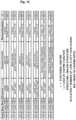
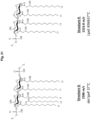
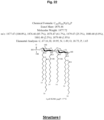
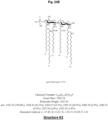
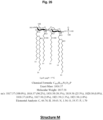
- FIGS. 15 and 16 provide embodiments describing descriptions of individual strains generated, structures of the resultant anti-sepsis lipid A (ASLA) based therapeutics, and mass of the resultant anti-sepsis lipid A (ASLA) based therapeutics when the Y. pestis strain was grown at 26 °C or 37 °C.
- Shown in FIGS. 17-28 and 30 are exemplary anti-sepsis lipid A (ASLA) based therapeutics generated using genetic engineering methods of the disclosure using Y. pestis.
- FIG. 29 further provides a description and heterologous sources of LOS/Lipid A modifying enzymes for BECC, illustrating examples of modifying enzymes that may be used to generate Y. pestis or other strains with modified LOS.
- the Gram-negative microorganism is engineered to express one or more non-endogenous lipid A biosynthetic enzymes, inactivate/delete one or more endogenous lipid A biosynthetic enzymes, modify one or more endogenous lipid A biosynthetic enzymes, and/or increase or decrease expression of one or more endogenous lipid A biosynthetic enzymes.
- the lipid A biosynthetic enzyme is from one or more of Yersinia pestis, Pseudomonas aeruginosa, Acinetobacter baumannii, Francisella novicida, E.
- the lipid A-modifying enzyme can include phoP, lpxP, msbB, lpxE, pagP, and/or lpxF.
- the invention provides a method of making a compound (ASLA 470) of the formula wherein the method comprises genetically engineering a Gram-negative microorganism such as Y. pestis to produce the anti-sepsis lipid A (ASLA) based therapeutic, and isolating the anti-sepsis lipid A (ASLA) based therapeutic from the microorganism.
- the Y. pestis is cultured between 12-28 °C, e.g., at about 26 °C and has been genetically engineered to express LpxF from Francisella novicida and have a repaired Y. pestis pagP.
- the invention provides a method of making a compound (ASLA 468) of the formula wherein the method comprises genetically engineering a Gram-negative microorganism such as Y. pestis to produce the anti-sepsis lipid A (ASLA) based therapeutic, and isolating the anti-sepsis lipid A (ASLA) based therapeutic from the microorganism.
- the Y. pestis is cultured between 12-28 °C, e.g., at about 26 °C and has been genetically engineered to express LpxF from Francisella novicida and have a repaired Y. pestis pagP.
- the invention provides a method of making a compound (ASLA 468; C16 version) of the formula wherein the method comprises genetically engineering a Gram-negative microorganism such as Y . pestis to produce the anti-sepsis lipid A (ASLA) based therapeutic, and isolating the anti-sepsis lipid A (ASLA) based therapeutic from the microorganism.
- the Y. pestis is cultured between 12-28 °C, e.g., at about 26 °C and has been genetically engineered to express LpxF from Francisella novicida and have a repaired Y. pestis pagP.
- the invention provides a method of making a compound (ASLA 469; Structure I) of the formula wherein the method comprises genetically engineering a Gram-negative microorganism such as Y. pestis to produce the anti-sepsis lipid A (ASLA) based therapeutic, and isolating the anti-sepsis lipid A (ASLA) based therapeutic from the microorganism.
- the Y. pestis KIM6 is cultured between 30-39 °C, e.g., at about 37 °C and has been genetically engineered to express LpxE from Francisella novicida and have a repaired Y. pestis pagP.
- the invention provides a method of making a compound (ASLA 467; Structure J) of the formula wherein the method comprises genetically engineering a Gram-negative microorganism such as Y. pestis to produce the anti-sepsis lipid A (ASLA) based therapeutic, and isolating the anti-sepsis lipid A (ASLA) based therapeutic from the microorganism.
- the Y. pestis KIM6 is cultured between 12-28 °C, e.g., at about 26 °C and has been genetically engineered to express LpxE from Francisella novicida.
- the disclosure provides a method of making a compound (Structure B) of the formula wherein the method comprises genetically engineering a Gram-negative microorganism such as Y. pestis to produce the anti-sepsis lipid A (ASLA) based therapeutic, and isolating the anti-sepsis lipid A (ASLA) based therapeutic from the microorganism.
- the Y. pestis is cultured between 30-39 °C, e.g., at about 37 °C and has been genetically engineered to have a deletion in lpxP and have a repaired Y. pestis pagP.
- the invention provides a method of making a compound (Structure C1) of the formula wherein the method comprises genetically engineering a Gram-negative microorganism such as Y. pestis to produce the anti-sepsis lipid A (ASLA) based therapeutic, and isolating the anti-sepsis lipid A (ASLA) based therapeutic from the microorganism.
- the Y. pestis is cultured between 12-28 °C, e.g., at about 26 °C and has been genetically engineered to have a deletion in phoP and have a repaired Y. pestis pagP.
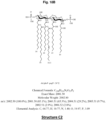
- the invention provides a method of making a compound (Structure C2) of the formula wherein the method comprises genetically engineering a Gram-negative microorganism such as Y. pestis to produce the anti-sepsis lipid A (ASLA) based therapeutic, and isolating the anti-sepsis lipid A (ASLA) based therapeutic from the microorganism.
- the Y. pestis is cultured between 12-28 °C, e.g., at about 26 °C and has been genetically engineered to have a deletion in phoP and have a repaired Y. pestis pagP.
- the disclosure provides a method of making a compound (Structure D 1) of the formula wherein the method comprises genetically engineering a Gram-negative microorganism such as Y. pestis to produce the anti-sepsis lipid A (ASLA) based therapeutic, and isolating the anti-sepsis lipid A (ASLA) based therapeutic from the microorganism.
- the Y. pestis is cultured between 12-28 °C, e.g., at about 26 °C and has been genetically engineered to have a deletion in phoP and have a repaired Y. pestis pagP.
- the disclosure provides a method of making a compound (Structure D2) of the formula wherein the method comprises genetically engineering a Gram-negative microorganism such as Y. pestis to produce the anti-sepsis lipid A (ASLA) based therapeutic, and isolating the anti-sepsis lipid A (ASLA) based therapeutic from the microorganism.
- the Y. pestis is cultured between 12-28 °C, e.g., at about 26 °C and has been genetically engineered to have a deletion in phoP and have a repaired Y. pestis pagP.
- the invention provides a method of making a compound (Structure D3) of the formula wherein the method comprises genetically engineering a Gram-negative microorganism such as Y. pestis to produce the anti-sepsis lipid A (ASLA) based therapeutic, and isolating the anti-sepsis lipid A (ASLA) based therapeutic from the microorganism.
- the Y. pestis is cultured between 12-28 °C, e.g., at about 26 °C and has been genetically engineered to have a deletion in phoP and have a repaired Y. pestis pagP.
- the invention provides a method of making a compound (Structure D4) of the formula wherein the method comprises genetically engineering a Gram-negative microorganism such as Y. pestis to produce the anti-sepsis lipid A (ASLA) based therapeutic, and isolating the anti-sepsis lipid A (ASLA) based therapeutic from the microorganism.
- the Y. pestis is cultured between 12-28 °C, e.g., at about 26 °C and has been genetically engineered to have a deletion in phoP and have a repaired Y. pestis pagP.
- the invention provides a method of making a compound (Structure E) of the formula wherein the method comprises genetically engineering a Gram-negative microorganism such as Y. pestis to produce the anti-sepsis lipid A (ASLA) based therapeutic, and isolating the anti-sepsis lipid A (ASLA) based therapeutic from the microorganism.
- the Y. pestis is cultured between 12-28 °C, e.g., at about 26 °C and has been genetically engineered to have a deletion in msbB and have a repaired Y. pestis pagP.
- the invention provides a method of making a compound (Structure F) of the formula wherein the method comprises genetically engineering a Gram-negative microorganism such as Y. pestis to produce the anti-sepsis lipid A (ASLA) based therapeutic, and isolating the anti-sepsis lipid A (ASLA) based therapeutic from the microorganism.
- the Y. pestis is cultured between 12-28 °C, e.g., at about 26 °C and has been genetically engineered to have a deletion in msbB and have a repaired Y. pestis pagP.
- the invention provides a method of making a compound (Structure G) of the formula wherein the method comprises genetically engineering a Gram-negative microorganism such as Y. pestis to produce the anti-sepsis lipid A (ASLA) based therapeutic, and isolating the anti-sepsis lipid A (ASLA) based therapeutic from the microorganism.
- the Y. pestis is cultured between 30-39 °C, e.g., at about 37 °C and has been genetically engineered to have a deletion in lpxP.
- the invention provides a method of making a compound (Structure H) of the formula wherein the method comprises genetically engineering a Gram-negative microorganism such as Y. pestis to produce the anti-sepsis lipid A (ASLA) based therapeutic, and isolating the anti-sepsis lipid A (ASLA) based therapeutic from the microorganism.
- the Y. pestis KIM6 is cultured between 30-39 °C, e.g., at about 37 °C and has been genetically engineered to express lpxE from Francisella novicida.
- the invention provides a method of making a compound (Structure K1) of the formula wherein the method comprises genetically engineering a Gram-negative microorganism such as Y. pestis to produce the anti-sepsis lipid A (ASLA) based therapeutic, and isolating the anti-sepsis lipid A (ASLA) based therapeutic from the microorganism.
- the Y. pestis KIM6 is cultured at between 12-28 °C, e.g., at about 26 °C and has been genetically engineered to express lpxE from Francisella novicida and have a repaired Y. pestis pagP.
- the invention provides a method of making a compound (Structure K2) of the formula wherein the method comprises genetically engineering a Gram-negative microorganism such as Y. pestis to produce the anti-sepsis lipid A (ASLA) based therapeutic, and isolating the anti-sepsis lipid A (ASLA) based therapeutic from the microorganism.
- the Y. pestis KIM6 is cultured at between 12-28 °C, e.g., at about 26 °C and has been genetically engineered to express lpxE from Francisella novicida and have a repaired Y. pestis pagP.
- the invention provides a method of making a compound (Structure K3) of the formula wherein the method comprises genetically engineering a Gram-negative microorganism such as Y. pestis to produce the anti-sepsis lipid A (ASLA) based therapeutic, and isolating the anti-sepsis lipid A (ASLA) based therapeutic from the microorganism.
- the Y. pestis KIM6 is cultured at between 12-28 °C, e.g., at about 26 °C and has been genetically engineered to express lpxE from Francisella novicida and have a repaired Y. pestis pagP.
- the invention provides a method of making a compound (Structure K4) of the formula wherein the method comprises genetically engineering a Gram-negative microorganism such as Y. pestis to produce the anti-sepsis lipid A (ASLA) based therapeutic, and isolating the anti-sepsis lipid A (ASLA) based therapeutic from the microorganism.
- the Y. pestis KIM6 is cultured between 12-28 °C, e.g., at about 26 °C and has been genetically engineered to express lpxE from Francisella novicida and have a repaired Y. pestis pagP.
- the invention provides a method of making a compound (Structure L) of the formula wherein the method comprises genetically engineering a Gram-negative microorganism such as Y. pestis to produce the anti-sepsis lipid A (ASLA) based therapeutic, and isolating the anti-sepsis lipid A (ASLA) based therapeutic from the microorganism.
- the Y. pestis is cultured between 30-39 °C, e.g., at about 37 °C and has been genetically engineered to express lpxF from Francisella novicida.
- the invention provides a method of making a compound (Structure M) of the formula wherein the method comprises genetically engineering a Gram-negative microorganism such as Y. pestis to produce the anti-sepsis lipid A (ASLA) based therapeutic, and isolating the anti-sepsis lipid A (ASLA) based therapeutic from the microorganism.
- the Y. pestis is cultured between 30-39 °C, e.g., at about 37 °C and has been genetically engineered to express lpxF from Francisella novicida and have a repaired Y. pestis pagP.
- the invention provides a method of making a compound (Structure O1) of the formula wherein the method comprises genetically engineering a Gram-negative microorganism such as Y. pestis to produce the anti-sepsis lipid A (ASLA) based therapeutic, and isolating the anti-sepsis lipid A (ASLA) based therapeutic from the microorganism.
- the Y. pestis is cultured between 12-28 °C, e.g., at about 26 °C and has been genetically engineered to delete phoP and have a repaired Y. pestis pagP.
- the invention provides a method of making a compound (Structure O2) of the formula wherein the method comprises genetically engineering a Gram-negative microorganism such as Y. pestis to produce the anti-sepsis lipid A (ASLA) based therapeutic, and isolating the anti-sepsis lipid A (ASLA) based therapeutic from the microorganism.
- the Y. pestis is cultured between 12-28 °C, e.g., at about 26 °C and has been genetically engineered to delete phoP and have a repaired Y. pestis pagP.
- the invention provides a method of making a compound (Structure O3) of the formula wherein the method comprises genetically engineering a Gram-negative microorganism such as Y. pestis to produce the anti-sepsis lipid A (ASLA) based therapeutic, and isolating the anti-sepsis lipid A (ASLA) based therapeutic from the microorganism.
- the Y. pestis is cultured between 12-28 °C, e.g., at about 26 °C and has been genetically engineered to express lpxF from Francisella novicida, delete phoP and have a repaired Y. pestis pagP.
- the invention provides a method of making a compound (Structure O4) of the formula wherein the method comprises genetically engineering a Gram-negative microorganism such as Y. pestis to produce the anti-sepsis lipid A (ASLA) based therapeutic, and isolating the anti-sepsis lipid A (ASLA) based therapeutic from the microorganism.
- the Y. pestis is cultured between 12-28 °C, e.g., at about 26 °C and has been genetically engineered to express lpxF from Francisella novicida, delete phoP and have a repaired Y. pestis pagP.
- the anti-sepsis lipid A (ASLA) based therapeutics can be obtained from the bacteria.
- the mimetic molecules may be obtained by any suitable method, but in specific embodiments they are chemically extracted using standard LOS extraction protocols. In some embodiments, initially multiple types of LOS extraction procedures are employed to obtain LOS from the bacteria, and extraction procedures may be performed more than once. In some embodiments, the extraction procedures are phenol-based, magnesium-precipitation-based, ammonium hydroxide/isobutyric acid-based, chloroform-methanol-based, detergent-based, and so forth.
- the lipid A fraction can be liberated using gentle hydrolysis to protect sensitive structural elements.
- lipid A or its mimetics may be isolated as follows. Lipid A was isolated after hydrolysis in 1% SDS at pH 4.5. Briefly, 500 ⁇ l of 1% SDS in 10 mM Na-acetate (pH 4.5) was added to a lyophilized sample. Samples were incubated at 100°C for 1 h, frozen, and lyophilized. The dried pellets were resuspended in 100 ⁇ l of water and 1 ml of acidified ethanol (100 ⁇ l 4 N HCl in 20 ml 95% ethanol). Samples were centrifuged at 5,000 rpm for 5 min. The lipid A pellet was further washed (three times) in 1 ml of 95% ethanol.
- Lipid A was used for matrix-assisted laser desorption ionization (MALDI) mass spectrometry analysis.
- the mimetic can be analyzed for structure and/or function.
- the structure is analyzed prior to the function, whereas in other cases the function is analyzed prior to the structure.
- the analysis may be on a small scale with only a few mimetics being analyzed at substantially the same time or on a large scale with many mimetics being analyzed at substantially the same time.
- the structure can be analyzed by routine methods in the art, including using one or more procedures for the analysis.
- mass spectrometry gas chromatography, or both are utilized for analysis of structure.
- matrix-assisted laser desorption/ionization/time-of-flight mass spectrometry MALDI-TOF
- electrospray ionization ESI
- Other steps to analyze LOS/lipid A fatty acid content can include acid hydrolysis, methylation, and hexane extraction.
- one or more structures produced by methods of the disclosure are analyzed as follows.
- MS and MS 2 events can be mass analyzed in the ICR cell, and the MS 3 and MS 4 can be mass analyzed in the LTQ.
- IRMPD Infrared multiphoton dissociation
- MS 2 events can be acquired in the ICR cell using similar detection parameters to those described above.
- Precursor ions can be irradiated by IR photons produced by a CO 2 laser [Synrad firestar Series V20), Model FSV20SFB; 75W (10.2 -10.8 um)] with pulse durations of 20-100 ms and pulse power of 20-80%.
- Data can be acquired and processed with Xcaliber (version 1.4; Thermo Fisher) using seven-point Gaussian smoothing.
- On-line liquid chromatography ESI tandem MS experiments can be performed by interfacing a custom-fabricated microcolumn (fused-silica capillary) packed with silica to the LTQ-FTESI source.
- compositions described herein may be comprised in a kit.
- one or more anti-sepsis lipid A (ASLA) based therapeutics and/or bacterial strains to produce them and/or reagents for modifying the bacteria are comprised in a kit.
- one or more reagents for modifying, culturing, and/or extracting from bacteria are include in the kit.
- MSI Mass spectrometry imaging
- On-tissue mapping of fully extended LPS will require liberation of lipid A.
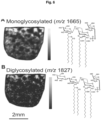
- we have developed an on-tissue hydrolysis method capable of releasing lipid A from LPS in situ allowing for the mapping of bacteria responsible for sepsis as well as ASLA therapeutic molecules.
- structural discrimination of heterogeneous lipid A mixtures within tissue is possible using MSI directly in splenic tissue ( m / z 1665 vs 1827 - addition of a galactosamine moiety ⁇ 162 m / z ), as demonstrated in Figure 6 .
- Example 5 Absorption mode enhances resolution and mass accuracy.
- Kilgour (see letter of support) that uses data from a MALDI Fourier transform ion cyclotron resonance mass spectrometer (MALDI FT-ICR MS). Lohmann et al., J. Endotoxin Res. 2003, 9, 33-37 ; Lohmann et al., J. Endotoxin Res. 2007, 13, 235-242 ; Kilgour et al., Anal. Chem. 2013, 85, 3903-3911 . The use of MALDI FT-ICR MS for high mass-resolution analysis of substances is rapidly gaining popularity in the biomedical sciences.
- IMS Ion mobility spectrometry
- Example 7 Cartesian product lipid A structure prediction.
- Precursor ion masses detected from a lipid A mass spectrum are compared against an MS 1 theoretical database of all possible structures and the top n matches are selected based on a match to the available molecular masses.
- a Cartesian product algorithm was then used to compute the theoretical arrangements of lipid A from and imported into a MySQL database for analysis. This produced 2.2 billion theoretical lipid A masses, >99.9% of which were not viable biologically, but serve as decoys to estimate false discovery rates.
- Example 8 Define and refine ASLA structures protective against Gram-negative sepsis using bacterial enzymatic combinatorial chemistry (BECC) approach.
- BECC bacterial enzymatic combinatorial chemistry
- ASLA anti-sepsis lipid A
- BECC BECC system
- ASLA 470 and 4608 BECC system
- lipid A biosynthetic and/or modifying enzymes are heterologously expressed in a bacterial species with a structurally minimal lipid A as a base.
- ASLA 470 and 4608 we have the ability to customize lipid A synthesis for large-scale and inexpensive production of novel, potentially therapeutic ASLA molecules.
- These molecules have been successfully evaluated for a low pro-inflammatory cytokine profile, high competitive index against inflammatory lipid A, and protection in a lethal endotoxin murine model.
- silico receptor modeling of these engineered lipid A structures will present a unique opportunity to determine the minimal structural components necessary for activation and will contribute to our understanding of the lipid A:MD2/TLR4 SAR.
- Initial analysis will focus on identification of specific regions of the molecule that contribute to dimerization versus those that stabilize interactions with the monomer required for binding. This will allow for prioritization of the building blocks to be used for construction of novel LA v that will subsequently be simulated and analyzed with the results used to develop our SAR model.
- Our MD simulations will be based on the PDB structure, 3FXI, in which the outer core of LPS has been removed, yielding lipid A. Park et al., Nature 2009, 458, 1191-1195 .
- Initial models of LA v will be based on alignment of the common atoms with Lipid A, with the remaining atoms built using the internal coordinate capabilities in CHARMM. Brooks et al., J. Comput. Chem.
- lipid A-modifying enzyme cassettes have been engineered for optimal expression and robust function and can be used in combination with inducible and/or constitutive promoters to customize the extent of lipid A modification.
- lipid A will be liberated from these LOS preparations using gentle hydrolysis, which preserves labile moieties (e.g., phosphate and carbohydrate moieties) that are sensitive to acid treatment.
- labile moieties e.g., phosphate and carbohydrate moieties
- Example 11 we will use a variety of established MS methods such as MALDI-TOF-MS and ESI-MS/MS to characterize base structures of lipid A in both negative- and positive-ion mode. Li, Y.; Powell et al., Proc. Natl. Acad. Sci. U.S.A. 2012, 109, 8716-8721 ; Kanistanon et al., Infect Immun 2012, 80, 943-951 ; Jones et al., J. Am. Soc. Mass Spectrom.
- LOS/lipid A fatty acid content will be measured by gas chromatography (GC) after acid hydrolysis, methylation, and hexane extraction. From the Examples and GC-MS analysis, exact structures of isolated lipid A from WT and BECC constructed strain will be determined.
- GC gas chromatography
- Example 9 Develop methods to improve lipid A structure analysis and screening from extracts.
- Lipid A molecules with novel structures will be passed to the modeling and BECC screening groups for use in Example 8.
- Cartesian product approach we will refine the Cartesian product approach by allowing odd chain fatty acids and other phosphate or sugar modifications encountered in marine bacteria and extremophiles.
- the approach will be further extended to produce an MS 2 theoretical database via a machine learning approach that simulates CID fragmentation processes of lipid A in an ion trap to instruct the development of up to five ASLA molecules per year.
- all published lipid A structures will be added to our lipid A SAR library for consideration.
- Example 10 Evaluate efficacy, safety, PK, and SAR of lead ASLA therapeutics in rodent models of Gram-negative sepsis.
- ASLA molecules result in increased survival when the ALSA molecule is administered both simultaneously and therapeutically up to 12 hours post LPS administration ( Figure 4 ).
- CLP cecal ligation and puncture
- Candidate molecules resulting in improved clinical scores, increased survival, and decreased markers of systemic inflammation will be advanced for safety and pharmacokinetic (PK) evaluation. Peak serum profile, clearance rate, and a general safety evaluation will be established for up to five lead ASLA candidates per year.
- Example 8 Characterize protective profile of lead ASLA molecules using a lethal endotoxemia model.
- a cohort of candidate ASLA molecules identified in Example 8 will be evaluated for protection against lethal endotoxemia in mice induced with a bolus of pro-inflammatory LPS and either co-administering or therapeutically treating with the candidate ASLA molecule, as shown in preliminary data ( Figure 4 ).
- this model as a preliminary in vivo screening tool, we will test the most competitive ASLA molecules ( in vitro ) from Example 8. Briefly, five mice per group will be dosed i.p.
- ASLA candidate molecules that have been shown to improve clinical scores in the endotoxemia model will be used for treatment of mice that are septic due to an active Gram-negative infection. Briefly, five mice per group will be treated via i.v. administration: 1) positive control - E. coli (up to 10 5 CFU); antibiotic treated-ceftriaxone (20mg/kg) injected i.p. 8 hours after E. coli (up to 10 5 CFU); 2) competitive inhibition - ASLA molecule (10mg/kg) injected 8 hours after E .
- mice Upon reaching a clinical score of 4 (inactive and unresponsive, weak or ataxic - approximately 48-60 hours), mice will be euthanized and organs (spleen and liver) harvested for MS analysis in Example 9 and 11. Buras et al., Nat Rev Drug Discov 2005, 4, 854-865 ; Deng et al., Journal of Infectious Diseases 2015, jiv562 ; Lima et al., PLoS ONE 2015, 10, e0132336 . In addition, H&E staining will be performed and blinded histological assessments will be made by a clinical pathologist.
- Blood will also be taken from these animals by cardiac puncture from which PBMC will be isolated and, using flow cytometry (LSRII, UMB FlowCORE), evaluated for percentage of circulating macrophages, neutrophils, T-cells and B-cells. This additional data about the systemic inflammation will complement the serum cytokine data collected in this Example.
- a CLP model of polymicrobial sepsis will be carried out with lead ASLA molecules.
- the cecum is ligated below the ileocecal valve allowing for incomplete obstruction of the digestive tract.
- the cecum is then punctured with a sterile needle, which allows for digestive material, including resident intestinal bacteria to leak out into the peritoneum.
- the treatment groups (five mice per group) will be used in this polymicrobial sepsis model as described in the Ec intravenous infection model. Identical monitoring, sample collection, and statistical analysis will be performed as described above.
- This Example seeks to confirm the anti-septic properties of lead ASLA molecules, and provide biological evidence/effective concentrations for pharmacokinetic studies that are outlined in this Example.
- PK pharmacokinetics
- mice Males and females
- mice will be pretreated with a single i.v. dose (effective dose defined above) through tail injection of a lead ASLA molecule.
- Blood and tissue samples will be analyzed using the MS methods described in the Examples.
- Pharmacokinetic data analysis Destructive sampling data from the PK studies for each compound will be analyzed using both non-compartmental and compartmental analyses as previously described in detail by our group. Mason et al., Journal of Pharmacology and Experimental Therapeutics 2010, 333, 854-864 ; Teksin et al., Eur Y Pharm Biopharm 2009, 72, 471-477 .
- Example 11 Investigate distribution, modification, and persistence of ASLA molecules in vivo.
- BECC To create novel, biologically expressed lipid A structures using bacterial enzymatic combinatorial chemistry (BECC), lipid A-modifying enzyme genes phoP, lpxP, msbB, lpxE, pagP, and/or lpxF were added to or deleted in Y. pestis strain KIM6+ in various combinations, described in Tables 1 and 2.
- Y. pestis KIM6+ expressing Francisella novicida LpxE (strain 467) was generated by bacterial conjugation with E. coli strain S17-1 ⁇ pir containing pWSK29- lpxE Fn and was selected using 100 ⁇ g/ml carbenicillin. Ingram et al.,2010.
- YSAB Yersinia selective agar base
- CM0653B catalog no. CM0653B; Remel, Inc.
- the merodiploids were struck again for single-colony isolation.
- Single-colony isolates were grown overnight in brain heart infusion (BHI) broth, followed by plating on Congo red medium supplemented with 7.5% sucrose to select against sacB on the integrated plasmid.
- BHI brain heart infusion
- Congo red medium supplemented with 7.5% sucrose to select against sacB on the integrated plasmid.
- the sucrose-resistant colonies were then patched onto YSAB with and without carbenicillin, and sucrose-resistant, carbenicillin-sensitive colonies were isolated for sequencing to confirm the presence of the wild-type or repaired pagP.
- Y. pestis strains stored as glycerol stocks, were grown overnight on BHI agar at 37°C. A single colony was selected for overnight growth with shaking (220 rpm) at 26 or 37°C in 10 ml of BHI supplemented with 1 mM MgCh. Ten milliliters of the overnight culture was then used to inoculate 1 liter of BHI with 1 mM MgCh prewarmed to either 26 or 37°C and grown to stationary culture under the same conditions for 18 to 24 h.
- E. coli strain W3110 was grown similarly but only at 37°C and in lysogenic broth supplemented with 1 mM MgCl 2 .
- the bacteria were pelleted, lyophilized, and stored at room temperature until extraction. A proteinase K-digested hot phenol extraction was performed to isolate lipooligosaccharide (LOS). Apicella MA. 2008. Methods MolBiol 431:3-13 . Briefly, 500 mg of lyophilized bacterial pellet was solubilized in a 10 mM Tris-Cl buffer, pH 8.0, with 2% sodium dodecyl sulfate (SDS), 4% ⁇ mercaptoethanol, 20 mg/ml proteinase K, and 2 mM MgCl 2 at 65°C for 1 h with intermittent vortexing and further digested overnight at 37°C.
- SDS sodium dodecyl sulfate
- the samples were precipitated overnight at 20°C with the addition of sodium acetate to a final concentration of 0.1 M and cold ethanol to 75%. LOS was pelleted, and the precipitation was repeated 2 more times to remove residual SDS and peptides.
- the samples were then suspended in a 10 mM Tris-Cl buffer, pH 7.4, and digested for 4 h at 37°C with 100 ⁇ g/ml DNase and 25 ⁇ g/ml RNase. An equal volume of 90% phenol was added, and the sample incubated at 65°C for 15 min with occasional vortexing. The sample was cooled in ice-water and centrifuged, and the aqueous fraction was collected.
- the phenol layer was reextracted with an equal volume of endotoxin-free water.
- the aqueous layers were pooled and dialyzed in a 1-kDa molecular-mass-cutoff dialysis bag with repeated water changes at 4°C to remove phenol over 48 h.
- the samples were then frozen on dry ice and lyophilized. Dry samples were washed four times with 2:1 (vol/vol) chloroform-methanol to remove contaminating hydrophilic lipids and reextracted using the Hirschfeld et al. procedure to remove contaminating lipoproteins. Hirschfeld et al.,J Immunol 165:618-622 . Samples were then lyophilized and stored sealed at room temperature.
- Lyophilized samples were suspended in 170 ⁇ l of endotoxin-free, cell culture-grade water per 5 to 10 mg of starting LOS, followed by 850 ⁇ l of 20 mM HCl in 95% ethanol. Samples were vortexed and centrifuged at 5,000 ⁇ g for 5 min and then washed in 1 ml of 95% ethanol, followed by centrifugation at 5,000 ⁇ g for 5 min. These two wash steps were repeated for a total of three times to remove the hydrolyzed core sugars and salt. Samples were suspended in endotoxin-free water and lyophilized in a previously tared tube to determine yield.
- Lipid A was solubilized in a 12:6: 1 (vol/vol/vol) solution of chloroform-methanol-water and mixed with an equal volume of 20- ⁇ g/ml norharmane in 2:1 (vol/vol) chloroform-methanol. One microliter of this mixture was spotted onto a stainless steel target plate. Spectra were gathered in negative mode on a Bruker Microflex matrix-assisted laser desorption ionization-time of flight (MALDI-TOF) mass spectrometry instrument calibrated to an external peptide standard.
- MALDI-TOF Bruker Microflex matrix-assisted laser desorption ionization-time of flight
- THP-1 Duals (Invitrogen) are incubated for 18 hours over a five-log dose range with either Salmonella enterica ( Se ) LPS alone, BECC molecule alone (467@26, 468@26, 468@37, 469@26, 470@26, 470@37), or increasing doses of Se with a constant dose of BECC molecule (10 ng/mL).
- THP-1 Dual cells have a SEAP reporter under the NP ⁇ B promoter that is easily quantified in the supernatant of cultured cells. After 18 hours of culture supernatant is removed from the cell culture and SEAP is quantified to indicate the level of NP ⁇ B activation/inflammation.
- OD@620 nm can be directly extrapolated to represent relative amounts of NP ⁇ B activation.
- the line of best fit for each data set is calculated using a non-linear log(inhibitor) vs. response three parameter analysis. Mean ⁇ SD of duplicate samples is graphed for each data point.
- the IC50 indicates the concentration at which 50% of the maximal signal is reached.
- 10 ng/mL of BECC molecule is co-incubated with increasing concentrations of pro-inflammatory Se LPS the IC50 is shifted up as much as 2.5 logs.
- a decrease in maximal signaling is also observed upon incubation with BECC molecules.
- BECC molecules that were identified during this initial in vitro screening as having a higher binding affinity than pro-inflammatory Salmonella enterica (SE) LPS, are capable of directly outcompeting SE LPS. This is demonstrated by in vitro cell culture reporter assays measuring activation of a transcription factor responsible for pathogenic inflammation. See Fig. 12A-F .
- Example 14 In vivo Non-lethal LPS Septic Shock Mouse Model.
- mice that are co-administered a lethal dose of Ec LPS and 10 mg/kg BECC468@26 are able to be completely rescued, and even if the same treatment is administered 4 hours after the lethal dose, 66% of mice are rescued from lethality.
- mice Using a mouse model of lethal endotoxemia we are able to save mice from death by septic shock. This can be done both prophylactically and therapeutically. See Fig. 4
- BECC anti-septic molecules are also effective against a wide range of pathogenic pro-inflammatory LPS. This is demonstrated by in vitro cell culture competition assays. In addition to Salmonella enterica, we now show anti-septic capabilities against Escherichia coli, Neisseria meningitidis, and Klebsiella pneumoniae. See Fig. 14A-C .
- mice 6-8 weeks old male and female WT C57BL/6 mice (Jackson Laboratories) and male huMD2/TLR4 mice in the C57BL/6 background (breed in house) will be used. Only male mice can be used at the MD-2 gene integrated into the Y-chromosome.
- a cohort of candidate ASLA molecules will be evaluated for protection against endotoxemia in mice by co-administering the ASLA molecule with a bolus of pro-inflammatory LPS, or therapeutically treating with the ASLA molecule.
- Serum levels of IL-6, TNF- ⁇ , and the acute phase molecule C-reactive protein (CRP) will be measured using a custom multiplex cytokine panel (fee-for-service, UMB Cytokine Core Facility).
- CRP acute phase molecule C-reactive protein
- ASLA candidate molecules that have been shown to improve survival in the endotoxemia model will be used to treat mice that are septic due to an active Gram-negative infection. Briefly, five mice per group will be treated in the following manner via intravenous administration: positive control - E. coli (up to 10 5 CFU); antibiotic treated-ceftriaxone (20mg/kg) injected i.p. 8 hours after E. coli (up to 10 5 CFU); competitive inhibition - ASLA molecule (10mg/kg) injected 8 hours after E.
- mice Upon reaching a clinical score of 4 (approximately 48-60 hours), mice will be euthanized and organs (spleen and liver) harvested for mass spectrometric analysis.
- this example seeks to confirm the anti-septic properties of our three lead ASLA molecules, and provide biological evidence/effective concentrations for future pharmacokinetic studies.
- mice per group Five mice per group will be treated in the following manner via intravenous administration: positive control - CLP; antibiotic treated-ceftriaxone (20mg/kg) injected i.p. 8 hours after CLP; competitive inhibition - ASLA molecule (10mg/kg) injected 8 hours after CLP; and co-treatment-ceftriaxone (20mg/kg) and ASLA molecule (10mg/kg) injected 8 hours after CLP.
- Mice will be monitored and clinical scores recorded at least twice daily until death or complete recovery occurred. Blood samples will harvested from the tail vein for quantification of circulating bacteria and evaluation of cytokine levels.
- mice Upon reaching a clinical score of 4 (approximately 48-60 hours), mice will be euthanized and organs (spleen and liver) harvested for mass spectrometric analysis.
- this example seeks to confirm the anti-septic properties of our three lead ASLA molecules, and provide biological evidence/effective concentrations for future pharmacokinetic studies.
- PK pharmacokinetics
Landscapes
- Health & Medical Sciences (AREA)
- Chemical & Material Sciences (AREA)
- Life Sciences & Earth Sciences (AREA)
- General Health & Medical Sciences (AREA)
- Molecular Biology (AREA)
- Organic Chemistry (AREA)
- Medicinal Chemistry (AREA)
- Engineering & Computer Science (AREA)
- Public Health (AREA)
- Pharmacology & Pharmacy (AREA)
- Veterinary Medicine (AREA)
- Animal Behavior & Ethology (AREA)
- Biochemistry (AREA)
- Biotechnology (AREA)
- Immunology (AREA)
- Epidemiology (AREA)
- Genetics & Genomics (AREA)
- General Chemical & Material Sciences (AREA)
- Biomedical Technology (AREA)
- Chemical Kinetics & Catalysis (AREA)
- Hematology (AREA)
- Urology & Nephrology (AREA)
- Nuclear Medicine, Radiotherapy & Molecular Imaging (AREA)
- Dermatology (AREA)
- Pathology (AREA)
- General Physics & Mathematics (AREA)
- Analytical Chemistry (AREA)
- Tropical Medicine & Parasitology (AREA)
- Physics & Mathematics (AREA)
- Pain & Pain Management (AREA)
- Rheumatology (AREA)
- Food Science & Technology (AREA)
- Cell Biology (AREA)
- Microbiology (AREA)
- Communicable Diseases (AREA)
- Oncology (AREA)
- Pharmaceuticals Containing Other Organic And Inorganic Compounds (AREA)
Claims (6)
- Verbindung zur Verwendung bei der Behandlung oder Vorbeugung von Sepsis bei einem Patienten, wobei die Verbindung ausgewählt ist aus der Gruppe bestehend aus


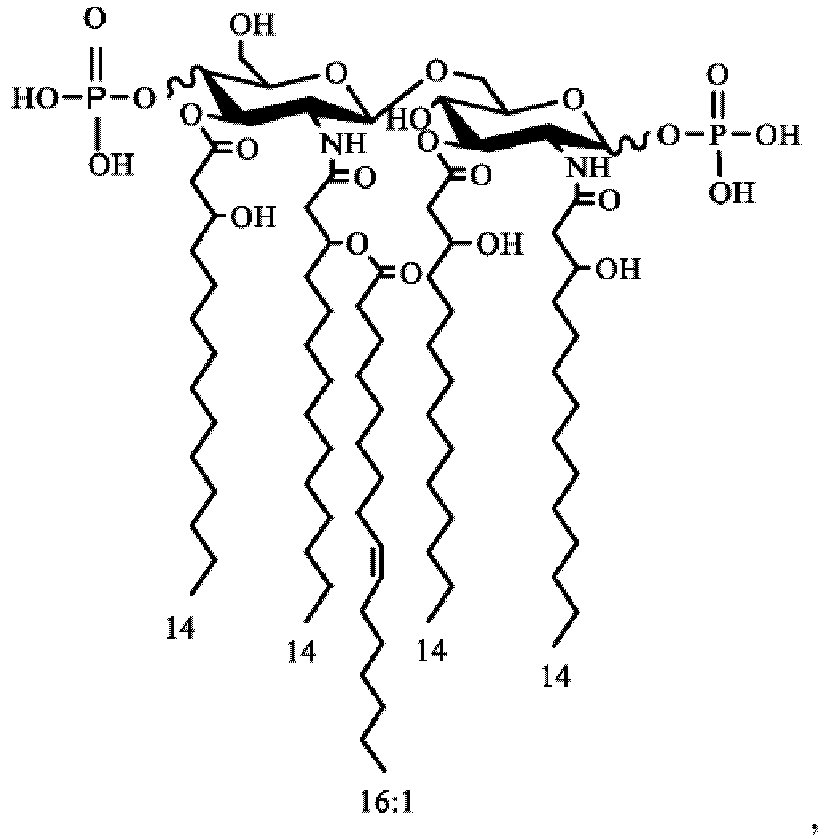

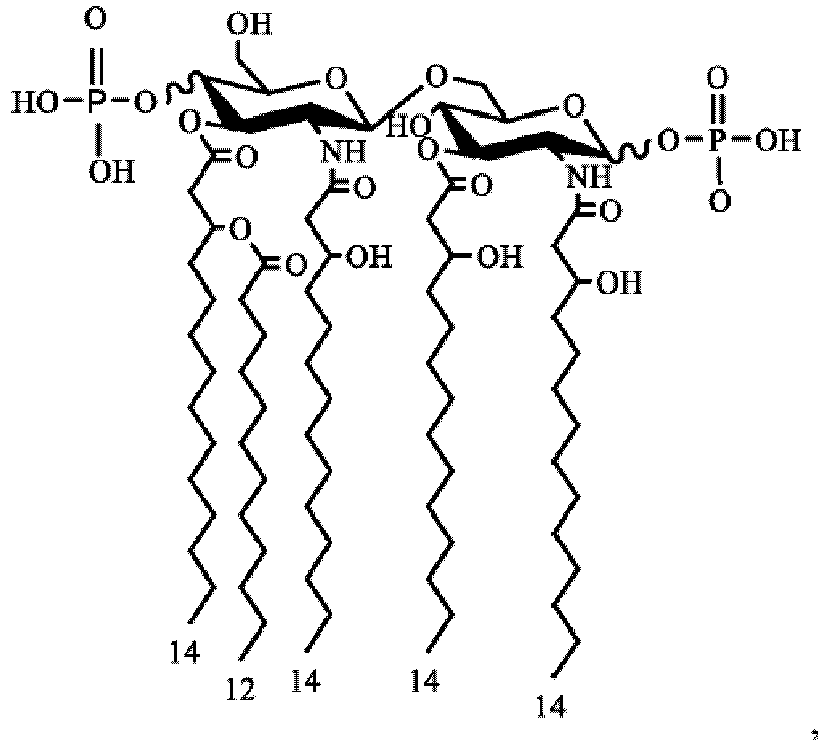


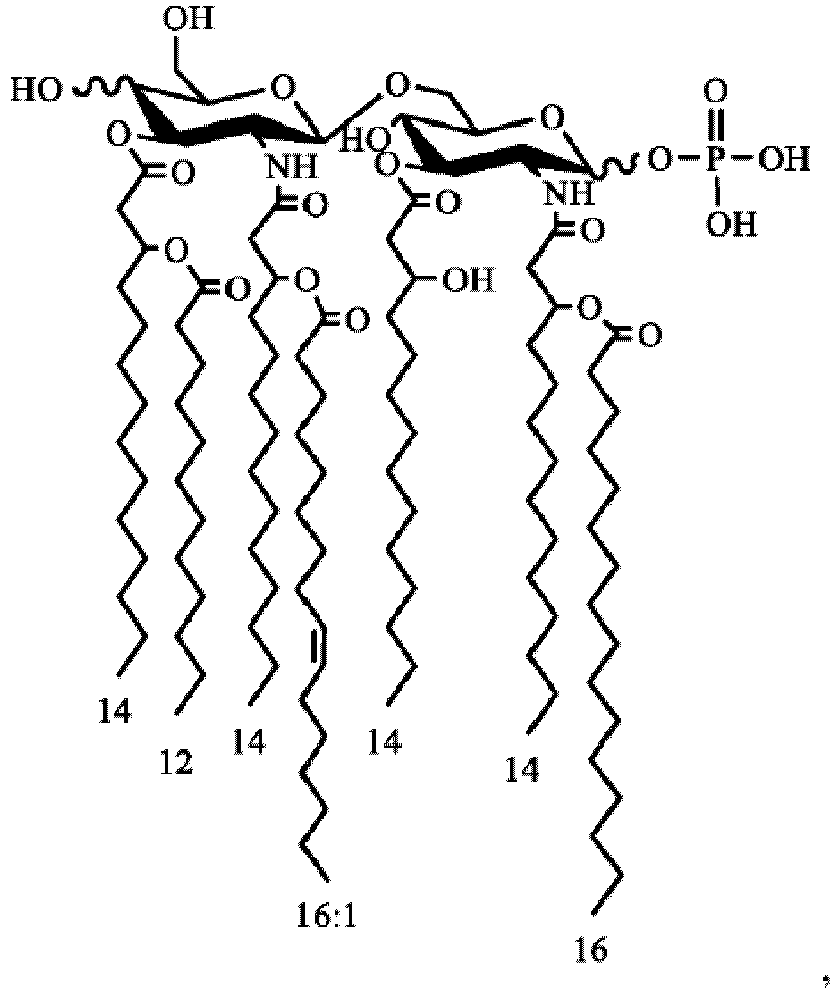

- Verbindung zur Verwendung nach Anspruch 1, wobei die Sepsis mit einer Erkrankung assoziiert ist, die aus der Gruppe ausgewählt ist, die aus dem systemischen inflammatorischen Response-Syndrom (SIRS) und multipler Organdysfunktion (MODS) besteht.
- Verbindung zur Verwendung nach Anspruch 1 oder 2, wobei die Verbindung durch ein Verfahren verabreicht wird, das aus der Gruppe ausgewählt ist, die aus intraperitonealer Verabreichung, intraarterieller Verabreichung und intravenöser Verabreichung besteht.
- Verbindung zur Verwendung nach einem der Ansprüche 1-3, wobei die Verbindung in einer Dosis zwischen etwa 2 mg/kg und etwa 30 mg/kg des Patienten verabreicht wird.
- Verbindung, ausgewählt aus der Gruppe der Formel:


- Verbindung zur Verwendung nach einem der Ansprüche 1-4, wobei die Sepsis einer Infektion in dem Patienten durch einen gramnegativen Mikroorganismus zugeschrieben wird.
Applications Claiming Priority (2)
| Application Number | Priority Date | Filing Date | Title |
|---|---|---|---|
| US201662403950P | 2016-10-04 | 2016-10-04 | |
| PCT/US2017/055186 WO2018067730A1 (en) | 2016-10-04 | 2017-10-04 | Methods of treating sepsis using anti-sepsis lipid a (asla) based therapeutics |
Publications (3)
| Publication Number | Publication Date |
|---|---|
| EP3522893A1 EP3522893A1 (de) | 2019-08-14 |
| EP3522893A4 EP3522893A4 (de) | 2020-08-26 |
| EP3522893B1 true EP3522893B1 (de) | 2024-12-04 |
Family
ID=61831590
Family Applications (1)
| Application Number | Title | Priority Date | Filing Date |
|---|---|---|---|
| EP17859134.3A Active EP3522893B1 (de) | 2016-10-04 | 2017-10-04 | Verfahren zur behandlung von sepsis unter verwendung von therapeutika auf der basis von anti-sepsis-lipid a (asla) |
Country Status (3)
| Country | Link |
|---|---|
| US (2) | US11633411B2 (de) |
| EP (1) | EP3522893B1 (de) |
| WO (1) | WO2018067730A1 (de) |
Families Citing this family (2)
| Publication number | Priority date | Publication date | Assignee | Title |
|---|---|---|---|---|
| WO2018067730A1 (en) | 2016-10-04 | 2018-04-12 | University Of Maryland, Baltimore | Methods of treating sepsis using anti-sepsis lipid a (asla) based therapeutics |
| EP3980062A4 (de) * | 2019-06-06 | 2023-07-26 | University of Maryland, Baltimore | Adjuvanzien für immunogene zusammensetzungen und verfahren zur verwendung davon |
Family Cites Families (23)
| Publication number | Priority date | Publication date | Assignee | Title |
|---|---|---|---|---|
| US4844894A (en) | 1984-07-12 | 1989-07-04 | Ribi Immunochem Research Inc. | Method of inhibiting the onset of septicemia and endotoxemia |
| US5028535A (en) | 1989-01-10 | 1991-07-02 | Biosite Diagnostics, Inc. | Threshold ligand-receptor assay |
| US5939272A (en) | 1989-01-10 | 1999-08-17 | Biosite Diagnostics Incorporated | Non-competitive threshold ligand-receptor assays |
| US5922615A (en) | 1990-03-12 | 1999-07-13 | Biosite Diagnostics Incorporated | Assay devices comprising a porous capture membrane in fluid-withdrawing contact with a nonabsorbent capillary network |
| CA2072758A1 (en) | 1990-09-14 | 1992-03-15 | Kenneth Francis Buechler | Antibodies to complexes of ligand receptors and ligands and their utility in ligand-receptor assays |
| US5955377A (en) | 1991-02-11 | 1999-09-21 | Biostar, Inc. | Methods and kits for the amplification of thin film based assays |
| CA2107894C (en) | 1991-04-10 | 2003-10-14 | Kenneth F. Buechler | Crosstalk inhibitors and their uses |
| EP0579767B1 (de) | 1991-04-11 | 2000-08-23 | Biosite Diagnostics Inc. | Neue konjugate und testverfahren für die gleichzeitige bestimmung von multiplen liganden |
| AU660325B2 (en) * | 1991-10-11 | 1995-06-22 | Eisai Co. Ltd. | Anti-endotoxin compounds and related molecules and methods |
| US6019944A (en) | 1992-05-21 | 2000-02-01 | Biosite Diagnostics, Inc. | Diagnostic devices and apparatus for the controlled movement of reagents without membranes |
| US6143576A (en) | 1992-05-21 | 2000-11-07 | Biosite Diagnostics, Inc. | Non-porous diagnostic devices for the controlled movement of reagents |
| US5494829A (en) | 1992-07-31 | 1996-02-27 | Biostar, Inc. | Devices and methods for detection of an analyte based upon light interference |
| US5824799A (en) | 1993-09-24 | 1998-10-20 | Biosite Diagnostics Incorporated | Hybrid phthalocyanine derivatives and their uses |
| US6113855A (en) | 1996-11-15 | 2000-09-05 | Biosite Diagnostics, Inc. | Devices comprising multiple capillarity inducing surfaces |
| US5947124A (en) | 1997-03-11 | 1999-09-07 | Biosite Diagnostics Incorporated | Diagnostic for determining the time of a heart attack |
| US6925389B2 (en) | 2000-07-18 | 2005-08-02 | Correlogic Systems, Inc., | Process for discriminating between biological states based on hidden patterns from biological data |
| US6890763B2 (en) | 2001-04-30 | 2005-05-10 | Syn X Pharma, Inc. | Biopolymer marker indicative of disease state having a molecular weight of 1350 daltons |
| US6989100B2 (en) | 2002-05-09 | 2006-01-24 | Ppd Biomarker Discovery Sciences, Llc | Methods for time-alignment of liquid chromatography-mass spectrometry data |
| WO2009035528A2 (en) | 2007-09-07 | 2009-03-19 | University Of Georgia Research Foundation, Inc. | Synthetic lipid a derivative |
| CA2764374C (en) * | 2009-06-05 | 2019-11-19 | Infectious Disease Research Institute | Synthetic glucopyranosyl lipid adjuvants |
| FR2954703B1 (fr) * | 2009-12-28 | 2013-12-13 | Chu Nantes | Agonistes des recepteurs tlr 4 et 9 pour prevenir les complications septiques de l'immunodepression post-traumatique chez les patients hospitalises pour traumatismes severes |
| US10358667B2 (en) * | 2013-03-07 | 2019-07-23 | University Of Maryland, Baltimore | Immunotherapeutic potential of modified lipooligosaccharides/lipid A |
| WO2018067730A1 (en) | 2016-10-04 | 2018-04-12 | University Of Maryland, Baltimore | Methods of treating sepsis using anti-sepsis lipid a (asla) based therapeutics |
-
2017
- 2017-10-04 WO PCT/US2017/055186 patent/WO2018067730A1/en not_active Ceased
- 2017-10-04 US US16/339,313 patent/US11633411B2/en active Active
- 2017-10-04 EP EP17859134.3A patent/EP3522893B1/de active Active
-
2022
- 2022-12-21 US US18/086,290 patent/US12295965B2/en active Active
Also Published As
| Publication number | Publication date |
|---|---|
| EP3522893A4 (de) | 2020-08-26 |
| US20230241084A1 (en) | 2023-08-03 |
| WO2018067730A1 (en) | 2018-04-12 |
| EP3522893A1 (de) | 2019-08-14 |
| US11633411B2 (en) | 2023-04-25 |
| US20200121705A1 (en) | 2020-04-23 |
| US12295965B2 (en) | 2025-05-13 |
Similar Documents
| Publication | Publication Date | Title |
|---|---|---|
| Zhang et al. | Genetic mapping of microbial and host traits reveals production of immunomodulatory lipids by Akkermansia muciniphila in the murine gut | |
| Schirm et al. | Structural, genetic and functional characterization of the flagellin glycosylation process in Helicobacter pylori | |
| Coats et al. | Human Toll‐like receptor 4 responses to P. gingivalis are regulated by lipid A 1‐and 4′‐phosphatase activities | |
| US12295965B2 (en) | Methods of treating sepsis using anti-sepsis lipid a (ASLA) based therapeutics | |
| US12077793B2 (en) | Immunotherapeutic potential of modified lipooligosaccharides/lipid A | |
| US20210145896A1 (en) | Methods of Treating Cancer Using Bacteria Expressing c-di-AMP | |
| US20170227544A1 (en) | Methods for personalizing patient cancer therapy with an mdm2 antagonist | |
| US20260078140A1 (en) | Compositions and methods for trehalose phospholipids | |
| Crittenden et al. | Characterization of antigenic oligosaccharides from gram-negative bacteria via activated electron photodetachment mass spectrometry | |
| Bannantine et al. | Cell wall peptidolipids of Mycobacterium avium: from genetic prediction to exact structure of a nonribosomal peptide | |
| Illouz et al. | Multiple Mycobacterium abscessus O-acetyltransferases influence glycopeptidolipid structure and colony morphotype | |
| Cox et al. | Structural analysis of the lipopolysaccharide from Neisseria meningitidis strain BZ157 galE: localisation of two phosphoethanolamine residues in the inner core oligosaccharide | |
| WO2012031752A2 (en) | Tuberculosis mutants | |
| Zeng et al. | Critical role of the RpoE stress response pathway in polymyxin resistance of Escherichia coli | |
| Guan et al. | LipidA-IDER to explore the global lipid a repertoire of drug-resistant gram-negative Bacteria | |
| WO2024151642A1 (en) | Engineered anti-nociceptive-los competitive tlr4 ligands and methods for treating pain while maintaining immunosufficiency | |
| Correia et al. | Subproteomic signature comparison of in vitro selected fluoroquinolone resistance and ciprofloxacin stress in Salmonella Typhimurium DT104B | |
| US20250099403A1 (en) | Identification of activities of gut microbe metabolites | |
| Ali et al. | A Comprehensive Analysis of the Lipidomic Signatures in Rhizopus | |
| Séité et al. | Extreme longevity of highly fecund termite queens achieved by mitochondrial and insulin upregulation without harmful lipid signatures or accumulation | |
| Schmidt | Functional analyses of the Legionella longbeachae capsule to understand its role in host immune sensing and environmental persistence | |
| Rana | Investigating novel drug targets and the biosynthetic pathways of lipids in mycobacteria | |
| Flohr | MitoTraP: Compromised mitochondria trap mitoribosomal precursor proteins in the intermembrane space | |
| Mishra | Investigation of netB of Clostridium Perfringens as a Virulence Factor Vaccine Candidate and Examination for Potential Synergistic and Independent Virulence Factors | |
| Gorki | Sphingomyelin d18: 1/14: 0 and TLR4: Fueling the Fire in Metaflammation |
Legal Events
| Date | Code | Title | Description |
|---|---|---|---|
| STAA | Information on the status of an ep patent application or granted ep patent |
Free format text: STATUS: THE INTERNATIONAL PUBLICATION HAS BEEN MADE |
|
| PUAI | Public reference made under article 153(3) epc to a published international application that has entered the european phase |
Free format text: ORIGINAL CODE: 0009012 |
|
| STAA | Information on the status of an ep patent application or granted ep patent |
Free format text: STATUS: REQUEST FOR EXAMINATION WAS MADE |
|
| 17P | Request for examination filed |
Effective date: 20190429 |
|
| AK | Designated contracting states |
Kind code of ref document: A1 Designated state(s): AL AT BE BG CH CY CZ DE DK EE ES FI FR GB GR HR HU IE IS IT LI LT LU LV MC MK MT NL NO PL PT RO RS SE SI SK SM TR |
|
| AX | Request for extension of the european patent |
Extension state: BA ME |
|
| DAV | Request for validation of the european patent (deleted) | ||
| DAX | Request for extension of the european patent (deleted) | ||
| RIC1 | Information provided on ipc code assigned before grant |
Ipc: C07H 11/04 20060101ALI20200417BHEP Ipc: C07H 13/04 20060101ALI20200417BHEP Ipc: C07H 13/06 20060101ALI20200417BHEP Ipc: A61K 31/7028 20060101ALI20200417BHEP Ipc: A61P 31/00 20060101ALI20200417BHEP Ipc: A61K 31/7016 20060101AFI20200417BHEP Ipc: C07H 13/00 20060101ALI20200417BHEP Ipc: A61P 43/00 20060101ALI20200417BHEP |
|
| A4 | Supplementary search report drawn up and despatched |
Effective date: 20200727 |
|
| RIC1 | Information provided on ipc code assigned before grant |
Ipc: A61K 31/7016 20060101AFI20200721BHEP Ipc: A61P 31/00 20060101ALI20200721BHEP Ipc: C07H 13/00 20060101ALI20200721BHEP Ipc: C07H 13/04 20060101ALI20200721BHEP Ipc: A61P 43/00 20060101ALI20200721BHEP Ipc: C07H 13/06 20060101ALI20200721BHEP Ipc: C07H 11/04 20060101ALI20200721BHEP Ipc: A61K 31/7028 20060101ALI20200721BHEP |
|
| STAA | Information on the status of an ep patent application or granted ep patent |
Free format text: STATUS: EXAMINATION IS IN PROGRESS |
|
| 17Q | First examination report despatched |
Effective date: 20220726 |
|
| GRAP | Despatch of communication of intention to grant a patent |
Free format text: ORIGINAL CODE: EPIDOSNIGR1 |
|
| STAA | Information on the status of an ep patent application or granted ep patent |
Free format text: STATUS: GRANT OF PATENT IS INTENDED |
|
| INTG | Intention to grant announced |
Effective date: 20240723 |
|
| GRAS | Grant fee paid |
Free format text: ORIGINAL CODE: EPIDOSNIGR3 |
|
| GRAA | (expected) grant |
Free format text: ORIGINAL CODE: 0009210 |
|
| STAA | Information on the status of an ep patent application or granted ep patent |
Free format text: STATUS: THE PATENT HAS BEEN GRANTED |
|
| AK | Designated contracting states |
Kind code of ref document: B1 Designated state(s): AL AT BE BG CH CY CZ DE DK EE ES FI FR GB GR HR HU IE IS IT LI LT LU LV MC MK MT NL NO PL PT RO RS SE SI SK SM TR |
|
| REG | Reference to a national code |
Ref country code: GB Ref legal event code: FG4D |
|
| REG | Reference to a national code |
Ref country code: CH Ref legal event code: EP |
|
| REG | Reference to a national code |
Ref country code: DE Ref legal event code: R096 Ref document number: 602017086602 Country of ref document: DE |
|
| REG | Reference to a national code |
Ref country code: IE Ref legal event code: FG4D |
|
| P01 | Opt-out of the competence of the unified patent court (upc) registered |
Free format text: CASE NUMBER: APP_4828/2025 Effective date: 20250129 |
|
| REG | Reference to a national code |
Ref country code: LT Ref legal event code: MG9D |
|
| REG | Reference to a national code |
Ref country code: NL Ref legal event code: MP Effective date: 20241204 |
|
| PG25 | Lapsed in a contracting state [announced via postgrant information from national office to epo] |
Ref country code: HR Free format text: LAPSE BECAUSE OF FAILURE TO SUBMIT A TRANSLATION OF THE DESCRIPTION OR TO PAY THE FEE WITHIN THE PRESCRIBED TIME-LIMIT Effective date: 20241204 |
|
| PG25 | Lapsed in a contracting state [announced via postgrant information from national office to epo] |
Ref country code: FI Free format text: LAPSE BECAUSE OF FAILURE TO SUBMIT A TRANSLATION OF THE DESCRIPTION OR TO PAY THE FEE WITHIN THE PRESCRIBED TIME-LIMIT Effective date: 20241204 |
|
| PG25 | Lapsed in a contracting state [announced via postgrant information from national office to epo] |
Ref country code: BG Free format text: LAPSE BECAUSE OF FAILURE TO SUBMIT A TRANSLATION OF THE DESCRIPTION OR TO PAY THE FEE WITHIN THE PRESCRIBED TIME-LIMIT Effective date: 20241204 |
|
| PG25 | Lapsed in a contracting state [announced via postgrant information from national office to epo] |
Ref country code: ES Free format text: LAPSE BECAUSE OF FAILURE TO SUBMIT A TRANSLATION OF THE DESCRIPTION OR TO PAY THE FEE WITHIN THE PRESCRIBED TIME-LIMIT Effective date: 20241204 |
|
| PG25 | Lapsed in a contracting state [announced via postgrant information from national office to epo] |
Ref country code: NO Free format text: LAPSE BECAUSE OF FAILURE TO SUBMIT A TRANSLATION OF THE DESCRIPTION OR TO PAY THE FEE WITHIN THE PRESCRIBED TIME-LIMIT Effective date: 20250304 |
|
| PG25 | Lapsed in a contracting state [announced via postgrant information from national office to epo] |
Ref country code: GR Free format text: LAPSE BECAUSE OF FAILURE TO SUBMIT A TRANSLATION OF THE DESCRIPTION OR TO PAY THE FEE WITHIN THE PRESCRIBED TIME-LIMIT Effective date: 20250305 Ref country code: LV Free format text: LAPSE BECAUSE OF FAILURE TO SUBMIT A TRANSLATION OF THE DESCRIPTION OR TO PAY THE FEE WITHIN THE PRESCRIBED TIME-LIMIT Effective date: 20241204 |
|
| PG25 | Lapsed in a contracting state [announced via postgrant information from national office to epo] |
Ref country code: RS Free format text: LAPSE BECAUSE OF FAILURE TO SUBMIT A TRANSLATION OF THE DESCRIPTION OR TO PAY THE FEE WITHIN THE PRESCRIBED TIME-LIMIT Effective date: 20250304 |
|
| PG25 | Lapsed in a contracting state [announced via postgrant information from national office to epo] |
Ref country code: NL Free format text: LAPSE BECAUSE OF FAILURE TO SUBMIT A TRANSLATION OF THE DESCRIPTION OR TO PAY THE FEE WITHIN THE PRESCRIBED TIME-LIMIT Effective date: 20241204 |
|
| REG | Reference to a national code |
Ref country code: AT Ref legal event code: MK05 Ref document number: 1747423 Country of ref document: AT Kind code of ref document: T Effective date: 20241204 |
|
| PG25 | Lapsed in a contracting state [announced via postgrant information from national office to epo] |
Ref country code: SM Free format text: LAPSE BECAUSE OF FAILURE TO SUBMIT A TRANSLATION OF THE DESCRIPTION OR TO PAY THE FEE WITHIN THE PRESCRIBED TIME-LIMIT Effective date: 20241204 |
|
| PG25 | Lapsed in a contracting state [announced via postgrant information from national office to epo] |
Ref country code: PL Free format text: LAPSE BECAUSE OF FAILURE TO SUBMIT A TRANSLATION OF THE DESCRIPTION OR TO PAY THE FEE WITHIN THE PRESCRIBED TIME-LIMIT Effective date: 20241204 |
|
| PG25 | Lapsed in a contracting state [announced via postgrant information from national office to epo] |
Ref country code: IS Free format text: LAPSE BECAUSE OF FAILURE TO SUBMIT A TRANSLATION OF THE DESCRIPTION OR TO PAY THE FEE WITHIN THE PRESCRIBED TIME-LIMIT Effective date: 20250404 |
|
| PG25 | Lapsed in a contracting state [announced via postgrant information from national office to epo] |
Ref country code: PT Free format text: LAPSE BECAUSE OF FAILURE TO SUBMIT A TRANSLATION OF THE DESCRIPTION OR TO PAY THE FEE WITHIN THE PRESCRIBED TIME-LIMIT Effective date: 20250404 |
|
| PG25 | Lapsed in a contracting state [announced via postgrant information from national office to epo] |
Ref country code: EE Free format text: LAPSE BECAUSE OF FAILURE TO SUBMIT A TRANSLATION OF THE DESCRIPTION OR TO PAY THE FEE WITHIN THE PRESCRIBED TIME-LIMIT Effective date: 20241204 |
|
| PG25 | Lapsed in a contracting state [announced via postgrant information from national office to epo] |
Ref country code: RO Free format text: LAPSE BECAUSE OF FAILURE TO SUBMIT A TRANSLATION OF THE DESCRIPTION OR TO PAY THE FEE WITHIN THE PRESCRIBED TIME-LIMIT Effective date: 20241204 Ref country code: AT Free format text: LAPSE BECAUSE OF FAILURE TO SUBMIT A TRANSLATION OF THE DESCRIPTION OR TO PAY THE FEE WITHIN THE PRESCRIBED TIME-LIMIT Effective date: 20241204 |
|
| PG25 | Lapsed in a contracting state [announced via postgrant information from national office to epo] |
Ref country code: SK Free format text: LAPSE BECAUSE OF FAILURE TO SUBMIT A TRANSLATION OF THE DESCRIPTION OR TO PAY THE FEE WITHIN THE PRESCRIBED TIME-LIMIT Effective date: 20241204 |
|
| PG25 | Lapsed in a contracting state [announced via postgrant information from national office to epo] |
Ref country code: CZ Free format text: LAPSE BECAUSE OF FAILURE TO SUBMIT A TRANSLATION OF THE DESCRIPTION OR TO PAY THE FEE WITHIN THE PRESCRIBED TIME-LIMIT Effective date: 20241204 |
|
| PG25 | Lapsed in a contracting state [announced via postgrant information from national office to epo] |
Ref country code: IT Free format text: LAPSE BECAUSE OF FAILURE TO SUBMIT A TRANSLATION OF THE DESCRIPTION OR TO PAY THE FEE WITHIN THE PRESCRIBED TIME-LIMIT Effective date: 20241204 |
|
| REG | Reference to a national code |
Ref country code: DE Ref legal event code: R097 Ref document number: 602017086602 Country of ref document: DE |
|
| PG25 | Lapsed in a contracting state [announced via postgrant information from national office to epo] |
Ref country code: SE Free format text: LAPSE BECAUSE OF FAILURE TO SUBMIT A TRANSLATION OF THE DESCRIPTION OR TO PAY THE FEE WITHIN THE PRESCRIBED TIME-LIMIT Effective date: 20241204 |
|
| PG25 | Lapsed in a contracting state [announced via postgrant information from national office to epo] |
Ref country code: DK Free format text: LAPSE BECAUSE OF FAILURE TO SUBMIT A TRANSLATION OF THE DESCRIPTION OR TO PAY THE FEE WITHIN THE PRESCRIBED TIME-LIMIT Effective date: 20241204 |
|
| PLBE | No opposition filed within time limit |
Free format text: ORIGINAL CODE: 0009261 |
|
| STAA | Information on the status of an ep patent application or granted ep patent |
Free format text: STATUS: NO OPPOSITION FILED WITHIN TIME LIMIT |
|
| 26N | No opposition filed |
Effective date: 20250905 |
|
| PGFP | Annual fee paid to national office [announced via postgrant information from national office to epo] |
Ref country code: DE Payment date: 20251029 Year of fee payment: 9 |
|
| PGFP | Annual fee paid to national office [announced via postgrant information from national office to epo] |
Ref country code: GB Payment date: 20251027 Year of fee payment: 9 |
|
| PGFP | Annual fee paid to national office [announced via postgrant information from national office to epo] |
Ref country code: FR Payment date: 20251027 Year of fee payment: 9 |