EP3524603B1 - Inhibiteur de fgfr4, son procédé de préparation et son utilisation pharmaceutique - Google Patents
Inhibiteur de fgfr4, son procédé de préparation et son utilisation pharmaceutique Download PDFInfo
- Publication number
- EP3524603B1 EP3524603B1 EP17883905.6A EP17883905A EP3524603B1 EP 3524603 B1 EP3524603 B1 EP 3524603B1 EP 17883905 A EP17883905 A EP 17883905A EP 3524603 B1 EP3524603 B1 EP 3524603B1
- Authority
- EP
- European Patent Office
- Prior art keywords
- amino
- dichloro
- pyrido
- acrylamide
- dimethoxyphenyl
- Prior art date
- Legal status (The legal status is an assumption and is not a legal conclusion. Google has not performed a legal analysis and makes no representation as to the accuracy of the status listed.)
- Active
Links
Classifications
-
- A—HUMAN NECESSITIES
- A61—MEDICAL OR VETERINARY SCIENCE; HYGIENE
- A61K—PREPARATIONS FOR MEDICAL, DENTAL OR TOILETRY PURPOSES
- A61K31/00—Medicinal preparations containing organic active ingredients
- A61K31/33—Heterocyclic compounds
- A61K31/395—Heterocyclic compounds having nitrogen as a ring hetero atom, e.g. guanethidine or rifamycins
- A61K31/435—Heterocyclic compounds having nitrogen as a ring hetero atom, e.g. guanethidine or rifamycins having six-membered rings with one nitrogen as the only ring hetero atom
- A61K31/4353—Heterocyclic compounds having nitrogen as a ring hetero atom, e.g. guanethidine or rifamycins having six-membered rings with one nitrogen as the only ring hetero atom ortho- or peri-condensed with heterocyclic ring systems
- A61K31/437—Heterocyclic compounds having nitrogen as a ring hetero atom, e.g. guanethidine or rifamycins having six-membered rings with one nitrogen as the only ring hetero atom ortho- or peri-condensed with heterocyclic ring systems the heterocyclic ring system containing a five-membered ring having nitrogen as a ring hetero atom, e.g. indolizine, beta-carboline
-
- A—HUMAN NECESSITIES
- A61—MEDICAL OR VETERINARY SCIENCE; HYGIENE
- A61P—SPECIFIC THERAPEUTIC ACTIVITY OF CHEMICAL COMPOUNDS OR MEDICINAL PREPARATIONS
- A61P35/00—Antineoplastic agents
-
- A—HUMAN NECESSITIES
- A61—MEDICAL OR VETERINARY SCIENCE; HYGIENE
- A61K—PREPARATIONS FOR MEDICAL, DENTAL OR TOILETRY PURPOSES
- A61K31/00—Medicinal preparations containing organic active ingredients
- A61K31/33—Heterocyclic compounds
- A61K31/395—Heterocyclic compounds having nitrogen as a ring hetero atom, e.g. guanethidine or rifamycins
- A61K31/435—Heterocyclic compounds having nitrogen as a ring hetero atom, e.g. guanethidine or rifamycins having six-membered rings with one nitrogen as the only ring hetero atom
- A61K31/4353—Heterocyclic compounds having nitrogen as a ring hetero atom, e.g. guanethidine or rifamycins having six-membered rings with one nitrogen as the only ring hetero atom ortho- or peri-condensed with heterocyclic ring systems
- A61K31/4375—Heterocyclic compounds having nitrogen as a ring hetero atom, e.g. guanethidine or rifamycins having six-membered rings with one nitrogen as the only ring hetero atom ortho- or peri-condensed with heterocyclic ring systems the heterocyclic ring system containing a six-membered ring having nitrogen as a ring heteroatom, e.g. quinolizines, naphthyridines, berberine, vincamine
-
- A—HUMAN NECESSITIES
- A61—MEDICAL OR VETERINARY SCIENCE; HYGIENE
- A61K—PREPARATIONS FOR MEDICAL, DENTAL OR TOILETRY PURPOSES
- A61K31/00—Medicinal preparations containing organic active ingredients
- A61K31/33—Heterocyclic compounds
- A61K31/395—Heterocyclic compounds having nitrogen as a ring hetero atom, e.g. guanethidine or rifamycins
- A61K31/495—Heterocyclic compounds having nitrogen as a ring hetero atom, e.g. guanethidine or rifamycins having six-membered rings with two or more nitrogen atoms as the only ring heteroatoms, e.g. piperazine or tetrazines
- A61K31/505—Pyrimidines; Hydrogenated pyrimidines, e.g. trimethoprim
- A61K31/506—Pyrimidines; Hydrogenated pyrimidines, e.g. trimethoprim not condensed and containing further heterocyclic rings
-
- A—HUMAN NECESSITIES
- A61—MEDICAL OR VETERINARY SCIENCE; HYGIENE
- A61K—PREPARATIONS FOR MEDICAL, DENTAL OR TOILETRY PURPOSES
- A61K31/00—Medicinal preparations containing organic active ingredients
- A61K31/33—Heterocyclic compounds
- A61K31/395—Heterocyclic compounds having nitrogen as a ring hetero atom, e.g. guanethidine or rifamycins
- A61K31/495—Heterocyclic compounds having nitrogen as a ring hetero atom, e.g. guanethidine or rifamycins having six-membered rings with two or more nitrogen atoms as the only ring heteroatoms, e.g. piperazine or tetrazines
- A61K31/505—Pyrimidines; Hydrogenated pyrimidines, e.g. trimethoprim
- A61K31/517—Pyrimidines; Hydrogenated pyrimidines, e.g. trimethoprim ortho- or peri-condensed with carbocyclic ring systems, e.g. quinazoline, perimidine
-
- A—HUMAN NECESSITIES
- A61—MEDICAL OR VETERINARY SCIENCE; HYGIENE
- A61K—PREPARATIONS FOR MEDICAL, DENTAL OR TOILETRY PURPOSES
- A61K31/00—Medicinal preparations containing organic active ingredients
- A61K31/33—Heterocyclic compounds
- A61K31/395—Heterocyclic compounds having nitrogen as a ring hetero atom, e.g. guanethidine or rifamycins
- A61K31/495—Heterocyclic compounds having nitrogen as a ring hetero atom, e.g. guanethidine or rifamycins having six-membered rings with two or more nitrogen atoms as the only ring heteroatoms, e.g. piperazine or tetrazines
- A61K31/505—Pyrimidines; Hydrogenated pyrimidines, e.g. trimethoprim
- A61K31/519—Pyrimidines; Hydrogenated pyrimidines, e.g. trimethoprim ortho- or peri-condensed with heterocyclic rings
-
- C—CHEMISTRY; METALLURGY
- C07—ORGANIC CHEMISTRY
- C07D—HETEROCYCLIC COMPOUNDS
- C07D239/00—Heterocyclic compounds containing 1,3-diazine or hydrogenated 1,3-diazine rings
- C07D239/70—Heterocyclic compounds containing 1,3-diazine or hydrogenated 1,3-diazine rings condensed with carbocyclic rings or ring systems
- C07D239/72—Quinazolines; Hydrogenated quinazolines
- C07D239/78—Quinazolines; Hydrogenated quinazolines with hetero atoms directly attached in position 2
- C07D239/84—Nitrogen atoms
-
- C—CHEMISTRY; METALLURGY
- C07—ORGANIC CHEMISTRY
- C07D—HETEROCYCLIC COMPOUNDS
- C07D471/00—Heterocyclic compounds containing nitrogen atoms as the only ring hetero atoms in the condensed system, at least one ring being a six-membered ring with one nitrogen atom, not provided for by groups C07D451/00 - C07D463/00
- C07D471/02—Heterocyclic compounds containing nitrogen atoms as the only ring hetero atoms in the condensed system, at least one ring being a six-membered ring with one nitrogen atom, not provided for by groups C07D451/00 - C07D463/00 in which the condensed system contains two hetero rings
- C07D471/04—Ortho-condensed systems
-
- C—CHEMISTRY; METALLURGY
- C07—ORGANIC CHEMISTRY
- C07D—HETEROCYCLIC COMPOUNDS
- C07D475/00—Heterocyclic compounds containing pteridine ring systems
-
- C—CHEMISTRY; METALLURGY
- C07—ORGANIC CHEMISTRY
- C07D—HETEROCYCLIC COMPOUNDS
- C07D491/00—Heterocyclic compounds containing in the condensed ring system both one or more rings having oxygen atoms as the only ring hetero atoms and one or more rings having nitrogen atoms as the only ring hetero atoms, not provided for by groups C07D451/00 - C07D459/00, C07D463/00, C07D477/00 or C07D489/00
- C07D491/02—Heterocyclic compounds containing in the condensed ring system both one or more rings having oxygen atoms as the only ring hetero atoms and one or more rings having nitrogen atoms as the only ring hetero atoms, not provided for by groups C07D451/00 - C07D459/00, C07D463/00, C07D477/00 or C07D489/00 in which the condensed system contains two hetero rings
- C07D491/04—Ortho-condensed systems
- C07D491/044—Ortho-condensed systems with only one oxygen atom as ring hetero atom in the oxygen-containing ring
- C07D491/052—Ortho-condensed systems with only one oxygen atom as ring hetero atom in the oxygen-containing ring the oxygen-containing ring being six-membered
-
- C—CHEMISTRY; METALLURGY
- C07—ORGANIC CHEMISTRY
- C07D—HETEROCYCLIC COMPOUNDS
- C07D491/00—Heterocyclic compounds containing in the condensed ring system both one or more rings having oxygen atoms as the only ring hetero atoms and one or more rings having nitrogen atoms as the only ring hetero atoms, not provided for by groups C07D451/00 - C07D459/00, C07D463/00, C07D477/00 or C07D489/00
- C07D491/02—Heterocyclic compounds containing in the condensed ring system both one or more rings having oxygen atoms as the only ring hetero atoms and one or more rings having nitrogen atoms as the only ring hetero atoms, not provided for by groups C07D451/00 - C07D459/00, C07D463/00, C07D477/00 or C07D489/00 in which the condensed system contains two hetero rings
- C07D491/06—Peri-condensed systems
-
- C—CHEMISTRY; METALLURGY
- C07—ORGANIC CHEMISTRY
- C07D—HETEROCYCLIC COMPOUNDS
- C07D491/00—Heterocyclic compounds containing in the condensed ring system both one or more rings having oxygen atoms as the only ring hetero atoms and one or more rings having nitrogen atoms as the only ring hetero atoms, not provided for by groups C07D451/00 - C07D459/00, C07D463/00, C07D477/00 or C07D489/00
- C07D491/02—Heterocyclic compounds containing in the condensed ring system both one or more rings having oxygen atoms as the only ring hetero atoms and one or more rings having nitrogen atoms as the only ring hetero atoms, not provided for by groups C07D451/00 - C07D459/00, C07D463/00, C07D477/00 or C07D489/00 in which the condensed system contains two hetero rings
- C07D491/10—Spiro-condensed systems
- C07D491/107—Spiro-condensed systems with only one oxygen atom as ring hetero atom in the oxygen-containing ring
-
- C—CHEMISTRY; METALLURGY
- C07—ORGANIC CHEMISTRY
- C07D—HETEROCYCLIC COMPOUNDS
- C07D495/00—Heterocyclic compounds containing in the condensed system at least one hetero ring having sulfur atoms as the only ring hetero atoms
- C07D495/02—Heterocyclic compounds containing in the condensed system at least one hetero ring having sulfur atoms as the only ring hetero atoms in which the condensed system contains two hetero rings
- C07D495/04—Ortho-condensed systems
-
- C—CHEMISTRY; METALLURGY
- C07—ORGANIC CHEMISTRY
- C07D—HETEROCYCLIC COMPOUNDS
- C07D498/00—Heterocyclic compounds containing in the condensed system at least one hetero ring having nitrogen and oxygen atoms as the only ring hetero atoms
- C07D498/02—Heterocyclic compounds containing in the condensed system at least one hetero ring having nitrogen and oxygen atoms as the only ring hetero atoms in which the condensed system contains two hetero rings
- C07D498/08—Bridged systems
-
- C—CHEMISTRY; METALLURGY
- C07—ORGANIC CHEMISTRY
- C07D—HETEROCYCLIC COMPOUNDS
- C07D513/00—Heterocyclic compounds containing in the condensed system at least one hetero ring having nitrogen and sulfur atoms as the only ring hetero atoms, not provided for in groups C07D463/00, C07D477/00 or C07D499/00 - C07D507/00
- C07D513/02—Heterocyclic compounds containing in the condensed system at least one hetero ring having nitrogen and sulfur atoms as the only ring hetero atoms, not provided for in groups C07D463/00, C07D477/00 or C07D499/00 - C07D507/00 in which the condensed system contains two hetero rings
- C07D513/04—Ortho-condensed systems
-
- Y—GENERAL TAGGING OF NEW TECHNOLOGICAL DEVELOPMENTS; GENERAL TAGGING OF CROSS-SECTIONAL TECHNOLOGIES SPANNING OVER SEVERAL SECTIONS OF THE IPC; TECHNICAL SUBJECTS COVERED BY FORMER USPC CROSS-REFERENCE ART COLLECTIONS [XRACs] AND DIGESTS
- Y02—TECHNOLOGIES OR APPLICATIONS FOR MITIGATION OR ADAPTATION AGAINST CLIMATE CHANGE
- Y02P—CLIMATE CHANGE MITIGATION TECHNOLOGIES IN THE PRODUCTION OR PROCESSING OF GOODS
- Y02P20/00—Technologies relating to chemical industry
- Y02P20/50—Improvements relating to the production of bulk chemicals
- Y02P20/55—Design of synthesis routes, e.g. reducing the use of auxiliary or protecting groups
Definitions
- the present invention belongs to the field of medicament synthesis, and in particular relates to an FGFR4 inhibitor, preparation method and pharmaceutical use thereof.
- Fibroblast growth factor is a family of 22 structurally related polypeptides with diverse biological activities that can regulate cell proliferation, differentiation and migration, and play a major role in the process of limb development, angiogenesis, tissue repair, tumor formation and the like.
- the receptors for FGF belong to a family of RPTK of receptor tyrosine kinases.
- Four FGFRs, FGFR1, FGFR2, FGFR3 and FGFR4 have been identified to date ( Ullrich and Schlessinger, 1990 Cell 61:203 ).
- the interaction between receptors and the corresponding ligands FGF leads to receptor dimerization and autophosphorylation, thereby initiating multiple downstream signaling cascades including MAPK and AKT ( Powers et al., 2000 Endocr Relat Cancer7: 165-197 ).
- FGFR1-3 has been found to be overexpressed, mutated or translocated in a variety of tumors (including myeloma, breast cancer, stomach cancer, colon cancer, bladder cancer, pancreatic cancer, and hepatocellular carcinoma), and considered to be driver gene in cancer ( Chesi et al., 2001 Blood 97:729-726 ; Gowardhan et al., 2005 Br J Cancer 92: 320-327 ; Jaakkola et al., 1993 Int J Cancer 54:378-282 ; Jang et al., 2001 Cancer Res 61: 3541-3543 ). Some FGFR inhibitors have also been developed in the clinical and preclinical development process. However, previous studies have shown that FGFR1 can regulate the level of phosphate, so pan-FGFR inhibitors may pose safety concerns.
- Hepatocellular carcinoma is one of the leading causes of cancer-related deaths in China and is one of the fastest growing cancers every year ( Shariff et al., 2009 Expert Rev Gastroenterol Hepato 13: 353-367 ).
- the first-line treatment option is sorafenib, there are no approved second-line treatment, and there is still a need for targeted therapy with anti-tumor agents.
- FGFR4 is a dominant FGFR present in human hepatocytes, and its high expression in hepatocytes is found to be associated with the aggressiveness of hepatocellular tumors. Therefore, FGFR4 plays a very important role in liver cancer.
- FGF19 and FGFR4 are also considered to be related to the aggressiveness of other cancers (such as gastric cancer, prostate cancer, lung cancer, colorectal cancer, pancreatic cancer, and ovarian cancer) ( Ye et al, 2011 Cancer 5304-5313 ; Xu et al, 2011 BMC Cancer 11:84 ; Fawdar et al, 2013 PNAS 110:12426-12431 ).
- FGFR inhibitors have entered into the clinical research stage as anti-tumor drugs, but mostly inhibitors against FGFR1, 2 and 3, with weaker inhibition of FGFR4 activity.
- the inhibition of FGFR1-3 has on-target side effects such as hyperphosphatemia.
- Highly selective inhibitor of FGFR4 can effectively treat cancer caused by abnormal FGFR4 signaling, and can avoid the side effects caused by FGFR1-3 inhibition such as hyperphosphatemia.
- Highly selective small molecule inhibitors against FGFR4 have significant application prospects in the field of anti-tumor targeted therapy. Therefore, the development of a novel anti-tumor agent that can selectively target FGFR4 as a good drug candidate will meet the needs of domestic liver cancer and other anti-tumor target therapy, and have the advantages of better safety and higher selectivity.
- WO 2014/011900 discloses inhibitors of the fibroblast growth factor receptor.
- WO 2014/144373 discloses heteroaryl compounds and uses thereof.
- WO 2016/115412 discloses dual-warhead covalent inhibitors of FGFR-4.
- WO 2015/061572 discloses inhibitors of the fibroblast growth factor receptor.
- WO 2015/108992 discloses heterocyclic compounds and the use as FGFR-4 receptor inhibitors.
- An object of the present invention is to provide an FGFR4 inhibitor, preparation method and pharmaceutical use thereof.
- the first aspect of the invention provides a compound of formula (IVa-1), a stereoisomer or a pharmaceutically acceptable salt thereof as defined in the claims:
- the compound of formula (IVa-1), the stereoisomer or pharmaceutically acceptable salt thereof includes, but is not limited to, the compounds defined in claim 3.
- the second aspect of the invention provides a process for preparing the above compound of formula (IVa-1), the stereoisomer or pharmaceutically acceptable salt thereof, as defined in claim 4.
- the third aspect of the present invention provides a pharmaceutical composition
- a pharmaceutical composition comprising a therapeutically effective amount of the above compound of formula (IVa-1), stereoisomer or a pharmaceutically acceptable salt thereof, and pharmaceutically acceptable carrier.
- the fourth aspect (not according to the present invention) provides use of the above compound of formula (IVa-I), the stereoisomer or pharmaceutically acceptable salt thereof or the aforementioned pharmaceutical composition for preparing a medicament as an FGFR4 inhibitor.
- the fifth aspect of the present invention provides use of the above compound of formula (IVa-I), the stereoisomer or pharmaceutically acceptable salt thereof or the aforementioned pharmaceutical composition for preparing a medicament for treating cancer.
- the cancer is prostate cancer, liver cancer, pancreatic cancer, esophageal cancer, gastric cancer, lung cancer, breast cancer, ovarian cancer, colon cancer, skin cancer, glioblastoma or rhabdomyosarcoma.
- the sixth aspect (not according to the invention) provides the above compound of formula (IVa-I), the stereoisomer or pharmaceutically acceptable salt thereof or the aforementioned pharmaceutical composition for use as an FGFR4 inhibitor.
- the seventh aspect of the invention provides the above compound of formula (IVa-I), the stereoisomer or pharmaceutically acceptable salt thereof or the aforementioned pharmaceutical composition for use in the treatment of cancer.
- the cancer is prostate cancer, liver cancer, pancreatic cancer, esophageal cancer, gastric cancer, lung cancer, breast cancer, ovarian cancer, colon cancer, skin cancer, glioblastoma or rhabdomyosarcoma.
- the eighth aspect (not according to the invention) provides a method for inhibiting FGFR4, which comprises administering to a patient in need thereof a therapeutically effective amount of the above compound of formula (IVa-I), the stereoisomer or pharmaceutically acceptable salt thereof, or the aforementioned pharmaceutical composition.
- the ninth aspect (not according to the invention) provides a method for treating cancer, which comprises administering to a patient in need thereof treatment a therapeutically effective amount of the above compound of formula (IVa-I), the stereoisomer or pharmaceutically acceptable salt thereof, or the aforementioned pharmaceutical composition.
- the cancer is prostate cancer, liver cancer, pancreatic cancer, esophageal cancer, gastric cancer, lung cancer, breast cancer, ovarian cancer, colon cancer, skin cancer, glioblastoma or rhabdomyosarcoma.
- the series of compounds developed by the present invention have strong inhibitory effects on FGFR4 kinase activity and very high selectivity, and can be widely used for preparing a medicament for treating cancer, especially prostate cancer, liver cancer, pancreatic cancer, esophageal cancer, stomach cancer, lung cancer, breast cancer, ovarian cancer, colon cancer, skin cancer, glioblastoma or rhabdomyosarcoma.
- the compounds are expected to be developed into a new generation medicaments of FGFR4 inhibitor.
- the inventors Based on a long-term and in-depth study, the inventors have developed for the first time an FGFR4 inhibitor with a structure of the formula (IVa-1), the series of compounds have very strong inhibitory effects on FGFR4 kinase activity and very high selectivity, and could be widely used for preparing a medicament for treating cancer, especially prostate cancer, liver cancer, pancreatic cancer, esophageal cancer, stomach cancer, lung cancer, breast cancer, ovarian cancer, colon cancer, skin cancer, glioblastoma or rhabdomyosarcoma. These compounds will be expected to be developed into a new generation medicaments of FGFR4 inhibitor. On such basis, the present invention has been completed.
- Alkyl means a straight or branched saturated aliphatic hydrocarbon group, for example, "C 1-8 alkyl” means a straight or branched alkyl having 1 to 8 carbon atoms, including but is not limited to methyl, ethyl, n-propyl, isopropyl, n-butyl, isobutyl, tert-butyl, sec-butyl, n-pentyl, 1,1-dimethylpropyl, 1,2-dimethylpropyl, 2,2-dimethylpropyl, 1-ethylpropyl, 2-methylbutyl, 3-methylbutyl, n-hexyl, 1-ethyl-2-methylpropyl, 1,1,2-trimethylpropyl, 1,1-dimethylbutyl, 1,2-dimethylbutyl, 2,2-dimethylbutyl, 1,3-dimethylbutyl, 2-ethylbutyl, 2-methylpentyl, 3-methylpentyl,
- Alkyl can be optionally substituted or unsubstituted, and when substituted, according to the claims.
- Cycloalkyl means a saturated or partially unsaturated monocyclic or polycyclic hydrocarbon substituent, for example, "C 3-8 cycloalkyl” refers to a cycloalkyl having 3-8 carbon atoms, which may be a monocyclic cycloalky and a polycyclic cycloalkyl, wherein, monocyclic cycloalkyl includes, but is not limited to cyclopropyl, cyclobutyl, cyclopentyl, cyclopentenyl, cyclohexyl, cyclohexenyl, cyclohexadienyl, cycloheptyl, cycloheptatrienyl, cyclooctyl and the like; and polycyclic cycloalkyl includes spiro, fused, and bridged cycloalkyls.
- “Spirocycloalkyl” refers to a polycyclic group that shares a carbon atom (called a spiro atom) between the monocyclic rings. These groups may contain one or more double bonds, but none of the rings have a fully conjugated ⁇ -electron system.
- the spirocycloalkyl may be a monospirocycloalkyl, a bispirocycloalkyl or a polyspirocycloalkyl according to the number of common spiro atoms between the rings, spirocycloalkyl includes, but is not limited to:
- “Fused cycloalkyl” means an all-carbon polycyclic group in which each ring shares an adjacent pair of carbon atoms with other rings in the system, wherein one or more of the rings may contain one or more double bonds, but none of the rings have a fully conjugated ⁇ -electron system. Depending on the number of rings, it may be bicyclic, tricyclic, tetracyclic or polycyclic, fused cycloalkyl includes but is not limited to:
- Bridged cycloalkyl refers to an all-carbon polycyclic group in which any two rings share two carbon atoms that are not directly bonded, which may contain one or more double bonds, but none of the rings have a fully conjugated pi-electron system. Depending on the number of rings, it may be bicyclic, tricyclic, tetracyclic or polycyclic, bridged cycloalkyl includes but is not limited to:
- the ring of the cycloalkyl may be fused to a ring of aryl, heteroaryl or heterocycloalkyl, wherein the ring attached to the parent structure is a cycloalkyl, includes, but is not limited to indanyl, tetrahydronaphthyl, benzocycloheptyl and the likes.
- the cycloalkyl can be optionally substituted or unsubstituted, and when substituted, according to the claims.
- Heterocyclyl means a saturated or partially unsaturated monocyclic or polycyclic cyclic hydrocarbon substituent wherein one or more of the ring atoms are heteroatoms selected from nitrogen, oxygen or S(O) r (wherein r is an integer of 0, 1, 2), but excluding ring moiety of -O-O-, -O-S- or -S-S-, and the remaining ring atoms are carbon atoms.
- heterocyclyl means a cyclic group containing 5 to 10 ring atoms
- 3-10 membered heterocyclyl means a cyclic group containing 3 to 10 ring atoms.
- Monocyclic heterocyclyl includes, but is not limited to pyrrolidinyl, piperidinyl, piperazinyl, morpholinyl, thiomorpholinyl, homopiperazinyl and the likes.
- Polycyclic heterocyclyl includes a spiro, fused, and bridged heterocyclyl.
- “Spiroheterocyclyl” refers to a polycyclic heterocyclyl that shares a carbon atom (called a spiro atom) between the monocyclic rings, wherein one or more of the ring atoms are heteroatoms selected from nitrogen, oxygen or S(O) r (wherein r is an integer of 0, 1, 2), and the remaining ring atoms are carbon atoms.
- These groups may contain one or more double bonds, but none of the rings have a fully conjugated ⁇ -electron system.
- the spiroheterocyclyl may be a monospiroheterocyclyl, a bispiroheterocyclyl or a polyspiroheterocyclyl according to the number of common spiro atoms between the rings, spiroheterocyclyl includes, but is not limited to:
- “Fused heterocyclyl” means a polycyclic heterocyclyl in which each ring shares an adjacent pair of carbon atoms with other rings in the system, wherein one or more of the rings may contain one or more double bonds, but none of the rings have a fully conjugated ⁇ -electron system, wherein one or more of the ring atoms are heteroatoms selected from nitrogen, oxygen or S(O) r (wherein r is an integer of 0, 1, 2), and the remaining ring atoms are carbon atoms.
- it may be bicyclic, tricyclic, tetracyclic or polycyclic, fused heterocyclyl includes, but is not limited to:
- “Bridged heterocyclyl” refers to a polycyclic heterocyclyl in which any two rings share two carbon atoms that are not directly bonded, which may contain one or more double bonds, but none of the rings have a fully conjugated pi-electron system, wherein one or more of the ring atoms are heteroatoms selected from nitrogen, oxygen or S(O) r (wherein r is an integer of 0, 1, 2), and the remaining ring atoms are carbon atoms.
- it may be bicyclic, tricyclic, tetracyclic or polycyclic, bridged heterocyclyl includes, but is not limited to:
- the ring of the heterocyclyl may be fused to a ring of aryl, heteroaryl or cycloalkyl wherein the ring attached to the parent structure is a heterocyclyl, includes, but is not limited to:
- the heterocyclyl can be optionally substituted or unsubstituted, and when substituted, according to the claims.
- Aryl means an all-carbon monocyclic or fused polycyclic (ie, a ring that shares a pair of adjacent carbon atoms) group, and a polycyclic group having a conjugated ⁇ -electron system (i.e., a ring with adjacent pairs of carbon atoms), for example, "C 5-10 aryl " means an all-carbon aryl having 5-10 carbons, and "5-10 membered aryl “ means an all-carbon aryl having 5-10 carbons, including but not limited to phenyl and naphthyl.
- the aryl ring may be fused to a ring of heteroaryl, heterocyclyl or cycloalkyl, wherein the ring attached to the parent structure is an aryl ring, includes, but is not limited to:
- the aryl group can be optionally substituted or unsubstituted, and when substituted, the substituent is preferably one or more of the following groups, and independently substitued, according to the claims.
- Heteroaryl refers to a heteroaromatic system containing 1 to 4 heteroatoms including a hetero atom selected from nitrogen, oxygen or S(O) r (wherein r is an integer of 0, 1, 2), for example, 5-7 membered heteroaryl refers to a heteroaromatic system containing 5 to 7 ring atoms, and 5-10 membered heteroaryl refers to a heteroaromatic system containing 5 to 10 ring atoms, including but not limited to furyl, thiophenyl, pyridyl, pyrrolyl, N-alkylpyrrolyl, pyrimidinyl, pyrazinyl, imidazolyl, tetrazolyl group or the like.
- the heteroaryl ring may be fused to a ring of aryl, heterocyclyl or cycloalkyl wherein the ring attached to the parent structure is a heteroaryl ring, includes, but is not limited to:
- the heteroaryl can be optionally substituted or unsubstituted, and when substituted, according to the claims.
- Alkenyl refers to an alkyl group as defined above consisting of at least two carbon atoms and at least one carbon-carbon double bond, for example, C 2-8 alkenyl refers to a straight or branched alkenyl containing 2 to 8 carbons.
- Alkenyl includes, but is not limited to vinyl, 1-propenyl, 2-propenyl, 1-, 2- or 3-butenyl, and the likes.
- the alkenyl group can be substituted or unsubstituted, and when substituted, according to the claims.
- Alkynyl refers to an alkyl group as defined above consisting of at least two carbon atoms and at least one carbon-carbon triple bond, for example, C 2-8 alkynyl refers to a straight or branched alkynyl containing 2 to 8 carbons.
- Alkynyl includes, but is not limited to ethynyl, 1-propynyl, 2-propynyl, 1-, 2- or 3-butynyl, and the likes.
- the alkynyl can be substituted or unsubstituted, and when substituted, according to the claims.
- Alkoxy means -O-(alkyl), wherein alkyl is as defined above, for example, "C 1-8 alkoxy” refers to an alkyloxy containing 1 to 8 carbons. Alkoxy includes, but is not limited to methoxy, ethoxy, propoxy, butoxy, and the likes.
- the alkoxy can be substituted or unsubstituted, and when substituted, according to the claims.
- Cycloalkyloxy means -O-(unsubstituted cycloalkyl), wherein cycloalkyl is as defined above, for example, "C 3-8 cycloalkyloxy” refers to a cycloalkyloxy containing 3 to 8 carbon atoms. Cycloalkyloxy includes, but is not limited to, cyclopropyloxy, cyclobutyloxy, cyclopentyloxy, cyclohexyloxy and the likes.
- the cycloalkyloxy can be substituted or unsubstituted, and when substituted, according to the claims.
- 3-10 membered heterocyclyloxy means -O-(unsubstituted 3-10 membered heterocyclyl), wherein 3-10 membered heterocyclyl is as defined above, 3-10 membered heterocyclyloxy can be substituted or unsubstituted, and when substituted, according to the claims.
- C 5-10 aryloxy means -O-(unsubstituted C 5-10 aryl), wherein C 5-10 aryl is as defined above, C 5-10 aryloxy can be substituted or unsubstituted, and when substituted, according to the claims.
- 5-10 membered heteroaryloxy means -O-(unsubstituted 5-10 membered heteroaryl), wherein 5-10 membered heteroaryl is as defined above, 5-10 membered heteroaryloxy can be substituted or unsubstituted, and when substituted, according to the claims.
- C 1-8 alkanoyl refers to a monovalent group obtained by removing hydroxyl from C 1-8 alkyl acid, is also generally referred to as "C 0-7 -C(O)-", for example, “C 1 -C(O)-” refers to acetyl; “C 2 -C(O)-” refers to propionyl; and “C 3 -C(O)-” refers to butyryl or isobutyryl.
- -C 0-8 -C(O)R 12 means that the carbonyl group in -C(O)R 12 is bonded to C 0-8 alkyl, wherein C 0 alkyl means a bond, and C 1-8 alkyl is as defined above.
- C 1-8 haloalkyl means a alkyl group having 1 to 8 carbon atoms, wherein any hydrogen atom on which is optionally substituted with F, Cl, Br or I, and includes, but is not limited to difluoromethyl, dichloromethyl, dibromomethyl, trifluoromethyl, trichloromethyl, tribromomethyl, and the likes.
- C 1-8 haloalkoxy means an alkoxy having 1 to 8 carbon atoms, wherein any hydrogen atom on which is optionally substituted with F, Cl, Br or I, and includes, but is not limited to difluoromethoxy, dichloromethoxy, dibromomethoxy, trifluoromethoxy, trichloromethoxy, tribromomethoxy, and the likes.
- Halogen means F, Cl, Br or I.
- THF refers to tetrahydrofuran.
- EA/EtOAc refers to ethyl acetate.
- MeOH means methanol.
- EtOH refers to ethanol.
- PivOH refers to trimethylacetic acid.
- DMSO dimethyl sulfoxide.
- DMF means N,N-dimethylformamide.
- DIPEA refers to diisopropylethylamine.
- CH 3 CN means acetonitrile.
- PE means petroleum ether.
- DCM/CH 2 Cl 2 means dichloromethane.
- DCE refers to dichloroethane.
- DMA dimethylacetamide.
- Et 3 N refers to triethylamine.
- NH 4 Cl means ammonium chloride.
- NMP refers to N-methylpyrrolidone.
- HOAc refers to acetic acid.
- TFA trifluoroacetic acid.
- Mel means methyl iodide.
- KI means potassium iodide.
- MsCl refers to methylsulfonyl chloride.
- SO 2 Cl 2 means sulfonyl chloride.
- POCl 3 refers to phosphorus oxychloride.
- MeONa means sodium methoxide.
- NaHCO 3 refers to sodium bicarbonate.
- Na 2 SO 4 means sodium sulfate.
- K 2 CO 3 means potassium carbonate.
- NaN 3 refers to sodium azide.
- NaH refers to sodium hydride.
- CuI refers to cuprous iodide.
- PPA polyphosphoric acid.
- m-CPBA refers to m-chloroperoxybenzoic acid.
- MnO 2 means manganese dioxide.
- LiAlH 4 means lithium aluminum hydride.
- LiOH refers to lithium hydroxide.
- NaOAc refers to sodium acetate.
- NaNO 2 refers to sodium nitrite.
- AgNO 3 means silver nitrate.
- Boc 2 O refers to di-tert-butyl dicarbonate.
- LiCl means lithium chloride.
- Zn(CN) 2 refers to zinc cyanide.
- IBX means 2-iodoxybenzoic acid.
- Pd/C means palladium carbon.
- Pd(OAc) 2 means palladium acetate.
- PPh 3 means triphenylphosphine.
- Pd(PPh 3 ) 2 Cl 2 means palladium bis(triphenylphosphine) dichloride.
- Pd 2 (dba) 3 means tris(dibenzylideneacetone) dipalladium.
- Pd(dppf)Cl 2 means [1,1'-bis(diphenylphosphino)ferrocene] palladium dichloride.
- Pd(PPh 3 ) 4 means tetrakis (triphenylphosphine) palladium.
- brett-phos refers to dicyclohexyl[3,6-dimethoxy-2',4',6'-triisopropyl [1,1'-biphenyl]-2-yl]phosphine.
- heterocyclyl optionally substituted by alkyl means that an alkyl group may be, but is not necessarily, present, and the description includes the case where the heterocyclyl is substituted with an alkyl and the case where the heterocyclyl is not substituted with an alkyl.
- Substituted means that one or more hydrogen atoms in a group are each independently substituted with a corresponding number of substituents. It goes without saying that a substituent is only in its possible chemical position, and those skilled in the art will be able to determine (by experiment or theory) possible or impossible substitution without undue efforts. For example, it may be unstable that an amino group or a hydroxyl group having a free hydrogen is attached with a carbon atom having an unsaturated bond (such as an olefin).
- “Pharmaceutical composition” means a mixture comprising one or more of the compounds described herein, or a physiologically/pharmaceutically acceptable salt or pro-drug thereof, and other chemical components, for example physiological/pharmaceutically acceptable carriers and excipients.
- the purpose of the pharmaceutical composition is to promote the administration to an organism, which facilitates the absorption of the active ingredient thereby exerting biological activities.
- the structure of the compound of the present invention is determined by nuclear magnetic resonance (NMR) or/and liquid chromatography-mass spectrometry (LC-MS).
- NMR chemical shift ( ⁇ ) is given in parts per million (ppm).
- the NMR is measured by a Bruker AVANCE-400 nuclear magnetic apparatus, and the solvent is deuterated dimethyl sulfoxide (DMSO- d 6 ), deuterated methanol (CD 3 OD) and deuterated chloroform (CDCl 3 ), and the internal standard is tetramethylsilane (TMS).
- DMSO- d 6 deuterated dimethyl sulfoxide
- CD 3 OD deuterated methanol
- CDCl 3 deuterated chloroform
- TMS tetramethylsilane
- the measurement of LC-MS is performed by using an Agilent 6120 mass spectrometer.
- the measurement of HPLC is performed by using an Agilent 1200 DAD high pressure liquid chromatograph (Sunfire C18 150 ⁇ 4.6 mm column) and a Waters 2695-2996 high pressure liquid chromatograph (Gimini C18 150 ⁇ 4.6 mm column).
- the thin layer chromatography silica gel plate is Yantai Yellow Sea HSGF254 or Qingdao GF254 silica gel plate.
- the specification of TLC is 0.15 mm - 0.20 mm, and the specification for thin layer chromatography separation and purification is 0.4 mm - 0.5 mm.
- 200-300 mesh silica gel (Yantai Huanghai silica gel) as a carrier is generally used in column chromatography.
- the starting materials in the examples of the present invention are known and commercially available or can be synthesized according to methods known in the art.
- Step 1 preparation of ethyl 6-chloro-4-methoxynicotinate
- 6-chloro-4-methoxynicotinaldehyde (4.2 g, 24.5 mmol) was dissolved in 1,4-dioxane (30 ml), then concentrated hydrochloric acid (10 mL) was added. The mixture was heated to 90 °C for 16 h. After the reaction was completed, the mixture was concentrated. The crude product was separated by silica gel column chromatography to obtain compound 6-chloro-4-hydroxylnicotinaldehyde (1.5 g, yield: 39%).
- Step 5 preparation of 7-chloro-3-(3,5-dimethoxyphenyl)-2H-pyrano[3,2-c]pyridin-2-one
- 6-chloro-4-hydroxylnicotinaldehyde (0.60 g, 3.82 mmol) was added to acetic anhydride (10 mL), then 2-(3,5-dimethoxyphenyl)acetic acid (0.80 g, 4.08 mmol) and triethylamine (1.5 g, 10.7 mmol) were added, the mixture was heated to 110 °C for 40 min. After the reaction was completed, the mixture was cooled to room temperature and concentrated.
- Step 6 preparation of 7-chloro-3-(2,6-dichloro-3,5-dimethoxyphenyl)-2H-pyrano[3,2-c]pyridin-2-one
- Oxalyl chloride (12.7 g, 100 mmol) was added to a suspension of 2-chloro-5-nitroisonicotinic acid (16 g, 80 mmol) in dichloromethane (150 mL) at 0 °C. After the addition was completed, the mixture was stirred at room temperature for 3 h. Methanol (100 mL) was added, the reaction mixture was stirred at room temperature for another 4 h and then concentrated. The crude product was dissolved in dichloromethane (200 mL), the mixture was washed with sodium bicarbonate solution (100 mL ⁇ 2), dried over anhydrous sodium sulfate and concentrated to obtain methyl 2-chloro-5-nitroisonicotinate (17.2 g, yield: 98%).
- Step 3 preparation of methyl 2-(3,5-dimethoxyphenyl)-5-nitroisonicotinate
- 3,5-dimethoxyphenylboronic acid (8.47 g, 46 mmol), tetrakis(triphenylphosphine)palladium (5 g, 4.6 mmol) and sodium carbonate (5 g, 16 mmol) were added to a solution of methyl 2-chloro-5- nitroisonicotinate (10.0 g, 46.0 mmol) in the mixture of dioxane (200 mL) and water (50 mL). After the addition was completed, the mixture was stirred under N 2 at 110 °C until the reaction of the starting materials was completed.
- Step 4 preparation of methyl 5-amino-2-(3,5-dimethoxyphenyl)isonicotinate
- Step 5 preparation of 6-(3,5-dimethoxyphenyl)pyrido[3,4-d]pyrimidine-2,4(1H,3H)-dione
- Step 6 preparation of 2,4-dichloro-6-(3,5-dimethoxyphenyl)pyrido[3,4-d]pyrimidine
- N,N-diethylaniline (3 mL) was added to a suspension of 6-(3,5-dimethoxyphenyl)pyrid o[3,4-d]pyrimidine-2,4(1H,3H)-dione (5.0 g, 16.7 mmol) in phosphorus oxychloride (50 m L). The mixture was then stirred at 110 °C overnight. The solvent was evaporated, ice w ater (200 mL) was added, and pH was adjusted to 7 with aqueous sodium bicarbonate sol ution. The aqueous solution was extracted for three times with EtOAc (50 mL).
- Step 7 preparation of 2-chloro-6-(3,5-dimethoxyphenyl)pyrido[3,4-d]pyrimidine-4-a mine
- Step 8 preparation of 2-chloro-6-(3,5-dimethoxyphenyl)pyrido[3,4-d]pyrimidine
- Step 9 preparation of 2-chloro-6-(2,6-dichloro-3,5-dimethoxyphenyl)pyrido[3,4-d]py rimidine
- the compound was prepared referring to the synthesis method of step 6 of intermediate 1.
- Step 2 preparation of methyl 2-chloro-5-((3,5-dimethoxyphenyl)ethynyl)isonicotinate
- Methyl 5-bromo-2-chloro isonicotinate (30 g, 120 mmol) was dissolved in 1,4-dioxane (300 mL), and 3,5-dimethoxyphenylacetylene (20.4 g, 120 mmol), CuI (2.28 g,12 mmol), Pd(dppf)Cl 2 (4.2 g, 6 mmol) and Et 3 N (12.0 g, 120 mmol) were added, and the mixture was heated to 60 °C under N 2 for 6 h. The reaction was complete, and the mixture was filtered and concentrated.
- Step 3 preparation of 7-chloro-3-(3,5-dimethoxyphenyl)-1H-pyrano[4,3-c]pyridin-1-one
- Step 4 preparation of 7-chloro-3-(2,6-dichloro-3,5-dimethoxyphenyl)-1H-pyrano[4,3-c]pyridin-1-one
- Step 1 preparation of 7-chloro-3-(3,5-dimethoxyphenyl)-2,6-naphthyridin-1(2H)-one
- Step 2 preparation of 7-chloro-3-(3,5-dimethoxyphenyl)-2-methyl-2,6-naphthyridin-1(2H)-one
- Step 3 preparation of 7-chloro-3-(2,6-dichloro-3,5-dimethoxyphenyl)-2-methyl-2,6-naphthyridin-1(2H)-one
- 5-amino-2-chloroisonicotinic acid (4.0 g, 23 mmol) was added to SOCl 2 (50 mL), the mixture was heated to 80 °C for 4 h. After the reaction was completed, the mixture was cooled to room temperature and concentrated. The residue was dissolved in anhydrous THF (20 mL), and then the mixture was cooled under ice water bath, a concentrated aqueous ammonia (100 mL) was added. The reaction was completed, and the mixture was extracted for five times with CH 2 Cl 2 (100 mL). The organic phases were combined, dried over anhydrous sodium sulfate, filtrated and concentrated to obtain compound 5-amino-2-chloroisonicotinamide (3.5 g, yield: 88%).
- Step 2 preparation of 6-chloro-2-(3,5-dimethoxyphenyl)pyrido[3,4-d]pyrimidine-4(3H) -one
- Step 3 preparation of 6-chloro-2-(2,6-dichloro-3,5-dimethoxyphenyl)pyrido[3,4-d]py rimidine-4(3H)-one
- 6-chloro-2-(3,5-dimethoxyphenyl)pyrido[3,4-d]pyrimidine-4(3H)-one 1.0 g, 3.2 mmol was dissolved in CH 3 CN (50 mL), then the mixture was cooled to -20 °C, SO 2 Cl 2 (0.85 g, 6.3 mmol) was added, the mixture was reacted at this temperature for 3 h.
- 6-chloro-2-(2,6-dichloro-3,5-dimethoxyphenyl)pyrido[3,4-d]pyrimidine-4(3H)-one (0.65 g, 1.68 mmol) was dissolved in DMF (20 mL), then the mixture was cooled to 0 °C under ice water bath, NaH (134 mg, 3.36 mmol) was added, the mixture was stirred at room temperature for 2 h. The reaction was completed, water (50 mL) was added to quench the reaction.
- Step 1 preparation of ethyl 6-chloro-4-((2,2,2-trifluoroethyl)amino)nicotinate
- Ethyl 4,6-dichloronicotinate (4.0 g, 18.18 mmol) and trifluoroethylamine (2.7 g, 27.27 mmol) were dissolved in DMSO (50 mL), then Et 3 N (5.5 g, 54.55 mmol) was added, the mixture was heated to 120 °C for 12 h. The reaction was completed, the mixture was cooled to room temperature, water (200 mL) was added, and then the mixture was extracted for three times with EtOAc (50 mL). The organic phase was dried over anhydrous sodium sulfate, filtrated and concentrated.
- Step 3 preparation of 6-chloro-4-((2,2,2-trifluoroethyl)amino)nicotinaldehyde
- Step 4 preparation of 7-chloro-3-(3,5-dimethoxyphenyl)-1-(2,2,2-trifluoroethy1)-1,6-naphthyridin-2(1H)-one
- 6-chloro-4-((2,2,2-trifluoroethyl)amino)nicotinaldehyde (0.86 g, 3.61 mmol) was dissolv ed in DMF (20 mL), then methyl 3,5-dimethoxyphenylacetate (760 mg, 3.61 mmol) and K 2 CO 3 (1.5 g, 10.84 mmol) were added, the mixture was heated to 110 °C for 3 h.
- Step 5 preparation of 7-chloro-3-(2,6-dichloro-3,5-dimethoxyphenyl)-1-(2,2,2-trifluor oethyl)-1,6-naphthyridin-2(1H)-one
- Step 2 preparation of 2-chloro-5-((3,5-dimethoxyphenyl)ethynyl)isonicotinaldehyde
- Step 3 preparation of 2-chloro-5-((3,5-dimethoxyphenyl)ethynyl)isonicotinaldehydeo xime
- Step 4 preparation of 7-chloro-3-(3,5-dimethoxyphenyl)-2,6-naphthyridin-2-oxide
- Step 5 preparation of 3-chloro-7-(3,5-dimethoxyphenyl)-2,6-naphthyridine
- Step 6 preparation of 3-chloro-7-(2,6-dichloro-3,5-dimethoxyphenyl)-2,6-naphthyrid ine
- Step 1 preparation of 7-chloro-1-((cyclopropylmethyl)amino)-3-(3,5-dimethoxyphen yl)-2,6-naphthyridine 2-oxide
- Step 2 preparation of 7-chloro-N-(cyclopropylmethyl)-3-(3,5-dimethoxyphenyl)-2,6-naphthyridine-1-amine
- Step 3 preparation of 7-chloro-N-(cyclopropylmethyl)-3-(2,6-dichloro-3,5-dimethoxy phenyl)-2,6-naphthyridine-1-amine
- Step 1 preparation of methyl 5-((3,5-dimethoxyphenyl)ethynyl)-2-(methylthio)pyri midine-4-carboxylate
- Methyl 5-bromo-2-(methylthio)pyrimidine-4-carboxylate (2631 mg, 10.0 mmol) and 1-e thynyl-3,5-dimethoxybenzene (1622 mg, 10.0 mmol) were dissolved in dried THF (50 mL). The gas was exchanged with N 2 , Et 3 N (2.8 mL, 20.0 mmol), Pd(PPh 3 ) 2 Cl 2 (702 mg, 1.0 mmol), PPh 3 (525 mg, 2.0 mmol) and CuI (190 mg, 1.0 mmol) were added successively under N 2 , the mixture was heated to 90 °C and stirred overnight.
- Step 2 preparation of 5-((3,5-dimethoxyphenyl)ethynyl)-2-(methylthio)pyrimidine-4-carboxylic acid
- Methyl 5-((3,5-dimethoxyphenyl)ethynyl)-2-(methylthio)pyrimidine-4-carboxylate (600 m g, 1.742 mmol) was dissolved in methanol (15 mL), and then an aqueous lithium hydroxi de monohydrate (366 mg, 8.711 mmol) in water (5 mL) was added, and the mixture wa s stirred at room temperature overnight. The reaction was completed. The organic solvent was evaporated by reduced pressure, EtOAc (30 mL) was added to the residue, and the pH was adjusted with 1 N hydrochloric acid solution to 3 ⁇ 4.
- Step 3 preparation of 6-(3,5-dimethoxyphenyl)-2-(methylthio)-8H-pyrano[3,4-d]pyri midine-8-one
- Step 4 preparation of 6-(3,5-dimethoxyphenyl)-2-(methylthio)pyrido[3,4-d]pyrimidine-8(7H)-one
- 6-(3,5-dimethoxyphenyl)-2-(methylthio)-8H-pyrano[3,4-d]pyrimidine-8-one 600 mg, the crude product was added to glacial acetic acid (50 mL), then ammonium acetate (2.1 g, 27.243 mmol) was added, the mixture was heated to 115 °C for 16 h. The reaction was completed, the mixture was cooled to room temperature, poured slowly into a saturated aqueous sodium bicarbonate solution, and extracted with EtOAc (100 mL).
- Step 5 preparation of 6-(3,5-dimethoxyphenyl)-8-methoxy-2-(methylthio)pyrido[3,4-d]pyrimidine
- 6-(3,5-dimethoxyphenyl)-2-(methylthio)pyrido[3,4-d]pyrimidine-8(7H)-one 100 mg, 0.30 4 mmol
- silver carbonate 109 mg, 0.395 mmol
- t hen methyl iodide 431 mg, 3.036 mmol
- the reaction was completed, the mixture was cooled to room te mperature, diluted with EtOA, and filtrated to remove salt.
- Step 6 preparation of 6-(2,6-dichloro-3,5-dimethoxyphenyl)-8-methoxy-2-(methylthio) pyrido [3,4-d] pyrimidine
- Step 1 preparation of 8-chloro-6-(3,5-dimethoxyphenyl)-2-(methylthio)pyrido[3,4-d] pyrimidine
- 6-(3,5-dimethoxyphenyl)-2-(methylthio)pyrido[3,4-d]pyrimidine-8(7H)-one (20.0 mg, 0.06 1 mmol) and N,N-diisopropylethylamine (78 mg, 0.610 mmol) were added to acetonitrile (2 mL), then POCl 3 (0.8 mL) was added, the mixture was heated to 90 °C and stirred ov ernight. The solvent was removed by reduced pressure. The residue was diluted with EtO Ac (10 mL) and washed with a saturated sodium bicarbonate solution.
- Step 2 preparation of 6-(3,5-dimethoxyphenyl)-N-(2-methoxyethyl)-2-(methylthio)py rido [3,4-d] pyrimidine-8-amine
- Step 3 preparation of 6-(2,6-dichloro-3,5-dimethoxyphenyl)-N-(2-methoxyethyl)-2-(methylthio)pyrido [3,4-d] pyrimidine-8-amine
- 2,6-difluoro-3,5-dimethoxyaniline (27.0 g, 143 mmol) was added to 6.0 M hydrochlor ic acid solution (240 mL), and NaNO 2 aqueous solution (10.35 g, 150 mmol, 30 mL wa ter) was slowly added dropwise under ice water for cooling within 25 min. After the ad dition was completed, the mixture was reacted for another 15 min to obtain an orange-re d suspension, and then added to an aqueous KI solution (94.9 g, 570 mmol, 150 mL wa ter), the mixture was heated to room temperature and stirred for 30 min to precipitate a solid. The mixture was filtrated and washed with water to obtain a crude product.
- Step 4 preparation of methyl 5-((2,6-difluoro-3,5-dimethoxyphenyl)ethynyl)-2-(meth ylthio)pyrimidine-4-carboxylate
- Step 5 preparation of 5-((2,6-difluoro-3,5-dimethoxyphenyl)ethynyl)-2-(methylthio)p yrimidine-4-carboxylic acid
- Step 6 preparation of 6-(2,6-difluoro-3,5-dimethoxyphenyl)-2-(methylthio)-8H-pyran o[3,4-d] pyrimidine-8-one
- Step 7 preparation of 6-(2,6-difluoro-3,5-dimethoxyphenyl)-2-(methylthio)pyrido[3,4 -d] pyrimidine-8(7H)-one
- the compound was prepared referring to the synthesis method of step 4 of Intermediate 132.
- Step 8 preparation of 8-chloro-6-(2,6-difluoro-3,5-dimethoxyphenyl)-2-(methylthio)p yrido[3,4-d]pyrimidine
- 6-(2,6-difluoro-3,5-dimethoxyphenyl)-2-(methylthio)pyrido[3,4-d]pyrimidine-8(7H)-one (1 g, 2.74 mmol) was dissolved in DCE (80mL), the mixture was heated to 90 °C, then ph enylphosphonic dichloride (3.0 mL, 21.92 mmol) was added, the mixture was heated and stirred for 16h, and then cooled. pH was adjusted to neutral under ice bath.
- Step 9 preparation of N-(cyclopropylmethyl)-6-(2,6-difluoro-3,5-dimethoxyphenyl)-2 -(methylthio)pyrido [3,4-d] pyrimidine-8-amine
- the compound was prepared referring to the synthesis method of step 2 of Intermediate 135.
- Step 1 preparation of 8-chloro-6-(2,6-dichloro-3,5-dimethoxyphenyl)-2-(methylthio) pyrido [3,4-d]pyrimidine
- Step 2 preparation of 8-cyclopropyl-6-(2,6-dichloro-3,5-dimethoxyphenyl)-2-(methyl thio)pyrido[3,4-d]pyrimidine
- Step 1 preparation of tert-butyl ((3S,4S)-4-hydroxyltetrahydro-2H-pyran-3-yl)carba mate
- Step 2 preparation of (3R,4R)-3-((tert-butoxycarbonyl)amino)tetrahydro-2H-pyran-4-yl methanesulfonate
- Step 3 preparation of tert-butyl ((3S,4S)-4-azidotetrahydro-2H-pyran-3-yl)carbamate
- reaction solution was poured into water (200 mL) and extracted twice with EtOAc (50 mL), the organic phases were combined, washed twice with aqueous LiCl solution (50 mL), dried over anhydrous sodium sulfate, filtrated and concentrated to obtain compound tert-butyl ((3S,4S)-4-azidotetrahydro-2H-pyran-3-yl)carbamate (6.8 g, yield: 81%).
- Step 1 preparation of tert-butyl ((3S,4R)-4-hydroxyltetrahydrofuran-3-yl)carbamate
- Step 2 preparation of tert-butyl ((3R,4S)-4-(1,3-dicarbonylisoindolin-2-yl)tetrahydr ofuran-3-yl)carbamate
- reaction liquid was directly concentrated and separated by column chromatography (Eluent: PE/EA 15 - 30%) to obtain a crude product compound tert-butyl ((3R,4S)-4-(1,3-dicarbonylisoindolin-2-yl)tetrahydrofuran-3-yl)carbamate (950 mg).
- Step 3 preparation of tert-butyl ((3R,4S)-4-aminotetrahydrofuran-3-yl)carbamate
- Step 1 preparation of 3-(2,6-dichloro-3,5-dimethoxyphenyl)-2-methyl-7-((2-methyl-6 -nitrophenyl)amino)-2,6-naphthyridin-1(2H)-one
- Step 2 preparation of 7-((2-amino-6-methylphenyl)amino)-3-(2,6-dichloro-3,5-dimet hoxyphenyl)-2-methyl-2,6-naphthyridin-1(2H)-one
- Step 3 preparation of N-(2-((7-(2,6-dichloro-3,5-dimethoxyphenyl)-6-methyl-5-oxo-5, 6-dihydro-2,6-naphthyridin-3-yl)amino)-3-methylphenyl)acrylamide
- Examples 2-75 were prepared referring to the synthesis method of Example 1.
- Example No. Compound structure
- Step 1 preparation of N-(cyclopropylmethyl)-6-(2,6-dichloro-3,5-dimethoxyphenyl)-2-(methylsulfonyl)pyrido[3,4-d]pyrimidine-8-amine
- N-(cyclopropylmethyl)-6-(2,6-dichloro-3,5-dimethoxyphenyl)-2-(methylthio)pyrido[3,4-d]p yrimidine-8-amine (210 mg, 0.465 mmol) was dissolved in dichloromethane (6 mL), then m-chloroperoxybenzoic acid (200 mg, 1.163 mmol) was added, and the mixture was stirre d at room temperature for 18 h.
- Step 2 preparation of N 8 -(cyclopropylmethyl)-6-(2,6-dichloro-3,5-dimethoxyphenyl)-N 2 -(1-methyl-4-nitro-1H-pyrazol-3-yl)pyrido[3,4-d]pyrimidine-2,8-diamine
- N-(cyclopropylmethyl)-6-(2,6-dichloro-3,5-dimethoxyphenyl)-2-(methylsulfonyl)pyrido[3,4-d]pyrimidine-8-amine (90 mg, 0.186 mmol) was dissolved in dried DMF (5 mL), and Na H (15 mg, 0.372 mmol) was added at 0 °C, and the mixture was stirred at room tempera ture for 10 min. Then 1-methyl-4-nitro-1H-pyrazol-3-amine (32 mg, 0.223 mmol) was add ed, and the mixture was stirred at room temperature for 3 h.
- Step 3 preparation of N 2 -(4-amino-1-methyl-1H-pyrazol-3-yl)-N 8 -(cyclopropylmethy 1)-6-(2,6-dichloro-3,5-dimethoxyphenyl)pyrido[3,4-d]pyrimidine-2,8-diamine
- N 8 -(cyclopropylmethyl)-6-(2,6-dichloro-3,5-dimethoxyphenyl)-N 2 -(1-methyl-4-nitro-1H-pyr azol-3-yl)pyrido[3,4-d]pyrimidine-2,8-diamine (40 mg, 0.074 mmol) was dissolved in metha nol (10 mL), and then triethylamine (3 drops) and Pd/C (20 mg, 10% content) were succ essively added, and the mixture was stirred at room temperature under H 2 for 45 min.
- Step 4 preparation of N-(3-((8-((cyclopropylmethyl)amino)-6-(2,6-dichloro-3,5-dimet hoxyphenyl)pyrido[3,4-d]pyrimidin-2-yl)amino)-1-methyl-1H-pyrazot-4-yl)acrylamide
- N 2 -(4-amino-1-methyl-1H-pyrazol-3-yl)-N 8 -(cyclopropylmethyl)-6-(2,6-dichloro-3,5-dimeth oxyphenyl)pyrido[3,4-d]pyrimidine-2,8-diamine (30 mg, 0.058 mmol) was dissolved in the mixture of THF and H 2 O (8 mL/2 mL), then NaHCO 3 (33 mg, 0.39 mmol) was added, a nd acetyl chloride (7 mg, 0.078 mmol, dissolved in 1 mL of THF) was added dropwise under ice bath, and the mixture was stirred for 10 minutes.
- Examples 77-117 were prepared referring to the synthesis method of Example 76.
- Example No. Compound structure Compound name MS: m / z [M+1] + 77 N-(2-((8-((cyclopropylmethyl)ami no)-6-(2,6-dichloro-3,5-dimethox yphenyl)pyrido[3,4-d]pyrimidin-2 -yl)amino)-3-methylphenyl)acryla mide 579 78 N-(2-((8-((cyclopropylmethyl)ami no)-6-(2,6-dichloro-3,5-bis(metho xy- d 3 )phenyl)pyrido[3,4-d]pyrimi din-2-yl)amino)-3-methylphenyl) acrylamide 585 79 N-(2-((8-((cyclopropylmethyl)ami no)-6-(2,6-difluoro-3,5-bis(me
- Step 1 preparation of ( + )-(3S,4R)-N 3 -(6-(2,6-dichloro-3,5-dimethoxyphenyl)pyrido[3, 4-d]pyrimidin-2-yl)tetrahydrofuran-3,4-diamine
- Step 2 preparation of ( + )-N-((3R,4S)-4-((6-(2,6-dichloro-3,5-dimethoxyphenyl)pyrido [3,4-d]pyrimidin-2-yl)amino)tetrahydrofuran-3-yl)acrylamide
- Step 1 preparation of N-((3S,4S)-4-azidotetrahydro-2H-pyran-3-yl)-6-(2,6-dichloro-3, 5-dimethoxyphenyl)pyrido[3,4-d]pyrimidine-2-amine
- Step 2 preparation of (3S,4S)-N 3 -(6-(2,6-dichloro-3,5-dimethoxyphenyl)pyrido[3,4-d] pyrimidin-2-yl)tetrahydro-2H-pyran-3,4-diamine
- Step 3 preparation of N-((3S,4S)-3-((6-(2,6-dichloro-3,5-dimethoxyphenyl)pyrido[3,4 -d]pyrimidin-2-yl)amino)tetrahydro-2H-pyran-4-yl)acrylamide
- Examples 120-420 and 752 were prepared referring to the synthesis method of Example 118 or 119.
- Example No. Compound structure Compound name MS: m/z [M+1] + 120 N-((3R,4S)-4-((6-(2,6-difluoro-3,5-dim ethoxyphenyl)pyrido[3,4-d]pyrimidin-2 -yl)amino)tetrahydrofuran-3-yl)acrylam ide 458 121 N-((3R,4S)-4-((6-(2-chloro-3,5-dimetho xyphenyl)pyrido[3,4-d]pyrimidin-2-yl)a mino)tetrahydrofuran-3 -yl)acrylamide 456 122 N-((3R,4S)-4-((6-(2-chloro-3,5-dimeth oxy-6-methylphenyl)pyrido[3,4-d]pyr
- Step 1 preparation of N-(cyclopropylmethyl)-6-(2,6-dichloro-3,5-dimethoxyphenyl)-2-(methylsulfonyl)pyrido[3,4-d]pyrimidine-8-amine
- N-(cyclopropylmethyl)-6-(2,6-dichloro-3,5-dimethoxyphenyl)-2-(methylthio)pyrido[3,4-d]p yrimidine-8-amine (210 mg, 0.465 mmol) was dissolved in dichloromethane (6 mL), then m-chloroperoxybenzoic acid (200 mg, 1.163 mmol) was added, and the mixture was stirre d at room temperature for 18 h.
- Step 2 preparation of ( ⁇ )-N 2 -((3S,4R)-4-aminotetrahydrofuran-3-yl)-N 8 -(cyclopropyl methyl)-6-(2,6-dichloro-3,5-dimethoxyphenyl)pyrido[3,4-d]pyrimidine-2,8-diamine
- N-(cyclopropylmethyl)-6-(2,6-dichloro-3,5-dimethoxyphenyl)-2-(methylsulfonyl)pyrido[3,4-d]pyrimidine-8-amine 190 mg, 0.393 mmol
- (3R,4S)-tetrahydrofuran-3,4-diamine dihyd rochloride 206 mg, 1.179 mmol
- acetonitrile (6 mL)
- N,N-diisopro pylethylamine 507 mg, 3.93 mmol
- reaction was completed, and the mixture was cooled to room tem perature.
- the reaction liquid was diluted with EtOAc (20 mL), washed with saturated brin e, dried over anhydrous sodium sulfate, filtrated, concentrated, and separated by TLC (dev eloping agent: CH 2 Cl 2 /MeOH 10/1) to obtain compound ( ⁇ )-N 2 -((3S,4R)-4-aminotetrahydrof uran-3-yl)-N 8 -(cyclopropylmethyl)-6-(2,6-dichloro-3,5-dimethoxyphenyl)pyrido[3,4-d]pyrimidine -2,8-diamine (120 mg, yield: 60%).
- Step 3 preparation of ( ⁇ )-N-((3R,4S)-4-((8-((cyclopropylmethyl)amino)-6-(2,6-dichlo ro-3,5-dimethoxyphenyl)pyrido[3,4-d]pyrimidin-2-yl)amino)tetrahydrofuran-3-yl)acrylamid e
- Step 4 preparation of N-((3R,4S)-4-((8-((cyclopropylmethyl)amino)-6-(2,6-dichloro-3, 5-dimethoxyphenyl)pyrido[3,4-d]pyrimidin-2-yl)amino)tetrahydrofuran-3-yl)acrylamide
- Step 1 preparation of 8-chloro-6-(2,6-dichloro-3,5-dimethoxyphenyl)-2-(methylsulfo nyl)pyrido[3,4-d]pyrimidine
- the compound was prepared referring to the synthesis method of step 1 of Example 421.
- Step 2 preparation of tert-butyl ((3R,4S)-4-((8-chloro-6-(2,6-dichloro-3,5-dimethoxy phenyl)pyrido[3,4-d]pyrimidin-2-yl)amino)tetrahydrofuran-3-yl)carbamate
- Step 3 preparation of tert-butyl ((3R,4S)-4-((6-(2,6-dichloro-3,5-dimethoxyphenyl)-8 -(methylamino)pyrido[3,4-d]pyrimidin-2-yl)amino) tetrahydrofuran-3-yl)carbamate
- Step 4 preparation of N 2 -((3S,4R)-4-aminotetrahydrofuran-3-yl)-6-(2,6-dichloro-3,5-dimethoxyphenyl)-N 8 -methylpyrido[3,4-d]pyrimidine-2,8-diamine trifluoroacetate
- Step 5 preparation of N-((3R,4S)-4-((6-(2,6-dichloro-3,5-dimethoxyphenyl)-8-(methy lamino)pyrido[3,4-d]pyrimidin-2-yl)amino)tetrahydrofuran-3-yl)acrylamide
- reaction liquid was diluted with EtOAc (mL), washed with a saturated sodium bicarbonate and saturated brine, dried over anhydrous sodium sulfate, concentrated and separated by using a preparative TLC (CH 2 Cl 2 /MeOH 20:1) to obtain compound N-((3R,4S)-4-((6-(2,6-dichloro-3,5-dimethoxyphenyl)-8-(methylamino)pyrido[3,4-d]pyrimidin-2-yl)amino)tetrahydrofuran-3-yl)acrylamide (17.6 mg, yield: 59.5%).
- Step 1 preparation of 8-chloro-6-(2,6-difluoro-3,5-dimethoxyphenyl)-2-(methylsulfo nyl)pyrido[3,4-d]pyrimidine
- Step 2 preparation of N-((3S,4S)-4-azidotetrahydro-2H-pyran-3-yl)-8-chloro-6-(2,6-difluoro-3,5-dimethoxyphenyl)pyrido[3,4-d]pyrimidine-2-amine
- Step 3 preparation of N-((3S,4S)-4-azidotetrahydro-2H-pyran-3-yl)-6-(2,6-difluoro-3, 5-dimethoxyphenyl)-8-(3-methoxyazetidin-1-yl)pyrido[3,4-d]pyrimidine-2-amine
- Step 4 preparation of (3S,4S)-N 3 -(6-(2,6-difluoro-3,5-dimethoxyphenyl)-8-(3-methox yazetidin-1-yl)pyrido[3,4-d]pyrimidin-2-yl)tetrahydro-2H-pyran-3,4-diamine
- N-((3S,4S)-4-azidotetrahydro-2H-pyran-3-yl)-6-(2,6-difluoro-3,5-dimethoxyphenyl)-8-(3-me thoxyazetidin-1-yl)pyrido[3,4-d]pyrimidine-2-amine (350 mg, 0.662 mmol) was dissolved in the mixture of THF (10 mL) and water (1 mL), and then triphenylphosphine (521 mg, 1. 99 mmol) was added, the mixture was heated to 80 °C and stirred for 16 h.
- Step 5 preparation of N-((3S,4S)-3-((6-(2,6-difluoro-3,5-dimethoxyphenyl)-8-(3-meth oxyazetidin-1-yl)pyrido[3,4-d]pyrimidin-2-yl)amino)tetrahydro-2H-pyran-4-yl)acrylamide
- Examples 422-714 and 753-806 were prepared referring to the synthesis method of Example 433, 421 or 775.
- Example No. Compound structure Compound name MS: m / z [M+1] + 422 N-((3R,4S)-4-((6-(2,6-dichloro-3,5-di methoxyphenyl)-8-((2-methoxyethyl) amino)pyrido[3,4-d]pyrimidin-2-yl)a mino)tetrahydrofuran-3-yl)acryl ami de 563 423 N-((3R,4S)-4-((6-(2,6-dichloro-3,5-d imethoxyphenyl)-8-methoxypyrido[ 3,4-d]pyrimidin-2-yl)amino)tetrahyd rofuran-3-yl)acrylamide 520 424 N-((3R,4S)-4-((8-((cycl
- Step 1 preparation of 6-(2,6-dichloro-3,5-dimethoxyphenyl)-2-(1-(2-methoxyethyl)-4-nitro-1H-pyrazol-5-yl)pyrido[3,4-d]pyrimidine
- Step 2 preparation of 5-(6-(2,6-dichloro-3,5-dimethoxyphenyl)pyrido[3,4-d]pyrimidi n-2-yl)-1-(2-methoxyethyl)-1H-pyrazolyl-4-amine
- Step 3 preparation of N-(5-(6-(2,6-dichloro-3,5-dimethoxyphenyl)pyrido[3,4-d]pyrim idin-2-yl)-1-(2-methoxyethyl)-1H-pyrazol-4-yl)acrylamide
- Examples 716-729 were prepared by referring to the synthesis method of Example 715.
- Example No. Compound structure Compound name MS:m/z [M+1] + 716 N-(5-(7-(2,6-dichloro-3,5-dimethoxyphen yl)-5-oxo-5,6-dihydro-2,6-naphthyridin-3 -yl)-1-(2-methoxyethyl)-1H-pyrazol-4-yl) acrylamide 544 717 N-(5-(7-(2,6-dichloro-3,5-dimethoxyphen yl)-6-methyl-5-oxo-5,6-dihydro-2,6-naph thyridin-3-yl)-1-(2-methoxyethyl)-1H-py razol-4-yl)acrylamide 558 718 N-(5-(7-(2-chloro-6-fluoro-3,5-dimetho
- Step 1 preparation of 3-(2,6-dichloro-3,5-dimethoxyphenyl)-1-methyl-2-oxo-1,2-dihy dro-1,6-naphthyridin-7-carbonitrile
- Step 2 preparation of 7-(aminomethyl)-3-(2,6-dichloro-3,5-dimethoxyphenyl)-1-meth yl-1,6-naphthyridin-2(1H)-one
- Step 3 preparation of N-((3-(2,6-dichloro-3,5-dimethoxyphenyl)-1-methyl-2-oxo-1,2-dihydro-1,6-naphthyridin-7-yl)methyl)acrylamide
- acryloyl chloride (3.8 mg, 0.042 mmol) was added to a solution of 7-(amin omethyl)-3-(2,6-dichloro-3,5-dimethoxyphenyl)-1-methyl-1,6-naphthyridin-2(1H)-one (the crud e product, 0.038 mmol) and NaHCO 3 (19.0 mg, 0.230 mmol) in the mixture of THF and H 2 O (0.8 mL/0.2 mL), the mixture was stirred for 10 min At 0 °C.
- Examples 731-751 were prepared referring to the synthesis method of Example 730.
- Example No. Compound structure Compound name MS: m/z [M+1] + 731 N-((3-(2,6-dichloro-3,5-dimethoxy phenyl)-2-oxo-1-(2,2,2-trifluoroet hyl)-1,2-dihydro-1,6-naphthyridin-7-yl)methyl)acrylamide 516 732 N-((3-(2,6-dichloro-3,5-dimethoxy phenyl)-2-oxo-1-(tetrahydrofuran-3-yl)-1,2-dihydro-1,6-naphthyridin -7-yl)methyl)acrylamide 504 733 N-((3-(2,6-dichloro-3,5-dimethoxy phenyl)-1-(2-methoxyethyl)-2-oxo -1,2-di
- FGFR4 Caliper Assay was used in the present invention to determine the inhibitory activities of the compounds against FGFR4.
- the detailed experimental procedure was as follows.
- Huh7 hepatocellular carcinoma cells (Catalog No. TChU182) from the Chinese Academy of Sciences cell bank were cultured in DMEM with high glucose (Gibco, cat. No. 1773536), 10% fetal bovine serum (Gibco, 10099-141) at 37 °C, in a 5% CO 2 incubator.
- Compound-mediated inhibition of cell proliferation/survival was assessed by quantification of cellular ATP levels using CTG reagent (Promega, #G7573).
- the specific experimental procedure was as follows:
Landscapes
- Chemical & Material Sciences (AREA)
- Organic Chemistry (AREA)
- Health & Medical Sciences (AREA)
- Medicinal Chemistry (AREA)
- Pharmacology & Pharmacy (AREA)
- Life Sciences & Earth Sciences (AREA)
- Animal Behavior & Ethology (AREA)
- General Health & Medical Sciences (AREA)
- Public Health (AREA)
- Veterinary Medicine (AREA)
- Epidemiology (AREA)
- Chemical Kinetics & Catalysis (AREA)
- General Chemical & Material Sciences (AREA)
- Nuclear Medicine, Radiotherapy & Molecular Imaging (AREA)
- Pharmaceuticals Containing Other Organic And Inorganic Compounds (AREA)
- Nitrogen Condensed Heterocyclic Rings (AREA)
- Heterocyclic Carbon Compounds Containing A Hetero Ring Having Oxygen Or Sulfur (AREA)
- Nitrogen And Oxygen Or Sulfur-Condensed Heterocyclic Ring Systems (AREA)
- Pyridine Compounds (AREA)
Claims (7)
- Composé de formule (IVa-1), stéréoisomère ou sel pharmaceutiquement acceptable de celui-ci :
 m vaut 1 ou 0 ;Z est

 R2, R3, R4 et R5 sont chacun indépendamment choisis dans le groupe consistant en H, deutérium, Cl, F, hydroxyle, méthyle, isopropyle, cyclopropyle, 3-oxacyclobutyle, triflucicméthyle, trideuterométhyle et -O-R11,ou R2 et R4, R3 et R5 sont pris conjointement avec les atomes de carbone directement attachés pour former un hétérocyclyle à 5 à 8 chaînons, l'hétéroatome est N ou O ;R8 est choisi dans le groupe consistant en H, deutérium, halogène, cyano, nitro, azido, alkyle en C1 à 8, alcényle en C2 à 8, alcynyle en C2 à 8, cycloalkyle en C3 à 8, hétérocyclyle à 3 à 10 chaînons, aryle en C5 à 10, hétéroaryle à 5 à 10 chaînons, -C0 à 8-S (O) rR10, -C0 à 8-P (O) (R10) 2, -C0 à 8-O-R11, -C0 à 8-C (O) OR11, -C0 à 8-C (O) R12, -C0 à 8-O-C (O) R12, -C0 à 8-NR13R14, -C0 à 8-C (O) NR13R14, -C0 à 8-N (R13) -C (O) R12 et -C0 à 8-N (R13) -C (O) OR11,les groupes ci-dessus sont en outre facultativement substitués par un ou plusieurs substituants choisis dans le groupe consistant en deutérium, halogène, cyano, nitro, azido, alkyle en C1 à 4, alcényle en C2 à 4, alcynyle en C2 à 4, halogénoalkyle en C1 à 4, cycloalkyle en C3 à 6, hétérocyclyle à 3 à 8 chaînons, aryle en C5 à 8, hétéroaryle à 5 à 8 chaînons, -C0 à 4-S(O)rR10, -C0 à 4-O-R11, -C0 à 4-C (O) OR11, -C0 à 4-C(O)R12, (O) R12, -C0 à 4-NR13R14, -C0 à 4-C (O) NR13R14, -C0 à 4-N(R13)-C(O)R12 et -C0 à 4-N (R13) -C (O) ORn, les groupes ci-dessus sont en outre facultativement substitués par un ou plusieurs substituants choisis dans le groupe consistant en deutérium, halogène, cyano, nitro, azido, alkyle en C1 à 4, alcényle en C2 à 4, alcynyle en C2 à 4, haloalkyle en C1 à 4, cycloalkyle en C3 à 6, hétérocyclyle à 3 à 8 chaînons, aryle en C5 à 8, hétéroaryle à 5 à 8 chaînons, -C0 à 4-S (O) rR10, -C0 à 4-O-R11, -C0 à 4-C (O) ORn, -C0 à 4-C (O) R12, -C0 à 4-O-C (O) R12, -C0 à 4-NR13R14, -C0 à 4-C (O) NR13R14, -C0 à 4-N (R13) -C (O) R12 et -C0 à 4-N (R13) -C (O) ORn ;X1 est -CH- ou N ;R10 est choisi dans le groupe consistant en H, deutérium, alkyle en C1 à 8, alcényle en C2 à 8, cycloalkyle en C3 à 8, hétérocyclyle à 3 à 10 chaînons, halogénoalkyle en C1 à 8, aryle en C5 à 10, hétéroaryle à 5 à 10 chaînons, amino, monoalkylamino en C1 à 8, dialkylamino en C1 à 8 et alcanoylamino en C1 à 8 ;R11 est choisi dans le groupe consistant en H, deutérium, alkyle en C1 à 8, alcényle en C2 à 8, alcynyle en C2 à 8, cycloalkyle en C3 à 8, hétérocyclyle à 3 à 10 chaînons, aryle en C5 à 10 et hétéroaryle à 5 à 10 chaînons, les groupes ci-dessus étant en outre facultativement substitués par un ou plusieurs substituants choisis dans le groupe consistant en deutérium, halogène, cyano, alkyle en C1 à 8, alcoxy en C1 à 8, alkylthio en C1 à 8, cycloalkyle en C3 à 8, hétérocyclyle à 3 à 10 chaînons, aryle en C5 à 10, hétéroaryle à 5 à 10 chaînons, alkylsulfonyle en C1 à 8, alkylsulfonylamino en C1 à 8, amino, monoalkylamino en C1 à 8, dialkylamino en C1 à 8, =O ou hydroxyle ;R12 est choisi dans le groupe consistant en H, deutérium, alkyle en C1 à 8, alcényle en C2 à 8, alcynyle en C2 à 8, alcoxy en C1 à 8,cycloalkyle en C3 à 8,cycloalkyloxy en C3 à 8, hétérocyclyle à 3 à 10 chaînons, hétérocyclyloxy à 3 à 10 chaînons, aryle en C5 à 10, hétéroaryle à 5 à 10 chaînons, aryloxy en C5 à 10 et hétéroaryloxy à 5 à 10 chaînons, les groupes ci-dessus sont en outre facultativement substitués par un ou plusieurs substituants choisis dans le groupe consistant en deutérium, halogène, cyano, alkyle en C1 à 8, alcoxy en C1 à 8, alkylthio en C1 à 8, cycloalkyle en C3 à 8, hétérocyclyle à 3 à 10 chaînons, aryle en C5 à 10, hétéroaryle à 5 à 10 chaînons, alkylsulfonyle en C1 à 8, alkylsulfonylamino en C1 à 8, amino, monoalkylamino en C1 à 8, dialkylamino en C1 à 8, =O ou hydroxyle ;R13 et R14 sont chacun indépendamment choisis dans le groupe consistant en H, deutérium, alkyle en C1 à 8, alcényle en C2 à 8, alcynyle en C2 à 8, cycloalkyle en C3 à 8, hétérocyclyle à 3 à 10 chaînons, aryle en C5 à 10, hétéroaryle à 5 à 10 chaînons, alkylsulfonyle en C1 à 8 et alcanoyle en C1 à 8, ou R13 et R14 sont pris conjointement avec l'atome d'azote directement attaché pour former un hétérocyclyle à 4 à 10 chaînons,les groupes ci-dessus sont en outre facultativement substitués par un ou plusieurs substituants choisis dans le groupe consistant en deutérium, halogène, alkyle en C1 à 8, alcoxy en C1 à 8, alkylthio en C1 à 8, cycloalkyle en C3 à 8, hétérocyclyle à 3 à 10 chaînons, aryle en C5 à 10, hétéroaryle à 5 à 10 chaînons, alkylsulfonyle en C1 à 8, alkylsulfonylamino en C1 à 8, amino, monoalkylamino en C1 à 8, dialkylamino en C1 à 8, =O ou hydroxyle ;r vaut 0, 1 ou 2où cycloalkyle signifie un substituant hydrocarbure monocyclique ou polycyclique saturé ou partiellement insaturé.
- Composé de formule (IVa-1), stéréoisomère ou sel pharmaceutiquement acceptable de celui-ci selon la revendication 1, dans lequel,R8 est choisi dans le groupe consistant en H, deutérium, halogène, cyano, alkyle en C1 à 8, alcényle en C2 à 8, alcynyle en C2 à 8, cycloalkyle en C3 à 8, hétérocyclyle à 3 à 10 chaînons, aryle en C5 à 10, hétéroaryle à 5 à 10 chaînons, -C0 à 8-O-R11, -C0 à 8-NR13R14, -C0 à 8-N (R13) -C (O) R12 et -C0 à 8-N (R13) -C (O) OR11,les groupes ci-dessus sont en outre facultativement substitués par un ou plusieurs substituants choisis dans le groupe consistant en deutérium, halogène, cyano, nitro, azido, alkyle en C1 à 4, alcényle en C2 à 4, alcynyle en C2 à 4, halogénoalkyle en C1 à 4, cycloalkyle en C3 à 6, hétérocyclyle de 3 à 8 chaînons, aryle en C5 à 8, hétéroaryle à 5 à 8 chaînons, -C0 à 4-S(O)rR10, -C0 à 4-O-R11 -C0 à 4-C(O)ORn, -C0 à 4-C(O)R12, -C0 à 4-O-C (O)R12, -C0 à 4-NR13R14, -C0 à 4-C (O) NR13R14, -C0 à 4-N(R13)-C(O)R12 et -C0 à 4-N (R13) -C(O)OR11, les groupes ci-dessus sont en outre facultativement substitués par un ou plusieurs substituants choisis dans le groupe consistant en deutérium, halogène, cyano, nitro, azido, alkyle en C1 à 4, alcényle en C2 à 4, alcynyle en C2 à 4, halogénoalkyle en C1 à 4, cycloalkyle en C3 à 6, hétérocyclyle à 3 à 8 chaînons, aryle en C5 à 8, hétéroaryle à 5 à 8 chaînons, -C0 à 4-S(O)rR10, -C0 à 4-O-R11, -C0 à 4-C (O) ORn, -C0 à 4-C (0)R12, -C0 à 4-O-C (O) R12, -C0 à 4-NR13R14, -C0 à 4-C (O) NR13R14, -C0 à 4-N (R13) -C (O) R12 et -C0 à 4-N (R13) -C (O) OR11.
- Composé de formule (IVa-1), stéréoisomère ou sel pharmaceutiquement acceptable de celui-ci selon la revendication 1 ou de la revendication 2, dans lequel le composé est choisi dans le groupe consistant en :


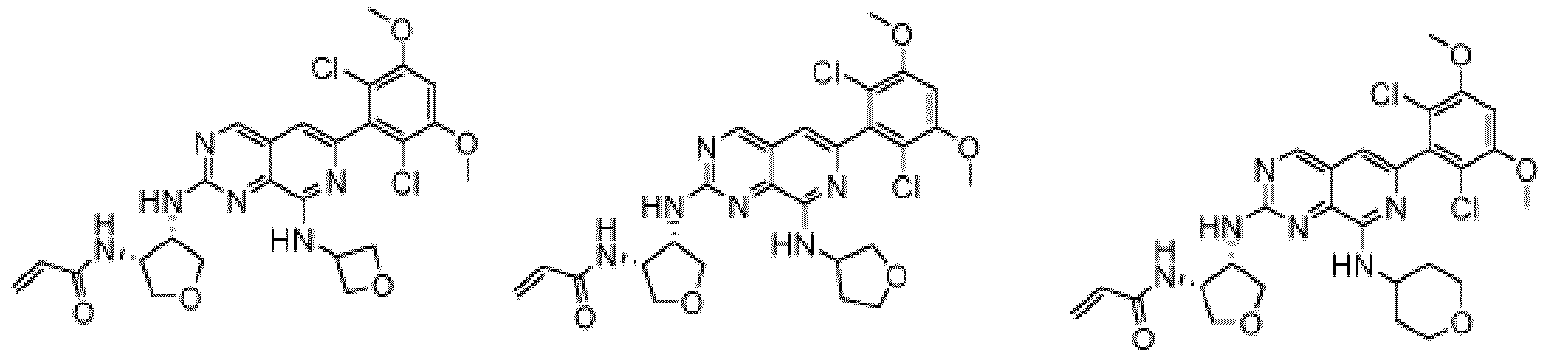
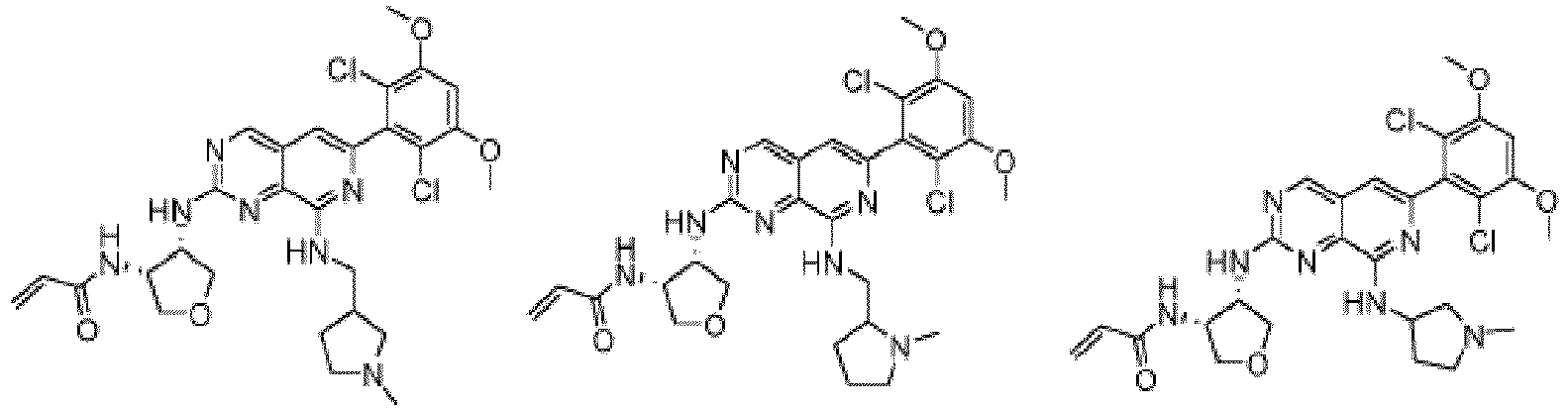
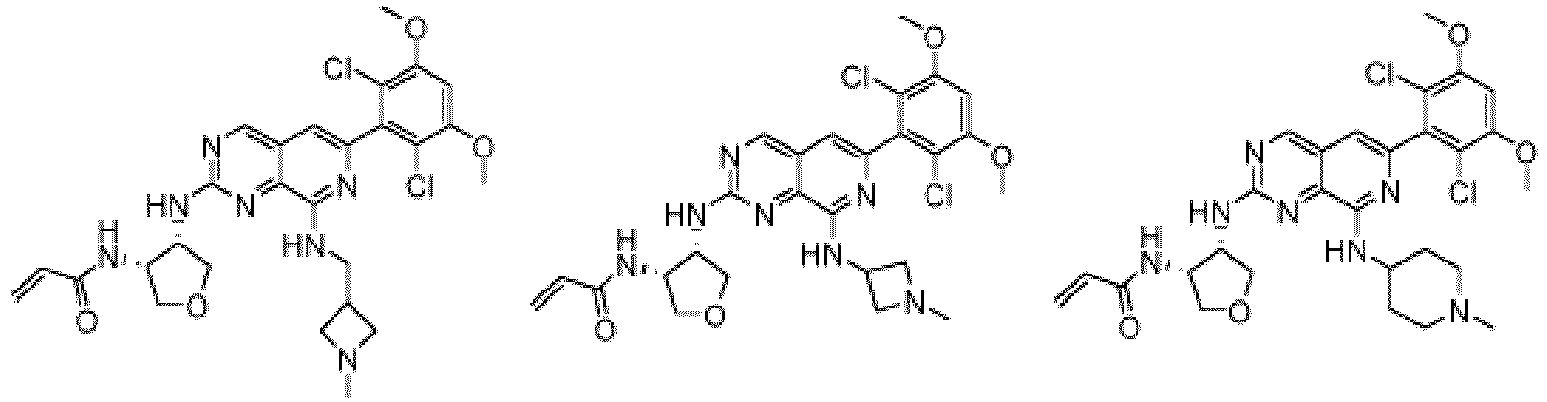


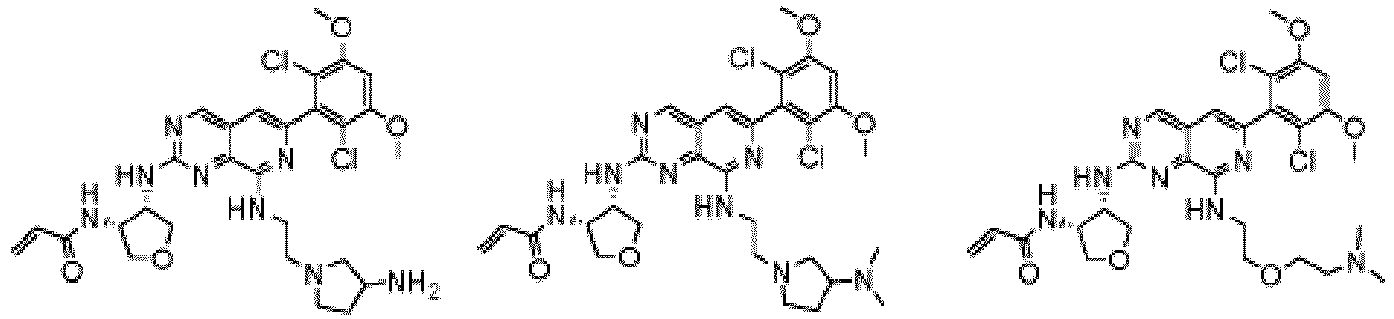


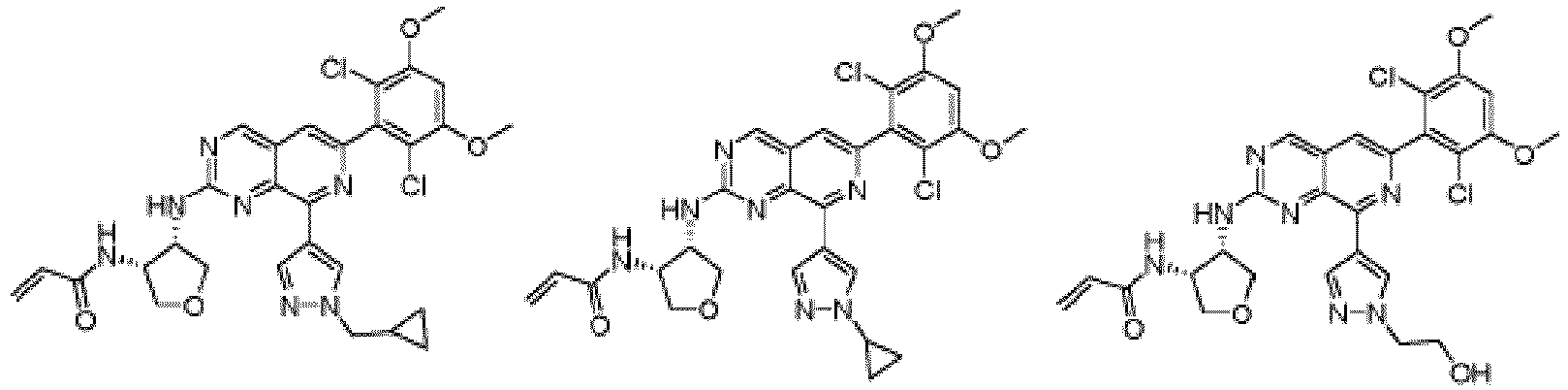


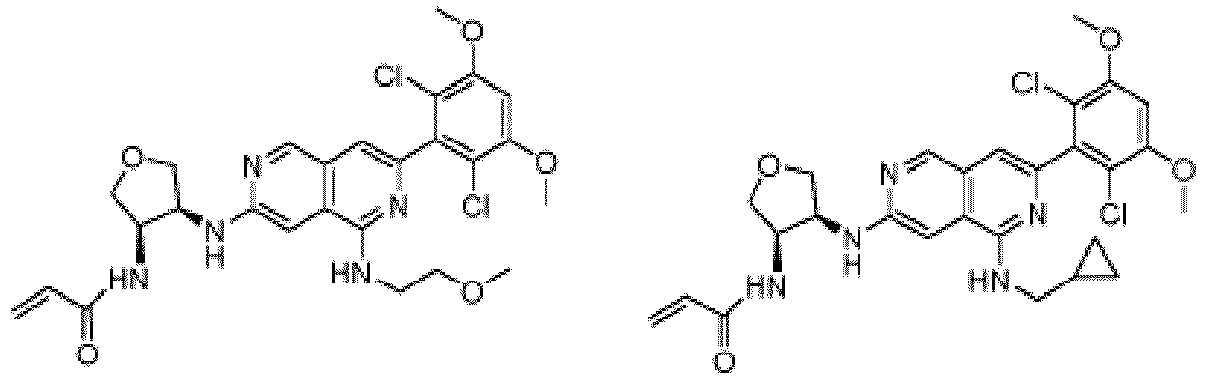


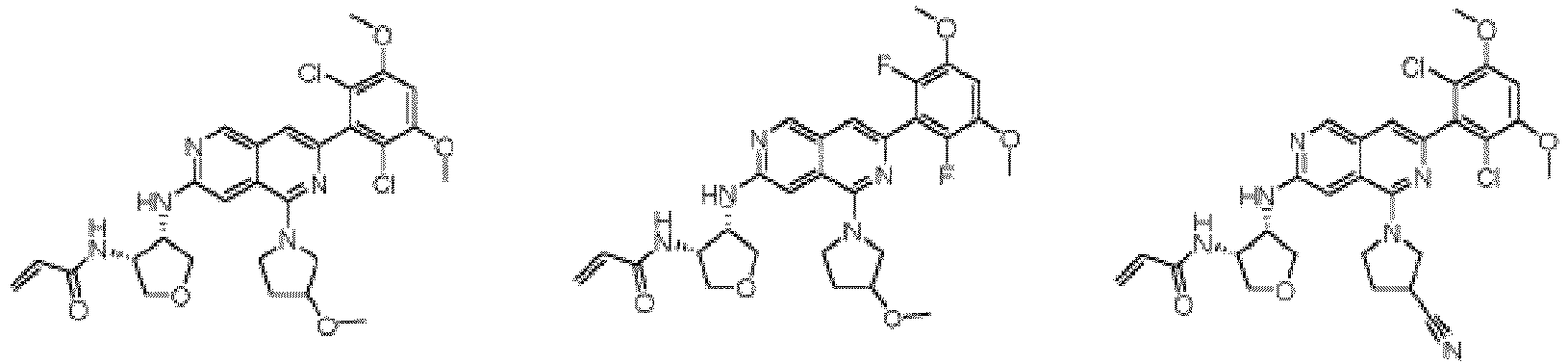


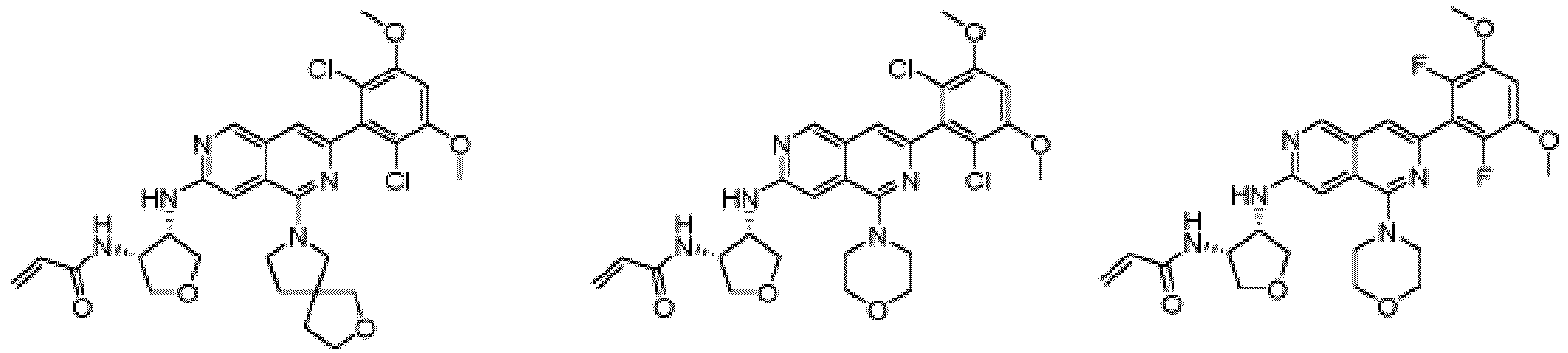


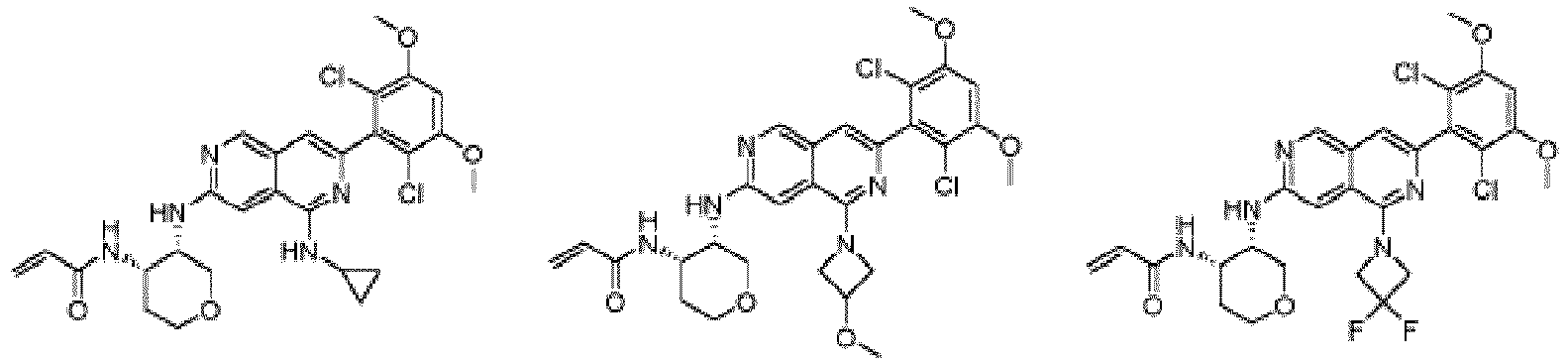

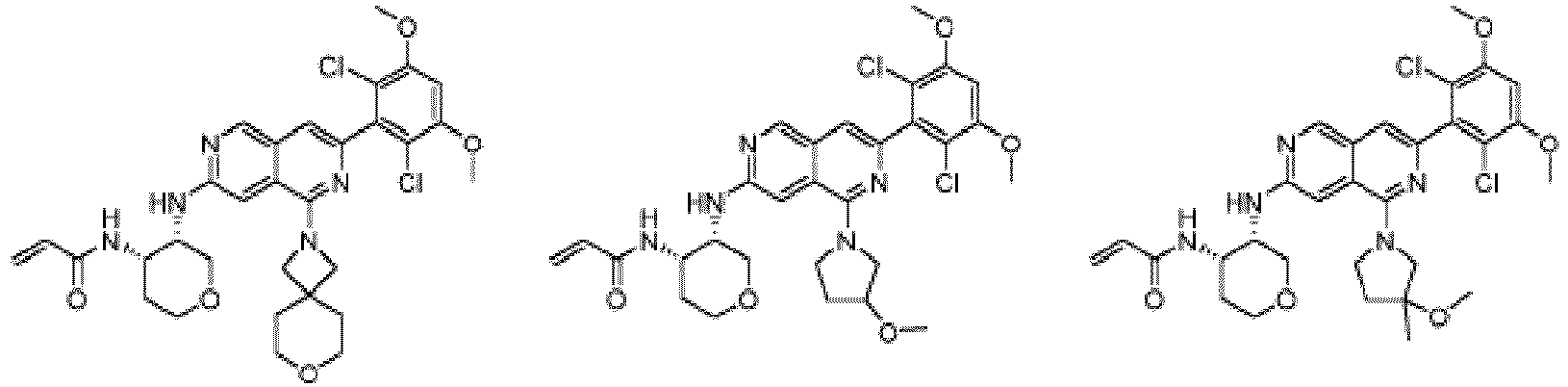


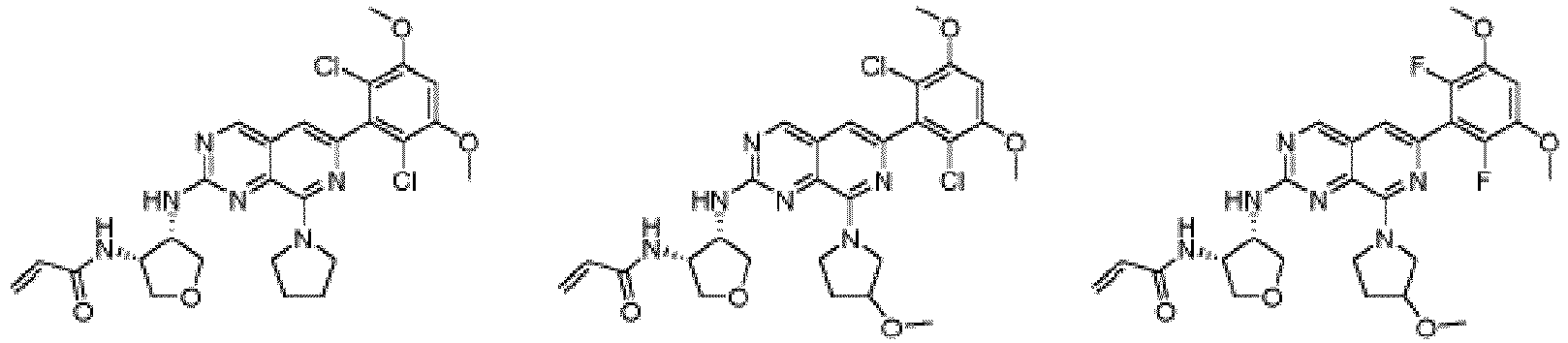


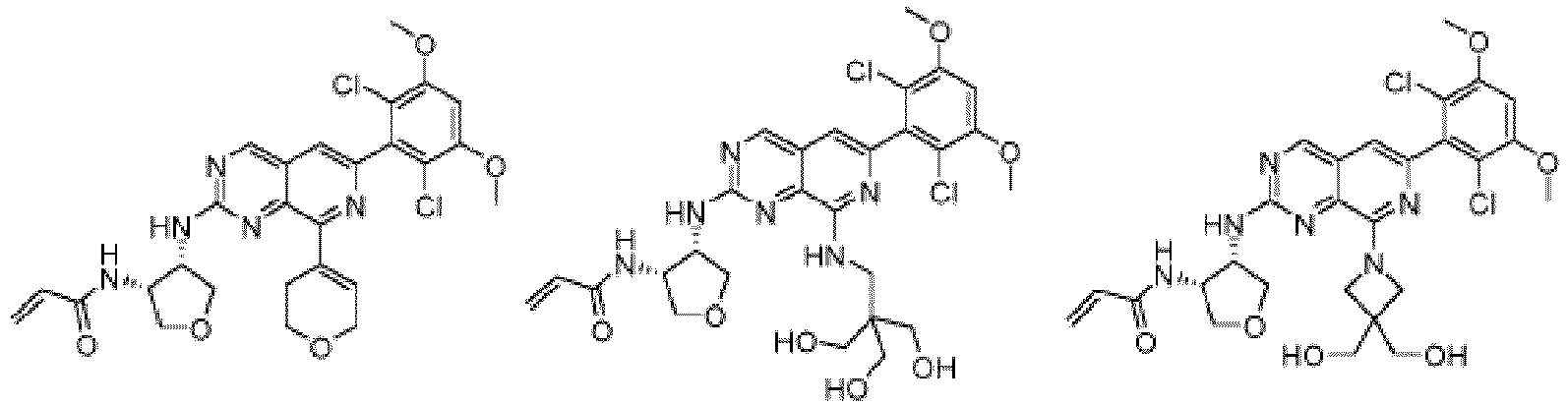


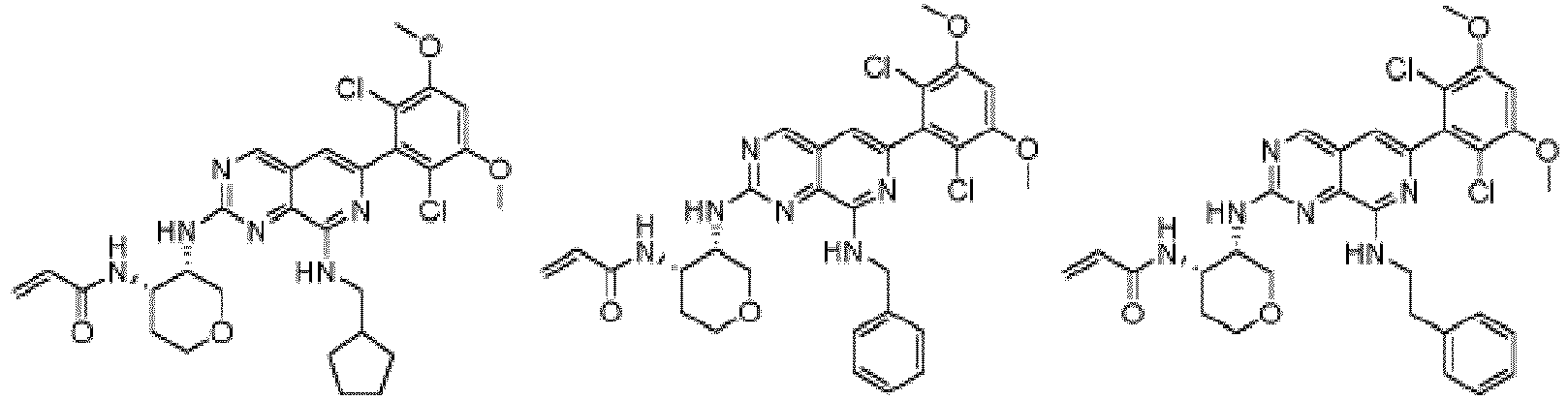


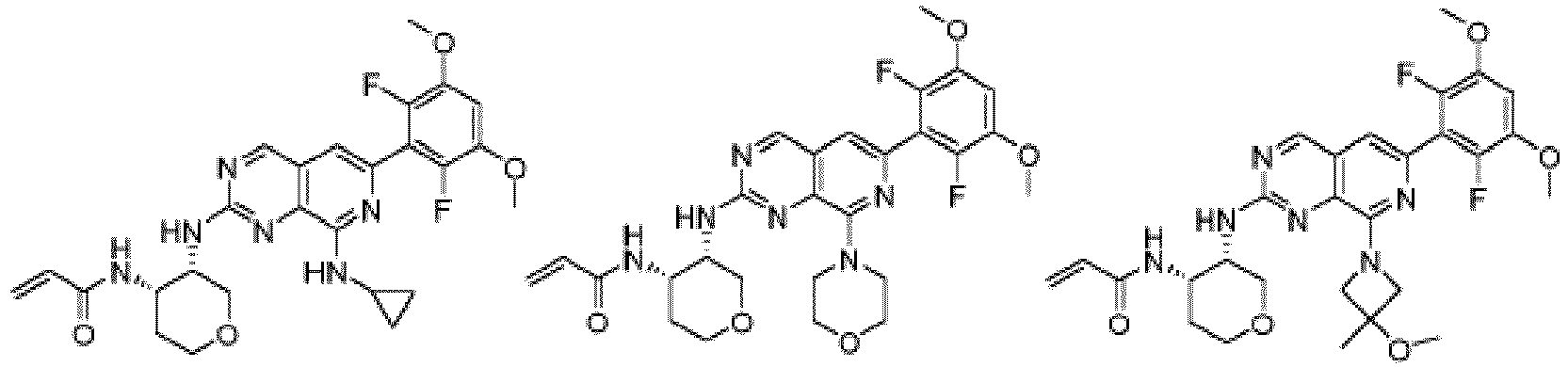
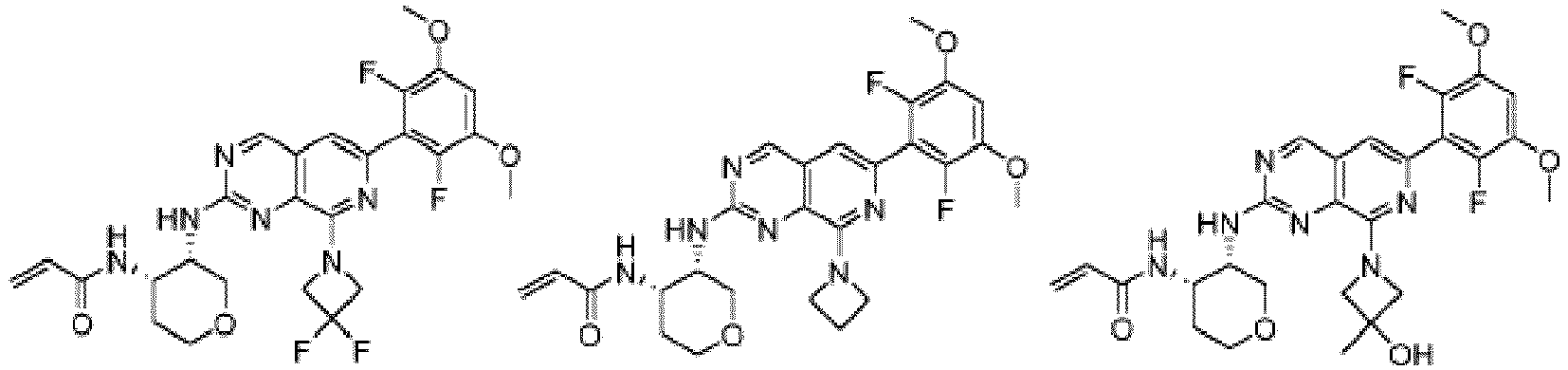


- Procédé de préparation du composé de formule (IVa-1), du stéréoisomère ou du sel pharmaceutiquement acceptable de celui-ci selon l'une quelconque des revendications 1-3, dans lequel le procédé comprend les étapes suivantes,
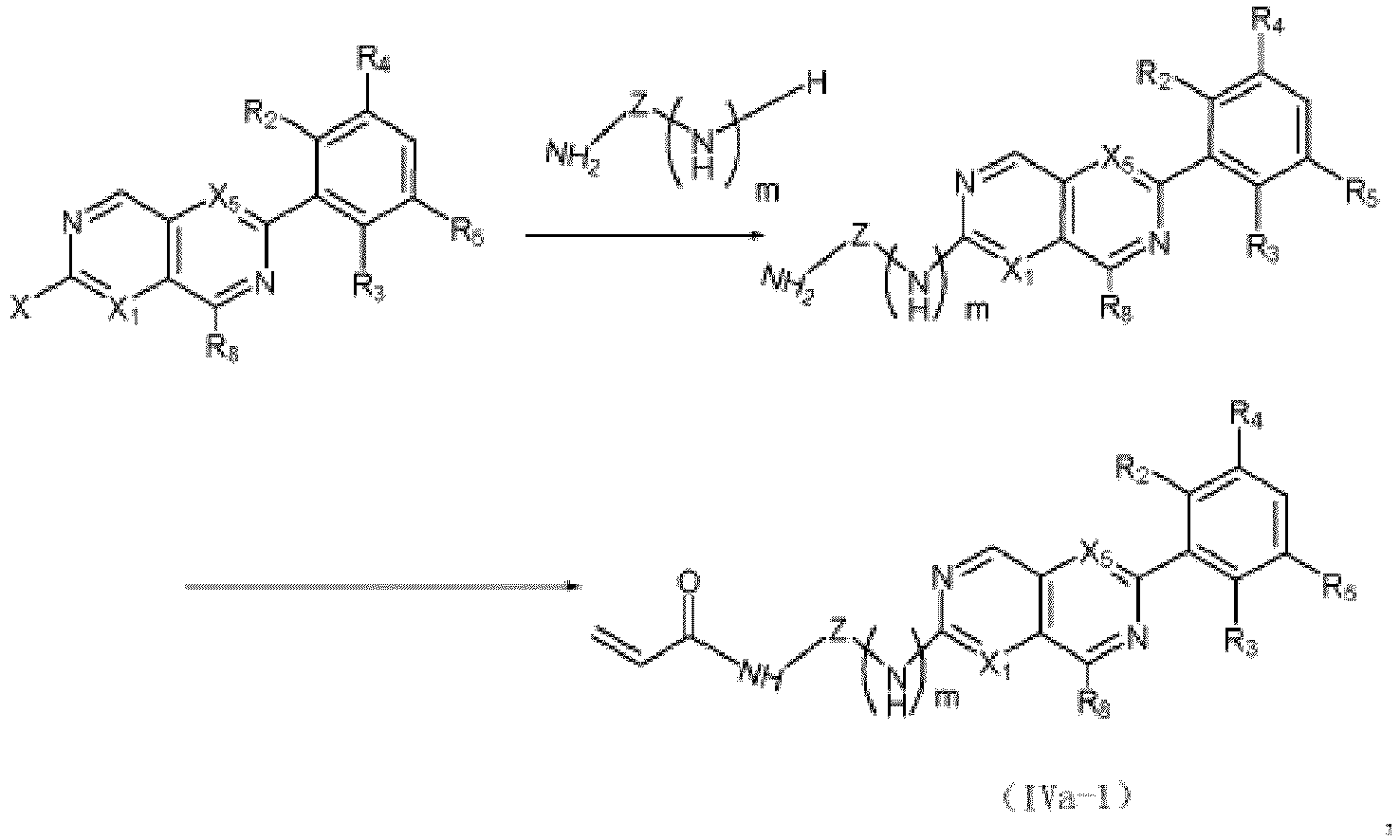


où X est un groupe partant choisi dans le groupe consistant en Cl, Br, méthylsulfanyle, méthylsulfonyle et méthoxy ; R est choisi dans le groupe consistant en nitro, cyano et azido ; Pg est un groupe protecteur d'amino choisi dans le groupe consistant en tert-butyloxycarbonyle, benzyloxycarbonyle, 2-biphényl-2-propoxycarbonyle et p-toluènesulfonyle ; X1, X5, m, R2, R3, R4, R5, R8 et Z sont tels que décrits dans la revendication 1. - Composition pharmaceutique comprenant une quantité thérapeutiquement efficace du composé de formule (IVa-1), du stéréoisomère ou du sel pharmaceutiquement acceptable de celui-ci selon l'une quelconque des revendications 1-3, et un support pharmaceutiquement acceptable.
- Composé de formule (IVa-1), stéréoisomère ou sel pharmaceutiquement acceptable de celui-ci selon l'une quelconque des revendications 1-3, ou composition pharmaceutique selon la revendication 5, pour une utilisation dans le traitement du cancer.
- Composé pour une utilisation selon la revendication 6, dans lequel le cancer est le cancer de la prostate, le cancer du foie, le cancer du pancréas, le cancer de l'œsophage, le cancer gastrique, le cancer du poumon, le cancer du sein, le cancer de l'ovaire, le cancer du côlon, le cancer de la peau, un glioblastome ou un rhabdomyosarcome.
Applications Claiming Priority (3)
| Application Number | Priority Date | Filing Date | Title |
|---|---|---|---|
| CN201611177188 | 2016-12-19 | ||
| CN201710453749 | 2017-06-15 | ||
| PCT/CN2017/116186 WO2018113584A1 (fr) | 2016-12-19 | 2017-12-14 | Inhibiteur de fgfr4, son procédé de préparation et son utilisation pharmaceutique |
Publications (3)
| Publication Number | Publication Date |
|---|---|
| EP3524603A1 EP3524603A1 (fr) | 2019-08-14 |
| EP3524603A4 EP3524603A4 (fr) | 2020-04-22 |
| EP3524603B1 true EP3524603B1 (fr) | 2022-06-08 |
Family
ID=62624661
Family Applications (1)
| Application Number | Title | Priority Date | Filing Date |
|---|---|---|---|
| EP17883905.6A Active EP3524603B1 (fr) | 2016-12-19 | 2017-12-14 | Inhibiteur de fgfr4, son procédé de préparation et son utilisation pharmaceutique |
Country Status (13)
| Country | Link |
|---|---|
| US (2) | US10968220B2 (fr) |
| EP (1) | EP3524603B1 (fr) |
| JP (1) | JP6919922B2 (fr) |
| KR (1) | KR102288281B1 (fr) |
| CN (1) | CN109661394B (fr) |
| AU (1) | AU2017378943B2 (fr) |
| CA (1) | CA3042960C (fr) |
| DK (1) | DK3524603T3 (fr) |
| ES (1) | ES2926124T3 (fr) |
| PH (1) | PH12019501029A1 (fr) |
| RU (1) | RU2747260C2 (fr) |
| TW (1) | TWI725266B (fr) |
| WO (1) | WO2018113584A1 (fr) |
Families Citing this family (27)
| Publication number | Priority date | Publication date | Assignee | Title |
|---|---|---|---|---|
| WO2019080878A1 (fr) * | 2017-10-24 | 2019-05-02 | Advent Pharma Co. Ltd. | Hétérocycles utilisés en tant qu'inhibiteurs du récepteur du facteur de croissance des fibroblastes |
| CN109745325B (zh) * | 2017-11-08 | 2022-02-15 | 上海翰森生物医药科技有限公司 | Fgfr4抑制剂、其制备方法和用途 |
| GB201801128D0 (en) * | 2018-01-24 | 2018-03-07 | Univ Oxford Innovation Ltd | Compounds |
| WO2019223766A1 (fr) * | 2018-05-25 | 2019-11-28 | 上海和誉生物医药科技有限公司 | Inhibiteur de fgfr, son procédé de préparation et son utilisation pharmaceutique |
| WO2019242587A1 (fr) * | 2018-06-19 | 2019-12-26 | 上海和誉生物医药科技有限公司 | Inhibiteur hautement sélectif de fgfr i, son procédé de préparation et son utilisation |
| CN111138459B (zh) * | 2018-11-06 | 2022-10-18 | 南京圣和药业股份有限公司 | Fgfr4抑制剂的光学异构体及其应用 |
| WO2020119606A1 (fr) * | 2018-12-10 | 2020-06-18 | Guangdong Newopp Biopharmaceuticals Co., Ltd. | Composés hétérocycliques utilisés en tant qu'inhibiteurs du récepteur du facteur de croissance des fibroblastes |
| US12351571B2 (en) | 2018-12-19 | 2025-07-08 | Array Biopharma Inc. | Substituted quinoxaline compounds as inhibitors of FGFR tyrosine kinases |
| BR112021011968A2 (pt) | 2018-12-19 | 2021-09-08 | Celgene Corporation | Compostos de 3-((3-aminofenil)amino)piperidina-2,6-diona substituídos, composições dos mesmos e métodos de tratamento com os mesmos |
| AU2019404022A1 (en) | 2018-12-19 | 2021-07-08 | Celgene Corporation | Substituted 3-((3-aminophenyl)amino)piperidine-2,6-dione compounds, compositions thereof, and methods of treatment therewith |
| WO2020131627A1 (fr) | 2018-12-19 | 2020-06-25 | Array Biopharma Inc. | Composés pyrazolo[1,5-a]pyridine substitués servant d'inhibiteurs de tyrosine kinases fgfr |
| WO2020156445A1 (fr) | 2019-01-29 | 2020-08-06 | 山东轩竹医药科技有限公司 | Inhibiteur de glycokinase hexanone et son utilisation |
| KR102747104B1 (ko) * | 2019-02-18 | 2024-12-27 | 한국과학기술연구원 | 단백질 키나아제 저해 활성을 갖는 신규한 피리도[3,4-d]피리미딘-8-온 유도체 및 이를 포함하는 암의 예방, 개선 또는 치료용 약학 조성물 |
| WO2020177067A1 (fr) | 2019-03-05 | 2020-09-10 | Bioardis Llc | Dérivés aromatiques, procédés de préparation et utilisations médicales de ceux-ci |
| EP3936509B1 (fr) * | 2019-03-08 | 2024-07-31 | Shouyao Holdings (Beijing) Co., Ltd. | Inhibiteur de fgfr4 kinase, son procédé de préparation et son utilisation |
| TWI821559B (zh) * | 2019-04-28 | 2023-11-11 | 大陸商上海和譽生物醫藥科技有限公司 | 一種cd73抑制劑,其製備方法和應用 |
| BR112022007208A2 (pt) * | 2019-10-30 | 2022-07-26 | Janssen Sciences Ireland Unlimited Co | Síntese de 3-nitro-n-(2,2,2-trifluoroetil)-4-piridinamina |
| CN114075212B (zh) * | 2020-08-14 | 2023-05-12 | 江苏恒瑞医药股份有限公司 | 稠合三环类衍生物、其制备方法及其在医药上的应用 |
| PE20231311A1 (es) | 2020-11-18 | 2023-08-24 | Deciphera Pharmaceuticals Llc | Inhibidores de gcn2 y perk quinasas y metodos de uso de los mismos |
| CN113527311B (zh) * | 2021-08-23 | 2022-05-06 | 中南大学湘雅医院 | Fgfr4抑制剂、组合物及其在药物制备中的用途 |
| CN113912602B (zh) * | 2021-10-14 | 2023-05-05 | 温州医科大学 | 一种2-氧代-1,2-二氢-1,6-萘啶-7-基类化合物及其制备方法和用途 |
| EP4450499A4 (fr) * | 2021-12-13 | 2025-12-17 | Abbisko Therapeutics Co Ltd | Sel d'acide inhibiteur de fgfr4, son procédé de préparation et son utilisation |
| CN116410189B (zh) * | 2021-12-30 | 2024-08-06 | 中国科学院上海药物研究所 | 一种嘧啶并吡啶类化合物及其药用组合物和应用 |
| TW202412784A (zh) * | 2022-07-18 | 2024-04-01 | 美商依安彼克醫療有限公司 | 氮-喹唑啉化合物及使用方法 |
| TWI896159B (zh) * | 2023-06-09 | 2025-09-01 | 大陸商上海和譽生物醫藥科技有限公司 | 一種fgfr4抑制劑組合物、其製備方法和在藥學上的應用 |
| WO2025119278A1 (fr) * | 2023-12-07 | 2025-06-12 | 无锡和誉生物医药科技有限公司 | Composition pharmaceutique d'inhibiteur de cd73, son procédé de préparation et son utilisation |
| TW202545531A (zh) * | 2024-01-17 | 2025-12-01 | 美商依安彼克醫療有限公司 | 氮—喹唑啉化合物之使用方法 |
Family Cites Families (8)
| Publication number | Priority date | Publication date | Assignee | Title |
|---|---|---|---|---|
| WO2004063195A1 (fr) * | 2003-01-03 | 2004-07-29 | Sloan-Kettering Institute For Cancer Research | Inhibiteurs de kinases a base de pyridopyrimidine |
| AU2009262068C1 (en) * | 2008-06-27 | 2015-07-02 | Celgene Car Llc | Heteroaryl compounds and uses thereof |
| NZ703495A (en) * | 2012-07-11 | 2018-02-23 | Blueprint Medicines Corp | Inhibitors of the fibroblast growth factor receptor |
| PT3395814T (pt) * | 2013-10-25 | 2022-07-27 | Blueprint Medicines Corp | Inibidores do recetor do fator de crescimento de fibroblastos |
| WO2015108992A1 (fr) * | 2014-01-15 | 2015-07-23 | Blueprint Medicines Corporation | Composés hétérobicycliques et leur utilisation en tant qu'inhibiteurs du récepteur fgfr4 |
| MA38393B1 (fr) * | 2014-03-13 | 2018-11-30 | Sanofi Sa | Composés hétéroaryle et utilisations associées |
| WO2016115412A1 (fr) * | 2015-01-18 | 2016-07-21 | Newave Pharmaceutical Llc | Inhibiteurs covalents de fgfr -4 à doubles "warheads" |
| EP3470550B1 (fr) * | 2016-02-24 | 2023-10-25 | Zincobre Ingenieria, S.L. | Tête d'électrode pour installation d'électrolyse |
-
2017
- 2017-12-14 RU RU2019122913A patent/RU2747260C2/ru active
- 2017-12-14 EP EP17883905.6A patent/EP3524603B1/fr active Active
- 2017-12-14 KR KR1020197013213A patent/KR102288281B1/ko active Active
- 2017-12-14 ES ES17883905T patent/ES2926124T3/es active Active
- 2017-12-14 DK DK17883905.6T patent/DK3524603T3/da active
- 2017-12-14 WO PCT/CN2017/116186 patent/WO2018113584A1/fr not_active Ceased
- 2017-12-14 CA CA3042960A patent/CA3042960C/fr active Active
- 2017-12-14 AU AU2017378943A patent/AU2017378943B2/en active Active
- 2017-12-14 TW TW106143927A patent/TWI725266B/zh active
- 2017-12-14 CN CN201780051138.6A patent/CN109661394B/zh active Active
- 2017-12-14 US US16/348,957 patent/US10968220B2/en active Active
- 2017-12-14 JP JP2019525831A patent/JP6919922B2/ja active Active
-
2019
- 2019-05-09 PH PH12019501029A patent/PH12019501029A1/en unknown
-
2020
- 2020-12-31 US US17/139,552 patent/US11555036B2/en active Active
Also Published As
| Publication number | Publication date |
|---|---|
| CN109661394A (zh) | 2019-04-19 |
| RU2019122913A (ru) | 2021-01-19 |
| US20190270742A1 (en) | 2019-09-05 |
| WO2018113584A1 (fr) | 2018-06-28 |
| AU2017378943B2 (en) | 2020-06-18 |
| TWI725266B (zh) | 2021-04-21 |
| US10968220B2 (en) | 2021-04-06 |
| CA3042960A1 (fr) | 2018-06-28 |
| KR20190092376A (ko) | 2019-08-07 |
| AU2017378943A1 (en) | 2019-05-16 |
| CN109661394B (zh) | 2020-07-14 |
| RU2019122913A3 (fr) | 2021-01-19 |
| EP3524603A1 (fr) | 2019-08-14 |
| DK3524603T3 (da) | 2022-07-04 |
| CA3042960C (fr) | 2021-05-04 |
| EP3524603A4 (fr) | 2020-04-22 |
| US20220348573A1 (en) | 2022-11-03 |
| US11555036B2 (en) | 2023-01-17 |
| PH12019501029A1 (en) | 2019-12-11 |
| TW201823245A (zh) | 2018-07-01 |
| RU2747260C2 (ru) | 2021-04-29 |
| JP2019537610A (ja) | 2019-12-26 |
| ES2926124T3 (es) | 2022-10-24 |
| JP6919922B2 (ja) | 2021-08-18 |
| KR102288281B1 (ko) | 2021-08-10 |
Similar Documents
| Publication | Publication Date | Title |
|---|---|---|
| US11555036B2 (en) | FGFR4 inhibitor, preparation method therefor and pharmaceutical use thereof | |
| US12479848B2 (en) | Substituted fused heteroaromatic bicyclic compounds as kinase inhibitors and the use thereof | |
| CN107438608B (zh) | 作为fgfr4抑制剂的双环杂环 | |
| EP2318377B1 (fr) | Composés de pyrimidine, compositions et procédés d'utilisation | |
| KR102632018B1 (ko) | Fgfr 저해제로서의 이환식 복소환 | |
| KR101541086B1 (ko) | 피롤로피리미딘 화합물 및 그 용도 | |
| ES2908412T3 (es) | Derivados de piperidin-4-IL azetidina como inhibidores de JAK1 | |
| JP2024532835A (ja) | 窒素含有複素環系誘導体阻害剤、その製造方法及び応用 | |
| US9956220B2 (en) | Imidazo-pyridazine derivatives as casein kinase 1 δ/ϵ inhibitors | |
| JP2021518395A (ja) | Shp2阻害剤およびその使用 | |
| WO2006025567A1 (fr) | Nouveaux dérivés d’imidazoles substitués | |
| JP2021533179A (ja) | ピラジン化合物およびその使用 | |
| KR20140096097A (ko) | Btk 활성의 억제제로서의 헤테로아릴 피리돈 및 아자-피리돈 화합물 | |
| KR20160086930A (ko) | 피롤로피롤론 유도체 및 bet 억제제로서의 그의 용도 | |
| CN116715700A (zh) | 一种cd73抑制剂,其制备方法和应用 | |
| CA2922044A1 (fr) | Derives pyrazolo-, imidazolo- et pyrrolo-pyridine ou -pyrimidine utilises comme inhibiteurs de la kinase de bruton (btk) | |
| JP2021506876A (ja) | PDE1阻害剤としてのピラゾロ[3,4−b]ピリジン及びイミダゾ[1,5−b]ピリダジン | |
| HK40052933B (en) | Cd73 inhibitor, preparation method therefor and application thereof | |
| HK40022691B (en) | Bicyclic heterocycles as fgfr inhibitors | |
| HK40022691A (en) | Bicyclic heterocycles as fgfr inhibitors |
Legal Events
| Date | Code | Title | Description |
|---|---|---|---|
| STAA | Information on the status of an ep patent application or granted ep patent |
Free format text: STATUS: THE INTERNATIONAL PUBLICATION HAS BEEN MADE |
|
| PUAI | Public reference made under article 153(3) epc to a published international application that has entered the european phase |
Free format text: ORIGINAL CODE: 0009012 |
|
| STAA | Information on the status of an ep patent application or granted ep patent |
Free format text: STATUS: REQUEST FOR EXAMINATION WAS MADE |
|
| 17P | Request for examination filed |
Effective date: 20190508 |
|
| AK | Designated contracting states |
Kind code of ref document: A1 Designated state(s): AL AT BE BG CH CY CZ DE DK EE ES FI FR GB GR HR HU IE IS IT LI LT LU LV MC MK MT NL NO PL PT RO RS SE SI SK SM TR |
|
| AX | Request for extension of the european patent |
Extension state: BA ME |
|
| DAV | Request for validation of the european patent (deleted) | ||
| DAX | Request for extension of the european patent (deleted) | ||
| A4 | Supplementary search report drawn up and despatched |
Effective date: 20200325 |
|
| RIC1 | Information provided on ipc code assigned before grant |
Ipc: A61K 31/506 20060101ALI20200319BHEP Ipc: A61K 31/5355 20060101ALI20200319BHEP Ipc: A61K 31/537 20060101ALI20200319BHEP Ipc: C07D 491/107 20060101ALI20200319BHEP Ipc: A61K 31/505 20060101ALI20200319BHEP Ipc: A61K 31/519 20060101ALI20200319BHEP Ipc: A61K 31/445 20060101ALI20200319BHEP Ipc: A61K 31/497 20060101ALI20200319BHEP Ipc: A61K 31/4375 20060101ALI20200319BHEP Ipc: A61K 31/436 20060101ALI20200319BHEP Ipc: C07D 495/04 20060101ALI20200319BHEP Ipc: A61K 31/535 20060101ALI20200319BHEP Ipc: C07D 491/044 20060101ALI20200319BHEP Ipc: C07D 471/04 20060101AFI20200319BHEP Ipc: A61K 31/4365 20060101ALI20200319BHEP Ipc: A61K 31/437 20060101ALI20200319BHEP Ipc: A61K 31/517 20060101ALI20200319BHEP Ipc: C07D 498/08 20060101ALI20200319BHEP Ipc: A61P 35/00 20060101ALI20200319BHEP Ipc: C07D 513/04 20060101ALI20200319BHEP |
|
| STAA | Information on the status of an ep patent application or granted ep patent |
Free format text: STATUS: EXAMINATION IS IN PROGRESS |
|
| 17Q | First examination report despatched |
Effective date: 20210301 |
|
| GRAP | Despatch of communication of intention to grant a patent |
Free format text: ORIGINAL CODE: EPIDOSNIGR1 |
|
| STAA | Information on the status of an ep patent application or granted ep patent |
Free format text: STATUS: GRANT OF PATENT IS INTENDED |
|
| INTG | Intention to grant announced |
Effective date: 20211207 |
|
| GRAJ | Information related to disapproval of communication of intention to grant by the applicant or resumption of examination proceedings by the epo deleted |
Free format text: ORIGINAL CODE: EPIDOSDIGR1 |
|
| STAA | Information on the status of an ep patent application or granted ep patent |
Free format text: STATUS: EXAMINATION IS IN PROGRESS |
|
| GRAP | Despatch of communication of intention to grant a patent |
Free format text: ORIGINAL CODE: EPIDOSNIGR1 |
|
| STAA | Information on the status of an ep patent application or granted ep patent |
Free format text: STATUS: GRANT OF PATENT IS INTENDED |
|
| INTC | Intention to grant announced (deleted) | ||
| INTG | Intention to grant announced |
Effective date: 20220316 |
|
| GRAS | Grant fee paid |
Free format text: ORIGINAL CODE: EPIDOSNIGR3 |
|
| GRAA | (expected) grant |
Free format text: ORIGINAL CODE: 0009210 |
|
| STAA | Information on the status of an ep patent application or granted ep patent |
Free format text: STATUS: THE PATENT HAS BEEN GRANTED |
|
| AK | Designated contracting states |
Kind code of ref document: B1 Designated state(s): AL AT BE BG CH CY CZ DE DK EE ES FI FR GB GR HR HU IE IS IT LI LT LU LV MC MK MT NL NO PL PT RO RS SE SI SK SM TR |
|
| REG | Reference to a national code |
Ref country code: AT Ref legal event code: REF Ref document number: 1496861 Country of ref document: AT Kind code of ref document: T Effective date: 20220615 Ref country code: CH Ref legal event code: EP |
|
| REG | Reference to a national code |
Ref country code: DE Ref legal event code: R096 Ref document number: 602017058412 Country of ref document: DE |
|
| REG | Reference to a national code |
Ref country code: DK Ref legal event code: T3 Effective date: 20220701 |
|
| REG | Reference to a national code |
Ref country code: IE Ref legal event code: FG4D |
|
| REG | Reference to a national code |
Ref country code: SE Ref legal event code: TRGR |
|
| REG | Reference to a national code |
Ref country code: NL Ref legal event code: FP |
|
| REG | Reference to a national code |
Ref country code: NO Ref legal event code: T2 Effective date: 20220608 |
|
| REG | Reference to a national code |
Ref country code: LT Ref legal event code: MG9D |
|
| REG | Reference to a national code |
Ref country code: ES Ref legal event code: FG2A Ref document number: 2926124 Country of ref document: ES Kind code of ref document: T3 Effective date: 20221024 |
|
| PG25 | Lapsed in a contracting state [announced via postgrant information from national office to epo] |
Ref country code: LT Free format text: LAPSE BECAUSE OF FAILURE TO SUBMIT A TRANSLATION OF THE DESCRIPTION OR TO PAY THE FEE WITHIN THE PRESCRIBED TIME-LIMIT Effective date: 20220608 Ref country code: HR Free format text: LAPSE BECAUSE OF FAILURE TO SUBMIT A TRANSLATION OF THE DESCRIPTION OR TO PAY THE FEE WITHIN THE PRESCRIBED TIME-LIMIT Effective date: 20220608 Ref country code: GR Free format text: LAPSE BECAUSE OF FAILURE TO SUBMIT A TRANSLATION OF THE DESCRIPTION OR TO PAY THE FEE WITHIN THE PRESCRIBED TIME-LIMIT Effective date: 20220909 Ref country code: FI Free format text: LAPSE BECAUSE OF FAILURE TO SUBMIT A TRANSLATION OF THE DESCRIPTION OR TO PAY THE FEE WITHIN THE PRESCRIBED TIME-LIMIT Effective date: 20220608 Ref country code: BG Free format text: LAPSE BECAUSE OF FAILURE TO SUBMIT A TRANSLATION OF THE DESCRIPTION OR TO PAY THE FEE WITHIN THE PRESCRIBED TIME-LIMIT Effective date: 20220908 |
|
| REG | Reference to a national code |
Ref country code: AT Ref legal event code: MK05 Ref document number: 1496861 Country of ref document: AT Kind code of ref document: T Effective date: 20220608 |
|
| PG25 | Lapsed in a contracting state [announced via postgrant information from national office to epo] |
Ref country code: RS Free format text: LAPSE BECAUSE OF FAILURE TO SUBMIT A TRANSLATION OF THE DESCRIPTION OR TO PAY THE FEE WITHIN THE PRESCRIBED TIME-LIMIT Effective date: 20220608 Ref country code: LV Free format text: LAPSE BECAUSE OF FAILURE TO SUBMIT A TRANSLATION OF THE DESCRIPTION OR TO PAY THE FEE WITHIN THE PRESCRIBED TIME-LIMIT Effective date: 20220608 |
|
| PG25 | Lapsed in a contracting state [announced via postgrant information from national office to epo] |
Ref country code: SM Free format text: LAPSE BECAUSE OF FAILURE TO SUBMIT A TRANSLATION OF THE DESCRIPTION OR TO PAY THE FEE WITHIN THE PRESCRIBED TIME-LIMIT Effective date: 20220608 Ref country code: SK Free format text: LAPSE BECAUSE OF FAILURE TO SUBMIT A TRANSLATION OF THE DESCRIPTION OR TO PAY THE FEE WITHIN THE PRESCRIBED TIME-LIMIT Effective date: 20220608 Ref country code: RO Free format text: LAPSE BECAUSE OF FAILURE TO SUBMIT A TRANSLATION OF THE DESCRIPTION OR TO PAY THE FEE WITHIN THE PRESCRIBED TIME-LIMIT Effective date: 20220608 Ref country code: PT Free format text: LAPSE BECAUSE OF FAILURE TO SUBMIT A TRANSLATION OF THE DESCRIPTION OR TO PAY THE FEE WITHIN THE PRESCRIBED TIME-LIMIT Effective date: 20221010 Ref country code: EE Free format text: LAPSE BECAUSE OF FAILURE TO SUBMIT A TRANSLATION OF THE DESCRIPTION OR TO PAY THE FEE WITHIN THE PRESCRIBED TIME-LIMIT Effective date: 20220608 Ref country code: CZ Free format text: LAPSE BECAUSE OF FAILURE TO SUBMIT A TRANSLATION OF THE DESCRIPTION OR TO PAY THE FEE WITHIN THE PRESCRIBED TIME-LIMIT Effective date: 20220608 Ref country code: AT Free format text: LAPSE BECAUSE OF FAILURE TO SUBMIT A TRANSLATION OF THE DESCRIPTION OR TO PAY THE FEE WITHIN THE PRESCRIBED TIME-LIMIT Effective date: 20220608 |
|
| PG25 | Lapsed in a contracting state [announced via postgrant information from national office to epo] |
Ref country code: PL Free format text: LAPSE BECAUSE OF FAILURE TO SUBMIT A TRANSLATION OF THE DESCRIPTION OR TO PAY THE FEE WITHIN THE PRESCRIBED TIME-LIMIT Effective date: 20220608 Ref country code: IS Free format text: LAPSE BECAUSE OF FAILURE TO SUBMIT A TRANSLATION OF THE DESCRIPTION OR TO PAY THE FEE WITHIN THE PRESCRIBED TIME-LIMIT Effective date: 20221008 |
|
| REG | Reference to a national code |
Ref country code: DE Ref legal event code: R097 Ref document number: 602017058412 Country of ref document: DE |
|
| PG25 | Lapsed in a contracting state [announced via postgrant information from national office to epo] |
Ref country code: AL Free format text: LAPSE BECAUSE OF FAILURE TO SUBMIT A TRANSLATION OF THE DESCRIPTION OR TO PAY THE FEE WITHIN THE PRESCRIBED TIME-LIMIT Effective date: 20220608 |
|
| PLBE | No opposition filed within time limit |
Free format text: ORIGINAL CODE: 0009261 |
|
| STAA | Information on the status of an ep patent application or granted ep patent |
Free format text: STATUS: NO OPPOSITION FILED WITHIN TIME LIMIT |
|
| 26N | No opposition filed |
Effective date: 20230310 |
|
| PG25 | Lapsed in a contracting state [announced via postgrant information from national office to epo] |
Ref country code: SI Free format text: LAPSE BECAUSE OF FAILURE TO SUBMIT A TRANSLATION OF THE DESCRIPTION OR TO PAY THE FEE WITHIN THE PRESCRIBED TIME-LIMIT Effective date: 20220608 |
|
| PG25 | Lapsed in a contracting state [announced via postgrant information from national office to epo] |
Ref country code: LU Free format text: LAPSE BECAUSE OF NON-PAYMENT OF DUE FEES Effective date: 20221214 |
|
| PG25 | Lapsed in a contracting state [announced via postgrant information from national office to epo] |
Ref country code: HU Free format text: LAPSE BECAUSE OF FAILURE TO SUBMIT A TRANSLATION OF THE DESCRIPTION OR TO PAY THE FEE WITHIN THE PRESCRIBED TIME-LIMIT; INVALID AB INITIO Effective date: 20171214 |
|
| PG25 | Lapsed in a contracting state [announced via postgrant information from national office to epo] |
Ref country code: CY Free format text: LAPSE BECAUSE OF FAILURE TO SUBMIT A TRANSLATION OF THE DESCRIPTION OR TO PAY THE FEE WITHIN THE PRESCRIBED TIME-LIMIT Effective date: 20220608 |
|
| PG25 | Lapsed in a contracting state [announced via postgrant information from national office to epo] |
Ref country code: MK Free format text: LAPSE BECAUSE OF FAILURE TO SUBMIT A TRANSLATION OF THE DESCRIPTION OR TO PAY THE FEE WITHIN THE PRESCRIBED TIME-LIMIT Effective date: 20220608 |
|
| PG25 | Lapsed in a contracting state [announced via postgrant information from national office to epo] |
Ref country code: MC Free format text: LAPSE BECAUSE OF FAILURE TO SUBMIT A TRANSLATION OF THE DESCRIPTION OR TO PAY THE FEE WITHIN THE PRESCRIBED TIME-LIMIT Effective date: 20220608 |
|
| PG25 | Lapsed in a contracting state [announced via postgrant information from national office to epo] |
Ref country code: MC Free format text: LAPSE BECAUSE OF FAILURE TO SUBMIT A TRANSLATION OF THE DESCRIPTION OR TO PAY THE FEE WITHIN THE PRESCRIBED TIME-LIMIT Effective date: 20220608 |
|
| PG25 | Lapsed in a contracting state [announced via postgrant information from national office to epo] |
Ref country code: MT Free format text: LAPSE BECAUSE OF FAILURE TO SUBMIT A TRANSLATION OF THE DESCRIPTION OR TO PAY THE FEE WITHIN THE PRESCRIBED TIME-LIMIT Effective date: 20220608 |
|
| PG25 | Lapsed in a contracting state [announced via postgrant information from national office to epo] |
Ref country code: BG Free format text: LAPSE BECAUSE OF FAILURE TO SUBMIT A TRANSLATION OF THE DESCRIPTION OR TO PAY THE FEE WITHIN THE PRESCRIBED TIME-LIMIT Effective date: 20220608 |
|
| PG25 | Lapsed in a contracting state [announced via postgrant information from national office to epo] |
Ref country code: BG Free format text: LAPSE BECAUSE OF FAILURE TO SUBMIT A TRANSLATION OF THE DESCRIPTION OR TO PAY THE FEE WITHIN THE PRESCRIBED TIME-LIMIT Effective date: 20220608 |
|
| REG | Reference to a national code |
Ref country code: CH Ref legal event code: U11 Free format text: ST27 STATUS EVENT CODE: U-0-0-U10-U11 (AS PROVIDED BY THE NATIONAL OFFICE) Effective date: 20260101 |
|
| PGFP | Annual fee paid to national office [announced via postgrant information from national office to epo] |
Ref country code: DE Payment date: 20251211 Year of fee payment: 9 |
|
| PGFP | Annual fee paid to national office [announced via postgrant information from national office to epo] |
Ref country code: GB Payment date: 20251219 Year of fee payment: 9 |
|
| PGFP | Annual fee paid to national office [announced via postgrant information from national office to epo] |
Ref country code: IT Payment date: 20251223 Year of fee payment: 9 Ref country code: DK Payment date: 20251224 Year of fee payment: 9 |
|
| PGFP | Annual fee paid to national office [announced via postgrant information from national office to epo] |
Ref country code: NL Payment date: 20251219 Year of fee payment: 9 Ref country code: FR Payment date: 20251229 Year of fee payment: 9 |
|
| PGFP | Annual fee paid to national office [announced via postgrant information from national office to epo] |
Ref country code: BE Payment date: 20251219 Year of fee payment: 9 Ref country code: TR Payment date: 20251208 Year of fee payment: 9 |
|
| PGFP | Annual fee paid to national office [announced via postgrant information from national office to epo] |
Ref country code: SE Payment date: 20251219 Year of fee payment: 9 |
|
| PGFP | Annual fee paid to national office [announced via postgrant information from national office to epo] |
Ref country code: IE Payment date: 20251219 Year of fee payment: 9 |
|
| PGFP | Annual fee paid to national office [announced via postgrant information from national office to epo] |
Ref country code: ES Payment date: 20260130 Year of fee payment: 9 |
|
| PGFP | Annual fee paid to national office [announced via postgrant information from national office to epo] |
Ref country code: NO Payment date: 20251230 Year of fee payment: 9 |
|
| PGFP | Annual fee paid to national office [announced via postgrant information from national office to epo] |
Ref country code: CH Payment date: 20260101 Year of fee payment: 9 |