EP3530266A1 - Lipidbasierte beschichtungszusammensetzung und objekt mit einer lipidbasierten beschichtung - Google Patents
Lipidbasierte beschichtungszusammensetzung und objekt mit einer lipidbasierten beschichtung Download PDFInfo
- Publication number
- EP3530266A1 EP3530266A1 EP18158897.1A EP18158897A EP3530266A1 EP 3530266 A1 EP3530266 A1 EP 3530266A1 EP 18158897 A EP18158897 A EP 18158897A EP 3530266 A1 EP3530266 A1 EP 3530266A1
- Authority
- EP
- European Patent Office
- Prior art keywords
- glycero
- lipid
- phosphoethanolamine
- methoxy
- polyethylene glycol
- Prior art date
- Legal status (The legal status is an assumption and is not a legal conclusion. Google has not performed a legal analysis and makes no representation as to the accuracy of the status listed.)
- Withdrawn
Links
- 150000002632 lipids Chemical class 0.000 title claims abstract description 157
- 239000008199 coating composition Substances 0.000 title claims abstract description 45
- 238000000576 coating method Methods 0.000 title claims description 60
- 239000011248 coating agent Substances 0.000 title claims description 48
- 150000003904 phospholipids Chemical class 0.000 claims abstract description 41
- 239000000654 additive Substances 0.000 claims abstract description 20
- XLYOFNOQVPJJNP-UHFFFAOYSA-N water Substances O XLYOFNOQVPJJNP-UHFFFAOYSA-N 0.000 claims abstract description 19
- 230000000996 additive effect Effects 0.000 claims abstract description 18
- 239000000203 mixture Substances 0.000 claims abstract description 18
- 150000002634 lipophilic molecules Chemical class 0.000 claims abstract description 17
- WTJKGGKOPKCXLL-RRHRGVEJSA-N phosphatidylcholine Chemical group CCCCCCCCCCCCCCCC(=O)OC[C@H](COP([O-])(=O)OCC[N+](C)(C)C)OC(=O)CCCCCCCC=CCCCCCCCC WTJKGGKOPKCXLL-RRHRGVEJSA-N 0.000 claims abstract description 16
- 238000002296 dynamic light scattering Methods 0.000 claims abstract description 9
- 239000002202 Polyethylene glycol Substances 0.000 claims description 59
- 229920001223 polyethylene glycol Polymers 0.000 claims description 59
- 125000000956 methoxy group Chemical group [H]C([H])([H])O* 0.000 claims description 50
- SNKAWJBJQDLSFF-NVKMUCNASA-N 1,2-dioleoyl-sn-glycero-3-phosphocholine Chemical compound CCCCCCCC\C=C/CCCCCCCC(=O)OC[C@H](COP([O-])(=O)OCC[N+](C)(C)C)OC(=O)CCCCCCC\C=C/CCCCCCCC SNKAWJBJQDLSFF-NVKMUCNASA-N 0.000 claims description 22
- 239000000758 substrate Substances 0.000 claims description 16
- KILNVBDSWZSGLL-KXQOOQHDSA-N 1,2-dihexadecanoyl-sn-glycero-3-phosphocholine Chemical compound CCCCCCCCCCCCCCCC(=O)OC[C@H](COP([O-])(=O)OCC[N+](C)(C)C)OC(=O)CCCCCCCCCCCCCCC KILNVBDSWZSGLL-KXQOOQHDSA-N 0.000 claims description 14
- 239000000872 buffer Substances 0.000 claims description 10
- LOKCTEFSRHRXRJ-UHFFFAOYSA-I dipotassium trisodium dihydrogen phosphate hydrogen phosphate dichloride Chemical compound P(=O)(O)(O)[O-].[K+].P(=O)(O)([O-])[O-].[Na+].[Na+].[Cl-].[K+].[Cl-].[Na+] LOKCTEFSRHRXRJ-UHFFFAOYSA-I 0.000 claims description 10
- 239000002953 phosphate buffered saline Substances 0.000 claims description 10
- 108090000623 proteins and genes Proteins 0.000 claims description 9
- 102000004169 proteins and genes Human genes 0.000 claims description 9
- JKMHFZQWWAIEOD-UHFFFAOYSA-N 2-[4-(2-hydroxyethyl)piperazin-1-yl]ethanesulfonic acid Chemical compound OCC[NH+]1CCN(CCS([O-])(=O)=O)CC1 JKMHFZQWWAIEOD-UHFFFAOYSA-N 0.000 claims description 6
- UXVMQQNJUSDDNG-UHFFFAOYSA-L Calcium chloride Chemical compound [Cl-].[Cl-].[Ca+2] UXVMQQNJUSDDNG-UHFFFAOYSA-L 0.000 claims description 6
- 239000007995 HEPES buffer Substances 0.000 claims description 6
- 229920002560 Polyethylene Glycol 3000 Polymers 0.000 claims description 6
- 239000001110 calcium chloride Substances 0.000 claims description 6
- 229910001628 calcium chloride Inorganic materials 0.000 claims description 6
- 239000011780 sodium chloride Substances 0.000 claims description 6
- CITHEXJVPOWHKC-UUWRZZSWSA-N 1,2-di-O-myristoyl-sn-glycero-3-phosphocholine Chemical compound CCCCCCCCCCCCCC(=O)OC[C@H](COP([O-])(=O)OCC[N+](C)(C)C)OC(=O)CCCCCCCCCCCCC CITHEXJVPOWHKC-UUWRZZSWSA-N 0.000 claims description 5
- NRJAVPSFFCBXDT-HUESYALOSA-N 1,2-distearoyl-sn-glycero-3-phosphocholine Chemical compound CCCCCCCCCCCCCCCCCC(=O)OC[C@H](COP([O-])(=O)OCC[N+](C)(C)C)OC(=O)CCCCCCCCCCCCCCCCC NRJAVPSFFCBXDT-HUESYALOSA-N 0.000 claims description 5
- WTJKGGKOPKCXLL-VYOBOKEXSA-N 1-hexadecanoyl-2-(9Z-octadecenoyl)-sn-glycero-3-phosphocholine Chemical compound CCCCCCCCCCCCCCCC(=O)OC[C@H](COP([O-])(=O)OCC[N+](C)(C)C)OC(=O)CCCCCCC\C=C/CCCCCCCC WTJKGGKOPKCXLL-VYOBOKEXSA-N 0.000 claims description 5
- GZDFHIJNHHMENY-UHFFFAOYSA-N Dimethyl dicarbonate Chemical compound COC(=O)OC(=O)OC GZDFHIJNHHMENY-UHFFFAOYSA-N 0.000 claims description 5
- JZNWSCPGTDBMEW-UHFFFAOYSA-N Glycerophosphorylethanolamin Chemical class NCCOP(O)(=O)OCC(O)CO JZNWSCPGTDBMEW-UHFFFAOYSA-N 0.000 claims description 5
- 150000008104 phosphatidylethanolamines Chemical class 0.000 claims description 5
- MLKLDGSYMHFAOC-AREMUKBSSA-N 1,2-dicapryl-sn-glycero-3-phosphocholine Chemical compound CCCCCCCCCC(=O)OC[C@H](COP([O-])(=O)OCC[N+](C)(C)C)OC(=O)CCCCCCCCC MLKLDGSYMHFAOC-AREMUKBSSA-N 0.000 claims description 4
- KWVJHCQQUFDPLU-YEUCEMRASA-N 2,3-bis[[(z)-octadec-9-enoyl]oxy]propyl-trimethylazanium Chemical compound CCCCCCCC\C=C/CCCCCCCC(=O)OCC(C[N+](C)(C)C)OC(=O)CCCCCCC\C=C/CCCCCCCC KWVJHCQQUFDPLU-YEUCEMRASA-N 0.000 claims description 4
- 229930182558 Sterol Natural products 0.000 claims description 4
- ATBOMIWRCZXYSZ-XZBBILGWSA-N [1-[2,3-dihydroxypropoxy(hydroxy)phosphoryl]oxy-3-hexadecanoyloxypropan-2-yl] (9e,12e)-octadeca-9,12-dienoate Chemical class CCCCCCCCCCCCCCCC(=O)OCC(COP(O)(=O)OCC(O)CO)OC(=O)CCCCCCC\C=C\C\C=C\CCCCC ATBOMIWRCZXYSZ-XZBBILGWSA-N 0.000 claims description 4
- HVYWMOMLDIMFJA-DPAQBDIFSA-N cholesterol Chemical compound C1C=C2C[C@@H](O)CC[C@]2(C)[C@@H]2[C@@H]1[C@@H]1CC[C@H]([C@H](C)CCCC(C)C)[C@@]1(C)CC2 HVYWMOMLDIMFJA-DPAQBDIFSA-N 0.000 claims description 4
- 150000003432 sterols Chemical class 0.000 claims description 4
- 235000003702 sterols Nutrition 0.000 claims description 4
- 230000007547 defect Effects 0.000 claims description 3
- 150000008103 phosphatidic acids Chemical class 0.000 claims description 3
- 150000008106 phosphatidylserines Chemical class 0.000 claims description 3
- 108090000765 processed proteins & peptides Proteins 0.000 claims description 3
- 102000004196 processed proteins & peptides Human genes 0.000 claims description 3
- 230000008439 repair process Effects 0.000 claims description 3
- BQPPJGMMIYJVBR-UHFFFAOYSA-N (10S)-3c-Acetoxy-4.4.10r.13c.14t-pentamethyl-17c-((R)-1.5-dimethyl-hexen-(4)-yl)-(5tH)-Delta8-tetradecahydro-1H-cyclopenta[a]phenanthren Natural products CC12CCC(OC(C)=O)C(C)(C)C1CCC1=C2CCC2(C)C(C(CCC=C(C)C)C)CCC21C BQPPJGMMIYJVBR-UHFFFAOYSA-N 0.000 claims description 2
- SDEURMLKLAEUAY-JFSPZUDSSA-N (2-{[(2r)-2,3-bis[(13z)-docos-13-enoyloxy]propyl phosphonato]oxy}ethyl)trimethylazanium Chemical compound CCCCCCCC\C=C/CCCCCCCCCCCC(=O)OC[C@H](COP([O-])(=O)OCC[N+](C)(C)C)OC(=O)CCCCCCCCCCC\C=C/CCCCCCCC SDEURMLKLAEUAY-JFSPZUDSSA-N 0.000 claims description 2
- CHGIKSSZNBCNDW-UHFFFAOYSA-N (3beta,5alpha)-4,4-Dimethylcholesta-8,24-dien-3-ol Natural products CC12CCC(O)C(C)(C)C1CCC1=C2CCC2(C)C(C(CCC=C(C)C)C)CCC21 CHGIKSSZNBCNDW-UHFFFAOYSA-N 0.000 claims description 2
- FVXDQWZBHIXIEJ-LNDKUQBDSA-N 1,2-di-[(9Z,12Z)-octadecadienoyl]-sn-glycero-3-phosphocholine Chemical compound CCCCC\C=C/C\C=C/CCCCCCCC(=O)OC[C@H](COP([O-])(=O)OCC[N+](C)(C)C)OC(=O)CCCCCCC\C=C/C\C=C/CCCCC FVXDQWZBHIXIEJ-LNDKUQBDSA-N 0.000 claims description 2
- IJFVSSZAOYLHEE-SSEXGKCCSA-N 1,2-dilauroyl-sn-glycero-3-phosphocholine Chemical compound CCCCCCCCCCCC(=O)OC[C@H](COP([O-])(=O)OCC[N+](C)(C)C)OC(=O)CCCCCCCCCCC IJFVSSZAOYLHEE-SSEXGKCCSA-N 0.000 claims description 2
- XYTLYKGXLMKYMV-UHFFFAOYSA-N 14alpha-methylzymosterol Natural products CC12CCC(O)CC1CCC1=C2CCC2(C)C(C(CCC=C(C)C)C)CCC21C XYTLYKGXLMKYMV-UHFFFAOYSA-N 0.000 claims description 2
- FPTJELQXIUUCEY-UHFFFAOYSA-N 3beta-Hydroxy-lanostan Natural products C1CC2C(C)(C)C(O)CCC2(C)C2C1C1(C)CCC(C(C)CCCC(C)C)C1(C)CC2 FPTJELQXIUUCEY-UHFFFAOYSA-N 0.000 claims description 2
- BDCFUHIWJODVNG-UHFFFAOYSA-N Desmosterol Natural products C1C=C2CC(O)C=CC2(C)C2C1C1CCC(C(C)CCC(CC)C(C)C)C1(C)CC2 BDCFUHIWJODVNG-UHFFFAOYSA-N 0.000 claims description 2
- 102000004190 Enzymes Human genes 0.000 claims description 2
- 108090000790 Enzymes Proteins 0.000 claims description 2
- BKLIAINBCQPSOV-UHFFFAOYSA-N Gluanol Natural products CC(C)CC=CC(C)C1CCC2(C)C3=C(CCC12C)C4(C)CCC(O)C(C)(C)C4CC3 BKLIAINBCQPSOV-UHFFFAOYSA-N 0.000 claims description 2
- LOPKHWOTGJIQLC-UHFFFAOYSA-N Lanosterol Natural products CC(CCC=C(C)C)C1CCC2(C)C3=C(CCC12C)C4(C)CCC(C)(O)C(C)(C)C4CC3 LOPKHWOTGJIQLC-UHFFFAOYSA-N 0.000 claims description 2
- CAHGCLMLTWQZNJ-UHFFFAOYSA-N Nerifoliol Natural products CC12CCC(O)C(C)(C)C1CCC1=C2CCC2(C)C(C(CCC=C(C)C)C)CCC21C CAHGCLMLTWQZNJ-UHFFFAOYSA-N 0.000 claims description 2
- IDBJTPGHAMAEMV-OIVUAWODSA-N [(2r)-2,3-di(tricosa-10,12-diynoyloxy)propyl] 2-(trimethylazaniumyl)ethyl phosphate Chemical compound CCCCCCCCCCC#CC#CCCCCCCCCC(=O)OC[C@H](COP([O-])(=O)OCC[N+](C)(C)C)OC(=O)CCCCCCCCC#CC#CCCCCCCCCCC IDBJTPGHAMAEMV-OIVUAWODSA-N 0.000 claims description 2
- IAFCRBIQENPXTJ-WBVITSLISA-N [(2r)-3-hexadecanoyloxy-2-tricosa-10,12-diynoyloxypropyl] 2-(trimethylazaniumyl)ethyl phosphate Chemical compound CCCCCCCCCCCCCCCC(=O)OC[C@H](COP([O-])(=O)OCC[N+](C)(C)C)OC(=O)CCCCCCCCC#CC#CCCCCCCCCCC IAFCRBIQENPXTJ-WBVITSLISA-N 0.000 claims description 2
- 235000012000 cholesterol Nutrition 0.000 claims description 2
- 239000008139 complexing agent Substances 0.000 claims description 2
- AVSXSVCZWQODGV-DPAQBDIFSA-N desmosterol Chemical compound C1C=C2C[C@@H](O)CC[C@]2(C)[C@@H]2[C@@H]1[C@@H]1CC[C@H]([C@@H](CCC=C(C)C)C)[C@@]1(C)CC2 AVSXSVCZWQODGV-DPAQBDIFSA-N 0.000 claims description 2
- QBSJHOGDIUQWTH-UHFFFAOYSA-N dihydrolanosterol Natural products CC(C)CCCC(C)C1CCC2(C)C3=C(CCC12C)C4(C)CCC(C)(O)C(C)(C)C4CC3 QBSJHOGDIUQWTH-UHFFFAOYSA-N 0.000 claims description 2
- 239000003792 electrolyte Substances 0.000 claims description 2
- 229920000831 ionic polymer Polymers 0.000 claims description 2
- CAHGCLMLTWQZNJ-RGEKOYMOSA-N lanosterol Chemical compound C([C@]12C)C[C@@H](O)C(C)(C)[C@H]1CCC1=C2CC[C@]2(C)[C@H]([C@H](CCC=C(C)C)C)CC[C@@]21C CAHGCLMLTWQZNJ-RGEKOYMOSA-N 0.000 claims description 2
- 229940058690 lanosterol Drugs 0.000 claims description 2
- 229940042880 natural phospholipid Drugs 0.000 claims description 2
- 239000005426 pharmaceutical component Substances 0.000 claims description 2
- 150000003839 salts Chemical class 0.000 claims description 2
- 238000002474 experimental method Methods 0.000 description 29
- 239000000243 solution Substances 0.000 description 20
- LFQSCWFLJHTTHZ-UHFFFAOYSA-N Ethanol Chemical compound CCO LFQSCWFLJHTTHZ-UHFFFAOYSA-N 0.000 description 14
- 239000011521 glass Substances 0.000 description 13
- 239000012141 concentrate Substances 0.000 description 12
- 230000015572 biosynthetic process Effects 0.000 description 11
- 239000007943 implant Substances 0.000 description 9
- 238000009736 wetting Methods 0.000 description 9
- XKRFYHLGVUSROY-UHFFFAOYSA-N Argon Chemical compound [Ar] XKRFYHLGVUSROY-UHFFFAOYSA-N 0.000 description 8
- FAPWRFPIFSIZLT-UHFFFAOYSA-M Sodium chloride Chemical compound [Na+].[Cl-] FAPWRFPIFSIZLT-UHFFFAOYSA-M 0.000 description 8
- 239000000463 material Substances 0.000 description 7
- HEMHJVSKTPXQMS-UHFFFAOYSA-M Sodium hydroxide Chemical compound [OH-].[Na+] HEMHJVSKTPXQMS-UHFFFAOYSA-M 0.000 description 6
- 244000005700 microbiome Species 0.000 description 6
- 230000003373 anti-fouling effect Effects 0.000 description 5
- 239000012071 phase Substances 0.000 description 5
- 229910052786 argon Inorganic materials 0.000 description 4
- 239000012300 argon atmosphere Substances 0.000 description 4
- 239000012620 biological material Substances 0.000 description 4
- 238000010790 dilution Methods 0.000 description 4
- 239000012895 dilution Substances 0.000 description 4
- 238000006073 displacement reaction Methods 0.000 description 4
- PEDCQBHIVMGVHV-UHFFFAOYSA-N glycerol Substances OCC(O)CO PEDCQBHIVMGVHV-UHFFFAOYSA-N 0.000 description 4
- 230000002209 hydrophobic effect Effects 0.000 description 4
- 230000000007 visual effect Effects 0.000 description 4
- 239000000232 Lipid Bilayer Substances 0.000 description 3
- 238000004458 analytical method Methods 0.000 description 3
- 230000008901 benefit Effects 0.000 description 3
- 230000002526 effect on cardiovascular system Effects 0.000 description 3
- 230000004927 fusion Effects 0.000 description 3
- 239000000499 gel Substances 0.000 description 3
- 229920002523 polyethylene Glycol 1000 Polymers 0.000 description 3
- 208000014733 refractive error Diseases 0.000 description 3
- LVNGJLRDBYCPGB-LDLOPFEMSA-N (R)-1,2-distearoylphosphatidylethanolamine Chemical compound CCCCCCCCCCCCCCCCCC(=O)OC[C@H](COP([O-])(=O)OCC[NH3+])OC(=O)CCCCCCCCCCCCCCCCC LVNGJLRDBYCPGB-LDLOPFEMSA-N 0.000 description 2
- WTBFLCSPLLEDEM-JIDRGYQWSA-N 1,2-dioleoyl-sn-glycero-3-phospho-L-serine Chemical compound CCCCCCCC\C=C/CCCCCCCC(=O)OC[C@H](COP(O)(=O)OC[C@H](N)C(O)=O)OC(=O)CCCCCCC\C=C/CCCCCCCC WTBFLCSPLLEDEM-JIDRGYQWSA-N 0.000 description 2
- 241000894006 Bacteria Species 0.000 description 2
- 206010011409 Cross infection Diseases 0.000 description 2
- 208000001860 Eye Infections Diseases 0.000 description 2
- 229910000831 Steel Inorganic materials 0.000 description 2
- 230000002965 anti-thrombogenic effect Effects 0.000 description 2
- QVGXLLKOCUKJST-UHFFFAOYSA-N atomic oxygen Chemical compound [O] QVGXLLKOCUKJST-UHFFFAOYSA-N 0.000 description 2
- 230000000975 bioactive effect Effects 0.000 description 2
- 239000008280 blood Substances 0.000 description 2
- 210000004369 blood Anatomy 0.000 description 2
- 230000008859 change Effects 0.000 description 2
- 229960001231 choline Drugs 0.000 description 2
- OEYIOHPDSNJKLS-UHFFFAOYSA-N choline Chemical compound C[N+](C)(C)CCO OEYIOHPDSNJKLS-UHFFFAOYSA-N 0.000 description 2
- 230000000052 comparative effect Effects 0.000 description 2
- 239000002537 cosmetic Substances 0.000 description 2
- 238000009826 distribution Methods 0.000 description 2
- 208000011323 eye infectious disease Diseases 0.000 description 2
- 239000007789 gas Substances 0.000 description 2
- 230000036541 health Effects 0.000 description 2
- 239000000017 hydrogel Substances 0.000 description 2
- 230000006872 improvement Effects 0.000 description 2
- 208000015181 infectious disease Diseases 0.000 description 2
- 239000007788 liquid Substances 0.000 description 2
- 239000007791 liquid phase Substances 0.000 description 2
- 238000000034 method Methods 0.000 description 2
- 239000000693 micelle Substances 0.000 description 2
- 230000000399 orthopedic effect Effects 0.000 description 2
- 239000001301 oxygen Substances 0.000 description 2
- 229910052760 oxygen Inorganic materials 0.000 description 2
- 125000002467 phosphate group Chemical group [H]OP(=O)(O[H])O[*] 0.000 description 2
- 150000008105 phosphatidylcholines Chemical class 0.000 description 2
- 239000000047 product Substances 0.000 description 2
- 230000001681 protective effect Effects 0.000 description 2
- 238000011160 research Methods 0.000 description 2
- 238000013207 serial dilution Methods 0.000 description 2
- 239000010959 steel Substances 0.000 description 2
- 238000001356 surgical procedure Methods 0.000 description 2
- 238000012360 testing method Methods 0.000 description 2
- 230000007704 transition Effects 0.000 description 2
- NEZDNQCXEZDCBI-WJOKGBTCSA-N (2-aminoethoxy)[(2r)-2,3-bis(tetradecanoyloxy)propoxy]phosphinic acid Chemical compound CCCCCCCCCCCCCC(=O)OC[C@H](COP(O)(=O)OCCN)OC(=O)CCCCCCCCCCCCC NEZDNQCXEZDCBI-WJOKGBTCSA-N 0.000 description 1
- QFMZQPDHXULLKC-UHFFFAOYSA-N 1,2-bis(diphenylphosphino)ethane Chemical compound C=1C=CC=CC=1P(C=1C=CC=CC=1)CCP(C=1C=CC=CC=1)C1=CC=CC=C1 QFMZQPDHXULLKC-UHFFFAOYSA-N 0.000 description 1
- SLKDGVPOSSLUAI-PGUFJCEWSA-N 1,2-dihexadecanoyl-sn-glycero-3-phosphoethanolamine zwitterion Chemical compound CCCCCCCCCCCCCCCC(=O)OC[C@H](COP(O)(=O)OCCN)OC(=O)CCCCCCCCCCCCCCC SLKDGVPOSSLUAI-PGUFJCEWSA-N 0.000 description 1
- PORPENFLTBBHSG-MGBGTMOVSA-N 1,2-dihexadecanoyl-sn-glycerol-3-phosphate Chemical compound CCCCCCCCCCCCCCCC(=O)OC[C@H](COP(O)(O)=O)OC(=O)CCCCCCCCCCCCCCC PORPENFLTBBHSG-MGBGTMOVSA-N 0.000 description 1
- YFWHNAWEOZTIPI-DIPNUNPCSA-N 1,2-dioctadecanoyl-sn-glycerol-3-phosphate Chemical compound CCCCCCCCCCCCCCCCCC(=O)OC[C@H](COP(O)(O)=O)OC(=O)CCCCCCCCCCCCCCCCC YFWHNAWEOZTIPI-DIPNUNPCSA-N 0.000 description 1
- MWRBNPKJOOWZPW-NYVOMTAGSA-N 1,2-dioleoyl-sn-glycero-3-phosphoethanolamine zwitterion Chemical compound CCCCCCCC\C=C/CCCCCCCC(=O)OC[C@H](COP(O)(=O)OCCN)OC(=O)CCCCCCC\C=C/CCCCCCCC MWRBNPKJOOWZPW-NYVOMTAGSA-N 0.000 description 1
- TZCPCKNHXULUIY-RGULYWFUSA-N 1,2-distearoyl-sn-glycero-3-phosphoserine Chemical compound CCCCCCCCCCCCCCCCCC(=O)OC[C@H](COP(O)(=O)OC[C@H](N)C(O)=O)OC(=O)CCCCCCCCCCCCCCCCC TZCPCKNHXULUIY-RGULYWFUSA-N 0.000 description 1
- PAZGBAOHGQRCBP-DDDNOICHSA-N 1-palmitoyl-2-oleoyl-sn-glycero-3-phosphoglycerol Chemical compound CCCCCCCCCCCCCCCC(=O)OC[C@H](COP(O)(=O)OCC(O)CO)OC(=O)CCCCCCC\C=C/CCCCCCCC PAZGBAOHGQRCBP-DDDNOICHSA-N 0.000 description 1
- NIXOWILDQLNWCW-UHFFFAOYSA-M Acrylate Chemical compound [O-]C(=O)C=C NIXOWILDQLNWCW-UHFFFAOYSA-M 0.000 description 1
- ZWZWYGMENQVNFU-UHFFFAOYSA-N Glycerophosphorylserin Natural products OC(=O)C(N)COP(O)(=O)OCC(O)CO ZWZWYGMENQVNFU-UHFFFAOYSA-N 0.000 description 1
- SUHOOTKUPISOBE-UHFFFAOYSA-N O-phosphoethanolamine Chemical class NCCOP(O)(O)=O SUHOOTKUPISOBE-UHFFFAOYSA-N 0.000 description 1
- 101001000212 Rattus norvegicus Decorin Proteins 0.000 description 1
- XUIMIQQOPSSXEZ-UHFFFAOYSA-N Silicon Chemical compound [Si] XUIMIQQOPSSXEZ-UHFFFAOYSA-N 0.000 description 1
- HJVCLDNTQLXHEJ-HUESYALOSA-N [(2r)-1-[2-aminoethoxy(hydroxy)phosphoryl]oxy-3-hexadecanoyloxypropan-2-yl] tricosa-10,12-diynoate Chemical compound CCCCCCCCCCCCCCCC(=O)OC[C@H](COP(O)(=O)OCCN)OC(=O)CCCCCCCCC#CC#CCCCCCCCCCC HJVCLDNTQLXHEJ-HUESYALOSA-N 0.000 description 1
- PORPENFLTBBHSG-MGBGTMOVSA-M [(2r)-2,3-di(hexadecanoyloxy)propyl] hydrogen phosphate Chemical compound CCCCCCCCCCCCCCCC(=O)OC[C@H](COP(O)([O-])=O)OC(=O)CCCCCCCCCCCCCCC PORPENFLTBBHSG-MGBGTMOVSA-M 0.000 description 1
- ZBLCBXGAYXHPIY-ANFMRNGASA-N [(2r)-3-[2-aminoethoxy(hydroxy)phosphoryl]oxy-2-tricosa-10,12-diynoyloxypropyl] tricosa-10,12-diynoate Chemical compound CCCCCCCCCCC#CC#CCCCCCCCCC(=O)OC[C@H](COP(O)(=O)OCCN)OC(=O)CCCCCCCCC#CC#CCCCCCCCCCC ZBLCBXGAYXHPIY-ANFMRNGASA-N 0.000 description 1
- 239000000853 adhesive Substances 0.000 description 1
- 230000001070 adhesive effect Effects 0.000 description 1
- AWUCVROLDVIAJX-UHFFFAOYSA-N alpha-glycerophosphate Natural products OCC(O)COP(O)(O)=O AWUCVROLDVIAJX-UHFFFAOYSA-N 0.000 description 1
- 230000003110 anti-inflammatory effect Effects 0.000 description 1
- 230000000845 anti-microbial effect Effects 0.000 description 1
- 239000004599 antimicrobial Substances 0.000 description 1
- 239000013060 biological fluid Substances 0.000 description 1
- 230000023555 blood coagulation Effects 0.000 description 1
- 230000003197 catalytic effect Effects 0.000 description 1
- 238000004140 cleaning Methods 0.000 description 1
- 230000015271 coagulation Effects 0.000 description 1
- 238000005345 coagulation Methods 0.000 description 1
- 230000002596 correlated effect Effects 0.000 description 1
- 238000005260 corrosion Methods 0.000 description 1
- 230000034994 death Effects 0.000 description 1
- 231100000517 death Toxicity 0.000 description 1
- 230000007423 decrease Effects 0.000 description 1
- 239000003599 detergent Substances 0.000 description 1
- BPHQZTVXXXJVHI-UHFFFAOYSA-N dimyristoyl phosphatidylglycerol Chemical compound CCCCCCCCCCCCCC(=O)OCC(COP(O)(=O)OCC(O)CO)OC(=O)CCCCCCCCCCCCC BPHQZTVXXXJVHI-UHFFFAOYSA-N 0.000 description 1
- BIABMEZBCHDPBV-UHFFFAOYSA-N dipalmitoyl phosphatidylglycerol Chemical compound CCCCCCCCCCCCCCCC(=O)OCC(COP(O)(=O)OCC(O)CO)OC(=O)CCCCCCCCCCCCCCC BIABMEZBCHDPBV-UHFFFAOYSA-N 0.000 description 1
- 201000010099 disease Diseases 0.000 description 1
- 208000037265 diseases, disorders, signs and symptoms Diseases 0.000 description 1
- 239000006185 dispersion Substances 0.000 description 1
- FVJZSBGHRPJMMA-UHFFFAOYSA-N distearoyl phosphatidylglycerol Chemical compound CCCCCCCCCCCCCCCCCC(=O)OCC(COP(O)(=O)OCC(O)CO)OC(=O)CCCCCCCCCCCCCCCCC FVJZSBGHRPJMMA-UHFFFAOYSA-N 0.000 description 1
- 238000012377 drug delivery Methods 0.000 description 1
- 238000001035 drying Methods 0.000 description 1
- 230000000694 effects Effects 0.000 description 1
- 238000002073 fluorescence micrograph Methods 0.000 description 1
- 238000000799 fluorescence microscopy Methods 0.000 description 1
- 235000013305 food Nutrition 0.000 description 1
- 239000012634 fragment Substances 0.000 description 1
- 230000002496 gastric effect Effects 0.000 description 1
- 238000003384 imaging method Methods 0.000 description 1
- 238000011534 incubation Methods 0.000 description 1
- 238000003780 insertion Methods 0.000 description 1
- 230000037431 insertion Effects 0.000 description 1
- 239000004922 lacquer Substances 0.000 description 1
- 238000007726 management method Methods 0.000 description 1
- PSGAAPLEWMOORI-PEINSRQWSA-N medroxyprogesterone acetate Chemical compound C([C@@]12C)CC(=O)C=C1[C@@H](C)C[C@@H]1[C@@H]2CC[C@]2(C)[C@@](OC(C)=O)(C(C)=O)CC[C@H]21 PSGAAPLEWMOORI-PEINSRQWSA-N 0.000 description 1
- 239000002184 metal Substances 0.000 description 1
- 238000000386 microscopy Methods 0.000 description 1
- 125000001419 myristoyl group Chemical group O=C([*])C([H])([H])C([H])([H])C([H])([H])C([H])([H])C([H])([H])C([H])([H])C([H])([H])C([H])([H])C([H])([H])C([H])([H])C([H])([H])C([H])([H])C([H])([H])[H] 0.000 description 1
- 230000000926 neurological effect Effects 0.000 description 1
- 239000003921 oil Substances 0.000 description 1
- 125000002811 oleoyl group Chemical group O=C([*])C([H])([H])C([H])([H])C([H])([H])C([H])([H])C([H])([H])C([H])([H])C([H])([H])/C([H])=C([H])\C([H])([H])C([H])([H])C([H])([H])C([H])([H])C([H])([H])C([H])([H])C([H])([H])C([H])([H])[H] 0.000 description 1
- 230000003287 optical effect Effects 0.000 description 1
- 210000000056 organ Anatomy 0.000 description 1
- 239000003973 paint Substances 0.000 description 1
- 125000001312 palmitoyl group Chemical group O=C([*])C([H])([H])C([H])([H])C([H])([H])C([H])([H])C([H])([H])C([H])([H])C([H])([H])C([H])([H])C([H])([H])C([H])([H])C([H])([H])C([H])([H])C([H])([H])C([H])([H])C([H])([H])[H] 0.000 description 1
- 239000006187 pill Substances 0.000 description 1
- 229920000642 polymer Polymers 0.000 description 1
- 230000004044 response Effects 0.000 description 1
- 229920006395 saturated elastomer Polymers 0.000 description 1
- 230000001953 sensory effect Effects 0.000 description 1
- 229910052710 silicon Inorganic materials 0.000 description 1
- 239000010703 silicon Substances 0.000 description 1
- 239000002356 single layer Substances 0.000 description 1
- ALPWRKFXEOAUDR-GKEJWYBXSA-M sodium;[(2r)-2,3-di(octadecanoyloxy)propyl] hydrogen phosphate Chemical compound [Na+].CCCCCCCCCCCCCCCCCC(=O)OC[C@H](COP(O)([O-])=O)OC(=O)CCCCCCCCCCCCCCCCC ALPWRKFXEOAUDR-GKEJWYBXSA-M 0.000 description 1
- 239000007787 solid Substances 0.000 description 1
- 239000011343 solid material Substances 0.000 description 1
- 238000004528 spin coating Methods 0.000 description 1
- 238000007920 subcutaneous administration Methods 0.000 description 1
- 239000013589 supplement Substances 0.000 description 1
- 238000004381 surface treatment Methods 0.000 description 1
- 230000002459 sustained effect Effects 0.000 description 1
- 229920002994 synthetic fiber Polymers 0.000 description 1
- 230000001225 therapeutic effect Effects 0.000 description 1
- 230000000451 tissue damage Effects 0.000 description 1
- 231100000827 tissue damage Toxicity 0.000 description 1
- 238000011282 treatment Methods 0.000 description 1
- 229910052724 xenon Inorganic materials 0.000 description 1
- FHNFHKCVQCLJFQ-UHFFFAOYSA-N xenon atom Chemical compound [Xe] FHNFHKCVQCLJFQ-UHFFFAOYSA-N 0.000 description 1
Images



Classifications
-
- A—HUMAN NECESSITIES
- A61—MEDICAL OR VETERINARY SCIENCE; HYGIENE
- A61K—PREPARATIONS FOR MEDICAL, DENTAL OR TOILETRY PURPOSES
- A61K9/00—Medicinal preparations characterised by special physical form
- A61K9/10—Dispersions; Emulsions
- A61K9/127—Synthetic bilayered vehicles, e.g. liposomes or liposomes with cholesterol as the only non-phosphatidyl surfactant
- A61K9/1271—Non-conventional liposomes, e.g. PEGylated liposomes or liposomes coated or grafted with polymers
-
- A—HUMAN NECESSITIES
- A61—MEDICAL OR VETERINARY SCIENCE; HYGIENE
- A61L—METHODS OR APPARATUS FOR STERILISING MATERIALS OR OBJECTS IN GENERAL; DISINFECTION, STERILISATION OR DEODORISATION OF AIR; CHEMICAL ASPECTS OF BANDAGES, DRESSINGS, ABSORBENT PADS OR SURGICAL ARTICLES; MATERIALS FOR BANDAGES, DRESSINGS, ABSORBENT PADS OR SURGICAL ARTICLES
- A61L27/00—Materials for grafts or prostheses or for coating grafts or prostheses
- A61L27/14—Macromolecular materials
- A61L27/16—Macromolecular materials obtained by reactions only involving carbon-to-carbon unsaturated bonds
-
- B—PERFORMING OPERATIONS; TRANSPORTING
- B29—WORKING OF PLASTICS; WORKING OF SUBSTANCES IN A PLASTIC STATE IN GENERAL
- B29D—PRODUCING PARTICULAR ARTICLES FROM PLASTICS OR FROM SUBSTANCES IN A PLASTIC STATE
- B29D11/00—Producing optical elements, e.g. lenses or prisms
- B29D11/00009—Production of simple or compound lenses
- B29D11/00038—Production of contact lenses
-
- B—PERFORMING OPERATIONS; TRANSPORTING
- B29—WORKING OF PLASTICS; WORKING OF SUBSTANCES IN A PLASTIC STATE IN GENERAL
- B29D—PRODUCING PARTICULAR ARTICLES FROM PLASTICS OR FROM SUBSTANCES IN A PLASTIC STATE
- B29D11/00—Producing optical elements, e.g. lenses or prisms
- B29D11/00865—Applying coatings; tinting; colouring
Definitions
- the present invention relates to a lipid-based coating composition, objects treated with the coating composition and objects having a lipid-based coating.
- Coating of substrates is known in the art.
- coatings are coverings that can be applied to a surface or an object. Coatings can be for example decorative, functional or both.
- Decorative coatings include for example paints and or lacquers.
- Functional coatings include for example adhesive, optical, catalytic, light sensitive, magnetic, electrical, conductive, insulating, scent properties and or protective.
- Functional (protective) coatings include for example anti-corrosion, anti-scratch, waterproof, anti-microbial, anti-inflammatory, anti-fouling, anti-thombogenic, lubricious and/ or bio-active.
- the typical lipid-based coating not limited to, Supported Lipid Bilayers are commonly applied using vesicles of varying size and composition.
- SLBs are generally prepared via vesicle fusion and have been widely used in research since they were first reported (McConnel and Tamm 1985). SLBs have shown great promise as an anti-fouling surface and as tunable coatings since their surface composition and function can be altered.
- the anti-fouling nature of SLBs and their tunable composition makes them an ideal candidate to serve as a surface coating on solid materials where properties such as anti-fouling, wetting, lubricity and bio-functionality are exploited. Improper wetting, low lubricity and high fouling is a known problem in healthcare and with the use of medical devices.
- Medical devices are prepared from biomaterials, natural or synthetic materials (metal or polymer) that are suitable for tissue contact or contact with biological fluids. Medical devices tend to lack proper control over surface properties resulting in unwanted phenomena occurring on the medical device or biomaterial interface such as improper wetting, low lubricity and fouling of proteins, cells and micro-organisms. This can be the case on first use or change during the use time of the device. As a result, comfort, safety and performance of the medical device can be affected. For example, more than half of the contact lens users experience discomfort that can be related to improper contact lens wetting and to low lubricity. In some cases, this is affected by protein fouling on the lens surface.
- wetting and lubricity are important surface properties for medical devices that enter body orifices or frequently move across a tissue interface.
- fouling of micro-organisms on the lens surface increases the risk for eye infection - nowadays 1 in 500 contact lens users develops an eye infection.
- Fouling of micro-organisms on more invasive devices pose a high health care risk.
- Half of all the infections that strike inpatients, so-called health care associated infections are caused by bacteria fouling of catheters. Resulting in increased hospital stay, increased health care costs and deaths.
- Similar to contact lenses with catheters - as they move through a body orifice -there is a need to also increase surface wetting and lubricity for comfortable insertion and removal of the device without tissue damage.
- the propensity to adsorb proteins often results in a coagulation response when in contact with blood.
- blood contacting devices such as cardiovascular catheters
- blood coagulation is undesired and anti-thrombogenic properties are required.
- medical implants such as orthopedic implants, are affected by fouling of micro-organisms. Although the risk is generally considered low ( ⁇ 2%), bacteria fouling and the resulting infection in most cases require revision surgery during which the implant is removed, tissue is cleared and a new device is placed back in the patient.
- a contact lens is a thin lens placed directly on the surface of the eye and can be classified by their primary function, their material, wear and replacement schedule. Based on the primary function, contact lenses are known that correct vision - most commonly by correcting refractive error. Cosmetic contact lenses are designed to change the appearance of the eye but can also correct refractive error. Therapeutic contact lenses are known, which are used in the treatment and management of non-refractive disorders of the eye. Contact lenses are usually either soft, rigid or hybrid. Examples of soft contact lenses are hydrogel and silicon hydrogel contact lenses. Examples of rigid contact lenses are rigid gas permeable contact lenses. Examples of hybrid contact lenses are lenses which combine soft and rigid materials. Contact lenses can be used for different periods of time, for example use during the day, use during the night or overnight - in the case of extended wear lenses.
- contact lenses can have different replacement intervals, for example they can be discarded daily (daily disposable lenses), every two weeks, every few months or every half year or longer (mostly the case for rigid gas permeable contact lenses).
- a special class of rigid lenses, the so-called Ortho K lenses, are only worn during the night to correct vision during the day.
- a catheter is a thin tube that can be inserted in the body to treat diseases, for diagnostic purposes or perform a surgical procedure.
- Implants are manufactured to replace a missing biological structure, support a damaged biological structure, or enhance an existing biological structure.
- implants contain electronics e.g. artificial pacemaker and cochlear implants.
- Some implants are bioactive, such as subcutaneous drug delivery devices in the form of implantable pills or drug-eluting stents. Implants can roughly be categorized into groups by application, for example sensory and neurological, cardiovascular, orthopedic, contraception, cosmetic and other organs and systems.
- medical device surface coatings are used to improve the performance of said medical devices and e.g. reduce (bio)fouling.
- These include commercially available coatings such as ComfortCoat® (DSM) for use on catheters and Tangible Hydra-PEGTM (Contamac) for use on contact lenses.
- DSM ComfortCoat®
- Contamac Tangible Hydra-PEGTM
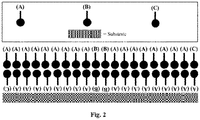
- the present invention relates to a lipid-based coating composition
- a lipid-based coating composition comprising
- the phospholipids (A) contains a phosphatidylcholine (PC) head group is.
- the phosphatidylcholine group is a zwitterionic head group, as it has a negative charge on the phosphate group and a positive charge on the choline. Because these local charges balance, no net charge is present at physiological pH.
- the lipid-based coating composition can be applied to a substrate generating a coating consisting of
- the present invention relates to a lipid-based coating composition
- a lipid-based coating composition comprising
- Phospholipids in general have a hydrophilic head and two hydrophobic tails each.
- phospholipids When phospholipids are exposed to water, they arrange themselves into e.g. a two-layered sheet (a bilayer) with all of their tails pointing towards the center of the sheet or as micelles with their tails pointing towards each other.
- the centers of this bilayer and micelle are non-polar and therefore contain almost no water and exclude molecules that dissolve in water but not in oil.
- a lipid bilayer can exist in either a liquid or a gel (solid) phase. All lipids have a characteristic temperature at which they transition (melt) from the gel to the liquid phase- the phase transition temperature.
- lipid molecules In both phases the lipid molecules are mostly prevented from flip-flopping across the bilayer, but in liquid phase bilayers a given lipid will exchange locations with its neighbor millions of times a second. Unlike liquid phase bilayers, the lipids in a gel phase bilayer are locked in place with very limited mobility. While lipid tails primarily modulate bilayer phase behavior, it is the head group of the lipid that determines the bilayer surface chemistry. Of the phospholipids, the most common head group is phosphatidylcholine (PC). Phosphatidylcholine is a zwitterionic head group, as it has a negative charge on the phosphate group and a positive charge on the choline but, because these local charges balance, no net charge is present at physiological pH.
- PC phosphatidylcholine
- phosphatidylethanolamine Another example of a head group with no net charge at physiological pH is phosphatidylethanolamine.
- Other head groups such as for example, phosphatidic acid, phosphatidylserine and phosphatidyl glycerol carry a negative charge at physiological pH.
- phosphatidylcholine derivatives are preferably used for coating applications; phosphatidylcholine derivatives are a class of lipids that bear a phosphatidylcholine headgroup and can have natural or synthetic hydrophobic tails of varying length and composition such as degree of saturation. Examples of natural hydrophobic tails are palmitoyl, oleoyl, diphytanoyl and myristoyl.
- Examples of synthetic hydrophobic tails are diacetylenic and acrylate containing tails.
- Examples of phospholipids (A) are 1,2-didecanoyl-sn-glycero-3-phosphocholine (DDPC), 1,2-dilauroyl-sn-glycero-3-phosphocholine (DLPC), 1,2-dimyristoyl-sn-glycero-3-phosphocholine (DMPC), 1,2-dipalmitoyl-sn-glycero-3-phosphocholine (DPPC), 1,2-distearoyl-sn-glycero-3-phosphocholine(DSPC), 1,2-Dioleoyl-sn-glycero-3-phosphocholine (DOPC), 1-palmitoyl-2-oleoyl-sn-glycero-3-phosphocholine (POPC), 1,2-dierucoyl-sn-glycero-3-phosphocholine (DEPC), DiynePC lipids such as 1,2-bis(
- Preferred phospholipids (A) are chosen from the group consisting of 1,2-dimyristoyl-sn-glycero-3-phosphocholine (DMPC), 1,2-dipalmitoyl-sn-glycero-3-phosphocholine (DPPC), 1,2-distearoyl-sn-glycero-3-phosphocholine (DSPC), 1,2-dioleoyl-sn-glycero-3-phosphocholine (DOPC), 1-palmitoyl-2-oleoyl-sn-glycero-3-phosphocholine (POPC).
- DMPC 1,2-dimyristoyl-sn-glycero-3-phosphocholine
- DPPC 1,2-dipalmitoyl-sn-glycero-3-phosphocholine
- DSPC 1,2-distearoyl-sn-glycero-3-phosphocholine
- DOPC 1,2-dioleoyl-sn-glycero-3-phosphocholine
- the phospholipids are chosen from the group consisting of 1,2-dipalmitoyl-sn-glycero-3-phosphocholine (DPPC) and 1,2-dioleoyl-sn-glycero-3-phosphocholine (DOPC).
- DPPC 1,2-dipalmitoyl-sn-glycero-3-phosphocholine
- DOPC 1,2-dioleoyl-sn-glycero-3-phosphocholine
- PEGylated phospholipids (B) are saturated and unsaturated (e.g. 14:0, 16:0, 18:0 and 18:1) phosphatidylethanolamine derivatives conjugated to polyethylene glycol (PEG).
- PEG polyethylene glycol
- the PEG group in the PEGylated phospholipids have preferably a Mw of 200 - 10,000.
- the Mw of the PEG group is preferably between 300 and 6000 daltons, more preferably between 500 and 4000 daltons. In this range, the balance between stability of the composition and ability to coat a substrate is optimal: at higher PEG Mw, the stability of the coating composition increases, but the ability to coat a substrate with this composition decreases. At lower PEG Mw, the stability of the coating composition maybe insufficient.
- PEGylated phospholipids B are chosen from the group consisting of 1,2-distearoyl-sn-glycero-3-phosphoethanolamine-N-[methoxy(polyethylene glycol)-350] (DSPE-PEG350), 1,2-distearoyl-sn-glycero-3-phosphoethanolamine-N-[methoxy(polyethylene glycol)-550] (DSPE-PEG550), 1,2-distearoyl-sn-glycero-3-phosphoethanolamine-N-[methoxy(polyethylene glycol)-750] (DSPE-PEG750), 1,2-distearoyl-sn-glycero-3-phosphoethanolamine-N-[methoxy(polyethylene glycol)-1000] (DSPE-PEG1000), 1,2-distearoyl-sn-glycero-3-phosphoethanolamine-N-[methoxy(polyethylene glycol)-1000] (DSPE-PEG1000), 1,2-distea
- PEGylated phospholipids B are chosen from the group consisting of 1,2-dipalmitoyl- sn -glycero-3-phosphoethanolamine-N-[methoxy(polyethylene glycol)-2000] (DPPE-PEG2000) and 1,2-dioleoyl- sn -glycero-3-phosphoethanolamine-N-[methoxy(polyethylene glycol)-2000] (DOPE-PEG2000).
- lipophilic compounds (C) are Phosphatidic acid derivatives, Phosphatidylglycerol derivatives, Phosphatidylethanolamine derivatives, Phosphatidylserine derivatives, Natural phospholipid derivates, Sterols, cholesterol, desmosterol, lanosterol and derivatives of sterols, polyglycerin-phospholipids, functionalized-phospholipids, terminal activated-phospholipids) and N-[1-(2,3-Dioleoyloxy)propyl]-N,N,N-trimethylammonium methyl-sulfate (DOTAP); Proteins, peptides, amphiphiles, ionic polymers, sugar molecules, enzymes and pharmaceutical components.
- Phosphatidic acid derivatives Phosphatidylglycerol derivatives, Phosphatidylethanolamine derivatives, Phosphatidylserine derivatives
- Natural phospholipid derivates
- Phosphatidic acid derivatives are 1,2-dimyristoyl- sn -glycero-3-phosphate (DMPA),1, 2-dipalmitoyl- sn -glycero-3-phosphate (DPPA), 1,2-distearoyl- sn -glycero-3-phosphate (DSPA).
- DMPA 1,2-dimyristoyl- sn -glycero-3-phosphate
- DPPA 2-dipalmitoyl- sn -glycero-3-phosphate
- DSPA 1,2-distearoyl- sn -glycero-3-phosphate
- Phosphatidylglycerol derivatives are 1,2-dimyristoyl- sn -glycero-3[Phospho-rac-(1-glycerol) (DMPG), 1 ,2-dipalmitoyl- sn -glycero-3[Phospho-rac-(1-glycerol) (DPPG), 1,2-distearoyl- sn -glycero-3[Phospho-rac-(1-glycerol) (DSPG), 1-almitoyl-2-oleoyl- sn -glycero-3[Phospho-rac-(1-glycerol)] (POPG).
- DMPG 1,2-dimyristoyl- sn -glycero-3[Phospho-rac-(1-glycerol)
- DPPG 1,2-dipalmitoyl- sn -glycero-3[Phospho-rac-(1-glycerol)
- Phosphatidylethanolamine derivatives are 1,2-dimyristoyl- sn -glycero-3-phosphoethanolamine (DMPE), 1,2-dipalmitoyl- sn -glycero-3-phosphoethanolamine (DPPE), 1,2-distearoyl- sn -glycero-3-phosphoethanolamine (DSPE), 1,2-dioleoyl- sn -glycero-3-phosphoethanolamine (DOPE), DiynePE lipids such as 1,2-bis(10,12-tricosadiynoyl)- sn- glycero-3-phosphoethanolamine and 1-palmitoyl-2-(10,12-tricosadiynoyl)- sn -glycero-3-phosphoethanolamine and conjugated phosphoethanolamines conjugated with, not limited to, peptides, proteins and fluorophores such as Texas Red- 1,2-dihexadecanoyl-
- Phosphatidylserine derivatives is for example 1,2-dioleoyl- sn -glycero-3-phosphoserine (DOPS).
- concentration of lipid vesicles in the lipid-based coating composition comprising phospholipids (A), PEGylated phospholipids (B) and lipophilic compounds (C) is preferably between 0.025 mg/ml and 2 mg/ml, more preferably between 0.05 and 1.0 mg/ml.
- the number average size of lipid vesicles in the lipid-based coating composition is between 40 - 140 nm, preferably 80 - 120 nm as measured by dynamic light scattering.
- the lipid-based coating composition can also contain between 0-5 wt% (relative to the total weight of the composition) of water-soluble additive (D) such as salts, buffers, (poly)electrolytes and complexing agents.
- water-soluble additives (D) are phosphate buffered saline (PBS), HEPES, NaCl 2 and CaCl 2 .
- the lipid-based coating composition can be used to prepare a lipid coating on a substrate or used to repair defects in a lipid coating on a substrate.
- the invention also relates the lipid-based coating composition that can be applied to a substrate generating a coating consisting of
- the lipid coating comprises at least phospholipid derivatives containing a phosphatidylcholine group and a phospholipid which is coupled to a polyethylene glycol (PEG) fragment.
- the lipid coating is prepared by coating an object with the lipid-based coating composition of the present invention.
- Application of a lipid coating is known in the art and can be applied using for example spin-coating, vesicle fusion and Langmuir-Blodgett.
- the lipid coating comprises between 90-95 mol% (of total lipid content) 1,2-dioleoyl-sn-glycero-3-phosphocholine (DOPC) and 5-10 mol% (of total lipid content) PEGylated phospholipid such as 1,2-dioleoyl-sn-glycero-3-phosphoethanolamine-N-[methoxy(polyethylene glycol)-2000] (DOPE-PEG2000).
- the lipid coating can contain a lipid other than phospholipid (A) and PEGylated phospholipid (B), a lipid (C).
- the lipid coating can be a monolayer, bilayer or multiplayer of phospholipid derivatives. Preferably the lipid coating is a bilayer.
- the material or object can be any suitable medical device or biomaterial for lipid coating formation or pretreated to allow for lipid coating formation such as described in US2008/0241942 and WO2014/184383 .
- the lipid coating of the object has the advantages of being anti-fouling, anti-thrombogenic, hydrophilic and lubricous, which is advantages for medical devices such as contact lenses and catheters and medical implants. It is possible that the lipid coating abrases due to forces applied to the object and defects can occur in the lipid coating. It is possible to repair the coating by re-applying the lipid-based coating composition described before.
- Experiment 1 was performed to evaluate the formation of lipid vesicles in the lipid coating composition using 0 mol% of PEGylated lipid (B).
- A DOPC (Avanti polar lipids)
- B DSPE-PEG2000 (Avanti polar lipids)
- C TR-DHPE (Thermo Fisher) in ethanol (ethanol absolute ⁇ 99.8%, VWR) was prepared at a concentration of 50 mg/ml.
- the aforementioned concentrate solution was stored under argon at stored in microcentrifuge containers (VWR) at -20°C for a maximum of 6 weeks. All lipids were ordered as powdered stocks and kept under argon atmosphere and stored at -20°C for a maximum of 1 year.
- the concentrate solution was dispensed into 1mL water containing water-soluble additive (D).
- the water-soluble additive (D) was 0.01 M HEPES (Sigma-Aldrich), 150 mM NaCl (Sigma-Aldrich) and 2 mM CaCl 2 pH (Sigma-Aldrich).
- the concentrate solution was dispensed within 1 second at a dilution factor of 200 using an air-displacement P10 micropipette (Eppendorf) and subsequently agitated using a table-top vortex (labdancer, VWR) and vortexed until steady-state.
- the resulting lipid-coating composition had a concentration of (A)+(B)+(C) of 0.25 mg/ml containing > 95 wt% water and was characterized using dynamic light scattering (DLS, Nanotrac wave, Microtrac).
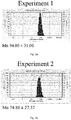
- the mean number-weighted diameter (Mn) of the lipid vesicles was 94.80 ⁇ 31.00 nm and the solution appeared transparent by visual observation. Results shown in Fig. 3 .
- Experiment 2 was performed to evaluate the formation of lipid vesicles in the lipid coating composition using 5 mol% of PEGylated lipid (B). To this end, 94.8 mol% of total lipid content of lipid (A) DOPC (Avanti polar lipids), 5 mol% of total lipid content of PEGylated lipid (B) DSPE-PEG2000 (Avanti polar lipids) and 0.2 mol% of total lipid content of lipophilic compound (C) TR-DHPE (Thermo Fisher) in ethanol (ethanol absolute ⁇ 99.8%, VWR) was prepared at a concentration of 50 mg/ml.
- DOPC Avanti polar lipids
- B DSPE-PEG2000
- C TR-DHPE
- the aforementioned concentrate solution was stored under argon at stored in microcentrifuge containers (VWR) at -20°C for a maximum of 6 weeks. All lipids were ordered as powdered stocks and kept under argon atmosphere and stored at -20°C for a maximum of 1 year.
- the concentrate solution was dispensed into 1mL water containing water-soluble additive (D).
- the water-soluble additive (D) was 0.01 M HEPES (Sigma-Aldrich), 150 mM NaCl (Sigma-Aldrich) and 2 mM CaCl 2 pH (Sigma-Aldrich).
- the concentrate solution was dispensed within 1 second at a dilution factor of 200 using an air-displacement P10 micropipette (Eppendorf) and subsequently agitated using a table-top vortex (labdancer, VWR) and vortexed until steady-state.
- the resulting lipid-coating composition had a concentration of (A)+(B)+(C) of 0.25 mg/ml containing > 95 wt% water and was characterized using dynamic light scattering (DLS, Nanotrac wave, Microtrac).
- the mean number-weighted diameter (Mn) of the lipid vesicles was 74.80 ⁇ 27.37 nm and the solution appeared transparent by visual observation. Results shown in Fig. 3 .
- Experiment 3 was performed to evaluate the formation of lipid vesicles in the lipid coating composition using 10 mol% of PEGylated lipid (B).
- A DOPC (Avanti polar lipids)
- B DSPE-PEG2000 (Avanti polar lipids)
- C TR-DHPE (Thermo Fisher) in ethanol (ethanol absolute ⁇ 99.8%, VWR) was prepared at a concentration of 50 mg/ml.
- the aforementioned concentrate solution was stored under argon at stored in microcentrifuge containers (VWR) at -20°C for a maximum of 6 weeks. All lipids were ordered as powdered stocks and kept under argon atmosphere and stored at -20°C for a maximum of 1 year.
- the concentrate solution was dispensed into 1mL water containing water-soluble additive (D).
- the water-soluble additive (D) was 0.01 M HEPES (Sigma-Aldrich), 150 mM NaCl (Sigma-Aldrich) and 2 mM CaCl 2 pH (Sigma-Aldrich).
- the concentrate solution was dispensed within 1 second at a dilution factor of 200 using an air-displacement P10 micropipette (Eppendorf) and subsequently agitated using a table-top vortex (labdancer, VWR) and vortexed until steady-state.
- the resulting lipid-coating composition had a concentration of (A)+(B)+(C) of 0.25 mg/ml containing > 95 wt% water and was characterized using dynamic light scattering (DLS, Nanotrac wave, Microtrac).
- the mean number-weighted diameter (Mn) of the lipid vesicles was 51.90 ⁇ 18.23 nm and the solution appeared transparent by visual observation. Results shown in Fig. 3 .
- Experiment 4 was performed to evaluate the formation of lipid vesicles in the lipid coating composition using 20 mol% of PEGylated lipid (B). To this end, 79.8 mol% of total lipid content of lipid (A) DOPC (Avanti polar lipids), 20 mol% of total lipid content of PEGylated lipid (B) DSPE-PEG2000 (Avanti polar lipids) and 0.2 mol% of total lipid content of lipophilic compound (C) TR-DHPE (Thermo Fisher) in ethanol (ethanol absolute ⁇ 99.8%, VWR) was prepared at a concentration of 50 mg/ml.
- DOPC Avanti polar lipids
- B DSPE-PEG2000
- C TR-DHPE
- the aforementioned concentrate solution was stored under argon at stored in microcentrifuge containers (VWR) at -20°C for a maximum of 6 weeks. All lipids were ordered as powdered stocks and kept under argon atmosphere and stored at -20°C for a maximum of 1 year.
- the concentrate solution was dispensed into 1mL water containing water-soluble additive (D).
- the water-soluble additive (D) was 0.01 M HEPES (Sigma-Aldrich), 150 mM NaCl (Sigma-Aldrich) and 2 mM CaCl 2 pH (Sigma-Aldrich).
- the concentrate solution was dispensed within 1 second at a dilution factor of 200 using an air-displacement P10 micropipette (Eppendorf) and subsequently agitated using a table-top vortex (labdancer, VWR) and vortexed until steady-state.
- the resulting lipid-coating composition had a concentration of (A)+(B)+(C) of 0.25 mg/ml containing > 95 wt% water and was characterized using dynamic light scattering (DLS, Nanotrac wave, Microtrac).
- the mean number-weighted diameter (Mn) of the lipid vesicles was 17.11 ⁇ 4.62 nm and the solution appeared transparent by visual observation. Results shown in Fig. 3 .
- Experiment 5 was performed to evaluate lipid coating formation on control surfaces using the different lipid-coating compositions and their air-stability.
- 96-well glass bottoms plates (SensoPlates, Greiner Bio-one) were used. The 96-well glass bottoms plates were cleaned beforehand by incubation of 300 ⁇ L 2 v/v% Hellmanex III (Sigma-Aldrich) solution in milliQ for 1 hour at room temperature and subsequently rinsed with demi water to remove the detergent.
- lipid-coating compositions - prepared as described in experiment 1-4 - was left to incubate for at least 5 minutes to form a lipid coating and subsequently washed with milliQ by means of serial dilution through addition of 100 ⁇ L of milliQ and removal of 100 ⁇ L of solution. At least 16 serial dilution were performed to remove remnants lipid-coating composition.
- the glass wells were characterized using fluorescence microscopy. To this end, an Olympus inverted IX71 epi-fluorescence research microscope with a Xenon X-cite 120PC as light source and a digital Olympus DR70 camera for image acquisition was used to acquire fluorescence micrographs.
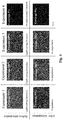
- TR-DHPE was imaged using 510 ⁇ ⁇ ex ⁇ 5 550 nm and ⁇ em > 590 nm. After imaging the samples were exposed to air to demonstrate air-stability, essential for commercial use. Results shown in Fig. 4 .
- Successful lipid coating for formation was observed for experiment 1-3.
- Experiment 4 for did not show a successful coating formation most likely due to a lipid vesicles size distribution that not allows for coating formation by means of vesicle fusion. Only the lipid-based coating composition from experiment 2 and 3 showed improved stability.
- Experiment 6 was performed to show the improved lubricity of coated RGP contact lenses using the lipid-coating composition resulting in a lipid coating on the contact lenses.
- 2 lipid-coating compositions were used as described in experiment 2 (5 mol% (B)) and experiment 3 (10 mol% (B)). Results shown in Fig. 5 .
- Menicon EX contact lenses were used to illustrate improved lubricity using an inclined-plane method. Menicon EX lenses were cleaned with ethanol, dried and treated with oxygen plasma for 60s at 40 watts (Plasma Prep II, SPI supplies). Control lenses were incubated in 0.01 M PBS buffer (Sigma-Aldrich).
- Experiment 7 was performed to show the improved lubricity of coated soft contact lenses using the lipid-coating composition resulting in a lipid coating on the contact lenses.
- the most lubricious composition from experiment 6 was used i.e. the lipid-coating compositions described in experiment 3 (10 mol% (B)). Results shown in Fig. 6 .
- Midafilcon A contact lenses were used to illustrate improved lubricity using an inclined-plane method. Midafilcon A lenses were washed in milliQ, dried and treated with oxygen plasma for 60s at 40 watts (Plasma Prep II, SPI supplies). Control lenses were incubated in 0.01 M PBS buffer (Sigma-Aldrich).
- Lenses were placed with the concave side facing the glass plate. A steel ferrule of 0.5 gram was added to the lenses while the lenses were kept in place using a tweezer. Once released, the speed of movement was deduced through movie analysis of the experiment using ImageJ software. Results are show a similar trend compared to experiment 6 whereby highest speeds are observed with lipid-coating composition with 10 mol% (B).
Landscapes
- Health & Medical Sciences (AREA)
- Chemical & Material Sciences (AREA)
- Engineering & Computer Science (AREA)
- Veterinary Medicine (AREA)
- Medicinal Chemistry (AREA)
- Epidemiology (AREA)
- Life Sciences & Earth Sciences (AREA)
- Animal Behavior & Ethology (AREA)
- General Health & Medical Sciences (AREA)
- Public Health (AREA)
- Manufacturing & Machinery (AREA)
- Ophthalmology & Optometry (AREA)
- Mechanical Engineering (AREA)
- Dispersion Chemistry (AREA)
- Pharmacology & Pharmacy (AREA)
- Chemical Kinetics & Catalysis (AREA)
- Dermatology (AREA)
- Oral & Maxillofacial Surgery (AREA)
- Transplantation (AREA)
- Medicinal Preparation (AREA)
- Materials For Medical Uses (AREA)
- Surface Treatment Of Optical Elements (AREA)
Priority Applications (7)
| Application Number | Priority Date | Filing Date | Title |
|---|---|---|---|
| EP18158897.1A EP3530266A1 (de) | 2018-02-27 | 2018-02-27 | Lipidbasierte beschichtungszusammensetzung und objekt mit einer lipidbasierten beschichtung |
| CN201980015634.5A CN112074266B (zh) | 2018-02-27 | 2019-02-26 | 脂质基涂层组合物和具有脂质基涂层的物体 |
| EP19706669.9A EP3758681B1 (de) | 2018-02-27 | 2019-02-26 | Lipidbasierte beschichtungszusammensetzung und objekt mit einer lipidbasierten beschichtung |
| JP2020567637A JP7257699B2 (ja) | 2018-02-27 | 2019-02-26 | 脂質系コーティング組成物及び脂質系コーティングを有する物体 |
| PCT/EP2019/054714 WO2019166424A1 (en) | 2018-02-27 | 2019-02-26 | A lipid-based coating composition, and an object having a lipid-based coating |
| US16/975,826 US12194146B2 (en) | 2018-02-27 | 2019-02-26 | Lipid-based coating composition, and an object having a lipid-based coating |
| US18/826,571 US20250057768A1 (en) | 2018-02-27 | 2024-09-06 | Lipid-based coating composition, and an object having a lipid-based coating |
Applications Claiming Priority (1)
| Application Number | Priority Date | Filing Date | Title |
|---|---|---|---|
| EP18158897.1A EP3530266A1 (de) | 2018-02-27 | 2018-02-27 | Lipidbasierte beschichtungszusammensetzung und objekt mit einer lipidbasierten beschichtung |
Publications (1)
| Publication Number | Publication Date |
|---|---|
| EP3530266A1 true EP3530266A1 (de) | 2019-08-28 |
Family
ID=61521343
Family Applications (2)
| Application Number | Title | Priority Date | Filing Date |
|---|---|---|---|
| EP18158897.1A Withdrawn EP3530266A1 (de) | 2018-02-27 | 2018-02-27 | Lipidbasierte beschichtungszusammensetzung und objekt mit einer lipidbasierten beschichtung |
| EP19706669.9A Active EP3758681B1 (de) | 2018-02-27 | 2019-02-26 | Lipidbasierte beschichtungszusammensetzung und objekt mit einer lipidbasierten beschichtung |
Family Applications After (1)
| Application Number | Title | Priority Date | Filing Date |
|---|---|---|---|
| EP19706669.9A Active EP3758681B1 (de) | 2018-02-27 | 2019-02-26 | Lipidbasierte beschichtungszusammensetzung und objekt mit einer lipidbasierten beschichtung |
Country Status (5)
| Country | Link |
|---|---|
| US (2) | US12194146B2 (de) |
| EP (2) | EP3530266A1 (de) |
| JP (1) | JP7257699B2 (de) |
| CN (1) | CN112074266B (de) |
| WO (1) | WO2019166424A1 (de) |
Cited By (2)
| Publication number | Priority date | Publication date | Assignee | Title |
|---|---|---|---|---|
| WO2021132735A3 (en) * | 2019-12-27 | 2021-09-02 | Luca Science Inc. | Isolated mitochondria with smaller size and lipid membrane-based vesicles encapsulating isolated mitochondria |
| PL444722A1 (pl) * | 2023-05-03 | 2024-11-04 | Bs Biotechna Spółka Z Ograniczoną Odpowiedzialnością | Modyfikowany liposom do przenoszenia leków, zastosowanie liposomu do przenoszenia leków, zwłaszcza o działaniu antynowotworowym oraz sposoby ładowania liposomu lekami, zwłaszcza o działaniu antynowotworowym |
Families Citing this family (5)
| Publication number | Priority date | Publication date | Assignee | Title |
|---|---|---|---|---|
| WO2023183845A1 (en) * | 2022-03-22 | 2023-09-28 | West Pharmaceutical Services, Inc. | Liposome lubricant composition and preparation |
| US20240118559A1 (en) * | 2022-09-27 | 2024-04-11 | Coopervision International Limited | Sustained release of oleic acid from contact lenses |
| US12153287B2 (en) * | 2022-09-27 | 2024-11-26 | Coopervision International Limited | Sustained fatty acid release from contact lens |
| WO2025202629A1 (en) * | 2024-03-26 | 2025-10-02 | Coopervision International Limited | Contact lens loaded with a glycerophospholipid |
| WO2026037812A1 (en) * | 2024-08-12 | 2026-02-19 | Lipocoat Ip Holding B.V. | Composition for coating medical devices |
Citations (4)
| Publication number | Priority date | Publication date | Assignee | Title |
|---|---|---|---|---|
| WO2001058910A2 (en) * | 2000-02-10 | 2001-08-16 | Liplasome Pharma A/S | Lipid-based drug delivery systems |
| US20080241942A1 (en) | 2007-03-26 | 2008-10-02 | Xiaoyang Zhu | Air-stable supported lipid bilayer membranes |
| WO2014184383A1 (en) | 2013-05-16 | 2014-11-20 | Universiteit Twente | Process for the preparation of an object supporting a lipid bilayer |
| EP3093661A1 (de) * | 2014-01-06 | 2016-11-16 | Seoul National University R&DB Foundation | Künstliche zellmembran mit geträgerter doppellipidschicht mit gekoppelter metallpartikelsonde mit kontrollierter mobilität und verfahren zur analyse molekularer wechselwirkungen unter verwendung davon |
Family Cites Families (5)
| Publication number | Priority date | Publication date | Assignee | Title |
|---|---|---|---|---|
| GB9920547D0 (en) | 1999-08-31 | 1999-11-03 | Destiny Pharma Ltd | Coated implant |
| CN101134017A (zh) * | 2006-08-31 | 2008-03-05 | 台湾微脂体股份有限公司 | 一种运送治疗眼睛药剂的脂质体组合物 |
| CN107106692B (zh) * | 2014-06-12 | 2021-01-05 | 埃文·C·昂格尔 | 磷脂组合物和微囊及使用磷脂组合物和微囊形成的乳剂 |
| EP3154413B1 (de) | 2014-06-15 | 2021-08-25 | Yeda Research and Development Co. Ltd. | Oberflächenbehandlung von kontaktlinsen und behandlung von augenbeschwerden durch wasserlösliche polymere und lipide/liposomen |
| US9492594B2 (en) | 2014-07-18 | 2016-11-15 | M.A. Med Alliance SA | Coating for intraluminal expandable catheter providing contact transfer of drug micro-reservoirs |
-
2018
- 2018-02-27 EP EP18158897.1A patent/EP3530266A1/de not_active Withdrawn
-
2019
- 2019-02-26 US US16/975,826 patent/US12194146B2/en active Active
- 2019-02-26 JP JP2020567637A patent/JP7257699B2/ja active Active
- 2019-02-26 CN CN201980015634.5A patent/CN112074266B/zh active Active
- 2019-02-26 EP EP19706669.9A patent/EP3758681B1/de active Active
- 2019-02-26 WO PCT/EP2019/054714 patent/WO2019166424A1/en not_active Ceased
-
2024
- 2024-09-06 US US18/826,571 patent/US20250057768A1/en active Pending
Patent Citations (4)
| Publication number | Priority date | Publication date | Assignee | Title |
|---|---|---|---|---|
| WO2001058910A2 (en) * | 2000-02-10 | 2001-08-16 | Liplasome Pharma A/S | Lipid-based drug delivery systems |
| US20080241942A1 (en) | 2007-03-26 | 2008-10-02 | Xiaoyang Zhu | Air-stable supported lipid bilayer membranes |
| WO2014184383A1 (en) | 2013-05-16 | 2014-11-20 | Universiteit Twente | Process for the preparation of an object supporting a lipid bilayer |
| EP3093661A1 (de) * | 2014-01-06 | 2016-11-16 | Seoul National University R&DB Foundation | Künstliche zellmembran mit geträgerter doppellipidschicht mit gekoppelter metallpartikelsonde mit kontrollierter mobilität und verfahren zur analyse molekularer wechselwirkungen unter verwendung davon |
Non-Patent Citations (5)
| Title |
|---|
| AROURI AHMAD ET AL: "Phospholipase A2-susceptible liposomes of anticancer double lipid-prodrugs", EUROPEAN JOURNAL OF PHARMACEUTICAL SCIENCES, vol. 45, no. 4, 16 September 2011 (2011-09-16), pages 408 - 420, XP028887671, ISSN: 0928-0987, DOI: 10.1016/J.EJPS.2011.09.013 * |
| CRIELAARD B J ET AL: "An in vitro assay based on surface plasmon resonance to predict the in vivo circulation kinetics of liposomes", JOURNAL OF CONTROLLED RELEASE, ELSEVIER, AMSTERDAM, NL, vol. 156, no. 3, 15 July 2011 (2011-07-15), pages 307 - 314, XP028335523, ISSN: 0168-3659, [retrieved on 20110722], DOI: 10.1016/J.JCONREL.2011.07.023 * |
| SINDT: "Tangible Hydra-PEG: A novel custom contact lens coating technology designed to improve patient comfort and satisfaction", 1 January 2016 (2016-01-01), XP055483351, Retrieved from the Internet <URL:https://www.artoptical.com/storage/docs/THP_White_Paper.pdf> [retrieved on 20180612] * |
| VIOLA MARIA ET AL: "STABILIZATION OF PHOSPHOLIPID COATINGS IN CAPILLARY ELECTROPHORESIS", 24 October 2008 (2008-10-24), XP055483153, Retrieved from the Internet <URL:https://helda.helsinki.fi/bitstream/handle/10138/21125/stabiliz.pdf?sequence=1> [retrieved on 20180612] * |
| YIBANG ZHANG ET AL: "PEGylated Phospholipid Membrane on Polymer Cushion and Its Interaction with Cholesterol", LANGMUIR, vol. 26, no. 13, 6 July 2010 (2010-07-06), US, pages 11140 - 11144, XP055483337, ISSN: 0743-7463, DOI: 10.1021/la100973p * |
Cited By (3)
| Publication number | Priority date | Publication date | Assignee | Title |
|---|---|---|---|---|
| WO2021132735A3 (en) * | 2019-12-27 | 2021-09-02 | Luca Science Inc. | Isolated mitochondria with smaller size and lipid membrane-based vesicles encapsulating isolated mitochondria |
| CN114901258A (zh) * | 2019-12-27 | 2022-08-12 | 卢卡科学株式会社 | 分离的具有较小尺寸的线粒体和包裹分离的线粒体的基于脂质膜的囊泡 |
| PL444722A1 (pl) * | 2023-05-03 | 2024-11-04 | Bs Biotechna Spółka Z Ograniczoną Odpowiedzialnością | Modyfikowany liposom do przenoszenia leków, zastosowanie liposomu do przenoszenia leków, zwłaszcza o działaniu antynowotworowym oraz sposoby ładowania liposomu lekami, zwłaszcza o działaniu antynowotworowym |
Also Published As
| Publication number | Publication date |
|---|---|
| US12194146B2 (en) | 2025-01-14 |
| CN112074266A (zh) | 2020-12-11 |
| JP2021514816A (ja) | 2021-06-17 |
| EP3758681B1 (de) | 2024-01-17 |
| WO2019166424A1 (en) | 2019-09-06 |
| EP3758681A1 (de) | 2021-01-06 |
| EP3758681C0 (de) | 2024-01-17 |
| JP7257699B2 (ja) | 2023-04-14 |
| CN112074266B (zh) | 2022-10-28 |
| US20200405641A1 (en) | 2020-12-31 |
| US20250057768A1 (en) | 2025-02-20 |
Similar Documents
| Publication | Publication Date | Title |
|---|---|---|
| US20250057768A1 (en) | Lipid-based coating composition, and an object having a lipid-based coating | |
| US12116428B2 (en) | Lipid analogs and liposomes comprising same | |
| JP4563035B2 (ja) | 多層の小胞を含む材料 | |
| US12364662B2 (en) | Phosphatidylcholine lipid liposomes as boundary lubricants in aqueous media | |
| US20080181928A1 (en) | Coatings for implantable medical devices for liposome delivery | |
| TW202041235A (zh) | 新式眼用凝膠及其製備方法 | |
| Angayarkanni et al. | Lipid-bilayer assemblies on polymer-bearing surfaces: The nature of the slip plane in asymmetric boundary lubrication | |
| HK40037653B (en) | A lipid-based coating composition, and an object having a lipid-based coating | |
| HK40037653A (en) | A lipid-based coating composition, and an object having a lipid-based coating | |
| Ishihara | Invention and global impact of bioinspired 2-methacryloyloxyethyl phosphorylcholine polymers: molecular design, functions, and implementation in medical devices | |
| WO2026037812A1 (en) | Composition for coating medical devices | |
| HK40078279A (en) | Lipid analogs and liposomes comprising same | |
| TW202606769A (zh) | 用於塗覆醫療裝置的組成物 | |
| HK40078279B (zh) | 脂质化合物和包含脂质化合物的脂质体 | |
| CN121313859A (zh) | 重组胶原蛋白修饰的阳离子脂质体及其制备方法与应用 |
Legal Events
| Date | Code | Title | Description |
|---|---|---|---|
| PUAI | Public reference made under article 153(3) epc to a published international application that has entered the european phase |
Free format text: ORIGINAL CODE: 0009012 |
|
| AK | Designated contracting states |
Kind code of ref document: A1 Designated state(s): AL AT BE BG CH CY CZ DE DK EE ES FI FR GB GR HR HU IE IS IT LI LT LU LV MC MK MT NL NO PL PT RO RS SE SI SK SM TR |
|
| AX | Request for extension of the european patent |
Extension state: BA ME |
|
| STAA | Information on the status of an ep patent application or granted ep patent |
Free format text: STATUS: THE APPLICATION IS DEEMED TO BE WITHDRAWN |
|
| 18D | Application deemed to be withdrawn |
Effective date: 20200229 |