EP3548079B1 - Oral food challenge meal formulations - Google Patents
Oral food challenge meal formulations Download PDFInfo
- Publication number
- EP3548079B1 EP3548079B1 EP16810009.7A EP16810009A EP3548079B1 EP 3548079 B1 EP3548079 B1 EP 3548079B1 EP 16810009 A EP16810009 A EP 16810009A EP 3548079 B1 EP3548079 B1 EP 3548079B1
- Authority
- EP
- European Patent Office
- Prior art keywords
- formulation
- component
- allergen
- amount
- present
- Prior art date
- Legal status (The legal status is an assumption and is not a legal conclusion. Google has not performed a legal analysis and makes no representation as to the accuracy of the status listed.)
- Active
Links
Images
Classifications
-
- A—HUMAN NECESSITIES
- A61—MEDICAL OR VETERINARY SCIENCE; HYGIENE
- A61B—DIAGNOSIS; SURGERY; IDENTIFICATION
- A61B5/00—Measuring for diagnostic purposes; Identification of persons
- A61B5/41—Detecting, measuring or recording for evaluating the immune or lymphatic systems
- A61B5/411—Detecting or monitoring allergy or intolerance reactions to an allergenic agent or substance
-
- A—HUMAN NECESSITIES
- A23—FOODS OR FOODSTUFFS; TREATMENT THEREOF, NOT COVERED BY OTHER CLASSES
- A23L—FOODS, FOODSTUFFS OR NON-ALCOHOLIC BEVERAGES, NOT OTHERWISE PROVIDED FOR; PREPARATION OR TREATMENT THEREOF
- A23L35/00—Foods or foodstuffs not provided for in groups A23L5/00 - A23L33/00; Preparation or treatment thereof
-
- A—HUMAN NECESSITIES
- A23—FOODS OR FOODSTUFFS; TREATMENT THEREOF, NOT COVERED BY OTHER CLASSES
- A23L—FOODS, FOODSTUFFS OR NON-ALCOHOLIC BEVERAGES, NOT OTHERWISE PROVIDED FOR; PREPARATION OR TREATMENT THEREOF
- A23L25/00—Food consisting mainly of nutmeat or seeds; Preparation or treatment thereof
- A23L25/30—Mashed or comminuted products, e.g. pulp, pastes, meal, powders; Products made therefrom, e.g. blocks, flakes, snacks; Liquid or semi-liquid products
-
- A—HUMAN NECESSITIES
- A23—FOODS OR FOODSTUFFS; TREATMENT THEREOF, NOT COVERED BY OTHER CLASSES
- A23L—FOODS, FOODSTUFFS OR NON-ALCOHOLIC BEVERAGES, NOT OTHERWISE PROVIDED FOR; PREPARATION OR TREATMENT THEREOF
- A23L29/00—Foods or foodstuffs containing additives; Preparation or treatment thereof
- A23L29/20—Foods or foodstuffs containing additives; Preparation or treatment thereof containing gelling or thickening agents
- A23L29/206—Foods or foodstuffs containing additives; Preparation or treatment thereof containing gelling or thickening agents of vegetable origin
- A23L29/212—Starch; Modified starch; Starch derivatives, e.g. esters or ethers
-
- A—HUMAN NECESSITIES
- A23—FOODS OR FOODSTUFFS; TREATMENT THEREOF, NOT COVERED BY OTHER CLASSES
- A23L—FOODS, FOODSTUFFS OR NON-ALCOHOLIC BEVERAGES, NOT OTHERWISE PROVIDED FOR; PREPARATION OR TREATMENT THEREOF
- A23L33/00—Modifying nutritive qualities of foods; Dietetic products; Preparation or treatment thereof
- A23L33/10—Modifying nutritive qualities of foods; Dietetic products; Preparation or treatment thereof using additives
- A23L33/115—Fatty acids or derivatives thereof; Fats or oils
-
- A—HUMAN NECESSITIES
- A23—FOODS OR FOODSTUFFS; TREATMENT THEREOF, NOT COVERED BY OTHER CLASSES
- A23L—FOODS, FOODSTUFFS OR NON-ALCOHOLIC BEVERAGES, NOT OTHERWISE PROVIDED FOR; PREPARATION OR TREATMENT THEREOF
- A23L9/00—Puddings; Cream substitutes; Preparation or treatment thereof
- A23L9/10—Puddings; Dry powder puddings
-
- A—HUMAN NECESSITIES
- A23—FOODS OR FOODSTUFFS; TREATMENT THEREOF, NOT COVERED BY OTHER CLASSES
- A23L—FOODS, FOODSTUFFS OR NON-ALCOHOLIC BEVERAGES, NOT OTHERWISE PROVIDED FOR; PREPARATION OR TREATMENT THEREOF
- A23L9/00—Puddings; Cream substitutes; Preparation or treatment thereof
- A23L9/10—Puddings; Dry powder puddings
- A23L9/12—Ready-to-eat liquid or semi-liquid desserts, e.g. puddings, not to be mixed with liquids, e.g. water, milk
-
- A—HUMAN NECESSITIES
- A23—FOODS OR FOODSTUFFS; TREATMENT THEREOF, NOT COVERED BY OTHER CLASSES
- A23V—INDEXING SCHEME RELATING TO FOODS, FOODSTUFFS OR NON-ALCOHOLIC BEVERAGES AND LACTIC OR PROPIONIC ACID BACTERIA USED IN FOODSTUFFS OR FOOD PREPARATION
- A23V2200/00—Function of food ingredients
- A23V2200/30—Foods, ingredients or supplements having a functional effect on health
- A23V2200/304—Foods, ingredients or supplements having a functional effect on health having a modulation effect on allergy and risk of allergy
Definitions
- kits comprising a placebo challenge meal formulation and a high dose, non-placebo challenge meal formulation as set out in claim 1.
- the application also relates to kits including novel oral food challenge meal formulations, wherein the placebo dose formulation is indistinguishable from non-placebo dose formulations.
- the invention also relates to a challenge meal formulation comprising a placebo challenge meal formulation and a high dose, non-placebo challenge meal formulation for use in diagnosing a food allergy as set out in claim 15.
- the kits and the novel oral food challenge meal formulations use an additive compound to improve the properties of an oral food challenge meal formulation.
- the application relates to novel oral food challenge meal formulations having improved taste and/or texture masking properties for the allergen contained in the formulation.
- Oral food challenges are generally considered to be the gold-standard for diagnosis of food related adverse reactions to foods, including IgE-mediated reactions, especially when performed in a double-blind, placebo-controlled fashion 1 .
- the original concept was described in 1949 at which time it was suggested that food should be given in such a way that the patient is unaware of its nature 2 .
- Oral food challenges are usually undertaken to confirm whether an individual has a clinical allergy and can drive treatment plans including elimination diets and food avoidance, as well as prescription of rescue medication should a patient inadvertently consume a problem food 3 .
- DBPCFC double blind placebo controlled food challenges
- a key attribute of a food allergen challenge is to blind or mask the flavour and texture of the "active" allergenic food, to provide a placebo dose (without allergen) and active dose (containing allergenic ingredient) where the patient cannot tell which dose they are being given.
- US 2015/343075 A1 relates to placebo compositions and their use in clinical trials for oral immunotherapy of peanut allergies.
- WO 2016/020336 A1 relates to compositions and methods for diagnosing or treating food allergies.
- Cochrane, S.A. et al 'Development of a standardized low-dose double-blind placebo-controlled challenge vehicle for the EuroPrevall project', Allergy, vol 67, 2012, pages 107-113 relates to a double-blind placebo-controlled food challenge that is the gold standard for diagnosing a food allergy.
- the present invention achieves one or more, e.g. all, of the above listed aims.
- kit comprising:
- a challenge meal formulation comprising a placebo challenge meal formulation comprising no food allergen and a high-dose, non-placebo challenge meal formulation comprising allergen, wherein the allergen is present in the challenge meal formulation in an amount of more than 10% w/w and less than 25% w/w;
- kits of the present invention differ from conventional kits in that the placebo formulation includes an additive selected from the group consisting of: maltodextrin, dextrin, cyclodextrin and combinations thereof.
- the original formulation developed for the EuroPrevall project 8 has been modified to allow inclusion of increased amounts of allergenic ingredient whilst maintaining blinding (e.g. texture and/or taste blinding).
- blinding e.g. texture and/or taste blinding.
- a key aspect of the new invention is being able to manipulate the texture of the placebo and active doses to enable them to be matched.
- a method of diagnosing a food allergy comprising:
- Kits comprising placebo and non-placebo oral food challenge meal formulations:
- kit comprising:
- the presence or absence of food allergen in the challenge meal formulation is not known to the subject.
- the high-dose allergen formulations include formulations having more than about 10 w/w to about 24% w/w; more than about 10 w/w to about 23% w/w; more than about 10 w/w to about 22% w/w; more than about 10 w/w to about 21% w/w; more than about 10 w/w to about 20% w/w; more than about 10% w/w to about 19% w/w; more than about 10% w/w to about 18% w/w; more than about 10% w/w to about 17% w/w; more than about 10% w/w to about 16% w/w; or more than about 10% w/w to about 15% w/w allergen component.
- the high-dose allergen formulations include formulations having more than about 11 w/w to about 25% w/w; more than about 12 w/w to about 25% w/w; more than about 13 w/w to about 25% w/w; more than about 14 w/w to about 25% w/w; more than about 15 w/w to about 25% w/w; more than about 16% w/w to about 25% w/w; more than about 17% w/w to about 25% w/w; more than about 18% w/w to about 25% w/w; more than about 19% w/w to about 25% w/w; or more than about 20% w/w to about 25% w/w allergen component.
- the presence of the additive in the placebo dose formulation matches the texture of this formulation with the texture of the high-dose allergen containing formulation (such that the placebo and high-dose allergen containing formulation are indistinguishable).
- a challenge meal formulation comprising a placebo challenge meal formulation and a high-dose, non-placebo challenge meal formulation for use in diagnosing a food allergy as set out in claim 15.
- the challenge meal formulation of the kit of the invention further comprises: a matrix formation component; a texturizing component (i.e. a texture compensating component); and a flavour/colour masking component.
- a texturizing component i.e. a texture compensating component
- a flavour/colour masking component i.e. the maltodextrin, dextrin and/or cyclodextrin
- the additive component i.e. the maltodextrin, dextrin and/or cyclodextrin
- the challenge meal formulation of the kit of the invention may be, but is not necessarily, described as being a part of the texture compensatory component.
- Formulations comprising an allergen component are non-placebo formulations. Formulations not including an allergen component are placebo formulations.
- Additive component i.e. maltodextrin, dextrin and/or cyclodextrin component:
- the additive component is present in the placebo challenge meal formulation in an amount of no more than about 1.4% w/w; no more than about 1.3% w/w; no more than about 1.2% w/w; no more than about 1.1% w/w; no more than about 1.0% w/w; no more than about 0.9% w/w; no more than about 0.8% w/w; no more than about 0.7% w/w; no more than about 0.6% w/w; or no more than about 0.5% w/w.
- the additive component is present in the placebo challenge meal formulation in an amount of more than 0.1% w/w.
- the additive component is present in the placebo challenge meal formulation in an amount of from about 0.05% w/w to about 1.5% w/w.
- the additive component is present in the placebo challenge meal formulation in an amount of from about 0.05% w/w to about 1.0% w/w. More preferably, the additive component is present in the placebo challenge meal formulation in an amount of from about 0.05% w/w to about 0.5% w/w.
- the additive component may be present in the placebo challenge meal formulation in an amount of from about 0.05% w/w to about 0.4% w/w, from about 0.05% w/w to about 0.3% w/w, from about 0.1% w/w to about 0.5% w/w or from about 0.2% w/w to about 0.5% w/w.
- the amount of additive component in the placebo challenge meal formulation is important as this is determinate of the texture of the formulation (e.g. by the degree of emulsification, stability and/or homogeneity of the formulation).
- the high-dose allergen formulation includes 0% w/w additive.
- the additive component comprises maltodextrin. In an alternate embodiment, the additive component comprises dextrin. In an alternate embodiment, the additive component comprises cyclodextrin.
- the additive component comprises maltodextrin.
- the maltodextrin is present in the formulation, e.g. the non-placebo formulation, in an amount of from about 0.05% w/w to about 0.5% w/w.
- the matrix formation component is present in the formulation in an amount of from about 20% w/w to about 60% w/w; from about 25% w/w to about 55% w/w; or from about 30% w/w to about 50% w/w.
- the matrix formation component comprises a starch component and sucrose.
- the starch component of the matrix formation component comprises a cold swelling starch or a pregelatinised modified starch.
- a cold swelling starch as cold hydrating viscosifying agent is employed as the starch component of the matrix formation component.
- the cold swelling starch is selected from the group consisting of: Ultratex 2 TM , Ultratex 2000 TM , Ultratex 3 TM , Ultratex 4 TM , Ultratex SR TM , Ultratex HV TM , Instant Clearjel TM , Ultrasperse 3 TM Ultrasperse TM IMF, Ultrasperse 5 TM , Ultrasperse A TM , NOVATION Endura 0100, NOVATION Prima 300, NOVATION 8300, NOVATION 3300, NOVATION 9230 , NOVATION 9330, and combinations thereof.
- the starch component of the matrix formation component is Ultratex 4 TM .
- the mentioned examples are available from Ingredion.
- the starch component is present in the formulation in an amount of from about 10% w/w to about 25% w/w.
- the starch component may be present in the formulation in an amount of from about 10% w/w to about 24% w/w, from about 10% w/w to about 23% w/w, from about 10% w/w to about 22% w/w, from about 10% w/w to about 21% w/w, from about 10% w/w to about 20% w/w or from about 10% w/w to about 19% w/w.
- the starch component may be present in the formulation in an amount of from about 11% w/w to about 25% w/w, from about 12% w/w to about 25% w/w, from about 13% w/w to about 25% w/w or from about 14% w/w to about 25% w/w.
- the starch component is present in the formulation in an amount of from about 14% w/w to about 19% w/w.
- the sucrose component is present in the formulation in an amount of from about 15% w/w to about 30% w/w.
- the sucrose component may be present in the formulation in an amount of from about 15% w/w to about 29% w/w, from about 15% w/w to about 28% w/w, from about 15% w/w to about 27% w/w or from about 15% w/w to about 26% w/w.
- the sucrose component may be present in the formulation in an amount of from about 16% w/w to about 30% w/w, from about 17% w/w to about 30% w/w, from about 18% w/w to about 30% w/w or from about 19% w/w to about 30% w/w.
- the sucrose component is present in the formulation in an amount of from about 18% w/w to about 28% w/w. More preferably, the sucrose component is present in the formulation in an amount of from about 18% w/w to about 27% w/w.
- the matrix formation component comprises sucrose and Ultratex 4 TM .
- sucrose is present in the formulation in an amount of from about 18% w/w to about 26% w/w and the Ultratex 4 TM is present in the formulation in an amount of from about 14% w/w to about 19% w/w.
- the additive component i.e. the maltodextrin, dextrin and/or cyclodextrin
- the texturizing component i.e. texture compensatory component
- the texturizing component (when not maltodextrin, dextrin and/or cyclodextrin or combinations thereof as set out in claim 1) is present in the formulation in an amount of from about 10% w/w to about 35% w/w; from about 15% w/w to about 30% w/w; or from about 20% w/w to about 25% w/w.
- the texturizing component comprises an oil component and a surfactant.
- the oil component of the texturizing component comprises a fat or fat blends selected from the group consisting of: highly refined, bleached and deodorised oils.
- the oil component of the texturizing component is selected from the group consisting of: maize oil, sunflower oil, rapeseed oil, corn oil, low melting fats and combinations thereof.
- the oil component of the texturising component is a non-allergenic species and of non-dairy origin.
- the oil component of the texturizing component comprises highly refined oil or maize oil.
- the oil component is present in the formulation (when not maltodextrin, dextrin and/or cyclodextrin or combinations thereof as set out in claim 1) in an amount of from about 15% w/w to about 30% w/w.
- the oil component may be present in the formulation in an amount of from about 15% w/w to about 29% w/w, from about 15% w/w to about 28% w/w, from about 15% w/w to about 27% w/w, from about 15% w/w to about 26% w/w or from about 15% w/w to about 25% w/w.
- the oil component may be present in the formulation in an amount of from about 16% w/w to about 30% w/w, from about 17% w/w to about 30% w/w, from about 18% w/w to about 30% w/w, from about 19% w/w to about 30% w/w or about 20% w/w to about 30% w/w.
- the oil component is present in the formulation in an amount of from about 20% w/w to about 25% w/w. More preferably, the oil component is present in in the formulation in an amount of from about 21% w/w to about 24% w/w. Still more preferably, the oil component is present in in the formulation in an amount of from about 22% w/w to about 24% w/w. Most preferably, the oil component is present in in the formulation in an amount of from about 22% w/w to about 23% w/w.
- the surfactant component of the texturizing component is selected from the group consisting of: lecithin, polyglycerol polyricinoleate, monoglycerides, distilled monoglycerides, citric acid esters of monoglycerides, di-acetyl acetic acid esters of monoglycerides, lactic acid esters of monoglyceride, diglycerides, polyglycerol esters of fatty acids or sorbitan esters of fatty acids and polyoxyethylene compositions such as sorbitan monopolyoxyethylene (Tween).
- the surfactant component of the texturizing component is selected from the group consisting of: lecithin and a polyoxyethylene composition, such as sorbitan monopolyoxyethylene (Tween).
- a polyoxyethylene composition such as sorbitan monopolyoxyethylene (Tween).
- the surfactant component of the texturizing component is Polysorbate 60 (e.g. Tween 60).
- the surfactant component is present in the formulation in an amount of from about 0.1% w/w to about 2% w/w.
- the surfactant component may be present in the formulation in an amount of from about 0.1% w/w to about 1.8% w/w, from about 0.1% w/w to about 1.6% w/w, from about 0.1% w/w to about 1.4% w/w, from about 0.1% w/w to about 1.2% w/w or from about 0.1% w/w to about 1.0% w/w.
- the surfactant component may be present in the formulation in an amount of from about 0.2% w/w to about 2% w/w, from about 0.3% w/w to about 2% w/w, from about 0.4% w/w to about 2% w/w or from about 0.5% w/w to about 2% w/w.
- the surfactant component is present in the formulation in an amount of from about 0.5% w/w to about 1.0% w/w. More preferably, the surfactant component is present in the formulation in an amount of from about 0.5% w/w to about 0.9% w/w. Still more preferably, the surfactant component is present in the formulation in an amount of from about 0.5% w/w to about 0.8% w/w.
- the surfactant component is present in the formulation in an amount of from about 0.5% w/w to about 0.7% w/w. Most preferably, the surfactant component is present in the formulation in an amount of from about 0.5% w/w to about 0.6% w/w.
- the texturizing component comprises Polysorbate 60 and highly refined oil or maize oil.
- the Polysorbate 60 is present in the formulation in an amount of from about 0.5% w/w to about 0.6% w/w and the highly refined oil or maize oil is present in the formulation in an amount of from about 22% w/w to about 23% w/w.
- the flavour / colour masking component is present in the formulation in an amount of from about 10% w/w to about 45% w/w; from about 15% w/w to about 40% w/w; or from about 20% w/w to about 35% w/w.
- the flavour / colour masking component comprises a highly coloured food powder, a grain component and a liquid (e.g. oil) or powder based flavouring selected from the group consisting of: banana, pineapple, cherry, blackcurrant, raspberry, strawberry, blackberry, blueberry, cranberry, plum, coconut, guava, red apple, pear, mango, apricot, peach, chocolate, cocoa, caramel, toffee, molasses, condensed milk, butterscotch, buttery, bubble gum, fudge, cotton candy, vanilla, coffee, cinnamon, ice cream, honey, custard and combinations thereof.
- a liquid (e.g. oil) or powder based flavouring selected from the group consisting of: banana, pineapple, cherry, blackcurrant, raspberry, strawberry, blackberry, blueberry, cranberry, plum, coconut, guava, red apple, pear, mango, apricot, peach, chocolate, cocoa, caramel, toffee, molasses, condensed milk, butterscot
- the highly coloured food powder of the flavour / colour masking component is selected from the group consisting of: cocoa, tomato, beetroot, carrot and carob powders.
- the highly coloured food powder of the flavour / colour masking component is cocoa or tomato powder.
- the highly coloured food powder of the flavour / colour masking component is cocoa powder.
- the highly coloured food powder of the flavour / colour masking component is a highly coloured sweet food powder of the flavour / colour masking component.
- the highly coloured food powder is present in the formulation in an amount of from about 15% w/w to about 30% w/w.
- the highly coloured food powder may be present in the formulation in an amount of from about 15% w/w to about 29% w/w, from about 15% w/w to about 28% w/w, from about 15% w/w to about 27% w/w, from about 15% w/w to about 26% w/w or from about 15% w/w to about 25% w/w.
- the highly coloured food powder may be present in the formulation in an amount of from about 16% w/w to about 30% w/w, from about 17% w/w to about 30% w/w, from about 18% w/w to about 30% w/w or from about 19% w/w to about 30% w/w.
- the highly coloured food powder is present in the formulation in an amount of from about 19% w/w to about 25% w/w.
- the grain component is present in the formulation in an amount of from about 1% w/w to about 10% w/w.
- the grain component may be present in the formulation in an amount of from about 1% w/w to about 9% w/w, from about 1% w/w to about 8% w/w or from about 1% w/w to about 7% w/w.
- the grain component may be present in the formulation in an amount of from about 2% w/w to about 10% w/w or from about 3% w/w to about 10% w/w.
- the grain component is present in the formulation in an amount of from about 3% w/w to about 8% w/w.
- the grain component is selected from the group consisting of: oatmeal, an edible member of the Poaceae such as the Triticeae family grain (e.g. wheat, barley or spelt), Pryzea (e.g. rice) or Panicoideae (e.g. maize).
- the grain component is oatmeal.
- the oatmeal is toasted oatmeal.
- the oatmeal is ground oatmeal.
- Ground oatmeal is prepared by milling the oatmeal to a particle size of about 0.1 to 1 mm, preferably 0.3 to 0.8 mm and most preferably about 0.5 mm.
- the oatmeal is toasted and ground oatmeal. Toasted and ground oatmeal (prepared by toasting fine oatmeal and then milling about 0.5mm) yields a fine, hard and gritty meal which has a sweet and nutty flavour. This component is particularly useful in challenge meal formulations including peanut allergen.
- the liquid or powder based flavouring is present in the formulation in an amount of from about 0.1% w/w to about 3% w/w; from about 0.3% w/w to about 2.5% w/w; or from about 0.5% w/w to about 2.0% w/w.
- the liquid or powder based flavouring may be present in the formulation in an amount of from about 0.1% w/w to about 2.4% w/w; from about 0.1% w/w to about 2.3% w/w; from about 0.1% w/w to about 2.2% w/w; from about 0.1% w/w to about 2.1% w/w; from about 0.1% w/w to about 2.0% w/w; from about 0.1% w/w to about 1.9% w/w; or from about 0.1% w/w to about 1.8% w/w.
- the liquid or powder based flavouring may be present in the formulation in an amount of from about 0.2% w/w to about 2.5% w/w; from about 0.3% w/w to about 2.5% w/w; from about 0.4% w/w to about 2.5% w/w; from about 0.5% w/w to about 2.5% w/w; from about 0.6% w/w to about 2.5% w/w; from about 0.7% w/w to about 2.5% w/w; or from about 0.8% w/w to about 2.5% w/w.
- the liquid or powder based flavouring is present in the formulation in an amount of from about 0.8% w/w to about 1.8% w/w.
- the liquid or powder based flavouring comprises a chocolate flavoured powder. In an embodiment, the liquid or powder based flavouring comprises a chocolate flavoured powder in combination with one or more of the liquid or powder based flavourings mentioned above.
- the flavour / colour masking component comprises cocoa powder, oatmeal and a liquid or powder based flavouring.
- the cocoa powder is present in the formulation in an amount of from about 19% w/w to about 25% w/w
- the oatmeal is present in the formulation in an amount of from about 3% w/w to about 8% w/w
- the liquid or powder based flavouring is present in the formulation in an amount of from about 0.8% w/w to about 1.8% w/w.
- the oatmeal is toasted and ground oatmeal.
- the allergen component is present in the formulation in an amount of more than about 10% w/w and less than about 25% w/w. It has surprisingly been found in triangle testing experiments that formulations containing larger quantities of allergen component can be masked in terms of taste and/or texture. To date, triangle testing experiments of kits including a placebo component and a high-dose (e.g. 20% w/w allergen dose) had not yielded results indicating successful masking of a high-dose allergen component relative to the placebo component of the kit.
- a high-dose e.g. 20% w/w allergen dose
- the allergen component is selected from the group consisting of: peanut, soy, egg, milk (e.g. cows milk), fish, crustaceans, almond, cashew, hazelnut, pistachio, walnut, sulphites, wheat, mustard, sesame seeds, celery (celeriac).
- the allergen component is peanut allergen.
- the kit further comprises (in addition to the placebo and high-dose formulation) a low-dose allergen formulation.
- the allergen component in the low-dose allergen formulation is present in the formulation in an amount of from about 0.5% w/w to about 10% w/w, preferably from about 1% w/w to about 10% w/w.
- the allergen component in the low-dose allergen formulation is present in the formulation in an amount of from about 1% w/w to about 9% w/w; about 1% w/w to about 8% w/w; about 1% w/w to about 7% w/w; about 1% w/w to about 6% w/w; about 1% w/w to about 5% w/w; about 1% w/w to about 4% w/w; about 1% w/w to about 3% w/w; or about 1% w/w to about 2% w/w allergen component.
- a method of diagnosing a food allergy comprising:
- Step (a) of the method may further comprise administering to the subject a low-dose allergen formulation.
- the allergen component in the low-dose allergen formulation may be present in the formulation in an amount of from about 0.5% w/w to about 10% w/w, preferably from about 1% w/w to about 10% w/w.
- the allergen component in the low-dose allergen formulation may be present in the formulation in an amount of from about 1% w/w to about 9% w/w; about 1% w/w to about 8% w/w; about 1% w/w to about 7% w/w; about 1% w/w to about 6% w/w; about 1% w/w to about 5% w/w; about 1% w/w to about 4% w/w; about 1% w/w to about 3% w/w; or about 1% w/w to about 2% w/w allergen component.
- step (a) of the method of diagnosing a food allergy comprises administering to a subject (i) a challenge meal formulation of the invention comprising no food allergen, wherein the challenge meal formulation comprises from about 0.05% w/w to about 1.5% w/w additive; (ii) a challenge meal formulation of the invention comprising a low dose (e.g.
- a challenge meal formulation of the invention comprising a high dose (e.g. more than about 10% w/w to about 25% w/w) of allergen, wherein the challenge meal formulation comprises 0% w/w additive, wherein the presence or absence of food allergen in the challenge meal formulation is not known to the subject.
- the matrix formation is driven by the ability of Ultratex 4 (Starch, hydrogen phosphate, 2-hydroxypropyl ether, CAS 53124-00-8) to form a gel network on addition of water.
- the key aspect of the invention is the manipulation of the rheological properties of the gel network by the addition of maltodextrin in the placebo formulation to allow textural matching with the active.
- the formulation comprises the following ingredients: Placebo formulation (% w/w) Peanut containing formulation (% w/w) Peanut Flour 0.00 20 Maltodextrin 0.50 0 Starch (Ultra-TEX-4) 17.00 14.23 Toasted Oatmeal 7.67 3.34 Alkalised Cocoa 24.26 19.15 Sucrose 26.05 18.74 Maize oil 22.83 22.00 Polysorbitan 60 0.60 0.60 Fruit flavours 1.09 1.94 Total 100.00 100.00
- Example 2 Sensory evaluation of chocolate mousse containing peanut protein using the Triangle Test Method for similarity:
- a chocolate mousse product (with different peanut levels) was produced (in line with the formulations of Example 1).
- the aim of the test was to determine whether the panel could perceive any sensory difference(s) between the two samples to determine whether the addition of the peanut protein is detectable.
- test was carried out in a purpose-built testing room. Each assessor was required to undertake the tests in an individual booth. The room was positively pressurised to minimise the entrance of external odours. Coloured lighting was used to mask any colour difference between the samples. The panel were instructed to palate cleanse with plain crackers and water (bottled) between the samples to minimise sample carry-over.
- Example 3 The use of maltodextrin in texture matching for oral food challenge meals based on cold swelling starch
- the EuroPrevall chocolate dessert matrix of the prior art was developed for diagnosis of food allergy by oral food challenge and is based on the chemically modified cold swelling starch Ultratex 4 [1, 2].
- the challenge meals are made as a paste, comprising the cold swelling starch, oil, surfactant, together with the allergenic ingredient.
- Other ingredients such as cocoa powder, sugar and flavours, are added to allow blinding of the colour and flavour of the added allergenic ingredient.
- the dessert is then reconstituted by addition of water prior to use.
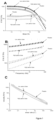
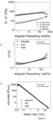
- the dynamic frequency test showed a slight deviation, with the rheology of the placebo being marginally less frequency dependent than the low peanut and high peanut flour meals. However for the flow sweeps no difference can be seen between the different doses when maltodextrin is included in the formulation.
Landscapes
- Health & Medical Sciences (AREA)
- Life Sciences & Earth Sciences (AREA)
- Chemical & Material Sciences (AREA)
- Engineering & Computer Science (AREA)
- Food Science & Technology (AREA)
- Nutrition Science (AREA)
- Polymers & Plastics (AREA)
- Medical Informatics (AREA)
- General Health & Medical Sciences (AREA)
- Heart & Thoracic Surgery (AREA)
- Biophysics (AREA)
- Molecular Biology (AREA)
- Surgery (AREA)
- Animal Behavior & Ethology (AREA)
- Immunology (AREA)
- Public Health (AREA)
- Veterinary Medicine (AREA)
- Vascular Medicine (AREA)
- Biomedical Technology (AREA)
- Pathology (AREA)
- Physics & Mathematics (AREA)
- Dispersion Chemistry (AREA)
- Mycology (AREA)
- Oil, Petroleum & Natural Gas (AREA)
- Medicinal Preparation (AREA)
- Coloring Foods And Improving Nutritive Qualities (AREA)
- Medicines Containing Antibodies Or Antigens For Use As Internal Diagnostic Agents (AREA)
- Meat, Egg Or Seafood Products (AREA)
Applications Claiming Priority (1)
| Application Number | Priority Date | Filing Date | Title |
|---|---|---|---|
| PCT/GB2016/053829 WO2018104691A1 (en) | 2016-12-05 | 2016-12-05 | Oral food challenge meal formulations |
Publications (2)
| Publication Number | Publication Date |
|---|---|
| EP3548079A1 EP3548079A1 (en) | 2019-10-09 |
| EP3548079B1 true EP3548079B1 (en) | 2023-07-05 |
Family
ID=57543072
Family Applications (1)
| Application Number | Title | Priority Date | Filing Date |
|---|---|---|---|
| EP16810009.7A Active EP3548079B1 (en) | 2016-12-05 | 2016-12-05 | Oral food challenge meal formulations |
Country Status (8)
| Country | Link |
|---|---|
| US (3) | US11439342B2 (pl) |
| EP (1) | EP3548079B1 (pl) |
| KR (1) | KR102609841B1 (pl) |
| AU (1) | AU2016431600B2 (pl) |
| ES (1) | ES2950506T3 (pl) |
| PL (1) | PL3548079T3 (pl) |
| PT (1) | PT3548079T (pl) |
| WO (1) | WO2018104691A1 (pl) |
Families Citing this family (2)
| Publication number | Priority date | Publication date | Assignee | Title |
|---|---|---|---|---|
| EP3548079B1 (en) | 2016-12-05 | 2023-07-05 | Reacta Biotech Limited | Oral food challenge meal formulations |
| JP7840899B2 (ja) * | 2023-03-28 | 2026-04-06 | キッコーマン株式会社 | アレルギー反応供試食品、及びアレルギー反応供試食品の製造方法 |
Family Cites Families (7)
| Publication number | Priority date | Publication date | Assignee | Title |
|---|---|---|---|---|
| US9539334B2 (en) * | 2012-05-17 | 2017-01-10 | John Hopkins University | Orally dissolving thin films containing allergens and methods of making and use |
| DK2968529T3 (da) * | 2013-03-14 | 2020-10-12 | Aimmune Therapeutics Inc | Fremstilling af jordnøddeformuleringer til oral desensibilisering |
| WO2015187736A1 (en) | 2014-06-02 | 2015-12-10 | Allergen Research Corporation | Placebo formulations and uses thereof |
| CN107073104A (zh) | 2014-08-04 | 2017-08-18 | Dbv技术公司 | 食物过敏原组合物 |
| WO2016049591A1 (en) * | 2014-09-25 | 2016-03-31 | Aladdin Foods, Llc | Formulations for use in food products |
| GB201509718D0 (en) | 2015-06-04 | 2015-07-22 | Reacta Biotech Ltd | Oral food challenge meal formulations |
| EP3548079B1 (en) * | 2016-12-05 | 2023-07-05 | Reacta Biotech Limited | Oral food challenge meal formulations |
-
2016
- 2016-12-05 EP EP16810009.7A patent/EP3548079B1/en active Active
- 2016-12-05 PL PL16810009.7T patent/PL3548079T3/pl unknown
- 2016-12-05 WO PCT/GB2016/053829 patent/WO2018104691A1/en not_active Ceased
- 2016-12-05 KR KR1020197019573A patent/KR102609841B1/ko active Active
- 2016-12-05 AU AU2016431600A patent/AU2016431600B2/en active Active
- 2016-12-05 US US16/347,753 patent/US11439342B2/en active Active
- 2016-12-05 PT PT168100097T patent/PT3548079T/pt unknown
- 2016-12-05 ES ES16810009T patent/ES2950506T3/es active Active
-
2022
- 2022-08-12 US US17/887,246 patent/US12239451B2/en active Active
-
2025
- 2025-03-03 US US19/069,068 patent/US20250194992A1/en active Pending
Non-Patent Citations (2)
| Title |
|---|
| BERBER J. VLIEG-BOERSTRA ET AL: "Development and validation of challenge materials for double-blind, placebo-controlled food challenges in children⋆", JOURNAL OF ALLERGY AND CLINICAL IMMUNOLOGY, vol. 113, no. 2, 1 February 2004 (2004-02-01), AMSTERDAM, NL, pages 341 - 346, XP055286525, ISSN: 0091-6749, DOI: 10.1016/j.jaci.2003.10.039 * |
| E. VASSILOPOULOU ET AL: "Evaluation and standardisation of different matrices used for double-blind placebo-controlled food challenges to fish", JOURNAL OF HUMAN NUTRITION AND DIETETICS, vol. 23, no. 5, 9 September 2010 (2010-09-09), GB, pages 544 - 549, XP055286523, ISSN: 0952-3871, DOI: 10.1111/j.1365-277X.2010.01046.x * |
Also Published As
| Publication number | Publication date |
|---|---|
| CA3044905A1 (en) | 2018-06-14 |
| US11439342B2 (en) | 2022-09-13 |
| AU2016431600A1 (en) | 2019-04-04 |
| US20190328308A1 (en) | 2019-10-31 |
| KR102609841B1 (ko) | 2023-12-06 |
| PT3548079T (pt) | 2023-07-27 |
| US20250194992A1 (en) | 2025-06-19 |
| WO2018104691A1 (en) | 2018-06-14 |
| US12239451B2 (en) | 2025-03-04 |
| AU2016431600B2 (en) | 2024-05-23 |
| KR20190093617A (ko) | 2019-08-09 |
| US20220386938A1 (en) | 2022-12-08 |
| ES2950506T3 (es) | 2023-10-10 |
| PL3548079T3 (pl) | 2023-09-04 |
| EP3548079A1 (en) | 2019-10-09 |
Similar Documents
| Publication | Publication Date | Title |
|---|---|---|
| EP3302534B1 (en) | Oral food challenge meal formulations | |
| US20250194992A1 (en) | Oral food challenge meal formulations | |
| EP3723502A1 (en) | An extruded food product and a method of making the same | |
| JP2023056016A (ja) | 熱抑制されたワキシーキャッサバスターチ | |
| WO2019050568A1 (en) | ALTERNATIVE TO NATURAL COCOA AND PROCESSES FOR PRODUCING THE SAME | |
| CN113226054A (zh) | 用于制备用于患有吞咽困难的对象的食物产品的组合物 | |
| US6235334B1 (en) | No fat, no cholesterol cake and process of making the same | |
| JP7158170B2 (ja) | 焼菓子及び複合菓子 | |
| CA3044905C (en) | Oral food challenge meal formulations | |
| KR100378178B1 (ko) | 바베큐 및 후라이드치킨 소스 제조방법 | |
| HK40007529A (en) | Oral food challenge meal formulations | |
| HK40007529B (en) | Oral food challenge meal formulations | |
| KR20230075791A (ko) | 산마 약과 및 이의 제조 방법 | |
| JP2010239893A (ja) | 食感が改善された焼き菓子 | |
| WO2015157840A1 (en) | Corn based food composition | |
| HK1249025B (en) | Oral food challenge meal formulations | |
| Insani et al. | Development of healthier cookie product by utilizing different formulations of durian seed flour | |
| AU2017239498B2 (en) | Nutritional paste | |
| AU2017101336A4 (en) | Nutritional paste | |
| CN104203003A (zh) | 具有已调节的异味强度的营养产品及其制备和使用方法 | |
| KR102271858B1 (ko) | 삼색보리를 이용한 한과 제조방법 | |
| CA2433693C (en) | Crepe mix | |
| HK1185764A (en) | Hollow confectionary and method for manufacturing same |
Legal Events
| Date | Code | Title | Description |
|---|---|---|---|
| STAA | Information on the status of an ep patent application or granted ep patent |
Free format text: STATUS: UNKNOWN |
|
| STAA | Information on the status of an ep patent application or granted ep patent |
Free format text: STATUS: THE INTERNATIONAL PUBLICATION HAS BEEN MADE |
|
| PUAI | Public reference made under article 153(3) epc to a published international application that has entered the european phase |
Free format text: ORIGINAL CODE: 0009012 |
|
| STAA | Information on the status of an ep patent application or granted ep patent |
Free format text: STATUS: REQUEST FOR EXAMINATION WAS MADE |
|
| 17P | Request for examination filed |
Effective date: 20190620 |
|
| AK | Designated contracting states |
Kind code of ref document: A1 Designated state(s): AL AT BE BG CH CY CZ DE DK EE ES FI FR GB GR HR HU IE IS IT LI LT LU LV MC MK MT NL NO PL PT RO RS SE SI SK SM TR |
|
| AX | Request for extension of the european patent |
Extension state: BA ME |
|
| DAV | Request for validation of the european patent (deleted) | ||
| DAX | Request for extension of the european patent (deleted) | ||
| STAA | Information on the status of an ep patent application or granted ep patent |
Free format text: STATUS: EXAMINATION IS IN PROGRESS |
|
| REG | Reference to a national code |
Ref country code: HK Ref legal event code: DE Ref document number: 40007529 Country of ref document: HK |
|
| 17Q | First examination report despatched |
Effective date: 20200508 |
|
| GRAP | Despatch of communication of intention to grant a patent |
Free format text: ORIGINAL CODE: EPIDOSNIGR1 |
|
| STAA | Information on the status of an ep patent application or granted ep patent |
Free format text: STATUS: GRANT OF PATENT IS INTENDED |
|
| INTG | Intention to grant announced |
Effective date: 20230207 |
|
| RAP3 | Party data changed (applicant data changed or rights of an application transferred) |
Owner name: REACTA BIOTECH LIMITED |
|
| RIN1 | Information on inventor provided before grant (corrected) |
Inventor name: WICKHAM, MARTIN Inventor name: BARICEVIC-JONES, IVONA Inventor name: COSTELLO, CAROL, ANN Inventor name: BALASUNDARAM, ANURADHA Inventor name: MILLS, CLARE |
|
| RIN1 | Information on inventor provided before grant (corrected) |
Inventor name: BARICEVIC-JONES, IVONA Inventor name: COSTELLO, CAROL, ANN Inventor name: BALASUNDARAM, ANURADHA Inventor name: MILLS, CLARE Inventor name: WICKHAM, MARTIN |
|
| GRAS | Grant fee paid |
Free format text: ORIGINAL CODE: EPIDOSNIGR3 |
|
| GRAA | (expected) grant |
Free format text: ORIGINAL CODE: 0009210 |
|
| STAA | Information on the status of an ep patent application or granted ep patent |
Free format text: STATUS: THE PATENT HAS BEEN GRANTED |
|
| P01 | Opt-out of the competence of the unified patent court (upc) registered |
Effective date: 20230327 |
|
| AK | Designated contracting states |
Kind code of ref document: B1 Designated state(s): AL AT BE BG CH CY CZ DE DK EE ES FI FR GB GR HR HU IE IS IT LI LT LU LV MC MK MT NL NO PL PT RO RS SE SI SK SM TR |
|
| REG | Reference to a national code |
Ref country code: CH Ref legal event code: EP |
|
| REG | Reference to a national code |
Ref country code: AT Ref legal event code: REF Ref document number: 1584218 Country of ref document: AT Kind code of ref document: T Effective date: 20230715 |
|
| REG | Reference to a national code |
Ref country code: PT Ref legal event code: SC4A Ref document number: 3548079 Country of ref document: PT Date of ref document: 20230727 Kind code of ref document: T Free format text: AVAILABILITY OF NATIONAL TRANSLATION Effective date: 20230721 Ref country code: DE Ref legal event code: R096 Ref document number: 602016080842 Country of ref document: DE |
|
| REG | Reference to a national code |
Ref country code: IE Ref legal event code: FG4D |
|
| REG | Reference to a national code |
Ref country code: NL Ref legal event code: FP |
|
| REG | Reference to a national code |
Ref country code: SE Ref legal event code: TRGR |
|
| REG | Reference to a national code |
Ref country code: NO Ref legal event code: T2 Effective date: 20230705 |
|
| REG | Reference to a national code |
Ref country code: ES Ref legal event code: FG2A Ref document number: 2950506 Country of ref document: ES Kind code of ref document: T3 Effective date: 20231010 |
|
| REG | Reference to a national code |
Ref country code: GR Ref legal event code: EP Ref document number: 20230401192 Country of ref document: GR Effective date: 20230908 |
|
| REG | Reference to a national code |
Ref country code: LT Ref legal event code: MG9D |
|
| PG25 | Lapsed in a contracting state [announced via postgrant information from national office to epo] |
Ref country code: IS Free format text: LAPSE BECAUSE OF FAILURE TO SUBMIT A TRANSLATION OF THE DESCRIPTION OR TO PAY THE FEE WITHIN THE PRESCRIBED TIME-LIMIT Effective date: 20231105 |
|
| PG25 | Lapsed in a contracting state [announced via postgrant information from national office to epo] |
Ref country code: RS Free format text: LAPSE BECAUSE OF FAILURE TO SUBMIT A TRANSLATION OF THE DESCRIPTION OR TO PAY THE FEE WITHIN THE PRESCRIBED TIME-LIMIT Effective date: 20230705 Ref country code: LV Free format text: LAPSE BECAUSE OF FAILURE TO SUBMIT A TRANSLATION OF THE DESCRIPTION OR TO PAY THE FEE WITHIN THE PRESCRIBED TIME-LIMIT Effective date: 20230705 Ref country code: LT Free format text: LAPSE BECAUSE OF FAILURE TO SUBMIT A TRANSLATION OF THE DESCRIPTION OR TO PAY THE FEE WITHIN THE PRESCRIBED TIME-LIMIT Effective date: 20230705 Ref country code: IS Free format text: LAPSE BECAUSE OF FAILURE TO SUBMIT A TRANSLATION OF THE DESCRIPTION OR TO PAY THE FEE WITHIN THE PRESCRIBED TIME-LIMIT Effective date: 20231105 Ref country code: HR Free format text: LAPSE BECAUSE OF FAILURE TO SUBMIT A TRANSLATION OF THE DESCRIPTION OR TO PAY THE FEE WITHIN THE PRESCRIBED TIME-LIMIT Effective date: 20230705 Ref country code: FI Free format text: LAPSE BECAUSE OF FAILURE TO SUBMIT A TRANSLATION OF THE DESCRIPTION OR TO PAY THE FEE WITHIN THE PRESCRIBED TIME-LIMIT Effective date: 20230705 |
|
| REG | Reference to a national code |
Ref country code: DE Ref legal event code: R097 Ref document number: 602016080842 Country of ref document: DE |
|
| PG25 | Lapsed in a contracting state [announced via postgrant information from national office to epo] |
Ref country code: SM Free format text: LAPSE BECAUSE OF FAILURE TO SUBMIT A TRANSLATION OF THE DESCRIPTION OR TO PAY THE FEE WITHIN THE PRESCRIBED TIME-LIMIT Effective date: 20230705 Ref country code: RO Free format text: LAPSE BECAUSE OF FAILURE TO SUBMIT A TRANSLATION OF THE DESCRIPTION OR TO PAY THE FEE WITHIN THE PRESCRIBED TIME-LIMIT Effective date: 20230705 Ref country code: EE Free format text: LAPSE BECAUSE OF FAILURE TO SUBMIT A TRANSLATION OF THE DESCRIPTION OR TO PAY THE FEE WITHIN THE PRESCRIBED TIME-LIMIT Effective date: 20230705 Ref country code: DK Free format text: LAPSE BECAUSE OF FAILURE TO SUBMIT A TRANSLATION OF THE DESCRIPTION OR TO PAY THE FEE WITHIN THE PRESCRIBED TIME-LIMIT Effective date: 20230705 Ref country code: CZ Free format text: LAPSE BECAUSE OF FAILURE TO SUBMIT A TRANSLATION OF THE DESCRIPTION OR TO PAY THE FEE WITHIN THE PRESCRIBED TIME-LIMIT Effective date: 20230705 Ref country code: SK Free format text: LAPSE BECAUSE OF FAILURE TO SUBMIT A TRANSLATION OF THE DESCRIPTION OR TO PAY THE FEE WITHIN THE PRESCRIBED TIME-LIMIT Effective date: 20230705 |
|
| PLBE | No opposition filed within time limit |
Free format text: ORIGINAL CODE: 0009261 |
|
| STAA | Information on the status of an ep patent application or granted ep patent |
Free format text: STATUS: NO OPPOSITION FILED WITHIN TIME LIMIT |
|
| 26N | No opposition filed |
Effective date: 20240408 |
|
| PG25 | Lapsed in a contracting state [announced via postgrant information from national office to epo] |
Ref country code: SI Free format text: LAPSE BECAUSE OF FAILURE TO SUBMIT A TRANSLATION OF THE DESCRIPTION OR TO PAY THE FEE WITHIN THE PRESCRIBED TIME-LIMIT Effective date: 20230705 |
|
| REG | Reference to a national code |
Ref country code: AT Ref legal event code: UEP Ref document number: 1584218 Country of ref document: AT Kind code of ref document: T Effective date: 20230705 |
|
| PG25 | Lapsed in a contracting state [announced via postgrant information from national office to epo] |
Ref country code: LU Free format text: LAPSE BECAUSE OF NON-PAYMENT OF DUE FEES Effective date: 20231205 |
|
| PG25 | Lapsed in a contracting state [announced via postgrant information from national office to epo] |
Ref country code: MC Free format text: LAPSE BECAUSE OF FAILURE TO SUBMIT A TRANSLATION OF THE DESCRIPTION OR TO PAY THE FEE WITHIN THE PRESCRIBED TIME-LIMIT Effective date: 20230705 |
|
| PG25 | Lapsed in a contracting state [announced via postgrant information from national office to epo] |
Ref country code: MC Free format text: LAPSE BECAUSE OF FAILURE TO SUBMIT A TRANSLATION OF THE DESCRIPTION OR TO PAY THE FEE WITHIN THE PRESCRIBED TIME-LIMIT Effective date: 20230705 Ref country code: LU Free format text: LAPSE BECAUSE OF NON-PAYMENT OF DUE FEES Effective date: 20231205 |
|
| PG25 | Lapsed in a contracting state [announced via postgrant information from national office to epo] |
Ref country code: BG Free format text: LAPSE BECAUSE OF FAILURE TO SUBMIT A TRANSLATION OF THE DESCRIPTION OR TO PAY THE FEE WITHIN THE PRESCRIBED TIME-LIMIT Effective date: 20230705 |
|
| PG25 | Lapsed in a contracting state [announced via postgrant information from national office to epo] |
Ref country code: BG Free format text: LAPSE BECAUSE OF FAILURE TO SUBMIT A TRANSLATION OF THE DESCRIPTION OR TO PAY THE FEE WITHIN THE PRESCRIBED TIME-LIMIT Effective date: 20230705 |
|
| PG25 | Lapsed in a contracting state [announced via postgrant information from national office to epo] |
Ref country code: CY Free format text: LAPSE BECAUSE OF FAILURE TO SUBMIT A TRANSLATION OF THE DESCRIPTION OR TO PAY THE FEE WITHIN THE PRESCRIBED TIME-LIMIT; INVALID AB INITIO Effective date: 20161205 |
|
| PG25 | Lapsed in a contracting state [announced via postgrant information from national office to epo] |
Ref country code: HU Free format text: LAPSE BECAUSE OF FAILURE TO SUBMIT A TRANSLATION OF THE DESCRIPTION OR TO PAY THE FEE WITHIN THE PRESCRIBED TIME-LIMIT; INVALID AB INITIO Effective date: 20161205 |
|
| PGFP | Annual fee paid to national office [announced via postgrant information from national office to epo] |
Ref country code: PT Payment date: 20251105 Year of fee payment: 10 |
|
| REG | Reference to a national code |
Ref country code: CH Ref legal event code: U11 Free format text: ST27 STATUS EVENT CODE: U-0-0-U10-U11 (AS PROVIDED BY THE NATIONAL OFFICE) Effective date: 20260106 |
|
| PGFP | Annual fee paid to national office [announced via postgrant information from national office to epo] |
Ref country code: DE Payment date: 20251203 Year of fee payment: 10 |
|
| PGFP | Annual fee paid to national office [announced via postgrant information from national office to epo] |
Ref country code: GB Payment date: 20251124 Year of fee payment: 10 |
|
| PGFP | Annual fee paid to national office [announced via postgrant information from national office to epo] |
Ref country code: NO Payment date: 20251222 Year of fee payment: 10 |
|
| PGFP | Annual fee paid to national office [announced via postgrant information from national office to epo] |
Ref country code: AT Payment date: 20251204 Year of fee payment: 10 |
|
| PGFP | Annual fee paid to national office [announced via postgrant information from national office to epo] |
Ref country code: IT Payment date: 20251203 Year of fee payment: 10 |
|
| PGFP | Annual fee paid to national office [announced via postgrant information from national office to epo] |
Ref country code: NL Payment date: 20251215 Year of fee payment: 10 Ref country code: FR Payment date: 20251205 Year of fee payment: 10 |
|
| PGFP | Annual fee paid to national office [announced via postgrant information from national office to epo] |
Ref country code: BE Payment date: 20251217 Year of fee payment: 10 Ref country code: TR Payment date: 20251105 Year of fee payment: 10 Ref country code: GR Payment date: 20251201 Year of fee payment: 10 |
|
| PGFP | Annual fee paid to national office [announced via postgrant information from national office to epo] |
Ref country code: SE Payment date: 20251219 Year of fee payment: 10 |
|
| PGFP | Annual fee paid to national office [announced via postgrant information from national office to epo] |
Ref country code: IE Payment date: 20251217 Year of fee payment: 10 |
|
| PGFP | Annual fee paid to national office [announced via postgrant information from national office to epo] |
Ref country code: PL Payment date: 20251106 Year of fee payment: 10 |
|
| PGFP | Annual fee paid to national office [announced via postgrant information from national office to epo] |
Ref country code: ES Payment date: 20260107 Year of fee payment: 10 |
|
| PGFP | Annual fee paid to national office [announced via postgrant information from national office to epo] |
Ref country code: CH Payment date: 20260106 Year of fee payment: 10 |