EP3548135B1 - Kern-schale-mikronadelvorrichtungen und verwendungen davon - Google Patents
Kern-schale-mikronadelvorrichtungen und verwendungen davon Download PDFInfo
- Publication number
- EP3548135B1 EP3548135B1 EP17879565.4A EP17879565A EP3548135B1 EP 3548135 B1 EP3548135 B1 EP 3548135B1 EP 17879565 A EP17879565 A EP 17879565A EP 3548135 B1 EP3548135 B1 EP 3548135B1
- Authority
- EP
- European Patent Office
- Prior art keywords
- peroxide
- glucose
- insulin
- pva
- microneedle patch
- Prior art date
- Legal status (The legal status is an assumption and is not a legal conclusion. Google has not performed a legal analysis and makes no representation as to the accuracy of the status listed.)
- Not-in-force
Links
- 0 CC*CC12C=C*=CC1C2 Chemical compound CC*CC12C=C*=CC1C2 0.000 description 1
Images







Classifications
-
- A—HUMAN NECESSITIES
- A61—MEDICAL OR VETERINARY SCIENCE; HYGIENE
- A61P—SPECIFIC THERAPEUTIC ACTIVITY OF CHEMICAL COMPOUNDS OR MEDICINAL PREPARATIONS
- A61P3/00—Drugs for disorders of the metabolism
- A61P3/08—Drugs for disorders of the metabolism for glucose homeostasis
- A61P3/10—Drugs for disorders of the metabolism for glucose homeostasis for hyperglycaemia, e.g. antidiabetics
-
- A—HUMAN NECESSITIES
- A61—MEDICAL OR VETERINARY SCIENCE; HYGIENE
- A61K—PREPARATIONS FOR MEDICAL, DENTAL OR TOILETRY PURPOSES
- A61K31/00—Medicinal preparations containing organic active ingredients
- A61K31/70—Carbohydrates; Sugars; Derivatives thereof
- A61K31/715—Polysaccharides, i.e. having more than five saccharide radicals attached to each other by glycosidic linkages; Derivatives thereof, e.g. ethers, esters
- A61K31/726—Glycosaminoglycans, i.e. mucopolysaccharides
- A61K31/728—Hyaluronic acid
-
- A—HUMAN NECESSITIES
- A61—MEDICAL OR VETERINARY SCIENCE; HYGIENE
- A61K—PREPARATIONS FOR MEDICAL, DENTAL OR TOILETRY PURPOSES
- A61K38/00—Medicinal preparations containing peptides
- A61K38/16—Peptides having more than 20 amino acids; Gastrins; Somatostatins; Melanotropins; Derivatives thereof
- A61K38/17—Peptides having more than 20 amino acids; Gastrins; Somatostatins; Melanotropins; Derivatives thereof from animals; from humans
- A61K38/22—Hormones
- A61K38/28—Insulins
-
- A—HUMAN NECESSITIES
- A61—MEDICAL OR VETERINARY SCIENCE; HYGIENE
- A61K—PREPARATIONS FOR MEDICAL, DENTAL OR TOILETRY PURPOSES
- A61K38/00—Medicinal preparations containing peptides
- A61K38/16—Peptides having more than 20 amino acids; Gastrins; Somatostatins; Melanotropins; Derivatives thereof
- A61K38/43—Enzymes; Proenzymes; Derivatives thereof
- A61K38/44—Oxidoreductases (1)
-
- A—HUMAN NECESSITIES
- A61—MEDICAL OR VETERINARY SCIENCE; HYGIENE
- A61K—PREPARATIONS FOR MEDICAL, DENTAL OR TOILETRY PURPOSES
- A61K47/00—Medicinal preparations characterised by the non-active ingredients used, e.g. carriers or inert additives; Targeting or modifying agents chemically bound to the active ingredient
- A61K47/50—Medicinal preparations characterised by the non-active ingredients used, e.g. carriers or inert additives; Targeting or modifying agents chemically bound to the active ingredient the non-active ingredient being chemically bound to the active ingredient, e.g. polymer-drug conjugates
- A61K47/51—Medicinal preparations characterised by the non-active ingredients used, e.g. carriers or inert additives; Targeting or modifying agents chemically bound to the active ingredient the non-active ingredient being chemically bound to the active ingredient, e.g. polymer-drug conjugates the non-active ingredient being a modifying agent
- A61K47/54—Medicinal preparations characterised by the non-active ingredients used, e.g. carriers or inert additives; Targeting or modifying agents chemically bound to the active ingredient the non-active ingredient being chemically bound to the active ingredient, e.g. polymer-drug conjugates the non-active ingredient being a modifying agent the modifying agent being an organic compound
-
- A—HUMAN NECESSITIES
- A61—MEDICAL OR VETERINARY SCIENCE; HYGIENE
- A61K—PREPARATIONS FOR MEDICAL, DENTAL OR TOILETRY PURPOSES
- A61K47/00—Medicinal preparations characterised by the non-active ingredients used, e.g. carriers or inert additives; Targeting or modifying agents chemically bound to the active ingredient
- A61K47/50—Medicinal preparations characterised by the non-active ingredients used, e.g. carriers or inert additives; Targeting or modifying agents chemically bound to the active ingredient the non-active ingredient being chemically bound to the active ingredient, e.g. polymer-drug conjugates
- A61K47/69—Medicinal preparations characterised by the non-active ingredients used, e.g. carriers or inert additives; Targeting or modifying agents chemically bound to the active ingredient the non-active ingredient being chemically bound to the active ingredient, e.g. polymer-drug conjugates the conjugate being characterised by physical or galenical forms, e.g. emulsion, particle, inclusion complex, stent or kit
- A61K47/6955—Medicinal preparations characterised by the non-active ingredients used, e.g. carriers or inert additives; Targeting or modifying agents chemically bound to the active ingredient the non-active ingredient being chemically bound to the active ingredient, e.g. polymer-drug conjugates the conjugate being characterised by physical or galenical forms, e.g. emulsion, particle, inclusion complex, stent or kit the form being a plaster, a bandage, a dressing or a patch
-
- A—HUMAN NECESSITIES
- A61—MEDICAL OR VETERINARY SCIENCE; HYGIENE
- A61K—PREPARATIONS FOR MEDICAL, DENTAL OR TOILETRY PURPOSES
- A61K9/00—Medicinal preparations characterised by special physical form
- A61K9/0012—Galenical forms characterised by the site of application
- A61K9/0019—Injectable compositions; Intramuscular, intravenous, arterial, subcutaneous administration; Compositions to be administered through the skin in an invasive manner
- A61K9/0021—Intradermal administration, e.g. through microneedle arrays or needleless injectors
-
- A—HUMAN NECESSITIES
- A61—MEDICAL OR VETERINARY SCIENCE; HYGIENE
- A61M—DEVICES FOR INTRODUCING MEDIA INTO, OR ONTO, THE BODY; DEVICES FOR TRANSDUCING BODY MEDIA OR FOR TAKING MEDIA FROM THE BODY; DEVICES FOR PRODUCING OR ENDING SLEEP OR STUPOR
- A61M37/00—Other apparatus for introducing media into the body; Percutany, i.e. introducing medicines into the body by diffusion through the skin
- A61M37/0015—Other apparatus for introducing media into the body; Percutany, i.e. introducing medicines into the body by diffusion through the skin by using microneedles
- A61M2037/0046—Solid microneedles
-
- A—HUMAN NECESSITIES
- A61—MEDICAL OR VETERINARY SCIENCE; HYGIENE
- A61M—DEVICES FOR INTRODUCING MEDIA INTO, OR ONTO, THE BODY; DEVICES FOR TRANSDUCING BODY MEDIA OR FOR TAKING MEDIA FROM THE BODY; DEVICES FOR PRODUCING OR ENDING SLEEP OR STUPOR
- A61M37/00—Other apparatus for introducing media into the body; Percutany, i.e. introducing medicines into the body by diffusion through the skin
- A61M37/0015—Other apparatus for introducing media into the body; Percutany, i.e. introducing medicines into the body by diffusion through the skin by using microneedles
- A61M2037/0061—Methods for using microneedles
-
- A—HUMAN NECESSITIES
- A61—MEDICAL OR VETERINARY SCIENCE; HYGIENE
- A61M—DEVICES FOR INTRODUCING MEDIA INTO, OR ONTO, THE BODY; DEVICES FOR TRANSDUCING BODY MEDIA OR FOR TAKING MEDIA FROM THE BODY; DEVICES FOR PRODUCING OR ENDING SLEEP OR STUPOR
- A61M37/00—Other apparatus for introducing media into the body; Percutany, i.e. introducing medicines into the body by diffusion through the skin
- A61M37/0015—Other apparatus for introducing media into the body; Percutany, i.e. introducing medicines into the body by diffusion through the skin by using microneedles
-
- C—CHEMISTRY; METALLURGY
- C12—BIOCHEMISTRY; BEER; SPIRITS; WINE; VINEGAR; MICROBIOLOGY; ENZYMOLOGY; MUTATION OR GENETIC ENGINEERING
- C12Y—ENZYMES
- C12Y101/00—Oxidoreductases acting on the CH-OH group of donors (1.1)
- C12Y101/03—Oxidoreductases acting on the CH-OH group of donors (1.1) with a oxygen as acceptor (1.1.3)
- C12Y101/03004—Glucose oxidase (1.1.3.4)
-
- C—CHEMISTRY; METALLURGY
- C12—BIOCHEMISTRY; BEER; SPIRITS; WINE; VINEGAR; MICROBIOLOGY; ENZYMOLOGY; MUTATION OR GENETIC ENGINEERING
- C12Y—ENZYMES
- C12Y111/00—Oxidoreductases acting on a peroxide as acceptor (1.11)
- C12Y111/01—Peroxidases (1.11.1)
- C12Y111/01006—Catalase (1.11.1.6)
Definitions
- the present disclosure relates to microneedle devices and methods for treating a disease (for example, diabetes) using a degradable cross-linked gel for self-regulated delivery of a therapeutic agent (for example, insulin).
- a disease for example, diabetes
- a therapeutic agent for example, insulin
- BGLs blood glucose levels
- patients with type 1 and advanced type 2 diabetes use injected or infused insulin generally fail to reach targets and with the aim to achieve normoglycemia.
- open-loop exogenous insulin injections or infusion generally fail to reach targets and carries the additional risk of hypoglycemia when insulin levels exceed that needed; these hypoglycemic episodes can be severe and even lethal. Therefore, there is an urgent need for a bio-inspired "artificial ⁇ -cell" system that can intelligently "secrete” desirable amounts of insulin in response to elevated BGLs while maintaining basal insulin release kinetics at normoglycemia.
- closed-loop device-based systems have been developed and integrate patient-calibrated continuous glucose-monitoring sensor and an external insulin infusion pump.
- such systems remain challenged in terms of algorithm accuracy and sensor reliability. Therefore, chemically-engineered formulations or devices that can swell, degrade, or dissociate in response to ambient elevated BGLs have attracted increasing attention as an alternate solution.
- These systems typically employ one of three different materials and corresponding mechanisms of actions, including glucose oxidase (GOx), phenylboronic acid (PBA), and glucose binding proteins (GBP).
- GOx catalyzes the oxidation of D-glucose to D-gluconolactone, which can hydrolyze to gluconic acid, and generate hydrogen peroxide in the presence of oxygen:
- acidity-sensitive systems entrapping GOx can create a local acidic environment in response to elevated glucose levels to trigger the release of insulin.
- a hypoxia-sensitive formulation to achieve fast response was developed based on the enzymatic consumption of local oxygen level.
- this formulation is limited by the hydrogen peroxide that remains in this system raising concerns over long-term biocompatibility.
- the simultaneous release of GOx with insulin has the potential to cause systemic toxicity. Moving forward, the next generation of smart insulin delivery should be developed to prioritize rapid responsiveness, ease of preparation and administration, and excellent biocompatibility.
- WO 2016/172320 discloses a microneedle array comprising a vesicle composition comprising an amphiphilic polymer material, a diabetes treatment agent, and a glucose oxidizing agent.
- compositions, devices, microneedle patches, and methods disclosed herein address these and other concerns.
- a bio-inspired glucose-responsive therapeutic agent for example, insulin
- the compositions and methods disclosed herein are desirable for improving health and quality of life outcomes for type 1 and advanced type 2 diabetic patients.
- a painless core-shell microneedle array patch consisting of degradable crosslinked gel for smart delivery of a therapeutic agent with rapid responsiveness and excellent biocompatibility.
- This gel-based device can partially dissociate and subsequently release the therapeutic agent (for example, insulin) when triggered by H 2 O 2 generated during the oxidation of glucose by a glucose-specific enzyme embedded inside the gel.
- the H 2 O 2 -responsive microneedles are coated with a thin layer embedding H 2 O 2 -scavenging enzyme, thus mimicking the complementary function of enzymes in peroxisomes to protect normal tissues from injury caused by oxidative stress.
- this smart insulin patch with a bio-responsive core and protective shell is shown to effectively regulate blood glucose levels within a normal range with negligible long-term side effects.
- microneedle patch comprising:
- the first peroxide-sensitive linker comprises a boronic ester. In some embodiments, the first peroxide-sensitive linker detaches from the first PVA polymer upon exposure to peroxide. In some embodiments, the first peroxide-sensitive linker is N1-(4-boronobenzyl)-N3-(4-boronophenyl)-N1,N1,N3,N3-tetramethylpropane-1,3-diaminium (TSPBA).
- the second peroxide-sensitive linker comprises a boronic ester. In some embodiments, the second peroxide-sensitive linker detaches from the second PVA polymer upon exposure to peroxide. In some embodiments, the second peroxide-sensitive linker is N1-(4-boronobenzyl)-N3-(4-boronophenyl)-N1,N1,N3,N3-tetramethylpropane-1,3-diaminium (TSPBA).
- the third peroxide-sensitive linker comprises a boronic ester. In some embodiments, the third peroxide-sensitive linker detaches from the second PVA polymer upon exposure to peroxide. In some embodiments, the third peroxide-sensitive linker is 4-nitrophenyl-(4,4,5,5-tetramethyl-1,3,2-dioxaborolan-2-yl)benzyl carbonate (NBC).
- NBC 4-nitrophenyl-(4,4,5,5-tetramethyl-1,3,2-dioxaborolan-2-yl)benzyl carbonate
- the glucose-responsive agent comprises glucose oxidase.
- the peroxide scavenging enzyme is catalase.
- the therapeutic agent is insulin.
- the microneedles further comprise hyaluronic acid (HA).
- microneedle patch for use in a method of delivering a therapeutic agent to a subject, wherein in the method, the microneedle patch is administered to the subject and the therapeutic agent is released from the microneedle patch in the presence of hyperglycemic levels of glucose.
- the subject has hyperglycemia.
- the glucose-responsive agent produces a peroxide when exposed to hyperglycemic levels of glucose.
- the method further comprises detaching the first peroxide-sensitive linker from the first PVA polymer upon exposure to the peroxide.
- the method further comprises detaching the third peroxide-sensitive linker from the second PVA polymer upon exposure to the peroxide. In some embodiments, the detaching of the third peroxide-sensitive linker from the second PVA polymer releases the therapeutic agent from the microneedle patch.
- the method further comprises reducing blood glucose levels.
- the therapeutic agent comprises insulin.
- the method further comprises terminating release of the therapeutic agent prior to causing hypoglycemia.
- MN microneedle array patch consisting of degradable crosslinked poly(vinyl alcohol) (PVA) gel for self-regulated delivery of a therapeutic agent (for example insulin) with rapid responsiveness to elevated blood glucose levels (BGLs).
- a core component of this device contains glucose oxidase (GOx) that generates H 2 O 2 to stimulate release of the therapeutic agent, such as insulin, while the shell component is embedded with catalase (CAT) that serves as an active strainer to scavenge excessive H 2 O 2 , thus minimizing the risk of inflammation caused by H 2 O 2 ( Figure 6 ).
- PVA poly(vinyl alcohol)
- insulin-NBC 4-nitrophenyl 4-(4,4,5,5-tetramethyl-1,3,2-dioxaborolan-2-yl) benzyl carbonate
- PVA is also gelated by a H 2 O 2 -labile linker: N1-(4-boronobenzyl)-N3-(4-boronophenyl)-N1,N1,N3,N3-tetramethylpropane-1,3-diaminium (TSPBA) ( Figure 1c ).
- TSPBA N1-(4-boronobenzyl)-N3-(4-boronophenyl)-N1,N1,N3,N3-tetramethylpropane-1,3-diaminium
- GOx is encapsulated into the acrylated nanogel (GOx-NG) to acquire a large size[8] and get immobilized with covalent linkage to PVA methacrylate during radical polymerization, which forms a partially uncleavable network of PVA to further prevent the leakage of GOx-NG while maintaining ease of insulin release.
- the shell component is designed to mimic the complementary function in peroxisome[20] where catalase nanogel (CAT-NG)[8] is formed and embedded inside a crosslinked PVA layer covering the surface of PVA-TSPBA microneedle core.
- the design of the core and shell components offers: 1) sufficient catalysis with GOx to perform the glucose-responsive action in the core; and 2) efficient elimination of H 2 O 2 to alleviate inflammation affecting the surrounding tissues and mitigate systemic toxicity.
- the direct conjugation method that is utilized to load insulin onto the MN scaffold enhances both efficiency and capacity of the insulin-loading process.
- this bio-responsive MN patch Upon painless transcutaneous administration, this bio-responsive MN patch partially dissolves when exposed to high interstitial fluid glucose concentration in the capillary networks,[9] thereby releasing insulin for quick uptake through the regional capillary vessels and lymph networks to subsequently regulate BGLs.[9]
- a cell includes a plurality of cells, including mixtures thereof.
- the terms “may,” “optionally,” and “may optionally” are used interchangeably and are meant to include cases in which the condition occurs as well as cases in which the condition does not occur.
- the statement that a formulation "may include an excipient” is meant to include cases in which the formulation includes an excipient as well as cases in which the formulation does not include an excipient.
- Activity of a protein include, for example, transcription, translation, intracellular translocation, secretion, phosphorylation by kinases, cleavage by proteases, and/or homophilic and heterophilic binding to other proteins.
- administering refers to an administration to a subject that is oral, topical, intravenous, subcutaneous, transcutaneous, transdermal, intramuscular, intra-joint, parenteral, intra-arteriole, intradermal, intraventricular, intracranial, intraperitoneal, intralesional, intranasal, rectal, vaginal, by inhalation or via an implanted reservoir.
- Administering can be performed using transdermal microneedle-array patches.
- parenteral includes subcutaneous, intravenous, intramuscular, intra-articular, intra-synovial, intrasternal, intrathecal, intrahepatic, intralesional, and intracranial injections or infusion techniques.
- Biocompatible generally refers to a material and any metabolites or degradation products thereof that are generally non-toxic to the recipient and do not cause any significant adverse effects to the subject.
- compositions and methods include the recited elements, but not excluding others.
- Consisting essentially of when used to define compositions and methods, shall mean excluding other elements of any essential significance to the combination. Thus, a composition consisting essentially of the elements as defined herein would not exclude trace contaminants from the isolation and purification method and pharmaceutically acceptable carriers, such as phosphate buffered saline, preservatives, and the like.
- Consisting of shall mean excluding more than trace elements of other ingredients and substantial method steps for administering the compositions of this invention. Embodiments defined by each of these transition terms are within the scope of this invention.
- control is an alternative subject or sample used in an experiment for comparison purpose.
- a control can be "positive” or “negative.”
- conjugated refers to a non-reversible binding interaction
- a “linker” as used herein refers to a molecule that joins adjacent molecules. Generally, a linker has no specific biological activity other than to join the adjacent molecules or to preserve some minimum distance or other spatial relationship between them. In some cases, the linker can be selected to influence or stabilize some property of the adjacent molecules, such as the folding, net charge, or hydrophobicity of the molecule. In some embodiments, the linker can be detached (e.g. chemically cleaved) upon exposure to a peroxide, such as hydrogen peroxide. In other embodiments, the linker can remain intact upon exposure to a peroxide, such as hydrogen peroxide.
- peptide protein
- polypeptide are used interchangeably to refer to a natural or synthetic molecule comprising two or more amino acids linked by the carboxyl group of one amino acid to the alpha amino group of another.
- carrier or “pharmaceutically acceptable carrier” means a carrier or excipient that is useful in preparing a pharmaceutical or therapeutic composition that is generally safe and non-toxic, and includes a carrier that is acceptable for veterinary and/or human pharmaceutical or therapeutic use.
- carrier or “pharmaceutically acceptable carrier” encompasses can include phosphate buffered saline solution, water, emulsions (such as an oil/water or water/oil emulsion) and/or various types of wetting agents.
- carrier encompasses any excipient, diluent, filler, salt, buffer, stabilizer, solubilizer, lipid, stabilizer, or other material well known in the art for use in pharmaceutical formulations and as described further below.
- polymer refers to a relatively high molecular weight organic compound, natural or synthetic, whose structure can be represented by a repeated small unit, the monomer (e.g., polyethylene, rubber, cellulose). Synthetic polymers are typically formed by addition or condensation polymerization of monomers.
- copolymer refers to a polymer formed from two or more different repeating units (monomer residues). By way of example and without limitation, a copolymer can be an alternating copolymer, a random copolymer, a block copolymer, or a graft copolymer. It is also contemplated that, in certain aspects, various block segments of a block copolymer can themselves comprise copolymers.
- Ranges can be expressed herein as from “about” one particular value, and/or to "about” another particular value. When such a range is expressed, another embodiment includes from the one particular value and/or to the other particular value. Similarly, when values are expressed as approximations, by use of the antecedent "about,” it will be understood that the particular value forms another embodiment. It will be further understood that the endpoints of each of the ranges are significant both in relation to the other endpoint, and independently of the other endpoint. It is also understood that there are a number of values disclosed herein, and that each value is also herein disclosed as “about” that particular value in addition to the value itself. For example, if the value “10” is disclosed, then “about 10" is also disclosed.
- treat include partially or completely delaying, alleviating, mitigating or reducing the intensity of one or more attendant symptoms of a disorder or condition and/or alleviating, mitigating or impeding one or more causes of a disorder or condition.
- Treatments according to the invention may be applied preventively, prophylactically, pallatively or remedially.
- Prophylactic treatments are administered to a subject prior to onset (e.g., before obvious signs of cancer), during early onset ( e.g., upon initial signs and symptoms of cancer), or after an established development of cancer. Prophylactic administration can occur for several days to years prior to the manifestation of symptoms of an infection.
- an “effective amount” of a therapeutic agent is meant a nontoxic but sufficient amount of a beneficial agent to provide the desired effect.
- the amount of beneficial agent that is “effective” will vary from subject to subject, depending on the age and general condition of the subject, the particular beneficial agent or agents, and the like. Thus, it is not always possible to specify an exact “effective amount.” However, an appropriate “effective” amount in any subject case may be determined by one of ordinary skill in the art using routine experimentation. Also, as used herein, and unless specifically stated otherwise, an "effective amount” of a beneficial can also refer to an amount covering both therapeutically effective amounts and prophylactically effective amounts.
- an "effective amount" of a drug necessary to achieve a therapeutic effect may vary according to factors such as the age, sex, and weight of the subject. Dosage regimens can be adjusted to provide the optimum therapeutic response. For example, several divided doses may be administered daily or the dose may be proportionally reduced as indicated by the exigencies of the therapeutic situation.
- a "therapeutically effective amount” of a therapeutic agent refers to an amount that is effective to achieve a desired therapeutic result
- a “prophylactically effective amount” of a therapeutic agent refers to an amount that is effective to prevent an unwanted physiological condition.
- Therapeutically effective and prophylactically effective amounts of a given therapeutic agent will typically vary with respect to factors such as the type and severity of the disorder or disease being treated and the age, gender, and weight of the subject.
- terapéuticaally effective amount can also refer to an amount of a therapeutic agent, or a rate of delivery of a therapeutic agent (e.g., amount over time), effective to facilitate a desired therapeutic effect.
- the precise desired therapeutic effect will vary according to the condition to be treated, the tolerance of the subject, the drug and/or drug formulation to be administered (e.g., the potency of the therapeutic agent (drug), the concentration of drug in the formulation, and the like), and a variety of other factors that are appreciated by those of ordinary skill in the art.
- the term "pharmaceutically acceptable” component can refer to a component that is not biologically or otherwise undesirable, i.e., the component may be incorporated into a pharmaceutical formulation of the invention and administered to a subject as described herein without causing any significant undesirable biological effects or interacting in a deleterious manner with any of the other components of the formulation in which it is contained.
- pharmaceutically acceptable refers to an excipient, it is generally implied that the component has met the required standards of toxicological and manufacturing testing or that it is included on the Inactive Ingredient Guide prepared by the U.S. Food and Drug Administration.
- the term "pharmacologically active” can refer to a derivative or analog (e.g., a salt, ester, amide, conjugate, metabolite, isomer, fragment, etc.) having the same type of pharmacological activity as the parent compound and approximately equivalent in degree.
- the term "subject" can refer to living organisms such as mammals, including, but not limited to humans, livestock, dogs, cats, and other mammals. Administration of the therapeutic agents can be carried out at dosages and for periods of time effective for treatment of a subject. In some embodiments, the subject is a human.
- MN microneedle
- microneedle patch comprising:
- the first peroxide-sensitive linker comprises a boronic ester. In some embodiments, the first peroxide-sensitive linker detaches from the first PVA polymer upon exposure to peroxide. In some embodiments, the first peroxide-sensitive linker is N1-(4-boronobenzyl)-N3-(4-boronophenyl)-N1,N1,N3,N3-tetramethylpropane-1,3-diaminium (TSPBA).
- the second peroxide-sensitive linker comprises a boronic ester. In some embodiments, the second peroxide-sensitive linker detaches from the second PVA polymer upon exposure to peroxide. In some embodiments, the second peroxide-sensitive linker is N1-(4-boronobenzyl)-N3-(4-boronophenyl)-N1,N1,N3,N3-tetramethylpropane-1,3-diaminium (TSPBA).
- the third peroxide-sensitive linker comprises a boronic ester. In some embodiments, the third peroxide-sensitive linker detaches from the second PVA polymer upon exposure to peroxide. In some embodiments, the third peroxide-sensitive linker is 4-nitrophenyl-(4,4,5,5-tetramethyl-1,3,2-dioxaborolan-2-yl)benzyl carbonate (NBC).
- NBC 4-nitrophenyl-(4,4,5,5-tetramethyl-1,3,2-dioxaborolan-2-yl)benzyl carbonate
- the peroxide-sensitive linker comprises 4-nitrophenyl-(4,4,5,5-tetramethyl-1,3,2-dioxaborolan-2-yl)benzyl carbonate (NBC) or N1-(4-boronobenzyl)-N3-(4-boronophenyl)-N1,N1,N3,N3-tetramethylpropane-1,3-diaminium (TSPBA).
- NBC 4-nitrophenyl-(4,4,5,5-tetramethyl-1,3,2-dioxaborolan-2-yl)benzyl carbonate
- TSPBA N1-(4-boronobenzyl)-N3-(4-boronophenyl)-N1,N1,N3,N3-tetramethylpropane-1,3-diaminium
- the glucose-responsive agent comprises glucose oxidase.
- the peroxide scavenging enzyme is catalase.
- the glucose-responsive agent is encapsulated within a nanogel.
- the glucose-responsive agent is covalently attached to the nanogel.
- the peroxide scavenging enzyme is encapsulated within a nanogel.
- the peroxide scavenging enzyme is covalently attached to the nanogel.
- the microneedles are coated with the peroxide scavenging enzyme.
- peroxide (H 2 O 2 ) scavenging enzymes examples include, but are not limited to catalase, phenolic acid, 3,4,5-trihydroxybenzoic (gallic) acid and 1,2,3-trihydroxybenzene (pyrogallol).
- the H 2 O 2 scavenging enzymes can be incorporated into the microneedle by any means known in the art, including incorporation of the H 2 O 2 scavenging enzyme in a nanogel (for example a peroxisome catalase nanogel).
- the first nanogel comprises a methacrylate nanogel. In some embodiments, the first nanogel comprises poly(vinyl alcohol) (PVA) methacrylate.
- the second nanogel comprises a methacrylate nanogel. In some embodiments, the second nanogel comprises poly(vinyl alcohol) (PVA) methacrylate.
- the nanogels disclosed herein are embedded within a crosslinked PVA polymer. In some embodiments, the nanogels disclosed herein are covalently linked to a crosslinked PVA polymer. In some embodiments, the first nanogel is embedded in the first PVA polymer. In some embodiments, the first nanogel is covalently attached to the first PVA polymer. In some embodiments, the second nanogel is embedded in the second PVA polymer. In some embodiments, the second nanogel is covalently attached to the second PVA polymer.
- the covalent attachment is via a non-cleavable covalent bond.
- the therapeutic agent is insulin.
- the microneedles further comprise hyaluronic acid (HA).
- a device for transport of a material across a biological barrier of a subject comprising:
- kits of parts for delivering a therapeutic agent for example, insulin
- a therapeutic agent for example, insulin
- the agent to be delivered to the recipient can also be a prophylactic agent or diagnostic agent.
- the agent can be selected from the group consisting of peptides, proteins, carbohydrates, nucleic acid molecules, lipids, organic molecules, biologically active inorganic molecules, and combinations thereof.
- a wide range of drugs may be formulated for delivery with the present microneedle devices and methods.
- drug or “drug formulation” are used broadly to refer to any prophylactic, therapeutic, or diagnostic agent, or other substance that which may be suitable for introduction to biological tissues, including pharmaceutical excipients and substances for tattooing, cosmetics, and the like.
- the drug can be a substance having biological activity.
- the drug formulation may include various forms, such as liquid solutions, gels, solid particles (e.g., microparticles, nanoparticles), or combinations thereof.
- the drug may comprise small molecules, large (i.e., macro-) molecules, or a combination thereof.
- the drug can be selected from among immunologic adjuvants (for example, monophosphoryl lipid A (MPLA), aluminum salt (Alum), CpG oliogodeoxynucleotides (ODN)), amino acids, vaccines, antiviral agents, gene delivery vectors, interleukin inhibitors, immunomodulators, neurotropic factors, neuroprotective agents, antineoplastic agents, chemotherapeutic agents, polysaccharides, anti-coagulants, antibiotics, analgesic agents, anesthetics, antihistamines, anti-inflammatory agents, and viruses.
- the drug may be selected from suitable proteins, peptides and fragments thereof, which can be naturally occurring, synthesized or recombinantly produced.
- compositions and/or drug formulation may further include one or more pharmaceutically acceptable excipients, including pH modifiers, viscosity modifiers, diluents, etc., which are known in the art.
- pharmaceutically acceptable excipients including pH modifiers, viscosity modifiers, diluents, etc., which are known in the art.
- the microneedles comprise hyaluronic acid.
- the microneedles may also comprise a variety of materials, including metals, ceramics, semiconductors, organics, polymers, composites, or a combination thereof. Typical materials of construction include pharmaceutical grade stainless steel, gold, titanium, nickel, iron, tin, chromium, copper, palladium, platinum, alloys of these or other metals, silicon, silicon dioxide, and polymers.
- biodegradable polymers include polymers of hydroxy acids such as lactic acid and glycolic acid polylactide, polyglycolide, polylactide-co-glycolide, and copolymers with PEG, polyanhydrides, poly(ortho)esters, polyurethanes, poly(butyric acid), poly(valeric acid), and poly(lactide-co-caprolactone).
- the microneedles should have the mechanical strength to remain intact while being inserted into the biological barrier, while remaining in place for up to a number of days, and while being removed. In some embodiments, the microneedle must remain intact at least long enough for the microneedle to serve its intended purpose (e.g., delivery of the therapeutic agent).
- the microneedles can have straight or tapered shafts.
- the diameter of the microneedle is greatest at the base end of the microneedle and tapers to a point at the end distal the base.
- the microneedle can also be fabricated to have a shaft that includes both a straight (untapered) portion and a tapered portion.
- the needles may also not have a tapered end at all, i.e. they may simply be cylinders with blunt or flat tips.
- the microneedles can be oriented perpendicular or at an angle to the substrate. In one embodiment, the microneedles are oriented perpendicular to the substrate so that a larger density of microneedles per unit area of substrate can be provided.
- An array of microneedles can include a mixture of microneedle orientations, heights, or other parameters.
- the microneedles can be formed with shafts that have a circular cross-section in the perpendicular, or the cross-section can be non-circular.
- the cross-section of the microneedle can be polygonal (e.g. star-shaped, square, triangular), oblong, or another shape.
- the cross-sectional dimensions can be between about 1 ⁇ m and 1000 ⁇ m, such that the base can be about 100-500 ⁇ m, and the tip can be between 1 and 20 ⁇ m.
- the microneedle can be approximately 300 ⁇ m at the base, and approximately 5 ⁇ m at the tip.
- the length of the microneedles typically is between about 10 ⁇ m and 1 mm, preferably between 400 ⁇ m and 1 mm. In one embodiment, the length (or height) of the microneedle is about 600 ⁇ m. The length is selected for the particular application, accounting for both an inserted and uninserted portion.
- An array of microneedles can include a mixture of microneedles having, for example, various lengths, outer diameters, inner diameters, cross-sectional shapes, and spacings between the microneedles. In one embodiment, the microneedles are arranged in a 15 by 15 array with 600 ⁇ m tip-to-tip spacing. In one embodiment, the microneedles are arranged in a 20 by 20 array with 600 ⁇ m tip-to-tip spacing.
- the shell of the microneedle can be considered as the outside portion of the microneedle that comes into contact with the subject.
- the core or the microneedle can be considered as the portion of the microneedle located toward the center of each microneedle and is separated from contacting the subject's skin by the shell portion of the microneedle.
- the glucose-responsive agent is glucose oxidase (GOx).
- Glucose oxidase converts blood glucose to gluconic acid. This leads to production of a peroxide (hydrogen peroxide), and a decrease in the pH.
- a microneedle for use in a method of delivering a therapeutic agent to a subject, wherein in the method, the microneedle patch is administered to a subject in need thereof, wherein the microneedle patch comprises:
- microneedle for use in a method for treating a disease in a subject in need thereof, comprising:
- the method further comprises releasing the therapeutic agent from the microneedle patch in the presence of hyperglycemic levels of glucose.
- hyperglycemic levels of glucose refer to concentrations of glucose which cause, or are at risk of causing, clinical hyperglycemia. Strict cutoff values for hyper-, normo-, and hypoglycemia can vary between subjects, particularly between subjects with varying forms or degrees of severity of diabetes.
- a hyperglycemic level of glucose comprises greater than 100 mg/dL glucose.
- a hyperglycemic level of glucose comprises 125 mg/dL or greater, 150 mg/dL or greater, 175 mg/dL or greater, or 200 mg/dL glucose or greater.
- a normoglycemic level of glucose refers to concentrations of glucose which are typical/normal and are not usually known to relate to clinical conditions (or severe clinical conditions) of glycemic imbalance.
- a normoglycemic level of glucose comprises from about 70 mg/dL glucose to less than 200 mg/dL glucose.
- a normoglycemic level of glucose comprises from about 70 mg/dL glucose to about 175 mg/dL glucose, from about 70 mg/dL glucose to about 150 mg/dL glucose, from about 70 mg/dL glucose to about 125 mg/dL glucose, or from about 70 mg/dL glucose to about 100 mg/dL glucose.
- a “hypoglycemic level of glucose” refers to a concentration of glucose which causes, or is at risk of causing, clinical hypoglycemia.
- a hypoglycemic level of glucose comprises 70 mg/dL glucose or less.
- a hypoglycemic level of glucose comprises 60 mg/dL or less, 50 mg/dL or less, 40 mg/dL or less, or 30 mg/dL glucose or less.
- a hyperglycemic level of glucose comprises 200 mg/dL or more glucose
- a normoglycemic level of glucose comprises from about 70 mg/dL glucose to less than 200 mg/dL glucose
- a hypoglycemic level of glucose comprises less than about 70 mg/dL glucose.
- the subject has hyperglycemia. In some embodiments, the subject has diabetes or some other glucose regulation disease. In some embodiments, the subject has diabetes. In some embodiments, the subject has Type I diabetes. In some embodiments, the subject has Type II diabetes.
- the glucose-responsive agent produces a peroxide when exposed to hyperglycemic levels of glucose.
- the method further comprises detaching the first peroxide-sensitive linker from the first PVA polymer upon exposure to the peroxide.
- the method further comprises detaching the third peroxide-sensitive linker from the second PVA polymer upon exposure to the peroxide. In some embodiments, the detaching of the third peroxide-sensitive linker from the second PVA polymer releases the therapeutic agent from the microneedle patch.
- the method further comprises reducing blood glucose levels. In some embodiments, the blood glucose levels are reduced to no lower than normoglycemic levels. In some embodiments, the therapeutic agent comprises insulin. In some embodiments, the method further comprises terminating release of the therapeutic agent prior to causing hypoglycemia.
- the disease is diabetes. In some embodiments, the disease is Type I diabetes. In some embodiments, the disease is Type II diabetes.
- the first peroxide-sensitive linker comprises a boronic ester. In some embodiments, the first peroxide-sensitive linker detaches from the first PVA polymer upon exposure to peroxide. In some embodiments, the first peroxide-sensitive linker is N1-(4-boronobenzyl)-N3-(4-boronophenyl)-N1,N1,N3,N3-tetramethylpropane-1,3-diaminium (TSPBA).
- the second peroxide-sensitive linker comprises a boronic ester. In some embodiments, the second peroxide-sensitive linker detaches from the second PVA polymer upon exposure to peroxide. In some embodiments, the second peroxide-sensitive linker is N1-(4-boronobenzyl)-N3-(4-boronophenyl)-N1,N1,N3,N3-tetramethylpropane-1,3-diaminium (TSPBA).
- the third peroxide-sensitive linker comprises a boronic ester. In some embodiments, the third peroxide-sensitive linker detaches from the second PVA polymer upon exposure to peroxide. In some embodiments, the third peroxide-sensitive linker is 4-nitrophenyl-(4,4,5,5-tetramethyl-1,3,2-dioxaborolan-2-yl)benzyl carbonate (NBC).
- NBC 4-nitrophenyl-(4,4,5,5-tetramethyl-1,3,2-dioxaborolan-2-yl)benzyl carbonate
- the glucose-responsive agent comprises glucose oxidase.
- the peroxide scavenging enzyme is catalase.
- the therapeutic agent is insulin.
- the microneedles further comprise hyaluronic acid (HA).
- microneedle patch for use in a method for treating a disease in a subject in need thereof, comprising:
- the microneedle patch of preceding aspect or embodiment for use in a method for treating hyperglycemia in a subject in need thereof, comprising administering to the subject the microneedle patch.
- the hyperglycemia is a symptom of diabetes.
- the core-shell patch is able to effectively control blood glucose levels in a normal range.
- the disclosed microneedle patch can avoid the risk of hypoglycemia compared to the native insulin.
- Current glucose oxidase (GOx)-based glucose-responsive insulin delivery systems mainly utilize matrices consisting of pH-sensitive materials, the response speed of which is extremely slow (as it is hard to reduce pH level efficiently in a physiologically buffered system) and therefore remain challenging for clinical translation.
- enzymatically generated H 2 O 2 is directly applied as a trigger for self-regulating insulin release, based on both dissociation of matrix and detachment of insulin. This leads to a remarkably faster and sharper responsiveness upon glucose level changes in both in vitro and in vivo studies.
- microneedle patches disclosed herein also have excellent biocompatibility.
- the base of the microneedle patches and the matrix of microneedles were made from hyaluronic acid (HA) and poly (vinyl alcohol) (PVA) respectively, which are highly biocompatible and can be further tailored.
- HA and PVA have been widely applied in numerous FDA-approved therapeutic formulations or medical devices due to excellent biocompatibility and biodegradability.
- hypoxia-responsive systems to enhance the response speed caused severe inflammation for long-term usage due to H 2 O 2 .
- the excessive H 2 O 2 generated by oxidation of glucose was restricted within the space of microneedle by a surface coated membrane, which can protect normal tissues from the damage of H 2 O 2 .
- microneedle patches disclosed herein also can be conveniently administered. Integration of the crosslinked gel with a microneedle array patch provides a painless and disposable administration modality. Additionally, the insulin dose and response speed can be readily adjusted upon personalized requirement. This platform is also much more convenient compared to an insulin pump with implanted needles/electrodes or other needle-injection systems.
- Example 1 Core-Shell Microneedle Gel for Self-Regulated Insulin Delivery.
- TSPBA was synthesized via quaternization reaction of N1, N1, N3, N3-tetramethylpropane-1,3-diamine with an excess of 4-(bromomethyl)phenylboronic acid (Scheme 1).
- the quaternary ammonium groups on TSPBA greatly enhanced its water solubility ( ⁇ 100 mg/mL), which facilitating the gel formation with PVA aqueous solution without organic solvents.
- Insulin-NBC was prepared in the presence of a slight excess of NBC in a mixed solvent composed of DMSO and 10 mMNaHCO3 aqueous solution. [19] The product was purified using preparative scale high performance liquid chromatography (HPLC),[13] and was confirmed by molecular weight to be a conjugate of one insulin modified by one NBC by MALDI-TOF mass spectroscopy ( Figure 8 ).
- insulin-NBC had much higher aqueous solubility (>100 mg/mL) at pH 7.4 than native insulin, which was critical to prepare MN gels with a high loading capacity of insulin.
- the phenylboronic ester of insulin-NBC can be hydrolyzed in an aqueous solution; this reaction is facilitated in the presence of diols.[19]
- the insulin-NBC could then be conjugated to PVA chains via the kinetic ester bond between the phenylboronic acid and the cis-1,3-diols in PVA.[21]
- Addition of TSPBA to this reaction solution led to a rapid increase in the elastic (G') modulus and formation of a network between the PVA chains in 60 s ( Figure 9 ).
- the gelation of PVA by TSPBA is critical for maintaining the integrity of the shell structure, which is composed of water-sensitive materials, and specifically prevents its dissolution to aqueous solution when preparing the core.
- the H 2 O 2 -sensitive insulin release was evaluated in the presence of 10 mM H 2 O 2 in PBS at pH 7.4. Insulin was released from a formed gel with the addition of H 2 O 2 at a steady rate, and more than half of insulin was released within two hours ( Figure 2a ). Although the esters between phenylboronic acids and diols are unstable in acidic solution,[23] the gel formed between PVA and phenylboronic acid is stable in acidic environment.[21] At pH 3.5, the gel showed high stability and insulin was released at a rather slow rate as compared to pH 7.4.
- the release rate of insulin was assessed in the presence of GOx in PBS at initial pH 7.4 at 3 different glucose concentrations, including a typical hyperglycemic level (400 mg/dL), a normoglycemic level (100 mg/dL), and a control level (0 mg/dL).
- the H 2 O 2 generation rate was measured using a fluorometric hydrogen peroxide assay kit.[24] At the hyperglycemic glucose concentration of 400 mg/dL, H 2 O 2 generation was efficient and reached as high as 6 mM within 30 min ( Figure 2b ). Compared to the hyperglycemic solution, H 2 O 2 was generated at a much slower rate in the normoglycemic solution of 100 mg/dL glucose.
- the insulin release corresponded to the H 2 O 2 release such that the insulin release rate was dramatically promoted under a glucose concentration of 400 mg/dL compared to that of 100 mg/dL, whereas negligible insulin release was observed when the gel was incubated in the control solution ( Figure 2c ), consistent with the morphology change of gels ( Figure 2d ).
- PVA-TSPBA gels were integrated into MN array patch using a micromolding approach.
- a "solution-gelation" method was developed to conveniently load the crosslinked gel into MNs and form a core-shell structure. Briefly, diluted aqueous solutions of PVA, TSPBA and CAT-NG ( Figure 11 ) with low viscosity were prepared, combined, and deposited in a silicone mold. The mixed solution was kept in the mold under vacuum for 30 minutes and then centrifuged at 500 rpm for one hour to form a "shell" on the mold.
- the needle had a conical shape with a base diameter of 300 ⁇ m, 5 ⁇ m at the tip, and a height of 600 ⁇ m ( Figure 3a ).
- the structure of MNs was confirmed with SEM and fluorescence microscopy ( Figure 3b , 3c ).
- the mechanical strength of MN was determined as 2 N/needle ( Figure 3d ), which sufficiently allows for skin insertion without breaking.
- a hollow MN array patch constructed by rhodamine B labeled CAT-NG loaded PVA-TSPBA gel shell was prepared. These hollow MNs showed a complete shell structure in a bottom-view, side view or overhead view ( Figure 3e and 13 ).
- mice The in vivo performance of the core-shell MN array patches was evaluated in a mouse model of type 1 diabetes induced by streptozotocin (STZ).
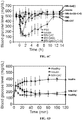
- the mice were divided into six groups: 1) treatment with CAT-NG shelled MN array patch of GOx-NG and insulin-NBC loaded gels (MN-CAT); 2) treatment with subcutaneous injection of human recombinant insulin; 3) treatment with MN array patch of GOx-NG and insulin-NBC loaded gels (MN-Gel(G+I)) without shell; 4) treatment with only microneedle array patch loaded blank gel (MN-Gel); 5) treatment with an MN array patch of insulin-NBC loaded gels (MN-Gel(I)); 6) group treated by MN array patch of GOx and insulin and CAT-NG loaded gels (MN-Gel(G+C+I)).
- the insulin dosage was set as 50 mg/kg for all MN based insulin treatments. Staining by trypan blue indicated successful penetration of MNs in excised skin ( Figure 4a, b ).[26] In addition, the temporal microchannels on the skin caused by MNs recovered quickly within two hours post-treatment ( Figure 15 , Supporting Information).
- BGLs of the mice were monitored over time following administration.
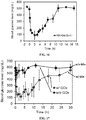
- a rapid decrease of BGLs of mice treated by MN-Gel(G+I) ( Figure 16 ) and MN-CAT ( Figure 4c ) was observed in 30 min post-administration, and BGLs then slowly decreased to around 100 mg/dL and maintained near 200 mg/dL for almost six hours, much longer than subcutaneously injected insulin ( Figure 4c ).
- Intraperitoneal glucose tolerance tests were further carried out one-hour post-administration of MNs or insulin.
- a spike in BGLs was observed for all groups after the IPGTT ( Figure 4d ).
- MN-CAT could restore blood glucose levels to a normoglycemic level within a short period of time, and the mice treated with MG-CAT showed significantly enhanced glucose tolerance to the glucose challenge ( Figure 4e ).
- the BGLs of healthy mice treated with MN array patch were observed.
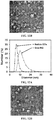
- mice treated with both CAT-MN and MN-Gel(G+C+I) were comparable to that of skin treated with blank MN, but significantly thinner than they were for mice treated with MN-Gel(G+I) ( Figure 5b ).
- the skin tissue stained with the in situ TUNEL assay clearly demonstrated the cell apoptosis in the skin sample treated with MN-Gel(G+I), whereas negligible cell death was observed in the skin tissue treated with CAT-loaded or coated MNs ( Figure 5c ).
- a core-shell gelated MN-array patch for glucose-responsive smart insulin delivery is disclosed.
- the MN-Gels were prepared via "solution-gelation" method involving layer-by-layer deposition of diluted solution.
- This crosslinked gel could rapidly release insulin when triggered by GOx-generated H 2 O 2 in hyperglycemic conditions. Elevated local levels of H 2 O 2 promotes both detachment of insulin from the gel matrix and degradation of matrix itself, which contributes to the effective glucose responsiveness.
- the MN-CAT was highly effective in regulating BGLs and maintaining normoglycemia, while avoiding the critical risk of hypoglycemia.
- utilization of CAT coating shows promise to significantly eliminate the inflammation caused by the generated H 2 O 2 .
- This bio-responsive core-shell MN array patch offers a broad platform for transdermal drug delivery with a physiological factor-controlled manner and enhanced biocompatibility.
- TMPA N,N,N',N'-tetramethyl-1,3-propanediamine
- PVA 4-nitrobenzoyl chloride, triethylamine, PVA (89-98KDa, 99% hydrolysis)
- TMPA 4-nitrobenzoyl chloride
- PVA 4-nitrophenyl-(4,4,5,5-tetramethyl-1,3,2-dioxaborolan-2-yl)benzyl carbonate
- NBC 4-nitrophenyl-(4,4,5,5-tetramethyl-1,3,2-dioxaborolan-2-yl)benzyl carbonate
- TSPBA was synthesized from TMPA and 4-(Bromomethyl) phenylboronic acid.
- PVA methacrylate was synthesized from the esterification reaction between PVA and methacrylic anhydride.
- Insulin-NBC was synthesized from insulin and NBC in a mixed solvent of DMSO and NaHCO3 aqueous solution.
- TSPBA 4-(Bromomethyl) phenylboronic acid (1 g, 4.6 mmol) and N, N, N', N'-tetramethyl-1,3-propanediamine (0.2 g, 1.5 mmol) were mixed in DMF (40 mL) and stirred at 60 oC for 24 h. The mixture was poured into THF (100 mL), filtrated, and washed by THF (3 ⁇ 20 mL). After dried under vacuum overnight, pure TSPBA (0.6 g, yield 70%) was obtained.
- Rhodamine B or FITC labeled insulin or CAT Rhodamine B or FITC labeled insulin or CAT.
- Rhodamine B isothiocyanate 0.5 mg
- insulin (20 mg) dissolved in NaHCO3 (10 mM, 1 mL).
- the mixture was stirred overnight and dialysis against DI H2O (3 ⁇ 2 L).
- the result solution was lyophilized to obtain rhodamine B labeled insulin.
- Other fluorescence labeled proteins were obtained with the same methods.
- the fluorescently labeled insulin or CAT were used in the same way as the one not labeled and the fluorescence images were taken on a fluorescence microscopy (Olympus, IX71).
- Insulin release from PVA methacrylate gel Insulin or insulin-NBC was dissolved in H2O containing PVA methacrylate, and photo initiator (Irgacure 2959; 5% wt/vol) was added. This solution was assigned to three tubes, and exposed to UV light (360 nm) for 30 s for gelation. After the 30 s gelation, another 1 mL PBS and predetermined amount of H 2 O 2 was added. At predetermined time intervals, solution (10 ⁇ L each tube) was withdrawn and stained with Coomassie blue (200 ⁇ L). The absorbance at 595 nm was detected on an Infinite 200 PRO multimode plate reader (TecanGroup Ltd.). The insulin content was calibrated by a standard curve.
- GOx-NG release from PVA methacrylate gel Native GOx or GOx-NG was dissolved in H2O containing PVA methacrylate, and initiator (Irgacure 2959; 5% wt/vol) was added. This solution was assigned to one of three tubes, and exposed to UV light (360 nm) for 30 s. Then, another 1 mL PBS was added. At predetermined time intervals, solution (10 ⁇ L each tube) was withdrawn, and added to Coomassie blue (200 ⁇ L). The absorbance at 595 nm was detected on an Infinite 200 PRO multimode plate reader (TecanGroup Ltd.). The GOx concentration was calibrated by a standard curve.
- H 2 O 2 generation rate assay in glucose solution in the presence of GOx was determined using a fluorometric hydrogen peroxide assay kit according to the manufacturer's protocol (Sigma-Aldrich). Glucose solutions (100 or 400 mg/dL) containing GOx (0.2 mg/mL) were incubated at 37 °C. Samples (10 ⁇ L each tube) were withdrawn and diluted at timed intervals and the fluorescence intensity was detected.
- PVA-TSPBA gel was prepared by mixing PVA and TSPBA together. PVA (10 wt% in H2O, 100 ⁇ L) and insulin-NBC (10 wt% in H2O, 30 ⁇ L) were mixed first, followed by the addition of TSPBA (10 wt% in H2O, 30 ⁇ L) to fabricate a tough gel. During in vitro insulin release experiment, this gel was cut into pieces and incubated under different conditions.
- Insulin-NBC loaded PVA-TSPBA gels were equally divided to centrifuge tubes containing 1 mL 10 mM PBS at pH 7.4. Various amounts of glucose (0, 100 or 400 mg/dL final concentration) and GOx (0.2 mg/mL) were added to the solution. At predetermined time intervals, solution (10 ⁇ L each tube) was withdrawn, stained with Coomassie blue (200 ⁇ L) and the absorbance at 595 nm was detected on an Infinite 200 PRO multimode plate reader (Tecan Group Ltd.). The insulin concentration was calibrated by a standard curve.
- microneedle array patch (with MN-CAT as an example). All of the MNs in this study were fabricated using five uniform silicone molds from Blueacre Technology Ltd. Each MN had a round base of 300 ⁇ m in diameter, which tapers over a height of 600 ⁇ m to a tip radius of around 5 ⁇ m. The MNs were arranged in a 20 ⁇ 20 array with 600 ⁇ m tip-tip spacing. First, diluted aqueous solutions of PVA (3.5 wt% in H2O, 450 ⁇ L), TSPBA (3.5 wt% in H2O, 150 ⁇ L) and CAT-NG (1 mg in 400 ⁇ L H2O) were prepared and mixed together.
- PVA 3.5 wt% in H2O, 450 ⁇ L
- TSPBA 3.5 wt% in H2O, 150 ⁇ L
- CAT-NG (1 mg in 400 ⁇ L H2O
- the MN arrays were carefully separated from the silicone mold and the MNs underwent cross-linking polymerization via UV irradiation (wavelength of 365 nm) for a short period.
- the morphology of the MNs was characterized on an FEI Verios 460L field-emission scanning electron microscope.
- the mechanical strength test The mechanical strength of microneedles with a stress-strain gauge was determined by pressing a stainless steel plate against microneedles on an MTS 30G tensile testing machine. The initial gauge was 2.00 mm between the tips of microneedle and the plate, with 10.00 N as the load cell capacity. The speed of the plate approaching microneedles was set as 0.1 mm/s. The failure force of microneedles was recorded as the force at which the needle began to buckle.
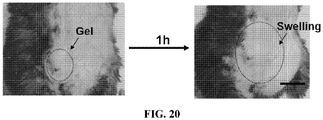
- mice treated with insulin-NBC loaded gels PVA (10 wt% in H2O), insulin-NBC (50 ⁇ g in 10 ⁇ L H2O) and GOx-NG ((3 ⁇ g in 5 ⁇ L H2O), TSPBA (10 wt% in H2O) were consecutively injected subcutaneously to form the gel in situ.
Landscapes
- Health & Medical Sciences (AREA)
- Life Sciences & Earth Sciences (AREA)
- Chemical & Material Sciences (AREA)
- General Health & Medical Sciences (AREA)
- Animal Behavior & Ethology (AREA)
- Public Health (AREA)
- Veterinary Medicine (AREA)
- Engineering & Computer Science (AREA)
- Medicinal Chemistry (AREA)
- Pharmacology & Pharmacy (AREA)
- Epidemiology (AREA)
- Bioinformatics & Cheminformatics (AREA)
- Diabetes (AREA)
- Dermatology (AREA)
- Organic Chemistry (AREA)
- Proteomics, Peptides & Aminoacids (AREA)
- Gastroenterology & Hepatology (AREA)
- Immunology (AREA)
- Endocrinology (AREA)
- Zoology (AREA)
- Hematology (AREA)
- Molecular Biology (AREA)
- Chemical Kinetics & Catalysis (AREA)
- General Chemical & Material Sciences (AREA)
- Nuclear Medicine, Radiotherapy & Molecular Imaging (AREA)
- Obesity (AREA)
- Emergency Medicine (AREA)
- Wood Science & Technology (AREA)
- Biochemistry (AREA)
- General Engineering & Computer Science (AREA)
- Genetics & Genomics (AREA)
- Anesthesiology (AREA)
- Biomedical Technology (AREA)
- Heart & Thoracic Surgery (AREA)
- Medical Informatics (AREA)
- Medicines That Contain Protein Lipid Enzymes And Other Medicines (AREA)
- Medicinal Preparation (AREA)
- Media Introduction/Drainage Providing Device (AREA)
Claims (15)
- Mikronadelpflaster, umfassend:mehrere Mikronadeln, die jeweils ein Basisende und eine Spitze aufweisen; undein Substrat, an dem die Basisenden der Mikronadeln befestigt sind;wobei die Mikronadeln umfassen:
eine Hülle, umfassend:ein erstes Poly(vinylalkohol) (PVA)-Polymer, das mit einem ersten peroxidempfindlichen Linker vernetzt ist; undein Peroxid einfangendes Enzym, das in einem ersten Nanogel eingekapselt ist, wobei das erste Nanogel in das erste PVA-Polymer eingebettet ist;
undeinen Kern, umfassend:ein zweites Poly(vinylalkohol) (PVA)-Polymer, das mit einem zweiten peroxidempfindlichen Linker vernetzt ist;ein auf Glucose reagierendes Mittel, das in einem zweiten Nanogel eingekapselt ist, wobei das zweite Nanogel in das zweite PVA-Polymer eingebettet ist; undein therapeutisches Mittel, wobei das therapeutische Mittel mit einem dritten peroxidempfindlichen Linker kovalent an das zweite PVA-Polymer gebunden ist. - Mikronadelpflaster nach Anspruch 1, wobei der erste peroxidempfindliche Linker einen Borester umfasst.
- Mikronadelpflaster nach Anspruch 1 oder 2, wobei der erste peroxidempfindliche Linker N1-(4-Boronobenzyl-N3-(4-boronophenyl)-N1,N1,N3,N3-Tetramethylpropan-1,3-diaminium (TSPBA) ist.
- Mikronadelpflaster nach einem der Ansprüche 1 bis 3, wobei der zweite peroxidempfindliche Linker N1-(4-Boronobenzyl)-N3-(4-boronophenyl)-N1,N1,N3,N3-Tetramethylpropan-1,3-diaminium (TSPBA) ist.
- Mikronadelpflaster nach einem der Ansprüche 1 bis 4, wobei der dritte peroxidempfindliche Linker 4-Nitrophenyl-(4,4,5,5-tetramethyl-1,3,2-dioxaborolan-2-yl)benzylcarbonat (NBC) ist.
- Mikronadelpflaster nach einem der Ansprüche 1 bis 5, wobei das auf Glucose ansprechende Mittel aus Glucoseoxidase besteht.
- Mikronadelpflaster nach einem der Ansprüche 1 bis 6, wobei das Peroxid-Fängerenzym Katalase ist.
- Mikronadelpflaster von einem der Ansprüche 1 bis 7, wobei das therapeutische Mittel Insulin ist.
- Mikronadelpflaster nach einem der Ansprüche 1 bis 8 zur Verwendung in einem Verfahren zur Abgabe eines therapeutischen Mittels an einen Patienten, wobei in dem Verfahren das Mikronadelpflaster dem Patienten verabreicht wird und das therapeutische Mittel aus dem Mikronadelpflaster bei Vorhandensein von hyperglykämischen Glukosespiegeln freigesetzt wird.
- Mikronadelpflaster zur Verwendung nach Anspruch 9, wobei das Subjekt Diabetes hat.
- Mikronadelpflaster zur Verwendung nach Anspruch 9 oder Anspruch 10, wobei das auf Glukose ansprechende Mittel ein Peroxid produziert, wenn es hyperglykämischen Glukosespiegeln ausgesetzt wird.
- Mikronadelpflaster zur Verwendung nach einem der Ansprüche 9 bis 11, wobei das Verfahren ferner das Ablösen des zweiten peroxidempfindlichen Linkers vom zweiten PVA-Polymer bei einem Aussetzen gegenüber dem Peroxid umfasst.
- Mikronadelpflaster zur Verwendung nach einem der Ansprüche 9 bis 12, wobei das Verfahren ferner das Ablösen des dritten Peroxid-Sensibilitäts-Linkers von dem zweiten PVA-Polymer bei einem Aussetzen gegenüber dem Peroxid umfasst.
- Mikronadelpflaster zur Verwendung nach Anspruch 13, wobei das Ablösen des dritten peroxidempfindlichen Linkers vom zweiten PVA-Polymer das therapeutische Mittel aus dem Mikronadelpflaster freisetzt.
- Mikronadelpflaster zur Verwendung nach einem der Ansprüche 9 bis 14, wobei das Verfahren ferner das Verringern der Blutzuckerspiegel umfasst.
Priority Applications (1)
| Application Number | Priority Date | Filing Date | Title |
|---|---|---|---|
| EP20205415.1A EP3799865B1 (de) | 2016-12-05 | 2017-12-05 | Kern-schale-mikronadelvorrichtungen und verwendungen davon |
Applications Claiming Priority (2)
| Application Number | Priority Date | Filing Date | Title |
|---|---|---|---|
| US201662430260P | 2016-12-05 | 2016-12-05 | |
| PCT/US2017/064723 WO2018106696A1 (en) | 2016-12-05 | 2017-12-05 | Core-shell microneedle devices and uses thereof |
Related Child Applications (2)
| Application Number | Title | Priority Date | Filing Date |
|---|---|---|---|
| EP20205415.1A Division EP3799865B1 (de) | 2016-12-05 | 2017-12-05 | Kern-schale-mikronadelvorrichtungen und verwendungen davon |
| EP20205415.1A Division-Into EP3799865B1 (de) | 2016-12-05 | 2017-12-05 | Kern-schale-mikronadelvorrichtungen und verwendungen davon |
Publications (3)
| Publication Number | Publication Date |
|---|---|
| EP3548135A1 EP3548135A1 (de) | 2019-10-09 |
| EP3548135A4 EP3548135A4 (de) | 2020-07-29 |
| EP3548135B1 true EP3548135B1 (de) | 2021-10-13 |
Family
ID=62491316
Family Applications (2)
| Application Number | Title | Priority Date | Filing Date |
|---|---|---|---|
| EP20205415.1A Not-in-force EP3799865B1 (de) | 2016-12-05 | 2017-12-05 | Kern-schale-mikronadelvorrichtungen und verwendungen davon |
| EP17879565.4A Not-in-force EP3548135B1 (de) | 2016-12-05 | 2017-12-05 | Kern-schale-mikronadelvorrichtungen und verwendungen davon |
Family Applications Before (1)
| Application Number | Title | Priority Date | Filing Date |
|---|---|---|---|
| EP20205415.1A Not-in-force EP3799865B1 (de) | 2016-12-05 | 2017-12-05 | Kern-schale-mikronadelvorrichtungen und verwendungen davon |
Country Status (7)
| Country | Link |
|---|---|
| US (2) | US11697007B2 (de) |
| EP (2) | EP3799865B1 (de) |
| JP (1) | JP7232526B2 (de) |
| CN (1) | CN110167624B (de) |
| CA (1) | CA3045882A1 (de) |
| DK (1) | DK3548135T3 (de) |
| WO (1) | WO2018106696A1 (de) |
Families Citing this family (20)
| Publication number | Priority date | Publication date | Assignee | Title |
|---|---|---|---|---|
| EP3799865B1 (de) * | 2016-12-05 | 2022-06-15 | North Carolina State University | Kern-schale-mikronadelvorrichtungen und verwendungen davon |
| US12109032B1 (en) | 2017-03-11 | 2024-10-08 | Biolinq Incorporated | Methods for achieving an isolated electrical interface between an anterior surface of a microneedle structure and a posterior surface of a support structure |
| US12599337B1 (en) | 2017-08-08 | 2026-04-14 | Biolinq Incorporated | Method and system for confirmation of microneedle-based analyte-selective sensor insertion into viable tissue via electrical interrogation |
| WO2019143293A1 (en) * | 2018-01-16 | 2019-07-25 | Nanyang Technological University | Self-implantable micro-drug-reservoirs for localized and controlled ocular drug delivery |
| WO2019161272A1 (en) | 2018-02-15 | 2019-08-22 | North Carolina State University | Synthesis of micron and nanoscale carbon spheres and structures using hydrothemal carbonization |
| CN112203664A (zh) * | 2018-04-13 | 2021-01-08 | 北卡罗来纳州立大学 | 用于寻常性痤疮治疗的ros响应性微针贴剂 |
| JP2021533934A (ja) | 2018-08-24 | 2021-12-09 | ノース カロライナ ステート ユニバーシティNorth Carolina State University | 閉ループインスリン送達用のグルコース応答性マトリックスを備えたマイクロニードルアレイパッチ |
| WO2020041694A1 (en) * | 2018-08-24 | 2020-02-27 | North Carolina State University | Stem cell microneedle patch for treating heart diseases |
| JP7540999B2 (ja) * | 2018-09-20 | 2024-08-27 | シンガポール ヘルス サービシーズ ピーティーイー リミテッド | 活性剤送達用導電性マイクロニードルパッチおよびその製造方法 |
| CN109675185A (zh) * | 2019-01-02 | 2019-04-26 | 浙江大学 | 一种苯硼酸水凝胶基糖敏微针贴及其制备方法 |
| JP2021153914A (ja) * | 2020-03-27 | 2021-10-07 | 国立大学法人 東京医科歯科大学 | 薬剤送達デバイスおよびその製造方法 |
| BR112022022039A2 (pt) | 2020-04-28 | 2022-12-13 | Ticona Llc | Conjunto de microagulhas |
| KR102740788B1 (ko) * | 2020-07-02 | 2024-12-09 | 연세대학교 산학협력단 | 멀티 레이어 마이크로니들 구조체 및 이의 제조 방법 |
| CA3163460A1 (en) | 2020-07-29 | 2022-02-03 | Joshua Ray Windmiller | Continuous analyte monitoring system with microneedle array |
| CN118001218B (zh) * | 2022-11-08 | 2026-03-06 | 沈阳药科大学 | 一种血糖响应型释药可视化长效微针及其制备方法 |
| CN115998850A (zh) * | 2022-12-26 | 2023-04-25 | 中山大学 | 一种尿酸响应性水凝胶微针及其制备方法 |
| EP4658168A2 (de) | 2023-02-02 | 2025-12-10 | Biolinq, Inc. | Verfahren zur verbesserten sensorempfindlichkeit eines kontinuierlichen analytüberwachungssystems auf mikronadelbasis |
| EP4661842A2 (de) * | 2023-02-10 | 2025-12-17 | ALJ Creative Works, LLC | Programmierbares mikronadelsystem für wirkstoffvorrichtungen zur behandlung von diabetes, adipositas und zugehörigen erkrankungen |
| CN117088903B (zh) * | 2023-08-15 | 2026-03-17 | 河南师范大学 | 苯硼酸基两性离子表面活性剂的制备方法及其合成pH响应二聚体分子的应用 |
| CN117159443B (zh) * | 2023-10-19 | 2024-04-19 | 暨南大学 | 原位超分子凝胶微针贴片及其制备方法和应用 |
Family Cites Families (14)
| Publication number | Priority date | Publication date | Assignee | Title |
|---|---|---|---|---|
| CA2500453A1 (en) * | 2001-09-28 | 2003-04-03 | Biovalve Technologies, Inc. | Microneedle with membrane |
| EP1453860A2 (de) * | 2001-12-02 | 2004-09-08 | Novo Nordisk A/S | Neue glukoseabhängige insuline |
| US9549746B2 (en) | 2007-09-28 | 2017-01-24 | The Queen's University Of Belfast | Delivery device and method |
| US20090175840A1 (en) * | 2008-01-04 | 2009-07-09 | Biodel, Inc. | Insulin formulations for insulin release as a function of tissue glucose levels |
| AU2008363648B9 (en) | 2008-10-31 | 2013-08-22 | Tremrx, Inc. | Vaccination with poxvirus vectors via mechanical epidermal disruption |
| CA2902762A1 (en) * | 2012-02-17 | 2013-08-22 | Massachusetts Institute Of Technology | Glucose-responsive microgels for closed loop insulin delivery |
| WO2014113679A1 (en) * | 2013-01-18 | 2014-07-24 | The University Of North Carolina At Chapel Hill | High-throughput manufacturing of microneedles |
| US20160067190A1 (en) * | 2013-04-30 | 2016-03-10 | The Children's Medical Center Corporation | Injectable nano-network gels for diabetes treatment |
| US10987039B2 (en) * | 2014-12-03 | 2021-04-27 | Stmicroelectronics S.R.L. | Microneedle array device and method of making |
| RU2719584C2 (ru) * | 2015-04-21 | 2020-04-21 | Норт Каролина Стейт Юниверсити | Глюкозочувствительная система доставки инсулина с использованием чувствительных к гипоксии нанокомпозитов |
| WO2016172554A1 (en) | 2015-04-23 | 2016-10-27 | Carnegie Mellon University | Biosensor tattoos and uses therefor for biomarker monitoring |
| WO2018085809A1 (en) * | 2016-11-07 | 2018-05-11 | North Carolina State University | Patch loaded with dual-sensitive vesicles for enhanced glucose-responsive insulin delivery |
| CN110198730B (zh) * | 2016-12-05 | 2023-10-03 | 北卡罗莱纳州立大学 | H2o2响应性纳米粒子及其用途 |
| EP3799865B1 (de) * | 2016-12-05 | 2022-06-15 | North Carolina State University | Kern-schale-mikronadelvorrichtungen und verwendungen davon |
-
2017
- 2017-12-05 EP EP20205415.1A patent/EP3799865B1/de not_active Not-in-force
- 2017-12-05 WO PCT/US2017/064723 patent/WO2018106696A1/en not_active Ceased
- 2017-12-05 EP EP17879565.4A patent/EP3548135B1/de not_active Not-in-force
- 2017-12-05 CA CA3045882A patent/CA3045882A1/en not_active Abandoned
- 2017-12-05 CN CN201780081305.1A patent/CN110167624B/zh not_active Expired - Fee Related
- 2017-12-05 JP JP2019529985A patent/JP7232526B2/ja active Active
- 2017-12-05 US US16/466,775 patent/US11697007B2/en active Active
- 2017-12-05 DK DK17879565.4T patent/DK3548135T3/da active
-
2023
- 2023-05-23 US US18/321,936 patent/US20230364402A1/en active Pending
Also Published As
| Publication number | Publication date |
|---|---|
| CA3045882A1 (en) | 2018-06-14 |
| JP7232526B2 (ja) | 2023-03-03 |
| EP3548135A4 (de) | 2020-07-29 |
| US11697007B2 (en) | 2023-07-11 |
| EP3799865A1 (de) | 2021-04-07 |
| JP2020512283A (ja) | 2020-04-23 |
| CN110167624A (zh) | 2019-08-23 |
| DK3548135T3 (da) | 2021-11-22 |
| EP3799865B1 (de) | 2022-06-15 |
| WO2018106696A1 (en) | 2018-06-14 |
| US20190351206A1 (en) | 2019-11-21 |
| US20230364402A1 (en) | 2023-11-16 |
| EP3548135A1 (de) | 2019-10-09 |
| CN110167624B (zh) | 2021-11-19 |
Similar Documents
| Publication | Publication Date | Title |
|---|---|---|
| US20230364402A1 (en) | Core-shell microneedle devices and uses thereof | |
| Guo et al. | Responsive hydrogel-based microneedle dressing for diabetic wound healing | |
| Yu et al. | Polymer microneedles fabricated from alginate and hyaluronate for transdermal delivery of insulin | |
| Chen et al. | Poly-γ-glutamic acid microneedles with a supporting structure design as a potential tool for transdermal delivery of insulin | |
| Hu et al. | H2O2-responsive vesicles integrated with transcutaneous patches for glucose-mediated insulin delivery | |
| Hsu et al. | On-skin glucose-biosensing and on-demand insulin-zinc hexamers delivery using microneedles for syringe-free diabetes management | |
| Xie et al. | Enhanced in vitro efficacy for inhibiting hypertrophic scar by bleomycin-loaded dissolving hyaluronic acid microneedles | |
| Xue et al. | Flexible PEGDA-based microneedle patches with detachable PVP–CD arrowheads for transdermal drug delivery | |
| US11351230B2 (en) | Patch loaded with dual-sensitive vesicles for enhanced glucose-responsive insulin delivery | |
| US20230381096A1 (en) | Core-shell microneedle patch for h2o2 and ph cascade-triggered insulin delivery | |
| Zong et al. | Glucose-responsive insulin microneedle patch based on phenylboronic acid for 1 diabetes treatment | |
| US11331277B2 (en) | H2O2-responsive nanoparticles and uses thereof | |
| Sánchez-Trasviña et al. | Transdermal microneedle patches as a promising drug delivery system for anti-obesogenic molecules | |
| US12161749B2 (en) | Microneedle-array patches with glucose-responsive matrix for closed-loop insulin delivery | |
| Lin et al. | A pH-responsive microneedle patch for the transdermal delivery of biomineralized insulin nanoparticles to diabetes treatment | |
| CN115317437B (zh) | 一种基于胆红素纳米材料的胰岛素递送微针及其制备方法 | |
| Class et al. | Patent application title: CORE-SHELL MICRONEEDLE DEVICES AND USES THEREOF | |
| Bishnoi et al. | Chitosan-Enhanced Polymeric Microneedles: Innovations and Prospects in Drug Delivery—A Review | |
| Qian et al. | H2O2-Responsive Vesicles Integrated with Transcutaneous Patches for Glucose-Mediated Insulin Delivery | |
| Zhang | Bioresponsive Drug Delivery by Microneedle Patches | |
| Bhatnagar et al. | for Drug and Vaccine Delivery | |
| HK40033876A (en) | Core-shell microneedle patch for h2o2 and ph cascade-triggered insulin delivery |
Legal Events
| Date | Code | Title | Description |
|---|---|---|---|
| STAA | Information on the status of an ep patent application or granted ep patent |
Free format text: STATUS: THE INTERNATIONAL PUBLICATION HAS BEEN MADE |
|
| PUAI | Public reference made under article 153(3) epc to a published international application that has entered the european phase |
Free format text: ORIGINAL CODE: 0009012 |
|
| STAA | Information on the status of an ep patent application or granted ep patent |
Free format text: STATUS: REQUEST FOR EXAMINATION WAS MADE |
|
| 17P | Request for examination filed |
Effective date: 20190604 |
|
| AK | Designated contracting states |
Kind code of ref document: A1 Designated state(s): AL AT BE BG CH CY CZ DE DK EE ES FI FR GB GR HR HU IE IS IT LI LT LU LV MC MK MT NL NO PL PT RO RS SE SI SK SM TR |
|
| AX | Request for extension of the european patent |
Extension state: BA ME |
|
| DAV | Request for validation of the european patent (deleted) | ||
| DAX | Request for extension of the european patent (deleted) | ||
| REG | Reference to a national code |
Ref country code: DE Ref legal event code: R079 Ref document number: 602017047731 Country of ref document: DE Free format text: PREVIOUS MAIN CLASS: A61M0037000000 Ipc: A61K0009700000 |
|
| A4 | Supplementary search report drawn up and despatched |
Effective date: 20200625 |
|
| RIC1 | Information provided on ipc code assigned before grant |
Ipc: A61M 37/00 20060101ALI20200619BHEP Ipc: A61K 47/54 20170101ALI20200619BHEP Ipc: A61P 3/10 20060101ALI20200619BHEP Ipc: A61K 9/70 20060101AFI20200619BHEP Ipc: A61K 38/28 20060101ALI20200619BHEP Ipc: A61K 47/42 20170101ALI20200619BHEP |
|
| GRAP | Despatch of communication of intention to grant a patent |
Free format text: ORIGINAL CODE: EPIDOSNIGR1 |
|
| STAA | Information on the status of an ep patent application or granted ep patent |
Free format text: STATUS: GRANT OF PATENT IS INTENDED |
|
| INTG | Intention to grant announced |
Effective date: 20210512 |
|
| RIN1 | Information on inventor provided before grant (corrected) |
Inventor name: YE, YANQI Inventor name: WANG, JINQIANG Inventor name: GU, ZHEN |
|
| GRAS | Grant fee paid |
Free format text: ORIGINAL CODE: EPIDOSNIGR3 |
|
| GRAA | (expected) grant |
Free format text: ORIGINAL CODE: 0009210 |
|
| STAA | Information on the status of an ep patent application or granted ep patent |
Free format text: STATUS: THE PATENT HAS BEEN GRANTED |
|
| AK | Designated contracting states |
Kind code of ref document: B1 Designated state(s): AL AT BE BG CH CY CZ DE DK EE ES FI FR GB GR HR HU IE IS IT LI LT LU LV MC MK MT NL NO PL PT RO RS SE SI SK SM TR |
|
| REG | Reference to a national code |
Ref country code: GB Ref legal event code: FG4D |
|
| RIN1 | Information on inventor provided before grant (corrected) |
Inventor name: YE, YANQI Inventor name: WANG, JINQIANG Inventor name: GU, ZHEN |
|
| REG | Reference to a national code |
Ref country code: CH Ref legal event code: EP |
|
| REG | Reference to a national code |
Ref country code: DE Ref legal event code: R096 Ref document number: 602017047731 Country of ref document: DE |
|
| REG | Reference to a national code |
Ref country code: IE Ref legal event code: FG4D |
|
| REG | Reference to a national code |
Ref country code: AT Ref legal event code: REF Ref document number: 1437636 Country of ref document: AT Kind code of ref document: T Effective date: 20211115 |
|
| REG | Reference to a national code |
Ref country code: DK Ref legal event code: T3 Effective date: 20211116 |
|
| REG | Reference to a national code |
Ref country code: LT Ref legal event code: MG9D |
|
| REG | Reference to a national code |
Ref country code: NL Ref legal event code: MP Effective date: 20211013 |
|
| REG | Reference to a national code |
Ref country code: AT Ref legal event code: MK05 Ref document number: 1437636 Country of ref document: AT Kind code of ref document: T Effective date: 20211013 |
|
| PG25 | Lapsed in a contracting state [announced via postgrant information from national office to epo] |
Ref country code: RS Free format text: LAPSE BECAUSE OF FAILURE TO SUBMIT A TRANSLATION OF THE DESCRIPTION OR TO PAY THE FEE WITHIN THE PRESCRIBED TIME-LIMIT Effective date: 20211013 Ref country code: LT Free format text: LAPSE BECAUSE OF FAILURE TO SUBMIT A TRANSLATION OF THE DESCRIPTION OR TO PAY THE FEE WITHIN THE PRESCRIBED TIME-LIMIT Effective date: 20211013 Ref country code: FI Free format text: LAPSE BECAUSE OF FAILURE TO SUBMIT A TRANSLATION OF THE DESCRIPTION OR TO PAY THE FEE WITHIN THE PRESCRIBED TIME-LIMIT Effective date: 20211013 Ref country code: BG Free format text: LAPSE BECAUSE OF FAILURE TO SUBMIT A TRANSLATION OF THE DESCRIPTION OR TO PAY THE FEE WITHIN THE PRESCRIBED TIME-LIMIT Effective date: 20220113 Ref country code: AT Free format text: LAPSE BECAUSE OF FAILURE TO SUBMIT A TRANSLATION OF THE DESCRIPTION OR TO PAY THE FEE WITHIN THE PRESCRIBED TIME-LIMIT Effective date: 20211013 |
|
| PG25 | Lapsed in a contracting state [announced via postgrant information from national office to epo] |
Ref country code: IS Free format text: LAPSE BECAUSE OF FAILURE TO SUBMIT A TRANSLATION OF THE DESCRIPTION OR TO PAY THE FEE WITHIN THE PRESCRIBED TIME-LIMIT Effective date: 20220213 Ref country code: SE Free format text: LAPSE BECAUSE OF FAILURE TO SUBMIT A TRANSLATION OF THE DESCRIPTION OR TO PAY THE FEE WITHIN THE PRESCRIBED TIME-LIMIT Effective date: 20211013 Ref country code: PT Free format text: LAPSE BECAUSE OF FAILURE TO SUBMIT A TRANSLATION OF THE DESCRIPTION OR TO PAY THE FEE WITHIN THE PRESCRIBED TIME-LIMIT Effective date: 20220214 Ref country code: PL Free format text: LAPSE BECAUSE OF FAILURE TO SUBMIT A TRANSLATION OF THE DESCRIPTION OR TO PAY THE FEE WITHIN THE PRESCRIBED TIME-LIMIT Effective date: 20211013 Ref country code: NO Free format text: LAPSE BECAUSE OF FAILURE TO SUBMIT A TRANSLATION OF THE DESCRIPTION OR TO PAY THE FEE WITHIN THE PRESCRIBED TIME-LIMIT Effective date: 20220113 Ref country code: NL Free format text: LAPSE BECAUSE OF FAILURE TO SUBMIT A TRANSLATION OF THE DESCRIPTION OR TO PAY THE FEE WITHIN THE PRESCRIBED TIME-LIMIT Effective date: 20211013 Ref country code: LV Free format text: LAPSE BECAUSE OF FAILURE TO SUBMIT A TRANSLATION OF THE DESCRIPTION OR TO PAY THE FEE WITHIN THE PRESCRIBED TIME-LIMIT Effective date: 20211013 Ref country code: HR Free format text: LAPSE BECAUSE OF FAILURE TO SUBMIT A TRANSLATION OF THE DESCRIPTION OR TO PAY THE FEE WITHIN THE PRESCRIBED TIME-LIMIT Effective date: 20211013 Ref country code: GR Free format text: LAPSE BECAUSE OF FAILURE TO SUBMIT A TRANSLATION OF THE DESCRIPTION OR TO PAY THE FEE WITHIN THE PRESCRIBED TIME-LIMIT Effective date: 20220114 Ref country code: ES Free format text: LAPSE BECAUSE OF FAILURE TO SUBMIT A TRANSLATION OF THE DESCRIPTION OR TO PAY THE FEE WITHIN THE PRESCRIBED TIME-LIMIT Effective date: 20211013 |
|
| REG | Reference to a national code |
Ref country code: DE Ref legal event code: R097 Ref document number: 602017047731 Country of ref document: DE |
|
| PG25 | Lapsed in a contracting state [announced via postgrant information from national office to epo] |
Ref country code: SM Free format text: LAPSE BECAUSE OF FAILURE TO SUBMIT A TRANSLATION OF THE DESCRIPTION OR TO PAY THE FEE WITHIN THE PRESCRIBED TIME-LIMIT Effective date: 20211013 Ref country code: SK Free format text: LAPSE BECAUSE OF FAILURE TO SUBMIT A TRANSLATION OF THE DESCRIPTION OR TO PAY THE FEE WITHIN THE PRESCRIBED TIME-LIMIT Effective date: 20211013 Ref country code: RO Free format text: LAPSE BECAUSE OF FAILURE TO SUBMIT A TRANSLATION OF THE DESCRIPTION OR TO PAY THE FEE WITHIN THE PRESCRIBED TIME-LIMIT Effective date: 20211013 Ref country code: MC Free format text: LAPSE BECAUSE OF FAILURE TO SUBMIT A TRANSLATION OF THE DESCRIPTION OR TO PAY THE FEE WITHIN THE PRESCRIBED TIME-LIMIT Effective date: 20211013 Ref country code: EE Free format text: LAPSE BECAUSE OF FAILURE TO SUBMIT A TRANSLATION OF THE DESCRIPTION OR TO PAY THE FEE WITHIN THE PRESCRIBED TIME-LIMIT Effective date: 20211013 Ref country code: CZ Free format text: LAPSE BECAUSE OF FAILURE TO SUBMIT A TRANSLATION OF THE DESCRIPTION OR TO PAY THE FEE WITHIN THE PRESCRIBED TIME-LIMIT Effective date: 20211013 |
|
| REG | Reference to a national code |
Ref country code: CH Ref legal event code: PL |
|
| PLBE | No opposition filed within time limit |
Free format text: ORIGINAL CODE: 0009261 |
|
| STAA | Information on the status of an ep patent application or granted ep patent |
Free format text: STATUS: NO OPPOSITION FILED WITHIN TIME LIMIT |
|
| 26N | No opposition filed |
Effective date: 20220714 |
|
| REG | Reference to a national code |
Ref country code: BE Ref legal event code: MM Effective date: 20211231 |
|
| PG25 | Lapsed in a contracting state [announced via postgrant information from national office to epo] |
Ref country code: LU Free format text: LAPSE BECAUSE OF NON-PAYMENT OF DUE FEES Effective date: 20211205 Ref country code: IE Free format text: LAPSE BECAUSE OF NON-PAYMENT OF DUE FEES Effective date: 20211205 Ref country code: AL Free format text: LAPSE BECAUSE OF FAILURE TO SUBMIT A TRANSLATION OF THE DESCRIPTION OR TO PAY THE FEE WITHIN THE PRESCRIBED TIME-LIMIT Effective date: 20211013 |
|
| PG25 | Lapsed in a contracting state [announced via postgrant information from national office to epo] |
Ref country code: SI Free format text: LAPSE BECAUSE OF FAILURE TO SUBMIT A TRANSLATION OF THE DESCRIPTION OR TO PAY THE FEE WITHIN THE PRESCRIBED TIME-LIMIT Effective date: 20211013 Ref country code: BE Free format text: LAPSE BECAUSE OF NON-PAYMENT OF DUE FEES Effective date: 20211231 |
|
| PG25 | Lapsed in a contracting state [announced via postgrant information from national office to epo] |
Ref country code: LI Free format text: LAPSE BECAUSE OF NON-PAYMENT OF DUE FEES Effective date: 20211231 Ref country code: CH Free format text: LAPSE BECAUSE OF NON-PAYMENT OF DUE FEES Effective date: 20211231 |
|
| PG25 | Lapsed in a contracting state [announced via postgrant information from national office to epo] |
Ref country code: IT Free format text: LAPSE BECAUSE OF FAILURE TO SUBMIT A TRANSLATION OF THE DESCRIPTION OR TO PAY THE FEE WITHIN THE PRESCRIBED TIME-LIMIT Effective date: 20211013 |
|
| PG25 | Lapsed in a contracting state [announced via postgrant information from national office to epo] |
Ref country code: CY Free format text: LAPSE BECAUSE OF FAILURE TO SUBMIT A TRANSLATION OF THE DESCRIPTION OR TO PAY THE FEE WITHIN THE PRESCRIBED TIME-LIMIT Effective date: 20211013 |
|
| P01 | Opt-out of the competence of the unified patent court (upc) registered |
Effective date: 20230526 |
|
| PG25 | Lapsed in a contracting state [announced via postgrant information from national office to epo] |
Ref country code: HU Free format text: LAPSE BECAUSE OF FAILURE TO SUBMIT A TRANSLATION OF THE DESCRIPTION OR TO PAY THE FEE WITHIN THE PRESCRIBED TIME-LIMIT; INVALID AB INITIO Effective date: 20171205 |
|
| PGFP | Annual fee paid to national office [announced via postgrant information from national office to epo] |
Ref country code: FR Payment date: 20230929 Year of fee payment: 7 |
|
| PGFP | Annual fee paid to national office [announced via postgrant information from national office to epo] |
Ref country code: GB Payment date: 20231012 Year of fee payment: 7 |
|
| PGFP | Annual fee paid to national office [announced via postgrant information from national office to epo] |
Ref country code: DK Payment date: 20231214 Year of fee payment: 7 Ref country code: DE Payment date: 20231010 Year of fee payment: 7 |
|
| PG25 | Lapsed in a contracting state [announced via postgrant information from national office to epo] |
Ref country code: MK Free format text: LAPSE BECAUSE OF FAILURE TO SUBMIT A TRANSLATION OF THE DESCRIPTION OR TO PAY THE FEE WITHIN THE PRESCRIBED TIME-LIMIT Effective date: 20211013 |
|
| PG25 | Lapsed in a contracting state [announced via postgrant information from national office to epo] |
Ref country code: MT Free format text: LAPSE BECAUSE OF FAILURE TO SUBMIT A TRANSLATION OF THE DESCRIPTION OR TO PAY THE FEE WITHIN THE PRESCRIBED TIME-LIMIT Effective date: 20211013 |
|
| REG | Reference to a national code |
Ref country code: DE Ref legal event code: R119 Ref document number: 602017047731 Country of ref document: DE |
|
| REG | Reference to a national code |
Ref country code: DK Ref legal event code: EBP Effective date: 20241231 |
|
| GBPC | Gb: european patent ceased through non-payment of renewal fee |
Effective date: 20241205 |
|
| PG25 | Lapsed in a contracting state [announced via postgrant information from national office to epo] |
Ref country code: DE Free format text: LAPSE BECAUSE OF NON-PAYMENT OF DUE FEES Effective date: 20250701 |
|
| PG25 | Lapsed in a contracting state [announced via postgrant information from national office to epo] |
Ref country code: GB Free format text: LAPSE BECAUSE OF NON-PAYMENT OF DUE FEES Effective date: 20241205 |
|
| PG25 | Lapsed in a contracting state [announced via postgrant information from national office to epo] |
Ref country code: FR Free format text: LAPSE BECAUSE OF NON-PAYMENT OF DUE FEES Effective date: 20241231 |
|
| PG25 | Lapsed in a contracting state [announced via postgrant information from national office to epo] |
Ref country code: TR Free format text: LAPSE BECAUSE OF FAILURE TO SUBMIT A TRANSLATION OF THE DESCRIPTION OR TO PAY THE FEE WITHIN THE PRESCRIBED TIME-LIMIT Effective date: 20211013 |
|
| PG25 | Lapsed in a contracting state [announced via postgrant information from national office to epo] |
Ref country code: DK Free format text: LAPSE BECAUSE OF NON-PAYMENT OF DUE FEES Effective date: 20241231 |