EP3549930B1 - Nouveau composé ester et inhibiteur de pin1, agent thérapeutique pour maladie inflammatoire et agent thérapeutique pour cancer du côlon dans lesquels ledit composé ester est utilisé - Google Patents
Nouveau composé ester et inhibiteur de pin1, agent thérapeutique pour maladie inflammatoire et agent thérapeutique pour cancer du côlon dans lesquels ledit composé ester est utilisé Download PDFInfo
- Publication number
- EP3549930B1 EP3549930B1 EP17875374.5A EP17875374A EP3549930B1 EP 3549930 B1 EP3549930 B1 EP 3549930B1 EP 17875374 A EP17875374 A EP 17875374A EP 3549930 B1 EP3549930 B1 EP 3549930B1
- Authority
- EP
- European Patent Office
- Prior art keywords
- substituent
- group optionally
- group
- mmol
- compound
- Prior art date
- Legal status (The legal status is an assumption and is not a legal conclusion. Google has not performed a legal analysis and makes no representation as to the accuracy of the status listed.)
- Active
Links
Images


Classifications
-
- C—CHEMISTRY; METALLURGY
- C07—ORGANIC CHEMISTRY
- C07C—ACYCLIC OR CARBOCYCLIC COMPOUNDS
- C07C65/00—Compounds having carboxyl groups bound to carbon atoms of six—membered aromatic rings and containing any of the groups OH, O—metal, —CHO, keto, ether, groups, groups, or groups
- C07C65/30—Compounds having carboxyl groups bound to carbon atoms of six—membered aromatic rings and containing any of the groups OH, O—metal, —CHO, keto, ether, groups, groups, or groups containing —CHO groups
-
- A—HUMAN NECESSITIES
- A61—MEDICAL OR VETERINARY SCIENCE; HYGIENE
- A61P—SPECIFIC THERAPEUTIC ACTIVITY OF CHEMICAL COMPOUNDS OR MEDICINAL PREPARATIONS
- A61P1/00—Drugs for disorders of the alimentary tract or the digestive system
-
- A—HUMAN NECESSITIES
- A61—MEDICAL OR VETERINARY SCIENCE; HYGIENE
- A61K—PREPARATIONS FOR MEDICAL, DENTAL OR TOILETRY PURPOSES
- A61K31/00—Medicinal preparations containing organic active ingredients
- A61K31/21—Esters, e.g. nitroglycerine, selenocyanates
- A61K31/215—Esters, e.g. nitroglycerine, selenocyanates of carboxylic acids
- A61K31/216—Esters, e.g. nitroglycerine, selenocyanates of carboxylic acids of acids having aromatic rings, e.g. benactizyne, clofibrate
-
- A—HUMAN NECESSITIES
- A61—MEDICAL OR VETERINARY SCIENCE; HYGIENE
- A61K—PREPARATIONS FOR MEDICAL, DENTAL OR TOILETRY PURPOSES
- A61K9/00—Medicinal preparations characterised by special physical form
- A61K9/0012—Galenical forms characterised by the site of application
- A61K9/0019—Injectable compositions; Intramuscular, intravenous, arterial, subcutaneous administration; Compositions to be administered through the skin in an invasive manner
-
- A—HUMAN NECESSITIES
- A61—MEDICAL OR VETERINARY SCIENCE; HYGIENE
- A61K—PREPARATIONS FOR MEDICAL, DENTAL OR TOILETRY PURPOSES
- A61K9/00—Medicinal preparations characterised by special physical form
- A61K9/0012—Galenical forms characterised by the site of application
- A61K9/0053—Mouth and digestive tract, i.e. intraoral and peroral administration
-
- A—HUMAN NECESSITIES
- A61—MEDICAL OR VETERINARY SCIENCE; HYGIENE
- A61P—SPECIFIC THERAPEUTIC ACTIVITY OF CHEMICAL COMPOUNDS OR MEDICINAL PREPARATIONS
- A61P1/00—Drugs for disorders of the alimentary tract or the digestive system
- A61P1/04—Drugs for disorders of the alimentary tract or the digestive system for ulcers, gastritis or reflux esophagitis, e.g. antacids, inhibitors of acid secretion, mucosal protectants
-
- A—HUMAN NECESSITIES
- A61—MEDICAL OR VETERINARY SCIENCE; HYGIENE
- A61P—SPECIFIC THERAPEUTIC ACTIVITY OF CHEMICAL COMPOUNDS OR MEDICINAL PREPARATIONS
- A61P1/00—Drugs for disorders of the alimentary tract or the digestive system
- A61P1/16—Drugs for disorders of the alimentary tract or the digestive system for liver or gallbladder disorders, e.g. hepatoprotective agents, cholagogues, litholytics
-
- A—HUMAN NECESSITIES
- A61—MEDICAL OR VETERINARY SCIENCE; HYGIENE
- A61P—SPECIFIC THERAPEUTIC ACTIVITY OF CHEMICAL COMPOUNDS OR MEDICINAL PREPARATIONS
- A61P35/00—Antineoplastic agents
-
- A—HUMAN NECESSITIES
- A61—MEDICAL OR VETERINARY SCIENCE; HYGIENE
- A61P—SPECIFIC THERAPEUTIC ACTIVITY OF CHEMICAL COMPOUNDS OR MEDICINAL PREPARATIONS
- A61P43/00—Drugs for specific purposes, not provided for in groups A61P1/00-A61P41/00
-
- C—CHEMISTRY; METALLURGY
- C07—ORGANIC CHEMISTRY
- C07C—ACYCLIC OR CARBOCYCLIC COMPOUNDS
- C07C229/00—Compounds containing amino and carboxyl groups bound to the same carbon skeleton
- C07C229/02—Compounds containing amino and carboxyl groups bound to the same carbon skeleton having amino and carboxyl groups bound to acyclic carbon atoms of the same carbon skeleton
- C07C229/04—Compounds containing amino and carboxyl groups bound to the same carbon skeleton having amino and carboxyl groups bound to acyclic carbon atoms of the same carbon skeleton the carbon skeleton being acyclic and saturated
- C07C229/06—Compounds containing amino and carboxyl groups bound to the same carbon skeleton having amino and carboxyl groups bound to acyclic carbon atoms of the same carbon skeleton the carbon skeleton being acyclic and saturated having only one amino and one carboxyl group bound to the carbon skeleton
- C07C229/10—Compounds containing amino and carboxyl groups bound to the same carbon skeleton having amino and carboxyl groups bound to acyclic carbon atoms of the same carbon skeleton the carbon skeleton being acyclic and saturated having only one amino and one carboxyl group bound to the carbon skeleton the nitrogen atom of the amino group being further bound to acyclic carbon atoms or to carbon atoms of rings other than six-membered aromatic rings
- C07C229/16—Compounds containing amino and carboxyl groups bound to the same carbon skeleton having amino and carboxyl groups bound to acyclic carbon atoms of the same carbon skeleton the carbon skeleton being acyclic and saturated having only one amino and one carboxyl group bound to the carbon skeleton the nitrogen atom of the amino group being further bound to acyclic carbon atoms or to carbon atoms of rings other than six-membered aromatic rings to carbon atoms of hydrocarbon radicals substituted by amino or carboxyl groups, e.g. ethylenediamine-tetra-acetic acid, iminodiacetic acids
-
- C—CHEMISTRY; METALLURGY
- C07—ORGANIC CHEMISTRY
- C07C—ACYCLIC OR CARBOCYCLIC COMPOUNDS
- C07C229/00—Compounds containing amino and carboxyl groups bound to the same carbon skeleton
- C07C229/52—Compounds containing amino and carboxyl groups bound to the same carbon skeleton having amino and carboxyl groups bound to carbon atoms of six-membered aromatic rings of the same carbon skeleton
- C07C229/54—Compounds containing amino and carboxyl groups bound to the same carbon skeleton having amino and carboxyl groups bound to carbon atoms of six-membered aromatic rings of the same carbon skeleton with amino and carboxyl groups bound to carbon atoms of the same non-condensed six-membered aromatic ring
- C07C229/56—Compounds containing amino and carboxyl groups bound to the same carbon skeleton having amino and carboxyl groups bound to carbon atoms of six-membered aromatic rings of the same carbon skeleton with amino and carboxyl groups bound to carbon atoms of the same non-condensed six-membered aromatic ring with amino and carboxyl groups bound in ortho-position
-
- C—CHEMISTRY; METALLURGY
- C07—ORGANIC CHEMISTRY
- C07C—ACYCLIC OR CARBOCYCLIC COMPOUNDS
- C07C229/00—Compounds containing amino and carboxyl groups bound to the same carbon skeleton
- C07C229/52—Compounds containing amino and carboxyl groups bound to the same carbon skeleton having amino and carboxyl groups bound to carbon atoms of six-membered aromatic rings of the same carbon skeleton
- C07C229/54—Compounds containing amino and carboxyl groups bound to the same carbon skeleton having amino and carboxyl groups bound to carbon atoms of six-membered aromatic rings of the same carbon skeleton with amino and carboxyl groups bound to carbon atoms of the same non-condensed six-membered aromatic ring
- C07C229/60—Compounds containing amino and carboxyl groups bound to the same carbon skeleton having amino and carboxyl groups bound to carbon atoms of six-membered aromatic rings of the same carbon skeleton with amino and carboxyl groups bound to carbon atoms of the same non-condensed six-membered aromatic ring with amino and carboxyl groups bound in meta- or para- positions
-
- C—CHEMISTRY; METALLURGY
- C07—ORGANIC CHEMISTRY
- C07C—ACYCLIC OR CARBOCYCLIC COMPOUNDS
- C07C271/00—Derivatives of carbamic acids, i.e. compounds containing any of the groups, the nitrogen atom not being part of nitro or nitroso groups
- C07C271/06—Esters of carbamic acids
- C07C271/08—Esters of carbamic acids having oxygen atoms of carbamate groups bound to acyclic carbon atoms
- C07C271/10—Esters of carbamic acids having oxygen atoms of carbamate groups bound to acyclic carbon atoms with the nitrogen atoms of the carbamate groups bound to hydrogen atoms or to acyclic carbon atoms
- C07C271/12—Esters of carbamic acids having oxygen atoms of carbamate groups bound to acyclic carbon atoms with the nitrogen atoms of the carbamate groups bound to hydrogen atoms or to acyclic carbon atoms to hydrogen atoms or to carbon atoms of unsubstituted hydrocarbon radicals
-
- C—CHEMISTRY; METALLURGY
- C07—ORGANIC CHEMISTRY
- C07C—ACYCLIC OR CARBOCYCLIC COMPOUNDS
- C07C59/00—Compounds having carboxyl groups bound to acyclic carbon atoms and containing any of the groups OH, O—metal, —CHO, keto, ether, groups, groups, or groups
- C07C59/40—Unsaturated compounds
- C07C59/74—Unsaturated compounds containing —CHO groups
-
- C—CHEMISTRY; METALLURGY
- C07—ORGANIC CHEMISTRY
- C07C—ACYCLIC OR CARBOCYCLIC COMPOUNDS
- C07C62/00—Compounds having carboxyl groups bound to carbon atoms of rings other than six—membered aromatic rings and containing any of the groups OH, O—metal, —CHO, keto, ether, groups, groups, or groups
- C07C62/30—Unsaturated compounds
- C07C62/36—Unsaturated compounds containing —CHO groups
-
- C—CHEMISTRY; METALLURGY
- C07—ORGANIC CHEMISTRY
- C07C—ACYCLIC OR CARBOCYCLIC COMPOUNDS
- C07C65/00—Compounds having carboxyl groups bound to carbon atoms of six—membered aromatic rings and containing any of the groups OH, O—metal, —CHO, keto, ether, groups, groups, or groups
- C07C65/32—Compounds having carboxyl groups bound to carbon atoms of six—membered aromatic rings and containing any of the groups OH, O—metal, —CHO, keto, ether, groups, groups, or groups containing keto groups
- C07C65/40—Compounds having carboxyl groups bound to carbon atoms of six—membered aromatic rings and containing any of the groups OH, O—metal, —CHO, keto, ether, groups, groups, or groups containing keto groups containing singly bound oxygen-containing groups
-
- C—CHEMISTRY; METALLURGY
- C07—ORGANIC CHEMISTRY
- C07C—ACYCLIC OR CARBOCYCLIC COMPOUNDS
- C07C69/00—Esters of carboxylic acids; Esters of carbonic or haloformic acids
- C07C69/608—Esters of carboxylic acids having a carboxyl group bound to an acyclic carbon atom and having a ring other than a six-membered aromatic ring in the acid moiety
-
- C—CHEMISTRY; METALLURGY
- C07—ORGANIC CHEMISTRY
- C07C—ACYCLIC OR CARBOCYCLIC COMPOUNDS
- C07C69/00—Esters of carboxylic acids; Esters of carbonic or haloformic acids
- C07C69/612—Esters of carboxylic acids having a carboxyl group bound to an acyclic carbon atom and having a six-membered aromatic ring in the acid moiety
- C07C69/616—Esters of carboxylic acids having a carboxyl group bound to an acyclic carbon atom and having a six-membered aromatic ring in the acid moiety polycyclic
-
- C—CHEMISTRY; METALLURGY
- C07—ORGANIC CHEMISTRY
- C07C—ACYCLIC OR CARBOCYCLIC COMPOUNDS
- C07C69/00—Esters of carboxylic acids; Esters of carbonic or haloformic acids
- C07C69/66—Esters of carboxylic acids having esterified carboxylic groups bound to acyclic carbon atoms and having any of the groups OH, O—metal, —CHO, keto, ether, acyloxy, groups, groups, or in the acid moiety
- C07C69/73—Esters of carboxylic acids having esterified carboxylic groups bound to acyclic carbon atoms and having any of the groups OH, O—metal, —CHO, keto, ether, acyloxy, groups, groups, or in the acid moiety of unsaturated acids
- C07C69/734—Ethers
- C07C69/736—Ethers the hydroxy group of the ester being etherified with a hydroxy compound having the hydroxy group bound to a carbon atom of a six-membered aromatic ring
-
- C—CHEMISTRY; METALLURGY
- C07—ORGANIC CHEMISTRY
- C07C—ACYCLIC OR CARBOCYCLIC COMPOUNDS
- C07C69/00—Esters of carboxylic acids; Esters of carbonic or haloformic acids
- C07C69/74—Esters of carboxylic acids having an esterified carboxyl group bound to a carbon atom of a ring other than a six-membered aromatic ring
- C07C69/753—Esters of carboxylic acids having an esterified carboxyl group bound to a carbon atom of a ring other than a six-membered aromatic ring of polycyclic acids
-
- C—CHEMISTRY; METALLURGY
- C07—ORGANIC CHEMISTRY
- C07C—ACYCLIC OR CARBOCYCLIC COMPOUNDS
- C07C69/00—Esters of carboxylic acids; Esters of carbonic or haloformic acids
- C07C69/74—Esters of carboxylic acids having an esterified carboxyl group bound to a carbon atom of a ring other than a six-membered aromatic ring
- C07C69/757—Esters of carboxylic acids having an esterified carboxyl group bound to a carbon atom of a ring other than a six-membered aromatic ring having any of the groups OH, O—metal, —CHO, keto, ether, acyloxy, groups, groups, or in the acid moiety
-
- C—CHEMISTRY; METALLURGY
- C07—ORGANIC CHEMISTRY
- C07C—ACYCLIC OR CARBOCYCLIC COMPOUNDS
- C07C69/00—Esters of carboxylic acids; Esters of carbonic or haloformic acids
- C07C69/76—Esters of carboxylic acids having a carboxyl group bound to a carbon atom of a six-membered aromatic ring
-
- C—CHEMISTRY; METALLURGY
- C07—ORGANIC CHEMISTRY
- C07C—ACYCLIC OR CARBOCYCLIC COMPOUNDS
- C07C69/00—Esters of carboxylic acids; Esters of carbonic or haloformic acids
- C07C69/76—Esters of carboxylic acids having a carboxyl group bound to a carbon atom of a six-membered aromatic ring
- C07C69/84—Esters of carboxylic acids having a carboxyl group bound to a carbon atom of a six-membered aromatic ring of monocyclic hydroxy carboxylic acids, the hydroxy groups and the carboxyl groups of which are bound to carbon atoms of a six-membered aromatic ring
- C07C69/92—Esters of carboxylic acids having a carboxyl group bound to a carbon atom of a six-membered aromatic ring of monocyclic hydroxy carboxylic acids, the hydroxy groups and the carboxyl groups of which are bound to carbon atoms of a six-membered aromatic ring with etherified hydroxyl groups
-
- C—CHEMISTRY; METALLURGY
- C07—ORGANIC CHEMISTRY
- C07D—HETEROCYCLIC COMPOUNDS
- C07D209/00—Heterocyclic compounds containing five-membered rings, condensed with other rings, with one nitrogen atom as the only ring hetero atom
- C07D209/02—Heterocyclic compounds containing five-membered rings, condensed with other rings, with one nitrogen atom as the only ring hetero atom condensed with one carbocyclic ring
- C07D209/04—Indoles; Hydrogenated indoles
- C07D209/08—Indoles; Hydrogenated indoles with only hydrogen atoms or radicals containing only hydrogen and carbon atoms, directly attached to carbon atoms of the hetero ring
-
- C—CHEMISTRY; METALLURGY
- C07—ORGANIC CHEMISTRY
- C07D—HETEROCYCLIC COMPOUNDS
- C07D209/00—Heterocyclic compounds containing five-membered rings, condensed with other rings, with one nitrogen atom as the only ring hetero atom
- C07D209/02—Heterocyclic compounds containing five-membered rings, condensed with other rings, with one nitrogen atom as the only ring hetero atom condensed with one carbocyclic ring
- C07D209/04—Indoles; Hydrogenated indoles
- C07D209/10—Indoles; Hydrogenated indoles with substituted hydrocarbon radicals attached to carbon atoms of the hetero ring
- C07D209/18—Radicals substituted by carbon atoms having three bonds to hetero atoms with at the most one bond to halogen, e.g. ester or nitrile radicals
-
- C—CHEMISTRY; METALLURGY
- C07—ORGANIC CHEMISTRY
- C07D—HETEROCYCLIC COMPOUNDS
- C07D209/00—Heterocyclic compounds containing five-membered rings, condensed with other rings, with one nitrogen atom as the only ring hetero atom
- C07D209/56—Ring systems containing three or more rings
- C07D209/80—[b, c]- or [b, d]-condensed
- C07D209/82—Carbazoles; Hydrogenated carbazoles
- C07D209/86—Carbazoles; Hydrogenated carbazoles with only hydrogen atoms, hydrocarbon or substituted hydrocarbon radicals, directly attached to carbon atoms of the ring system
-
- C—CHEMISTRY; METALLURGY
- C07—ORGANIC CHEMISTRY
- C07D—HETEROCYCLIC COMPOUNDS
- C07D265/00—Heterocyclic compounds containing six-membered rings having one nitrogen atom and one oxygen atom as the only ring hetero atoms
- C07D265/28—1,4-Oxazines; Hydrogenated 1,4-oxazines
- C07D265/34—1,4-Oxazines; Hydrogenated 1,4-oxazines condensed with carbocyclic rings
- C07D265/38—[b, e]-condensed with two six-membered rings
-
- C—CHEMISTRY; METALLURGY
- C07—ORGANIC CHEMISTRY
- C07D—HETEROCYCLIC COMPOUNDS
- C07D307/00—Heterocyclic compounds containing five-membered rings having one oxygen atom as the only ring hetero atom
- C07D307/02—Heterocyclic compounds containing five-membered rings having one oxygen atom as the only ring hetero atom not condensed with other rings
- C07D307/34—Heterocyclic compounds containing five-membered rings having one oxygen atom as the only ring hetero atom not condensed with other rings having two or three double bonds between ring members or between ring members and non-ring members
- C07D307/56—Heterocyclic compounds containing five-membered rings having one oxygen atom as the only ring hetero atom not condensed with other rings having two or three double bonds between ring members or between ring members and non-ring members with hetero atoms or with carbon atoms having three bonds to hetero atoms with at the most one bond to halogen, e.g. ester or nitrile radicals, directly attached to ring carbon atoms
- C07D307/68—Carbon atoms having three bonds to hetero atoms with at the most one bond to halogen
-
- C—CHEMISTRY; METALLURGY
- C07—ORGANIC CHEMISTRY
- C07C—ACYCLIC OR CARBOCYCLIC COMPOUNDS
- C07C2603/00—Systems containing at least three condensed rings
- C07C2603/02—Ortho- or ortho- and peri-condensed systems
- C07C2603/04—Ortho- or ortho- and peri-condensed systems containing three rings
- C07C2603/06—Ortho- or ortho- and peri-condensed systems containing three rings containing at least one ring with less than six ring members
- C07C2603/10—Ortho- or ortho- and peri-condensed systems containing three rings containing at least one ring with less than six ring members containing five-membered rings
- C07C2603/12—Ortho- or ortho- and peri-condensed systems containing three rings containing at least one ring with less than six ring members containing five-membered rings only one five-membered ring
- C07C2603/18—Fluorenes; Hydrogenated fluorenes
Definitions
- Inflammatory bowel diseases are diseases that cause chronic inflammation or ulcers in mucosae of the large intestine and the small intestine, and representative examples of such diseases include ulcerative colitis and Crohn's disease. Ulcerative colitis is a disease in which ulcers are formed due to chronic inflammation in the large intestine, and Crohn's disease is a disease in which inflammatory lesions such as ulcers and swelling occur in various sites of the digestive tract. The causes of these diseases are unknown, and they are intractable diseases whose complete cure is difficult.
- anti-inflammatory agents are applied to mild cases, and steroids or immunosuppressants are applied as the diseases become more severe.
- anti-TNF- ⁇ antibodies are also used.
- the anti-inflammatory agents have only weak effects, and the steroids and the immunosuppressants have problems with their systemic side effects.
- the anti-TNF- ⁇ antibodies also have problems with side effects such as immune depression, and with weakened effects.
- Non-patent Document 1 discloses that Pin1, which is a cis-trans isomerase, binds to IRS-1, which plays a central role in insulin signaling, to enhance the signaling.
- Pin1 is a peptidyl-prolyl cis-trans isomerase (PPIase), which catalyzes a conformational change in the cis/trans of proline in a protein. Pin1 specifically acts on proline positioned next to phosphorylated serine or threonine, to change the conformation of the proline. Thus, Pin1 is a molecule that links phosphorylation of a protein to a structural change of the protein, and thought to play an important role in intracellular signaling. Regarding Pin1, it has been reported that Pin1 knockout mice exhibit Alzheimer's disease-like symptoms (Non-patent Document 2), and that a Pin1 inhibitor suppresses growth of cancer cells (Non-patent Documents 3 and 4).
- PPIase peptidyl-prolyl cis-trans isomerase
- Juglone which is a compound known as a Pin1 inhibitor and having the following structure: and (R)-2-(5-(4-methoxyphenyl)-2-methylfuran-3-carboxamido)-3-(naphthalene-6-yl)propanoic acid (hereinafter referred to as C1), which is a compound similarly known as a Pin1 inhibitor and having the following structure: to mice having induced inflammation of the large intestine, development of the inflammation can be suppressed.
- C1 which is a compound similarly known as a Pin1 inhibitor and having the following structure:
- Non-patent Documents 8 and 9 describe that a compound as a derivative of 2-hydroxy-3-naphthylpropionic acid was synthesized by enantio-selective asymmetric synthesis, but do not describe at all that the compound has a Pin1 inhibitory action, or that the compound can be a therapeutic agent for an inflammatory bowel disease.
- Non-patent Documents 10 and 11 describe compounds related to those of the present invention. However, non-patent Documents 10 and 11 do not describe that such compounds have a Pin1 inhibitory action, or that the compounds can be a therapeutic agent for an inflammatory bowel disease or for colon cancer.
- Non-alcoholic steatohepatitis Similarly to inflammatory bowel diseases, non-alcoholic steatohepatitis (NASH) has increased in recent years as an inflammatory disease.
- NASH non-alcoholic steatohepatitis
- NASH Non-alcoholic fatty liver diseases
- These diseases include NASH, which is an advanced disease with serious pathological conditions accompanied by inflammation or fibrosis of liver tissue.
- NASH has been found to be a disease that finally proceeds to liver cirrhosis or liver cancer in cases where the disease is left untreated. Therefore, NASH has been recognized as clinically important. However, no therapeutic method has been established for NASH, and dietary therapy is primarily carried out therefor.
- obeticholic acid (6-ethyl-chenodeoxycholic acid), which is a ligand of a farnesoid X receptor (FXR), which is a bile acid receptor present in the nuclei of liver cells, has been found to be effective (Patent Document 5), and its clinical trial is being carried out at present.
- an object of the present invention is to develop a therapeutic agent for an inflammatory disease such as an inflammatory bowel disease or NASH, which therapeutic agent shows less side effects and high effectiveness.
- the present inventors intensively studied to develop a group of novel compounds by synthesizing a large number of derivatives of naphthylalkanoic acids containing an ester bond.
- the present inventors discovered that these novel compounds can be provided as useful therapeutic agents or prophylactic agents for inflammatory bowel diseases since they have an inhibitory activity on the function of Pin1, and since they contain an ester bond, which allows easy degradation of the compounds after acting in the intestine.
- the present inventors further discovered that these novel compounds also have a therapeutic effect on NASH, can be used as therapeutic agents for a wide range of inflammatory diseases, and can also be used as therapeutic agents or prophylactic agents for colon cancer, thereby completing the present invention.
- the present invention provides a novel compound or a salt thereof.
- the present invention further provides a pharmaceutical composition, a compound for use in the therapeutic or prophylactic treatment of an inflammatory disease accompanied by fibrosis, and a compound for use in the therapeutic or prophylactic treatment of colon cancer.
- the invention further provides a pharmaceutical composition
- a pharmaceutical composition comprising: a compound of formula (I') or a pharmaceutically acceptable salt thereof; and a pharmaceutically acceptable carrier.
- the invention further provides a compound represented by Formula (I): wherein
- R 1 is preferably a hydrogen atom.
- R 2 preferably represents a polycyclic aryl group optionally having a substituent(s), a polycyclic heterocyclic group optionally having a substituent(s), a polycyclic aryloxy group optionally having a substituent(s), or a group represented by the following Formula (II): (wherein Ring A and Ring B each represent a monocyclic or polycyclic aryl group optionally having a substituent(s); R 4 represents a C 1-3 alkylene group optionally having a substituent(s), a C 2-3 alkenylene group optionally having a substituent(s), or a divalent oxy group; and the Ring A, Ring B, or R 4 moiety is linked to X).
- Formula (II) (wherein Ring A and Ring B each represent a monocyclic or polycyclic aryl group optionally having a substituent(s); R 4 represents a C 1-3 alkylene group optionally having a substituent(s), a C 2-3 alkenylene group optionally having
- R 2 more preferably represents a polycyclic aryl group optionally having a substituent(s), a heterocyclic group containing two or more benzene rings and optionally having a substituent(s), or a polycyclic aryloxy group optionally having a substituent(s).
- the configuration at the asymmetric carbon atom indicated by the symbol "*" is preferably the R configuration.
- the disclosure also relates to a Pin1 inhibitor comprising any compound described above or a salt thereof.
- the compound described above or a pharmaceutically acceptable salt thereof for use in the therapeutic or prophylactic treatment of an inflammatory disease accompanied by fibrosis is preferably applied to an inflammatory bowel disease, non-alcoholic steatohepatitis, or pulmonary fibrosis, more preferably applied to an inflammatory bowel disease.
- the inflammatory bowel disease herein is, for example, Crohn's disease or ulcerative colitis.
- the compound or the salt thereof can be a compound having an inhibitory activity on the function of Pin1, or a precursor thereof, or a compound that suppresses inflammation of a tissue. Therefore, the compound or the salt thereof can be used for development of a Pin1 inhibitor, or development of a pharmaceutical for an inflammatory disease or the like.
- the Pin1 inhibitor has an inhibitory activity on the function of Pin1, or can be changed to a compound having such an activity.
- the pharmaceutical composition of the invention can treat or prevent a disease based on inhibition of the function of Pin1 as an action mechanism.
- the compound for use as a therapeutic or prophylactic treatment of an inflammatory disease accompanied by fibrosis of the invention can ameliorate or prevent symptoms of an inflammatory disease such as an inflammatory bowel disease or non-alcoholic steatohepatitis (NASH).
- an inflammatory disease such as an inflammatory bowel disease or non-alcoholic steatohepatitis (NASH).
- NASH non-alcoholic steatohepatitis
- the compound for use as a therapeutic or prophylactic treatment of an inflammatory disease accompanied by fibrosis of the invention relates to a compound which contains an ester bond and which is hence easily degradable. Therefore, the compound can be easily degraded after oral administration or the like and acting in the digestive tract, so that its blood level is less likely to increase.
- the compound for use as a therapeutic or prophylactic treatment of colon cancer of the invention can treat or prevent colon cancer by ameliorating inflammation of intestinal tissue and suppressing growth of the cancer.
- the compound for use as a therapeutic or prophylactic treatment of colon cancer of the invention relates to a compound which has an ester bond and which is hence easily degradable. Therefore, the compound can be easily degraded after oral administration or the like and acting in the digestive tract, so that its blood level is less likely to increase.
- m represents an integer of 0 to 3
- n represents an integer of 0 to 2, with the proviso that m and n are integers satisfying the following relationship: 1 ⁇ m + n ⁇ 3. That is, in Formula (I) the combination (m, n) includes the following eight kinds of combinations: (0,1), (0,2), (1,0), (1,1), (1,2), (2,0), (2,1), and (3,0). In Formula (I'), m represents an integer of 1 to 3, so the combination (m, n) is selected from (1,0), (1,1), (1,2), (2,0), (2,1), and (3,0).
- the compound is composed of a naphthyl moiety and a chain-like moiety linked thereto.
- the compound may have structures in which the chain-like moiety is linked to an arbitrary portion in the naphthyl group.
- the structures can be classified into structures in which the chain-like moiety is linked to the 1-position of the naphthyl group, and structures in which the chain-like moiety is linked to the 2-position of the naphthyl group.
- the compound can have the eight kinds of chemical structures represented by the following Formulae (III) to (X) based on the eight kinds of combinations of (m, n).
- the compound can similarly have the eight kinds of chemical structures represented by the following Formulae (XII) to (XIX) based on the eight kinds of combinations of (m, n).
- R 1 represents a hydrogen atom, a hydrocarbon group optionally having a substituent(s), a heterocyclic group optionally having a substituent(s), or an amino group optionally having a substituent(s).
- the compound has an inhibitory activity on the function of Pin 1 in cases where R 1 is a hydrogen atom and constitutes a carboxyl group.
- R 1 preferably represents a hydrogen atom.
- R 1 represents a hydrocarbon group optionally having a substituent(s), a heterocyclic group optionally having a substituent(s), or an amino group optionally having a substituent(s)
- the compound represented by Formula (I) has an ester bond formed at the R 1 moiety, so that a carboxyl group can be formed as a result of hydrolysis.
- R 1 is a hydrocarbon group optionally having a substituent(s), a heterocyclic group optionally having a substituent(s), or an amino group optionally having a substituent(s)
- the compound can be used as a prodrug.
- R 2 represents a polycyclic aryl group optionally having a substituent(s), a heterocyclic group optionally having a substituent(s), an aryloxy group optionally having a substituent(s), a phenyl group having a substituent(s), an aralkyl group having a substituent(s), or a group represented by the following Formula (II): (wherein Ring A and Ring B each represent a monocyclic or polycyclic aryl group or heterocyclic group optionally having a substituent(s); R 4 represents a single bond, a C 1-3 alkylene group optionally having a substituent(s), a C 2-3 alkenylene group optionally having a substituent(s), or a divalent oxy group; and the Ring A, Ring B, or R 4 moiety is linked to X).
- the naphthyl moiety, the carboxyl moiety, and the R 2 moiety are thought to be involved in the inhibitory activity on the function of Pin1.
- the R 2 moiety can have a wide variety of chemical structures containing an aromatic ring or a heterocycle.
- R 2 is linked through an ester bond. Therefore, in the body or the like, R 2 can be eliminated by hydrolysis of the ester bond, causing the compound to change into a compound having no inhibitory activity on the function of Pin 1.
- Ring A and Ring B are groups linked to each other through R 4 .
- R 4 may be a single bond. That is, in the group represented by Formula (II), Ring A and Ring B may be directly linked to each other as shown in the following Formula (XXI).
- R 4 may also be a divalent oxy group.
- the group represented by Formula (II) can be represented by the following Formula (XXII).
- R 2 is a group represented by Formula (II), it is linked to X by linking of the Ring A, Ring B, or R 4 moiety to X.
- R 3 represents 0 to 7 substituent(s) linked to the naphthyl group, each of which substituent(s) is the same or different and has 1 to 10 atoms.
- R 3 may be arranged at any of the 1- to 8-positions of the naphthyl group, although R 3 cannot be arranged at the position where the chain-like moiety of the compound is linked to the naphthyl group.
- R 3 does not need to be arranged on the naphthyl group, and the naphthyl group may be one having no substituent other than the chain-like moiety.
- R 3 may be arranged as 1 to 7 substituents. These substituents may be different from each other, or all or part of the substituents may be the same substituents.
- X represents a single bond, a C 1-6 alkylene group optionally having a substituent(s), a C 2-6 alkenylene group optionally having a substituent(s), an -R 5 -NH- group, an -NH-R 5 - group (wherein R 5 represents a C 1-5 alkylene group optionally having a substituent(s), or a C 2-5 alkenylene group optionally having a substituent(s)), or a secondary or tertiary amino group.
- Formula (I) can be represented by the following Formula (XXVI).
- the compound Since the compound has an asymmetric carbon atom at the position indicated by "*", the compound has optical isomers.
- the configuration at the asymmetric carbon atom indicated by the symbol “*” may be the R configuration or the S configuration, or the racemic configuration or a configuration in which one of these shows higher abundance. From the viewpoint of simplicity of synthesis and the like, the configuration is preferably the R configuration.
- the R configuration and the S configuration are represented according to the Cahn-Ingold-Prelog priority rule.
- examples of the "hydrocarbon group" as used for R 1 in Formula (I) and the like include, but are not limited to, aliphatic hydrocarbon groups, monocyclic saturated hydrocarbon groups, and aromatic hydrocarbon groups.
- the hydrocarbon group preferably has 1 to 16 carbon atoms.
- Specific examples of the hydrocarbon group include, but are not limited to, alkyl, alkenyl, alkynyl, cycloalkyl, aryl, and aralkyl.
- alkyl examples include alkyl groups such as methyl, ethyl, propyl, isopropyl, butyl, isobutyl, sec-butyl, tert-butyl, pentyl, and hexyl.
- alkenyl examples include alkenyl groups such as vinyl, 1-propenyl, allyl, isopropenyl, butenyl, and isobutenyl.
- alkynyl examples include ethynyl, propargyl, and 1-propynyl.
- cycloalkyl examples include cyclopropyl, cyclobutyl, cyclopentyl, and cyclohexyl.
- aryl examples include phenyl, indenyl, naphthyl, fluorenyl, anthryl, biphenylenyl, phenanthrenyl, as-indacenyl, s-indacenyl, acenaphthylenyl, phenalenyl, fluoranthenyl, pyrenyl, naphthacenyl, and hexacenyl.
- aralkyl examples include benzyl, styryl, and phenethyl.
- examples of the "heterocyclic group" as used for R 1 and R 2 in Formula (I), Ring A and Ring B in Formula (II), and the like include, but are not limited to, 5- to 14-membered monocyclic to pentacyclic heterocyclic groups each containing, in addition to a carbon atom(s), one to four heteroatoms that is/are one or two kinds of atoms each selected from a nitrogen atom, an oxygen atom, and a sulfur atom.
- heterocyclic group examples include, but are not limited to, five-membered cyclic groups each containing, in addition to a carbon atom(s), one to four heteroatoms each selected from an oxygen atom, a sulfur atom, and a nitrogen atom, such as 2- or 3-thienyl, 2- or 3-furyl, 1-, 2-, or 3-pyrrolyl, 1-, 2- or 3-pyrrolidinyl, 2-, 4- or 5-oxazolyl, 3-, 4- or 5-isoxazolyl, 2-, 4- or 5-thiazolyl, 3-, 4- or 5-isothiazolyl, 3-, 4- or 5-pyrazolyl, 2-, 3- or 4-pyrazolidinyl, 2-, 4- or 5-imidazolyl, 1,2,3-triazolyl, 1,2,4-triazolyl, and 1H- or 2H-tetrazolyl.
- heterocyclic group also include, but are not limited to, six-membered cyclic groups each containing, in addition to a carbon atom(s), one to four heteroatoms each selected from an oxygen atom, a sulfur atom, and a nitrogen atom, such as 2-, 3-, or 4-pyridyl, N-oxide-2-, 3-, or 4-pyridyl, 2-, 4-, or 5-pyrimidinyl, N-oxide-2-, 4-, or 5-pyrimidinyl, thiomorpholinyl, morpholinyl, piperidino, 2-, 3-, or 4-piperidyl, thiopyranyl, 1,4-oxazinyl, 1,4-thiazinyl, 1,3-thiazinyl, piperazinyl, triazinyl, 3-, or 4-pyridazinyl, pyrazinyl, N-oxide-3-, and 4-pyridazinyl.
- six-membered cyclic groups each containing, in addition
- heterocyclic group also include, but are not limited to, bicyclic to tetracyclic fused ring groups each containing, in addition to a carbon atom(s), one to four heteroatoms each selected from an oxygen atom, a sulfur atom, and a nitrogen atom, such as indolyl, benzofuryl, benzothiazolyl, benzoxazolyl, xanthenyl, benzimidazolyl, quinolyl, isoquinolyl, phthalazinyl, quinazolinyl, quinoxalinyl, indolizinyl, quinolizinyl, 1,8-naphthyridinyl, dibenzofuranyl, carbazolyl, acridinyl, phenanthridinyl, perimidinyl, phenazinyl, chromanyl, phenothiazinyl, phenoxazinyl, and 7H-pyrazino[2,3-
- the "amino group optionally having a substituent(s)" as used for R 1 in Formula (I) may be a primary amino group, secondary amino group, or tertiary amino group.
- the secondary amino group may be an amino group having one substituent. Examples of the secondary amino group include, but are not limited to, alkylamino, arylamino, and alkoxycarbonylamino.
- the tertiary amino group may be an amino group having two substituents that are the same or different. Examples of the tertiary amino group include, but are not limited to, dialkylamino and diarylamino.
- examples of the "aryl" as used for R 2 in Formula (I), Ring A and Ring B in Formula (II), and the like include, but are not limited to, phenyl, indenyl, naphthyl, fluorenyl, anthryl, biphenylenyl, phenanthrenyl, as-indacenyl, s-indacenyl, acenaphthylenyl, phenalenyl, fluoranthenyl, pyrenyl, naphthacenyl, and hexacenyl.
- Examples of the "polycyclic aryl" as used for R 2 in Formula (I) and the like include the above-described aryl groups excluding phenyl.
- a bicyclic to tetracyclic aryl group is preferably used as the "polycyclic aryl".
- the "aryloxy" as used for R 2 in Formula (I) and the like is a group in which -O- is linked to the above-described aryl group.
- Examples of the “aryloxy” include, but are not limited to, phenyloxy and naphthyloxy.
- the "aralkyl” as used for R 2 in Formula (I) and the like is a group in which an alkyl group is linked to the above-described aryl group.
- Examples of the “aralkyl” include, but are not limited to, phenylmethyl and 2-phenyl ethyl.
- examples of the "alkylene” as used for R 4 , R 5 , X, and the like include, but are not limited to, linear or branched alkylene groups such as methylene, ethylene, ethylidene, propylene, trimethylene, isopropylidene, pentamethylene, and hexamethylene.
- examples of the C 1-3 alkylene include, but are not limited to, methylene, ethylidene, propylene, trimethylene, and isopropylidene.
- examples of the "alkenylene” as used for R 4 , R 5 , X, and the like include, but are not limited to, C 2-6 linear or branched alkenylene groups each having 1 to 3 double bonds, such as vinylene, 1-propenylene, 1-methyl-1-propenylene, 2-methyl-1-propenylene, 2-butenylene, 2-pentenylene, 1,3-butadienylene, 3-dimethyl-1-propenylene, and 1,4-hexadienylene.
- examples of the C 2-3 alkenylene include, but are not limited to, vinylene, 1-propenylene, and 2-propenylene.
- -NH may be used as the secondary amino group
- -NR 6 - may be used as the tertiary amino group.
- R 6 represents a substituent.
- the "substituent" as used in the present invention is a halogen atom (for example, fluorine, chlorine, bromine, or iodine), alkyl group (for example, a C 1-6 alkyl group such as methyl, ethyl, propyl, isopropyl, butyl, isobutyl, sec-butyl, tert-butyl, pentyl, or hexyl), cycloalkyl group (for example, a C 3-6 cycloalkyl group such as cyclopropyl, cyclobutyl, cyclopentyl, or cyclohexyl), alkynyl group (for example, a C 2-6 alkynyl group such as ethynyl, 1-propynyl, or propargyl), alkenyl group (for example, a C 2-6 alkenyl group such as vinyl, allyl, isopropenyl, butenyl,
- the "substituent having 1 to 10 atoms" as used for R 3 is a substituent having 1 to 10 atoms among the above-described substituents, and examples of the substituent include, but are not limited to, halogen atoms, methyl, ethyl, vinyl, methoxy, ethoxy, acetyl, carboxyl, methoxycarbonyl, chloromethyl, amino, methylamino, hydroxy, sulfo, and methylthio.
- the term "optionally having a substituent” means that the above-described substituent is contained or not contained. In cases where the substituent is contained, two or more substituents may be contained, and these may be the same or different substituents. In the present invention, in cases where the compound "optionally has a substituent(s)", the number of the substituent(s) is preferably 0 to 3.
- the compound has "a ... group optionally having a substituent(s)" as R 1 , R 2 , or X, and R 3 represents 0 to 7 substituent(s) linked to the naphthyl group.
- R 1 or X preferably has a "substituent”.
- the compound more preferably contains none of these "substituents”.
- the salt of the compound may be, for example, a salt with an inorganic base, a salt with an organic base, a salt with an inorganic acid, a salt with an organic acid, or a salt with an acidic or basic amino acid.
- the compound represented by Formula (I) has an acidic functional group
- the compound may be prepared into a salt with an inorganic base, an organic base, or a basic amino acid.
- the compound represented by Formula (I) has a basic functional group
- the compound may be prepared into a salt with an inorganic acid, an organic acid, or an acidic amino acid.
- Examples of the salt with an inorganic base include, but are not limited to, sodium salts, potassium salts, and ammonium salts.
- Examples of the salt with an organic base include, but are not limited to, salts with trimethylamine, ethanolamine, cyclohexylamine, or the like.
- Examples of the salt with an inorganic acid include, but are not limited to, salts with hydrochloric acid, phosphoric acid, or the like.
- Examples of the salt with an organic acid include, but are not limited to, salts with acetic acid, phthalic acid, fumaric acid, oxalic acid, or the like.
- Examples of the salt with an acidic amino acid include, but are not limited to, salts with aspartic acid, glutamic acid, or the like.
- Examples of the salt with a basic amino acid include salts with arginine or lysine.
- the compound can be synthesized by, for example, the scheme represented by the following reaction formula using a derivative of an amino acid containing a naphthyl group as a material, although the scheme is not limited thereto.
- the reaction (1) is a reaction using an amino acid derivative containing a naphthyl group as a material, wherein the amino group is substituted by a hydroxyl group by a substitution reaction.
- the reaction (2) is a reaction in which an alcohol having R 1 is reacted with the carboxylic acid of a hydroxycarboxylic acid derivative to allow dehydration condensation, to link R 1 to the hydroxycarboxylic acid derivative through an ester bond.
- the reaction (3) is a reaction in which a carboxylic acid having R 2 and X is reacted with the hydroxyl group generated by the reaction (1) to allow dehydration condensation, to link X and R 2 through an ester bond.
- the compound having H as R 1 in cases where a compound having H as R 1 is to be synthesized, the compound having H as R 1 can be obtained by eliminating R 1 by hydrolysis or the like after carrying out the reactions (1) to (3).
- the compound having H as R 1 can be obtained by directly subjecting the hydroxycarboxylic acid derivative to dehydration condensation with the carboxylic acid having R 2 and X without carrying out the reaction (2).
- Pin1 is a peptidyl-prolyl cis-trans isomerase (PPIase), which catalyzes a conformational change in the cis/trans of proline in a protein.
- PPIase peptidyl-prolyl cis-trans isomerase
- Pin1 is an enzyme that specifically acts on proline positioned next to phosphorylated serine or threonine, to change the conformation of the proline.
- the Pin1 inhibitor is a compound that inhibits the function of Pin1.
- the Pin1 inhibitor may be a compound represented by Formula (I) described above in 1., or a salt thereof.
- inhibiting the function of Pin1 means inhibition of the isomerase activity of Pin1, and/or inhibition of an activity of Pin1 with which Pin1 binds to or interacts with another protein such as IRS-1.
- the Pin1 inhibitor has an inhibitory activity on the function of Pin1 in cases where R 1 in Formula (I) is a hydrogen atom and constitutes a carboxyl group.
- R 1 preferably represents a hydrogen atom.
- R 1 represents a hydrocarbon group optionally having a substituent(s), a heterocyclic group optionally having a substituent(s), or an amino group optionally having a substituent(s)
- the compound represented by Formula (I) has an ester bond formed at the Ri moiety, so that a carboxyl group can be formed as a result of hydrolysis.
- R 1 is a hydrocarbon group optionally having a substituent(s), a heterocyclic group optionally having a substituent(s), or an amino group optionally having a substituent(s)
- the compound can be used as a prodrug of a Pin1 inhibitor.
- R 2 is preferably a polycyclic aryl group optionally having a substituent(s), a polycyclic heterocyclic group optionally having a substituent(s), a polycyclic aryloxy group optionally having a substituent(s), or a group represented by the following Formula (II).
- Ring A and Ring B each represent a monocyclic or polycyclic aryl group optionally having a substituent(s); R 4 represents a single bond, a C 1-3 alkylene group optionally having a substituent(s), a C 2-3 alkenylene group optionally having a substituent(s), or a divalent oxy group; and the Ring A, Ring B, or R 4 moiety is linked to X.
- R 2 more preferably represents a polycyclic aryl group optionally having a substituent(s), a heterocyclic group containing two or more benzene rings and optionally having a substituent(s), or a polycyclic aryloxy group optionally having a substituent(s).
- the Pin1 inhibitor produces a stronger inhibitory activity on the function of Pin1.
- R 2 more preferably represents a polycyclic aryl group, a heterocyclic group containing two or more benzene rings, or a polycyclic aryloxy group.
- polycyclic aryl group optionally having a substituent(s) is as described above in 1., and specific examples of the group include, but are not limited to, the following groups.
- polycyclic aryloxy group optionally having a substituent(s) include, but are not limited to, the following groups.
- heterocyclic group containing two or more benzene rings and optionally having a substituent(s) include, but are not limited to, the following groups.
- the inhibitory activity of the Pin1 inhibitor on the function of Pin1 can be measured, for example, using as an index phosphorylation of AMPK (AMP-activated protein kinase) (see Yusuke Nakatsu et al., Journal of Biological Chemistry, 2015, Vol. 290, No. 40, pp. 24255-24266 ), although the measurement method is not limited thereto.
- the inhibitory activity of the Pin1 inhibitor on the function of Pin1 can be measured by detecting the isomerase activity of Pin1 using a peptide as a substrate, based on a change in the absorbance (see Hailong Zhao et al., Bioorganic & Medicinal Chemistry, 2016, Vol. 24, pp. 5911-5920 ).
- the inhibitory activity of the Pin1 inhibitor on the function of Pin1 can be measured by detecting binding to Pin1, which binding competes with that of a substrate peptide (see Shuo Wei et al., Nature Medicine, Vol. 21, No. 5, pp. 457-466 , online methods).
- the pharmaceutical composition of the present invention is a composition containing a compound represented by Formula (I') or a pharmaceutically acceptable salt thereof, and a pharmaceutically acceptable carrier.
- examples of the pharmaceutically acceptable salt include, but are not limited to, sodium salts, potassium salts, and ammonium salts.
- examples of the pharmaceutically acceptable salt include, but are not limited to, salts with hydrochloric acid, phosphoric acid, acetic acid, phthalic acid, fumaric acid, oxalic acid, or the like.
- the pharmaceutical composition of the present invention can be obtained by mixing the compound represented by Formula (I')) or the pharmaceutically acceptable salt thereof with the pharmaceutically acceptable carrier.
- the pharmaceutical composition include, but are not limited to, tablets, granules, capsules, powders, solutions, injection solutions, suppositories, patches, eye drops, and inhalants.
- the pharmaceutically acceptable carrier to be used for the pharmaceutical composition of the present invention various inorganic or organic carrier substances may be used.
- an excipient, lubricant, binder, disintegrator, and/or the like may be used.
- a liquid formulation such as a solution or an injection solution
- a solvent, solubilizer, suspending agent, buffer, and/or the like may be used.
- additives such as antioxidants, antiseptics, and coloring agents may be used.
- examples of the excipient include lactose, D-mannitol, and starch.
- examples of the lubricant include magnesium stearate and talc.
- examples of the binder include crystalline cellulose and gelatin.
- examples of the disintegrator include carboxymethylcellulose.
- Examples of the solvent include distilled water, alcohol, and propylene glycol.
- Examples of the solubilizer include polyethylene glycol and ethanol.
- Examples of the suspending agent include stearyltriethanolamine and sodium lauryl sulfate.
- Examples of the buffer include phosphoric acid salts and acetic acid salts.
- the pharmaceutical composition of the present invention can treat or prevent various diseases based on inhibition of the function of Pin1 as an action mechanism.
- the compound represented by Formula (I') used for the pharmaceutical composition of the present invention has an inhibitory activity on the function of Pin1 in cases where R 1 is a hydrogen atom and constitutes a carboxyl group.
- R 1 preferably represents a hydrogen atom.
- R 1 represents a hydrocarbon group optionally having a substituent(s), a heterocyclic group optionally having a substituent(s), or an amino group optionally having a substituent(s)
- the compound represented by Formula (I') has an ester bond formed at the R 1 moiety, so that a carboxyl group can be formed as a result of hydrolysis.
- R 1 is a hydrocarbon group optionally having a substituent(s), a heterocyclic group optionally having a substituent(s), or an amino group optionally having a substituent(s)
- the compound can be used as a prodrug.
- the therapeutic agent or the prophylactic agent for an inflammatory disease accompanied by fibrosis contains a compound represented by Formula (I) or a pharmaceutically acceptable salt thereof as an effective component.
- the inflammatory disease accompanied by fibrosis is a disease that causes fibrosis due to continuous inflammation of a tissue, and includes inflammatory bowel diseases, non-alcoholic steatohepatitis, and pulmonary fibrosis.
- inflammatory bowel diseases is a general term for diseases that cause chronic inflammation or ulcers in the mucosa of the large intestine or the small intestine.
- Representative examples of inflammatory bowel diseases include ulcerative colitis and Crohn's disease. Ulcerative colitis is a disease in which ulcers are formed due to chronic inflammation of the large intestine, and Crohn's disease is a disease in which inflammatory lesions such as ulcers and swelling occur in any sites of the digestive tract. An operation is required in cases of occurrence of stenosis due to fibrosis of the intestinal tract caused by an inflammatory bowel disease.
- non-alcoholic steatohepatitis means a disease also called NASH (Non-Alcoholic SteatoHepatitis), which is a serious case of a non-alcoholic fatty liver disease, in which fat deposition similar to that in alcoholic hepatitis is found even without a history of alcohol consumption enough to cause hepatic disorder.
- NASH Non-Alcoholic SteatoHepatitis
- Non-alcoholic steatohepatitis is known to cause liver cirrhosis, in which death of hepatocytes occurs followed by replacement with fibrous tissue.
- pulmonary fibrosis is a disease in which chronic inflammation occurs in lung tissue, causing fibrosis and hardening of the inflammatory tissue, by which inflation and expansion/contraction of the lung are prevented.
- the therapeutic agent or the prophylactic agent for an inflammatory bowel disease may be mixed with a pharmaceutically acceptable carrier as described above in 3., to be prepared into various formulations.
- the agent is preferably prepared as a tablet, granule, capsule, powder, solution, or suppository, although the formulation of the agent is not limited thereto.
- the agent may be orally administered as a tablet, granule, capsule, powder, solution, or the like, although the formulation of the agent is not limited thereto.
- the agent may be prepared as an injection solution, and may be directly administered into the liver through a tube or the like.
- the agent is preferably prepared as an inhalant or the like, although the formulation of the agent is not limited thereto.
- the agent or the prophylactic agent for an inflammatory disease accompanied by fibrosis contains a compound represented by Formula (I) or a pharmaceutically acceptable salt thereof as an effective component
- the agent can ameliorate or prevent symptoms of an inflammatory bowel disease such as an inflammatory bowel disease or non-alcoholic steatohepatitis, as demonstrated in the later-mentioned Examples 4 to 8.
- an inflammatory bowel disease such as an inflammatory bowel disease or non-alcoholic steatohepatitis
- Such a pharmacological effect is thought to be based on an action mechanism in which the compound represented by Formula (I) or the pharmaceutically acceptable salt thereof inhibits the function of Pin1. Since Pin1 is involved in various kinds of signaling in the cell, side effects are also produced.
- R 2 in the compound represented by Formula (I) is linked through an ester bond, and the ester bond is easily degraded after oral administration and acting of the compound in the digestive tract, so that the blood level of the compound is less likely to increase.
- the inhibitory activity on the function of Pin1 disappears, so that the side effects can be reduced.
- the compound in cases where the compound is used as a therapeutic agent or a prophylactic agent for an inflammatory bowel disease, the compound can be effectively used by oral administration while suppressing the side effects.
- the compound represented by Formula (I) contained as an effective component in the therapeutic agent or the prophylactic agent for an inflammatory disease accompanied by fibrosis has an inhibitory activity on the function of Pin1 in cases where R 1 is a hydrogen atom and constitutes a carboxyl group.
- R 1 is preferably a hydrogen atom.
- R 1 represents a hydrocarbon group optionally having a substituent(s), a heterocyclic group optionally having a substituent(s), or an amino group optionally having a substituent(s)
- the compound represented by Formula (I) has an ester bond formed at the R 1 moiety, so that a carboxyl group can be formed as a result of hydrolysis.
- R 1 is a hydrocarbon group optionally having a substituent(s), a heterocyclic group optionally having a substituent(s), or an amino group optionally having a substituent(s)
- the compound can be a prodrug to be used for treatment or prevention of an inflammatory disease accompanied by fibrosis.
- the compound represented by Formula (I) contained as an effective component in the therapeutic agent or the prophylactic agent for an inflammatory disease accompanied by fibrosis can have a wide variety of chemical structures especially in the R 2 moiety.
- the chemical structure of the therapeutic agent or the prophylactic agent for an inflammatory disease accompanied by fibrosis can be modified such that the agent can have appropriate absorbability, distribution characteristics, degradability, excretion properties, and the like.
- the therapeutic agent or the prophylactic agent for an inflammatory disease accompanied by fibrosis can be administered, as a therapeutic agent or a prophylactic agent, not only to patients diagnosed with an inflammatory disease such as an inflammatory bowel disease, non-alcoholic steatohepatitis, or pulmonary fibrosis, but also to patients with a suspected inflammatory disease, and patients with a risk of development of an inflammatory disease.
- an inflammatory disease such as an inflammatory bowel disease, non-alcoholic steatohepatitis, or pulmonary fibrosis
- the therapeutic agent or the prophylactic agent for an inflammatory disease accompanied by fibrosis may be administered preferably at 0.01 to 100 mg, more preferably at 0.1 to 10 mg, in terms of the effective component per day per kg body weight of the patient.
- the therapeutic agent or the prophylactic agent for colon cancer contains a compound represented by Formula (I) or a pharmaceutically acceptable salt thereof as an effective component.
- the therapeutic agent or the prophylactic agent for colon cancer may be mixed with a pharmaceutically acceptable carrier as described above in 3., to be prepared into various formulations.
- the agent is preferably prepared as a tablet, granule, capsule, powder, solution, or suppository.
- the therapeutic agent or the prophylactic agent for colon cancer can treat or prevent colon cancer by ameliorating inflammation of intestinal tissue. It is known that inflammation of intestinal tissue for a long period often leads to development of colon cancer. Therefore, the agent is especially useful as a prophylactic agent.
- the agent is also useful as a therapeutic agent for colon cancer since it is effective for ameliorating inflammation of intestinal tissue, and moreover, as demonstrated in the later-mentioned Example 9, it is effective for suppressing growth of cancer.
- the prophylactic agent for colon cancer may be administered to a patient with a risk of development of colon cancer.
- examples of the patient with a risk of development of colon cancer include, but are not limited to, patients with familial polyposis coli, Lynch syndrome, MUTYH-associated polyposis coli, Peutz-Jeghers syndrome, juvenile polyposis, Cowden disease, Crohn's disease, ulcerative colitis, or Cronkhite-Canada syndrome.
- the therapeutic agent or the prophylactic agent for colon cancer may be administered preferably at 0.01 to 100 mg, more preferably at 0.1 to 10 mg, in terms of the effective component per day per kg body weight of the patient.
- the therapeutic agent or the prophylactic agent for colon cancer contains a compound represented by Formula (I) or a pharmaceutically acceptable salt thereof as an effective component, and one of its action mechanisms is based on inhibition of the function of Pin1.
- the prophylactic agent or the therapeutic agent containing a Pin1 inhibitor is thought to have side effects.
- R 2 in the compound represented by Formula (I) is linked through an ester bond, and the ester bond is easily degraded after oral administration and acting of the compound in the digestive tract, so that the blood level of the compound is less likely to increase.
- R 2 the inhibitory activity on the function of Pin1 disappears, so that side effects in tissues other than the digestive tract can be reduced.
- the compound represented by Formula (I) contained as an effective component in the therapeutic agent or the prophylactic agent for colon cancer has an inhibitory activity on the function of Pin1 in cases where R 1 is a hydrogen atom and constitutes a carboxyl group.
- R 1 is preferably a hydrogen atom.
- R 1 represents a hydrocarbon group optionally having a substituent(s), a heterocyclic group optionally having a substituent(s), or an amino group optionally having a substituent(s)
- the compound represented by Formula (I) has an ester bond formed at the R 1 moiety, so that a carboxyl group can be formed as a result of hydrolysis.
- R 1 is a hydrocarbon group optionally having a substituent(s), a heterocyclic group optionally having a substituent(s), or an amino group optionally having a substituent(s)
- the compound can be a prodrug to be used for treatment or prevention of colon cancer.
- the compound represented by Formula (I) contained as an effective component in the therapeutic agent or the prophylactic agent for colon cancer can have a wide variety of chemical structures especially in the R 2 moiety.
- the chemical structure of the therapeutic agent or the prophylactic agent for colon cancer can be modified such that the agent can have appropriate absorbability, distribution characteristics, degradability, excretion properties, and the like.
- a therapeutic agent or a prophylactic agent for an inflammatory disease or colon cancer containing a Pin1-specific inhibitor is described herein.
- Pin1-specific inhibitor an organic compound that specifically acts on Pin1, an antibody or an aptamer that specifically binds to Pin1, or a siRNA that suppresses expression of Pin1 may be used.
- the antibody that specifically binds to Pin1 can be obtained by, for example, an ordinary method for preparation of a monoclonal antibody or a polyclonal antibody.
- an antigen is prepared and mixed with an adjuvant, followed by a plurality of times of inoculation of the resulting mixture to an animal such as a mouse, rat, or rabbit, and then collection of the spleen or lymph nodes of the animal. Lymphocytes are collected from the spleen or the lymph nodes, and the collected lymphocytes are fused with myeloma cells to obtain hybridomas.
- hybridomas are screened for a hybridoma producing an antibody having the specificity of interest, and the selected hybridoma line is cloned. By purifying culture supernatant of the cloned hybridoma, the monoclonal antibody of interest can be obtained.
- the aptamer that specifically binds to Pin1 can be obtained by, for example, screening by the SELEX (Systematic Evolution of Ligands by EXponential enrichment) method.
- SELEX Systematic Evolution of Ligands by EXponential enrichment
- a nucleic acid library containing random sequence regions inserted between primer-binding sequences is provided.
- Each nucleic acid contained in the library forms a three-dimensional structure, and can be a nucleic acid having a binding capacity to a particular substance.
- chromatography By subjecting a solution of this initial library to chromatography using a column to which a target substance is immobilized, a fraction having a binding capacity to the target substance can be obtained.
- the obtained fraction is amplified by PCR, and then subjected again to the chromatography. By repeating this process, an aptamer can be obtained as a nucleic acid that strongly binds to the target substance.
- a siRNA (small interfering RNA) that suppresses expression of Pin1 can be obtained by synthesizing a 20- to 30-base double-stranded RNA based on the gene sequence of Pin1.
- the 3' portion of each RNA chain preferably has a two-base-protruding structure.
- the siRNA is incorporated into a protein complex called RISC (RNA-induced silencing complex).
- the RISC uses the siRNA as a guide for finding the target, and binds to the target RNA to degrade the target RNA. This is called RNAi (RNA interference), and enables suppression of expression of the gene of interest.
- the siRNA can be introduced into the cell using a drug delivery system, or can be expressed in the cell using a vector.
- Pin1 knockout mice (Pin1 KO mice) were prepared using the Cre-loxP system. A sequence containing exon 2 of the Pin1 gene was sandwiched between loxP sequences, and the resulting sequence and the Neo gene were sandwiched between 5' - and 3'-sequences of the Pin1 gene. The diphtheria toxin A subunit (DTA) gene was bound to the 3'-end of the resulting sequence to prepare a targeting vector ( Fig. 1 ). The targeting vector was introduced into ES cells (TT2 cells) by electroporation, and screening was carried out for positive clones by PCR and Southern blotting. Chimeric mice were prepared using a positive clone, and the chimeric mice were crossed with C57BL/6J mice, to obtain Pin1 flox mice. By crossing the Pin1 flox mice with CAG-Cre mice, Pin1 KO mice were obtained.
- DTA diphtheria toxin A subunit
- mice Female wild-type mice (C57BL/6 mice) and Pin1 KO mice of 10 weeks old were subjected to administration of 3% DSS (dextran sulfate sodium)-containing water or water (control) by allowing the mice to drink it for 7 days. On Day 7 after the beginning of the administration, the large intestine was removed from each mouse, and subjected to histological study.
- DSS distal sulfate sodium
- Fig. 2 shows micrographs for wild-type mice (WT) and knockout mice (KO) to which control (water) or DSS (dextran sulfate sodium) was administered, which micrographs were taken after H&E staining (hematoxylin-eosin staining) (top row), PAS staining (middle row), or AB-PAS staining (bottom row).
- WT wild-type mice
- KO knockout mice
- D-naphthylalanine was used as a starting substance, and a reaction to substitute the amino group with a hydroxy group was carried out.
- reaction mixture was filtered using Celite, and the residue was washed with ethyl acetate, followed by concentration of the solution under reduced pressure, to obtain H-30 as white crystals (150 mg, 0.405 mmol, 95%).
- H-22 (188 mg, 0.377 mmol) in THF (6 mL)
- 5% Pd/C 100 mg was added, and the resulting mixture was stirred under hydrogen atmosphere at room temperature for 16 hours.
- the reaction mixture was filtered using Celite, and the residue was washed with ethyl acetate, followed by concentration of the solution under reduced pressure, to obtain H-31 as white gel (140 mg, 0.343 mmol, 91 %) (>99% ee, AD-H column, hexane:isopropanol, 5:1).
- the optical purity of H-31 was determined using a chiral column (AD-H, hexane:IPA, 5:1). As a result, the product was optically almost pure (>98% ee).
- H-141 found was as follows. In H-31, which was synthesized in Example 4, the configuration at the asymmetric carbon was the R configuration. In contrast, in H-141, which was synthesized in the present Example, the configuration at the asymmetric carbon was the S configuration.
- H-28 230 mg, 0.442 mmol
- THF 6 mL
- Pd/C 100 mg
- the reaction mixture was filtered using Celite, and the residue was washed with ethyl acetate, followed by concentration of the solution under reduced pressure, to obtain H-32 as yellow crystals (175 mg, 0.407 mmol, 92 %).
- H-29 250 mg, 0.514 mmol
- THF 6 mL
- 5% Pd/C 100 mg
- the reaction mixture was filtered using Celite, and the residue was washed with ethyl acetate, followed by concentration of the solution under reduced pressure, to obtain H-33 as yellow crystals (185 mg, 0.467 mmol, 91 %).
- H-92 (220 mg, 0.430 mmol) in THF (6 mL)
- 5% Pd/C 100 mg was added, and the resulting mixture was stirred under hydrogen atmosphere at room temperature for 16 hours.
- the reaction mixture was filtered using Celite, and the residue was washed with ethyl acetate, followed by concentration of the solution under reduced pressure, to obtain H-106 as a brown oily substance (173 mg, 0.41 mmol, 95%).
- H-112 (328 mg, 0.654 mmol) in THF (8 mL)
- 5% Pd/C 100 mg was added, and the resulting mixture was stirred under hydrogen atmosphere at room temperature for 20 hours.
- the reaction mixture was filtered using Celite, and the residue was washed with ethyl acetate, followed by concentration of the solution under reduced pressure, to obtain H-123 as a colorless oily substance (257 mg, 0.624 mmol, 95%).
- H-117 240 mg, 0.478 mmol
- THF 6 mL
- Pd/C 100 mg
- the reaction mixture was filtered using Celite, and the residue was washed with ethyl acetate, followed by concentration of the solution under reduced pressure, to obtain H-130 as a colorless oily substance (187 mg, 0.454 mmol, 95%).
- H-118 (242 mg, 0.482 mmol) in THF (6 mL)
- 5% Pd/C 100 mg was added, and the resulting mixture was stirred under hydrogen atmosphere at room temperature for 20 hours.
- the reaction mixture was filtered using Celite, and the residue was washed with ethyl acetate, followed by concentration of the solution under reduced pressure, to obtain H-132 as a colorless oily substance (196 mg, 0.476 mmol, 99 %).
- H-119 264 mg, 0.528 mmol
- THF 6 mL
- Pd/C 100 mg
- the reaction mixture was filtered using Celite, and the residue was washed with ethyl acetate, followed by concentration of the solution under reduced pressure, to obtain H-134 as white crystals (210 mg, 0.512 mmol, 97%).
- H-137 (245 mg, 0.517 mmol) in THF (6 mL)
- 5% Pd/C 100 mg was added, and the resulting mixture was stirred under hydrogen atmosphere at room temperature for 18 hours.
- the reaction mixture was filtered using Celite, and the residue was washed with ethyl acetate, followed by concentration of the solution under reduced pressure, to obtain H-149 as white crystals (190 mg, 0.495 mmol, 96 %).
- H-139 240 mg, 0.506 mmol
- THF 6 mL
- Pd/C 100 mg
- the reaction mixture was filtered using Celite, and the residue was washed with ethyl acetate, followed by concentration of the solution under reduced pressure, to obtain H-151 as white crystals (192 mg, 0.50 mmol, 99 %).
- H-147 240 mg, 0.506 mmol
- THF 6 mL
- Pd/C 100 mg
- the reaction mixture was filtered using Celite, and the residue was washed with ethyl acetate, followed by concentration of the solution under reduced pressure, to obtain H-157 as an amorphous substance (180 mg, 0.424 mmol, 99 %).
- H-148 200 mg, 0.401 mmol
- THF 6 mL
- Pd/C 100 mg
- the reaction mixture was filtered using Celite, and the residue was washed with ethyl acetate, followed by concentration of the solution under reduced pressure, to obtain H-175 as white crystals (151 mg, 0.369 mmol, 92 %).
- H-167 (215 mg, 0.489 mmol) in THF (6 mL)
- 5% Pd/C 100 mg was added, and the resulting mixture was stirred under hydrogen atmosphere at room temperature for 8 hours.
- the reaction mixture was filtered using Celite, and the residue was washed with ethyl acetate, followed by concentration of the solution under reduced pressure, to obtain H-176 as white crystals (169 mg, 0.484 mmol, 99 %).
- H-168 (274 mg, 0.559 mmol) in THF (6 mL)
- 5% Pd/C 100 mg was added, and the resulting mixture was stirred under hydrogen atmosphere at room temperature for 8 hours.
- the reaction mixture was filtered using Celite, and the residue was washed with ethyl acetate, followed by concentration of the solution under reduced pressure, to obtain H-177 as white crystals (219 mg, 0.548 mmol, 98 %).
- H-169 (262 mg, 0.535 mmol) in THF (6 mL)
- 5% Pd/C 100 mg was added, and the resulting mixture was stirred under hydrogen atmosphere at room temperature for 8 hours.
- the reaction mixture was filtered using Celite, and the residue was washed with ethyl acetate, followed by concentration of the solution under reduced pressure, to obtain H-179 as a white solid (210 mg, 0.525 mmol, 98 %).
- H-170 264 mg, 0.570 mmol
- THF 6 mL
- Pd/C 100 mg
- the reaction mixture was filtered using Celite, and the residue was washed with ethyl acetate, followed by concentration of the solution under reduced pressure, to obtain H-180 as a pink powder (204 mg, 0.547 mmol, 96 %).
- H-191 (246 mg, 0.523 mmol) in THF (6 mL)
- 5% Pd/C 100 mg was added, and the resulting mixture was stirred under hydrogen atmosphere at room temperature for 18 hours.
- the reaction mixture was filtered using Celite, and the residue was washed with ethyl acetate, followed by concentration of the solution under reduced pressure, to obtain H-198 as a white amorphous substance (191 mg, 0.502 mmol, 96 %).
- H-192 (268 mg, 0.561 mmol) in THF (5 mL)
- 5% Pd/C 100 mg was added, and the resulting mixture was stirred under hydrogen atmosphere at room temperature for 16 hours.
- the reaction mixture was filtered using Celite, and the residue was washed with ethyl acetate, followed by concentration of the solution under reduced pressure, to obtain H-200 as a white powder (209 mg, 0.539 mmol, 96 %).
- H-199 (242 mg, 0.534 mmol) in THF (5 mL)
- 5% Pd/C 100 mg was added, and the resulting mixture was stirred under hydrogen atmosphere at room temperature for 18 hours.
- the reaction mixture was filtered using Celite, and the residue was washed with ethyl acetate, followed by concentration of the solution under reduced pressure, to obtain H-212 as white crystals (188 mg, 0.518 mmol, 97 %).
- H-230 (344 mg, 0.622 mmol) in THF (6 mL)
- 5% Pd/C 100 mg was added, and the resulting mixture was stirred under hydrogen atmosphere at room temperature for 16 hours.
- the reaction mixture was filtered using Celite, and the residue was washed with ethyl acetate, followed by concentration of the solution under reduced pressure, to obtain H-248 as an amorphous substance (282 mg, 0.609 mmol, 98 %).
- H-235 (237 mg, 0.542 mmol) in THF (6 mL)
- 5% Pd/C 100 mg was added, and the resulting mixture was stirred under hydrogen atmosphere at room temperature for 16 hours.
- the reaction mixture was filtered using Celite, and the residue was washed with ethyl acetate, followed by concentration of the solution under reduced pressure, to obtain H-265 as white crystals (183 mg, 0.525 mmol, 97 %).
- H-236 (247 mg, 0.526 mmol) in THF (6 mL), 5% Pd/C (100 mg) was added, and the resulting mixture was stirred under hydrogen atmosphere at room temperature for 16 hours.
- the reaction mixture was filtered using Celite, and the residue was washed with ethyl acetate, followed by concentration of the solution under reduced pressure, to obtain H-266 as a colorless oily substance (196 mg, 0.515 mmol, 98 %).
- H-259 (290 mg, 0.607 mmol) in THF (6 mL)
- 5% Pd/C 100 mg was added, and the resulting mixture was stirred under hydrogen atmosphere at room temperature for 16 hours.
- the reaction mixture was filtered using Celite, and the residue was washed with ethyl acetate, followed by concentration of the solution under reduced pressure, to obtain H-269 as white crystals (230 mg, 0.593 mmol, 98 %).
- H-260 230 mg, 0.516 mmol
- THF 6 mL
- 5% Pd/C 100 mg
- the reaction mixture was filtered using Celite, and the residue was washed with ethyl acetate, followed by concentration of the solution under reduced pressure, to obtain H-270 as a colorless oily substance (179 mg, 0.502 mmol, 97 %).
- H-251 (242 mg, 0.469 mmol) in THF (6 mL)
- 5% Pd/C 100 mg was added, and the resulting mixture was stirred under hydrogen atmosphere at room temperature for 16 hours.
- the reaction mixture was filtered using Celite, and the residue was washed with ethyl acetate, followed by concentration of the solution under reduced pressure, to obtain H-262 as a white amorphous substance of a 1:1 diastereomeric mixture (182 mg, 0.427 mmol, 91 %).
- H-255 (299 mg, 0.562 mmol) in THF (6 mL)
- 5% Pd/C 100 mg was added, and the resulting mixture was stirred under hydrogen atmosphere at room temperature for 16 hours.
- the reaction mixture was filtered using Celite, and the residue was washed with ethyl acetate, followed by concentration of the solution under reduced pressure, to obtain H-263 as a white amorphous substance of a 1:1 diastereomeric mixture (244 mg, 0.552 mmol, 98 %).
- 293T cells were plated on a 24-well plate coated with collagen. Forty-eight hours later, each compound (100 ⁇ M) synthesized in the Example was added to the plate, and the plate was left to stand in an incubator for 30 minutes. Thereafter, 10 mM 2-DG was added to the plate, and, 1 hour later, each sample was collected using a buffer containing mercaptoethanol and SDS.
- Fig. 3 shows the results of detection of phosphorylation of AMPK in cases where H-30 (Example 2-5), H-31 (Example 2-7), H-32 (Example 2-10), or H-33 (Example 2-12) was added.
- “-” indicates the degree of phosphorylation of AMPK in a case where no Pin1 inhibitor was added
- C1", "H-30”, “H-31”, “H-32”, and “H-33” indicate the degrees of phosphorylation of AMPK in cases where the respective Pin1 inhibitors were added.
- the immunostaining results show that, as the degree of phosphorylation of AMPK increases, the function of Pin1 is more strongly inhibited.
- the inhibitory activity on the function of Pin1 was rated as follows based on comparison with the degree of inhibition by C1.
- H-21 indicates that it has no inhibitory activity on Pin1 in a cell-based experiment, and it is therefore thought that a carboxyl group is required for having an inhibitory activity on Pin1.
- H-21 is an ester compound in which a benzyl group is bound to the carboxyl group of H-30, and therefore a carboxyl group can be formed by hydrolysis after administration into the body, resulting in conversion into an active compound.
- Example No. Compound No. Structural Formula Pin1 inhibitory activity Example 2-2 H-13 Not measured (Hydrolysis causes conversion to H-23, which is active.)
- Example No. Compound No. Structural Formula Pin1 inhibitory activity Example 2-6 H-22 Not measured (Hydrolysis causes conversion to H-31, which is active.)
- Example 2-9 H-28 Not measured Hydrolysis causes conversion to H-32, which is active.
- Example No. Compound No. Structural Formula Pin1 inhibitory activity Example 2-15 H-112 Not measured (Hydrolysis causes conversion to H-123, which is active.)
- Example 2-29 H-148 Not measured (Hydrolysis causes conversion to H-175, which is active.)
- Example No. Compound No. Structural Formula Pin1 inhibitory activity Example 2-35 H-169 Not measured (Hydrolysis causes conversion to H-179, which is active.)
- Example 2-38 H-180 ++ [Table 9]
- Example 2-39 H-191 Not measured (Hydrolysis causes conversion to H-198, which is active.)
- Example 2-40 H-198 + Example 2-41 H-192 Not measured (Hydrolysis causes conversion to H-200, which is active.)
- Example 2-49 H-235 Not measured (Hydrolysis causes conversion to H-265, which is active.)
- Structural Formula Pin1 inhibitory activity Example 2-55 H-260 Not measured (Hydrolysis causes conversion to H-270, which is active.) Example 2-56 H-270 + Example 2-57 H-250 Not measured Example 2-58 H-254 Not measured Example 2-59 H-251 Not measured Example 2-60 H-262 Not measured [Table 13] Example No. Compound No. Structural Formula Pin1 inhibitory activity Example 2-61 H-255 Not measured Example 2-62 H-263 Not measured Example 2-63 H-419 Not measured Example 2-64 H-438 Not measured Example 2-65 H-420 Not measured [Table 14] Example No. Compound No.
- mice of 8 weeks old 3% DSS (dextran sulfate sodium)-containing water or water (control) was administered by allowing the mice to drink it for 7 days.
- DSS extract sulfate sodium
- groups in which 5-ASA compound name: 5-aminosalicylic acid; generic name: Mesalazine
- the compound synthesized in Example 2-7 H-31
- the compound synthesized in Example 2-36 H-179
- the body weight of each mouse was measured, and the large intestine was removed from the mouse, followed by carrying out histological study.
- Fig. 4(A) shows a graph showing the result of the body weight measurement of each mouse in terms of the ratio (percentage) to the body weight before the beginning of the administration.
- Fig. 4(B) shows photographs showing the result of staining of a section of the large intestine of each mouse.
- "normal” indicates a case where water was administered
- “DSS” indicates cases where DSS-containing water was administered.
- “non” indicates a case where no compound was administered
- “5-ASA", "H-31", and “H-179” indicate cases where the respective compounds were administered.
- the dose was as follows: 5-ASA, 300 mg/kg/day; H-31, 1 mg/kg/day; H-179, 1 mg/kg/day.
- tissue damage in the large intestine due to DSS was found in the case where no compound was administered and the case where 5-ASA (Mesalazine) was administered.
- tissue damage in the large intestine was hardly found in the cases where the compound synthesized in Example 2-7 (H-31) or the compound synthesized in Example 2-36 (H-179) was administered.
- Example 4 A compound whose therapeutic effect on ulcerative colitis could be confirmed in Example 4 (H-31) was studied on the difference in its effect depending on the administration method. The results are shown in Fig. 5 .
- Fig. 5(A) shows a graph showing the body weight change in mice subjected to oral administration of H-31 at 1 mg/kg/day.
- Fig. 5(B) shows a graph showing the body weight change in mice subjected to intraperitoneal administration of H-31 at 1 mg/kg/day.
- "normal” indicates a case where water was administered
- “DSS” indicates cases where DSS-containing water was administered.
- “non” indicates a case where no compound was administered
- “H-31” indicates a case where the compound synthesized in Example 2-7 was administered.
- Example 4 A therapeutic experiment using model Animals of ulcerative colitis was carried out again similarly to Example 4. The same experiment as in Example 4 was carried out except that 5-ASA was administered at a dose of 300 mg/kg/day or 150 mg/kg/day, and that the compound synthesized in Example 2-7 (H-31, 1 mg/kg/day) was used as a compound of the present invention. In addition, an experiment for measuring the colon length was carried out. The results are shown in Fig. 6 .
- Fig. 6(A) weight loss due to inflammation of the intestine was found in the cases where DSS was administered. However, in the case where the compound synthesized in Example 2-7 (H-31) was administered, the weight loss was significantly smaller compared to the case where no compound was administered. No significant effect was found for 5-ASA.
- Fig. 6(B) a decrease in the colon length due to damage of the large intestine was found in the cases where DSS was administered. However, in the case where the compound synthesized in Example 2-7 (H-31) was administered, the change in the colon length was significantly smaller compared to the case where no compound was administered. As shown in Fig.
- tissue damage in the large intestine due to DSS was found in the case where no compound was administered and the cases where 5-ASA (300 mg/kg/day or 150 mg/kg/day) was administered.
- tissue damage in the large intestine was hardly found in the case where the compound synthesized in Example 2-7 (H-31) was administered.
- Fig. 7(A) shows results of detection of changes in the Pin1 expression level over time in a mouse to which DSS was administered, but to which no compound was administered. As shown in Fig. 7(A) , a remarkable increase in the Pin1 protein expression level was found, and the Pin1 protein expression level after 7 days of administration of DSS was 40 to 50 times higher than that in a normal mouse. It was found that cells showing increased Pin1 are infiltrating blood cells and stromal cells. These results suggest involvement of Pin 1 in development of ulcerative colitis.
- Fig. 7(B) shows results of measurement of the Pin1 protein level in the intestinal tract after 7 days of the administration experiment for each mouse subjected to the therapeutic experiment in Example 5. It was found that the increase in the Pin1 protein level found in the intestinal tract of the mice that developed ulcerative colitis due to the DSS treatment could not be ameliorated with 5-ASA, and that the increase could be significantly ameliorated with the compound synthesized in Example 2-7 (H-31). The present results also support that the compound synthesized in Example 2-7 (H-31) prevents development of ulcerative colitis.
- NASH non-alcoholic steatohepatitis
- NASH model mice (hereinafter referred to as "NASH mice") were prepared by feeding male individuals of laboratory mice (C57BL/6J) with methionine-choline-deficient diet (MCDD) for 8 weeks to allow accumulation of fat in the liver.
- the animal experiment was carried out for a group in which a compound of the present invention (H-31) was intraperitoneally administered 3 times a week at 2.5 mg/kg/day during the 8 weeks of the MCDD feeding period, and a group in which no administration was carried out.
- H-31 a compound of the present invention
- mice were fed with normal diet for 8 weeks.
- Fig. 8(A) shows a graph showing the results of measurement of the blood AST (GOT) level (IU/ml), wherein the bars show, from left to right, the measurement results on the blood AST (GOT) levels in the control mice, the NASH mice fed with MCDD, and the NASH mice fed with MCDD to which H-31 was intraperitoneally administered, respectively.
- Fig. 8(B) shows a graph showing the results of measurement of the blood ALT (GPT) level (IU/ml), wherein the bars show, from left to right, the measurement results on the blood ALT (GPT) levels in the control mice, the NASH mice, and the NASH mice to which H-31 was intraperitoneally administered, respectively.
- Fig. 9 shows results of microscopic observation of the degree of fibrosis, which observation was carried out after Azan staining of sections of liver tissue of these mice.
- Fig. 9(A) shows a photograph showing a result of observation of liver tissue of a control mouse.
- Fig. 9(B) shows a photograph showing a result of observation of liver tissue of a NASH mouse fed with MCDD.
- Fig. 9(C) shows a photograph showing a result of observation of liver tissue of a NASH mouse fed with MCDD to which H-31 was intraperitoneally administered.
- Fig. 9(A) the control mice showed no accumulation of fat in liver tissue.
- Figs. 9(B) and (C) the NASH mice fed with MCDD showed accumulation of fat in liver tissue.
- Fig. 9(B) in the case where H-31 was not administered, fibrosis of liver tissue was found with the Azan staining (the colored area pointed by the arrow).
- Fig. 9(C) in the case where H-31 was administered, fibrosis of liver tissue was remarkably suppressed.
- azoxymethane (AOM) was intraperitoneally administered at 12 mg/kg to laboratory mice. Thereafter, from Day 6, a course of 5 days of oral administration of 3% dextran sulfate sodium (DSS) and a period of 16 days without administration of DSS was repeated 4 times to prepare colon cancer model mice having cancer caused by inflammation of the large intestine.
- a group in which a compound of the present invention (H-31) was administered and a group without administration of the compound of the present invention (control) were provided. In the group in which the compound of the present invention (H-31) was administered, oral administration was carried out 3 times a week at 1.25 mg/kg/day from Day 6.
- the colon cancer model mice were dissected, and the number of colon cancer developed and the tumor area per colon cancer (total tumor area / number of tumors) were measured.
- Fig. 10 shows a graph showing the distribution of the tumor area per colon cancer in each individual.
- the graph shows, from left to right, box plots showing the tumor area distributions in the colon cancer model mice without administration of the compound of the present invention (control) and the colon cancer model mice to which H-31 was administered.
- Colon cancer developed in both groups, and there was no significant difference in the number of colon cancer. However, as shown in Fig. 10 , reduction of the tumor area could be found in the colon cancer model mice to which H-31 was administered, compared to the control colon cancer model mice. In particular, a large difference in the median was found.
- All of the compound or the salt thereof, the Pin1 inhibitor, the pharmaceutical composition, the therapeutic agent or the prophylactic agent for an inflammatory disease, and the therapeutic agent or the prophylactic agent for colon cancer are useful in the pharmaceutical industry.
Landscapes
- Chemical & Material Sciences (AREA)
- Organic Chemistry (AREA)
- Health & Medical Sciences (AREA)
- Pharmacology & Pharmacy (AREA)
- Veterinary Medicine (AREA)
- Public Health (AREA)
- General Health & Medical Sciences (AREA)
- Animal Behavior & Ethology (AREA)
- Medicinal Chemistry (AREA)
- Life Sciences & Earth Sciences (AREA)
- General Chemical & Material Sciences (AREA)
- Chemical Kinetics & Catalysis (AREA)
- Nuclear Medicine, Radiotherapy & Molecular Imaging (AREA)
- Bioinformatics & Cheminformatics (AREA)
- Engineering & Computer Science (AREA)
- Epidemiology (AREA)
- Dermatology (AREA)
- Physiology (AREA)
- Nutrition Science (AREA)
- Gastroenterology & Hepatology (AREA)
- Emergency Medicine (AREA)
- Acyclic And Carbocyclic Compounds In Medicinal Compositions (AREA)
- Pharmaceuticals Containing Other Organic And Inorganic Compounds (AREA)
- Organic Low-Molecular-Weight Compounds And Preparation Thereof (AREA)
- Furan Compounds (AREA)
- Heterocyclic Carbon Compounds Containing A Hetero Ring Having Nitrogen And Oxygen As The Only Ring Hetero Atoms (AREA)
- Indole Compounds (AREA)
Claims (14)
- Composé représenté par la formule (I') :
 la combinaison (m, n) est choisie parmi (1, 0), (1, 1), (1, 2), (2, 0), (2, 1) et (3, 0) ;R1 représente un atome d'hydrogène, un groupe hydrocarbure ayant éventuellement un ou des substituants, un groupe hétérocyclique ayant éventuellement un ou des substituants, ou un groupe amino ayant éventuellement un ou des substituants ;R2 représente un groupe aryle polycyclique ayant éventuellement un ou des substituants, un groupe hétérocyclique ayant éventuellement un ou des substituants, un groupe aryloxy ayant éventuellement un ou des substituants, un groupe phényle ayant un ou des substituants, un groupe aralkyle ayant un ou des substituants, ou un groupe représenté par la formule (II) suivante :
 dans laquelle le cycle A et le cycle B représentent chacun un groupe aryle monocyclique ou polycyclique ou un groupe hétérocyclique ayant un ou des substituants ; R4 représente une liaison simple, un groupe alkylène C1-3 ayant éventuellement un ou des substituants, un groupe alcénylène C2-3 ayant éventuellement un ou des substituants, ou un groupe oxy divalent ; et le cycle A, le cycle B ou le groupement R4 est lié à X ;R3 représente 0 à 7 substituants liés au groupe naphtyle, dont chacun du ou des substituants est identique ou différent et a 1 à 10 atomes ; etX représente une liaison simple, un groupe alkylène C1-6 ayant éventuellement un ou des substituants, un groupe alcénylène C2-6 ayant éventuellement un ou des substituants, un groupe - R5-NH-, un groupe -NH-R5- dans lequel R5 représente un groupe alkylène C1-5 ayant éventuellement un ou des substituants, ou un groupe alcénylène C2-5 ayant éventuellement un ou des substituants, ou un groupe amino secondaire ou tertiaireou un sel de celui-ci.
 - Composé ou sel de celui-ci selon la revendication 1, dans lequel R1 représente un atome d'hydrogène.
- Composé ou sel de celui-ci selon la revendication 1 ou 2, dans lequel R2 représente un groupe aryle polycyclique ayant éventuellement un ou des substituants, un groupe hétérocyclique polycyclique ayant éventuellement un ou des substituants, un groupe aryloxy polycyclique ayant éventuellement un ou des substituants, ou un groupe représenté par la formule (II) suivante :

- Composé ou sel de celui-ci selon la revendication 3, dans lequel R2 représente un groupe aryle polycyclique ayant éventuellement un ou des substituants, un groupe hétérocyclique contenant deux ou plusieurs cycles benzéniques et ayant éventuellement un ou des substituants, ou un groupe aryloxy polycyclique ayant éventuellement un ou des substituants.
- Composé ou sel de celui-ci selon l'une quelconque des revendications 1 à 4, dans lequel la configuration au niveau de l'atome de carbone asymétrique indiquée par le symbole « ∗ » est la configuration R.
- Composition pharmaceutique comprenant : le composé selon l'une quelconque des revendications 1 à 5 ou un sel pharmaceutiquement acceptable de celui-ci ; et un support pharmaceutiquement acceptable.
- Composé représenté par la formule (I) :
 m représente un nombre entier de 0 à 3, et n représente un nombre entier de 0 à 2, à condition que 1≤m+n≤3;R1 représente un atome d'hydrogène, un groupe hydrocarbure ayant éventuellement un ou des substituants, un groupe hétérocyclique ayant éventuellement un ou des substituants, ou un groupe amino ayant éventuellement un ou des substituants ;R2 représente un groupe aryle polycyclique ayant éventuellement un ou des substituants, un groupe hétérocyclique ayant éventuellement un ou des substituants, un groupe aryloxy ayant éventuellement un ou des substituants, un groupe phényle ayant un ou des substituants, un groupe aralkyle ayant un ou des substituants, ou un groupe représenté par la formule (II) suivante :
 dans laquelle le cycle A et le cycle B représentent chacun un groupe aryle monocyclique ou polycyclique ou un groupe hétérocyclique ayant éventuellement un ou des substituants ; R4 représente une liaison simple, un groupe alkylène C1-3 ayant éventuellement un ou des substituants, un groupe alcénylène C2-3 ayant éventuellement un ou des substituants, ou un groupe oxy divalent ; et le cycle A, le cycle B ou le groupement R4 est lié à X ;R3 représente 0 à 7 substituants liés au groupe naphtyle, dont chacun du ou des substituants est identique ou différent et a 1 à 10 atomes ; etX représente une liaison simple, un groupe alkylène C1-6 ayant éventuellement un ou des substituants, un groupe alcénylène C2-6 ayant éventuellement un ou des substituants, un groupe - R5-NH-, un groupe -NH-R5- (dans lequel R5 représente un groupe alkylène C1-5 ayant éventuellement un ou des substituants, ou un groupe alcénylène C2-5 ayant éventuellement un ou des substituants), ou un groupe amino secondaire ou tertiaire ;ou un sel pharmaceutiquement acceptable de celui-cipour une utilisation dans le traitement thérapeutique ou prophylactique d'une maladie inflammatoire accompagnée de fibrose.
 - Composé ou sel de celui-ci destiné à être utilisé selon la revendication 7, dans lequel la maladie inflammatoire accompagnée de fibrose est une maladie intestinale inflammatoire.
- Composé ou sel de celui-ci destiné à être utilisé selon la revendication 8, dans lequel la maladie intestinale inflammatoire est la maladie de Crohn ou la rectocolite hémorragique.
- Composé représenté par la formule (I) :
 m représente un nombre entier de 0 à 3, et n représente un nombre entier de 0 à 2, à condition que 1≤m+n≤3;R1 représente un atome d'hydrogène, un groupe hydrocarbure ayant éventuellement un ou des substituants, un groupe hétérocyclique ayant éventuellement un ou des substituants, ou un groupe amino ayant éventuellement un ou des substituants ;R2 représente un groupe aryle polycyclique ayant éventuellement un ou des substituants, un groupe hétérocyclique ayant éventuellement un ou des substituants, un groupe aryloxy ayant éventuellement un ou des substituants, un groupe phényle ayant un ou des substituants, un groupe aralkyle ayant un ou des substituants, ou un groupe représenté par la formule (II) suivante :
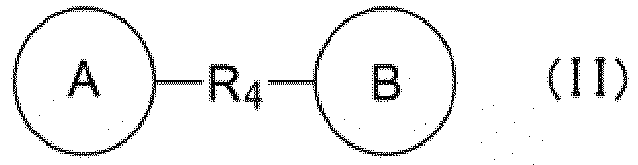 dans lequel le cycle A et le cycle B représentent chacun un groupe aryle monocyclique ou polycyclique ou un groupe hétérocyclique ayant éventuellement un ou des substituants ; R4 représente une liaison simple, un groupe alkylène C1-3 ayant éventuellement un ou des substituants, un groupe alcénylène C2-3 ayant éventuellement un ou des substituants, ou un groupe oxy divalent ; et le cycle A, le cycle B ou le groupement R4 est lié à X ;R3 représente 0 à 7 substituants liés au groupe naphtyle, dont chacun du ou des substituants est identique ou différent et a 1 à 10 atomes ; etX représente une liaison simple, un groupe alkylène C1-6 ayant éventuellement un ou plusieurs substituants, un groupe alcénylène C2-6 ayant éventuellement un ou des substituants, un groupe - R5-NH-, un groupe -NH-R5- (dans lequel R5 représente un groupe alkylène C1-5 ayant éventuellement un ou des substituants, ou un groupe alcénylène C2-5 ayant éventuellement un ou des substituants), ou un groupe amino secondaire ou tertiaire ;ou un sel pharmaceutiquement acceptable de celui-ci,pour une utilisation dans le traitement thérapeutique ou prophylactique du cancer du côlon.
 - Composé ou sel de celui-ci pour une utilisation selon l'une quelconque des revendications 7 à 10, dans lequel R1 représente un atome d'hydrogène.
- Composé ou sel de celui-ci pour une utilisation selon l'une quelconque des revendications 7 à 11, dans lequel R2 représente un groupe aryle polycyclique ayant éventuellement un ou des substituants, un groupe hétérocyclique polycyclique ayant éventuellement un ou des substituants, un groupe aryloxy polycyclique ayant éventuellement un ou des substituants, ou un groupe représenté par la formule (II) suivante :
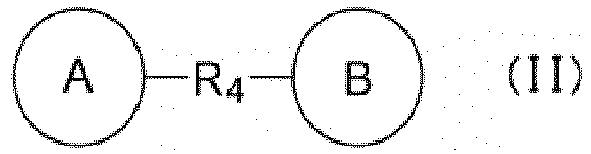
- Composé ou sel de celui-ci pour une utilisation selon l'une quelconque des revendications 7 à 12, dans lequel R2 représente un groupe aryle polycyclique ayant éventuellement un ou des substituants, un groupe hétérocyclique contenant deux ou plusieurs cycles benzéniques et ayant éventuellement un ou plusieurs substituants), ou un groupe aryloxy polycyclique ayant éventuellement un ou des substituants.
- Composé ou sel de celui-ci pour une utilisation selon l'une quelconque des revendications 7 à 13, dans lequel la configuration au niveau de l'atome de carbone asymétrique indiquée par le symbole « ∗ » est la configuration R.
Applications Claiming Priority (2)
| Application Number | Priority Date | Filing Date | Title |
|---|---|---|---|
| JP2016231875 | 2016-11-29 | ||
| PCT/JP2017/042804 WO2018101329A1 (fr) | 2016-11-29 | 2017-11-29 | Nouveau composé ester et inhibiteur de pin1, agent thérapeutique pour maladie inflammatoire et agent thérapeutique pour cancer du côlon dans lesquels ledit composé ester est utilisé |
Publications (4)
| Publication Number | Publication Date |
|---|---|
| EP3549930A1 EP3549930A1 (fr) | 2019-10-09 |
| EP3549930A4 EP3549930A4 (fr) | 2020-09-23 |
| EP3549930C0 EP3549930C0 (fr) | 2023-07-19 |
| EP3549930B1 true EP3549930B1 (fr) | 2023-07-19 |
Family
ID=62242077
Family Applications (1)
| Application Number | Title | Priority Date | Filing Date |
|---|---|---|---|
| EP17875374.5A Active EP3549930B1 (fr) | 2016-11-29 | 2017-11-29 | Nouveau composé ester et inhibiteur de pin1, agent thérapeutique pour maladie inflammatoire et agent thérapeutique pour cancer du côlon dans lesquels ledit composé ester est utilisé |
Country Status (5)
| Country | Link |
|---|---|
| US (1) | US11203565B2 (fr) |
| EP (1) | EP3549930B1 (fr) |
| JP (1) | JP7048054B2 (fr) |
| ES (1) | ES2954968T3 (fr) |
| WO (1) | WO2018101329A1 (fr) |
Families Citing this family (3)
| Publication number | Priority date | Publication date | Assignee | Title |
|---|---|---|---|---|
| EP3679930A4 (fr) * | 2017-08-07 | 2021-11-17 | Hiroshima University | Agent thérapeutique contre la stéatose hépatique, et agent thérapeutique contre l'obésité |
| CN115397466A (zh) | 2020-03-12 | 2022-11-25 | 国立大学法人广岛大学 | 新型3,5-二氨基苯甲酸系化合物和使用该化合物的Pin1抑制剂以及炎症性疾病的治疗剂 |
| CN116270616A (zh) * | 2023-03-24 | 2023-06-23 | 上海交通大学医学院附属仁济医院 | Carquinostatin A化合物在制备治疗炎症性肠病的药物中的应用 |
Family Cites Families (5)
| Publication number | Priority date | Publication date | Assignee | Title |
|---|---|---|---|---|
| EP1363620A2 (fr) | 2000-12-22 | 2003-11-26 | Pintex Pharmaceuticals, Inc. | Methodes d'inhibition de pathologies associees a pin1 a l'aide d'un compose de fredericamycine a |
| JP2006523669A (ja) | 2003-03-10 | 2006-10-19 | ファイザー・インク | Nima調節タンパク質(pin1)を阻害するための、リン酸/硫酸エステル化合物および医薬組成物 |
| US20060106077A1 (en) | 2003-07-18 | 2006-05-18 | Pintex Pharmaceuticals, Inc. | Pin1-Modulating compounds and methods of use thereof |
| EP1734970B1 (fr) | 2004-03-12 | 2014-12-31 | Intercept Pharmaceuticals, Inc. | Traitement de la fibrose au moyen de ligands de fxr |
| WO2006040646A1 (fr) | 2004-10-14 | 2006-04-20 | Pfizer, Inc. | Amides de benzimidazole ou d'indole en tant qu'inhibiteurs de pin1 |
-
2017
- 2017-11-29 EP EP17875374.5A patent/EP3549930B1/fr active Active
- 2017-11-29 WO PCT/JP2017/042804 patent/WO2018101329A1/fr not_active Ceased
- 2017-11-29 JP JP2018554195A patent/JP7048054B2/ja active Active
- 2017-11-29 US US16/464,034 patent/US11203565B2/en active Active
- 2017-11-29 ES ES17875374T patent/ES2954968T3/es active Active
Also Published As
| Publication number | Publication date |
|---|---|
| US20190382330A1 (en) | 2019-12-19 |
| EP3549930C0 (fr) | 2023-07-19 |
| JP7048054B2 (ja) | 2022-04-05 |
| WO2018101329A1 (fr) | 2018-06-07 |
| JPWO2018101329A1 (ja) | 2019-10-31 |
| EP3549930A4 (fr) | 2020-09-23 |
| EP3549930A1 (fr) | 2019-10-09 |
| ES2954968T3 (es) | 2023-11-27 |
| US11203565B2 (en) | 2021-12-21 |
Similar Documents
| Publication | Publication Date | Title |
|---|---|---|
| Shukla et al. | Design, synthesis, and pharmacological evaluation of bis-2-(5-phenylacetamido-1, 2, 4-thiadiazol-2-yl) ethyl sulfide 3 (BPTES) analogs as glutaminase inhibitors | |
| EP3680232B1 (fr) | Nouveau composé à base d'acide anthranilique, et inhibiteur de pin1, agent thérapeutique contre les maladies inflammatoires ainsi qu'agent thérapeutique contre le cancer mettant en uvre celui-ci | |
| TWI304066B (en) | Indole compounds | |
| KR20150110781A (ko) | 항염증성 및 항종양성 2-옥소티아졸 및 2-옥소티오펜 화합물 | |
| EP3549930B1 (fr) | Nouveau composé ester et inhibiteur de pin1, agent thérapeutique pour maladie inflammatoire et agent thérapeutique pour cancer du côlon dans lesquels ledit composé ester est utilisé | |
| CN111201215B (zh) | 新型酰胺系化合物、使用了该化合物的Pin1抑制剂、炎症性疾病的治疗剂及癌症的治疗剂 | |
| JP2019510755A (ja) | 2,3−エポキシスクシニル誘導体、その調製方法及び使用 | |
| EP3468546A1 (fr) | Compositions et méthodes pour le traitement du cancer | |
| JPWO2019031471A1 (ja) | 脂肪性肝疾患の治療剤及び肥満症の治療剤 | |
| KR102639231B1 (ko) | 치환된 페닐 설폰일 페닐 트리아졸 싸이온 및 이의 용도 | |
| CN113773316B (zh) | 一种tnik抑制剂及其制备方法和用途 | |
| WO2013183718A1 (fr) | Procédé de criblage, substance induisant l'instabilité et/ou la stabilité d'une protéine, et évaluation de l'activité d'une protéine | |
| JP2020502283A (ja) | インドールアミン−2,3−ジオキシゲナーゼ阻害剤としてのスルホニルアミディーン及びその製造方法と用途 | |
| CN110759891B (zh) | Set8赖氨酸甲基转移酶抑制剂及其中间体、制备方法和用途 | |
| CN113387945A (zh) | 化合物ptm-3、ptm-4及其制备方法和制备药物的用途 | |
| WO2012164969A1 (fr) | Composition pharmaceutique destinée à prévenir et/ou traiter le cancer et contenant un composé de type phénanthrène substitué en tant que principe actif | |
| CN102688232B (zh) | 异吲哚-1,3二酮衍生物作为rsk2抑制剂的合成与应用 | |
| CN110981803B (zh) | 一种抗肿瘤化合物及其合成方法与应用 | |
| KR100800437B1 (ko) | 옥사다이아졸 유래아 유도체, 이의 제조방법 및 이를유효성분으로 함유하는 암 예방 및 치료용 약학적 조성물 | |
| CN105175326A (zh) | 5-甲基-2(1h)吡啶酮衍生物及其制备方法和用途 | |
| WO2021092892A1 (fr) | Application d'un composé de quinoléine ou de quinazoline dans la préparation de médicaments antitumoraux |
Legal Events
| Date | Code | Title | Description |
|---|---|---|---|
| STAA | Information on the status of an ep patent application or granted ep patent |
Free format text: STATUS: THE INTERNATIONAL PUBLICATION HAS BEEN MADE |
|
| PUAI | Public reference made under article 153(3) epc to a published international application that has entered the european phase |
Free format text: ORIGINAL CODE: 0009012 |
|
| STAA | Information on the status of an ep patent application or granted ep patent |
Free format text: STATUS: REQUEST FOR EXAMINATION WAS MADE |
|
| 17P | Request for examination filed |
Effective date: 20190628 |
|
| AK | Designated contracting states |
Kind code of ref document: A1 Designated state(s): AL AT BE BG CH CY CZ DE DK EE ES FI FR GB GR HR HU IE IS IT LI LT LU LV MC MK MT NL NO PL PT RO RS SE SI SK SM TR |
|
| AX | Request for extension of the european patent |
Extension state: BA ME |
|
| DAV | Request for validation of the european patent (deleted) | ||
| DAX | Request for extension of the european patent (deleted) | ||
| RIC1 | Information provided on ipc code assigned before grant |
Ipc: A61P 1/04 20060101ALI20200723BHEP Ipc: A61K 31/216 20060101ALI20200723BHEP Ipc: C07D 209/18 20060101ALI20200723BHEP Ipc: A61K 31/235 20060101ALI20200723BHEP Ipc: A61K 31/403 20060101ALI20200723BHEP Ipc: A61P 35/00 20060101ALI20200723BHEP Ipc: C07C 271/22 20060101ALI20200723BHEP Ipc: A61P 43/00 20060101ALI20200723BHEP Ipc: A61K 31/341 20060101ALI20200723BHEP Ipc: C07C 69/753 20060101ALI20200723BHEP Ipc: C07C 229/60 20060101ALI20200723BHEP Ipc: C07C 69/767 20060101ALI20200723BHEP Ipc: C07C 69/92 20060101ALI20200723BHEP Ipc: C12N 15/09 20060101ALI20200723BHEP Ipc: C07C 69/732 20060101AFI20200723BHEP Ipc: C07D 209/86 20060101ALI20200723BHEP Ipc: C07D 307/68 20060101ALI20200723BHEP Ipc: A61P 1/00 20060101ALI20200723BHEP Ipc: C07D 265/38 20060101ALI20200723BHEP |
|
| A4 | Supplementary search report drawn up and despatched |
Effective date: 20200825 |
|
| GRAP | Despatch of communication of intention to grant a patent |
Free format text: ORIGINAL CODE: EPIDOSNIGR1 |
|
| STAA | Information on the status of an ep patent application or granted ep patent |
Free format text: STATUS: GRANT OF PATENT IS INTENDED |
|
| RIC1 | Information provided on ipc code assigned before grant |
Ipc: C12N 15/09 20060101ALI20230201BHEP Ipc: C07D 307/68 20060101ALI20230201BHEP Ipc: C07D 265/38 20060101ALI20230201BHEP Ipc: C07D 209/86 20060101ALI20230201BHEP Ipc: C07D 209/18 20060101ALI20230201BHEP Ipc: C07C 271/22 20060101ALI20230201BHEP Ipc: C07C 229/60 20060101ALI20230201BHEP Ipc: C07C 69/92 20060101ALI20230201BHEP Ipc: C07C 69/767 20060101ALI20230201BHEP Ipc: C07C 69/753 20060101ALI20230201BHEP Ipc: A61P 43/00 20060101ALI20230201BHEP Ipc: A61P 35/00 20060101ALI20230201BHEP Ipc: A61P 1/04 20060101ALI20230201BHEP Ipc: A61P 1/00 20060101ALI20230201BHEP Ipc: A61K 31/403 20060101ALI20230201BHEP Ipc: A61K 31/341 20060101ALI20230201BHEP Ipc: A61K 31/235 20060101ALI20230201BHEP Ipc: A61K 31/216 20060101ALI20230201BHEP Ipc: C07C 69/732 20060101AFI20230201BHEP |
|
| INTG | Intention to grant announced |
Effective date: 20230227 |
|
| GRAS | Grant fee paid |
Free format text: ORIGINAL CODE: EPIDOSNIGR3 |
|
| GRAA | (expected) grant |
Free format text: ORIGINAL CODE: 0009210 |
|
| STAA | Information on the status of an ep patent application or granted ep patent |
Free format text: STATUS: THE PATENT HAS BEEN GRANTED |
|
| AK | Designated contracting states |
Kind code of ref document: B1 Designated state(s): AL AT BE BG CH CY CZ DE DK EE ES FI FR GB GR HR HU IE IS IT LI LT LU LV MC MK MT NL NO PL PT RO RS SE SI SK SM TR |
|
| REG | Reference to a national code |
Ref country code: GB Ref legal event code: FG4D |
|
| REG | Reference to a national code |
Ref country code: CH Ref legal event code: EP |
|
| REG | Reference to a national code |
Ref country code: DE Ref legal event code: R096 Ref document number: 602017071611 Country of ref document: DE |
|
| REG | Reference to a national code |
Ref country code: IE Ref legal event code: FG4D |
|
| U01 | Request for unitary effect filed |
Effective date: 20230801 |
|
| U07 | Unitary effect registered |
Designated state(s): AT BE BG DE DK EE FI FR IT LT LU LV MT NL PT SE SI Effective date: 20230807 |
|
| REG | Reference to a national code |
Ref country code: LT Ref legal event code: MG9D |
|
| REG | Reference to a national code |
Ref country code: ES Ref legal event code: FG2A Ref document number: 2954968 Country of ref document: ES Kind code of ref document: T3 Effective date: 20231127 |
|
| U20 | Renewal fee for the european patent with unitary effect paid |
Year of fee payment: 7 Effective date: 20231123 |
|
| PG25 | Lapsed in a contracting state [announced via postgrant information from national office to epo] |
Ref country code: GR Free format text: LAPSE BECAUSE OF FAILURE TO SUBMIT A TRANSLATION OF THE DESCRIPTION OR TO PAY THE FEE WITHIN THE PRESCRIBED TIME-LIMIT Effective date: 20231020 |
|
| PG25 | Lapsed in a contracting state [announced via postgrant information from national office to epo] |
Ref country code: IS Free format text: LAPSE BECAUSE OF FAILURE TO SUBMIT A TRANSLATION OF THE DESCRIPTION OR TO PAY THE FEE WITHIN THE PRESCRIBED TIME-LIMIT Effective date: 20231119 |
|
| PG25 | Lapsed in a contracting state [announced via postgrant information from national office to epo] |
Ref country code: RS Free format text: LAPSE BECAUSE OF FAILURE TO SUBMIT A TRANSLATION OF THE DESCRIPTION OR TO PAY THE FEE WITHIN THE PRESCRIBED TIME-LIMIT Effective date: 20230719 Ref country code: NO Free format text: LAPSE BECAUSE OF FAILURE TO SUBMIT A TRANSLATION OF THE DESCRIPTION OR TO PAY THE FEE WITHIN THE PRESCRIBED TIME-LIMIT Effective date: 20231019 Ref country code: IS Free format text: LAPSE BECAUSE OF FAILURE TO SUBMIT A TRANSLATION OF THE DESCRIPTION OR TO PAY THE FEE WITHIN THE PRESCRIBED TIME-LIMIT Effective date: 20231119 Ref country code: HR Free format text: LAPSE BECAUSE OF FAILURE TO SUBMIT A TRANSLATION OF THE DESCRIPTION OR TO PAY THE FEE WITHIN THE PRESCRIBED TIME-LIMIT Effective date: 20230719 Ref country code: GR Free format text: LAPSE BECAUSE OF FAILURE TO SUBMIT A TRANSLATION OF THE DESCRIPTION OR TO PAY THE FEE WITHIN THE PRESCRIBED TIME-LIMIT Effective date: 20231020 |
|
| PG25 | Lapsed in a contracting state [announced via postgrant information from national office to epo] |
Ref country code: PL Free format text: LAPSE BECAUSE OF FAILURE TO SUBMIT A TRANSLATION OF THE DESCRIPTION OR TO PAY THE FEE WITHIN THE PRESCRIBED TIME-LIMIT Effective date: 20230719 |
|
| REG | Reference to a national code |
Ref country code: DE Ref legal event code: R097 Ref document number: 602017071611 Country of ref document: DE |
|
| PG25 | Lapsed in a contracting state [announced via postgrant information from national office to epo] |
Ref country code: SM Free format text: LAPSE BECAUSE OF FAILURE TO SUBMIT A TRANSLATION OF THE DESCRIPTION OR TO PAY THE FEE WITHIN THE PRESCRIBED TIME-LIMIT Effective date: 20230719 Ref country code: RO Free format text: LAPSE BECAUSE OF FAILURE TO SUBMIT A TRANSLATION OF THE DESCRIPTION OR TO PAY THE FEE WITHIN THE PRESCRIBED TIME-LIMIT Effective date: 20230719 Ref country code: CZ Free format text: LAPSE BECAUSE OF FAILURE TO SUBMIT A TRANSLATION OF THE DESCRIPTION OR TO PAY THE FEE WITHIN THE PRESCRIBED TIME-LIMIT Effective date: 20230719 Ref country code: SK Free format text: LAPSE BECAUSE OF FAILURE TO SUBMIT A TRANSLATION OF THE DESCRIPTION OR TO PAY THE FEE WITHIN THE PRESCRIBED TIME-LIMIT Effective date: 20230719 |
|
| PLBE | No opposition filed within time limit |
Free format text: ORIGINAL CODE: 0009261 |
|
| STAA | Information on the status of an ep patent application or granted ep patent |
Free format text: STATUS: NO OPPOSITION FILED WITHIN TIME LIMIT |
|
| 26N | No opposition filed |
Effective date: 20240422 |
|
| PG25 | Lapsed in a contracting state [announced via postgrant information from national office to epo] |
Ref country code: MC Free format text: LAPSE BECAUSE OF FAILURE TO SUBMIT A TRANSLATION OF THE DESCRIPTION OR TO PAY THE FEE WITHIN THE PRESCRIBED TIME-LIMIT Effective date: 20230719 |
|
| PG25 | Lapsed in a contracting state [announced via postgrant information from national office to epo] |
Ref country code: MC Free format text: LAPSE BECAUSE OF FAILURE TO SUBMIT A TRANSLATION OF THE DESCRIPTION OR TO PAY THE FEE WITHIN THE PRESCRIBED TIME-LIMIT Effective date: 20230719 |
|
| REG | Reference to a national code |
Ref country code: IE Ref legal event code: MM4A |
|
| U1K | Transfer of rights of the unitary patent after the registration of the unitary effect |
Owner name: AMENIS BIOSCIENCES, INC.; KR |
|
| PG25 | Lapsed in a contracting state [announced via postgrant information from national office to epo] |
Ref country code: IE Free format text: LAPSE BECAUSE OF NON-PAYMENT OF DUE FEES Effective date: 20231129 |
|
| PG25 | Lapsed in a contracting state [announced via postgrant information from national office to epo] |
Ref country code: IE Free format text: LAPSE BECAUSE OF NON-PAYMENT OF DUE FEES Effective date: 20231129 |
|
| U20 | Renewal fee for the european patent with unitary effect paid |
Year of fee payment: 8 Effective date: 20241126 |
|
| PGFP | Annual fee paid to national office [announced via postgrant information from national office to epo] |
Ref country code: GB Payment date: 20241120 Year of fee payment: 8 |
|
| PGFP | Annual fee paid to national office [announced via postgrant information from national office to epo] |
Ref country code: ES Payment date: 20241230 Year of fee payment: 8 |
|
| PGFP | Annual fee paid to national office [announced via postgrant information from national office to epo] |
Ref country code: CH Payment date: 20241201 Year of fee payment: 8 |
|
| PG25 | Lapsed in a contracting state [announced via postgrant information from national office to epo] |
Ref country code: CY Free format text: LAPSE BECAUSE OF FAILURE TO SUBMIT A TRANSLATION OF THE DESCRIPTION OR TO PAY THE FEE WITHIN THE PRESCRIBED TIME-LIMIT; INVALID AB INITIO Effective date: 20171129 |
|
| REG | Reference to a national code |
Ref country code: GB Ref legal event code: 732E Free format text: REGISTERED BETWEEN 20250710 AND 20250716 |
|
| PG25 | Lapsed in a contracting state [announced via postgrant information from national office to epo] |
Ref country code: HU Free format text: LAPSE BECAUSE OF FAILURE TO SUBMIT A TRANSLATION OF THE DESCRIPTION OR TO PAY THE FEE WITHIN THE PRESCRIBED TIME-LIMIT; INVALID AB INITIO Effective date: 20171129 |
|
| PG25 | Lapsed in a contracting state [announced via postgrant information from national office to epo] |
Ref country code: TR Free format text: LAPSE BECAUSE OF FAILURE TO SUBMIT A TRANSLATION OF THE DESCRIPTION OR TO PAY THE FEE WITHIN THE PRESCRIBED TIME-LIMIT Effective date: 20230719 |
|
| REG | Reference to a national code |
Ref country code: ES Ref legal event code: PC2A Owner name: AMENIS BIOSCIENCE, INC. Effective date: 20260203 |