EP3554146B1 - Procédé et terminal de traitement de données - Google Patents
Procédé et terminal de traitement de données Download PDFInfo
- Publication number
- EP3554146B1 EP3554146B1 EP17886073.0A EP17886073A EP3554146B1 EP 3554146 B1 EP3554146 B1 EP 3554146B1 EP 17886073 A EP17886073 A EP 17886073A EP 3554146 B1 EP3554146 B1 EP 3554146B1
- Authority
- EP
- European Patent Office
- Prior art keywords
- network
- parameter
- terminal
- wakeup
- driver
- Prior art date
- Legal status (The legal status is an assumption and is not a legal conclusion. Google has not performed a legal analysis and makes no representation as to the accuracy of the status listed.)
- Active
Links
Images


Classifications
-
- G—PHYSICS
- G06—COMPUTING OR CALCULATING; COUNTING
- G06F—ELECTRIC DIGITAL DATA PROCESSING
- G06F1/00—Details not covered by groups G06F3/00 - G06F13/00 and G06F21/00
- G06F1/26—Power supply means, e.g. regulation thereof
- G06F1/32—Means for saving power
- G06F1/3203—Power management, i.e. event-based initiation of a power-saving mode
- G06F1/3206—Monitoring of events, devices or parameters that trigger a change in power modality
- G06F1/3209—Monitoring remote activity, e.g. over telephone lines or network connections
-
- H—ELECTRICITY
- H04—ELECTRIC COMMUNICATION TECHNIQUE
- H04W—WIRELESS COMMUNICATION NETWORKS
- H04W52/00—Power management, e.g. Transmission Power Control [TPC] or power classes
- H04W52/02—Power saving arrangements
- H04W52/0209—Power saving arrangements in terminal devices
- H04W52/0212—Power saving arrangements in terminal devices managed by the network, e.g. network or access point is leader and terminal is follower
- H04W52/0216—Power saving arrangements in terminal devices managed by the network, e.g. network or access point is leader and terminal is follower using a pre-established activity schedule, e.g. traffic indication frame
-
- H—ELECTRICITY
- H04—ELECTRIC COMMUNICATION TECHNIQUE
- H04W—WIRELESS COMMUNICATION NETWORKS
- H04W48/00—Access restriction; Network selection; Access point selection
- H04W48/20—Selecting an access point
-
- H—ELECTRICITY
- H04—ELECTRIC COMMUNICATION TECHNIQUE
- H04W—WIRELESS COMMUNICATION NETWORKS
- H04W52/00—Power management, e.g. Transmission Power Control [TPC] or power classes
- H04W52/02—Power saving arrangements
- H04W52/0209—Power saving arrangements in terminal devices
- H04W52/0225—Power saving arrangements in terminal devices using monitoring of external events, e.g. the presence of a signal
- H04W52/0229—Power saving arrangements in terminal devices using monitoring of external events, e.g. the presence of a signal where the received signal is a wanted signal
- H04W52/0235—Power saving arrangements in terminal devices using monitoring of external events, e.g. the presence of a signal where the received signal is a wanted signal where the received signal is a power saving command
-
- H—ELECTRICITY
- H04—ELECTRIC COMMUNICATION TECHNIQUE
- H04W—WIRELESS COMMUNICATION NETWORKS
- H04W8/00—Network data management
- H04W8/005—Discovery of network devices, e.g. terminals
-
- H—ELECTRICITY
- H04—ELECTRIC COMMUNICATION TECHNIQUE
- H04W—WIRELESS COMMUNICATION NETWORKS
- H04W8/00—Network data management
- H04W8/22—Processing or transfer of terminal data, e.g. status or physical capabilities
- H04W8/24—Transfer of terminal data
- H04W8/245—Transfer of terminal data from a network towards a terminal
-
- H—ELECTRICITY
- H04—ELECTRIC COMMUNICATION TECHNIQUE
- H04W—WIRELESS COMMUNICATION NETWORKS
- H04W88/00—Devices specially adapted for wireless communication networks, e.g. terminals, base stations or access point devices
- H04W88/08—Access point devices
-
- Y—GENERAL TAGGING OF NEW TECHNOLOGICAL DEVELOPMENTS; GENERAL TAGGING OF CROSS-SECTIONAL TECHNOLOGIES SPANNING OVER SEVERAL SECTIONS OF THE IPC; TECHNICAL SUBJECTS COVERED BY FORMER USPC CROSS-REFERENCE ART COLLECTIONS [XRACs] AND DIGESTS
- Y02—TECHNOLOGIES OR APPLICATIONS FOR MITIGATION OR ADAPTATION AGAINST CLIMATE CHANGE
- Y02D—CLIMATE CHANGE MITIGATION TECHNOLOGIES IN INFORMATION AND COMMUNICATION TECHNOLOGIES [ICT], I.E. INFORMATION AND COMMUNICATION TECHNOLOGIES AIMING AT THE REDUCTION OF THEIR OWN ENERGY USE
- Y02D30/00—Reducing energy consumption in communication networks
- Y02D30/70—Reducing energy consumption in communication networks in wireless communication networks
Definitions
- Embodiments of this application relate to the data processing field, and in particular, to a data processing method and a terminal.
- an operating system (OS) used by a personal computer (personal computer, PC) product such as a desktop computer, an all-in-one machine, a notebook computer, a palmtop computer, or a tablet computer, can be upgraded to a Win10 system.
- the Win10 system provides a connected standby (Connected Standby, CS) mode and a modern standby (Modern Standby, MS) mode.
- FIG. 1 is a schematic flowchart of waking up a system on chip (System on Chip, SOC) in the prior art.
- a network wakeup parameter may be delivered to a Wi-Fi drive by using an operating system (Operating System, OS).
- the network wakeup parameter is network data and is used to wake up the application program.
- OS Operating System
- a protocol stack of a Wi-Fi chip communicates with a network, and the OS instructs the Wi-Fi drive to deliver the network wakeup parameter to Wi-Fi firmware of the Wi-Fi chip.
- the Wi-Fi firmware When the Wi-Fi firmware receives the network wakeup parameter by using the protocol stack, the application program in the SOC can be woken up. However, in the prior art, the network data is not managed or controlled. Consequently, each time the Wi-Fi firmware receives the network wakeup parameter, the application program is woken up. Frequent wakeup of the application program increases power consumption of the terminal and shortens a standby time.
- Document US 2013/0125130 A1 describes a method for managing application states of a portable computing device having at least one processor and a plurality of processor resources, wherein a start time to begin transitioning resources to states indicated in a further resource state set is scheduled based upon an estimated amount of processing time to complete transitioning the resources.
- a process starts in which the states of one or more resources are switched from states indicated by the first resource state set to states indicated by the second resource state set. Scheduling the process of transitioning resource states to begin at a time that allows the process to be completed just in time for the resource states to be immediately available to the processor upon entering the second application state helps minimize adverse effects of resource latency.
- Document US 2014/0195839 A1 describes a method and an apparatus for performing wake-up event management and an associated computer program product, wherein the method is applied to an electronic device.
- the method includes the steps of: classifying a plurality of wake-up events of the electronic device according to at least one predetermined rule, wherein a specific wake-up event of the plurality of wake-up events is classified to be a triggering event, and one or more other wake-up events of the plurality of wake-up events are classified to be grouping events; arranging the grouping events as a group corresponding to the triggering event by setting wake-up time of each of the grouping events to be equivalent to that of the triggering event, for triggering the grouping events by utilizing the triggering event; and when the wake-up time of the triggering event is reached, performing operations corresponding to the triggering event and the grouping events, respectively.
- the object of the invention is achieved by a data processing method as well as by a terminal according to the independent claims.
- the dependent claims provide further embodiments of the method and of the terminal performing the steps of the corresponding method.
- Embodiments of this application provide a data processing method.
- Network data received by a Wi-Fi drive is processed to resolve problems of high power consumption of a terminal in a standby mode and a short standby time of the terminal that are caused because an SOC is frequently woken up in a CS mode or an MS mode.
- a data processing method includes: obtaining a first network wakeup parameter, where the first network wakeup parameter is used to wake up an application program; performing reconfiguration processing on the first network wakeup parameter based on a preset first configuration condition to obtain a second network wakeup parameter; and configuring a driver of the terminal based on the second network wakeup parameter.
- the method further includes: writing the second network wakeup parameter into Wi-Fi firmware.
- the second network wakeup parameter is written into the Wi-Fi firmware, so that the Wi-Fi firmware directly performs processing without waking up the application program when the first network wakeup parameter is received next time. Therefore, power consumption of the terminal is reduced, and a standby time of the terminal is prolonged.
- the method after the configuring a driver of the terminal, the method further includes: updating the first configuration condition to obtain a second configuration condition; obtaining a third network wakeup parameter currently configured by the driver; performing reconfiguration processing on the third network wakeup parameter based on the second configuration condition to obtain a fourth network wakeup parameter; and sending the fourth network wakeup parameter to the driver. In this way, a network wakeup parameter is processed by a power saving service program and the driver. This reduces a quantity of times the application program is woken up, reduces power consumption of the terminal, and prolongs a standby time of the terminal.
- the method further includes: receiving a current wakeup event sent by the driver, and setting, based on the current wakeup event, a network wakeup parameter corresponding to the current wakeup event.
- the driver actively reports the current wakeup event to the power saving service program.
- the power saving service program may reconfigure the network wakeup parameter of the current wakeup event to reduce power consumption of the terminal and prolong a standby time of the terminal.
- a terminal including a processor, a memory, a bus, and a communications interface, where the memory is configured to store a computer executable instruction, the processor and the memory are connected by using the bus, and when the terminal runs, the processor executes the computer executable instruction stored in the memory, so that the terminal performs the method according to any one of the first aspect and the possible implementations of the first aspect.
- a terminal includes a memory and a processor, where the memory and the processor are connected by using a bus, the memory is configured to store computer program code, and the computer program code includes an instruction; and the processor is configured to: obtain a first network wakeup parameter, where the first network wakeup parameter is used to wake up an application program; perform reconfiguration processing on the first network wakeup parameter based on a preset first configuration condition to obtain a second network wakeup parameter; and configure a driver of the terminal based on the second network wakeup parameter.
- the processor is further configured to write the second network wakeup parameter into Wi-Fi firmware.
- the processor is further configured to update the first configuration condition to obtain a second configuration condition; the processor is further configured to obtain a third network wakeup parameter currently configured by the driver; and the processor is further configured to: perform reconfiguration processing on the third network wakeup parameter based on the second configuration condition to obtain a fourth network wakeup parameter; and send the fourth network wakeup parameter to the driver.
- the processor is further configured to: receive a current wakeup event sent by the driver; and set, based on the current wakeup event, a network wakeup parameter corresponding to the current wakeup event.
- a computer readable storage medium storing a program
- the program includes an instruction, and when the instruction is executed by a terminal, the terminal performs the method according to any one of the first aspect and the possible implementations of the first aspect.
- the terminal device includes but is not limited to a mobile phone (such as a smartphone), a tablet computer (Pad), a personal digital assistant (Personal Digital Assistant, PDA), a portable device (such as a portable computer), a wearable device, or the like. This is not specifically limited in the embodiments of this application.
- An application scenario of a data processing method provided in this application is a PC product on which a Windows 10 system or a system of a later version is installed.
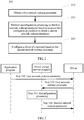
- FIG. 2 is a flowchart of a data processing method according to an embodiment of this application. As shown in FIG. 2 , the data processing method includes the following steps.
- Step 210 Obtain a first network wakeup parameter, where the first network wakeup parameter is used to wake up an application program.
- the driver when the application program sets a network wakeup parameter for a driver, and the driver receives the first network wakeup parameter sent by the application program, the driver actively reports the first network wakeup parameter to a power saving service program.
- the power saving service program may perform subsequent reconfiguration processing on the first network wakeup parameter.
- the application program may be an application program client installed on a terminal, such as WeChat or QQ.
- the driver may be a Wi-Fi (or a wireless local area network based on IEEE 802.11) driver.
- the first network wakeup parameter may be eight types of network data defined by Microsoft. The types are as follows:
- the first network wakeup parameter may be alternatively the following six types of standard information defined by Microsoft, for example: L3 Keep Alive (L3 Keep Alive), Enabled Wake Source (Enabled Wake Source), Pattern List (Pattern list), Last Wake Results (Last wake results), Last Wake Time (Last wake time, TSC), Debug Data From Last Wake (Debug data from Last wake), Offloads (Address Resolution Protocol (Address Resolution Protocol, ARP), Name Server (Name Server, NS), and GNU Image Manipulation Program Toolkit (GNU Image Manipulation Program Toolkit, GTK).
- Wi-Fi firmware directly performs processing without waking up the application program.
- a parameter of a Wi-Fi network adapter is set in L3 Keep Alive, namely, an L3 protocol layer.
- L3 Keep Alive is in an inactive state by default.
- the L3 protocol layer may be set to an active state. If there is an L3 message, the message is directly processed in firmware of the network adapter.
- Enabled Wake Source includes a wakeup source and a wakeup event, and may include wakeup events of all application programs on the terminal. If Enabled Wake Source is set to a wakeup forbidden state, none of the application programs can be woken up.
- Pattern List is a specific application program in the wakeup source, such as QQ. If Pattern List is set to the wakeup forbidden state, the QQ application program cannot be woken up. Similar to L3 Keep Alive, Offloads (ARP, NS, GTK) is also a protocol.
- Step 220 Perform reconfiguration processing on the first network wakeup parameter based on a preset first configuration condition to obtain a second network wakeup parameter.
- the first configuration condition is preset in the power saving service program.
- the first network wakeup parameter may be filtered (reconfiguration processing).
- the reconfiguration processing may be processing such as deleting or rewriting the first network wakeup parameter.
- Step 230 Configure a driver of the terminal based on the second network wakeup parameter.
- the terminal may write the second network wakeup parameter into the driver.
- the method further includes: writing the second network wakeup parameter into the Wi-Fi firmware.
- the driver When an OS enters a sleep mode next time, the driver writes the second network wakeup parameter into the Wi-Fi firmware, so that the Wi-Fi firmware directly performs processing without waking up the application program when the first network wakeup parameter is received next time. Therefore, power consumption of the terminal is reduced, and a standby time of the terminal is prolonged.
- FIG. 2 The following specifically describes FIG. 2 with reference to FIG. 3 to FIG. 5 .
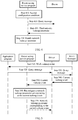
- FIG. 3 is a diagram of interaction between an application program, a power saving service program, and a driver according to an embodiment of this application. As shown in FIG. 3 , the method includes the following steps.
- Step 310 The application program sends a first network wakeup parameter to the driver.
- the first network wakeup parameter is set in the driver when any application program is installed in Windows.
- the first network wakeup parameter is used to wake up the application program in a standby mode.
- the driver receives the first network wakeup parameter sent by the application program.
- Step 320 The driver reports the first network wakeup parameter to the power saving service program.
- the driver After receiving the first network wakeup parameter, the driver actively reports the first network wakeup parameter to the power saving service program.
- Step 330 The power saving service program performs reconfiguration processing.
- a first configuration condition is preset in the power saving service program.
- the reconfiguration processing may be performed on the first network wakeup parameter based on the first configuration condition.
- the first network wakeup parameter needs to be set when a QQ application program is installed on a terminal.
- the driver reports the first network wakeup parameter to the power saving service program.
- the first network wakeup parameter may be a time parameter, for example, waking up the application program at 06:10:01.
- the power saving service program may perform reconfiguration processing on the first network wakeup parameter to obtain a second network wakeup parameter.
- the obtained second network wakeup parameter may be forbidding the terminal to be woken up at 06:10:01.
- the reconfiguration processing performed by the power saving service program is not limited to the foregoing processing manner, and the power saving service program may alternatively perform an operation on the first network wakeup parameter, for example, delete the first network wakeup parameter. Details are not described herein.
- Step 340 The power saving service program sends a second network wakeup parameter to the driver.
- the driver After receiving the second network wakeup parameter, the driver updates the first network wakeup parameter to the second network wakeup parameter.
- the driver may write the second network wakeup parameter into firmware such as Wi-Fi firmware.
- the Wi-Fi firmware may perform processing when the first network wakeup parameter is received next time, thereby reducing a quantity of times the application program is woken up, and reducing power consumption of the terminal.
- the terminal may write the second network wakeup parameter of forbidding the terminal to be woken up at 06:10:01 into the driver.
- the driver writes the second network wakeup parameter of forbidding the terminal to be woken up at 06:10:01 into the Wi-Fi firmware.
- the Wi-Fi firmware may directly process the first network wakeup parameter without waking up the application program. In this way, a network wakeup parameter is processed by the power saving service program and the driver. This reduces a quantity of times the application program is woken up, reduces power consumption of the terminal, and prolongs a standby time of the terminal.
- FIG. 4 is a diagram of interaction between a power saving service program and a driver according to an embodiment of this application. As shown in FIG. 4 , after the power saving service program performs reconfiguration processing, the following steps are included: Step 410: A terminal updates a first configuration condition to obtain a second configuration condition.
- the terminal may update the first configuration condition preset in the power saving service program, for example, update a time parameter in the first configuration condition from forbidding an application program to be woken up from 24:00:00 to 07:00:00 to forbidding the application program to be woken up from 24:00:00 to 12:00:00 in the second configuration condition.
- Step 420 The power saving service program sends a query message to the driver to obtain a third network wakeup parameter currently configured by the driver.
- Step 430 The driver reports the third network wakeup parameter to the power saving service program.
- Step 440 The power saving service program updates the third network wakeup parameter based on the second configuration condition to obtain a fourth network wakeup parameter.
- a time parameter in the obtained third network wakeup parameter is, for example, waking up the application program at 10:05:23.
- the second configuration condition is forbidding the application program to be woken up from 24:00:00 to 12:00:00.
- the power saving service program performs reconfiguration processing on the third network wakeup parameter based on the second configuration condition.
- a time parameter in the obtained fourth network wakeup parameter may be not waking up the application program at 10:05:23.
- the power saving service program may send the query message to the driver to obtain the current network wakeup parameter of the driver, reconfigure the current network wakeup parameter, and send the reconfigured network wakeup parameter to the driver. Then the driver writes the reconfigured network wakeup parameter into Wi-Fi firmware. In this way, the network wakeup parameter is managed and controlled, and power consumption of the terminal is reduced.
- FIG. 5 is a diagram of interaction between an application program, a power saving service program, a driver, and Wi-Fi firmware according to an embodiment of this application. As shown in FIG. 5 , the method includes the following steps.
- Step 510 The Wi-Fi firmware sends a Wi-Fi wakeup event to the application program.
- a protocol stack of a Wi-Fi chip communicates with a network.
- the Wi-Fi firmware of the Wi-Fi chip sends the Wi-Fi wakeup event to the application program.
- the application program receives the Wi-Fi wakeup event.
- Step 520 The application program sends a query message to the driver to query a current wakeup event.
- the current wakeup event is specifically a wakeup event of a type, such as a QQ wakeup event, a Jingdong wakeup event, or a Tmall wakeup event.
- the driver receives the query message sent by the application program.
- Step 530 The driver sends a query message to the Wi-Fi firmware to query the current wakeup event.
- the Wi-Fi firmware After receiving the query message sent by the driver, the Wi-Fi firmware determines the current wakeup event.
- Step 540 The Wi-Fi firmware reports the current wakeup event to the driver.
- the driver receives the current wakeup event.
- Step 550 The driver sends the current wakeup event to the power saving service program.
- the power saving service program receives the current wakeup event sent by the driver.
- Step 560 The power saving service program reconfigures, based on the current wakeup event, a network wakeup parameter corresponding to the current wakeup event.
- step 570 The power saving service program sends the network wakeup parameter corresponding to the current wakeup event to the driver.
- the driver actively reports the current wakeup event to the power saving service program.
- the power saving service program may reconfigure the network wakeup parameter of the current wakeup event to reduce power consumption of a terminal and prolong a standby time of the terminal.
- FIG. 6 is a schematic structural diagram of a terminal according to an embodiment of this application.
- the terminal 600 includes a processor 601, a communications interface 602, and a memory 603.
- the communications interface 602, the processor 601, and the memory 603 may be connected by using a bus.
- the communications interface 602 is configured to support communication between the terminal and another network entity.
- the memory 603 is configured to store a program. Only one memory is shown in FIG. 6 . Certainly, a plurality of memories may be disposed as required. Alternatively, the memory 603 may be a memory in the processor 603.
- the memory 603 stores the following elements: an executable module or a data structure, a subset thereof, or an extended set thereof:
- the processor 601 controls an operation of the terminal 600, and the processor 601 may be alternatively referred to as a CPU.
- the data processing methods disclosed in the foregoing embodiments of this application may be applied to the processor 601, or implemented by the processor 601.
- the processor 601 may be an integrated circuit chip and has a signal processing capability. In an implementation process, each step of the foregoing method may be completed by using an integrated logical circuit of hardware in the processor 601 or an instruction in a form of software.
- the processor 601 may be a general-purpose processor, a DSP, an ASIC, an FPGA, or another programmable logic device, a discrete gate or transistor logic device, or a discrete hardware component, and may implement or perform methods, steps, and logical block diagrams disclosed in the embodiments of this application (for example, the methods shown in FIG. 2 to FIG. 5 ).
- the general-purpose processor may be a microprocessor or the processor may be any conventional processor, or the like. Steps of the methods disclosed in the embodiments of this application may be directly performed and completed by a hardware decoding processor, or may be performed and completed by using a combination of hardware and software modules in the decoding processor.
- the software module may be located in a mature storage medium in the field, such as a random access memory, a flash memory, a read-only memory, a programmable read-only memory, an electrically-erasable programmable memory, or a register.
- a storage medium used as an example is coupled to the processor, so that the processor can read information from the storage medium, and can write information into the storage medium.
- the storage medium may be a part of the processor.
- the processor and the storage medium may be located in an ASIC.
- the ASIC may be located in a core network interface device. Certainly, the processor and the storage medium may exist in the core network interface device as discrete components.
- the methods or algorithm steps described with reference to the content disclosed in the present invention may be implemented in a hardware manner, or may be implemented in a manner of executing a software instruction by a processor.
- the software instruction may include a corresponding software module.
- the software module may be stored in a random access memory (Random Access Memory, RAM), a flash memory, a read-only memory (Read-Only Memory, ROM), an erasable programmable read-only memory (Erasable Programmable ROM, EPROM), an electrically erasable programmable read-only memory (Electrically EPROM, EEPROM), a register, a hard disk, a removable hard disk, a compact disc read-only memory (CD-ROM), or a storage medium in any other forms well-known in the art.
- RAM Random Access Memory
- ROM read-only memory
- EPROM erasable programmable read-only memory
- Electrically erasable programmable read-only memory Electrically erasable programmable read-only memory
- a storage medium used as an example is coupled to the processor, so that the processor can read information from the storage medium, and can write information into the storage medium.
- the storage medium may be a part of the processor.
- the processor and the storage medium may be located in an ASIC.
- the ASIC may be located in a core network interface device.
- the processor and the storage medium may exist in the core network interface device as discrete components.
- the program may be stored in a computer readable storage medium.
- the storage medium may be a non-transitory (English: non-transitory) medium, such as a random access memory, a read-only memory, a flash memory, a hard disk, a solid-state drive, a magnetic tape (English: magnetic tape), a floppy disk (English: floppy disk), an optical disc (English: optical disc), or any combination thereof.
Landscapes
- Engineering & Computer Science (AREA)
- Signal Processing (AREA)
- Computer Networks & Wireless Communication (AREA)
- Databases & Information Systems (AREA)
- Theoretical Computer Science (AREA)
- Computer Security & Cryptography (AREA)
- General Physics & Mathematics (AREA)
- Physics & Mathematics (AREA)
- General Engineering & Computer Science (AREA)
- Mobile Radio Communication Systems (AREA)
- Power Sources (AREA)
- Stored Programmes (AREA)
- Telephone Function (AREA)
Claims (9)
- Procédé de traitement de données utilisant un terminal (600) comprenant une mémoire (603), un processeur (601) et un bus, dans lequel
la mémoire (603) et le processeur (601) sont connectés en utilisant le bus,
la mémoire (603) est configurée pour stocker un code de programme informatique,
le code de programme informatique comprend une instruction, et le processeur (601) est configuré pour :obtenir un premier paramètre de réveil de réseau, dans lequel le premier paramètre de réveil de réseau est utilisé pour réveiller un programme d'application ;réaliser un traitement de reconfiguration sur le premier paramètre de réveil de réseau sur la base d'une première condition de configuration prédéfinie dans un programme de service de gestion d'énergie pour obtenir un deuxième paramètre de réveil de réseau ;configurer un pilote du terminal (600) sur la base du deuxième paramètre de réveil de réseau ; etécrire le deuxième paramètre de réveil de réseau en micrologiciel Wi-Fi de sorte que le micrologiciel Wi-Fi réalise directement un traitement sans réveiller le programme d'application la prochaine fois que le premier paramètre de réveil de réseau est reçu. - Procédé selon la revendication 1, dans lequel le processeur (601) est en outre configuré pour : après la configuration d'un pilote du terminal (600),
mettre à jour la première condition de configuration pour obtenir une seconde condition de configuration ;
obtenir un troisième paramètre de réveil de réseau couramment configuré par le pilote ;
réaliser un traitement de reconfiguration sur le troisième paramètre de réveil de réseau sur la base de la seconde condition de configuration pour obtenir un quatrième paramètre de réveil de réseau ; et
envoyer le quatrième paramètre de réveil de réseau au pilote. - Procédé selon l'une quelconque des revendications 1 à 2, dans lequel le processeur (601) est en outre configuré pour :recevoir un événement de réveil courant envoyé par le pilote ;etdéfinir, sur la base de l'événement de réveil courant, un paramètre de réveil de réseau correspondant à l'événement de réveil courant.
- Procédé selon la revendication 3,
dans lequel le pilote rapporte activement l'événement de réveil courant au programme de service de gestion d'énergie qui reconfigure le paramètre de réveil de réseau de l'événement de réveil courant pour réduire la consommation d'énergie du terminal et prolonger un temps de réserve du terminal. - Terminal (600), comprenant une mémoire (603), un processeur (601), et un bus, dans lequel
la mémoire (603) et le processeur (601) sont connectés en utilisant le bus, la mémoire (603) est configurée pour stocker un code de programme informatique, et le code de programme informatique comprend une instruction ; et
le processeur (601) est configuré pour : obtenir un premier paramètre de réveil de réseau, dans lequel le premier paramètre de réveil de réseau est utilisé pour réveiller un programme d'application ; réaliser un traitement de reconfiguration sur le premier paramètre de réveil de réseau sur la base d'une première condition de configuration dans un programme de service de gestion d'énergie pour obtenir un deuxième paramètre de réveil de réseau ; configurer un pilote du terminal (600) sur la base du deuxième paramètre de réveil de réseau ; et écrire le deuxième paramètre de réveil de réseau en micrologiciel Wi-Fi de sorte que le micrologiciel Wi-Fi réalise directement un traitement sans réveiller le programme d'application la prochaine fois que le premier paramètre de réveil de réseau est reçu. - Terminal (600) selon la revendication 5, dans lequel le processeur (601) est en outre configuré pour : mettre à jour la première condition de configuration pour obtenir une seconde condition de configuration ; obtenir un troisième paramètre de réveil de réseau couramment configuré par le pilote ; réaliser un traitement de reconfiguration sur le troisième paramètre de réveil de réseau sur la base de la seconde condition de configuration pour obtenir un quatrième paramètre de réveil de réseau ; et envoyer le quatrième paramètre de réveil de réseau au pilote.
- Terminal (600) selon l'une quelconque des revendications 5 à 6, dans lequel le processeur (601) est en outre configuré pour : recevoir un événement de réveil courant envoyé par le pilote ; et définir, sur la base de l'événement de réveil courant, un paramètre de réveil de réseau correspondant à l'événement de réveil courant.
- Terminal (600) selon la revendication 7,
dans lequel le pilote rapporte activement l'événement de réveil courant au programme de service de gestion d'énergie qui reconfigure le paramètre de réveil de réseau de l'événement de réveil courant pour réduire la consommation d'énergie du terminal et prolonger un temps de réserve du terminal. - Support de stockage lisible par ordinateur stockant un programme, dans lequel le programme comprend une instruction, et lorsque l'instruction est exécutée par un terminal (600), le terminal (600) réalise le procédé selon l'une quelconque des revendications 1 à 4.
Priority Applications (2)
| Application Number | Priority Date | Filing Date | Title |
|---|---|---|---|
| EP23182088.7A EP4270154A3 (fr) | 2016-12-30 | 2017-05-22 | Procédé et terminal de traitement de données |
| EP20197195.9A EP3826372B1 (fr) | 2016-12-30 | 2017-05-22 | Procédé et terminal de traitement de données |
Applications Claiming Priority (2)
| Application Number | Priority Date | Filing Date | Title |
|---|---|---|---|
| CN201611265367 | 2016-12-30 | ||
| PCT/CN2017/085334 WO2018120607A1 (fr) | 2016-12-30 | 2017-05-22 | Procédé et terminal de traitement de données |
Related Child Applications (3)
| Application Number | Title | Priority Date | Filing Date |
|---|---|---|---|
| EP23182088.7A Division EP4270154A3 (fr) | 2016-12-30 | 2017-05-22 | Procédé et terminal de traitement de données |
| EP20197195.9A Division-Into EP3826372B1 (fr) | 2016-12-30 | 2017-05-22 | Procédé et terminal de traitement de données |
| EP20197195.9A Division EP3826372B1 (fr) | 2016-12-30 | 2017-05-22 | Procédé et terminal de traitement de données |
Publications (3)
| Publication Number | Publication Date |
|---|---|
| EP3554146A1 EP3554146A1 (fr) | 2019-10-16 |
| EP3554146A4 EP3554146A4 (fr) | 2019-10-16 |
| EP3554146B1 true EP3554146B1 (fr) | 2020-11-11 |
Family
ID=62707869
Family Applications (3)
| Application Number | Title | Priority Date | Filing Date |
|---|---|---|---|
| EP23182088.7A Pending EP4270154A3 (fr) | 2016-12-30 | 2017-05-22 | Procédé et terminal de traitement de données |
| EP17886073.0A Active EP3554146B1 (fr) | 2016-12-30 | 2017-05-22 | Procédé et terminal de traitement de données |
| EP20197195.9A Active EP3826372B1 (fr) | 2016-12-30 | 2017-05-22 | Procédé et terminal de traitement de données |
Family Applications Before (1)
| Application Number | Title | Priority Date | Filing Date |
|---|---|---|---|
| EP23182088.7A Pending EP4270154A3 (fr) | 2016-12-30 | 2017-05-22 | Procédé et terminal de traitement de données |
Family Applications After (1)
| Application Number | Title | Priority Date | Filing Date |
|---|---|---|---|
| EP20197195.9A Active EP3826372B1 (fr) | 2016-12-30 | 2017-05-22 | Procédé et terminal de traitement de données |
Country Status (4)
| Country | Link |
|---|---|
| US (3) | US11082919B2 (fr) |
| EP (3) | EP4270154A3 (fr) |
| CN (1) | CN108605290B (fr) |
| WO (1) | WO2018120607A1 (fr) |
Families Citing this family (1)
| Publication number | Priority date | Publication date | Assignee | Title |
|---|---|---|---|---|
| CN114155636B (zh) * | 2021-12-14 | 2024-06-04 | 深圳Tcl新技术有限公司 | 设备控制方法、装置、电子设备及存储介质 |
Family Cites Families (22)
| Publication number | Priority date | Publication date | Assignee | Title |
|---|---|---|---|---|
| US6725384B1 (en) * | 2000-06-30 | 2004-04-20 | Intel Corporation | Method and apparatus for enabling a wake-up event by modifying a second register to enable a second wake-up event responsive to detecting entry of data in a first register |
| US20090204834A1 (en) * | 2008-02-11 | 2009-08-13 | Nvidia Corporation | System and method for using inputs as wake signals |
| US20100067416A1 (en) * | 2008-09-15 | 2010-03-18 | Qualcomm Incorporated | Re-programming media flow phone using speed channel switch time through sleep time line |
| US8638066B2 (en) * | 2010-08-09 | 2014-01-28 | Bbn Technologies Corp. | Battery optimization and protection in a low power energy environment |
| US9118776B2 (en) | 2011-06-03 | 2015-08-25 | Apple Inc. | Location monitoring feature of a mobile device for activating an application subsystem |
| KR101840723B1 (ko) * | 2011-09-02 | 2018-03-21 | 에스프린팅솔루션 주식회사 | P2p 연결을 지원하는 화상형성장치 및 그것의 주소록 관리 방법 |
| US8954980B2 (en) * | 2011-11-11 | 2015-02-10 | Qualcomm Incorporated | Conserving power through work load estimation for a portable computing device using scheduled resource set transitions |
| CN102725997B (zh) * | 2011-12-09 | 2016-11-23 | 华为技术有限公司 | 数据交换设备低功耗实现方法及其装置和数据交换设备 |
| CN103491600A (zh) * | 2012-06-13 | 2014-01-01 | 中兴通讯股份有限公司 | 用户设备功能模块的状态控制、状态配置方法及装置 |
| US20140098727A1 (en) | 2012-10-04 | 2014-04-10 | Apple Inc. | Methods and apparatus for network signaling during low-power operation |
| US9317105B2 (en) * | 2013-01-09 | 2016-04-19 | Htc Corporation | Method for performing application wake-up management for a portable device by classifying one application wake-up event of a plurality of application wake-up events as a triggering event for the other application wake-up events |
| CN105309012A (zh) * | 2013-10-18 | 2016-02-03 | 华为技术有限公司 | 一种接入点设备的唤醒方法、设备及系统 |
| US9769756B1 (en) * | 2014-03-26 | 2017-09-19 | Amazon Technologies, Inc. | Wake-up quotas and statistics generation |
| CN104182029B (zh) * | 2014-08-25 | 2018-08-24 | 酷派软件技术(深圳)有限公司 | 程序唤醒时间设置方法、程序唤醒时间设置装置和终端 |
| CN104219746B (zh) * | 2014-09-03 | 2020-06-09 | 南京白下高新技术产业园区投资发展有限责任公司 | 一种自主调整唤醒时间的方法、装置及终端 |
| CN105573460B (zh) * | 2014-10-10 | 2020-01-10 | 中兴通讯股份有限公司 | 应用程序唤醒时间的调节方法及装置 |
| CN105677379A (zh) | 2014-11-21 | 2016-06-15 | 宏碁股份有限公司 | 电子装置及其唤醒方法 |
| CN104598308B (zh) * | 2014-12-29 | 2017-10-03 | 广东欧珀移动通信有限公司 | 一种模式切换控制方法及装置 |
| CN105848302A (zh) | 2015-01-15 | 2016-08-10 | 中兴通讯股份有限公司 | 一种Wi-Fi热点连接的处理方法、装置及终端 |
| US9955238B2 (en) * | 2015-01-20 | 2018-04-24 | Nanyang Technological University | Methods and systems for wireless transmission of data between network nodes |
| US9449655B1 (en) * | 2015-08-31 | 2016-09-20 | Cypress Semiconductor Corporation | Low standby power with fast turn on for non-volatile memory devices |
| CN106168902A (zh) * | 2016-06-29 | 2016-11-30 | 北京金山安全软件有限公司 | 一种唤醒控制方法、装置及设备 |
-
2017
- 2017-05-22 WO PCT/CN2017/085334 patent/WO2018120607A1/fr not_active Ceased
- 2017-05-22 CN CN201780009053.1A patent/CN108605290B/zh active Active
- 2017-05-22 EP EP23182088.7A patent/EP4270154A3/fr active Pending
- 2017-05-22 US US16/473,861 patent/US11082919B2/en active Active
- 2017-05-22 EP EP17886073.0A patent/EP3554146B1/fr active Active
- 2017-05-22 EP EP20197195.9A patent/EP3826372B1/fr active Active
-
2021
- 2021-06-28 US US17/360,338 patent/US11627527B2/en active Active
-
2023
- 2023-03-07 US US18/179,667 patent/US11985593B2/en active Active
Non-Patent Citations (1)
| Title |
|---|
| None * |
Also Published As
| Publication number | Publication date |
|---|---|
| EP4270154A2 (fr) | 2023-11-01 |
| WO2018120607A1 (fr) | 2018-07-05 |
| US20210400579A1 (en) | 2021-12-23 |
| US20190342830A1 (en) | 2019-11-07 |
| CN108605290B (zh) | 2021-01-05 |
| EP4270154A3 (fr) | 2024-01-10 |
| US11627527B2 (en) | 2023-04-11 |
| CN108605290A (zh) | 2018-09-28 |
| EP3826372C0 (fr) | 2023-09-06 |
| EP3554146A1 (fr) | 2019-10-16 |
| EP3826372B1 (fr) | 2023-09-06 |
| EP3826372A1 (fr) | 2021-05-26 |
| EP3554146A4 (fr) | 2019-10-16 |
| US11985593B2 (en) | 2024-05-14 |
| US20230284137A1 (en) | 2023-09-07 |
| US11082919B2 (en) | 2021-08-03 |
Similar Documents
| Publication | Publication Date | Title |
|---|---|---|
| US20230222469A1 (en) | System and method for distributed enforcement of configuration limitations | |
| US10564708B2 (en) | Opportunistic waking of an application processor | |
| US11556379B2 (en) | Protect cloud objects from attacks | |
| US7051236B2 (en) | Wirelessly network-connected, battery-powered information handling system featuring prevention of data corruption after wake-up by a network event | |
| US12211021B2 (en) | System and method for subscription based solution implementation | |
| US11789718B2 (en) | System and method for subscription based solution modification implementation | |
| US11888690B2 (en) | System and method for subscription limitation enforcement in distributed system | |
| US20230222080A1 (en) | System and method for distributed subscription management | |
| TWI766035B (zh) | 用於裝置管理之系統及方法 | |
| WO2017161638A1 (fr) | Procédé et dispositif pour figer et activer de multiples systèmes | |
| US20190327100A1 (en) | Device identification and policy enforcement using power over ethernet (poe) | |
| CN107844341B (zh) | 进程启动的管控方法、装置及存储介质和移动终端 | |
| US11985593B2 (en) | Data processing method and terminal | |
| CN109992397A (zh) | 进程处理方法和装置、电子设备、计算机可读存储介质 | |
| US10228966B2 (en) | Methods ad systems for hibernation of processes in computing devices | |
| CN110018905A (zh) | 信息处理方法、装置、计算机设备和计算机可读存储介质 | |
| US12210883B1 (en) | Accelerating windows fast startup for dram-less SSD | |
| WO2020119608A1 (fr) | Système et procédé d'accès direct à la mémoire à distance par « spark shuffle » | |
| US12079376B2 (en) | System and method for hardware management through operation update | |
| US20260111284A1 (en) | Out-of-band management of communication modalities used by data processing systems | |
| US20250337674A1 (en) | Systems and methods for managing software components of data processing systems based on computing resources | |
| JP2017162283A (ja) | スマート装置、スワップ方法及びスワッププログラム |
Legal Events
| Date | Code | Title | Description |
|---|---|---|---|
| STAA | Information on the status of an ep patent application or granted ep patent |
Free format text: STATUS: THE INTERNATIONAL PUBLICATION HAS BEEN MADE |
|
| PUAI | Public reference made under article 153(3) epc to a published international application that has entered the european phase |
Free format text: ORIGINAL CODE: 0009012 |
|
| STAA | Information on the status of an ep patent application or granted ep patent |
Free format text: STATUS: REQUEST FOR EXAMINATION WAS MADE |
|
| 17P | Request for examination filed |
Effective date: 20190711 |
|
| A4 | Supplementary search report drawn up and despatched |
Effective date: 20190903 |
|
| AK | Designated contracting states |
Kind code of ref document: A1 Designated state(s): AL AT BE BG CH CY CZ DE DK EE ES FI FR GB GR HR HU IE IS IT LI LT LU LV MC MK MT NL NO PL PT RO RS SE SI SK SM TR |
|
| AX | Request for extension of the european patent |
Extension state: BA ME |
|
| DAV | Request for validation of the european patent (deleted) | ||
| DAX | Request for extension of the european patent (deleted) | ||
| GRAP | Despatch of communication of intention to grant a patent |
Free format text: ORIGINAL CODE: EPIDOSNIGR1 |
|
| STAA | Information on the status of an ep patent application or granted ep patent |
Free format text: STATUS: GRANT OF PATENT IS INTENDED |
|
| RIC1 | Information provided on ipc code assigned before grant |
Ipc: G06F 1/3209 20190101ALI20200513BHEP Ipc: H04W 52/02 20090101AFI20200513BHEP |
|
| INTG | Intention to grant announced |
Effective date: 20200604 |
|
| GRAS | Grant fee paid |
Free format text: ORIGINAL CODE: EPIDOSNIGR3 |
|
| GRAA | (expected) grant |
Free format text: ORIGINAL CODE: 0009210 |
|
| STAA | Information on the status of an ep patent application or granted ep patent |
Free format text: STATUS: THE PATENT HAS BEEN GRANTED |
|
| AK | Designated contracting states |
Kind code of ref document: B1 Designated state(s): AL AT BE BG CH CY CZ DE DK EE ES FI FR GB GR HR HU IE IS IT LI LT LU LV MC MK MT NL NO PL PT RO RS SE SI SK SM TR |
|
| REG | Reference to a national code |
Ref country code: GB Ref legal event code: FG4D |
|
| REG | Reference to a national code |
Ref country code: CH Ref legal event code: EP |
|
| REG | Reference to a national code |
Ref country code: AT Ref legal event code: REF Ref document number: 1334648 Country of ref document: AT Kind code of ref document: T Effective date: 20201115 |
|
| REG | Reference to a national code |
Ref country code: DE Ref legal event code: R096 Ref document number: 602017027573 Country of ref document: DE |
|
| REG | Reference to a national code |
Ref country code: IE Ref legal event code: FG4D |
|
| REG | Reference to a national code |
Ref country code: NL Ref legal event code: MP Effective date: 20201111 |
|
| REG | Reference to a national code |
Ref country code: AT Ref legal event code: MK05 Ref document number: 1334648 Country of ref document: AT Kind code of ref document: T Effective date: 20201111 |
|
| PG25 | Lapsed in a contracting state [announced via postgrant information from national office to epo] |
Ref country code: PT Free format text: LAPSE BECAUSE OF FAILURE TO SUBMIT A TRANSLATION OF THE DESCRIPTION OR TO PAY THE FEE WITHIN THE PRESCRIBED TIME-LIMIT Effective date: 20210311 Ref country code: RS Free format text: LAPSE BECAUSE OF FAILURE TO SUBMIT A TRANSLATION OF THE DESCRIPTION OR TO PAY THE FEE WITHIN THE PRESCRIBED TIME-LIMIT Effective date: 20201111 Ref country code: FI Free format text: LAPSE BECAUSE OF FAILURE TO SUBMIT A TRANSLATION OF THE DESCRIPTION OR TO PAY THE FEE WITHIN THE PRESCRIBED TIME-LIMIT Effective date: 20201111 Ref country code: GR Free format text: LAPSE BECAUSE OF FAILURE TO SUBMIT A TRANSLATION OF THE DESCRIPTION OR TO PAY THE FEE WITHIN THE PRESCRIBED TIME-LIMIT Effective date: 20210212 Ref country code: NO Free format text: LAPSE BECAUSE OF FAILURE TO SUBMIT A TRANSLATION OF THE DESCRIPTION OR TO PAY THE FEE WITHIN THE PRESCRIBED TIME-LIMIT Effective date: 20210211 |
|
| PG25 | Lapsed in a contracting state [announced via postgrant information from national office to epo] |
Ref country code: AT Free format text: LAPSE BECAUSE OF FAILURE TO SUBMIT A TRANSLATION OF THE DESCRIPTION OR TO PAY THE FEE WITHIN THE PRESCRIBED TIME-LIMIT Effective date: 20201111 Ref country code: BG Free format text: LAPSE BECAUSE OF FAILURE TO SUBMIT A TRANSLATION OF THE DESCRIPTION OR TO PAY THE FEE WITHIN THE PRESCRIBED TIME-LIMIT Effective date: 20210211 Ref country code: SE Free format text: LAPSE BECAUSE OF FAILURE TO SUBMIT A TRANSLATION OF THE DESCRIPTION OR TO PAY THE FEE WITHIN THE PRESCRIBED TIME-LIMIT Effective date: 20201111 Ref country code: LV Free format text: LAPSE BECAUSE OF FAILURE TO SUBMIT A TRANSLATION OF THE DESCRIPTION OR TO PAY THE FEE WITHIN THE PRESCRIBED TIME-LIMIT Effective date: 20201111 Ref country code: PL Free format text: LAPSE BECAUSE OF FAILURE TO SUBMIT A TRANSLATION OF THE DESCRIPTION OR TO PAY THE FEE WITHIN THE PRESCRIBED TIME-LIMIT Effective date: 20201111 Ref country code: IS Free format text: LAPSE BECAUSE OF FAILURE TO SUBMIT A TRANSLATION OF THE DESCRIPTION OR TO PAY THE FEE WITHIN THE PRESCRIBED TIME-LIMIT Effective date: 20210311 |
|
| REG | Reference to a national code |
Ref country code: LT Ref legal event code: MG9D |
|
| PG25 | Lapsed in a contracting state [announced via postgrant information from national office to epo] |
Ref country code: HR Free format text: LAPSE BECAUSE OF FAILURE TO SUBMIT A TRANSLATION OF THE DESCRIPTION OR TO PAY THE FEE WITHIN THE PRESCRIBED TIME-LIMIT Effective date: 20201111 |
|
| PG25 | Lapsed in a contracting state [announced via postgrant information from national office to epo] |
Ref country code: RO Free format text: LAPSE BECAUSE OF FAILURE TO SUBMIT A TRANSLATION OF THE DESCRIPTION OR TO PAY THE FEE WITHIN THE PRESCRIBED TIME-LIMIT Effective date: 20201111 Ref country code: SK Free format text: LAPSE BECAUSE OF FAILURE TO SUBMIT A TRANSLATION OF THE DESCRIPTION OR TO PAY THE FEE WITHIN THE PRESCRIBED TIME-LIMIT Effective date: 20201111 Ref country code: SM Free format text: LAPSE BECAUSE OF FAILURE TO SUBMIT A TRANSLATION OF THE DESCRIPTION OR TO PAY THE FEE WITHIN THE PRESCRIBED TIME-LIMIT Effective date: 20201111 Ref country code: EE Free format text: LAPSE BECAUSE OF FAILURE TO SUBMIT A TRANSLATION OF THE DESCRIPTION OR TO PAY THE FEE WITHIN THE PRESCRIBED TIME-LIMIT Effective date: 20201111 Ref country code: CZ Free format text: LAPSE BECAUSE OF FAILURE TO SUBMIT A TRANSLATION OF THE DESCRIPTION OR TO PAY THE FEE WITHIN THE PRESCRIBED TIME-LIMIT Effective date: 20201111 Ref country code: LT Free format text: LAPSE BECAUSE OF FAILURE TO SUBMIT A TRANSLATION OF THE DESCRIPTION OR TO PAY THE FEE WITHIN THE PRESCRIBED TIME-LIMIT Effective date: 20201111 |
|
| REG | Reference to a national code |
Ref country code: DE Ref legal event code: R097 Ref document number: 602017027573 Country of ref document: DE |
|
| PG25 | Lapsed in a contracting state [announced via postgrant information from national office to epo] |
Ref country code: DK Free format text: LAPSE BECAUSE OF FAILURE TO SUBMIT A TRANSLATION OF THE DESCRIPTION OR TO PAY THE FEE WITHIN THE PRESCRIBED TIME-LIMIT Effective date: 20201111 |
|
| PLBE | No opposition filed within time limit |
Free format text: ORIGINAL CODE: 0009261 |
|
| STAA | Information on the status of an ep patent application or granted ep patent |
Free format text: STATUS: NO OPPOSITION FILED WITHIN TIME LIMIT |
|
| 26N | No opposition filed |
Effective date: 20210812 |
|
| PG25 | Lapsed in a contracting state [announced via postgrant information from national office to epo] |
Ref country code: IT Free format text: LAPSE BECAUSE OF FAILURE TO SUBMIT A TRANSLATION OF THE DESCRIPTION OR TO PAY THE FEE WITHIN THE PRESCRIBED TIME-LIMIT Effective date: 20201111 Ref country code: NL Free format text: LAPSE BECAUSE OF FAILURE TO SUBMIT A TRANSLATION OF THE DESCRIPTION OR TO PAY THE FEE WITHIN THE PRESCRIBED TIME-LIMIT Effective date: 20201111 Ref country code: AL Free format text: LAPSE BECAUSE OF FAILURE TO SUBMIT A TRANSLATION OF THE DESCRIPTION OR TO PAY THE FEE WITHIN THE PRESCRIBED TIME-LIMIT Effective date: 20201111 |
|
| PG25 | Lapsed in a contracting state [announced via postgrant information from national office to epo] |
Ref country code: SI Free format text: LAPSE BECAUSE OF FAILURE TO SUBMIT A TRANSLATION OF THE DESCRIPTION OR TO PAY THE FEE WITHIN THE PRESCRIBED TIME-LIMIT Effective date: 20201111 |
|
| REG | Reference to a national code |
Ref country code: CH Ref legal event code: PL |
|
| PG25 | Lapsed in a contracting state [announced via postgrant information from national office to epo] |
Ref country code: ES Free format text: LAPSE BECAUSE OF FAILURE TO SUBMIT A TRANSLATION OF THE DESCRIPTION OR TO PAY THE FEE WITHIN THE PRESCRIBED TIME-LIMIT Effective date: 20201111 Ref country code: CH Free format text: LAPSE BECAUSE OF NON-PAYMENT OF DUE FEES Effective date: 20210531 Ref country code: LU Free format text: LAPSE BECAUSE OF NON-PAYMENT OF DUE FEES Effective date: 20210522 Ref country code: MC Free format text: LAPSE BECAUSE OF FAILURE TO SUBMIT A TRANSLATION OF THE DESCRIPTION OR TO PAY THE FEE WITHIN THE PRESCRIBED TIME-LIMIT Effective date: 20201111 Ref country code: LI Free format text: LAPSE BECAUSE OF NON-PAYMENT OF DUE FEES Effective date: 20210531 |
|
| REG | Reference to a national code |
Ref country code: BE Ref legal event code: MM Effective date: 20210531 |
|
| PG25 | Lapsed in a contracting state [announced via postgrant information from national office to epo] |
Ref country code: IE Free format text: LAPSE BECAUSE OF NON-PAYMENT OF DUE FEES Effective date: 20210522 |
|
| PG25 | Lapsed in a contracting state [announced via postgrant information from national office to epo] |
Ref country code: IS Free format text: LAPSE BECAUSE OF FAILURE TO SUBMIT A TRANSLATION OF THE DESCRIPTION OR TO PAY THE FEE WITHIN THE PRESCRIBED TIME-LIMIT Effective date: 20210311 |
|
| PG25 | Lapsed in a contracting state [announced via postgrant information from national office to epo] |
Ref country code: BE Free format text: LAPSE BECAUSE OF NON-PAYMENT OF DUE FEES Effective date: 20210531 |
|
| PG25 | Lapsed in a contracting state [announced via postgrant information from national office to epo] |
Ref country code: CY Free format text: LAPSE BECAUSE OF FAILURE TO SUBMIT A TRANSLATION OF THE DESCRIPTION OR TO PAY THE FEE WITHIN THE PRESCRIBED TIME-LIMIT Effective date: 20201111 |
|
| PG25 | Lapsed in a contracting state [announced via postgrant information from national office to epo] |
Ref country code: HU Free format text: LAPSE BECAUSE OF FAILURE TO SUBMIT A TRANSLATION OF THE DESCRIPTION OR TO PAY THE FEE WITHIN THE PRESCRIBED TIME-LIMIT; INVALID AB INITIO Effective date: 20170522 |
|
| PG25 | Lapsed in a contracting state [announced via postgrant information from national office to epo] |
Ref country code: MK Free format text: LAPSE BECAUSE OF FAILURE TO SUBMIT A TRANSLATION OF THE DESCRIPTION OR TO PAY THE FEE WITHIN THE PRESCRIBED TIME-LIMIT Effective date: 20201111 |
|
| PG25 | Lapsed in a contracting state [announced via postgrant information from national office to epo] |
Ref country code: MT Free format text: LAPSE BECAUSE OF FAILURE TO SUBMIT A TRANSLATION OF THE DESCRIPTION OR TO PAY THE FEE WITHIN THE PRESCRIBED TIME-LIMIT Effective date: 20201111 |
|
| PGFP | Annual fee paid to national office [announced via postgrant information from national office to epo] |
Ref country code: DE Payment date: 20250402 Year of fee payment: 9 |
|
| PGFP | Annual fee paid to national office [announced via postgrant information from national office to epo] |
Ref country code: GB Payment date: 20250401 Year of fee payment: 9 |
|
| PGFP | Annual fee paid to national office [announced via postgrant information from national office to epo] |
Ref country code: FR Payment date: 20250401 Year of fee payment: 9 |
|
| PG25 | Lapsed in a contracting state [announced via postgrant information from national office to epo] |
Ref country code: TR Free format text: LAPSE BECAUSE OF FAILURE TO SUBMIT A TRANSLATION OF THE DESCRIPTION OR TO PAY THE FEE WITHIN THE PRESCRIBED TIME-LIMIT Effective date: 20201111 |