EP3562082A1 - Procédé d'indication de ressources, procédé d'acquisition de ressource et dispositif associé - Google Patents
Procédé d'indication de ressources, procédé d'acquisition de ressource et dispositif associé Download PDFInfo
- Publication number
- EP3562082A1 EP3562082A1 EP17895221.4A EP17895221A EP3562082A1 EP 3562082 A1 EP3562082 A1 EP 3562082A1 EP 17895221 A EP17895221 A EP 17895221A EP 3562082 A1 EP3562082 A1 EP 3562082A1
- Authority
- EP
- European Patent Office
- Prior art keywords
- indication
- resource
- information
- downlink control
- control signaling
- Prior art date
- Legal status (The legal status is an assumption and is not a legal conclusion. Google has not performed a legal analysis and makes no representation as to the accuracy of the status listed.)
- Granted
Links
Images




Classifications
-
- H—ELECTRICITY
- H04—ELECTRIC COMMUNICATION TECHNIQUE
- H04L—TRANSMISSION OF DIGITAL INFORMATION, e.g. TELEGRAPHIC COMMUNICATION
- H04L1/00—Arrangements for detecting or preventing errors in the information received
- H04L1/12—Arrangements for detecting or preventing errors in the information received by using return channel
- H04L1/16—Arrangements for detecting or preventing errors in the information received by using return channel in which the return channel carries supervisory signals, e.g. repetition request signals
- H04L1/18—Automatic repetition systems, e.g. Van Duuren systems
- H04L1/1867—Arrangements specially adapted for the transmitter end
- H04L1/1896—ARQ related signaling
-
- H—ELECTRICITY
- H04—ELECTRIC COMMUNICATION TECHNIQUE
- H04L—TRANSMISSION OF DIGITAL INFORMATION, e.g. TELEGRAPHIC COMMUNICATION
- H04L1/00—Arrangements for detecting or preventing errors in the information received
- H04L1/12—Arrangements for detecting or preventing errors in the information received by using return channel
- H04L1/16—Arrangements for detecting or preventing errors in the information received by using return channel in which the return channel carries supervisory signals, e.g. repetition request signals
- H04L1/18—Automatic repetition systems, e.g. Van Duuren systems
-
- H—ELECTRICITY
- H04—ELECTRIC COMMUNICATION TECHNIQUE
- H04L—TRANSMISSION OF DIGITAL INFORMATION, e.g. TELEGRAPHIC COMMUNICATION
- H04L1/00—Arrangements for detecting or preventing errors in the information received
- H04L1/12—Arrangements for detecting or preventing errors in the information received by using return channel
- H04L1/16—Arrangements for detecting or preventing errors in the information received by using return channel in which the return channel carries supervisory signals, e.g. repetition request signals
- H04L1/18—Automatic repetition systems, e.g. Van Duuren systems
- H04L1/1812—Hybrid protocols; Hybrid automatic repeat request [HARQ]
-
- H—ELECTRICITY
- H04—ELECTRIC COMMUNICATION TECHNIQUE
- H04L—TRANSMISSION OF DIGITAL INFORMATION, e.g. TELEGRAPHIC COMMUNICATION
- H04L1/00—Arrangements for detecting or preventing errors in the information received
- H04L1/12—Arrangements for detecting or preventing errors in the information received by using return channel
- H04L1/16—Arrangements for detecting or preventing errors in the information received by using return channel in which the return channel carries supervisory signals, e.g. repetition request signals
- H04L1/18—Automatic repetition systems, e.g. Van Duuren systems
- H04L1/1829—Arrangements specially adapted for the receiver end
- H04L1/1861—Physical mapping arrangements
-
- H—ELECTRICITY
- H04—ELECTRIC COMMUNICATION TECHNIQUE
- H04L—TRANSMISSION OF DIGITAL INFORMATION, e.g. TELEGRAPHIC COMMUNICATION
- H04L5/00—Arrangements affording multiple use of the transmission path
-
- H—ELECTRICITY
- H04—ELECTRIC COMMUNICATION TECHNIQUE
- H04L—TRANSMISSION OF DIGITAL INFORMATION, e.g. TELEGRAPHIC COMMUNICATION
- H04L5/00—Arrangements affording multiple use of the transmission path
- H04L5/003—Arrangements for allocating sub-channels of the transmission path
- H04L5/0037—Inter-user or inter-terminal allocation
-
- H—ELECTRICITY
- H04—ELECTRIC COMMUNICATION TECHNIQUE
- H04L—TRANSMISSION OF DIGITAL INFORMATION, e.g. TELEGRAPHIC COMMUNICATION
- H04L5/00—Arrangements affording multiple use of the transmission path
- H04L5/003—Arrangements for allocating sub-channels of the transmission path
- H04L5/0037—Inter-user or inter-terminal allocation
- H04L5/0039—Frequency-contiguous, i.e. with no allocation of frequencies for one user or terminal between the frequencies allocated to another
-
- H—ELECTRICITY
- H04—ELECTRIC COMMUNICATION TECHNIQUE
- H04L—TRANSMISSION OF DIGITAL INFORMATION, e.g. TELEGRAPHIC COMMUNICATION
- H04L5/00—Arrangements affording multiple use of the transmission path
- H04L5/003—Arrangements for allocating sub-channels of the transmission path
- H04L5/0053—Allocation of signalling, i.e. of overhead other than pilot signals
-
- H—ELECTRICITY
- H04—ELECTRIC COMMUNICATION TECHNIQUE
- H04L—TRANSMISSION OF DIGITAL INFORMATION, e.g. TELEGRAPHIC COMMUNICATION
- H04L5/00—Arrangements affording multiple use of the transmission path
- H04L5/0091—Signalling for the administration of the divided path, e.g. signalling of configuration information
- H04L5/0094—Indication of how sub-channels of the path are allocated
-
- H—ELECTRICITY
- H04—ELECTRIC COMMUNICATION TECHNIQUE
- H04W—WIRELESS COMMUNICATION NETWORKS
- H04W72/00—Local resource management
- H04W72/12—Wireless traffic scheduling
-
- H—ELECTRICITY
- H04—ELECTRIC COMMUNICATION TECHNIQUE
- H04W—WIRELESS COMMUNICATION NETWORKS
- H04W72/00—Local resource management
- H04W72/20—Control channels or signalling for resource management
- H04W72/21—Control channels or signalling for resource management in the uplink direction of a wireless link, i.e. towards the network
-
- H—ELECTRICITY
- H04—ELECTRIC COMMUNICATION TECHNIQUE
- H04W—WIRELESS COMMUNICATION NETWORKS
- H04W72/00—Local resource management
- H04W72/20—Control channels or signalling for resource management
- H04W72/23—Control channels or signalling for resource management in the downlink direction of a wireless link, i.e. towards a terminal
Definitions
- This application relates to the communications field, and in particular, to a resource indication method, a resource acquisition method, and a related apparatus.
- a network device sends downlink control signaling on a physical downlink control channel (Physical Downlink Control CHannel, PDCCH) and sends downlink data on a physical downlink shared channel (Physical Downlink Share CHannel, PDSCH), and a terminal device feeds back hybrid automatic repeat request (Hybrid Automatic Repeat reQuest, HARQ) acknowledgement/negative acknowledgement (Acknowledgement/Negative Acknowledgement, ACK/NACK) information on a physical uplink control channel (Physical Uplink Control CHannel, PUCCH) after receiving the downlink data.
- HARQ Hybrid Automatic Repeat reQuest
- a network device reserves sufficient HARQ ACK/NACK feedback resources on a PUCCH resource for each downlink slot through higher layer signaling if a conventional PUCCH resource configuration method applied in an LTE or LTE-A system is still used.
- Embodiments of the present invention provide a resource indication method, a resource acquisition method, and a related apparatus, so that during configuration of an uplink control channel resource, flexible scheduling can be performed, and a waste of resources and resource fragmentation can be reduced, thereby improving resource utilization.
- an embodiment of the present invention provides a resource indication method, including:
- the uplink control channel resource includes at least one of a time domain resource, a frequency domain resource, or a code domain resource.
- the indication information is carried by a first information bit in the downlink control signaling, or the indication information is carried by a scrambling code used to scramble the downlink control signaling.
- the resource allocation information is carried by a second information bit or a third information bit in the downlink control signaling.
- an embodiment of the present invention provides a resource acquisition method, including:
- the uplink control channel resource includes at least one of a time domain resource, a frequency domain resource, or a code domain resource.
- the method further includes: feeding back, by the terminal device on the uplink control channel resource, response information of downlink data.
- the receiving, by a terminal device, the downlink control signaling further includes: receiving, by the terminal device, the indication message carried by a first information bit in the downlink control signaling, or descrambling, by the terminal device, the indication information carried by a scrambling code used for the downlink control signaling.
- the receiving, by a terminal device, the downlink control signaling further includes: receiving, by the terminal device, the resource allocation information carried by a second information bit or a third information bit in the downlink control signaling.
- an embodiment of the present invention provides a network device, including:
- the uplink control channel resource includes at least one of a time domain resource, a frequency domain resource, or a code domain resource.
- the processing unit is further configured to: generate the indication information carried by a first information bit in the downlink control signaling, or generate the indication information carried by a scrambling code used to scramble the downlink control signaling.
- the processing unit is further configured to generate the resource allocation information carried by a second information bit or a third information bit in the downlink control signaling.
- a PUCCH resource can be allocated appropriately and flexibly based on a quantity of terminal devices that are scheduled according to an actual requirement, and use of resources can be maximized, so as to improve resource utilization and reduce resource fragments.
- an embodiment of the present invention provides a terminal device, including:
- the uplink control channel resource includes at least one of a time domain resource, a frequency domain resource, or a code domain resource.
- the transceiver unit is further configured to feed back, on the uplink control channel resource, response information of downlink data.
- the processing unit is further configured to: if the indication information is a first preset value, learn that the indication manner of the resource allocation information is explicit indication; and if the indication information is a second preset value, learn that the indication manner of the resource allocation information is implicit indication.
- the transceiver unit is further configured to: receive the indication message carried by a first information bit in the downlink control signaling, or descramble the indication information carried by a scrambling code used for the downlink control signaling.
- the transceiver unit is further configured to receive the resource allocation information carried by a second information bit or a third information bit in the downlink control signaling.
- a fifth aspect of this application provides a computer program product including an instruction, where when the computer program product runs on a computer, the computer performs the methods according to the foregoing aspects.
- the terminal device in this embodiment of the present invention can receive and obtain, based on indication information sent by a network device, a PUCCH resource corresponding to the terminal device, and can flexibly cooperate with scheduling performed by the network device and use the resource based on a quantity of currently scheduled terminal devices, so as to reduce resource fragmentation and improve resource utilization.
- an embodiment of the present invention provides a resource indication method, including:
- the network device configures the common offset based on a resource occupancy status in the target slot.
- the sending, by the network device, signaling carrying the common offset and the UE-specific offset further includes: sending, by the network device, the common offset through broadcast signaling.
- the sending, by the network device, signaling carrying the common offset and the UE-specific offset further includes: sending, by the network device, downlink control signaling carrying the UE-specific offset.
- the common offset of the uplink control channel resource index is corresponding to an upper limit or a lower limit of the uplink control channel resource index.
- the common offset of the uplink control channel resource index is predefined or semi-statically configured through higher layer signaling by the network device.
- the method further includes: indicating, based on the common offset and the UE-specific offset, an uplink control channel resource index corresponding to the terminal device.
- the network device configures the common offset of the uplink control channel resource index by using a predetermined value as a granularity.
- the predetermined value is predefined or semi-statically configured through higher layer signaling by the network device.
- the network device semi-statically configures through higher layer signaling or predefines a frequency domain resource and a subcarrier spacing that are occupied by the broadcast signaling.
- the sending, by the network device, downlink control signaling carrying the UE-specific offset further includes: the downlink control signaling includes indication information, where the indication information is used to dynamically indicate the UE-specific offset of the uplink control channel resource index corresponding to the terminal device.
- the sending, by the network device, downlink control signaling carrying the UE-specific offset further includes: indicating, through the downlink control signaling in a predefined manner or in a semi-static configuration manner in which higher layer signaling is used, whether the common offset of the uplink control channel resource index is the upper limit or the lower limit of the corresponding uplink control channel resource index.
- an embodiment of the present invention provides a resource acquisition method, including:
- the terminal device receives the common offset through broadcast signaling.
- the terminal device receives the UE-specific offset through downlink control signaling.
- that the terminal device receives the UE-specific offset through downlink control signaling further includes: the downlink control signaling includes indication information, and the terminal device dynamically obtains the UE-specific offset based on the indication information.
- that the terminal device receives the UE-specific offset through downlink control signaling further includes: the terminal device learns, based on the downlink control signaling, whether the common offset is an upper limit or lower limit of the corresponding uplink control channel resource index.
- an embodiment of the present invention provides a network device, including:
- the processing unit is further configured to configure the common offset based on a resource occupancy status in the target slot.
- the transceiver unit is further configured to send the common offset through broadcast signaling.
- the transceiver unit is further configured to send downlink control signaling carrying the UE-specific offset.
- the processing unit is further configured to configure an upper limit or a lower limit that is of the uplink control channel resource index and that is corresponding to the common offset of the uplink control channel resource index.
- the processing unit is further configured to semi-statically configure through higher layer signaling or predefine the common offset of the uplink control channel resource index.
- the processing unit is further configured to configure the common offset of the uplink control channel resource index for the terminal device by using a predetermined value as a granularity.
- the processing unit is further configured to semi-statically configure through higher layer signaling or predefine the predetermined value.
- the processing unit is further configured to semi-statically configure through higher layer signaling or predefine a frequency domain resource and a subcarrier spacing that are occupied by the broadcast signaling.
- the processing unit is further configured to indicate, based on the common offset and the UE-specific offset, an uplink control channel resource index corresponding to the terminal device.
- the processing unit is further configured to dynamically indicate, based on the downlink scheduling signaling, the UE-specific offset of the uplink control channel resource index corresponding to the terminal device.
- the processing unit is further configured to indicate, in a predefined manner or in a semi-static configuration manner in which higher layer signaling is used, whether the common offset of the uplink control channel resource index is the upper limit or the lower limit of the corresponding uplink control channel resource index.
- an embodiment of the present invention provides a terminal device, including:
- the transceiver unit is further configured to receive the common offset through broadcast signaling.
- the transceiver unit is further configured to receive the UE-specific offset through downlink control signaling.
- the transceiver unit is further configured to receive the downlink control signaling including indication information, and dynamically obtain the UE-specific offset.
- the processing unit is configured to learn, based on the downlink control signaling, whether the common offset is an upper limit or a lower limit of the corresponding uplink control channel resource index.
- a tenth aspect of this application provides a computer program product including an instruction, where when the computer program product runs on a computer, the computer performs the methods according to the foregoing aspects.
- the resource indication method the resource acquisition method, and the related apparatus are provided.
- Appropriate planning and flexible scheduling of resources can be performed, signaling overheads and resource fragmentation can be reduced, use of resources can be maximized, and a relatively desirable technical effect can be achieved in a future 5G communications system.
- a terminal device in the embodiments of the present invention may be a device that provides voice and/or data connectivity for a user, a handheld device with a radio connection function, or another processing device connected to a radio modem.
- the wireless terminal may communicate with one or more core networks through a radio access network (such as RAN, Radio Access Network).
- the wireless terminal may be a mobile terminal, such as a mobile phone (also referred to as a "cellular" phone) and a computer with a mobile terminal, for example, may be a portable, pocket-sized, handheld, computer built-in, or vehicle-mounted mobile apparatus, which exchanges voice and/or data with the radio access network.
- it may be a device such as a personal communication service (PCS, Personal Communication Service) phone, a cordless telephone set, a Session Initiation Protocol (SIP) phone, a wireless local loop (WLL, Wireless Local Loop) station, or a personal digital assistant (PDA, Personal Digital Assistant).
- PCS personal communication service
- SIP Session Initiation Protocol
- WLL Wireless Local Loop
- PDA personal digital assistant
- the wireless terminal may also be referred to as a system, a subscriber unit (Subscriber Unit), a subscriber station (Subscriber Station), a mobile station (Mobile Station), a mobile console (Mobile), a remote station (Remote Station), an access point (Access Point), a remote terminal (Remote Terminal), an access terminal (Access Terminal), a user terminal (User Terminal), a user agent (User Agent), a user device (User Device), or user equipment (User Equipment).
- a network device in the embodiments of the present invention may be a device that communicates with a wireless terminal in an access network through one or more sectors via an air interface.
- the network device may be configured to mutually convert a received over-the-air frame and an IP packet and serve as a router between the wireless terminal and a rest portion of the access network, where the rest portion of the access network may include an Internet protocol (IP) network.
- IP Internet protocol
- the network device may further coordinate attribute management of the air interface.
- the network device may be a base transceiver station (BTS, Base Transceiver Station) in GSM or CDMA, may be a NodeB (NodeB) in WCDMA, or may be an evolved NodeB (eNB or e-NodeB, evolutional Node B) in LTE. This is not limited in this application.
- BTS Base Transceiver Station
- NodeB NodeB
- eNB evolved NodeB
- e-NodeB evolutional Node B
- network devices for example, various transmission/reception points (transmission/reception point, TRP) such as a base station and a wireless local area network access point, provide an access service in a licensed spectrum or an access service in an unlicensed spectrum for terminal devices.
- the terminal devices and the network devices transmit various data such as control signaling or service data through protocol layers on an uplink and a downlink.
- the control signaling is mainly transmitted on a control channel
- the service data is mainly transmitted on a service channel.
- protocol layers include a physical layer, a Media Access Control (media access control, MAC) layer, a Radio Resource Control (radio resource control, RRC) layer, and the like.
- Data transmitted at any layer is finally carried at the physical layer and is transmitted in wireless space through at least one physical antenna.
- a network device semi-statically configures an uplink control channel resource for a terminal device through higher layer signaling, and implicitly indicates, through downlink control signaling sent by the network device, an uplink control channel resource used by the terminal device in an uplink control channel resource pool, so that the terminal device uses the uplink control channel resource to feed back HARQ ACK/NACK information.
- Implicitly indicated resources are sufficient uplink control channel resources reserved by the network device based on a maximum quantity of terminal devices that can be scheduled in each scheduled slot. This ensures that in the slot, each scheduled terminal device can have sufficient resources to feed back HARQ ACK/NACK information. However, reserved resources cannot be flexibly scheduled after being configured.
- the uplink control channel resource includes a physical uplink control channel PUCCH resource.
- PUCCH resource includes a physical uplink control channel PUCCH resource. Descriptions of the foregoing steps and apparatus are all based on a PUCCH resource, but a method and the apparatus of the present invention are not limited to using the PUCCH resource.
- an aspect of the embodiments of the present invention provides a resource indication and acquisition method. As shown in FIG. 2 , the method includes the following steps:
- a network device generates downlink control signaling, where the downlink control signaling includes indication information and resource allocation information, the resource allocation information is used for explicit indication or implicit indication of an uplink control channel resource, and the indication information is used to indicate whether an indication manner of the resource allocation information is explicit indication or implicit indication.
- the uplink control channel resource includes at least one of a time domain resource, a frequency domain resource, or a code domain resource.
- all uplink control channel resources are PUCCH resources that are used by a terminal device in a PUCCH resource pool and that are implicitly indicated through downlink control signaling. Because these resources are reserved, they cannot be flexibly scheduled after being configured.
- a network side explicitly or implicitly indicates allocation of a PUCCH resource.
- Explicit indication indicates that a resource corresponding to a terminal device is directly indicated through signaling, and implicit indication indicates that: A correlation between resource information and the terminal device is established and a resource corresponding to the terminal device is indicated through the correlation.
- an explicitly indicated PUCCH resource is a PUCCH resource that is directly indicated through indication information in downlink control signaling and that is used by the terminal device to perform HARQ ACK/NACK feedback; and an implicitly indicated PUCCH resource is a PUCCH resource that is indicated through a correlation established between resource information of a physical downlink control channel PDCCH and the terminal device and that is used by the terminal device to perform HARQ ACK/NACK feedback.
- the downlink control signaling is used to allocate a resource occupied in downlink data transmission, and allocate a resource occupied for feedback of uplink response information.
- Information in the downlink control signaling includes resource information of a physical downlink control channel PDCCH, and further includes index information of a physical resource block (Physical Resource Block, PRB) occupied by downlink data.
- PDCCH Physical Downlink Control Channel
- PRB Physical Resource Block
- implicit indication means a PUCCH resource is obtained by using a function in which a minimum value of an index of a control channel element (Control Channel Element, CCE) occupied in a PDCCH is used as an inlet parameter.
- CCE Control Channel Element
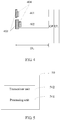
- FIG. 3 is a schematic diagram of a PUCCH resource.
- FIG. 3 is a whole area of an implicitly indicated PUCCH resource.
- the implicitly indicated PUCCH resource is divided into several resource sub-blocks in a pre-defined manner or in a semi-static manner in which higher layer signaling is used.
- the implicitly indicated PUCCH resource R2 in FIG. 3 is divided into four resource sub-blocks: A, B, C, and D.
- the resource sub-block D is configured as an explicitly indicated PUCCH resource Rl, and the resource sub-blocks A, B, and C are still used as implicitly indicated PUCCH resources.
- an indication manner of a PUCCH resource may be dynamically adjusted, and the PUCCH resource can be more flexibly used in this indication manner, so as to further improve resource utilization.
- the resource allocation information is carried by a second information bit or a third information bit in the downlink control signaling.
- the resource allocation information is configured to be in the second information bit in the downlink control signaling to indicate an index of an explicitly indicated resource corresponding to a terminal device.
- 4-bit resource allocation information is in one-to-one correspondence with the index information [0, 15] of the explicitly indicated PUCCH resources (as listed in Table 1), to indicate specific resource locations of the terminal devices.
- the resource allocation information is configured to be in the third information bit in the downlink control signaling to indicate an index of an implicitly indicated resource corresponding to a terminal device.
- the third information bit in the downlink control signaling is configured to be 2 bits, the network device establishes a correlation between a minimum value of an index of a CCE corresponding to the downlink control signaling and an index of an implicitly indicated PUCCH resource sub-block corresponding to the terminal device.
- the network device sends the downlink control signaling.
- the network device sends, to the terminal device, the downlink control signaling that includes the indication information and the resource allocation information and that is generated in step 201.
- the indication information is carried by a first information bit in the downlink control signaling, or the first indication information is carried by a scrambling code used to scramble the downlink control signaling.
- the indication information in the downlink control signaling is configured to be 1 bit.
- the network device configures 1-bit indication information to indicate whether the indication manner of the resource allocation information is explicit indication or implicit indication. Because the indication information is configured to be only 1 bit, signaling overheads are greatly reduced, so as to improve resource utilization to a greatest extent.
- the first information bit in the downlink control signaling may implicitly indicate information about the second information bit and the third information bit. If the downlink control signaling is in a single-level control channel for downlink transmission, the first information bit, the second information bit, and the third information bit in the downlink control signaling are independent from each other, and lengths of the second information bit and the third information bit are fixed.
- the second information bit and the third information bit may be multiplexed to improve resource utilization, that is, the network device may configure the second information bit and the third information bit to be a same information bit.
- the first information bit in the downlink control signaling may be placed in a first-level control channel or in a second-level control channel, while the second information bit and the third information can be placed only in the second-level control channel. If the downlink control signaling is in the two levels of control channels for downlink transmission, and the first information bit is placed in the first-level control channel, the lengths of the second information bit and the third information bit may be variable; and if the first information bit is placed in the second-level control channel, the lengths of the second information bit and the third information bit can only be fixed.
- the single-level control channel means that a control channel on a downlink includes a control area, and the two levels of control channels mean that a control channel on a downlink includes two control areas.
- FIG. 4 is a structural block diagram of two levels of control channels for downlink transmission.
- DL Downlink
- GP Guard Period, guard period
- UL uplink
- 401 represents a data area of a terminal device 1
- 402 represents a data area of a terminal device 2
- the terminal device 1 and the terminal device 2 are different terminal devices.
- 403 represents a first-level control channel that is used to carry index information that indicates a scheduled time-frequency resource; and 404 represents a second-level control channel that is used to carry information that indicates a transmission time value.
- the first-level control channel 403 is located in a control area (that is, a dashed area on a left side of a DL area in FIG. 3 ) of an entire downlink channel, and the second-level control channel 404 may be in the control area or a data area of the downlink channel.
- the control area is a downlink area that carries only control information used by a network device to schedule a terminal device
- the data area is a downlink area that is only used for data transmitted by the network device to the terminal device.
- start resource locations of the second-level control channel 404 may be different.
- a structure of the two levels of control channels includes two levels of downlink control signaling.
- First-level downlink control signaling is sent on the first-level control channel 403, and includes information such as a user ID, resource allocation information, and a capacity of second-level downlink control signaling.
- the second-level downlink control signaling is sent on the second-level control channel 404, and includes information such as resource allocation information and information about a request for sending a sounding reference signal.
- the resource allocation information included in the first-level downlink control signaling is used to indicate a time-frequency resource location of the second-level downlink control signaling on the second-level control channel 404.
- a size of a time-frequency resource of the first-level control channel 403 is not equal to a size of a time-frequency resource of the second-level control channel 404, but the time-frequency resource of the second-level control channel 404 depends on scheduling indication information of the first-level downlink control signaling on the first-level control channel 403.
- the terminal device receives the downlink control signaling.
- the terminal device After receiving the downlink control signaling including the indication information and the resource allocation information, the terminal device obtains the resource allocation information used for explicit indication or implicit indication of the uplink control channel resource and the indication information used to indicating whether the indication manner of the resource allocation information is explicit indication or implicit indication.
- the terminal device receives the indication message carried by the first information bit in the downlink control signaling, or the terminal device descrambles the indication information carried by a scrambling code used for the downlink control signaling.
- the terminal device receives the resource allocation information carried by the second information bit or the third information bit in the downlink control signaling.
- the terminal device learns, based on the indication information, that the indication manner of the resource allocation information is explicit indication or implicit indication, and obtains the explicitly indicated or implicitly indicated uplink control channel resource based on the resource allocation information.
- the terminal device learns that a resource corresponding to current data scheduling is an explicitly indicated PUCCH resource; and if the indication information is a second preset value, the terminal device learns that the resource corresponding to the current data scheduling is an implicitly indicated PUCCH resource.
- the first preset value and the second preset value are different.
- the first preset value may be configured to be 01
- the second preset value may be configured to be 00, and the like.
- the terminal device obtains a location of an explicitly indicated PUCCH resource based on Table 1 in one-to-one correspondence with the resource indexes [0, 15].
- the terminal device obtains, based on the third information bit in the received downlink control signaling, an index of an implicitly indicated resource corresponding to the terminal device.
- the terminal device obtains, through calculation and based on a correlation established between a minimum value of an index of a CCE of a physical resource obtained from the received downlink control signaling and an index of an implicitly indicated PUCCH resource sub-block corresponding to the terminal device, a resource location corresponding to the resource sub-block.
- signaling for explicit indication and implicit indication of a PUCCH resource is semi-statically configured through higher layer signaling or predefined in the downlink control signaling for the terminal device, and a resource indication is dynamically configured based on a quantity of terminal devices scheduled for data, so that an uplink control channel resource can be appropriately planned and flexibly configured. Therefore, in a 5G communications system with relatively limited resources, use of resources can be maximized, and resource fragmentation can be reduced, so as to achieve a relatively desirable technical effect.
- the network device 50 includes a processing unit 501 and a transceiver unit 502.
- the processing unit 501 is configured to generate downlink control signaling, where the downlink control signaling includes indication information and resource allocation information, the resource allocation information is used for explicit indication or implicit indication of an uplink control channel resource, and the indication information is used to indicate whether an indication manner of the resource allocation information is explicit indication or implicit indication.
- the uplink control channel resource includes at least one of a time domain resource, a frequency domain resource, or a code domain resource.
- all uplink control channel resources are PUCCH resources that are used by a terminal device in a PUCCH resource pool and that are implicitly indicated through downlink control signaling. Because these resources are reserved, they cannot be flexibly scheduled after being configured.
- a network side explicitly or implicitly indicates allocation of a PUCCH resource.
- Explicit indication indicates that a resource corresponding to a terminal device is directly indicated through signaling, and implicit indication indicates that: A correlation between resource information and the terminal device is established and a resource corresponding to the terminal device is indicated through the correlation.
- an explicitly indicated PUCCH resource is a PUCCH resource that is directly indicated through indication information in downlink control signaling and that is used by the terminal device to perform HARQ ACK/NACK feedback; and an implicitly indicated PUCCH resource is a PUCCH resource that is indicated through a correlation established between resource information of a physical downlink control channel PDCCH and the terminal device and that is used by the terminal device to perform HARQ ACK/NACK feedback.
- the downlink control signaling is used to allocate a resource occupied in downlink data transmission, and allocate a resource occupied for feedback of uplink response information.
- Information in the downlink control signaling includes resource information of a physical downlink control channel PDCCH, and further includes index information of a physical resource block (Physical Resource Block, PRB) occupied by downlink data.
- PDCCH Physical Downlink Control Channel
- PRB Physical Resource Block
- implicit indication means a PUCCH resource is obtained by using a function in which a minimum value of an index of a control channel element CCE occupied in a PDCCH is used as an inlet parameter.
- Formula 1 is an example of an implicit indication for obtaining a PUCCH resource.
- the processing unit 501 is configured to generate the indication information carried by a first information bit in the downlink control signaling, or the processing unit 501 is configured to generate the indication information carried by a scrambling code used to scramble the downlink control signaling.
- the processing unit 501 generates 1-bit indication information in the downlink control signaling. Because the indication information is only 1 bit, signaling overheads are greatly reduced, so as to improve resource utilization to a greatest extent.
- the processing unit 501 is configured to generate the resource allocation information carried by a second information bit or a third information bit in the downlink control signaling.
- the resource allocation information is configured to be in the second information bit in the downlink control signaling to indicate an index of an explicitly indicated resource corresponding to a terminal device.
- the second information bit in the downlink control signaling is configured to be 4 bits
- index information of resources corresponding to these terminal devices is [0, 15].
- 4-bit resource allocation information is in one-to-one correspondence with the index information [0, 15] of the explicitly indicated PUCCH resources (as listed in Table 1), to indicate specific resource locations of the terminal devices.
- the resource allocation information is configured to be in the third information bit in the downlink control signaling to indicate an index of an implicitly indicated resource corresponding to a terminal device.
- the third information bit in the downlink control signaling is configured to be 2 bits, the network device establishes a correlation between a minimum value of an index of a CCE corresponding to the downlink control signaling and an index of an implicitly indicated PUCCH resource sub-block corresponding to the terminal device.
- the transceiver unit 502 is configured to send the downlink control signaling.
- the first information bit in the downlink control signaling may implicitly indicate information about the second information bit and the third information bit. If the downlink control signaling is in a single-level control channel for downlink transmission, the first information bit, the second information bit, and the third information bit in the downlink control signaling are independent from each other, and lengths of the second information bit and the third information bit are fixed.
- the second information bit and the third information bit may be multiplexed to improve resource utilization, that is, the network device may configure the second information bit and the third information bit to be a same information bit.
- the first information bit in the downlink control signaling may be placed in a first-level control channel or in a second-level control channel, while the second information bit and the third information can be placed only in the second-level control channel. If the downlink control signaling is in the two levels of control channels for downlink transmission, and the first information bit is placed in the first-level control channel, the lengths of the second information bit and the third information bit may be variable; and if the first information bit is placed in the second-level control channel, the lengths of the second information bit and the third information bit can only be fixed.
- the single-level control channel means that a control channel on a downlink includes a control area, and the two levels of control channels mean that a control channel on a downlink includes two control areas.
- the network device 50 may perform various actions of the network device in the foregoing method embodiment.
- the transceiver unit 502 is configured to perform a sending action and a receiving action of the network device in the foregoing method embodiment
- the processing unit 501 is configured to perform processing actions such as obtaining and determining in the foregoing method embodiment.
- the transceiver unit 502 may be a transceiver
- the processing unit 501 may be a processor.
- 60 represents a network device, and the network device includes a processor 601 and a transceiver 602.
- the processor 601 and the transceiver 602 are connected together through various electronic line interfaces (for example, buses).
- signaling for explicit indication and implicit indication of a PUCCH resource is semi-statically configured through higher layer signaling or predefined in the downlink control signaling for the terminal device, and a resource indication is dynamically configured based on a quantity of terminal devices scheduled for data, so that an uplink control channel resource can be appropriately planned and flexibly configured. Therefore, in a 5G communications system with relatively limited resources, use of resources can be maximized, and resource fragmentation can be reduced, so as to achieve a relatively desirable technical effect.
- the terminal device 70 includes a transceiver unit 701 and a processing unit 702.
- the transceiver unit 701 is configured to receive downlink control signaling, where the downlink control signaling includes indication information and resource allocation information.
- the transceiver unit 701 After receiving the downlink control signaling including the indication information and the resource allocation information, the transceiver unit 701 obtains the resource allocation information used for explicit indication or implicit indication of an uplink control channel resource and the indication information used to indicating whether an indication manner of the resource allocation information is explicit indication or implicit indication.
- the transceiver unit 701 receives the indication message carried by a first information bit in the downlink control signaling, or descrambles, for the terminal device, the indication information carried by a scrambling code used for the downlink control signaling.
- the terminal device receives the resource allocation information carried by a second information bit or a third information bit in the downlink control signaling.
- the processing unit 702 is configured to learn, based on the indication information, that the indication manner of the resource allocation information is explicit indication or implicit indication, and obtain the explicitly indicated or implicitly indicated uplink control channel resource based on the resource allocation information.
- the processing unit 702 learns that a resource corresponding to current data scheduling is an explicitly indicated PUCCH resource; and if the indication information is a second preset value, the processing unit 702 learns that the resource corresponding to the current data scheduling is an implicitly indicated PUCCH resource.
- the first preset value and the second preset value are different.
- the first preset value may be configured to be 01
- the second preset value may be configured to be 00, and the like.
- the processing unit 702 obtains, based on the third information bit in the received downlink control signaling, an index of an implicitly indicated resource corresponding to the terminal device.
- the processing unit 702 obtains, based on a correlation established between a minimum value of an index of a CCE of a physical resource obtained from the received downlink control signaling and an index of an implicitly indicated PUCCH resource sub-block corresponding to the terminal device, a resource location corresponding to the resource sub-block.
- the terminal device 70 may perform various actions of the terminal device in the foregoing method embodiment.
- the transceiver unit 701 is configured to perform a sending action and a receiving action of the terminal device in the foregoing method embodiment
- the processing unit 702 is configured to perform processing actions of the terminal device such as obtaining and determining in the foregoing method embodiment.
- the transceiver unit 701 may be a transceiver
- the processing unit 702 may be a processor.
- 80 represents a terminal device, and the terminal device includes a processor 802 and a transceiver 801.
- the processor 802 and the transceiver 801 are connected together through various electronic line interfaces (for example, buses).
- signaling for explicit indication and implicit indication of a PUCCH resource is semi-statically configured through higher layer signaling or predefined in the downlink control signaling for the terminal device, and a resource indication is dynamically configured based on a quantity of terminal devices scheduled for data, so that an uplink control channel resource can be appropriately planned and flexibly configured. Therefore, in a 5G communications system with relatively limited resources, use of resources can be maximized, and resource fragmentation can be reduced, so as to achieve a relatively desirable technical effect.
- Another aspect of the embodiments of the present invention further provides a resource indication and acquisition method. As shown in FIG. 9 , the method includes the following steps: 901. A network device configures an uplink control channel resource index, where the uplink control channel resource index includes a common offset and a UE-specific offset that are of an uplink control channel resource index and that are corresponding to a target slot.
- an uplink control channel resource includes at least one of a time domain resource, a frequency domain resource, or a code domain resource.
- the network device configures a PUCCH resource index for the terminal device.
- the PUCCH resource index includes a common offset (Common Offset) and a UE-specific offset that are of a PUCCH resource index and that are corresponding to a target slot.
- Common Offset Common Offset
- UE-specific offset that are of a PUCCH resource index and that are corresponding to a target slot.
- the network device may configure, in common scheduling signaling sent in downlink common search space (Common Search Space, CSS), common offsets that are of the PUCCH resource index and that are corresponding to different HARQ ACK/NACK timing information.
- the timing information means a fixed moment at which the terminal device feeds back HARQ ACK/NACK information in a slot corresponding to a moment after receiving downlink data.
- K is a HARQ ACK/NACK timing value.
- n and K are integers greater than 0.
- the terminal device may learn of slot information of HARQ ACK/NACK feedback.
- the network device configures the common offset based on a resource occupancy status in the target slot.
- the common offset of the PUCCH resource index is corresponding to an upper limit or a lower limit of the PUCCH resource index.
- the common offset of the PUCCH resource index is semi-statically configured through higher layer signaling or predefined by the network device.
- the network device semi-statically configures through higher layer signaling or predefines downlink control signaling, to indicate whether the common offset of the PUCCH resource index is the upper limit or the lower limit of the corresponding PUCCH resource index.
- the terminal device obtains, by using Formula 2, a resource index belonging to the terminal device; and when the downlink control signaling indicates that the common offset of the PUCCH resource index is the lower limit, the terminal device obtains, by using Formula 3, a resource index belonging to the terminal device.
- a corresponding common offset of a PUCCH resource index may be configured to be indicated by using a coarse granularity of the PUCCH resource index.
- a relatively large granularity of the common offset may be semi-statically configured; and if there are a relatively small quantity of terminal devices within a period of time when the network device performs downlink data scheduling, a relatively small granularity of the common offset may be semi-statically configured.
- the network device configures the common offset of the PUCCH resource index for the terminal device by using a predetermined value as a granularity.
- the network device semi-statically configures through higher layer signaling or predefines the predetermined value.
- the common offset may be configured to be [0, i, 2i, 3i], where i indicates a granularity of the common offset of the PUCCH resource index, and i is a positive integer.
- the network device configures one value of corresponding common offsets [0, i, 2i, 3i] of the PUCCH resource index for each slot based on a PUCCH resource occupancy status in the slot.
- the granularity i of the corresponding common offset of the PUCCH resource index is semi-statically configured through higher layer signaling or predefined by the network device.
- the network device sends signaling carrying the common offset and the UE-specific offset.
- the network device when performing downlink data scheduling, notifies, through broadcast signaling, the terminal device of a configured common offset that is of a PUCCH resource index and that is corresponding to each slot.
- a frequency domain resource and a subcarrier spacing that are occupied by the broadcast signaling are semi-statically configured through higher layer signaling or predefined by the network device.
- the network device performs notification in a broadcast mode in downlink common search space CSS.
- the network device After the common offset that is of the PUCCH resource index and that is corresponding to each slot is broadcast, the network device sends downlink control signaling.
- the downlink control signaling carries a UE-specific offset that is of a PUCCH resource index and that is corresponding to a target slot.
- a UE-specific offset of a PUCCH resource index is a specific offset corresponding to a common offset, in each slot, of a PUCCH resource index corresponding to each terminal device.
- UE-specific offsets, in all the slots, of the PUCCH resource index corresponding to the terminal device are different and may be dynamically configured, so that different PUCCH resources may be allocated to each terminal device for feeding back HARQ ACK/NACK information.
- the downlink control signaling includes indication information, which is used to explicitly and dynamically indicate the UE-specific offset of the PUCCH resource index corresponding to the terminal device.
- the terminal device receives the common offset and the UE-specific offset that are of the uplink control channel resource index and that are corresponding to the target slot.
- the terminal device after performing initial access, starts to perform detection in the downlink common search space, and after detecting, on a broadcast channel, broadcast signaling that is broadcast by the network device and that includes a common offset of a PUCCH resource index corresponding to downlink data scheduling, the terminal device receives the broadcast signaling on the broadcast channel, so as to obtain the corresponding common offset of the PUCCH resource index.
- the terminal device receives the downlink control signaling sent by the network device, where the downlink control signaling carries the UE-specific offset that is of the PUCCH resource index and that is corresponding to the target slot.
- the downlink control signaling includes indication information, which is used to finely and dynamically indicate the UE-specific offset of the PUCCH resource index corresponding to the terminal device.
- the terminal device obtains, based on the common offset and the UE-specific offset, an uplink control channel resource index corresponding to the terminal device.
- the terminal device When receiving the downlink control signaling from the network device, the terminal device detects, in the downlink scheduling signaling, corresponding timing information (that is, K) of HARQ ACK/NACK feedback. After detecting the timing information, the terminal device continues to detect the downlink control signaling, and learns, based on an indication that is semi-statically configured through higher layer signaling or predefined in the downlink control signaling, whether the common offset is an upper limit or a lower limit of the corresponding uplink control channel resource index.
- the terminal device When the downlink control signaling indicates that the common offset of the PUCCH resource index is the upper limit, the terminal device obtains, by using Formula 2, a resource index belonging to the terminal device; and when the downlink control signaling indicates that the common offset of the PUCCH resource index is the lower limit, the terminal device obtains, by using Formula 3, a resource index belonging to the terminal device. Then, the terminal device finds, in a slot corresponding to the timing information, a PUCCH resource configured for the terminal device, and then feeds back the HARQ ACK/NACK information to the network device on the resource.
- the network device first configures, for the terminal device, common offsets and UE-specific offsets of a PUCCH resource index that are corresponding to HARQ ACK/NACKs in different slots, and then sends the common offsets and the UE-specific offsets to the terminal device in a signaling manner.
- the terminal device receives the signaling, and obtains, based on indication of the signaling, the PUCCH resource index belonging to the terminal device.
- the PUCCH resource index belonging to the terminal device is dynamically notified in a broadcast mode and through an indication message, so as to reduce resource fragmentation and improve resource utilization.
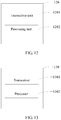
- the network device 100 includes a processing unit 1001 and a transceiver unit 1002.
- the processing unit 1001 is configured to configure an uplink control channel resource index, where the uplink control channel resource index includes a common offset and a UE-specific offset that are of an uplink control channel resource index and that are corresponding to a target slot.
- the processing unit 1001 configures a PUCCH resource index for the terminal device.
- the PUCCH resource index includes a common offset and a UE-specific offset that are of a PUCCH resource index and that are corresponding to a target slot. In different target slots, common offsets that are of a PUCCH resource index and that are corresponding to the different target slots are configured.
- the processing unit 1001 may configure, in common scheduling signaling sent in downlink common search space CSS, common offsets that are of the PUCCH resource index and that are corresponding to different HARQ ACK/NACK timing information.
- the timing information means a fixed moment at which the terminal device feeds back HARQ ACK/NACK information in a slot corresponding to a moment after receiving downlink data.
- K is a HARQ ACK/NACK timing value.
- n and K are integers greater than 0.
- the terminal device may learn of slot information of HARQ ACK/NACK feedback.
- the processing unit 1001 configures the common offset based on a resource occupancy status in the target slot.
- the processing unit 1001 configures that the common offset of the PUCCH resource index is corresponding to an upper limit or a lower limit of the PUCCH resource index.
- the common offset of the PUCCH resource index is semi-statically configured through higher layer signaling or predefined by the processing unit 801.
- a PUCCH resource index corresponding to the terminal device in the target slot is obtained by using Formula 2.
- a PUCCH resource index corresponding to the terminal device in the target slot is obtained by using Formula 3.
- the processing unit 1001 semi-statically configures through higher layer signaling or predefines downlink control signaling, to indicate whether the common offset of the PUCCH resource index is the upper limit or the lower limit of the corresponding PUCCH resource index.
- the terminal device obtains, by using Formula 2, a resource index belonging to the terminal device; and when the downlink control signaling indicates that the common offset of the PUCCH resource index is the lower limit, the terminal device obtains, by using Formula 3, a resource index belonging to the terminal device.
- a corresponding common offset of a PUCCH resource index may be configured by the processing unit 1001 to be indicated by using a coarse granularity of the PUCCH resource index.
- the processing unit 1001 may semi-statically configure a relatively large granularity of the common offset; and if there are a relatively small quantity of terminal devices within a period of time when the network device performs downlink data scheduling, the processing unit 1001 may semi-statically configure a relatively small granularity of the common offset.
- the processing unit 1001 configures the common offset of the PUCCH resource index for the terminal device by using a predetermined value as a granularity.
- the processing unit 1001 semi-statically configures through higher layer signaling or predefines the predetermined value.
- the common offset may be configured to be [0, i, 2i, 3i], where i indicates a granularity of the common offset of the PUCCH resource index, and i is a positive integer.
- the processing unit 1001 configures one value of corresponding common offsets [0, i, 2i, 3i] of the PUCCH resource index for each slot based on a PUCCH resource occupancy status in the slot.
- the granularity i of the corresponding common offset of the PUCCH resource index is semi-statically configured through higher layer signaling or predefined by the processing unit 1001.
- the transceiver unit 1002 is configured to send signaling carrying the common offset and the UE-specific offset.
- the transceiver unit 1002 when the network device performs downlink data scheduling, notifies, through broadcast signaling, the terminal device of a common offset, configured by the processing unit 1001 and corresponding to each slot, of a PUCCH resource index.
- a frequency domain resource and a subcarrier spacing that are occupied by the broadcast signaling are semi-statically configured through higher layer signaling or predefined by the processing unit 1001.
- the transceiver unit 1002 performs notification in a broadcast mode in downlink common search space CSS.
- the transceiver unit 1002 After the common offset that is of the PUCCH resource index and that is corresponding to each slot is broadcast, the transceiver unit 1002 continues to send downlink control signaling.
- the downlink control signaling carries a UE-specific offset that is of a PUCCH resource index and that is corresponding to a target slot.
- a UE-specific offset of a PUCCH resource index is a specific offset corresponding to a common offset, in each slot, of a PUCCH resource index corresponding to each terminal device.
- UE-specific offsets, in all the slots, of the PUCCH resource index corresponding to the terminal device are different and may be dynamically configured, so that different PUCCH resources may be allocated to each terminal device for feeding back HARQ ACK/NACK information.
- the downlink control signaling includes indication information.
- the processing unit 1001 explicitly and dynamically indicates, through indication information, the UE-specific offset of the PUCCH resource index corresponding to the terminal device.
- the network device 100 may perform various actions of the network device in the foregoing method embodiment.
- the transceiver unit 1002 is configured to perform a sending action and a receiving action of the network device in the foregoing method embodiment
- the processing unit 1001 is configured to perform processing actions such as obtaining and determining in the foregoing method embodiment.
- the transceiver unit 1002 may be a transceiver
- the processing unit 1001 may be a processor.
- the network device 110 includes a processor 1101 and a transceiver 1102, and the processor 1101 and the transceiver 1102 are connected together through various electronic line interfaces (for example, buses).
- the processing unit first configures, for the terminal device in the common search space, common offsets of a PUCCH resource index that are corresponding to HARQ ACK/NACKs in different slots; the transceiver unit provides a notification for each terminal device through broadcast information; and the processing unit indicates, in the downlink control signaling, the PUCCH resource index belonging to the terminal device.
- the network device in this embodiment of the present invention dynamically provides a notification about the PUCCH resource index belonging to the terminal device in a broadcast mode and through an indication message, so as to reduce resource fragmentation and improve resource utilization.
- the terminal device 120 includes a transceiver unit 1201 and a processing unit 1202.
- the transceiver unit 1201 is configured to receive a common offset and a UE-specific offset that are of an uplink control channel resource index and that are corresponding to a target slot.
- the transceiver unit 1201 starts to perform detection on a broadcast channel in downlink common search space, and after detecting, on the broadcast channel, broadcast signaling that is broadcast by a network device and that includes a common offset of a PUCCH resource index corresponding to downlink data scheduling, the transceiver unit 1201 receives the broadcast signaling on the broadcast channel, so as to obtain the corresponding common offset of the PUCCH resource index.
- the transceiver unit 1201 receives the downlink control signaling sent by the network device, where the downlink control signaling carries the UE-specific offset that is of the PUCCH resource index and that is corresponding to the target slot.
- a UE-specific offset of a PUCCH resource index is a specific offset corresponding to a common offset, in each slot, of a PUCCH resource index corresponding to each terminal device.
- UE-specific offsets, in all the slots, of the PUCCH resource index corresponding to the terminal device are different and may be dynamically configured, so that different PUCCH resources may be allocated to each terminal device for feeding back HARQ ACK/NACK information.
- the downlink control signaling received by the transceiver unit 1201 further includes indication information, which is used to explicitly and dynamically indicate the UE-specific offset of the PUCCH resource index corresponding to the terminal device.
- the processing unit 1202 obtains, based on the common offset and the UE-specific offset, an uplink control channel resource index corresponding to the terminal device.
- the transceiver unit 1201 When receiving the downlink control signaling from the network device, the transceiver unit 1201 detects, in the downlink scheduling signaling, corresponding timing information (that is, K) of HARQ ACK/NACK feedback. After detecting the timing information, the transceiver unit 1201 continues to detect the downlink control signaling, and the processing unit 1202 learns, based on an indication that is semi-statically configured through higher layer signaling or predefined in the downlink control signaling, whether the common offset is an upper limit or a lower limit of the corresponding uplink control channel resource index.
- the processing unit 1202 When the downlink control signaling indicates that the common offset of the PUCCH resource index is the upper limit, the processing unit 1202 obtains, by using Formula 2, a resource index belonging to the terminal device; and when the downlink control signaling indicates that the common offset of the PUCCH resource index is the lower limit, the processing unit 1202 obtains, by using Formula 3, a resource index belonging to the terminal device. Then, the processing unit 1202 finds, in a slot corresponding to the timing information, a PUCCH resource configured for the terminal device, and then the transceiver unit 1201 feeds back the HARQ ACK/NACK information to the network device on the resource.
- the terminal device 120 may perform various actions of the terminal device in the foregoing method embodiment.
- the transceiver unit 1201 is configured to perform a sending action and a receiving action of the terminal device in the foregoing method embodiment
- the processing unit 1202 is configured to perform processing actions of the terminal device such as obtaining and determining in the foregoing method embodiment.
- the transceiver unit 1201 may be a transceiver
- the processing unit 1202 may be a processor.
- the terminal device 130 includes a processor 1302 and a transceiver 1301, and the processor 1302 and the transceiver 1301 are connected together through various electronic line interfaces (for example, buses).
- the transceiver unit receives the common offset and the UE-specific offset by receiving signaling, and the processing unit obtains, based on the common offset and the UE-specific offset, the PUCCH resource index corresponding to the terminal device.
- the terminal device in this embodiment of the present invention dynamically searches, in a broadcast mode and through an indication message, for the PUCCH resource index belonging to the terminal device, so as to reduce resource fragmentation and improve resource utilization.
- All or some of the foregoing embodiments may be implemented through software, hardware, firmware, or any combination thereof.
- the embodiments may be implemented completely or partially in a form of a computer program product.
- the computer program product includes one or more computer instructions.
- the computer program instruction When the computer program instruction is loaded and executed on a computer, the procedure or functions according to the embodiments of the present invention are all or partially generated.
- the computer may be a general-purpose computer, a dedicated computer, a computer network, or other programmable apparatuses.
- the computer instruction may be stored in a computer-readable storage medium or may be transmitted from a computer-readable storage medium to another computer-readable storage medium.
- the computer instruction may be transmitted from a website, computer, server, or data center to another website, computer, server, or data center in a wired (for example, a coaxial cable, an optical fiber, or a digital subscriber line (DSL)) or wireless (for example, infrared, radio, or microwave) manner.
- the computer-readable storage medium may be any usable medium accessible by a computer, or a data storage device, such as a server or a data center, integrating one or more usable media.
- the usable medium may be a magnetic medium (for example, a floppy disk, a hard disk, or a magnetic tape), an optical medium (for example, DVD), a semiconductor medium (for example, a solid state disk Solid State Disk (SSD)), or the like.
- a magnetic medium for example, a floppy disk, a hard disk, or a magnetic tape
- an optical medium for example, DVD
- a semiconductor medium for example, a solid state disk Solid State Disk (SSD)
Landscapes
- Engineering & Computer Science (AREA)
- Signal Processing (AREA)
- Computer Networks & Wireless Communication (AREA)
- Mobile Radio Communication Systems (AREA)
Applications Claiming Priority (2)
| Application Number | Priority Date | Filing Date | Title |
|---|---|---|---|
| CN201710064600.8A CN108400850B (zh) | 2017-02-04 | 2017-02-04 | 一种资源指示方法、资源获取方法及相关装置 |
| PCT/CN2017/114635 WO2018141177A1 (fr) | 2017-02-04 | 2017-12-05 | Procédé d'indication de ressources, procédé d'acquisition de ressource et dispositif associé |
Publications (3)
| Publication Number | Publication Date |
|---|---|
| EP3562082A1 true EP3562082A1 (fr) | 2019-10-30 |
| EP3562082A4 EP3562082A4 (fr) | 2019-12-11 |
| EP3562082B1 EP3562082B1 (fr) | 2022-02-09 |
Family
ID=63039240
Family Applications (1)
| Application Number | Title | Priority Date | Filing Date |
|---|---|---|---|
| EP17895221.4A Active EP3562082B1 (fr) | 2017-02-04 | 2017-12-05 | Procédé d'indication de ressources, procédé d'acquisition de ressource et dispositif associé |
Country Status (4)
| Country | Link |
|---|---|
| US (1) | US20190357187A1 (fr) |
| EP (1) | EP3562082B1 (fr) |
| CN (1) | CN108400850B (fr) |
| WO (1) | WO2018141177A1 (fr) |
Cited By (1)
| Publication number | Priority date | Publication date | Assignee | Title |
|---|---|---|---|---|
| US12155587B2 (en) | 2019-04-29 | 2024-11-26 | Beijing Xiaomi Mobile Software Co., Ltd. | Uplink data transmission method and apparatus, and storage medium |
Families Citing this family (10)
| Publication number | Priority date | Publication date | Assignee | Title |
|---|---|---|---|---|
| KR20180084735A (ko) * | 2015-11-13 | 2018-07-25 | 광동 오포 모바일 텔레커뮤니케이션즈 코포레이션 리미티드 | 무선 자원 할당 방법 및 장치 |
| CN109818716B (zh) * | 2018-06-07 | 2020-09-15 | Oppo广东移动通信有限公司 | 一种mcs配置方法及装置、终端设备、网络设备 |
| ES2962452T3 (es) * | 2018-08-10 | 2024-03-19 | Beijing Xiaomi Mobile Software Co Ltd | Método y aparato para enviar información |
| EP3900462A4 (fr) * | 2018-12-21 | 2022-07-27 | Lenovo (Beijing) Limited | Procédé et appareil pour une communication basée sur une configuration de ressource |
| CN113348708A (zh) * | 2019-04-26 | 2021-09-03 | Oppo广东移动通信有限公司 | 一种选取传输资源方法以及选取传输数据的方法、终端 |
| US10979200B2 (en) * | 2019-05-24 | 2021-04-13 | Qualcomm Incorporated | Acknowledgment feedback for multiple active downlink semi-persistent scheduling configurations |
| WO2021087673A1 (fr) * | 2019-11-04 | 2021-05-14 | 北京小米移动软件有限公司 | Procédé et système pour déterminer une fenêtre de drs dans nr-u, et terminal |
| CN115942483B (zh) * | 2021-05-10 | 2023-10-20 | 华为技术有限公司 | 一种信息传输方法及装置 |
| CN113709774B (zh) * | 2021-10-27 | 2022-02-08 | 鹏城实验室 | 免授权URLLC与动态调度eMBB的复用方法和装置 |
| CN117896835B (zh) * | 2024-03-14 | 2024-05-10 | 成都星联芯通科技有限公司 | 时隙资源调度方法、装置、地球站、通信系统和存储介质 |
Family Cites Families (9)
| Publication number | Priority date | Publication date | Assignee | Title |
|---|---|---|---|---|
| CN102088303B (zh) * | 2010-02-11 | 2014-11-05 | 电信科学技术研究院 | Srs信号发送方法及其触发方法以及设备 |
| KR20130031892A (ko) * | 2010-06-18 | 2013-03-29 | 노키아 지멘스 네트웍스 오와이 | 시간 분할 듀플렉스 모드를 위한 개량된 물리적 업링크 제어 채널 포맷 자원 할당 |
| US8675558B2 (en) * | 2011-01-07 | 2014-03-18 | Intel Corporation | CQI definition for transmission mode 9 in LTE-advanced |
| WO2013155705A1 (fr) * | 2012-04-20 | 2013-10-24 | Renesas Mobile Corporation | Attribution de ressource dans différentes configurations tdd avec planification inter-porteuse |
| US9198070B2 (en) * | 2012-05-14 | 2015-11-24 | Google Technology Holdings LLC | Radio link monitoring in a wireless communication device |
| CN104468030B (zh) * | 2014-08-26 | 2018-06-05 | 上海华为技术有限公司 | 一种数据传输方法、用户设备及基站 |
| US10791546B2 (en) * | 2014-11-07 | 2020-09-29 | Qualcomm Incorporated | PUCCH for MTC devices |
| CN106160978B (zh) * | 2015-04-10 | 2021-05-07 | 夏普株式会社 | 物理下行控制信道的资源配置方法以及基站和用户设备 |
| US20160366666A1 (en) * | 2015-06-10 | 2016-12-15 | Rongzhen Yang | Wireless network communications employing an extended control channel |
-
2017
- 2017-02-04 CN CN201710064600.8A patent/CN108400850B/zh active Active
- 2017-12-05 WO PCT/CN2017/114635 patent/WO2018141177A1/fr not_active Ceased
- 2017-12-05 EP EP17895221.4A patent/EP3562082B1/fr active Active
-
2019
- 2019-07-31 US US16/527,279 patent/US20190357187A1/en not_active Abandoned
Cited By (1)
| Publication number | Priority date | Publication date | Assignee | Title |
|---|---|---|---|---|
| US12155587B2 (en) | 2019-04-29 | 2024-11-26 | Beijing Xiaomi Mobile Software Co., Ltd. | Uplink data transmission method and apparatus, and storage medium |
Also Published As
| Publication number | Publication date |
|---|---|
| EP3562082B1 (fr) | 2022-02-09 |
| US20190357187A1 (en) | 2019-11-21 |
| CN108400850A (zh) | 2018-08-14 |
| WO2018141177A1 (fr) | 2018-08-09 |
| CN108400850B (zh) | 2022-01-11 |
| EP3562082A4 (fr) | 2019-12-11 |
Similar Documents
| Publication | Publication Date | Title |
|---|---|---|
| EP3562082B1 (fr) | Procédé d'indication de ressources, procédé d'acquisition de ressource et dispositif associé | |
| EP3832938B1 (fr) | Procédé de transmission et de réception d'informations d'accusé de réception de requêtes automatiques hybrides de répétition, et appareil de communication | |
| US11497004B2 (en) | User terminal and radio communication method | |
| EP3661294A1 (fr) | Procédé, appareil et système de réglage d'une ressource du domaine fréquentiel et d'émission d'informations d'indication | |
| US11044147B2 (en) | Resource configuration method and apparatus | |
| JP7210282B2 (ja) | 端末、無線通信方法、基地局及びシステム | |
| EP3697149B1 (fr) | Dispositif terminal, dispositif station de base et procédé de communication | |
| US20160198453A1 (en) | Method, Device, and System for Sending Feedback Information | |
| EP3547587A1 (fr) | Procédé de transmission de données, équipement réseau et équipement terminal | |
| TW201804746A (zh) | 反饋ack/nack信息的方法、終端設備和網絡側設備 | |
| JP6779869B2 (ja) | 端末装置、基地局装置、および、通信方法 | |
| TWI771337B (zh) | 傳輸上行控制訊息的方法、終端設備和網路設備 | |
| WO2019168051A1 (fr) | Terminal utilisateur et procédé de communication sans fil | |
| US20180115402A1 (en) | Terminal device, base station device, integrated circuit, and communication method | |
| WO2019198136A1 (fr) | Terminal utilisateur et station de base sans fil | |
| EP3579482A1 (fr) | Procédé, appareil, et système de transmission d'informations | |
| WO2019193730A1 (fr) | Terminal utilisateur et station de base sans fil | |
| CN115189842B (zh) | Harq码本发送方法、接收方法、装置及存储介质 | |
| US11424972B2 (en) | User terminal and radio communication method | |
| EP3113537A1 (fr) | Dispositif de terminal, circuit intégré et procédé de radiocommunication | |
| EP3300439B1 (fr) | Procédé et dispositif de transmission de données | |
| EP3726899B1 (fr) | Dispositif terminal, dispositif de station de base, et procédé de communication | |
| CN108738042A (zh) | 一种干扰消除方法、用户设备及网络设备 | |
| WO2016121850A1 (fr) | Dispositif de terminal, dispositif de station de base, circuit intégré et procédé de communication | |
| WO2019138511A1 (fr) | Terminal utilisateur, et procédé de communication sans fil |
Legal Events
| Date | Code | Title | Description |
|---|---|---|---|
| STAA | Information on the status of an ep patent application or granted ep patent |
Free format text: STATUS: THE INTERNATIONAL PUBLICATION HAS BEEN MADE |
|
| PUAI | Public reference made under article 153(3) epc to a published international application that has entered the european phase |
Free format text: ORIGINAL CODE: 0009012 |
|
| STAA | Information on the status of an ep patent application or granted ep patent |
Free format text: STATUS: REQUEST FOR EXAMINATION WAS MADE |
|
| 17P | Request for examination filed |
Effective date: 20190724 |
|
| AK | Designated contracting states |
Kind code of ref document: A1 Designated state(s): AL AT BE BG CH CY CZ DE DK EE ES FI FR GB GR HR HU IE IS IT LI LT LU LV MC MK MT NL NO PL PT RO RS SE SI SK SM TR |
|
| AX | Request for extension of the european patent |
Extension state: BA ME |
|
| A4 | Supplementary search report drawn up and despatched |
Effective date: 20191113 |
|
| RIC1 | Information provided on ipc code assigned before grant |
Ipc: H04L 5/00 20060101AFI20191107BHEP Ipc: H04W 72/12 20090101ALI20191107BHEP Ipc: H04L 1/18 20060101ALI20191107BHEP |
|
| DAV | Request for validation of the european patent (deleted) | ||
| DAX | Request for extension of the european patent (deleted) | ||
| GRAP | Despatch of communication of intention to grant a patent |
Free format text: ORIGINAL CODE: EPIDOSNIGR1 |
|
| STAA | Information on the status of an ep patent application or granted ep patent |
Free format text: STATUS: GRANT OF PATENT IS INTENDED |
|
| INTG | Intention to grant announced |
Effective date: 20210810 |
|
| GRAS | Grant fee paid |
Free format text: ORIGINAL CODE: EPIDOSNIGR3 |
|
| GRAA | (expected) grant |
Free format text: ORIGINAL CODE: 0009210 |
|
| STAA | Information on the status of an ep patent application or granted ep patent |
Free format text: STATUS: THE PATENT HAS BEEN GRANTED |
|
| AK | Designated contracting states |
Kind code of ref document: B1 Designated state(s): AL AT BE BG CH CY CZ DE DK EE ES FI FR GB GR HR HU IE IS IT LI LT LU LV MC MK MT NL NO PL PT RO RS SE SI SK SM TR |
|
| REG | Reference to a national code |
Ref country code: GB Ref legal event code: FG4D |
|
| REG | Reference to a national code |
Ref country code: CH Ref legal event code: EP Ref country code: AT Ref legal event code: REF Ref document number: 1468166 Country of ref document: AT Kind code of ref document: T Effective date: 20220215 |
|
| REG | Reference to a national code |
Ref country code: DE Ref legal event code: R096 Ref document number: 602017053302 Country of ref document: DE |
|
| REG | Reference to a national code |
Ref country code: IE Ref legal event code: FG4D |
|
| REG | Reference to a national code |
Ref country code: LT Ref legal event code: MG9D |
|
| REG | Reference to a national code |
Ref country code: NL Ref legal event code: MP Effective date: 20220209 |
|
| REG | Reference to a national code |
Ref country code: AT Ref legal event code: MK05 Ref document number: 1468166 Country of ref document: AT Kind code of ref document: T Effective date: 20220209 |
|
| PG25 | Lapsed in a contracting state [announced via postgrant information from national office to epo] |
Ref country code: SE Free format text: LAPSE BECAUSE OF FAILURE TO SUBMIT A TRANSLATION OF THE DESCRIPTION OR TO PAY THE FEE WITHIN THE PRESCRIBED TIME-LIMIT Effective date: 20220209 Ref country code: RS Free format text: LAPSE BECAUSE OF FAILURE TO SUBMIT A TRANSLATION OF THE DESCRIPTION OR TO PAY THE FEE WITHIN THE PRESCRIBED TIME-LIMIT Effective date: 20220209 Ref country code: PT Free format text: LAPSE BECAUSE OF FAILURE TO SUBMIT A TRANSLATION OF THE DESCRIPTION OR TO PAY THE FEE WITHIN THE PRESCRIBED TIME-LIMIT Effective date: 20220609 Ref country code: NO Free format text: LAPSE BECAUSE OF FAILURE TO SUBMIT A TRANSLATION OF THE DESCRIPTION OR TO PAY THE FEE WITHIN THE PRESCRIBED TIME-LIMIT Effective date: 20220509 Ref country code: NL Free format text: LAPSE BECAUSE OF FAILURE TO SUBMIT A TRANSLATION OF THE DESCRIPTION OR TO PAY THE FEE WITHIN THE PRESCRIBED TIME-LIMIT Effective date: 20220209 Ref country code: LT Free format text: LAPSE BECAUSE OF FAILURE TO SUBMIT A TRANSLATION OF THE DESCRIPTION OR TO PAY THE FEE WITHIN THE PRESCRIBED TIME-LIMIT Effective date: 20220209 Ref country code: HR Free format text: LAPSE BECAUSE OF FAILURE TO SUBMIT A TRANSLATION OF THE DESCRIPTION OR TO PAY THE FEE WITHIN THE PRESCRIBED TIME-LIMIT Effective date: 20220209 Ref country code: ES Free format text: LAPSE BECAUSE OF FAILURE TO SUBMIT A TRANSLATION OF THE DESCRIPTION OR TO PAY THE FEE WITHIN THE PRESCRIBED TIME-LIMIT Effective date: 20220209 Ref country code: BG Free format text: LAPSE BECAUSE OF FAILURE TO SUBMIT A TRANSLATION OF THE DESCRIPTION OR TO PAY THE FEE WITHIN THE PRESCRIBED TIME-LIMIT Effective date: 20220509 |
|
| PG25 | Lapsed in a contracting state [announced via postgrant information from national office to epo] |
Ref country code: PL Free format text: LAPSE BECAUSE OF FAILURE TO SUBMIT A TRANSLATION OF THE DESCRIPTION OR TO PAY THE FEE WITHIN THE PRESCRIBED TIME-LIMIT Effective date: 20220209 Ref country code: LV Free format text: LAPSE BECAUSE OF FAILURE TO SUBMIT A TRANSLATION OF THE DESCRIPTION OR TO PAY THE FEE WITHIN THE PRESCRIBED TIME-LIMIT Effective date: 20220209 Ref country code: GR Free format text: LAPSE BECAUSE OF FAILURE TO SUBMIT A TRANSLATION OF THE DESCRIPTION OR TO PAY THE FEE WITHIN THE PRESCRIBED TIME-LIMIT Effective date: 20220510 Ref country code: FI Free format text: LAPSE BECAUSE OF FAILURE TO SUBMIT A TRANSLATION OF THE DESCRIPTION OR TO PAY THE FEE WITHIN THE PRESCRIBED TIME-LIMIT Effective date: 20220209 Ref country code: AT Free format text: LAPSE BECAUSE OF FAILURE TO SUBMIT A TRANSLATION OF THE DESCRIPTION OR TO PAY THE FEE WITHIN THE PRESCRIBED TIME-LIMIT Effective date: 20220209 |
|
| PG25 | Lapsed in a contracting state [announced via postgrant information from national office to epo] |
Ref country code: IS Free format text: LAPSE BECAUSE OF FAILURE TO SUBMIT A TRANSLATION OF THE DESCRIPTION OR TO PAY THE FEE WITHIN THE PRESCRIBED TIME-LIMIT Effective date: 20220609 |
|
| PG25 | Lapsed in a contracting state [announced via postgrant information from national office to epo] |
Ref country code: SM Free format text: LAPSE BECAUSE OF FAILURE TO SUBMIT A TRANSLATION OF THE DESCRIPTION OR TO PAY THE FEE WITHIN THE PRESCRIBED TIME-LIMIT Effective date: 20220209 Ref country code: SK Free format text: LAPSE BECAUSE OF FAILURE TO SUBMIT A TRANSLATION OF THE DESCRIPTION OR TO PAY THE FEE WITHIN THE PRESCRIBED TIME-LIMIT Effective date: 20220209 Ref country code: RO Free format text: LAPSE BECAUSE OF FAILURE TO SUBMIT A TRANSLATION OF THE DESCRIPTION OR TO PAY THE FEE WITHIN THE PRESCRIBED TIME-LIMIT Effective date: 20220209 Ref country code: EE Free format text: LAPSE BECAUSE OF FAILURE TO SUBMIT A TRANSLATION OF THE DESCRIPTION OR TO PAY THE FEE WITHIN THE PRESCRIBED TIME-LIMIT Effective date: 20220209 Ref country code: DK Free format text: LAPSE BECAUSE OF FAILURE TO SUBMIT A TRANSLATION OF THE DESCRIPTION OR TO PAY THE FEE WITHIN THE PRESCRIBED TIME-LIMIT Effective date: 20220209 Ref country code: CZ Free format text: LAPSE BECAUSE OF FAILURE TO SUBMIT A TRANSLATION OF THE DESCRIPTION OR TO PAY THE FEE WITHIN THE PRESCRIBED TIME-LIMIT Effective date: 20220209 |
|
| REG | Reference to a national code |
Ref country code: DE Ref legal event code: R097 Ref document number: 602017053302 Country of ref document: DE |
|
| PG25 | Lapsed in a contracting state [announced via postgrant information from national office to epo] |
Ref country code: AL Free format text: LAPSE BECAUSE OF FAILURE TO SUBMIT A TRANSLATION OF THE DESCRIPTION OR TO PAY THE FEE WITHIN THE PRESCRIBED TIME-LIMIT Effective date: 20220209 |
|
| PLBE | No opposition filed within time limit |
Free format text: ORIGINAL CODE: 0009261 |
|
| STAA | Information on the status of an ep patent application or granted ep patent |
Free format text: STATUS: NO OPPOSITION FILED WITHIN TIME LIMIT |
|
| 26N | No opposition filed |
Effective date: 20221110 |
|
| PGFP | Annual fee paid to national office [announced via postgrant information from national office to epo] |
Ref country code: GB Payment date: 20221103 Year of fee payment: 6 |
|
| PG25 | Lapsed in a contracting state [announced via postgrant information from national office to epo] |
Ref country code: SI Free format text: LAPSE BECAUSE OF FAILURE TO SUBMIT A TRANSLATION OF THE DESCRIPTION OR TO PAY THE FEE WITHIN THE PRESCRIBED TIME-LIMIT Effective date: 20220209 |
|
| PG25 | Lapsed in a contracting state [announced via postgrant information from national office to epo] |
Ref country code: IT Free format text: LAPSE BECAUSE OF FAILURE TO SUBMIT A TRANSLATION OF THE DESCRIPTION OR TO PAY THE FEE WITHIN THE PRESCRIBED TIME-LIMIT Effective date: 20220209 |
|
| REG | Reference to a national code |
Ref country code: CH Ref legal event code: PL |
|
| REG | Reference to a national code |
Ref country code: BE Ref legal event code: MM Effective date: 20221231 |
|
| PG25 | Lapsed in a contracting state [announced via postgrant information from national office to epo] |
Ref country code: LU Free format text: LAPSE BECAUSE OF NON-PAYMENT OF DUE FEES Effective date: 20221205 |
|
| PG25 | Lapsed in a contracting state [announced via postgrant information from national office to epo] |
Ref country code: LI Free format text: LAPSE BECAUSE OF NON-PAYMENT OF DUE FEES Effective date: 20221231 Ref country code: IE Free format text: LAPSE BECAUSE OF NON-PAYMENT OF DUE FEES Effective date: 20221205 Ref country code: CH Free format text: LAPSE BECAUSE OF NON-PAYMENT OF DUE FEES Effective date: 20221231 |
|
| PG25 | Lapsed in a contracting state [announced via postgrant information from national office to epo] |
Ref country code: FR Free format text: LAPSE BECAUSE OF NON-PAYMENT OF DUE FEES Effective date: 20221231 Ref country code: BE Free format text: LAPSE BECAUSE OF NON-PAYMENT OF DUE FEES Effective date: 20221231 |
|
| PG25 | Lapsed in a contracting state [announced via postgrant information from national office to epo] |
Ref country code: HU Free format text: LAPSE BECAUSE OF FAILURE TO SUBMIT A TRANSLATION OF THE DESCRIPTION OR TO PAY THE FEE WITHIN THE PRESCRIBED TIME-LIMIT; INVALID AB INITIO Effective date: 20171205 |
|
| PG25 | Lapsed in a contracting state [announced via postgrant information from national office to epo] |
Ref country code: CY Free format text: LAPSE BECAUSE OF FAILURE TO SUBMIT A TRANSLATION OF THE DESCRIPTION OR TO PAY THE FEE WITHIN THE PRESCRIBED TIME-LIMIT Effective date: 20220209 |
|
| PG25 | Lapsed in a contracting state [announced via postgrant information from national office to epo] |
Ref country code: MK Free format text: LAPSE BECAUSE OF FAILURE TO SUBMIT A TRANSLATION OF THE DESCRIPTION OR TO PAY THE FEE WITHIN THE PRESCRIBED TIME-LIMIT Effective date: 20220209 |
|
| PG25 | Lapsed in a contracting state [announced via postgrant information from national office to epo] |
Ref country code: MC Free format text: LAPSE BECAUSE OF FAILURE TO SUBMIT A TRANSLATION OF THE DESCRIPTION OR TO PAY THE FEE WITHIN THE PRESCRIBED TIME-LIMIT Effective date: 20220209 |
|
| PG25 | Lapsed in a contracting state [announced via postgrant information from national office to epo] |
Ref country code: MC Free format text: LAPSE BECAUSE OF FAILURE TO SUBMIT A TRANSLATION OF THE DESCRIPTION OR TO PAY THE FEE WITHIN THE PRESCRIBED TIME-LIMIT Effective date: 20220209 |
|
| GBPC | Gb: european patent ceased through non-payment of renewal fee |
Effective date: 20231205 |
|
| PG25 | Lapsed in a contracting state [announced via postgrant information from national office to epo] |
Ref country code: MT Free format text: LAPSE BECAUSE OF FAILURE TO SUBMIT A TRANSLATION OF THE DESCRIPTION OR TO PAY THE FEE WITHIN THE PRESCRIBED TIME-LIMIT Effective date: 20220209 |
|
| PG25 | Lapsed in a contracting state [announced via postgrant information from national office to epo] |
Ref country code: GB Free format text: LAPSE BECAUSE OF NON-PAYMENT OF DUE FEES Effective date: 20231205 |
|
| PG25 | Lapsed in a contracting state [announced via postgrant information from national office to epo] |
Ref country code: GB Free format text: LAPSE BECAUSE OF NON-PAYMENT OF DUE FEES Effective date: 20231205 |
|
| PG25 | Lapsed in a contracting state [announced via postgrant information from national office to epo] |
Ref country code: TR Free format text: LAPSE BECAUSE OF FAILURE TO SUBMIT A TRANSLATION OF THE DESCRIPTION OR TO PAY THE FEE WITHIN THE PRESCRIBED TIME-LIMIT Effective date: 20220209 |
|
| PGFP | Annual fee paid to national office [announced via postgrant information from national office to epo] |
Ref country code: DE Payment date: 20251104 Year of fee payment: 9 |