EP3563373B1 - Système de reconnaissance vocale - Google Patents
Système de reconnaissance vocale Download PDFInfo
- Publication number
- EP3563373B1 EP3563373B1 EP17891423.0A EP17891423A EP3563373B1 EP 3563373 B1 EP3563373 B1 EP 3563373B1 EP 17891423 A EP17891423 A EP 17891423A EP 3563373 B1 EP3563373 B1 EP 3563373B1
- Authority
- EP
- European Patent Office
- Prior art keywords
- recognition system
- user
- voice recognition
- user interface
- controller
- Prior art date
- Legal status (The legal status is an assumption and is not a legal conclusion. Google has not performed a legal analysis and makes no representation as to the accuracy of the status listed.)
- Active
Links
Images

Classifications
-
- G—PHYSICS
- G10—MUSICAL INSTRUMENTS; ACOUSTICS
- G10L—SPEECH ANALYSIS TECHNIQUES OR SPEECH SYNTHESIS; SPEECH RECOGNITION; SPEECH OR VOICE PROCESSING TECHNIQUES; SPEECH OR AUDIO CODING OR DECODING
- G10L15/00—Speech recognition
- G10L15/22—Procedures used during a speech recognition process, e.g. man-machine dialogue
-
- G—PHYSICS
- G10—MUSICAL INSTRUMENTS; ACOUSTICS
- G10L—SPEECH ANALYSIS TECHNIQUES OR SPEECH SYNTHESIS; SPEECH RECOGNITION; SPEECH OR VOICE PROCESSING TECHNIQUES; SPEECH OR AUDIO CODING OR DECODING
- G10L15/00—Speech recognition
- G10L15/24—Speech recognition using non-acoustical features
- G10L15/25—Speech recognition using non-acoustical features using position of the lips, movement of the lips or face analysis
-
- G—PHYSICS
- G10—MUSICAL INSTRUMENTS; ACOUSTICS
- G10L—SPEECH ANALYSIS TECHNIQUES OR SPEECH SYNTHESIS; SPEECH RECOGNITION; SPEECH OR VOICE PROCESSING TECHNIQUES; SPEECH OR AUDIO CODING OR DECODING
- G10L15/00—Speech recognition
- G10L15/26—Speech to text systems
-
- G—PHYSICS
- G10—MUSICAL INSTRUMENTS; ACOUSTICS
- G10L—SPEECH ANALYSIS TECHNIQUES OR SPEECH SYNTHESIS; SPEECH RECOGNITION; SPEECH OR VOICE PROCESSING TECHNIQUES; SPEECH OR AUDIO CODING OR DECODING
- G10L15/00—Speech recognition
- G10L15/22—Procedures used during a speech recognition process, e.g. man-machine dialogue
- G10L2015/223—Execution procedure of a spoken command
-
- G—PHYSICS
- G10—MUSICAL INSTRUMENTS; ACOUSTICS
- G10L—SPEECH ANALYSIS TECHNIQUES OR SPEECH SYNTHESIS; SPEECH RECOGNITION; SPEECH OR VOICE PROCESSING TECHNIQUES; SPEECH OR AUDIO CODING OR DECODING
- G10L15/00—Speech recognition
- G10L15/22—Procedures used during a speech recognition process, e.g. man-machine dialogue
- G10L2015/226—Procedures used during a speech recognition process, e.g. man-machine dialogue using non-speech characteristics
-
- G—PHYSICS
- G10—MUSICAL INSTRUMENTS; ACOUSTICS
- G10L—SPEECH ANALYSIS TECHNIQUES OR SPEECH SYNTHESIS; SPEECH RECOGNITION; SPEECH OR VOICE PROCESSING TECHNIQUES; SPEECH OR AUDIO CODING OR DECODING
- G10L15/00—Speech recognition
- G10L15/22—Procedures used during a speech recognition process, e.g. man-machine dialogue
- G10L2015/226—Procedures used during a speech recognition process, e.g. man-machine dialogue using non-speech characteristics
- G10L2015/227—Procedures used during a speech recognition process, e.g. man-machine dialogue using non-speech characteristics of the speaker; Human-factor methodology
-
- G—PHYSICS
- G10—MUSICAL INSTRUMENTS; ACOUSTICS
- G10L—SPEECH ANALYSIS TECHNIQUES OR SPEECH SYNTHESIS; SPEECH RECOGNITION; SPEECH OR VOICE PROCESSING TECHNIQUES; SPEECH OR AUDIO CODING OR DECODING
- G10L15/00—Speech recognition
- G10L15/22—Procedures used during a speech recognition process, e.g. man-machine dialogue
- G10L2015/226—Procedures used during a speech recognition process, e.g. man-machine dialogue using non-speech characteristics
- G10L2015/228—Procedures used during a speech recognition process, e.g. man-machine dialogue using non-speech characteristics of application context
Definitions
- One or more embodiments relate to a voice recognition system for monitoring a user and modifying speech translation based on the user's movement and appearance.
- An example of a voice recognition system for controlling cellphone functionality is the “S Voice” system by Samsung.
- An example of a voice recognition system for controlling portable speaker functionality is the "JBL CONNECT" application by JBL ® .
- Document US 2013/307771 A1 discloses to use user gaze information to select a context and interaction set for the user.
- the interaction sets may include grammars for a speech recognition system, movements for a gesture recognition system, physiological states for a user health parameter detection system, or other possible inputs.
- an interaction set associated with that object or area is activated and used to interpret user inputs.
- Interaction sets may also be selected based upon areas that a user is not viewing. Multiple devices can share gaze information so that a device does not require its own gaze detector.
- Document US 2016/070344 A1 discloses a system for presenting actual data on a display device based on eye-tracking data.
- An eye-tracking engine receives sensed data from an eye-tracking device, determines a movement status of an eye based on the sensed data, and determines a display configuration based on the determined movement status.
- the display configuration is output on the display device and includes masking data when the determined movement status indicates the eye is in motion.
- a voice recognition system can be provided with a user interface to display content, a camera to provide a signal indicative of an image of a user viewing the content and a microphone to provide a signal indicative of a voice command.
- the voice recognition system can be further provided with a controller that communicates with the user interface, the camera and the microphone and is configured to filter the voice command based on the image.
- a voice recognition system is provided with a user interface to display content, a camera to provide a first signal indicative of an image of a user viewing the content, and a microphone to provide a second signal indicative of a voice command that corresponds to a requested action.
- the voice recognition system is further provided with a controller that is programmed to receive the first signal and the second signal, filter the voice command based on the image, and perform the requested action based on the filtered voice command.
- the controller is further programmed to perform a macro including a series of actions in response to an eye gaze of the user detected to focus on a region of the user interface for a time period that exceeds a predetermined period of time, and the voice command corresponding to a predetermined voice command that is associated with the content displayed on the region of the user interface.
- a computer-program product embodied in a non-transitory computer readable medium that is programed for controlling a voice recognition system.
- the computer-program product includes instructions for: receiving a voice command that corresponds to a requested action; receiving a visual command indicative of the user viewing content on a user interface; filtering the voice command based on the visual command; and performing the requested action based on the filtered voice command.
- a method for controlling a voice recognition system is provided.
- a first signal is received that is indicative of a voice command that corresponds to a requested action.
- a second signal is received that is indicative of an image of a user viewing content on a user interface.
- the voice command is filtered based on the image, and the requested action is performed based on the filtered voice command.
- the voice recognition system improves the accuracy of the translation of a voice command by combining the voice command with eye gaze tracking and/or facial recognition to narrow down the search field and limit the speech to text translation to the item that the user is interested in.
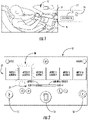
- a voice recognition system is illustrated in accordance with one or more embodiments and generally represented by numeral 10.
- the voice recognition system 10 is depicted within a media device 12.
- the media device 12 is a vehicle information/entertainment system according to the illustrated embodiment.
- the voice recognition system 10 includes a motion monitoring device 14 (e.g., a camera) and a voice monitoring device 16 (e.g., a microphone).
- the voice recognition system 10 also includes a user interface 18 and a controller 20 that communicates with the camera 14, the microphone 16 and the user interface 18.
- the voice recognition system 10 may also be implemented in other media devices, such as home entertainment systems, cellphones and portable loudspeaker assemblies, as described below with reference to Figure 6 .
- the voice recognition system 10 monitors a user's features and compares the features to predetermined data to determine if the user is recognized and if an existing profile of the user's interests is available. If the user is recognized, and their profile is available, the system 10 translates the user's speech using filters based on their profile. The system 10 also monitor's the user's movement (e.g., eye gaze and/or lip movement) and filters the user's speech based on such movement. Such filters narrow the search field used to translate the user's speech to text and improve the accuracy of the translation, especially in environments with loud ambient noise, e.g., the passenger compartment of an automobile.
- filters narrow the search field used to translate the user's speech to text and improve the accuracy of the translation, especially in environments with loud ambient noise, e.g., the passenger compartment of an automobile.
- the controller 20 generally includes any number of microprocessors, ASICs, ICs, memory (e.g., FLASH, ROM, RAM, EPROM and/or EEPROM) and software code to co-act with one another to perform operations noted herein.
- the controller 20 also includes predetermined data, or "look up tables" that are based on calculations and test data and stored within the memory.
- the controller 20 communicates with other components of the media device 12 (e.g., the camera 14, the microphone 16 and the user interface 18, etc.) over one or more wired or wireless connections using common bus protocols (e.g., CAN and LIN).
- common bus protocols e.g., CAN and LIN
- the media device 12 receives input that is indicative of a user command.
- the user interface 18 is a touch screen for receiving tactile input from the user, according to one embodiment.
- the microphone 16 receives audio input from the user, i.e., a voice command.
- the camera 14 receives visual input, e.g., movement or gestures from the user that may be indicative of a command. For example, the camera 14 monitors movement of the user's eyes and generates data that is indicative of the user's eye gaze, according to one embodiment.
- the camera 14 may adjust, e.g. pan, tilt or zoom while monitoring the user.
- the controller 20 analyzes this eye gaze data using known techniques to determine which region of the user interface 18 that the user is looking at.
- the user interface 18 displays content such as vehicle controls for various vehicle systems.
- the user interface 18 displays a climate controls icon 22, a communication controls icon 24 and an audio system controls icon 26, according to the illustrated embodiment.
- the user interface 18 adjusts the content displayed to the user in response to a user tactile (touch) command, voice command or visual command.
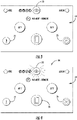
- the voice recognition system 10 controls the user interface 18 to display additional climate controls (shown in Figures 3-4 ), in response to the user focusing their gaze on the climate controls icon 22 for a period of time.
- the voice recognition system 10 controls the user interface 18 to display additional communication controls (shown in Figure 5 ), in response to the user saying "Call Anna.”
- the voice recognition system 10 controls the user interface 18 to display additional audio system controls, such as available audio content and current audio content, in response to the user pressing the audio system controls icon 26.
- the user interface 18 displays available audio content 28, which are images of Album Covers A-F by Artists 1-6.
- the user interface 18 also displays information for a song that is currently being played by the audio system, including text describing the artist and the name of the song along with a scale indicating the current status of the song (i.e., time elapsed and time remaining), which is depicted by numeral 29.
- the voice recognition system 10 adjusts the content displayed to the user based on a voice command. For example, rather than pressing the available audio content icon 28 for Artist 2, the user could say "Play Artist 2, Album B, Song 1", and voice recognition system 10 controls the audio system to stop playing the current audio content (i.e., Artist 1, Album A, Song 2) and start playing the new requested audio content.
- the voice recognition system 10 converts or translates the user's voice command to text, and compares it to predetermined data, e.g., a database of different commands, to interpret the command.
- predetermined data e.g., a database of different commands
- the user may be driving with the windows open, or there may be other passengers talking in the vehicle, which may create noise which complicates the translation.
- the voice recognition system 10 improves the accuracy of the translation of the voice command by combining it with eye gaze tracking to narrow down the search field and limit the speech to text translation to the item on the menu that the user is focused on, according to an embodiment.
- the user provides the voice command: "Play Artist 2, Album B, Song 1", while looking at the Artist 2, Album B icon 28.
- the voice recognition system 10 is only able to translate "Play ... Song 1" from the voice command.
- the voice recognition system 10 determines that the user's eye gaze was focused on the Artist 2, Album B icon 28 and therefore narrows the search field to the correct available audio content.
- the voice recognition system 10 improves the accuracy of the translation of the voice request by combining the voice command with facial recognition to narrow down the search field, according to an embodiment.
- the available audio content includes a song by the artist: The Beatles ® and a song by the artist: Justin Bieber ® .
- the user provides a voice command: "Play The Beatles ® " while looking at the road and not at the user interface 18.
- the windows in the vehicle are open and there is external noise present during the command, so the voice recognition system 10 is only able to translate "Play Be " from the voice command.
- the voice recognition system 10 determines that driver A (Dad) was driving, not driver B (Child), using facial recognition software and is able to narrow the search field to the correct available audio content based on a profile indicative of driver A's audio preferences and/or history.
- the voice recognition system 10 further improves the accuracy of the translation of the voice request by combining the voice command with facial recognition and lip-reading to narrow down the search field.
- the voice recognition system 10 uses facial recognition to detect face and lip motions and correlates the motion to predetermined facial motion corresponding to the phonics of the speech.
- the voice recognition system 10 responds to a user command using audio and/or visual communication, according to an embodiment.
- the system 10 may ask the user to confirm the command, e.g., "Please confirm, you would like to play Artist 2, Album B, Song 1.”
- the voice recognition system 10 may provide visual feedback through dynamic and responsive user interface 18 changes.
- the voice recognition system may control the available audio content icon 28 for Artist 2, Album B to blink, move, or change size (e.g., shrink or enlarge), as depicted by motion lines 30 in Fig. 2 .
- Such visual feedback reduces false positives, particularly for far field voice recognition, due to unintended voice/movement actions.
- additional climate system controls may be displayed on the user interface 18, e.g., in response to a user touching, or focusing their gaze on, the climate system controls icon 22.
- the voice recognition system 10 uses eye gaze tracking and/or facial recognition as an option to replace a "wake word,” according to one or more embodiments.
- Existing voice recognition systems often require input to wake up, before they start monitoring for voice commands. For example, some existing systems require the user to press a button or say a "wake word,” such as "Hi Bixby TM ,” “Hello Alexa TM “, “Ok, Google ® ", etc. to initiate audio communication.
- the voice recognition system 10 initiates audio communication, (wakes) using eye gaze tracking, according to an embodiment. For example, the system 10 initiates audio communication after determining that the user's eye gaze was focused on the user interface 18 for a predetermined period of time. The voice recognition system 10 may also notify the user once it wakes, using audio or visual communication.
- the user interface 18 includes a wake icon 32 that depicts an open eyeball. After waking, the voice recognition system 10 notifies the user by controlling the wake icon to blink, as depicted by motion lines 34 (shown in Fig. 4 ).
- Figure 5 illustrates additional communication system controls that may be displayed on the user interface 18, e.g., in response to a user touching, or focusing their gaze on, the communication controls icon 24.
- the media network 38 includes the voice recognition system 10 in a media device 12 of a vehicle 40 as described above with reference to Figures 1-5 .
- the media network 38 also includes a home entertainment system 42, a cellphone 44 and a portable loudspeaker assembly 46, that each include a voice recognition system 10 and each communicate with each other using a cloud based network 48.
- a profile may be established for each user of the media device 12 based on their interests as determined from past eye gazing data, voice commands, audio content preferences, etc. This profile may be stored within the cloud network 48, so that it is accessible by the other devices of the media network 38.
- the voice recognition system 10 includes gaze-enabled macros according to an embodiment.
- the controller 20 includes instructions that once executed, execute the macro(s).
- Such macros provide shortcuts to groups of commands or actions that can be initiated with a single voice command or utterance combined with eye gaze tracking.
- the commands can include actions related to embedded systems domains, offboard or cloud related actions or a combination of these.
- the voice recognition system 10 implemented in the vehicle 40 may turn the headlights on, wipers on, and request local weather forecasts and weather alerts in response to receiving a "Bad Weather" voice command combined with an eye gaze focusing on a weather icon (not shown).
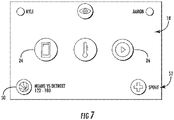
- the vehicle based voice recognition system 10 may also tune the radio to a personalized sports game and display the current score, as depicted by sports score icon 50, in response to receiving a "Sports" voice command, combined with an eye gaze focusing on a text icon "Sport” 52.
- the voice recognition system 10 implemented in the home entertainment system 42 may provide personalized sports scores and news, turn on the surround sound, and specific optical settings for the television, in response to a "Sports" voice command combined with an eye gaze focusing on a sports icon (not shown).
- the voice recognition system 10 implemented in the cellphone 44 may set a home security system, check interior lights, thermostat settings and door locks in response to a "Sleep" voice command, combined with an eye gaze focusing on a sleep icon (not shown).
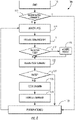
- a flow chart depicting a method for controlling the voice recognition system 10 is illustrated in accordance with one or more embodiments and is generally referenced by numeral 100.
- the method 100 is implemented using software code that is executed by the controller 20 and contained within memory according to one or more embodiments. While the flowchart is illustrated with a number of sequential steps, one or more steps may be omitted and/or executed in another manner without deviating from the scope and contemplation of the present disclosure.
- the voice recognition system 10 starts or initiates the method 100.
- the voice recognition system 10 starts in response to the user performing an action that triggers power to be supplied to the system, e.g., by turning an ignition key to on, and the user interface 18 displays vehicles controls, such as those shown in Figs. 2-5 , and 7 .
- the voice recognition system 10 proceeds to operation 130 and performs a corresponding action. For example, if the user touches the climate controls icon 22, the user interface 18 displays the additional climate controls icons as shown in Figures 3 and 4 .
- the voice recognition system 10 monitors the user, e.g., using a camera 14 and/or microphone 16 (shown in Figure 1 ).
- the voice recognition system initiates audio communication with the user (i.e., wakes) at operation 116. This initiation is in response to a voice command (e.g., "wake word") or in response to a visual command, e.g., a determination that the user's eye gaze was focused on the user interface 18 for longer than a predetermined period of time, according to one or more embodiments. As discussed with reference to Figure 4 , the voice recognition system 10 may also notify the user once it wakes using audio or visual communication, e.g., by controlling the wake icon 32 to blink.
- a voice command e.g., "wake word”
- a visual command e.g., a determination that the user's eye gaze was focused on the user interface 18 for longer than a predetermined period of time
- the voice recognition system 10 continues to monitor a user's features and compares the features to predetermined data to determine if the user is recognized. If the user is recognized, the voice recognition system 10 acquires their profile at operation 120, e.g., through the cloud based network 38 (shown in Figure 6 ).
- the voice recognition system 10 receives a voice command at operation 122. Then at operation 124, the voice recognition system 10 determines if the voice command, combined with a non-verbal command, e.g., eye-gaze, corresponds to a macro. If so, the system 10 proceeds to operation 130 and performs the action(s).
- a non-verbal command e.g., eye-gaze
- the voice recognition system 10 filters the user's speech. If a profile was acquired at operation 120, the system 10 filters the voice command at operation 126 based on the profile. The system 10 also monitor's the user's movement (e.g., eye gaze and/or lip movement) and filters the voice command based on such movement. Such filters narrow the search field used to translate the voice command to text and improve the accuracy of the translation.
- the voice recognition system 10 translates the voice command at operation 128 and then performs the action or actions (e.g., adjust content displayed on the user interface 18; control the climate system to increase the temperature within the vehicle; or control the audio system to play a different song) at operation 130.
Landscapes
- Engineering & Computer Science (AREA)
- Computational Linguistics (AREA)
- Health & Medical Sciences (AREA)
- Audiology, Speech & Language Pathology (AREA)
- Human Computer Interaction (AREA)
- Physics & Mathematics (AREA)
- Acoustics & Sound (AREA)
- Multimedia (AREA)
- User Interface Of Digital Computer (AREA)
Claims (11)
- Système de reconnaissance vocale (10) comprenant :une interface utilisateur (18) pour afficher du contenu ;une caméra (14) pour fournir un premier signal indicatif d'une image d'un utilisateur visualisant le contenu ;un microphone (16) pour fournir un second signal indicatif d'une commande vocale qui correspond à une action demandée ; etun dispositif de commande (20) programmé pour :recevoir le premier signal et le second signal,filtrer la commande vocale en fonction de l'image,effectuer l'action demandée en fonction de la commande vocale filtrée, etexécuter une macro comportant une série d'actions en réponse à :un regard de l'utilisateur détecté pour se concentrer sur une région de l'interface utilisateur (18) pendant une période de temps qui dépasse une période de temps prédéterminée ; etla commande vocale correspondant à une commande vocale prédéterminée qui est associée au contenu affiché sur la région de l'interface utilisateur (18).
- Système de reconnaissance vocale (10) selon la revendication 1, dans lequel le dispositif de commande (20) est en outre programmé pour réduire un champ de recherche pour traduire la commande vocale en texte lors du filtrage de la commande vocale en fonction de l'image.
- Système de reconnaissance vocale (10) selon la revendication 1, dans lequel le dispositif de commande (20) est en outre programmé pour filtrer la commande vocale en réponse à des changements dans l'image qui correspondent à un mouvement.
- Système de reconnaissance vocale (10) selon la revendication 1, dans lequel le dispositif de commande (20) est en outre programmé pour filtrer la commande vocale en réponse à l'image indiquant au moins l'un parmi un regard et un mouvement des lèvres de l'utilisateur.
- Système de reconnaissance vocale (10) selon la revendication 1, dans lequel le dispositif de commande (20) est en outre programmé pour filtrer la commande vocale correspondant au contenu affiché sur une région de l'interface utilisateur (18) lorsqu'un regard de l'utilisateur est détecté pour se concentrer sur la région de l'interface utilisateur (18) pendant une période de temps qui dépasse une période de temps prédéterminée.
- Système de reconnaissance vocale (10) selon la revendication 5, dans lequel le dispositif de commande (20) est en outre programmé pour ajuster le contenu affiché sur la région de l'interface utilisateur (18) pour confirmer au moins l'un parmi le premier signal et le second signal avant d'effectuer l'action.
- Système de reconnaissance vocale (10) selon la revendication 1, dans lequel le dispositif de commande (20) est en outre programmé pour effectuer l'action demandée en ajustant le contenu affiché sur l'interface utilisateur (18).
- Système de reconnaissance vocale (10) selon la revendication 1, dans lequel le dispositif de commande (20) est en outre programmé pour comparer l'image à des données de profil prédéterminées pour sélectionner un profil associé à l'utilisateur et pour filtrer la commande vocale en fonction du profil.
- Système de reconnaissance vocale (10) selon la revendication 1, dans lequel le dispositif de commande (20) est en outre programmé pour initier une communication avec l'utilisateur en réponse à un regard de l'utilisateur détecté pour se concentrer sur une région de l'interface utilisateur (18) pendant une période de temps qui dépasse une période de temps prédéterminée.
- Système de reconnaissance vocale (10) selon la revendication 9, dans lequel le dispositif de commande (20) est en outre programmé pour ajuster le contenu affiché sur l'interface utilisateur (18) pour confirmer l'initiation de la communication.
- Réseau multimédia (38) comprenant :un premier dispositif multimédia (12) comportant le système de reconnaissance vocale (10) selon la revendication 1, dans lequel l'interface utilisateur (18) comprend une première interface utilisateur ;un second dispositif multimédia comportant une seconde interface utilisateur adaptée pour afficher du contenu et un second dispositif de commande (20) en communication avec la seconde interface utilisateur ; etun dispositif de stockage en communication avec le dispositif de commande (20) et le second dispositif de commande (20) et adapté pour stocker un profil d'utilisateur.
Applications Claiming Priority (2)
| Application Number | Priority Date | Filing Date | Title |
|---|---|---|---|
| US201662440893P | 2016-12-30 | 2016-12-30 | |
| PCT/US2017/068856 WO2018132273A1 (fr) | 2016-12-30 | 2017-12-29 | Système de reconnaissance vocale |
Publications (3)
| Publication Number | Publication Date |
|---|---|
| EP3563373A1 EP3563373A1 (fr) | 2019-11-06 |
| EP3563373A4 EP3563373A4 (fr) | 2020-07-01 |
| EP3563373B1 true EP3563373B1 (fr) | 2022-11-30 |
Family
ID=62840374
Family Applications (1)
| Application Number | Title | Priority Date | Filing Date |
|---|---|---|---|
| EP17891423.0A Active EP3563373B1 (fr) | 2016-12-30 | 2017-12-29 | Système de reconnaissance vocale |
Country Status (4)
| Country | Link |
|---|---|
| US (1) | US20190333508A1 (fr) |
| EP (1) | EP3563373B1 (fr) |
| CN (1) | CN110114825A (fr) |
| WO (1) | WO2018132273A1 (fr) |
Families Citing this family (35)
| Publication number | Priority date | Publication date | Assignee | Title |
|---|---|---|---|---|
| EP2203865A2 (fr) | 2007-09-24 | 2010-07-07 | Apple Inc. | Systèmes d'authentification incorporés dans un dispositif électronique |
| US8600120B2 (en) | 2008-01-03 | 2013-12-03 | Apple Inc. | Personal computing device control using face detection and recognition |
| US11165963B2 (en) | 2011-06-05 | 2021-11-02 | Apple Inc. | Device, method, and graphical user interface for accessing an application in a locked device |
| US9002322B2 (en) | 2011-09-29 | 2015-04-07 | Apple Inc. | Authentication with secondary approver |
| US9898642B2 (en) | 2013-09-09 | 2018-02-20 | Apple Inc. | Device, method, and graphical user interface for manipulating user interfaces based on fingerprint sensor inputs |
| US9483763B2 (en) | 2014-05-29 | 2016-11-01 | Apple Inc. | User interface for payments |
| DK179978B1 (en) | 2016-09-23 | 2019-11-27 | Apple Inc. | Image data for enhanced user interactions |
| WO2018175959A1 (fr) * | 2017-03-23 | 2018-09-27 | Joyson Safety Systems Acquisition Llc | Système et procédé de corrélation d'images de bouche à des instructions d'entrée |
| KR102185854B1 (ko) | 2017-09-09 | 2020-12-02 | 애플 인크. | 생체측정 인증의 구현 |
| KR102143148B1 (ko) | 2017-09-09 | 2020-08-10 | 애플 인크. | 생체측정 인증의 구현 |
| US20190179598A1 (en) * | 2017-12-11 | 2019-06-13 | Panasonic Automotive Systems Company Of America Division Of Panasonic Corporation Of North America | Suggestive preemptive radio turner |
| US10997975B2 (en) * | 2018-02-20 | 2021-05-04 | Dsp Group Ltd. | Enhanced vehicle key |
| GB2572587B (en) * | 2018-04-04 | 2021-07-07 | Jaguar Land Rover Ltd | Apparatus and method for controlling operation of a voice recognition system of a vehicle |
| US11170085B2 (en) | 2018-06-03 | 2021-11-09 | Apple Inc. | Implementation of biometric authentication |
| DE102018212902B4 (de) * | 2018-08-02 | 2024-12-19 | Bayerische Motoren Werke Aktiengesellschaft | Verfahren zum Bestimmen eines digitalen Assistenten zum Ausführen einer Fahrzeugfunktion aus einer Vielzahl von digitalen Assistenten in einem Fahrzeug, computerlesbares Medium, System, und Fahrzeug |
| US11100349B2 (en) | 2018-09-28 | 2021-08-24 | Apple Inc. | Audio assisted enrollment |
| US10860096B2 (en) * | 2018-09-28 | 2020-12-08 | Apple Inc. | Device control using gaze information |
| CN110007701B (zh) * | 2019-05-09 | 2022-05-13 | 广州小鹏汽车科技有限公司 | 一种车载设备的控制方法、装置、车辆及存储介质 |
| CN110211589B (zh) * | 2019-06-05 | 2022-03-15 | 广州小鹏汽车科技有限公司 | 车载系统的唤醒方法、装置以及车辆、机器可读介质 |
| KR20210014909A (ko) * | 2019-07-31 | 2021-02-10 | 삼성전자주식회사 | 대상의 언어 수준을 식별하는 전자 장치 및 방법 |
| KR102736479B1 (ko) * | 2019-09-24 | 2024-12-03 | 엘지전자 주식회사 | 사용자의 표정이나 발화를 고려하여 마사지 동작을 제어하는 인공 지능 마사지 장치 및 그 방법 |
| KR20210112726A (ko) * | 2020-03-06 | 2021-09-15 | 엘지전자 주식회사 | 차량의 좌석별로 대화형 비서를 제공하는 방법 |
| US11439902B2 (en) * | 2020-05-01 | 2022-09-13 | Dell Products L.P. | Information handling system gaming controls |
| KR20220059629A (ko) * | 2020-11-03 | 2022-05-10 | 현대자동차주식회사 | 차량 및 그의 제어방법 |
| EP4260013A2 (fr) * | 2020-12-09 | 2023-10-18 | Cerence Operating Company | Système d'info-divertissement automobile comprenant des applications à compétences spatiales qui interagissent avec une interface vocale |
| US12175970B2 (en) * | 2020-12-24 | 2024-12-24 | Cerence Operating Company | Speech dialog system for multiple passengers in a car |
| EP4264460B1 (fr) | 2021-01-25 | 2025-12-24 | Apple Inc. | Mise en oeuvre d'une authentification biométrique |
| US12210603B2 (en) | 2021-03-04 | 2025-01-28 | Apple Inc. | User interface for enrolling a biometric feature |
| CN113111939B (zh) * | 2021-04-12 | 2022-09-02 | 中国人民解放军海军航空大学航空作战勤务学院 | 飞行器飞行动作识别方法及装置 |
| US12216754B2 (en) | 2021-05-10 | 2025-02-04 | Apple Inc. | User interfaces for authenticating to perform secure operations |
| US12554815B2 (en) | 2022-02-28 | 2026-02-17 | Apple Inc. | Devices, methods, and graphical user interfaces for authorizing a secure operation |
| US12572198B2 (en) | 2022-09-22 | 2026-03-10 | Apple Inc. | User interfaces for gaze tracking enrollment |
| US12417596B2 (en) | 2022-09-23 | 2025-09-16 | Apple Inc. | User interfaces for managing live communication sessions |
| US12353796B2 (en) * | 2022-12-21 | 2025-07-08 | Cisco Technology, Inc. | Controlling audibility of voice commands based on eye gaze tracking |
| US12386418B2 (en) * | 2023-09-08 | 2025-08-12 | Huawei Technologies Co., Ltd. | Gaze assisted input for an electronic device |
Family Cites Families (12)
| Publication number | Priority date | Publication date | Assignee | Title |
|---|---|---|---|---|
| AU2003285656A1 (en) * | 2002-12-20 | 2004-07-14 | Koninklijke Philips Electronics N.V. | System with macrocommands |
| US7454342B2 (en) * | 2003-03-19 | 2008-11-18 | Intel Corporation | Coupled hidden Markov model (CHMM) for continuous audiovisual speech recognition |
| US8620652B2 (en) * | 2007-05-17 | 2013-12-31 | Microsoft Corporation | Speech recognition macro runtime |
| JP4442659B2 (ja) * | 2007-08-09 | 2010-03-31 | トヨタ自動車株式会社 | 内燃機関の排気浄化装置 |
| US8309490B2 (en) * | 2009-09-24 | 2012-11-13 | Valent Biosciences Corporation | Low VOC and stable plant growth regulator liquid and granule compositions |
| US9423870B2 (en) * | 2012-05-08 | 2016-08-23 | Google Inc. | Input determination method |
| US9823742B2 (en) * | 2012-05-18 | 2017-11-21 | Microsoft Technology Licensing, Llc | Interaction and management of devices using gaze detection |
| US9710092B2 (en) * | 2012-06-29 | 2017-07-18 | Apple Inc. | Biometric initiated communication |
| KR101284594B1 (ko) * | 2012-10-26 | 2013-07-10 | 삼성전자주식회사 | 영상처리장치 및 그 제어방법, 영상처리 시스템 |
| US9798799B2 (en) * | 2012-11-15 | 2017-10-24 | Sri International | Vehicle personal assistant that interprets spoken natural language input based upon vehicle context |
| US9817474B2 (en) * | 2014-01-24 | 2017-11-14 | Tobii Ab | Gaze driven interaction for a vehicle |
| US9552062B2 (en) | 2014-09-05 | 2017-01-24 | Echostar Uk Holdings Limited | Gaze-based security |
-
2017
- 2017-12-29 US US16/474,993 patent/US20190333508A1/en not_active Abandoned
- 2017-12-29 WO PCT/US2017/068856 patent/WO2018132273A1/fr not_active Ceased
- 2017-12-29 EP EP17891423.0A patent/EP3563373B1/fr active Active
- 2017-12-29 CN CN201780080657.5A patent/CN110114825A/zh active Pending
Also Published As
| Publication number | Publication date |
|---|---|
| EP3563373A4 (fr) | 2020-07-01 |
| WO2018132273A1 (fr) | 2018-07-19 |
| EP3563373A1 (fr) | 2019-11-06 |
| CN110114825A (zh) | 2019-08-09 |
| US20190333508A1 (en) | 2019-10-31 |
Similar Documents
| Publication | Publication Date | Title |
|---|---|---|
| EP3563373B1 (fr) | Système de reconnaissance vocale | |
| US11243613B2 (en) | Smart tutorial for gesture control system | |
| CN110045825B (zh) | 用于车辆交互控制的手势识别系统 | |
| US10067563B2 (en) | Interaction and management of devices using gaze detection | |
| US9678573B2 (en) | Interaction with devices based on user state | |
| US9865258B2 (en) | Method for recognizing a voice context for a voice control function, method for ascertaining a voice control signal for a voice control function, and apparatus for executing the method | |
| US20170235361A1 (en) | Interaction based on capturing user intent via eye gaze | |
| US11126391B2 (en) | Contextual and aware button-free screen articulation | |
| EP4354426A1 (fr) | Procédé et appareil d'interaction homme-ordinateur, dispositif et véhicule | |
| US20160055825A1 (en) | Electronic device and method of adjusting user interface thereof | |
| US20170286785A1 (en) | Interactive display based on interpreting driver actions | |
| KR102699141B1 (ko) | 자동차 및 그의 위한 정보 출력 방법 | |
| US11019553B1 (en) | Managing communications with devices based on device information | |
| JP2018036902A (ja) | 機器操作システム、機器操作方法および機器操作プログラム | |
| US20240126503A1 (en) | Interface control method and apparatus, and system | |
| US20250110479A1 (en) | Techniques for controlling an area | |
| US10466657B2 (en) | Systems and methods for global adaptation of an implicit gesture control system | |
| US12547307B2 (en) | Techniques and user interfaces for controlling one or more electronic devices | |
| CN114386763B (zh) | 一种车辆交互方法、车辆交互装置及存储介质 | |
| WO2025072856A1 (fr) | Techniques de commande d'une zone | |
| CN118163609A (zh) | 一种导航菜单显示方法、系统及车辆 | |
| CN119788893A (zh) | 基于多模态指令的电视控制方法、设备及存储介质 | |
| CN121050613A (zh) | 基于显示界面的人机交互方法、装置、设备及介质 | |
| CN118259863A (zh) | 语音交互的方法和电子设备 |
Legal Events
| Date | Code | Title | Description |
|---|---|---|---|
| STAA | Information on the status of an ep patent application or granted ep patent |
Free format text: STATUS: THE INTERNATIONAL PUBLICATION HAS BEEN MADE |
|
| PUAI | Public reference made under article 153(3) epc to a published international application that has entered the european phase |
Free format text: ORIGINAL CODE: 0009012 |
|
| STAA | Information on the status of an ep patent application or granted ep patent |
Free format text: STATUS: REQUEST FOR EXAMINATION WAS MADE |
|
| 17P | Request for examination filed |
Effective date: 20190612 |
|
| AK | Designated contracting states |
Kind code of ref document: A1 Designated state(s): AL AT BE BG CH CY CZ DE DK EE ES FI FR GB GR HR HU IE IS IT LI LT LU LV MC MK MT NL NO PL PT RO RS SE SI SK SM TR |
|
| AX | Request for extension of the european patent |
Extension state: BA ME |
|
| DAV | Request for validation of the european patent (deleted) | ||
| DAX | Request for extension of the european patent (deleted) | ||
| A4 | Supplementary search report drawn up and despatched |
Effective date: 20200529 |
|
| RIC1 | Information provided on ipc code assigned before grant |
Ipc: G10L 15/25 20130101ALI20200525BHEP Ipc: G10L 15/00 20130101ALI20200525BHEP Ipc: G10L 15/02 20060101ALI20200525BHEP Ipc: G10L 15/08 20060101AFI20200525BHEP Ipc: G10L 15/22 20060101ALI20200525BHEP |
|
| GRAP | Despatch of communication of intention to grant a patent |
Free format text: ORIGINAL CODE: EPIDOSNIGR1 |
|
| STAA | Information on the status of an ep patent application or granted ep patent |
Free format text: STATUS: GRANT OF PATENT IS INTENDED |
|
| INTG | Intention to grant announced |
Effective date: 20220701 |
|
| GRAS | Grant fee paid |
Free format text: ORIGINAL CODE: EPIDOSNIGR3 |
|
| GRAA | (expected) grant |
Free format text: ORIGINAL CODE: 0009210 |
|
| STAA | Information on the status of an ep patent application or granted ep patent |
Free format text: STATUS: THE PATENT HAS BEEN GRANTED |
|
| AK | Designated contracting states |
Kind code of ref document: B1 Designated state(s): AL AT BE BG CH CY CZ DE DK EE ES FI FR GB GR HR HU IE IS IT LI LT LU LV MC MK MT NL NO PL PT RO RS SE SI SK SM TR |
|
| REG | Reference to a national code |
Ref country code: CH Ref legal event code: EP Ref country code: GB Ref legal event code: FG4D |
|
| REG | Reference to a national code |
Ref country code: AT Ref legal event code: REF Ref document number: 1535285 Country of ref document: AT Kind code of ref document: T Effective date: 20221215 Ref country code: DE Ref legal event code: R096 Ref document number: 602017064266 Country of ref document: DE |
|
| REG | Reference to a national code |
Ref country code: IE Ref legal event code: FG4D |
|
| REG | Reference to a national code |
Ref country code: LT Ref legal event code: MG9D |
|
| REG | Reference to a national code |
Ref country code: NL Ref legal event code: MP Effective date: 20221130 |
|
| PG25 | Lapsed in a contracting state [announced via postgrant information from national office to epo] |
Ref country code: SE Free format text: LAPSE BECAUSE OF FAILURE TO SUBMIT A TRANSLATION OF THE DESCRIPTION OR TO PAY THE FEE WITHIN THE PRESCRIBED TIME-LIMIT Effective date: 20221130 Ref country code: PT Free format text: LAPSE BECAUSE OF FAILURE TO SUBMIT A TRANSLATION OF THE DESCRIPTION OR TO PAY THE FEE WITHIN THE PRESCRIBED TIME-LIMIT Effective date: 20230331 Ref country code: NO Free format text: LAPSE BECAUSE OF FAILURE TO SUBMIT A TRANSLATION OF THE DESCRIPTION OR TO PAY THE FEE WITHIN THE PRESCRIBED TIME-LIMIT Effective date: 20230228 Ref country code: LT Free format text: LAPSE BECAUSE OF FAILURE TO SUBMIT A TRANSLATION OF THE DESCRIPTION OR TO PAY THE FEE WITHIN THE PRESCRIBED TIME-LIMIT Effective date: 20221130 Ref country code: FI Free format text: LAPSE BECAUSE OF FAILURE TO SUBMIT A TRANSLATION OF THE DESCRIPTION OR TO PAY THE FEE WITHIN THE PRESCRIBED TIME-LIMIT Effective date: 20221130 Ref country code: ES Free format text: LAPSE BECAUSE OF FAILURE TO SUBMIT A TRANSLATION OF THE DESCRIPTION OR TO PAY THE FEE WITHIN THE PRESCRIBED TIME-LIMIT Effective date: 20221130 |
|
| REG | Reference to a national code |
Ref country code: AT Ref legal event code: MK05 Ref document number: 1535285 Country of ref document: AT Kind code of ref document: T Effective date: 20221130 |
|
| PG25 | Lapsed in a contracting state [announced via postgrant information from national office to epo] |
Ref country code: RS Free format text: LAPSE BECAUSE OF FAILURE TO SUBMIT A TRANSLATION OF THE DESCRIPTION OR TO PAY THE FEE WITHIN THE PRESCRIBED TIME-LIMIT Effective date: 20221130 Ref country code: PL Free format text: LAPSE BECAUSE OF FAILURE TO SUBMIT A TRANSLATION OF THE DESCRIPTION OR TO PAY THE FEE WITHIN THE PRESCRIBED TIME-LIMIT Effective date: 20221130 Ref country code: LV Free format text: LAPSE BECAUSE OF FAILURE TO SUBMIT A TRANSLATION OF THE DESCRIPTION OR TO PAY THE FEE WITHIN THE PRESCRIBED TIME-LIMIT Effective date: 20221130 Ref country code: IS Free format text: LAPSE BECAUSE OF FAILURE TO SUBMIT A TRANSLATION OF THE DESCRIPTION OR TO PAY THE FEE WITHIN THE PRESCRIBED TIME-LIMIT Effective date: 20230330 Ref country code: HR Free format text: LAPSE BECAUSE OF FAILURE TO SUBMIT A TRANSLATION OF THE DESCRIPTION OR TO PAY THE FEE WITHIN THE PRESCRIBED TIME-LIMIT Effective date: 20221130 Ref country code: GR Free format text: LAPSE BECAUSE OF FAILURE TO SUBMIT A TRANSLATION OF THE DESCRIPTION OR TO PAY THE FEE WITHIN THE PRESCRIBED TIME-LIMIT Effective date: 20230301 |
|
| PG25 | Lapsed in a contracting state [announced via postgrant information from national office to epo] |
Ref country code: NL Free format text: LAPSE BECAUSE OF FAILURE TO SUBMIT A TRANSLATION OF THE DESCRIPTION OR TO PAY THE FEE WITHIN THE PRESCRIBED TIME-LIMIT Effective date: 20221130 |
|
| P01 | Opt-out of the competence of the unified patent court (upc) registered |
Effective date: 20230527 |
|
| PG25 | Lapsed in a contracting state [announced via postgrant information from national office to epo] |
Ref country code: SM Free format text: LAPSE BECAUSE OF FAILURE TO SUBMIT A TRANSLATION OF THE DESCRIPTION OR TO PAY THE FEE WITHIN THE PRESCRIBED TIME-LIMIT Effective date: 20221130 Ref country code: RO Free format text: LAPSE BECAUSE OF FAILURE TO SUBMIT A TRANSLATION OF THE DESCRIPTION OR TO PAY THE FEE WITHIN THE PRESCRIBED TIME-LIMIT Effective date: 20221130 Ref country code: EE Free format text: LAPSE BECAUSE OF FAILURE TO SUBMIT A TRANSLATION OF THE DESCRIPTION OR TO PAY THE FEE WITHIN THE PRESCRIBED TIME-LIMIT Effective date: 20221130 Ref country code: DK Free format text: LAPSE BECAUSE OF FAILURE TO SUBMIT A TRANSLATION OF THE DESCRIPTION OR TO PAY THE FEE WITHIN THE PRESCRIBED TIME-LIMIT Effective date: 20221130 Ref country code: CZ Free format text: LAPSE BECAUSE OF FAILURE TO SUBMIT A TRANSLATION OF THE DESCRIPTION OR TO PAY THE FEE WITHIN THE PRESCRIBED TIME-LIMIT Effective date: 20221130 Ref country code: AT Free format text: LAPSE BECAUSE OF FAILURE TO SUBMIT A TRANSLATION OF THE DESCRIPTION OR TO PAY THE FEE WITHIN THE PRESCRIBED TIME-LIMIT Effective date: 20221130 |
|
| REG | Reference to a national code |
Ref country code: CH Ref legal event code: PL |
|
| REG | Reference to a national code |
Ref country code: BE Ref legal event code: MM Effective date: 20221231 |
|
| PG25 | Lapsed in a contracting state [announced via postgrant information from national office to epo] |
Ref country code: SK Free format text: LAPSE BECAUSE OF FAILURE TO SUBMIT A TRANSLATION OF THE DESCRIPTION OR TO PAY THE FEE WITHIN THE PRESCRIBED TIME-LIMIT Effective date: 20221130 Ref country code: LU Free format text: LAPSE BECAUSE OF NON-PAYMENT OF DUE FEES Effective date: 20221229 Ref country code: AL Free format text: LAPSE BECAUSE OF FAILURE TO SUBMIT A TRANSLATION OF THE DESCRIPTION OR TO PAY THE FEE WITHIN THE PRESCRIBED TIME-LIMIT Effective date: 20221130 |
|
| REG | Reference to a national code |
Ref country code: DE Ref legal event code: R097 Ref document number: 602017064266 Country of ref document: DE |
|
| PLBE | No opposition filed within time limit |
Free format text: ORIGINAL CODE: 0009261 |
|
| STAA | Information on the status of an ep patent application or granted ep patent |
Free format text: STATUS: NO OPPOSITION FILED WITHIN TIME LIMIT |
|
| PG25 | Lapsed in a contracting state [announced via postgrant information from national office to epo] |
Ref country code: LI Free format text: LAPSE BECAUSE OF NON-PAYMENT OF DUE FEES Effective date: 20221231 Ref country code: IE Free format text: LAPSE BECAUSE OF NON-PAYMENT OF DUE FEES Effective date: 20221229 Ref country code: CH Free format text: LAPSE BECAUSE OF NON-PAYMENT OF DUE FEES Effective date: 20221231 |
|
| 26N | No opposition filed |
Effective date: 20230831 |
|
| PG25 | Lapsed in a contracting state [announced via postgrant information from national office to epo] |
Ref country code: SI Free format text: LAPSE BECAUSE OF FAILURE TO SUBMIT A TRANSLATION OF THE DESCRIPTION OR TO PAY THE FEE WITHIN THE PRESCRIBED TIME-LIMIT Effective date: 20221130 Ref country code: FR Free format text: LAPSE BECAUSE OF NON-PAYMENT OF DUE FEES Effective date: 20230130 Ref country code: BE Free format text: LAPSE BECAUSE OF NON-PAYMENT OF DUE FEES Effective date: 20221231 |
|
| PG25 | Lapsed in a contracting state [announced via postgrant information from national office to epo] |
Ref country code: HU Free format text: LAPSE BECAUSE OF FAILURE TO SUBMIT A TRANSLATION OF THE DESCRIPTION OR TO PAY THE FEE WITHIN THE PRESCRIBED TIME-LIMIT; INVALID AB INITIO Effective date: 20171229 |
|
| PG25 | Lapsed in a contracting state [announced via postgrant information from national office to epo] |
Ref country code: CY Free format text: LAPSE BECAUSE OF FAILURE TO SUBMIT A TRANSLATION OF THE DESCRIPTION OR TO PAY THE FEE WITHIN THE PRESCRIBED TIME-LIMIT Effective date: 20221130 |
|
| PG25 | Lapsed in a contracting state [announced via postgrant information from national office to epo] |
Ref country code: MK Free format text: LAPSE BECAUSE OF FAILURE TO SUBMIT A TRANSLATION OF THE DESCRIPTION OR TO PAY THE FEE WITHIN THE PRESCRIBED TIME-LIMIT Effective date: 20221130 Ref country code: IT Free format text: LAPSE BECAUSE OF FAILURE TO SUBMIT A TRANSLATION OF THE DESCRIPTION OR TO PAY THE FEE WITHIN THE PRESCRIBED TIME-LIMIT Effective date: 20221130 |
|
| PG25 | Lapsed in a contracting state [announced via postgrant information from national office to epo] |
Ref country code: MC Free format text: LAPSE BECAUSE OF FAILURE TO SUBMIT A TRANSLATION OF THE DESCRIPTION OR TO PAY THE FEE WITHIN THE PRESCRIBED TIME-LIMIT Effective date: 20221130 |
|
| PG25 | Lapsed in a contracting state [announced via postgrant information from national office to epo] |
Ref country code: TR Free format text: LAPSE BECAUSE OF FAILURE TO SUBMIT A TRANSLATION OF THE DESCRIPTION OR TO PAY THE FEE WITHIN THE PRESCRIBED TIME-LIMIT Effective date: 20221130 Ref country code: MC Free format text: LAPSE BECAUSE OF FAILURE TO SUBMIT A TRANSLATION OF THE DESCRIPTION OR TO PAY THE FEE WITHIN THE PRESCRIBED TIME-LIMIT Effective date: 20221130 |
|
| PG25 | Lapsed in a contracting state [announced via postgrant information from national office to epo] |
Ref country code: BG Free format text: LAPSE BECAUSE OF FAILURE TO SUBMIT A TRANSLATION OF THE DESCRIPTION OR TO PAY THE FEE WITHIN THE PRESCRIBED TIME-LIMIT Effective date: 20221130 |
|
| PG25 | Lapsed in a contracting state [announced via postgrant information from national office to epo] |
Ref country code: MT Free format text: LAPSE BECAUSE OF FAILURE TO SUBMIT A TRANSLATION OF THE DESCRIPTION OR TO PAY THE FEE WITHIN THE PRESCRIBED TIME-LIMIT Effective date: 20221130 |
|
| PGFP | Annual fee paid to national office [announced via postgrant information from national office to epo] |
Ref country code: DE Payment date: 20251126 Year of fee payment: 9 |
|
| PGFP | Annual fee paid to national office [announced via postgrant information from national office to epo] |
Ref country code: GB Payment date: 20251120 Year of fee payment: 9 |