EP3567101A1 - Cellule tueuse naturelle exprimant un récepteur d'antigène chimérique anti-cotinine - Google Patents
Cellule tueuse naturelle exprimant un récepteur d'antigène chimérique anti-cotinine Download PDFInfo
- Publication number
- EP3567101A1 EP3567101A1 EP18735838.7A EP18735838A EP3567101A1 EP 3567101 A1 EP3567101 A1 EP 3567101A1 EP 18735838 A EP18735838 A EP 18735838A EP 3567101 A1 EP3567101 A1 EP 3567101A1
- Authority
- EP
- European Patent Office
- Prior art keywords
- cotinine
- natural killer
- killer cell
- cell
- car
- Prior art date
- Legal status (The legal status is an assumption and is not a legal conclusion. Google has not performed a legal analysis and makes no representation as to the accuracy of the status listed.)
- Pending
Links
Images



Classifications
-
- G—PHYSICS
- G01—MEASURING; TESTING
- G01N—INVESTIGATING OR ANALYSING MATERIALS BY DETERMINING THEIR CHEMICAL OR PHYSICAL PROPERTIES
- G01N33/00—Investigating or analysing materials by specific methods not covered by groups G01N1/00 - G01N31/00
- G01N33/48—Biological material, e.g. blood, urine; Haemocytometers
- G01N33/50—Chemical analysis of biological material, e.g. blood, urine; Testing involving biospecific ligand binding methods; Immunological testing
- G01N33/5005—Chemical analysis of biological material, e.g. blood, urine; Testing involving biospecific ligand binding methods; Immunological testing involving human or animal cells
- G01N33/5008—Chemical analysis of biological material, e.g. blood, urine; Testing involving biospecific ligand binding methods; Immunological testing involving human or animal cells for testing or evaluating the effect of chemical or biological compounds, e.g. drugs, cosmetics
- G01N33/5044—Chemical analysis of biological material, e.g. blood, urine; Testing involving biospecific ligand binding methods; Immunological testing involving human or animal cells for testing or evaluating the effect of chemical or biological compounds, e.g. drugs, cosmetics involving specific cell types
- G01N33/5047—Cells of the immune system
-
- C—CHEMISTRY; METALLURGY
- C07—ORGANIC CHEMISTRY
- C07K—PEPTIDES
- C07K14/00—Peptides having more than 20 amino acids; Gastrins; Somatostatins; Melanotropins; Derivatives thereof
- C07K14/435—Peptides having more than 20 amino acids; Gastrins; Somatostatins; Melanotropins; Derivatives thereof from animals; from humans
- C07K14/705—Receptors; Cell surface antigens; Cell surface determinants
- C07K14/70503—Immunoglobulin superfamily
-
- A—HUMAN NECESSITIES
- A61—MEDICAL OR VETERINARY SCIENCE; HYGIENE
- A61K—PREPARATIONS FOR MEDICAL, DENTAL OR TOILETRY PURPOSES
- A61K40/00—Cellular immunotherapy
- A61K40/10—Cellular immunotherapy characterised by the cell type used
- A61K40/15—Natural-killer [NK] cells; Natural-killer T [NKT] cells
-
- A—HUMAN NECESSITIES
- A61—MEDICAL OR VETERINARY SCIENCE; HYGIENE
- A61K—PREPARATIONS FOR MEDICAL, DENTAL OR TOILETRY PURPOSES
- A61K40/00—Cellular immunotherapy
- A61K40/30—Cellular immunotherapy characterised by the recombinant expression of specific molecules in the cells of the immune system
- A61K40/31—Chimeric antigen receptors [CAR]
-
- A—HUMAN NECESSITIES
- A61—MEDICAL OR VETERINARY SCIENCE; HYGIENE
- A61K—PREPARATIONS FOR MEDICAL, DENTAL OR TOILETRY PURPOSES
- A61K40/00—Cellular immunotherapy
- A61K40/40—Cellular immunotherapy characterised by antigens that are targeted or presented by cells of the immune system
- A61K40/41—Vertebrate antigens
- A61K40/42—Cancer antigens
- A61K40/4202—Receptors, cell surface antigens or cell surface determinants
- A61K40/4203—Receptors for growth factors
- A61K40/4204—Epidermal growth factor receptors [EGFR]
-
- A—HUMAN NECESSITIES
- A61—MEDICAL OR VETERINARY SCIENCE; HYGIENE
- A61K—PREPARATIONS FOR MEDICAL, DENTAL OR TOILETRY PURPOSES
- A61K40/00—Cellular immunotherapy
- A61K40/40—Cellular immunotherapy characterised by antigens that are targeted or presented by cells of the immune system
- A61K40/41—Vertebrate antigens
- A61K40/42—Cancer antigens
- A61K40/4202—Receptors, cell surface antigens or cell surface determinants
- A61K40/4203—Receptors for growth factors
- A61K40/4205—Her-2/neu/ErbB2, Her-3/ErbB3 or Her 4/ ErbB4
-
- A—HUMAN NECESSITIES
- A61—MEDICAL OR VETERINARY SCIENCE; HYGIENE
- A61P—SPECIFIC THERAPEUTIC ACTIVITY OF CHEMICAL COMPOUNDS OR MEDICINAL PREPARATIONS
- A61P35/00—Antineoplastic agents
-
- C—CHEMISTRY; METALLURGY
- C07—ORGANIC CHEMISTRY
- C07K—PEPTIDES
- C07K14/00—Peptides having more than 20 amino acids; Gastrins; Somatostatins; Melanotropins; Derivatives thereof
- C07K14/435—Peptides having more than 20 amino acids; Gastrins; Somatostatins; Melanotropins; Derivatives thereof from animals; from humans
- C07K14/705—Receptors; Cell surface antigens; Cell surface determinants
- C07K14/70503—Immunoglobulin superfamily
- C07K14/7051—T-cell receptor (TcR)-CD3 complex
-
- C—CHEMISTRY; METALLURGY
- C07—ORGANIC CHEMISTRY
- C07K—PEPTIDES
- C07K14/00—Peptides having more than 20 amino acids; Gastrins; Somatostatins; Melanotropins; Derivatives thereof
- C07K14/435—Peptides having more than 20 amino acids; Gastrins; Somatostatins; Melanotropins; Derivatives thereof from animals; from humans
- C07K14/705—Receptors; Cell surface antigens; Cell surface determinants
- C07K14/70503—Immunoglobulin superfamily
- C07K14/70517—CD8
-
- C—CHEMISTRY; METALLURGY
- C07—ORGANIC CHEMISTRY
- C07K—PEPTIDES
- C07K14/00—Peptides having more than 20 amino acids; Gastrins; Somatostatins; Melanotropins; Derivatives thereof
- C07K14/435—Peptides having more than 20 amino acids; Gastrins; Somatostatins; Melanotropins; Derivatives thereof from animals; from humans
- C07K14/705—Receptors; Cell surface antigens; Cell surface determinants
- C07K14/70503—Immunoglobulin superfamily
- C07K14/70521—CD28, CD152
-
- C—CHEMISTRY; METALLURGY
- C07—ORGANIC CHEMISTRY
- C07K—PEPTIDES
- C07K16/00—Immunoglobulins [IG], e.g. monoclonal or polyclonal antibodies
- C07K16/16—Immunoglobulins [IG], e.g. monoclonal or polyclonal antibodies against material from plants
-
- C—CHEMISTRY; METALLURGY
- C07—ORGANIC CHEMISTRY
- C07K—PEPTIDES
- C07K16/00—Immunoglobulins [IG], e.g. monoclonal or polyclonal antibodies
- C07K16/18—Immunoglobulins [IG], e.g. monoclonal or polyclonal antibodies against material from animals or humans
- C07K16/28—Immunoglobulins [IG], e.g. monoclonal or polyclonal antibodies against material from animals or humans against receptors, cell surface antigens or cell surface determinants
- C07K16/2863—Immunoglobulins [IG], e.g. monoclonal or polyclonal antibodies against material from animals or humans against receptors, cell surface antigens or cell surface determinants against receptors for growth factors, growth regulators
-
- C—CHEMISTRY; METALLURGY
- C07—ORGANIC CHEMISTRY
- C07K—PEPTIDES
- C07K16/00—Immunoglobulins [IG], e.g. monoclonal or polyclonal antibodies
- C07K16/18—Immunoglobulins [IG], e.g. monoclonal or polyclonal antibodies against material from animals or humans
- C07K16/32—Immunoglobulins [IG], e.g. monoclonal or polyclonal antibodies against material from animals or humans against translation products of oncogenes
-
- C—CHEMISTRY; METALLURGY
- C07—ORGANIC CHEMISTRY
- C07K—PEPTIDES
- C07K16/00—Immunoglobulins [IG], e.g. monoclonal or polyclonal antibodies
- C07K16/44—Immunoglobulins [IG], e.g. monoclonal or polyclonal antibodies against material not provided for elsewhere, e.g. haptens, metals, DNA, RNA, amino acids
-
- G—PHYSICS
- G01—MEASURING; TESTING
- G01N—INVESTIGATING OR ANALYSING MATERIALS BY DETERMINING THEIR CHEMICAL OR PHYSICAL PROPERTIES
- G01N33/00—Investigating or analysing materials by specific methods not covered by groups G01N1/00 - G01N31/00
- G01N33/48—Biological material, e.g. blood, urine; Haemocytometers
- G01N33/50—Chemical analysis of biological material, e.g. blood, urine; Testing involving biospecific ligand binding methods; Immunological testing
- G01N33/53—Immunoassay; Biospecific binding assay; Materials therefor
- G01N33/569—Immunoassay; Biospecific binding assay; Materials therefor for microorganisms, e.g. protozoa, bacteria, viruses
- G01N33/56966—Animal cells
- G01N33/56972—White blood cells
-
- G—PHYSICS
- G01—MEASURING; TESTING
- G01N—INVESTIGATING OR ANALYSING MATERIALS BY DETERMINING THEIR CHEMICAL OR PHYSICAL PROPERTIES
- G01N33/00—Investigating or analysing materials by specific methods not covered by groups G01N1/00 - G01N31/00
- G01N33/48—Biological material, e.g. blood, urine; Haemocytometers
- G01N33/50—Chemical analysis of biological material, e.g. blood, urine; Testing involving biospecific ligand binding methods; Immunological testing
- G01N33/53—Immunoassay; Biospecific binding assay; Materials therefor
- G01N33/575—Immunoassay; Biospecific binding assay; Materials therefor for cancer
-
- A—HUMAN NECESSITIES
- A61—MEDICAL OR VETERINARY SCIENCE; HYGIENE
- A61K—PREPARATIONS FOR MEDICAL, DENTAL OR TOILETRY PURPOSES
- A61K39/00—Medicinal preparations containing antigens or antibodies
- A61K2039/505—Medicinal preparations containing antigens or antibodies comprising antibodies
-
- A—HUMAN NECESSITIES
- A61—MEDICAL OR VETERINARY SCIENCE; HYGIENE
- A61K—PREPARATIONS FOR MEDICAL, DENTAL OR TOILETRY PURPOSES
- A61K2239/00—Indexing codes associated with cellular immunotherapy of group A61K40/00
- A61K2239/38—Indexing codes associated with cellular immunotherapy of group A61K40/00 characterised by the dose, timing or administration schedule
-
- A—HUMAN NECESSITIES
- A61—MEDICAL OR VETERINARY SCIENCE; HYGIENE
- A61K—PREPARATIONS FOR MEDICAL, DENTAL OR TOILETRY PURPOSES
- A61K2239/00—Indexing codes associated with cellular immunotherapy of group A61K40/00
- A61K2239/46—Indexing codes associated with cellular immunotherapy of group A61K40/00 characterised by the cancer treated
- A61K2239/55—Lung
-
- A—HUMAN NECESSITIES
- A61—MEDICAL OR VETERINARY SCIENCE; HYGIENE
- A61K—PREPARATIONS FOR MEDICAL, DENTAL OR TOILETRY PURPOSES
- A61K38/00—Medicinal preparations containing peptides
-
- C—CHEMISTRY; METALLURGY
- C07—ORGANIC CHEMISTRY
- C07K—PEPTIDES
- C07K2317/00—Immunoglobulins specific features
- C07K2317/20—Immunoglobulins specific features characterized by taxonomic origin
- C07K2317/24—Immunoglobulins specific features characterized by taxonomic origin containing regions, domains or residues from different species, e.g. chimeric, humanized or veneered
-
- C—CHEMISTRY; METALLURGY
- C07—ORGANIC CHEMISTRY
- C07K—PEPTIDES
- C07K2317/00—Immunoglobulins specific features
- C07K2317/30—Immunoglobulins specific features characterized by aspects of specificity or valency
-
- C—CHEMISTRY; METALLURGY
- C07—ORGANIC CHEMISTRY
- C07K—PEPTIDES
- C07K2317/00—Immunoglobulins specific features
- C07K2317/60—Immunoglobulins specific features characterized by non-natural combinations of immunoglobulin fragments
- C07K2317/62—Immunoglobulins specific features characterized by non-natural combinations of immunoglobulin fragments comprising only variable region components
- C07K2317/622—Single chain antibody (scFv)
-
- C—CHEMISTRY; METALLURGY
- C07—ORGANIC CHEMISTRY
- C07K—PEPTIDES
- C07K2317/00—Immunoglobulins specific features
- C07K2317/70—Immunoglobulins specific features characterized by effect upon binding to a cell or to an antigen
- C07K2317/73—Inducing cell death, e.g. apoptosis, necrosis or inhibition of cell proliferation
- C07K2317/732—Antibody-dependent cellular cytotoxicity [ADCC]
-
- C—CHEMISTRY; METALLURGY
- C07—ORGANIC CHEMISTRY
- C07K—PEPTIDES
- C07K2317/00—Immunoglobulins specific features
- C07K2317/70—Immunoglobulins specific features characterized by effect upon binding to a cell or to an antigen
- C07K2317/73—Inducing cell death, e.g. apoptosis, necrosis or inhibition of cell proliferation
- C07K2317/734—Complement-dependent cytotoxicity [CDC]
-
- C—CHEMISTRY; METALLURGY
- C07—ORGANIC CHEMISTRY
- C07K—PEPTIDES
- C07K2317/00—Immunoglobulins specific features
- C07K2317/70—Immunoglobulins specific features characterized by effect upon binding to a cell or to an antigen
- C07K2317/76—Antagonist effect on antigen, e.g. neutralization or inhibition of binding
-
- C—CHEMISTRY; METALLURGY
- C07—ORGANIC CHEMISTRY
- C07K—PEPTIDES
- C07K2319/00—Fusion polypeptide
- C07K2319/01—Fusion polypeptide containing a localisation/targetting motif
- C07K2319/02—Fusion polypeptide containing a localisation/targetting motif containing a signal sequence
-
- C—CHEMISTRY; METALLURGY
- C07—ORGANIC CHEMISTRY
- C07K—PEPTIDES
- C07K2319/00—Fusion polypeptide
- C07K2319/01—Fusion polypeptide containing a localisation/targetting motif
- C07K2319/03—Fusion polypeptide containing a localisation/targetting motif containing a transmembrane segment
-
- C—CHEMISTRY; METALLURGY
- C07—ORGANIC CHEMISTRY
- C07K—PEPTIDES
- C07K2319/00—Fusion polypeptide
- C07K2319/30—Non-immunoglobulin-derived peptide or protein having an immunoglobulin constant or Fc region, or a fragment thereof, attached thereto
-
- C—CHEMISTRY; METALLURGY
- C07—ORGANIC CHEMISTRY
- C07K—PEPTIDES
- C07K2319/00—Fusion polypeptide
- C07K2319/33—Fusion polypeptide fusions for targeting to specific cell types, e.g. tissue specific targeting, targeting of a bacterial subspecies
-
- C—CHEMISTRY; METALLURGY
- C12—BIOCHEMISTRY; BEER; SPIRITS; WINE; VINEGAR; MICROBIOLOGY; ENZYMOLOGY; MUTATION OR GENETIC ENGINEERING
- C12N—MICROORGANISMS OR ENZYMES; COMPOSITIONS THEREOF; PROPAGATING, PRESERVING, OR MAINTAINING MICROORGANISMS; MUTATION OR GENETIC ENGINEERING; CULTURE MEDIA
- C12N2740/00—Reverse transcribing RNA viruses
- C12N2740/00011—Details
- C12N2740/10011—Retroviridae
- C12N2740/16011—Human Immunodeficiency Virus, HIV
- C12N2740/16041—Use of virus, viral particle or viral elements as a vector
- C12N2740/16043—Use of virus, viral particle or viral elements as a vector viral genome or elements thereof as genetic vector
Definitions
- the present invention relates to a natural killer cell expressing an anti-cotinine chimeric antigen receptor (CAR) that specifically binds to cotinine, and a cell therapeutic agent comprising the same.
- CAR anti-cotinine chimeric antigen receptor
- TIL tumor infiltrating lymphocyte
- CAR chimeric antigen receptor
- TCR T-cell receptor
- Chimeric antigen receptors are artificial receptors designed to deliver antigen specificity to T cells. These receptors include antigen-specific components, transmembrane components, and intracellular components which are selected to activate T cells and provide specific immunity. Chimeric antigen receptor-expressing T cells may be used in various therapies including cancer therapy.
- Therapeutic agents such as CAR-T are effective against tumors. However, in some cases, these treatments have caused side effects due to partial non-specific attacks on healthy tissues. In order to overcome this problem, researches on the third generation CAR-T are currently underway, and such researches are characterized in that two signal domains serving as a co-stimulatory signal and an artificial receptor (additional engineered receptor) are added to increase a 'cancer cell antigen-recognizing ability' so that side effects of attacking normal cells are minimized.
- an artificial receptor additional engineered receptor
- CAR-T cell therapeutic agents development of CAR-T cell therapeutic agents is hampered due to the following problems: Current CAR-T techniques have limitations that CAR-T is produced to recognize only one protein expressed in cancer cells, and thus too many costs are required to develop individual therapeutic agents; once CAR-T is injected, toxic T cells continue to function and cause toxicity even after cancer cells have been removed; and in a case where there are normal cells presenting a target protein, CAR-T induces a non-specific attack thereon to cause a fatal side effect which is not reversible.
- the present inventors have produced a natural killer cell expressing a chimeric antigen receptor which uses an antigen-binding domain that specifically binds to cotinine.
- the present inventors have identified that the natural killer cell makes it possible to solve the problems of existing CAR-T therapeutic agents and at the same time to easily develop general-purpose therapeutic agents, and thus has completed the present invention.
- an object of the present invention is to provide a cell therapeutic agent which uses a natural killer cell expressing an antigen binding domain that specifically binds to cotinine, and a method for treating cancer using the same.
- the present invention provides a natural killer cell where a chimeric antigen receptor (CAR) is expressed, wherein the chimeric antigen receptor includes 1) an antigen binding domain, 2) a transmembrane domain, and 3) an intracellular signaling domain, and the antigen binding domain is a domain that specifically binds to cotinine.
- CAR chimeric antigen receptor
- the present invention provides a cell therapeutic agent, comprising the natural killer cell.
- the present invention provides a pharmaceutical composition for the prevention or treatment of cancer, comprising the natural killer cell as an active ingredient.
- the present invention provides a method for preventing or treating cancer, comprising a step of administering the natural killer cell to a subject.
- the present invention provides a pharmaceutical composition for the diagnosis of cancer, comprising the natural killer cell as an active ingredient.
- the present invention provides a diagnostic kit for cancer, comprising the natural killer cell.
- the natural killer cell expressing the chimeric antigen receptor that specifically binds to cotinine according to the present invention can effectively move to a tumor tissue, regardless of the type of cancer, depending on a binding substance conjugated to cotinine. Accordingly, the natural killer cell according to the present invention can be usefully used as a gene therapeutic method that exhibits an anti-cancer effect with high efficiency.
- a natural killer cell where a chimeric antigen receptor (CAR) is expressed, wherein the chimeric antigen receptor includes 1) an antigen binding domain, 2) a transmembrane domain, and 3) an intracellular signaling domain, and the antigen binding domain is a domain that specifically binds to cotinine.
- CAR chimeric antigen receptor
- the natural killer cell expressing the chimeric antigen receptor that specifically binds to cotinine according to the present invention can effectively move to a tumor tissue, regardless of the type of cancer, depending on a binding substance conjugated to cotinine. Accordingly, the natural killer cell according to the present invention can be usefully used as a gene therapeutic method that exhibits an anti-cancer effect with high efficiency.
- the natural killer cell expressing the chimeric antigen receptor according to the present invention is characterized by specifically binding to cotinine, it includes an antigen binding domain that specifically binds to cotinine.
- the antigen binding domain may be an antibody or antibody fragment which specifically binds to cotinine.
- the NK cell expressing the chimeric antigen receptor may be administered to a patient together with a conjugate fused with cotinine to treat cancer.
- the natural killer cell (CAR-NK cell) expressing the chimeric antigen receptor of the present invention is not only capable of solving, through a reaction on/off switch, problems with cancer immunotherapy using existing CAR-T therapeutic agents such as persistent toxicity, risk of autoimmune disease, graft-versus-host disease (GVHD) for xenogeneic cell transplantation, and non-target toxicity, but is advantageous in that it allows various cancer cells to be targeted, and thus can be utilized as a general-purpose therapeutic agent.
- the CAR-NK cell of the present invention is capable of allogeneic transplantation, highly efficient cells can be premade as compared with CAR-T that uses the patient's own immune cells.
- the CAR-NK cell not only shortens timing of administration of a therapeutic agent to increase therapeutic efficacy thereof, but also can be usefully used for development of therapeutic agents for various diseases due to reduction of development and treatment costs.
- antibody refers to a substance produced by stimulation with an antigen in the immune system, and the type thereof is not particularly limited.
- the antibody includes, but is not limited to, fragments of the antibody which retain an antigen-binding ability, such as Fab, Fab', F(ab')2, and Fv.
- chimeric antibody refers to an antibody of which variable regions or complementarity determining regions (CDRs) thereof are derived from an animal that is different from the rest of the antibody.
- Such an antibody may be, for example, an antibody of which variable regions are derived from an animal (for example, a mouse, a rabbit, and poultry) other than a human and of which constant regions are derived from a human.
- Such a chimeric antibody may be produced by methods, such as genetic recombination, known in the art.
- heavy chain refers to both a full-length heavy chain and a fragment thereof, in which the full-length heavy chain includes a variable region domain VH having an amino acid sequence of a variable region which is sufficient to confer specificity to an antigen, and three constant region domains, CH1, CH2, and CH3.
- light chain refers to both a full-length light chain and a fragment thereof, in which the full-length light chain includes a variable region domain VL having an amino acid sequence of a variable region which is sufficient to confer specificity to an antigen, and a constant region domain CL.
- the antigen binding domain constituting the chimeric antigen receptor of the present invention refers to a site where a main signal is transduced, the site being located outside the cell membrane and recognizing a cell membrane ligand (a substance that binds to and activates a receptor) of a target cell having a specific antigen.
- the transmembrane domain of the present invention is a site that connects, across the cell membrane, the antigen binding domain with a co-stimulatory domain and an essential signaling domain.
- the intracellular signaling domain is a site that activates an immune response of an NK cell by binding of the antigen binding domain.
- the chimeric antigen receptor of the present invention is characterized in that the antigen binding domain specifically binds to cotinine, and the cotinine refers to a major metabolic product of nicotine, which has a structure represented by the following Formula 1.
- the cotinine is preferably a conjugate conjugated with a binding substance
- the binding substance may be characterized by being selected from the group consisting of peptides, aptamers, hormones, proteins, and chemical substances.
- the binding substance may be more preferably, but is not limited to, an aptamer.
- the conjugate to which cotinine is conjugated may be produced by covalently attaching at least one polypeptide, typically one polypeptide, to at least one non-polypeptide moiety, as a heterologous molecule, such as a polymer molecule, a lipophilic compound, a carbohydrate moiety, or an organic derivatizing agent, in particular, a polymer moiety.
- the conjugate can be attached to at least one carbohydrate moiety, in particular, using N- or O-glycosylation.
- Covalent attachment means that the polypeptide and non-polypeptide moieties are directly covalently linked to each other, or indirectly covalently linked to each other via an intermediate moiety or portion, or the like, such as a linking bridge, a spacer, a linking moiety, or a moiety.
- a conjugate obtained by conjugating the binding substance disclosed herein to cotinine is included in this definition.
- the cotinine is used as a hapten so that the complex can retain both intrinsic properties of the binding substance and the antibody.
- the complex may retain specific reactivities and functions of the molecules, and complement-mediated cytotoxicity (CDC), antibody-dependent cytotoxicity (ADCC), and a long in vivo half-life, which are characteristic of the antibody.
- the binding substance may be, for example, selected from the group consisting of, for example, peptides, aptamers, hormones, proteins, and chemical substances, and may be, for example, selected from the group consisting of WKYMVm-NH2 peptide (WKYMVm-NH2), wkymvm-NH2 peptide (wkymvm-NH2), AS1411 aptamer, pegaptanib, abciximab, and insulin.
- the protein may be an antibody, and may be specifically an anti-Her2 antibody or an anti-EGFR antibody.
- the present invention provides a method for increasing an in vivo half-life of a binding substance by binding an anti-cotinine antibody to a conjugate obtained by conjugating the binding substance to cotinine.
- the present invention provides a method for inducing complement dependent toxicity to a cell to which a binding substance binds by binding an anti-cotinine antibody to a conjugate obtained by conjugating the binding substance to cotinine.
- the antigen binding domain of the present invention is a substance that specifically binds to cotinine, and may be an antibody or antibody fragment, wherein the antibody fragment may be scFv.
- cotinine-scFv may consist of, for example, the amino acid sequence represented by SEQ ID NO: 11, and may include, without limitation, sequences obtained as a result of modification or substitution thereof which have sequence homology, to the above amino acid sequence, of preferably 80% or more, more preferably 90% or more, and even more preferably 95% or more, and which exhibit substantially the same physiological activity as the amino acid sequence represented by SEQ ID NO: 11.
- the cotinine-scFv may be encoded by the nucleotide sequence represented by SEQ ID NO: 17 and a nucleotide sequence which has sequence homology, to this nucleotide sequence, of preferably 80% or more, more preferably 90% or more, and even more preferably 95% or more.
- the antigen binding domain may consist of a heavy chain variable region, a linker sequence, and a light chain variable region.
- the heavy chain variable region may consist of an amino acid sequence encoded by the nucleotide sequence represented by SEQ ID NO: 1, or an amino acid sequence encoded by a nucleotide sequence which has sequence homology, to the nucleotide sequence represented by SEQ ID NO: 1, of 70% or more, preferably 80% or more, more preferably 90% or more, and even more preferably 95% or more, and which can encode a functional equivalent to an amino acid sequence expressed by the nucleotide sequence of SEQ ID NO: 1.
- the light chain variable region may consist of an amino acid sequence encoded by the nucleotide sequence represented by SEQ ID NO: 2, or an amino acid sequence encoded by a nucleotide sequence which has sequence homology, to the nucleotide sequence represented by SEQ ID NO: 2, of 70% or more, preferably 80% or more, more preferably 90% or more, and even more preferably 95% or more, and which can encode a functional equivalent to an amino acid sequence expressed by the nucleotide sequence of SEQ ID NO: 2.
- Amino acid sequences encoded by base sequences having 95% or more sequence homology, respectively, to the base sequence of SEQ ID NO: 1 or the nucleotide sequence of SEQ ID NO: 2 may exhibit substantially the same physiological activity as amino acid sequences encoded by the nucleotide sequences of SEQ ID NO: 1 and SEQ ID NO: 2.
- the antibody or antibody fragment of the present invention may further include a linker, and the heavy chain variable region and the light chain variable region thereof may be linked to each other via the linker.
- the linker may be used without limitation as long as it is a component capable of linking the heavy chain variable region and the light chain variable region to form a VH-linker-VL domain.
- the linker may consist of an amino acid sequence encoded by the nucleotide sequence of SEQ ID NO: 3 or a base sequence having 95% or more homology thereto.
- the antigen binding domain in the anti-cotinine chimeric antigen receptor of the present invention may be linked to the transmembrane domain by a hinge region, a spacer region, or a combination thereof.
- the hinge region or spacer region of the present invention may be at least one selected from Myc epitope, CD8 hinge region, and Fc, and may preferably include Myc epitope and CD8 hinge region.
- the Myc epitope and the CD8 hinge region of the present invention function as a linking domain (spacer).
- the CD8 hinge region of the present invention may consist of the amino acid sequence of SEQ ID NO: 12 or an amino acid sequence which has sequence homology, to SEQ ID NO: 12, of 70% or more, preferably 80% or more, more preferably 90% or more, and even more preferably 95% or more, and which exhibits a function substantially equivalent to the amino acid sequence represented by SEQ ID NO: 12; and the Myc epitope may consist of the amino acid sequence of SEQ ID NO: 13 or an amino acid sequence which has sequence homology, to SEQ ID NO: 13, of 70% or more, preferably 80% or more, more preferably 90% or more, and even more preferably 95% or more, and which exhibits a function substantially equivalent to the amino acid sequence represented by SEQ ID NO: 13.
- the hinge region or spacer region of the present invention preferably consists of the amino acid sequence of SEQ ID NO: 12 or an amino acid sequence having 95% or more homology thereto; or the amino acid sequence of SEQ ID NO: 13 or an amino acid sequence having 95% or more homology thereto.
- the base sequence encoding the Myc epitope may include all nucleotide sequences capable of encoding the amino acid sequence of SEQ ID NO: 13 and may be preferably the nucleotide sequence of SEQ ID NO: 7; and the nucleotide sequence encoding the human CD8 hinge region may include all nucleotide sequences capable of encoding the amino acid sequence of SEQ ID NO: 12 and may be preferably the nucleotide sequence of SEQ ID NO: 4.
- the transmembrane domain which is a component of the chimeric antigen receptor of the present invention, may include a transmembrane domain of a protein selected from the group consisting of CD28, CD3 epsilon, CD45, CD4, CD5, CD8, CD9, CD16, CD22, CD33, CD37, CD64, CD80, CD86, CD134, CD137, and CD154.
- the transmembrane domain may be the transmembrane domain of CD28, which may consist of, but is not limited to, the amino acid sequence of SEQ ID NO: 16 or an amino acid sequence having 95% or more homology thereto.
- intracellular signaling domain which is a component of the chimeric antigen receptor of the present invention
- intracellular signaling domains known in the art may be used without limitation.
- the intracellular signaling domain may include, but is not limited to, DAP10, CD3 zeta, or a combination thereof.
- the chimeric antigen receptor of the present invention may use DAP10 and CD3 zeta as the intracellular signaling domain so that an NK cell can exhibit a killing effect on cancer cells with high activity.
- DAP10 functions as a co-stimulatory domain and may consist of the amino acid sequence of SEQ ID NO: 14 or an amino acid sequence which has sequence homology, to SEQ ID NO: 14, of 70% or more, preferably 80% or more, more preferably 90% or more, and even more preferably 95% or more, and which exhibits a function substantially equivalent to the amino acid sequence represented by SEQ ID NO: 14;
- CD3 zeta functions as an NK cell activation domain and and may consist of the amino acid sequence of SEQ ID NO: 15 or an amino acid sequence which has sequence homology, to SEQ ID NO: 15, of 70% or more, preferably 80% or more, more preferably 90% or more, and even more preferably 95% or more, and which exhibits a function substantially equivalent to the amino acid sequence represented by SEQ ID NO: 15.
- the intracellular signaling domain of the present invention may consist of the amino acid sequence of SEQ ID NO: 14 or an amino acid sequence having 95% or more homology thereto; or the amino acid sequence of SEQ ID NO: 15 or an amino acid sequence having 95% or more homology thereto.
- the antigen binding domain of the present invention may include a signal peptide for exposure of domains.
- the signal peptide may be CD8 alpha or a mouse light chain kappa signal peptide.
- the signal peptide of the present invention may consist of the amino acid sequence of SEQ ID NO: 10 or an amino acid sequence having 95% or more homology thereto.
- the base sequence encoding the CD8 alpha region may include all base sequences capable of encoding the amino acid sequence of SEQ ID NO: 10 and may be preferably the nucleotide sequence of SEQ ID NO: 6.
- a vector which contains a polynucleotide capable of coding for (encoding) the above-described anti-cotinine chimeric antigen receptor may be used to transform an NK cell with the chimeric antigen receptor.
- the vector used in the present invention various vectors known in the art may be used, in which an expression regulatory sequence such as a promoter, a terminator, and an enhancer, a sequence for membrane targeting or secretion, and the like may be appropriately selected, depending on the type of host cell in which the antigen receptor is intended to be produced, and may be combined in various ways depending on purposes.
- the vector of the present invention includes, but is not limited to, a plasmid vector, a cosmid vector, a bacteriophage vector, a viral vector, and the like.
- Suitable vectors include a signal sequence or a leader sequence for membrane targeting or secretion as well as expression regulatory elements such as promoter, operator, initiation codon, termination codon, polyadenylation signal, and enhancer, and may be constructed in various ways depending on purposes.
- a lentiviral vector (Clontech, 632155) may be used.
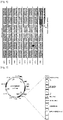
- pLVX-AcGFP-C1 which is a vector used in the examples of the present invention, is illustrated in FIG. 1 .
- the natural killer cell is obtained or produced from bone marrow, peripheral blood, peripheral blood mononuclear cells, or cord blood. In some embodiments, the cell is a human cell.
- FIG. 2 A schematic diagram of the NK cell expressing the anti-cotinine chimeric antigen receptor according to the present invention and an appearance of the cotinine conjugate are illustrated in FIG. 2 .
- the above-described NK cell which has been transformed by introduction of an antigen receptor can recognize cotinine as an antigen and specifically bind to the cotinine, and can express a cotinine-specific chimeric antigen receptor on the cell surface.
- the receptor can induce the same activity as a CAR-NK cell, for example, to induce activation of the NK cell through an intracellular signaling domain upon contact and ligation with a tumor antigen, and induce tumor-specific killing of the NK cell.
- Cot-CAR-NK cell which is a cotinine-specific NK cell, according to the present invention is illustrated as a schematic view in FIG. 3 .
- the CAR-NK cell refers to a natural killer (NK) cell into which a chimeric antigen receptor has been introduced.
- NK natural killer
- the above-mentioned cell has the advantage of cancer-specific targeted therapy, which is an existing advantage of a CAR-T therapeutic agent, while having the following advantages:
- This cell not only can solve the toxicity problem, which is an existing problem, through a switch function capable of turning on/off a therapeutic response due to inclusion of the chimeric antigen receptor according to the present invention, but also can be used as a general-purpose therapeutic agent through terminal modification of a conjugate fused with cotinine that can be bound to the chimeric antigen receptor.
- the NK cell expressing the chimeric antigen receptor that specifically binds to cotinine according to the present invention can effectively move to tumor tissue, regardless of the type of cancer, depending on a binding substance conjugated to cotinine. Accordingly, the cell according to the present invention can be usefully used as a gene therapeutic method that exhibits an excellent anti-cancer effect with high specificity.
- a cell therapeutic agent comprising the natural killer cell, a pharmaceutical composition for the prevention or treatment of cancer, comprising the same as an active ingredient, or a method for preventing or treating cancer, comprising a step of administering the cell to an individual.
- the cell may be used for cell therapy such as in anti-cancer treatment.
- the cell may be originated from a donor, or may be a cell obtained from a patient.
- the cell may be used, for example, for regeneration to replace the function of diseased cells.
- the cell may also be modified to express a heterologous gene so that a biological preparation can be delivered, for example, to a specific microenvironment such as diseased bone marrow or a metastatic deposit.
- the pharmaceutical composition for the prevention or treatment of cancer of the present invention may further comprise a conjugate in which a binding substance is fused to cotinine
- the method for preventing or treating cancer may further comprise a step of administering a conjugate in which a binding substance is fused to cotinine.
- the natural killer cell can specifically bind to a target cell depending on the binding substance conjugated to cotinine, and exhibit an excellent anti-cancer effect.
- the cell provided in the present invention is a natural killer cell expressing a chimeric antigen receptor that has an antigen binding domain capable of specifically binding to cotinine, wherein the chimeric antigen receptor can, for example, regulate, with a conjugate fused to cotinine or an intermediate, on/off response of a conventional CAR therapeutic agent to a target cell.
- the natural killer cell includes a safety switch that can be very beneficial in situations where activity of a subsequent cell therapy or the therapeutic cell needs to be increased or decreased.
- the therapeutic cell may function to decrease the number of tumor cells or the tumor size, and may no longer be needed. In this situation, cotinine may be regulated, through which the therapeutic cell can be regulated to no longer be activated.
- cancer may include, without limitation, all types of carcinomas known in the art.
- unit dose refers to a physically discrete unit suitable as a unitary dosage for a mammal, each unit containing a predetermined amount of pharmaceutical composition calculated to obtain a desired immunogen stimulating effect, together with a desired diluent. Details for the unit dose of inoculum are influenced by inherent characteristics of a pharmaceutical composition and specific immunological effects to be achieved, and determined accordingly.
- an effective amount for a specific application may vary depending on factors such as the disease or condition to be treated, the specific composition to be administered, the size of a subject, and/or severity of the disease or condition. Without undue experimentation, the effective amount of a particular composition set forth herein may be determined in an empirical manner.
- a diagnostic composition for cancer and a diagnostic kit for cancer each comprising a natural killer cell in which the chimeric antigen receptor (CAR) according to the present invention is expressed.
- a method for providing information for the diagnosis of cancer comprising a step of bringing a composition containing a natural killer cell, in which the chimeric antigen receptor (CAR) of the present invention is expressed, into contact with a sample isolated from an individual.
- the composition or kit may further comprise, but is not limited to, a conjugate in which a binding substance is fused to cotinine.
- diagnosis is intended to include determining susceptibility of an subject to a particular disease or disorder, determining whether an individual currently has a particular disease or disorder, determining prognosis of an individual suffering from a particular disease or disorder, or therametrics (for example, monitoring status of an individual to provide information about therapeutic efficacy).
- a natural killer cell expressing the chimeric antigen receptor (CAR) for the prevention or treatment of cancer.
- the chimeric antigen receptor, the natural killer cell expressing the same, and a use thereof for the prevention or treatment of cancer are as described above.
- a lentiviral vector (Clontech, 632155) was used. Specifically, pLVX-AcGFP-C1 illustrated in FIG. 1 was used. The Kozak sequence (CTCGAG; n.t. 2801-2806) and AcGFP1 (Aequorea coerulescens green fluorescent protein; n.t. 2807-3604) were deleted therefrom for use in the experiment, and then XhoI was used as a restriction enzyme. A specific related sequence is illustrated in FIG. 4 .
- cotinine trans-4-cotininecarboxylic acid
- Formula 1 The chemical structure of cotinine purchased from Sigma-Aldrich was used.
- a conjugate in which cotinine and a binding substance are fused was prepared by the following method.
- a conjugate in which cotinine and an anti-HER2 antibody are conjugated was prepared using Trastuzumab (Genentech, USA) which is the anti-HER2 antibody.
- the conjugate was conjugated by the 1-ethyl-3-[3-dimethylaminopropyl]carbodiimide (EDC) coupling method.
- EDC 1-ethyl-3-[3-dimethylaminopropyl]carbodiimide
- the anti-HER2 antibody was prepared by being dissolved in PBS to a concentration of 25 ⁇ M.
- trans-4-cotininecarboxylic acid (Sigma-Aldrich) was prepared by being dissolved in 1 ml of MES buffer [0.1 M 2-[morpholino]ethane sulfonic acid (MES) and 0.5 M sodium chloride, pH 6.0] to a concentration of 5 mM. To the resulting mixture were added EDC at a concentration of 50 mM and N-hydroxysulfosuccinimide (Sulfo-NHS, Thermo Scientific, USA) at a concentration of 125 mM. Then, the resultant was dissolved with stirring at room temperature for 15 minutes, to prepare an active solution in which cotinine-NHS ester was produced.
- MES buffer 0.1 M 2-[morpholino]ethane sulfonic acid (MES) and 0.5 M sodium chloride, pH 6.0]
- EDC a concentration of 50 mM
- N-hydroxysulfosuccinimide Sulfo-NHS, Thermo Scientific, USA
- a sodium hydroxide solution was added to adjust the pH of the active solution to 7 or higher. 1 ml was taken therefrom. To this was added the anti-HER2 antibody to be conjugated to cotinine, at a concentration of 25 ⁇ M, in the same amount as the active solution. The mixture was allowed to react with stirring at room temperature for 3 hours, to obtain a cotinine-HER2 antibody conjugate produced through EDC coupling reaction.
- the obtained cotinine-HER2 antibody conjugate was dialyzed against PBS using the Slide-A-lyzerTM Dialysis cassettes (Thermo Fisher Scientific, USA), or was subjected to replacement of the buffer with PBS using the Amicon Ultra Centrifugal Filter (EMD Millipore, USA) and used.
- an EGFR-cotinine conjugate as a conjugate in which an anti-EGFR affibody is fused with cotinine, purchased from ANYGEN (cotinine-zEGFR:95), was used.
- the specific sequence of the anti-EGFR affibody used is as follows. trsn-4-cotininecarboxylic acid-VDNKFNKEMWAAWEEIRNLPNLNGWQMTAFIASLVDDPSQSANLLAEAKKL NDAQAPK (SEQ ID NO: 30)
- a plasmid containing a nucleic acid which codes for each of the domains of a chimeric antigen receptor that specifically binds to cotinine of the present invention was prepared by the following method.
- an antigen binding domain capable of specifically binding to cotinine an anti-cotinine chimeric antibody or an antibody fragment thereof was intended to be obtained.
- the antigen binding domain includes the nucleotide sequence represented by SEQ ID NO: 17 and was constructed as VH-linker-VL.
- polymerase chain reaction was performed using two types of primers (forward primer: SEQ ID NO: 20, reverse primer: SEQ ID NO: 21) respectively containing restriction enzyme sites of sfiI and HindIII, and then cloning was performed.
- polymerase chain reaction was performed with using two types of primers (forward primer: SEQ ID NO: 22, reverse primer: SEQ ID NO: 23) respectively containing a single restriction enzyme site of HindIII, and then cloning was performed.
- the cytoplasmic region from the hinge of human CD28 gene was used as a transmembrane region.
- Primers were constructed by adding the sequence of restriction enzyme BamH1 to a forward primer (SEQ ID NO: 24) and adding the sequence of restriction enzyme EcoRI to a reverse primer (SEQ ID NO: 25).
- PCR was performed on cDNAs of Jurkat cells using the above primers, to obtain a DNA of the transmembrane region.
- DAP 10 was used as a co-stimulatory domain, and primers were constructed by adding the sequence of restriction enzyme EcoRI to a forward primer (SEQ ID NO: 26) and adding the sequence of restriction enzyme NotI to a reverse primer (SEQ ID NO: 27).
- PCR was performed on cDNAs of primary mature NK cells using the above primers, to construct the co-stimulatory domain.
- CD3 zeta was used as an NK cell activation domain. Specifically, PCR was performed on cDNAs of Jurkat cells using two types of primers (forward primer: SEQ ID NO: 28, reverse primer: SEQ ID NO: 29), to construct the activation domain.
- the signal peptide is represented by SEQ ID NO: 6 corresponding to the human CD8 alpha region; and among the target specific recognition domain, the heavy chain variable region is represented by SEQ ID NO: 1, the linker is represented by SEQ ID NO: 3, and the light chain variable region is represented by SEQ ID NO: 2.
- the linking domain (spacer) is represented by the Myc epitope of SEQ ID NO: 7 or the human CD8 hinge region of SEQ ID NO: 4, and CD28 as the transmembrane region is represented by SEQ ID NO: 5.
- DAP-10 as the co-stimulatory domain is represented by SEQ ID NO: 8
- CD3 zeta as the NK cell activation domain is represented by SEQ ID NO: 9.
- Example 4 Production of NK cell into which anti-cotinine chimeric antigen receptor has been introduced
- the polynucleotide coding for the anti-cotinine chimeric antigen receptor presented in Example 3 was introduced into a vector, and the resulting vector was used to produce a transformed natural killer cell.
- Schematic diagrams for a chimeric antigen receptor containing a cotinine-specific antigen binding domain and an expression system thereof are illustrated in FIG. 5 .
- the vector obtained by removing AcGFP from pLVX-AcGFP-C1 of Example 1 the polynucleotide coding for the anti-cotinine chimeric antigen receptor of Example 3 (cotinine-CAR) was inserted into the vector using restriction enzymes XhoI and XbaI of MCS therein.
- HEK293T cells were transformed by the vector containing the cotinine-CAR together with viral packaging vectors (PMDLg/RRE, RSV/REV, VSVG), and lentivirus expressing the cotinine-CAR was obtained therefrom.
- the lentivirus was concentrated using an ultra-high-speed centrifuge, and the concentrated lentivirus expressing the cotinine-CAR was used to infect HEK293T or Hela cells. Then, the amount of Myc epitope of the cotinine-CAR was identified with flow cytometry to calculate infection unit.
- the number of NK cells and the amount of lentivirus were calculated so that the multiplicity of infection (MOI) was 10, and the lentivirus expressing the cotinine-CAR was used to infect NK cells by the spinoculation method (360 g, 90 min, RT).
- the infected NK cells were cultured for 5 hours at a condition of 37°C and 5% CO 2 , and then the culture medium was replaced with a fresh culture medium. After 3 days, treatment with puromycin at a concentration of 3 ug/ml was performed for selection of infected NK cells, and the culture was continued.
- Uninfected NK cells as a control were also treated with puromycin, wherein the culture was continued using a puromycin-treated culture medium until the control cells were completely killed by puromycin. At a time point when the control cells were completely killed, for the infected NK cells, the culture medium was exchanged for a puromycin-free medium for proliferation or expansion. For proliferation or expansion of the selected cells, experiments were carried out using a medium with alpha-MEM-containing 12.5% fetal bovine serum, 12.5% horse serum, 0.2 mM inositol, 0.1 mM 2-mercaptoethanol, 0.02 mM folic acid, and 200 U/ml recombinant IL-2.
- Example 5 Identification of expression of CAR in NK cell into which anti-cotinine chimeric antigen receptor has been introduced
- Example 4 Expression of CAR in the NK cells produced in Example 4 into which the anti-cotinine chimeric antigen receptor of the present invention had been introduced was identified with flow cytometry.
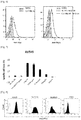
- An Myc antibody (CTS; 9B11) corresponding to the Myc epitope of the cotinine-CAR was allowed to react with the NK cells expressing the cotinine-CAR (4°C, 30 minutes in the dark) and expression of Myc was identified with flow cytometry; or a cotinine conjugate with which an Her2 antibody is fused was allowed to react with the NK cells expressing the cotinine-CAR at 4°C for 30 minutes, a secondary reaction was performed with an Fc antibody (eBioscience; 12-4988-82) corresponding to the Fc region of the Her2 antibody, and then identification was made with flow cytometry. As a control, original NK92 cells not expressing CAR were used, and the results are illustrated in FIG. 6 .
- Cot-SWNT, a cotinine polymer, and HER2-tumor cells were used to confirm whether cotinine ScFv of the cotinine-CAR NK cells specifically binds to cotinine.
- AU565 human breast carcinoma
- calcein-AM Life Technologies; C1430
- the NK cells expressing the cotinine-CAR were mixed therewith at a ratio of 1:1 in 200 ul of RPMI1640 (10% FBS), and the mixture was subjected to simultaneous treatment with a cotinine conjugate fused with an Her2 antibody at a concentration of 1 ug/ml and cot-SWNT at concentrations (0, 0.005, 0.05, 0.5, and 5 mg/ml) so that competition occurred between the cot-SWNT and the Her2-cotinine conjugate (Her2-cot).
- Example 4 Using the anti-Her2-cotinine conjugate prepared in Example 3 and the cotinine-CAR NK92 cell produced in Example 4, it was found that the conjugate recognizes Her2 on the cancer cell surface so that a cell killing effect is exerted by the NK cell into which the anti-cotinine chimeric antigen receptor of the present invention has been introduced.
- each of four cell lines AU565 (human breast carcinoma; RPMI1640 (10% FBS; 200 nm HEPES)), SK-OV-3 (human ovarian carcinoma; RPMI1640 (10% FBS)), SK-BR-3 (human breast carcinoma; DMEM (10% FBS)), and K562 (chronic myelogenous leukemia; RPMI1640 (10% FBS)) was treated with an anti-Her2 antibody (Invitrogen; BMS120FI) in an amount of 1 ug/100 ul, and the reaction was allowed to proceed at 4°C for 30 minutes in the dark. After the reaction, for each cell line, an expression level of Her2 therein was examined with flow cytometry (BD; FacsCantoII). The results are illustrated in FIG. 8 .
- Her2 was expressed in AU565, SK-OV-3, and SK-BR-3 cells, but Her2 was not expressed in K562 cells.
- a cell killing effect of cotinine-CAR NK cells depending on the presence or absence of the Her2-cotinine conjugate was examined through the calcein-AM method. Specifically, each of the four cell lines, AU565, SK-OV-3, SK-BR-3, and K562 was treated with calcein-AM at a concentration of 5 ug/ml, and then the reaction was allowed to proceed for 1 hour at a condition of 37°C and 5% CO 2 in the dark.
- NK92, NK92 (Puro-92) into which a control vector expressing a pLVX empty vector with AcGFP deleted was inserted, and cotinine-CAR NK92 (cot-10z-92) were respectively mixed with the above cell lines at a ratio of 5:1, 1:1, and 0.5:1 (effector cell; NK92, Puro-92, Cot-10z-92:target cell; AU565, SK-OV-3, SK-BR-3, K562) in 200 ul of RPMI (10% FBS), and the reaction was allowed to proceed for 4 hours at a condition of 37°C and 5% CO 2 . Then, 100 ⁇ l of supernatant was taken and the amount of calcein present in the supernatant was examined, thereby identifying a killing effect depending on each condition. The results are illustrated in FIG. 9 .
- the cotinine-CAR NK92 cell exhibited a cell killing activity for AU565, SK-OV-3, and SK-BR-3 cells which express Her2, while not exhibiting activity for K562 cells in which Her2 is not expressed.
- the Her2-cotinine conjugate did not affect a cell killing effect of NK92 and Puro-92, but had an effect on cotinine-CAR NK92. From these results, it was confirmed that the cotinine-CAR NK cell of the present invention specifically induced cell killing through the cotinine-conjugate.
- NK cells Activity of NK cells was verified by examining secretion of cytokines and granules in the NK cells. Specifically, secretion of cytokines was verified as follows. Each of original NK92, PURO-92, and cot-10z-92 was mixed with AU565 at 1:1 in RPMI1640 (10% FBS). To this was added the cotinine conjugate, and the reaction was allowed to proceed for 6 hours at a condition of 37°C and 5% CO 2 . Then, the supernatant was collected and cytokines IFN-r and TNF-a which were present in the supernatant were verified through ELISA. The amount of cytokines secreted by each of the original NK92, PURO-NK92, and cot-10z-92 alone was used as a control, and the results are illustrated in FIG. 10 .
- CD107a was verified as follows. Each of original NK92, PURO-92, and cot-10z-92 was mixed with AU565 at 1:1 in RPMI1640 (10% FBS). The mixture was treated with the cotinine conjugate and CA107a antibody (BD; 555801) in combination, and then the reaction was allowed to proceed for 4 hours at a condition of 37°C and 5% CO 2 . Staining was performed using CD56 antibody so that NK92 cells can be selected from the cells after the reaction. Then, expression levels of CD107a in the original NK92, PURO-NK92, and cot-10z-92 were compared using flow cytometry.
- Activity of the cotinine-CAR NK cells was examined by measuring the signal that changes when the NK cells exhibit activity. Specifically, phosphorylation of Erk was examined with flow cytometry using a signal that passes through the endodomain of the cotinine-CAR NK92, and the results are illustrated in FIG. 12 .
- a respiratory syncytial virus (RSV)-cotinine conjugate was used as a control for the Her2-cotinine conjugate.
- the RSV-cotinine conjugate was prepared in the same manner as in Example 2 except that an anti-RSV antibody (Palivizumab, Synagis®, AstraZeneca, UK) was used as an antibody to be fused with cotinine in the method for preparing a cotinine conjugate of Example 2.
- the cotinine-CAR-NK92 cells and calcein-stained AU565 were mixed at a ratio of 5:1, 1:1, and 0.5:1, respectively, in RPMI1640 (10% FBS) and treatment with the Her2-cotinine conjugate for Her2, which is an antigen expressed on AU565 cells, and the non-expressed respiratory syncytial virus antibody (RSV; Palivizumab; Synagis®, AstraZeneca, UK)-cotinine conjugate, each at a concentration of 1 ug/ml, was performed. The reaction was allowed to proceed for 4 hours at a condition of 37°C and 5% CO 2 . Then, a cell killing effect of the cotinine-CAR NK92 cells was examined through the calcine-AM method, and the result is illustrated in FIG. 13 .
- Example 4 Using the anti-Her2-cotinine conjugate prepared in Example 3 and the anti-EGFR-cotinine conjugate together with the cotinine-CAR NK92 cell produced in Example 4, it was verified that a cell killing effect is exerted by the NK cell into which the anti-cotinine chimeric antigen receptor of the present invention has been introduced through the recognition of Her2 or EGFR on the cancer cell surface by the cotinine conjugate.
- each of four cell lines AU565 (human breast carcinoma), SK-OV-3 (human ovarian carcinoma), A431 (human skin carcinoma; DMEM (10% FBS)), and A549 (human lung carcinoma; RPMI1640 (10% FBS)) was treated with an anti-Her2 antibody and an anti-EGFR antibody (BD; 563577), each in an amount of 1 ug/100 ul, and the reaction was allowed to proceed at 4°C for 30 minutes in the dark. Then, for each cell line, expression levels of Her2 and EGFR therein were examined with flow cytometry, and the results are illustrated in FIG. 14 .
- a cell killing effect of the cotinine-CAR NK92 depending on the presence or absence of the Her2-cotinine conjugate or the EGFR-cotinine conjugate was examined through the calcine-AM method. Specifically, each of AU565, SK-OV-3, A431, and A549 cells was stained with calcein, and then was mixed with cot-10z-92 cells at a ratio of 5:1, 1:1, and 0.5:1 (cot-10z-92:cancer cell) in 200 ul of RPMI1640 (10% FBS).
- the cotinine-CAR NK92 cell exhibited a cell killing effect depending on an expression level of the target antigen, Her2 or EGFR, which confirms that a cell killing effect of the cotinine-CAR NK cell of the present invention depended on the type of a cotinine conjugate.
- AU565 or A431 cells and cot-10z-92 were mixed at a ratio of 1:1 in RPMI1640 (10% FBS). Treatment with the her2-cot conjugate or EGFR-cot conjugate was performed, and then the reaction was allowed to proceed for 6 hours at a condition of 37°C and 5% CO 2 . Then, changes in secretion of cytokines (IFN-r and TNF-a) in the supernatant were examined using ELISA, and the results are illustrated in FIG. 16 .
- each of original NK92, PURO-92, and cot-10z-92 was mixed with AU565 or A431 cells at 1:1.
- the mixture was treated with the her2-cot conjugate or EGFR-cot conjugate, and treated with CD107a antibody.
- the reaction was allowed to proceed for 4 hours at a condition of 37°C and 5% CO 2 .
- Staining was performed using CD56 antibody so that NK92 cells can be selected after the reaction. Then, examination was made with flow cytometry.
- the results for the AU565 and A431 cells are illustrated in FIGS. 17 and 18 , respectively.
Landscapes
- Health & Medical Sciences (AREA)
- Life Sciences & Earth Sciences (AREA)
- Chemical & Material Sciences (AREA)
- Immunology (AREA)
- General Health & Medical Sciences (AREA)
- Organic Chemistry (AREA)
- Molecular Biology (AREA)
- Medicinal Chemistry (AREA)
- Biochemistry (AREA)
- Cell Biology (AREA)
- Public Health (AREA)
- Animal Behavior & Ethology (AREA)
- Veterinary Medicine (AREA)
- Proteomics, Peptides & Aminoacids (AREA)
- Genetics & Genomics (AREA)
- Biophysics (AREA)
- Engineering & Computer Science (AREA)
- Epidemiology (AREA)
- Biomedical Technology (AREA)
- Hematology (AREA)
- Zoology (AREA)
- Toxicology (AREA)
- Urology & Nephrology (AREA)
- Gastroenterology & Hepatology (AREA)
- Biotechnology (AREA)
- Pathology (AREA)
- Analytical Chemistry (AREA)
- Physics & Mathematics (AREA)
- Microbiology (AREA)
- Food Science & Technology (AREA)
- General Physics & Mathematics (AREA)
- Pharmacology & Pharmacy (AREA)
- Chemical Kinetics & Catalysis (AREA)
- General Chemical & Material Sciences (AREA)
- Nuclear Medicine, Radiotherapy & Molecular Imaging (AREA)
- Tropical Medicine & Parasitology (AREA)
- Virology (AREA)
- Botany (AREA)
- Bioinformatics & Cheminformatics (AREA)
- Oncology (AREA)
Applications Claiming Priority (3)
| Application Number | Priority Date | Filing Date | Title |
|---|---|---|---|
| KR20170001951 | 2017-01-05 | ||
| KR20170001976 | 2017-01-05 | ||
| PCT/KR2018/000310 WO2018128485A1 (fr) | 2017-01-05 | 2018-01-05 | Cellule tueuse naturelle exprimant un récepteur d'antigène chimérique anti-cotinine |
Publications (2)
| Publication Number | Publication Date |
|---|---|
| EP3567101A1 true EP3567101A1 (fr) | 2019-11-13 |
| EP3567101A4 EP3567101A4 (fr) | 2020-12-02 |
Family
ID=62791324
Family Applications (1)
| Application Number | Title | Priority Date | Filing Date |
|---|---|---|---|
| EP18735838.7A Pending EP3567101A4 (fr) | 2017-01-05 | 2018-01-05 | Cellule tueuse naturelle exprimant un récepteur d'antigène chimérique anti-cotinine |
Country Status (5)
| Country | Link |
|---|---|
| US (1) | US11707486B2 (fr) |
| EP (1) | EP3567101A4 (fr) |
| JP (1) | JP7033601B2 (fr) |
| CN (1) | CN110475857B (fr) |
| WO (1) | WO2018128485A1 (fr) |
Cited By (1)
| Publication number | Priority date | Publication date | Assignee | Title |
|---|---|---|---|---|
| WO2020021338A3 (fr) * | 2018-07-26 | 2020-04-30 | Aratinga.Bio Tnp | Commutateur de cellule car t à base d'aptamères |
Families Citing this family (4)
| Publication number | Priority date | Publication date | Assignee | Title |
|---|---|---|---|---|
| JP7010487B2 (ja) | 2015-08-17 | 2022-03-03 | ソウル大学校産学協力団 | 抗コチニン抗体が連結したキメラ抗原受容体およびその使用 |
| KR102502287B1 (ko) * | 2020-04-17 | 2023-02-22 | 앱클론(주) | 항-her2 어피바디 및 이를 스위치 분자로 이용하는 스위처블 키메라 항원 수용체 |
| CA3216557A1 (fr) * | 2021-04-14 | 2022-10-20 | Board Of Regents, The University Of Texas System | Recepteurs antigeniques chimeriques pour cibler des cancers cd5-positifs |
| KR102530111B1 (ko) * | 2022-03-11 | 2023-05-10 | 앱클론(주) | 코티닌을 표적하는 항체 또는 그의 항원 결합 단편, 이를 포함하는 키메라 항원 수용체 및 이들의 용도 |
Family Cites Families (28)
| Publication number | Priority date | Publication date | Assignee | Title |
|---|---|---|---|---|
| US7446190B2 (en) | 2002-05-28 | 2008-11-04 | Sloan-Kettering Institute For Cancer Research | Nucleic acids encoding chimeric T cell receptors |
| KR100535326B1 (ko) * | 2004-01-20 | 2005-12-09 | 한국생명공학연구원 | 줄기 세포로부터 자연살해 세포로의 분화 조절용 유전자를유효성분으로 포함하는 분화 조절제 |
| US8008448B2 (en) * | 2007-03-14 | 2011-08-30 | National Cancer Center | Cotinine neutralizing antibody |
| KR101658247B1 (ko) | 2008-01-03 | 2016-09-22 | 더 스크립스 리서치 인스티튜트 | 모듈 인식 도메인을 통한 항체 표적화 |
| WO2011083150A2 (fr) * | 2010-01-07 | 2011-07-14 | Akron Molecules Gmbh | Petites molécules pour traiter l'obésité |
| US9845362B2 (en) | 2010-10-08 | 2017-12-19 | The University Of North Carolina At Charlotte | Compositions comprising chimeric antigen receptors, T cells comprising the same, and methods of using the same |
| US9233125B2 (en) | 2010-12-14 | 2016-01-12 | University Of Maryland, Baltimore | Universal anti-tag chimeric antigen receptor-expressing T cells and methods of treating cancer |
| KR101648960B1 (ko) * | 2011-04-15 | 2016-08-22 | 서울대학교산학협력단 | 접합 물질과 코티닌과의 접합체에 항-코티닌 항체가 결합된 복합체 및 이의 용도 |
| WO2013044225A1 (fr) * | 2011-09-22 | 2013-03-28 | The Trustees Of The University Of Pennsylvania | Récepteur immunitaire universel exprimé par des lymphocytes t pour le ciblage d'antigènes divers et multiples |
| EP2826790B1 (fr) * | 2012-03-15 | 2019-02-13 | SNU R&DB Foundation | Anticorps anti-gremlin-1 |
| RU2766608C2 (ru) * | 2012-04-11 | 2022-03-15 | Дзе Юнайтед Стейтс Оф Америка, Эз Репрезентед Бай Дзе Секретари, Департмент Оф Хелс Энд Хьюман Сёрвисез | Химерные антигенные рецепторы, нацеленные на антиген созревания b-клеток |
| EP4282419A1 (fr) | 2012-12-20 | 2023-11-29 | Purdue Research Foundation | Cellules t exprimant un récepteur d'antigène chimérique et produits thérapeutiques anticancéreux |
| EP2948544A4 (fr) * | 2013-01-28 | 2016-08-03 | St Jude Childrens Res Hospital | Récepteur chimérique à spécificité nkg2d adapté pour être utilisé en thérapie cellulaire contre le cancer et les maladies infectieuses |
| CN105377897A (zh) * | 2013-05-03 | 2016-03-02 | 俄亥俄州创新基金会 | Cs1-特异性嵌合抗原受体工程化的免疫效应细胞 |
| CN105814083A (zh) * | 2013-10-15 | 2016-07-27 | 加州生物医学研究所 | 嵌合抗原受体t细胞开关和其用途 |
| WO2015080981A1 (fr) | 2013-11-27 | 2015-06-04 | Baylor College Of Medicine | Récepteur antigénique chimère spécifique de cspg4 utilisable contre le cancer |
| EP2990416B1 (fr) * | 2014-08-29 | 2018-06-20 | GEMoaB Monoclonals GmbH | Récepteur d'antigène chimérique universel exprimant des cellules immunitaires pour le ciblage de divers antigènes multiples et son procédé de fabrication et son utilisation pour le traitement du cancer, des infections et des troubles auto-immuns |
| CN107073015B (zh) * | 2014-09-16 | 2020-07-21 | 艾伯维公司 | 用于治疗吸烟者中的非小细胞肺癌的维利帕尼与卡铂和紫杉醇的组合 |
| JP6849600B6 (ja) | 2015-01-29 | 2021-06-30 | リージェンツ オブ ザ ユニバーシティ オブ ミネソタ | キメラ抗原受容体、組成物及び方法 |
| WO2016126608A1 (fr) * | 2015-02-02 | 2016-08-11 | Novartis Ag | Cellules exprimant car dirigées contre de multiples antigènes tumoraux et leurs utilisations |
| JP7237449B2 (ja) | 2015-02-27 | 2023-03-13 | アイセル・ジーン・セラピューティクス・エルエルシー | 血液系腫瘍を標的としたキメラ抗体受容体(CARs)の構成およびその使用方法 |
| US11091546B2 (en) * | 2015-04-15 | 2021-08-17 | The Scripps Research Institute | Optimized PNE-based chimeric receptor T cell switches and uses thereof |
| AU2016274989A1 (en) * | 2015-06-12 | 2017-11-02 | Immunomedics, Inc. | Disease therapy with chimeric antigen receptor (car) constructs and t cells (car-t) or nk cells (car-nk) expressing car constructs |
| US11655452B2 (en) | 2015-06-25 | 2023-05-23 | Icell Gene Therapeutics Inc. | Chimeric antigen receptors (CARs), compositions and methods of use thereof |
| JP7010487B2 (ja) | 2015-08-17 | 2022-03-03 | ソウル大学校産学協力団 | 抗コチニン抗体が連結したキメラ抗原受容体およびその使用 |
| CN110381989A (zh) * | 2016-12-21 | 2019-10-25 | 丹麦技术大学 | 用于免疫细胞操作的抗原呈递支架 |
| KR102122546B1 (ko) * | 2017-01-05 | 2020-06-15 | 한국생명공학연구원 | 항-코티닌 키메릭 항원 수용체를 발현하는 자연살해 세포 |
| KR102502287B1 (ko) * | 2020-04-17 | 2023-02-22 | 앱클론(주) | 항-her2 어피바디 및 이를 스위치 분자로 이용하는 스위처블 키메라 항원 수용체 |
-
2018
- 2018-01-05 EP EP18735838.7A patent/EP3567101A4/fr active Pending
- 2018-01-05 WO PCT/KR2018/000310 patent/WO2018128485A1/fr not_active Ceased
- 2018-01-05 CN CN201880006118.1A patent/CN110475857B/zh active Active
- 2018-01-05 JP JP2019536865A patent/JP7033601B2/ja active Active
-
2019
- 2019-07-05 US US16/503,984 patent/US11707486B2/en active Active
Cited By (1)
| Publication number | Priority date | Publication date | Assignee | Title |
|---|---|---|---|---|
| WO2020021338A3 (fr) * | 2018-07-26 | 2020-04-30 | Aratinga.Bio Tnp | Commutateur de cellule car t à base d'aptamères |
Also Published As
| Publication number | Publication date |
|---|---|
| EP3567101A4 (fr) | 2020-12-02 |
| CN110475857B (zh) | 2023-07-18 |
| WO2018128485A1 (fr) | 2018-07-12 |
| US11707486B2 (en) | 2023-07-25 |
| CN110475857A (zh) | 2019-11-19 |
| US20190365815A1 (en) | 2019-12-05 |
| JP7033601B2 (ja) | 2022-03-10 |
| JP2020505014A (ja) | 2020-02-20 |
Similar Documents
| Publication | Publication Date | Title |
|---|---|---|
| AU2021201003B2 (en) | Trispecific binding proteins and methods of use | |
| EP3599251B1 (fr) | Construction d'un récepteur d'antigène chimère ciblant un antigène cd20 et identification d'activité de lymphocytes t génétiquement modifiées de celui-ci | |
| US11707486B2 (en) | Natural killer cell expressing anti-cotinine chimeric antigen receptor | |
| JP2024088696A (ja) | ヒトネクチン4に特異的な抗体 | |
| AU2015338974B2 (en) | Combination therapy for treatment of disease | |
| KR102721641B1 (ko) | Tigit-결합제 및 이의 용도 | |
| EP3114147B1 (fr) | Récepteur antigénique chimérique | |
| KR102122546B1 (ko) | 항-코티닌 키메릭 항원 수용체를 발현하는 자연살해 세포 | |
| KR20210049916A (ko) | 고형암을 위한 키메라 항원 수용체 및 키메라 항원 수용체가 발현된 t세포 | |
| IL284807B2 (en) | Antibodies specific for human nectin-2 | |
| EP4284824A2 (fr) | Récepteurs antigéniques chimériques ciblant cd20 | |
| CN110054698B (zh) | 抗cd19抗体的新型cd19-car载体的构建及应用 | |
| US12202896B2 (en) | CAR-T cells with humanized CD19 ScFv with mutation in CDR 1 region | |
| JP2025508020A (ja) | Pd-l1特異的キメラ抗原受容体及びそれを含む免疫細胞 | |
| US11883433B1 (en) | Chimeric antigen receptor comprising anti-mesothelin scFv, and use thereof | |
| KR20210059425A (ko) | Car t 세포 치료제의 부작용을 감소시키는 방법 | |
| CN109593137B (zh) | 抗cd20抗体的新型cd20-car载体的构建及应用 | |
| EP4613779A1 (fr) | Protéine de liaison à cd24 et son utilisation | |
| HK40092581A (en) | Construction of chimeric antigen receptor targeting cd20 antigen and activity identification of engineered t cells thereof | |
| WO2026026529A1 (fr) | Protéine multispécifique de liaison à l'antigène et son utilisation | |
| WO2026026852A1 (fr) | Lymphocyte t-car ciblant b7h3 et son utilisation antitumorale | |
| TW202602928A (zh) | 程序性死亡配體1(pd-l1)嵌合抗原受體及其應用 | |
| CN120303294A (zh) | 对间皮素具有增加的亲和力的嵌合抗原受体及其用途 | |
| EA052311B1 (ru) | Мультиспецифические антительные конструкции против muc1-c/внеклеточного домена (muc1-c/ecd) | |
| HK1252925B (en) | Trispecific binding proteins and methods of use |
Legal Events
| Date | Code | Title | Description |
|---|---|---|---|
| STAA | Information on the status of an ep patent application or granted ep patent |
Free format text: STATUS: THE INTERNATIONAL PUBLICATION HAS BEEN MADE |
|
| PUAI | Public reference made under article 153(3) epc to a published international application that has entered the european phase |
Free format text: ORIGINAL CODE: 0009012 |
|
| STAA | Information on the status of an ep patent application or granted ep patent |
Free format text: STATUS: REQUEST FOR EXAMINATION WAS MADE |
|
| 17P | Request for examination filed |
Effective date: 20190731 |
|
| AK | Designated contracting states |
Kind code of ref document: A1 Designated state(s): AL AT BE BG CH CY CZ DE DK EE ES FI FR GB GR HR HU IE IS IT LI LT LU LV MC MK MT NL NO PL PT RO RS SE SI SK SM TR |
|
| AX | Request for extension of the european patent |
Extension state: BA ME |
|
| DAV | Request for validation of the european patent (deleted) | ||
| DAX | Request for extension of the european patent (deleted) | ||
| RIN1 | Information on inventor provided before grant (corrected) |
Inventor name: KIM, TAE-DON Inventor name: LEE, SU UI Inventor name: CHUNG, JUNHO Inventor name: KIM, KI-HYUN Inventor name: CHOI, IN PYO Inventor name: LEE, SOOYUN Inventor name: KIM, HYORI |
|
| RIC1 | Information provided on ipc code assigned before grant |
Ipc: C07K 14/705 20060101ALI20201022BHEP Ipc: A61K 35/17 20150101ALI20201022BHEP Ipc: C07K 16/44 20060101ALI20201022BHEP Ipc: C12N 15/115 20100101ALI20201022BHEP Ipc: G01N 33/574 20060101ALI20201022BHEP Ipc: G01N 33/569 20060101ALI20201022BHEP Ipc: C12N 5/0783 20100101AFI20201022BHEP Ipc: C07K 14/725 20060101ALI20201022BHEP |
|
| A4 | Supplementary search report drawn up and despatched |
Effective date: 20201104 |
|
| RIC1 | Information provided on ipc code assigned before grant |
Ipc: C07K 14/705 20060101ALI20201028BHEP Ipc: A61K 35/17 20150101ALI20201028BHEP Ipc: G01N 33/574 20060101ALI20201028BHEP Ipc: C07K 16/44 20060101ALI20201028BHEP Ipc: C12N 15/115 20100101ALI20201028BHEP Ipc: G01N 33/569 20060101ALI20201028BHEP Ipc: C07K 14/725 20060101ALI20201028BHEP Ipc: C12N 5/0783 20100101AFI20201028BHEP |
|
| STAA | Information on the status of an ep patent application or granted ep patent |
Free format text: STATUS: EXAMINATION IS IN PROGRESS |
|
| 17Q | First examination report despatched |
Effective date: 20230126 |